What English vocabulary does an office administrator need?
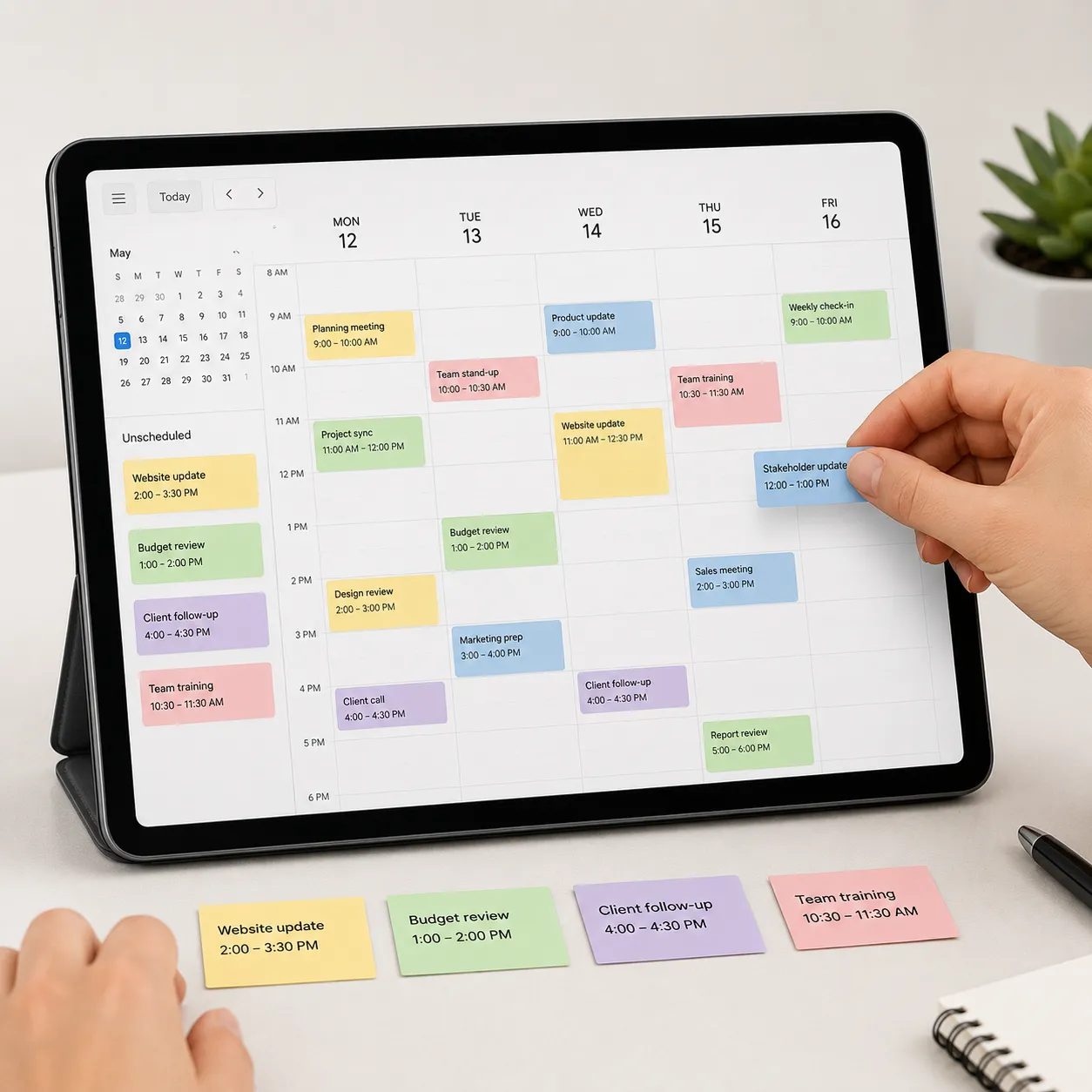
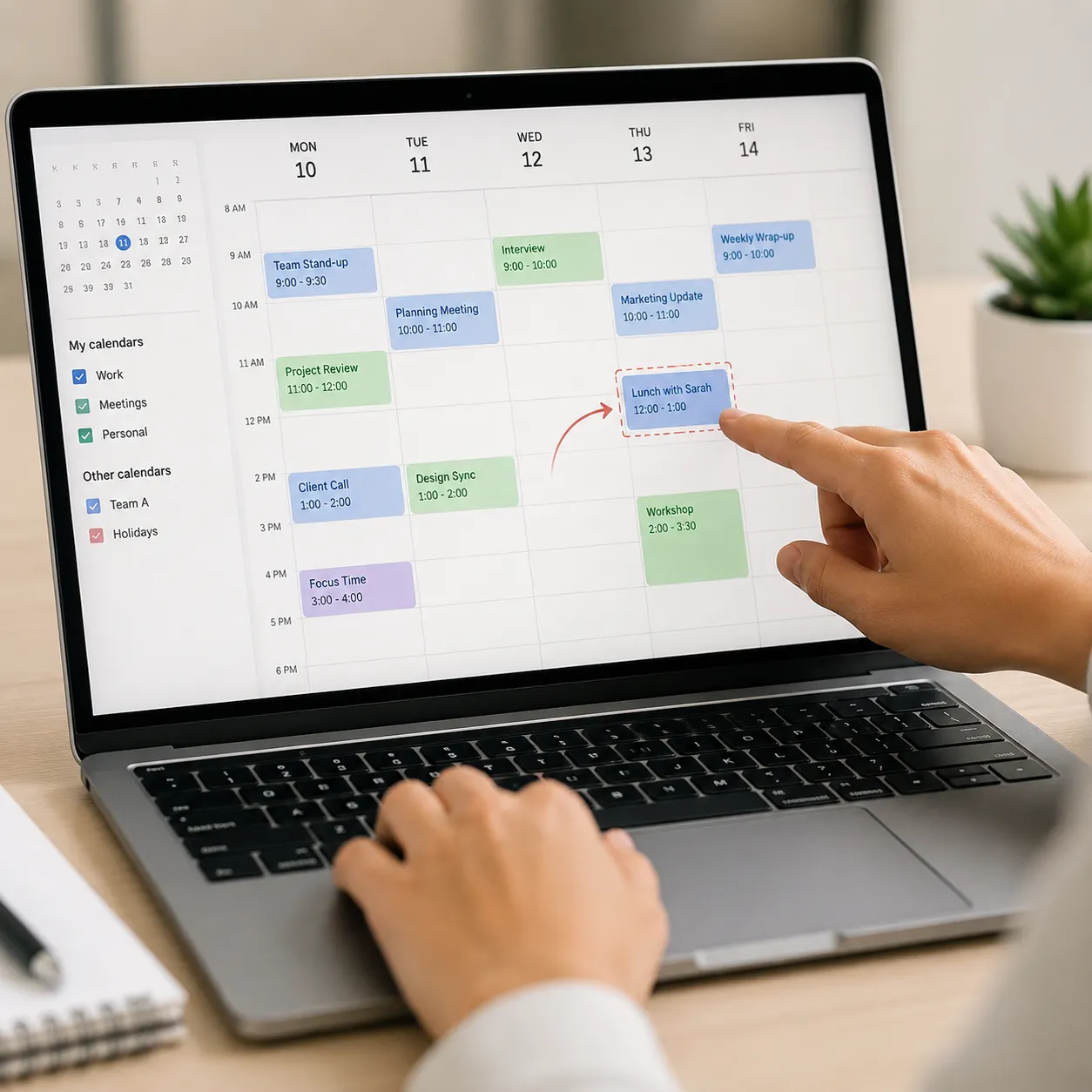
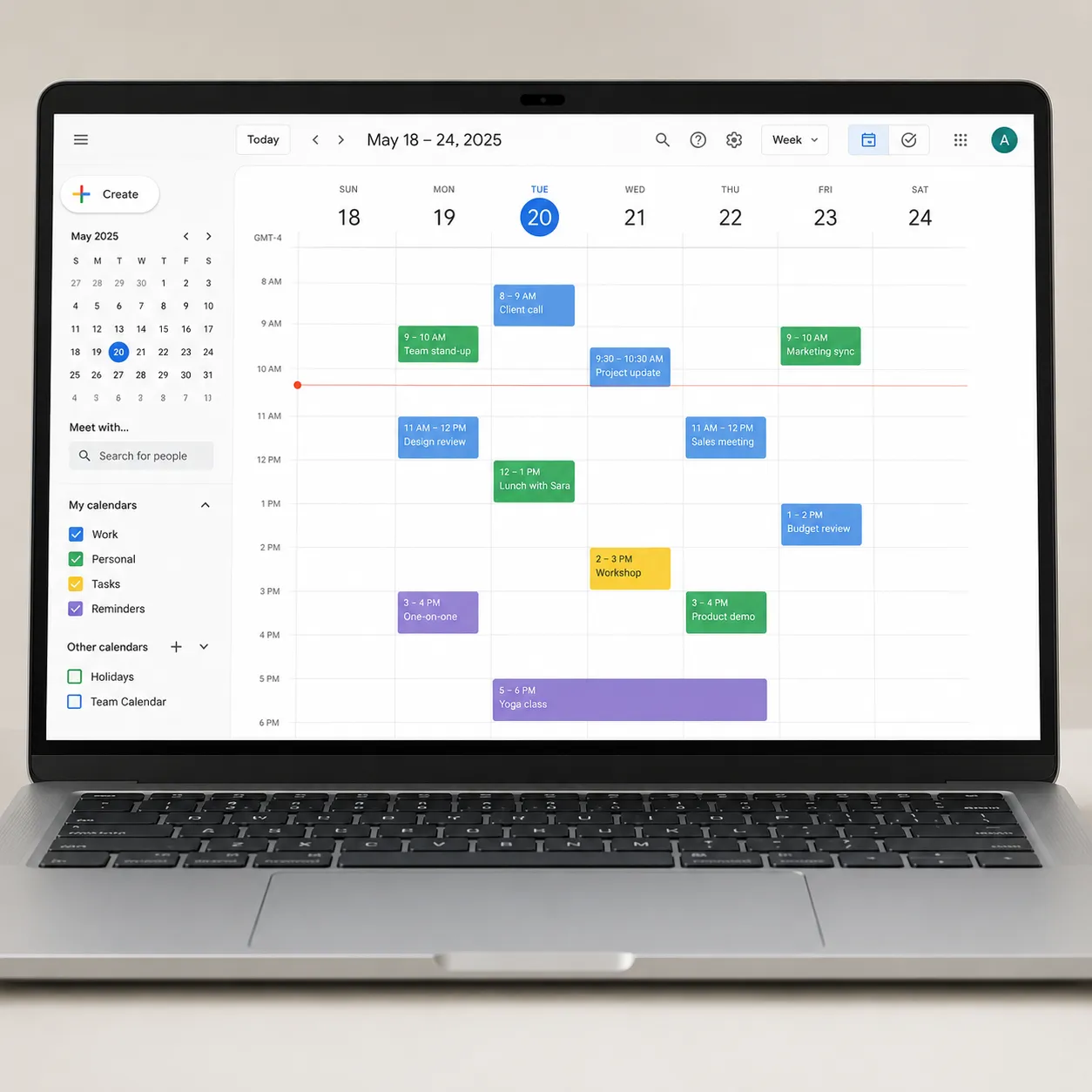
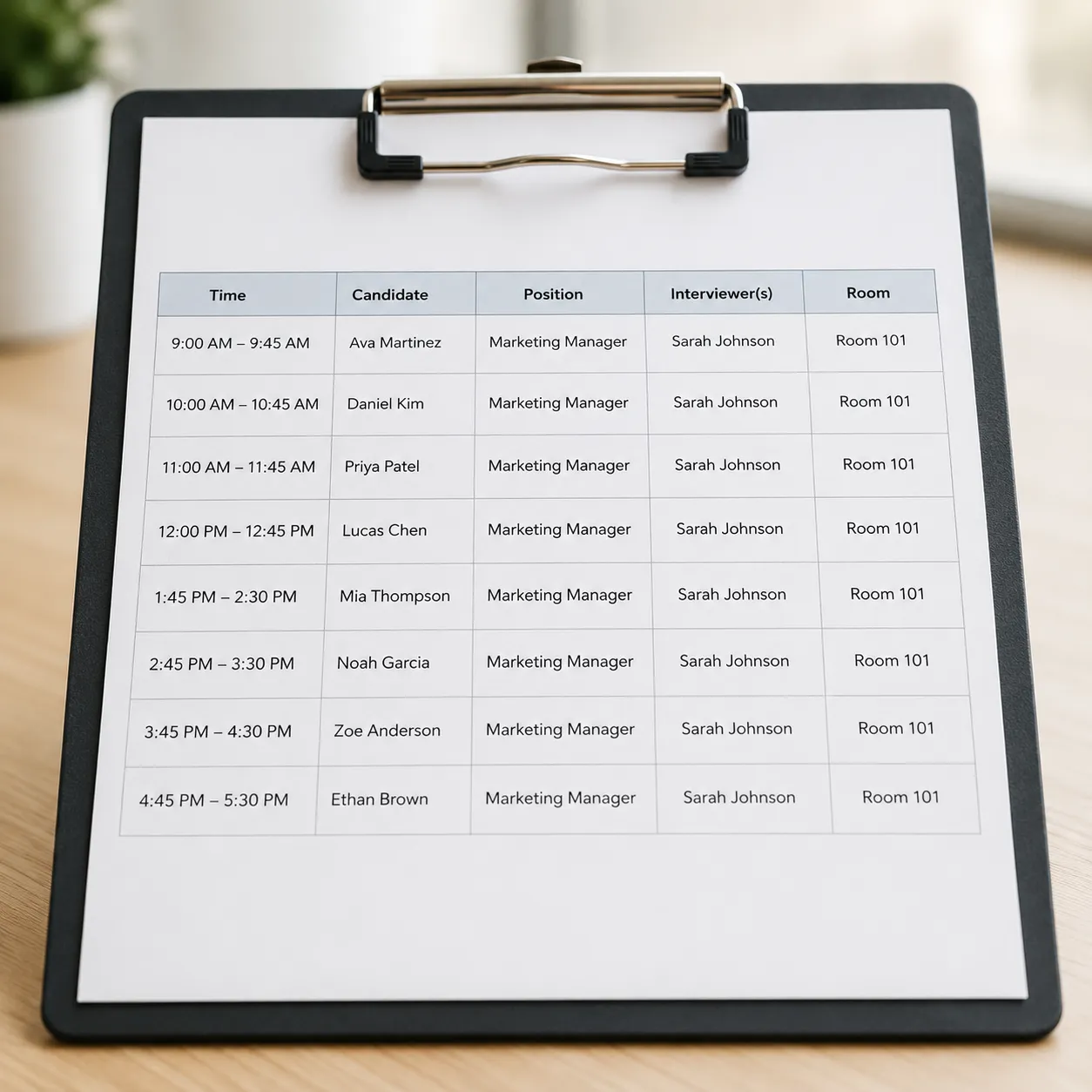
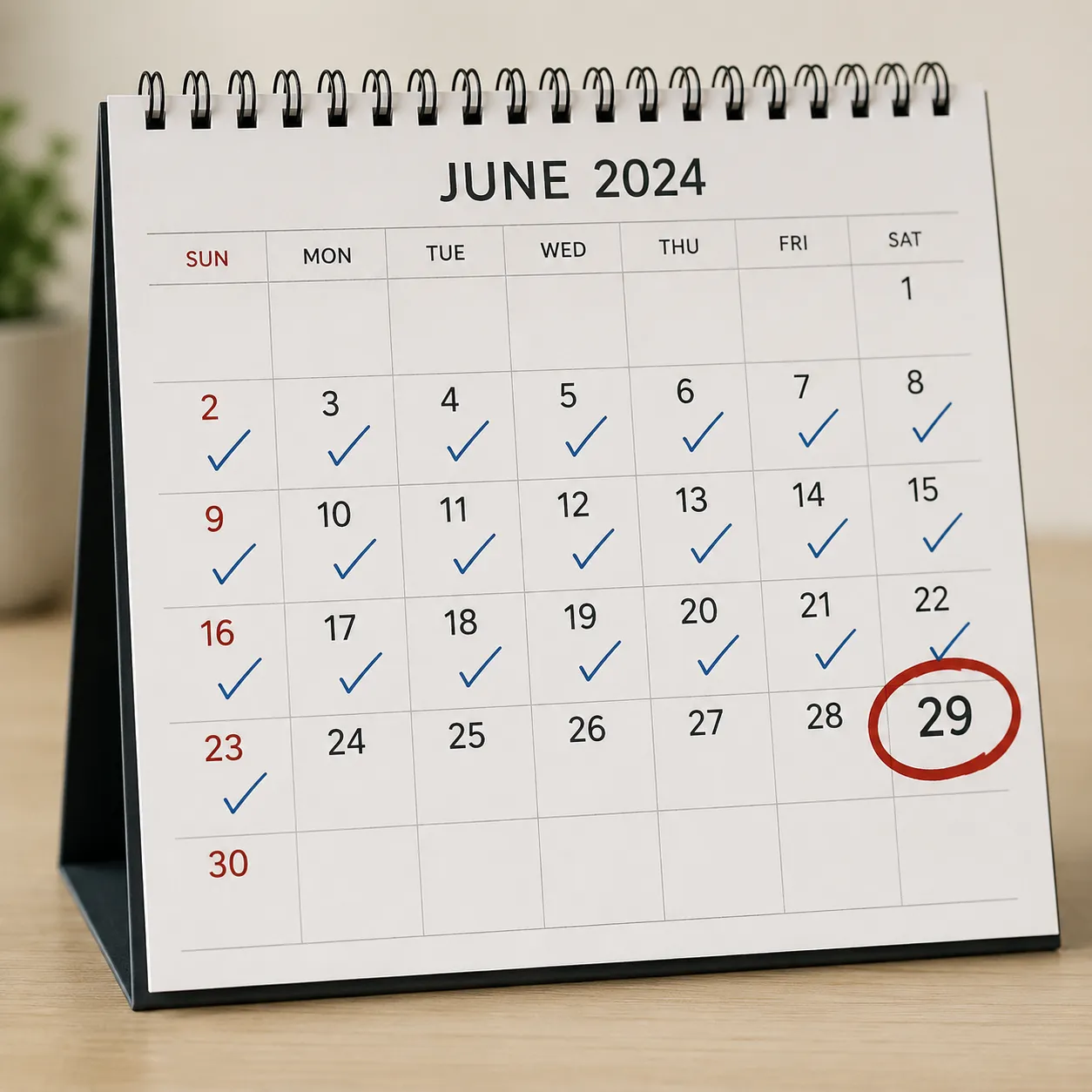
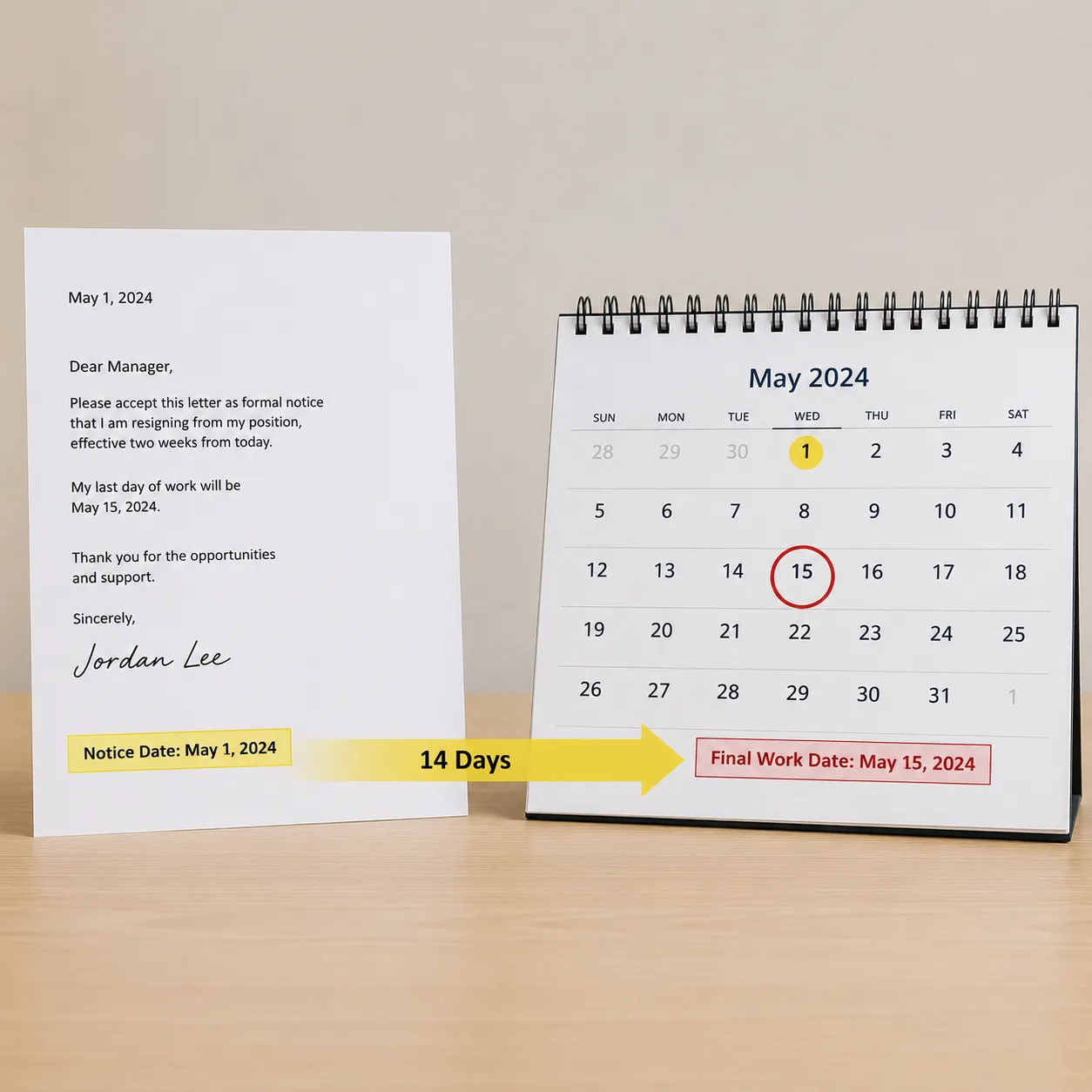
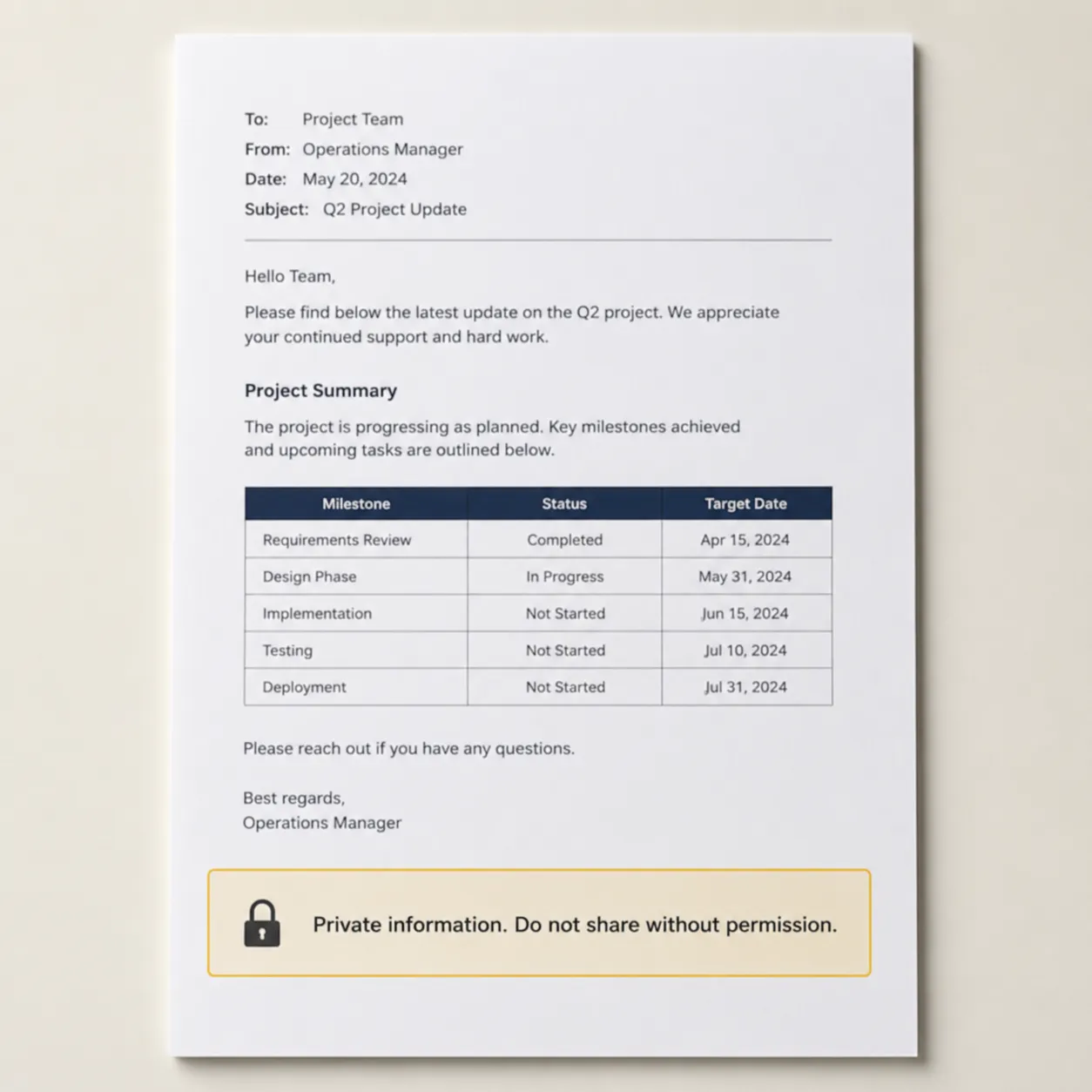
The most useful areas are scheduling, meetings, email, phone calls, documents, filing, supplies, invoices, visitors, HR and workplace safety. Start with the early sections, then add the specialist terms that match your job.
What level is this office administrator vocabulary?
The set ranges from beginner-friendly office words to intermediate and advanced terms used in finance, compliance, HR and document control. Beginners should learn the common sections first and return to specialist categories later.
How should I study such a large vocabulary set?
Study one category at a time and learn about 15–20 items per session. Use active recall, spaced repetition and short workplace sentences, then review the words again after one day, one week and one month.
Which words should I learn before an office job interview?
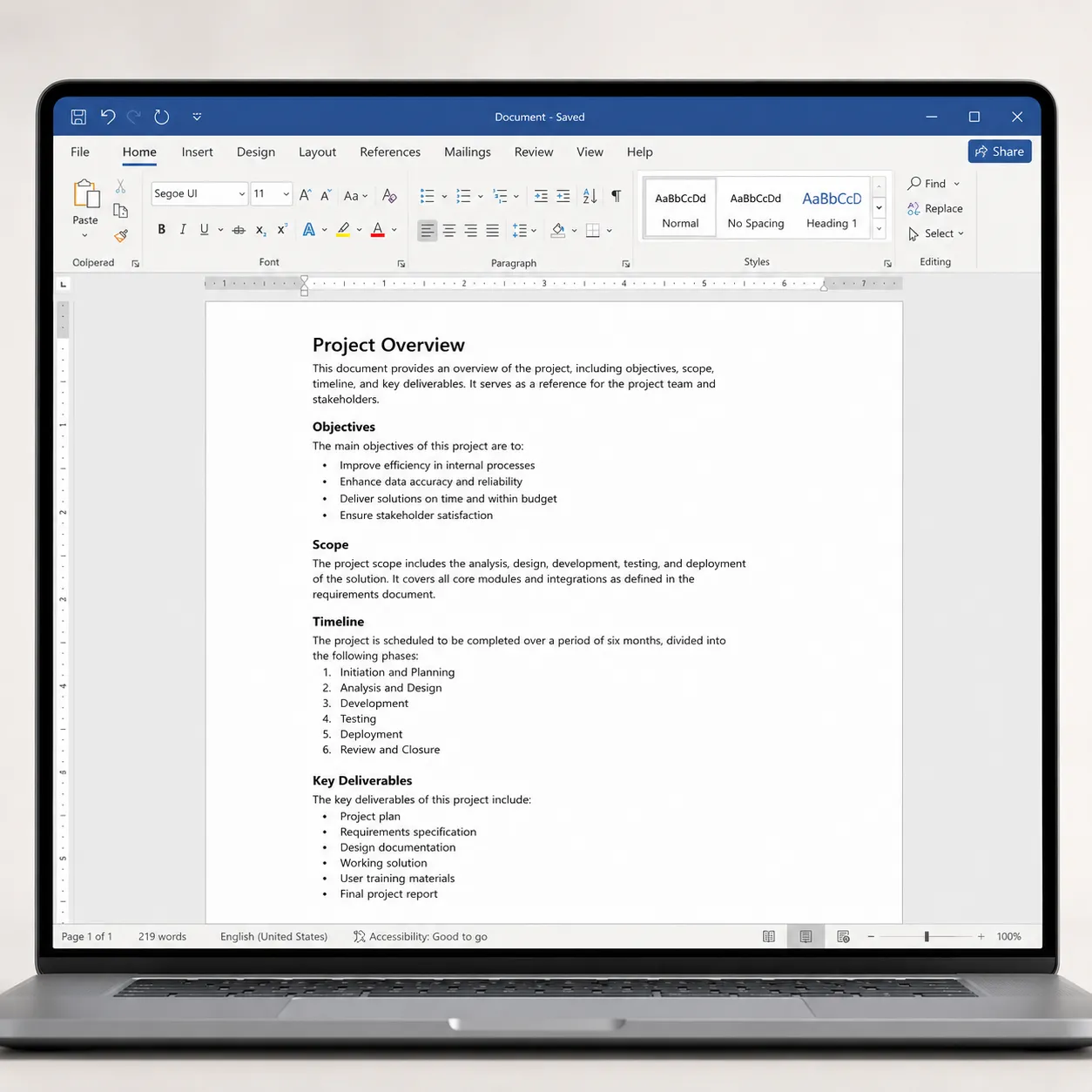
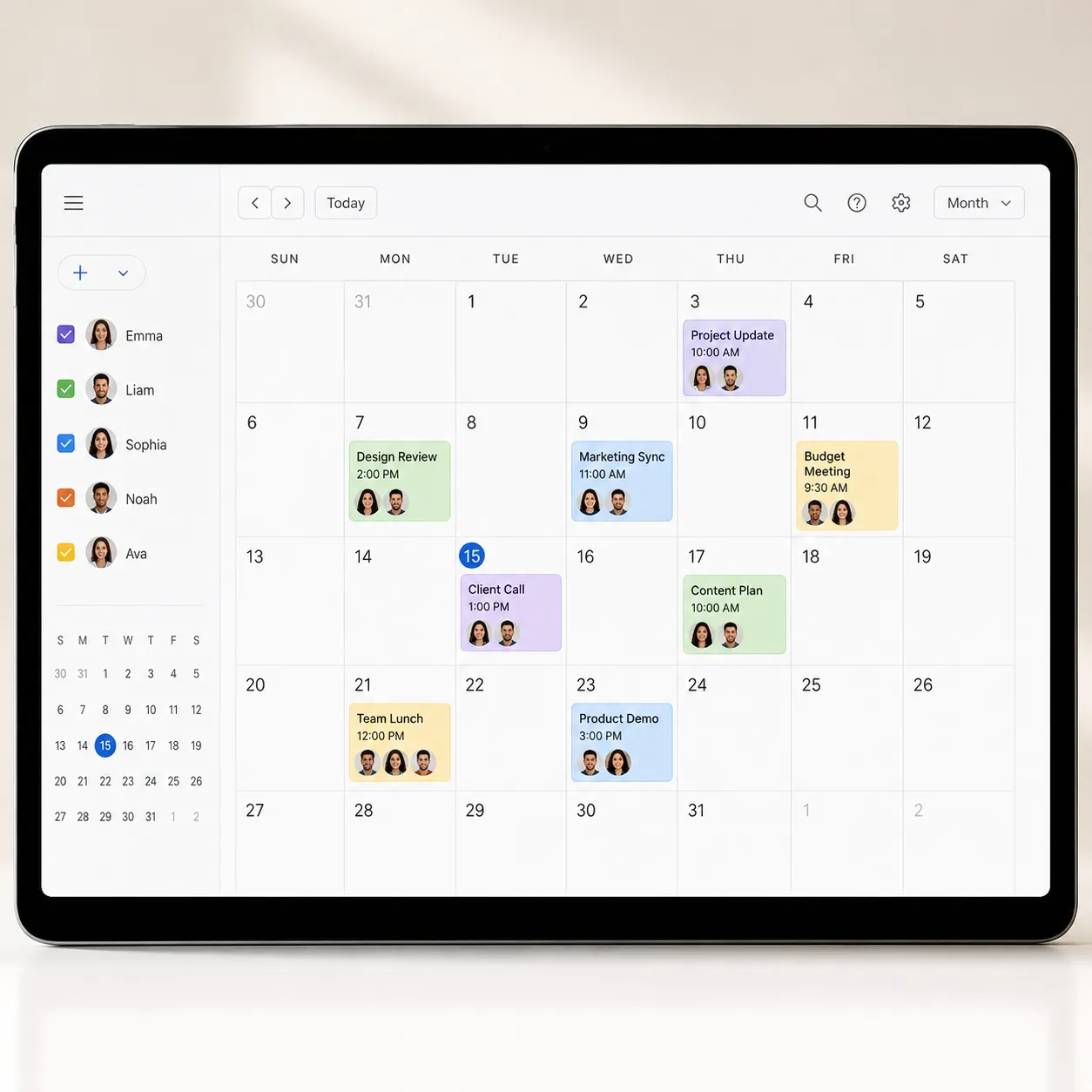
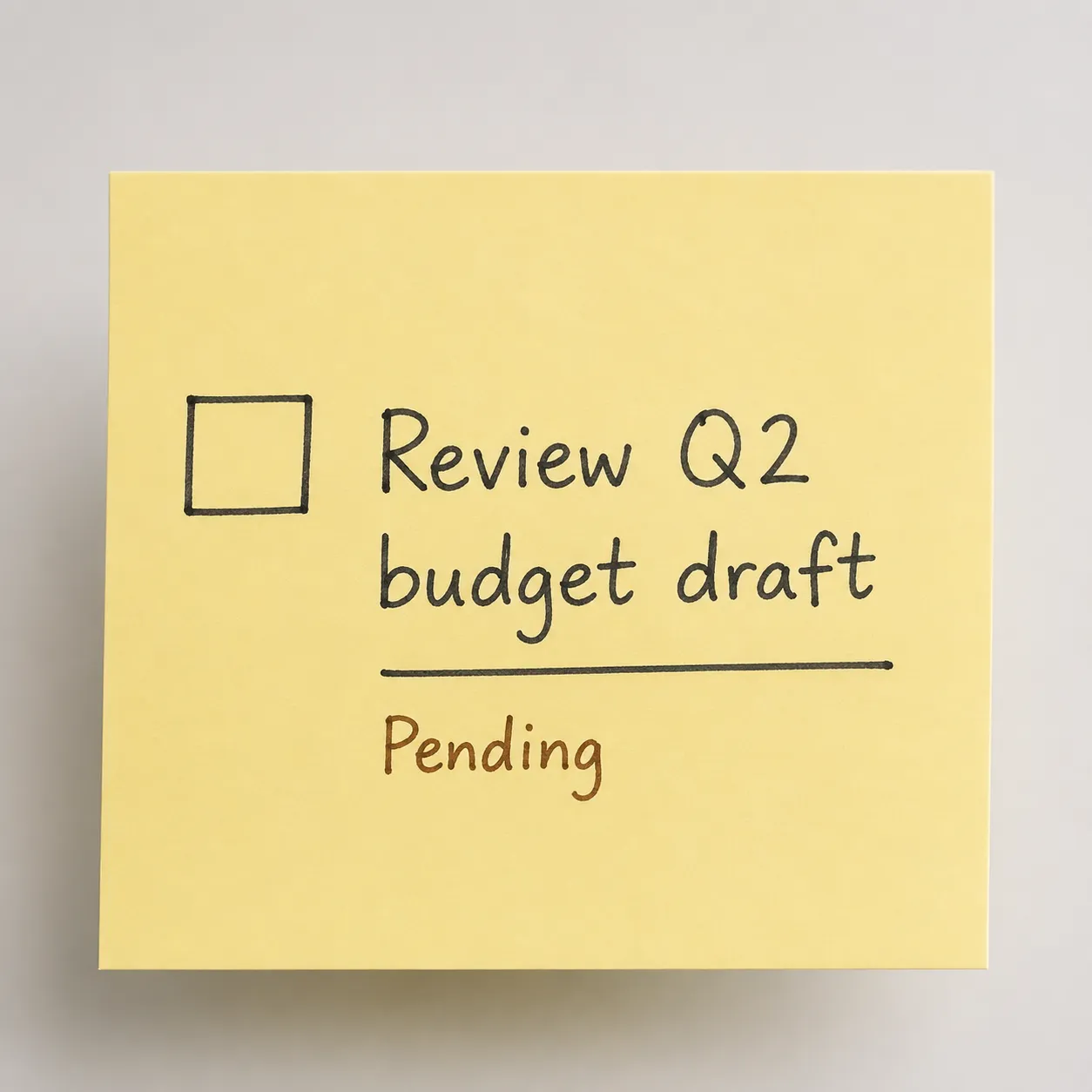
Focus on job roles, administrative duties, scheduling, customer service, documents, task priorities and professional qualities. Practise explaining how you organize calendars, handle calls, keep records and solve routine problems.
What is the difference between an office administrator and an administrative assistant?
The titles often overlap. An office administrator usually coordinates broader office systems and daily operations, while an administrative assistant more often supports a particular manager or team; actual duties depend on the employer.
How can I practise office phone and email English?
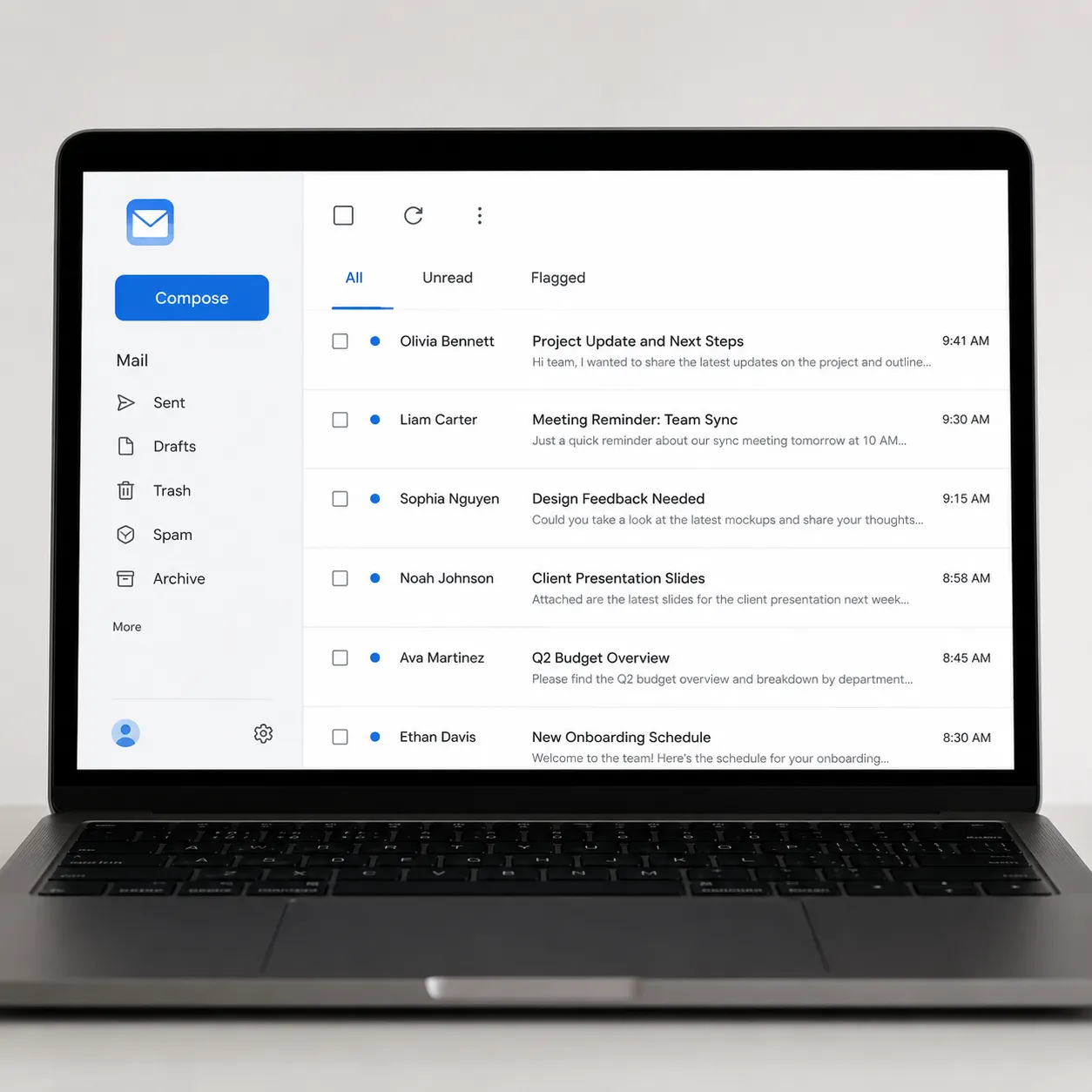
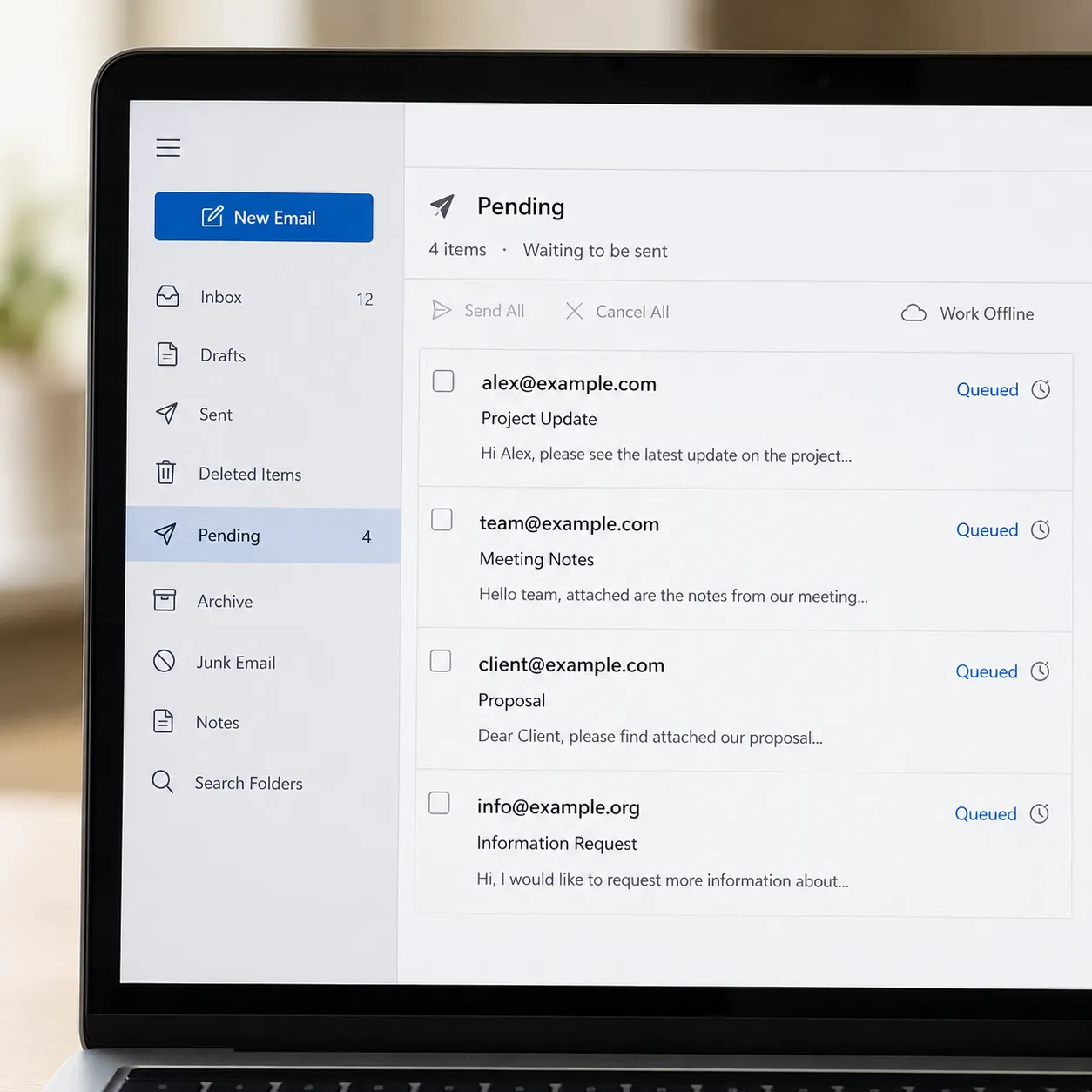
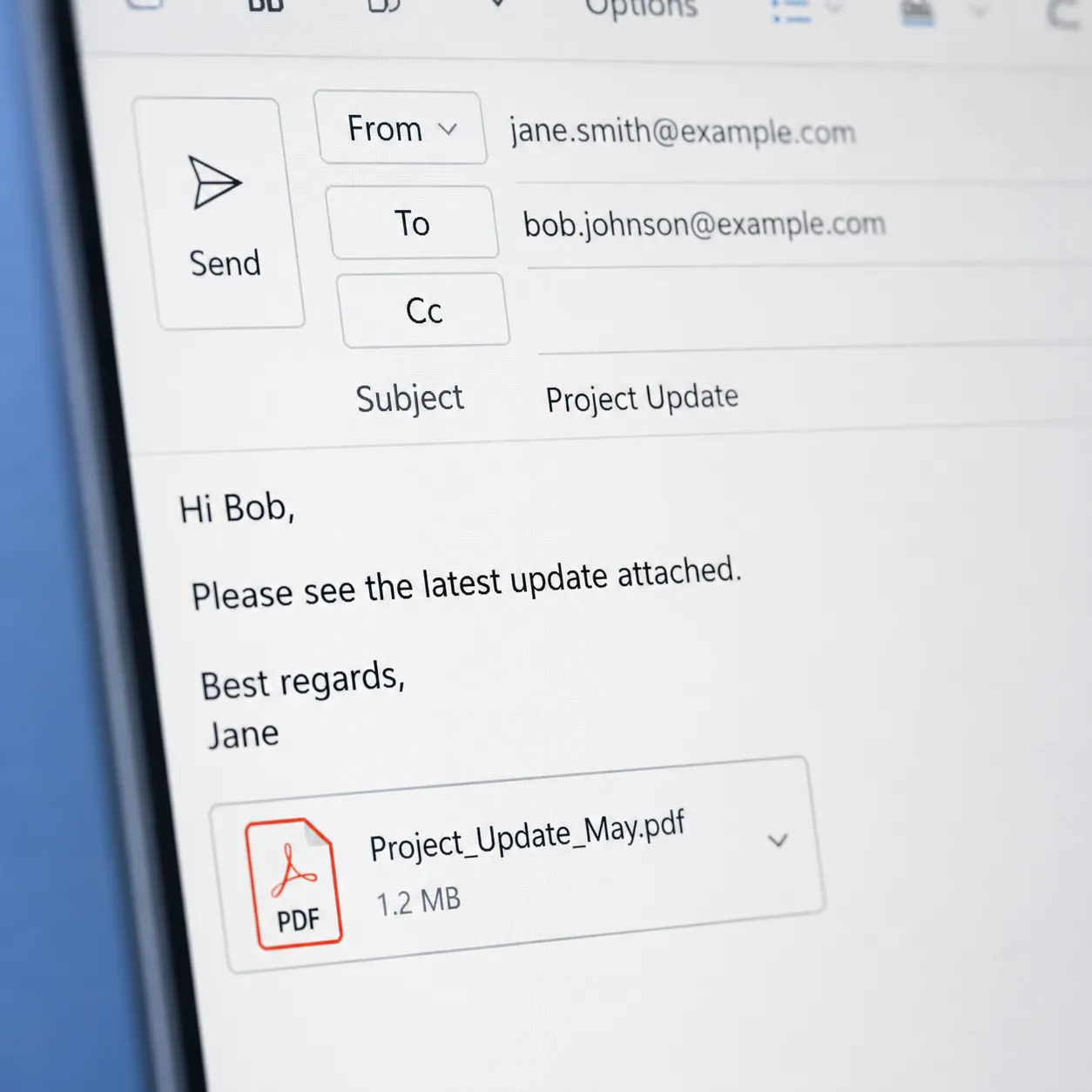
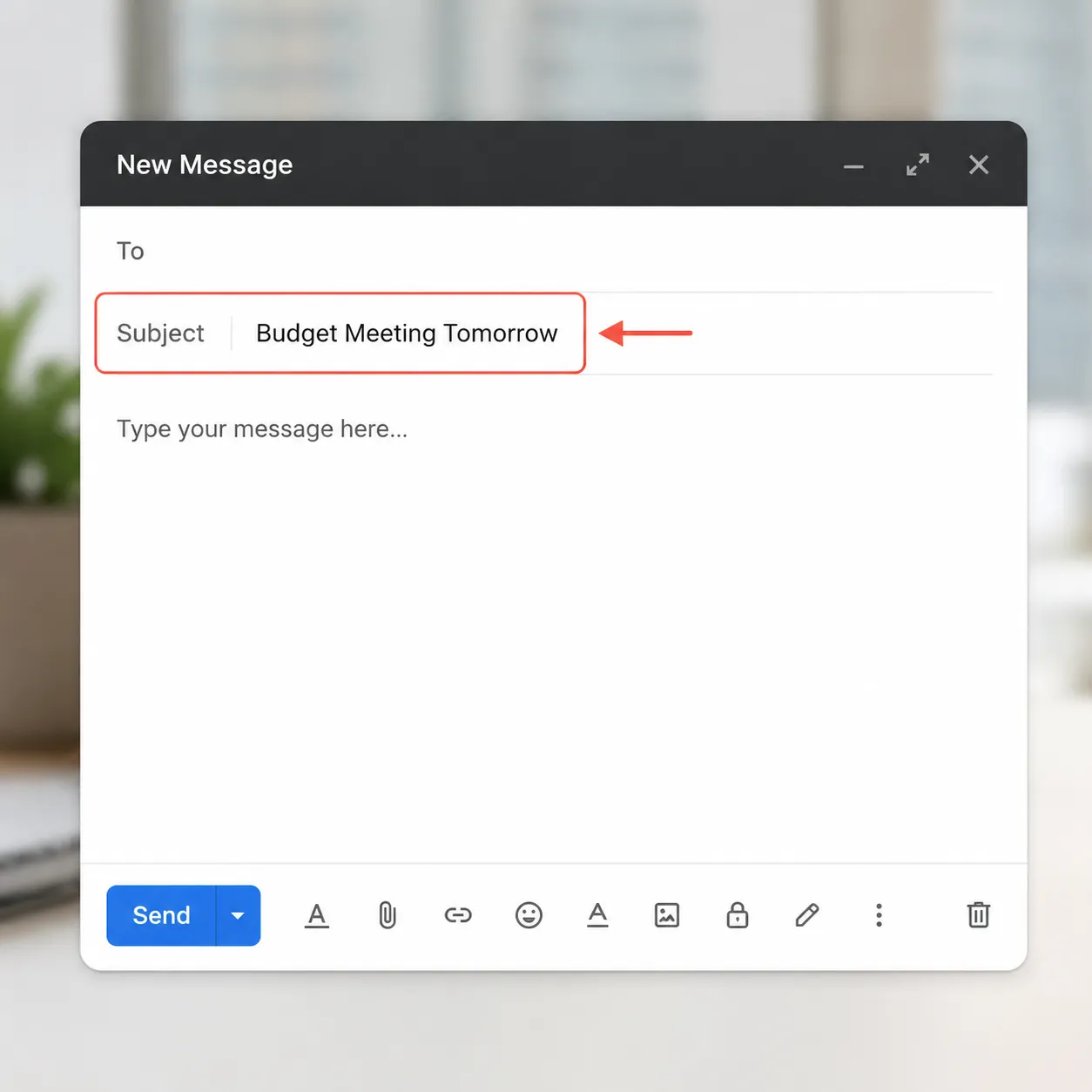
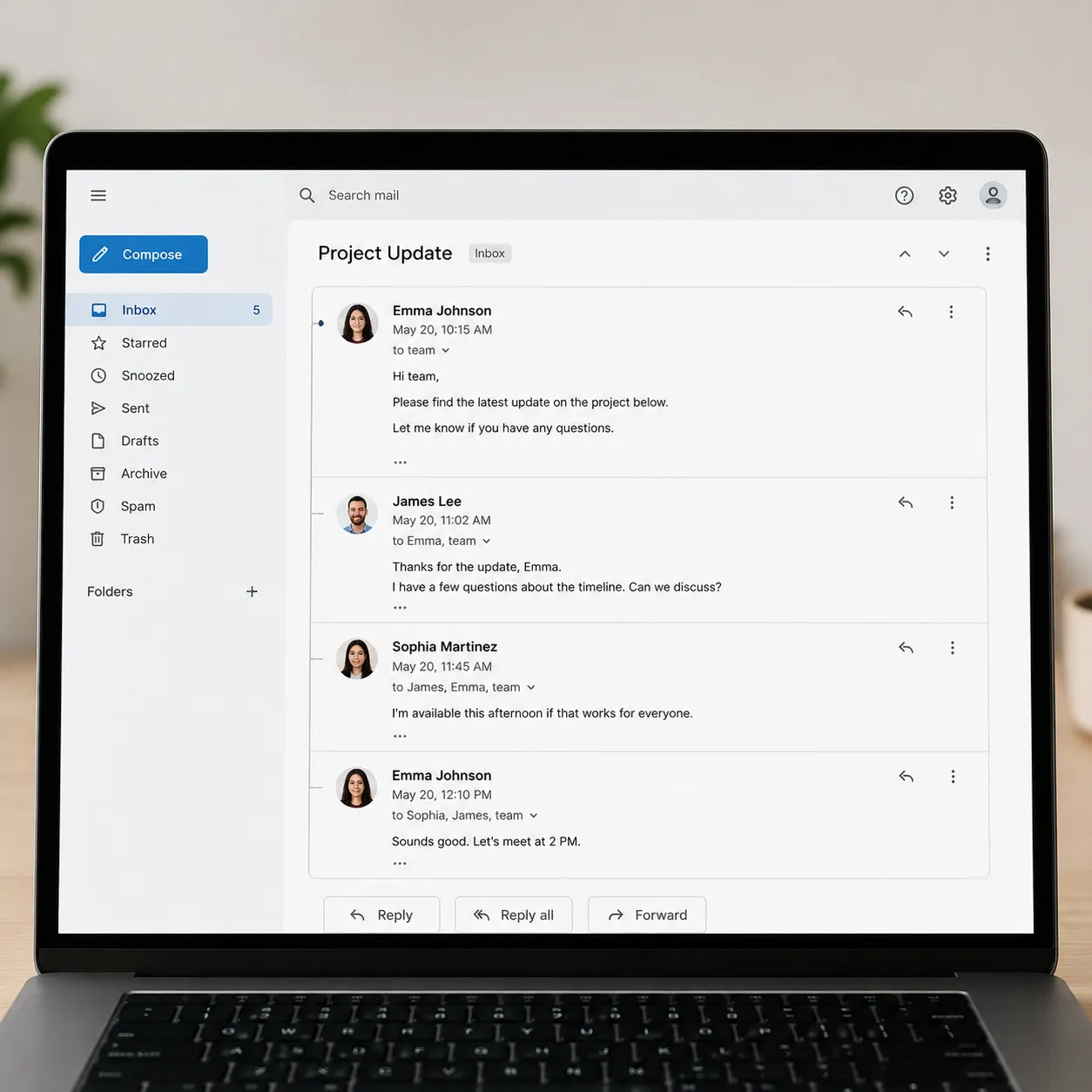
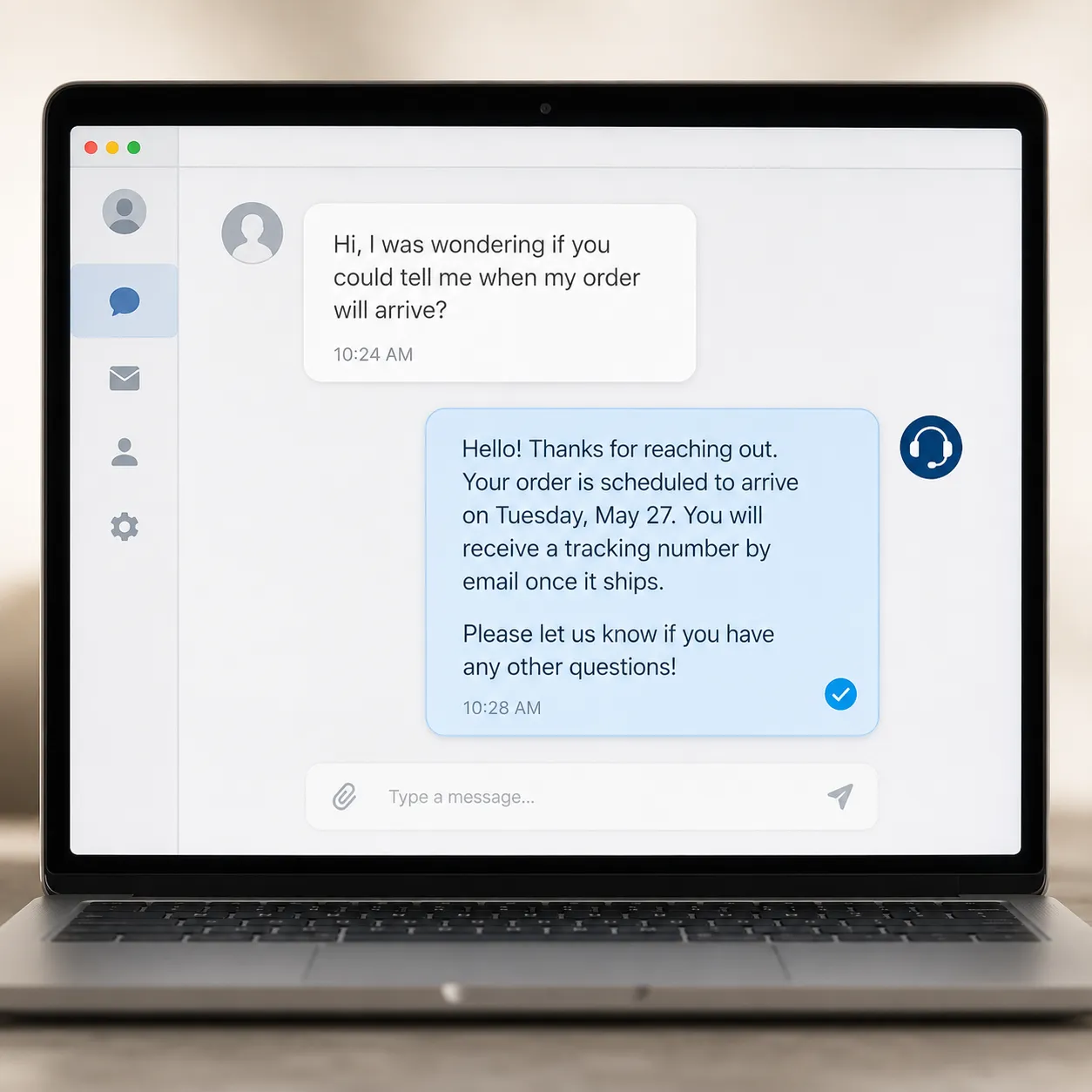
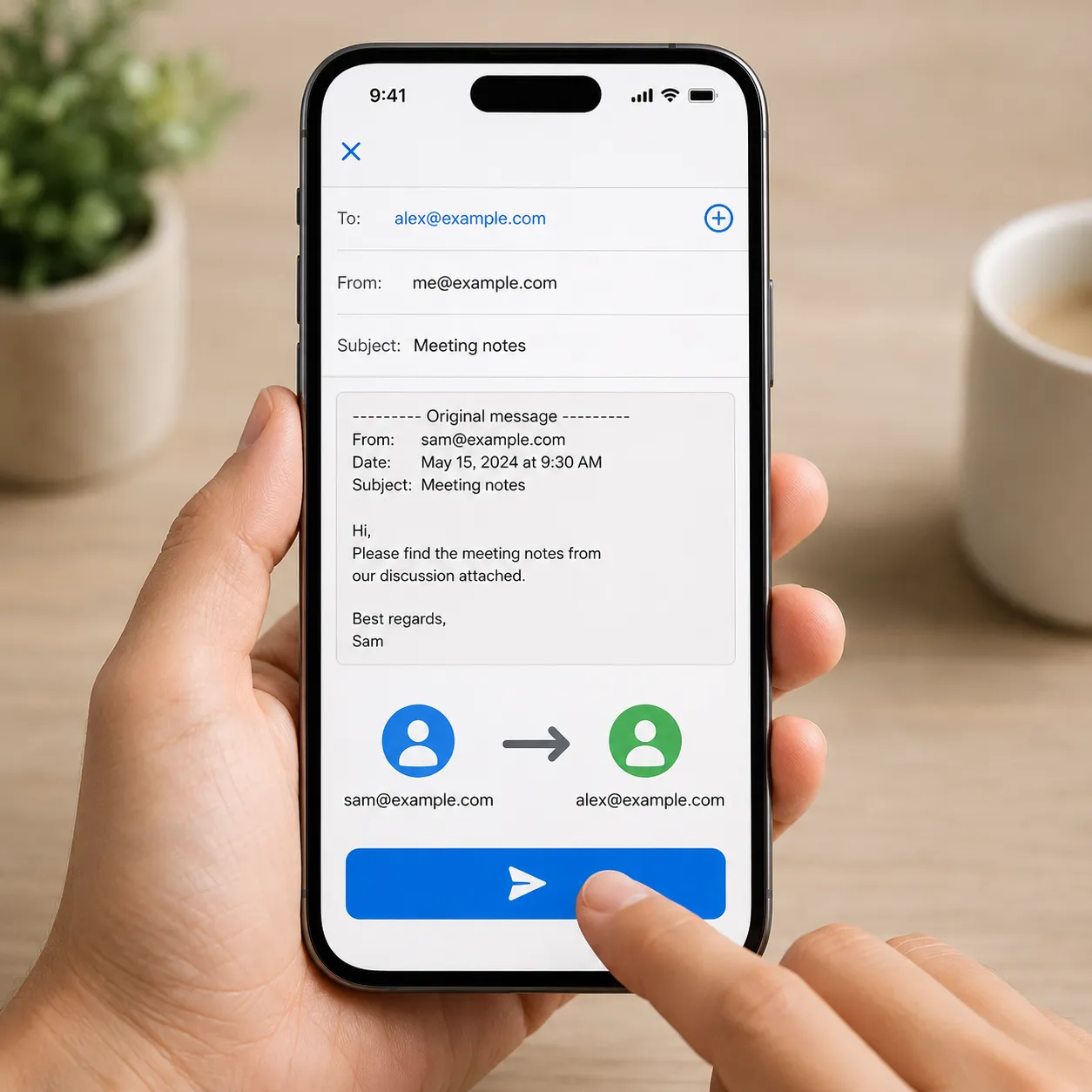
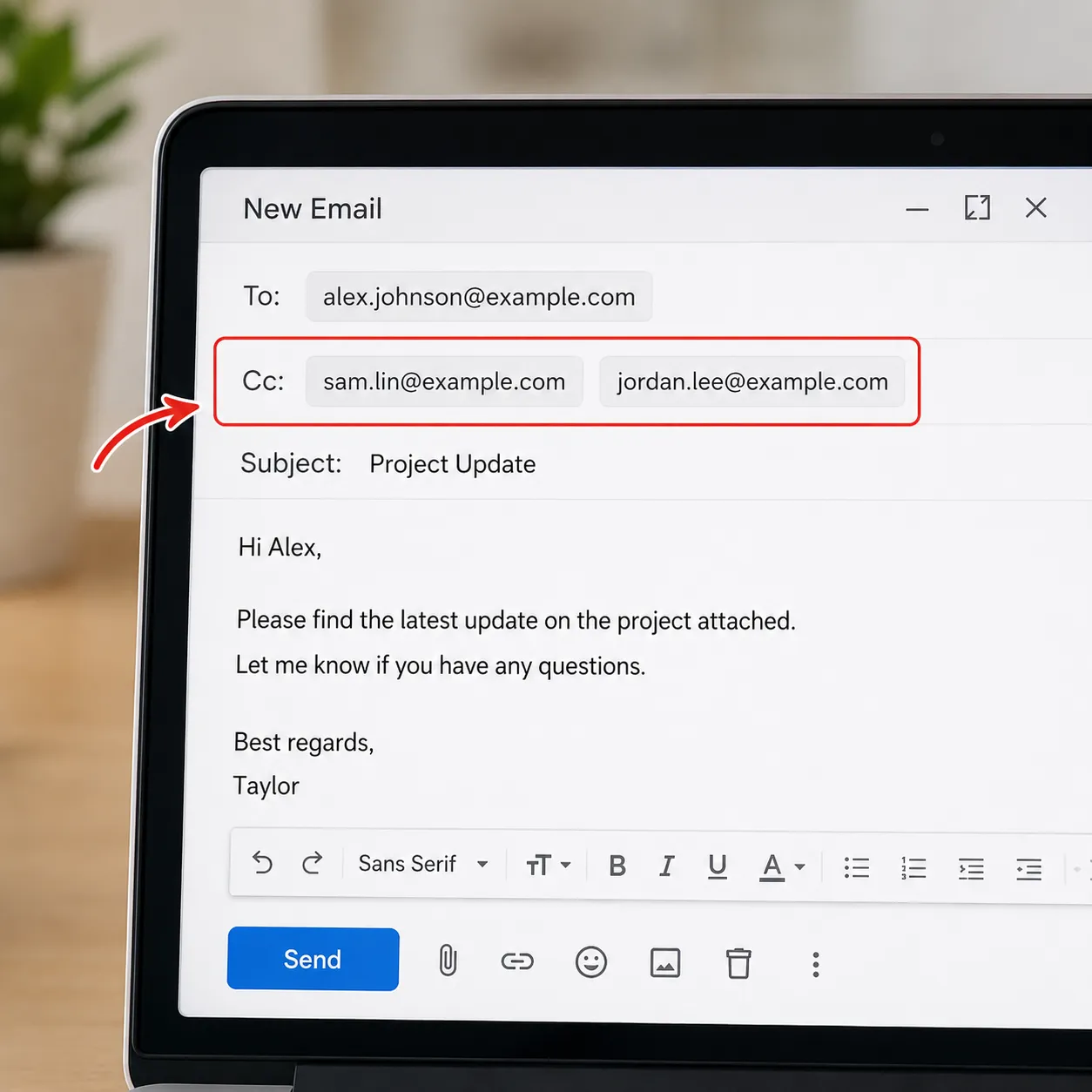
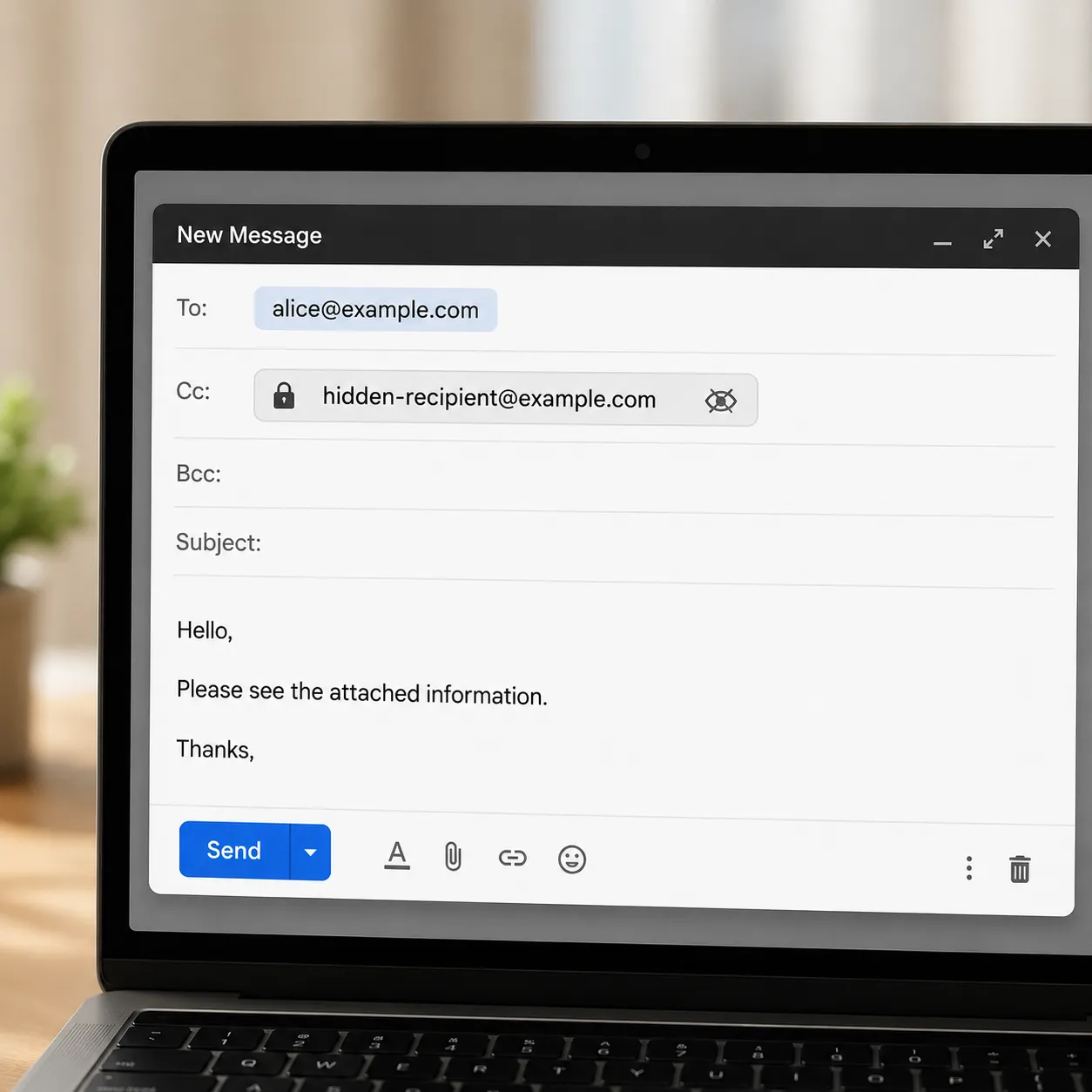
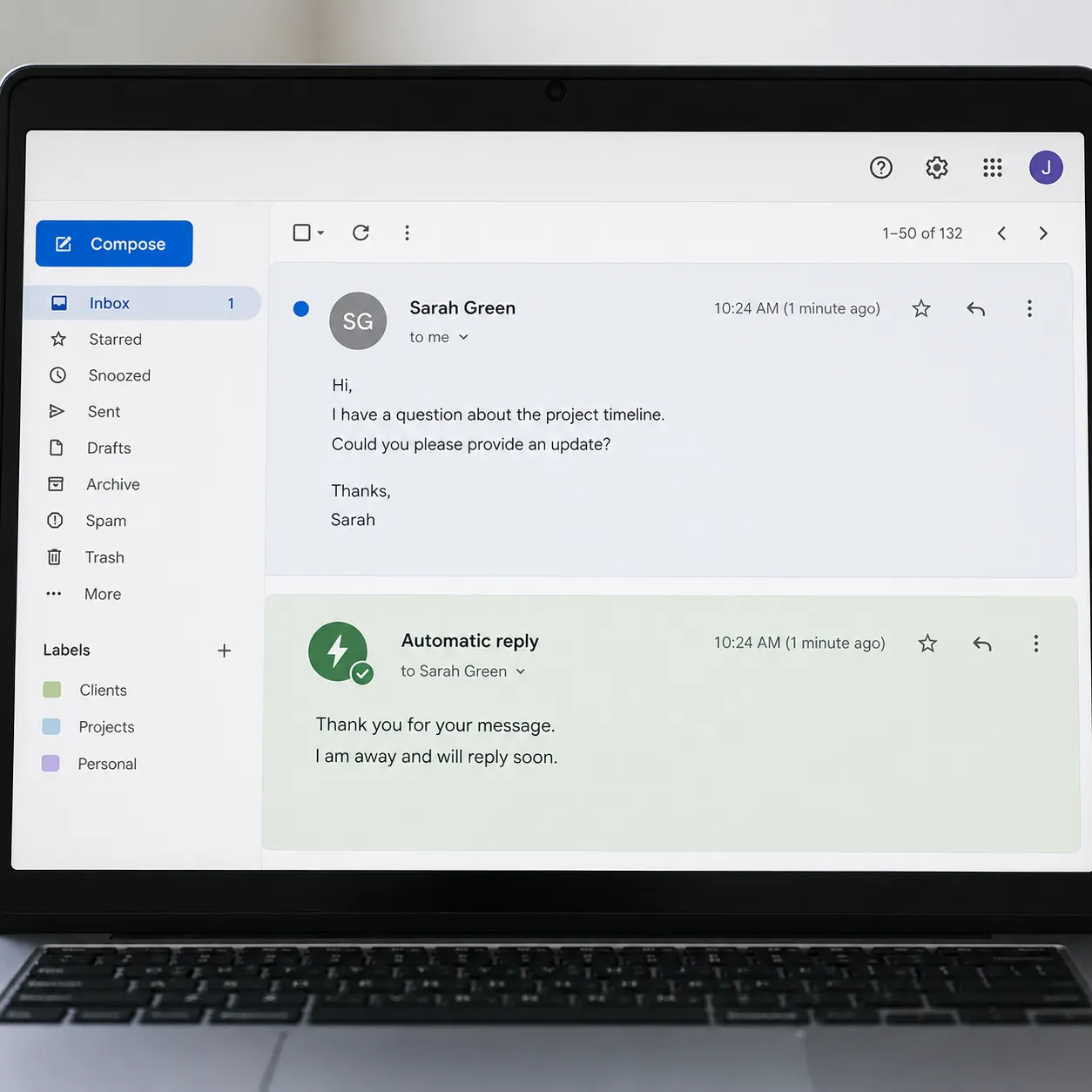
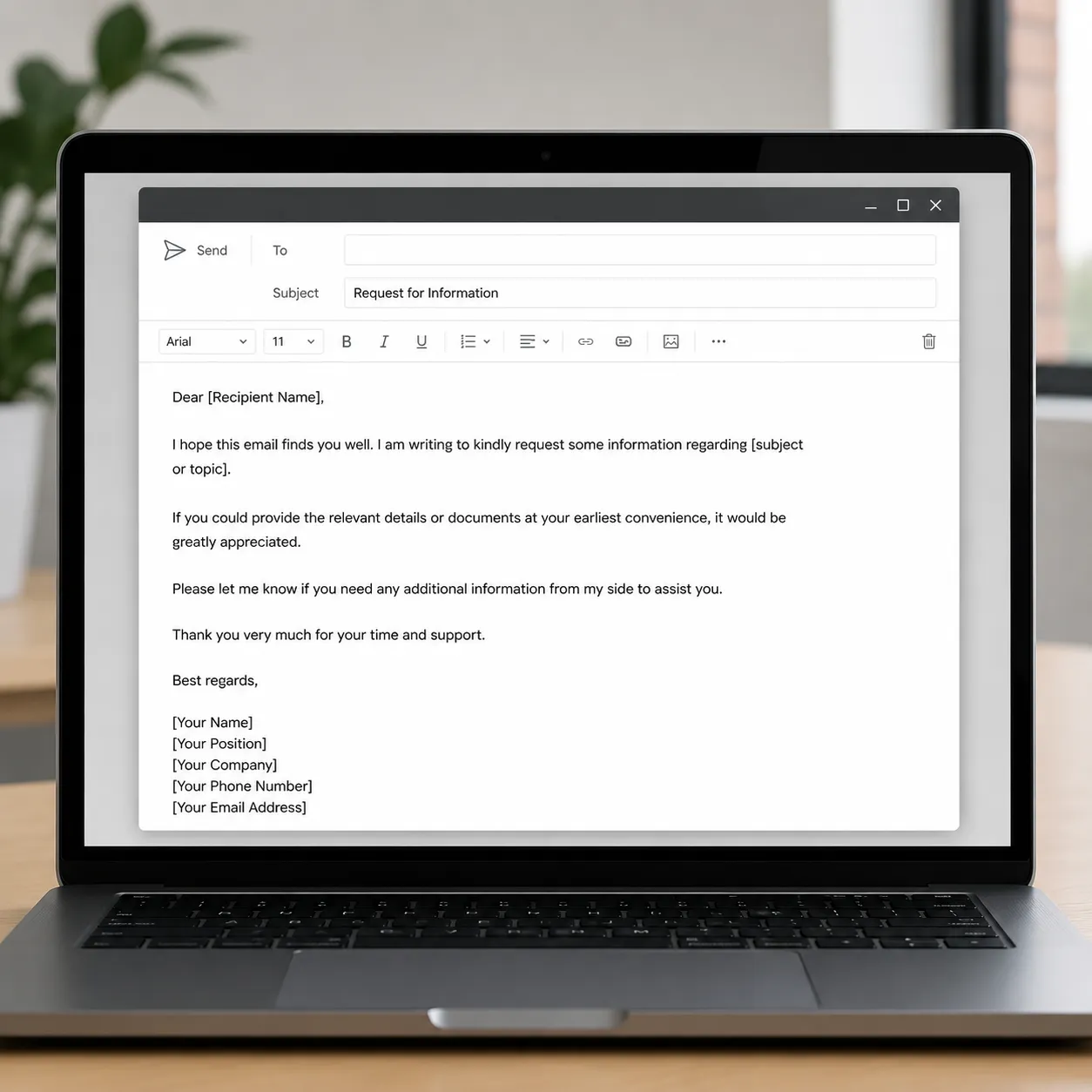
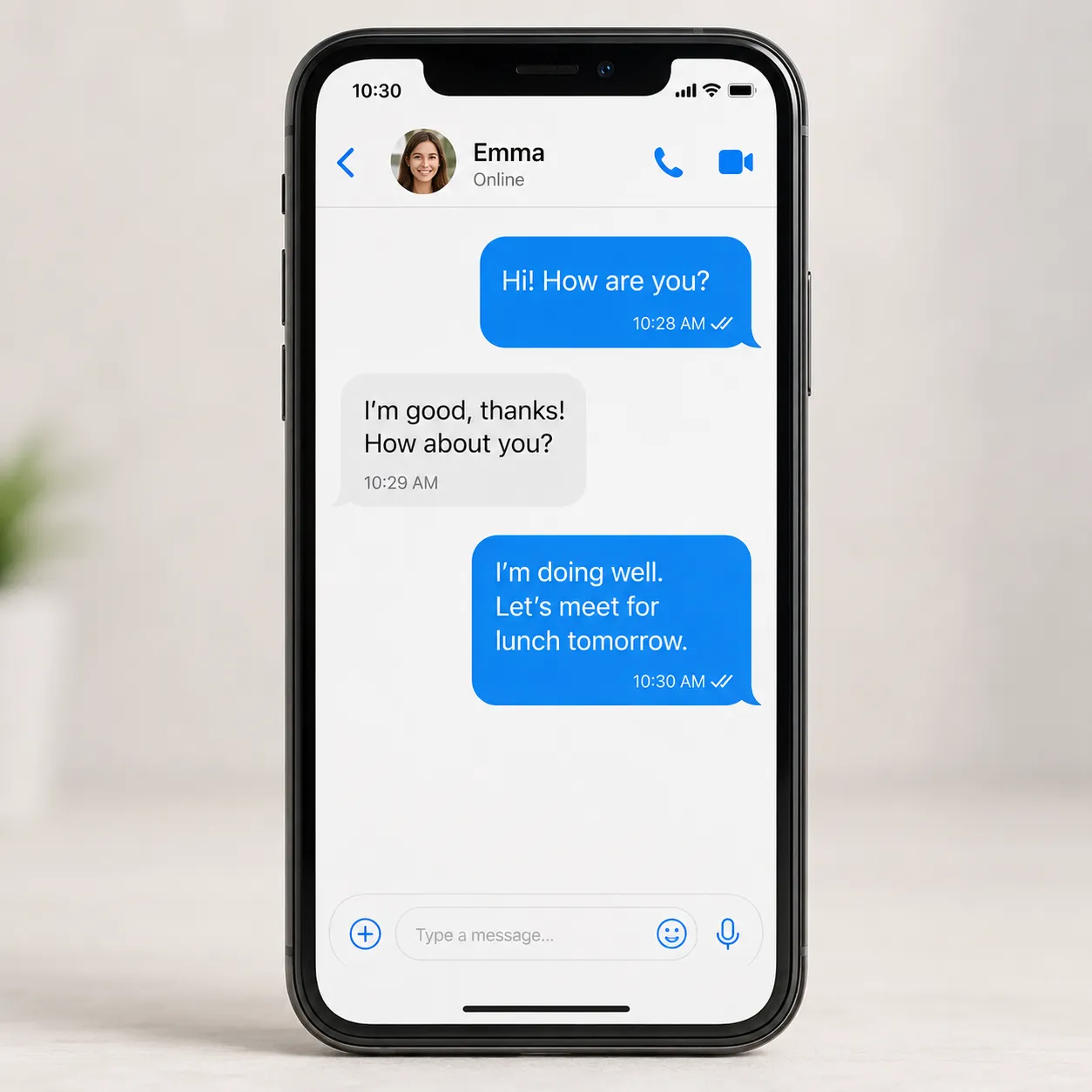
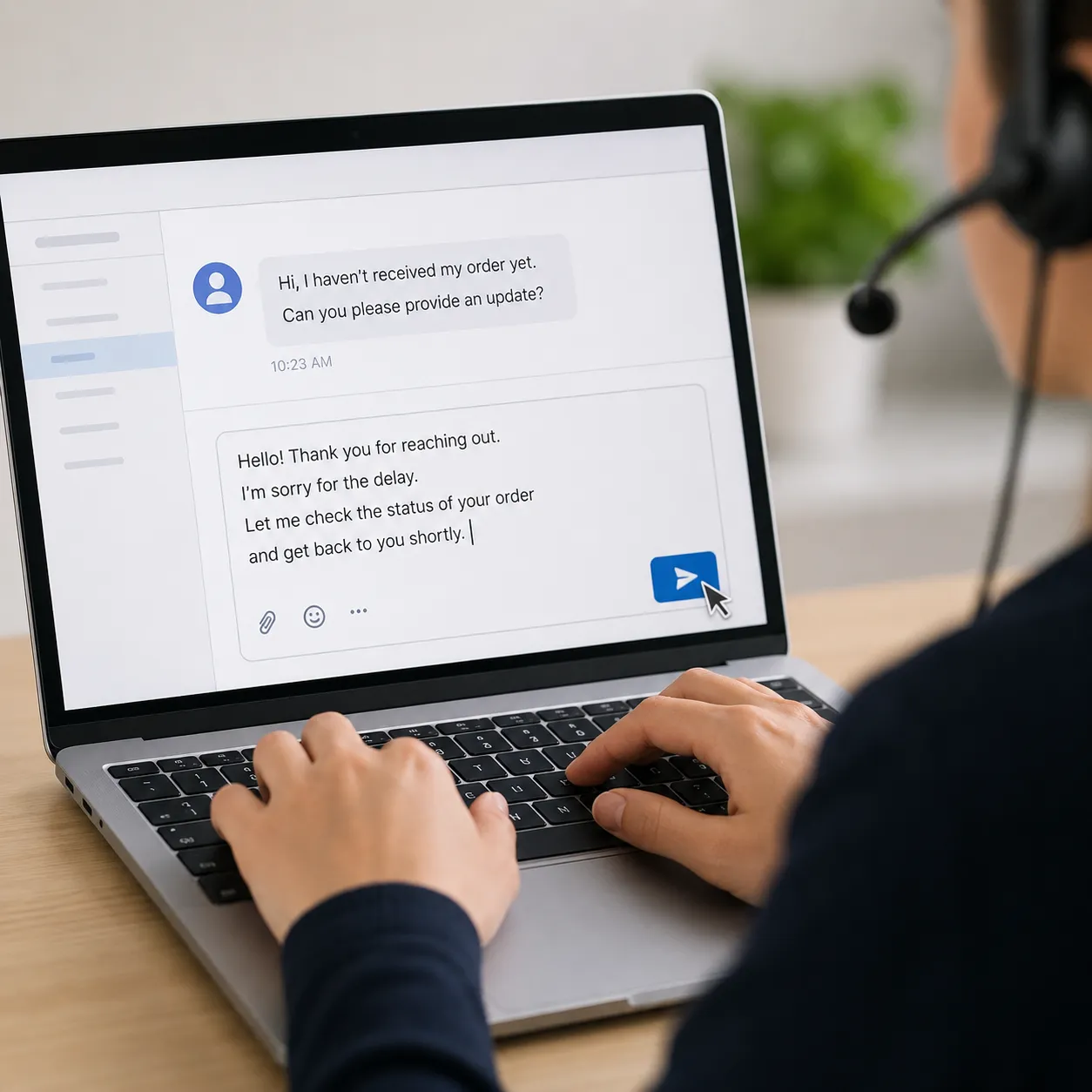
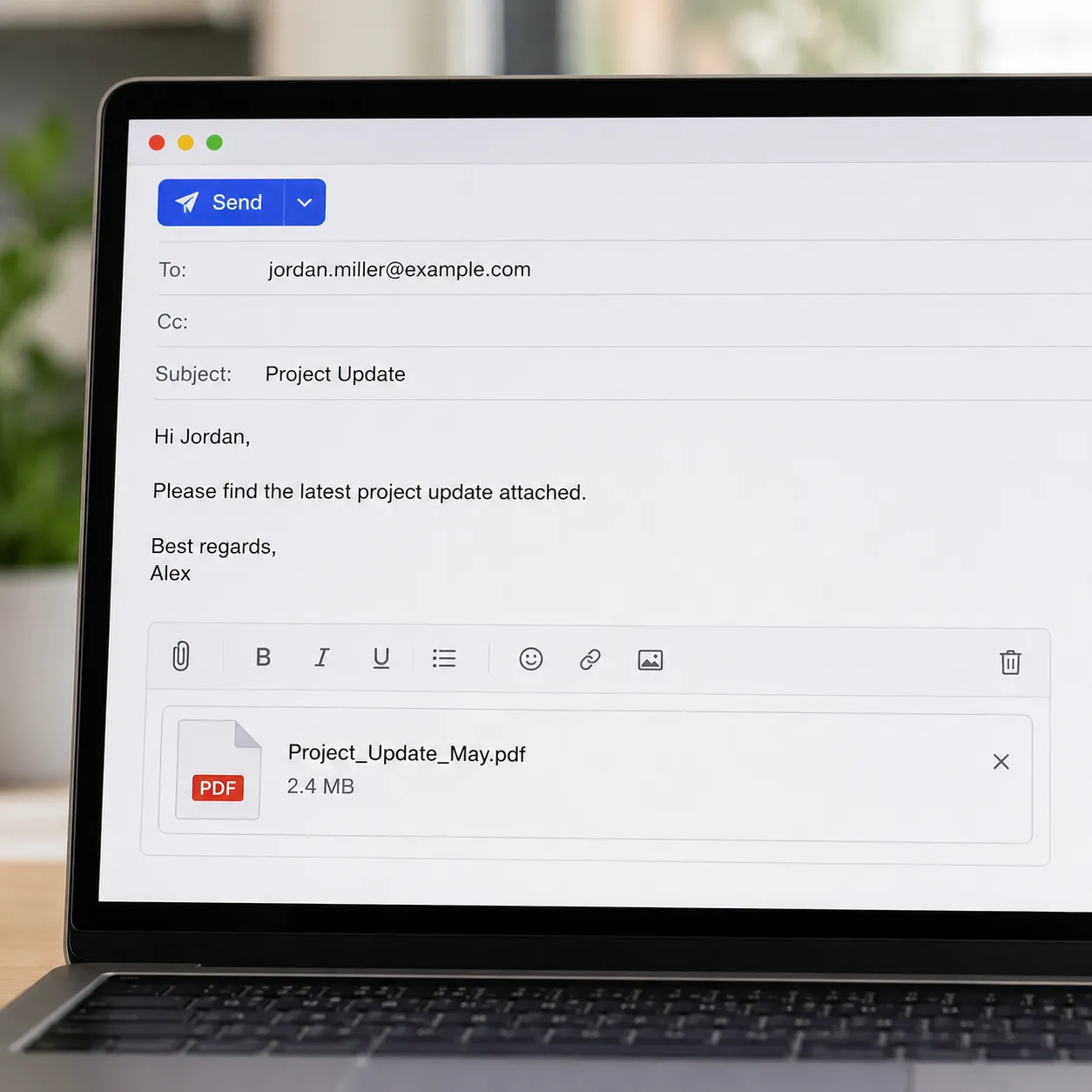
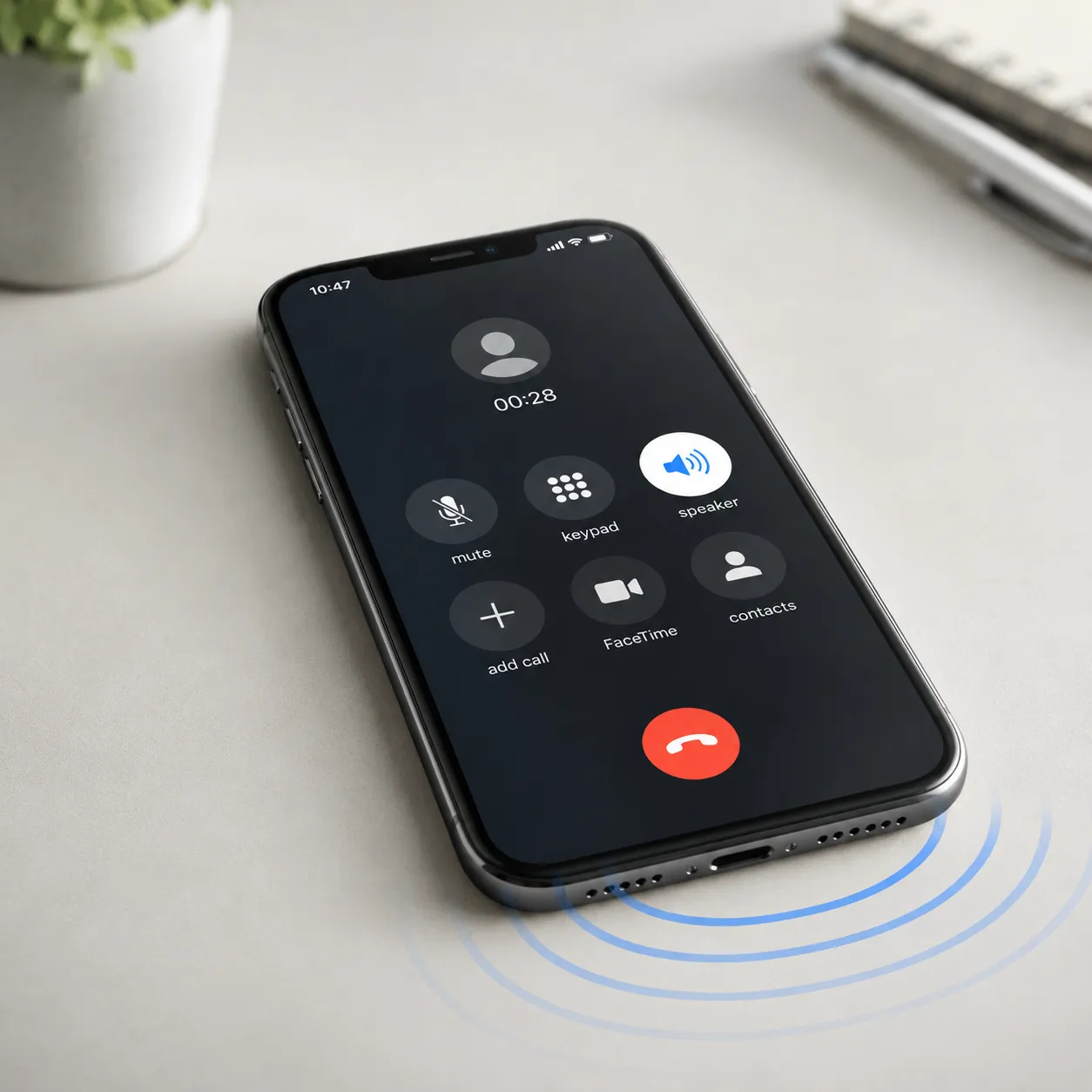
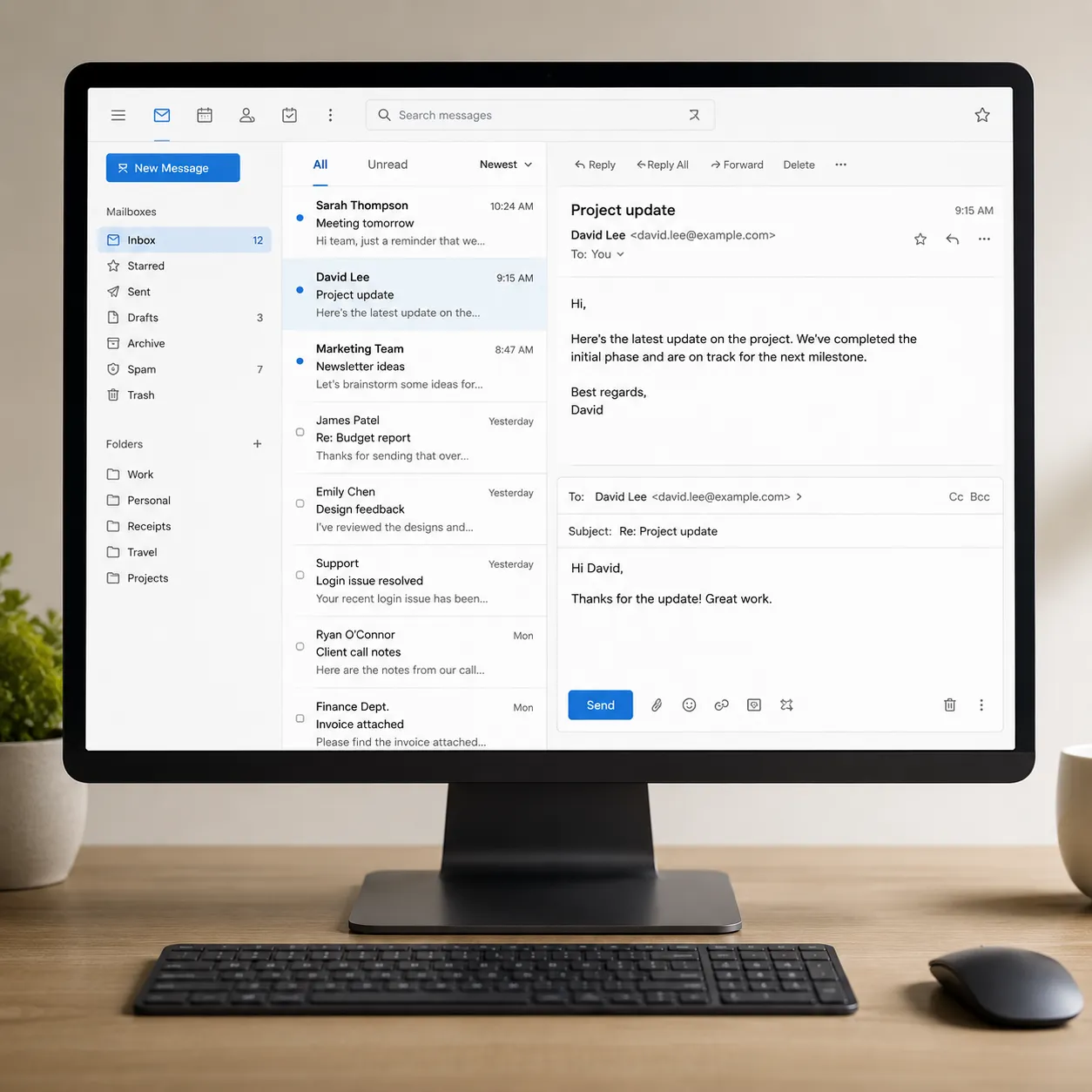
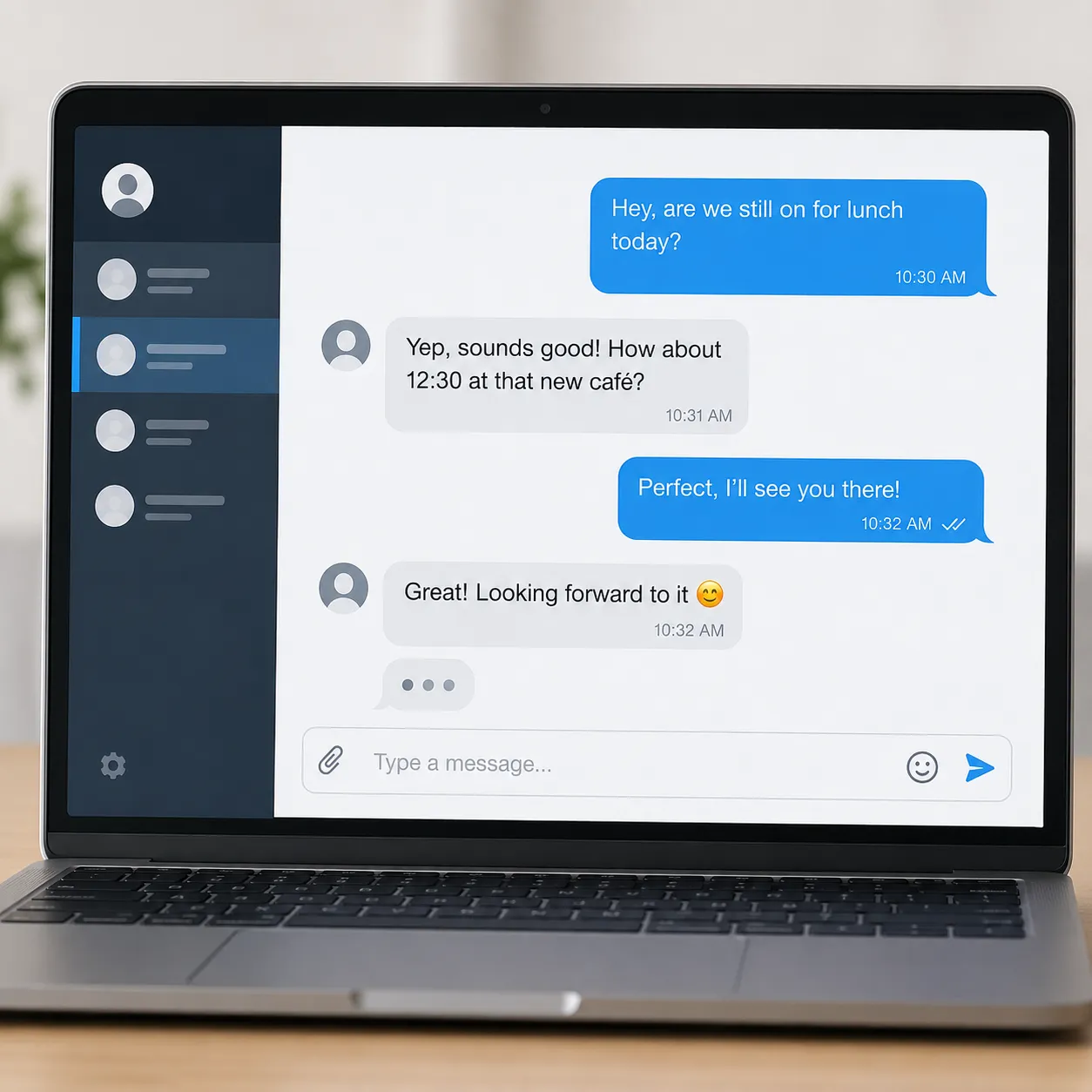
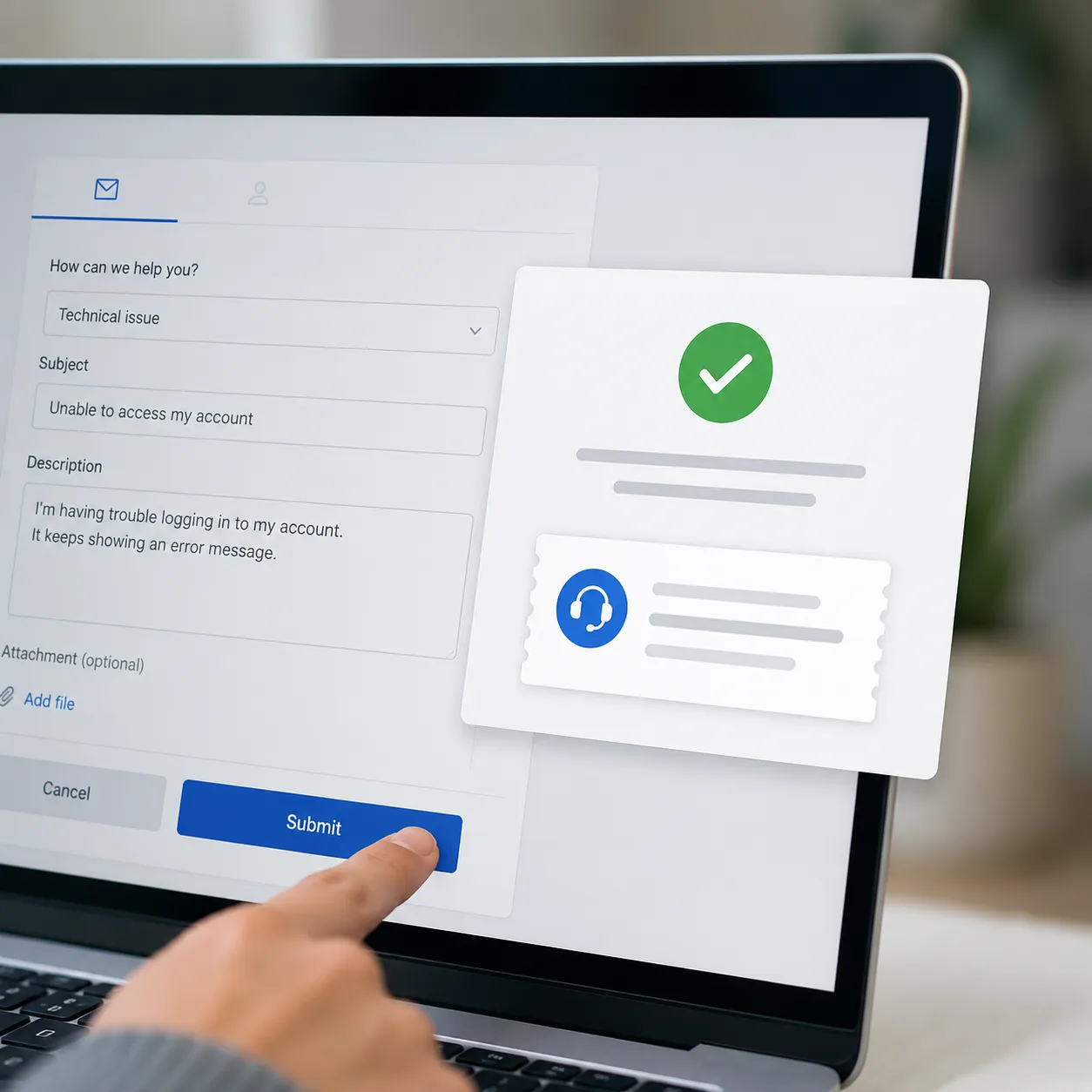
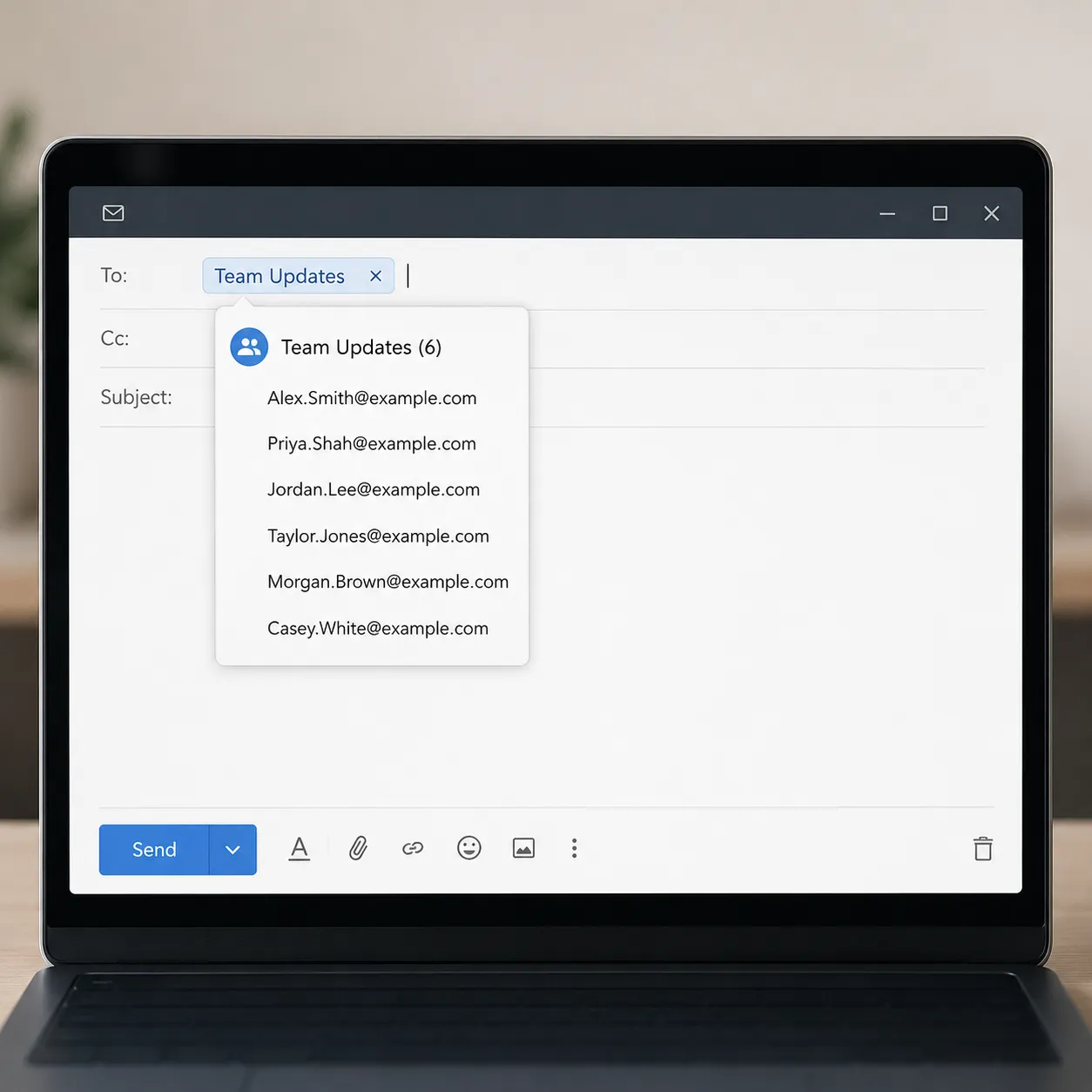
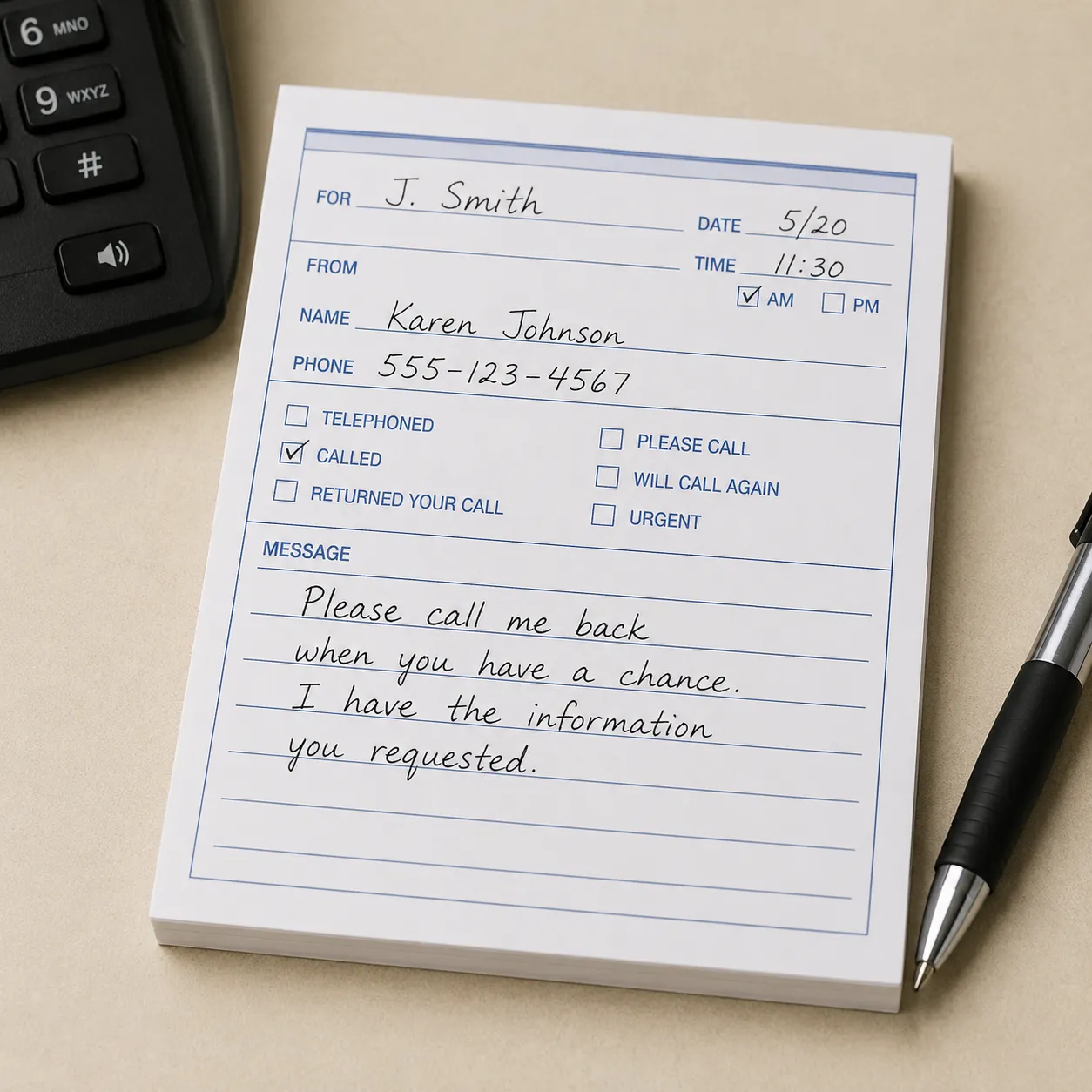
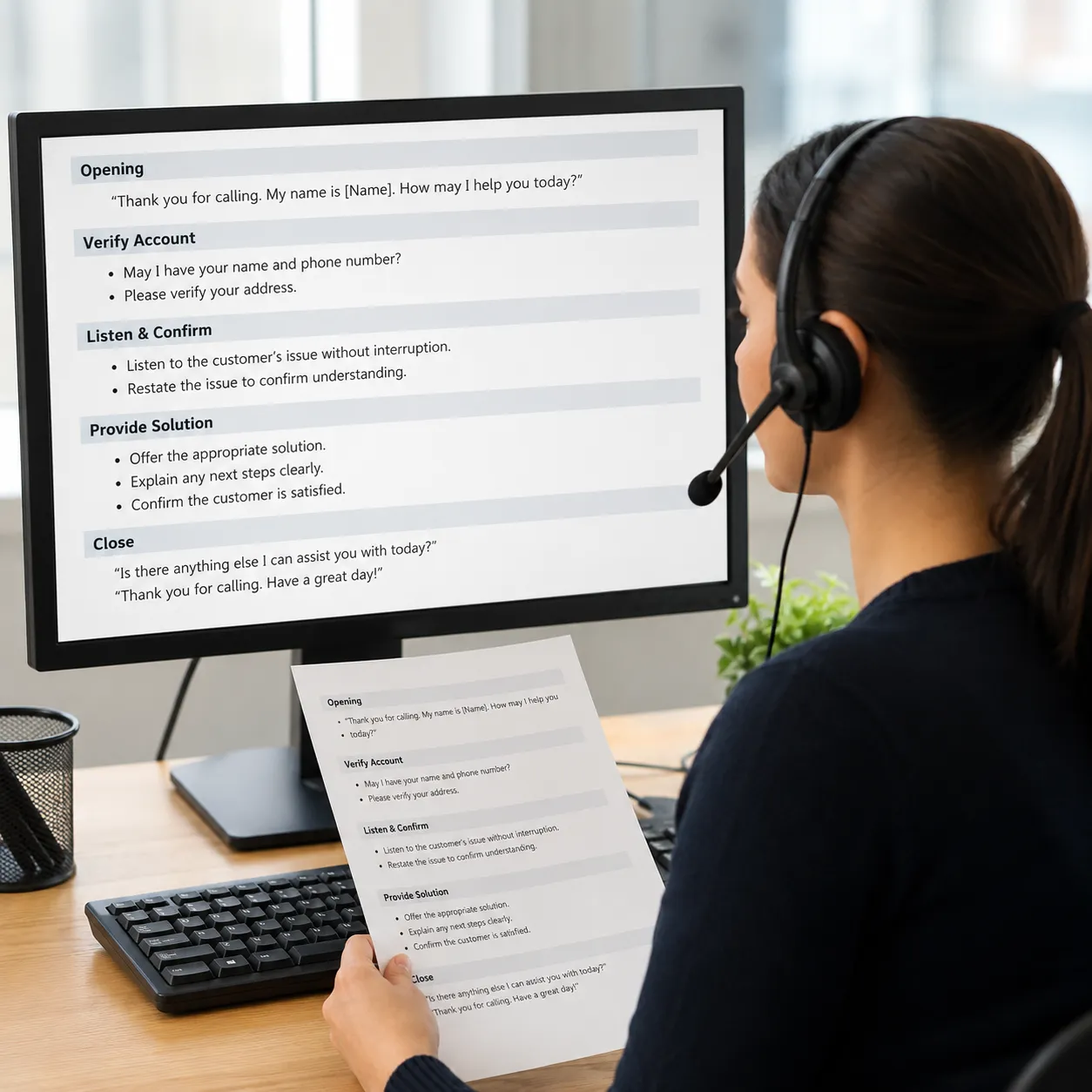
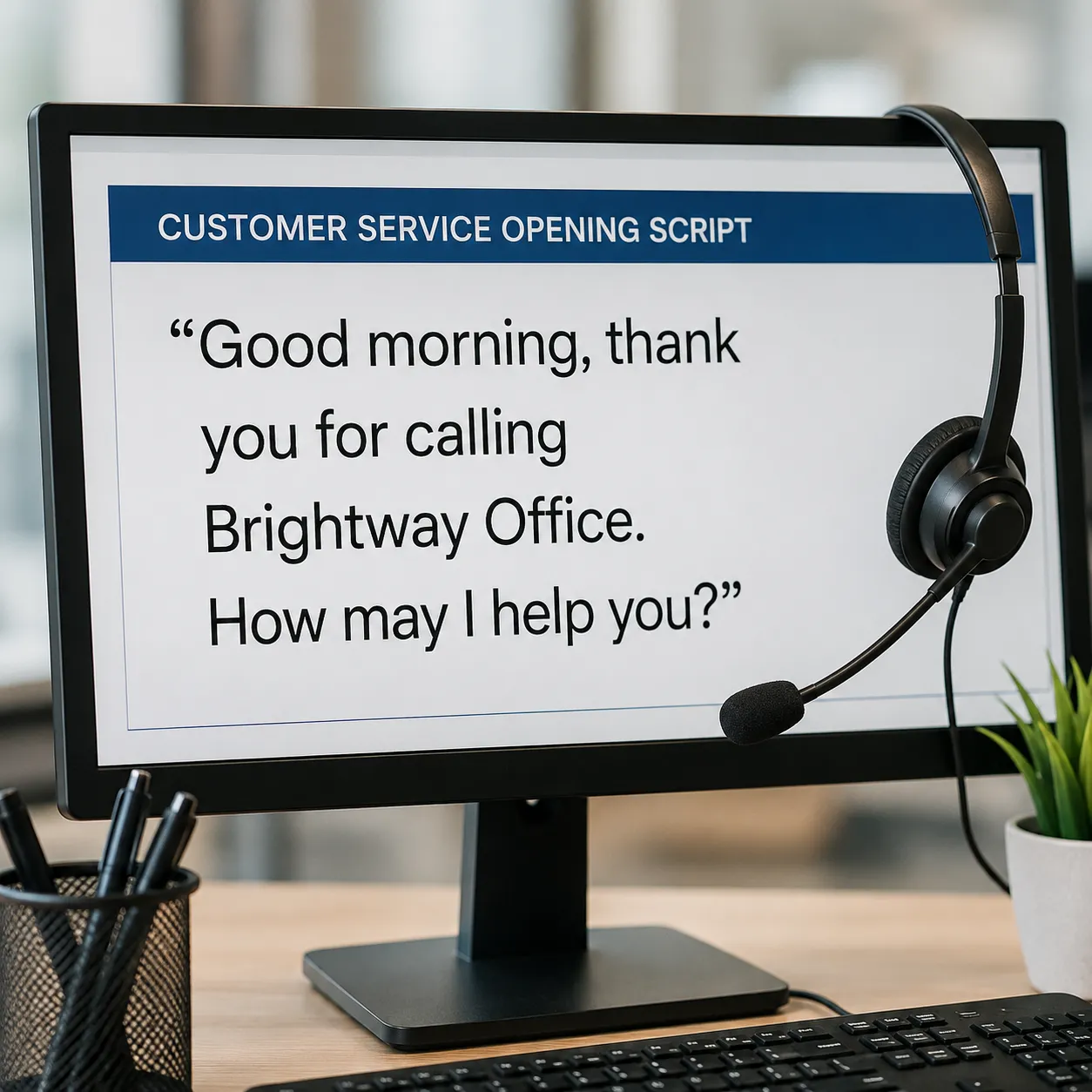
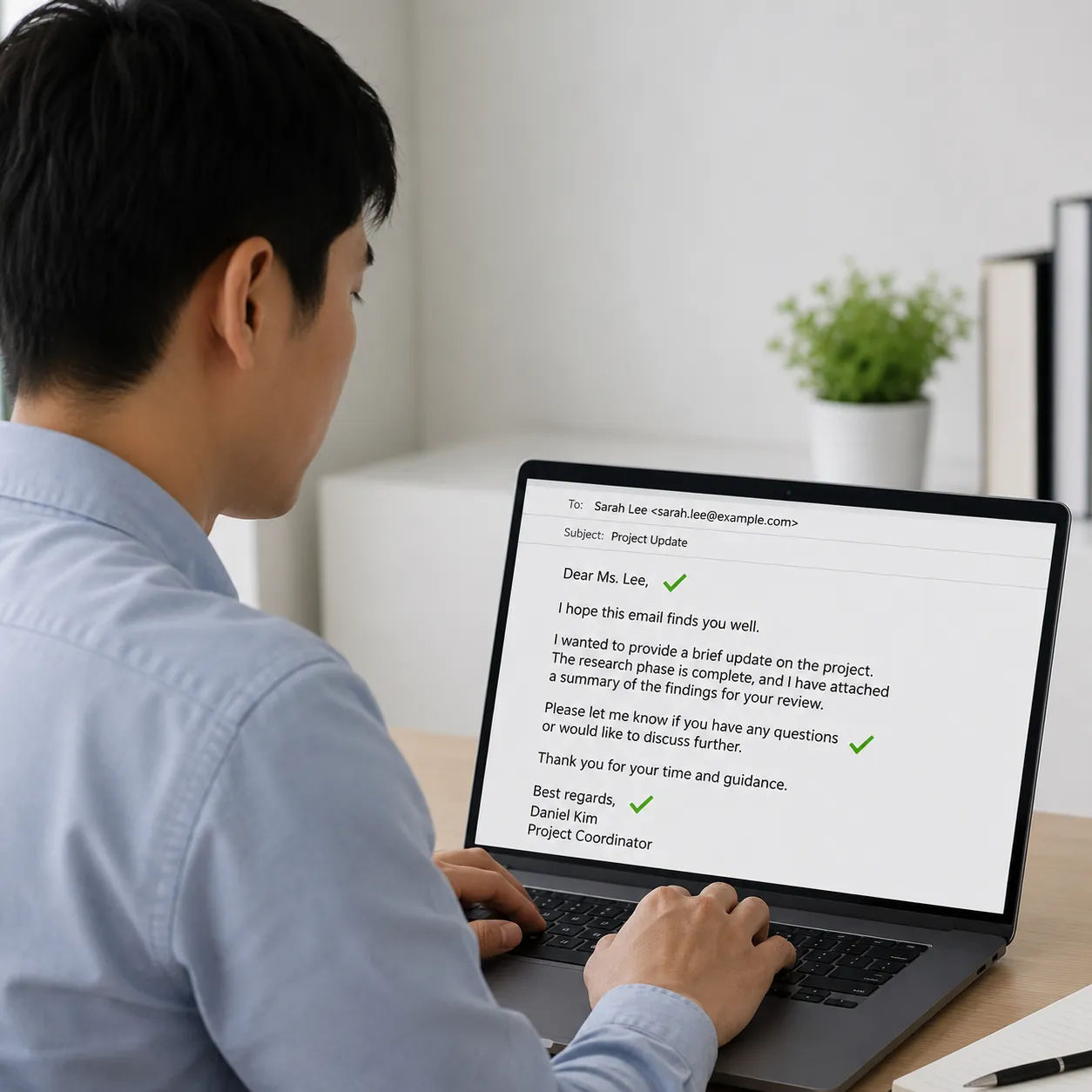
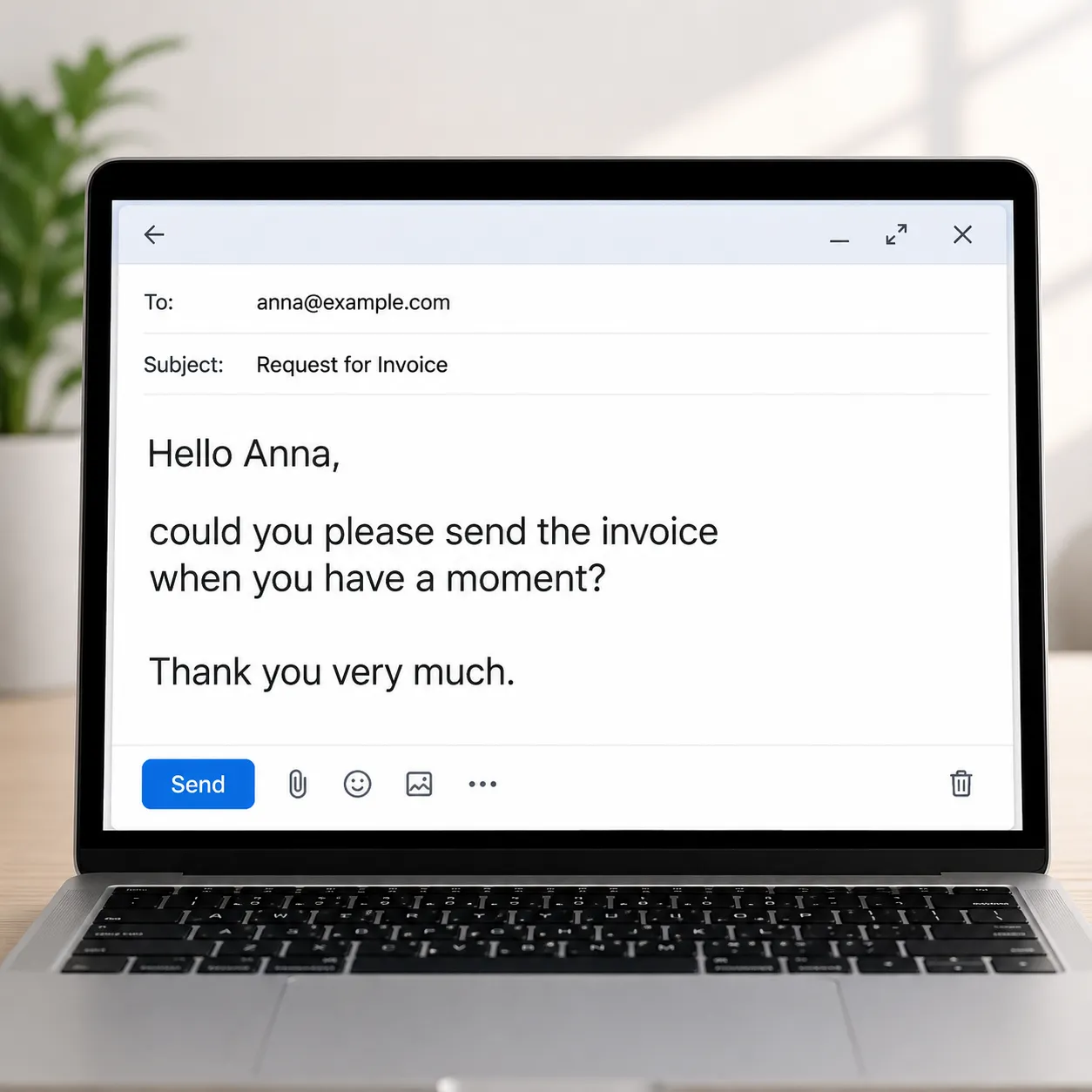
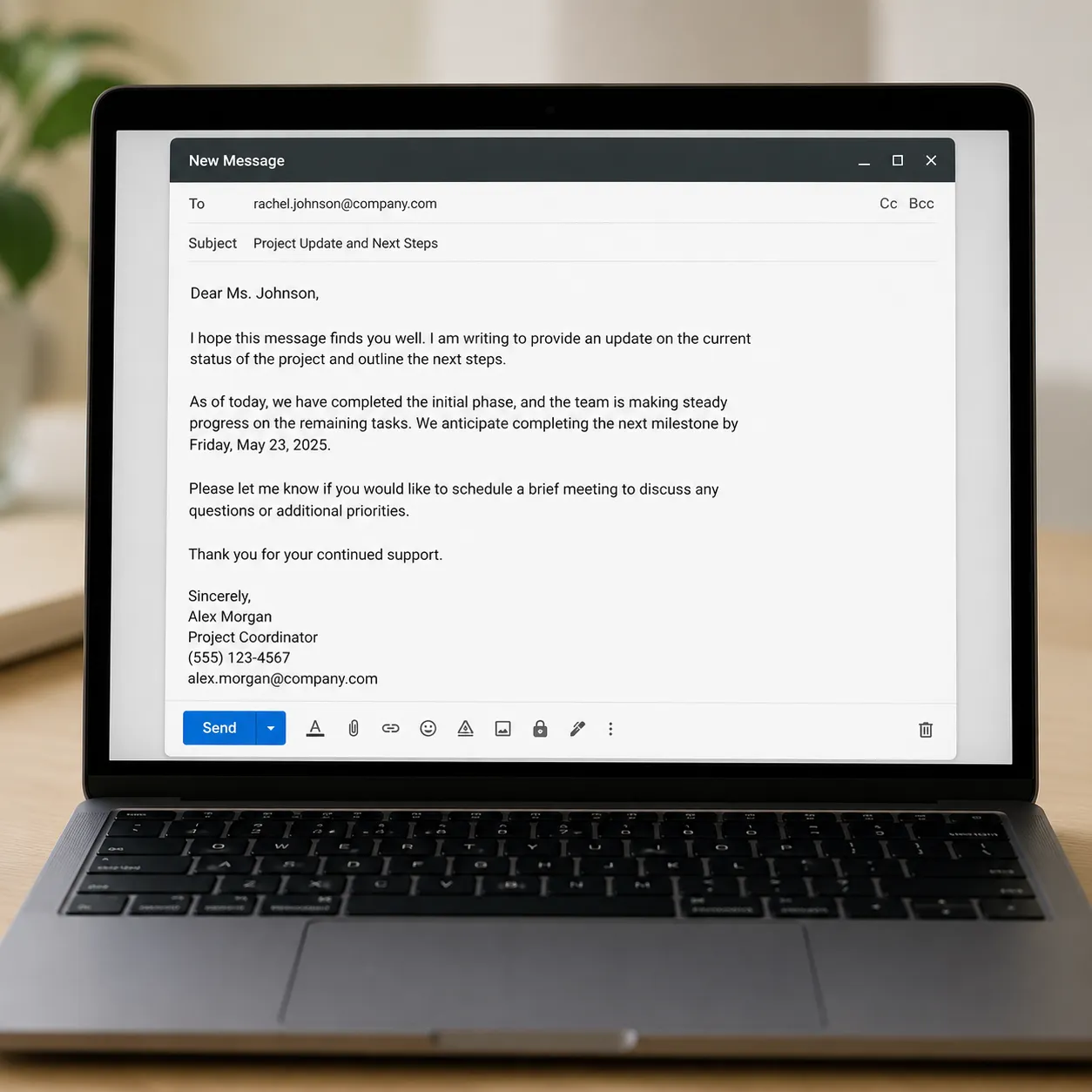
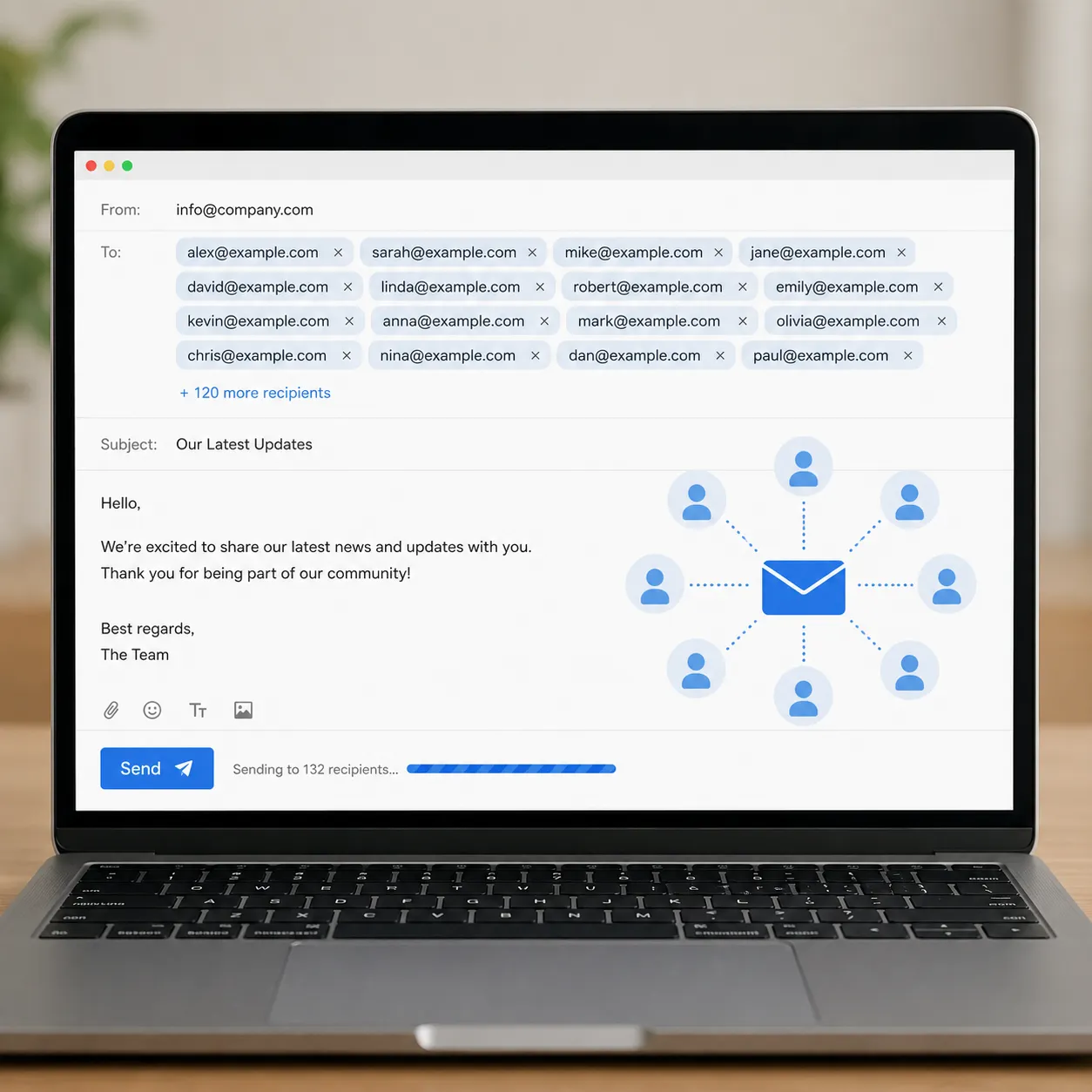
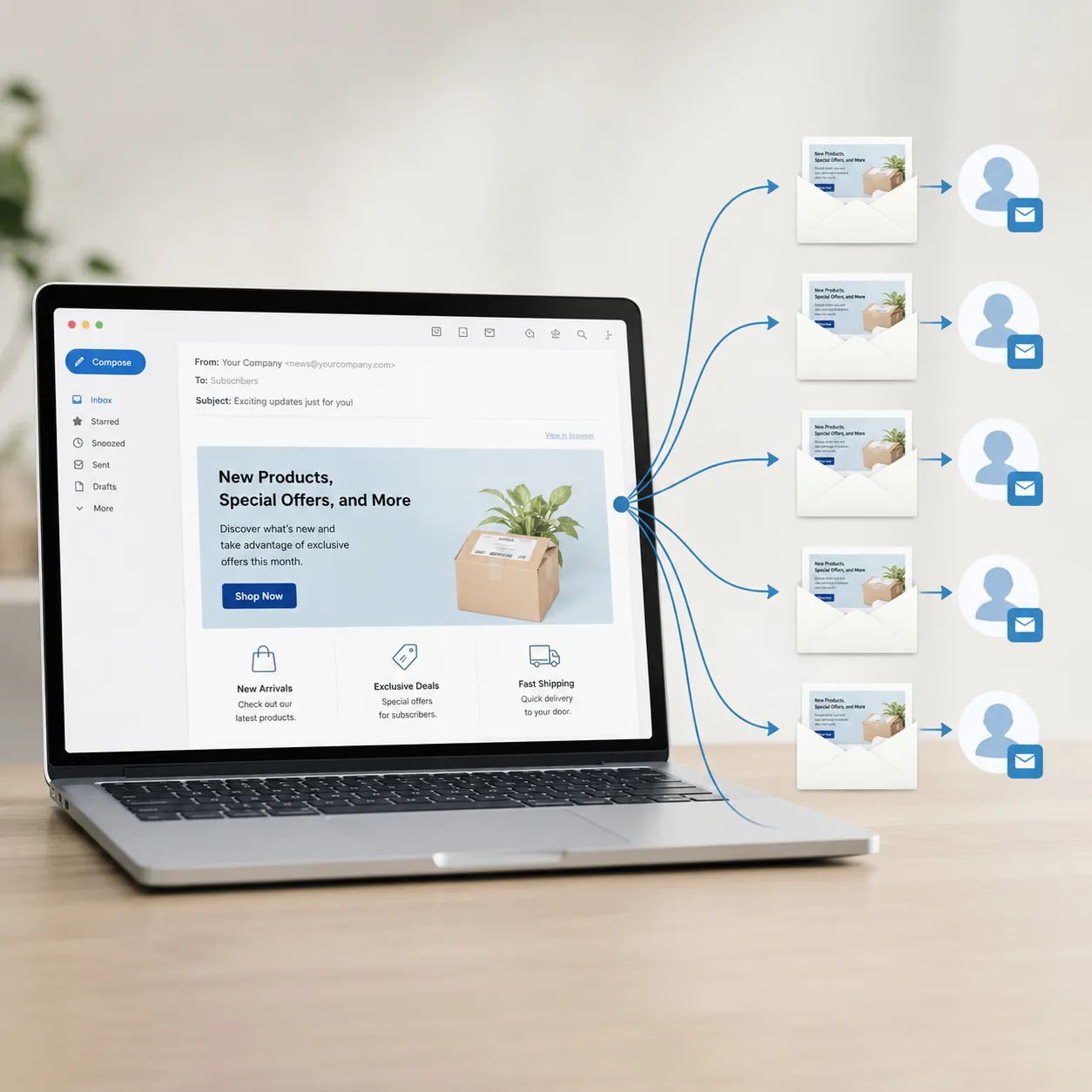
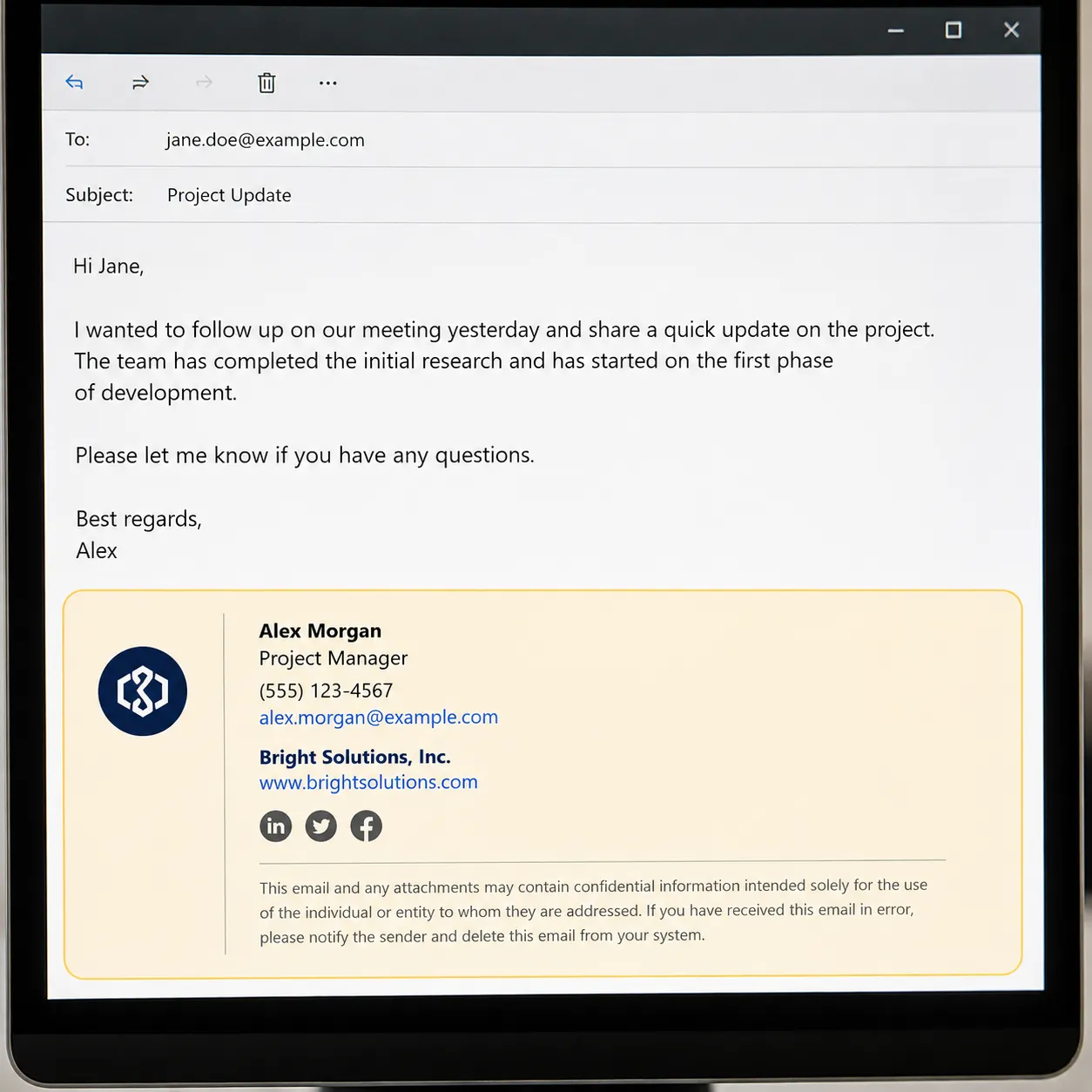
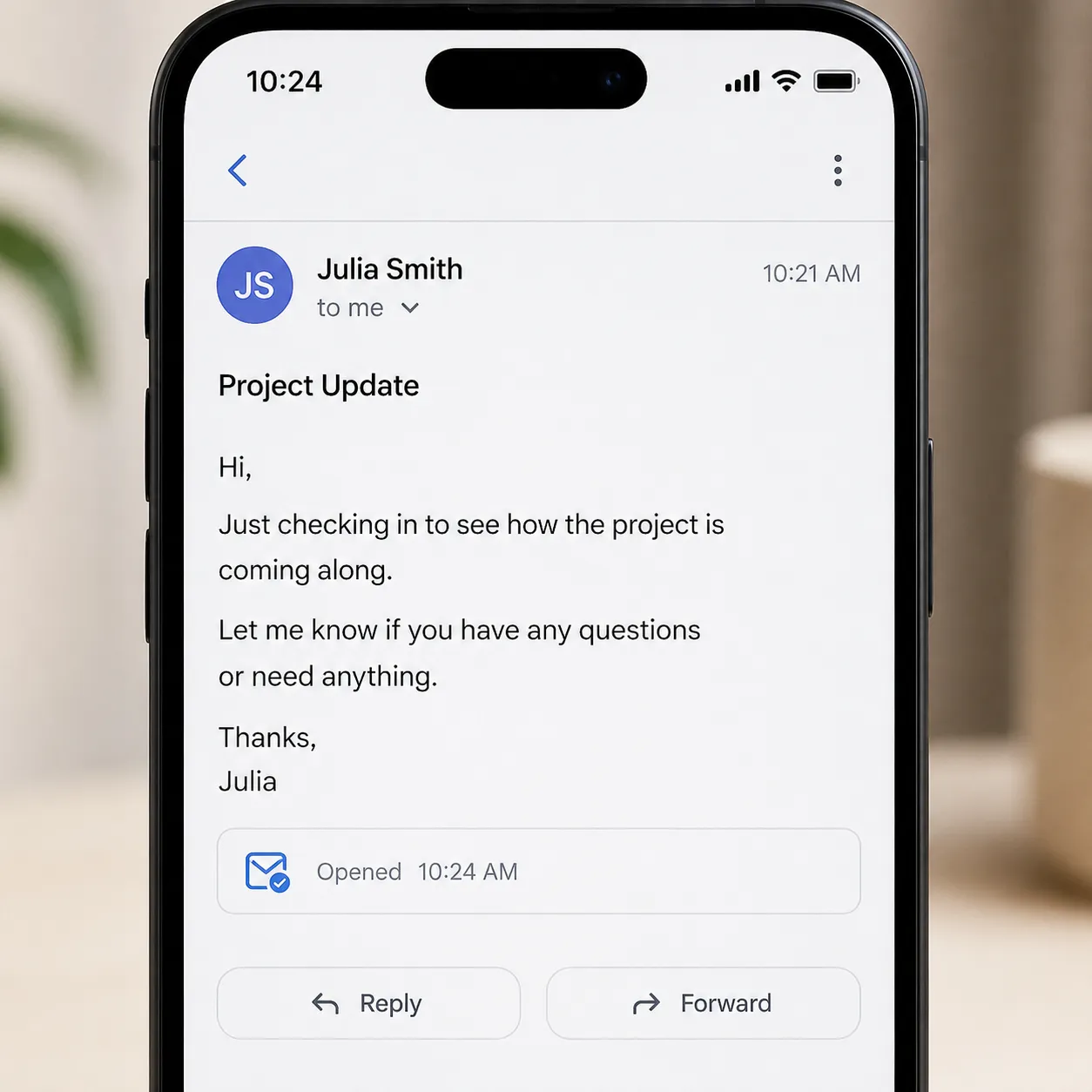
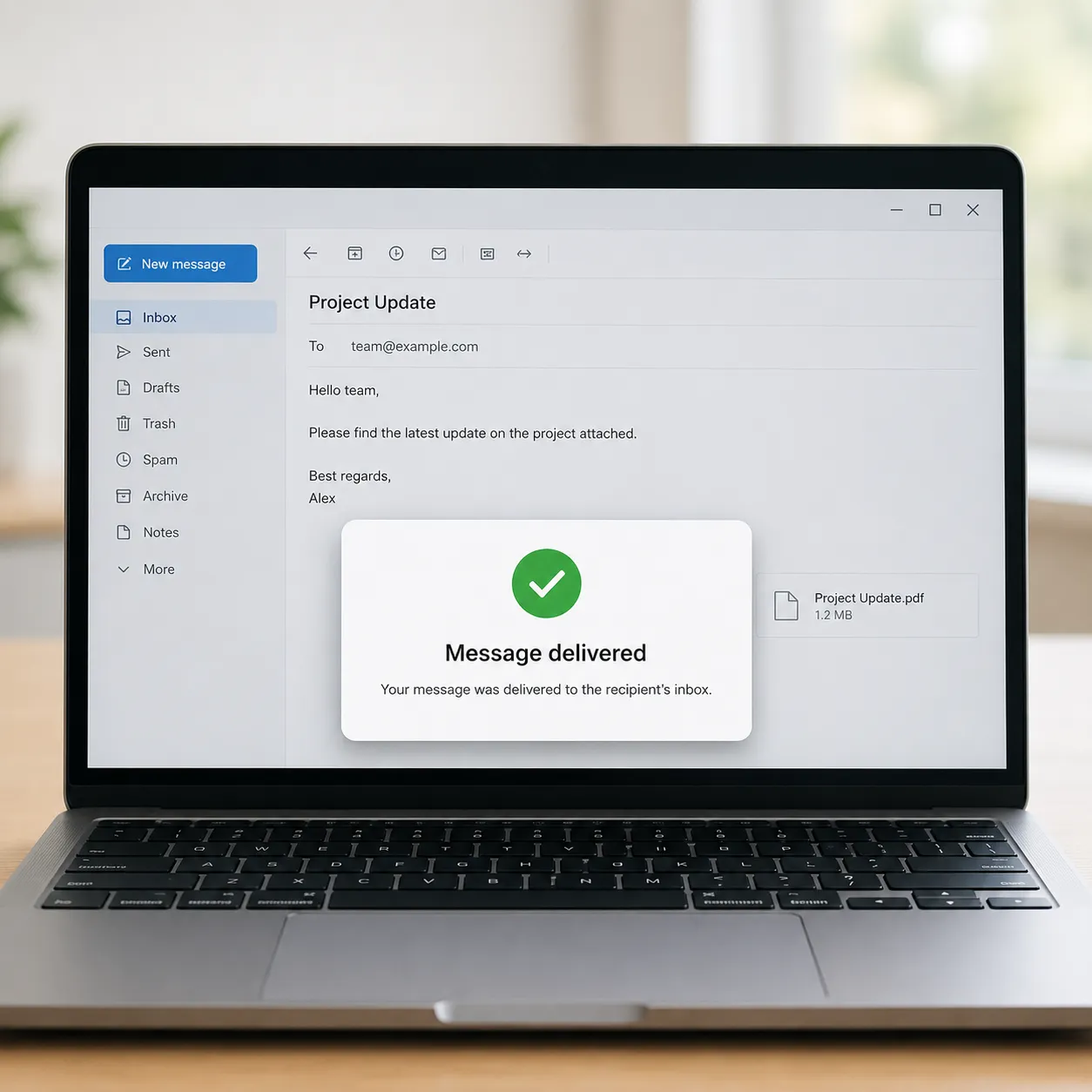
Role-play short calls that include greeting, identifying the caller, taking a message, putting someone on hold and confirming the next step. For email, write brief messages with a clear subject, purpose, requested action and polite closing.
Are these office terms used in both British and American English?
Most terms are widely understood in both varieties. Some alternatives differ, such as post and mail, holiday and vacation, or particular job titles, so learn the version used by your workplace and audience.