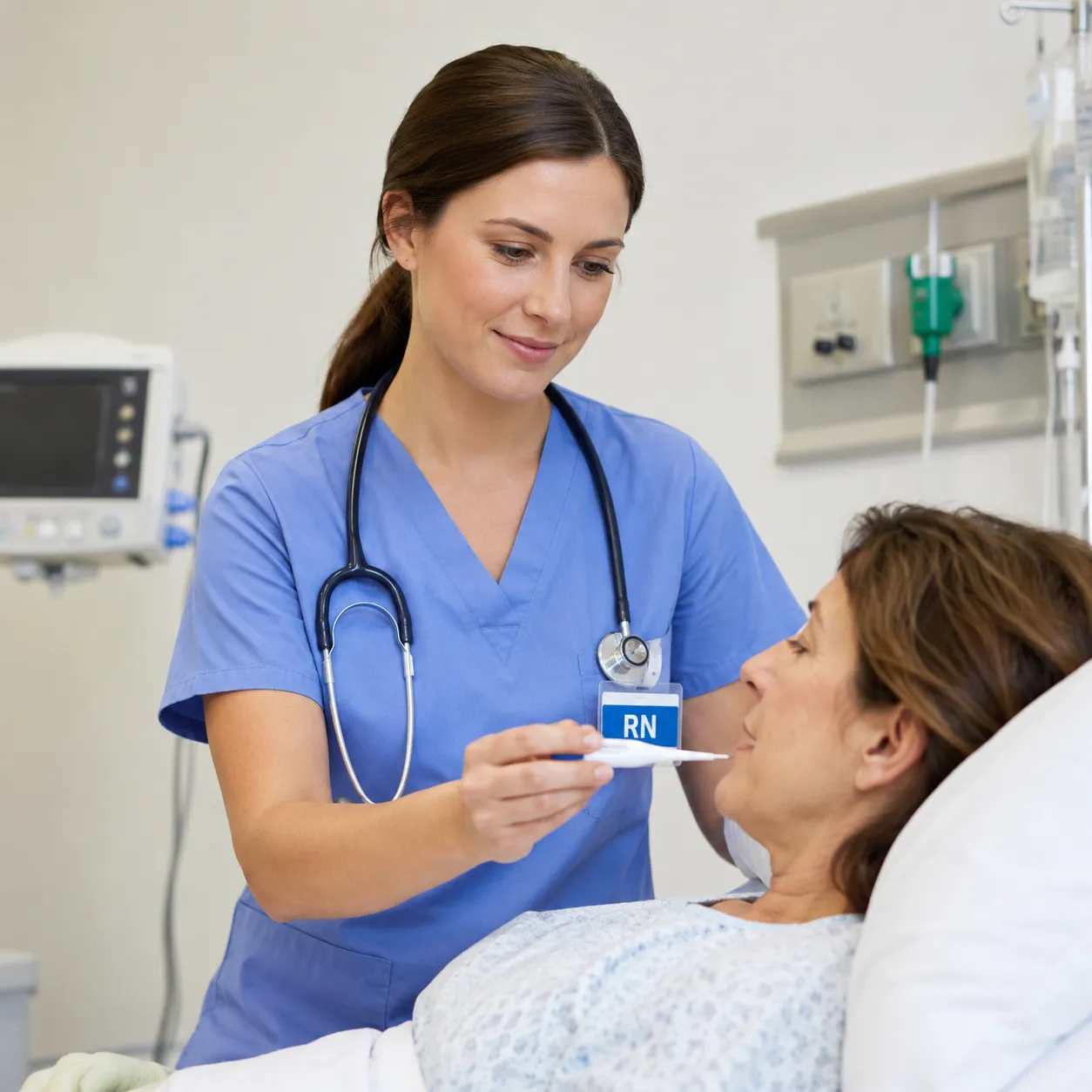
nursenɜːrs
a trained healthcare worker who cares for sick or injured people
- 🇺🇦
- медсестра
- медичний працівник, який доглядає за хворими або пораненими людьми
- 🇨🇿
- zdravotní sestra
- vyškolený zdravotník, který pečuje o nemocné nebo zraněné lidi

Learn 796 essential nursing English words for patient care, hospital work, medicines, equipment, symptoms, records and clinical communication.
This nursing English vocabulary set contains 796 practical words and phrases used in hospitals, clinics, care homes and home care. It covers healthcare roles, patient assessment, vital signs, symptoms, medicines, equipment, infection control, documentation, handovers, nutrition, mobility, personal care and professional responsibilities. The set is useful for nursing students, working nurses, care assistants and English learners preparing for clinical placements or healthcare jobs. Study one category at a time, beginning with common roles, places and patient-care language before moving to advanced terminology. Review 15–20 items per session, say each term aloud, connect it with a realistic situation and practise short handover or patient-dialogue sentences. Return to difficult categories regularly and use active recall rather than only rereading. Local job titles, abbreviations and procedures can vary, so compare unfamiliar terms with the language used in your workplace or training program.
Customize the card view
Hide translations you don't need, blur fields to quiz yourself, and switch the card layout.
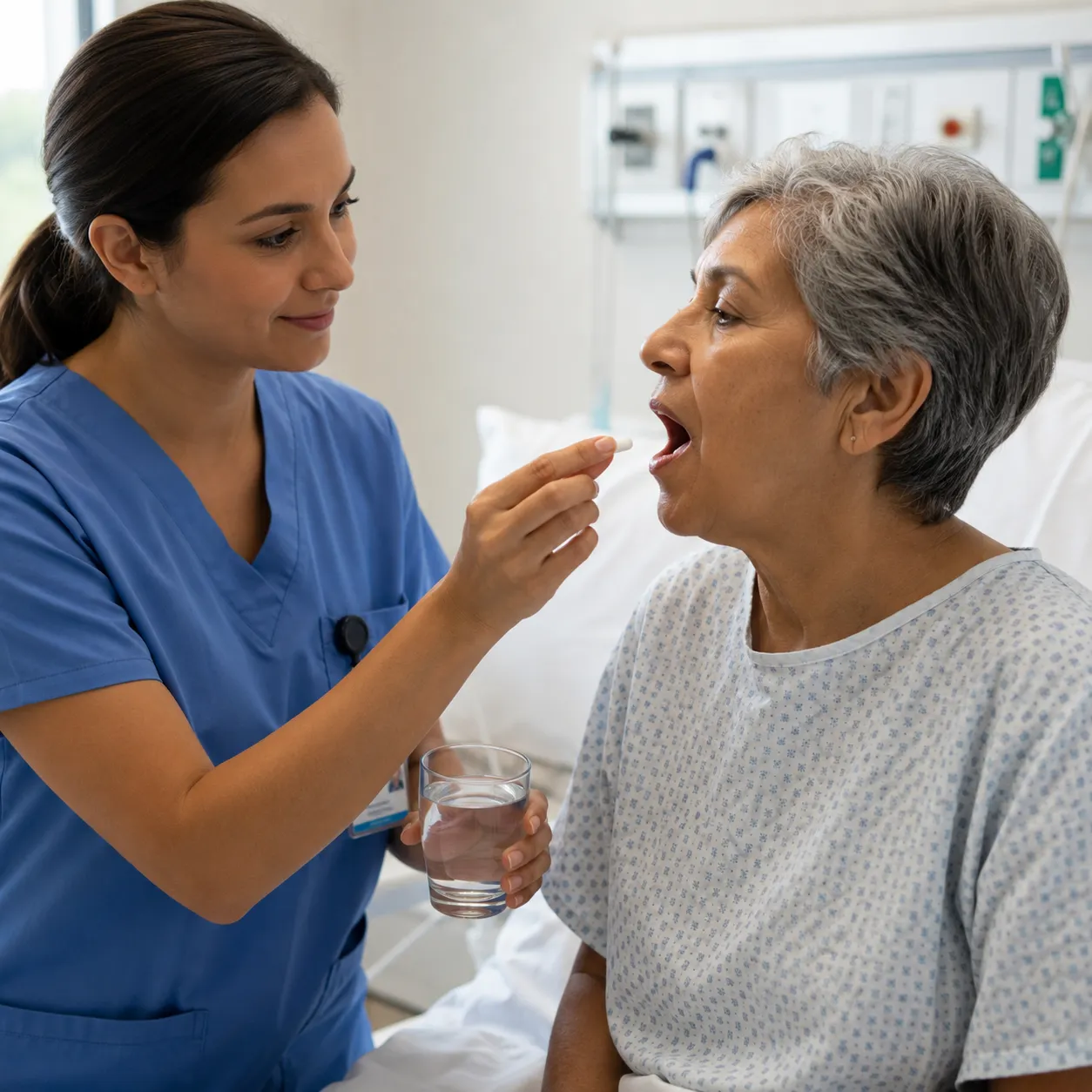
Nursing, medical and support professionals involved in patient care.
nursenɜːrs
a trained healthcare worker who cares for sick or injured people

registered nurseˈredʒɪstərd nɜːrs
a nurse who has completed official training and is legally registered to practice nursing.
licensed practical nurseˈlaɪsnst ˈpræktɪkəl nɜːrs
a nurse with a practical nursing license who provides basic patient care under the supervision of a registered nurse or doctor.

nursing assistantˈnɜːrsɪŋ əˈsɪstənt
a healthcare worker who helps nurses with basic patient care tasks.

charge nursetʃɑːrdʒ nɜːrs
a nurse responsible for supervising a unit or shift and coordinating patient care.

head nursehed nɜːrs
the senior nurse who manages nursing staff in a department or ward.

staff nursestæf nɜːrs
a nurse who provides direct patient care as part of the regular nursing staff.

triage nurseˈtriːɑːʒ nɜːrs
a nurse who quickly assesses patients and decides how urgently they need treatment.
ward nursewɔːrd nɜːrs
a nurse who works on a hospital ward and cares for patients staying there.
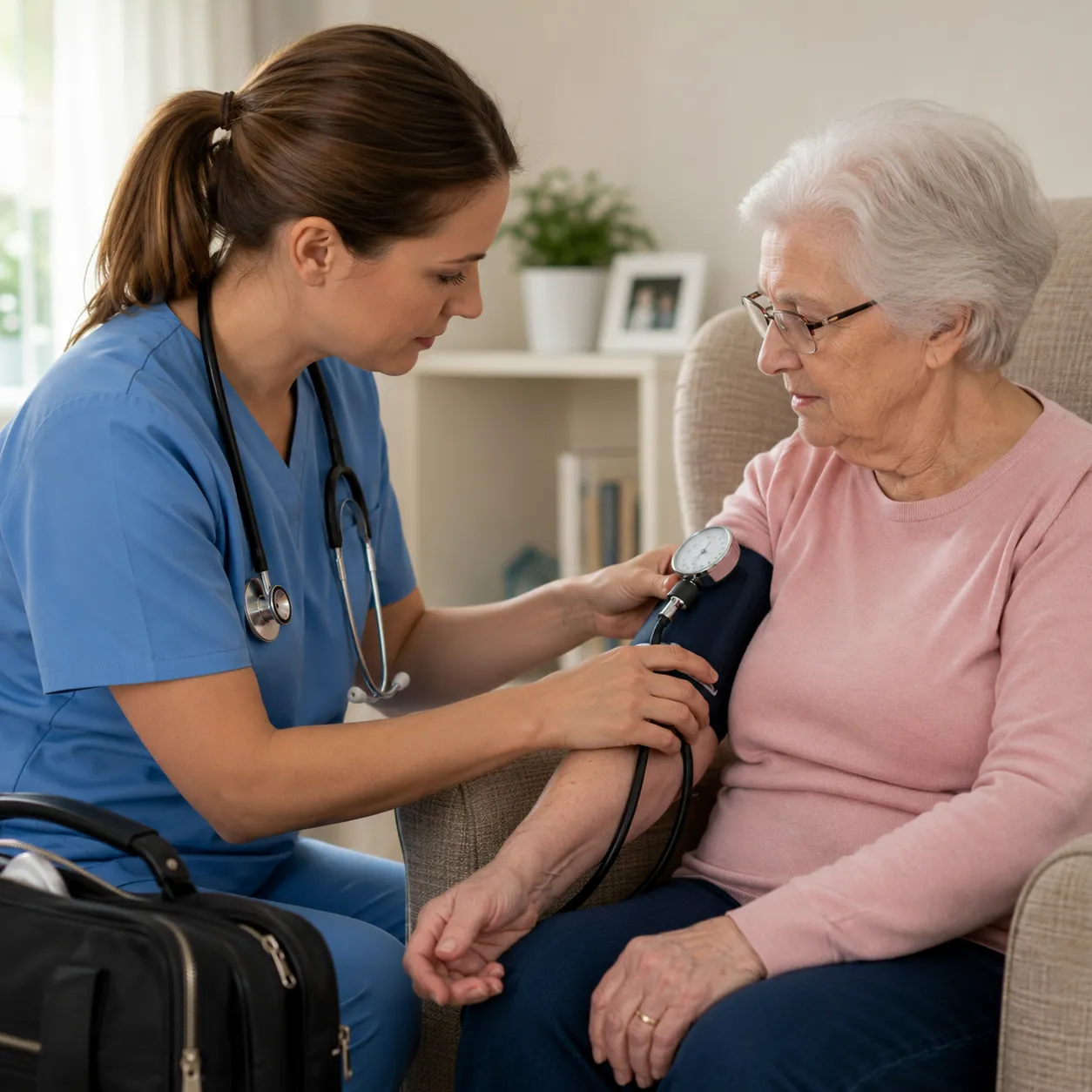
community nursekəˈmjuːnəti nɜːrs
a nurse who provides healthcare services to people in their homes or local community.

home care nursehoʊm ker nɜːrs
a nurse who visits patients at home to provide medical care and support.
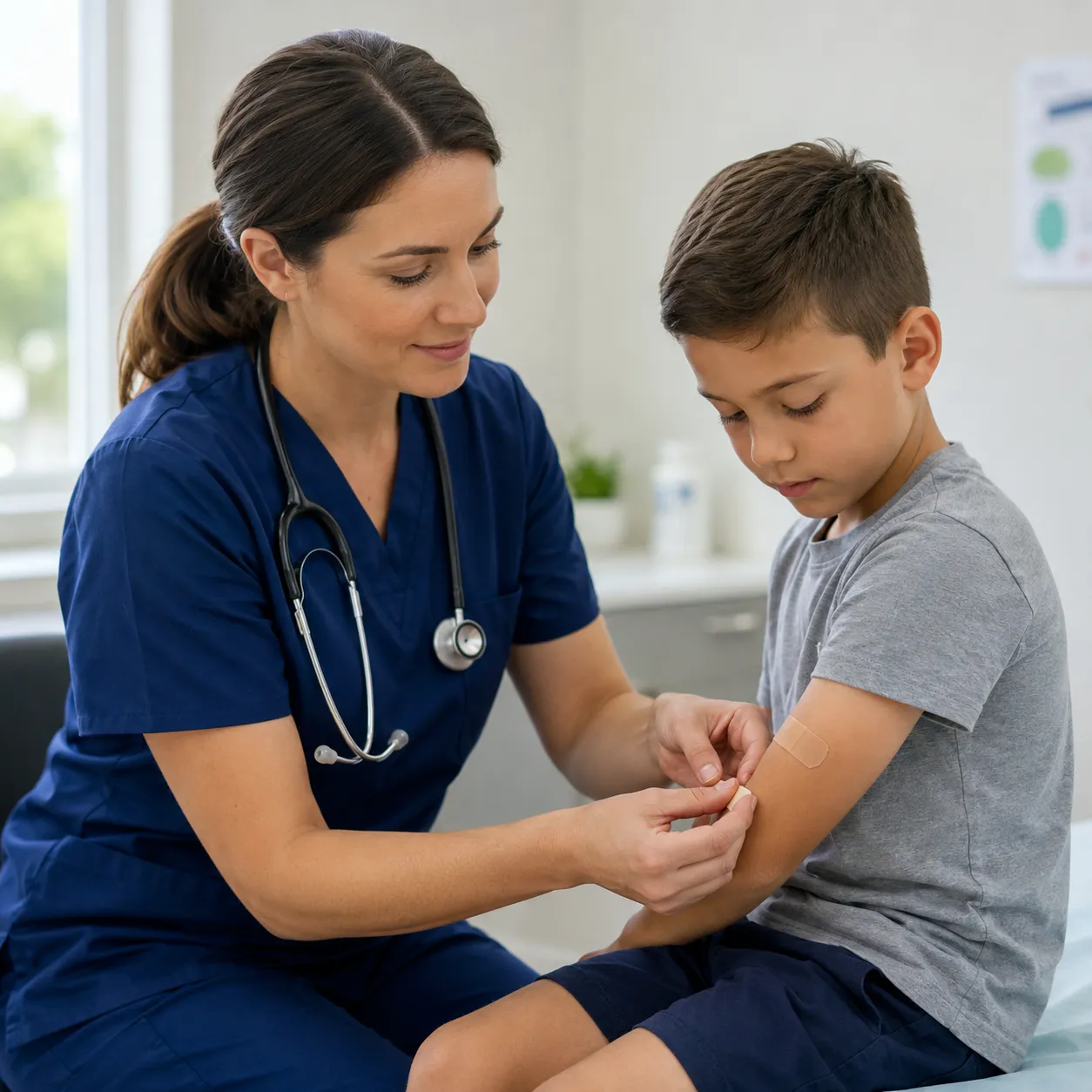
school nurseskuːl nɜːrs
a nurse who works in a school and cares for students' health needs.

pediatric nurseˌpiːdiˈætrɪk nɜːrs
a nurse who specializes in caring for babies, children, and teenagers.

surgical nurseˈsɜːrdʒɪkəl nɜːrs
a nurse who assists with operations and cares for patients before, during, or after surgery.
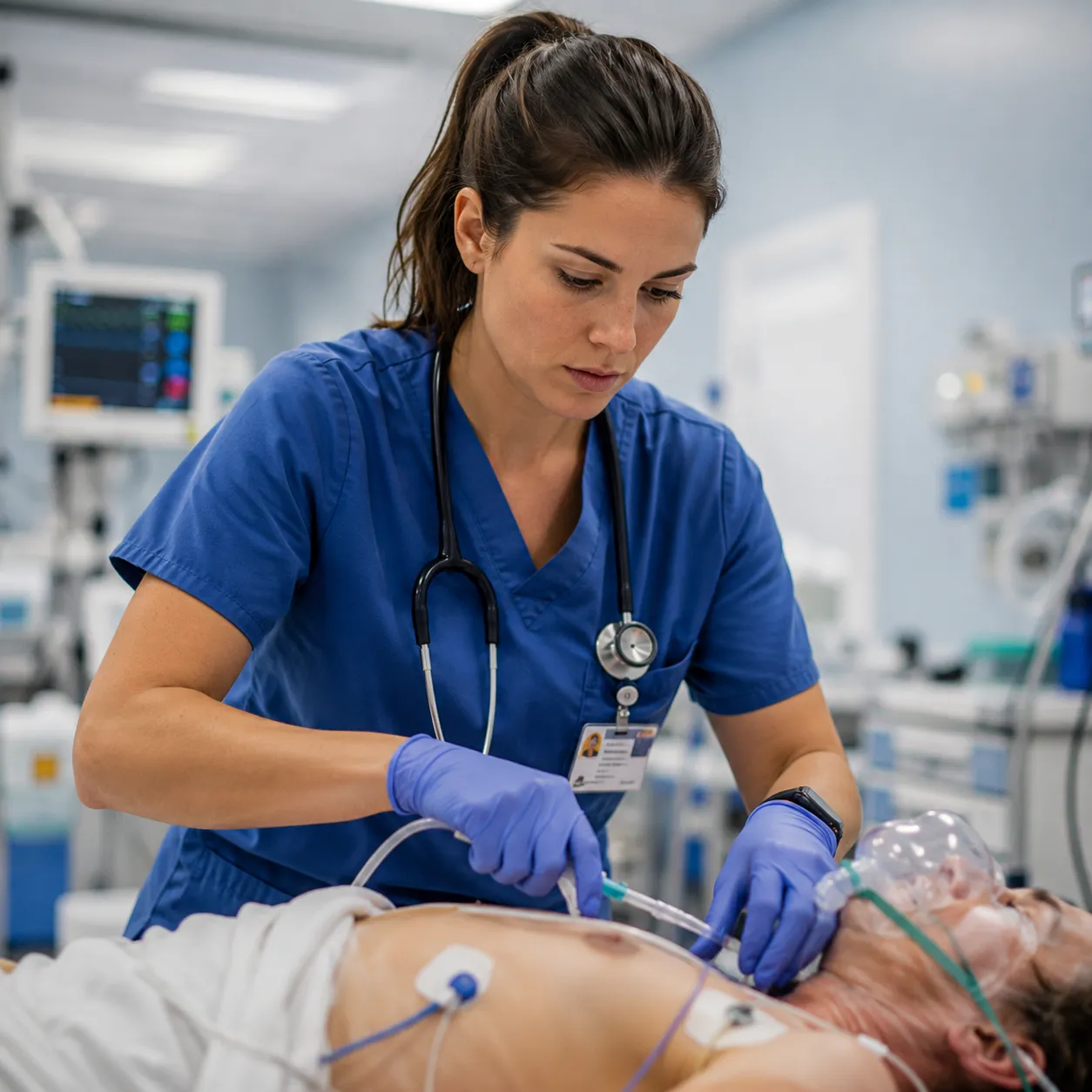
emergency nurseɪˈmɜːrdʒənsi nɜːrs
a nurse who treats patients with urgent or life-threatening health problems, often in an emergency department.
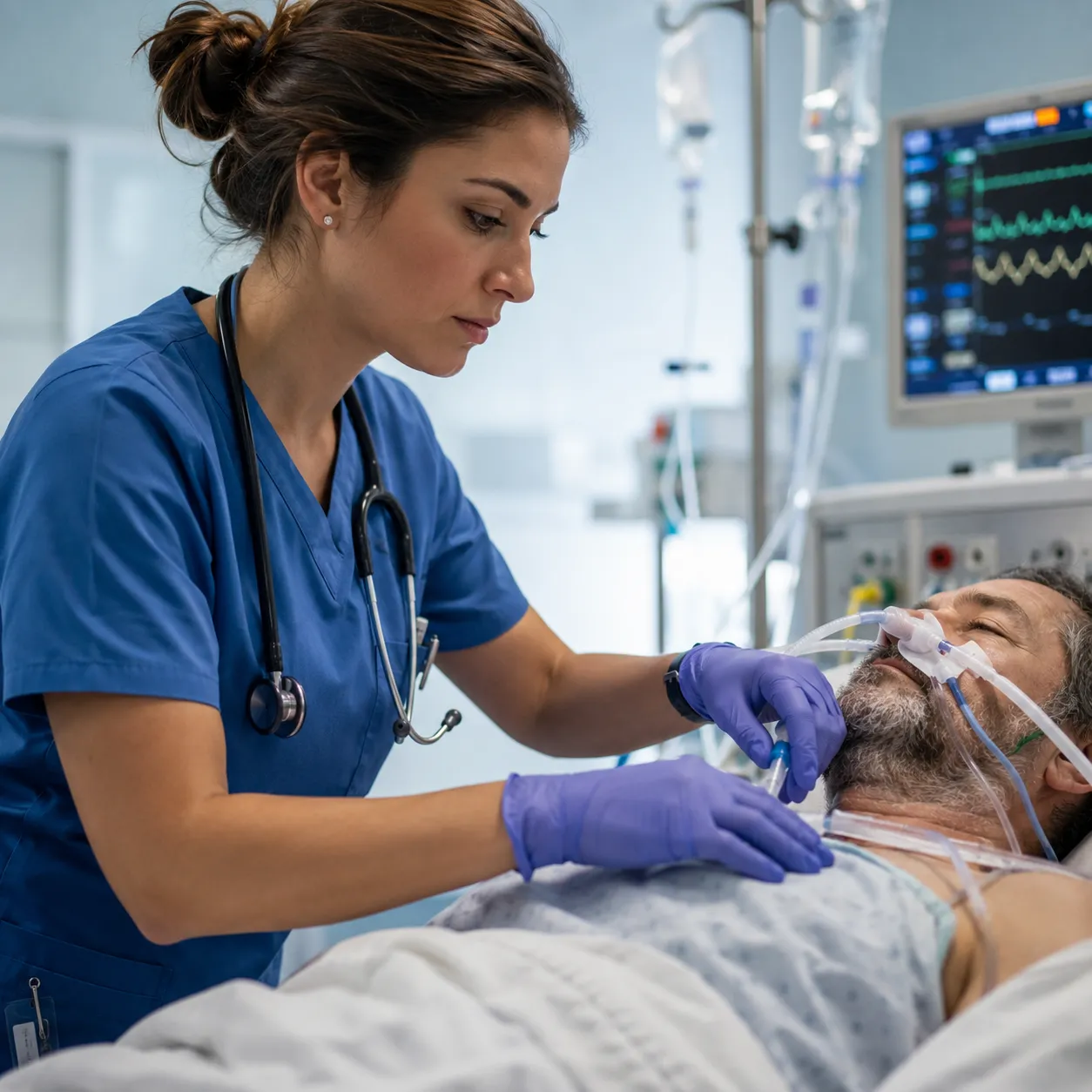
intensive care nurseɪnˈtensɪv ker nɜːrs
a nurse who cares for very seriously ill patients in an intensive care unit.

mental health nurseˈmentəl helθ nɜːrs
a nurse who supports and treats people with mental health conditions.

midwifeˈmɪdwaɪf
a trained health professional who helps women during pregnancy, childbirth, and after the baby is born.

doctorˈdɑːktər
a medically trained and licensed professional who diagnoses and treats illnesses and injuries

physicianfɪˈzɪʃən
a medical doctor, especially one who treats illness without doing surgery.

surgeonˈsɜːrdʒən
a doctor who performs operations to treat injuries, diseases, or deformities.
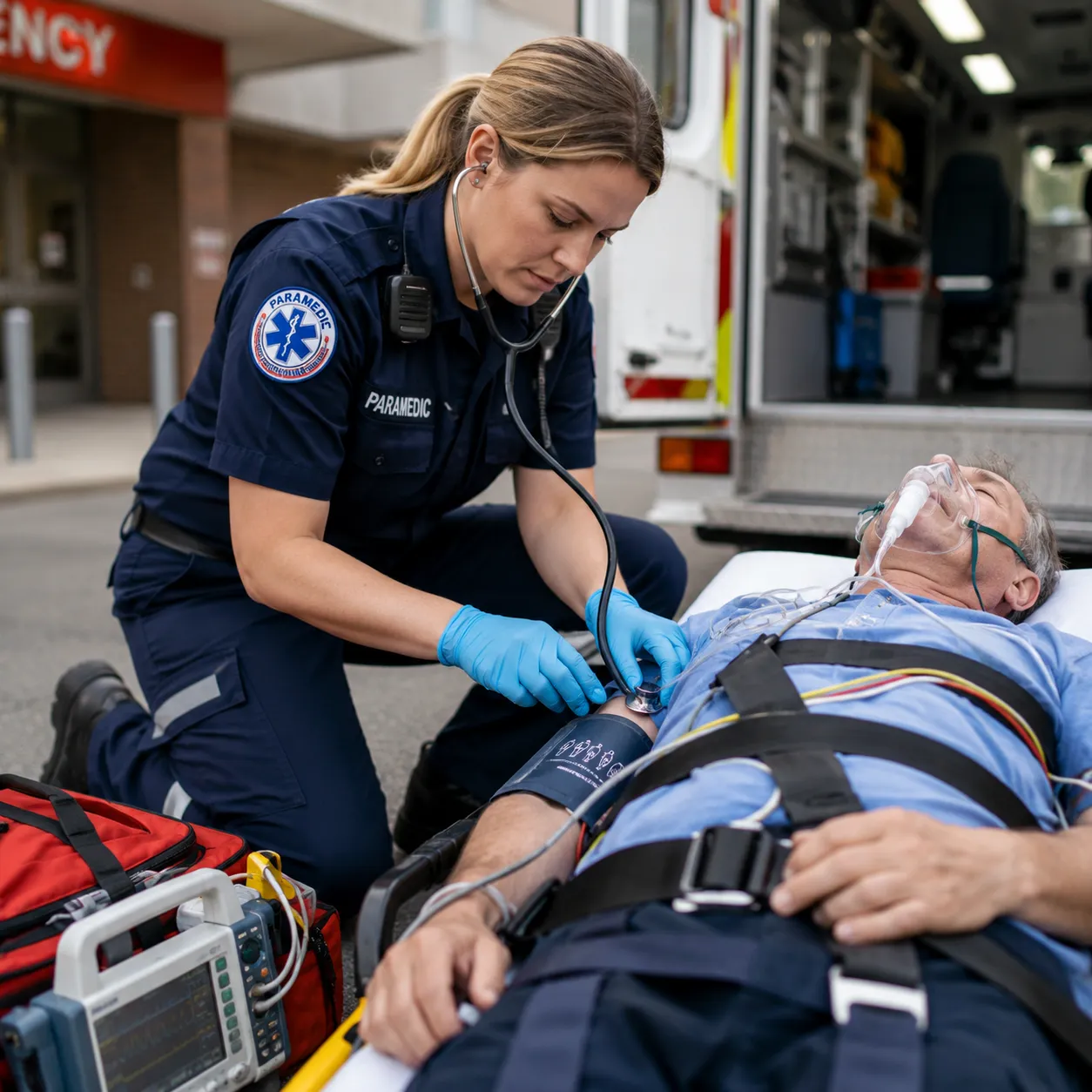
paramedicˌpærəˈmedɪk
a trained emergency medical worker who gives urgent care before or during transport to a hospital.

pharmacistˈfɑːrməsɪst
a health professional who prepares and gives out medicines and advises people on their safe use.

therapistˈθerəpɪst
a trained professional who helps people improve health, movement, speech, or mental well-being through treatment sessions.

receptionistrɪˈsepʃənɪst
a person who welcomes and helps visitors

porterˈpɔːtə
a person in a hotel or station whose job is to carry guests' bags.

cleanerˈkliːnə
a person whose job is to clean rooms, floors, windows, or other places and things.
laboratory technicianləˈbɒrətri tekˈnɪʃən
a trained worker who performs tests and handles samples in a medical or scientific laboratory.
radiographerˌreɪdiˈɒɡrəfə
a healthcare professional who takes X-rays and other medical images of the body.

specialistˈspeʃəlɪst
a person with detailed knowledge or skill in a particular area of work.

consultantkənˈsʌltənt
a senior specialist doctor who gives expert advice and has major responsibility for patient care.

dietitianˌdaɪəˈtɪʃən
a health professional who gives expert advice about food, nutrition, and special diets.
People receiving care and the relatives, contacts and services that support them.

patientˈpeɪʃənt
a person who receives medical care or treatment

residentˈrezɪdənt
a person who lives in a care home, nursing home, or other long-term care facility.

clientˈklaɪənt
a person or company that receives professional services from a business.

visitorˈvɪzɪtər
a person who goes to see a person, place, or event for a short time

relativeˈrelətɪv
a person who is connected to another person by family relationship.

family memberˈfæməli ˈmembər
a person who belongs to someone's family.

caregiverˈkɛrˌɡɪvər
a person who looks after someone who is ill, elderly, disabled, or needs daily help.

care teamkɛr tiːm
the group of health and care workers who look after one patient or client.

multidisciplinary teamˌmʌltiˌdɪsəpləˈnɛri tiːm
a care team made up of professionals from different fields who work together for a patient.
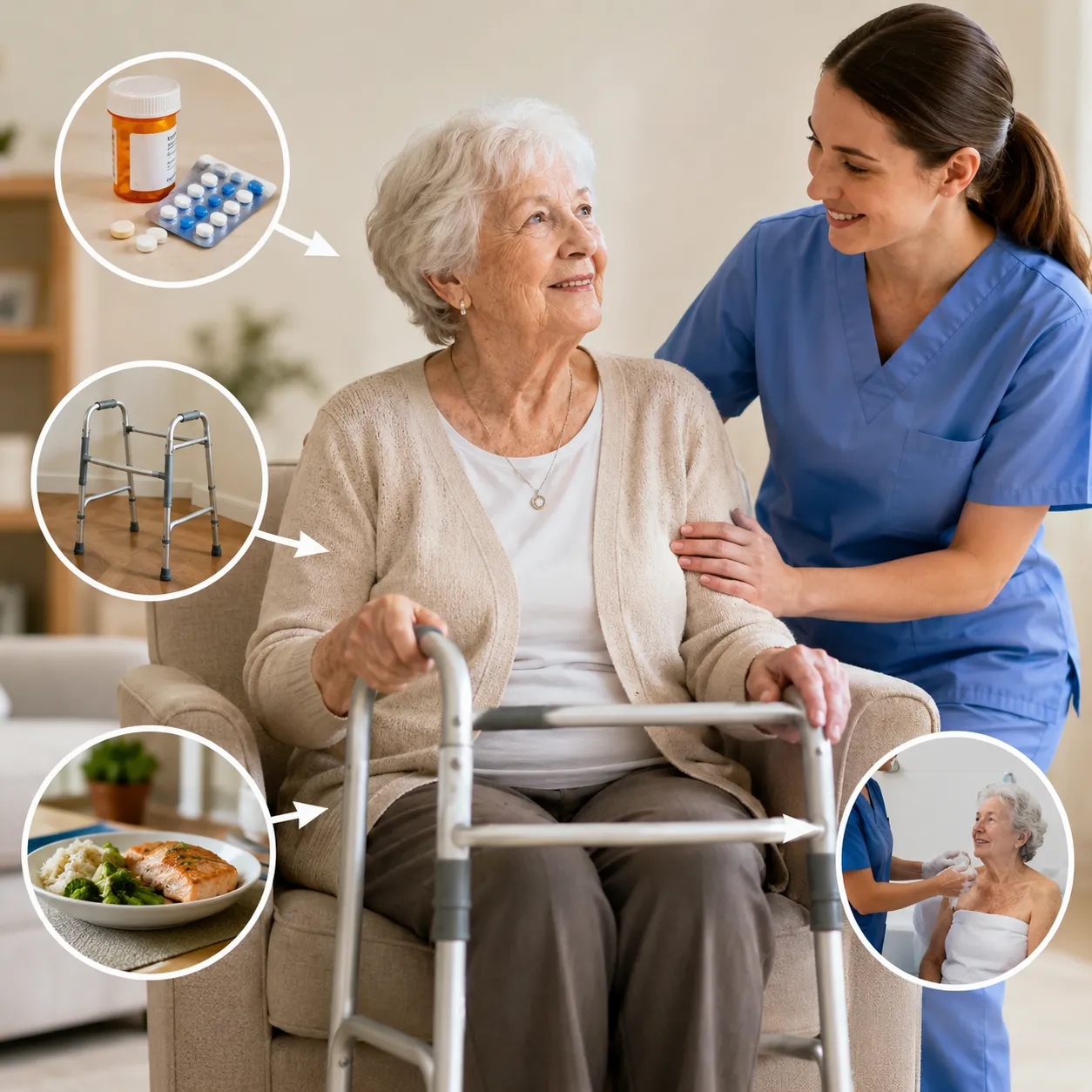
care needsˈkɛər niːdz
the help, support, or services a person requires to stay safe and well.
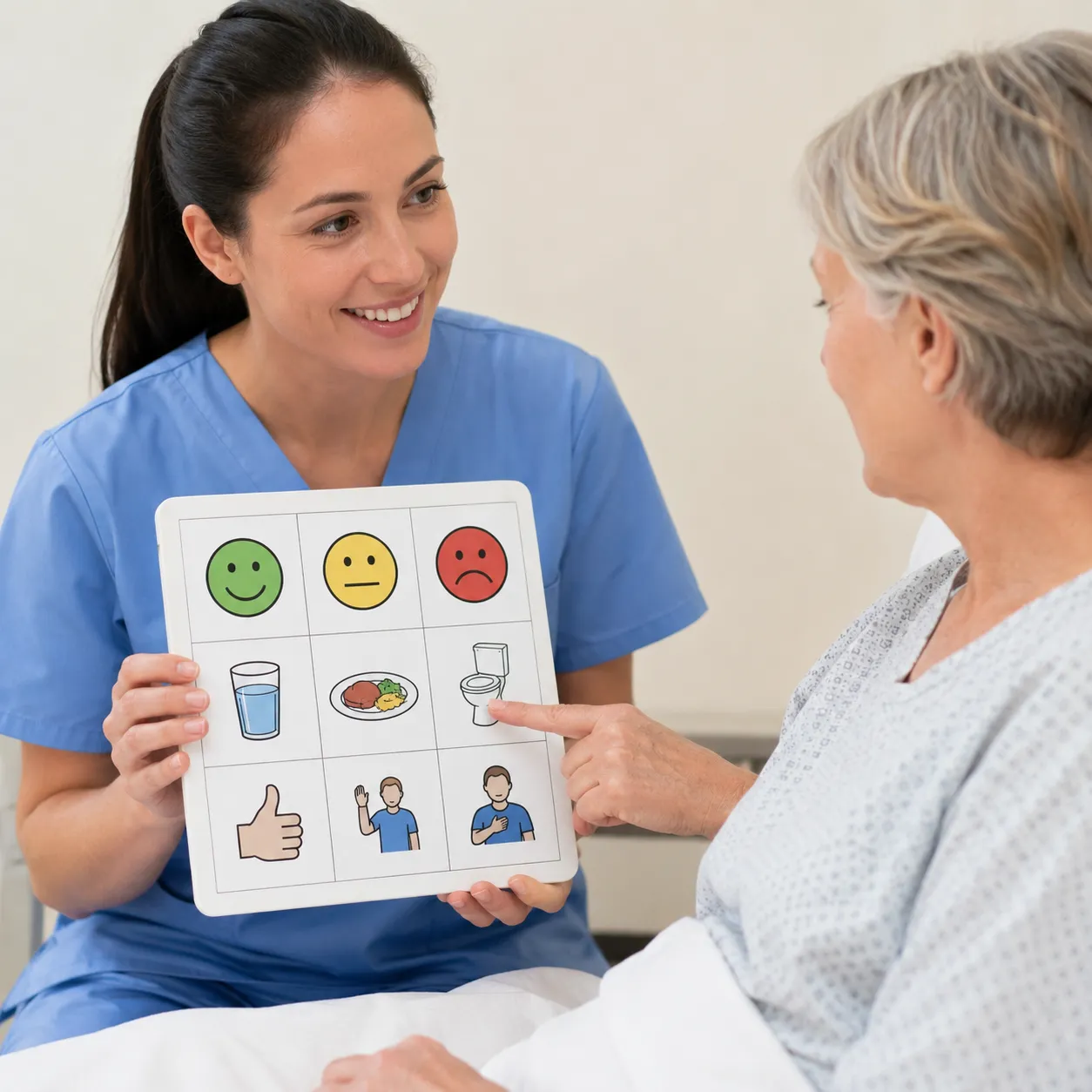
communication needskəˌmjuːnɪˈkeɪʃən niːdz
the support a person requires to understand information and express themselves.
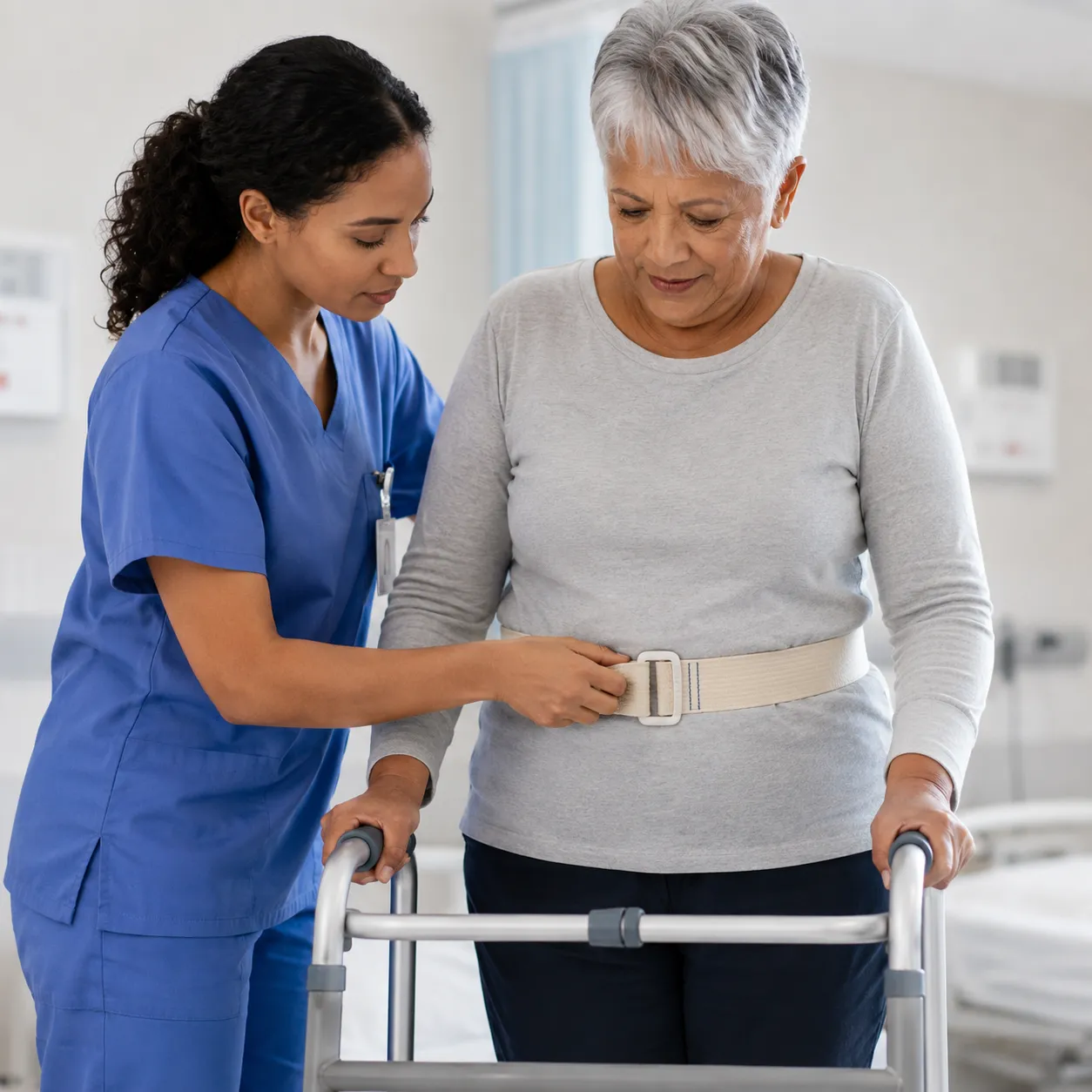
mobility needsmoʊˈbɪləti niːdz
the support or equipment a person requires to move around safely.
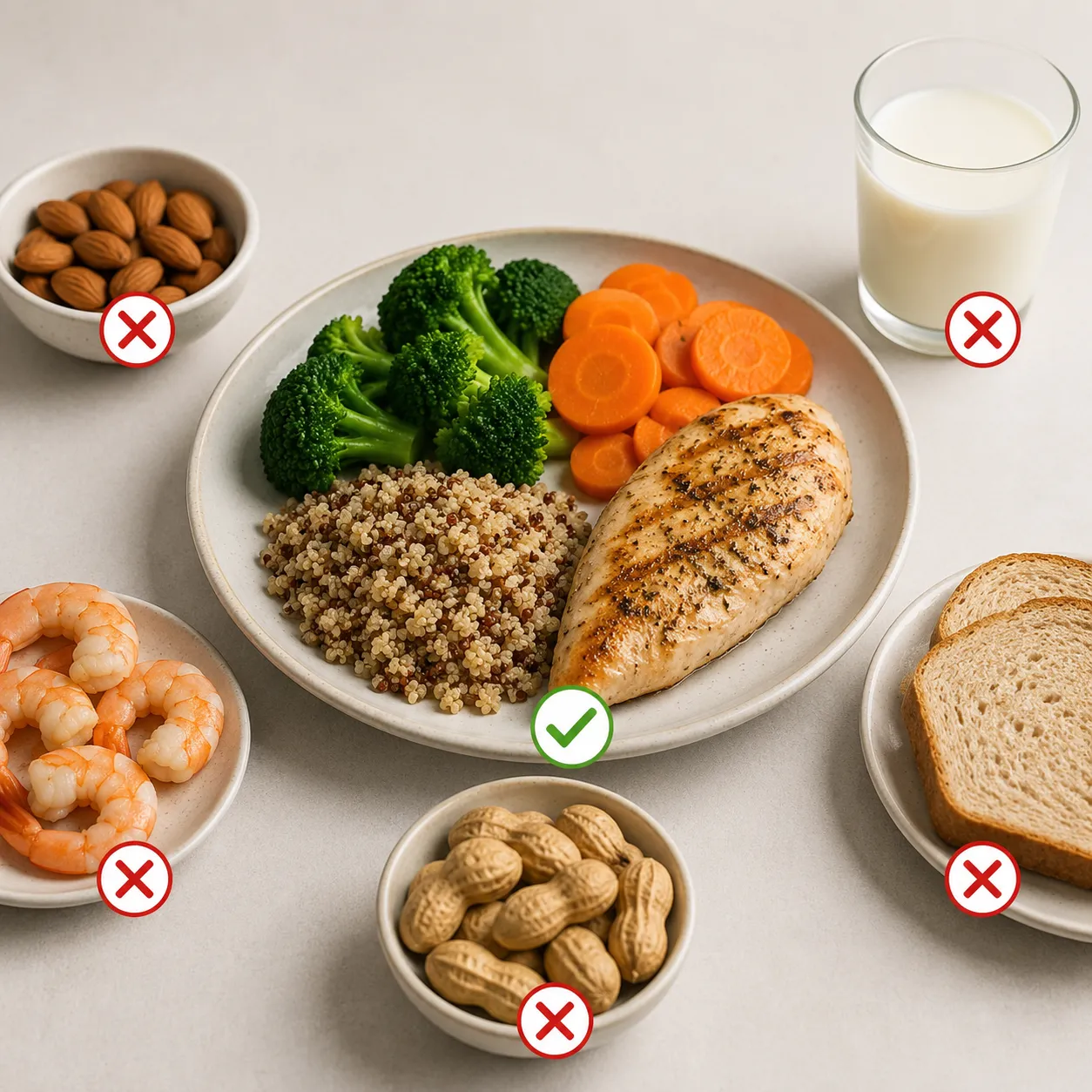
dietary needsˈdaɪəˌtɛri niːdz
the foods or drinks a person needs or must avoid for health, religious, or personal reasons.

personal needsˈpɜːrsənəl niːdz
a person’s individual needs for daily comfort, dignity, hygiene, and personal care.
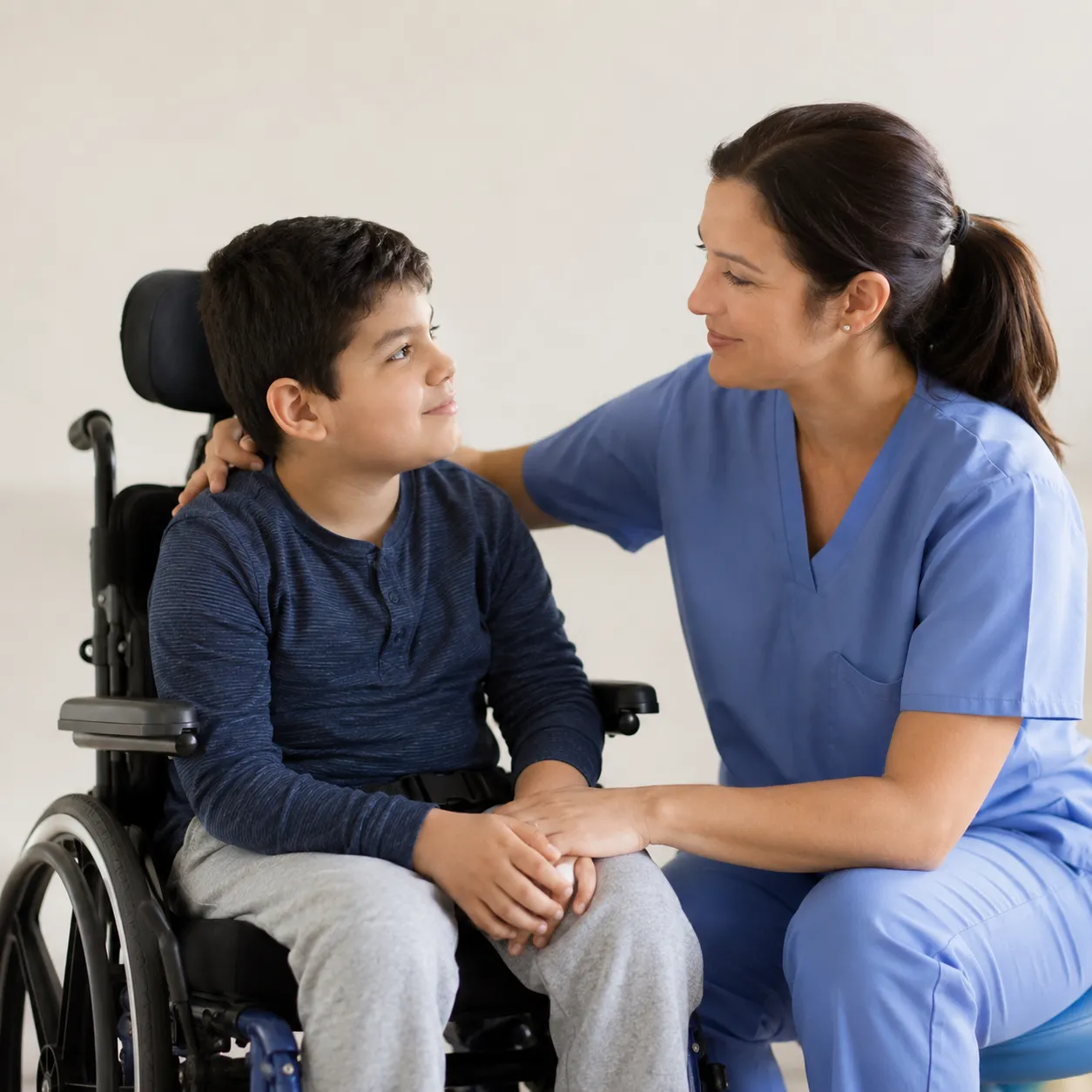
special needsˈspɛʃəl niːdz
additional support needs caused by a disability, health condition, or learning difficulty.
language barrierˈlæŋɡwɪdʒ ˈbæriər
difficulty communicating because people do not speak the same language well.

interpreterɪnˈtɜːrprɪtər
a person who translates spoken or signed language between people who use different languages.
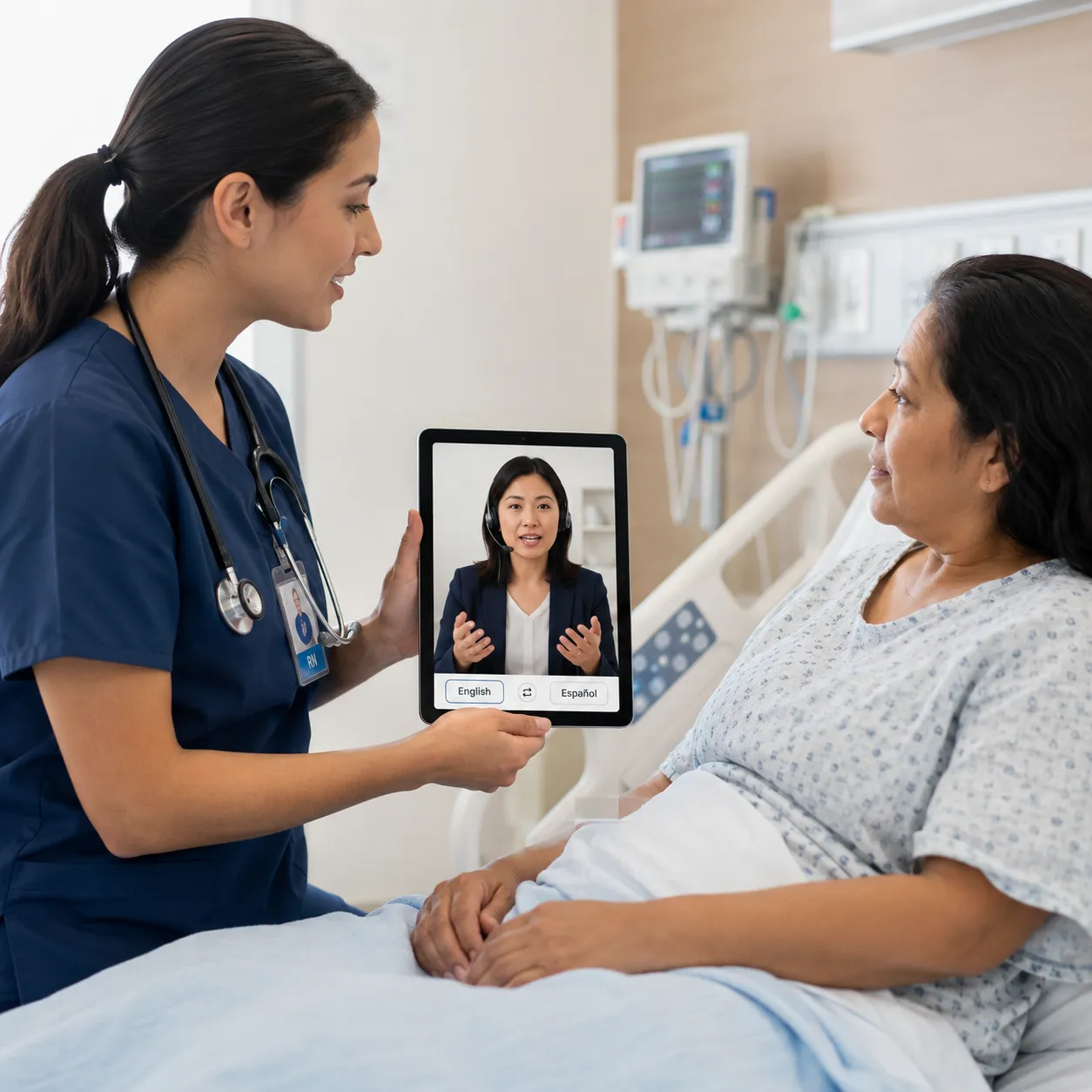
translation servicetrænzˈleɪʃən ˈsɜːrvɪs
a service that changes written or spoken information from one language into another.
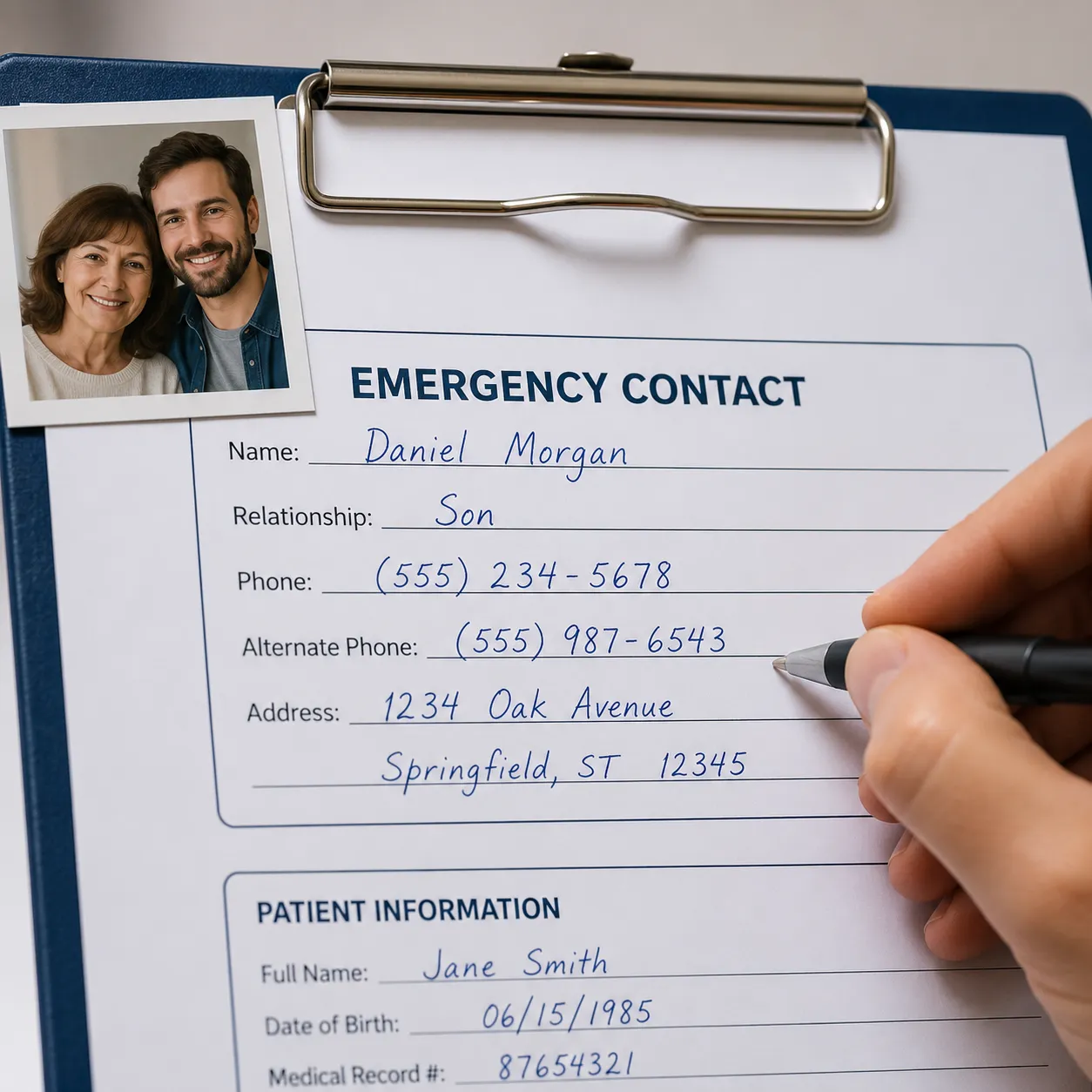
next of kinˌnɛkst əv ˈkɪn
a person’s closest relative or the person to contact about them in an emergency.
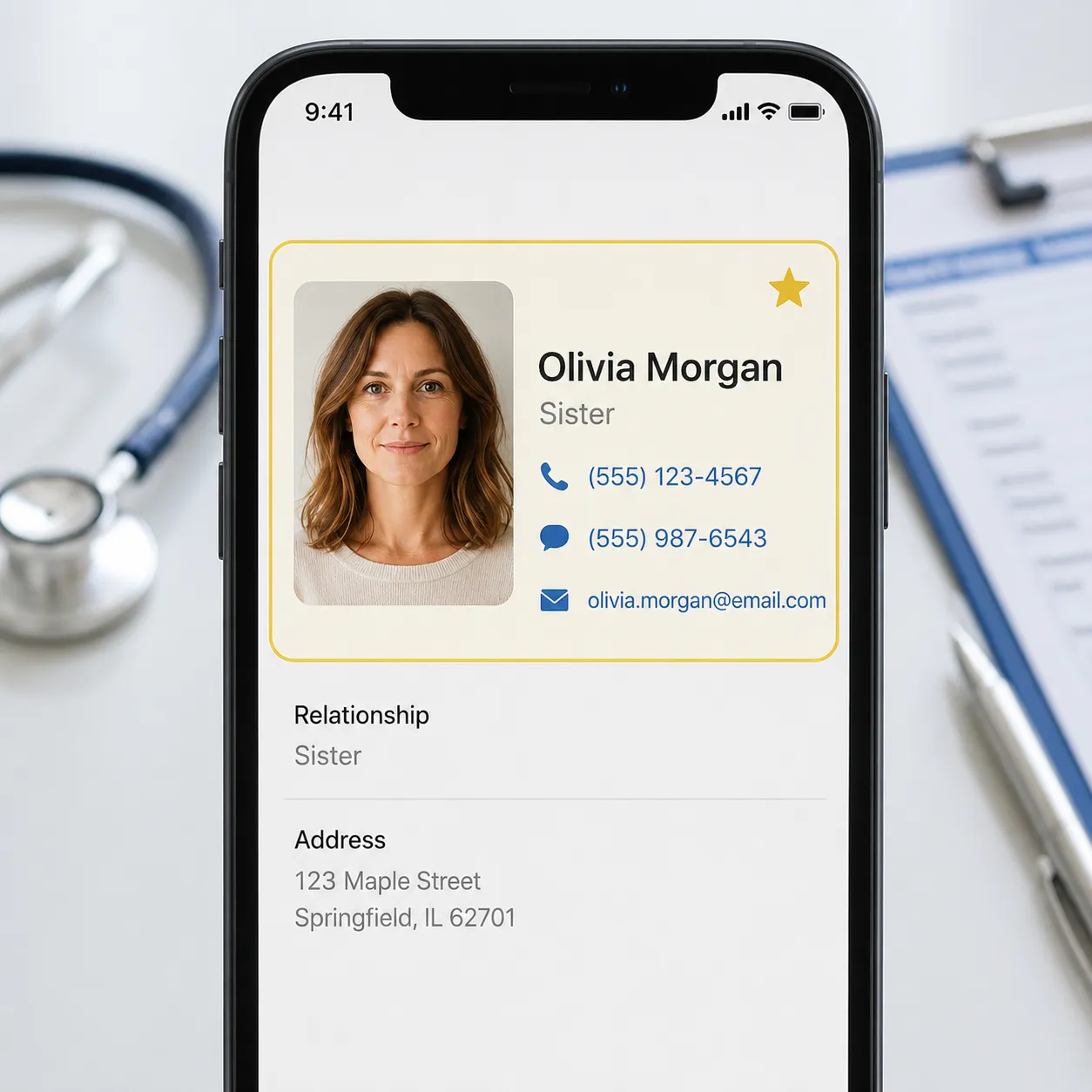
emergency contactɪˈmɜːrdʒənsi ˈkɑːntækt
a person whose details are recorded so they can be contacted if there is an emergency.
Hospitals, clinics, care homes and the rooms and service areas inside them.
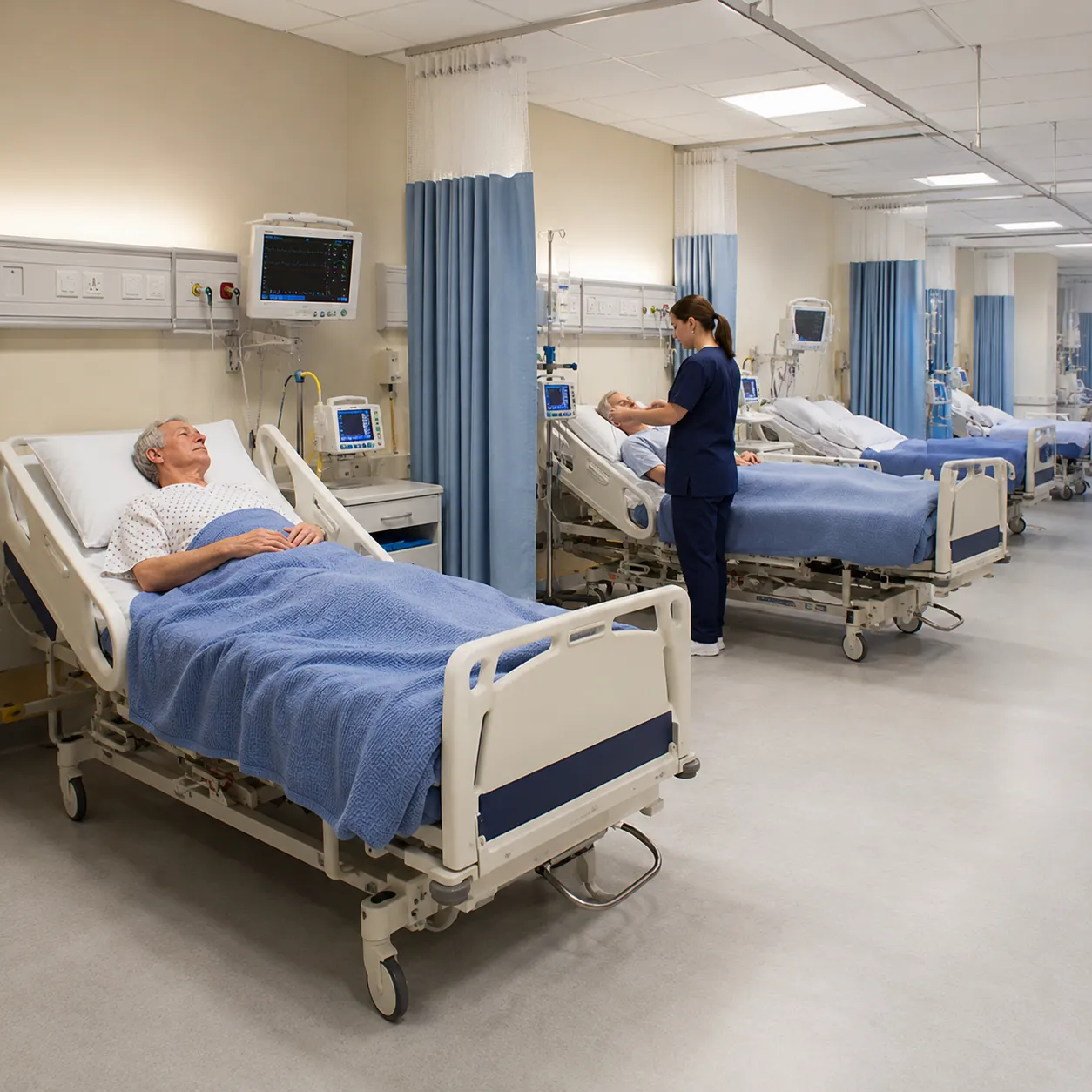
wardwɔːd
a section of a hospital where patients stay and receive care.

departmentdɪˈpɑːrtmənt
a section of a company, organization, government, or school responsible for particular work

hospitalˈhɒspɪtəl
a large medical facility where sick or injured people receive treatment, babies are often born, and patients may stay overnight
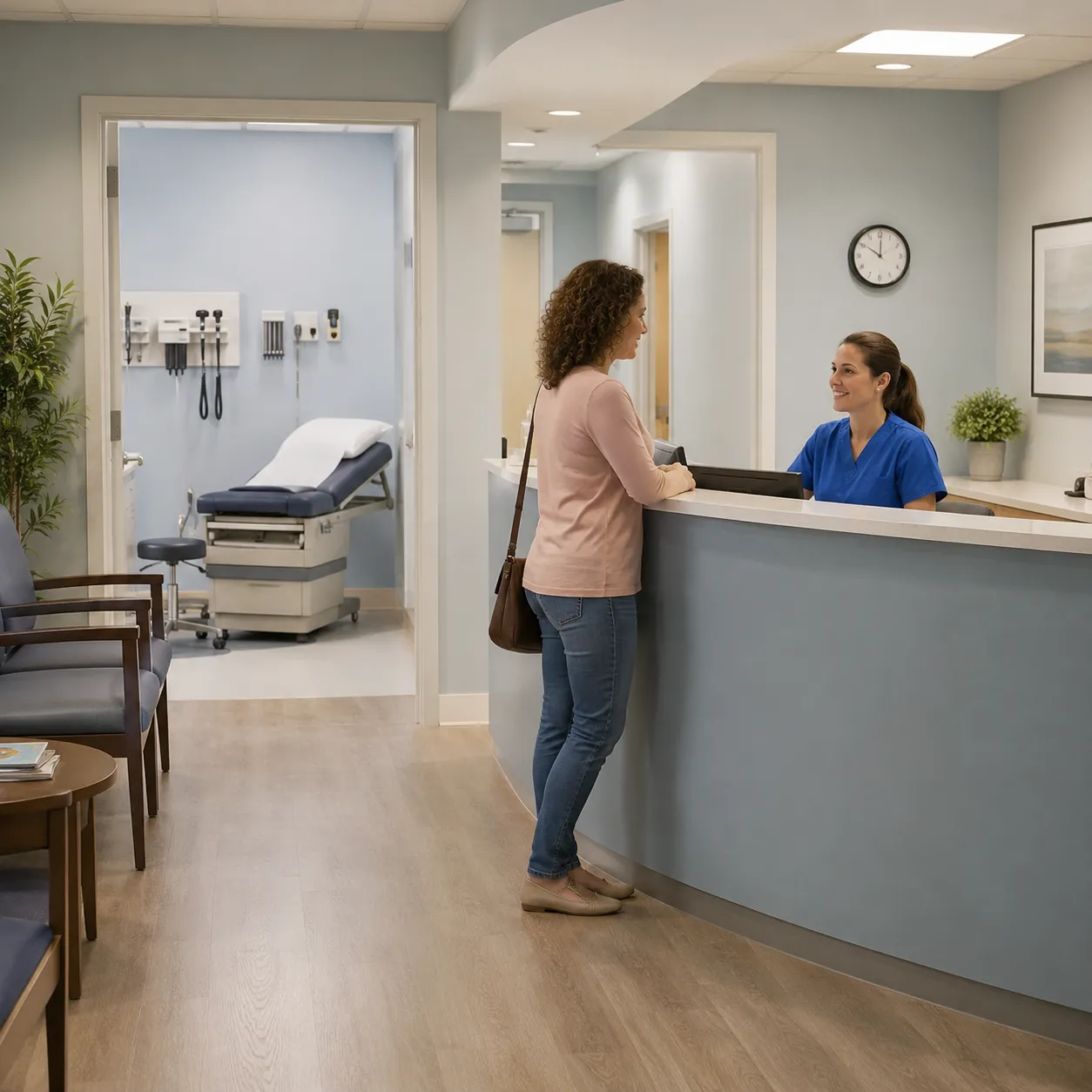
clinicˈklɪnɪk
a medical facility where people receive care or advice, usually without staying overnight.
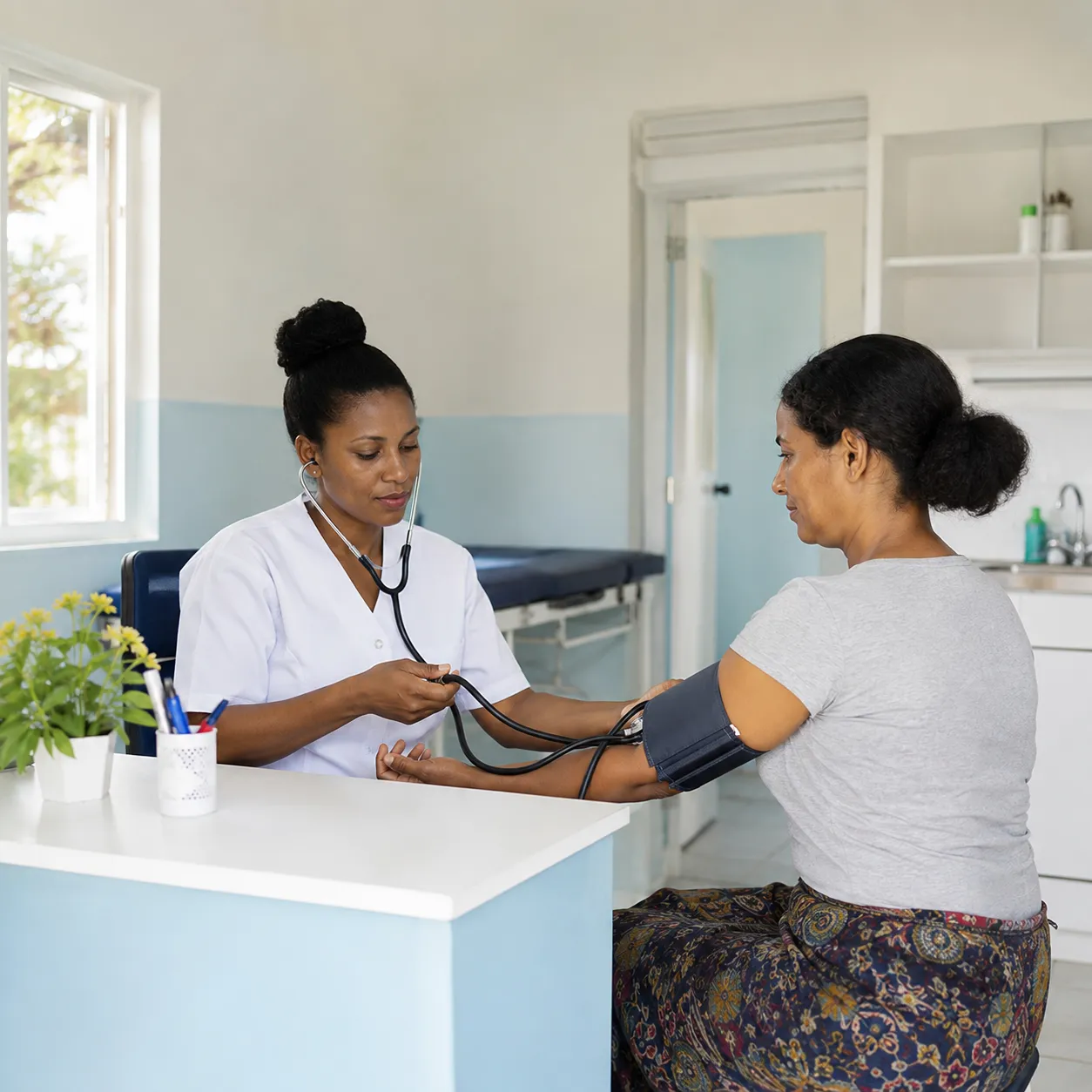
health centerˈhelθ ˌsentər
a local medical facility where people can see healthcare workers and receive basic health services.
nursing homeˈnɜːsɪŋ həʊm
a place where elderly or disabled people live and receive regular nursing care.

care homeˈkeə həʊm
a residential place where people who cannot live independently receive personal care and support.
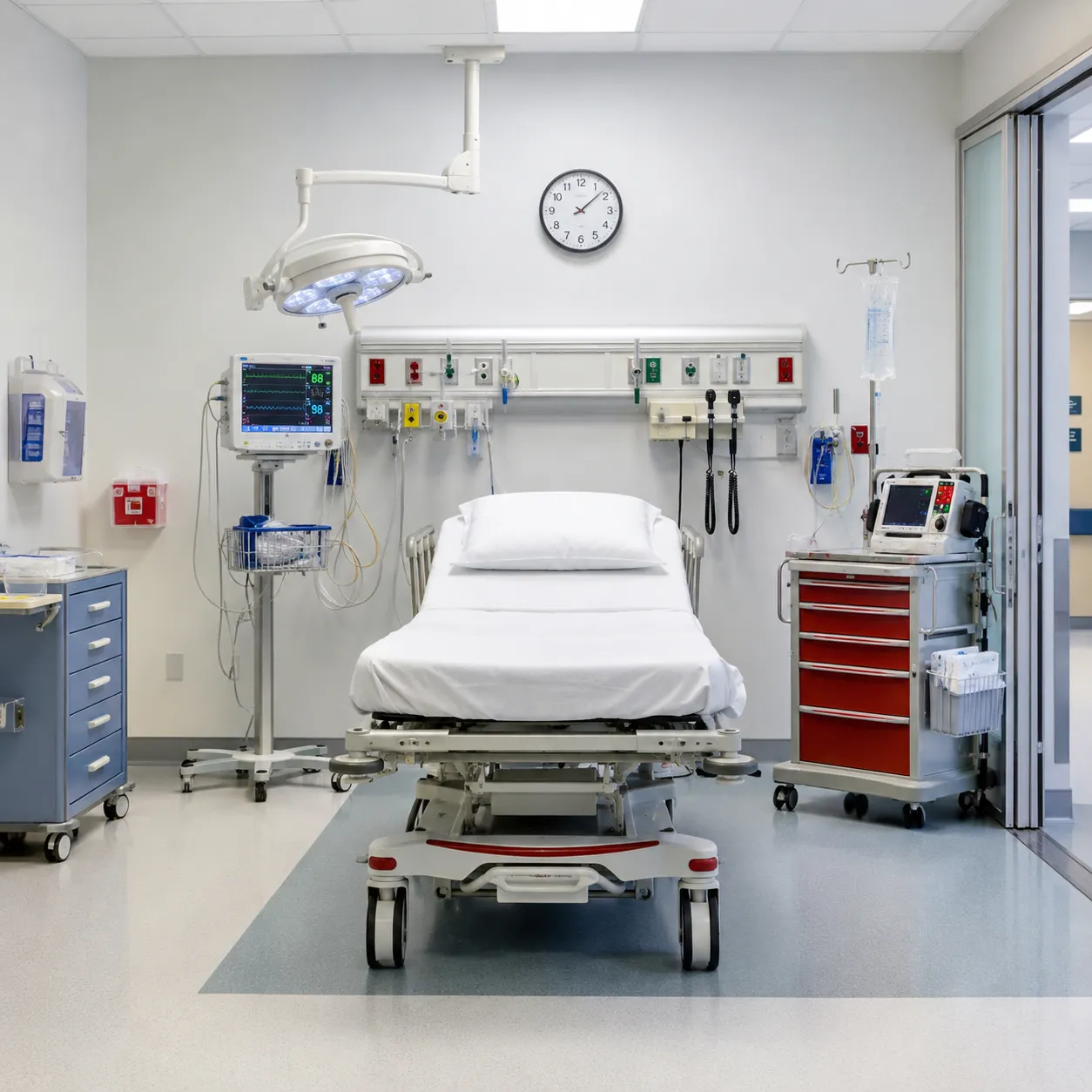
emergency roomɪˈmɜːdʒənsi ruːm
the hospital department that treats people who need urgent medical care.
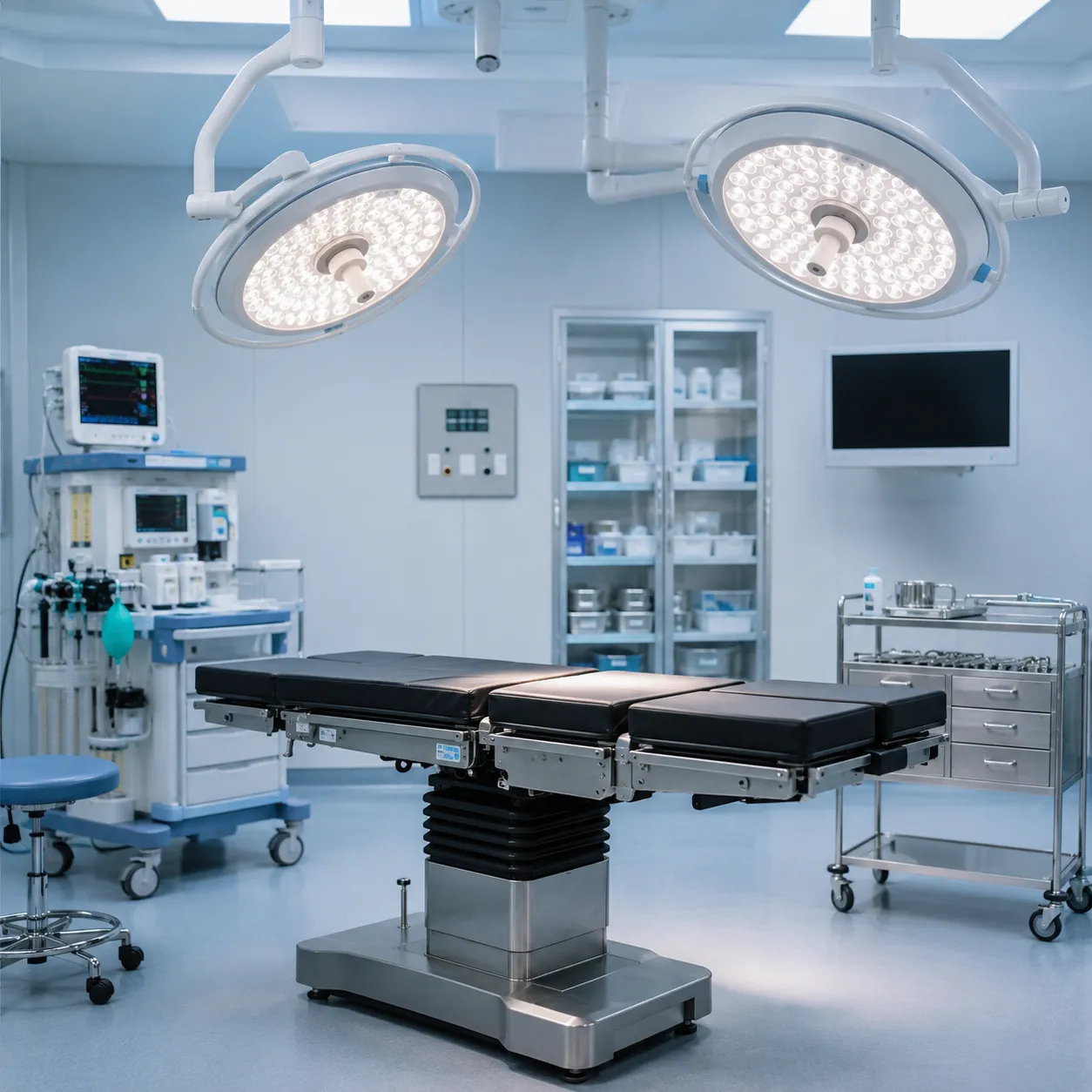
operating roomˈɒpəreɪtɪŋ ruːm
a special hospital room where surgeons perform operations.
recovery roomrɪˈkʌvəri ruːm
a hospital room where patients are watched and cared for after surgery or anesthesia.
delivery roomdɪˈlɪvəri ruːm
a hospital room where a woman gives birth to a baby.
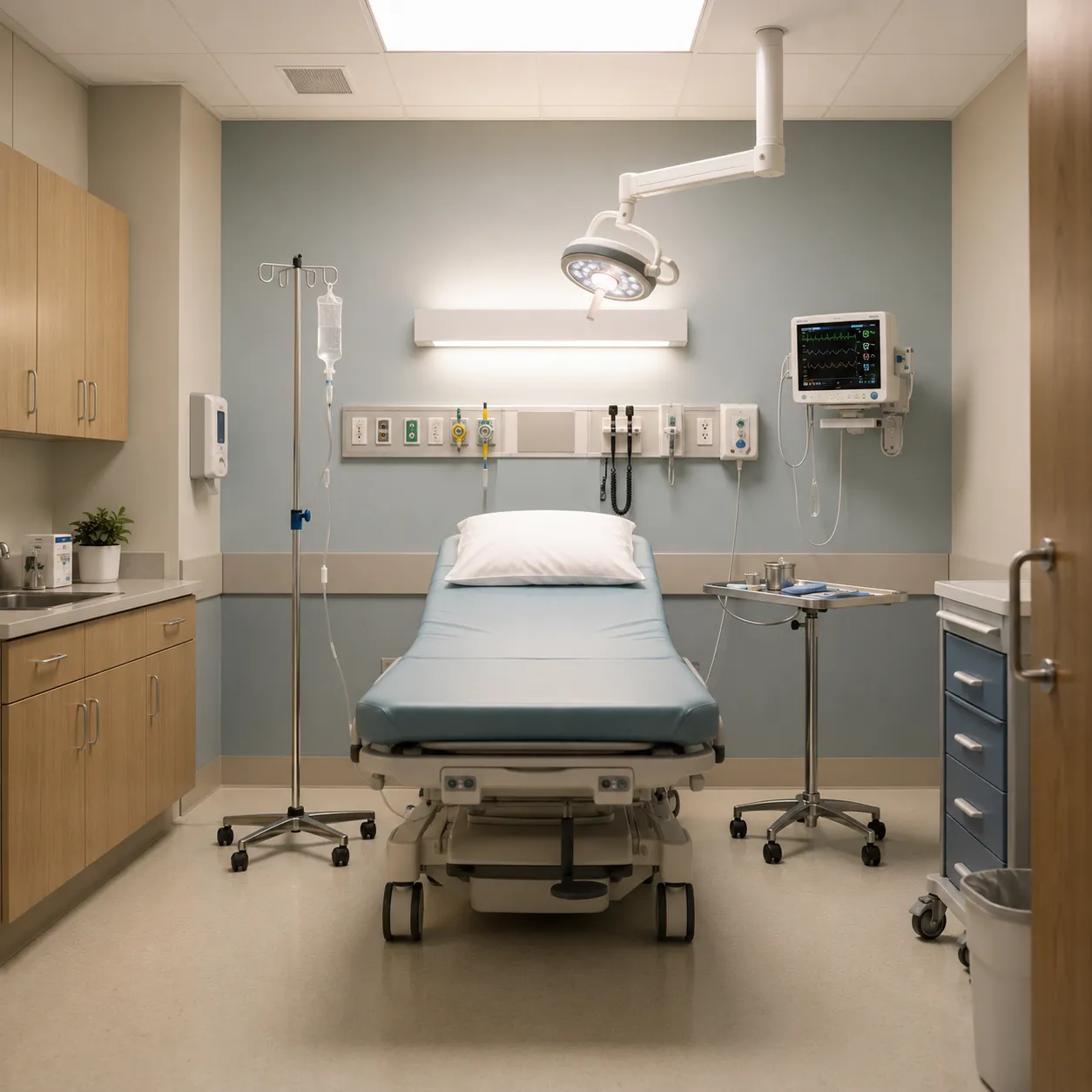
treatment roomˈtriːtmənt ruːm
a room in a medical facility where patients receive medical procedures or care.

consultation roomˌkɒnsəlˈteɪʃən ruːm
a room where a healthcare professional talks with and advises a patient.
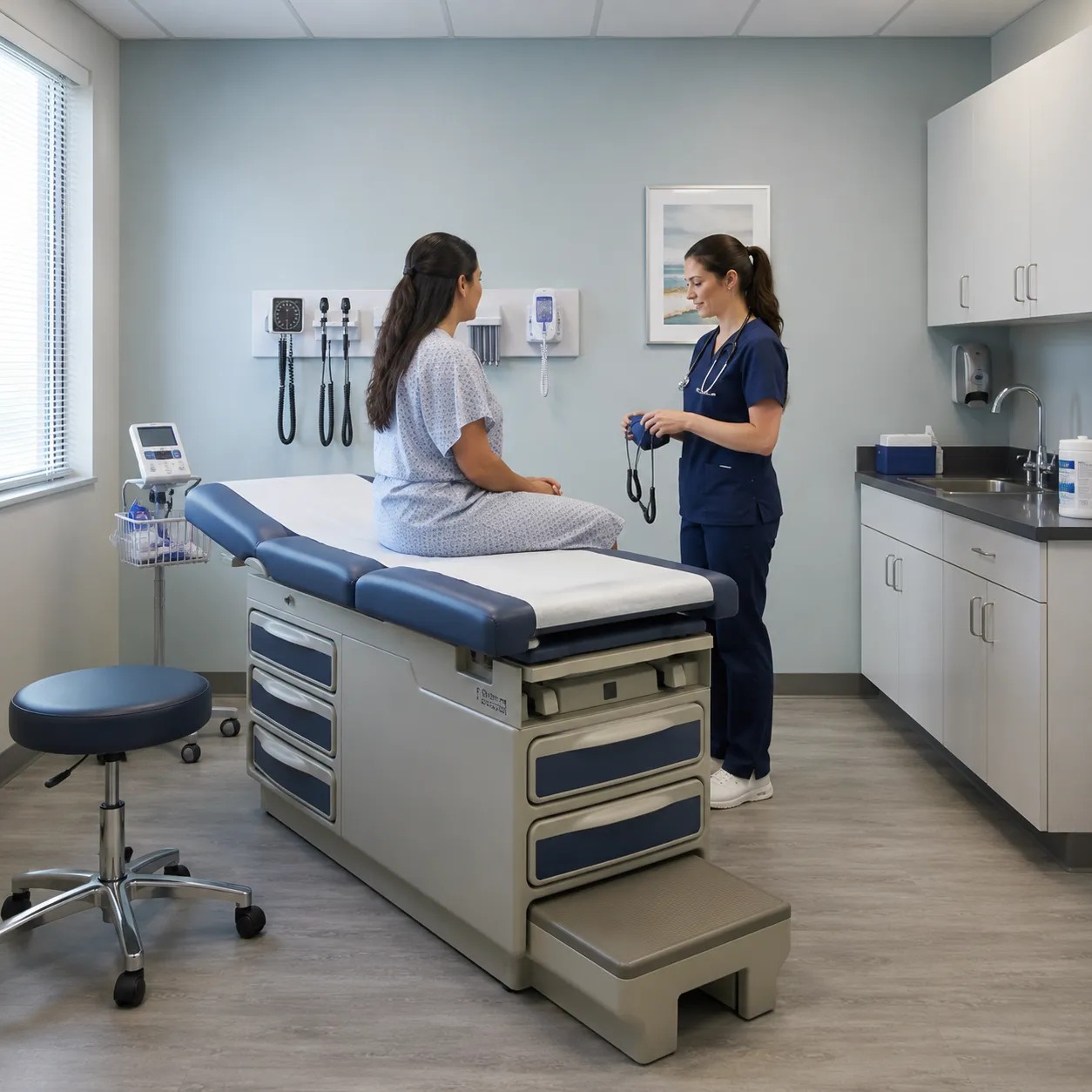
examination roomɪɡˌzæmɪˈneɪʃən ruːm
a room where a doctor or nurse checks a patient’s body or health condition.

waiting roomˈweɪtɪŋ ruːm
a room where people sit until it is their turn to see a healthcare worker or receive a service.
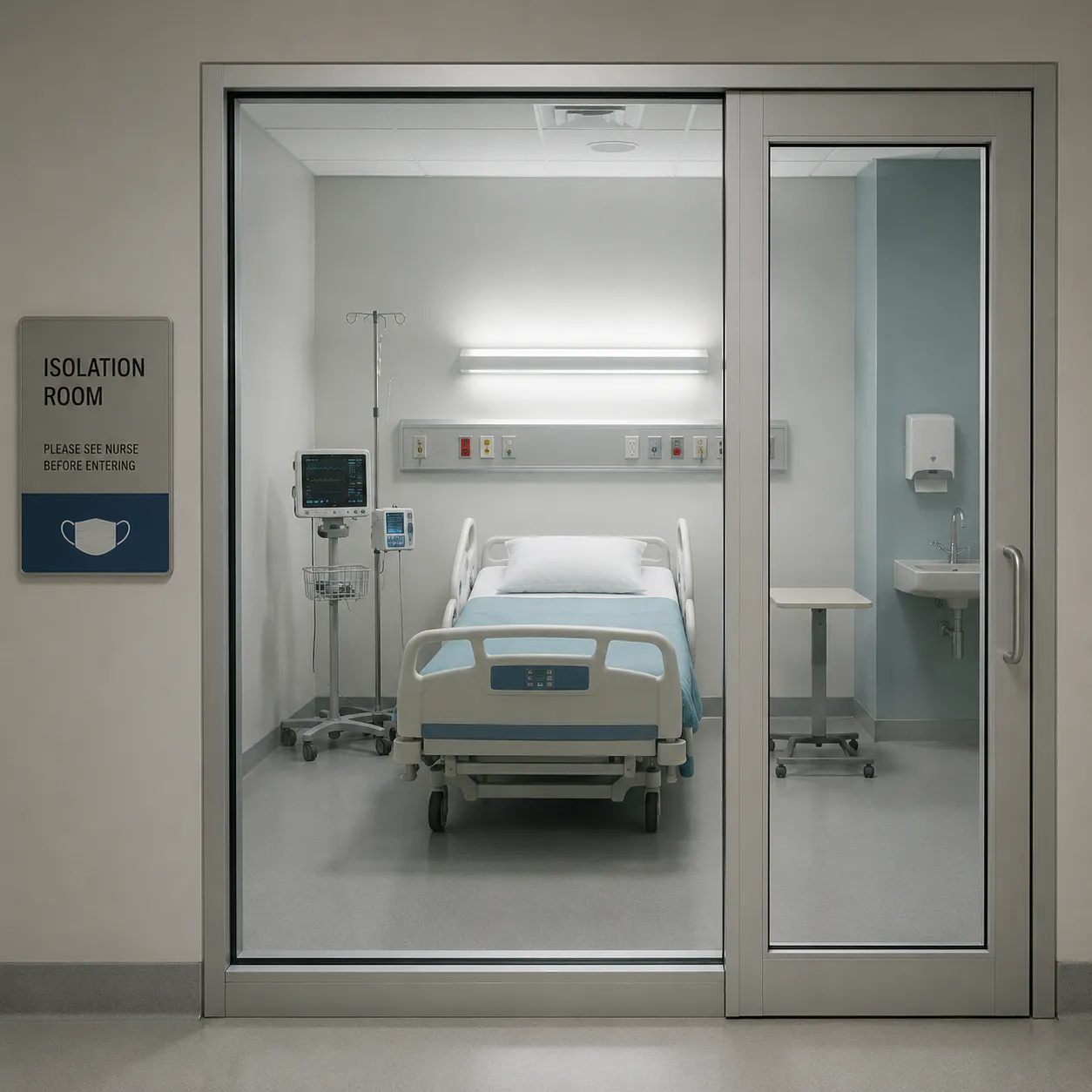
isolation roomˌaɪsəˈleɪʃən ruːm
a special room used to keep a patient separate to prevent infection from spreading.
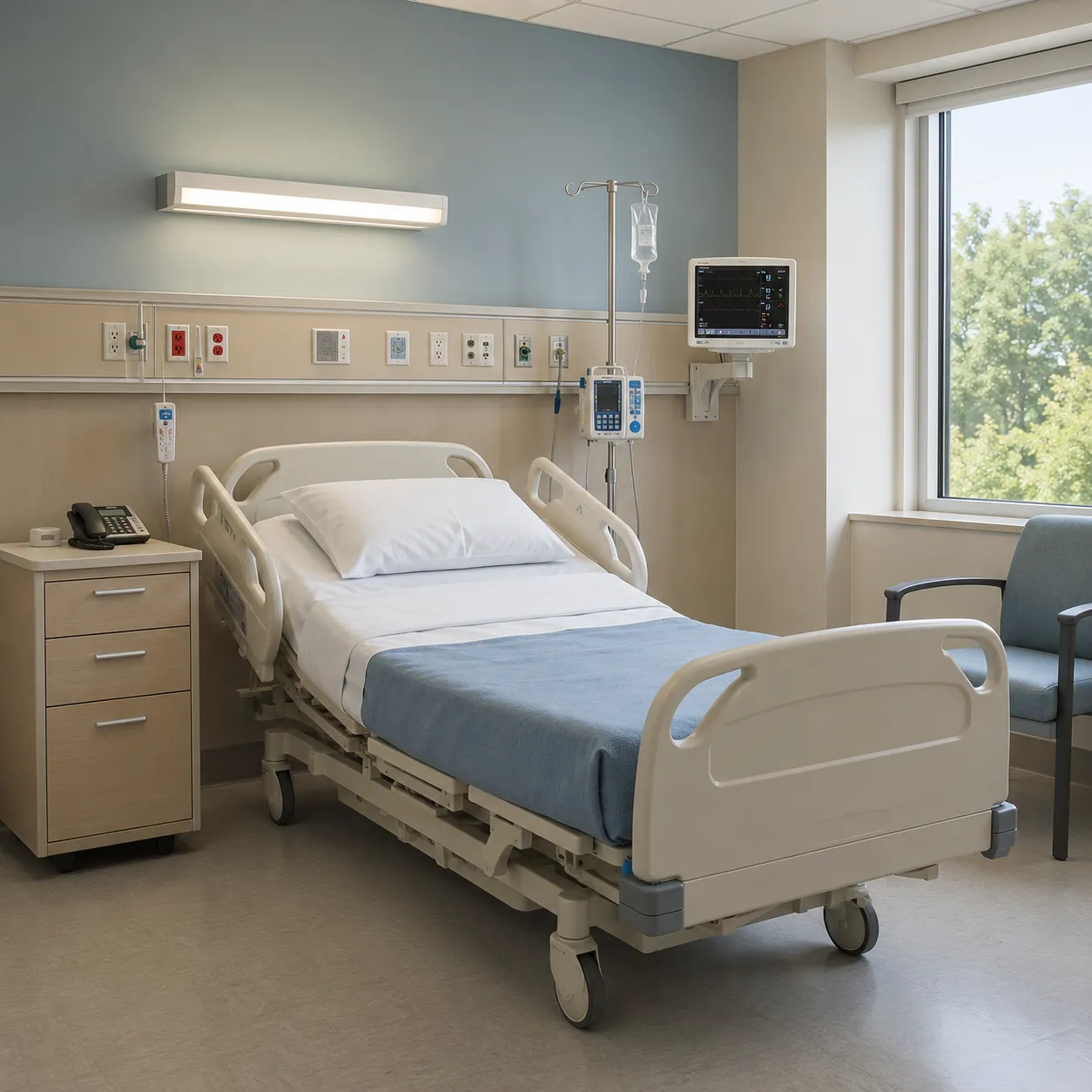
patient roomˈpeɪʃənt ruːm
a hospital room where a patient stays during treatment or recovery.
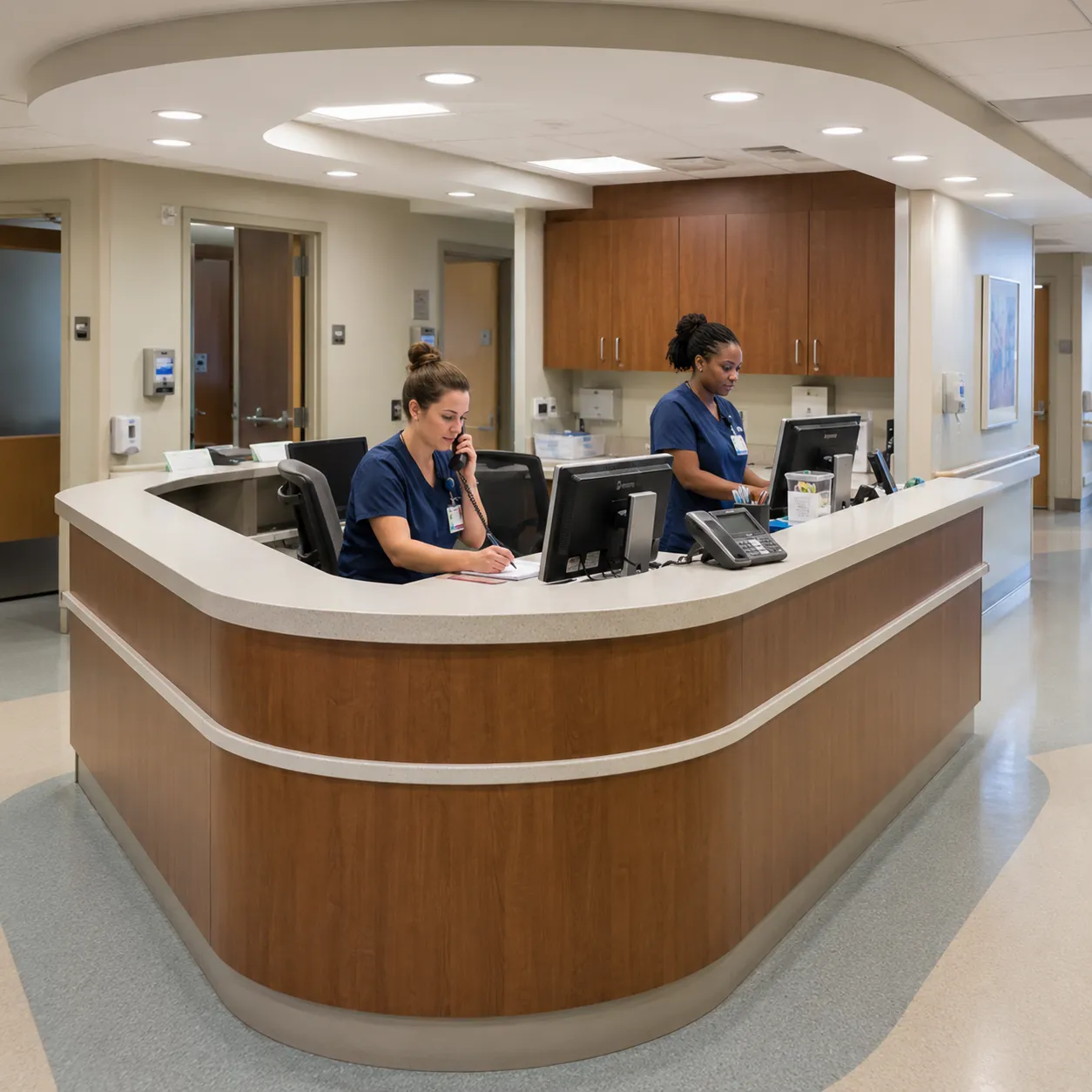
nurses' stationˈnɜːsɪz ˌsteɪʃən
the desk or area in a hospital ward where nurses work, keep records, and coordinate patient care.

reception deskrɪˈsepʃən desk
the desk at the entrance of a hospital or clinic where visitors and patients ask for information or check in.
bedsideˈbedsaɪd
the area next to a patient's bed, especially where care is given.

Corridorˈkɔːrɪdɔːr
A long narrow space that connects rooms.

pharmacyˈfɑːrməsi
a place where medicines are prepared, stored, and given or sold.
laboratoryˈlæbrətɔːri
a room or building where medical tests or scientific experiments are done.
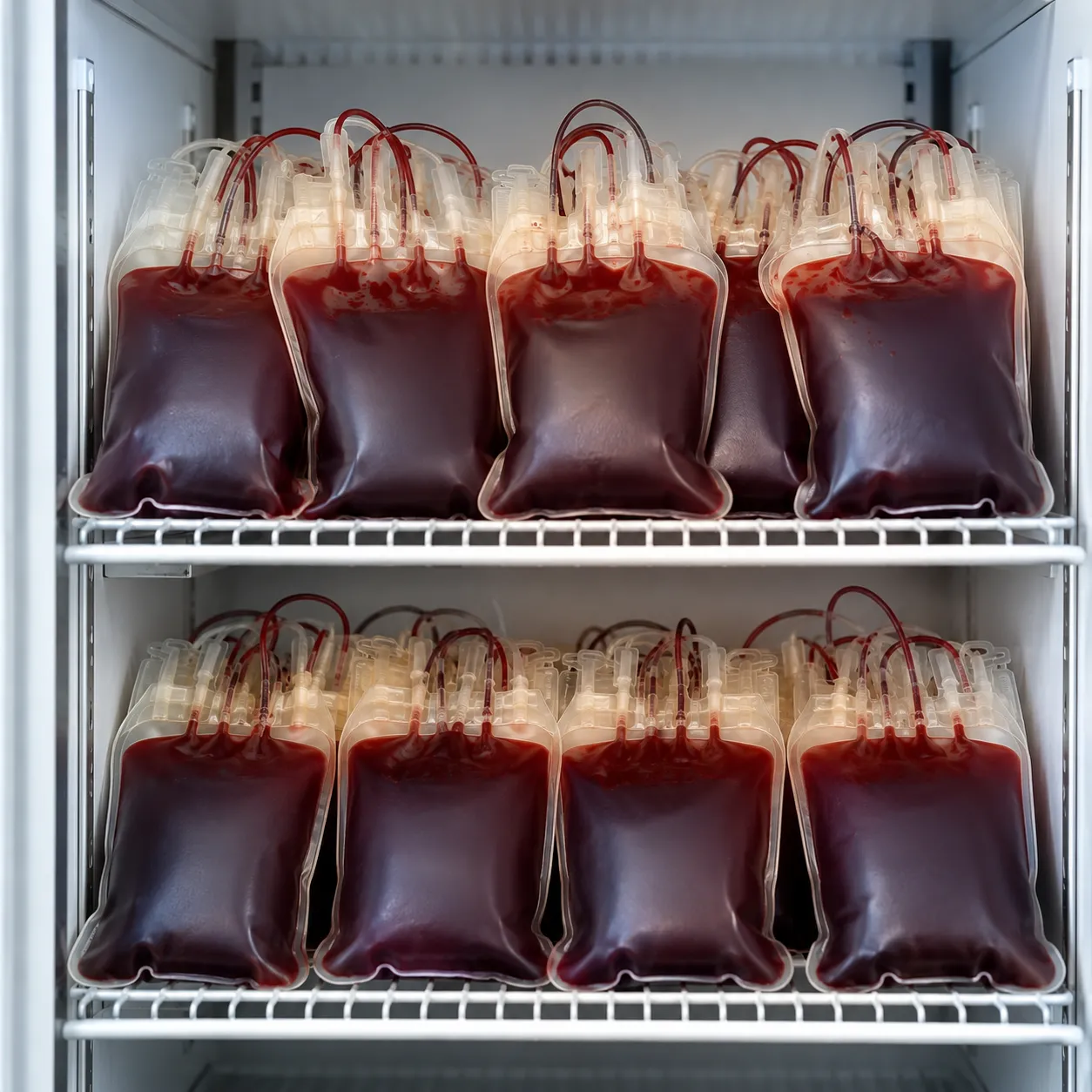
blood bankˈblʌd bæŋk
a place where donated blood is collected, tested, stored, and supplied for transfusions.
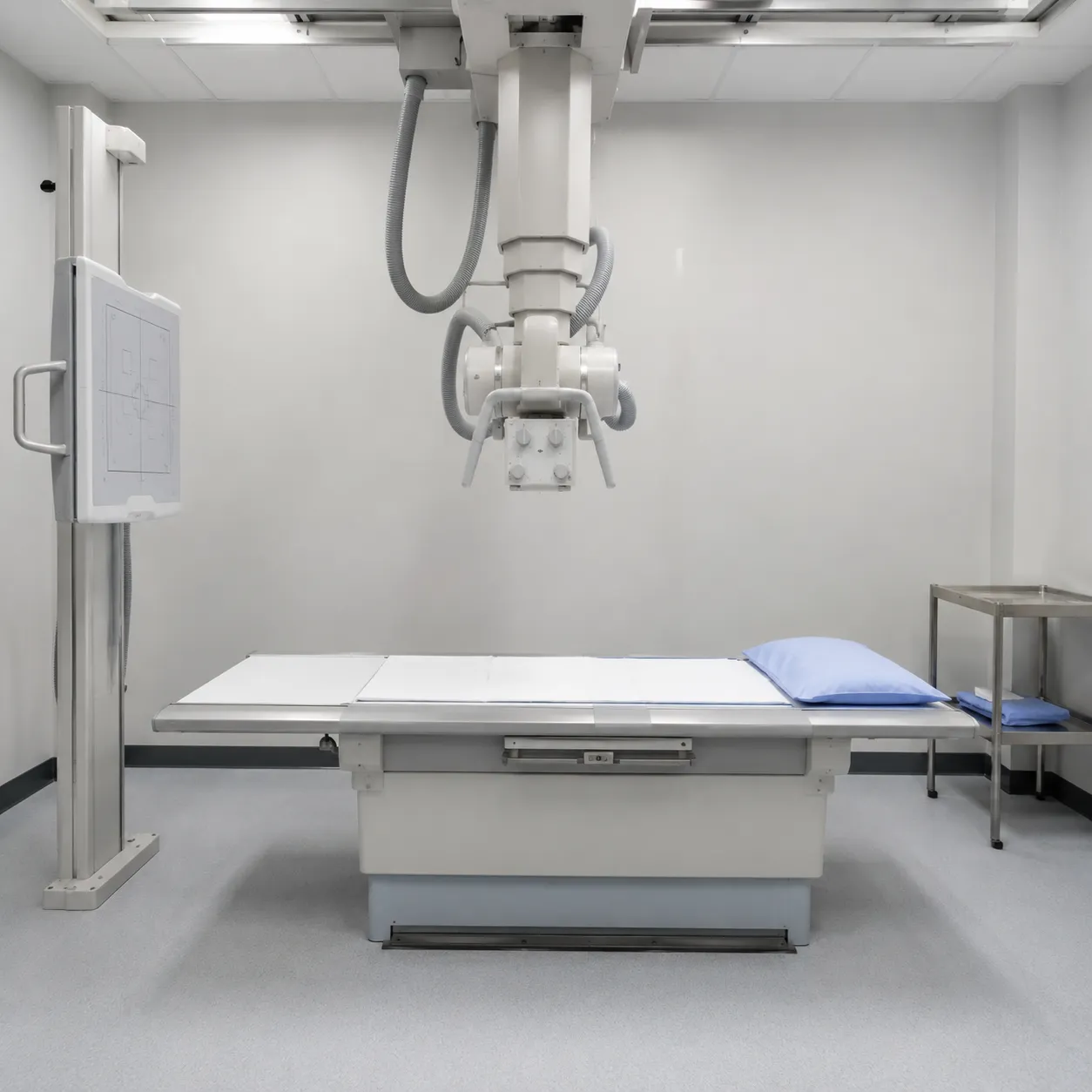
x-ray roomˈeks reɪ ruːm
a room where X-ray images are taken to look inside the body.
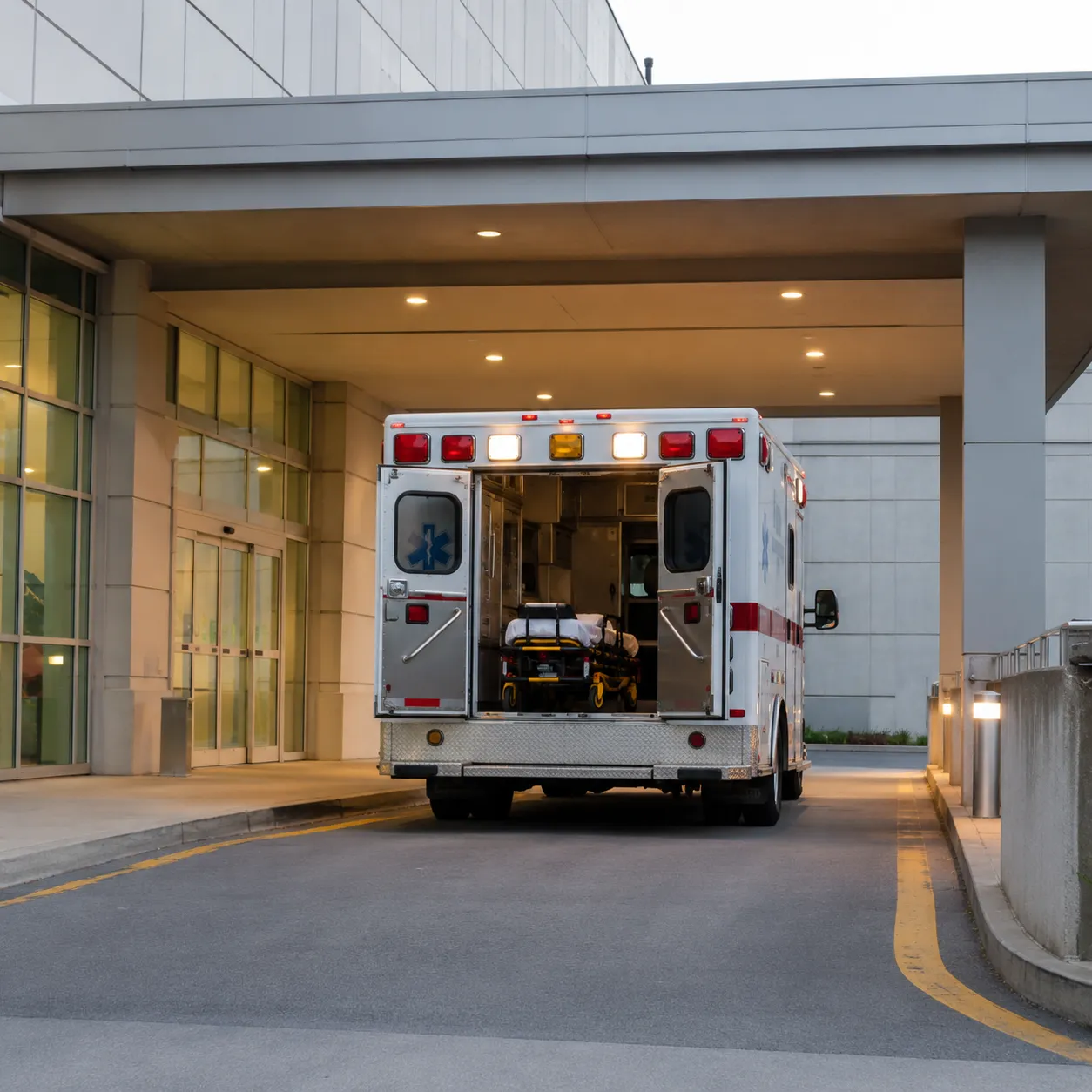
ambulance bayˈæmbjələns beɪ
the area outside a hospital where ambulances stop to bring in or pick up patients.
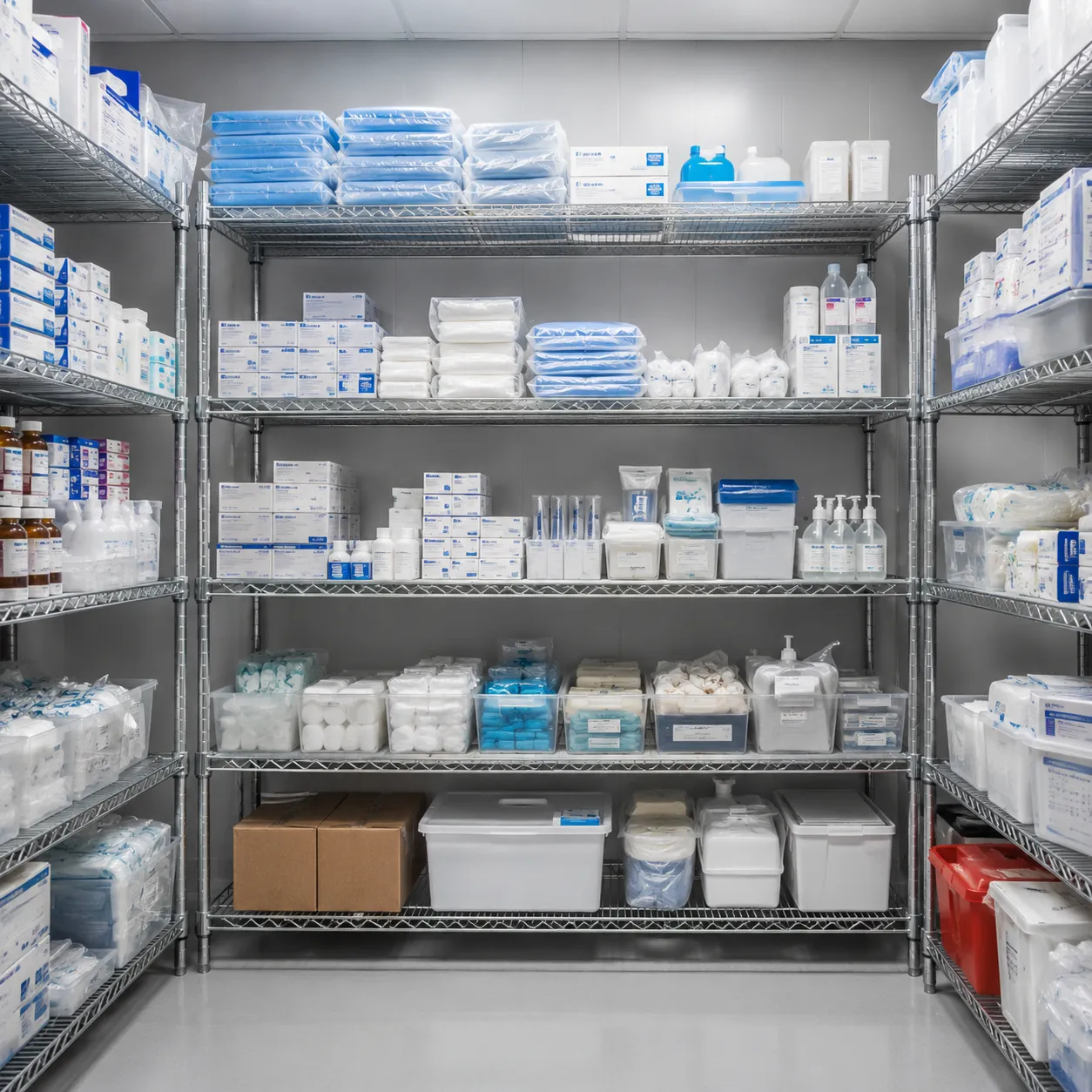
Storage Roomˈstɔːrɪdʒ ruːm
a room used for keeping equipment, supplies, or materials until they are needed.
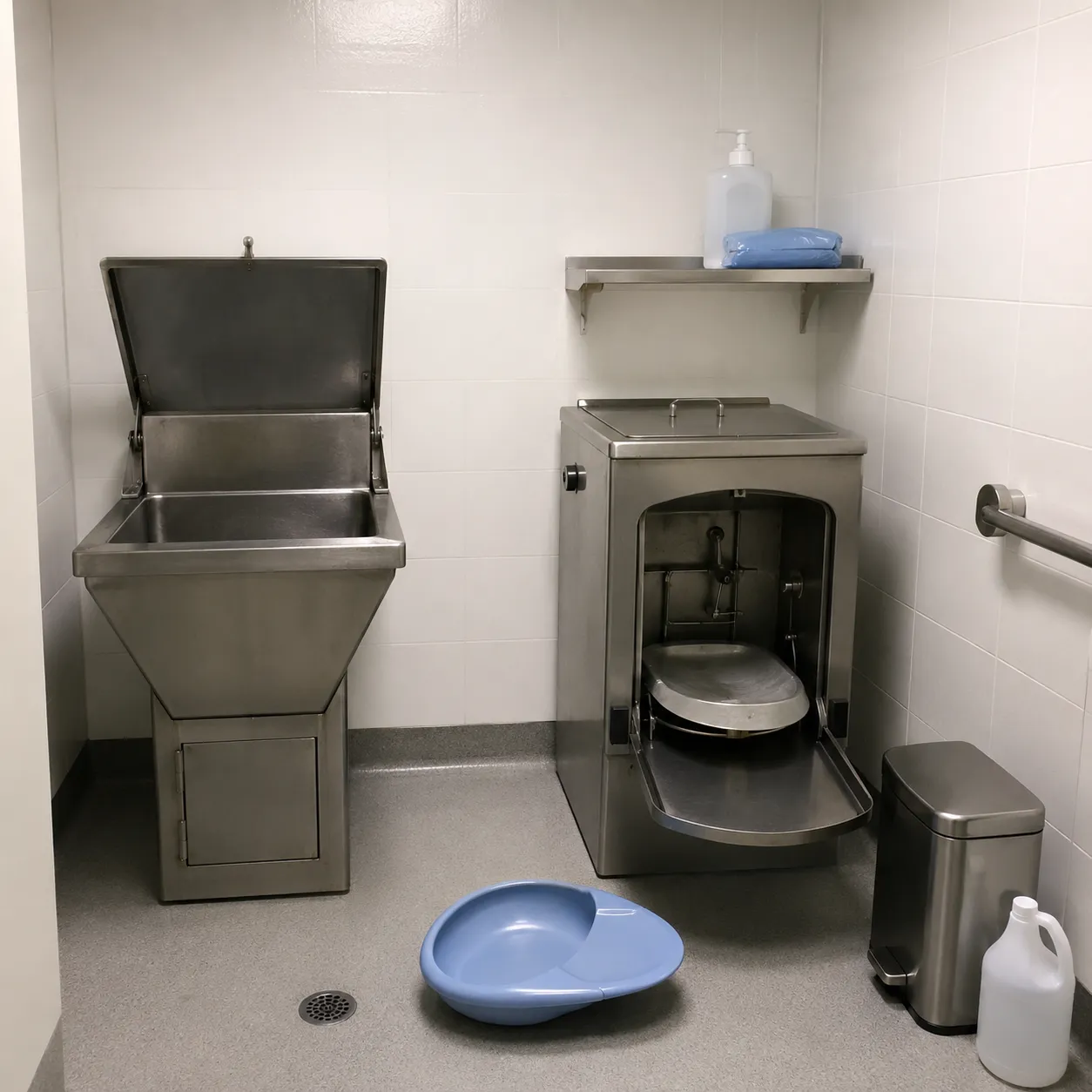
sluice roomsluːs ruːm
a hospital room where dirty equipment, bedpans, and waste are cleaned or disposed of safely.

staff roomˈstæf ruːm
a room where employees can rest, eat, or meet during breaks.

locker roomˈlɒkər ruːm
a room with lockers where staff can change clothes and store personal belongings.

break roomˈbreɪk ruːm
a room where staff can rest, eat, or drink during breaks.
Identification, medical history, current medicines and other core patient information.
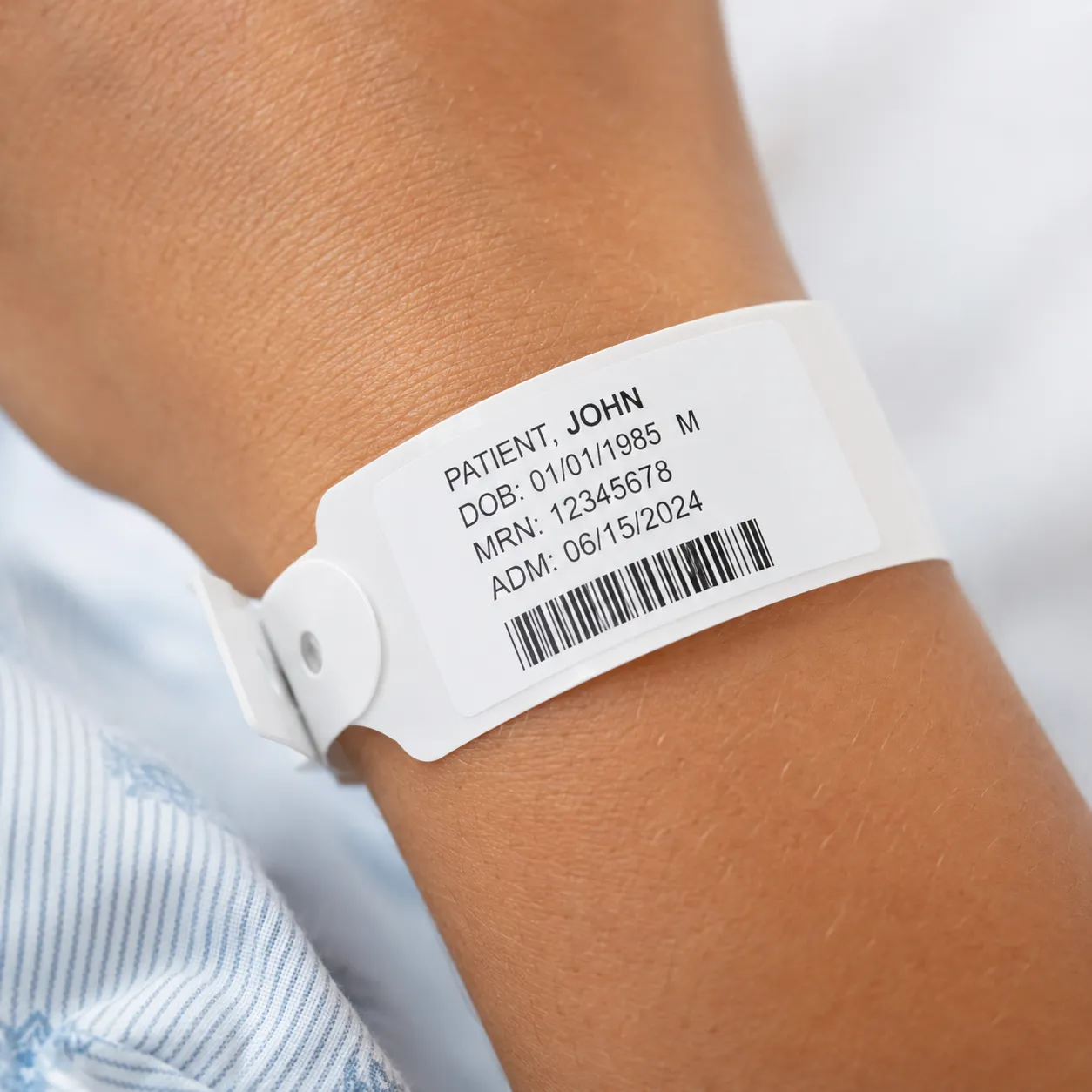
identity braceletaɪˈdentəti ˈbreɪslət
a bracelet worn by a patient that shows their name and identifying information.
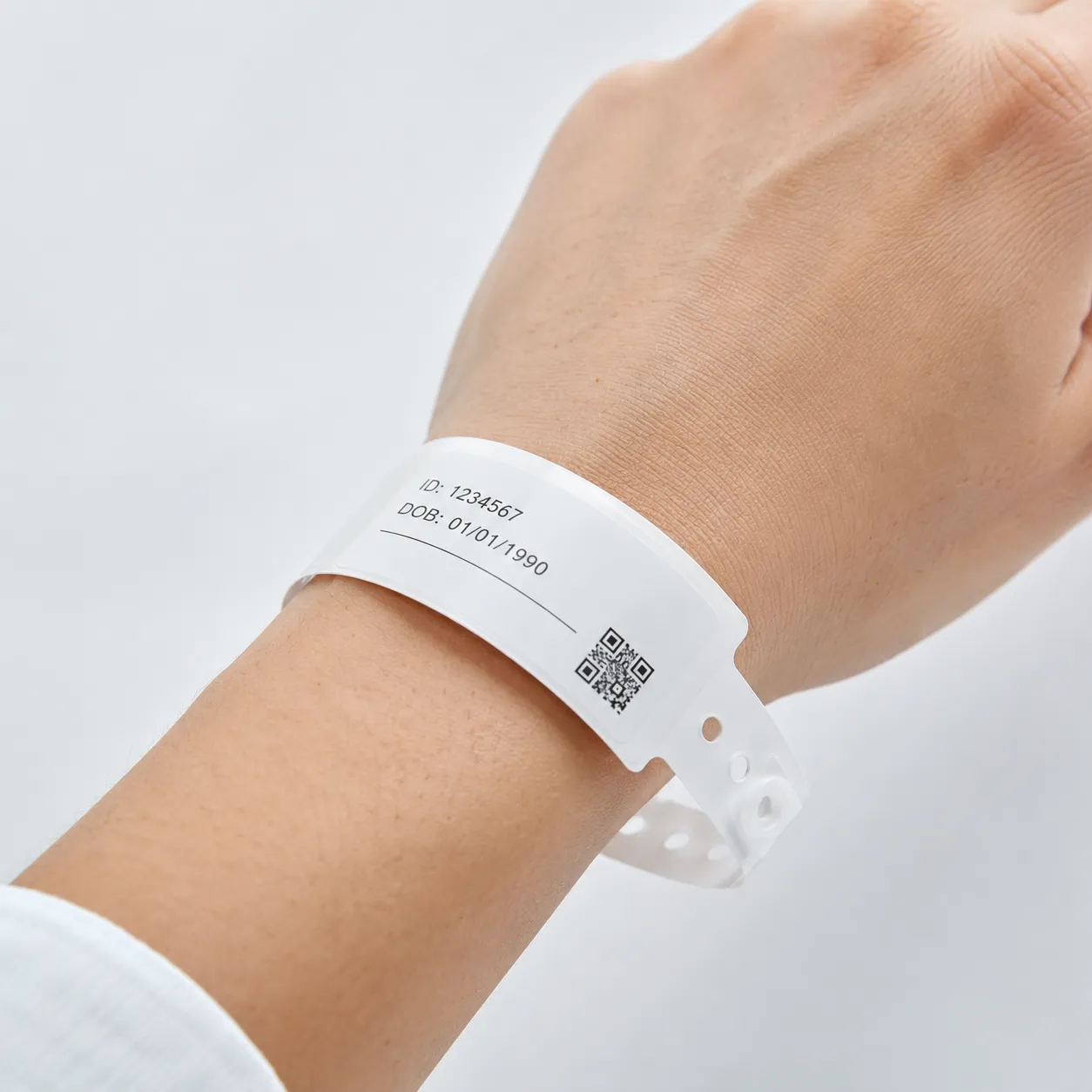
wristbandˈrɪstbænd
a band worn around the wrist, often used in hospitals to identify a patient.

labelˈleɪbəl
a small sign giving information about something
sample labelˈsæmpəl ˈleɪbəl
a label on a specimen container that identifies the patient and the sample collected.
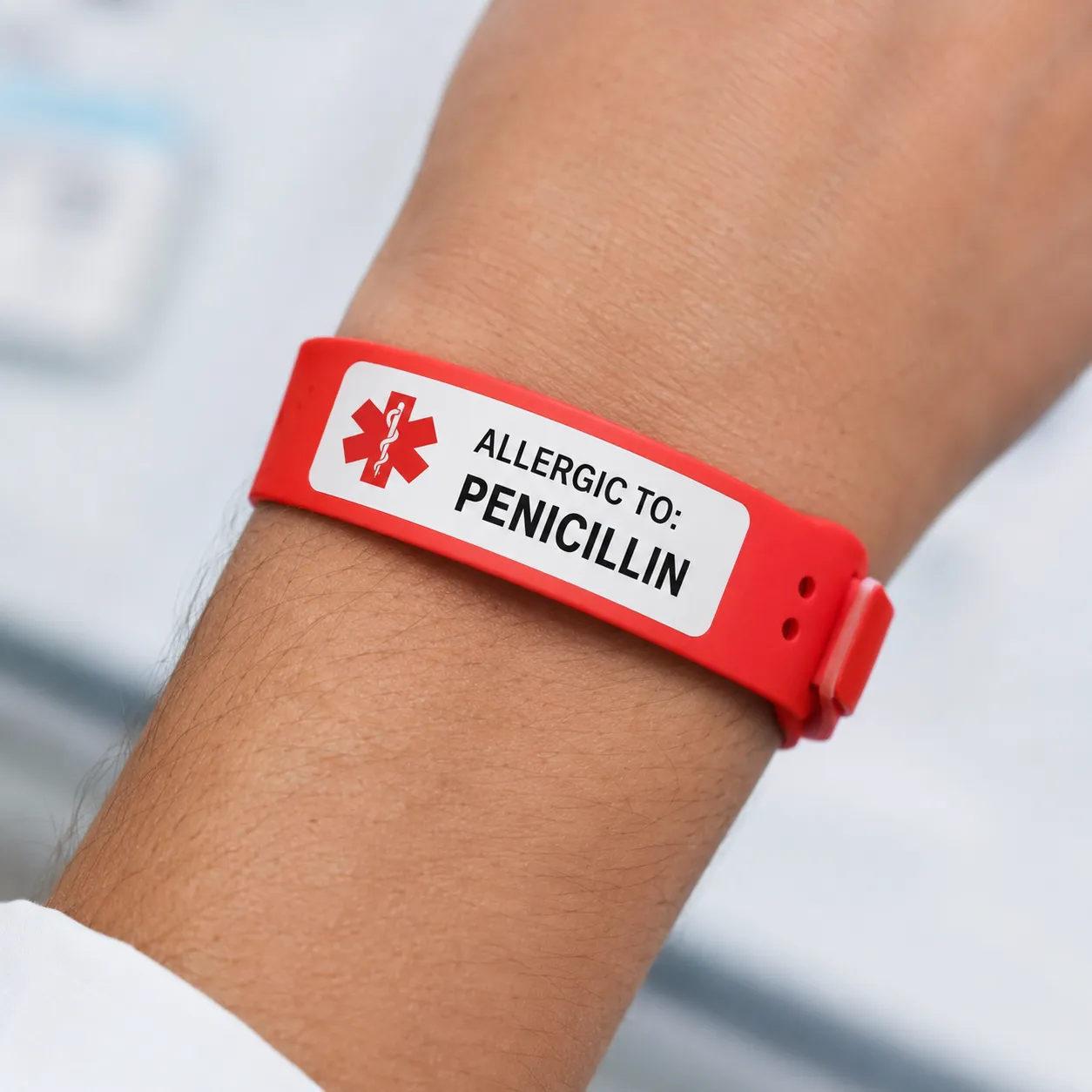
allergy bandˈælədʒi bænd
a wristband that shows a patient has an allergy so staff can avoid harmful medicines, foods, or materials.
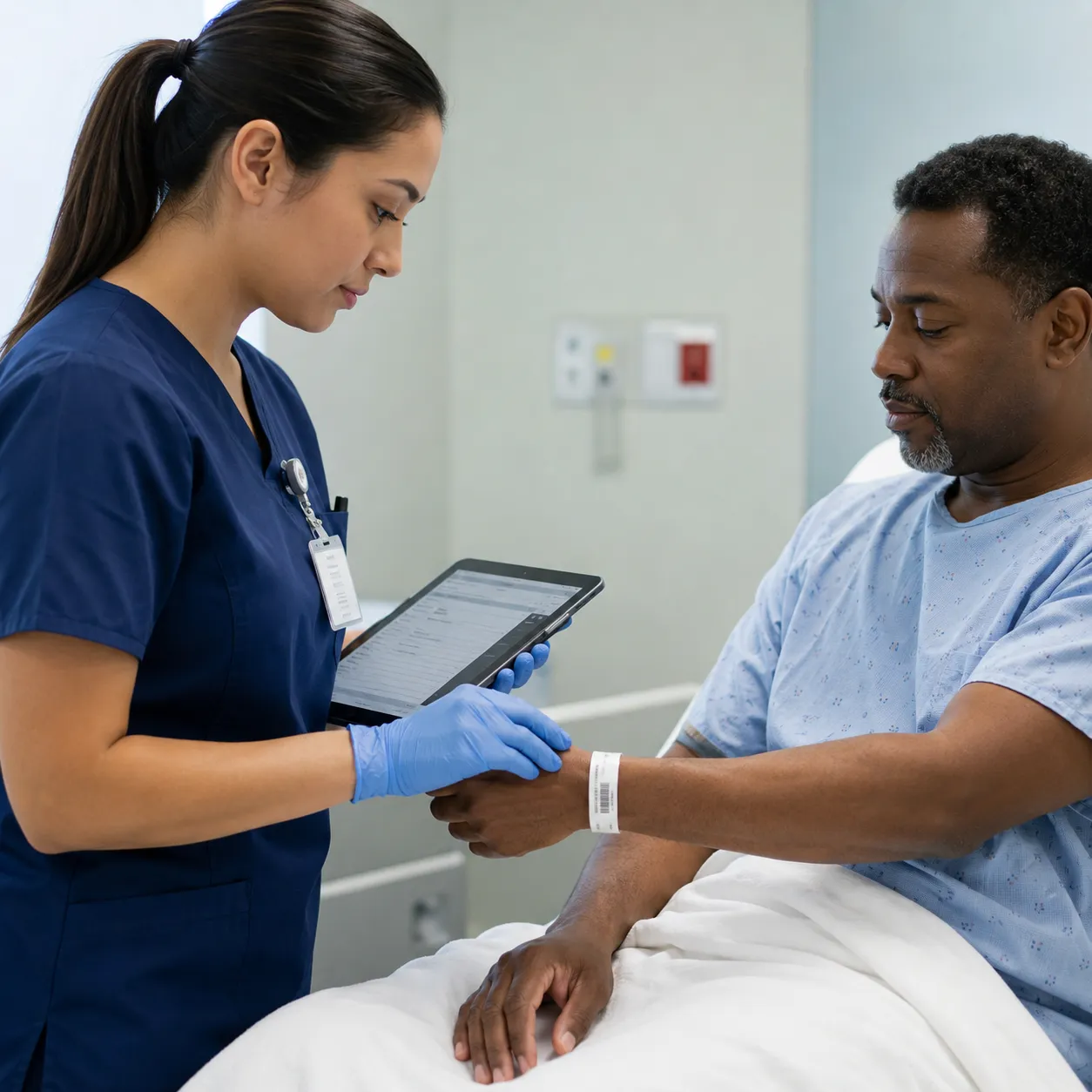
patient identificationˈpeɪʃənt aɪˌdentɪfɪˈkeɪʃən
the process of confirming who a patient is, usually before giving care, medicine, or a test.
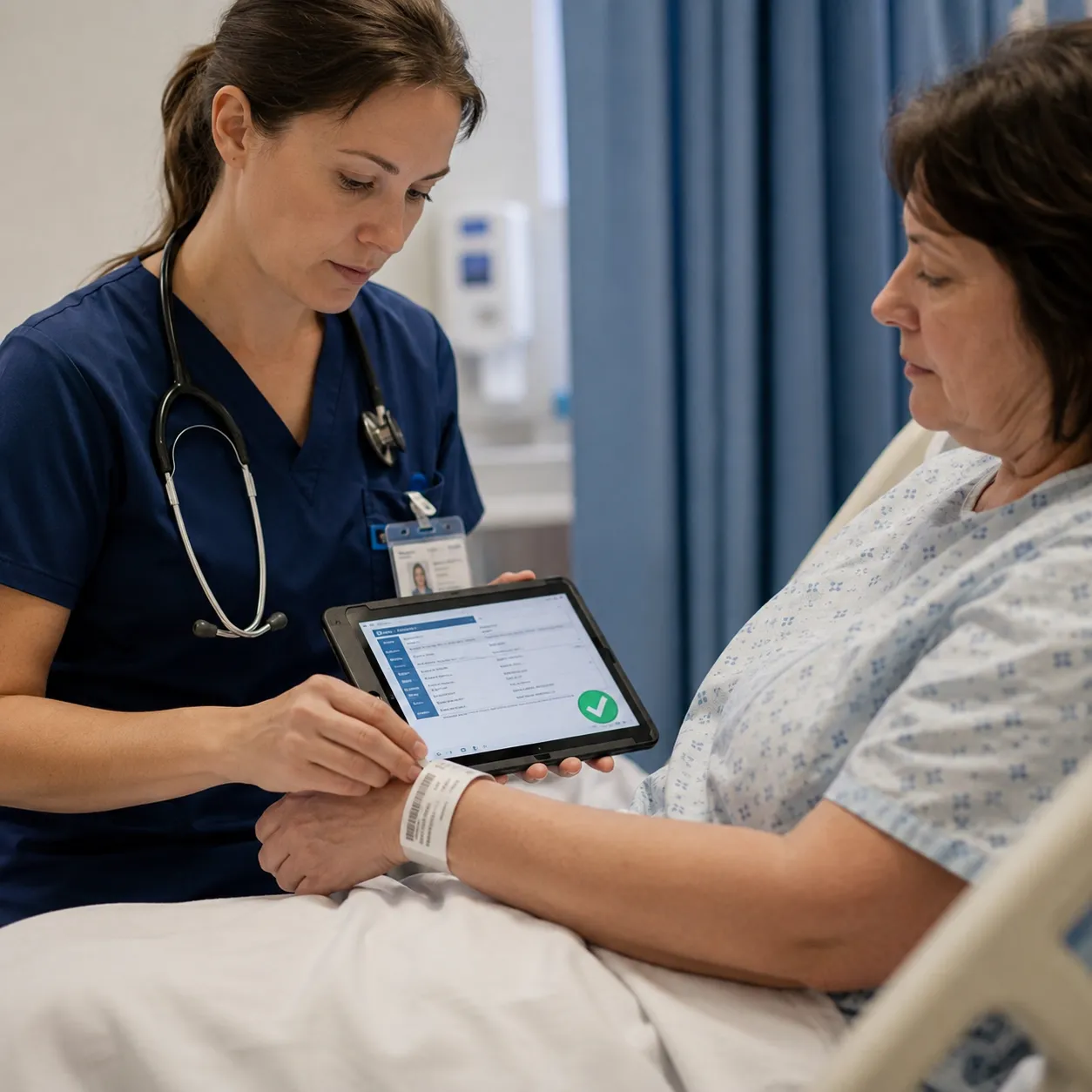
identity checkaɪˈdentəti tʃek
a check to confirm a person’s identity, often by asking their name and date of birth or checking an ID band.
date of birthˌdeɪt əv ˈbɜːrθ
the day, month, and year when a person was born.
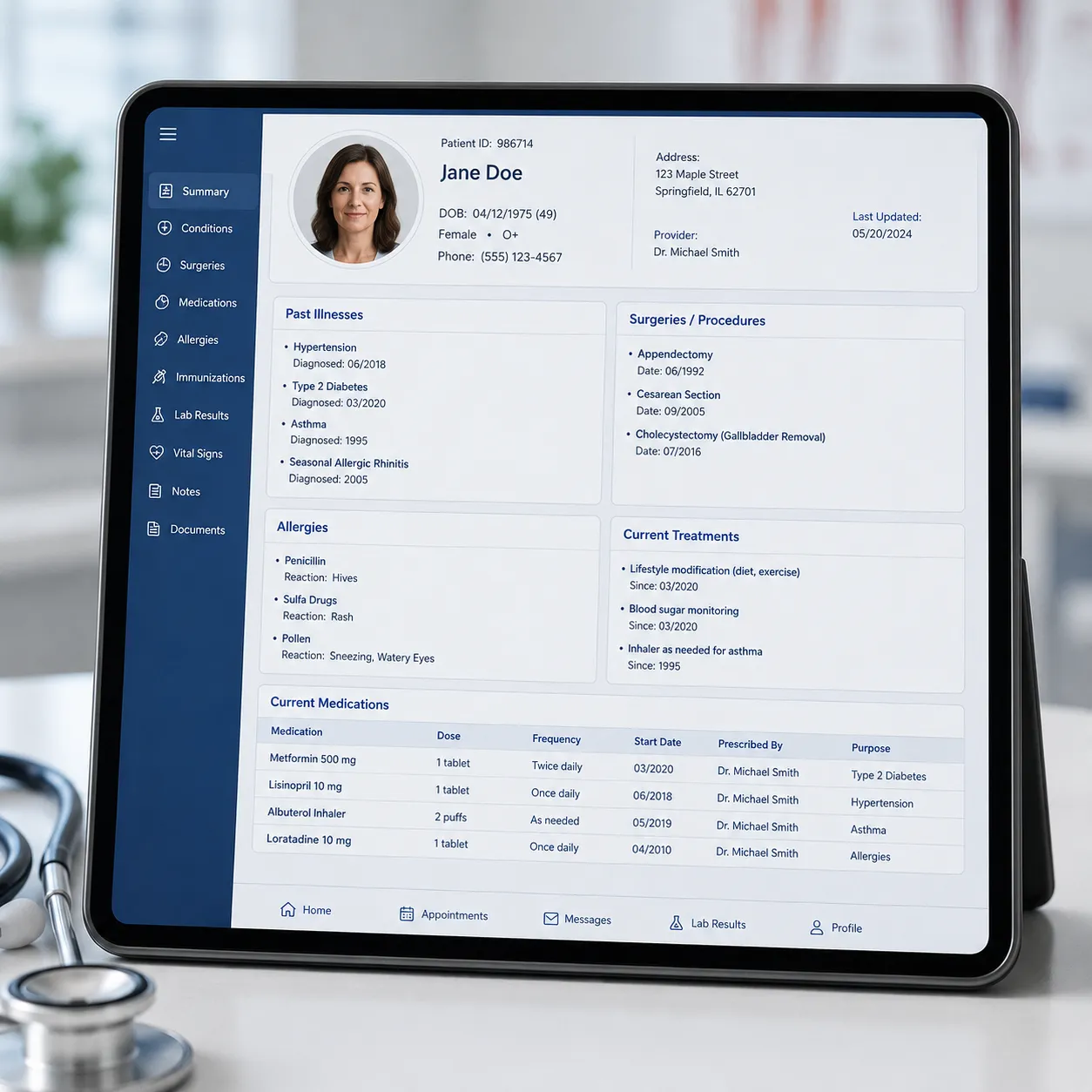
medical historyˈmedɪkəl ˈhɪstəri
information about a patient’s past and present illnesses, treatments, operations, medicines, and relevant health details.
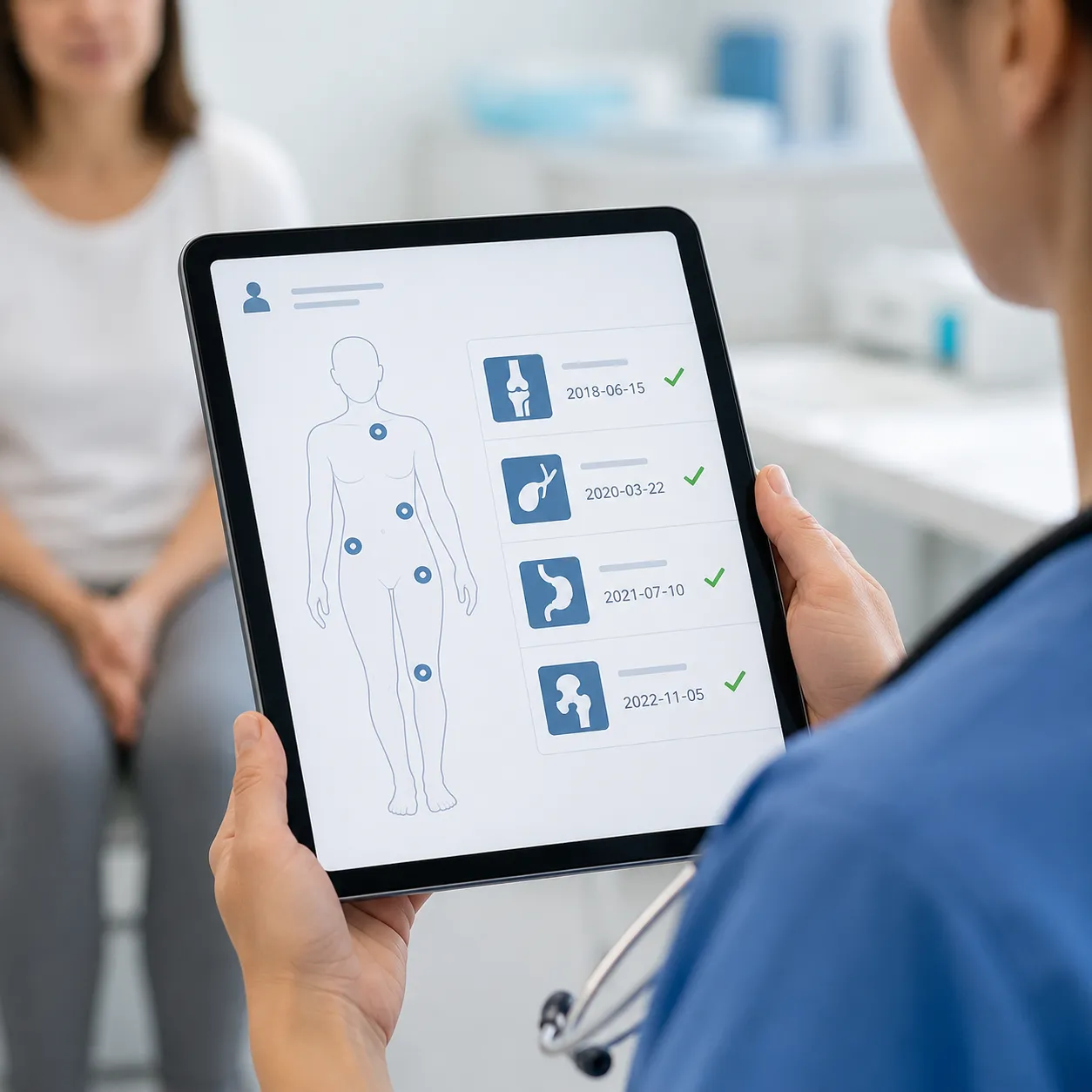
surgical historyˈsɜːrdʒɪkəl ˈhɪstəri
information about the operations or surgical procedures a patient has had in the past.
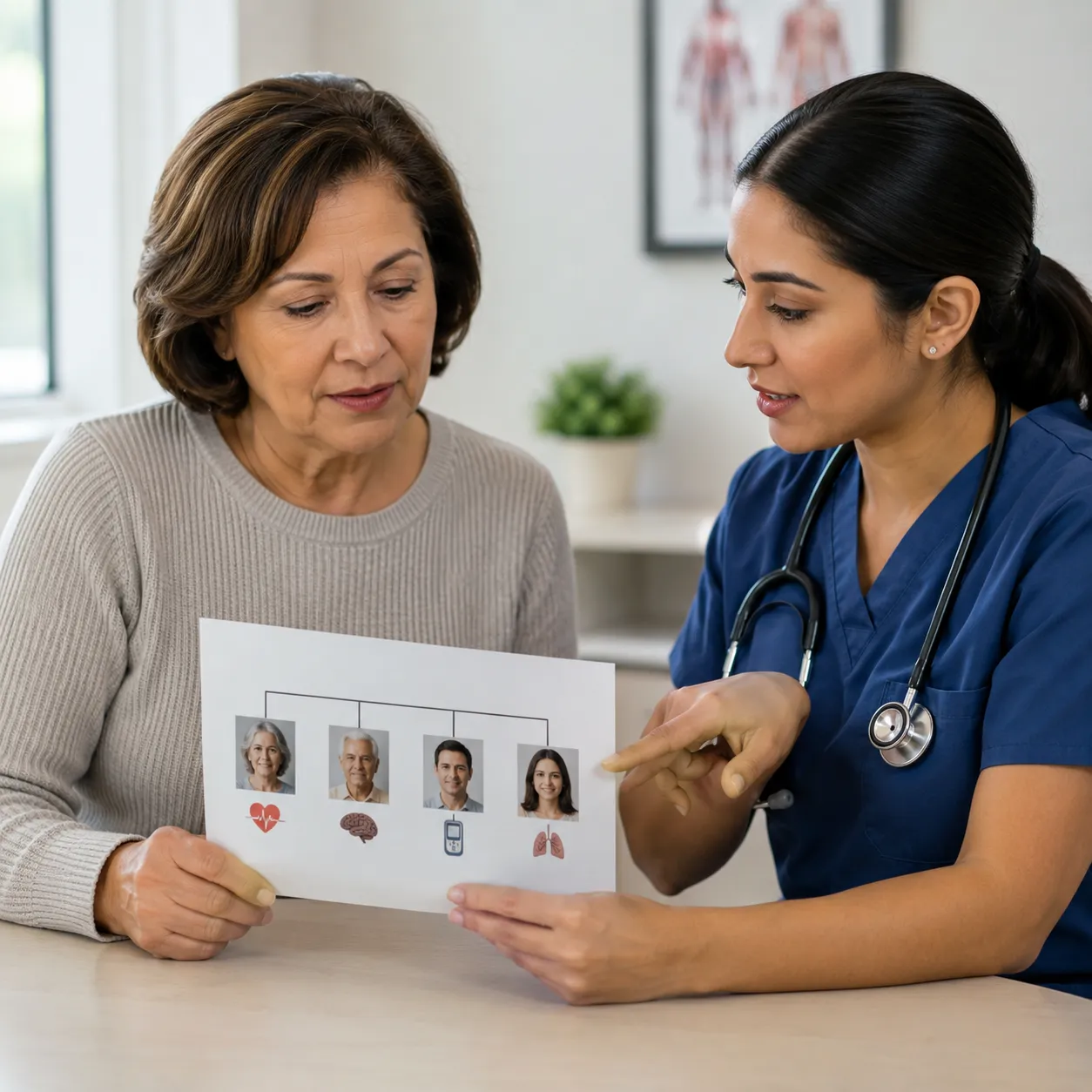
family historyˈfæməli ˈhɪstəri
information about illnesses or health conditions in a patient’s close relatives that may affect the patient’s health risk.
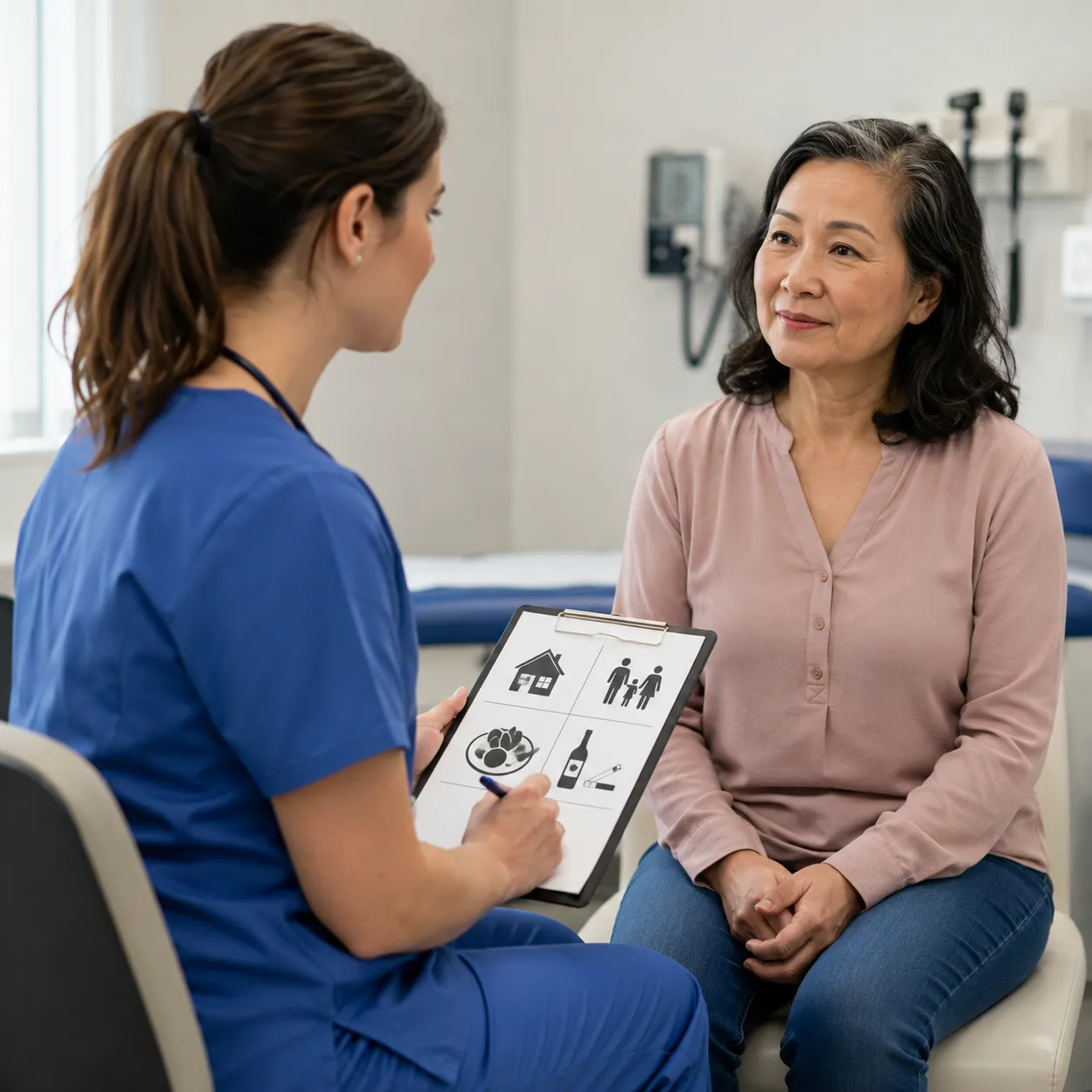
social historyˈsoʊʃəl ˈhɪstəri
information about a patient’s lifestyle and living situation, such as work, home life, smoking, alcohol, and drug use.
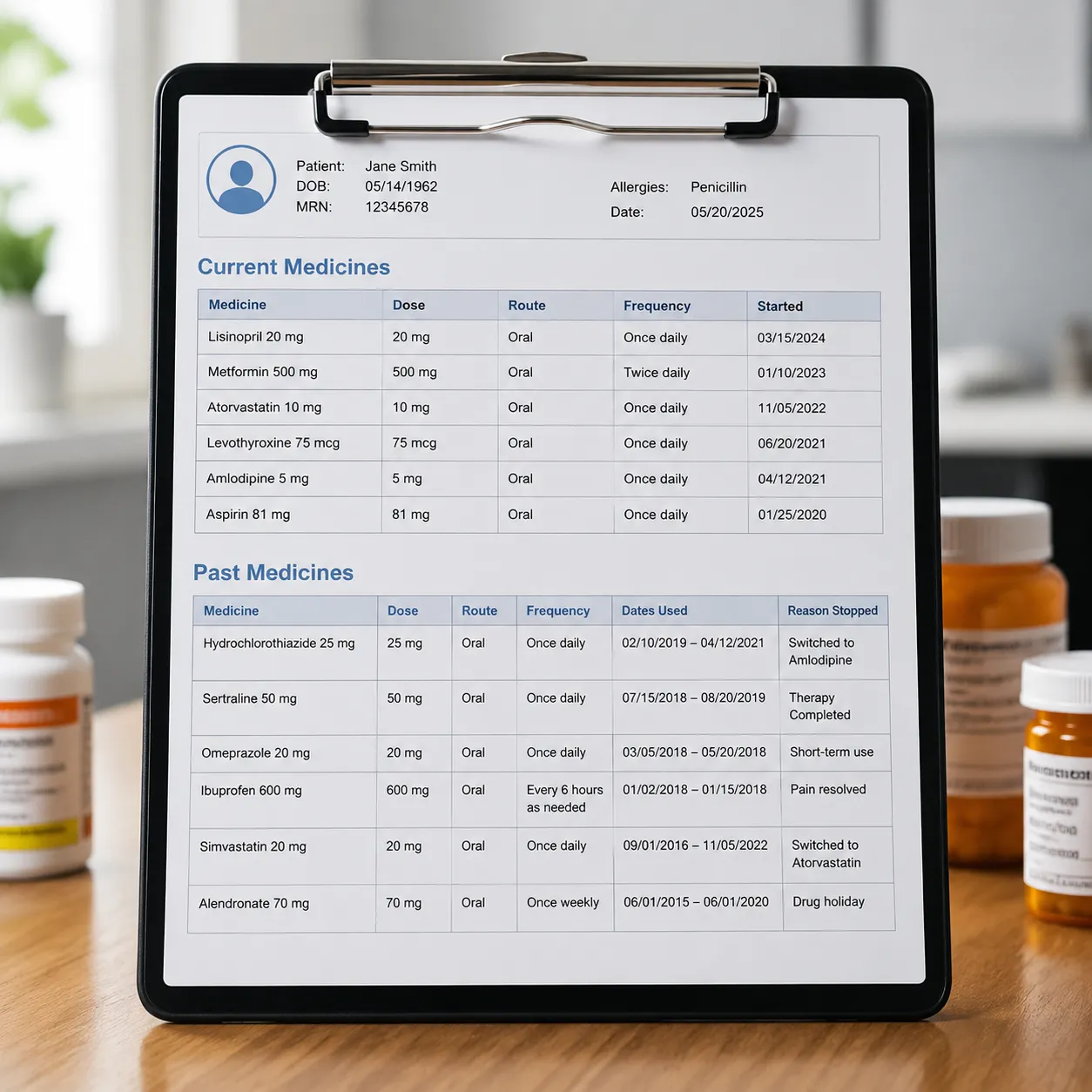
medication historyˌmedɪˈkeɪʃən ˈhɪstəri
information about the medicines a patient takes now or has taken in the past, including doses and how often they are taken.
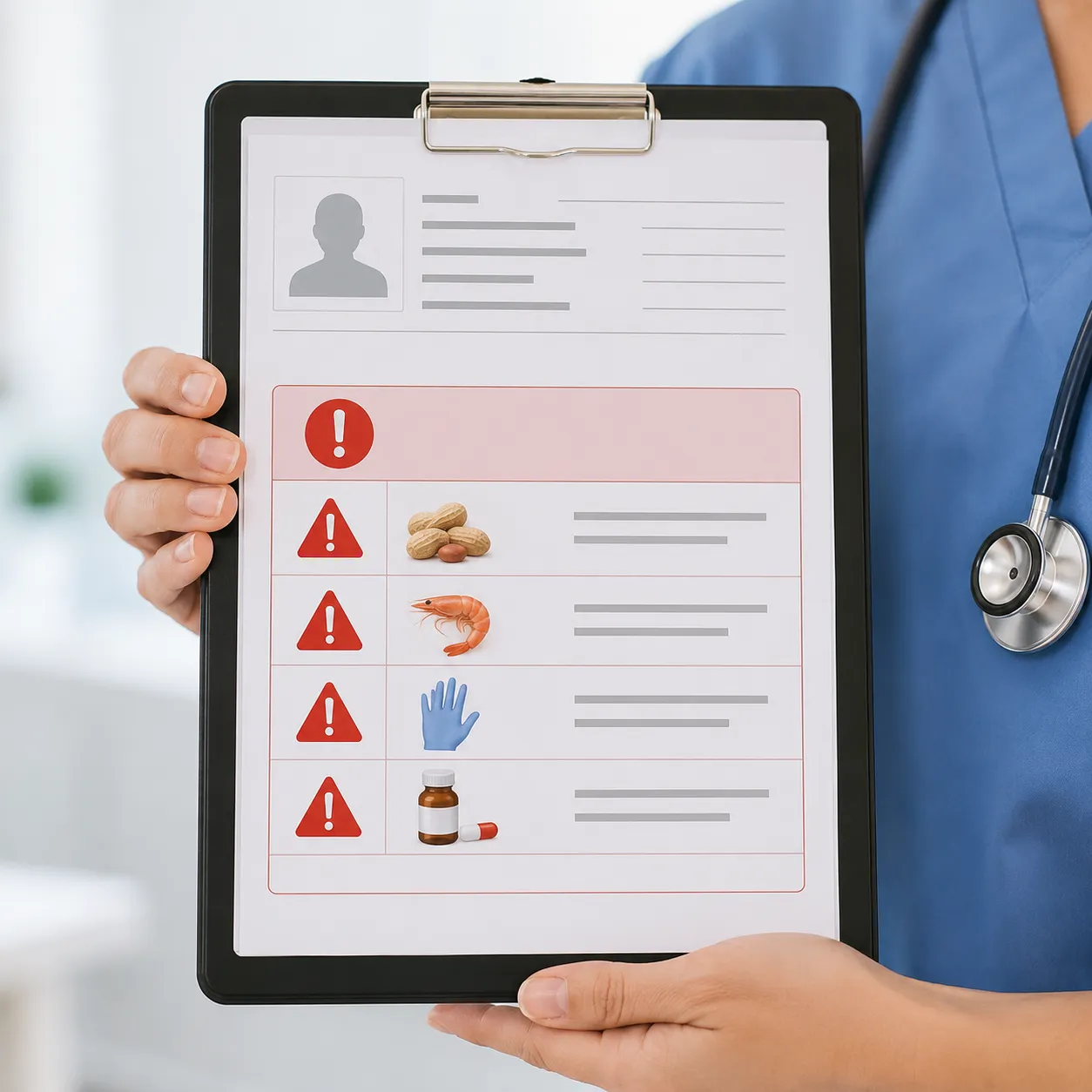
allergy historyˈælərdʒi ˌhɪstəri
information about substances, foods, or medicines that have caused allergic reactions in a patient.

chief complaintˌtʃiːf kəmˈpleɪnt
the main symptom or problem that makes a patient seek medical care.
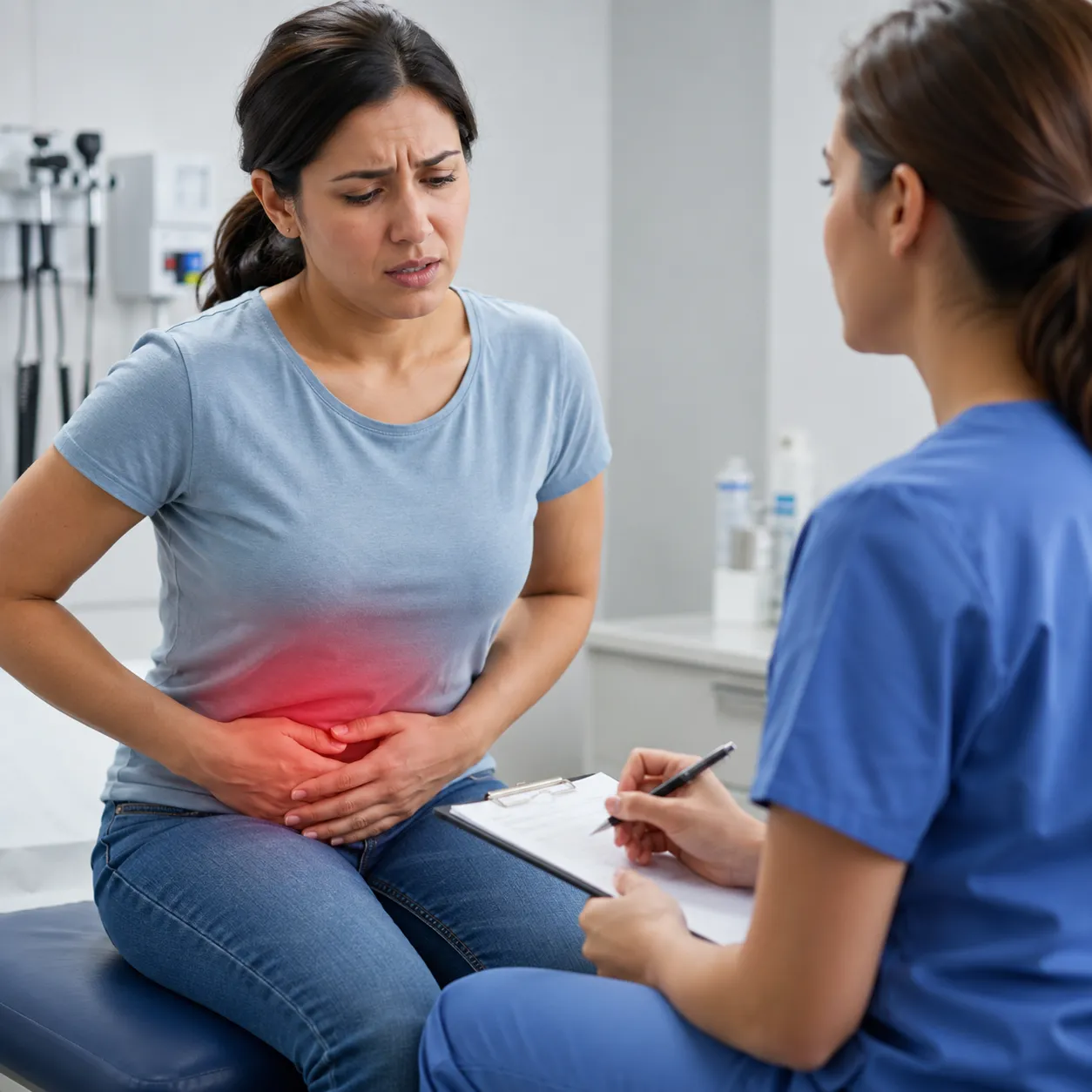
presenting complaintprɪˈzentɪŋ kəmˈpleɪnt
the symptom or problem a patient reports at the start of a medical visit or admission.
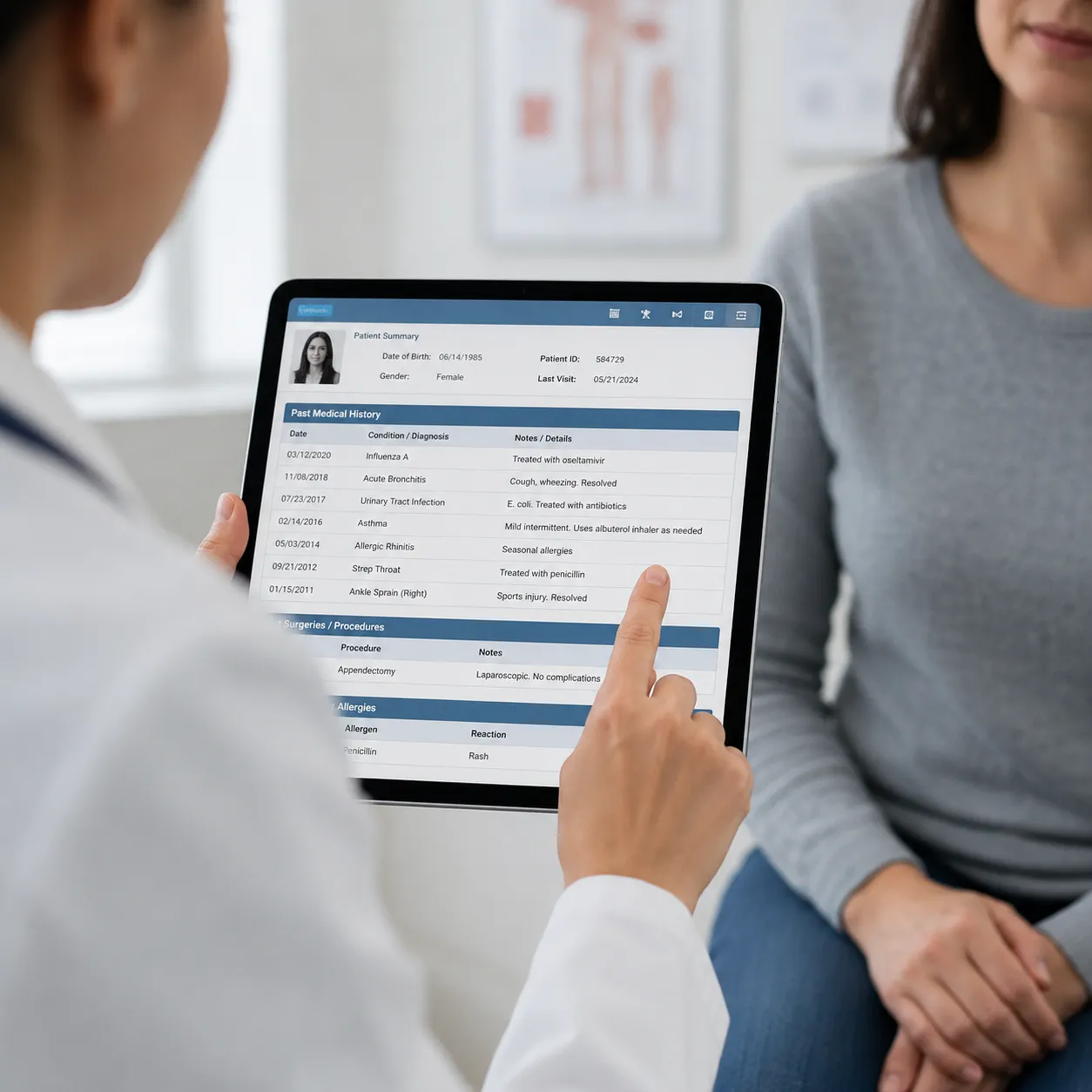
past medical historyˌpæst ˈmedɪkəl ˈhɪstəri
information about a patient’s previous illnesses, diagnoses, hospital stays, and long-term health conditions.
current medicationˈkɜːrənt ˌmedɪˈkeɪʃən
a medicine that a patient is taking now.
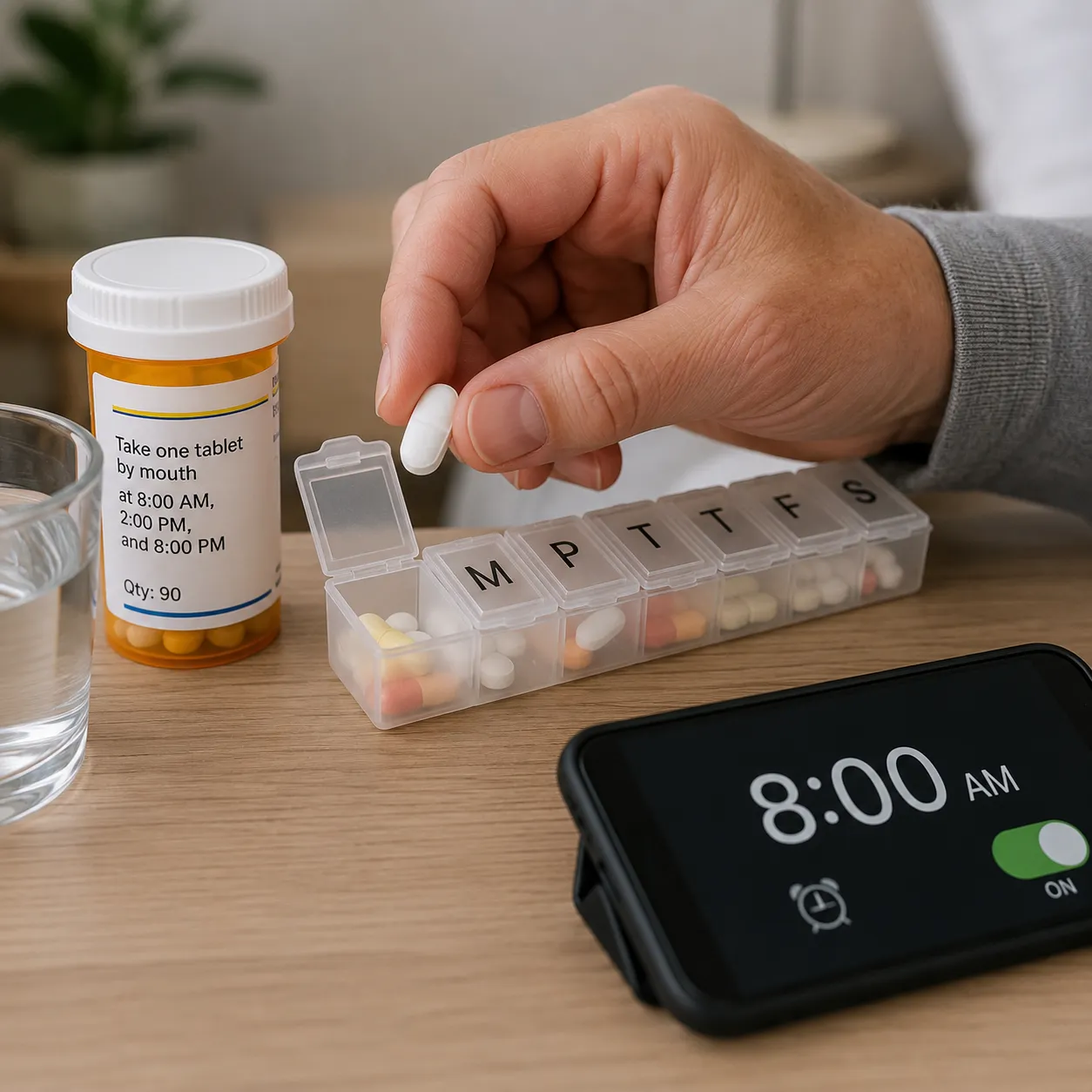
regular medicationˈrɛɡjələr ˌmɛdɪˈkeɪʃən
medicine that a person takes on a fixed schedule, such as every day.
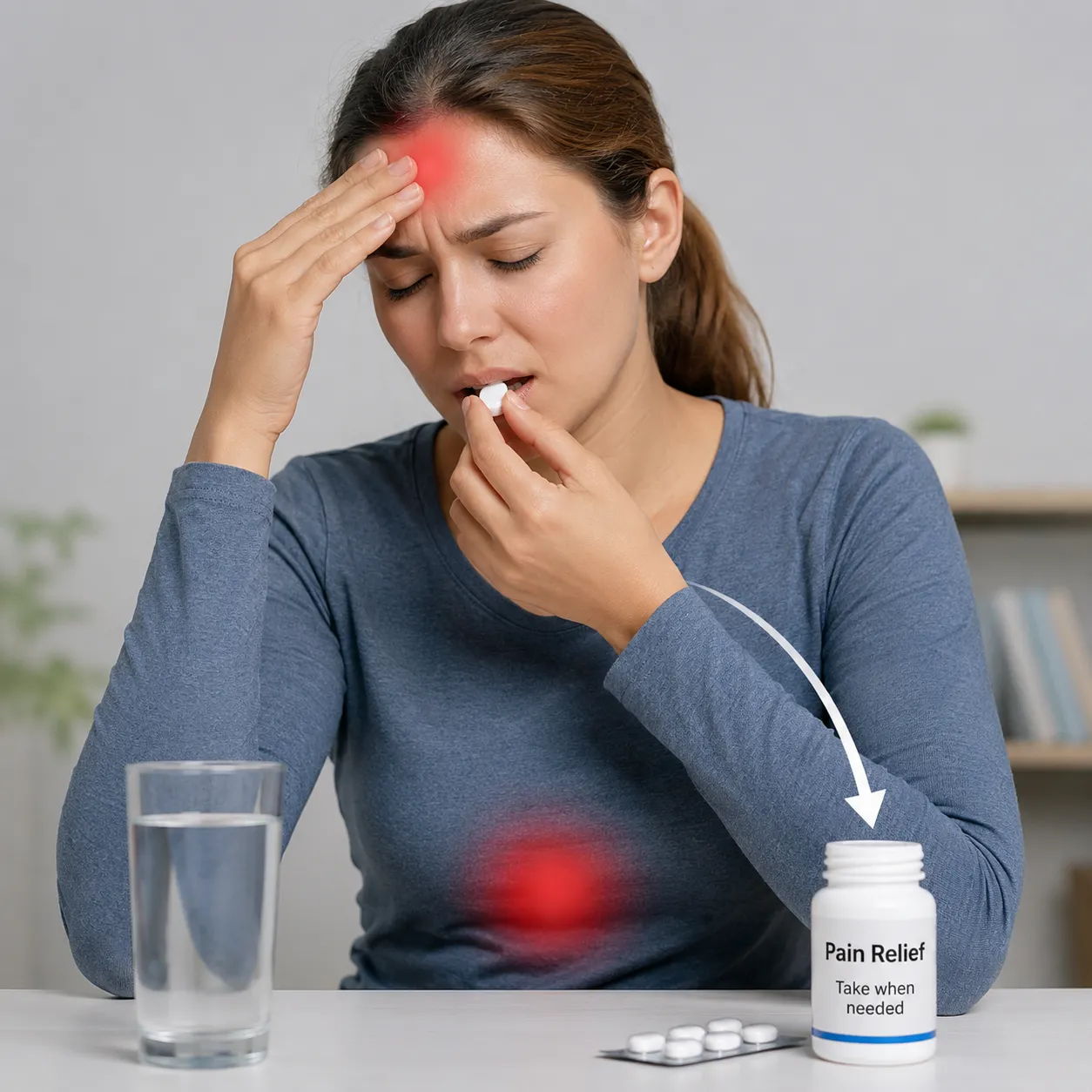
as-needed medicationæz ˈniːdɪd ˌmɛdɪˈkeɪʃən
medicine that a person takes only when symptoms occur or when it is necessary.
Measurements, assessments and repeated checks used to track a patient's condition.
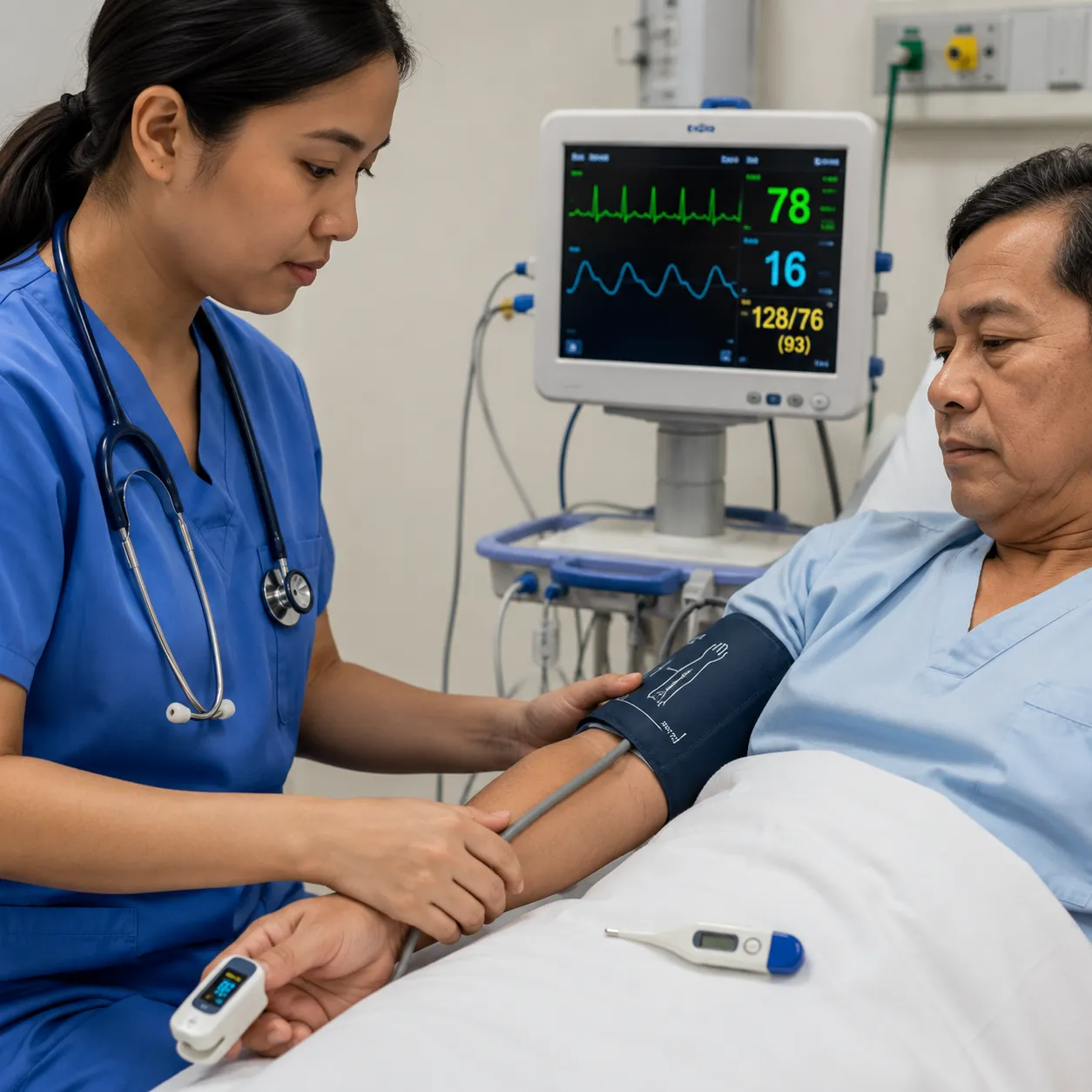
vital signsˈvaɪtəl saɪnz
basic body measurements that show how well a patient is functioning, such as temperature, pulse, breathing, and blood pressure.
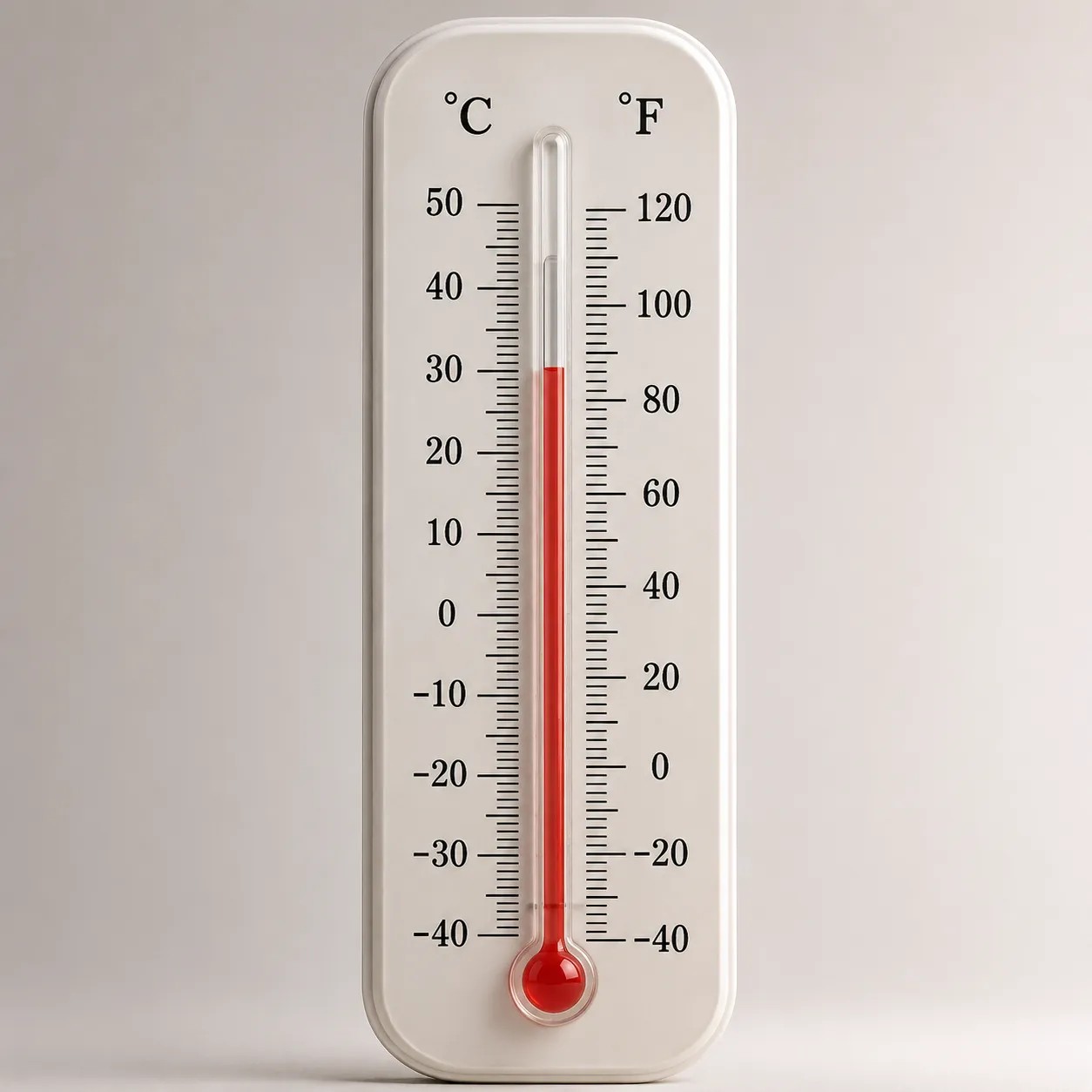
temperatureˈtemprətʃər
a measurement of how hot or cold a person's body is
pulsepʌls
the regular beat felt in an artery as blood is pumped by the heart.
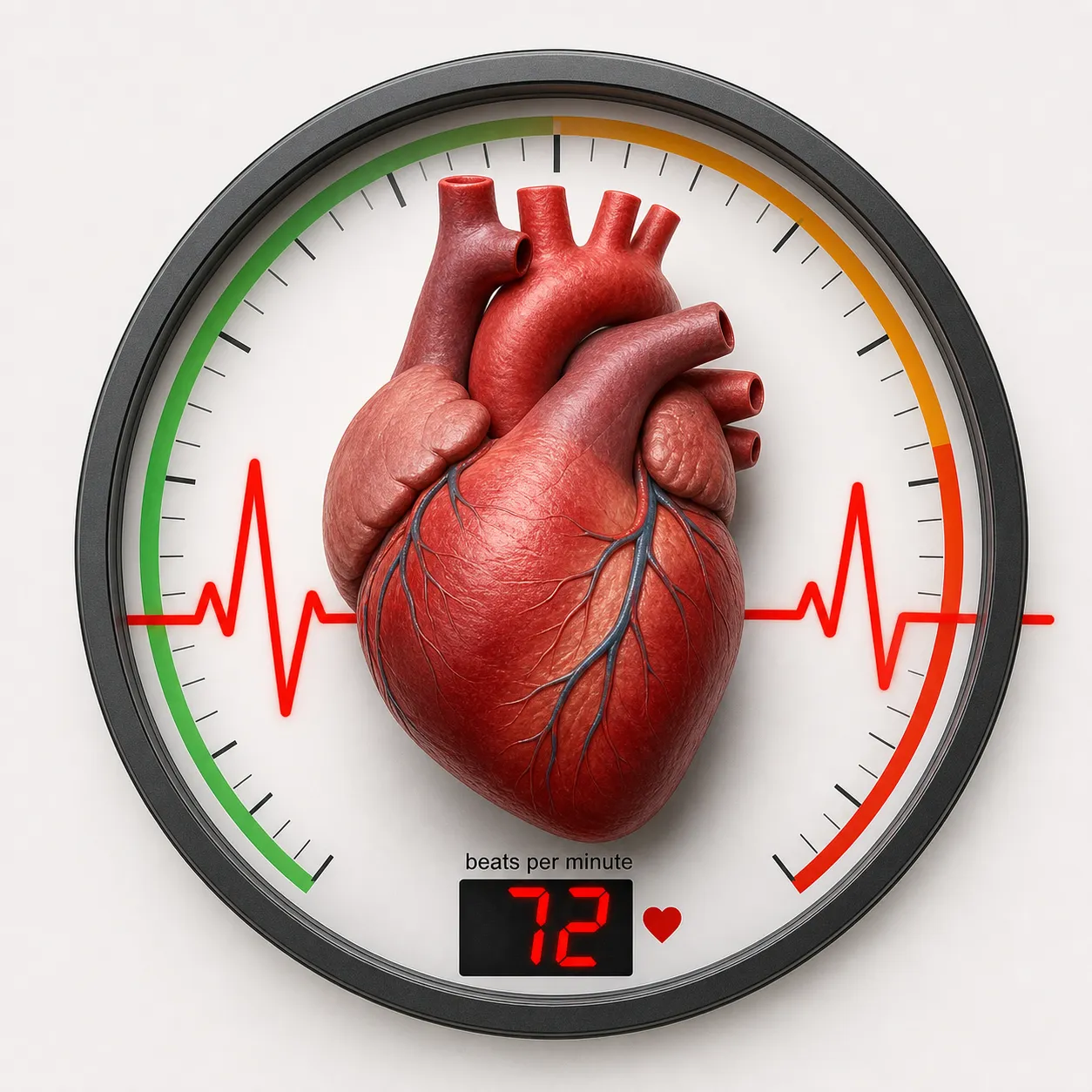
heart rateˈhɑːrt reɪt
the number of times the heart beats in one minute.
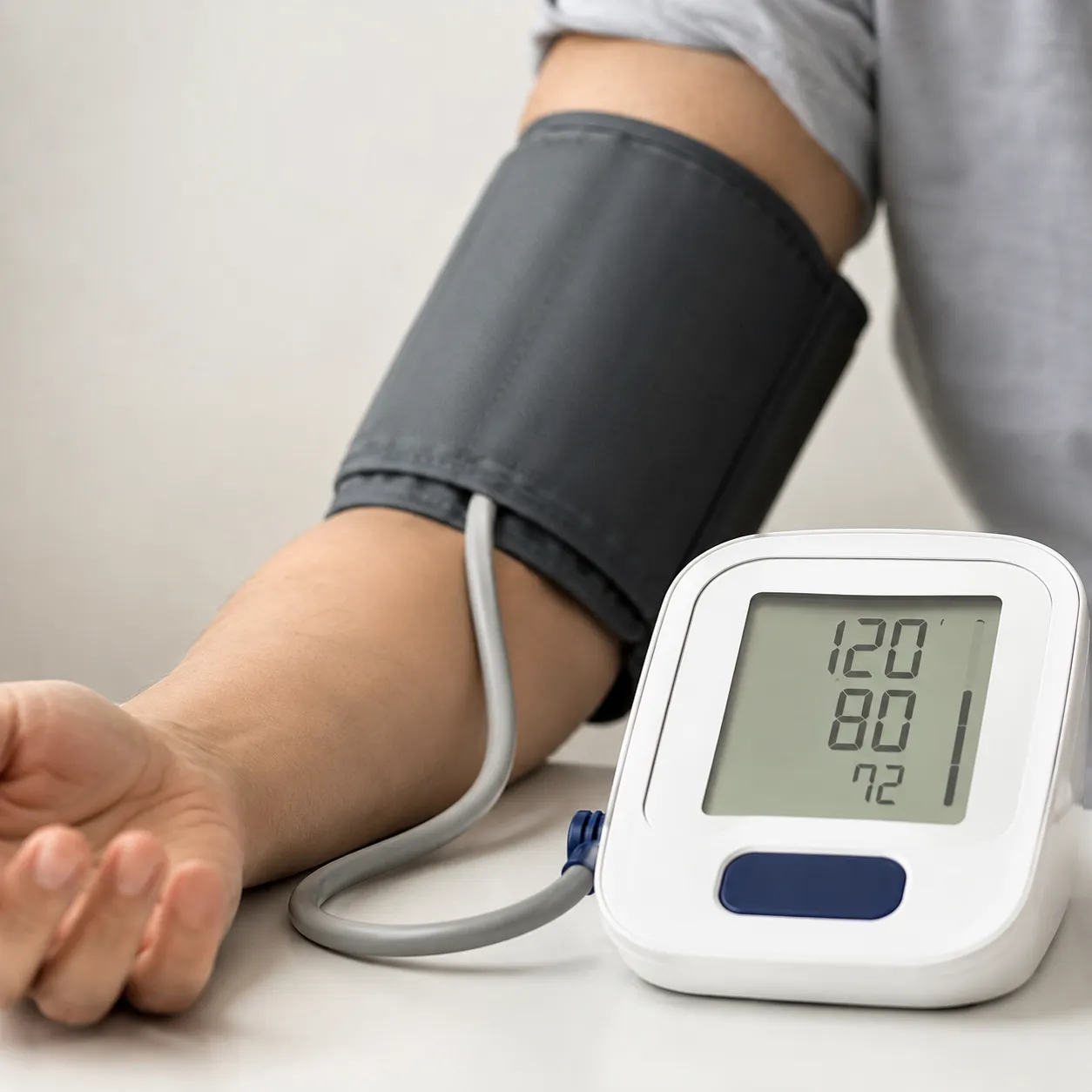
blood pressureˈblʌd preʃər
the force of blood pushing against the walls of the arteries.
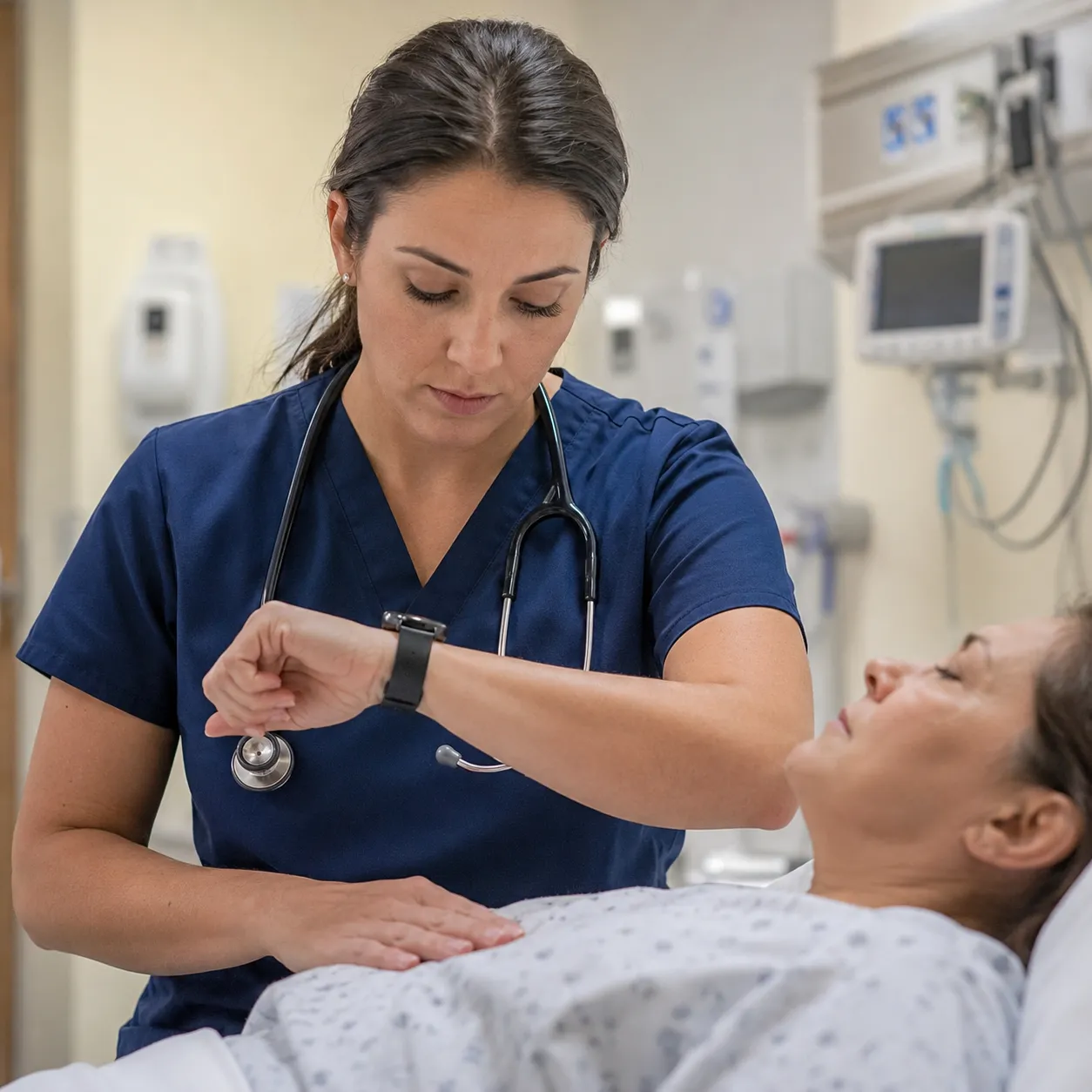
respiratory rateˈrespərətɔːri reɪt
the number of breaths a person takes in one minute.
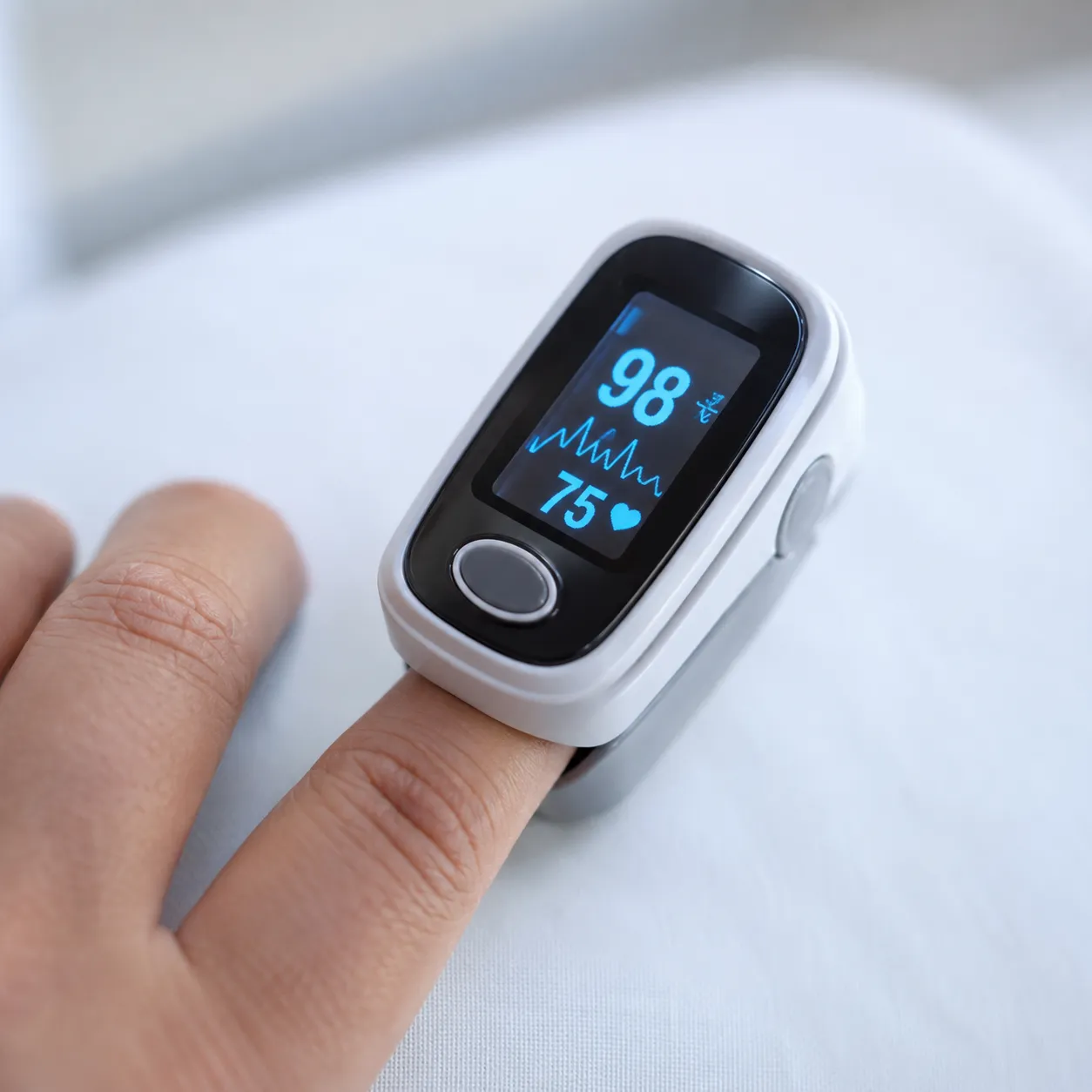
oxygen saturationˈɑːksɪdʒən ˌsætʃəˈreɪʃən
the percentage of oxygen carried in the blood, usually measured with a pulse oximeter.
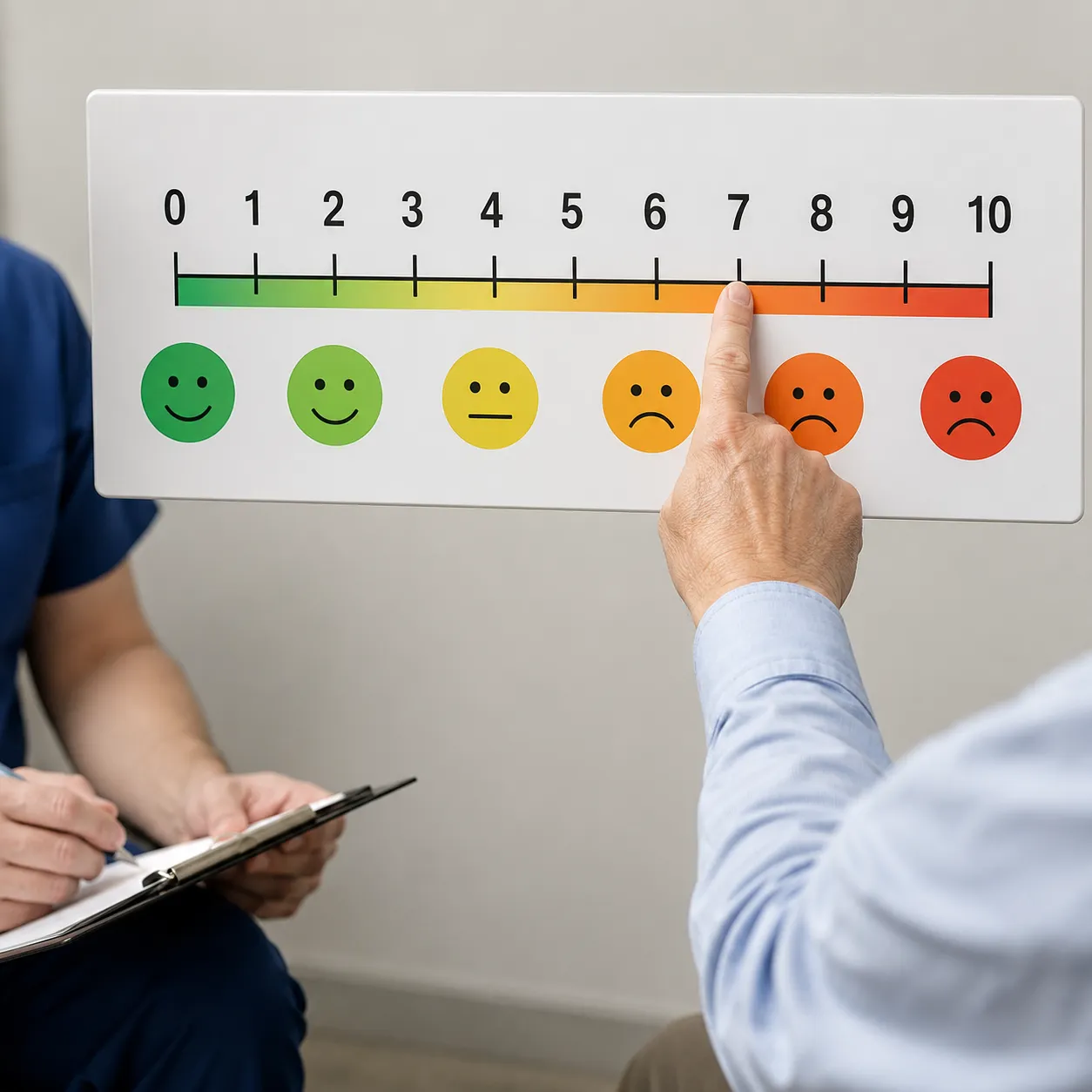
pain scorepeɪn skɔːr
a number used to show how strong a patient's pain is, often from 0 to 10.
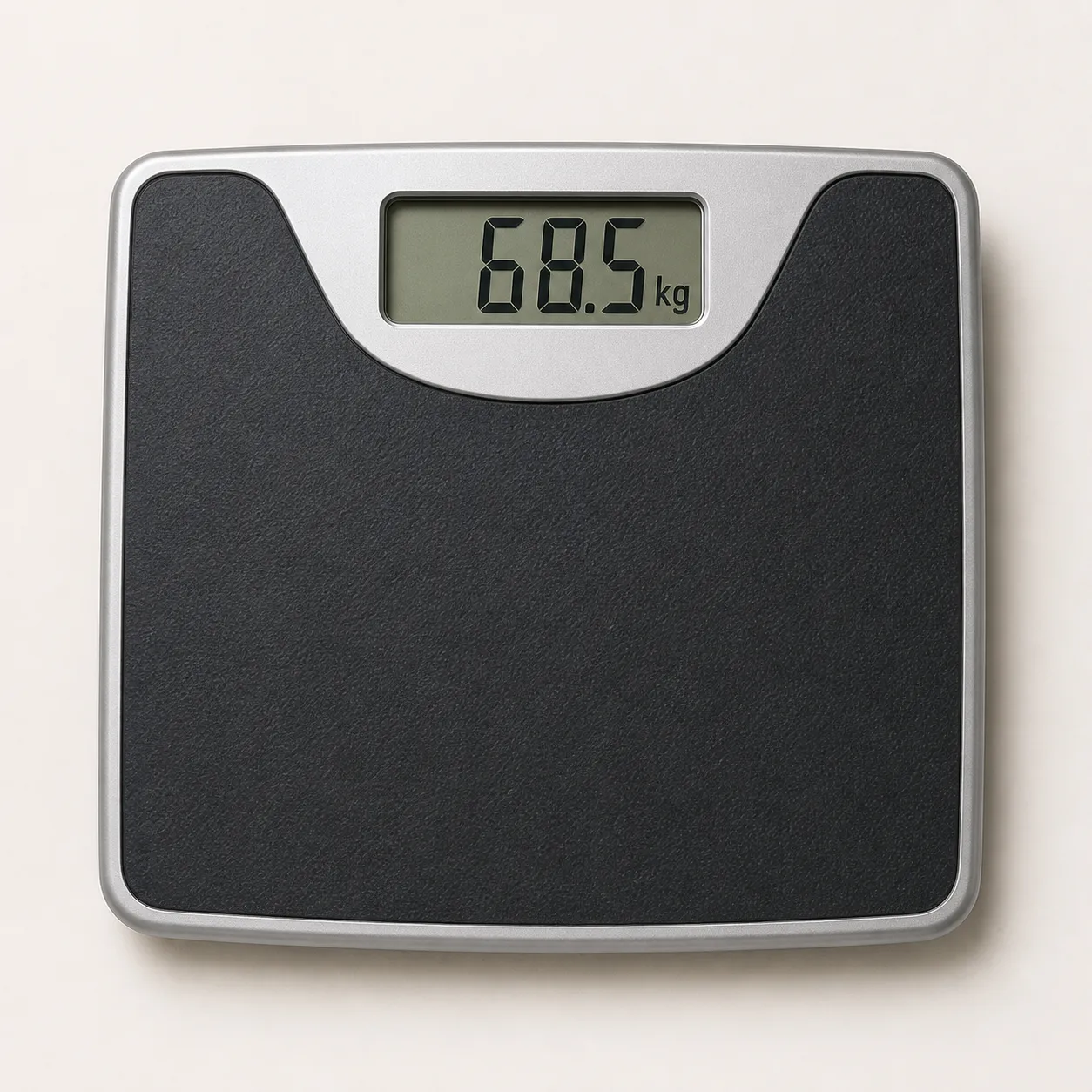
weightweɪt
the measurement of how heavy something is.

heighthaɪt
a measurement of how tall a person or object is.
level of consciousnessˈlevəl əv ˈkɑːnʃəsnəs
a measure of how awake, aware, and responsive a patient is.
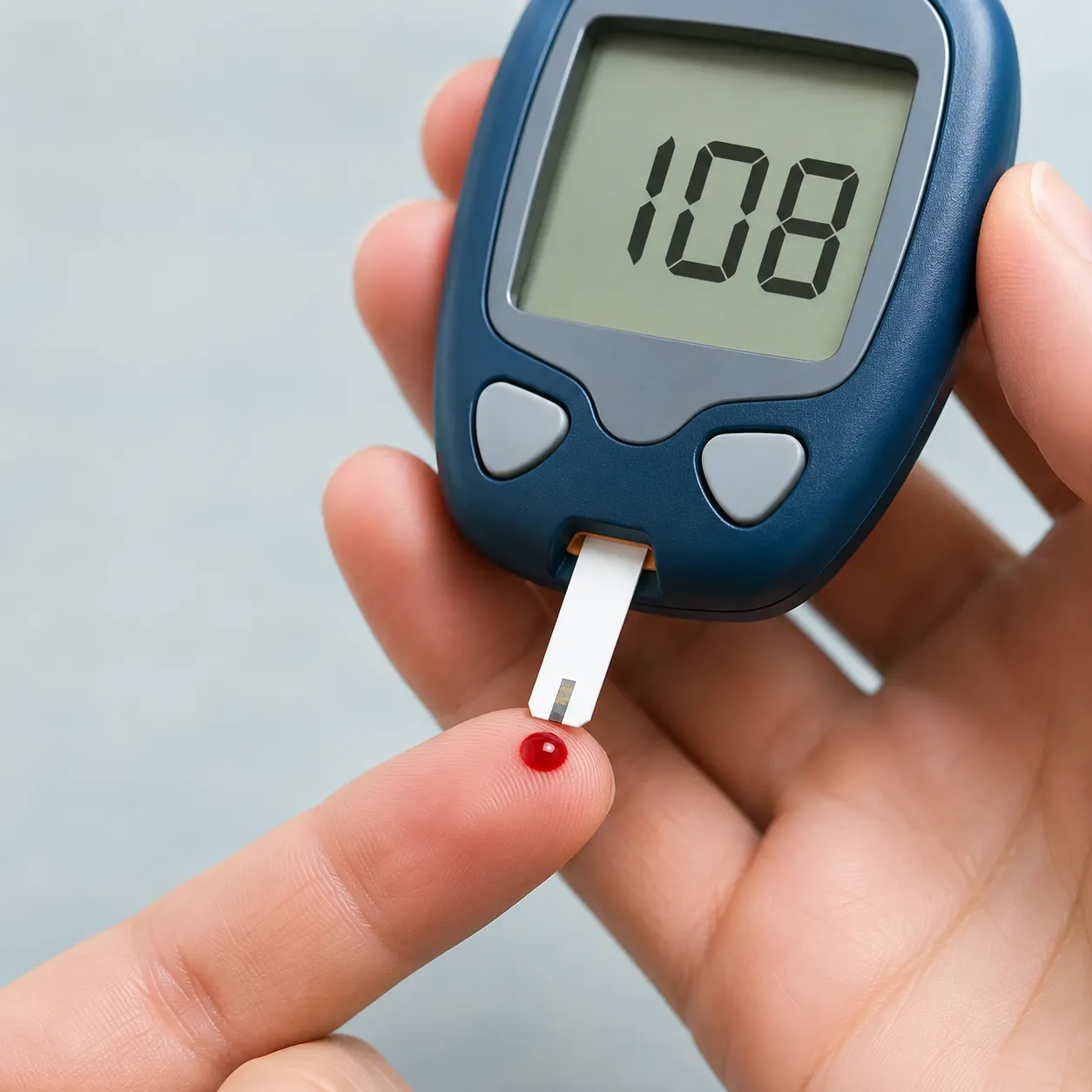
blood glucoseˈblʌd ˈɡluːkoʊs
the amount of sugar in the blood.
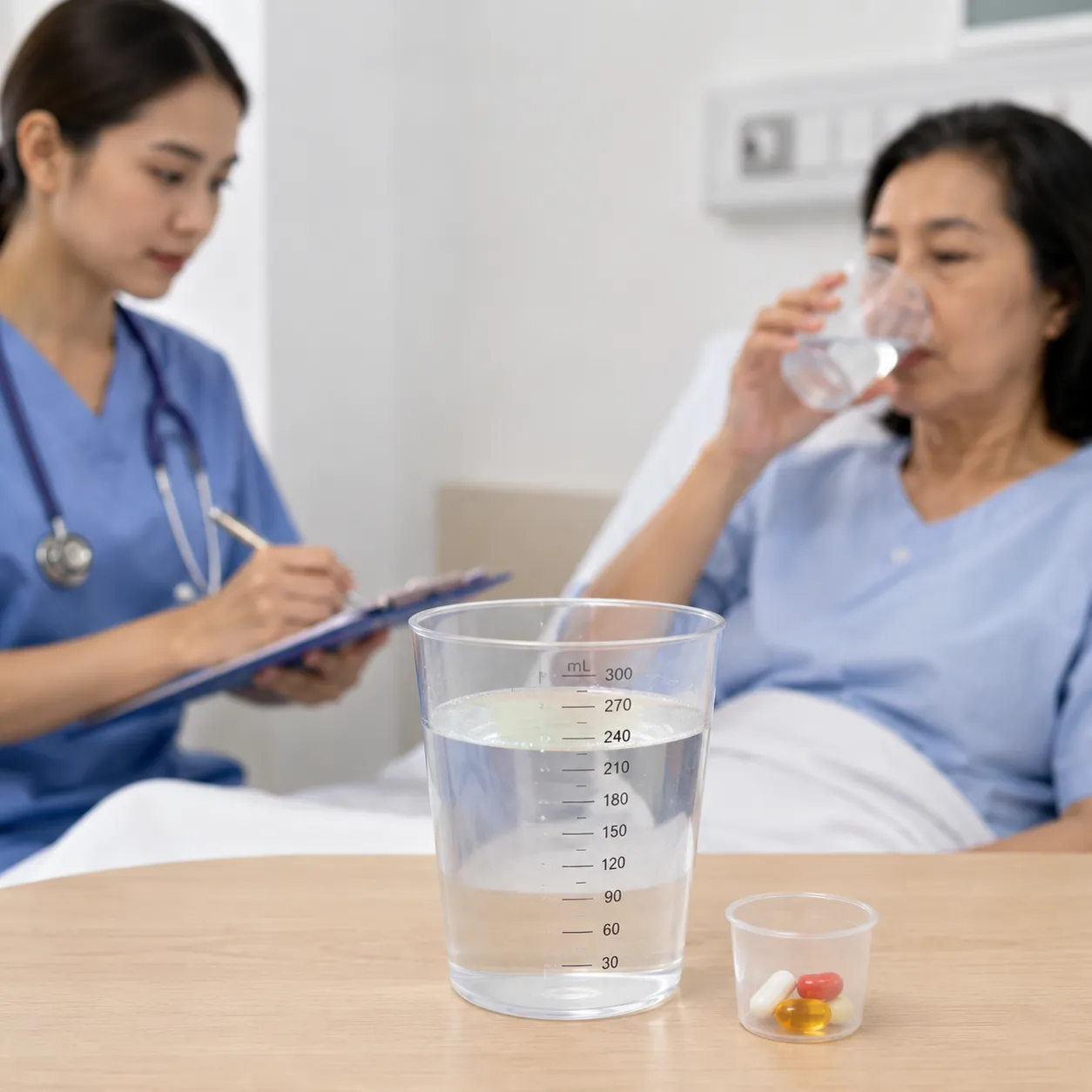
intakeˈɪnteɪk
the amount of fluid, food, or medicine taken into the body.
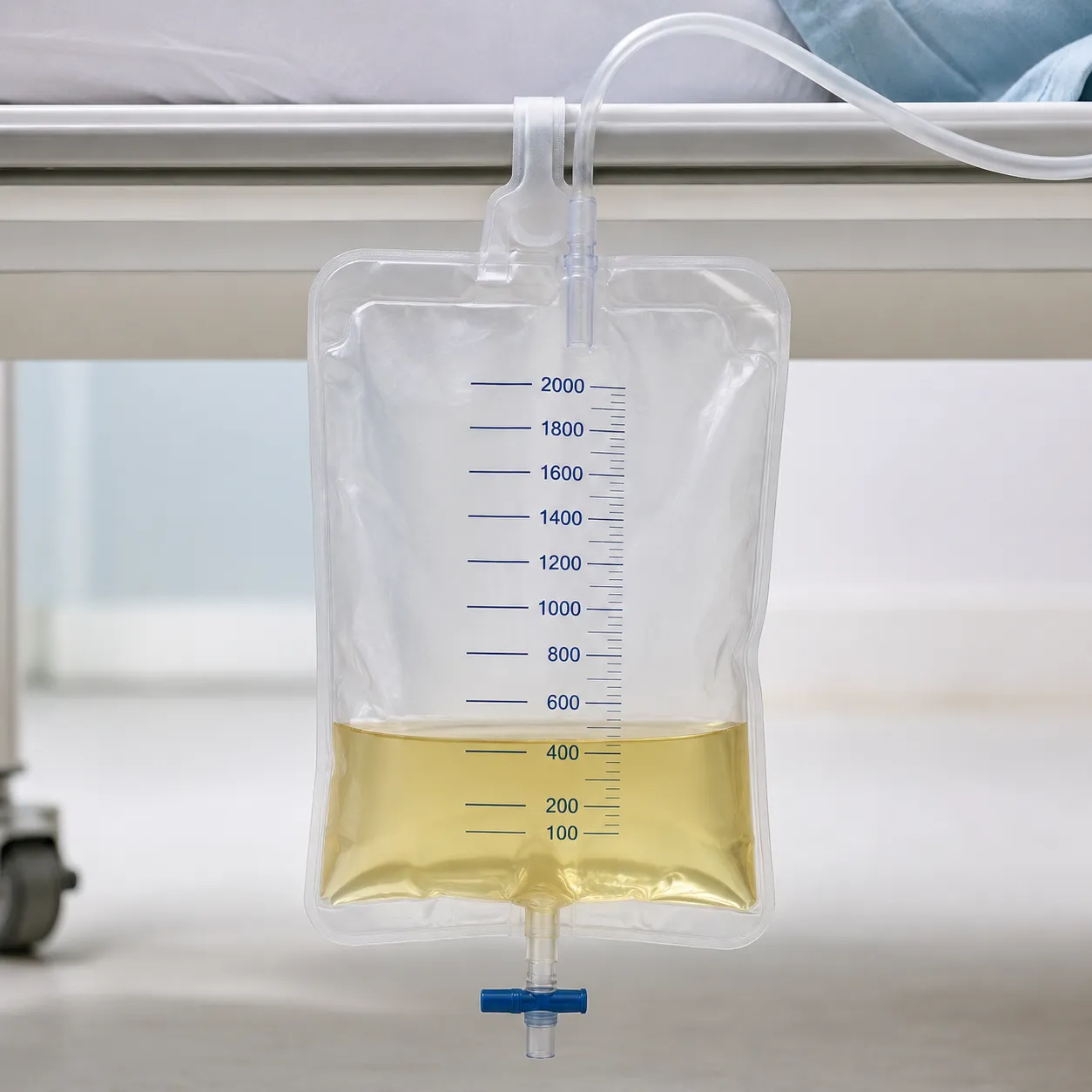
outputˈaʊtpʊt
the amount of fluid or waste that leaves the body, especially urine, vomit, or drainage.
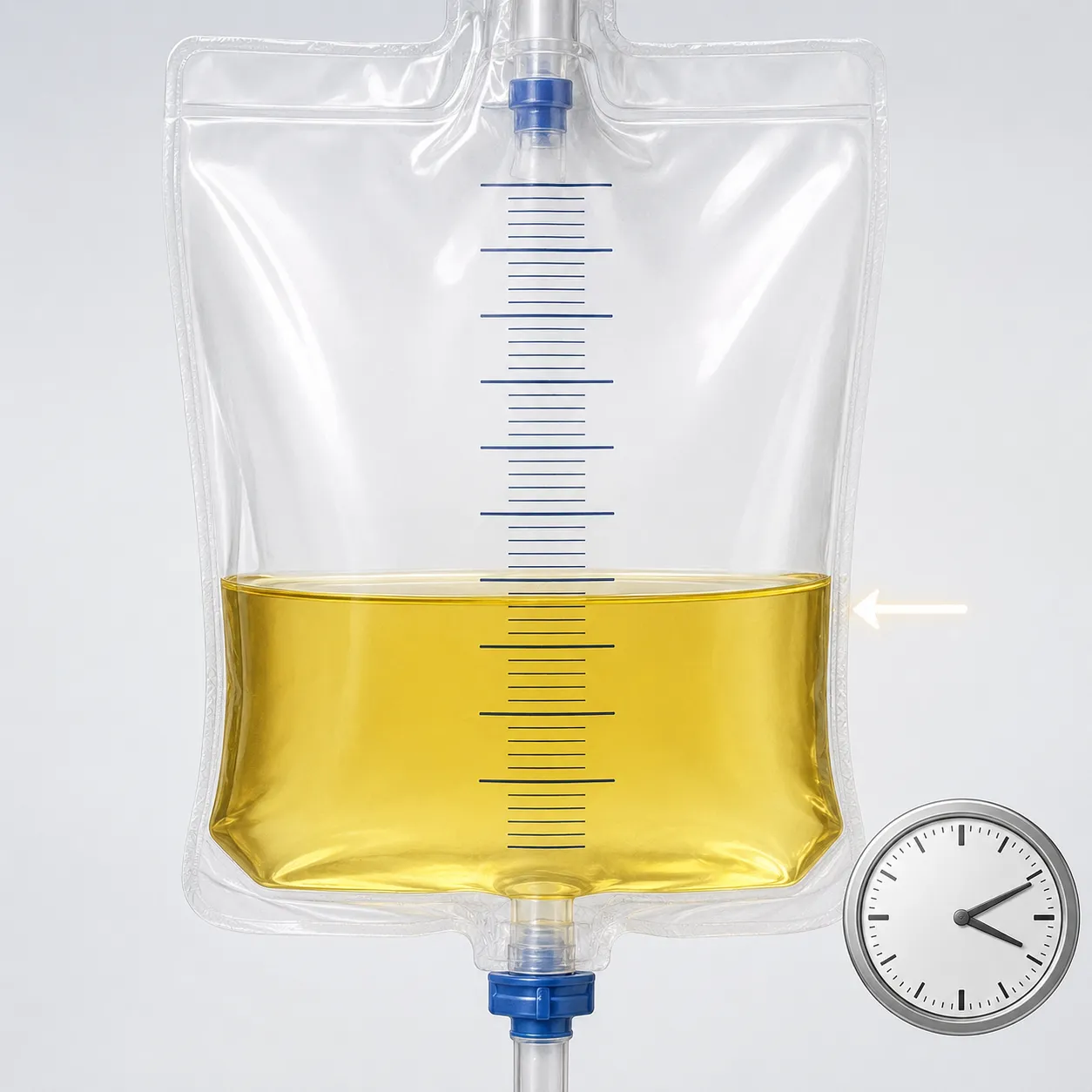
urine outputˈjʊrɪn ˈaʊtpʊt
the amount of urine a person produces over a period of time.
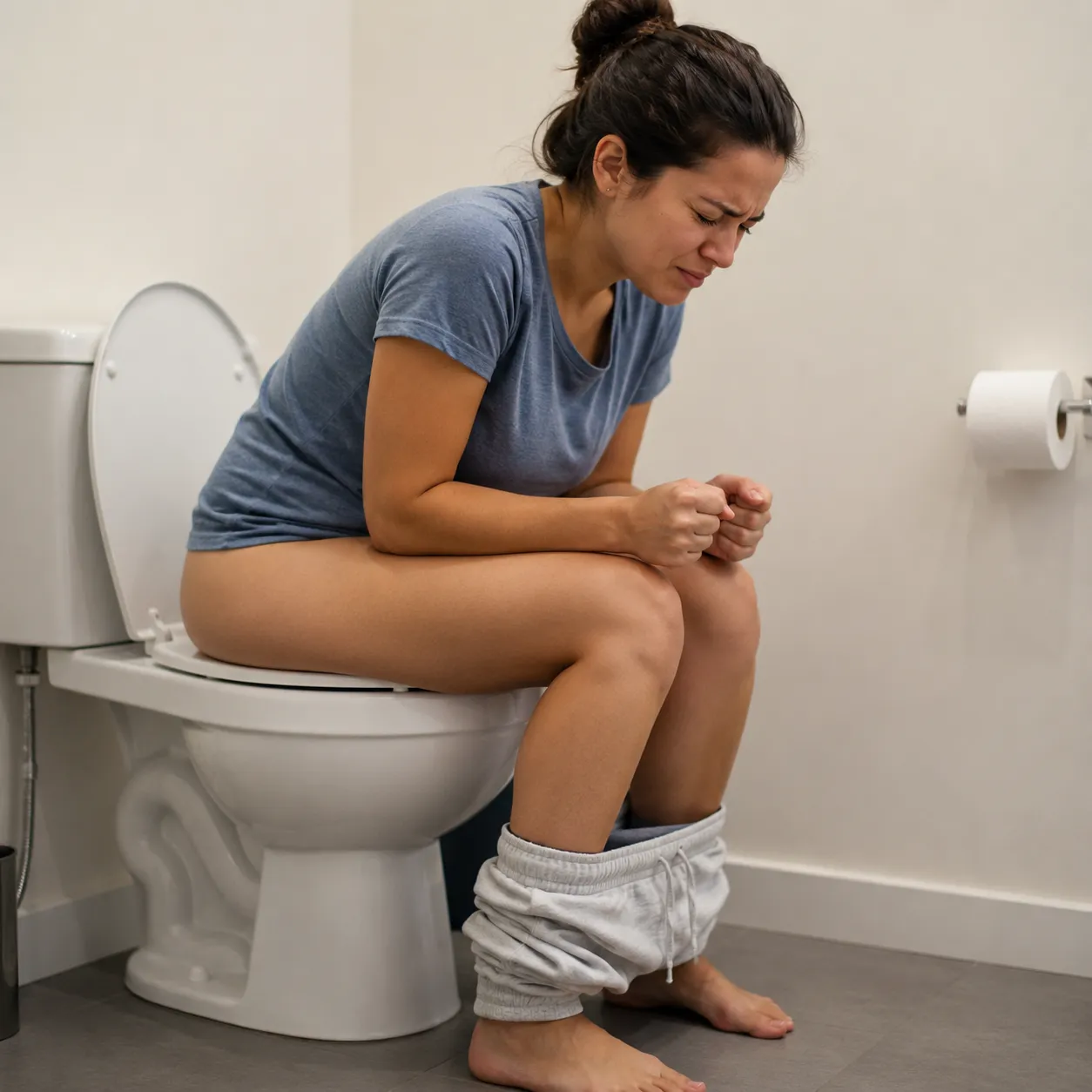
bowel movementˈbaʊəl ˈmuːvmənt
the act of passing stool from the body.

hydrationhaɪˈdreɪʃən
the state of having enough fluid in the body.
dehydrationˌdiːhaɪˈdreɪʃən
a condition in which the body does not have enough water.
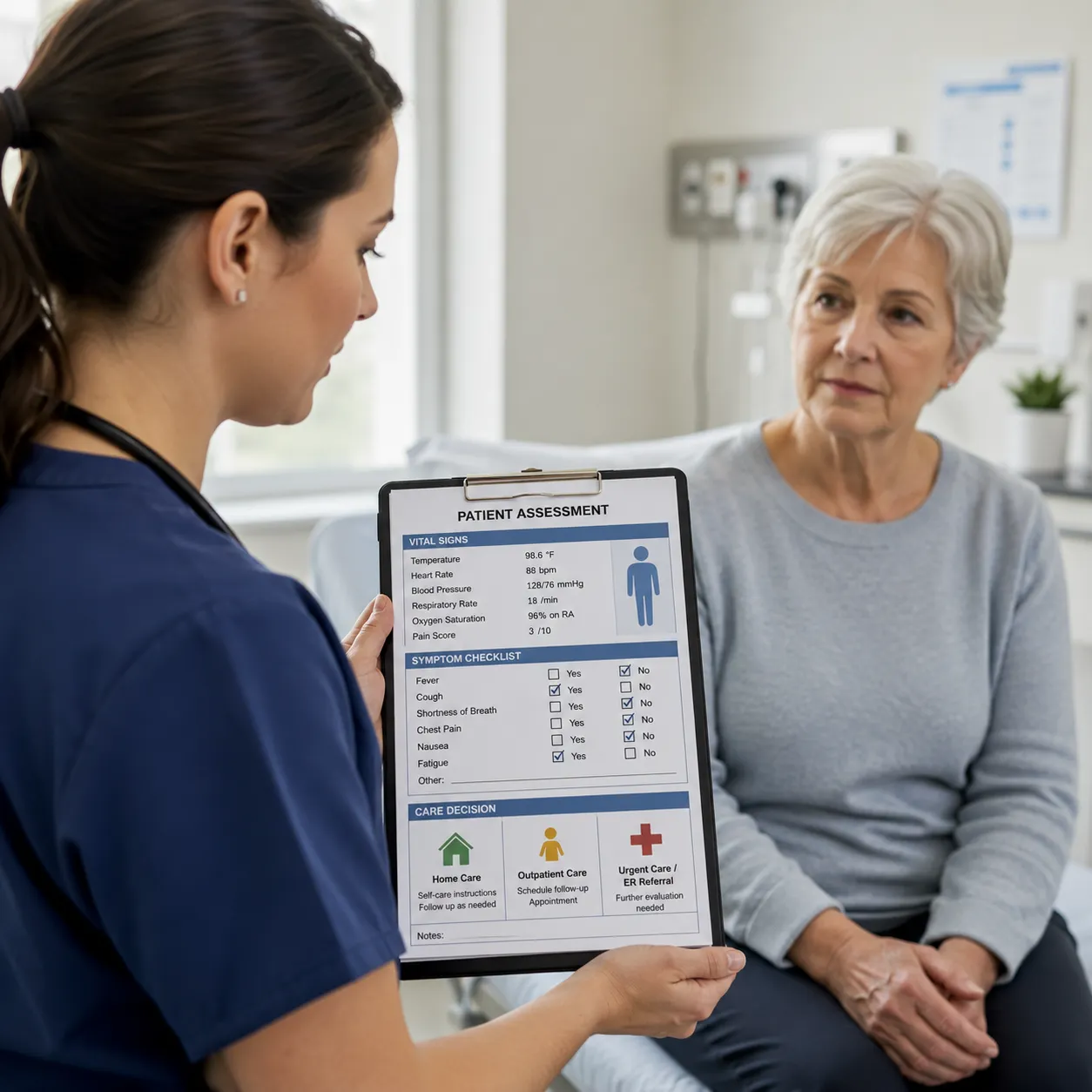
assessmentəˈsesmənt
the process of checking a patient's condition to decide what care is needed.
observationˌɒbzərˈveɪʃən
careful watching and checking of a patient or condition over time.
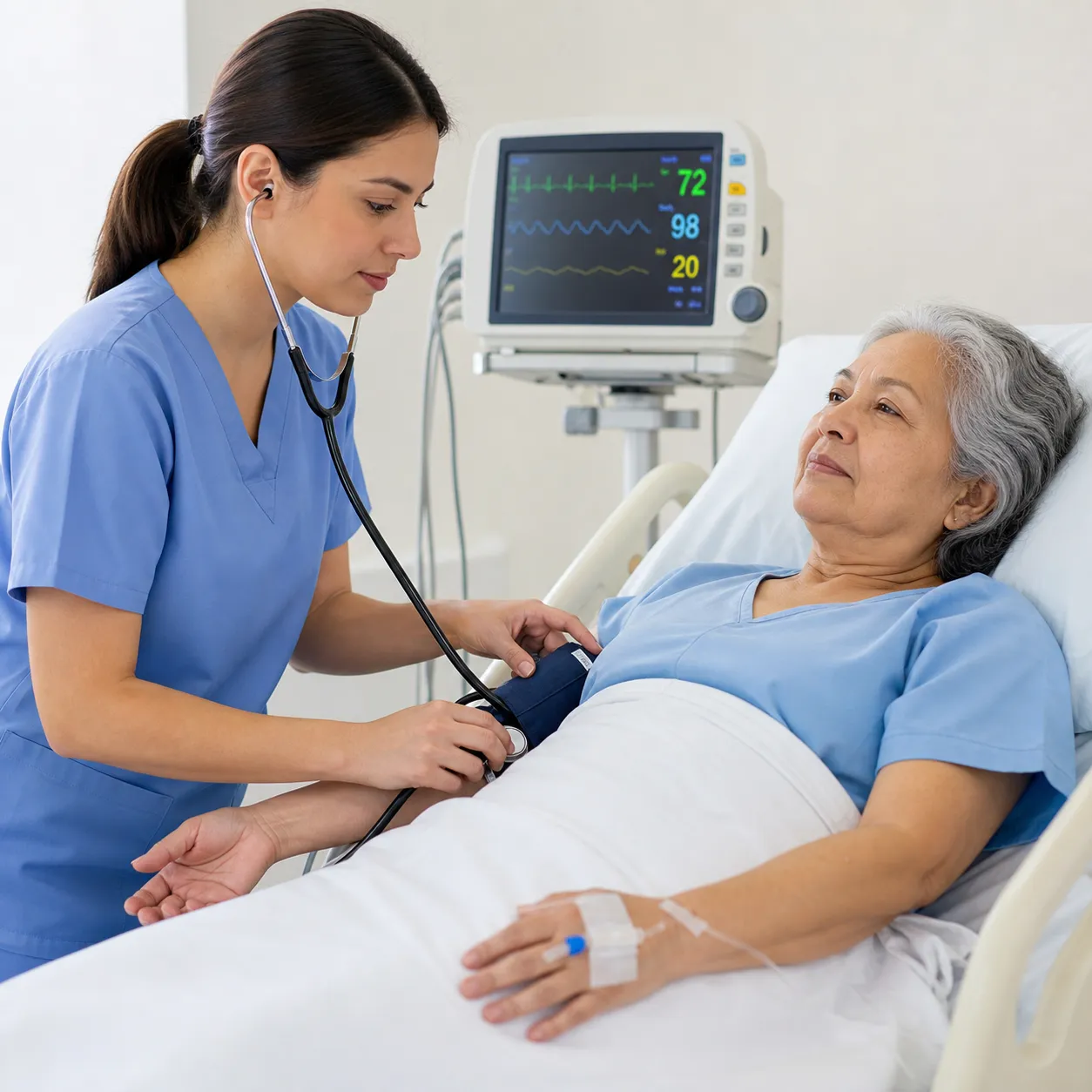
monitoringˈmɒnɪtərɪŋ
regular checking of a patient's condition, signs, or test results for changes.
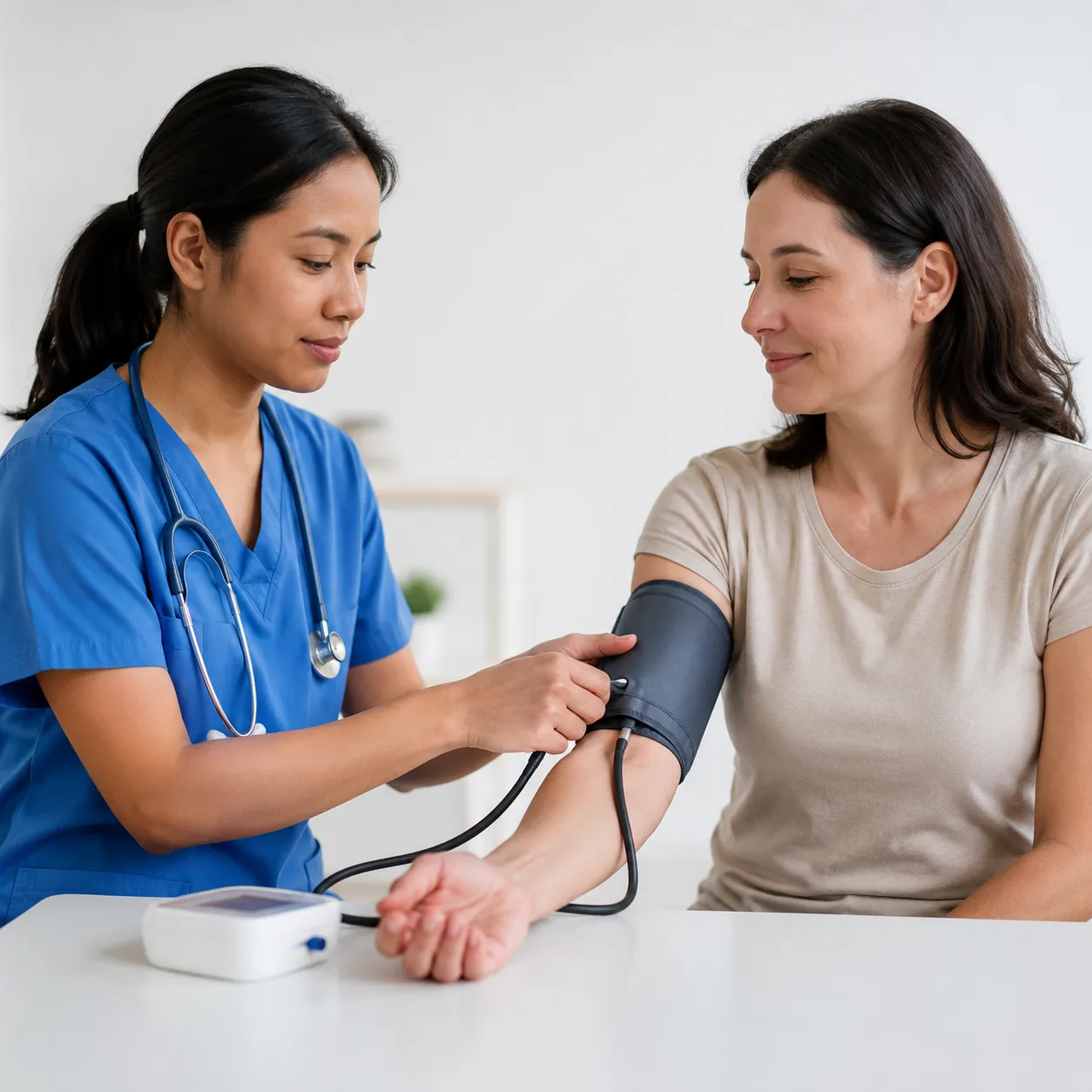
screeningˈskriːnɪŋ
testing people to find a disease or risk before clear symptoms appear.
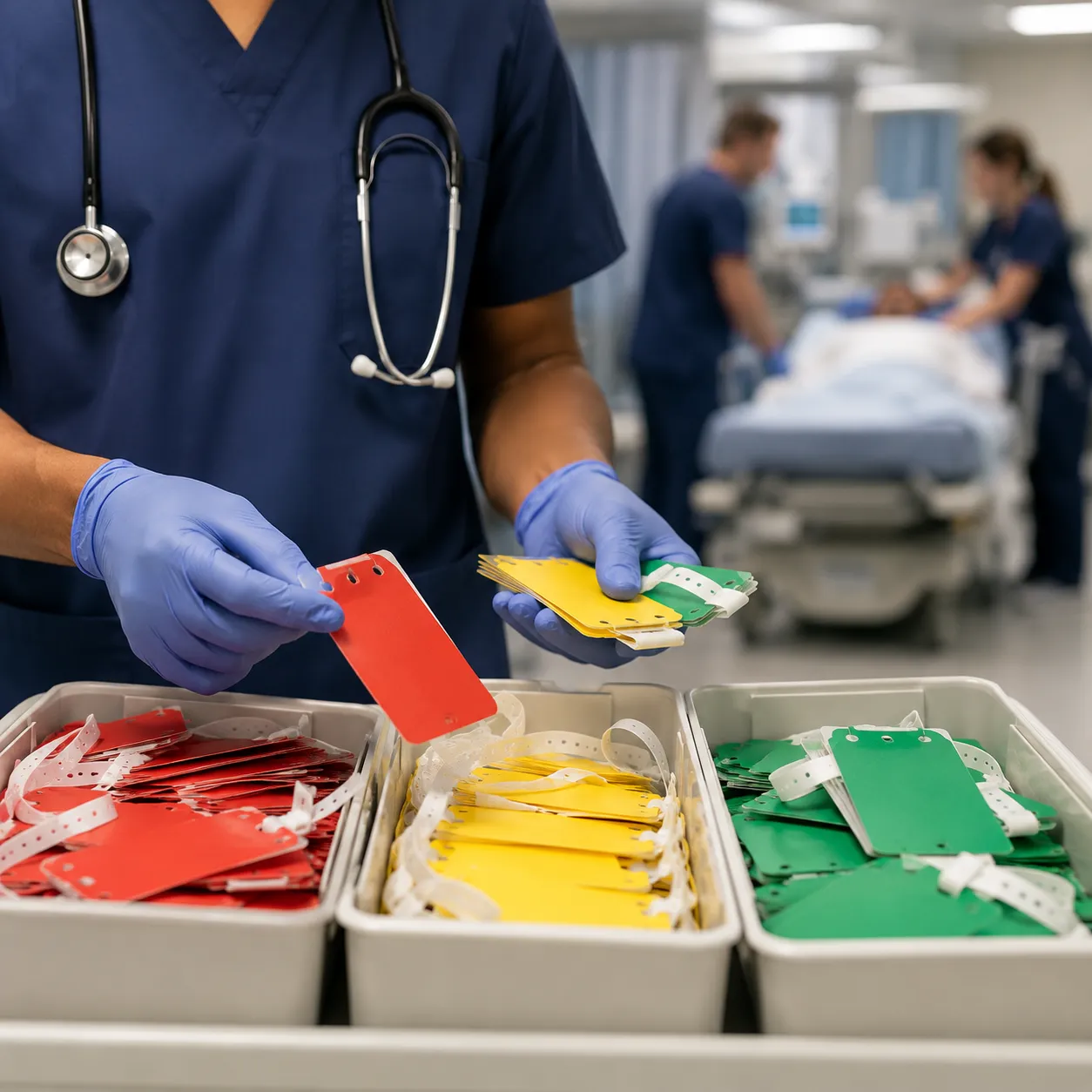
triageˈtriːɑːʒ
the process of deciding which patients need treatment first based on how serious their condition is.
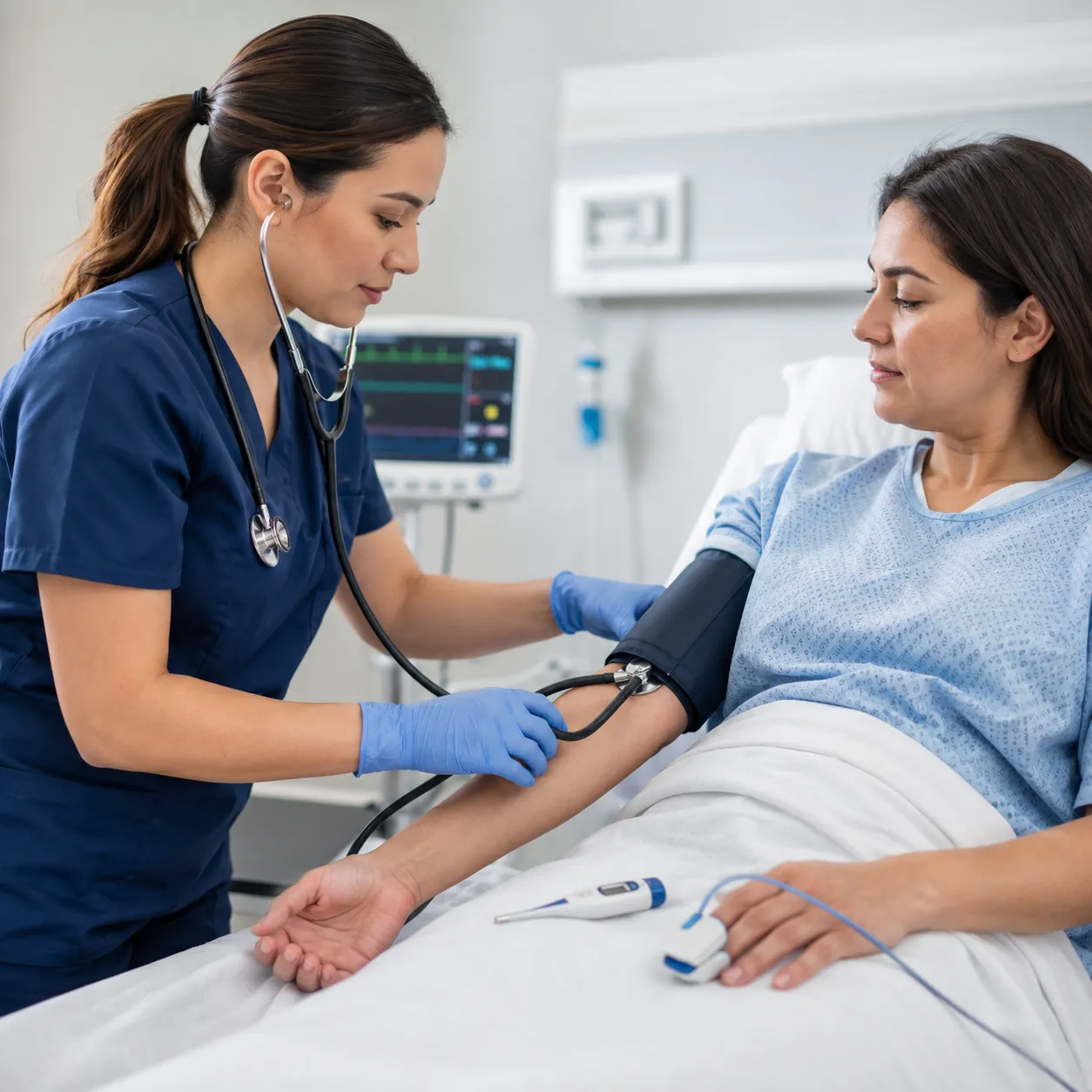
take vital signsteɪk ˈvaɪtəl saɪnz
to measure basic body functions such as temperature, pulse, breathing, and blood pressure.
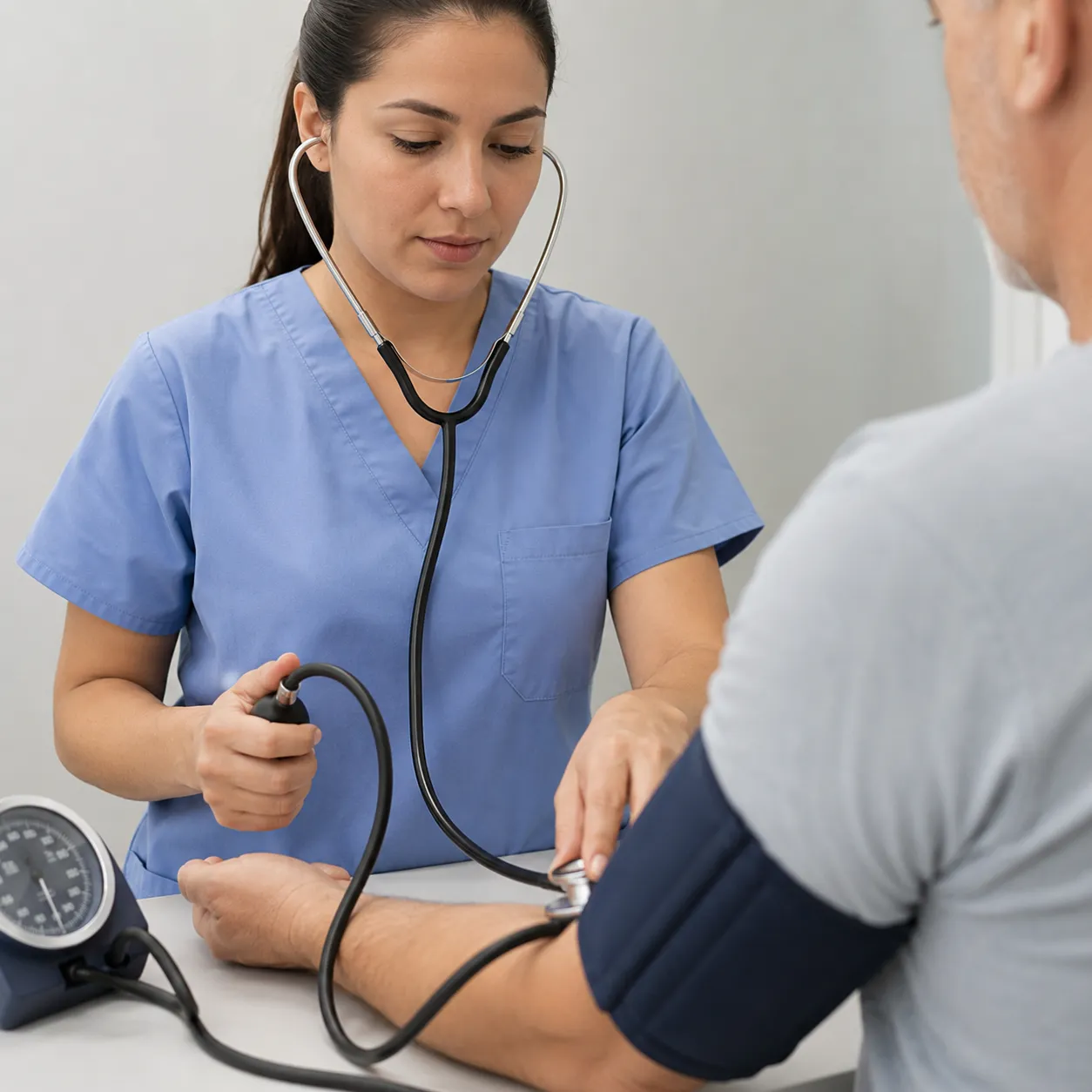
check blood pressuretʃek blʌd ˈpreʃər
to measure the force of blood against the walls of the arteries.
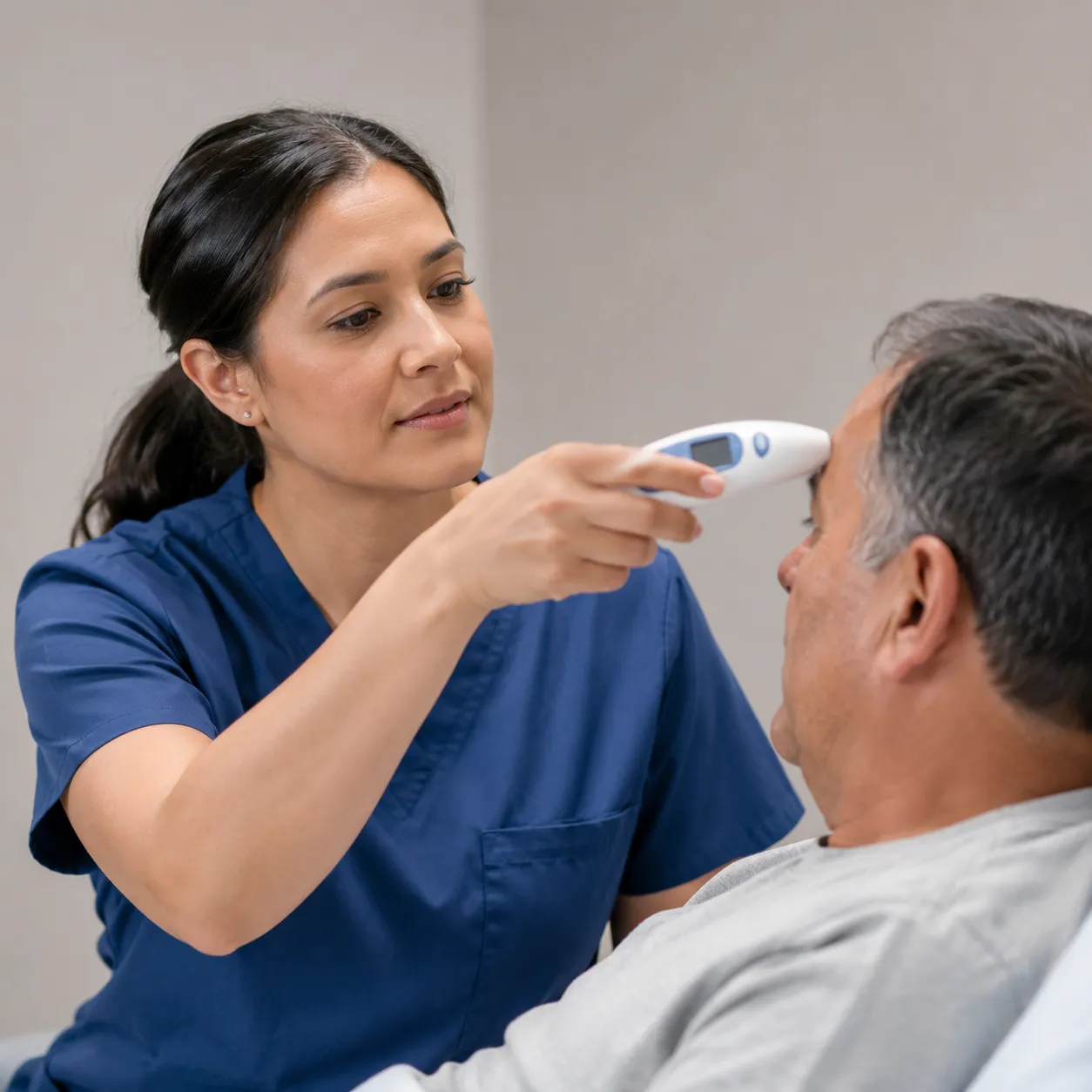
check temperaturetʃek ˈtemprətʃər
to measure a patient’s body temperature
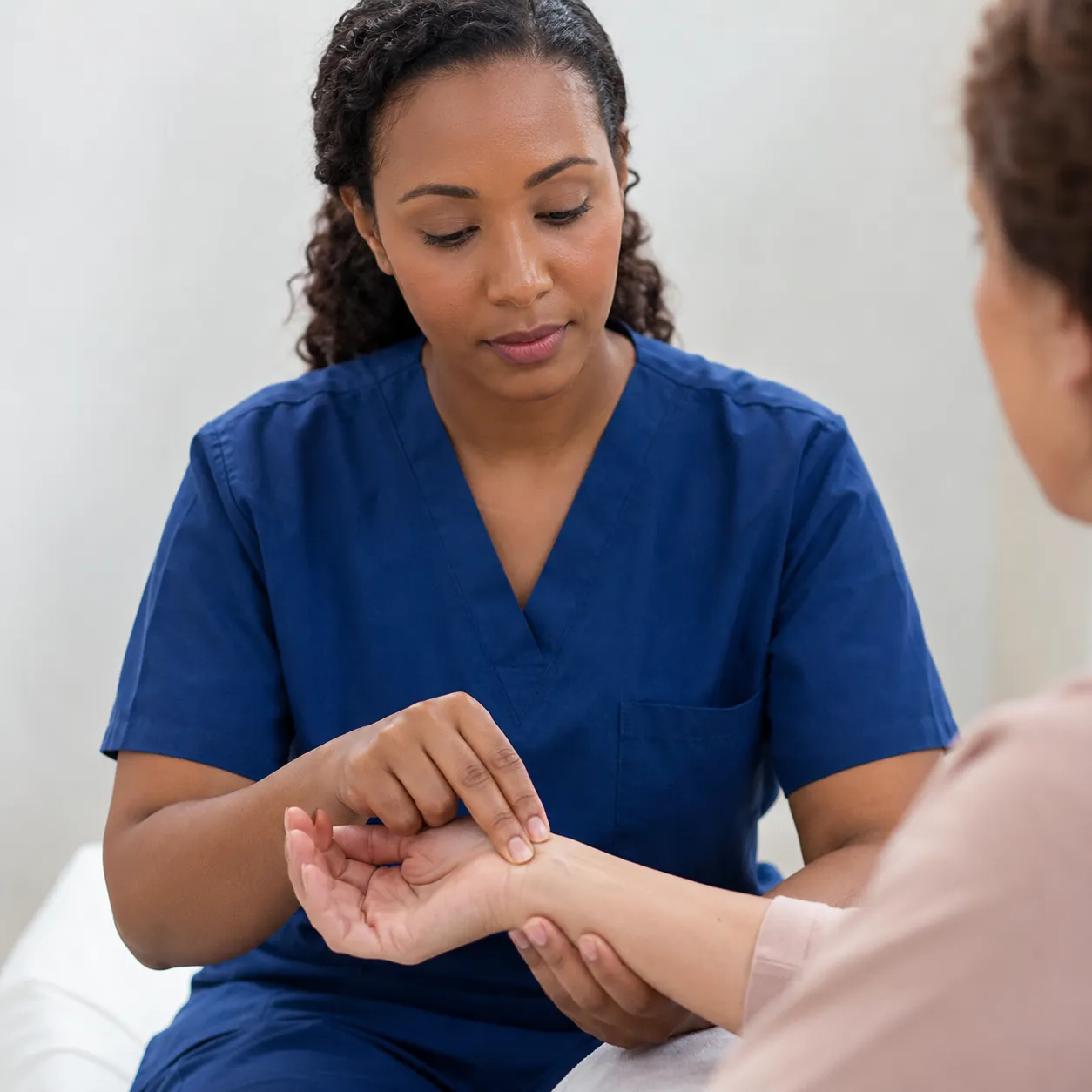
check pulsetʃek pʌls
to measure how fast and regularly the heart is beating by feeling or using a device.

check oxygen saturationtʃek ˈɑːksɪdʒən ˌsætʃəˈreɪʃən
to measure the percentage of oxygen in a patient’s blood, usually with a finger sensor.
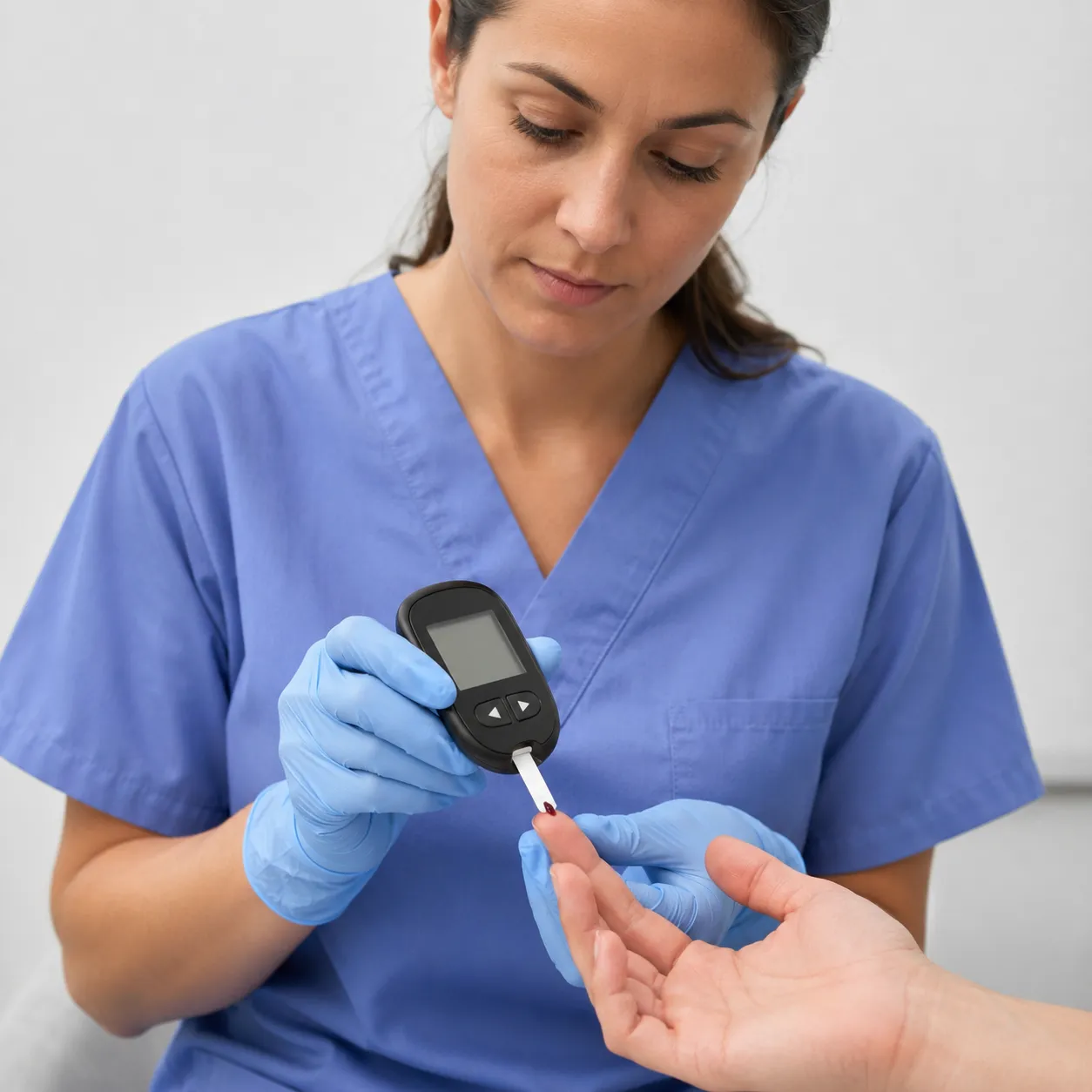
check blood sugartʃek blʌd ˈʃʊɡər
to measure the amount of glucose in a patient’s blood.

monitor breathingˈmɑːnɪtər ˈbriːðɪŋ
to watch and assess how well and how often a patient breathes.
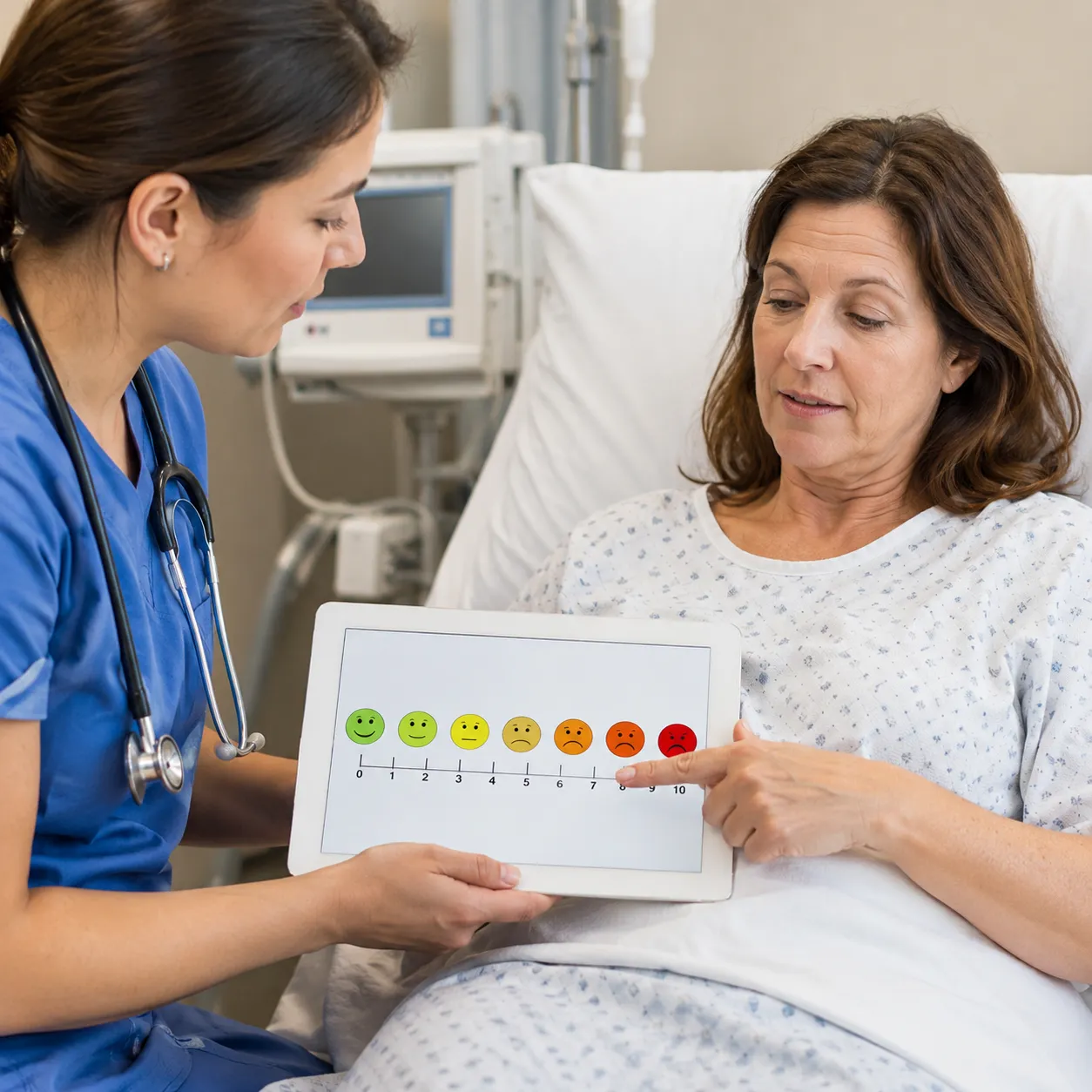
monitor painˈmɑːnɪtər peɪn
to regularly check how much pain a patient has and whether it changes.
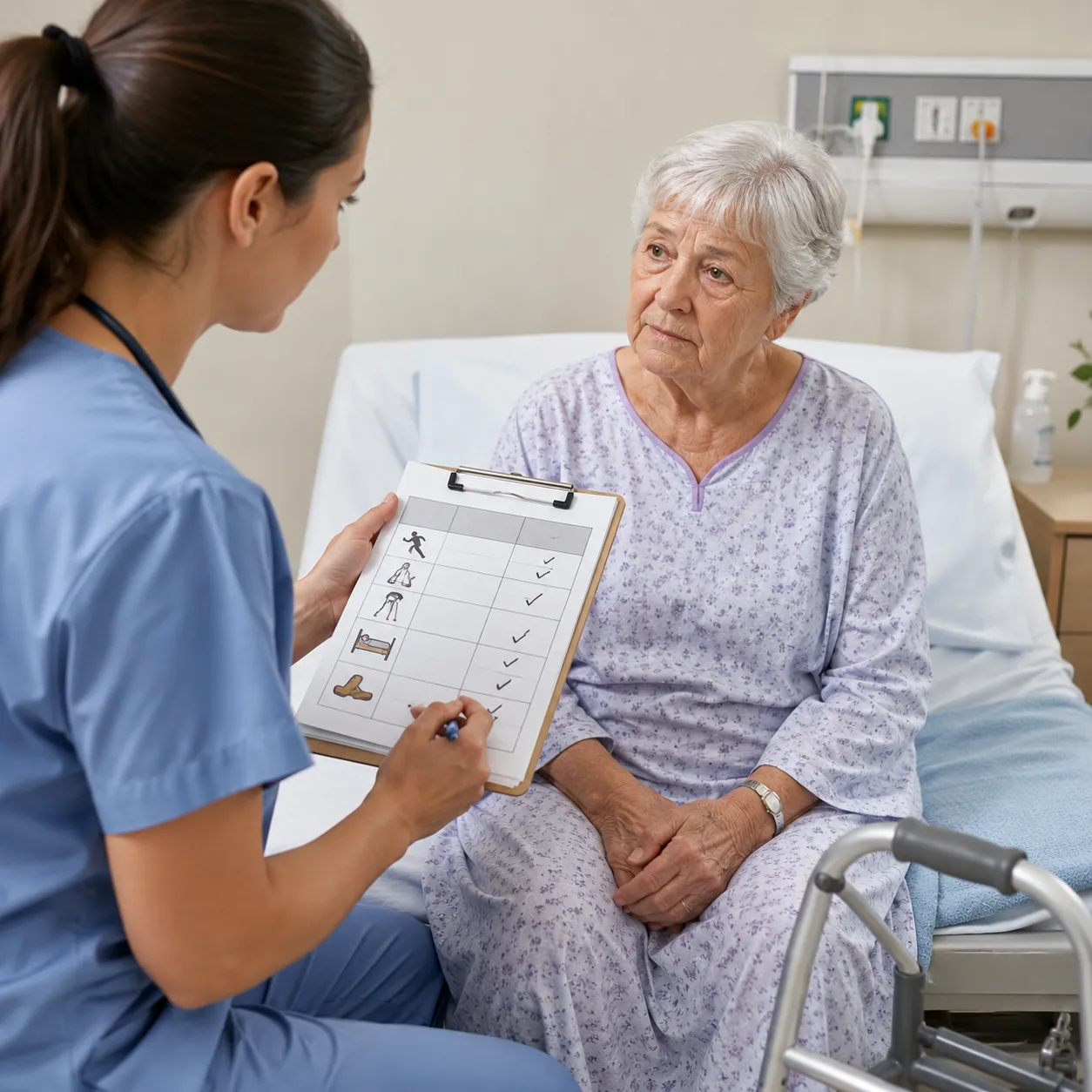
risk assessmentrɪsk əˈsesmənt
a check to identify possible dangers and how likely they are to harm a patient.
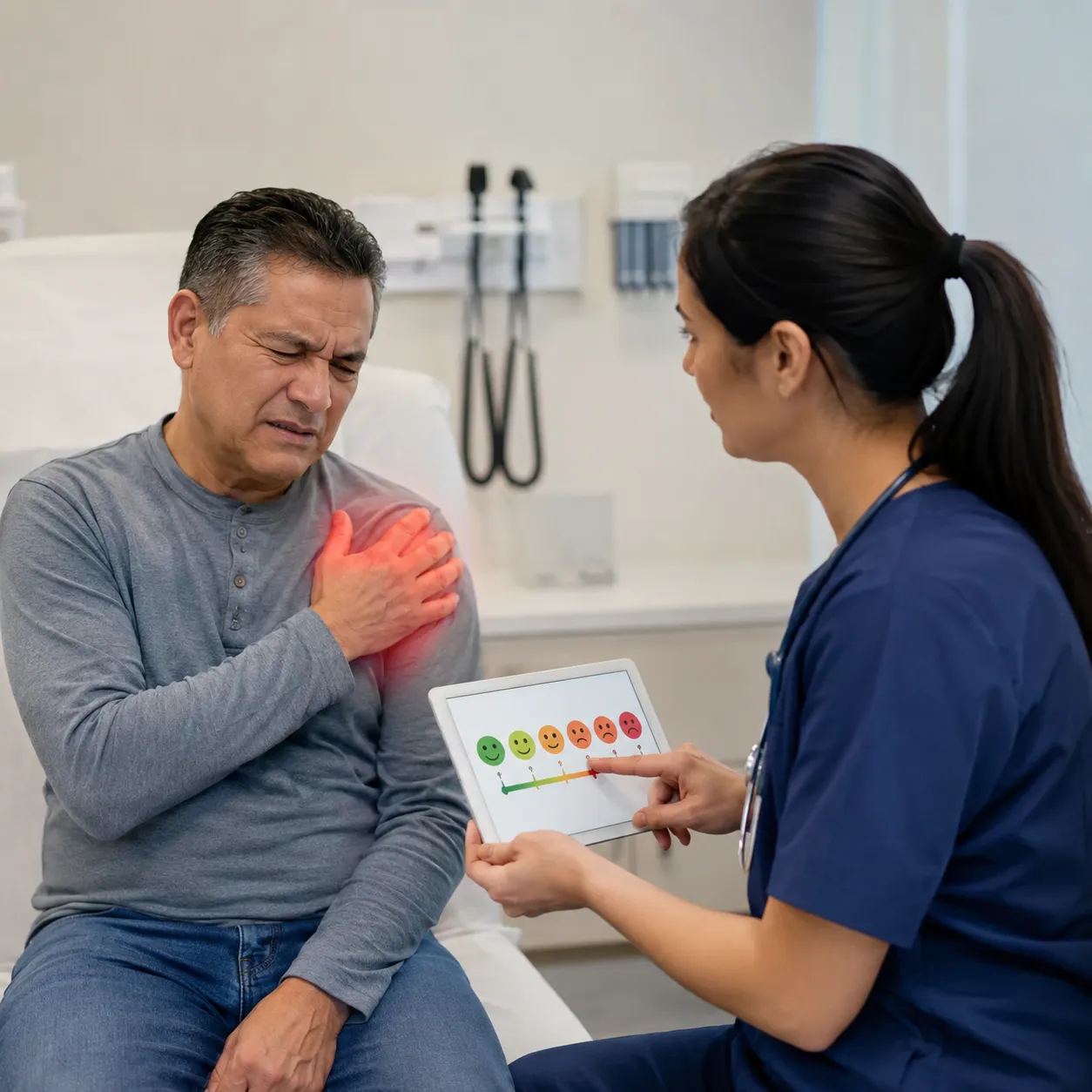
pain assessmentpeɪn əˈsesmənt
a check of a patient's pain, including where it is, how strong it is, and what it feels like.
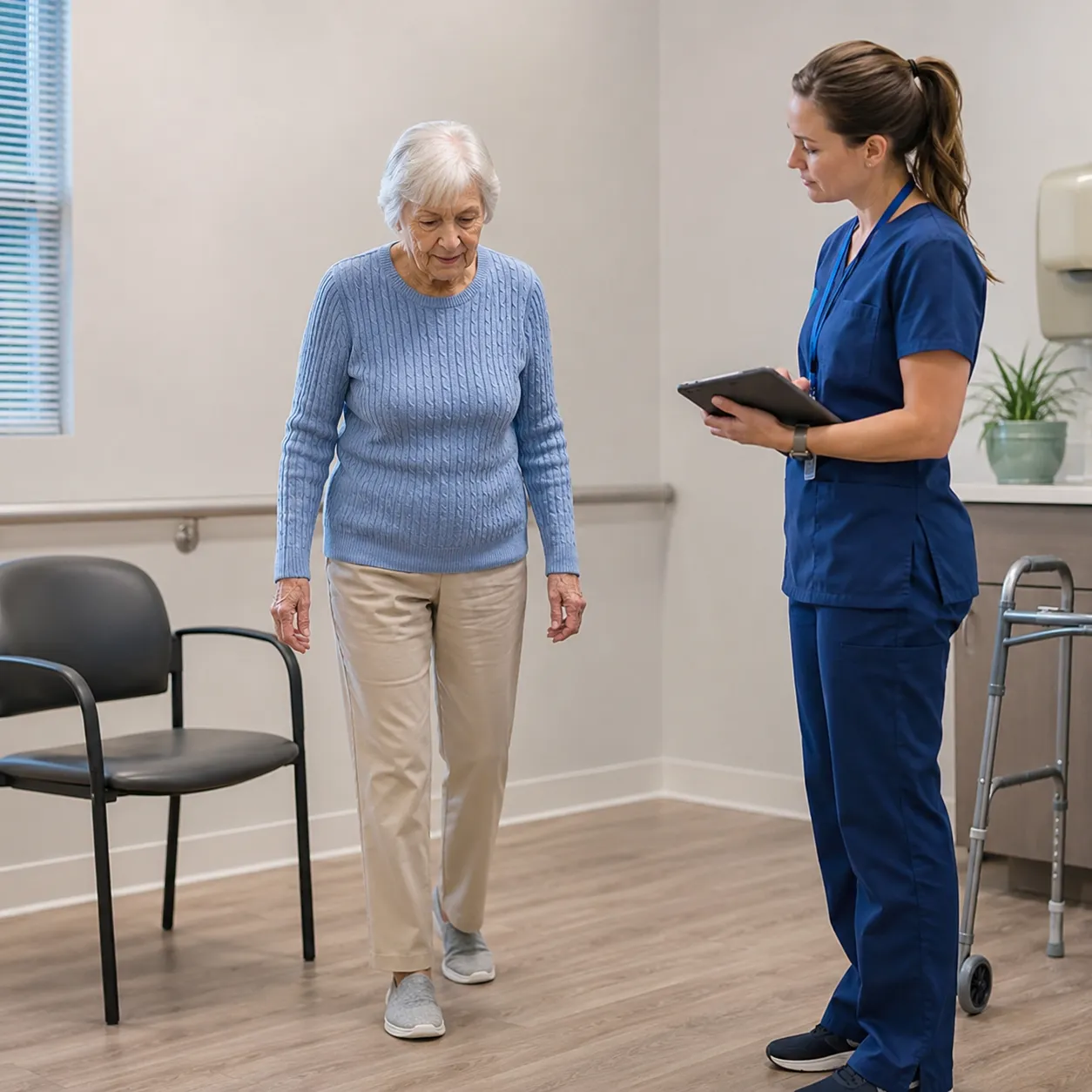
falls assessmentfɔːlz əˈsesmənt
a check to find out how likely a patient is to fall and what support is needed to prevent it.
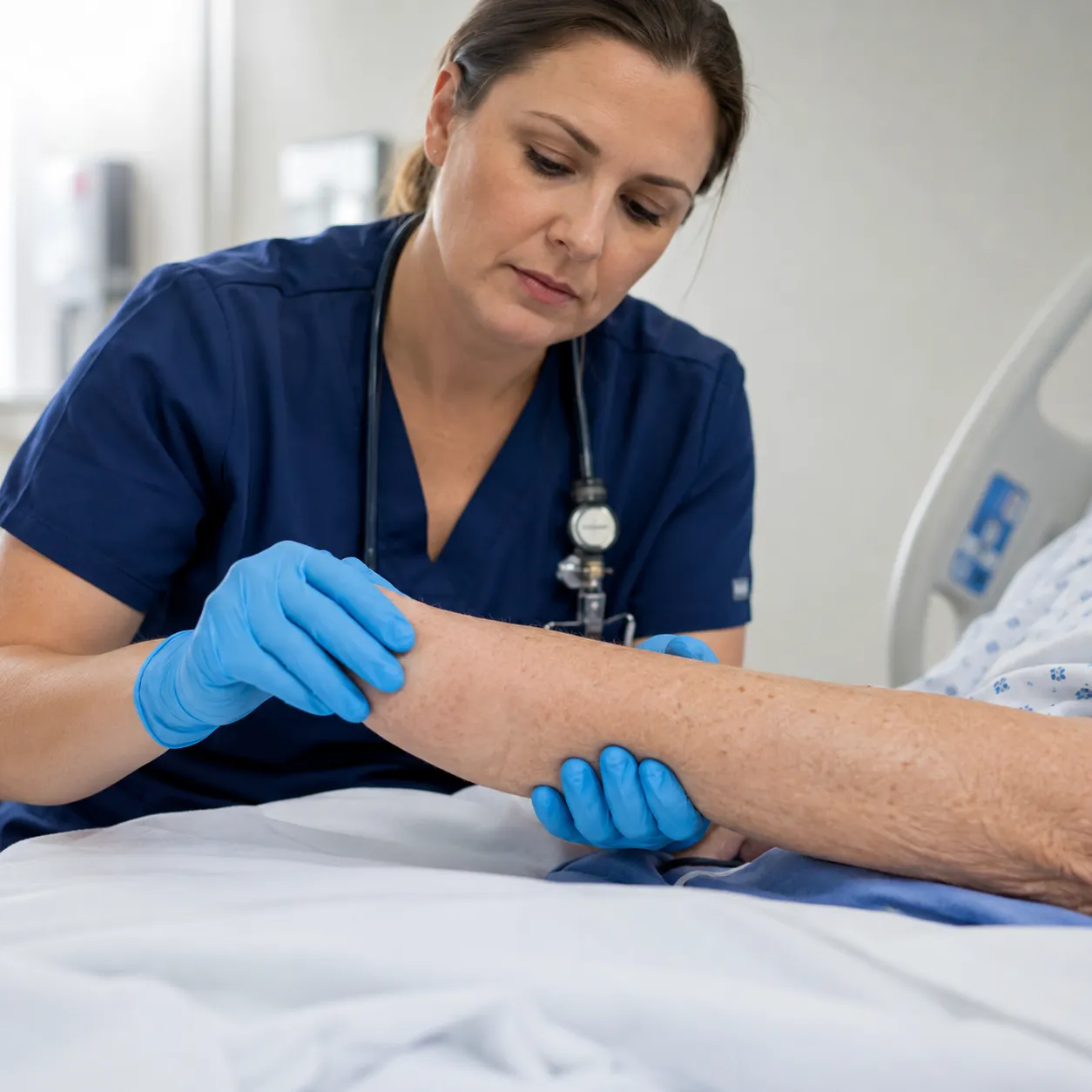
skin assessmentskɪn əˈsesmənt
a check of a patient's skin for damage, wounds, pressure areas, or other problems.
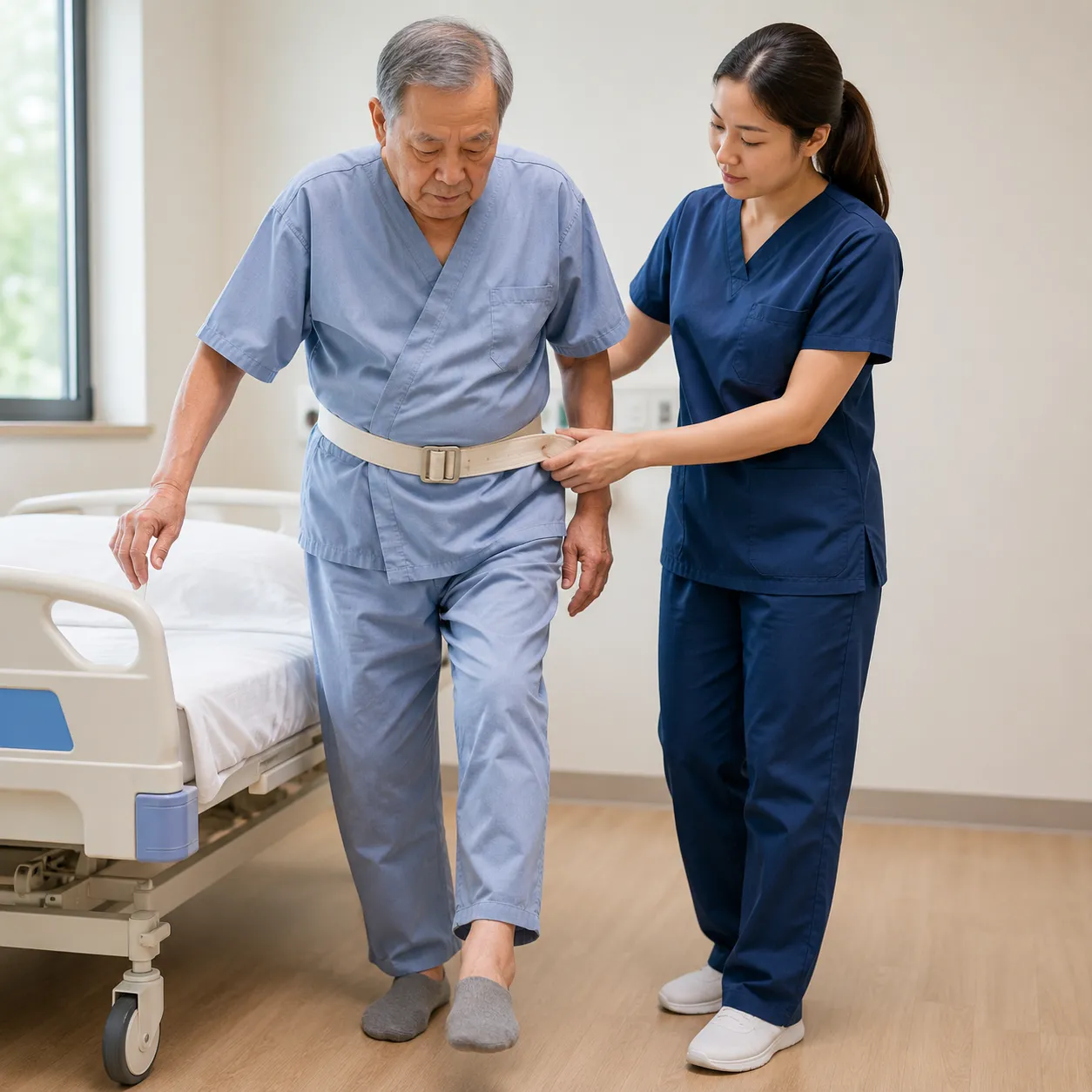
mobility assessmentməʊˈbɪləti əˈsesmənt
a check of how well a patient can move, walk, transfer, or change position safely.

mental state assessmentˈmentəl steɪt əˈsesmənt
a check of a patient's mood, thinking, behaviour, awareness, and risk to themselves or others.
nutrition assessmentnjuːˈtrɪʃən əˈsesmənt
a check of a patient's food intake, weight, and nutritional needs or risks.
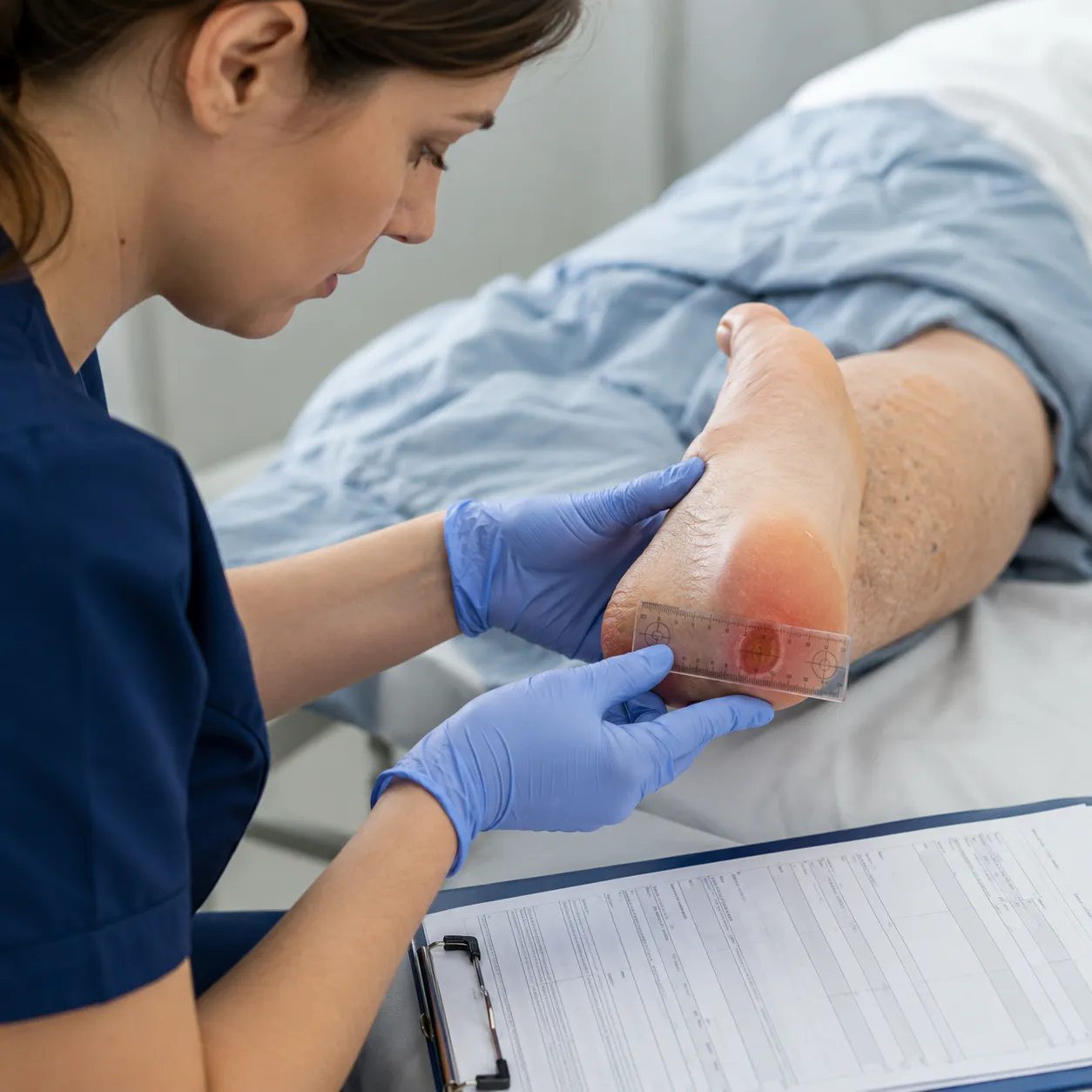
pressure ulcer assessmentˈpreʃər ˈʌlsər əˈsesmənt
a check to find or prevent skin sores caused by long pressure on one area of the body.
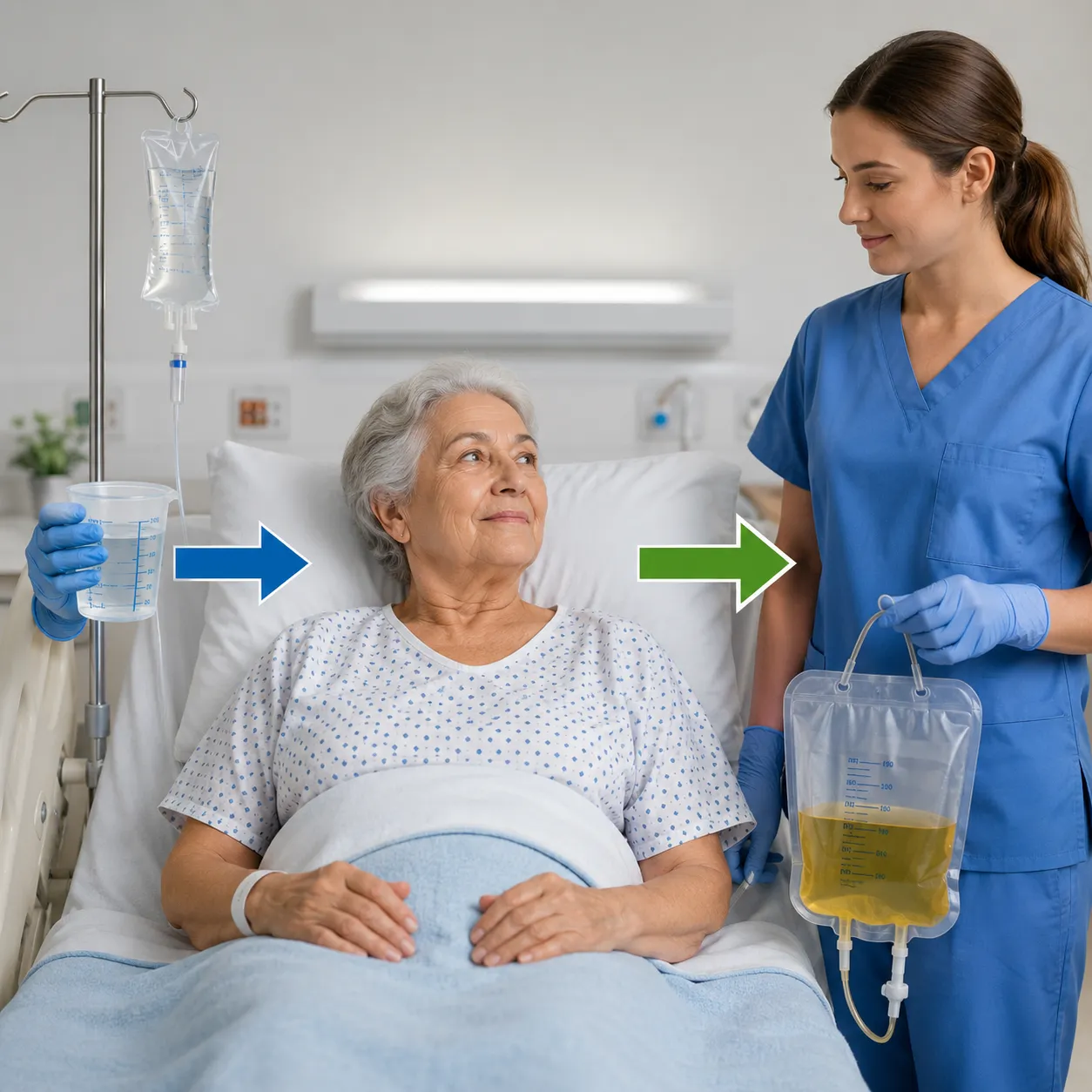
fluid balanceˈfluːɪd ˈbæləns
the comparison of how much fluid a patient takes in and how much fluid leaves the body.
Common symptoms, diagnoses and health problems nurses hear about or observe.
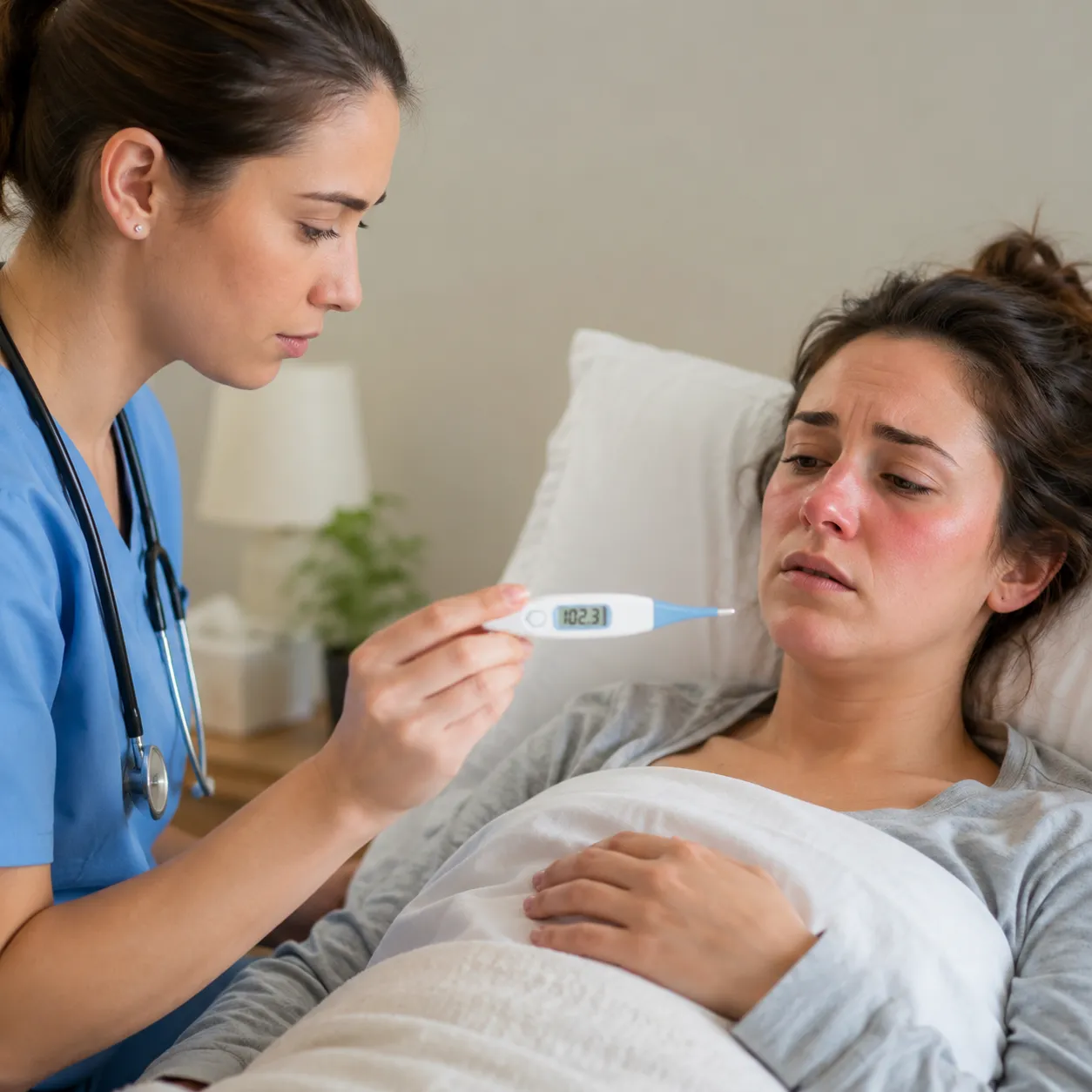
feverˈfiːvər
a body temperature that is higher than normal, often because of illness.
infectionɪnˈfekʃən
an illness or problem caused by harmful bacteria, viruses, or other germs entering the body.
inflammationˌɪnfləˈmeɪʃən
a body reaction to injury or infection that causes redness, heat, pain, and swelling.
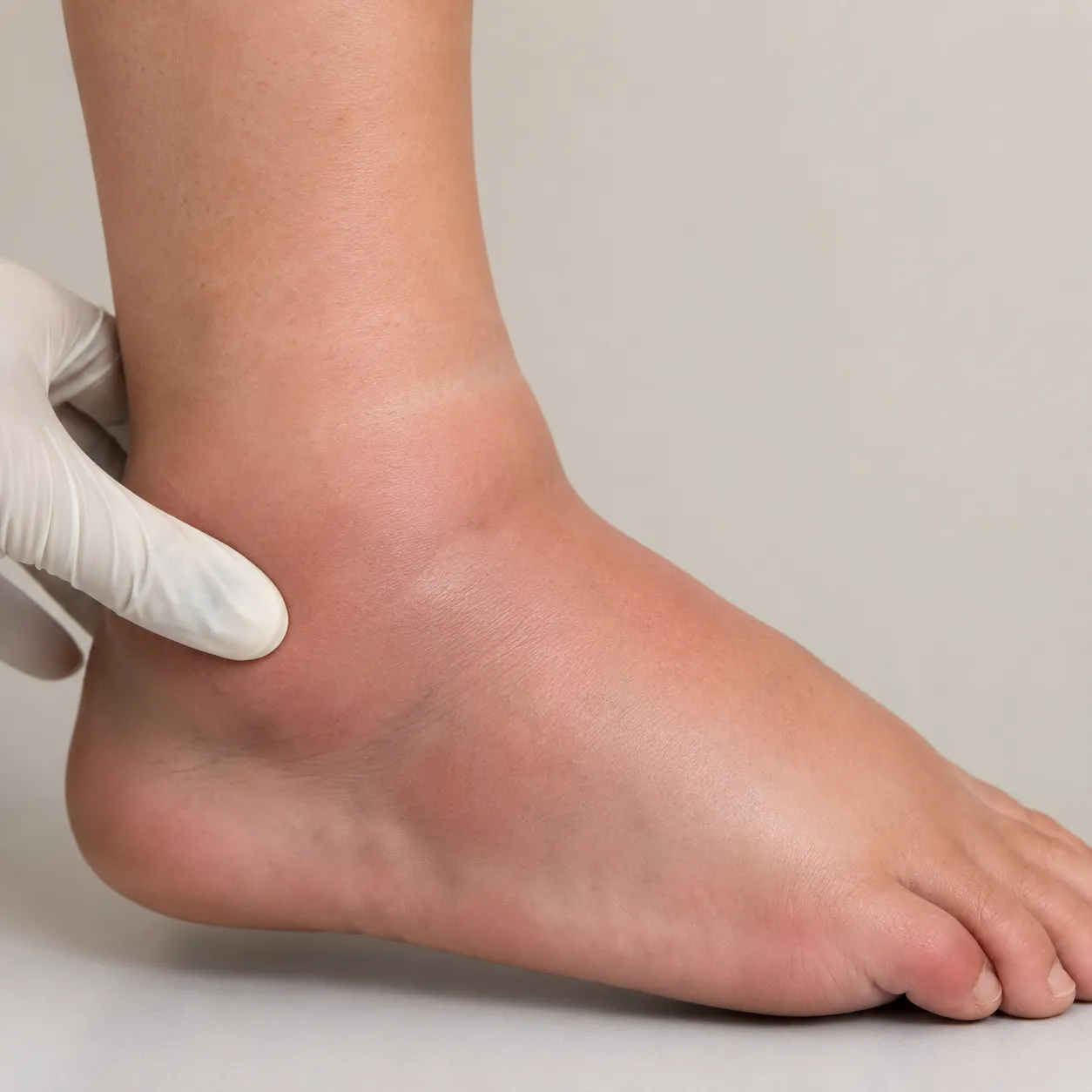
swellingˈswelɪŋ
an enlarged area of the body, usually caused by injury, infection, or fluid buildup.

bleedingˈbliːdɪŋ
the loss of blood from a blood vessel or wound.
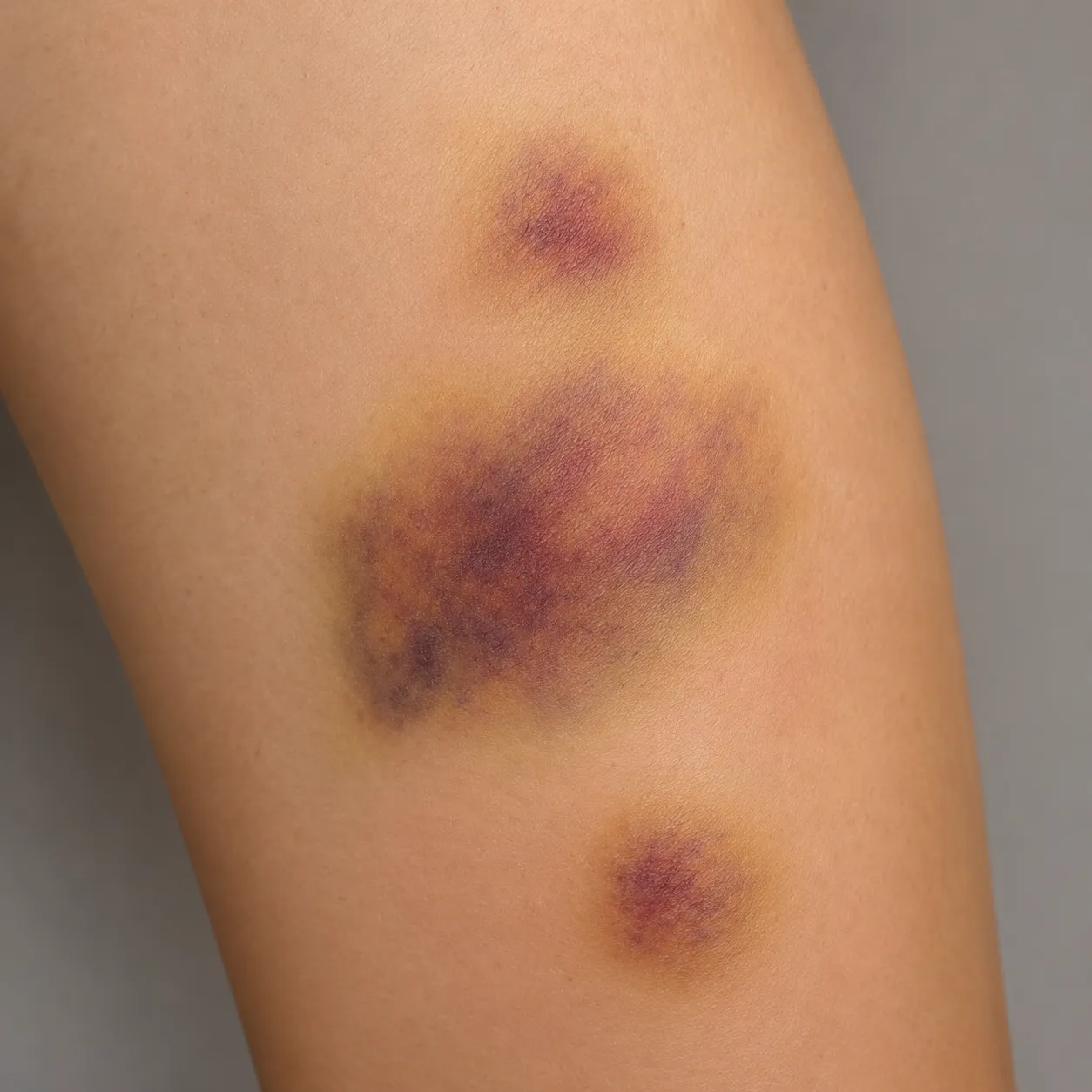
bruisingˈbruːzɪŋ
dark marks on the skin caused by bleeding under the skin after an injury.
rashræʃ
an area of red, irritated spots or patches on the skin.

symptomˈsɪmptəm
a change in the body or mind that a patient feels and that may show an illness or condition.
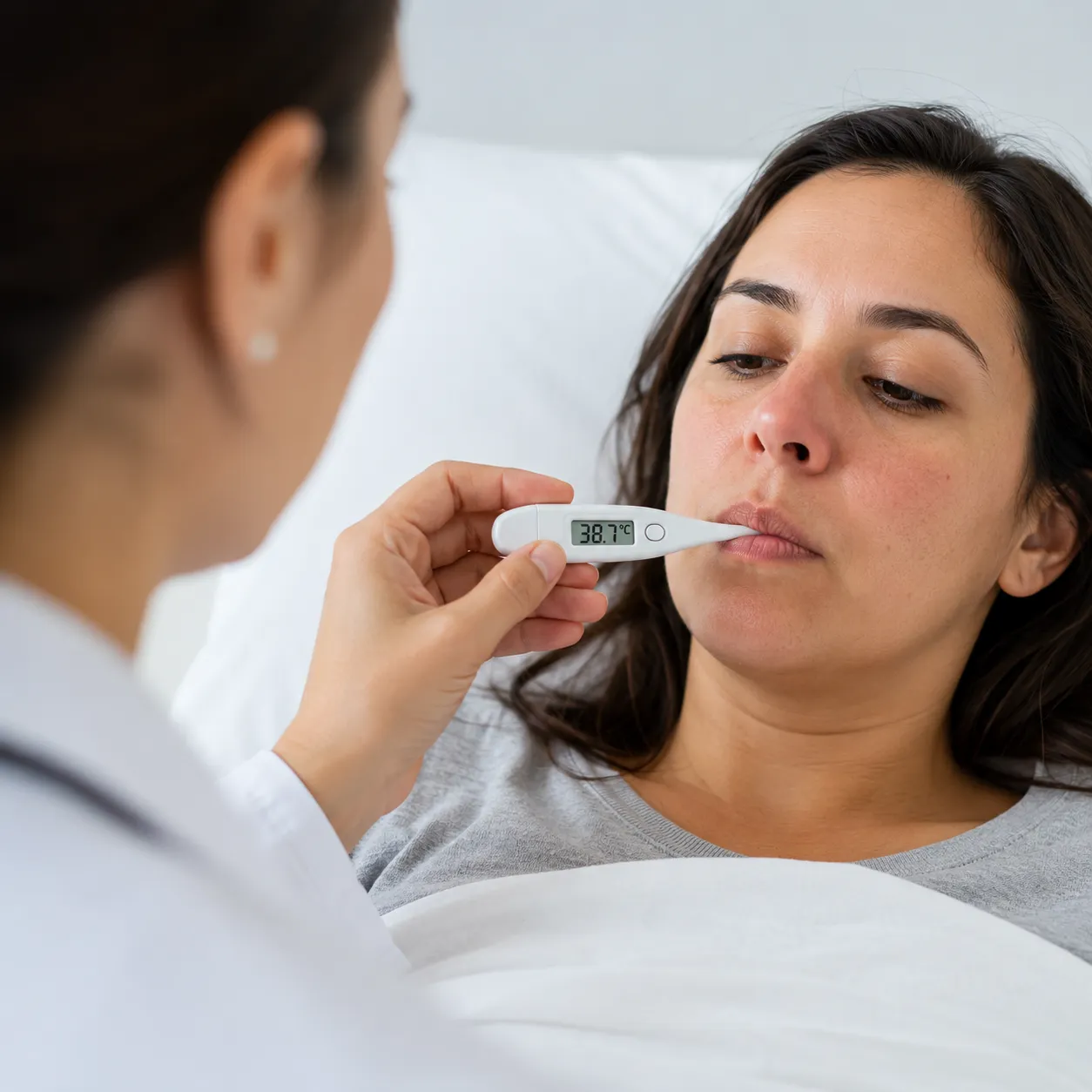
signsaɪn
a physical change that a healthcare worker can observe or measure during an examination

diagnosisˌdaɪəɡˈnoʊsɪs
the identification of an illness or medical problem after examining symptoms, signs, and test results.

conditionkənˈdɪʃən
a medical problem or state of health that affects a person.

illnessˈɪlnəs
a state of being sick or unwell.

diseasedɪˈziːz
a specific illness that affects the body or mind and has recognizable causes, signs, or symptoms.

allergyˈælərdʒi
a condition in which the body reacts badly to something usually harmless, such as pollen, food, or medicine.
reactionriˈækʃən
the way someone or something responds to an event, substance, treatment, or other stimulus
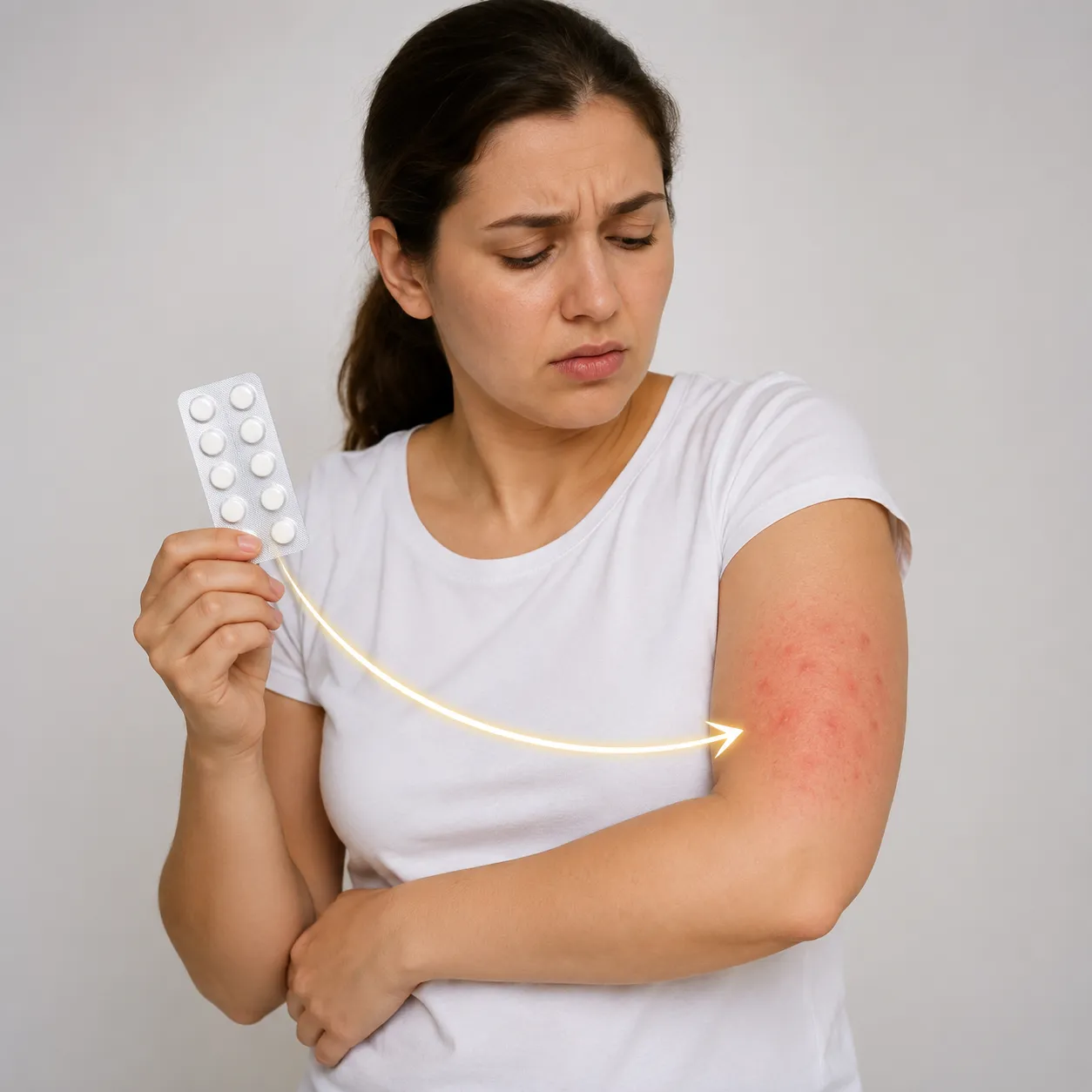
side effectˈsaɪd ɪˌfekt
an unwanted or unexpected effect of a medicine or treatment.
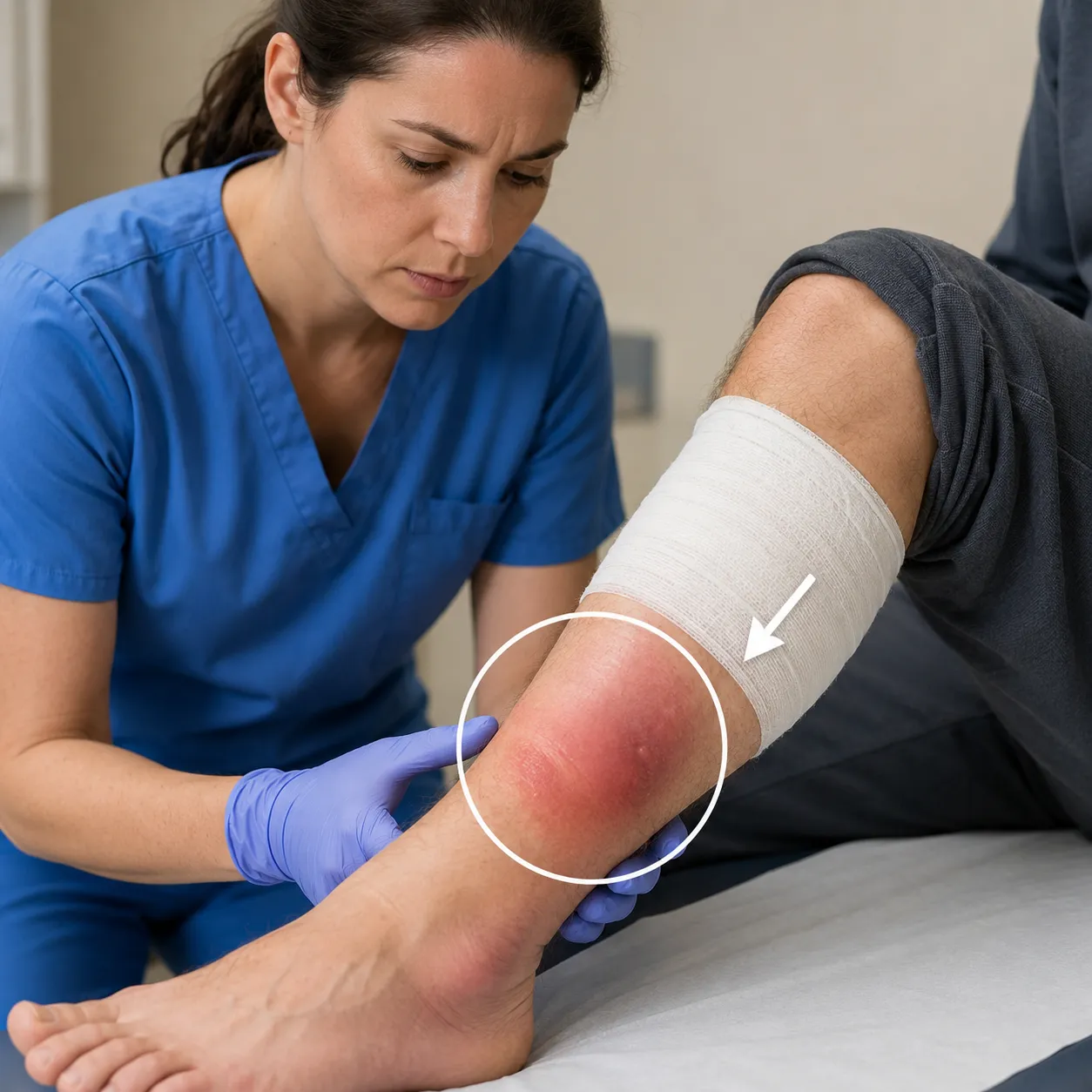
complicationˌkɑːmpləˈkeɪʃən
an additional medical problem that develops during an illness, injury, or treatment and makes it more serious or harder to manage.

dizzinessˈdɪzinəs
a feeling that you are unsteady, light-headed, or that the surroundings are moving or spinning.

nauseaˈnɔːziə
the feeling that you may vomit.

vomitingˈvɑːmɪtɪŋ
the act of forcefully bringing food or liquid up from the stomach and out through the mouth.

diarrheaˌdaɪəˈriːə
a condition in which you pass loose or watery stool more often than usual.
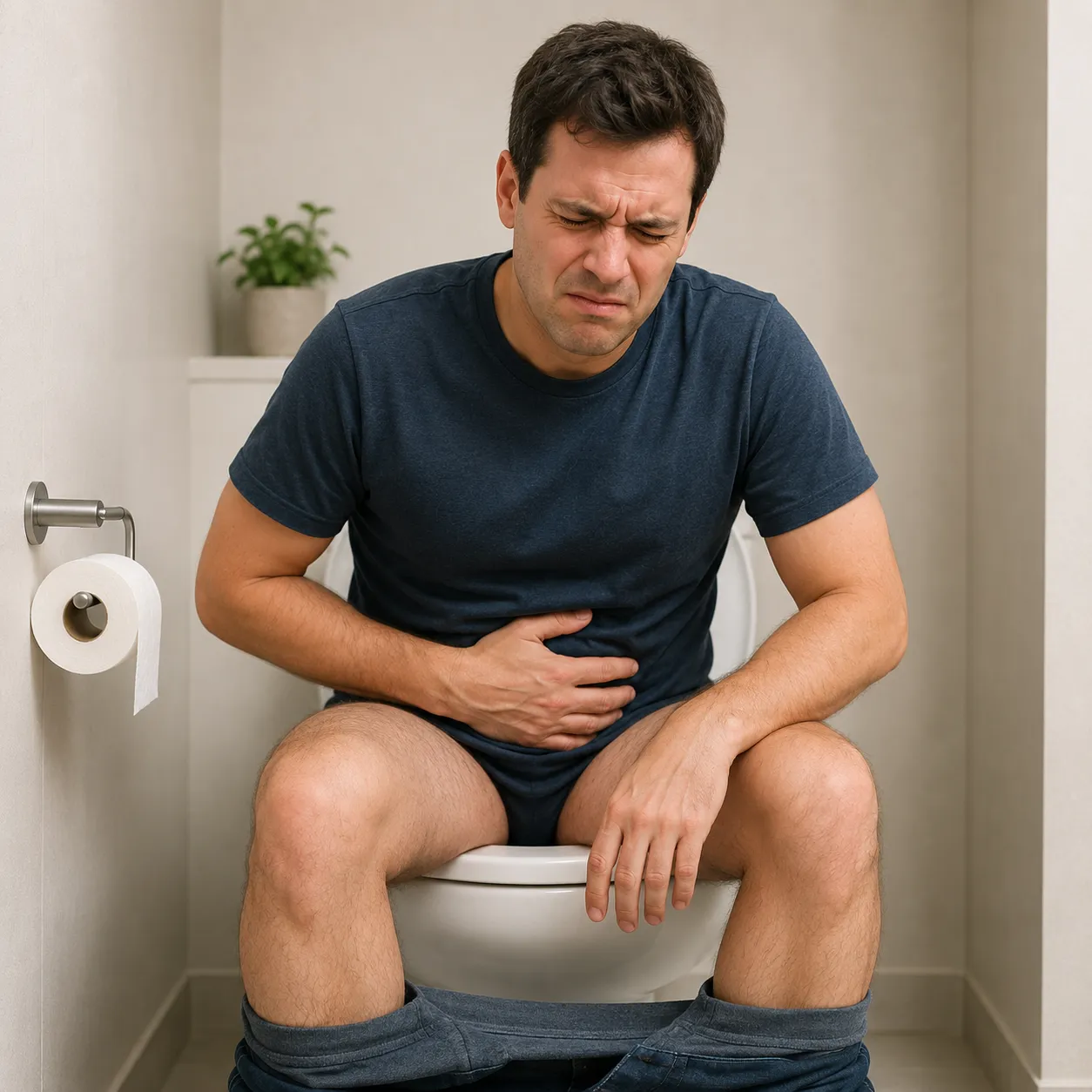
constipationˌkɑːnstəˈpeɪʃən
a condition in which it is difficult to pass stool or you pass stool less often than usual.
coughkɔːf
a sudden noisy push of air from the lungs through the throat, often caused by illness or irritation
shortness of breathˈʃɔːrtnəs əv breθ
difficulty breathing or a feeling that you cannot get enough air.
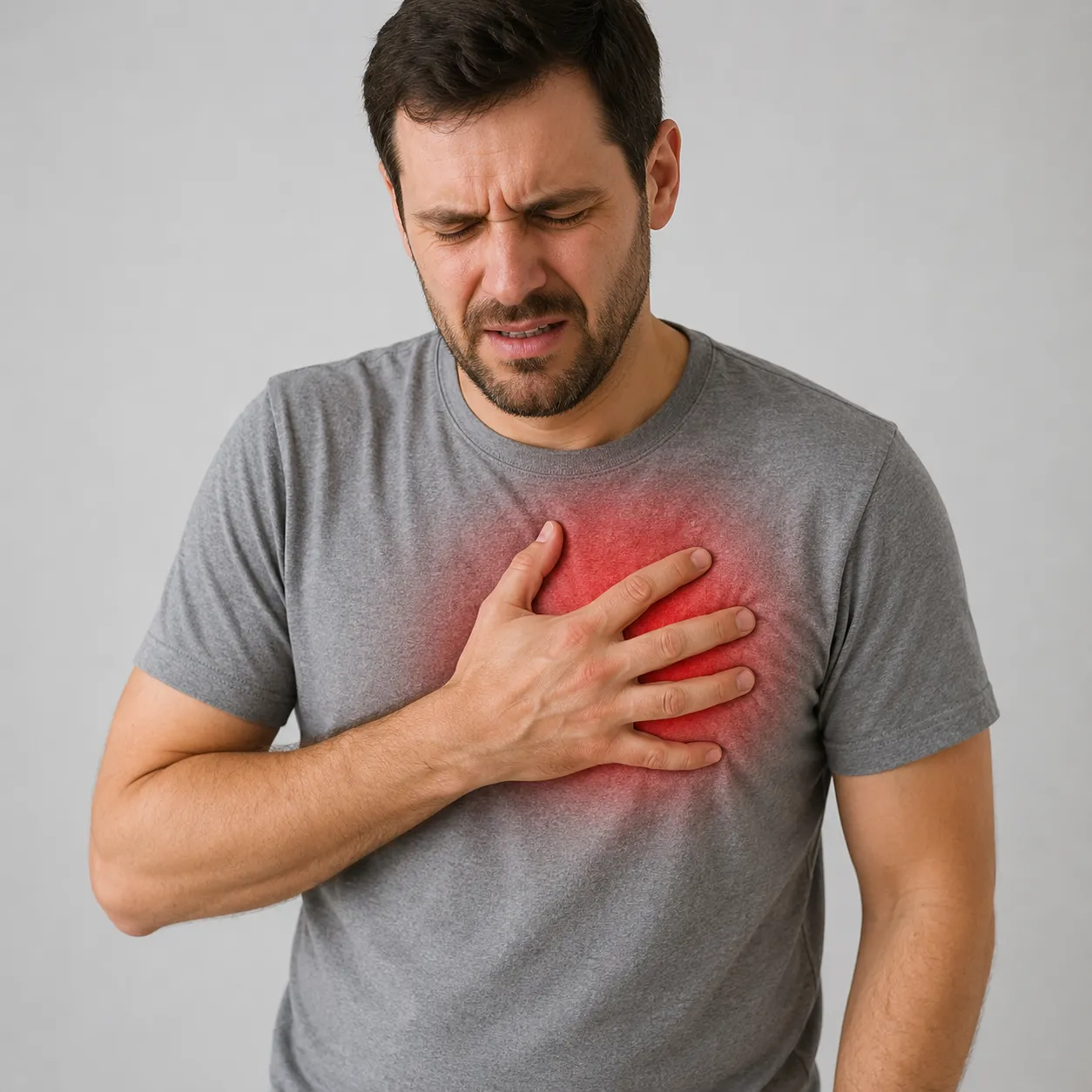
chest paintʃest peɪn
pain or discomfort felt in the front part of the upper body between the neck and the stomach.

headacheˈhedeɪk
pain in the head.
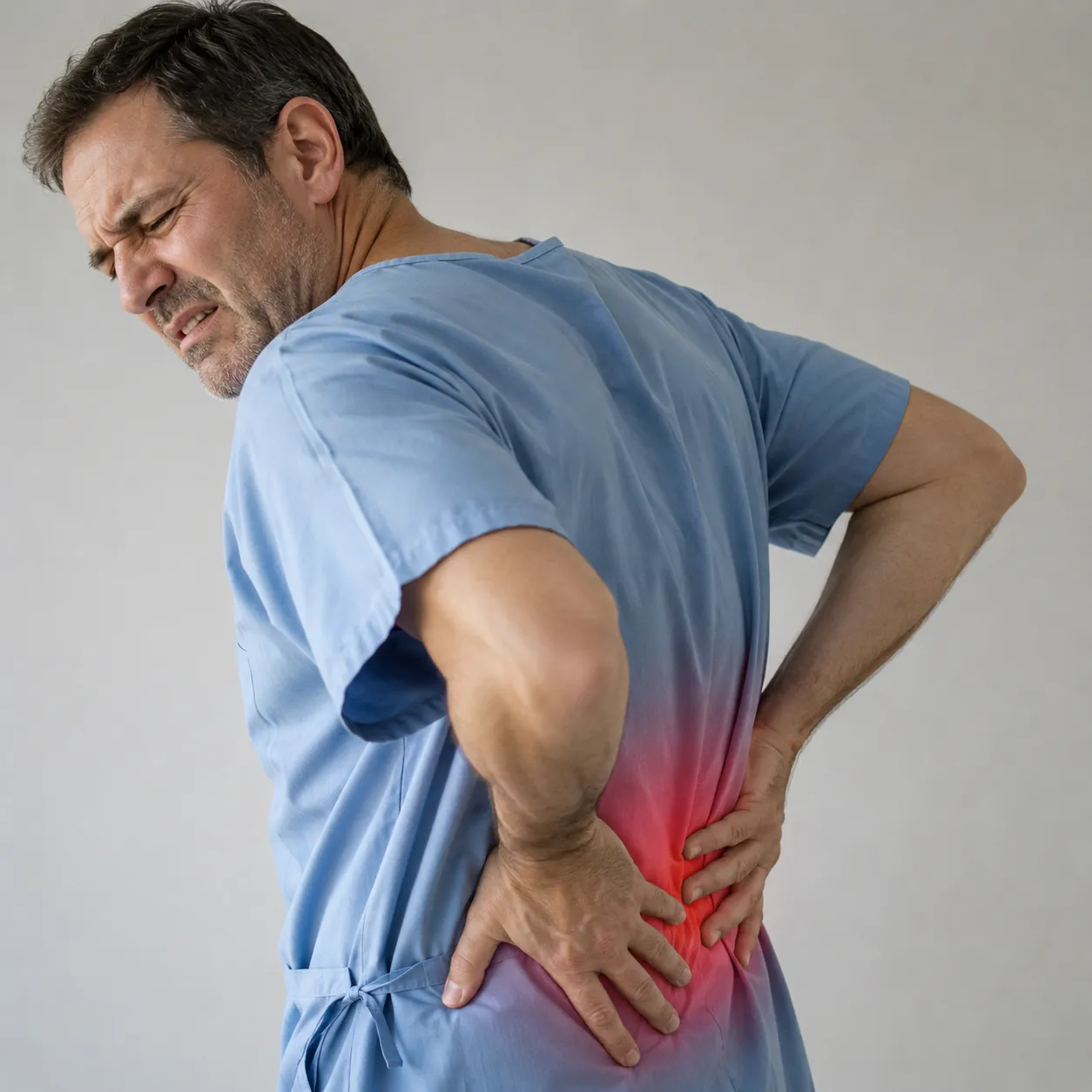
back painbæk peɪn
pain in the back, especially in the muscles, spine, or lower back area.

abdominal painæbˈdɒmɪnəl peɪn
pain felt in the belly area between the chest and the hips.
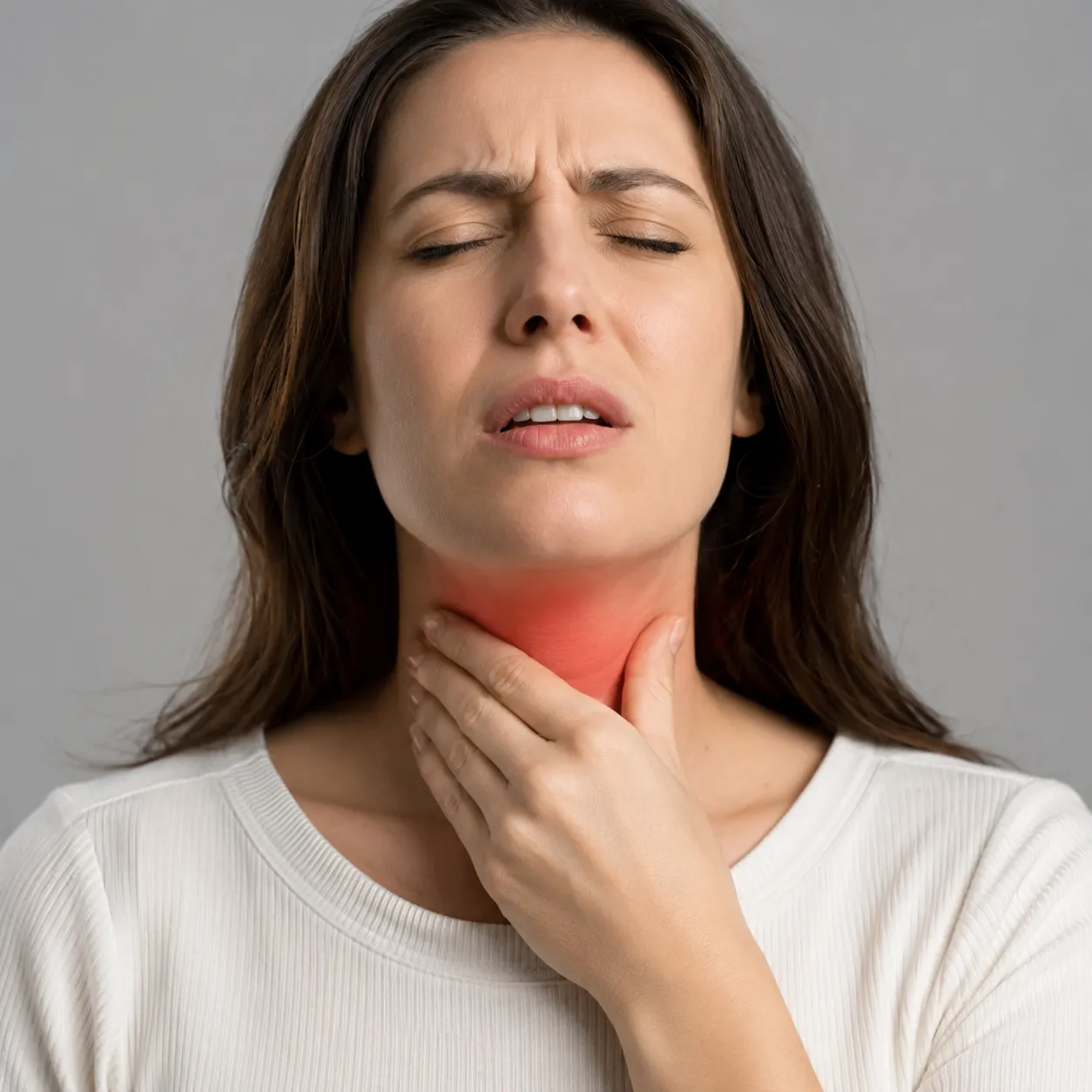
sore throatsɔːr θroʊt
pain or irritation in the throat, especially when swallowing.

fatiguefəˈtiːɡ
extreme tiredness that makes normal physical or mental activity difficult.
weaknessˈwiːknəs
a lack of physical strength or energy.

confusionkənˈfjuːʒən
the state of not understanding something or not being sure what to do.

anxietyæŋˈzaɪəti
a feeling of strong worry or fear, often about something that may happen.
depressiondɪˈpreʃən
a mental health condition with long-lasting low mood and loss of interest in usual activities.

agitationˌædʒɪˈteɪʃən
a state of being very restless, upset, or unable to stay calm.

distressdɪˈstres
serious physical or emotional suffering that needs attention or help.

discomfortdɪsˈkʌmfərt
a mild feeling of pain, physical unease, or not being comfortable.

pain reliefpeɪn rɪˈliːf
the reduction or stopping of pain, often by medicine or treatment.
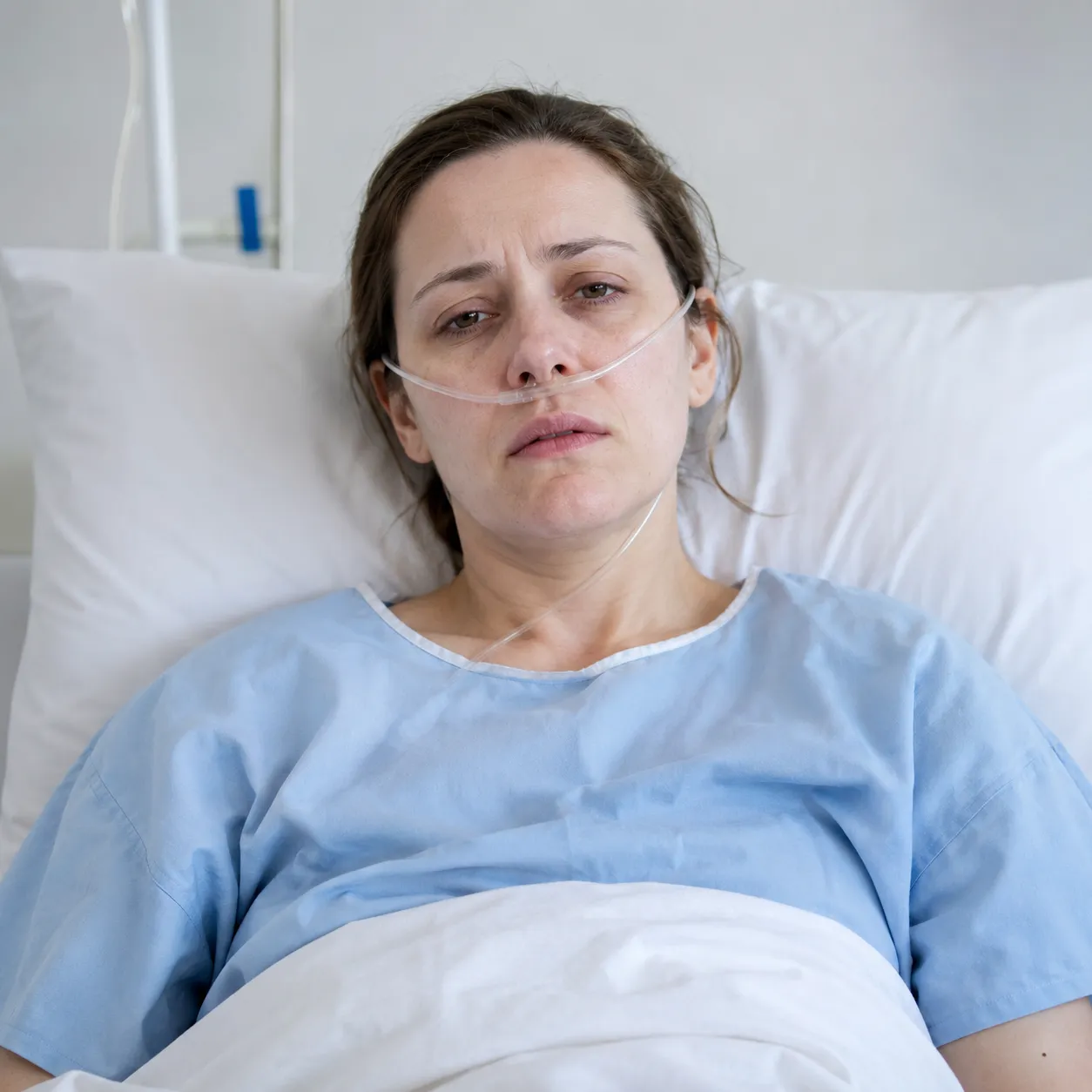
medical conditionˈmɛdɪkəl kənˈdɪʃən
an illness, injury, or health problem that affects a person.

existing conditionɪɡˈzɪstɪŋ kənˈdɪʃən
a health problem that a person already has before a new assessment, treatment, or insurance starts.
long-term conditionˌlɔːŋ ˈtɜːrm kənˈdɪʃən
a health problem that lasts for a long time and usually needs ongoing care or treatment.
Adjectives used to describe consciousness, stability, severity and physical condition.

acuteəˈkjuːt
starting suddenly and often severe, but usually lasting a short time.

chronicˈkrɒnɪk
lasting for a long time or repeatedly returning, especially a disease or health problem.
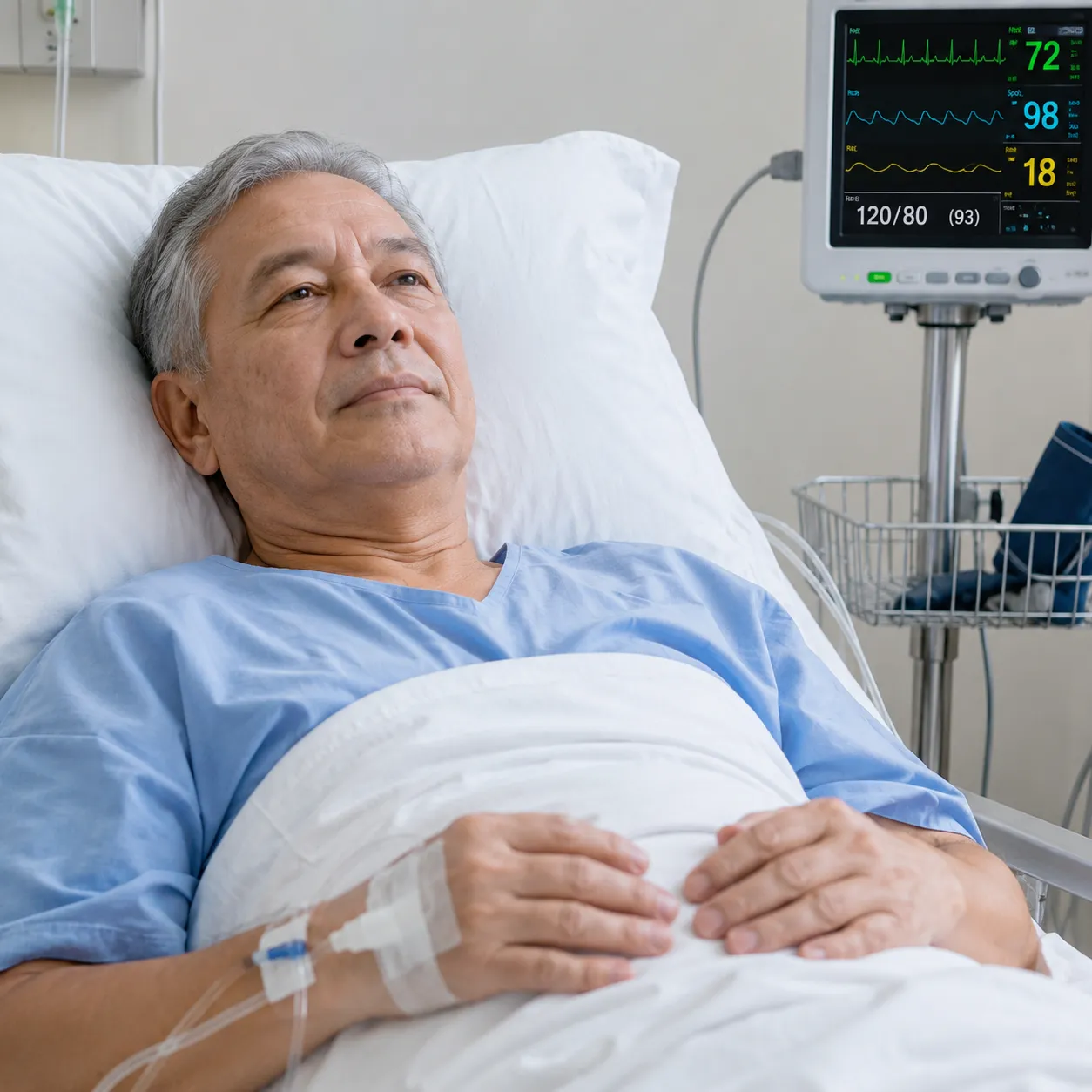
stableˈsteɪbəl
in a good state or condition that is not easily changed or likely to change

unstableʌnˈsteɪbəl
likely to change suddenly, become worse, or stop working well.
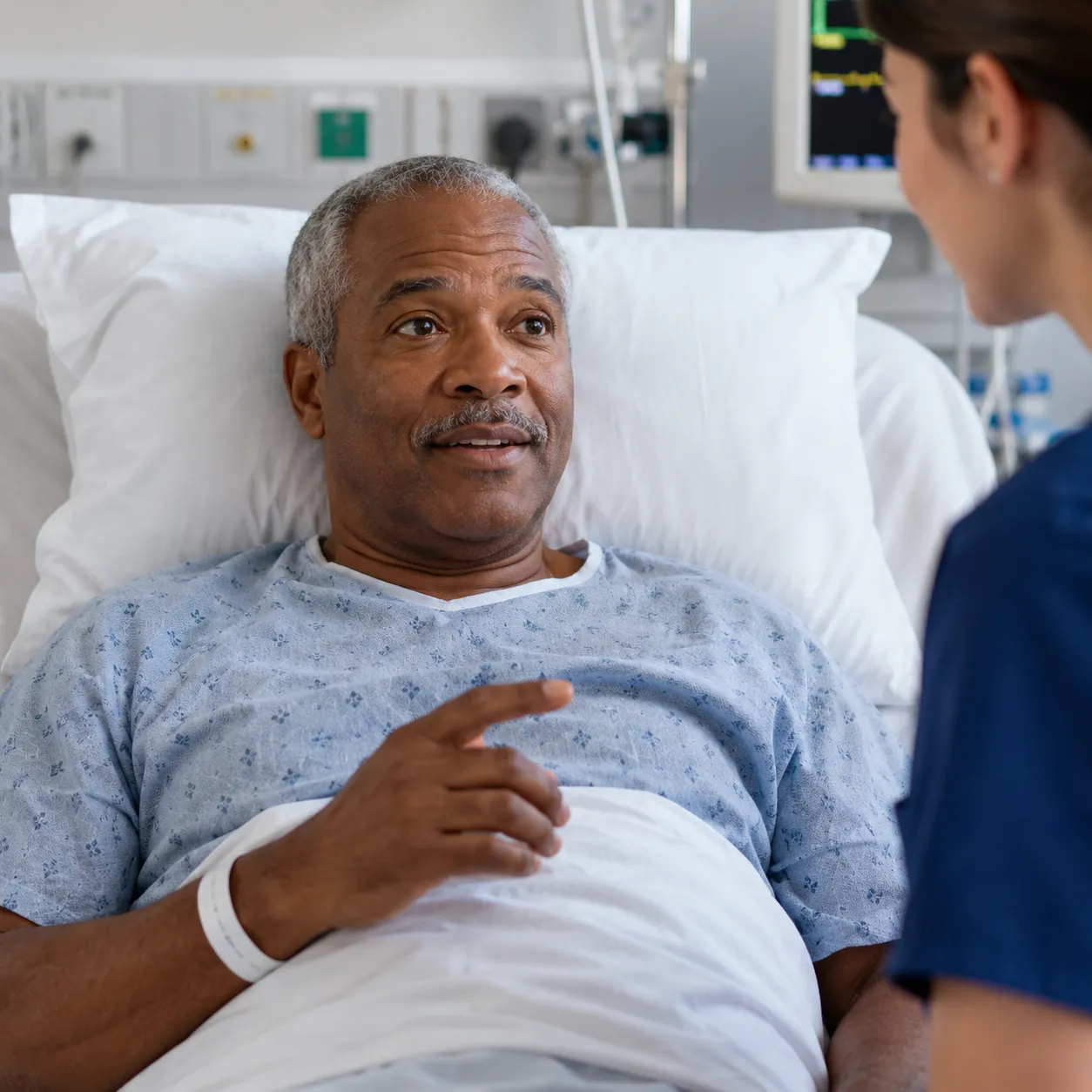
consciousˈkɒnʃəs
awake and able to know what is happening around you.
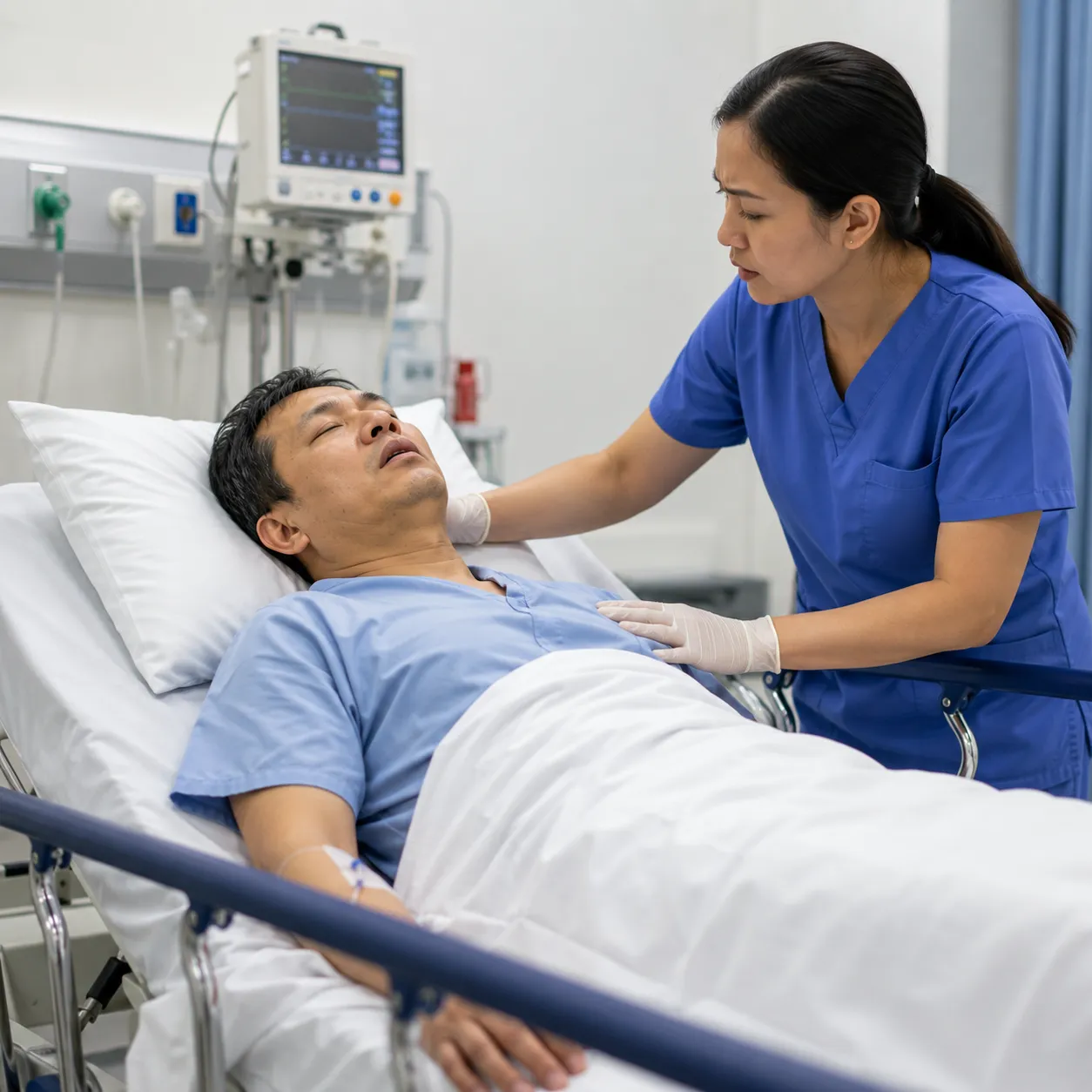
unconsciousʌnˈkɒnʃəs
not awake and not able to respond to people or surroundings.

alertəˈlɜːt
fully awake, aware, and able to respond quickly.

orientedˈɔːriəntɪd
aware of who you are, where you are, and the time or situation.

confusedkənˈfjuːzd
unable to think clearly or understand what is happening.

drowsyˈdraʊzi
sleepy and less able to stay awake or alert.

breathlessˈbreθləs
having difficulty breathing or feeling unable to get enough air.

palepeɪl
having skin that is lighter than usual, often because of illness, fear, or low blood flow.
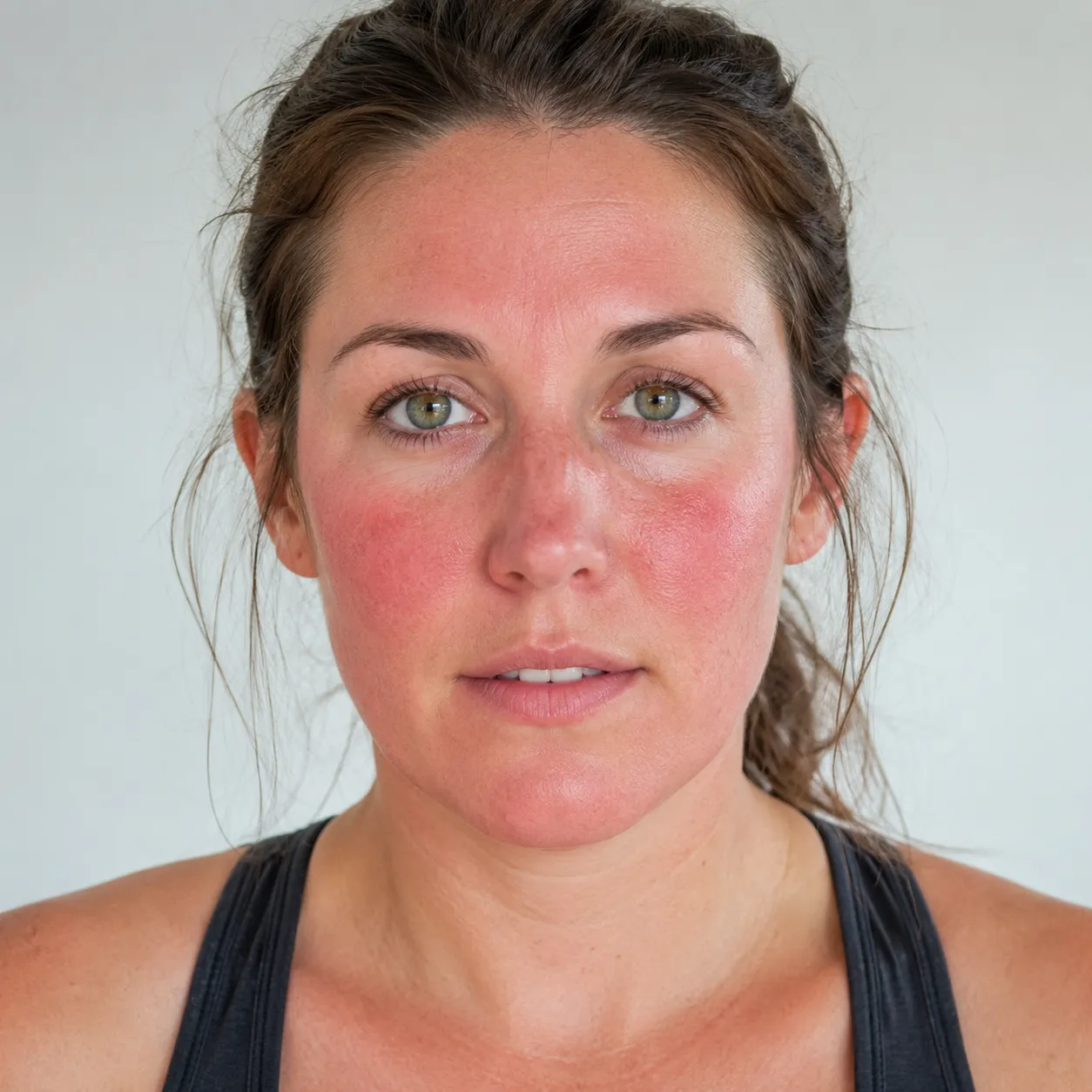
flushedflʌʃt
having red or pink skin, especially on the face, because of heat, emotion, fever, or exertion.
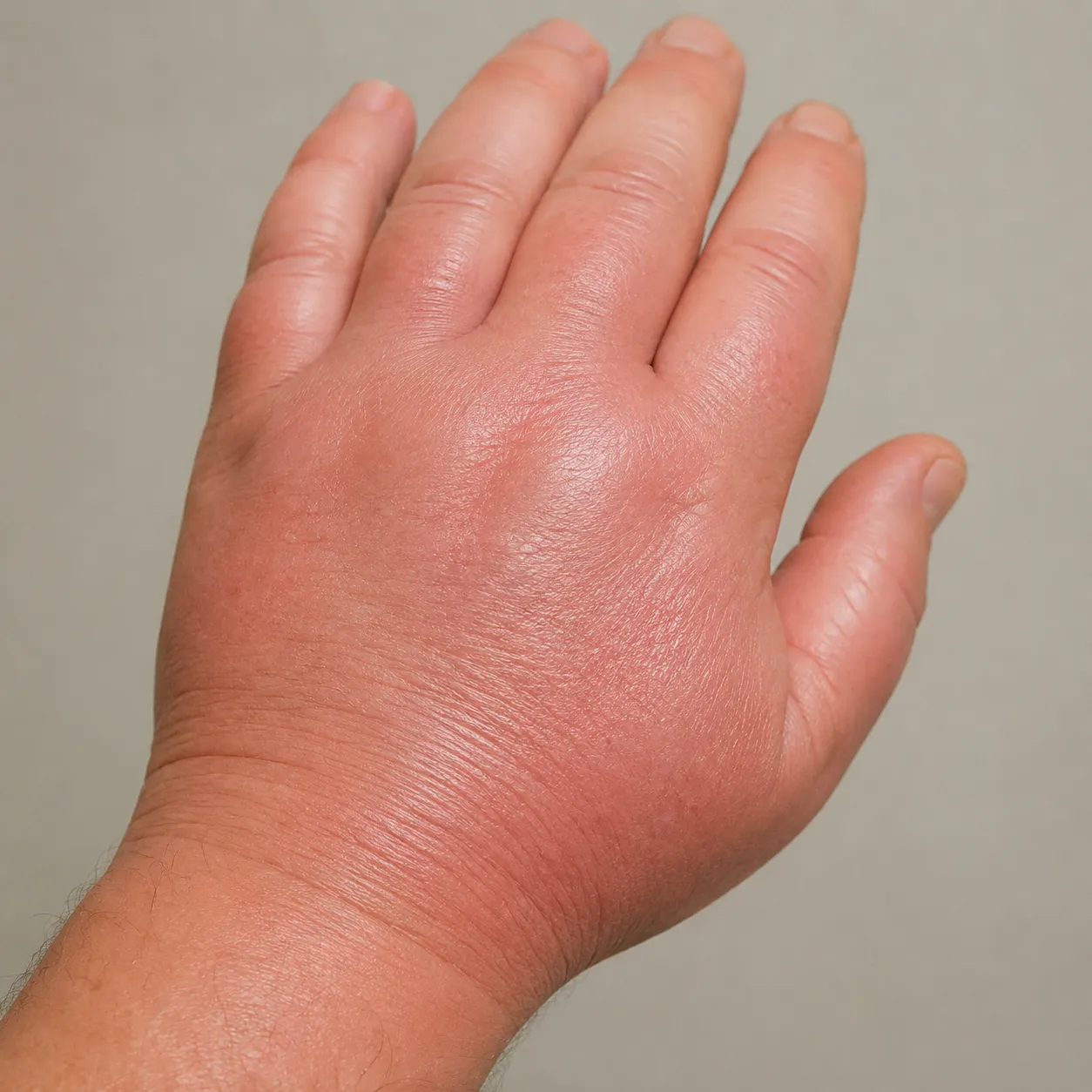
swollenˈswoʊlən
larger than normal because of injury, infection, or extra fluid in the tissues.

painfulˈpeɪnfəl
causing or feeling physical pain.
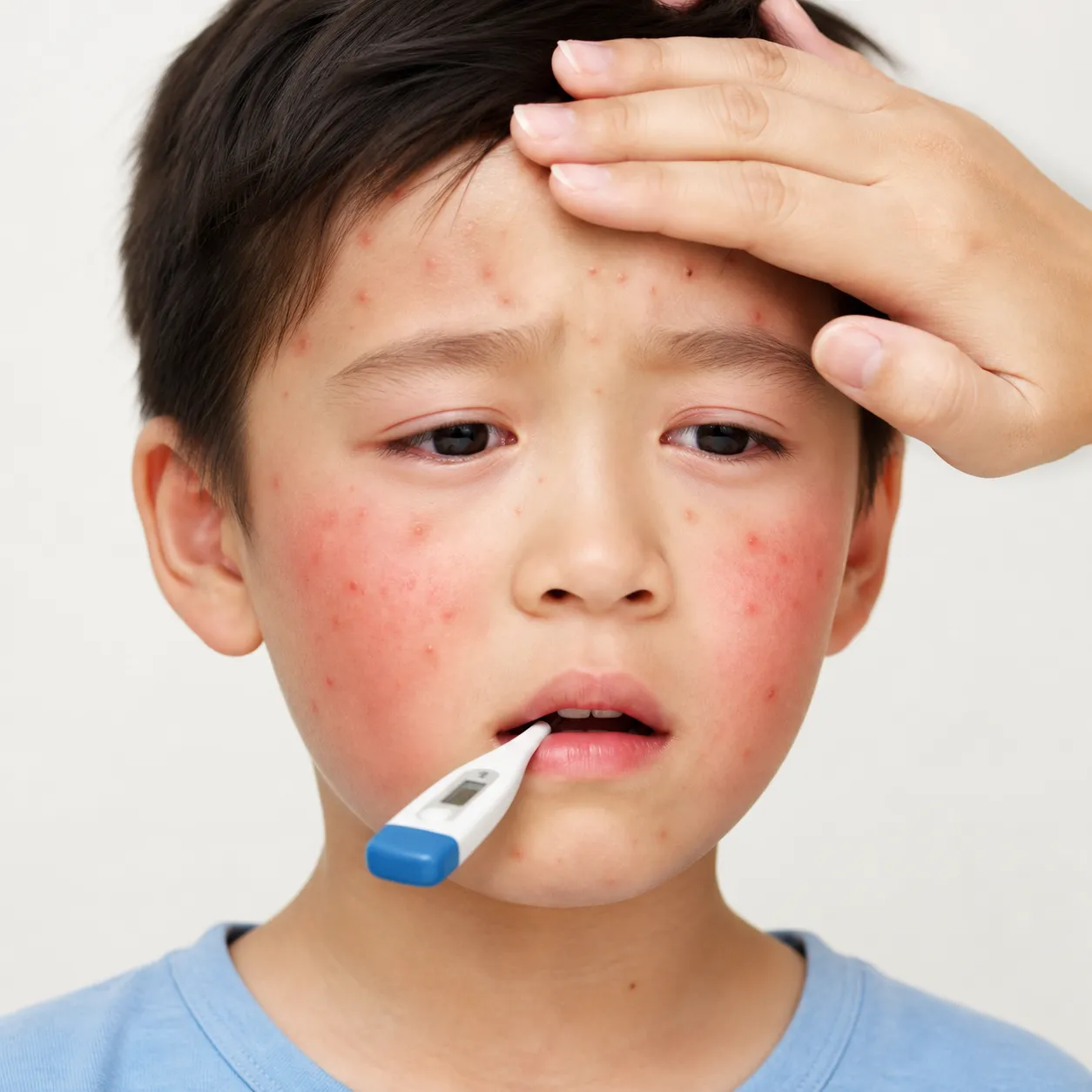
infectedɪnˈfektɪd
affected by harmful bacteria, viruses, or other germs that can cause illness.
inflamedɪnˈfleɪmd
red, swollen, hot, or painful because the body is reacting to injury or infection.
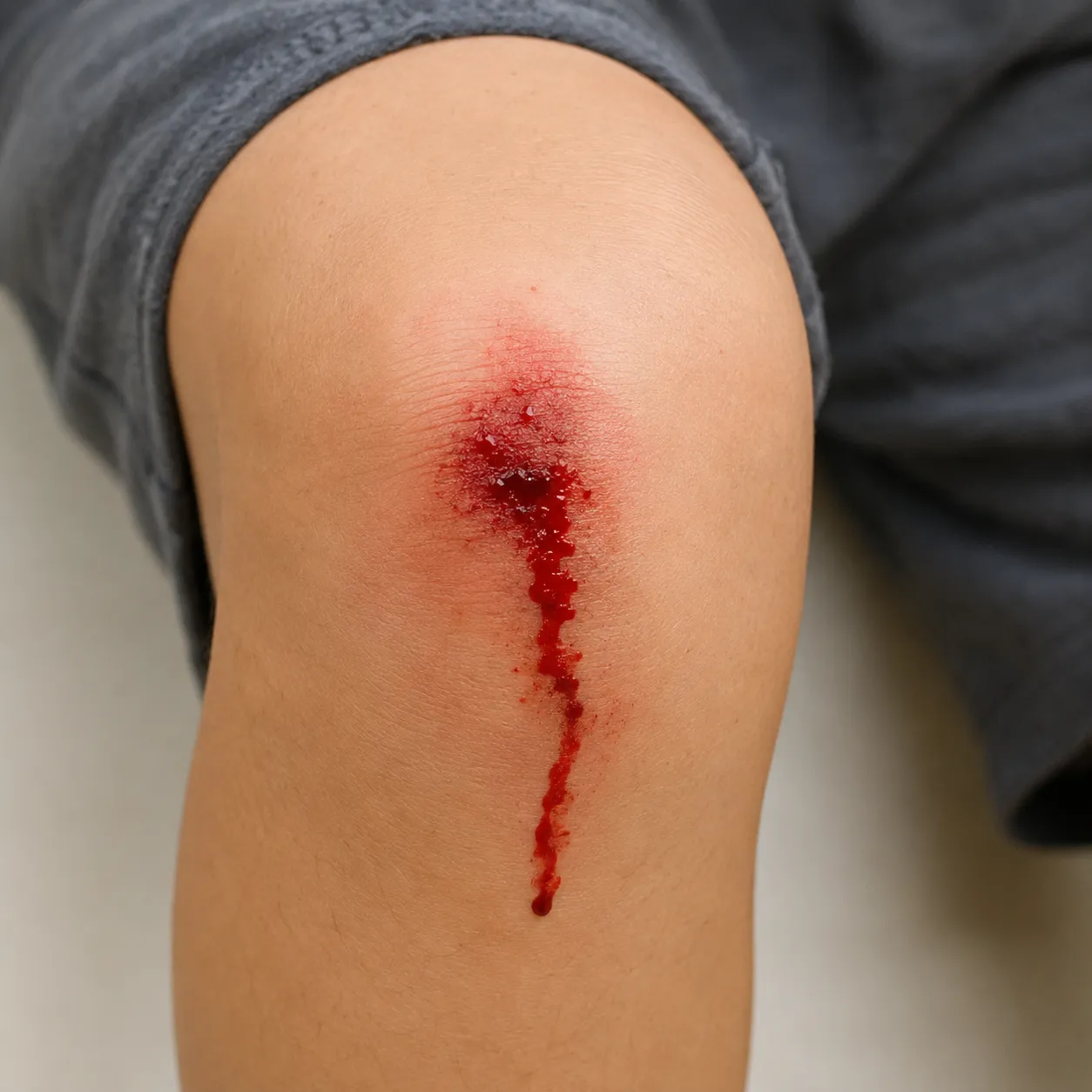
bleedingˈbliːdɪŋ
losing blood from the body because of a cut, injury, or medical condition.
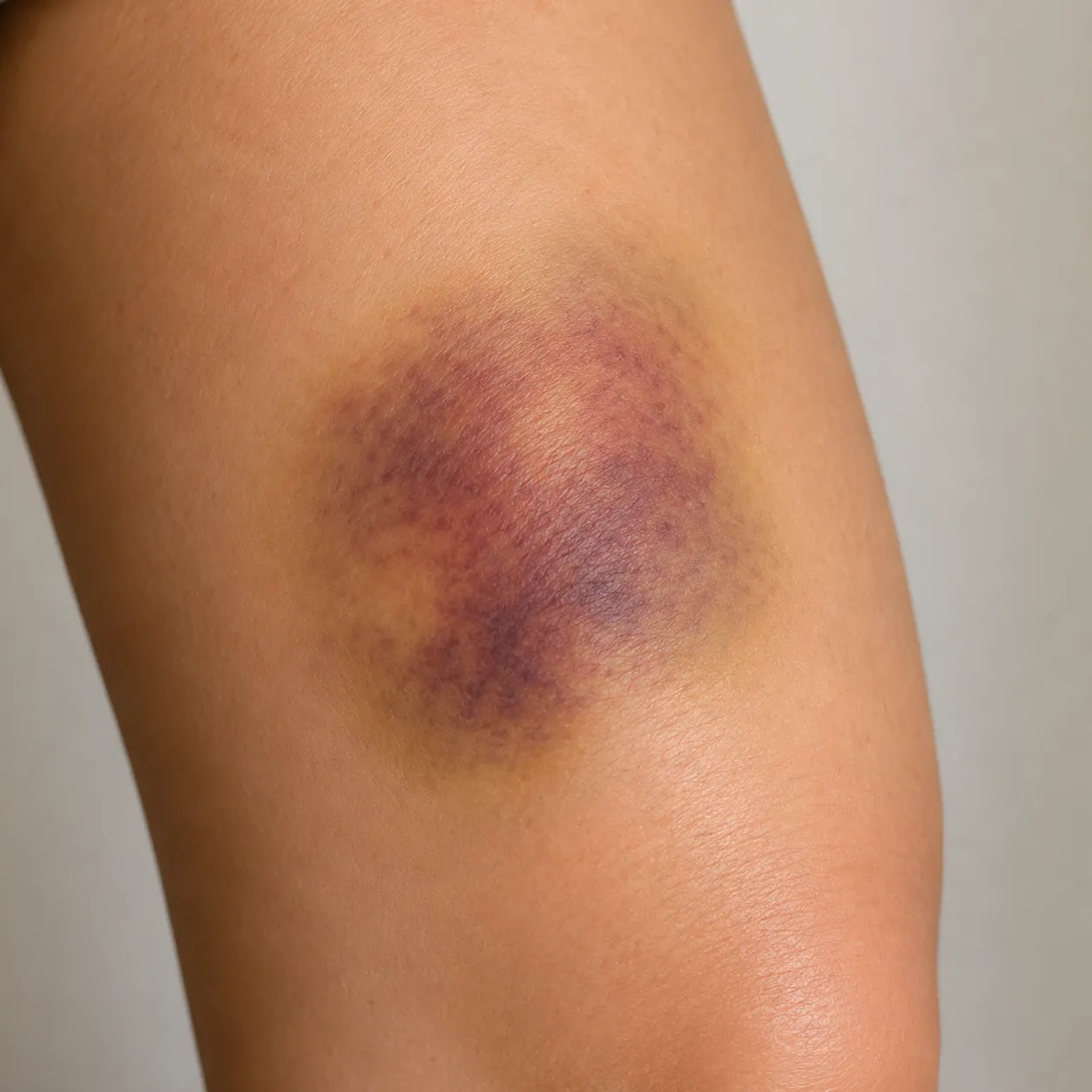
bruisedbruːzd
having a dark mark on the skin where small blood vessels were damaged by a hit or injury.
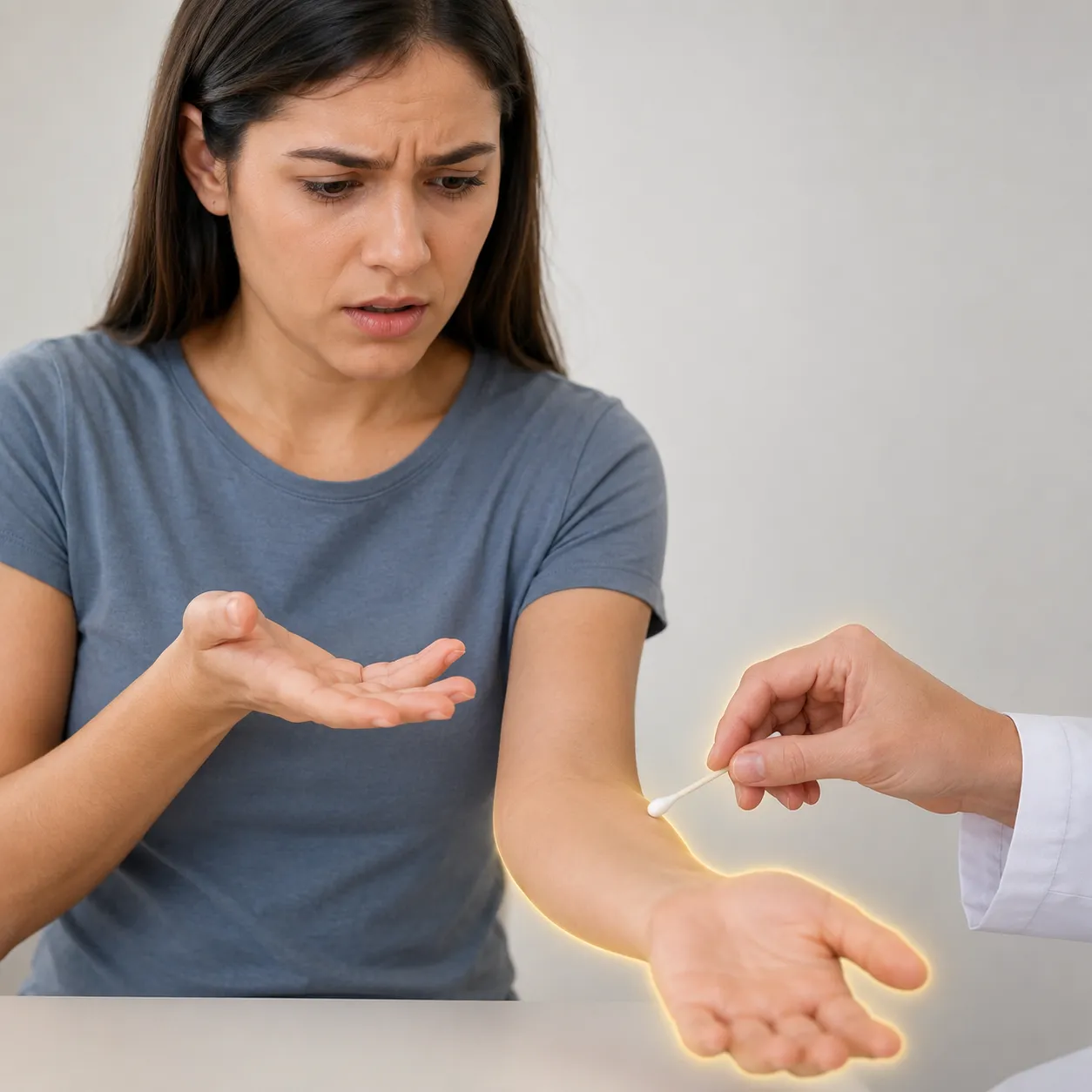
numbnʌm
unable to feel touch, pain, heat, or cold in part of the body.

weakwiːk
having little physical strength or energy.

responsiverɪˈspɑːnsɪv
able to react or answer when spoken to, touched, or treated.
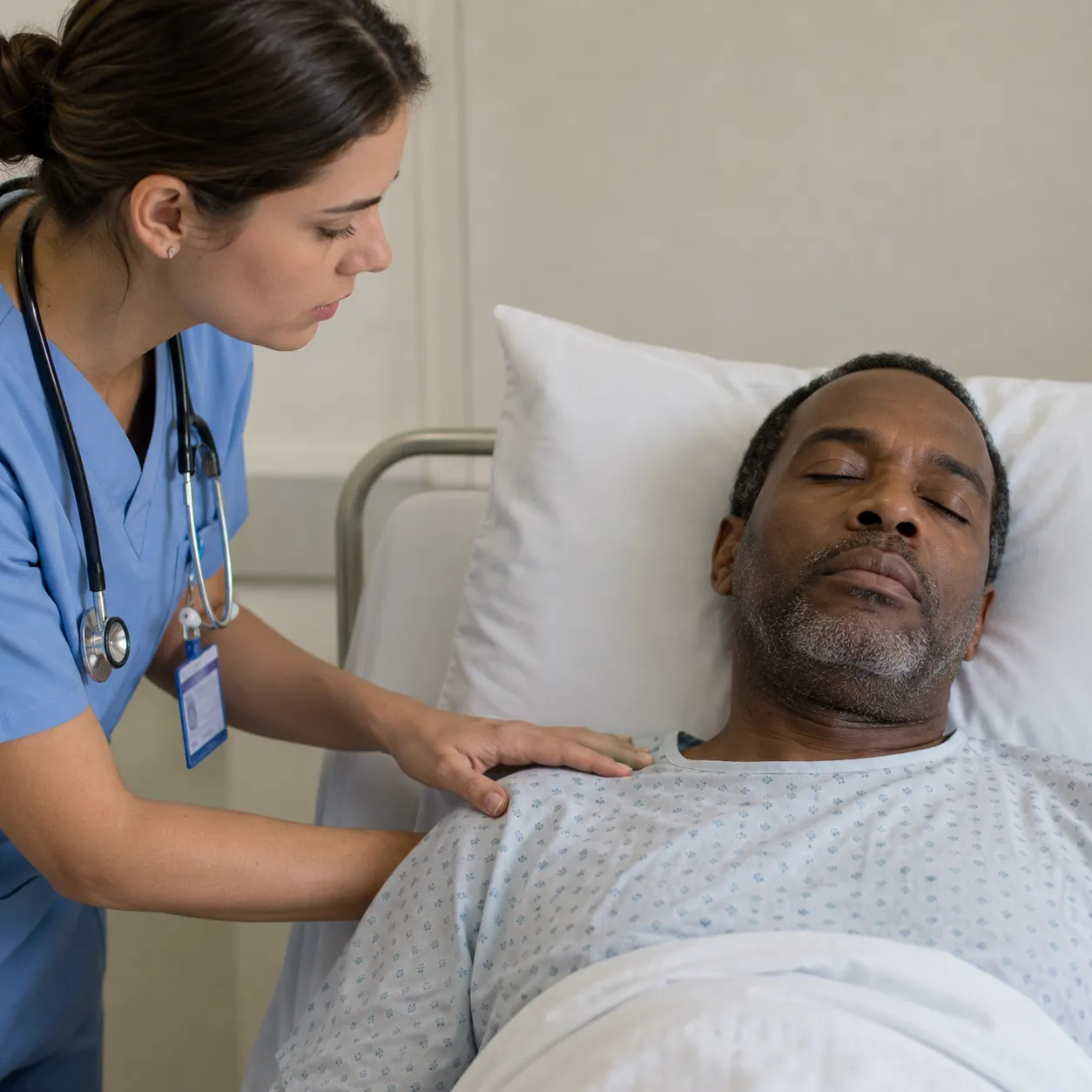
unresponsiveˌʌnrɪˈspɑːnsɪv
not reacting or answering when spoken to, touched, or treated.
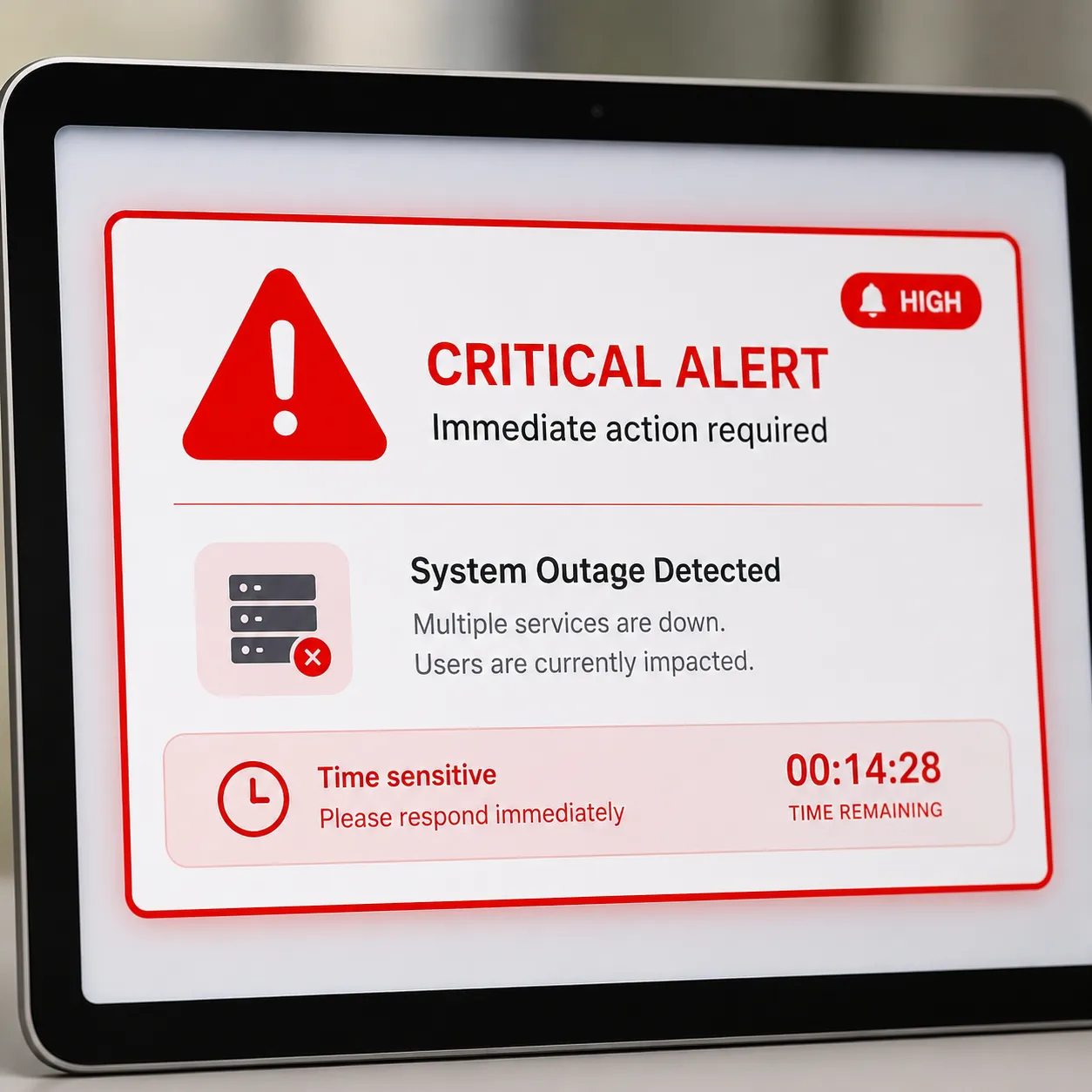
urgentˈɜːrdʒənt
needing immediate attention or action.
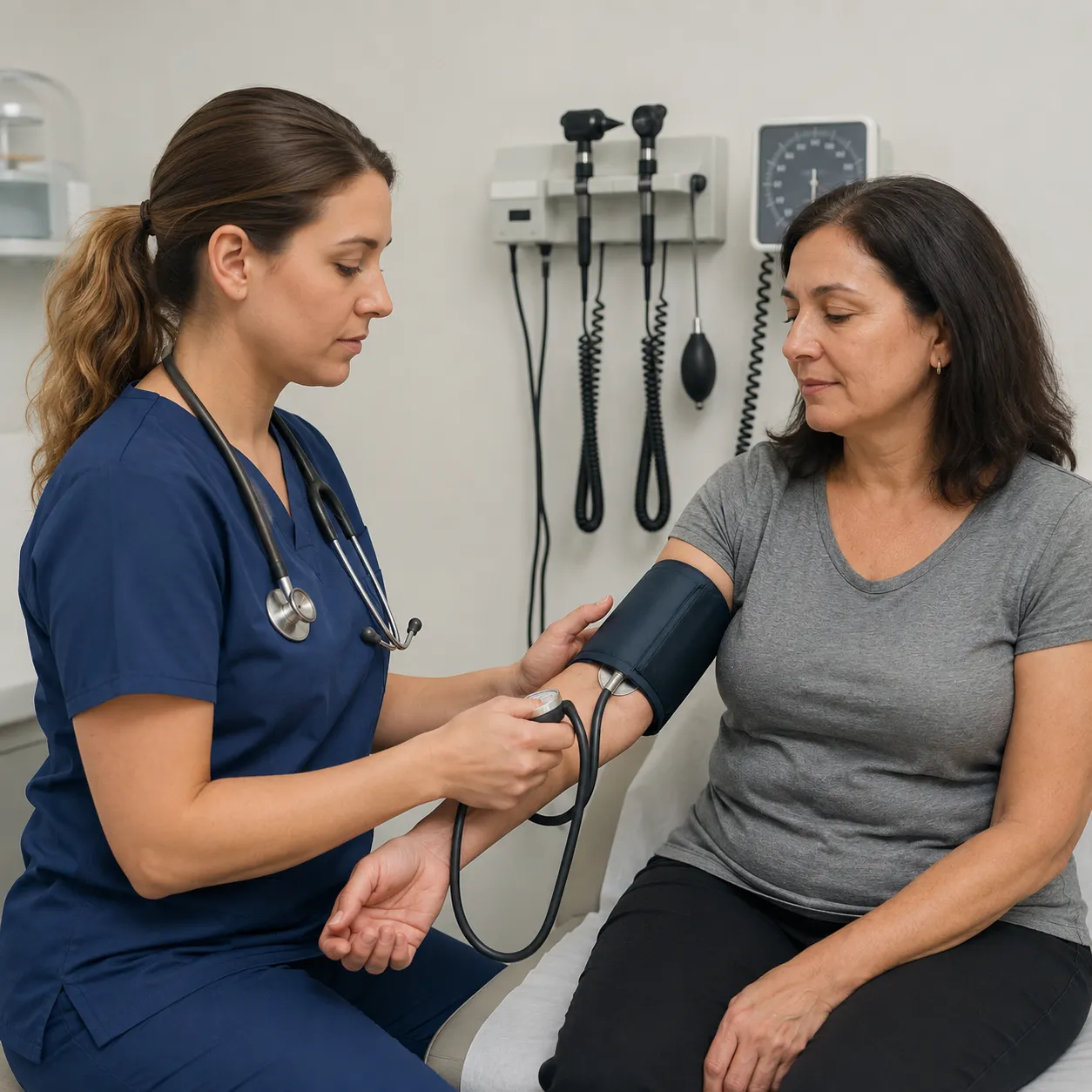
routineruːˈtiːn
done regularly or according to a usual method, often without difficulty or much interest
criticalˈkrɪtɪkəl
extremely serious and possibly life-threatening, especially in a medical condition.

non-urgentˌnɑːn ˈɜːrdʒənt
not needing immediate attention or action.

mildmaɪld
not strong, serious, severe, or strongly felt.

moderateˈmɑːdərət
medium in amount, strength, or seriousness; not mild and not severe.
severesɪˈvɪr
very serious, strong, or intense.

terminalˈtɜːrmɪnəl
causing death eventually : leading finally to death
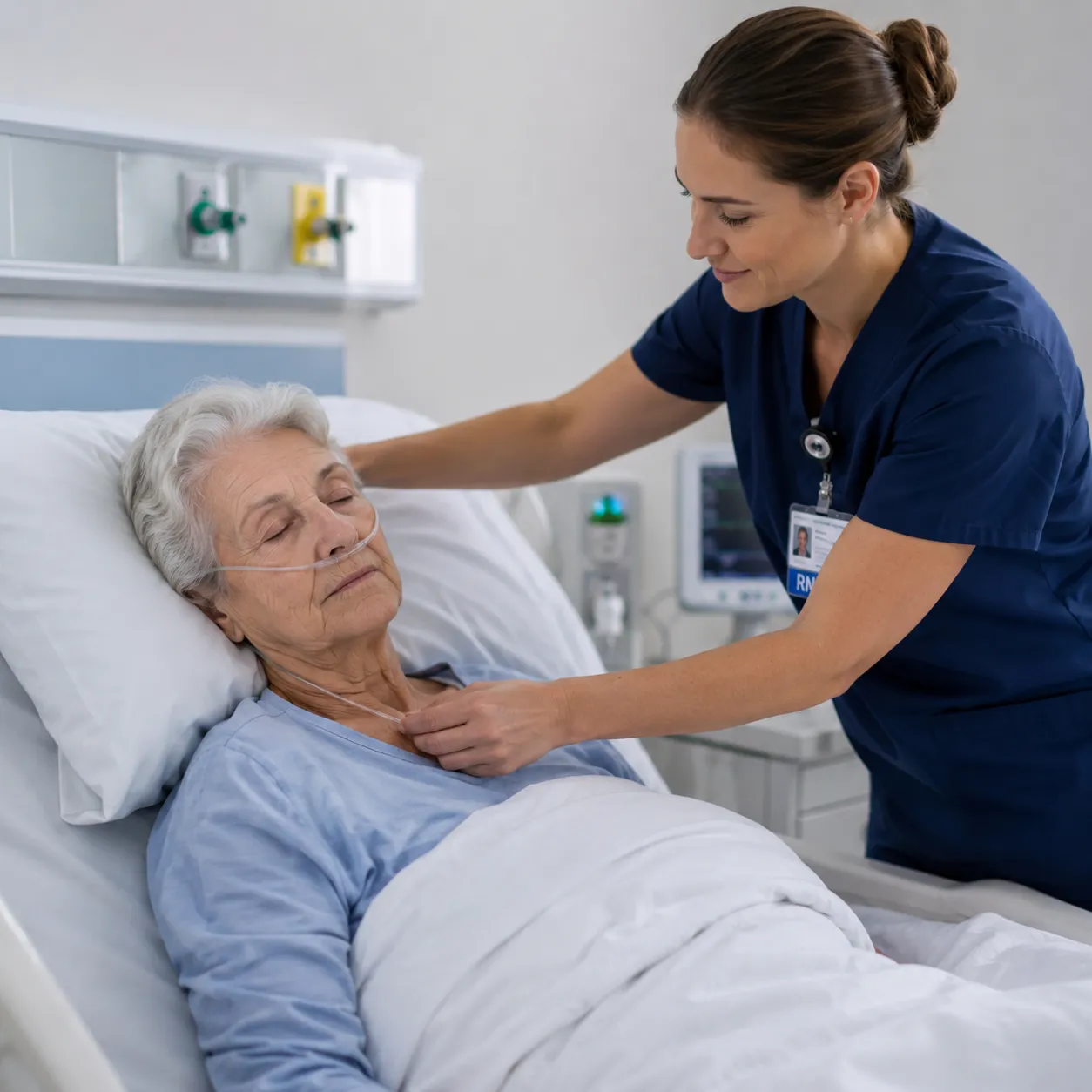
palliativeˈpæliətɪv
intended to relieve symptoms and improve comfort when a disease cannot be cured.
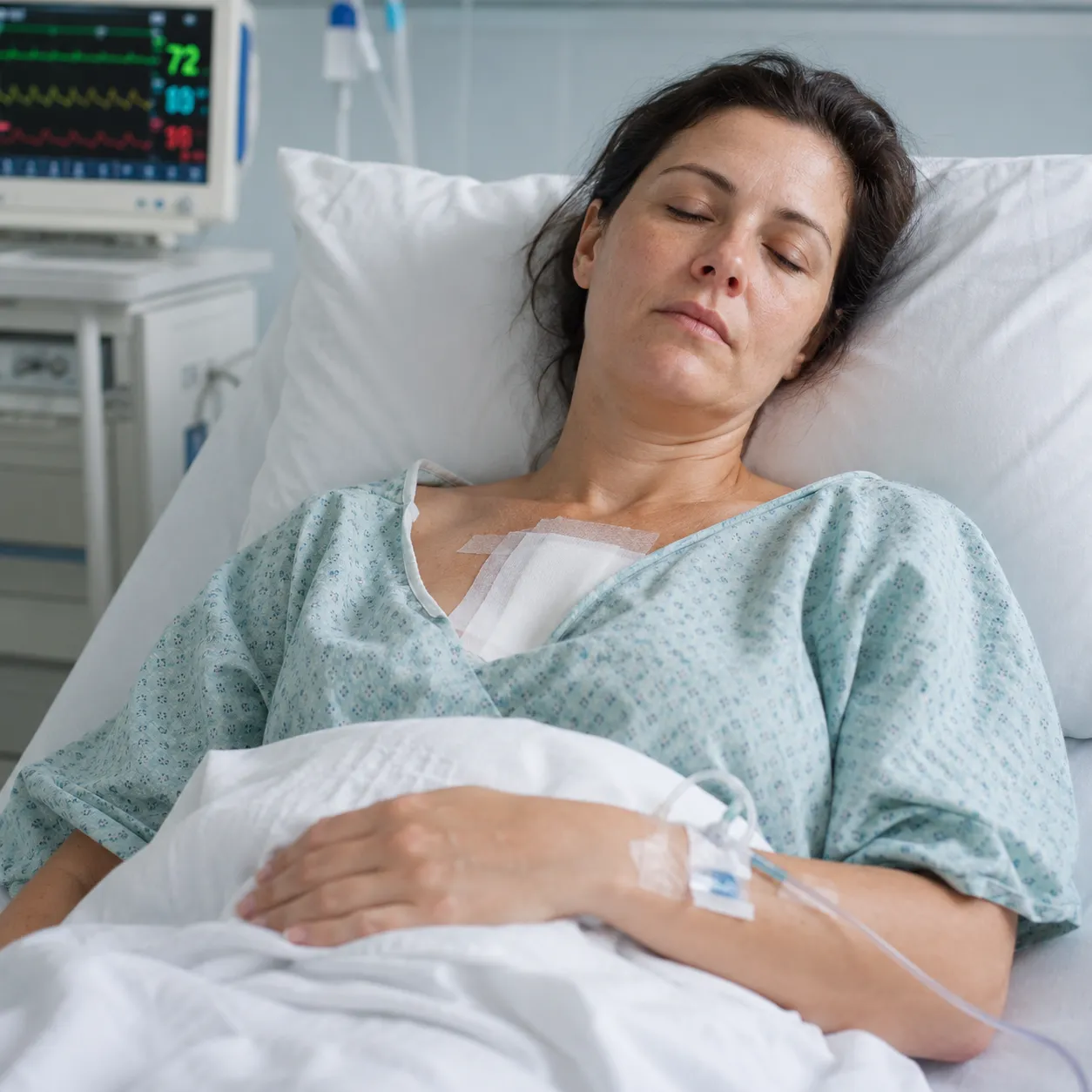
postoperativeˌpoʊstˈɑːpərətɪv
happening or used after a surgical operation.
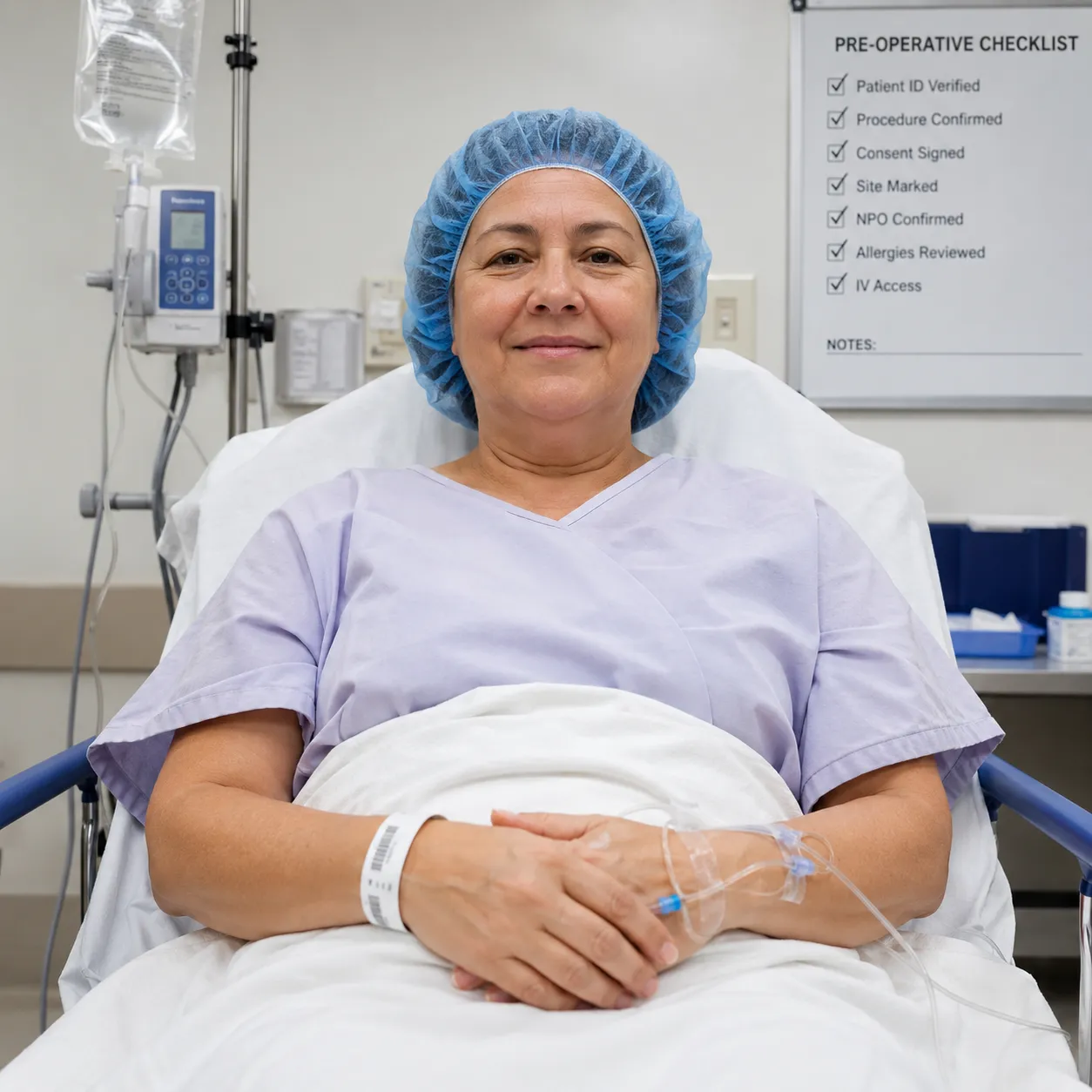
preoperativeˌpriːˈɑːpərətɪv
happening or used before a surgical operation.
Injuries, skin damage and wound-related signs that require assessment and care.
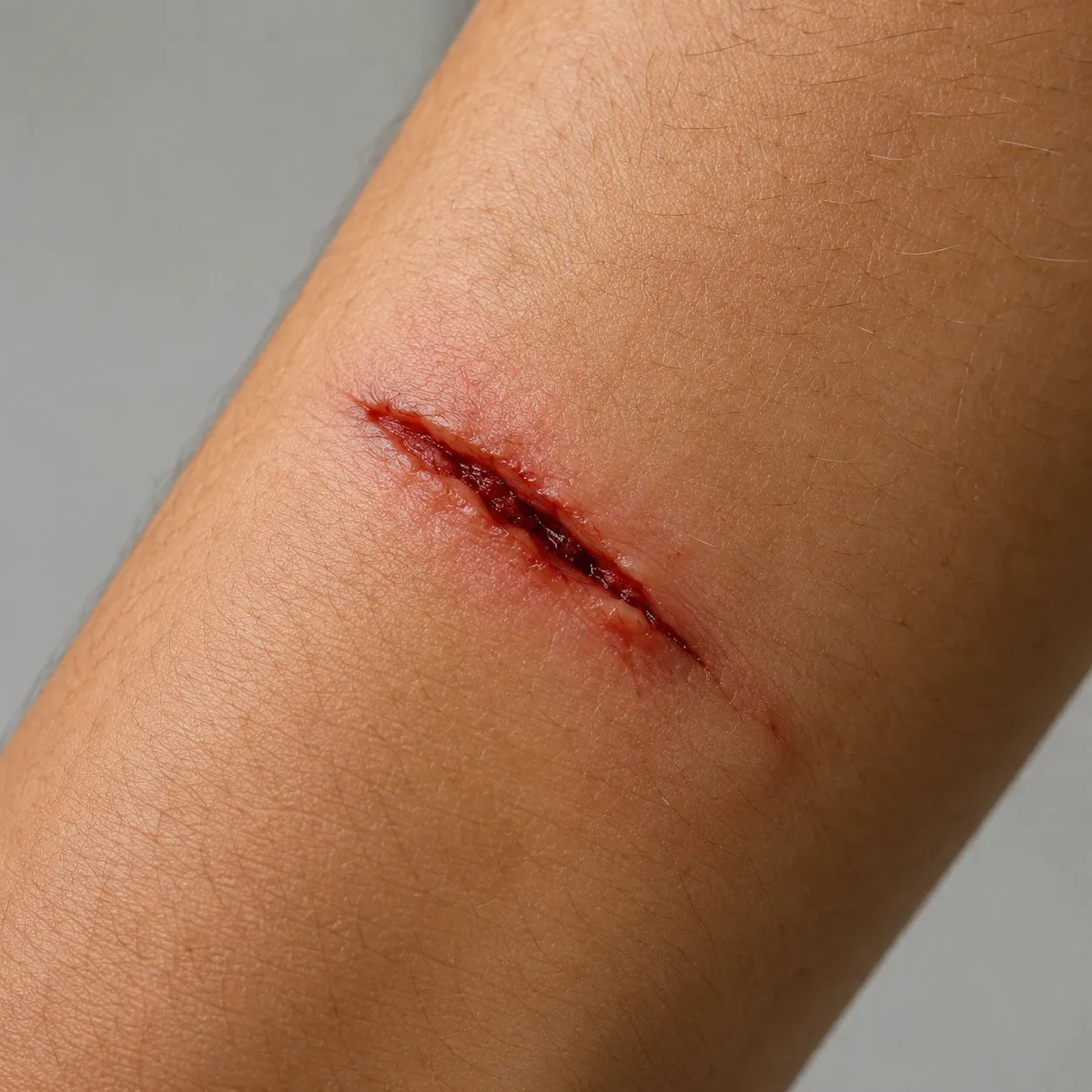
woundwuːnd
an injury where the skin or body tissue is cut, torn, or broken.
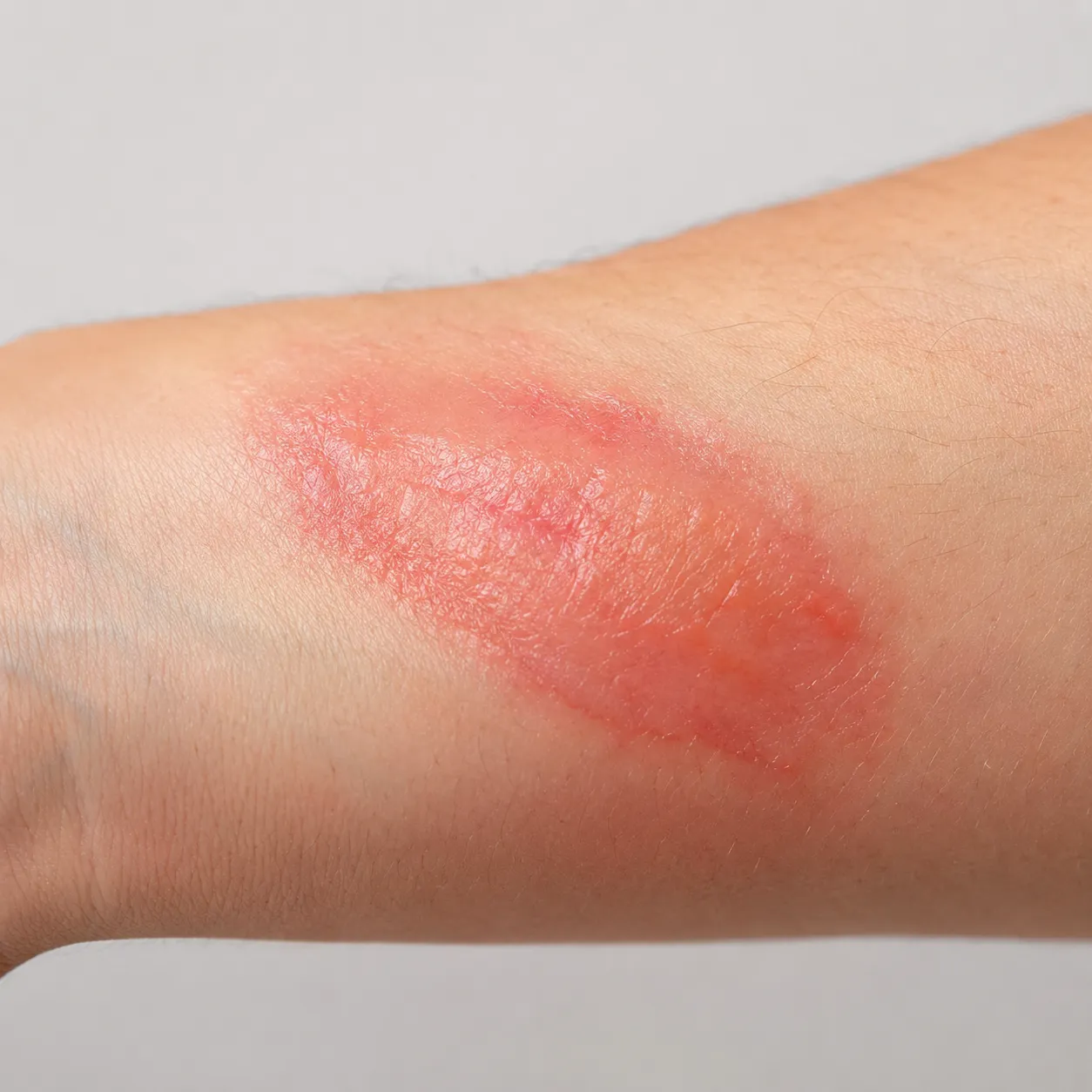
burnbɜːrn
an injury to the skin caused by heat, fire, chemicals, or electricity.
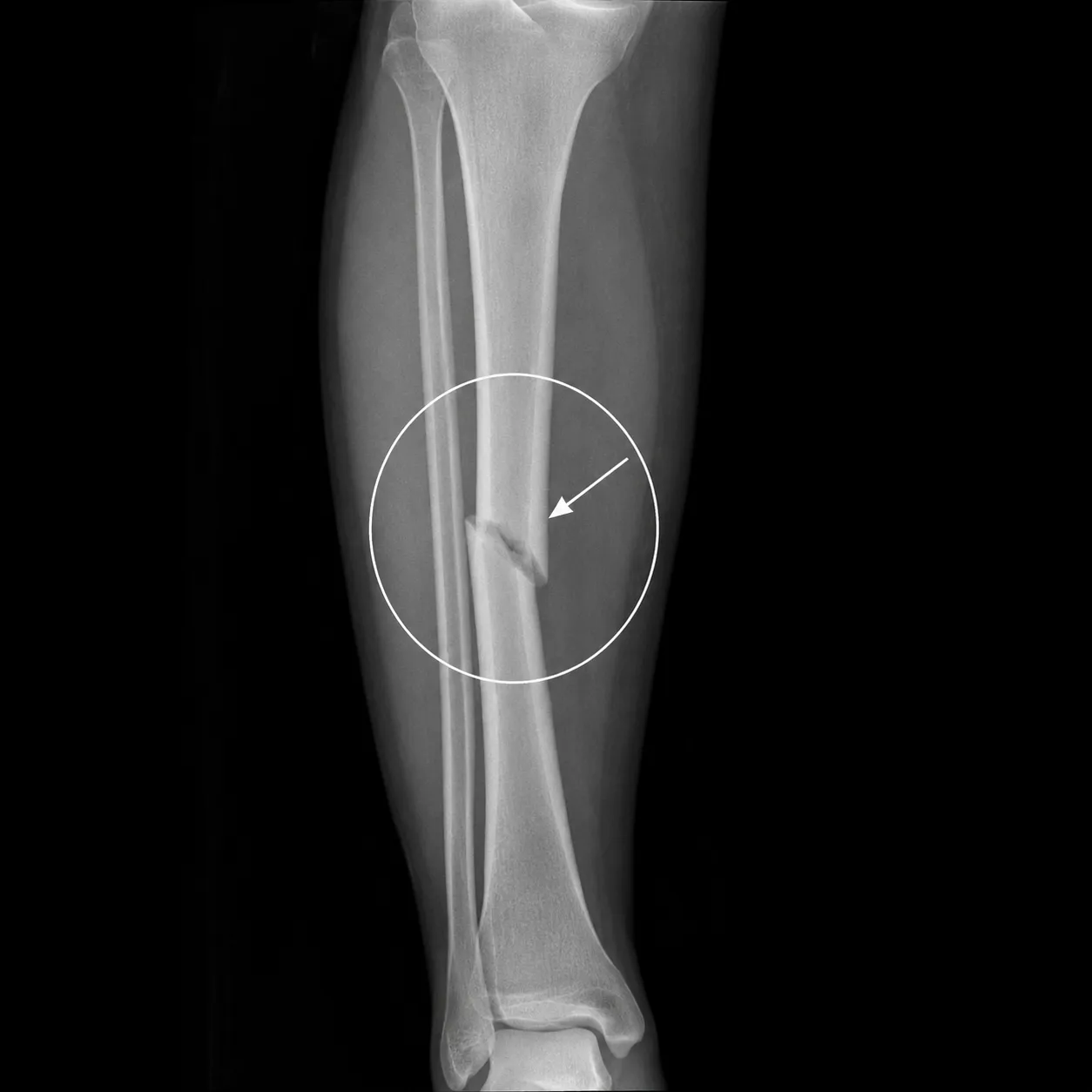
fractureˈfræktʃər
a crack or break in a bone or another hard material.
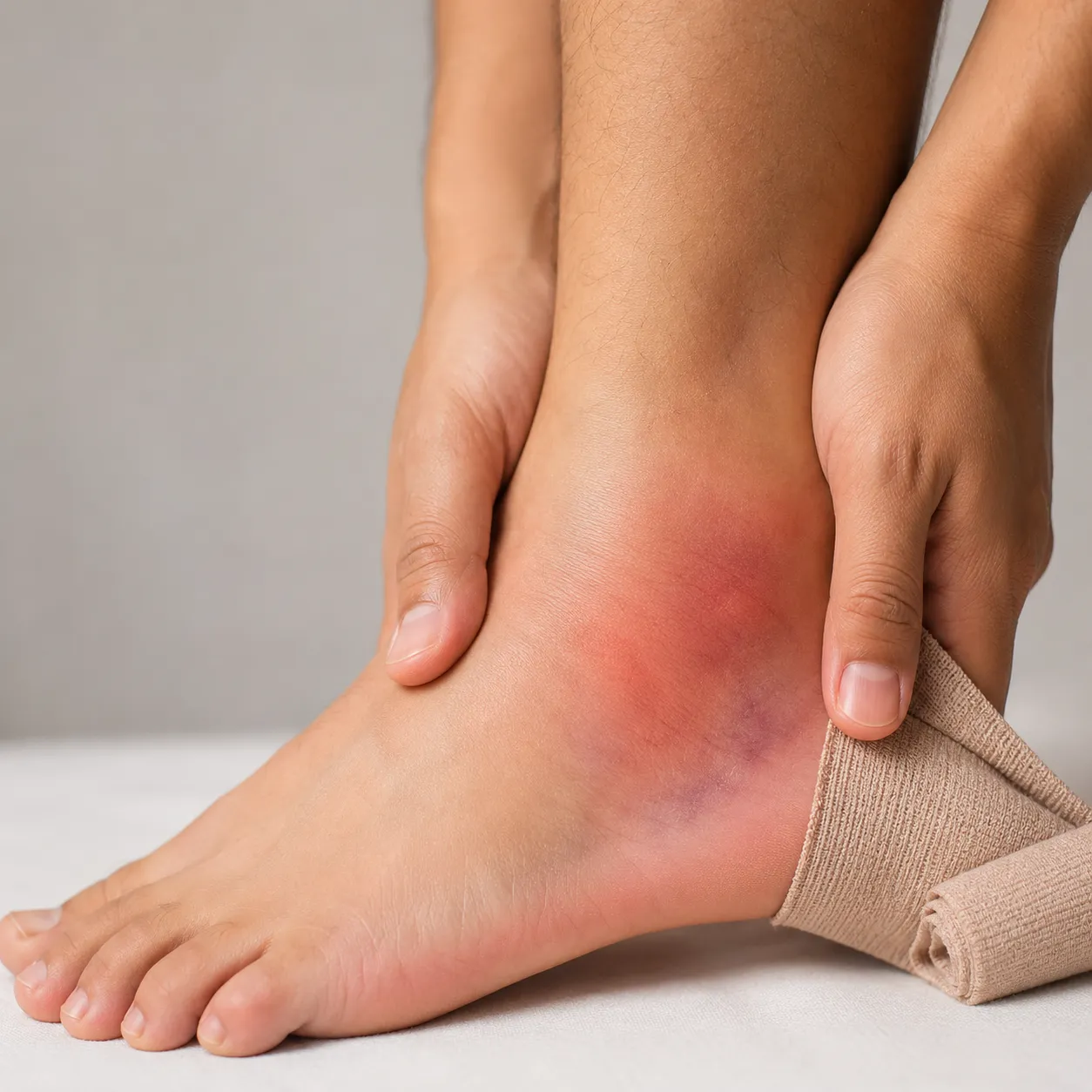
sprainspreɪn
an injury to a joint caused by stretching or tearing its ligaments.
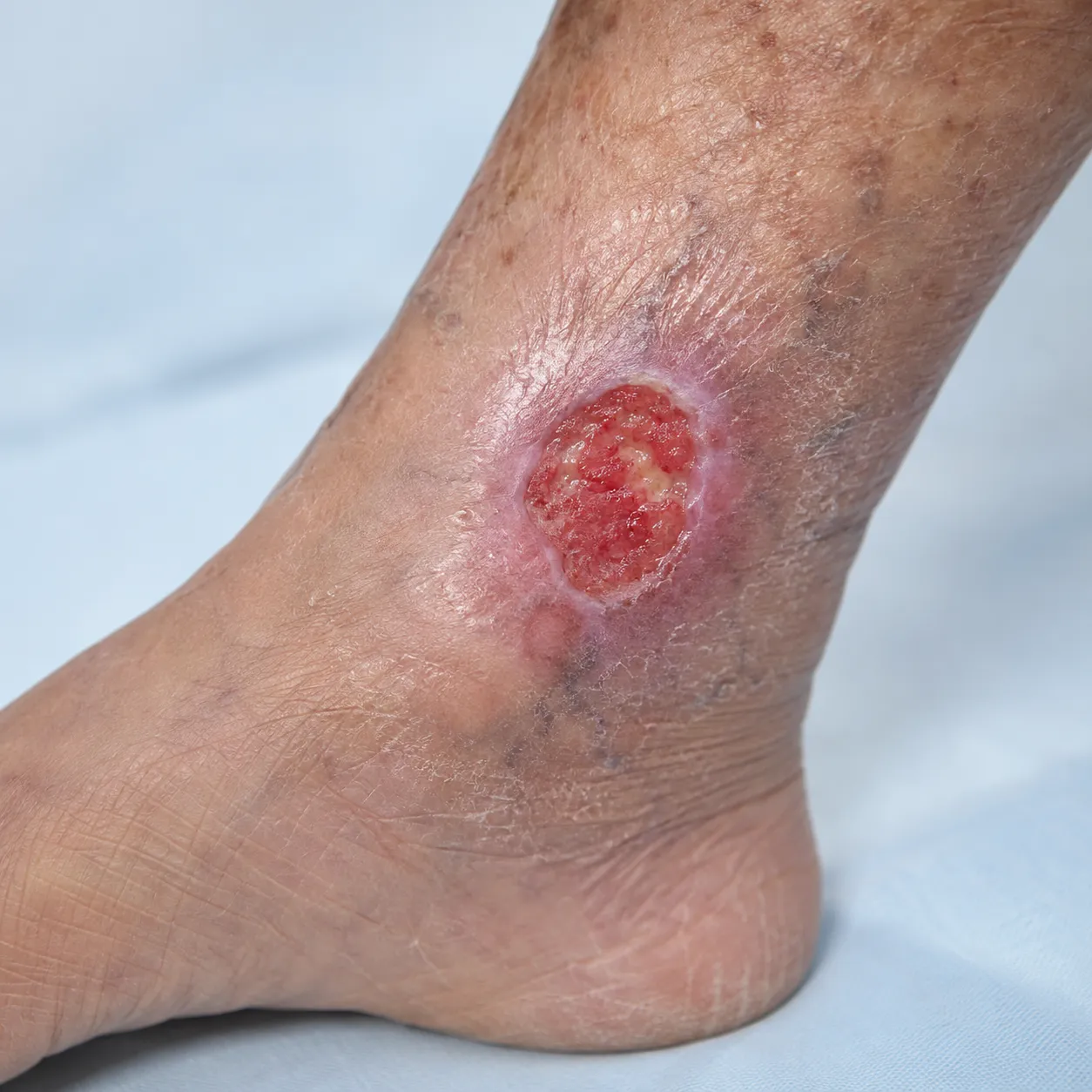
ulcerˈʌlsər
an open sore on the skin or inside the body that heals slowly.
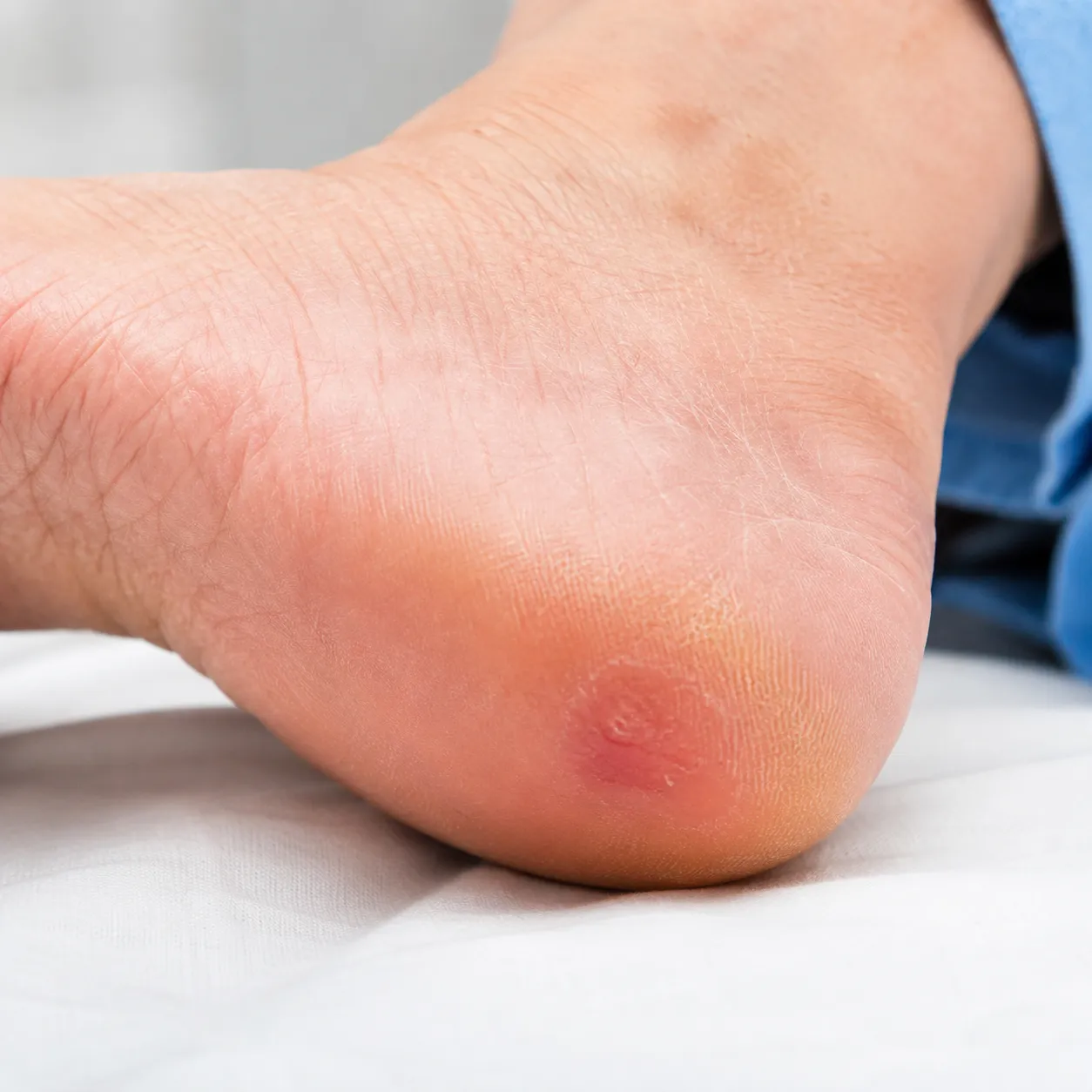
pressure soreˈpreʃər sɔːr
a skin wound caused by long pressure on one area of the body, especially in someone who cannot move easily.
bed soreˈbed sɔːr
a pressure sore that develops from lying in bed for a long time.
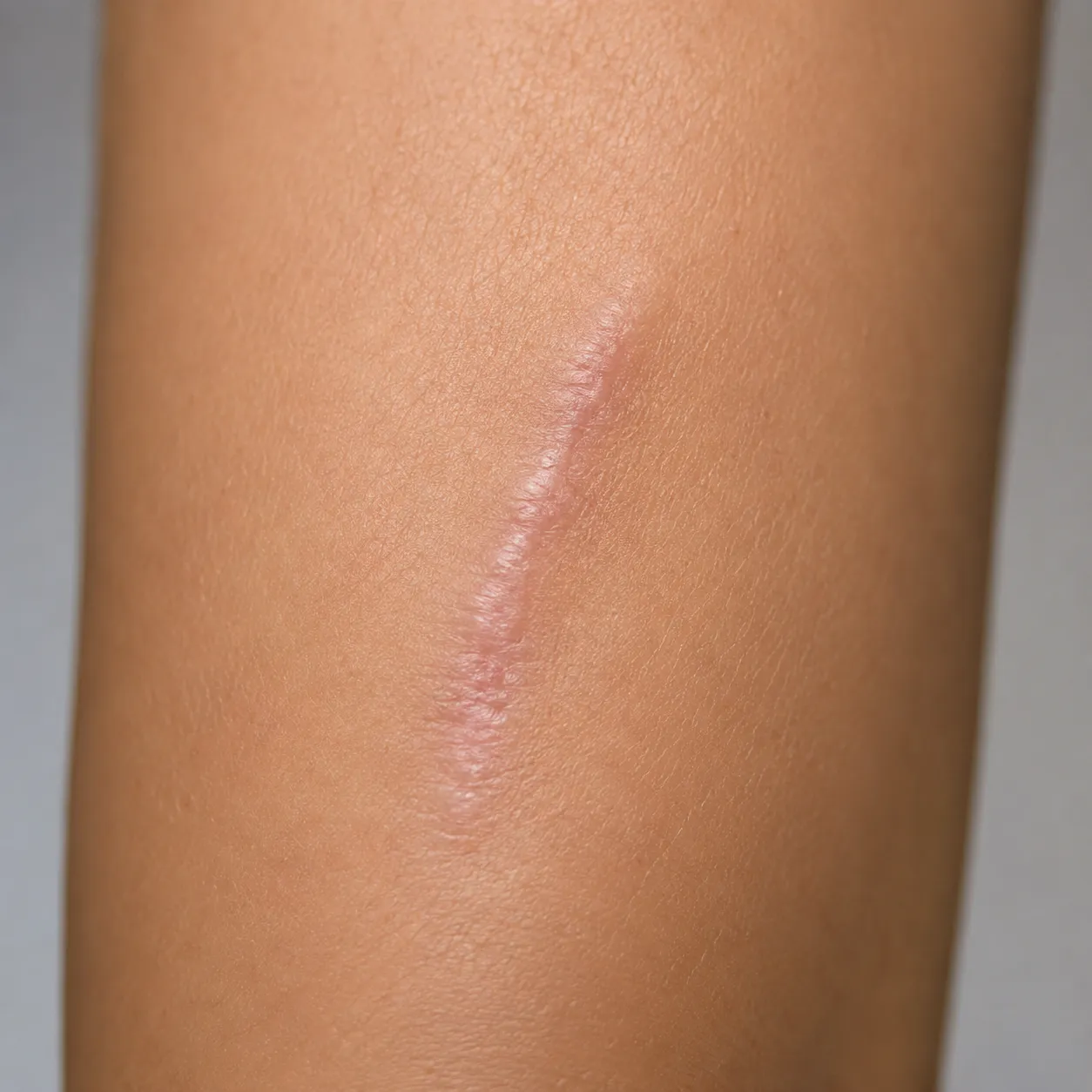
scarskɑːr
a mark left on the skin after a wound or injury has healed.
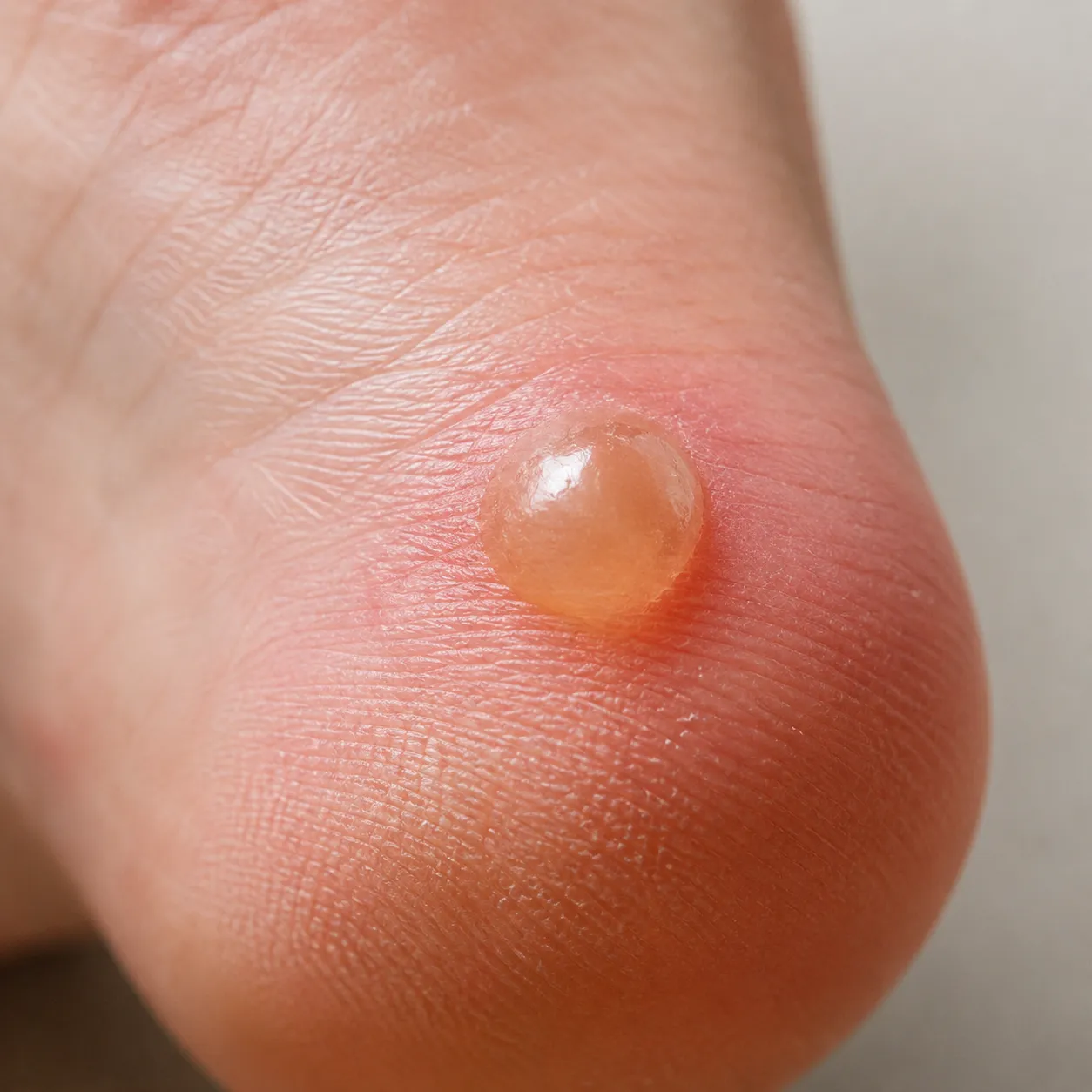
blisterˈblɪstər
a small bubble on the skin filled with fluid, often caused by rubbing or a burn.
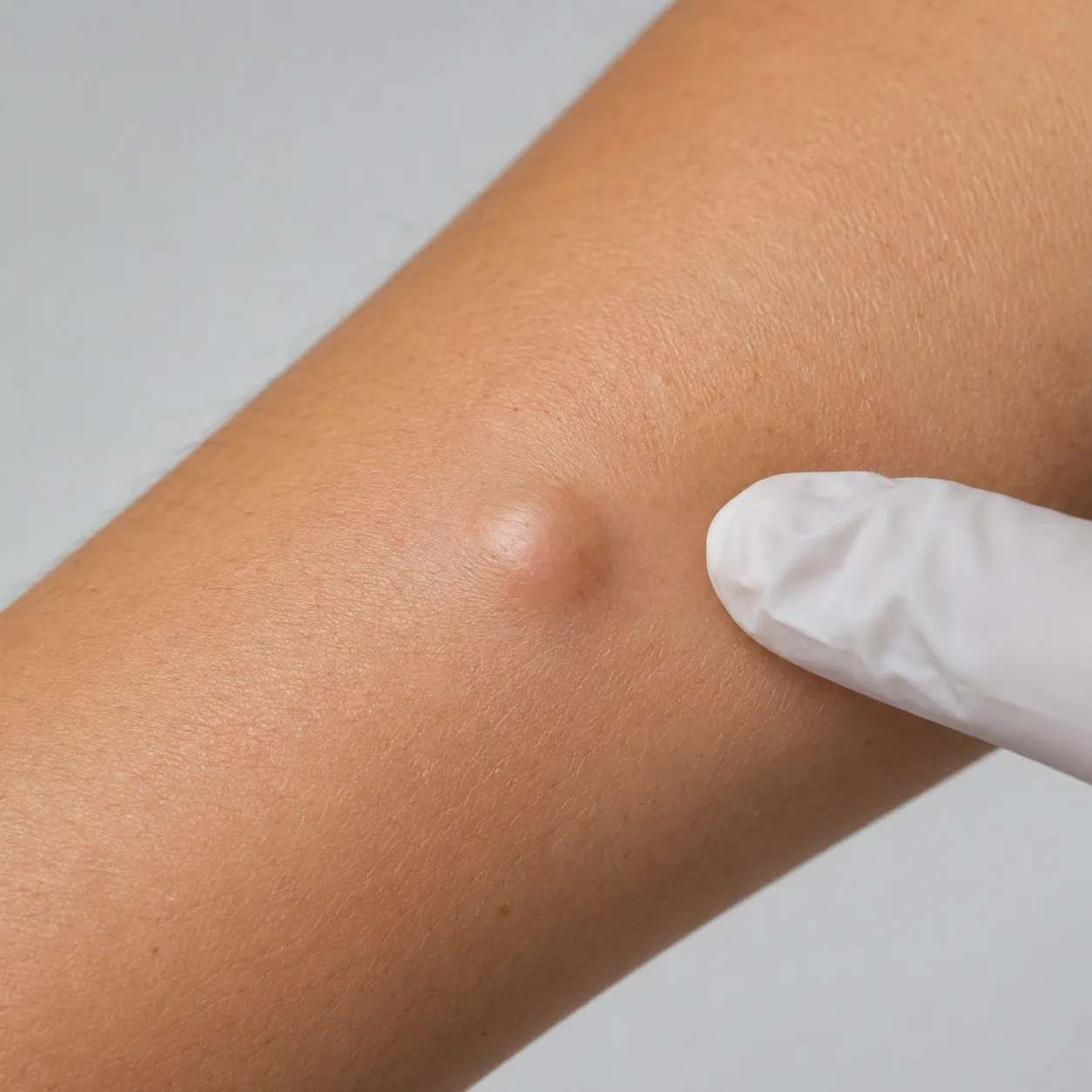
lumplʌmp
a small hard or swollen area under or on the skin.
lesionˈliːʒən
an abnormal damaged area of skin or tissue caused by injury or disease.
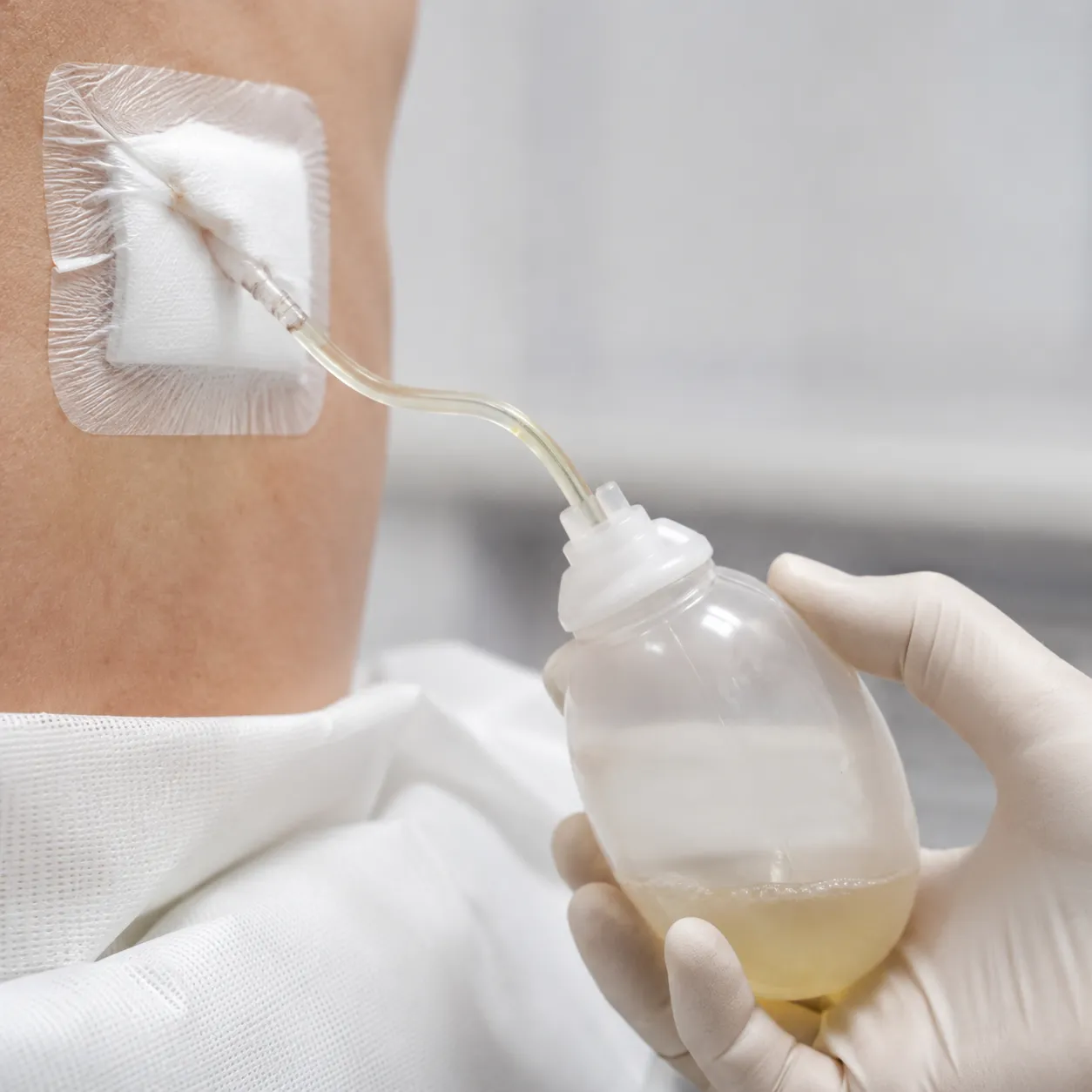
drainageˈdreɪnɪdʒ
the flow or removal of fluid from a wound, body area, or tube.
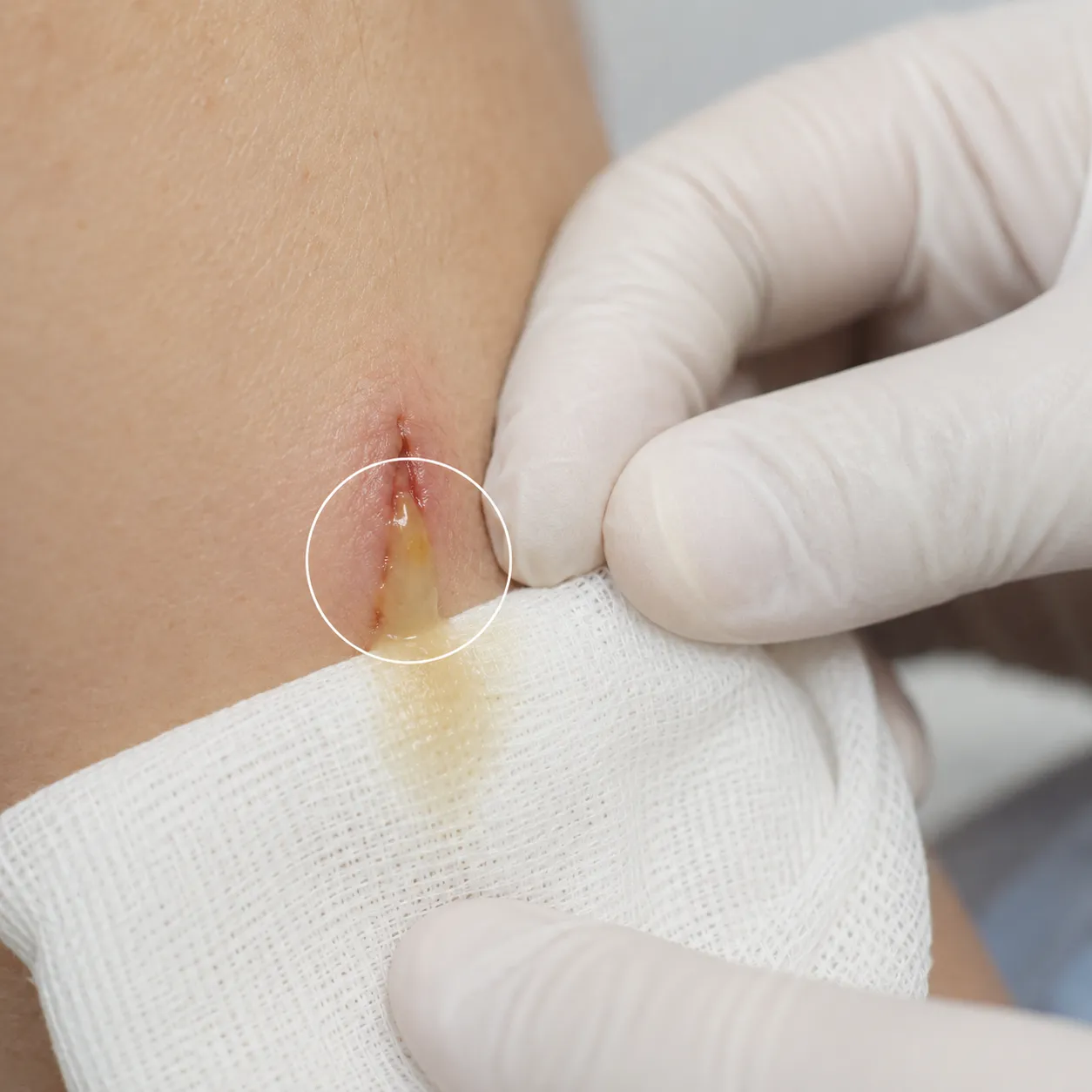
dischargeˈdɪstʃɑːrdʒ
fluid that comes out of a wound or body opening, often because of infection or irritation.
puspʌs
thick yellow or green fluid produced in an infected wound.
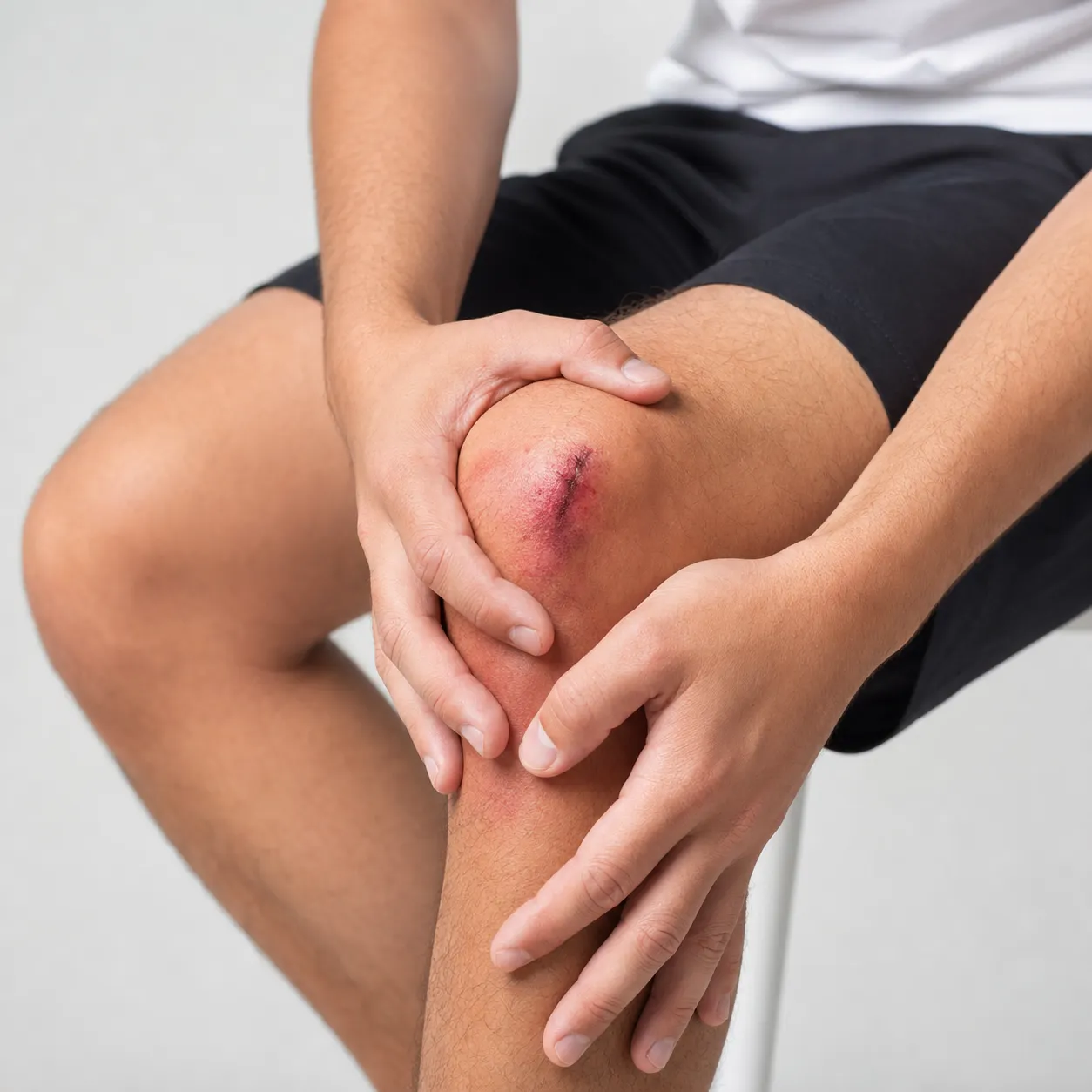
injuryˈɪndʒəri
physical harm or damage to a person's or animal's body.
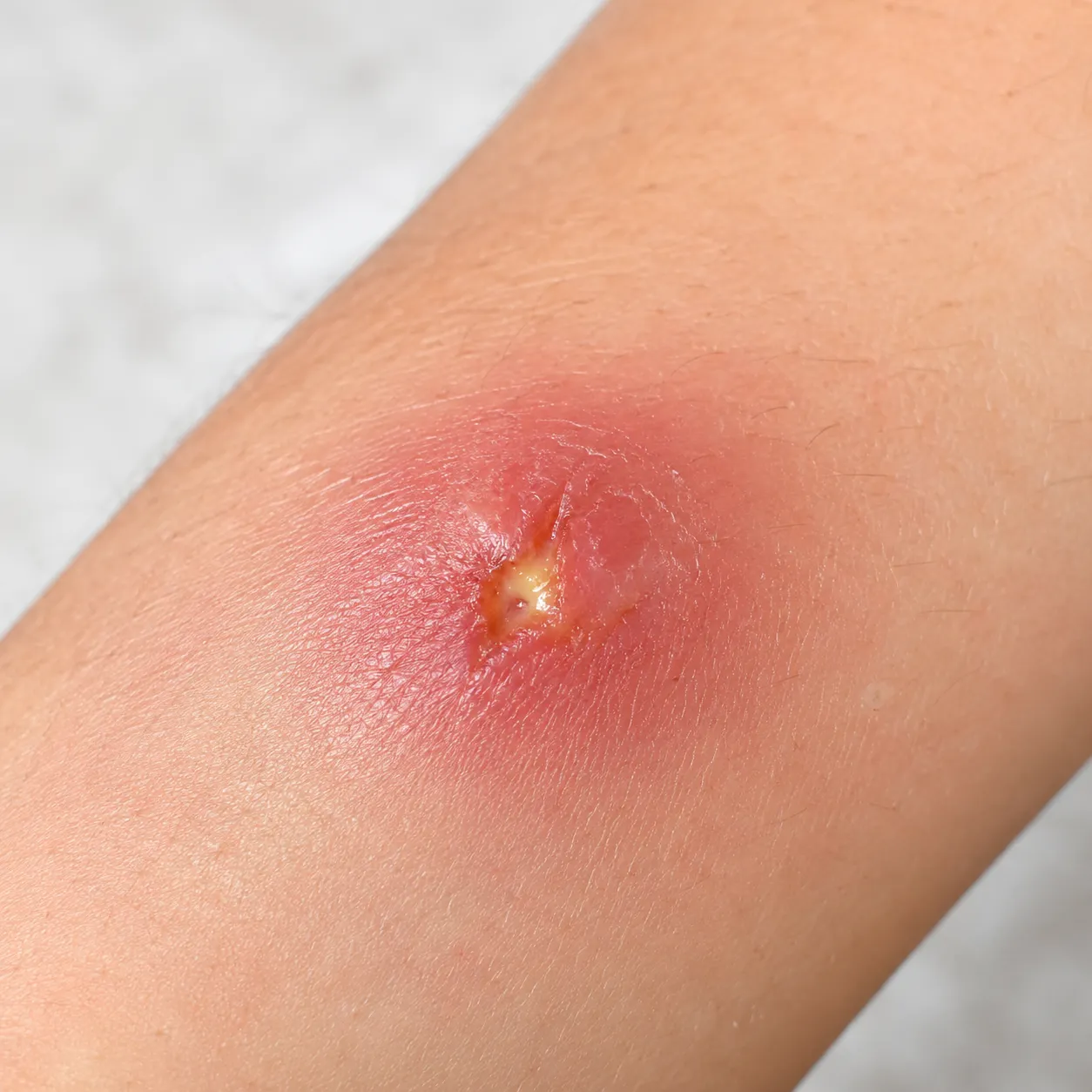
wound infectionwuːnd ɪnˈfekʃən
a condition in which harmful germs grow in a wound, causing signs such as redness, pain, heat, swelling, or pus.
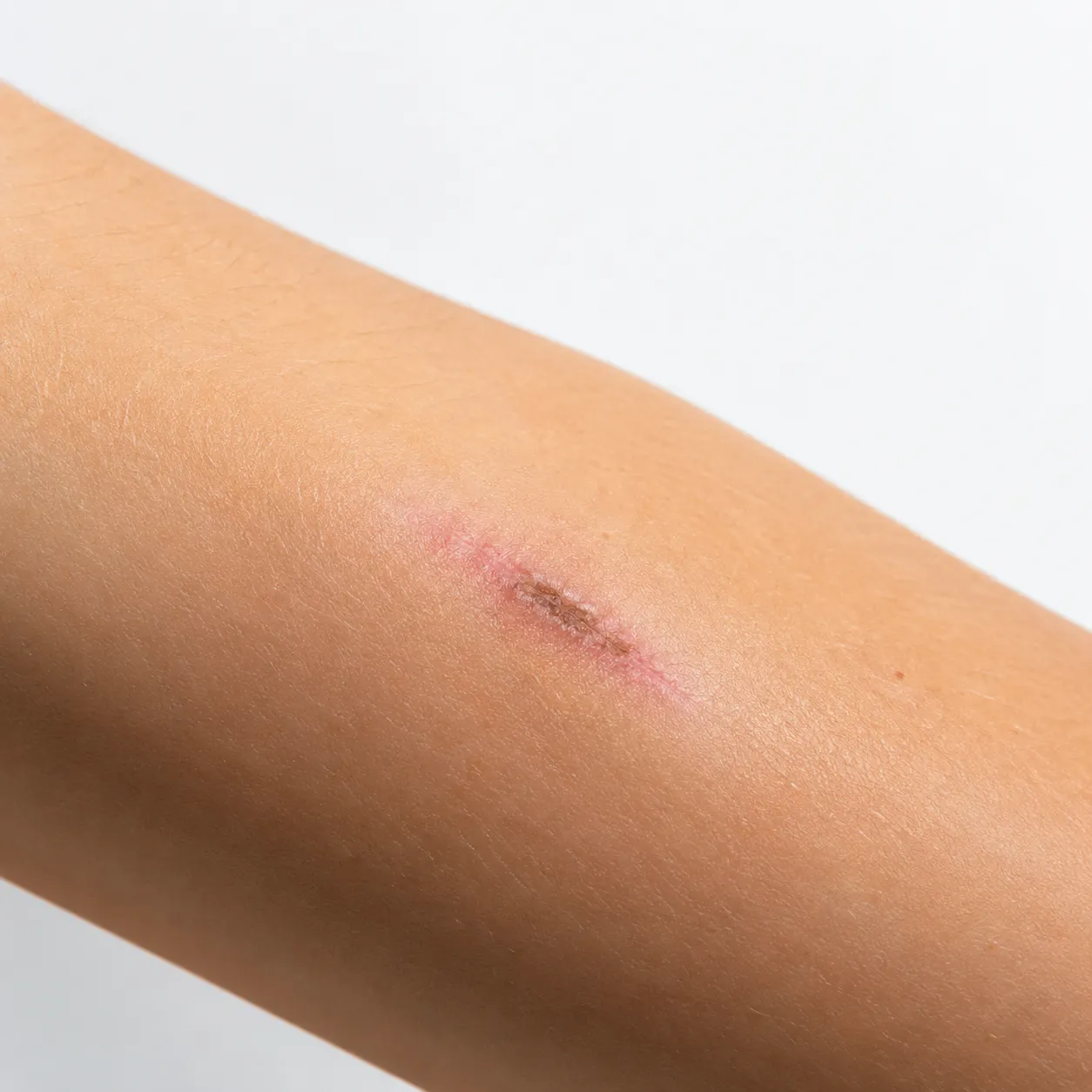
wound healingwuːnd ˈhiːlɪŋ
the process in which damaged skin or tissue repairs and closes after an injury.
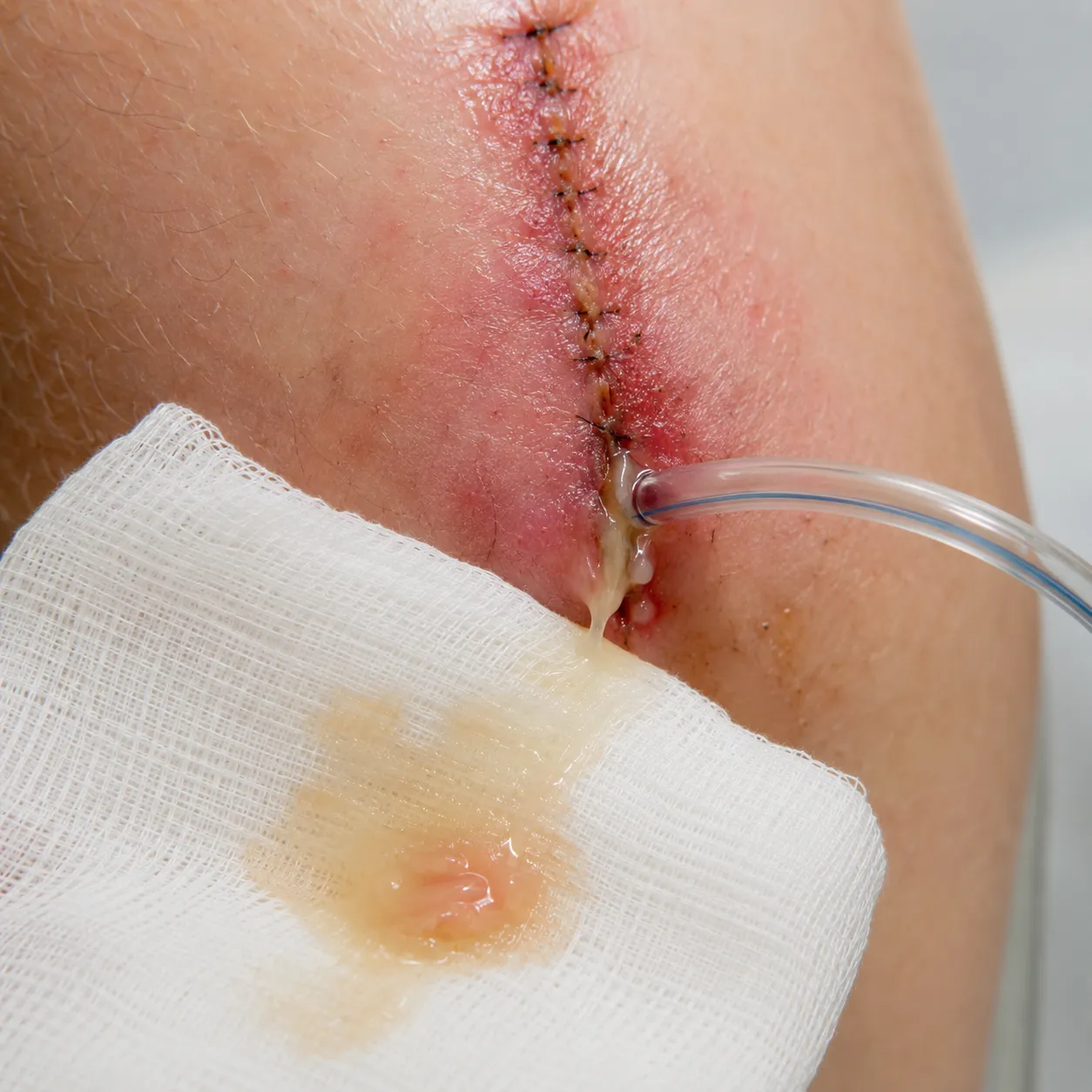
wound drainagewuːnd ˈdreɪnɪdʒ
fluid such as blood, pus, or clear liquid that comes out of a wound.
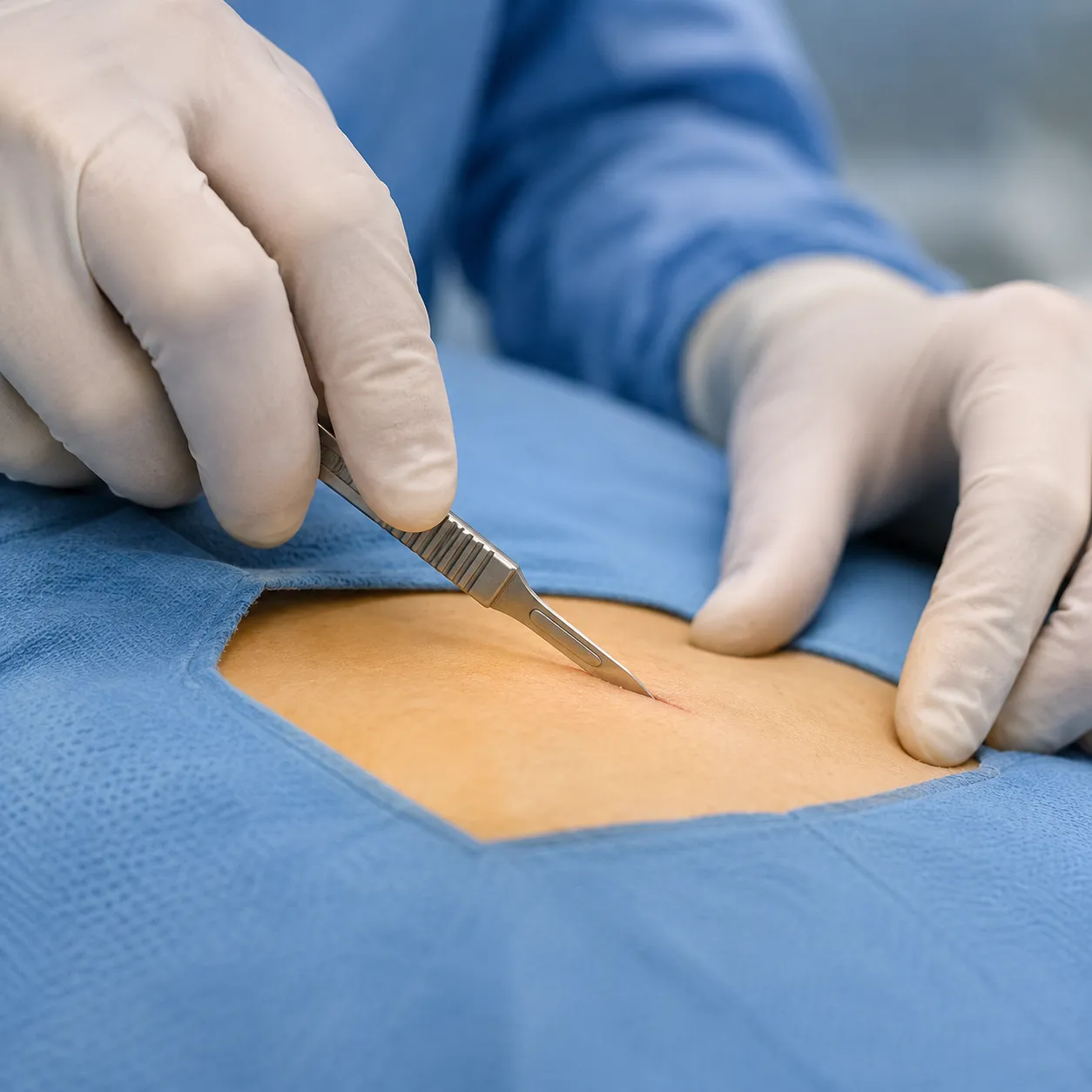
incisionɪnˈsɪʒən
a clean cut made in the skin or tissue during surgery.
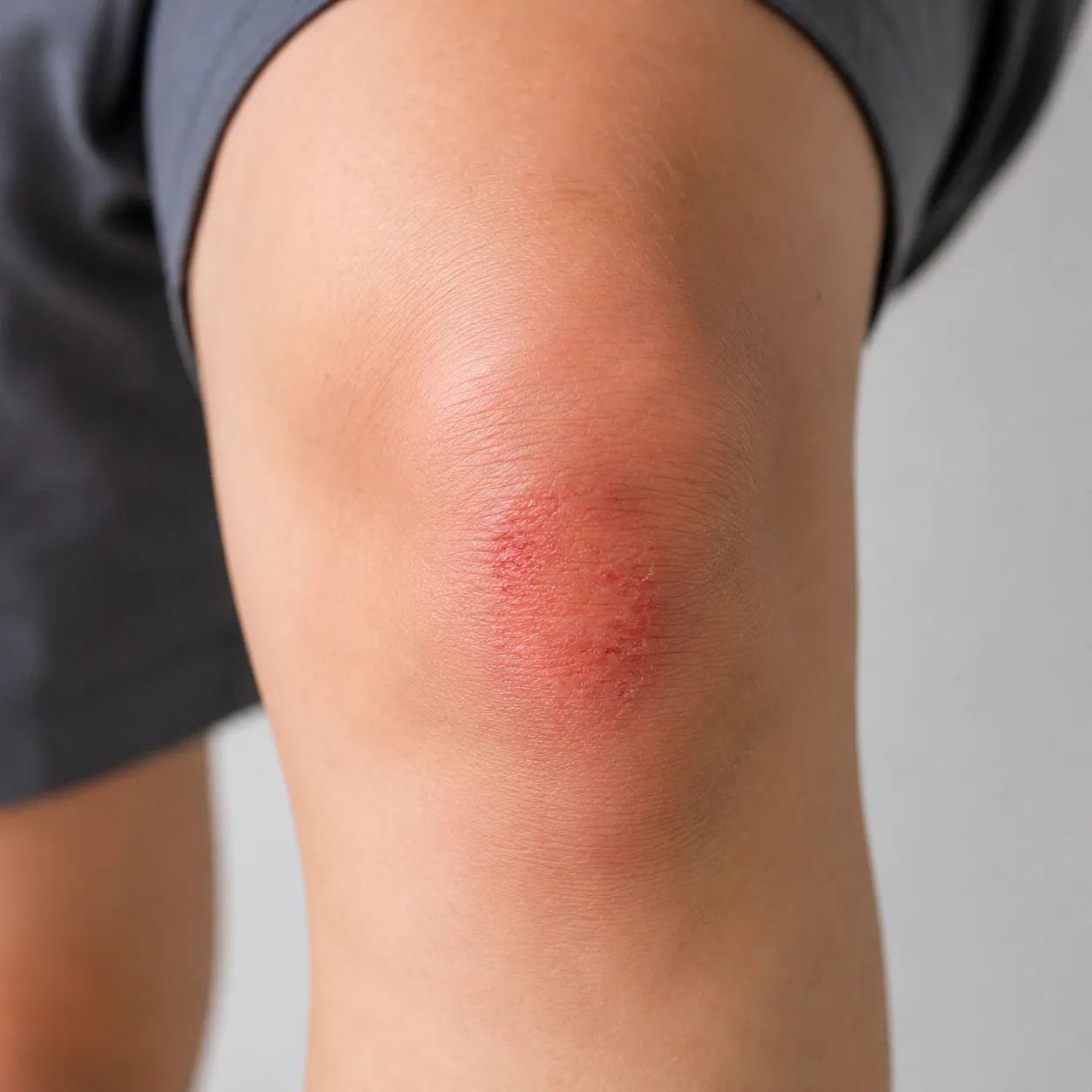
abrasionəˈbreɪʒən
a shallow injury where the skin is scraped or rubbed off.
lacerationˌlæsəˈreɪʃən
a deep cut or tear in the skin or flesh.
Urgent conditions and immediate actions used to protect life and prevent further harm.

emergencyɪˈmɜːrdʒənsi
a sudden dangerous situation that needs immediate action.
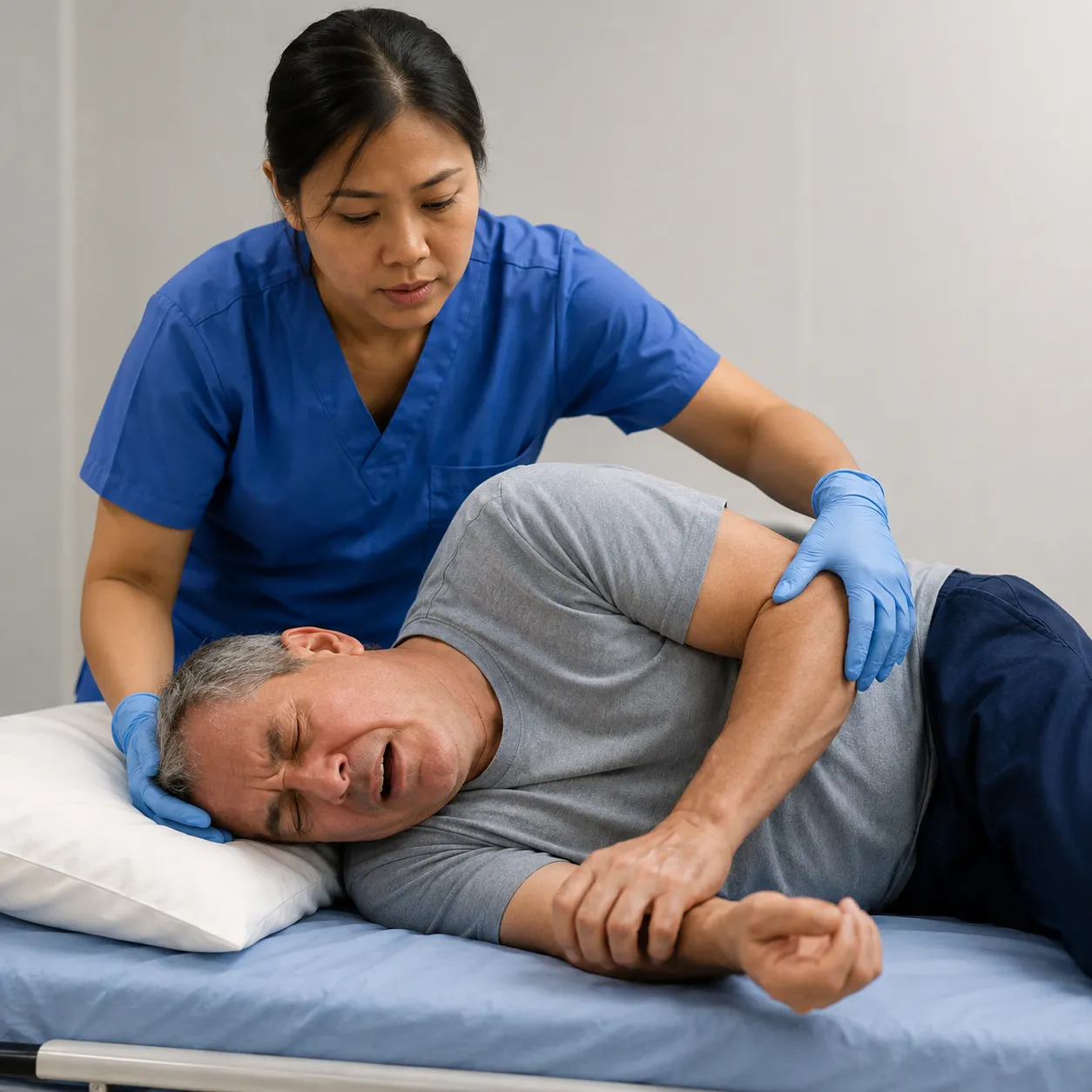
seizureˈsiːʒər
a sudden episode of abnormal brain activity that can cause shaking, staring, confusion, or loss of consciousness.
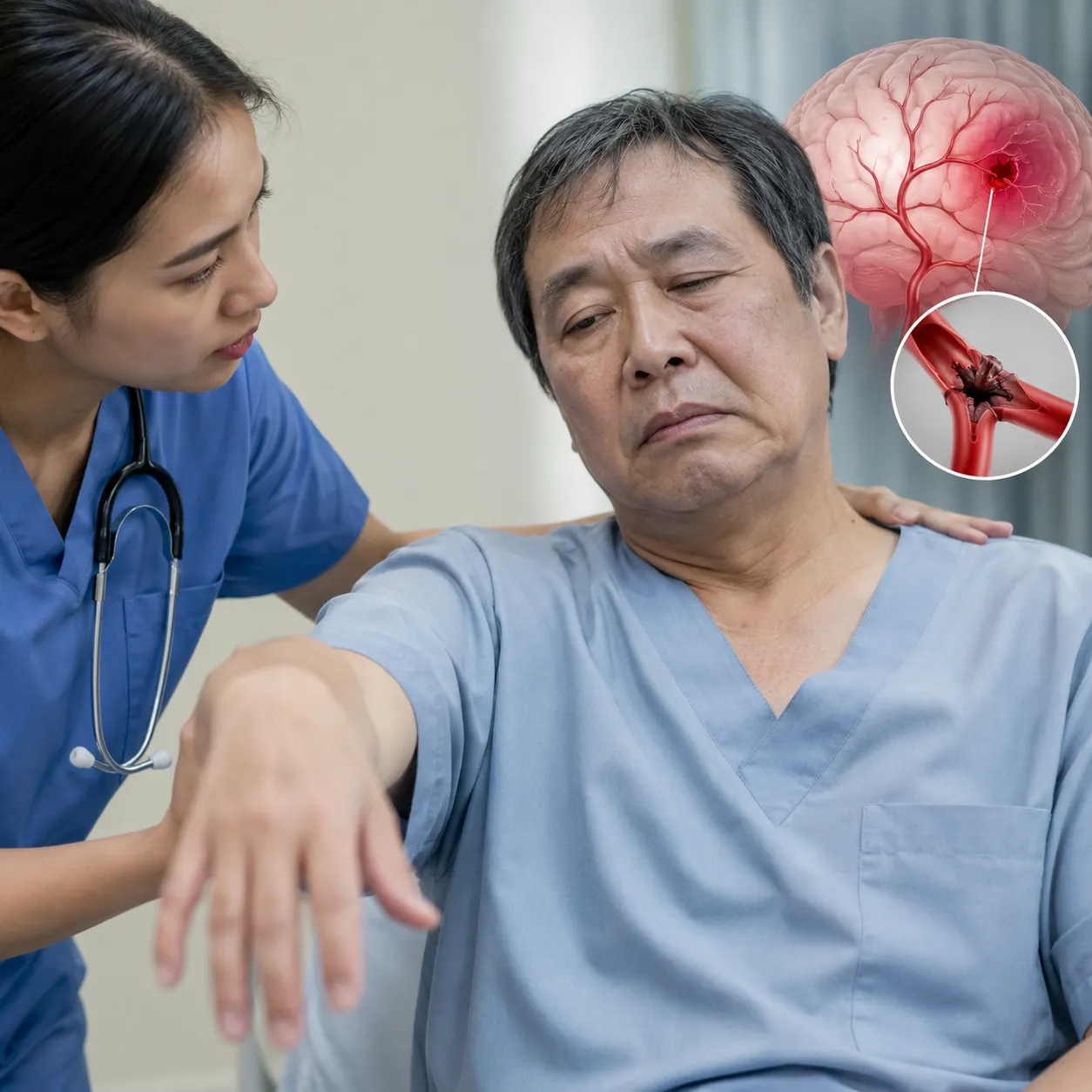
strokestroʊk
a medical emergency in which blood flow to part of the brain stops or a blood vessel in the brain bursts.
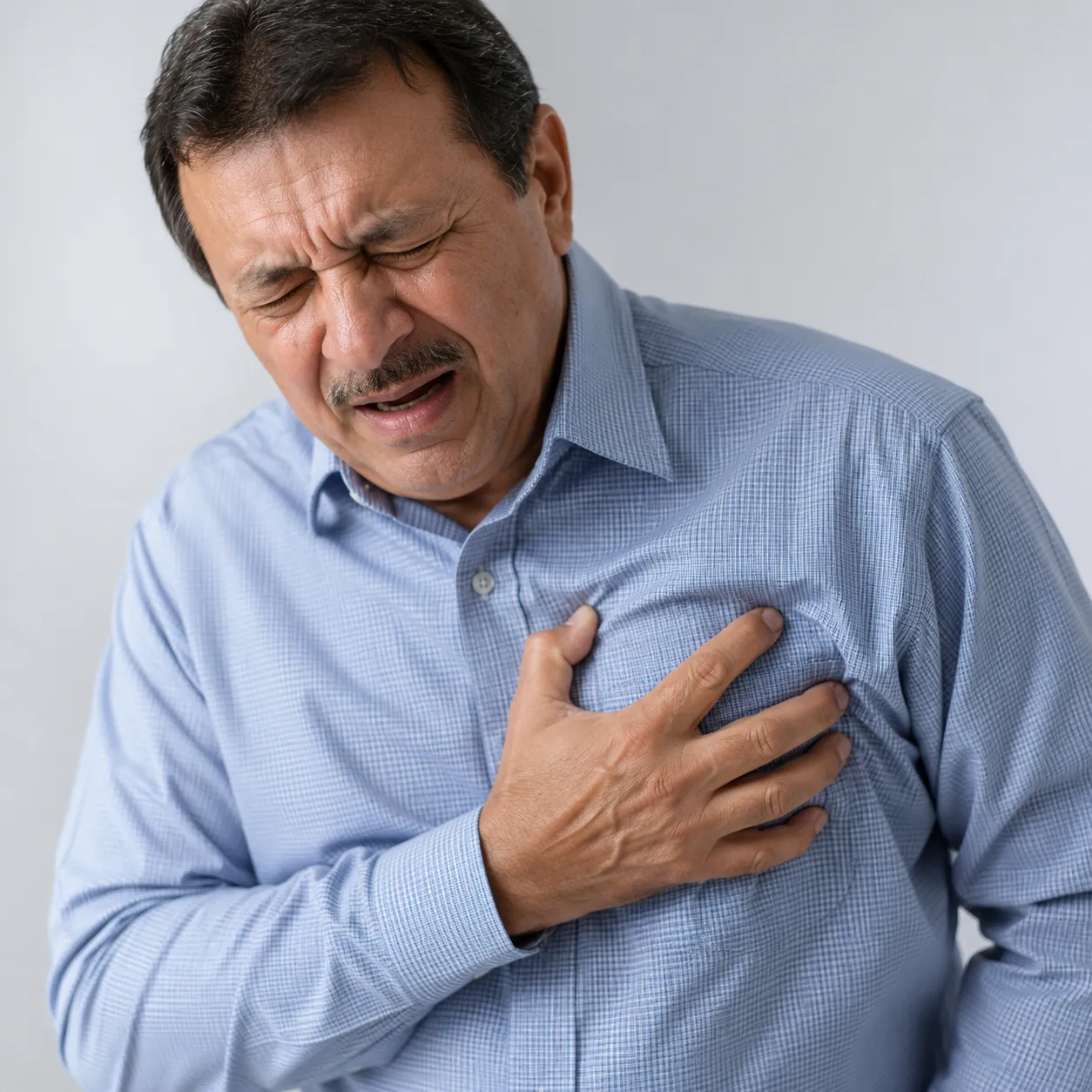
heart attackˈhɑːrt əˌtæk
a medical emergency in which blood flow to part of the heart is blocked, causing damage to the heart muscle.
shockʃɑːk
a life-threatening condition in which the body does not get enough blood flow, often causing pale skin, weakness, confusion, or low blood pressure.
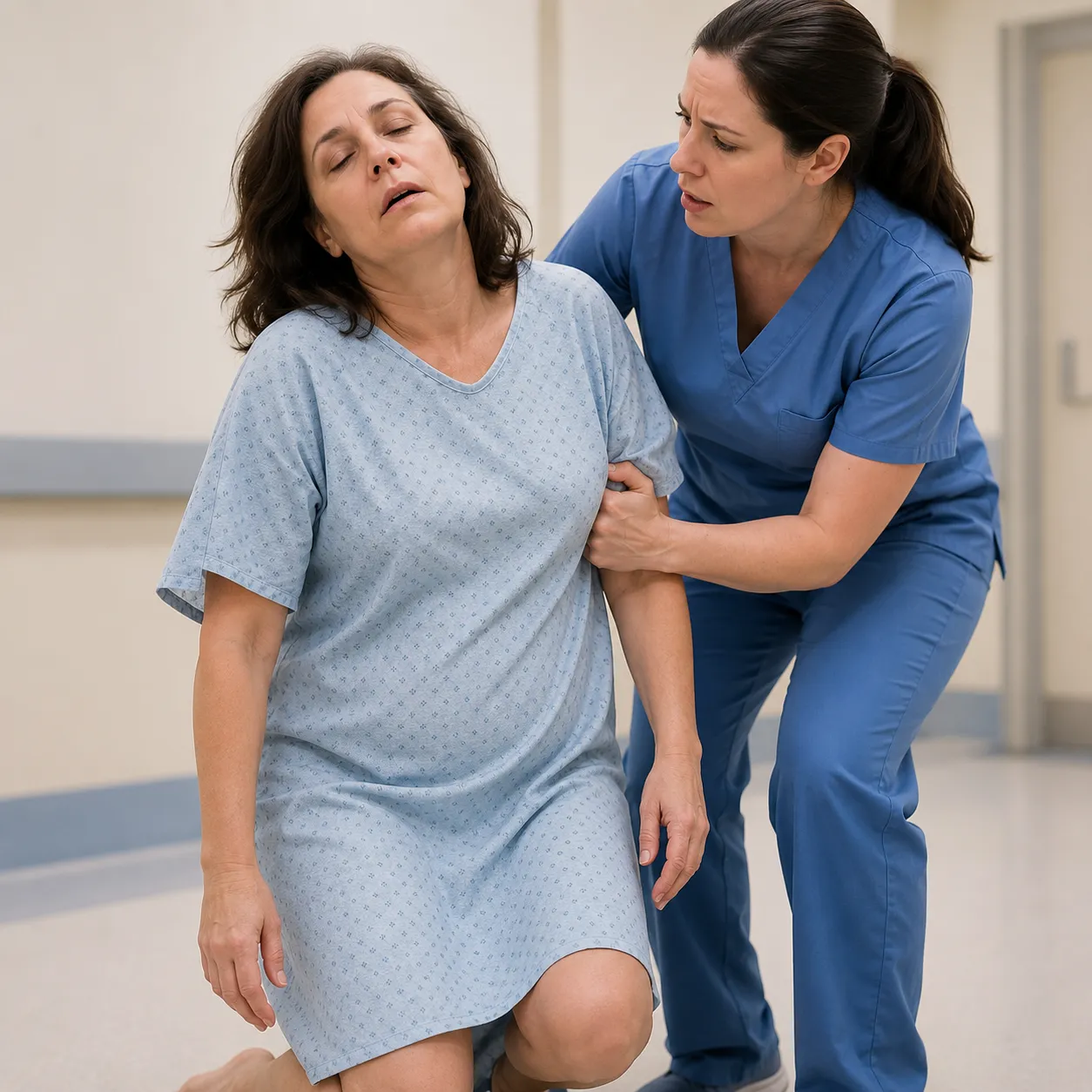
collapsekəˈlæps
a sudden loss of strength or consciousness that causes a person to fall or be unable to stand.

fallfɔːl
an accident in which someone drops down to the ground or a lower level.
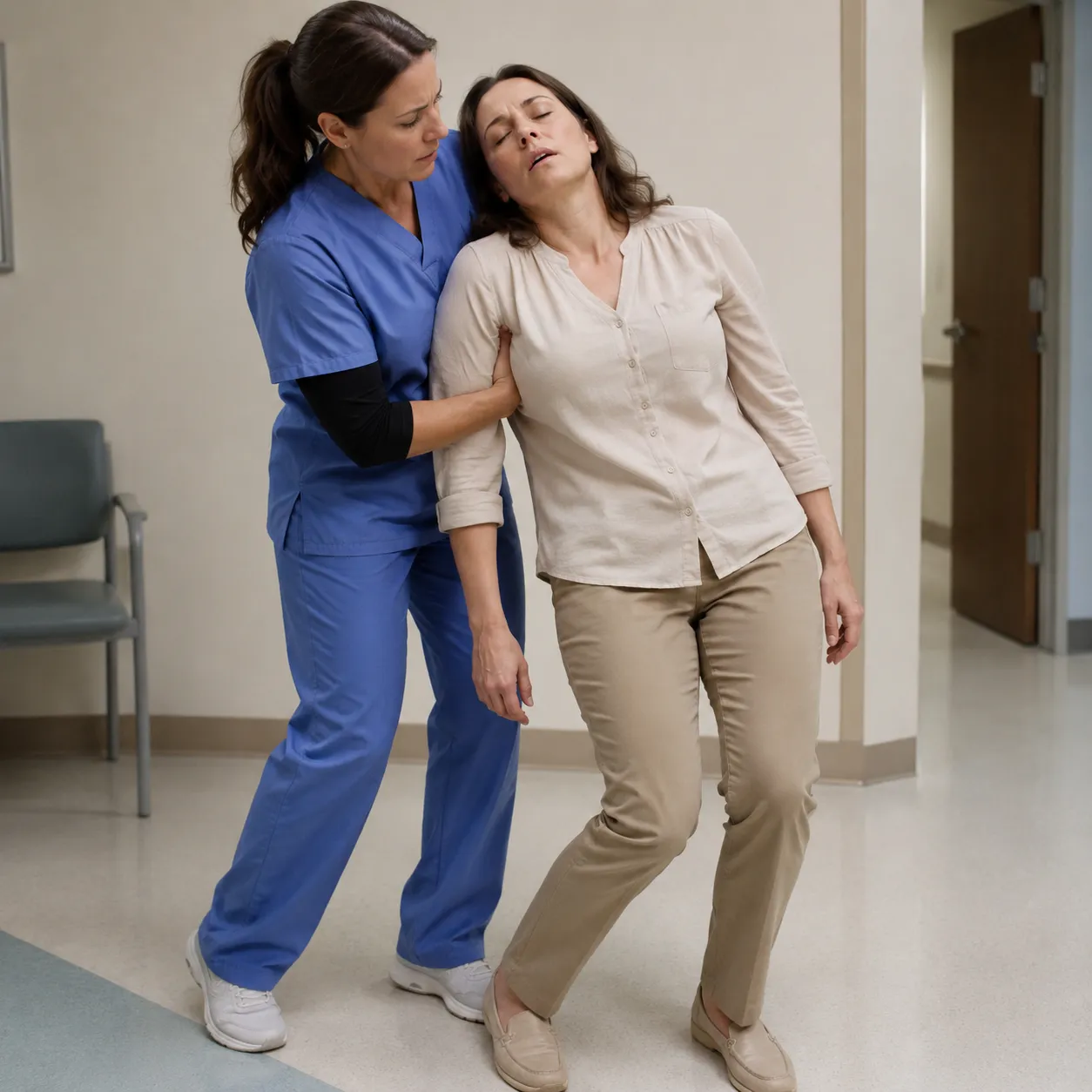
faintingˈfeɪntɪŋ
a brief loss of consciousness, usually caused by reduced blood flow to the brain.
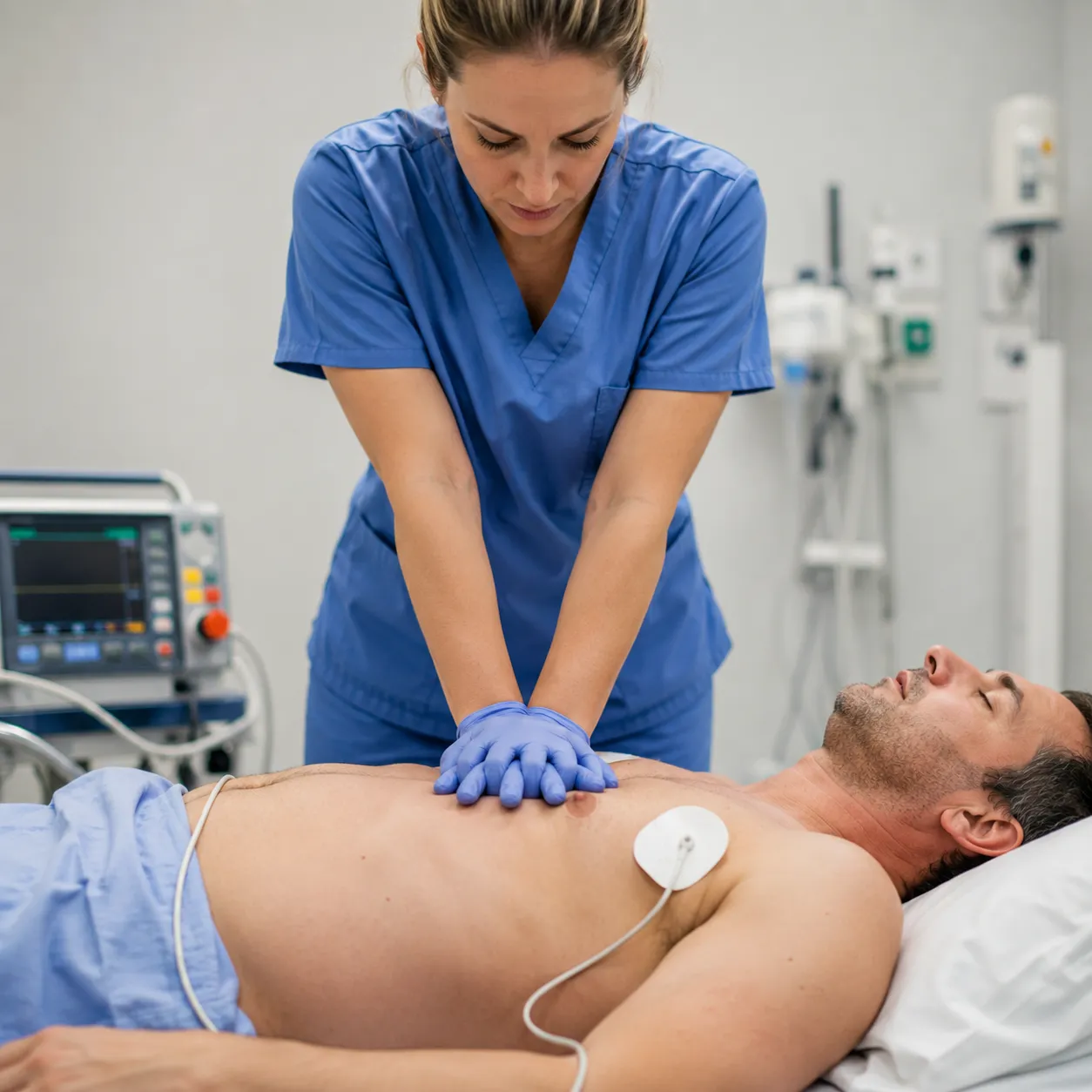
resuscitationrɪˌsʌsɪˈteɪʃən
emergency actions to try to bring back breathing or heartbeat in someone who has stopped breathing or whose heart has stopped.
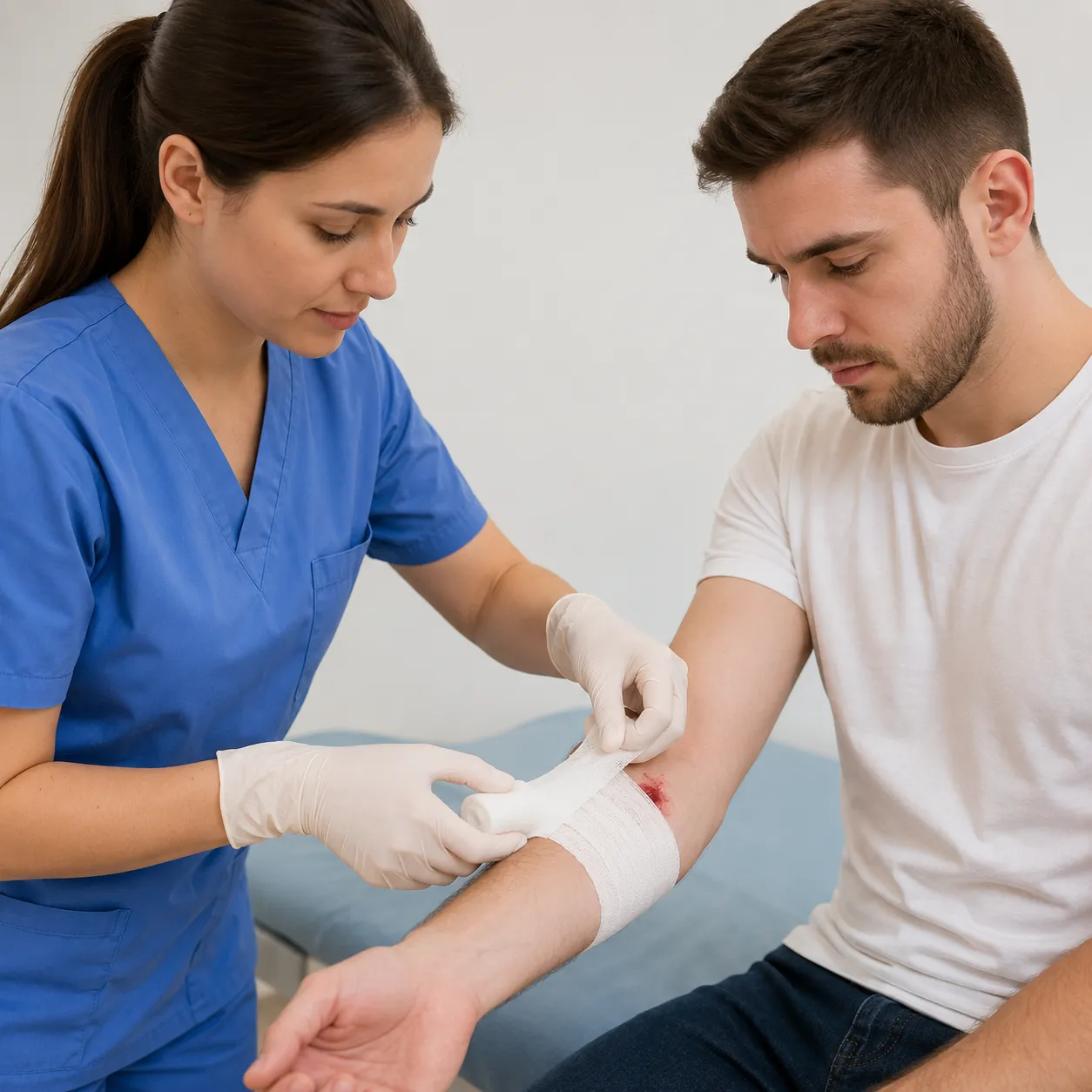
first aidˌfɜːrst ˈeɪd
basic medical help given immediately to someone who is injured or suddenly ill.
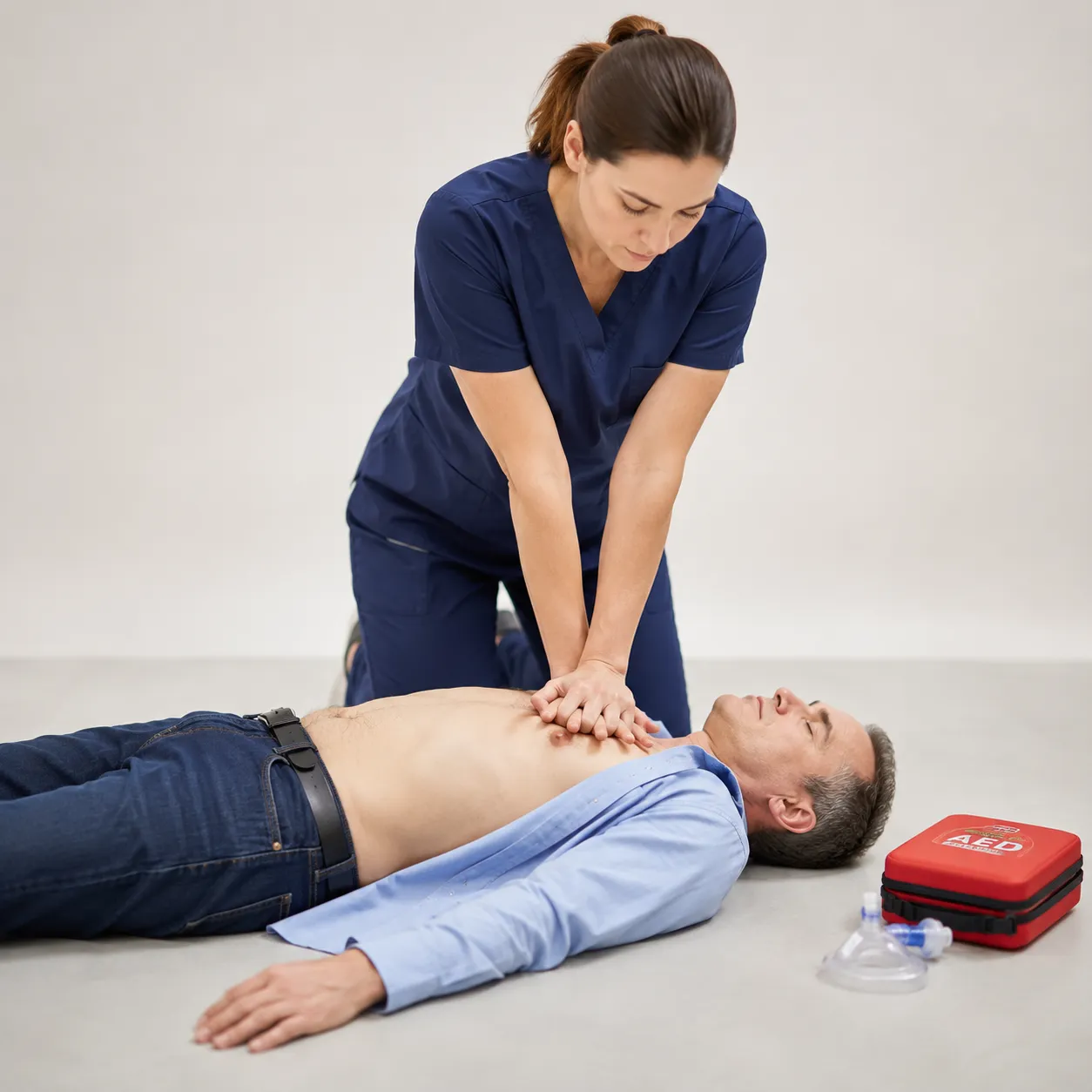
basic life supportˈbeɪsɪk laɪf səˈpɔːrt
emergency care, including CPR, used to keep a person breathing and their blood circulating until advanced help arrives.
CPRˌsiː piː ˈɑːr
an emergency method using chest compressions and rescue breaths to help someone whose heart or breathing has stopped.
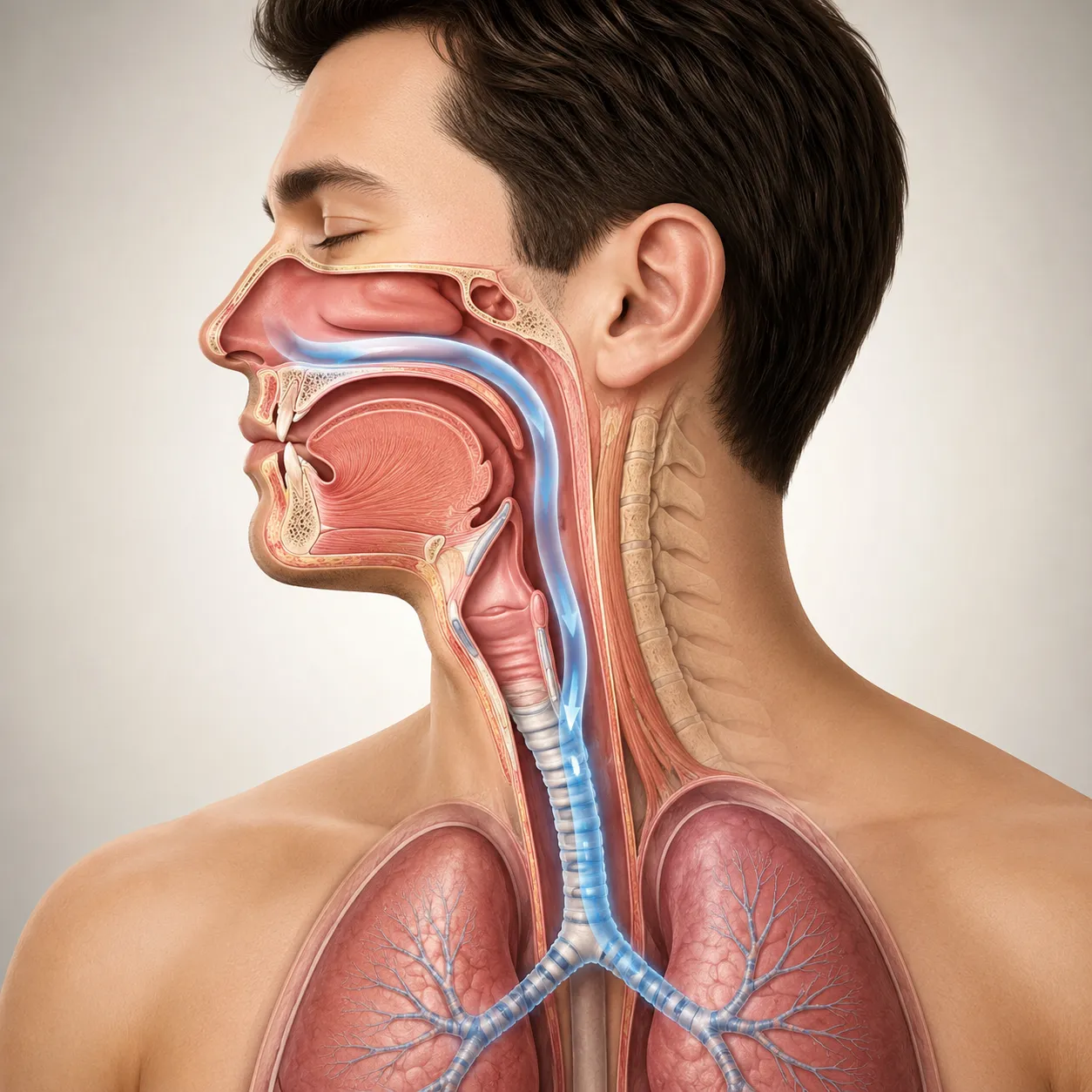
airwayˈeəweɪ
the passage through which air moves from the mouth or nose to the lungs.
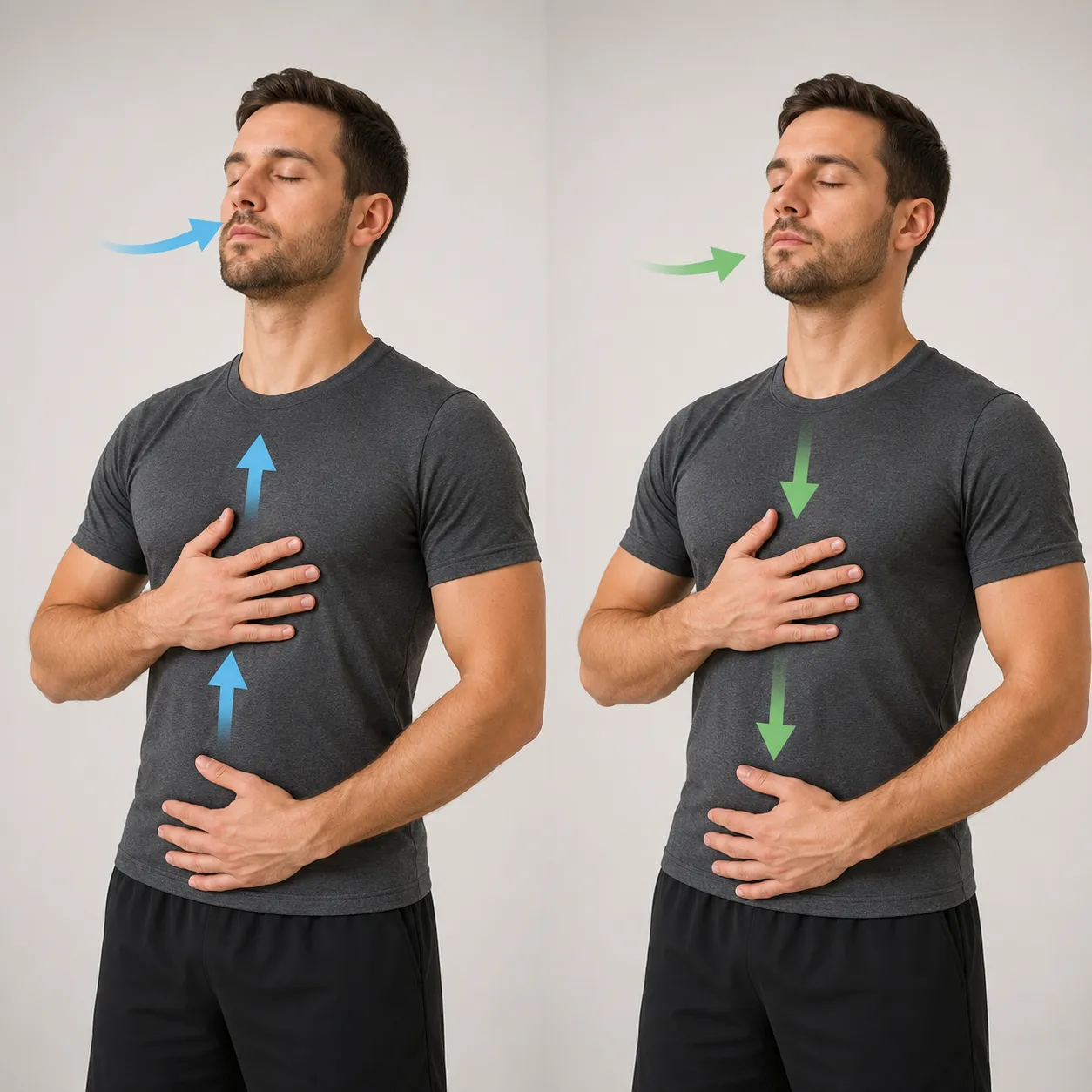
breathingˈbriːðɪŋ
the act of taking air into the lungs and letting it out again.
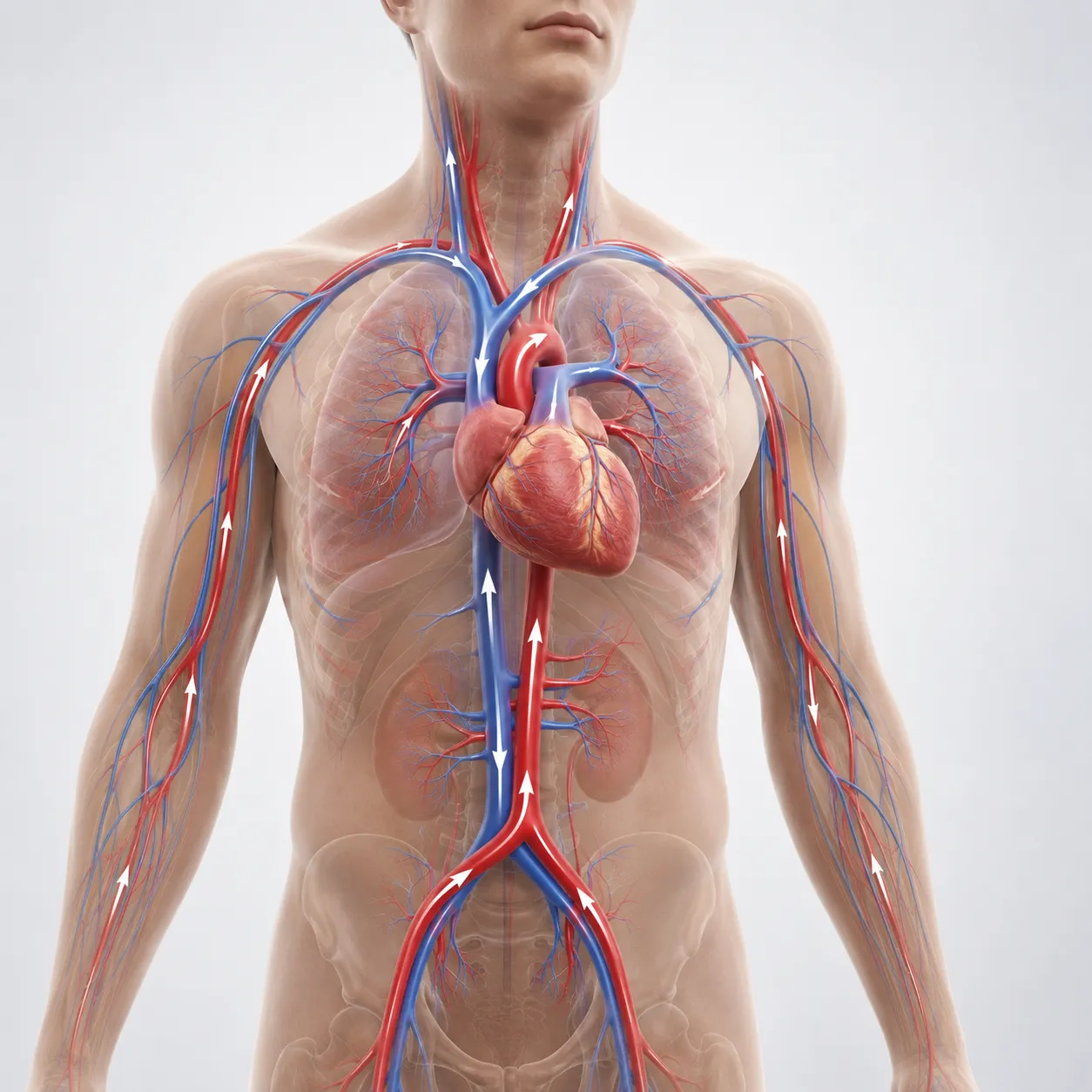
circulationˌsɜːrkjəˈleɪʃən
the movement of blood around the body through the heart and blood vessels.
recovery positionrɪˈkʌvəri pəˈzɪʃən
a safe position on the side used for an unconscious person who is breathing.
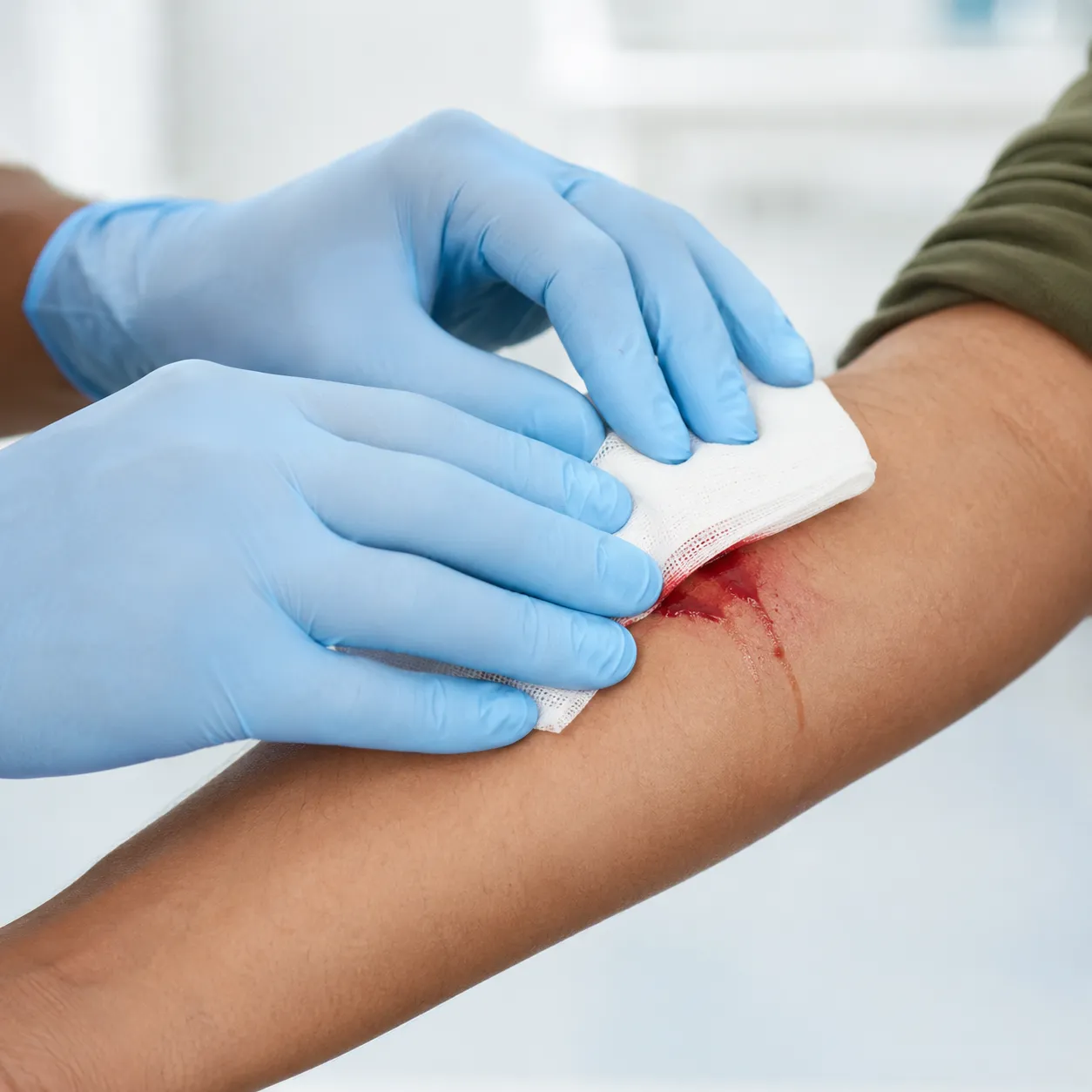
control bleedingkənˈtroʊl ˈbliːdɪŋ
to manage bleeding so that blood loss is reduced and does not get worse.
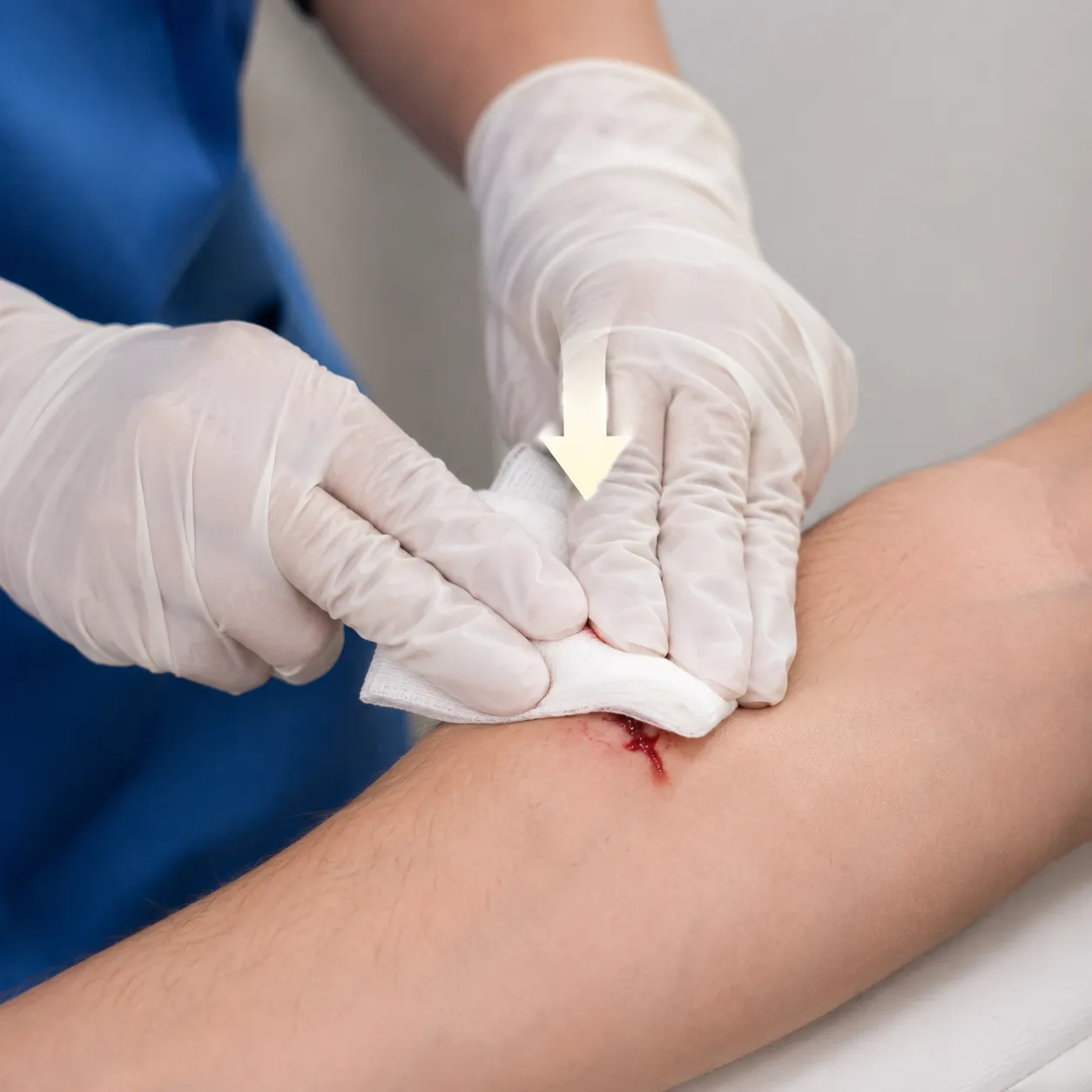
stop bleedingstɑːp ˈbliːdɪŋ
to make blood stop coming out of a wound or blood vessel.
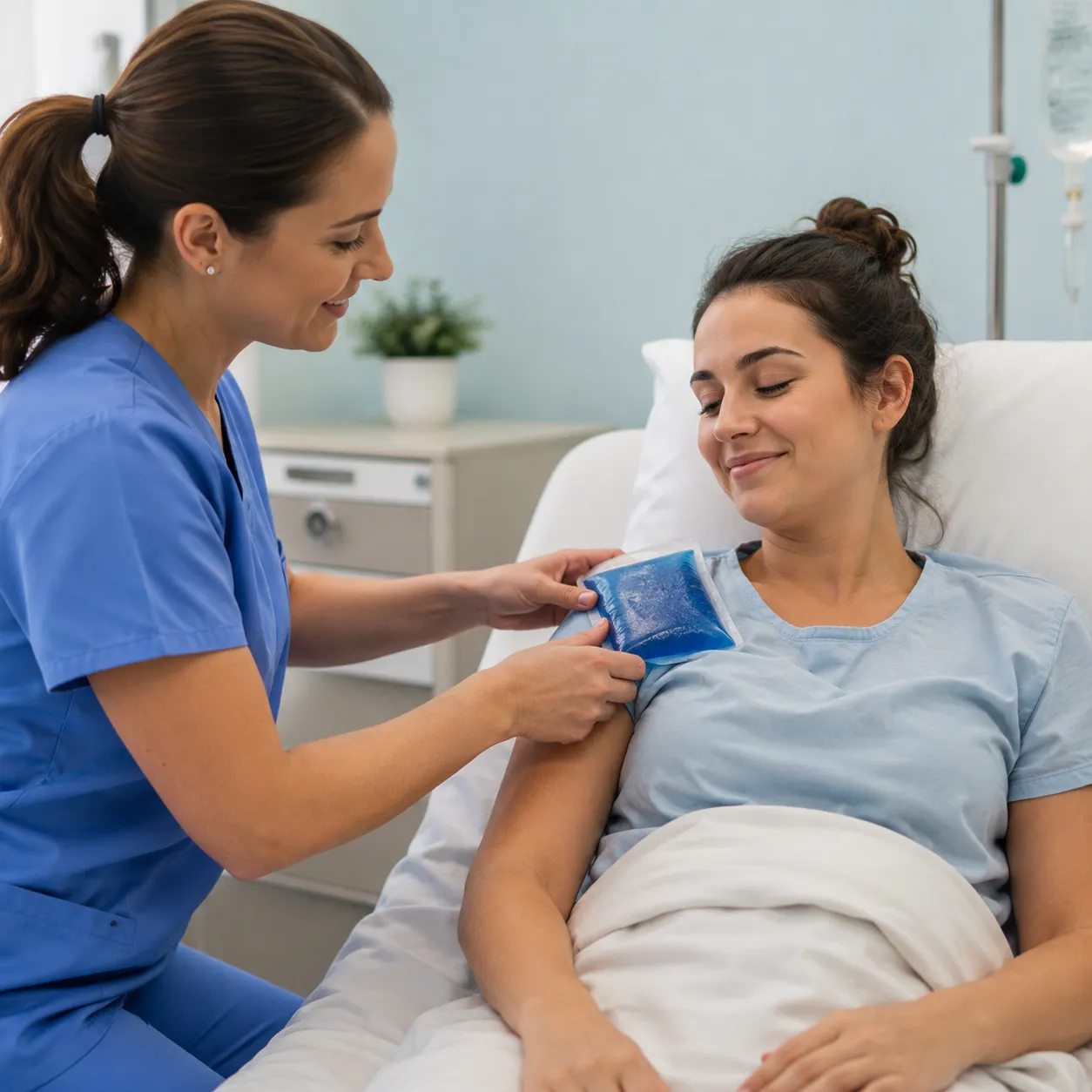
relieve painrɪˈliːv peɪn
to make pain less strong or go away.
reduce swellingrɪˈduːs ˈswelɪŋ
to make a swollen body part become smaller or less puffy.
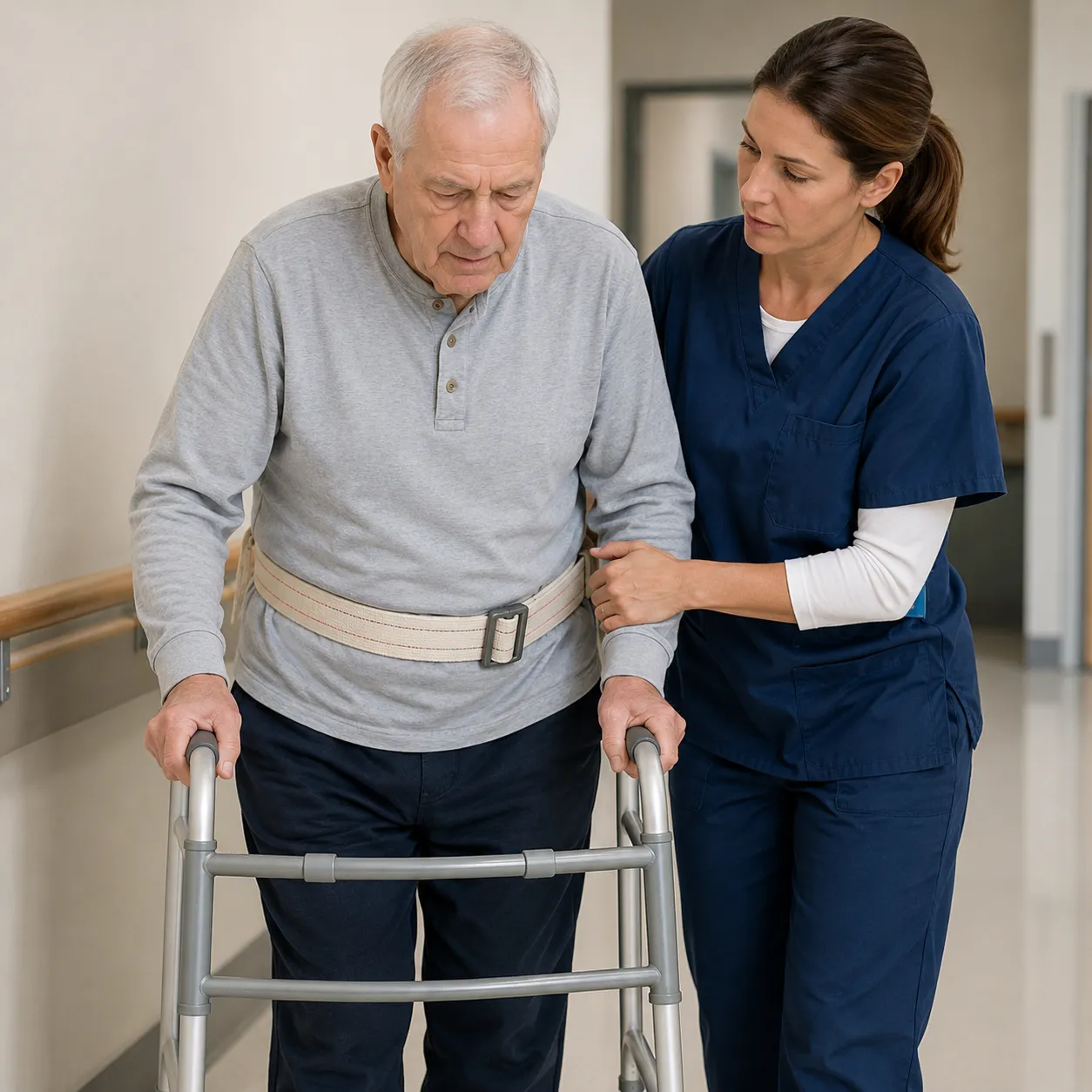
prevent fallsprɪˈvent fɔːlz
to take actions that stop a patient from falling.
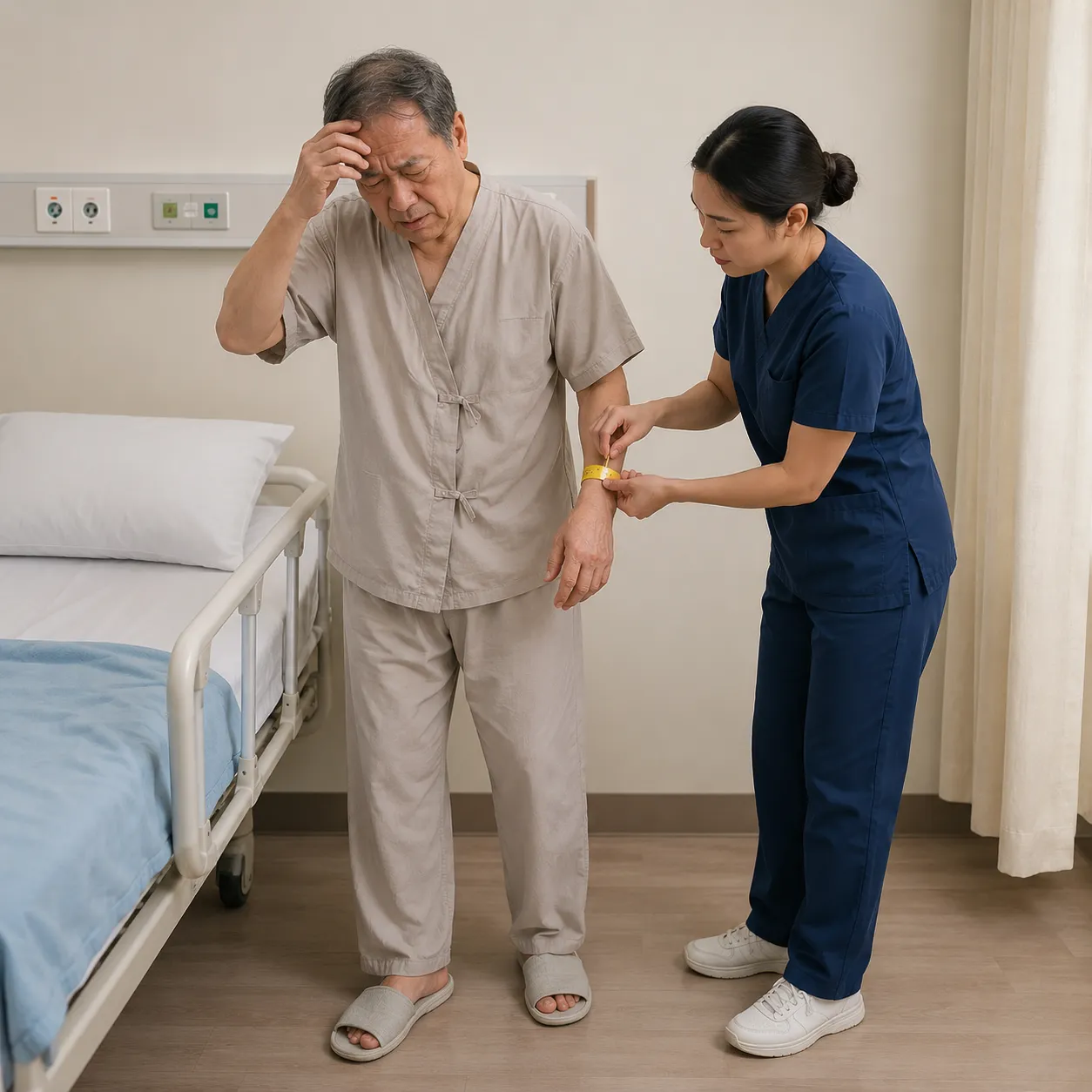
fall riskfɔːl rɪsk
the chance that a patient may fall and be injured.
Stages and types of care from admission and treatment to follow-up and discharge.

admissionədˈmɪʃən
the process of formally accepting a patient into a hospital for care.
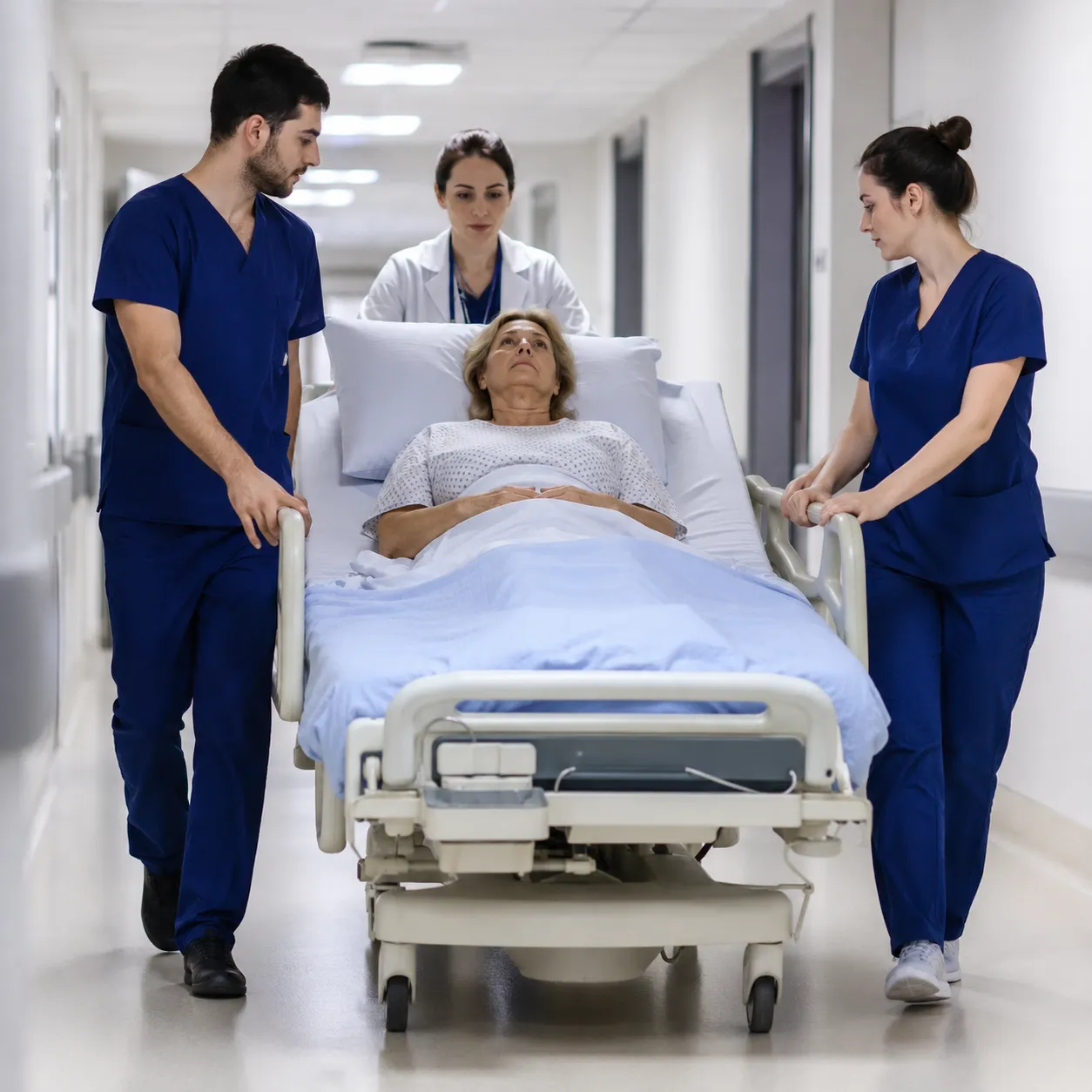
transferˈtrænsfɜːr
the movement of a patient from one place, ward, or hospital to another.

referralrɪˈfɜːrəl
the act of sending a patient to another doctor or service for specialist care.

follow-upˈfɑːloʊ ˌʌp
a later check or appointment to see how a patient is progressing after treatment.

appointmentəˈpɔɪntmənt
an arrangement to meet someone at a particular time, especially a professional such as a doctor

consultationˌkɒnsəlˈteɪʃən
a meeting with a doctor or specialist to discuss symptoms, diagnosis, or treatment.
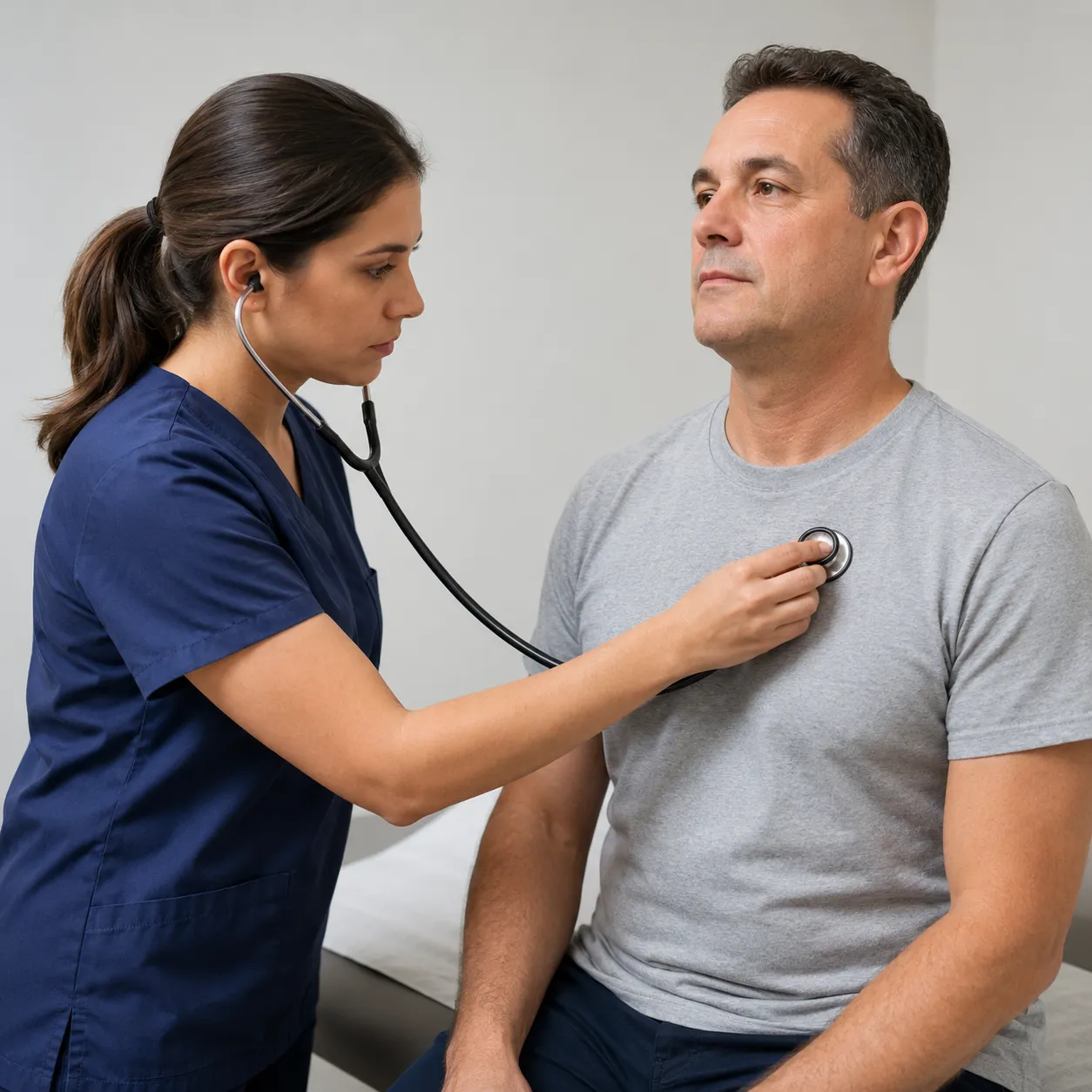
examinationɪɡˌzæmɪˈneɪʃən
a careful check of a patient's body to look for signs of illness or injury.
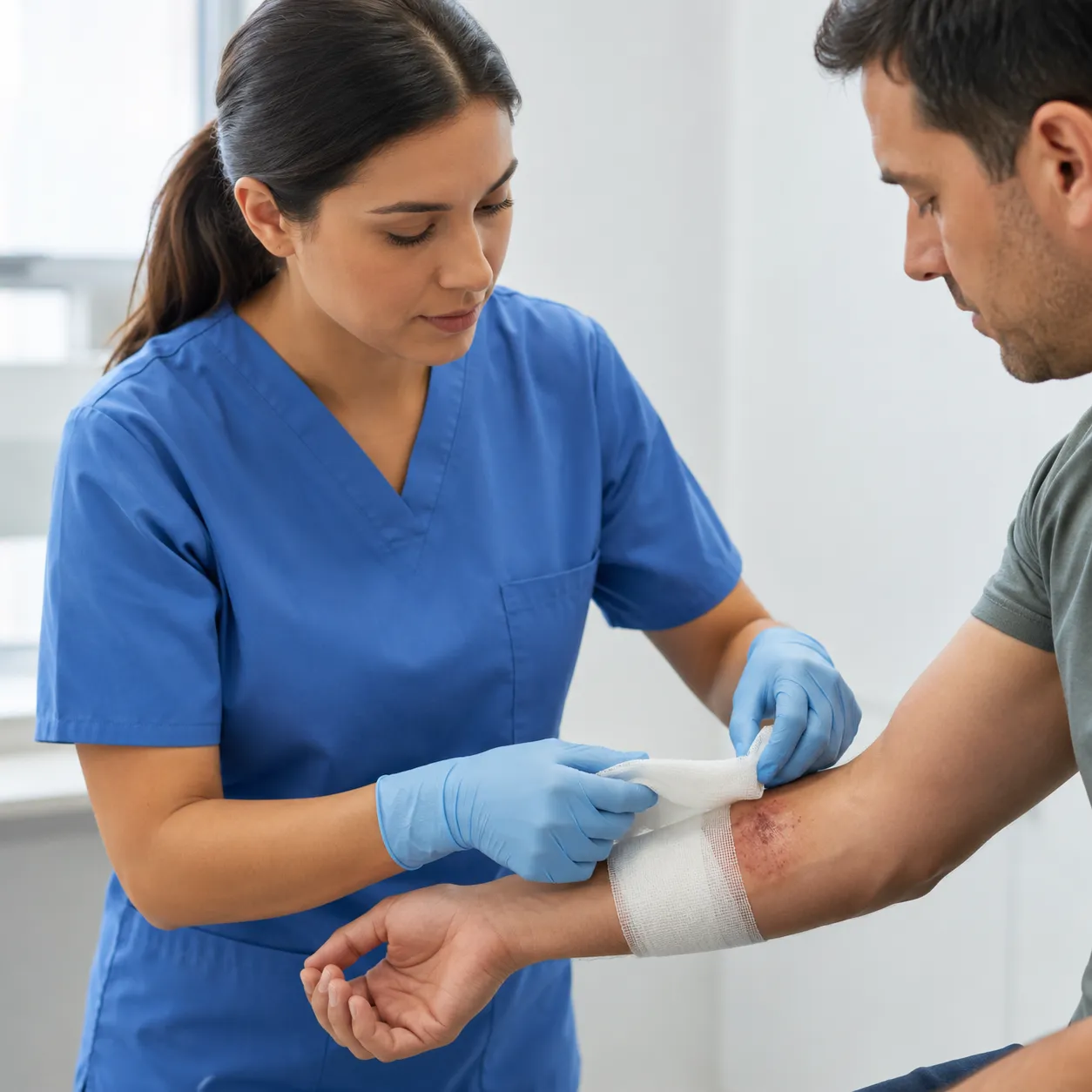
treatmentˈtriːtmənt
medical care given to cure, control, or relieve an illness or injury.
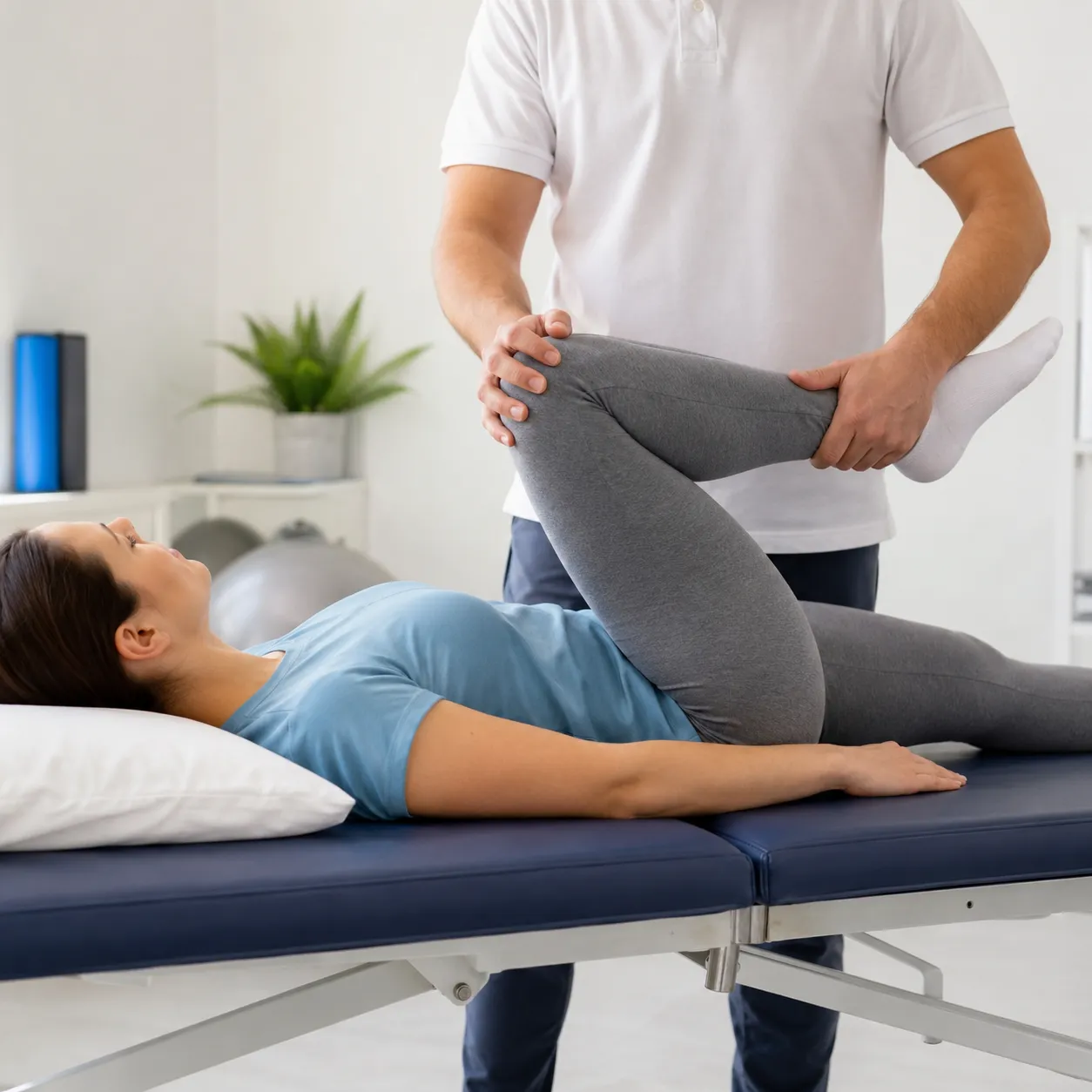
therapyˈθerəpi
treatment used to improve a health problem, often over a period of time.
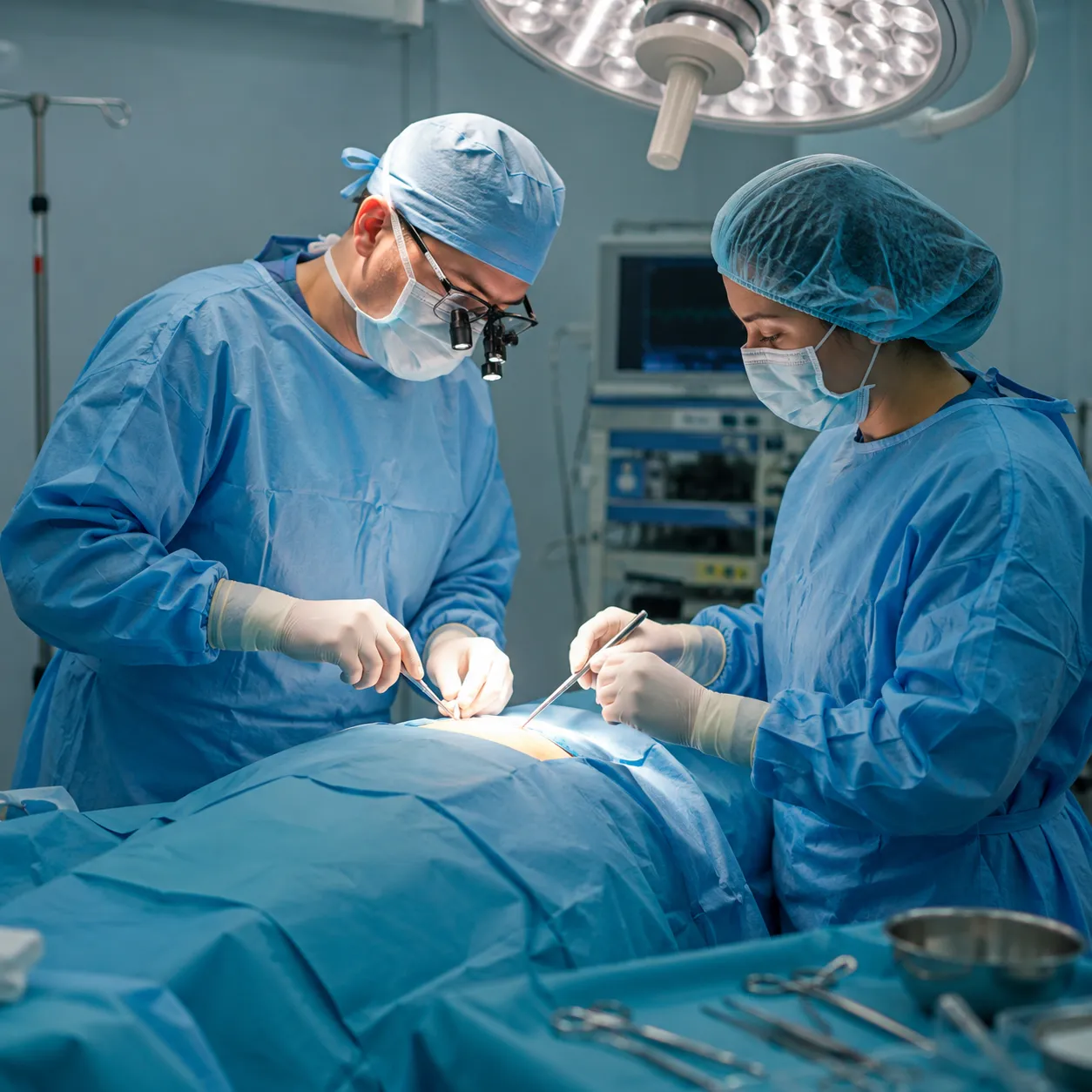
operationˌɒpəˈreɪʃən
a medical procedure in which a doctor cuts into the body to repair, remove, or replace something.
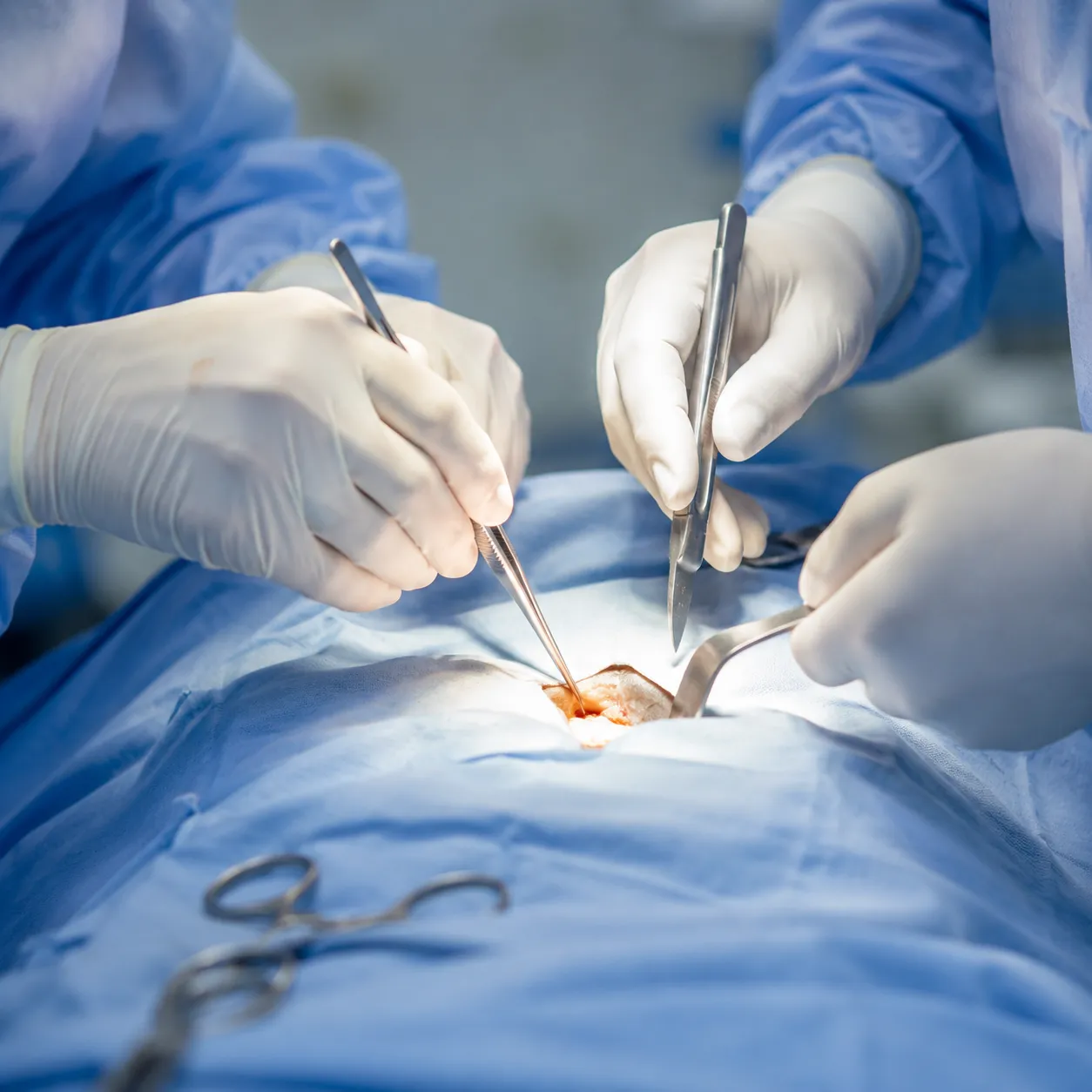
surgeryˈsɜːrdʒəri
medical treatment that involves cutting into the body to repair, remove, or replace something.

end-of-life careˌɛnd əv ˈlaɪf kɛr
care for a person who is near death, focused on comfort, dignity, and support.
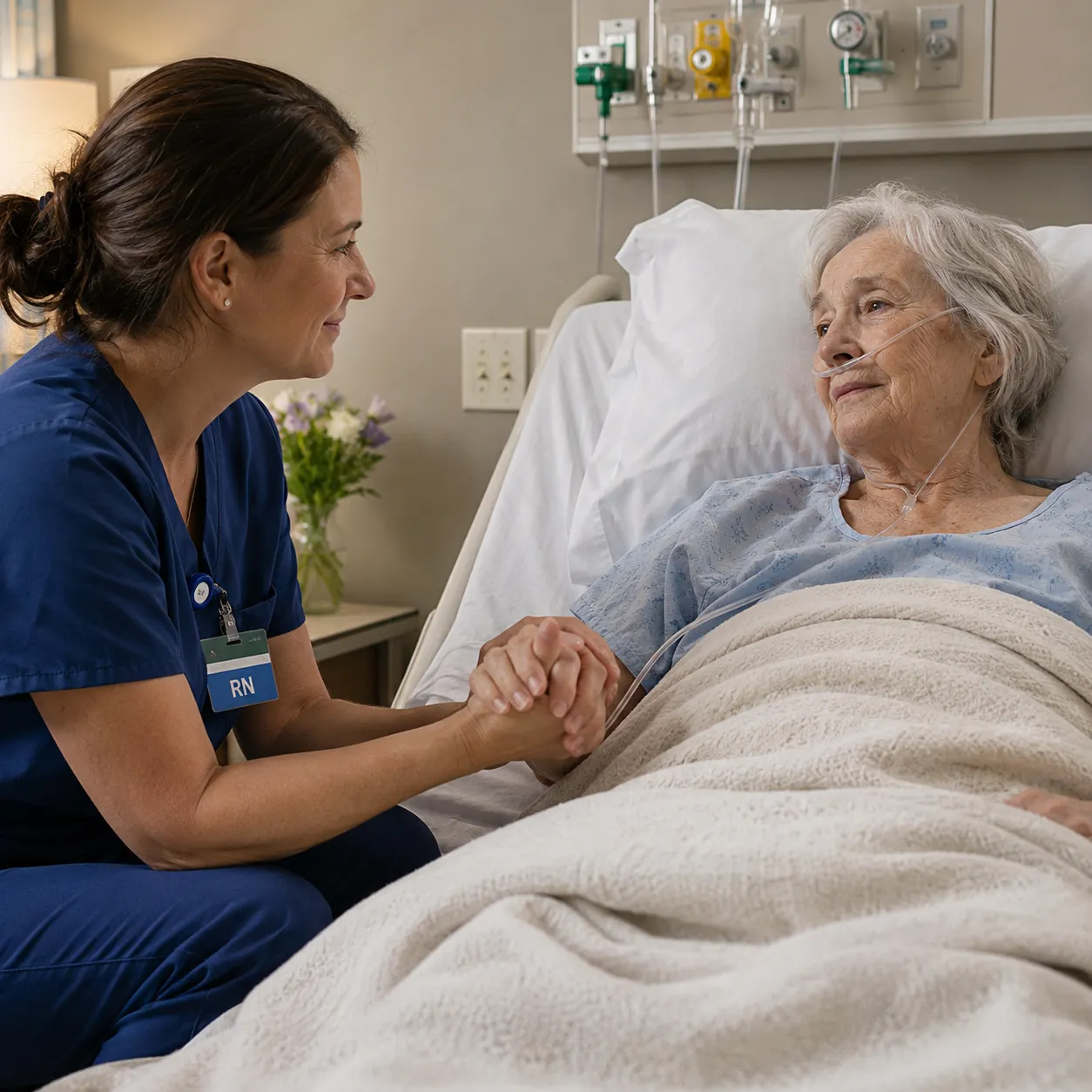
palliative careˈpæliətɪv kɛr
care that relieves pain and symptoms of a serious illness and improves quality of life.
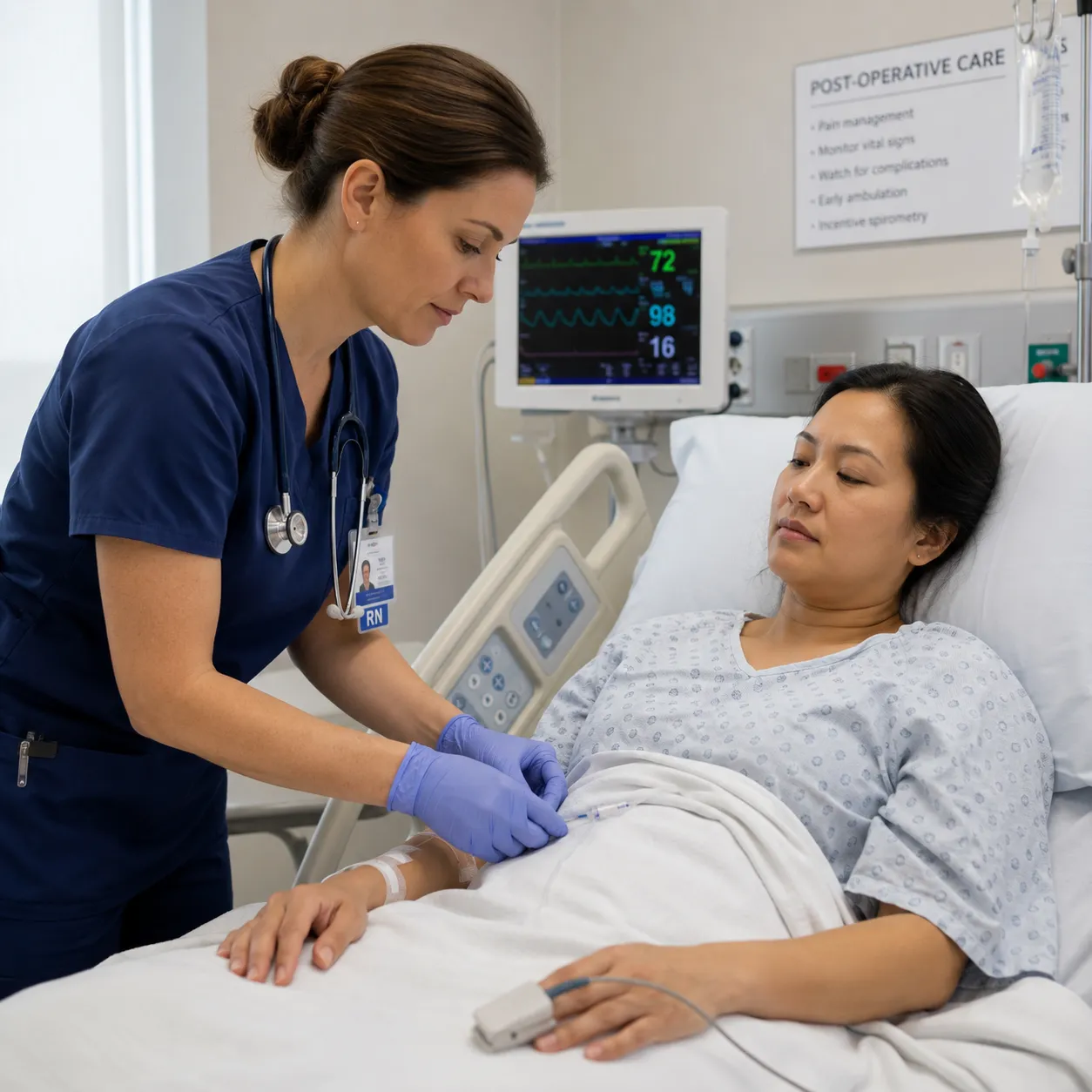
postoperative careˌpoʊstˈɑːpərətɪv kɛr
care given to a patient after surgery to support recovery and watch for complications.

preoperative careˌpriːˈɑːpərətɪv kɛr
care given to a patient before surgery to prepare them safely for the operation.

mental health careˈmɛntəl hɛlθ kɛr
care that supports a person’s emotional, psychological, or psychiatric health.
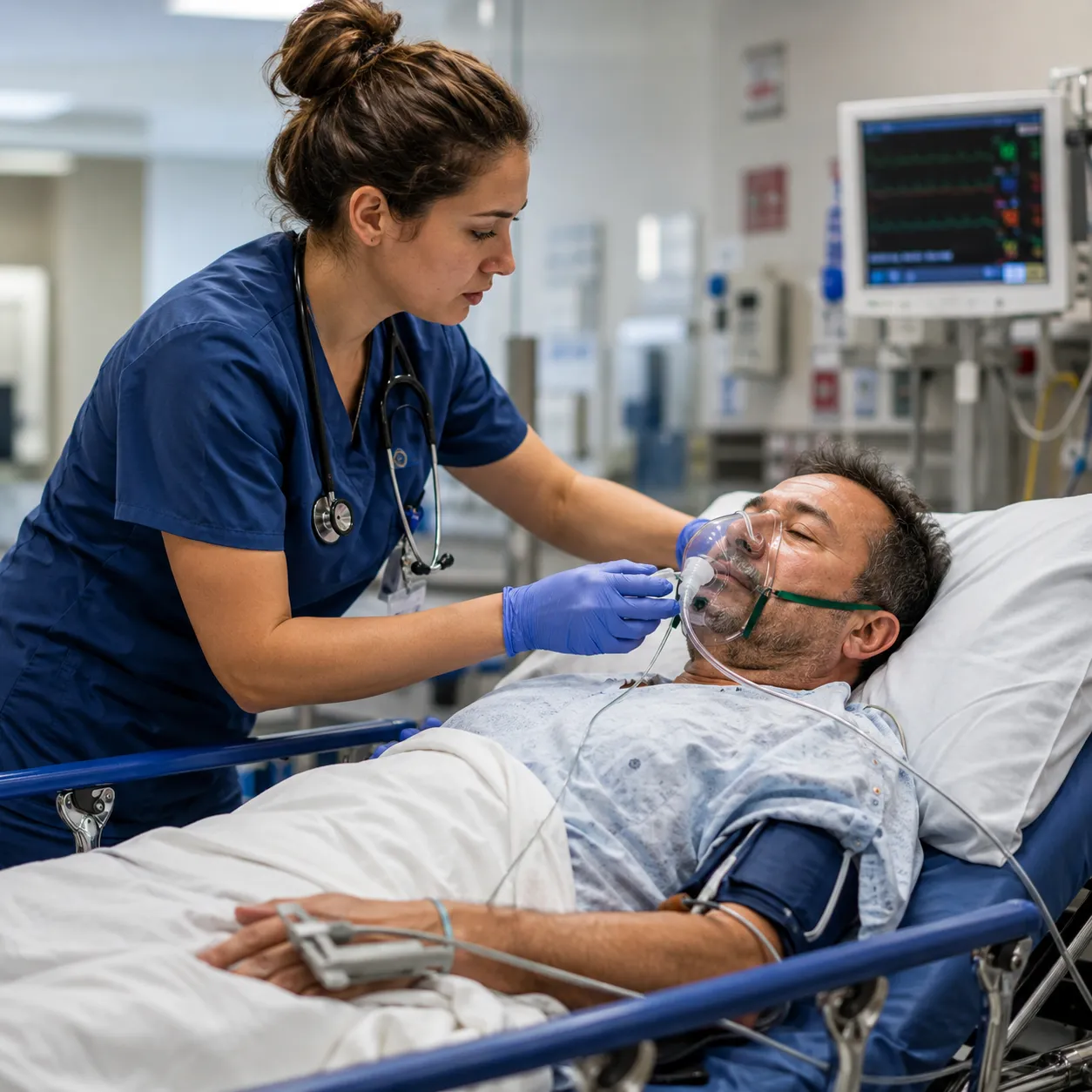
emergency careɪˈmɜːrdʒənsi kɛr
urgent medical care given for a sudden serious illness or injury.

primary careˈpraɪˌmɛri kɛr
general first-contact health care, usually provided by a family doctor or clinic.
long-term careˌlɔːŋ tɜːrm kɛr
ongoing help and health support for people who cannot fully care for themselves over a long period.
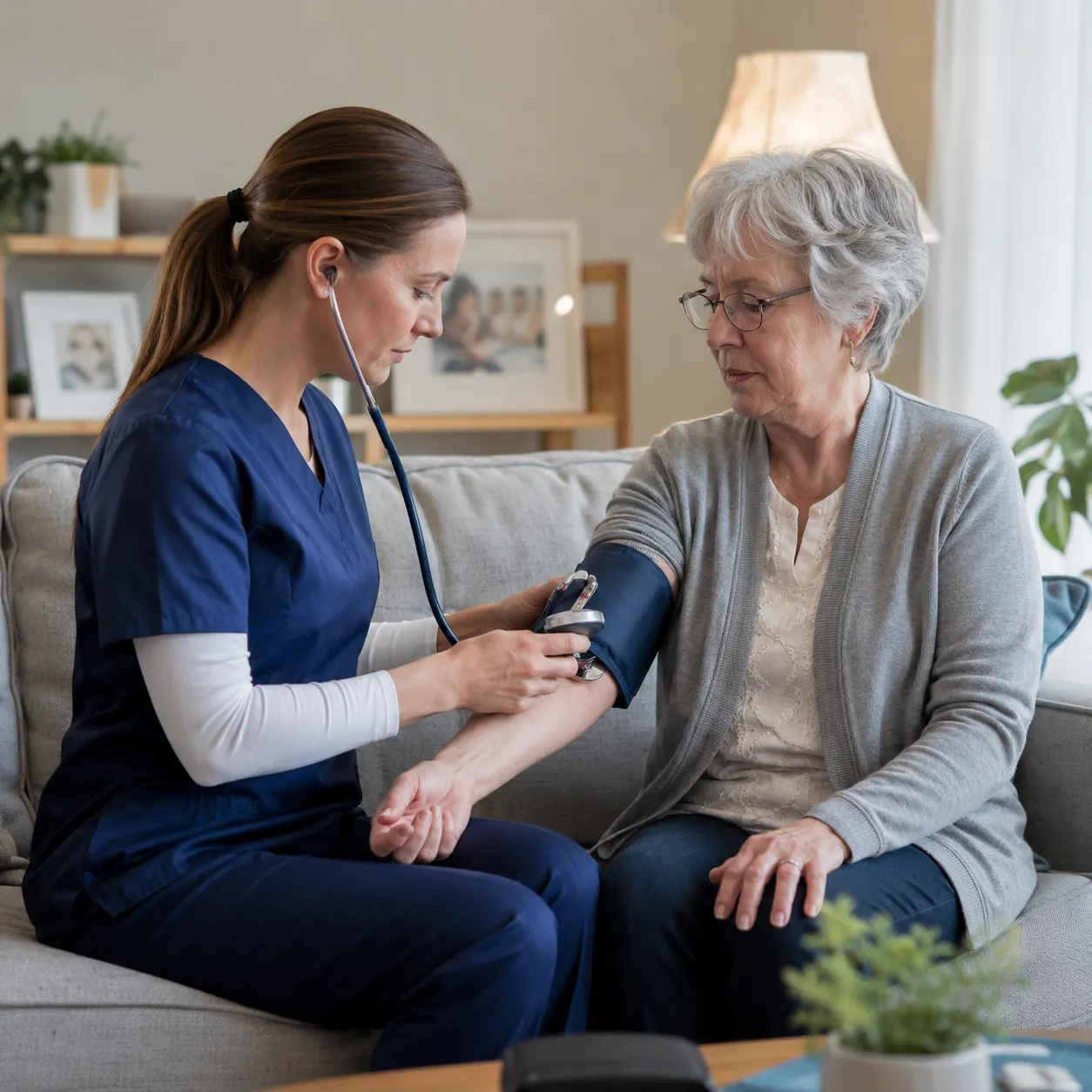
home carehoʊm kɛr
health or personal care provided to a person in their own home.

care pathwaykɛr ˈpæθweɪ
a planned series of steps and services a patient follows during treatment or care.
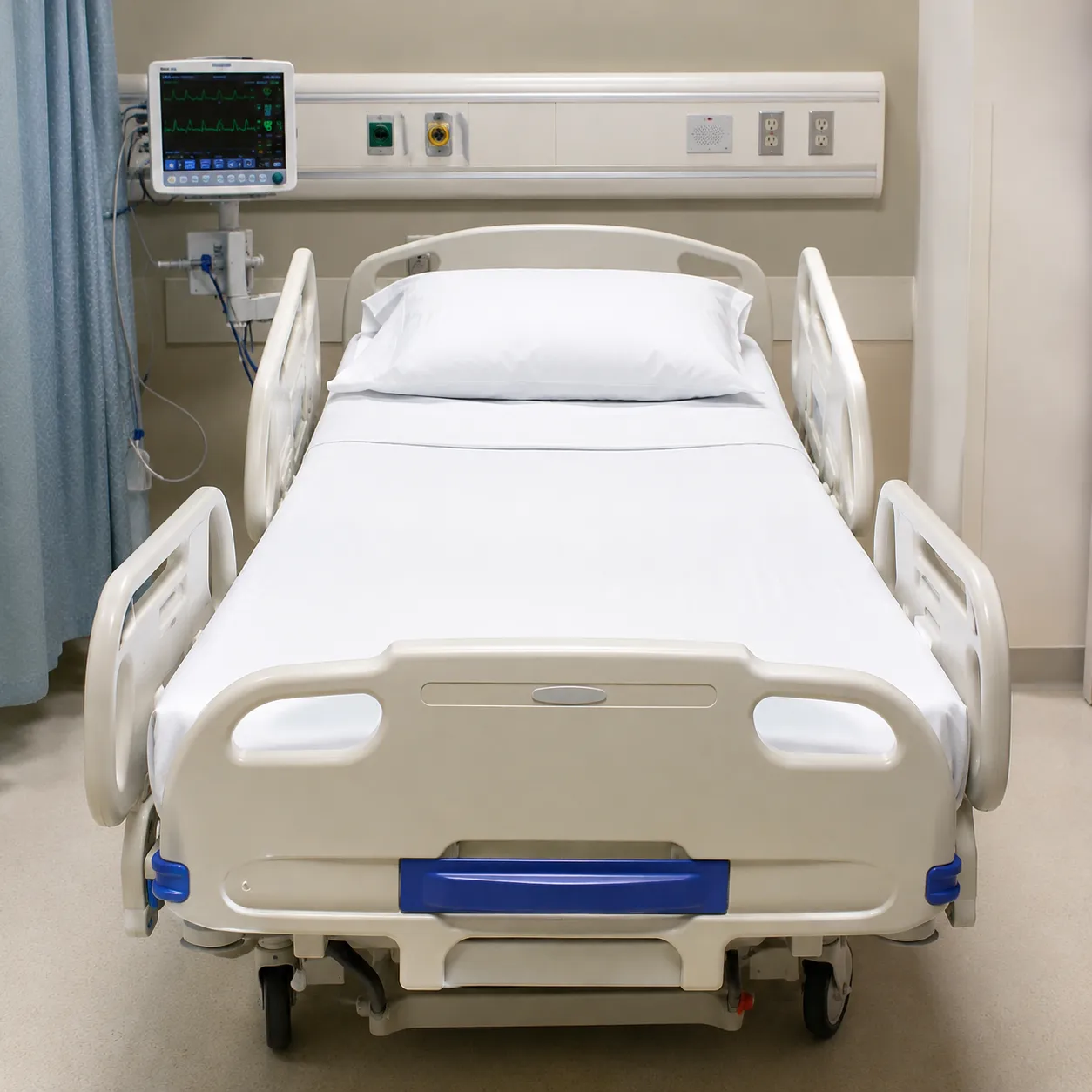
available bedəˈveɪləbəl bed
a hospital bed that is free and ready for a patient to use.
bed occupancybed ˈɒkjəpənsi
the number or percentage of hospital beds that are being used by patients.

patient flowˈpeɪʃənt fləʊ
the movement of patients through hospital services from admission to discharge.
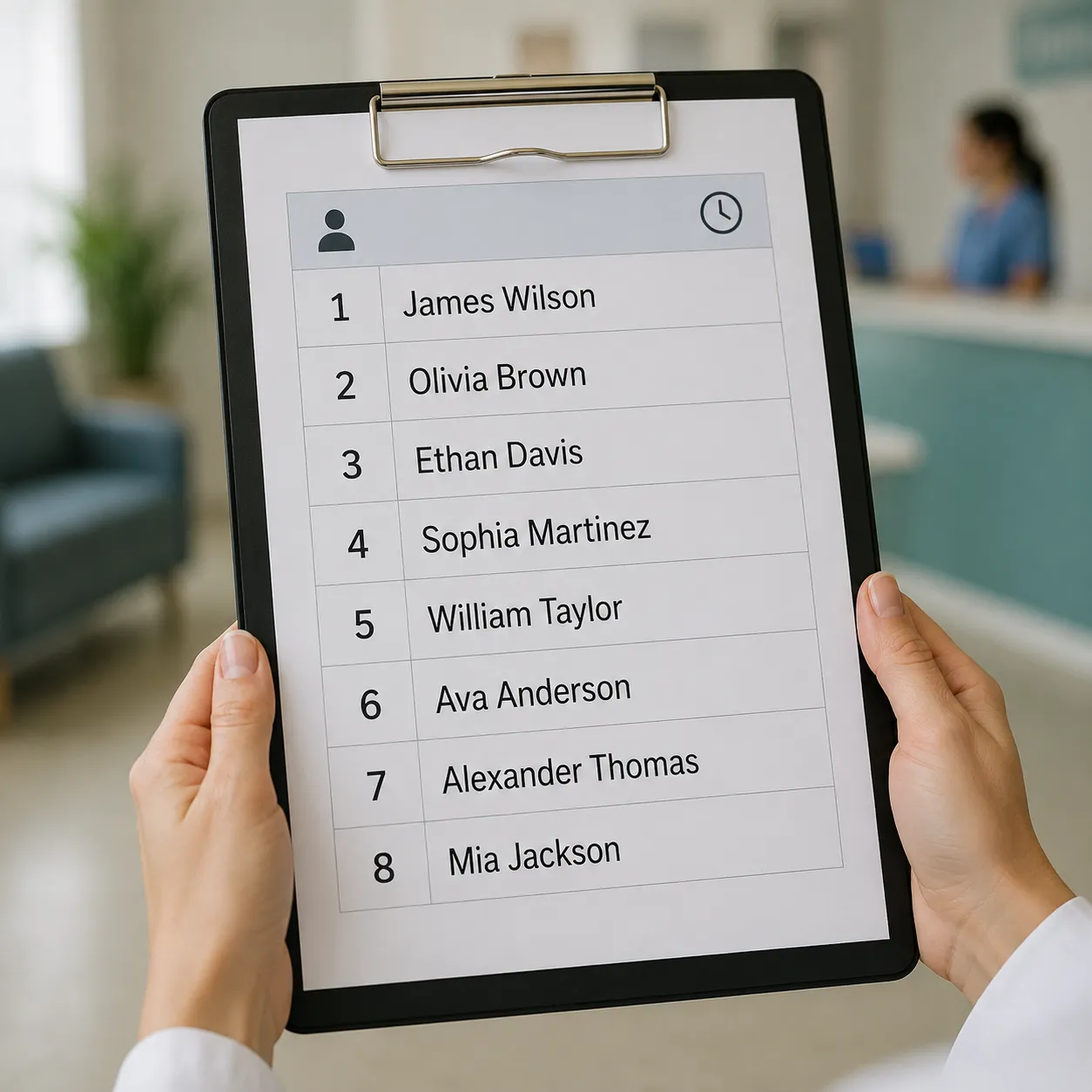
waiting listˈweɪtɪŋ lɪst
a list of people who must wait before they can receive treatment, an appointment, or a service.
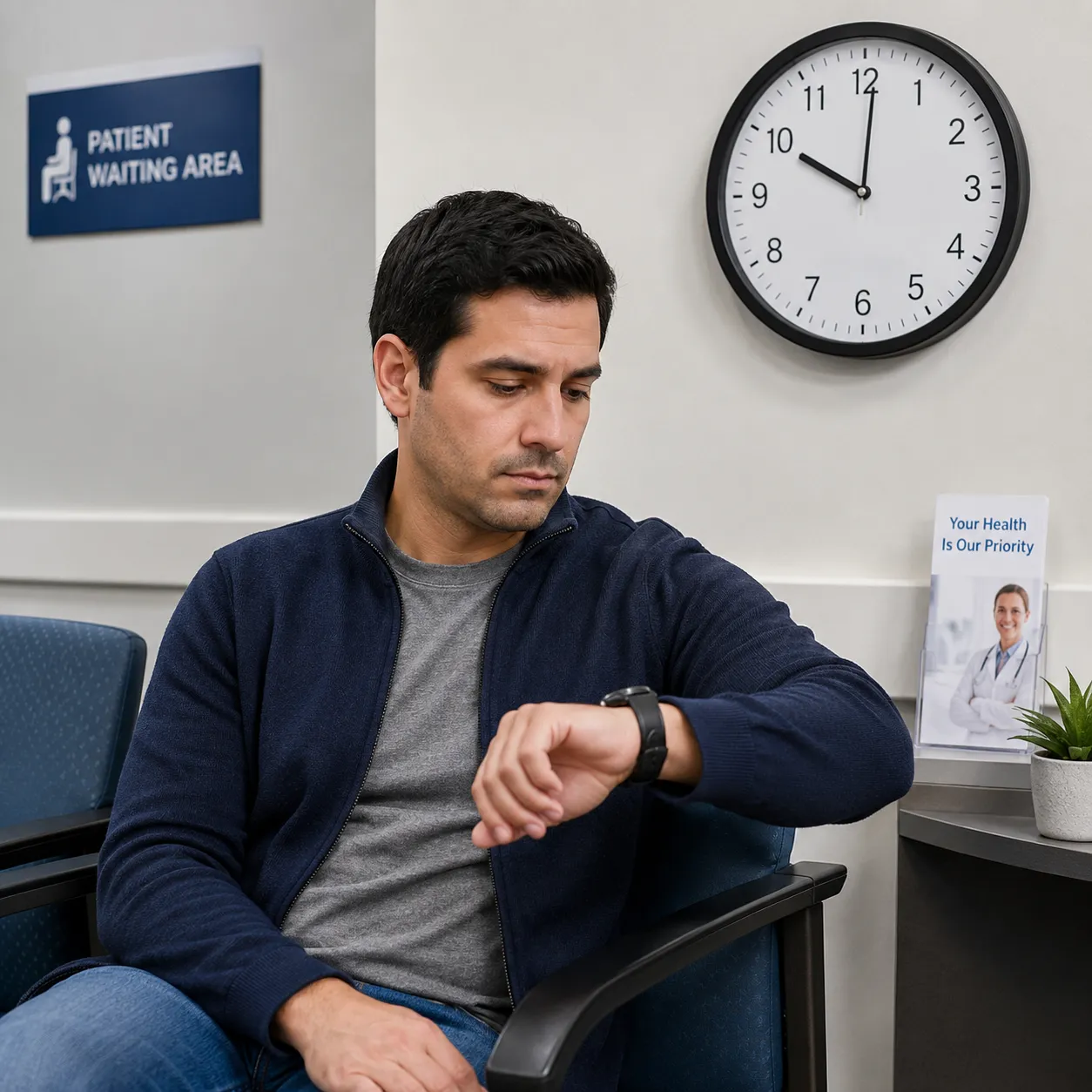
waiting timeˈweɪtɪŋ taɪm
the amount of time a customer waits before being seated, served, or helped.
Core verbs for assessing, treating, documenting and supporting patients.

admitədˈmɪt
to officially allow a patient to stay in a hospital for examination or treatment.

dischargedɪsˈtʃɑːrdʒ
to officially allow a patient to leave a hospital or medical service after care.
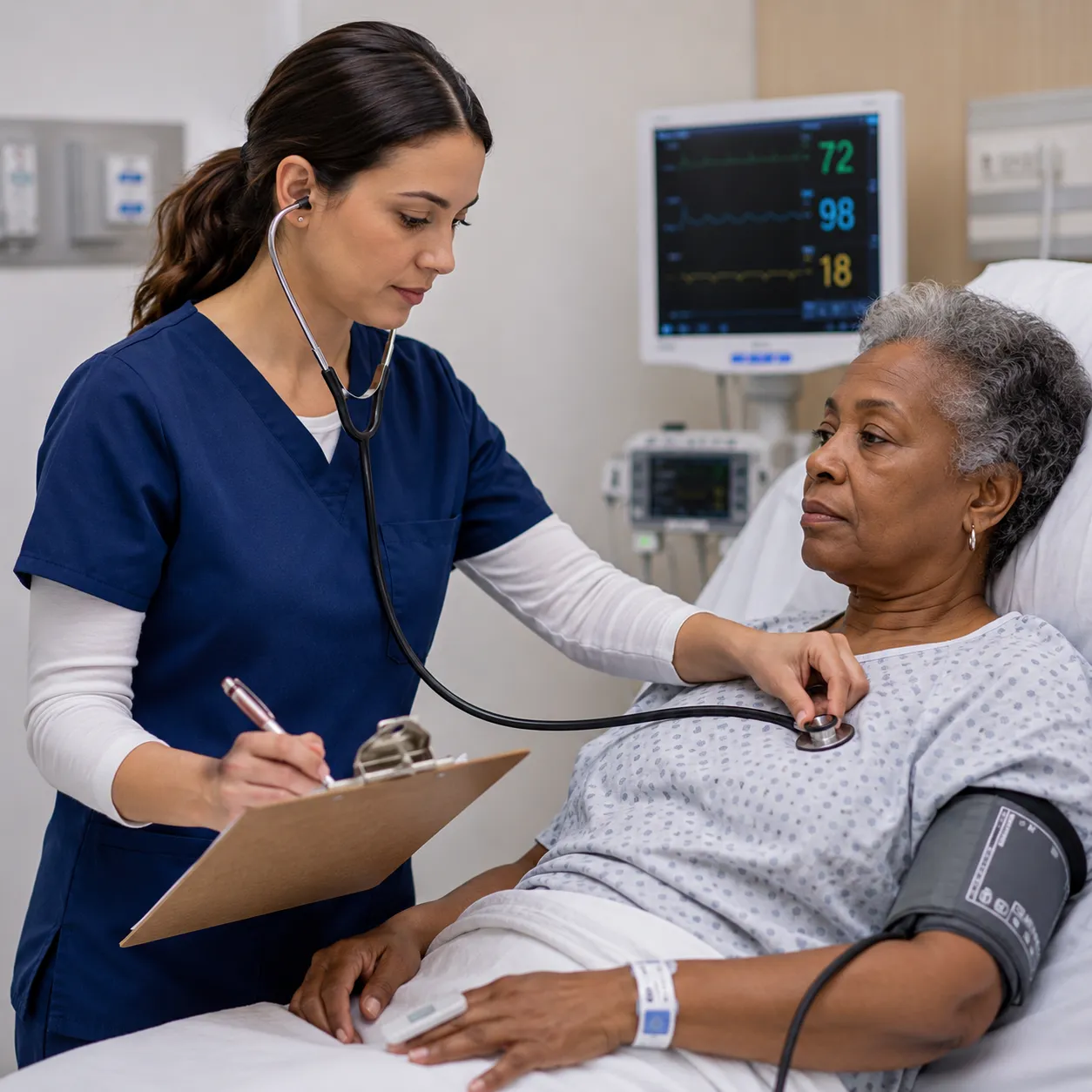
assessəˈses
to carefully judge a patient's condition, needs, or risks.
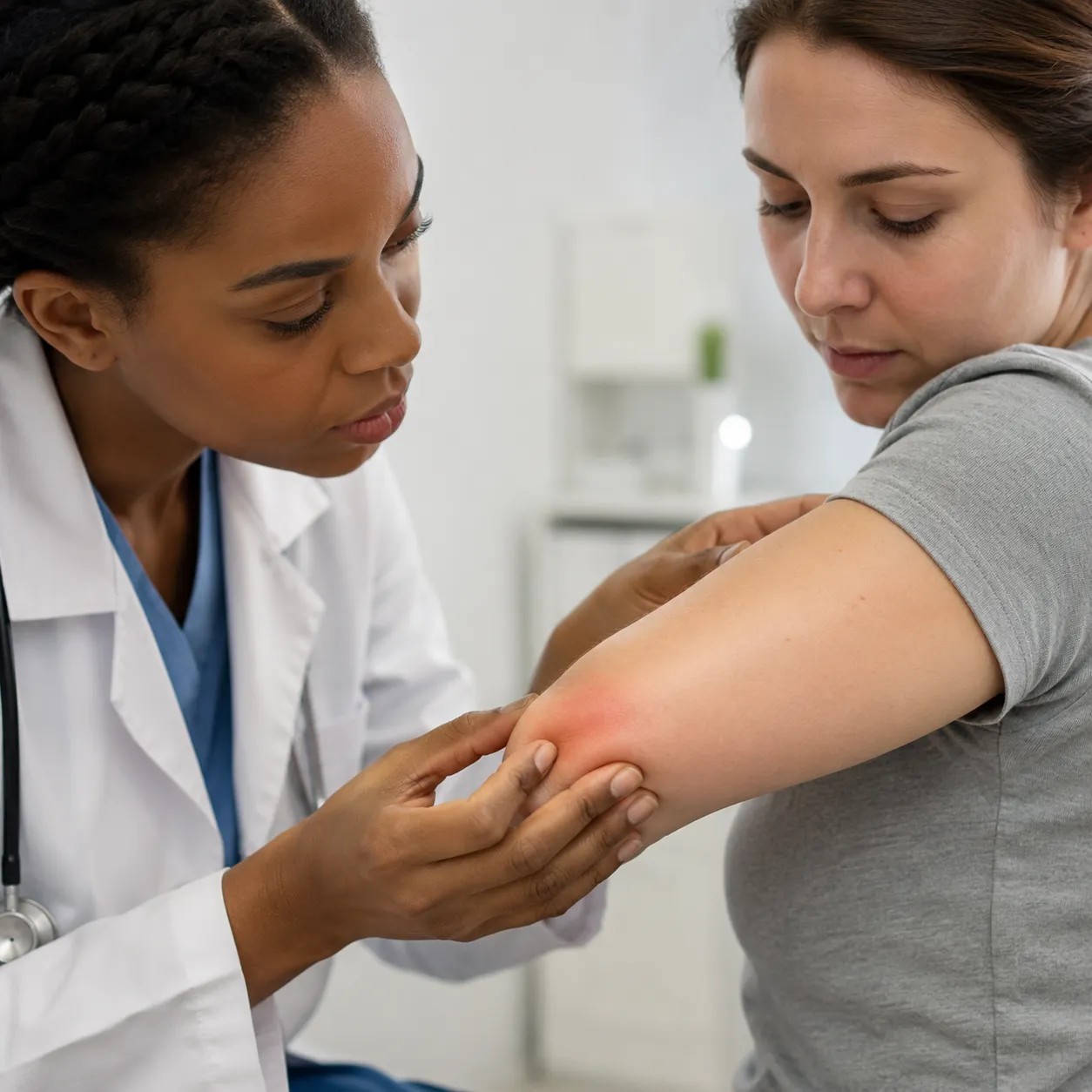
examineɪɡˈzæmɪn
to look at or test a patient carefully to find signs of illness or injury.

observeəbˈzɜːrv
to watch someone or something carefully in order to learn or notice details.

monitorˈmɑːnɪtər
to watch or check something regularly to see how it changes or develops.
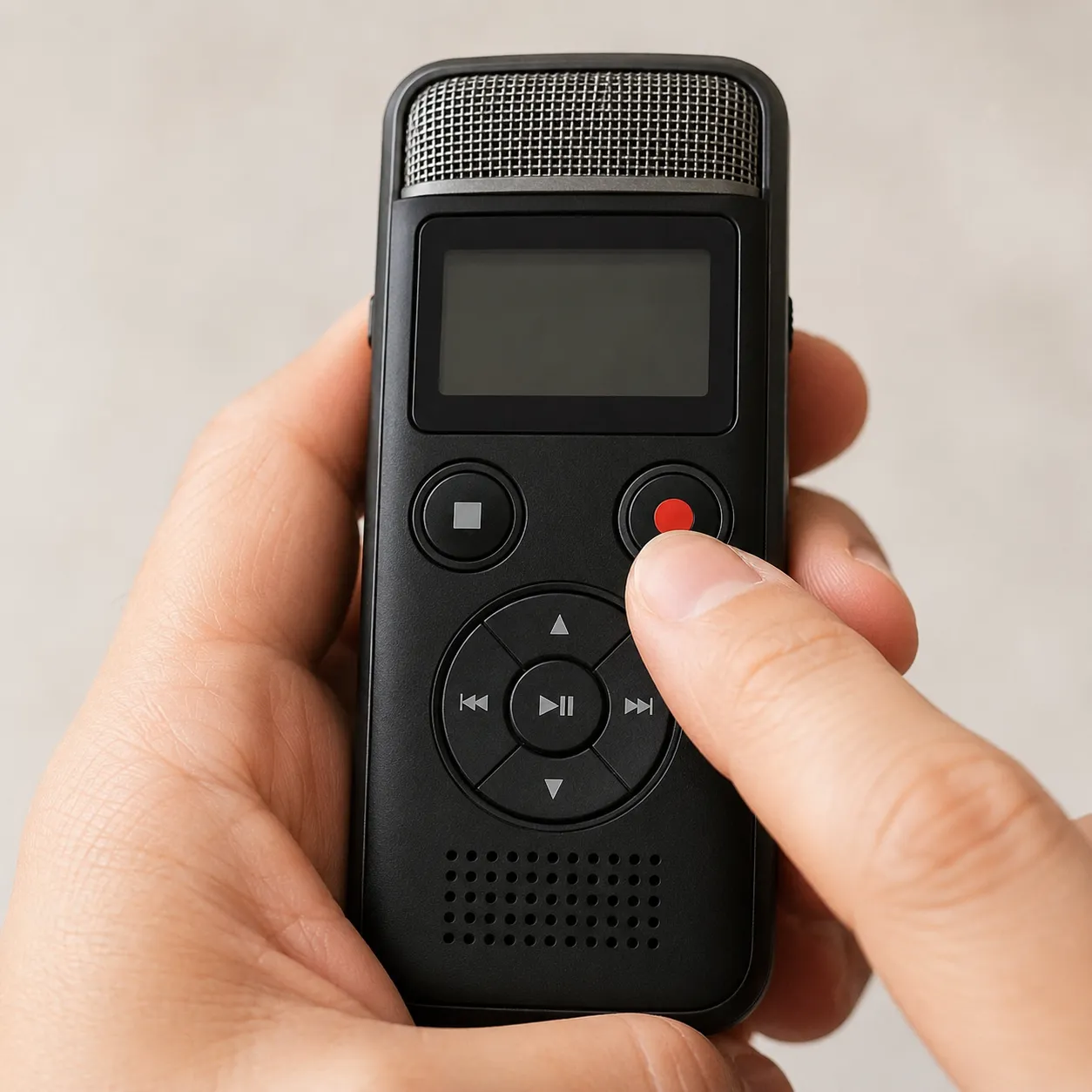
recordrɪˈkɔːrd
to write down or enter information so it is kept for future use.

documentˈdɑːkjument
to record or support something with written, photographic, or other evidence

reportrɪˈpɔːrt
to give information about something that happened or about the status of work.

handoverˈhændˌoʊvər
to give another worker the responsibility for a patient and the key information about their care.
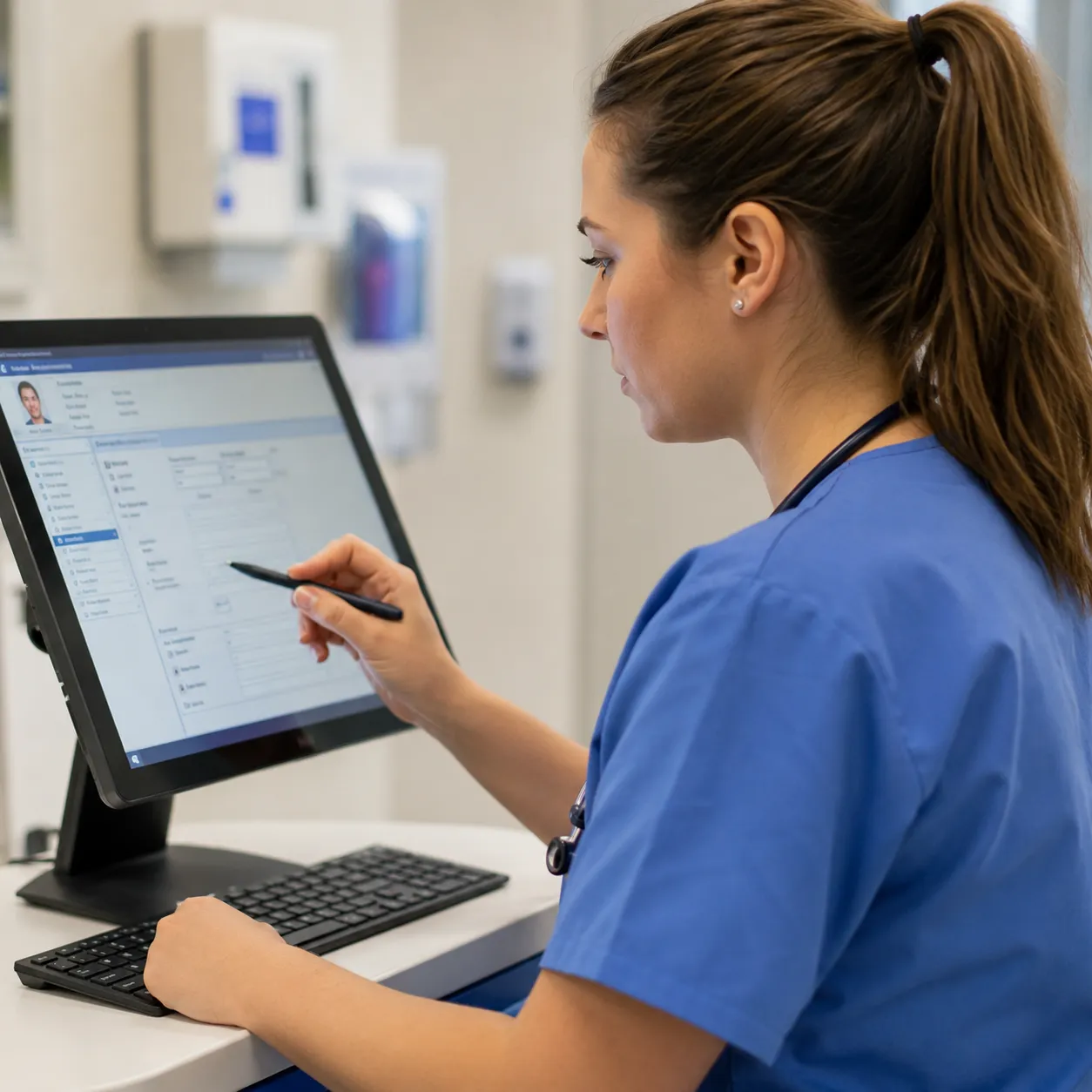
charttʃɑːrt
to enter patient information, care, or observations into a medical chart.
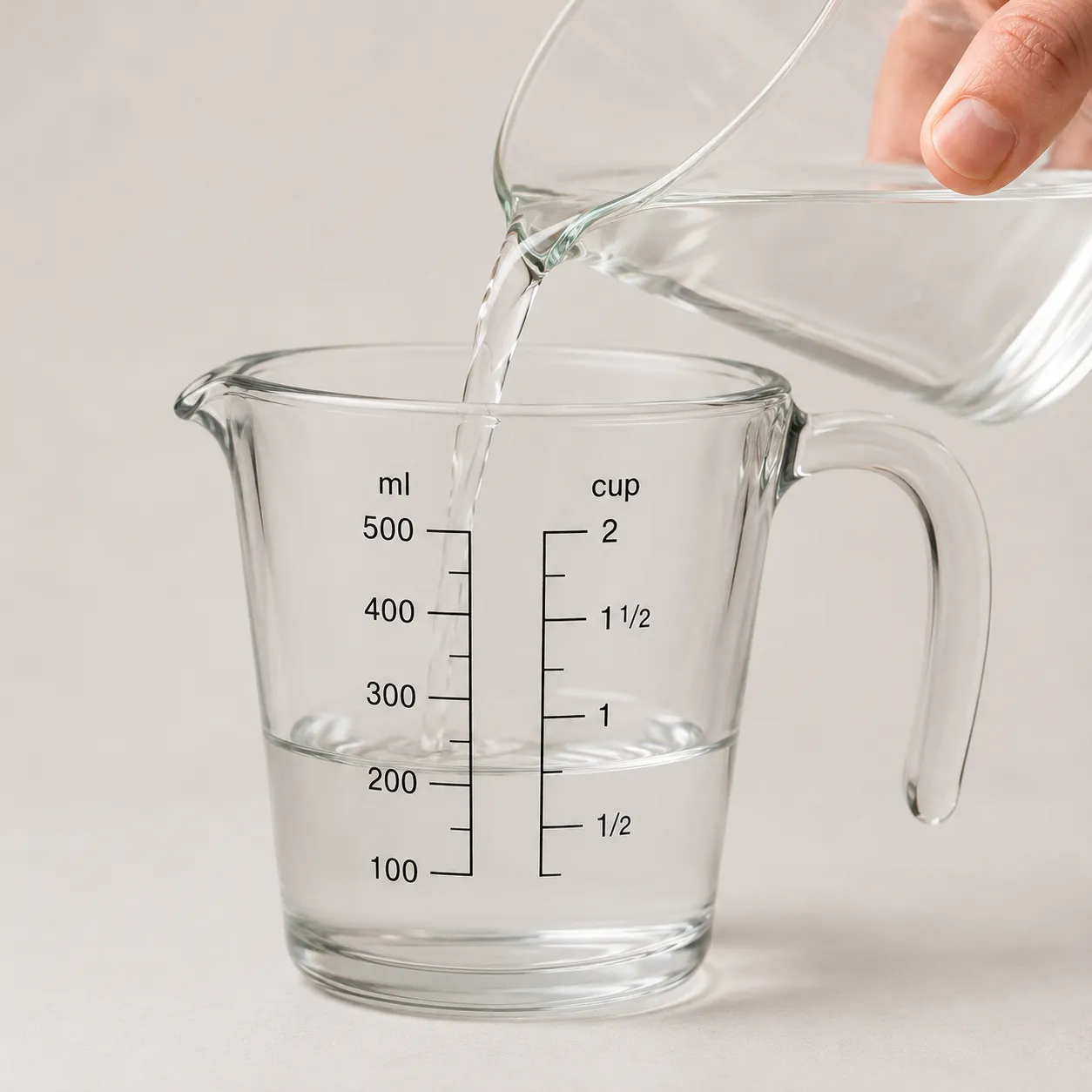
measureˈmeʒər
to find the size, amount, level, or value of something using a tool or scale.

checktʃek
to examine or find out about something to make sure it is correct, safe, or acceptable

screenskriːn
to test or ask questions to find possible signs of a disease or risk before a full diagnosis.

diagnoseˈdaɪəɡnoʊz
to identify the cause of a problem, fault, or illness by examining its signs.
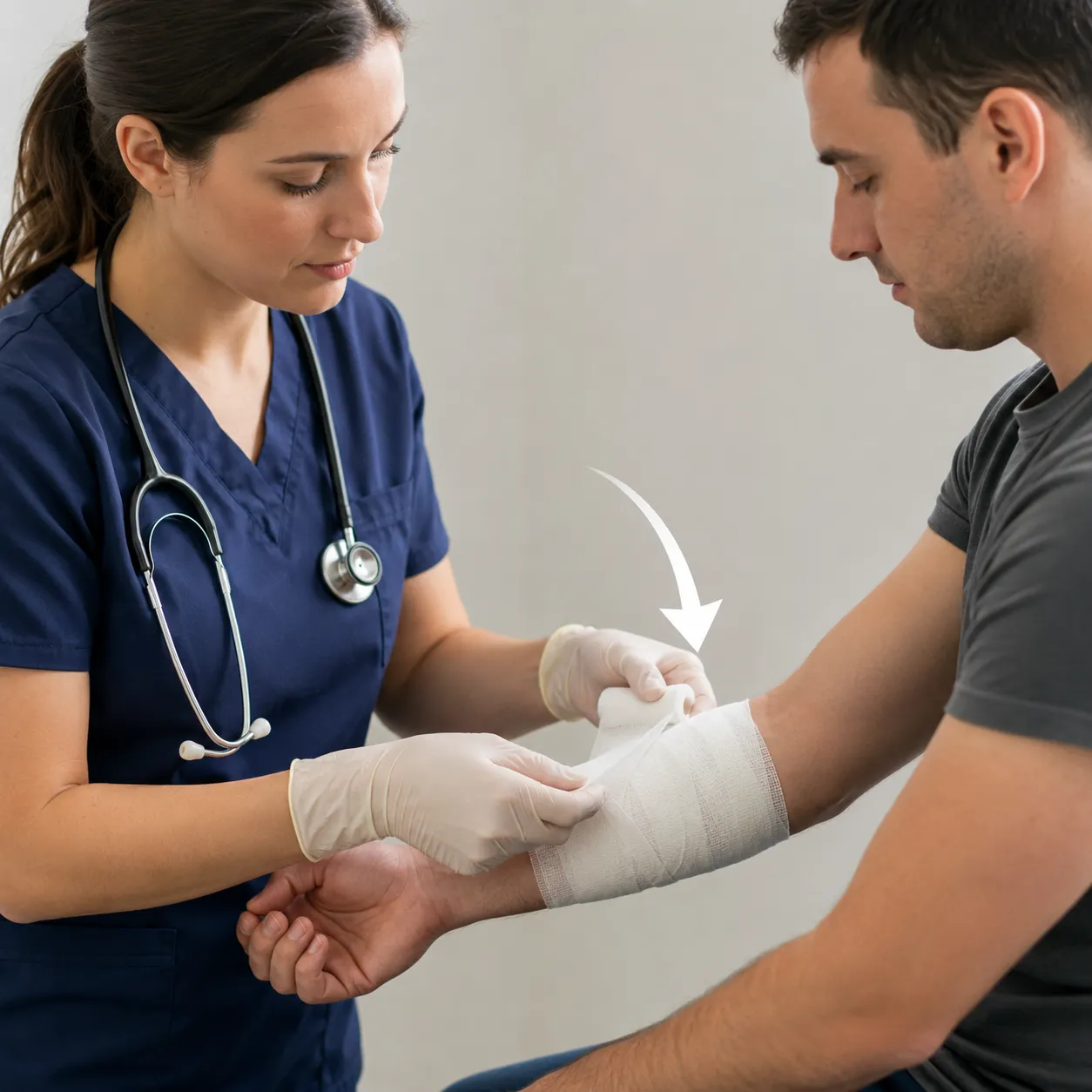
treattriːt
to give medical care, medicine, or therapy to help a patient get better.

care forker fɔːr
to look after someone and meet their health, comfort, or daily needs.

supportsəˈpɔːrt
to give someone practical, emotional, financial, or physical help

assistəˈsɪst
to help someone do something or make something easier to happen

helphɛlp
make a task easier for someone

comfortˈkʌmfərt
to make someone feel calmer, safer, or less upset.

reassureˌriːəˈʃʊr
to say or do something to make someone feel less worried or afraid.

explainɪkˈspleɪn
make something clear and easy to understand
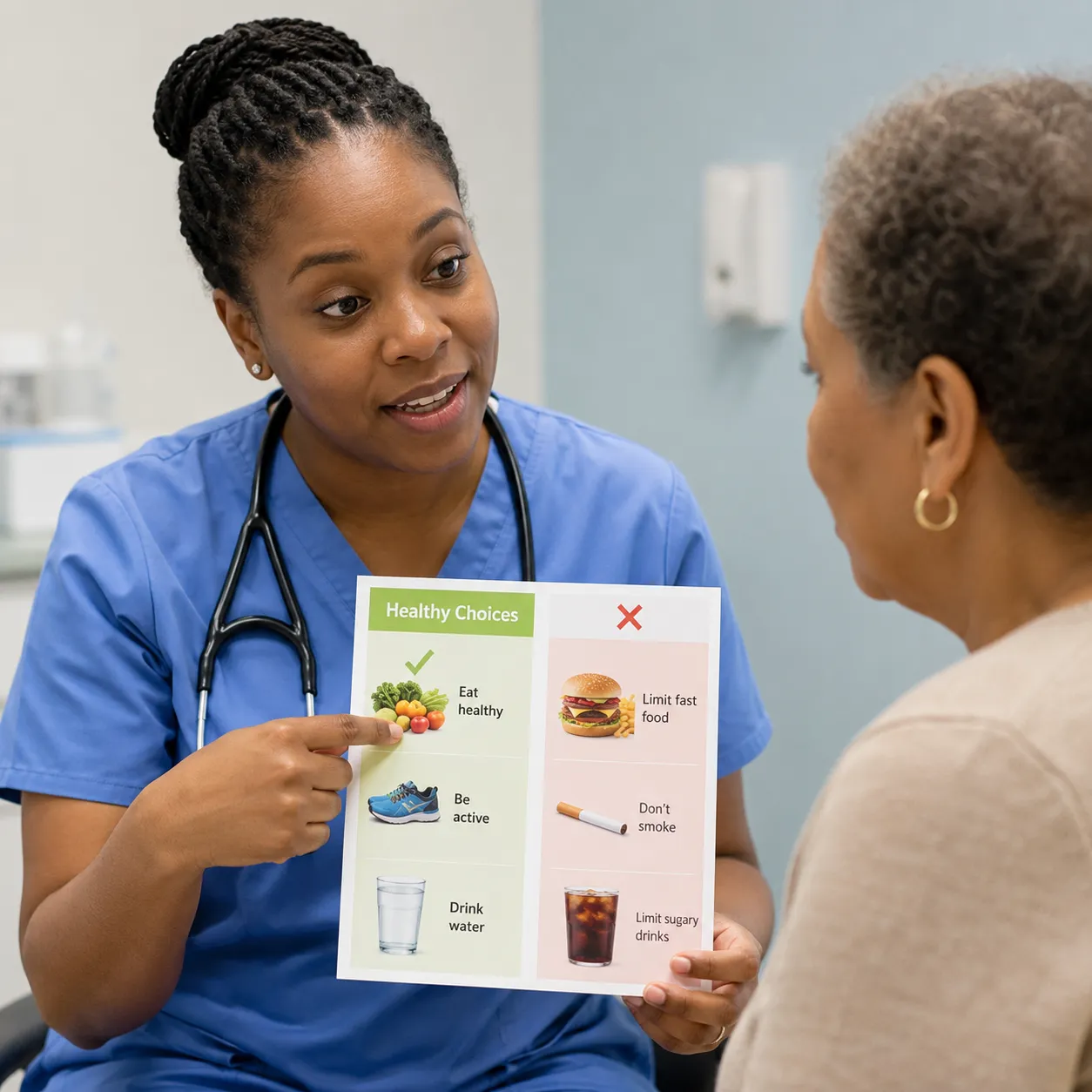
educateˈedʒukeɪt
to teach someone information or skills, especially to improve their health or choices.

adviseədˈvaɪz
to give someone an informed opinion about what they should do.
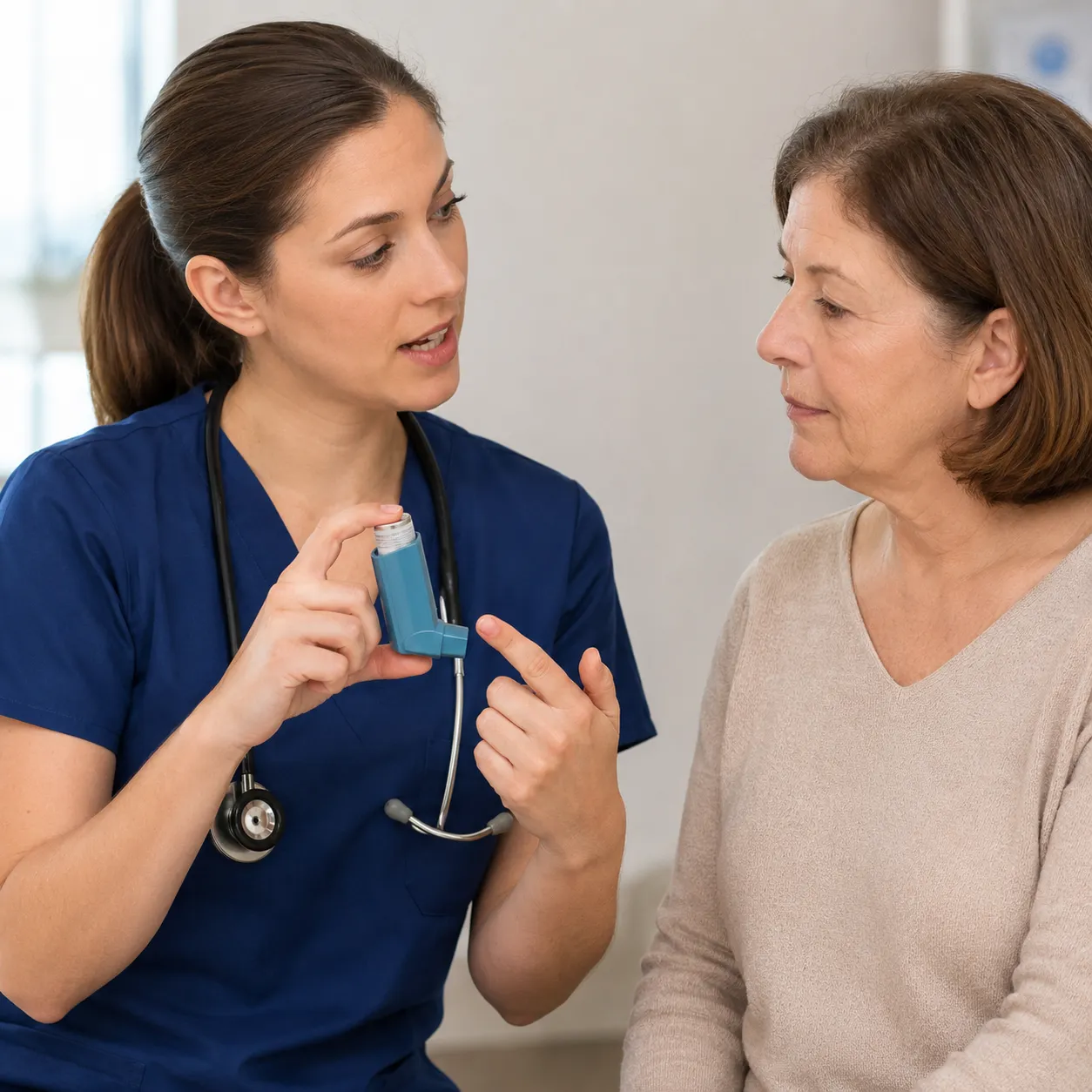
instructɪnˈstrʌkt
to tell someone clearly how to do something or what they must do.
informɪnˈfɔːrm
to give someone information about something.

consentkənˈsent
to give permission for something to happen, especially a medical procedure or treatment.

prepareprɪˈpeə
to make someone or something ready for use, an activity, an event, or eating
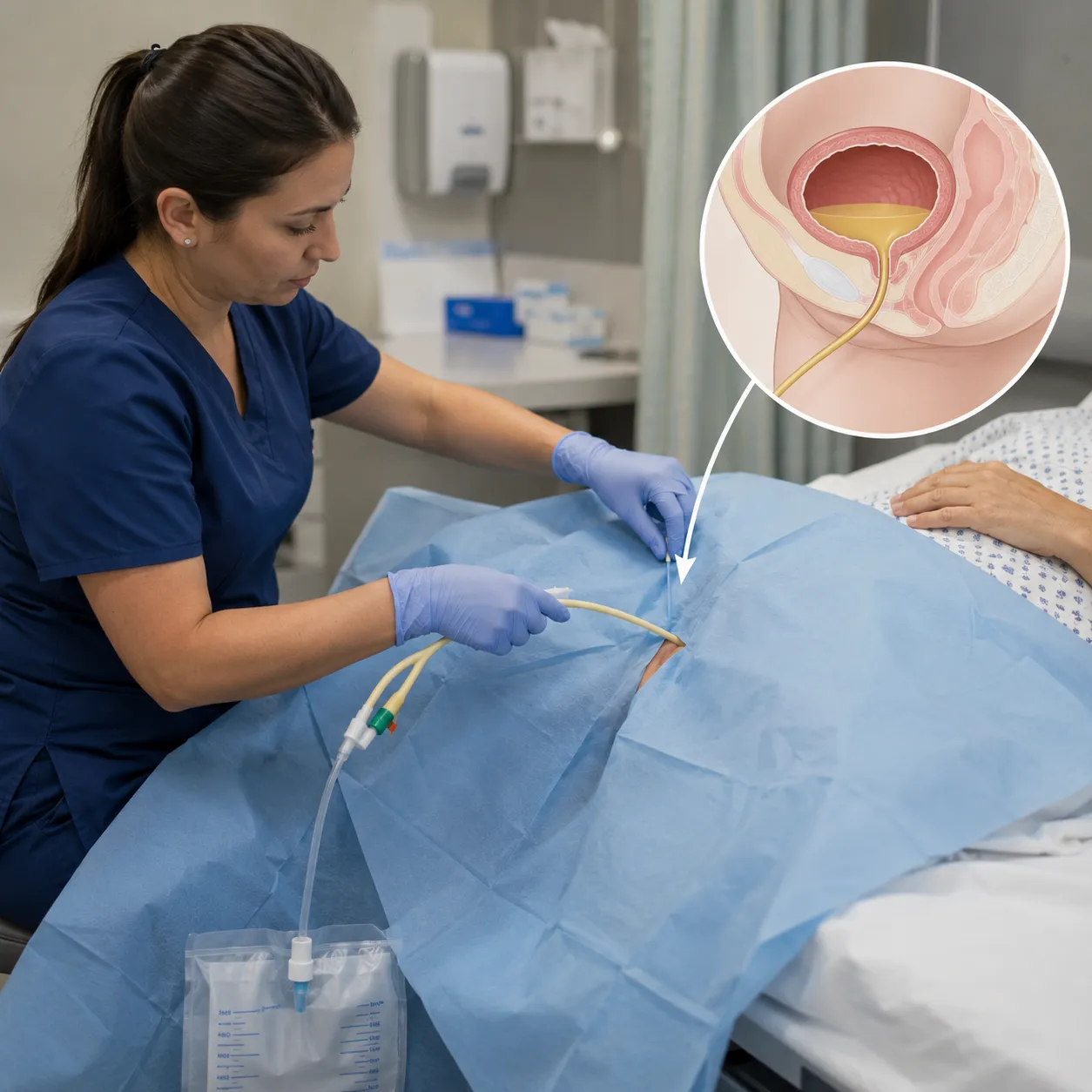
catheterizeˈkæθətəraɪz
to put a thin medical tube into the body, especially into the bladder to drain urine.
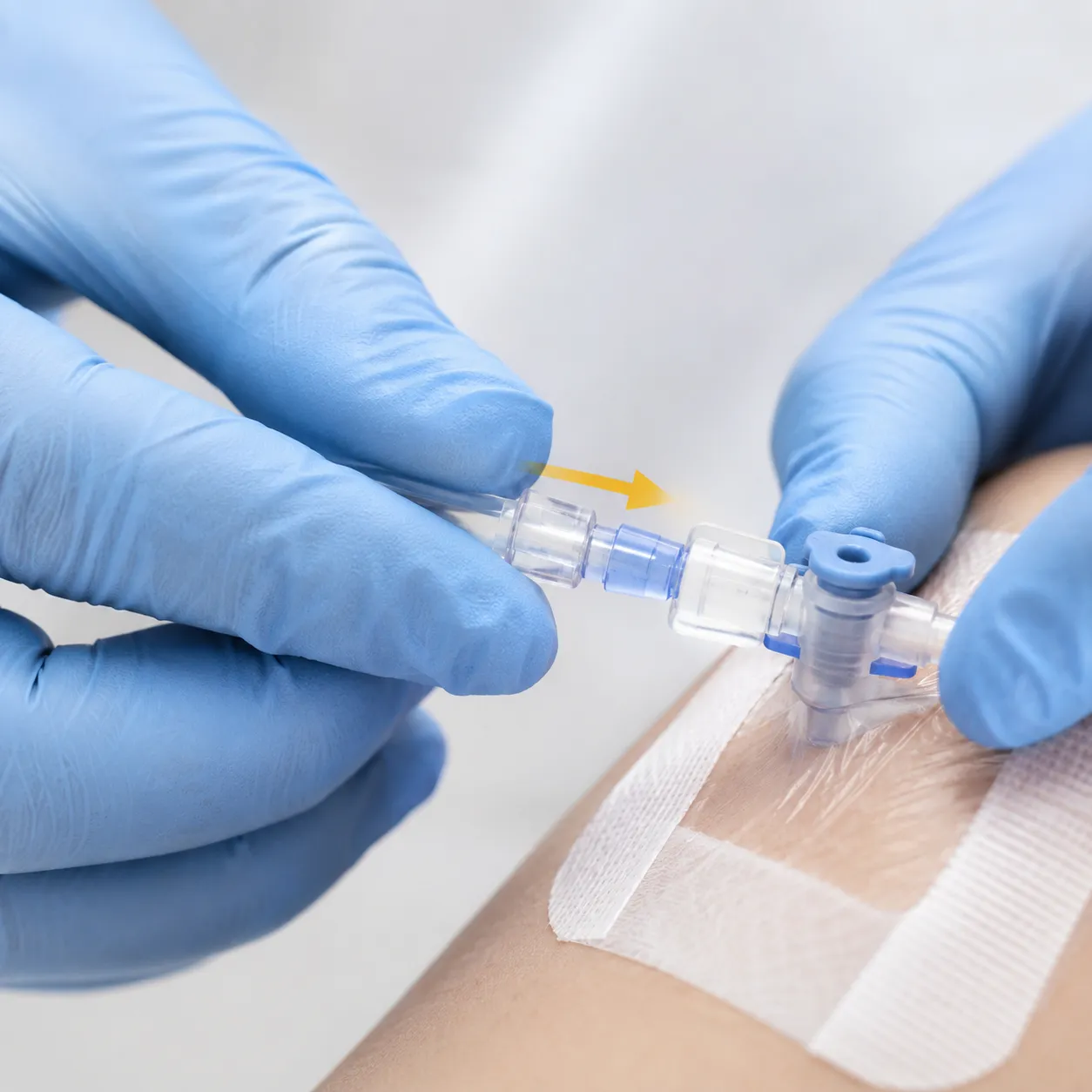
insertɪnˈsɜːrt
to put something carefully into a body opening, wound, or piece of medical equipment.

removerɪˈmuːv
to take something away or out, such as a dressing, tube, or piece of equipment.
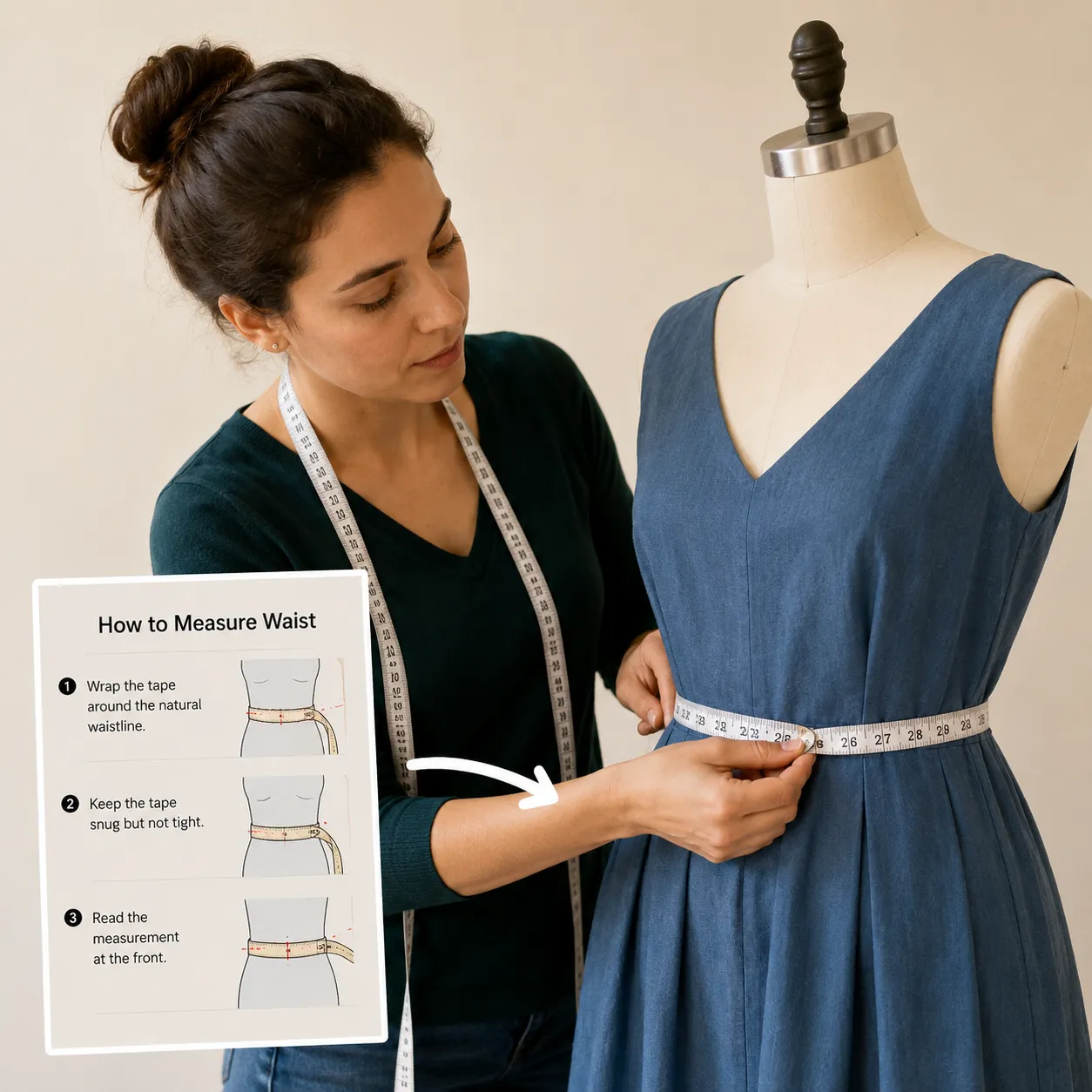
applyəˈplaɪ
to use knowledge, a rule, or a method in a practical situation.

changetʃeɪndʒ
to become different, or to make someone or something different
Devices and supplies used for examination, monitoring, treatment and life support.

stethoscopeˈsteθəskoʊp
a medical instrument used to listen to sounds inside the body, especially the heart and lungs.
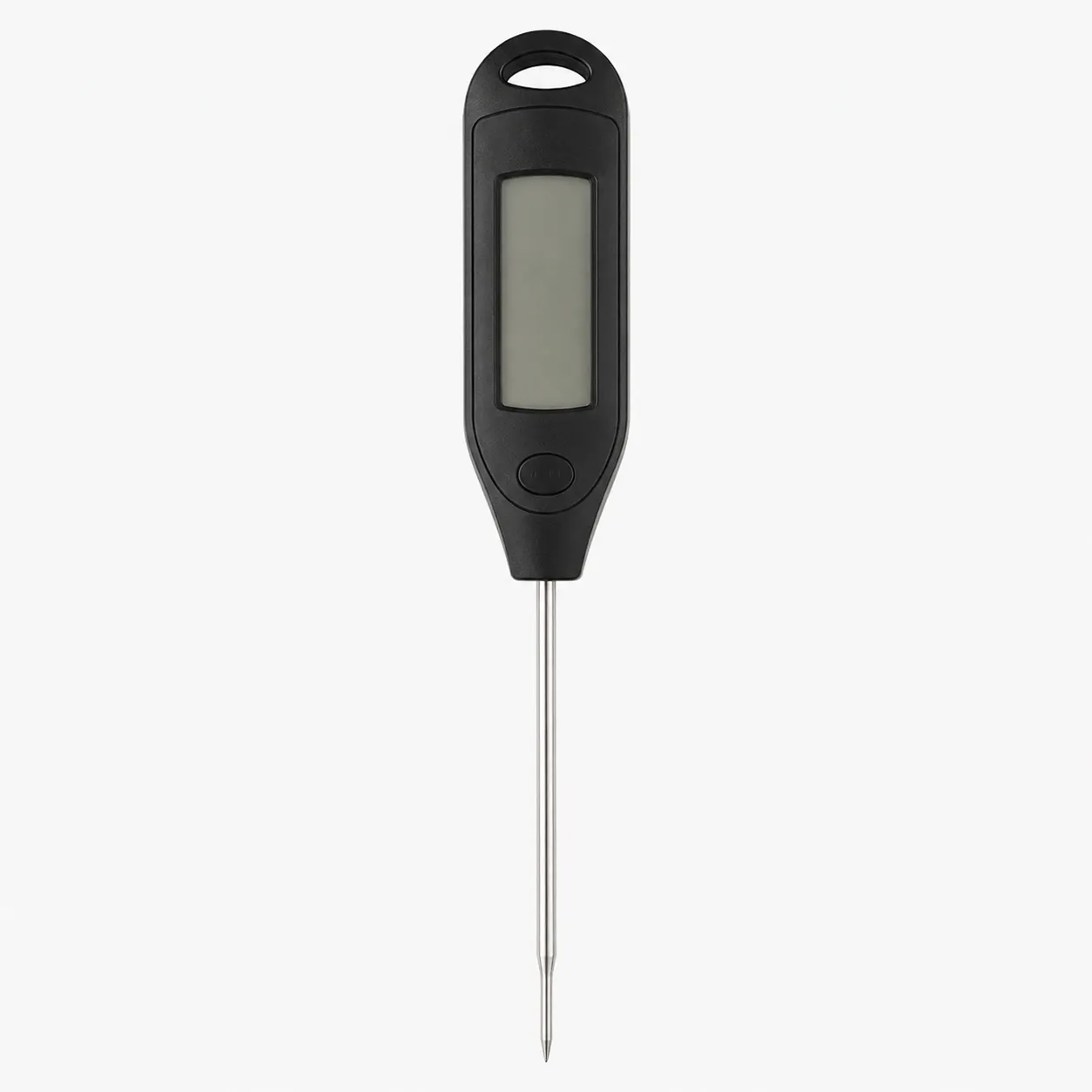
thermometerθərˈmɑːmɪtər
an instrument used to measure temperature, especially body temperature.
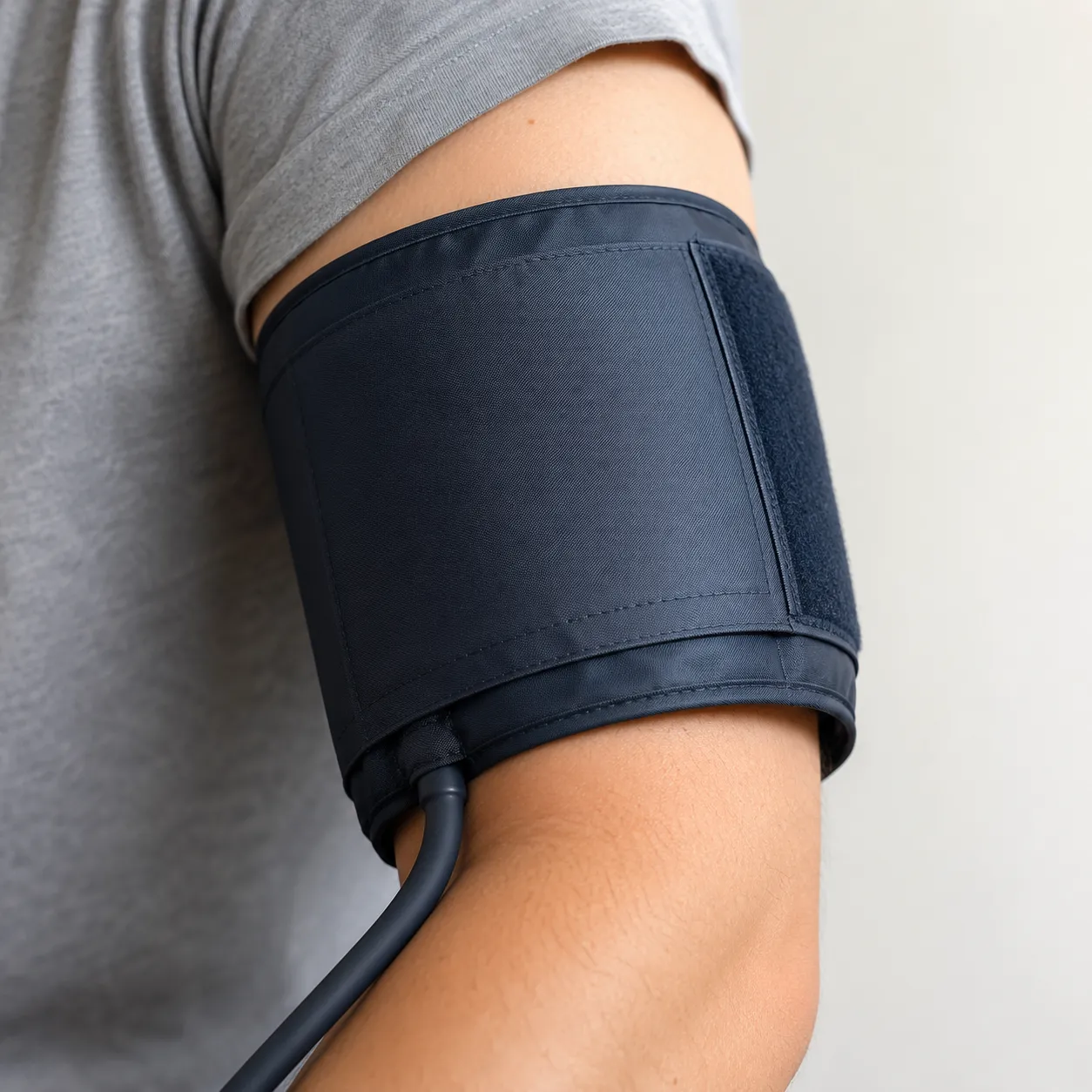
blood pressure cuffˈblʌd preʃər kʌf
an inflatable band placed around the arm to help measure blood pressure.
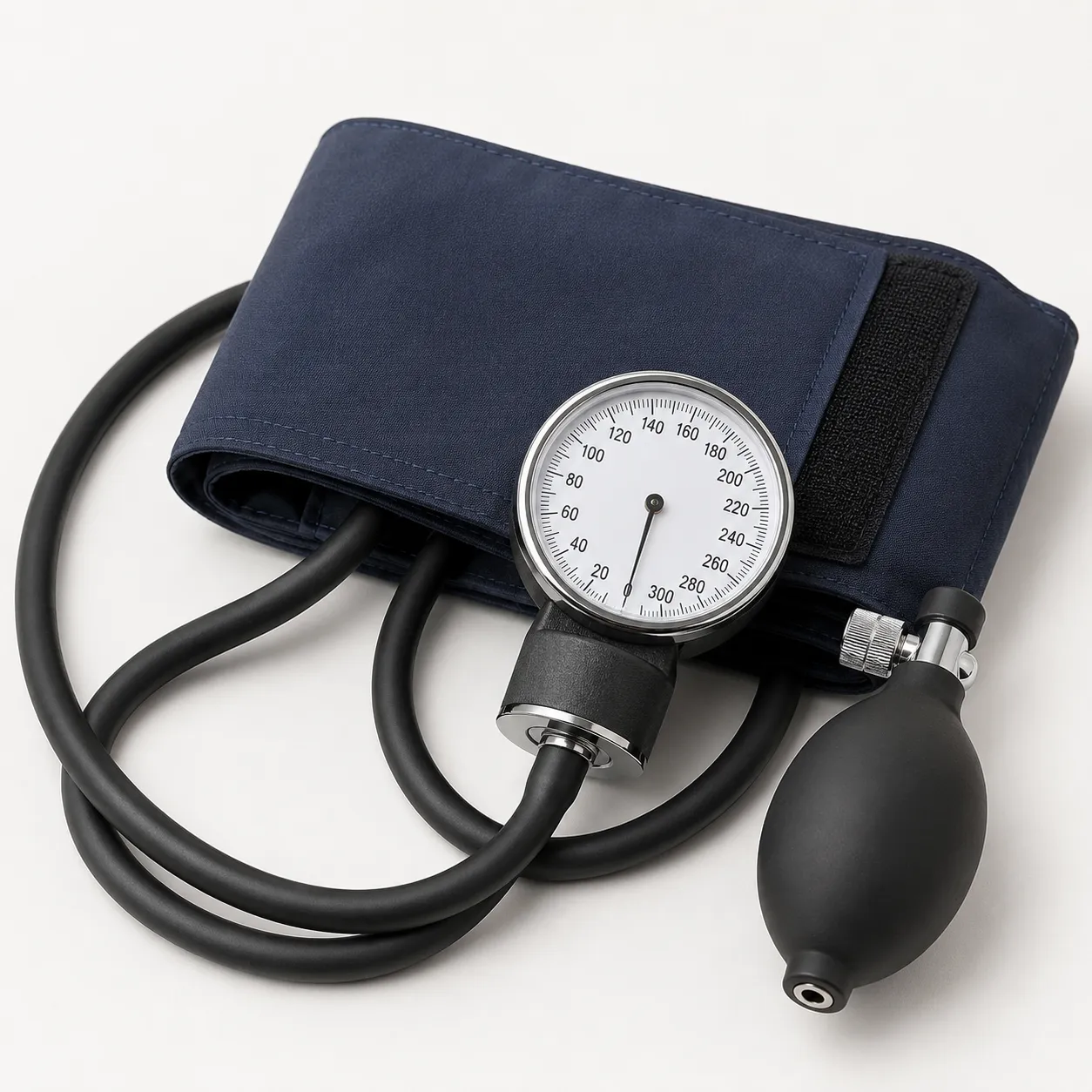
sphygmomanometerˌsfɪɡmoʊməˈnɑːmɪtər
a medical instrument used to measure blood pressure.
pulse oximeterˈpʌls ɑːkˌsɪmɪtər
a small device, usually clipped to a finger, that measures blood oxygen level and pulse rate.
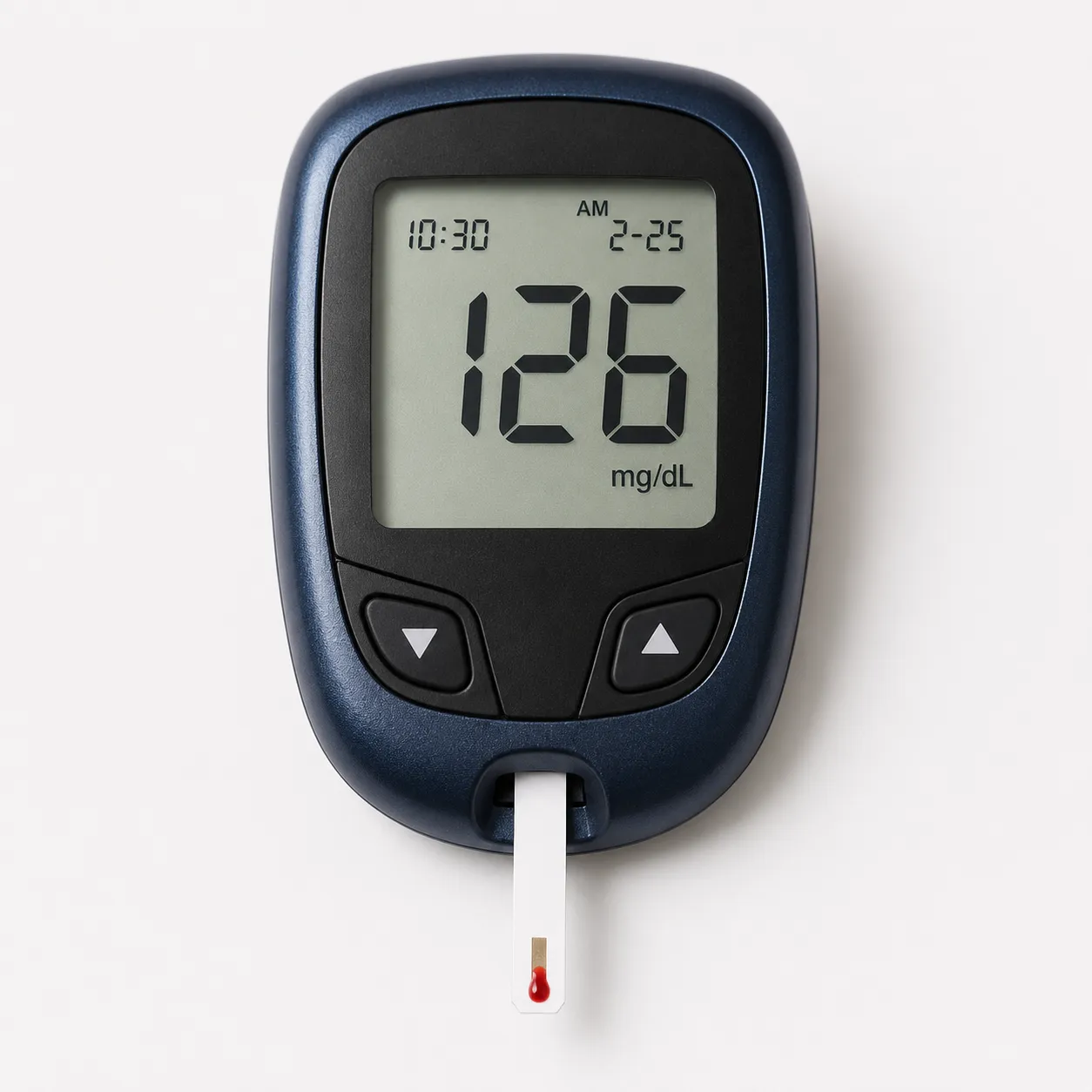
glucometerɡluːˈkɑːmɪtər
a small device used to measure the amount of glucose in the blood.
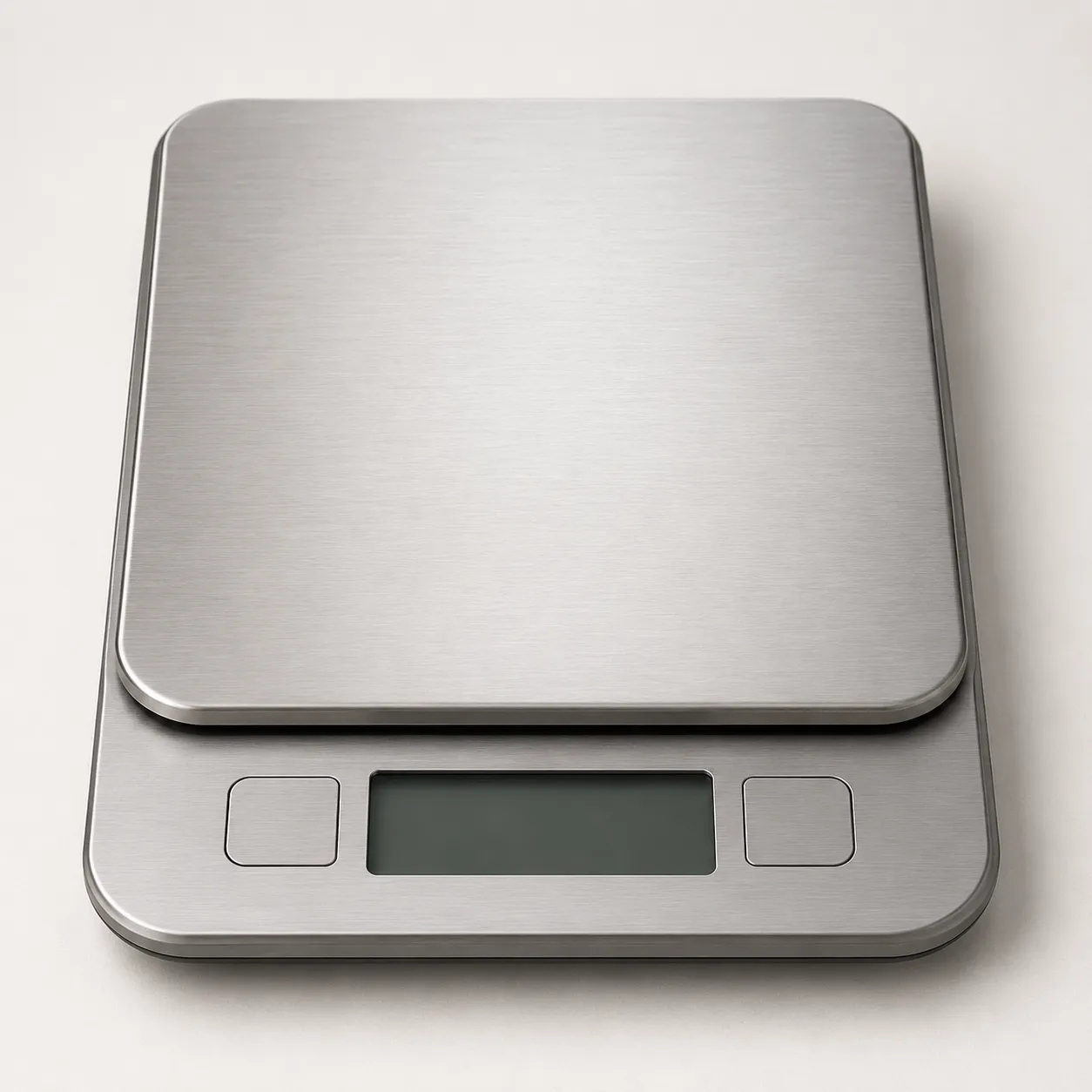
scaleskeɪl
a device used to measure the weight of a person or thing.

height charthaɪt tʃɑːrt
a marked scale on a wall or board used to measure how tall a person is.
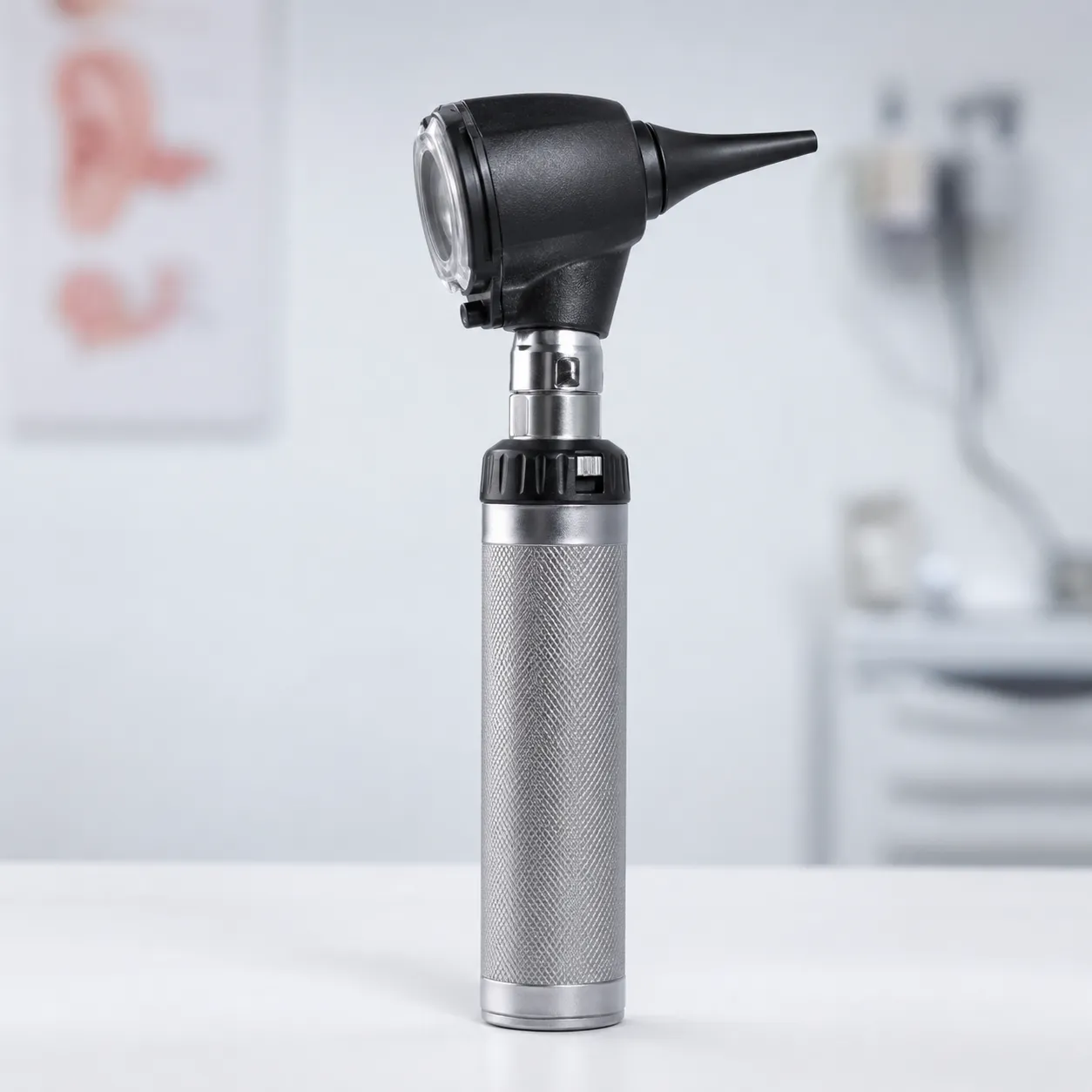
otoscopeˈoʊtəˌskoʊp
a medical instrument with a light used to examine the inside of the ear.
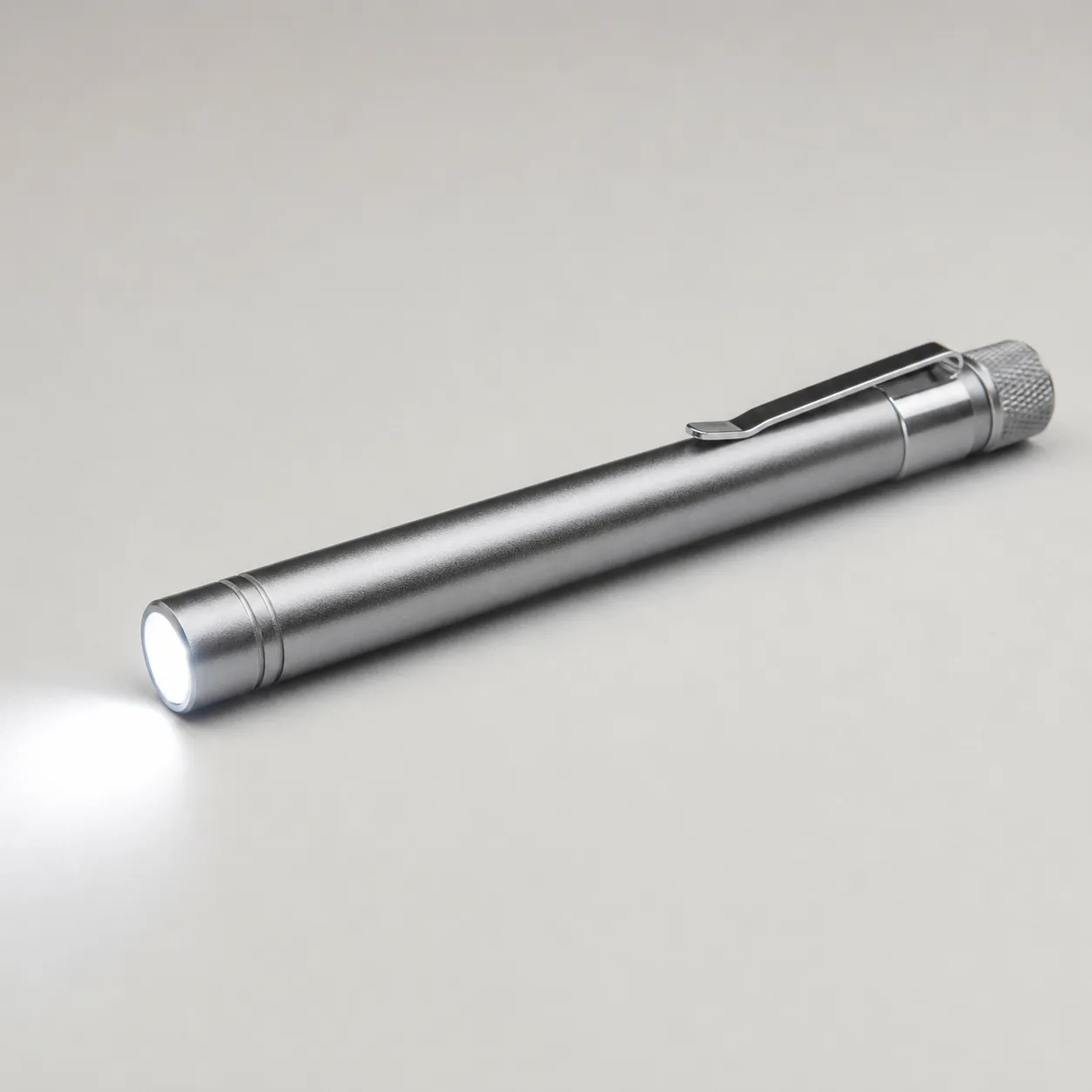
penlightˈpenlaɪt
a small flashlight shaped like a pen, used to check the eyes, mouth, or throat.
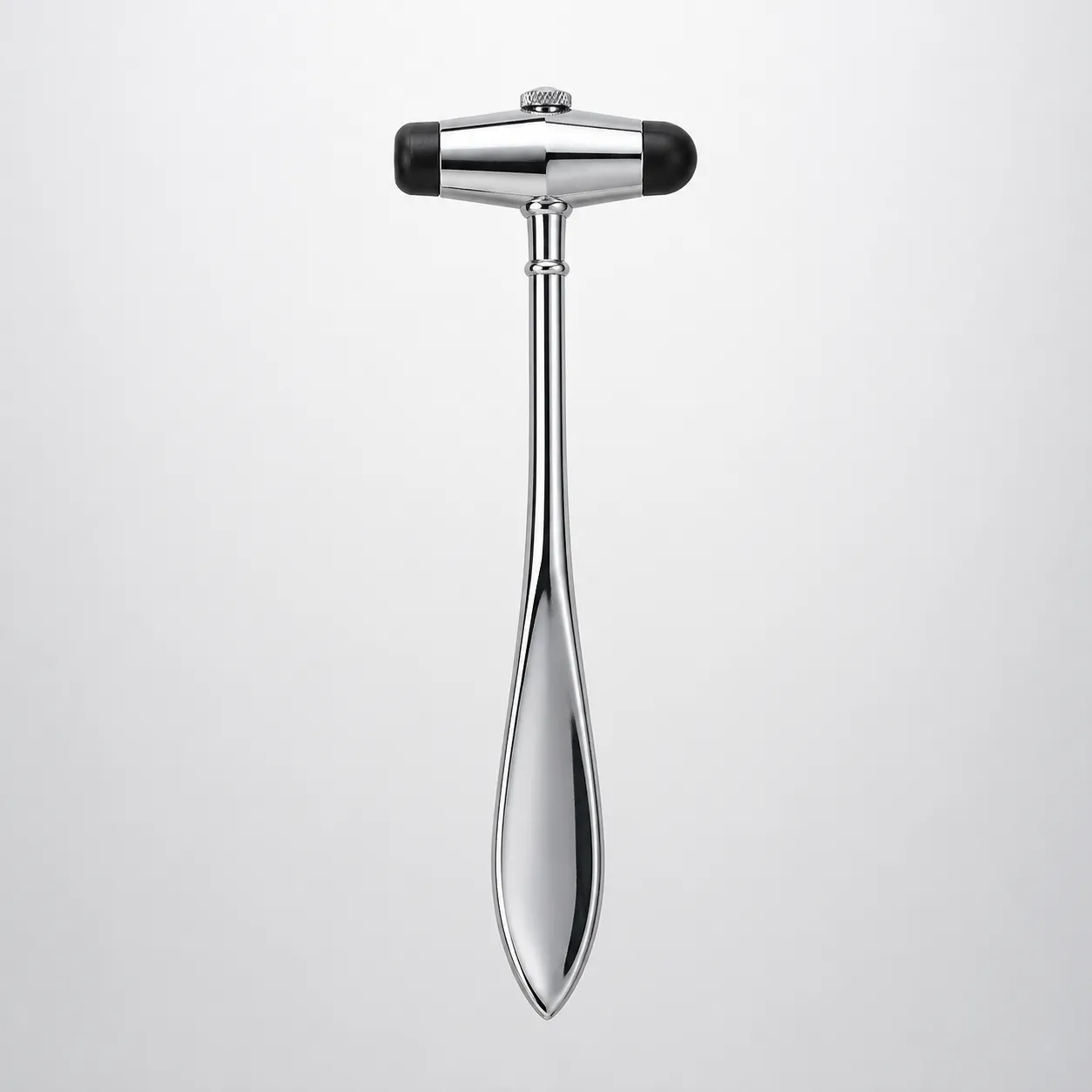
reflex hammerˈriːfleks ˈhæmər
a small medical hammer used to tap tendons and test reflexes.
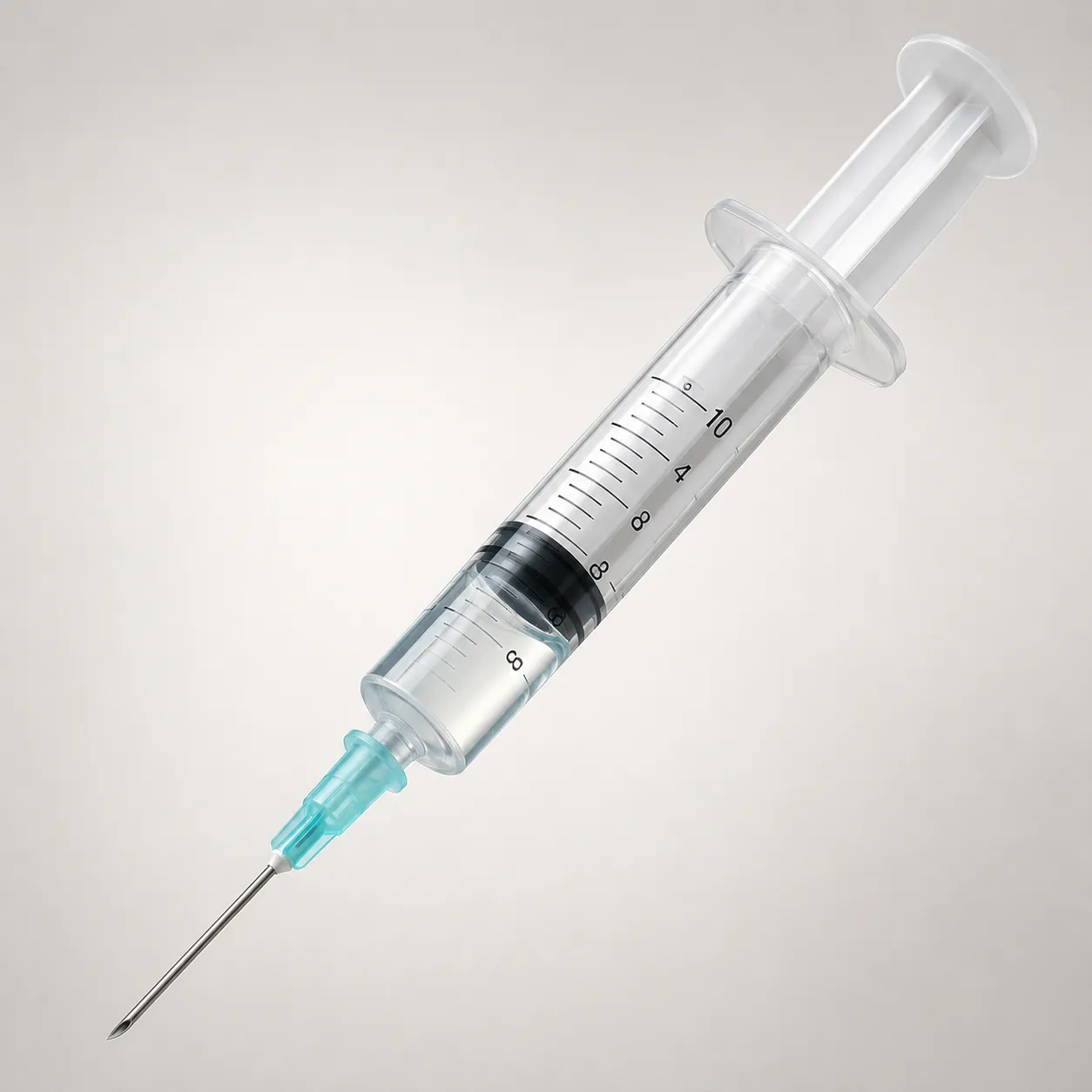
syringesəˈrɪndʒ
a medical device with a plunger used to inject or remove liquid through a needle or tube.
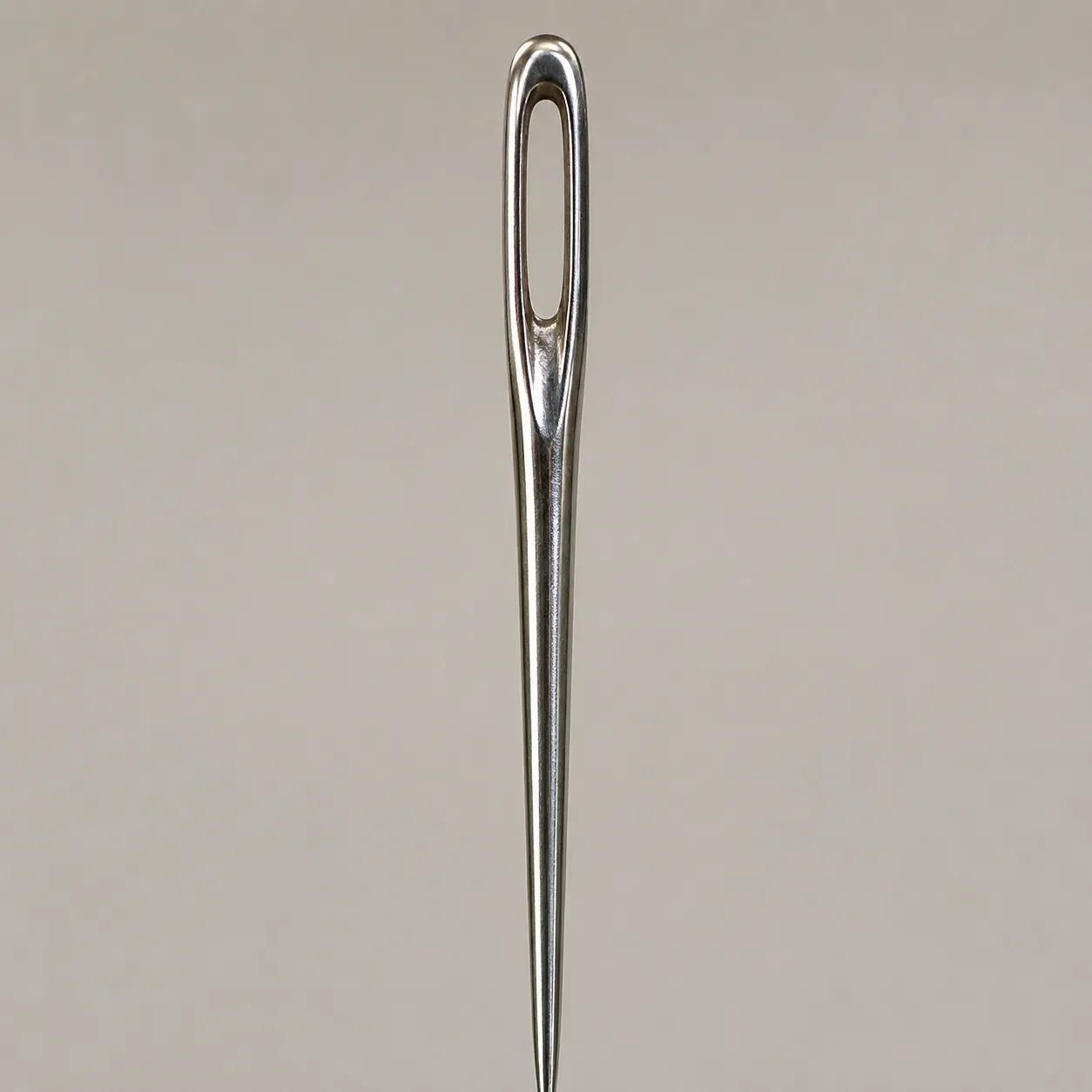
needleˈniːdəl
a very thin sharp metal tube used to put medicine into the body or take blood out.
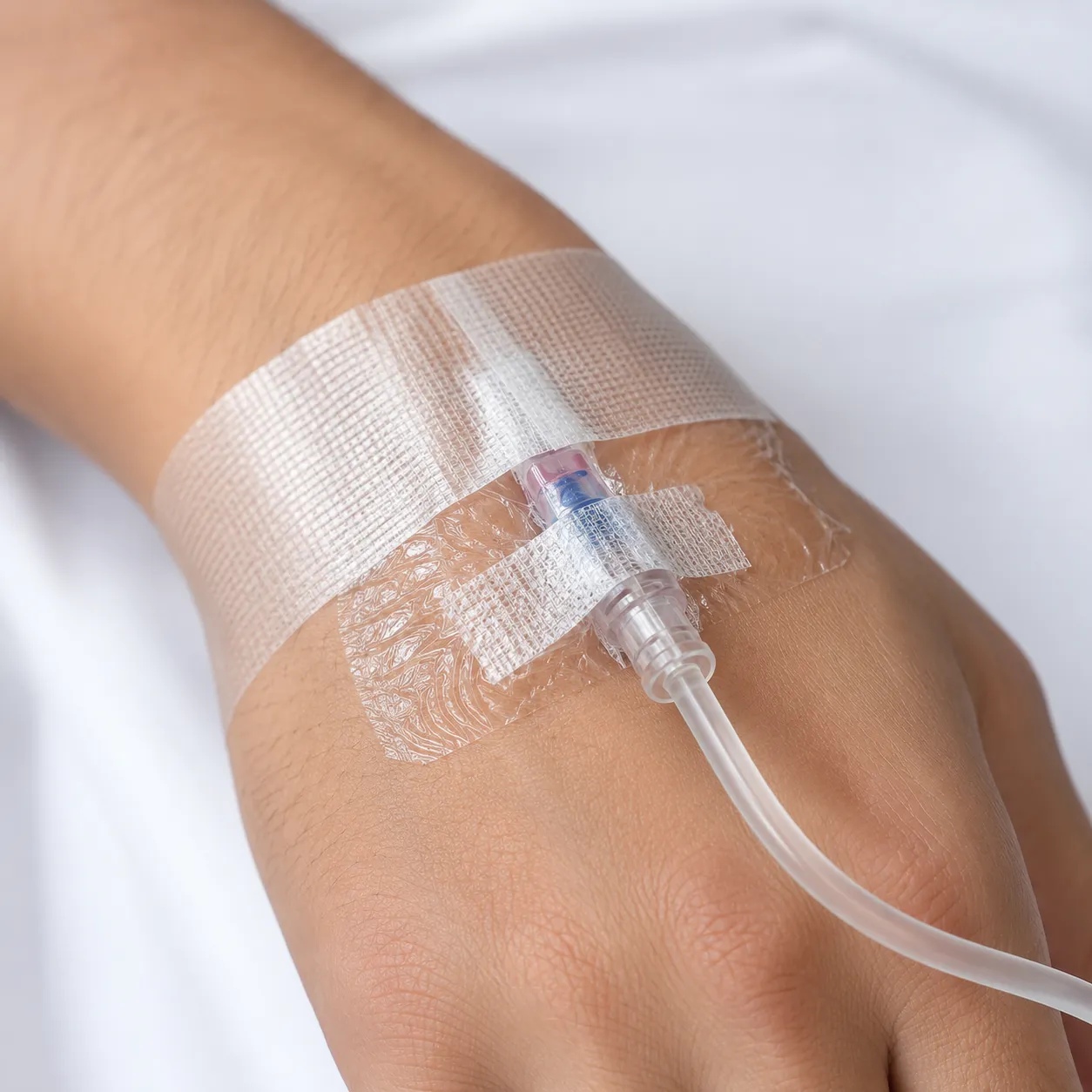
cannulaˈkænjʊlə
a thin tube inserted into the body, often into a vein, to give or remove fluids.
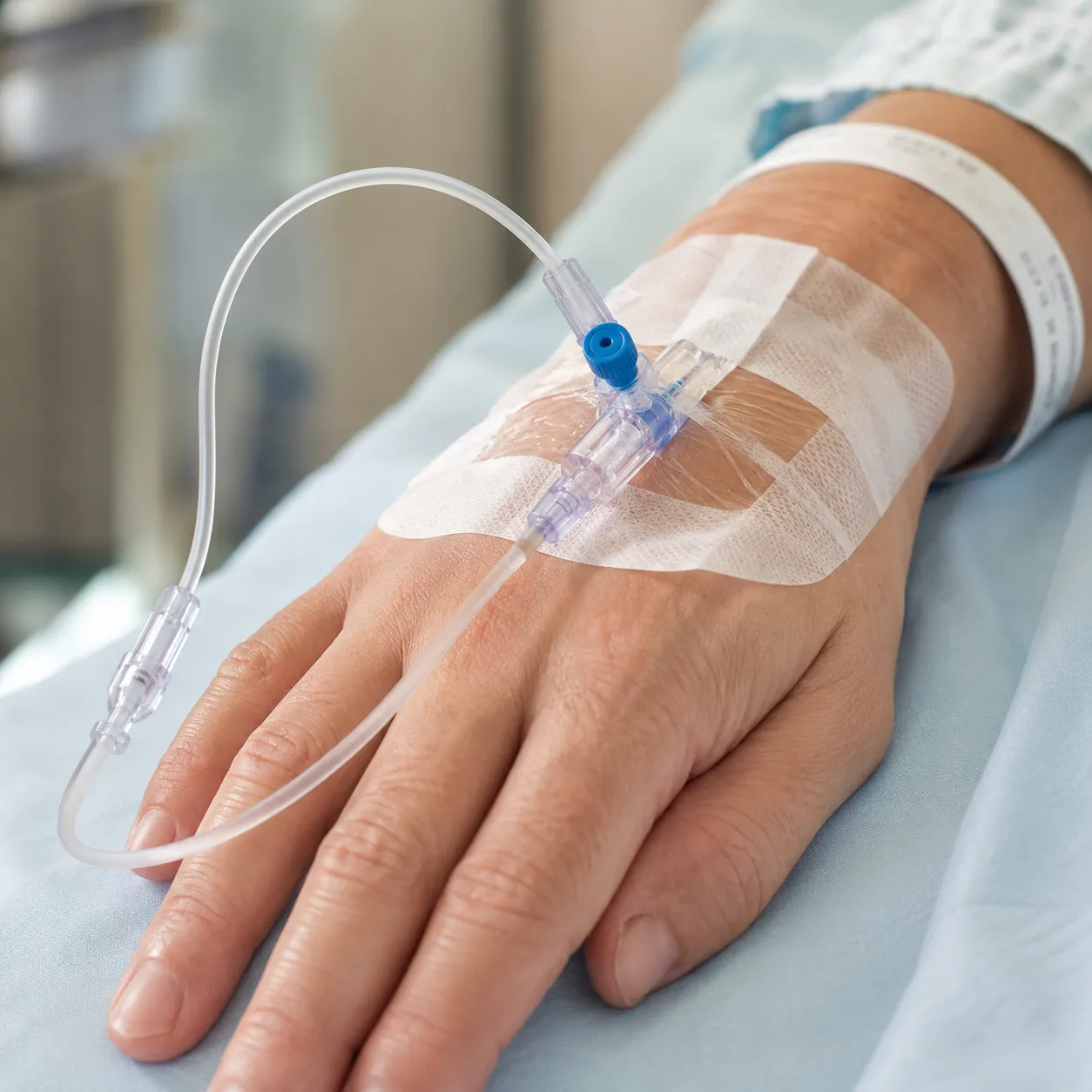
IV lineˌaɪ ˈviː laɪn
a tube system placed into a vein to give fluids, medicine, or blood directly into the bloodstream.
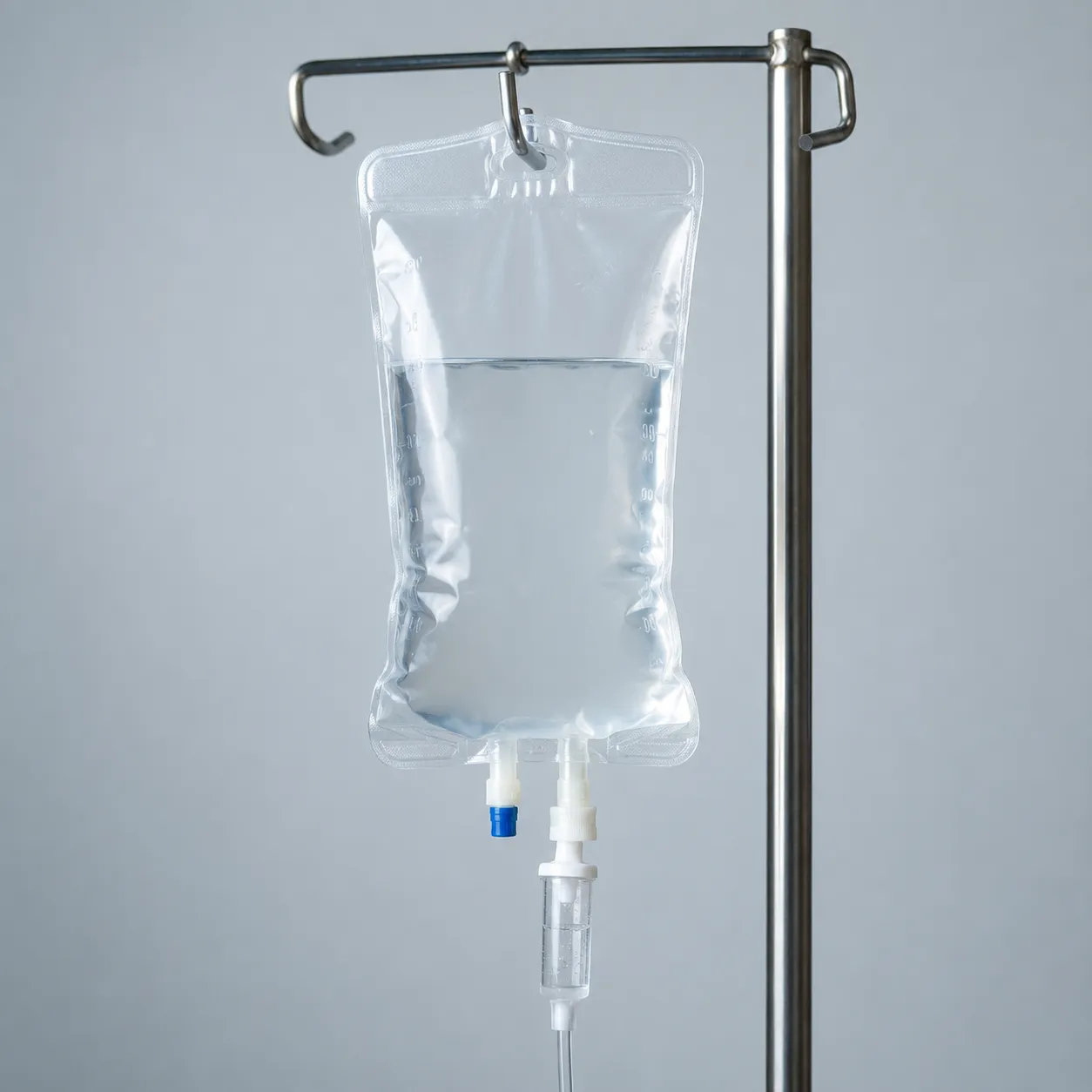
IV bagˌaɪ ˈviː bæɡ
a plastic bag containing fluid or medicine that is given into a vein through an IV line.

dripdrɪp
a slow flow of fluid or medicine into a vein through a tube.
infusion pumpɪnˈfjuːʒən pʌmp
an electronic machine that controls the amount and speed of fluid or medicine given through an IV line.
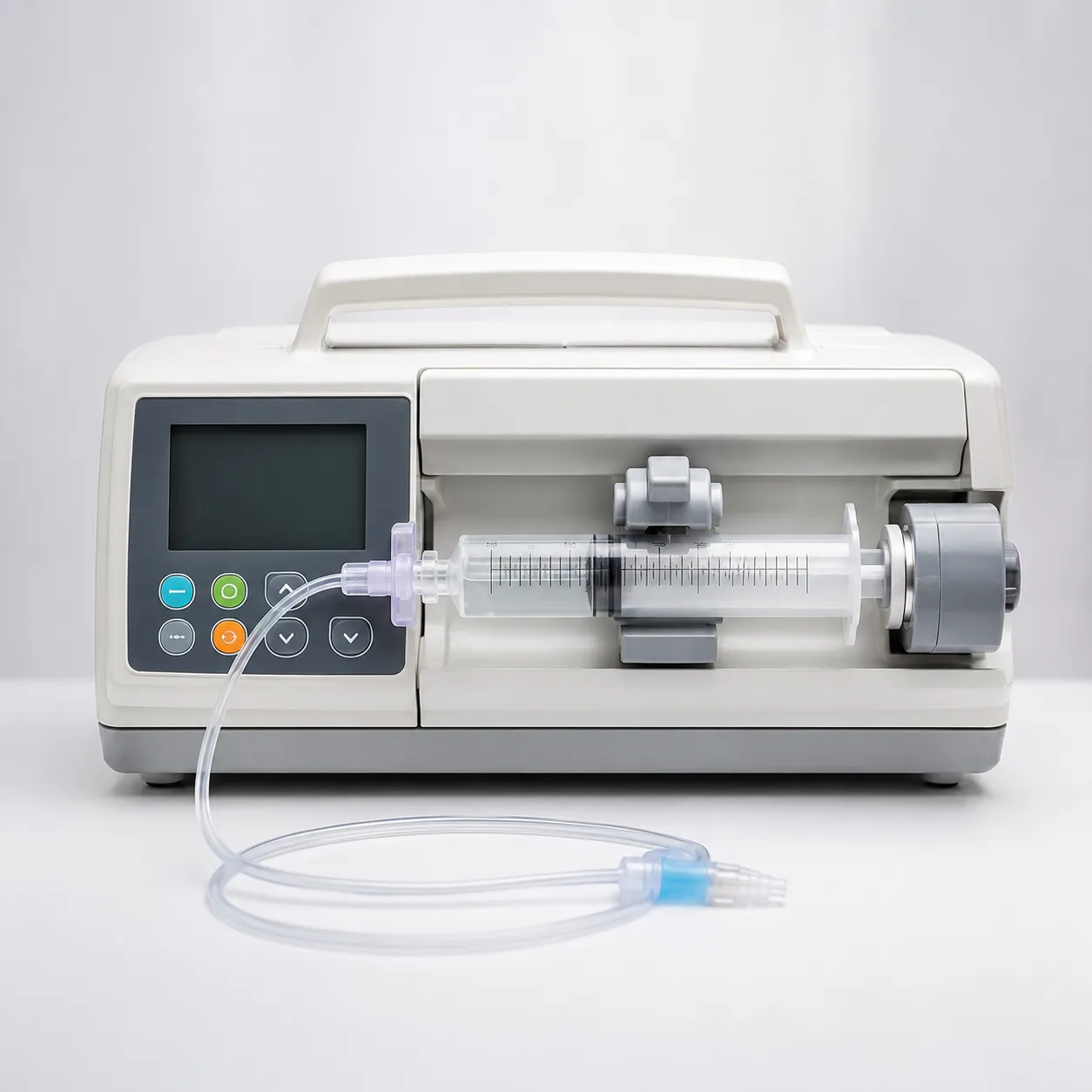
syringe pumpsəˈrɪndʒ pʌmp
a machine that slowly pushes medicine from a syringe into a patient at a controlled rate.
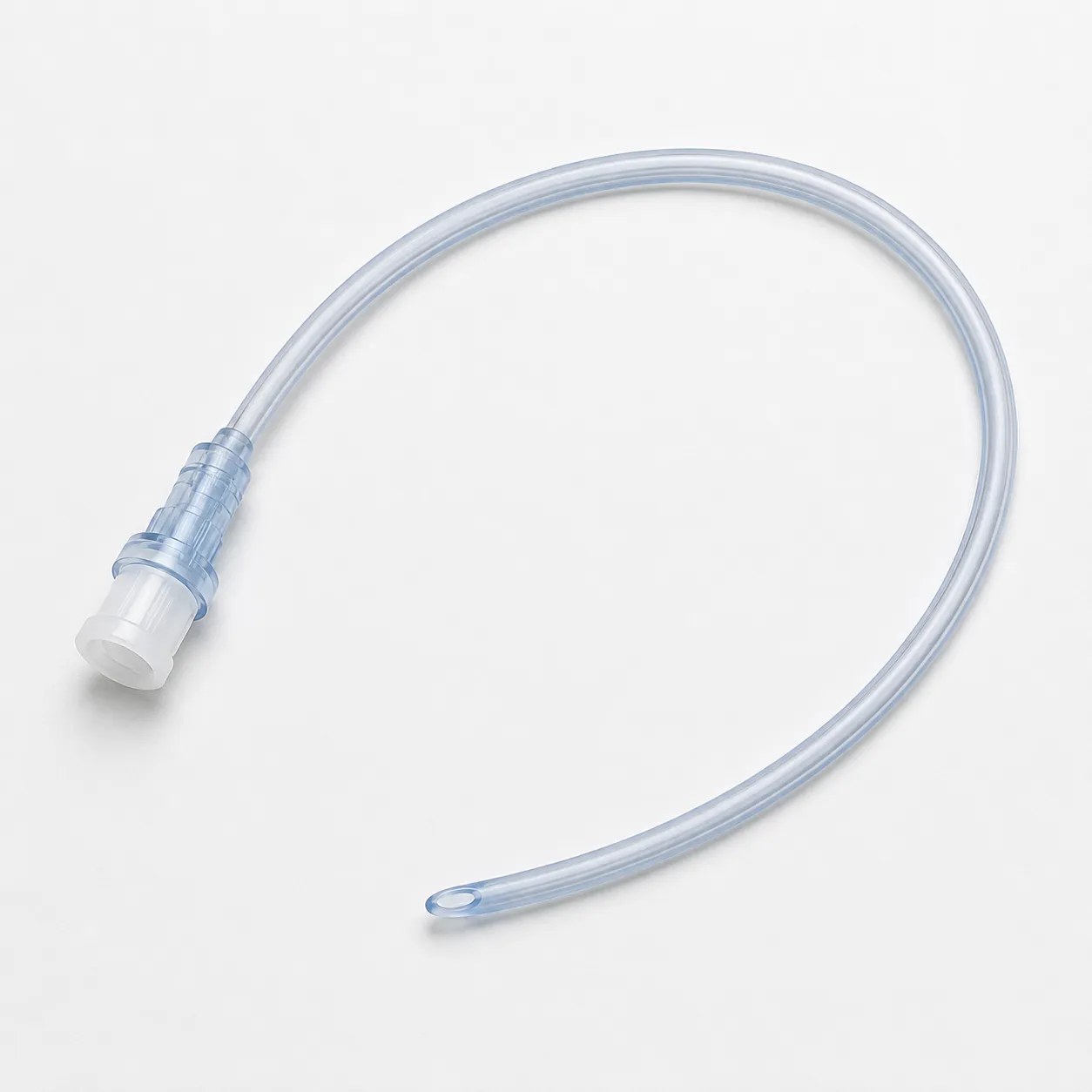
catheterˈkæθətər
a flexible tube inserted into the body to drain fluid or give medicine.
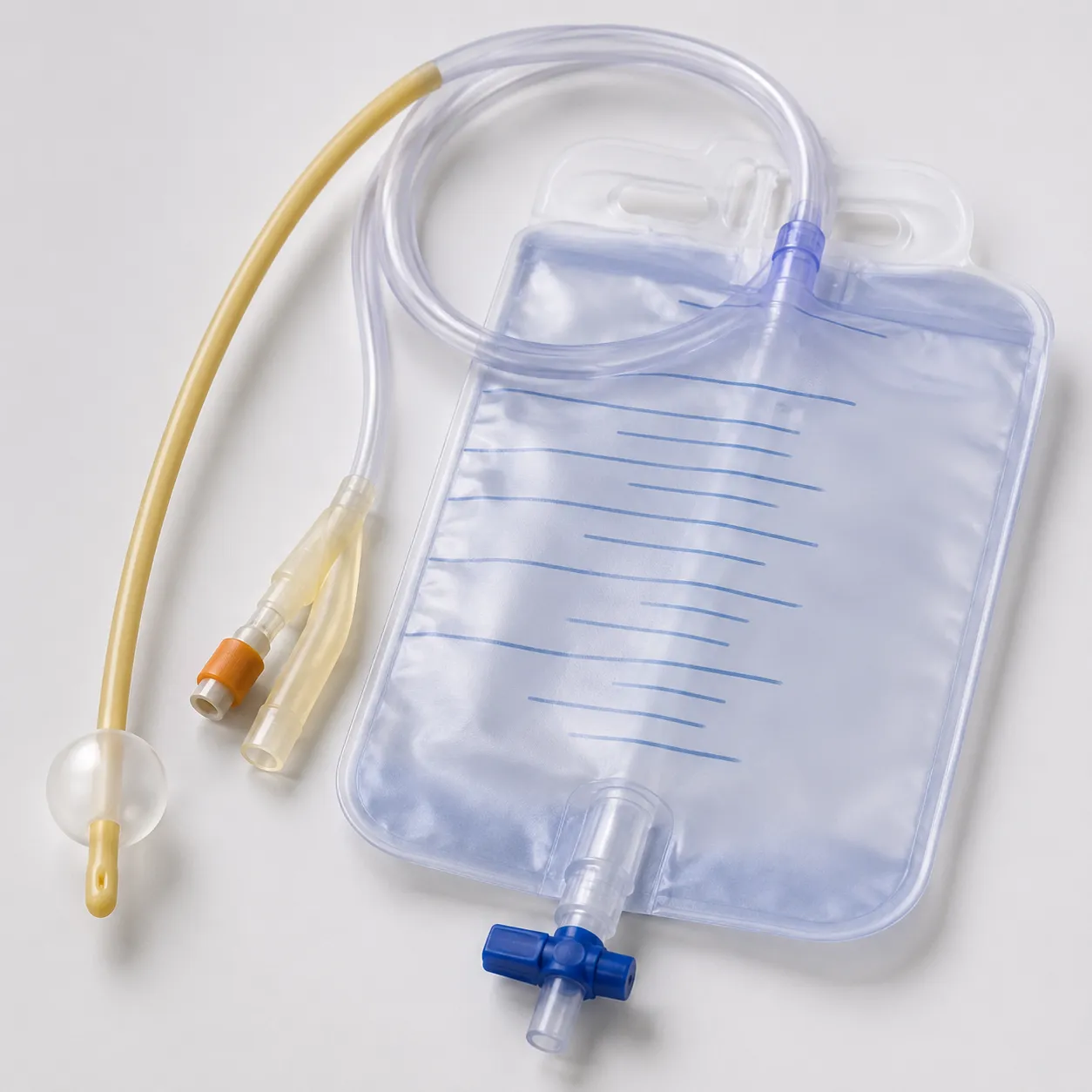
urinary catheterˈjʊrɪˌneri ˈkæθətər
a tube inserted into the bladder to drain urine from the body.

draindreɪn
an opening or pipe that carries away water or other liquid.
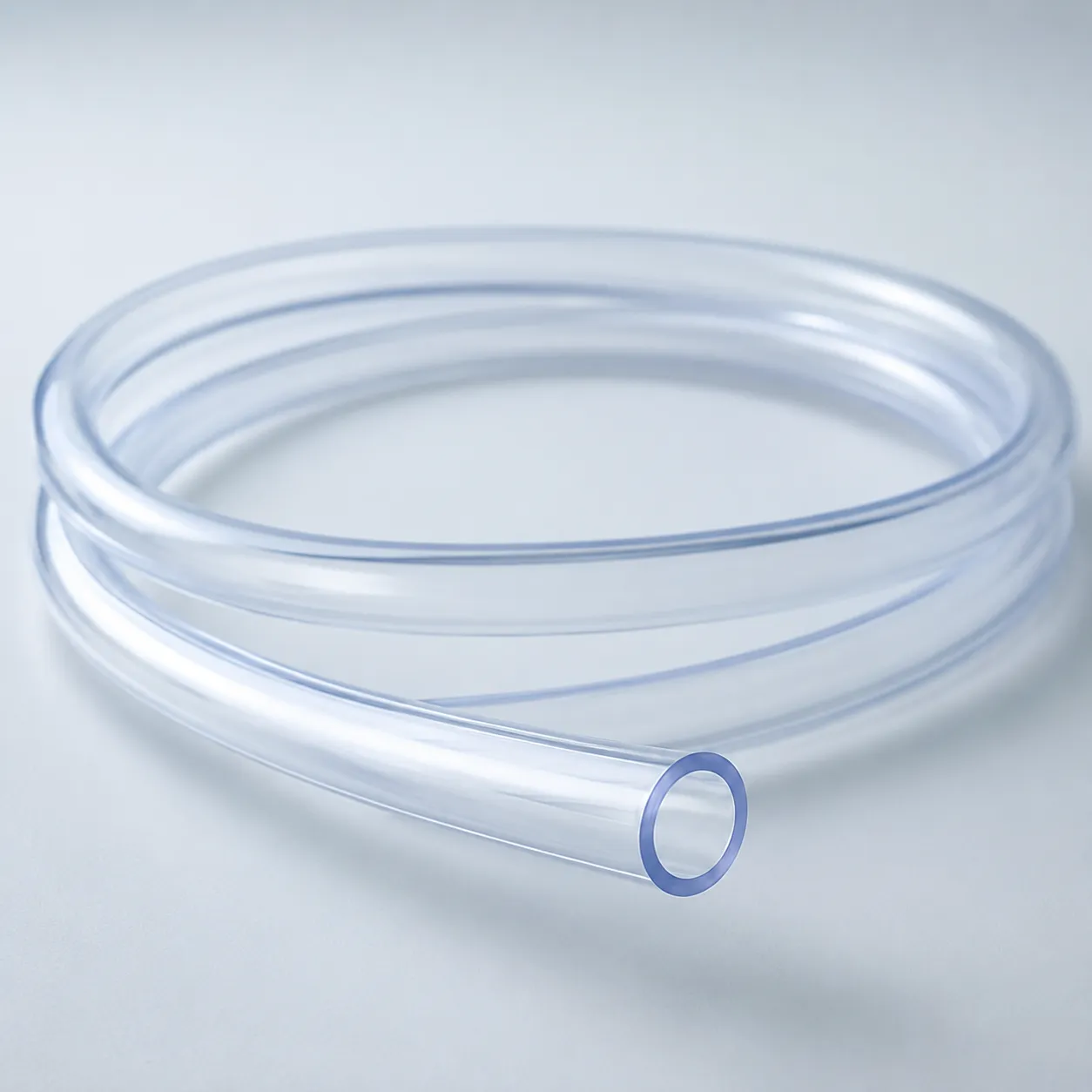
tubetuːb
a long, hollow object that is used especially to control the flow of a liquid or gas
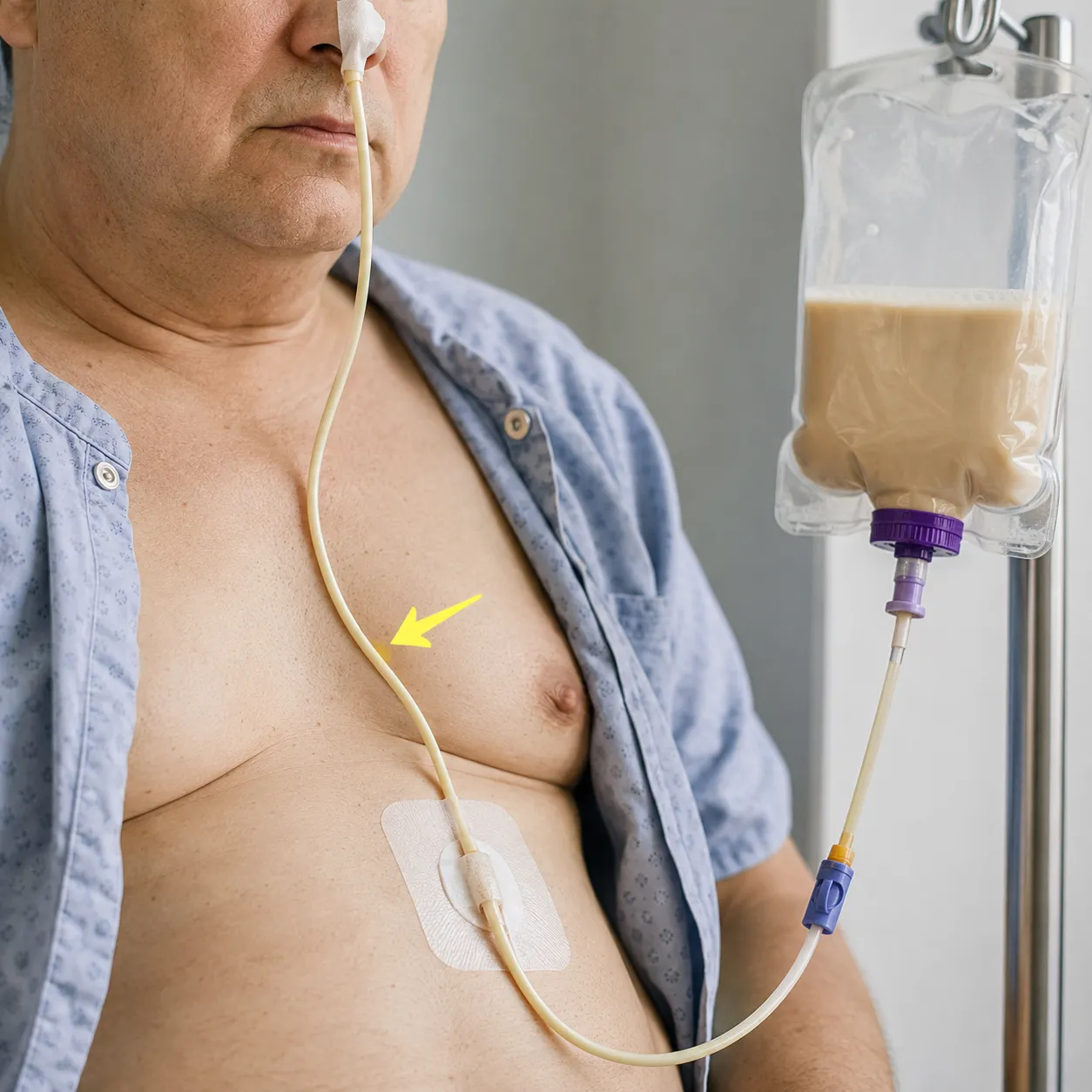
feeding tubeˈfiːdɪŋ tuːb
a tube used to give liquid food directly into the stomach or intestine.
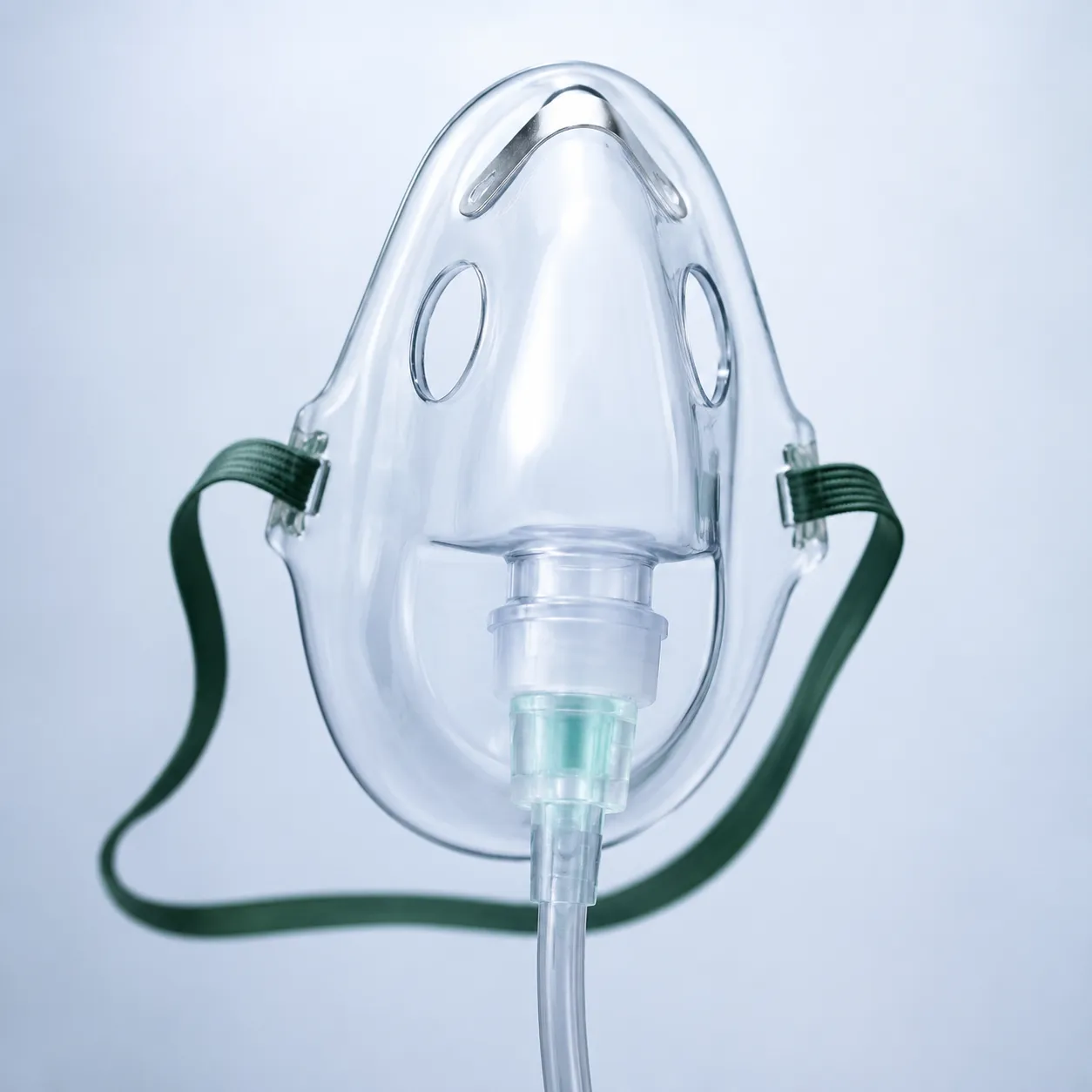
oxygen maskˈɑːksɪdʒən mæsk
a mask placed over the nose and mouth to give a patient oxygen to breathe.
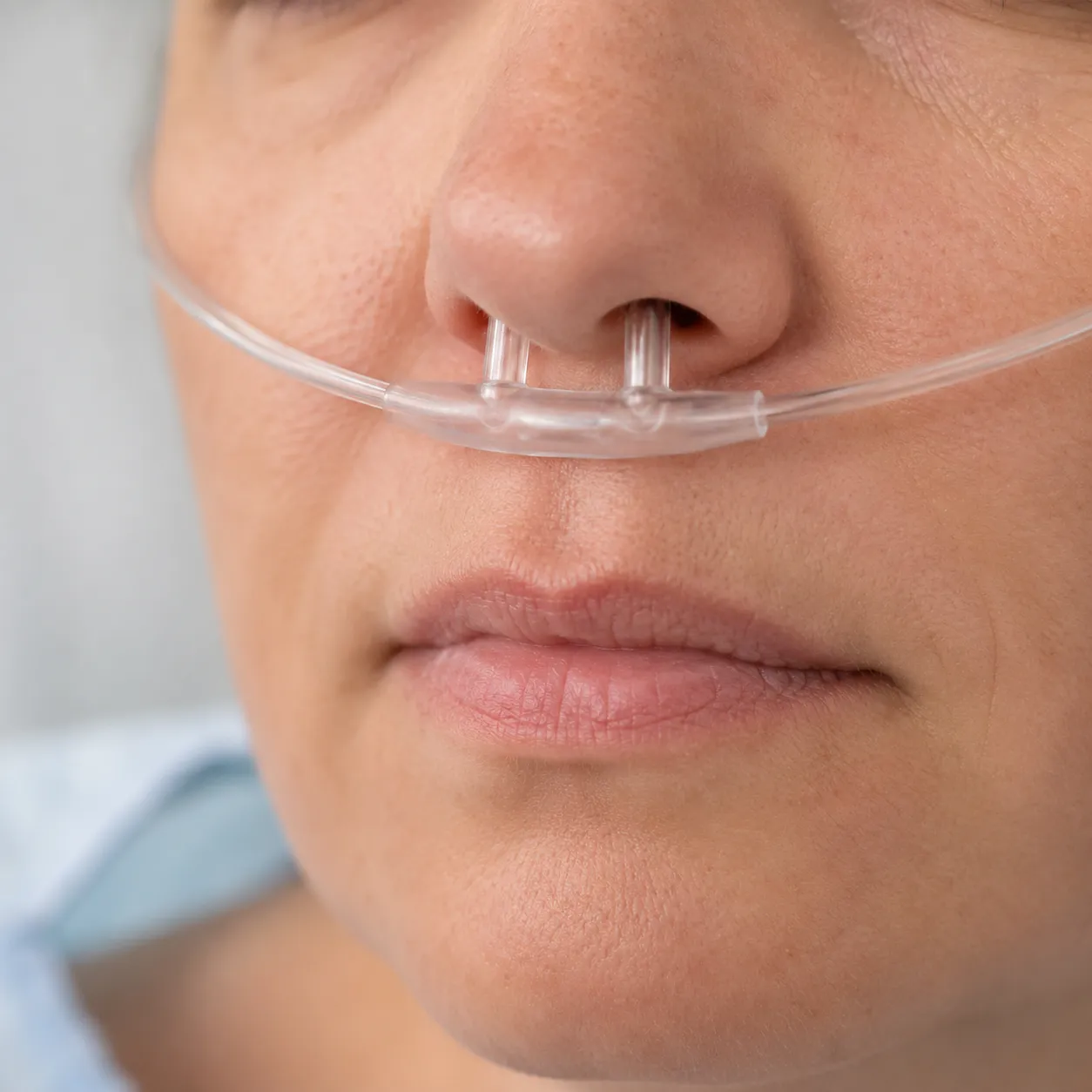
nasal cannulaˈneɪzəl ˈkænjʊlə
a small tube with two prongs placed in the nostrils to give oxygen.
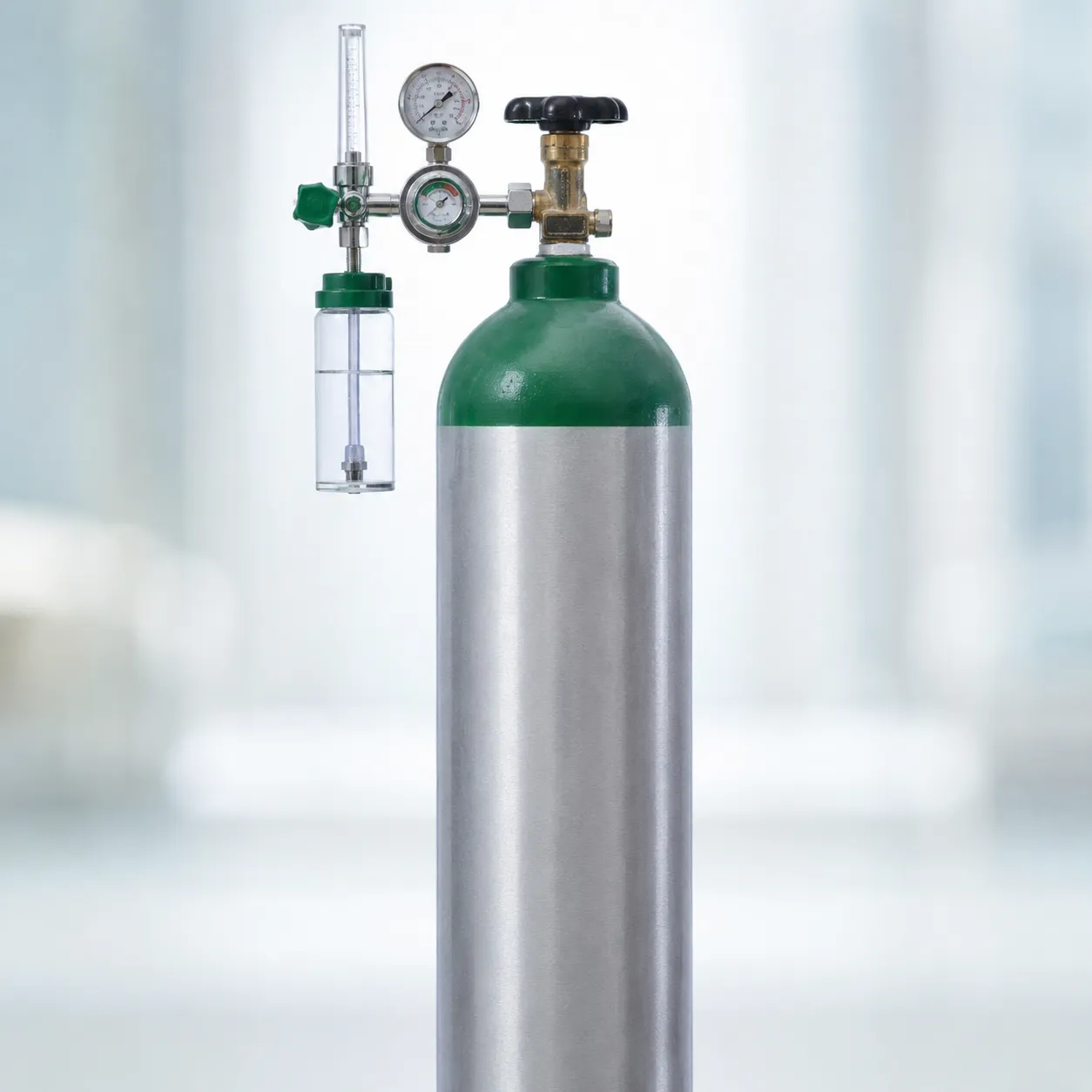
oxygen cylinderˈɑːksɪdʒən ˈsɪlɪndər
a metal container that stores compressed oxygen for medical use.
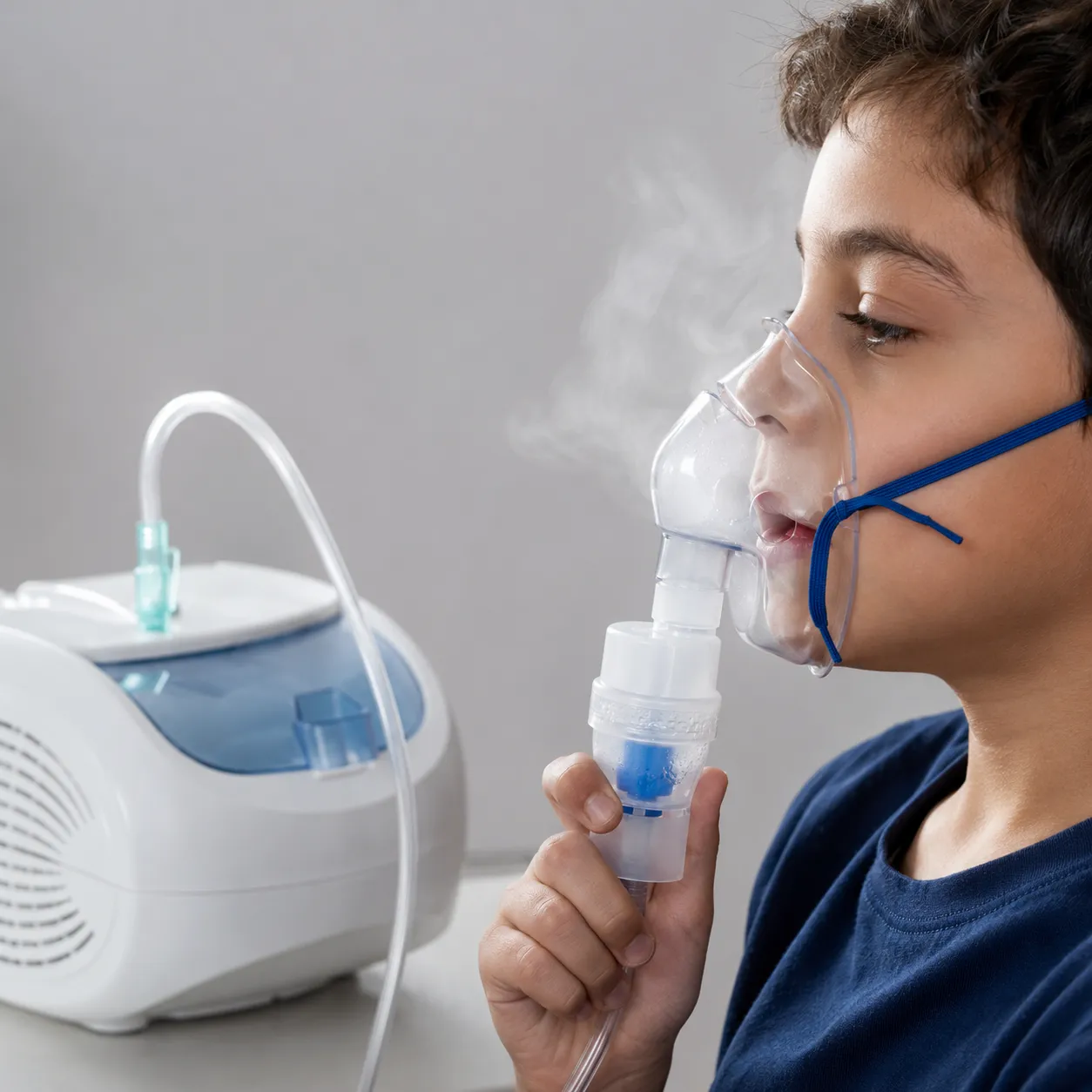
nebulizerˈnɛbjəˌlaɪzər
a machine that turns liquid medicine into a mist so a patient can breathe it in.
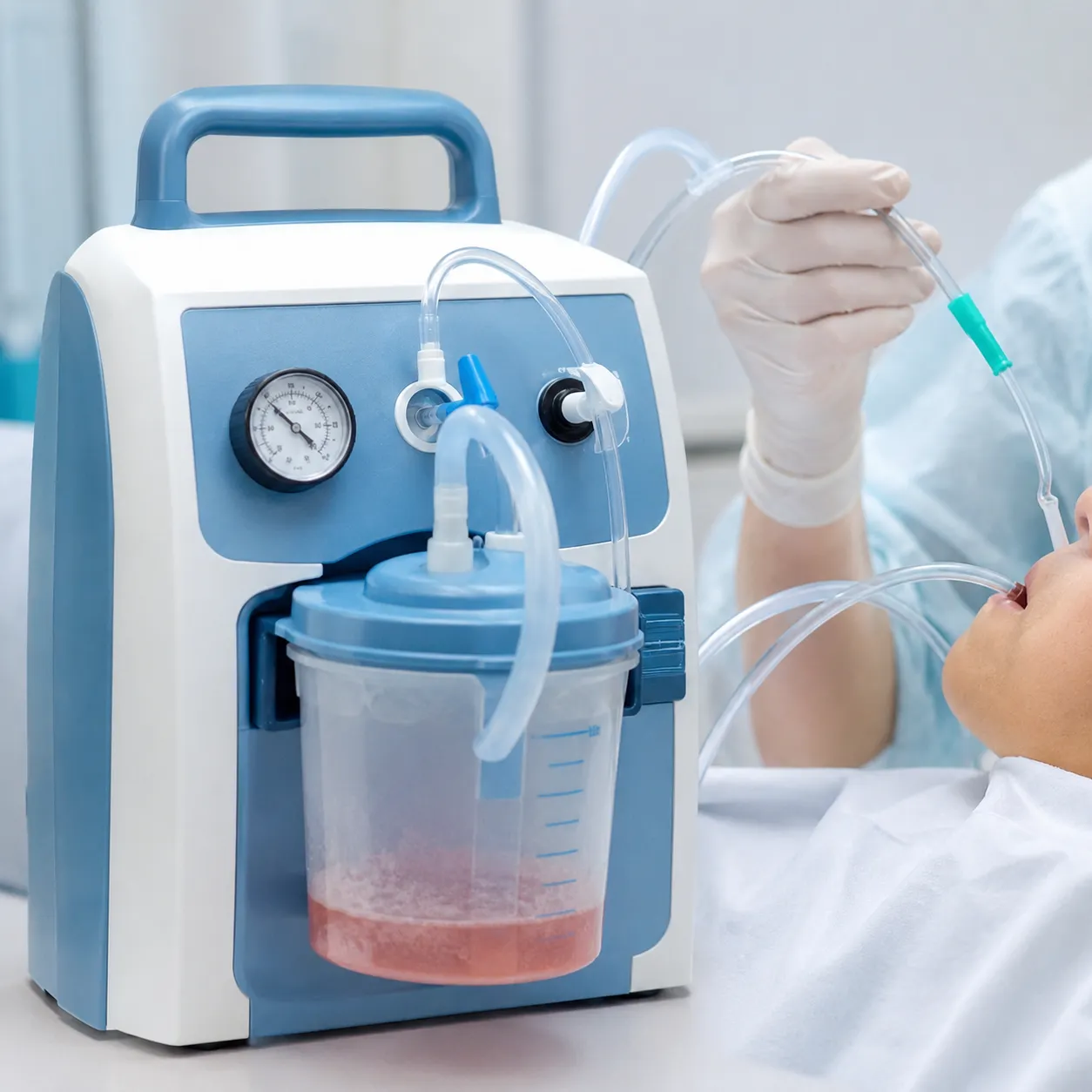
suction machineˈsʌkʃən məˈʃiːn
a machine that uses suction to remove mucus, blood, or other fluid from a patient’s airway or wound.
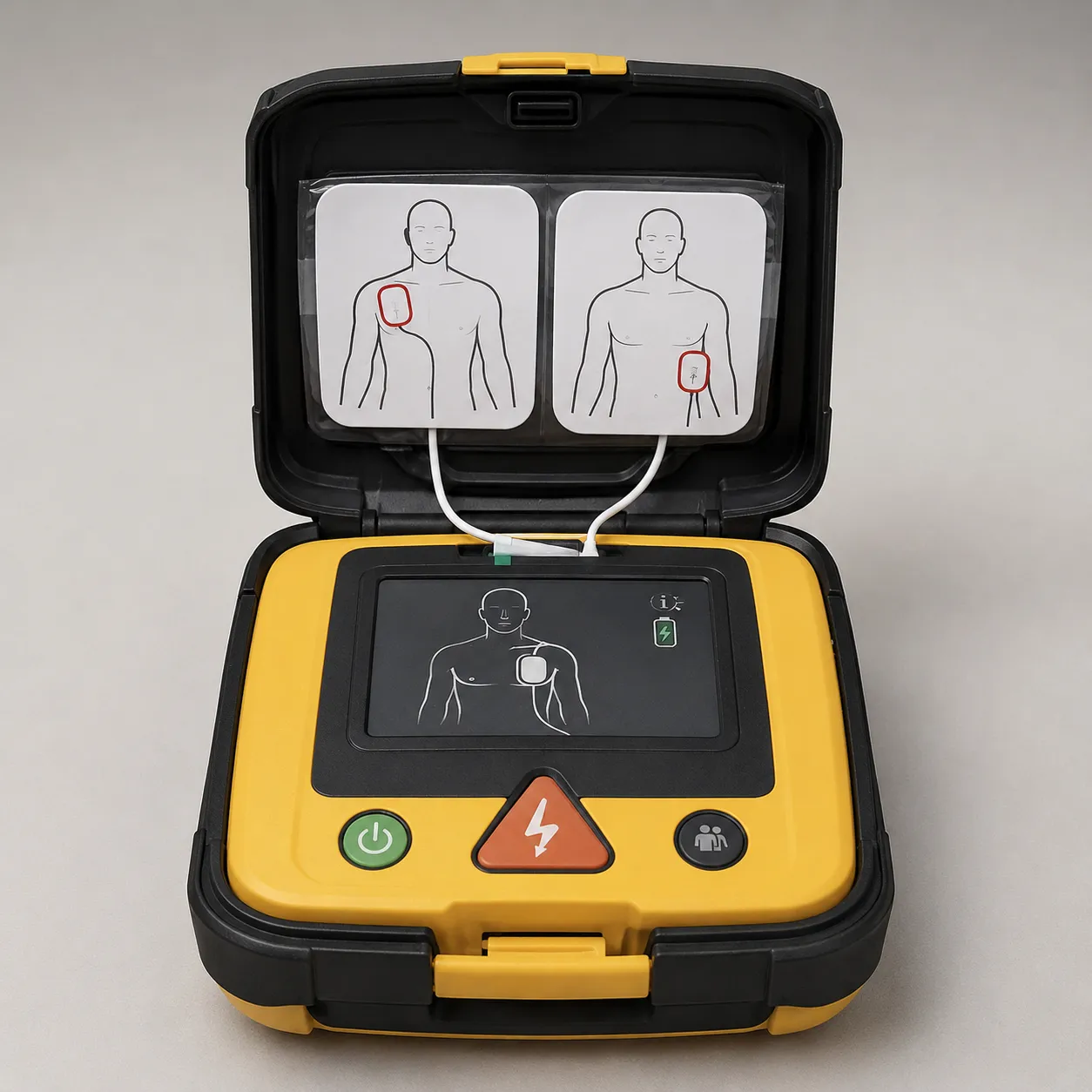
defibrillatordiːˈfɪbrəˌleɪtər
a machine that gives an electric shock to the heart to try to restore a normal heartbeat.
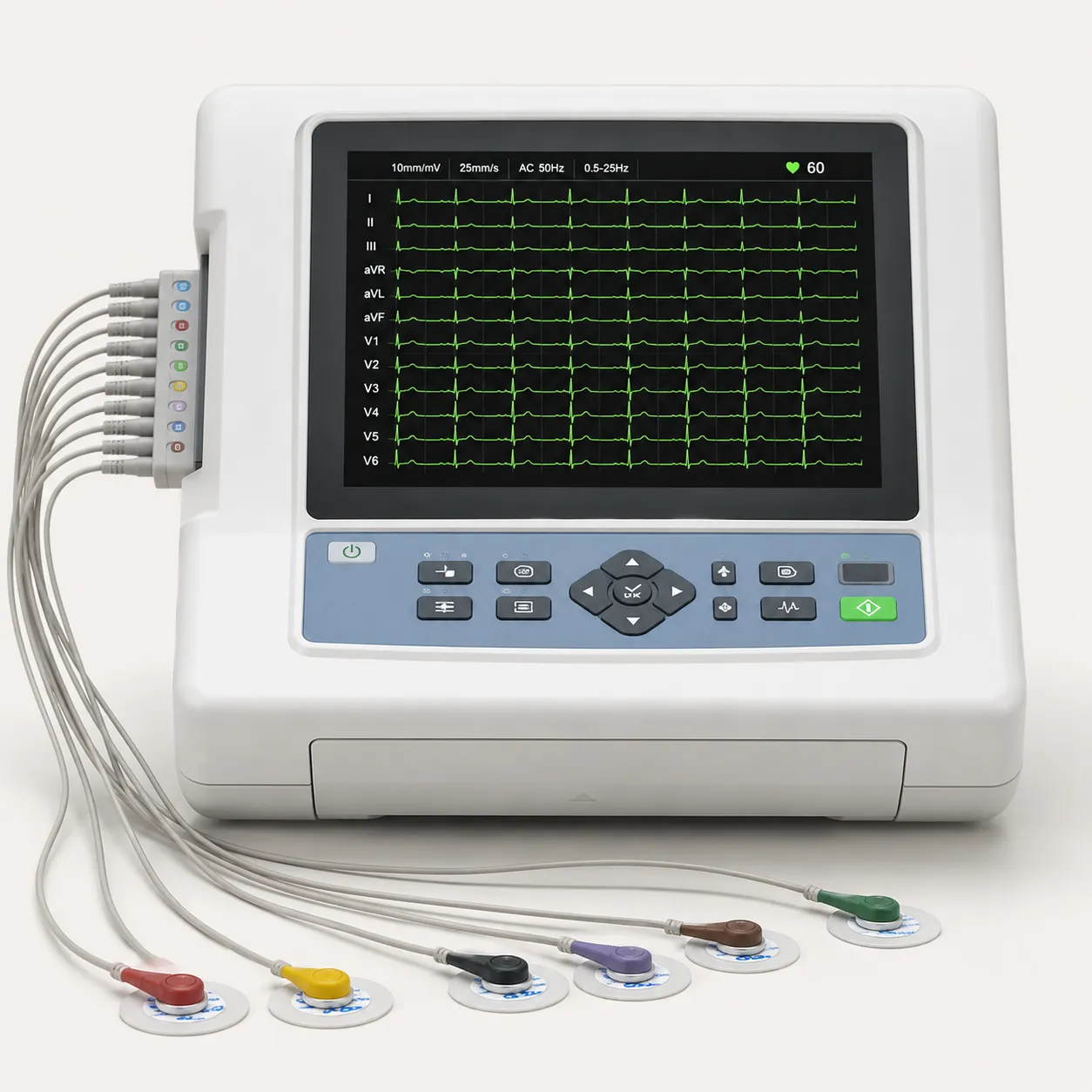
ECG machineˌiː siː ˈdʒiː məˈʃiːn
a machine that records the electrical activity of the heart.

monitorˈmɑːnɪtər
a screen that shows information from a computer.
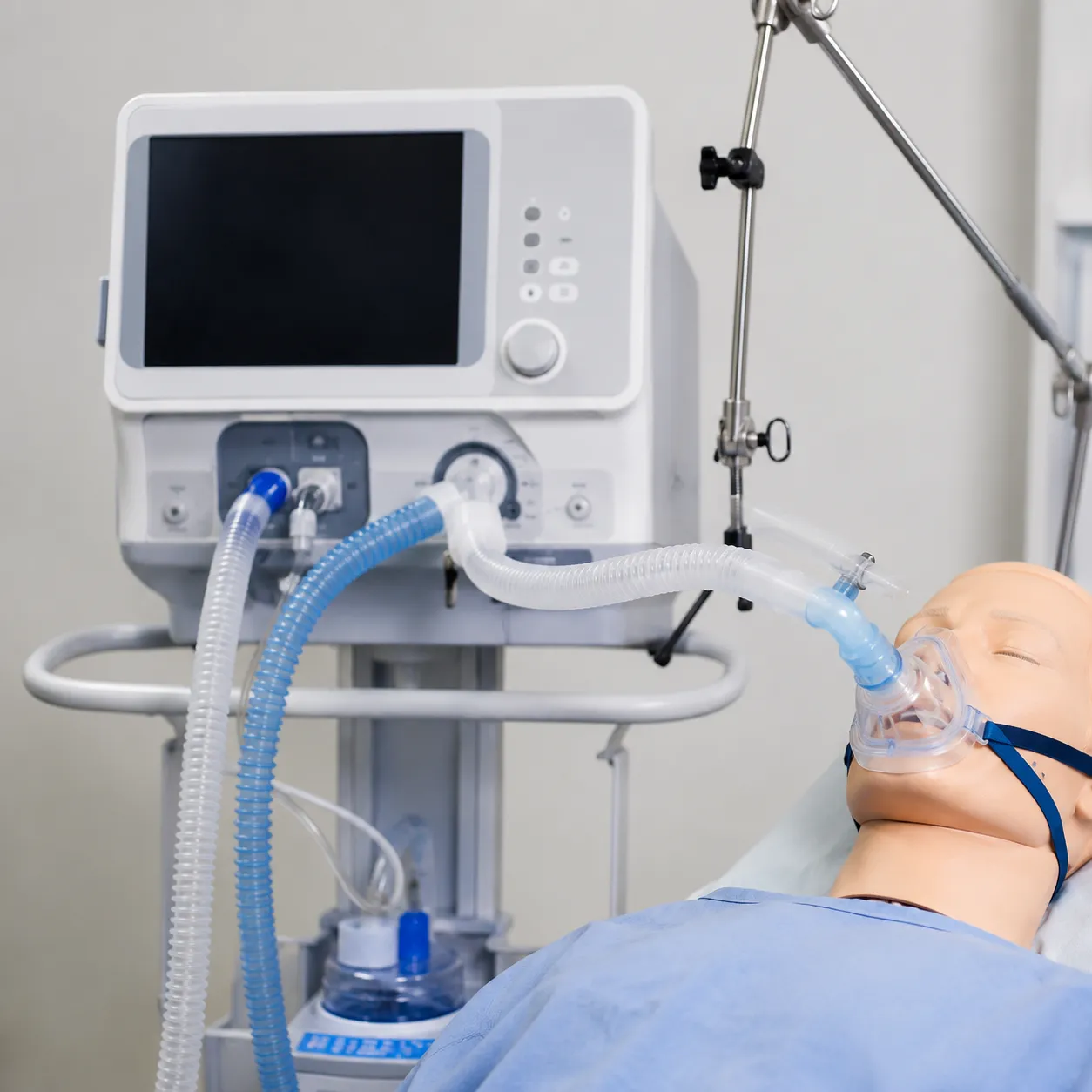
ventilatorˈventɪˌleɪtər
a machine that helps or takes over breathing by moving air into and out of the lungs.
Beds, linen, call systems and routine tasks performed at the patient's bedside.
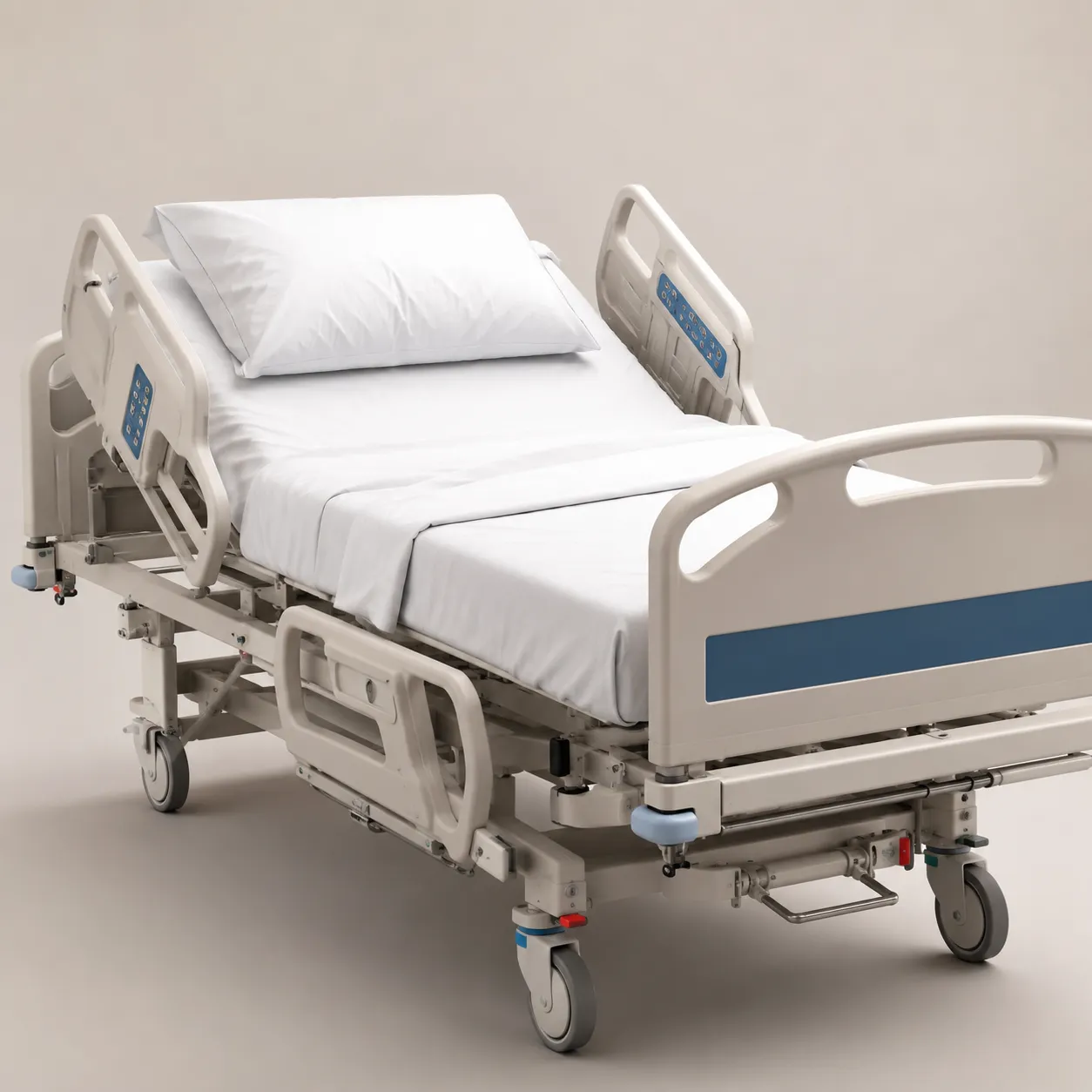
hospital bedˈhɑːspɪtəl bed
a special adjustable bed used for patients in a hospital or care setting.
bedrailˈbedreɪl
a rail on the side of a bed that helps prevent a patient from falling out.
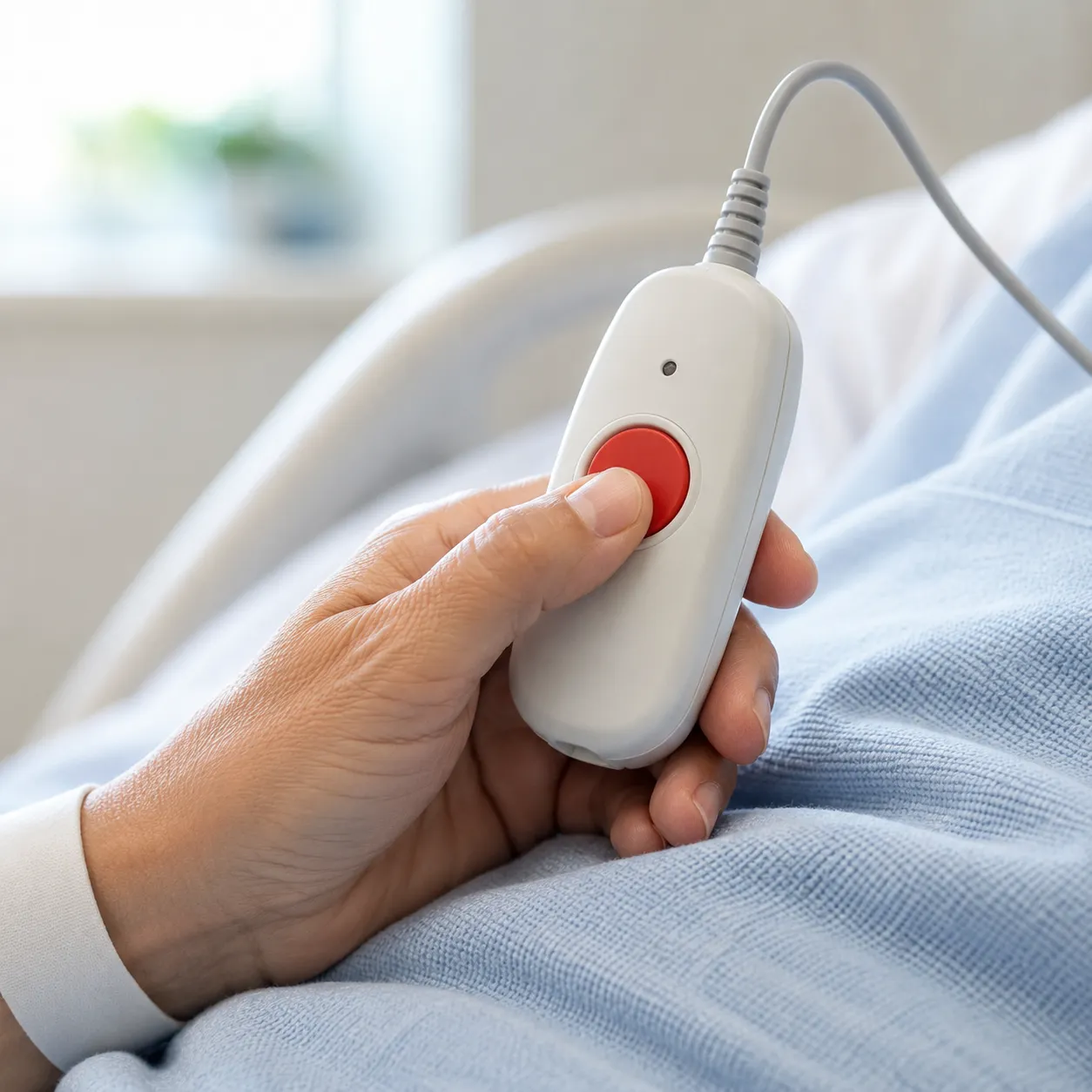
call bellˈkɔːl bɛl
a button or device a patient uses to call a nurse or carer for help.

bedside tableˈbɛdsaɪd ˈteɪbəl
a small table kept next to a bed for personal items or care equipment.

linenˈlɪnɪn
cloth items used on a bed or for washing, such as sheets, pillowcases, and towels.

sheetʃiːt
a large piece of cloth used to cover a mattress or a person in bed.

blanketˈblæŋkɪt
a warm cover used on a bed or around the body.

pillowˈpɪloʊ
a soft object that you rest your head on in bed.

towelˈtaʊəl
a piece of cloth or paper used for drying your body, hands, face, or other wet things.
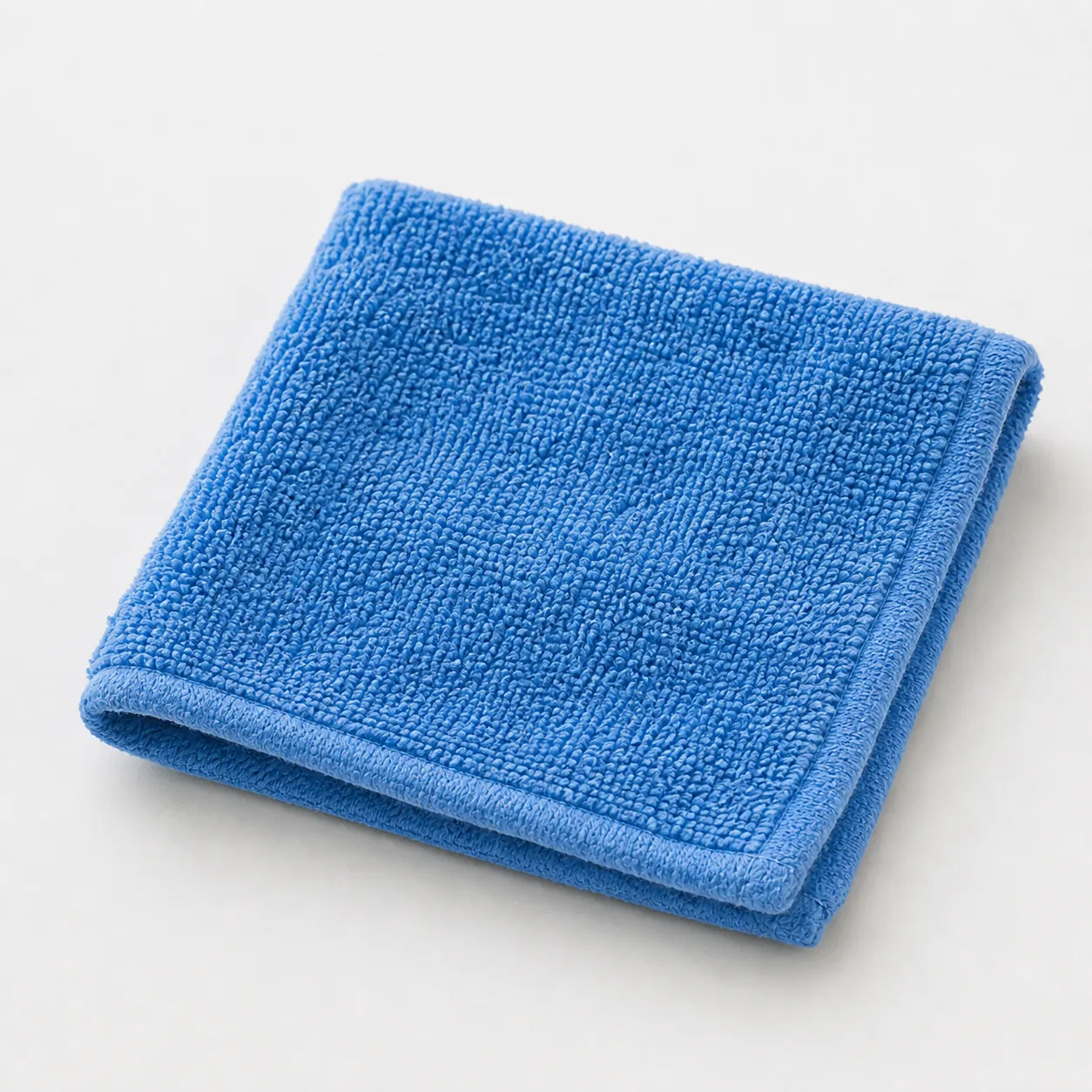
washclothˈwɑːʃklɔːθ
a small cloth used with water and soap to wash the body or face.

basinˈbeɪsən
a bowl-shaped container used for holding water, especially for washing
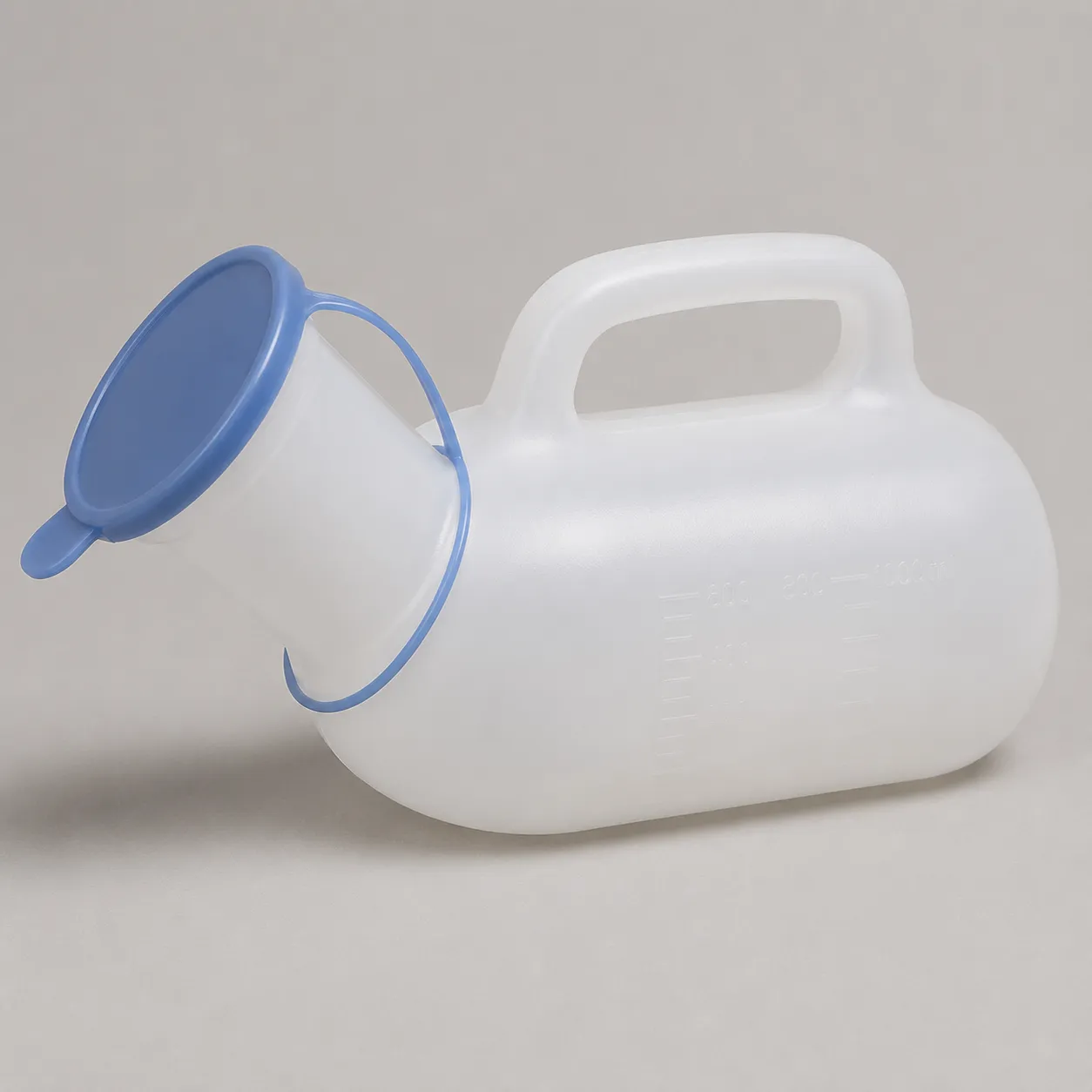
urinalˈjʊrənəl
a container used by a patient, usually a man, to pass urine while in bed or unable to reach a toilet.
raise the bedreɪz ðə bed
to move a hospital bed or part of it to a higher position.
lower the bedˈloʊər ðə bed
to move a hospital bed or part of it to a lower position.
raise the bedrailreɪz ðə ˈbedreɪl
to lift the side rail of a hospital bed into the up position for safety.
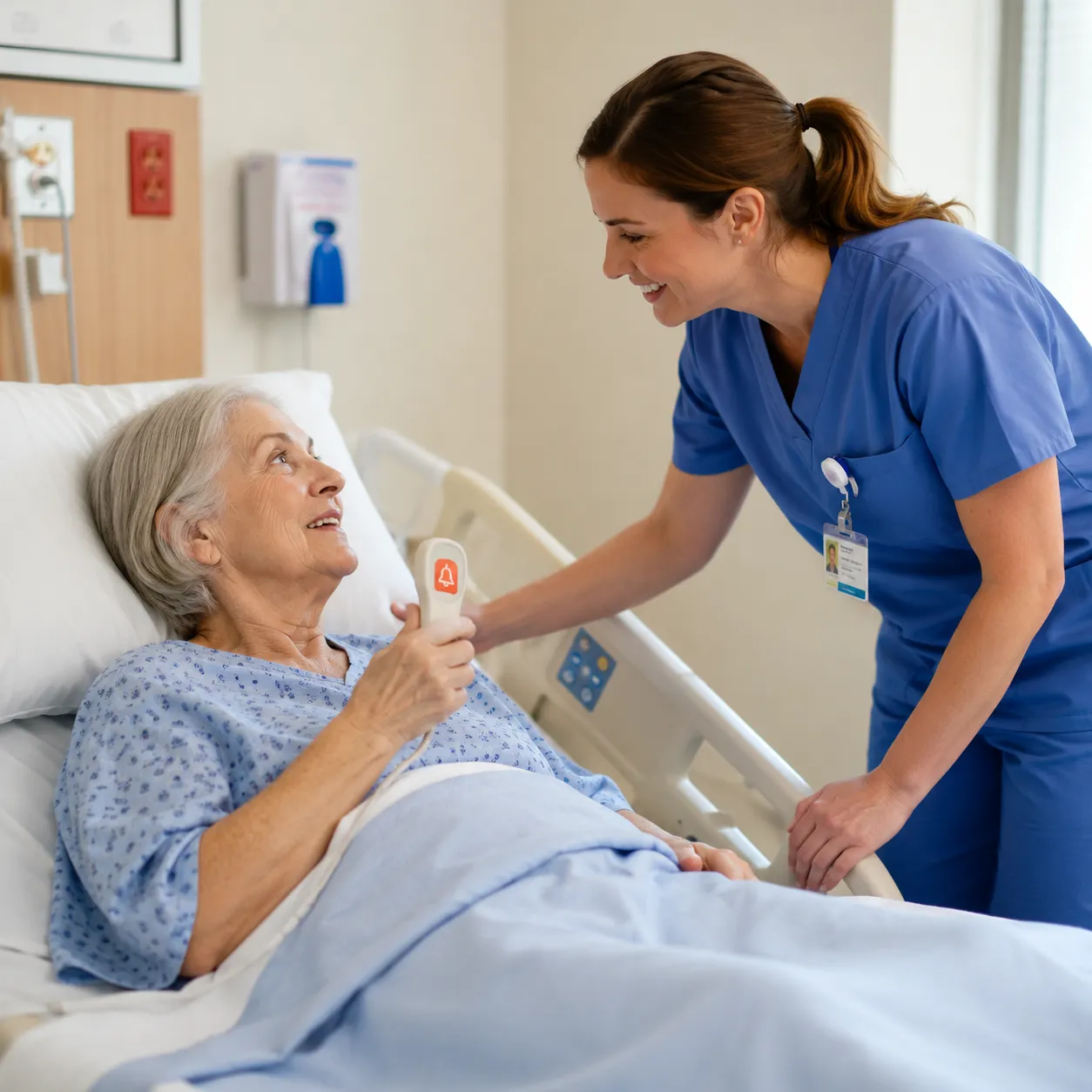
answer the call bellˈænsər ðə kɔːl bel
to respond when a patient uses the bell or button to ask for help.

make the bedmeɪk ðə bed
to arrange the sheets, blankets, and pillows on a bed neatly.

change the linentʃeɪndʒ ðə ˈlɪnən
to remove used sheets and pillowcases and put clean ones on the bed.
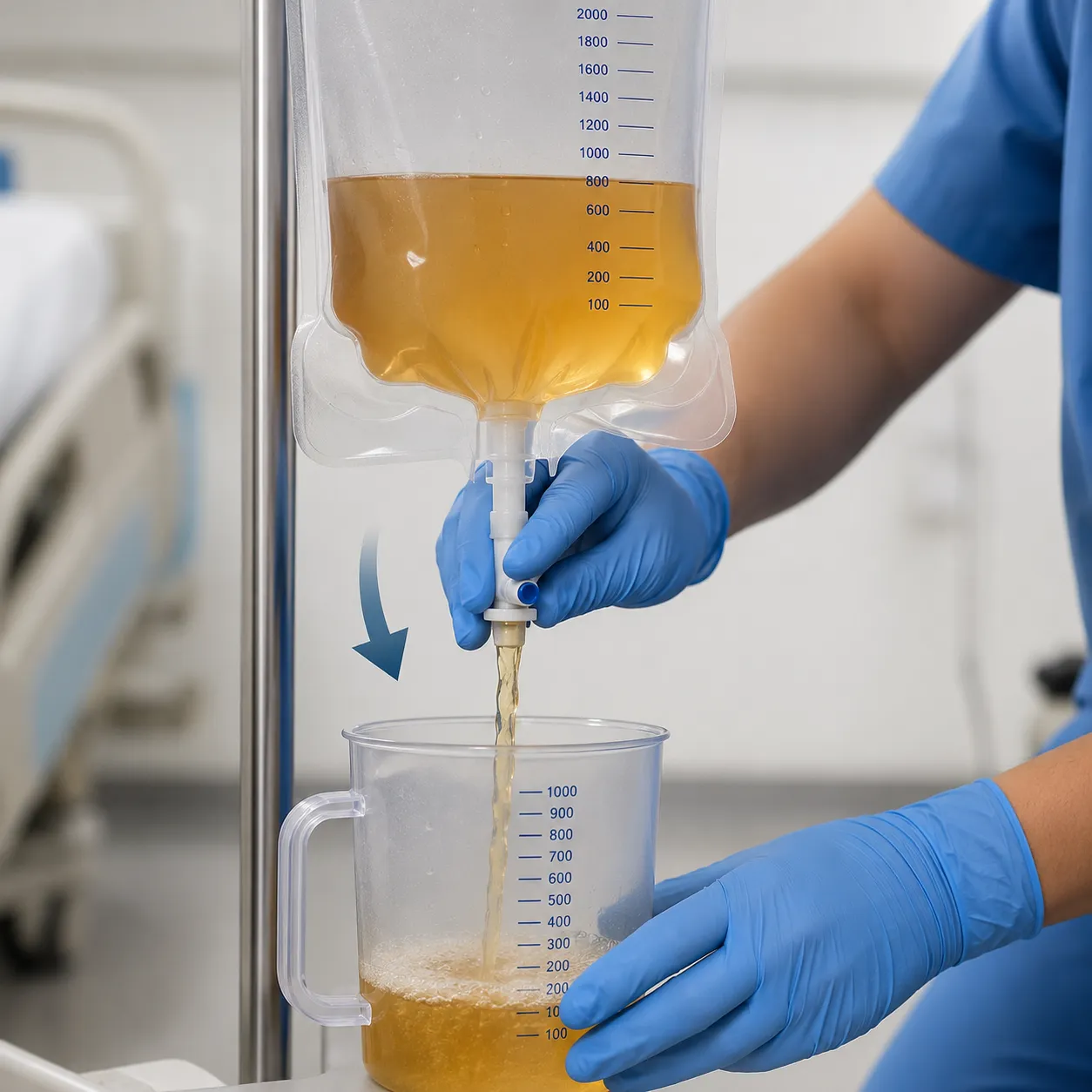
empty the catheter bagˈempti ðə ˈkæθətər bæɡ
to drain urine from a catheter collection bag and measure or dispose of it safely.
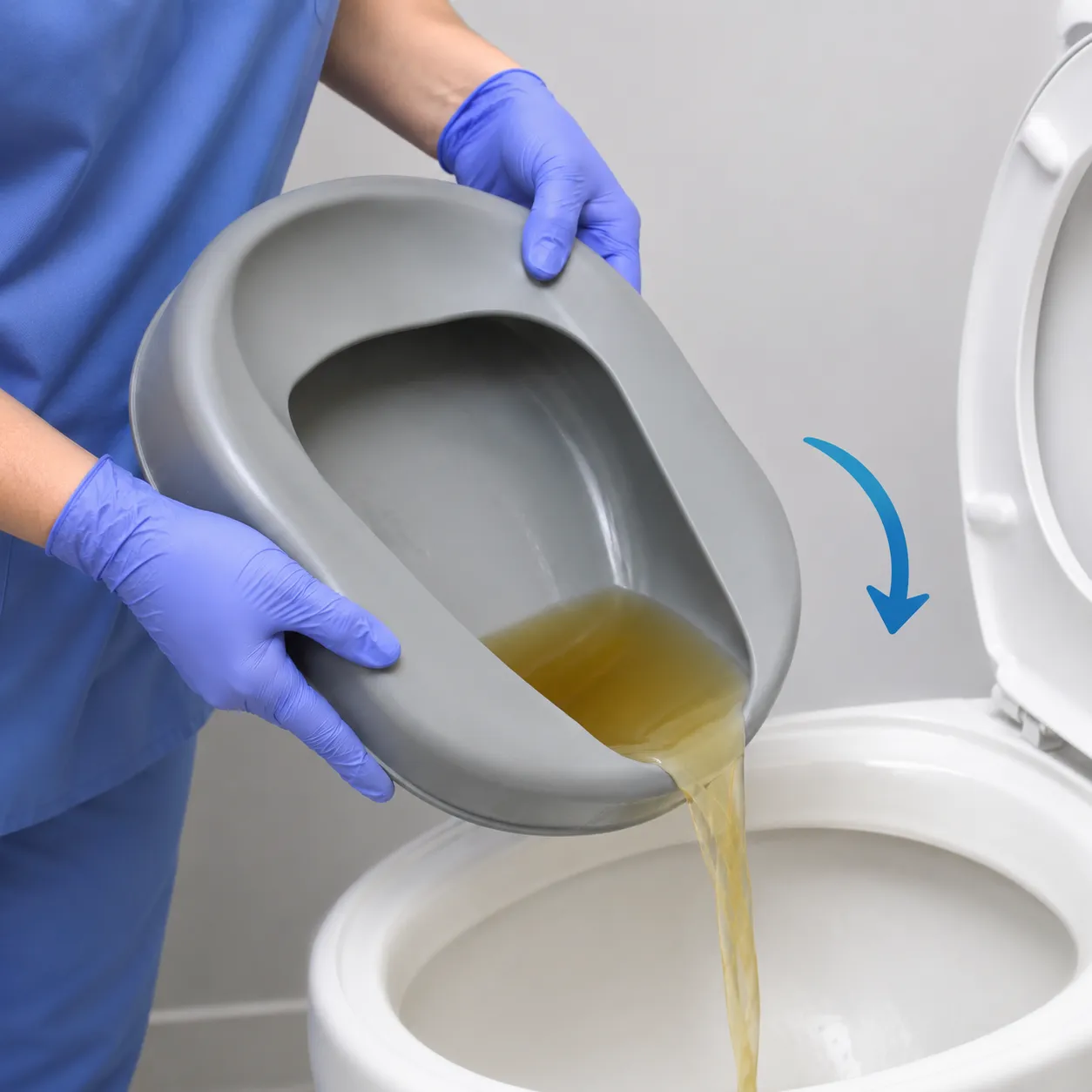
empty the bedpanˈɛmpti ðə ˈbɛdpæn
to remove urine or feces from a portable toilet container used by a patient in bed.
Washing, dressing, toileting and privacy support for everyday personal care.

cutkʌt
the style or shape of a piece of clothing, hair, or a similar thing.
bedpanˈbɛdpæn
a shallow container used as a toilet by a person who must stay in bed.
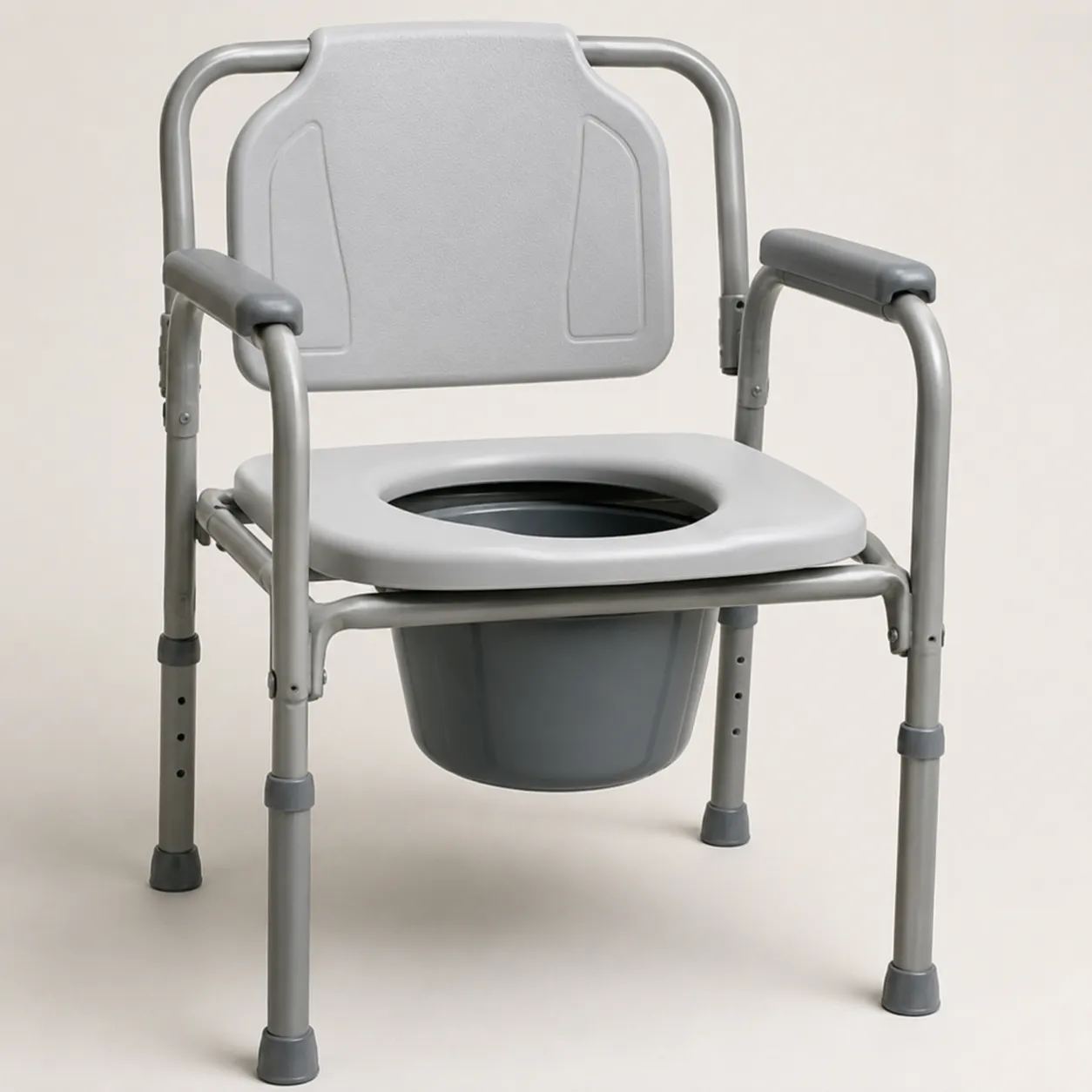
commodekəˈmoʊd
a portable chair with a toilet container, used by people who cannot easily reach a bathroom.
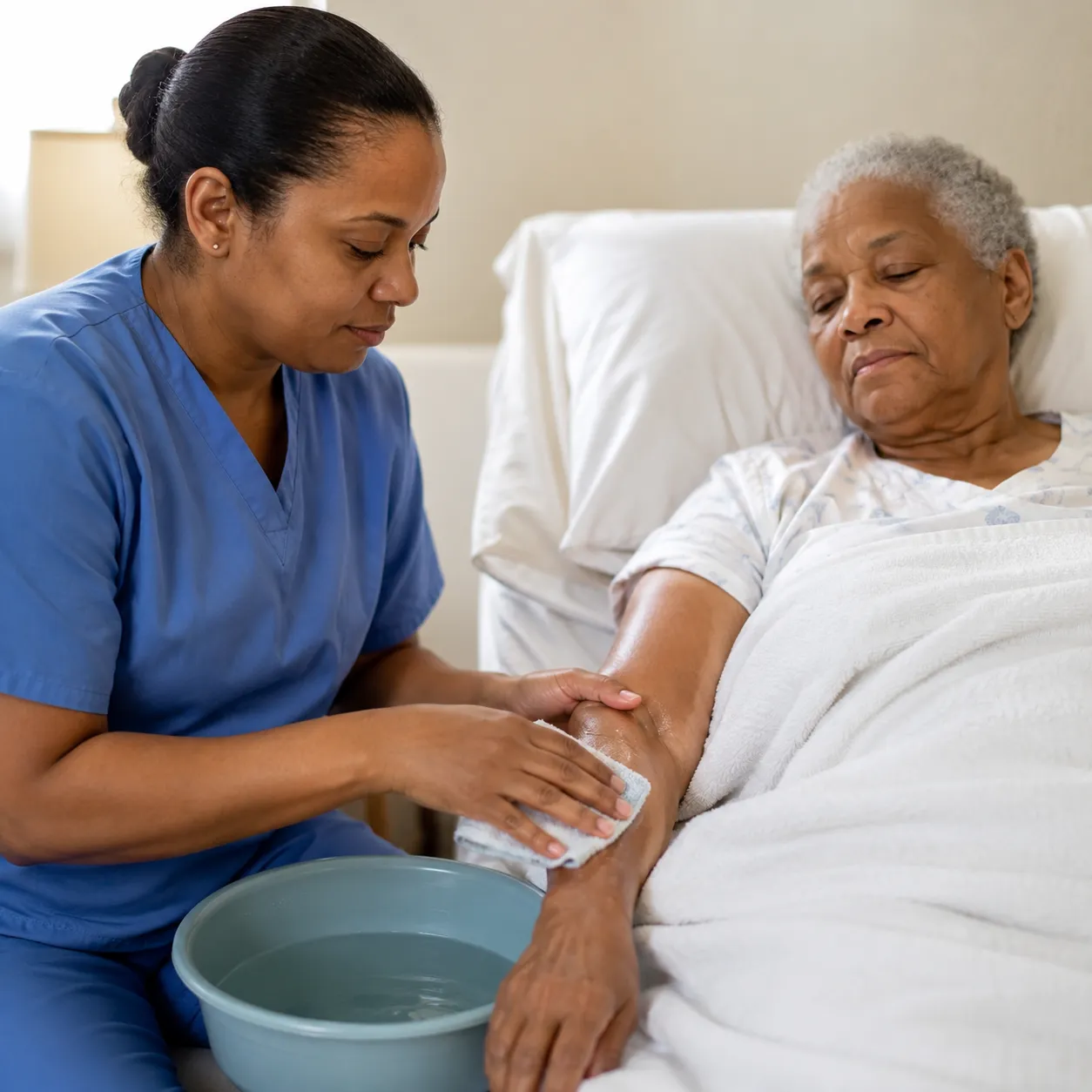
bathebeɪð
to wash a patient’s body, especially when they cannot wash themselves.
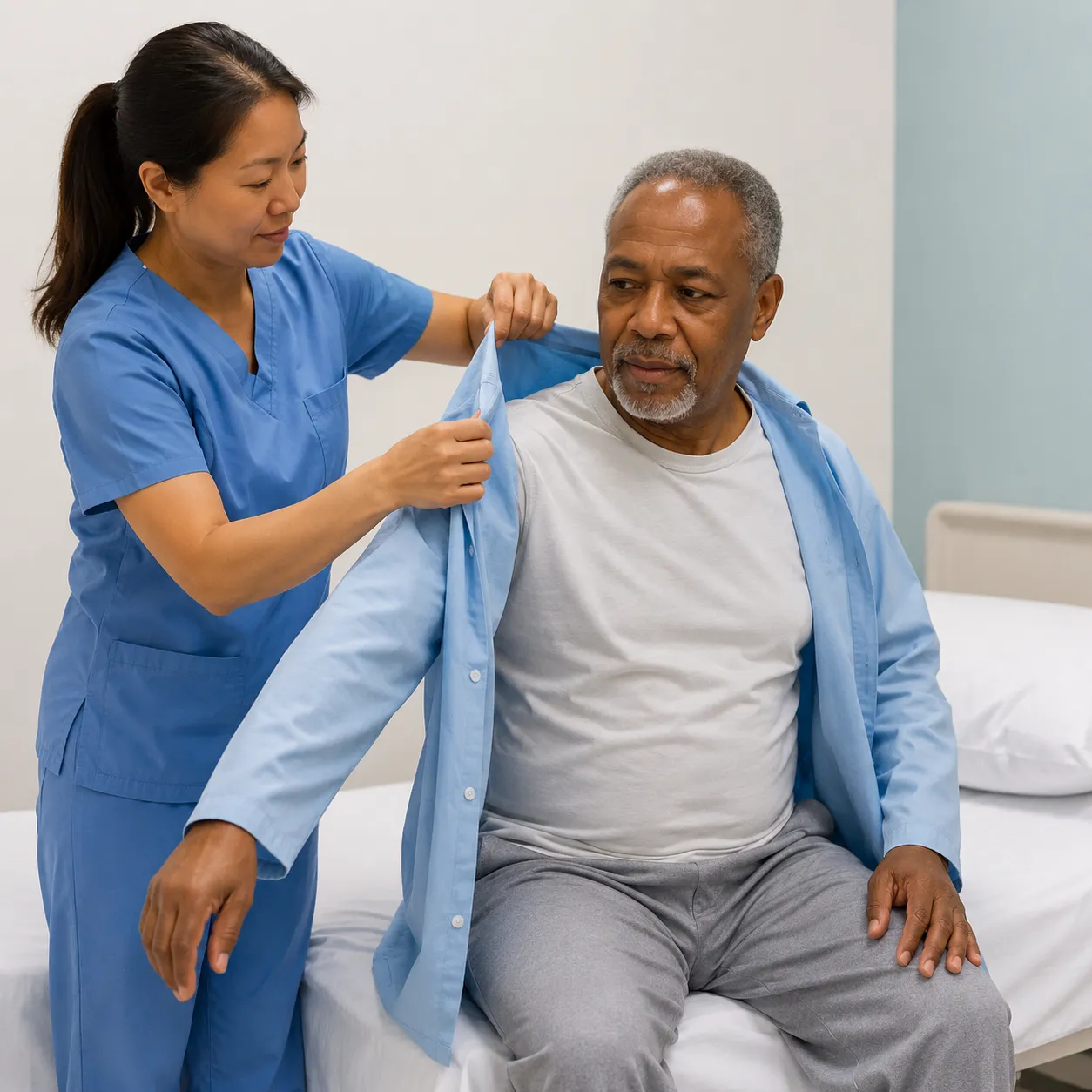
dressdres
to put clothes on a patient or help them put on clothes.

undressʌnˈdres
to take off your clothes, or to remove someone else's clothes
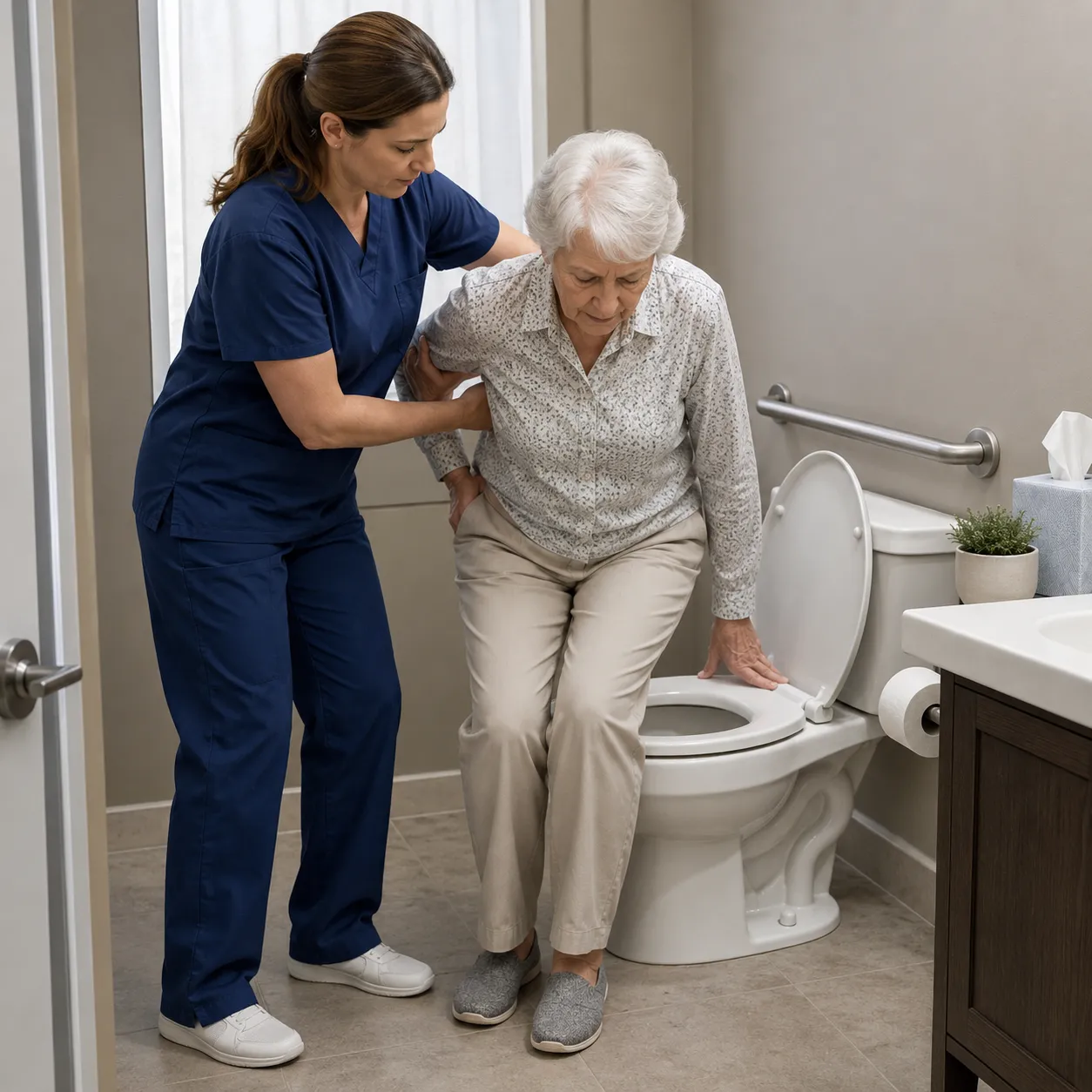
Toiletˈtɔɪlət
to help a patient use the toilet or manage urination and bowel movements.
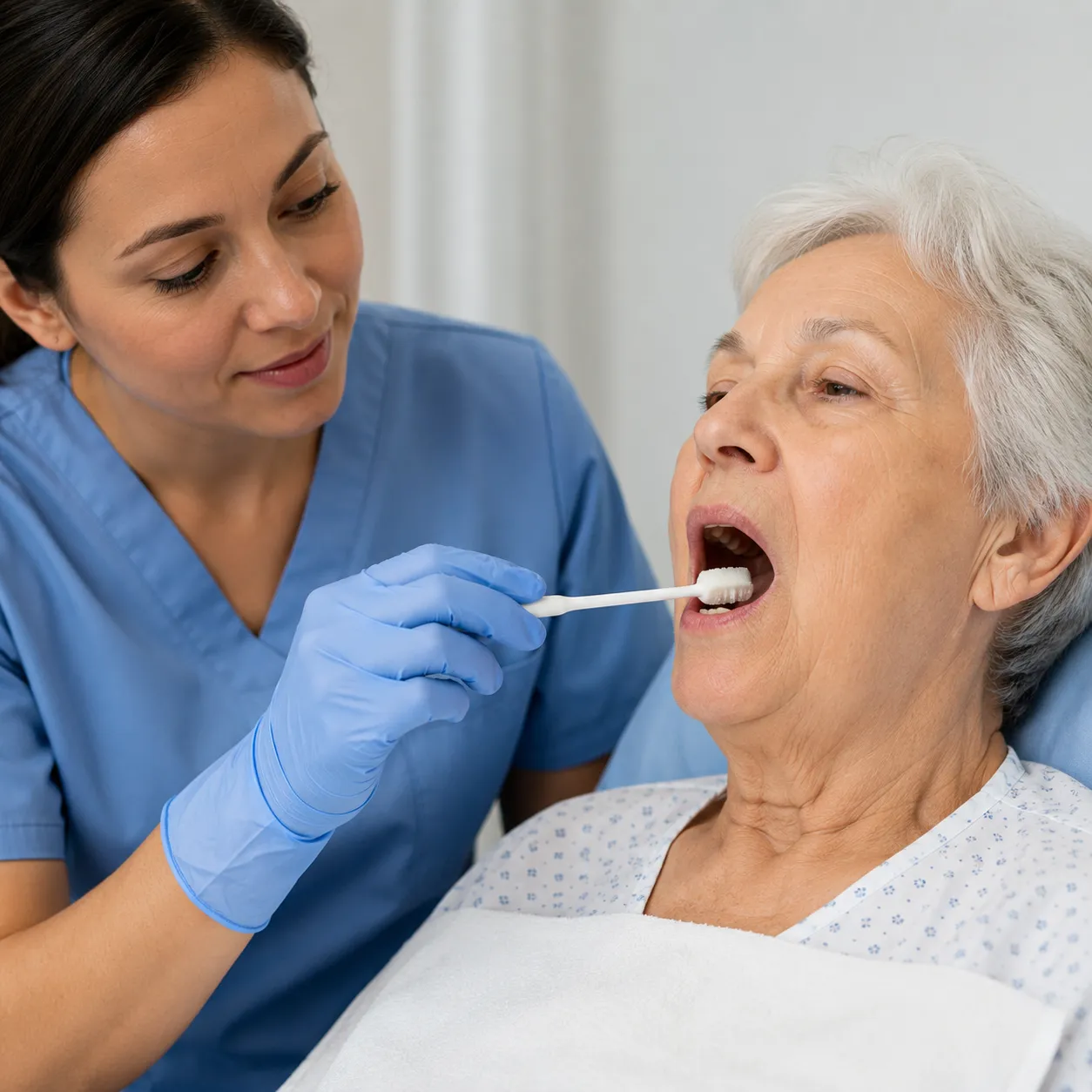
mouth caremaʊθ kɛr
care that keeps a patient’s mouth, teeth, gums, and lips clean and healthy.
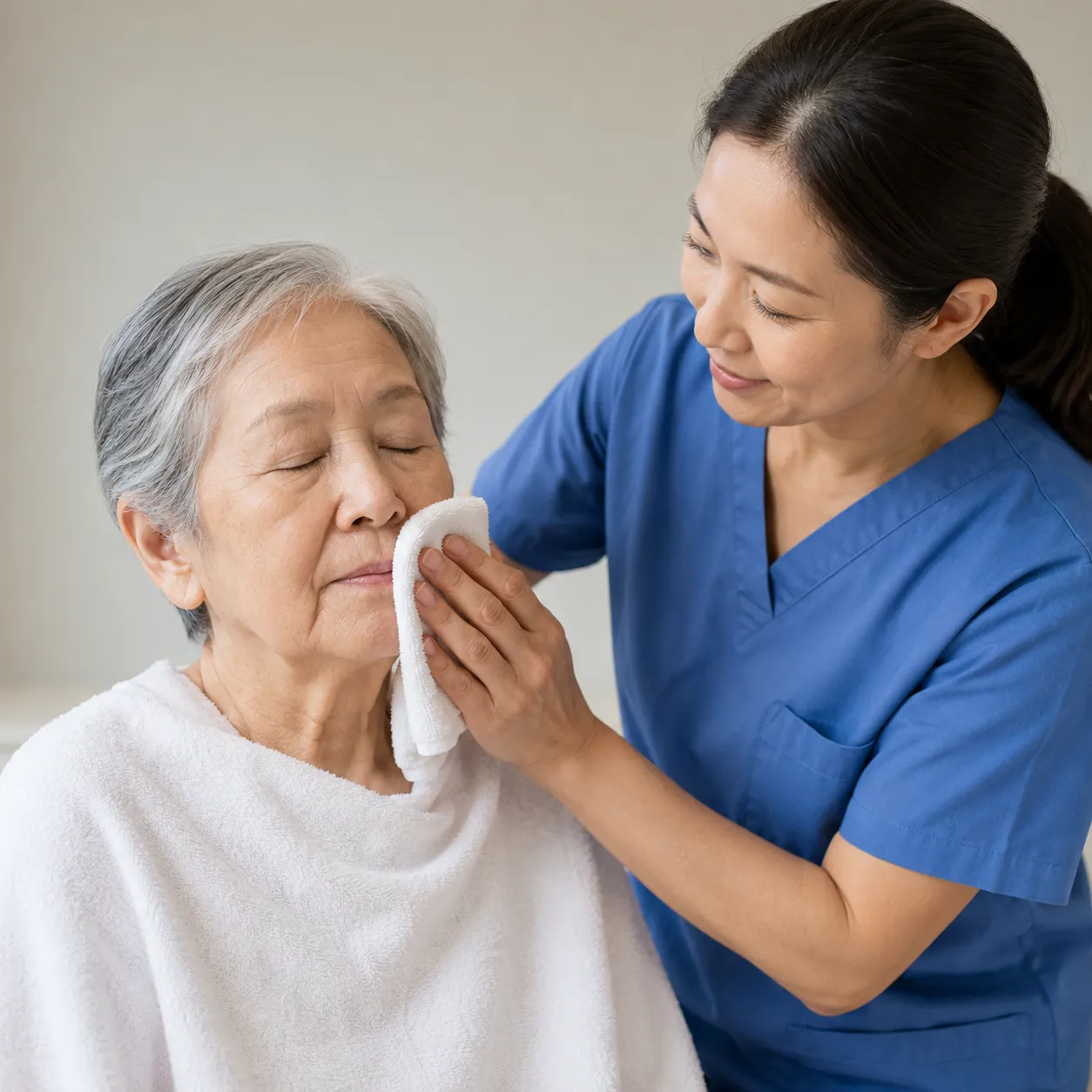
personal careˈpɜːrsənəl kɛr
help with daily body-care activities such as washing, dressing, grooming, and toileting.
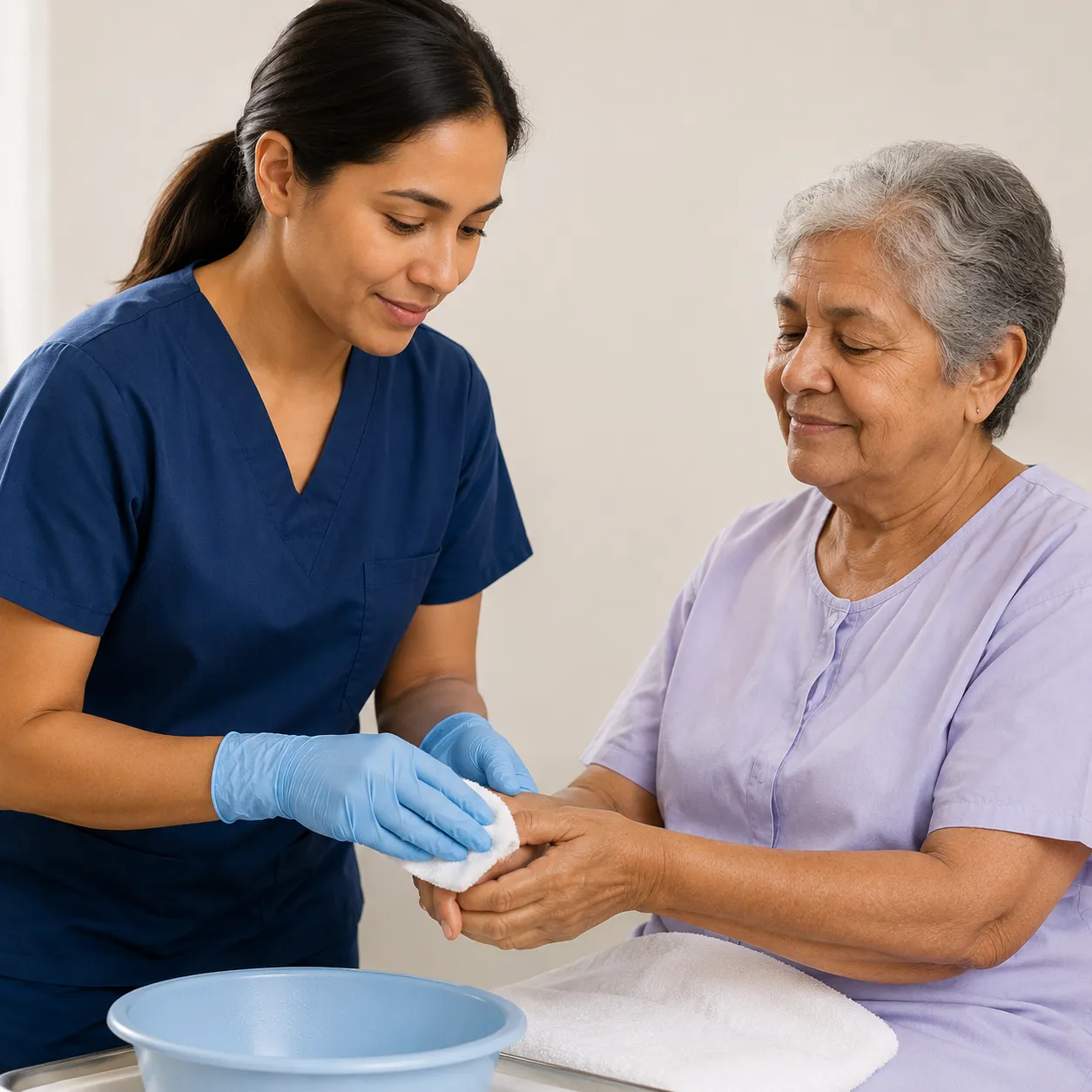
hygiene careˈhaɪdʒiːn kɛr
care that helps keep a patient’s body clean and reduces the spread of germs.
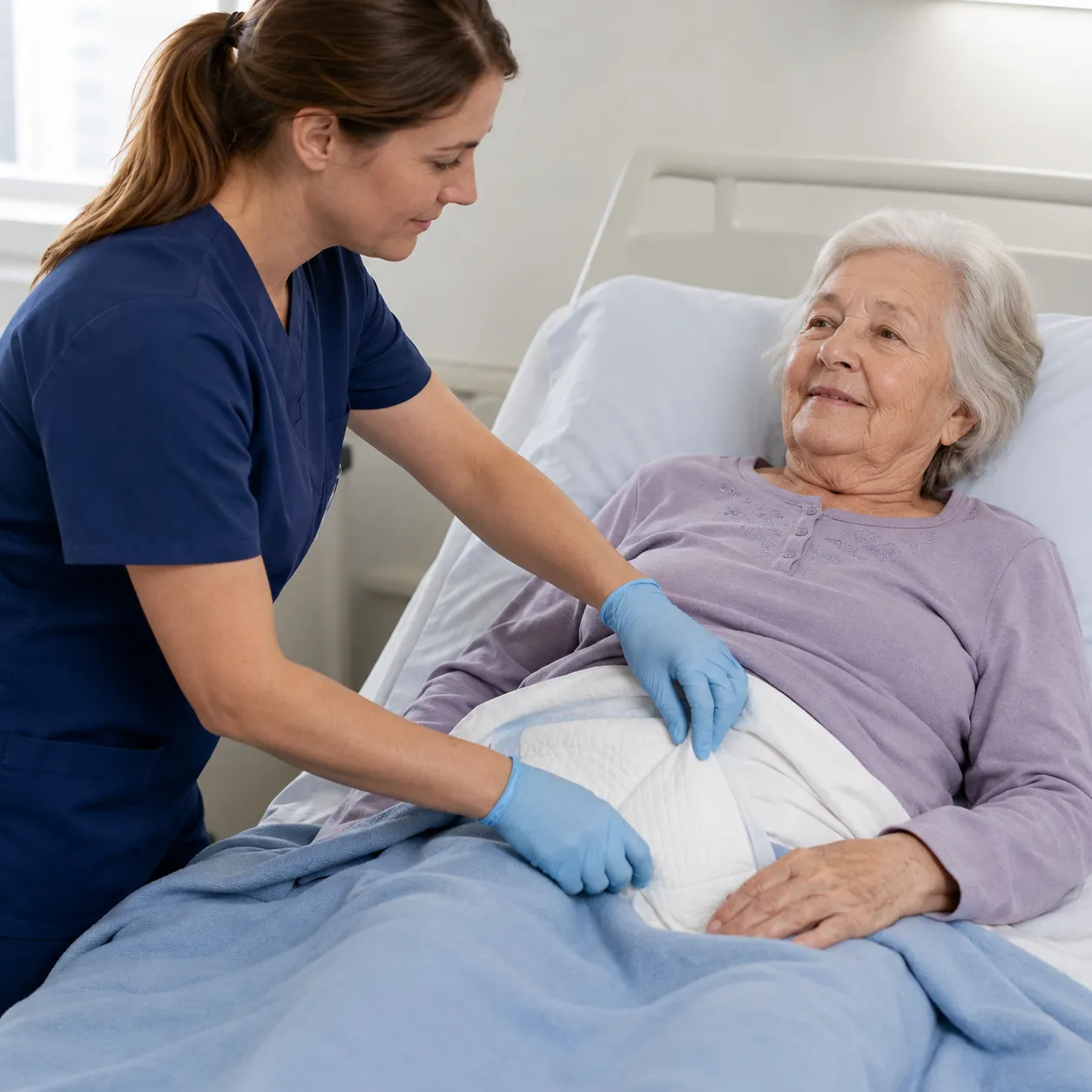
continence careˈkɑːntɪnəns kɛr
support for a patient to manage bladder or bowel control and related hygiene.

personal hygieneˈpɜːrsənəl ˈhaɪdʒiːn
keeping the body clean through washing, grooming, and changing clothes.
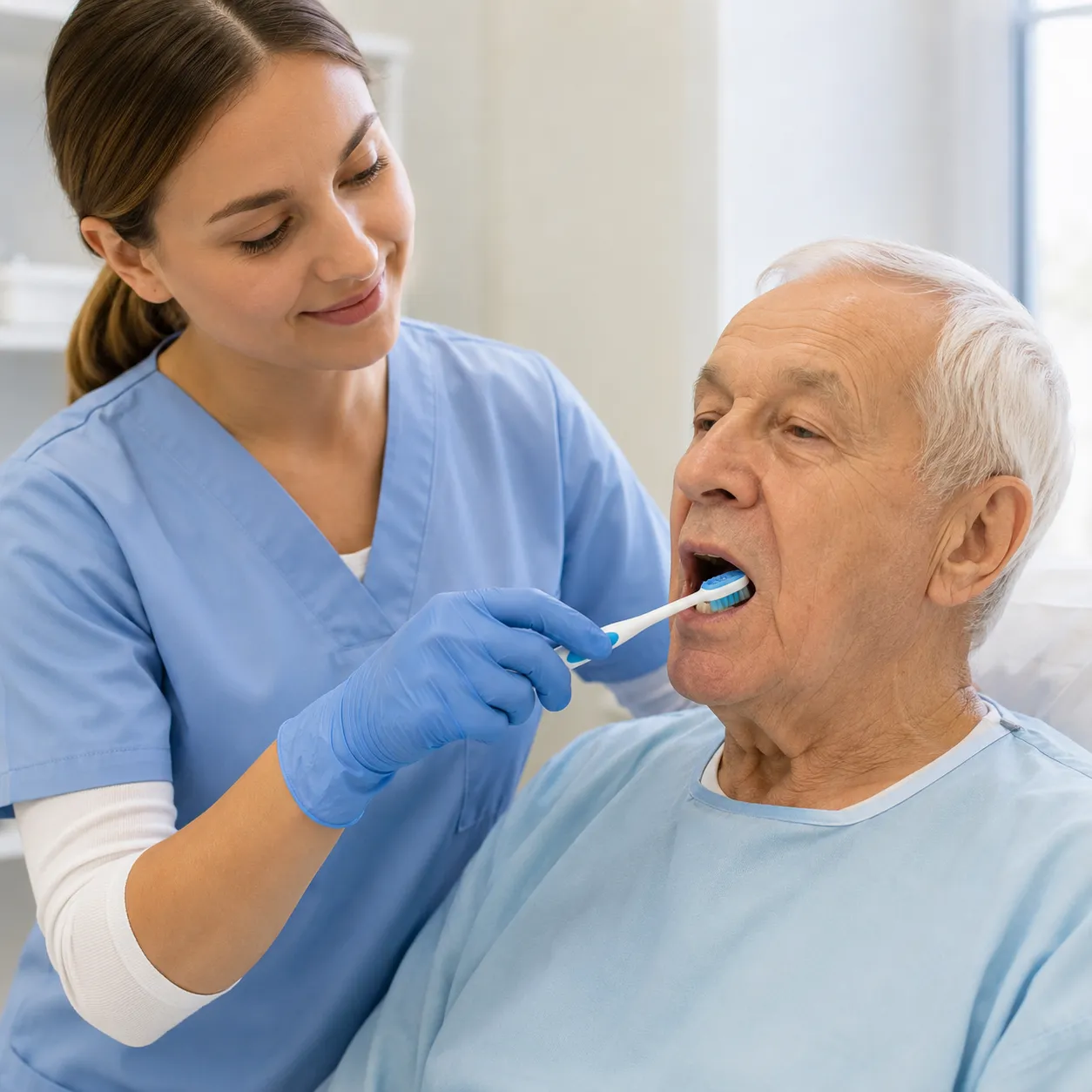
oral hygieneˈɔːrəl ˈhaɪdʒiːn
keeping the mouth, teeth, and gums clean and healthy.

showerˈʃaʊər
a wash in which water sprays down on the body from above.
bathbæθ
a wash in which a person sits or lies in a tub of water.
washwɒʃ
an act of cleaning the body or a part of it with water and soap.

shaveʃeɪv
an act of removing hair from the face or body with a razor.
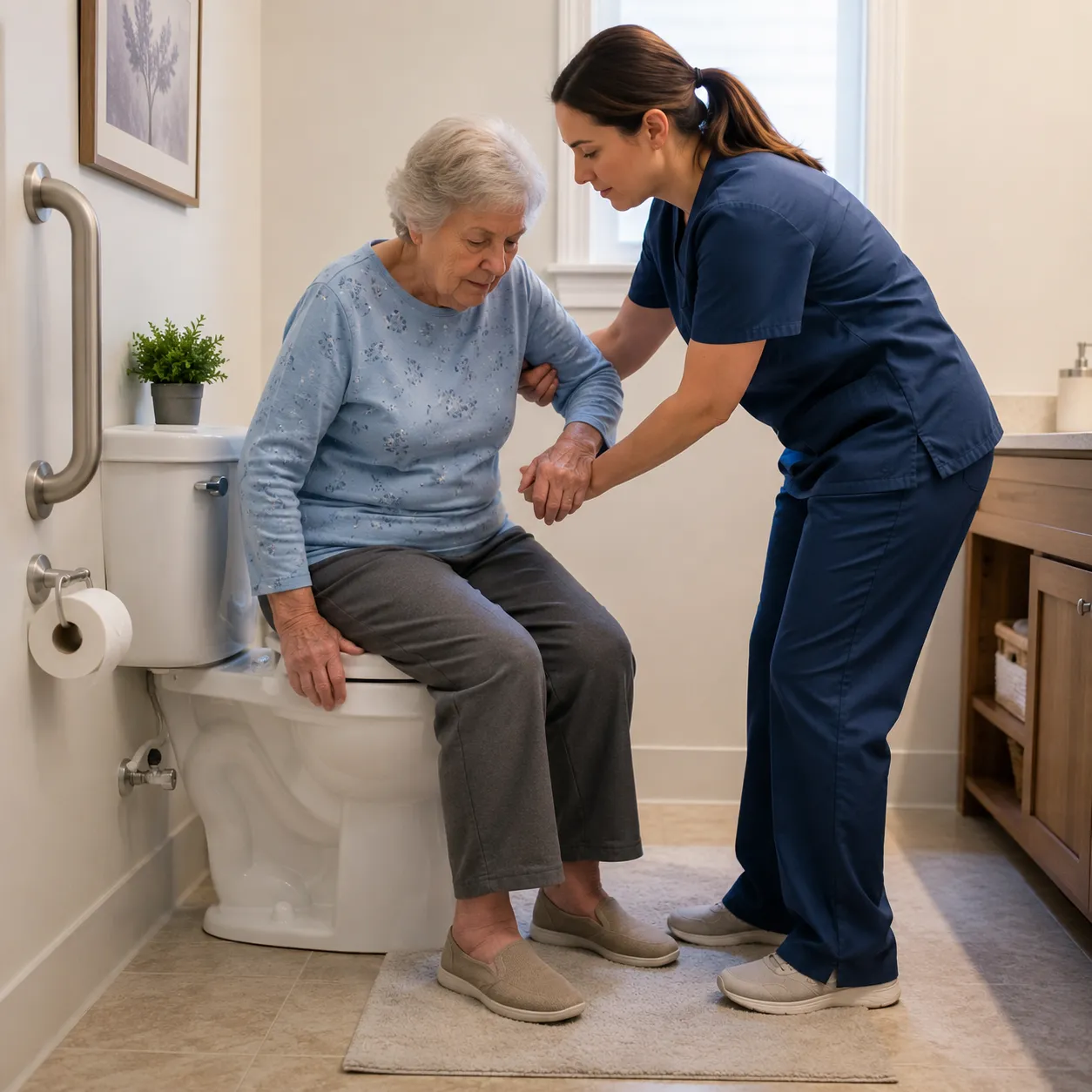
toiletingˈtɔɪlətɪŋ
helping or managing the process of using the toilet, including getting there, cleaning, and adjusting clothing.

incontinenceɪnˈkɒntɪnəns
the inability to control urine or bowel movements.
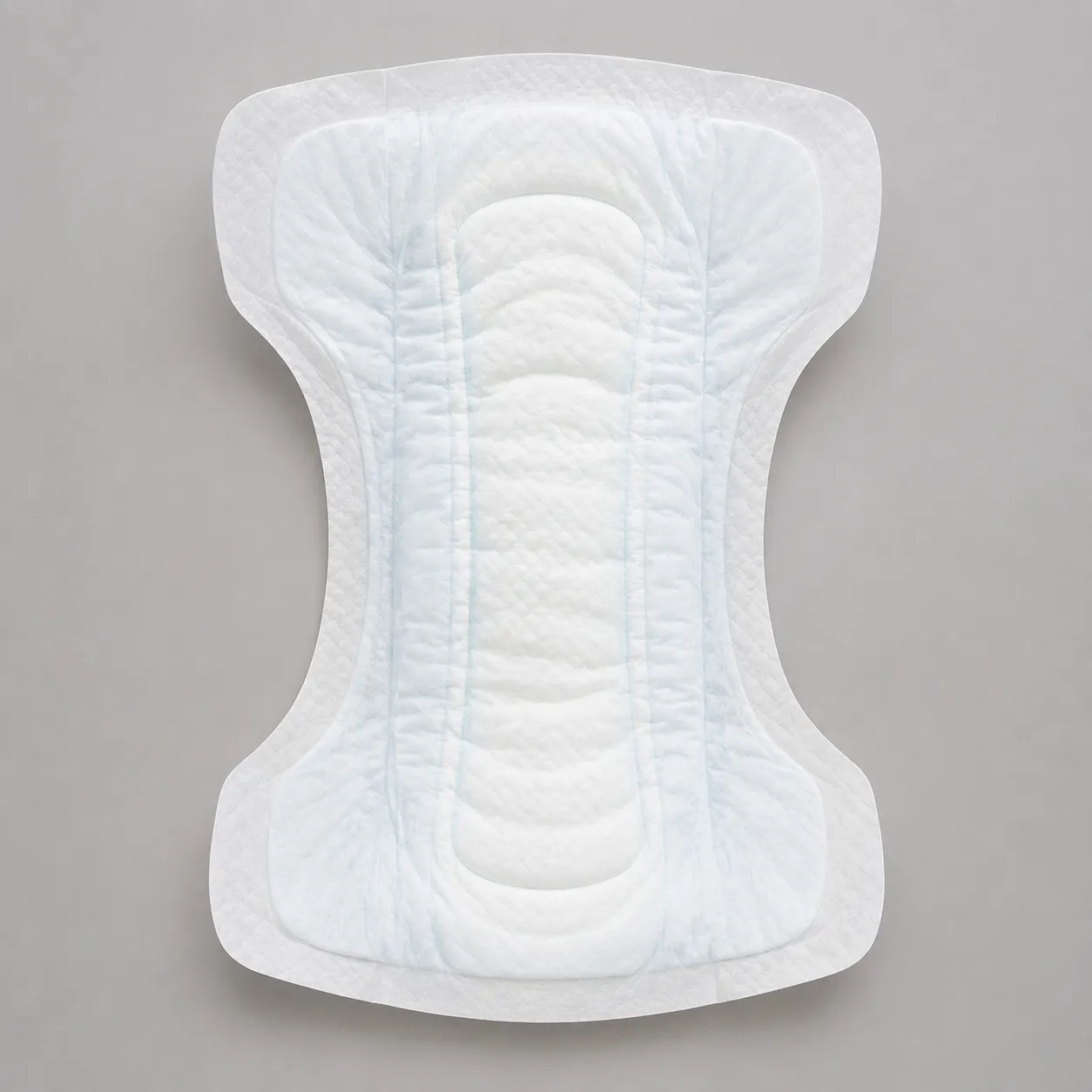
continence padˈkɒntɪnəns pæd
an absorbent pad worn to catch urine or stool when a person has incontinence.
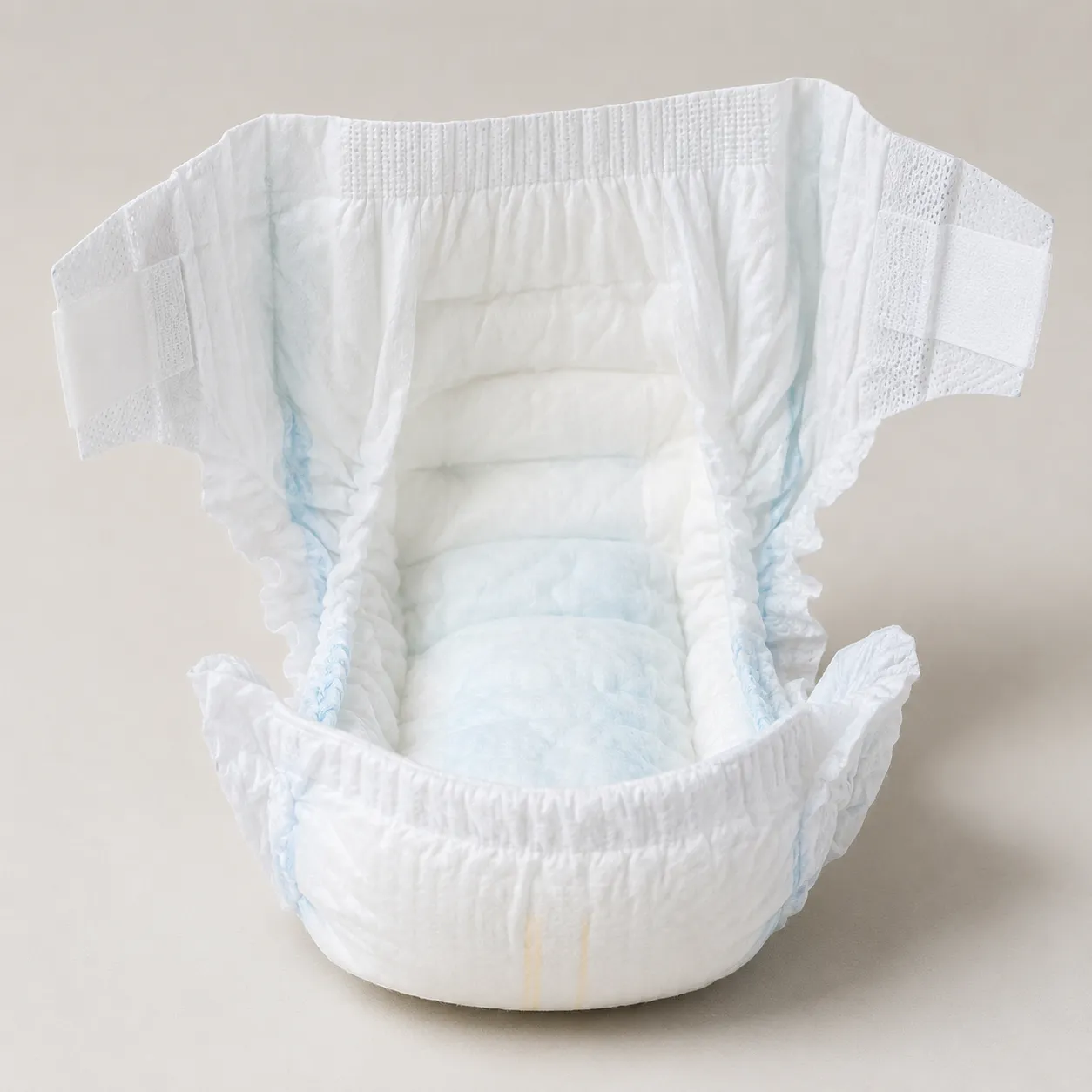
diaperˈdaɪpər
an absorbent garment worn around the waist to catch urine and stool.
sanitary padˈsænəteri pæd
an absorbent pad worn in underwear to collect menstrual blood.
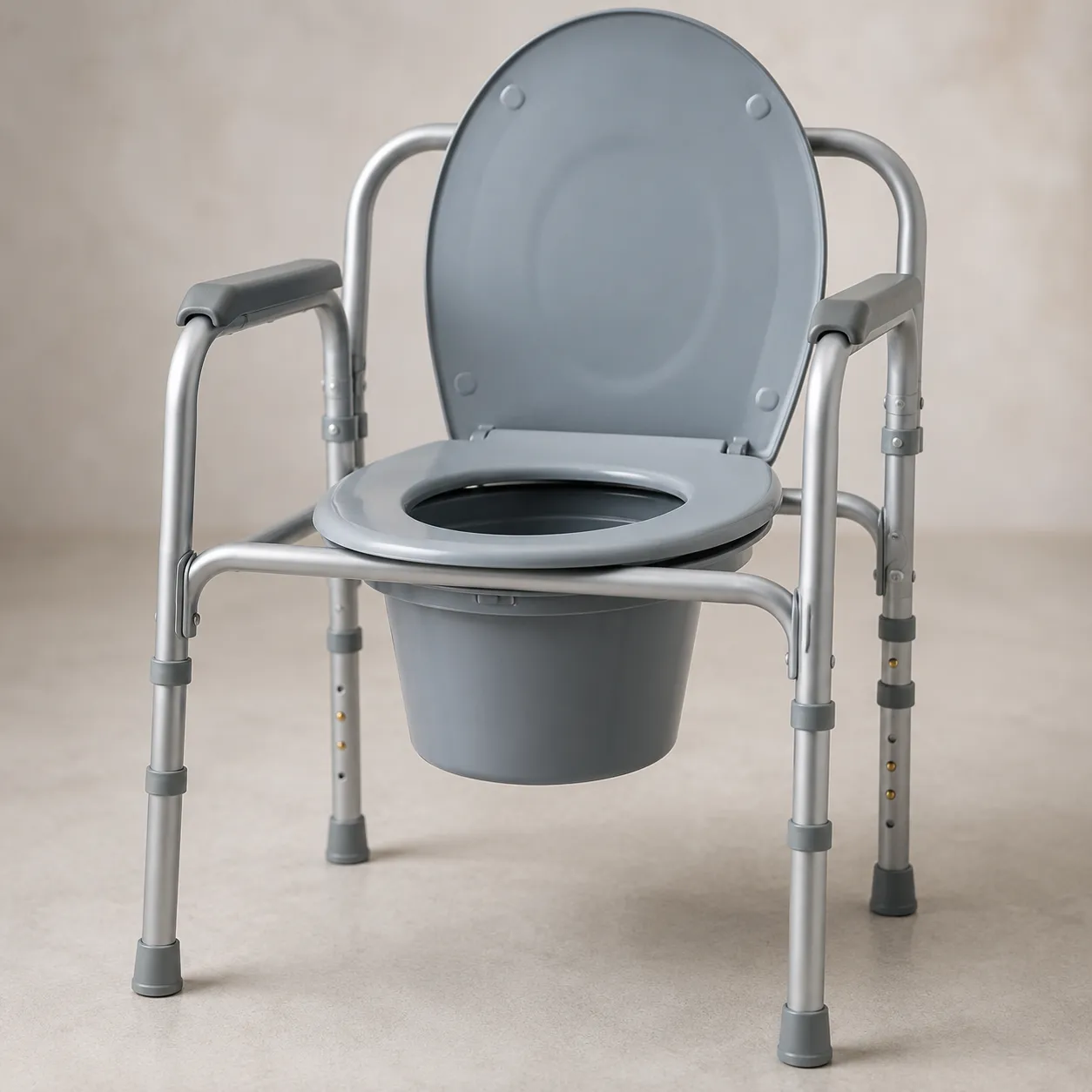
toilet chairˈtɔɪlət tʃeər
a chair with a toilet seat and container, used by someone who cannot easily reach a bathroom.
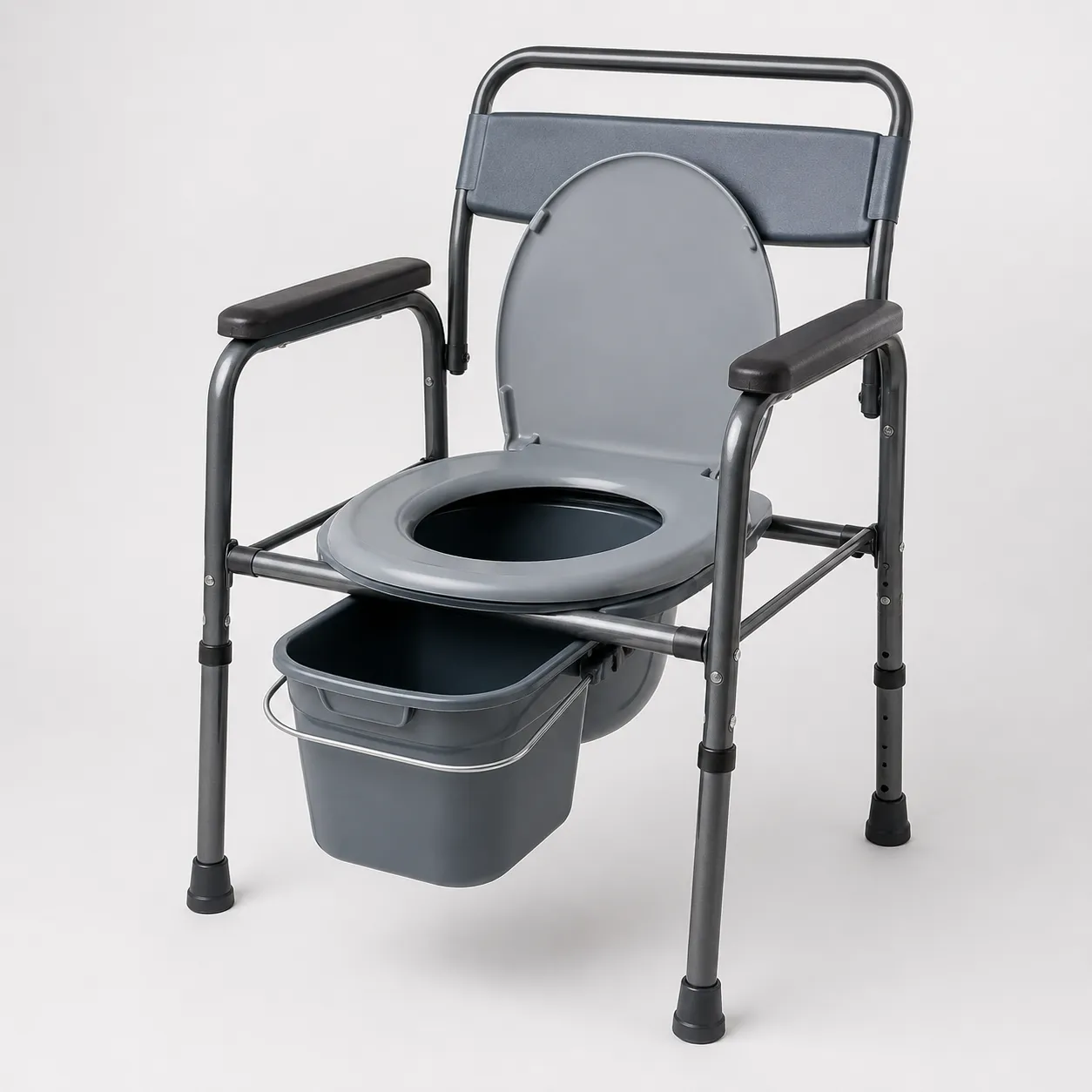
commode chairkəˈməʊd tʃeər
a portable chair with a toilet seat and removable container for urine and stool.
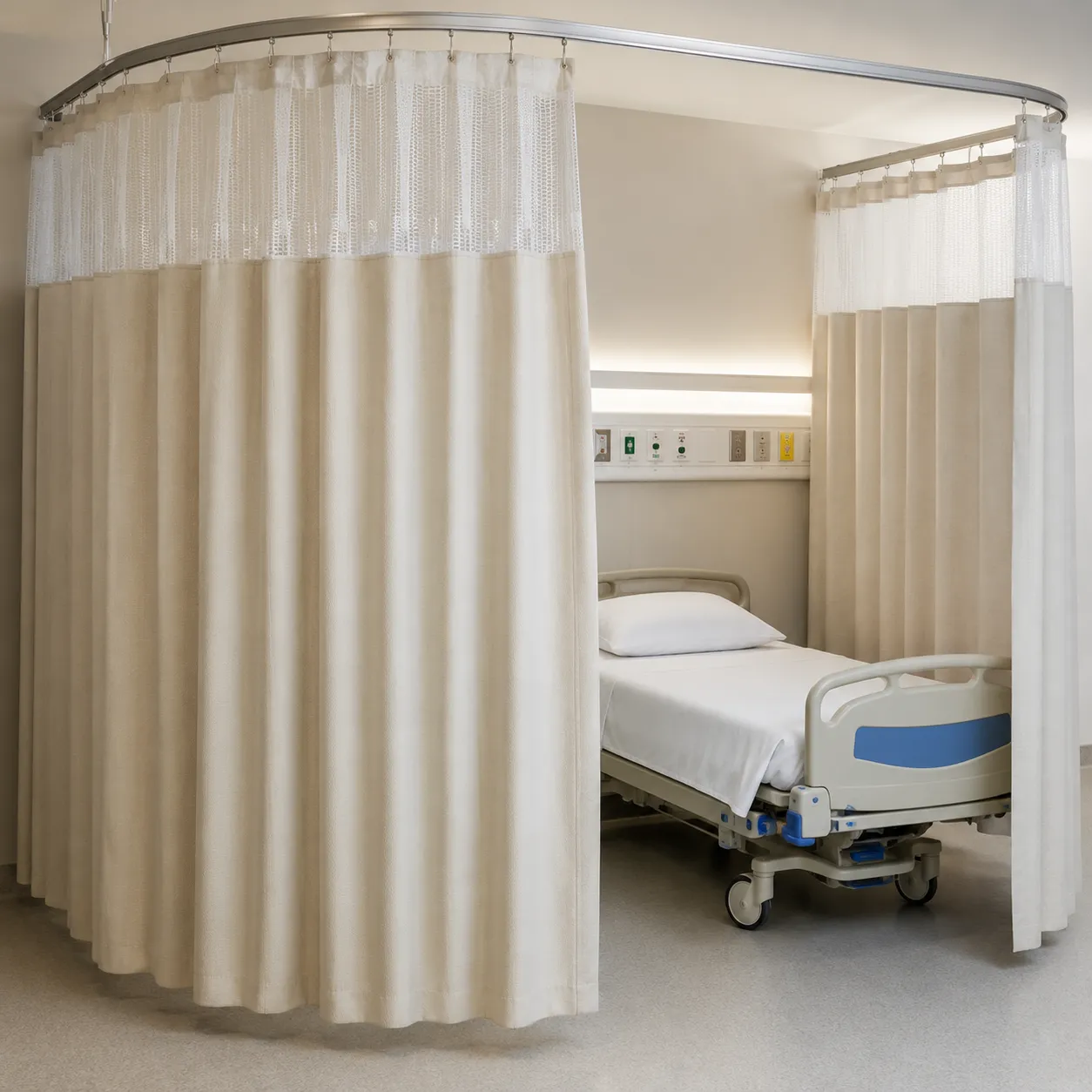
privacy curtainˈprɪvəsi ˌkɜːrtən
a curtain used around a bed or care area to stop others from seeing a patient.

privacy screenˈpraɪvəsi skriːn
a movable screen used to stop others from seeing a patient during care.
Movement, rehabilitation and safe techniques for helping patients change position or walk.
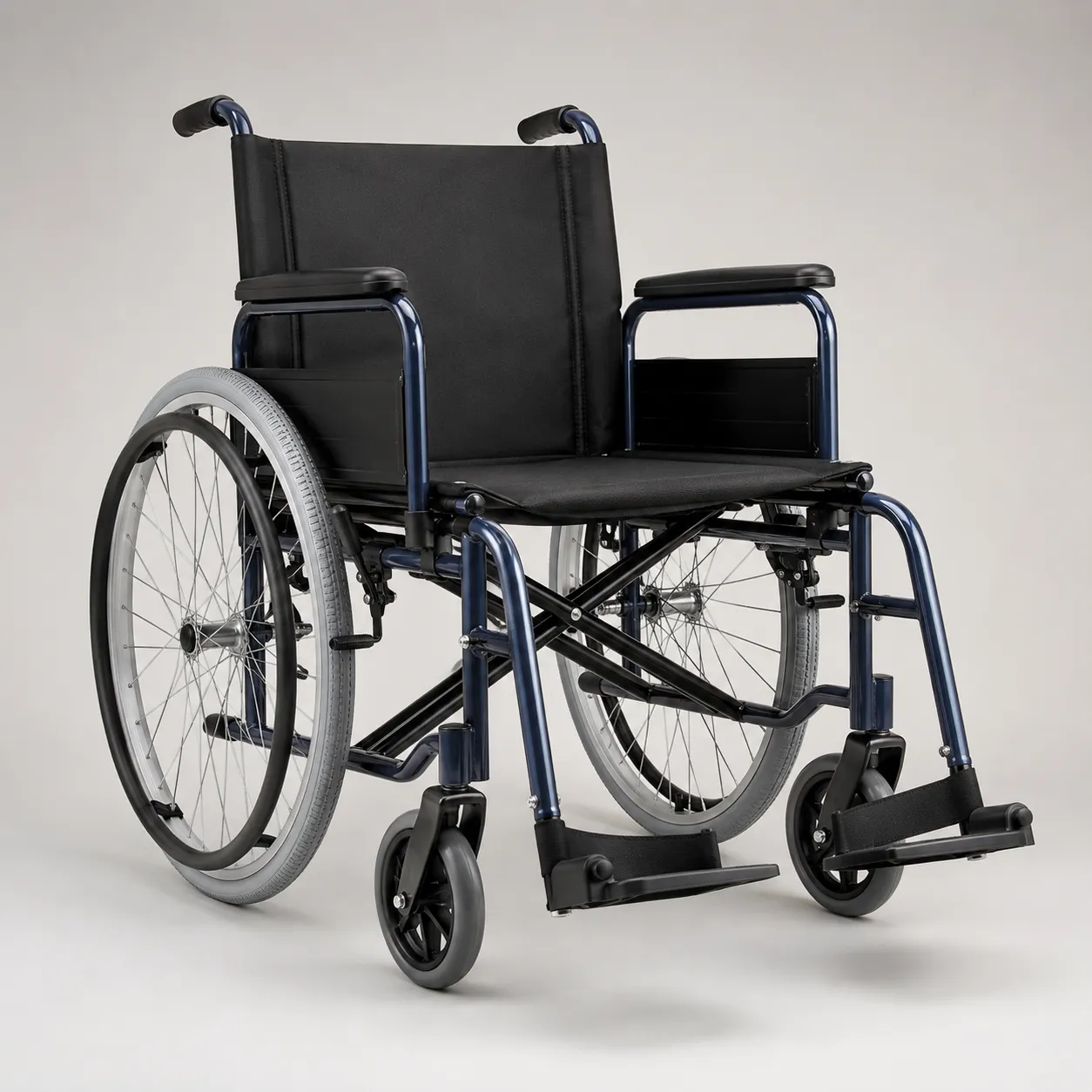
wheelchairˈwiːlˌtʃer
a chair with wheels used by a person who cannot walk or has difficulty walking
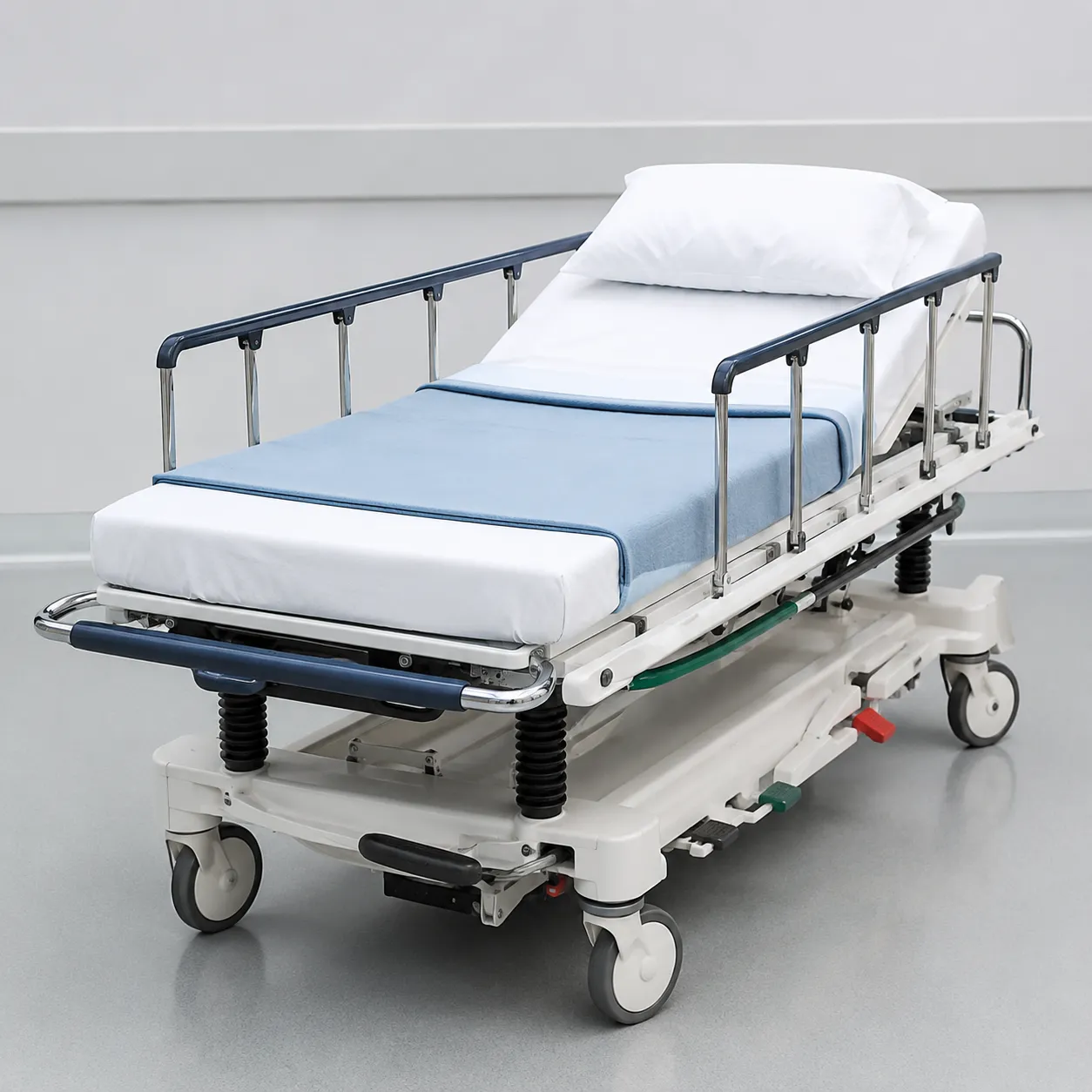
stretcherˈstrɛtʃər
a narrow bed or frame used to carry a sick or injured person.
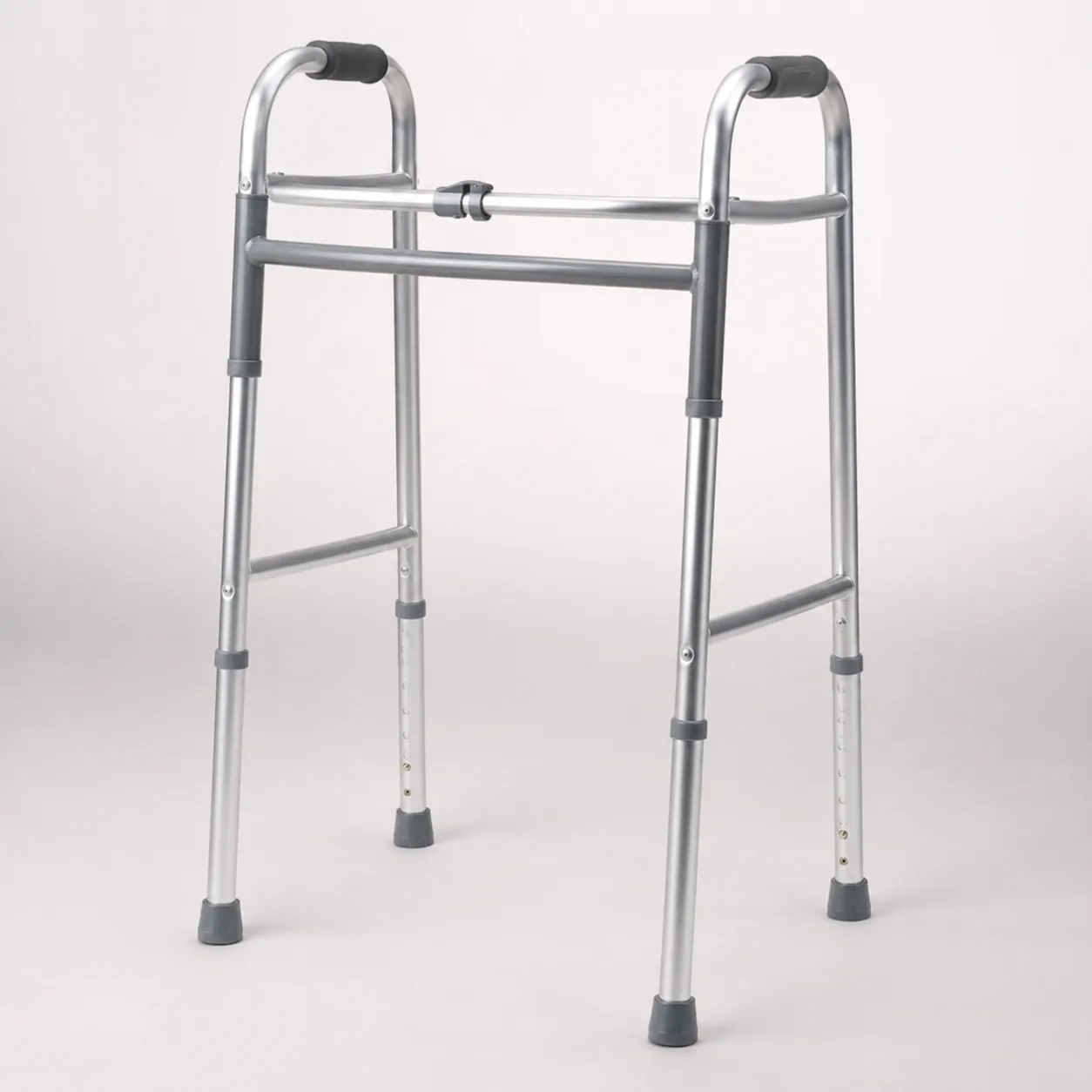
walkerˈwɔːkər
a metal frame that a person holds for support while walking.
crutchesˈkrʌtʃɪz
two long supports that fit under the arms or against the forearms to help a person walk with an injured leg or foot.
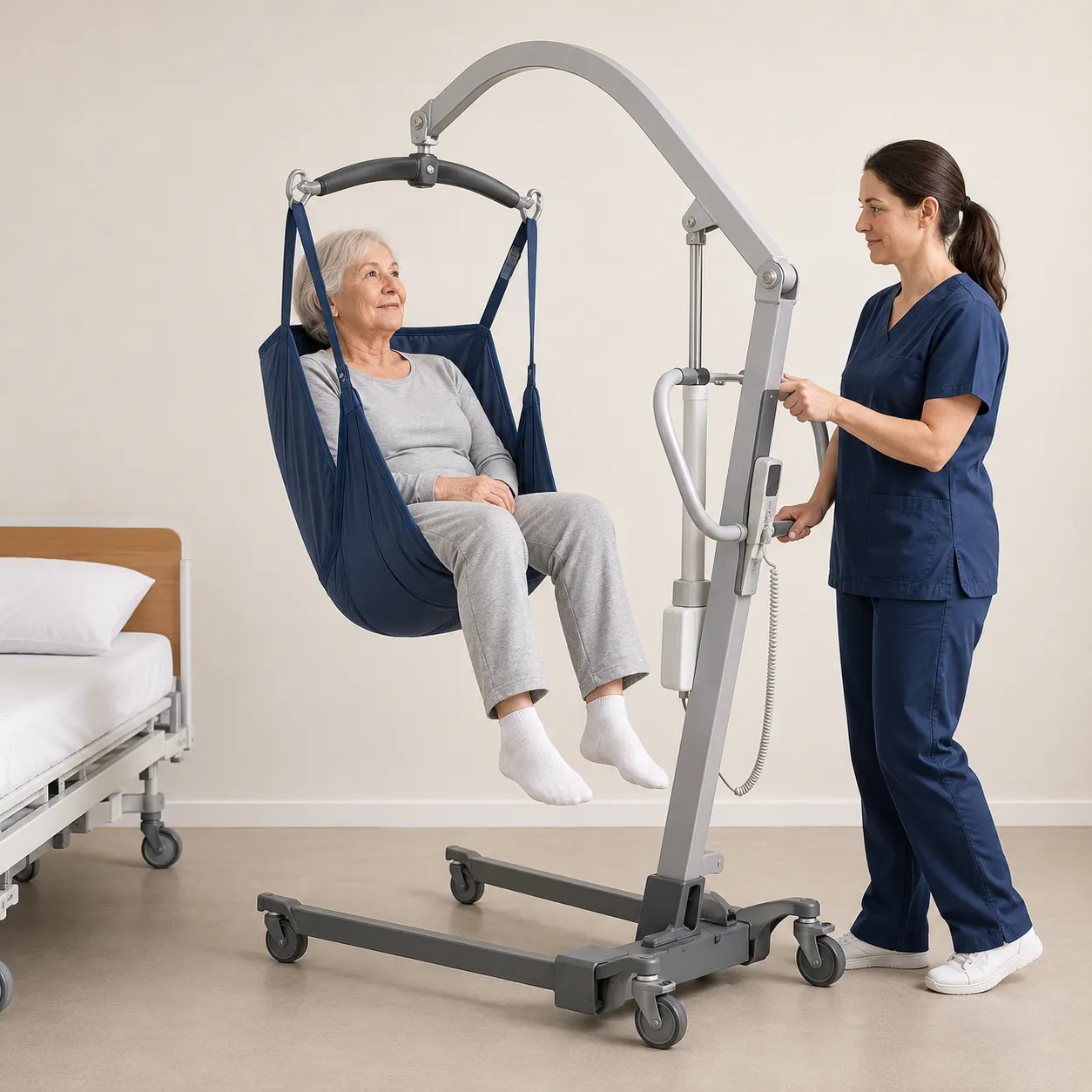
hoisthɔɪst
a mechanical device used to lift and move a patient who cannot move safely by themselves.
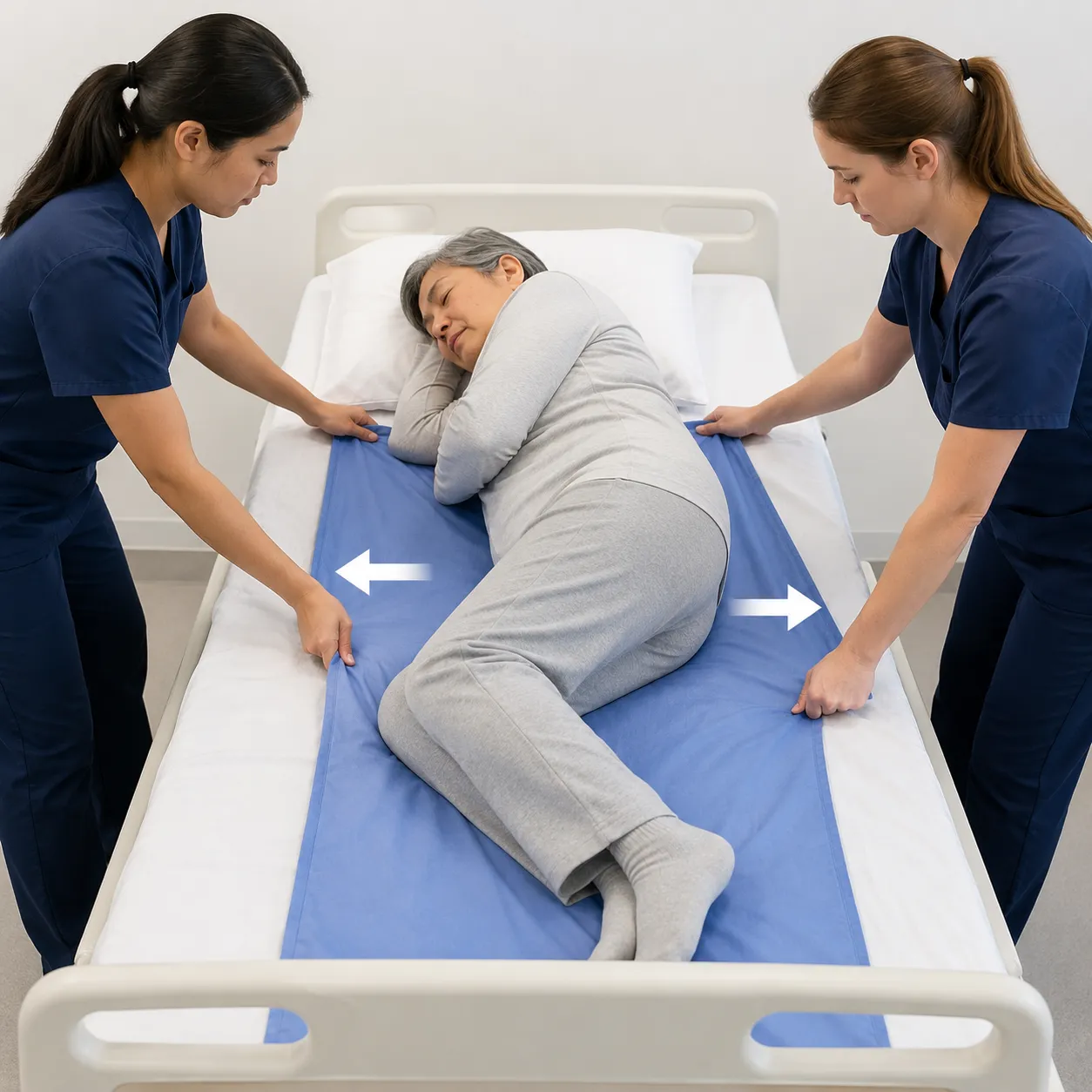
slide sheetˈslaɪd ʃiːt
a low-friction sheet used to help move or reposition a patient in bed.
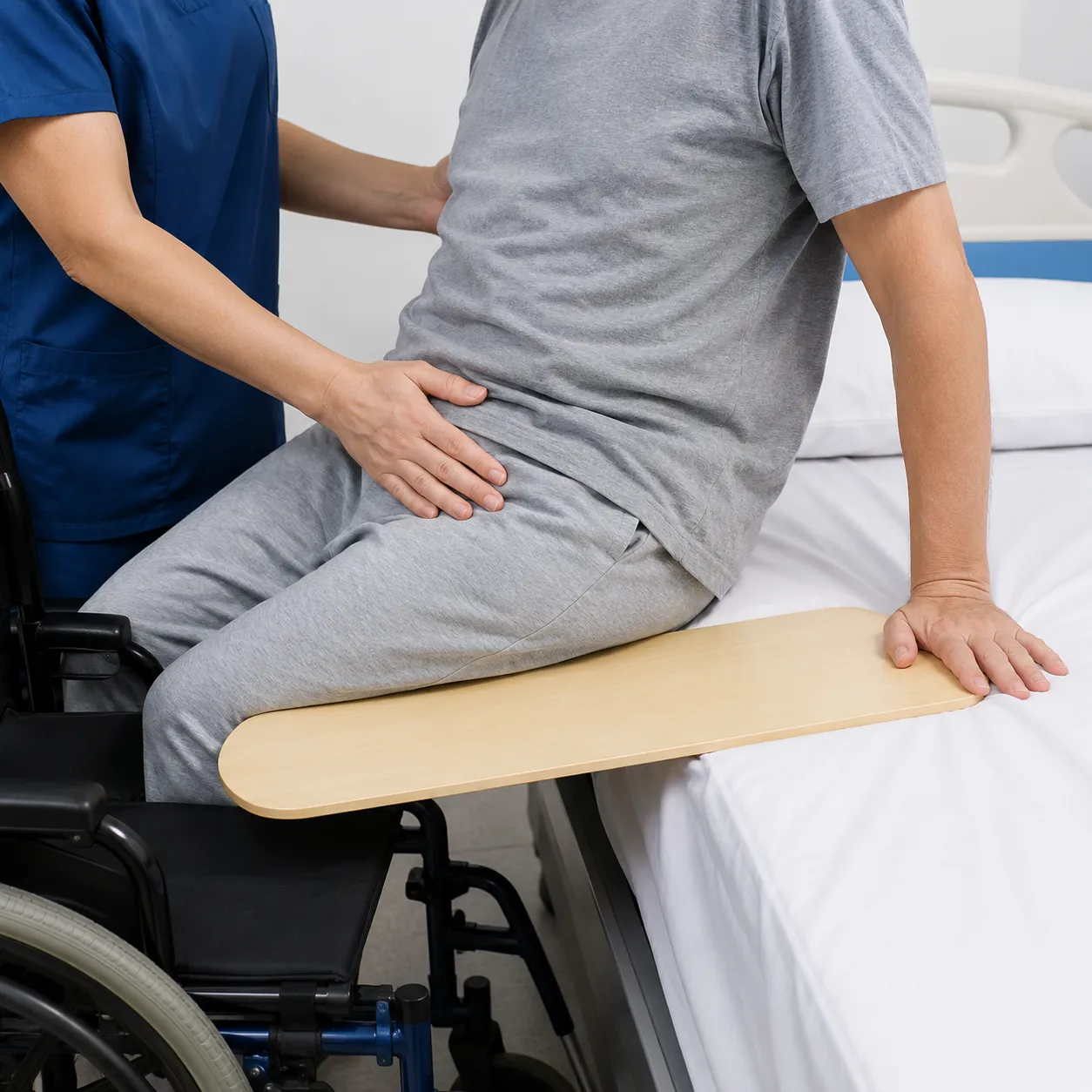
transfer boardˈtrænsfɜːr bɔːrd
a smooth board used as a bridge to help a person move from one seat or surface to another.

mobileˈmoʊbəl
able to move or walk, especially without much help.
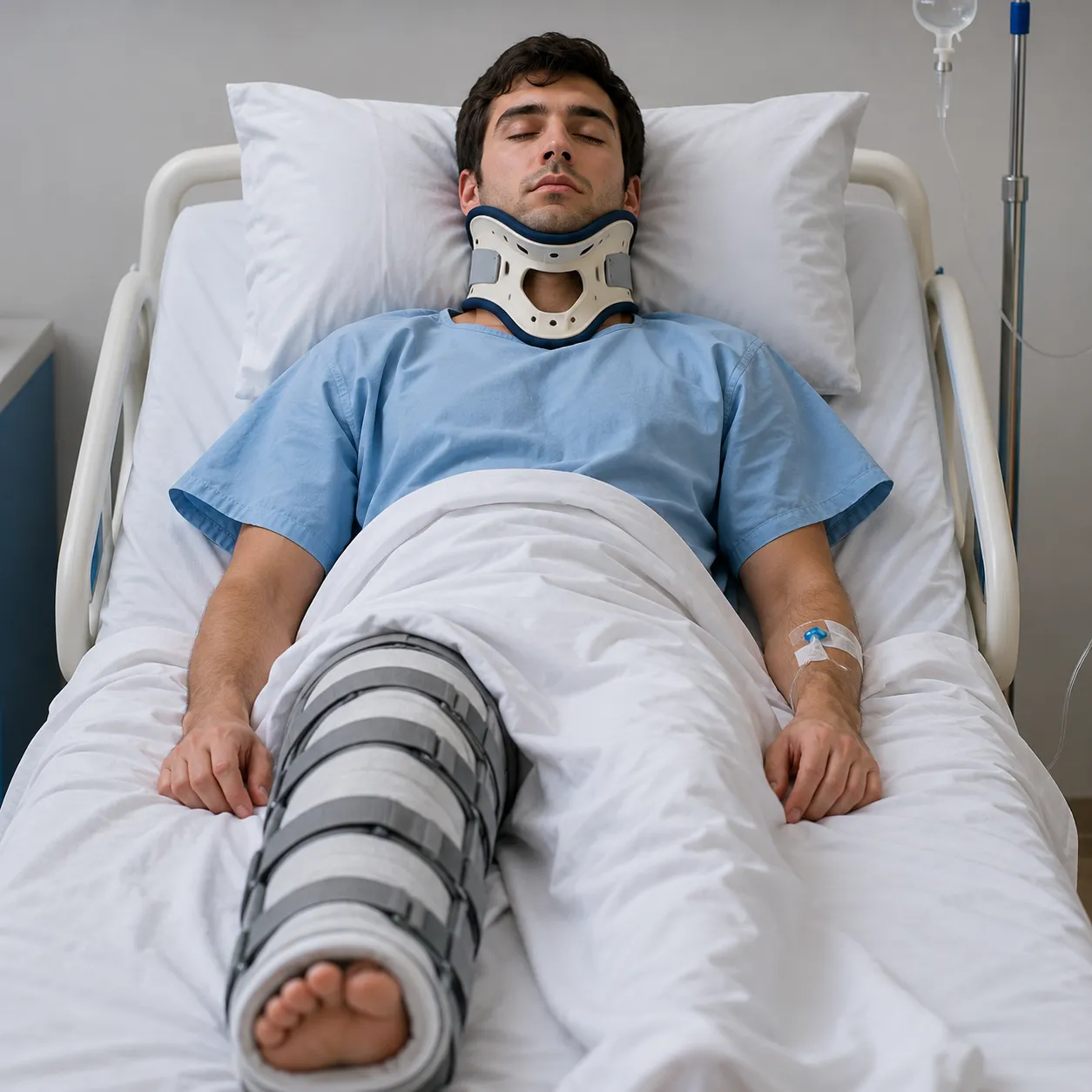
immobileɪˈmoʊbəl
unable to move or be moved easily.

independentˌɪndɪˈpendənt
able to do things without help from other people.
dependentdɪˈpendənt
needing help or support from another person to do daily activities.
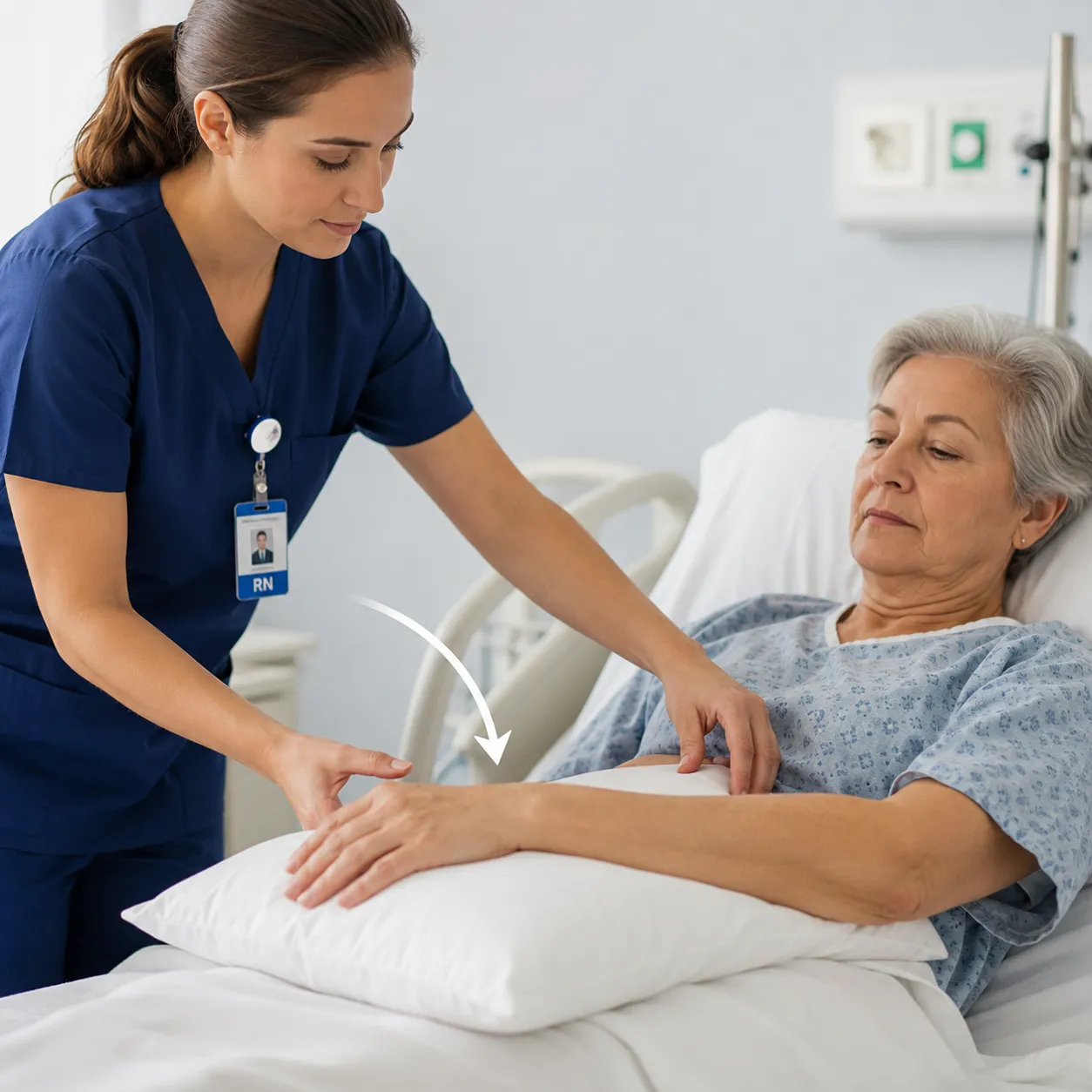
positionpəˈzɪʃən
to put someone or something in a particular place or arrangement
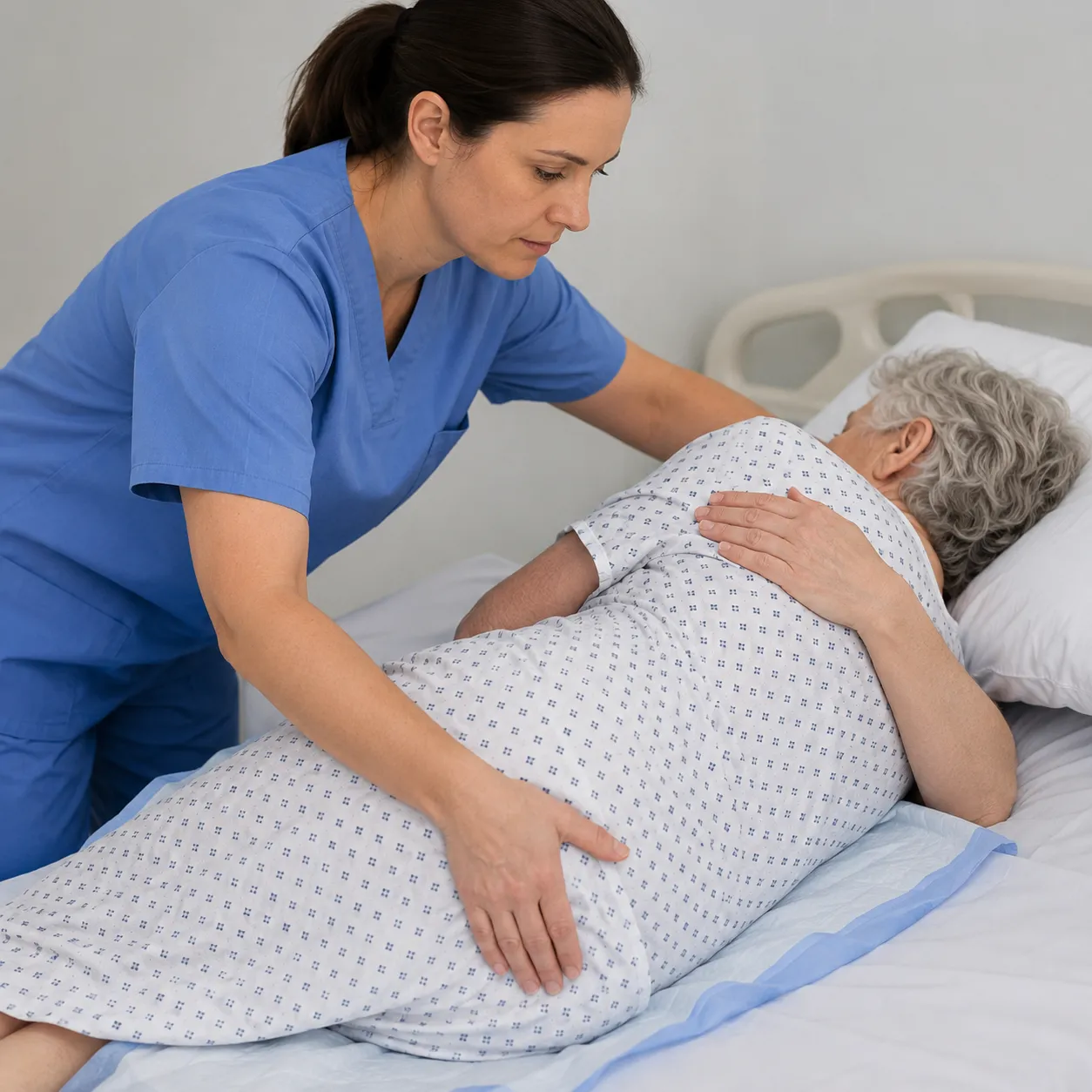
repositionˌriːpəˈzɪʃən
to move someone or something into a new position.
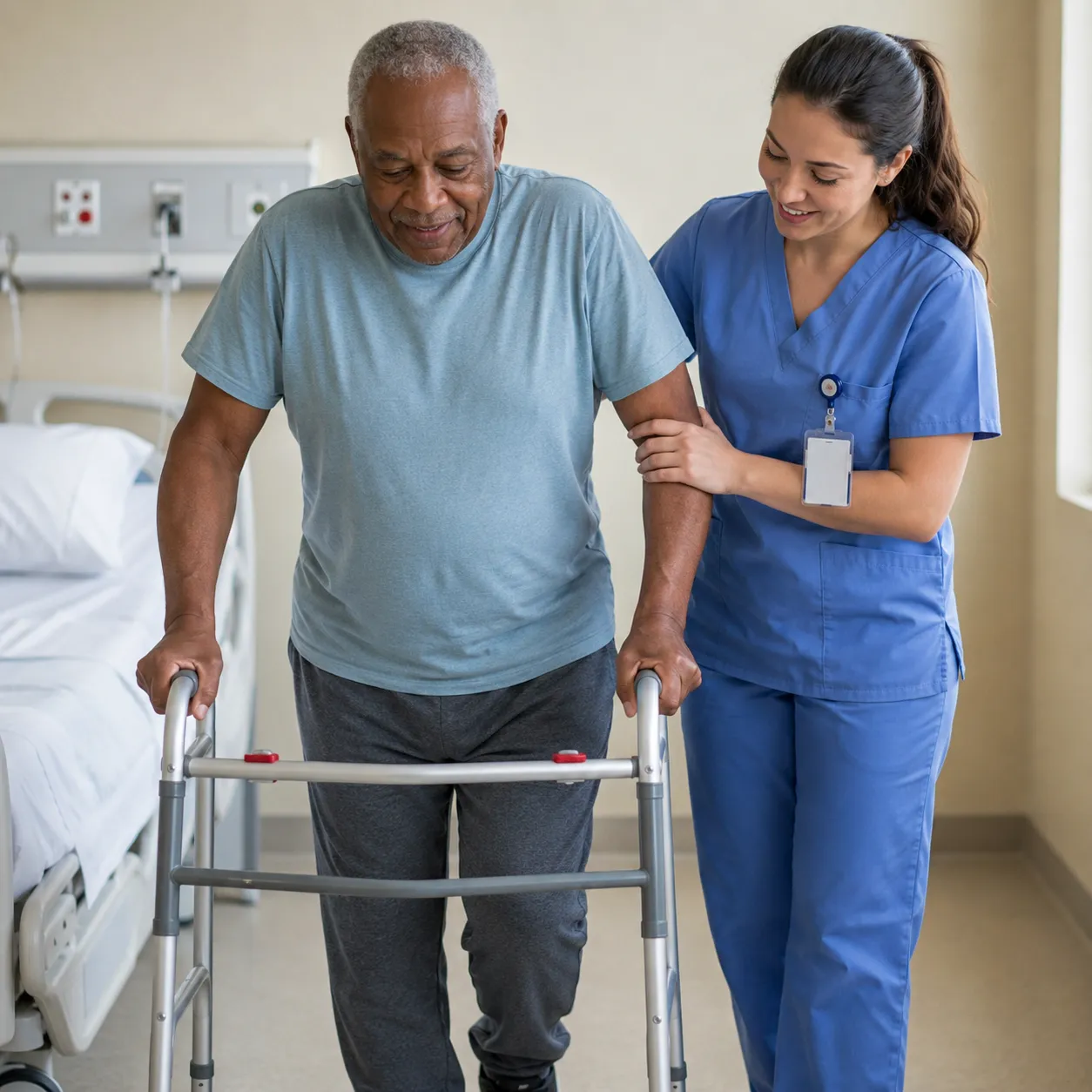
mobilizeˈmoʊbəlaɪz
to help a patient start moving or walking after illness, injury, or bed rest.

liftlɪft
to move something upward, or to make an amount, level, or condition higher.

turntɜːrn
to move a patient so they lie facing a different direction or on another side.

mobilitymoʊˈbɪləti
the ability to move or walk easily and safely.
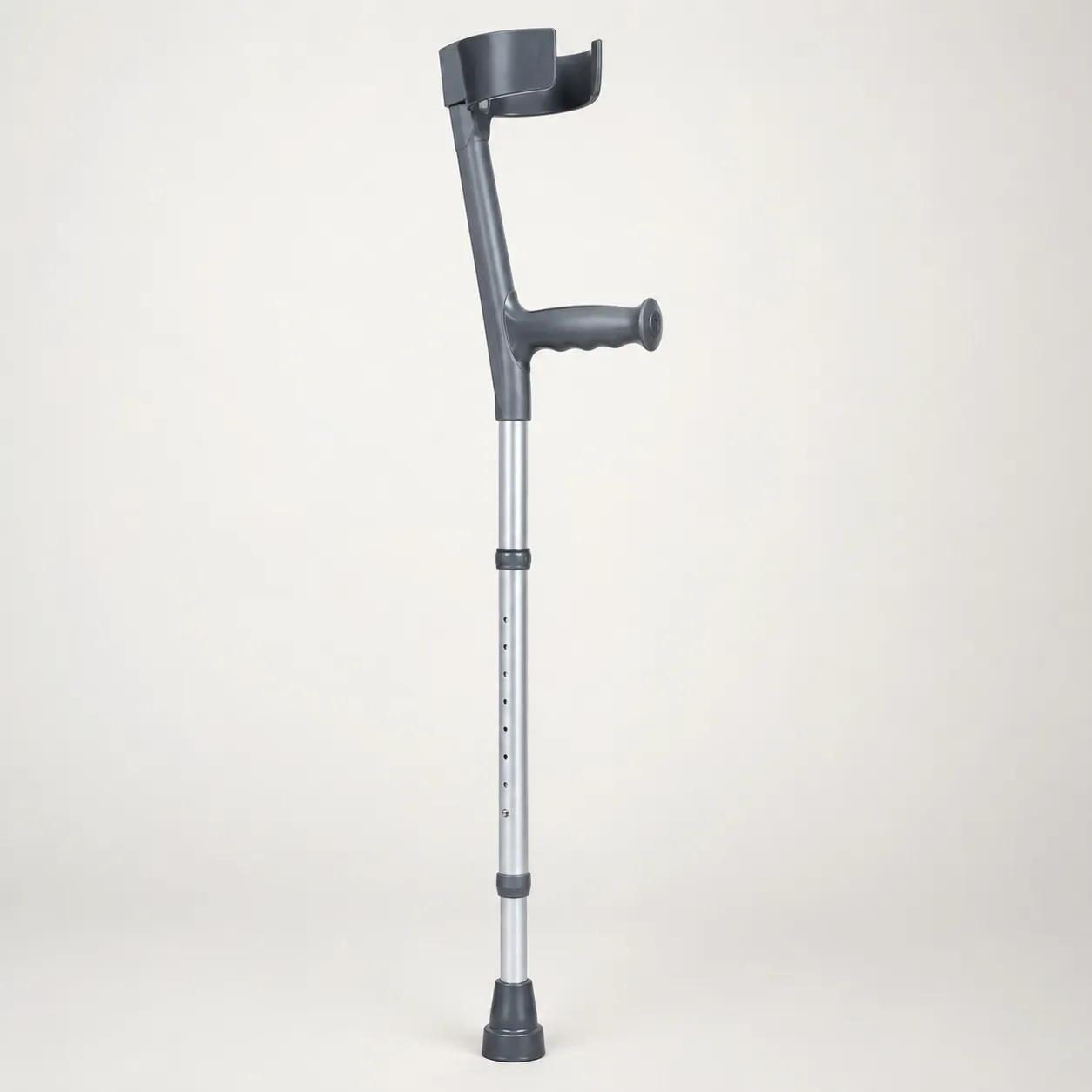
walking aidˈwɔːkɪŋ eɪd
a device, such as a stick or frame, that helps a person walk.
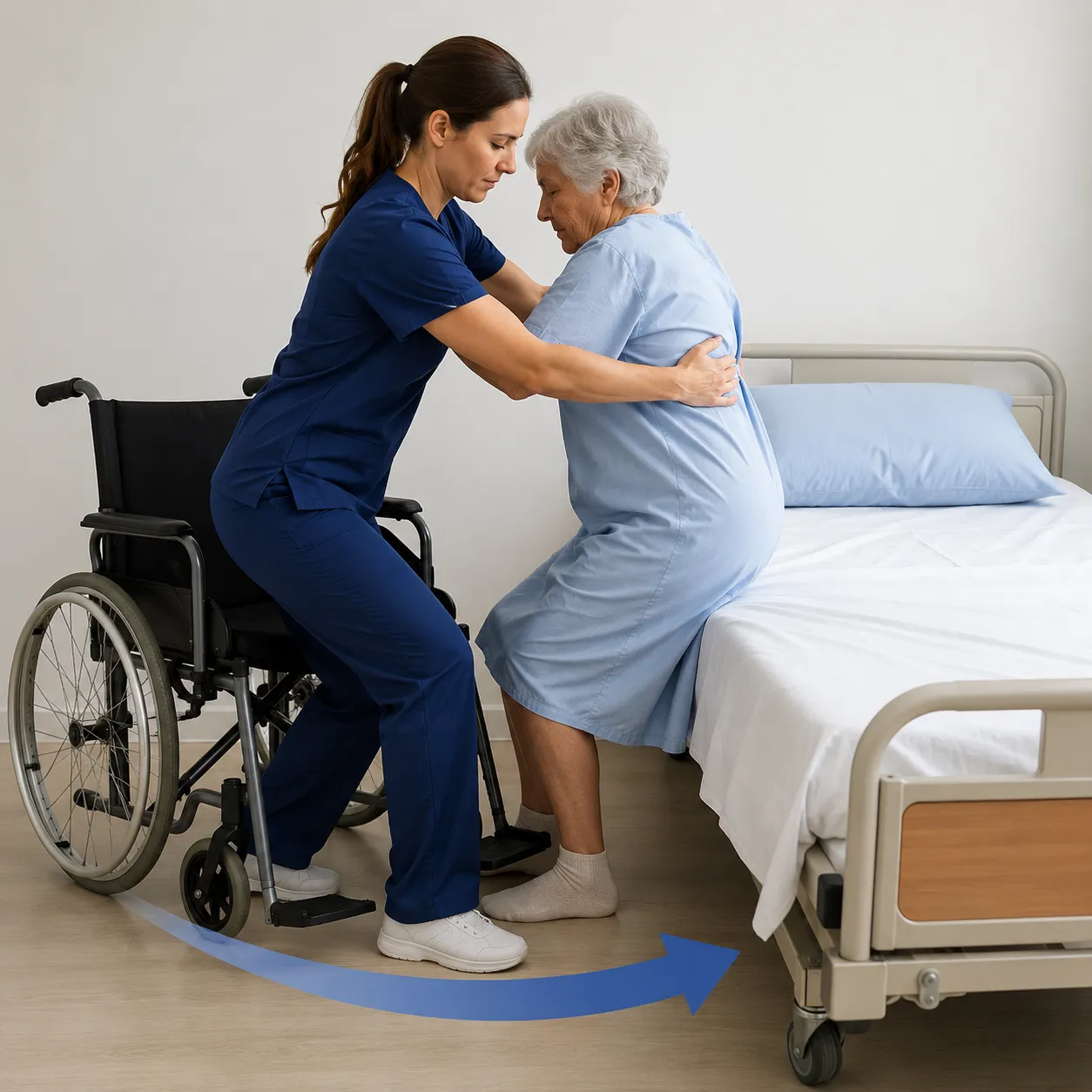
manual handlingˈmænjuəl ˈhændlɪŋ
using the body to lift, move, or support a person or object safely.
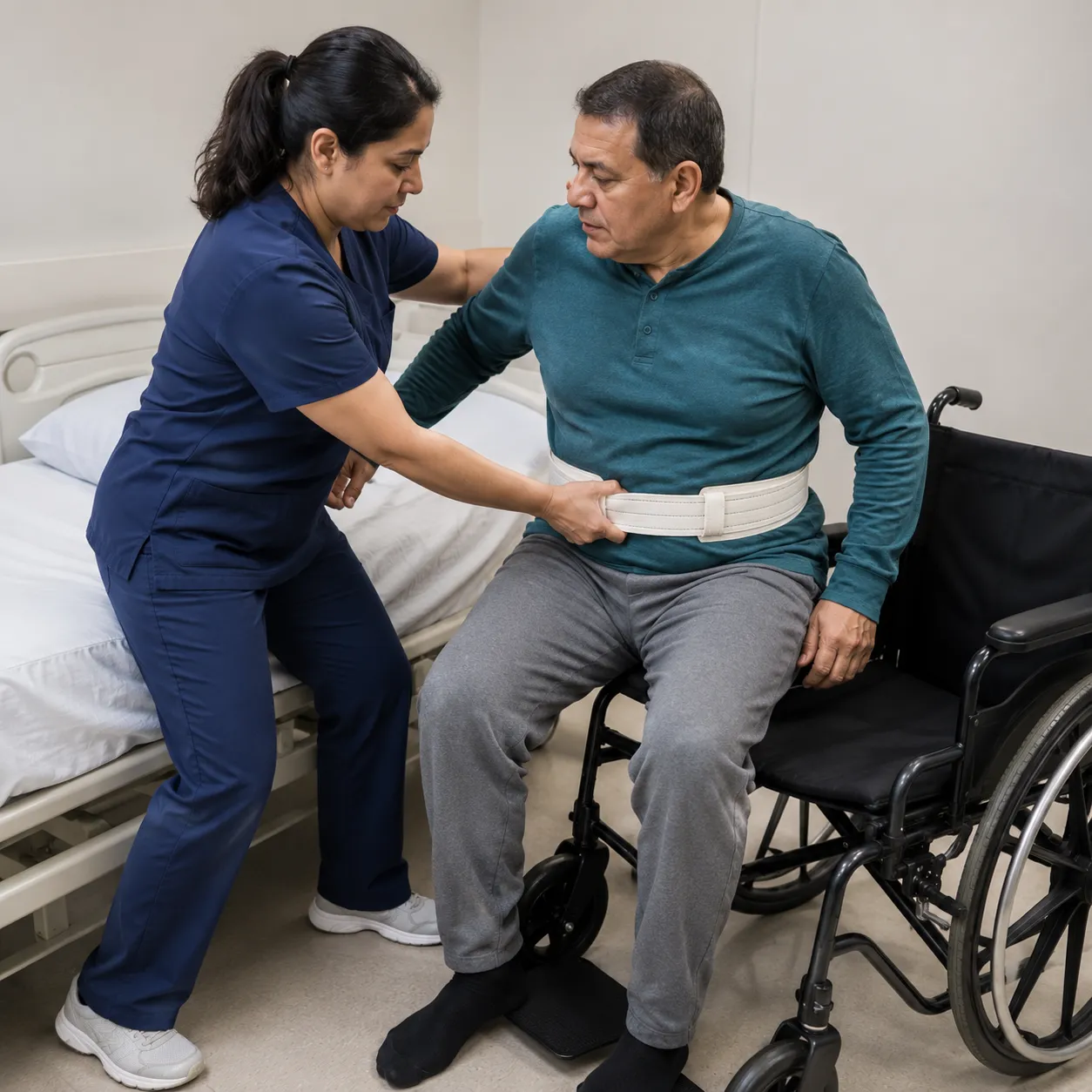
patient transferˈpeɪʃənt ˈtrænsfɜːr
moving a patient safely from one place or position to another.
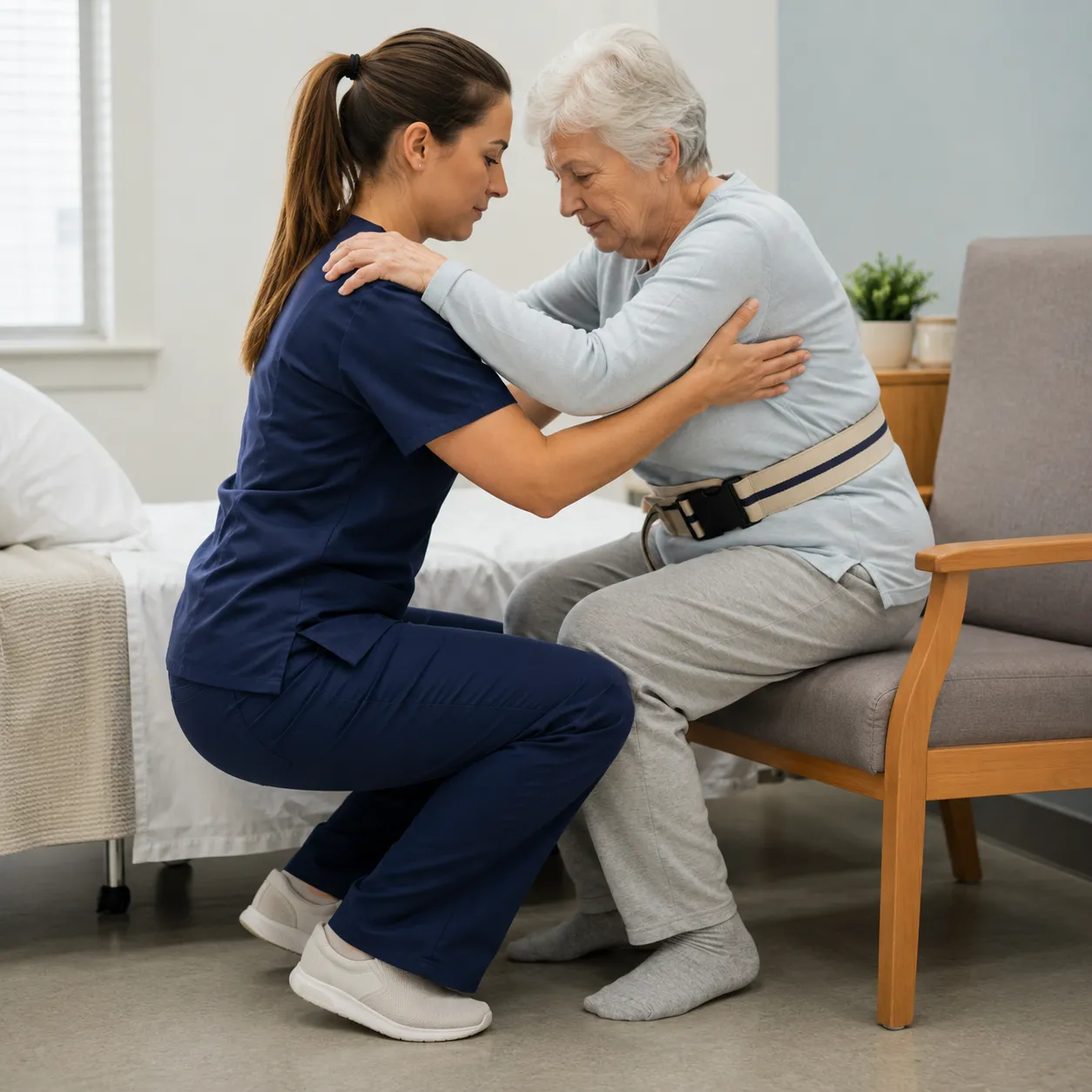
safe liftingseɪf ˈlɪftɪŋ
lifting a person or object in a way that reduces the risk of injury.
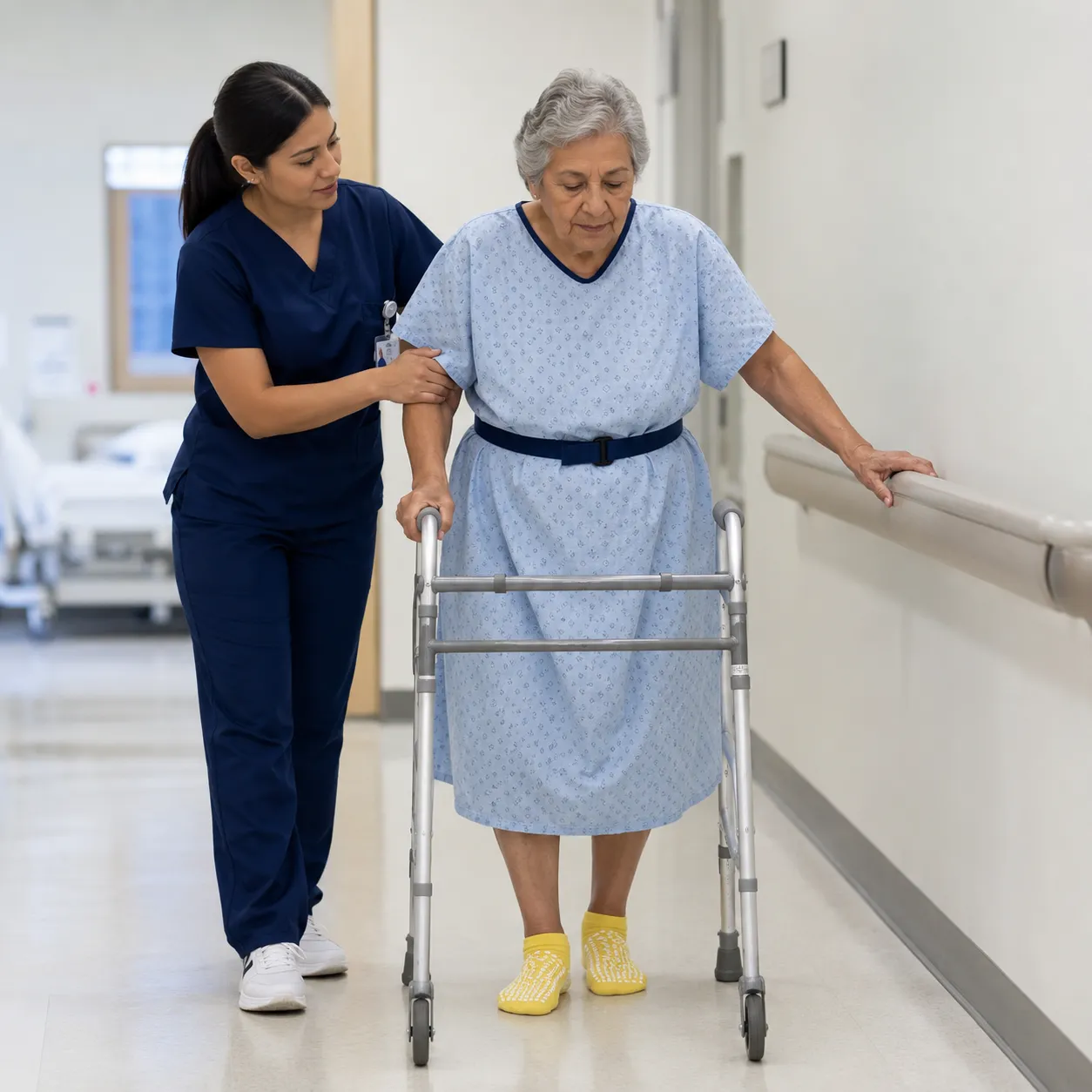
fall preventionfɔːl prɪˈvenʃən
actions taken to reduce the risk of a person falling.
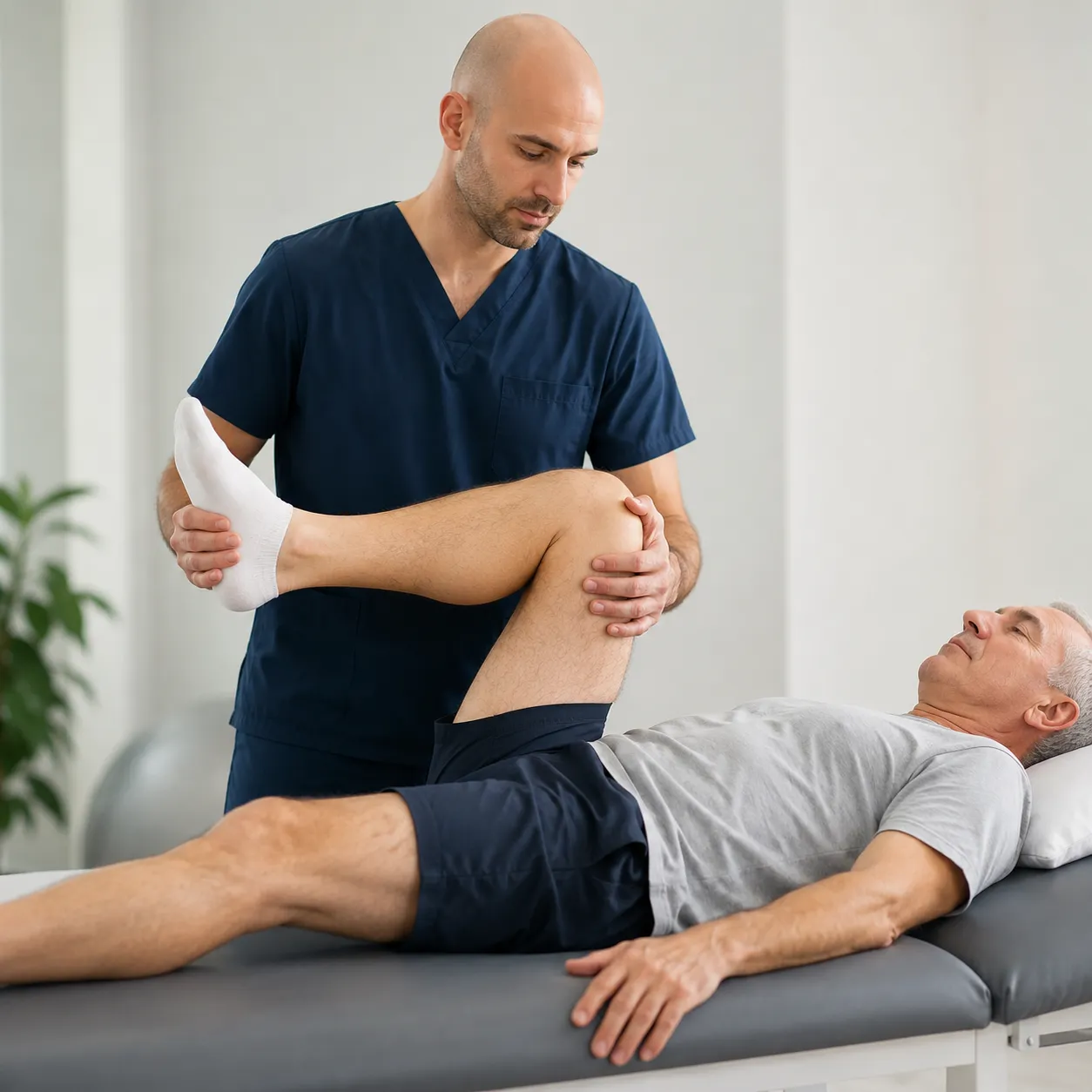
physiotherapyˌfɪziəʊˈθerəpi
treatment using exercises, movement, massage, or equipment to improve physical movement and function.
occupational therapyˌɑːkjuˈpeɪʃənəl ˈθerəpi
therapy that helps a person regain or improve skills needed for daily activities and work.

rehabilitationˌriːəˌbɪlɪˈteɪʃən
care and training that help a person recover abilities after illness, injury, or surgery.
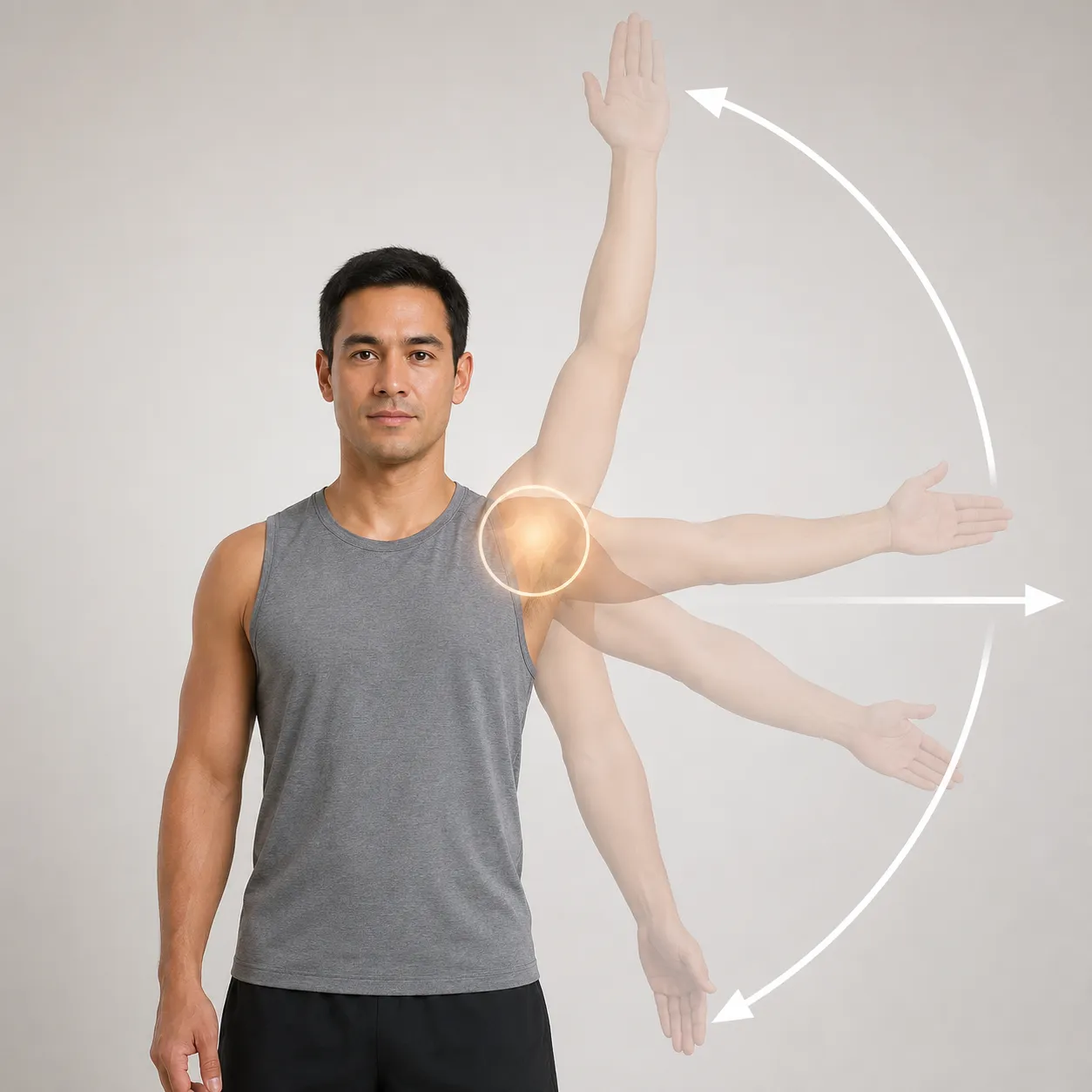
range of motionreɪndʒ əv ˈmoʊʃən
the full amount that a joint can move in different directions.
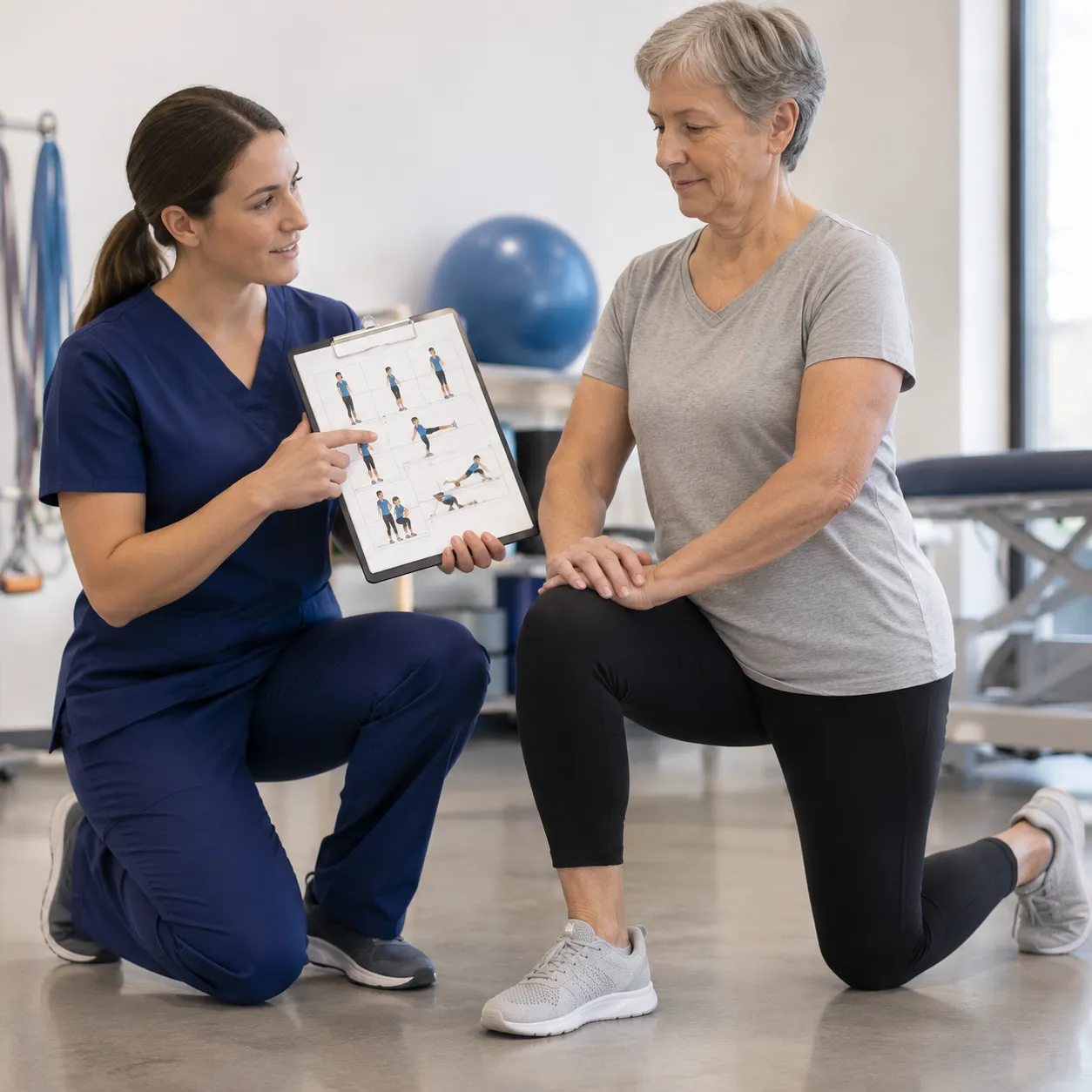
exercise planˈeksərsaɪz plæn
a written or agreed set of physical activities for improving health, strength, or mobility.
walking frameˈwɔːkɪŋ freɪm
a light metal frame that a person holds and moves forward for support while walking.
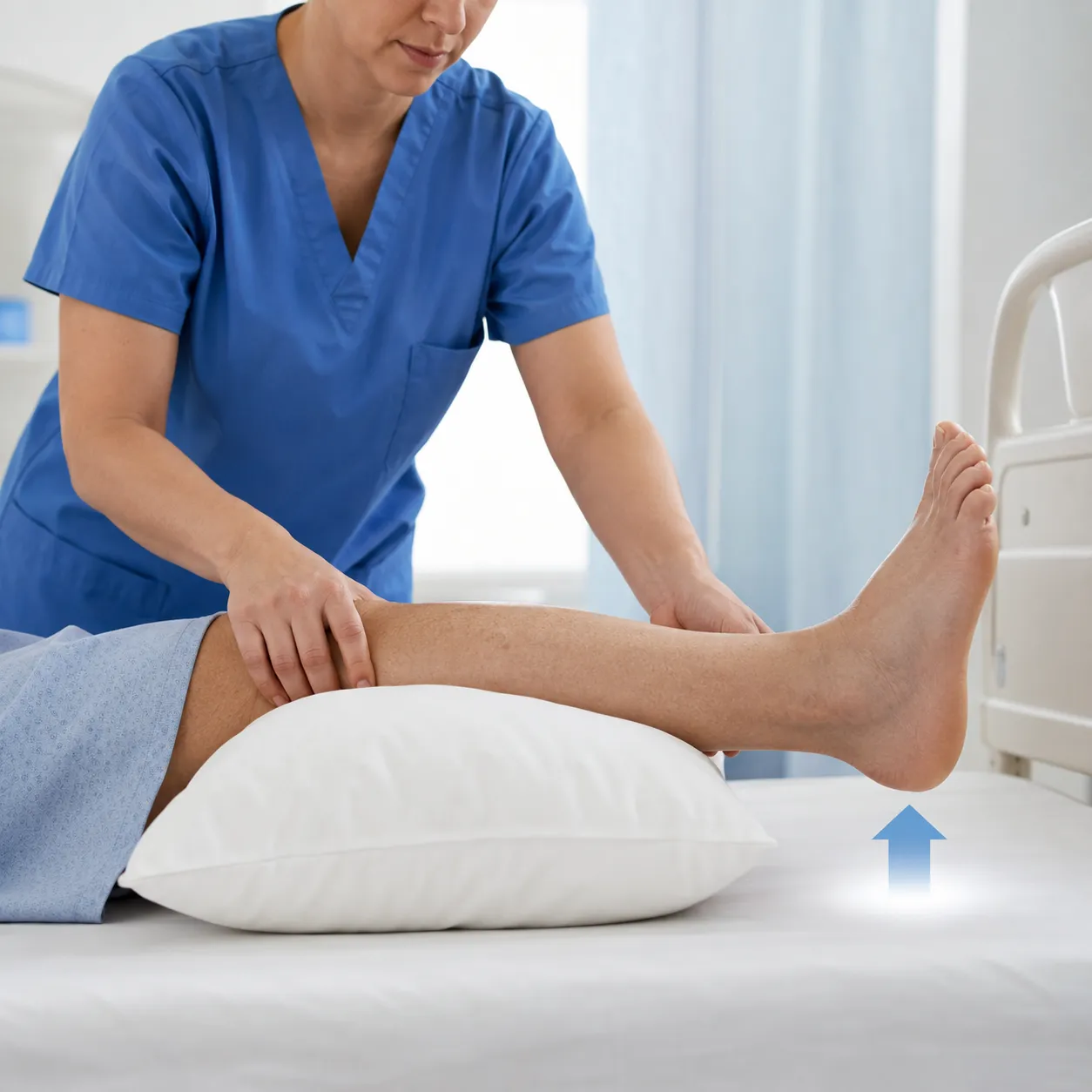
pressure reliefˈpreʃər rɪˈliːf
reducing pressure on a part of the body to prevent pain or pressure sores.
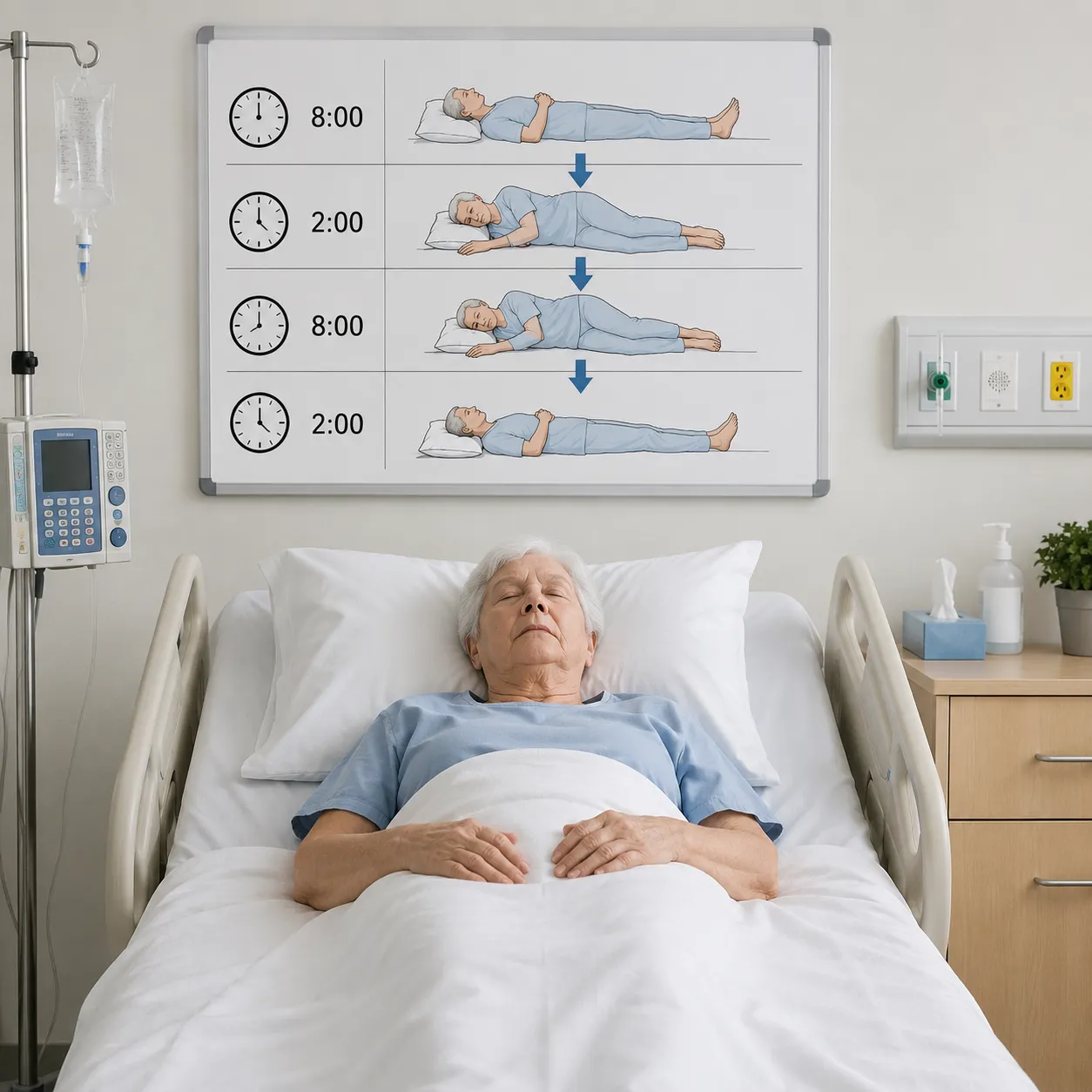
turning scheduleˈtɜːrnɪŋ ˈskedʒuːl
a planned timetable for changing a bedbound patient's position to prevent pressure sores.
bed restˈbɛd ˌrɛst
a medical instruction or situation in which a person stays in bed to rest or recover.
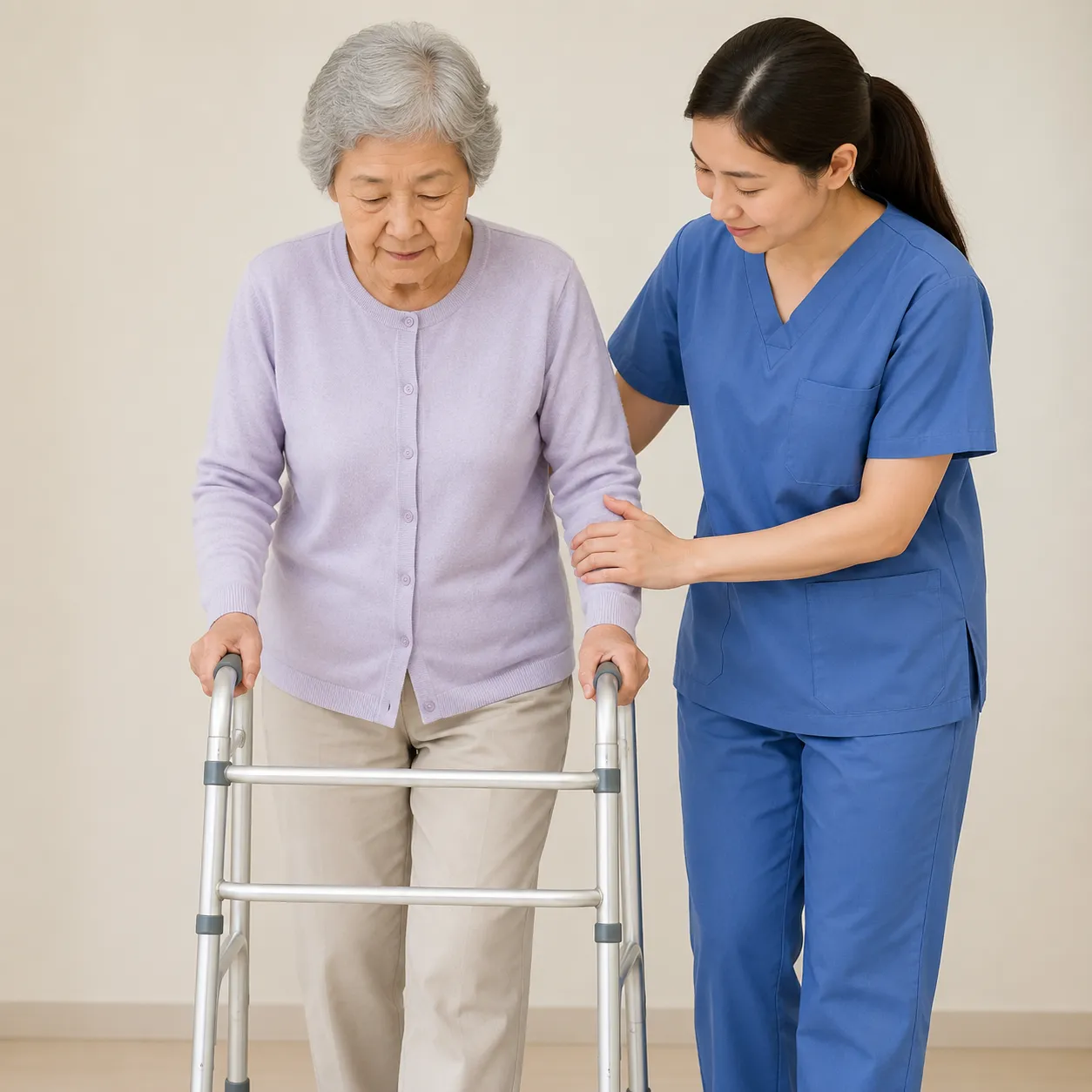
assisted walkingəˈsɪstɪd ˈwɔːkɪŋ
walking with help from another person or a walking aid.

independent walkingˌɪndɪˈpendənt ˈwɔːkɪŋ
walking safely without help from another person or a walking aid.
Food, special diets, swallowing support and nutrition monitoring in patient care.

dressingˈdrɛsɪŋ
a usually cold sauce added to salad or vegetables for flavor

tenderˈtendɚ
soft and easy to cut, bite, or chew

feedfiːd
to give food to a person or animal, or help them eat
nutritionnjuːˈtrɪʃən
the process of getting the food and nutrients the body needs to stay healthy.

dietˈdaɪət
the food and drink that a person usually eats or is advised to eat for health reasons.

mealmiːl
an occasion when food is eaten, such as breakfast, lunch, or dinner.
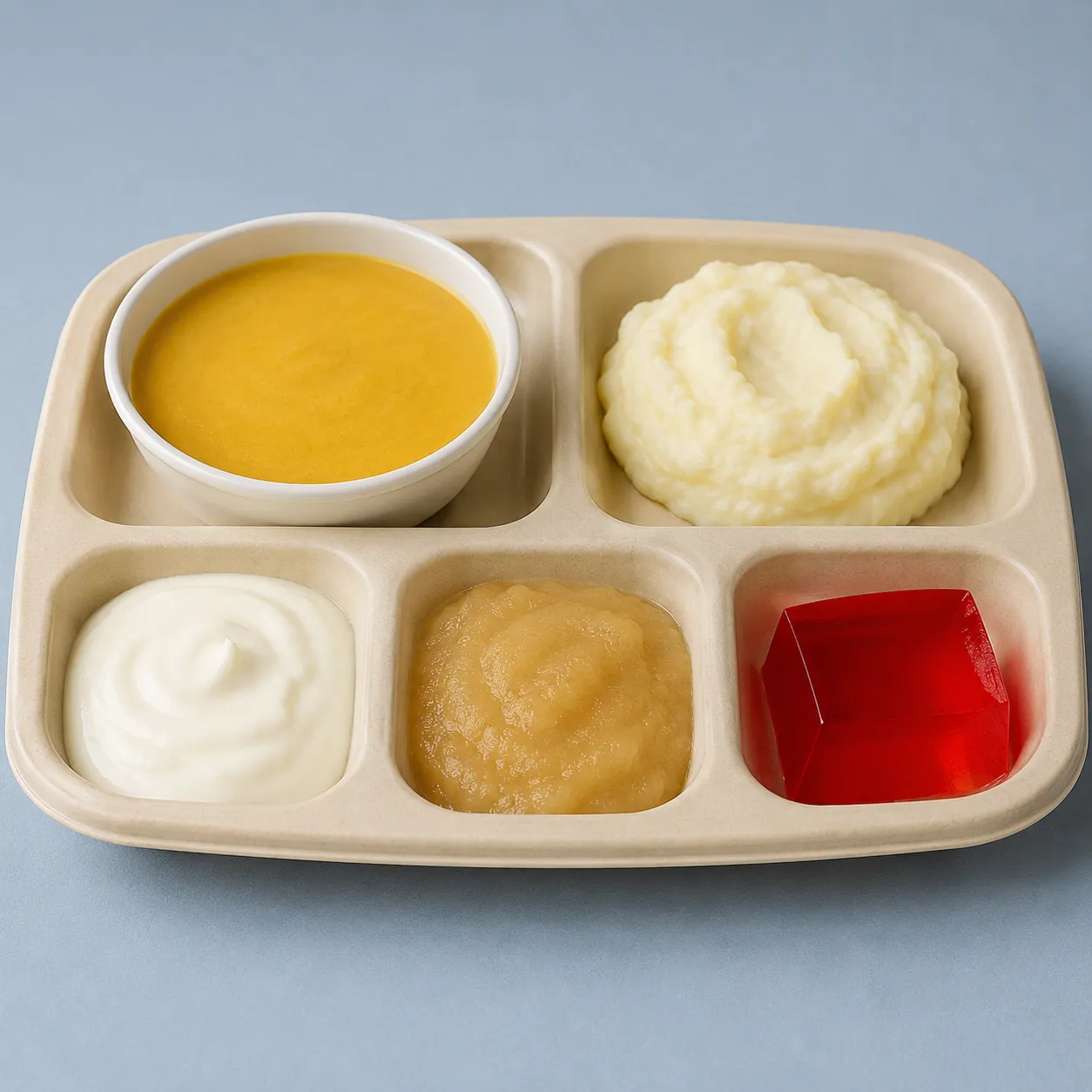
soft dietsɒft ˈdaɪət
a diet of foods that are easy to chew and swallow because they are soft or made smooth.
liquid dietˈlɪkwɪd ˈdaɪət
a diet in which a person has only liquids or foods that become liquid at room temperature.
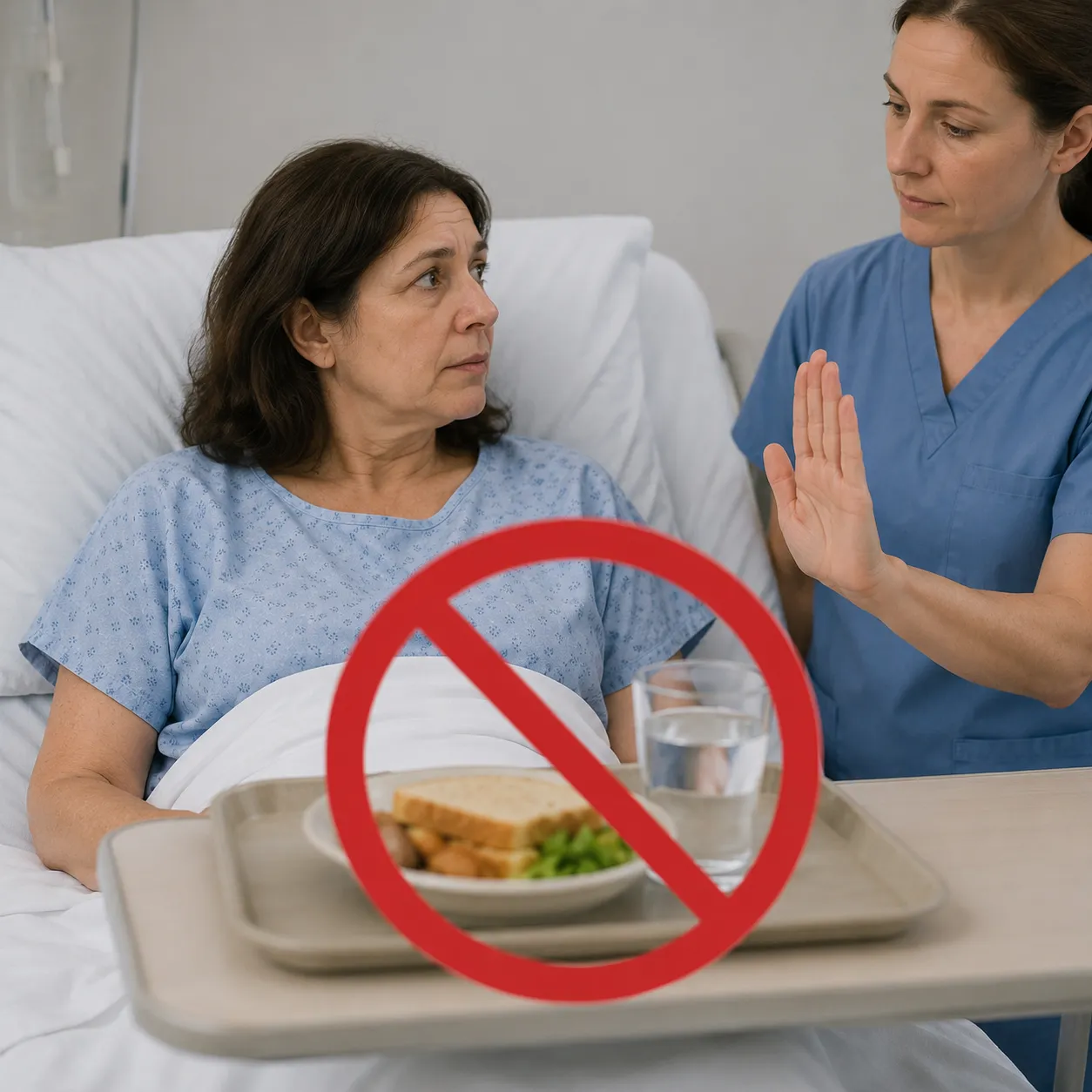
nil by mouthnɪl baɪ maʊθ
a medical instruction that a patient must not eat or drink anything.
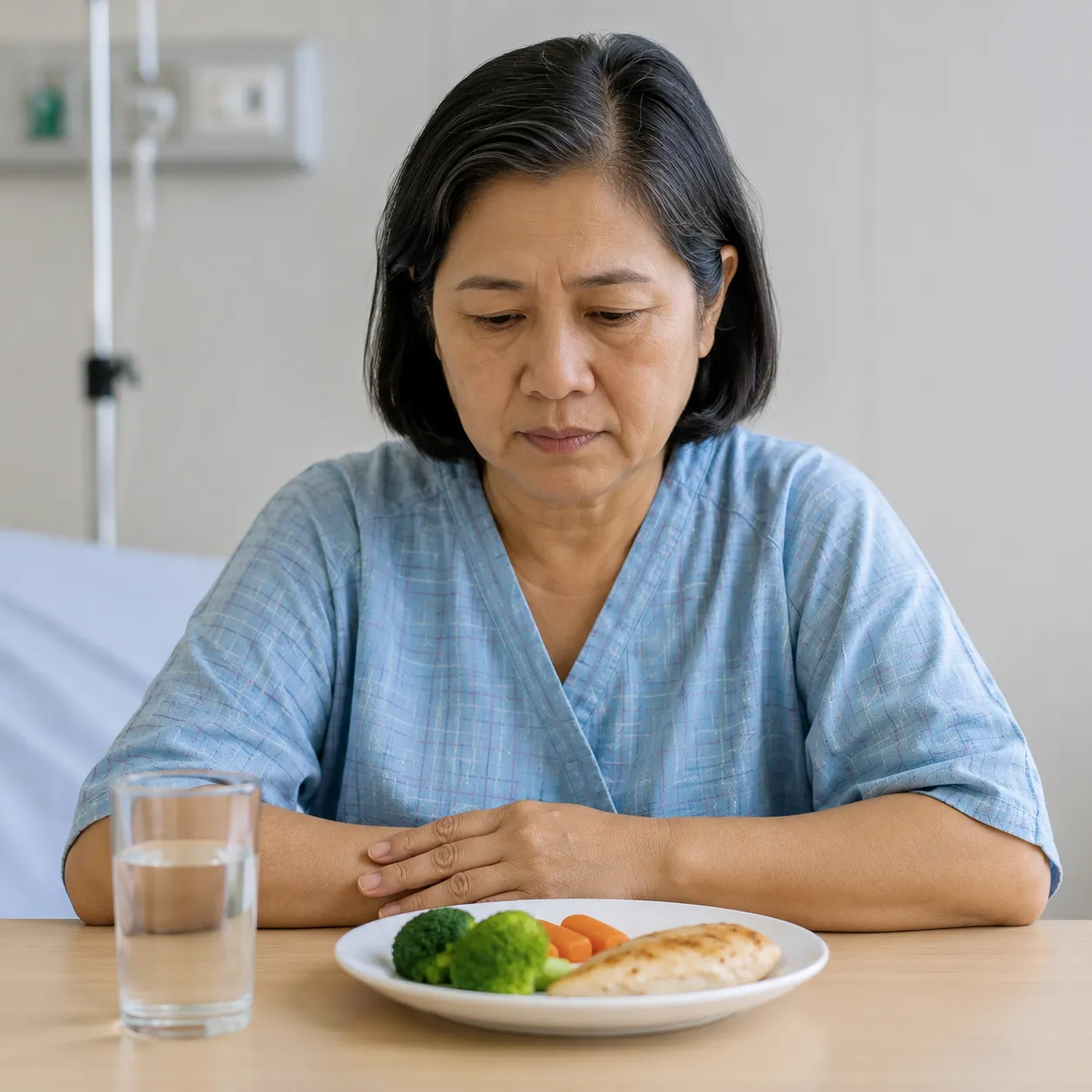
fastingˈfɑːstɪŋ
not eating, and sometimes not drinking, for a period of time, often before a test or operation.
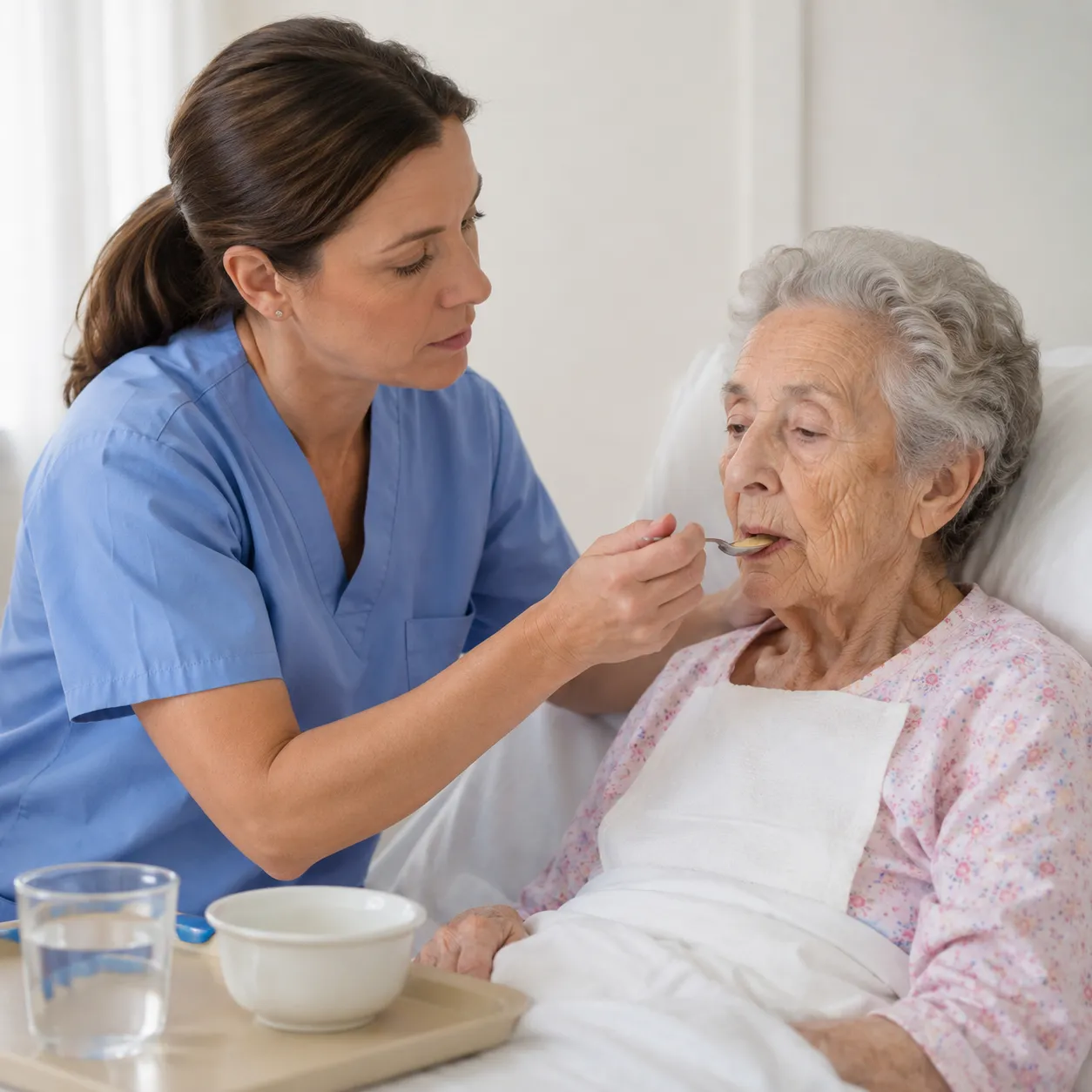
feeding assistanceˈfiːdɪŋ əˈsɪstəns
help given to a patient who cannot eat or drink safely or independently.
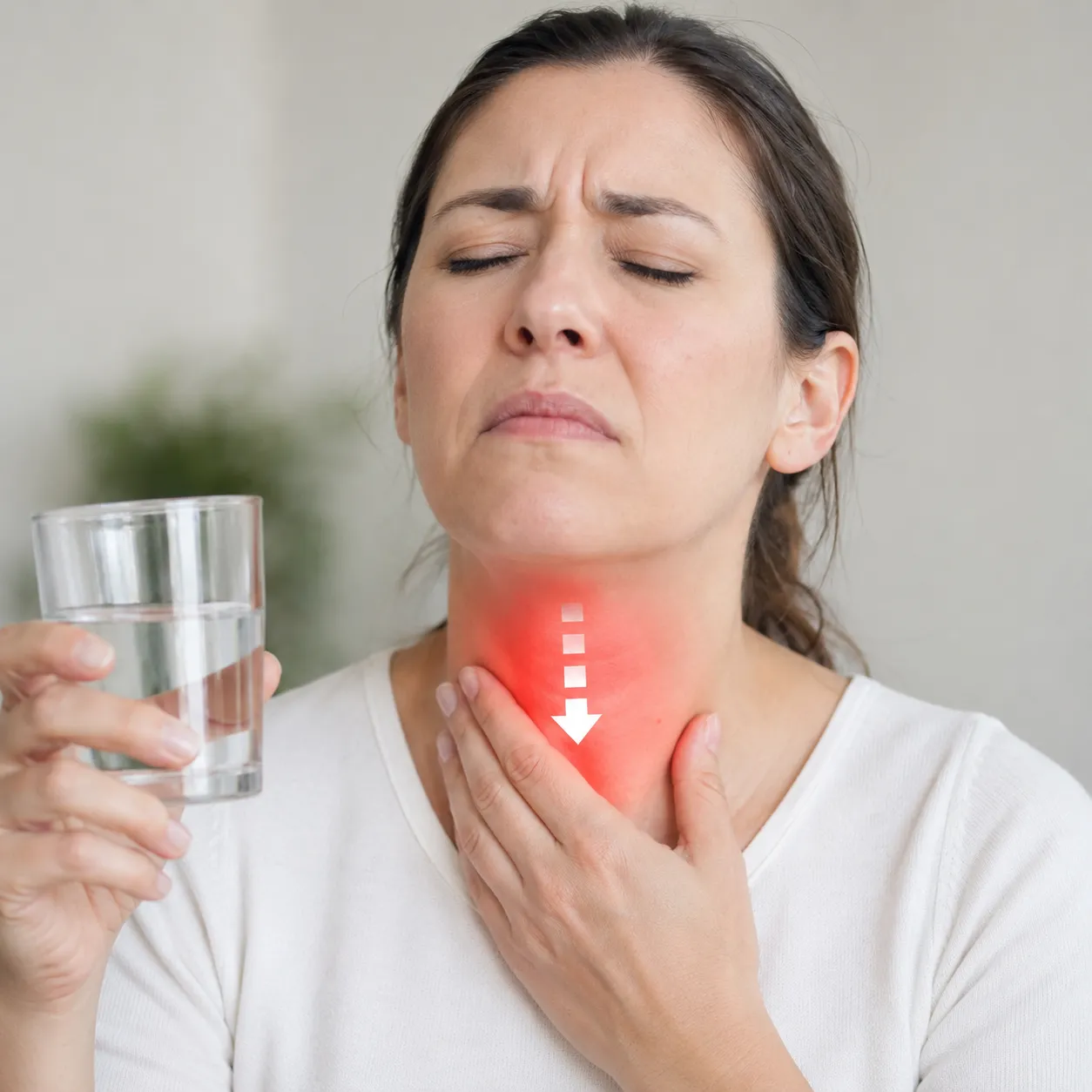
swallowing difficultyˈswɒləʊɪŋ ˈdɪfɪkəlti
a problem with moving food, drink, or saliva from the mouth to the stomach.

choking riskˈtʃəʊkɪŋ rɪsk
the chance that a person may have food, drink, or an object block their airway.
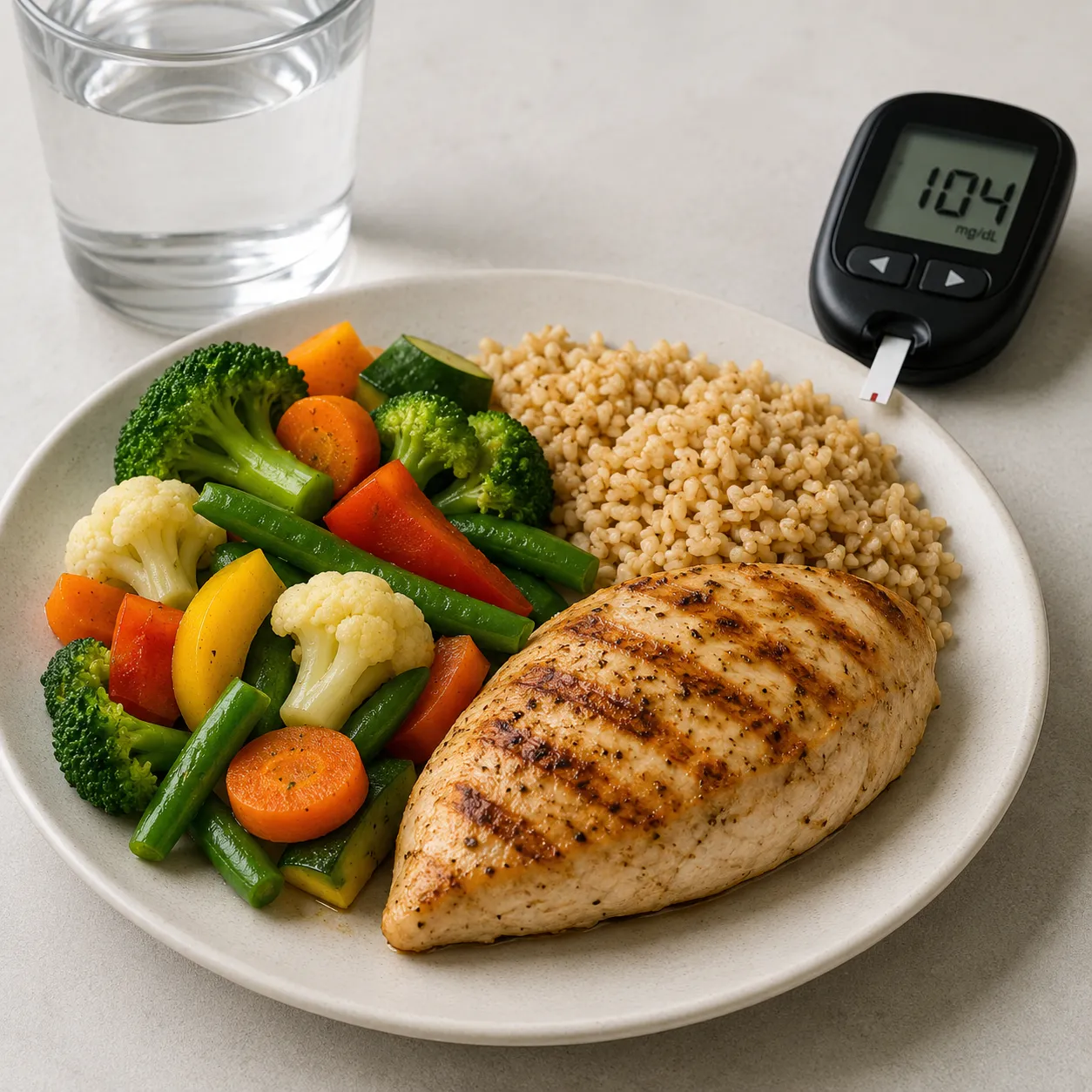
diabetic dietˌdaɪəˈbetɪk ˈdaɪət
a meal plan designed to help a person with diabetes control blood sugar levels.
low-salt dietˌloʊ sɔːlt ˈdaɪət
a meal plan that limits salt to help control blood pressure or reduce fluid retention.
water jugˈwɔːtər dʒʌɡ
a container with a handle and spout used for holding and pouring water.
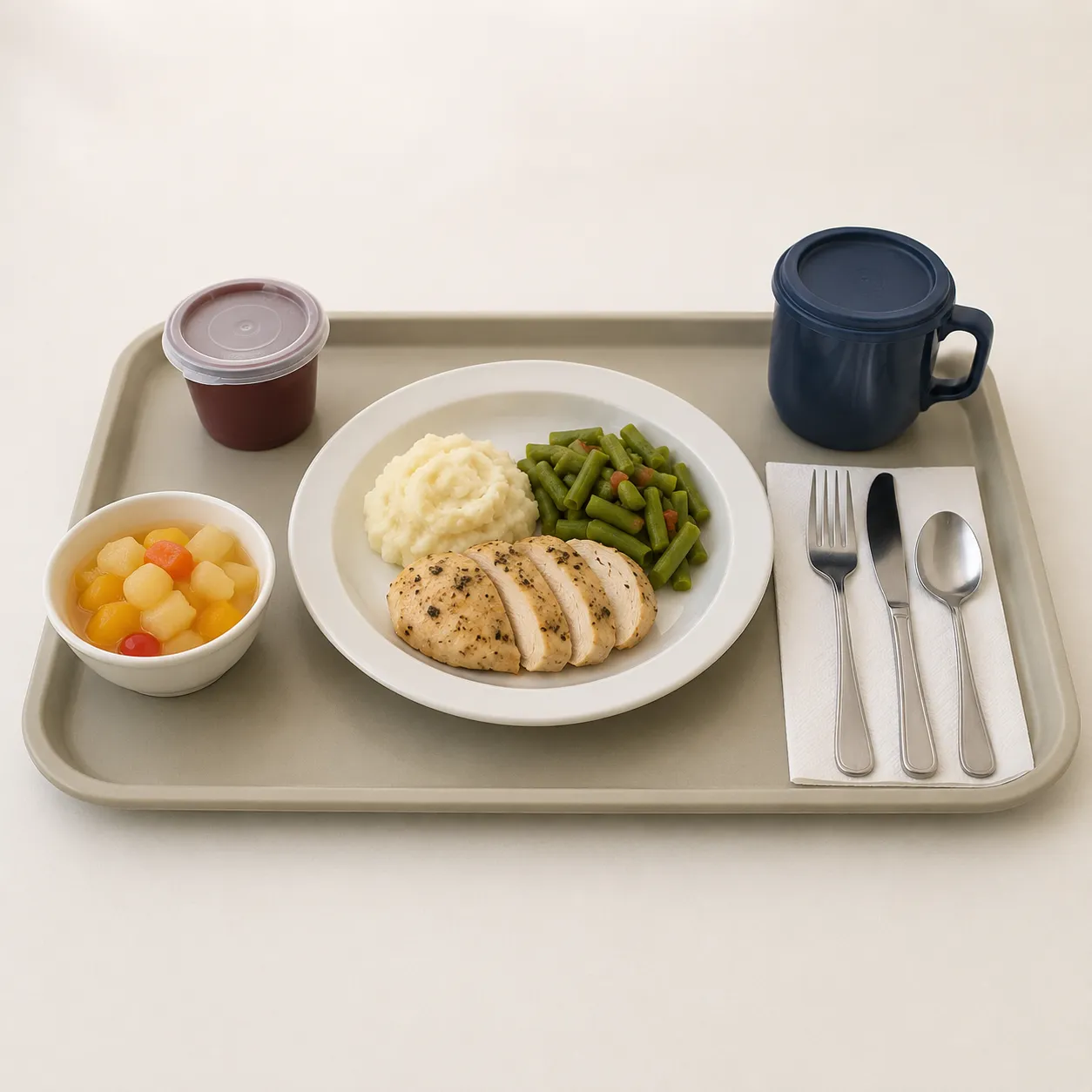
meal trayˈmiːl ˌtreɪ
a flat tray used to carry and serve a patient's meal.
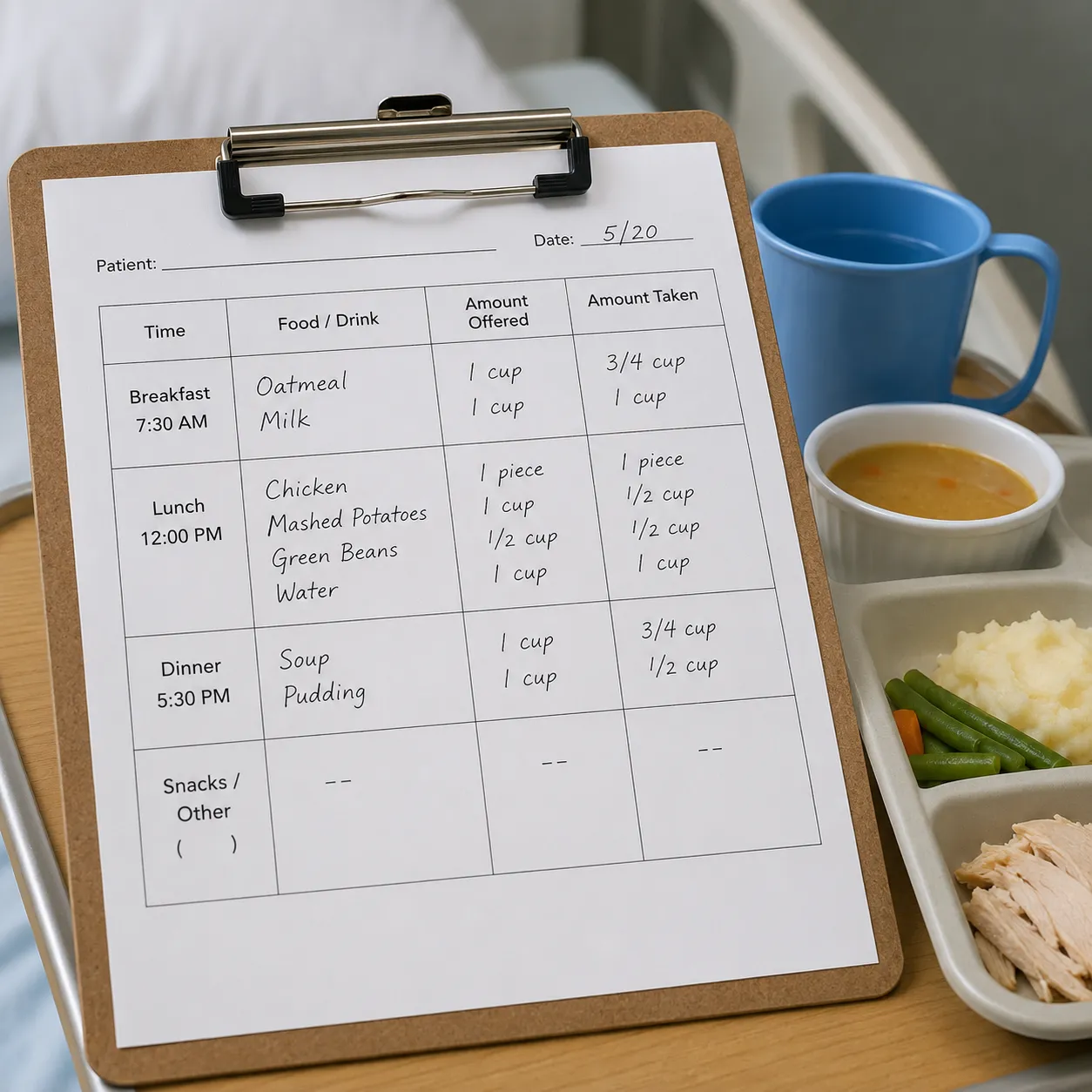
food chartfuːd tʃɑːrt
a record that shows what and how much a patient eats and drinks.

appetiteˈæpɪtaɪt
the desire to eat food.
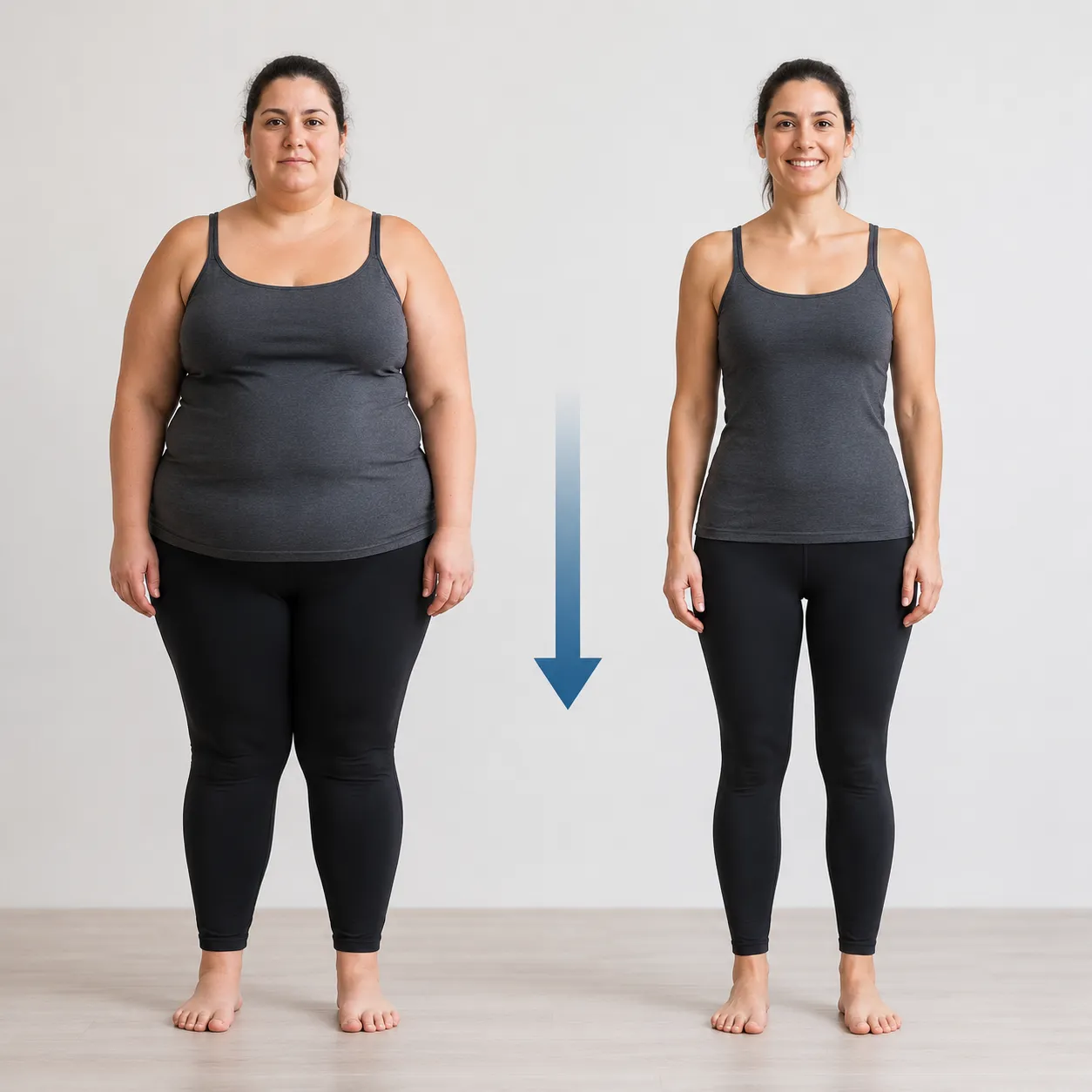
weight lossweɪt lɔːs
a decrease in a person's body weight.
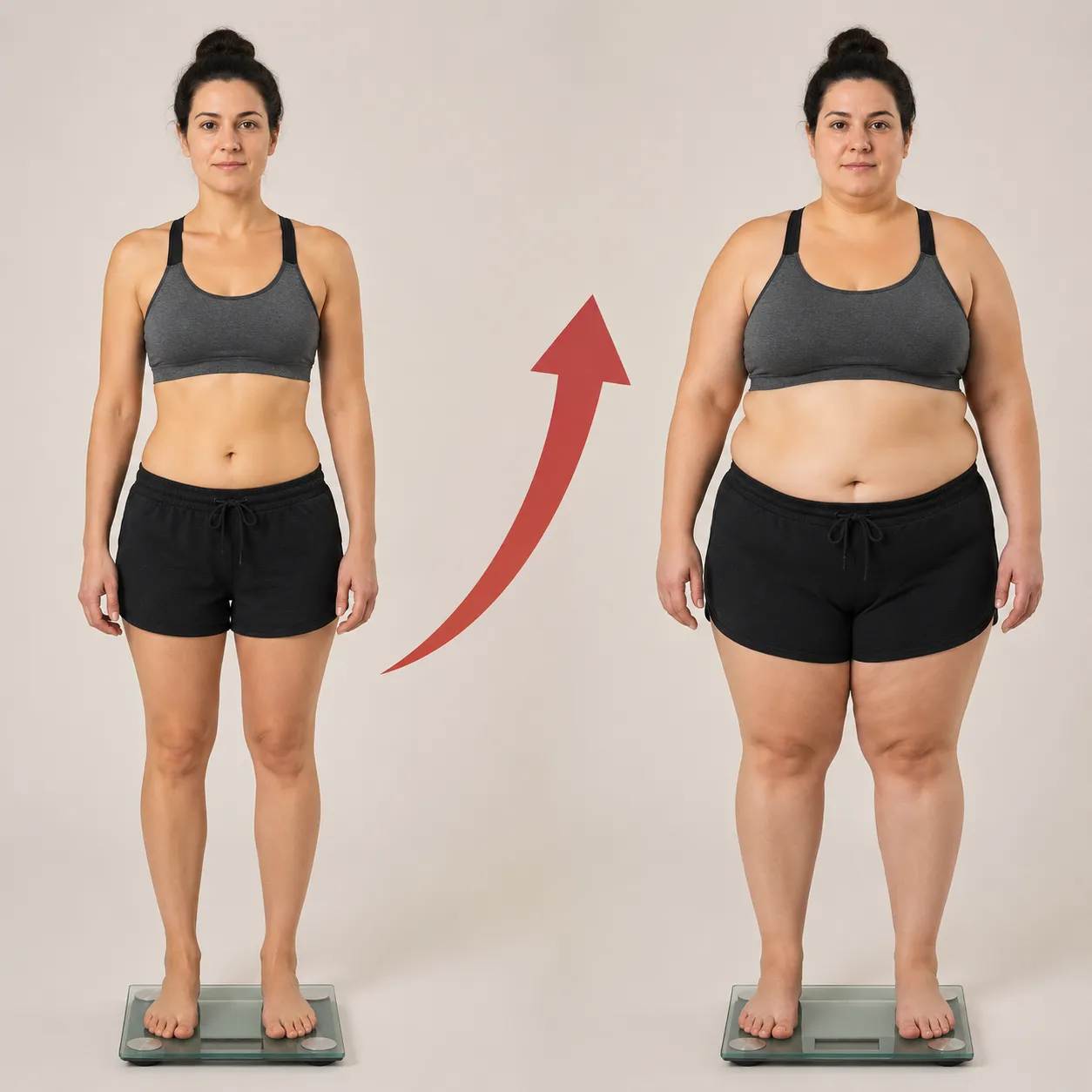
weight gainweɪt ɡeɪn
an increase in a person's body weight.
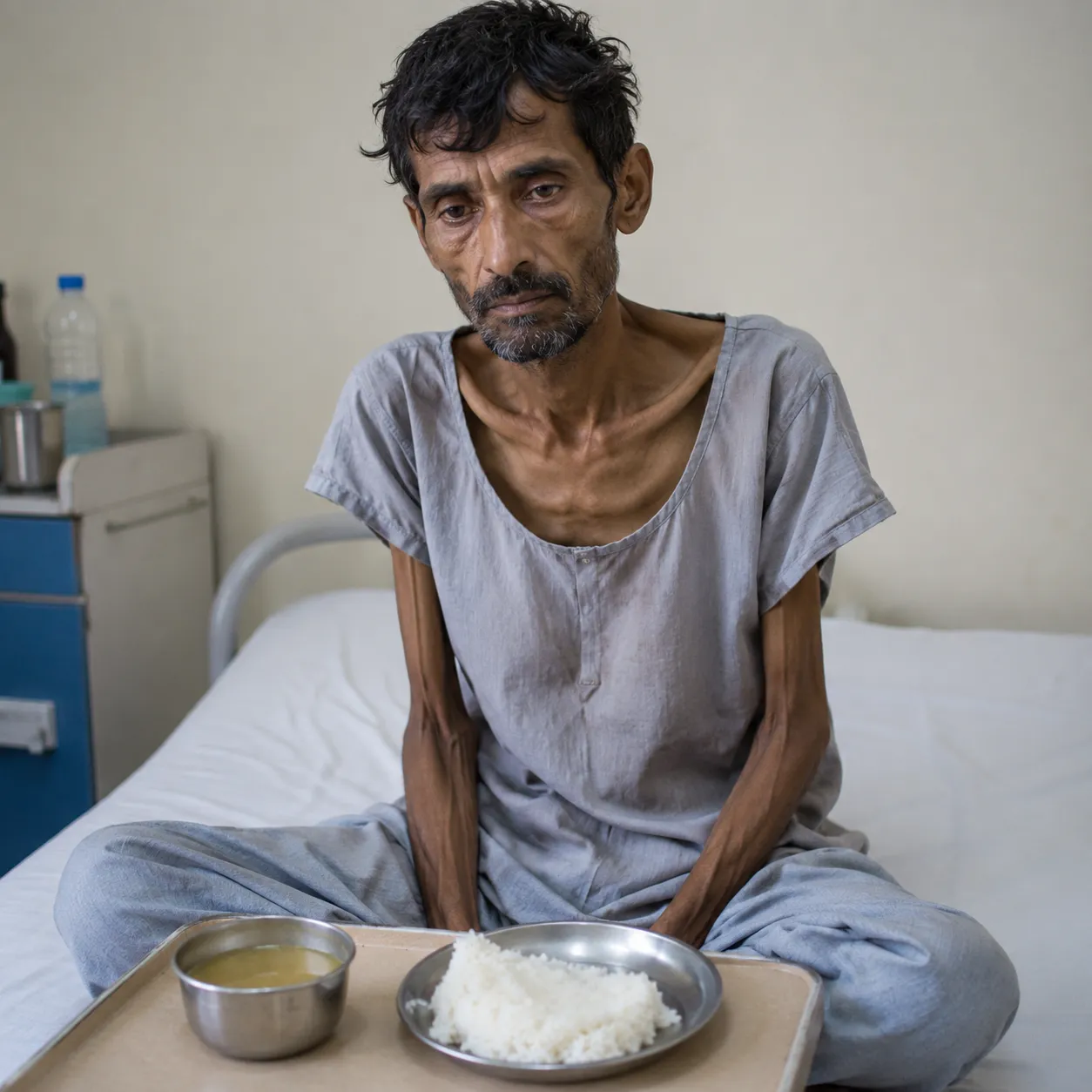
malnutritionˌmælnuːˈtrɪʃən
poor health caused by not getting enough food or the right nutrients.
Common medicine forms and drug types used in nursing and patient care.
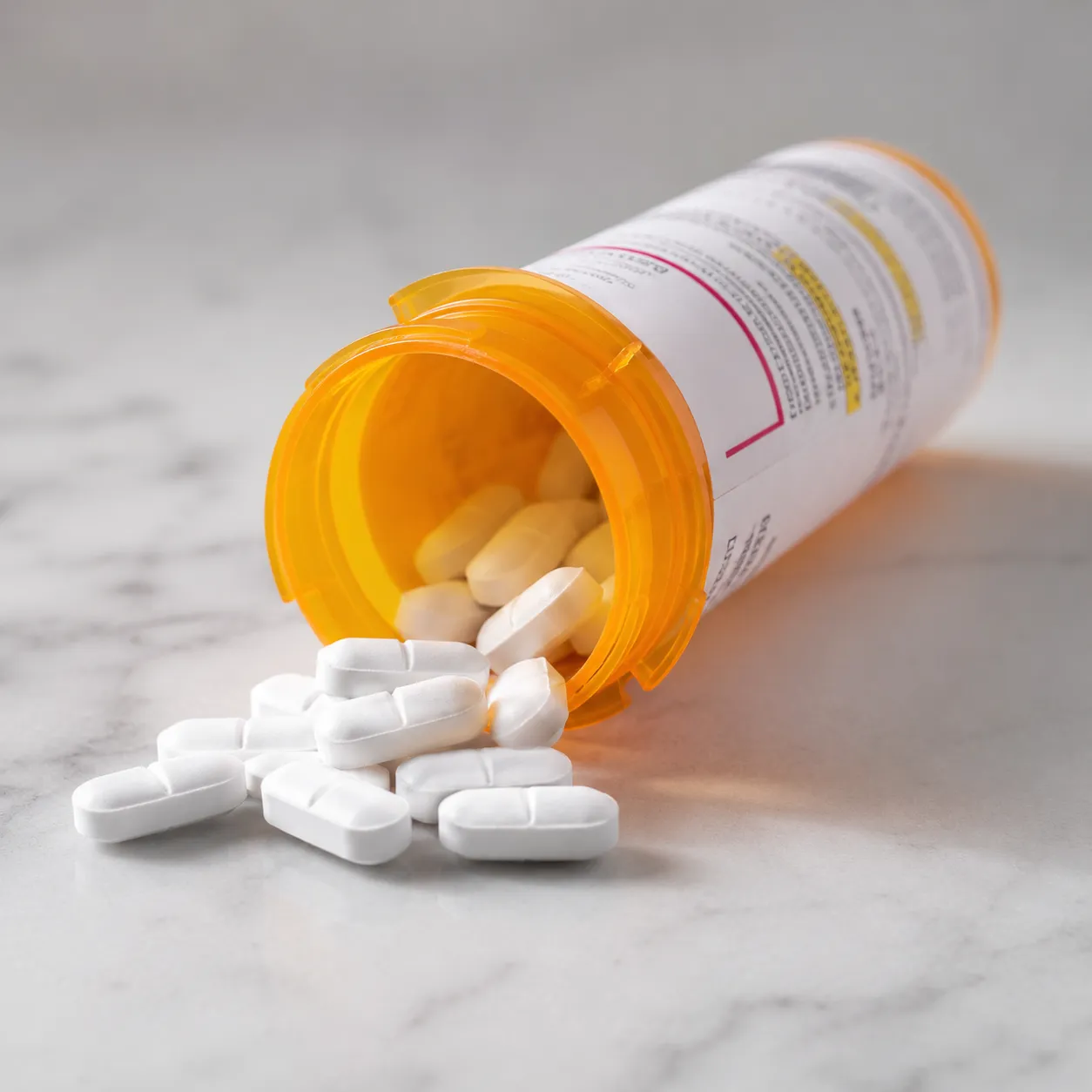
medicationˌmedɪˈkeɪʃən
a drug or medicine used to treat, prevent, or control a health problem.

medicineˈmedɪsən
a substance used to treat an illness, relieve pain or other symptoms, or help someone recover
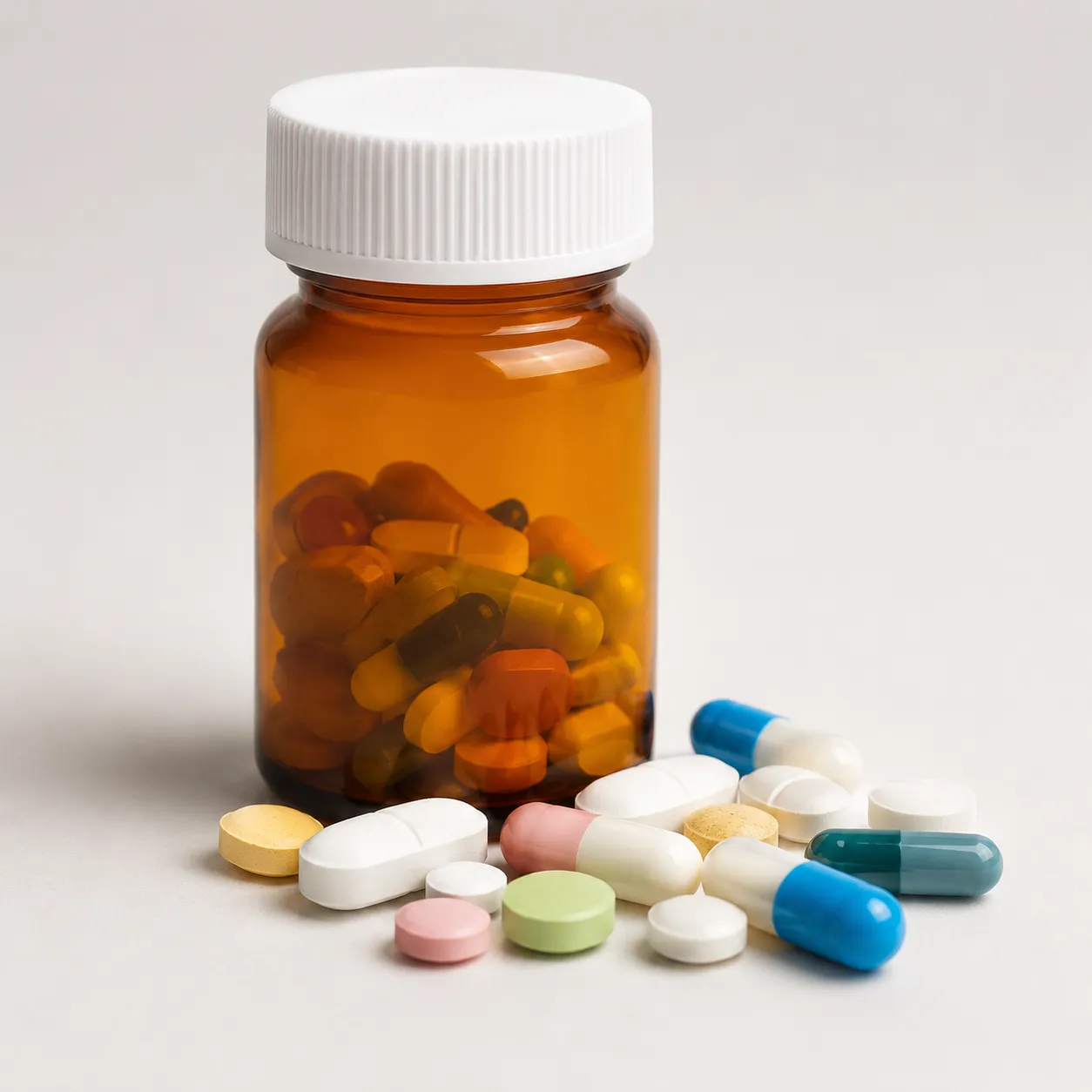
drugdrʌɡ
a chemical substance that affects the body, especially one used as medicine or taken illegally.
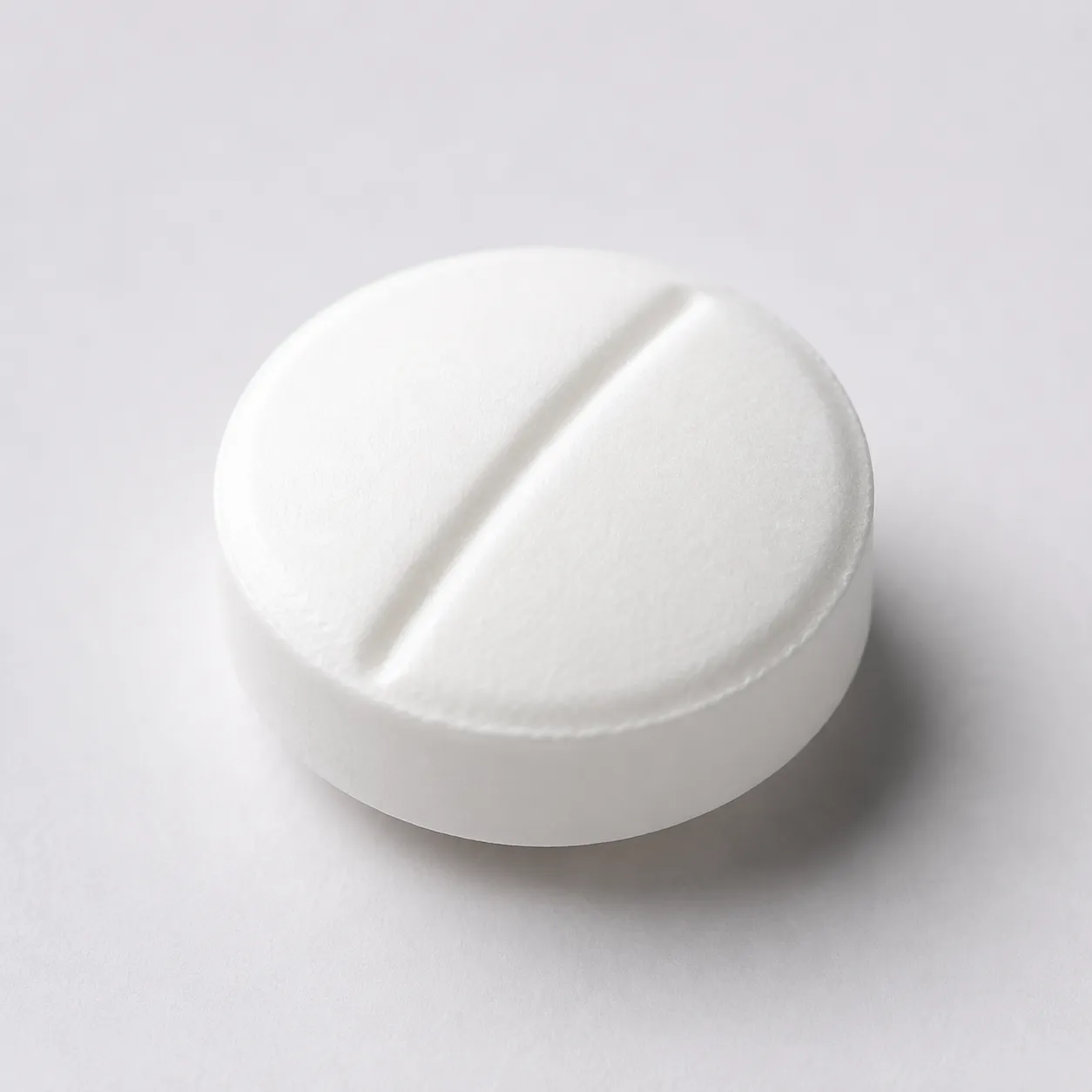
tabletˈtæblət
a small solid piece of medicine that you swallow.
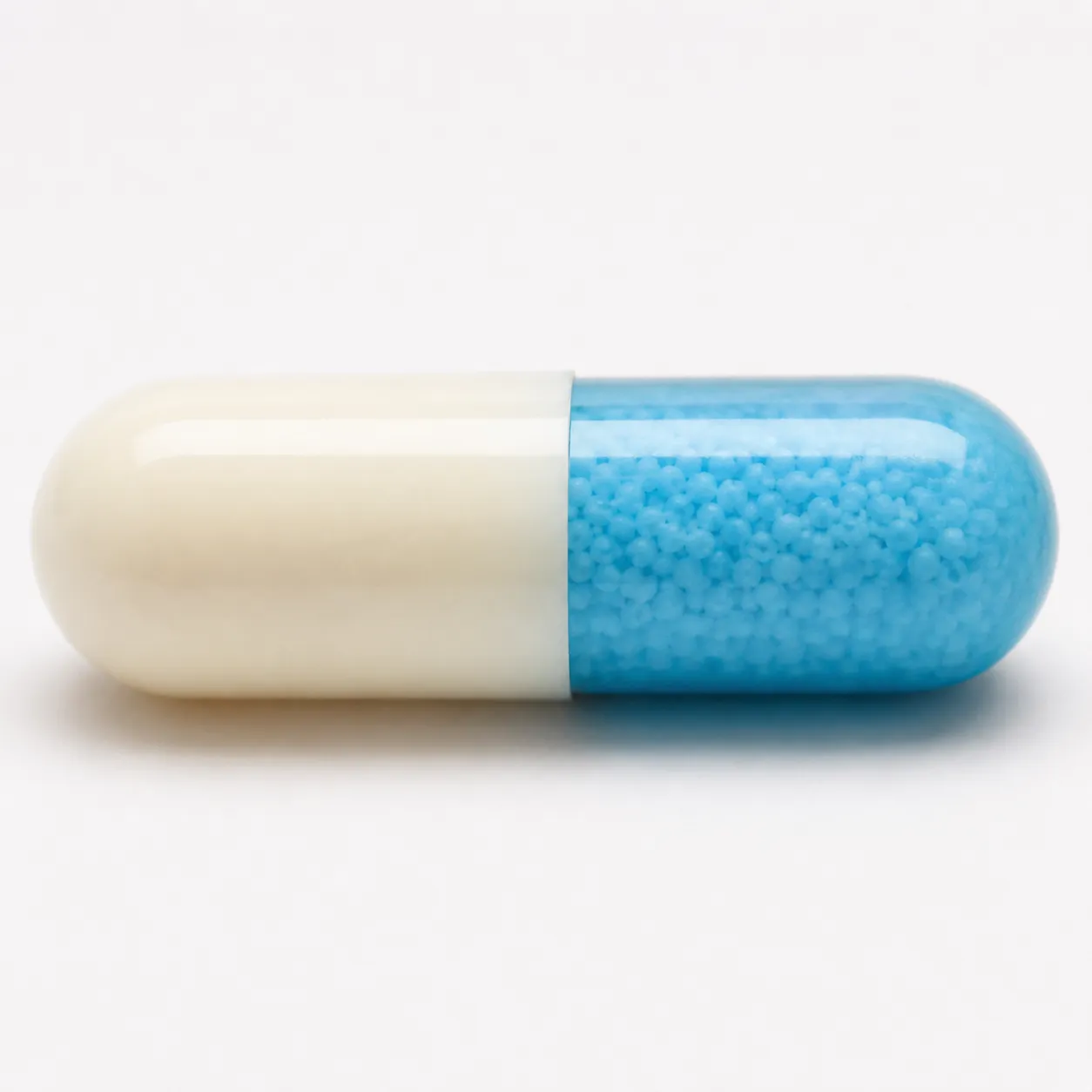
capsuleˈkæpsuːl
a small container with medicine inside that you swallow and that dissolves in the body.
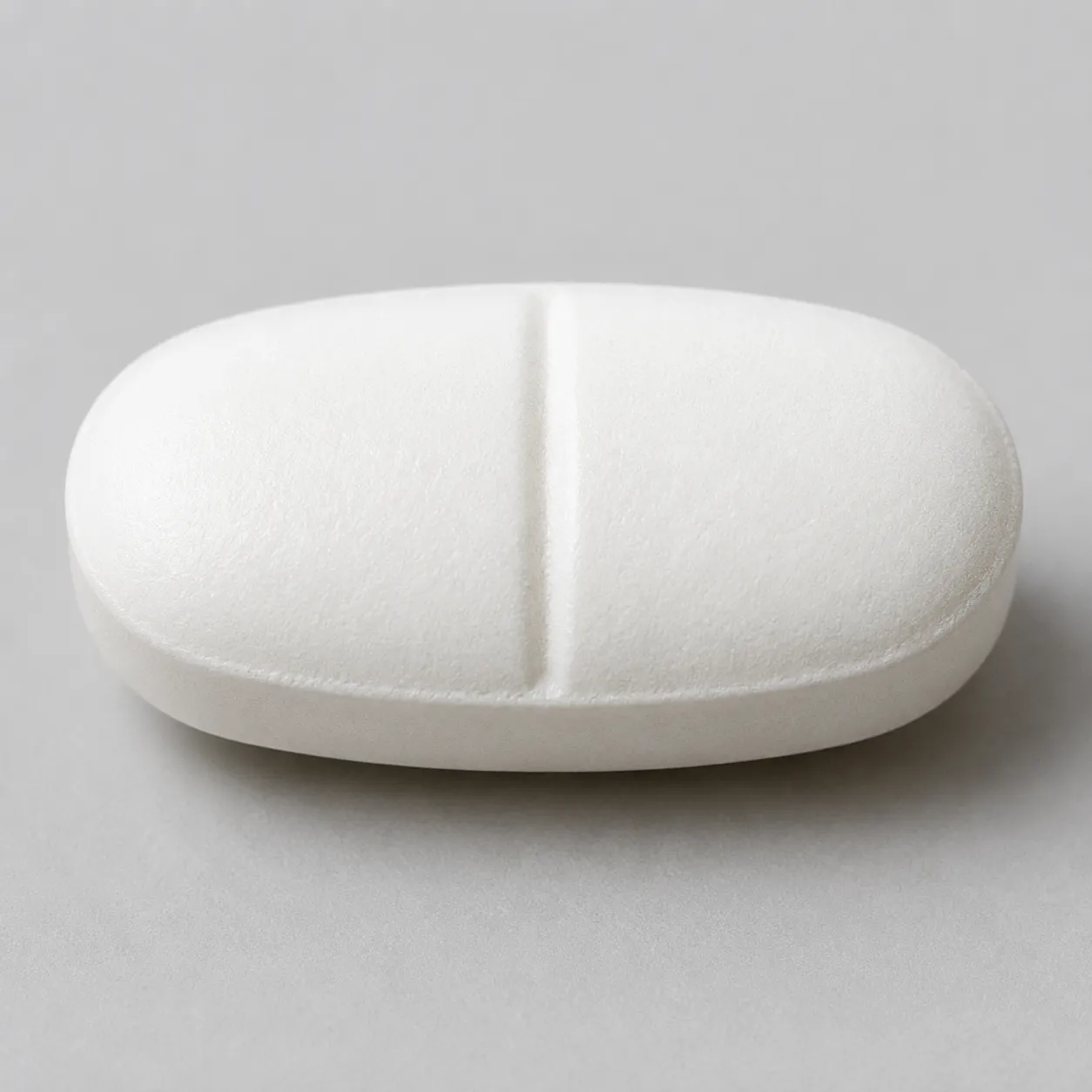
pillpɪl
a small piece of medicine that you swallow.
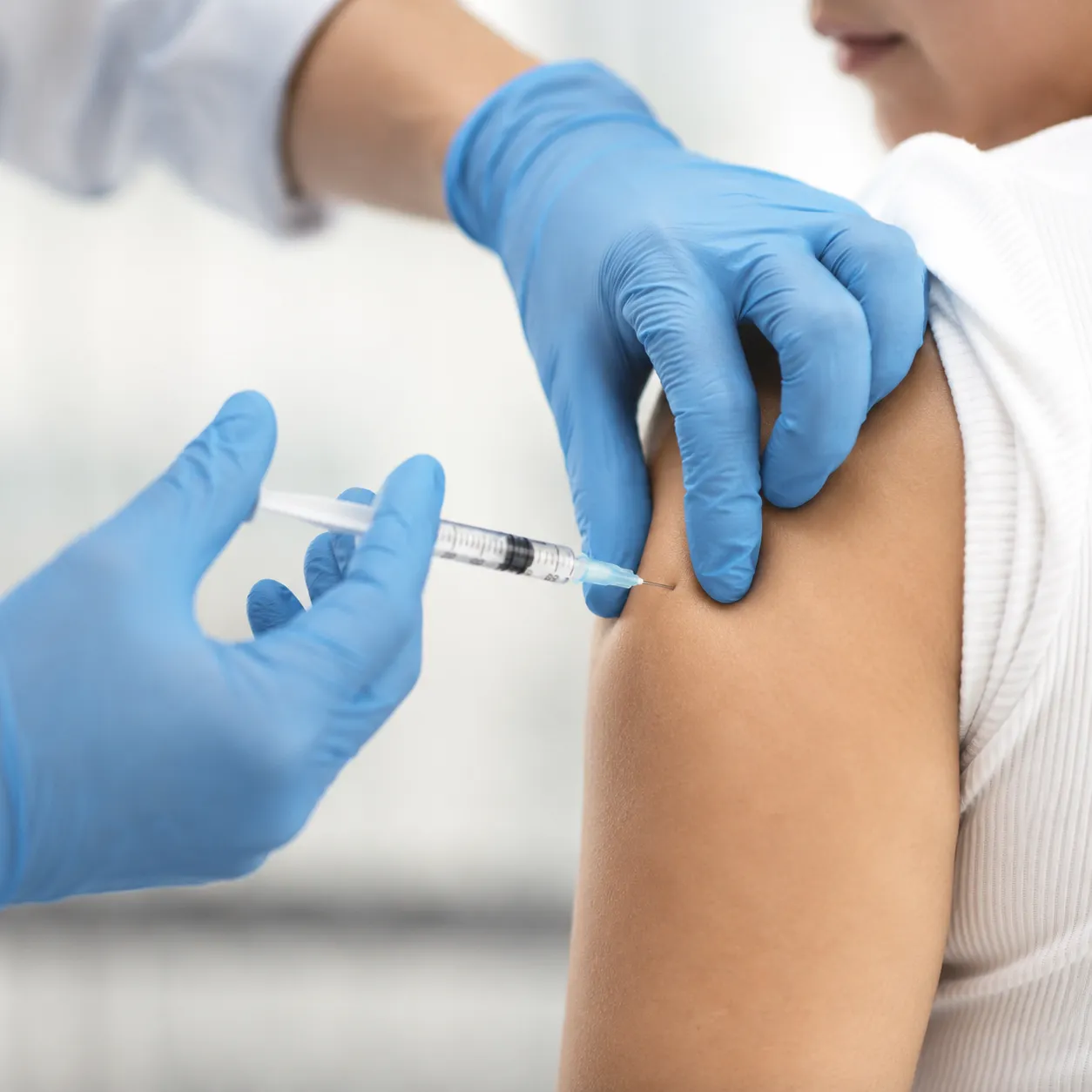
injectionɪnˈdʒekʃən
the act of putting medicine or a vaccine into the body with a needle.
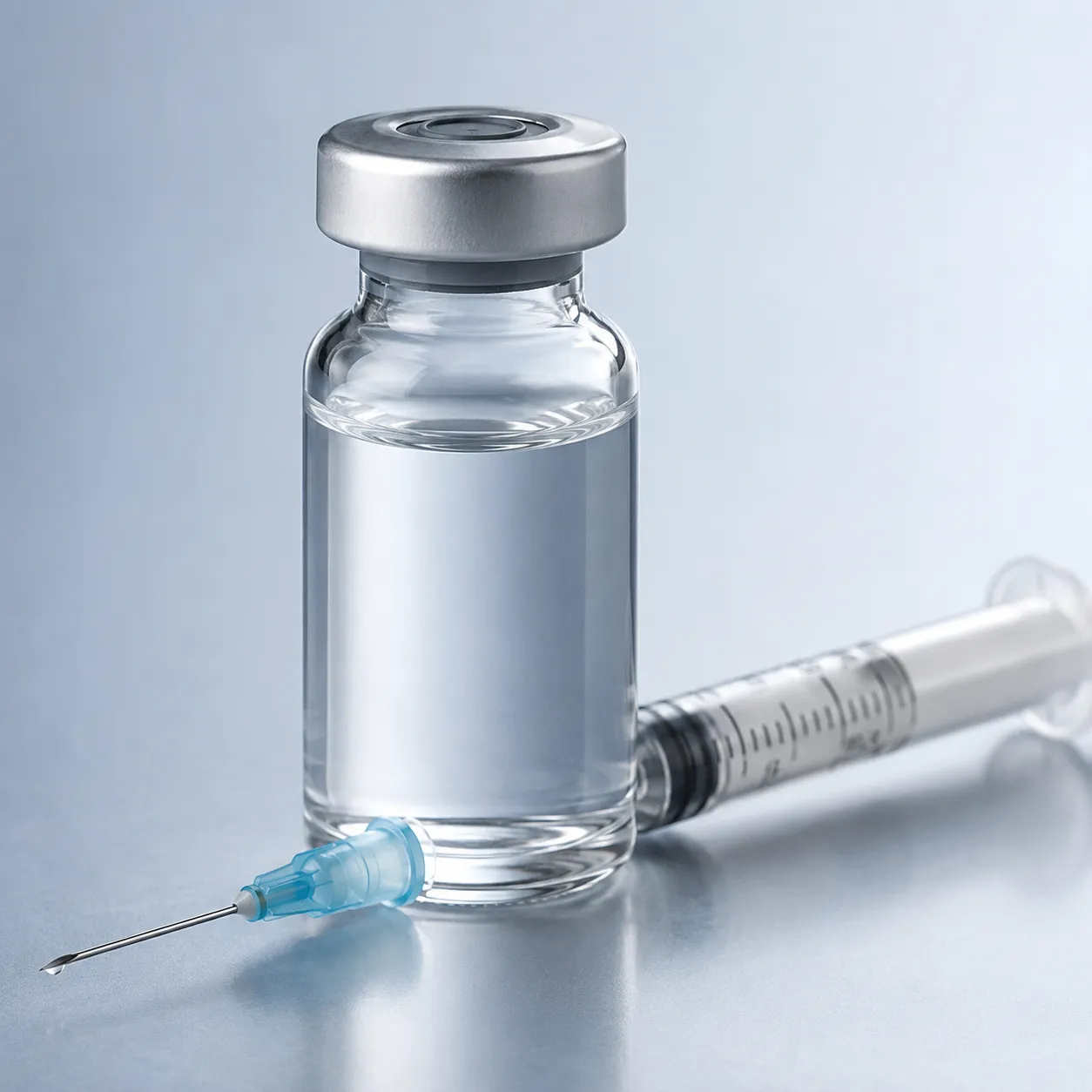
vaccinevækˈsiːn
a substance given to help the body protect itself against a specific disease.
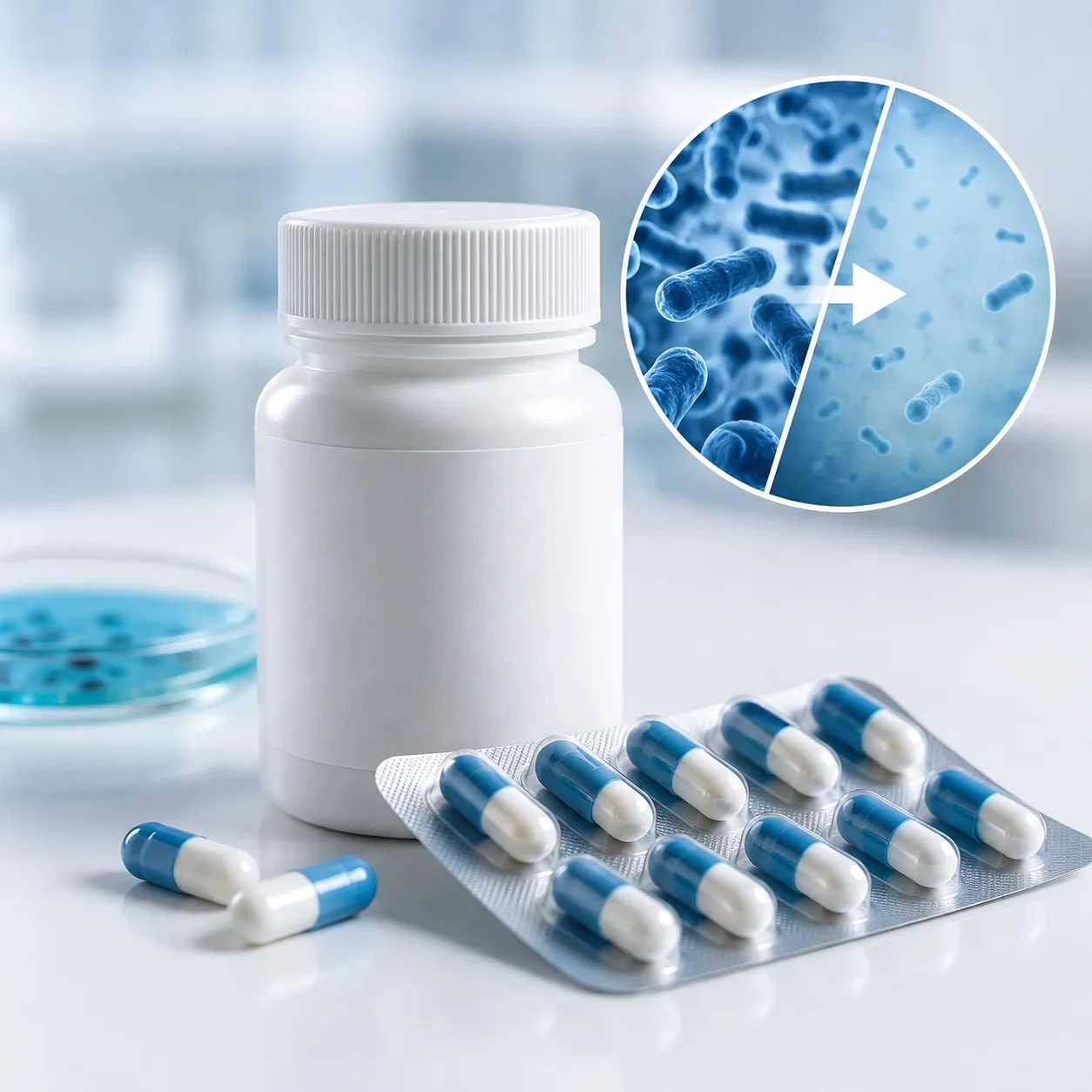
antibioticˌæntibaɪˈɑːtɪk
a medicine used to kill bacteria or stop them from growing.

painkillerˈpeɪnˌkɪlər
a medicine that reduces or stops pain.
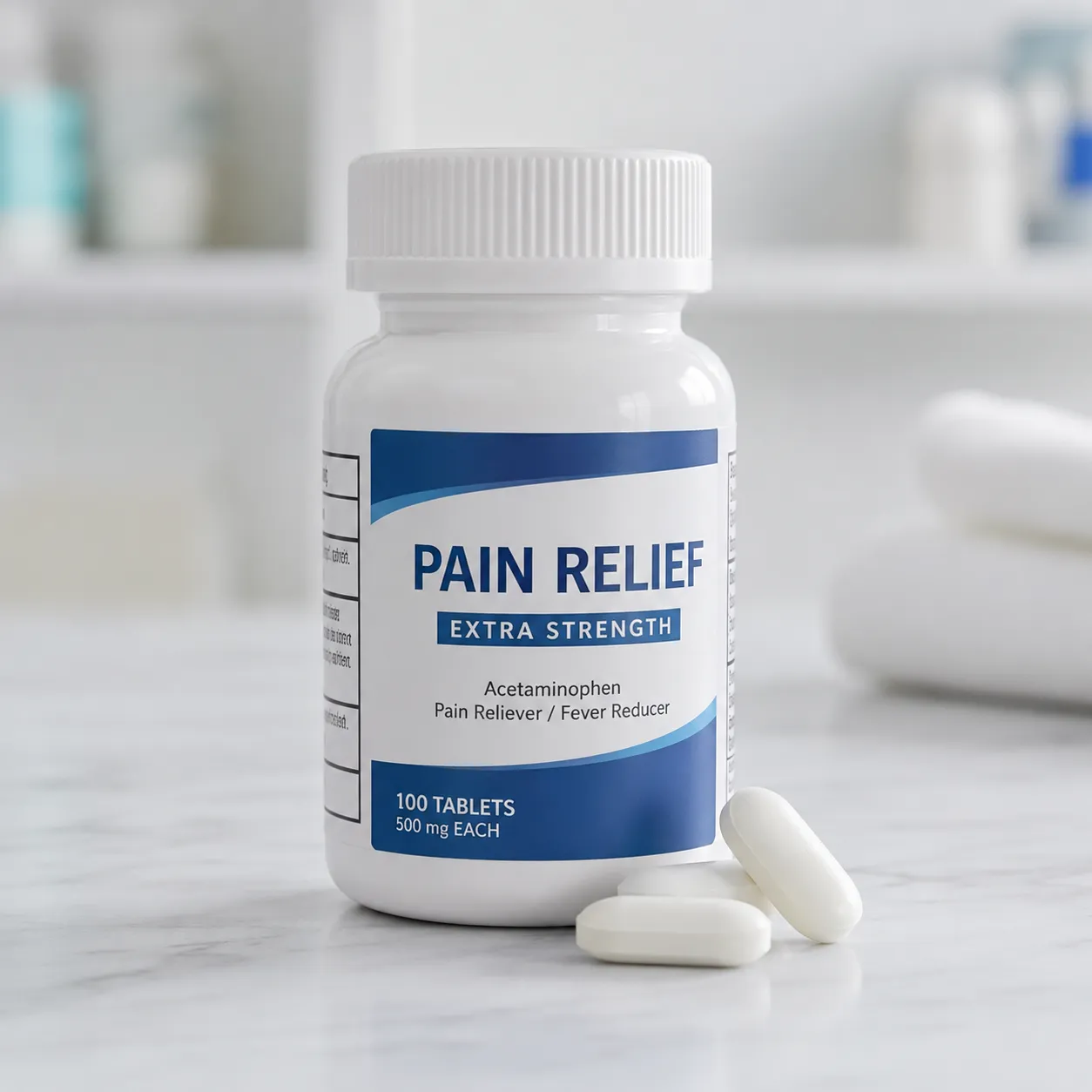
analgesicˌænəlˈdʒiːzɪk
a medical word for a drug that relieves pain.
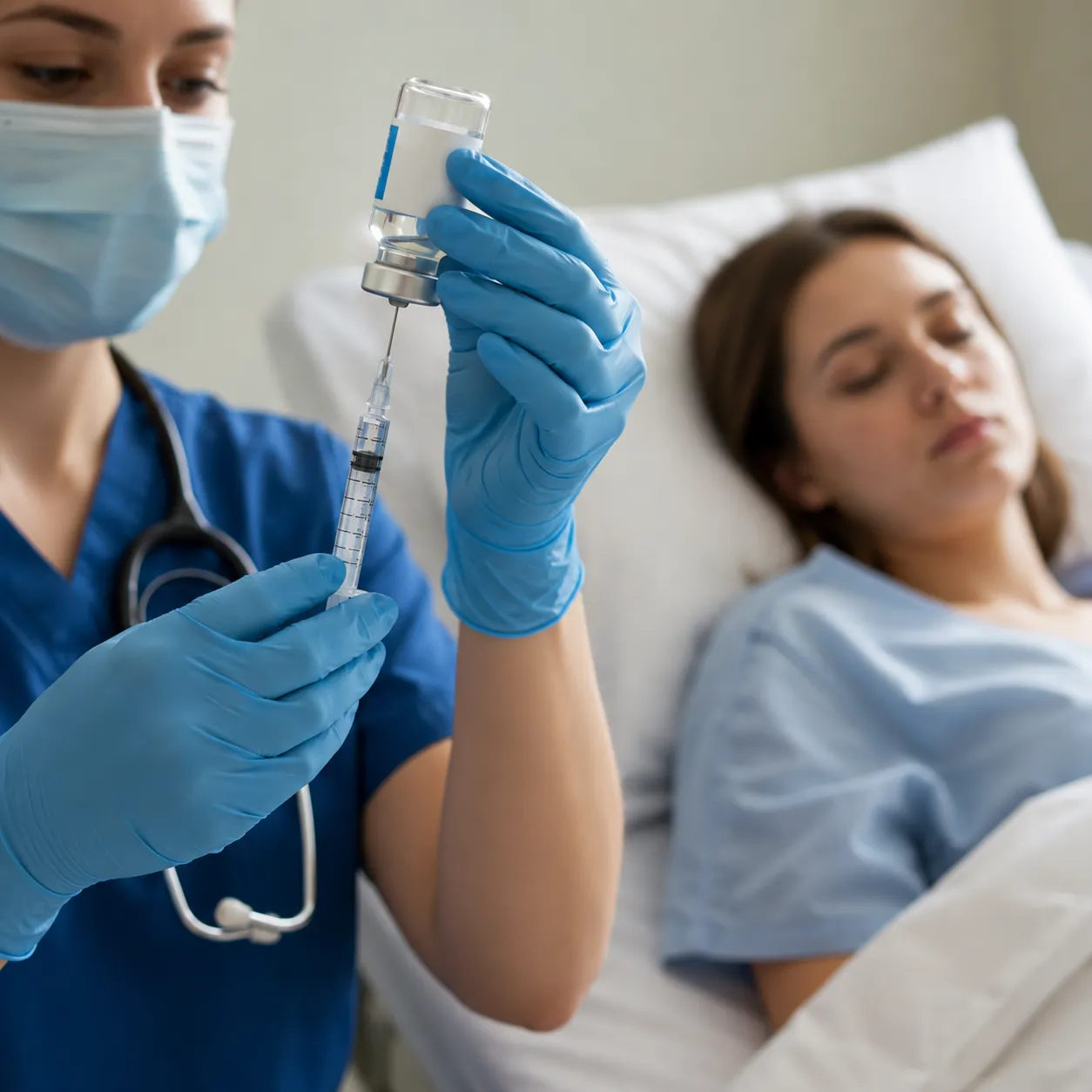
sedativeˈsedətɪv
a drug that calms a person or makes them sleepy.
laxativeˈlæksətɪv
a medicine that helps a person empty the bowels when they are constipated.
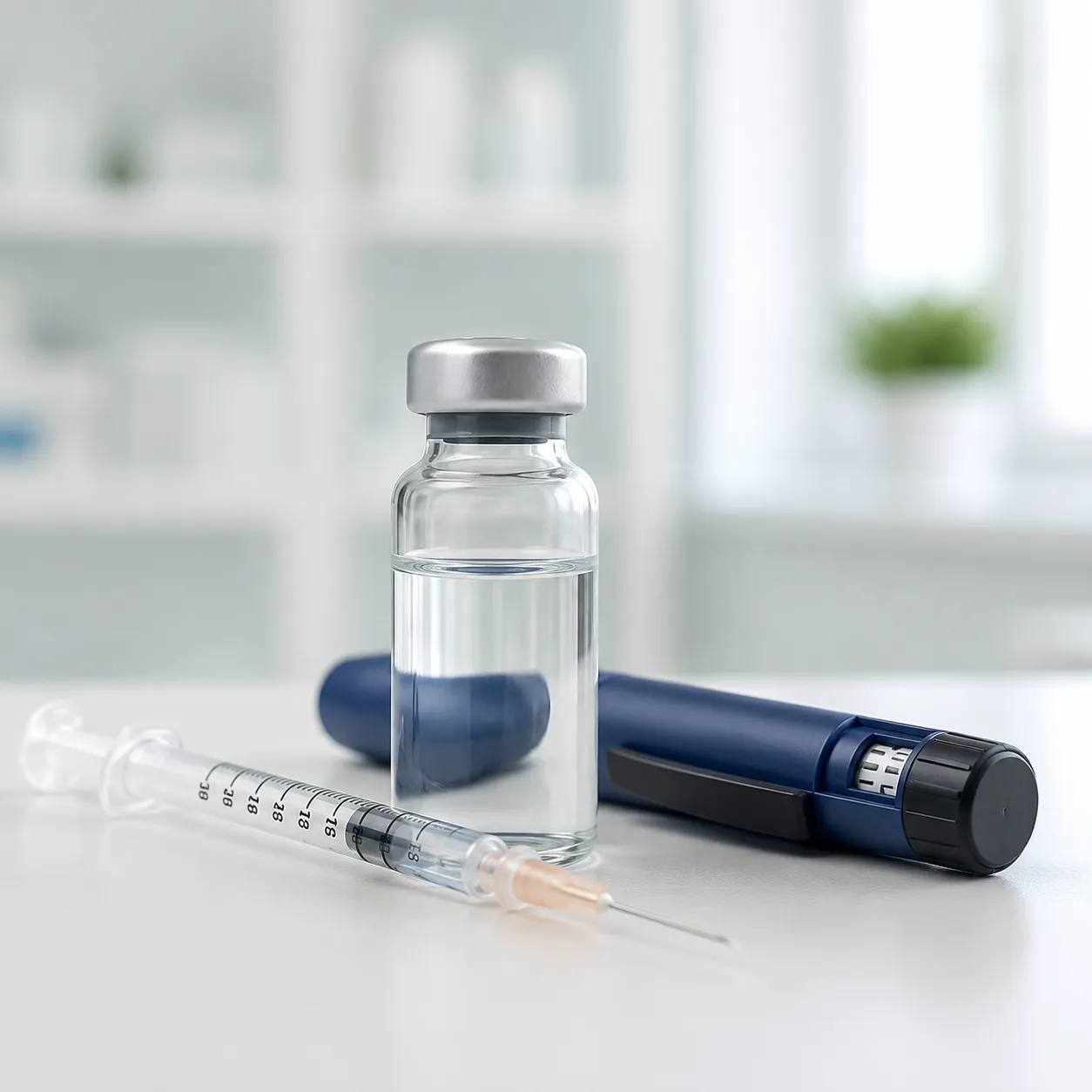
insulinˈɪnsəlɪn
a hormone used as medicine to control blood sugar in people with diabetes.
ointmentˈɔɪntmənt
a thick, greasy medicine put on the skin or a wound.

creamkriːm
a soft, smooth medicine or skin product that is rubbed onto the skin

dropsdrɑːps
liquid medicine given in small amounts, usually into the eyes, ears, or nose.
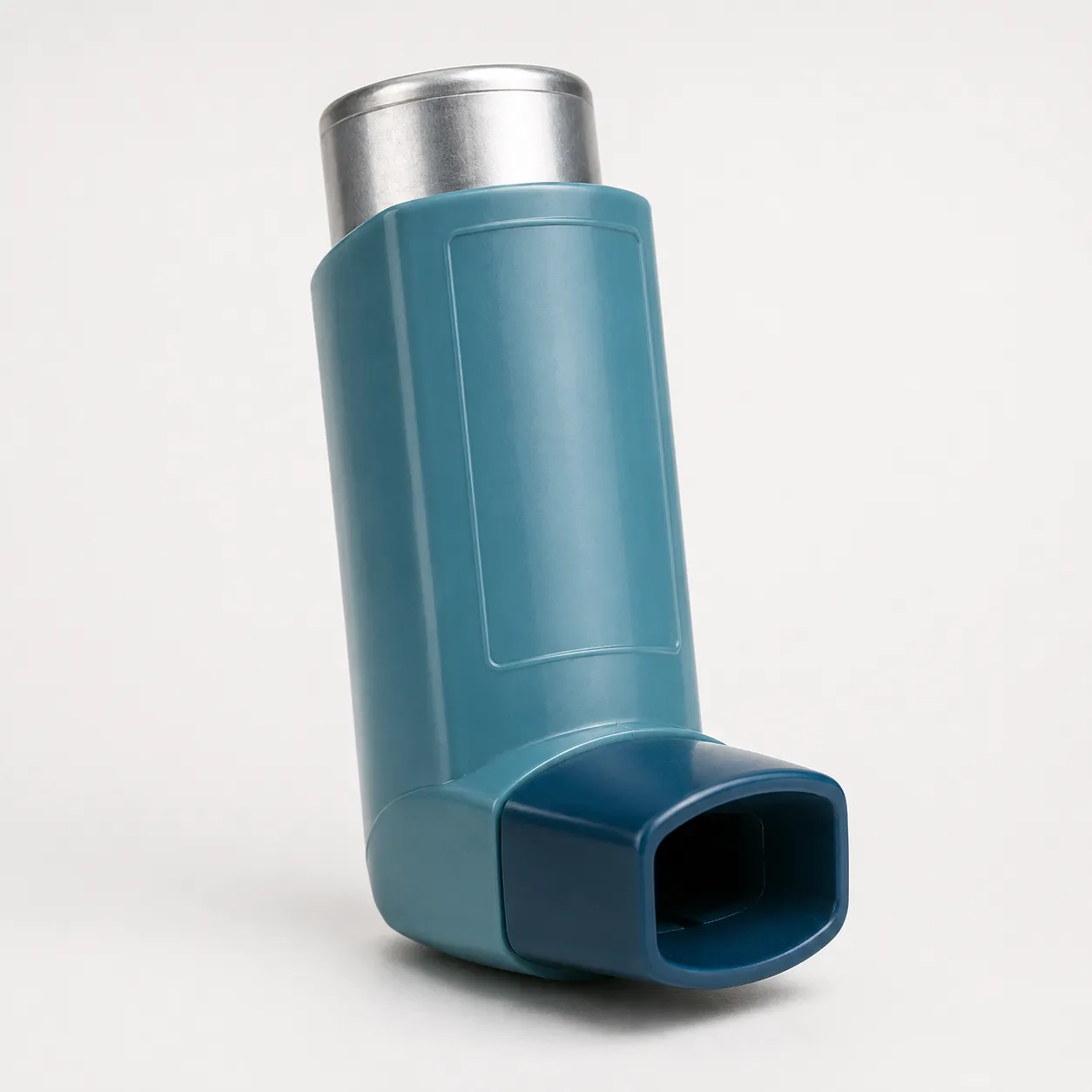
inhalerɪnˈheɪlər
a small device used to breathe medicine into the lungs.
Doses, routes, schedules and practical actions for giving medicines safely.
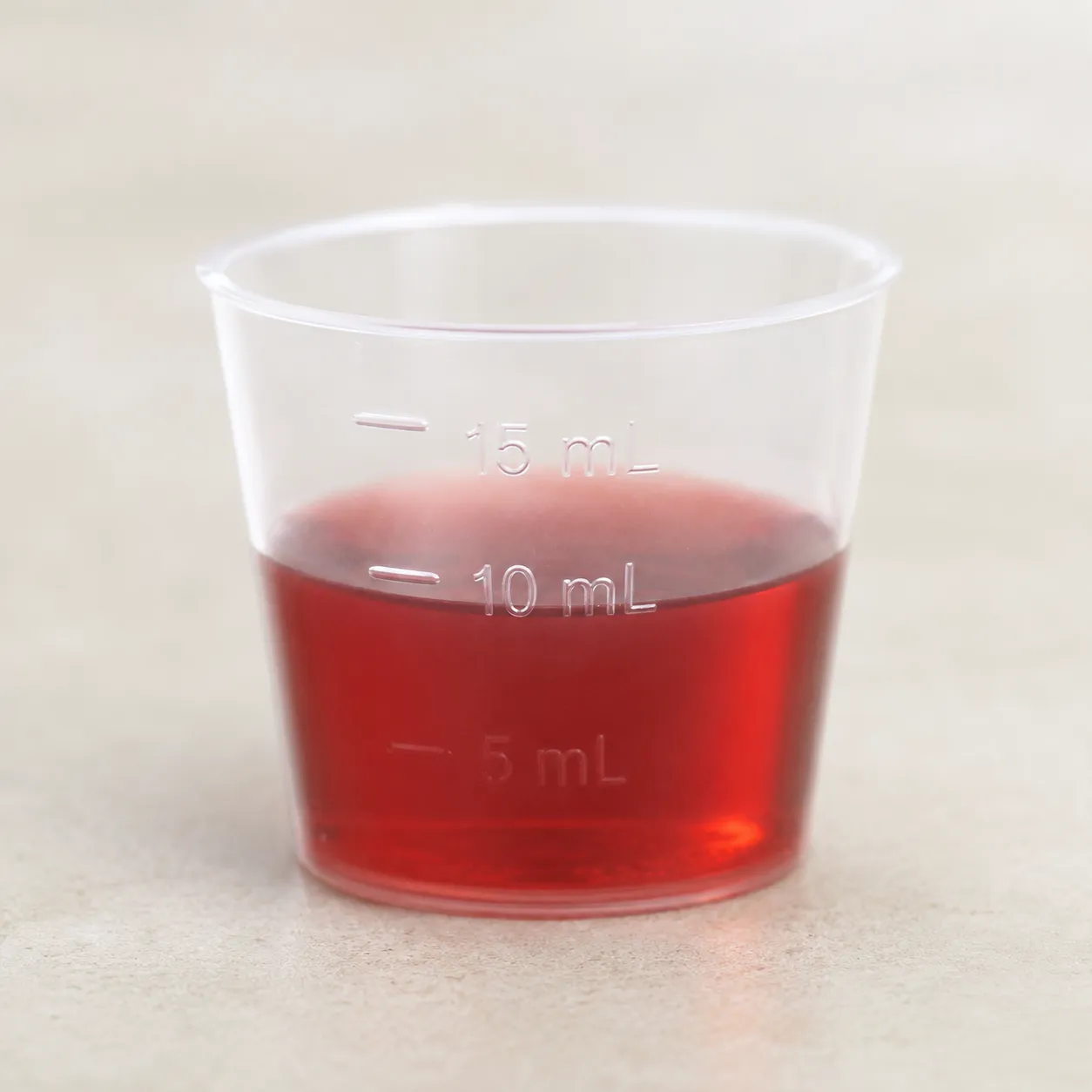
dosedoʊs
a measured amount of medicine taken or given at one time.
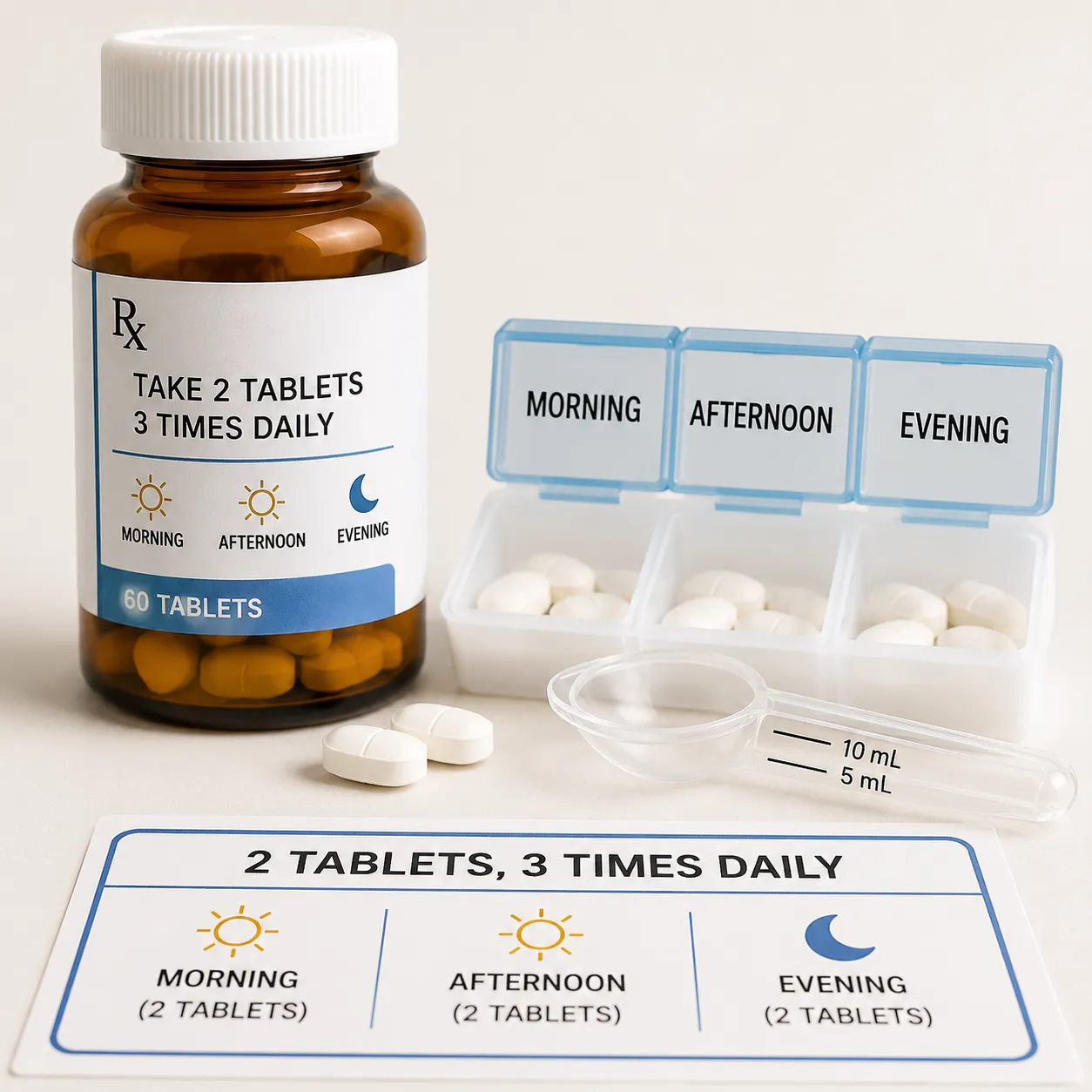
dosageˈdoʊsɪdʒ
the amount of medicine and how often it should be taken or given.
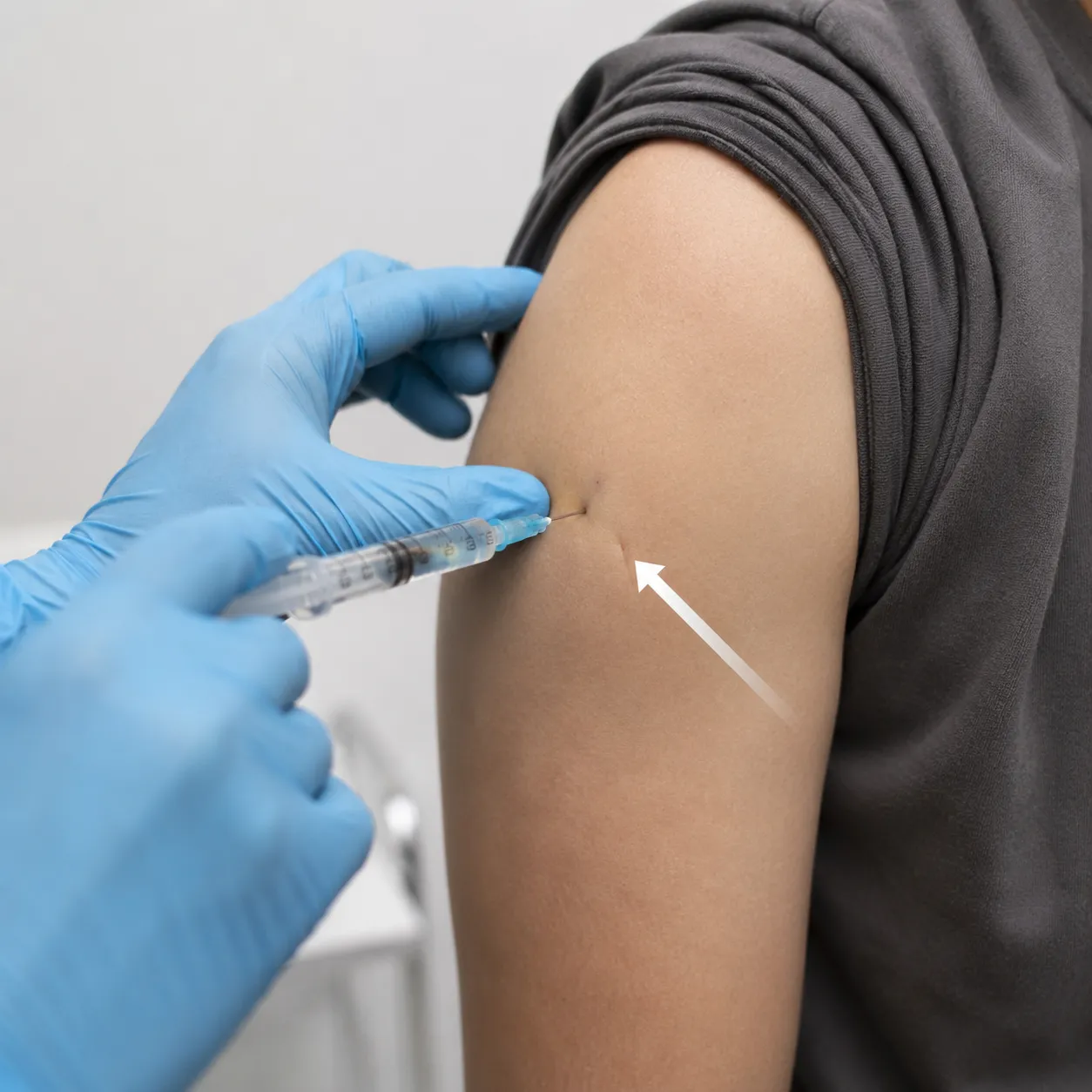
routeruːt
the way in which a medicine enters the body, such as by mouth, injection, or inhalation

frequencyˈfriːkwənsi
how often something happens or is done, such as how often a medicine is taken.
scheduleˈskedʒuːl
a plan that shows when work, events, or tasks will happen.
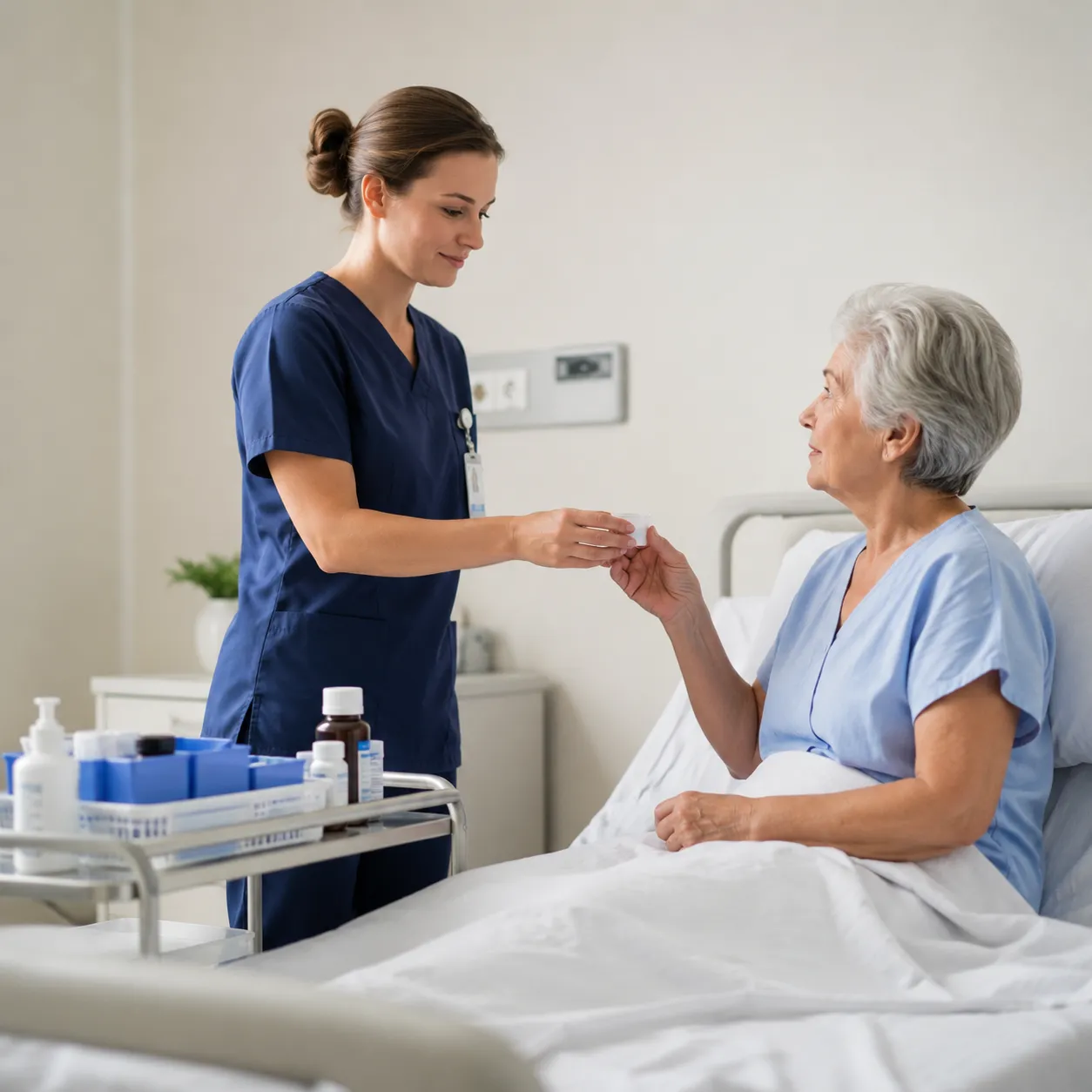
medication roundˌmedɪˈkeɪʃən raʊnd
a regular time when a nurse gives prescribed medicines to patients.
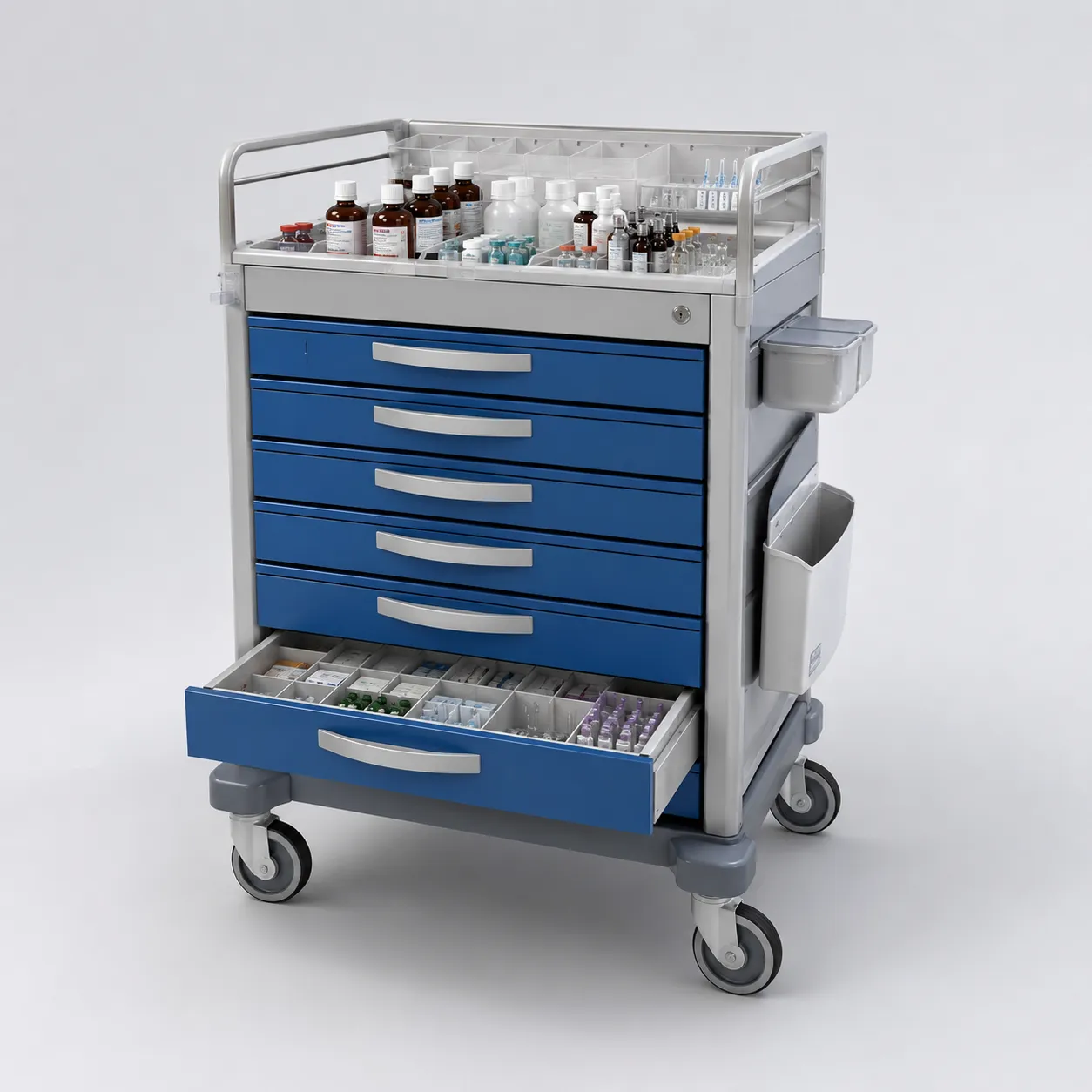
drug trolleydrʌɡ ˈtrɒli
a wheeled cart used in a hospital or care setting to store and carry medicines.
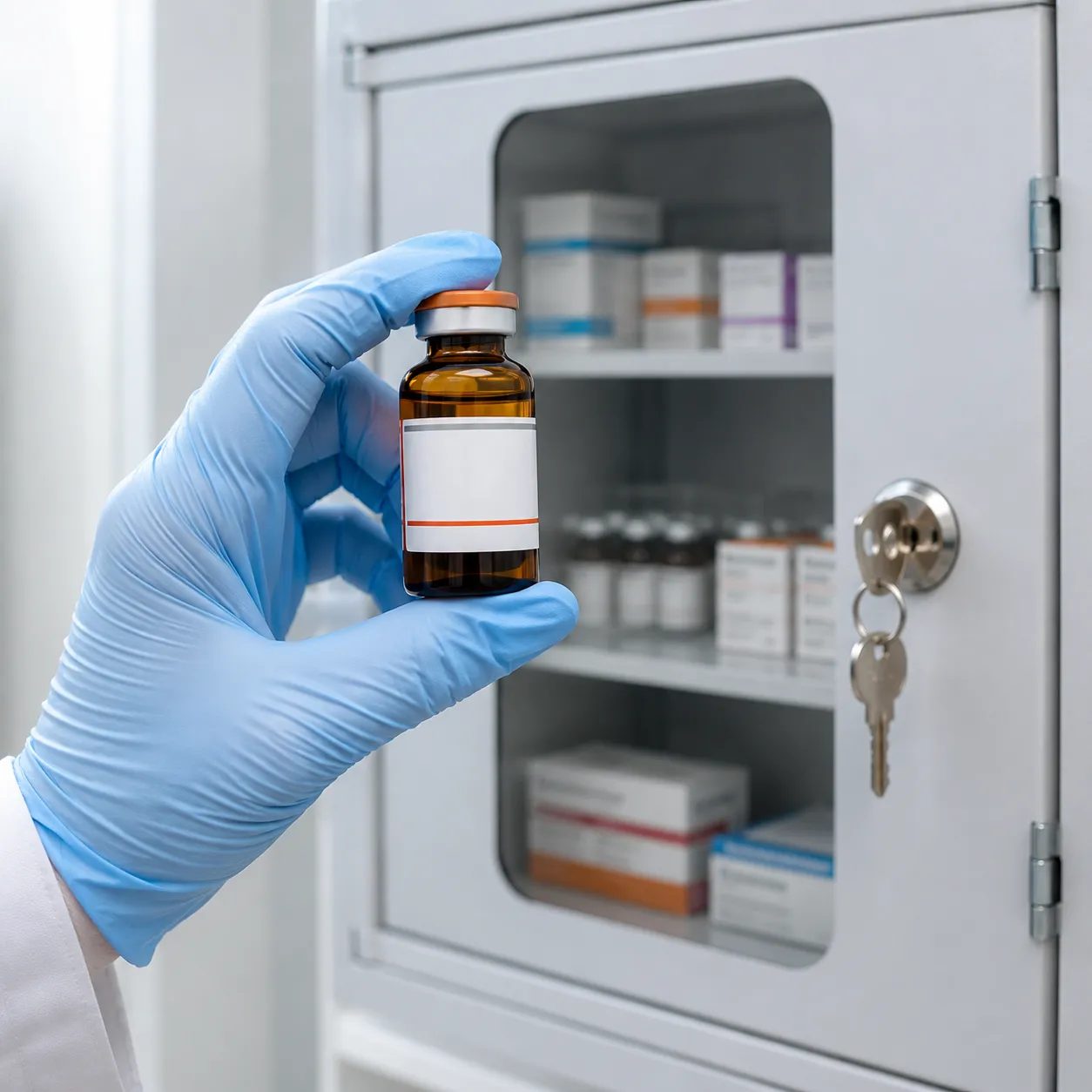
controlled drugkənˌtrəʊld ˈdrʌɡ
a medicine that is legally restricted because it can be dangerous or misused.
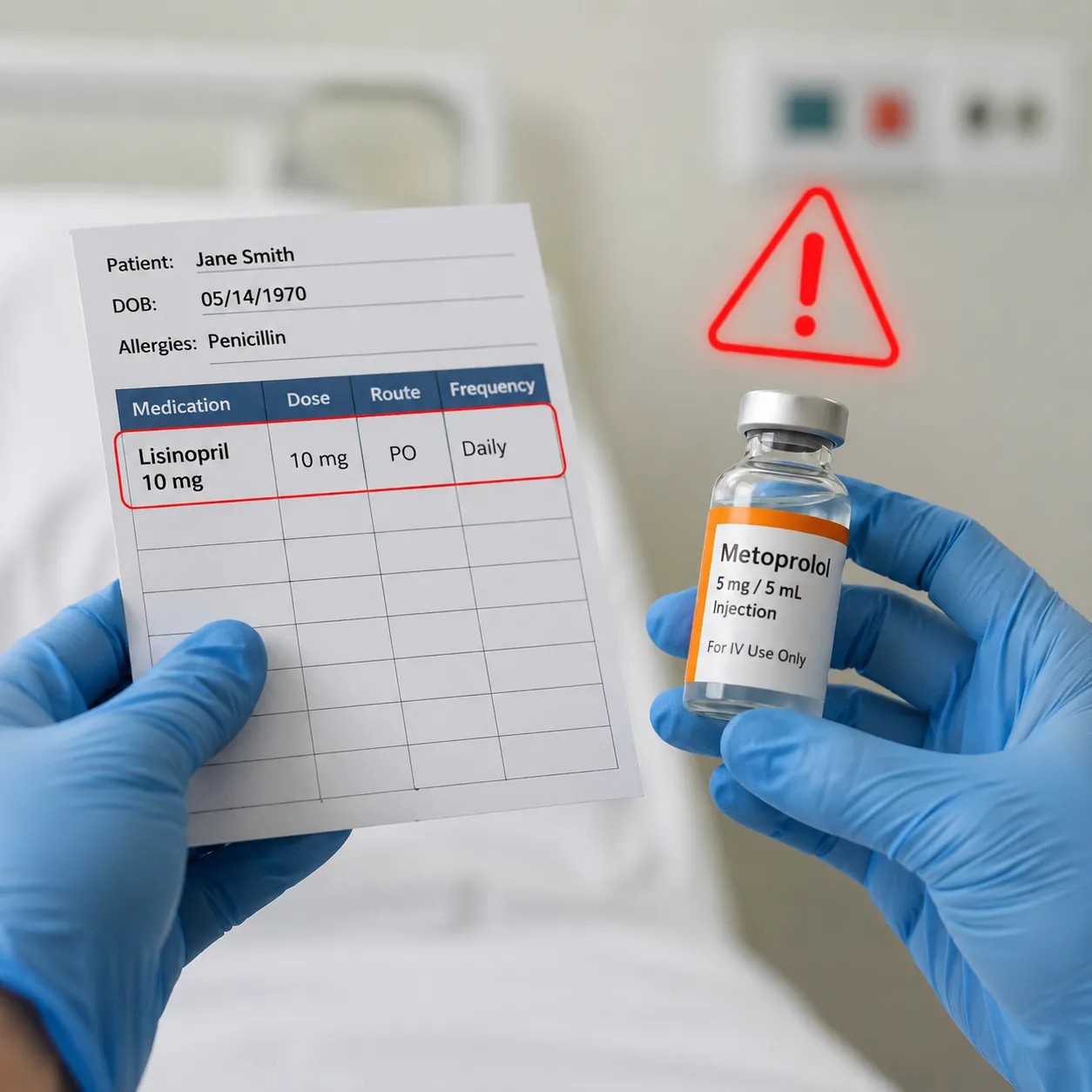
medication errorˌmedɪˈkeɪʃən ˈerə
a mistake in prescribing, preparing, giving, or taking medicine.
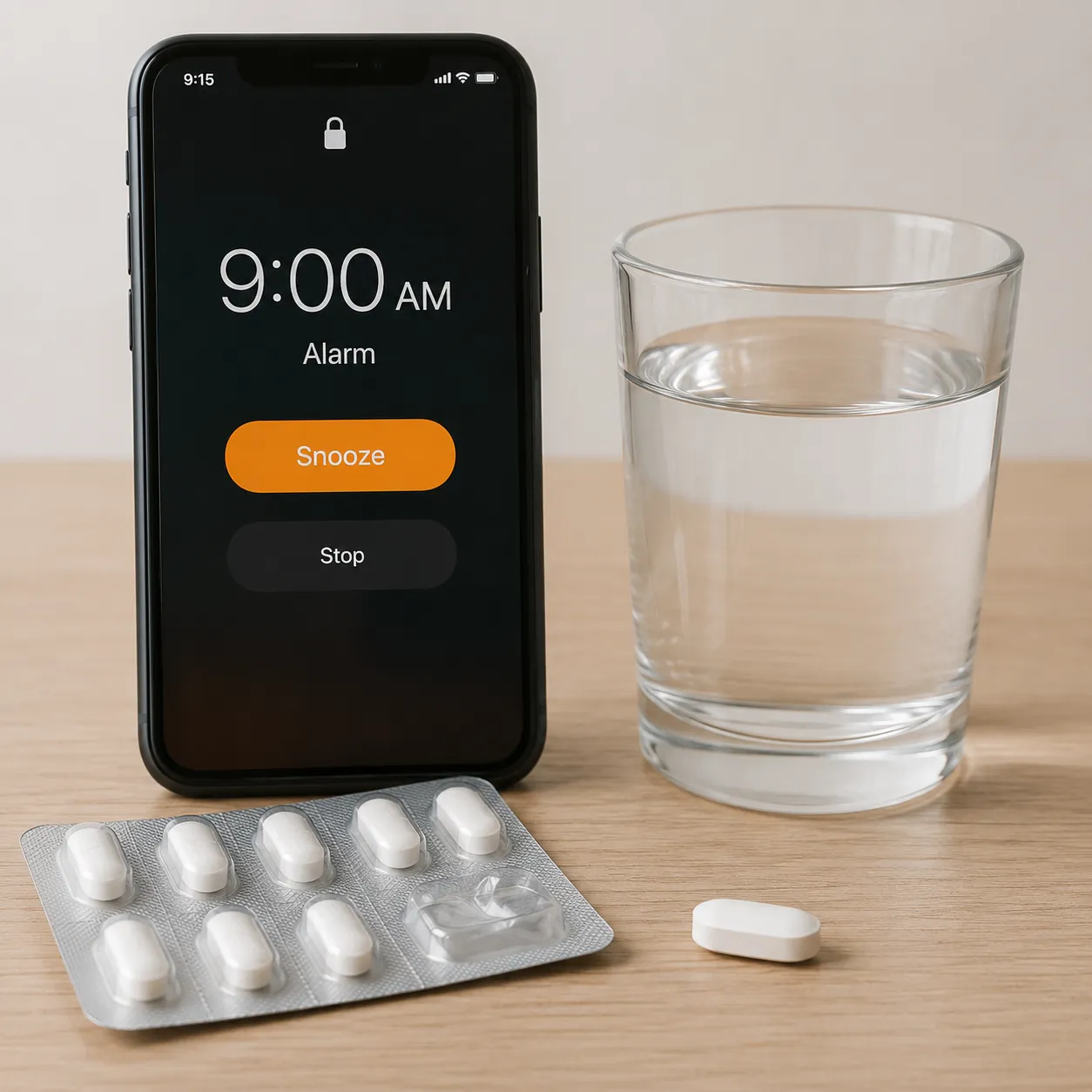
missed dosemɪst dəʊs
a dose of medicine that a patient did not take or receive at the scheduled time.
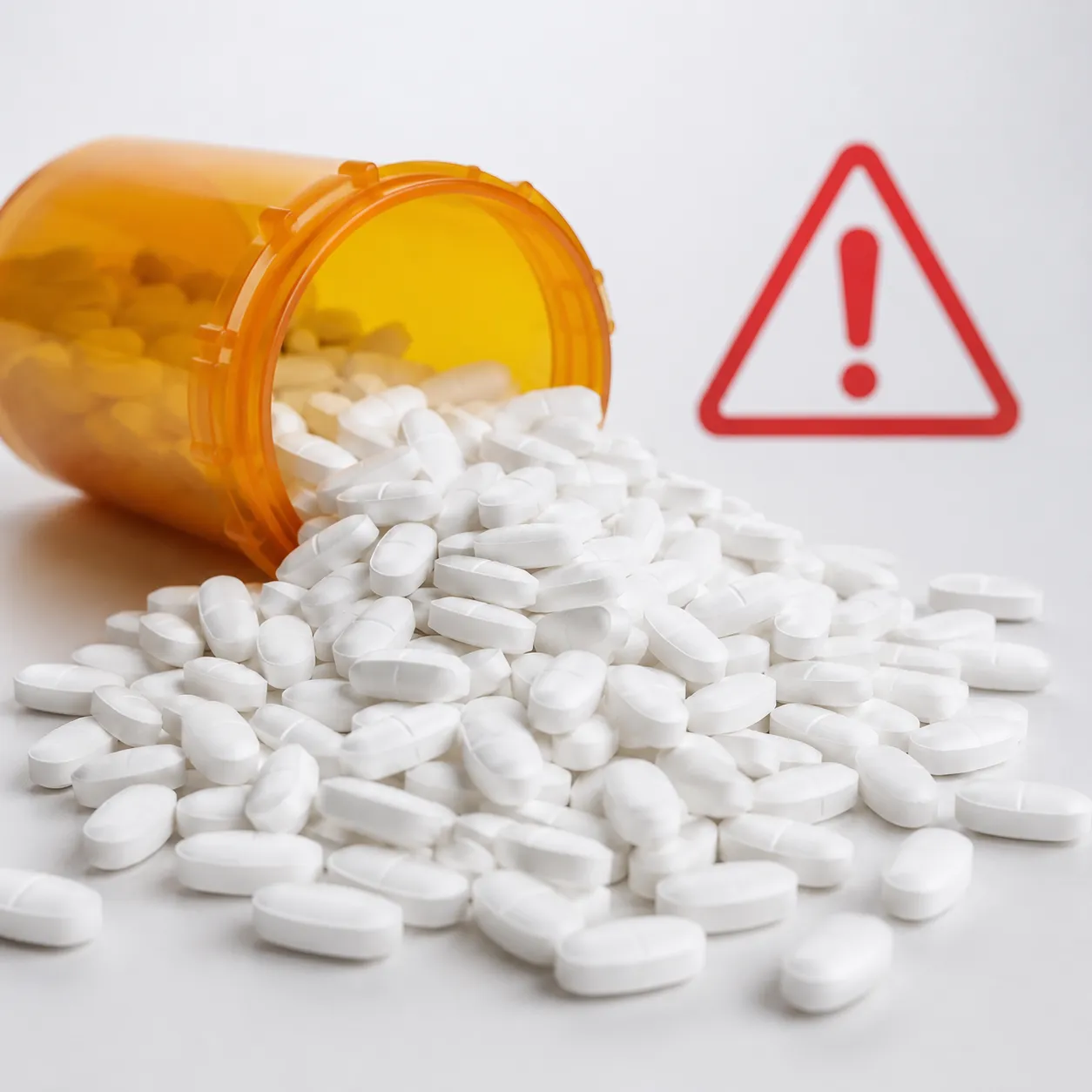
overdoseˈəʊvədəʊs
an amount of a medicine or drug that is too large and can be harmful or fatal.
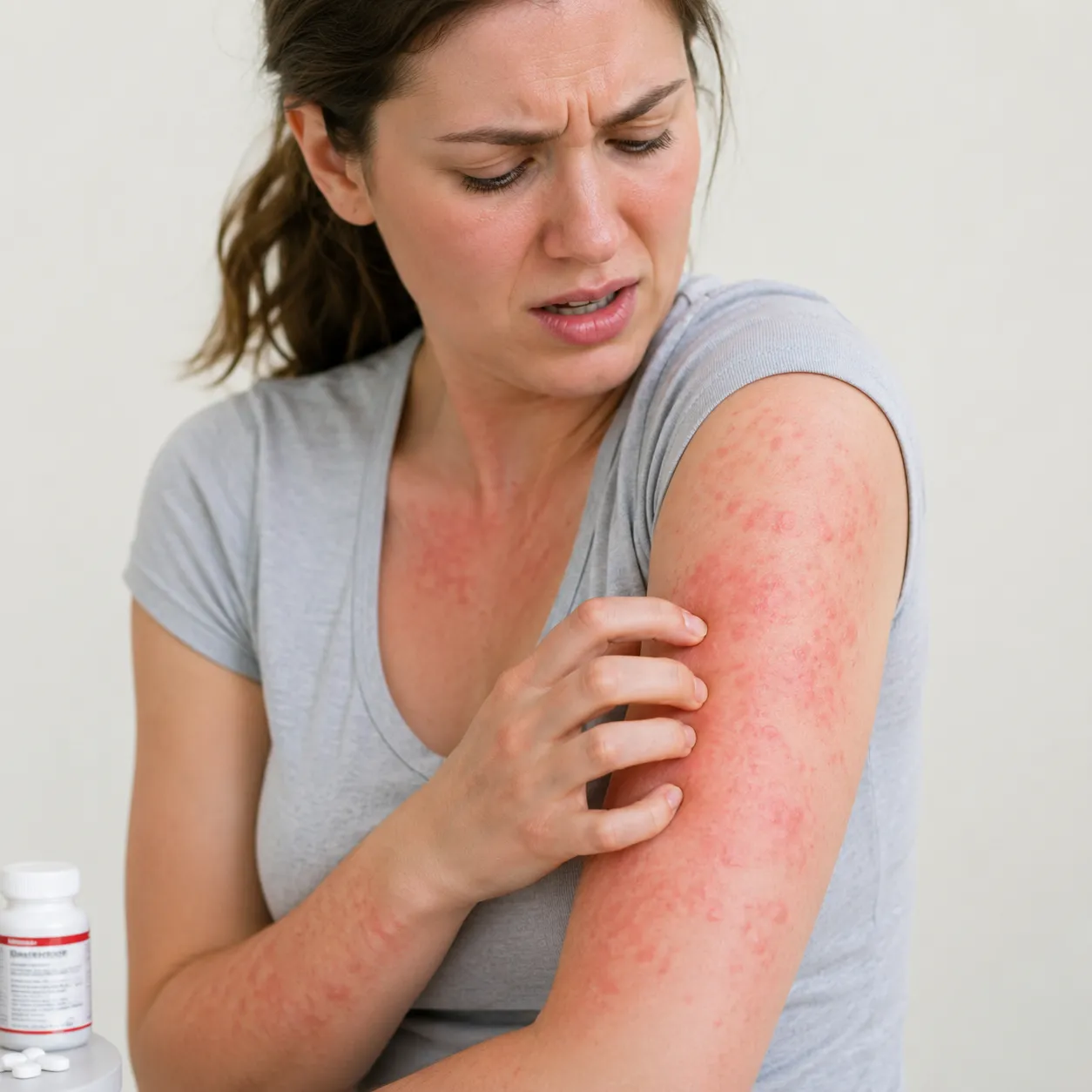
allergic reactionəˈlɜːdʒɪk riˈækʃən
a harmful body response to something, such as a medicine, food, or substance, that the immune system treats as dangerous.
oralˈɔːrəl
taken through the mouth.
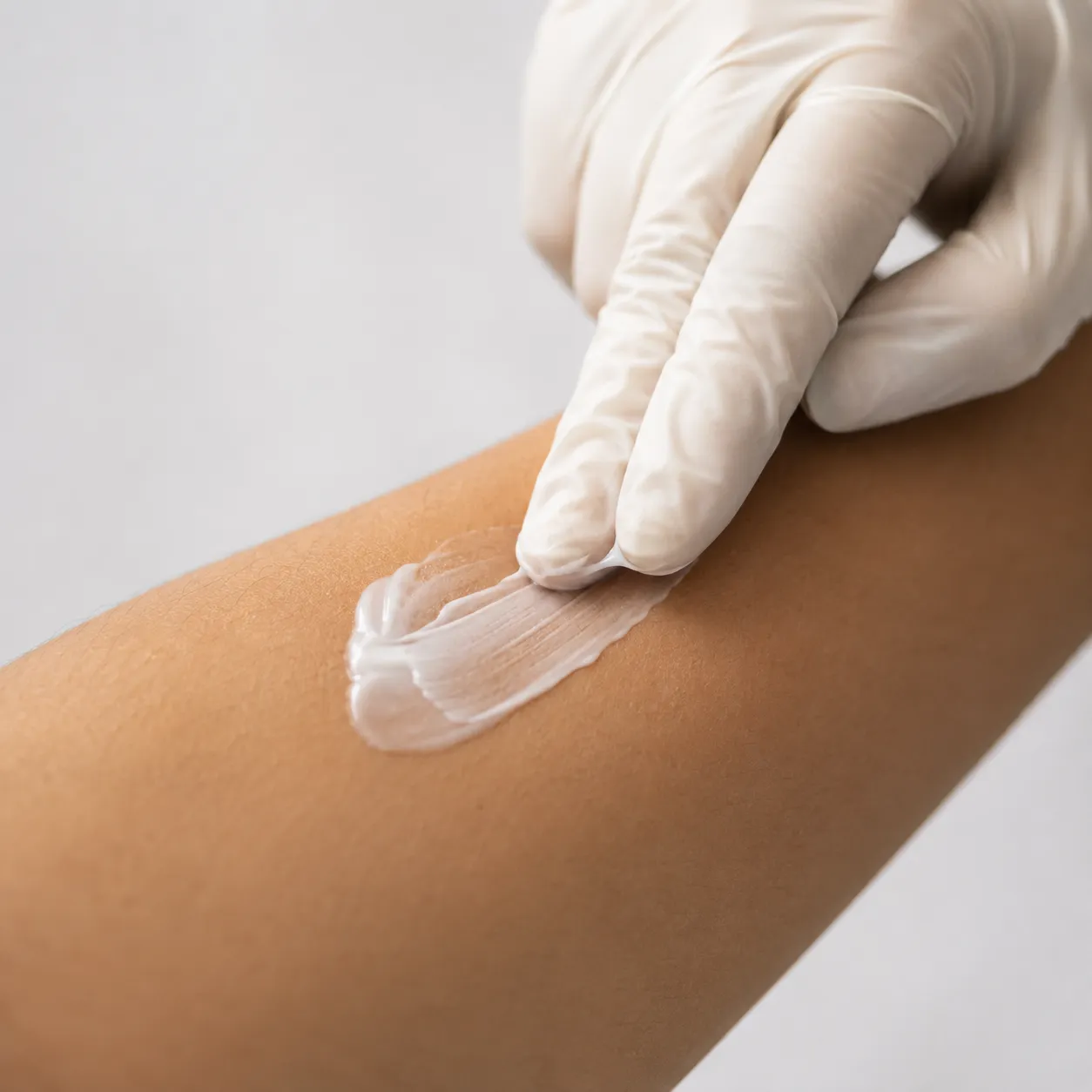
topicalˈtɒpɪkəl
applied directly to the skin or to the surface of a body part.
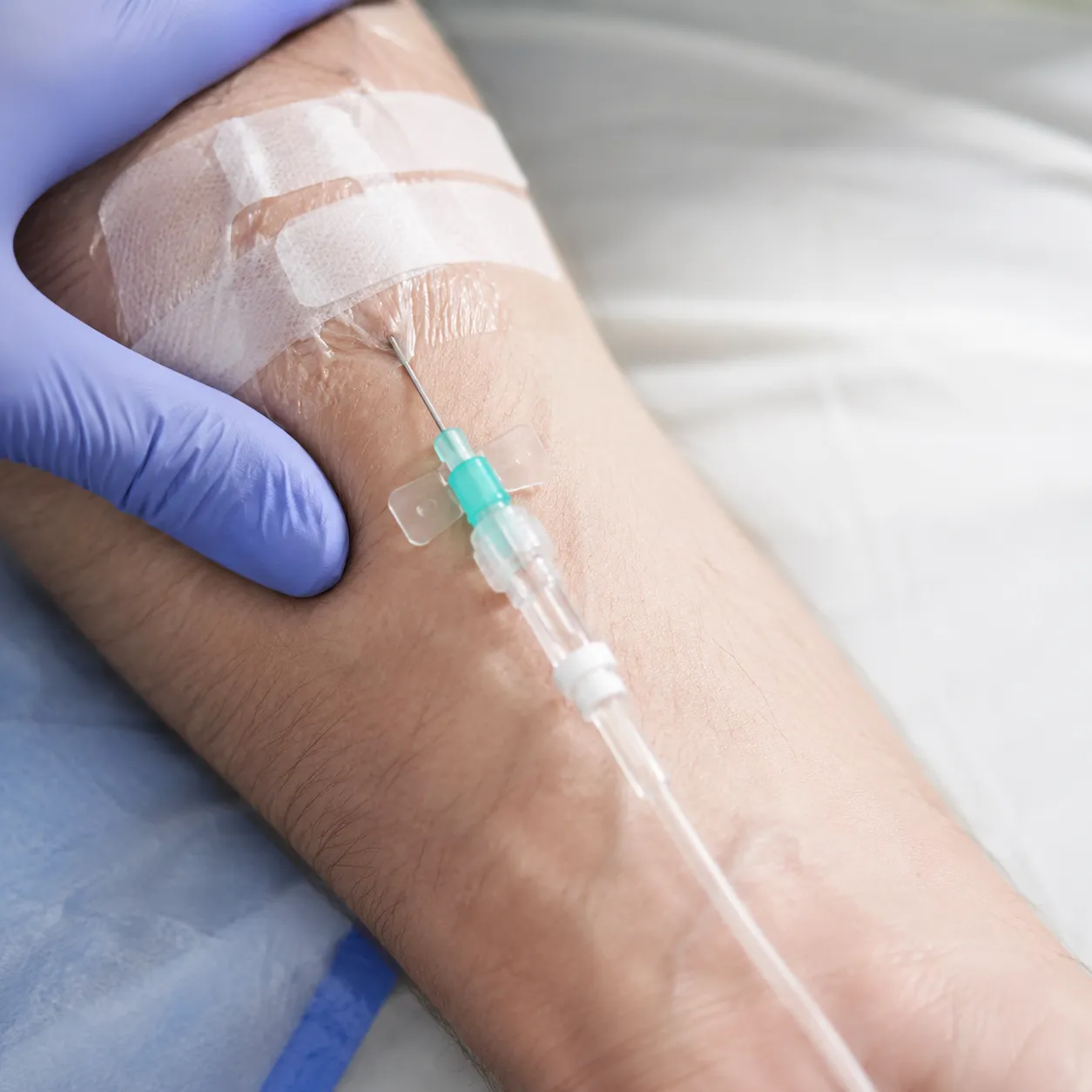
intravenousˌɪntrəˈviːnəs
given into a vein.
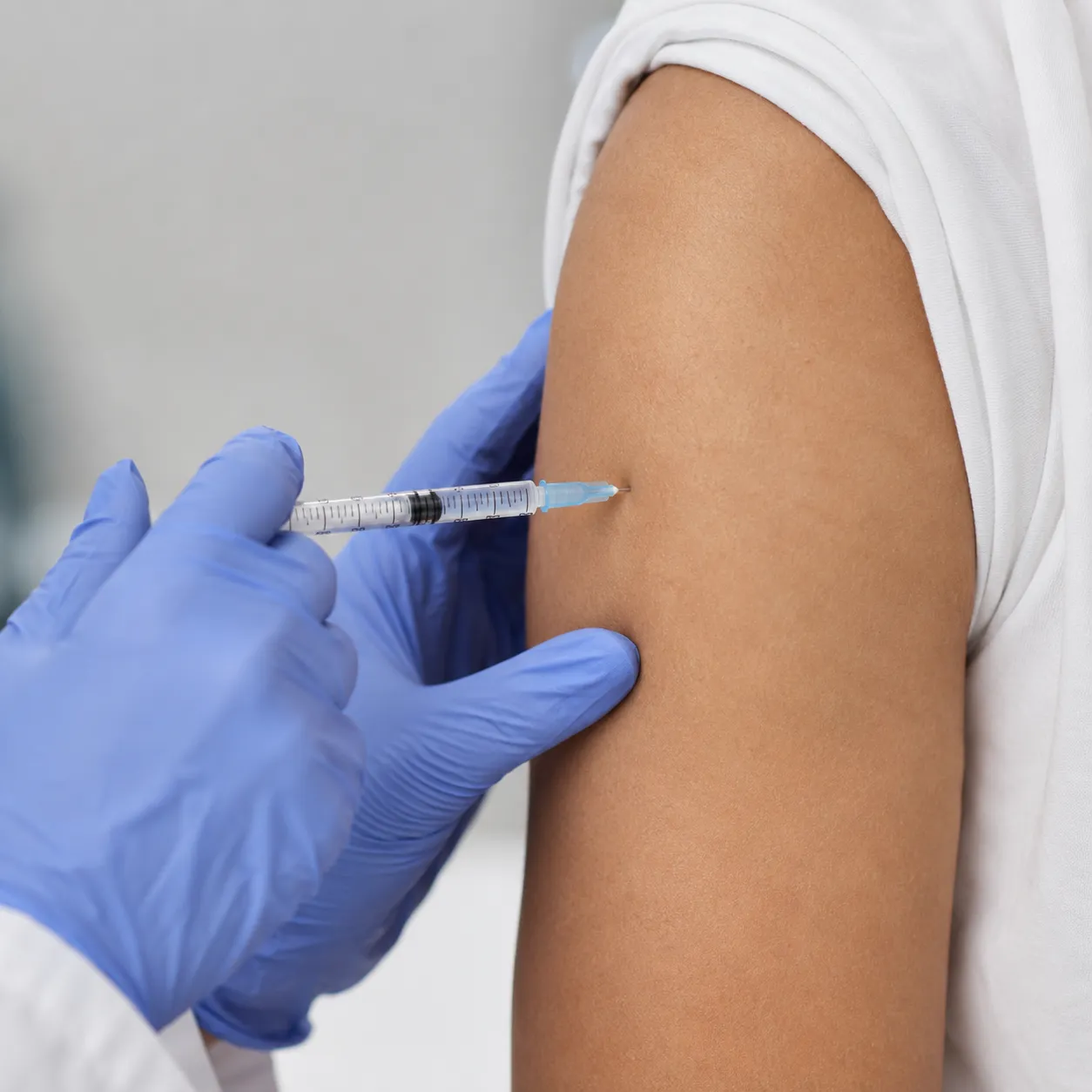
intramuscularˌɪntrəˈmʌskjələ
given into a muscle.
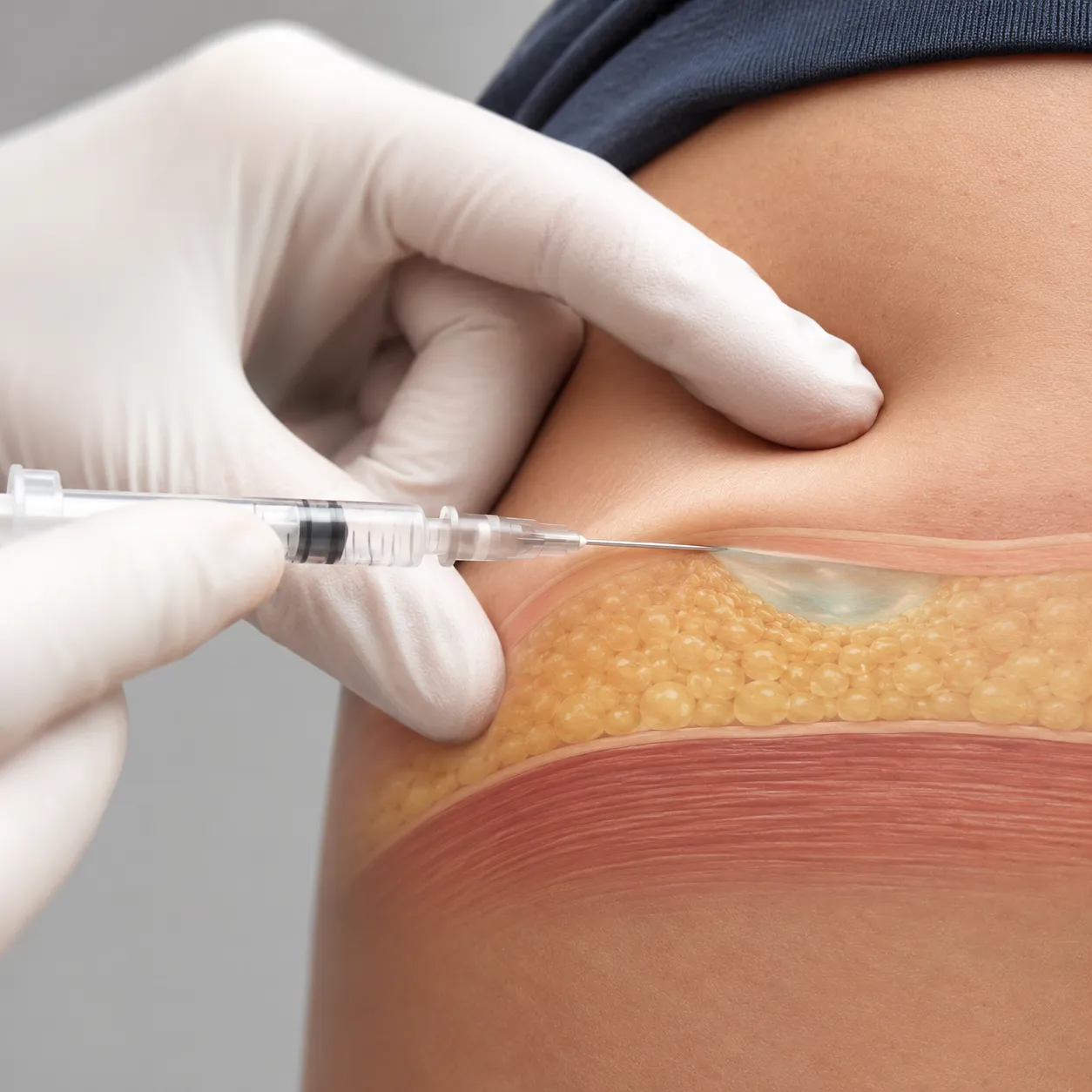
subcutaneousˌsʌbkjuːˈteɪniəs
given or located under the skin.
rectalˈrektəl
given through or relating to the rectum.
inhaledɪnˈheɪld
breathed in through the mouth or nose.
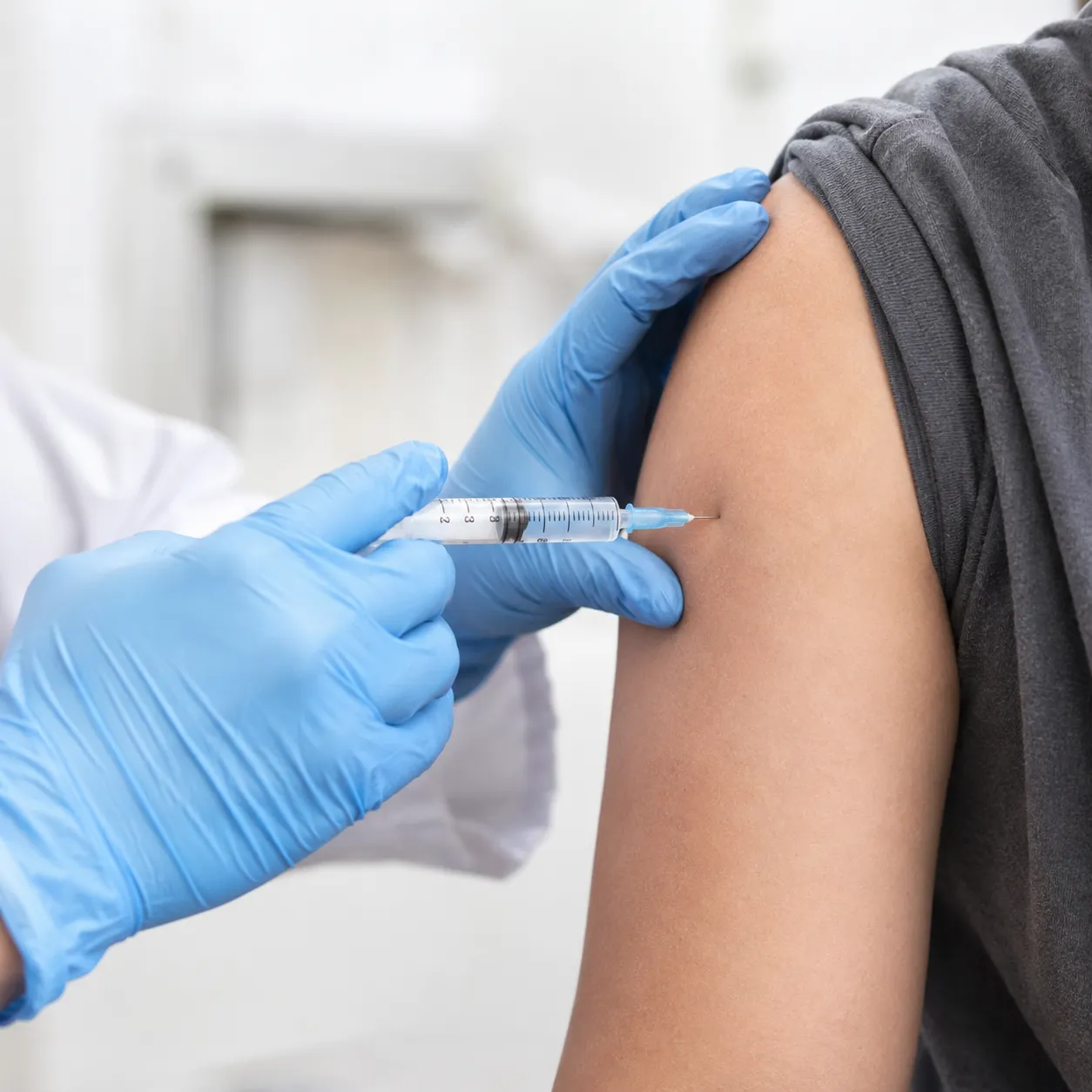
give an injectionɡɪv ən ɪnˈdʒekʃən
to put medicine or a vaccine into the body using a needle and syringe.
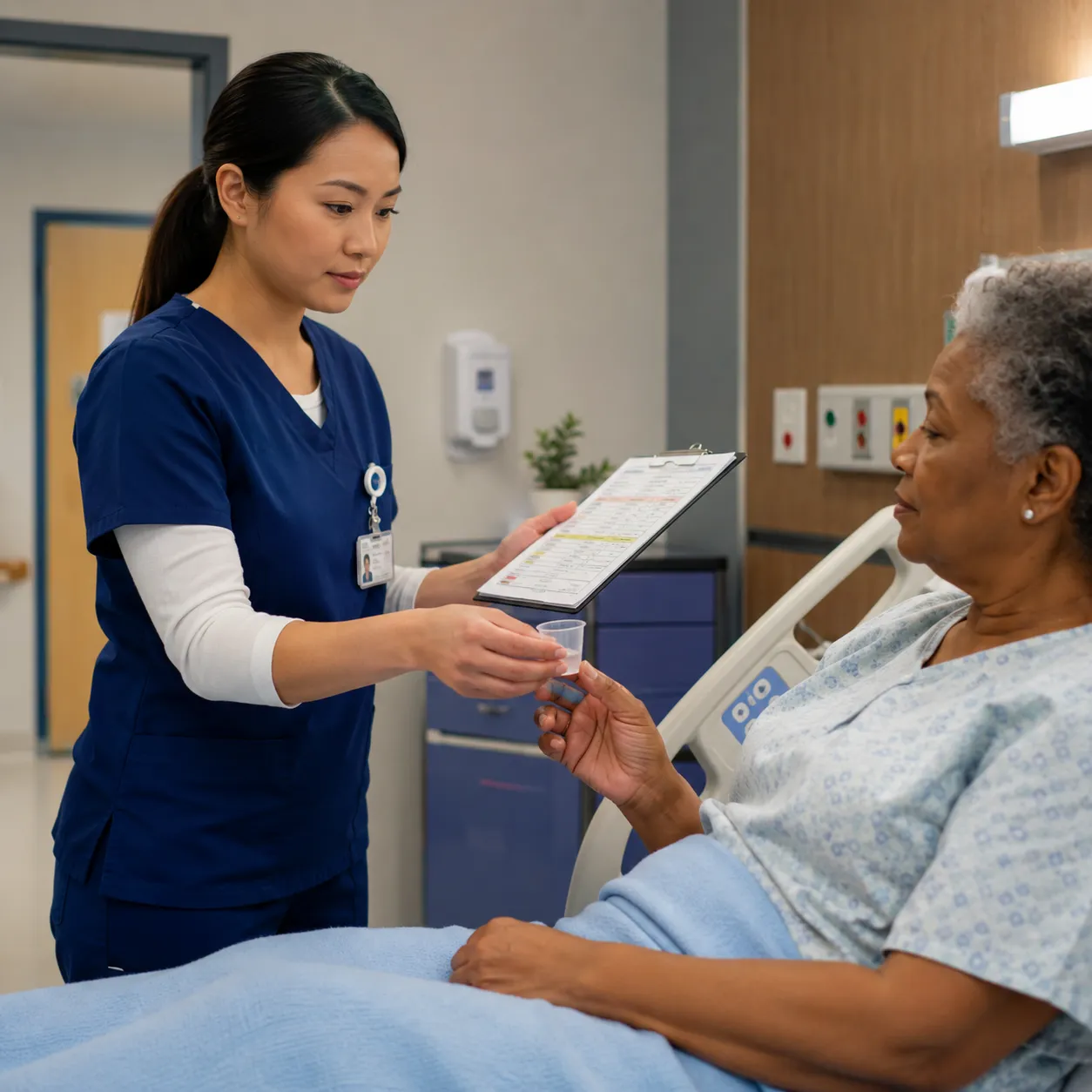
administer medicationədˈmɪnɪstər ˌmedɪˈkeɪʃən
to give medicine to a patient in the correct dose, route, and time as prescribed.

give medicationɡɪv ˌmedɪˈkeɪʃən
to provide or administer medicine to a patient.

prescribeprɪˈskraɪb
to officially order a medicine or treatment for a patient.
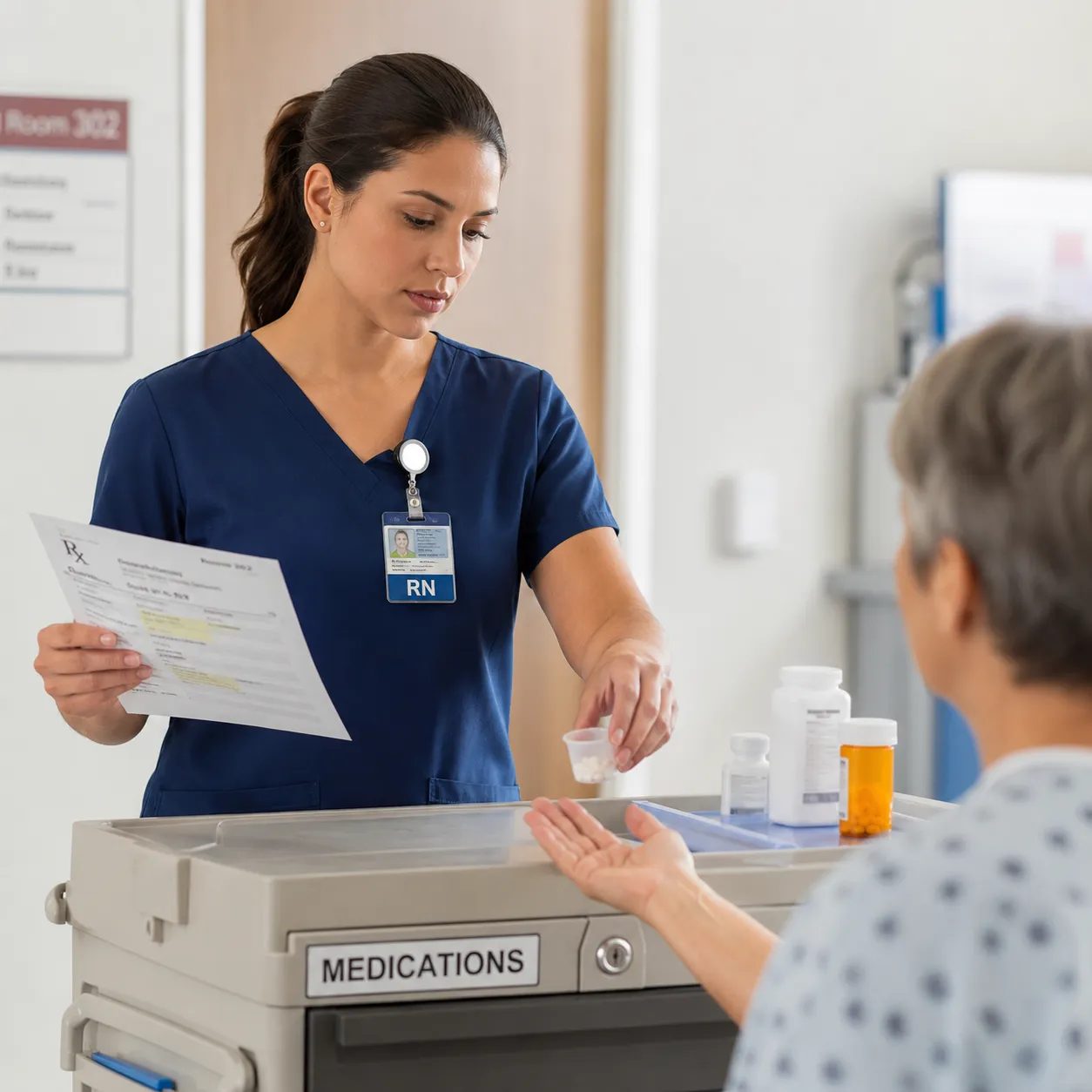
dispensedɪˈspens
to prepare and give medicine to a patient according to a prescription.

swallowˈswɑːloʊ
to move food, drink, or medicine from the mouth down into the stomach.
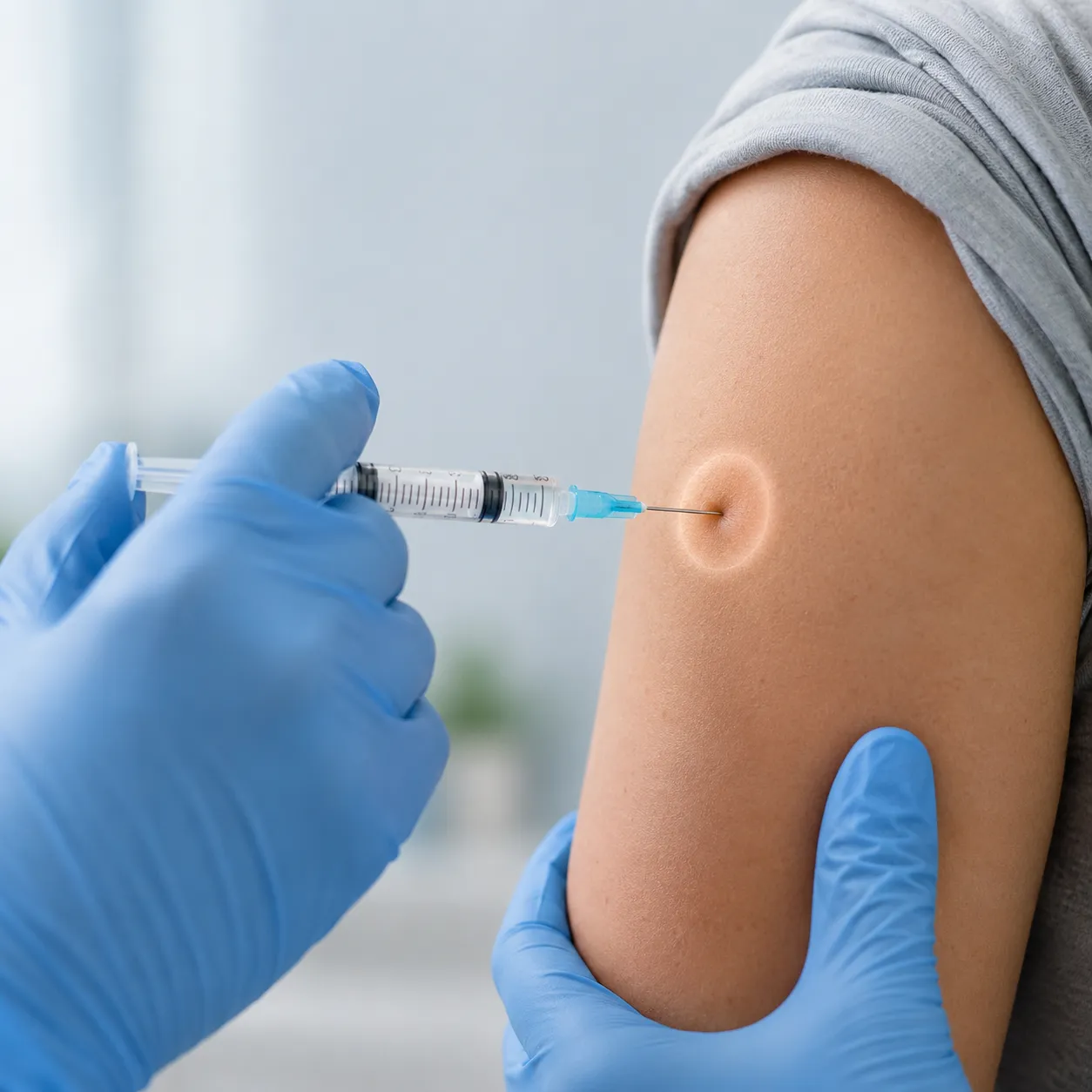
injectɪnˈdʒekt
to put medicine or another substance into the body using a needle.
infuseɪnˈfjuːz
to slowly give fluid or medicine into a vein through an IV line.
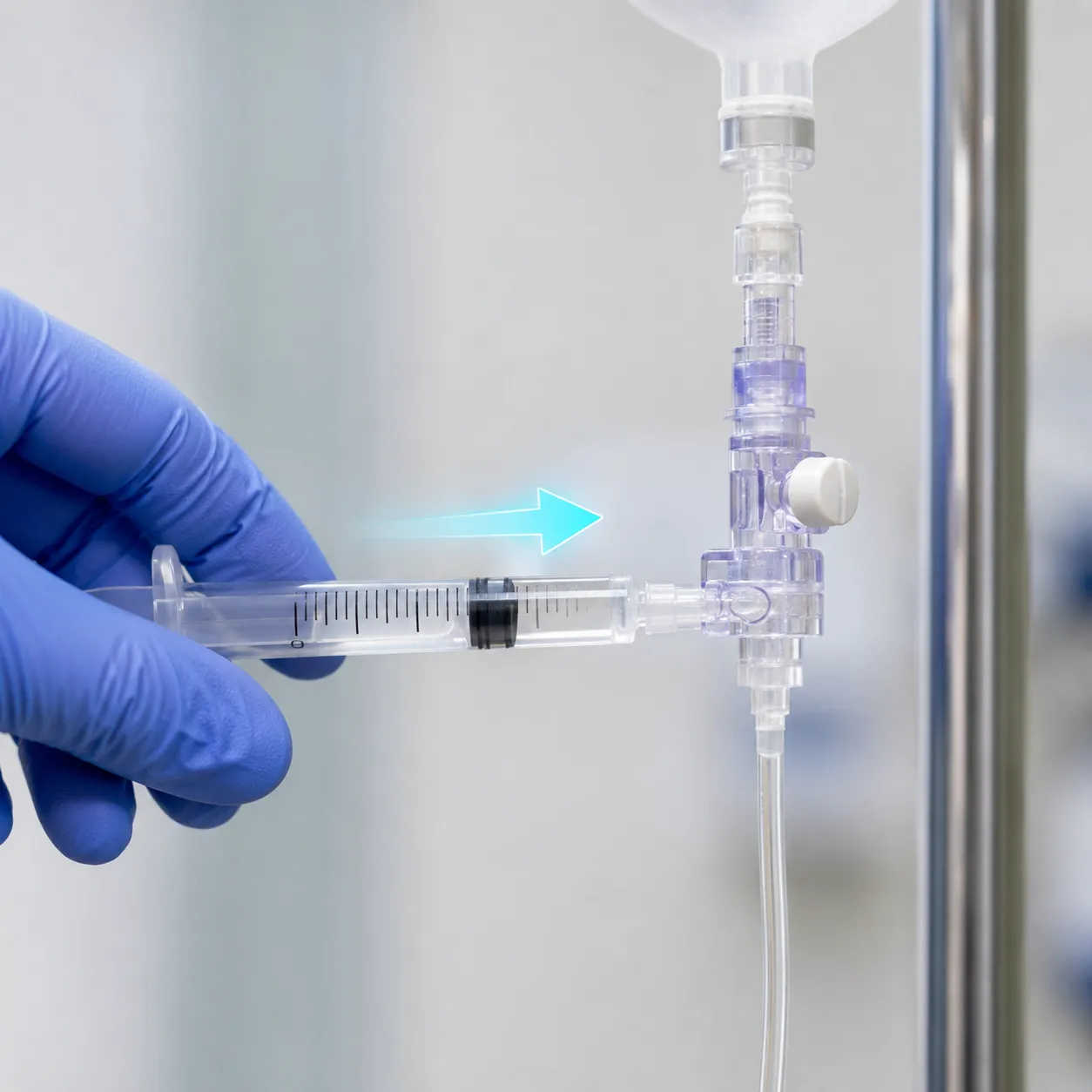
flushflʌʃ
to push fluid through an IV line or catheter to keep it clear and working.
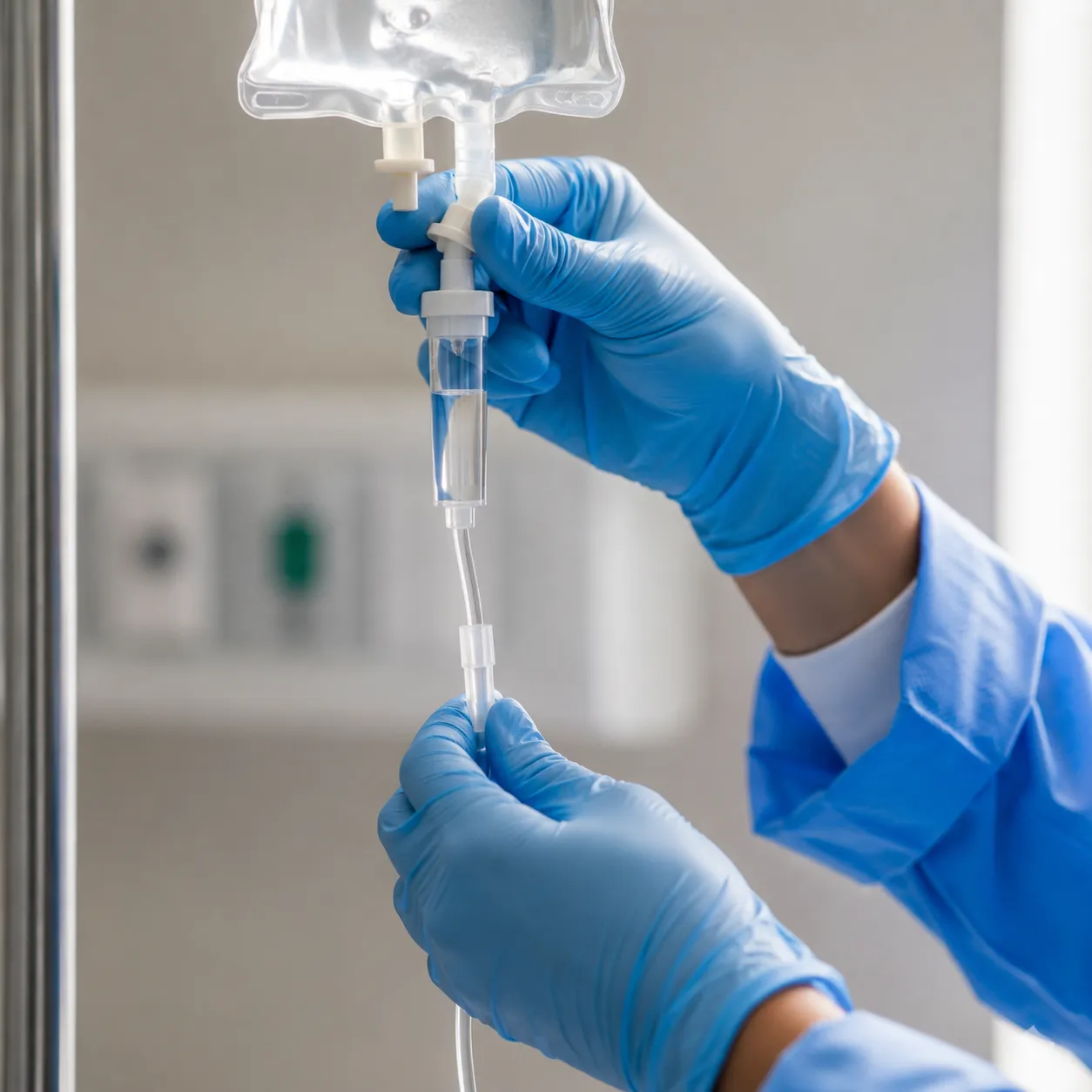
prime a linepraɪm ə laɪn
to fill IV tubing with fluid before use so no air is left inside.
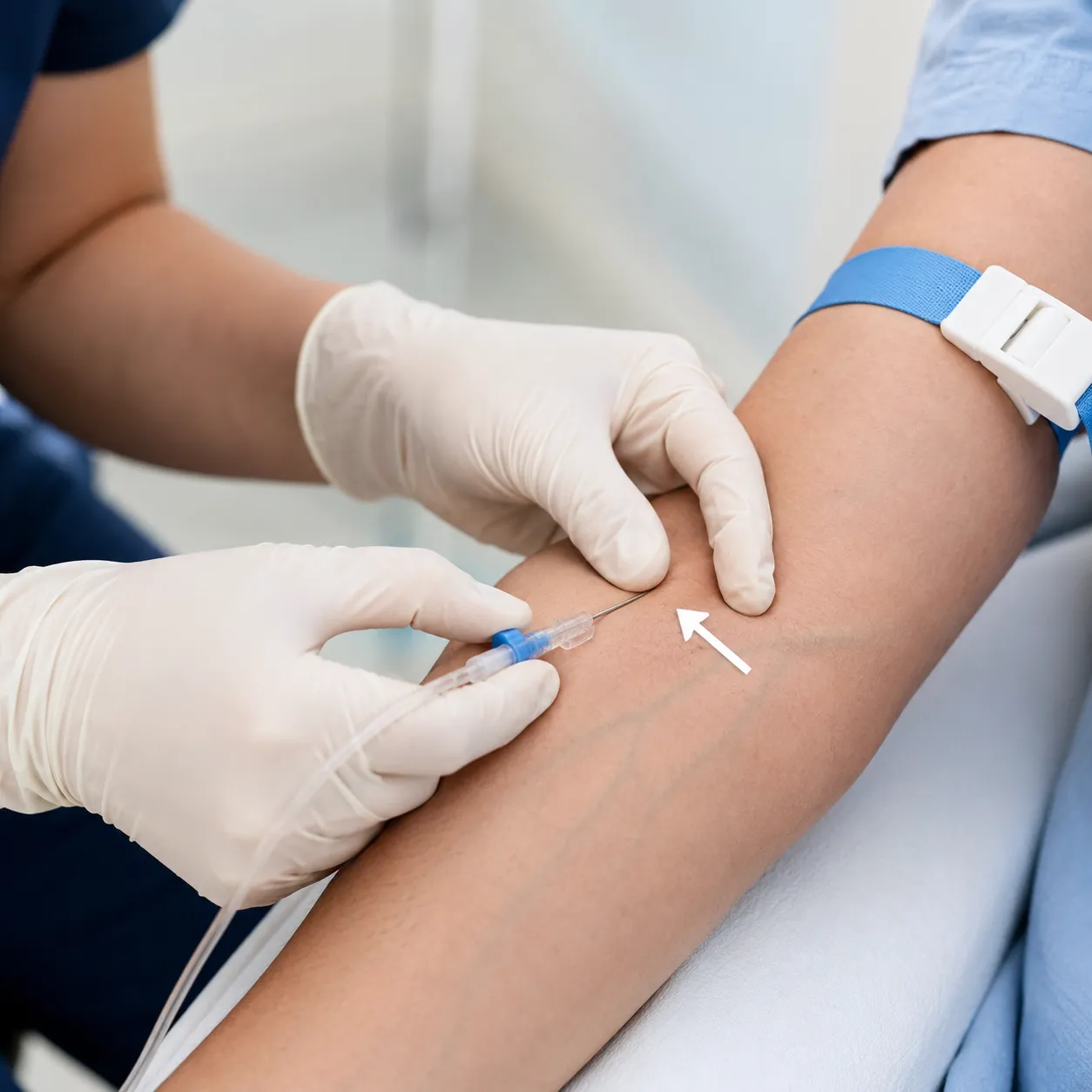
start an IVstɑːrt ən ˌaɪ ˈviː
to insert a needle or catheter into a vein so fluids or medicines can be given.
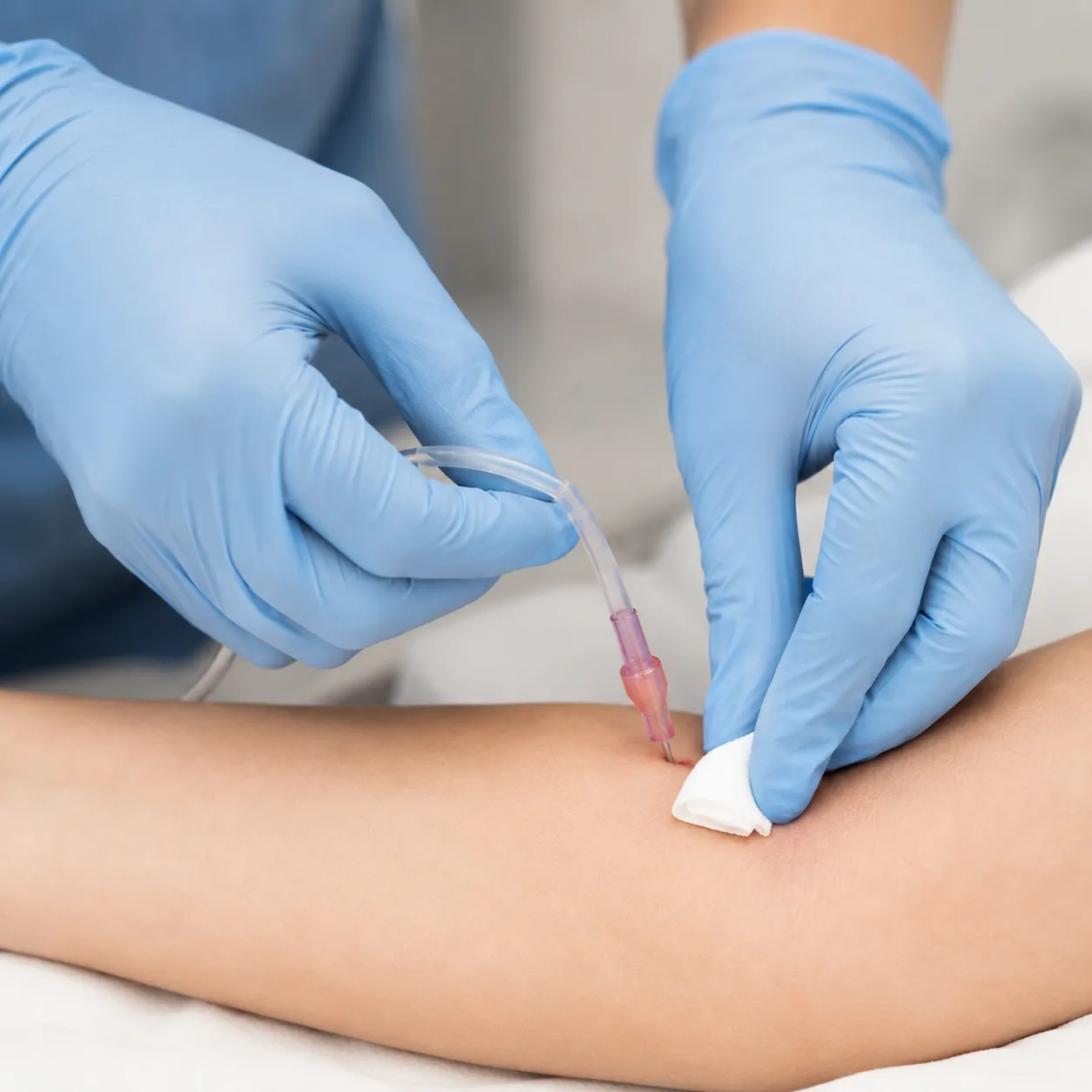
remove an IVrɪˈmuːv ən ˌaɪ ˈviː
to take an IV needle or catheter out of a patient’s vein.
Hygiene, sterile practice and waste-handling terms used to prevent infection.
infection controlɪnˈfekʃən kənˈtroʊl
procedures used to prevent the spread of germs and infections in healthcare settings.
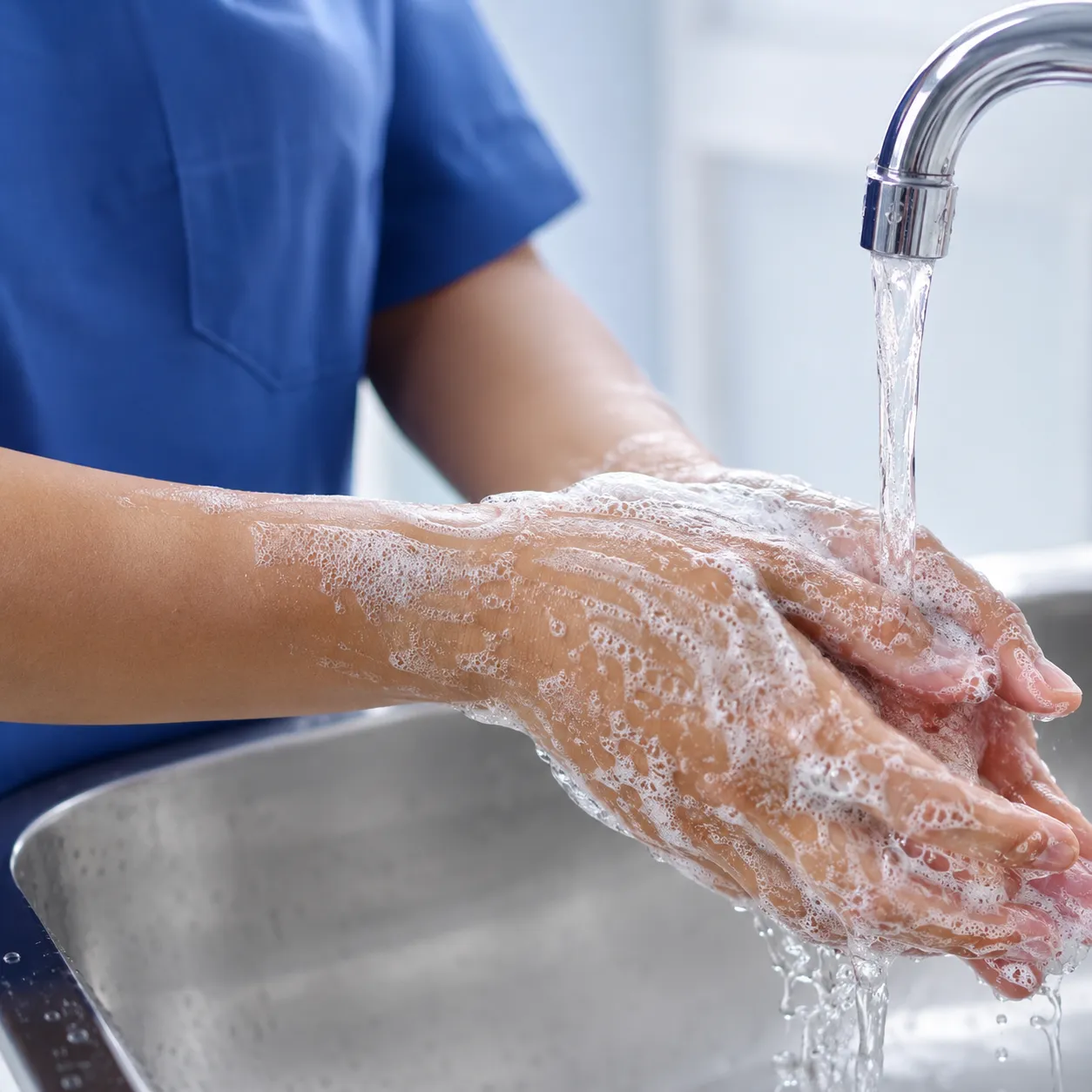
hand hygienehænd ˈhaɪdʒiːn
cleaning the hands properly to remove or kill germs.
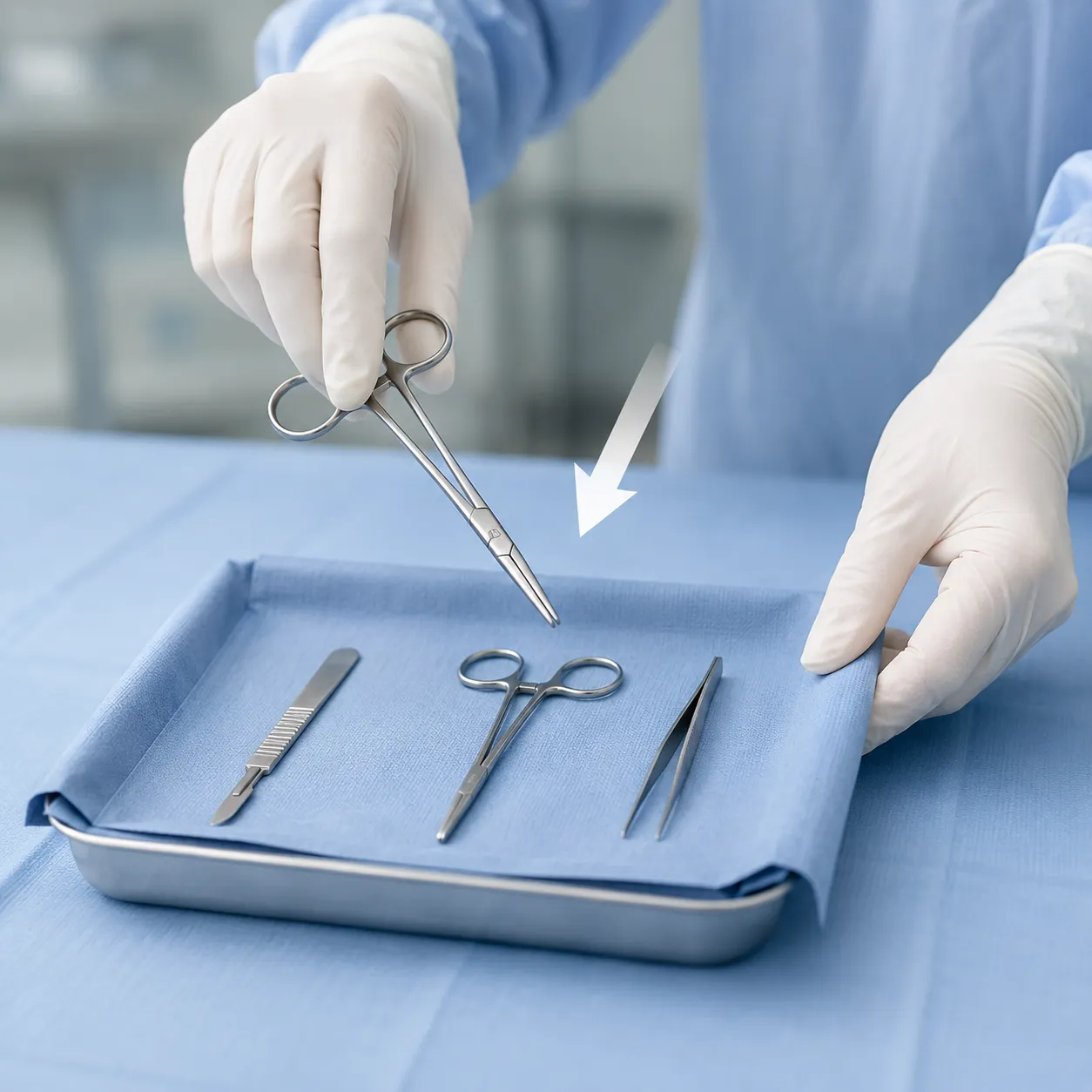
sterile techniqueˈsterəl tekˈniːk
a set of methods used to keep an area, object, or procedure completely free from microorganisms.
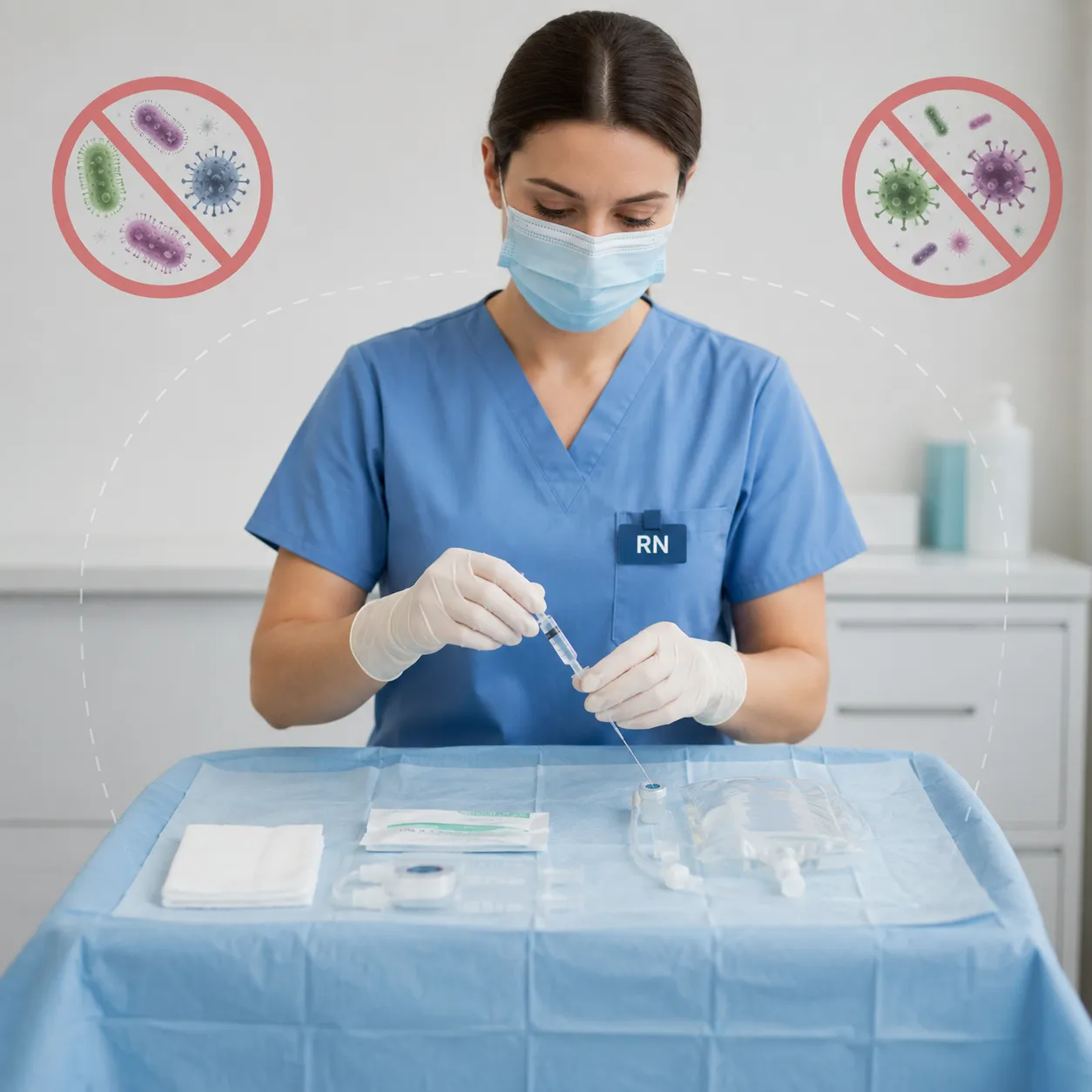
aseptic techniqueeɪˈseptɪk tekˈniːk
a set of practices used to prevent contamination by harmful microorganisms during medical procedures.
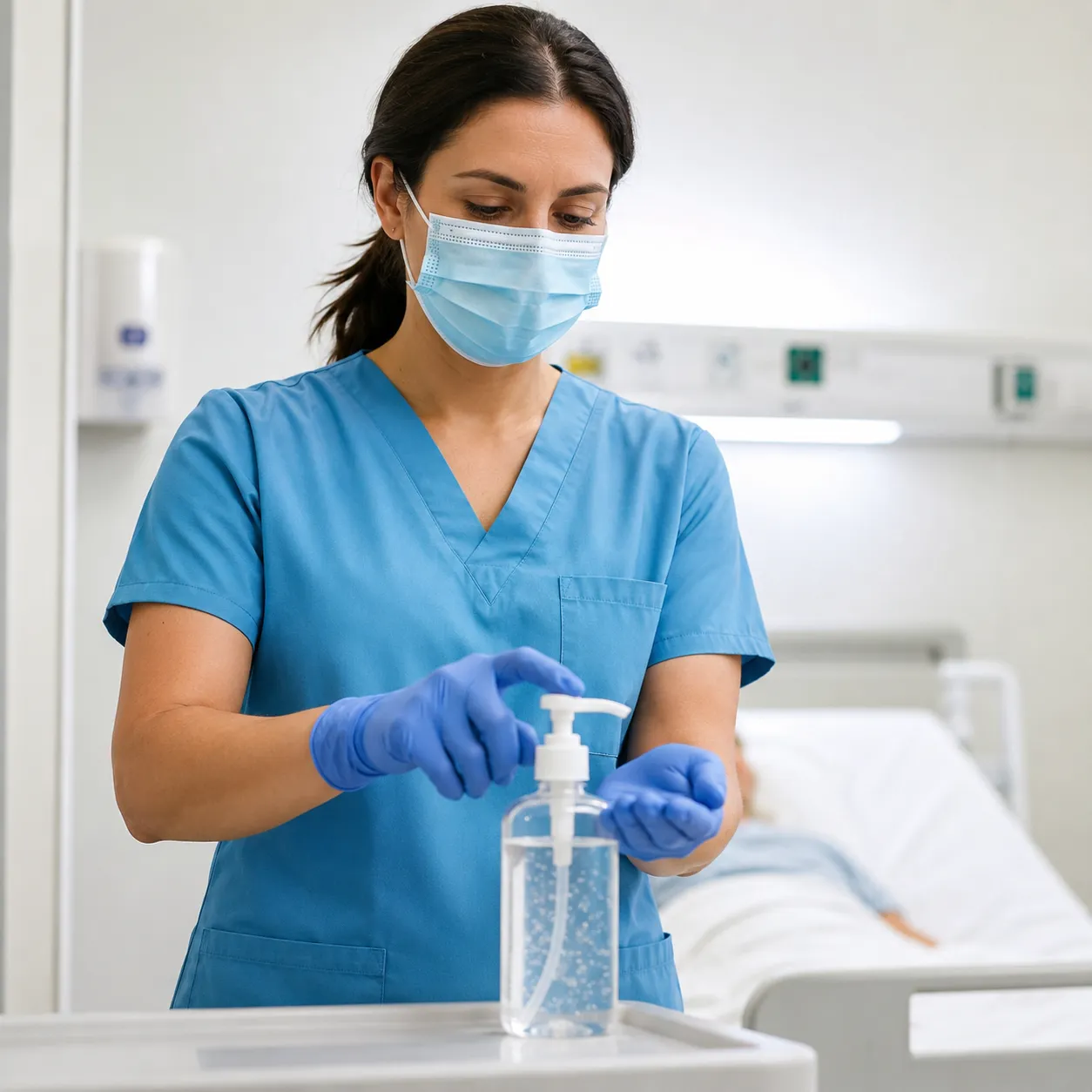
standard precautionsˈstændərd prɪˈkɔːʃənz
basic infection-control practices used with every patient to reduce the risk of spreading germs.
sharps binˈʃɑːrps bɪn
a special hard container for safely throwing away used needles, blades, and other sharp medical items.
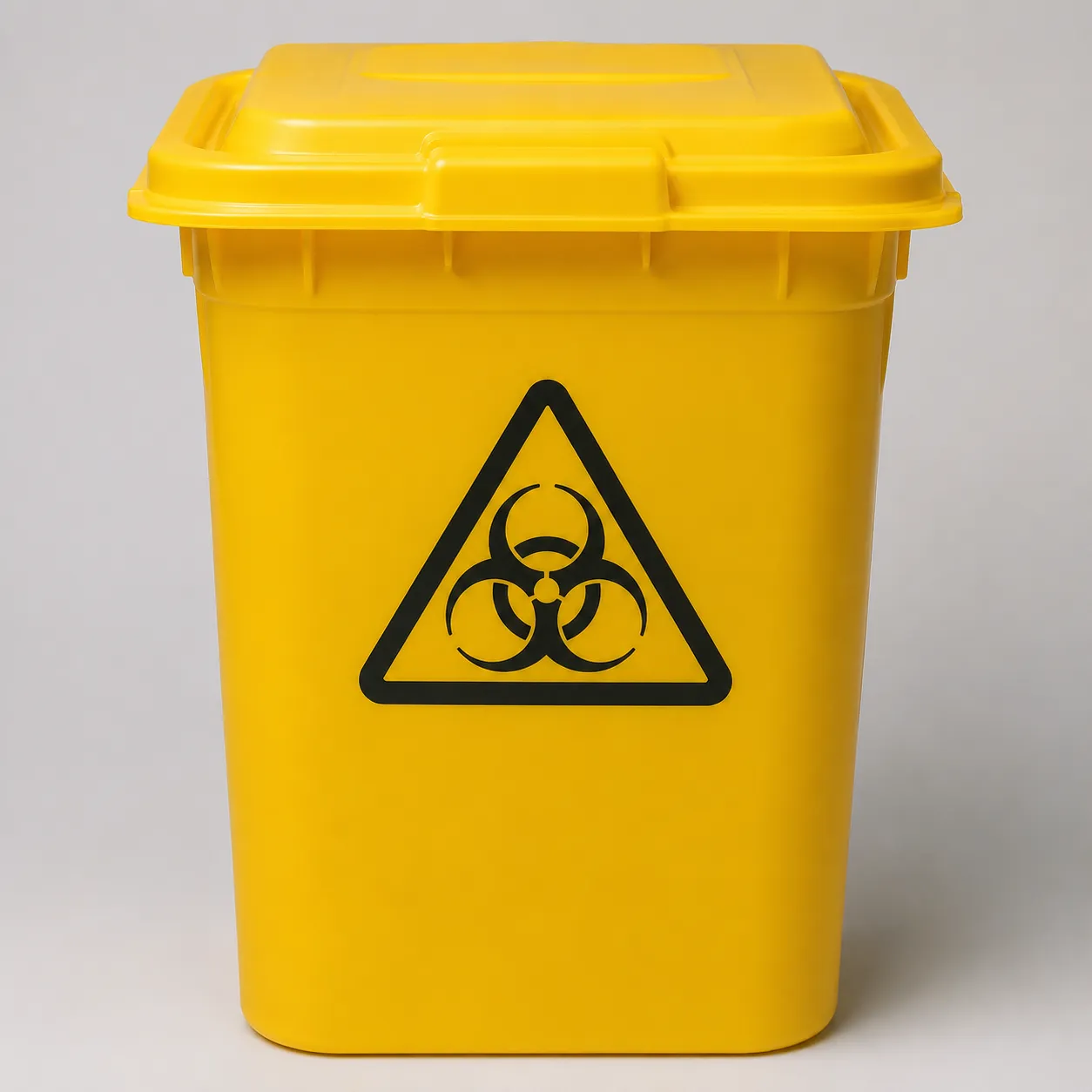
clinical waste binˈklɪnɪkəl weɪst bɪn
a marked container for waste from healthcare work that may be infectious or contaminated.
salineˈseɪliːn
a sterile saltwater solution used for cleaning wounds, rinsing eyes, or giving fluids medically.
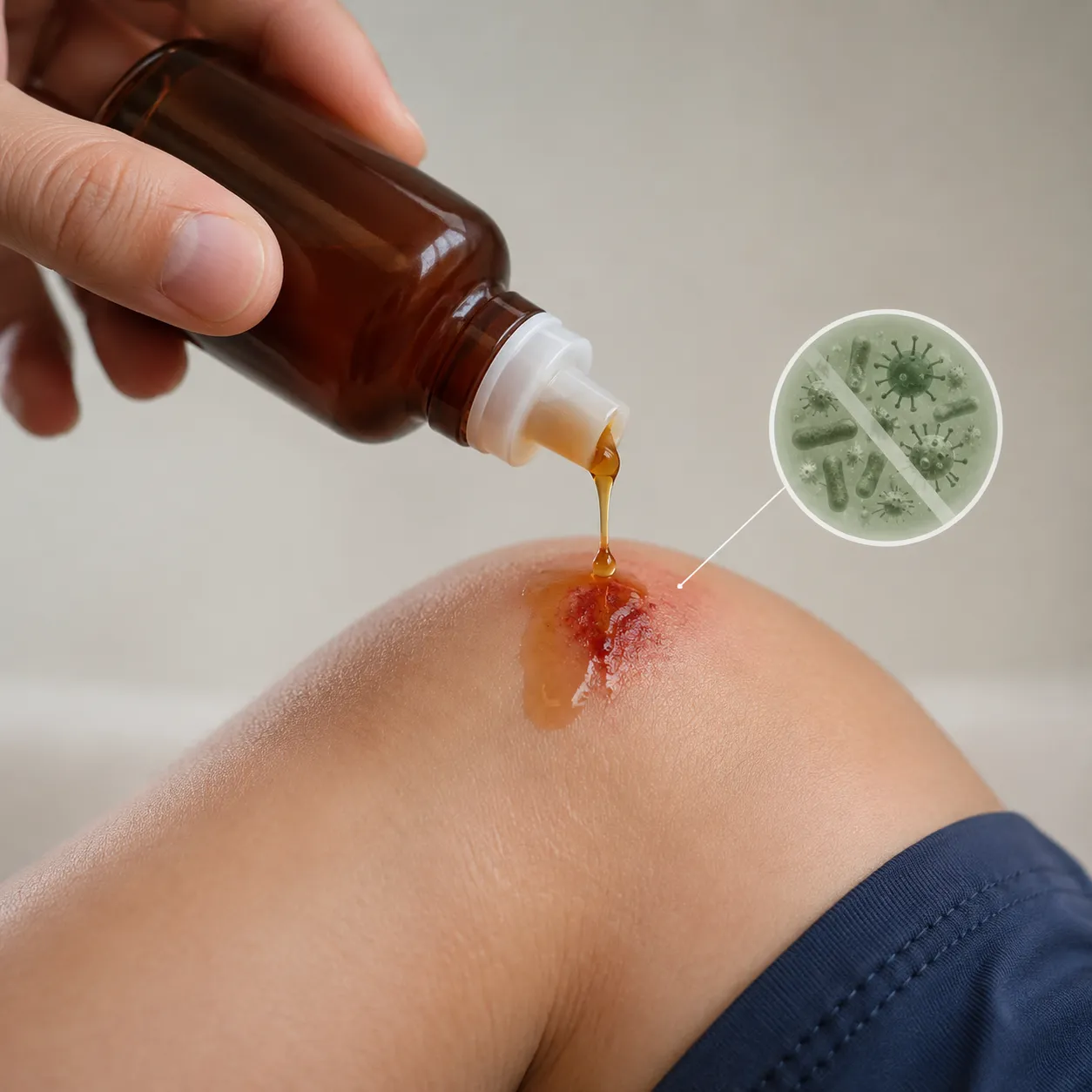
antisepticˌæntiˈseptɪk
a substance used on skin or wounds to kill germs and prevent infection.

disinfectantˌdɪsɪnˈfektənt
a chemical used on surfaces or objects to kill germs.

soapsoʊp
a substance used with water for washing your body or hands.
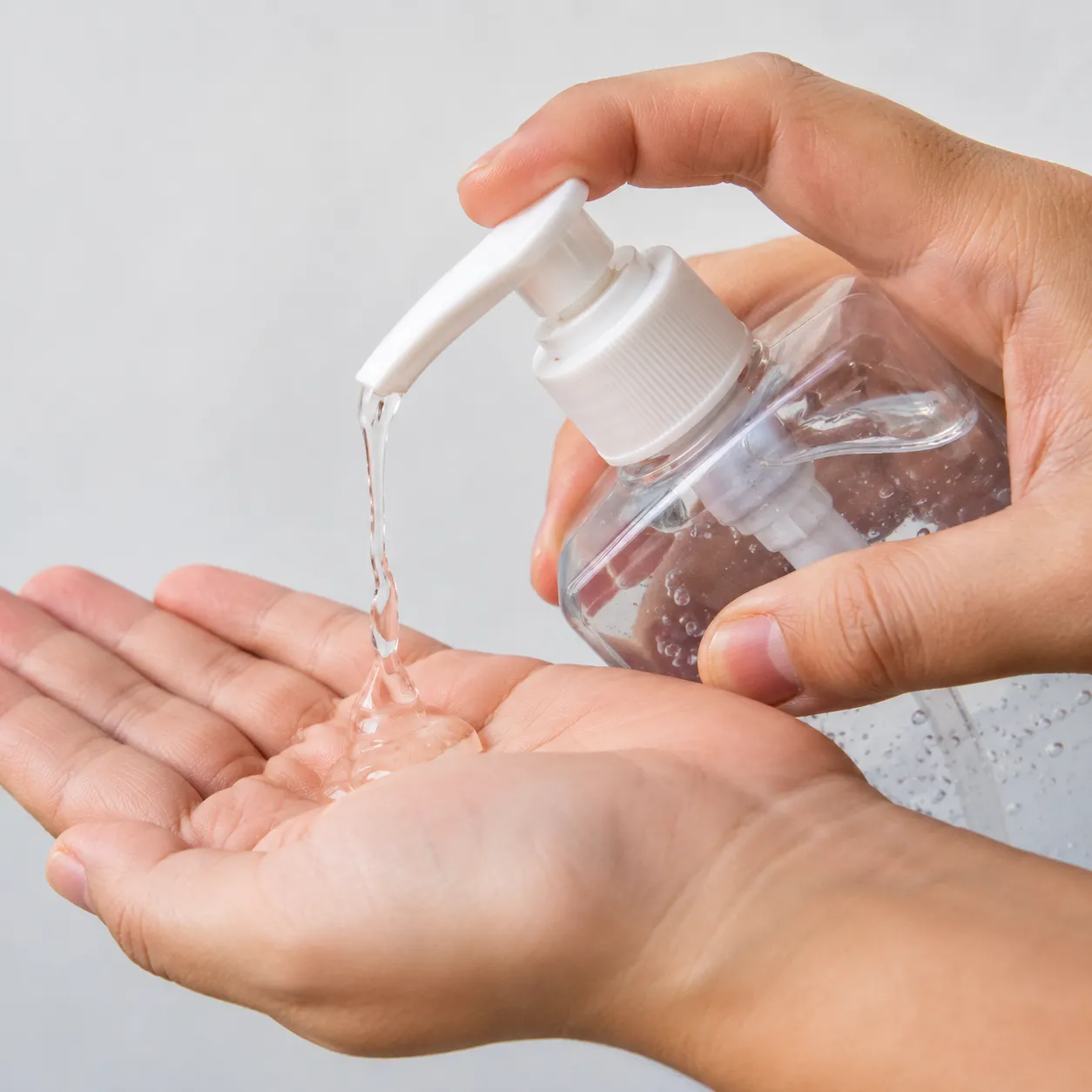
hand sanitizerˈhænd ˌsænɪtaɪzər
a liquid or gel used to clean hands and kill germs without water.

sterileˈsteraɪl
completely free from living germs or microorganisms.

cleankliːn
free from dirt, marks, or unwanted substances.
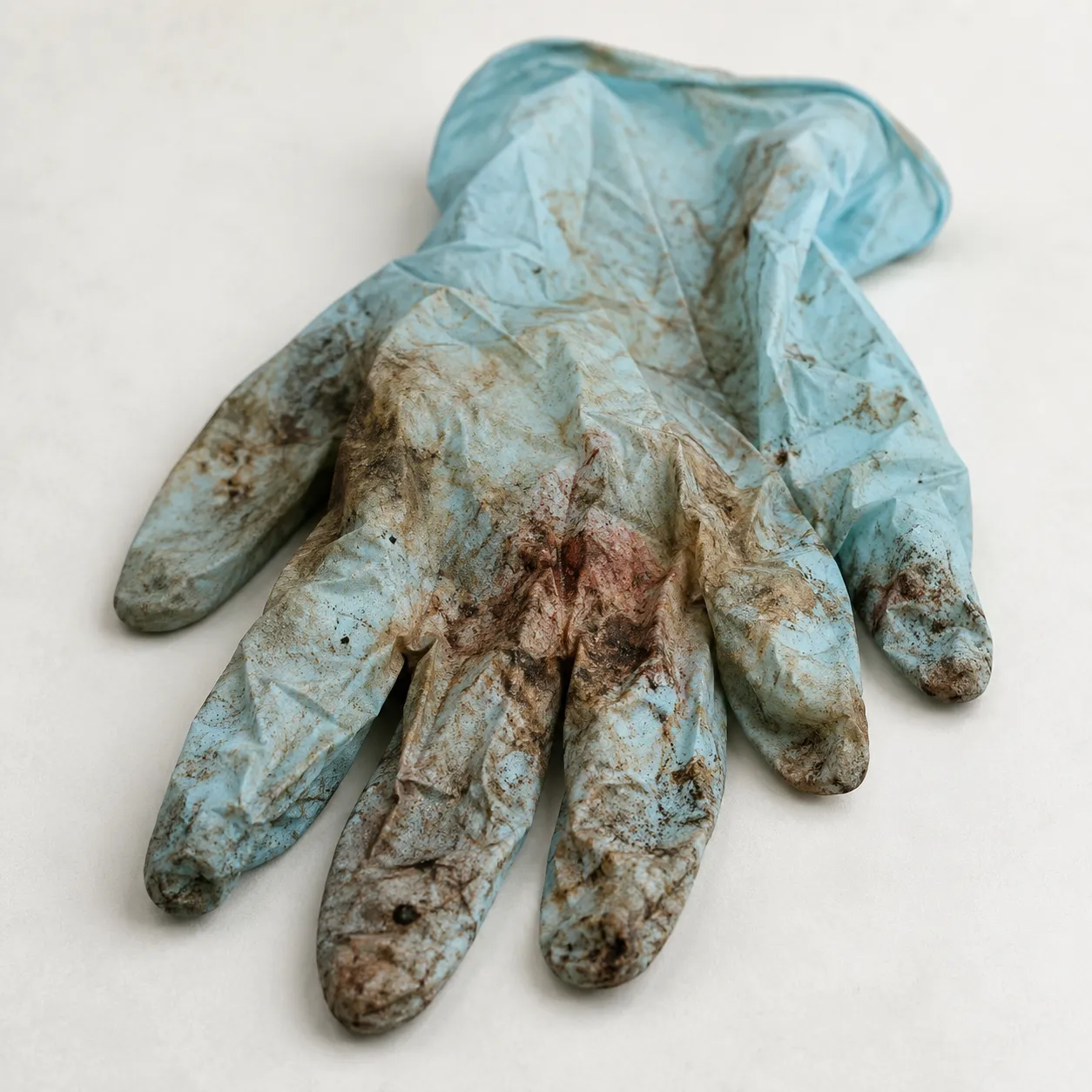
contaminatedkənˈtæmɪneɪtɪd
made dirty, unsafe, or infected by harmful substances or germs.
infectiousɪnˈfekʃəs
able to spread disease from one person or organism to another.

cleankliːn
to remove dirt, dust, or unwanted marks from something.

washwɑːʃ
to clean something with water and usually soap.
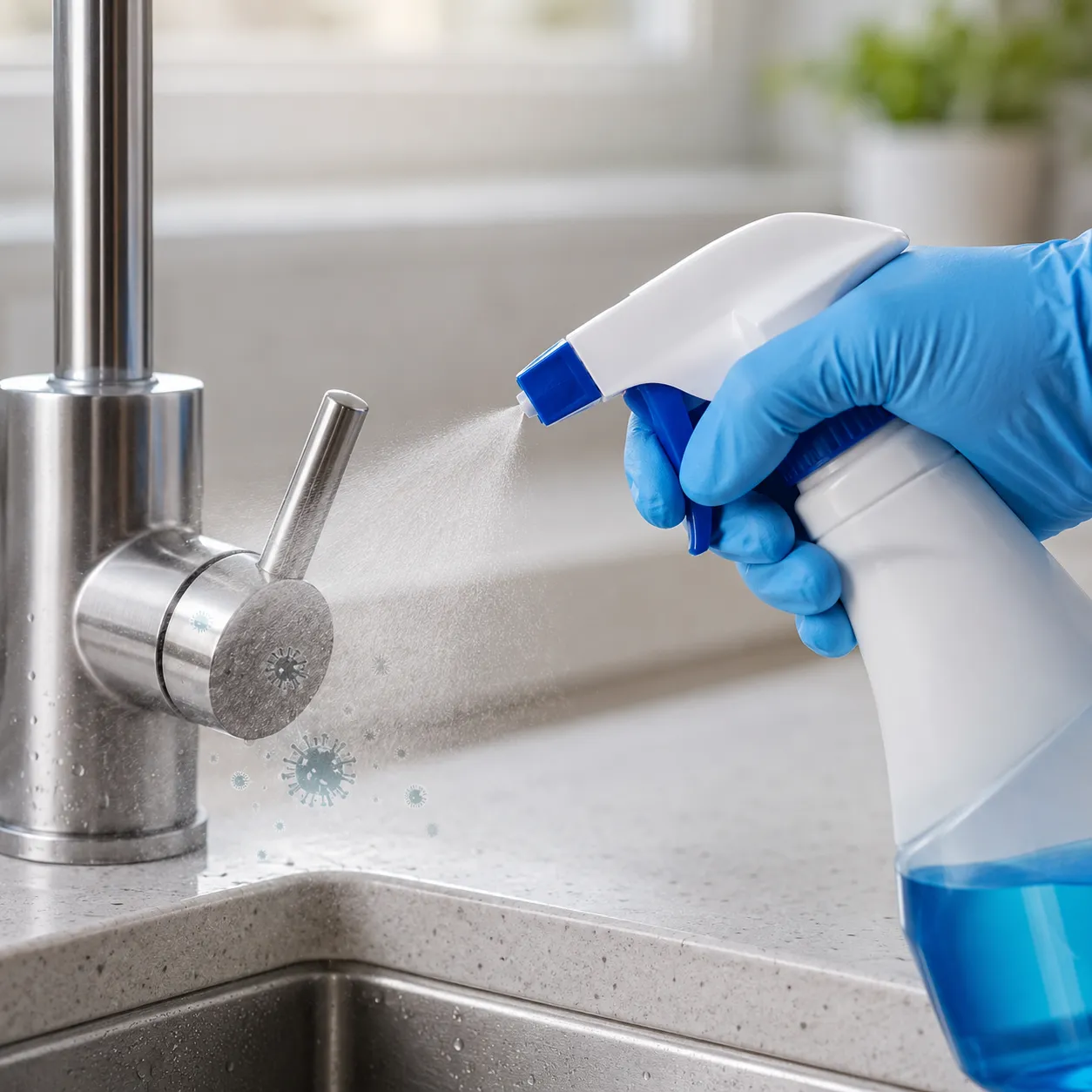
disinfectˌdɪsɪnˈfekt
to clean something with a substance that kills harmful germs.
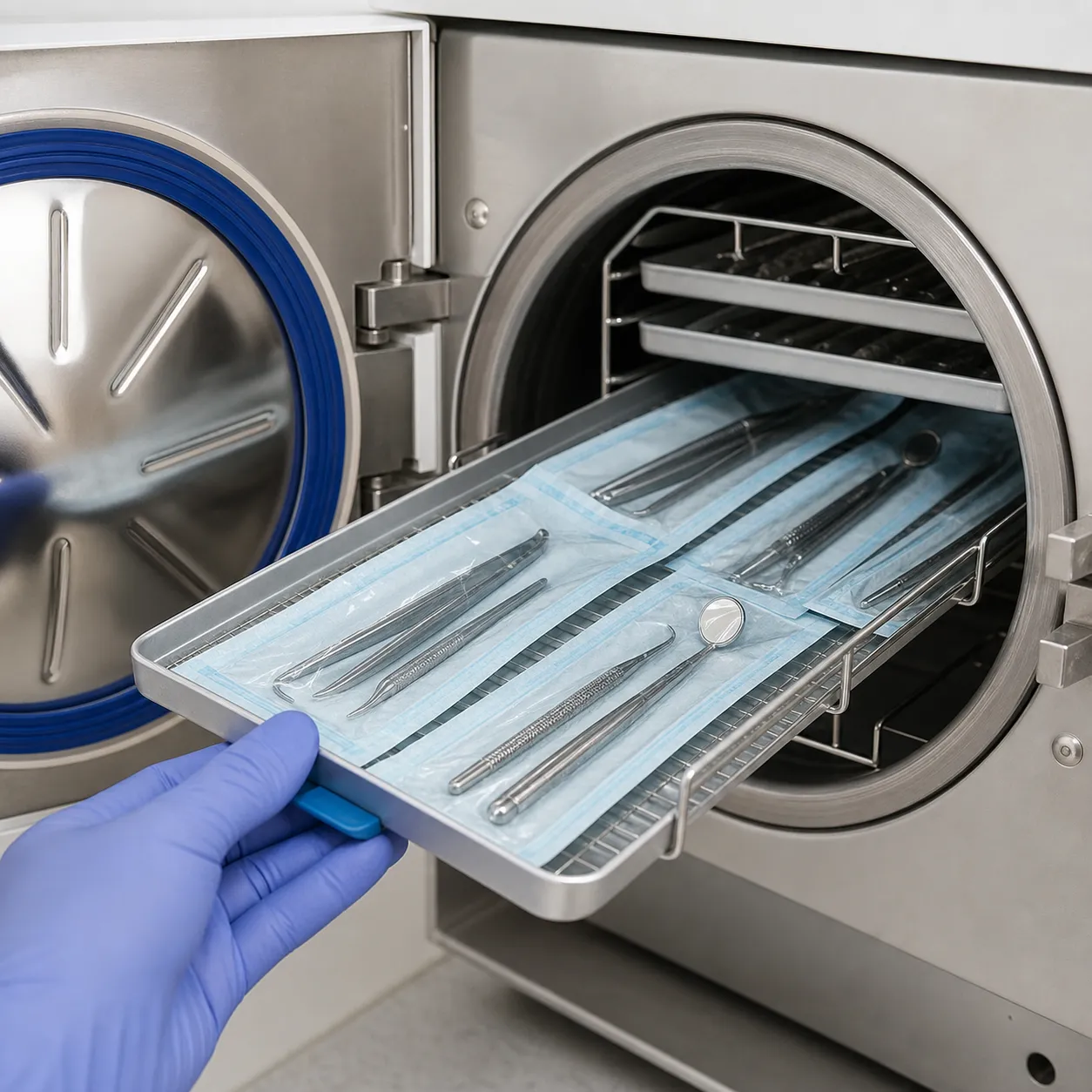
sterilizeˈsterəlaɪz
to make something completely free of all living germs, usually by heat, chemicals, or special equipment.
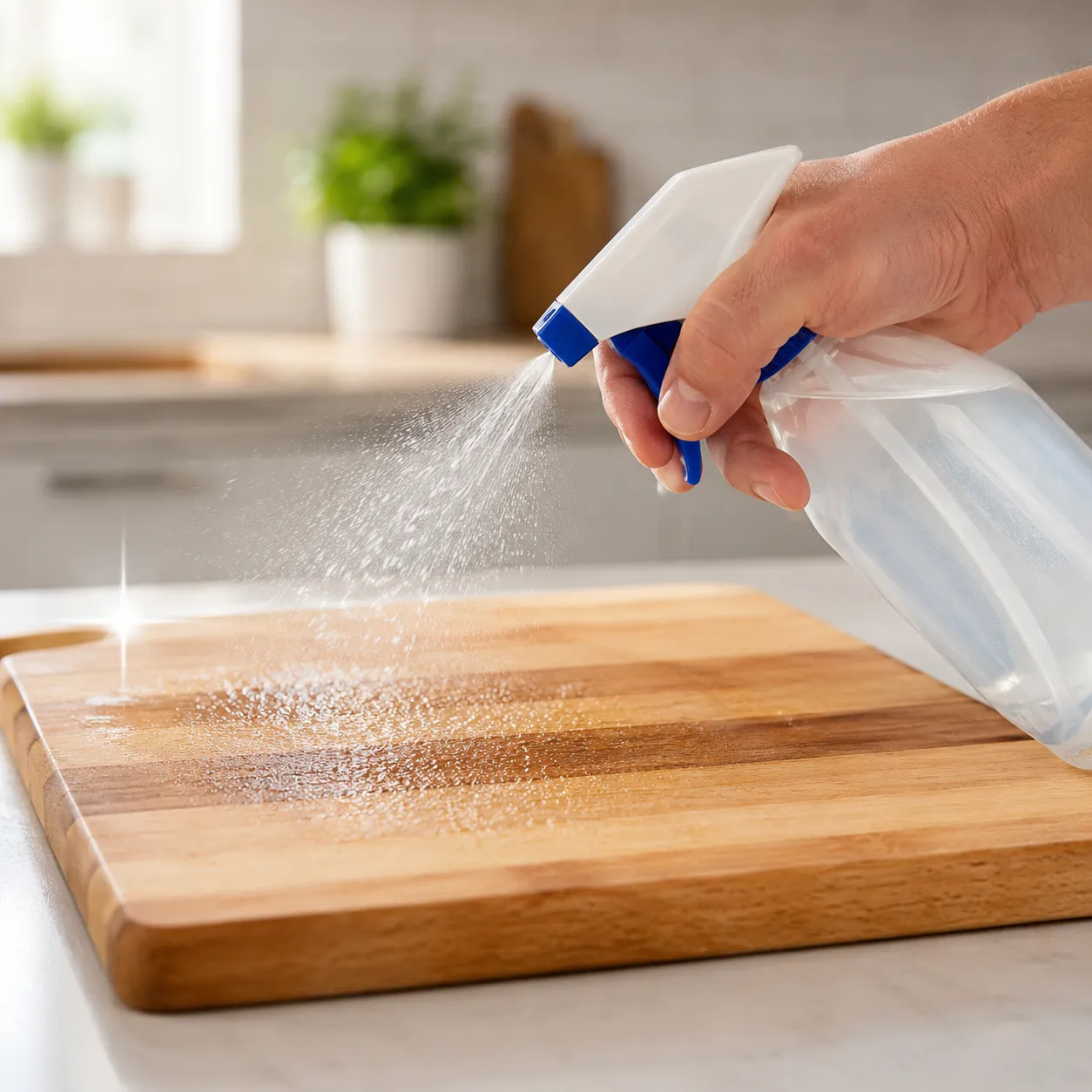
sanitizeˈsænɪtaɪz
to clean something so that germs are reduced to a safe level.
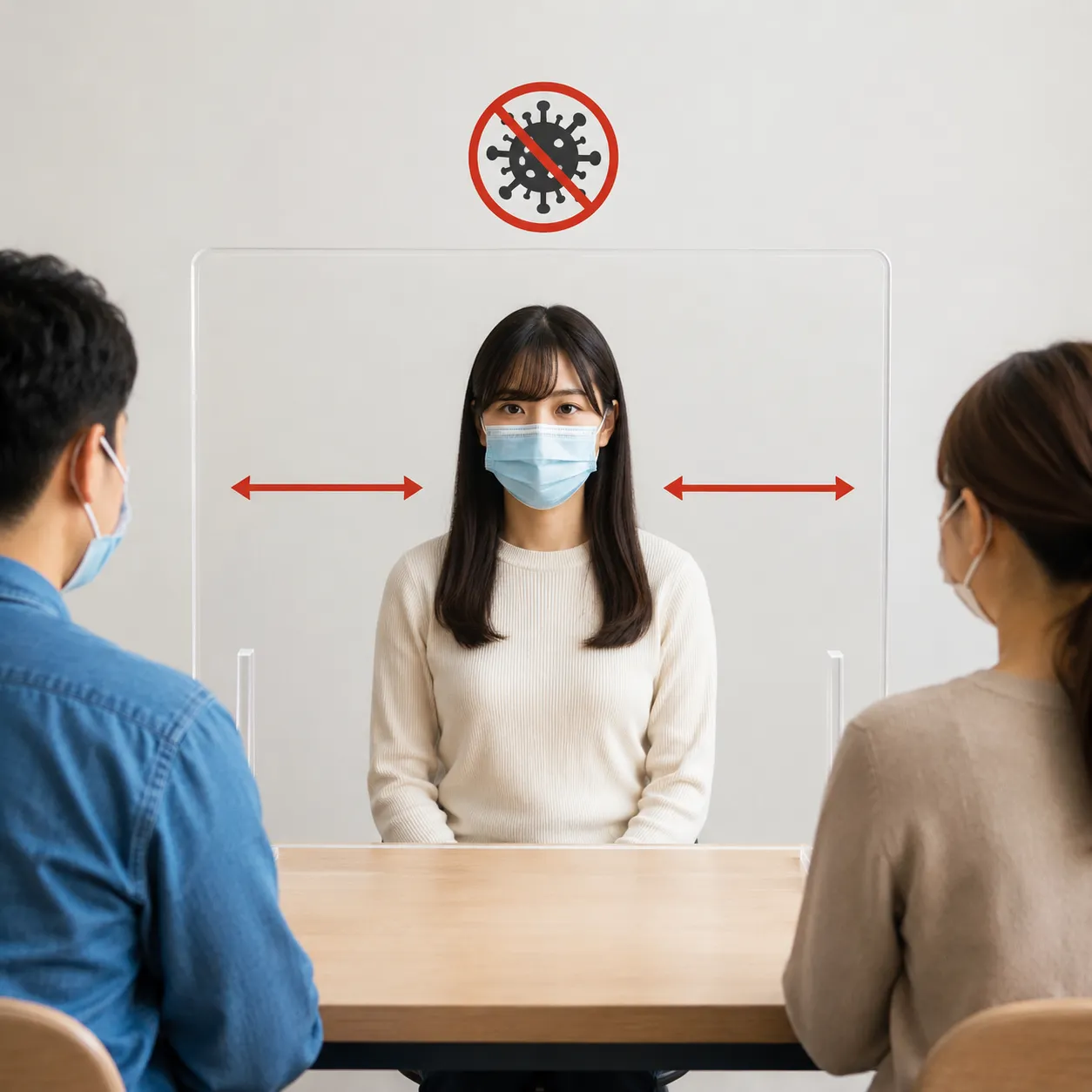
isolateˈaɪsəleɪt
to keep a person, animal, or thing separate from others, especially to stop disease from spreading
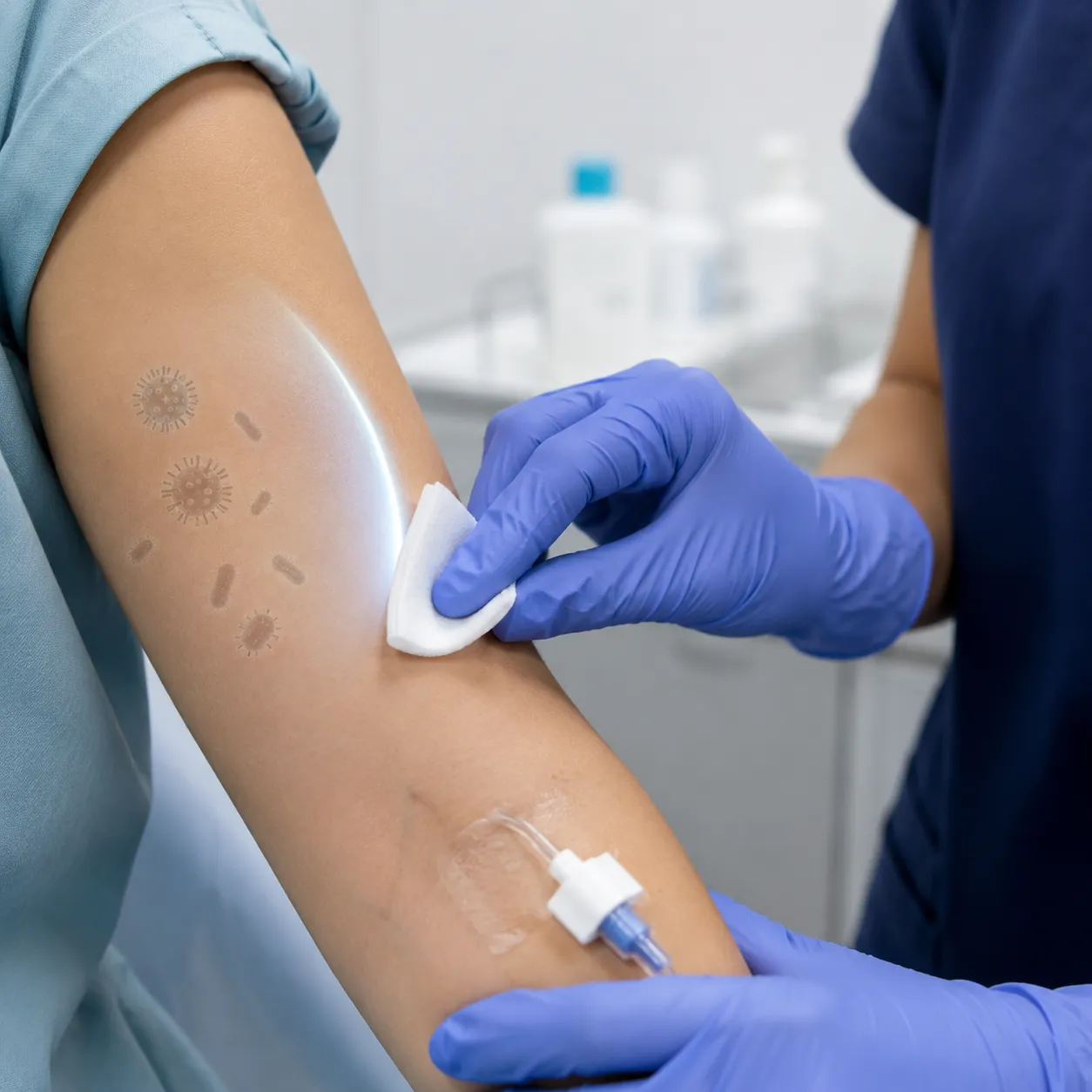
prevent infectionprɪˈvent ɪnˈfekʃən
to stop germs from entering or growing in the body and causing illness.
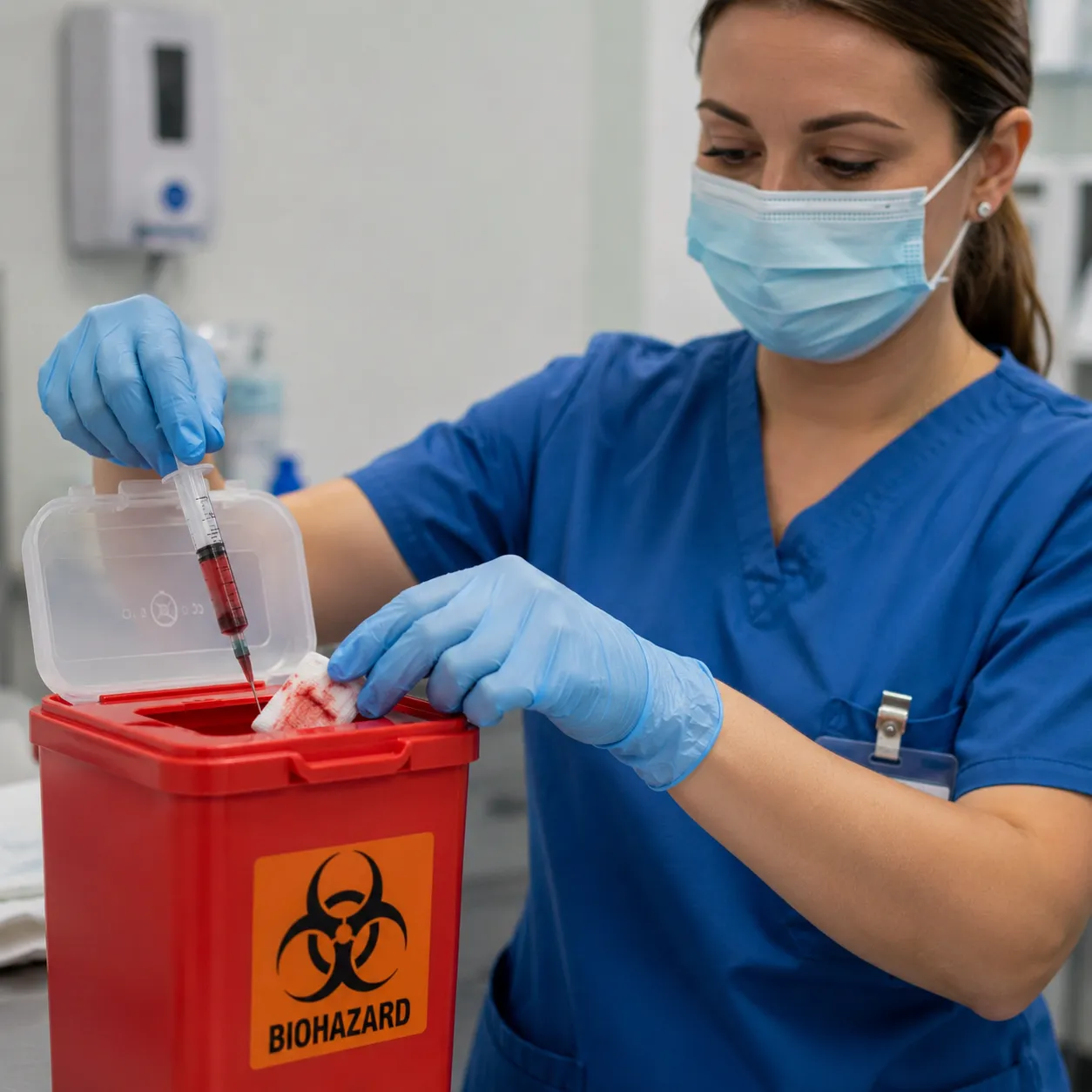
dispose of wastedɪˈspoʊz əv weɪst
to get rid of used or unwanted material safely, especially medical or body waste.
wash handswɑːʃ hændz
to clean your hands with water and soap or another cleanser.
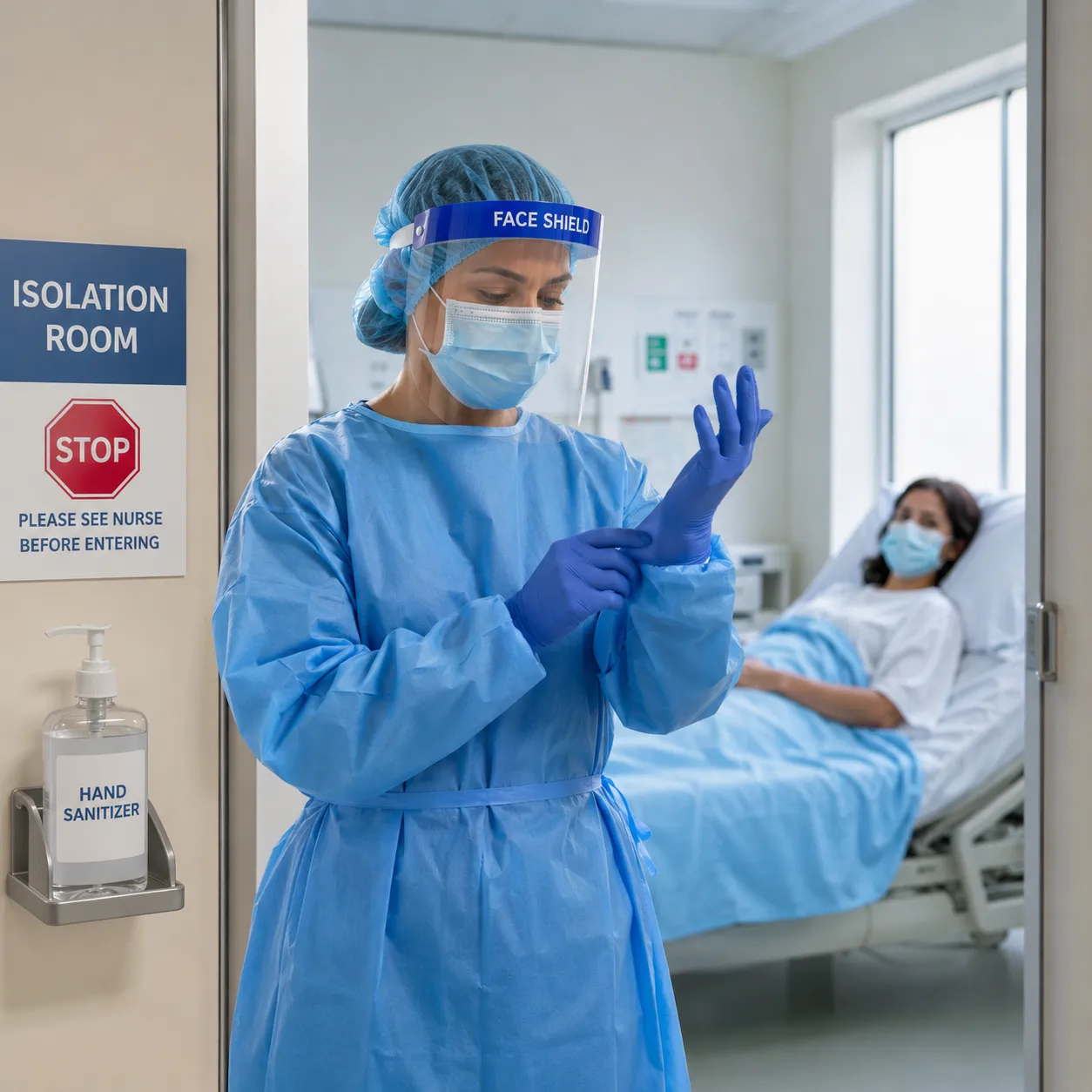
isolation precautionsˌaɪsəˈleɪʃən prɪˈkɔːʃənz
special infection-control measures used to prevent germs from spreading from a patient to others.
Protective equipment and professional clothing worn in healthcare settings.
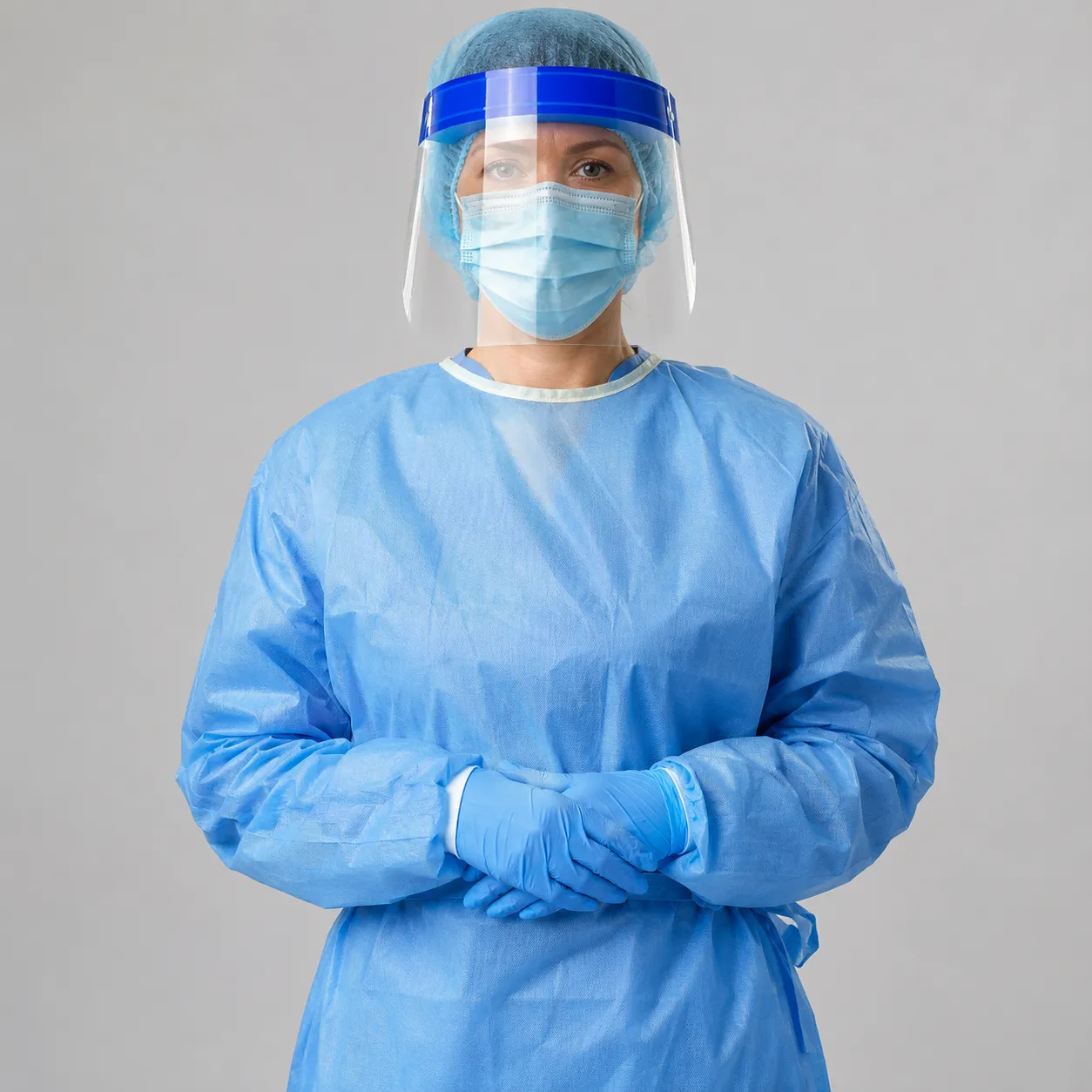
personal protective equipmentˈpɜːrsənəl prəˈtektɪv ɪˈkwɪpmənt
clothing or equipment worn to protect a person from health or safety risks.

PPEˌpiː piː ˈiː
short for personal protective equipment: clothing or equipment worn to protect a person from health or safety risks.
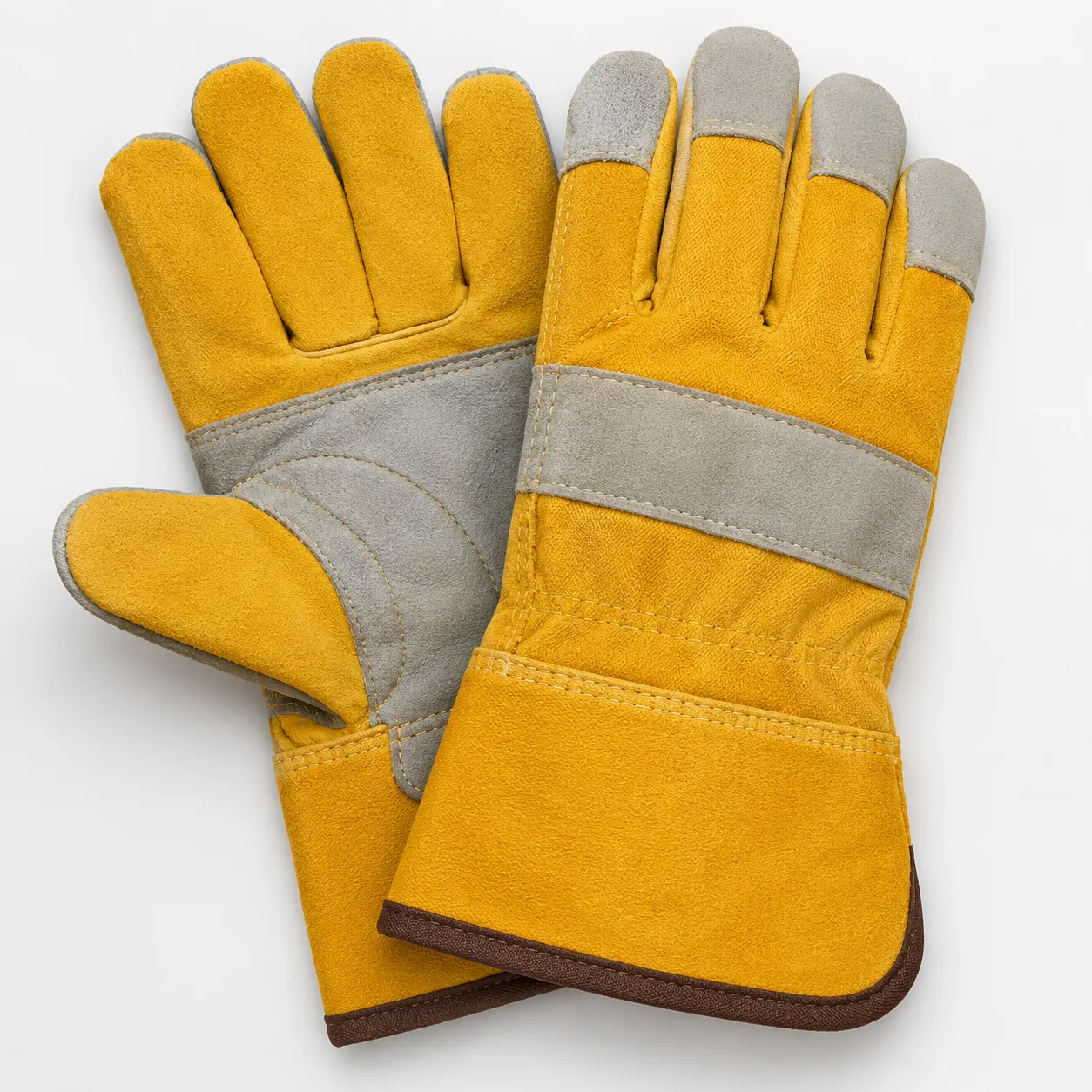
glovesɡlʌvz
protective coverings worn on the hands
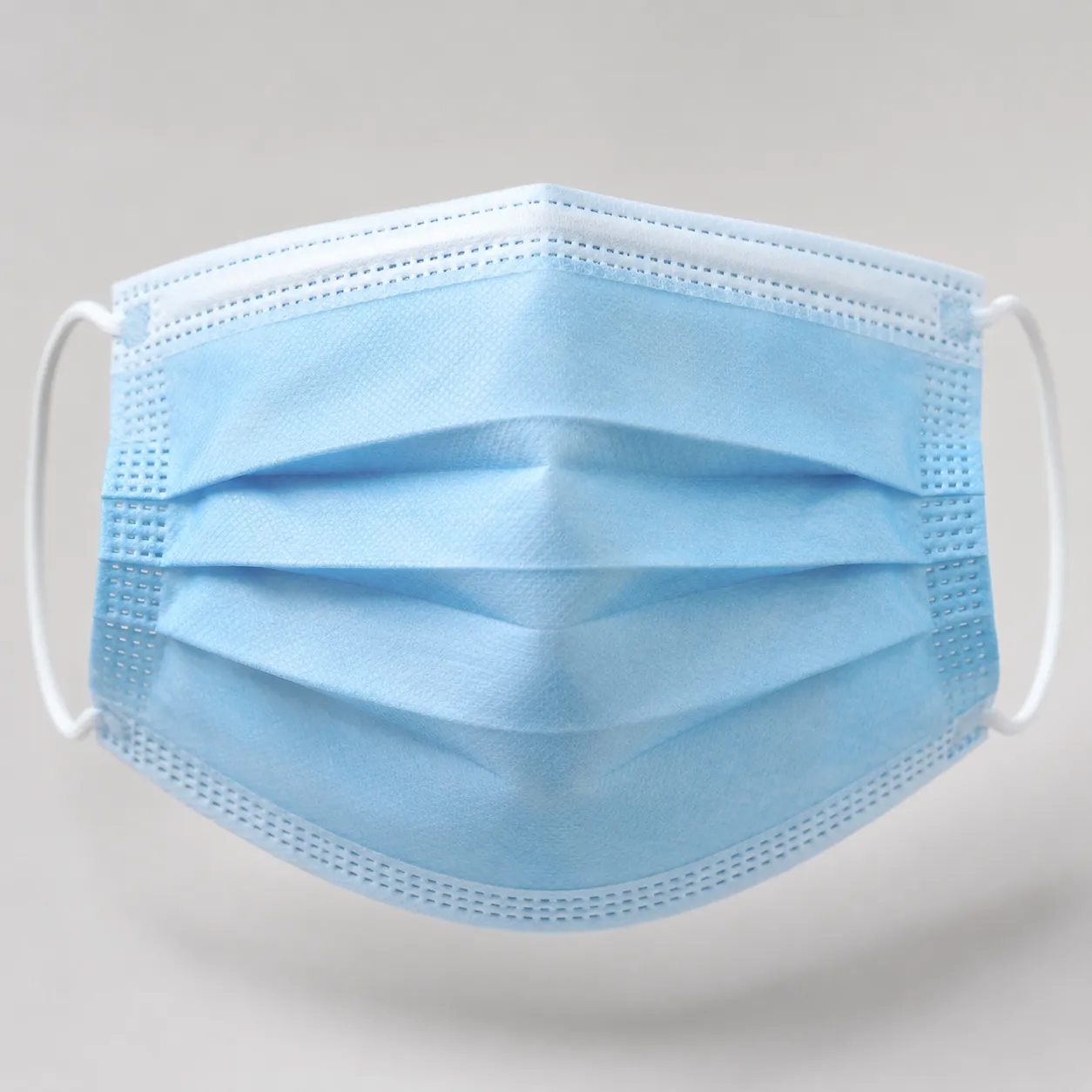
maskmæsk
a covering worn over the face, nose, or mouth for protection, hygiene, or disguise
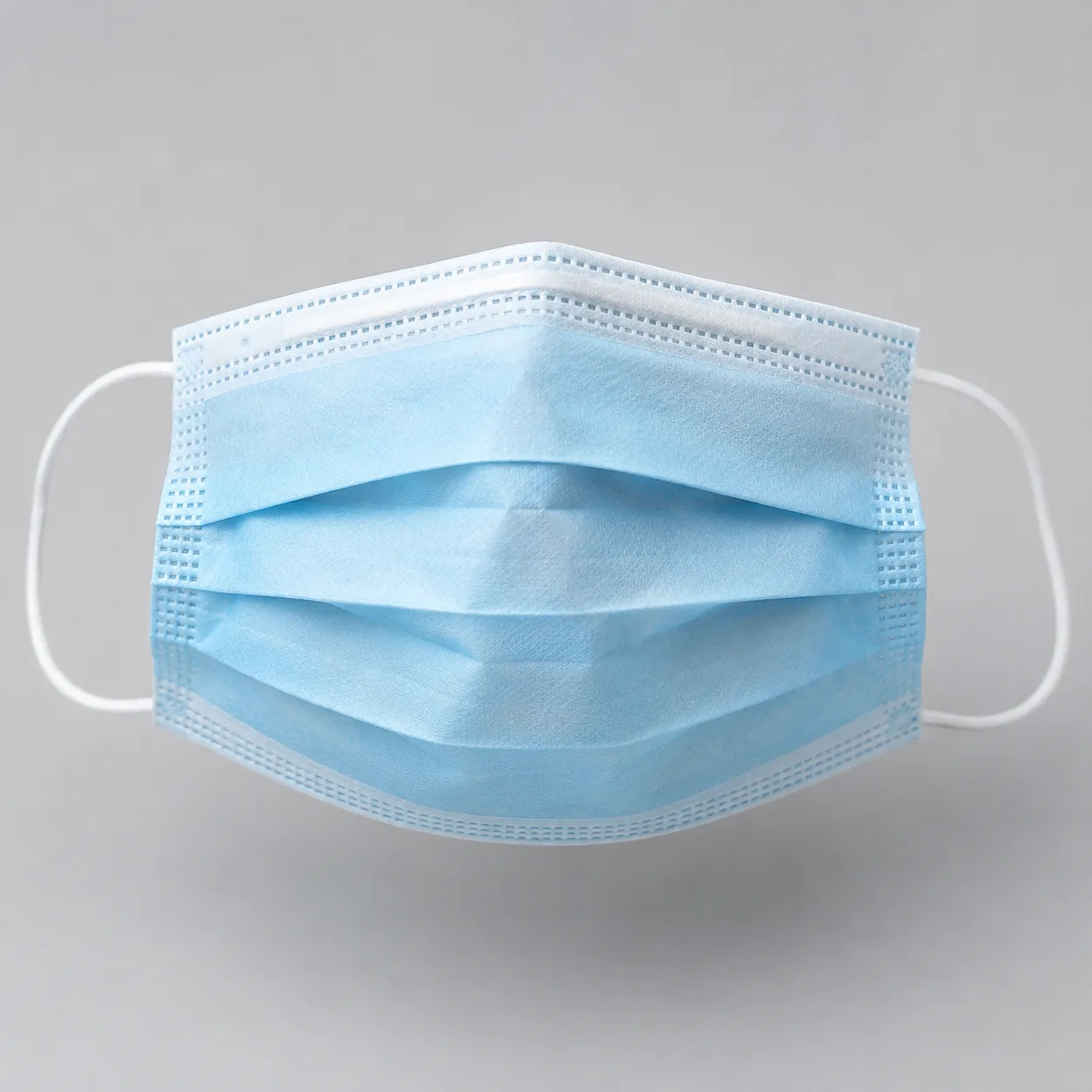
surgical maskˈsɜːrdʒɪkəl mæsk
a disposable medical mask worn over the nose and mouth to reduce the spread of droplets and germs.
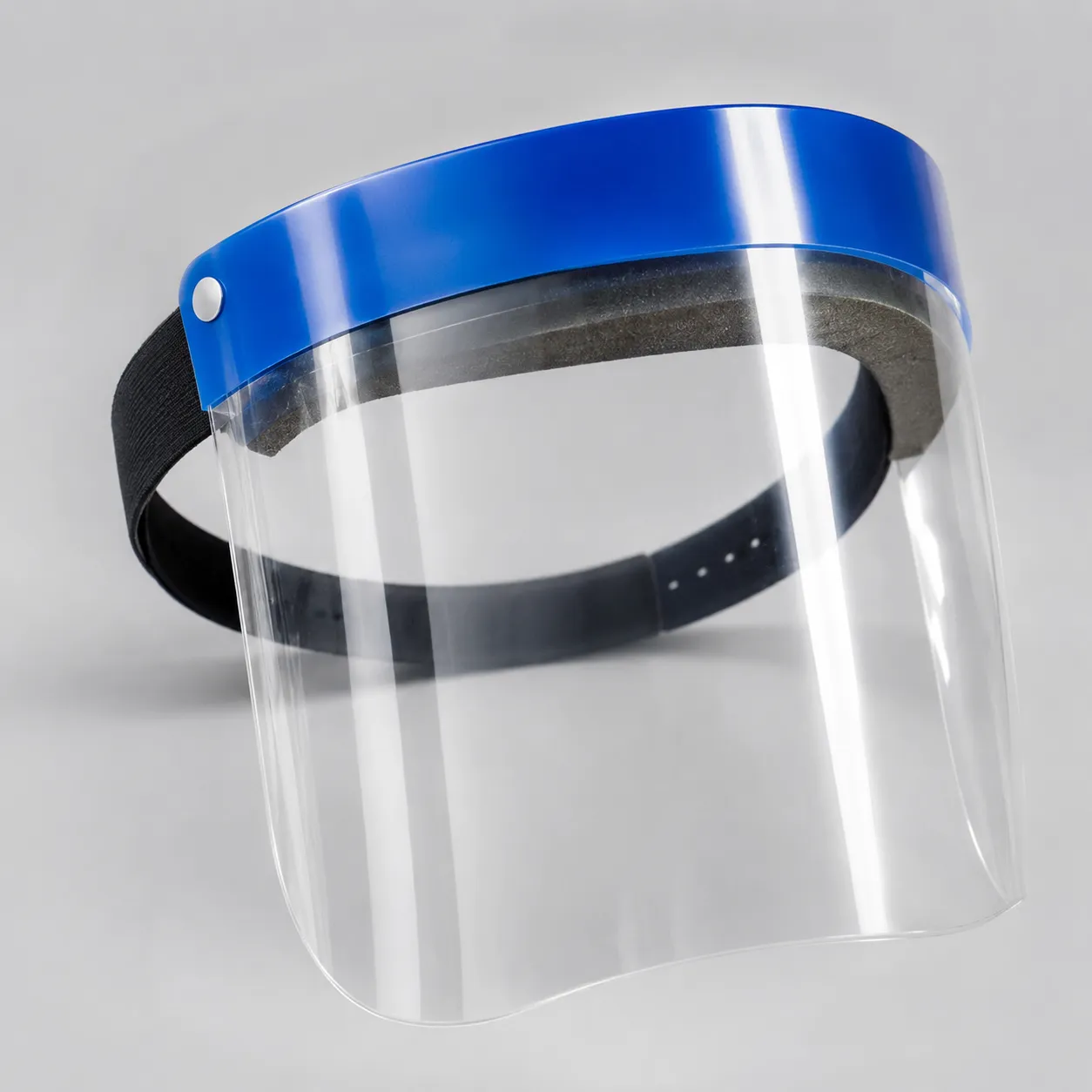
face shieldfeɪs ʃiːld
a clear protective screen worn in front of the face to protect the eyes, nose, and mouth.

gownɡaʊn
a loose protective garment worn by healthcare workers or patients in medical settings.
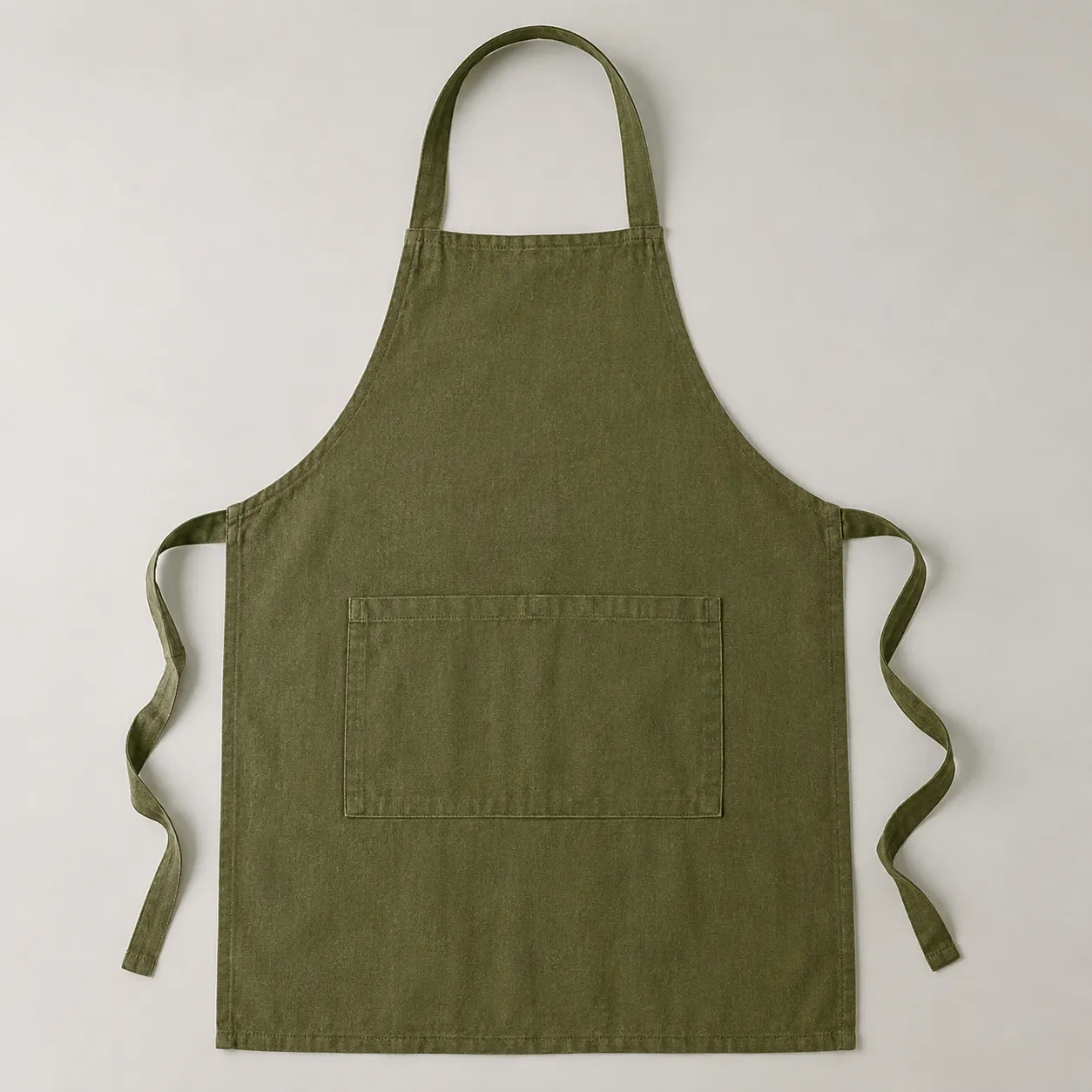
apronˈeɪprən
a piece of clothing worn over the front of the body to protect clothes while working

capkæp
a soft hat, often with a front part that shades the eyes, worn on the head for warmth, work, sport, or style.
shoe coversʃuː ˈkʌvərz
protective coverings worn over shoes to keep an area clean or prevent contamination.

scrubsskrʌbz
loose, simple medical work clothes worn by healthcare staff.

uniformˈjuːnəfɔːrm
special clothes worn by all members of the same organization, job, school, or team.
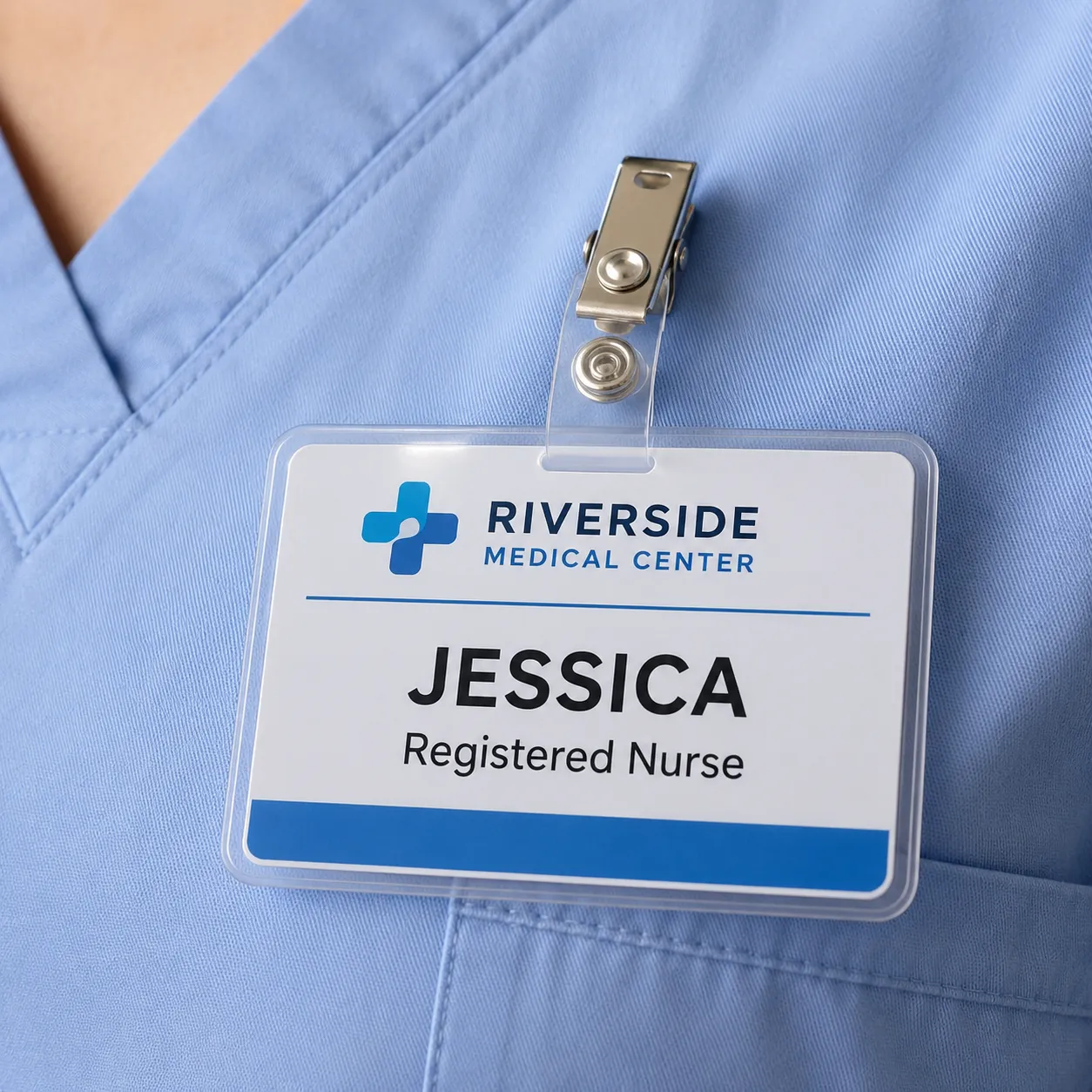
name badgeˈneɪm bædʒ
a small card or tag worn to show a person's name, often with their job title or organization.
put on glovespʊt ɑːn ɡlʌvz
to place protective gloves on your hands before doing a task.
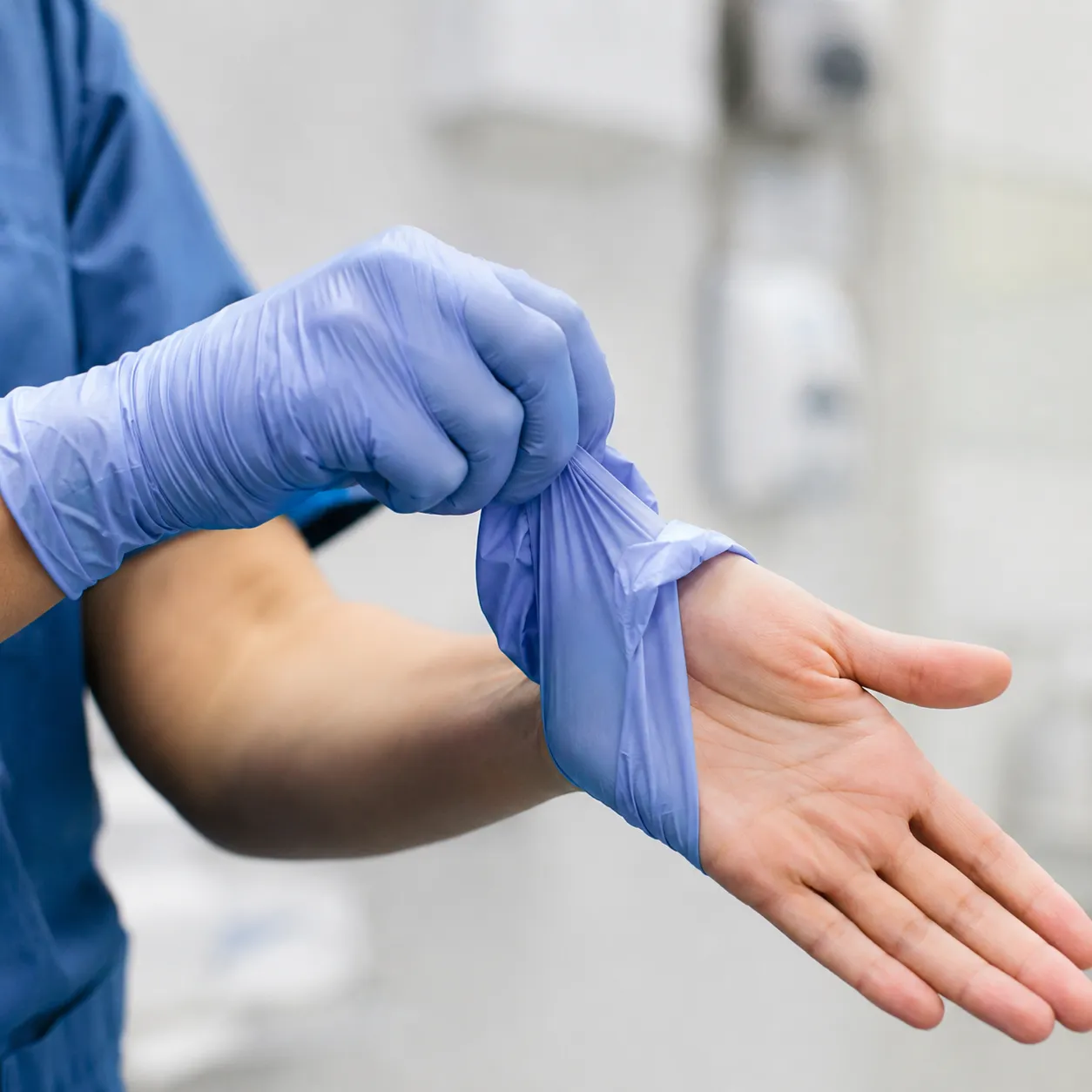
remove glovesrɪˈmuːv ɡlʌvz
to take protective gloves off your hands safely after use.

wear PPEwɛr ˌpiː piː ˈiː
to use personal protective equipment, such as gloves, masks, gowns, or eye protection, to reduce infection or injury risk.
Dressings, supports and procedures used to protect injuries and help wounds heal.
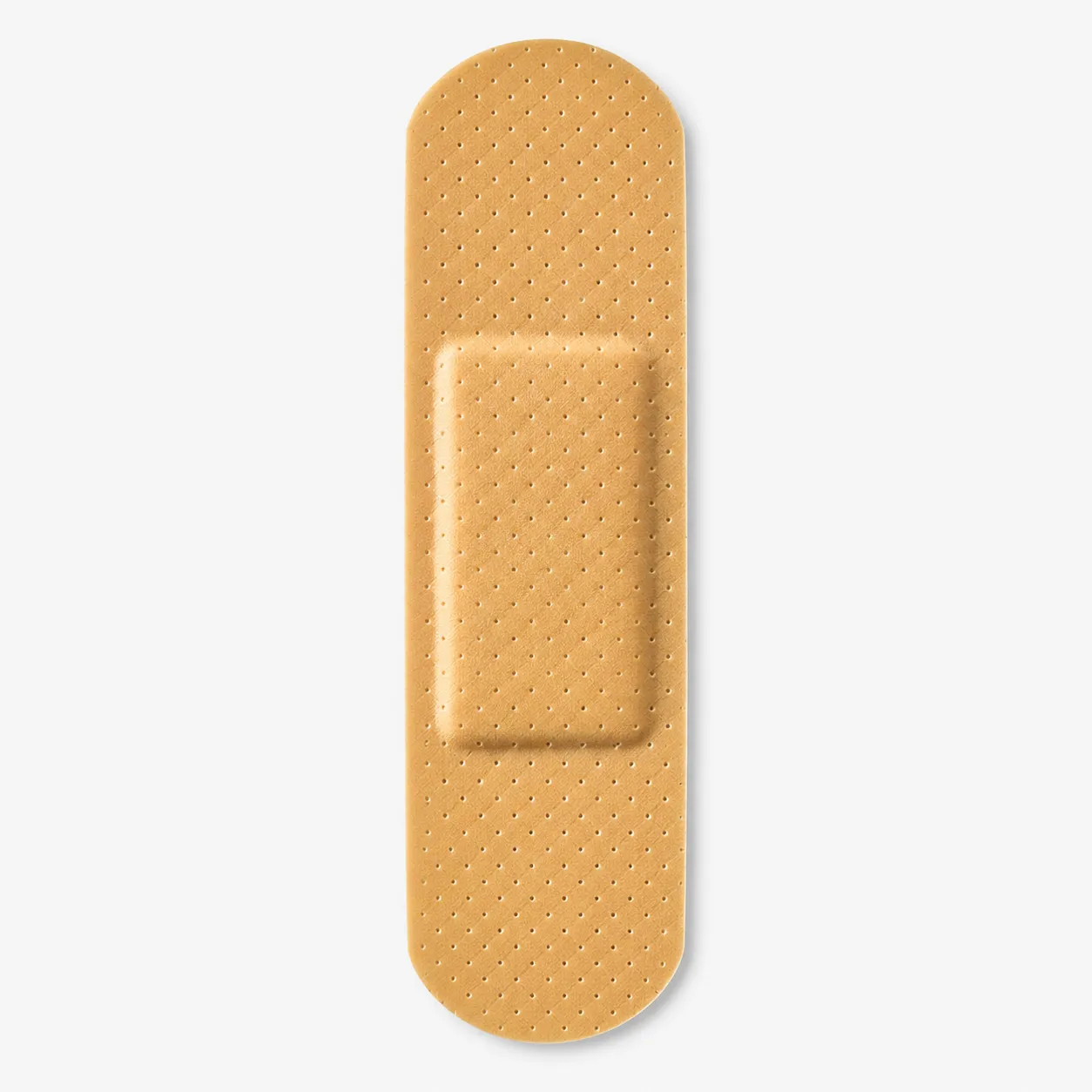
bandageˈbændɪdʒ
a strip or piece of material used to cover, protect, or support an injured part of the body
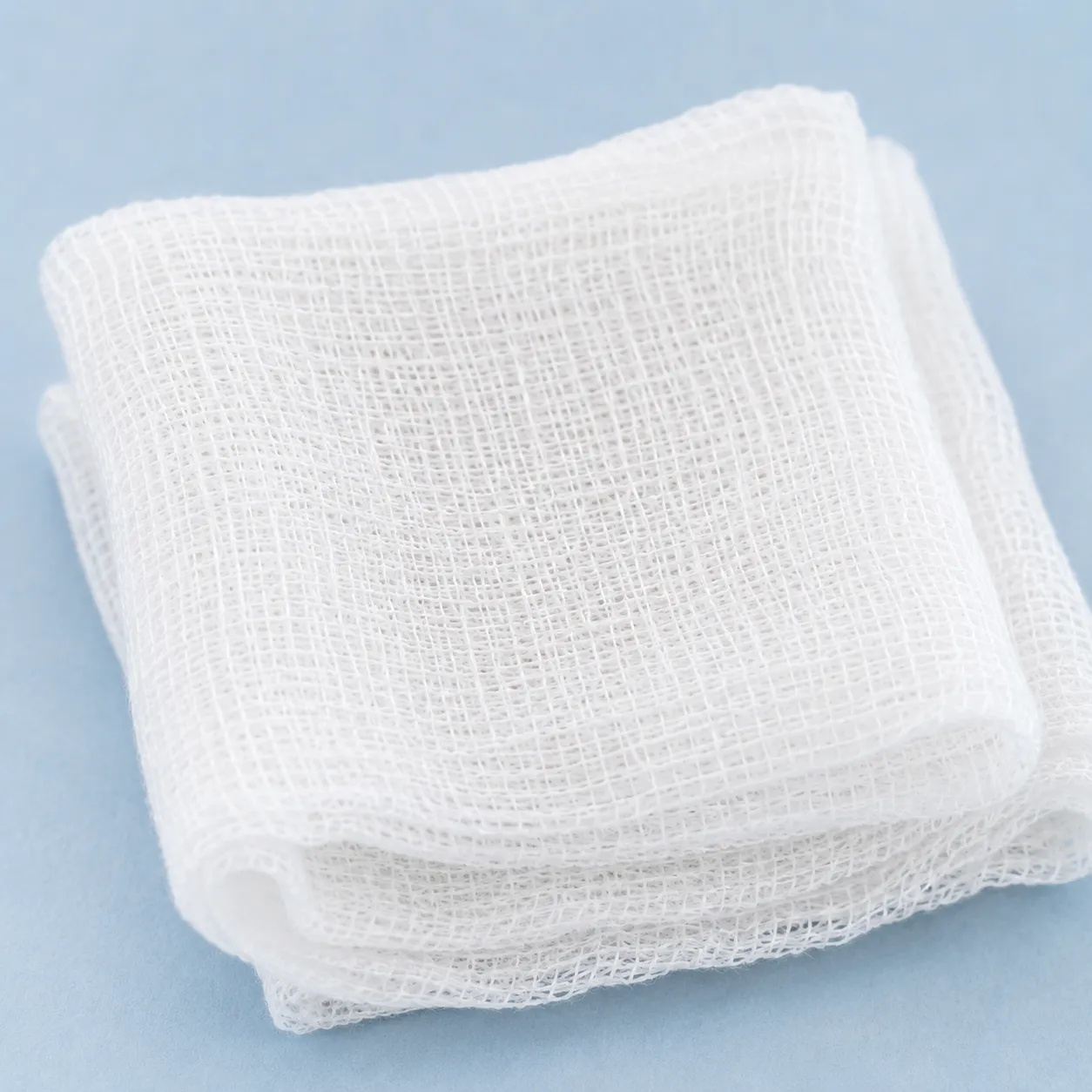
gauzeɡɔːz
a thin, loosely woven medical cloth used for dressings or to absorb blood and fluid.
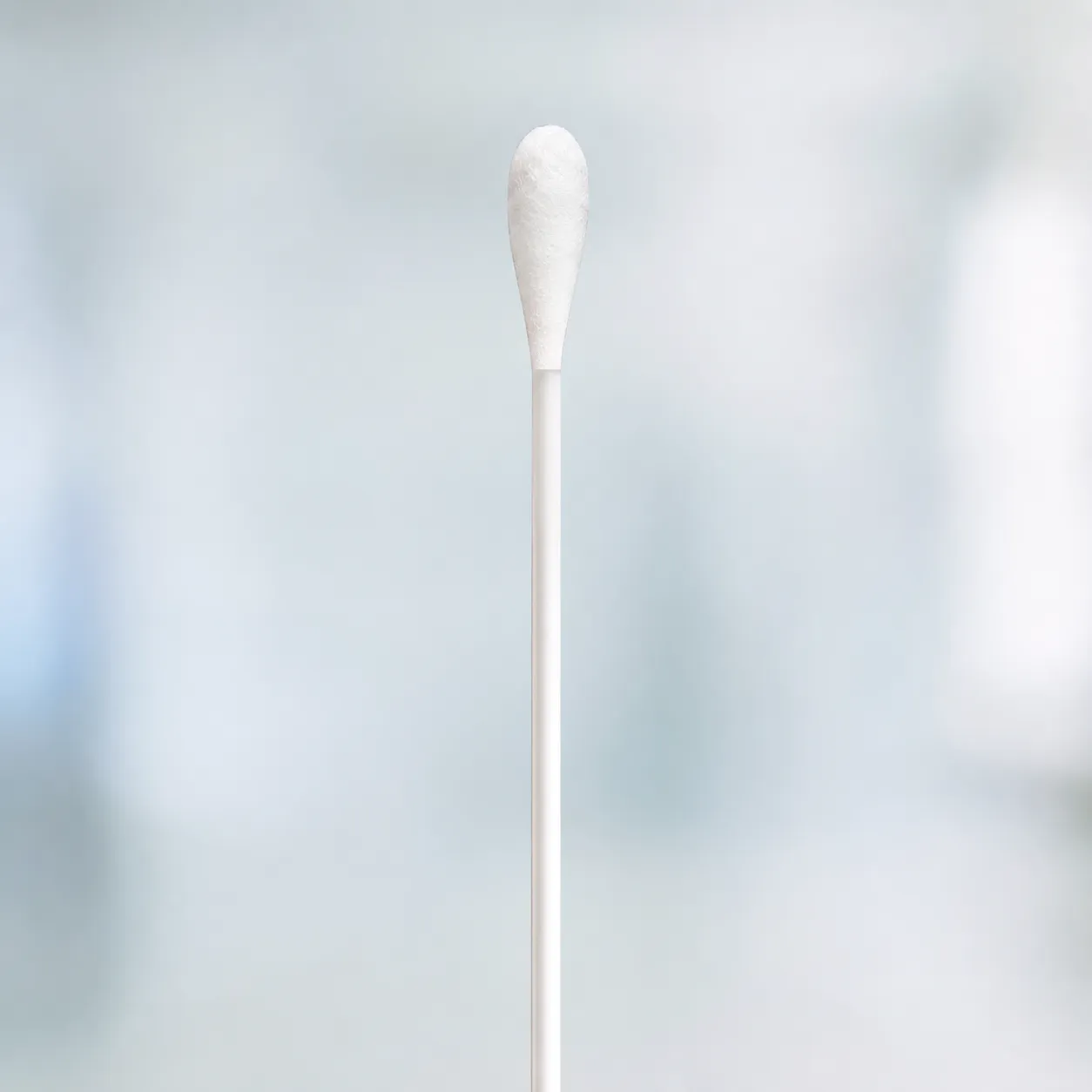
swabswɑːb
a small piece of absorbent material on a stick or held with forceps, used to clean an area or take a sample.
cotton woolˈkɑːtən wʊl
soft fluffy cotton used for cleaning skin, applying liquids, or padding wounds.
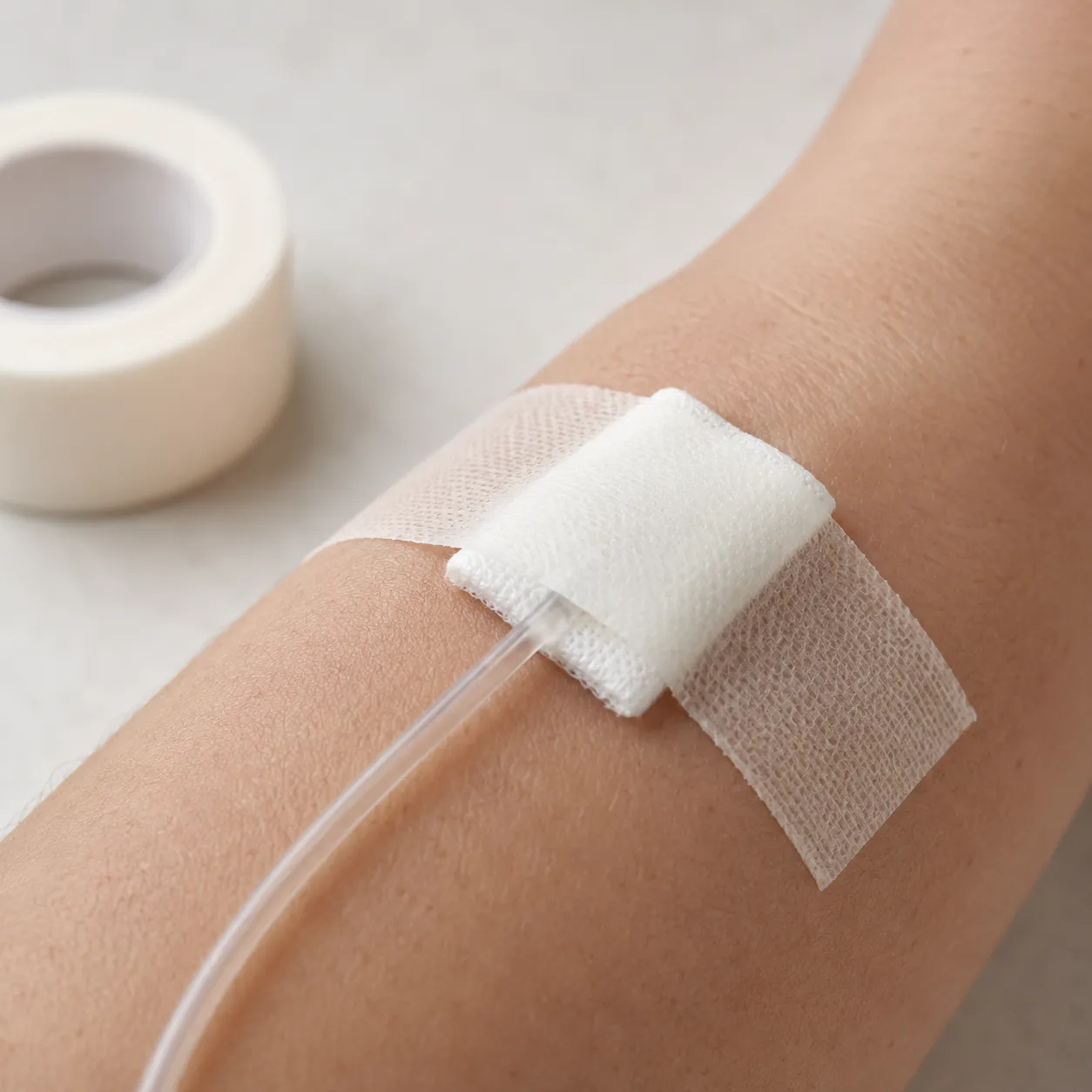
medical tapeˈmɛdɪkəl teɪp
adhesive tape used to hold dressings, bandages, or medical tubes in place on the skin.
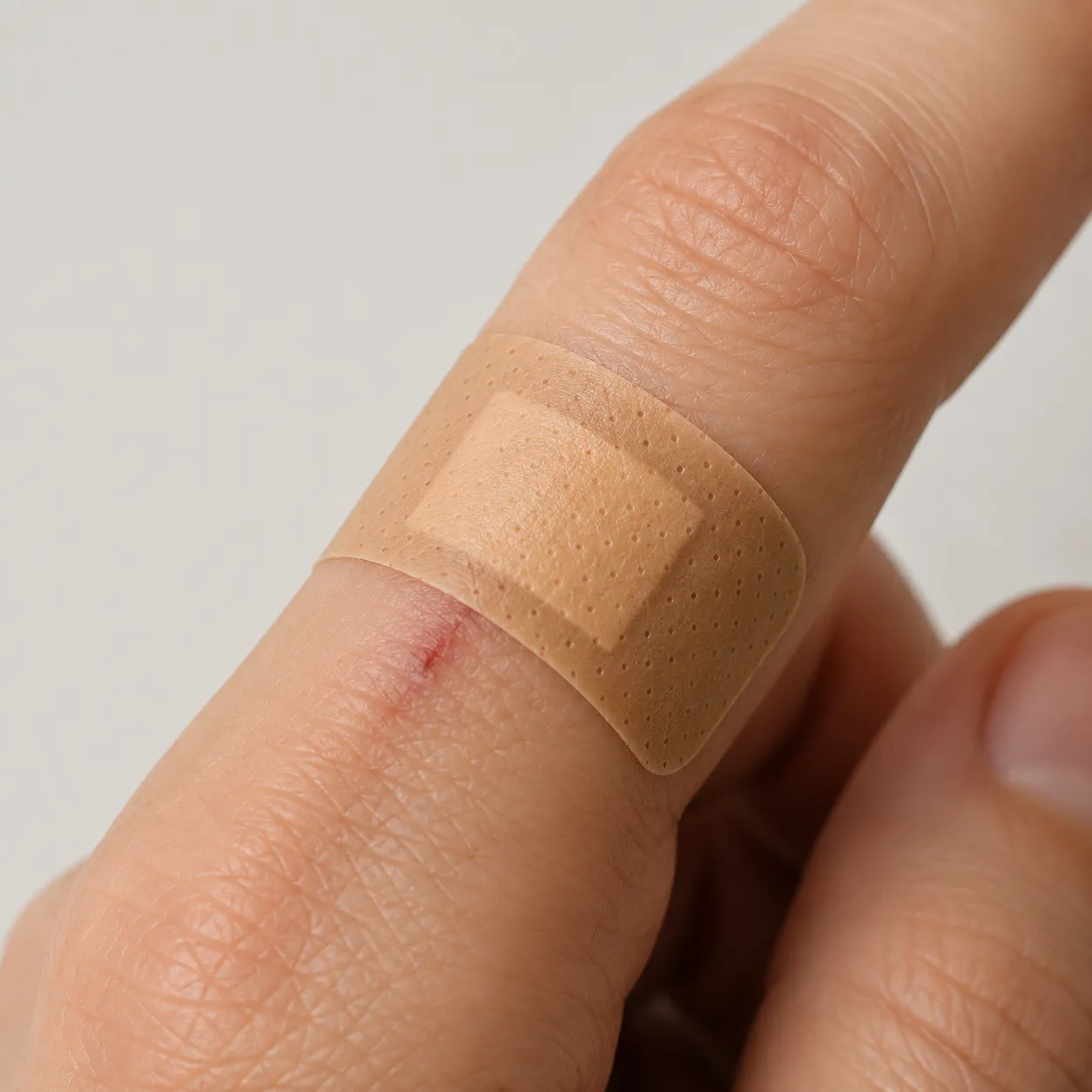
plasterˈplæstər
a small adhesive strip with a pad, used to cover and protect a minor cut or wound.
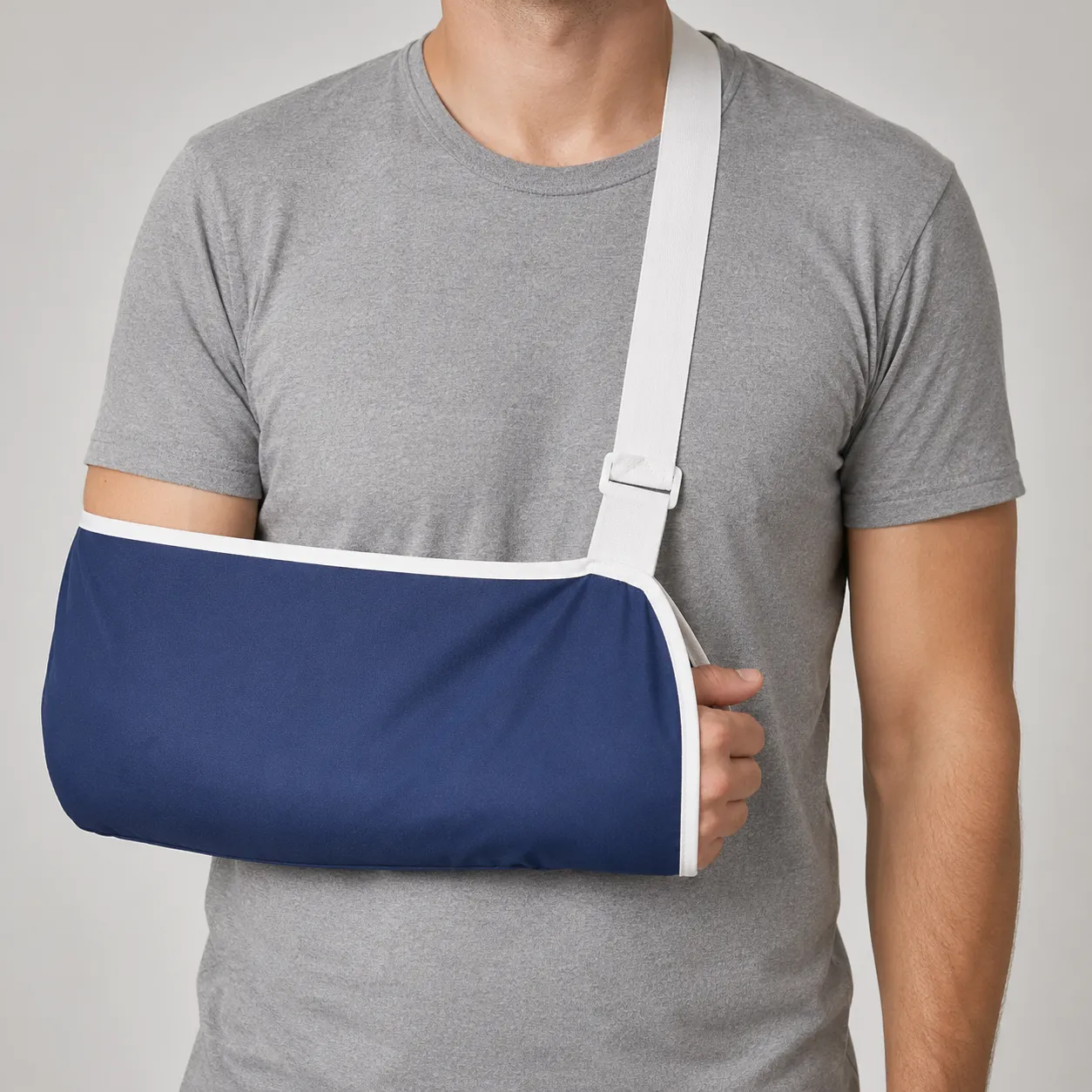
slingslɪŋ
a cloth support worn around the neck to hold an injured arm still and close to the body.
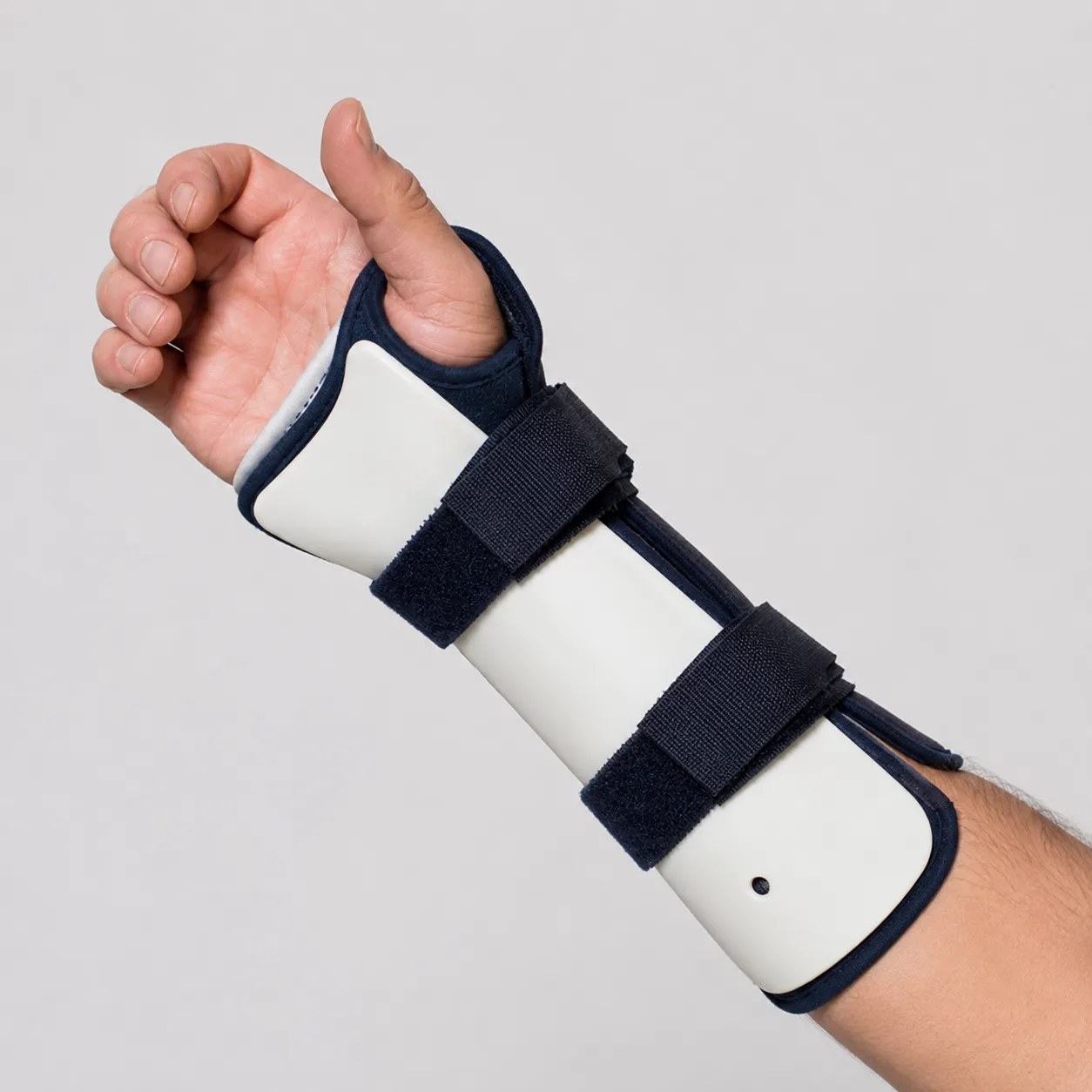
splintsplɪnt
a stiff support used to keep an injured bone or joint still.
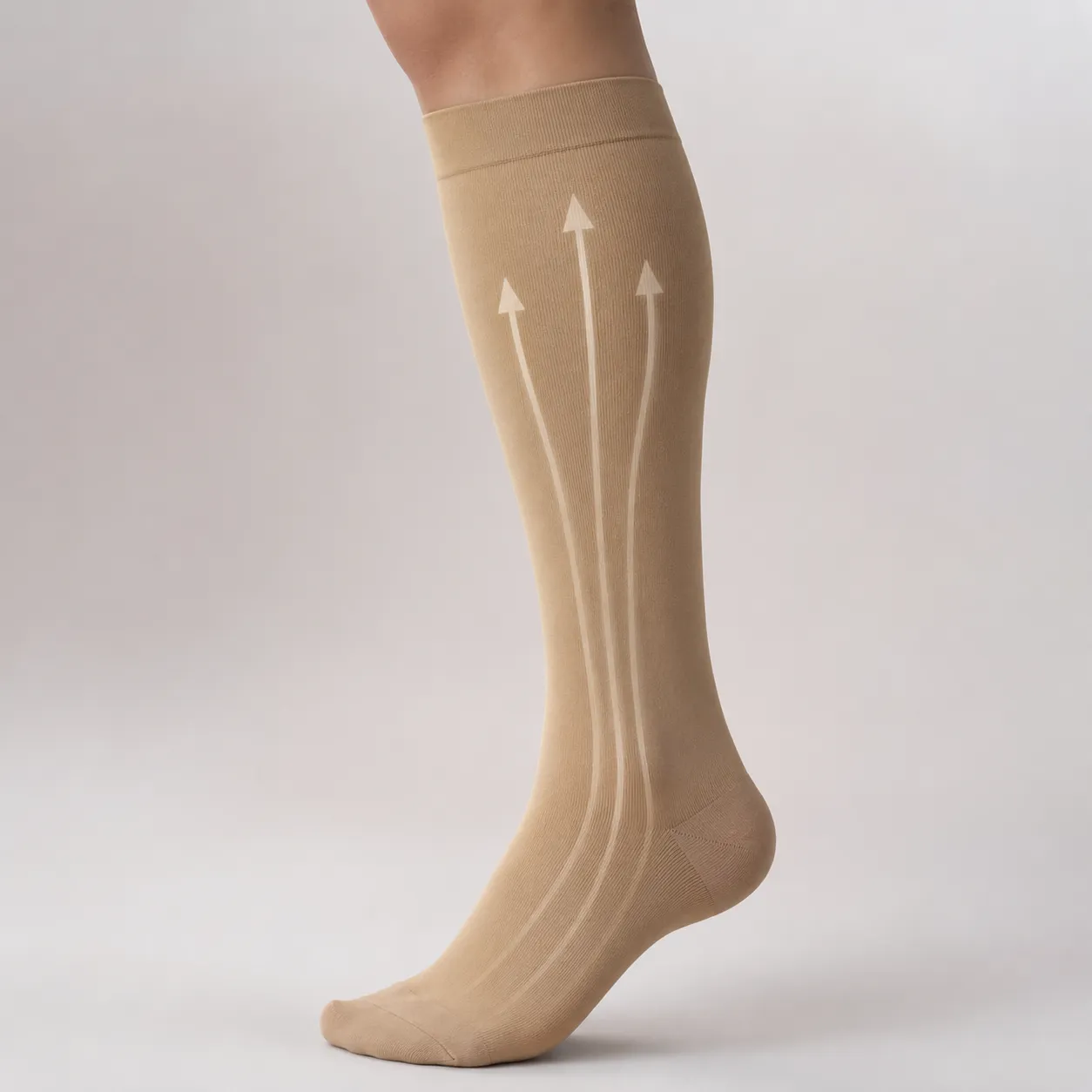
compression stockingkəmˈpreʃən ˈstɑːkɪŋ
a tight medical sock worn to improve blood flow in the leg and reduce swelling.
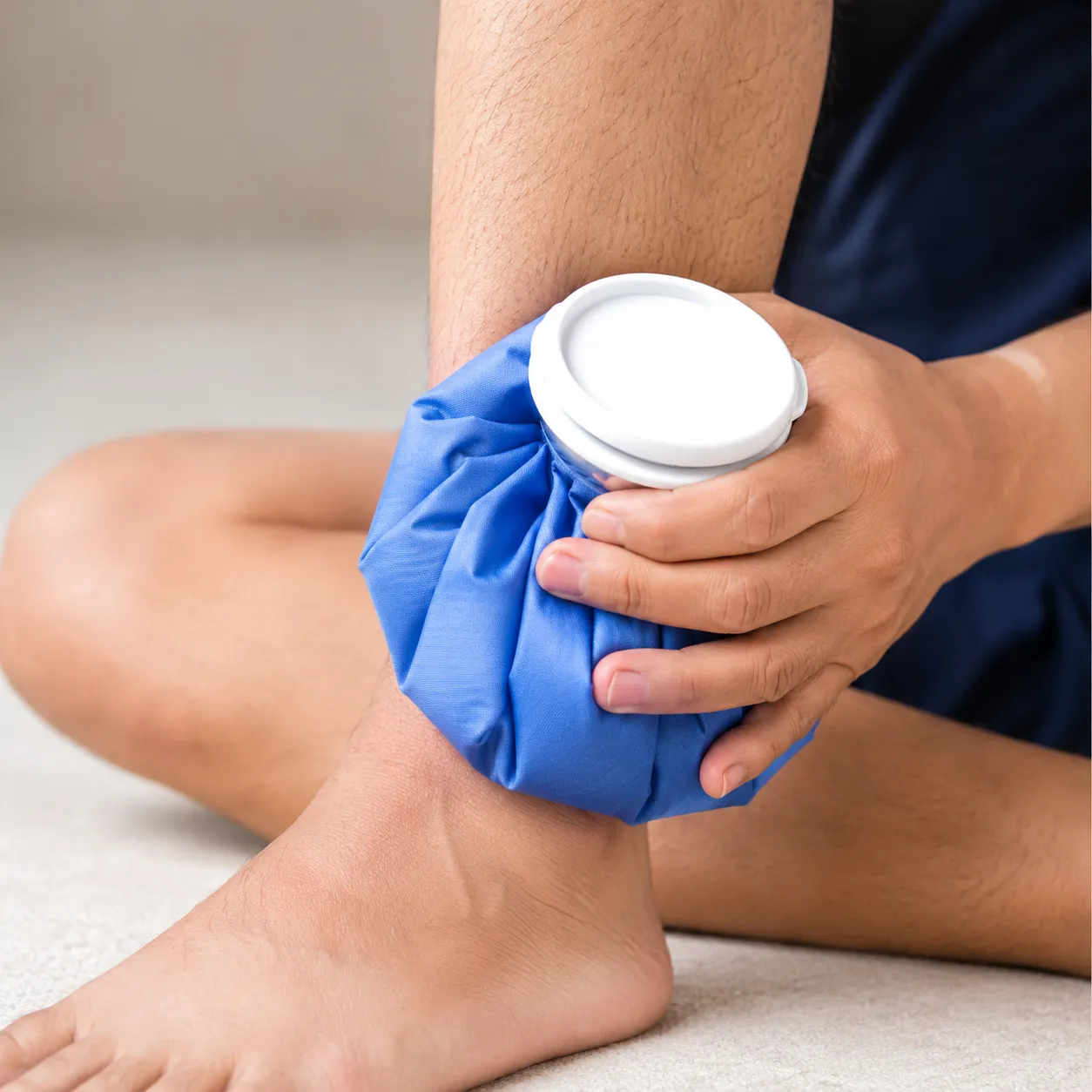
ice packˈaɪs pæk
a cold pack placed on the body to reduce pain, swelling, or injury inflammation.
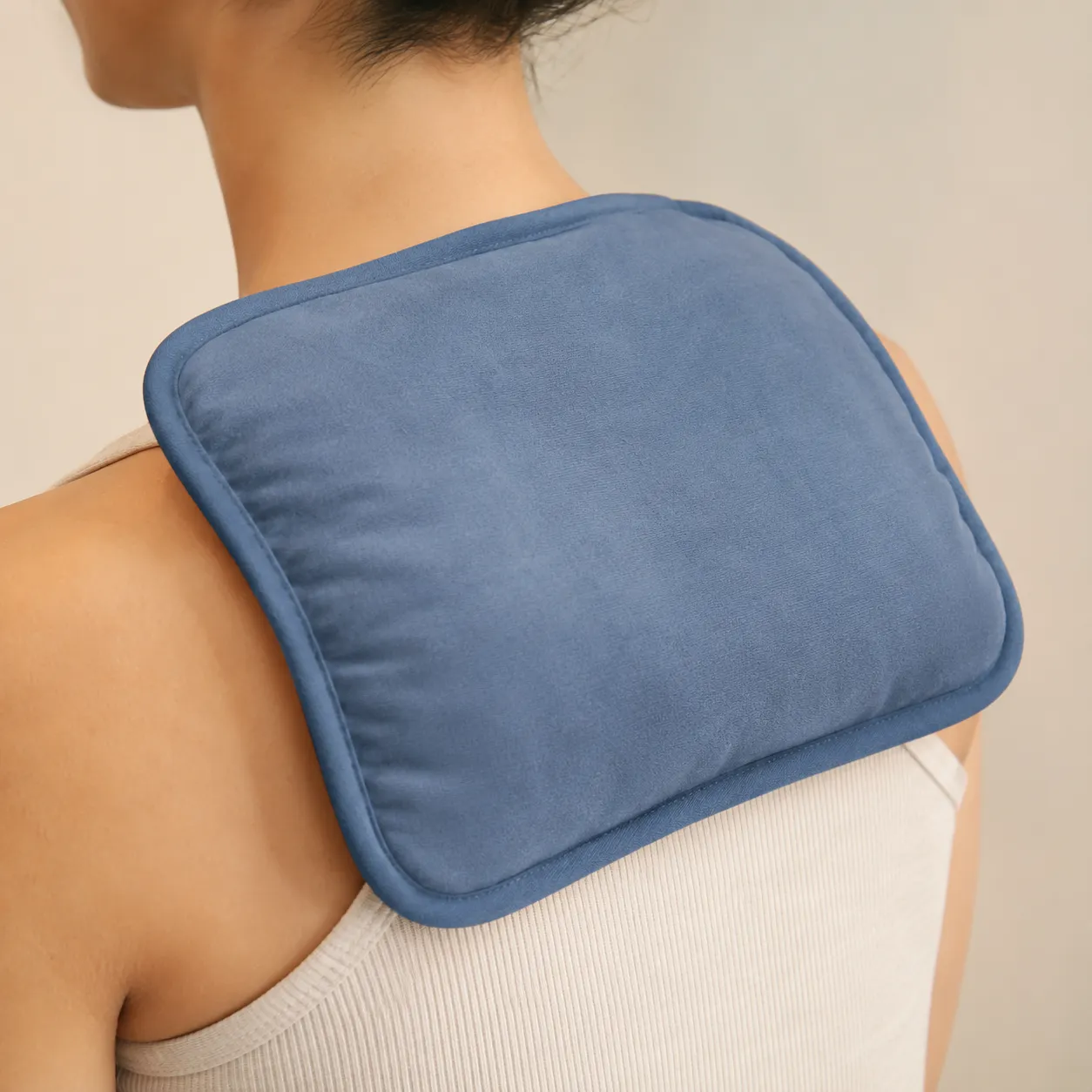
heat packˈhiːt pæk
a warm pack placed on the body to relieve pain or relax muscles.
coverˈkʌvər
to put something over something, or to be spread over its surface.

securesɪˈkjʊr
to fasten something firmly so it does not move or come loose.
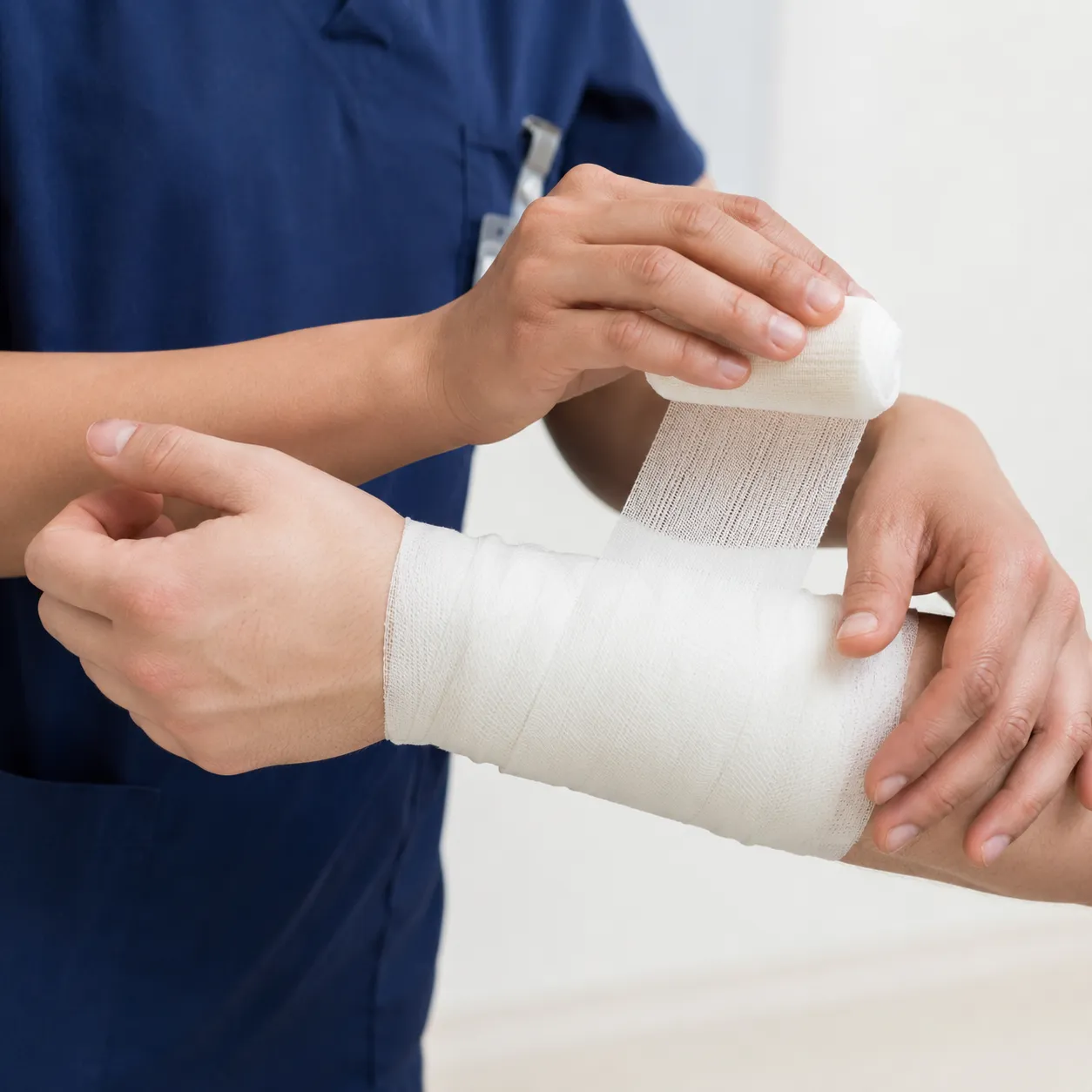
bandageˈbændɪdʒ
to cover or wrap (something) with a bandage
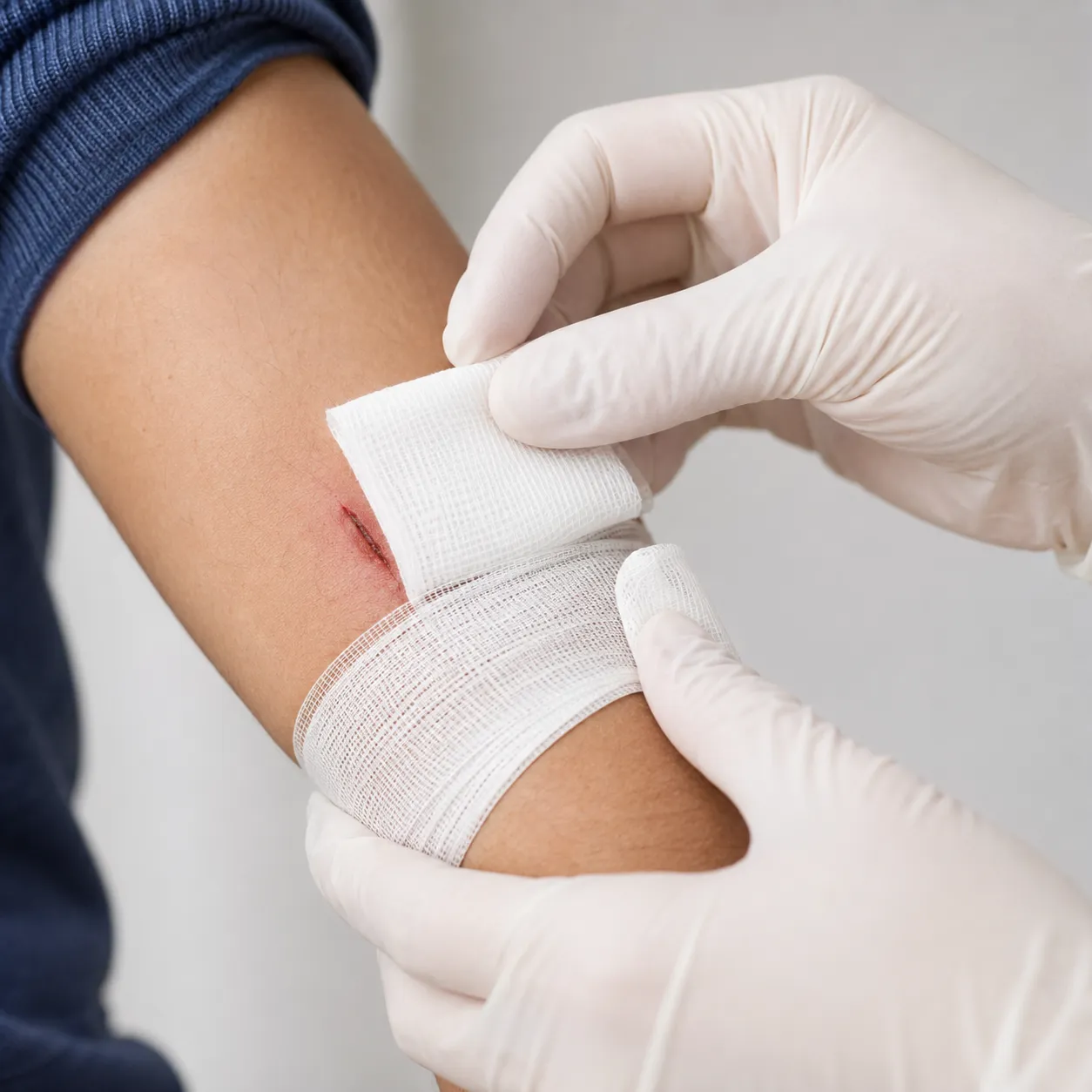
dress a wounddres ə wuːnd
to clean and cover a wound with a sterile dressing or bandage.
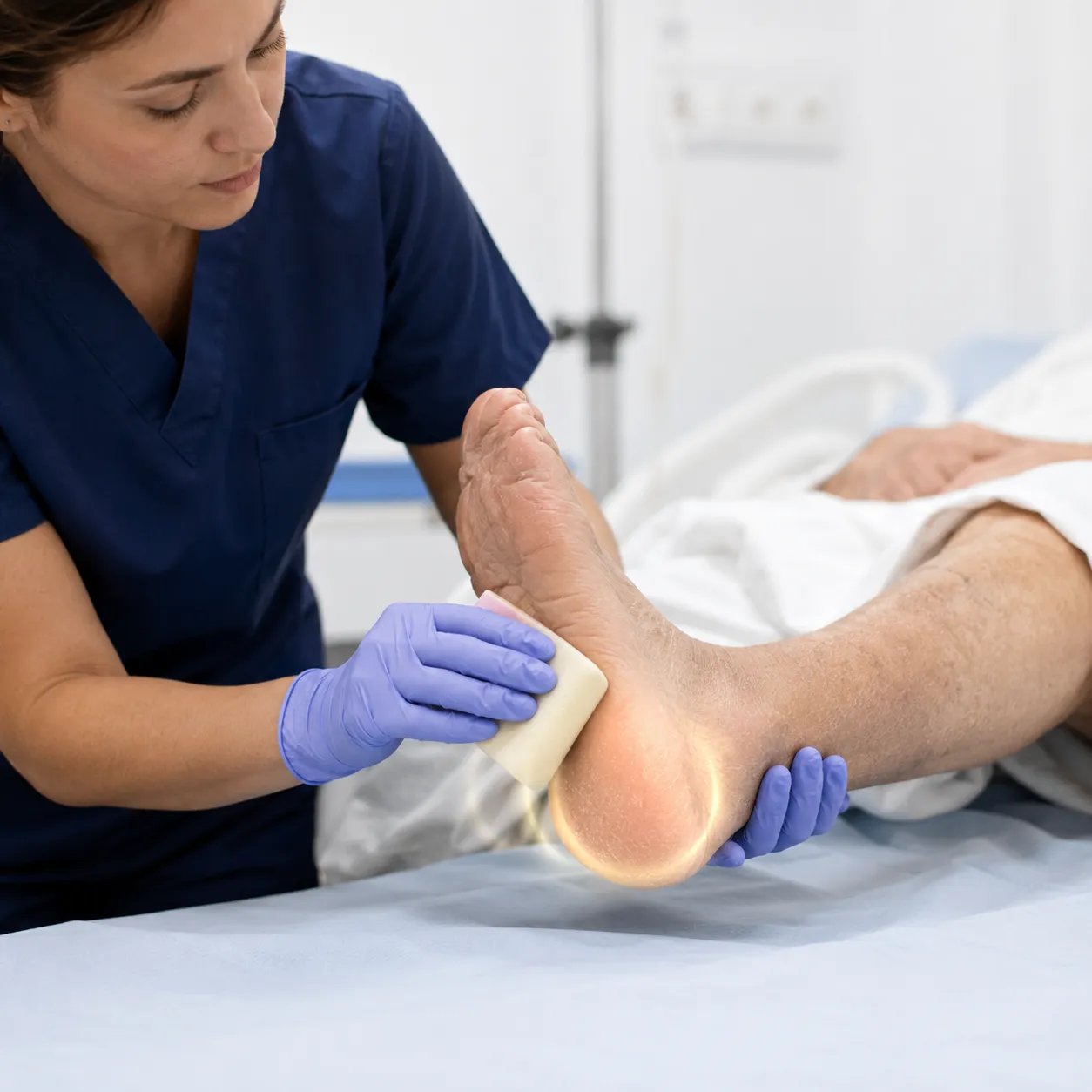
pressure area careˈprɛʃər ˈɛriə kɛr
care to protect skin over bony parts of the body from damage caused by long pressure.
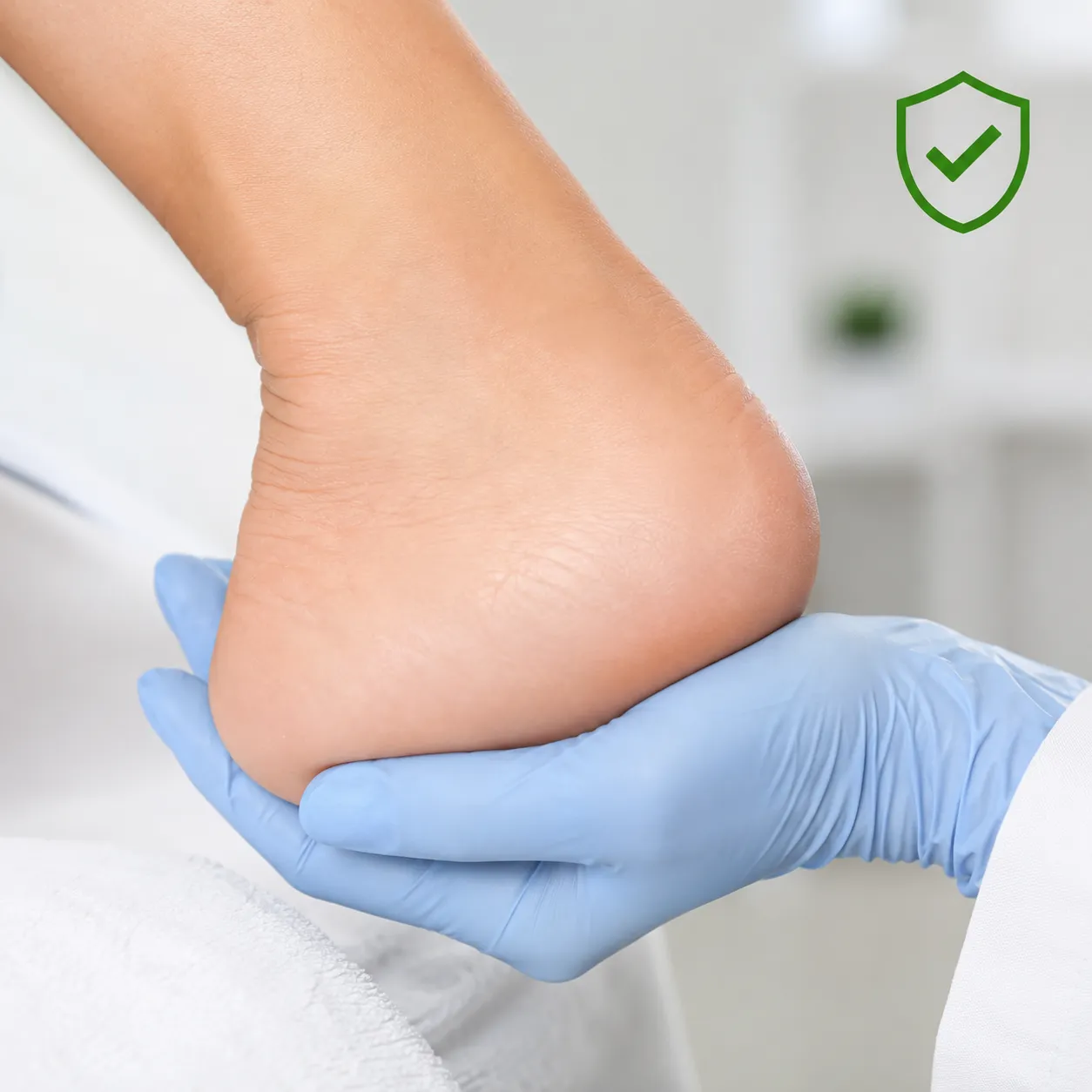
skin integrityskɪn ɪnˈtɛɡrəti
the condition of skin being whole, healthy, and not broken or damaged.
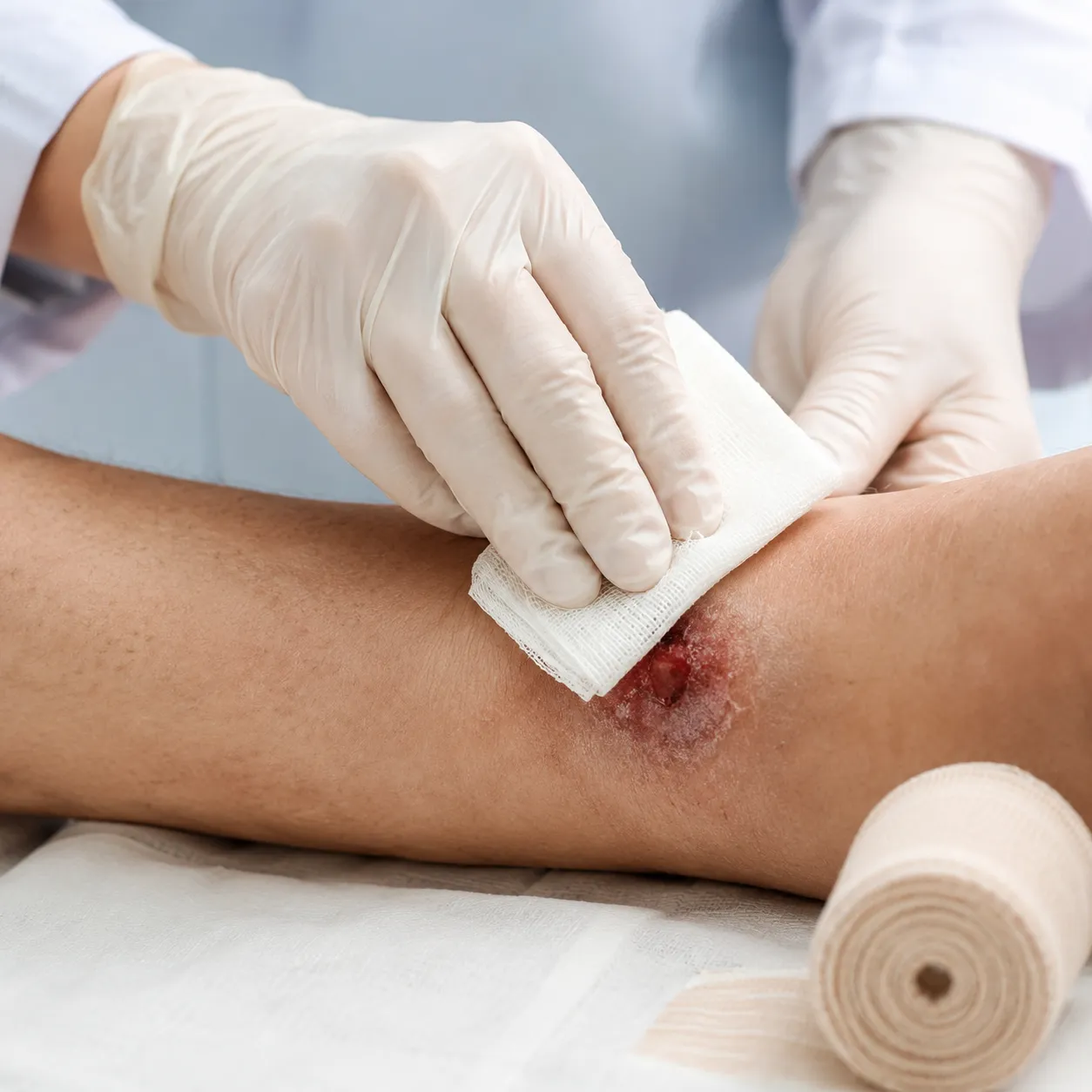
wound carewuːnd kɛr
the cleaning, dressing, and treatment of a cut, sore, or other injury to the skin.
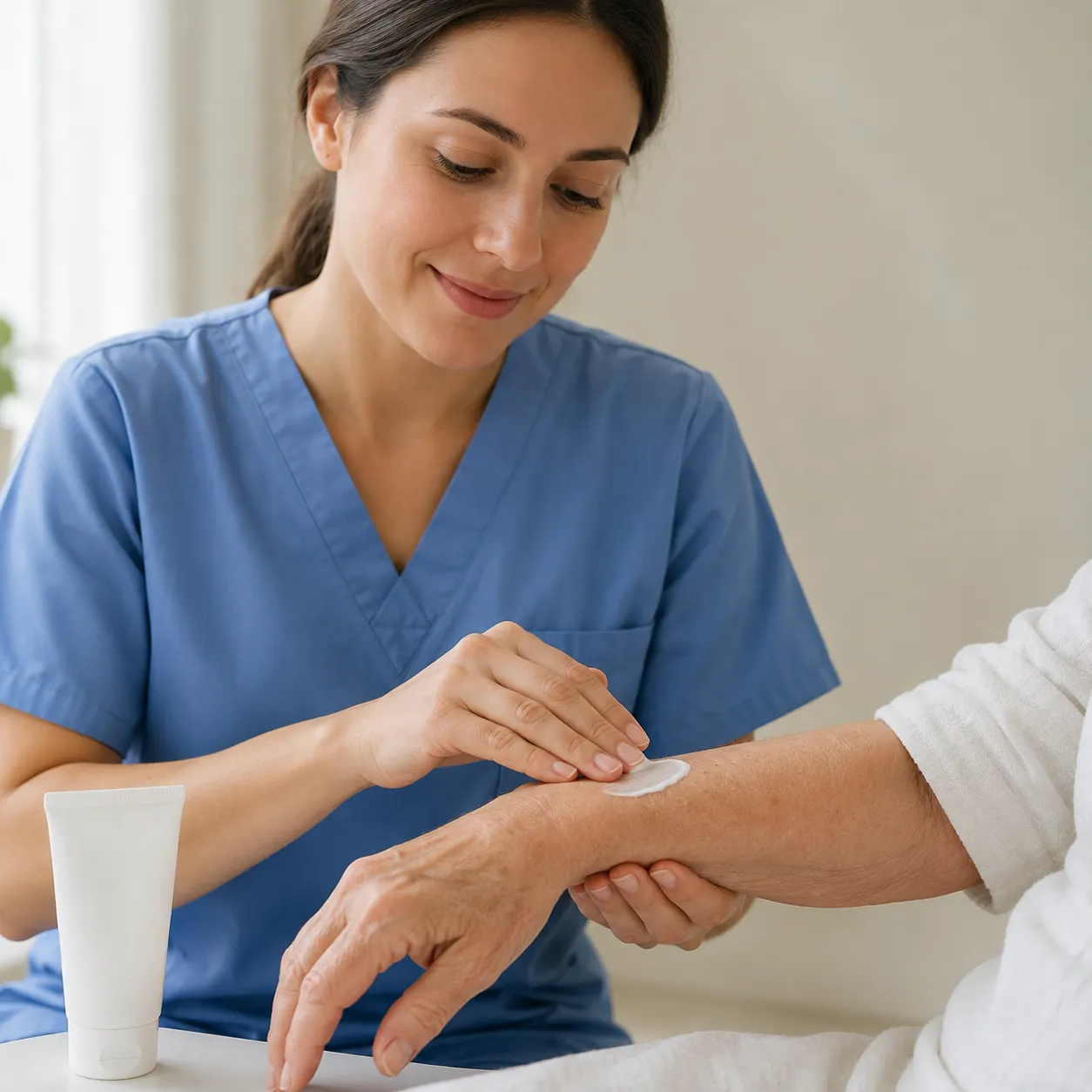
skin careˈskɪn keər
care that keeps the skin clean, healthy, and protected from damage.
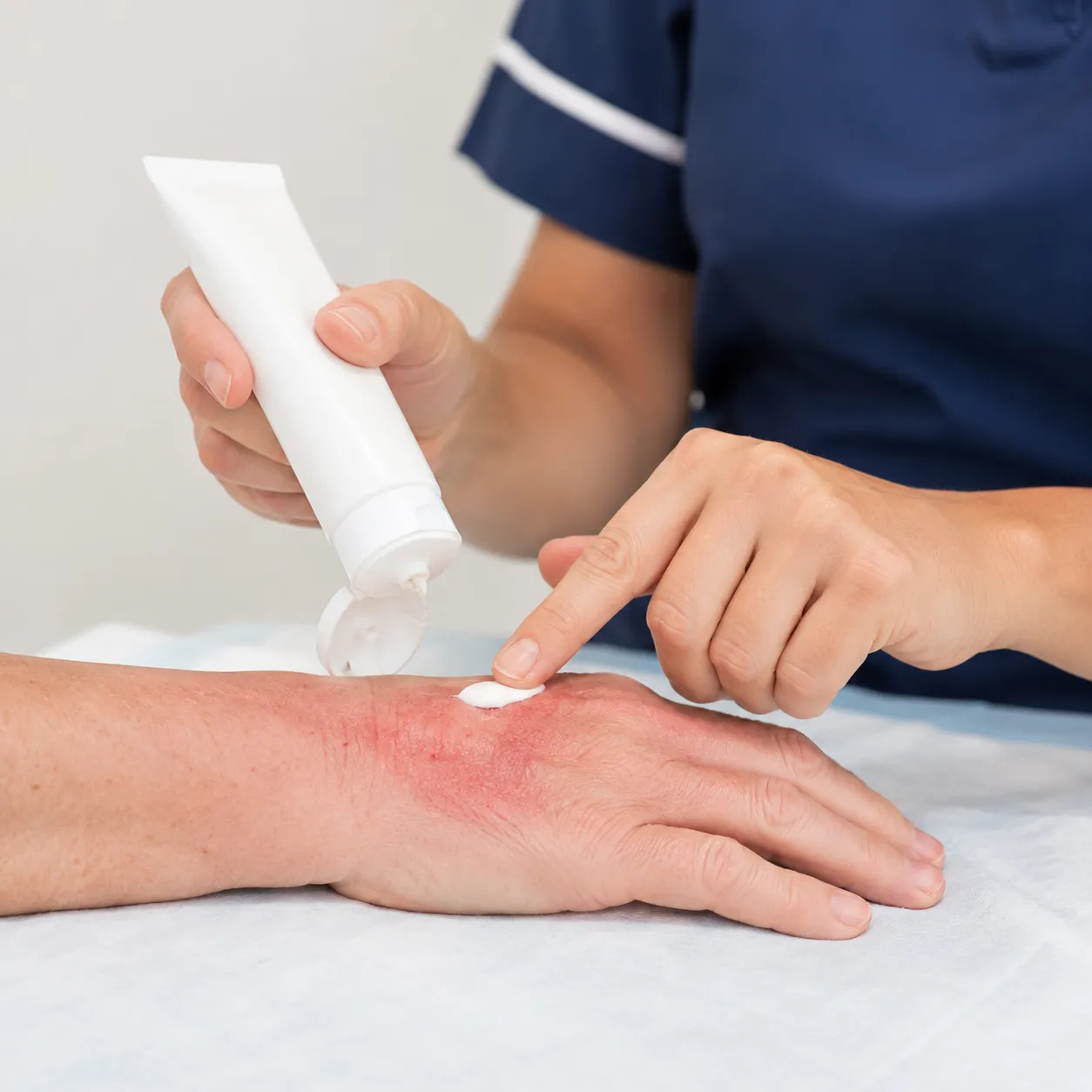
barrier creamˈbæriər kriːm
a cream put on the skin to protect it from moisture, urine, stool, or irritation.
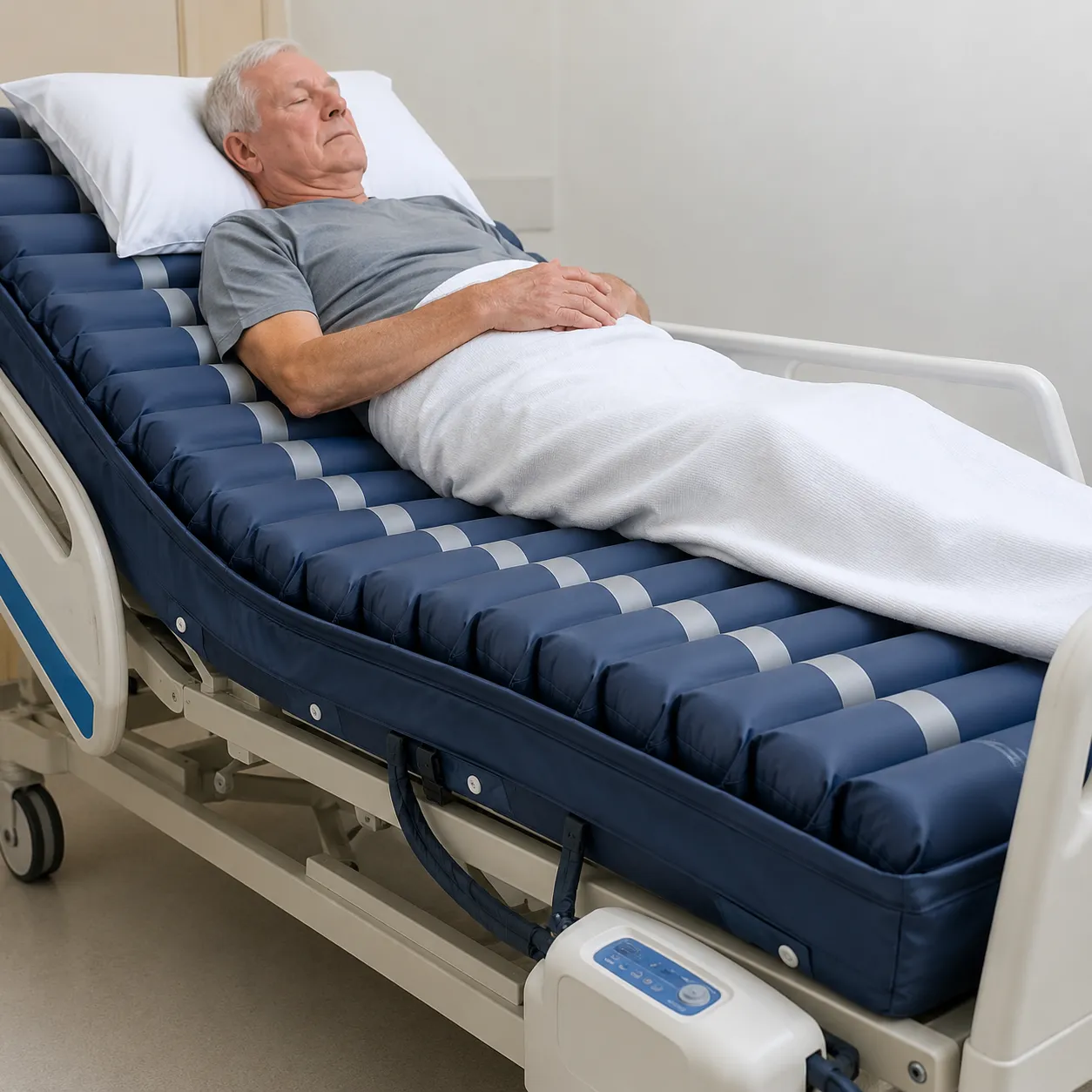
pressure mattressˈpreʃər ˈmætrəs
a special mattress that reduces pressure on the body to help prevent pressure sores.
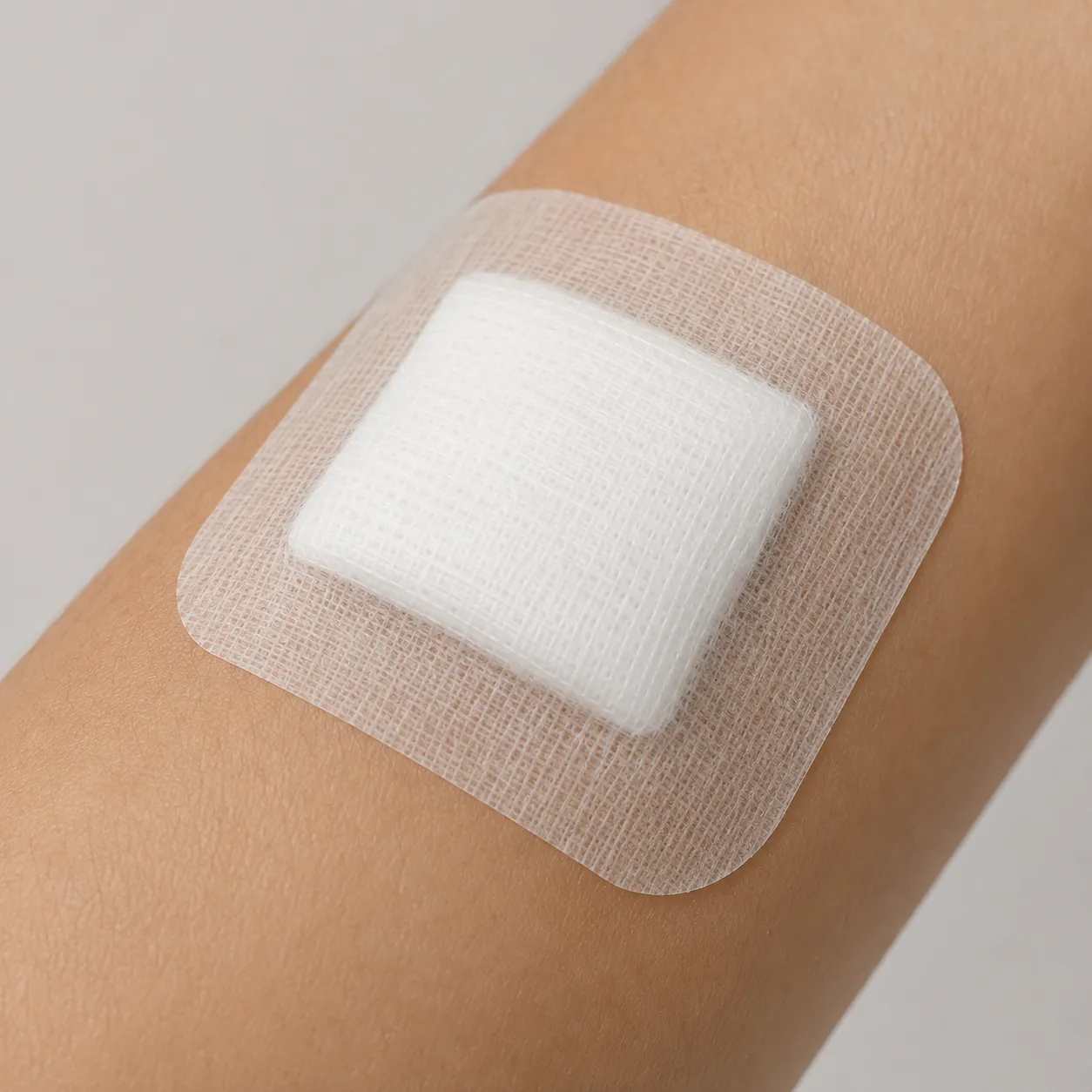
wound dressingwuːnd ˈdresɪŋ
a covering placed on a wound to protect it and absorb fluid.
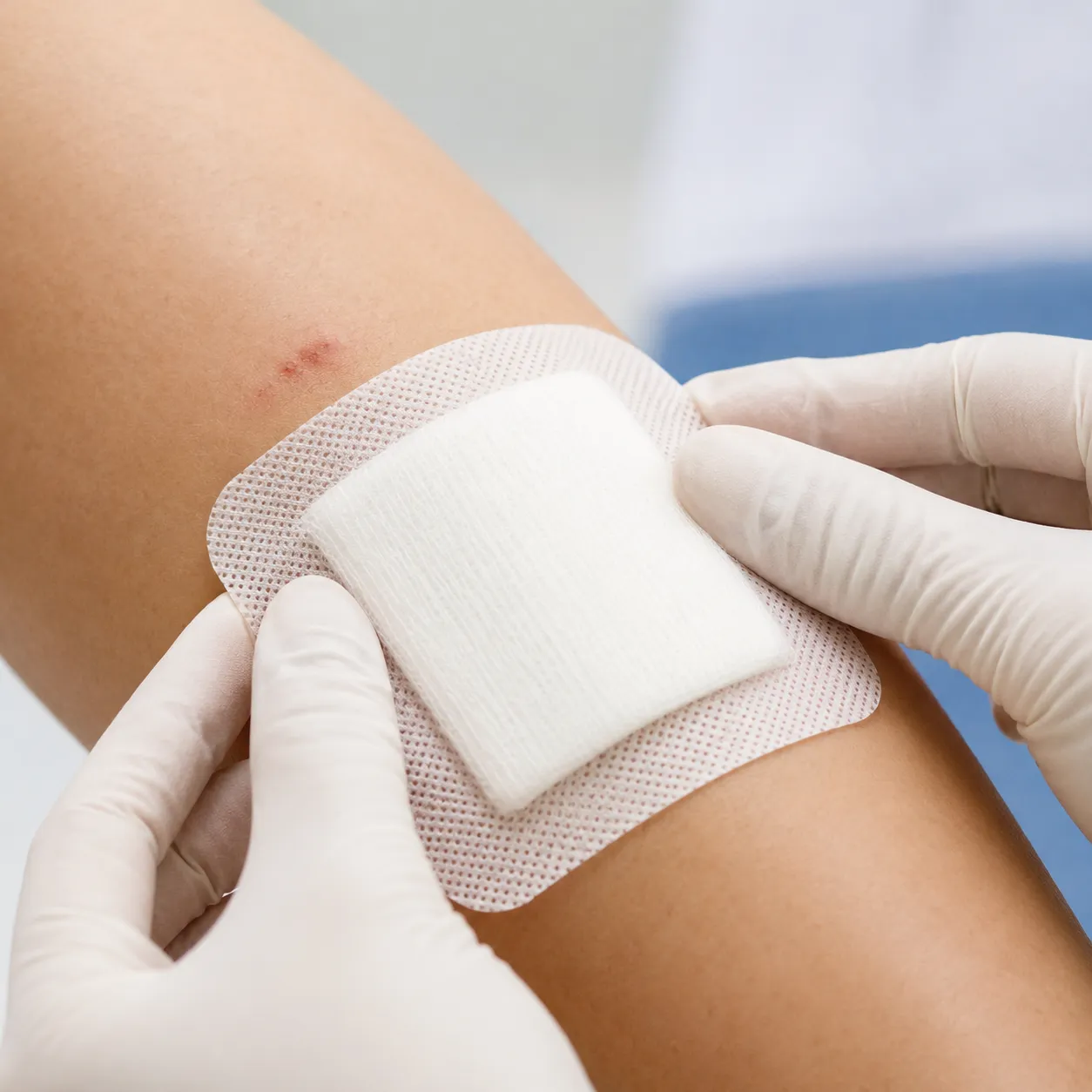
sterile dressingˈsteraɪl ˈdresɪŋ
a germ-free wound covering used to protect a wound from infection.
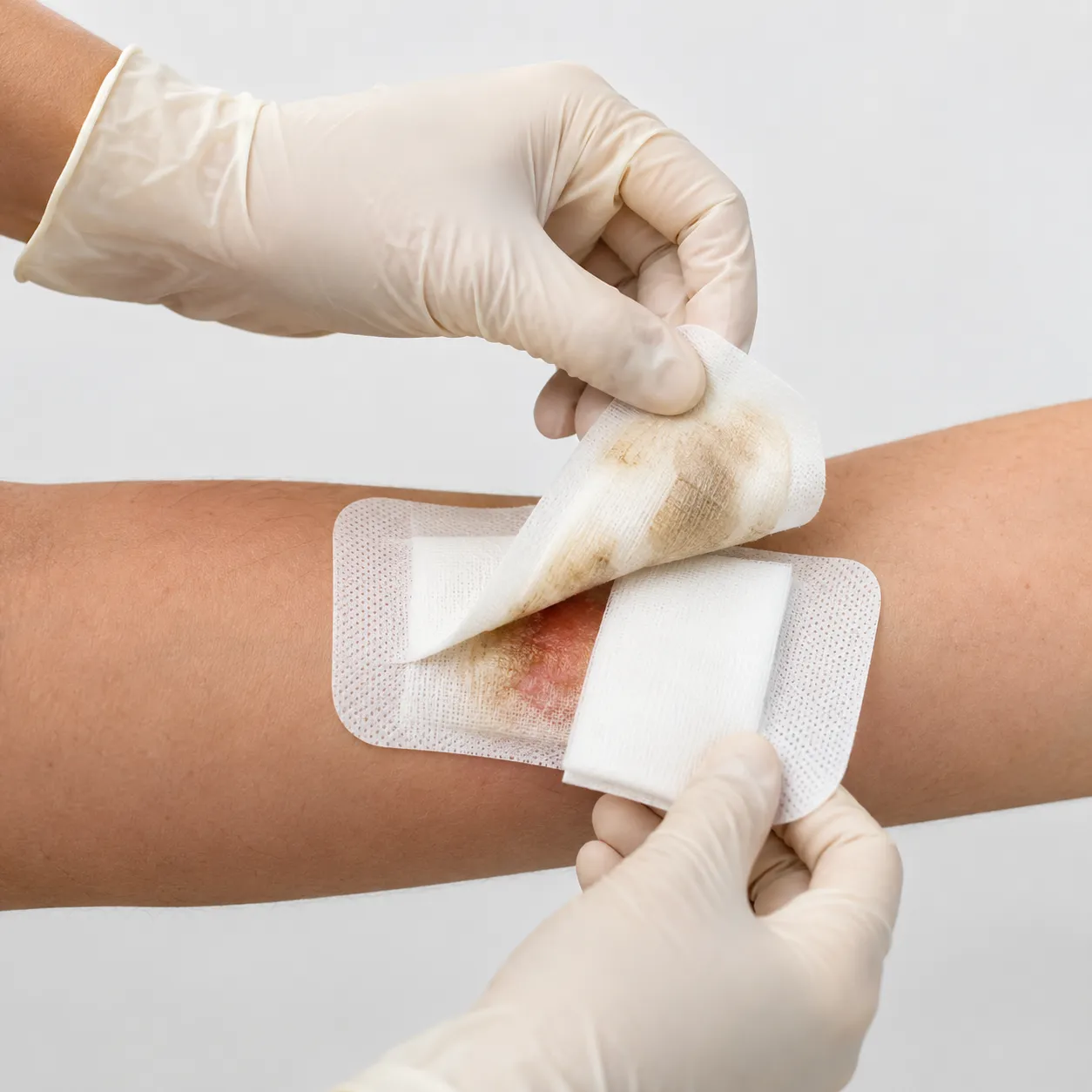
dressing changeˈdresɪŋ tʃeɪndʒ
the act of removing an old wound dressing and putting on a new one.
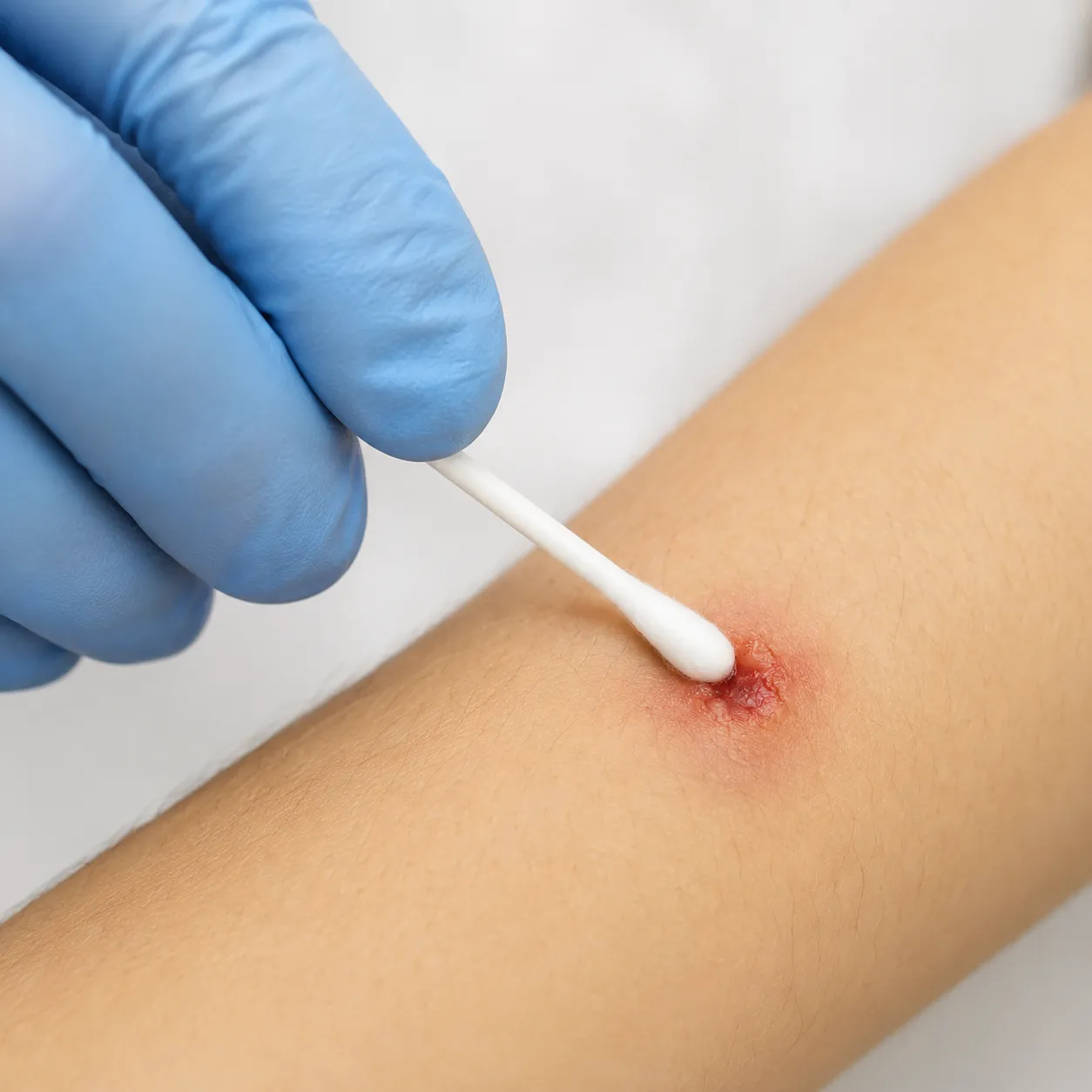
wound swabˈwuːnd ˌswɒb
a sample taken from a wound with a small sterile stick to test for infection.
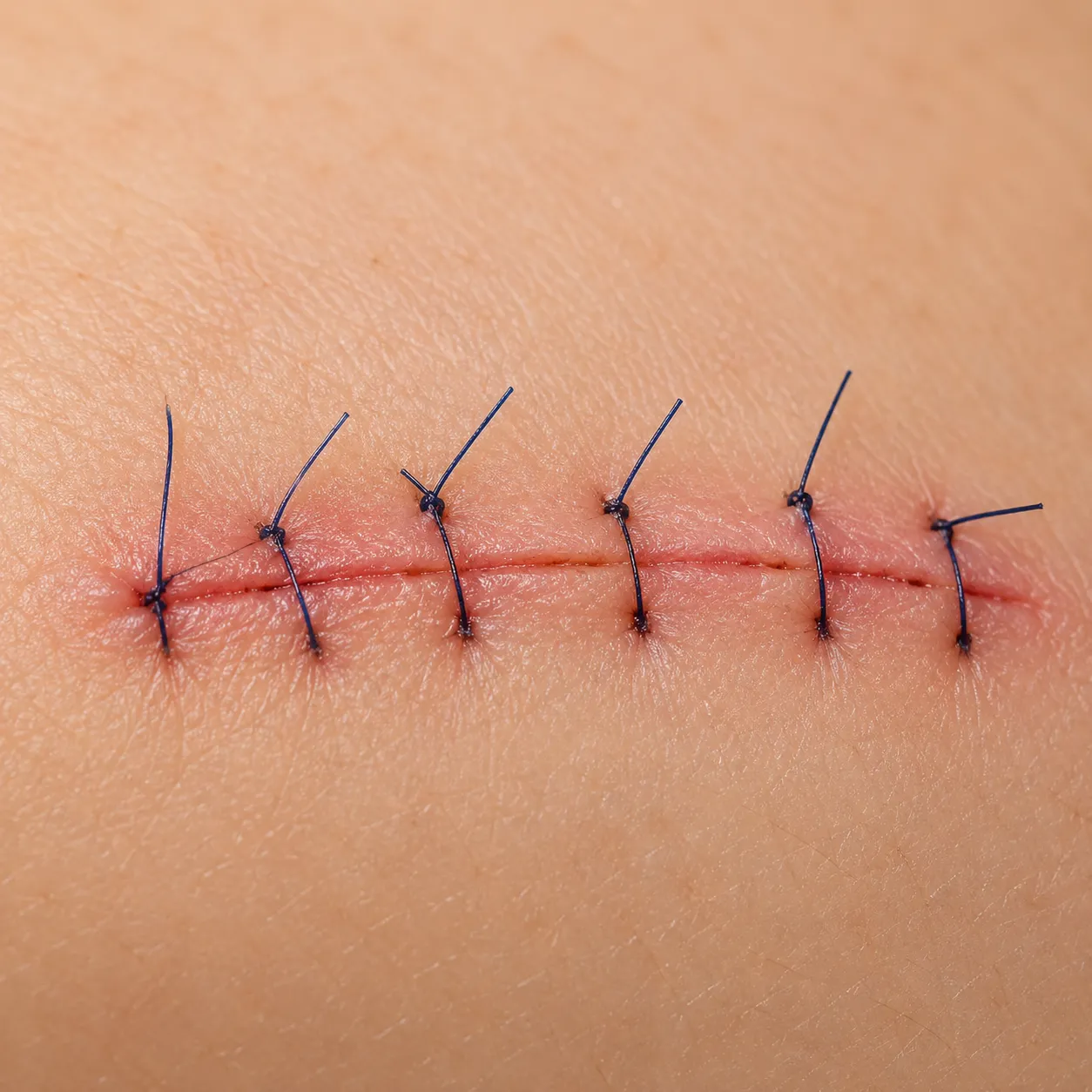
stitchesˈstɪtʃɪz
threads used by a doctor or nurse to sew the edges of a cut or wound together.
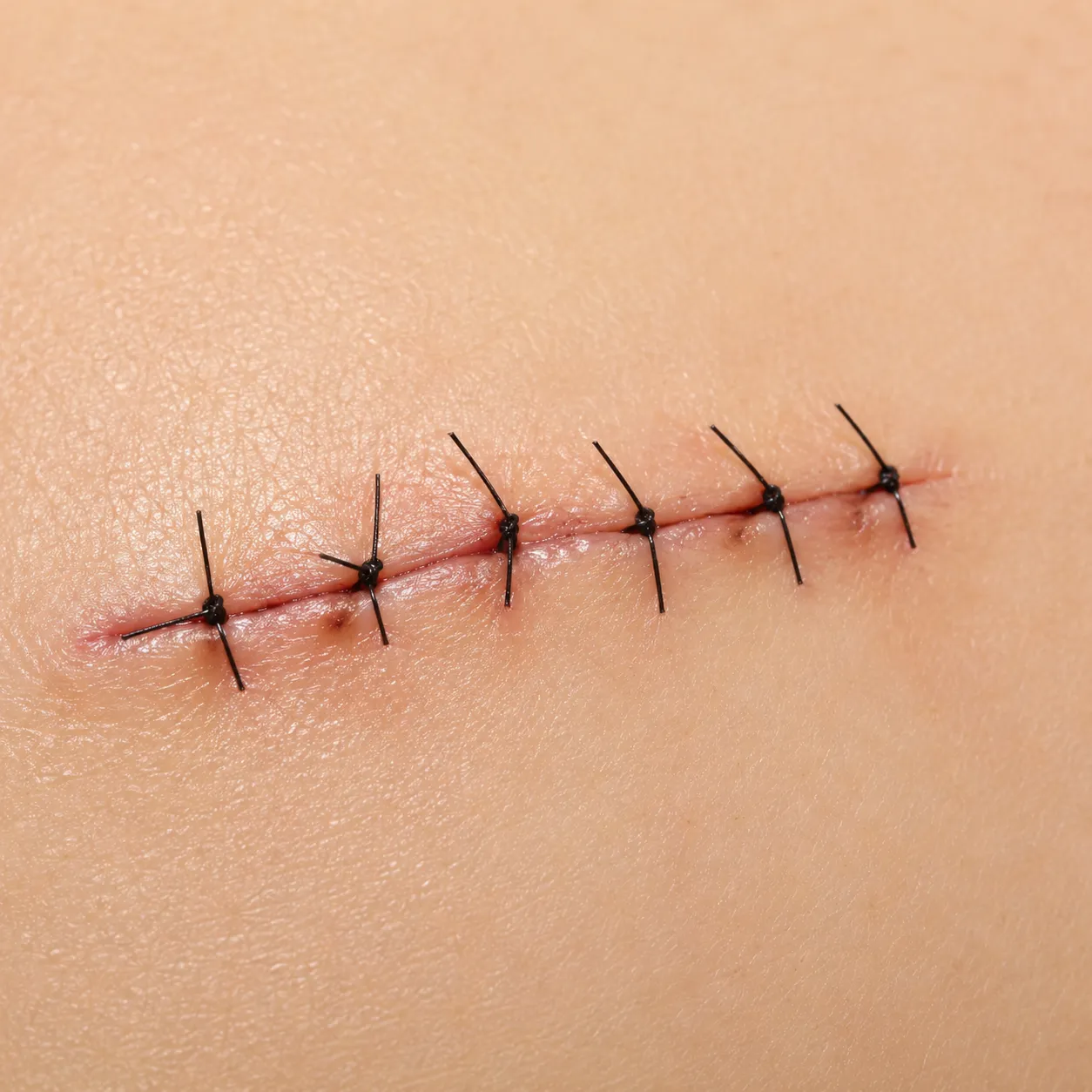
suturesˈsuːtʃərz
medical stitches used to sew tissue or the edges of a wound together.
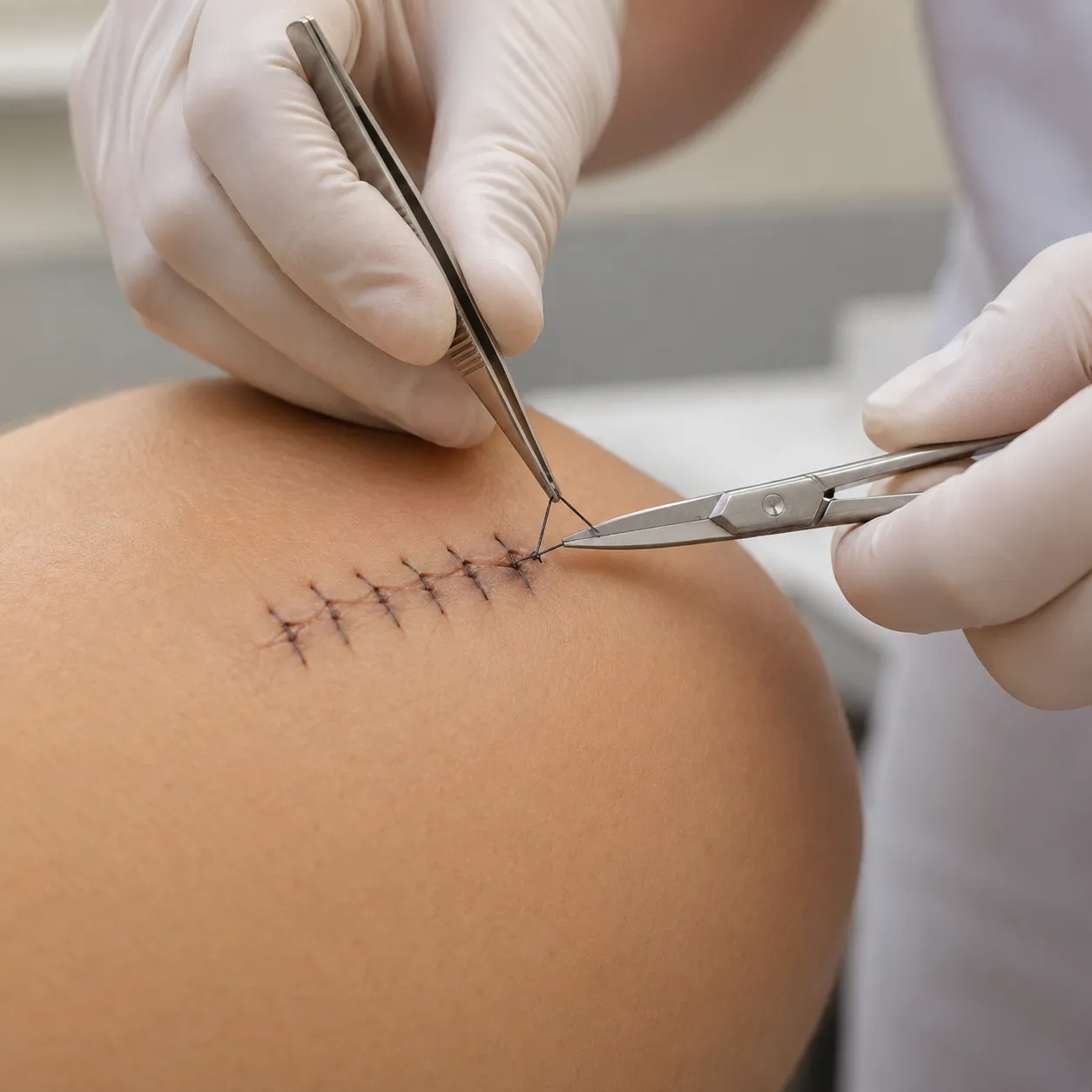
suture removalˈsuːtʃər rɪˈmuːvəl
the procedure of taking stitches out after a wound has healed enough.
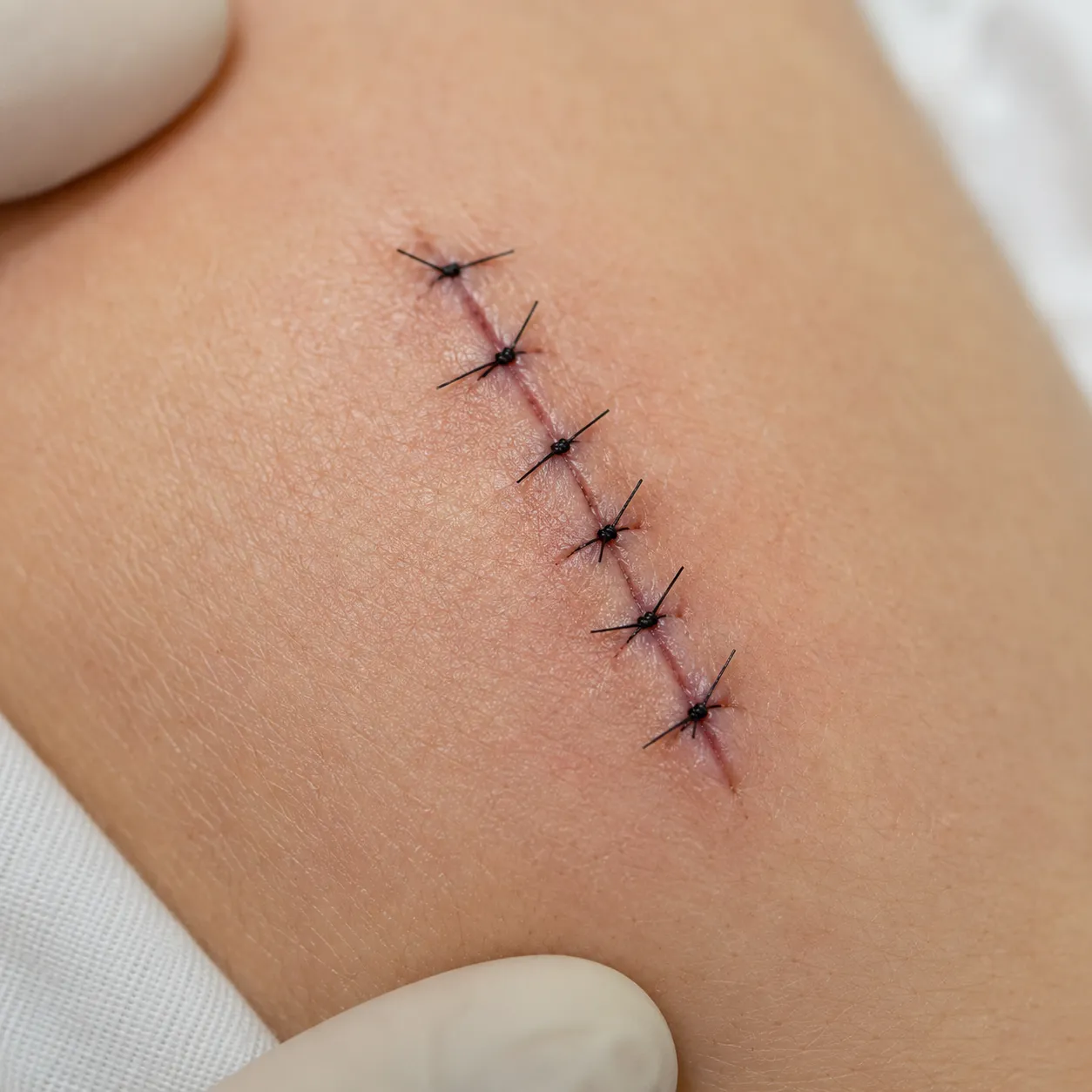
wound closurewuːnd ˈkləʊʒər
the process or method of bringing the edges of a wound together so it can heal.
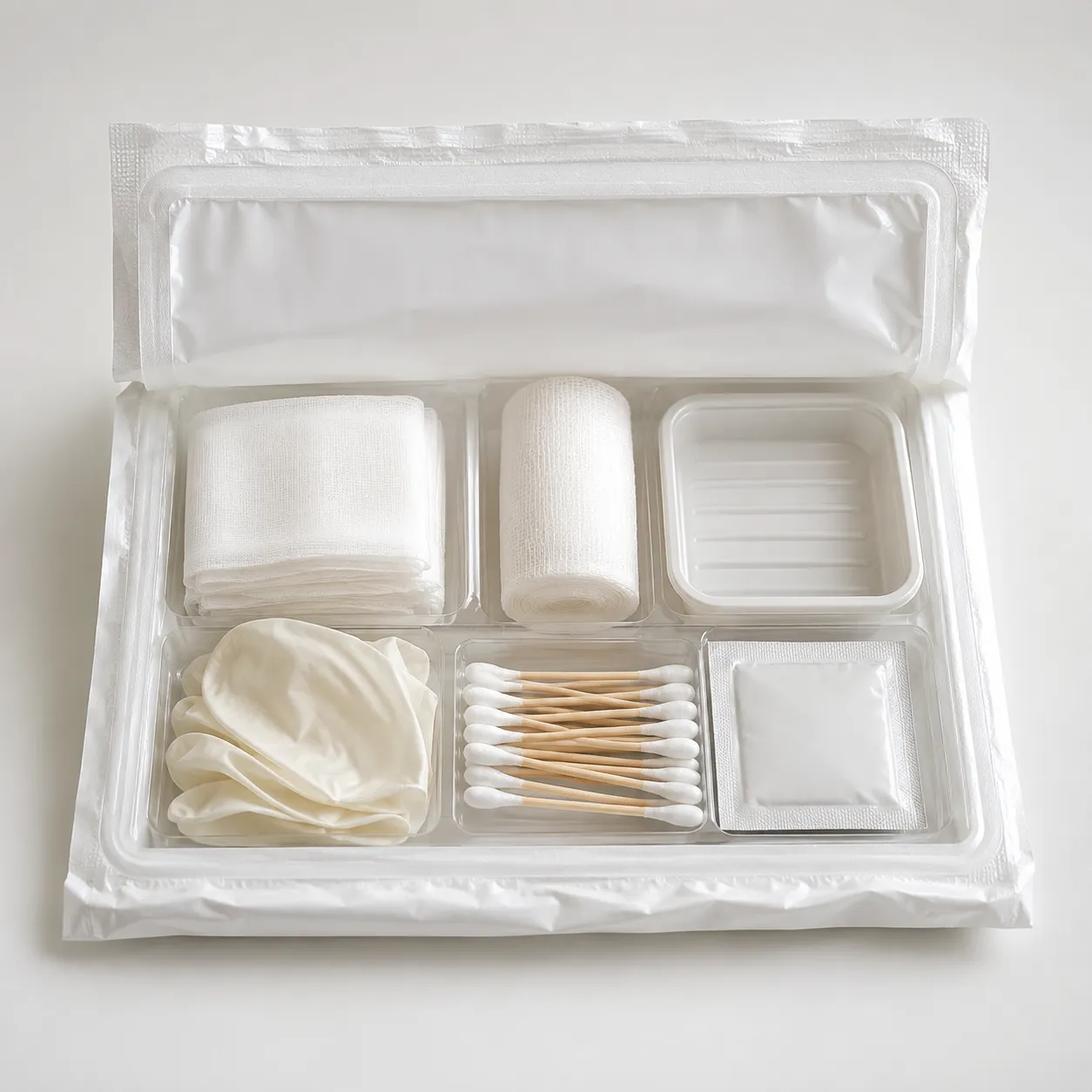
dressing packˈdresɪŋ pæk
a sterile set of materials used to clean and cover a wound.
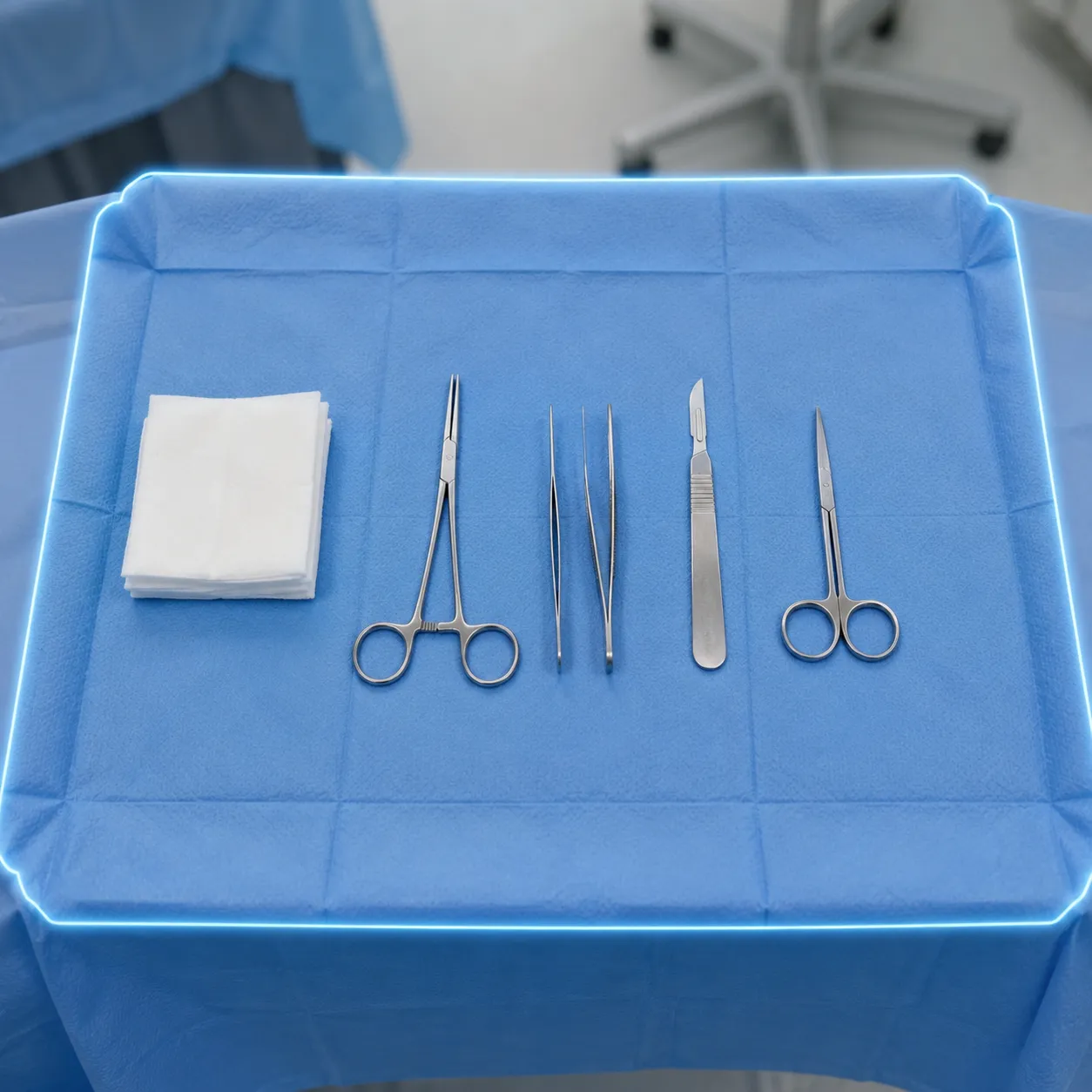
sterile fieldˈsterəl fiːld
an area kept free from germs where sterile instruments and materials are placed during a medical procedure.
saline flushˈseɪliːn flʌʃ
a small amount of sterile salt water used to clear an IV line or catheter.
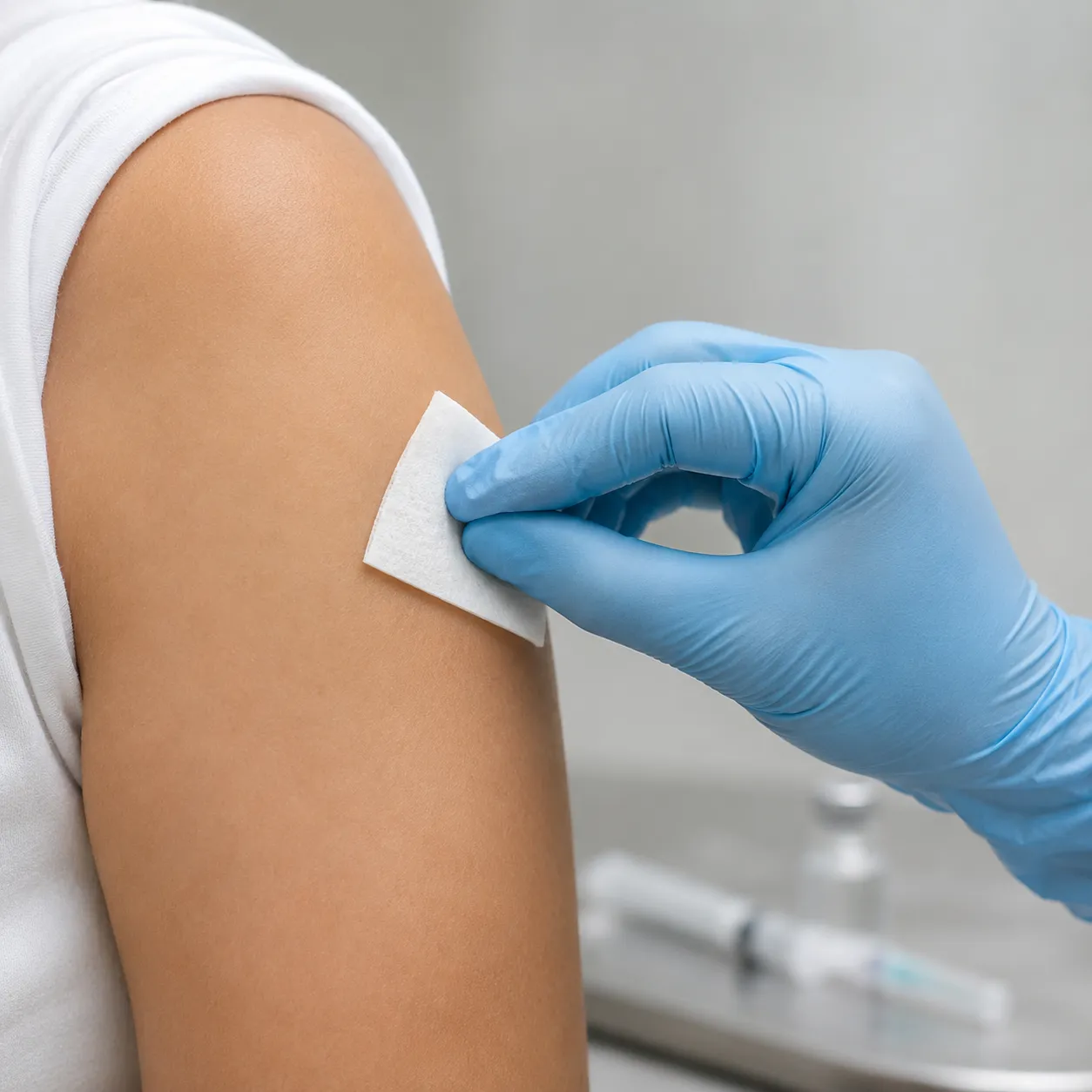
antiseptic wipeˌæntiˈseptɪk waɪp
a small disposable cloth with antiseptic solution used to clean skin before a procedure.
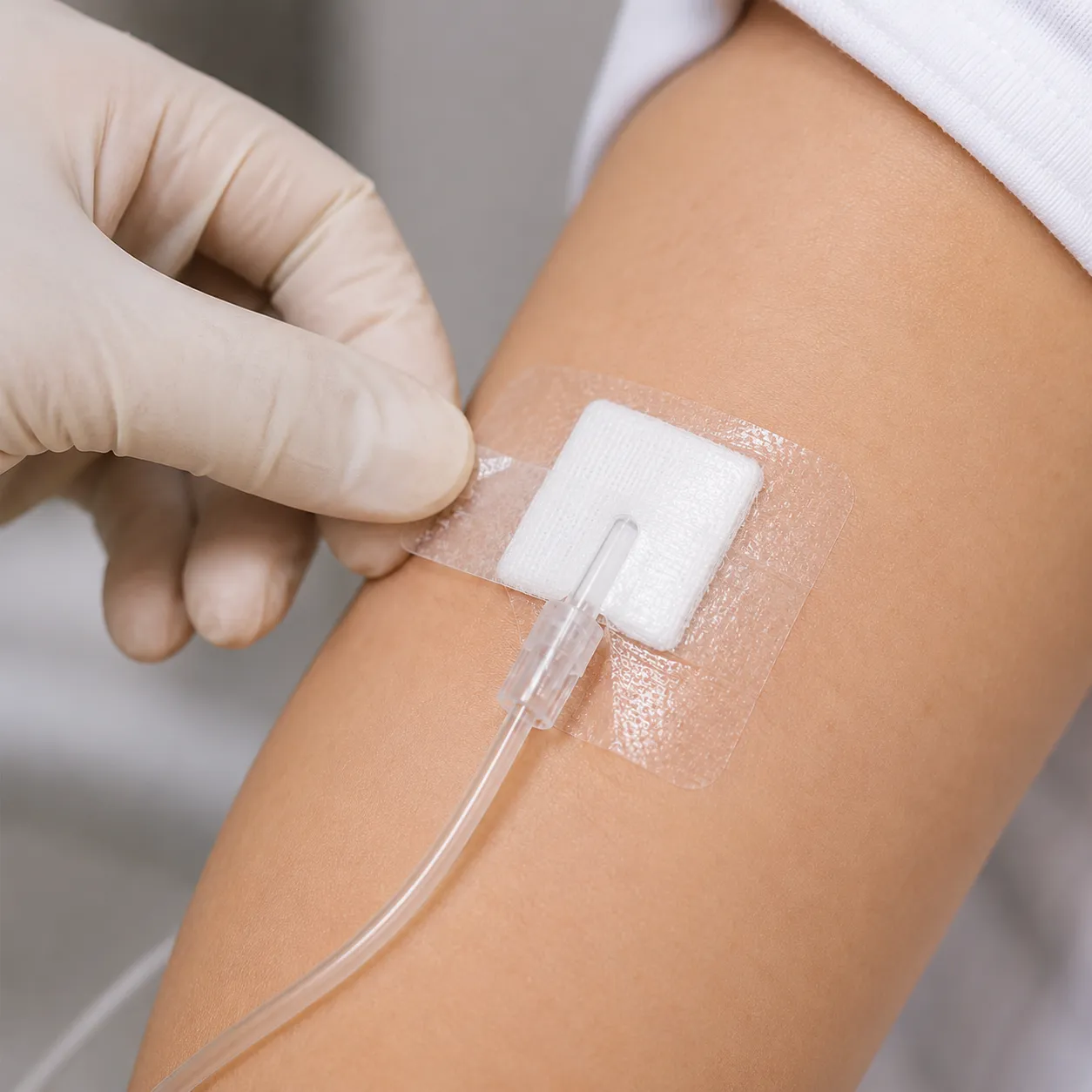
medical adhesiveˈmedɪkəl ədˈhiːsɪv
a skin-safe glue or sticky material used to attach dressings, tapes, or medical devices.
Body samples, collection equipment and laboratory tests used for diagnosis.
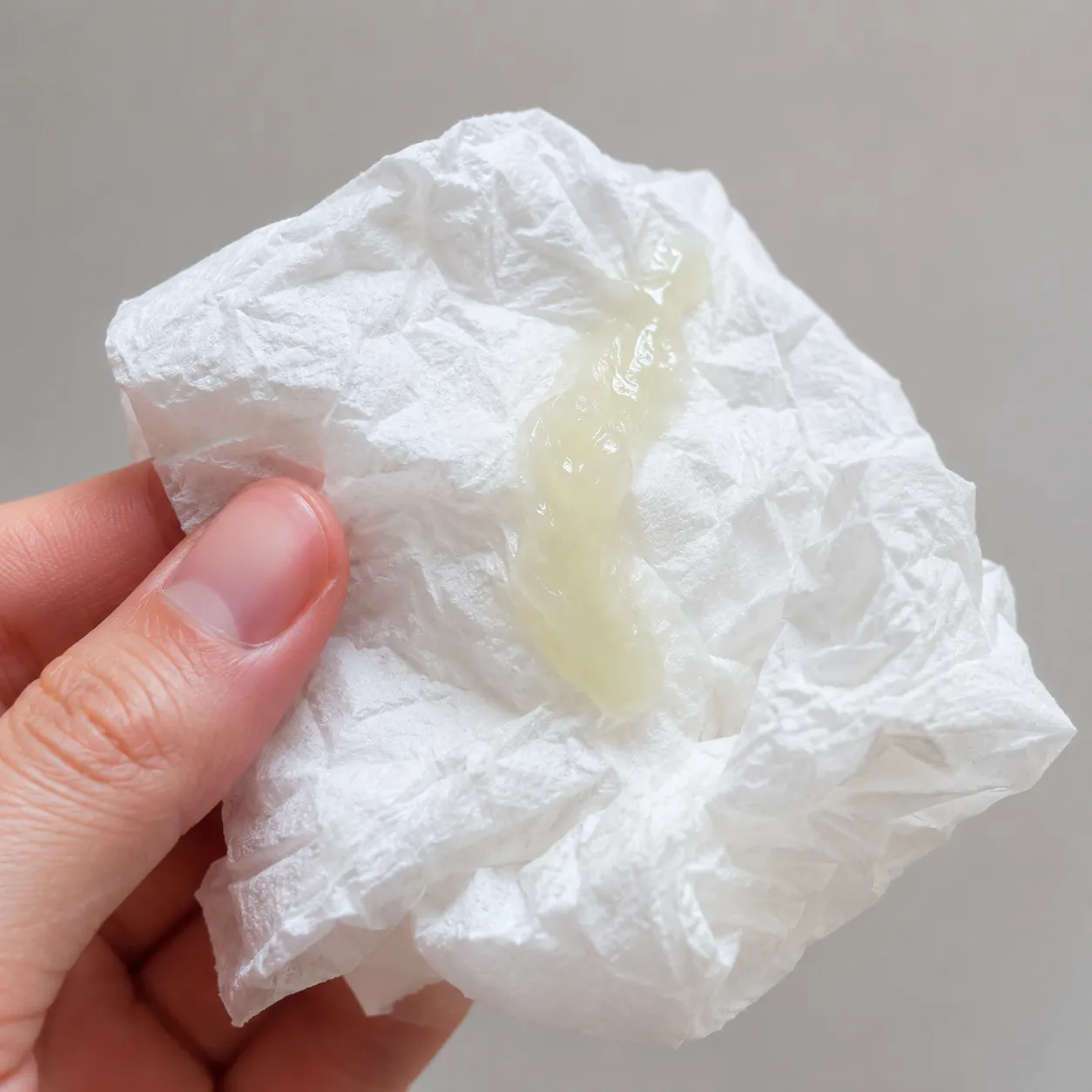
mucusˈmjuːkəs
a thick slippery fluid produced in the nose, throat, lungs, and other body parts to protect them.
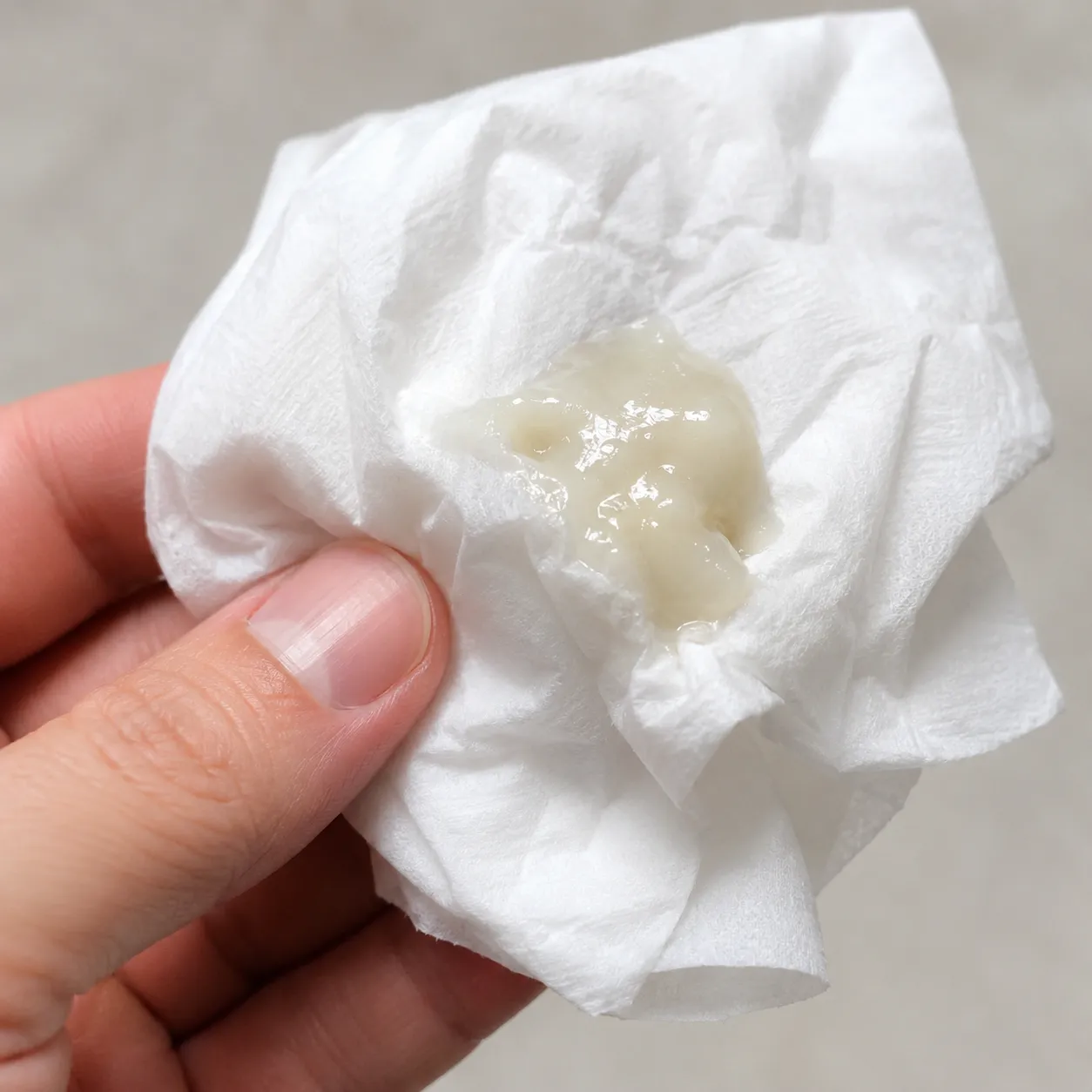
phlegmflem
thick mucus from the lungs or throat, often coughed up during illness.
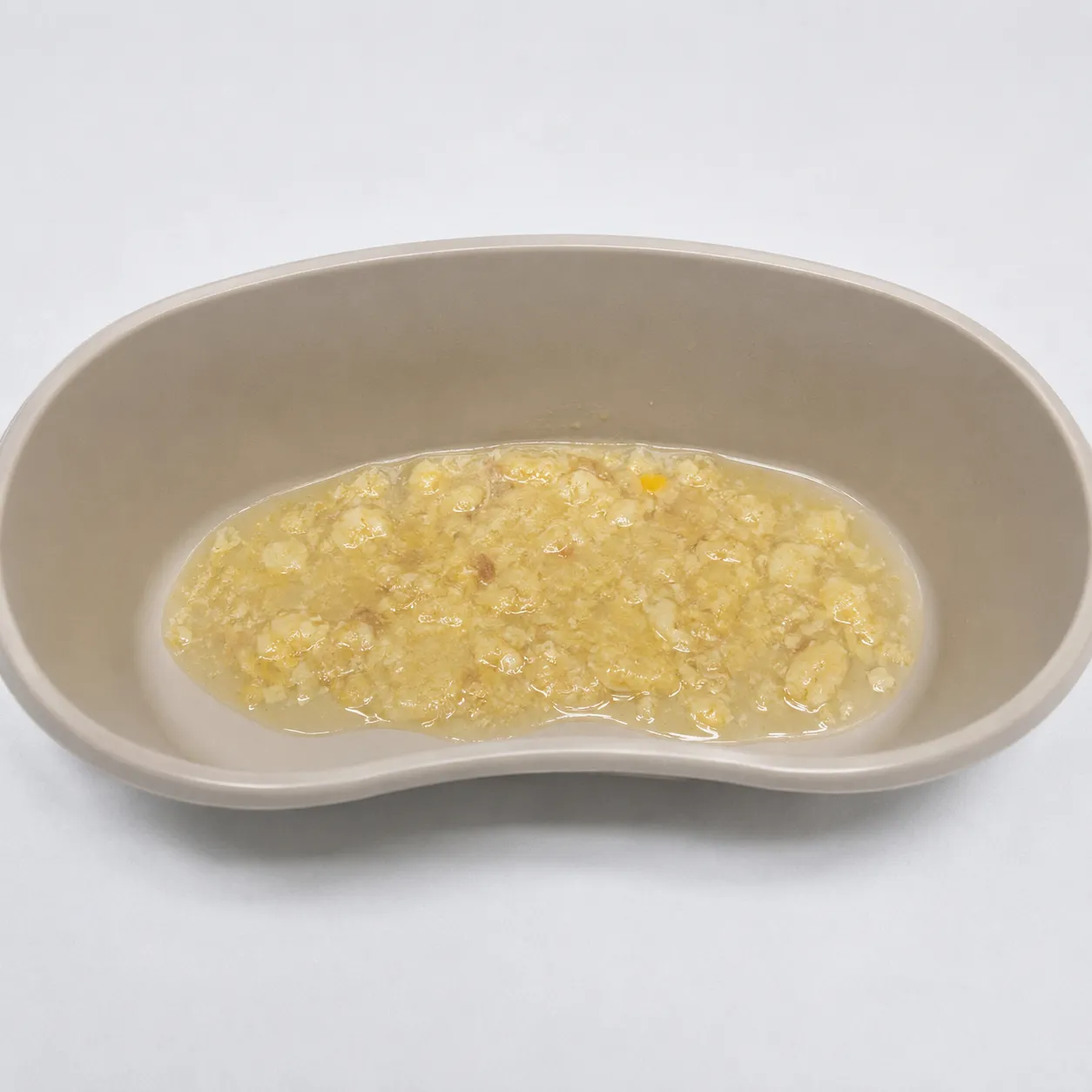
vomitˈvɑːmɪt
food and liquid that come back up from the stomach and out through the mouth.

stoolstuːl
solid waste passed from the body through the bowels.
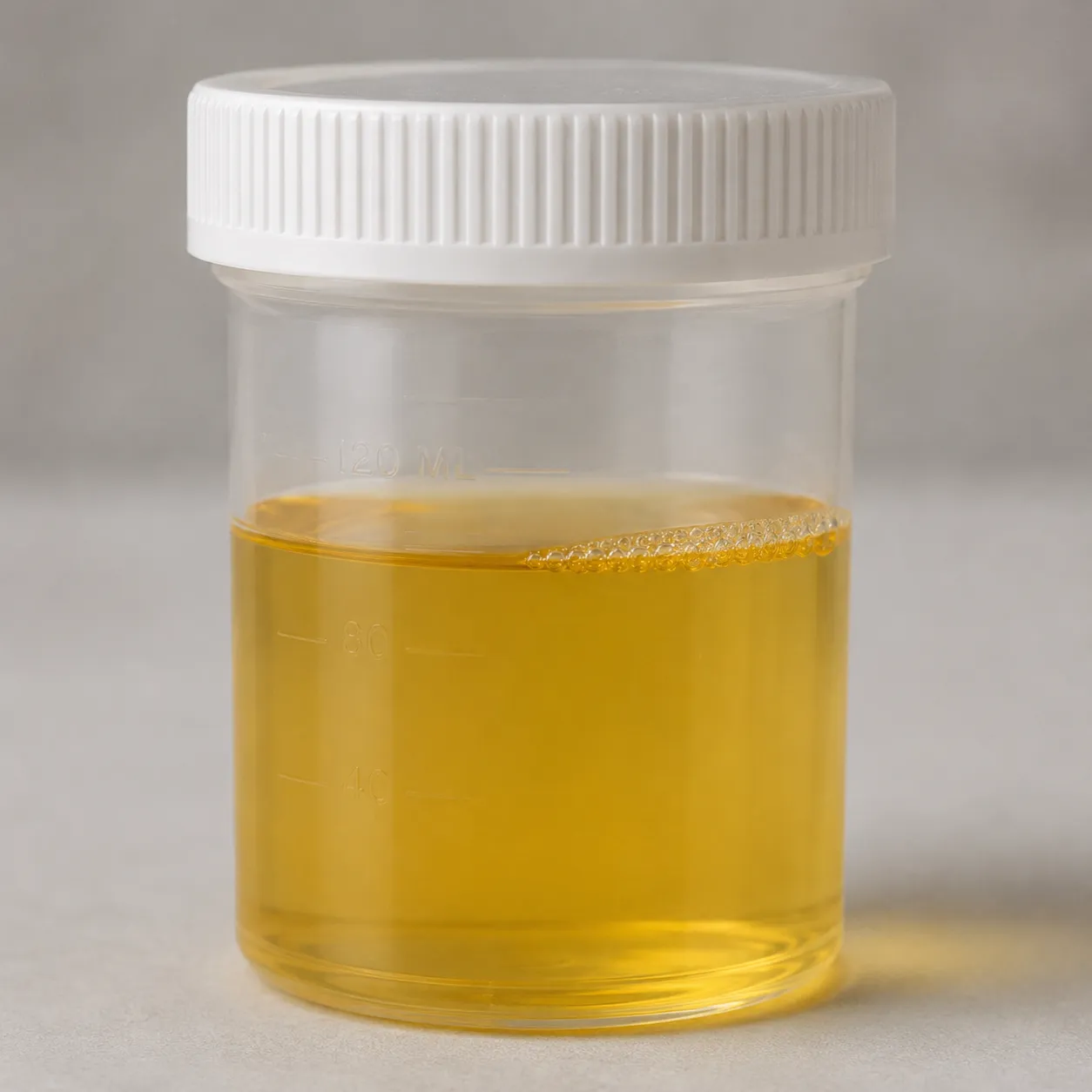
urineˈjʊrɪn
liquid waste made by the kidneys and passed out of the body through the bladder.
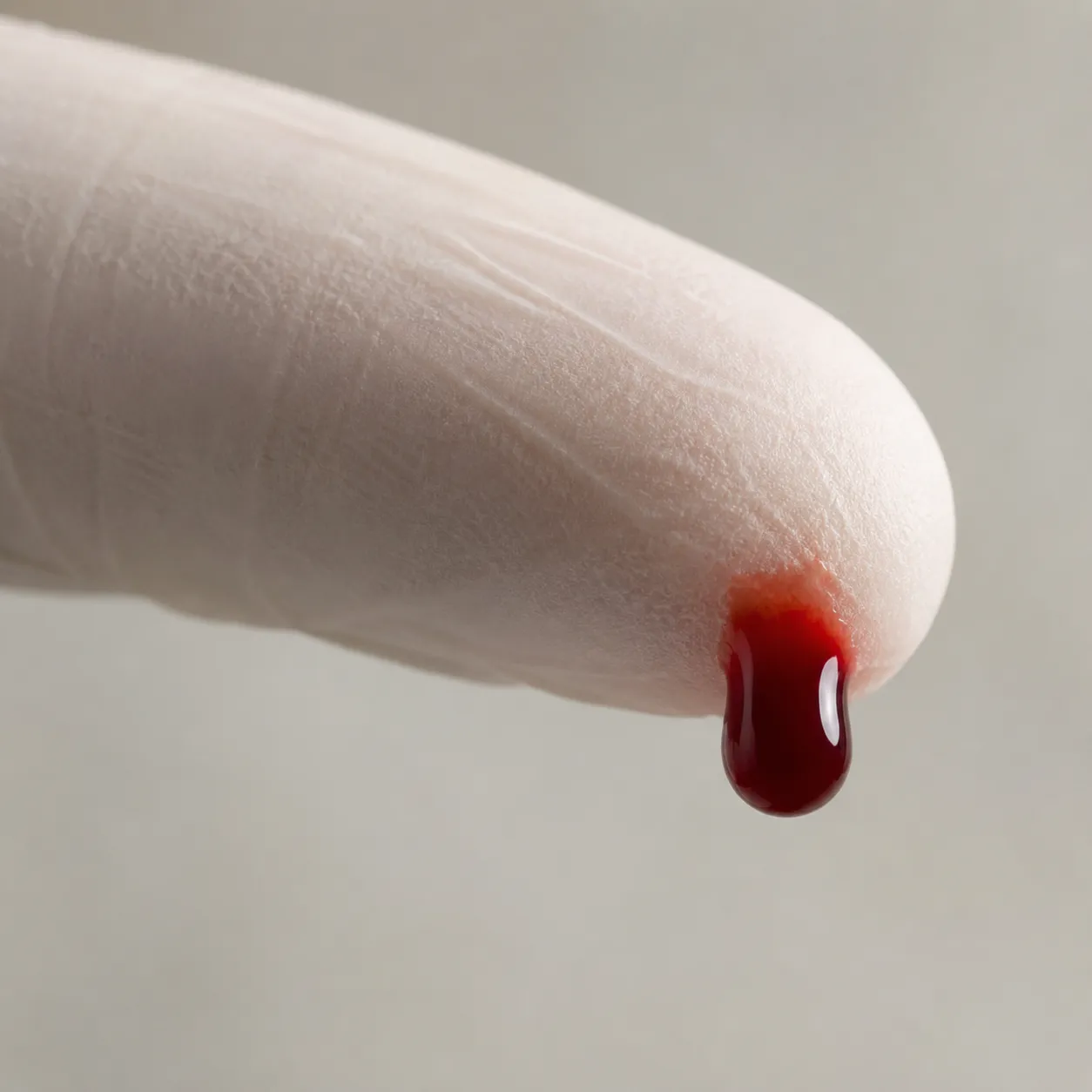
bloodblʌd
the red liquid that moves through the body and carries oxygen and nutrients.
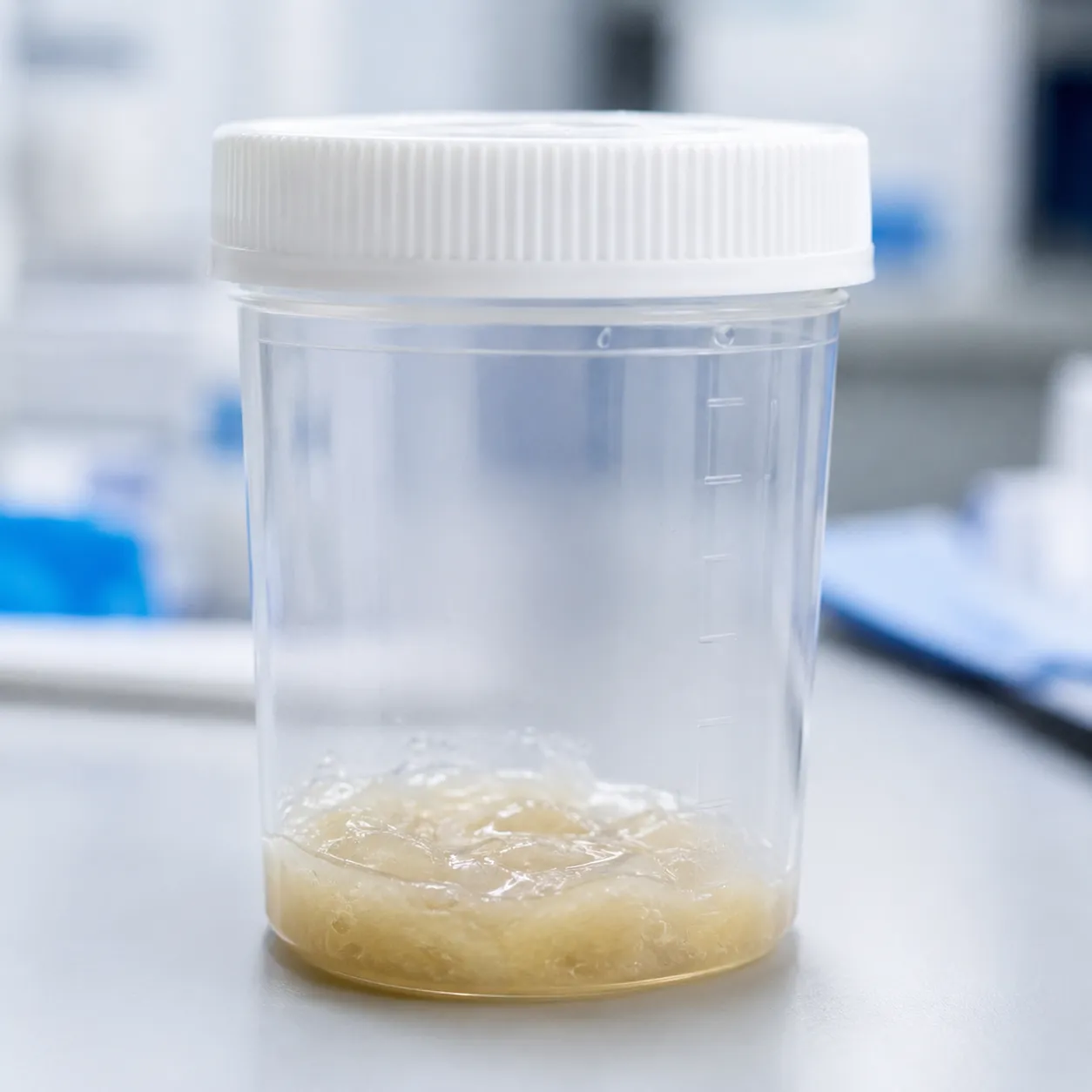
sputumˈspjuːtəm
mucus and other material coughed up from the lungs or airways, often tested for infection.
salivasəˈlaɪvə
the liquid in your mouth that helps you chew, swallow, and digest food.
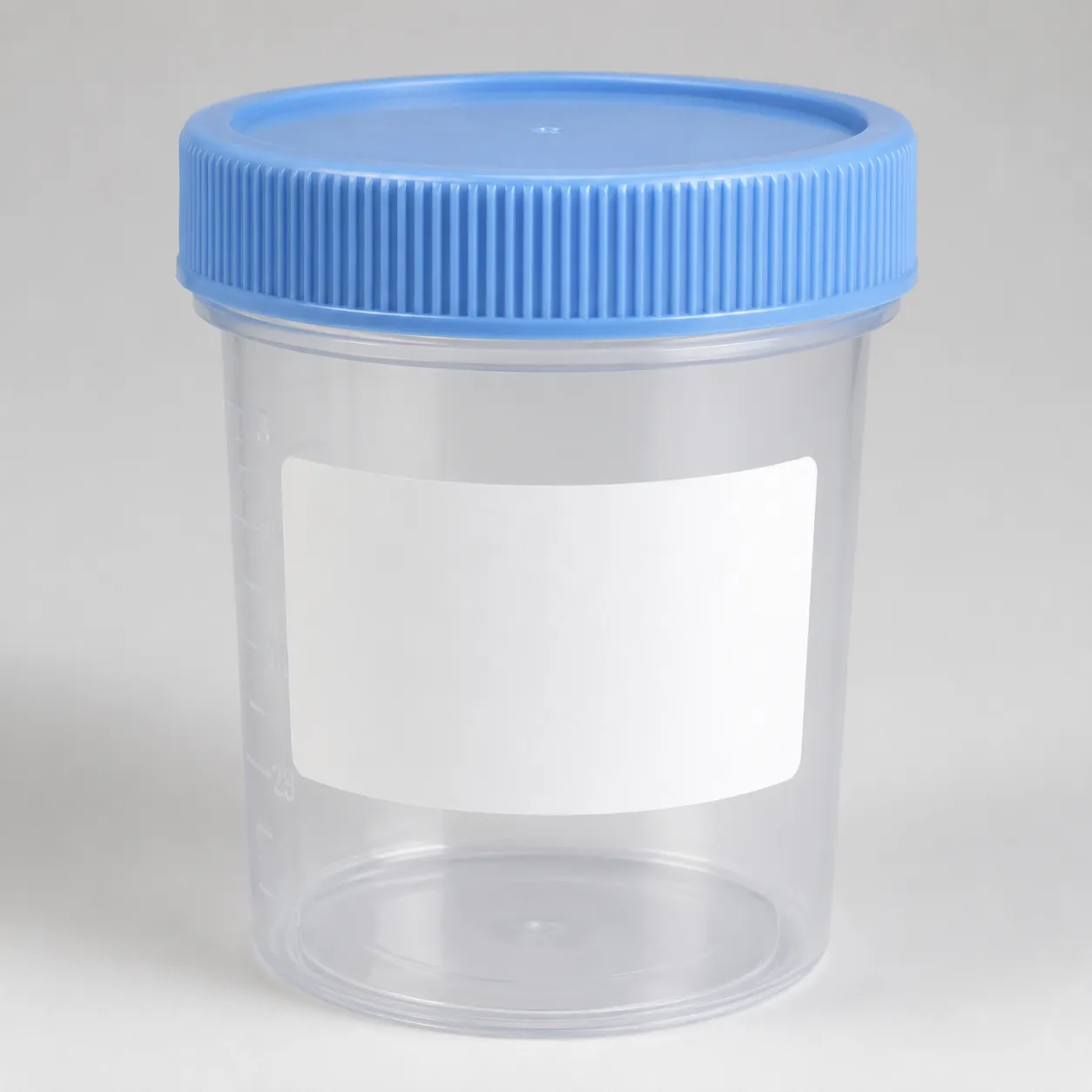
specimen cupˈspɛsɪmən kʌp
a small sterile cup used to collect a medical sample, such as urine or sputum, for testing.
sample containerˈsæmpəl kənˈteɪnər
a container used to collect, store, or transport a medical sample for testing.
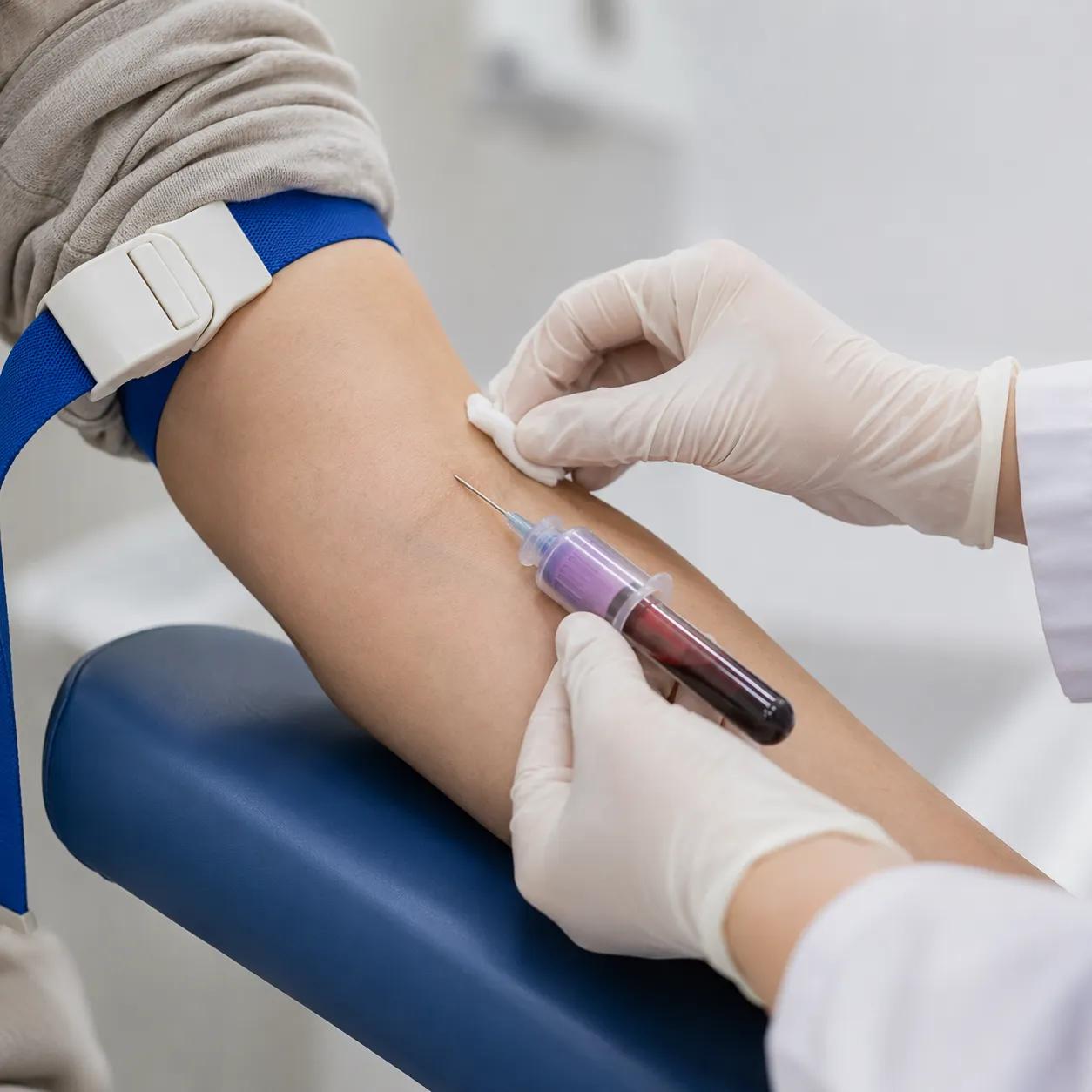
take bloodteɪk blʌd
to remove a small amount of blood from a patient for testing or donation.
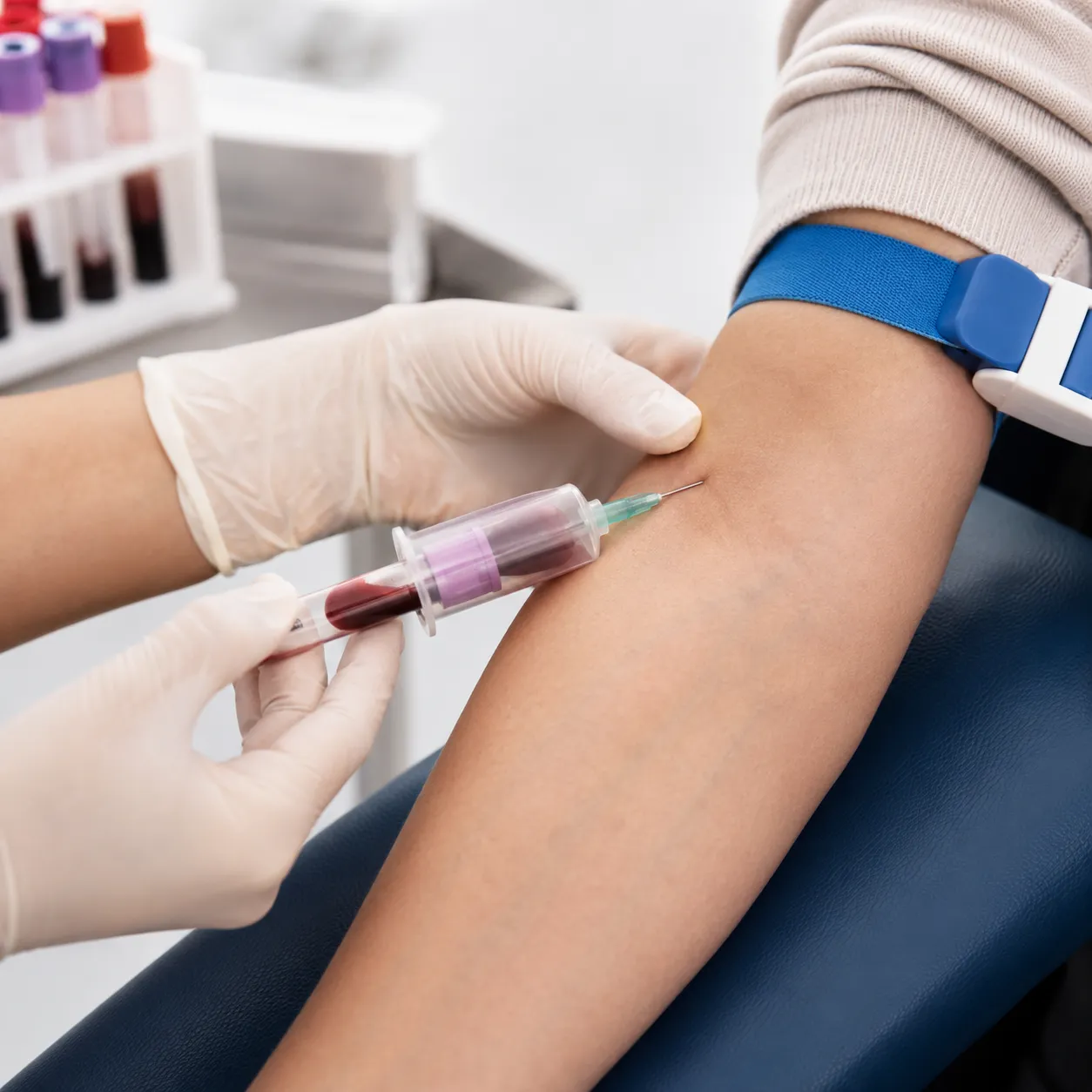
draw blooddrɔː blʌd
to take blood from a vein using a needle for a medical test.
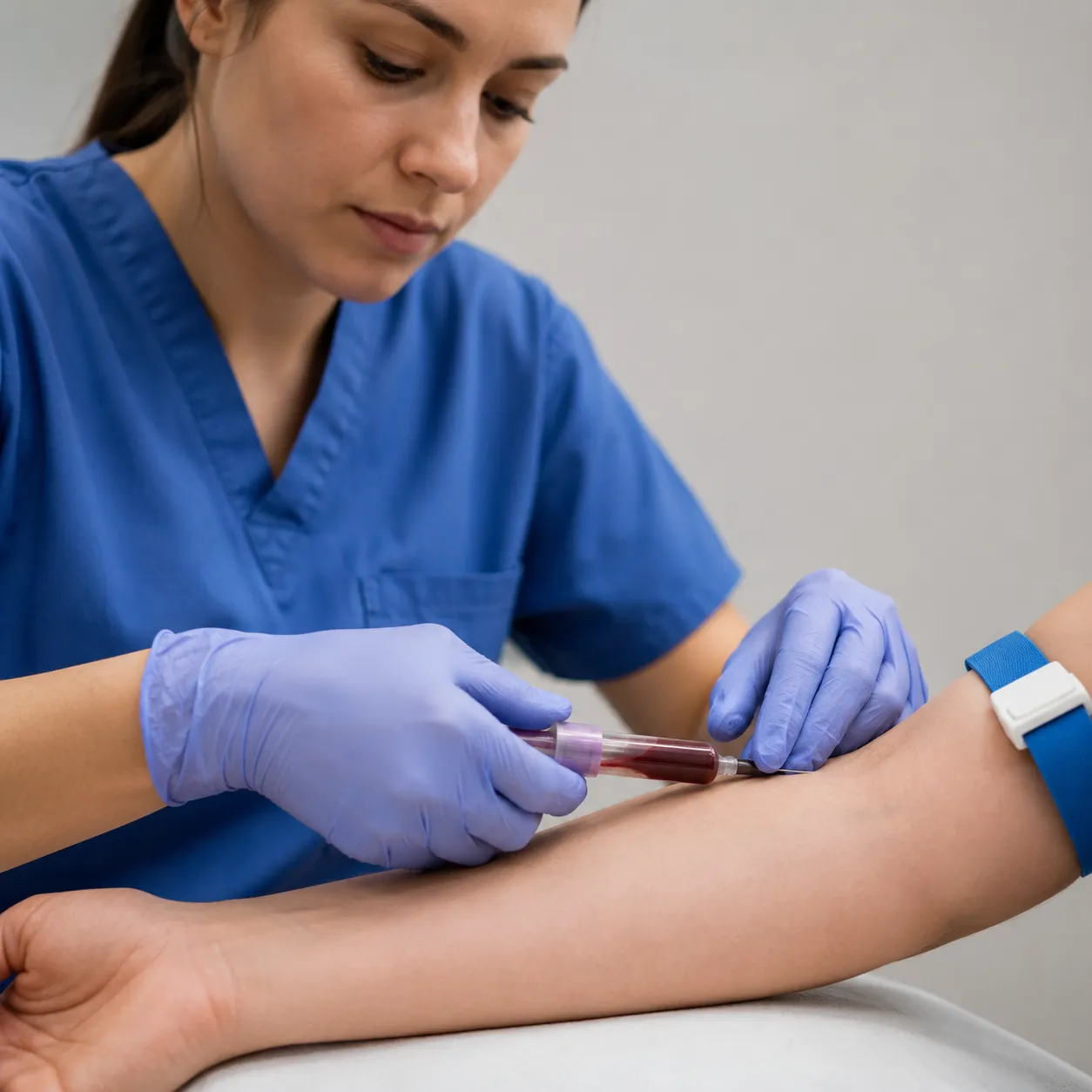
collect a samplekəˈlekt ə ˈsæmpəl
to obtain a small amount of blood, urine, tissue, or another substance for medical testing.
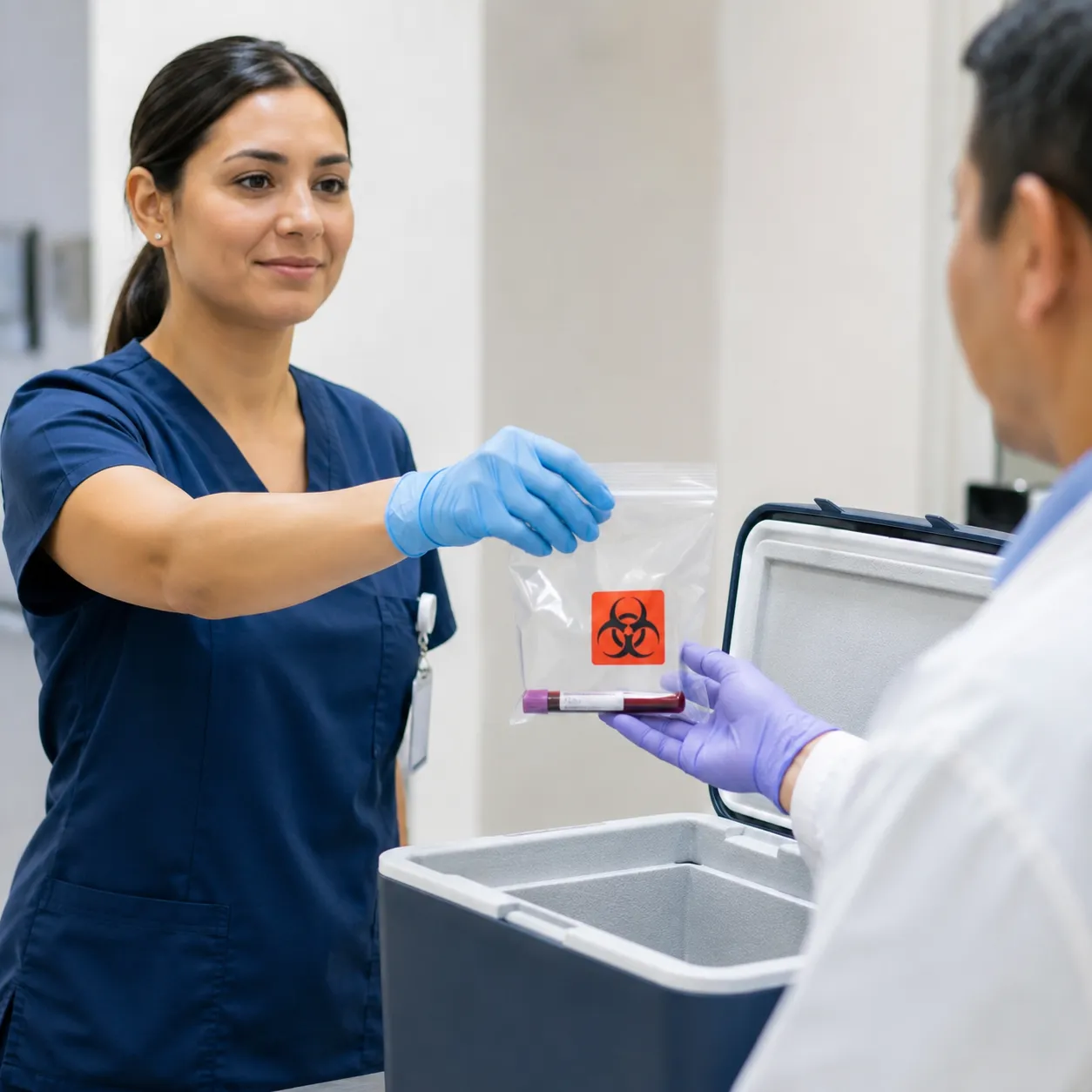
send a samplesend ə ˈsæmpəl
to deliver or arrange delivery of a medical sample to a laboratory for testing.

blood testˈblʌd test
a laboratory examination of blood to check health or diagnose disease.
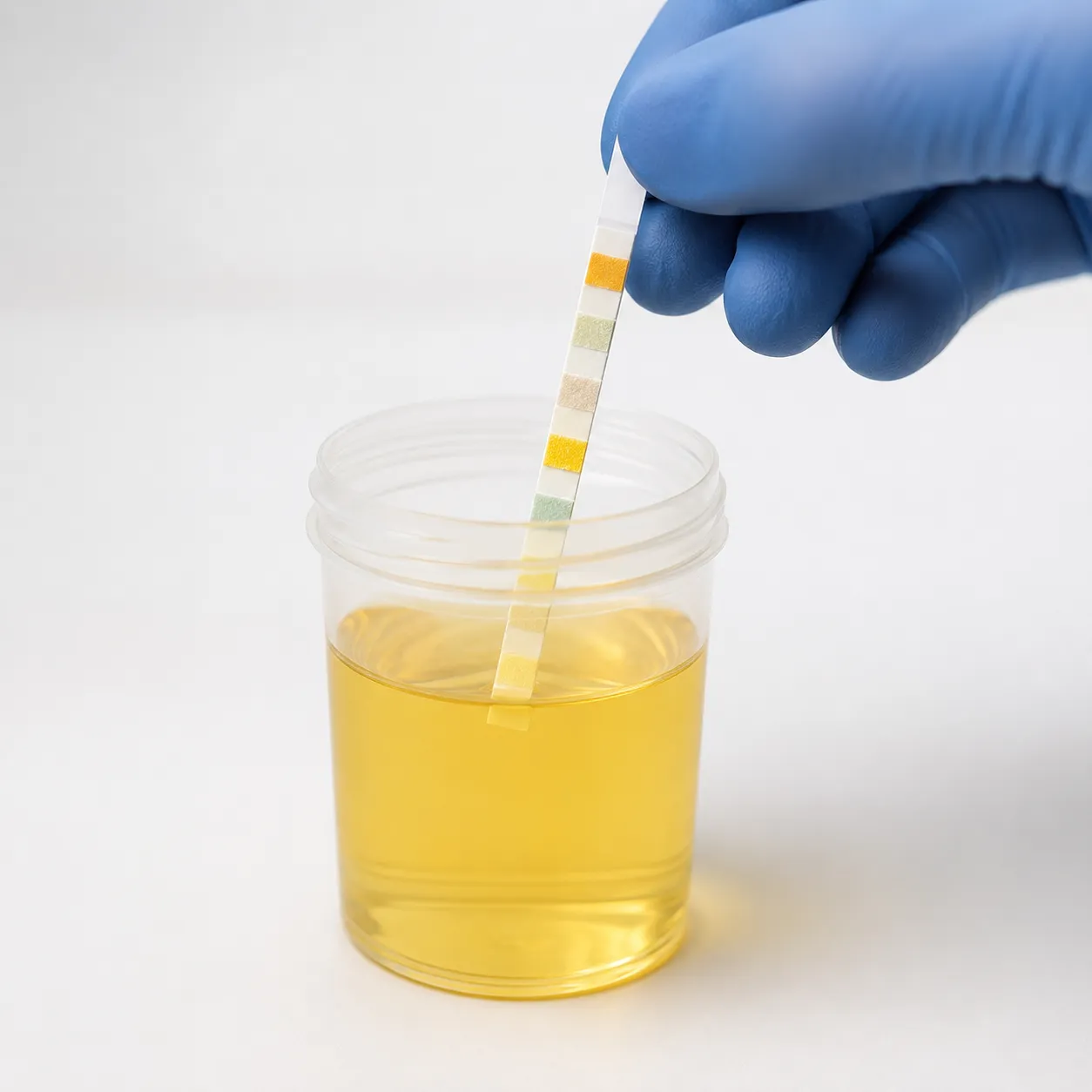
urine testˈjʊərɪn test
a laboratory examination of urine to check health or diagnose disease.
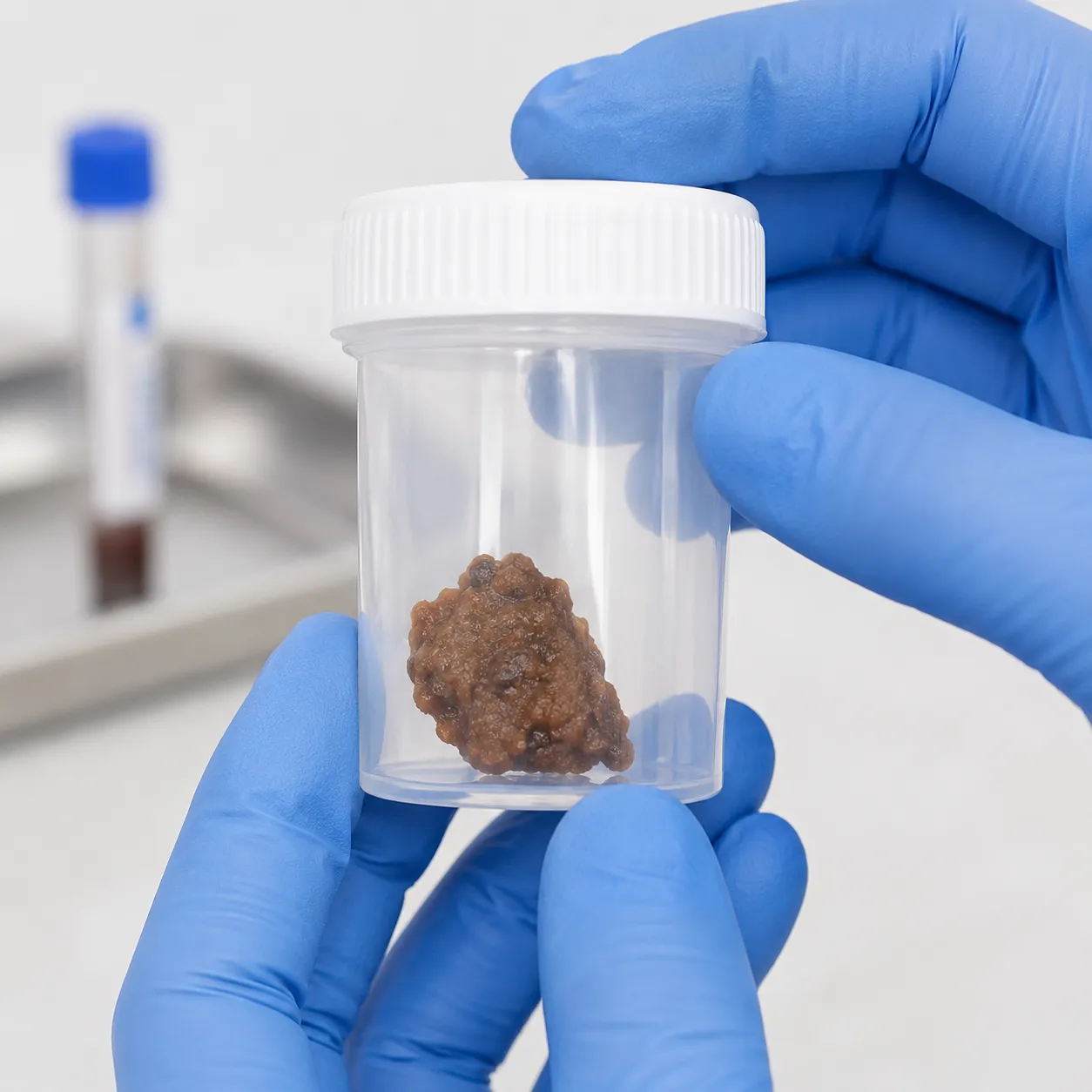
stool teststuːl test
a laboratory examination of feces to check for infection, bleeding, or digestive problems.
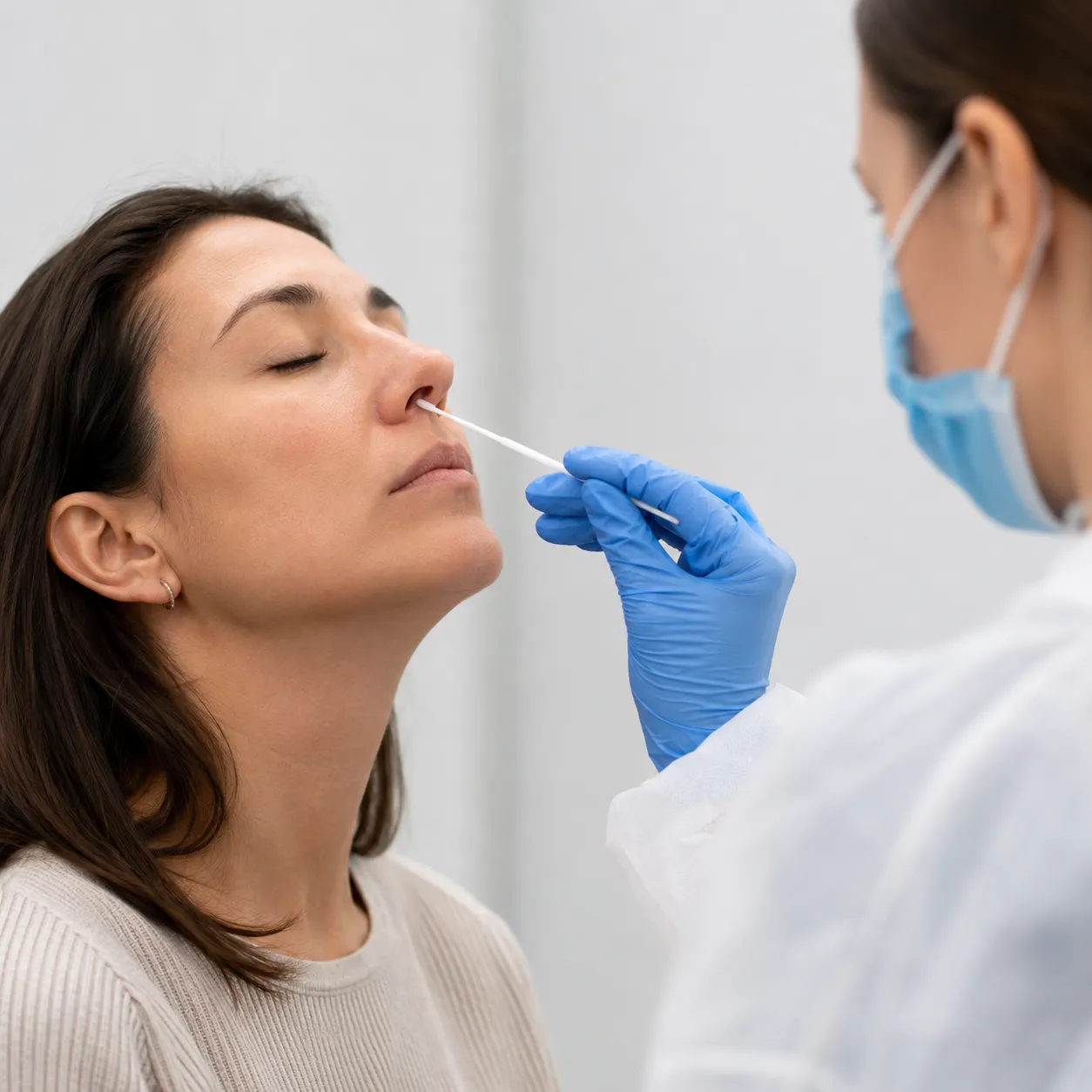
swab testˈswɒb ˌtest
a test in which a small cotton-tipped stick collects material from the body to check for infection or other conditions.
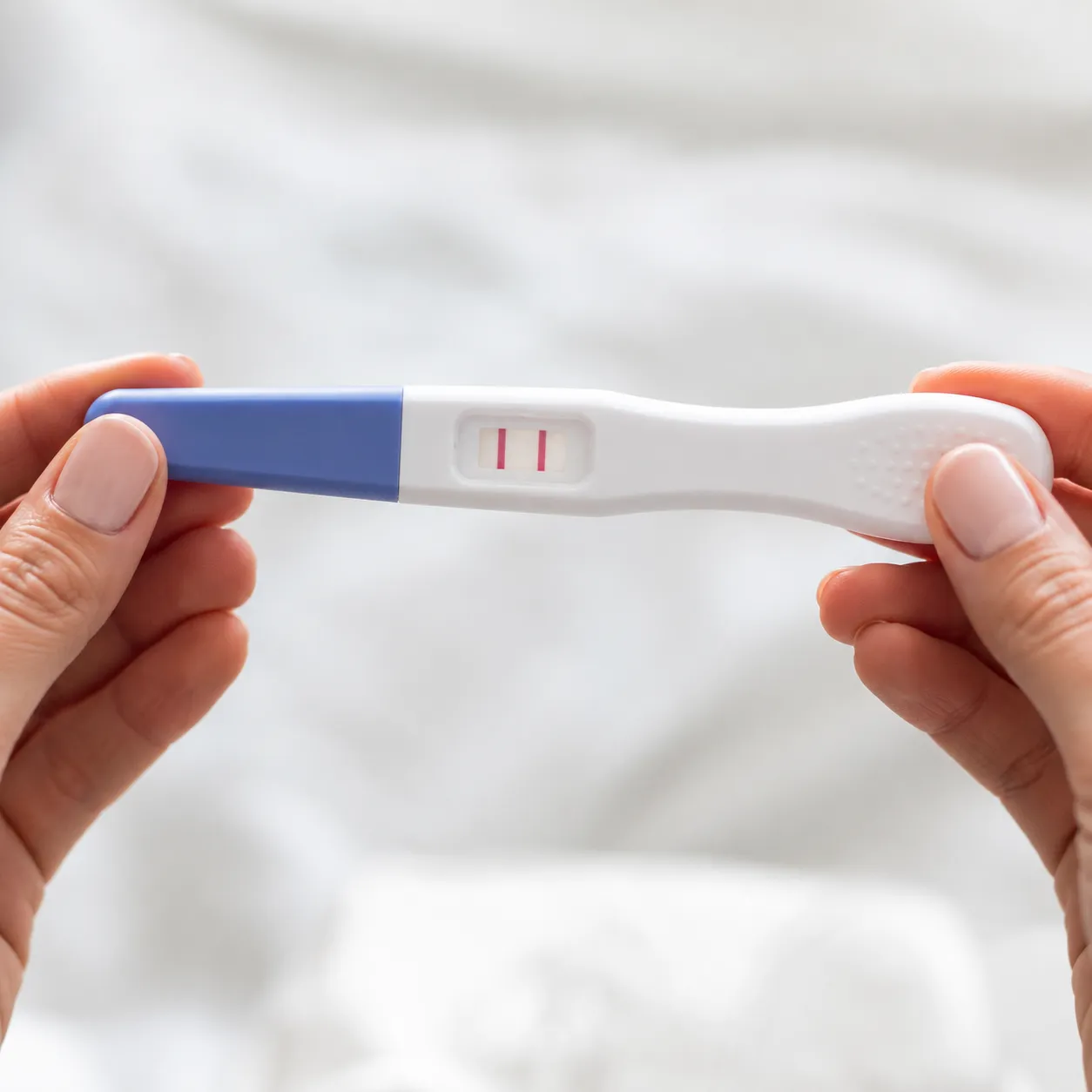
pregnancy testˈpreɡnənsi test
a test that checks urine or blood to find out if someone is pregnant.
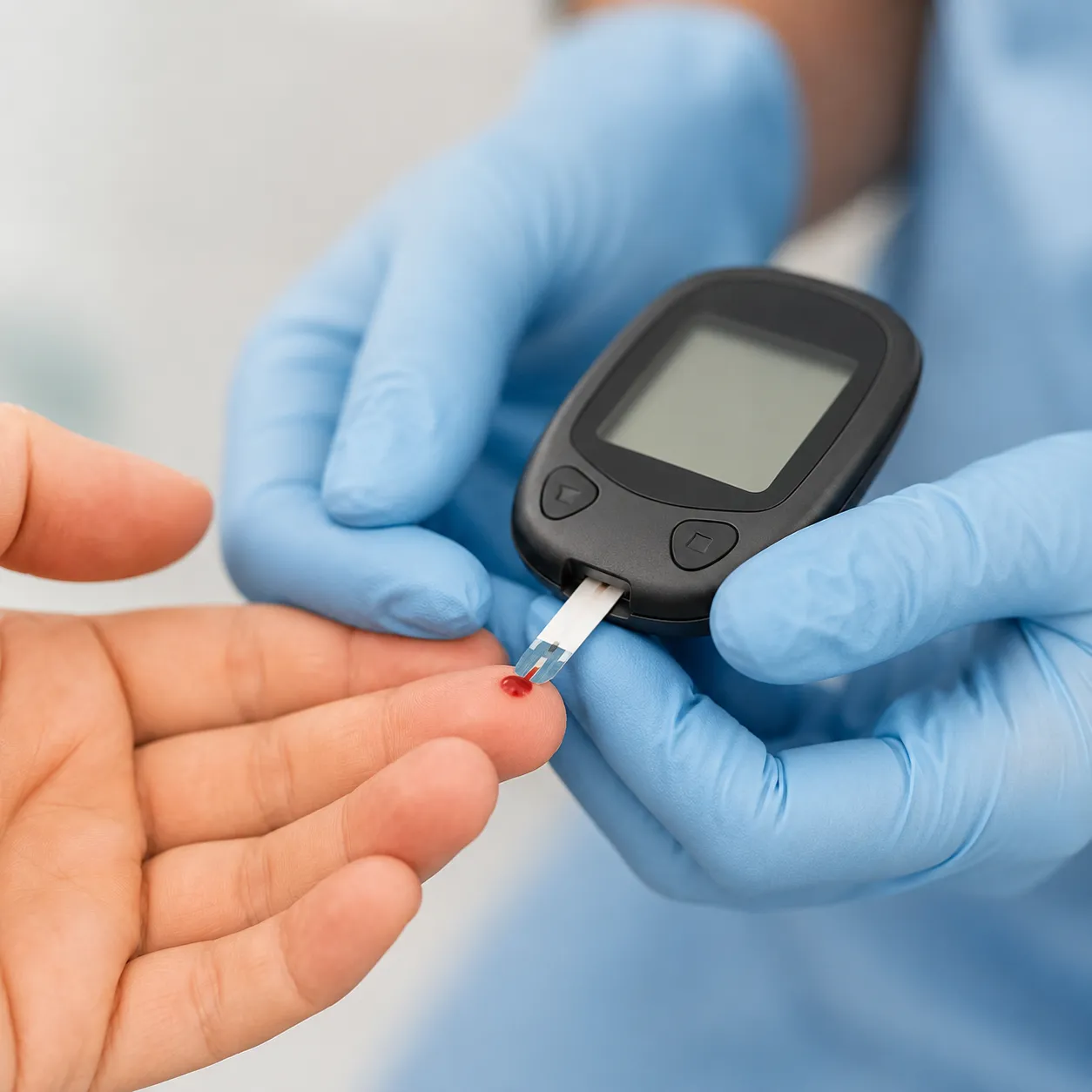
glucose testˈɡluːkoʊs test
a test that measures the amount of sugar in the blood or another body fluid.
cultureˈkʌltʃər
a laboratory test in which microorganisms from a sample are grown to identify infection.
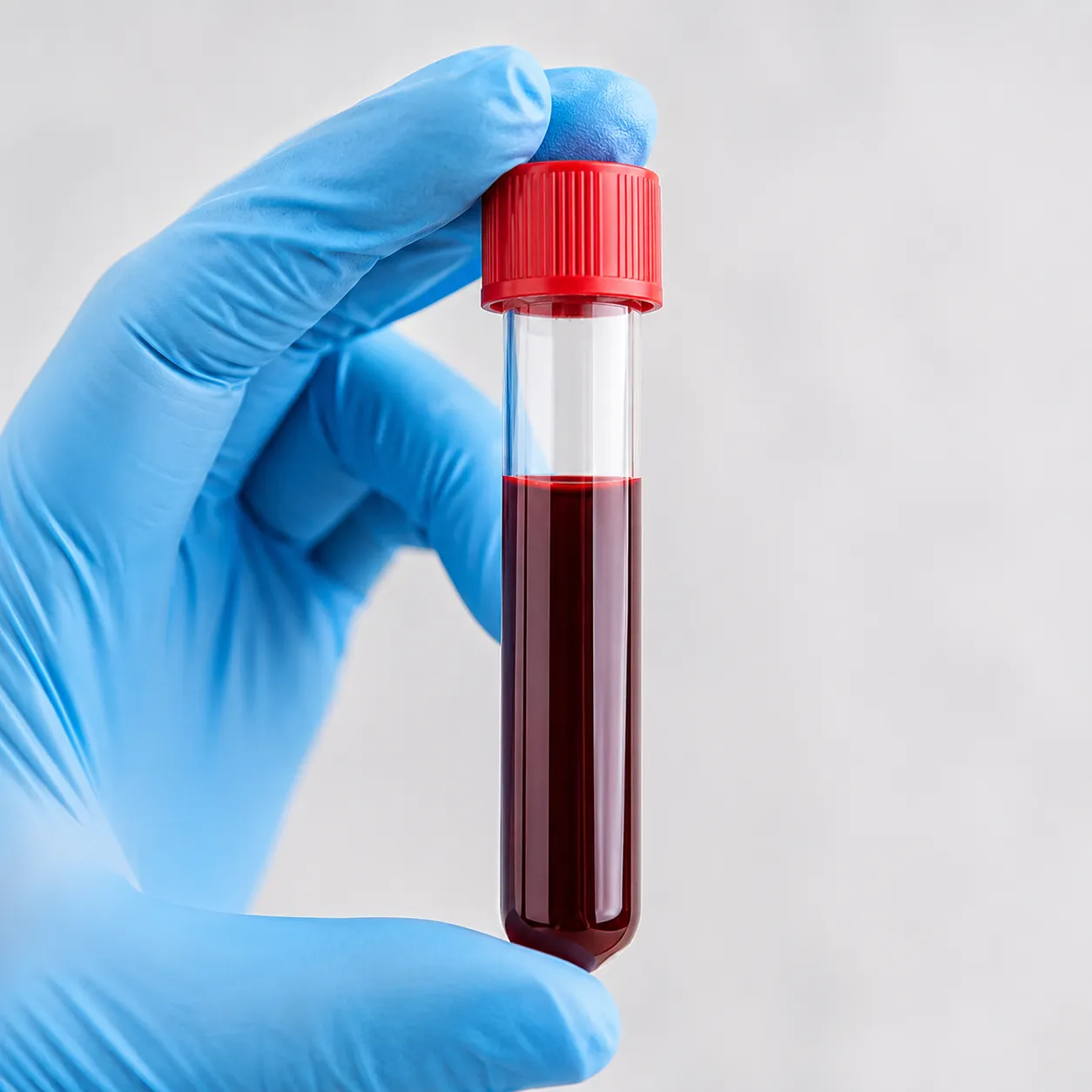
specimenˈspesəmən
a small amount of body material taken for medical testing.

sampleˈsæmpəl
a small amount of something taken to be tested or examined.
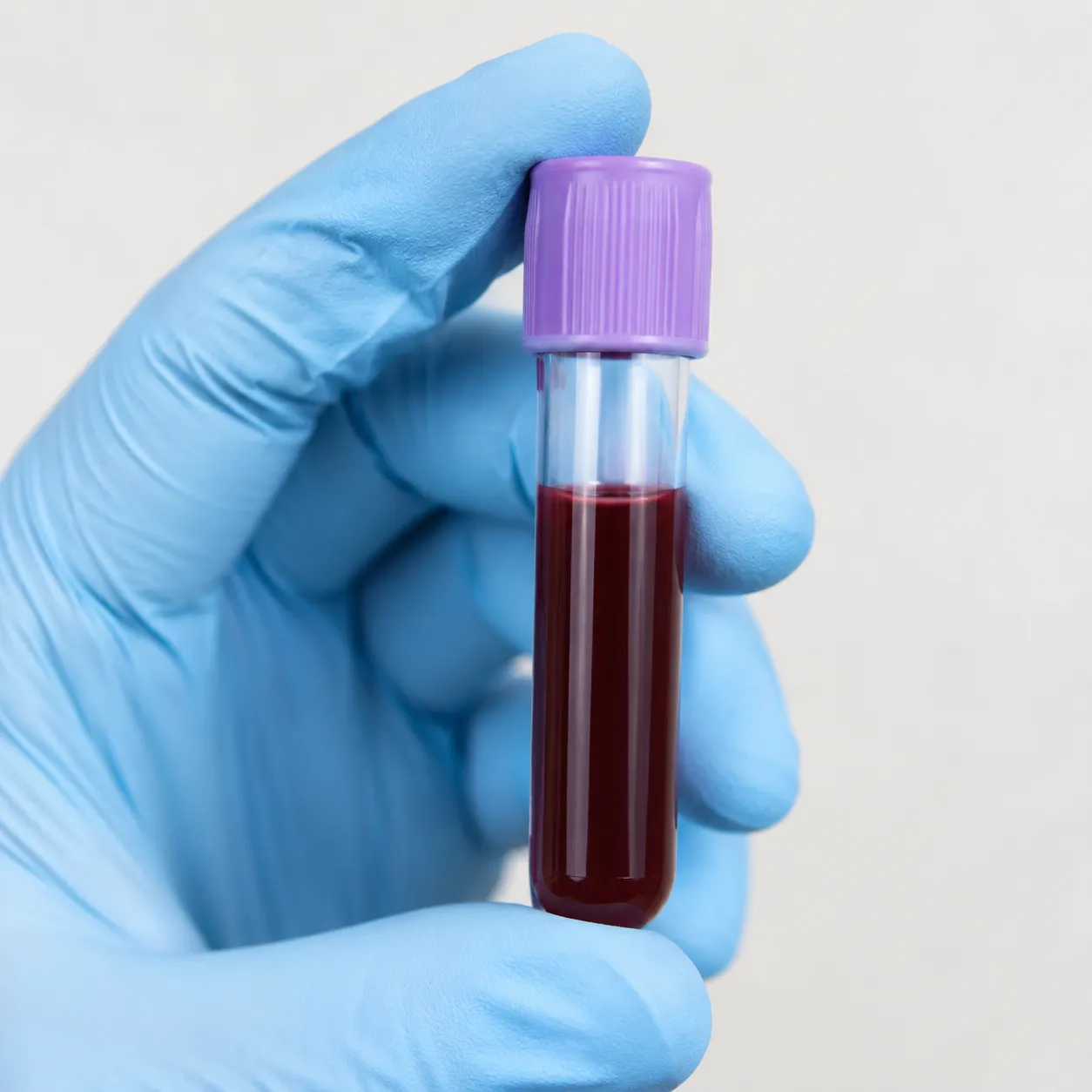
blood sampleˈblʌd ˌsæmpəl
a small amount of blood taken from a patient for testing.
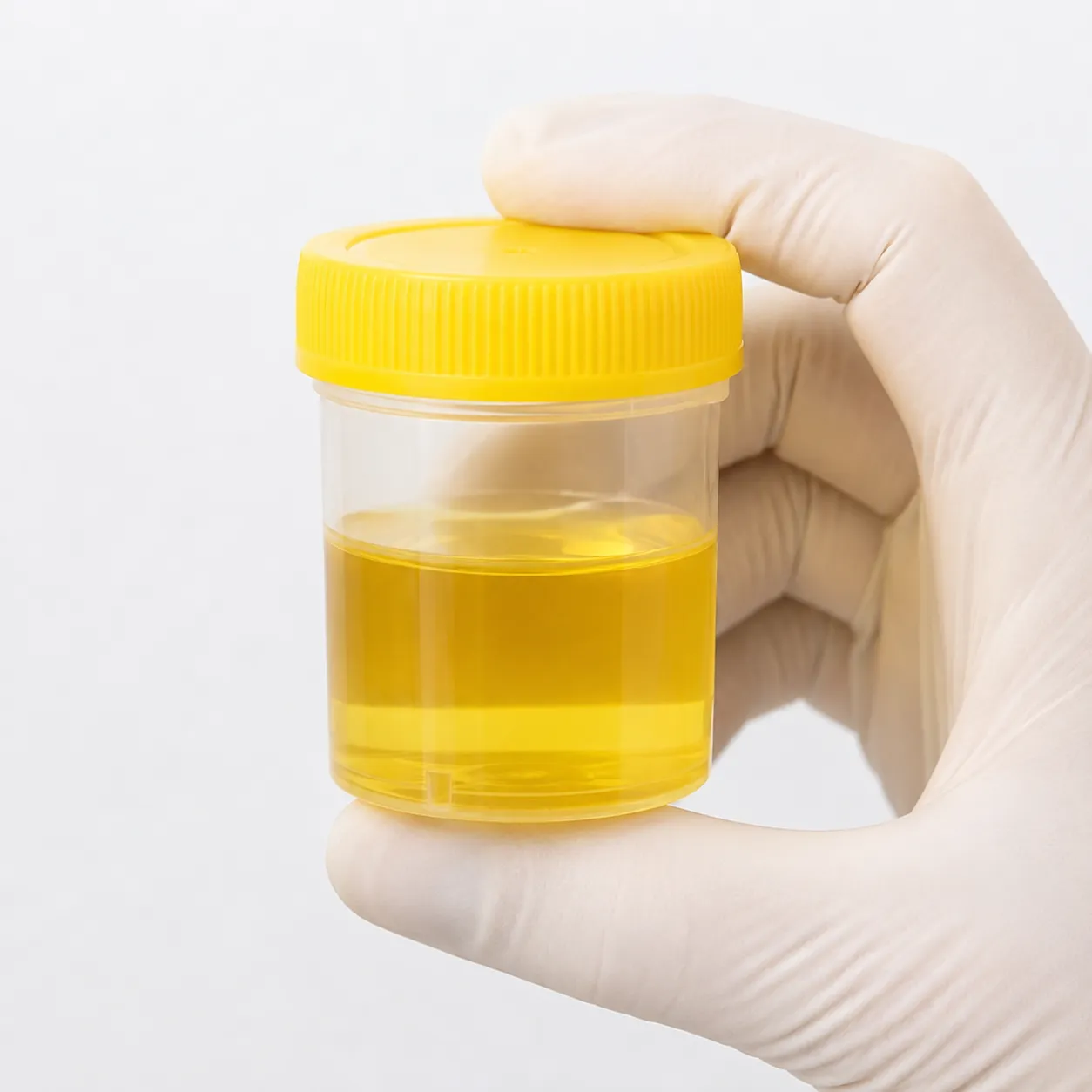
urine sampleˈjʊərɪn ˌsæmpəl
a small amount of urine collected from a patient for testing.
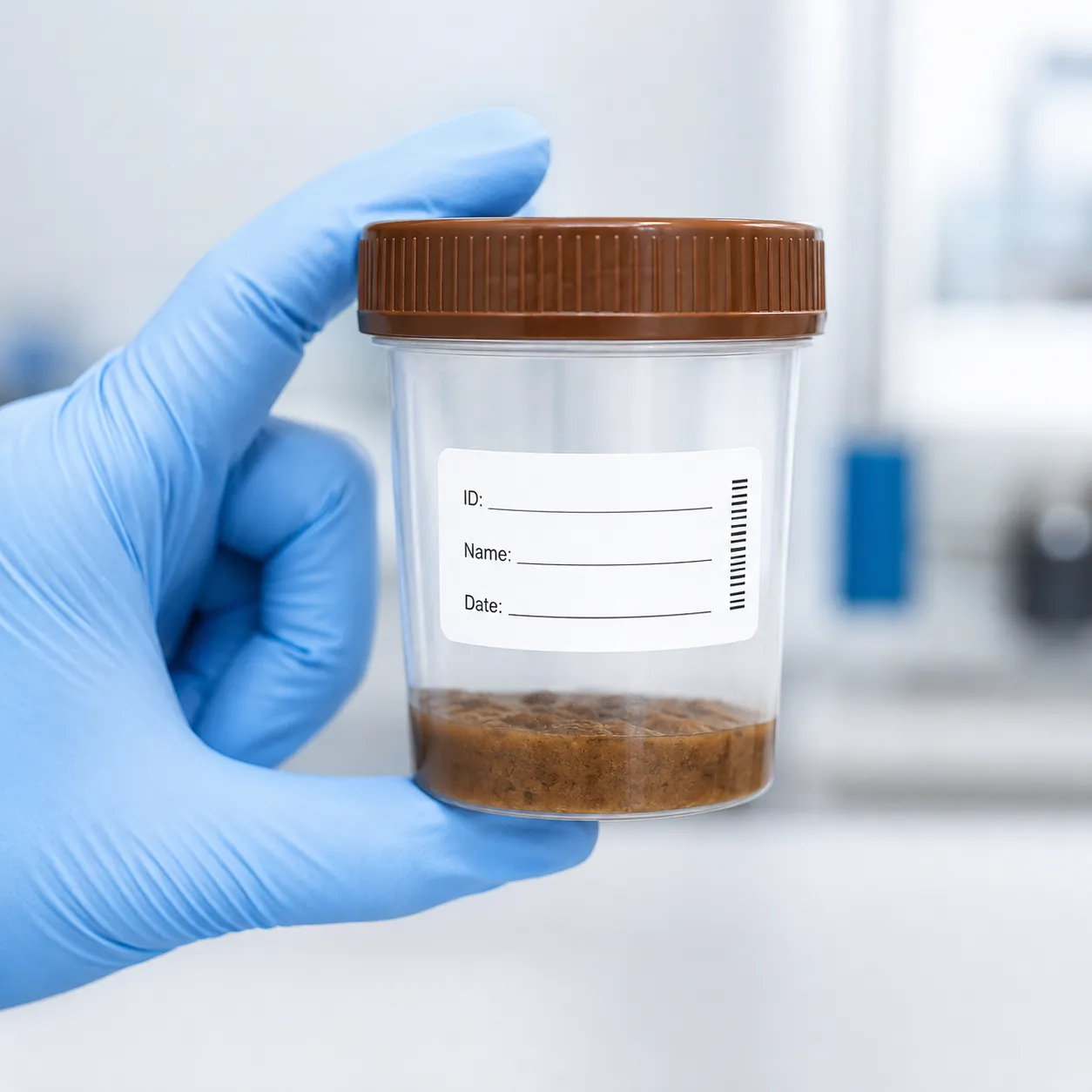
stool sampleˈstuːl ˌsæmpəl
a small amount of feces collected for laboratory testing.

throat swabˈθroʊt swɑːb
a sample taken from the throat with a cotton-tipped stick to test for infection.
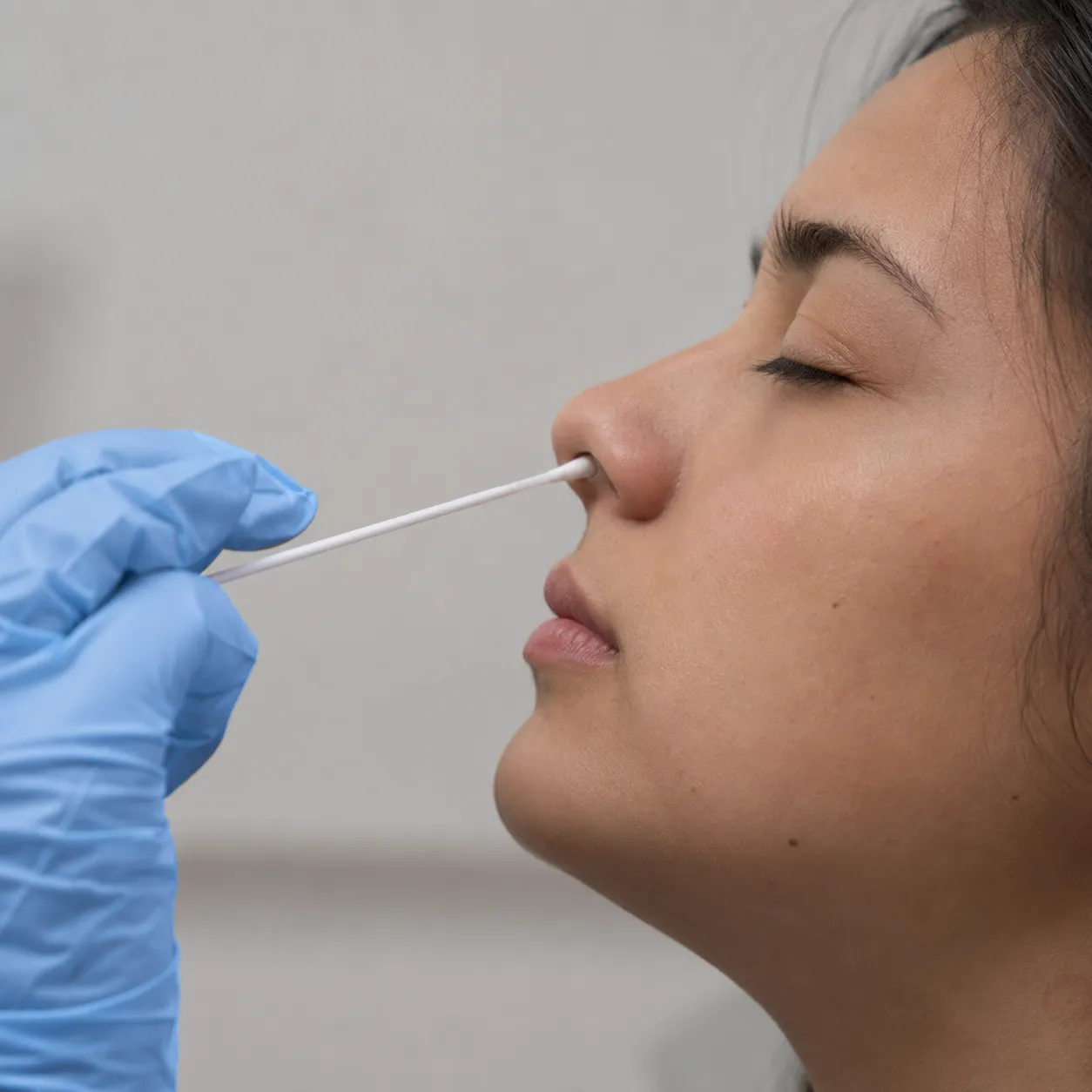
nasal swabˈneɪzəl swɒb
a sample taken from inside the nose with a small swab to test for infection.
laboratory requestˈlæbrətɔːri rɪˈkwest
an order sent to a laboratory asking for specific tests to be performed.

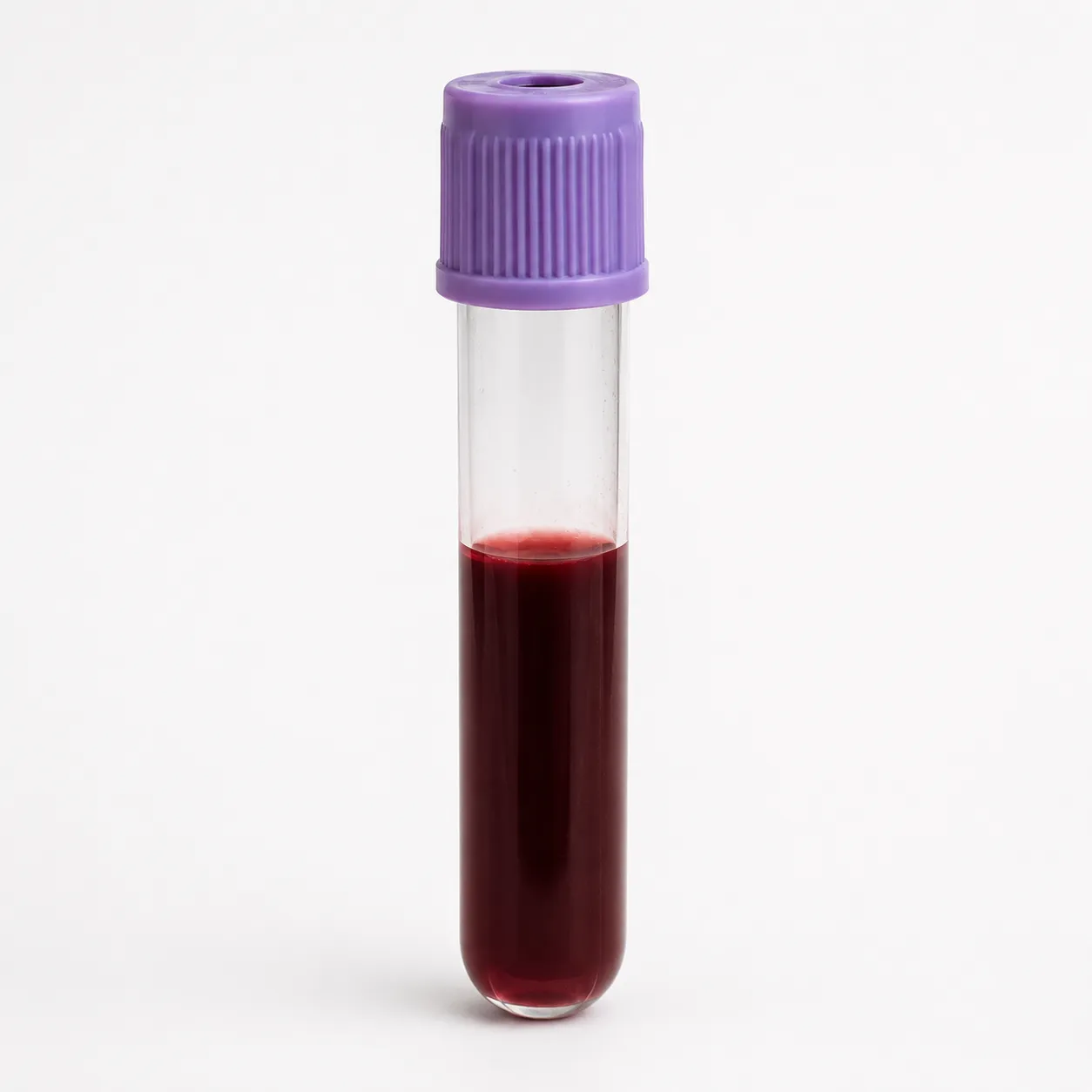
test tubeˈtest tuːb
a small glass or plastic tube used to hold liquids or samples in a laboratory.
vacutainerˈvækjuːˌteɪnər
a sealed blood collection tube with a vacuum that draws blood from a needle into the tube.
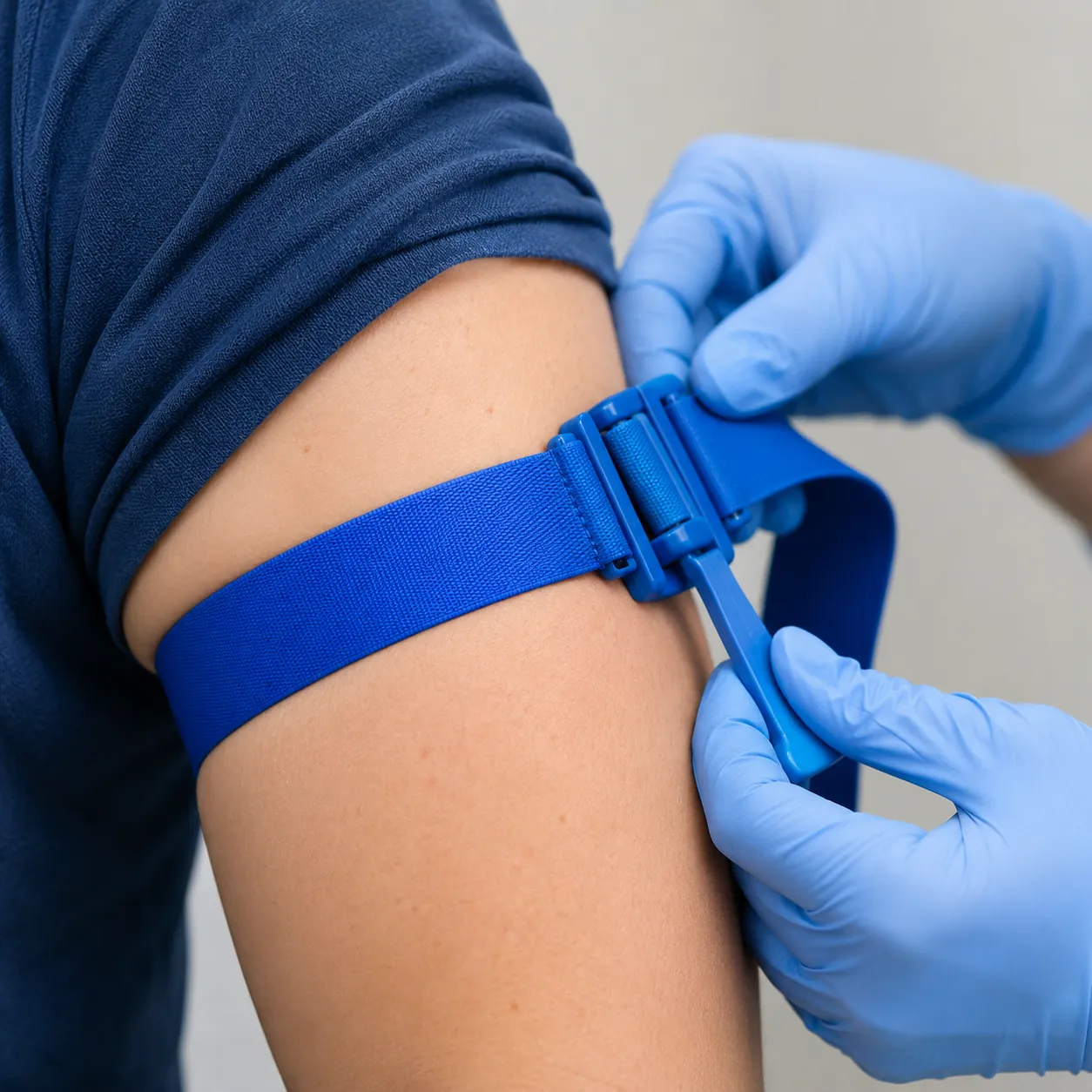
tourniquetˈtʊərnɪkət
a tight band placed around a limb to slow blood flow, often to make a vein easier to find.
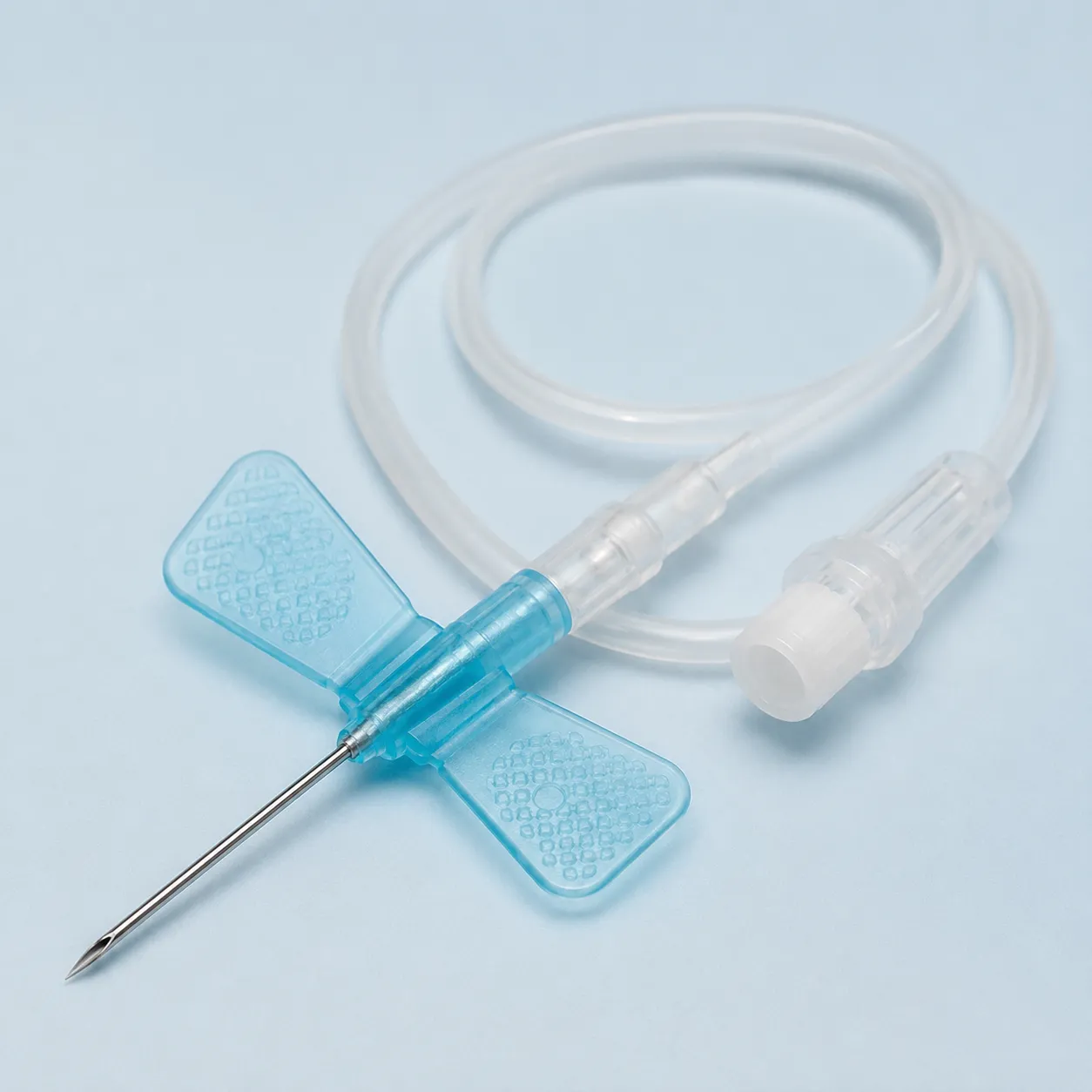
butterfly needleˈbʌtərflaɪ ˈniːdəl
a small winged needle used for drawing blood or giving medicine into a vein.
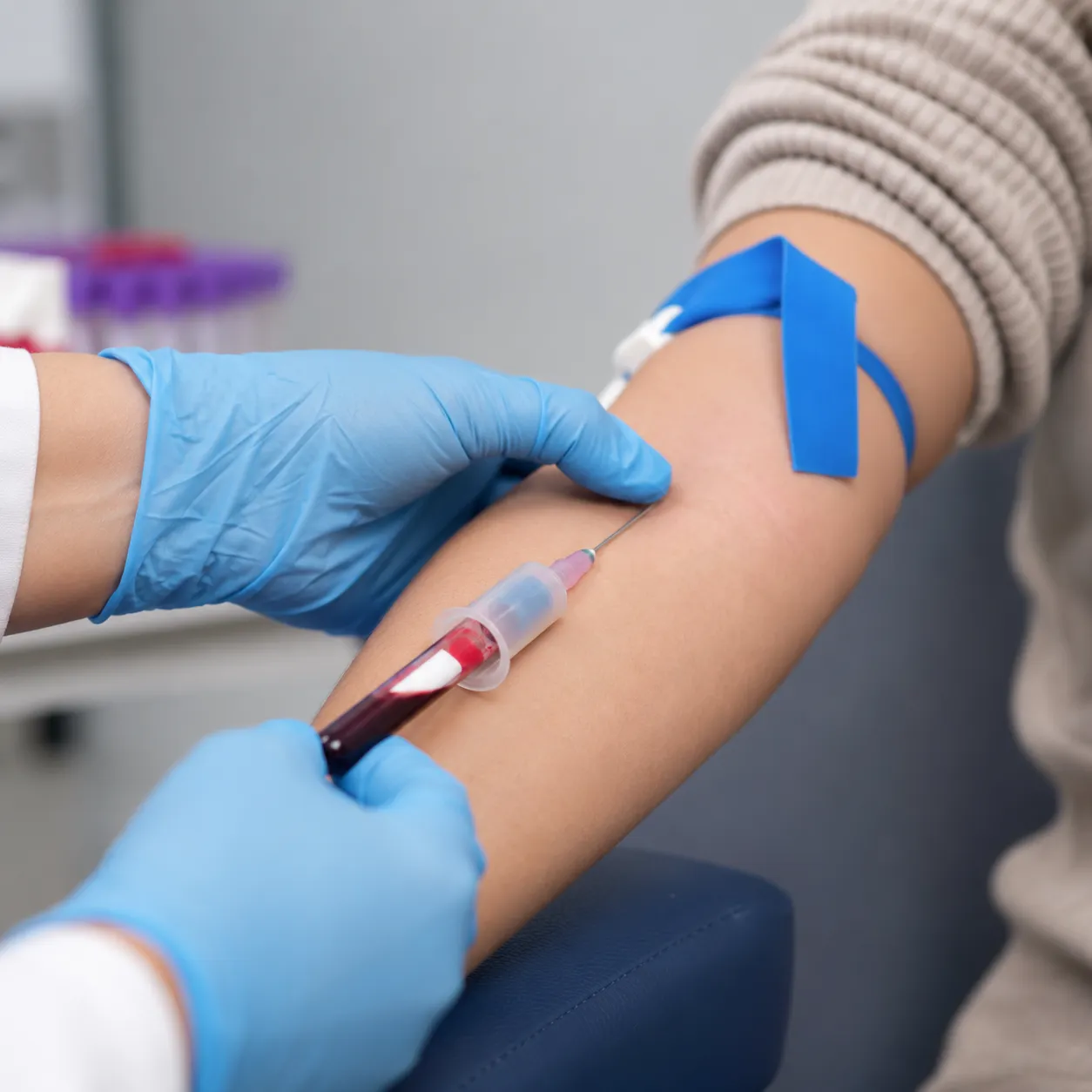
blood drawˈblʌd drɔː
the procedure of taking blood from a patient for testing or donation.
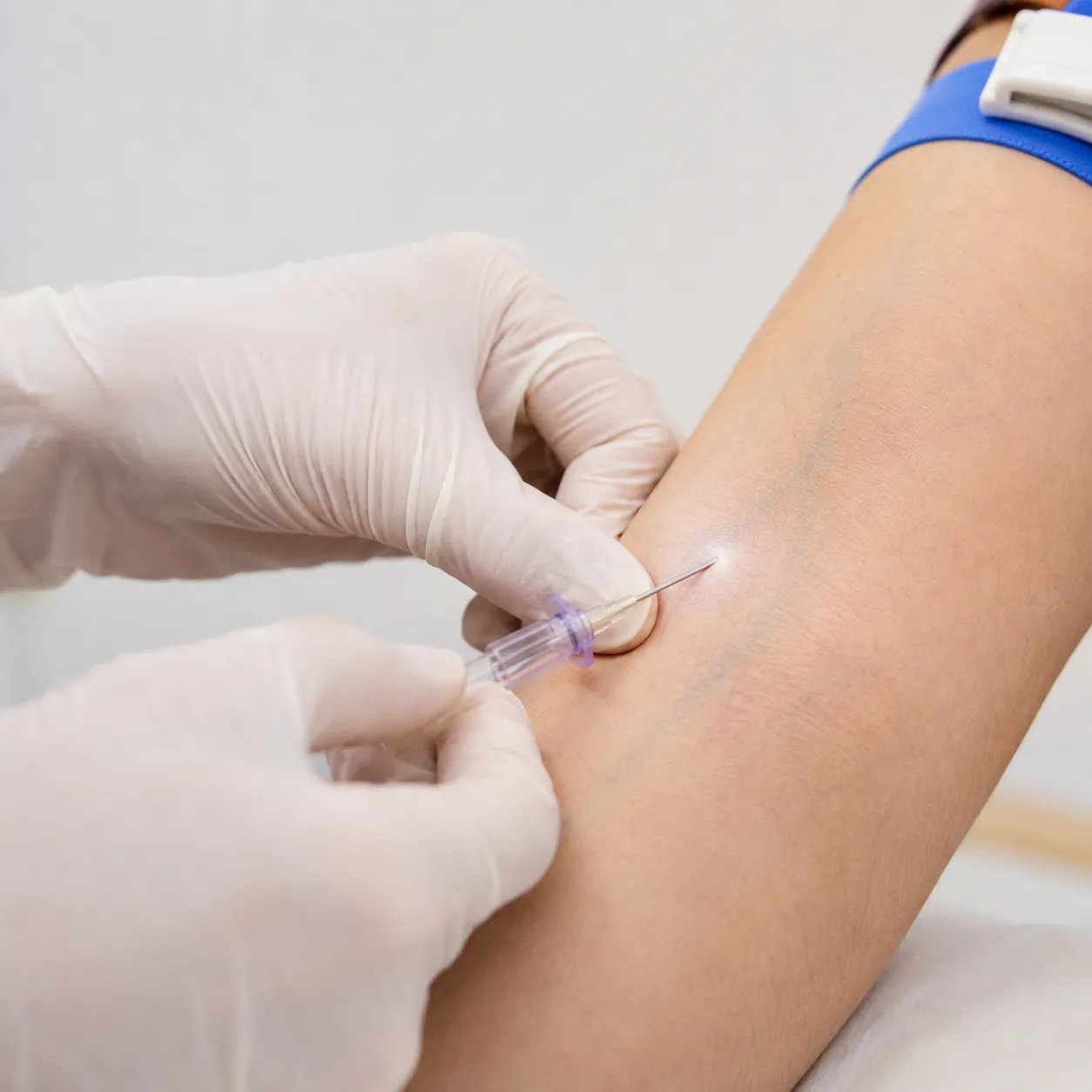
venipunctureˈviːnɪˌpʌŋktʃər
the medical procedure of puncturing a vein with a needle to draw blood or give fluid.
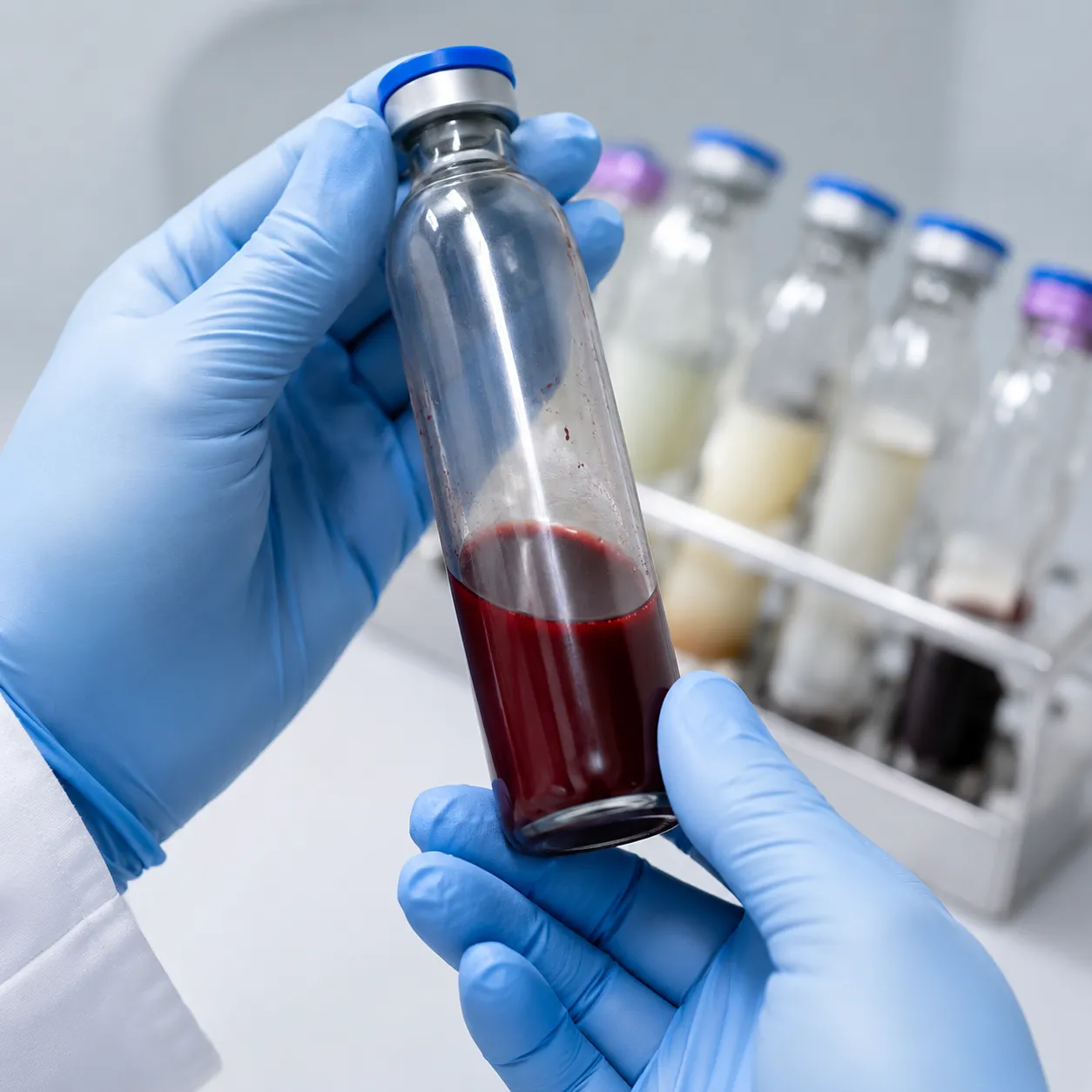
blood cultureˈblʌd ˈkʌltʃər
a laboratory test that grows microorganisms from a blood sample to check for infection in the blood.
sample bagˈsæmpəl bæɡ
a bag used to safely carry or send a medical sample to a laboratory.
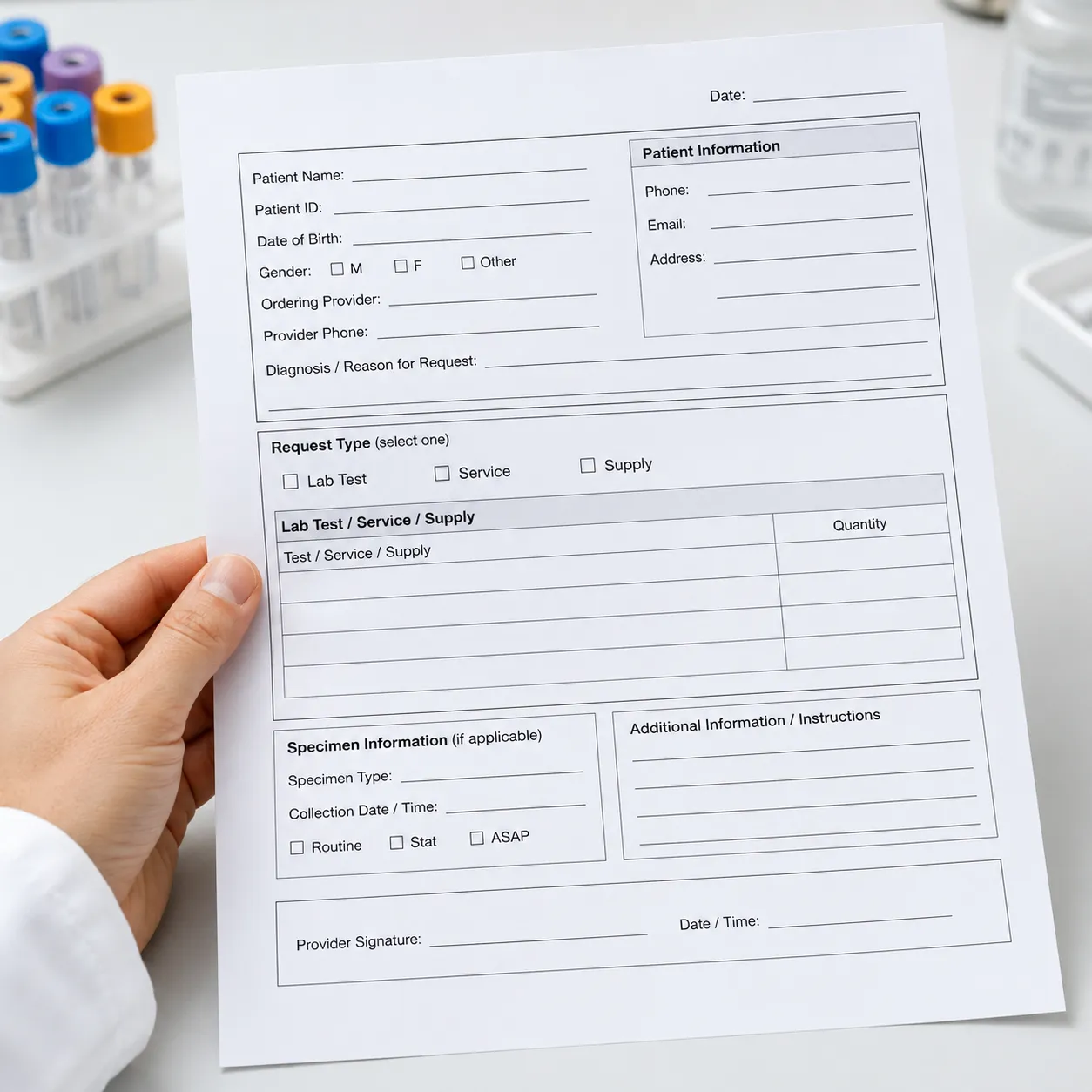
requisition formˌrekwɪˈzɪʃən fɔːrm
a form used to officially request a laboratory test, service, or medical supply.
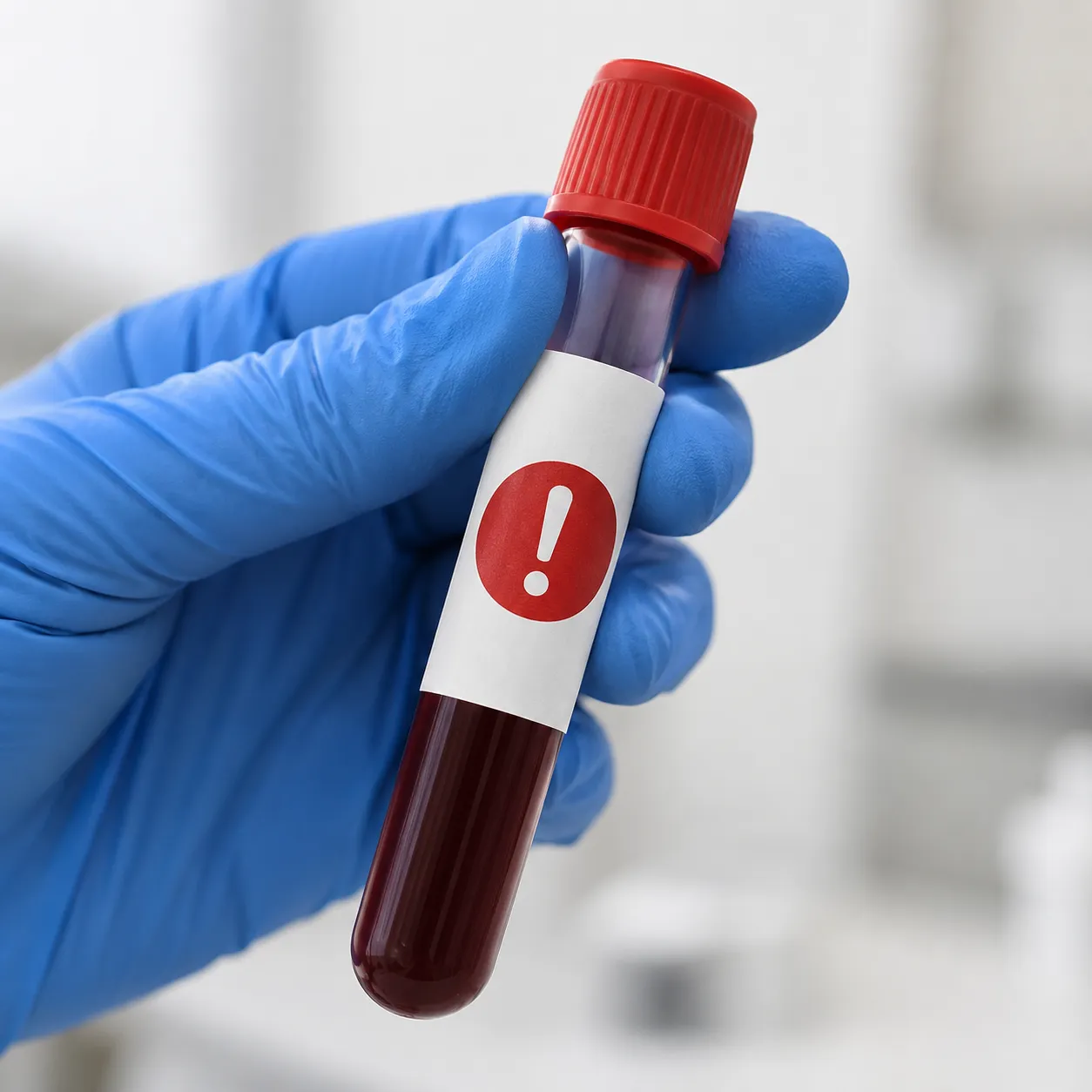
urgent sampleˈɜːrdʒənt ˈsæmpəl
a blood, urine, or tissue sample that must be tested quickly because the result is needed immediately for patient care.
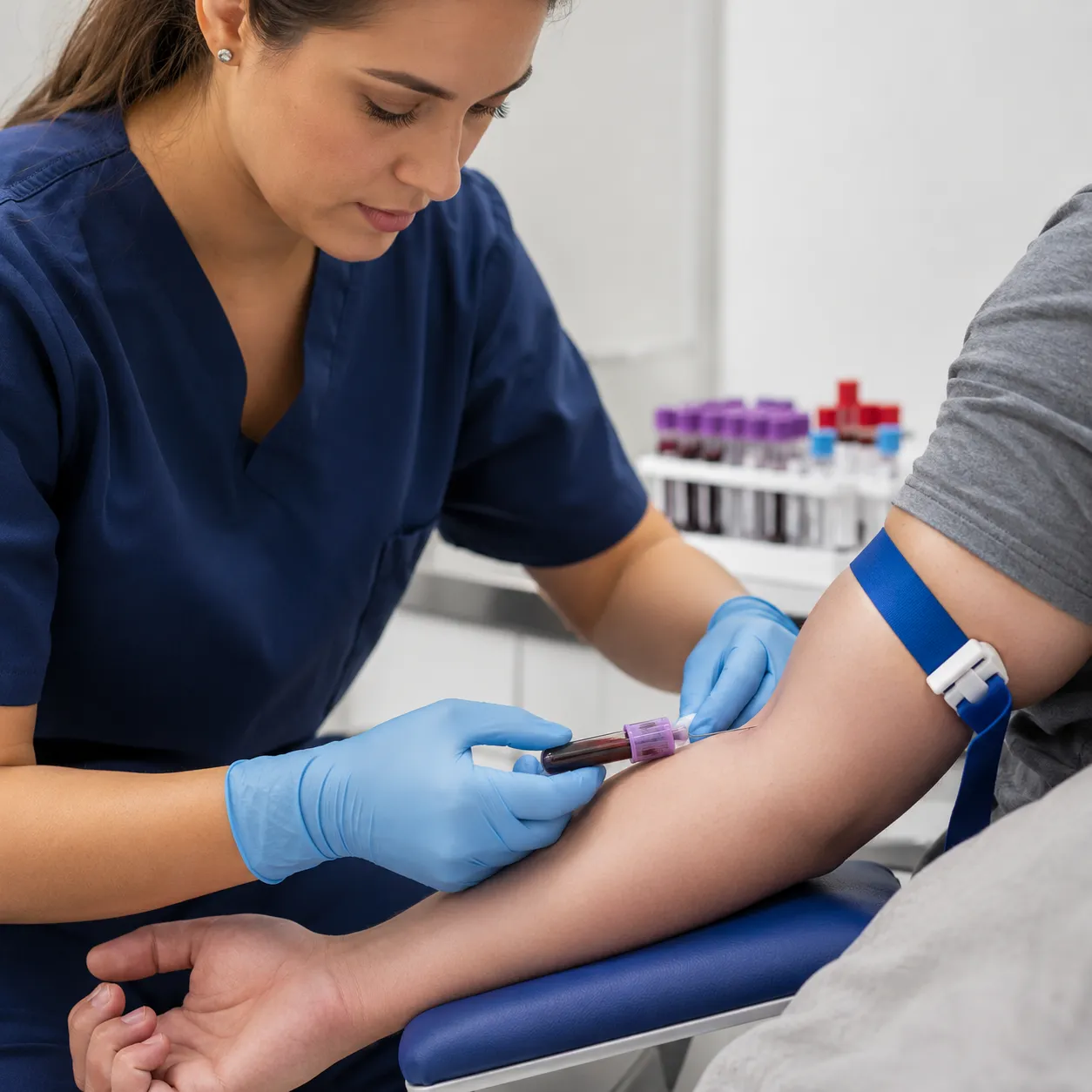
specimen collectionˈspesəmən kəˈlekʃən
the process of taking a sample of blood, urine, tissue, or another body material for laboratory testing.
Imaging procedures and result terms used when reviewing diagnostic findings.
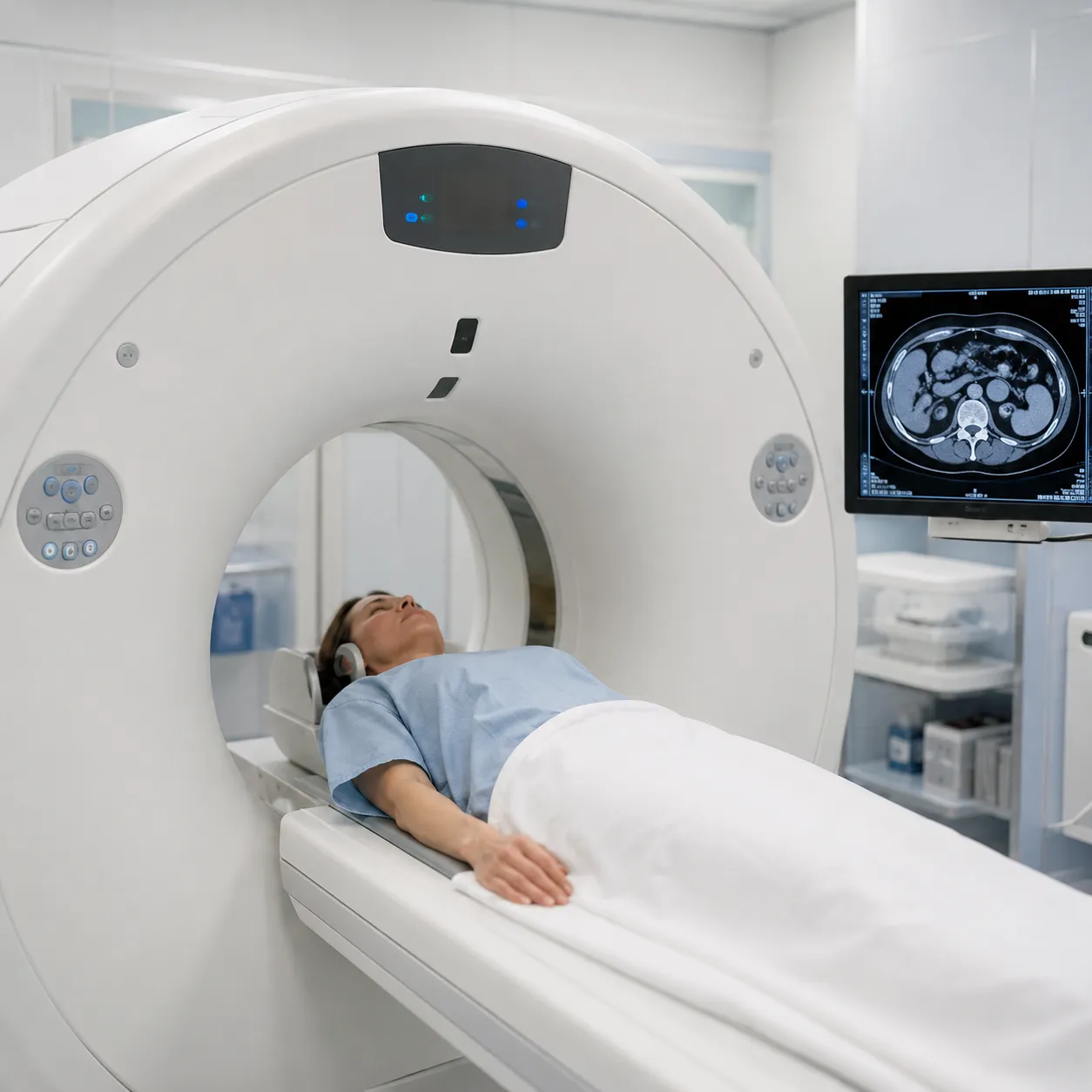
imagingˈɪmɪdʒɪŋ
the use of medical machines to create pictures of the inside of the body for diagnosis.
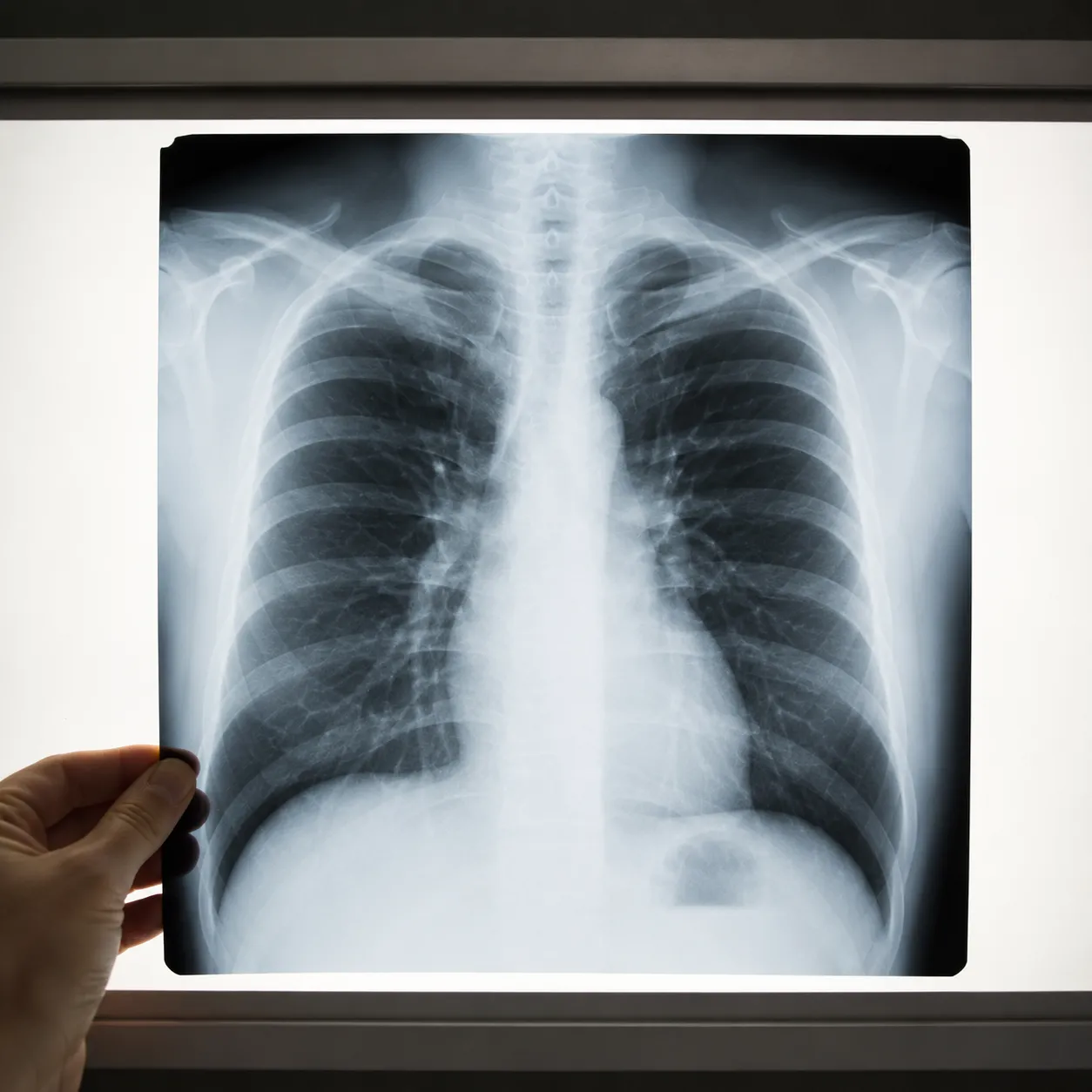
x-rayˈeks reɪ
a medical image of bones or other structures inside the body made using X-rays
scanskæn
a medical test that uses a machine to make detailed pictures of the inside of the body.
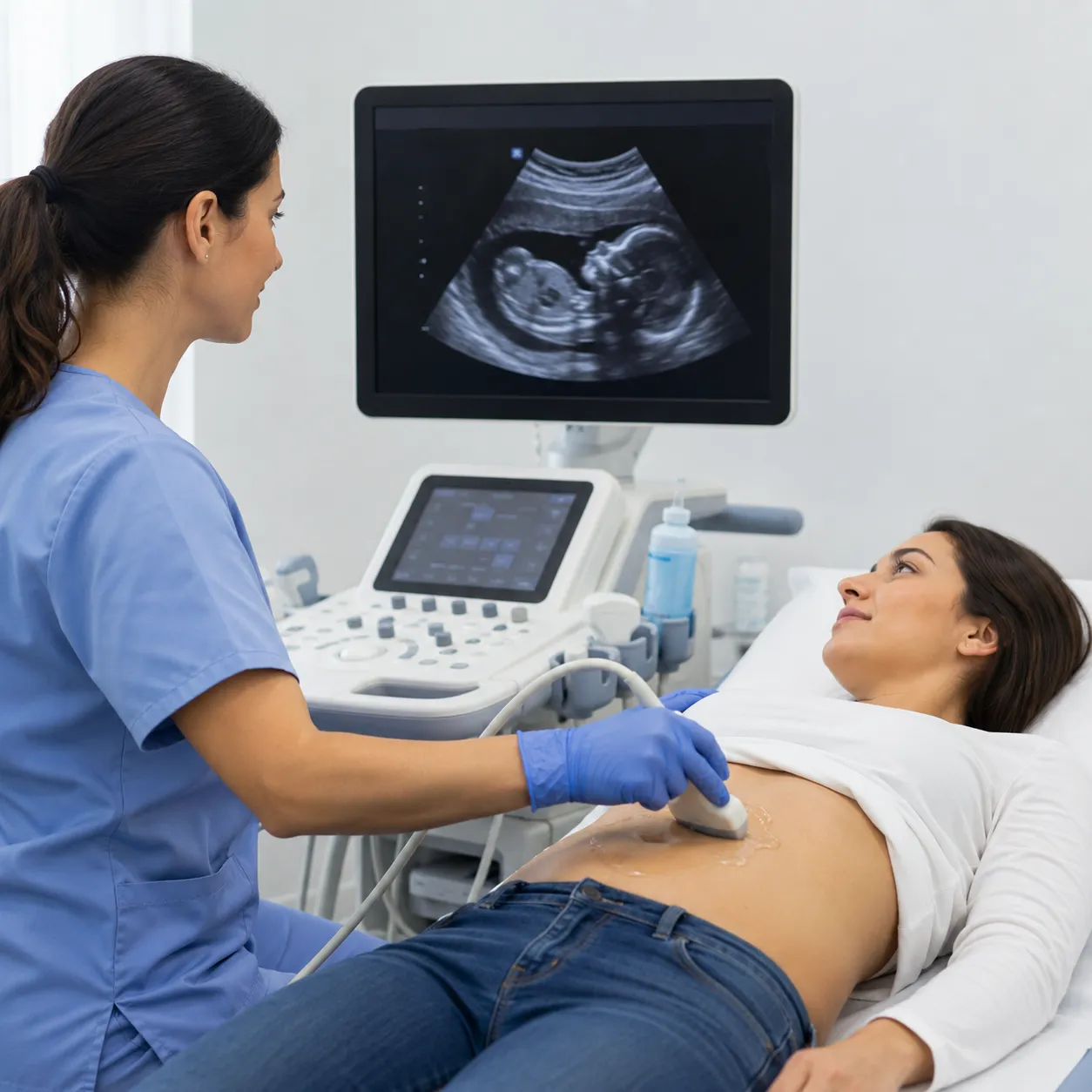
ultrasoundˈʌltrəsaʊnd
a medical scan that uses high-frequency sound waves to make pictures of organs, tissues, or a baby in the womb.
CT scanˌsiː ˈtiː skæn
a medical scan that uses X-rays and a computer to create detailed cross-section pictures of the inside of the body.
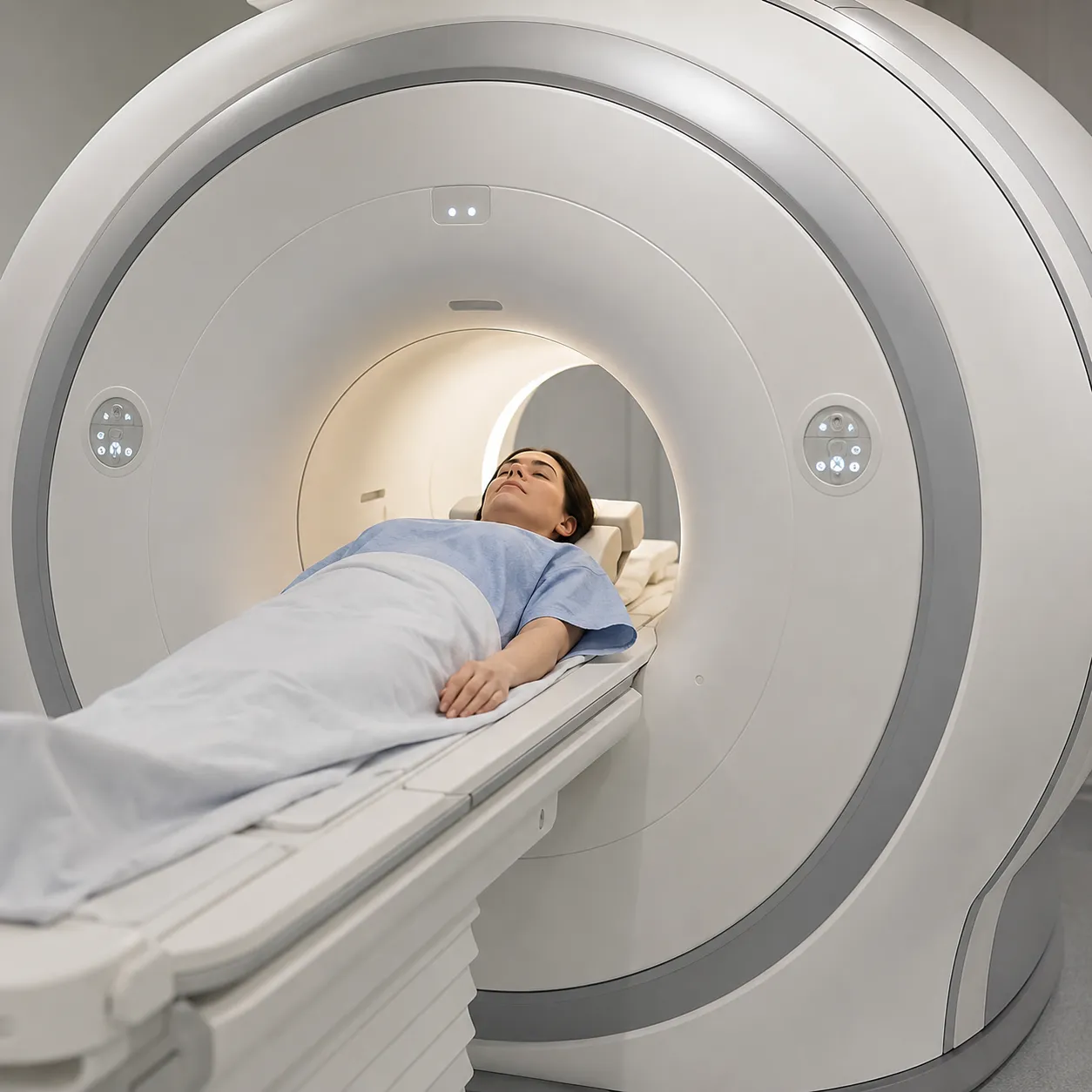
MRI scanˌem ɑːr ˈaɪ skæn
a medical scan that uses a strong magnetic field and radio waves to create detailed pictures of the inside of the body.
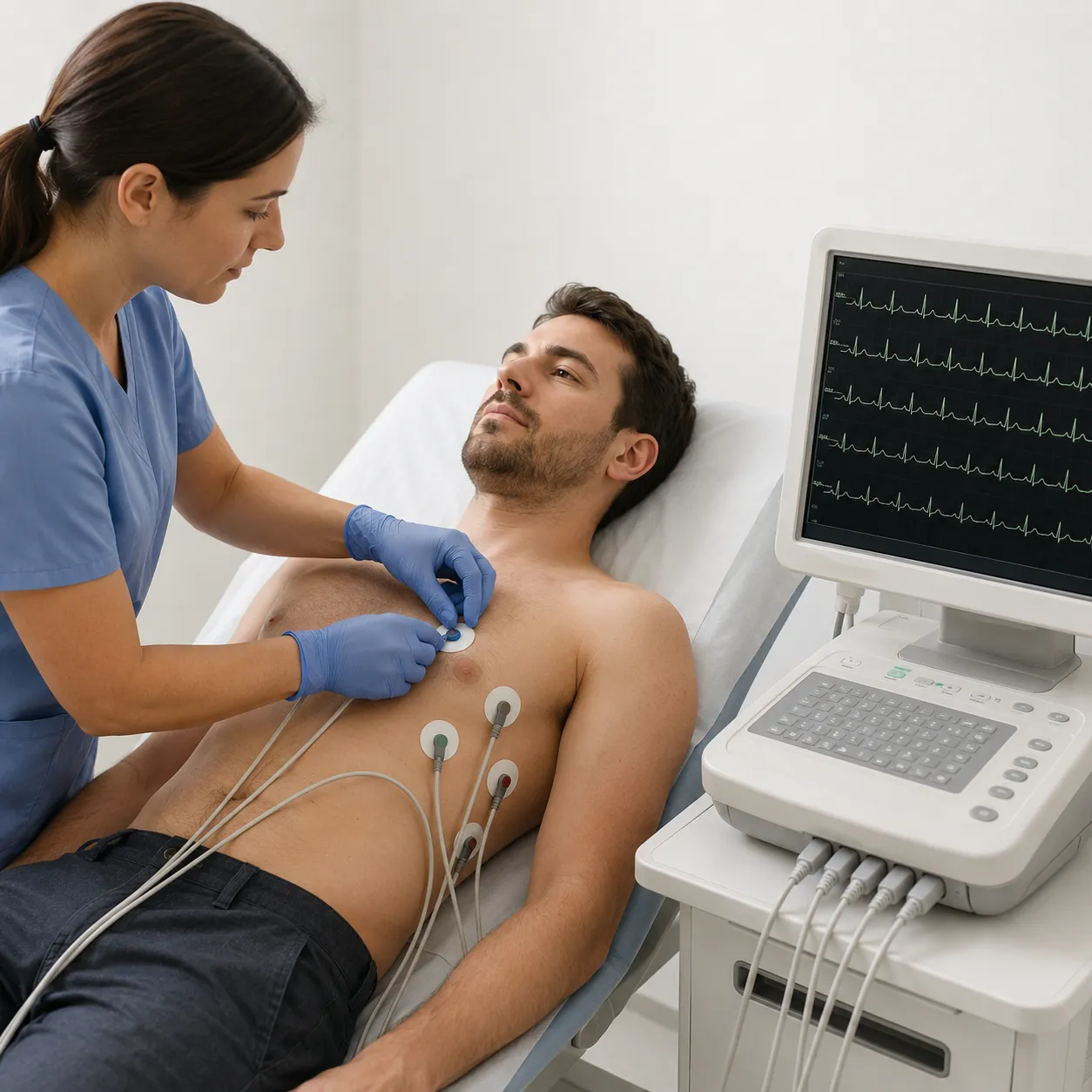
ECGˌiː siː ˈdʒiː
a test that records the electrical activity of the heart, usually using small electrodes on the skin.
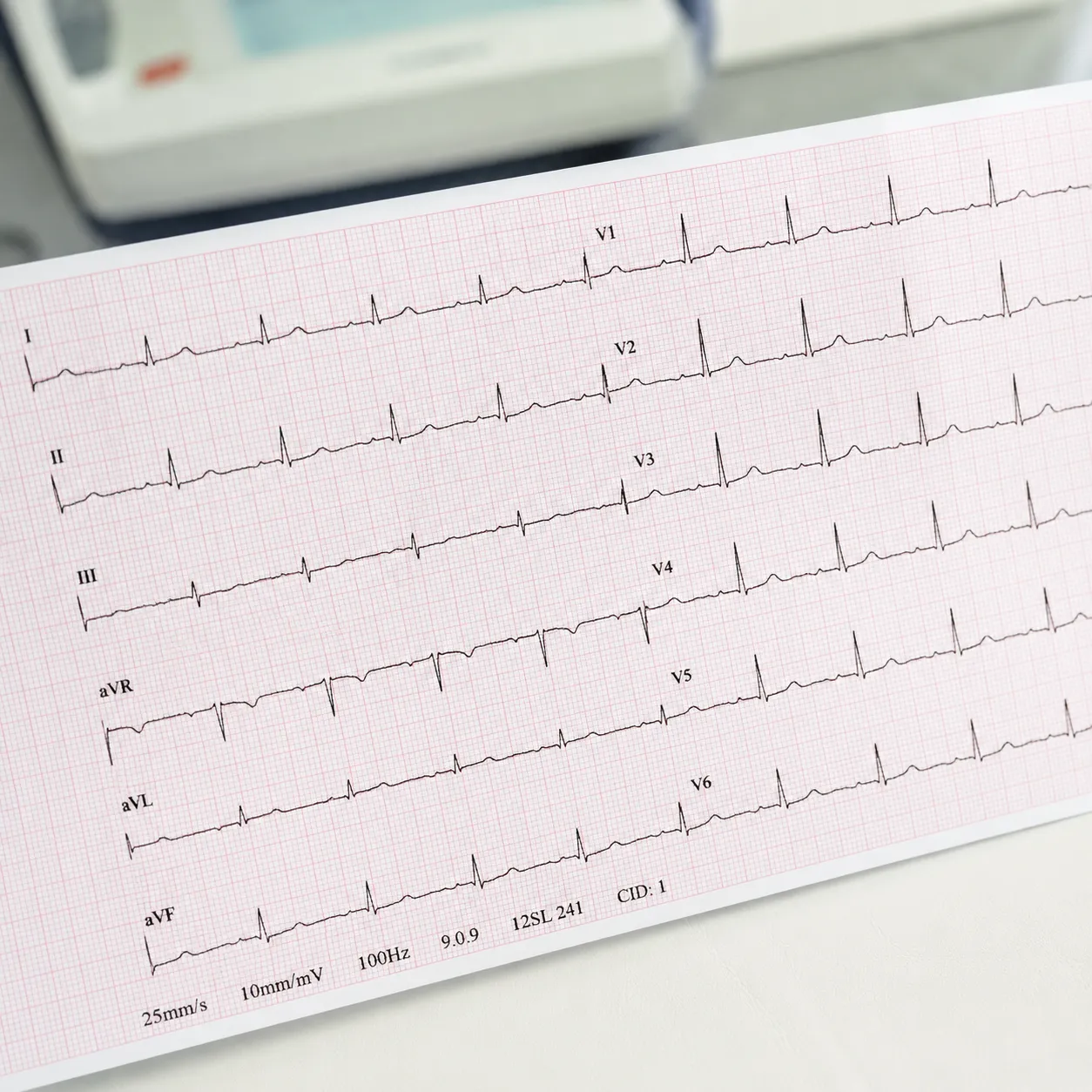
electrocardiogramɪˌlektroʊˈkɑːrdiəɡræm
the recorded tracing or test that shows the electrical activity of the heart.
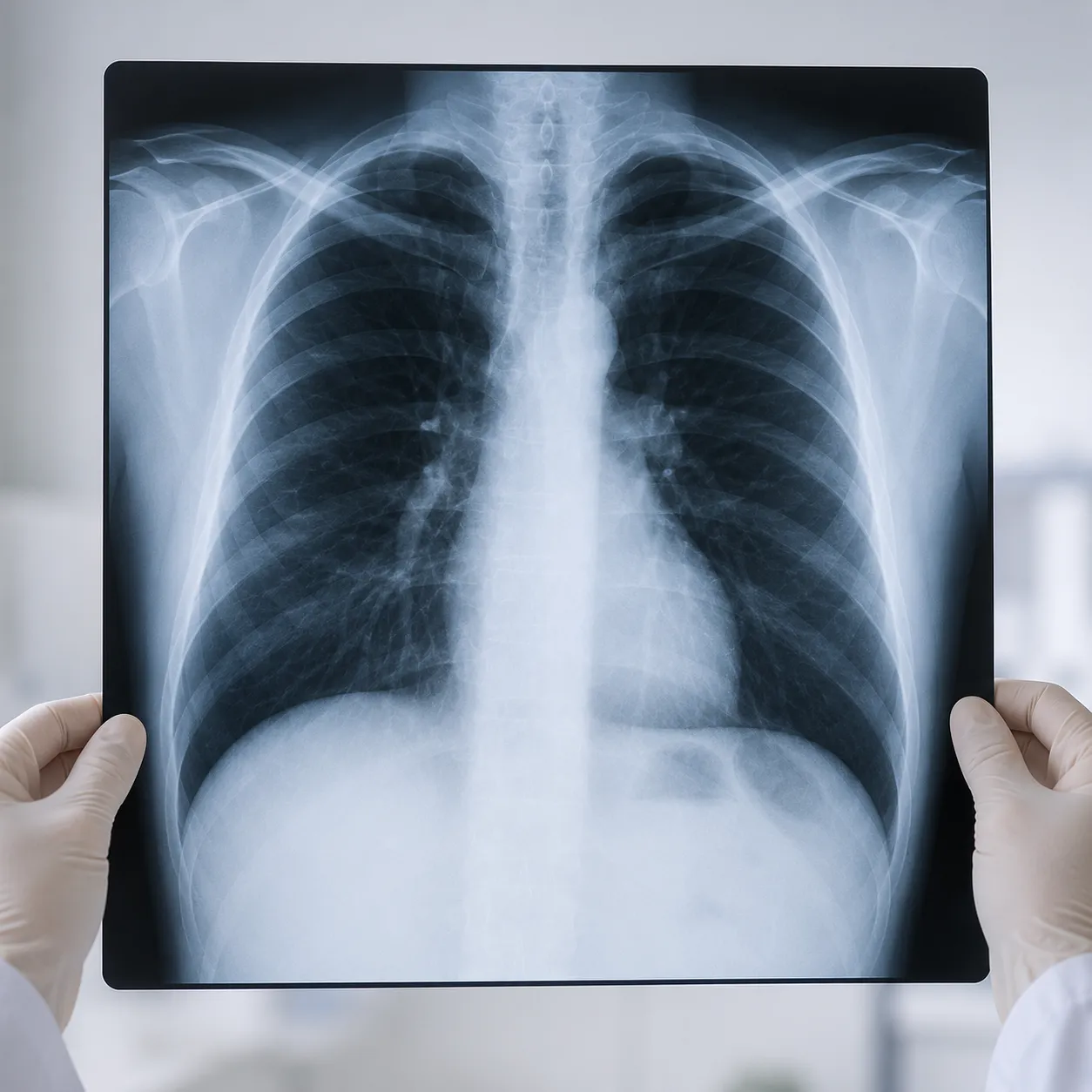
chest x-rayˈtʃest ˈeks reɪ
an X-ray picture of the chest used to examine the lungs, heart, ribs, and nearby structures.
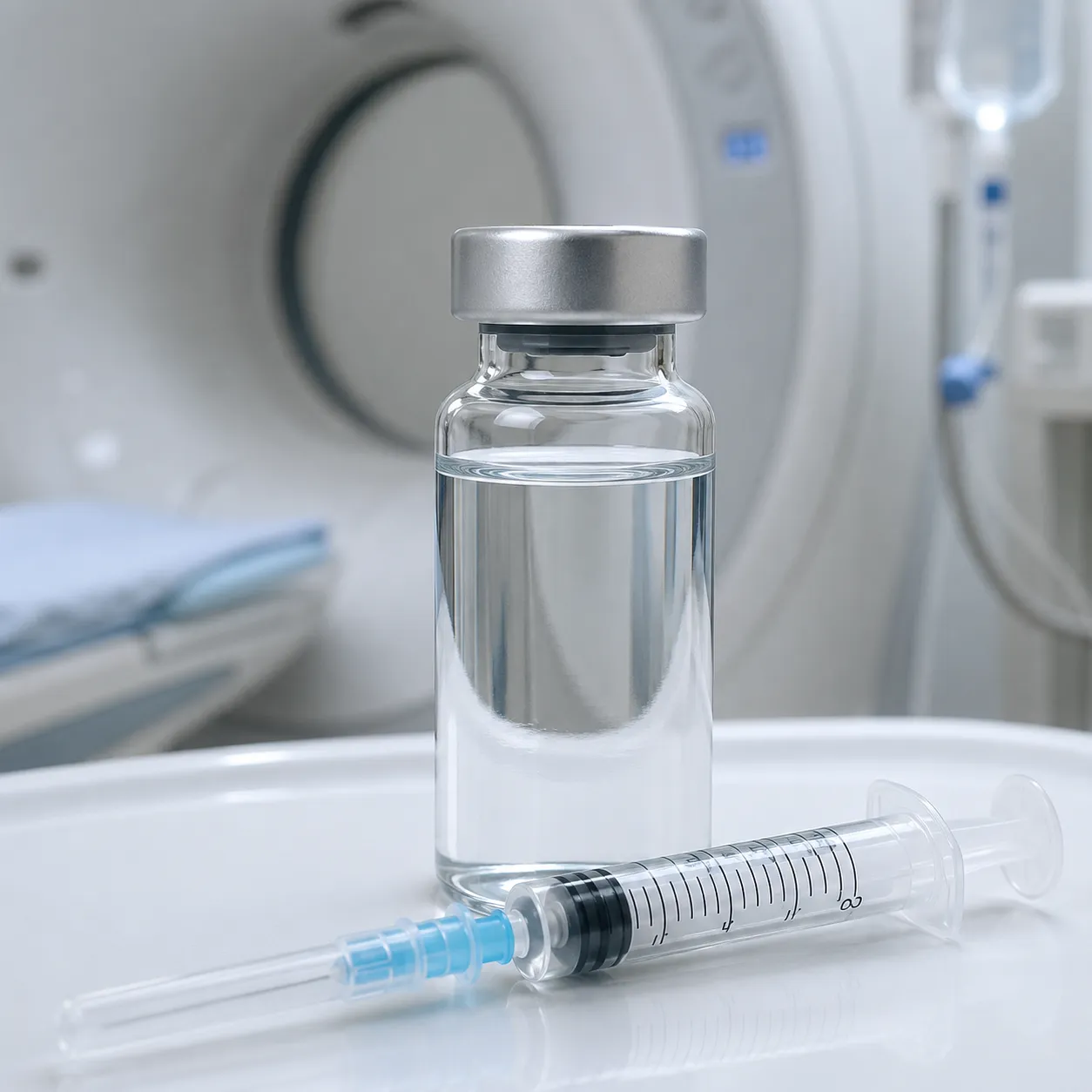
contrast dyeˈkɑːntræst daɪ
a substance given before some scans to make organs, blood vessels, or tissues show more clearly on the images.
radiologyˌreɪdiˈɑːlədʒi
the medical specialty that uses imaging tests such as X-rays, CT, MRI, and ultrasound to diagnose or treat disease.

resultrɪˈzʌlt
something that happens or is produced because of an action, process, event, test, or calculation

normal resultˈnɔːrməl rɪˈzʌlt
a test result that is within the expected healthy range and does not show a problem.
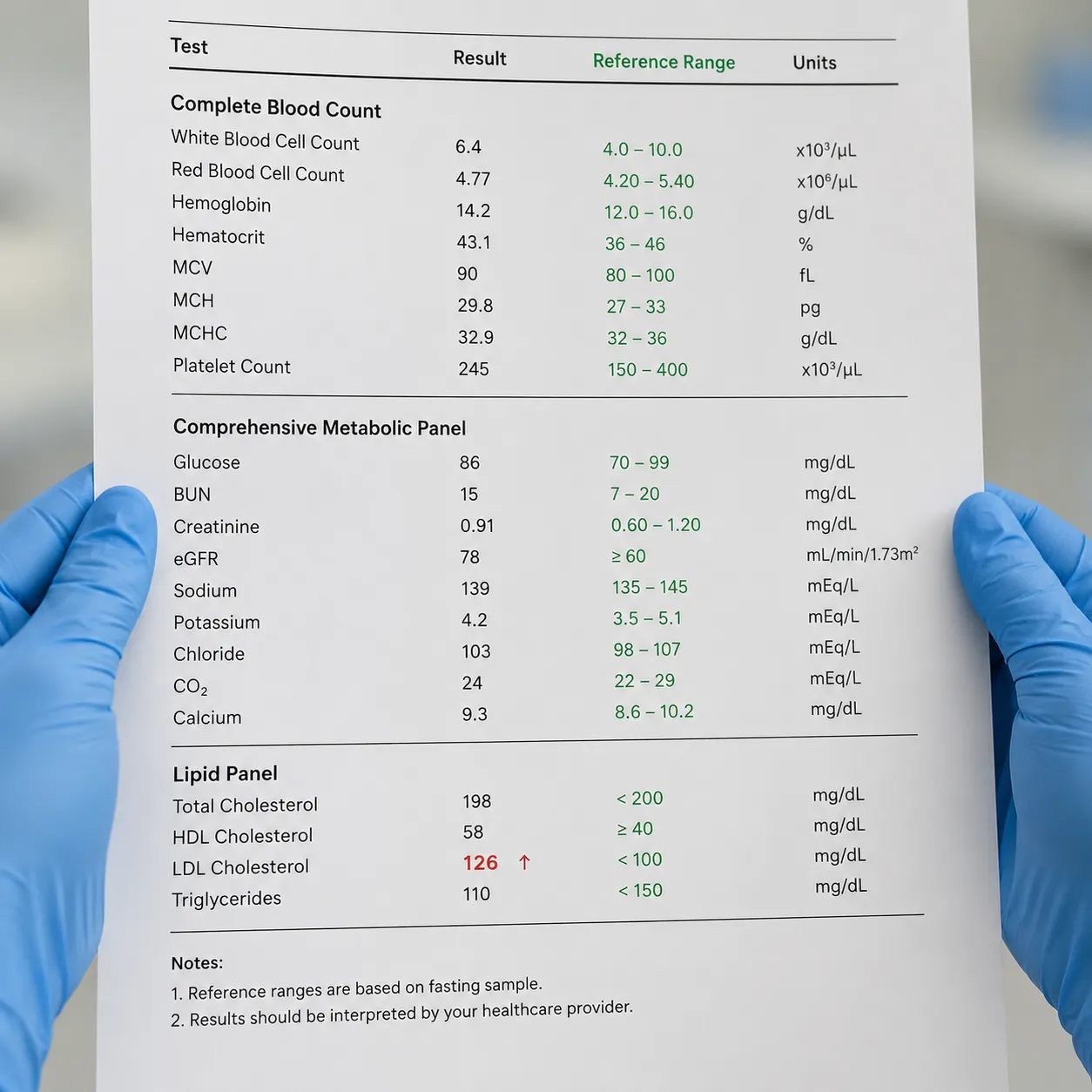
abnormal resultæbˈnɔːrməl rɪˈzʌlt
a test result that is outside the expected healthy range or shows a possible problem.
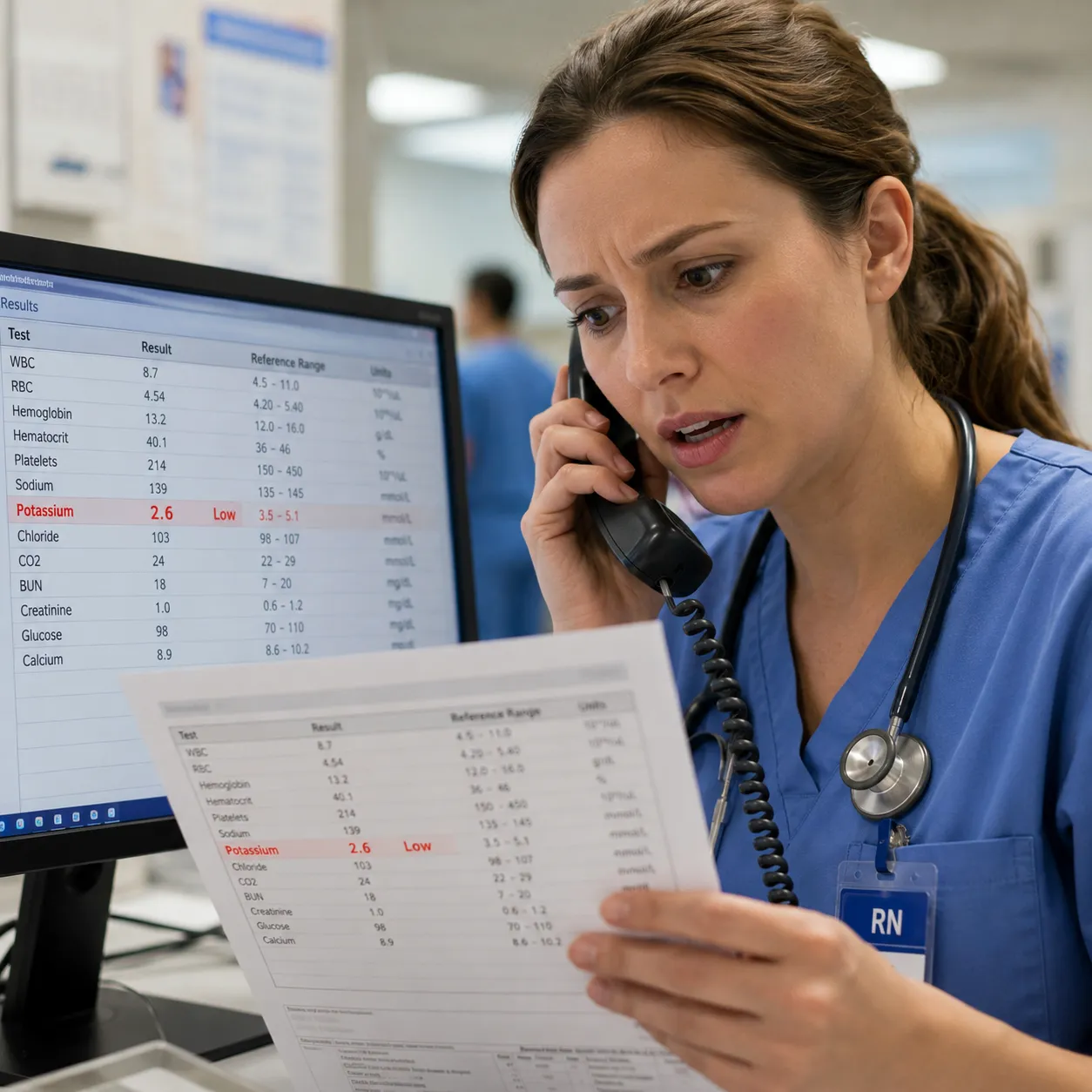
urgent resultˈɜːrdʒənt rɪˈzʌlt
a test result that must be reported quickly because it may affect immediate patient care.
Charts, notes, forms and document formats used to record and share patient information.
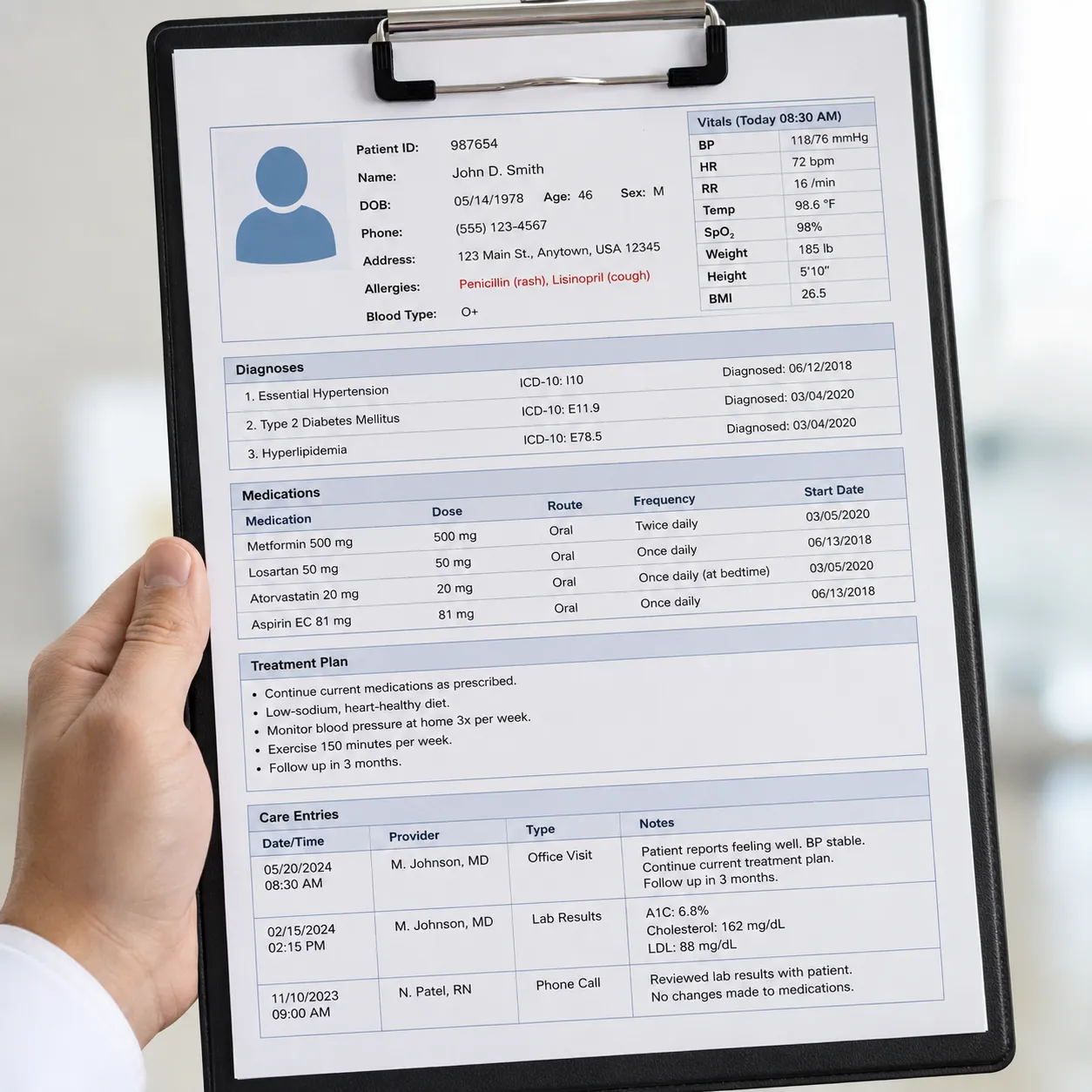
medical chartˈmedɪkəl tʃɑːrt
a document or electronic file containing a patient's medical information and treatment details.
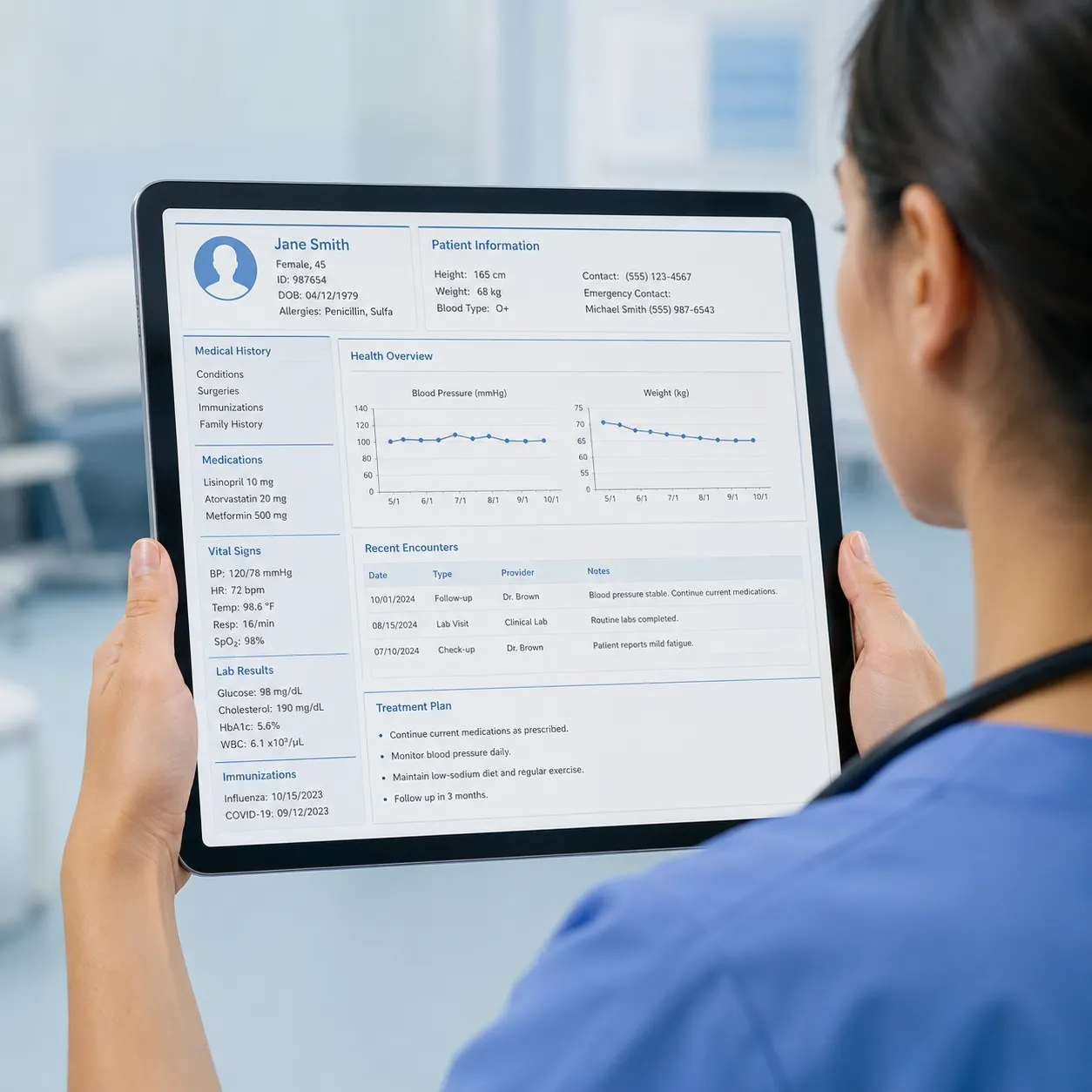
patient recordˈpeɪʃənt ˈrekərd
the official file of information about a patient's health, care, tests, and treatments.
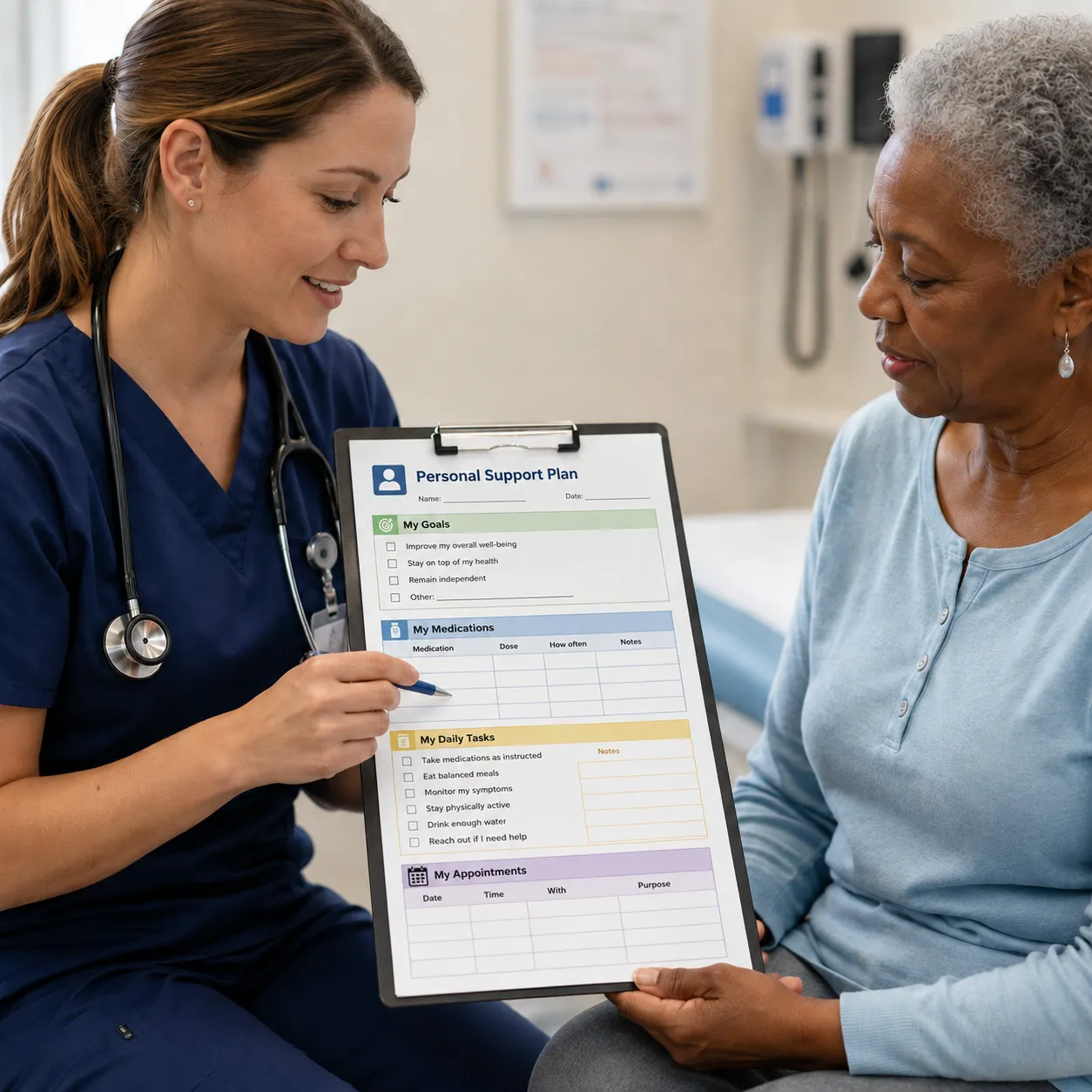
care planˈker plæn
a written plan that describes a patient's needs, goals, and the care that should be provided.
nursing notesˈnɜːrsɪŋ noʊts
written records made by nurses about a patient's condition, care given, and important changes.
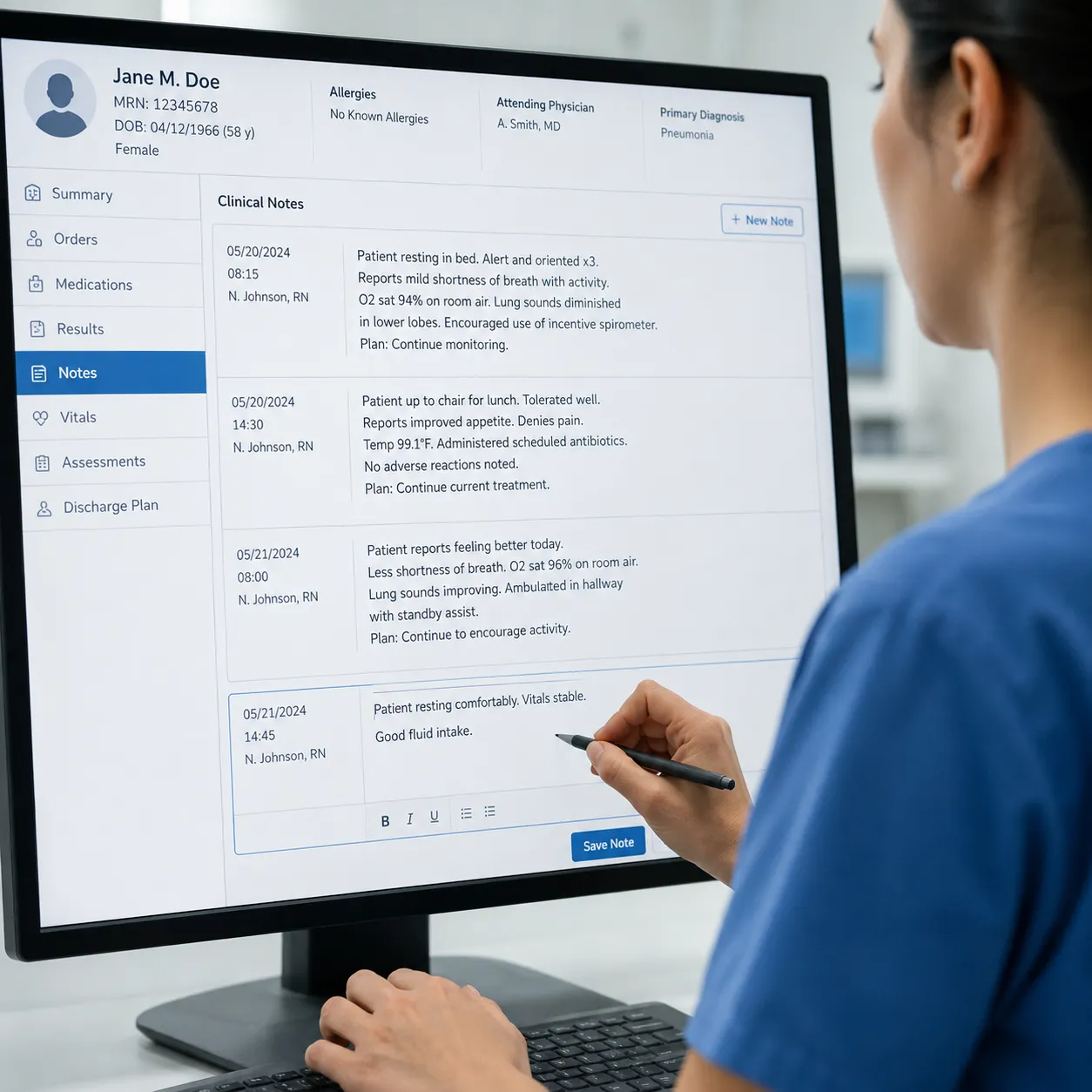
progress notesˈprɑːɡres noʊts
written updates in a patient's record showing changes in condition, treatment, or recovery over time.
observation chartˌɑːbzərˈveɪʃən tʃɑːrt
a chart used to record regular measurements of a patient's vital signs and condition.
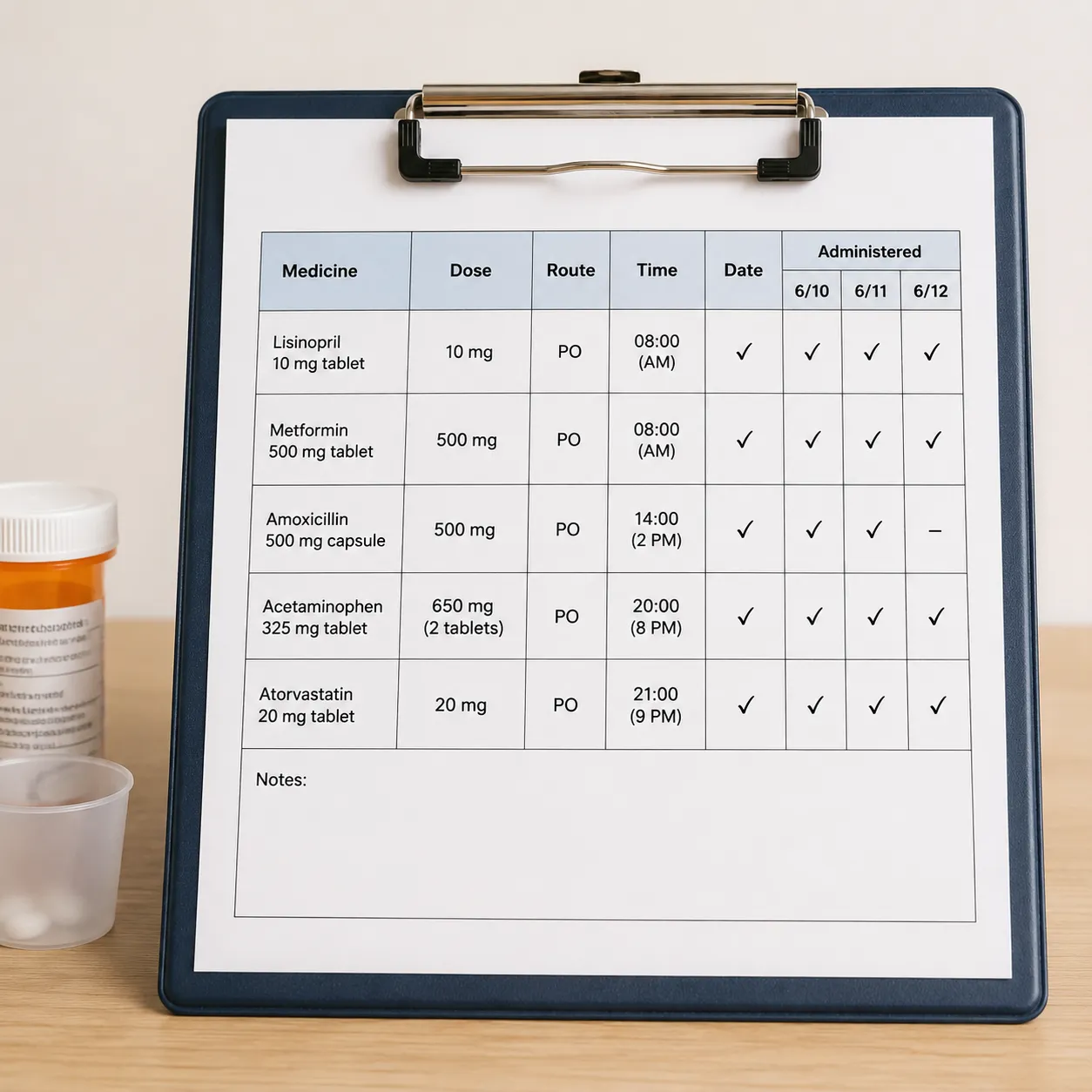
medication chartˌmedɪˈkeɪʃən tʃɑːrt
a chart that records the medicines prescribed and given to a patient, including dose and time.
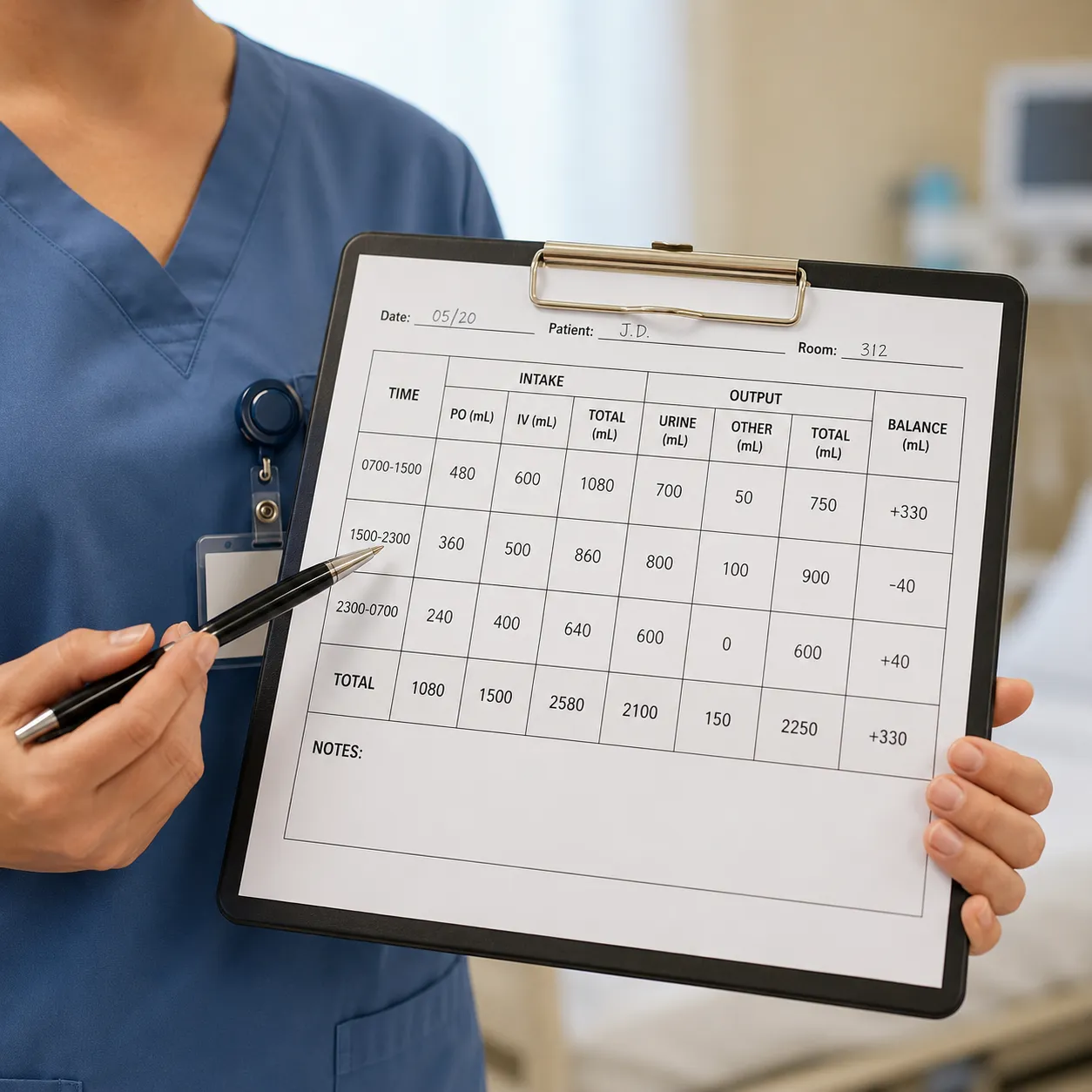
fluid balance chartˈfluːɪd ˈbæləns tʃɑːrt
a chart used to record how much fluid a patient takes in and passes out.
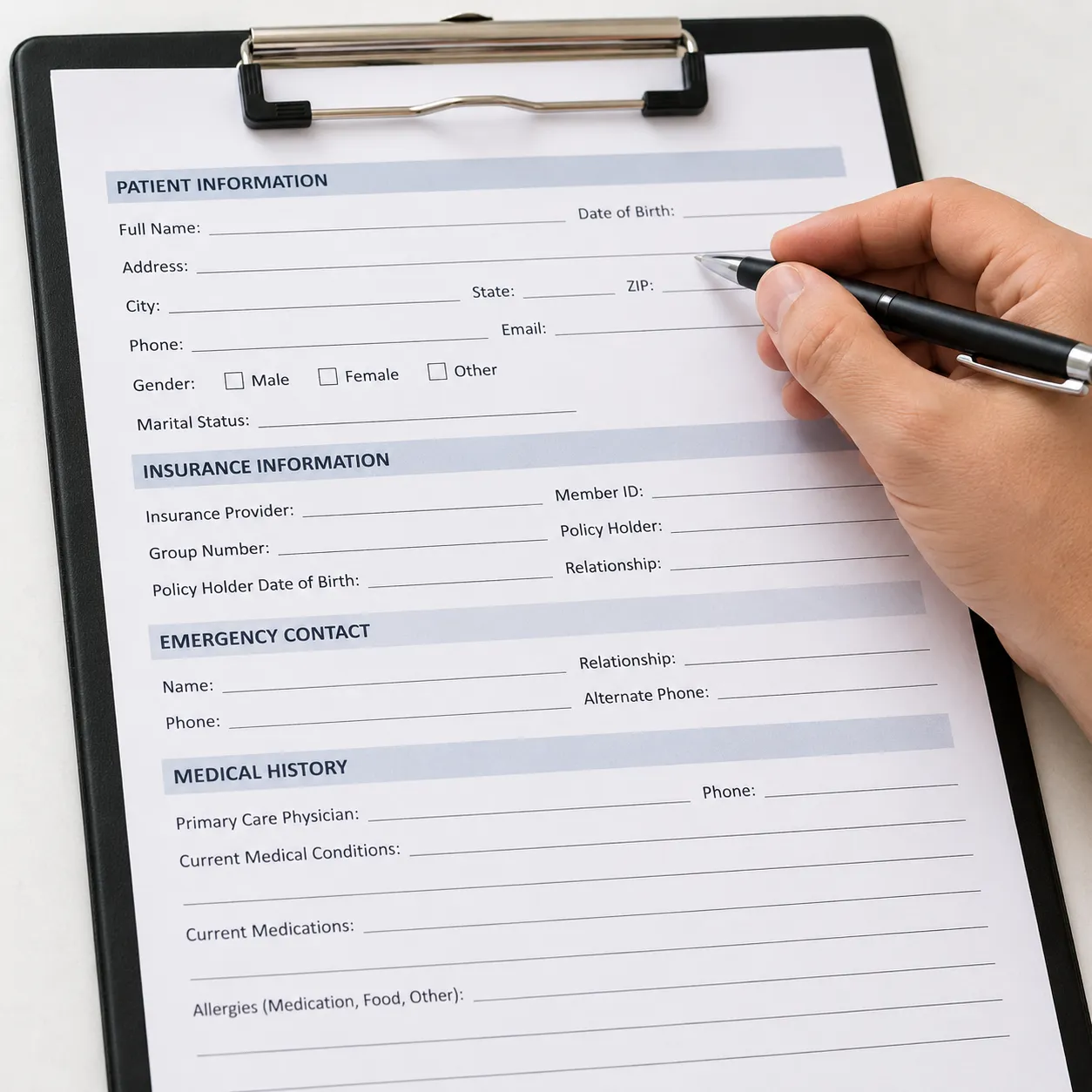
admission formədˈmɪʃən fɔːrm
a form completed when a patient enters a hospital or clinic for care.
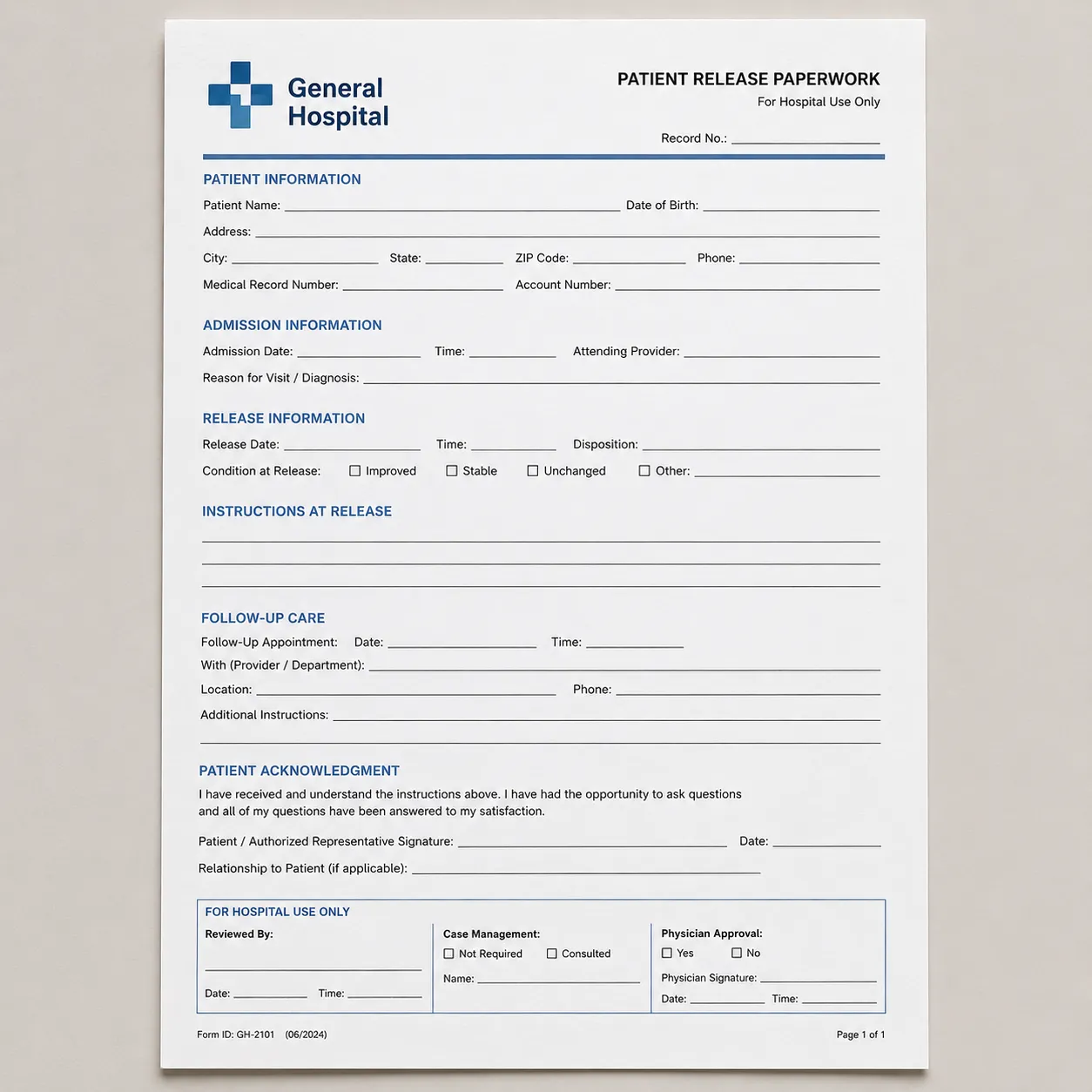
discharge formdɪsˈtʃɑːrdʒ fɔːrm
a form completed when a patient leaves a hospital or clinic after care.
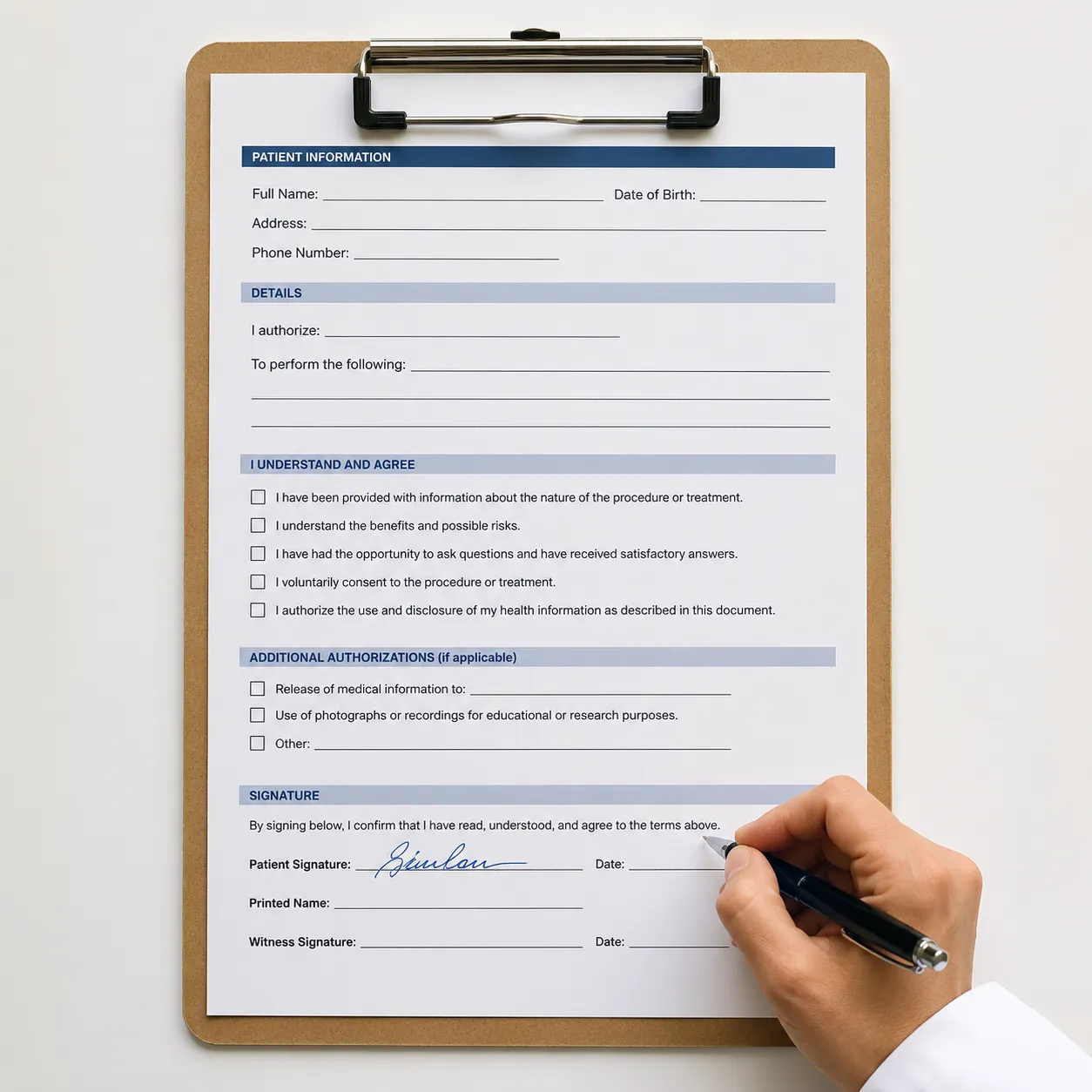
consent formkənˈsent fɔːrm
a form a patient signs to give permission for a treatment, procedure, or sharing of information.
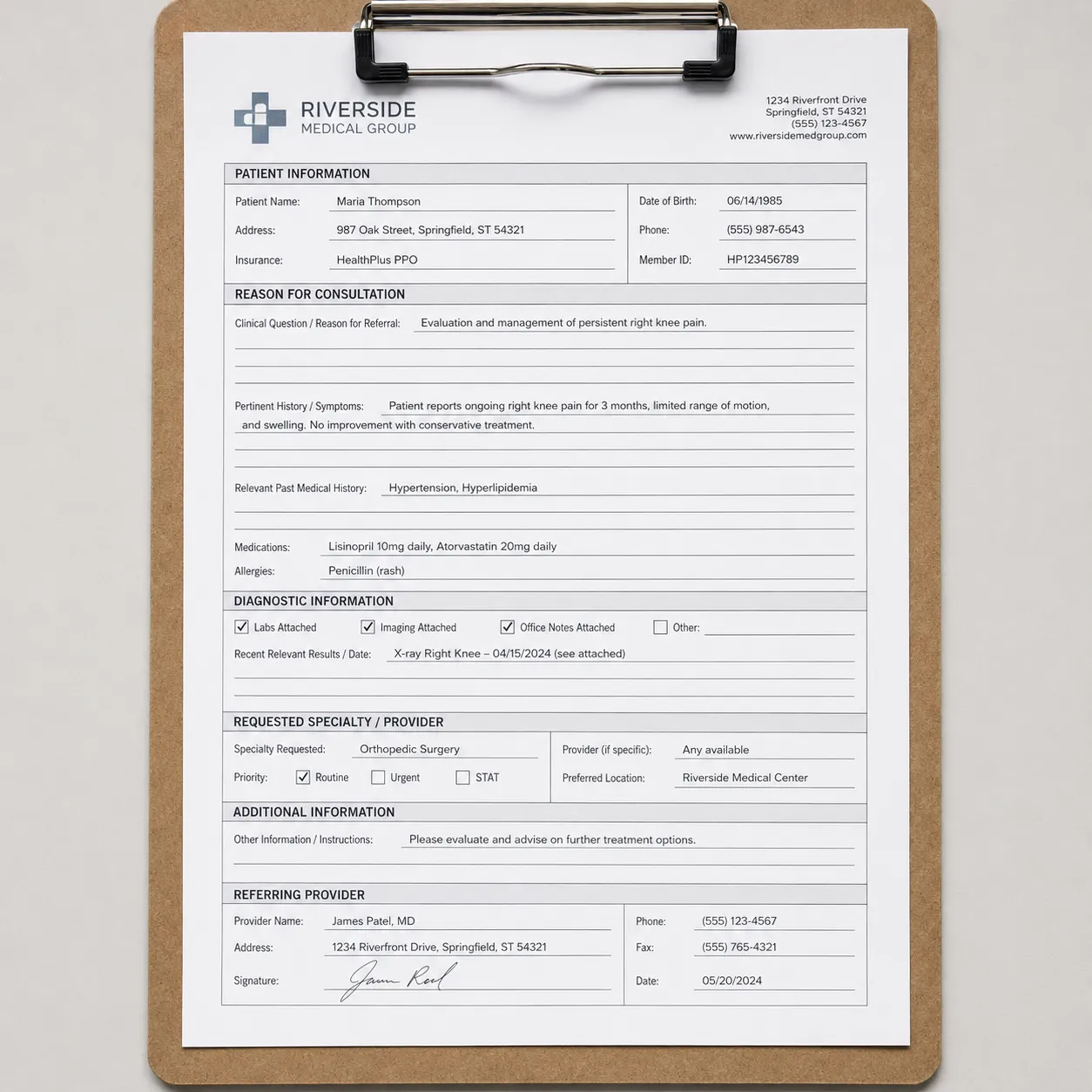
referral formrɪˈfɜːrəl fɔːrm
a form used to send a patient to another doctor, department, or service for further care.
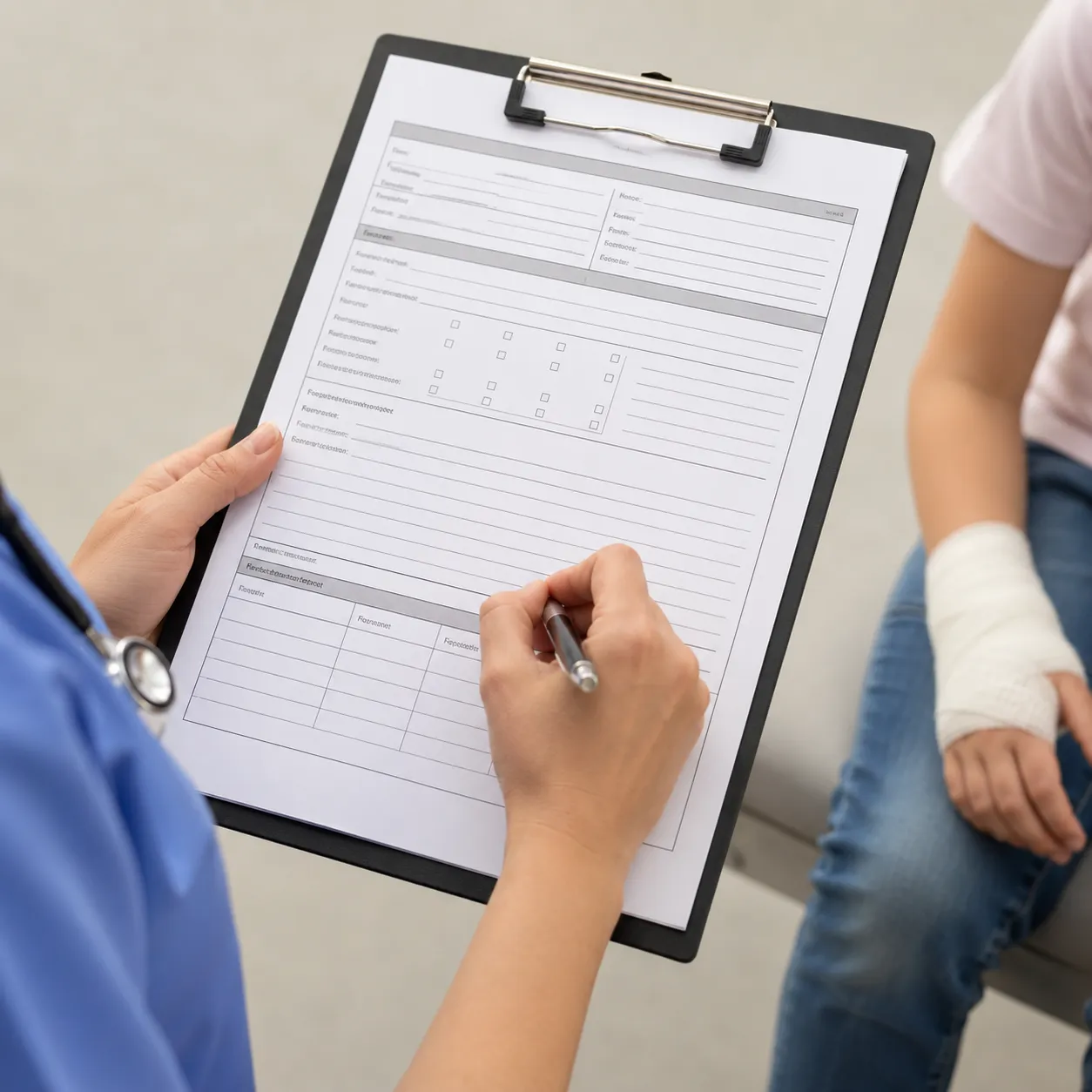
incident reportˈɪnsɪdənt rɪˌpɔːrt
a written record describing an accident, problem, injury, or unusual event that happened.
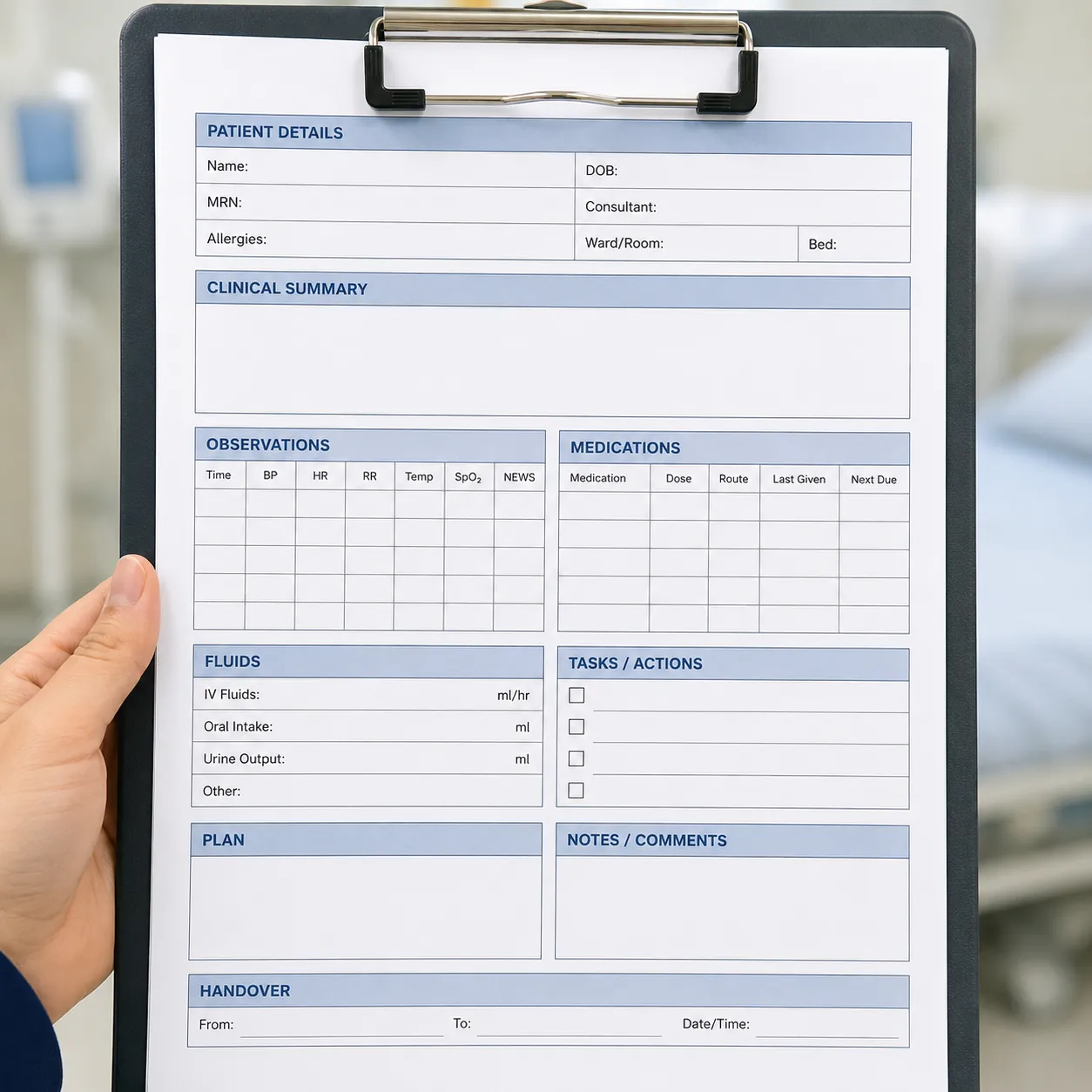
handover sheetˈhændoʊvər ʃiːt
a sheet used to pass important patient information from one staff member or shift to another.
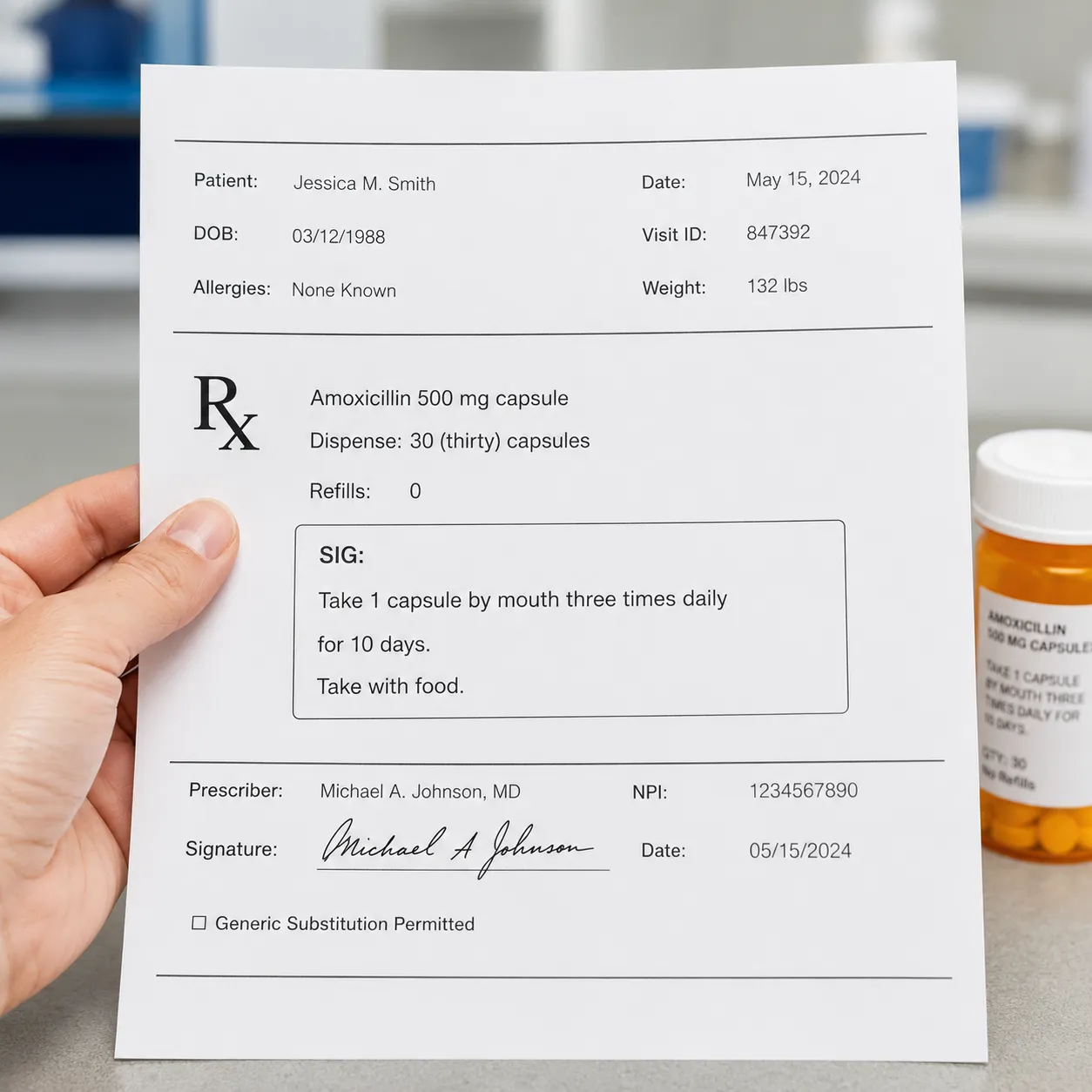
prescriptionprɪˈskrɪpʃən
a written order from a healthcare professional for medicine or treatment.

orderˈɔːrdər
a request for goods, services, food, or drinks, or the things supplied because of it
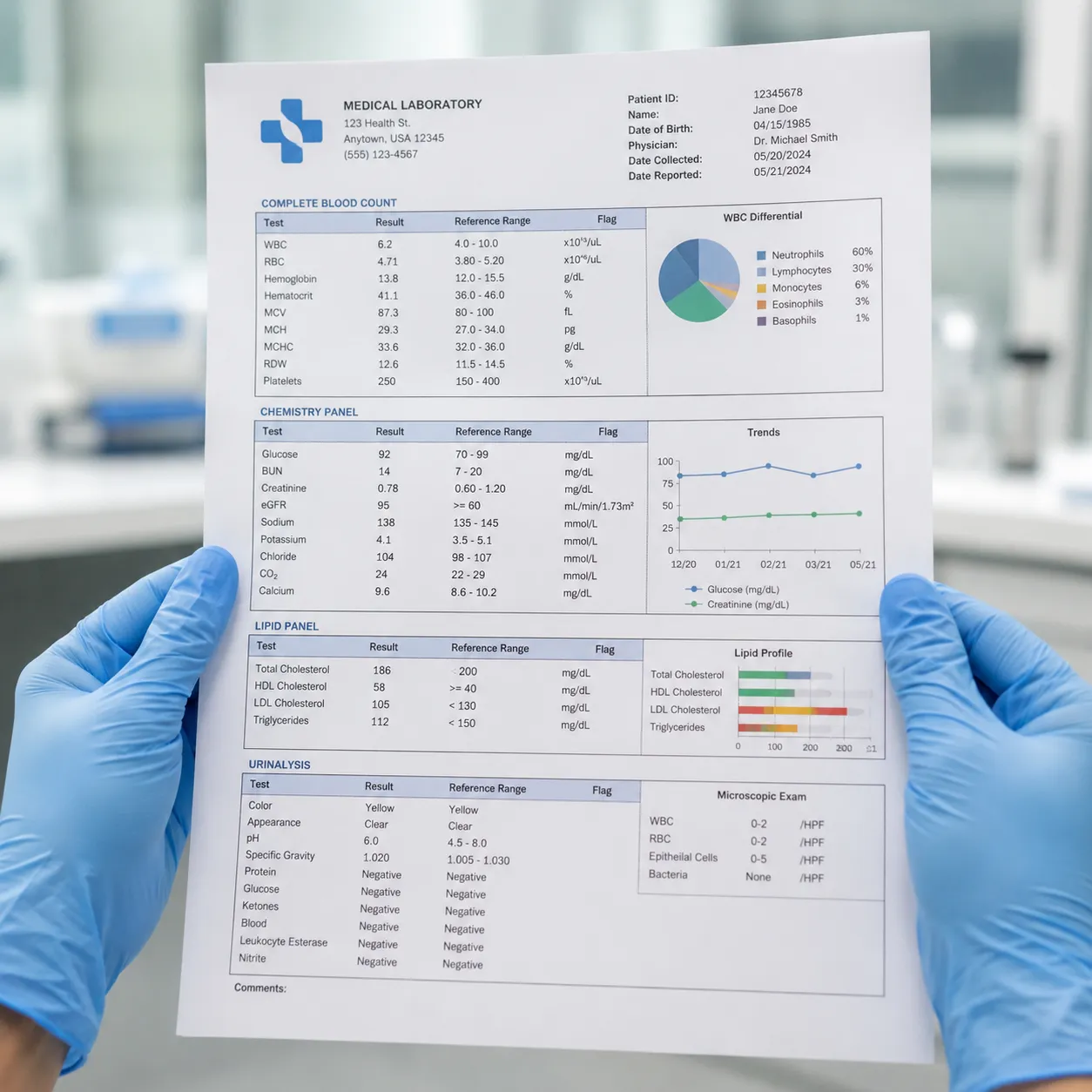
test resulttest rɪˈzʌlt
the information found after a medical test has been done.
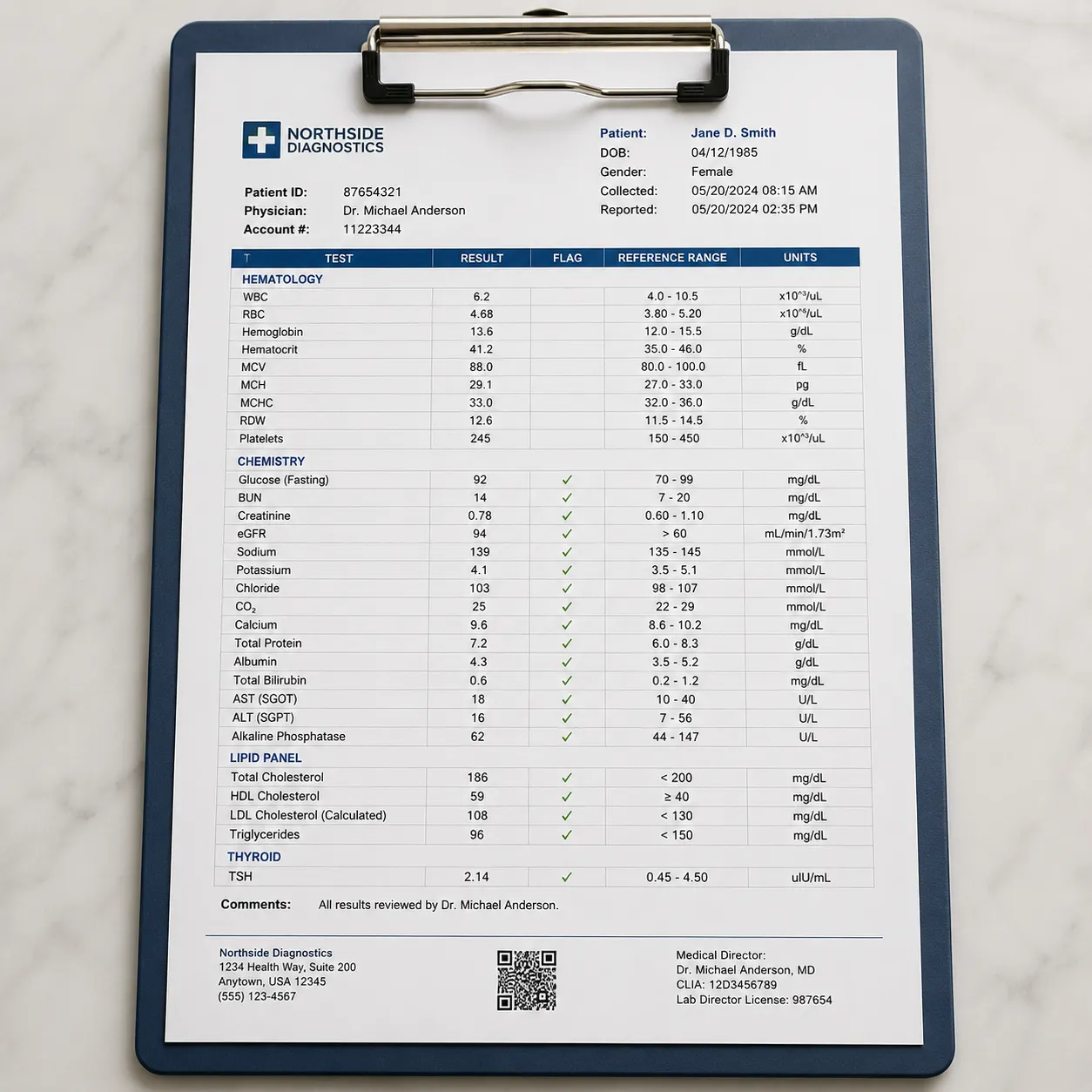
lab reportlæb rɪˈpɔːrt
a document from a laboratory that shows test results and related details.
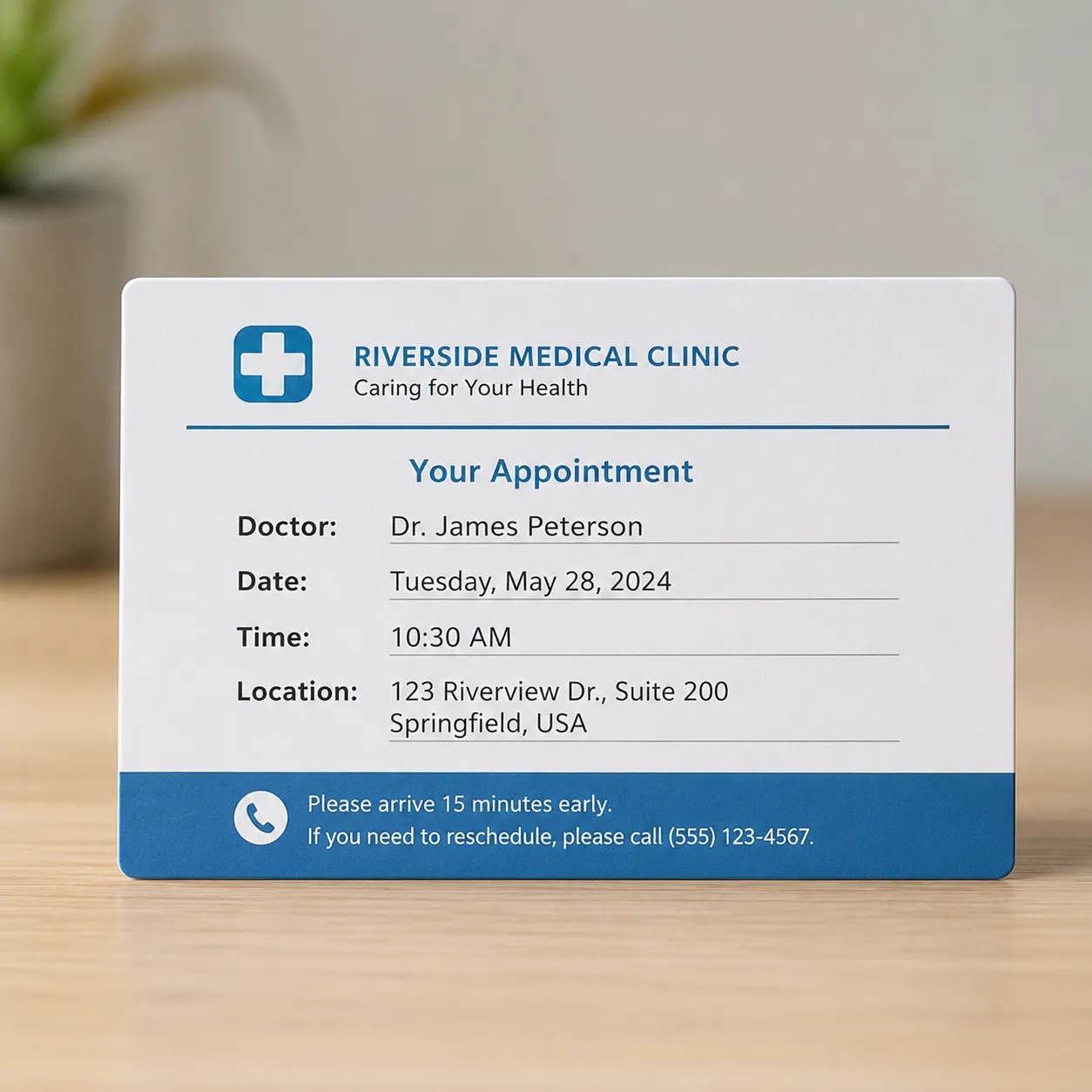
appointment cardəˈpɔɪntmənt ˌkɑːrd
a card showing the date, time, and place of a scheduled medical visit.
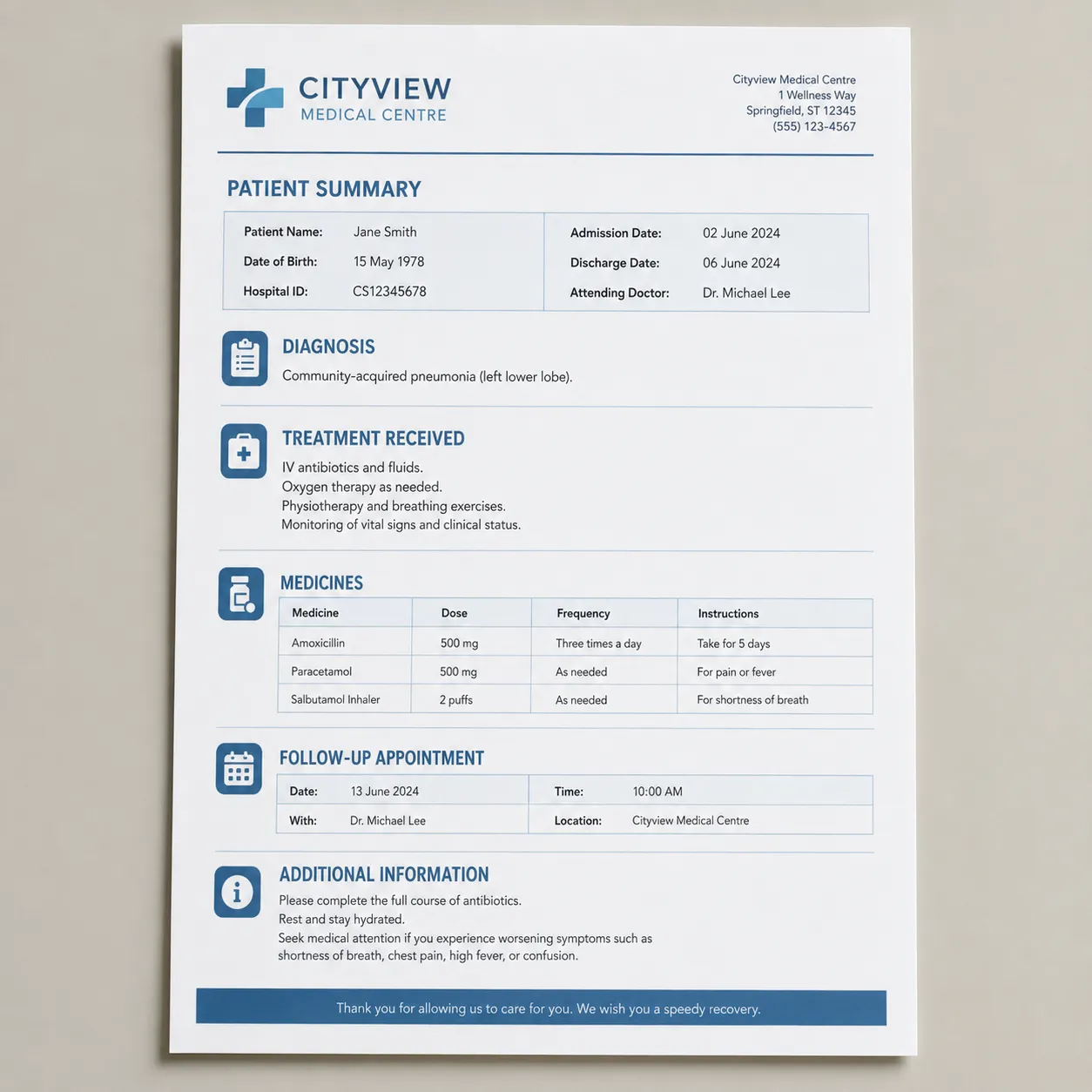
discharge summarydɪsˈtʃɑːrdʒ ˈsʌməri
a hospital document that summarizes a patient's stay, treatment, condition, and follow-up plan when they leave.
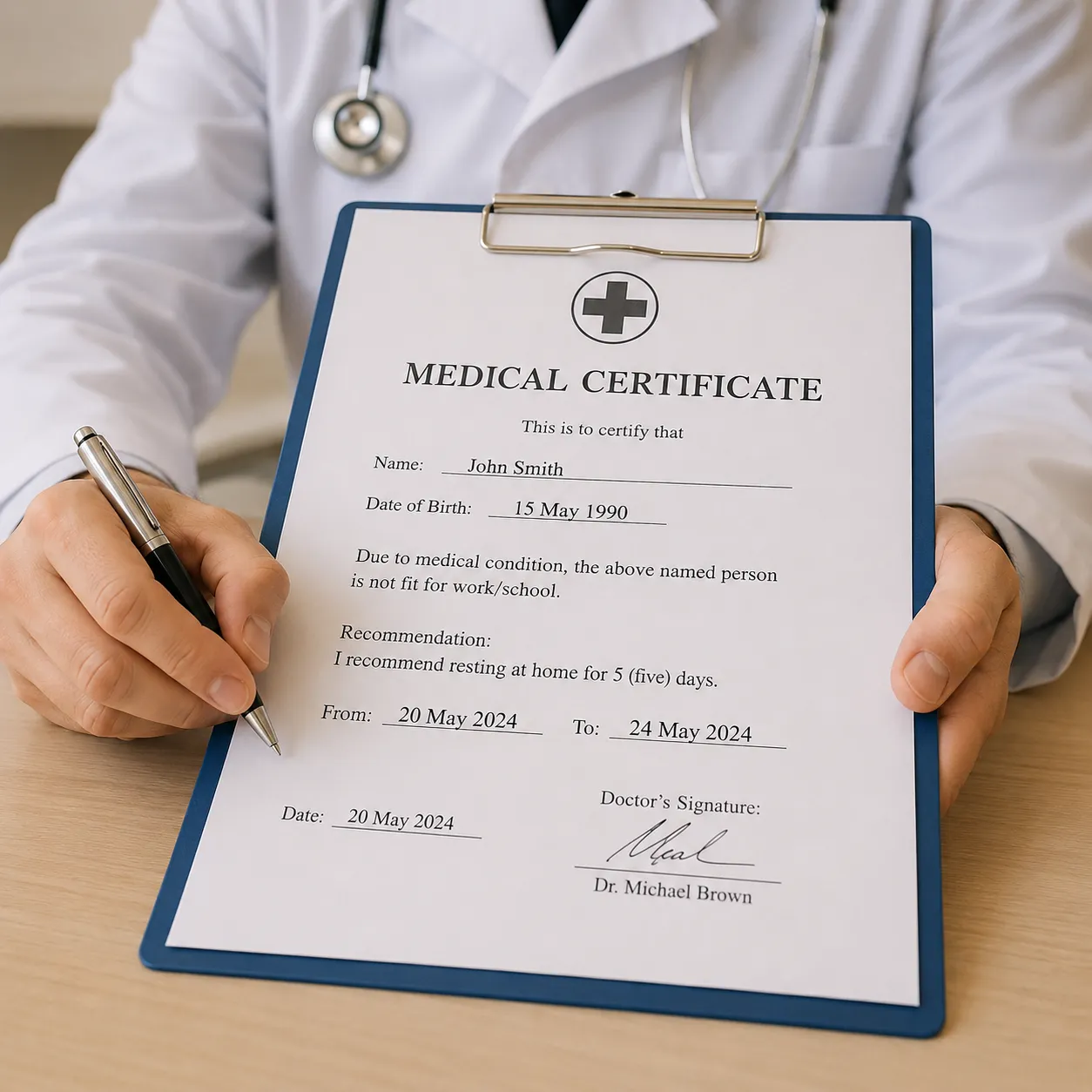
sick noteˈsɪk noʊt
a doctor's written statement that a person is too ill to work or attend school.
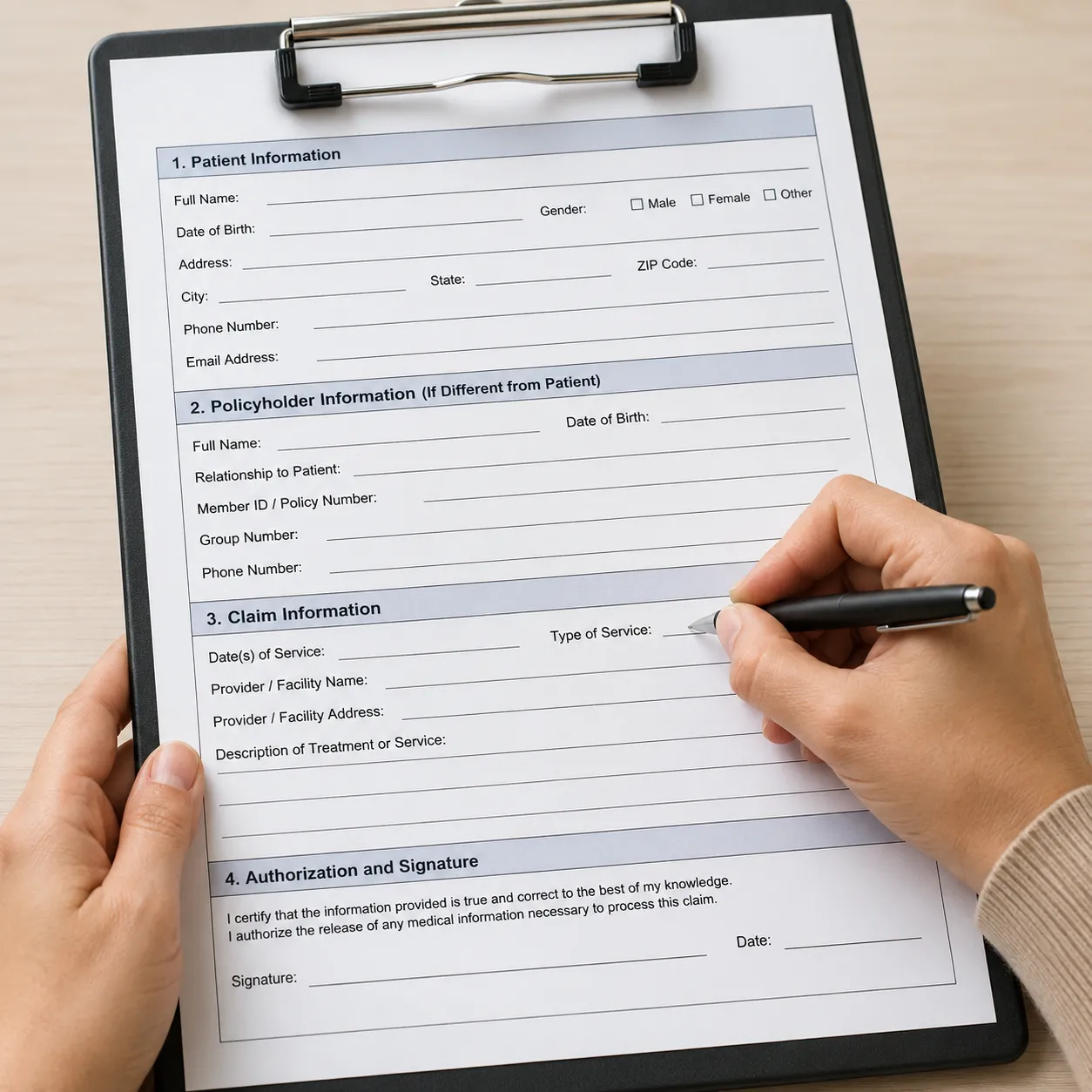
insurance formɪnˈʃʊrəns fɔːrm
a document used to give information to a health insurance company or request payment for care.
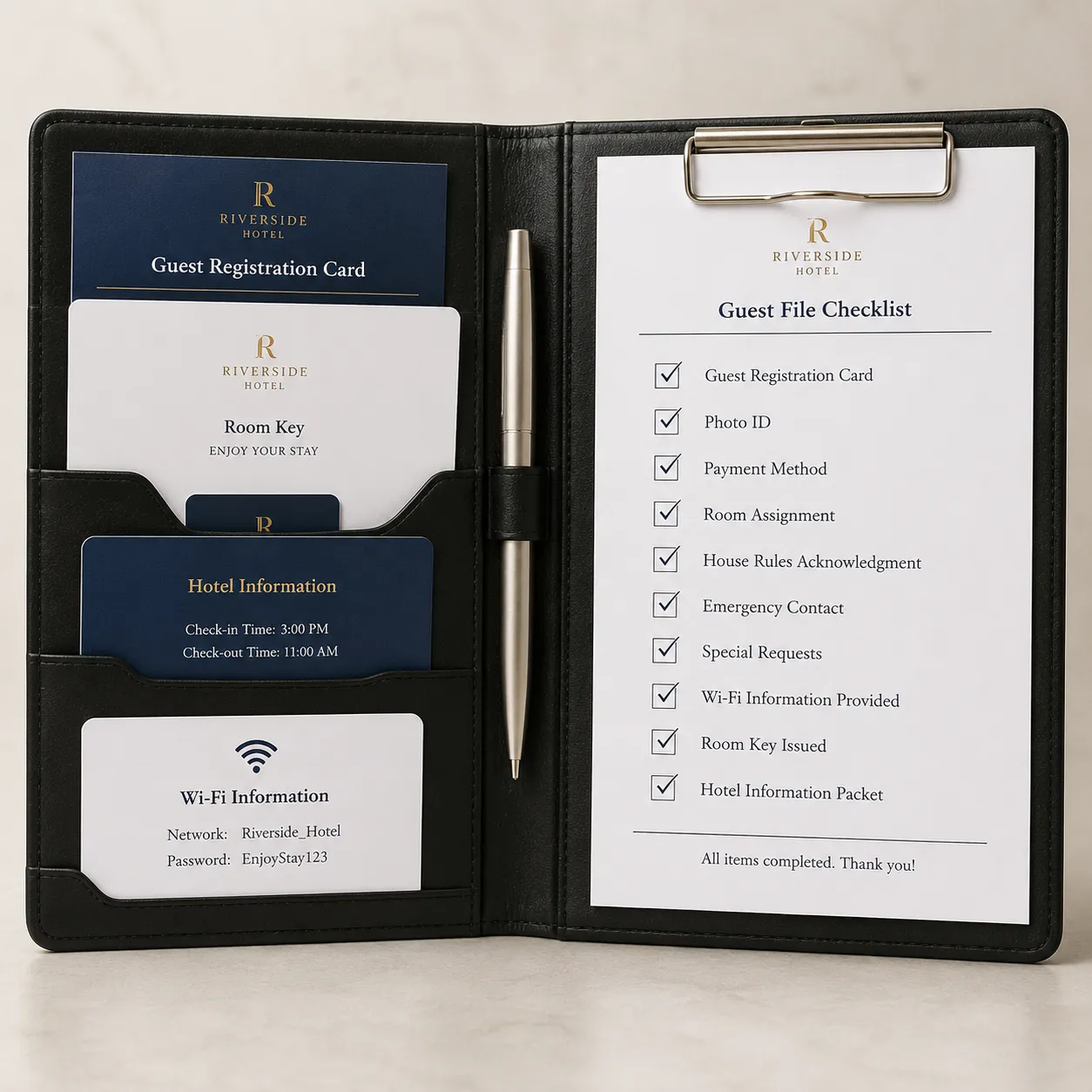
completekəmˈpliːt
having every necessary part, detail, or item and lacking nothing

incompleteˌɪnkəmˈpliːt
missing some necessary parts, information, or work.
legibleˈledʒəbəl
clear enough to be read easily.

verbalˈvɜːrbəl
spoken rather than written.

writtenˈrɪtn
recorded in letters, words, or symbols rather than spoken.
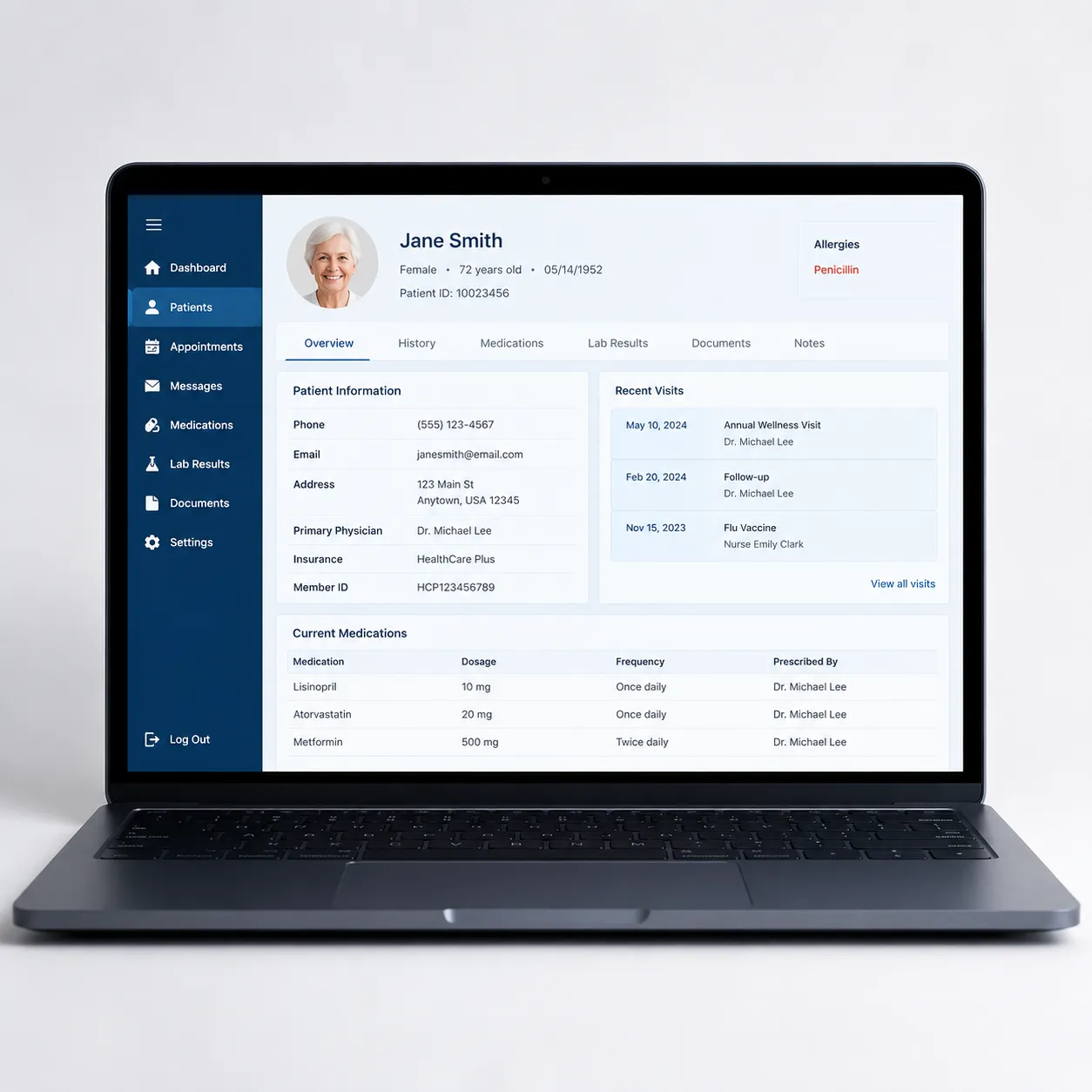
electronicɪˌlekˈtrɑːnɪk
using or stored on computers or digital devices.
manualˈmænjuəl
done or controlled by a person rather than by a machine or computer automatically.
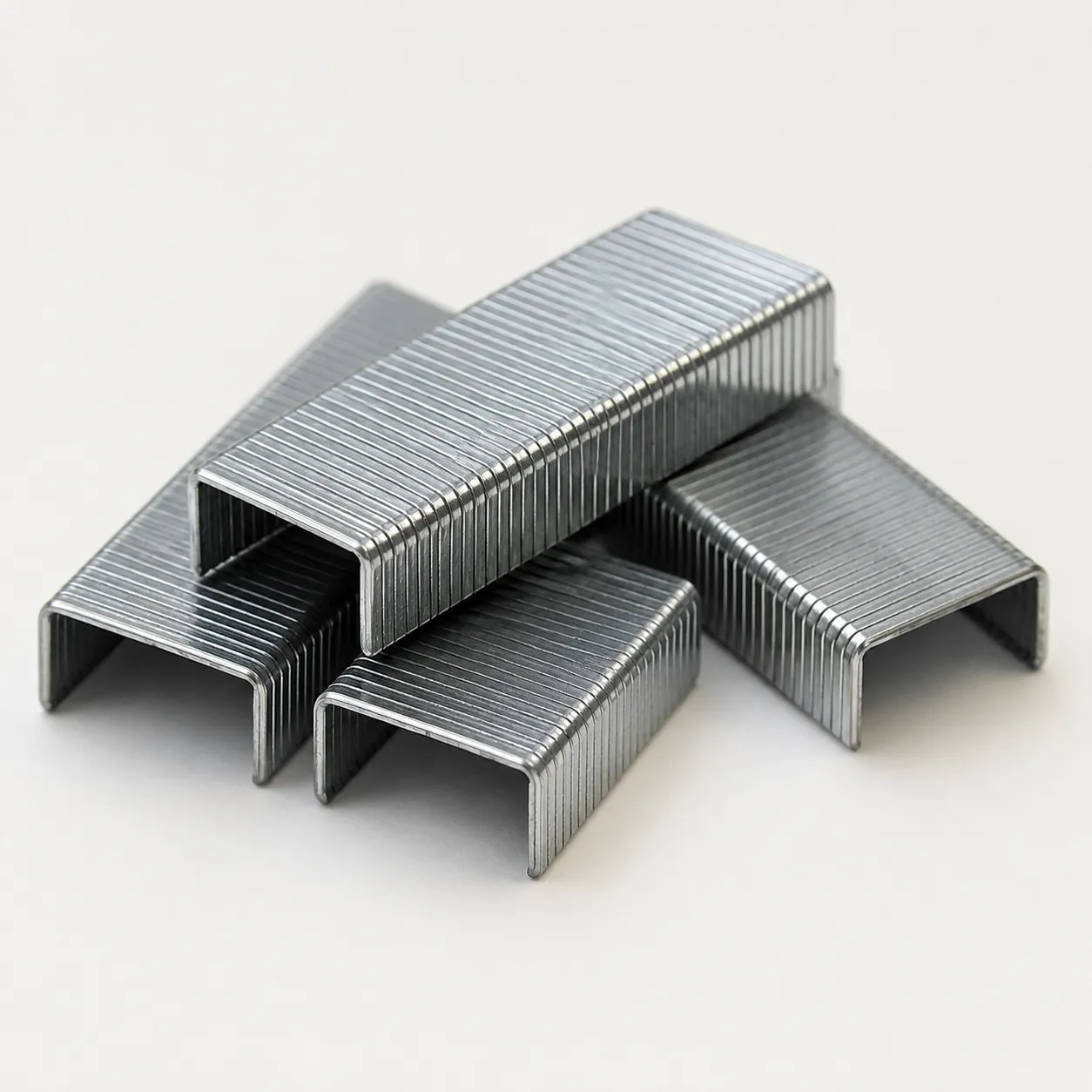
staplesˈsteɪpəlz
small U-shaped metal pieces used by a stapler to fasten papers together.
Rules, criteria and professional standards that guide safe clinical practice.

checklistˈtʃekˌlɪst
a list of tasks or items to check off as they are completed.
protocolˈproʊtəkɔːl
an official set of rules or steps that staff must follow in a particular medical situation.
procedureprəˈsiːdʒər
a set order of steps for doing something correctly.

policyˈpɑːləsi
an official plan or set of rules that an organization follows.
guidelineˈɡaɪdlaɪn
advice or instructions that help people decide how to do something.
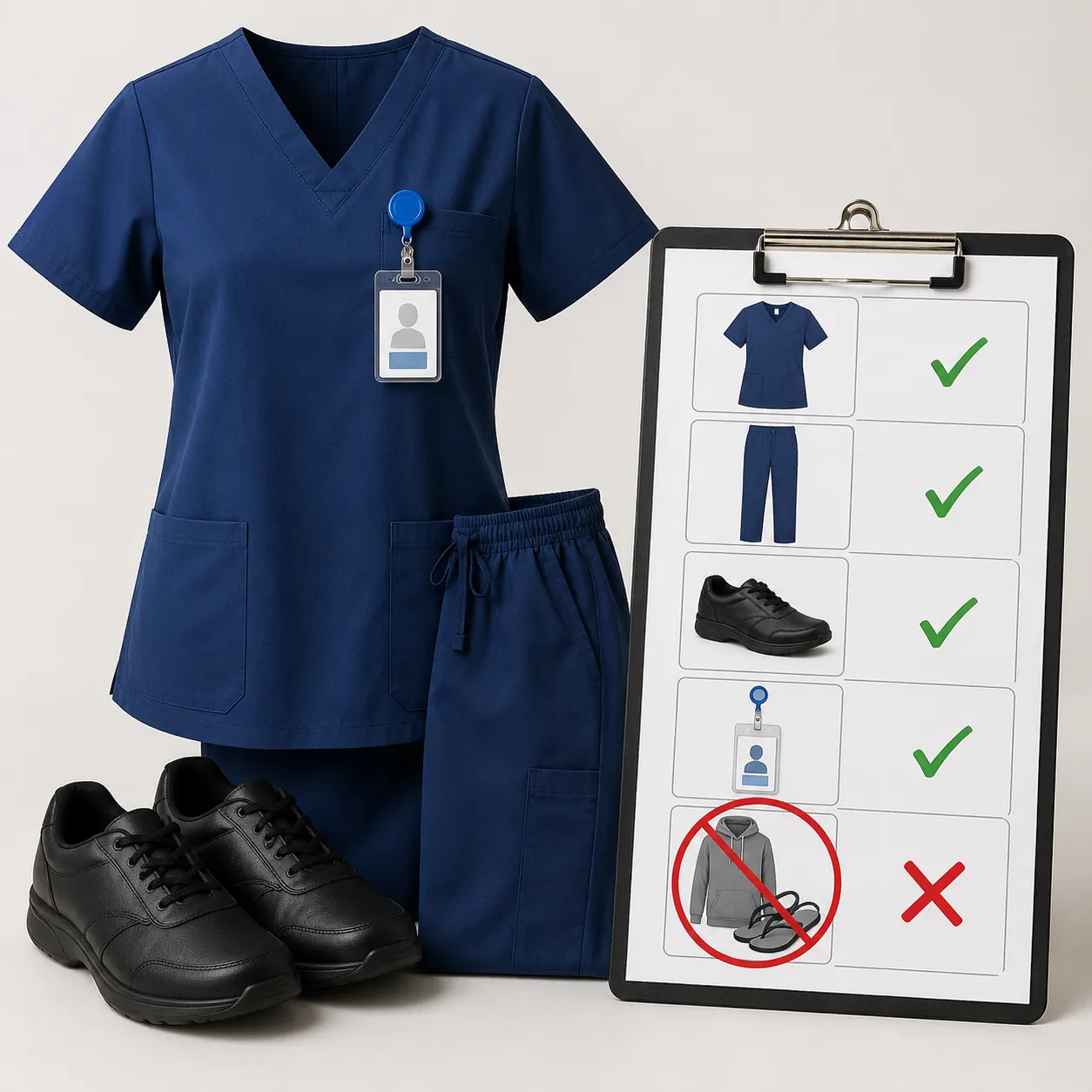
uniform policyˈjuːnɪfɔːrm ˈpɑːləsi
workplace rules about what uniform staff must wear and how they must wear it.
accurateˈækjərət
correct and without mistakes.

mandatoryˈmændətɔːri
required by a rule, law, or policy.

optionalˈɑːpʃənəl
available to choose but not required.

approvedəˈpruːvd
officially accepted or allowed.

declineddɪˈklaɪnd
politely refused or not accepted.

admission criteriaədˈmɪʃən kraɪˈtɪəriə
the rules or conditions used to decide whether a patient should be admitted to a hospital or service.
discharge criteriaˈdɪstʃɑːdʒ kraɪˈtɪəriə
the rules or conditions used to decide whether a patient is well enough to leave hospital or a service.

duty of careˌduːti əv ˈker
a legal or professional responsibility to act in a way that keeps people safe and avoids harm.

professional boundariesprəˈfeʃənəl ˈbaʊndəriz
the limits that keep relationships with patients or clients appropriate, respectful, and work-focused.

clinical judgmentˈklɪnɪkəl ˈdʒʌdʒmənt
a healthcare professional’s decision based on medical knowledge, experience, patient information, and the situation.
Rights, consent, privacy and safeguarding concepts that protect patients.

patient safetyˈpeɪʃənt ˈseɪfti
the practice of preventing harm, errors, and accidents during health care.
quality of careˈkwɑːləti əv kɛr
how good, safe, effective, and patient-centered the care provided is.

confidentialˌkɑːnfɪˈdenʃəl
intended to be kept private and shared only with authorized people.

safeseɪf
not dangerous, harmful, or likely to be lost or damaged.

unsafeʌnˈseɪf
likely to cause harm, danger, or injury.

dignityˈdɪɡnəti
the right of a person to be treated with respect and worth.

modestyˈmɒdəsti
the wish to keep parts of the body private and not be seen unnecessarily.

consentkənˈsent
permission given for something to happen or for someone to do something.

confidentialityˌkɒnfɪˌdenʃiˈæləti
the practice of keeping private information secret and sharing it only with authorized people

privacyˈpraɪvəsi
the right or state of being free from unwanted attention or access to personal information.
safeguardingˈseɪfɡɑːrdɪŋ
actions taken to protect vulnerable people from harm, abuse, or neglect.

abuseəˈbjuːs
harmful or cruel treatment of a person, such as physical, emotional, sexual, or financial harm.
neglectnɪˈɡlɛkt
failure to provide the care, help, or attention that a person needs to stay safe and well.
vulnerabilityˌvʌlnərəˈbɪləti
the state of being more likely to be harmed or unable to protect oneself because of age, illness, disability, or circumstances.
mental capacityˈmɛntəl kəˈpæsəti
the ability to understand, remember, and use information to make a specific decision.
informed consentɪnˌfɔːrmd kənˈsɛnt
permission given after a person has received and understood the important information about a treatment or decision.
advance directiveədˈvæns dəˈrɛktɪv
a legal document stating what medical treatment a person wants or refuses if they cannot decide later.
do-not-resuscitate orderˌduː nɑːt rɪˈsʌsɪteɪt ˈɔːrdər
a medical order saying that CPR should not be attempted if a person’s heart or breathing stops.
DNRˌdiː ɛn ˈɑːr
an abbreviation for a do-not-resuscitate order, meaning CPR should not be attempted if a person’s heart or breathing stops.
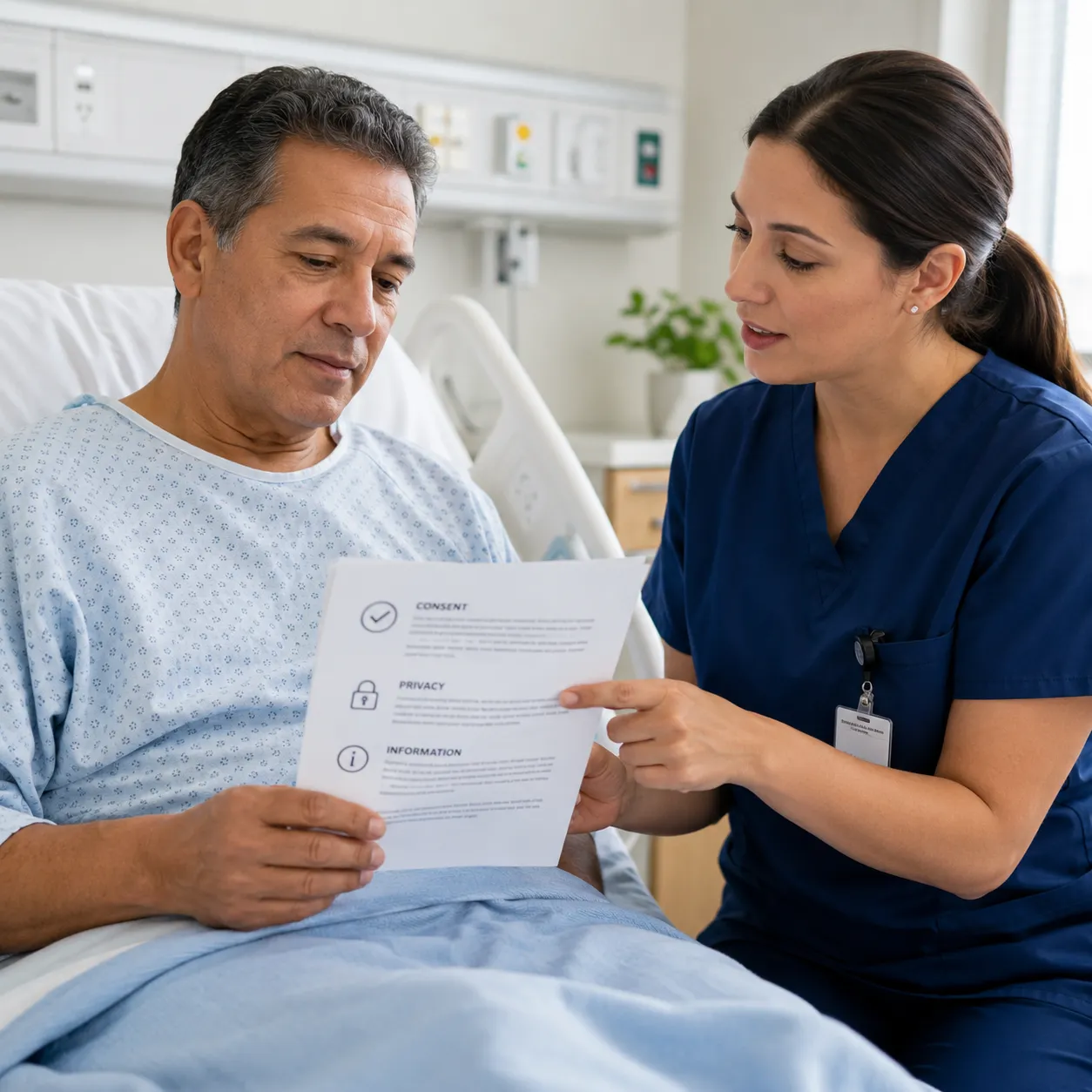
patient rightsˈpeɪʃənt raɪts
the legal and ethical rights a patient has, such as safe care, information, consent, privacy, and respect.
Shift patterns, rounds, leave and handover routines in nursing work.

shiftʃɪft
a period of work with a set start and finish time.
day shiftˈdeɪ ʃɪft
a work period that happens during the daytime.

night shiftˈnaɪt ʃɪft
a work period that happens during the night.

early shiftˈɜːrli ʃɪft
a work period that starts early in the morning.
late shiftˈleɪt ʃɪft
a work period that starts later in the day and often ends in the evening.
rotaˈroʊtə
a work schedule that shows when each person is assigned to work or do a duty.

breakbreɪk
a short rest period during work.

overtimeˈoʊvərtaɪm
time spent working beyond normal working hours

handoverˈhændoʊvər
the act of giving responsibility, control, work, or information to another person or group.

roundsraʊndz
regular visits made by healthcare staff to check patients or areas.
ward roundˈwɔːrd raʊnd
a visit by doctors and other healthcare staff to patients on a hospital ward to review their care.
nursing roundˈnɜːrsɪŋ raʊnd
a regular visit by nurses to check patients’ needs, comfort, and safety.
bedside handoverˈbedsaɪd ˈhændoʊvər
a handover between staff that takes place at the patient’s bedside.

staff meetingstæf ˈmiːtɪŋ
a meeting for employees to discuss work issues, plans, or updates.
attendanceəˈtendəns
the fact of being present at a class, meeting, or event.

absenceˈæbsəns
the state or period of not being in a place where someone is expected to be
sick leaveˈsɪk liːv
approved time away from work because of illness.

annual leaveˈænjuəl liːv
paid time away from work that an employee can take each year.

on callˌɑːn ˈkɔːl
available to work or help if needed, especially outside normal working hours.
off dutyˌɔːf ˈduːti
not working at that time because your shift or work period has ended.

on dutyˌɑːn ˈduːti
working at that time as part of your official shift or responsibility.
Team roles, workload pressures and actions for organizing staff and priorities.

colleagueˈkɑːliːɡ
a person you work with, especially in a professional job.

supervisorˈsuːpərvaɪzər
a person whose job is to watch, direct, or check the work or behavior of other people.

managerˈmænɪdʒər
a person responsible for controlling a business, department, team, or similar organization

tasktæsk
a piece of work that must be done.

dutyˈduːti
a responsibility or job that you are expected to do.

responsibilityrɪˌspɑːnsəˈbɪləti
a duty, job, or obligation that you are expected to do or take care of.

prioritypraɪˈɔːrəti
the level of importance that decides how soon something should be handled.

workloadˈwɜːrkloʊd
the amount of work a person has to do.
staffingˈstæfɪŋ
the planning and provision of enough employees to do the work needed.
short-staffedˌʃɔːrt ˈstæft
not having enough workers to do all the work needed.

busyˈbɪzi
having a lot of work or many things to do.

availableəˈveɪ.lə.bəl
able to be bought, used, or obtained.
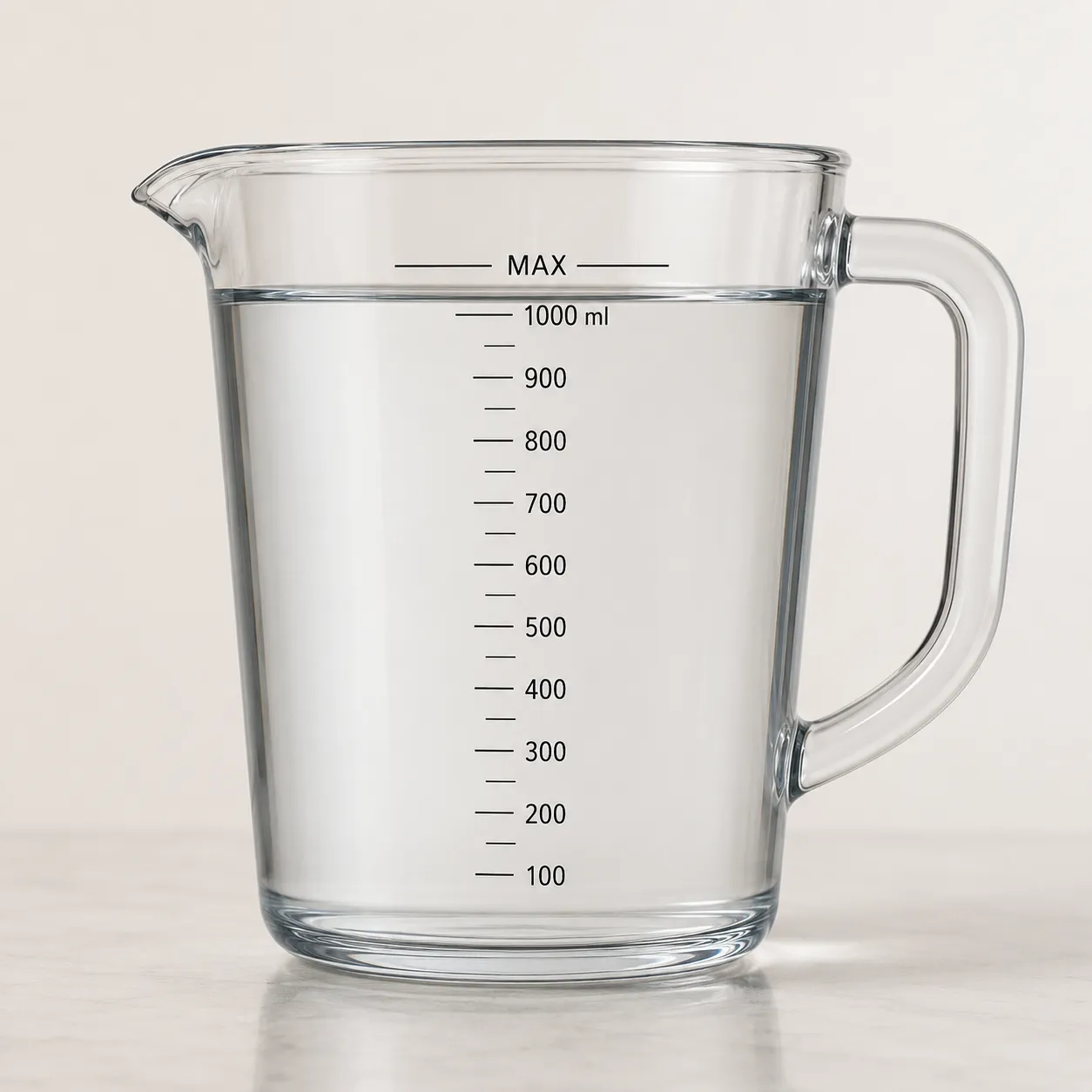
capacitykəˈpæsəti
the maximum amount that a container, space, or product can hold.

coordinatekəʊˈɔːdɪneɪt
to organize people, tasks, or activities so they work together effectively.
delegateˈdelɪɡeɪt
to give a task, duty, power, or responsibility to another person
prioritizepraɪˈɔːrətaɪz
to decide which tasks or problems are most important and should be done first.
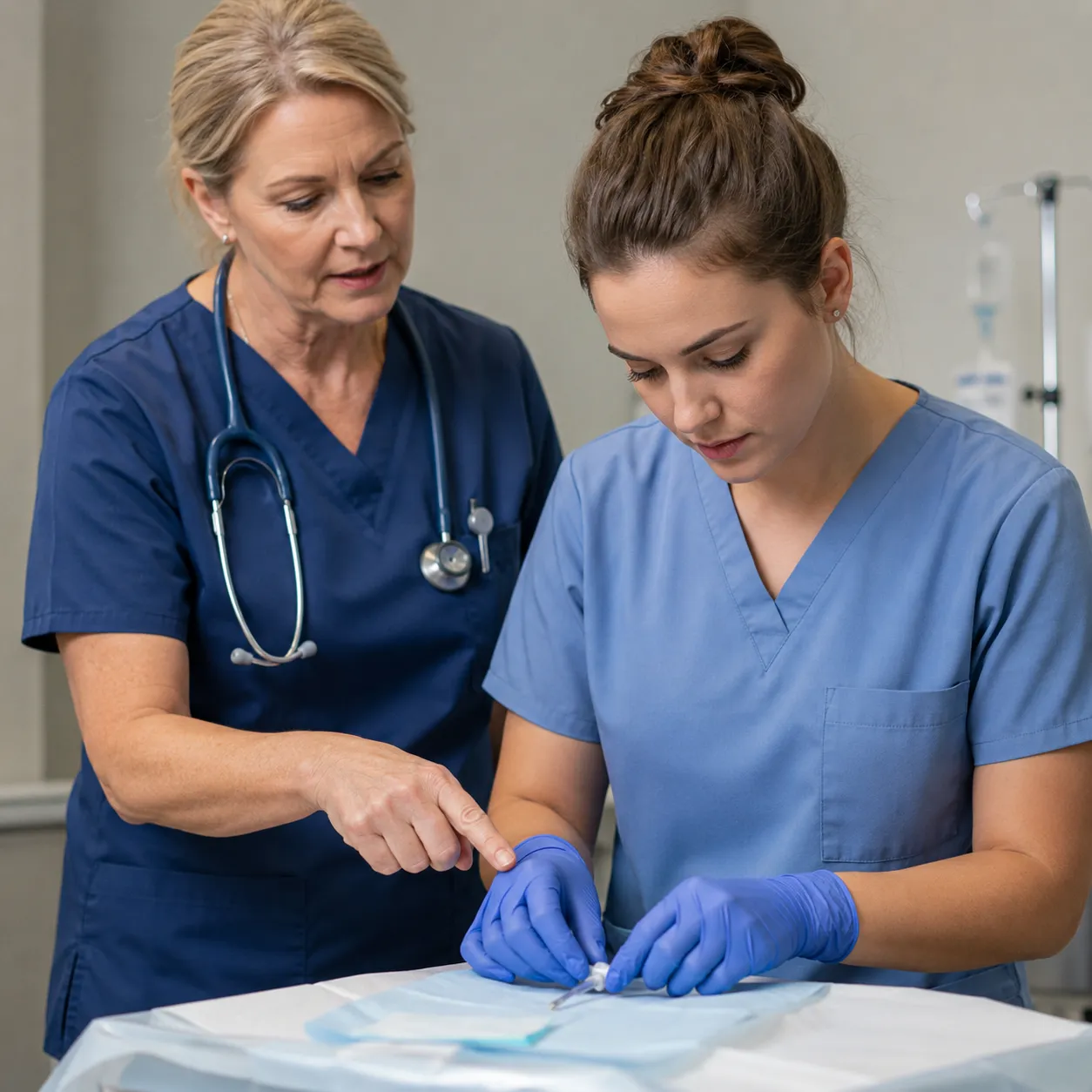
superviseˈsuːpərvaɪz
to be in charge of people, work, or an activity and make sure it is done properly
Qualifications, induction and learning terms used in nursing education and practice.
unitˈjuːnɪt
a part of a course or textbook that covers one main topic.

trainingˈtreɪnɪŋ
the process of learning skills for work
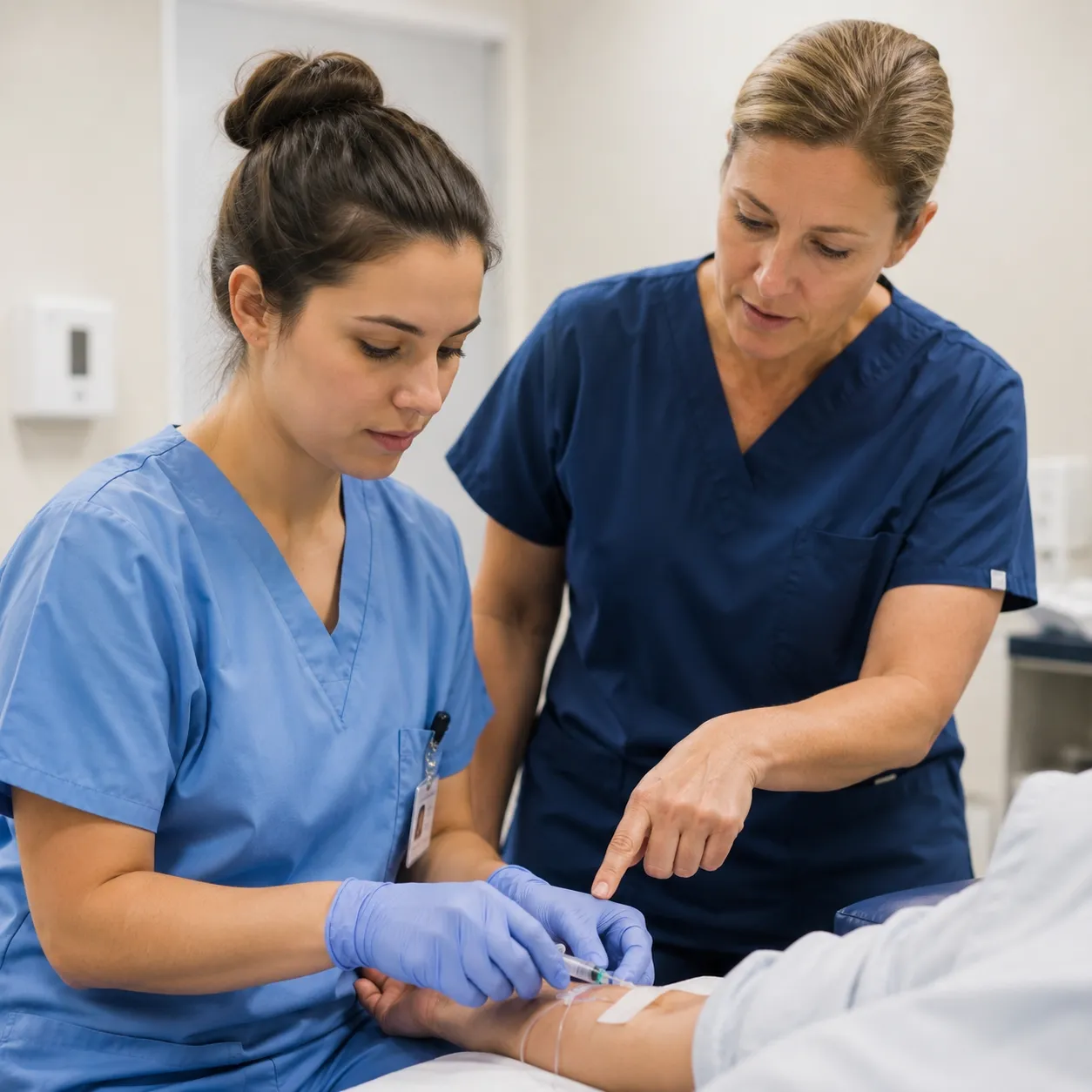
supervisionˌsuːpərˈvɪʒən
the act of watching and guiding someone’s work to make sure it is done correctly.
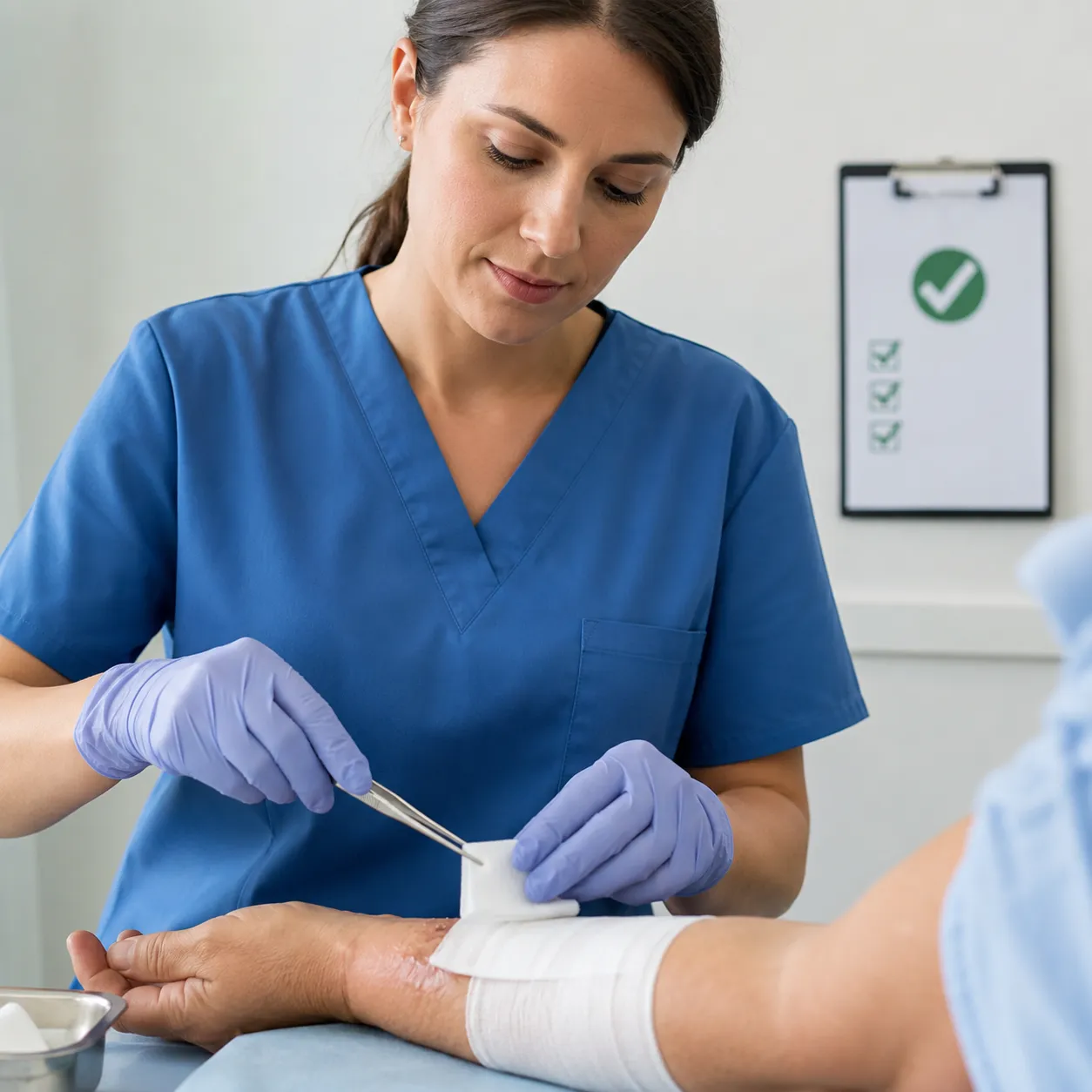
competencyˈkɑːmpətənsi
the ability to do a job or task safely and correctly.

certificatesərˈtɪfɪkət
an official document that proves a fact, qualification, achievement, or status.
licenseˈlaɪsəns
official permission, or the document that gives it, to do, use, or have something.

registrationˌredʒɪˈstreɪʃən
the official process of entering information about someone or something in a record or list

orientationˌɔːriənˈteɪʃən
training that introduces a new place or job

inductionɪnˈdʌkʃn
training for a person who is new

clinicalˈklɪnɪkəl
related to the direct medical care, examination, or treatment of patients.

non-clinicalˌnɑːnˈklɪnɪkəl
not related to the direct medical care, examination, or treatment of patients.

professionalprəˈfeʃənl
showing the skill, competence, and conduct expected from someone at work

traintreɪn
to teach someone the skills needed to do a job or task.

learnlɜːrn
to get knowledge or a skill by study, practice, or experience.
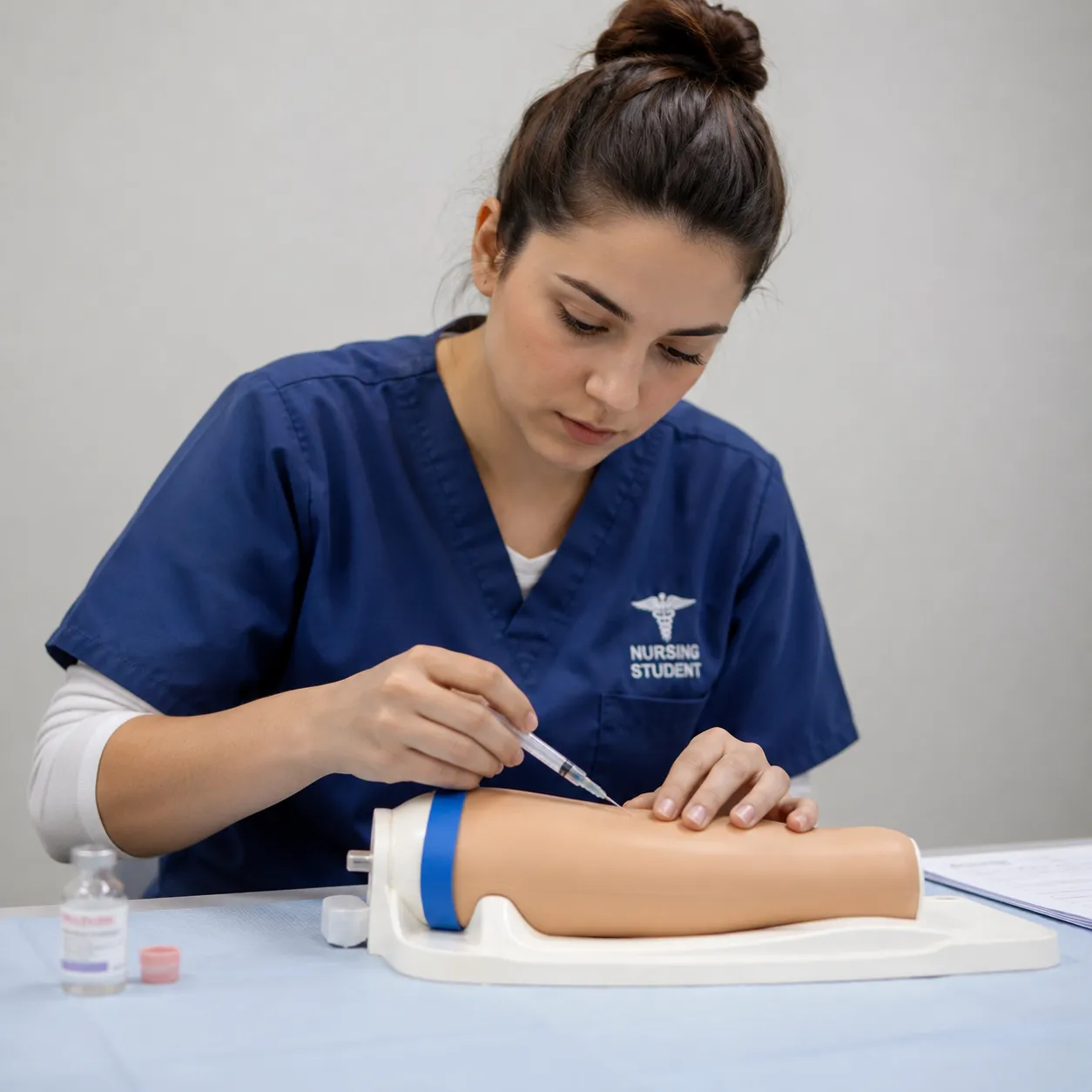
practiceˈpræktɪs
to do an activity repeatedly in order to improve your ability
Communication, scheduling and document-handling verbs used in daily healthcare work.

transfertrænsˈfɜːr
to connect a phone call to another person, department, or extension.

delayeddɪˈleɪd
happening later than planned or expected.
cancelledˈkænsəld
stopped and not going to happen as planned.
scheduledˈskedʒuːld
planned to happen at a particular time.

completedkəmˈpliːtɪd
finished or done, with no more work needed.
pendingˈpendɪŋ
waiting to be done, decided, or completed.
escalationˌeskəˈleɪʃən
the action of passing a problem to a higher level of authority or urgency because it needs more help or attention.

escalateˈeskəleɪt
to send an issue to a higher level of support or authority because it needs more attention.

notifyˈnoʊtɪfaɪ
to officially tell someone about something important.

contactˈkɑːntækt
to communicate with someone by phone, email, message, or in person.

callkɔːl
to speak to someone by phone.
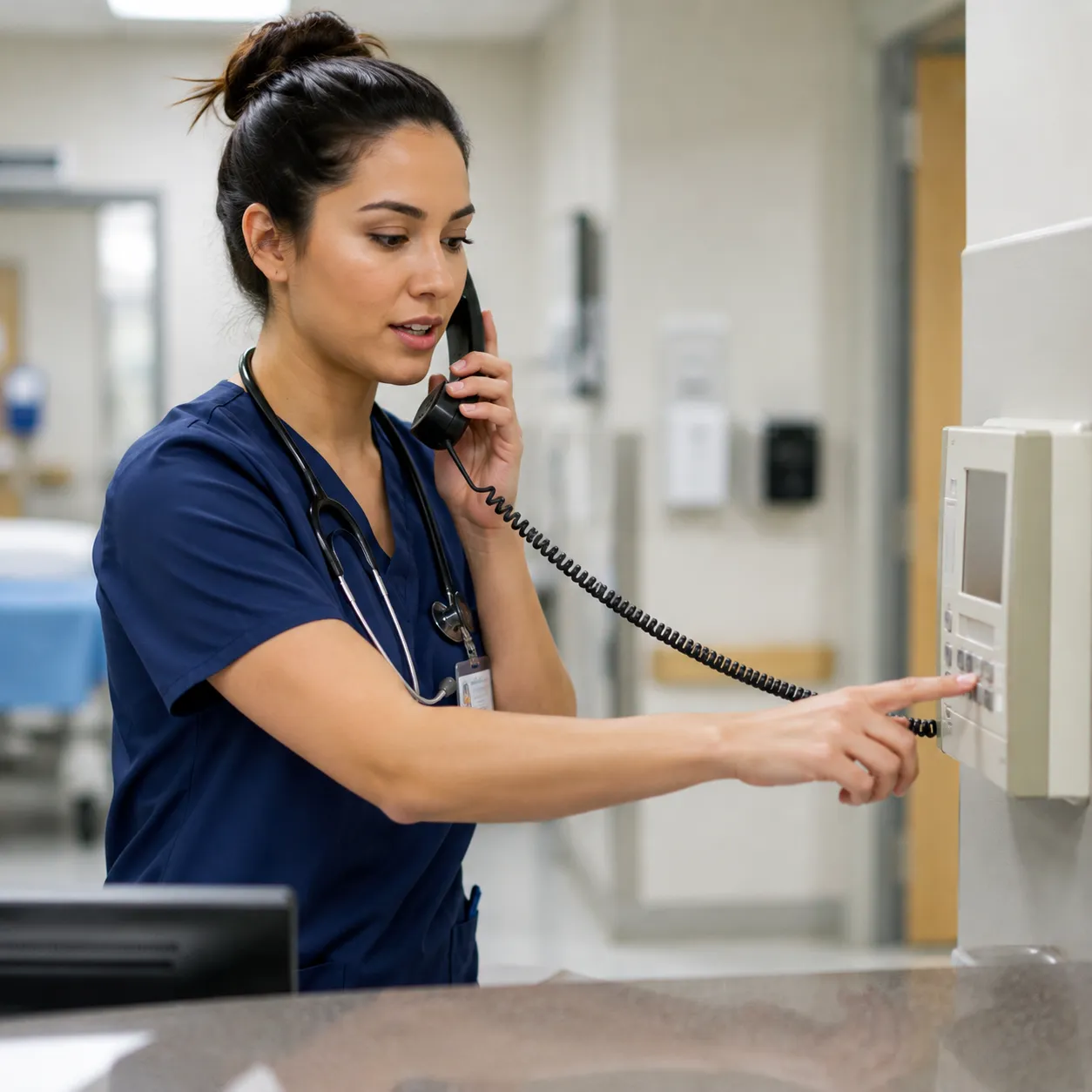
pagepeɪdʒ
to send a short message or alert asking someone to respond, especially in a hospital.

referrɪˈfɜːr
to send a patient or client to another professional or service for advice, treatment, or support.

requestrɪˈkwest
to ask for something politely or formally.

confirmkənˈfɜːm
to say that information is correct

verifyˈverɪfaɪ
to check carefully that something is true, accurate, or valid.

identifyaɪˈdentɪfaɪ
to recognize who or what someone or something is.

reviewrɪˈvjuː
to look at or study something again to check it or remember it better.

updateˌʌpˈdeɪt
to add the newest information or make something current.
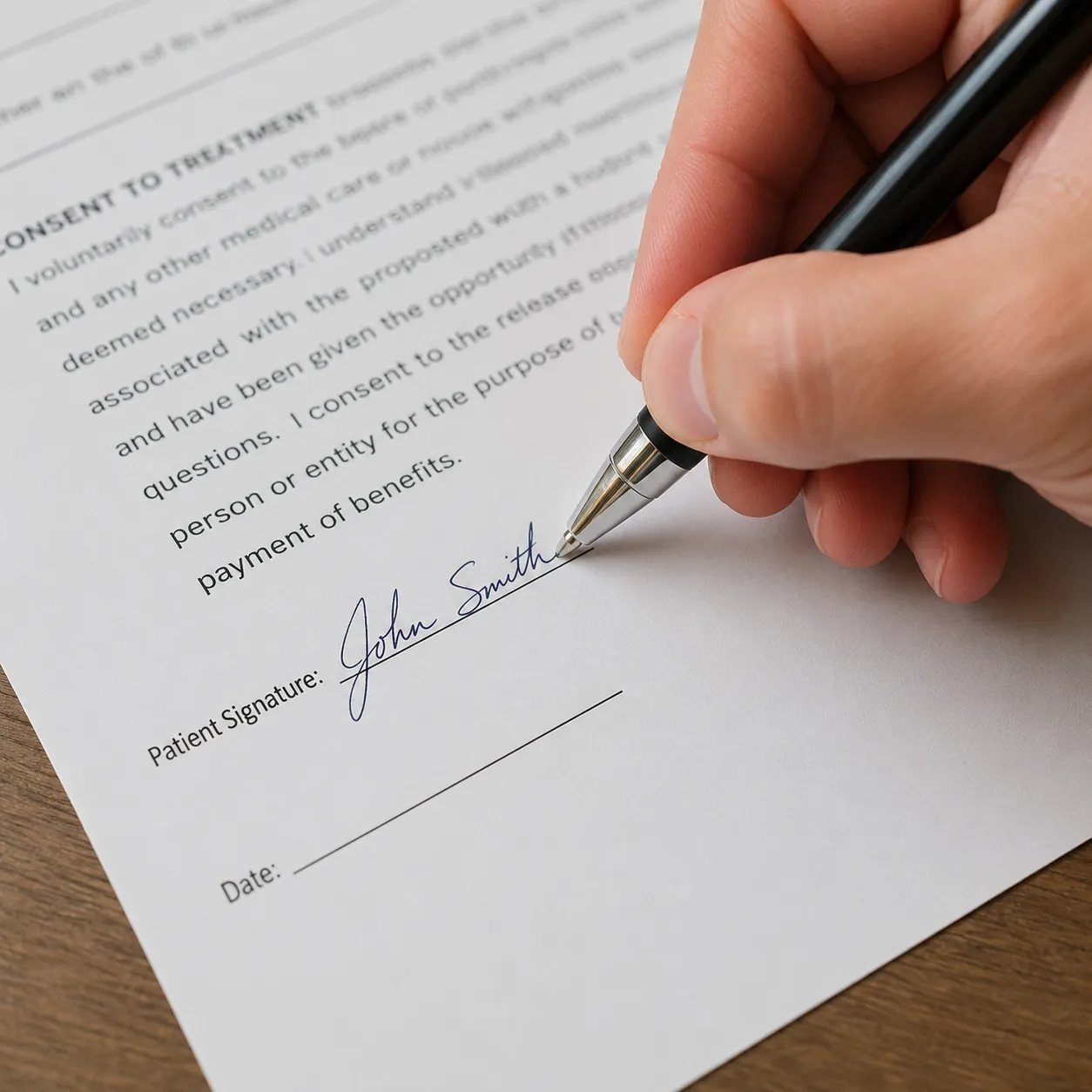
signsaɪn
to write your name on a document to show agreement, approval, or responsibility.

completekəmˈpliːt
to finish doing or making something.

filefaɪl
to put a document in the correct place in a filing system.
printprɪnt
to produce text or images on paper using a printer.
scanskæn
to read a barcode or document with an electronic device.

emailˈiːmeɪl
to send a message or document by electronic mail.
faxfæks
to send a copy of a document over a phone line using a fax machine.

bookbʊk
to arrange and keep a place, table, room, or service for a future time.

scheduleˈʃedjuːl
to arrange for something to happen at a particular time.

rescheduleˌriːˈʃedjuːl
to arrange for an event to happen at a different time or date

cancelˈkænsl
to decide that a planned event, booking, or order will not happen

attendəˈtend
to be present at an appointment, meeting, class, or event.
missmɪs
to fail to attend or be present for an appointment, meeting, or event.

arriveəˈraɪv
to reach the place you were going to

waitweɪt
to remain somewhere or delay an action until someone arrives or something happens

escortɪˈskɔːrt
to go with someone to guide, protect, or formally accompany them to a place.
transporttrænˈspɔːrt
to move people or goods from one place to another using a vehicle or other means.

discussdɪˈskʌs
to talk about a topic with someone in order to share ideas or make a decision.

communicatekəˈmjuːnɪkeɪt
to share or make known information, ideas, thoughts, or feelings

follow upˈfɑːloʊ ʌp
to contact someone or take further action after an earlier communication or event.

fill infɪl ɪn
to write or enter information in the empty spaces of a form or document.
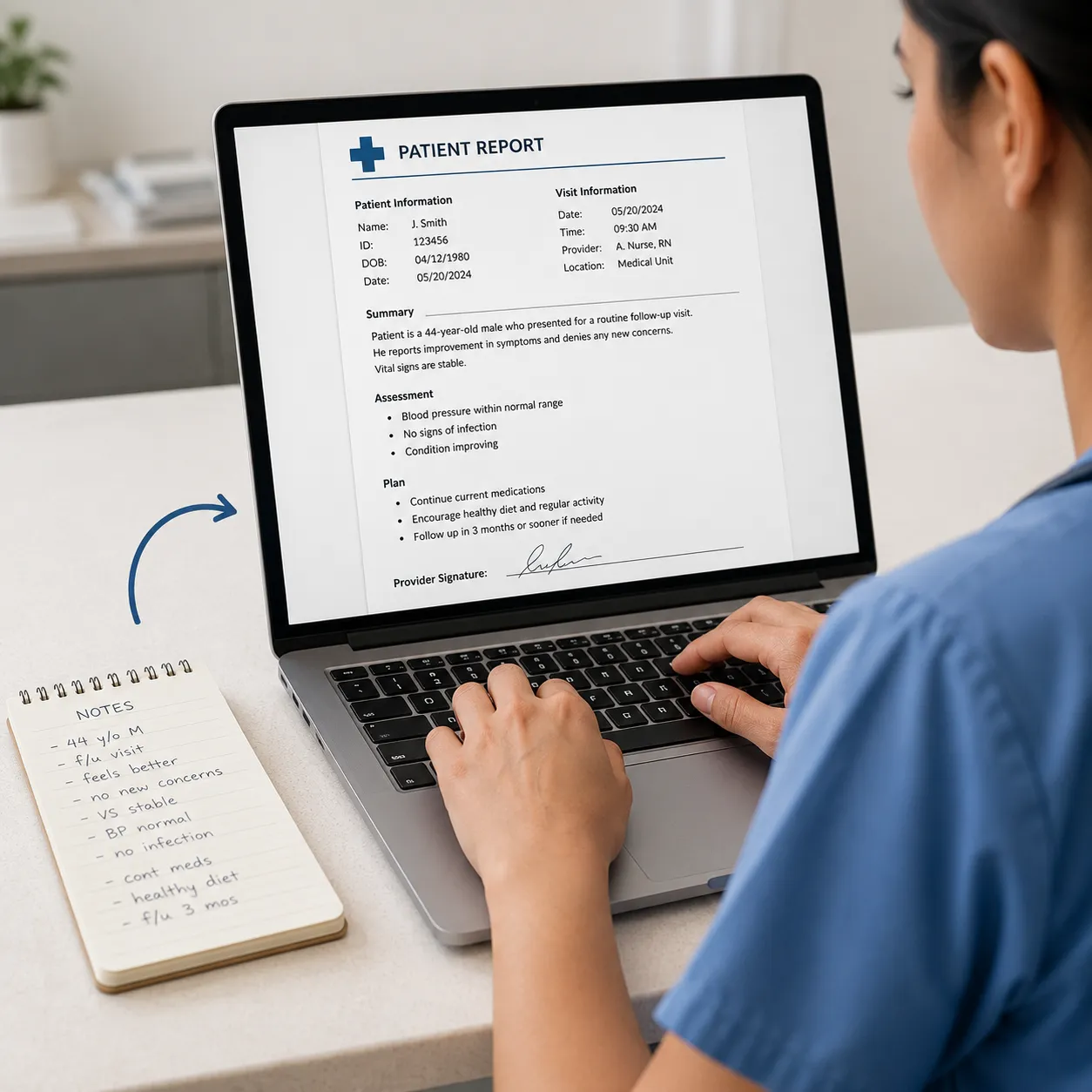
write upraɪt ʌp
to prepare a full written report or record about something.

sign offsaɪn ɔːf
to give formal approval to a document, decision, or completed piece of work.
It contains 796 English words and phrases, organized into 30 focused categories so you can study the material in manageable sections.
It is designed for nursing students, registered and practical nurses, nursing assistants, carers and English learners preparing for clinical placements or healthcare jobs.
The set ranges from simple everyday healthcare words to intermediate and advanced clinical terminology. Beginners can start with roles, places and basic care, then move to specialist sections.
Topics include healthcare roles, hospital areas, patient details, vital signs, symptoms, emergencies, medicines, equipment, infection control, wound care, documentation, ethics, nutrition, mobility, laboratory tests and handovers.
Study one category at a time and limit each session to about 15–20 items. Use active recall, spaced review, spoken repetition and short clinical sentences instead of only rereading the list.
Build short scenarios around a symptom, observation, action and next step. Practise asking clear questions, explaining care, reporting changes and giving a structured handover using the format required in your workplace.
No. It is a language-learning resource, not clinical instruction. Use it alongside accredited training, supervised practice and the terminology, policies and legal requirements of your country and workplace.
Add this set to your personal dictionary and practice with spaced repetition, flashcards and 9 more study modes — free.