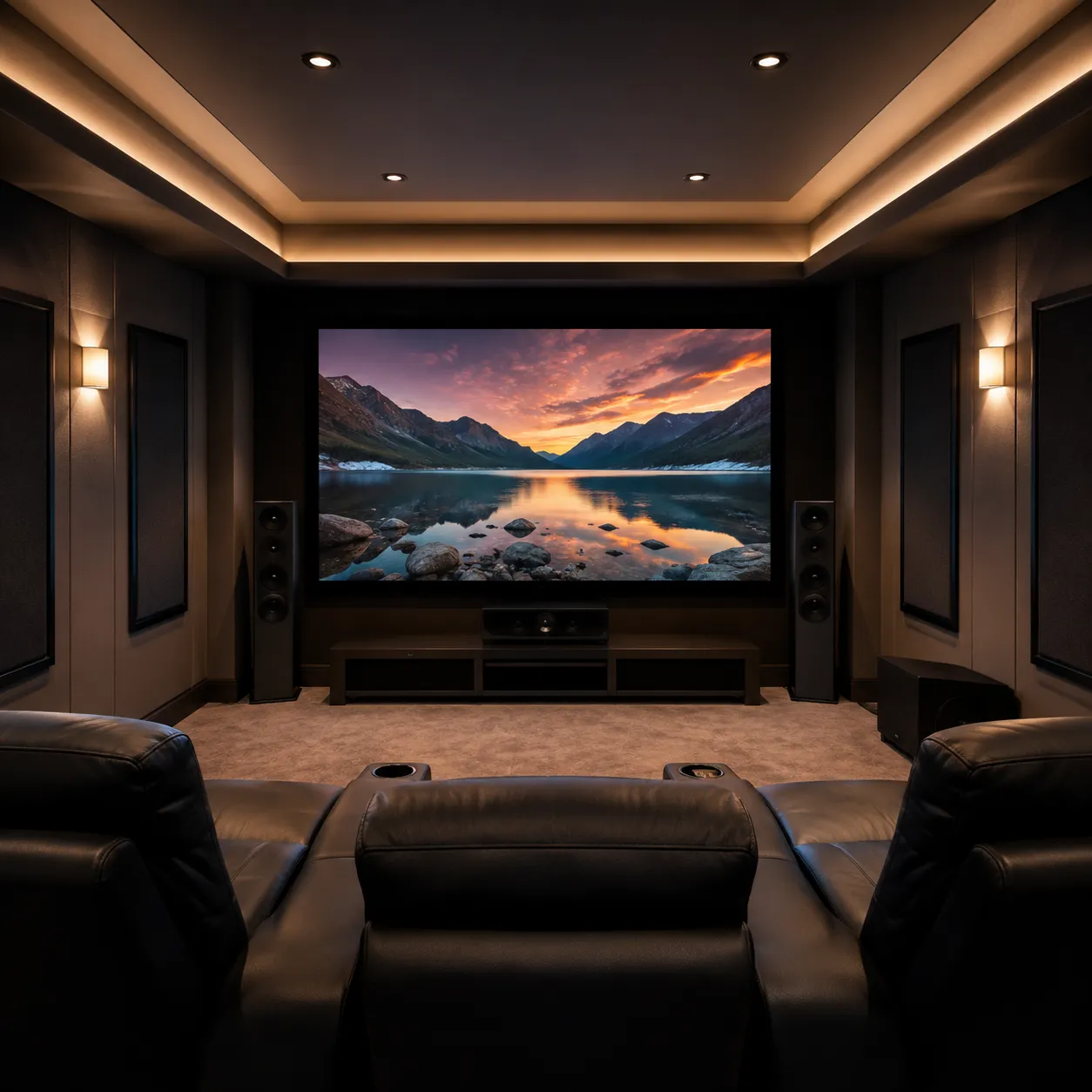
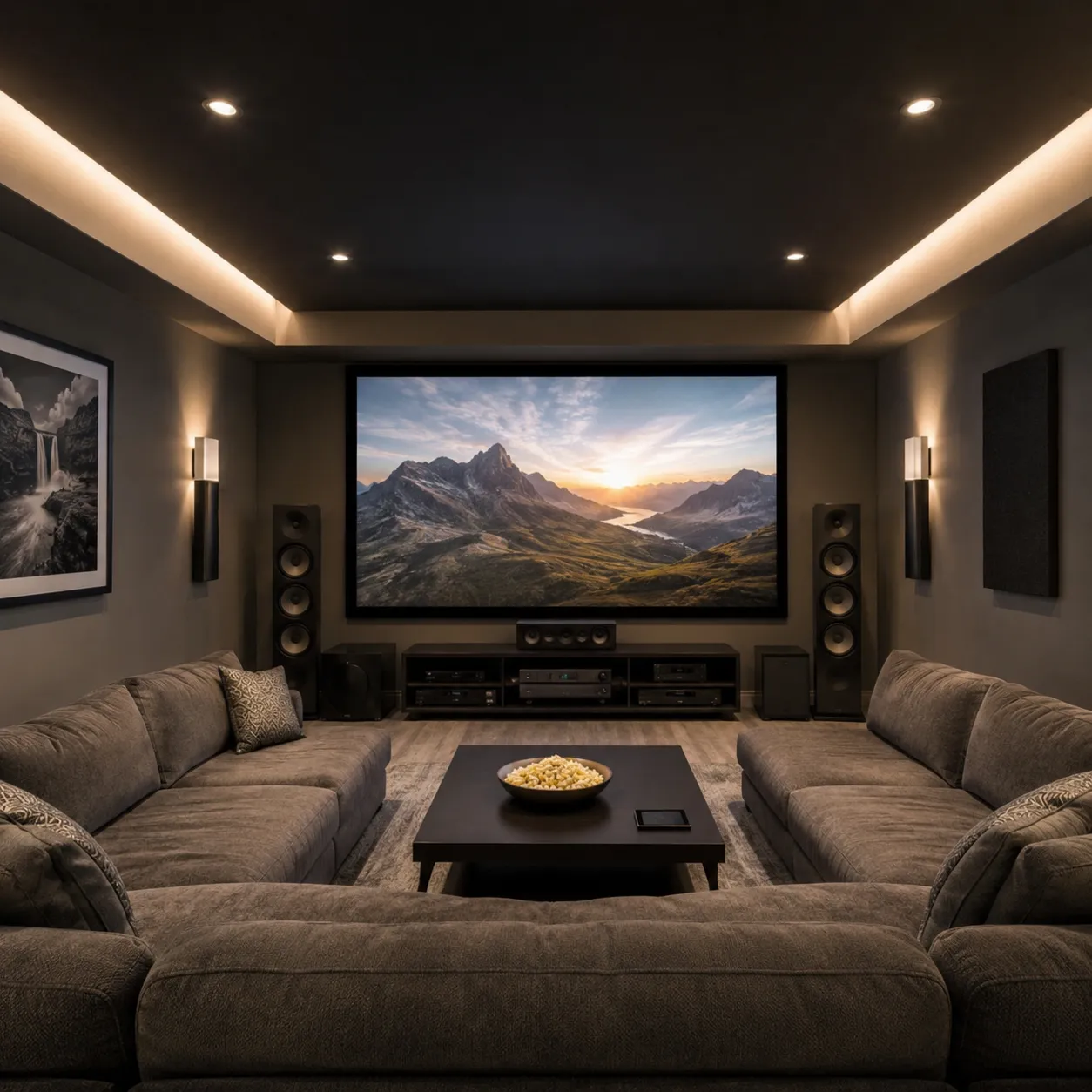
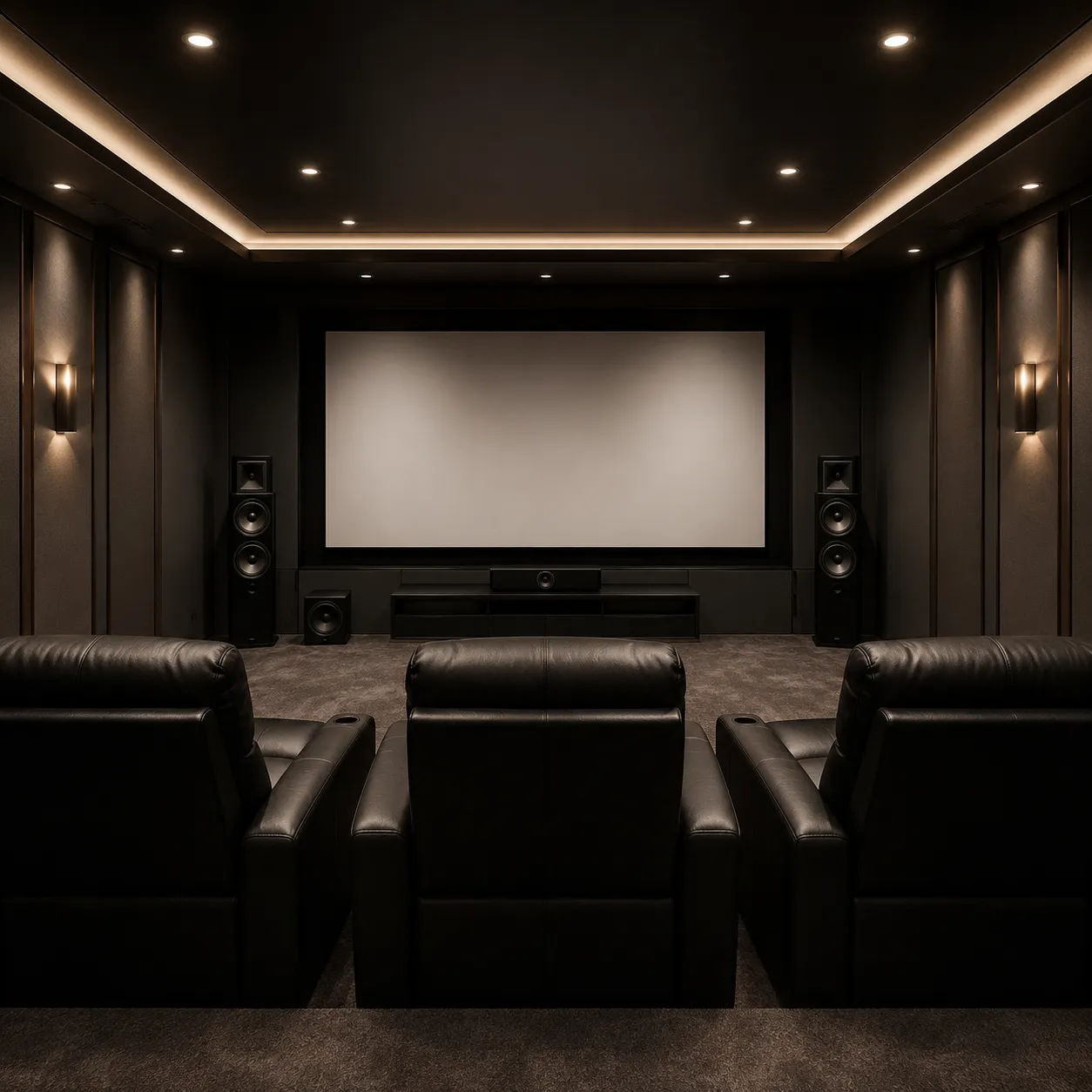
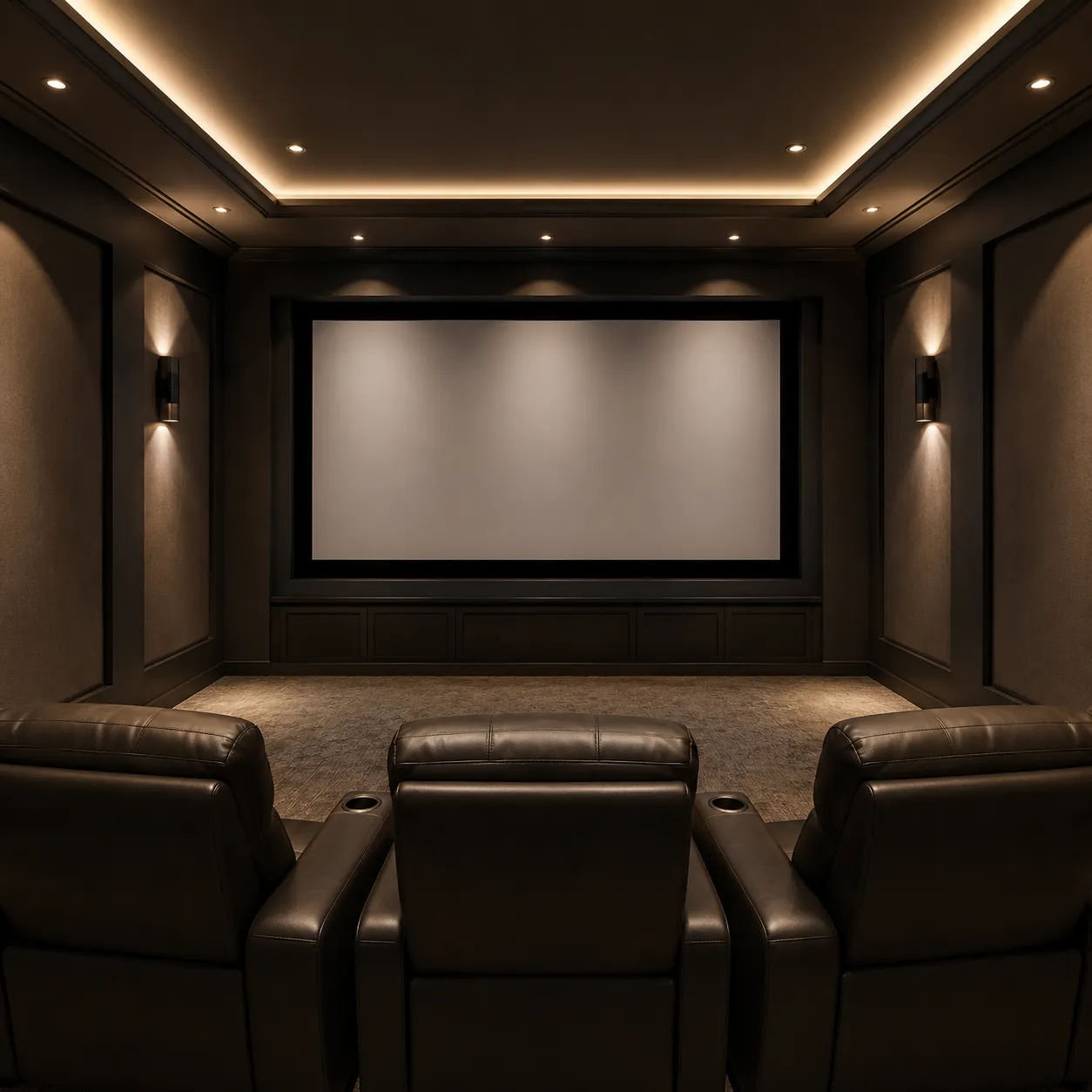
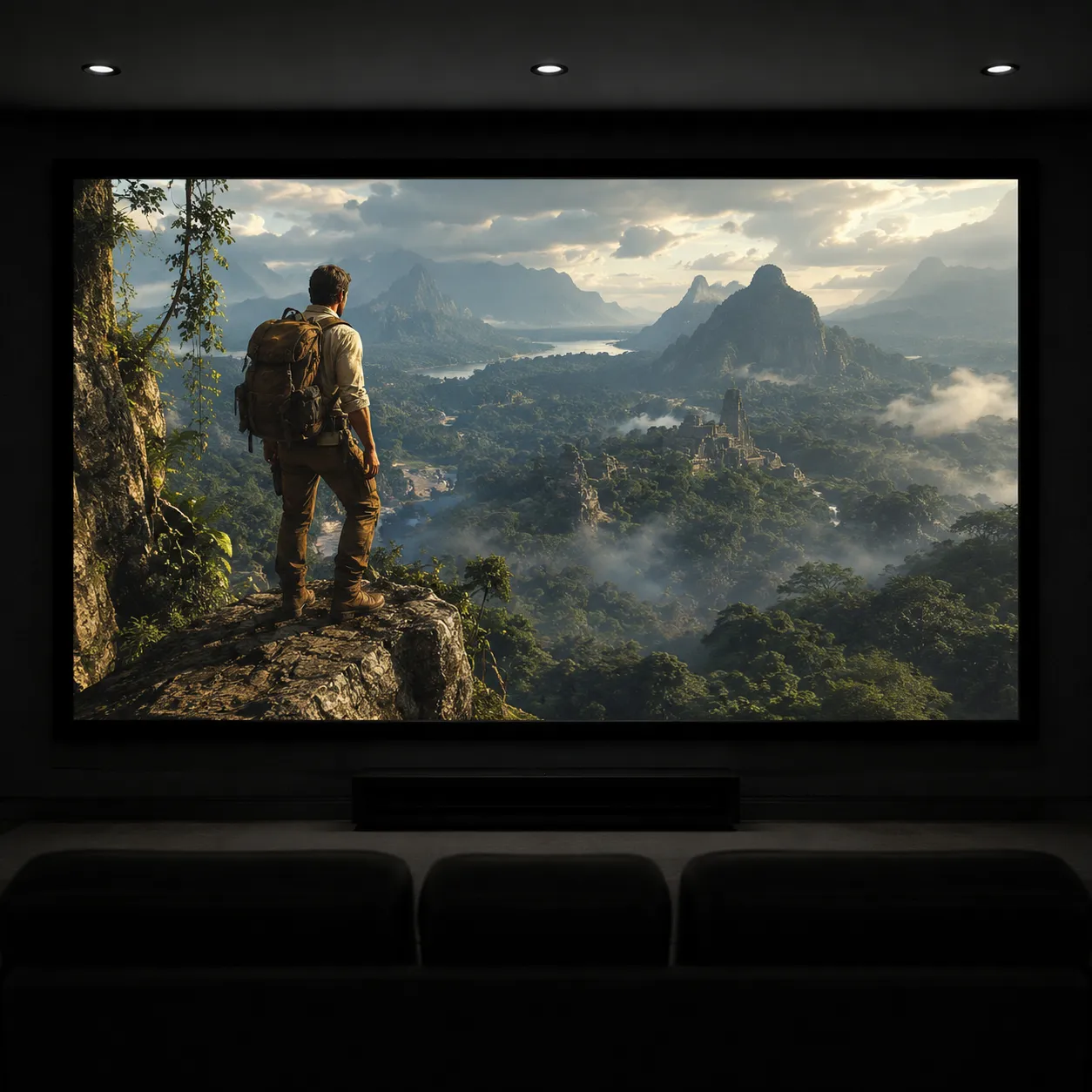
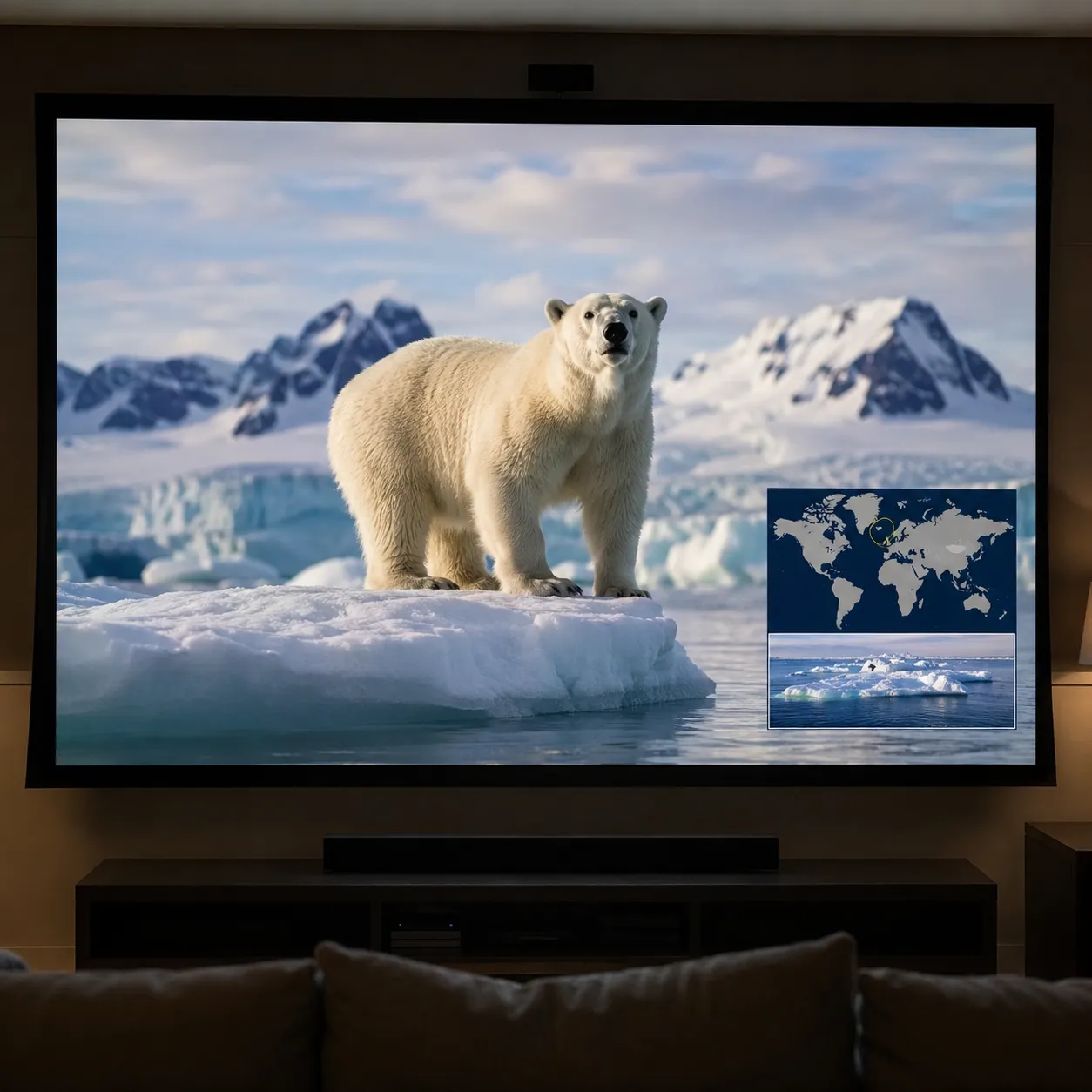
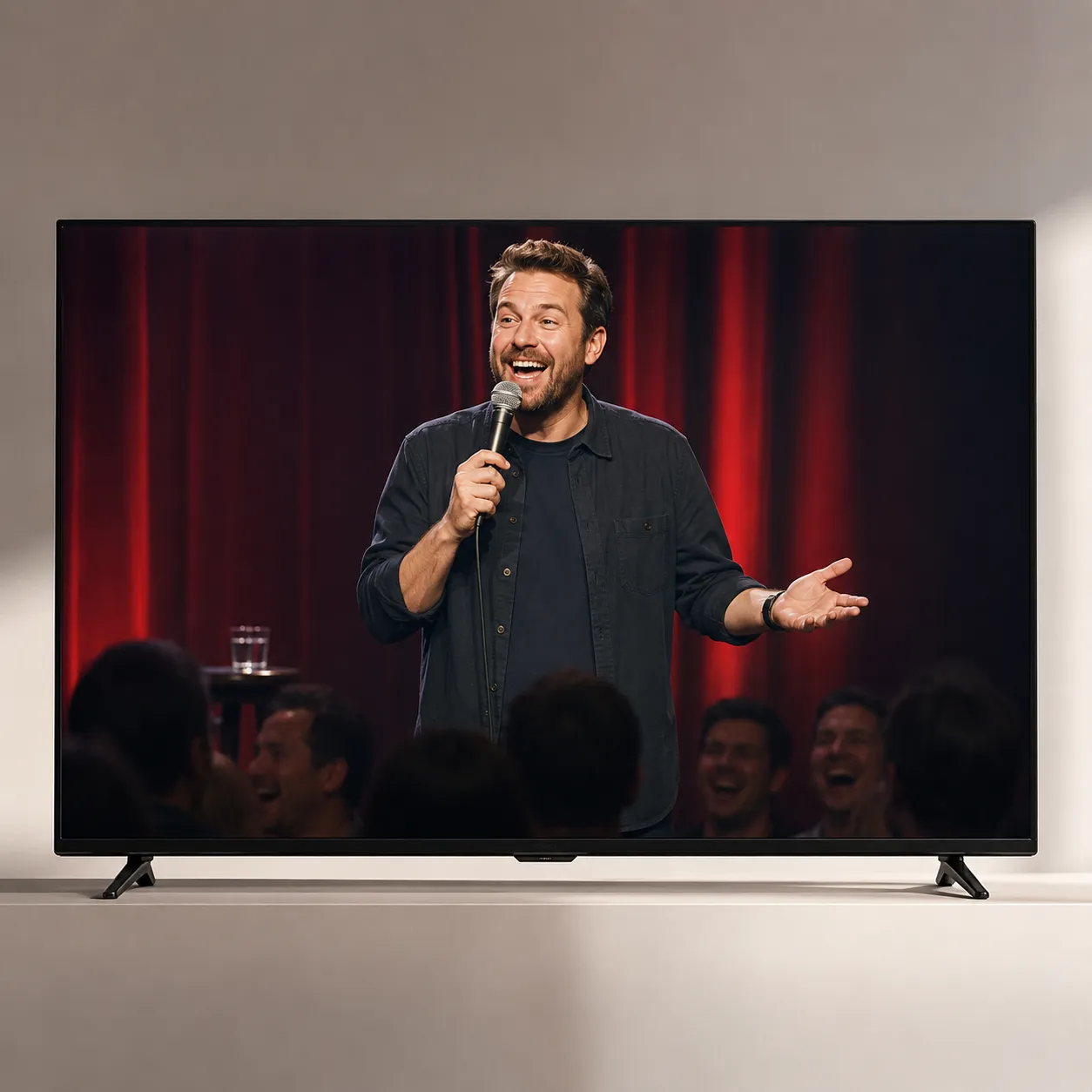
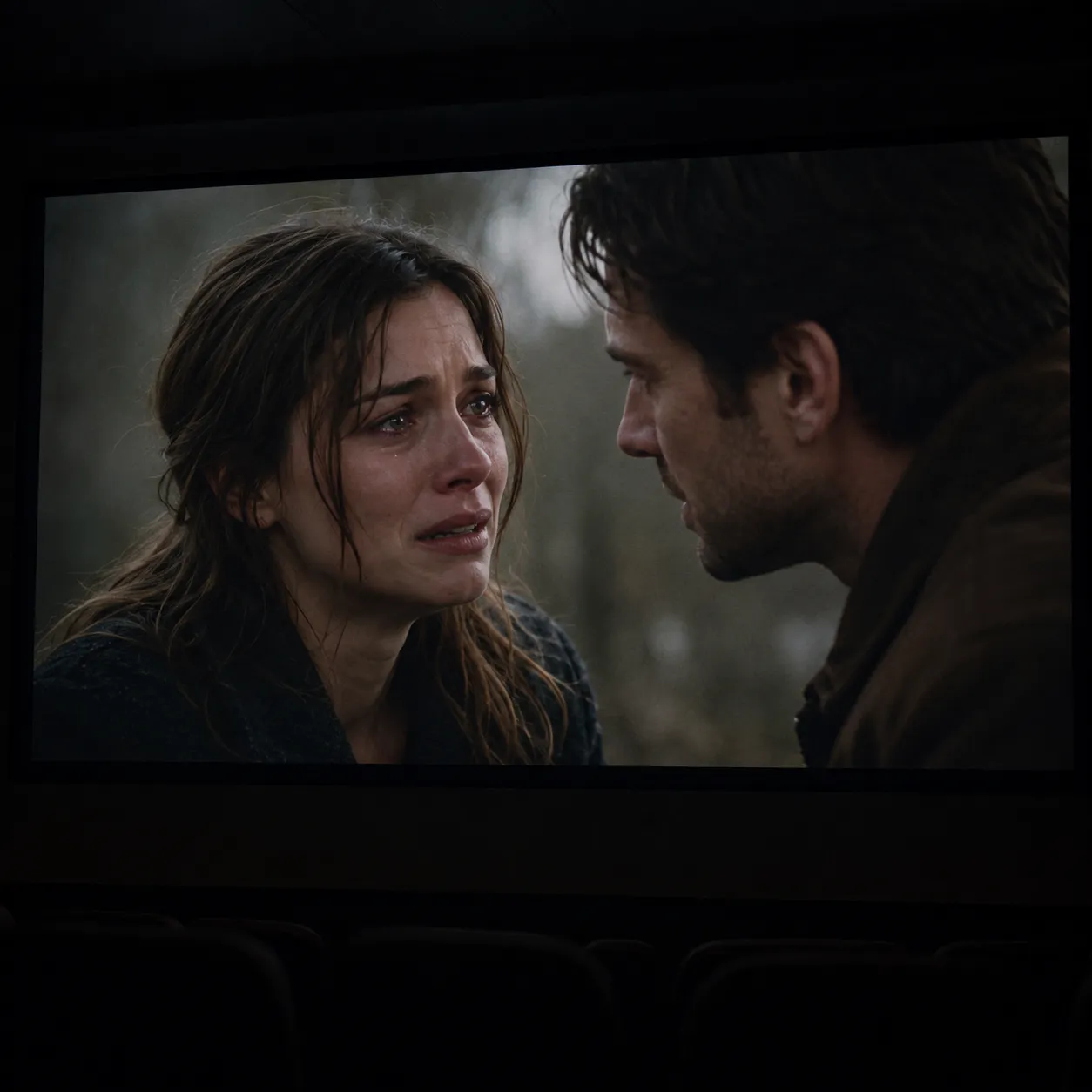
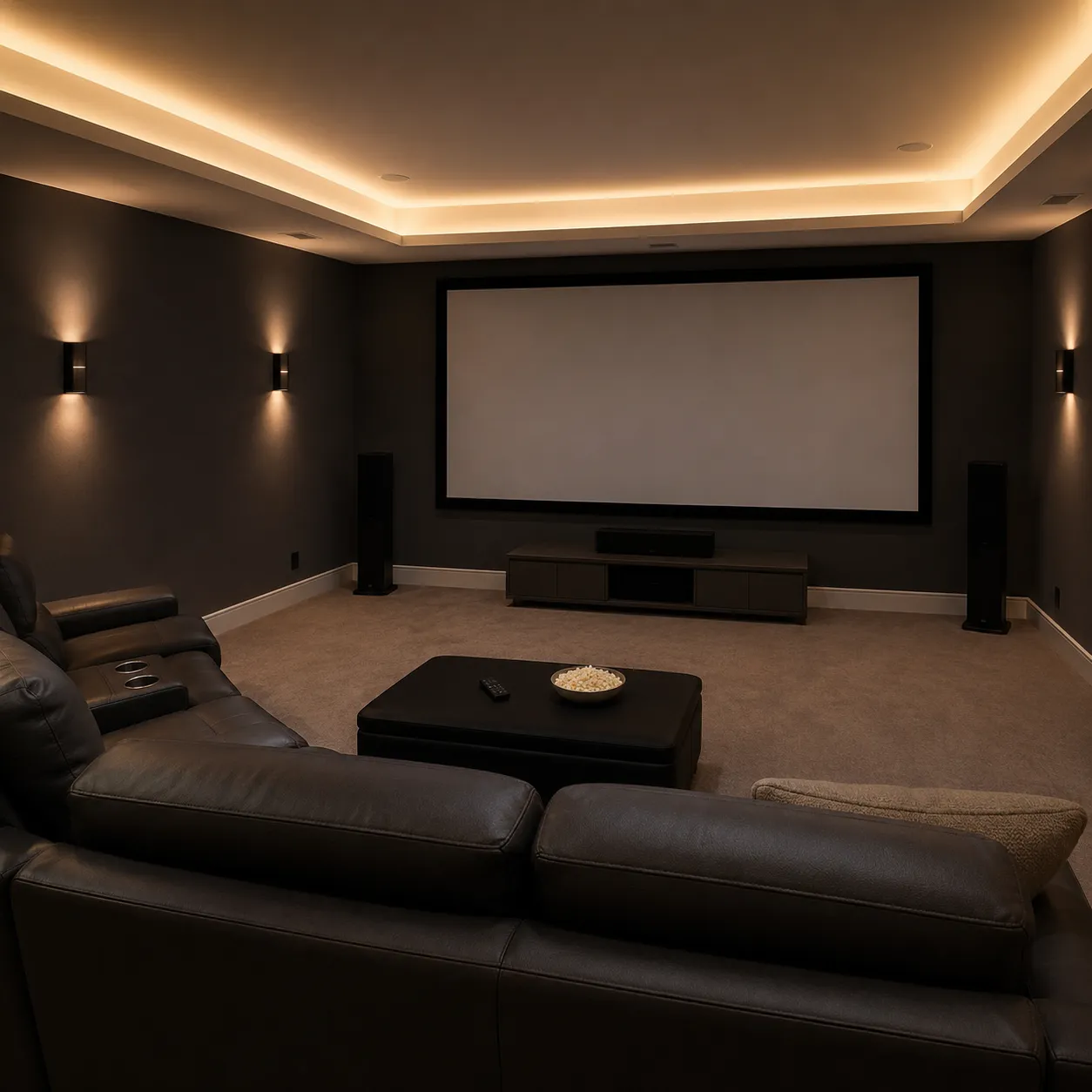
How is the home cinema vocabulary organized?
The vocabulary is divided into 45 themed sections, beginning with rooms, seating and everyday controls before moving to picture quality, audio technology, networking and troubleshooting. Study one section at a time rather than learning the full list in one sitting.
What topics does this home cinema word list cover?
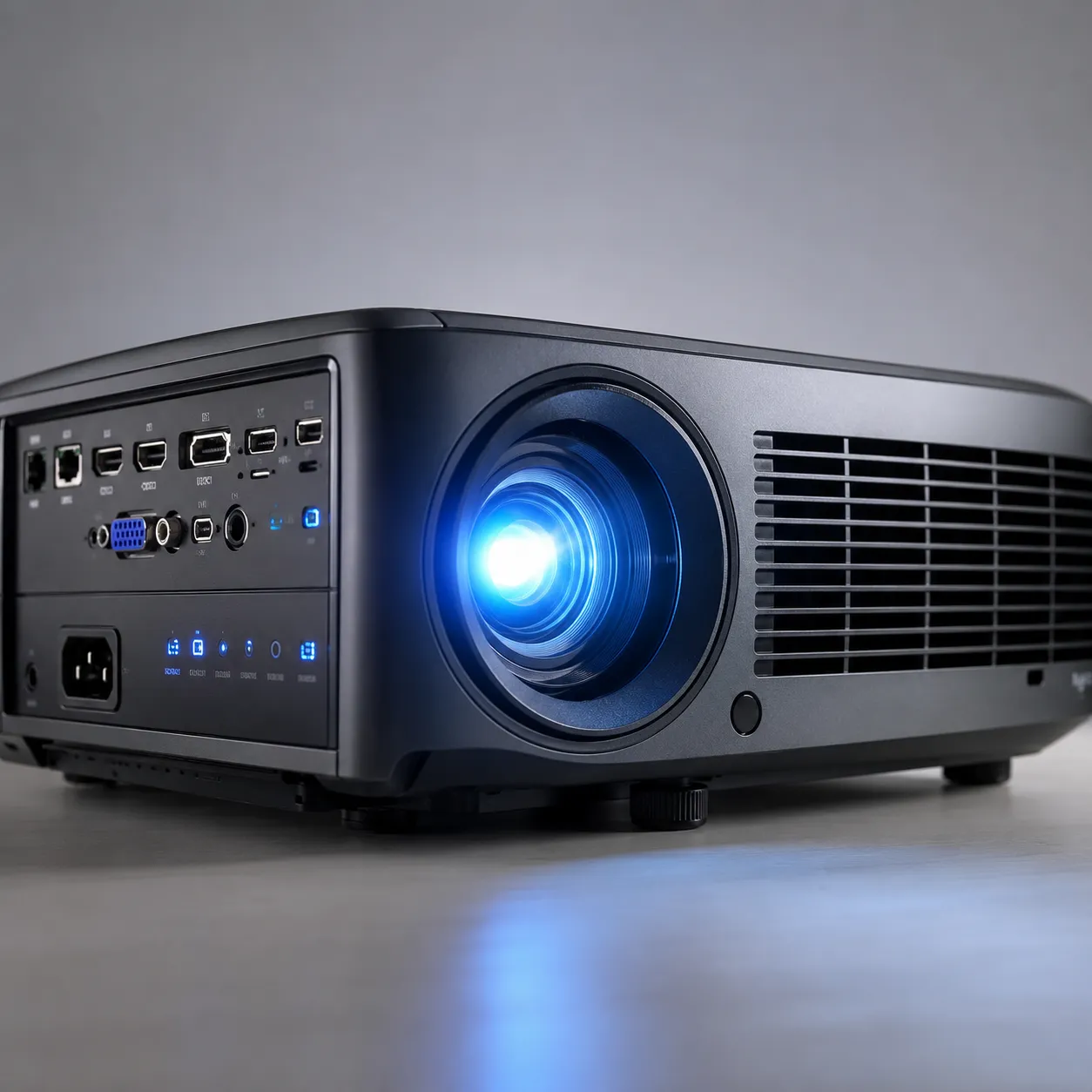
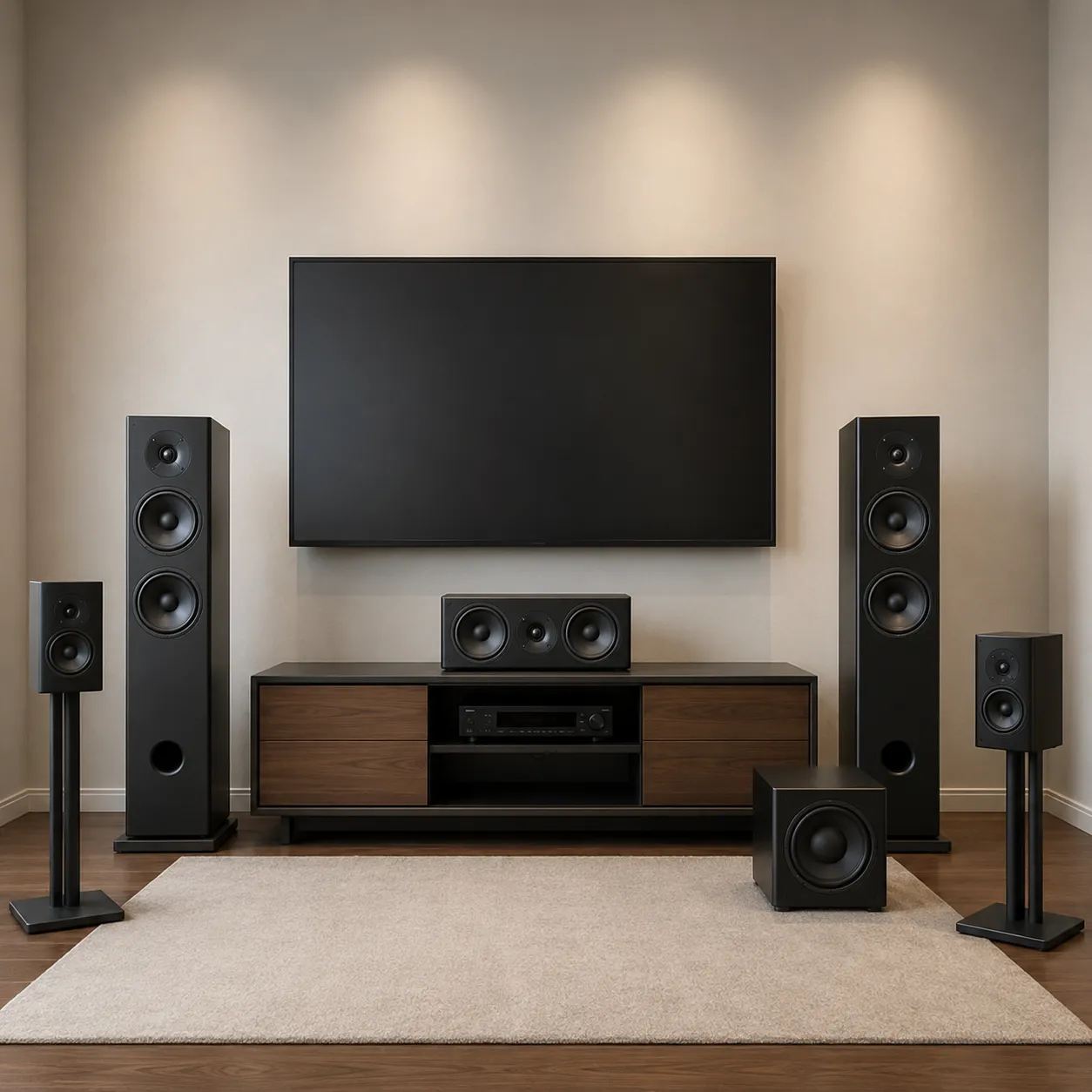
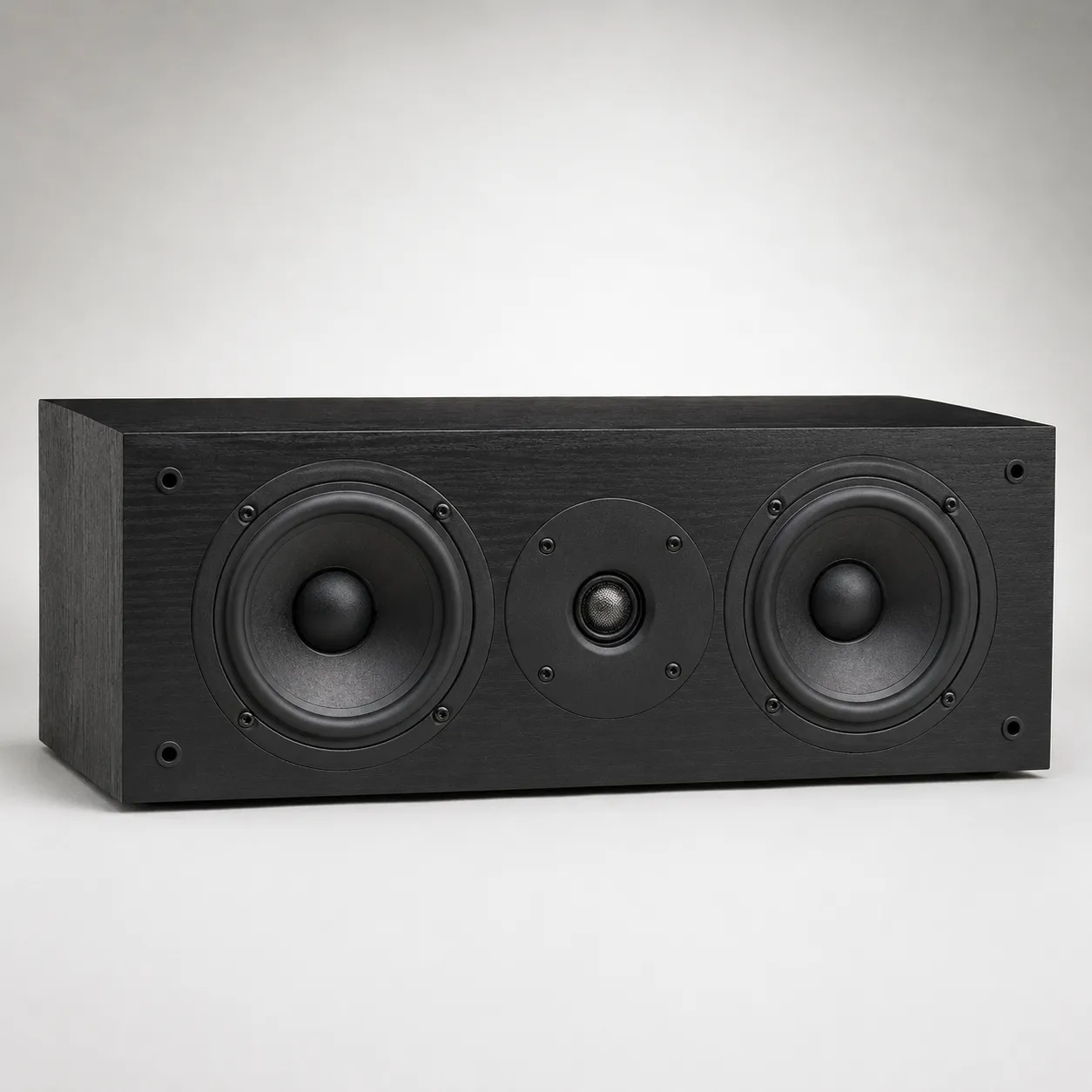
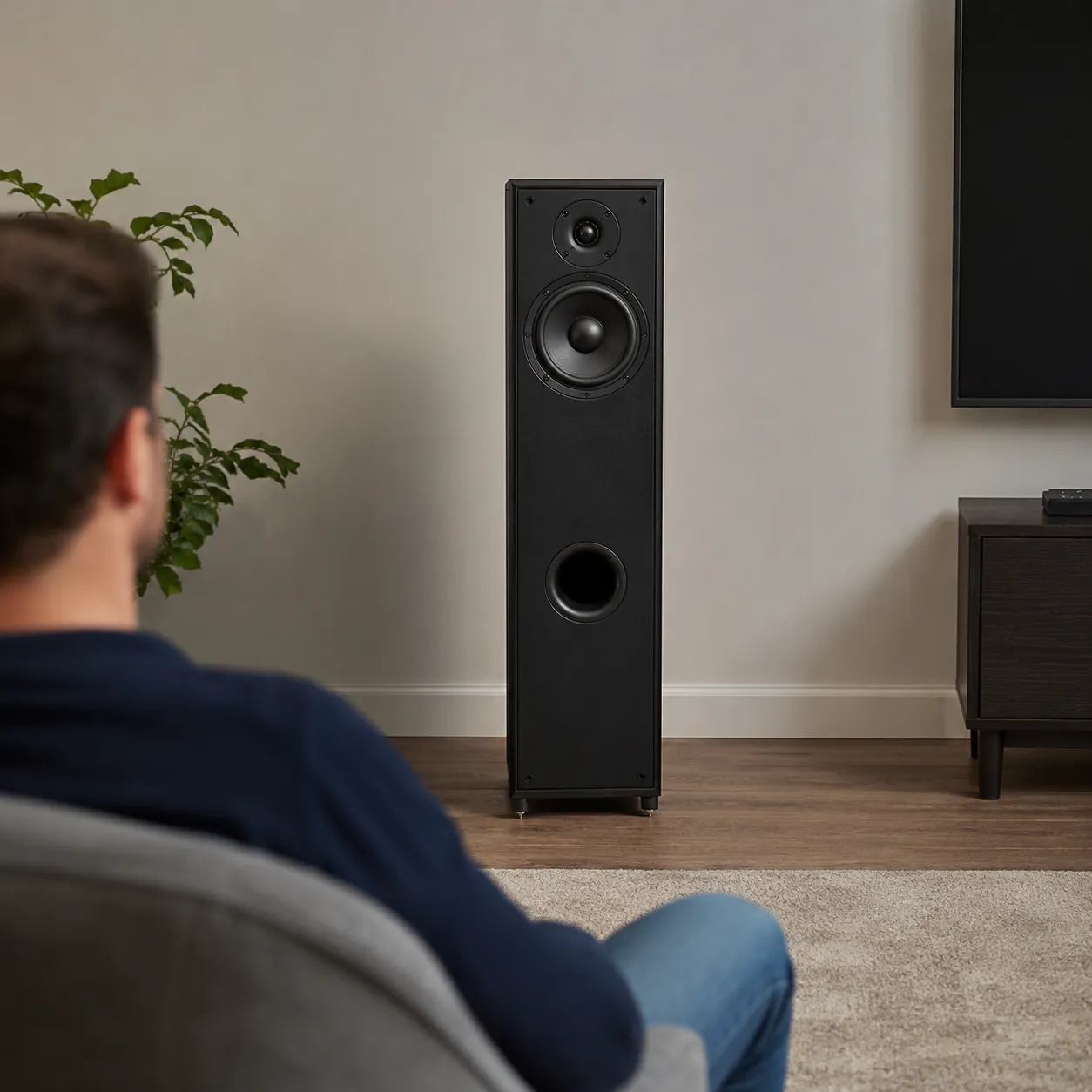
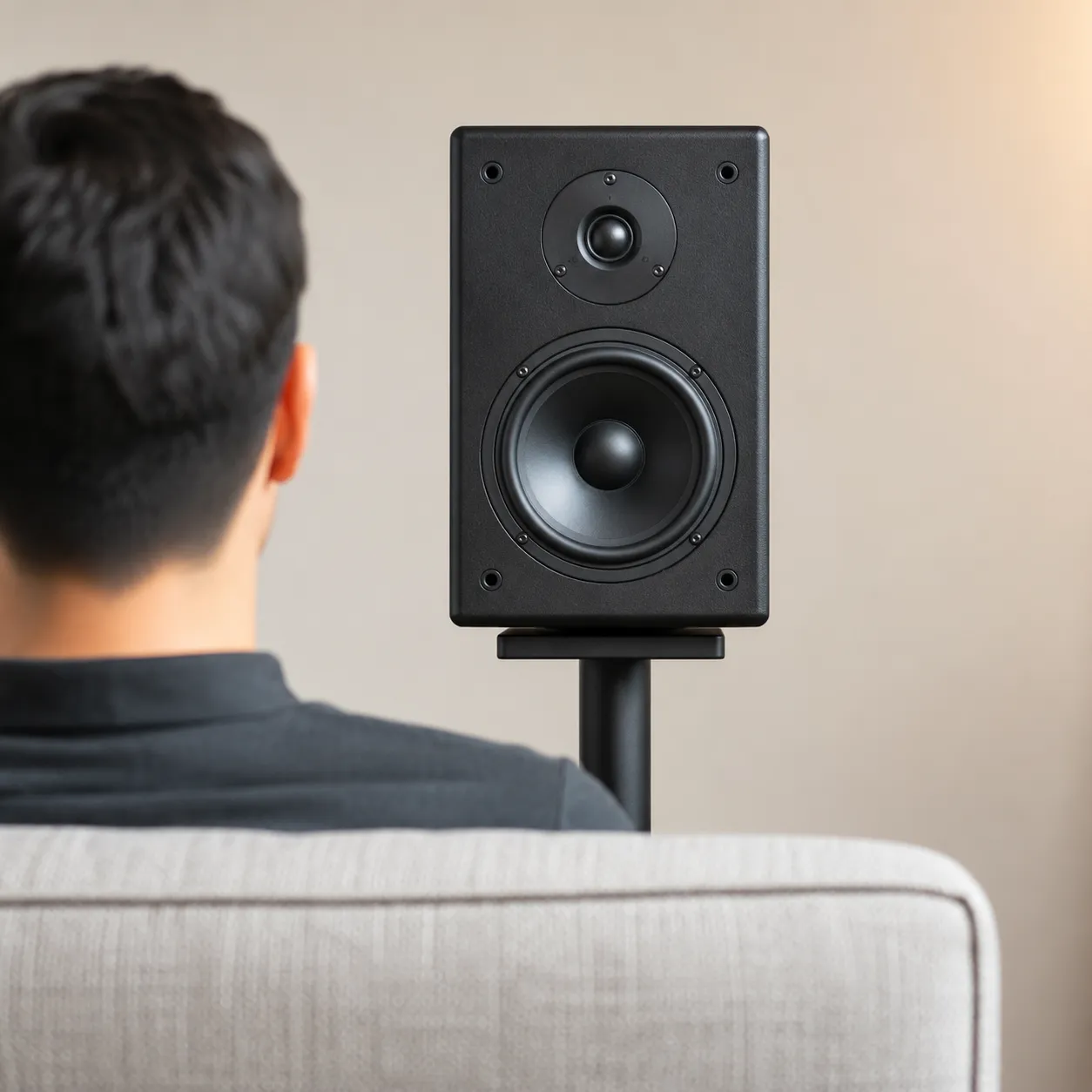
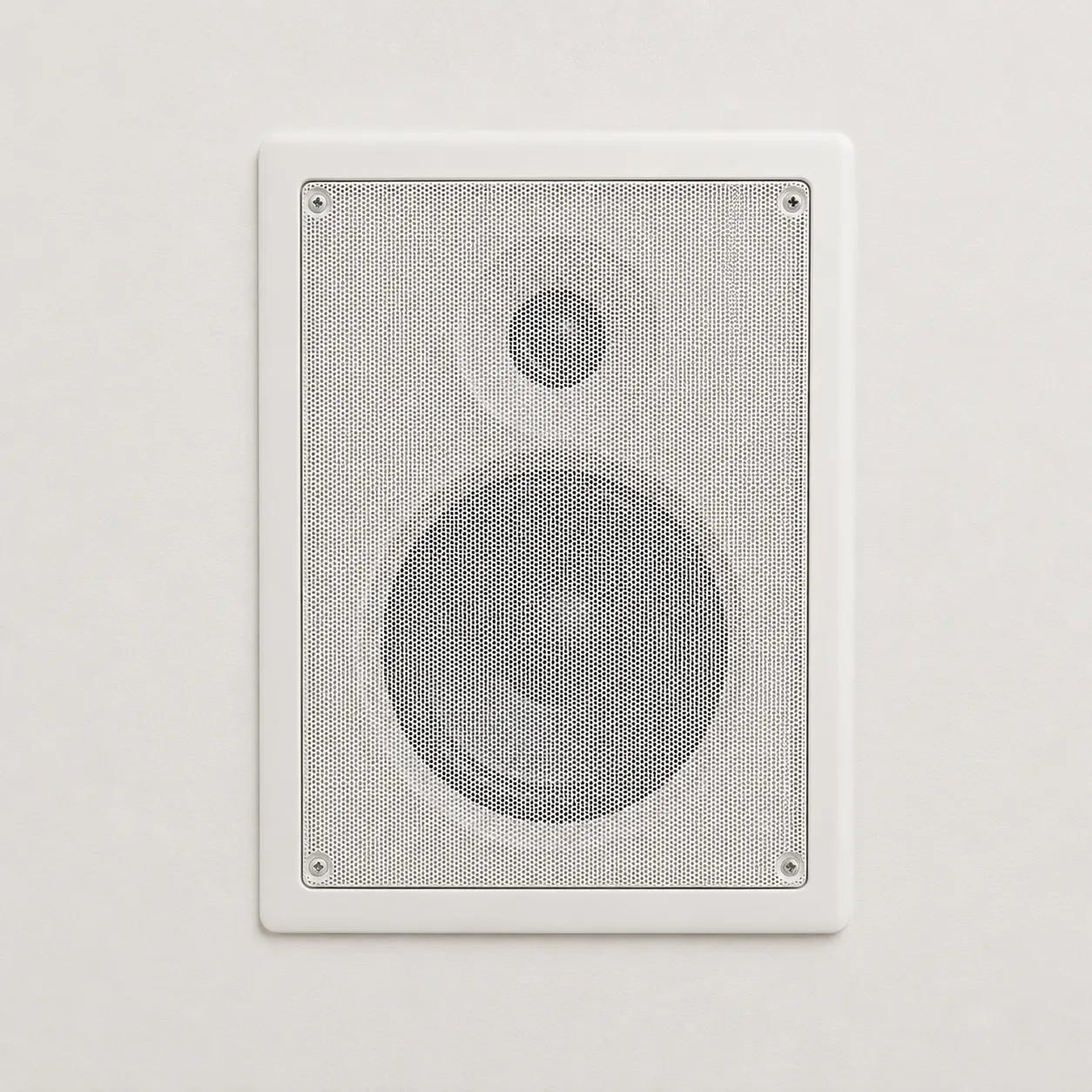
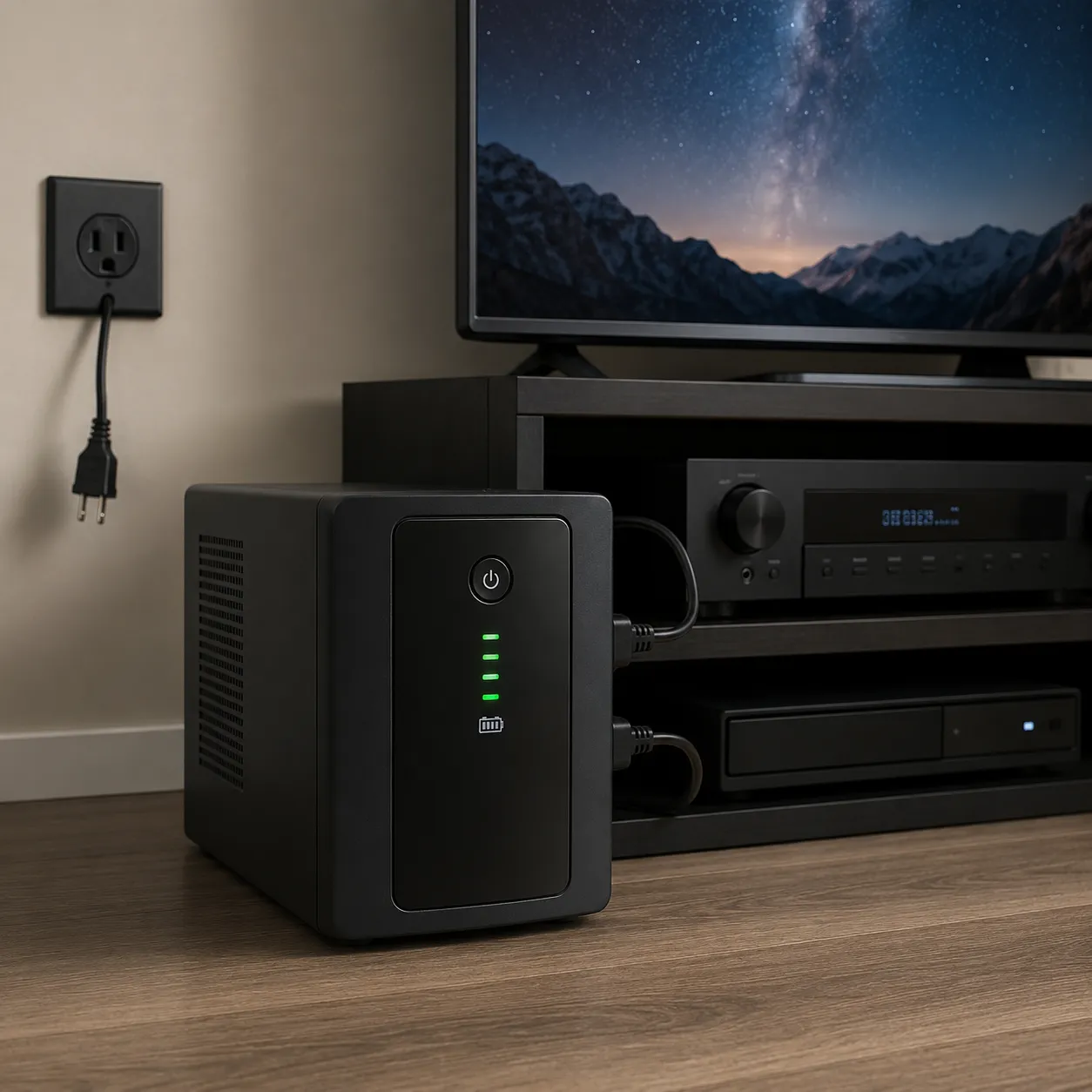
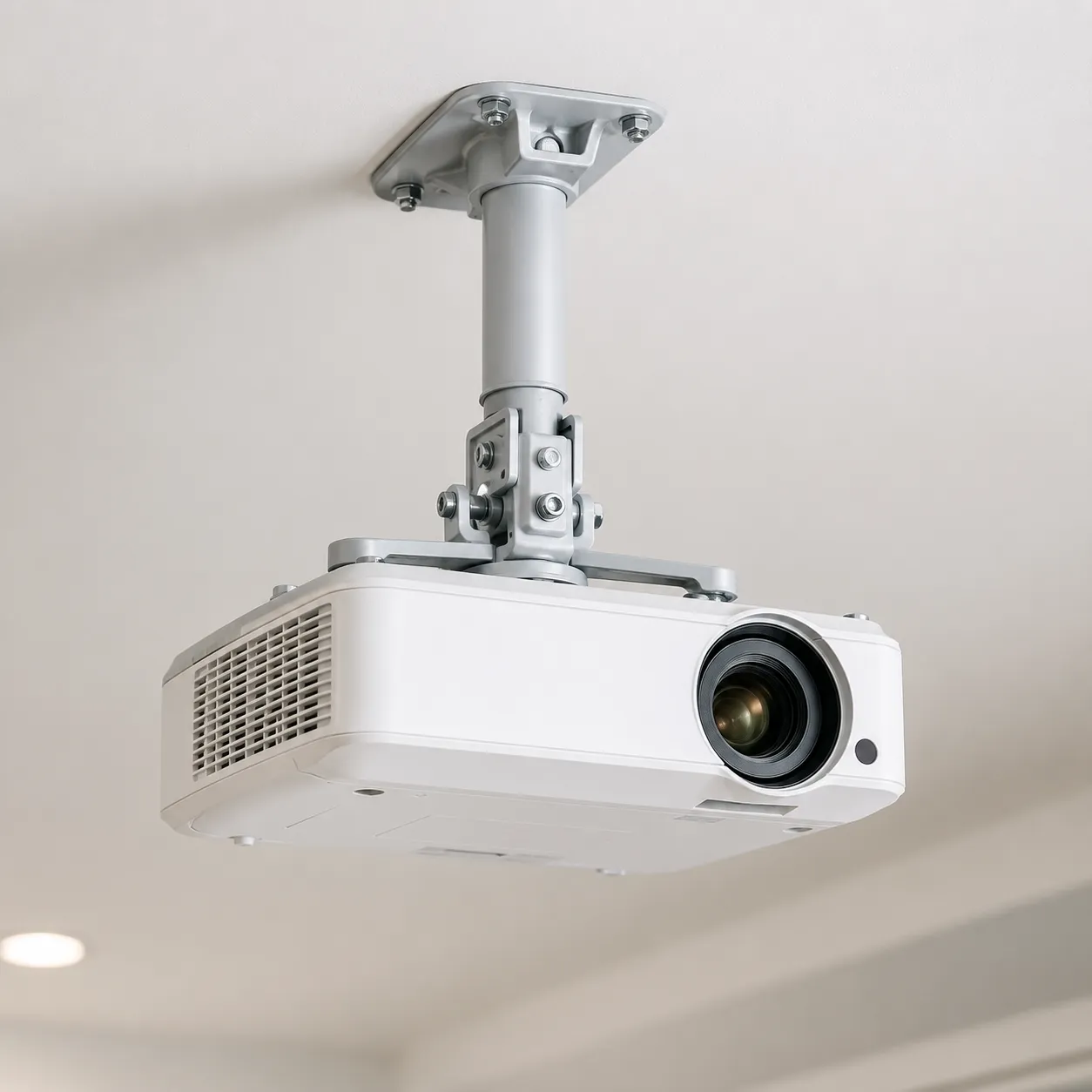
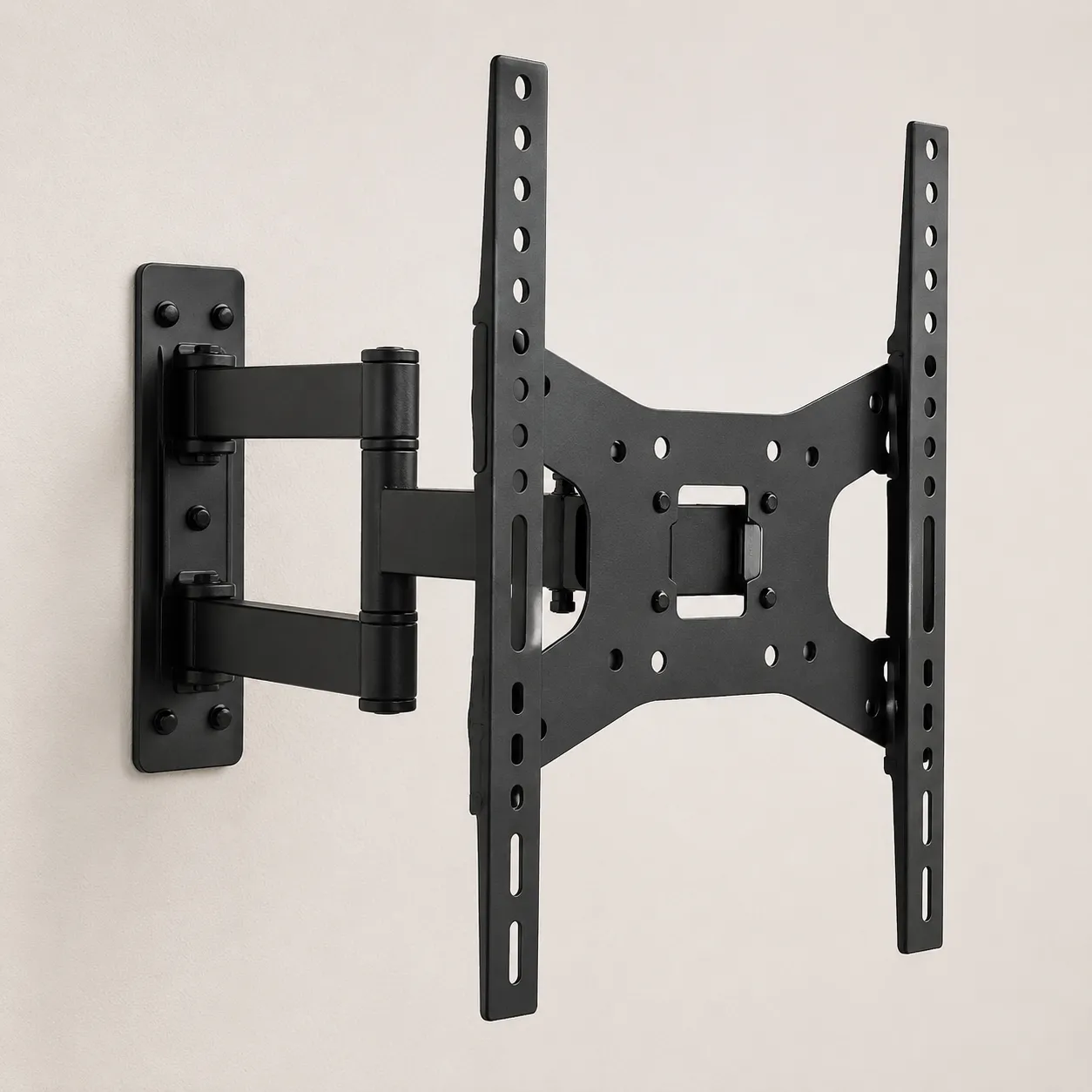
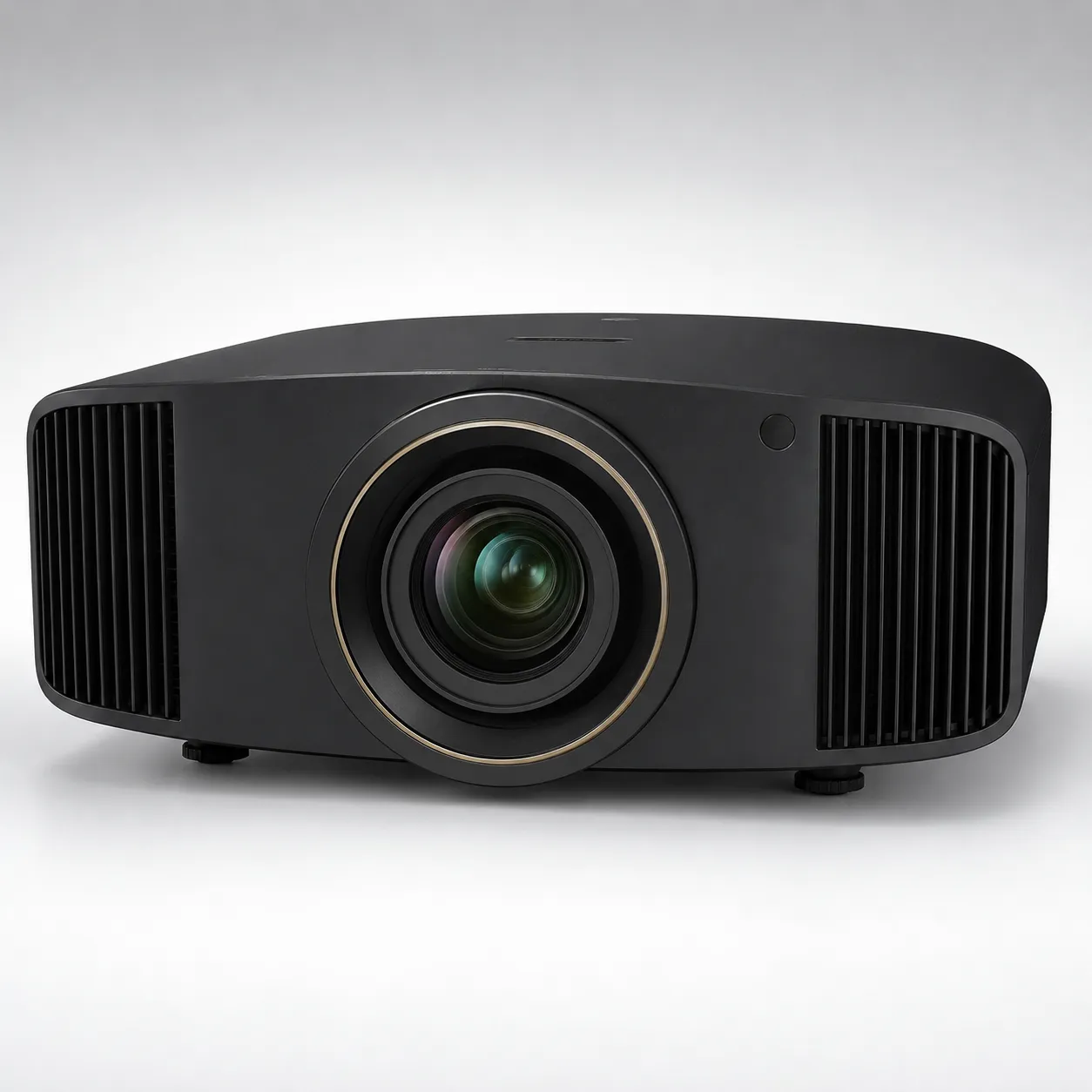
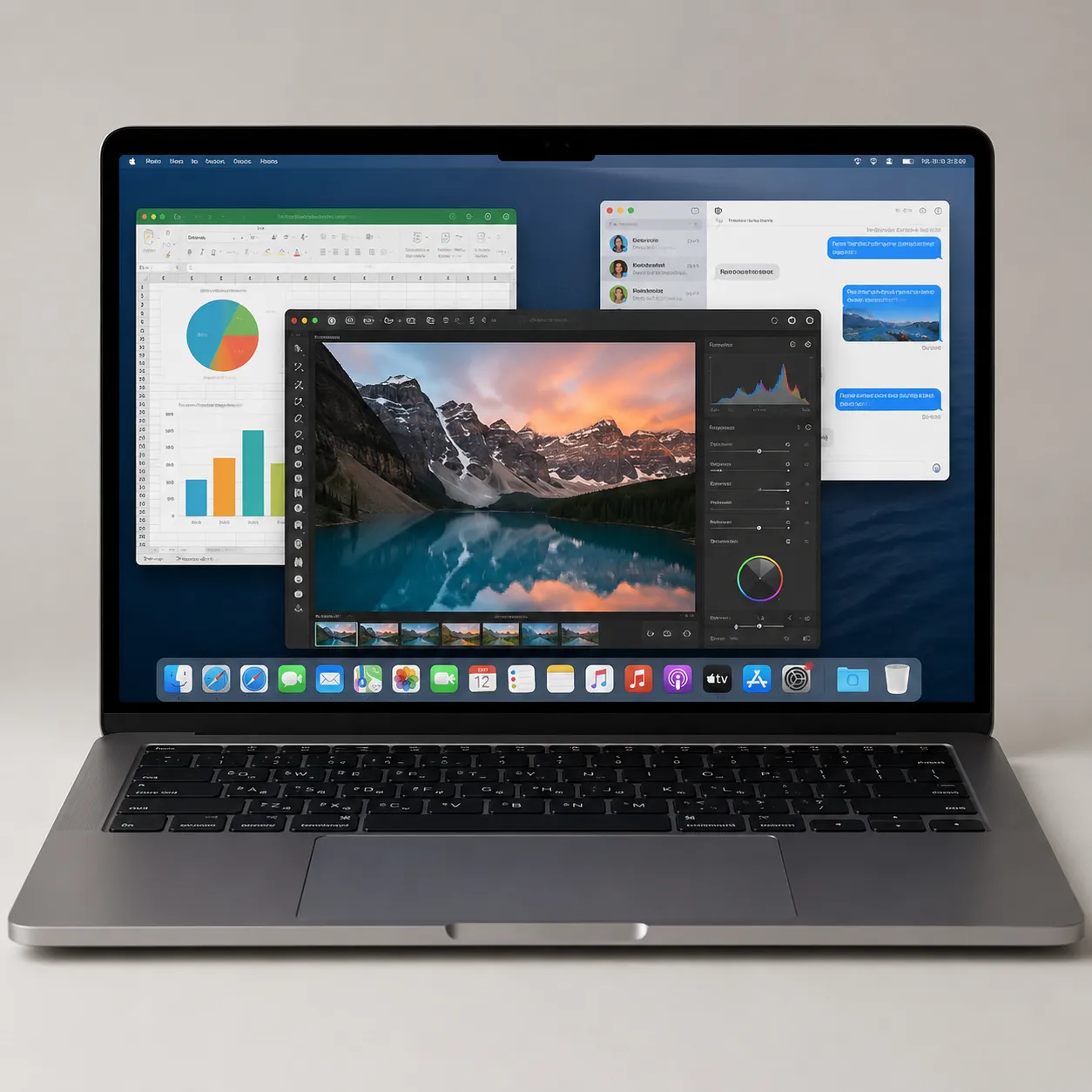
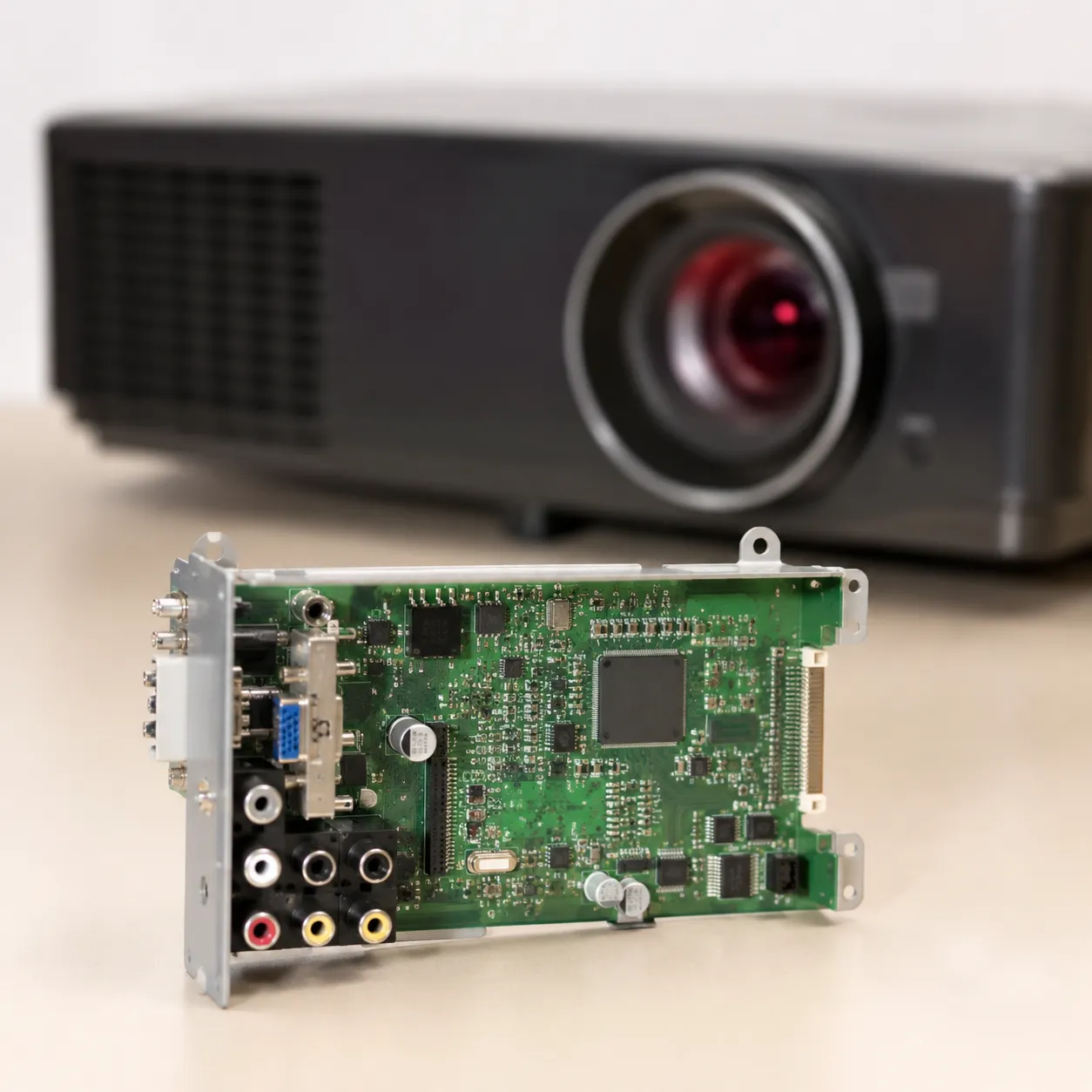
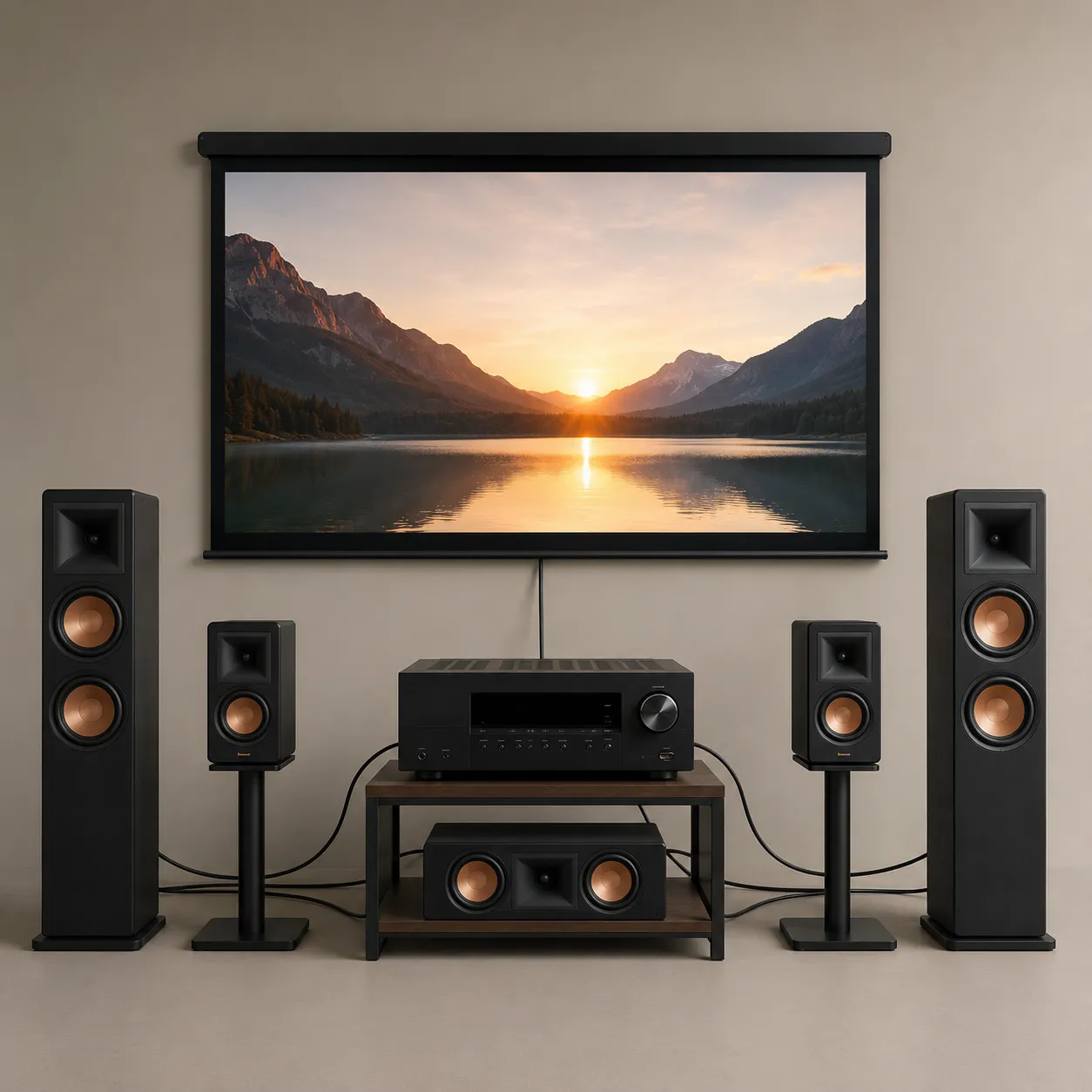
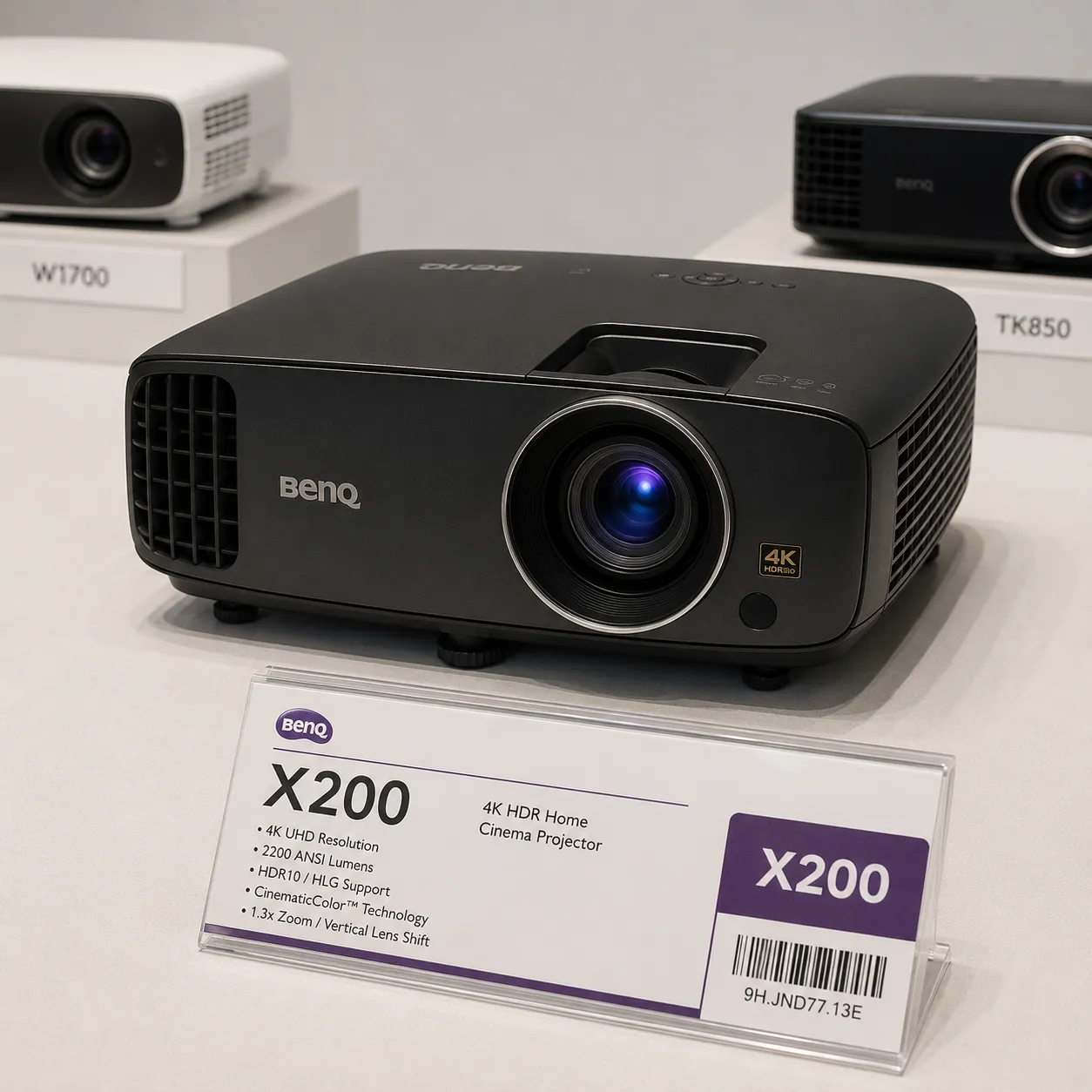
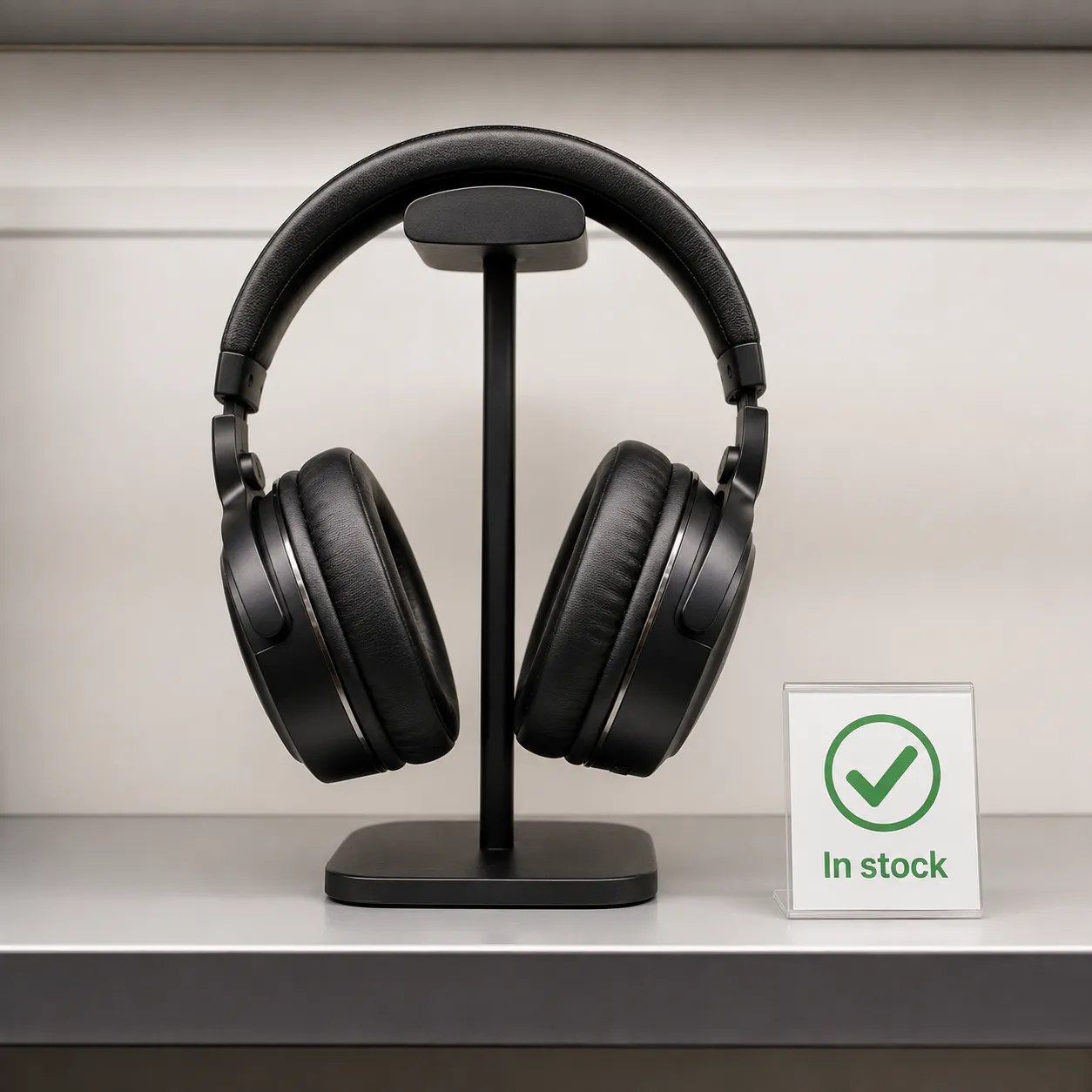
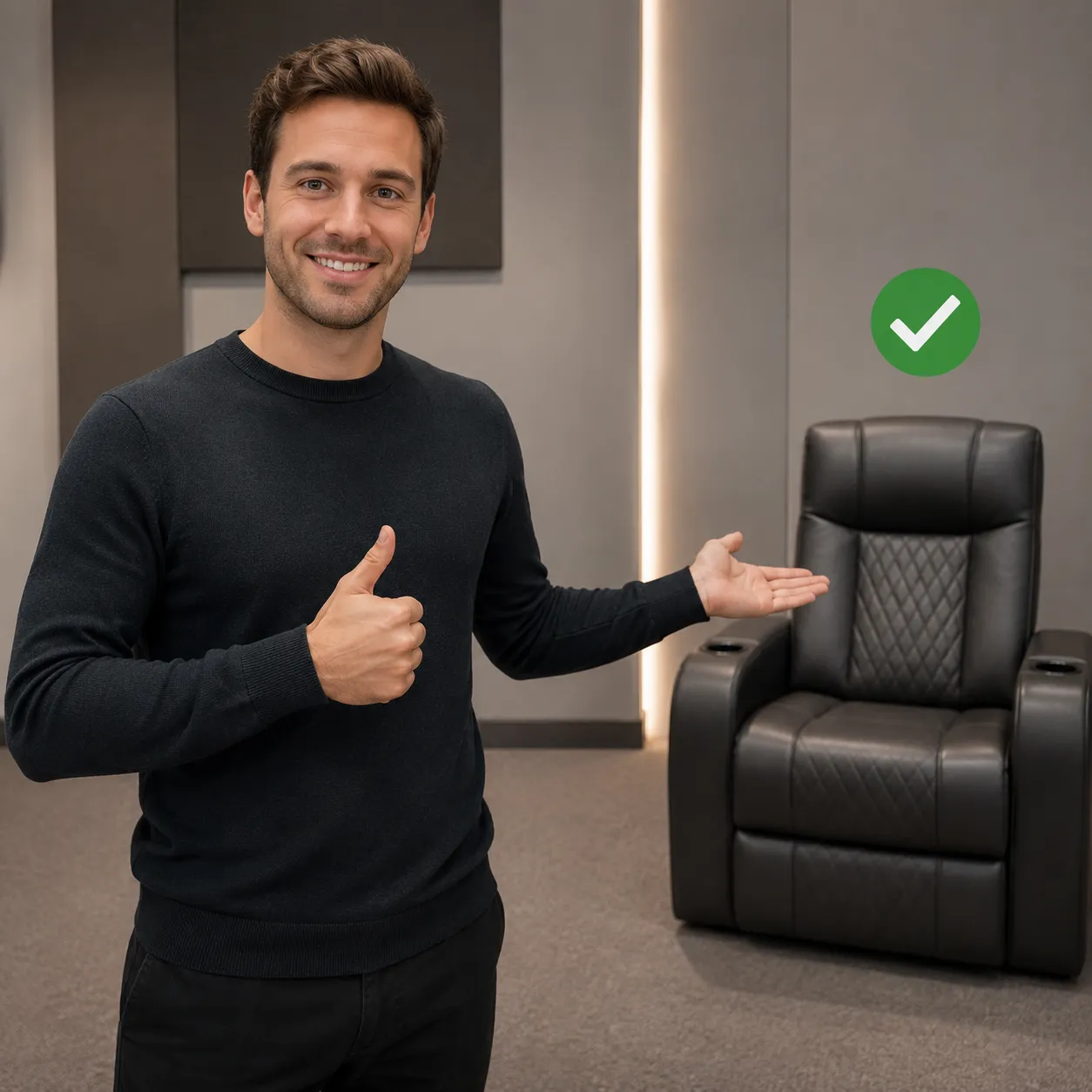
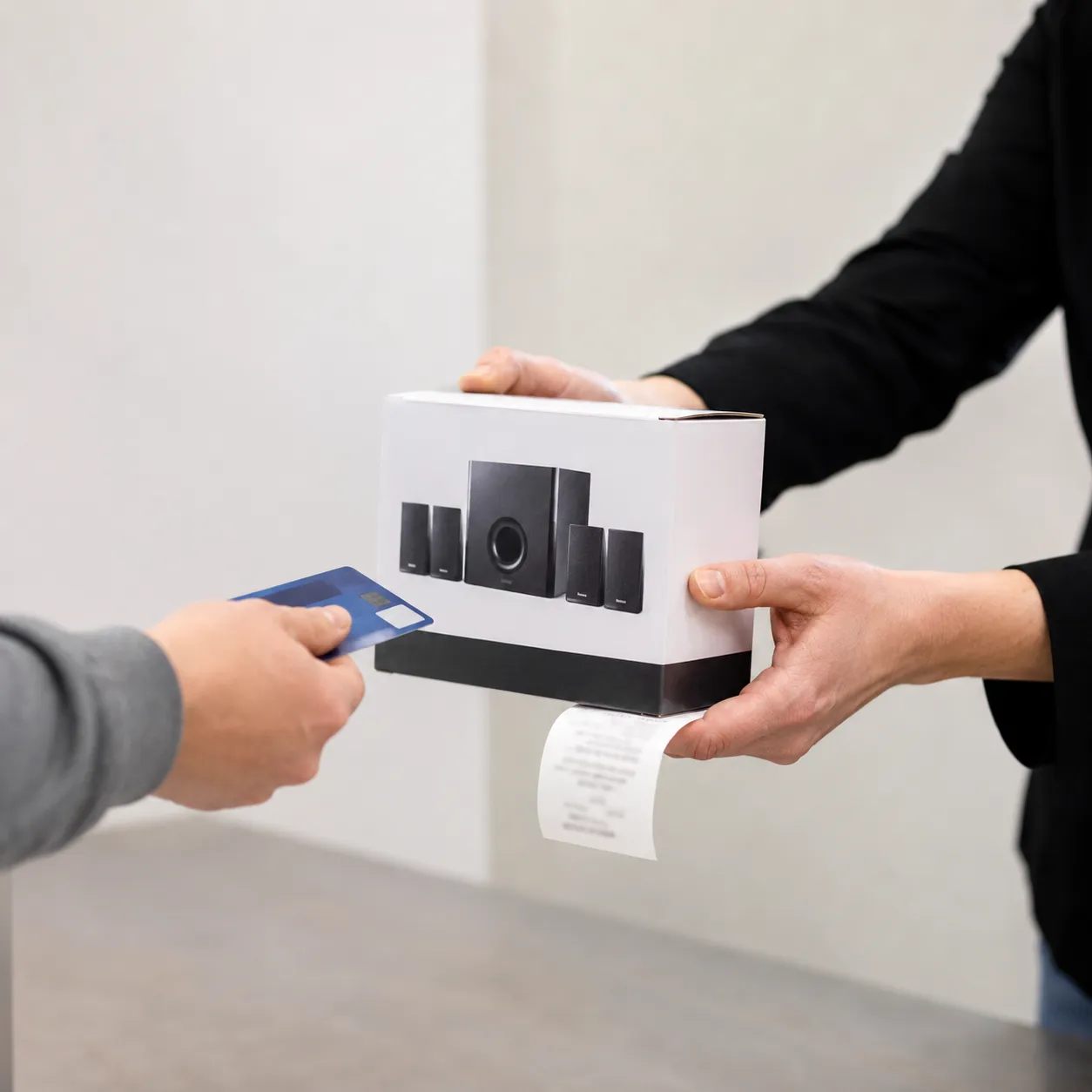
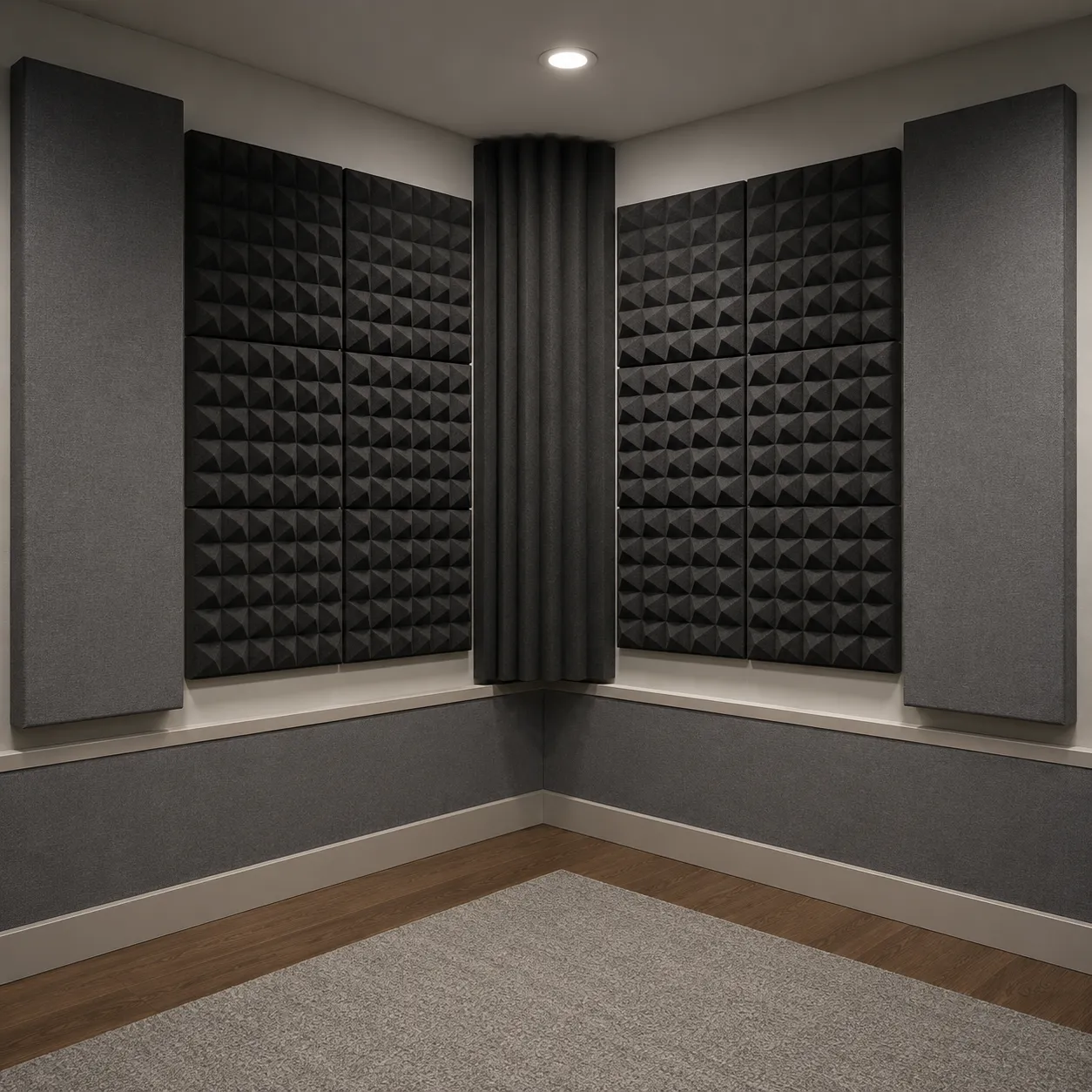
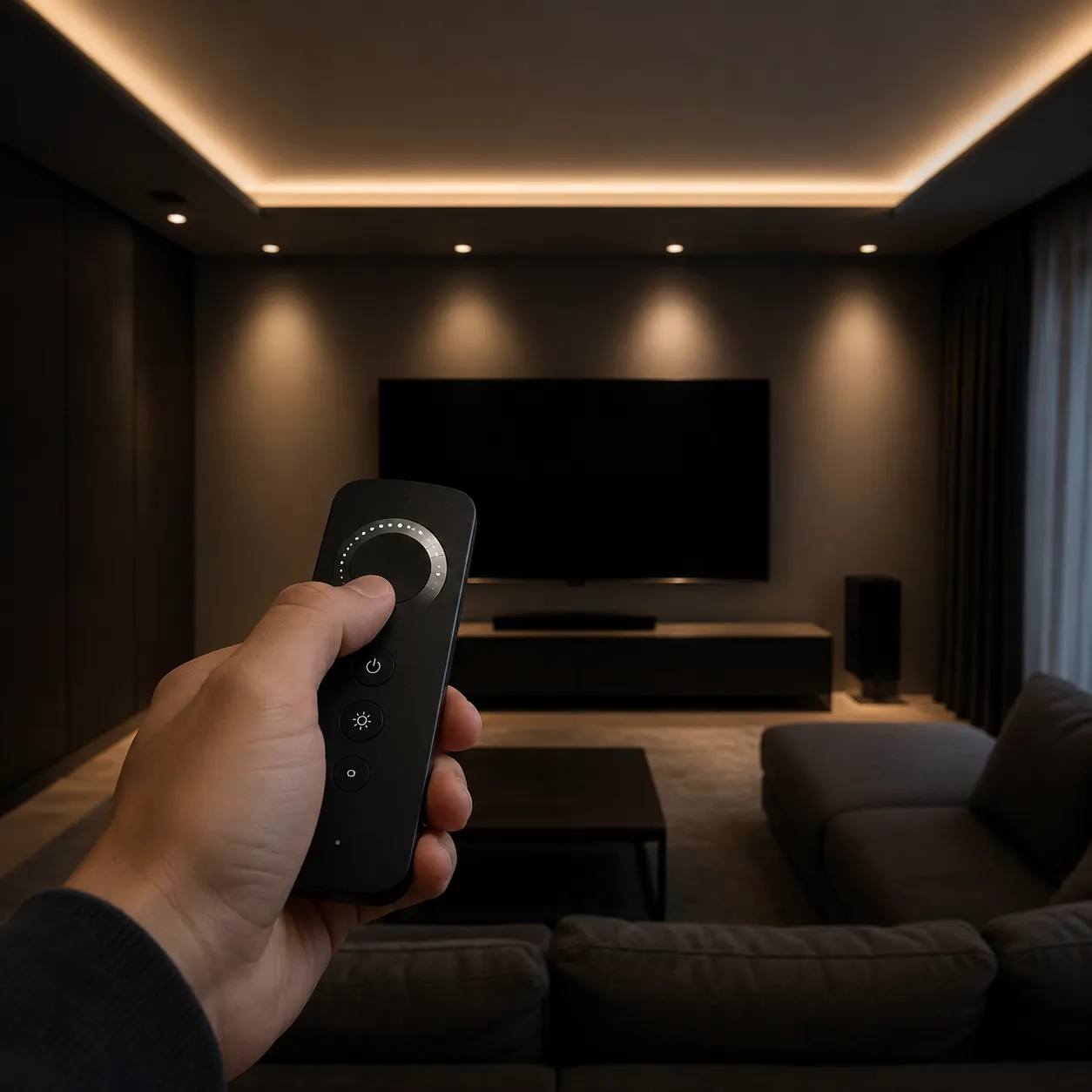
It covers cinema-room furniture, projectors and screens, televisions, speakers, streaming services, film genres, lighting, cables, internet connections, setup, maintenance and repair. Everyday words and advanced technical terms are kept in separate sections.
What English level is this vocabulary set for?
The set is suitable for learners from beginner to advanced level. Beginners can start with rooms, seating, films and basic controls, while intermediate and advanced learners can focus on acoustics, calibration, networking and display specifications.
Which home cinema words should beginners learn first?
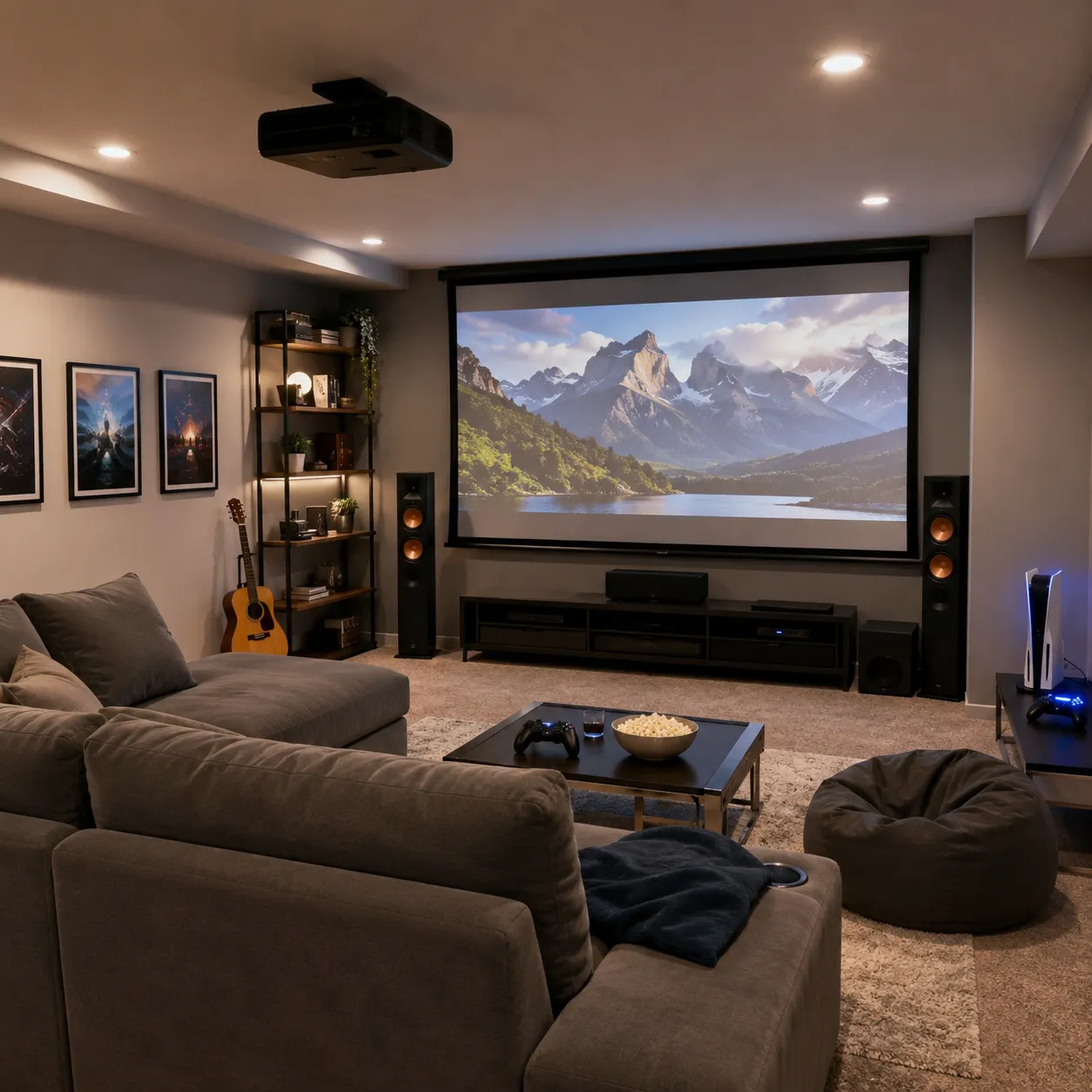
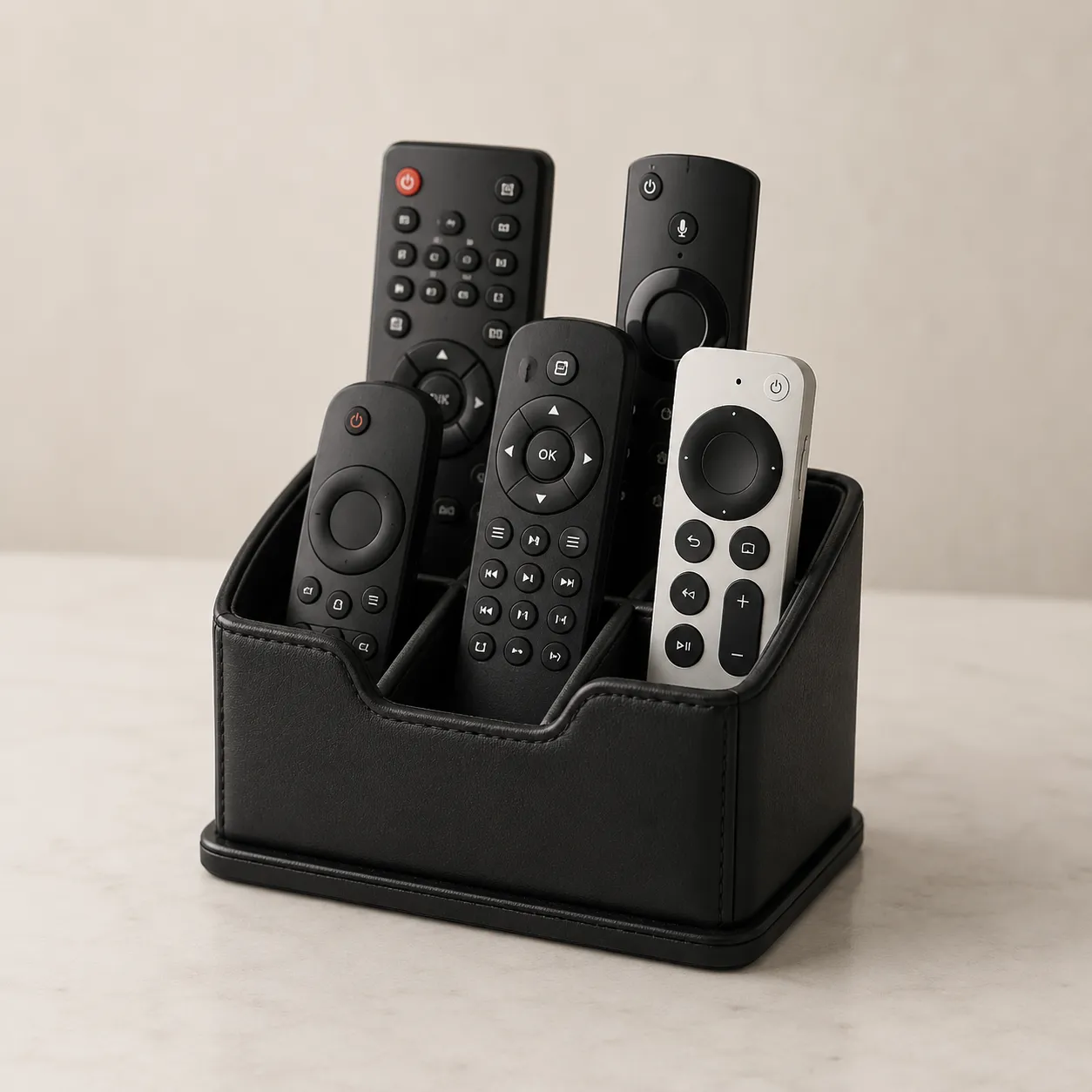
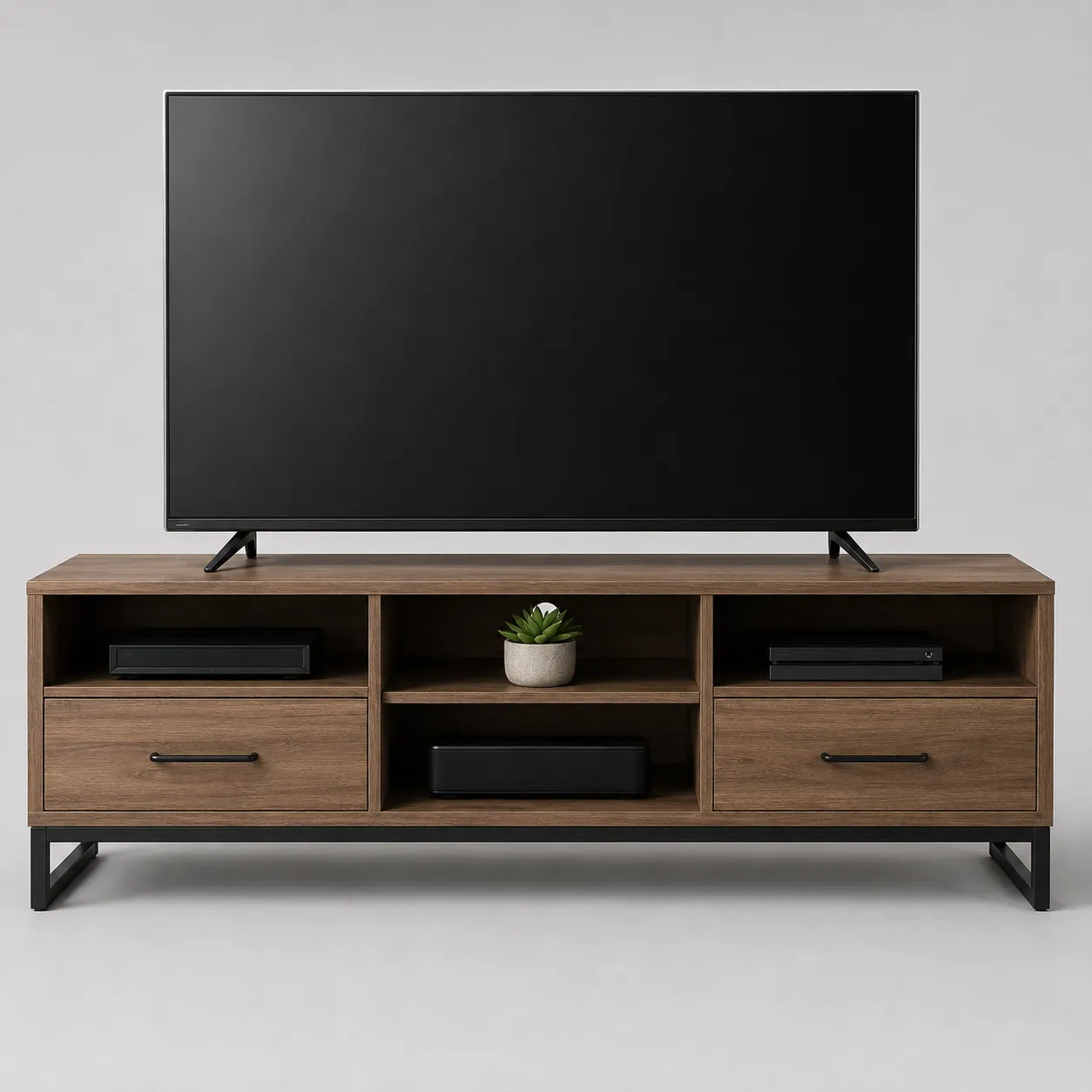
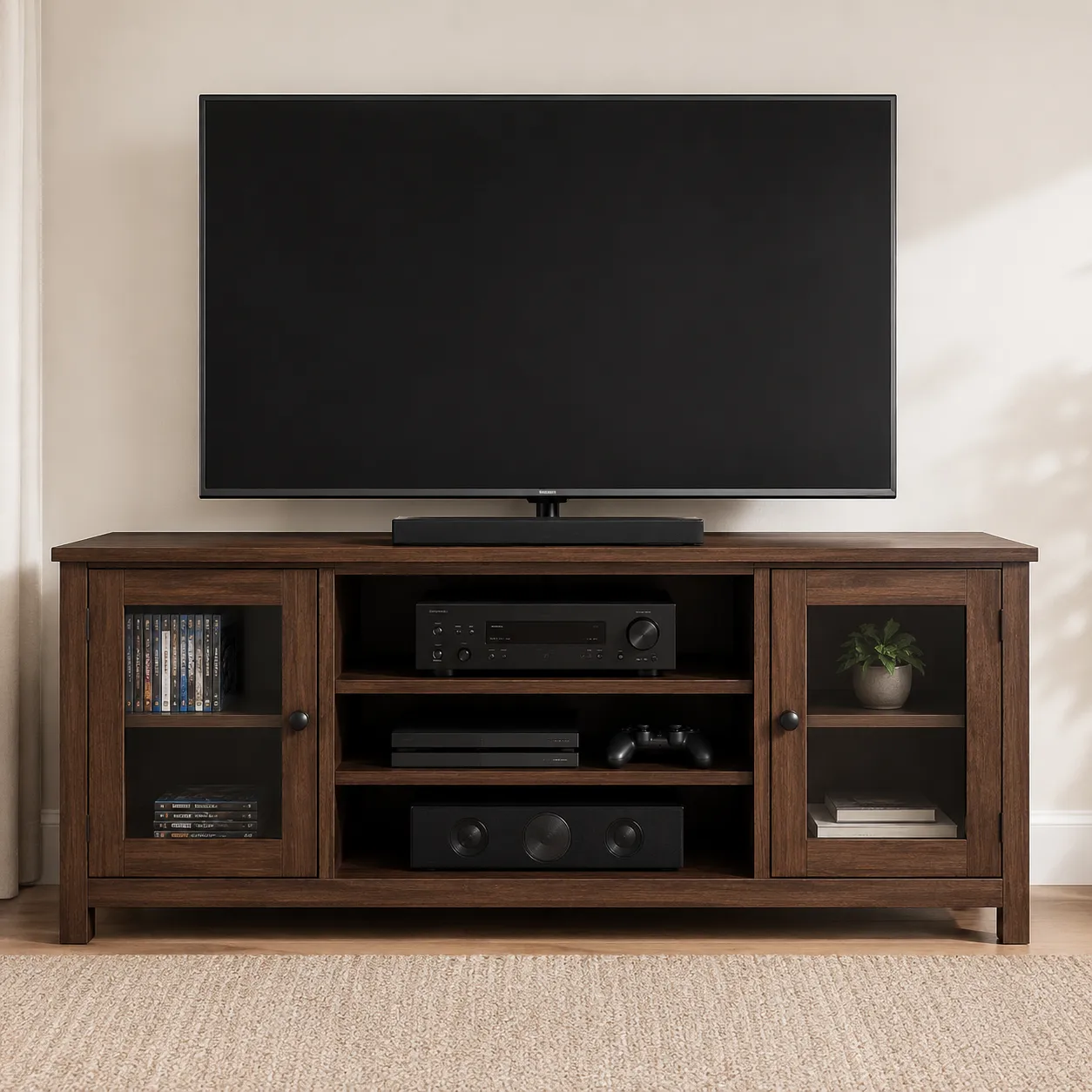
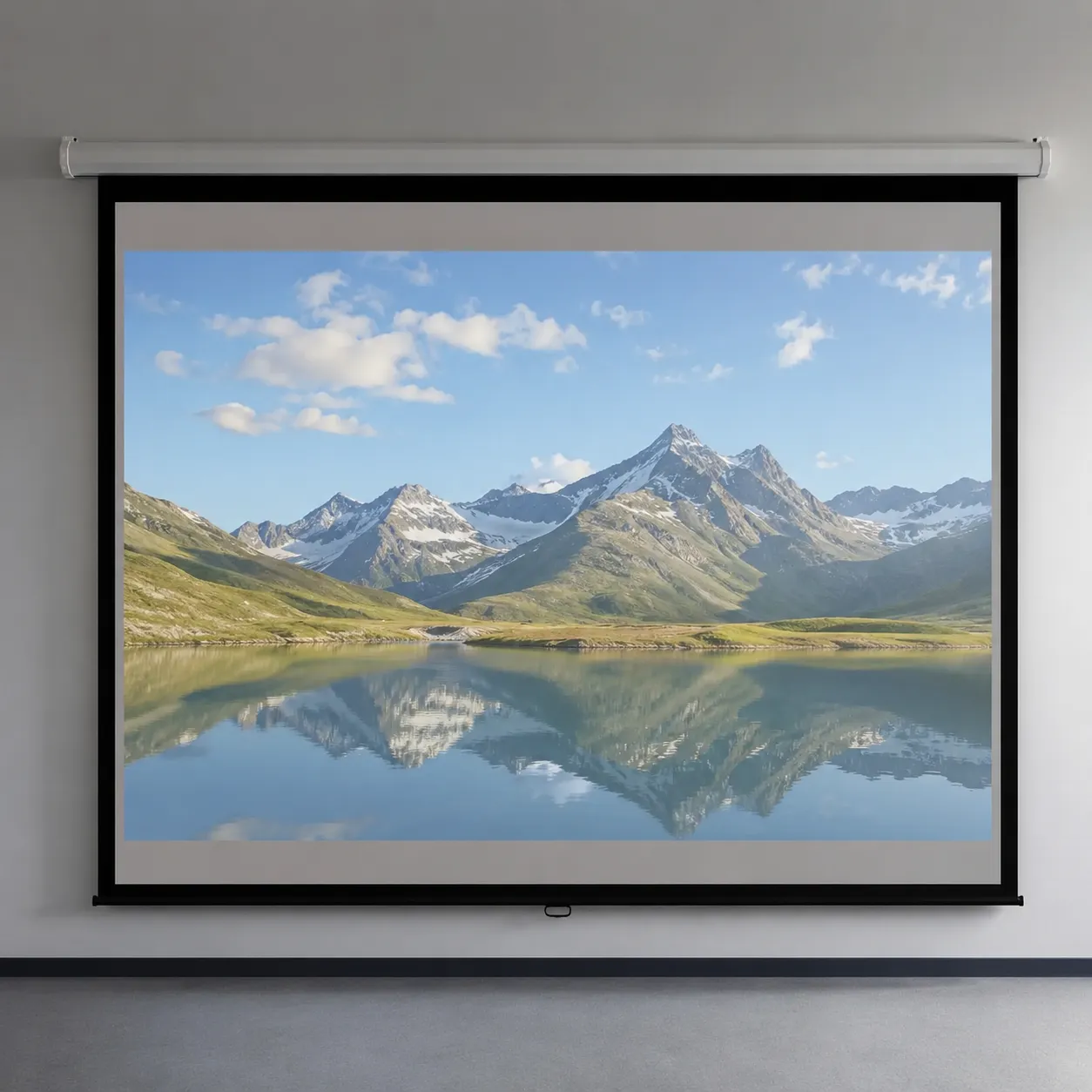
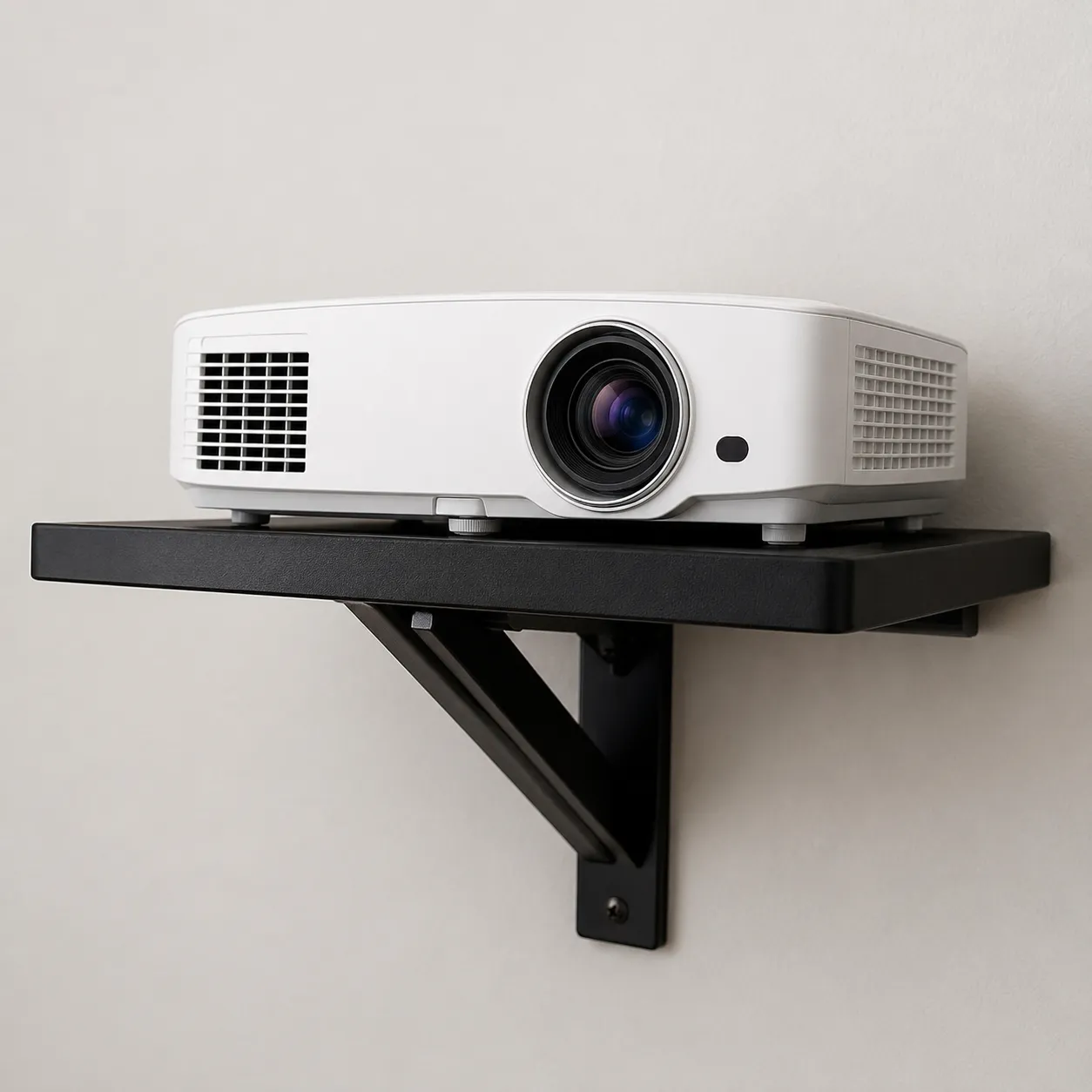
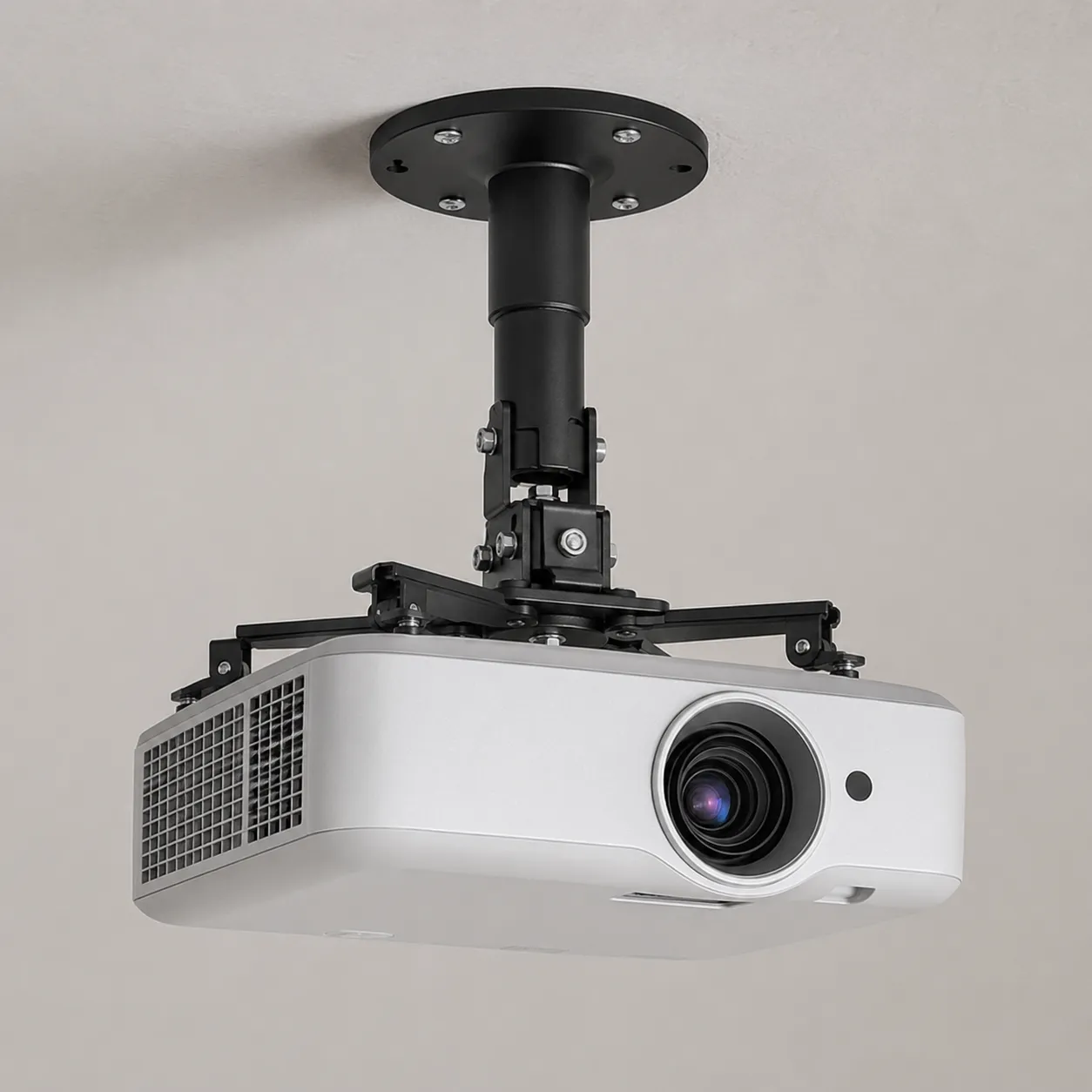
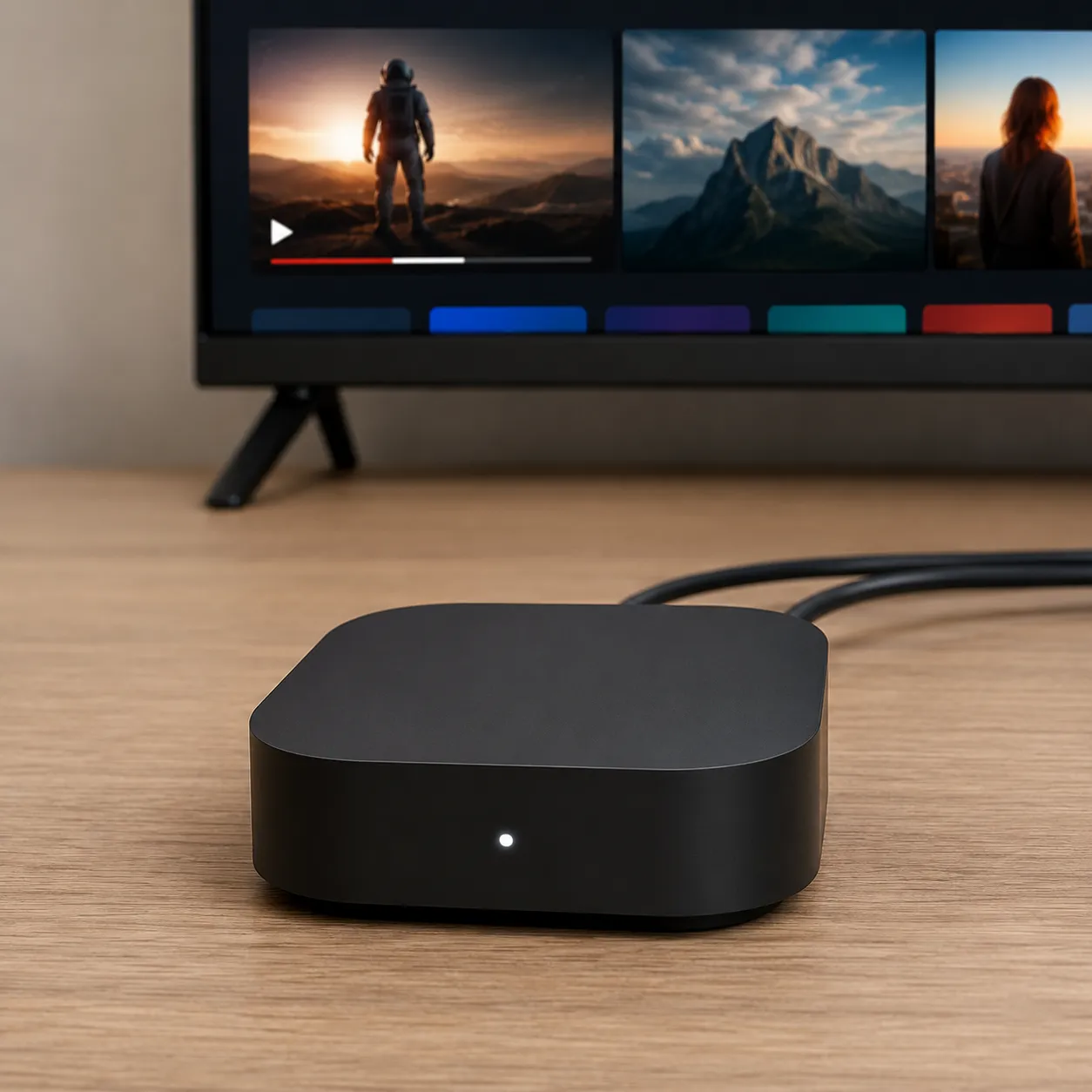
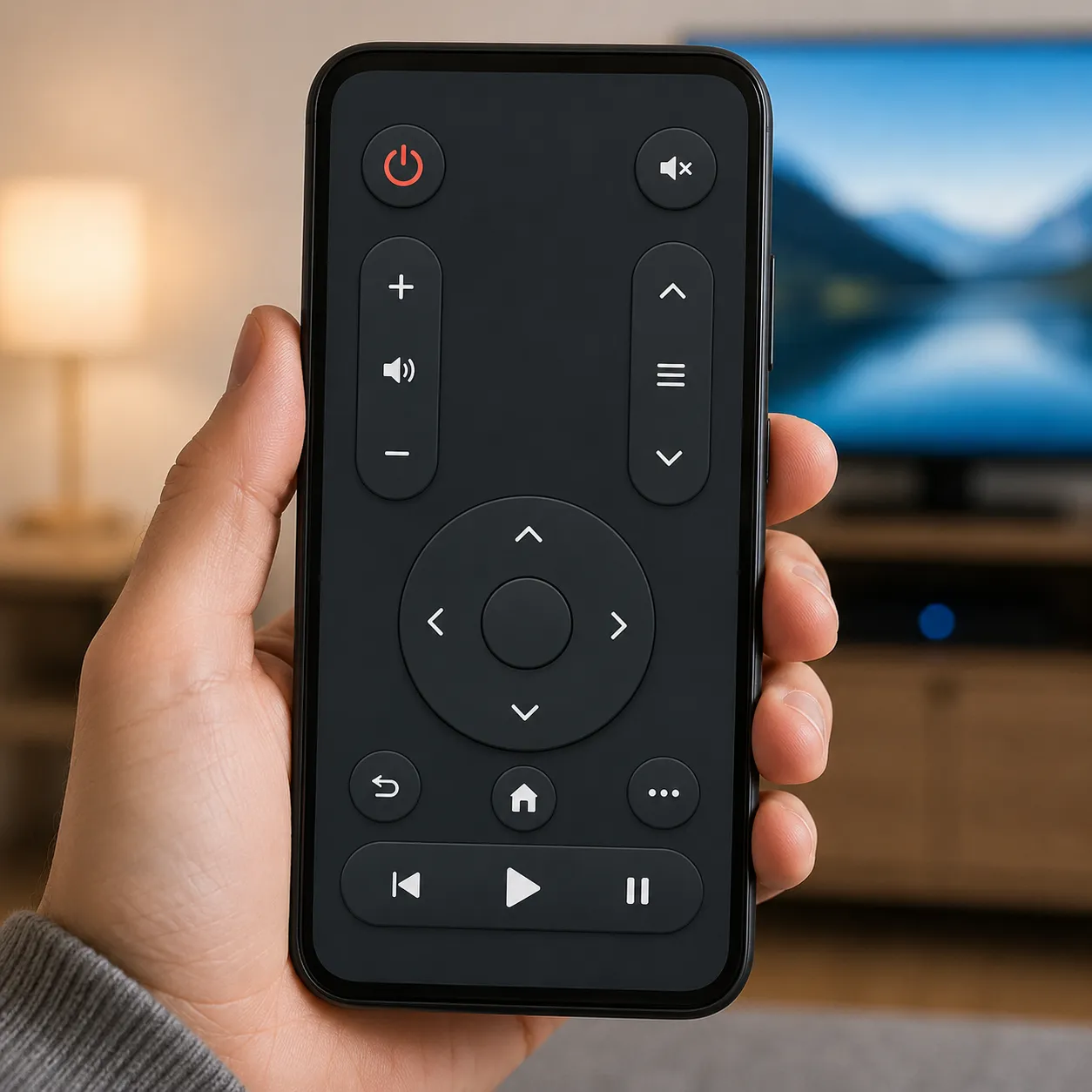
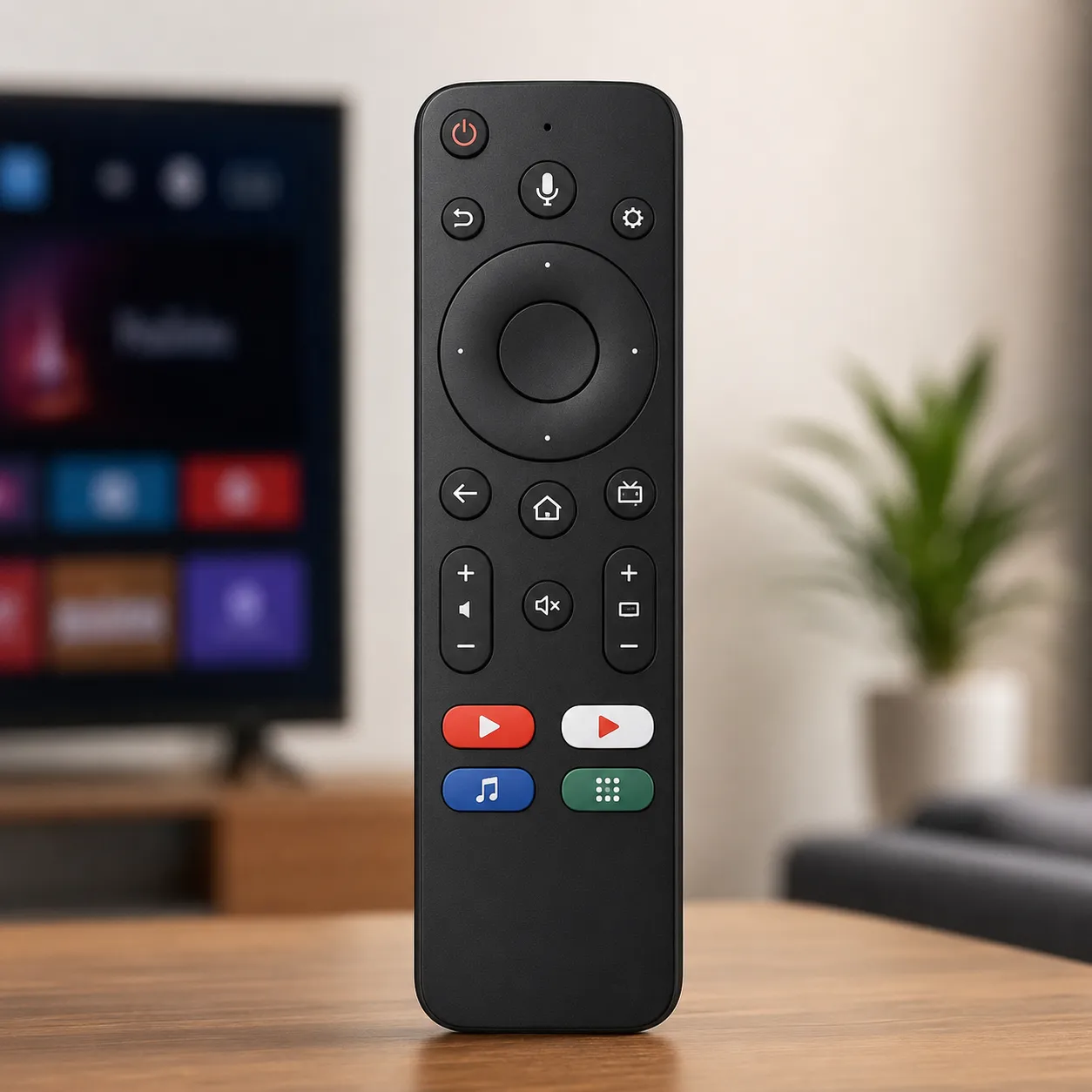
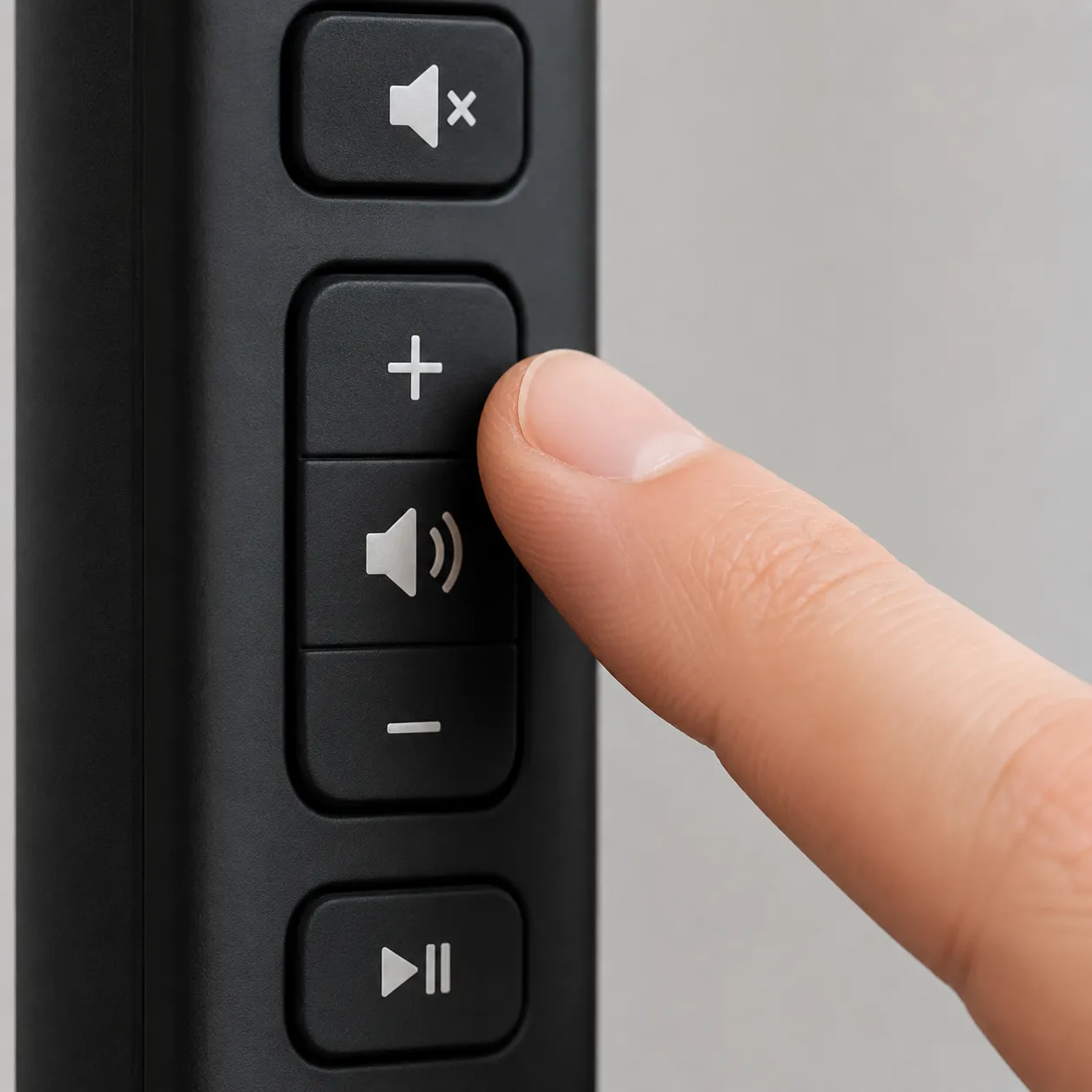
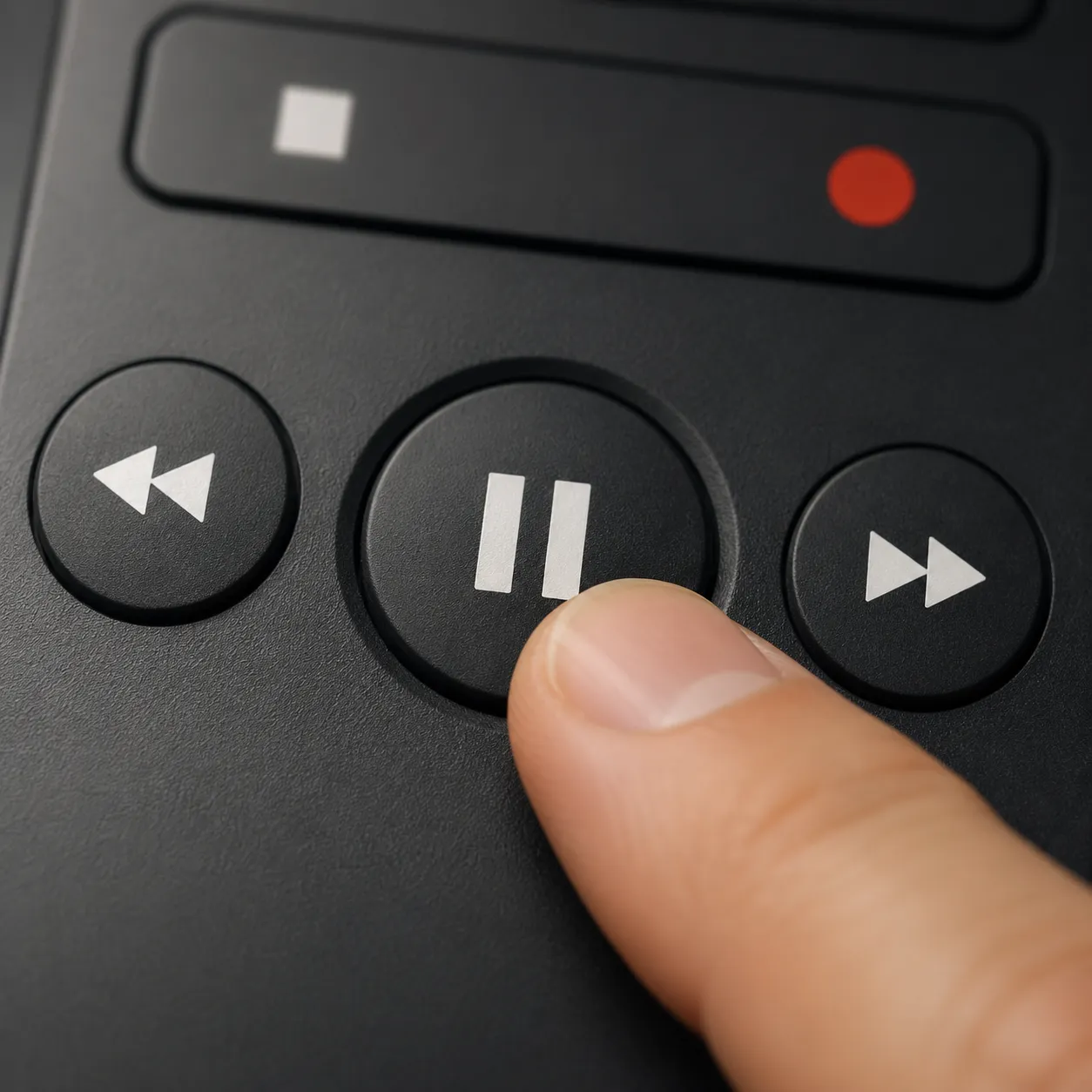
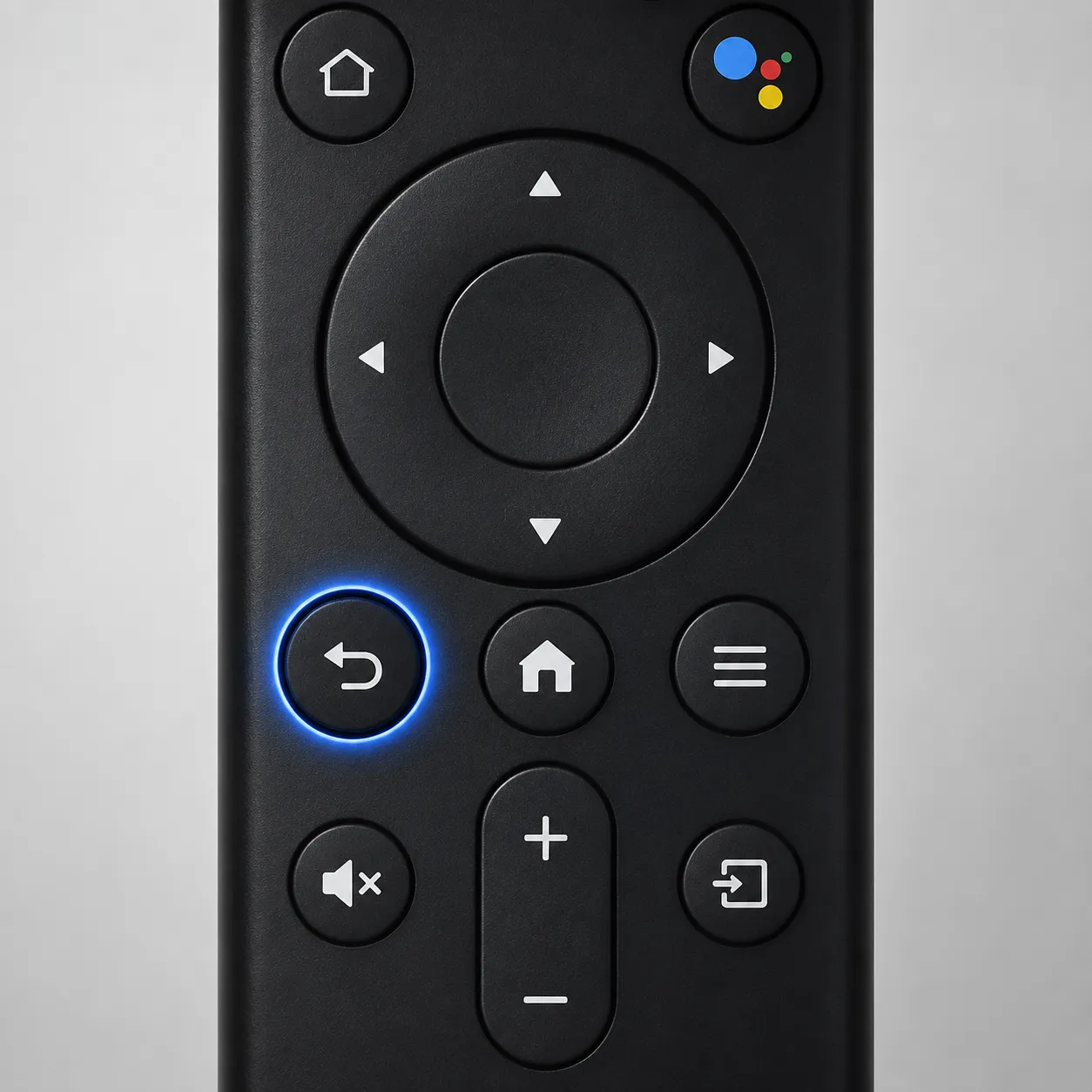
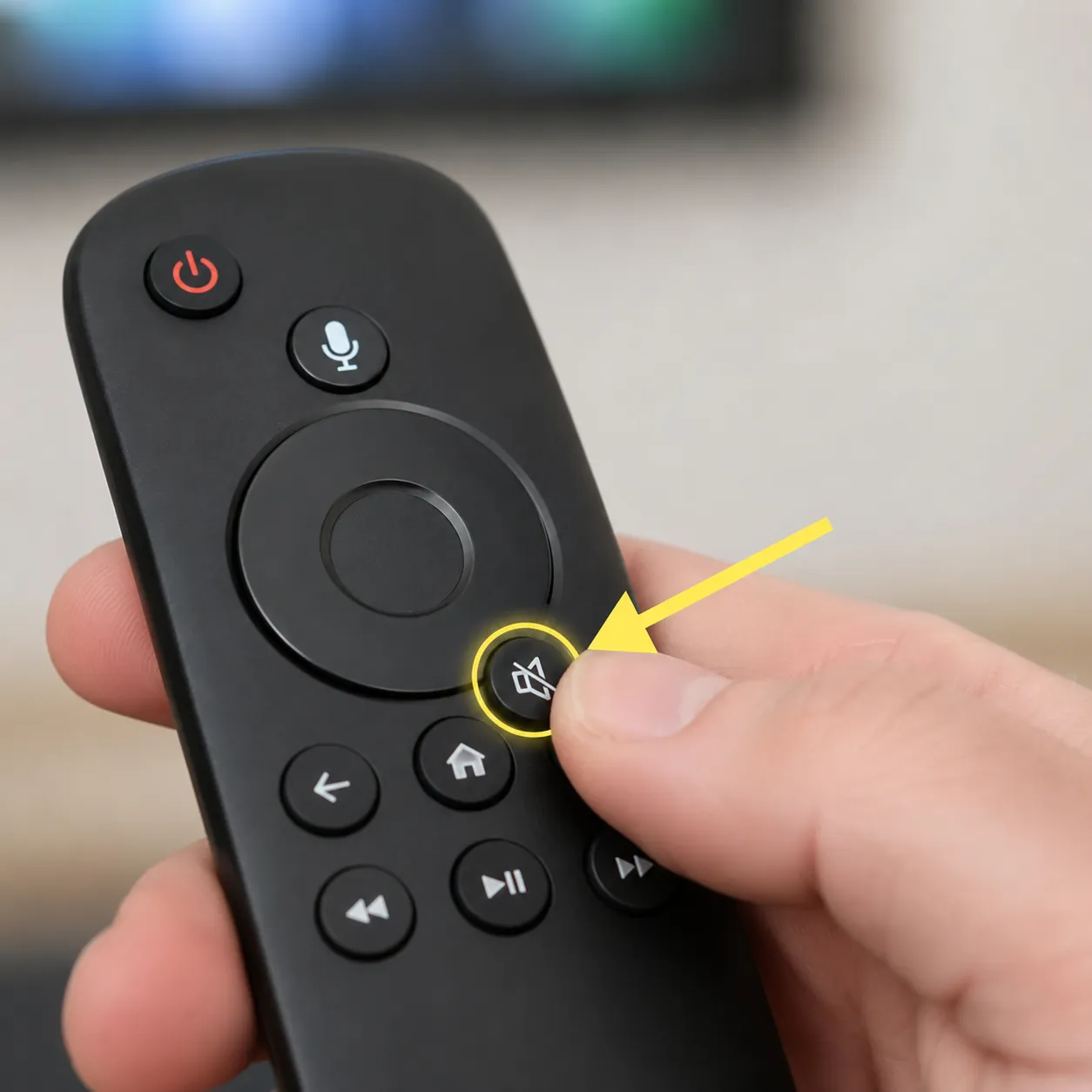
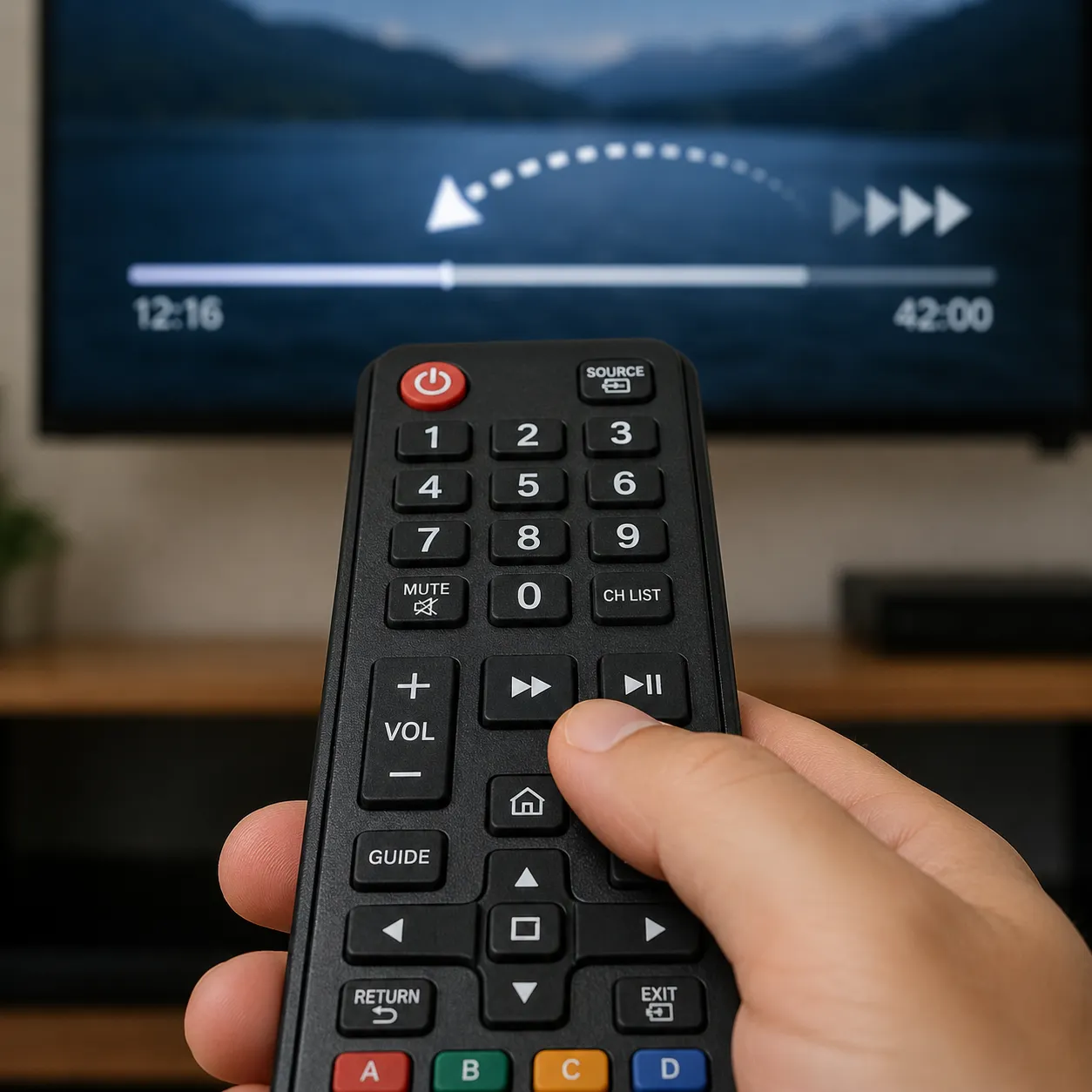
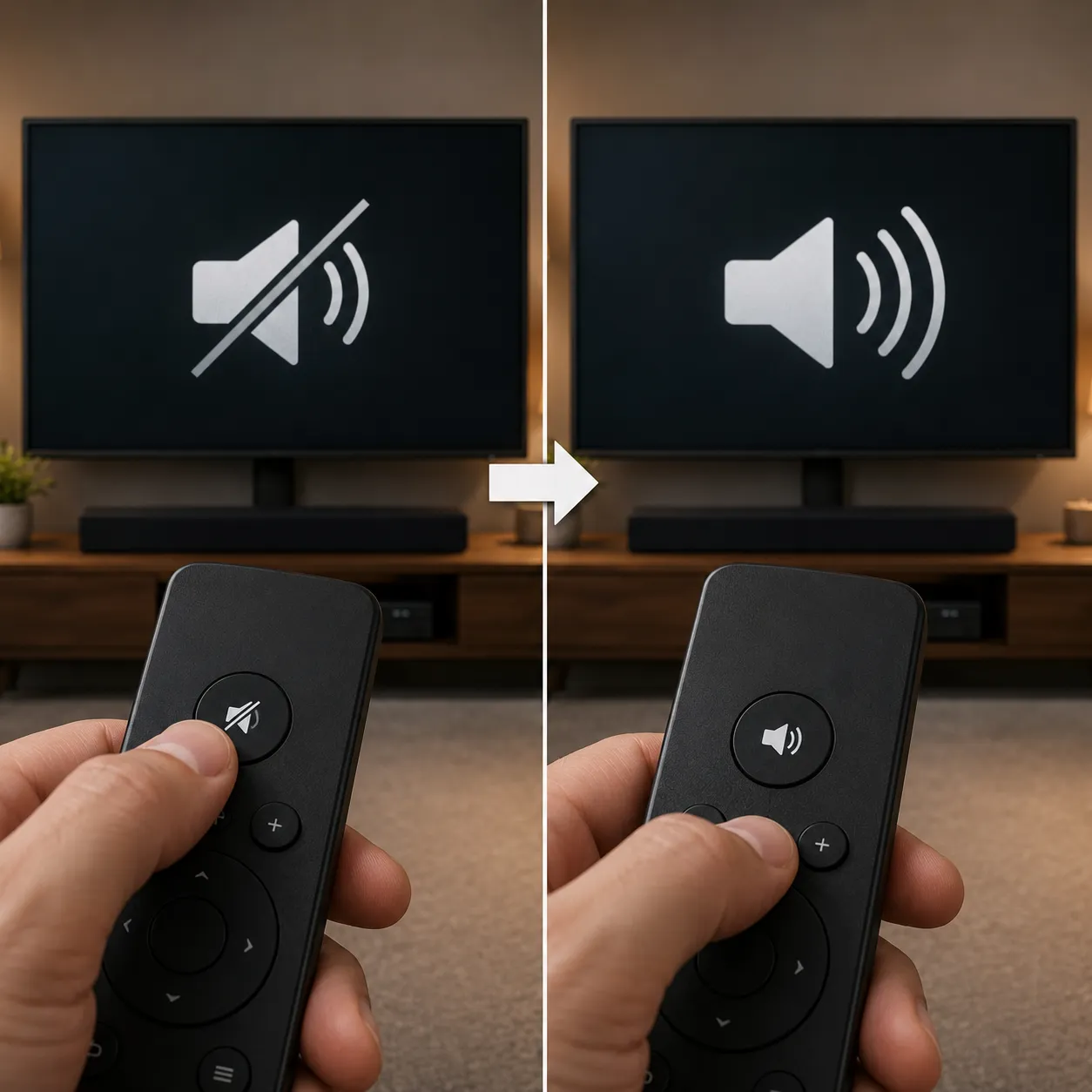
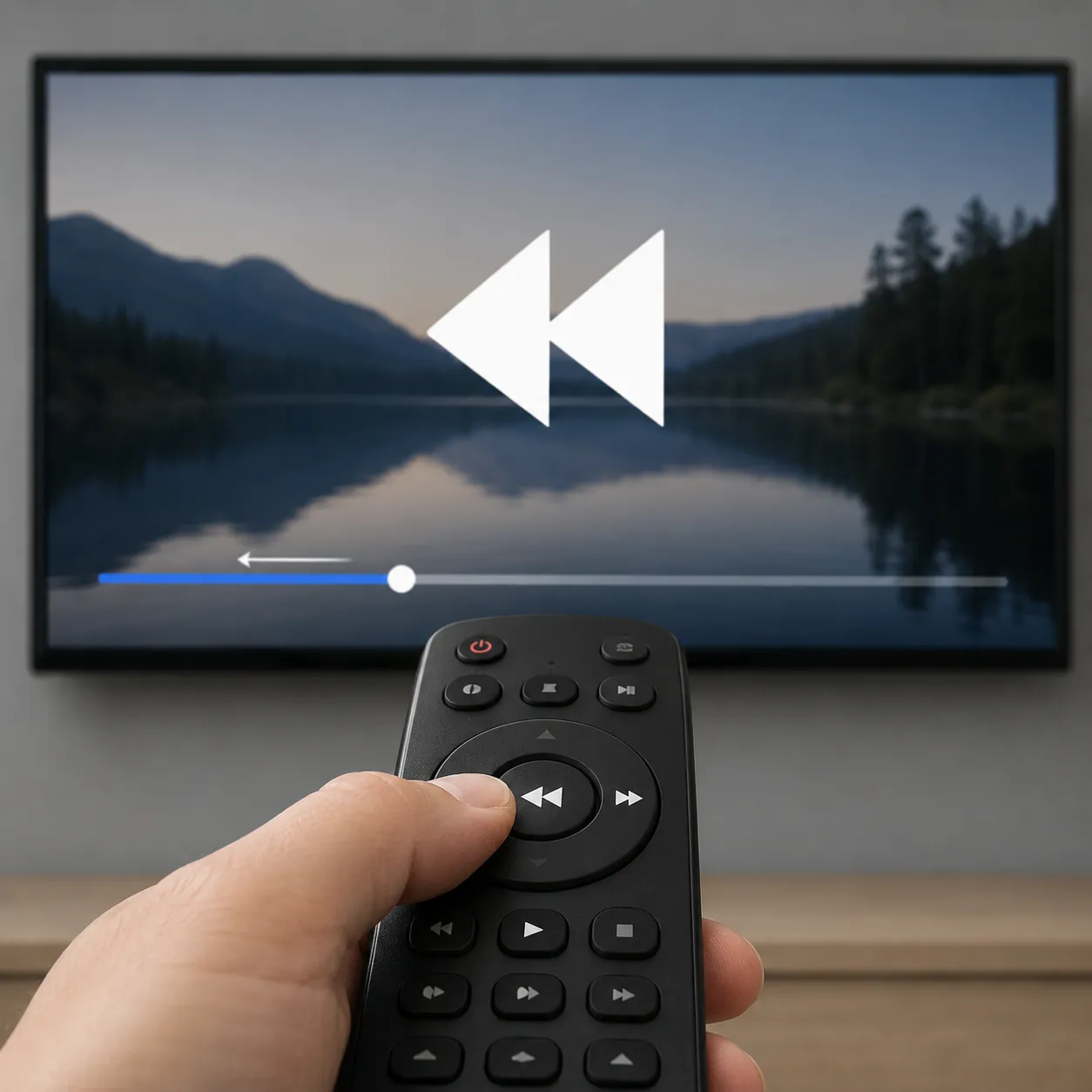
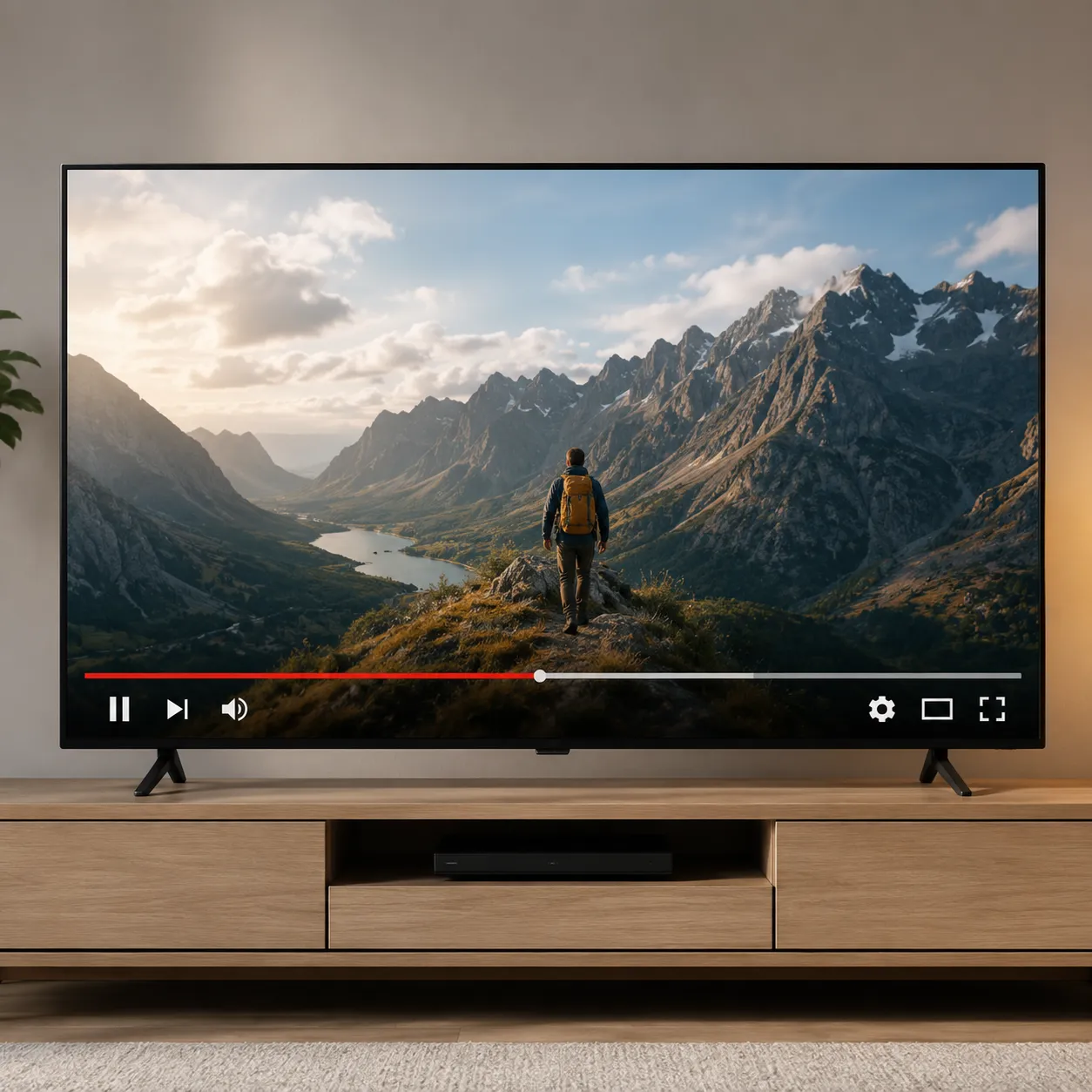
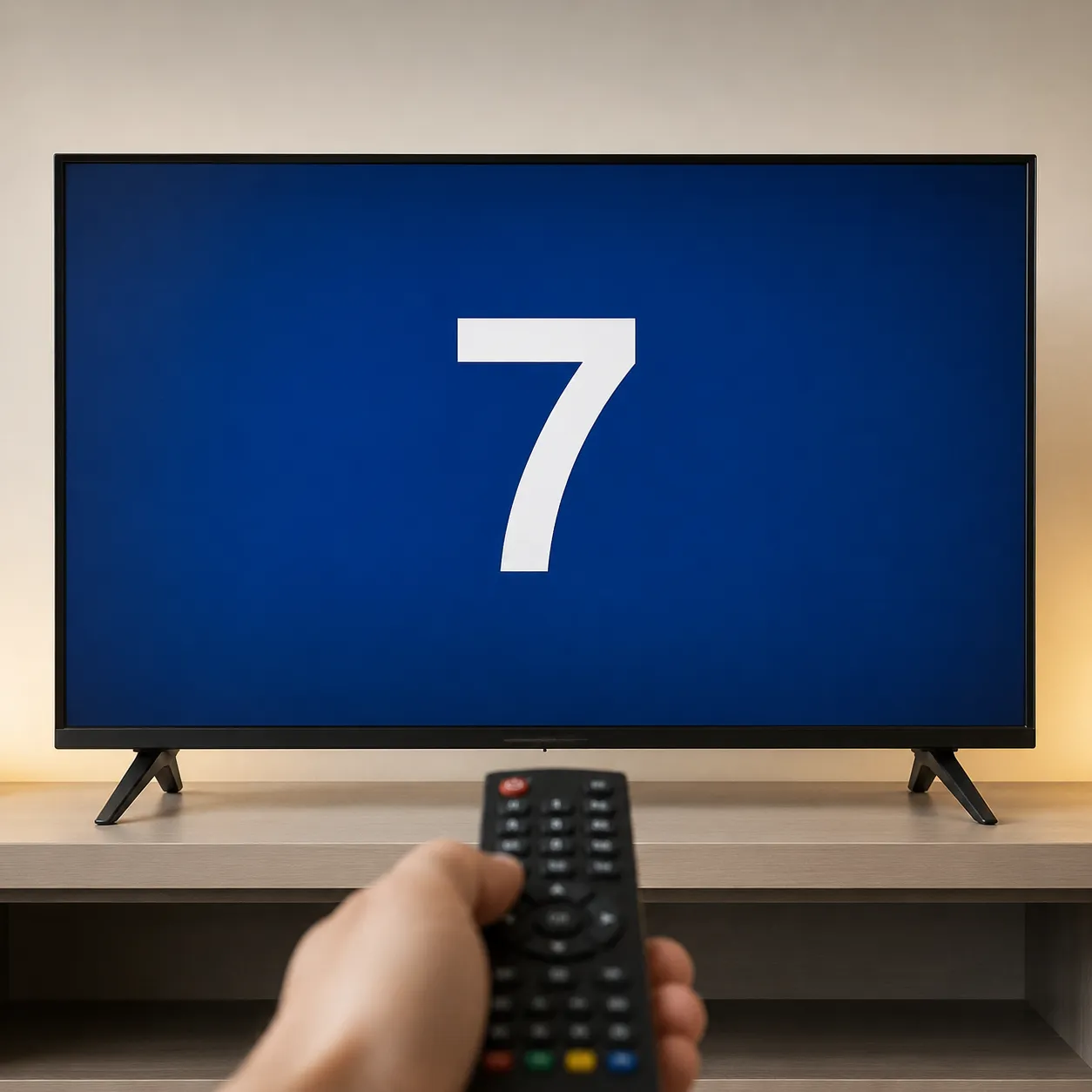
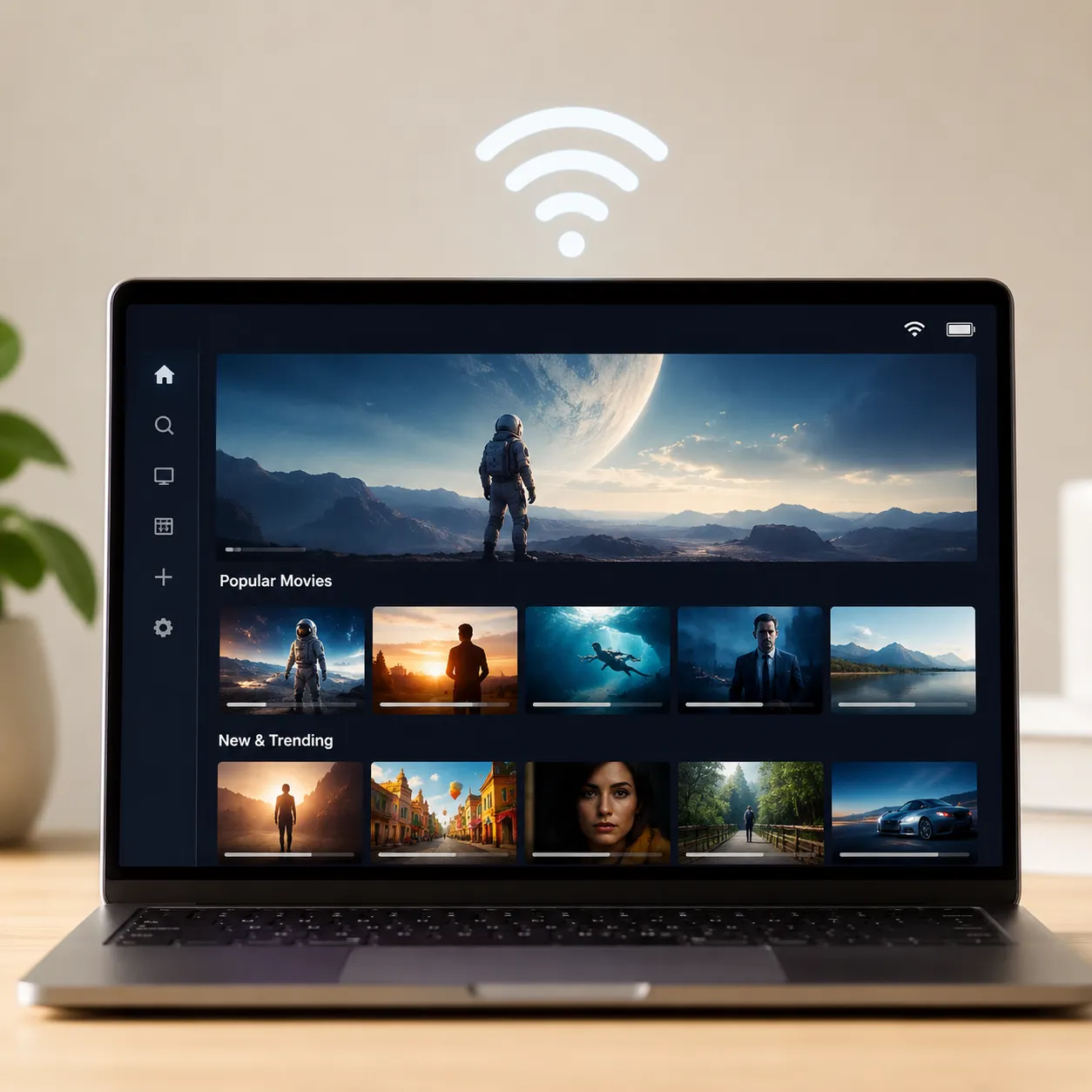
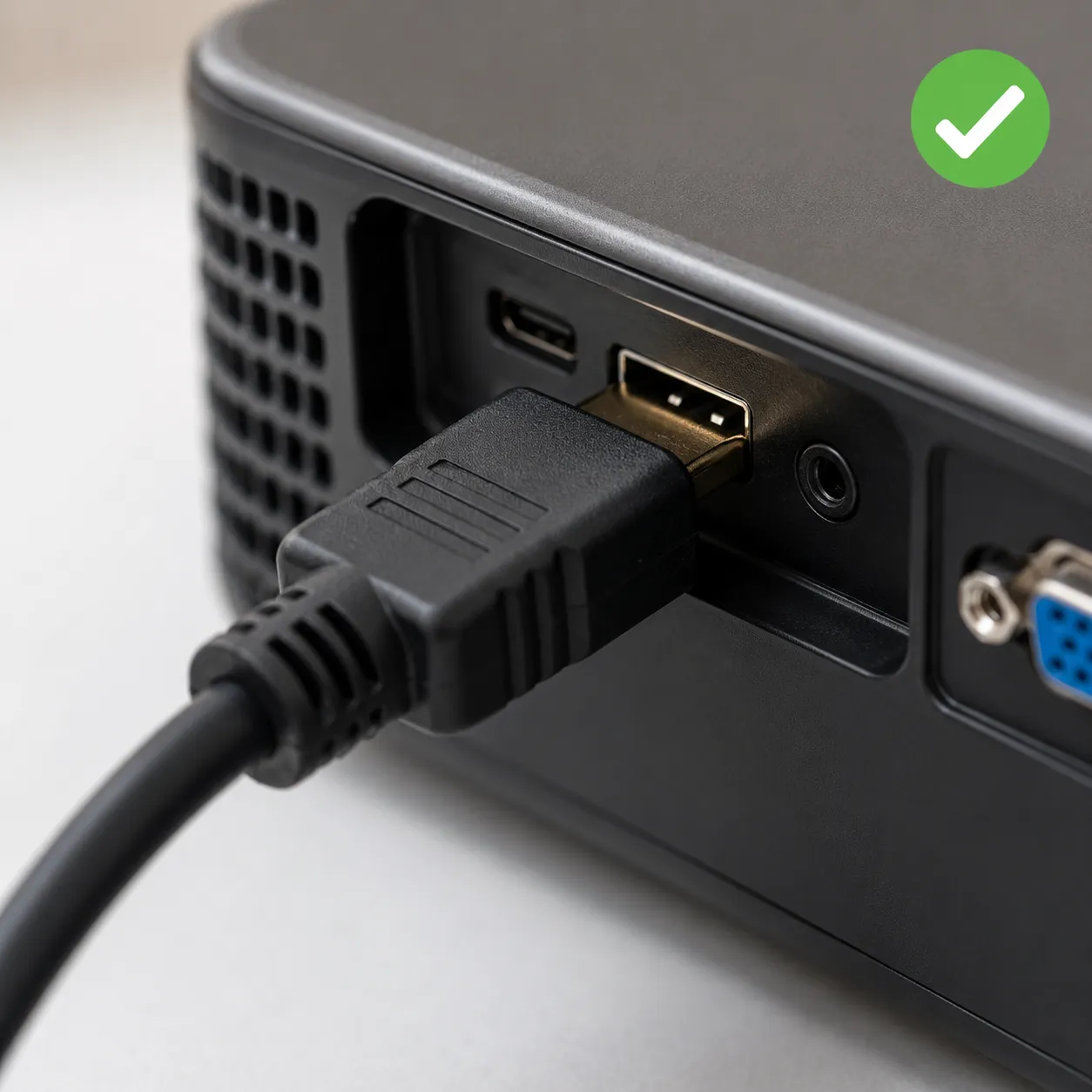
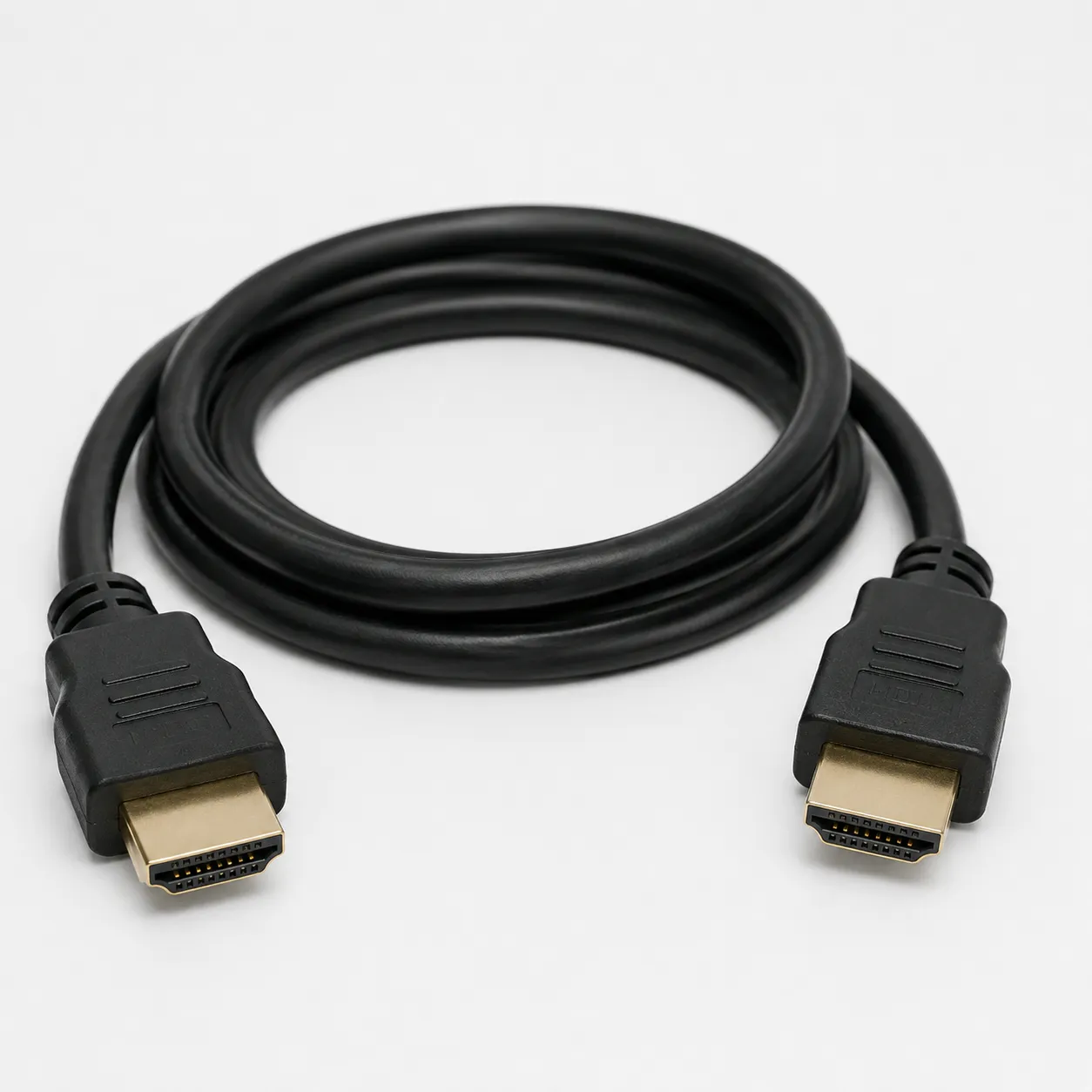
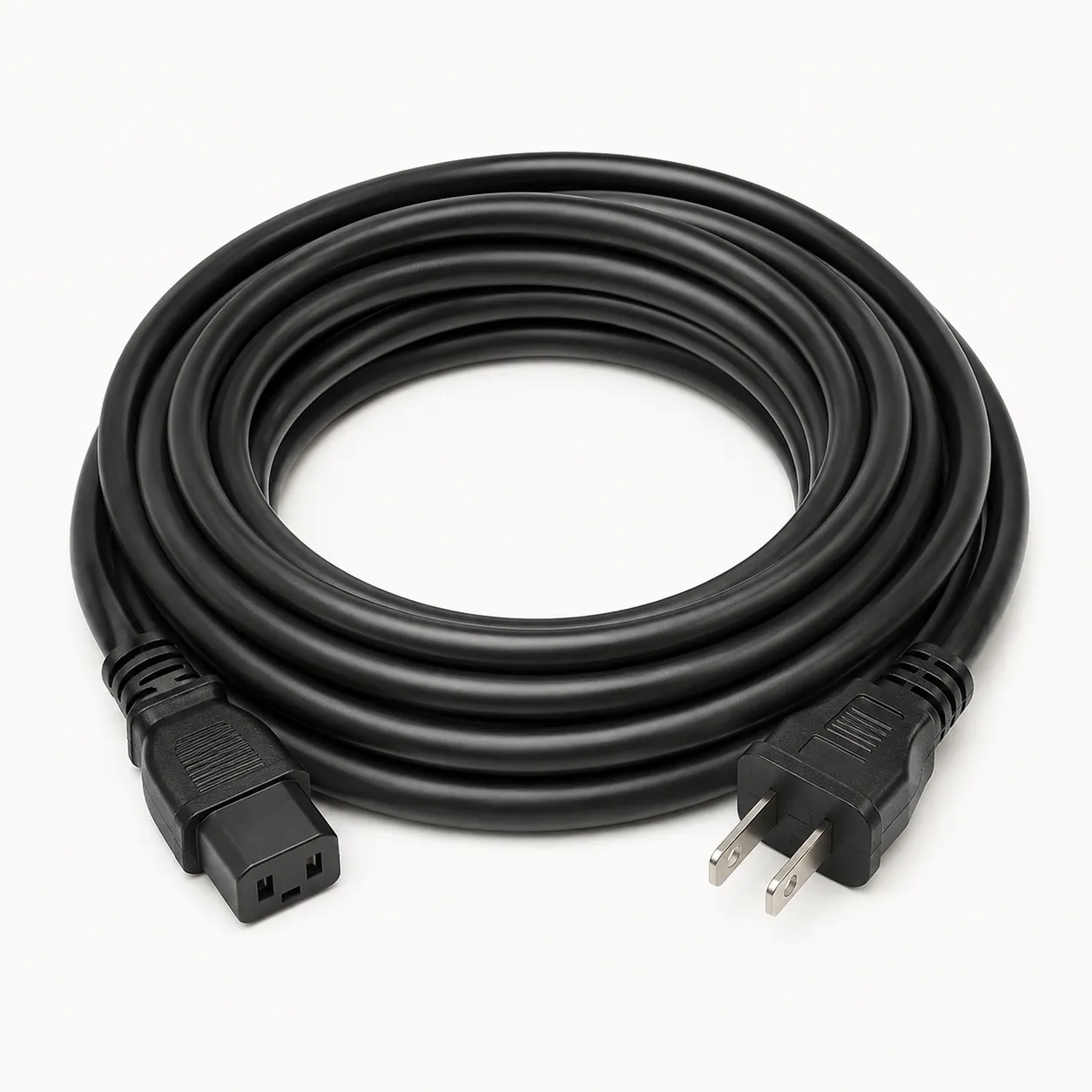
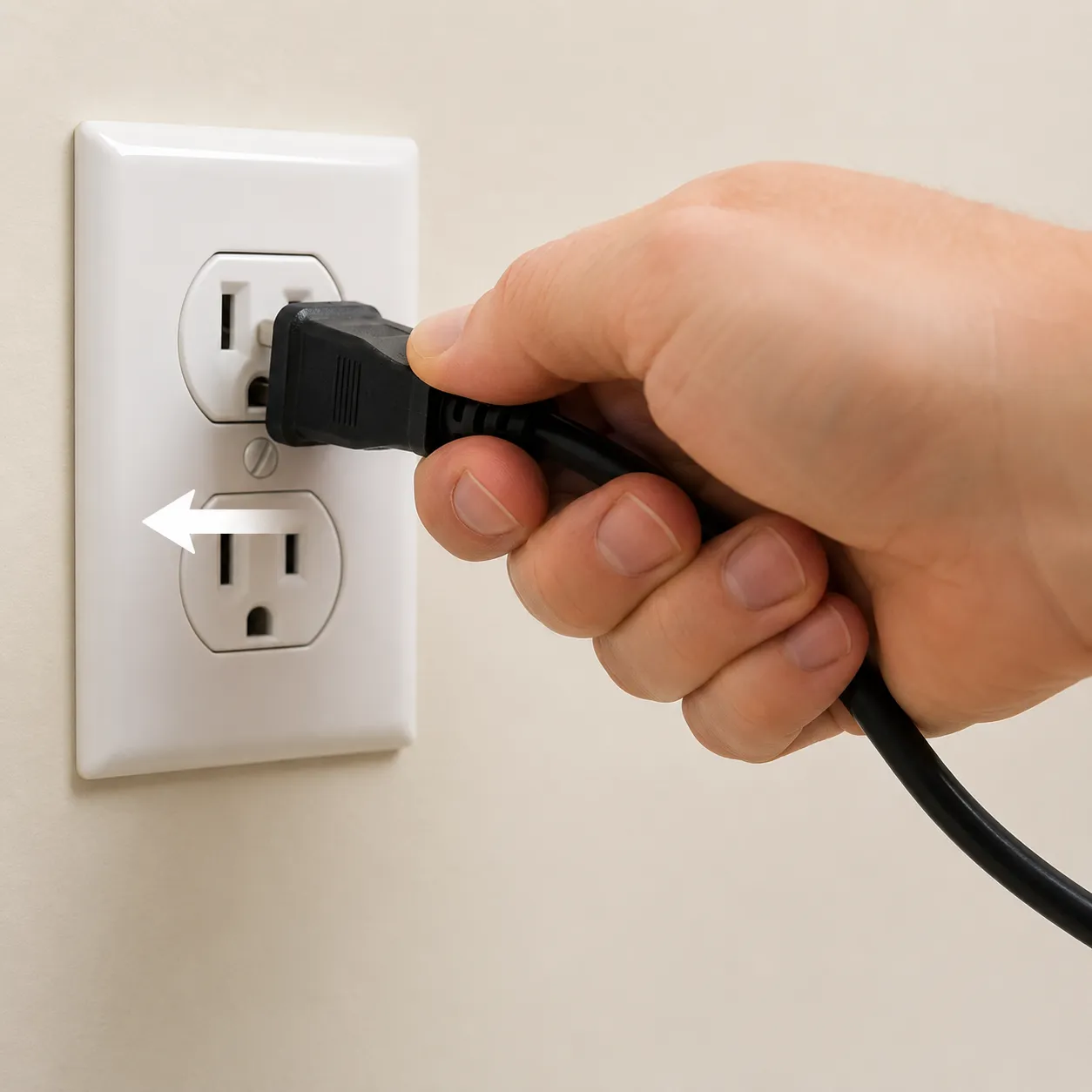
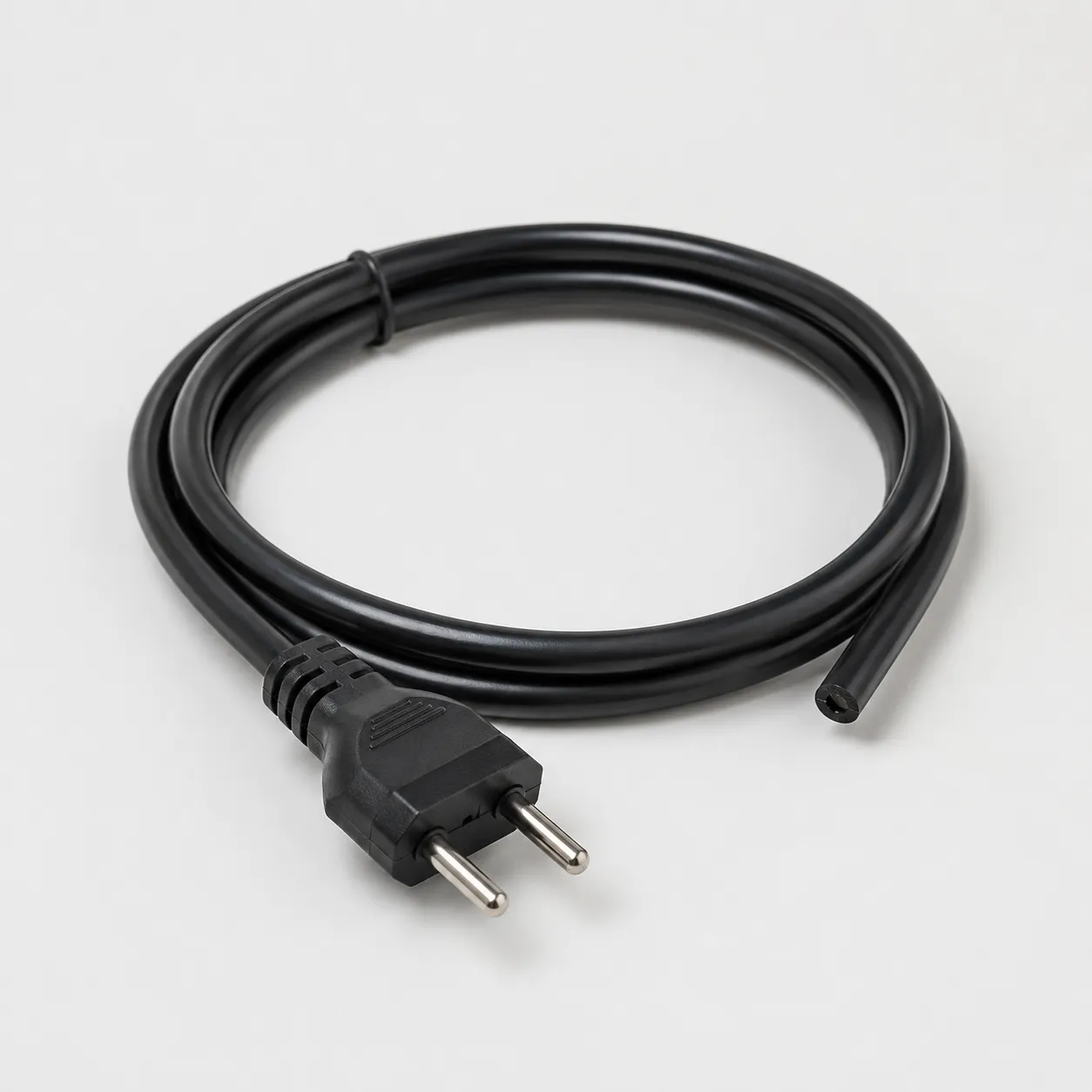
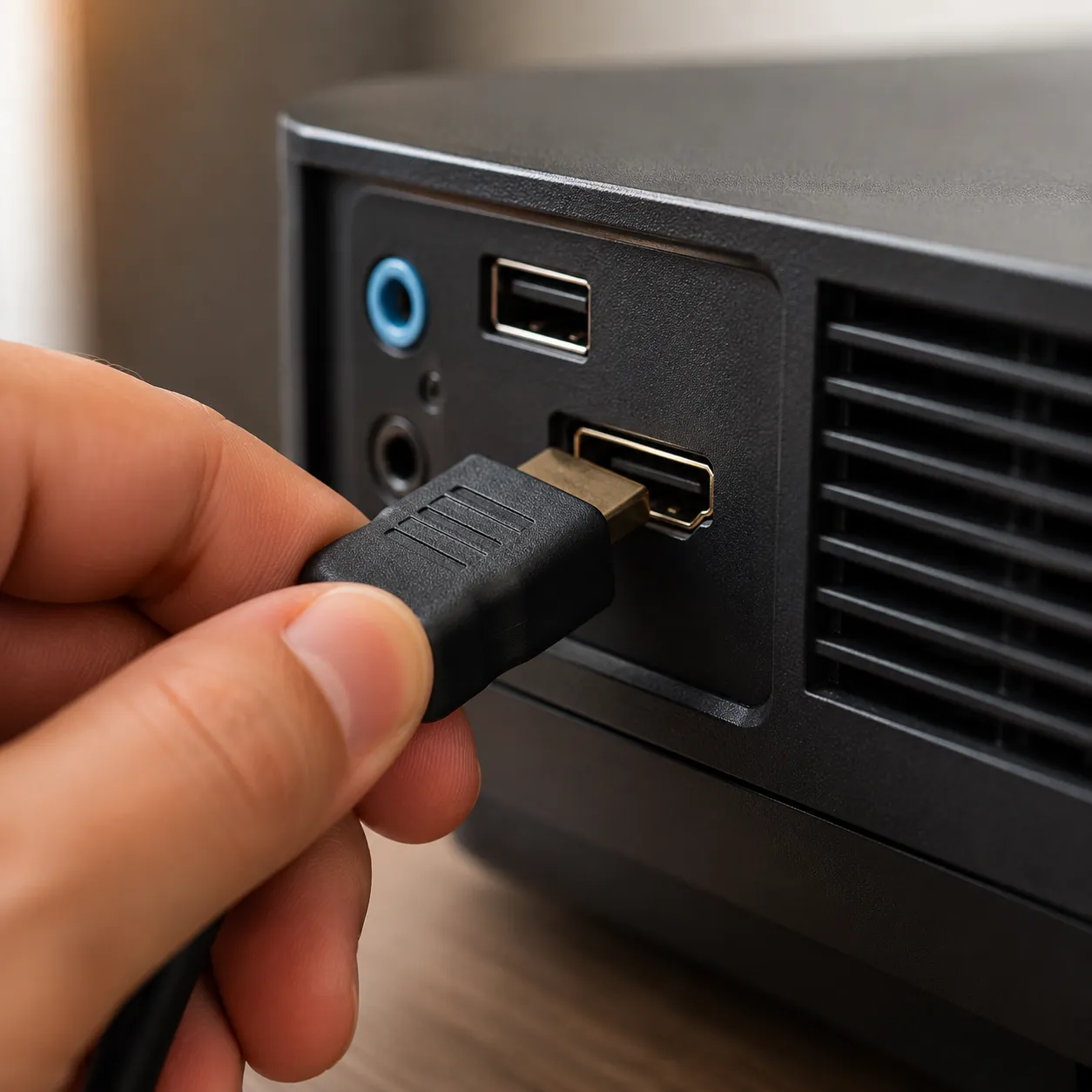
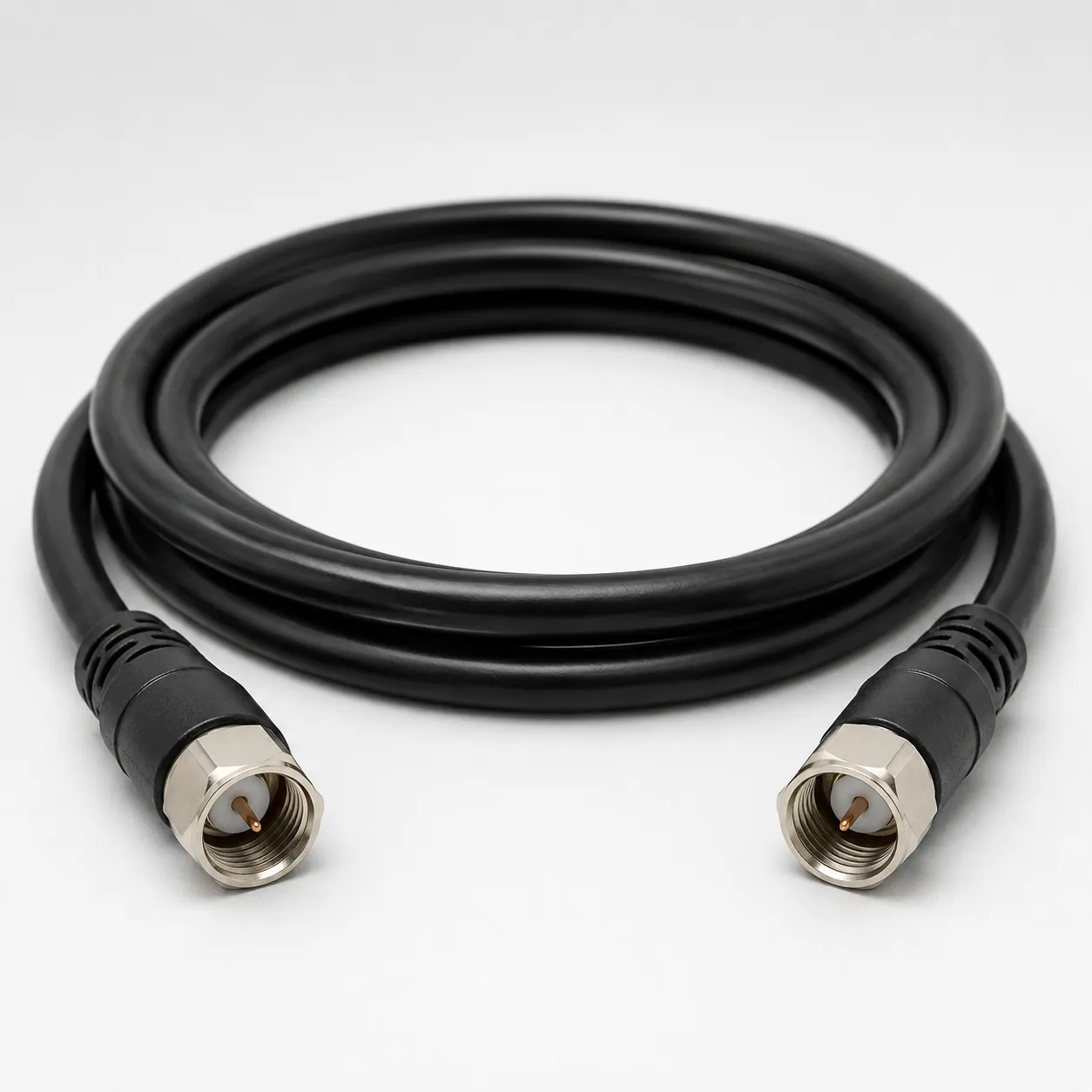
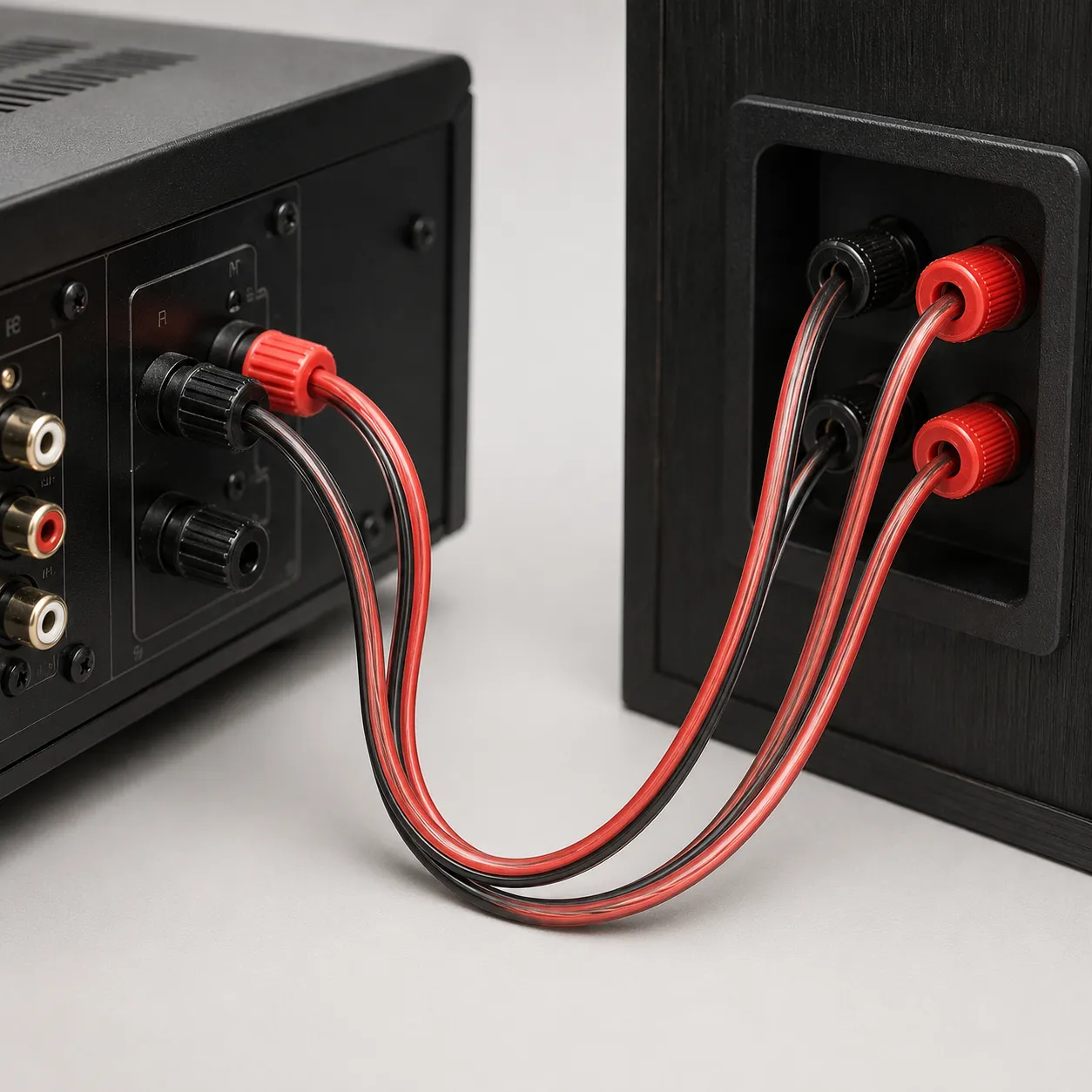
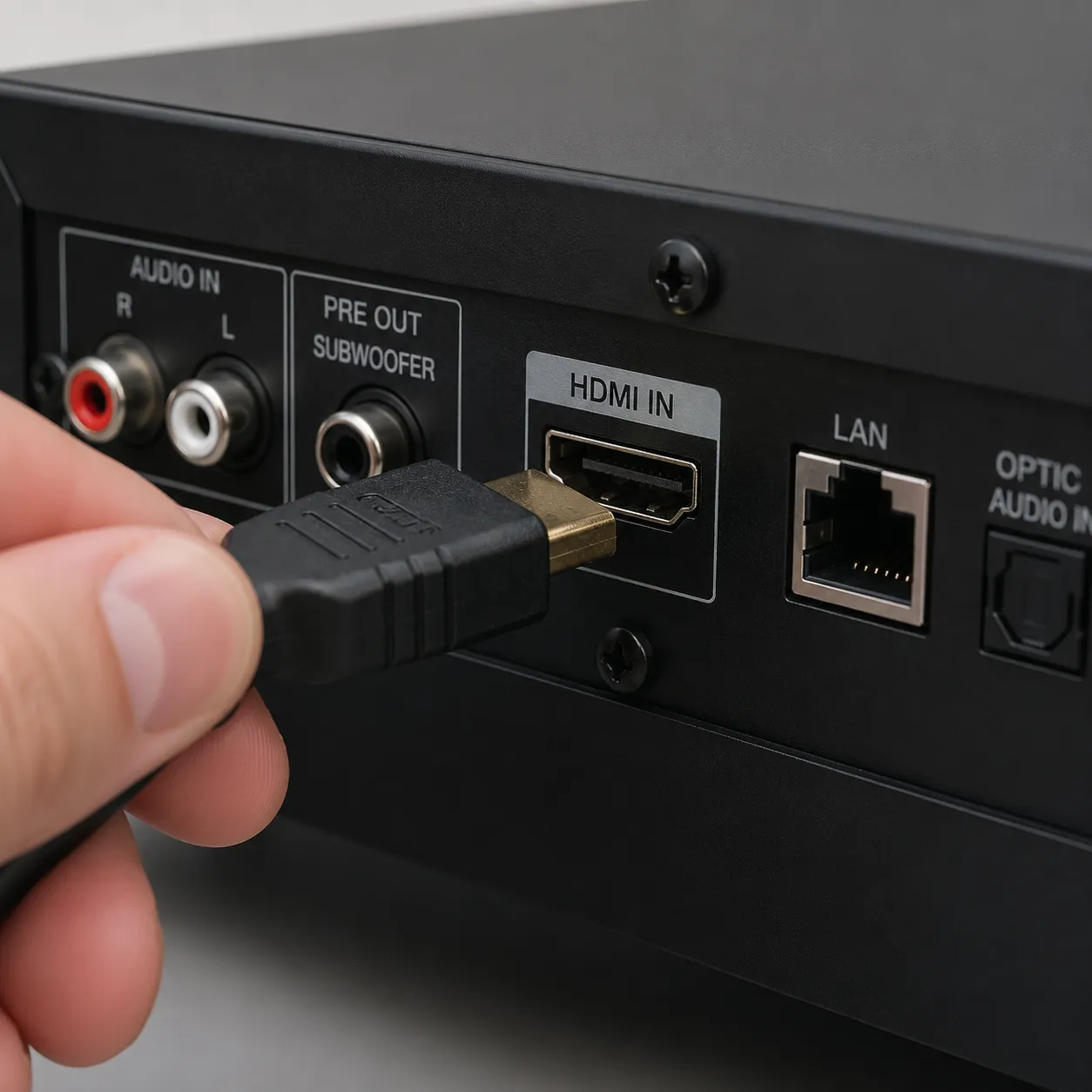
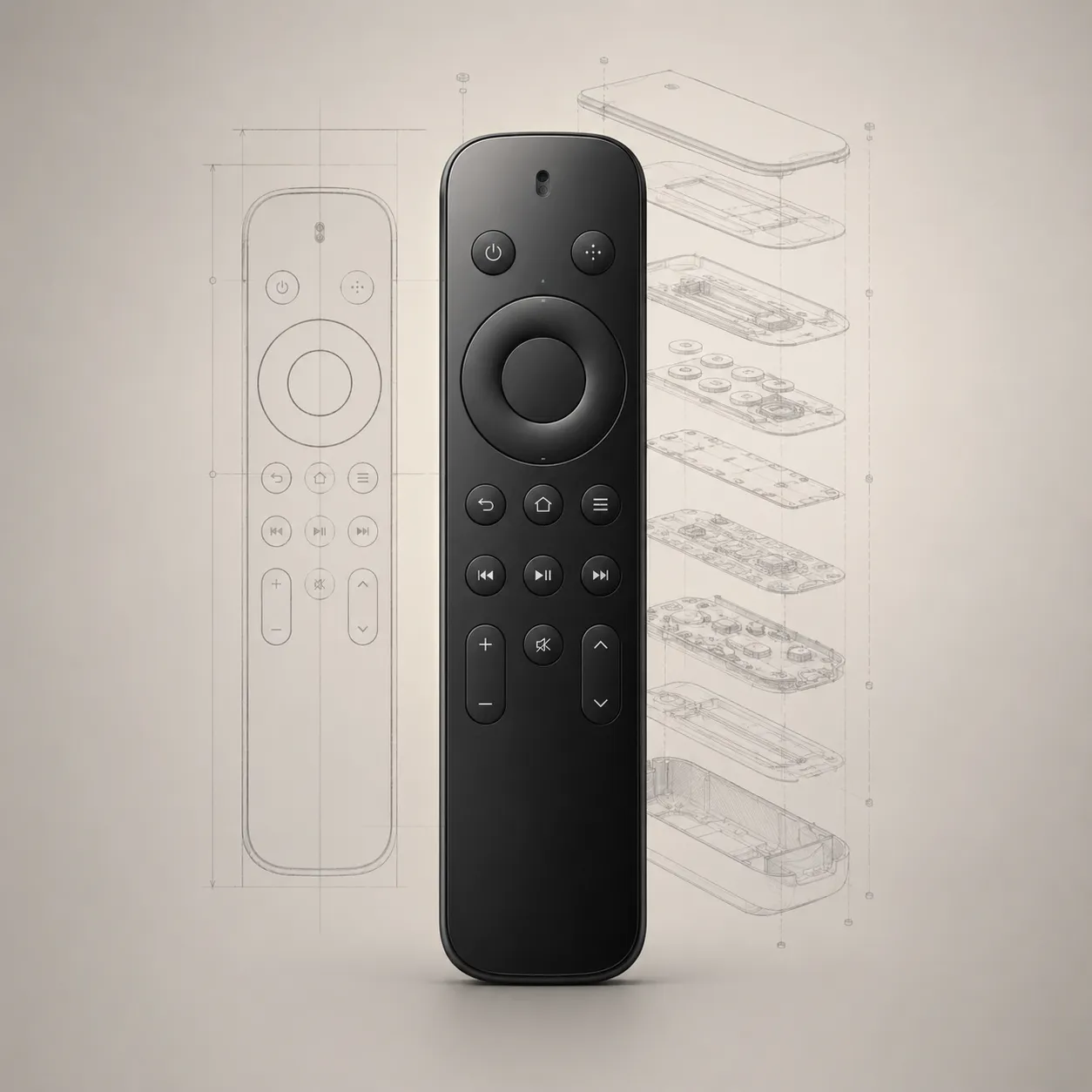
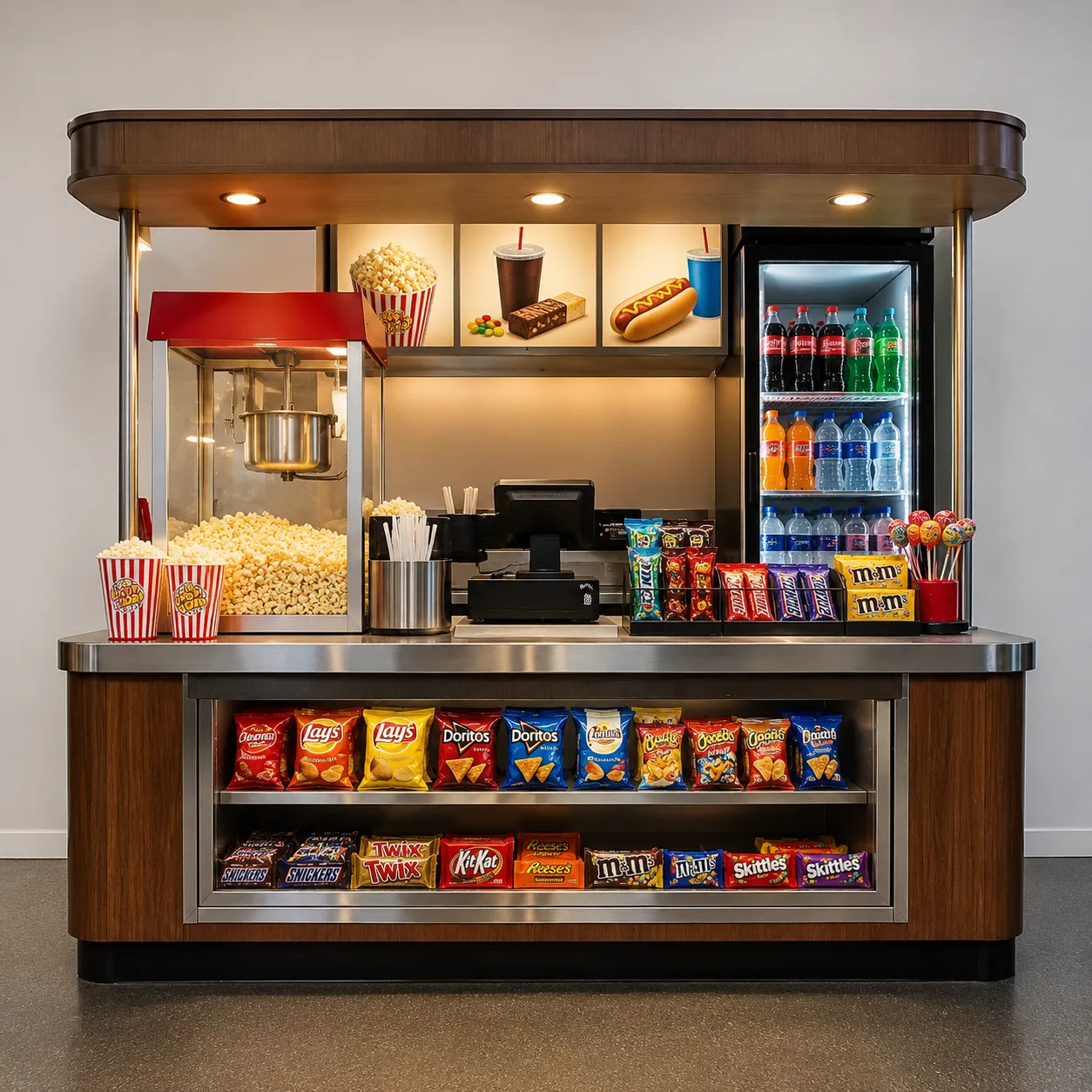
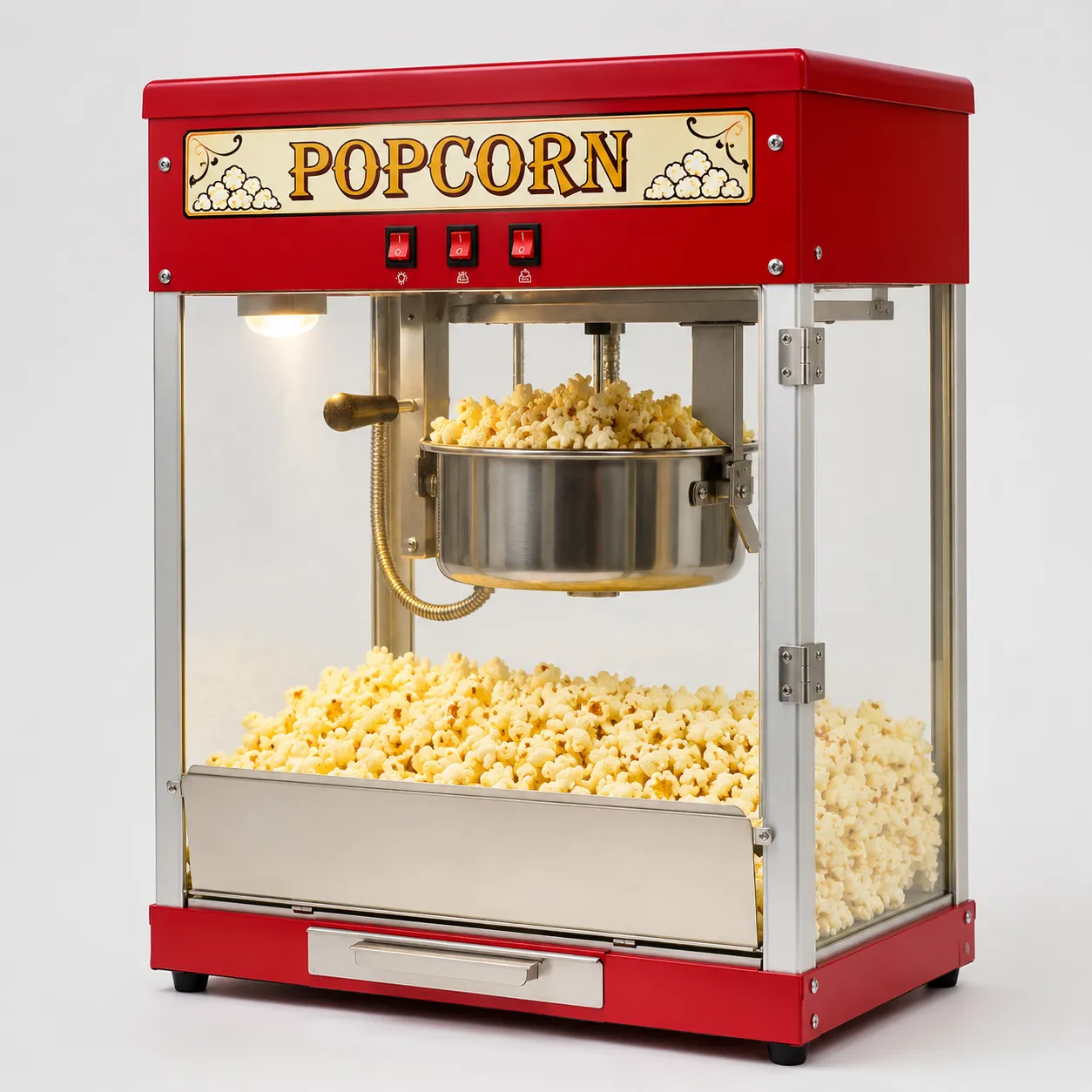
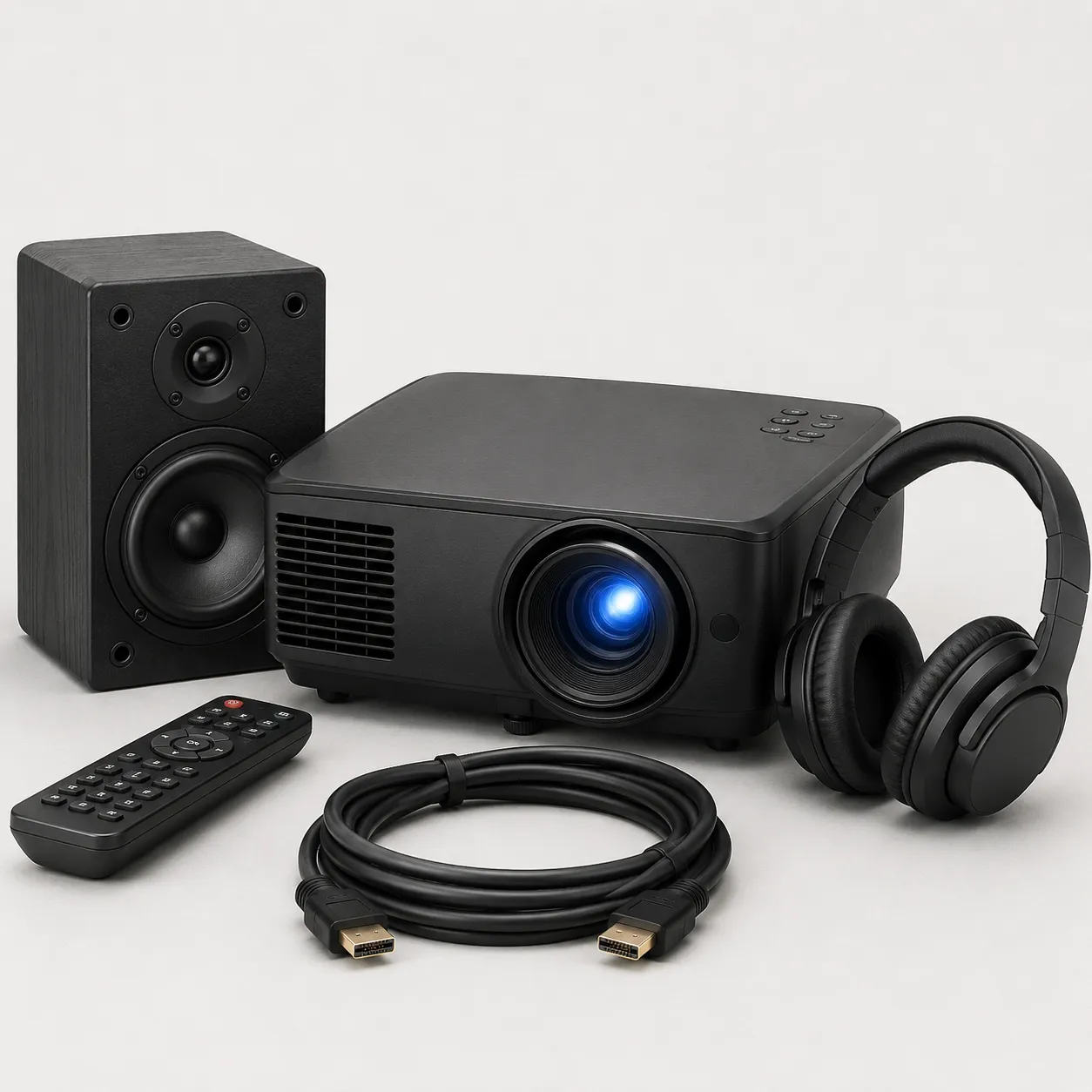
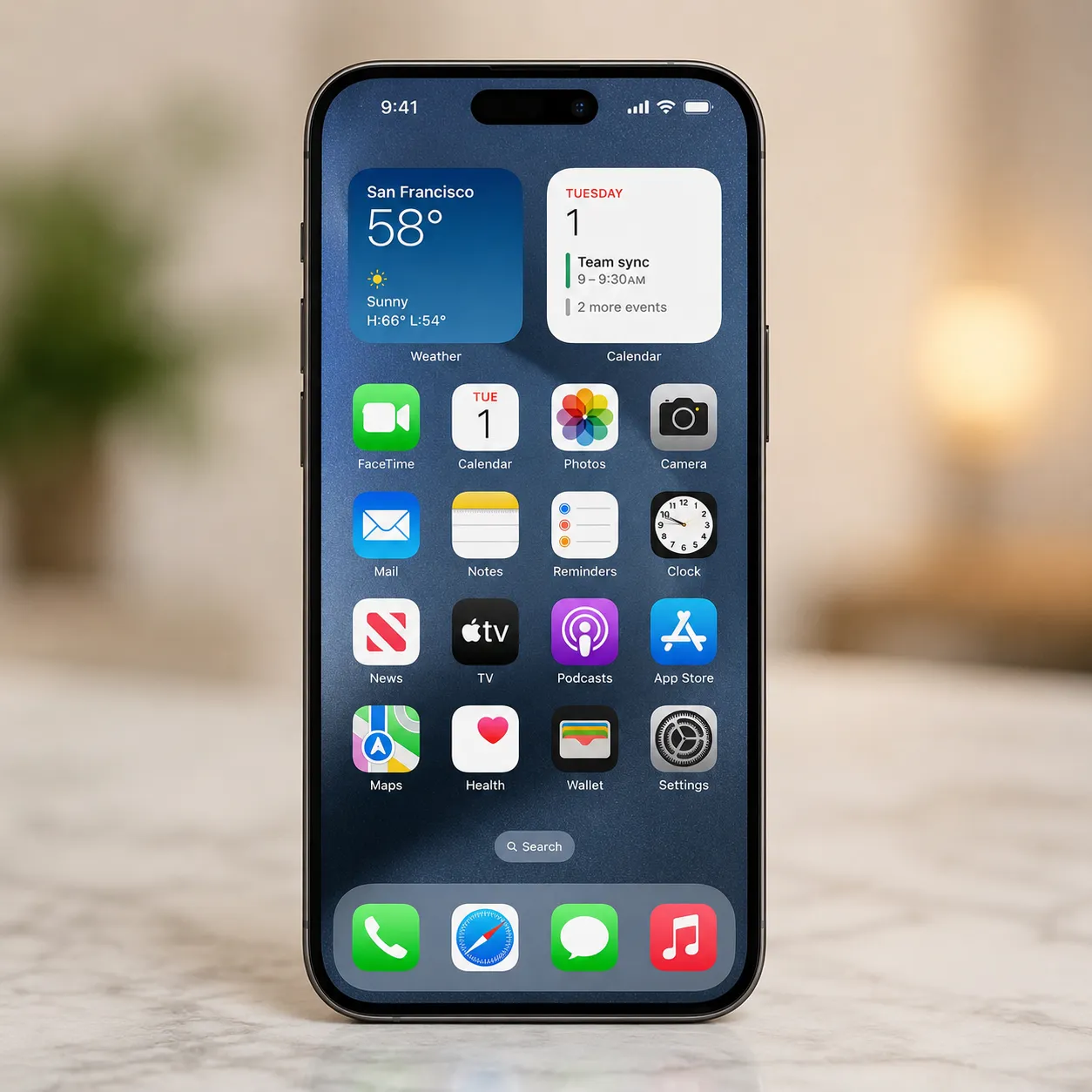
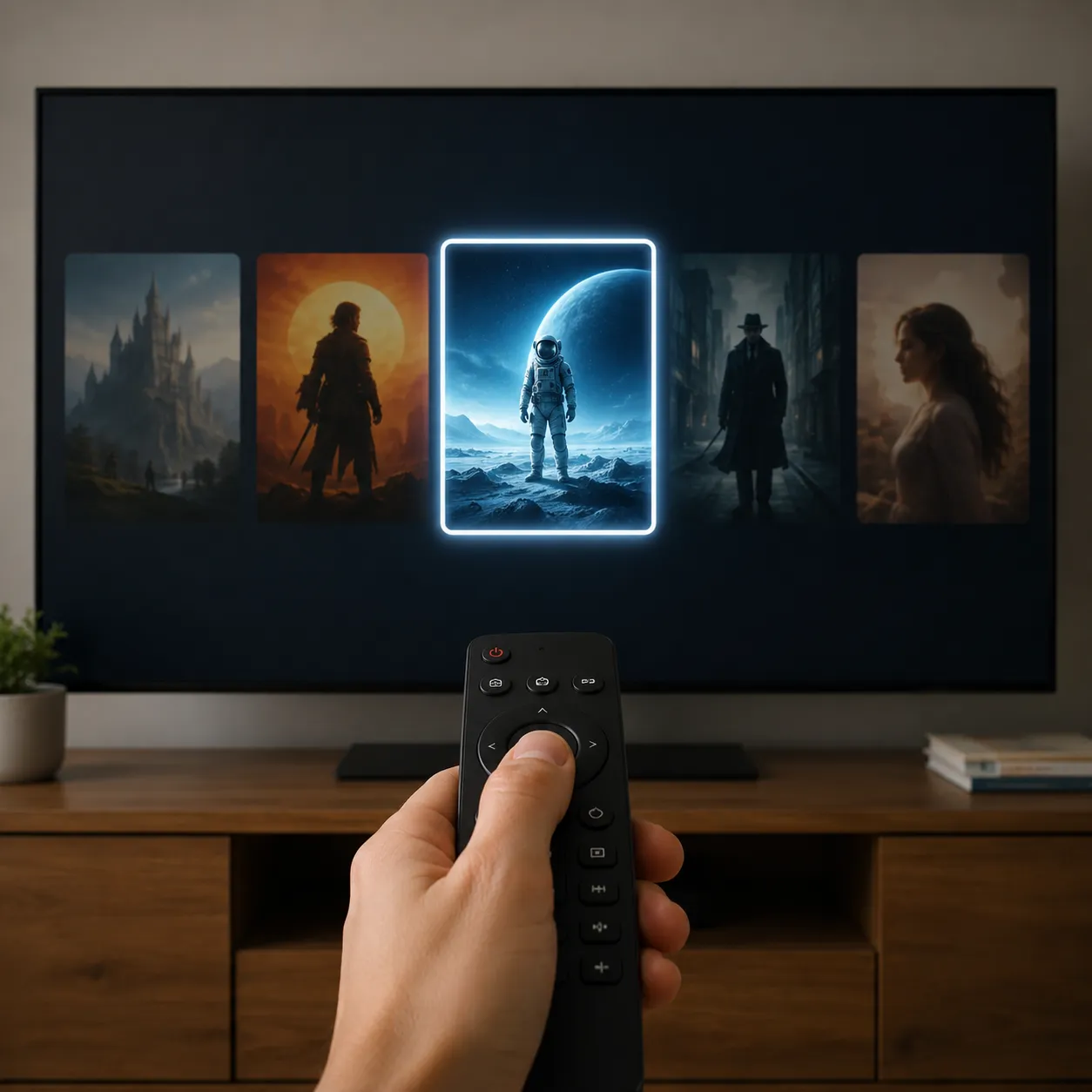
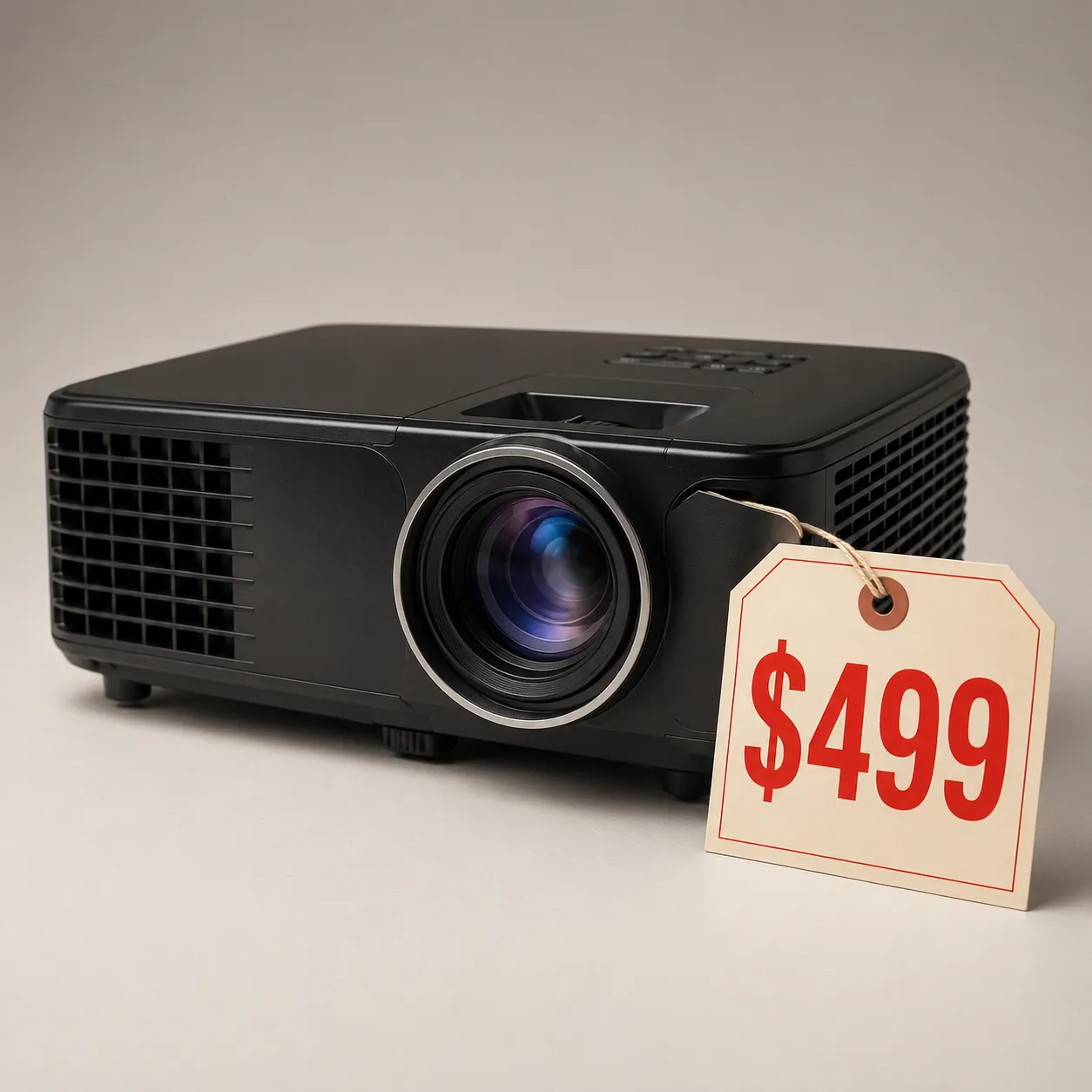
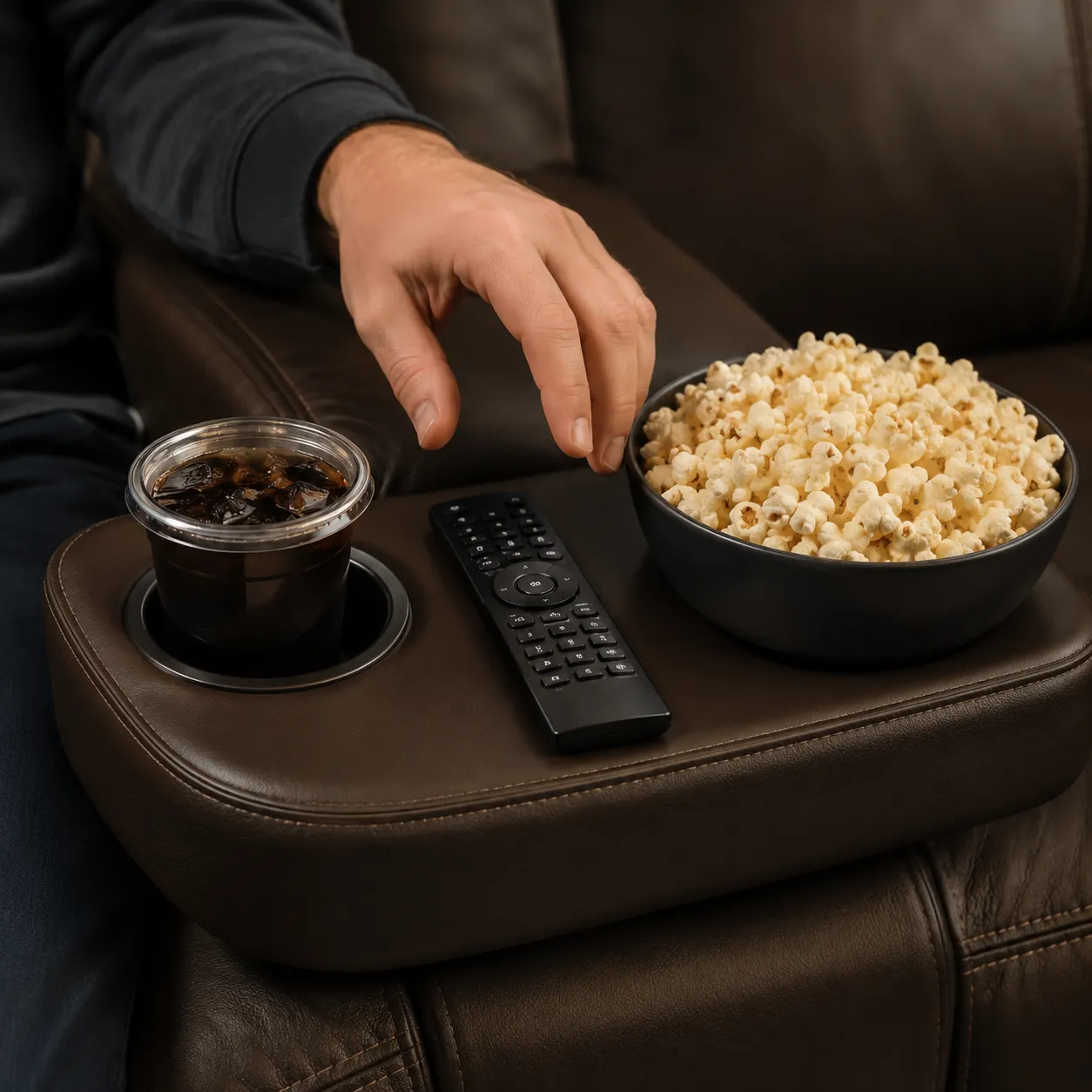
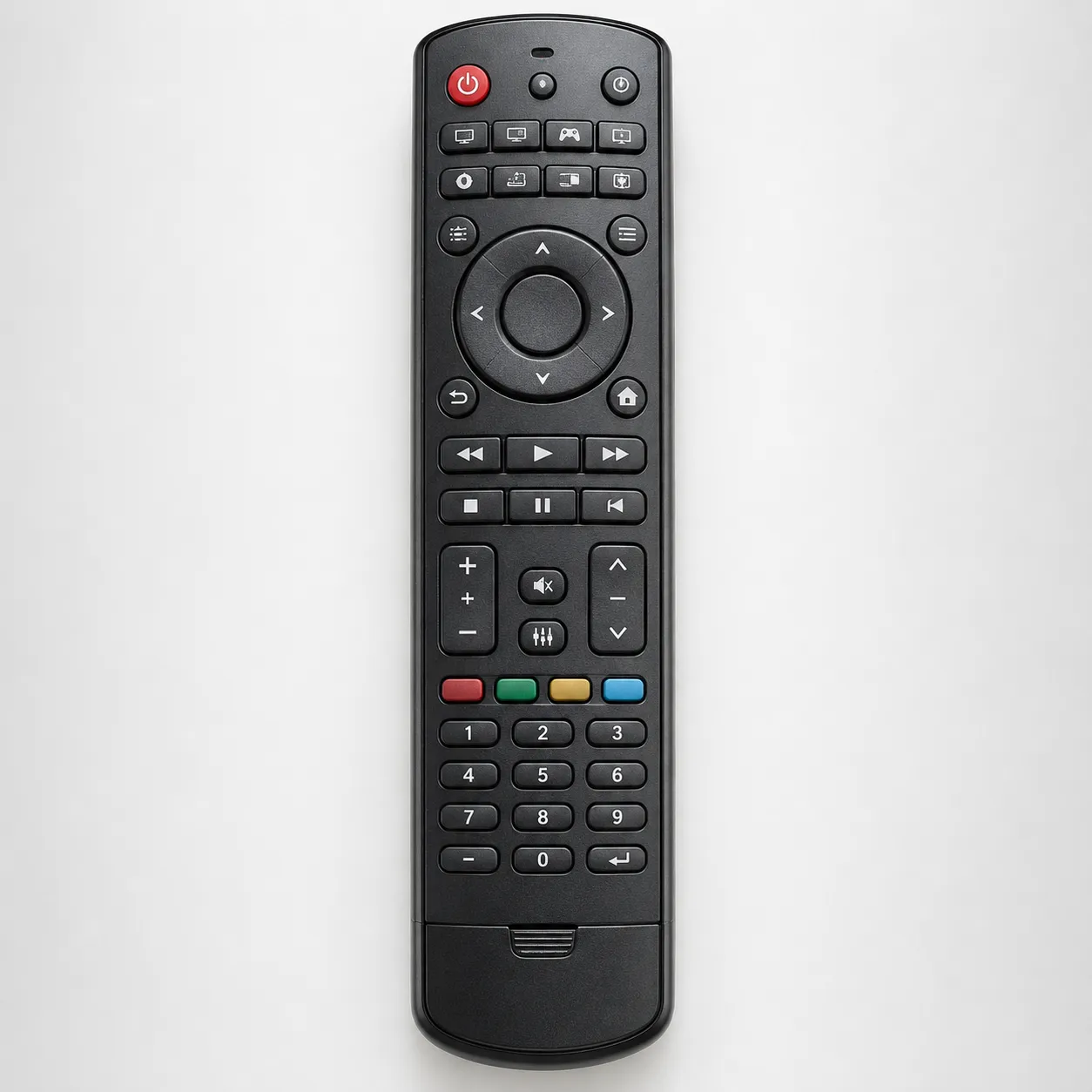
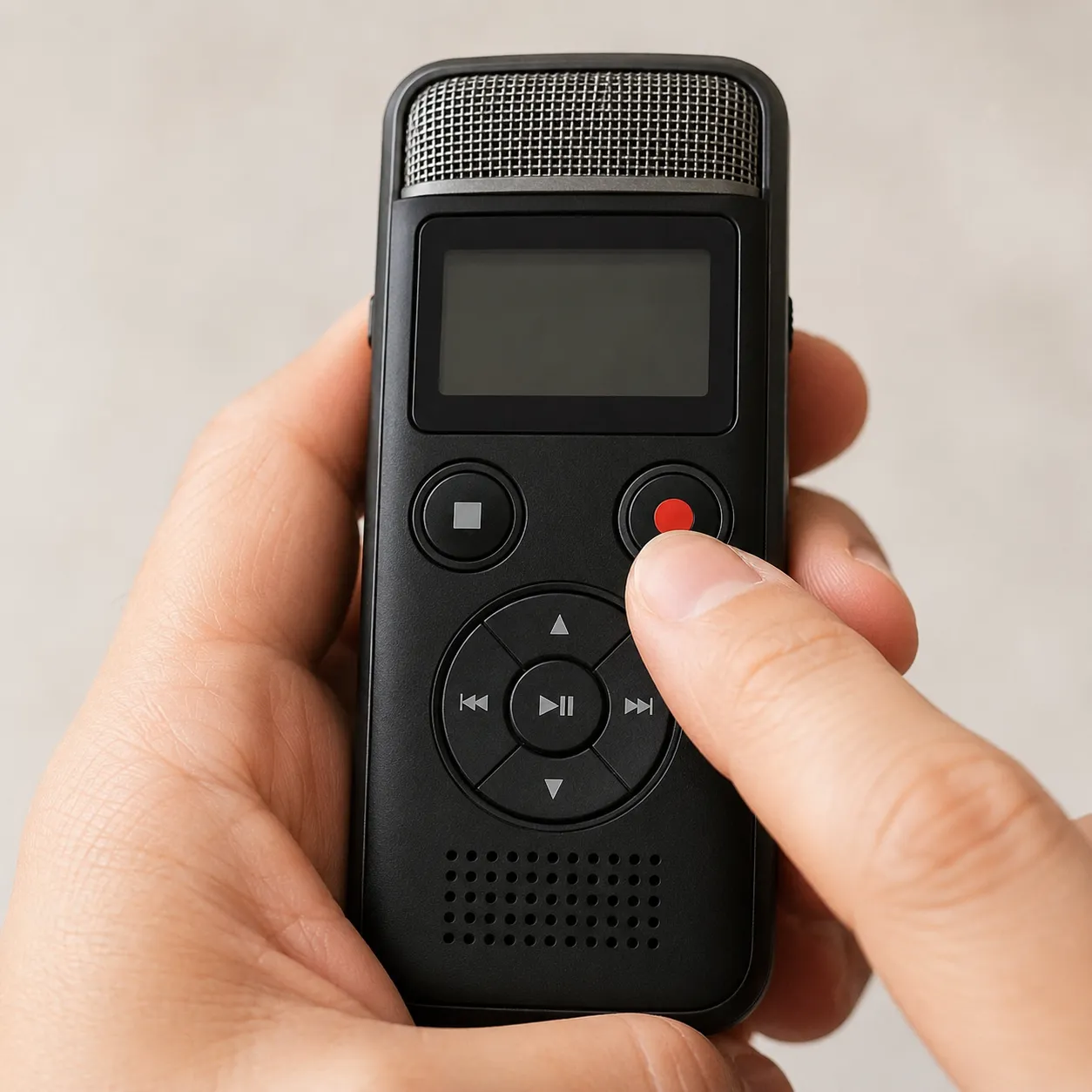
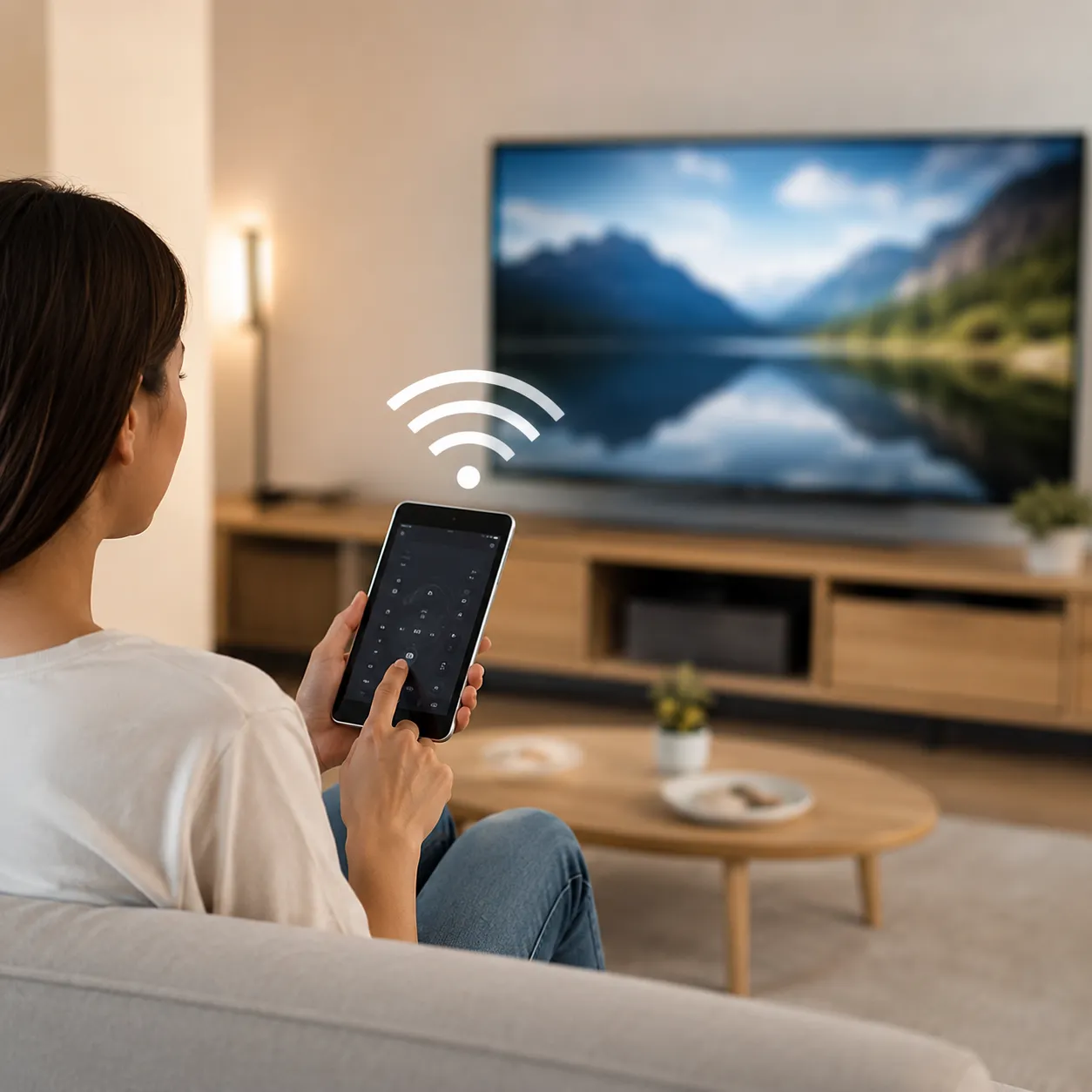
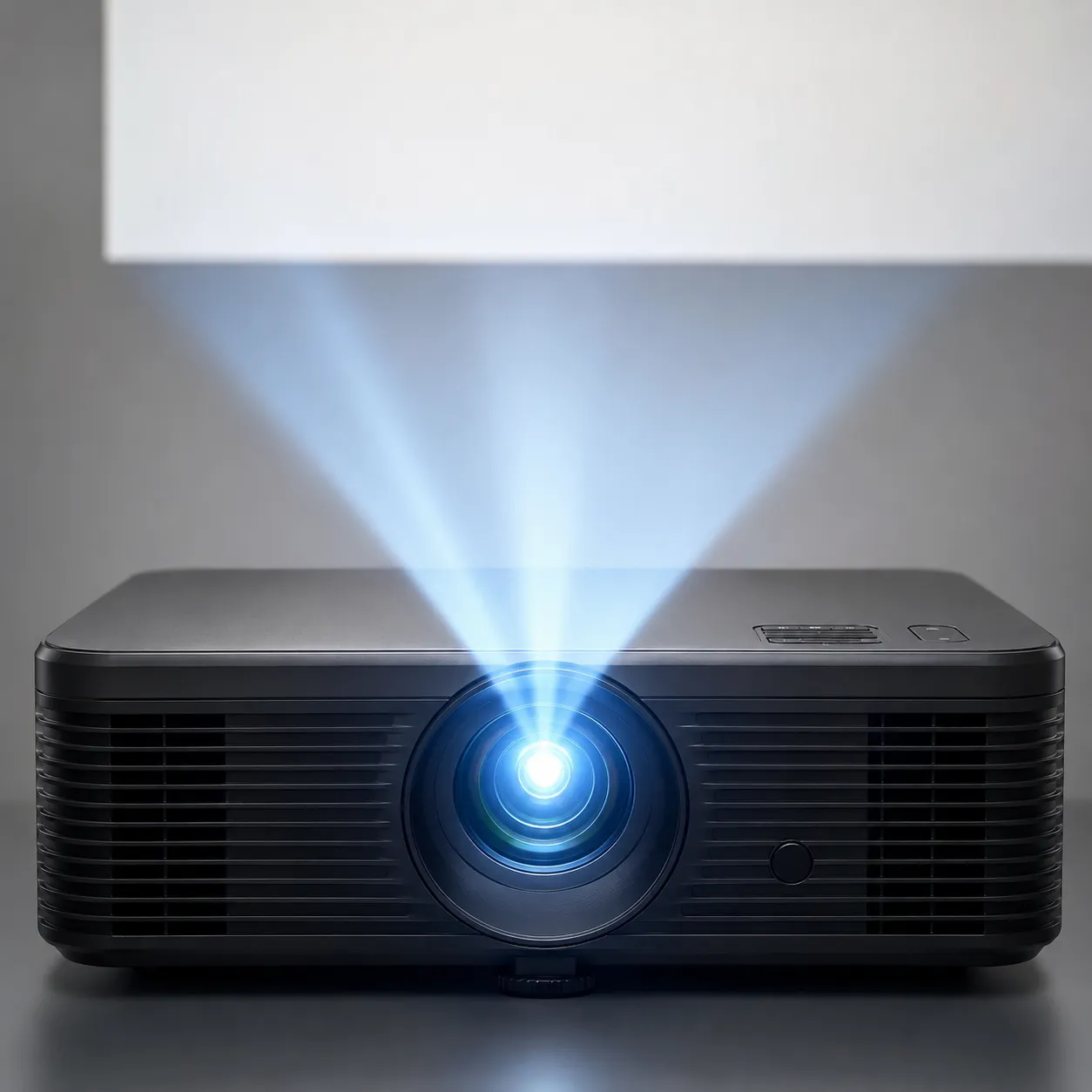
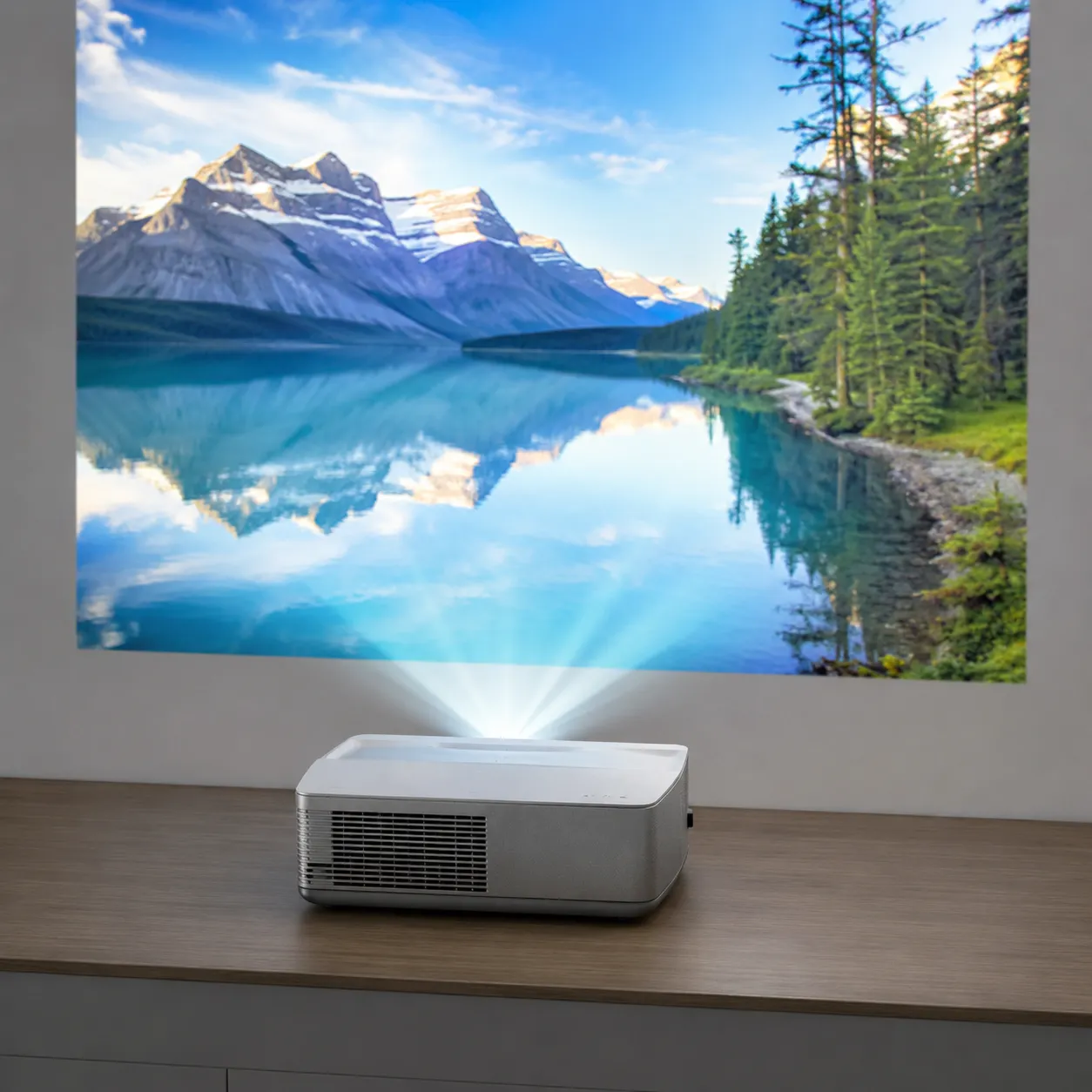
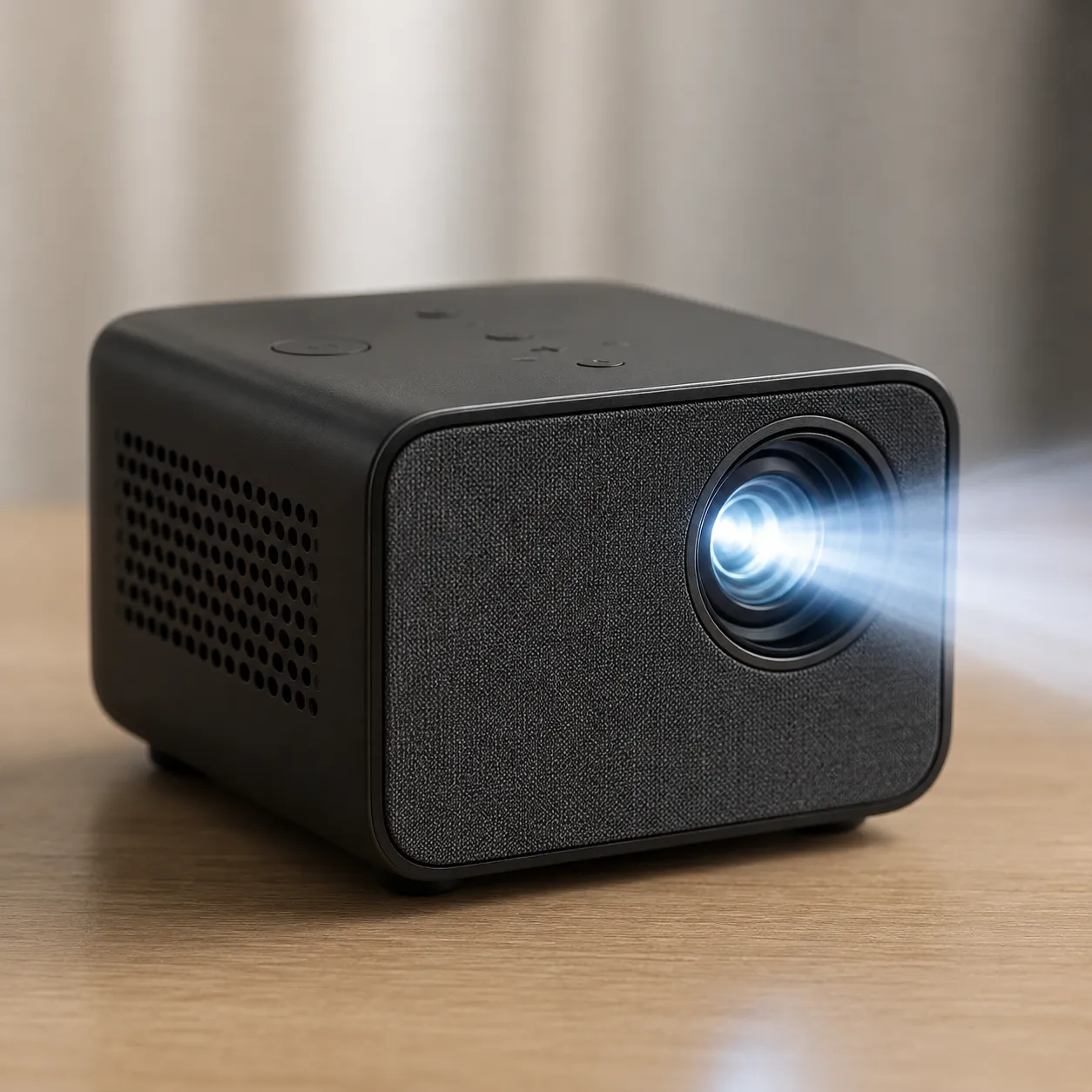
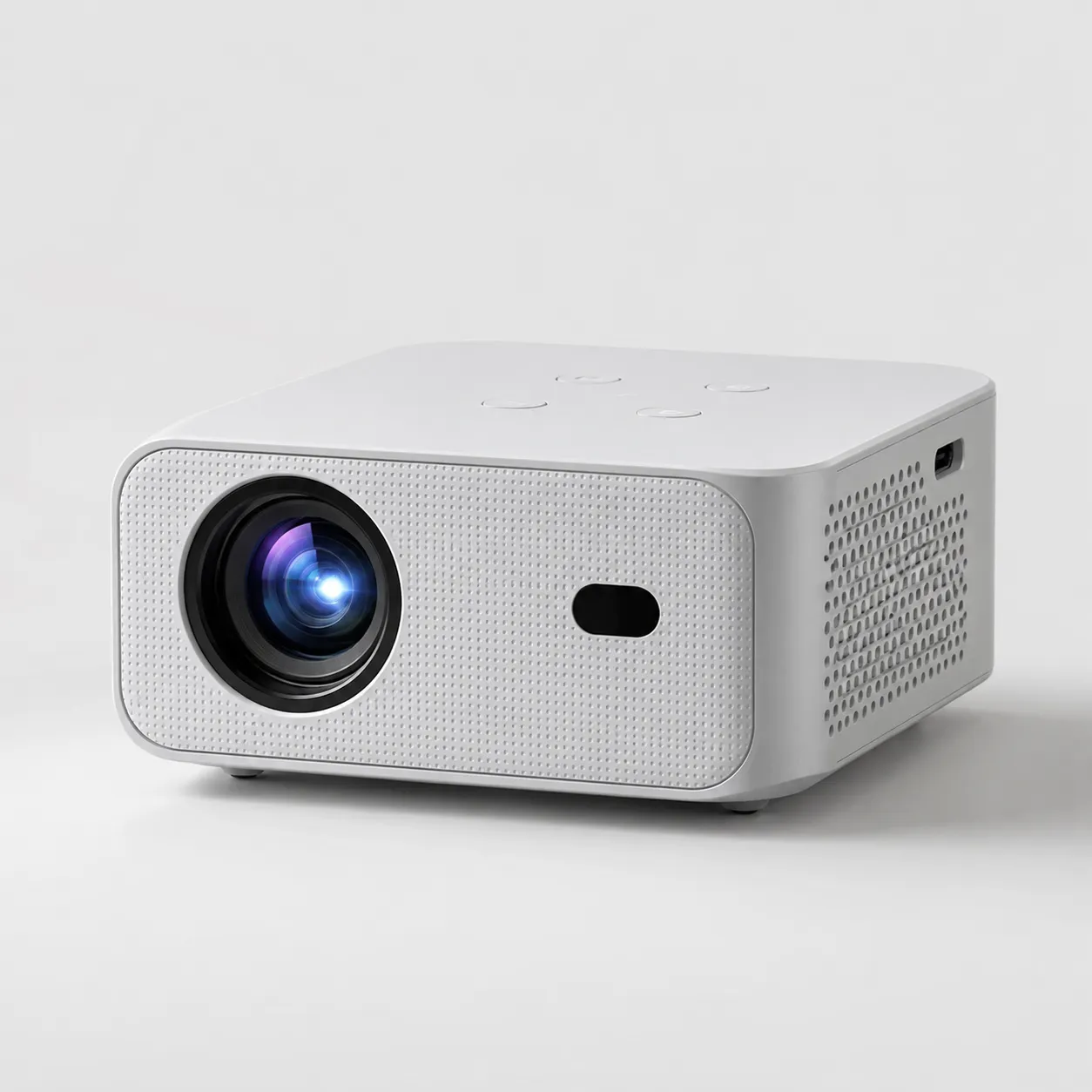
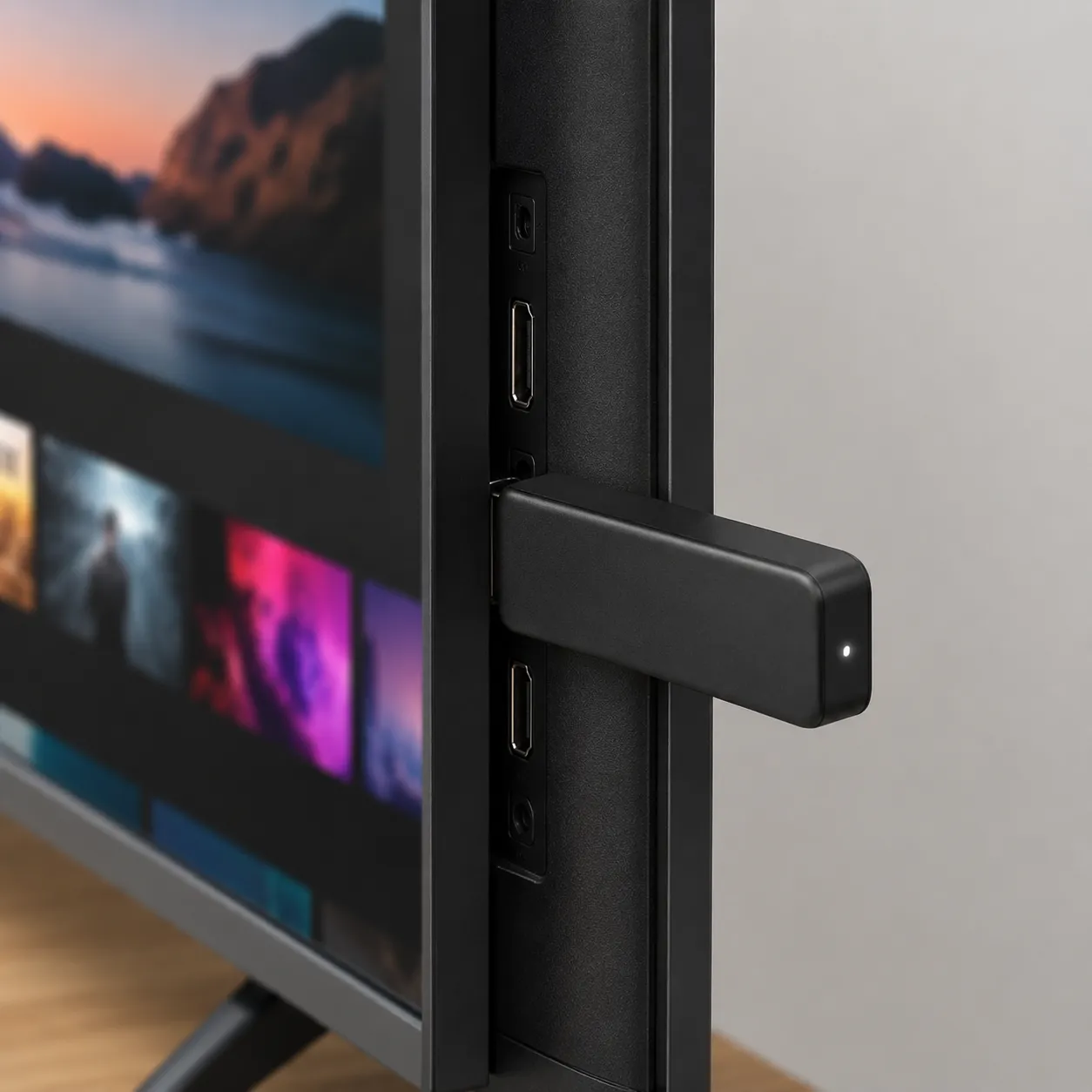
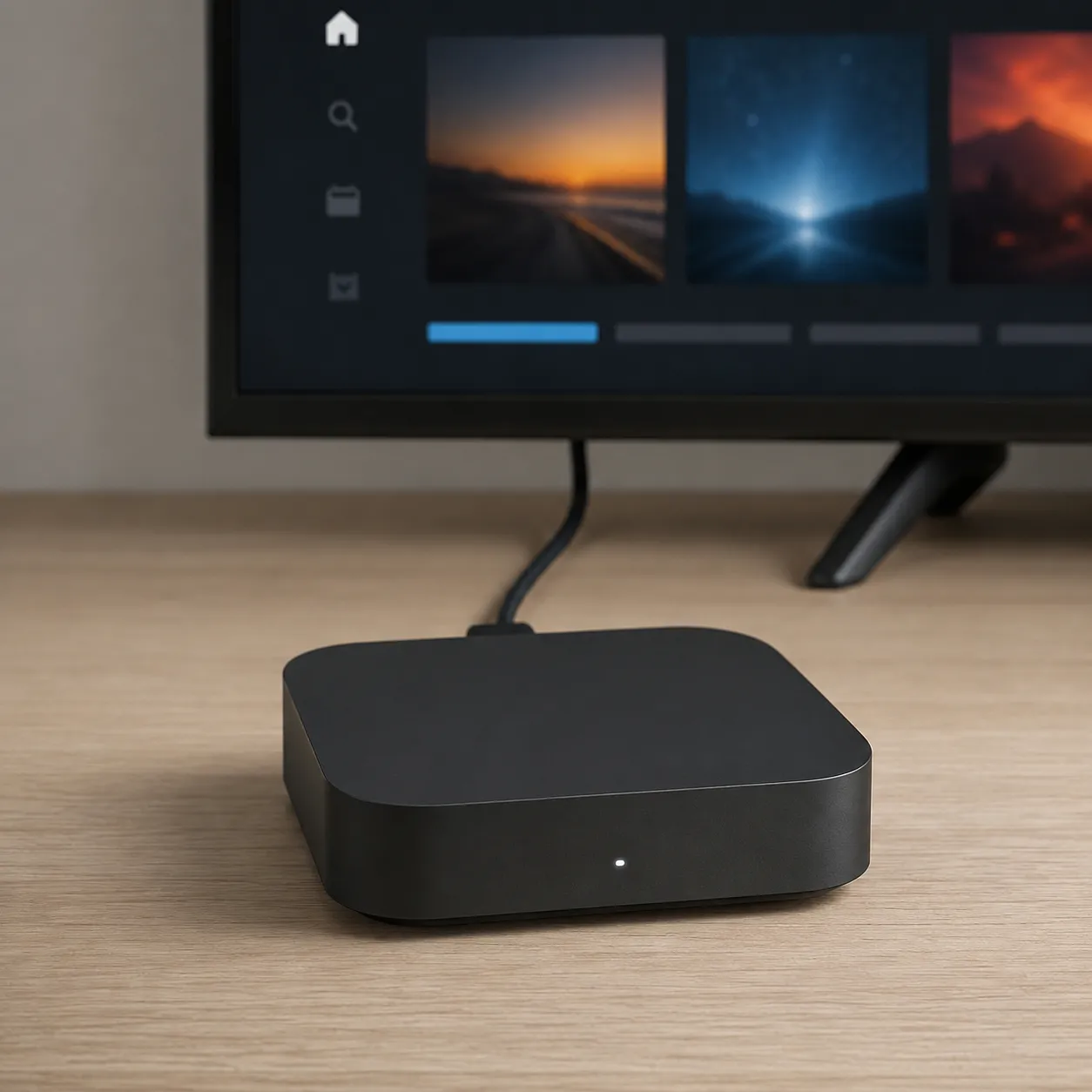
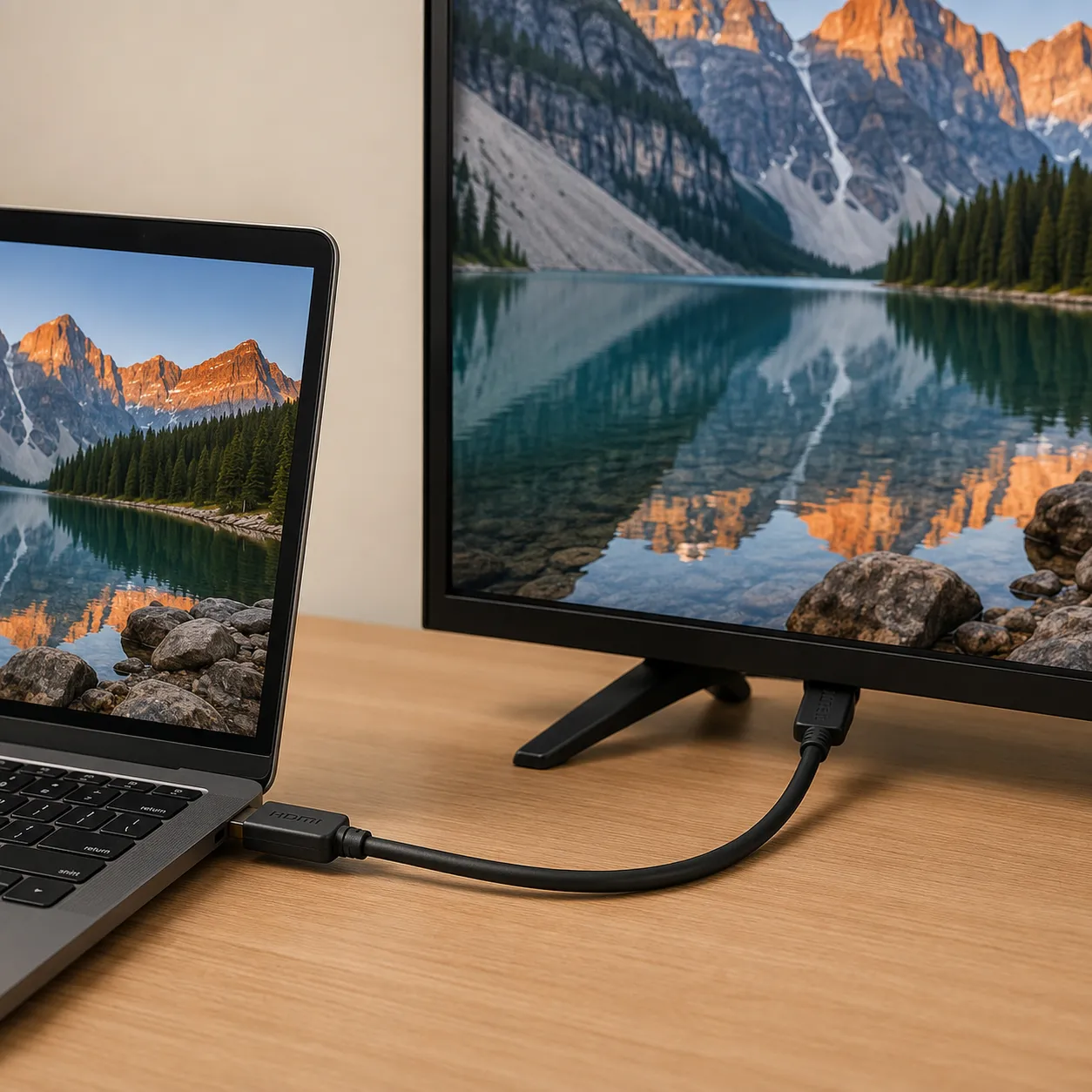
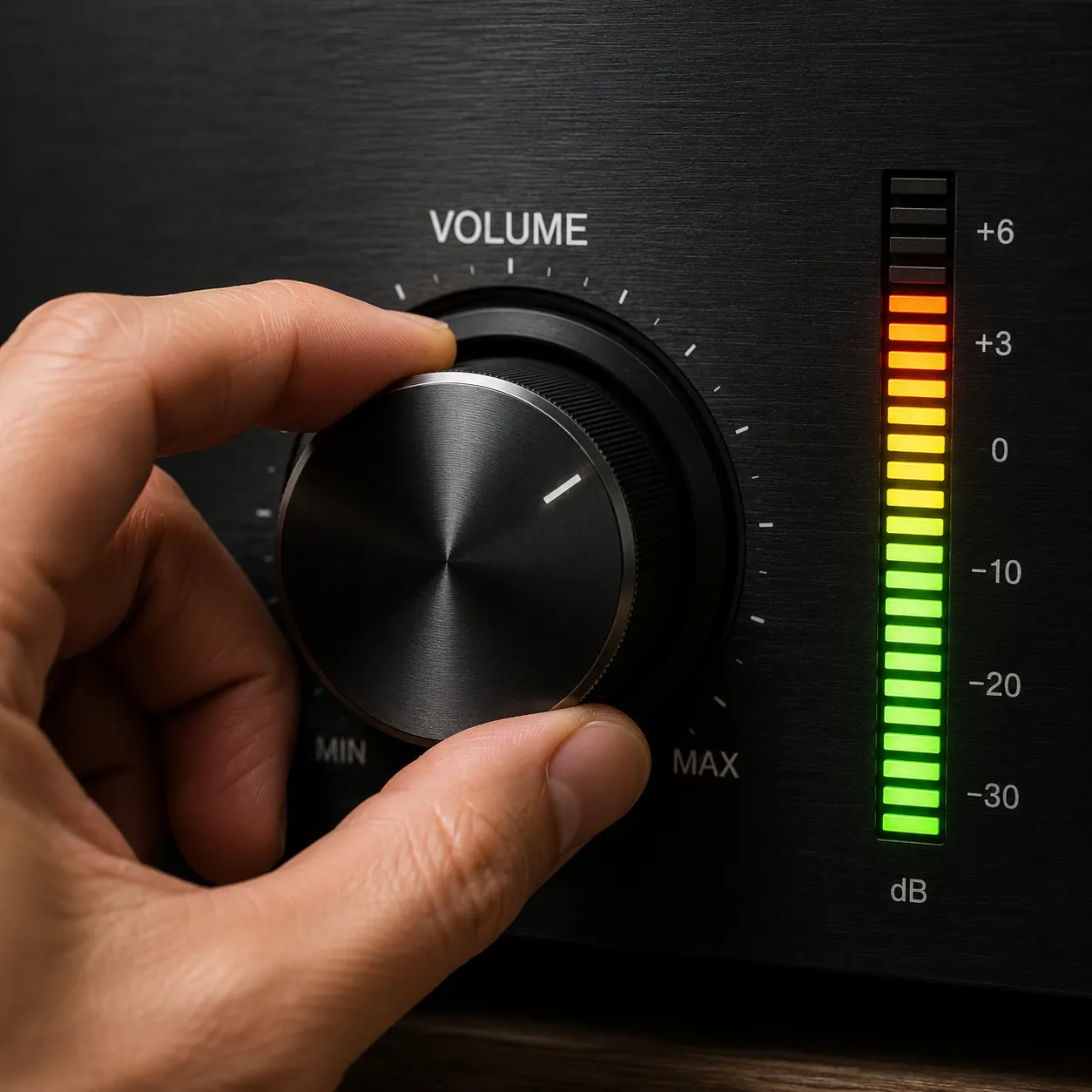
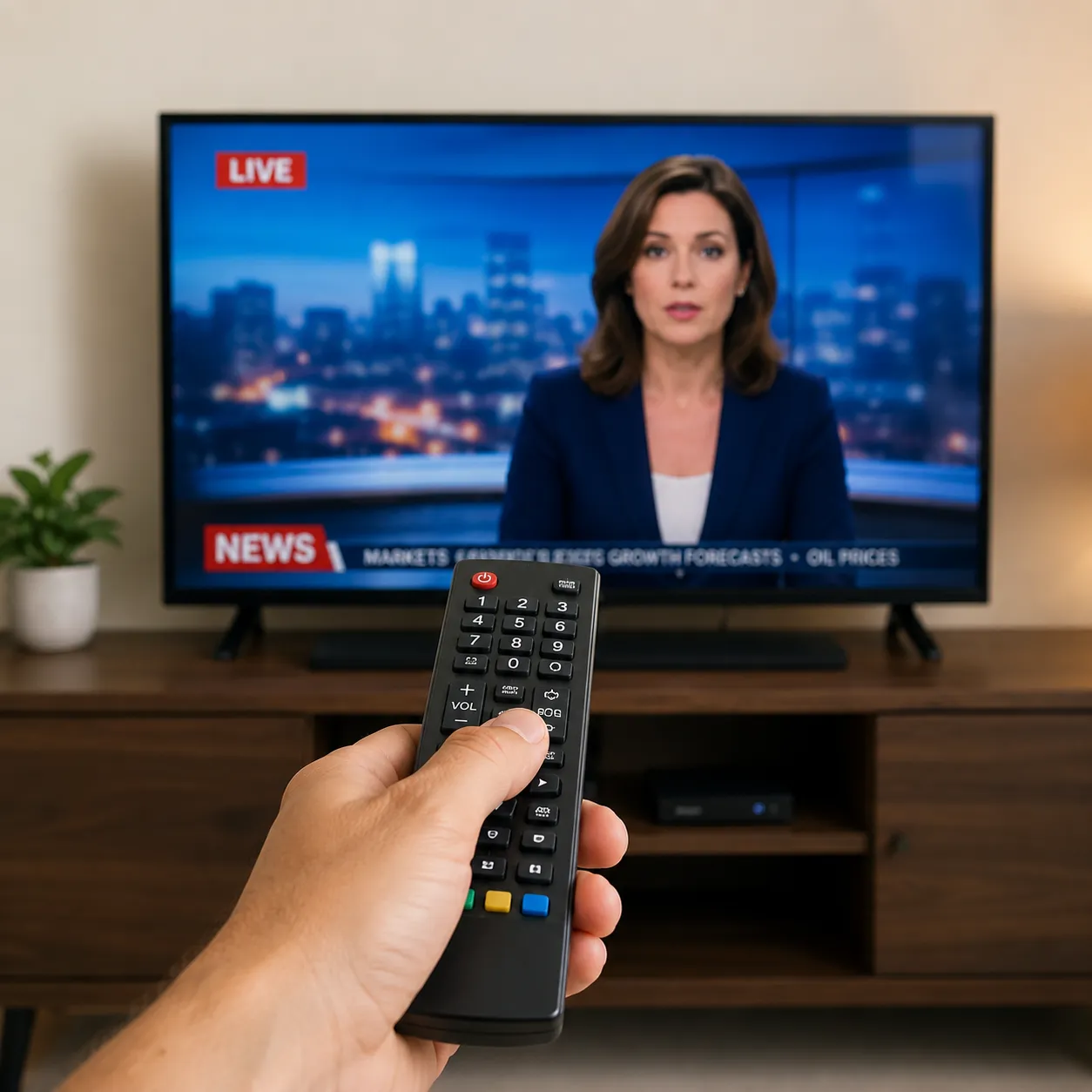
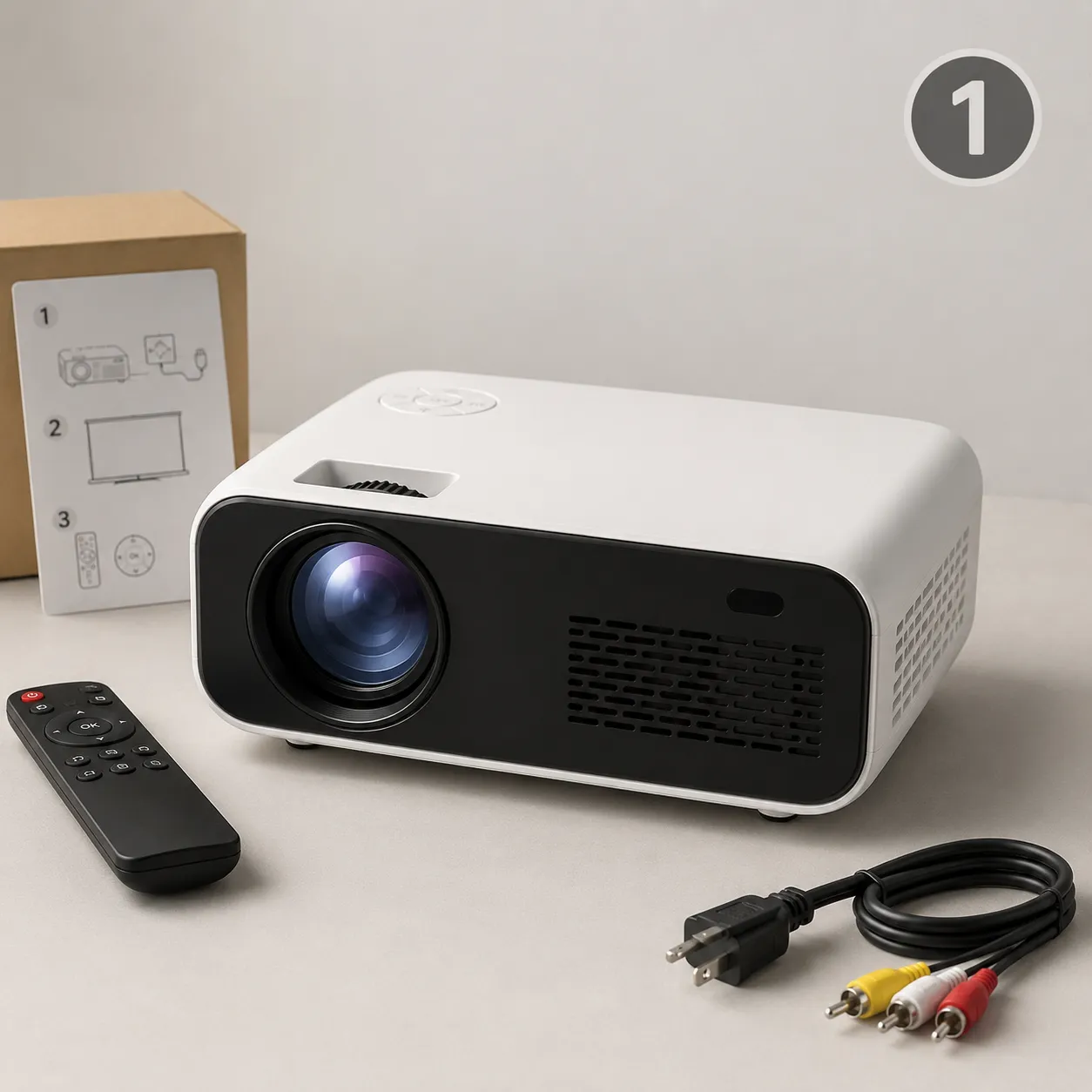
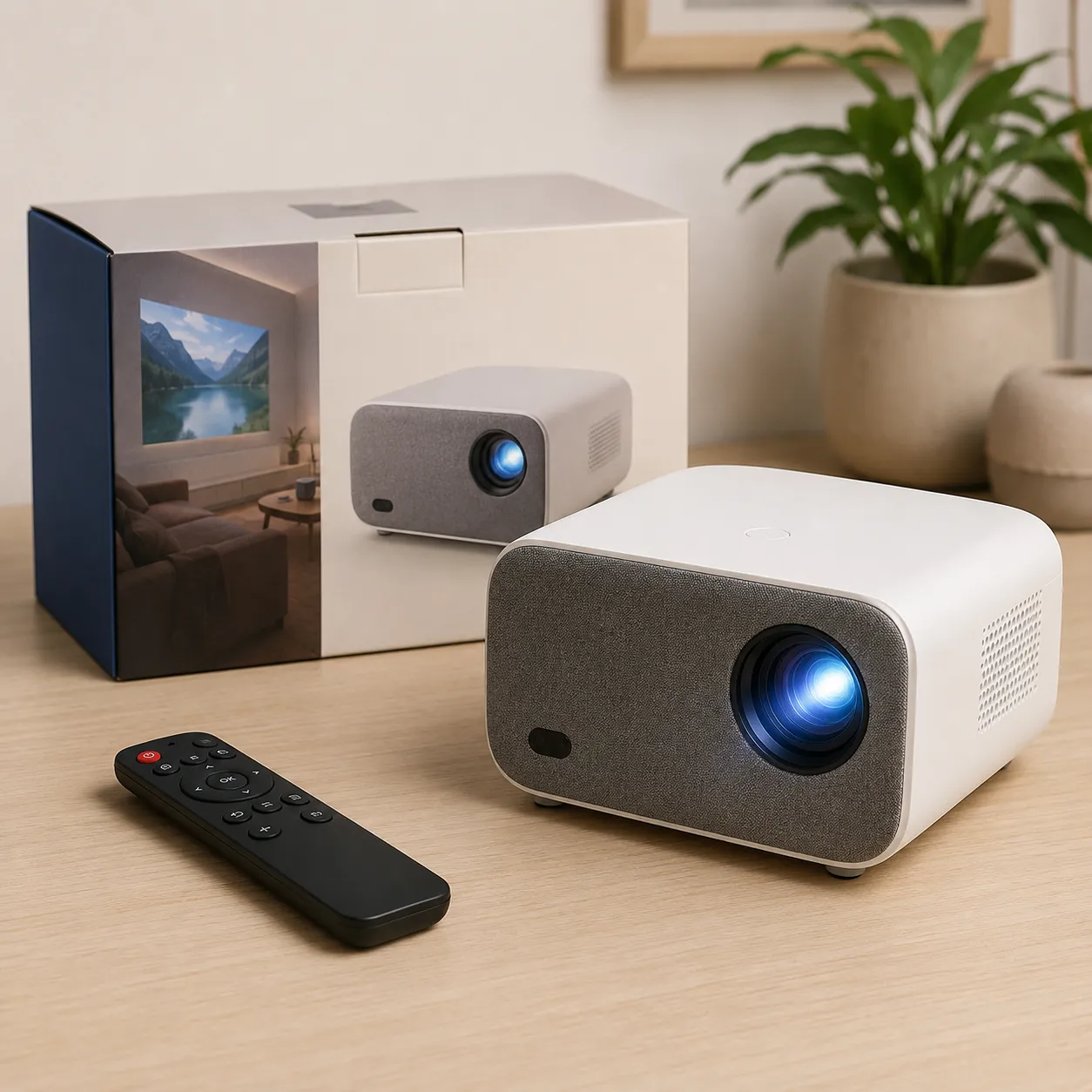
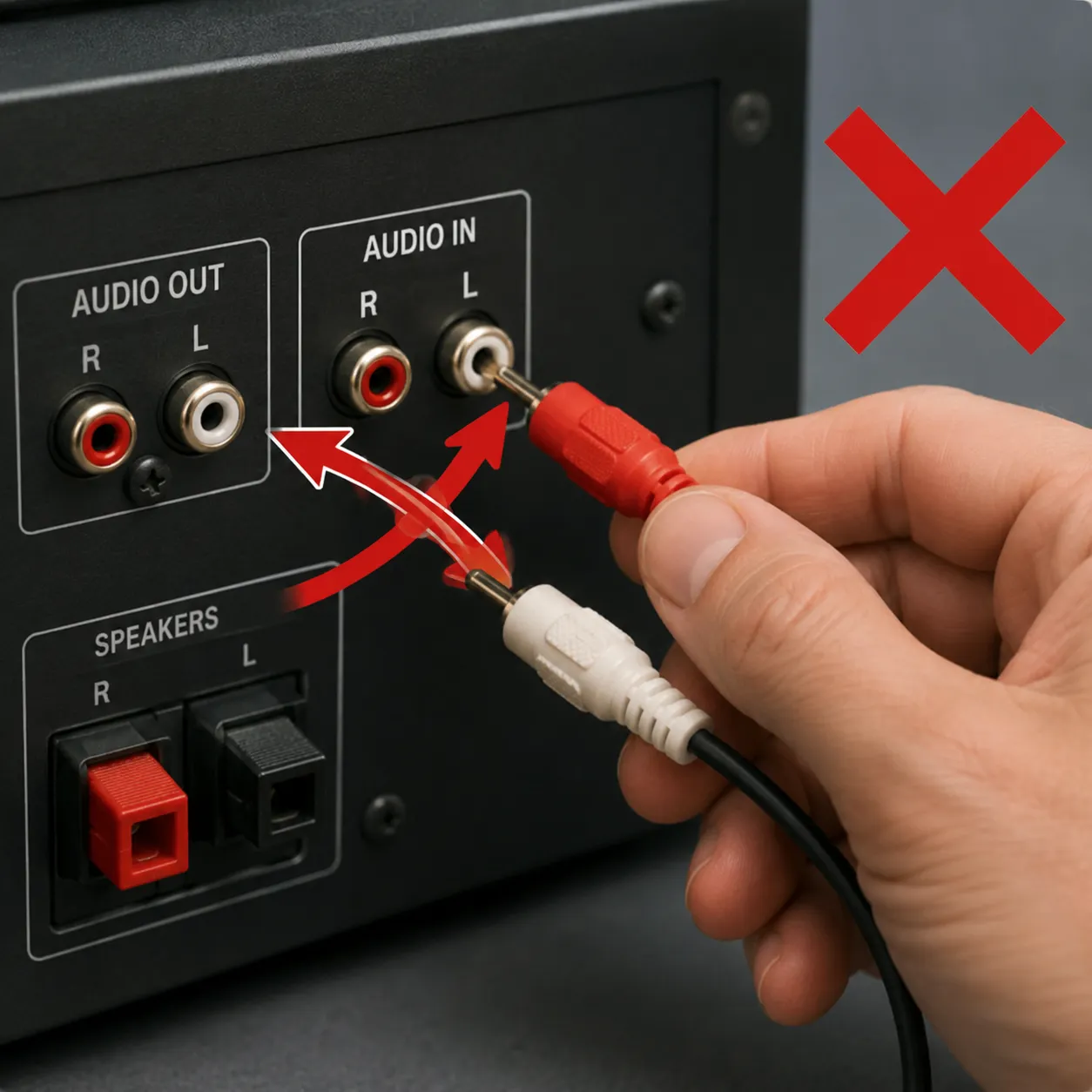
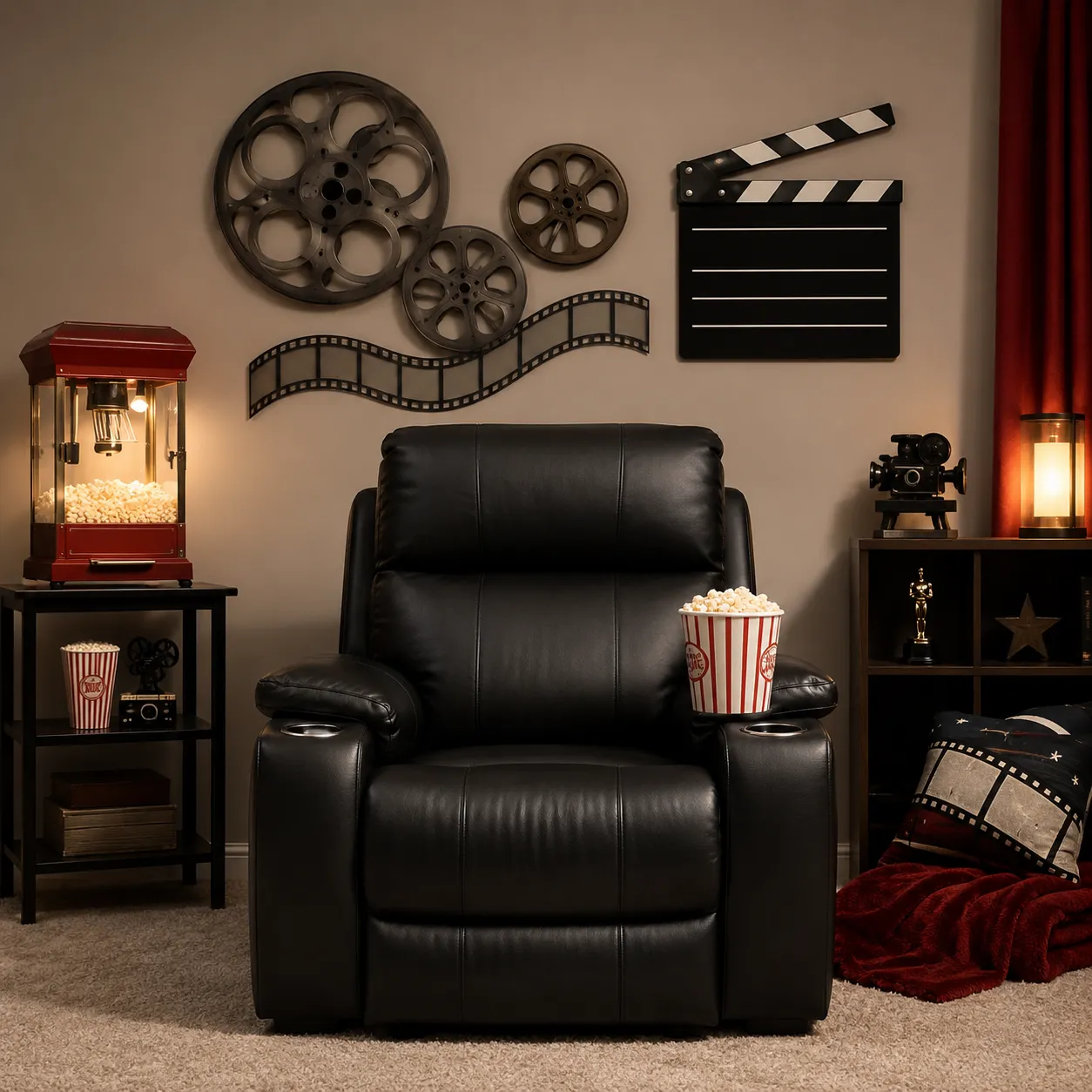
Start with home cinema, television, screen, projector, speaker, sofa, remote control, play, pause, volume, film, subtitles and popcorn. Then add common words for lighting, streaming apps and simple connections such as HDMI cable and Wi-Fi.
What is the difference between home cinema, home theater and media room?
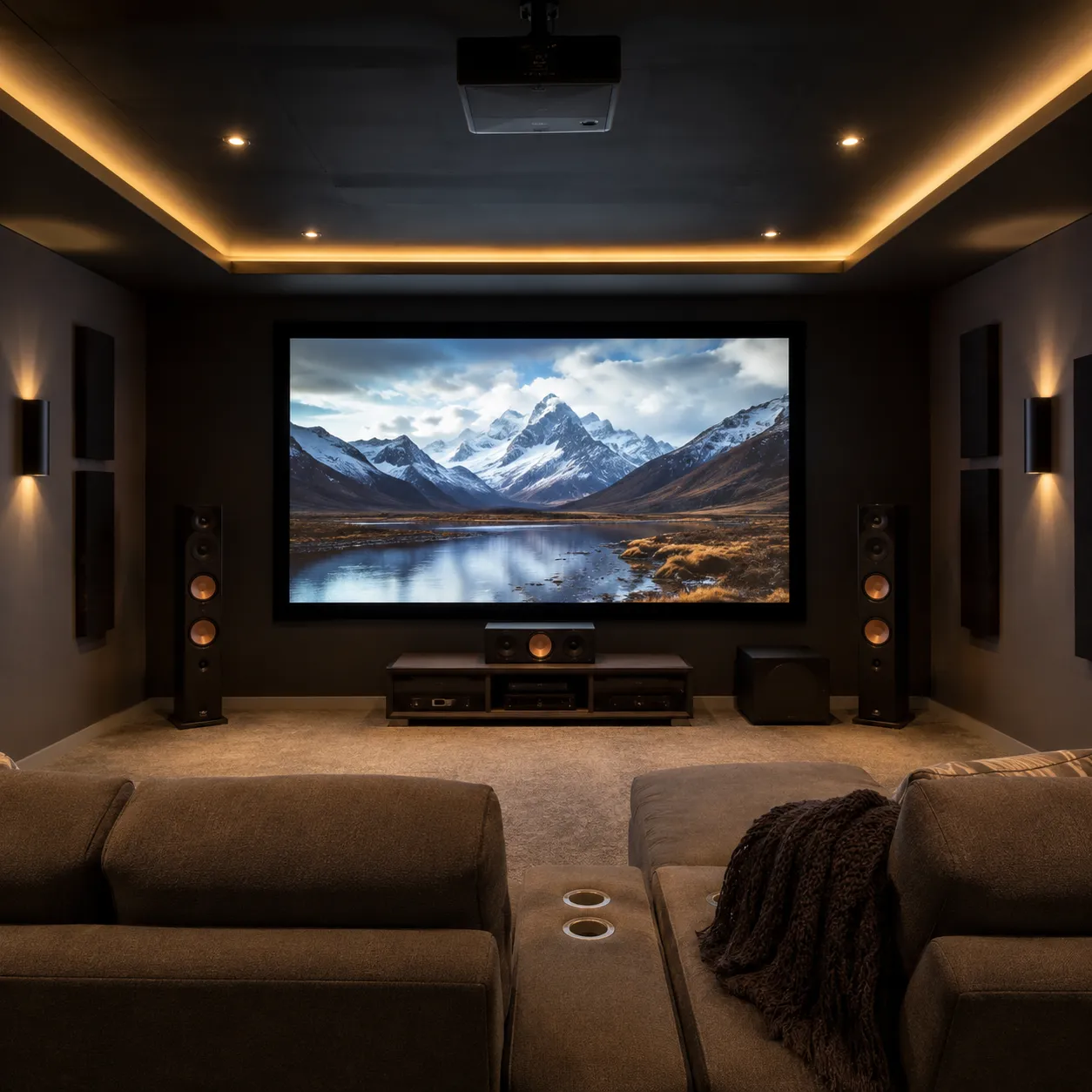
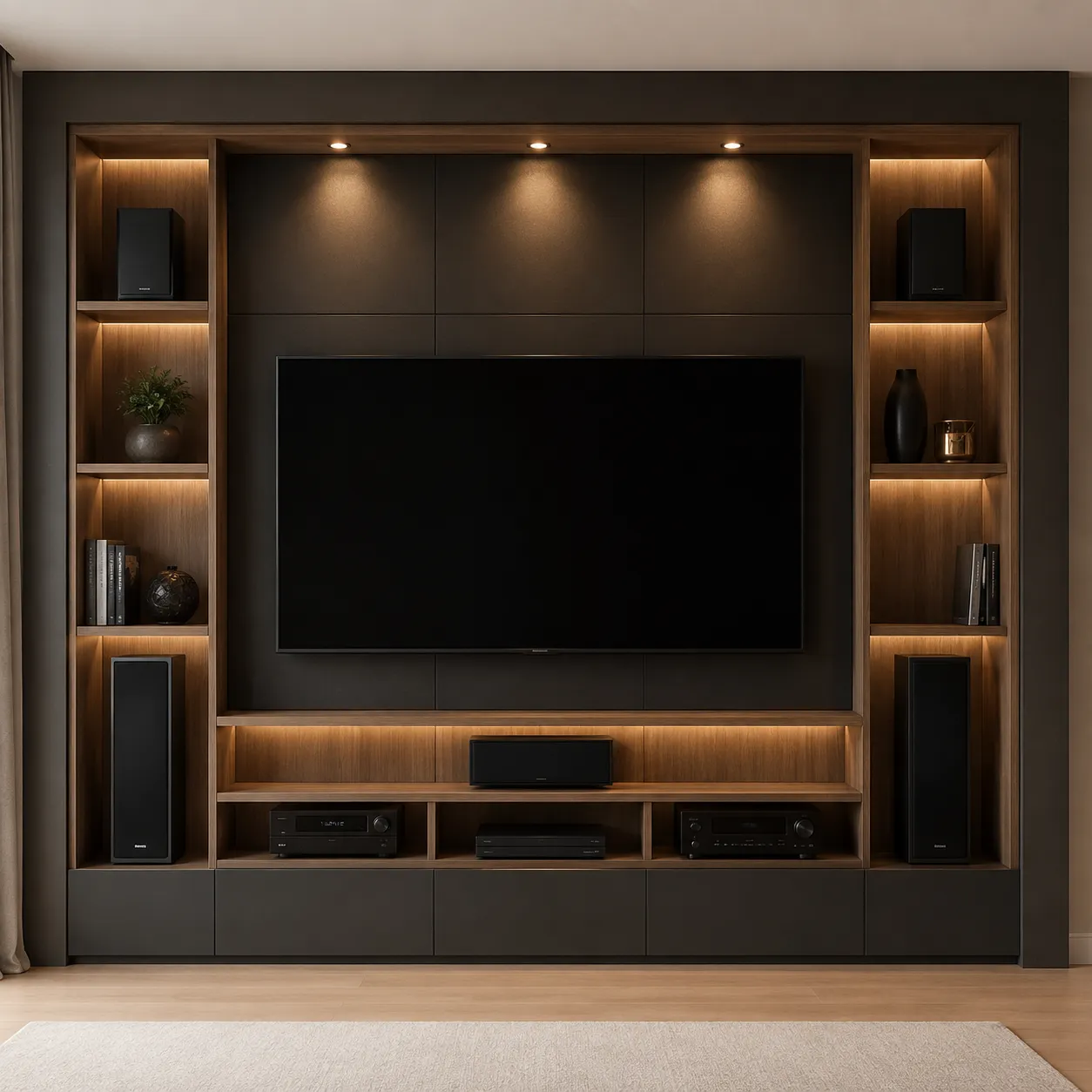
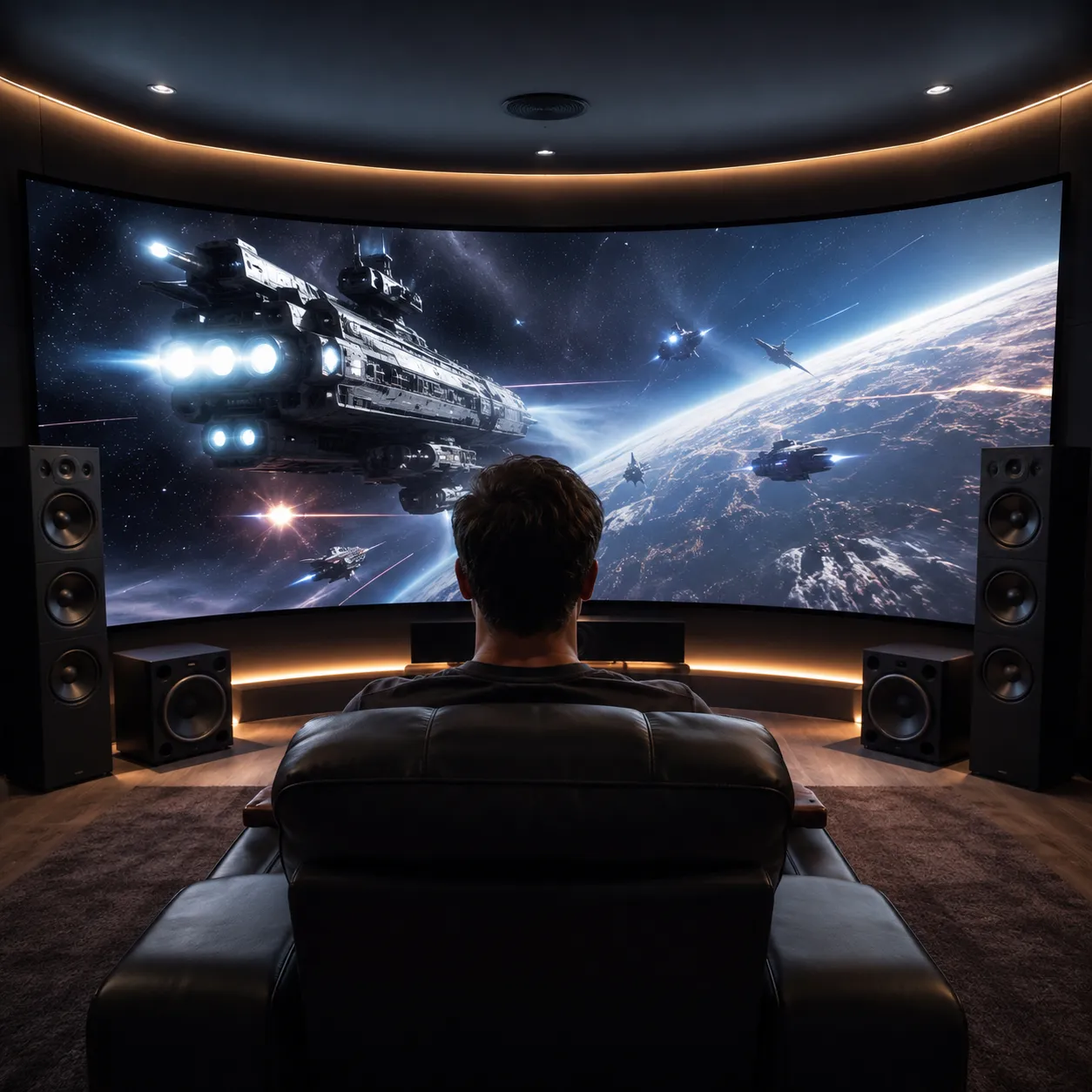
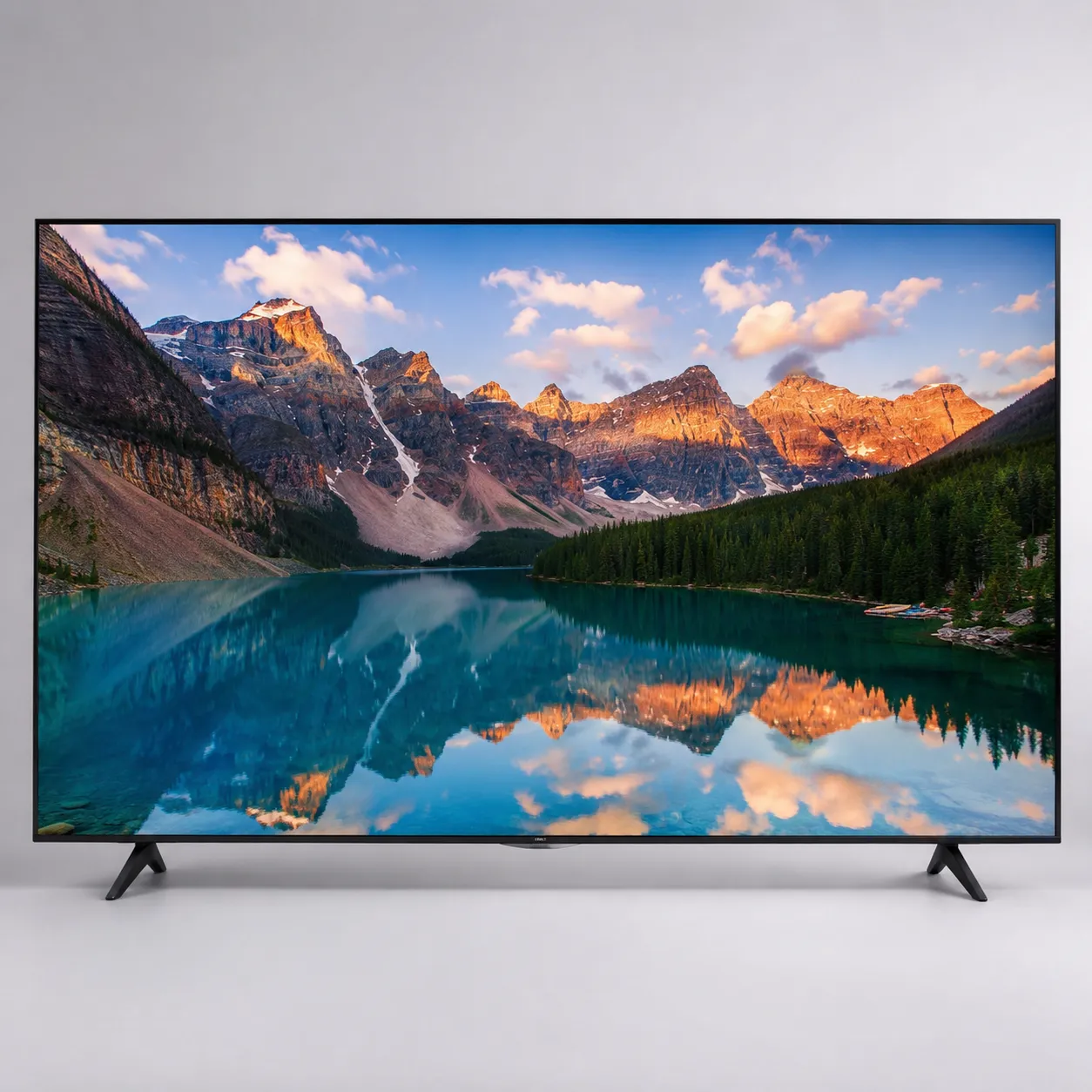
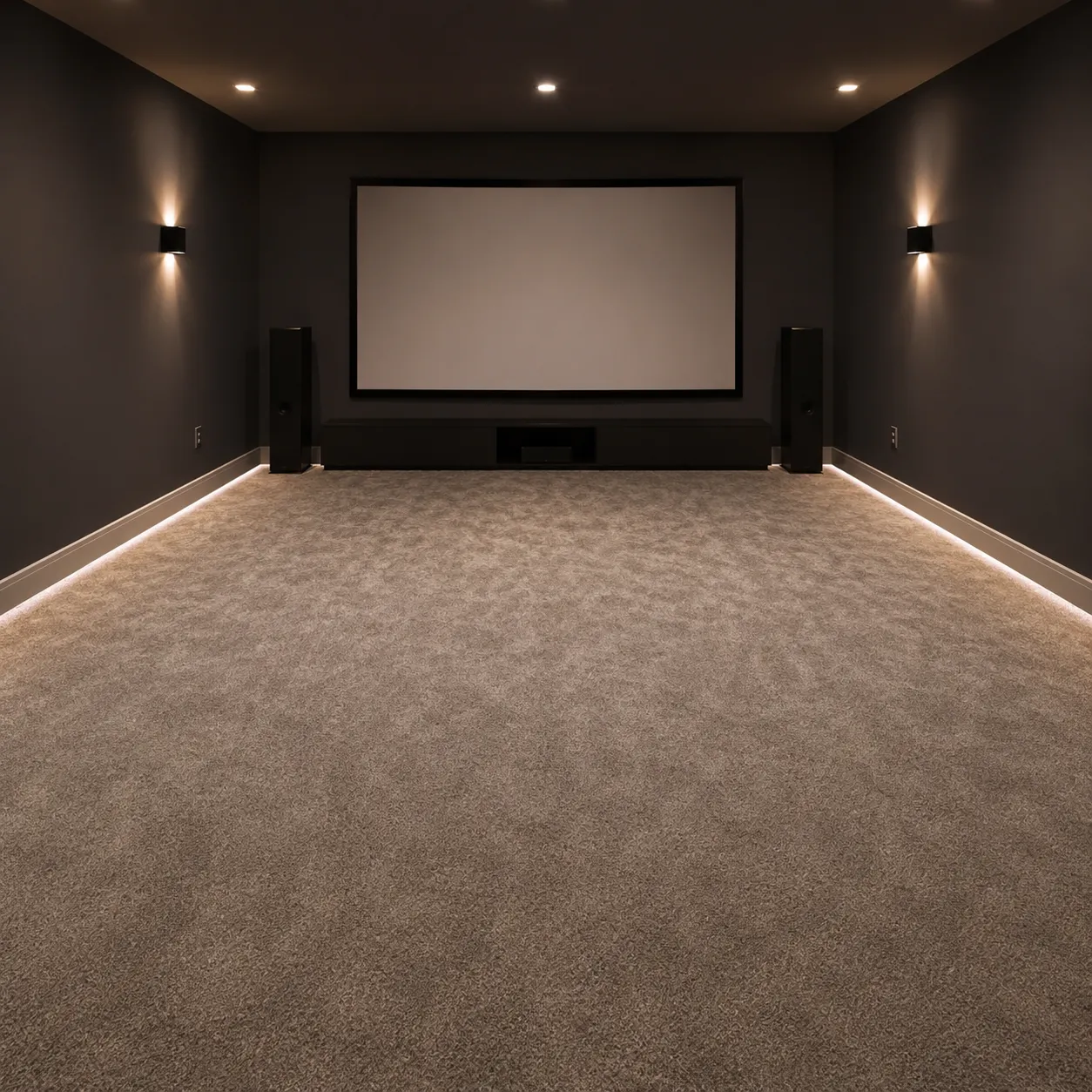
Home cinema and home theater usually mean the same thing: a room or equipment setup designed for a cinema-like experience at home. Home cinema is more common in British English, home theater in American English, while a media room is broader and may also be used for gaming, music or socializing.
How can I remember technical home theater terms?
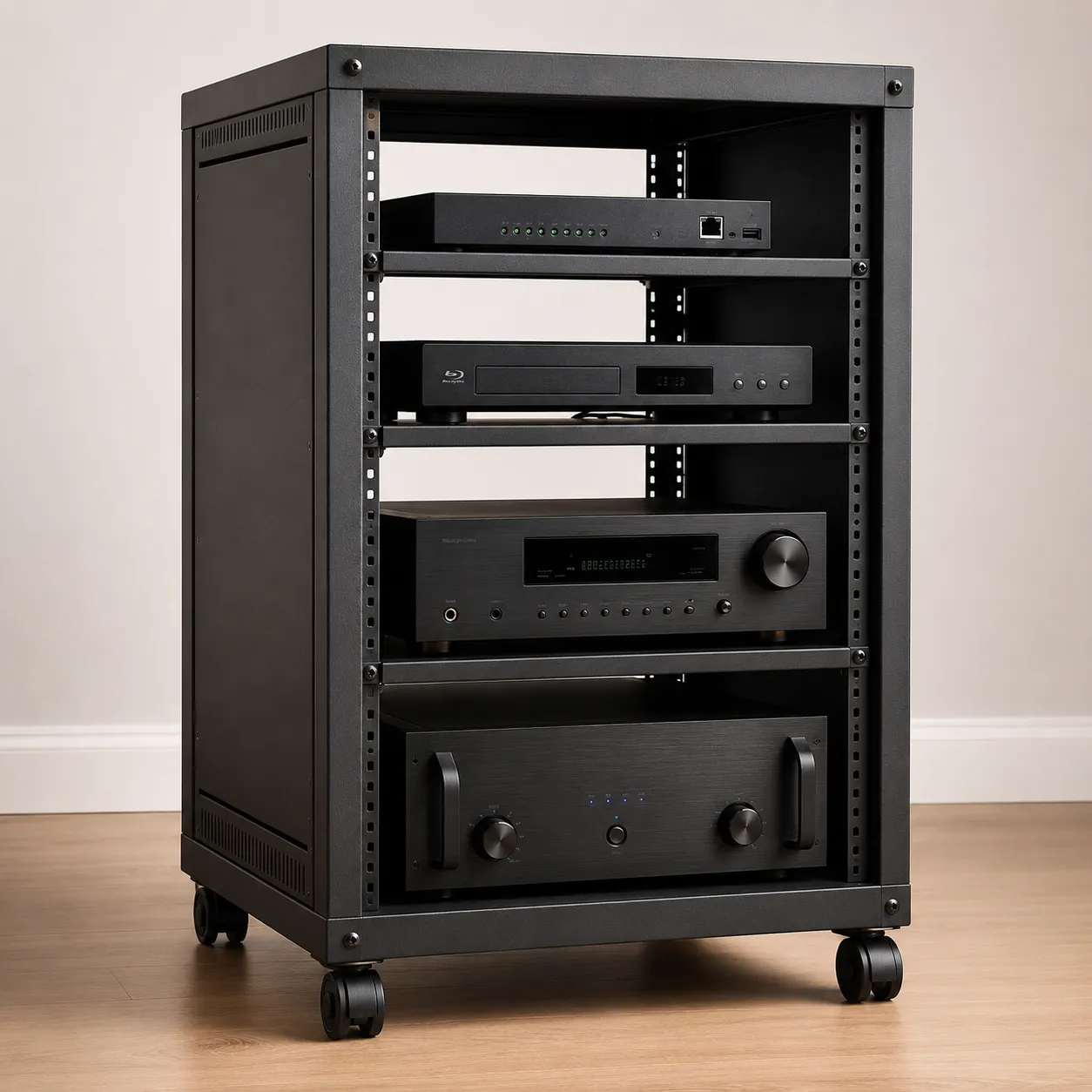
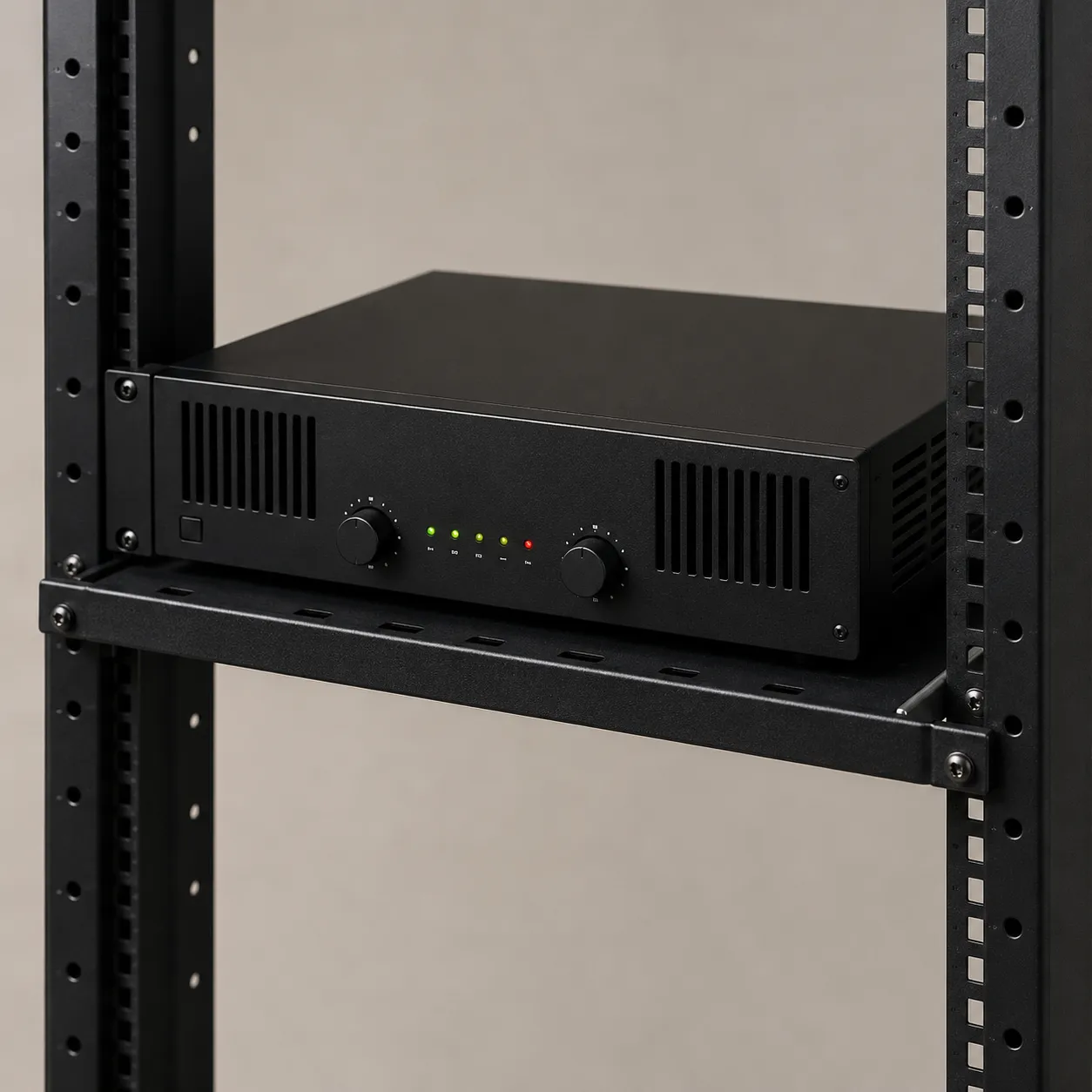
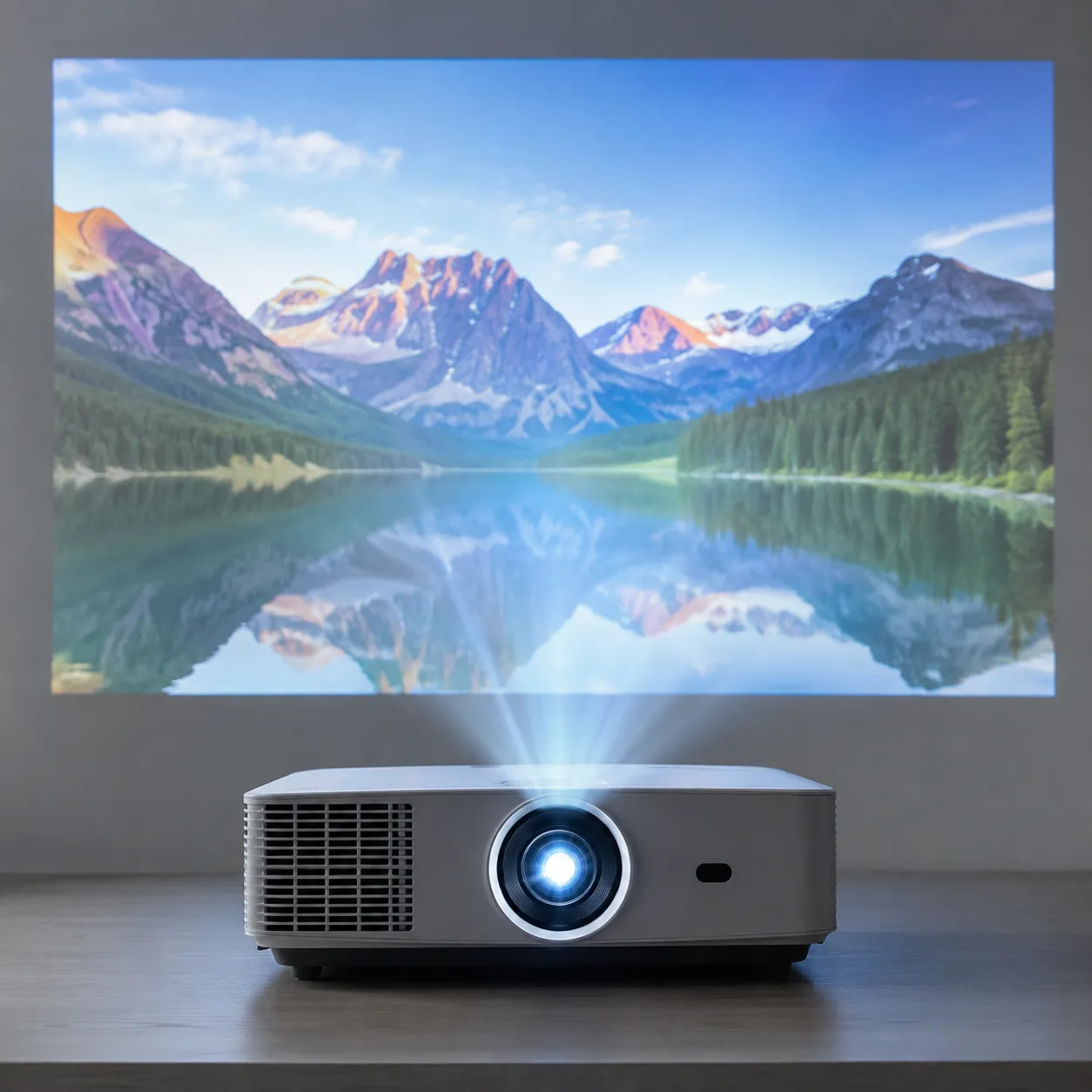
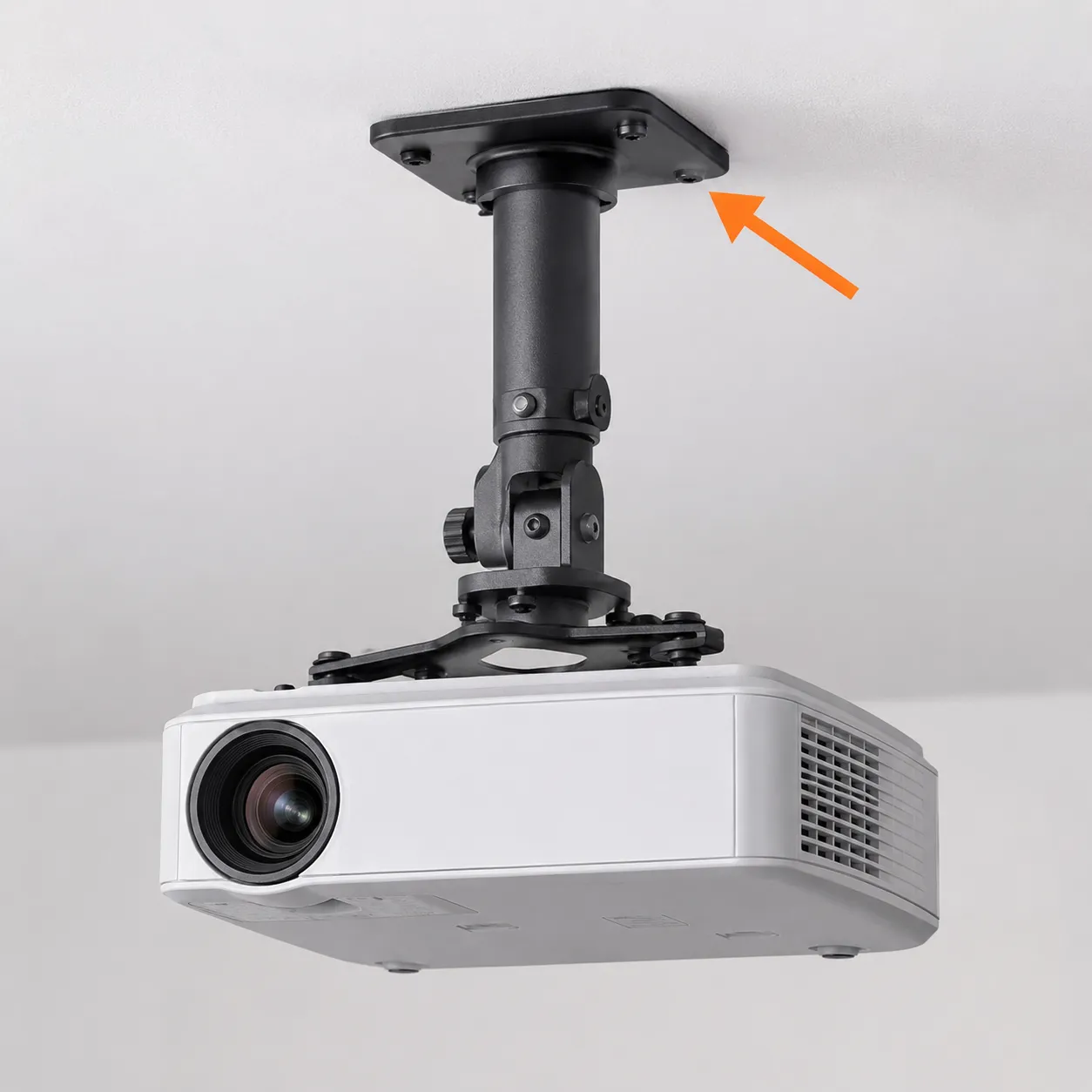
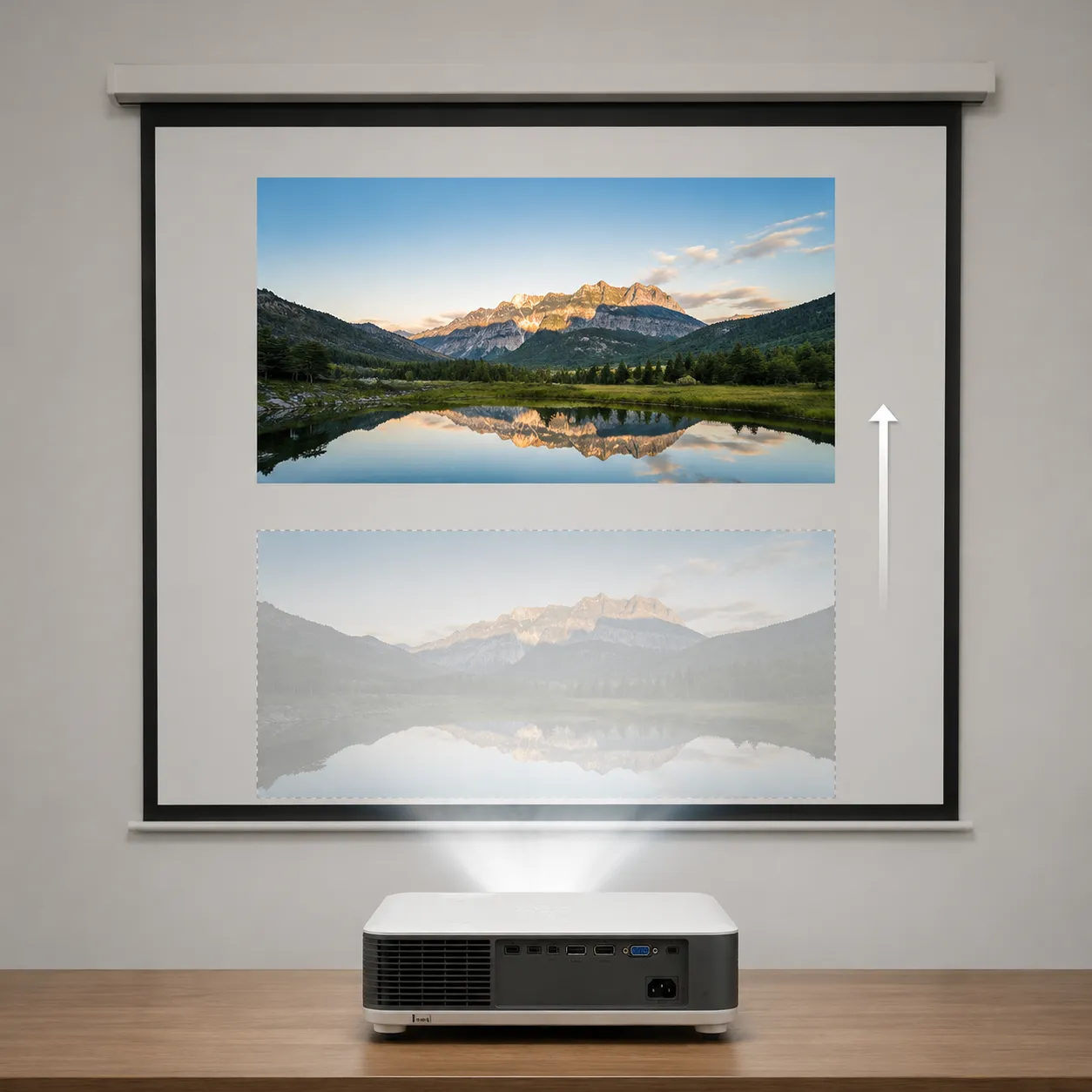
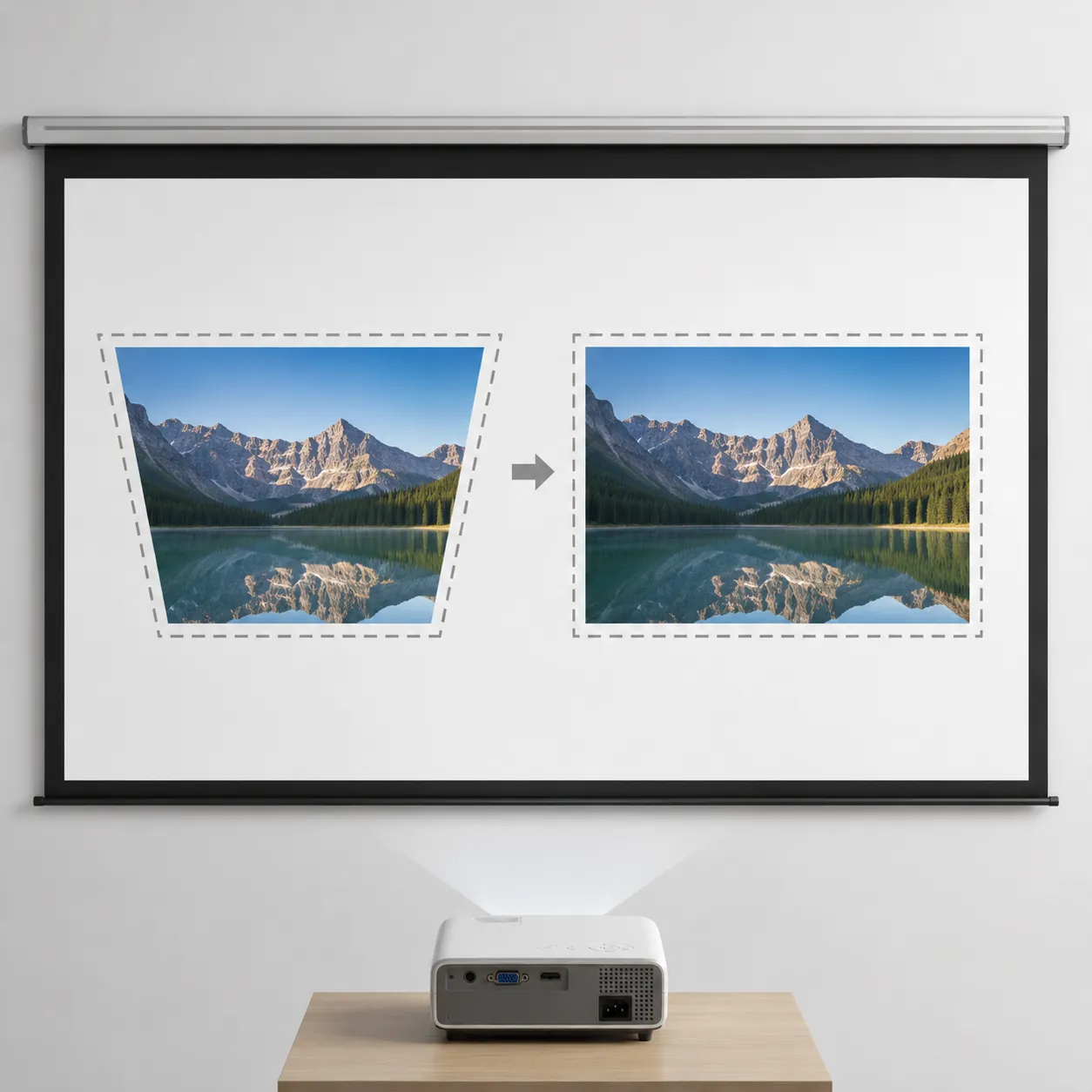
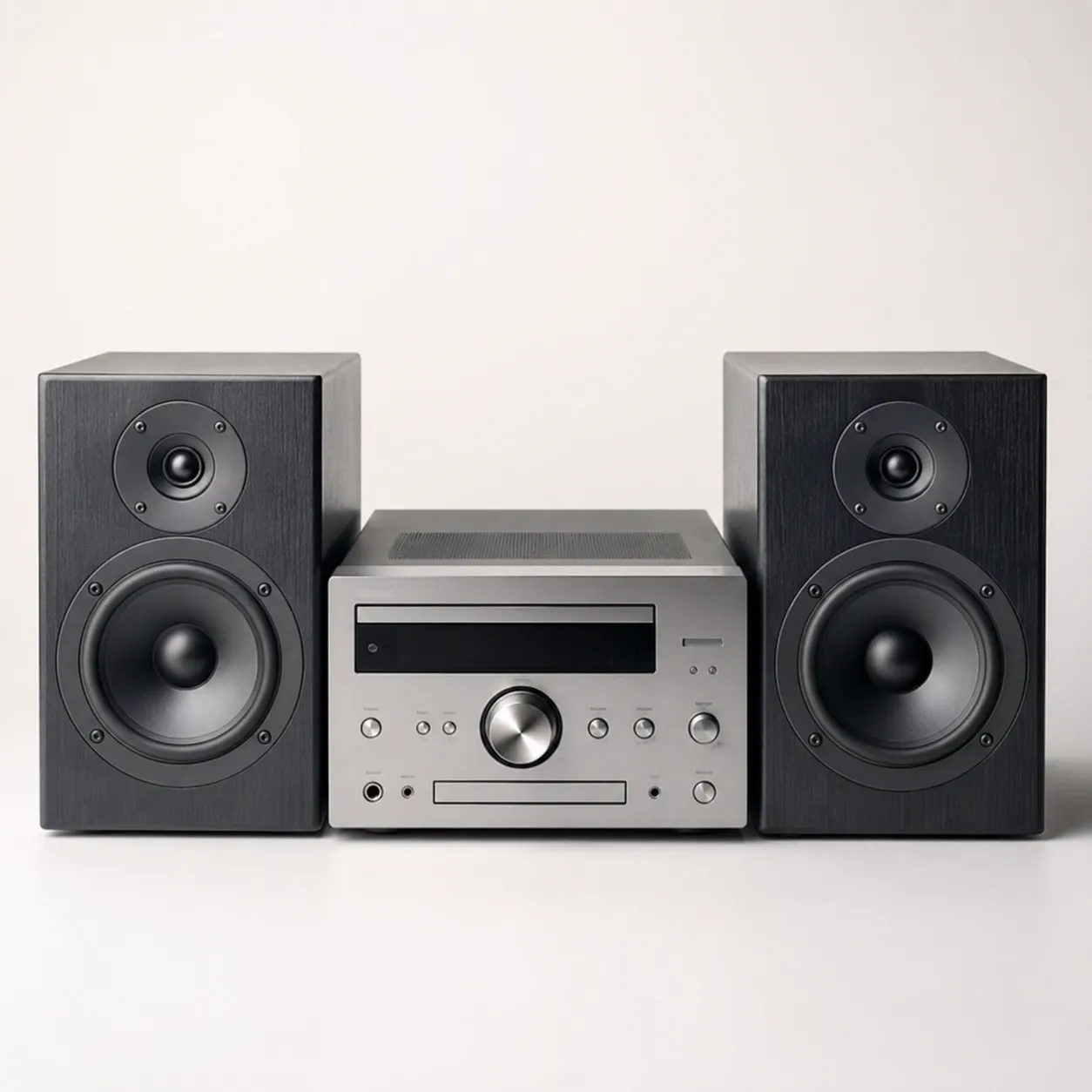
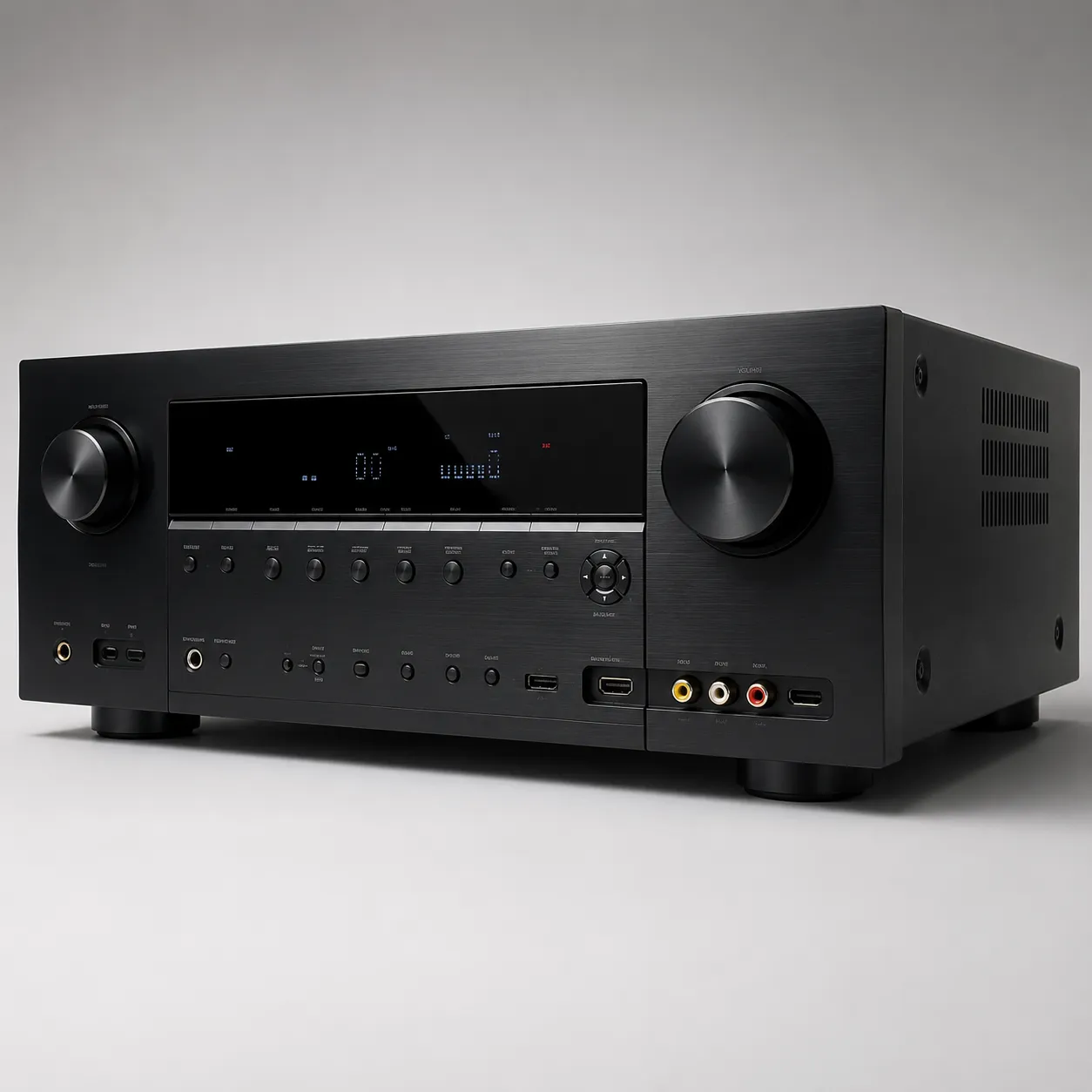
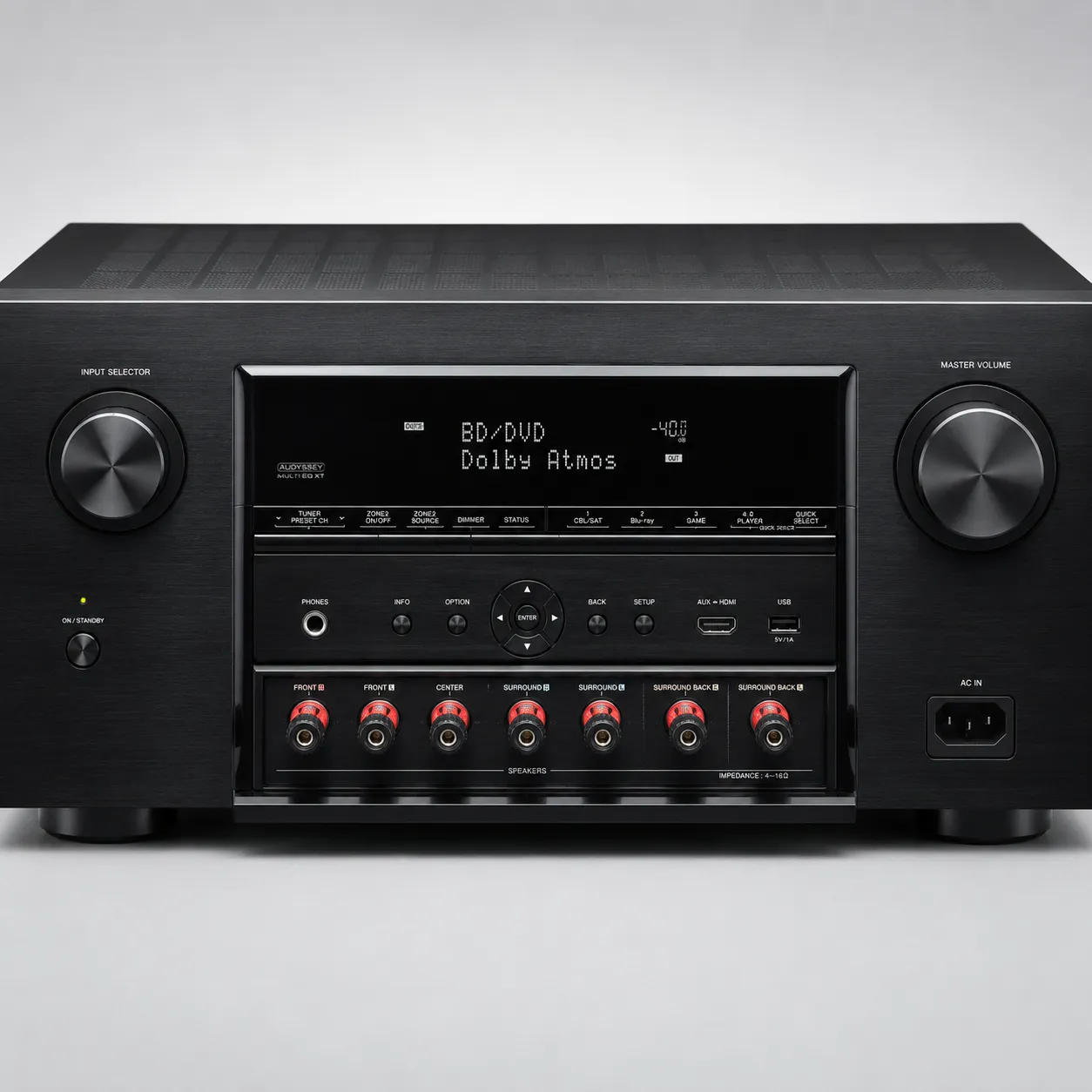
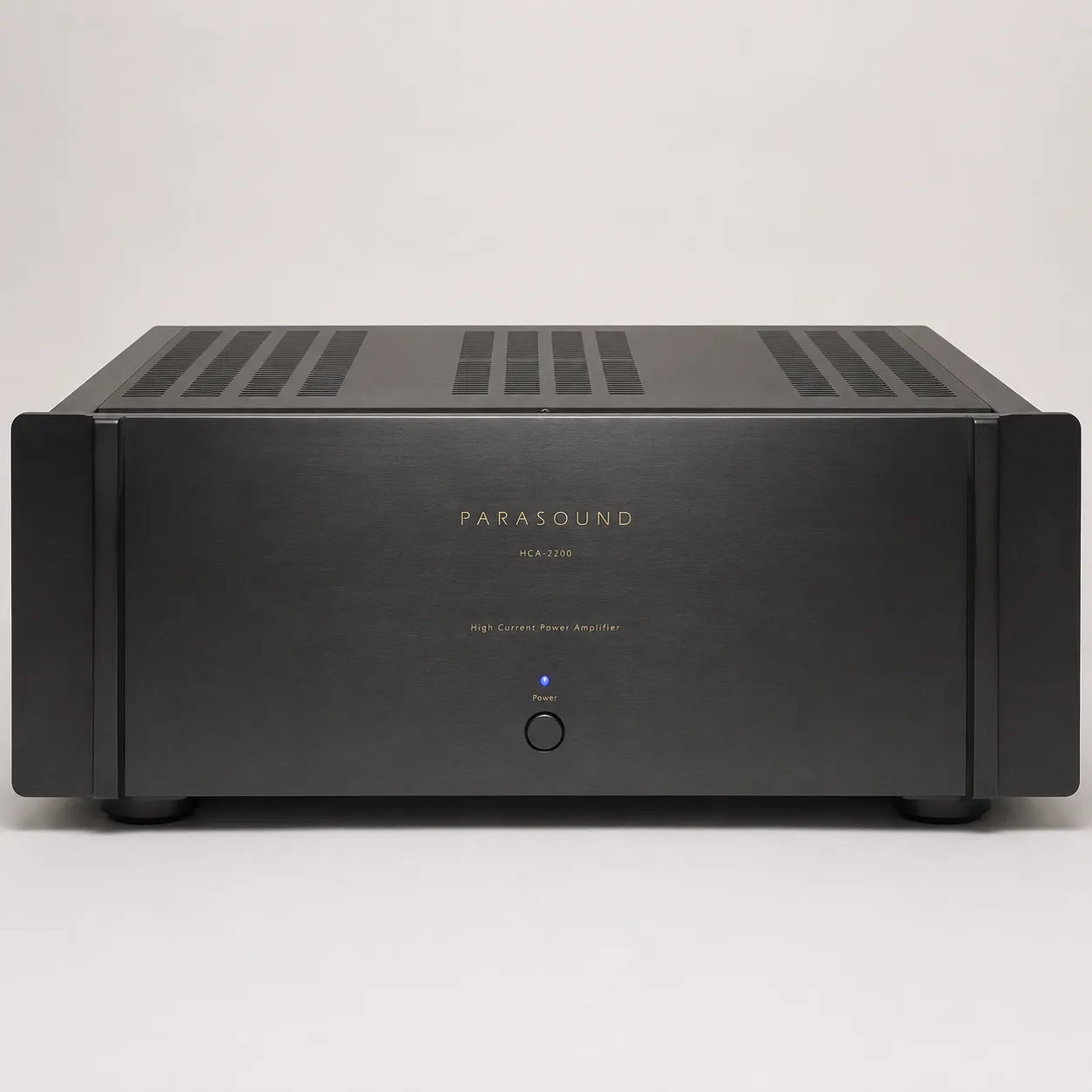
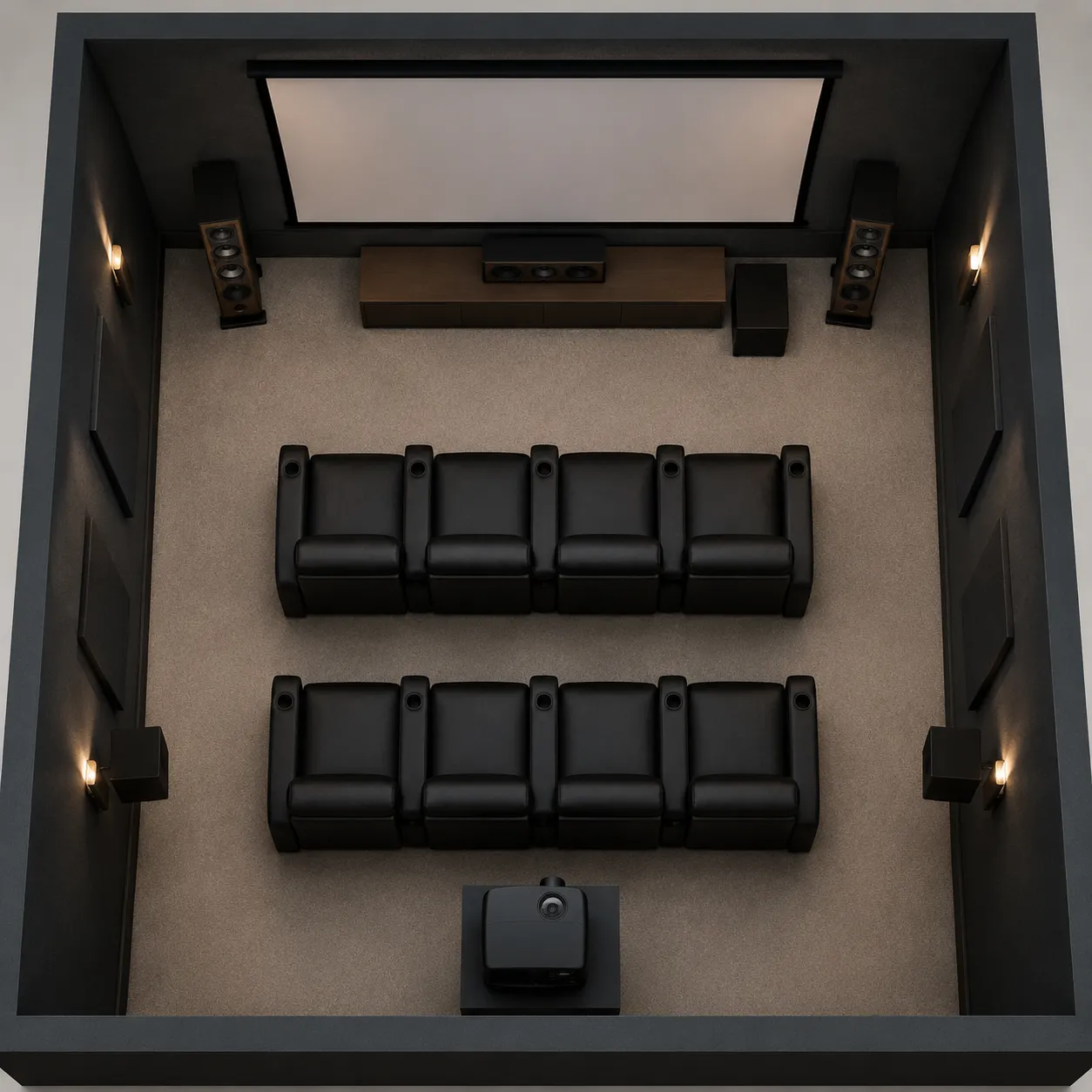
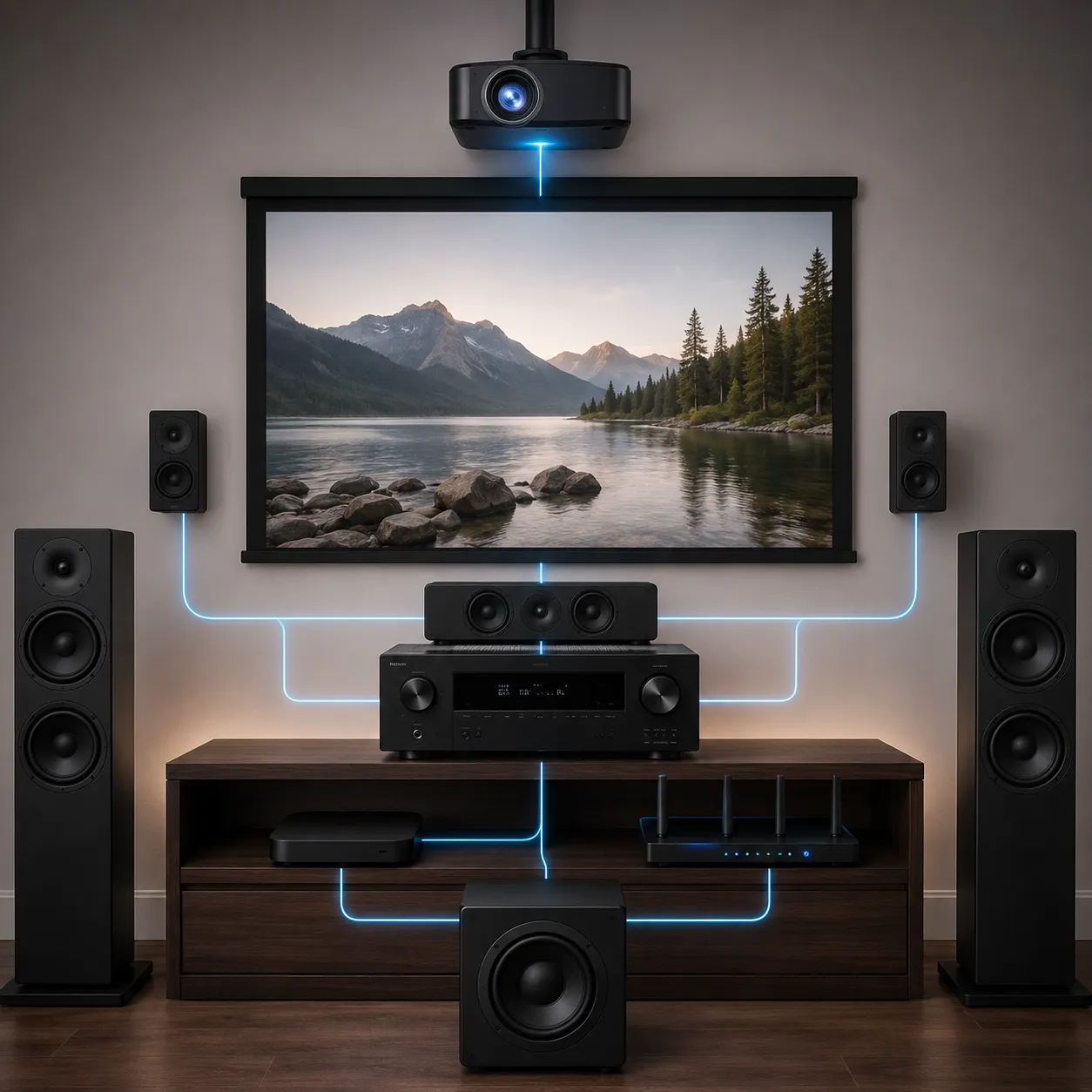
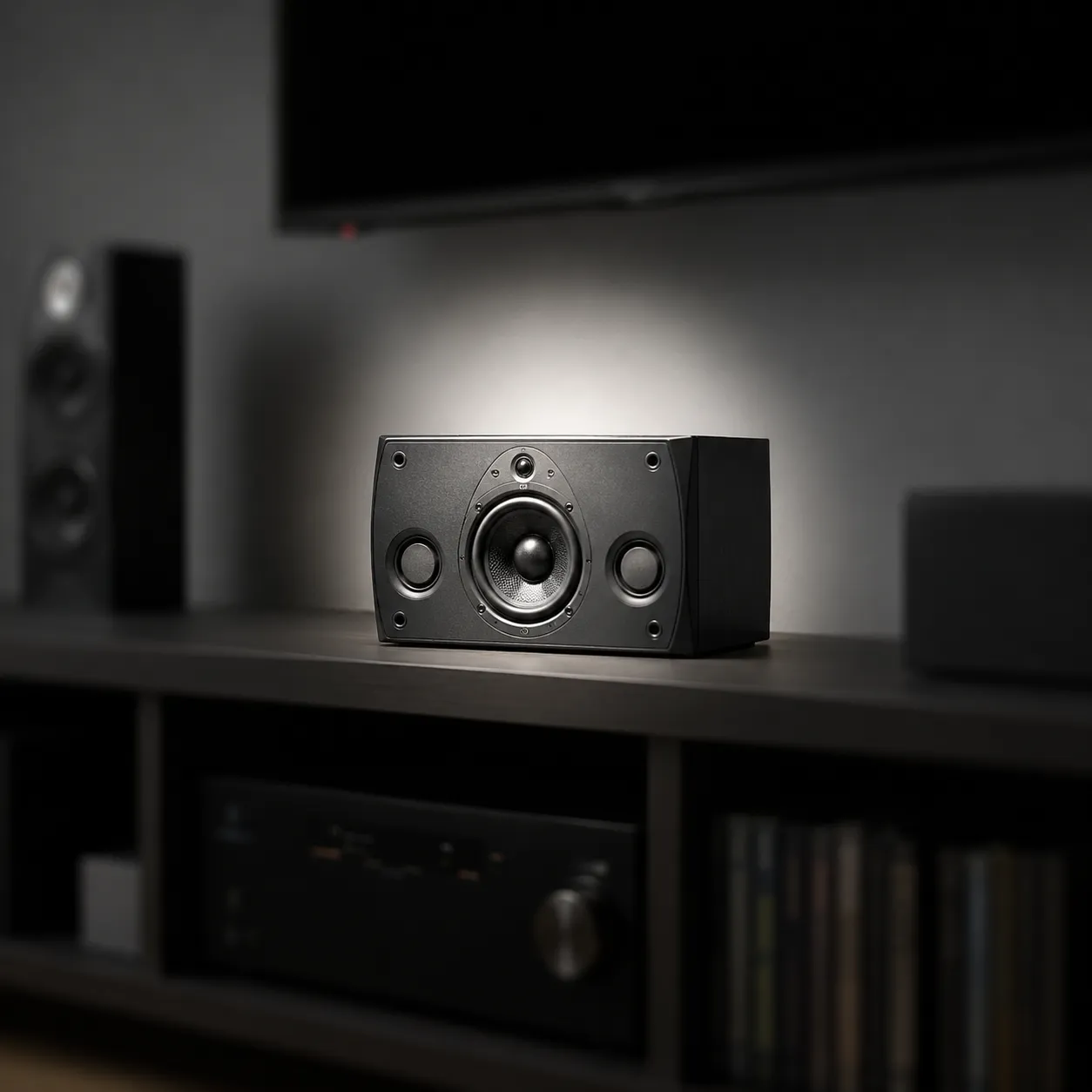
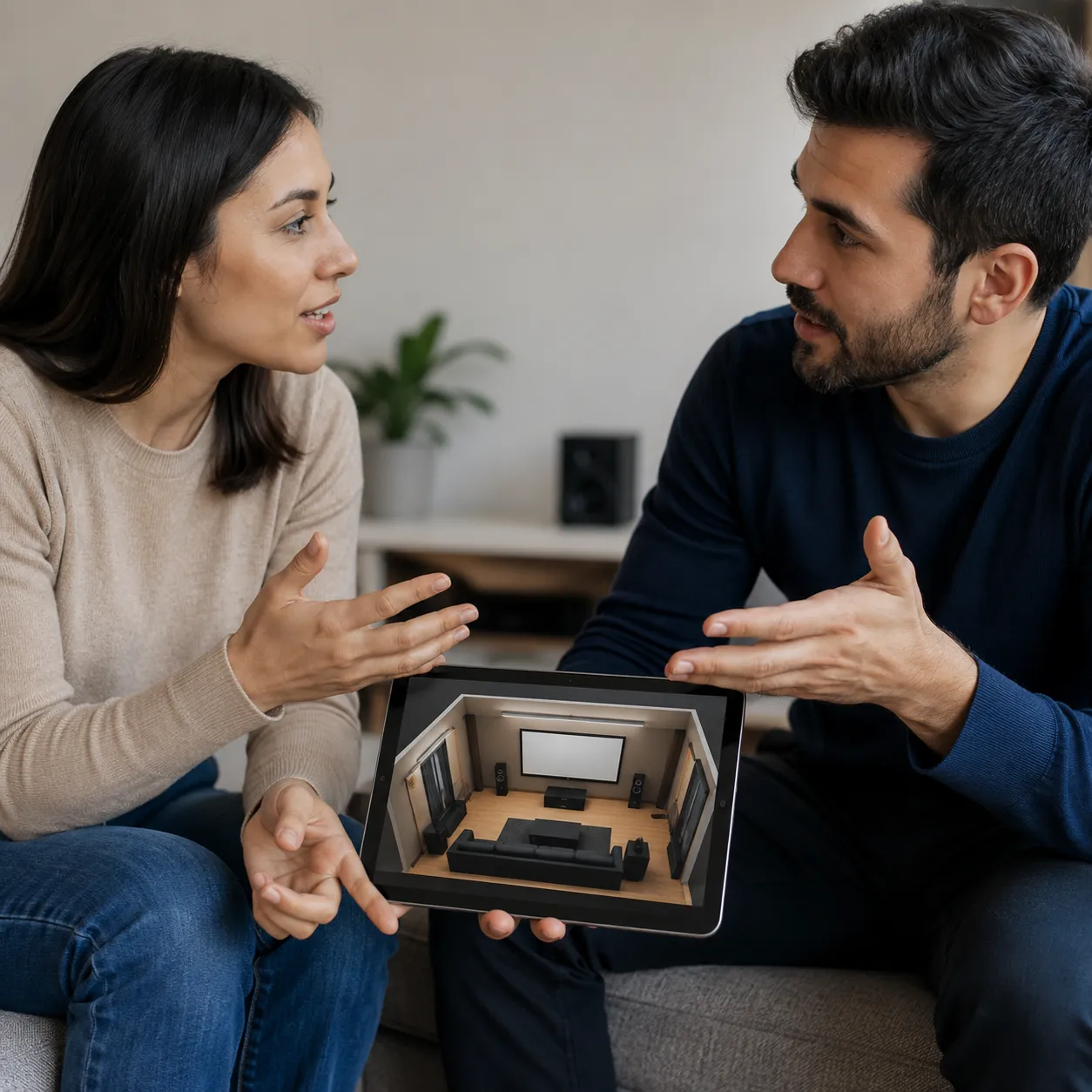
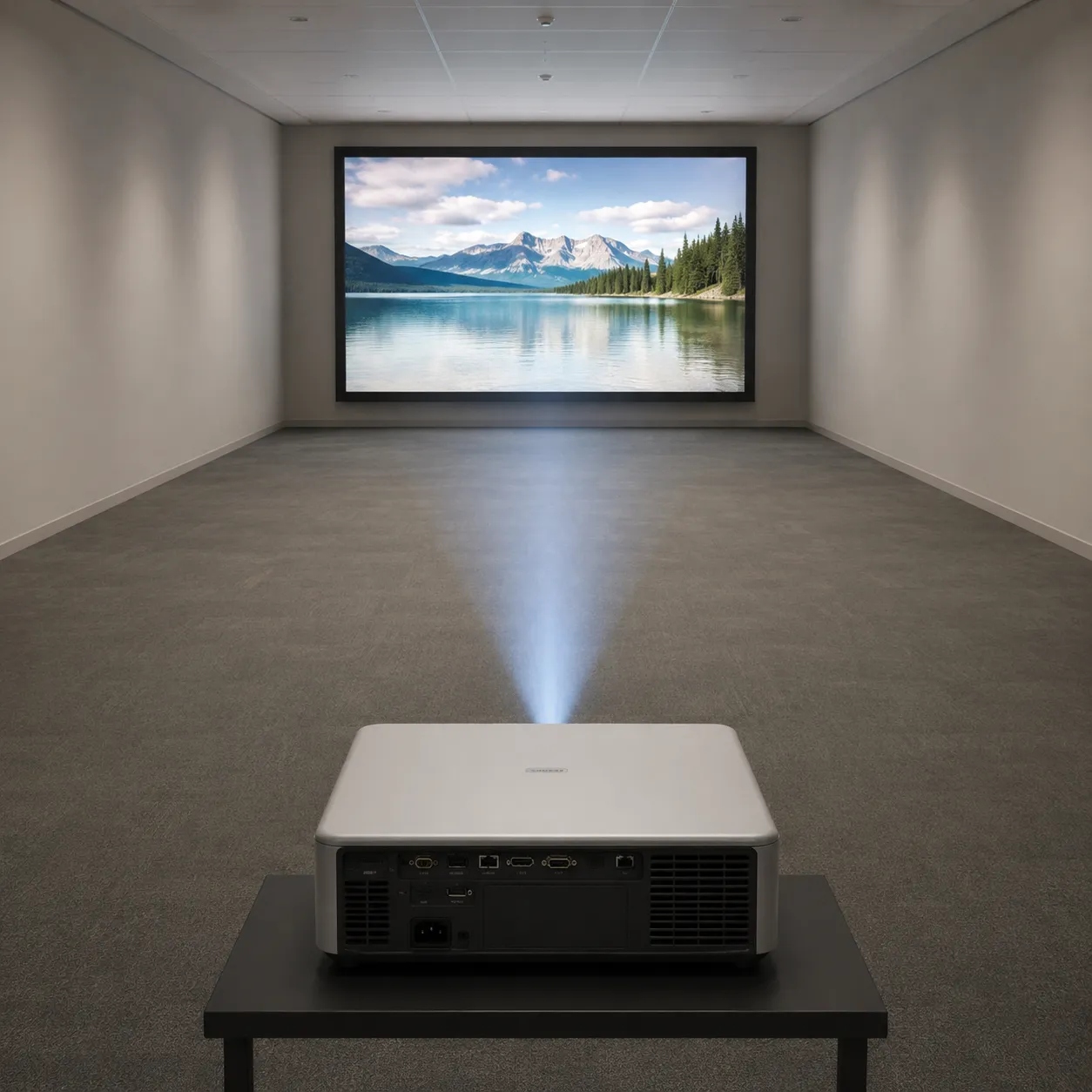
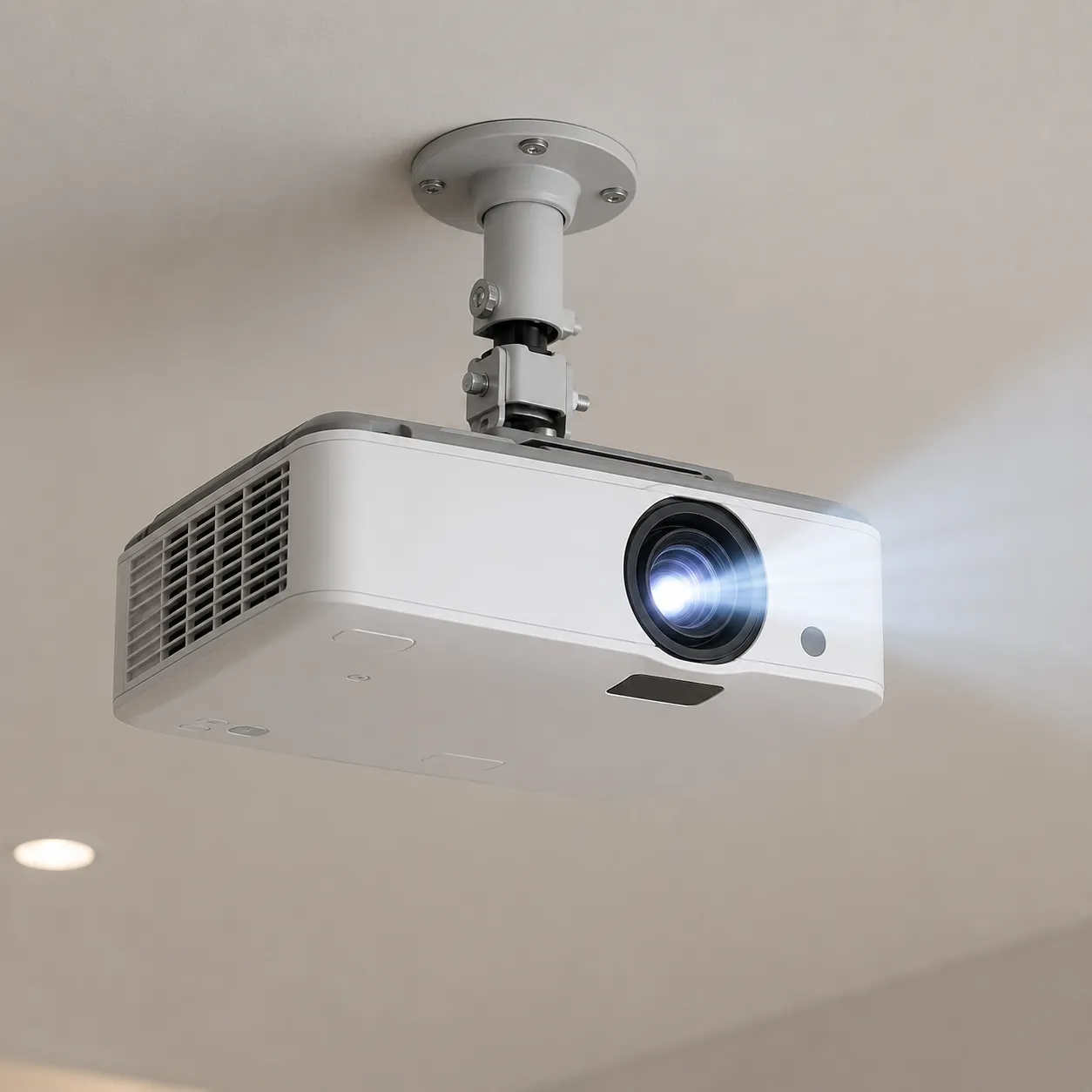
Learn related terms together, such as projector, lens shift and keystone correction, or speaker, amplifier and receiver. Draw a simple room diagram, label each component in English, write one sentence about its function and review the section again after a few days.
How can I use films to practise this English vocabulary?
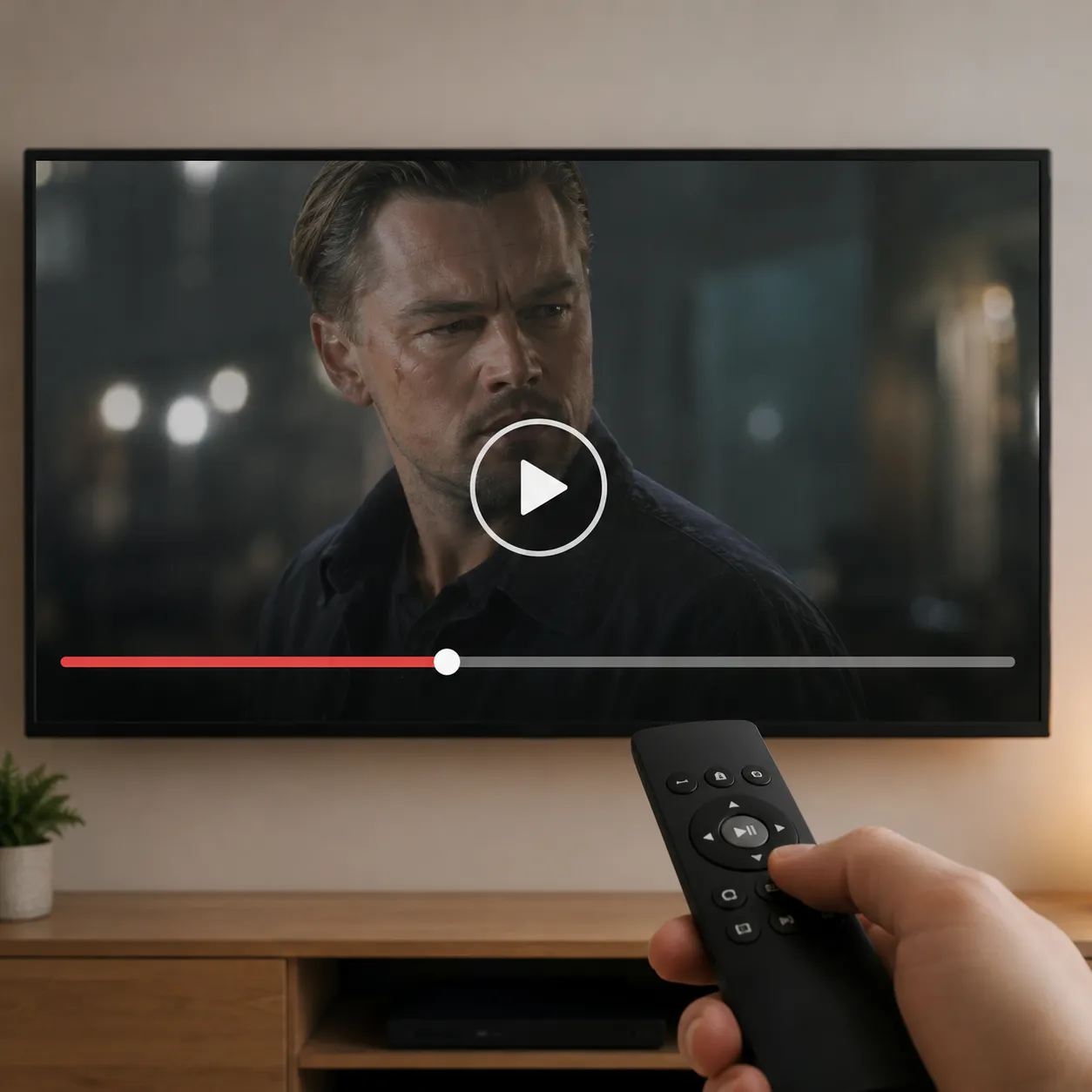
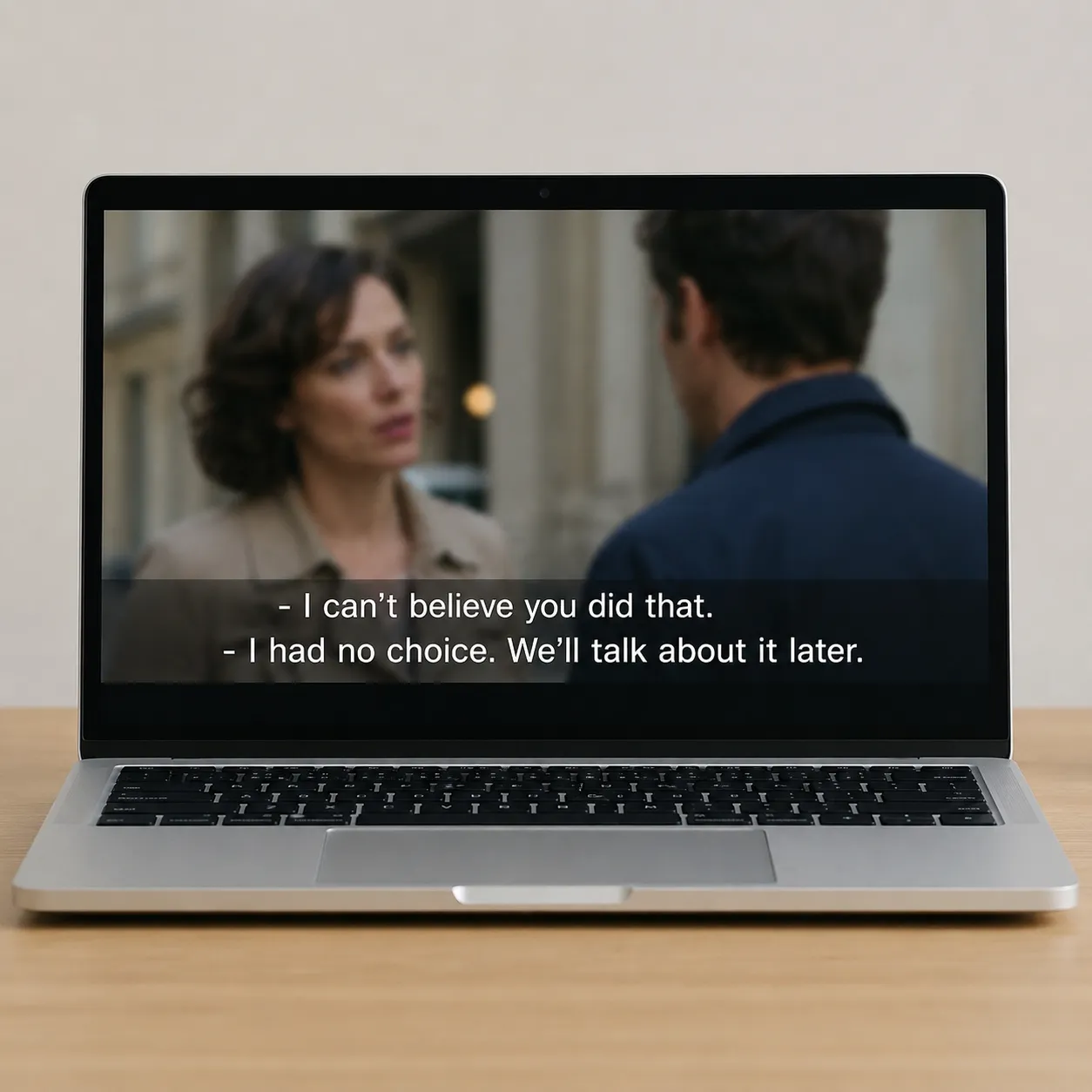
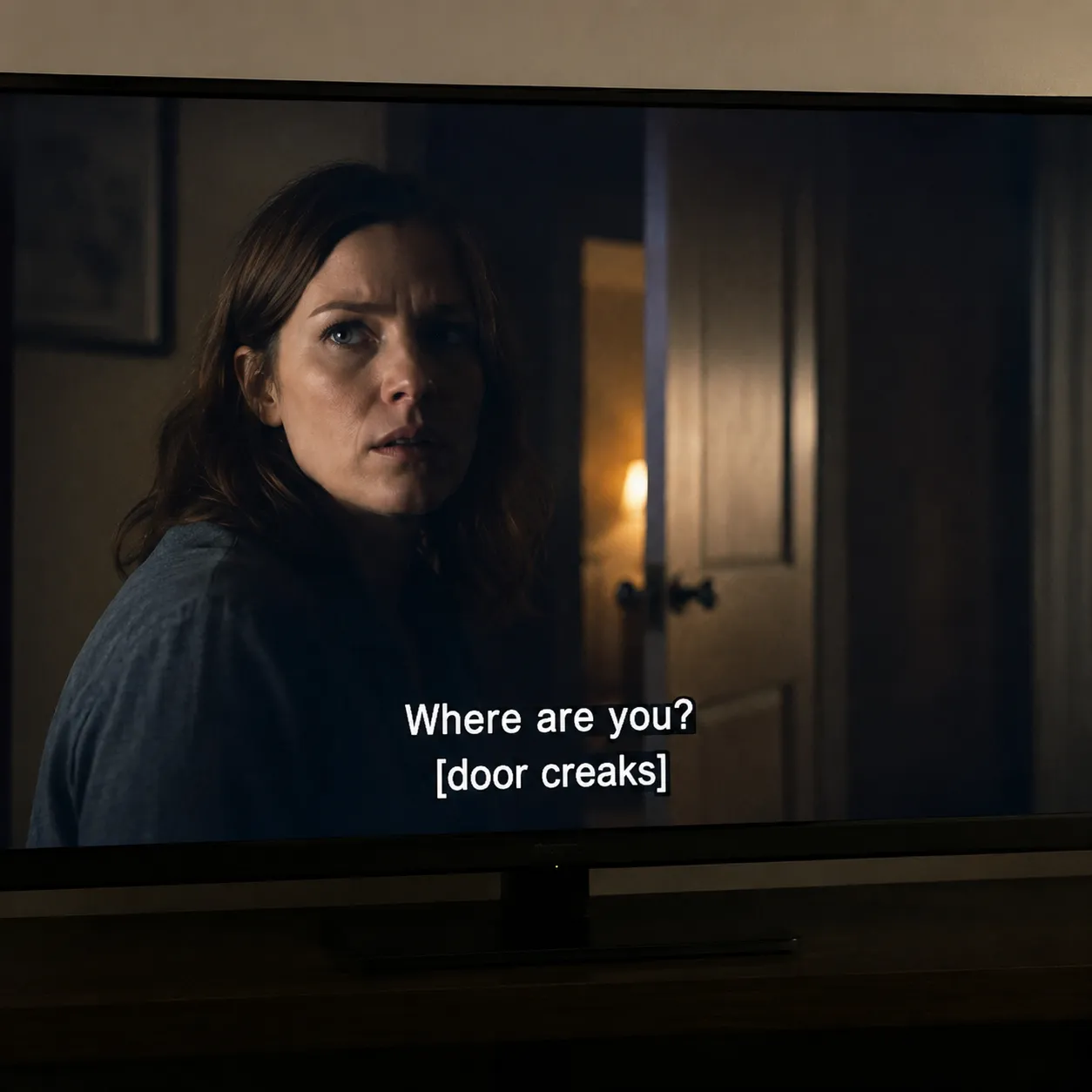
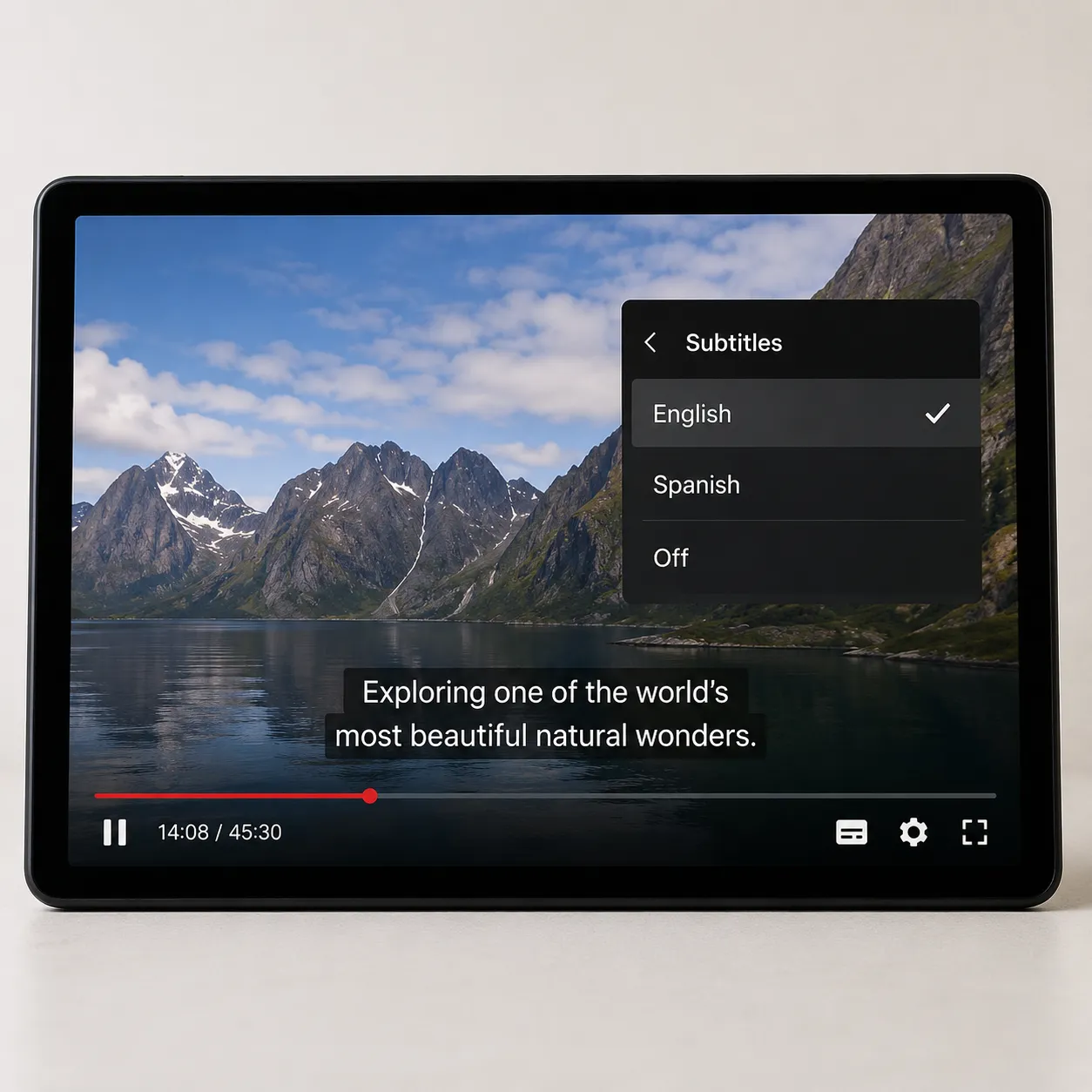
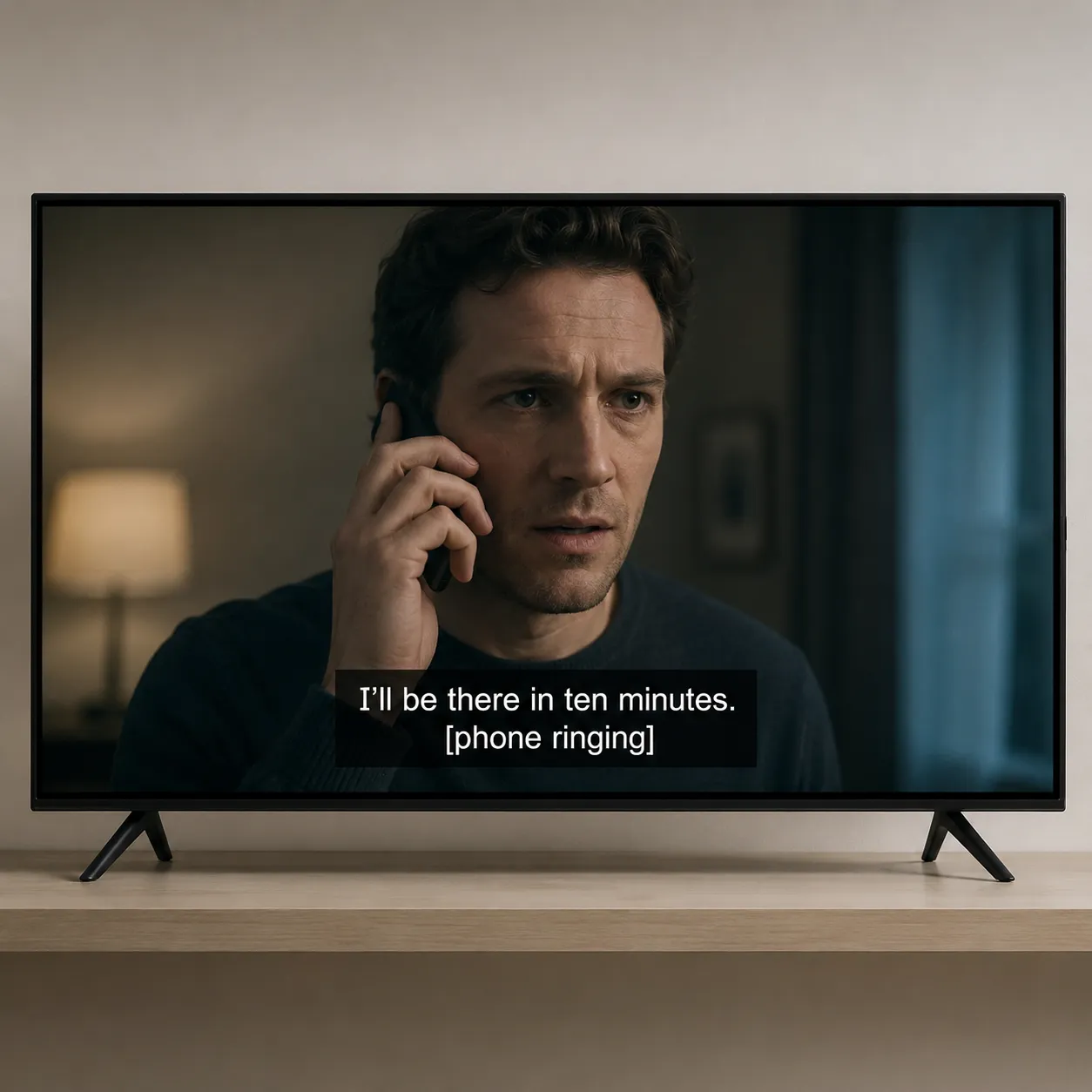
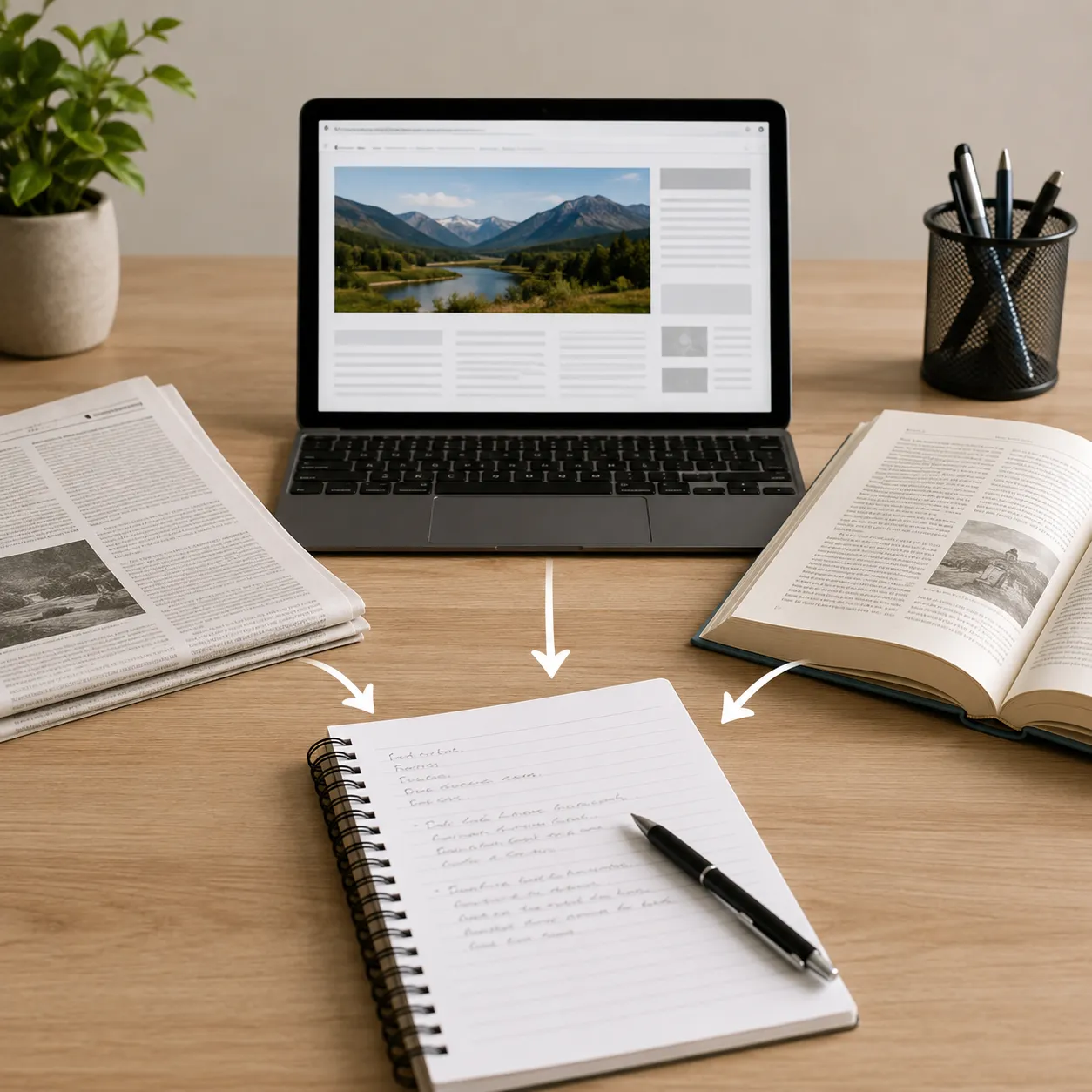
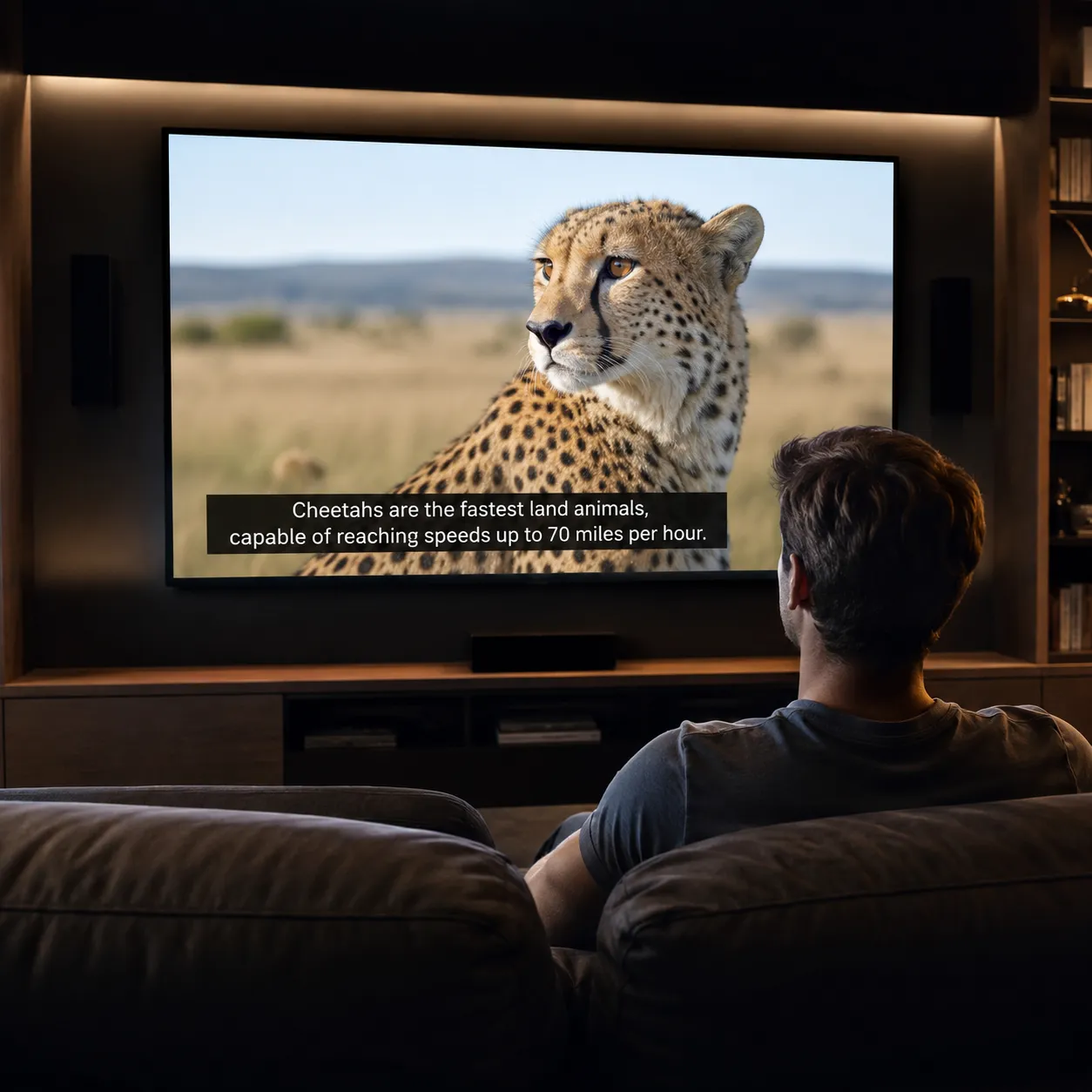
Watch a short scene with English subtitles, note five useful words and replay the scene until you can recognize them in context. Afterwards, describe the genre, picture, sound, controls and your reaction using complete sentences, then review the same words during your next movie night.