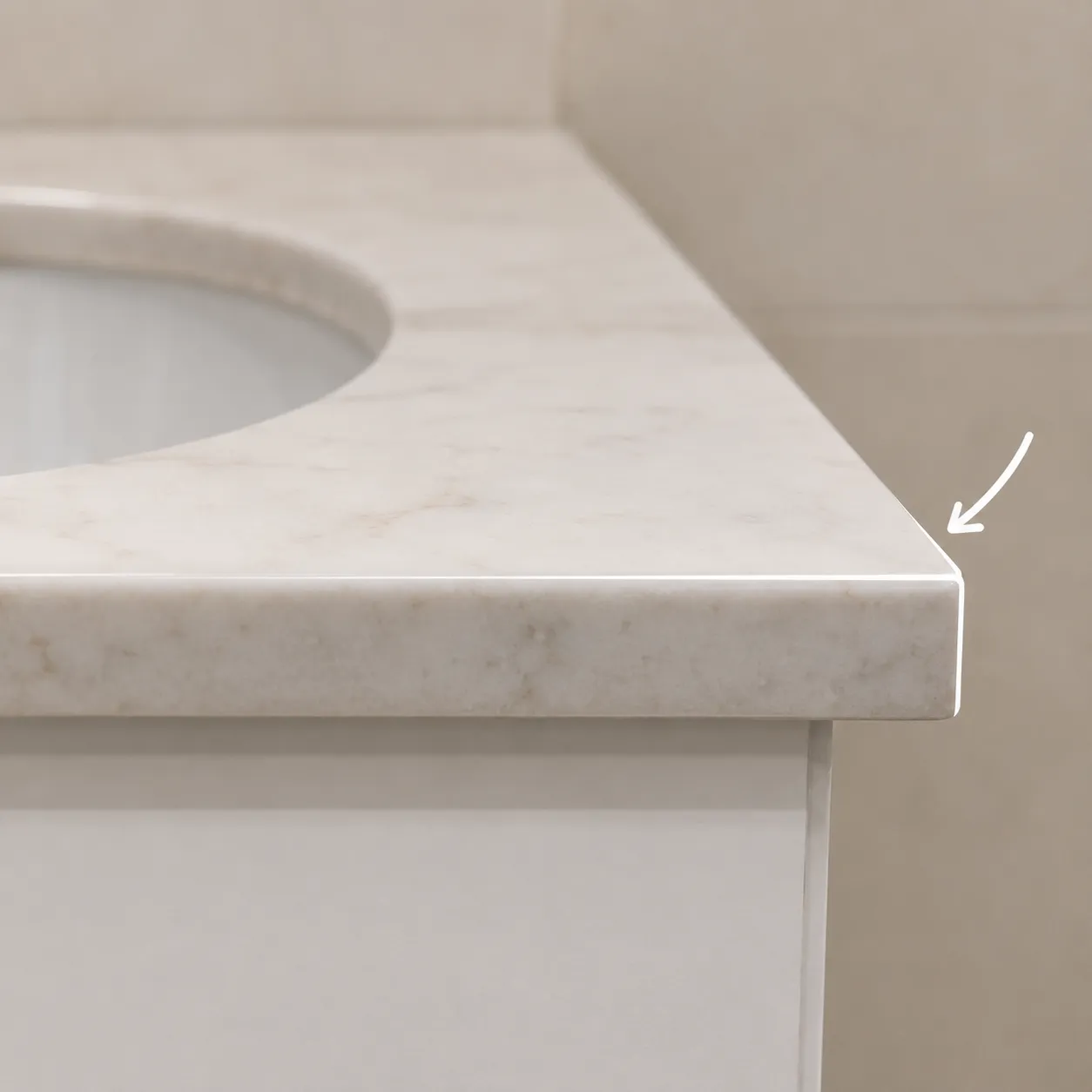
edgeɛdʒ
the outer line or narrow side of something, where its surface ends.
- 🇺🇦
- край
- зовнішня лінія або вузький бік предмета, де закінчується його поверхня.
- 🇨🇿
- okraj
- vnější linie nebo úzká strana něčeho, kde končí jeho povrch.

Learn practical English backyard vocabulary for gardens, patios, plants, tools, wildlife, outdoor cooking, play, weather, and home maintenance.
Build the English vocabulary you need to describe a backyard, garden, patio, and other outdoor spaces around a home. This set brings together words for structures and boundaries, outdoor furniture, flowers and trees, vegetables and herbs, soil and plant care, tools, wildlife, cooking, games, weather, lighting, storage, and maintenance. It is useful for beginner and intermediate learners who want to talk about their home, follow gardening instructions, shop for outdoor items, or understand everyday conversations about relaxing and entertaining outside. Study one section at a time rather than trying to memorize the whole set at once. First learn the most familiar nouns, then add useful verbs and adjectives. Review with pictures and audio, say each word aloud, and make short sentences about a real or imagined backyard—for example, what is there, where it is, what people do, and how the space looks in different seasons.
Customize the card view
Hide translations you don't need, blur fields to quiz yourself, and switch the card layout.
Learn the parts of a backyard, from patios and paths to fences, gates, walls, doors, and garden buildings.
edgeɛdʒ
the outer line or narrow side of something, where its surface ends.
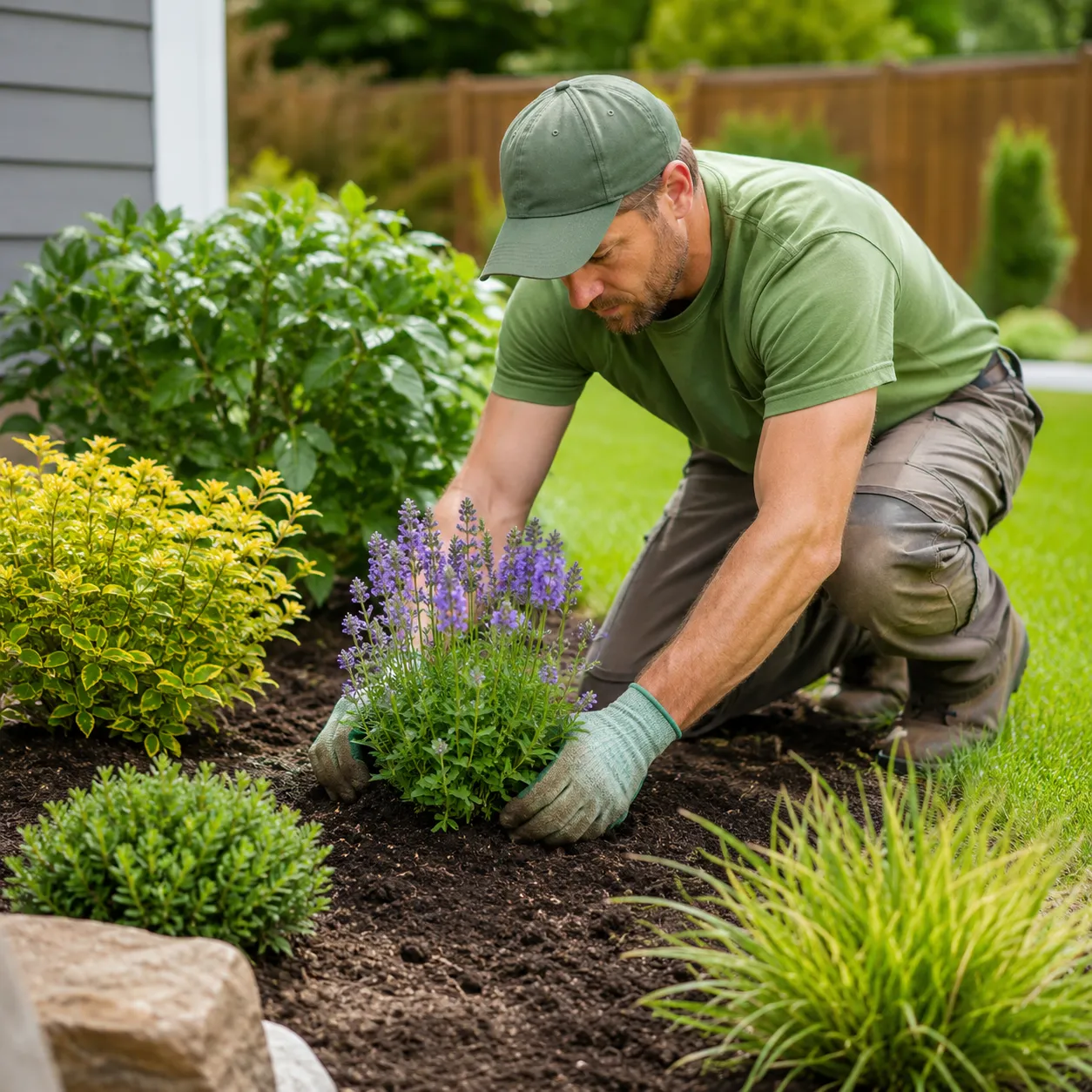
landscapingˈlændskeɪpɪŋ
the work of designing and changing a garden or outdoor area by adding plants, paths, lawns, or other features.

lowloʊ
not far above the ground, the floor, or the bottom of something.
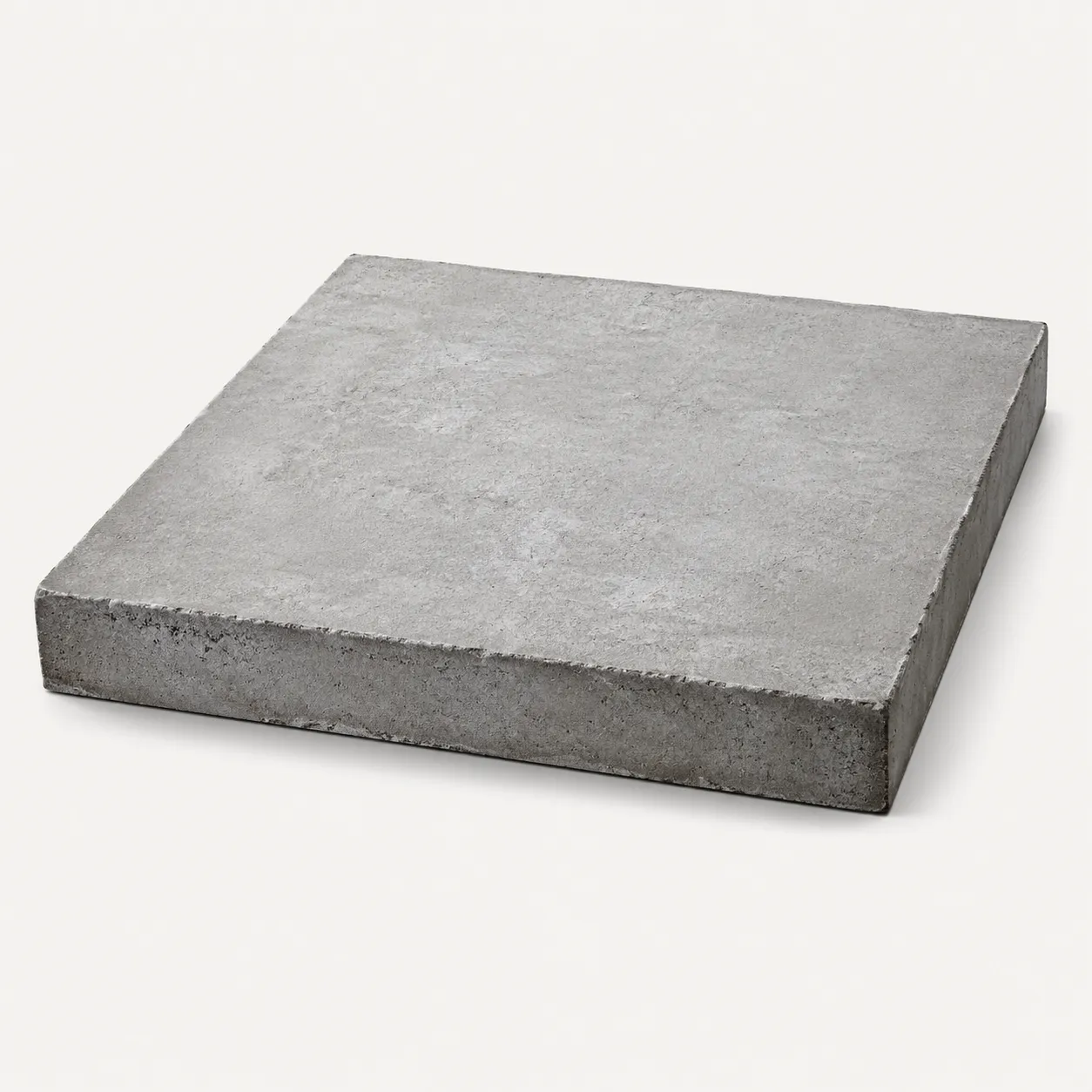
concrete slabˈkɑːnkriːt slæb
a large flat piece of concrete used for floors, paths, foundations, or outdoor paving.
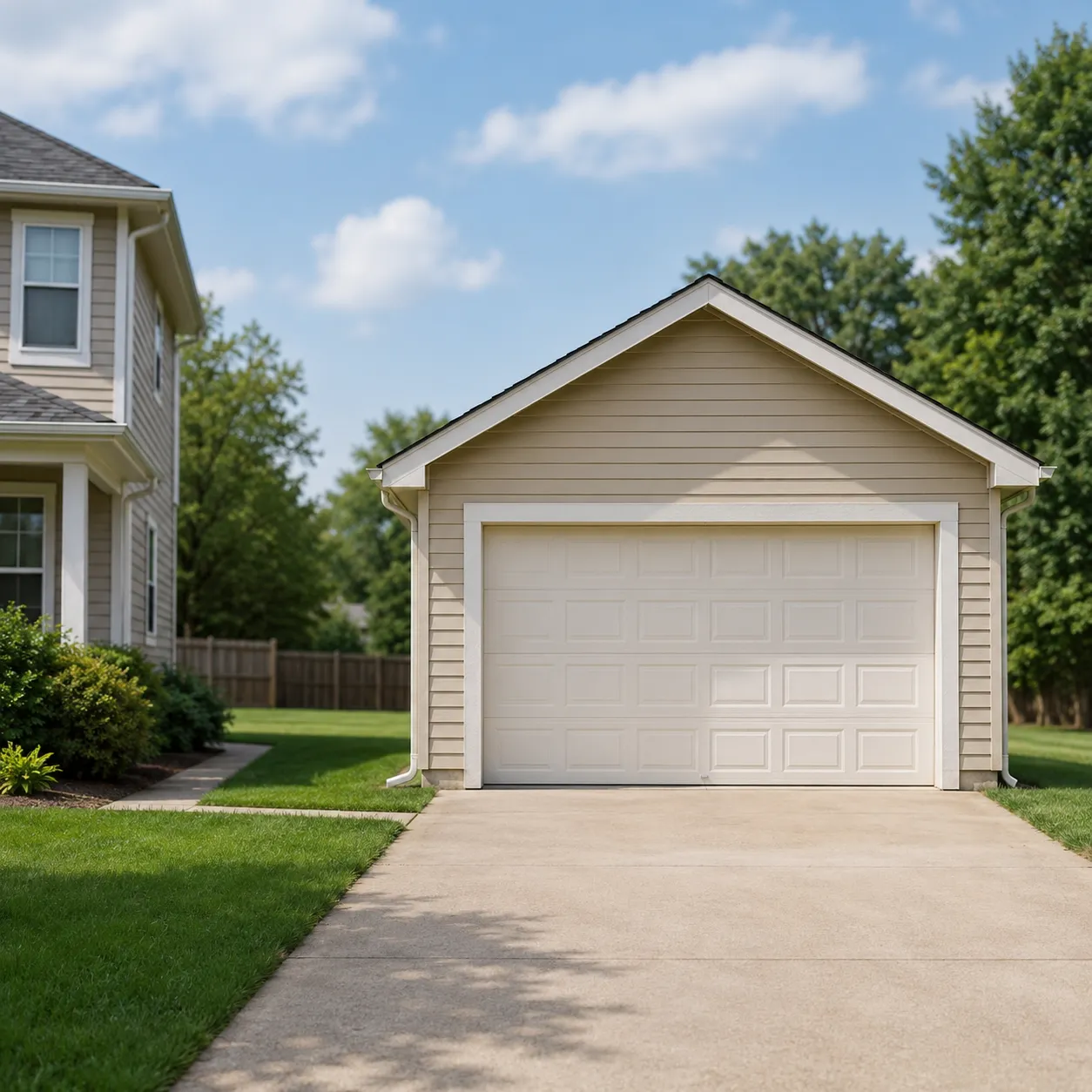
detacheddɪˈtætʃt
separate and not physically joined to another thing, especially another building.
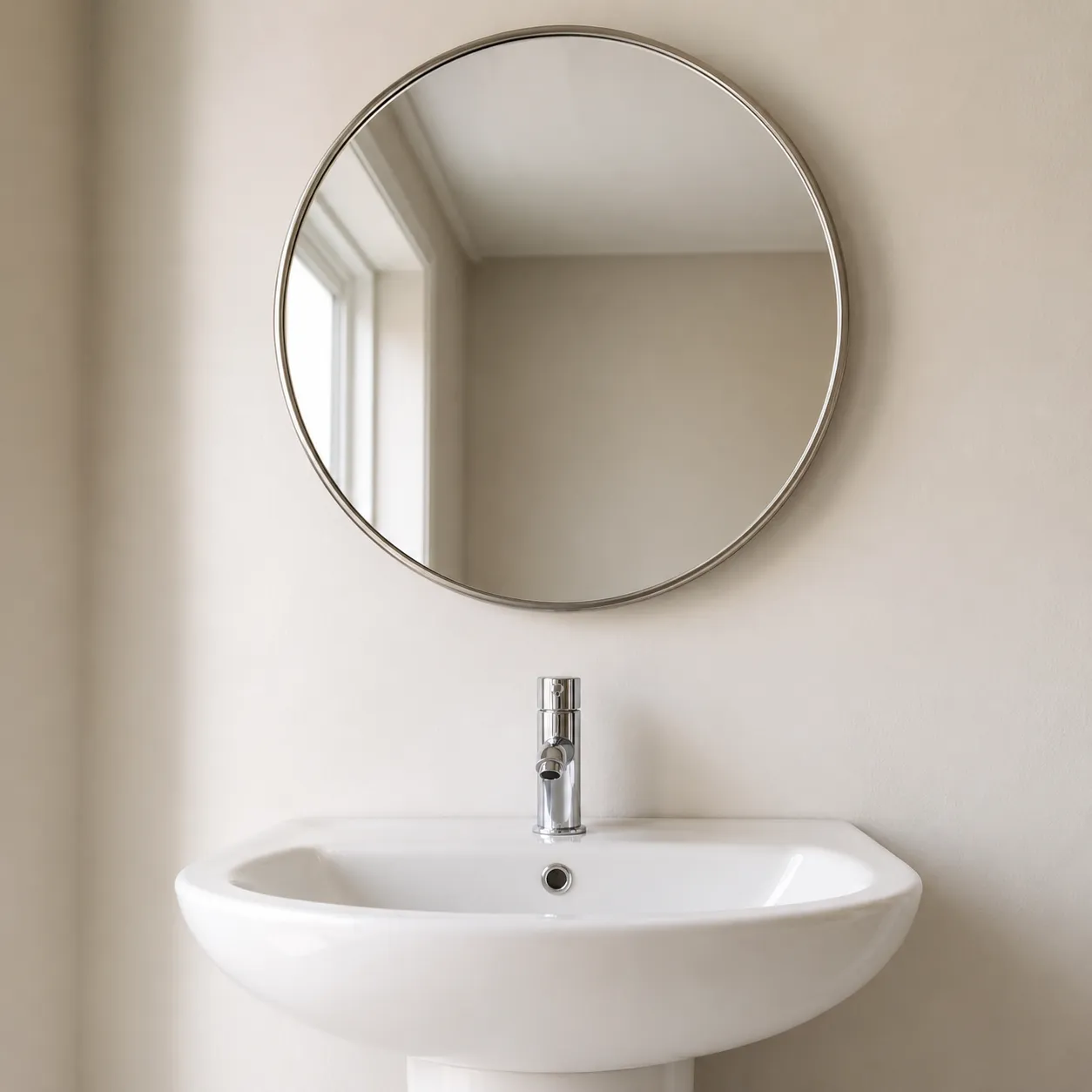
overˈoʊvər
higher than a person or thing, often so that it is directly above them or it.
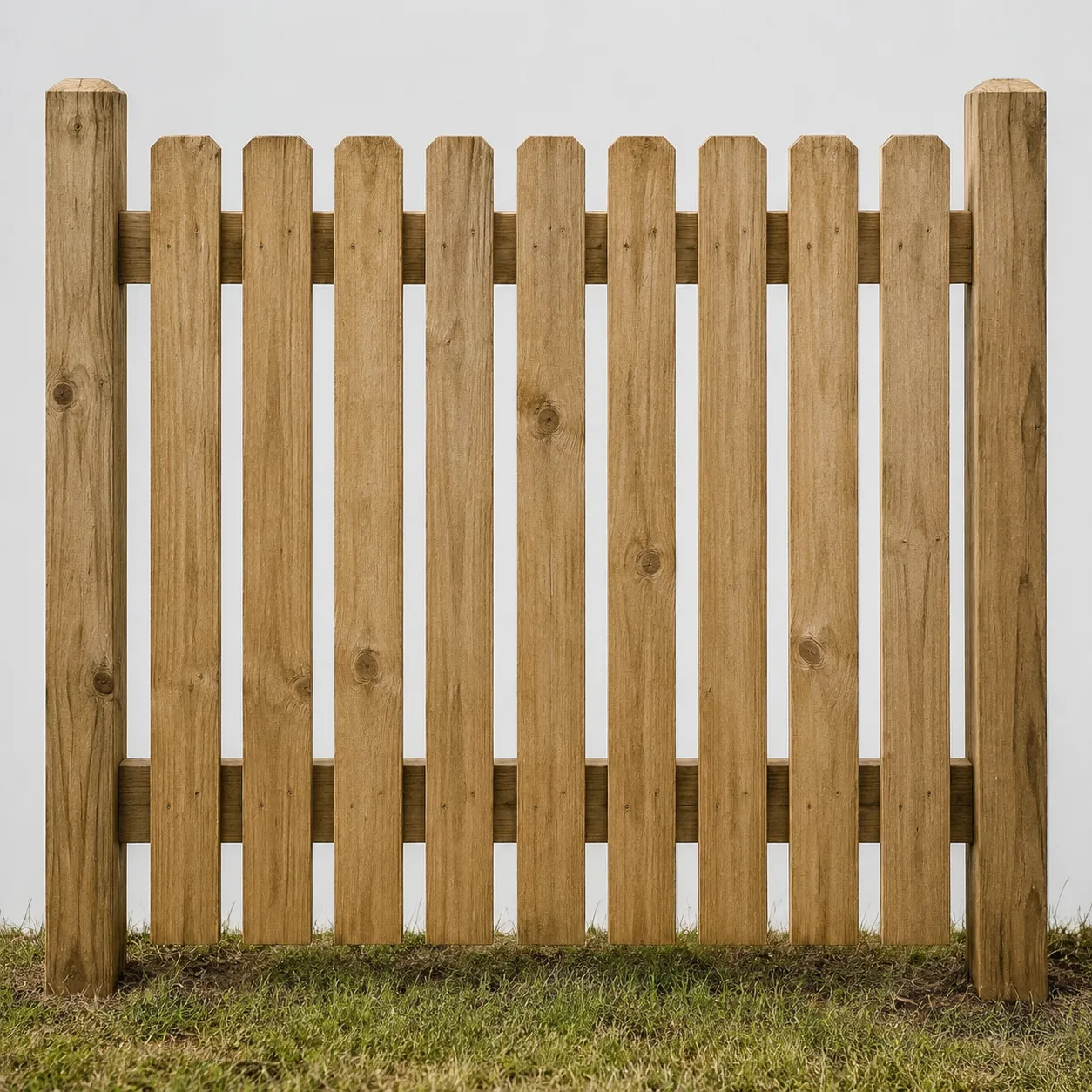
wooden fenceˈwʊdən fɛns
a barrier made of wood that marks or protects the edge of a garden, yard or field.
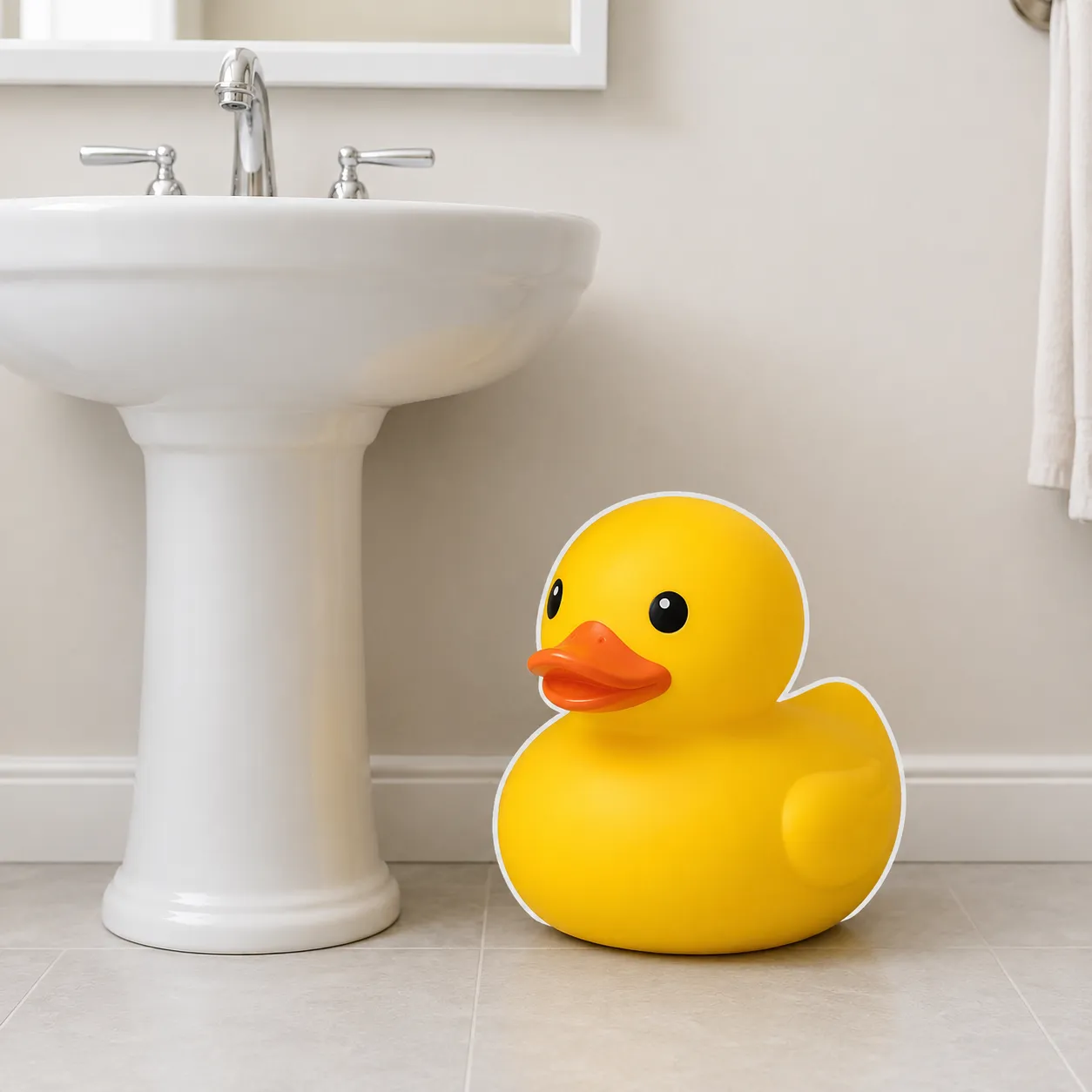
besidebɪˈsaɪd
at the side of a person or thing, very near to them or it.
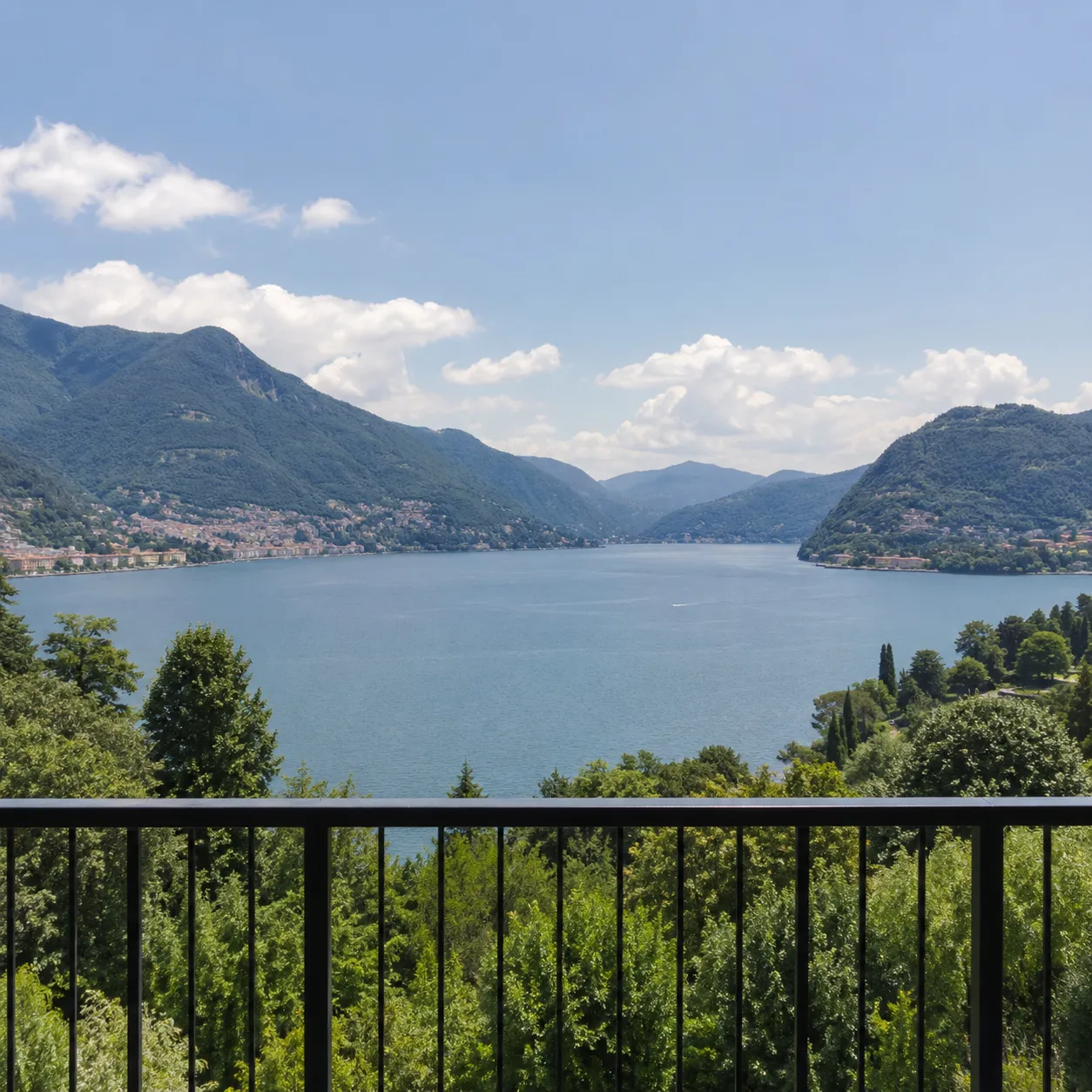
viewvjuː
what you can see from a window, balcony, or place.
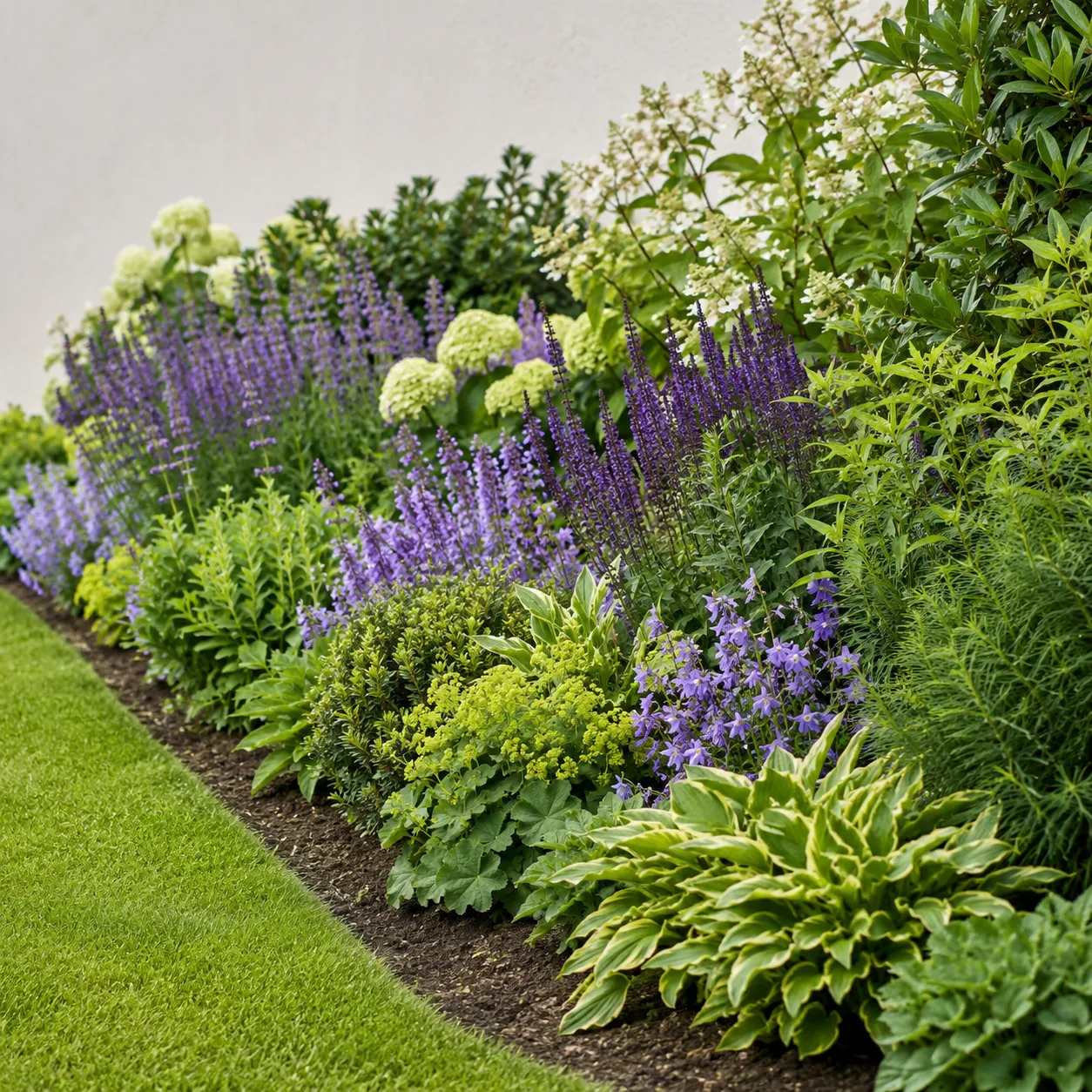
garden borderˈɡɑːrdən ˈbɔːrdər
a narrow planted area at the edge of a garden or along a path, wall, or lawn.
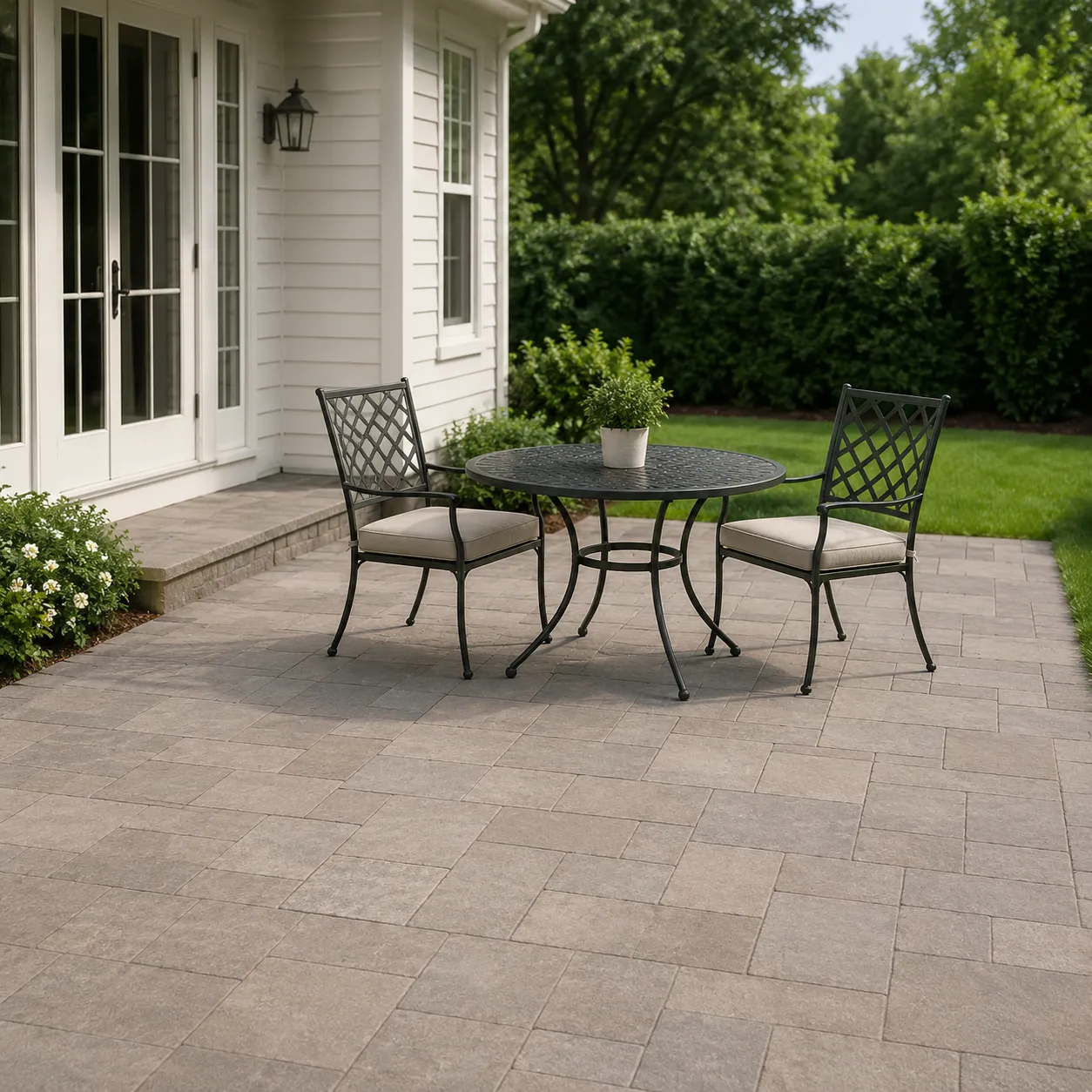
Patioˈpætioʊ
A flat outdoor area next to a house, often used for sitting or eating.
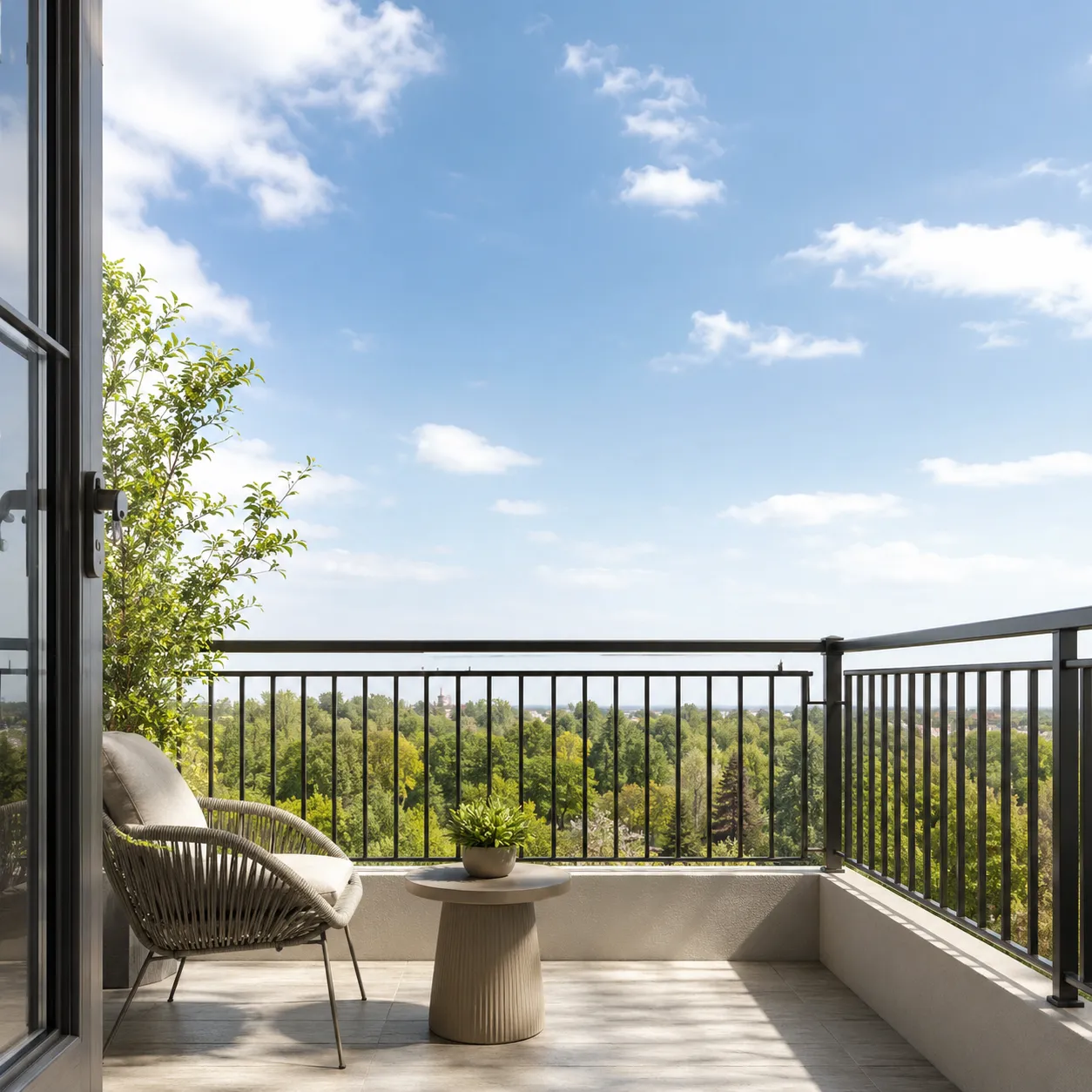
open-airˌoʊpən ˈer
happening, used, or placed outside rather than inside a building.
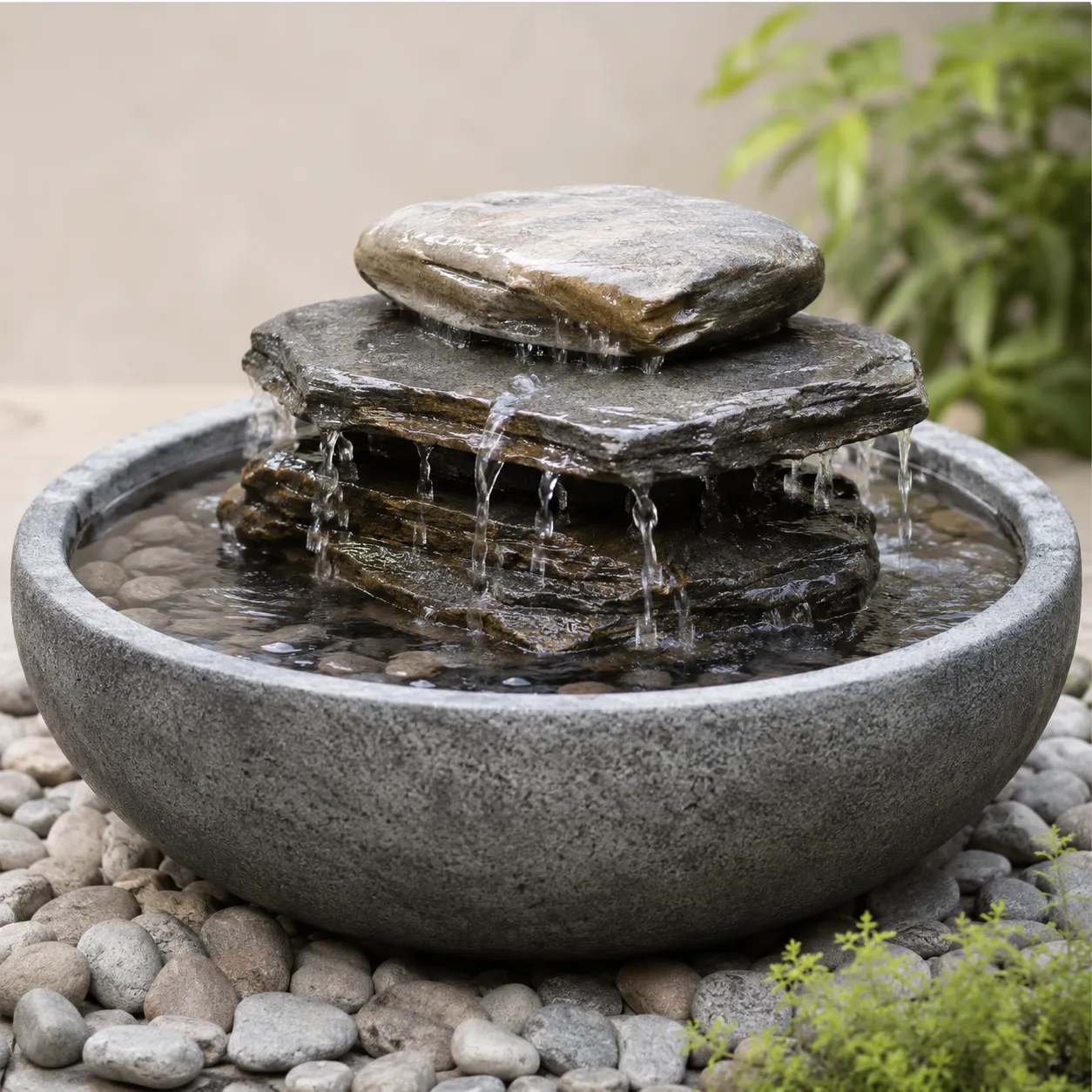
water featureˈwɔːtər ˌfiːtʃər
a decorative object or small structure with water in it, such as a fountain or pond, used in a garden or public space.
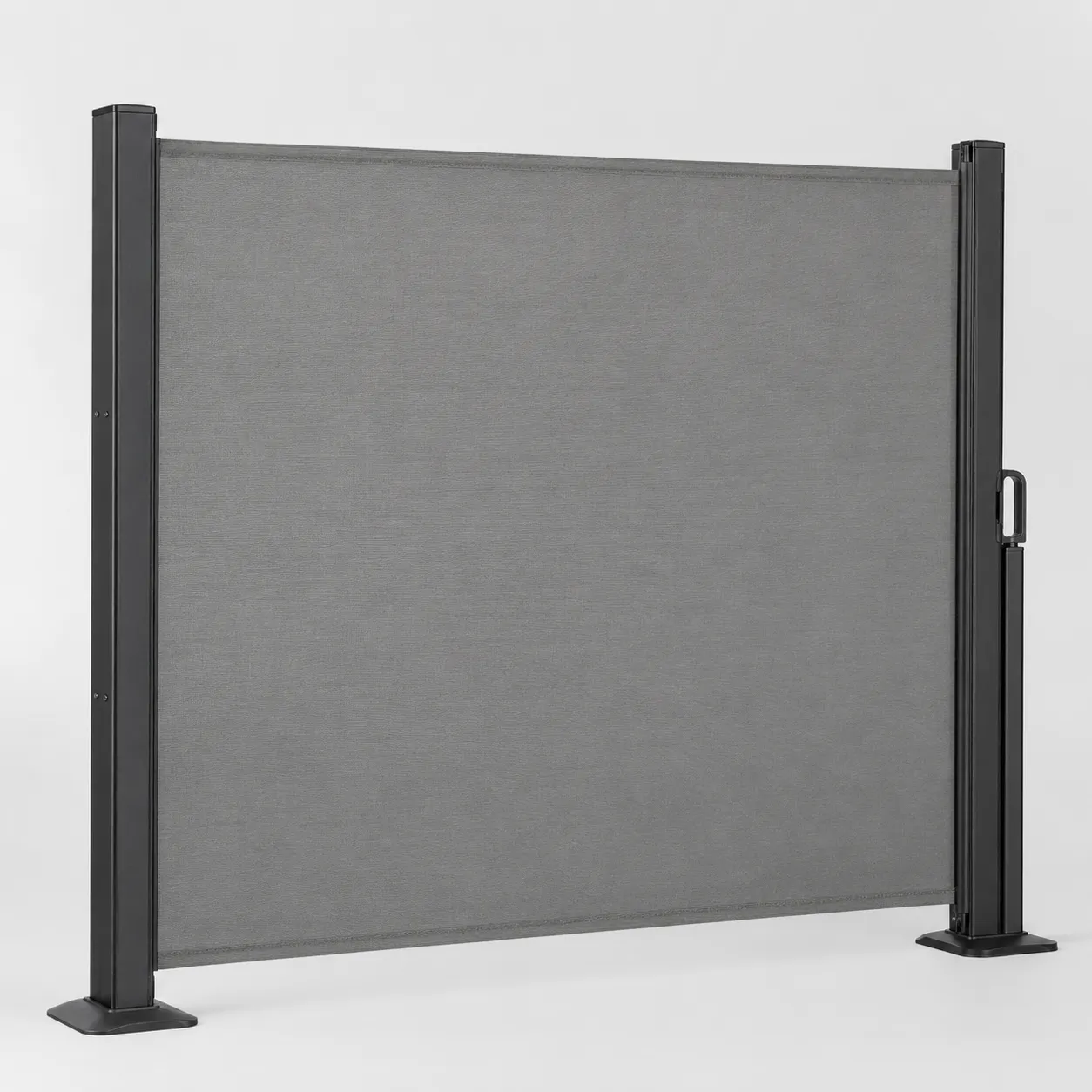
windbreakˈwɪndbreɪk
a fence, screen, wall, or row of plants that protects an area from strong wind.
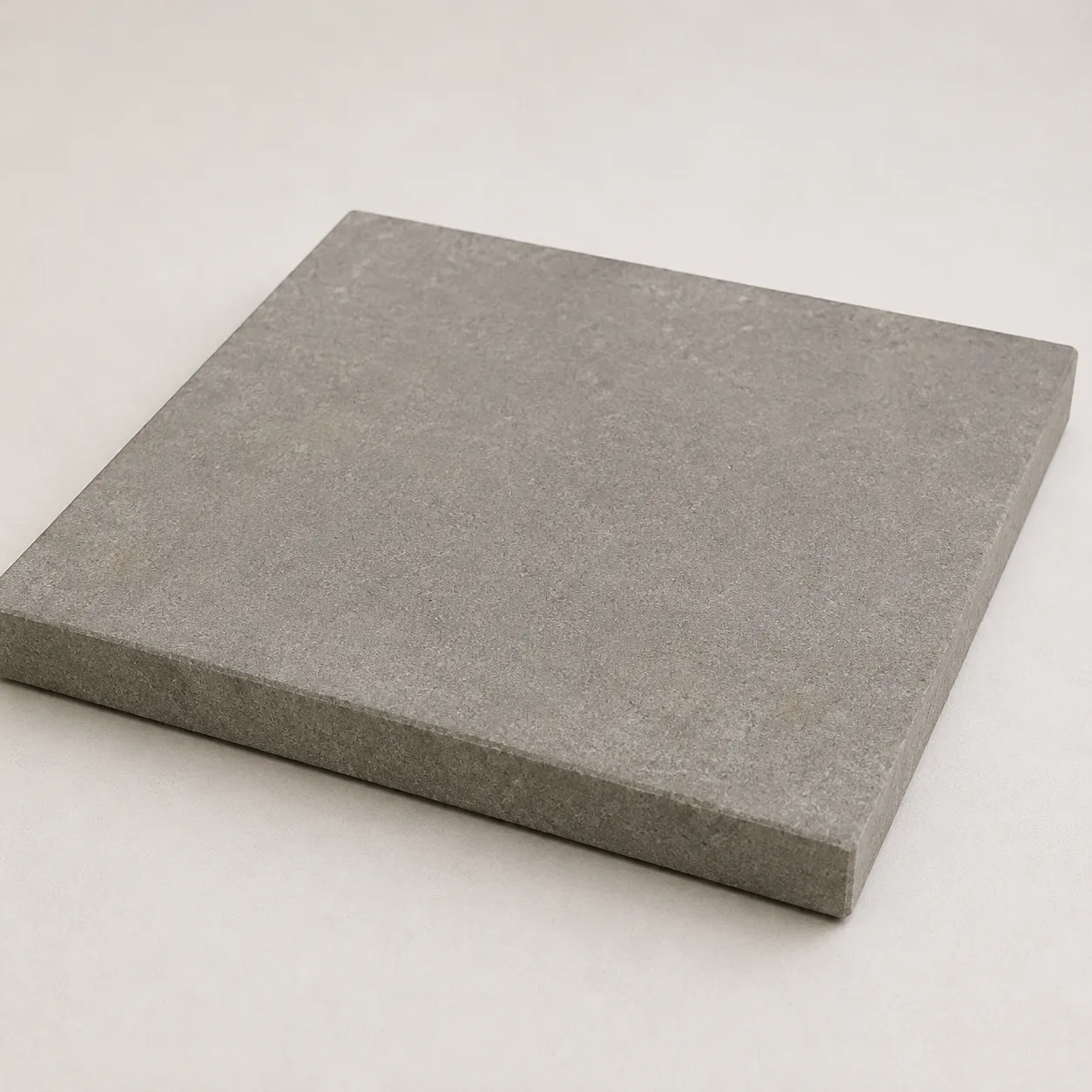
flatflæt
smooth and level, without raised or hollow parts.
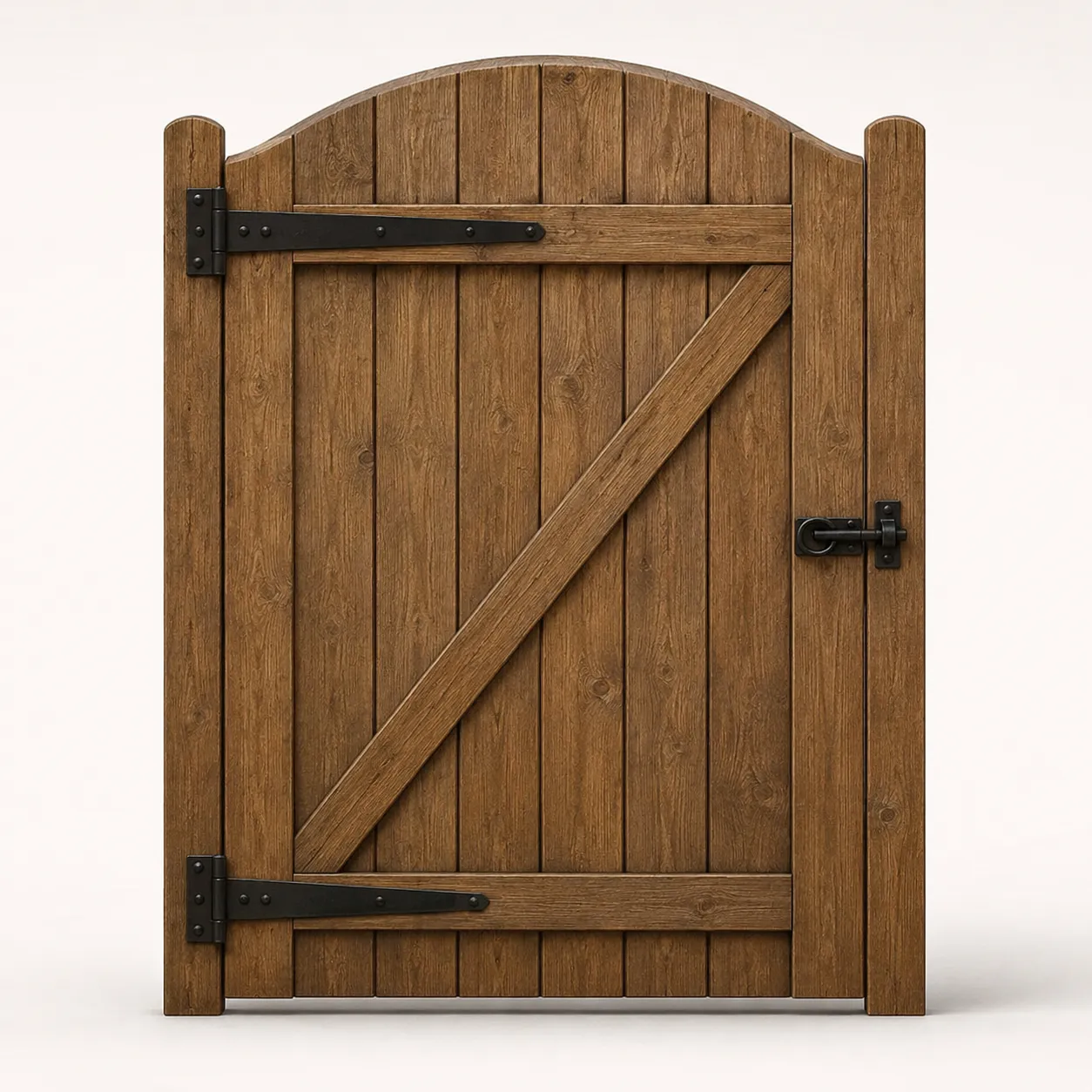
gateɡeɪt
a movable barrier in a fence or wall that opens and closes to control passage
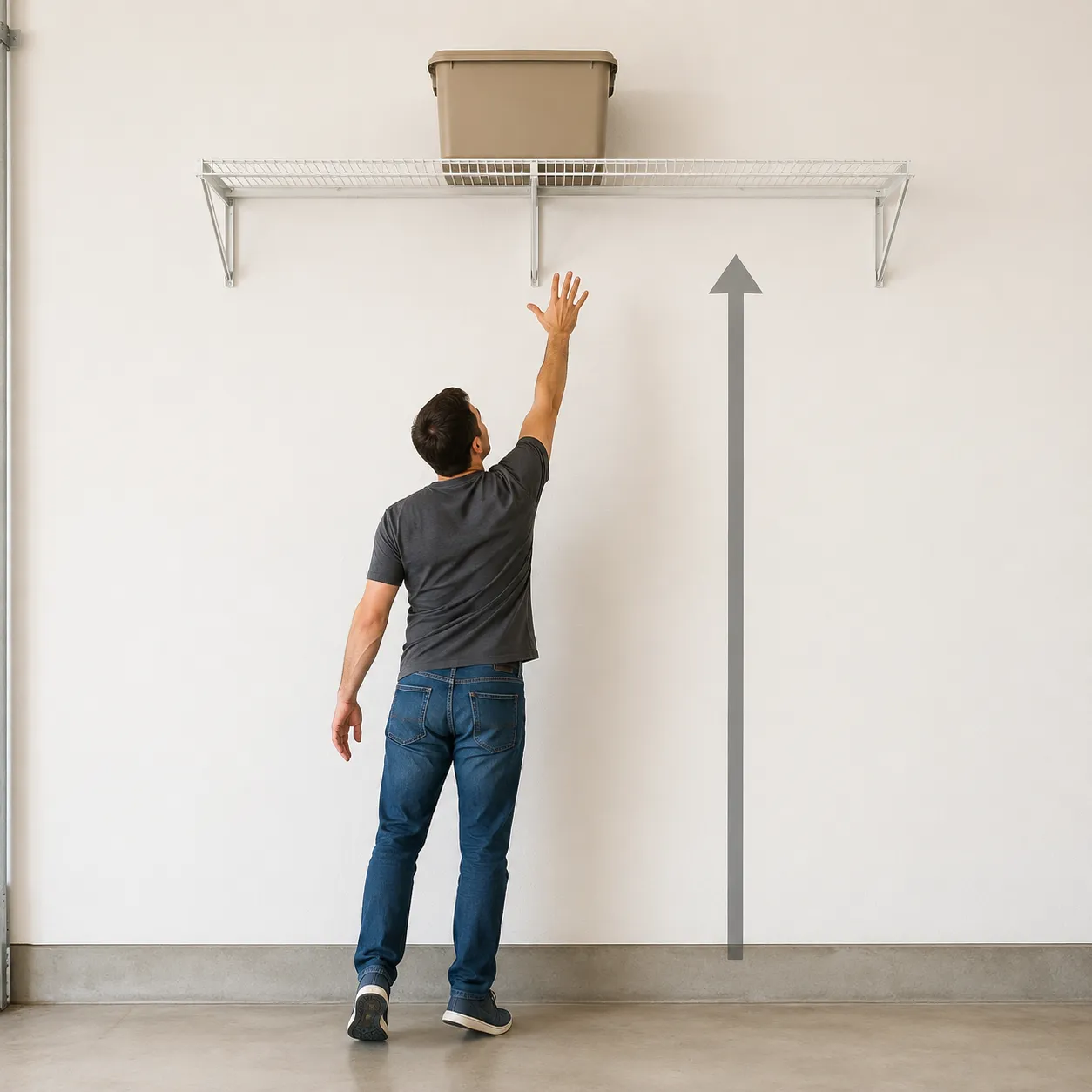
highhaɪ
far above the ground, the floor, or the bottom of something.
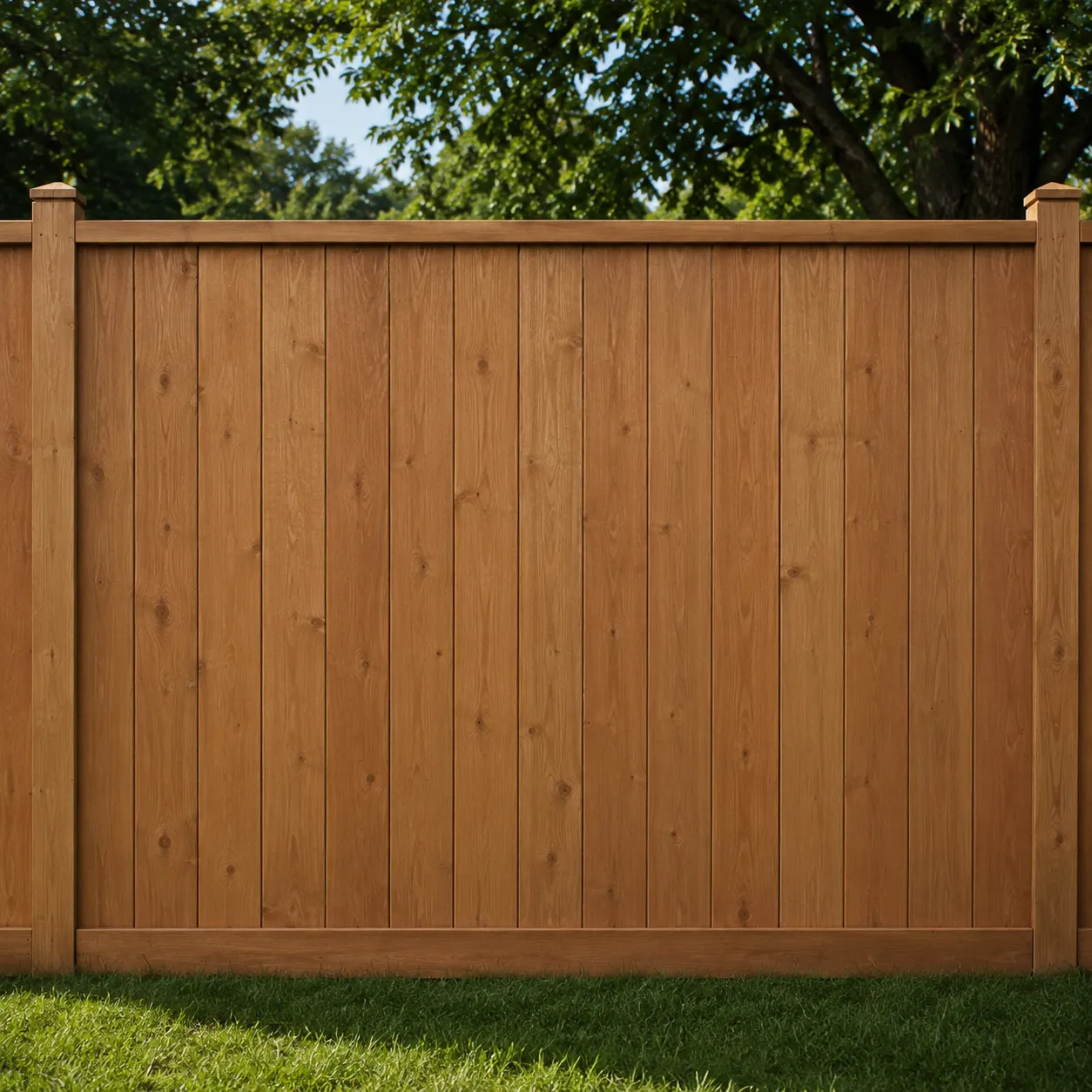
privacy fenceˈpraɪvəsi fɛns
a tall fence that stops other people from seeing into a garden, yard, or other private space.
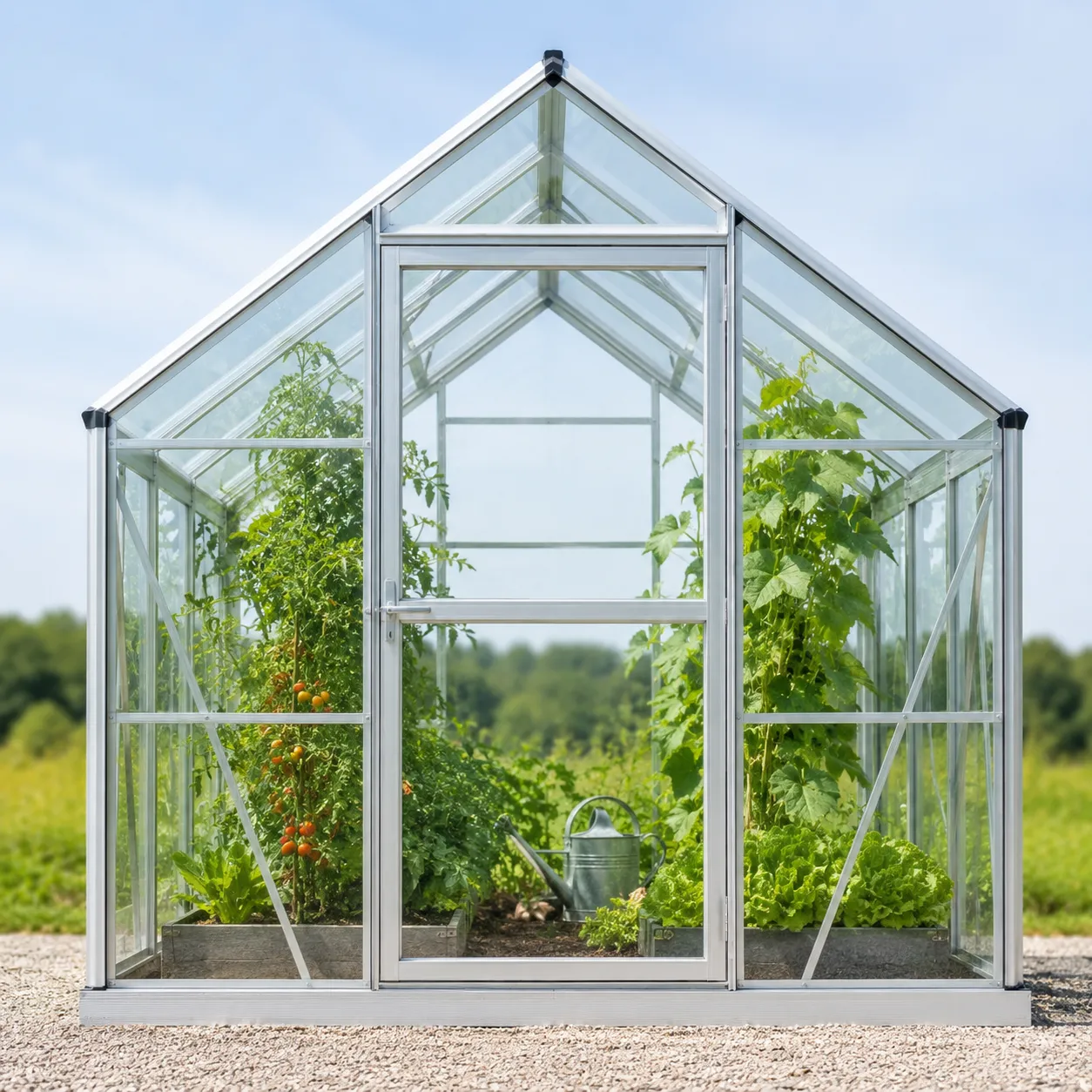
Greenhouseˈɡriːnhaʊs
A small building with glass walls where plants grow.
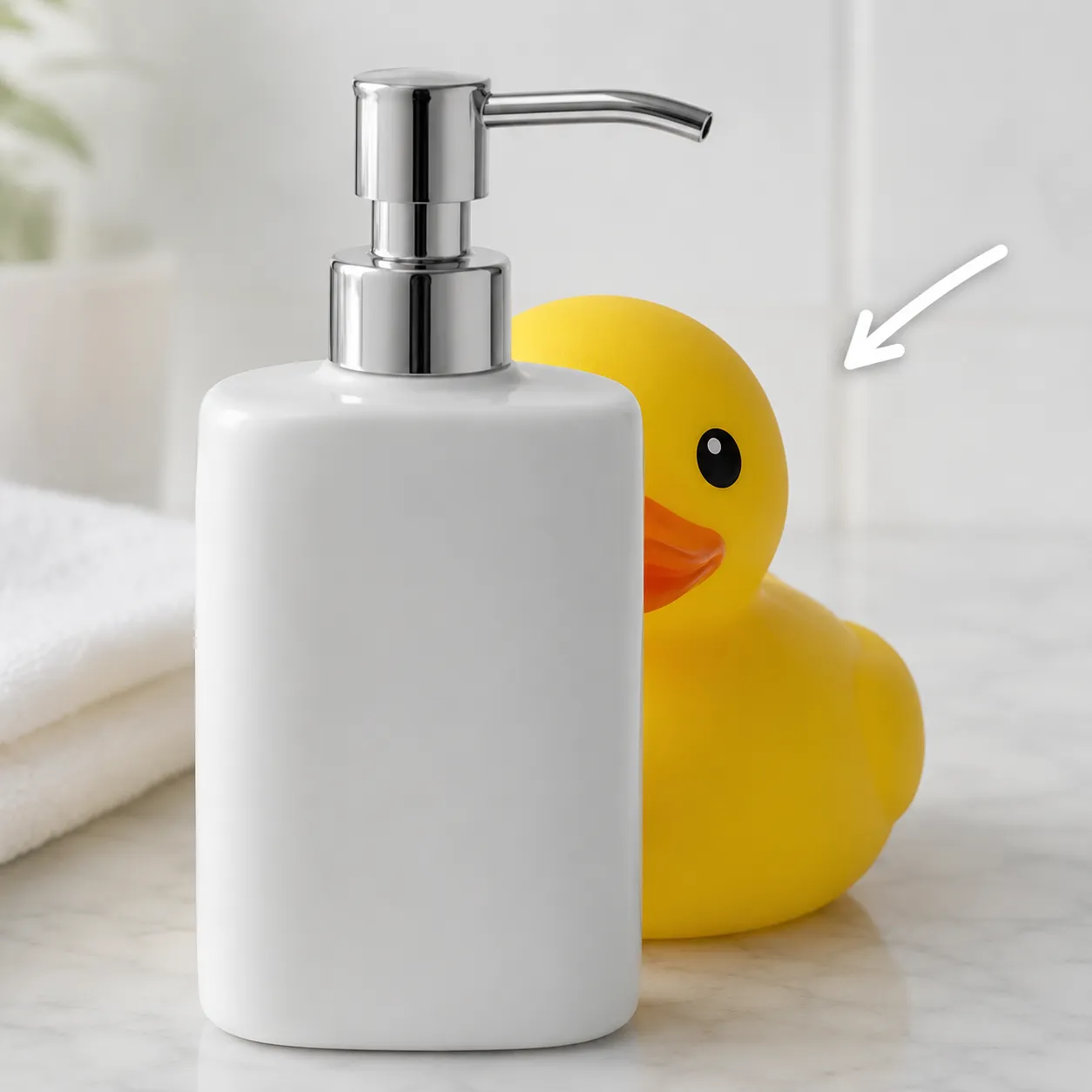
behindbɪˈhaɪnd
at or to the back of a person or thing, on the side that is not facing you.
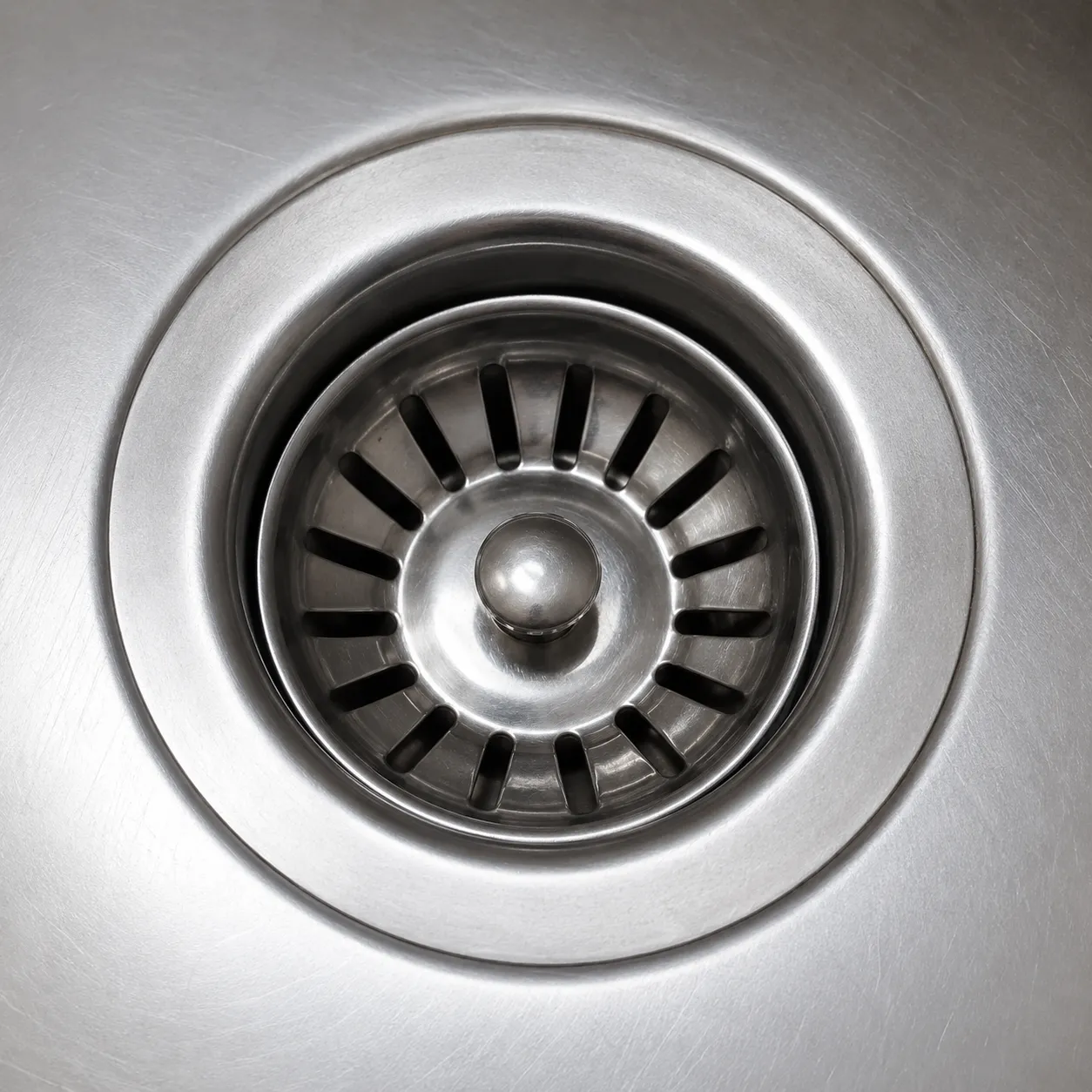
draindreɪn
an opening or pipe that carries away water or other liquid.
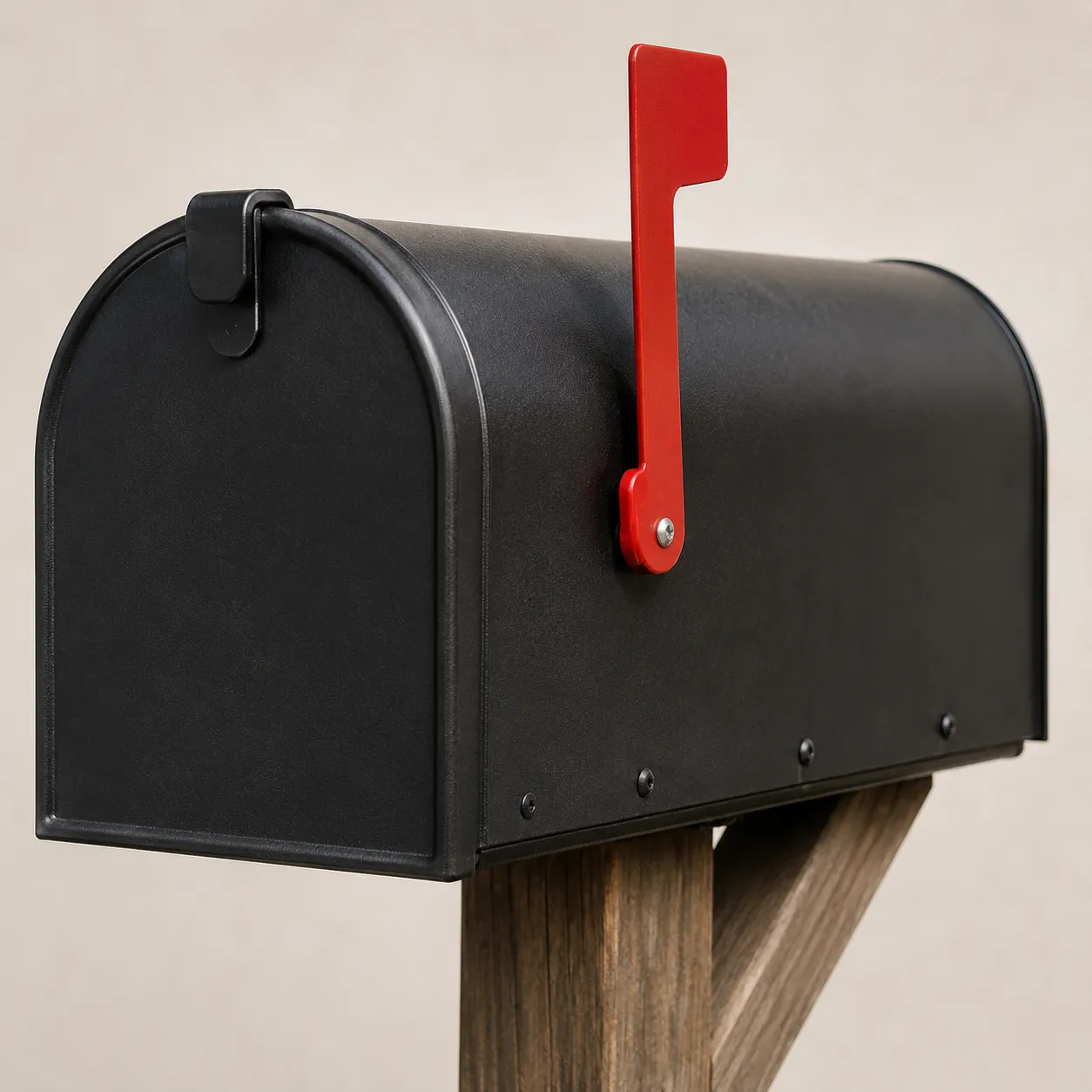
mailboxˈmeɪlbɑːks
a container or place where letters and messages are delivered or stored.
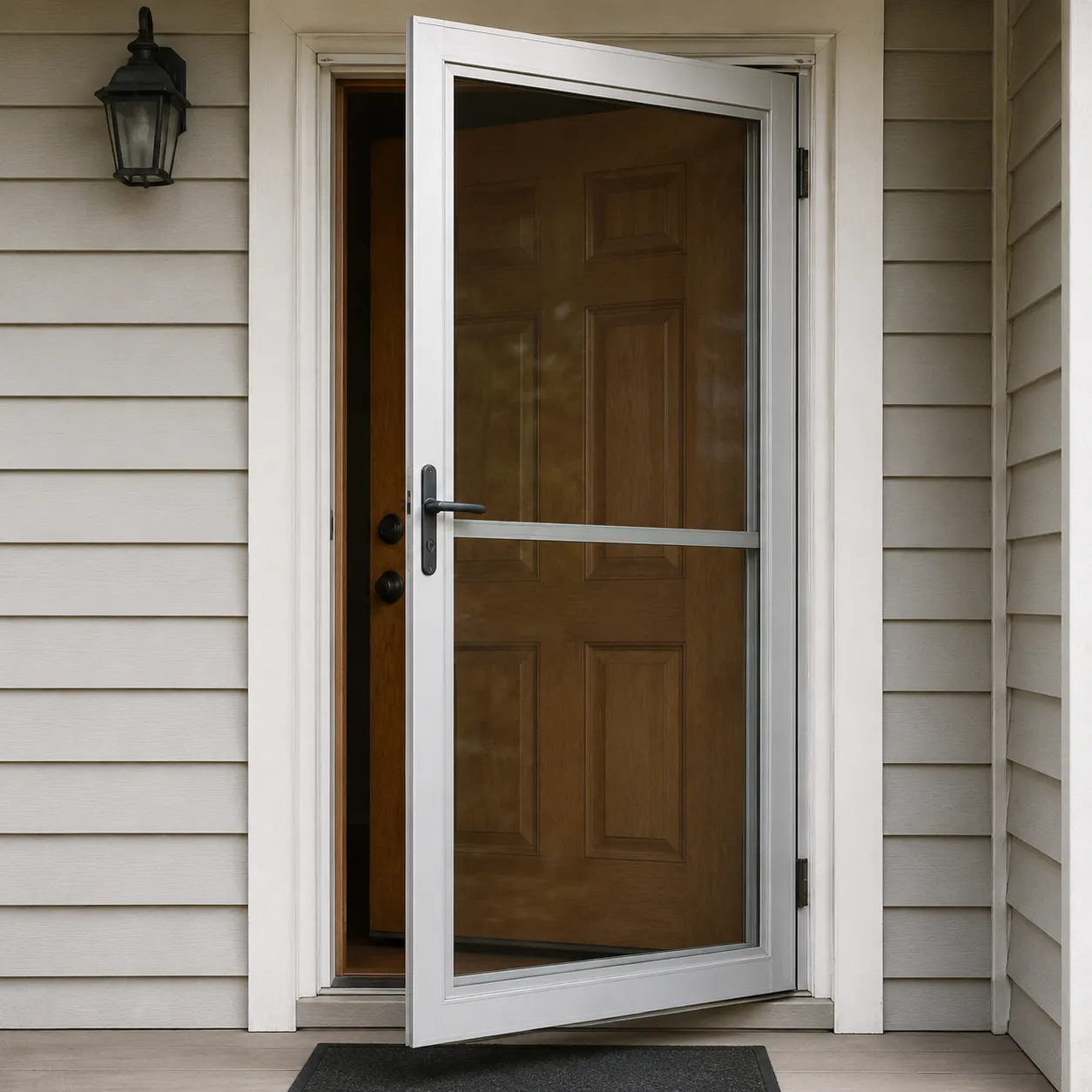
storm doorˈstɔːrm ˌdɔːr
an extra outer door, usually with glass or a screen, that protects the main door from rain, wind, and cold.
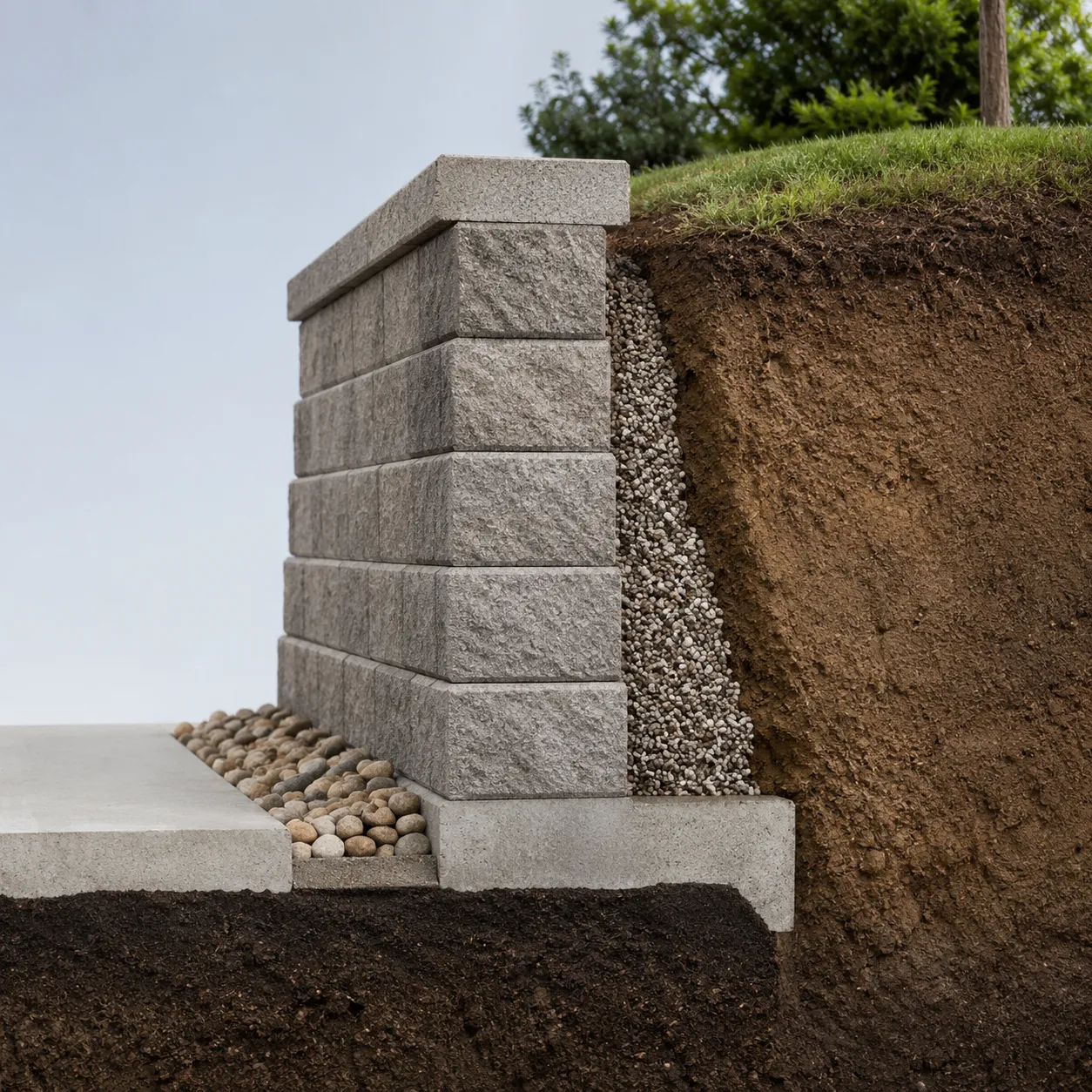
retaining wallrɪˈteɪnɪŋ wɔːl
a wall built to hold back soil or water and stop it from sliding or spreading.
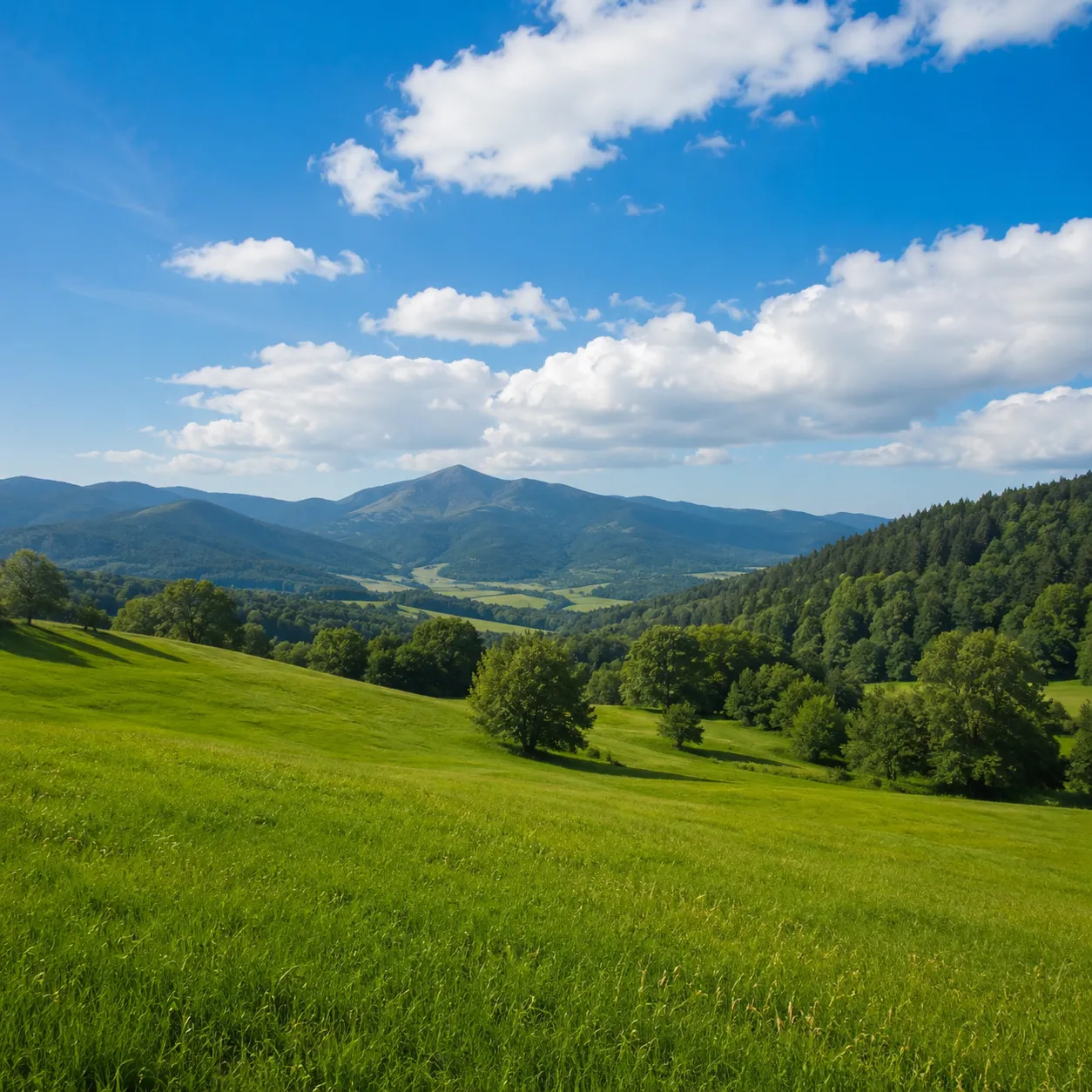
landscapeˈlændˌskeɪp
everything you can see in an area of land, especially hills, fields, trees, and water.
nearbyˌnɪrˈbaɪ
not far away from the place or person being talked about.
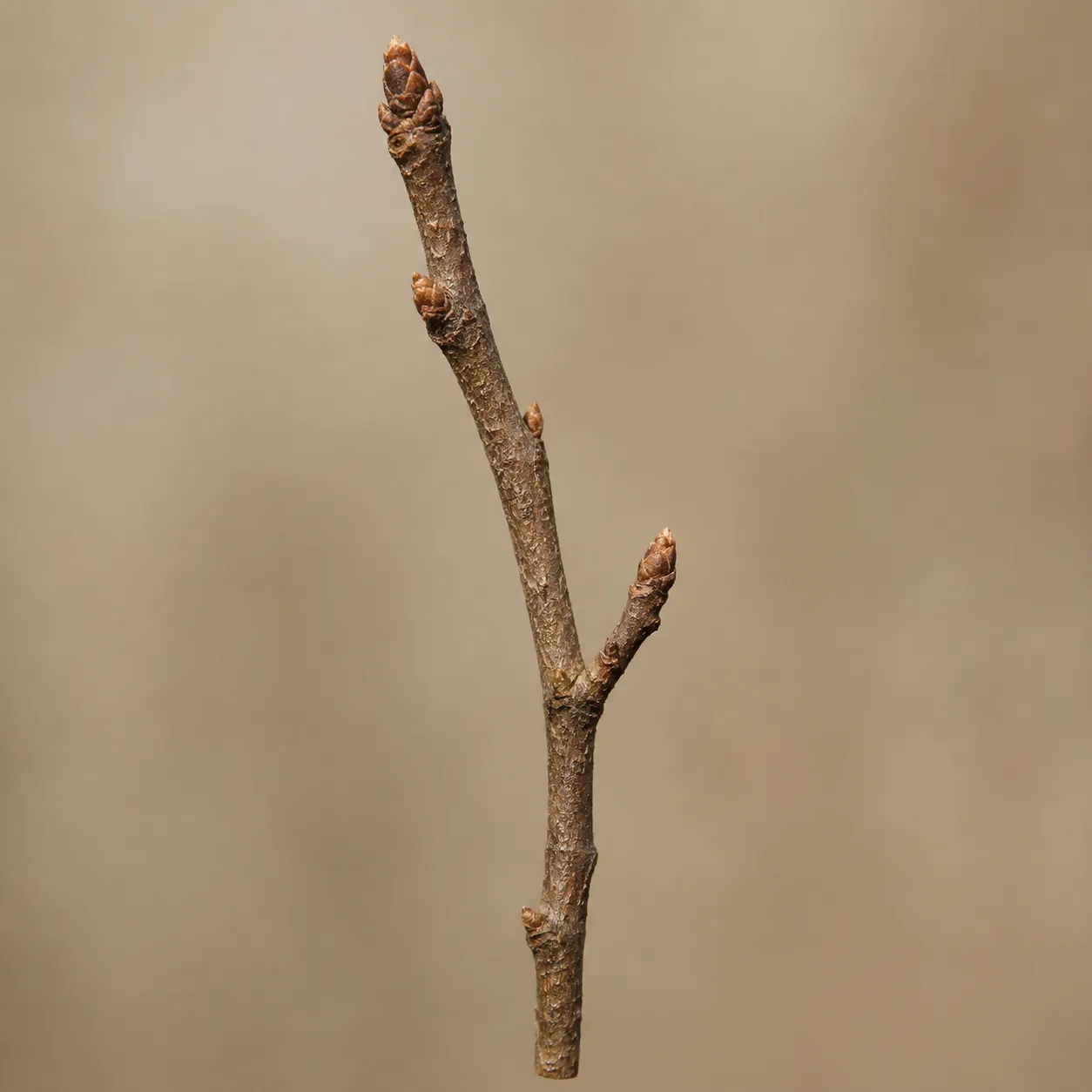
under the treeˈʌndər ðə ˈtriː
below a tree or below its branches.
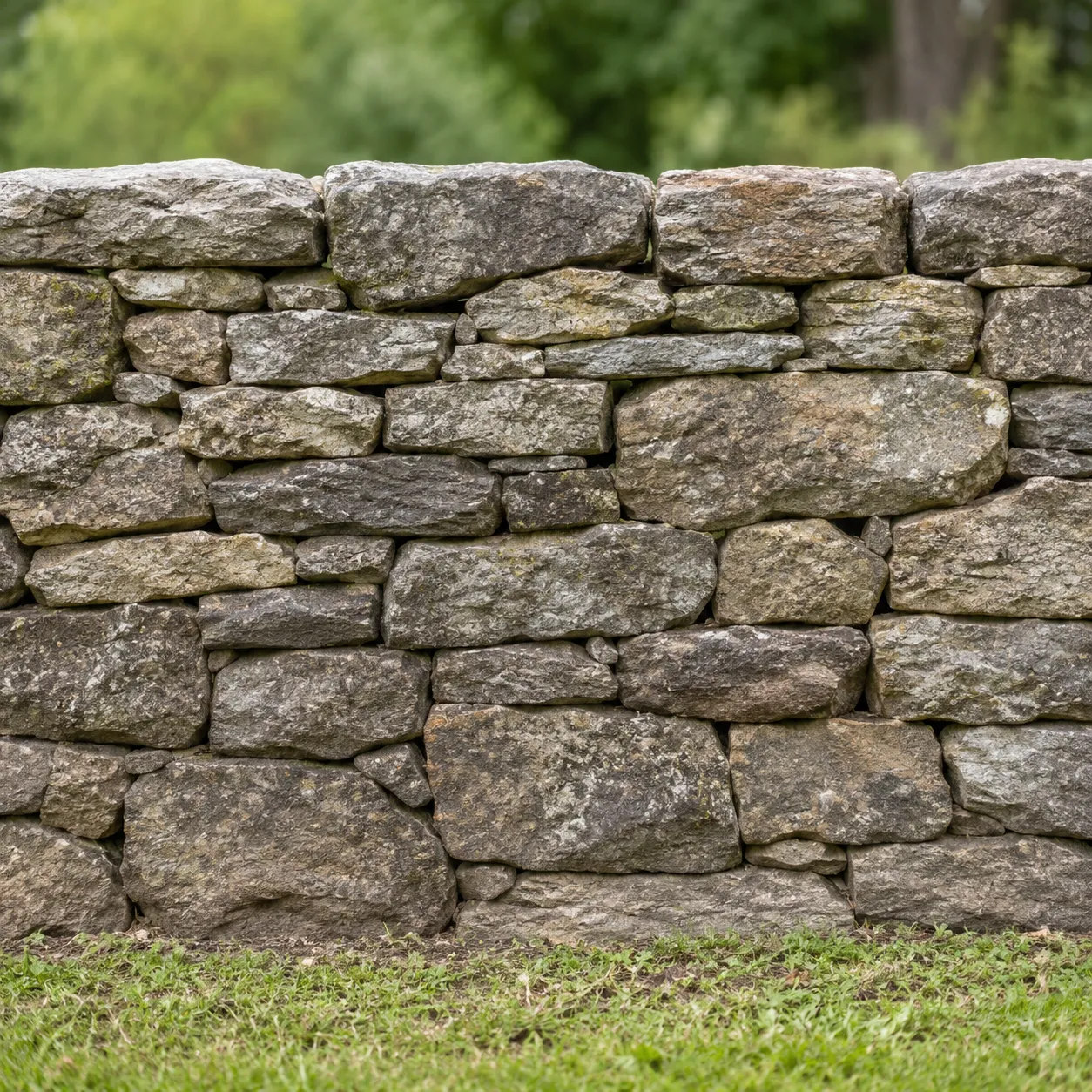
stone wallˈstoʊn wɔːl
a wall built from stones, often used around a garden or along a boundary.
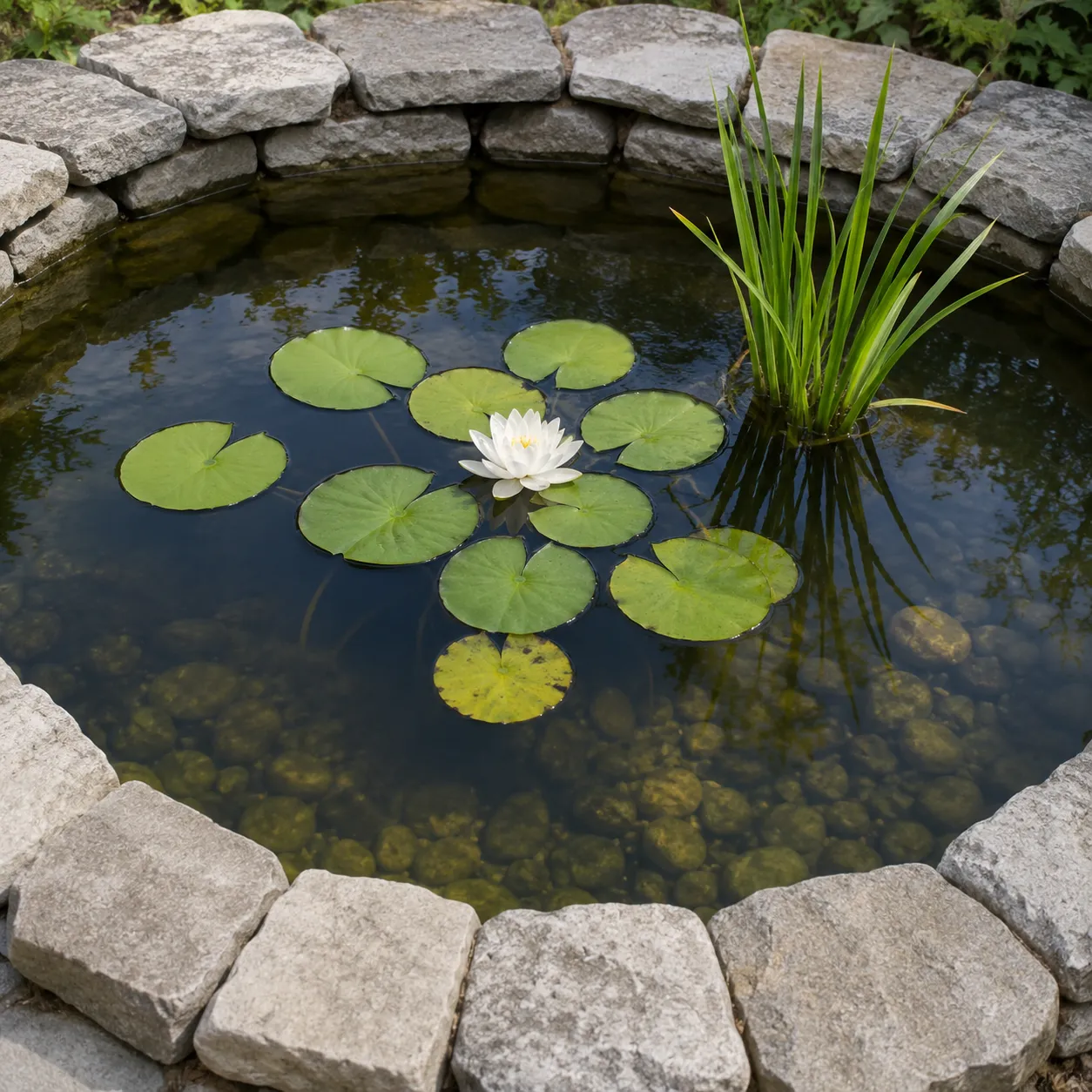
pondpɒnd
a small area of still water, usually in a garden, park, or field.
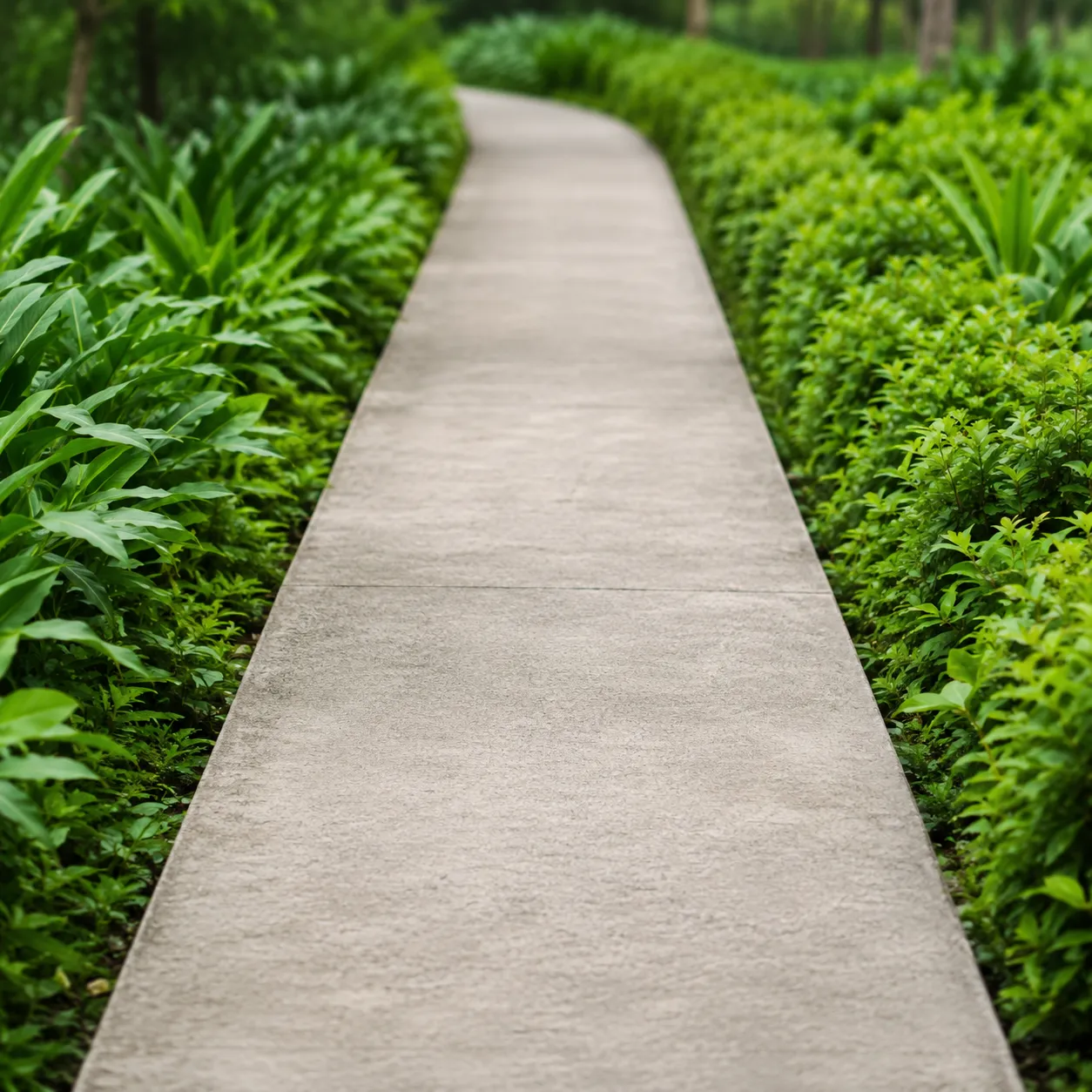
walkwayˈwɔːkweɪ
a path, sidewalk, or raised passage built for people to walk along safely.
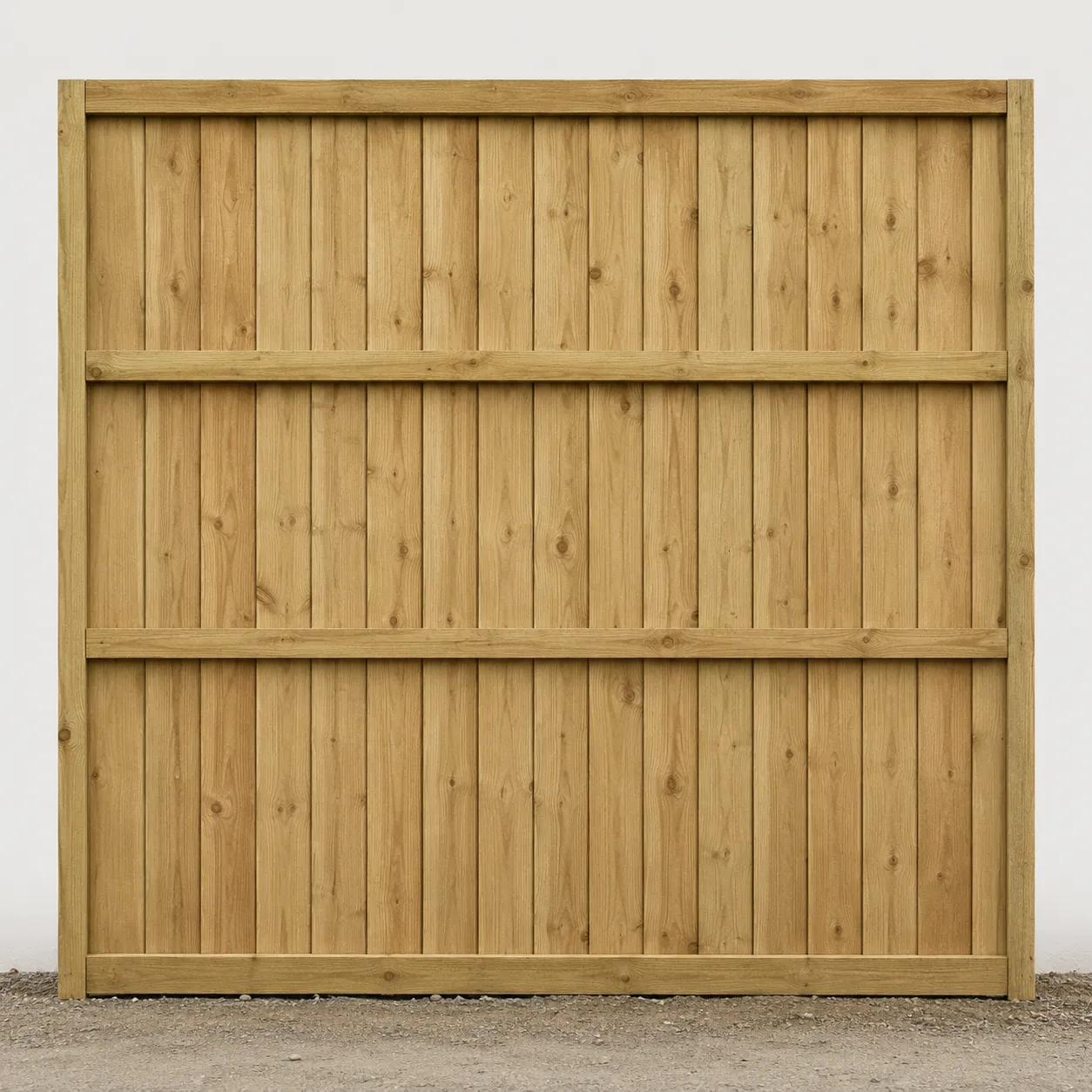
fence panelˈfɛns ˈpænəl
one flat section of a fence, usually fixed between two posts.
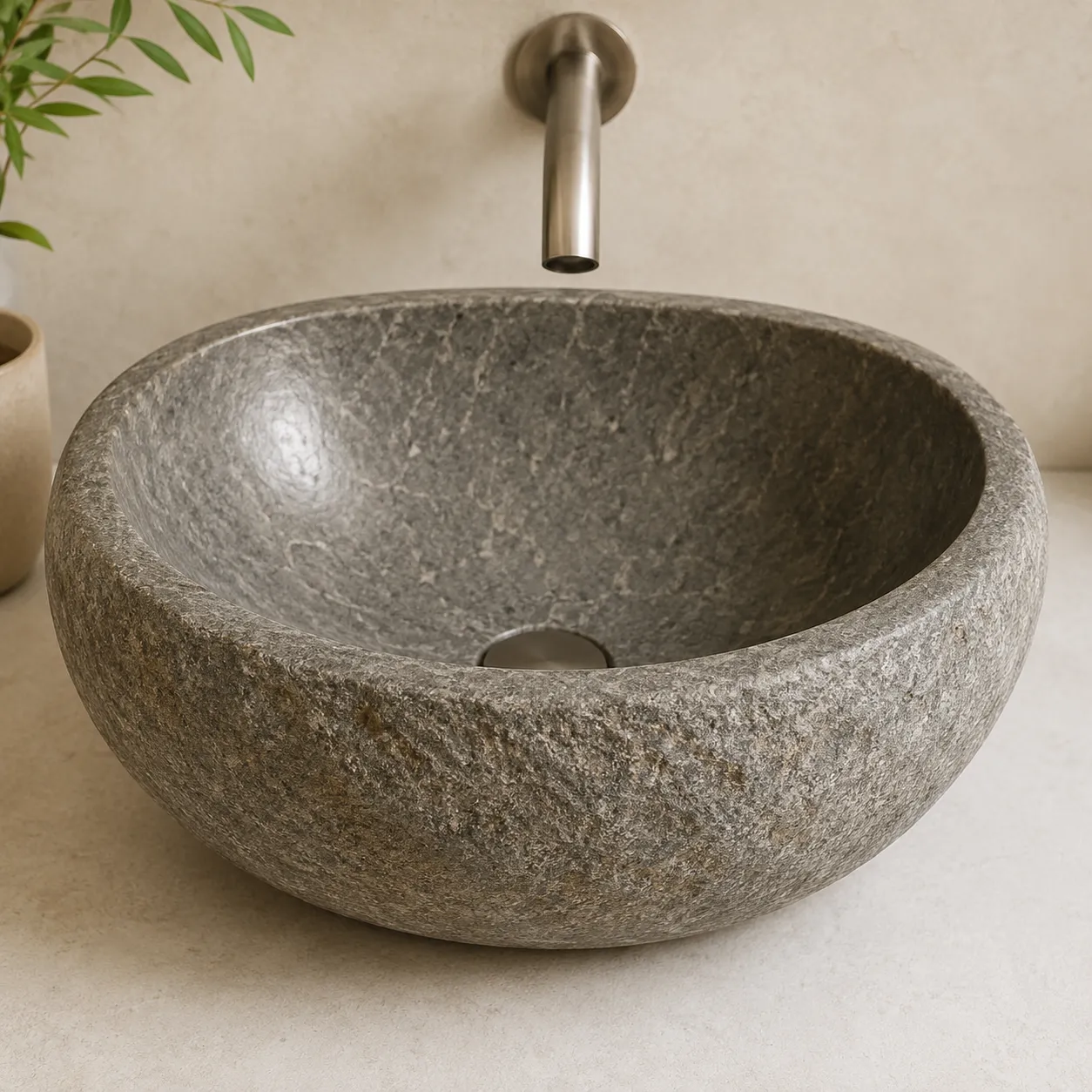
stonestoʊn
hard natural material from the ground, used for walls, floors, counters and bathroom surfaces.
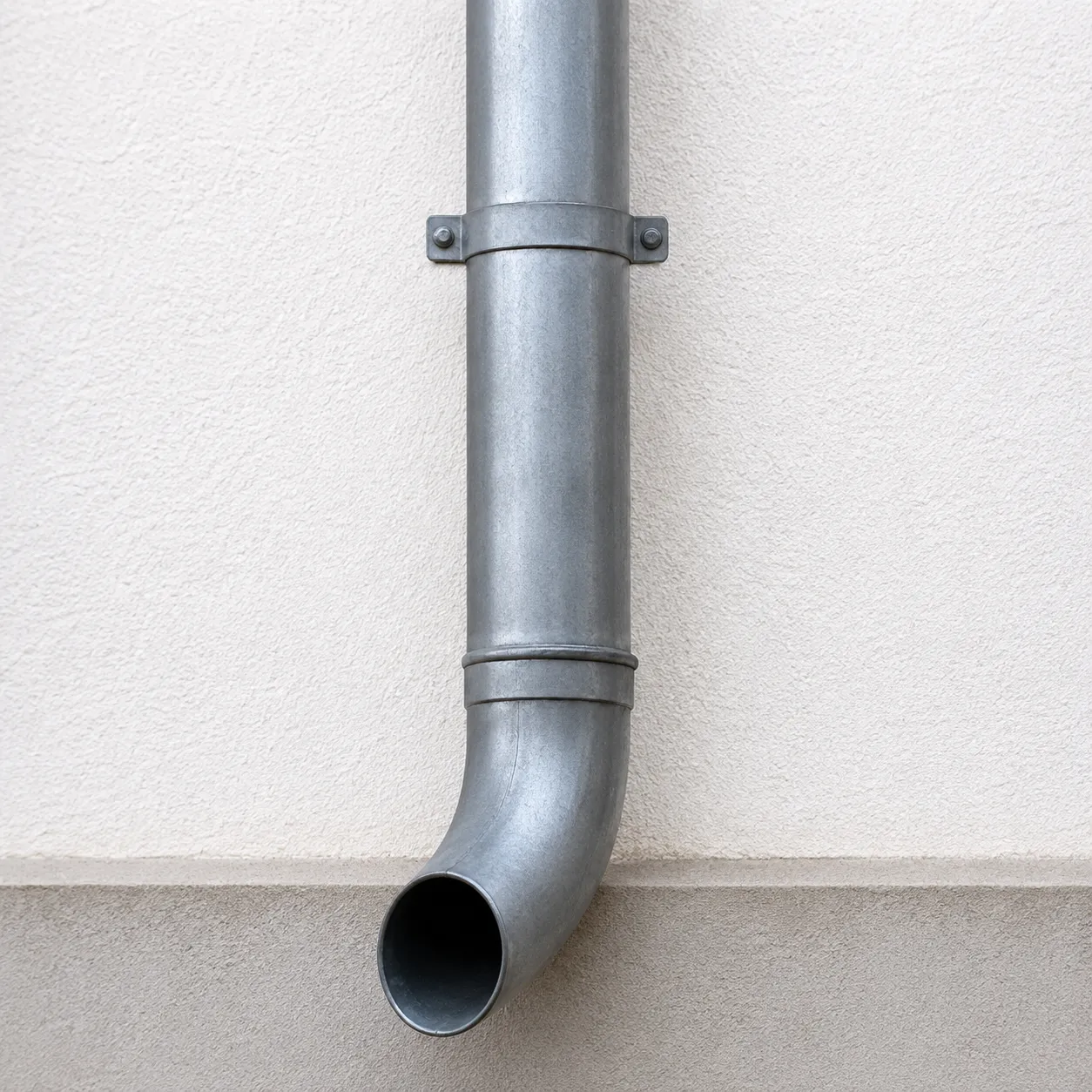
downspoutˈdaʊnspaʊt
a pipe that carries rainwater from a roof gutter down the side of a building to the ground or a drain.
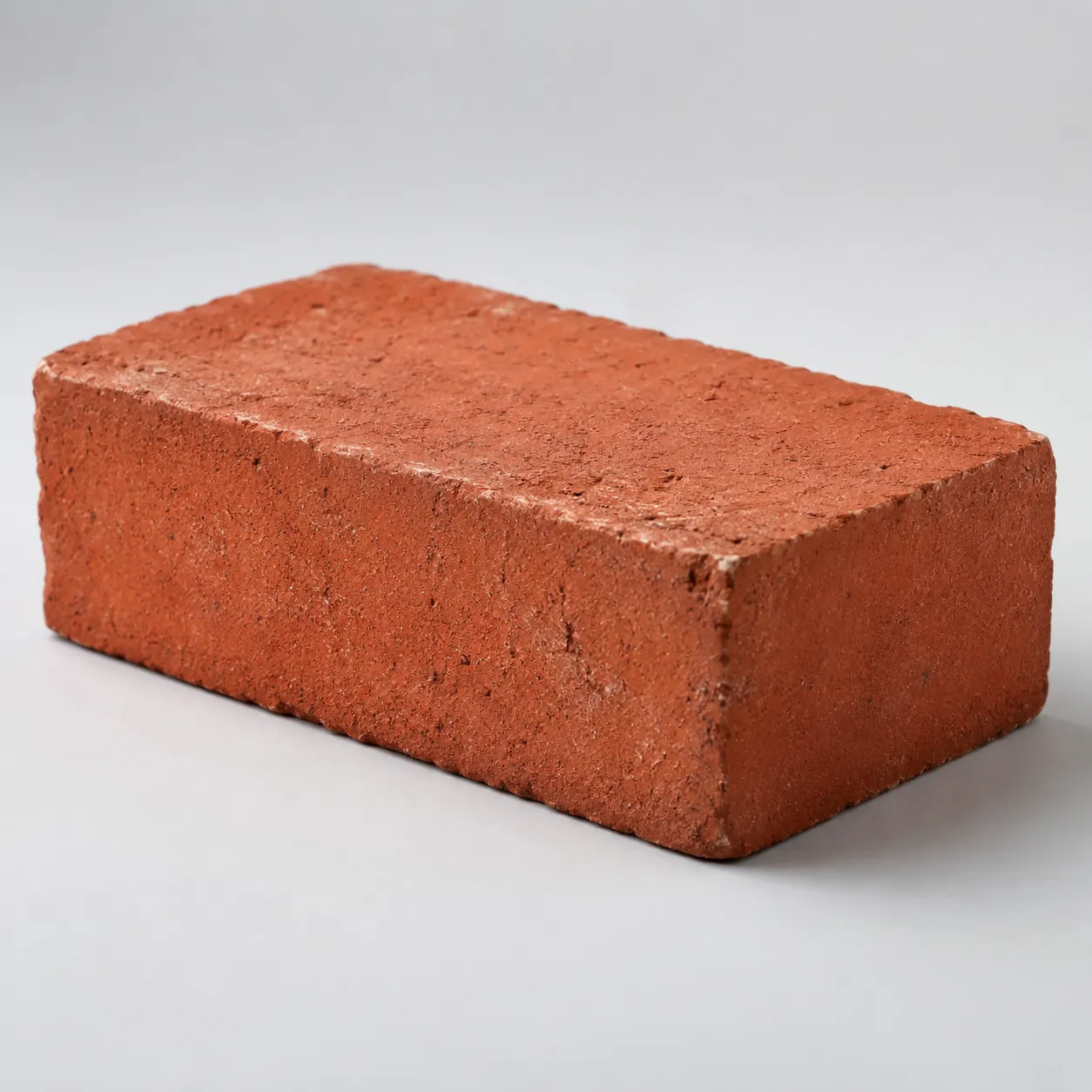
brickbrɪk
a hard rectangular block of baked clay or similar material, used for building walls and other structures.
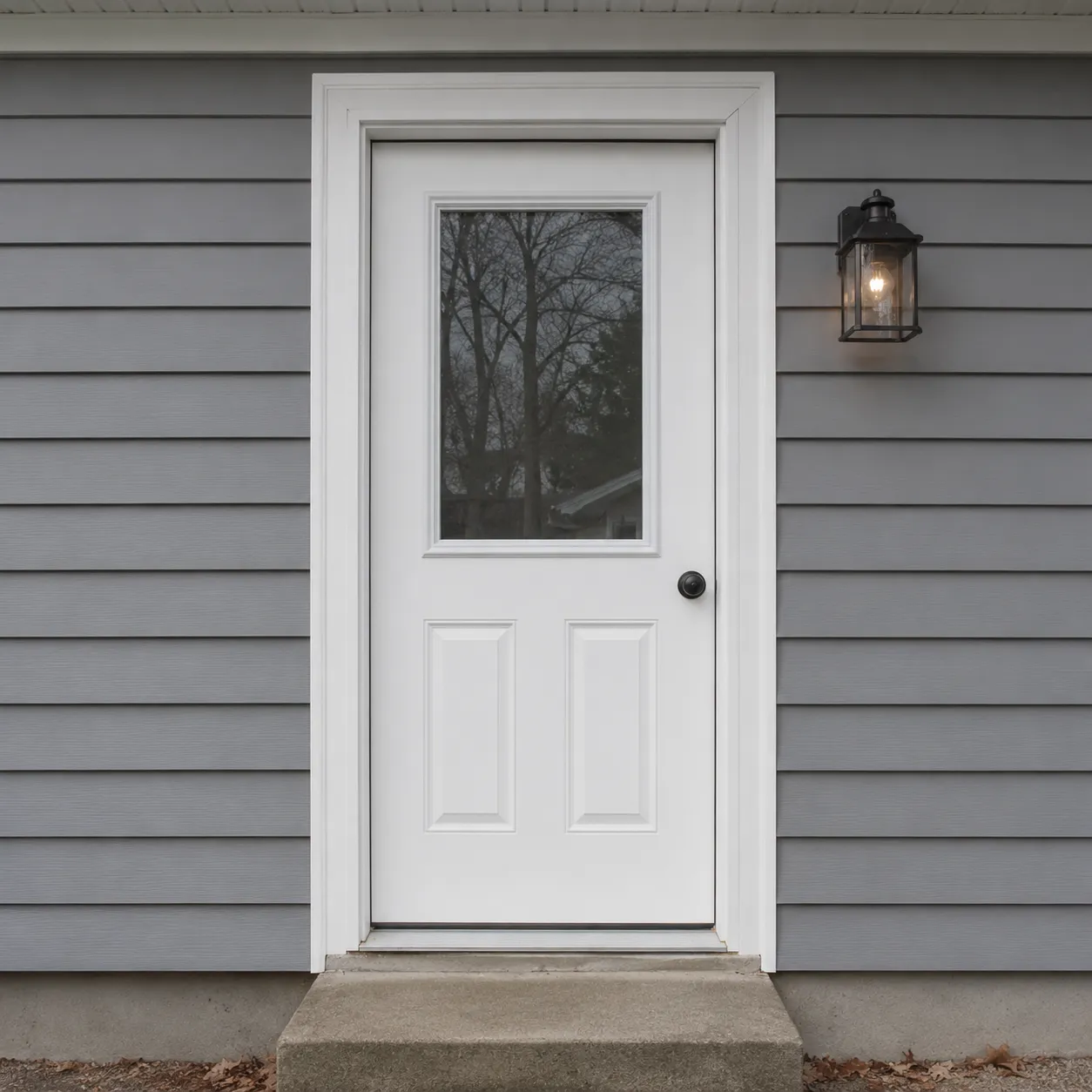
back doorˌbæk ˈdɔːr
a door at the back of a house or building, often leading to a garden or yard.
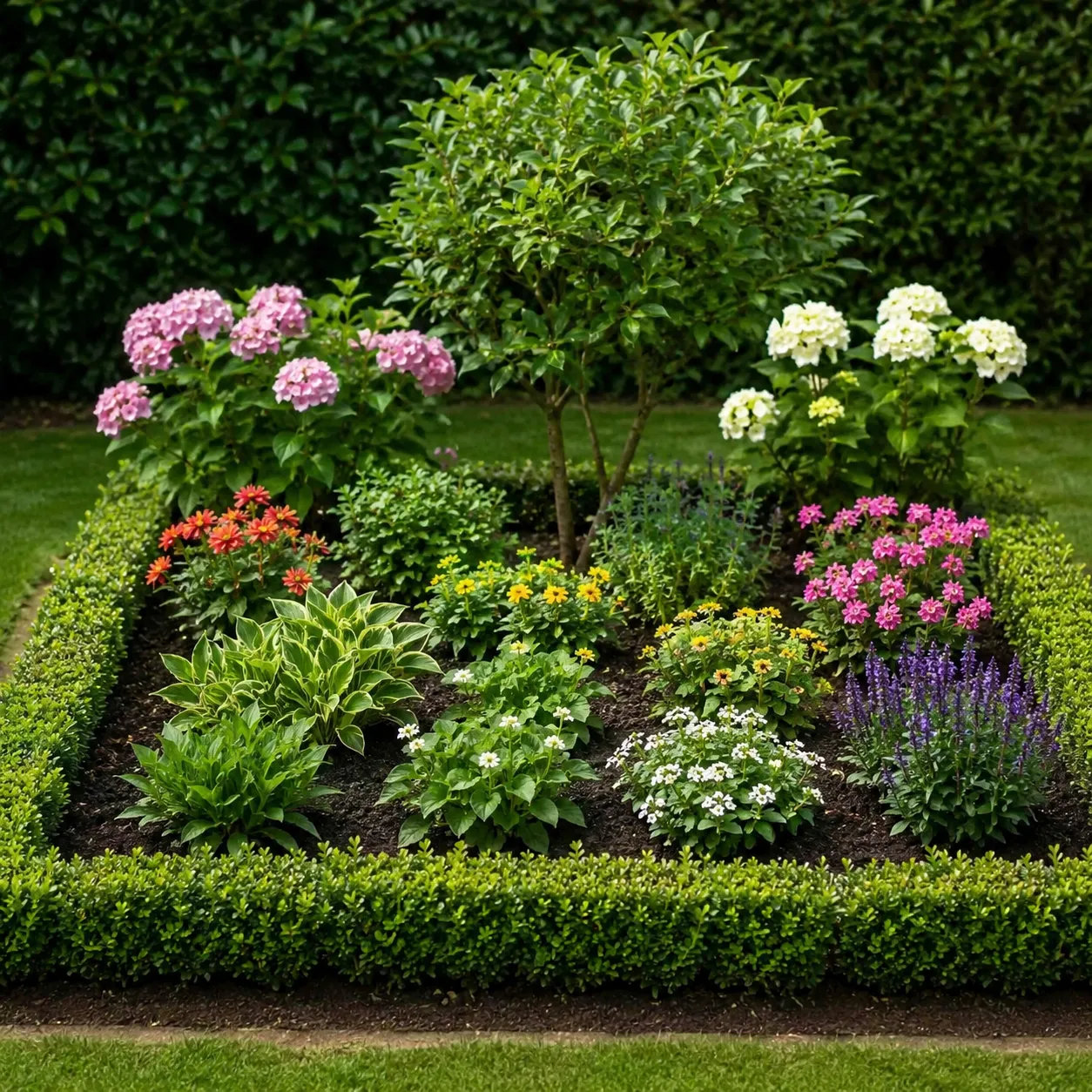
Gardenˈɡɑːrdən
An outdoor area where plants, flowers, or vegetables grow.
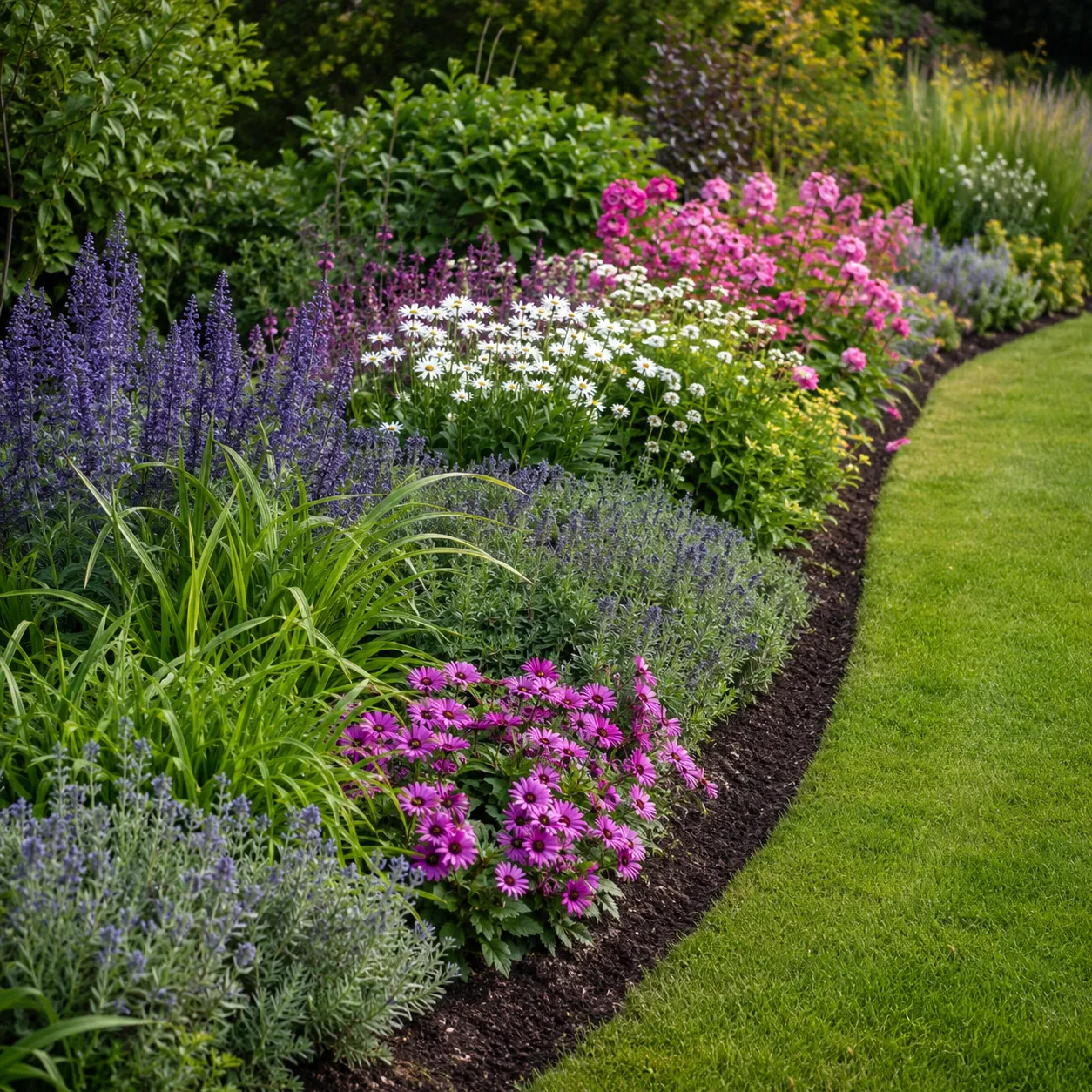
borderˈbɔːrdər
the line or edge where one area ends and another begins, or a strip around the edge of something.
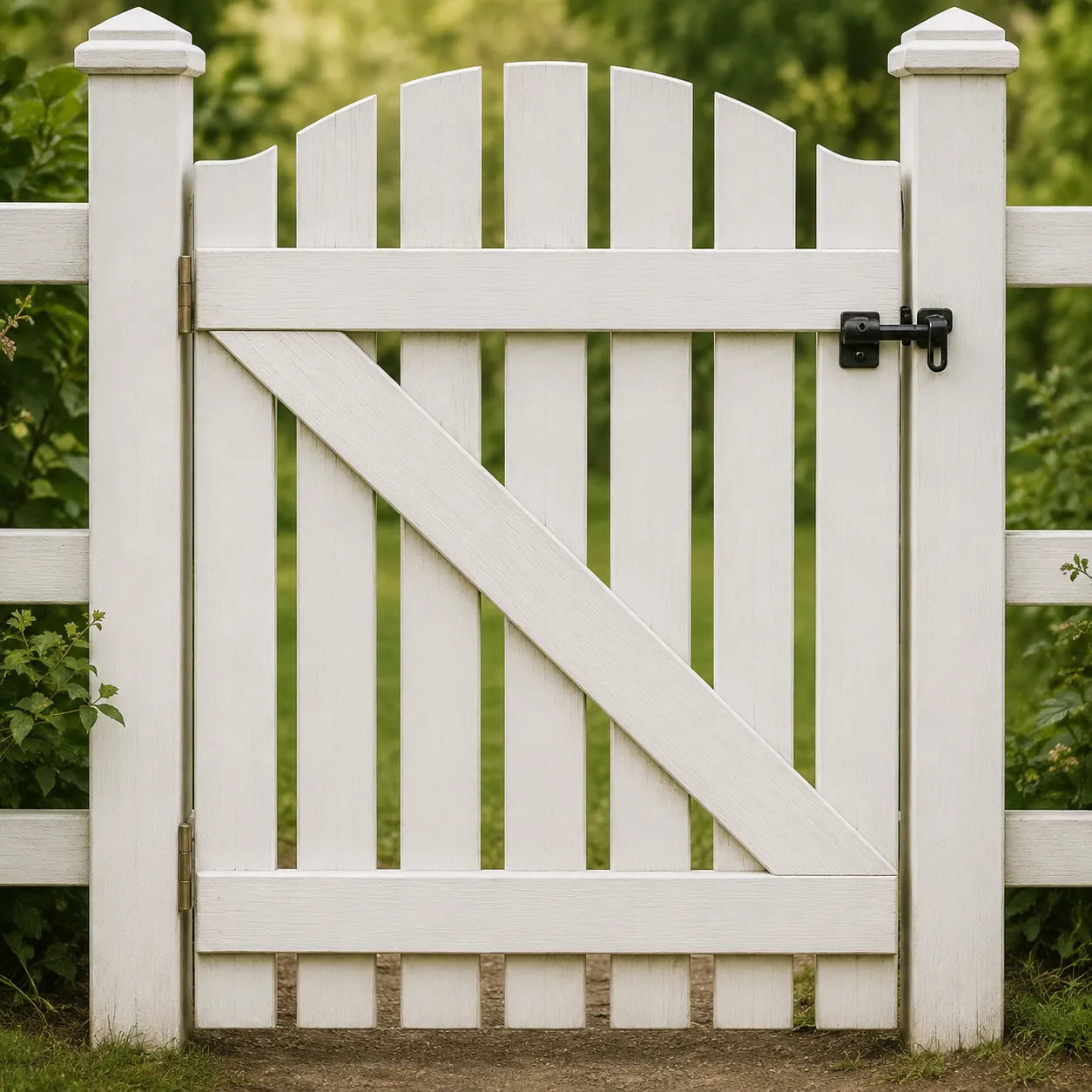
garden gateˈɡɑːrdən ɡeɪt
a small gate in a fence or wall that lets people enter or leave a garden.
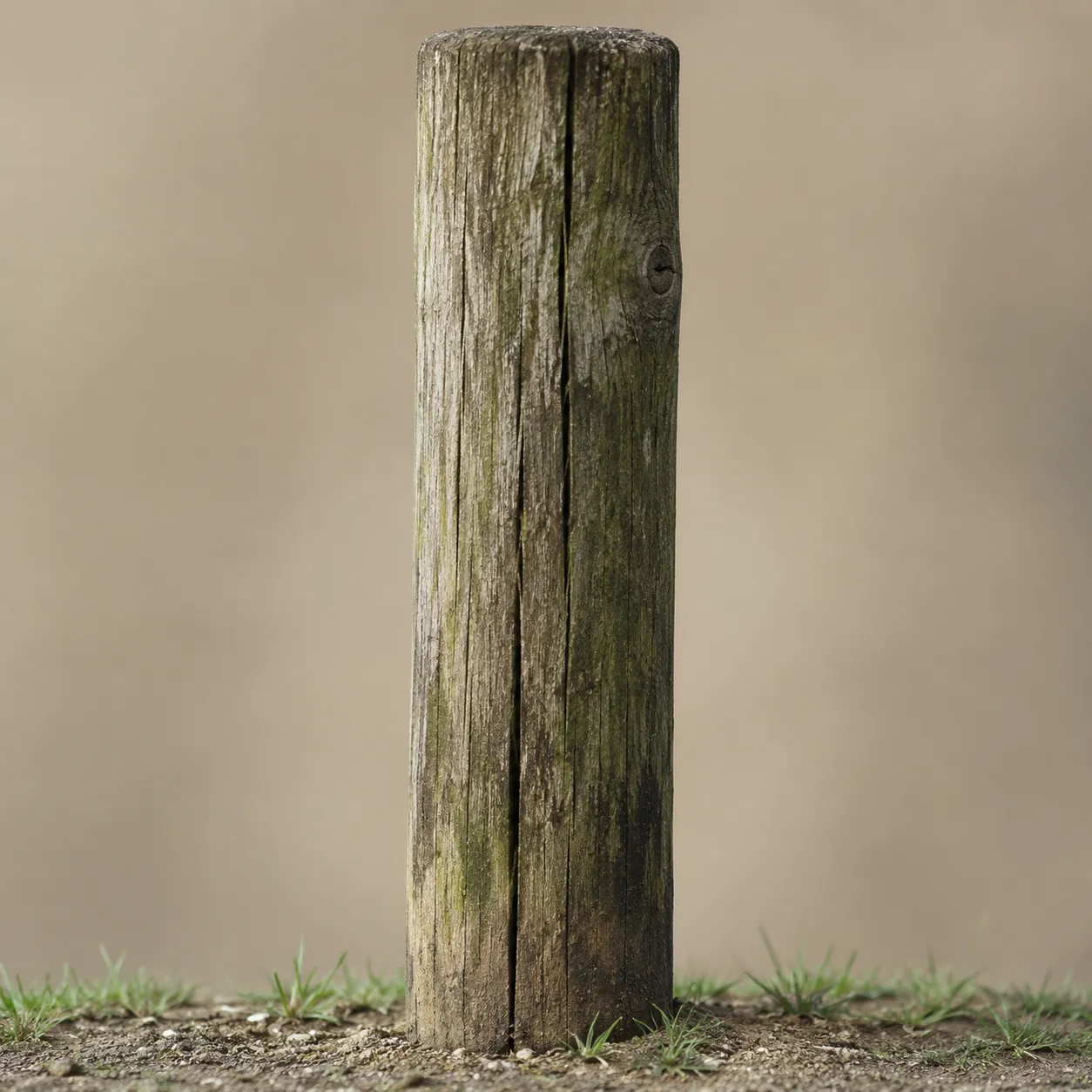
fence postˈfɛns poʊst
a strong upright piece of wood, metal or concrete that supports a fence.
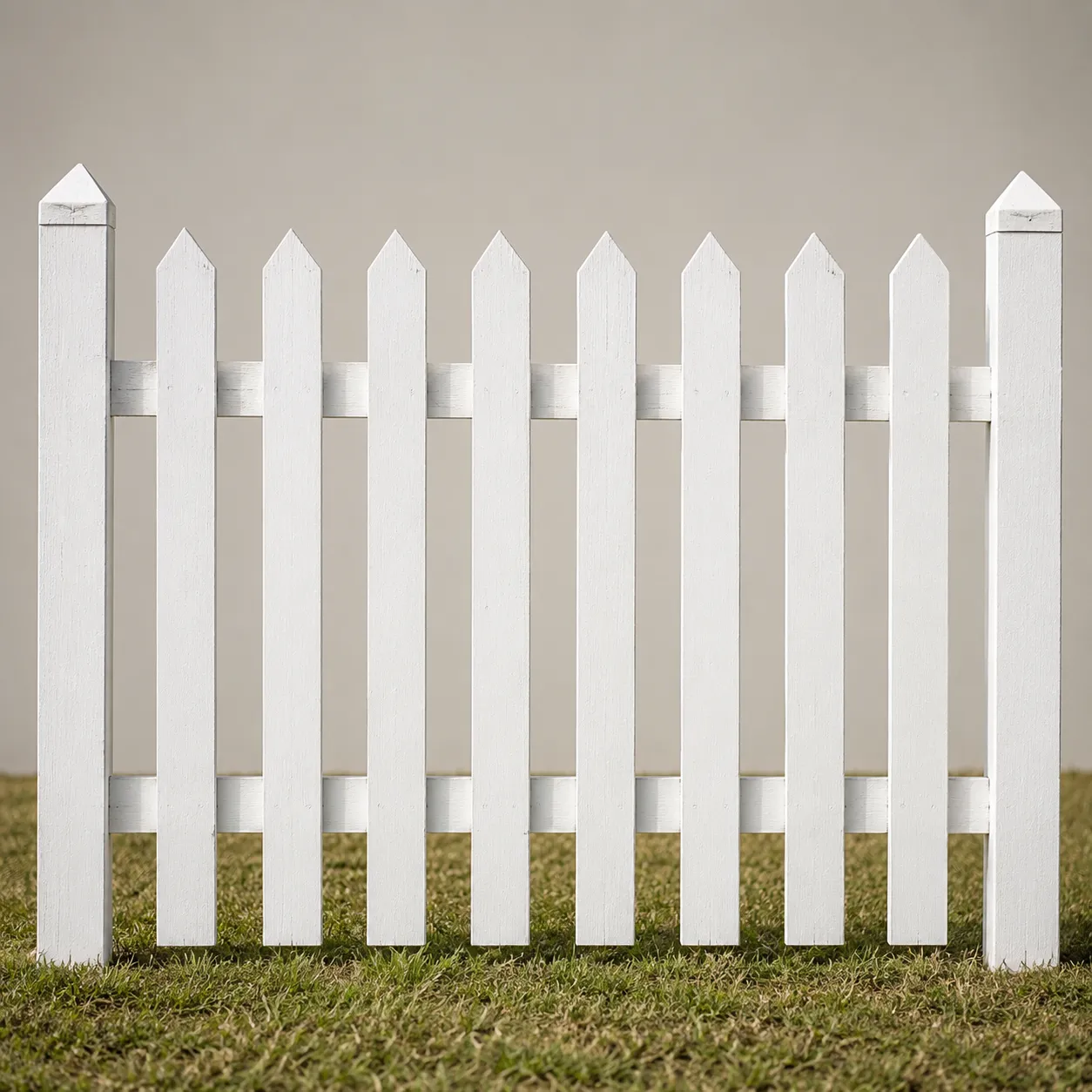
picket fenceˈpɪkɪt fɛns
a usually low wooden fence made of narrow upright boards, often with pointed tops.
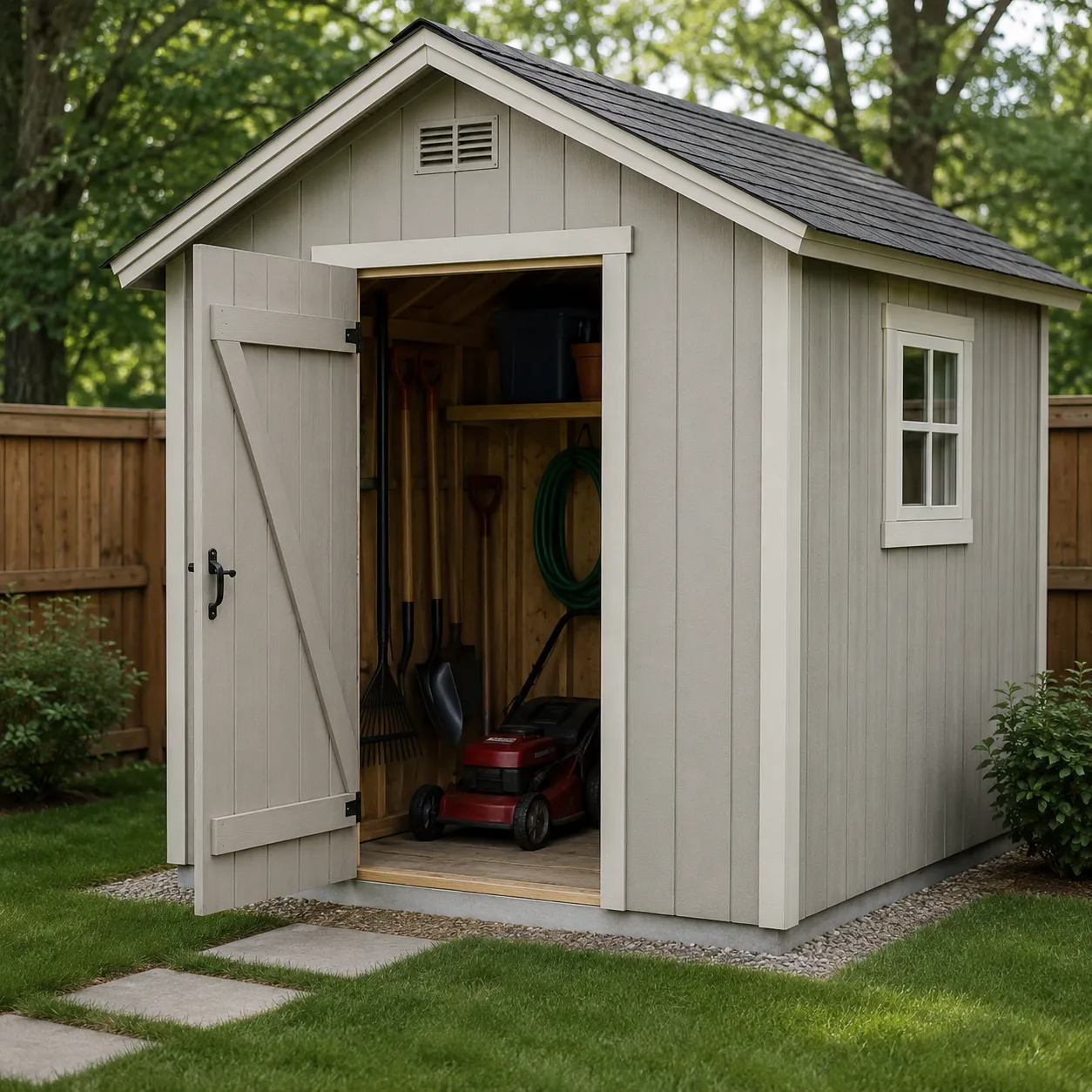
Shedʃɛd
A small outdoor building used for storing tools or garden things.
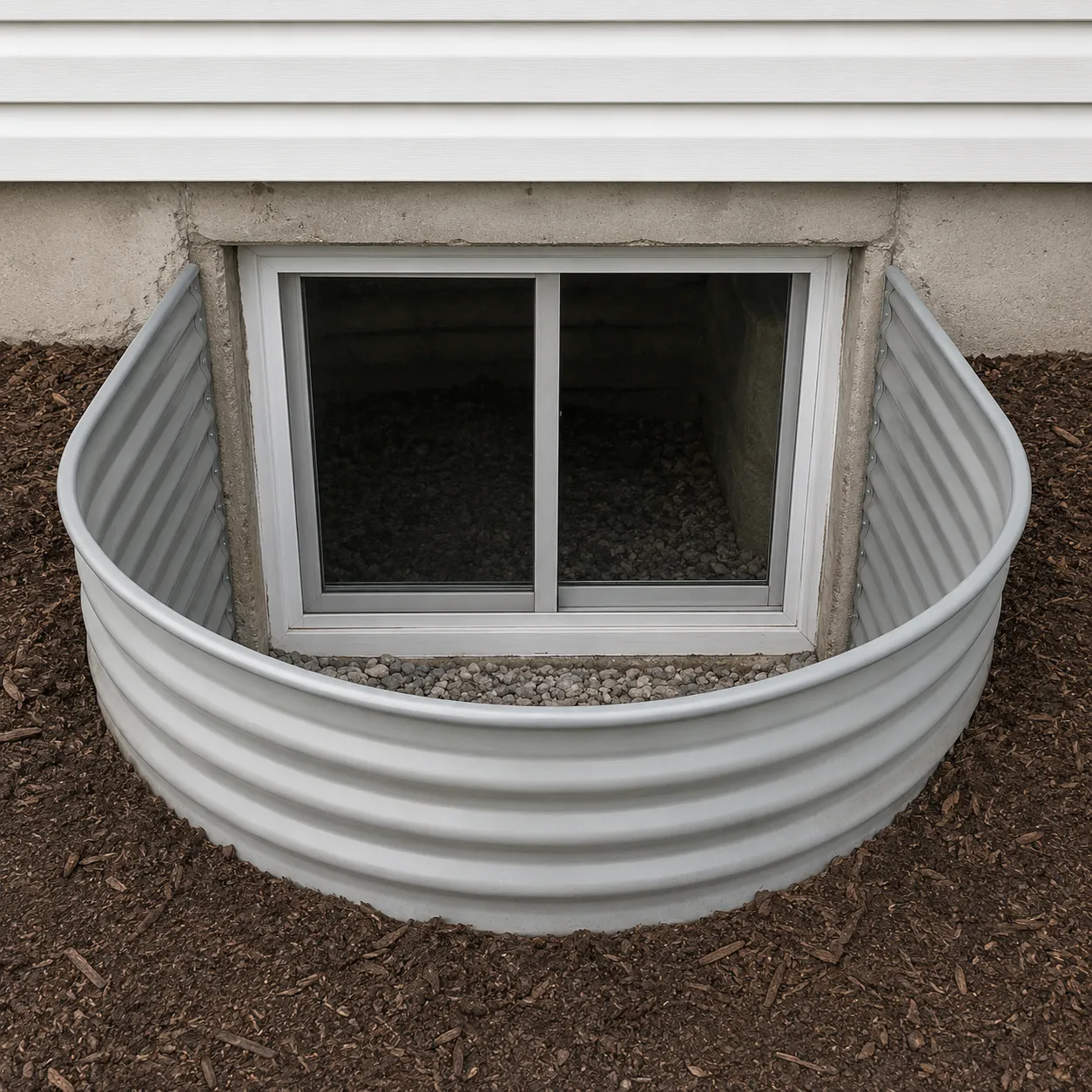
window wellˈwɪndoʊ wɛl
a small dug-out area outside a basement window that lets in light and gives space around the window.
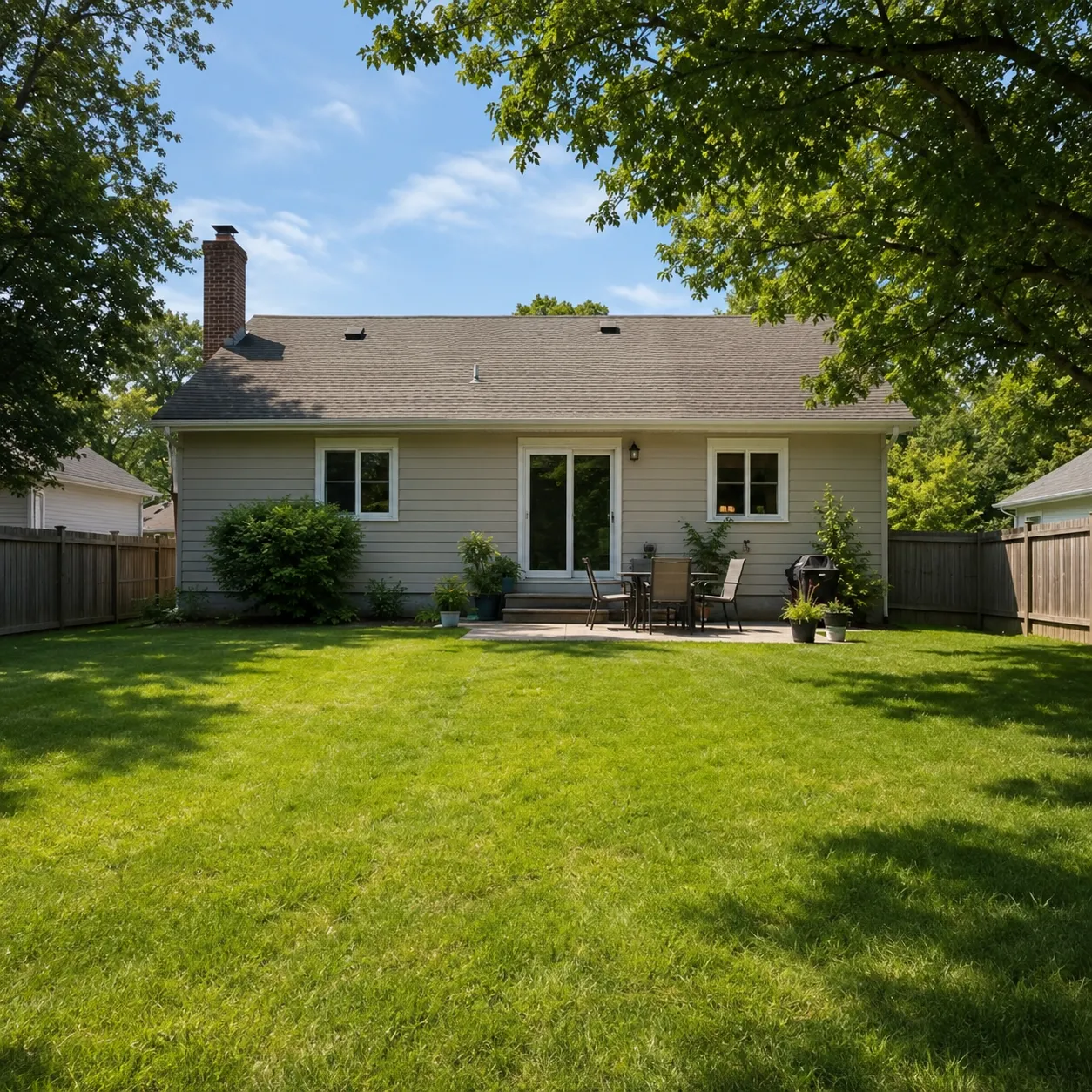
Backyardˌbækˈjɑːrd
The outdoor area behind a house.
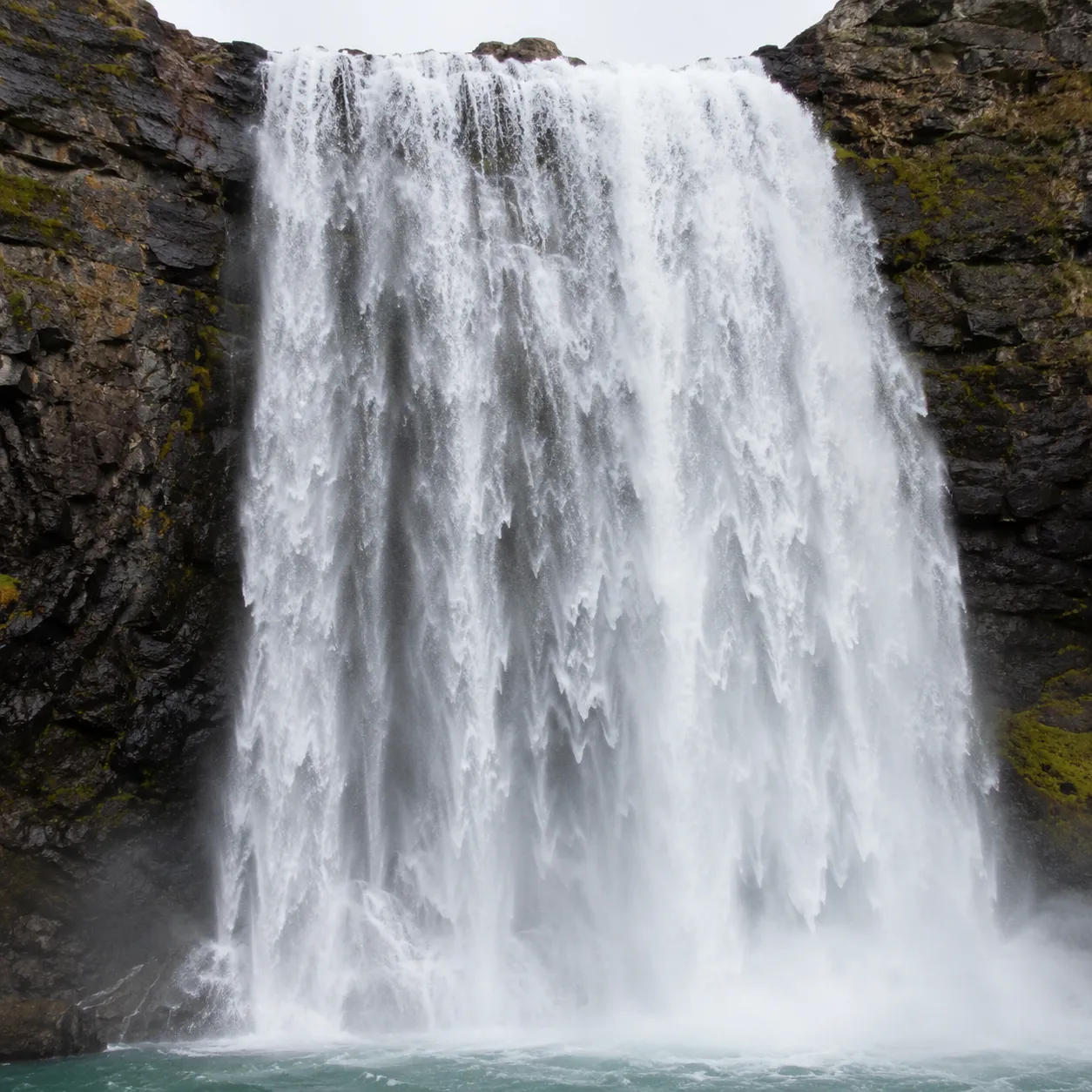
waterfallˈwɔːtərˌfɔːl
a place where water flows over the edge of a high rock or steep place and falls down.
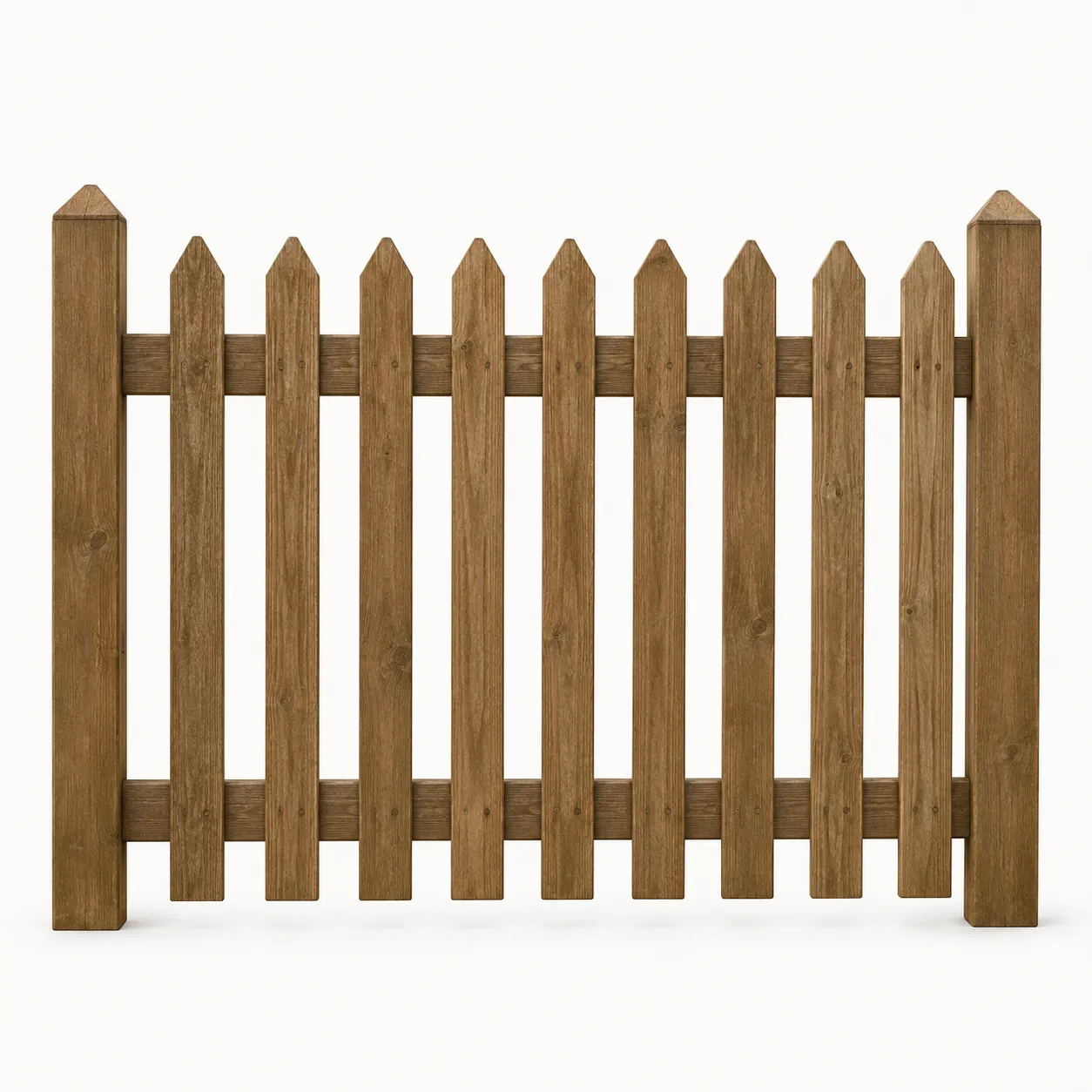
Fencefens
A wall or barrier around a yard or garden.
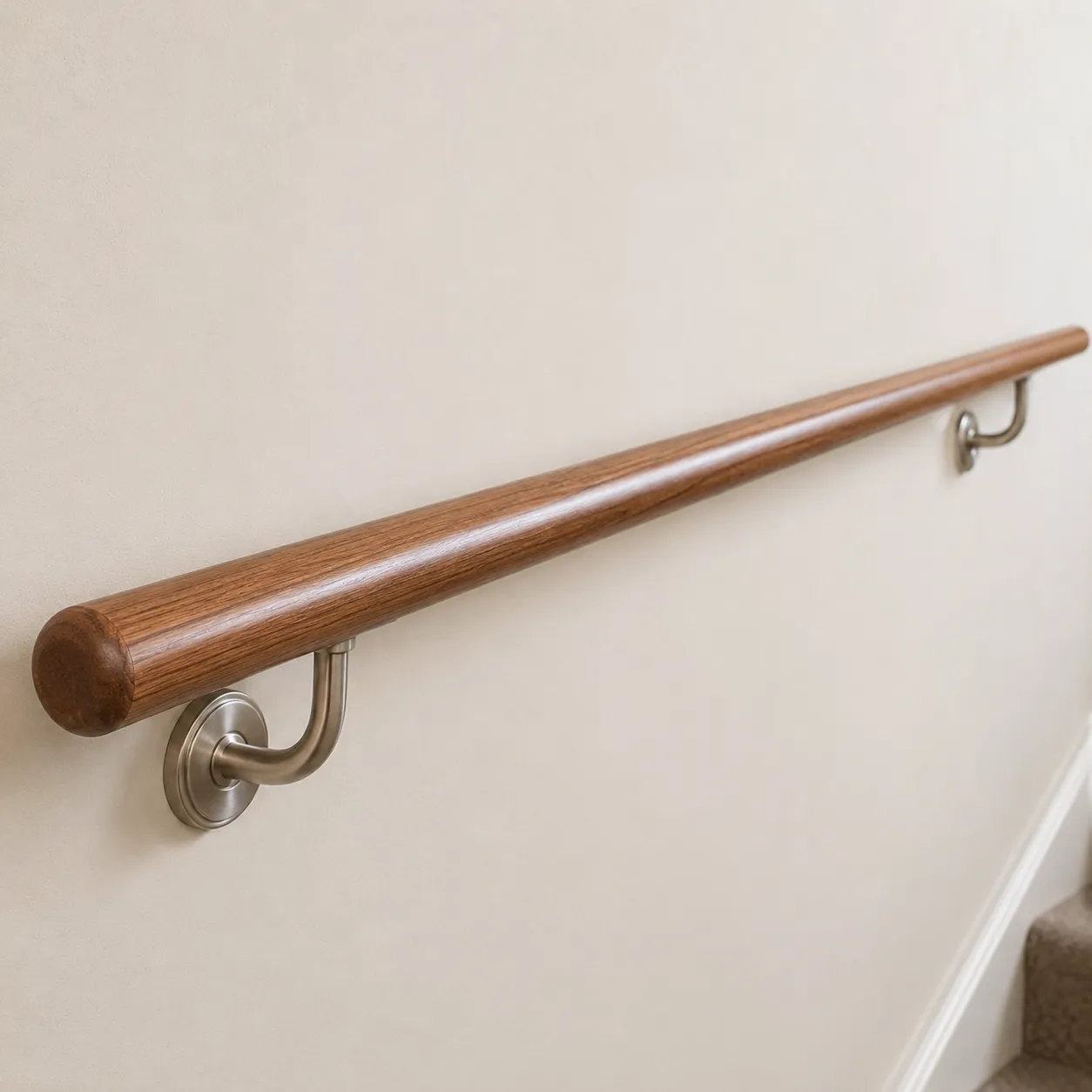
handrailˈhændreɪl
a long rail that you hold with your hand for support, for example beside stairs, a ramp, or in a bathroom.
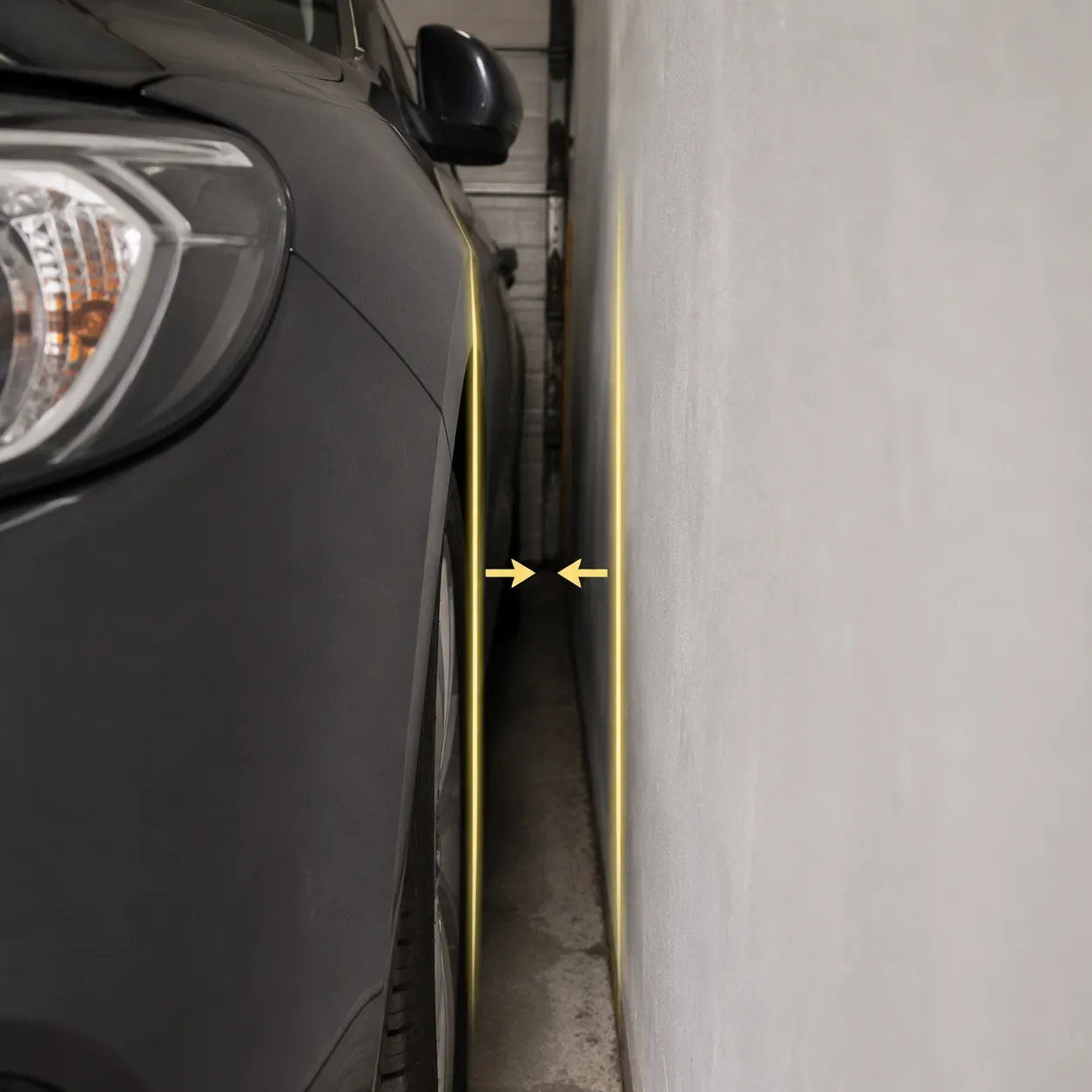
narrowˈnæroʊ
not wide, with little distance from one side to the other.
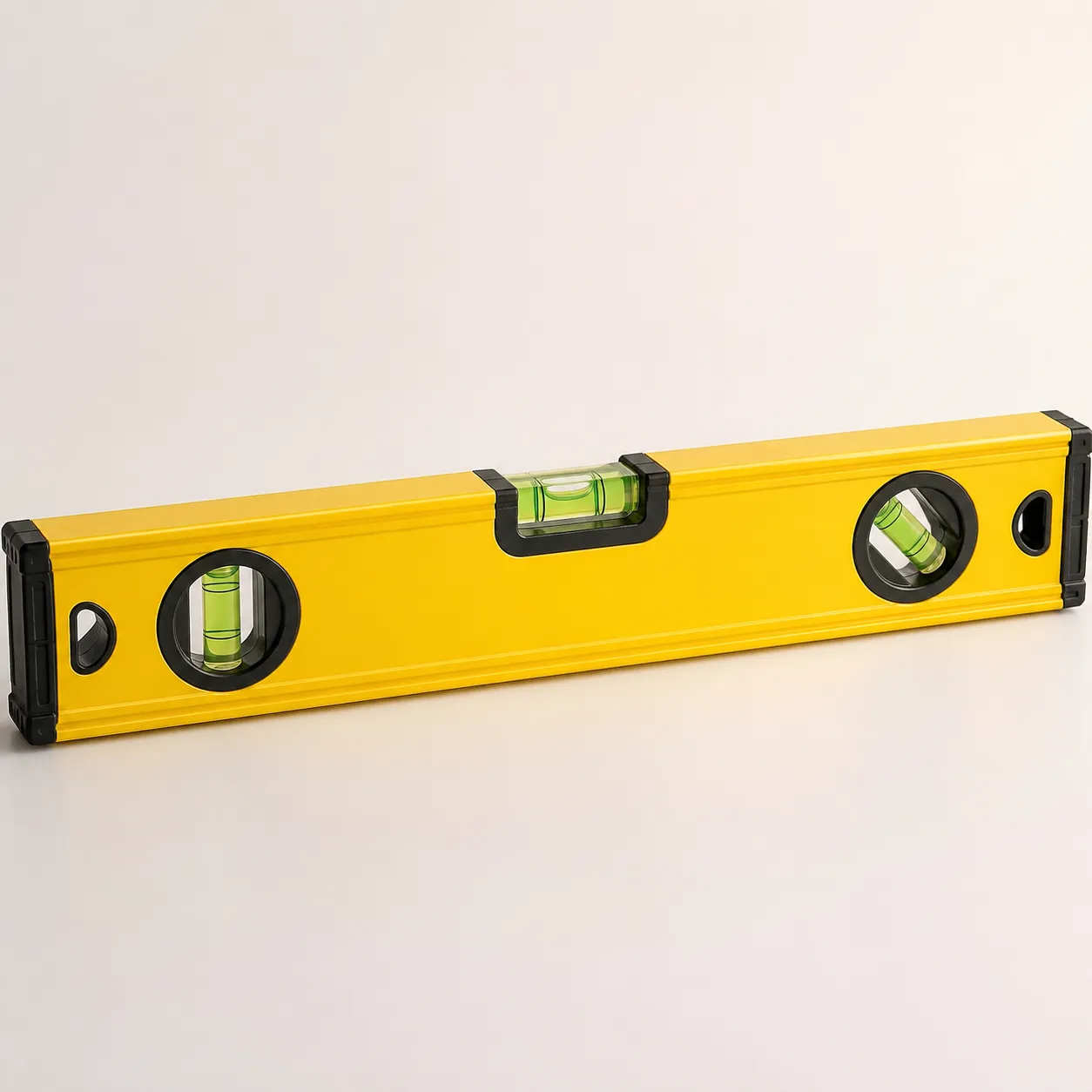
levelˈlevəl
a stage of difficulty or ability in learning a subject or language.

on the lawnɒn ðə lɔːn
in a position on the short grass in a garden, park, or yard.
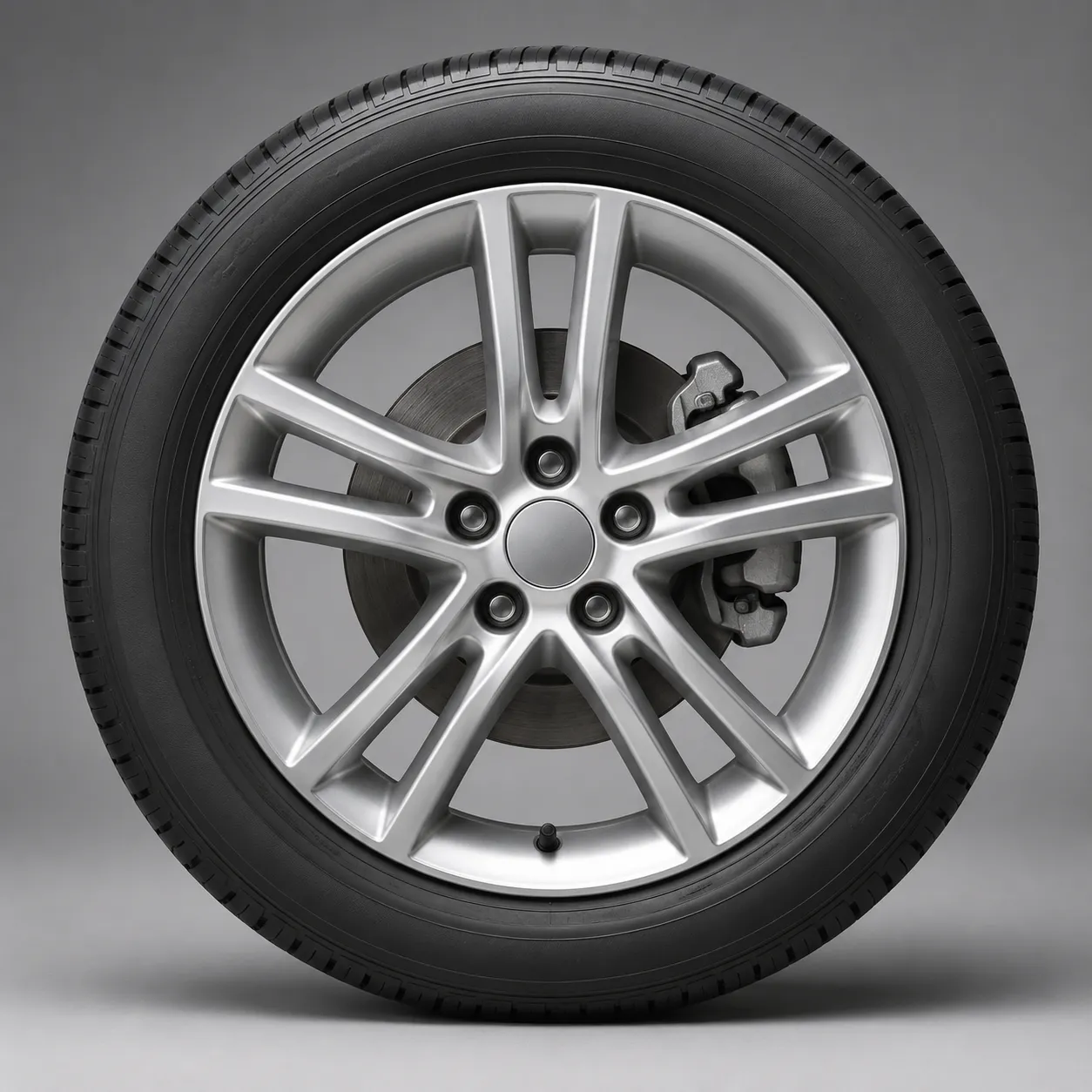
widewaɪd
having a large distance from one side to the other.
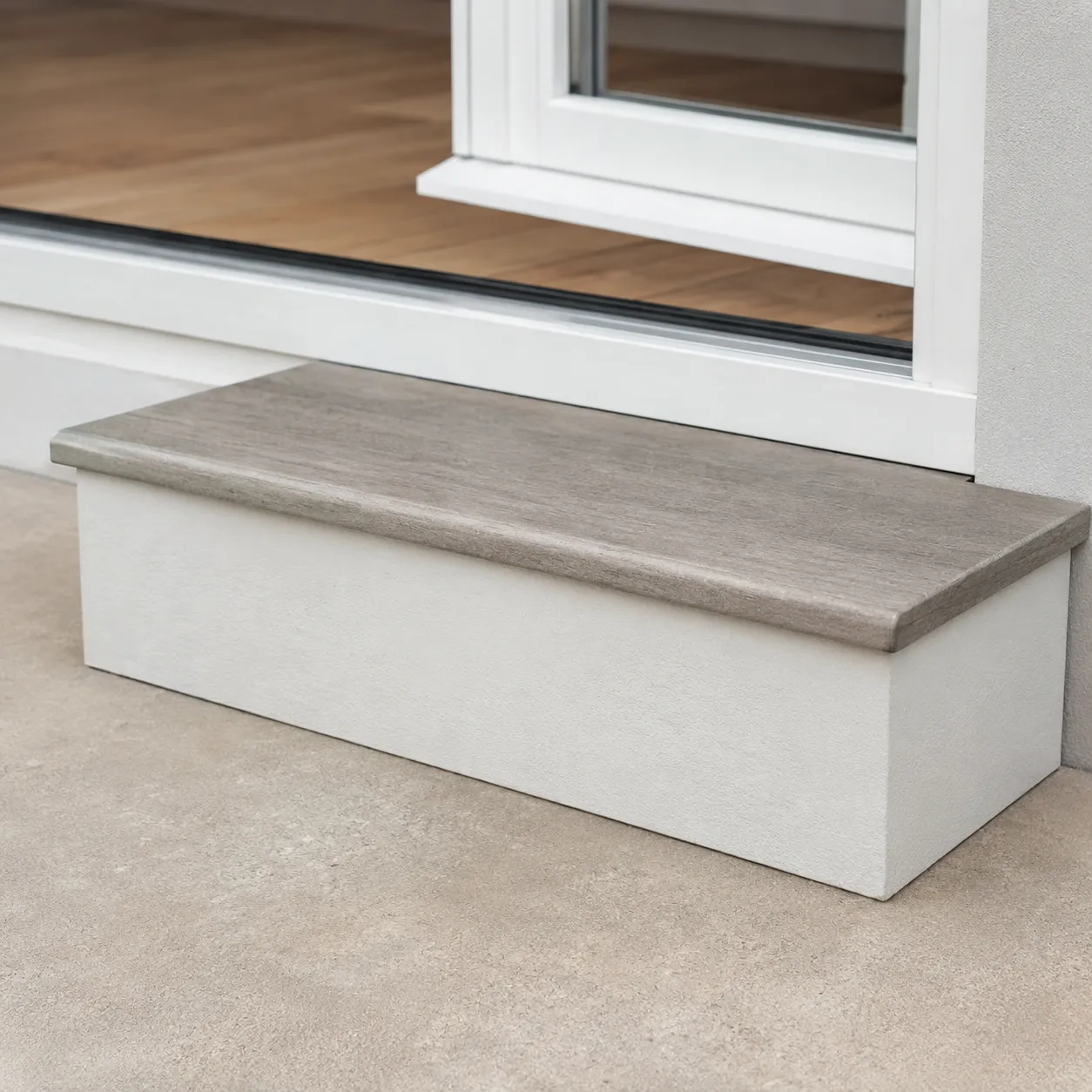
stepstɛp
one of the flat levels in a staircase where you put your foot when going up or down.
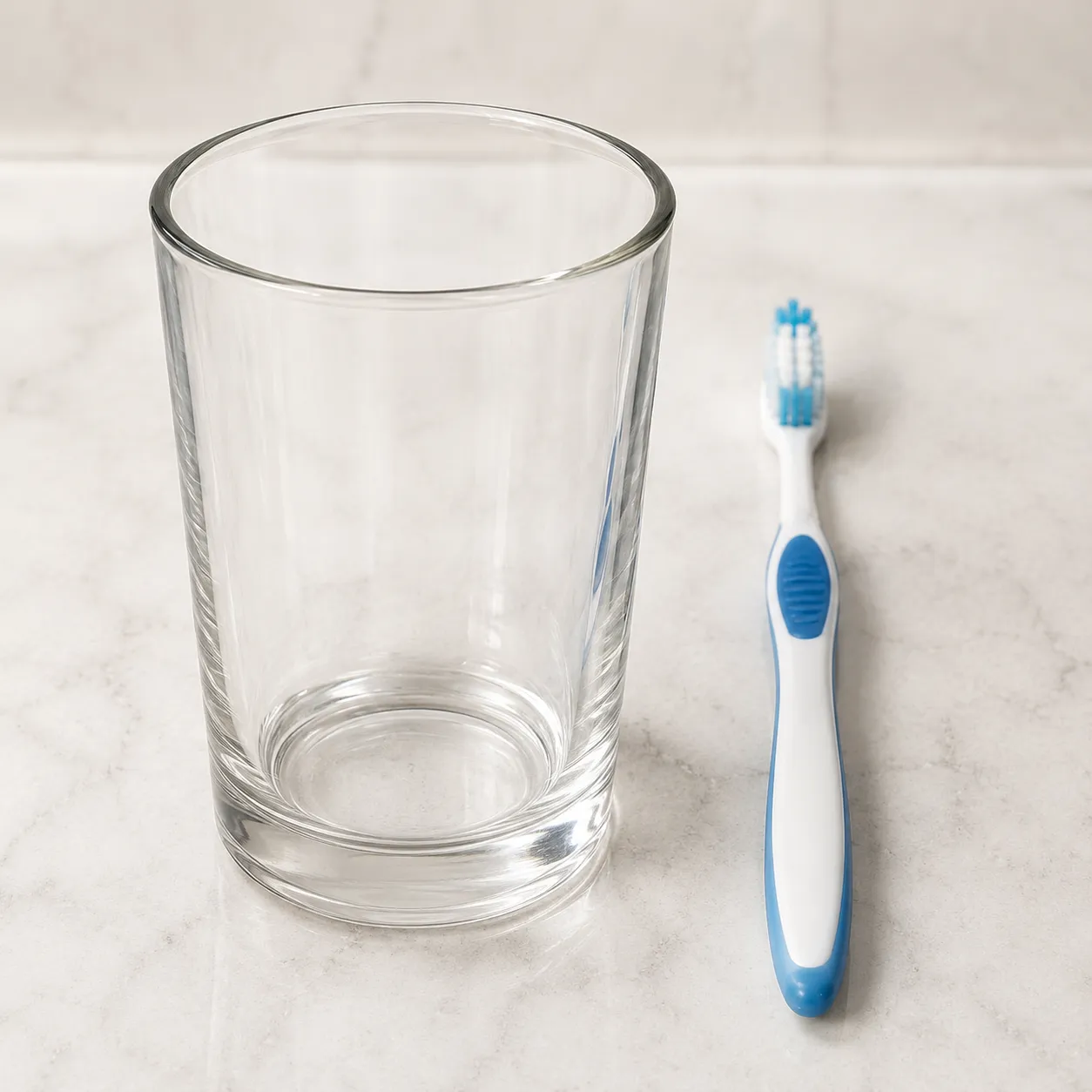
outsideˌaʊtˈsaɪd
not in a room, building, container, or area, or not within its limits.
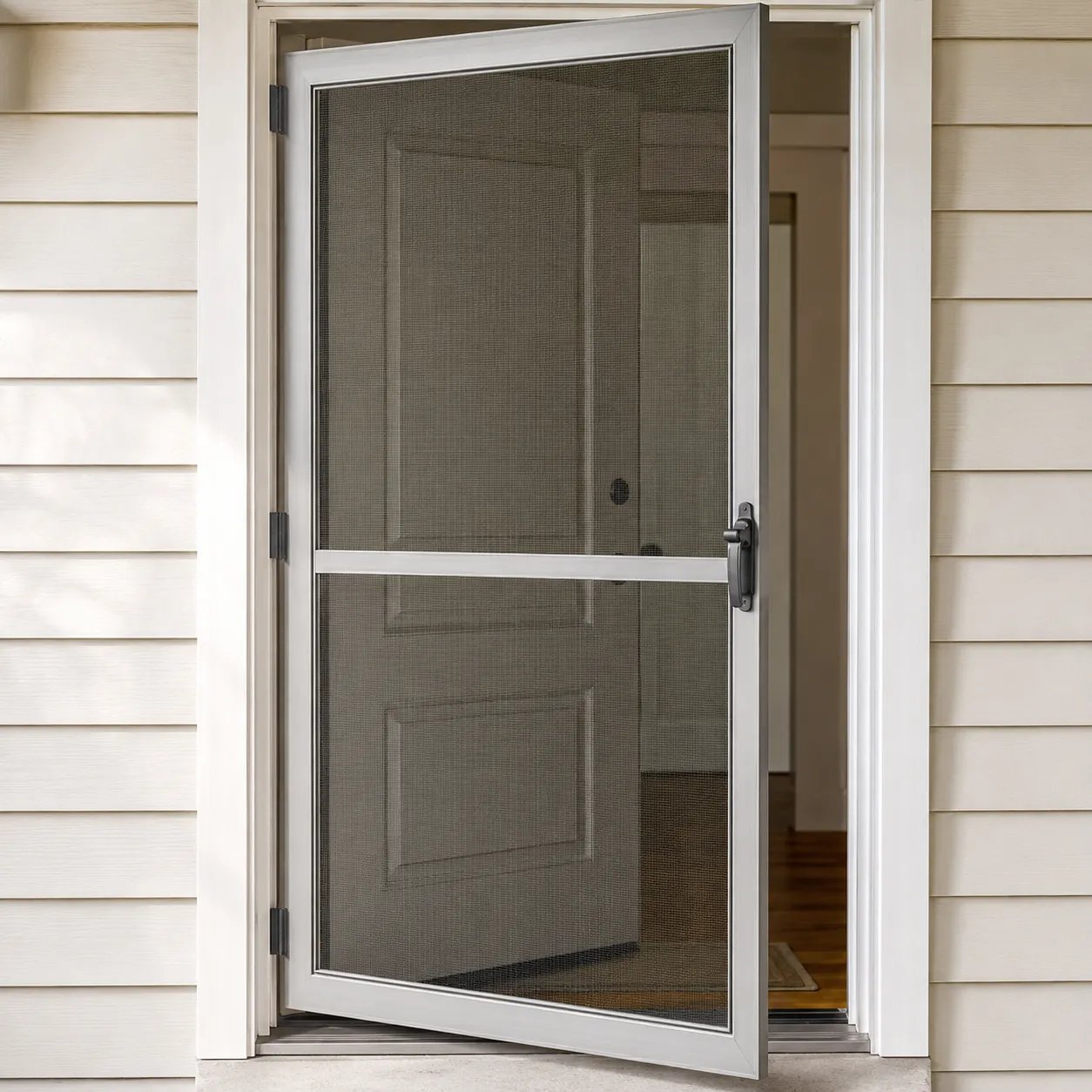
screen doorˈskriːn dɔːr
a light outer door with wire or plastic mesh that lets air in while keeping insects out.
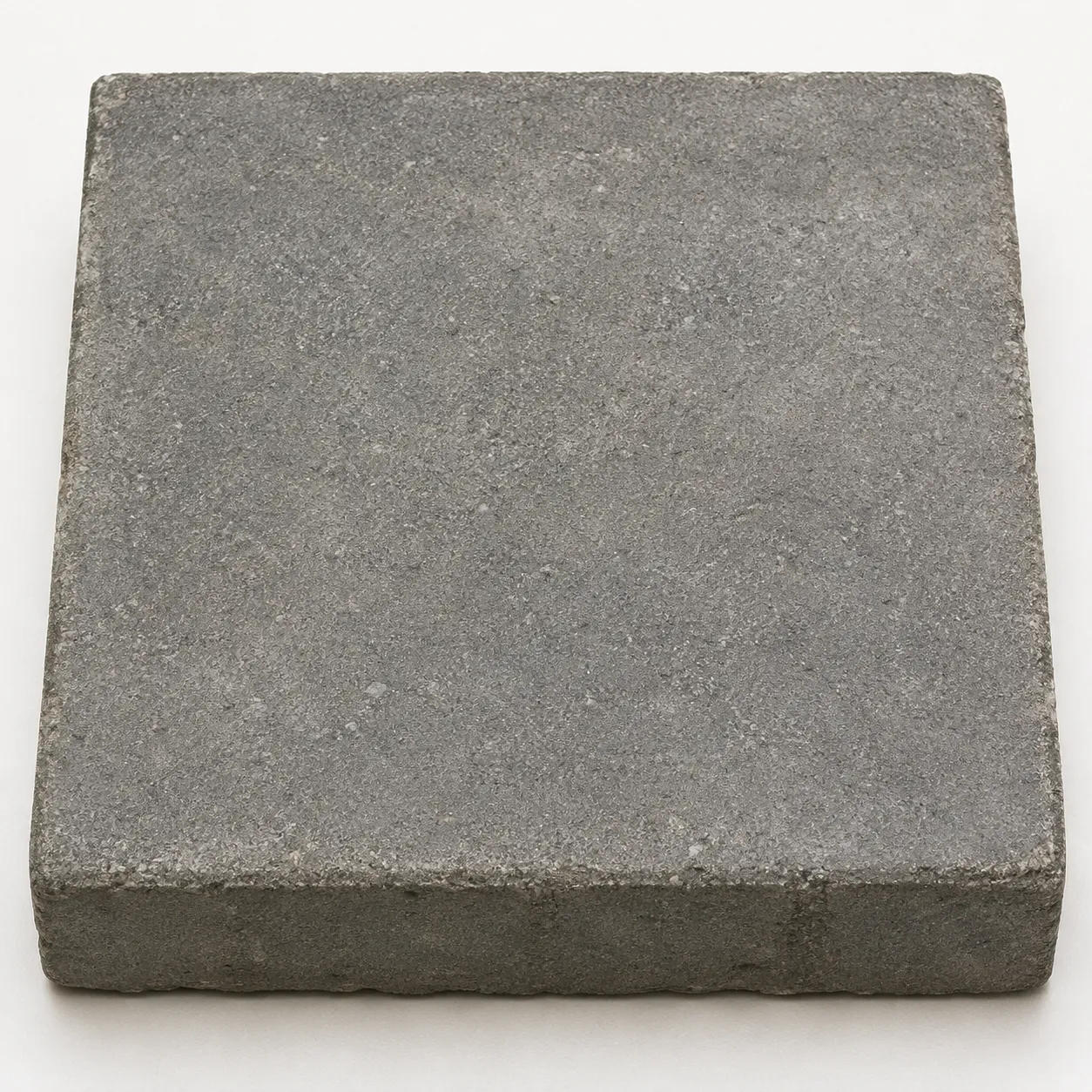
paving stoneˈpeɪvɪŋ stoʊn
a flat stone or concrete slab used with others to make a path, patio, or other hard surface.
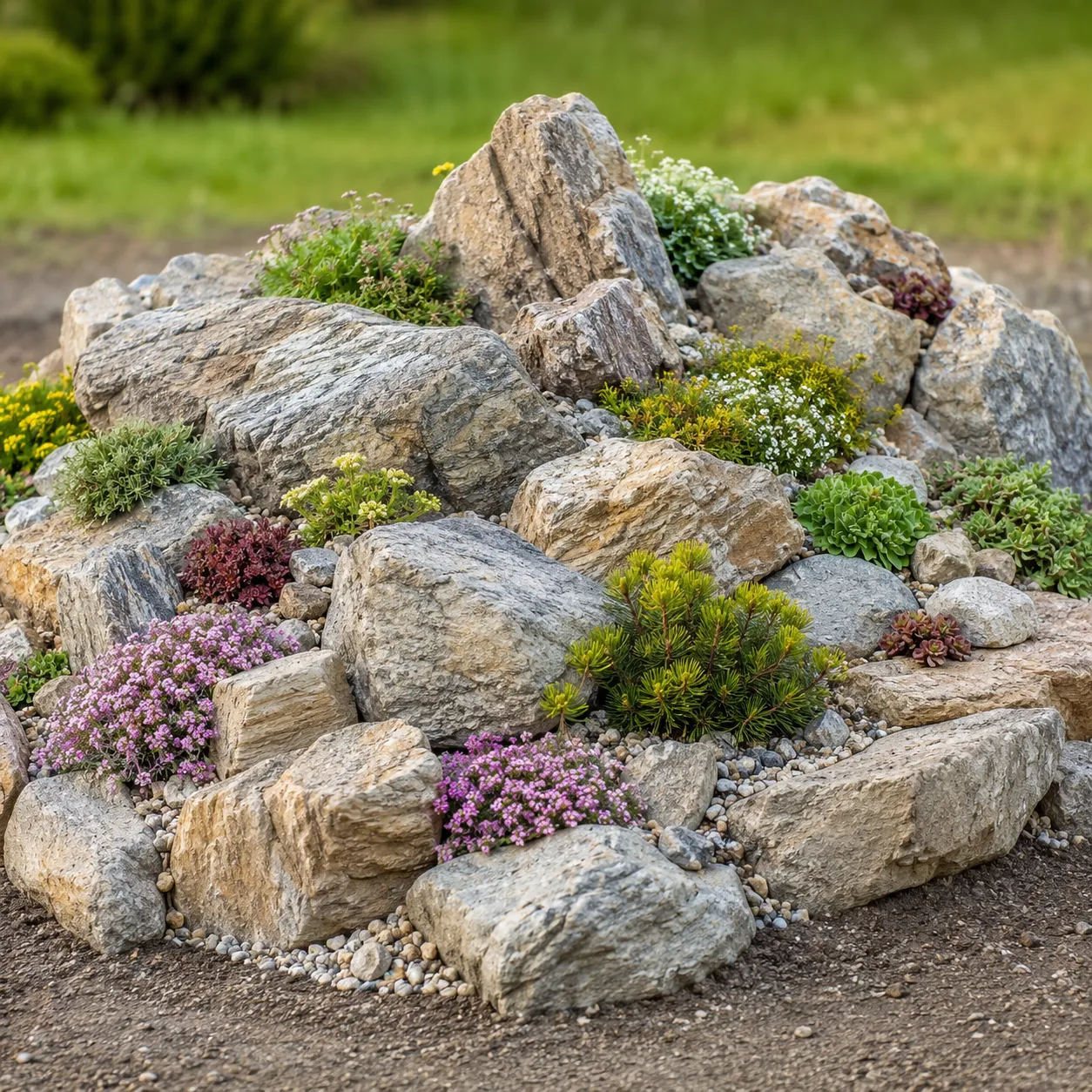
rock gardenˈrɑːk ˈɡɑːrdən
a garden area arranged with rocks and usually small plants that grow well among stones.

spacespeɪs
an empty area, place, or amount of room that is available for people or things.
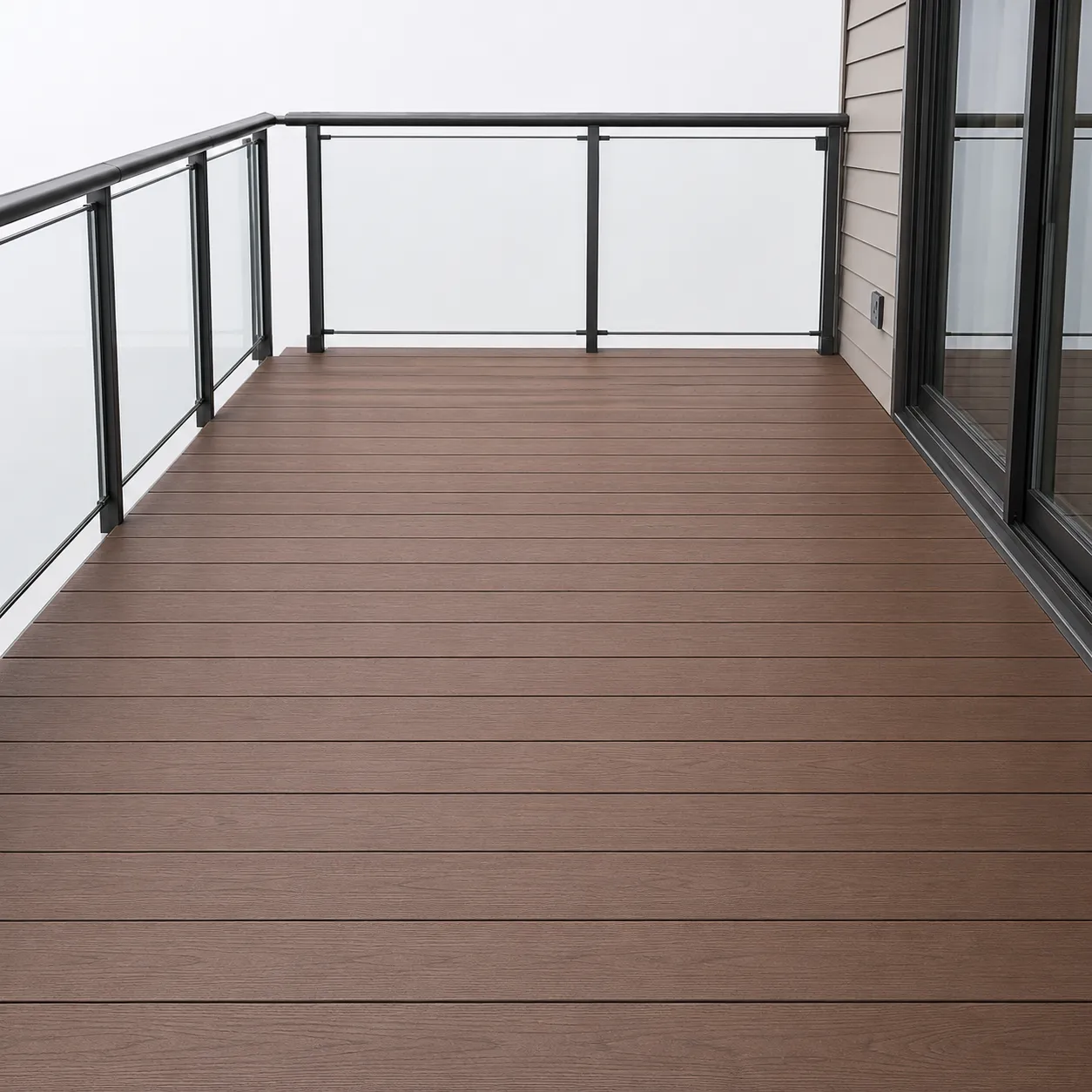
deckdɛk
a flat area, often made of wood, built outside a house for people to sit, walk, or eat on.
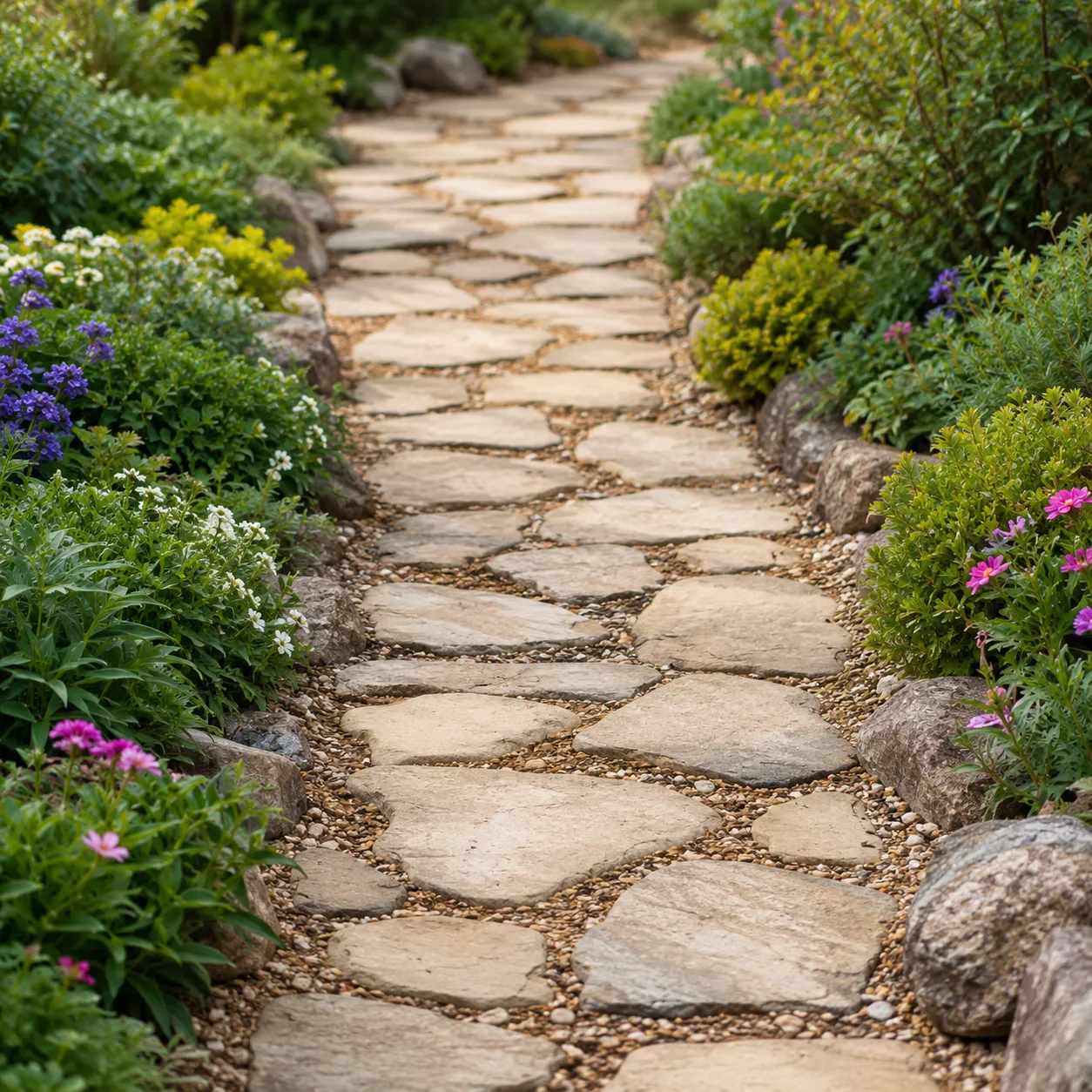
garden pathˈɡɑːrdən pæθ
a narrow way made for walking through a garden.
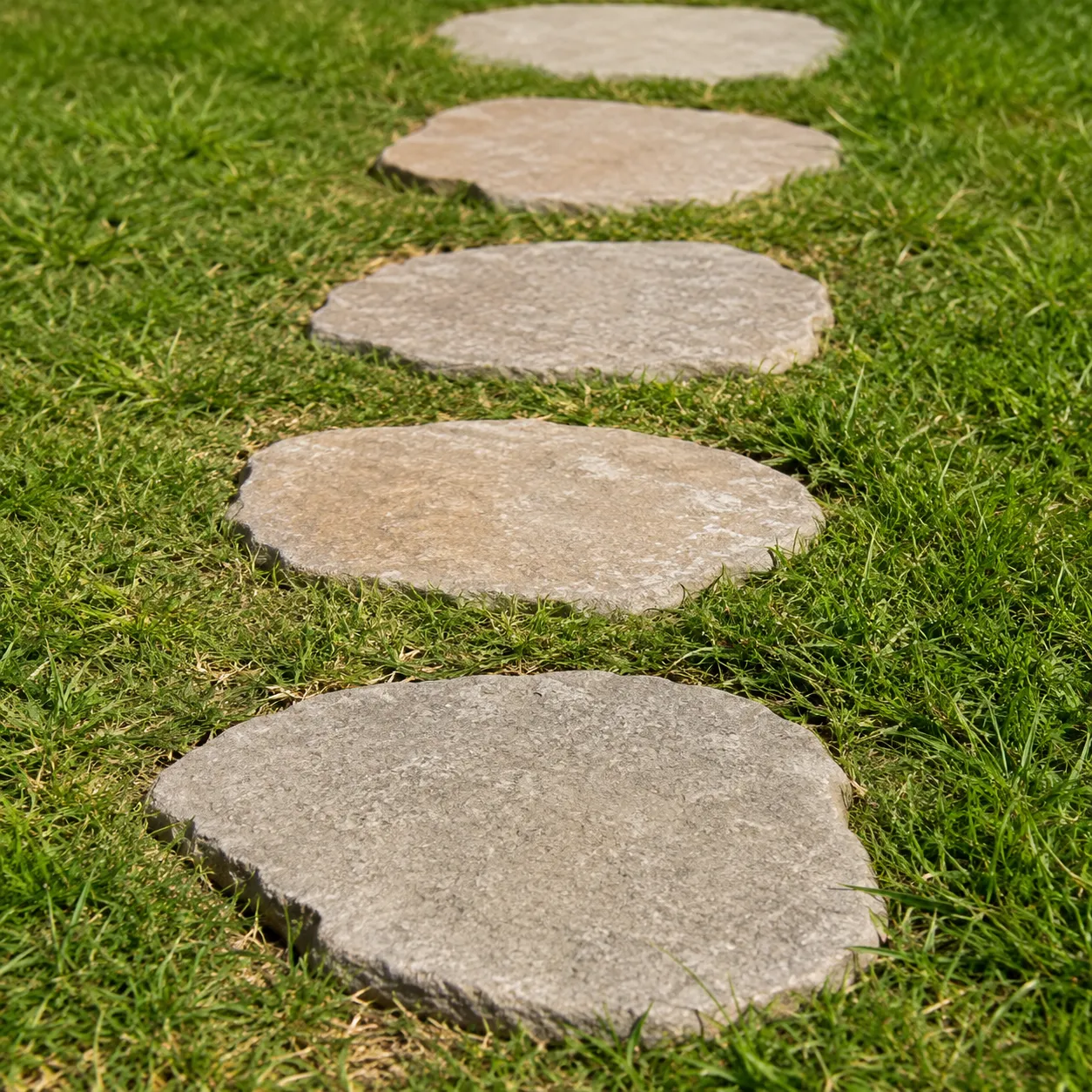
stepping pathˈstɛpɪŋ pæθ
a garden path made from separate flat stones or slabs that you step on to walk across grass or soil.
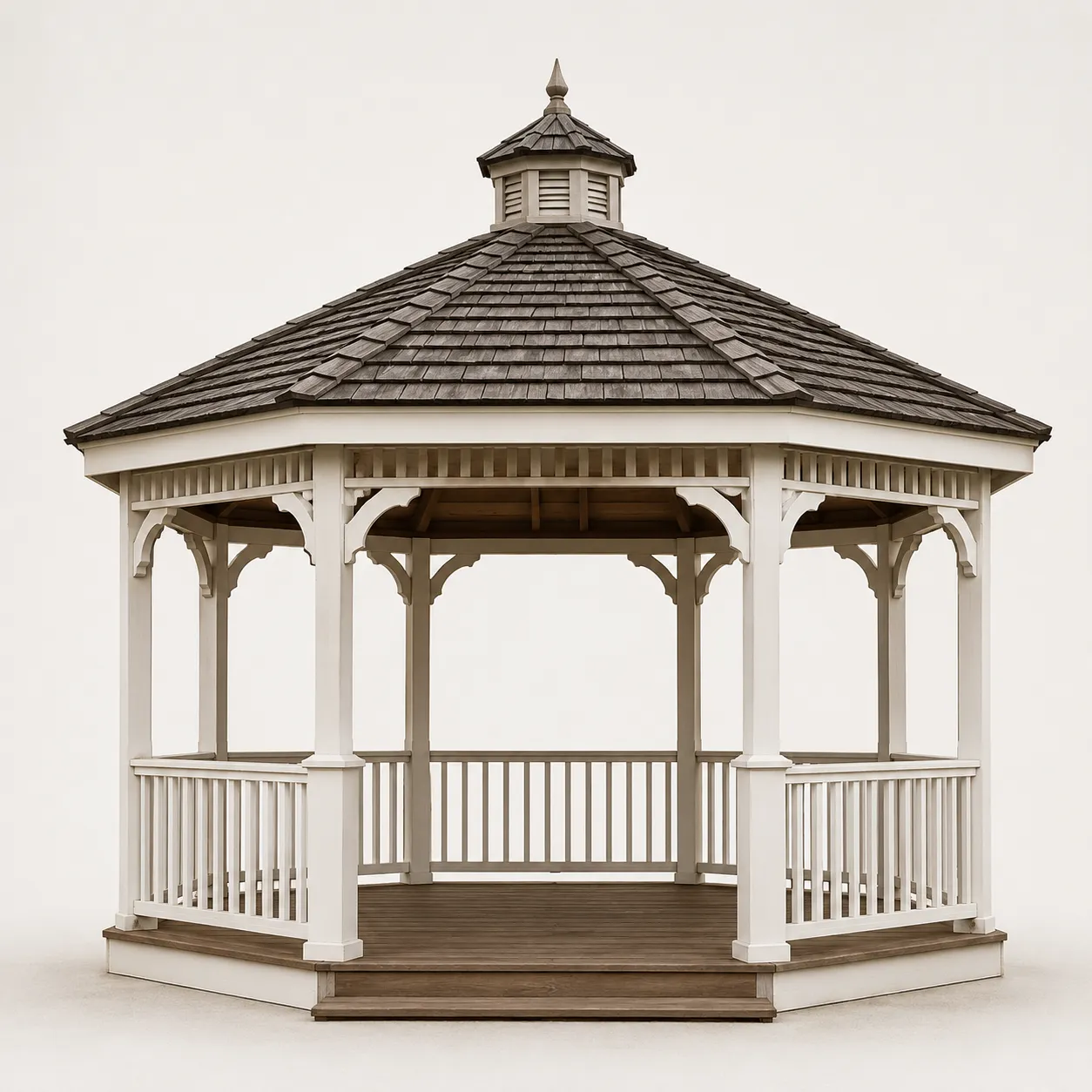
gazeboɡəˈziːboʊ
a small outdoor shelter with a roof and open sides, often found in a garden or park.

aroundəˈraʊnd
on all sides of a person or thing, or moving in a circle near them or it.
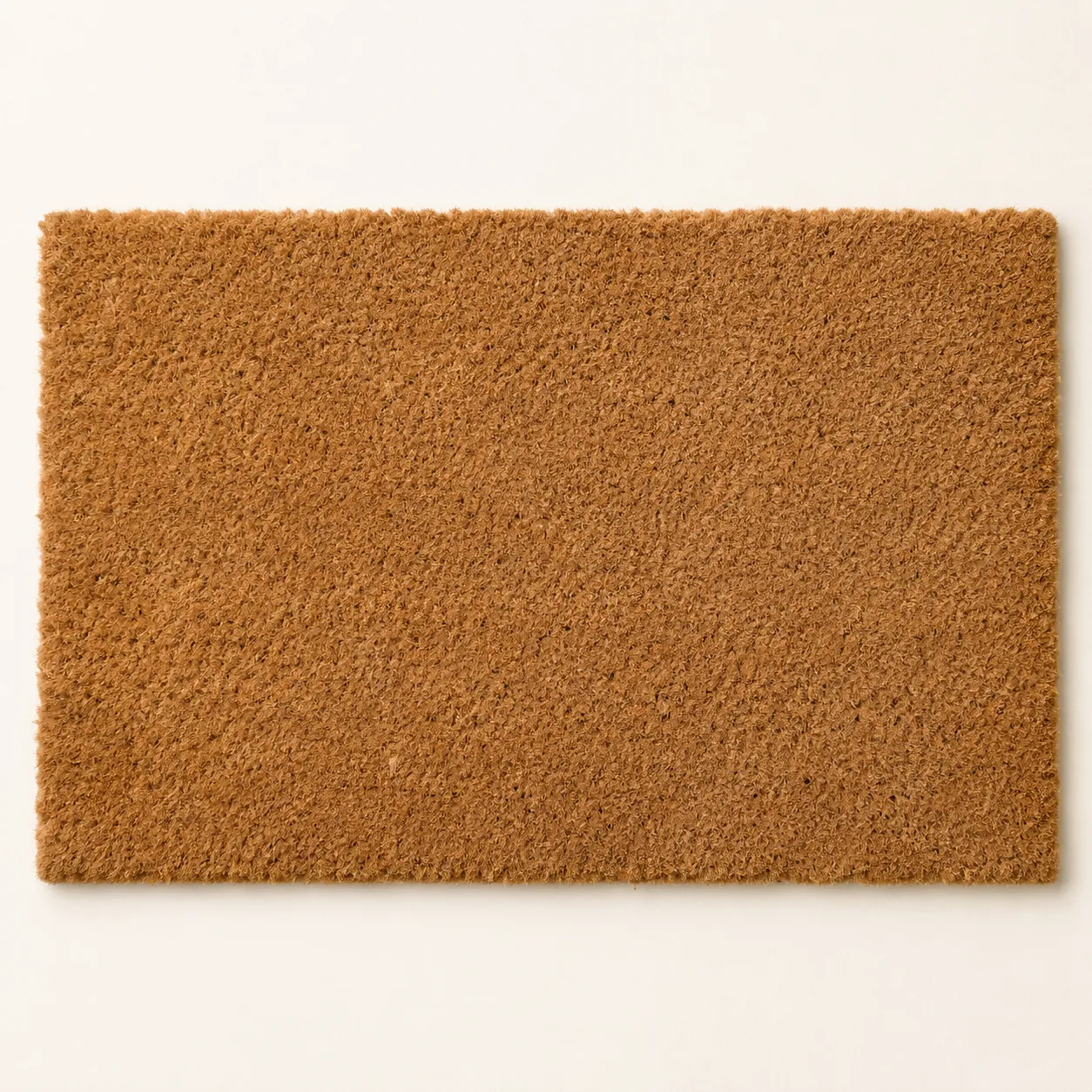
doormatˈdɔːrˌmæt
a small mat placed outside or just inside a door, used for wiping dirt from shoes before entering.
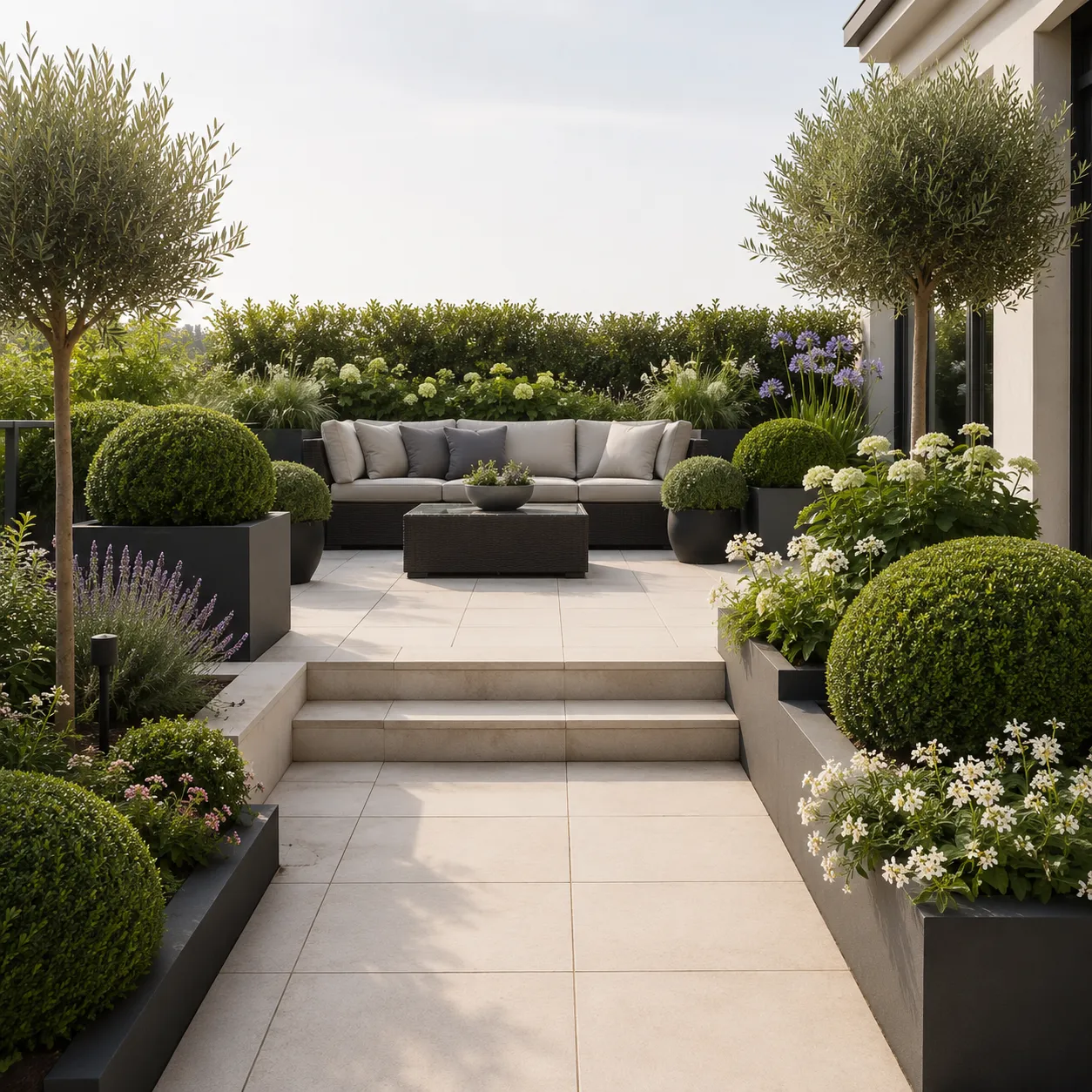
landscapedˈlændˌskeɪpt
designed and arranged with plants, paths, grass, or other outdoor features to look attractive.

slopesləʊp
a surface or area of land that is higher at one end than at the other.
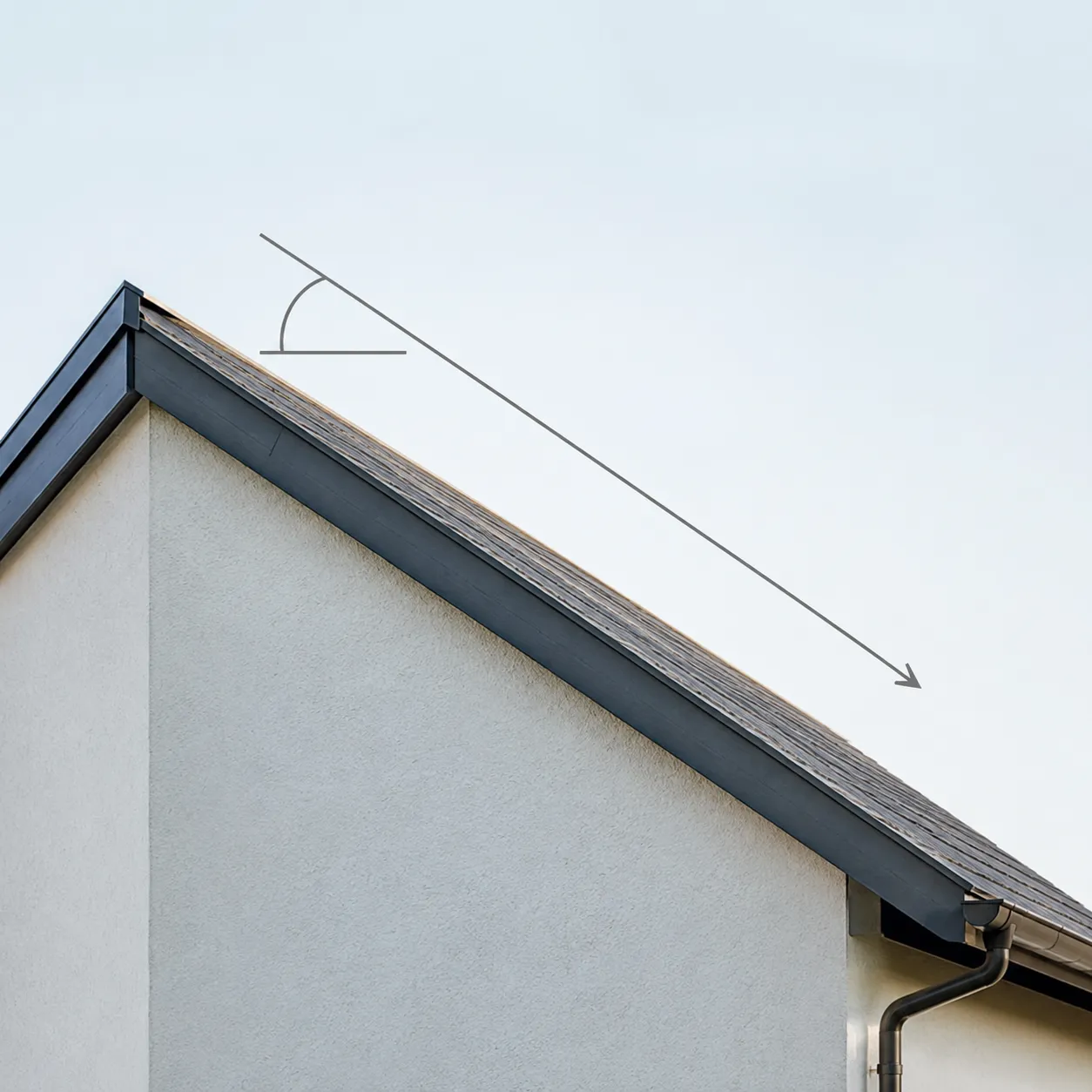
slopedsloʊpt
rising or falling at an angle instead of being flat or level.
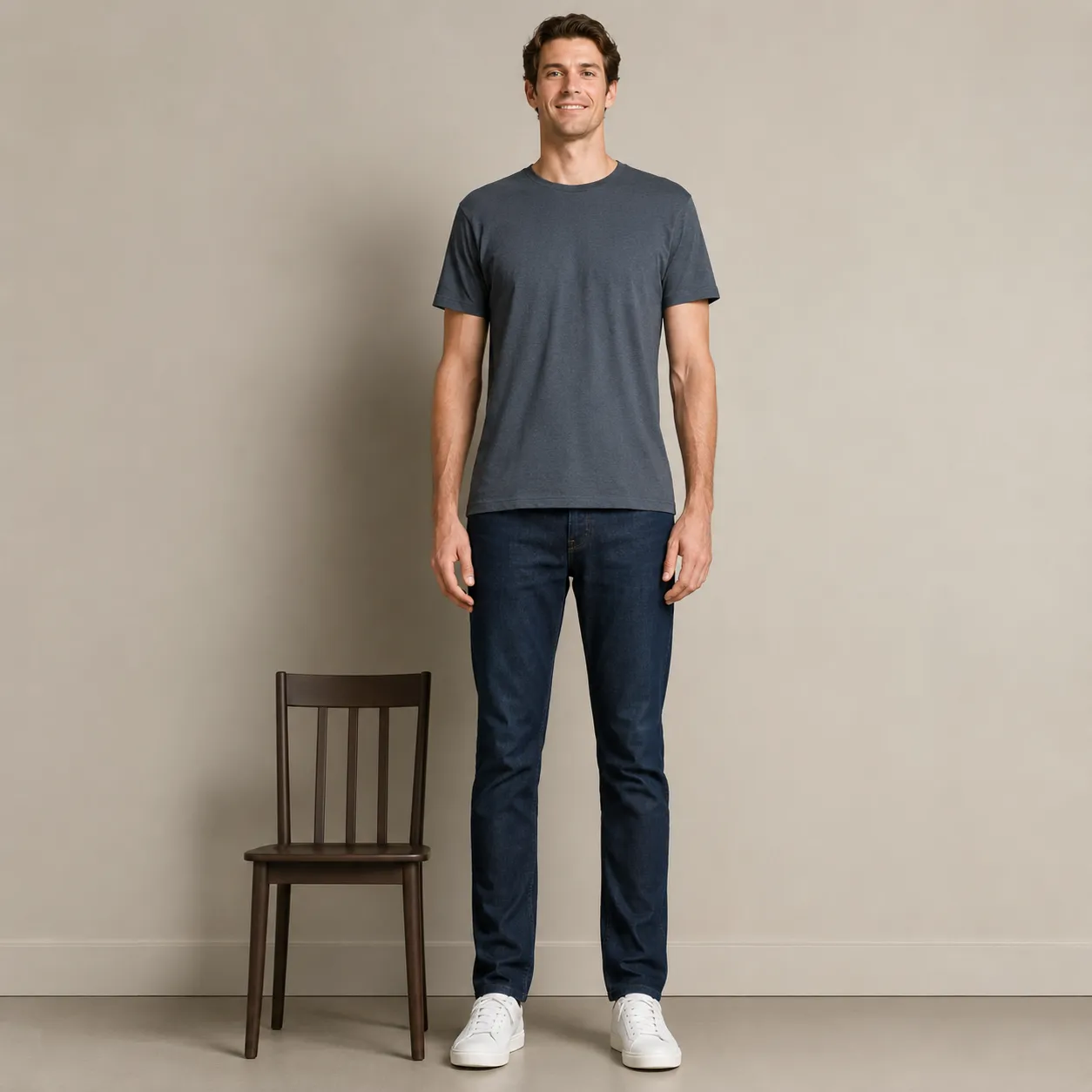
talltɔːl
having a greater height than most people or things of the same kind.
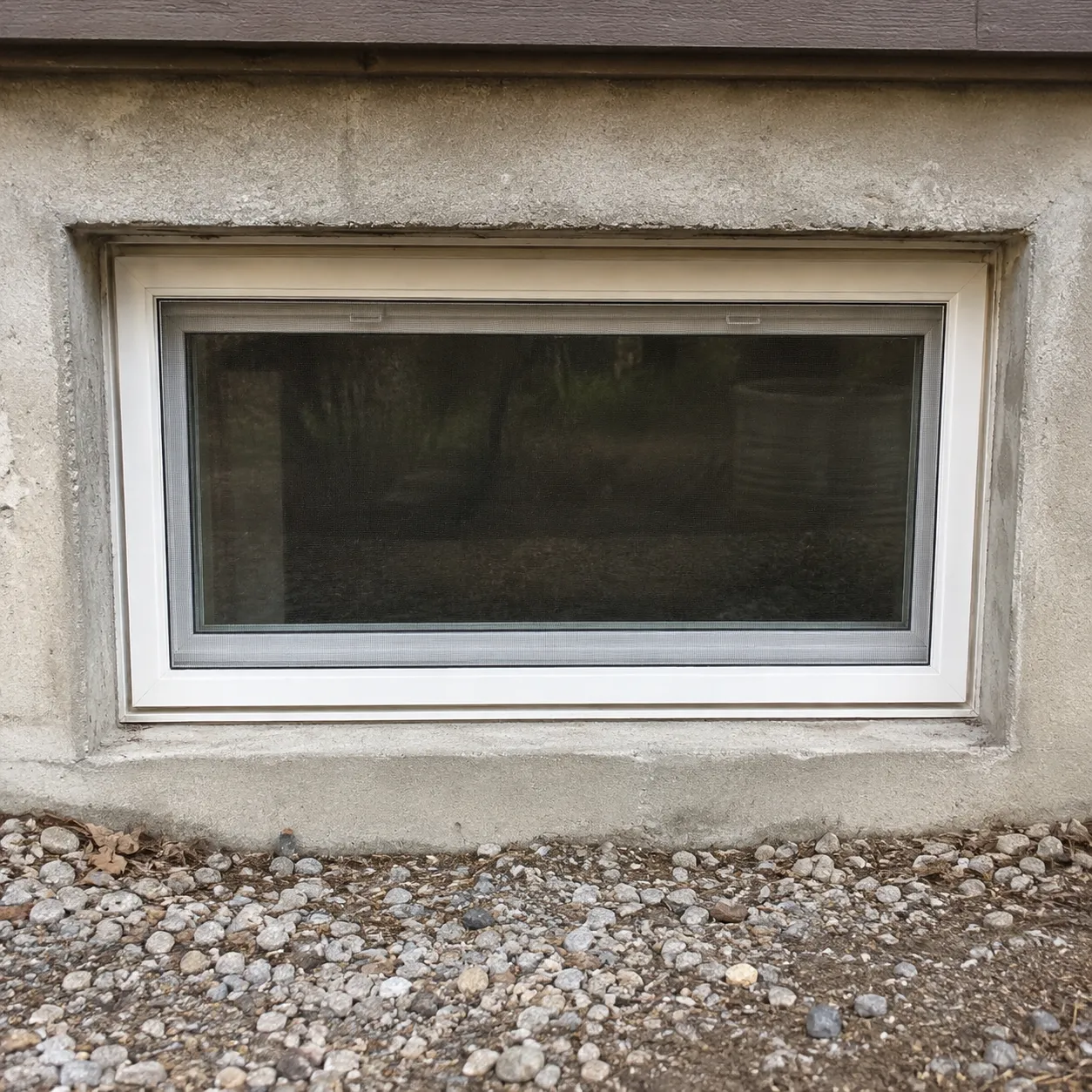
basement windowˈbeɪsmənt ˈwɪndoʊ
a window in the wall of a basement, often partly or fully below ground level.

outdoorsˌaʊtˈdɔːrz
outside a building, in the open air.

drainageˈdreɪnɪdʒ
the flow or removal of fluid from a wound, body area, or tube.
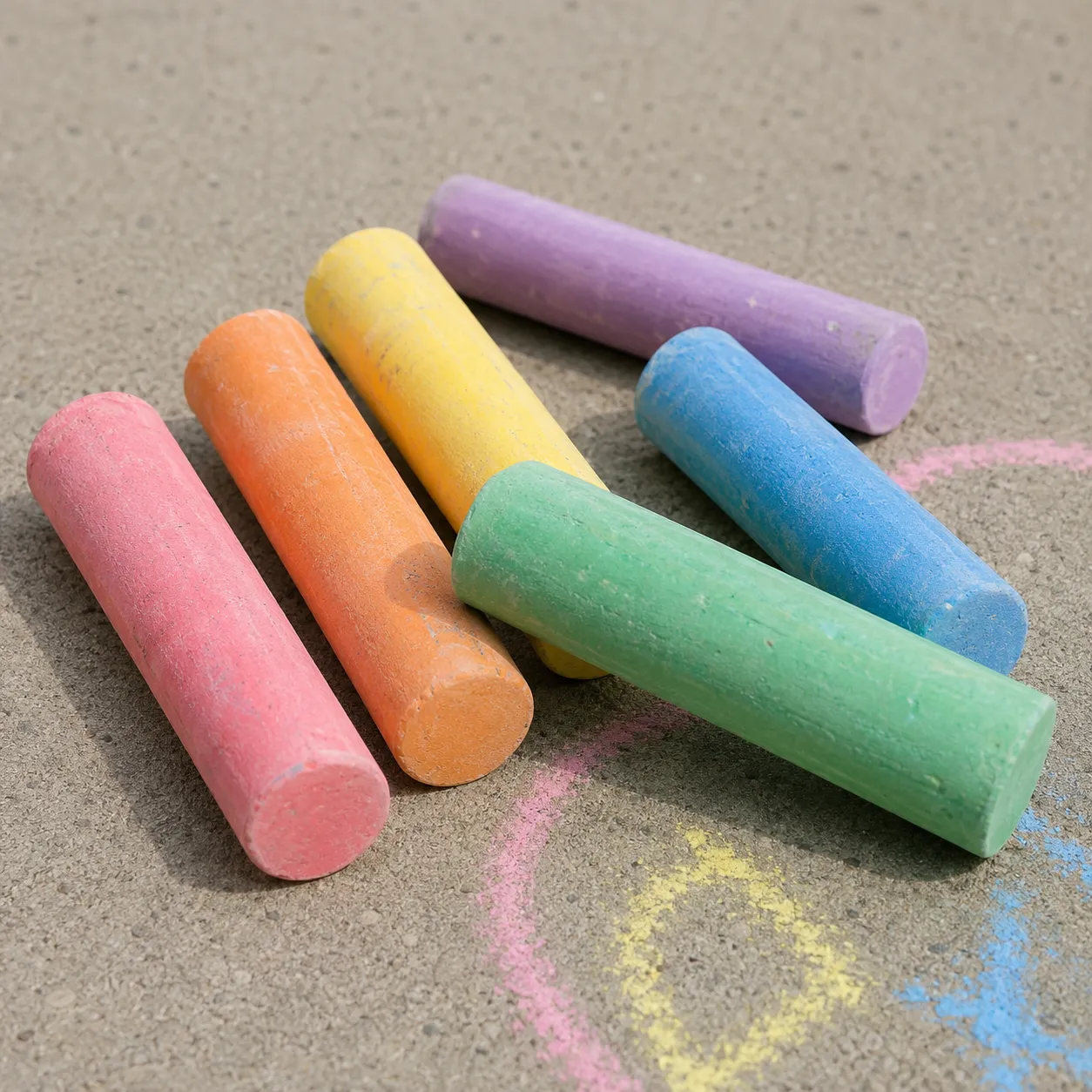
sidewalk chalkˈsaɪdˌwɔːk tʃɔːk
thick pieces of colored chalk that children use to draw on sidewalks or other outdoor pavement.
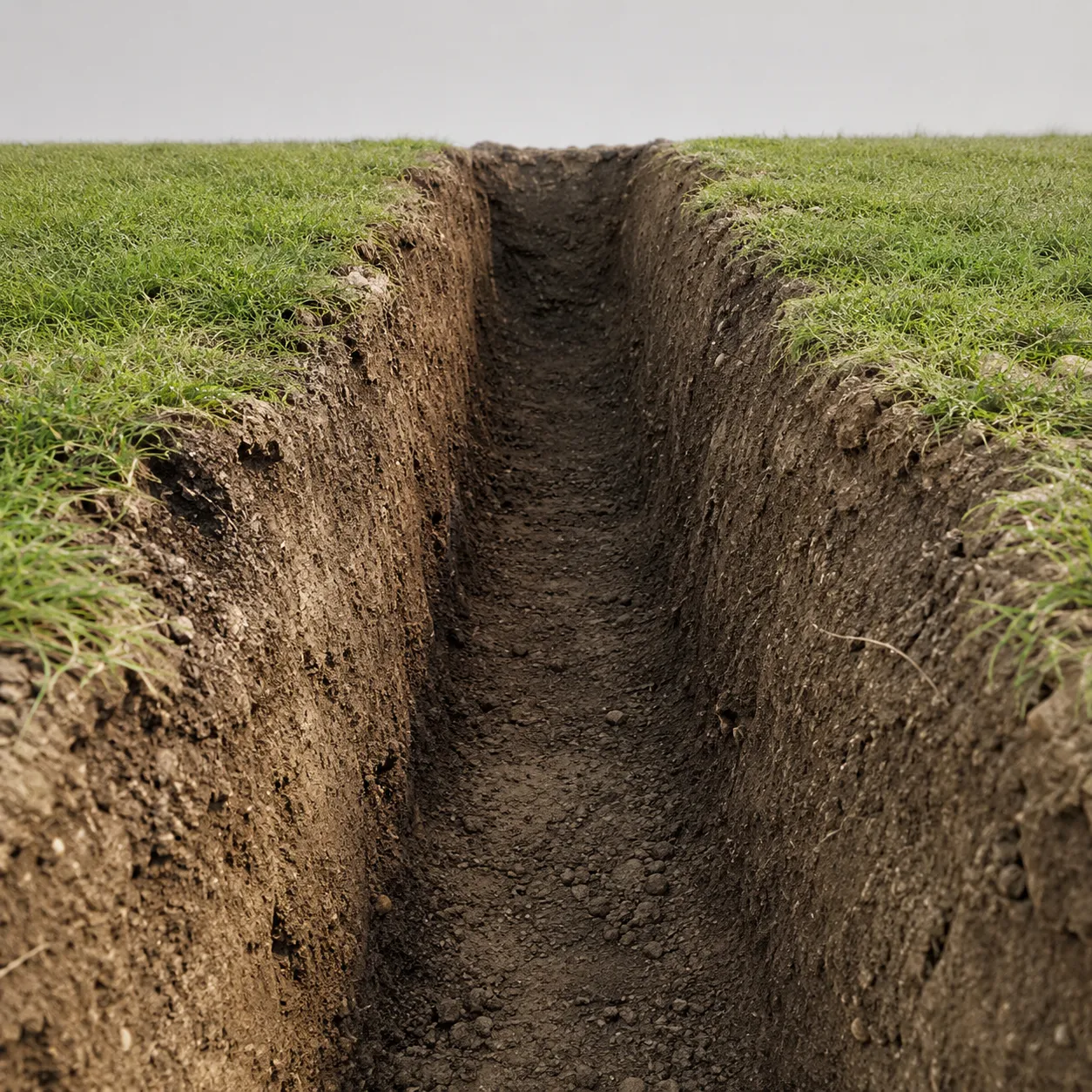
ditchdɪtʃ
a long narrow channel dug in the ground, often beside a road or field, to carry water away.
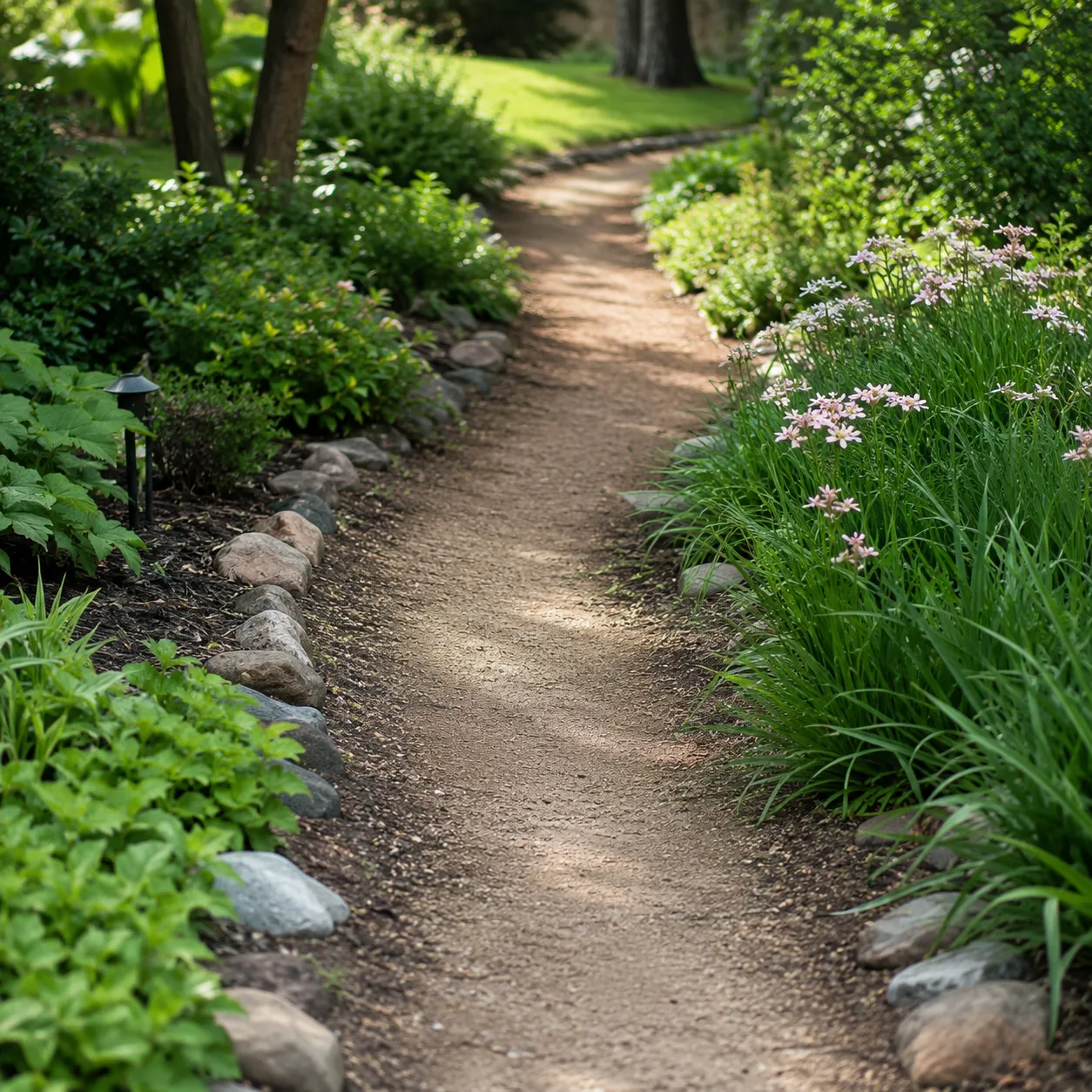
pathpæθ
a narrow route across land or through a place that people can walk along.
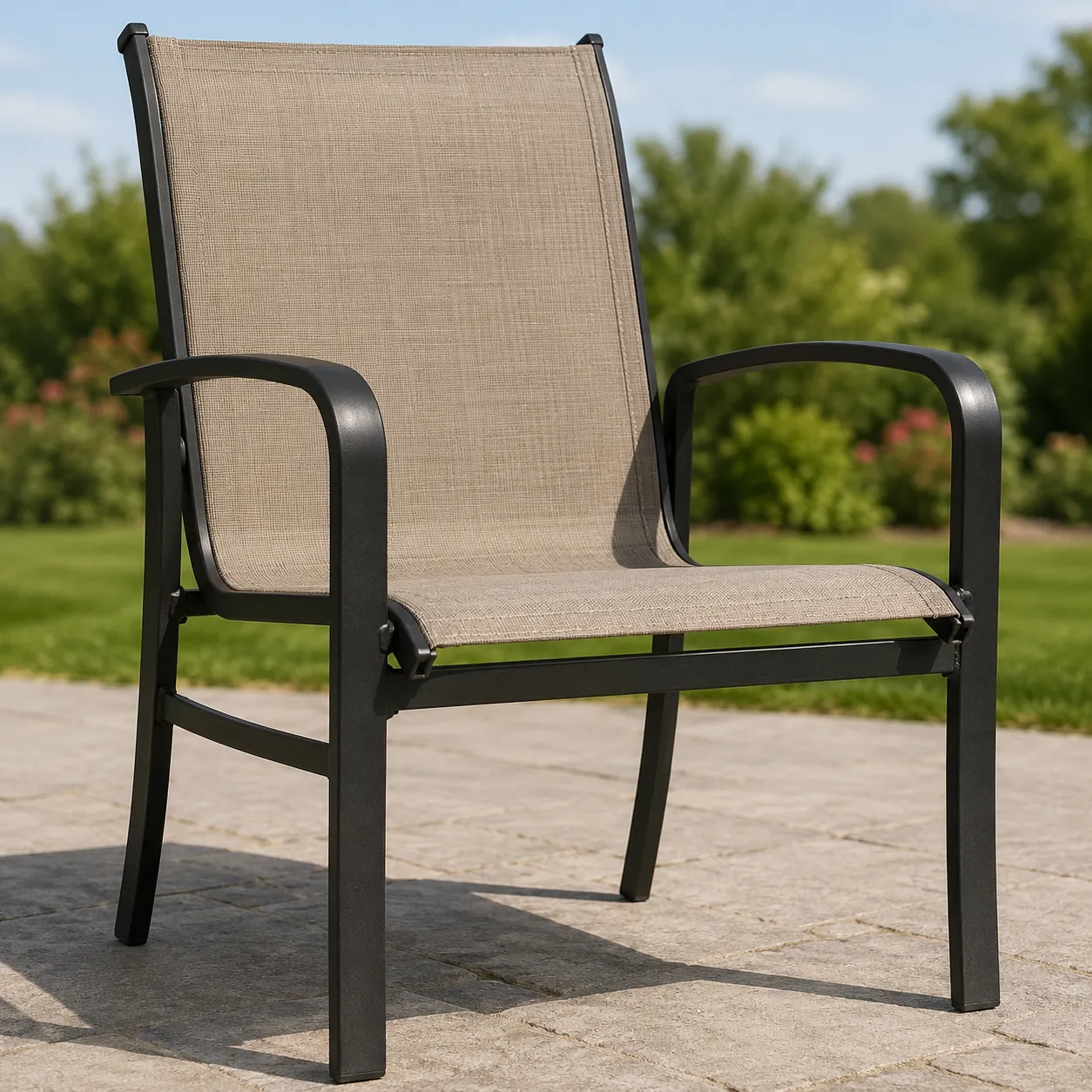
outdoorˈaʊtdɔːr
used, happening, or located outside a building, not inside it.
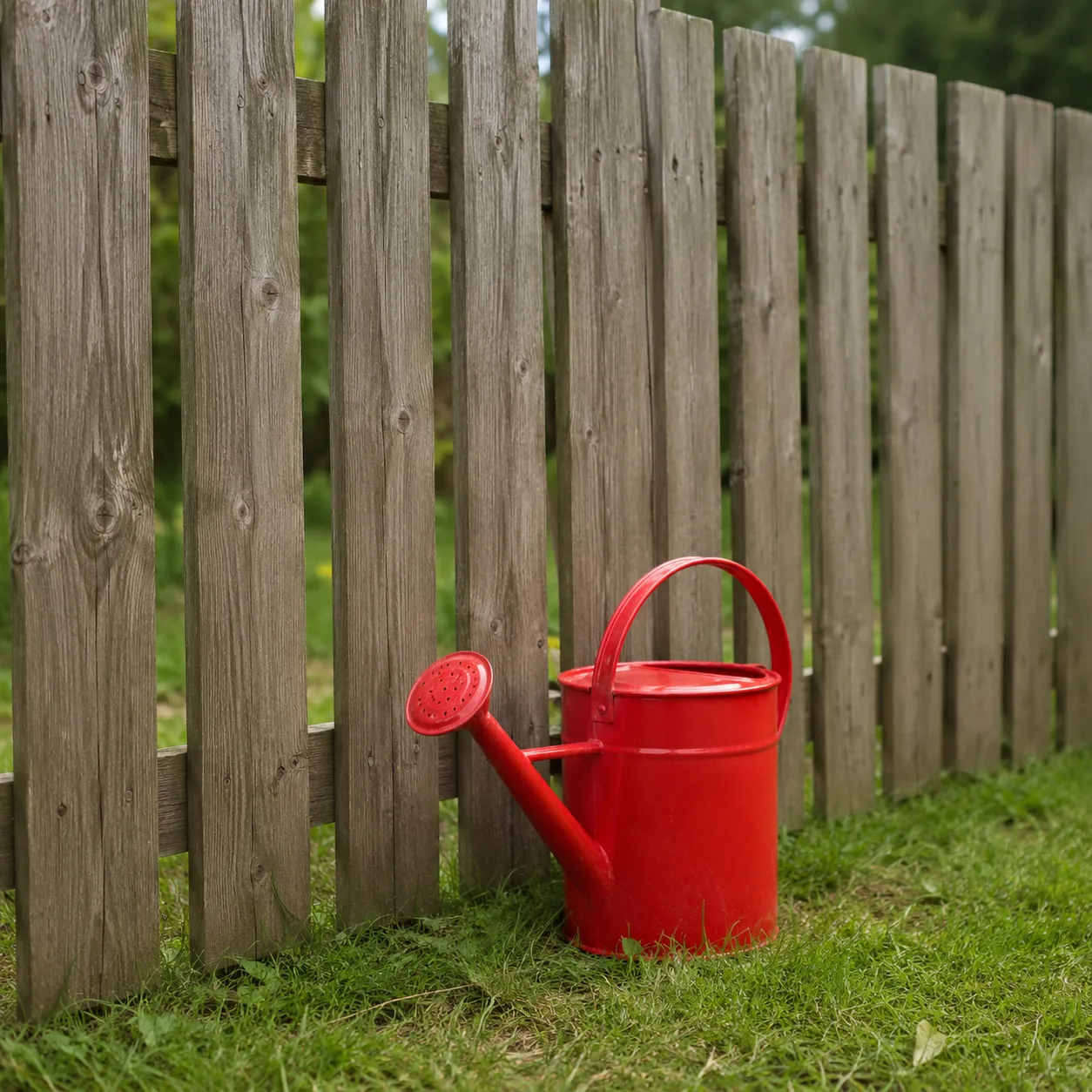
beside the fencebɪˈsaɪd ðə ˈfɛns
next to the fence or very close to it.
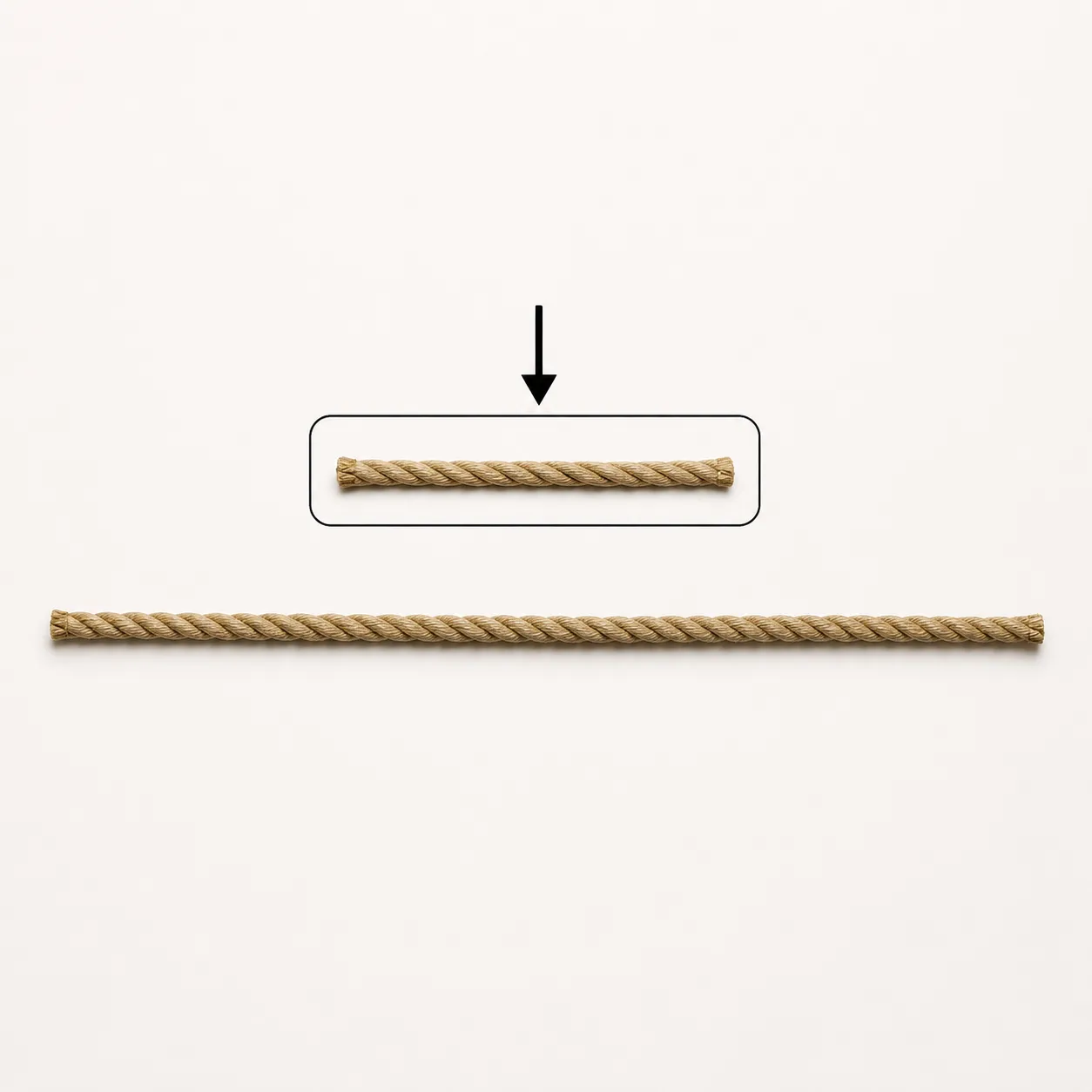
shortʃɔːrt
not long in distance from one end to the other, or not lasting for much time.
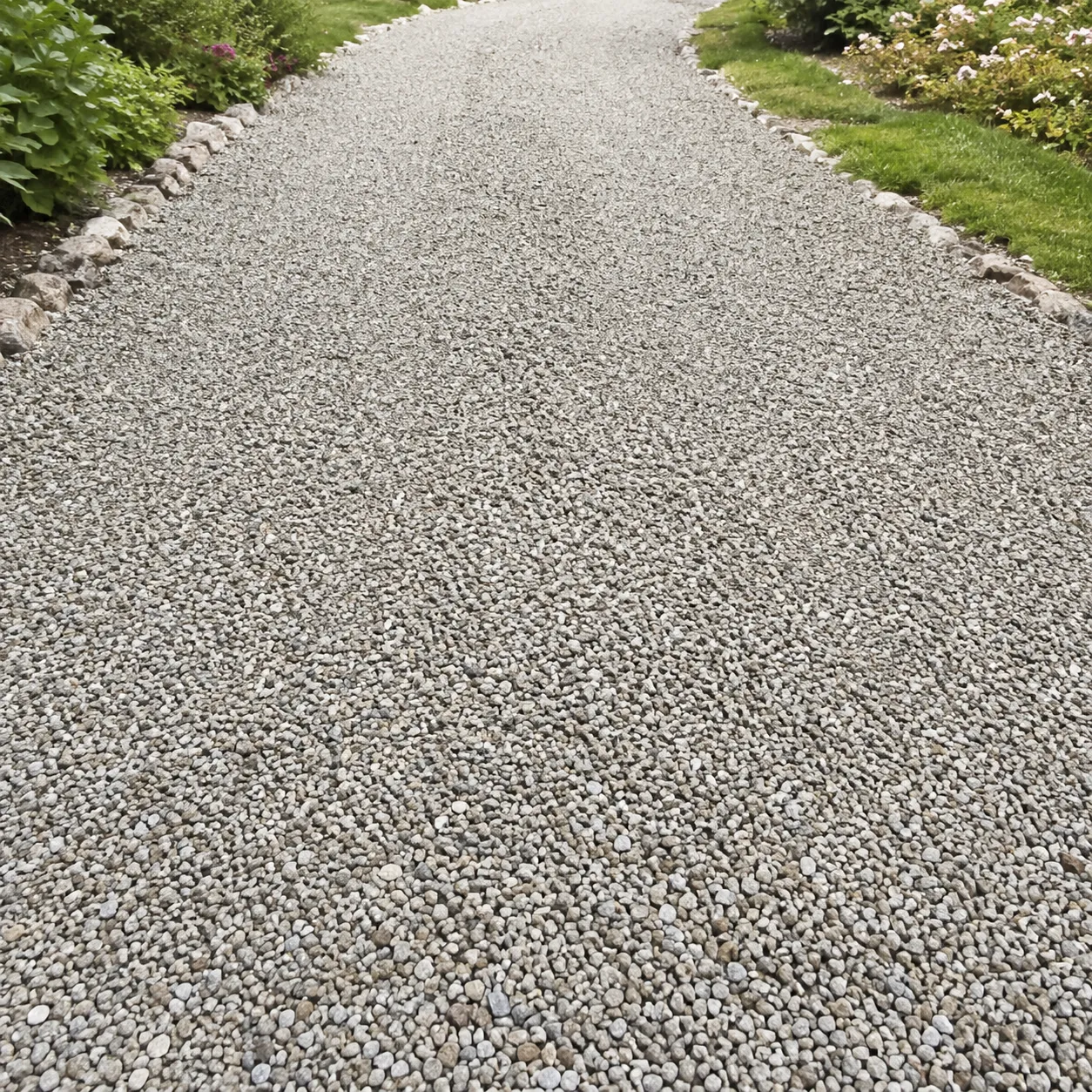
gravel pathˈɡrævəl pæθ
a path covered with small loose stones, often used in gardens or parks.
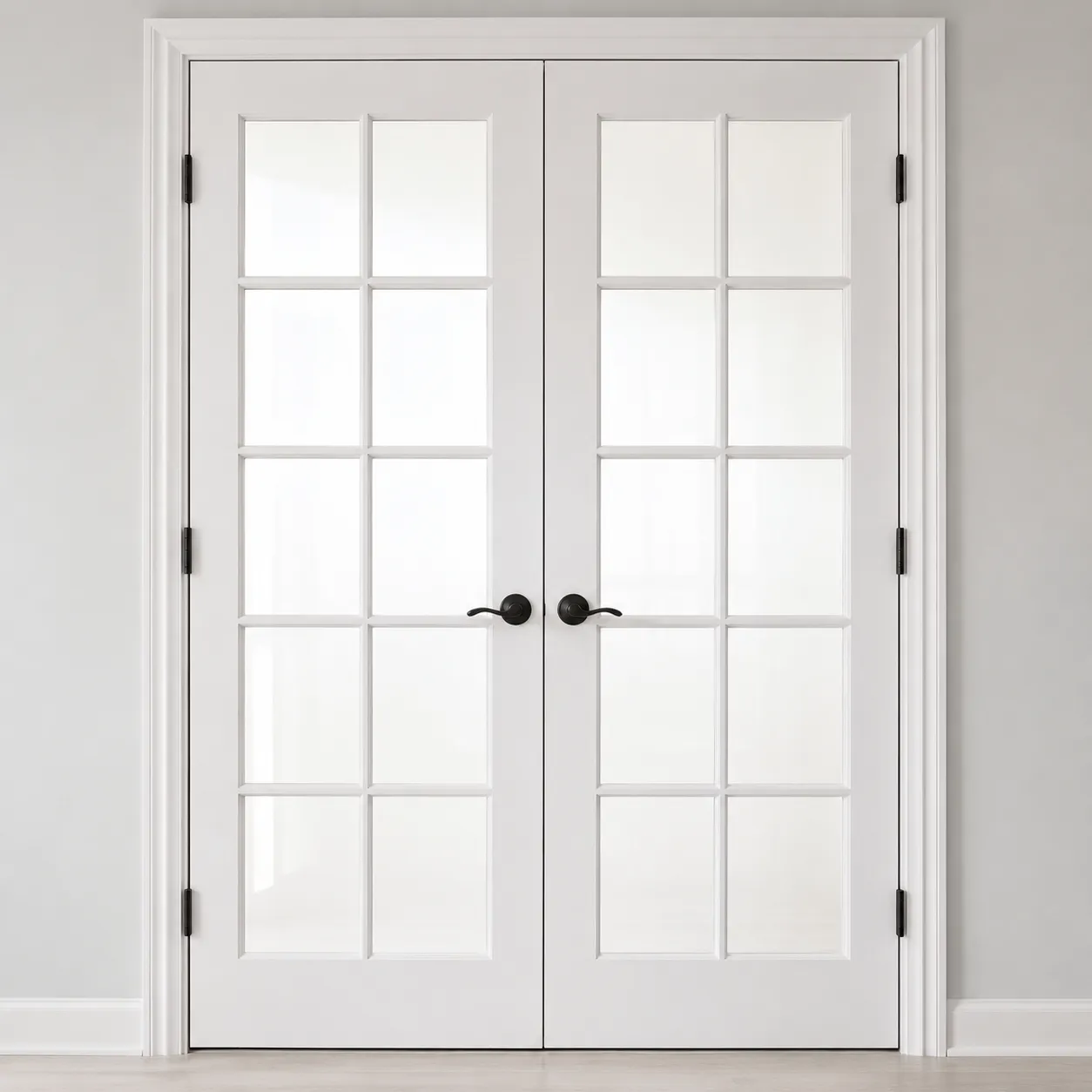
French doorˌfrentʃ ˈdɔːr
a door with glass panes over most of its length, often one of a pair that opens onto a garden or balcony.
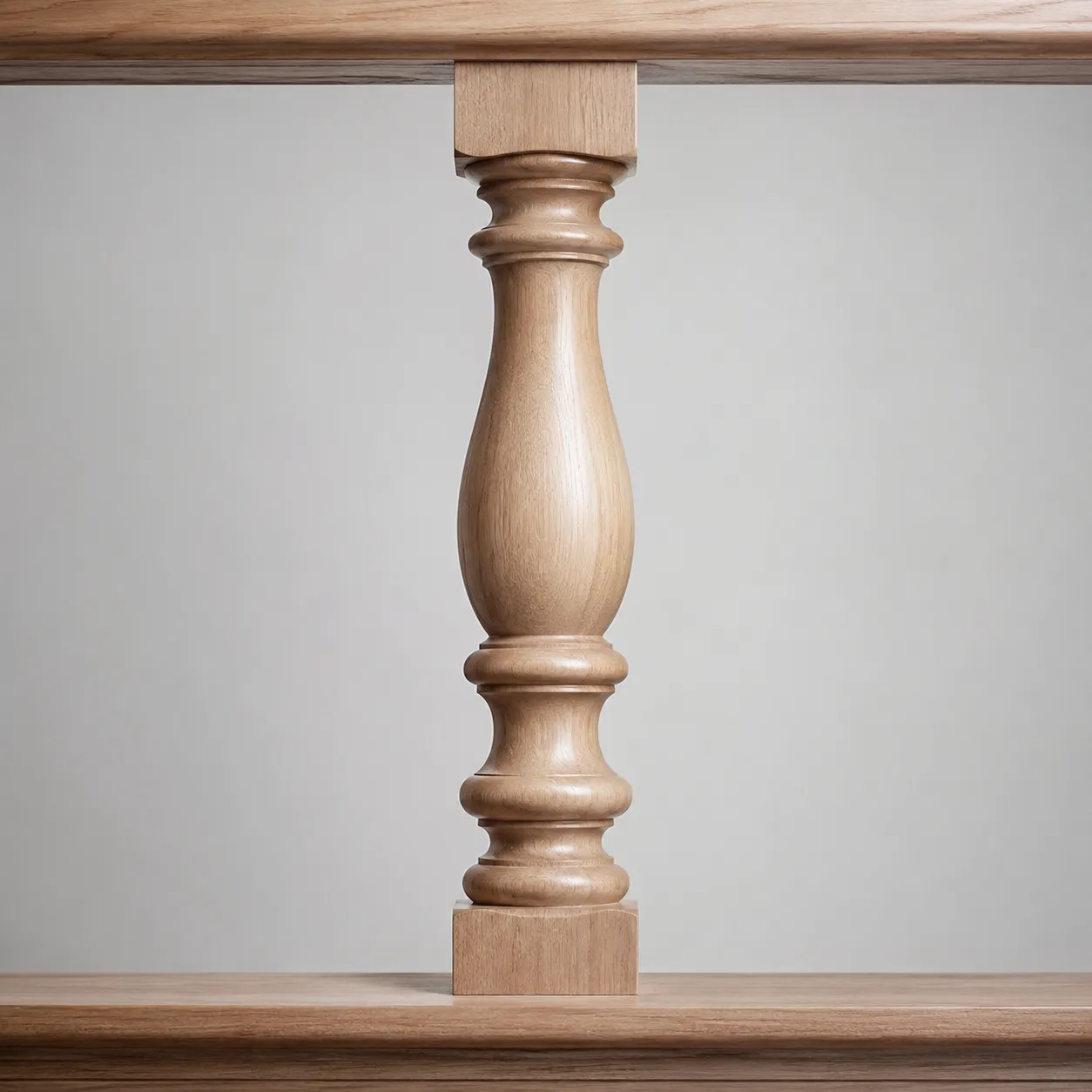
balusterˈbæləstər
one of the short upright posts in a row that support the rail on stairs, a balcony or a terrace.
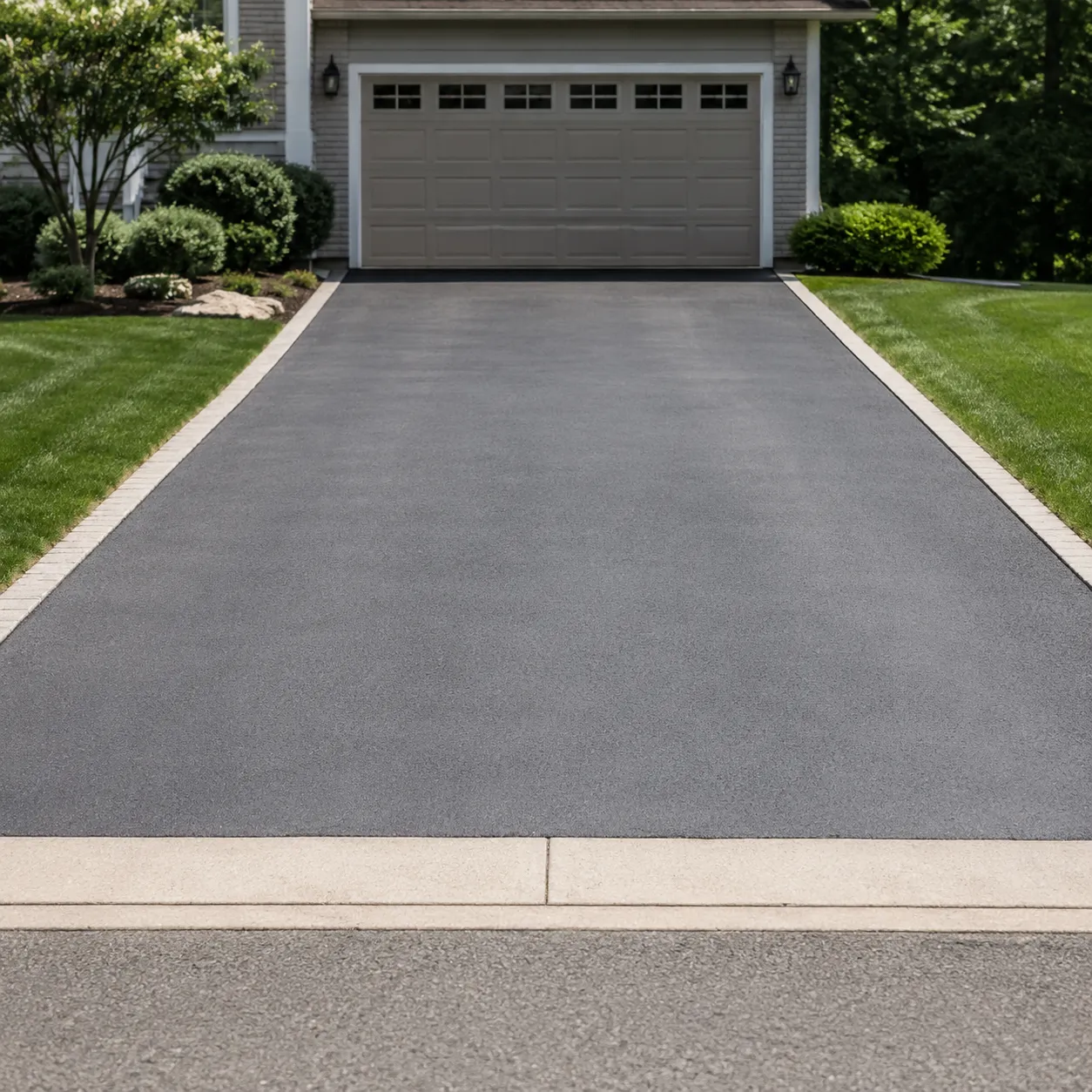
Drivewayˈdraɪvweɪ
A short road or path where cars drive or park near a house.
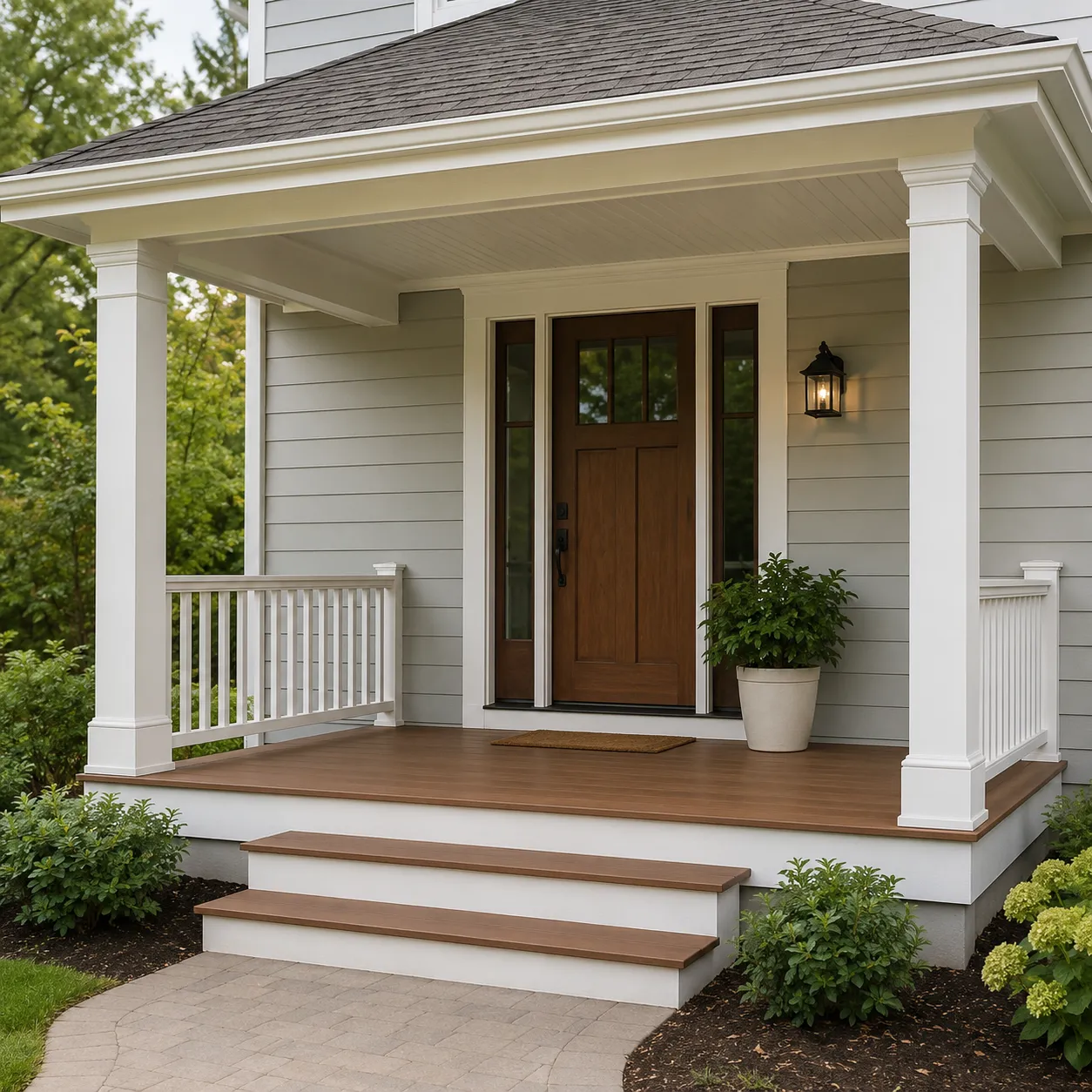
Porchpɔːrtʃ
A covered area at the entrance of a house.
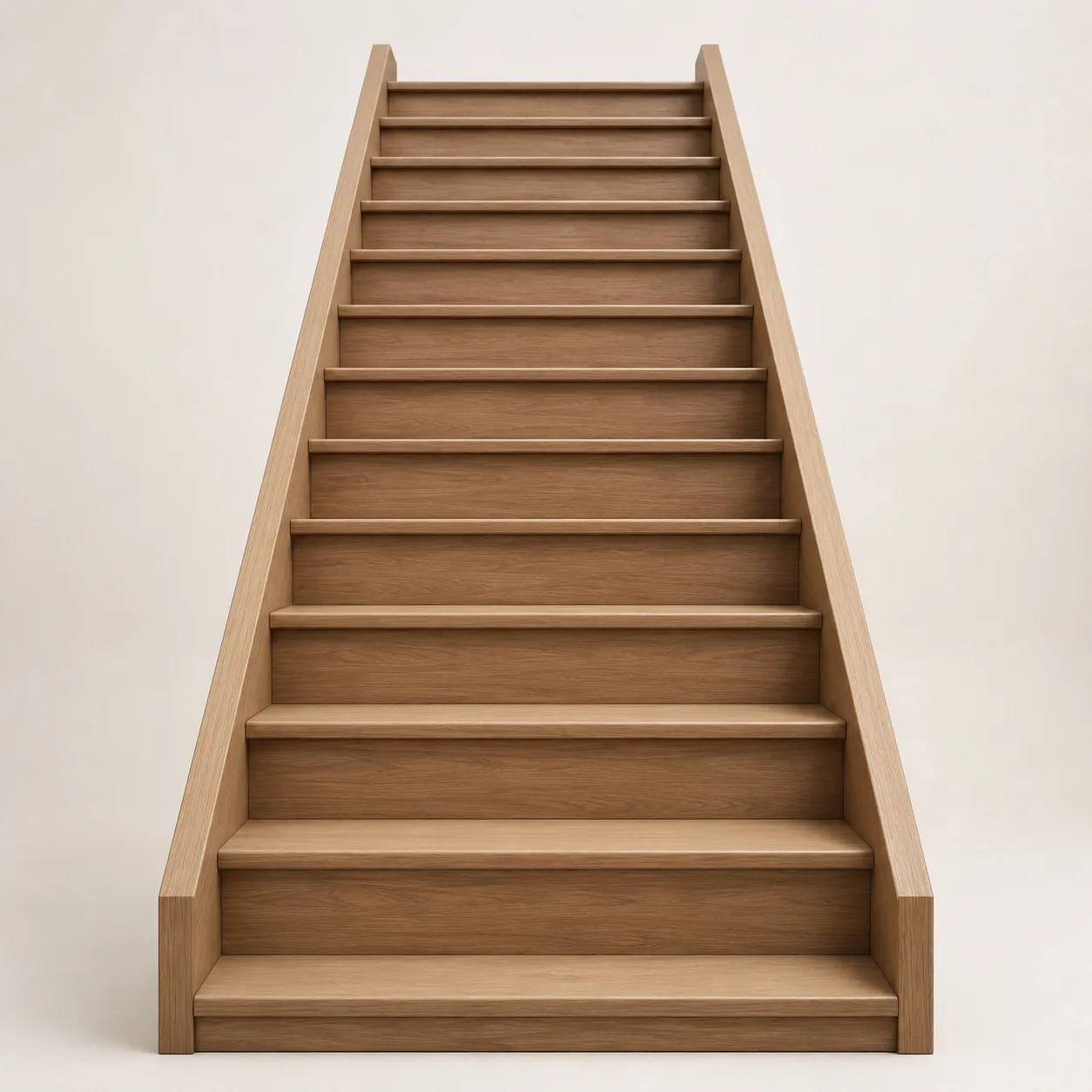
Stairssteəz
Steps used to go up or down between floors.
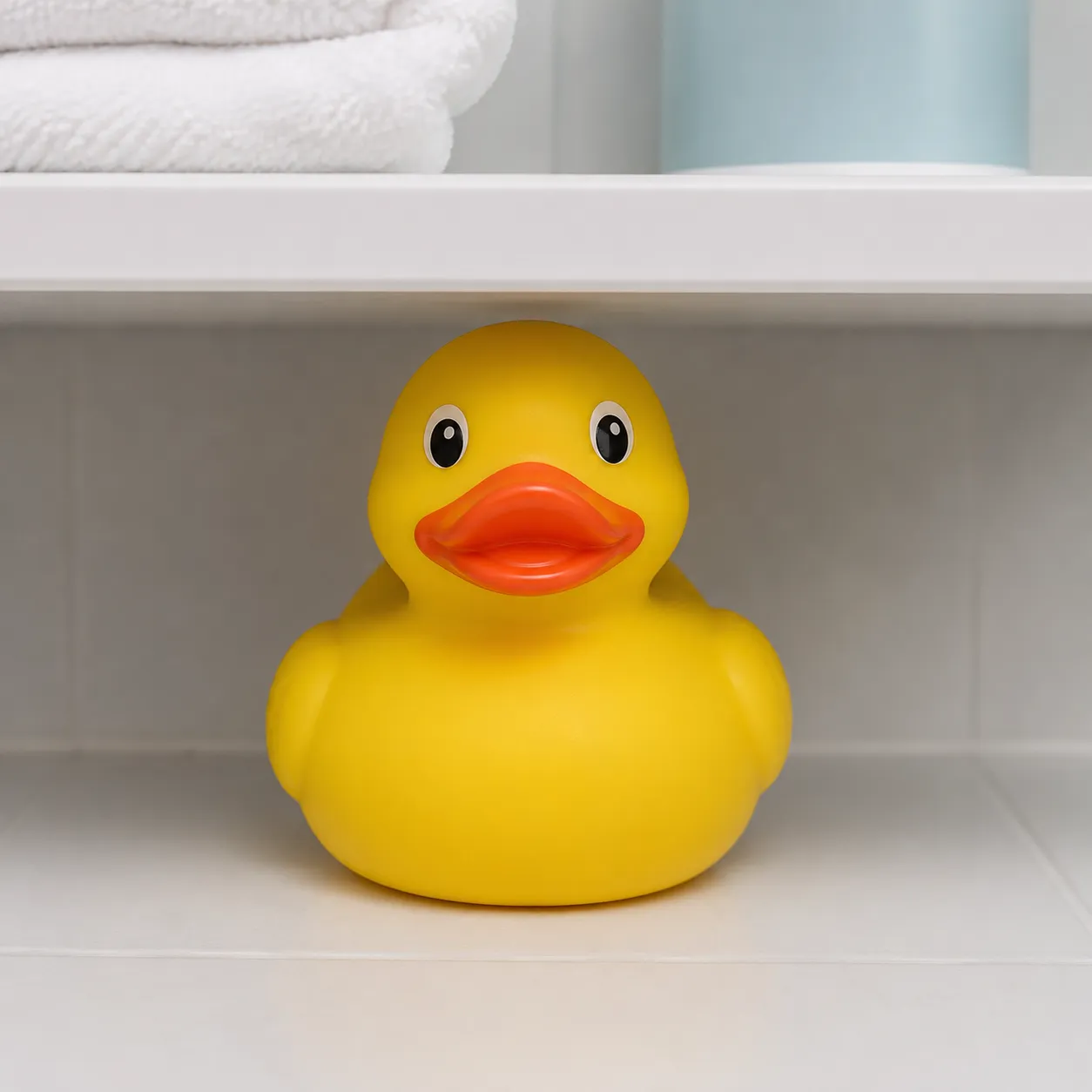
underˈʌndər
in or to a lower position than something else, often directly beneath it or covered by it.
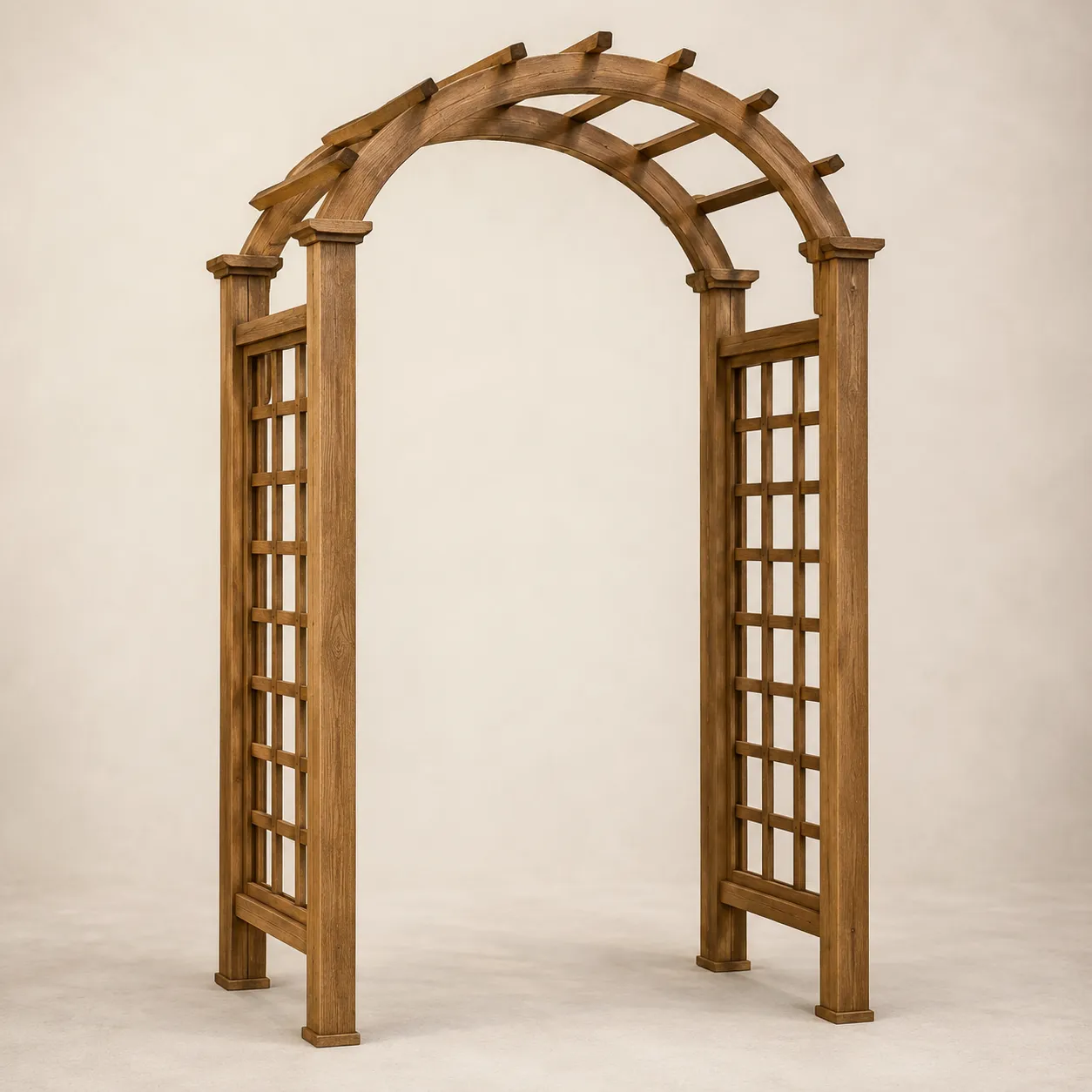
arborˈɑːrbər
a small garden structure that gives shade, usually with climbing plants growing over it.
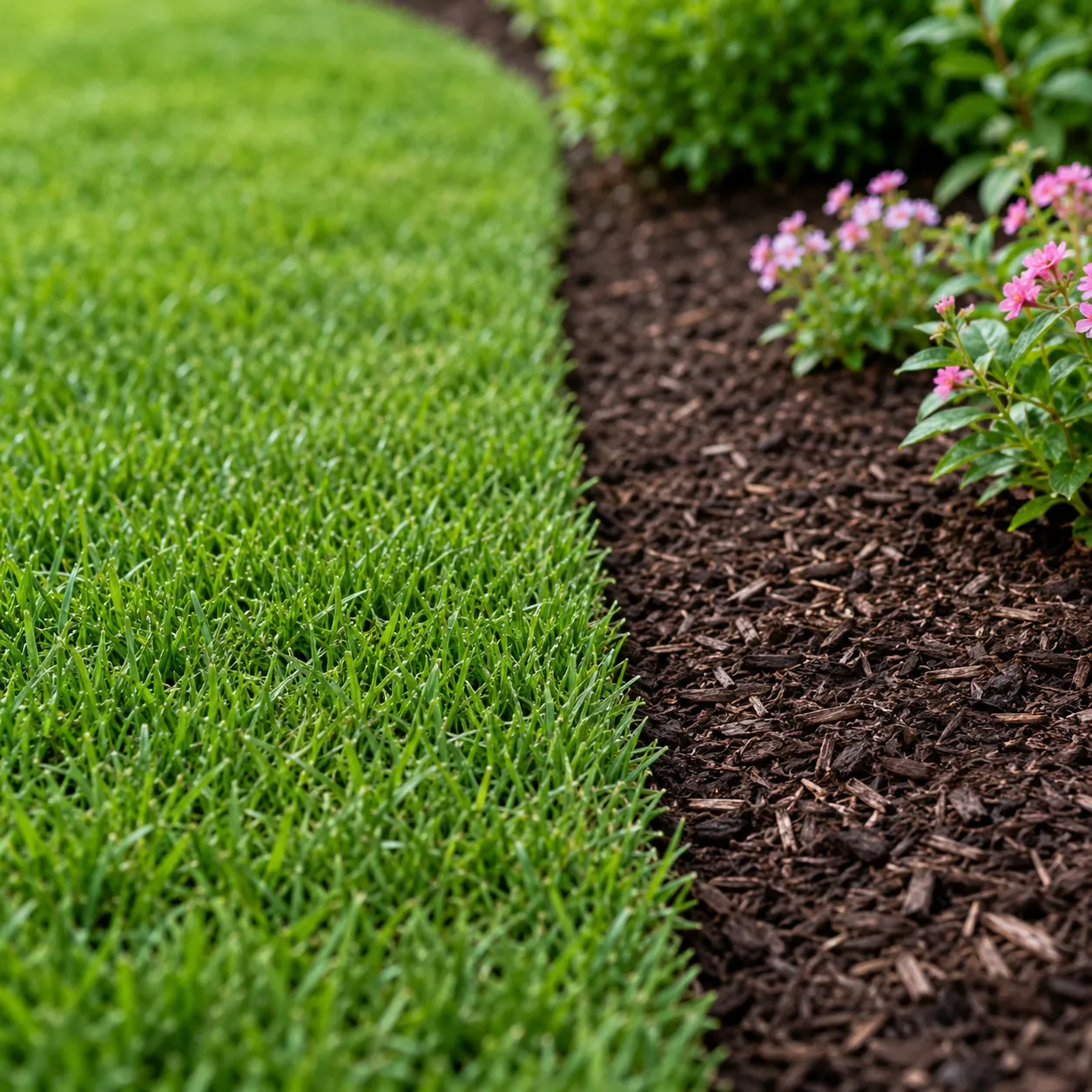
lawn edgeˈlɔːn ɛdʒ
the line or border where a lawn ends and a path, flower bed, or other area begins.
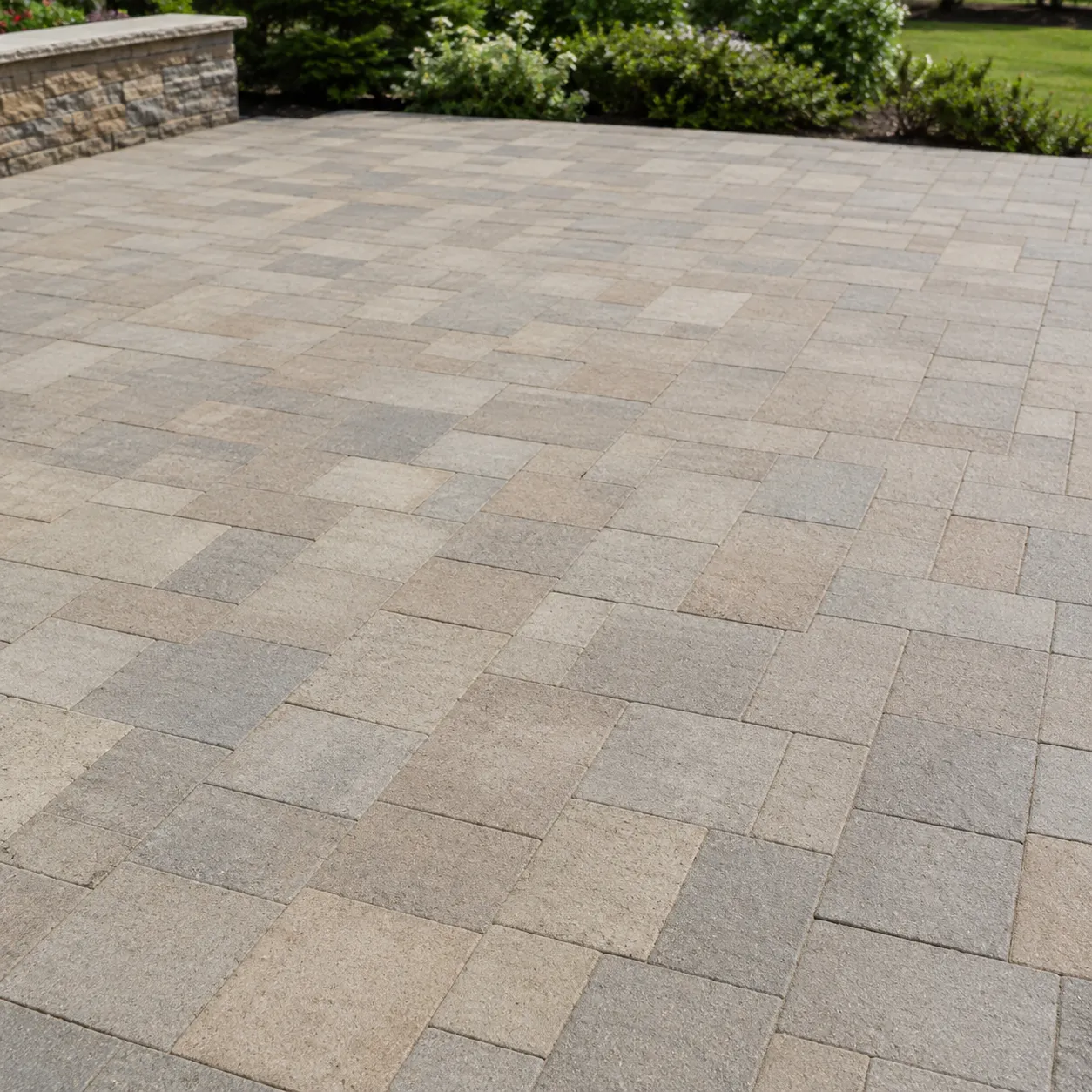
pavedpeɪvd
covered with a hard flat surface made of stones, bricks, concrete, or similar material.
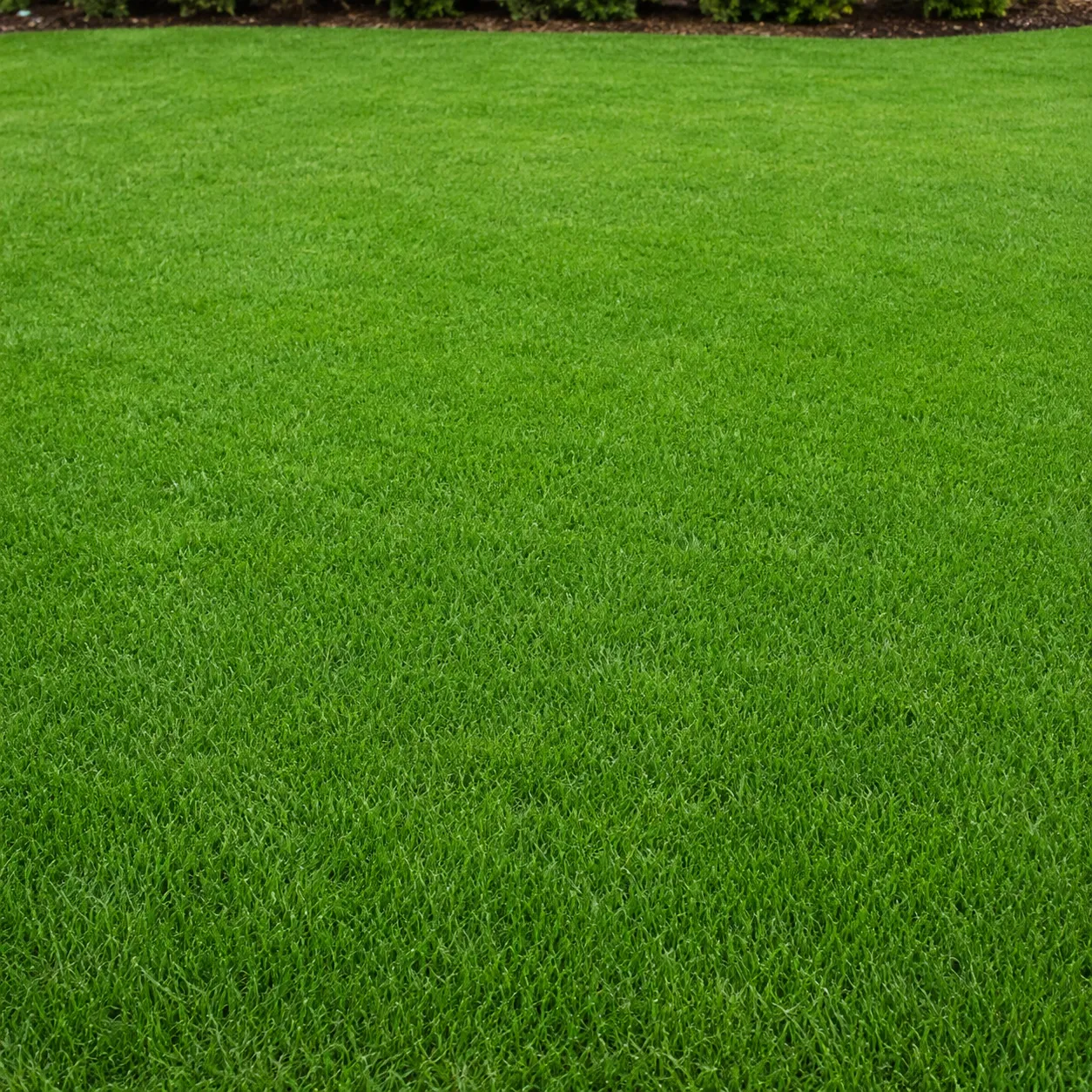
lawnlɔːn
an area of short, regularly cut grass in a garden, yard, or park.
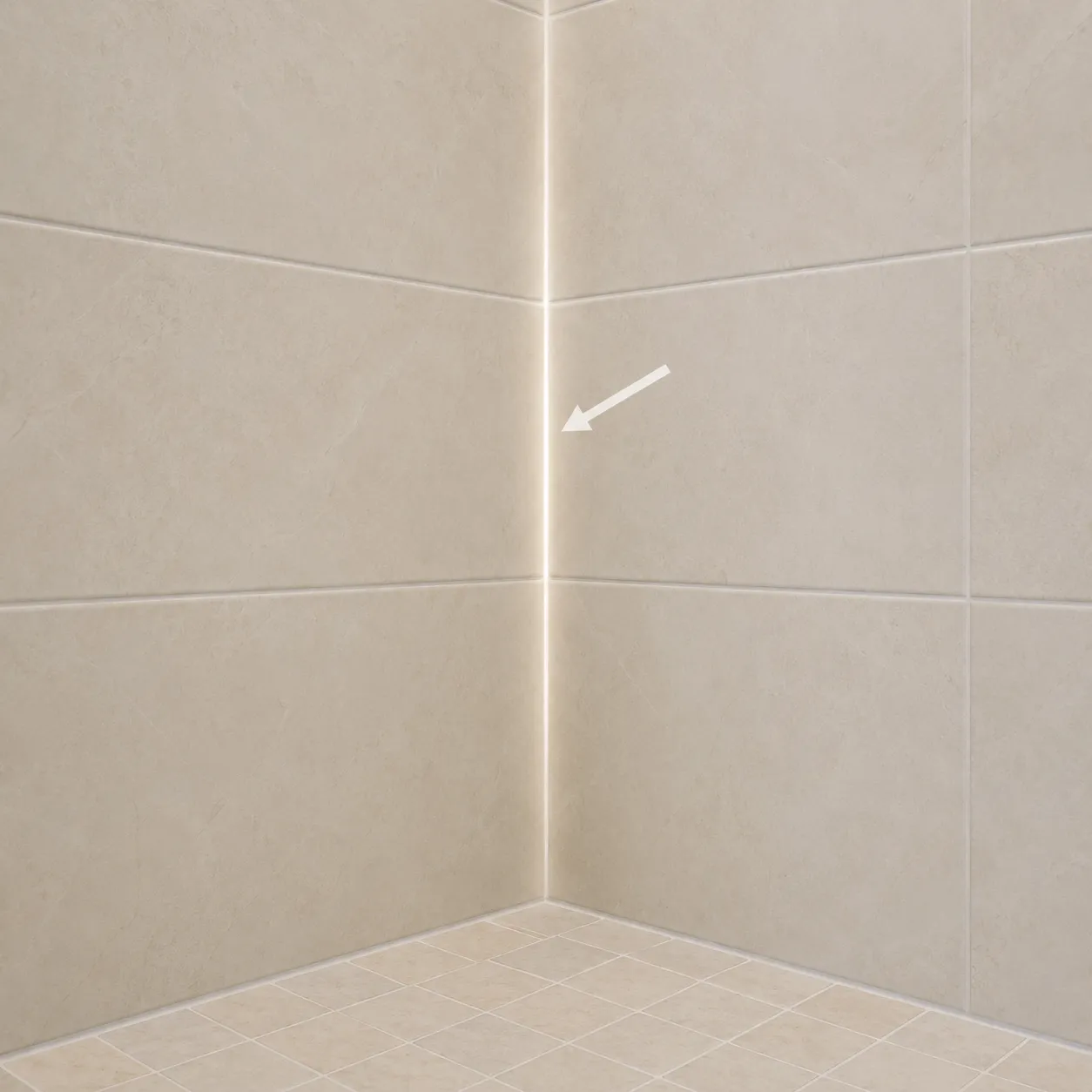
cornerˈkɔːrnər
the place where two walls, edges, or sides meet, especially inside a room or on an object.
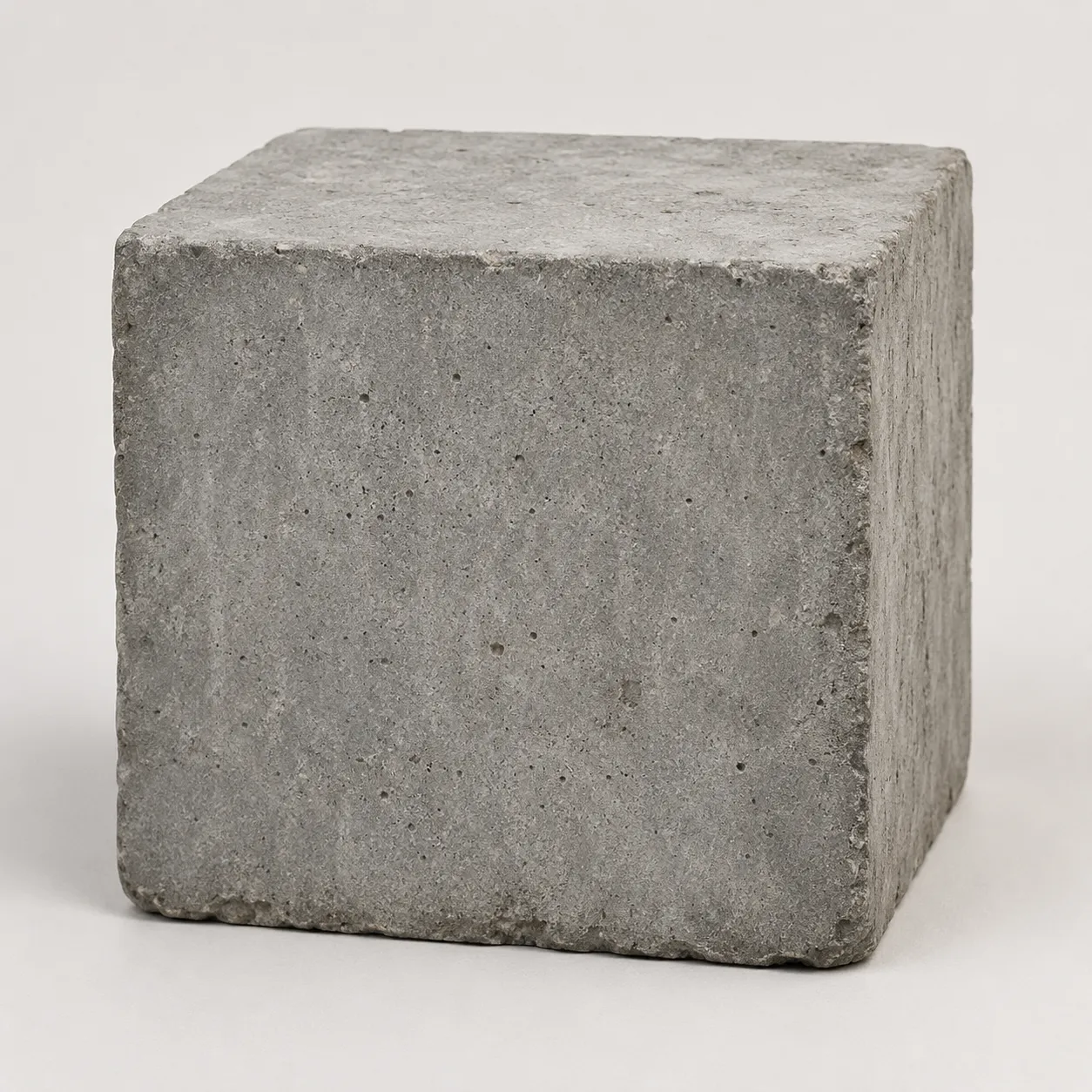
concreteˈkɑːnkriːt
a hard building material made by mixing cement, sand, small stones, and water.
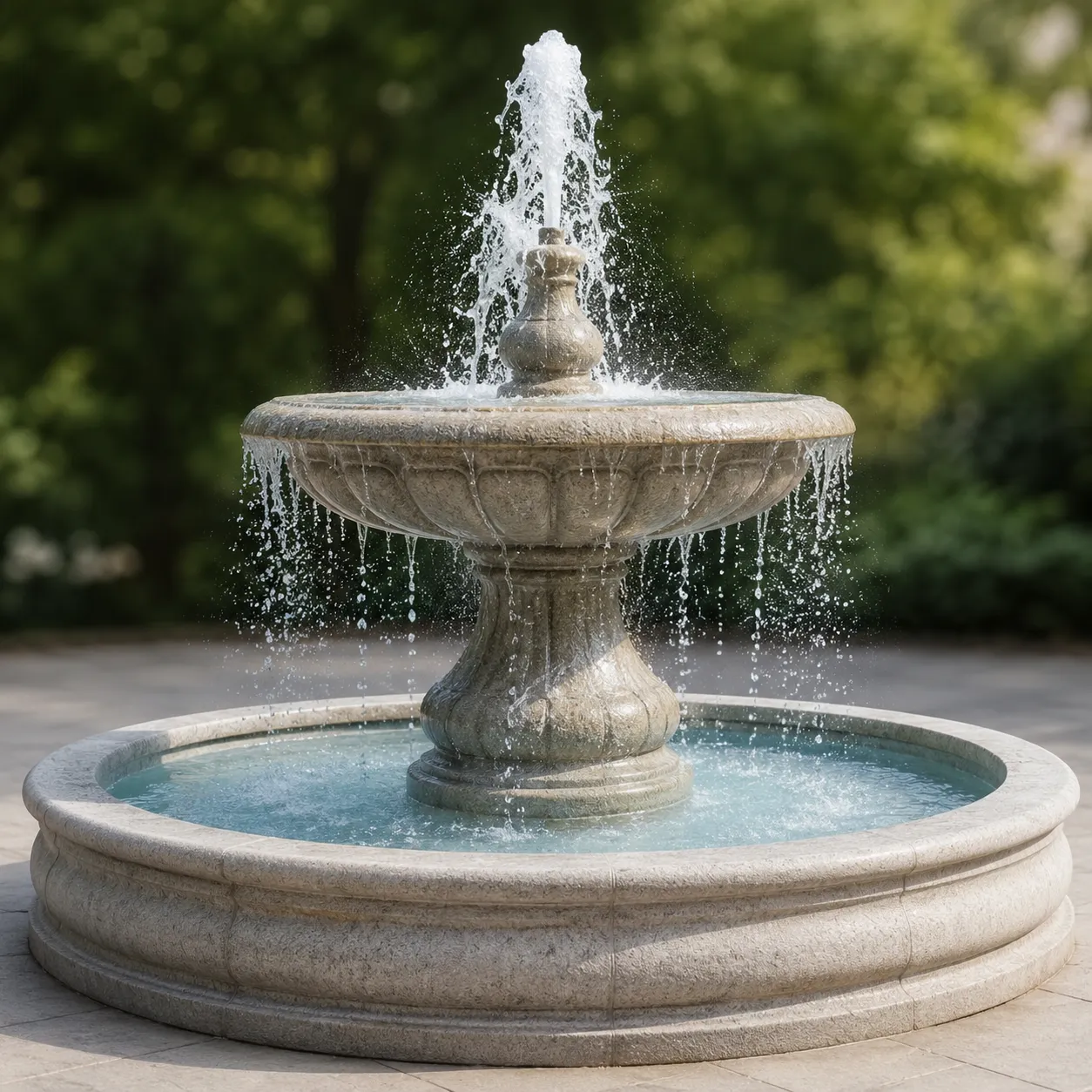
fountainˈfaʊntən
a structure that sends water up into the air or lets it flow in a decorative way, often in a park, garden, or square.
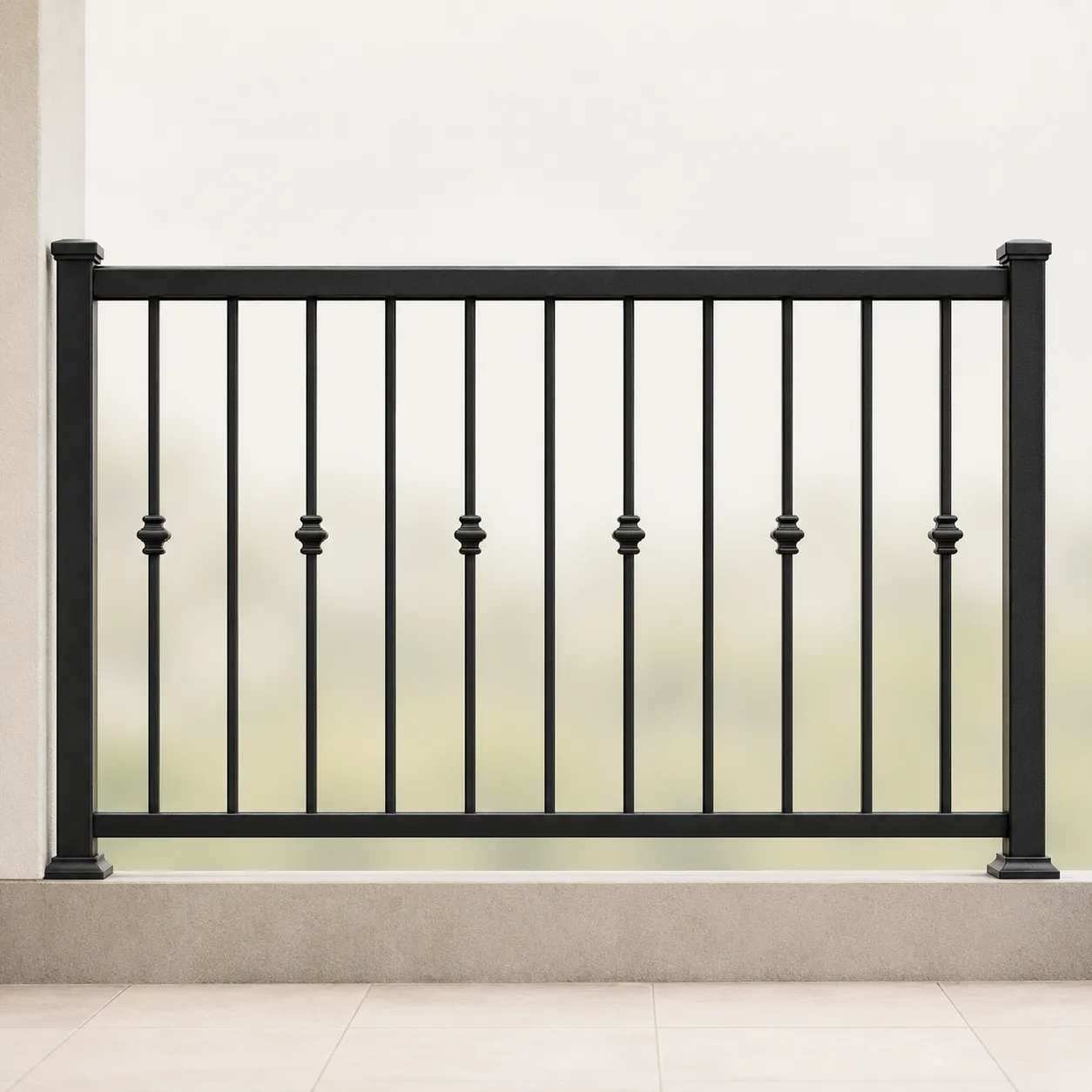
railingˈreɪlɪŋ
a row of posts with a bar along the top, used beside stairs, balconies, or edges to hold on to or to stop people falling.
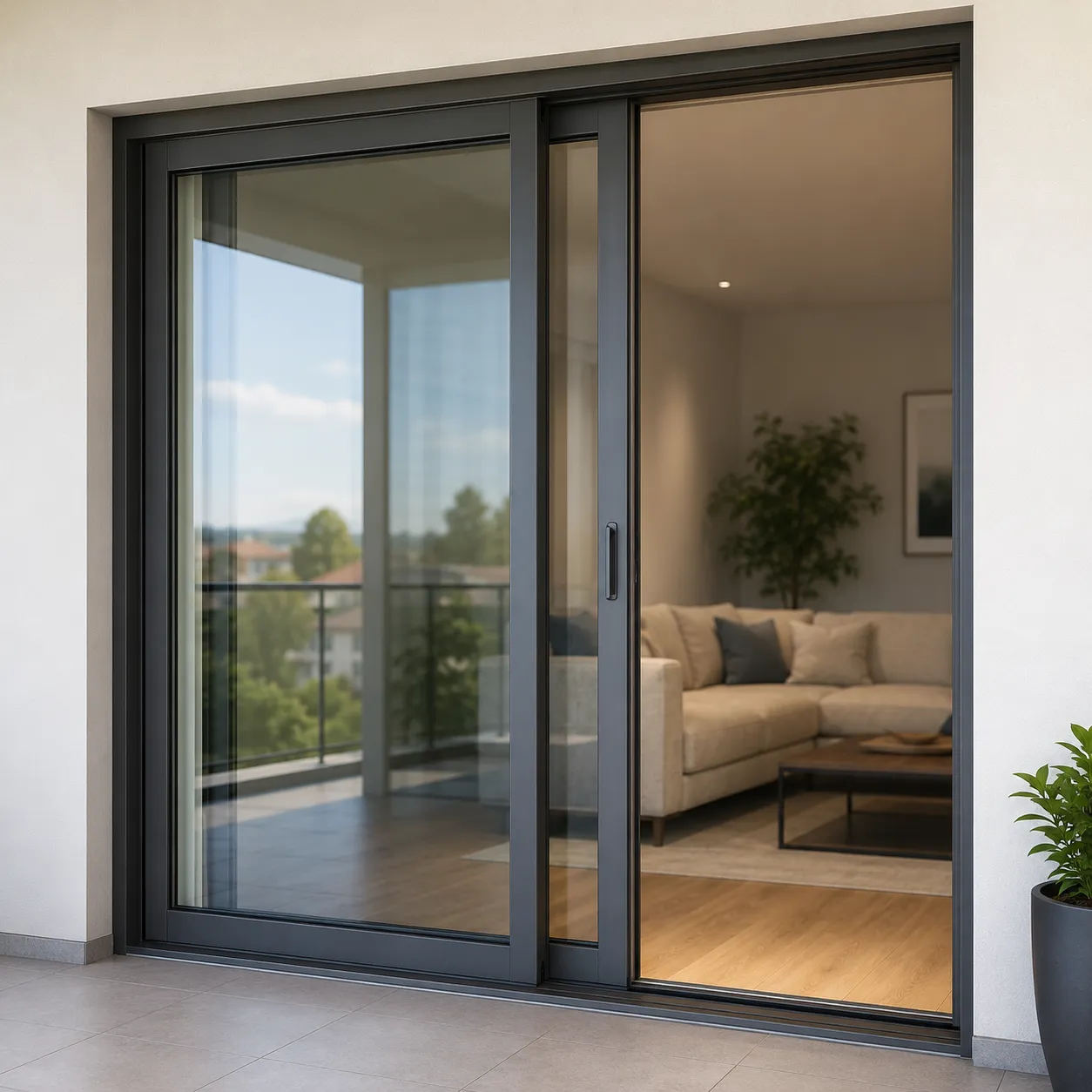
sliding doorˈslaɪdɪŋ dɔːr
a door that opens and closes by moving sideways along a track instead of swinging on hinges.
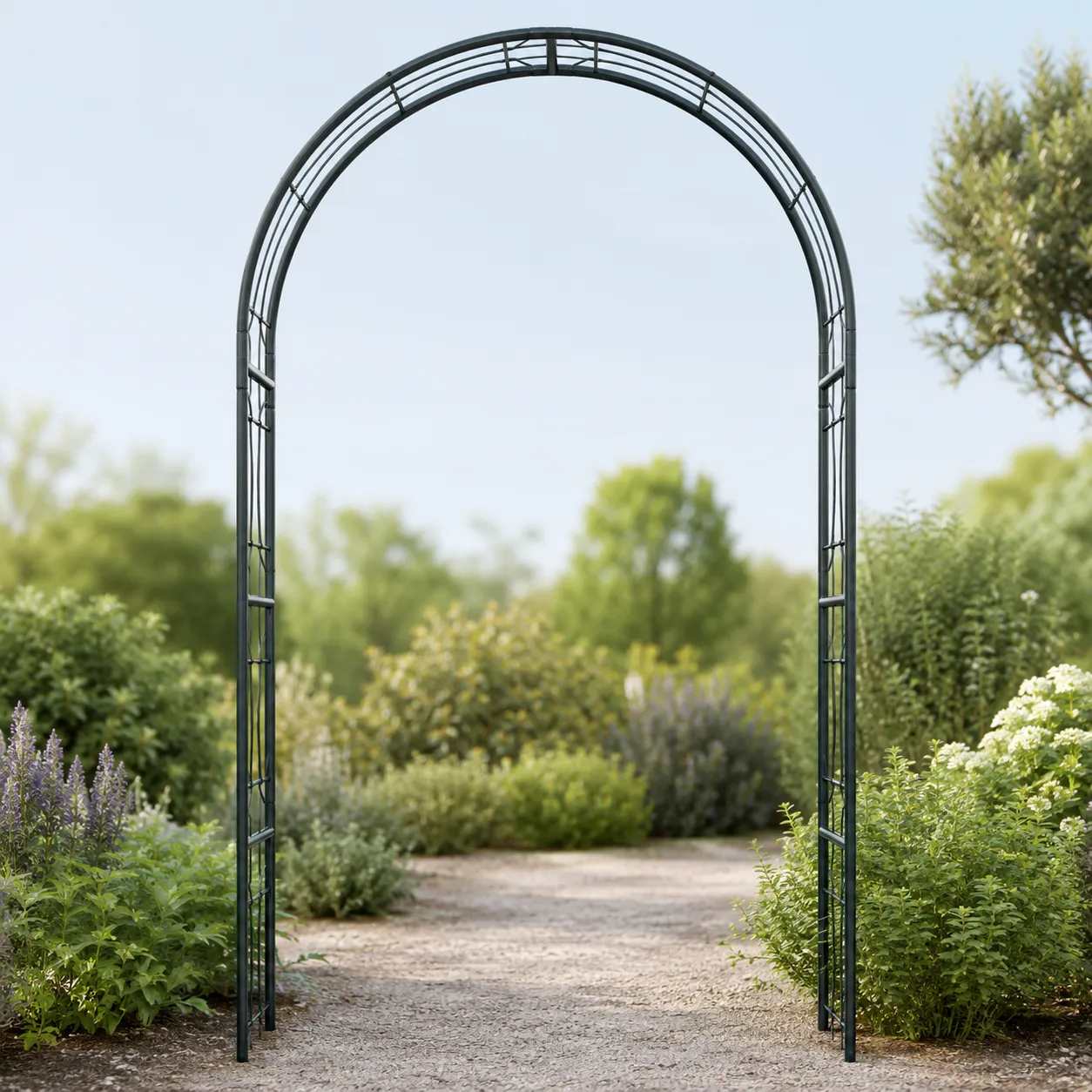
garden archˈɡɑːrdən ɑːrtʃ
a decorative arch in a garden, often used to support climbing plants or mark an entrance.
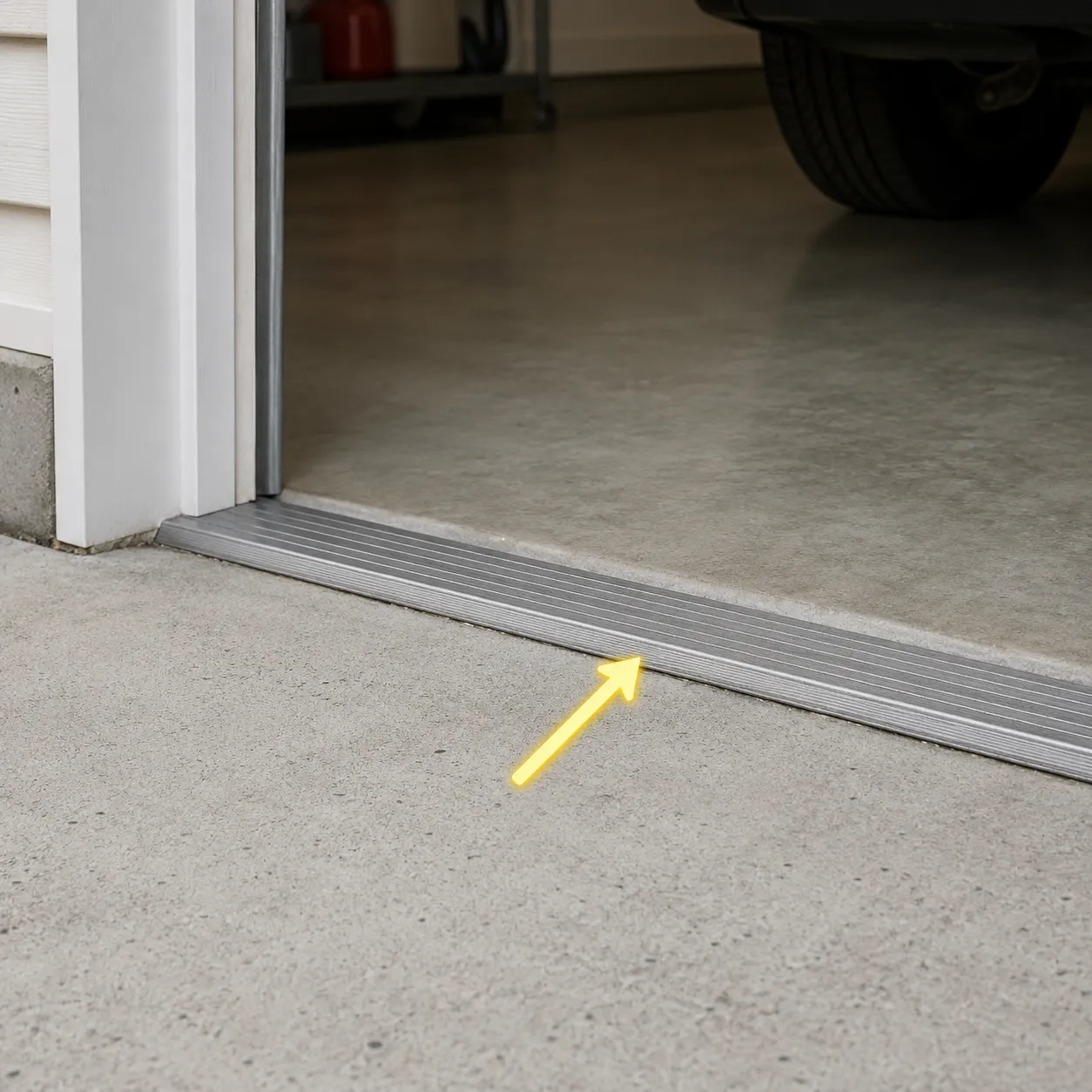
thresholdˈθrɛʃhoʊld
the strip or area of floor at the bottom of a doorway that you cross when entering a room or building.
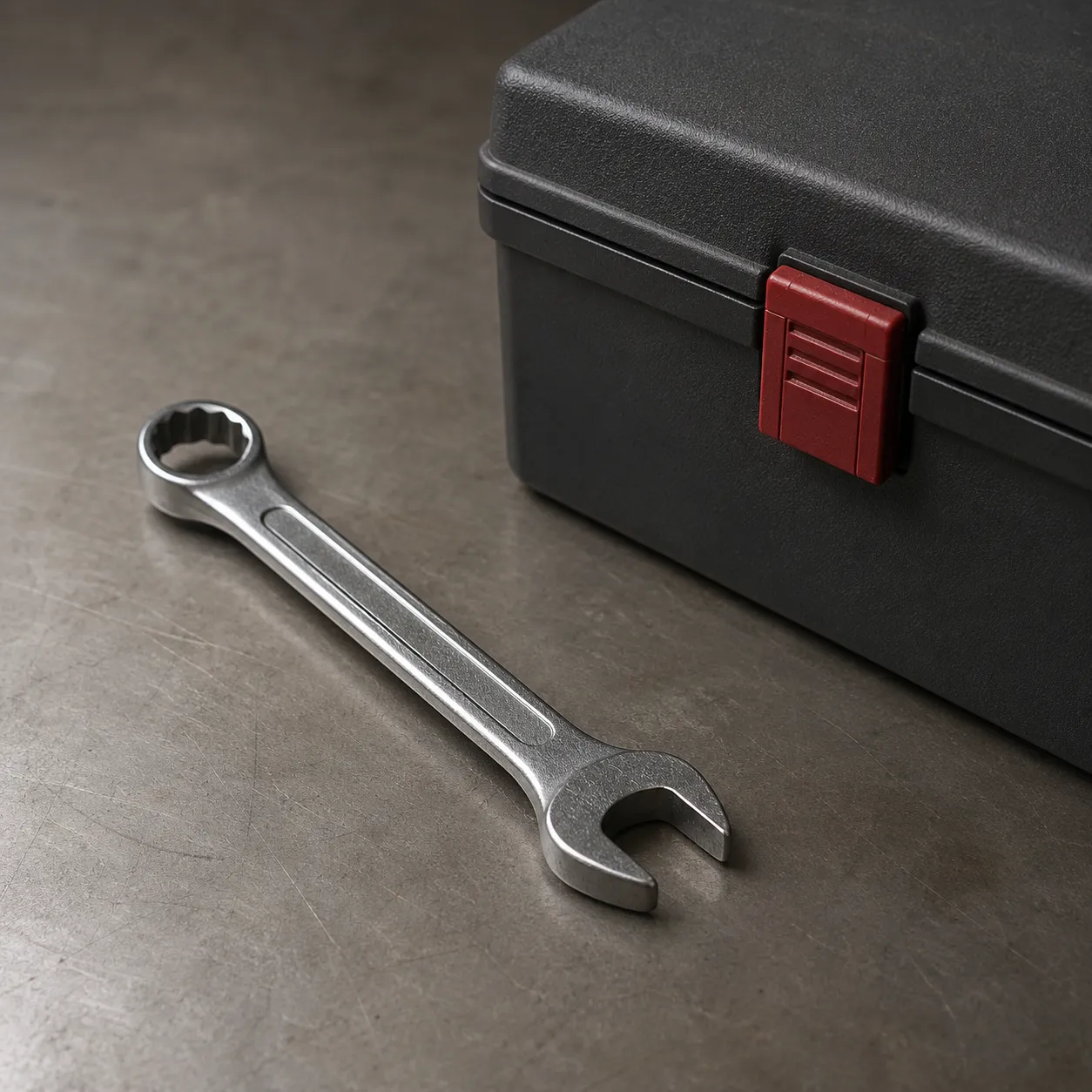
nearnɪr
not far away in distance
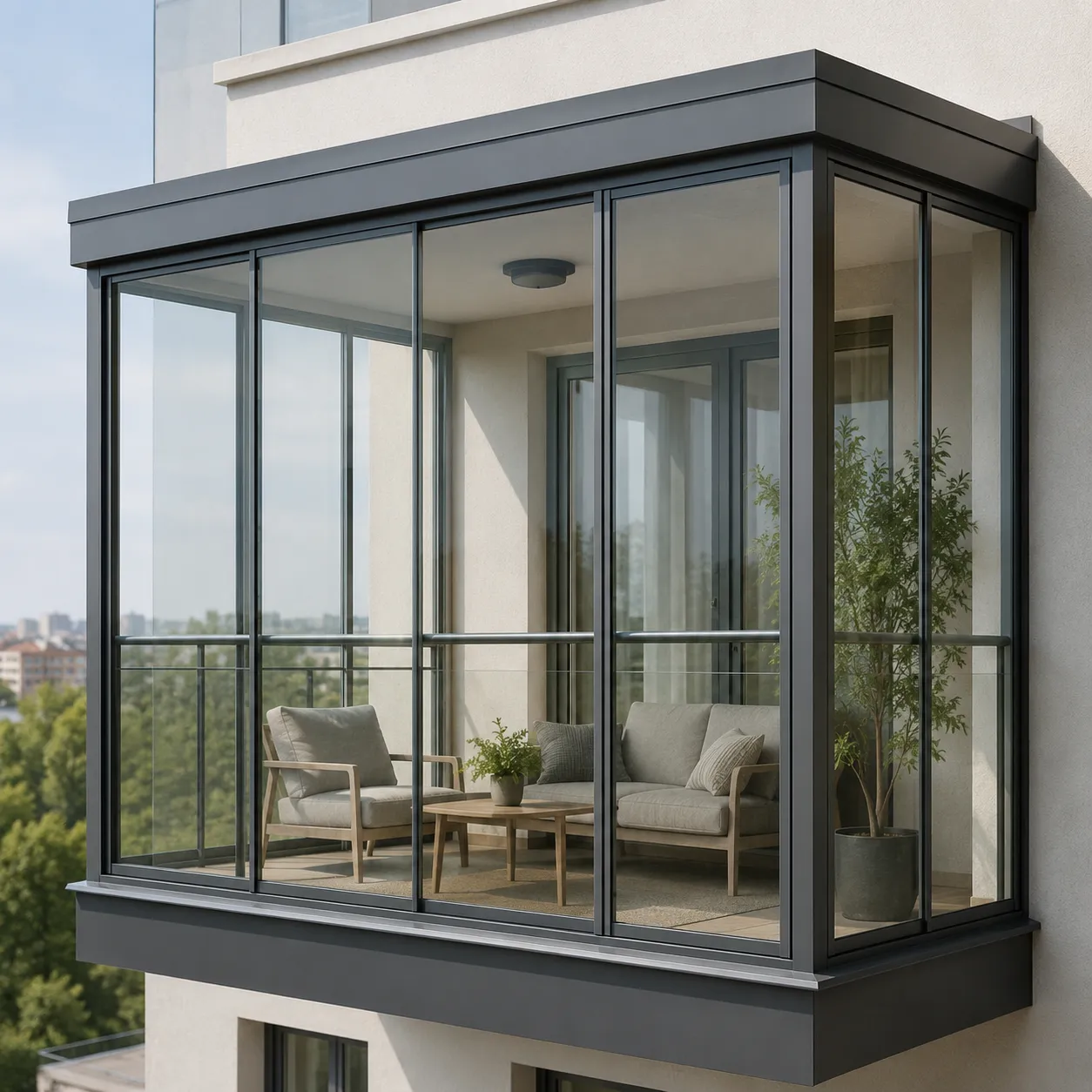
enclosedɪnˈkloʊzd
surrounded or closed off on all sides, so that the inside is separate from what is outside.
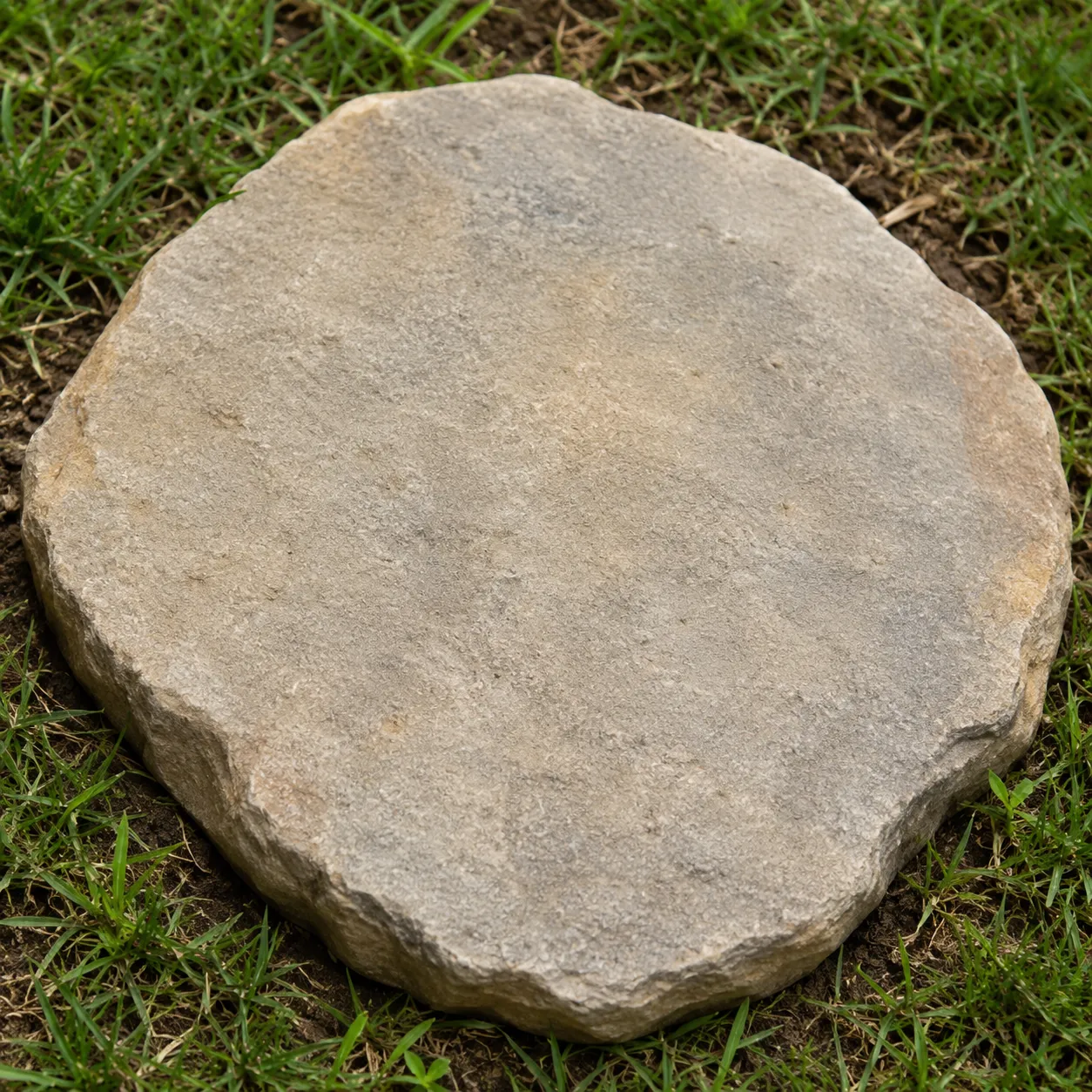
stepping stoneˈstɛpɪŋ stoʊn
a flat stone placed on the ground or in water so that people can step on it to cross an area.
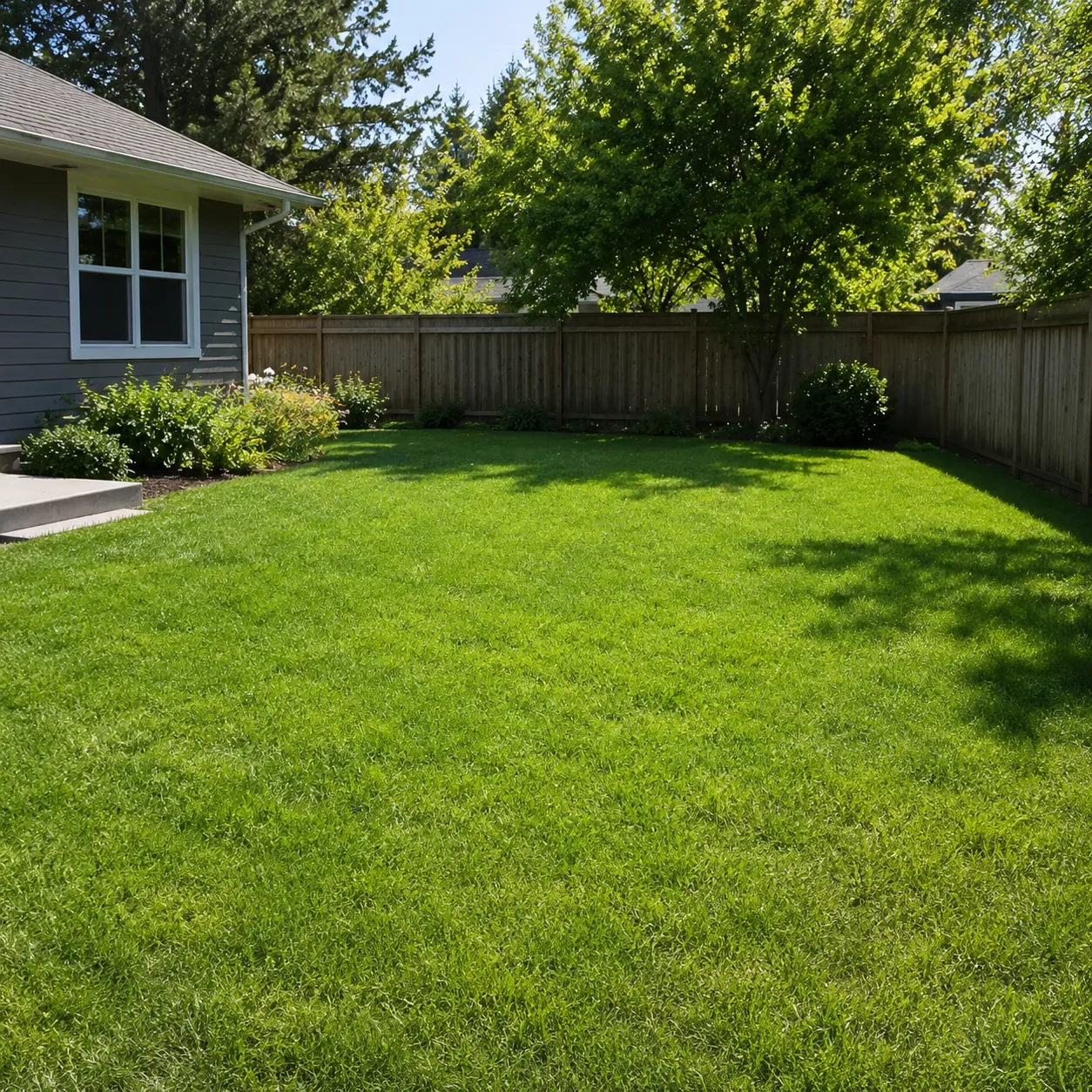
yardjɑːrd
an area of land next to or around a house, often covered with grass and used for playing, gardening, or relaxing.
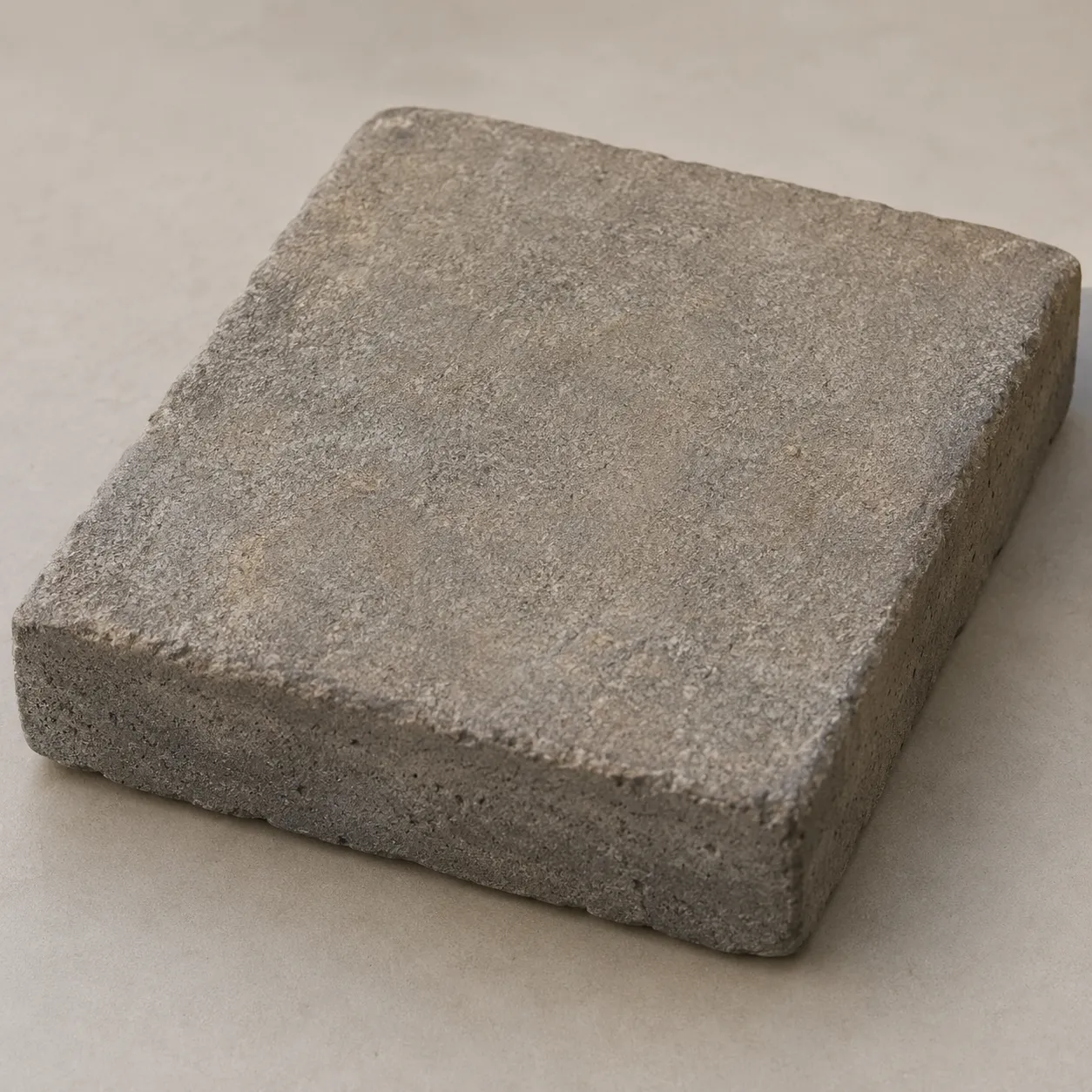
paverˈpeɪvər
a flat stone, brick, or concrete block used with others to make a path, patio, or driveway.
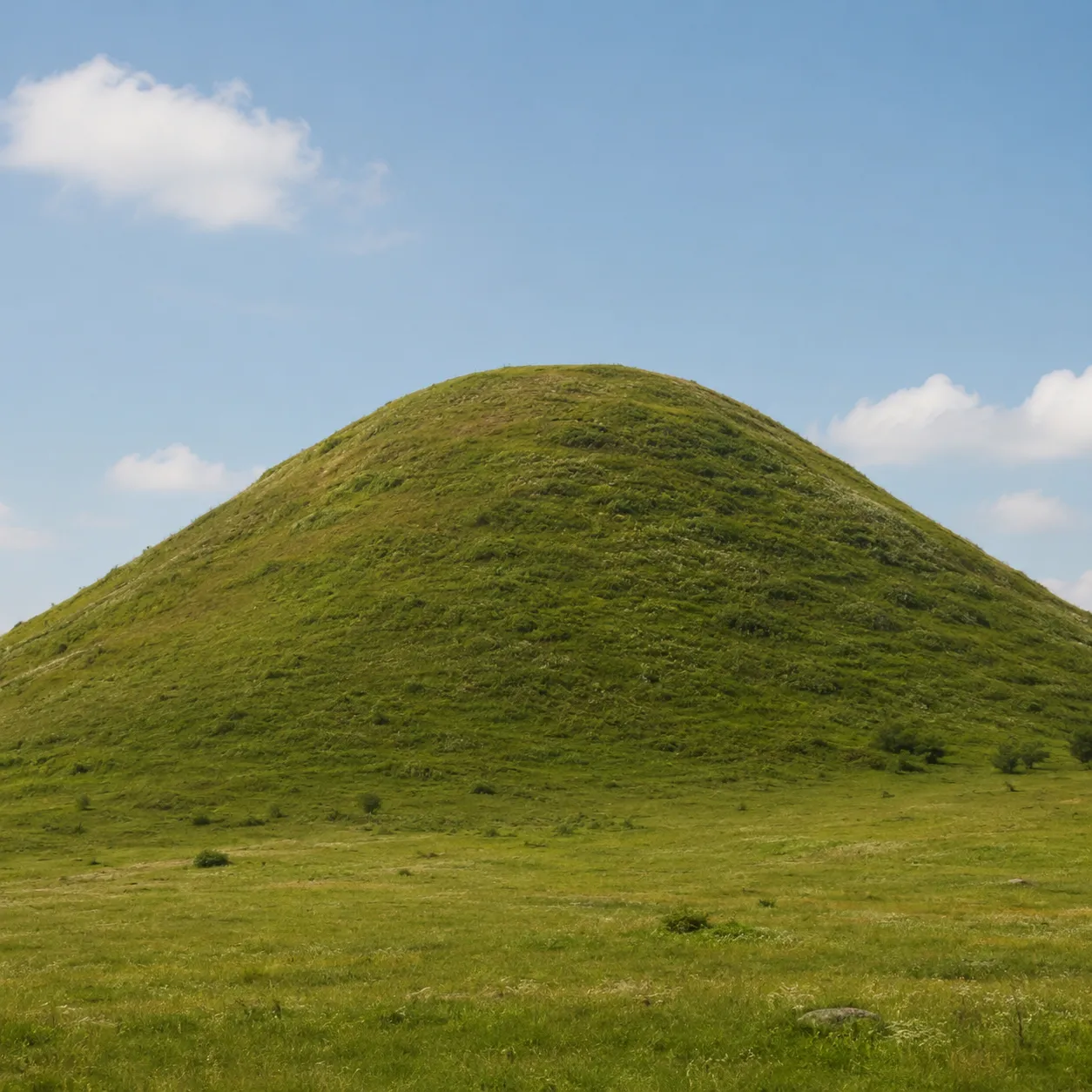
hillhɪl
a natural raised area of land, smaller and usually lower than a mountain.
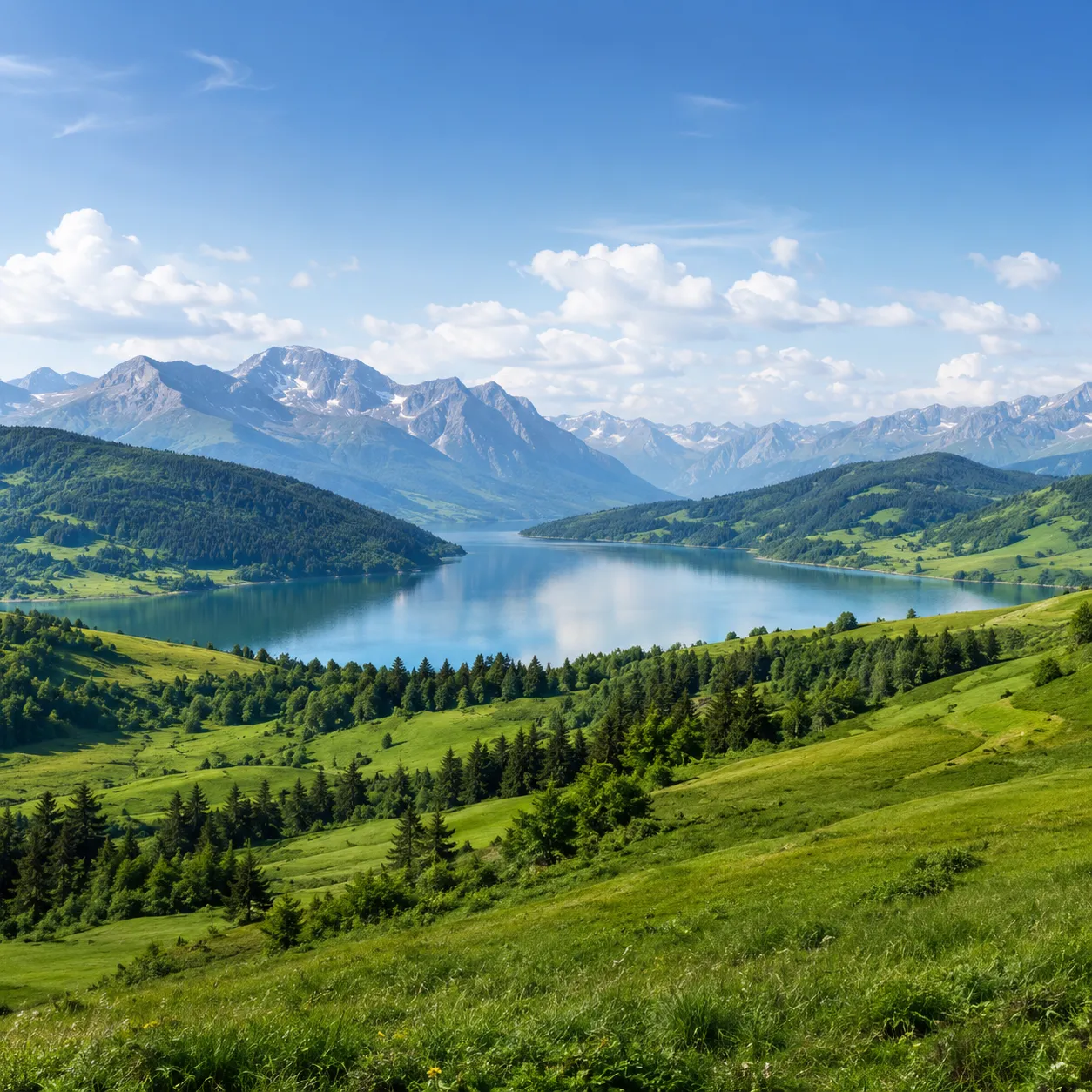
sceneryˈsiːnəri
the natural features of a place, such as hills, trees, and water, especially when they are beautiful to look at.
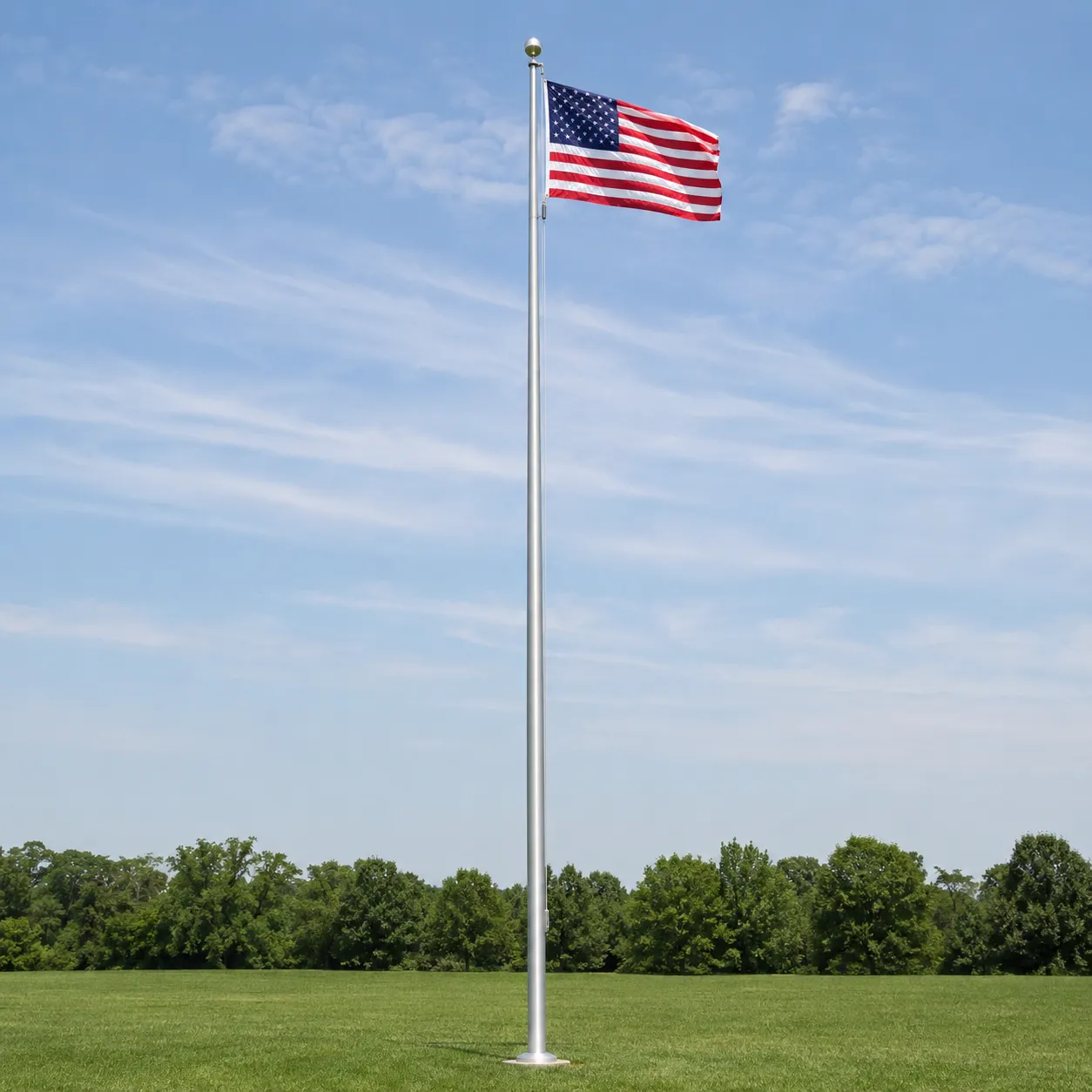
flagpoleˈflæɡpoʊl
a tall pole on which a flag is raised and displayed.
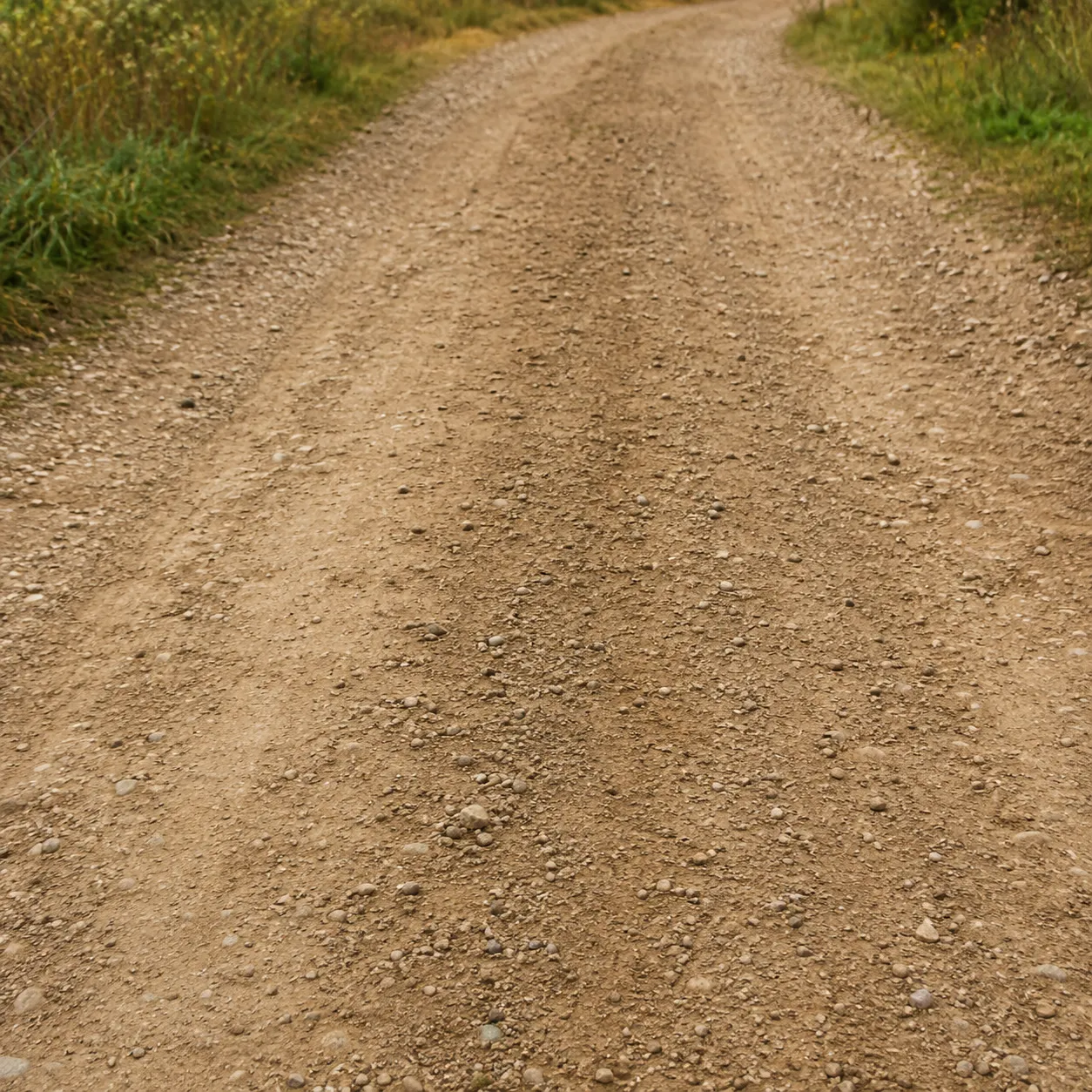
unpavedˌʌnˈpeɪvd
not covered with a hard surface such as asphalt, concrete, or paving stones.
Words for seating, tables, shade, cushions, heating, and comfortable places to relax outdoors.
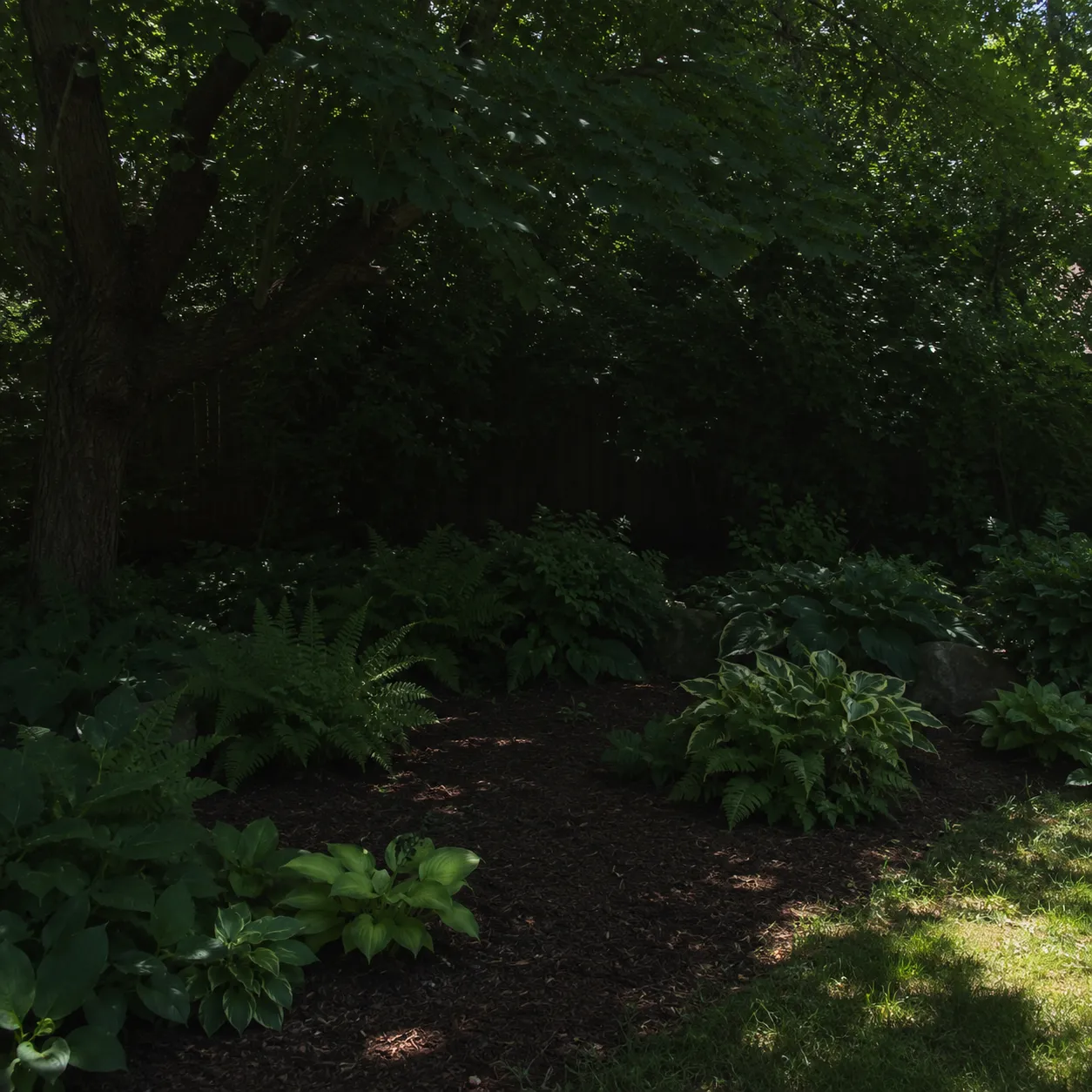
shadyˈʃeɪdi
having shade and not receiving much direct sunlight.
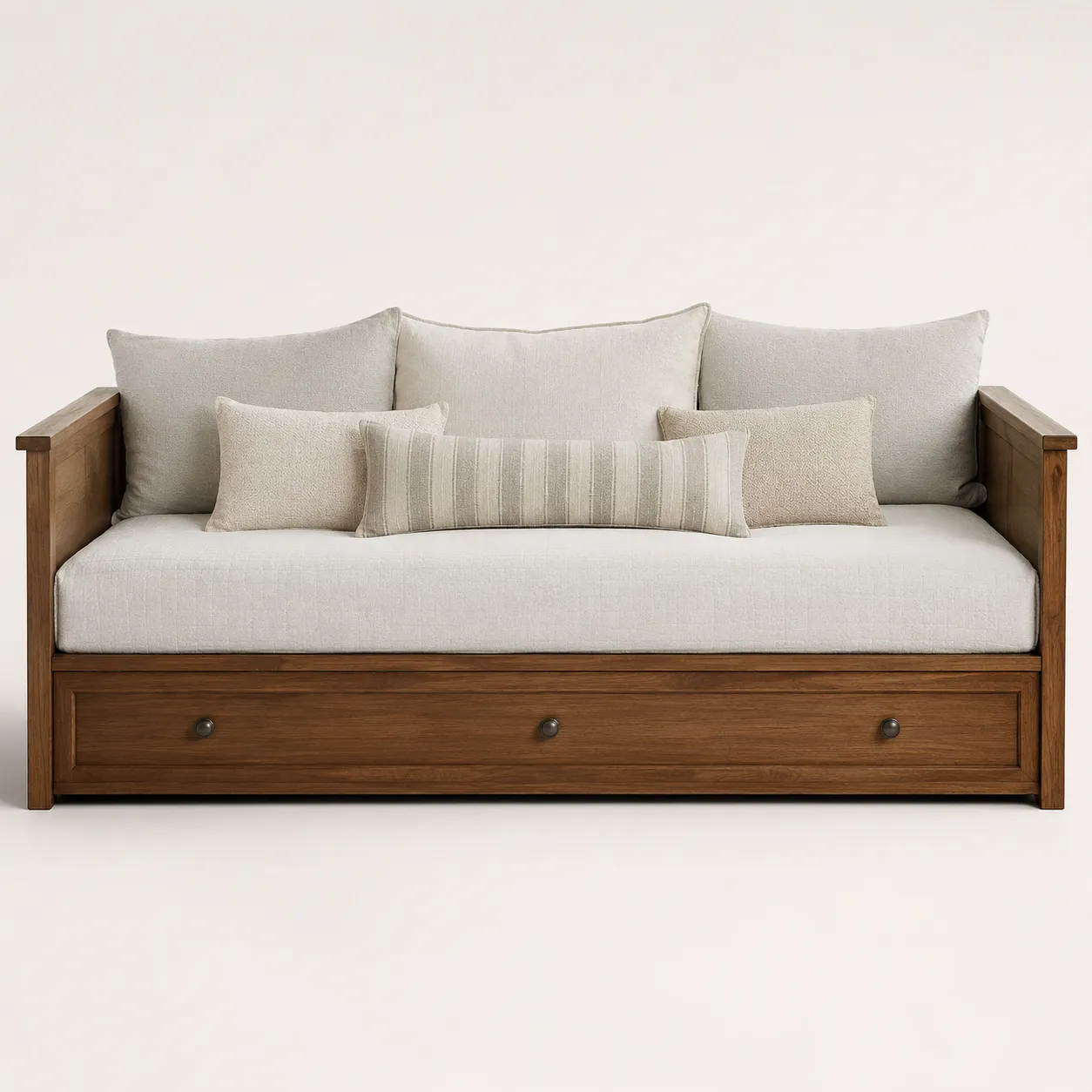
daybedˈdeɪˌbɛd
a bed, usually with a back or sides, that is used like a sofa during the day.
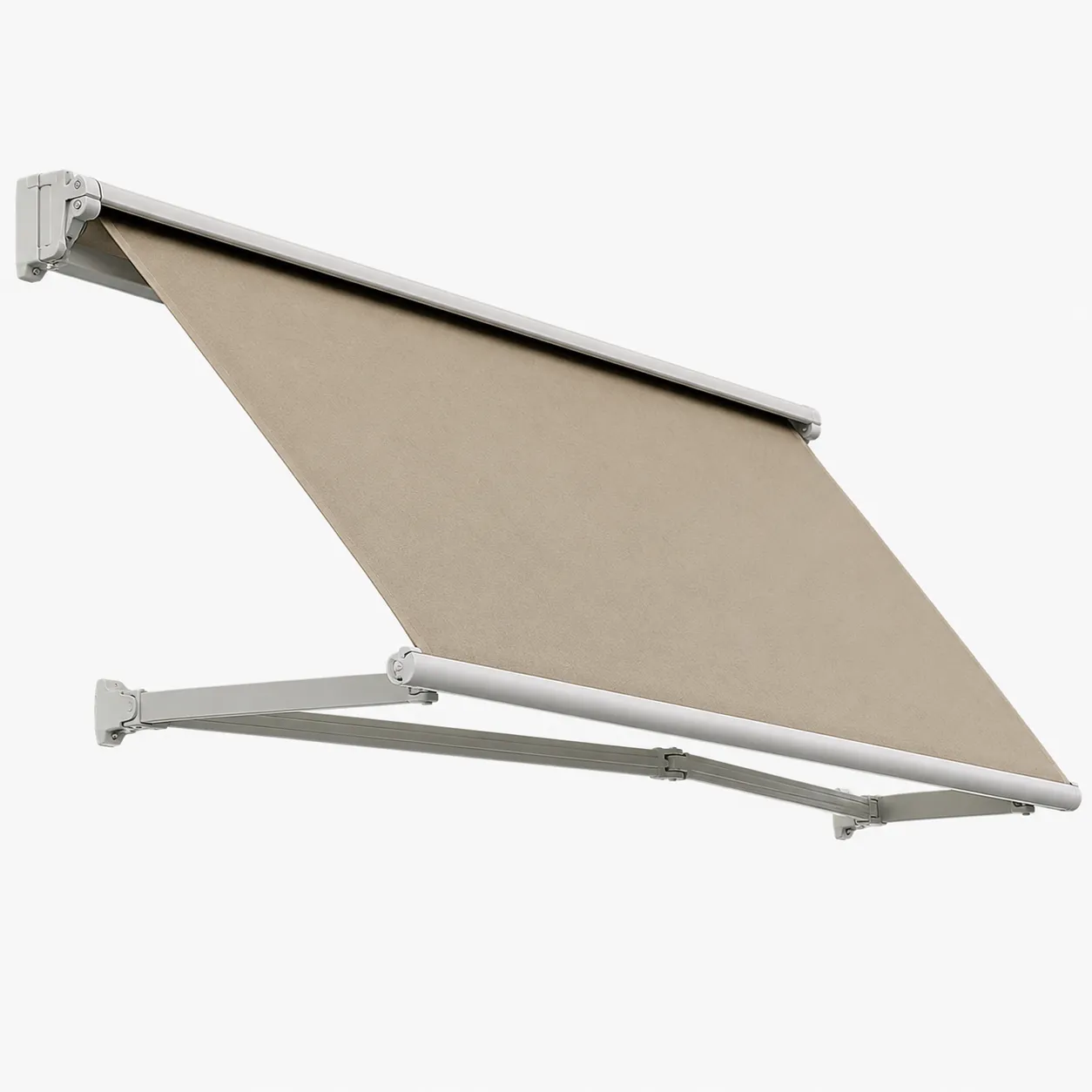
awningˈɔːnɪŋ
a cover made of cloth or another material that is fixed above a window, door, or outdoor area to give shade or protection from rain.

peacefulˈpiːsfəl
calm and quiet, with no noise, worry, fighting, or violence.
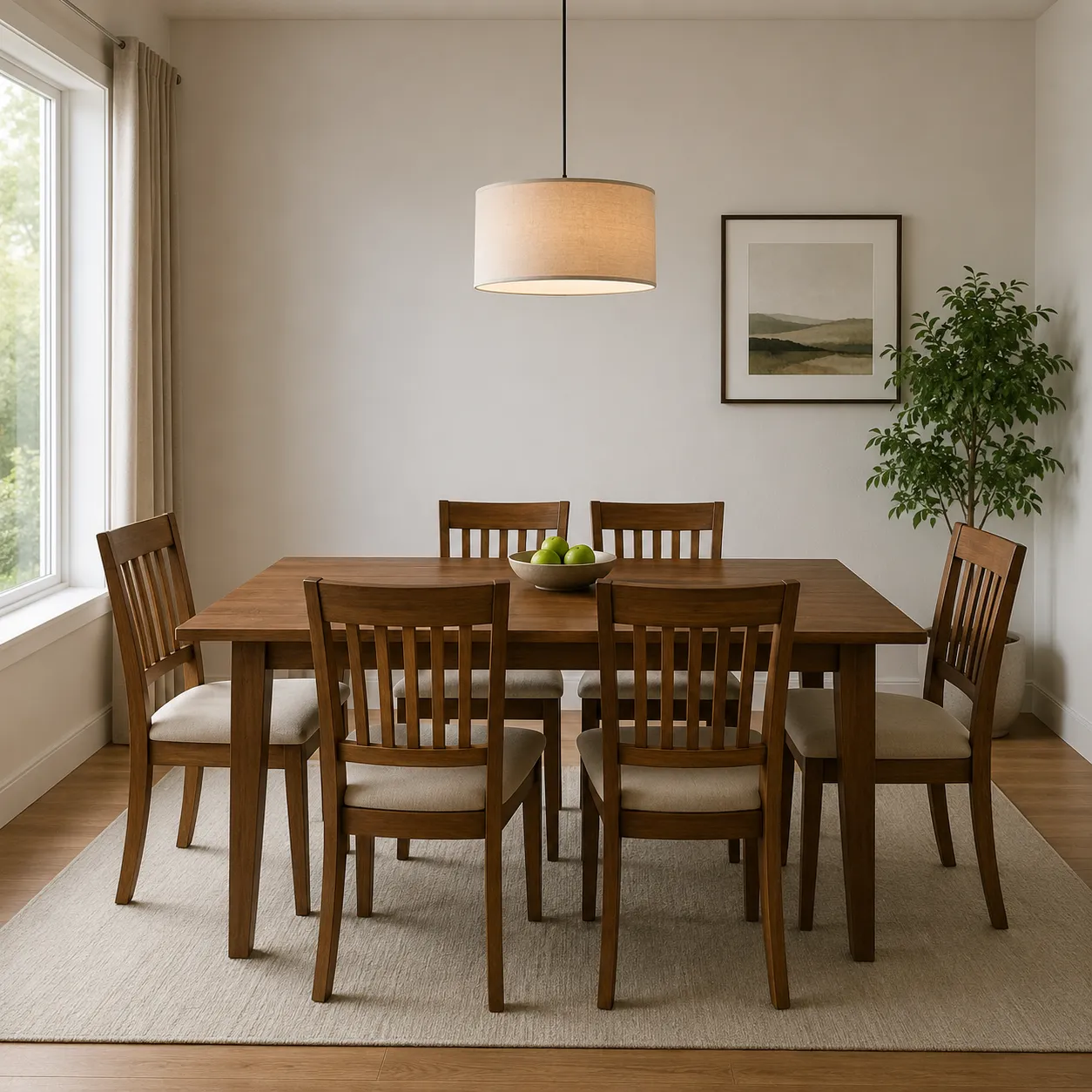
dining areaˈdaɪnɪŋ ˌeriə
a space in a room, home, restaurant or other building where people sit and eat meals.
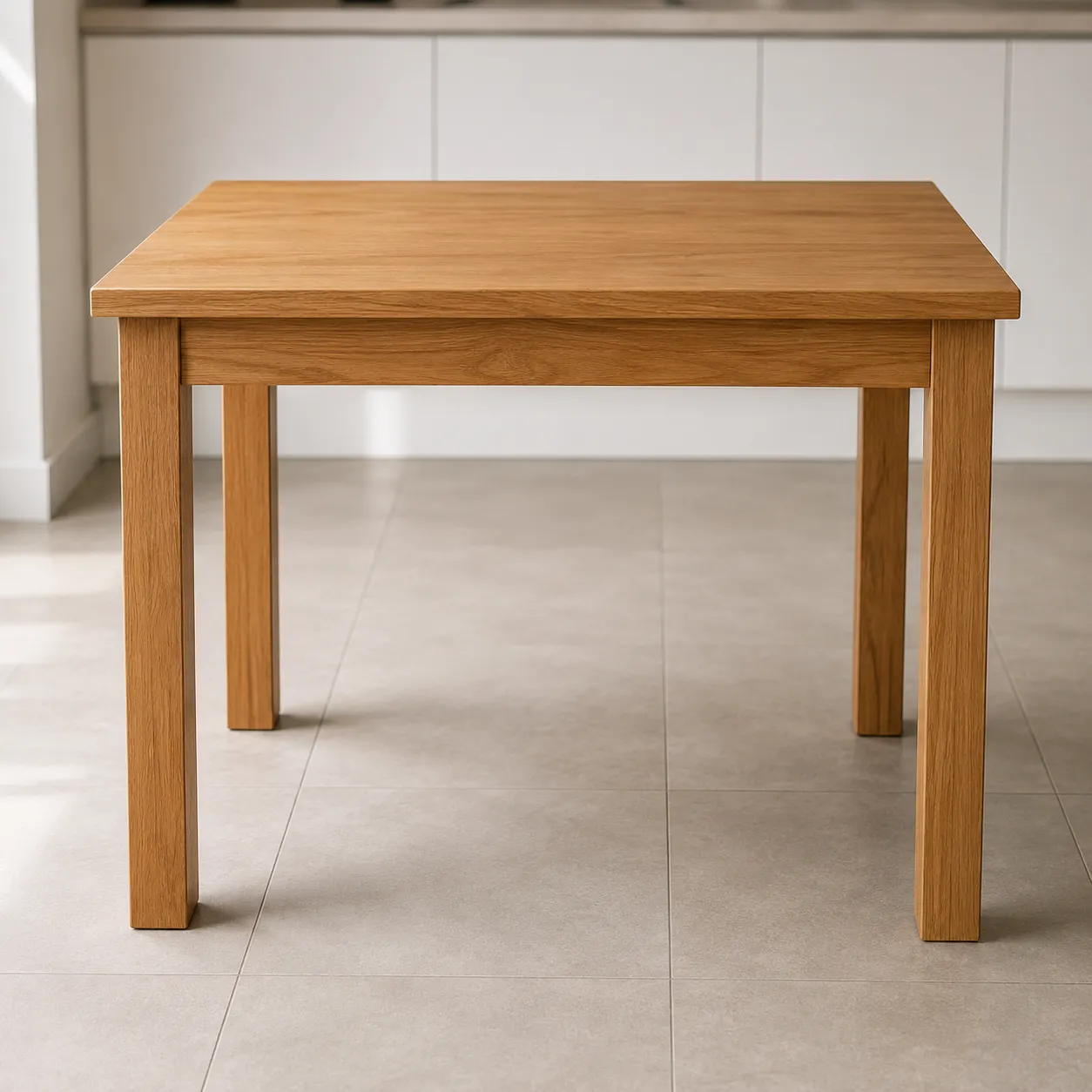
tableˈteɪbəl
a piece of furniture with a flat top and one or more legs, used for eating, working, or other activities.
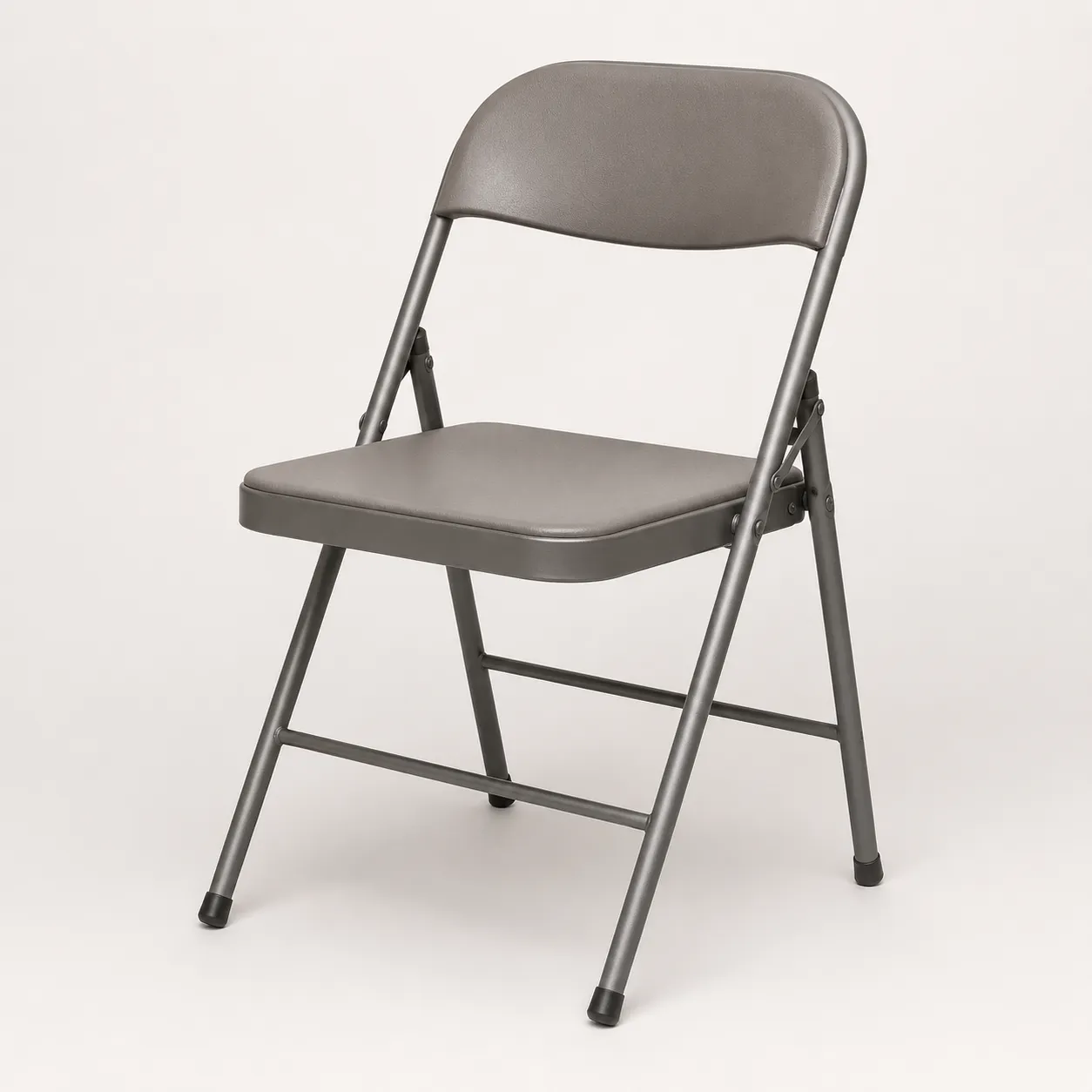
folding chairˈfoʊldɪŋ tʃɛr
a chair that can be folded flat so it is easier to carry or store.
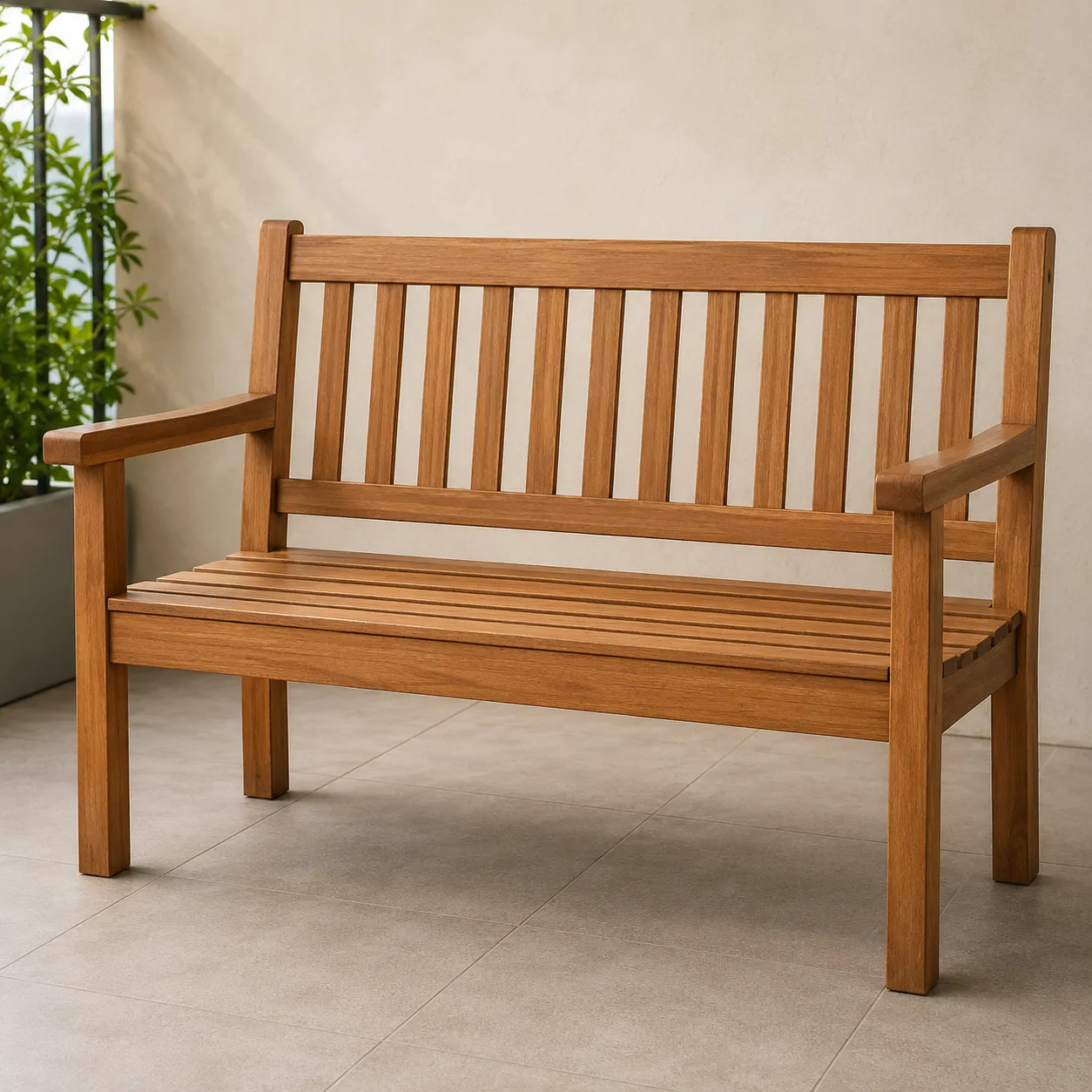
benchbentʃ
a long, usually hard seat for two or more people.
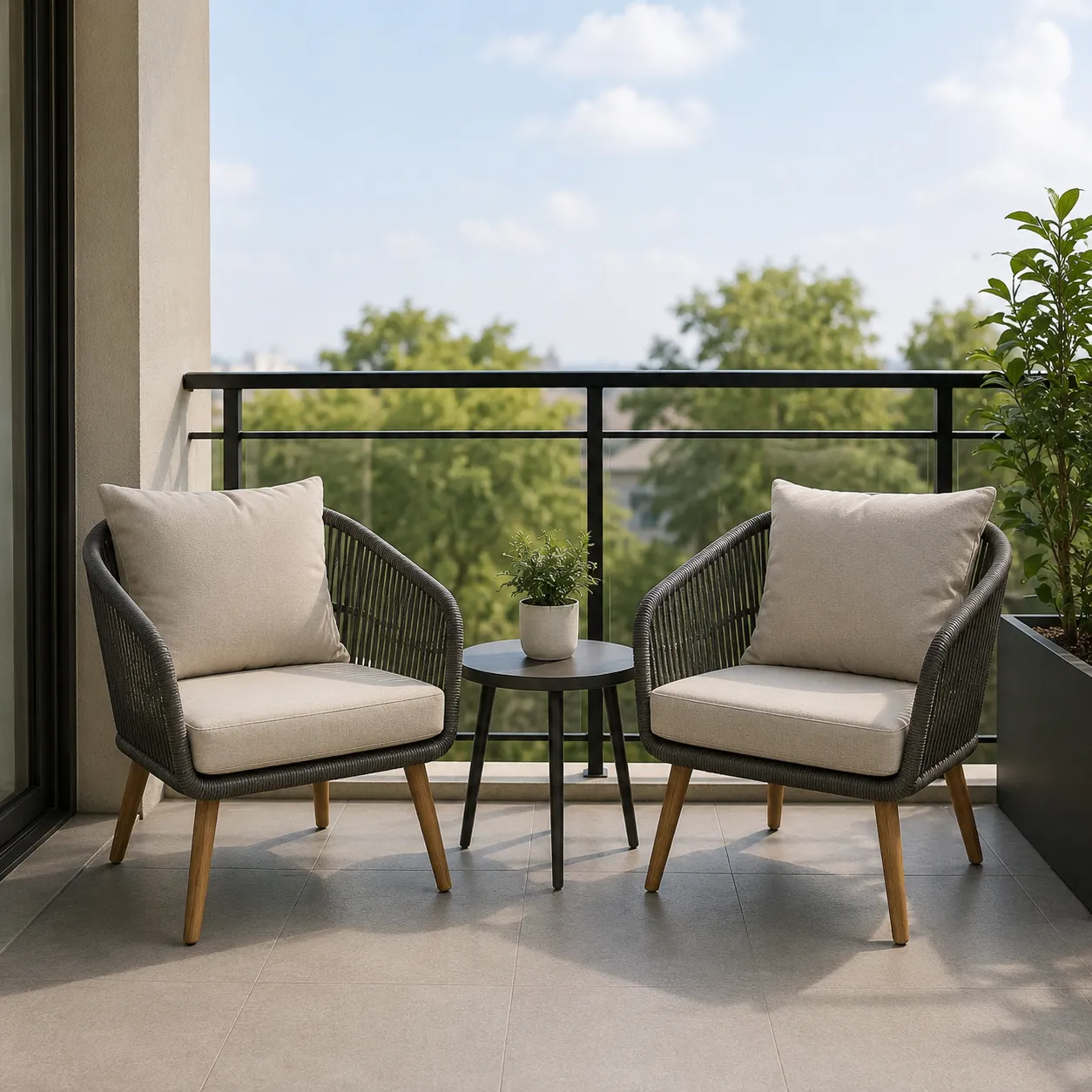
seating areaˈsiːtɪŋ ˈɛriə
a place with chairs, benches, or other seats where people can sit.
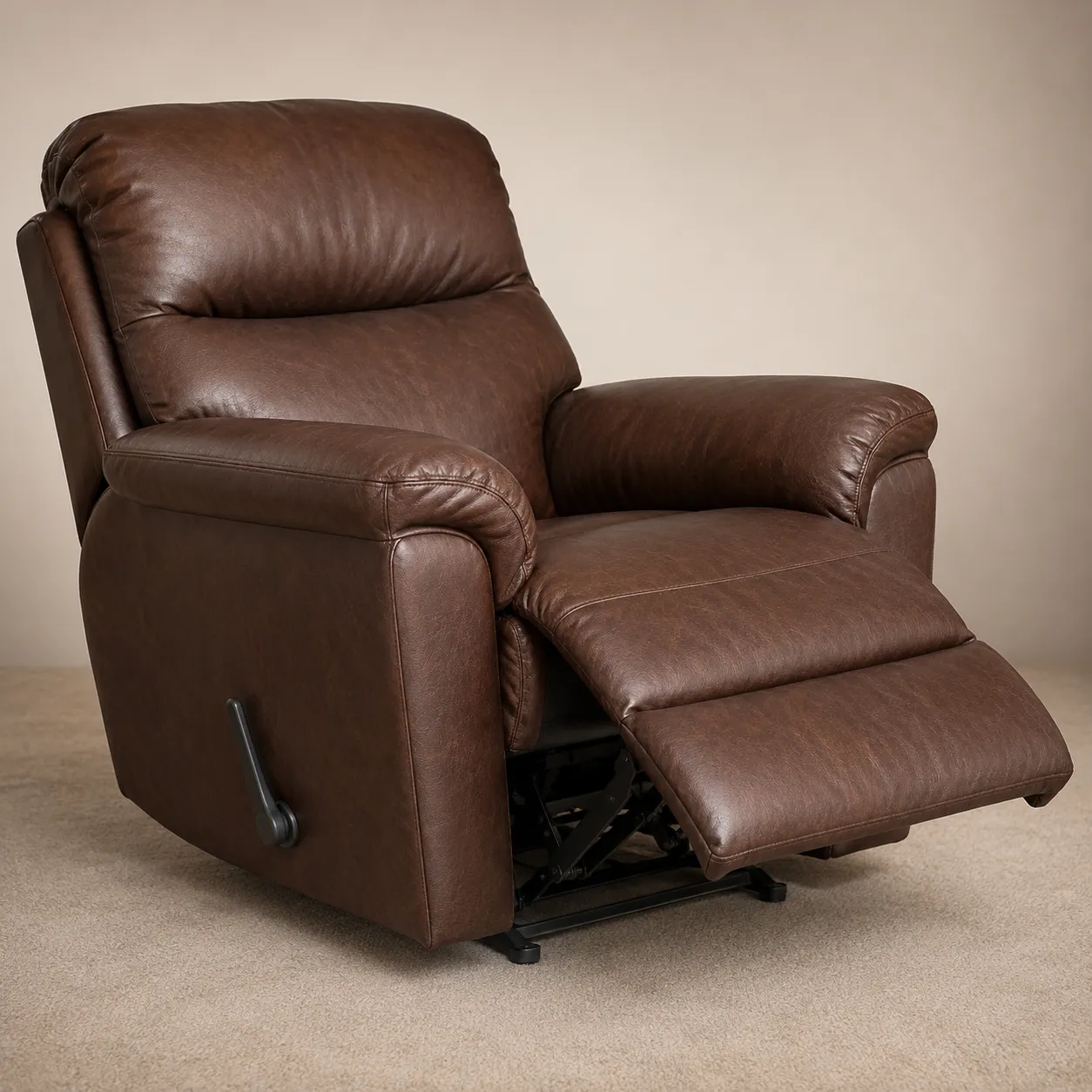
reclinerrɪˈklaɪnər
a comfortable armchair with a back that can lean back and often a part that comes out to support your legs.
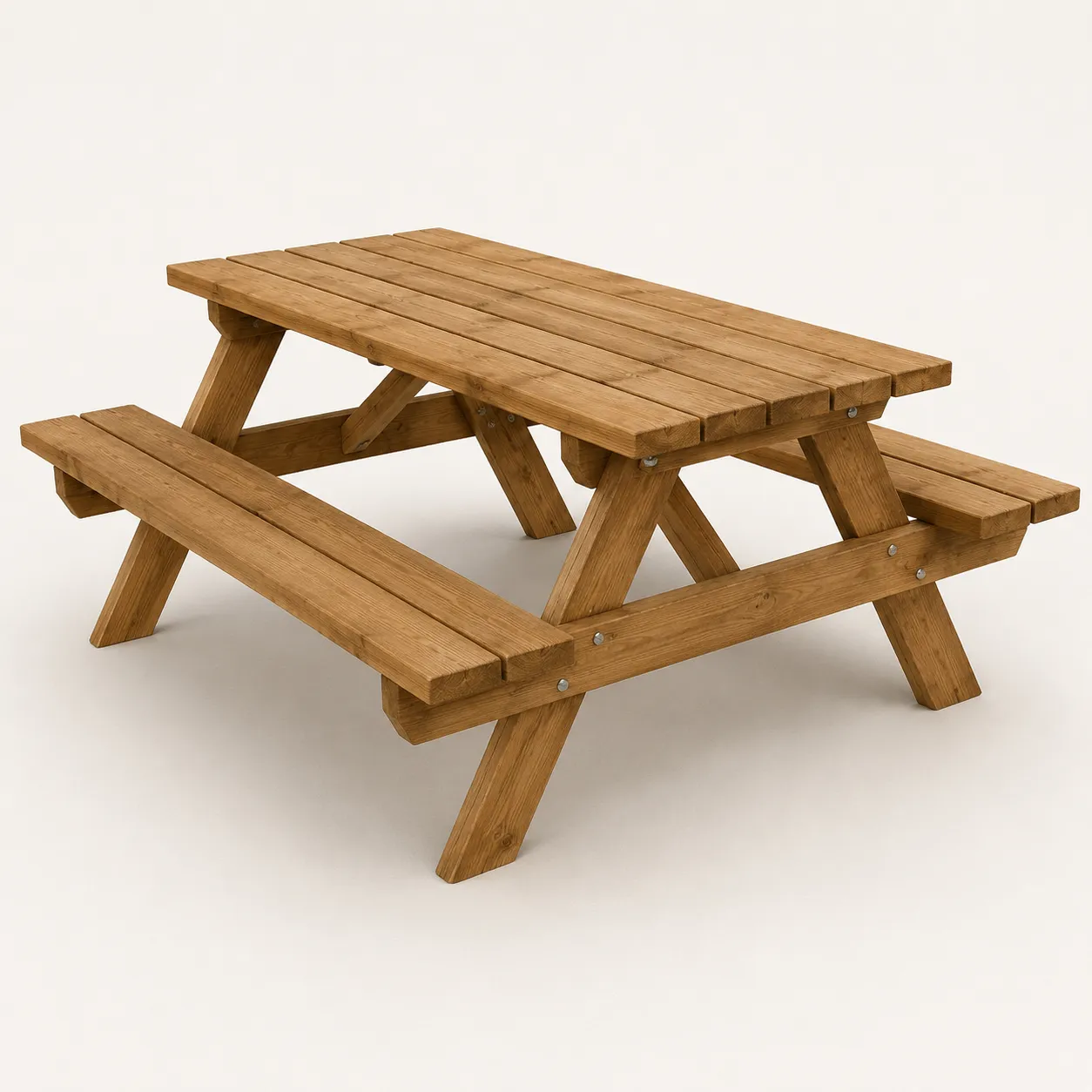
picnic tableˈpɪknɪk ˌteɪbəl
a table used for eating outdoors, usually with benches fixed to its sides.
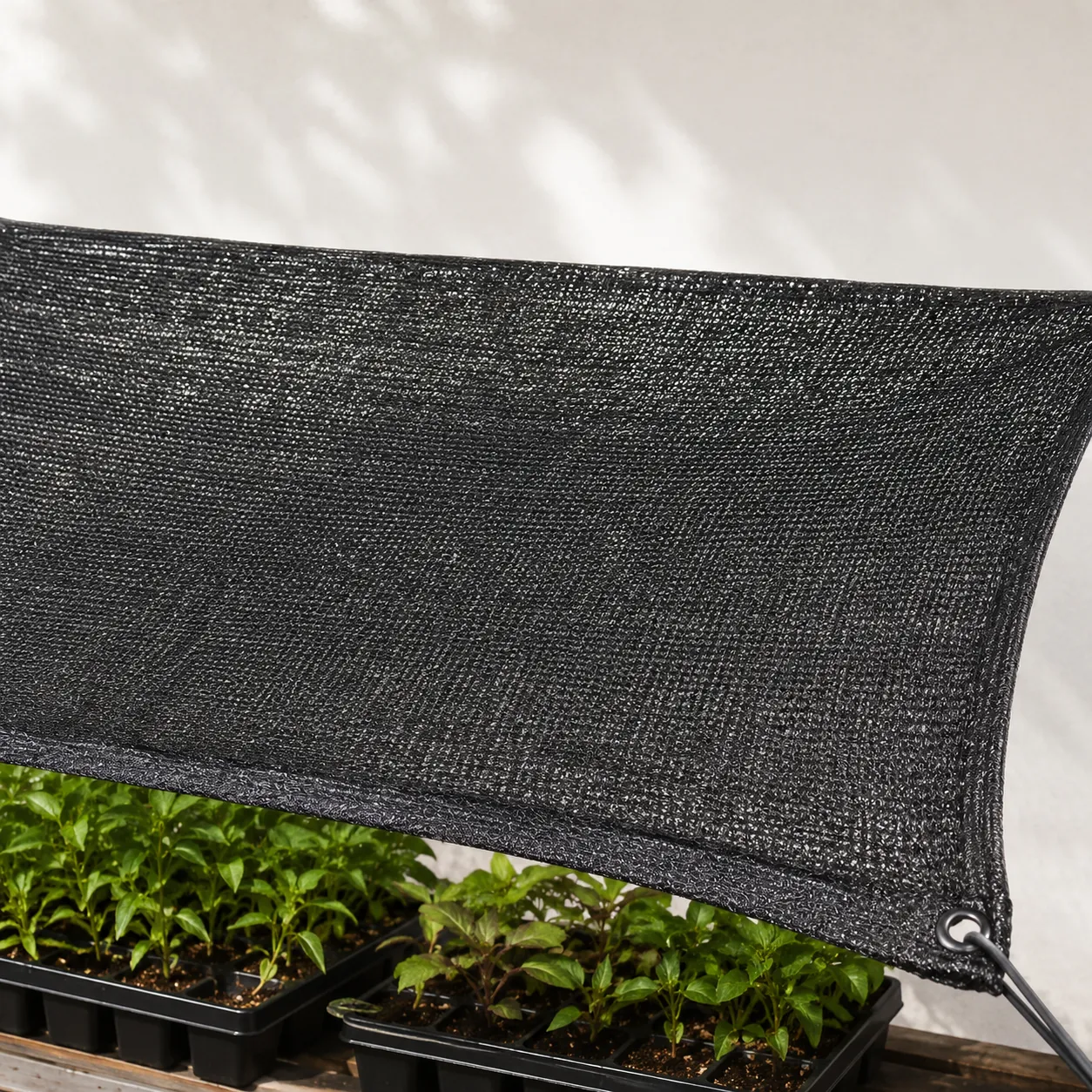
shade clothˈʃeɪd klɔːθ
a special cloth hung or spread over plants or an outdoor area to block part of the sun.
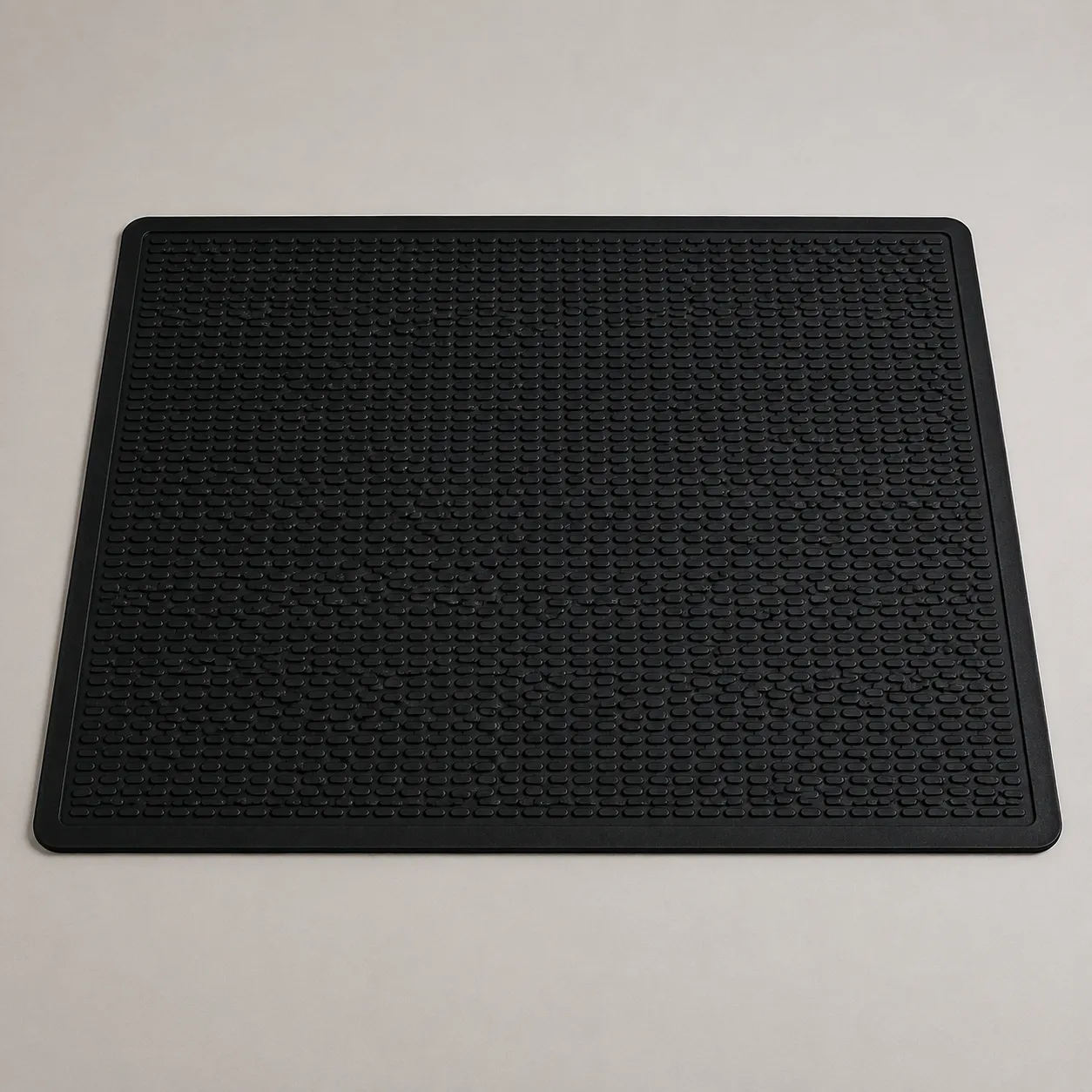
matmæt
a small piece of thick material placed on the floor, often for wiping your feet, standing on, or protecting the surface underneath.
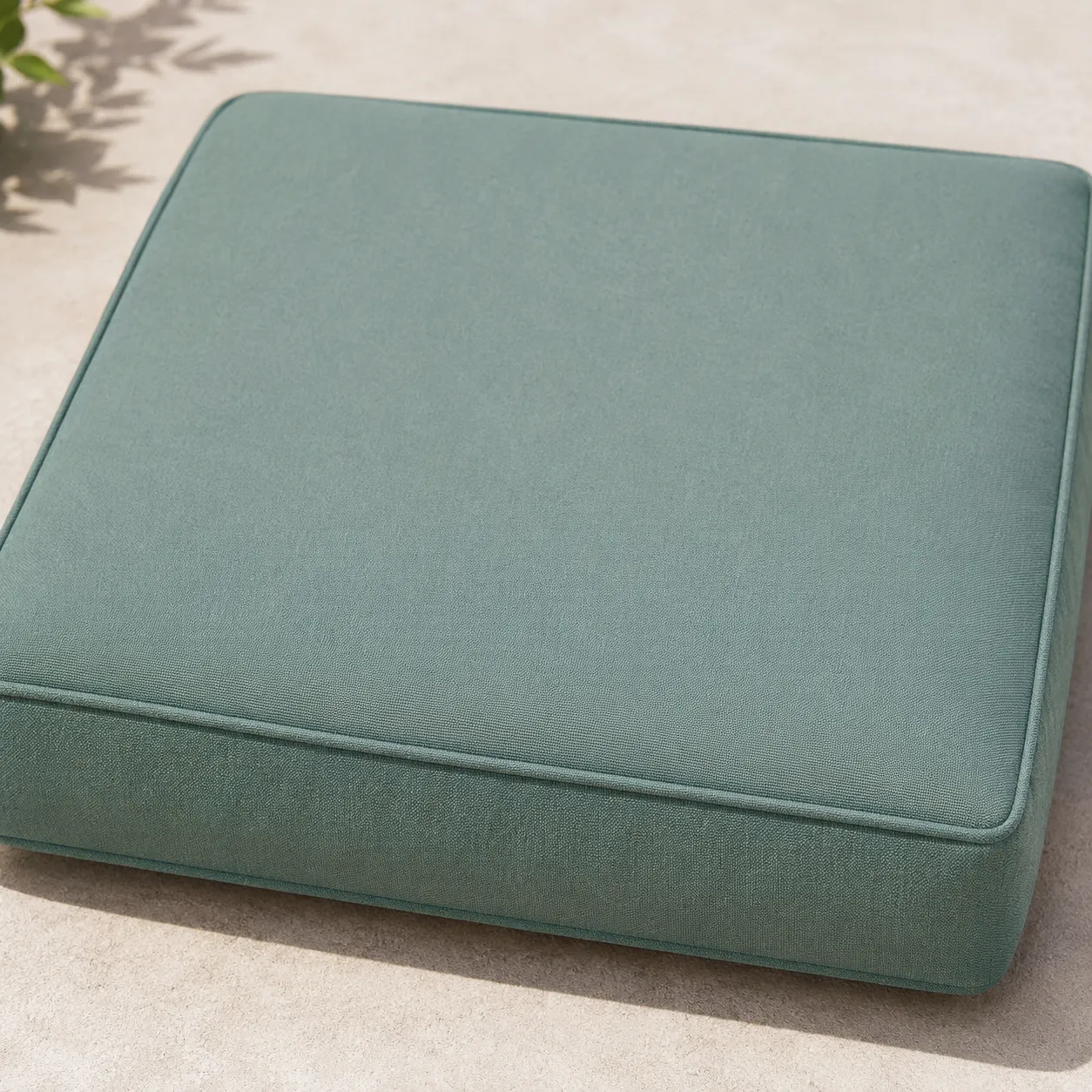
outdoor cushionˈaʊtdɔːr ˈkʊʃən
a soft cushion made of material suitable for use on chairs or benches outside.
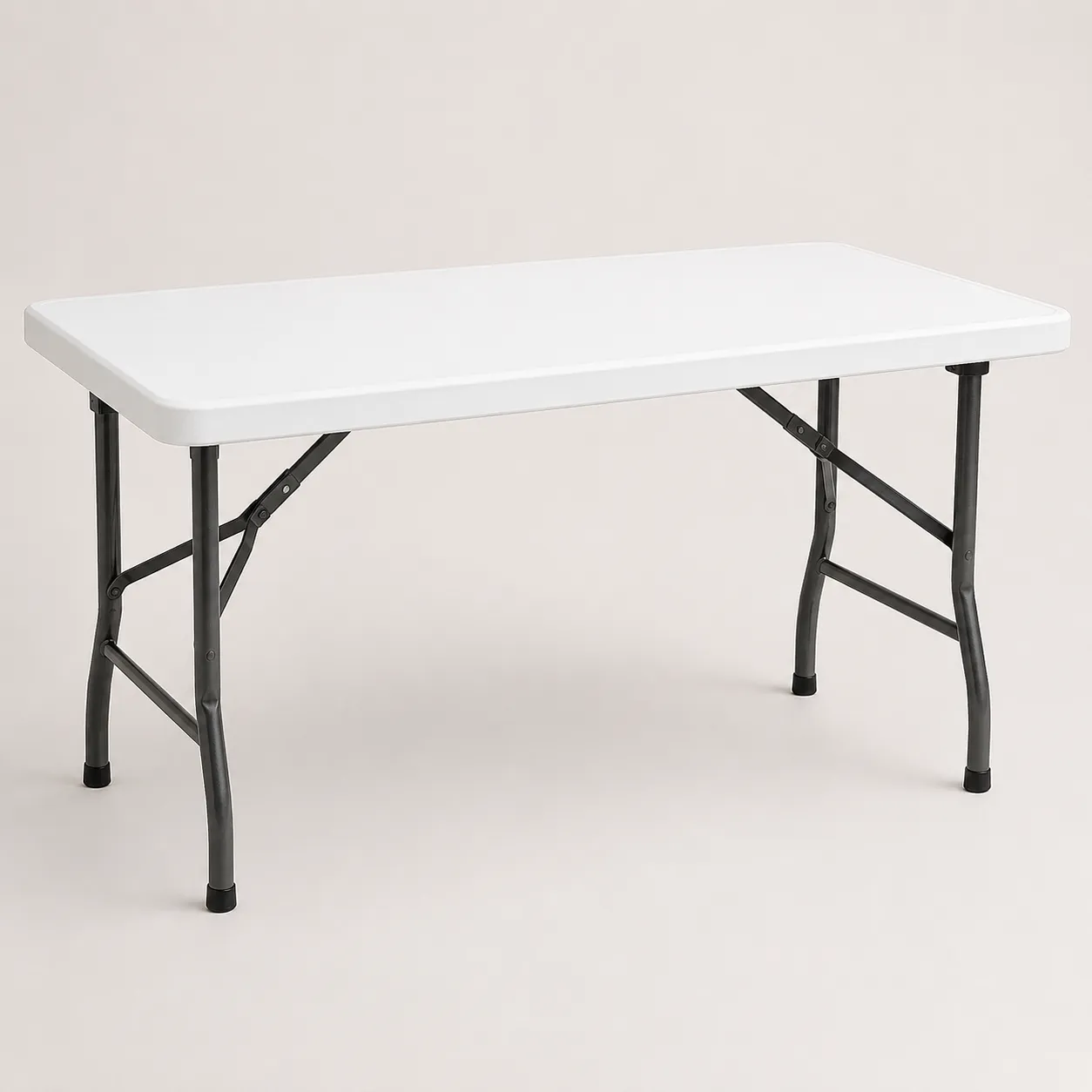
folding tableˈfoʊldɪŋ ˈteɪbəl
a table with legs or parts that can be folded down so it is easy to store or carry.

throw pillowˈθroʊ ˌpɪloʊ
a small pillow placed on a sofa, chair, or bed mainly for decoration and extra comfort.

quietˈkwaɪət
making little or no noise.
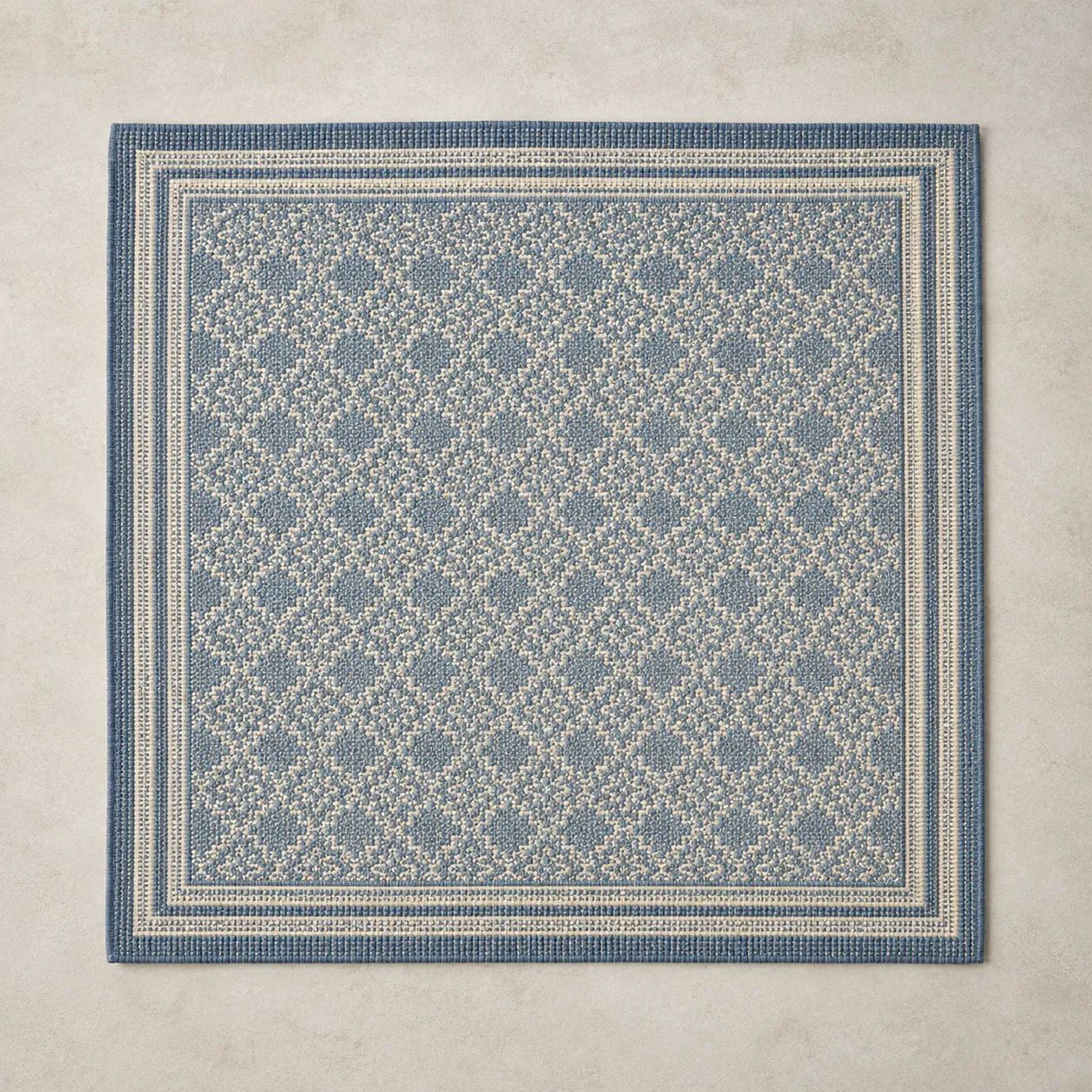
outdoor rugˈaʊtˌdɔːr rʌɡ
a small carpet made from material that can be used outside on a patio or balcony.
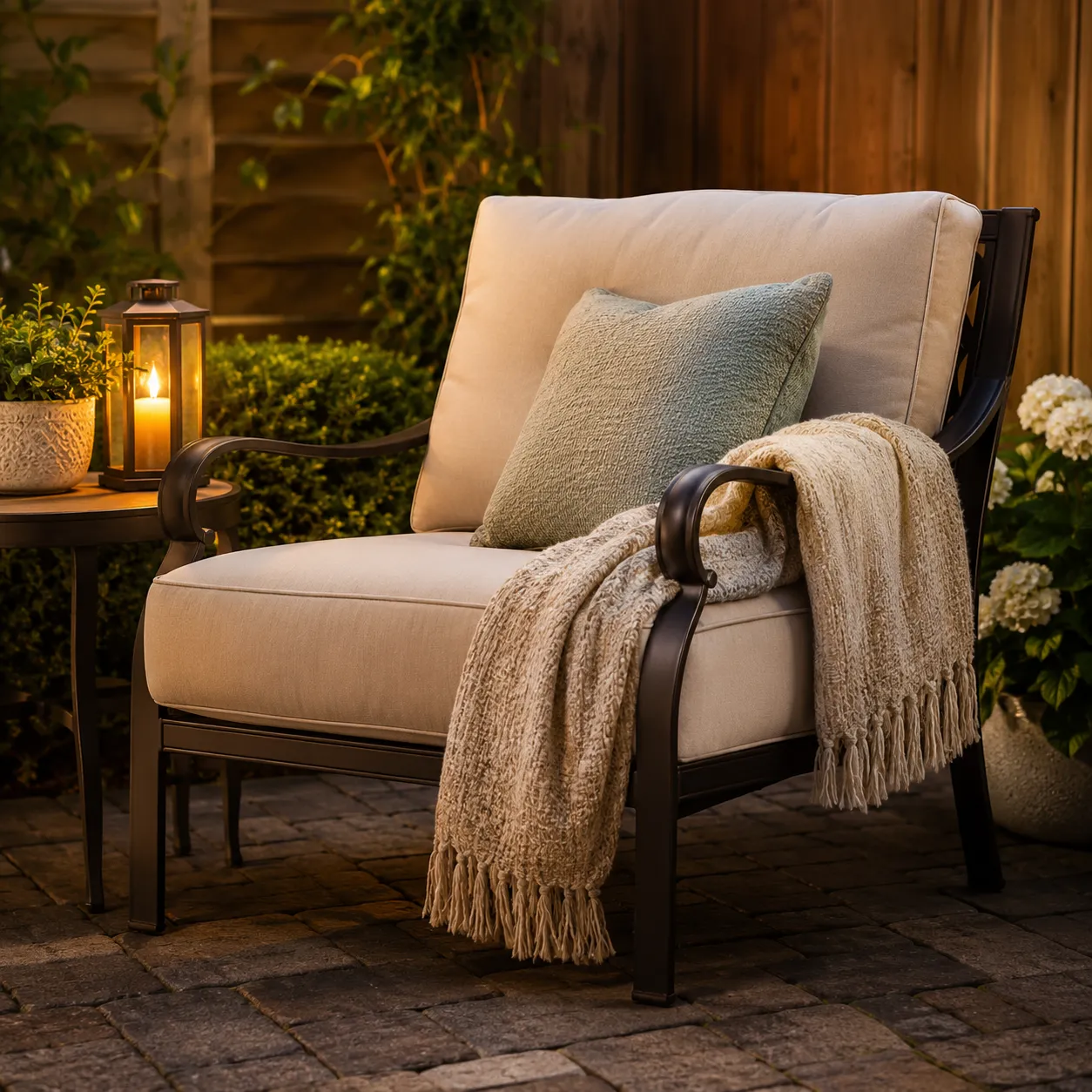
invitingɪnˈvaɪtɪŋ
attractive and pleasant in a way that makes people want to enter a place, try something, or spend time there.
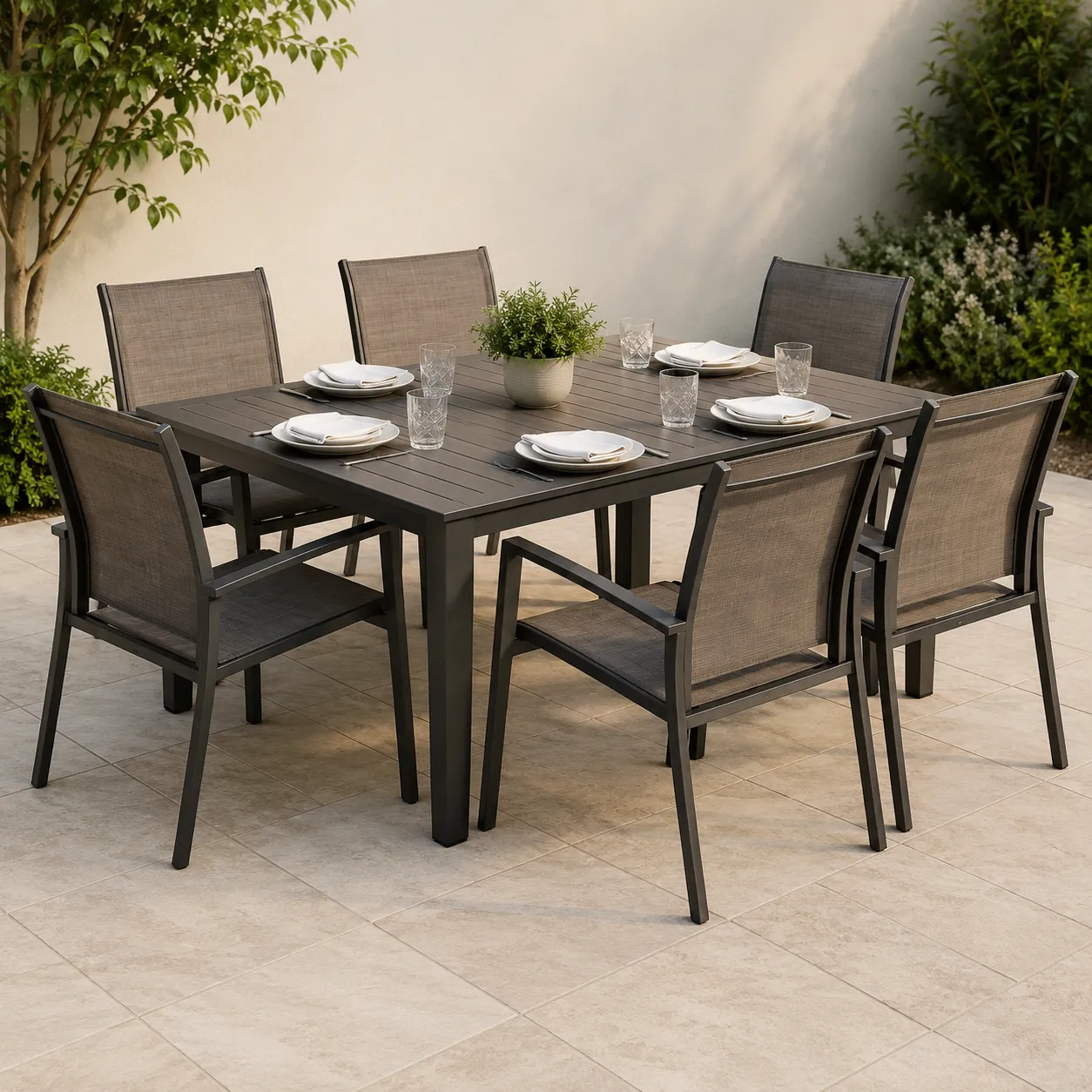
dining setˈdaɪnɪŋ set
a matching table and chairs used for eating meals, indoors or outdoors.
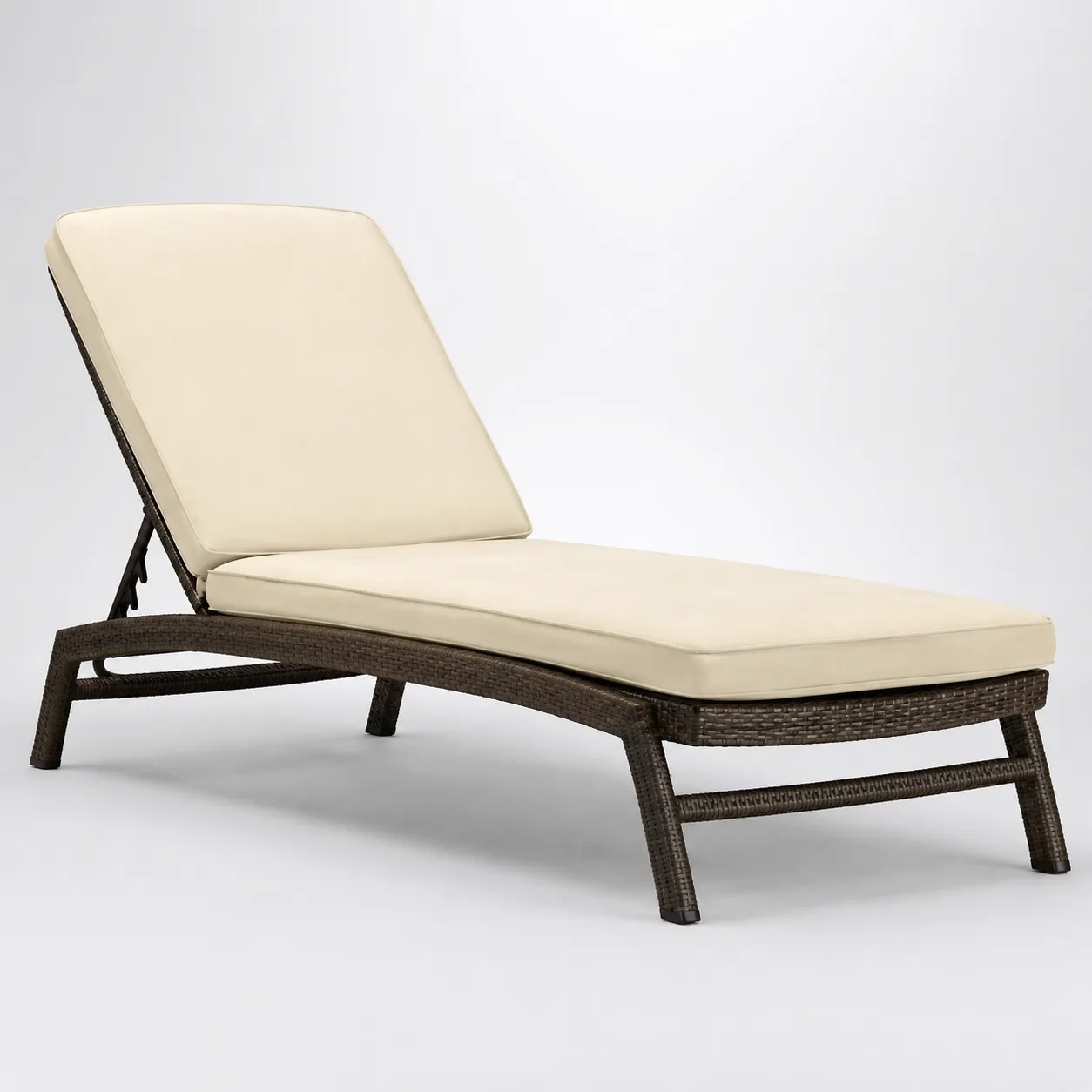
lounge chairˈlaʊndʒ tʃer
a comfortable chair for relaxing, often with a back that leans backward or a place to support your legs.

comfortableˈkʌmftəbl
pleasant to wear, use, sit on, or be in, without pain or difficulty.
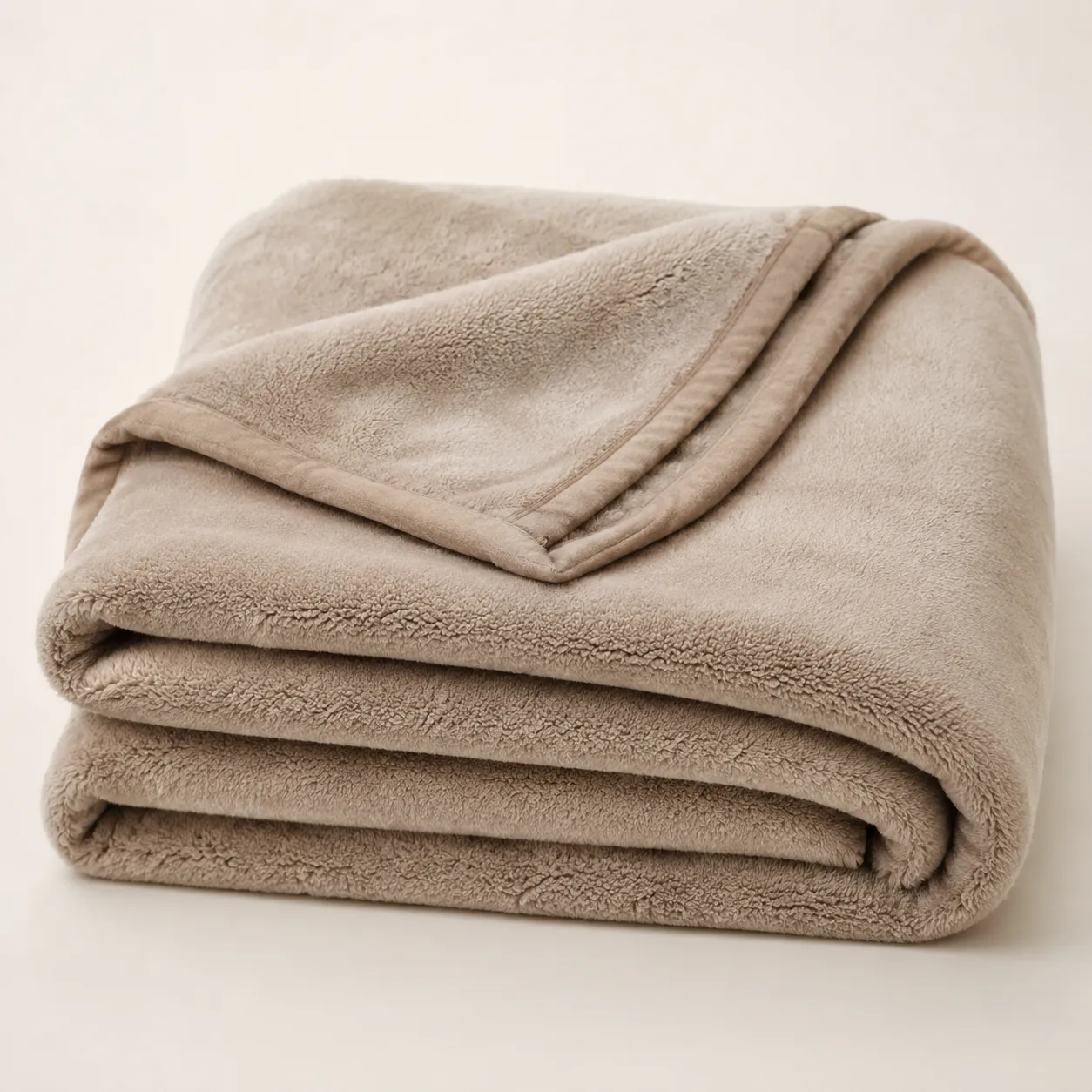
blanketˈblæŋkɪt
a warm cover used on a bed or around the body.
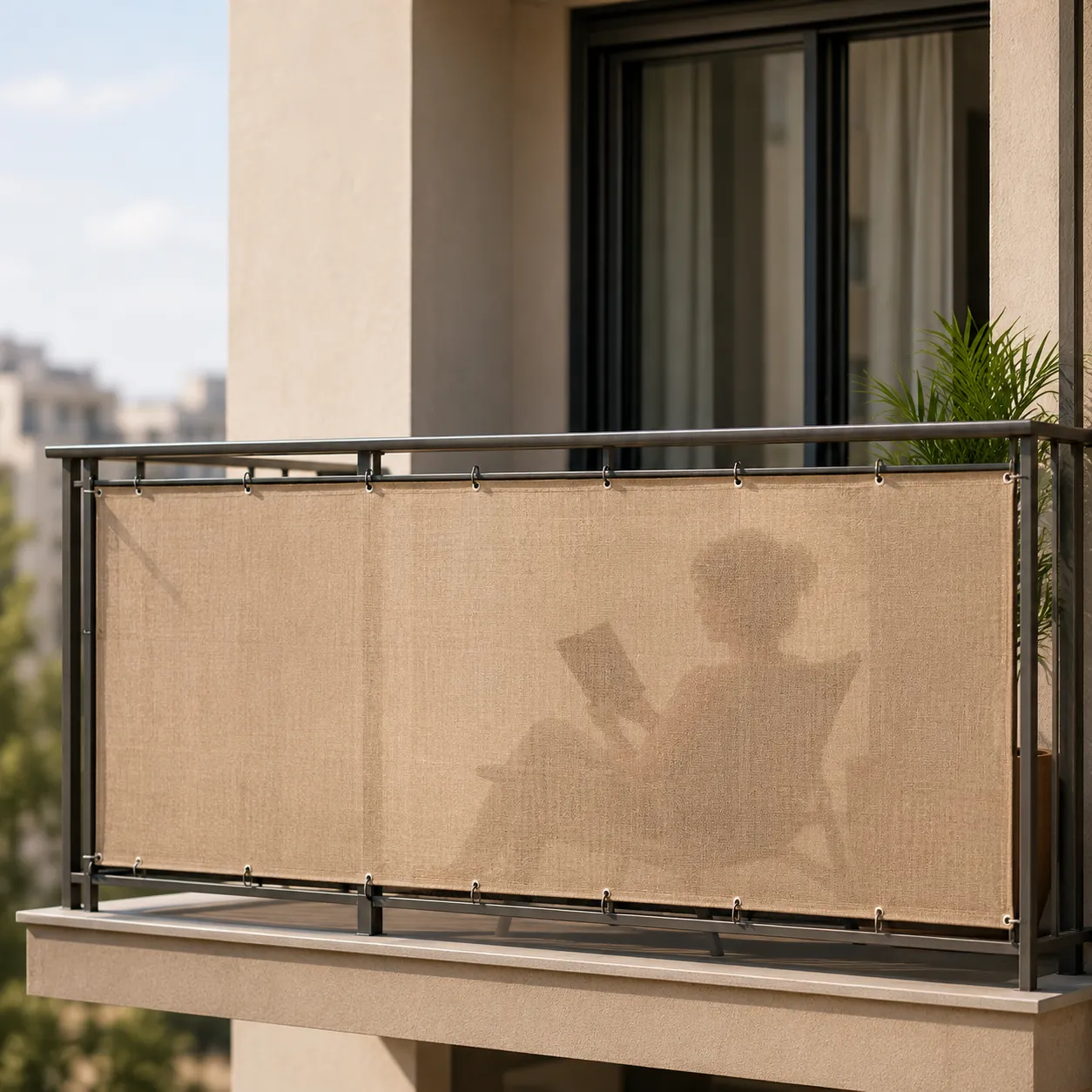
privacyˈpraɪvəsi
the right or state of being free from unwanted attention or access to personal information.
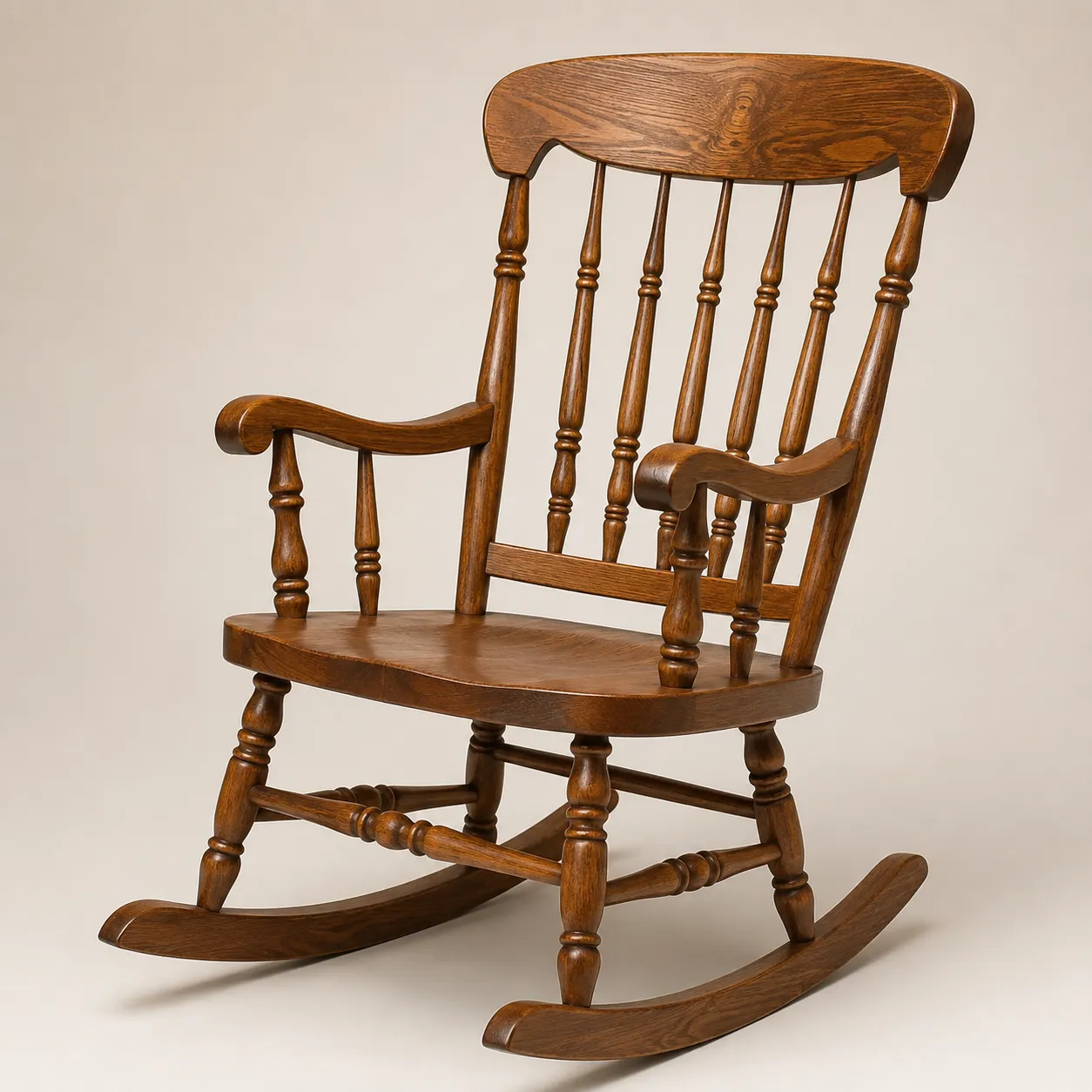
rocking chairˈrɑːkɪŋ tʃer
a chair with curved pieces under its legs that lets it move gently backwards and forwards.
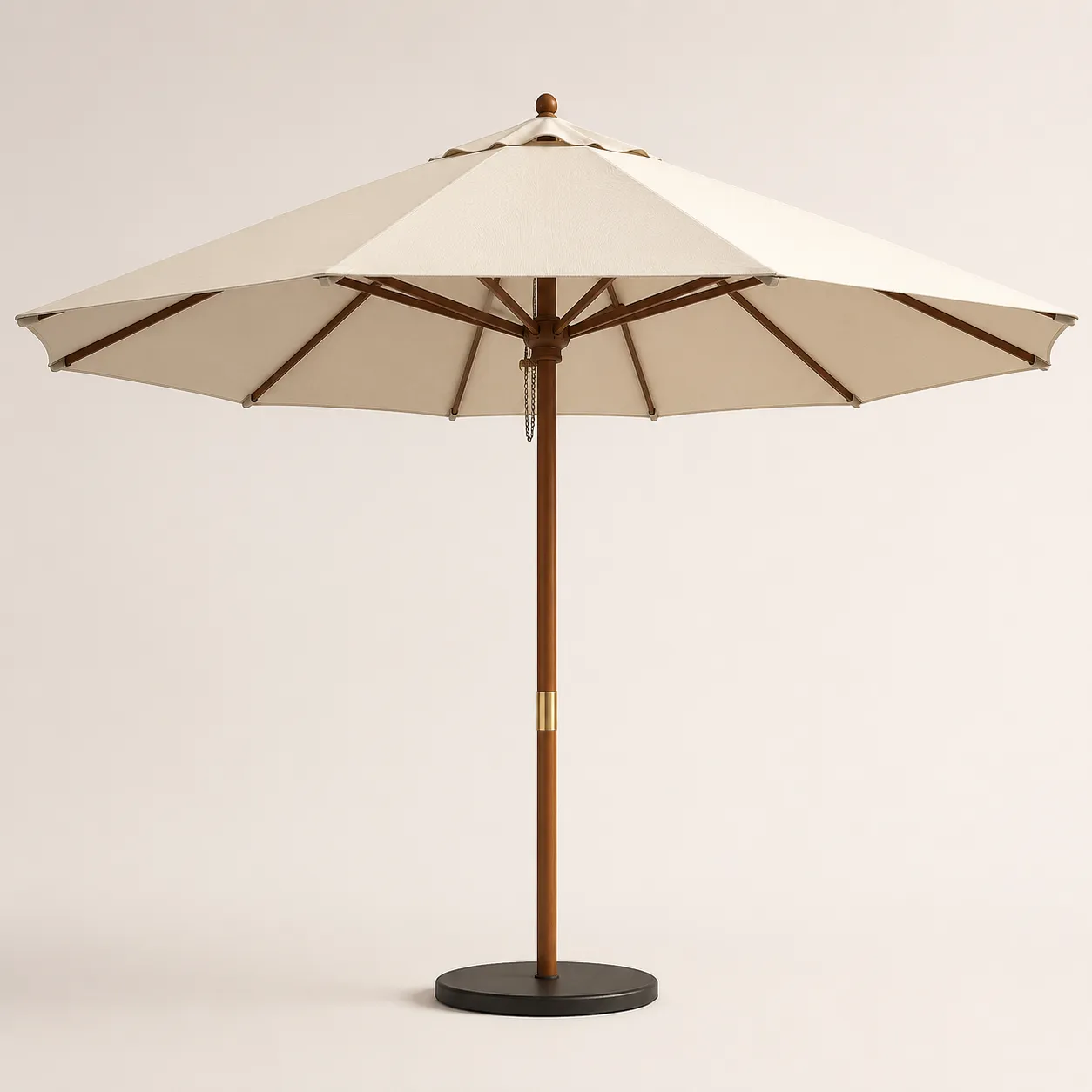
sunshadeˈsʌnʃeɪd
an umbrella, screen, or other cover that protects people or things from direct sunlight.

peacefullyˈpiːsfəli
in a quiet, calm way, without noise, worry, or interruption.
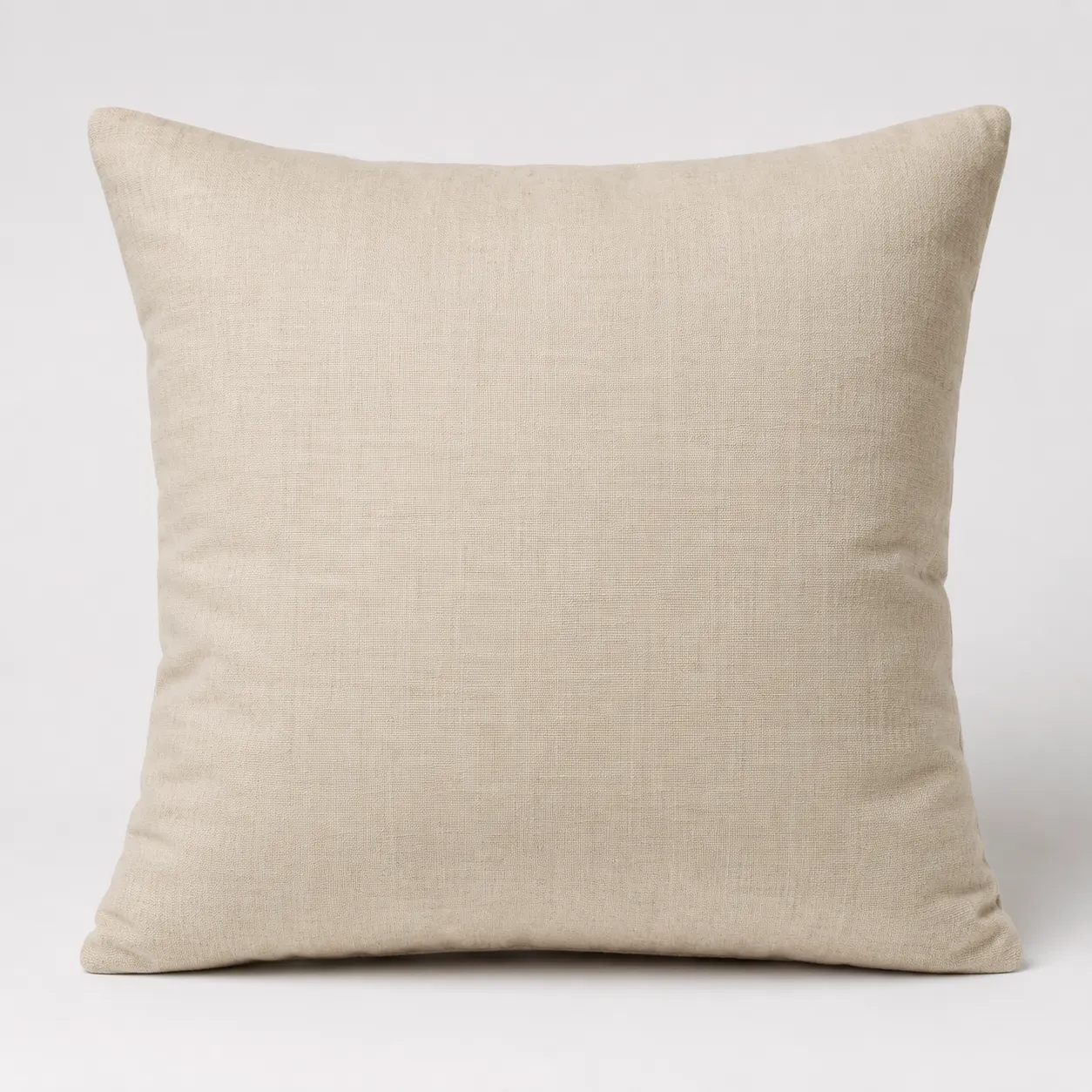
cushionˈkʊʃən
a soft bag filled with material, used to make a chair, sofa, or seat more comfortable or to support part of the body.
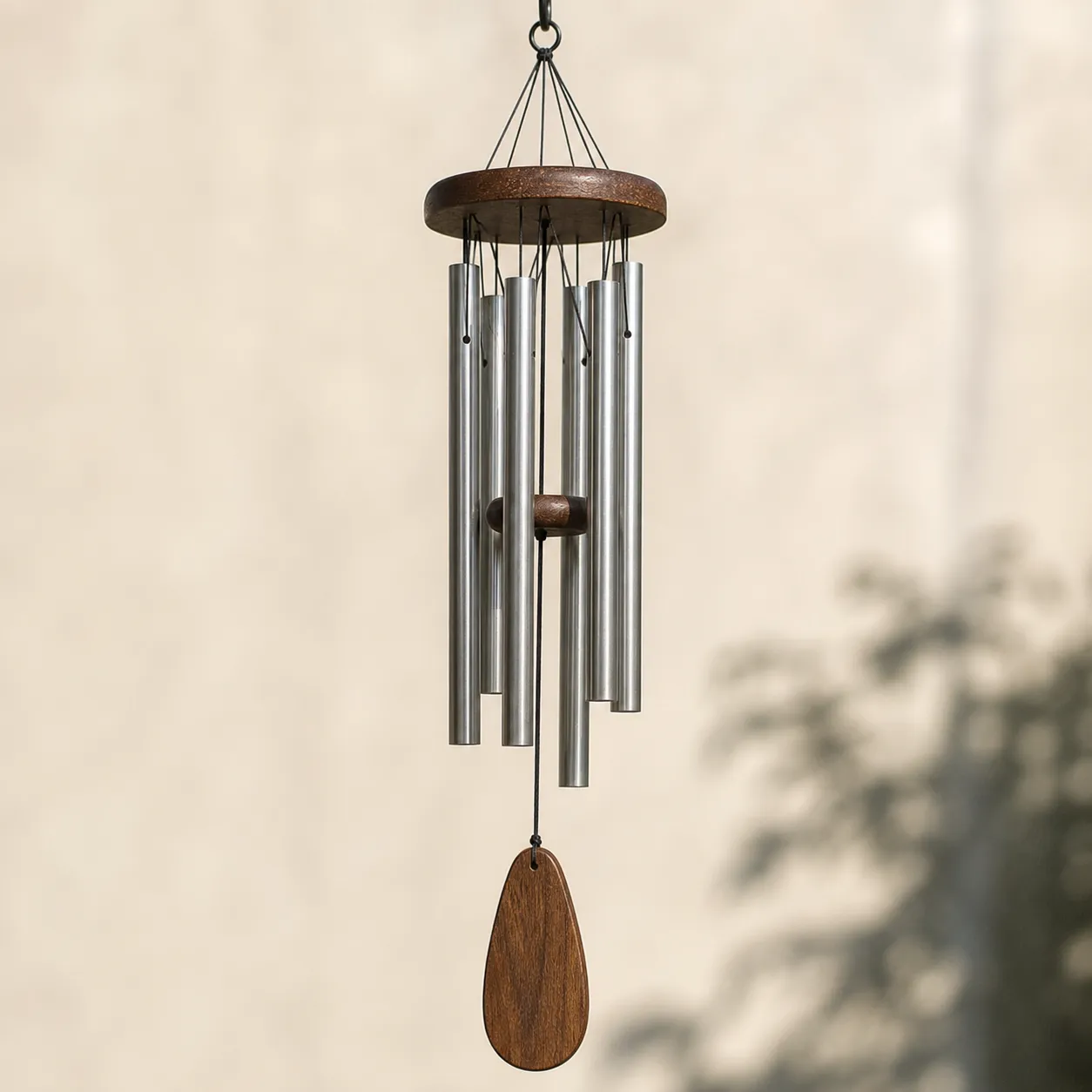
wind chimewɪnd tʃaɪm
a hanging decoration with small tubes or pieces that make gentle sounds when the wind moves them.
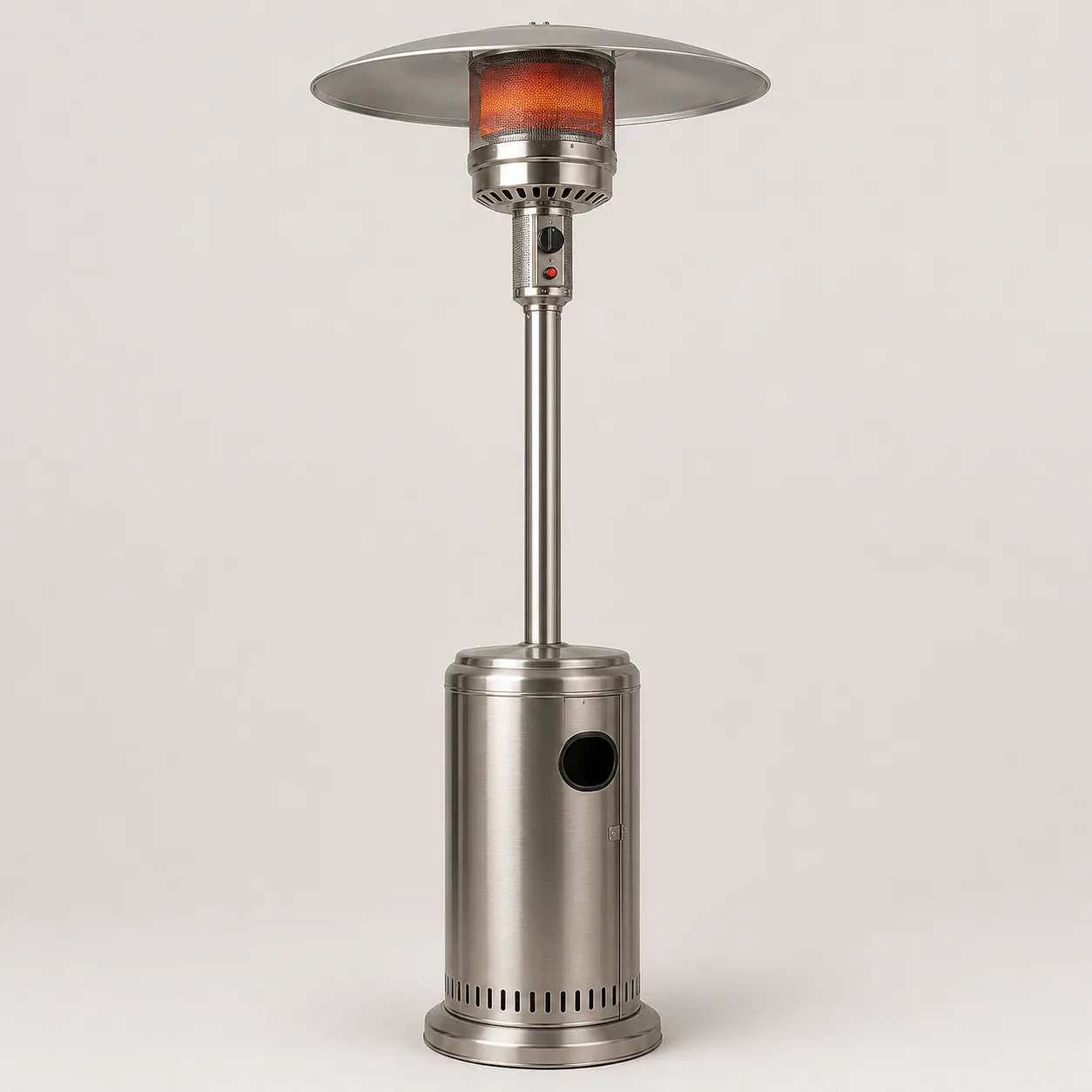
patio heaterˈpætioʊ ˈhiːtər
a heater used outside to warm people sitting on a patio, terrace, or restaurant garden.
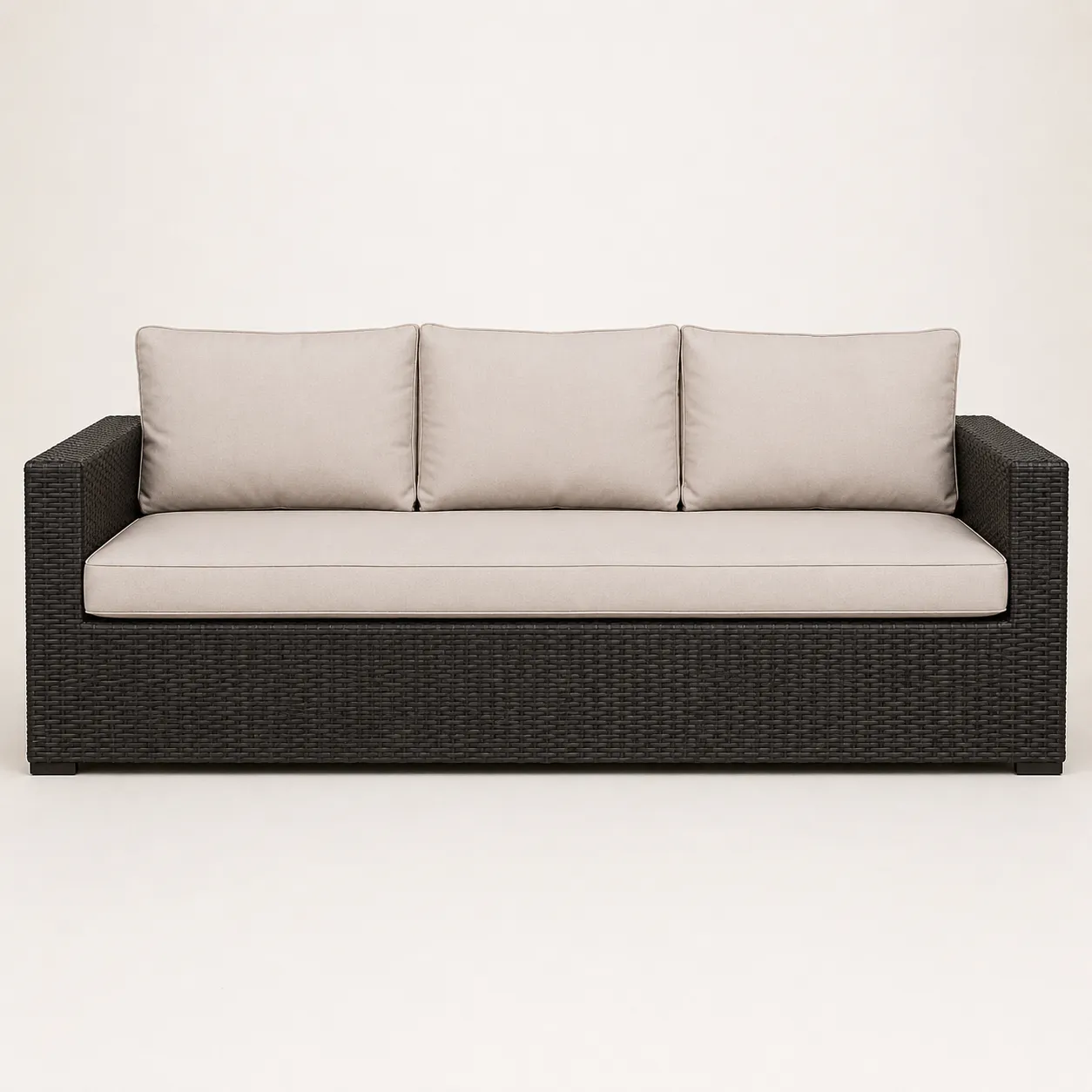
outdoor sofaˈaʊtdɔːr ˈsoʊfə
a sofa made from weather-resistant materials for use outside.
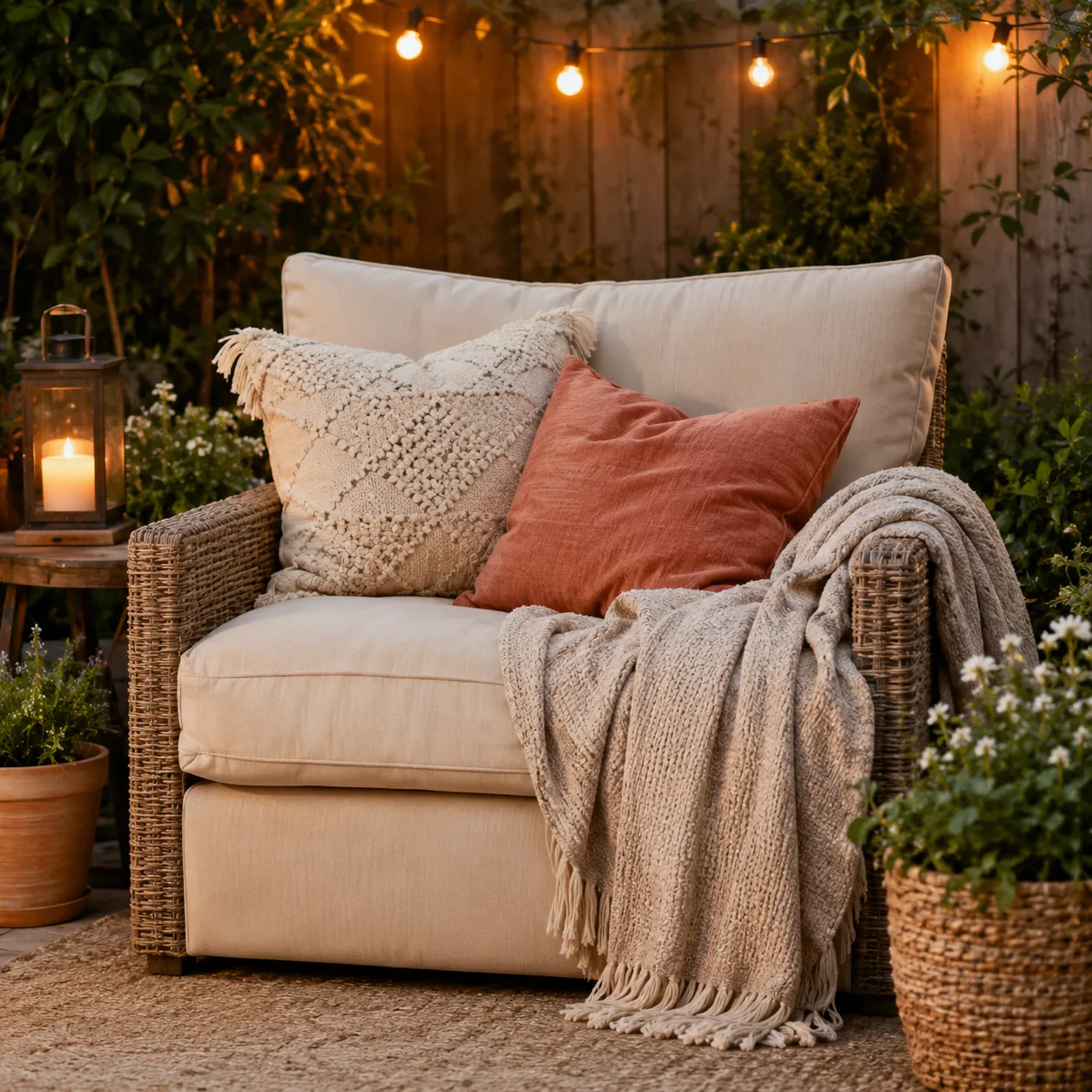
homeyˈhoʊmi
pleasant, warm, and comfortable in a way that makes you feel at home.
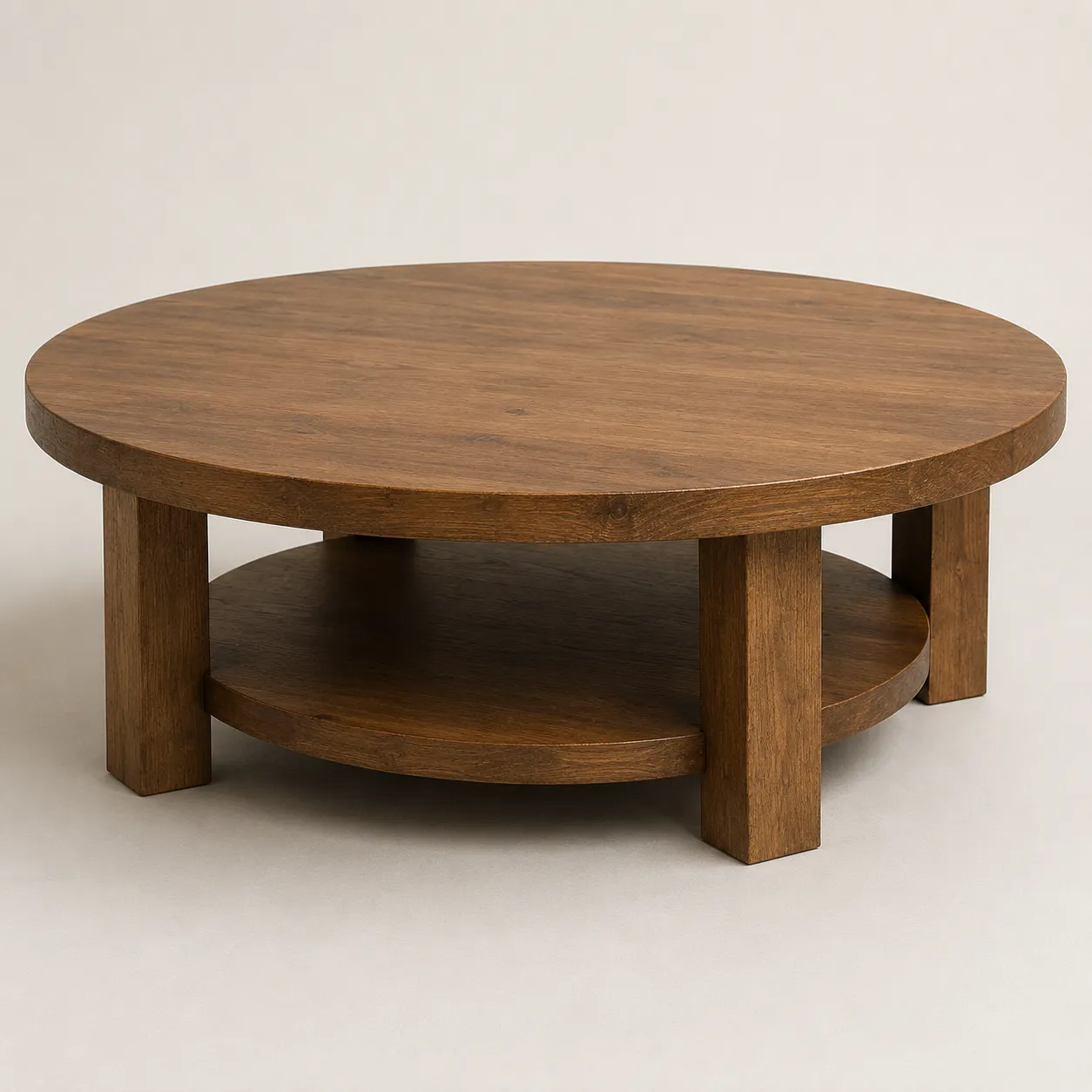
coffee tableˈkɔːfi ˌteɪbəl
a low table, usually placed in front of a sofa, for cups, books, magazines, or small objects.
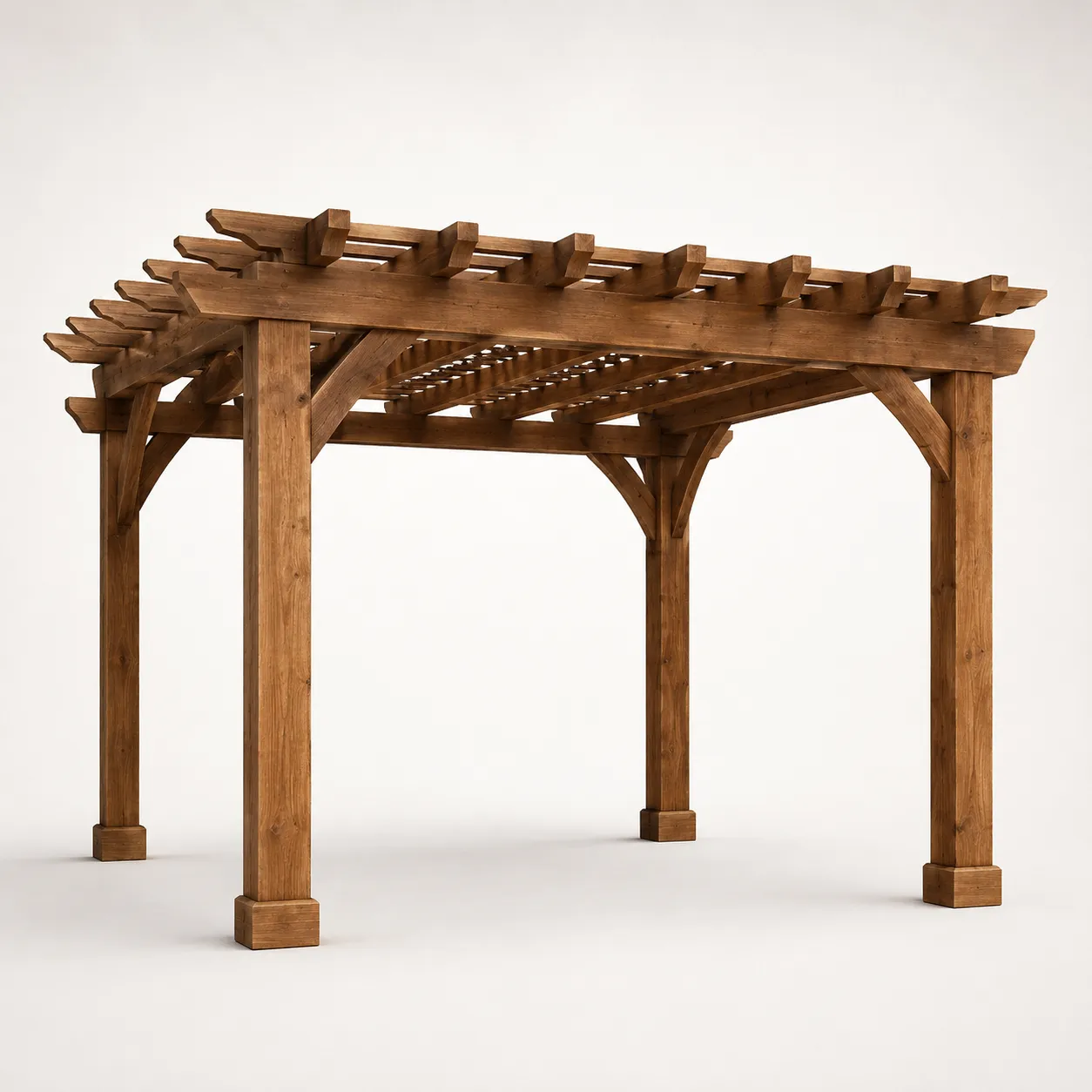
pergolaˈpɜːrɡələ
an open garden structure with posts and a roof of beams, often used to support climbing plants or give light shade.

cozyˈkoʊzi
warm, comfortable, and pleasant, especially in a small place where you feel safe and relaxed.
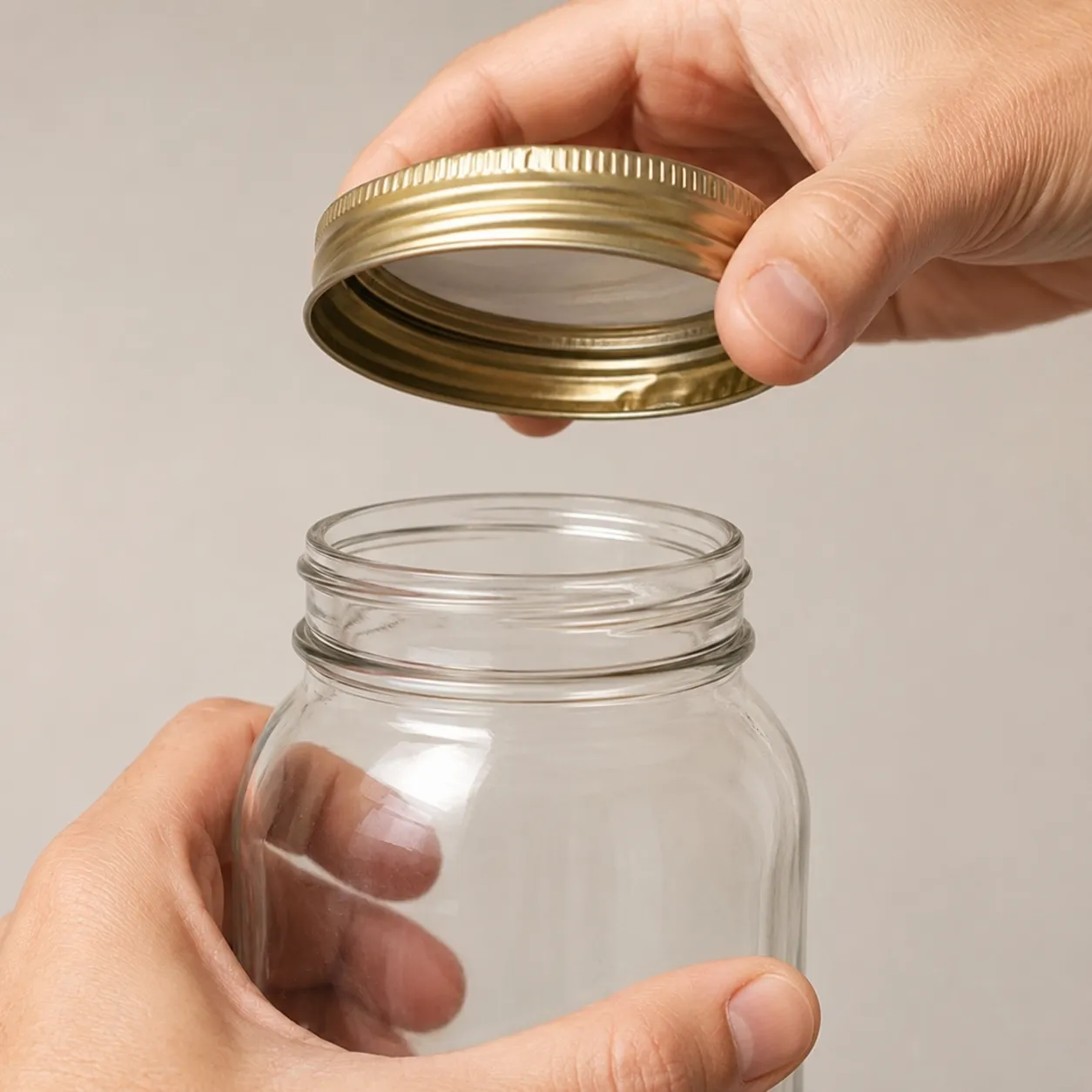
openˈoʊpən
not closed, locked, or covered, so entry, exit, access, or a view inside is possible
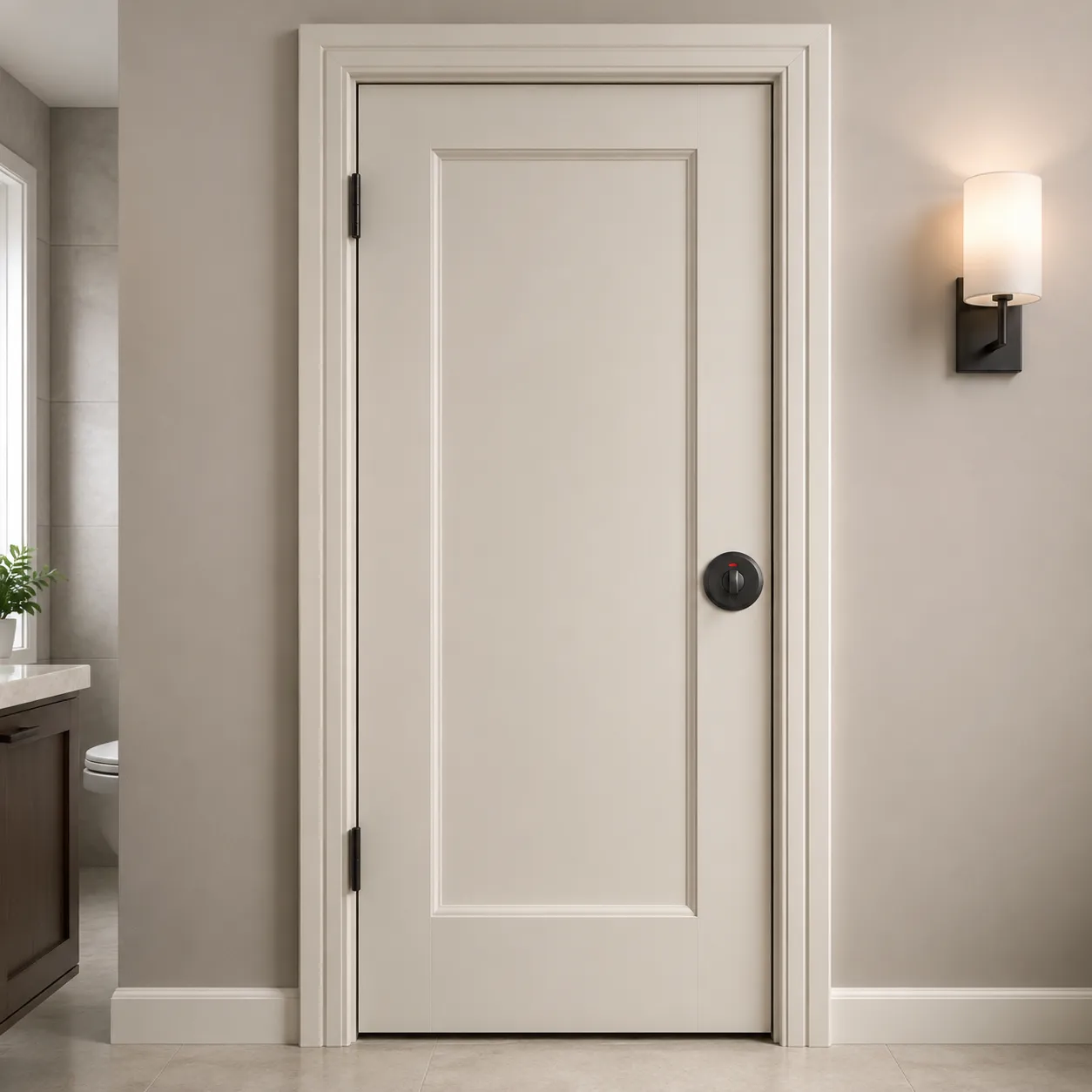
privateˈpraɪvət
used by or belonging to one person or a small group, not available for everyone to use or enter.
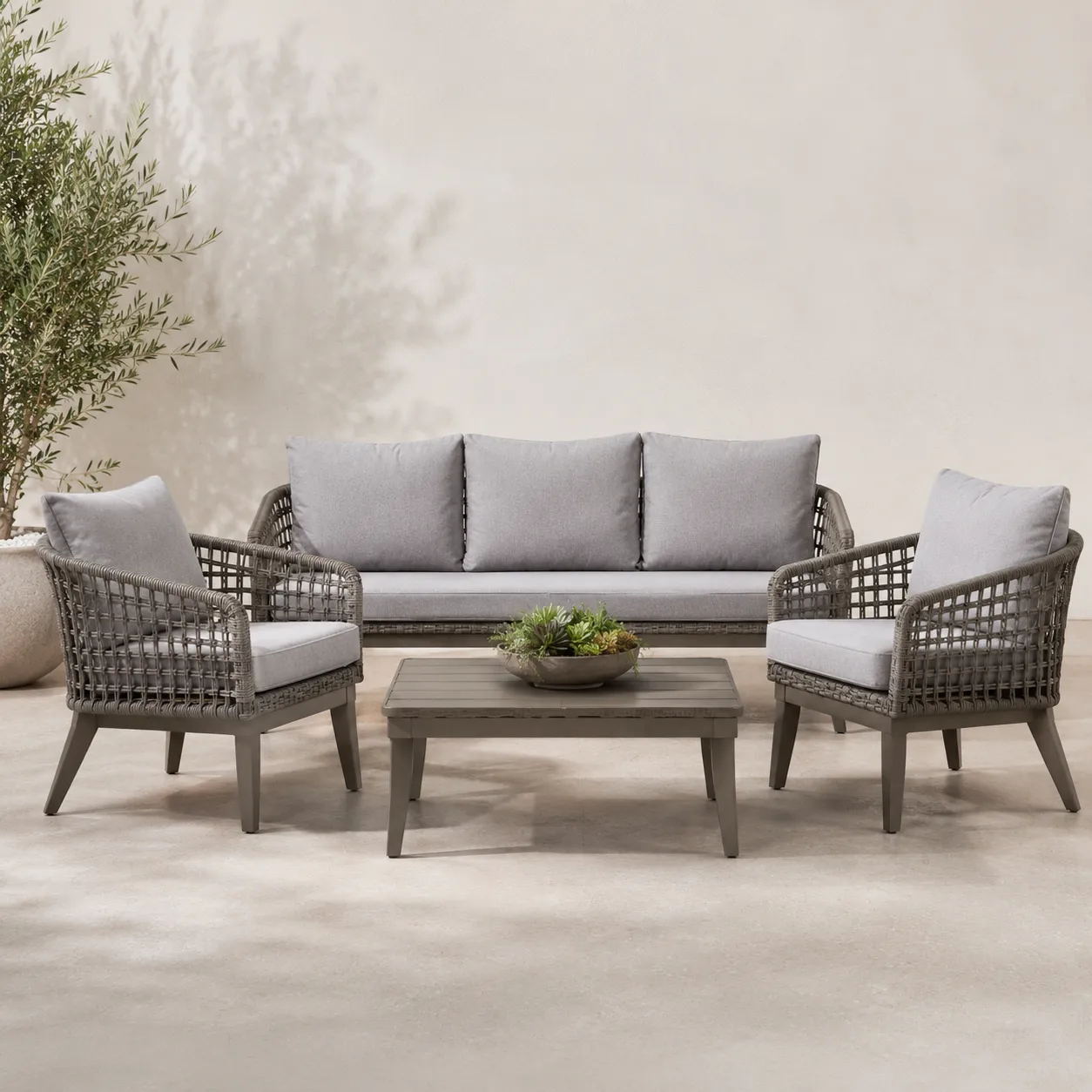
lounge setlaʊndʒ set
a set of matching chairs, sofas, or low tables used for relaxing, especially outside.
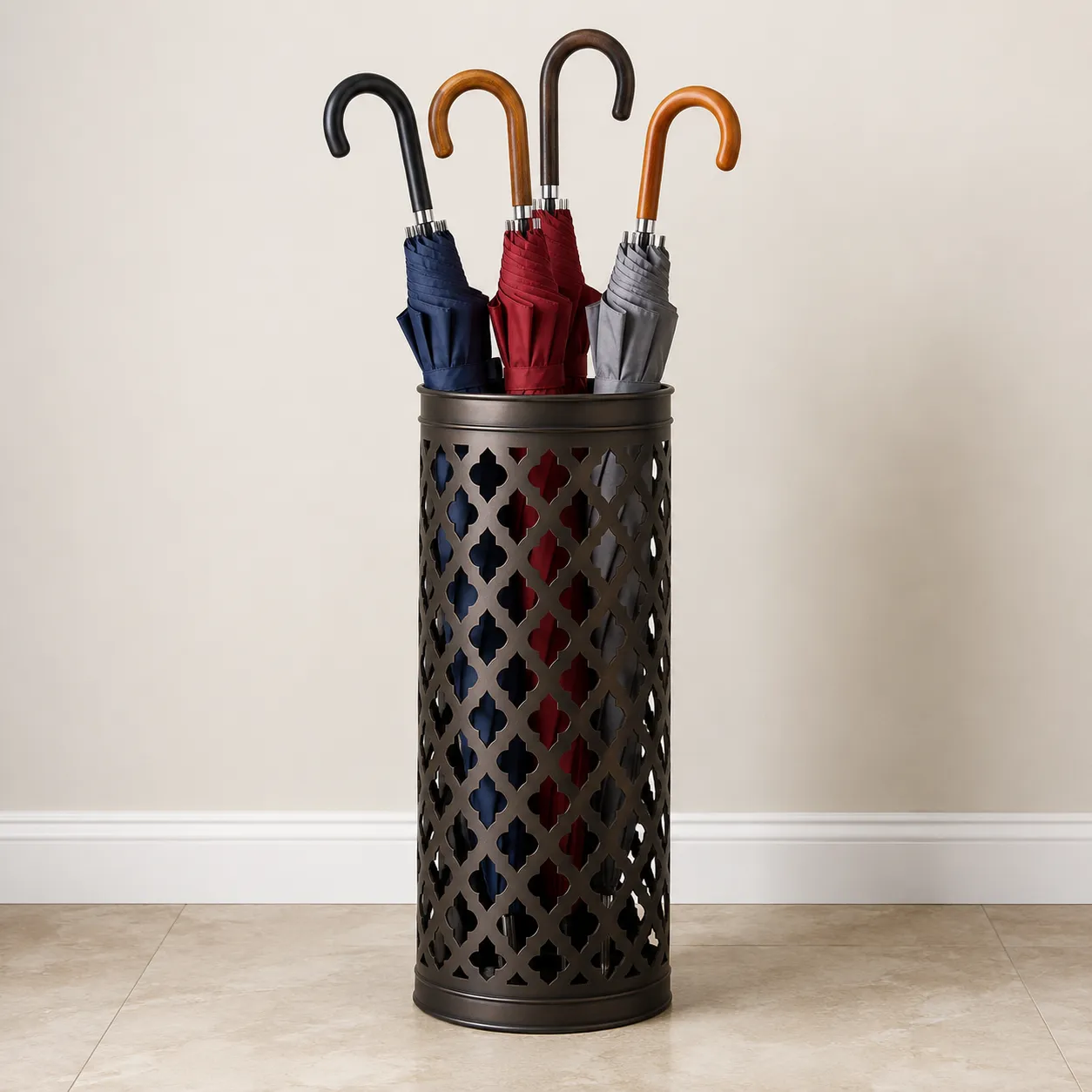
umbrella standʌmˈbrɛlə stænd
a tall container or frame, usually kept near a door, where umbrellas are stored standing up.
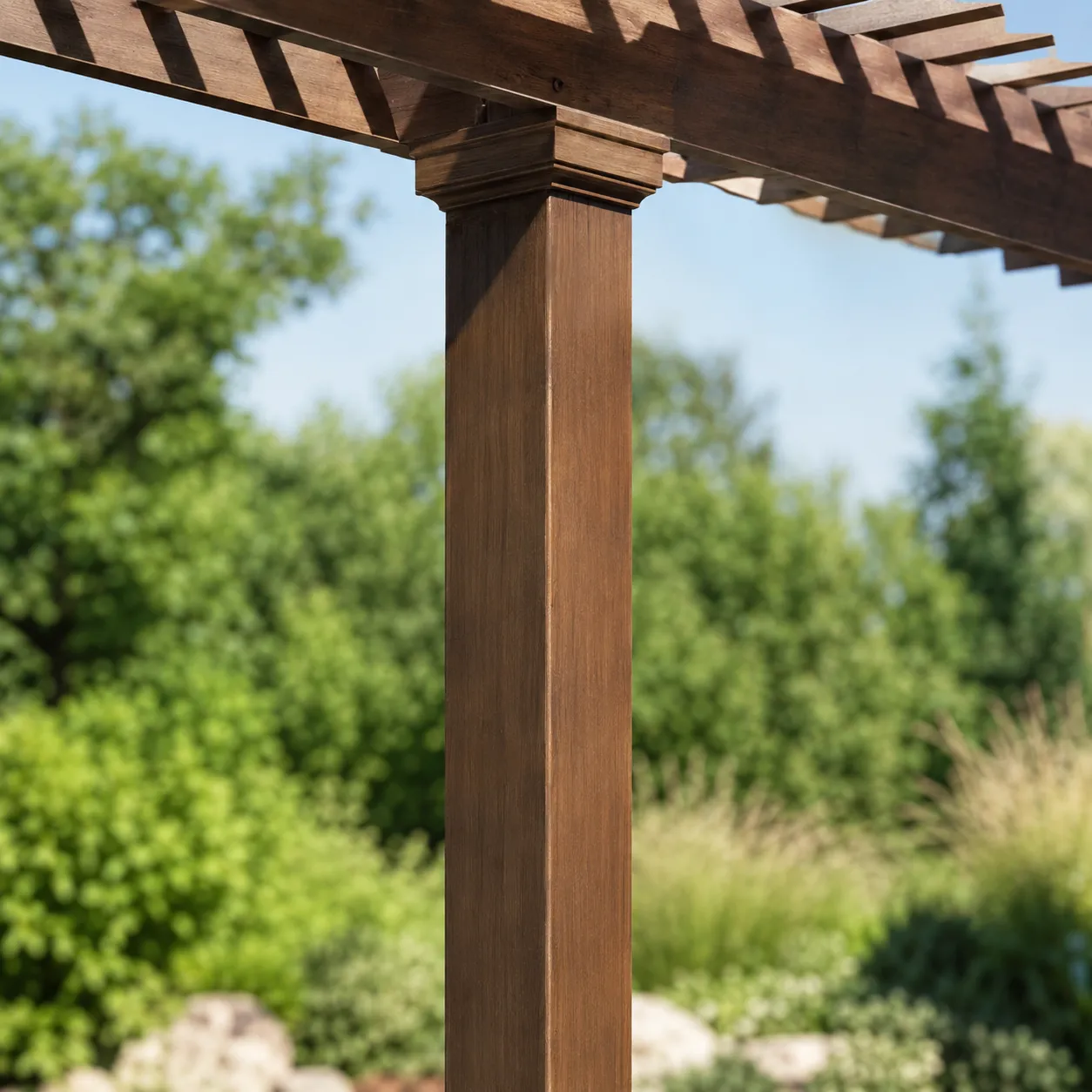
pergola postˈpɝːɡələ poʊst
one of the upright posts that supports a pergola, a garden structure with an open roof of beams.
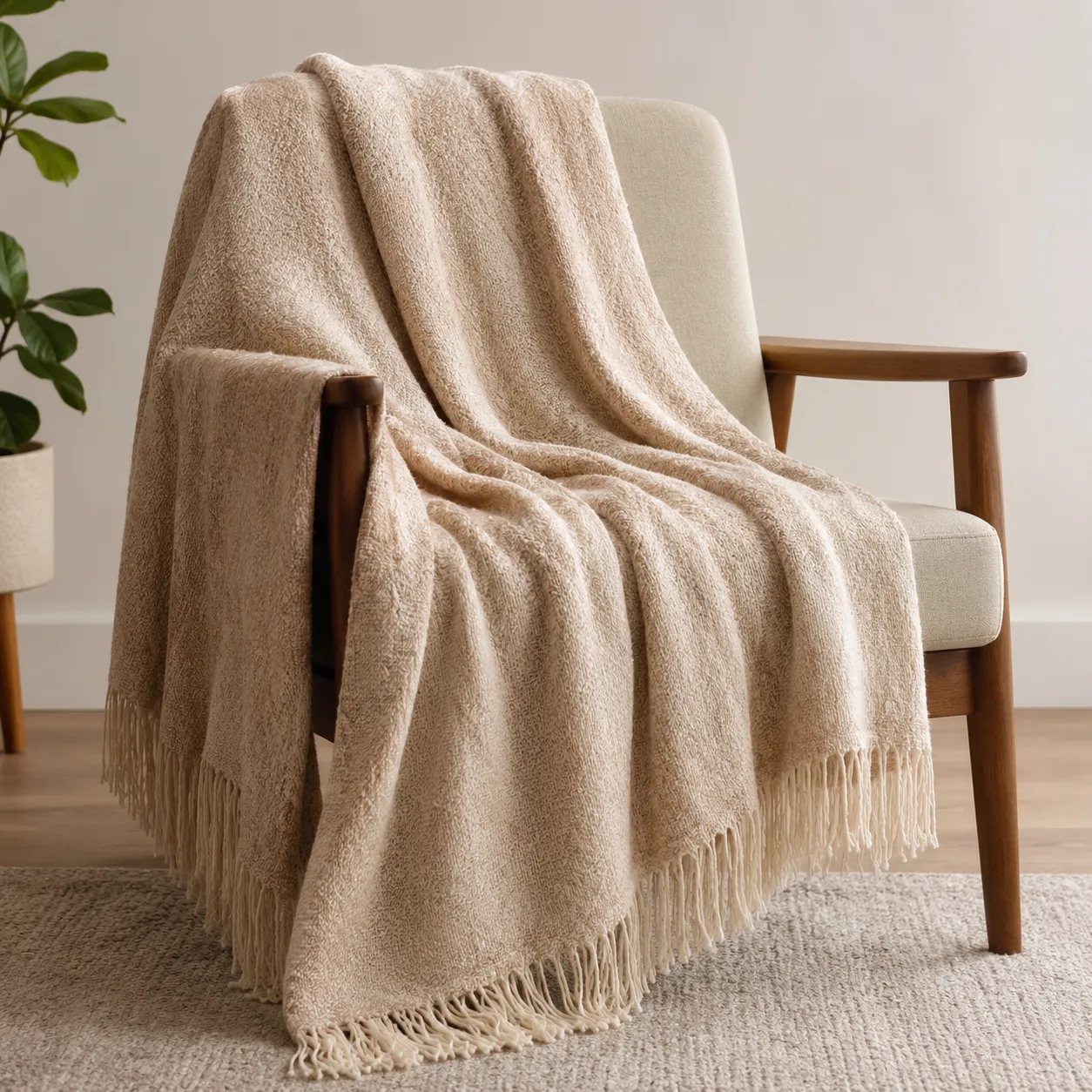
throw blanketˈθroʊ ˌblæŋkət
a small blanket kept on a sofa, chair, or bed to cover yourself lightly or to decorate the room.
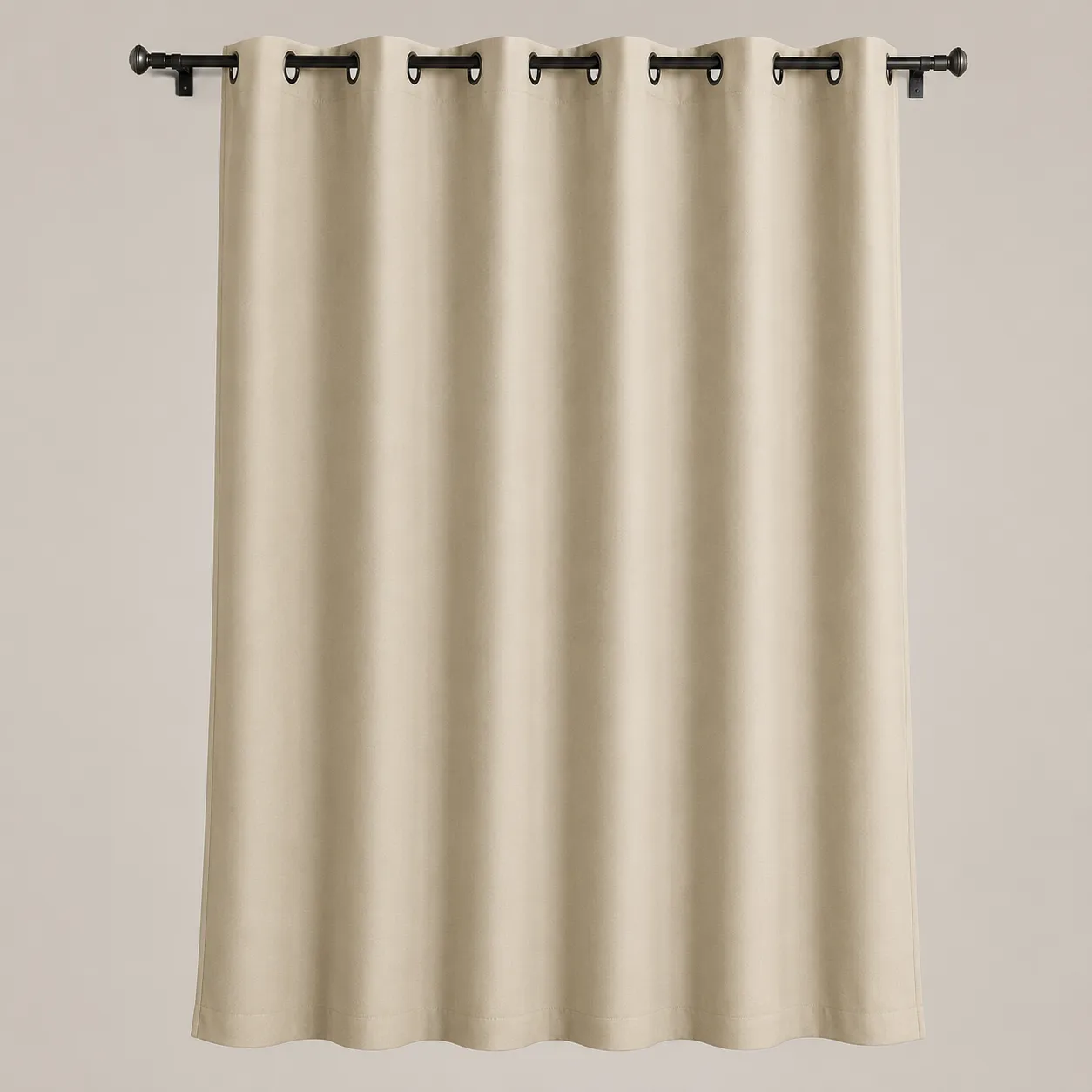
outdoor curtainˌaʊtˈdɔːr ˈkɜːrtən
a curtain made of weather-resistant material, used outside for shade, privacy, or decoration.
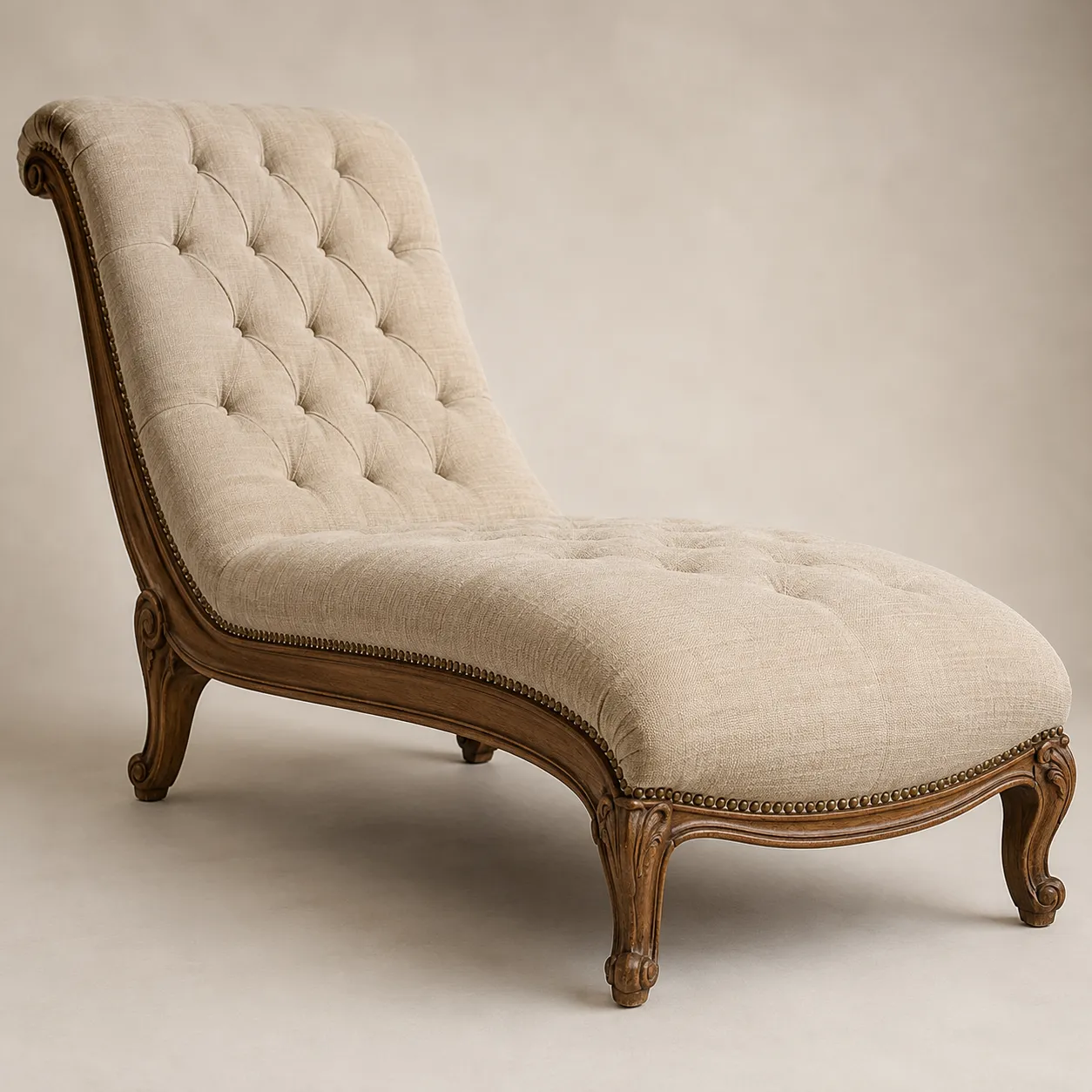
chaise loungeˌʃeɪz ˈlaʊndʒ
a long low chair with support for your legs, used for resting or reclining.
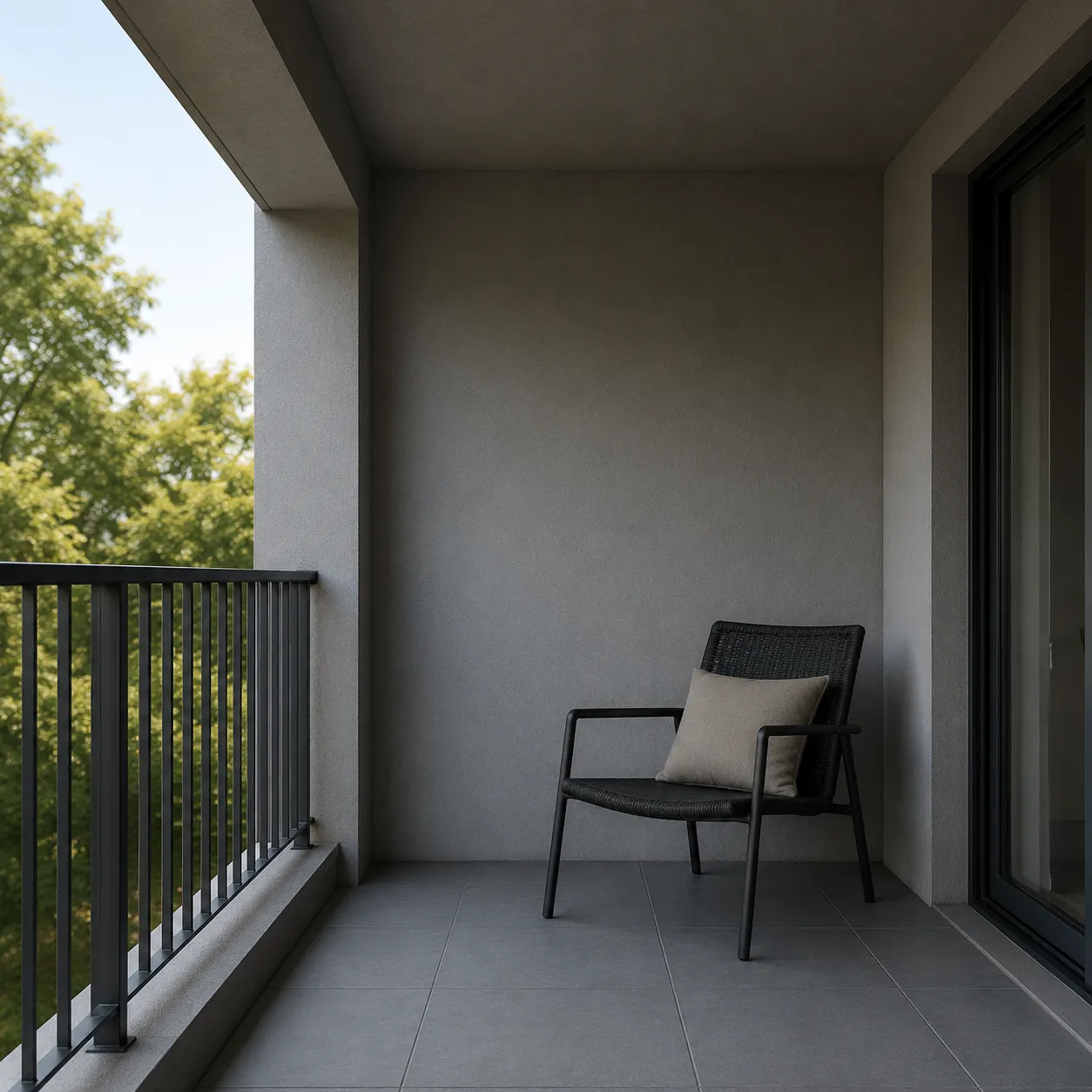
shadedˈʃeɪdɪd
protected from direct sunlight by a tree, building, roof, or other object.
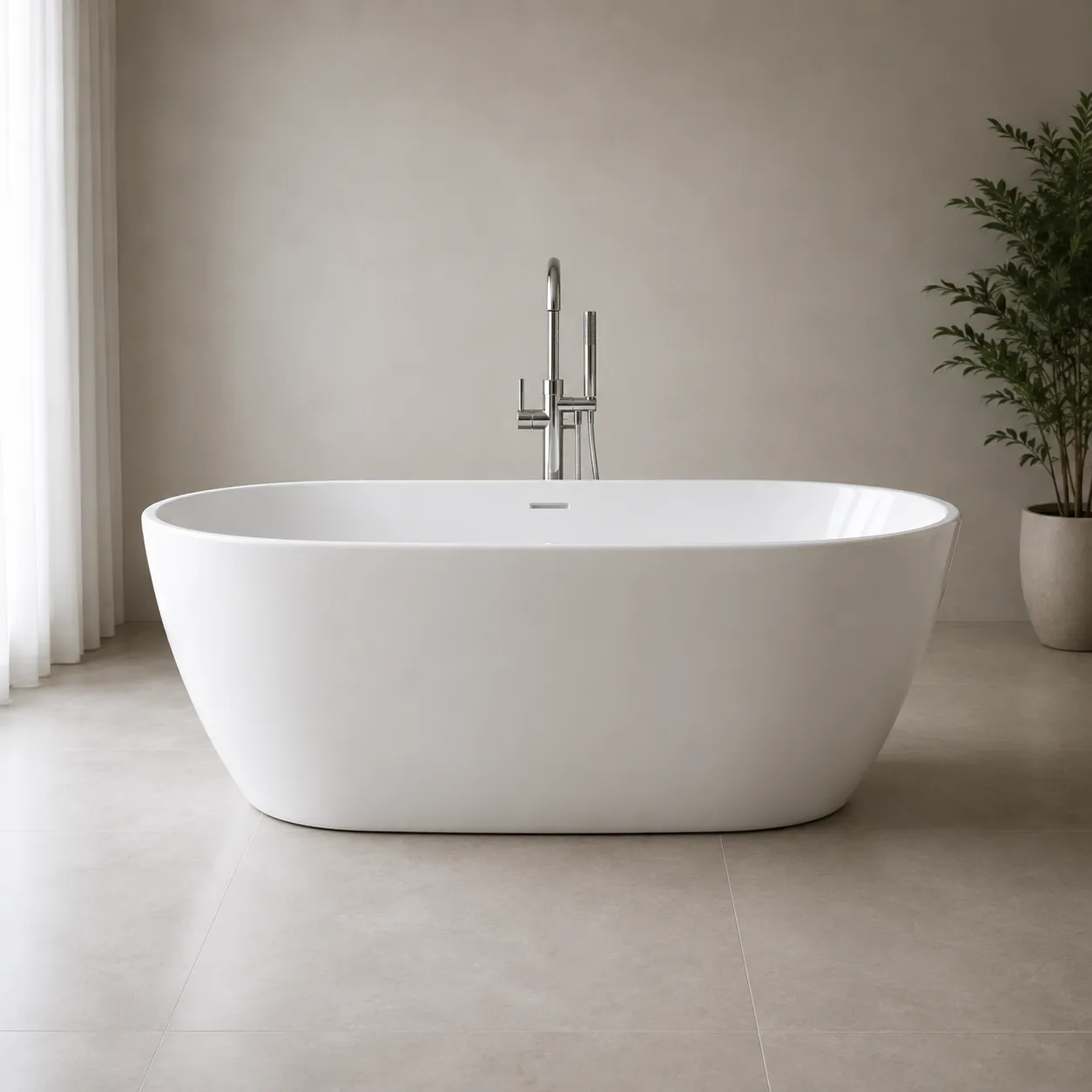
freestandingˌfriːˈstændɪŋ
standing on its own and not attached to a wall, cupboard, or other support.
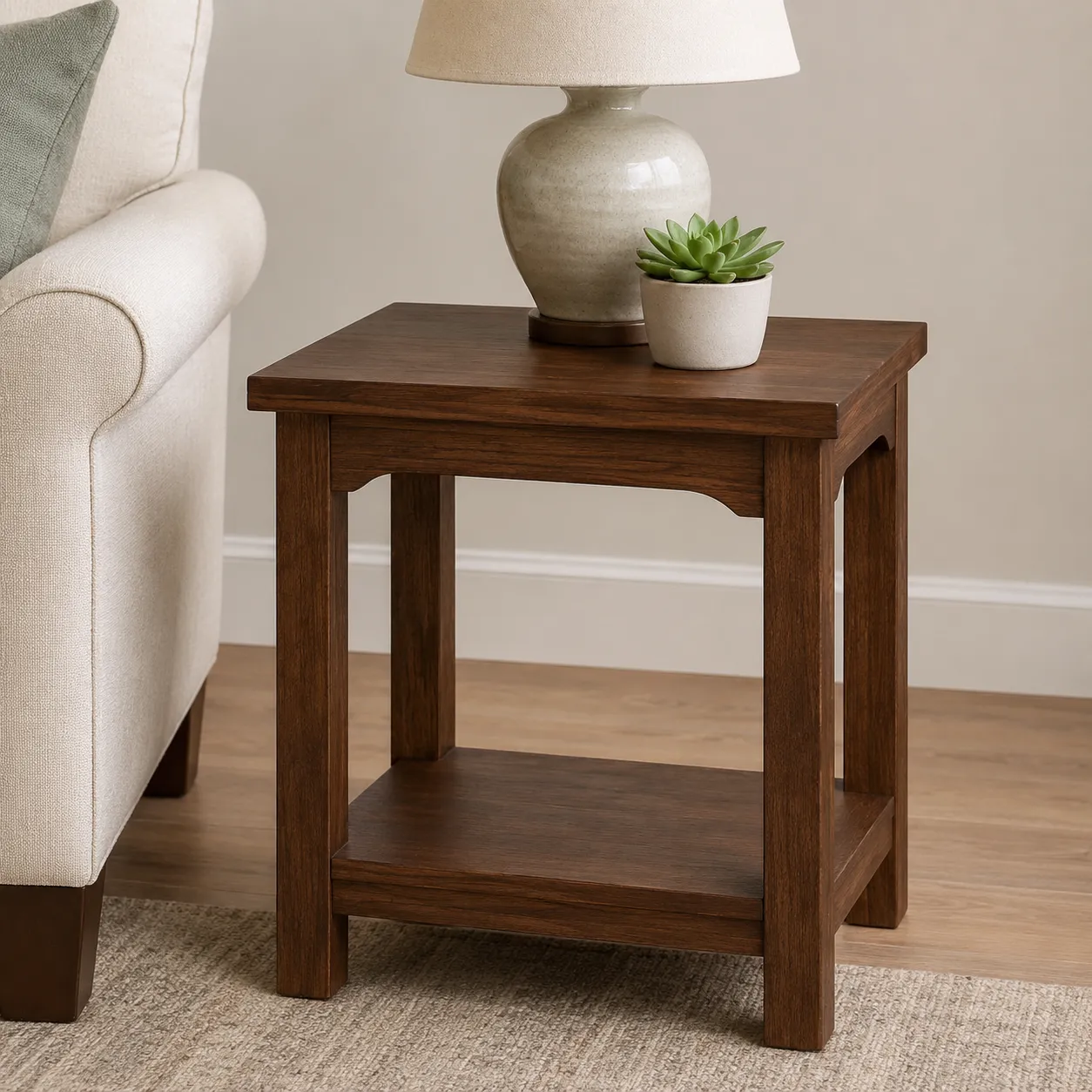
end tableˈɛnd ˌteɪbəl
a small table placed at the end of a sofa or beside a chair, used for things like a lamp, drink, or remote control.
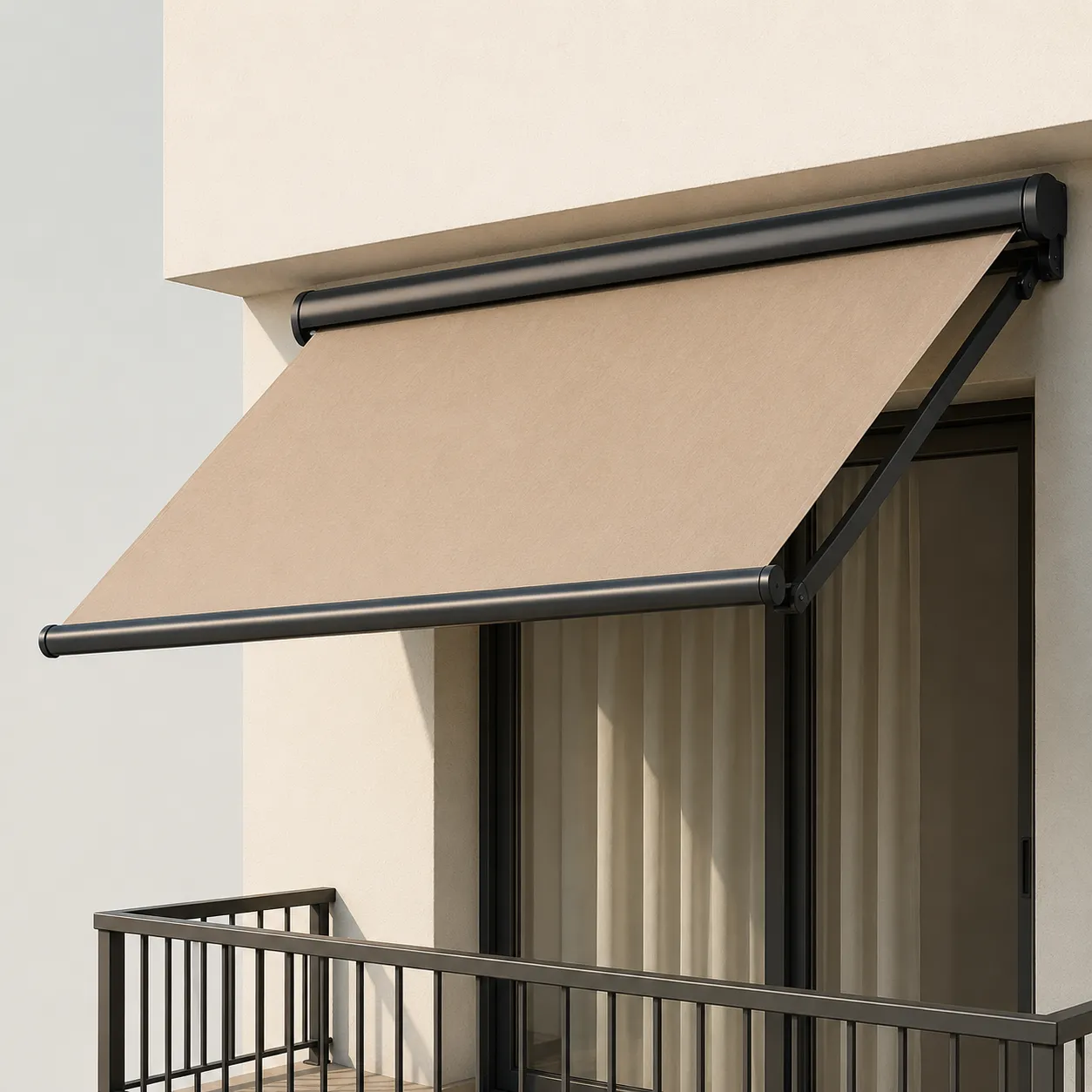
shadeʃeɪd
an area where direct light, especially sunlight, is blocked, so it is darker and often cooler.
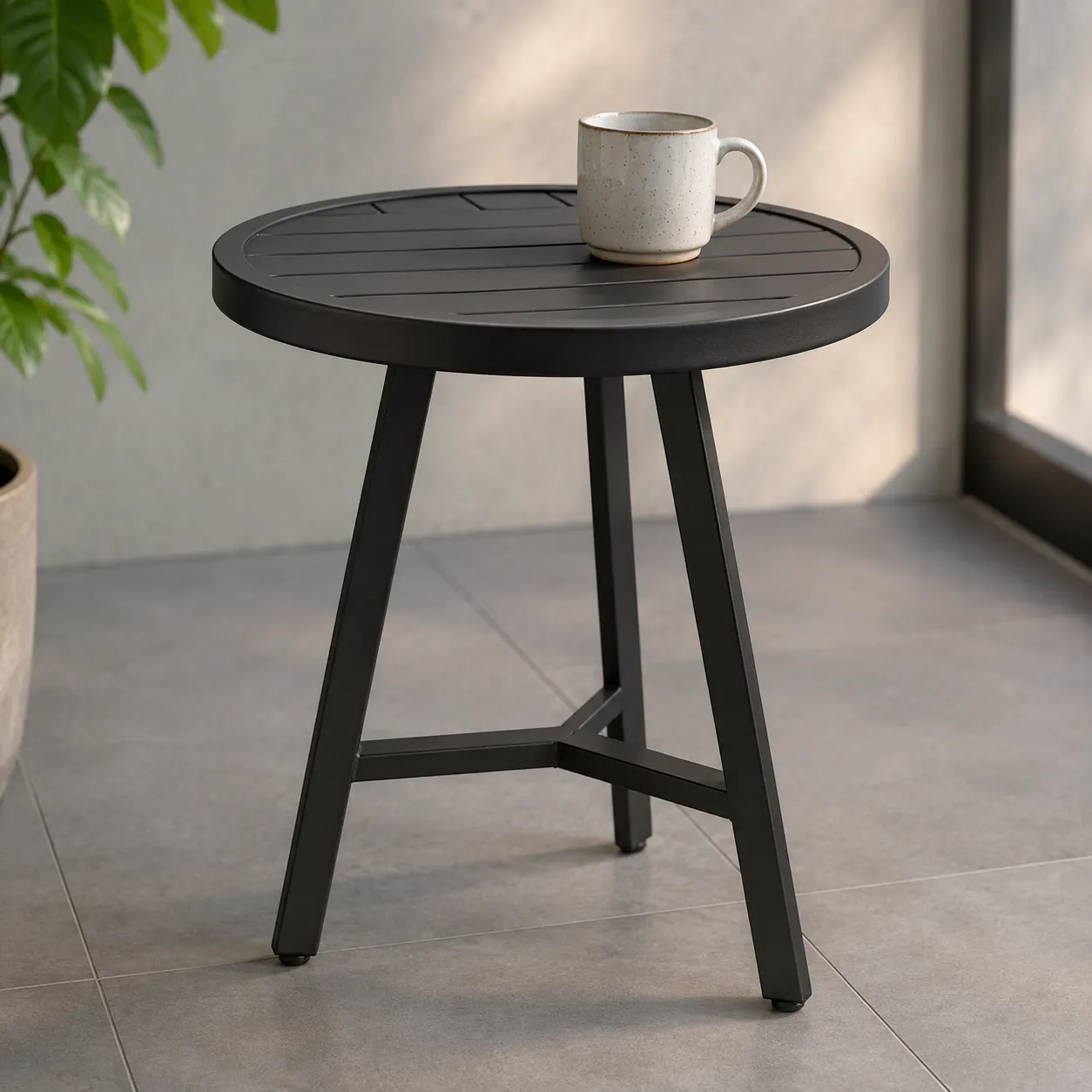
side tableˈsaɪd ˌteɪbəl
a small table that stands next to a sofa, chair, or bed and holds things such as a lamp, drink, or book.
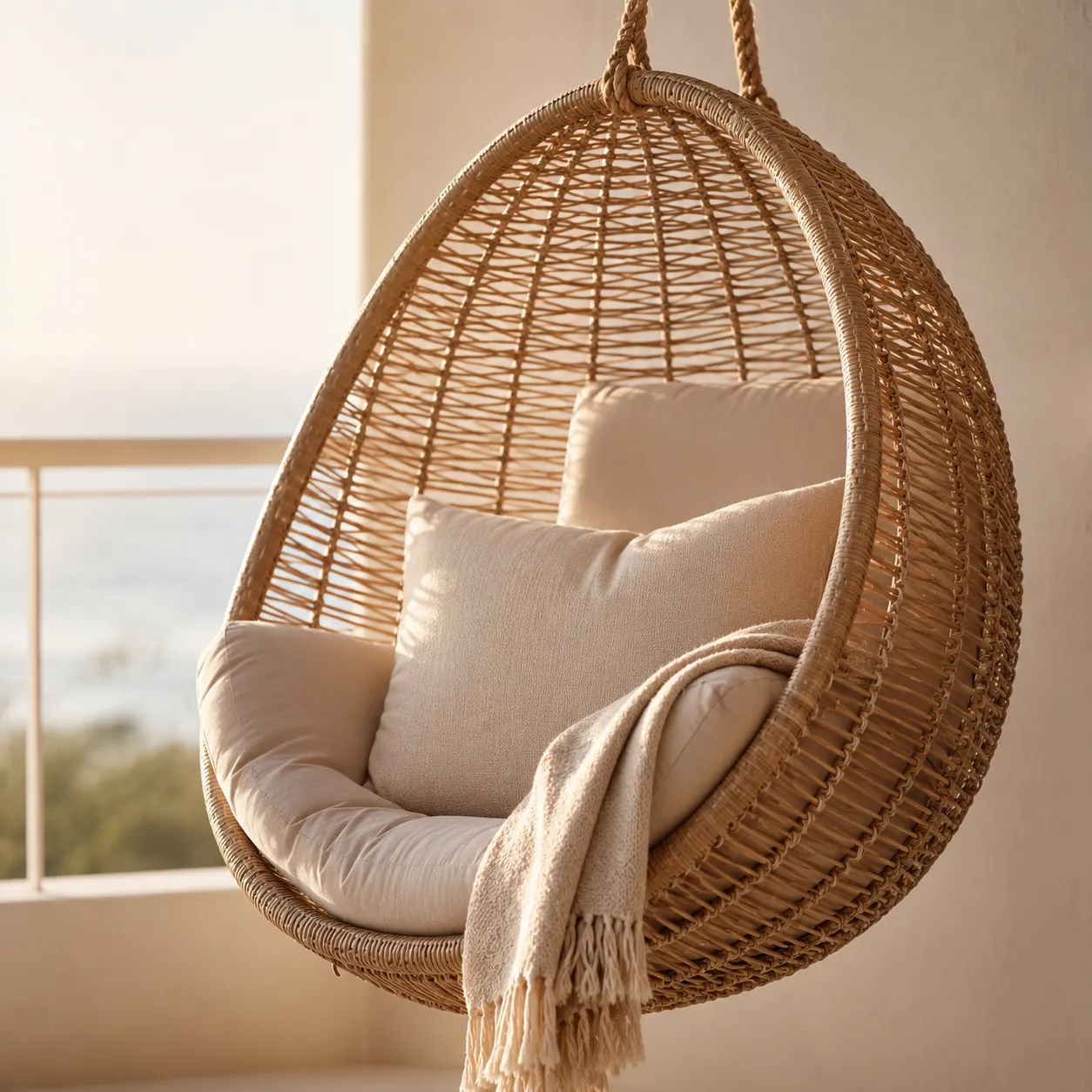
relaxingrɪˈlæksɪŋ
helping your body or mind become calm and rested.
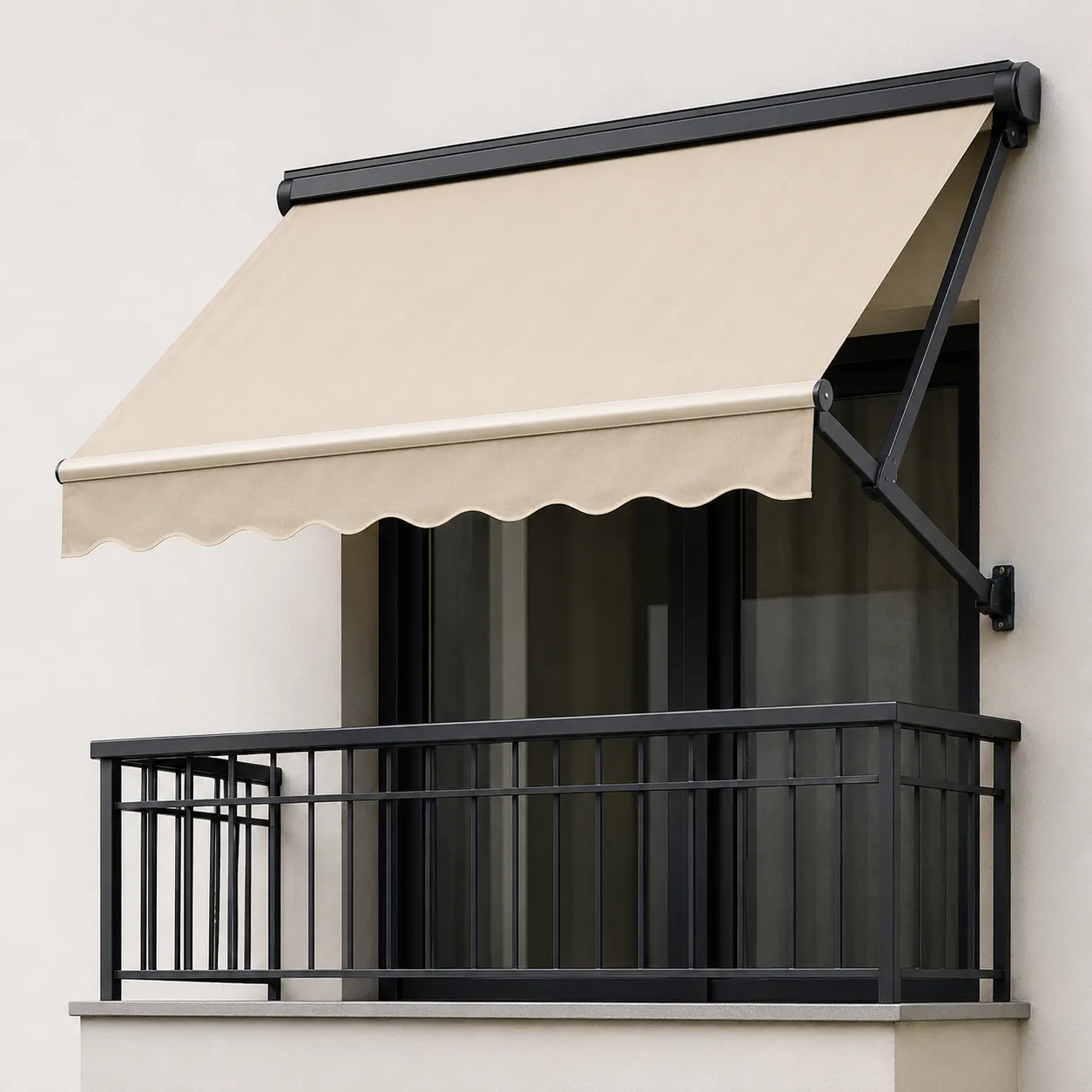
canopyˈkænəpi
a cover like a small roof, often made of cloth, that is placed above a bed, entrance or outdoor area for shade or decoration.
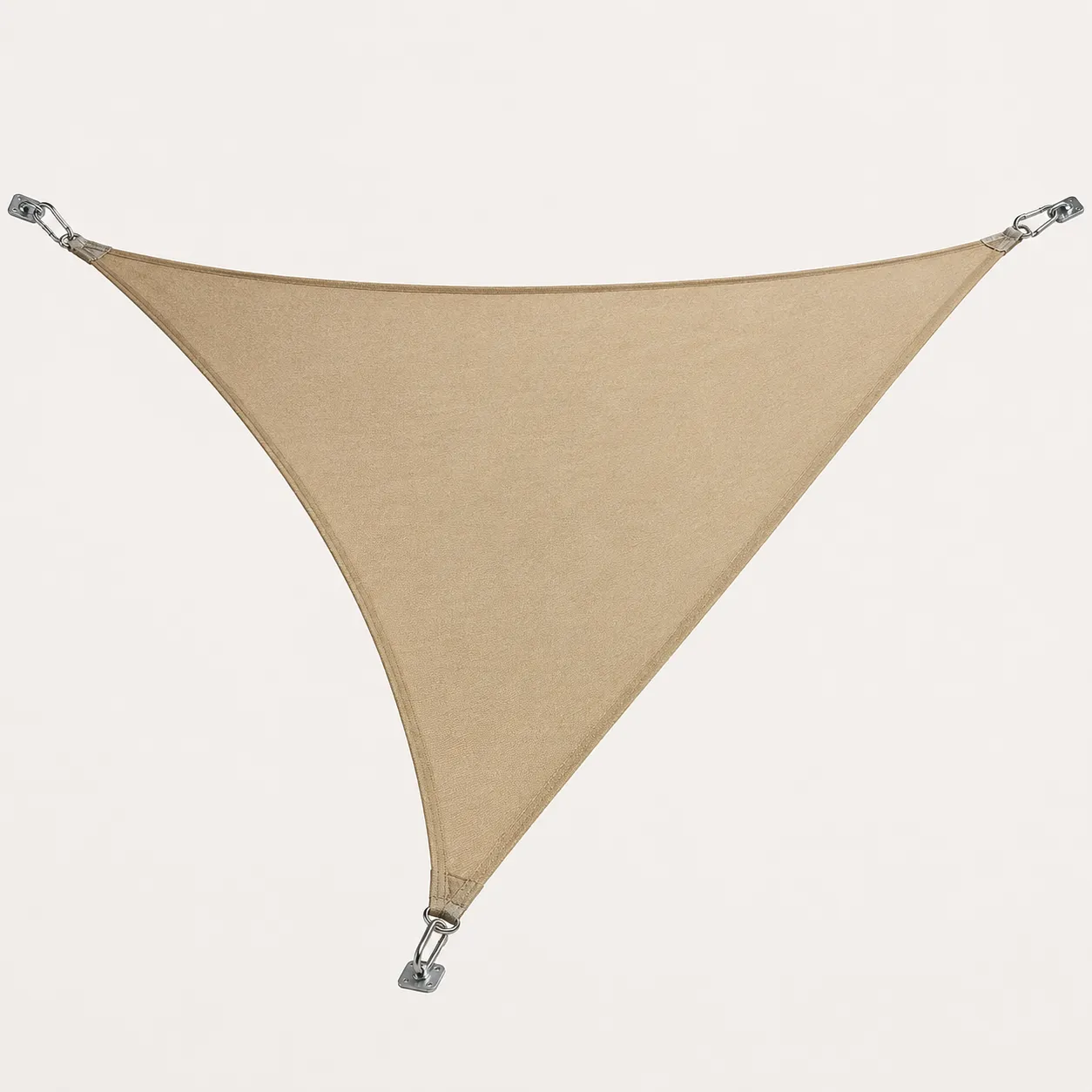
shade sailʃeɪd seɪl
a piece of strong fabric stretched between posts or walls to create shade outside.
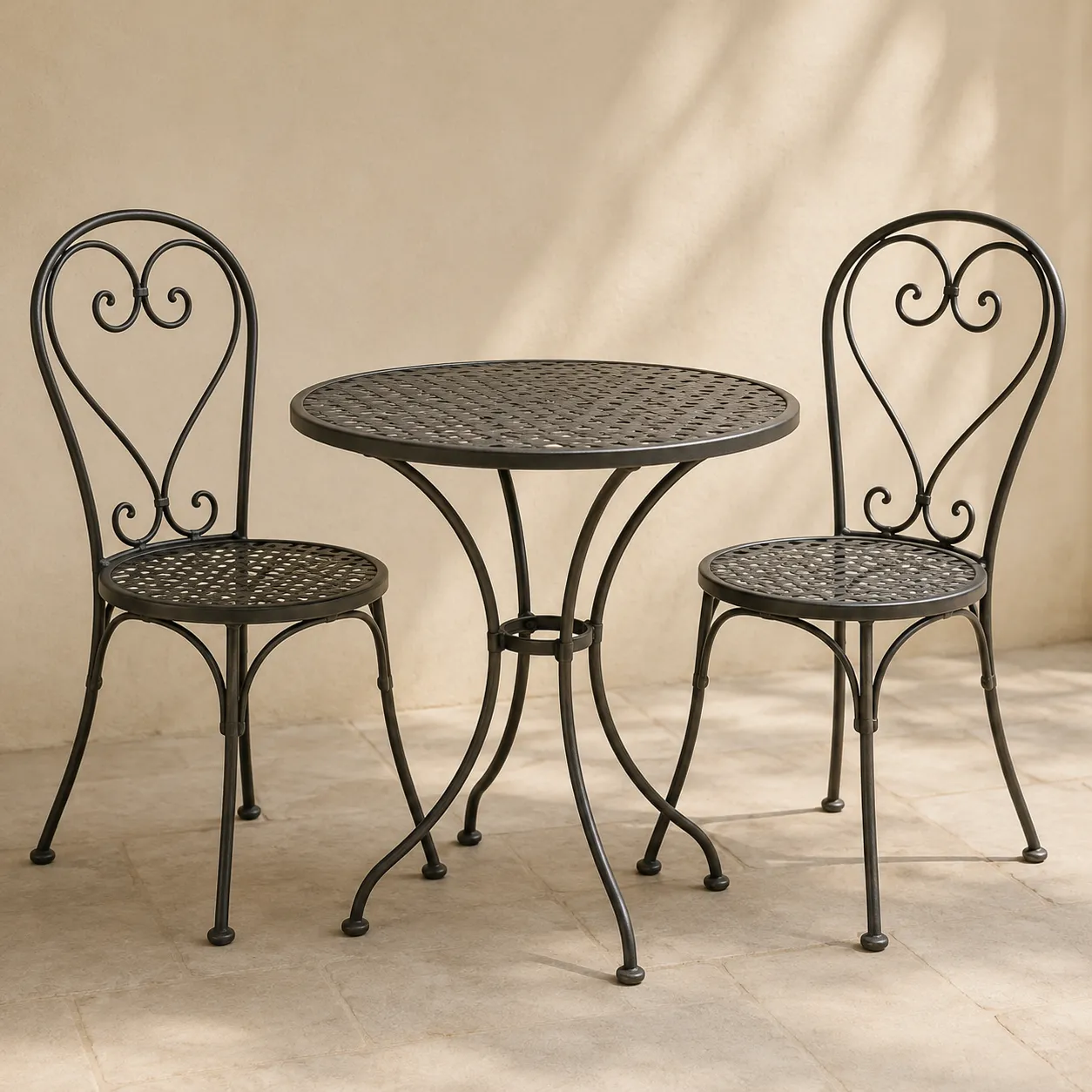
bistro setˈbiːstroʊ set
a small table with two matching chairs, often used on a balcony, patio, or outside a café.

fresh airfrɛʃ ɛr
clean air from outside, especially when it feels better than the air in a closed or crowded room.
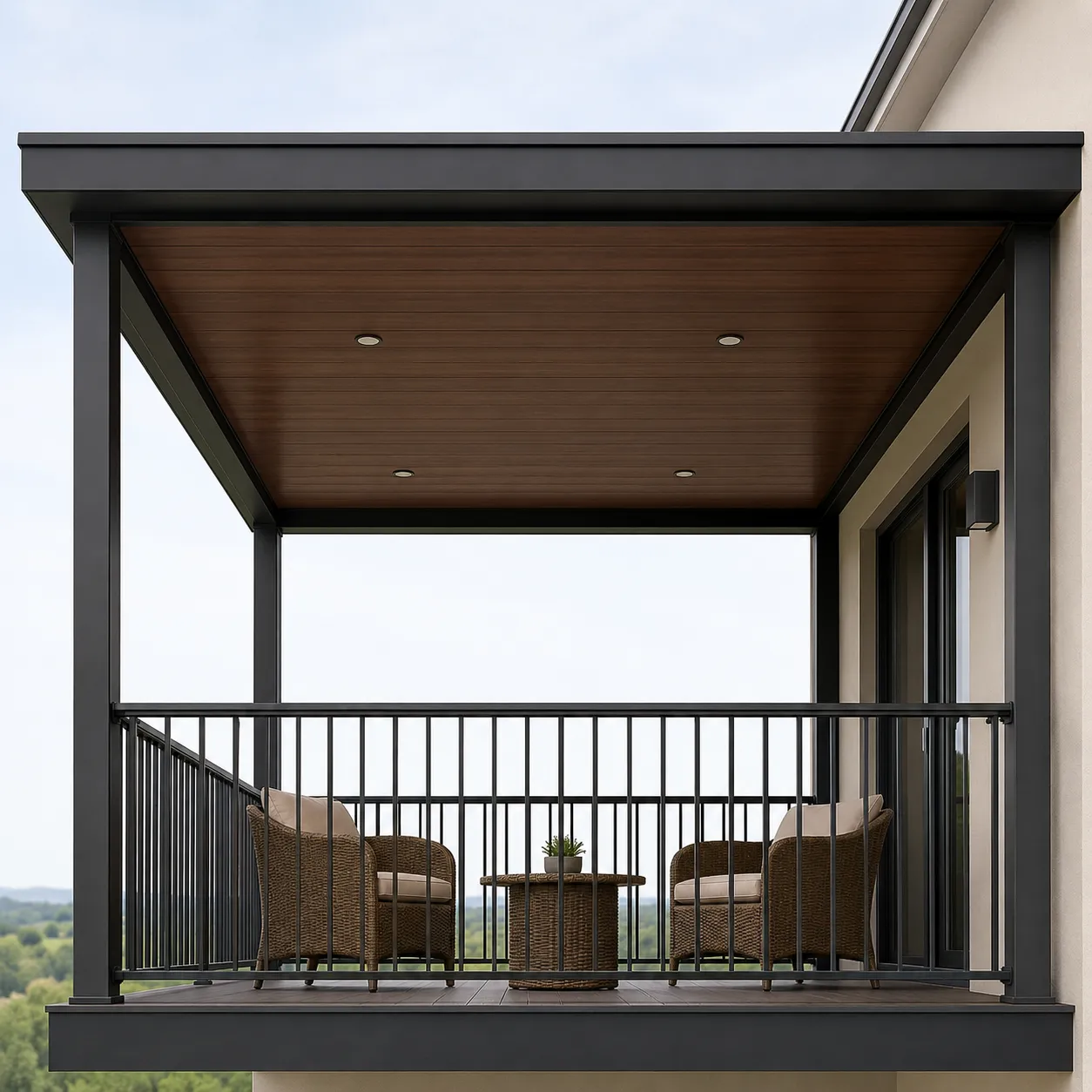
coveredˈkʌvərd
having something over it, on it, or above it as protection or to hide it.

quietlyˈkwaɪətli
with little or no noise.
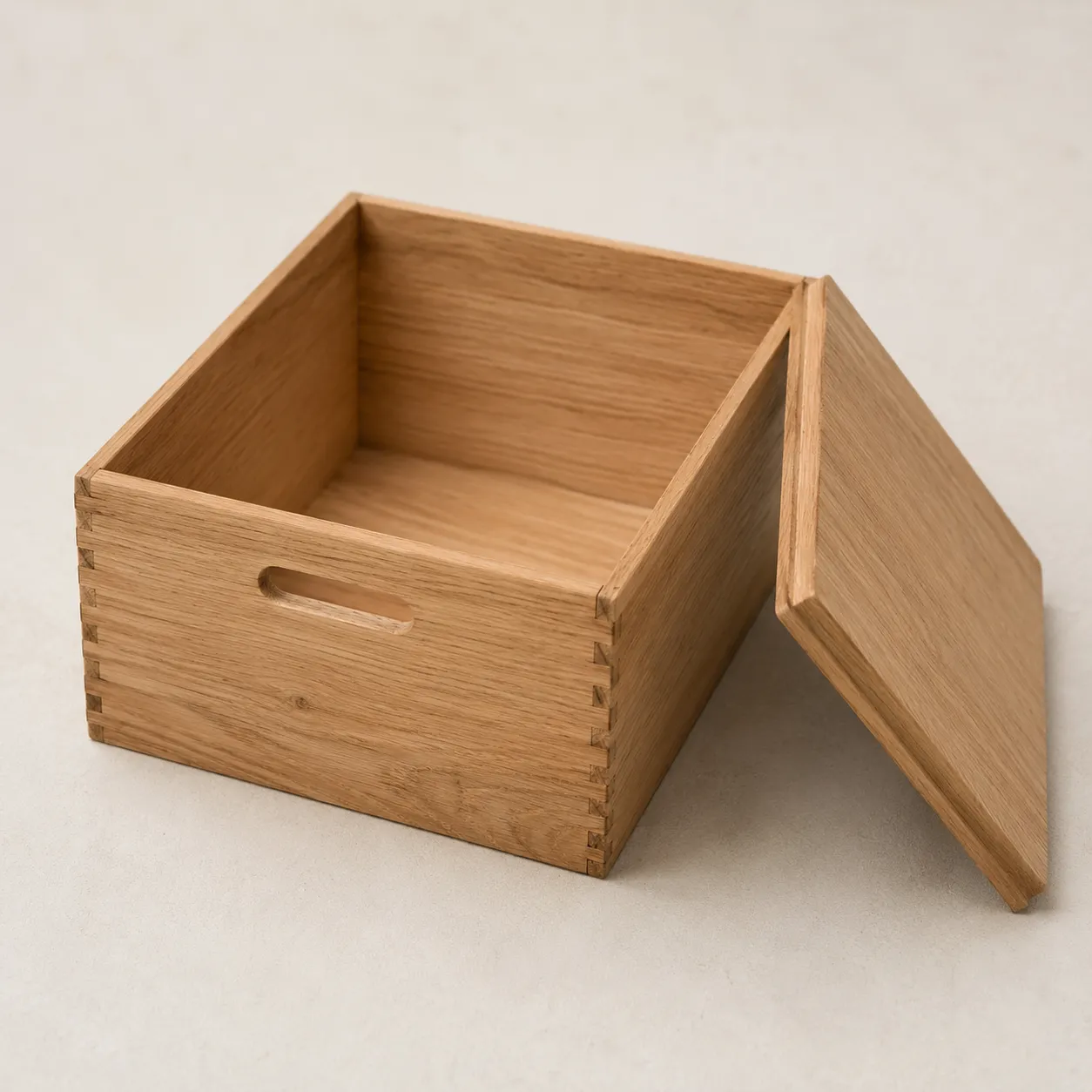
uncoveredʌnˈkʌvɚd
not covered, hidden, or protected by anything.
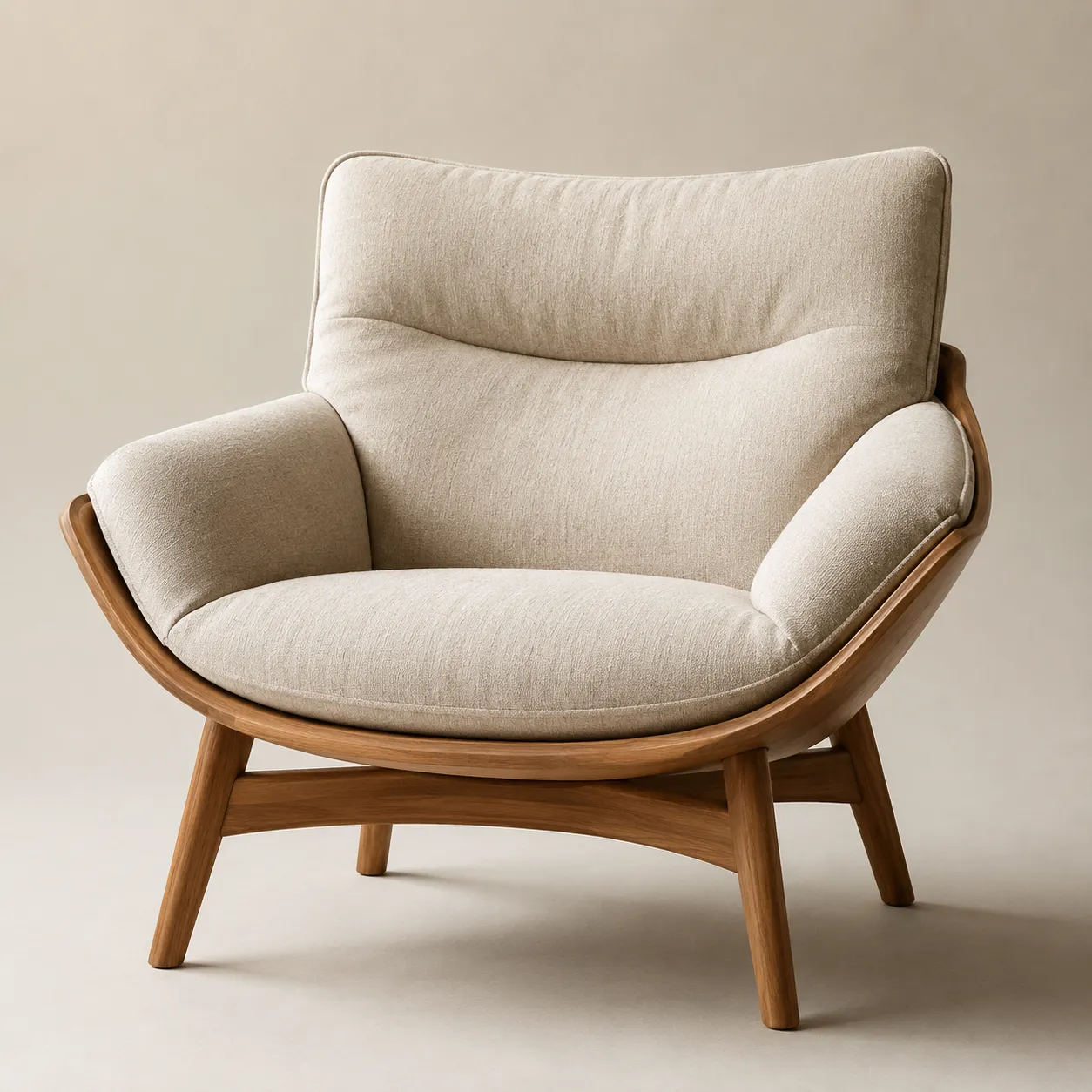
loungelaʊndʒ
a comfortable room in a house or apartment where people sit and relax.
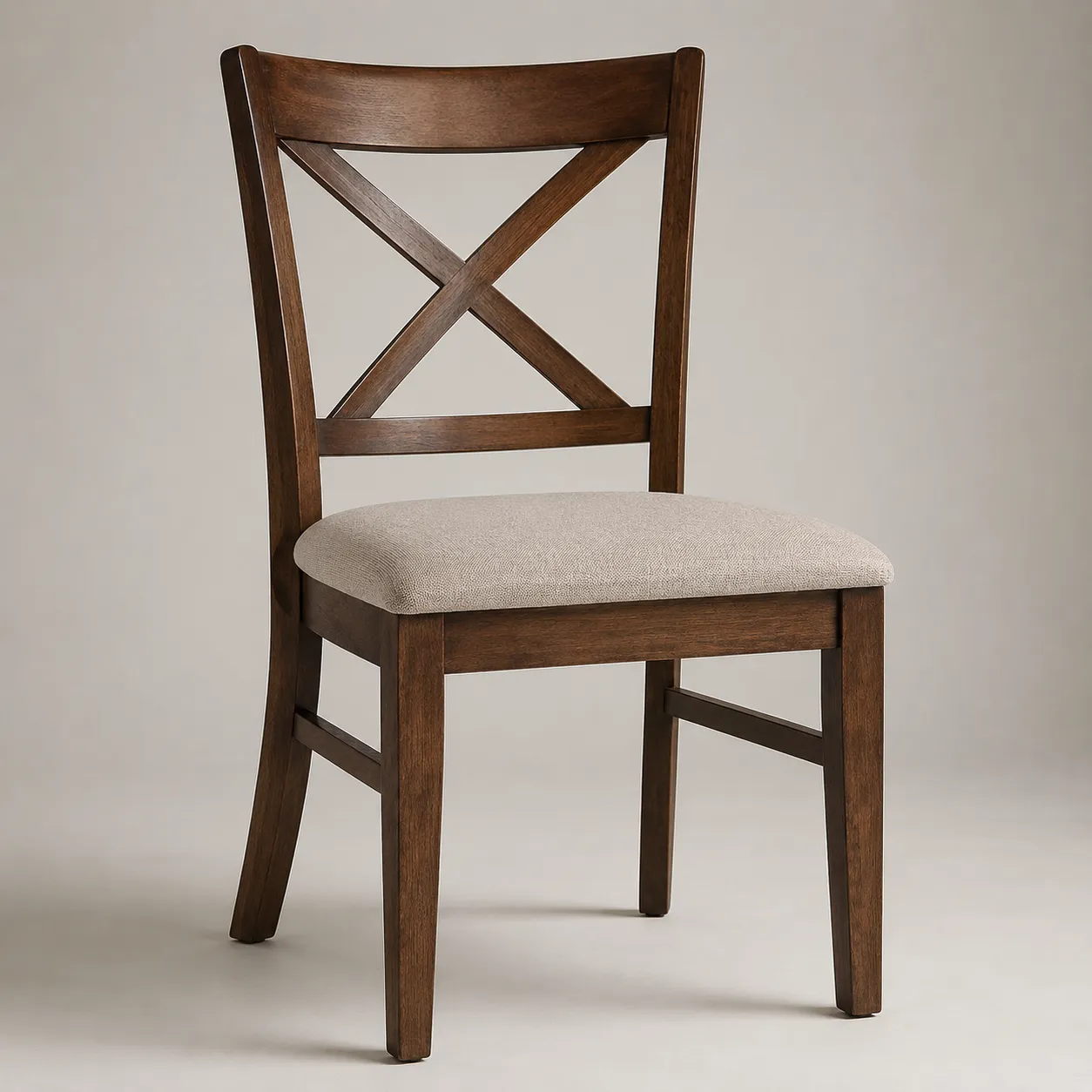
chairtʃer
a seat for one person with a back
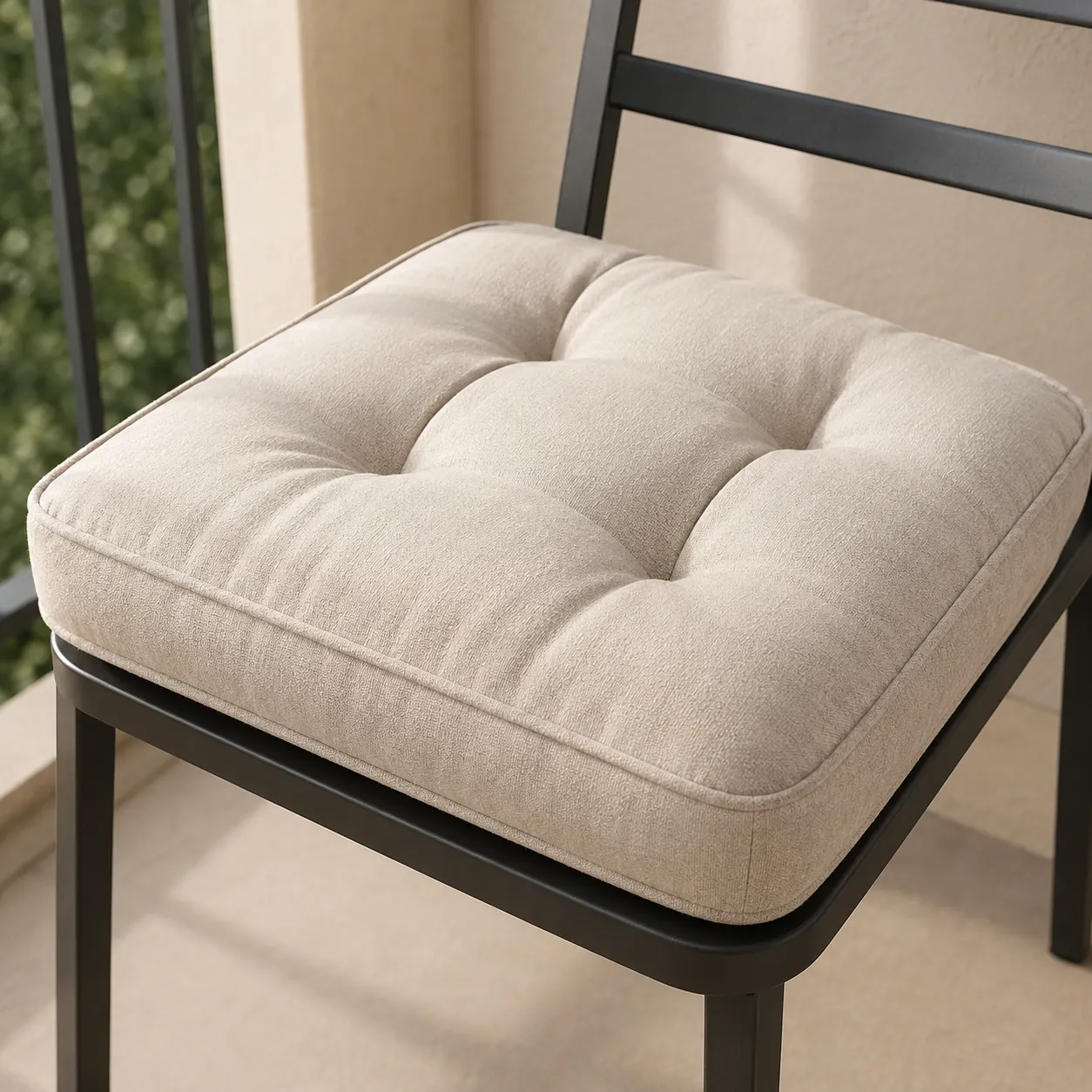
seat cushionsiːt ˈkʊʃən
a soft pad placed on a chair, bench, or other seat to make sitting more comfortable.
Common flowers, trees, shrubs, climbing plants, and plant parts used to describe a garden.

roseroʊz
a well-known flower with many soft petals, often a sweet smell, and stems that usually have sharp thorns.
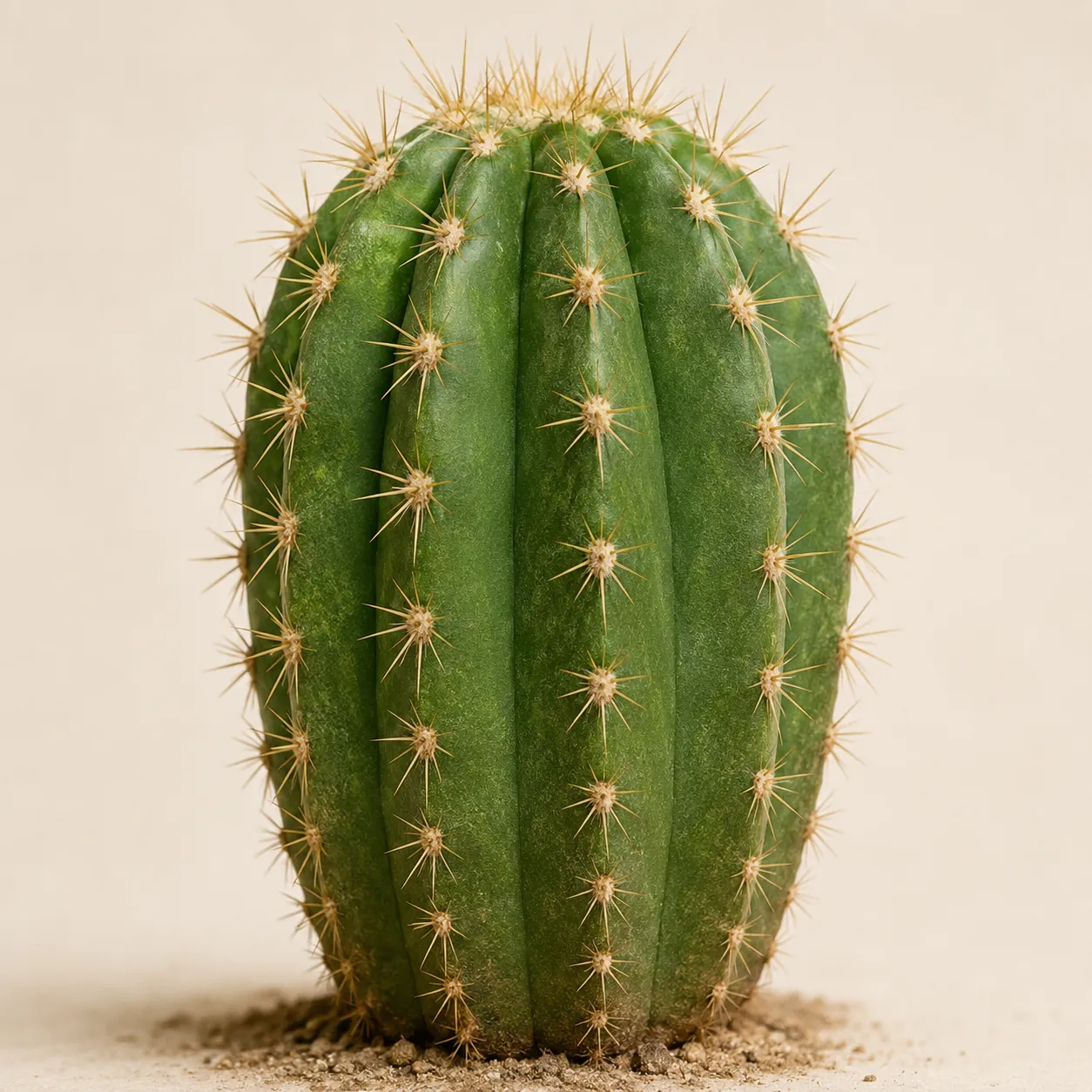
cactusˈkæktəs
a plant that usually grows in dry places and has a thick stem and sharp spines instead of ordinary leaves.
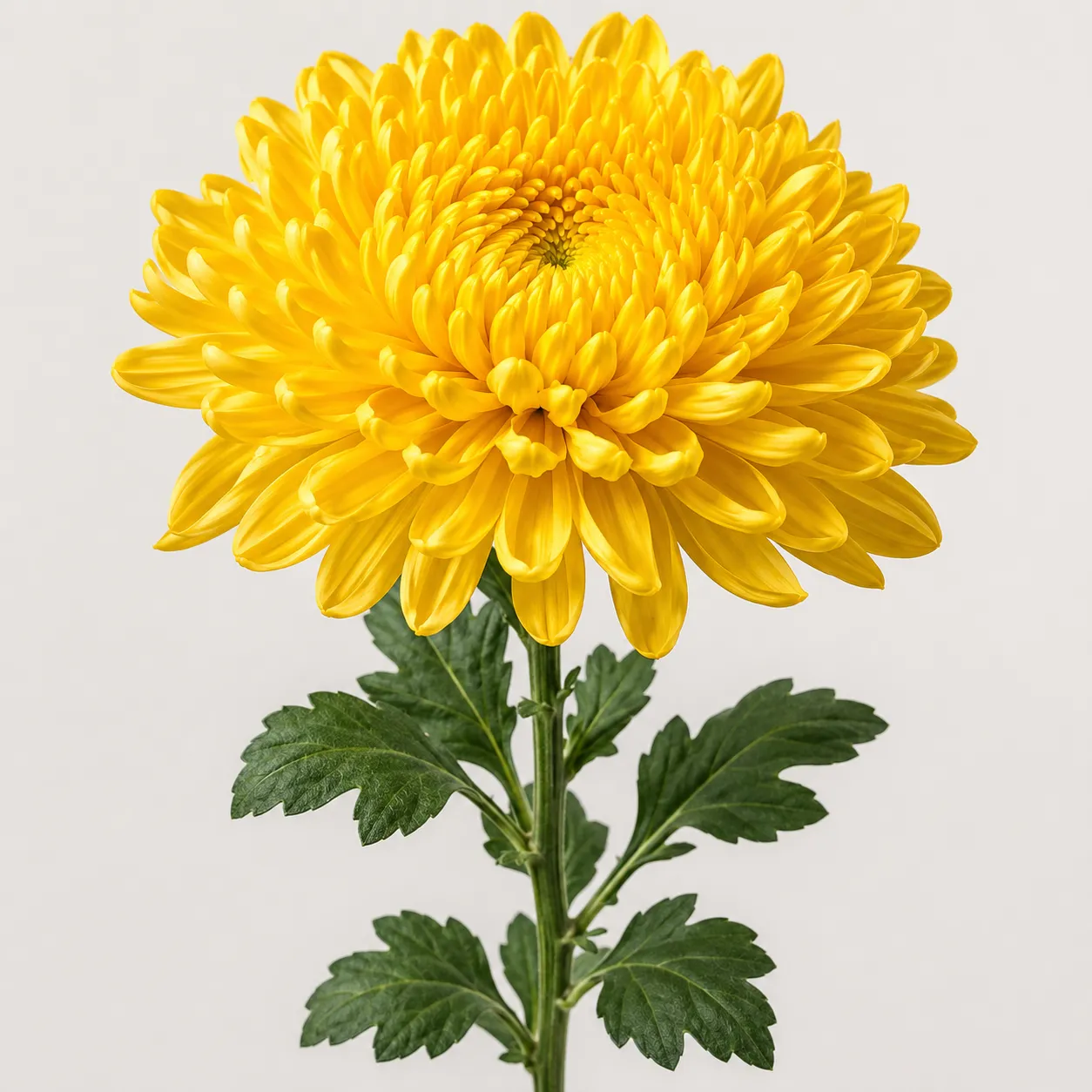
lilyˈlɪli
a plant with large elegant flowers, often white or brightly colored, some kinds having a strong sweet smell.

palm treeˈpɑːm triː
a tropical tree with a long bare trunk and a crown of very large leaves at the top, often seen near beaches.
marigoldˈmærɪˌɡoʊld
a garden plant with bright yellow or orange flowers, often with many small petals packed closely together.
flowerpotˈflaʊərˌpɑːt
a container, usually round and made of plastic or clay, that holds soil for growing a plant.
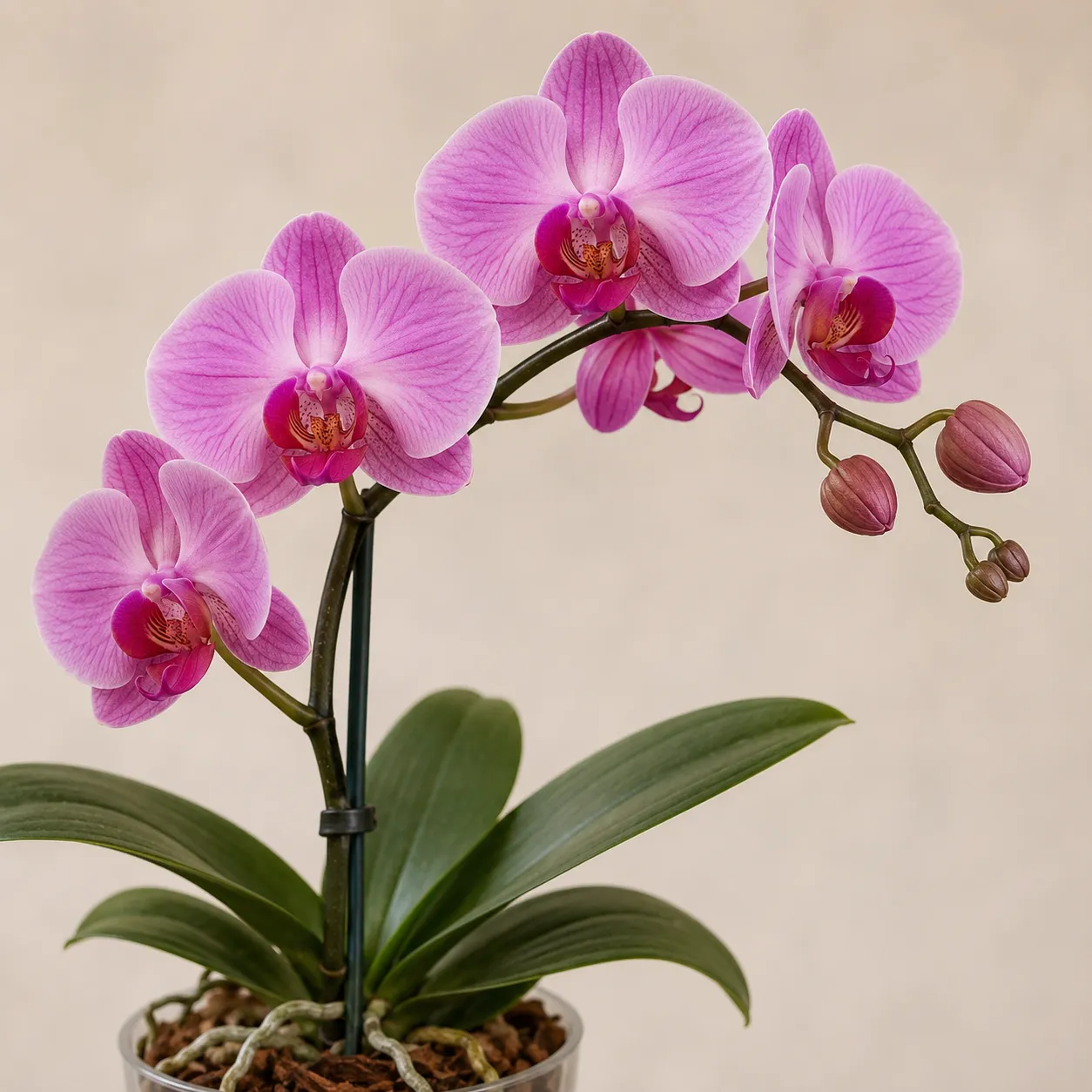
orchidˈɔːrkɪd
a plant grown for its delicate flowers, often with unusual shapes and bright colors.

petalˈpɛtəl
one of the soft, often brightly colored parts that form the head of a flower.
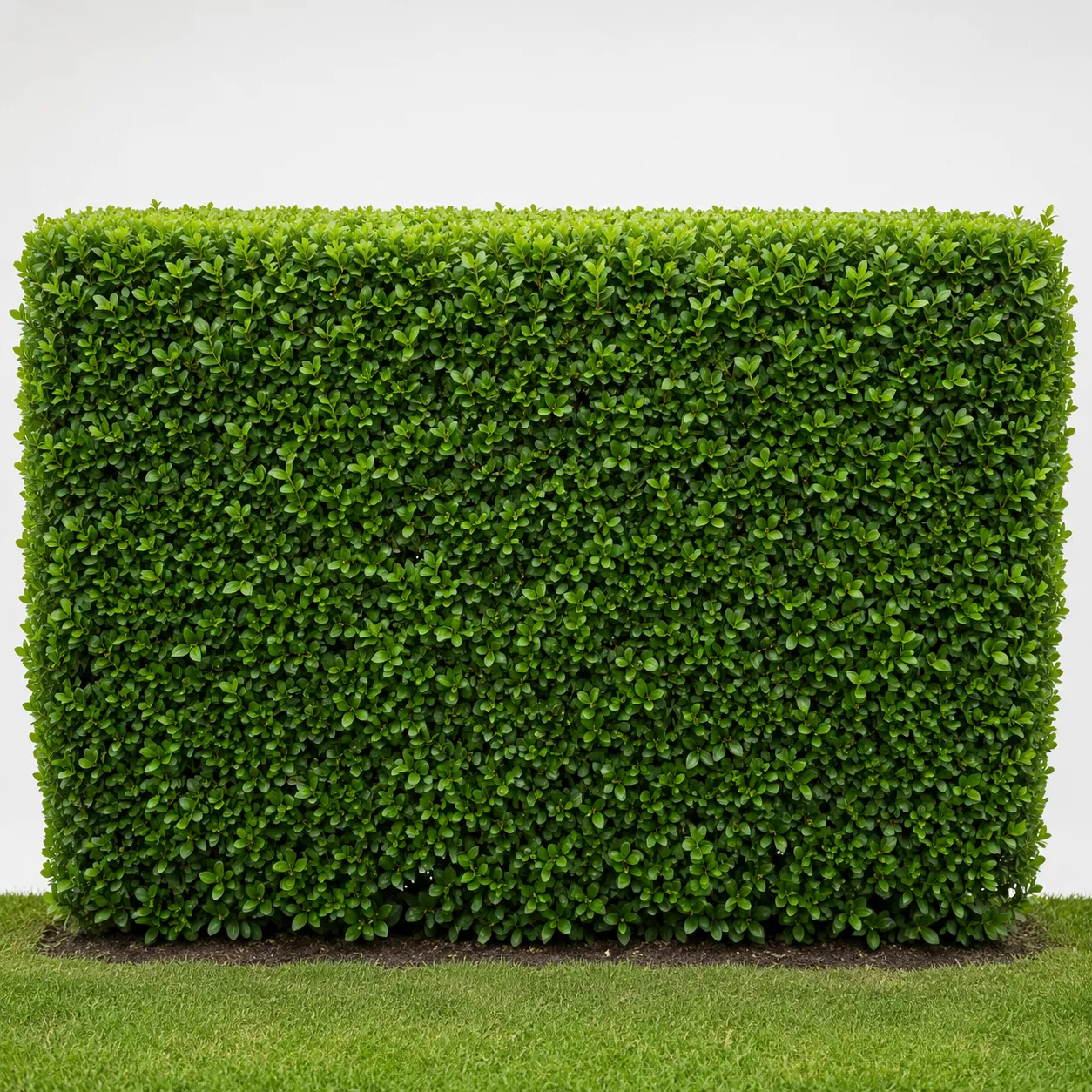
hedgehɛdʒ
a row of bushes or small trees planted close together to make a boundary or screen.
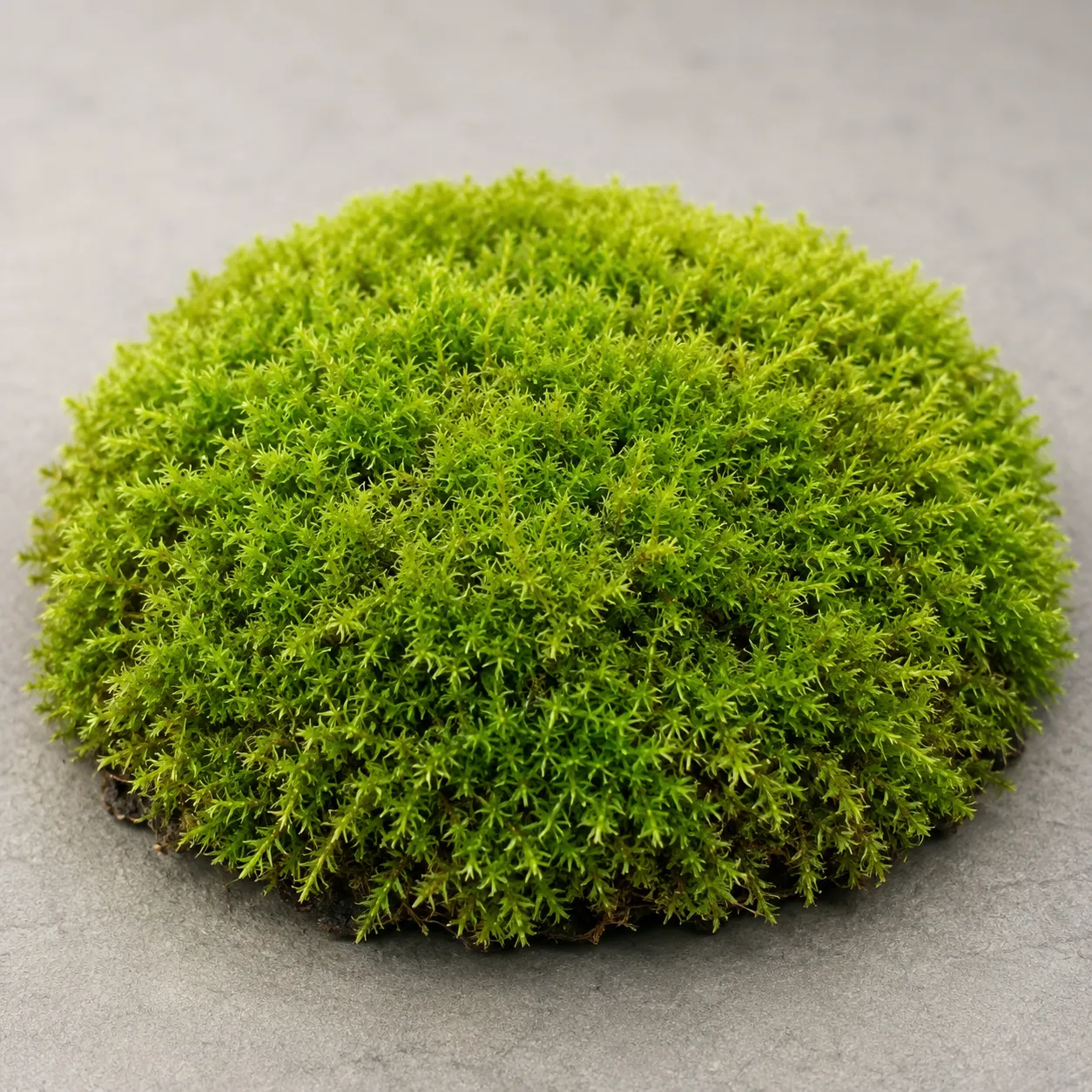
mossmɔːs
a very small soft green plant that grows in thick low patches on wet ground, rocks, or trees.
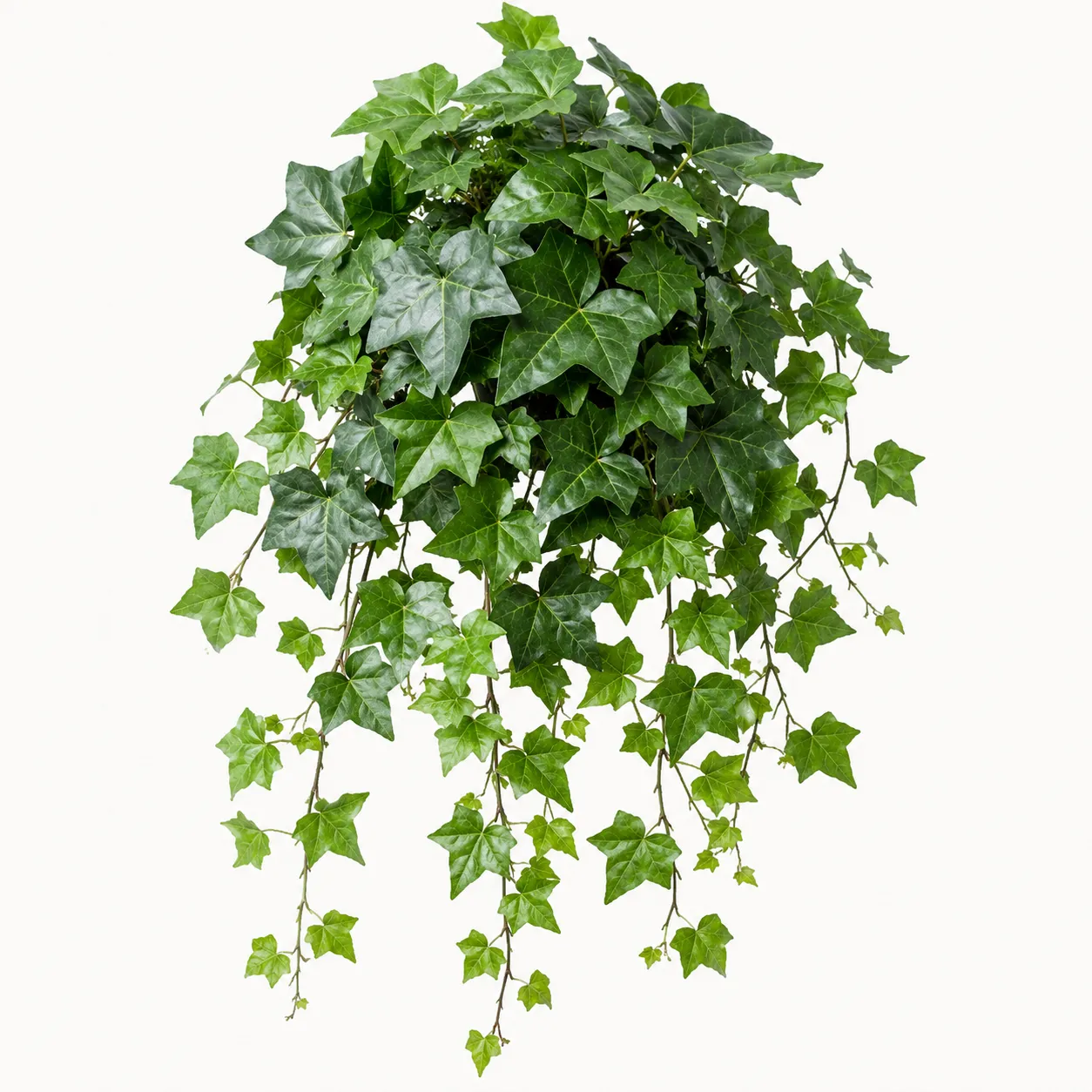
ivyˈaɪvi
a climbing plant with dark green leaves that often grows up walls, trees, or fences.
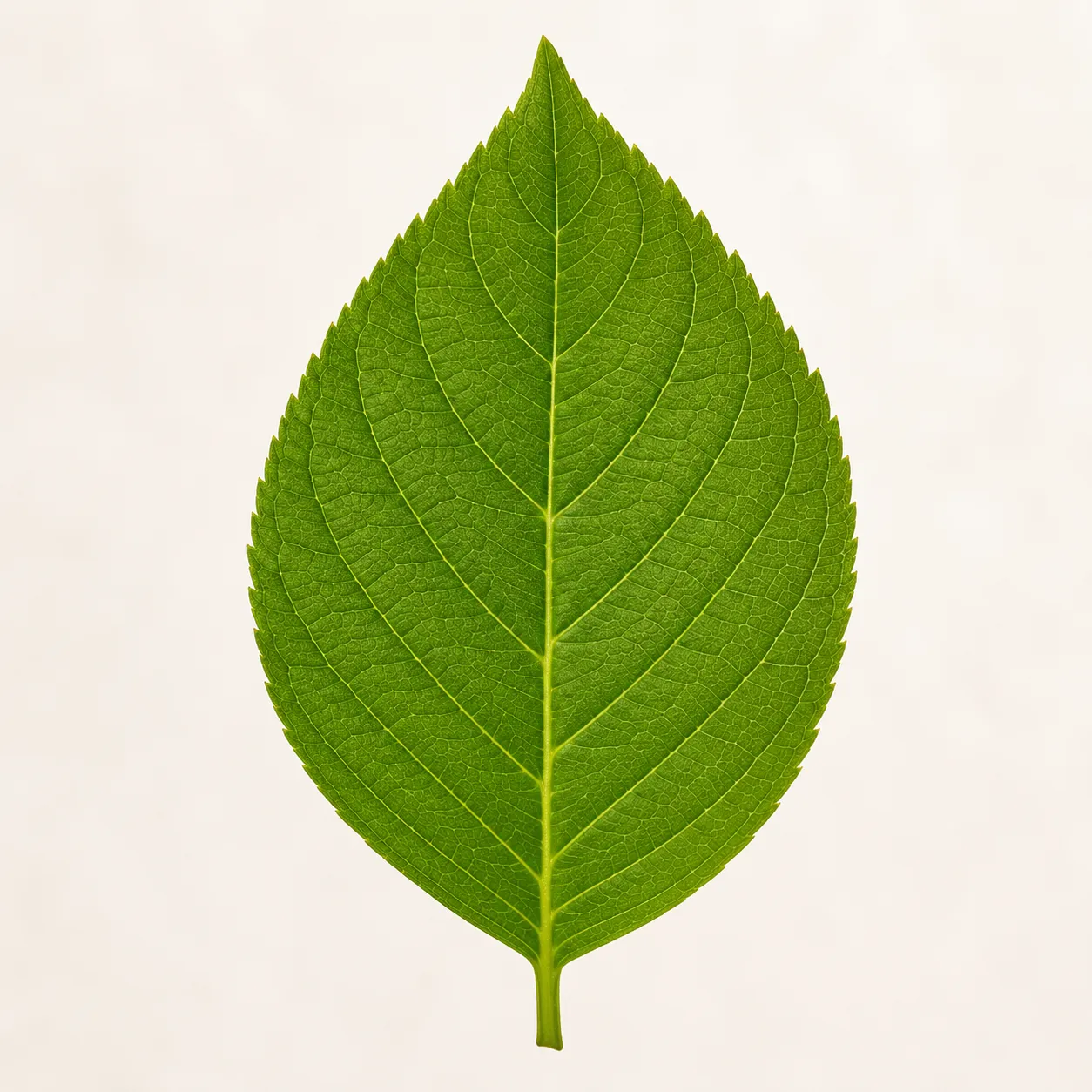
leafliːf
one of the flat green parts of a plant or tree that grows from a stem or branch.
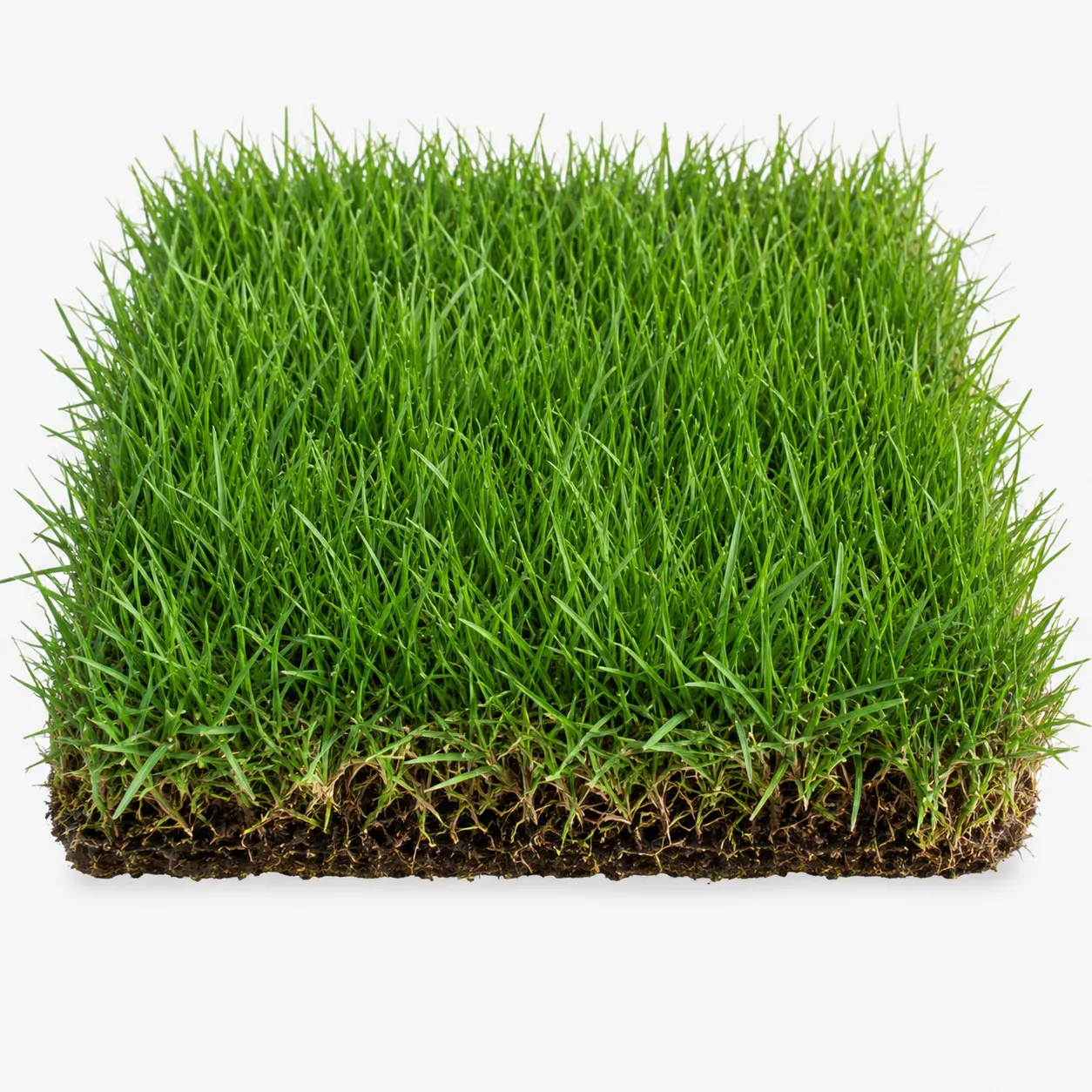
grassɡræs
a common green plant with thin leaves that covers lawns, fields, and many open areas.
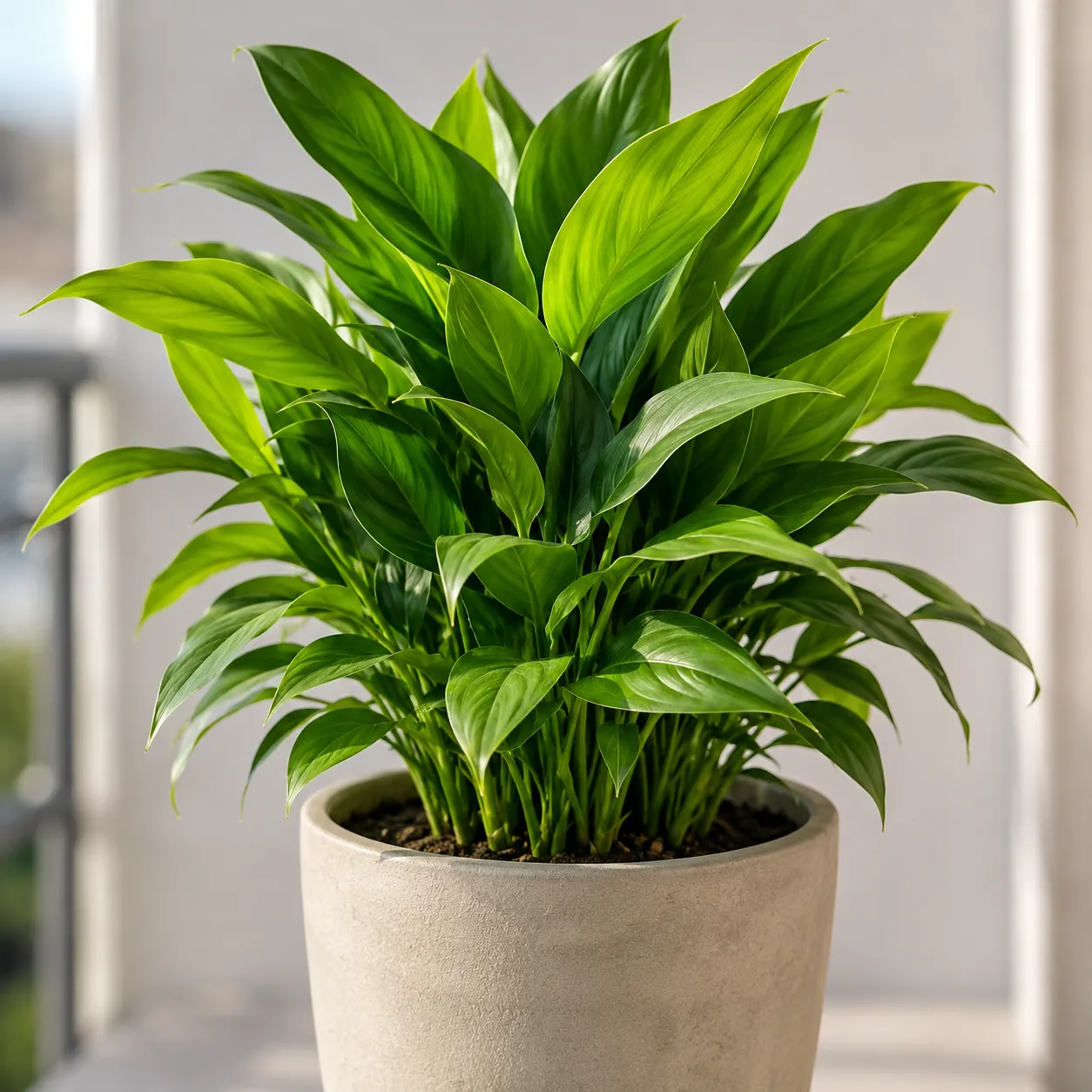
plantplænt
a living thing such as a tree, flower, or grass, usually with roots, that grows in soil or water.
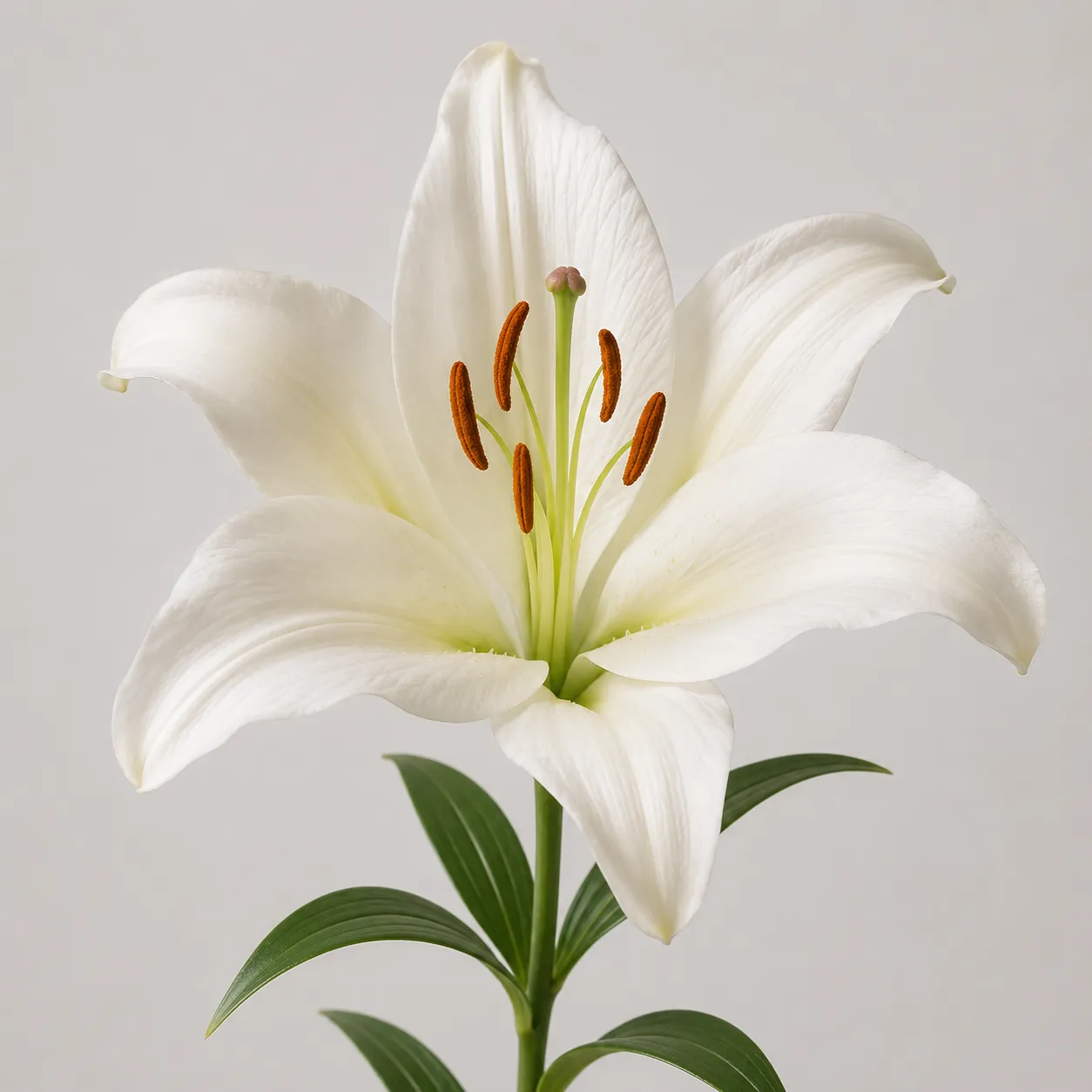
chrysanthemumkrɪˈsænθəməm
a garden plant with many-petaled flowers in colors such as yellow, white, pink, or purple, often flowering in autumn.
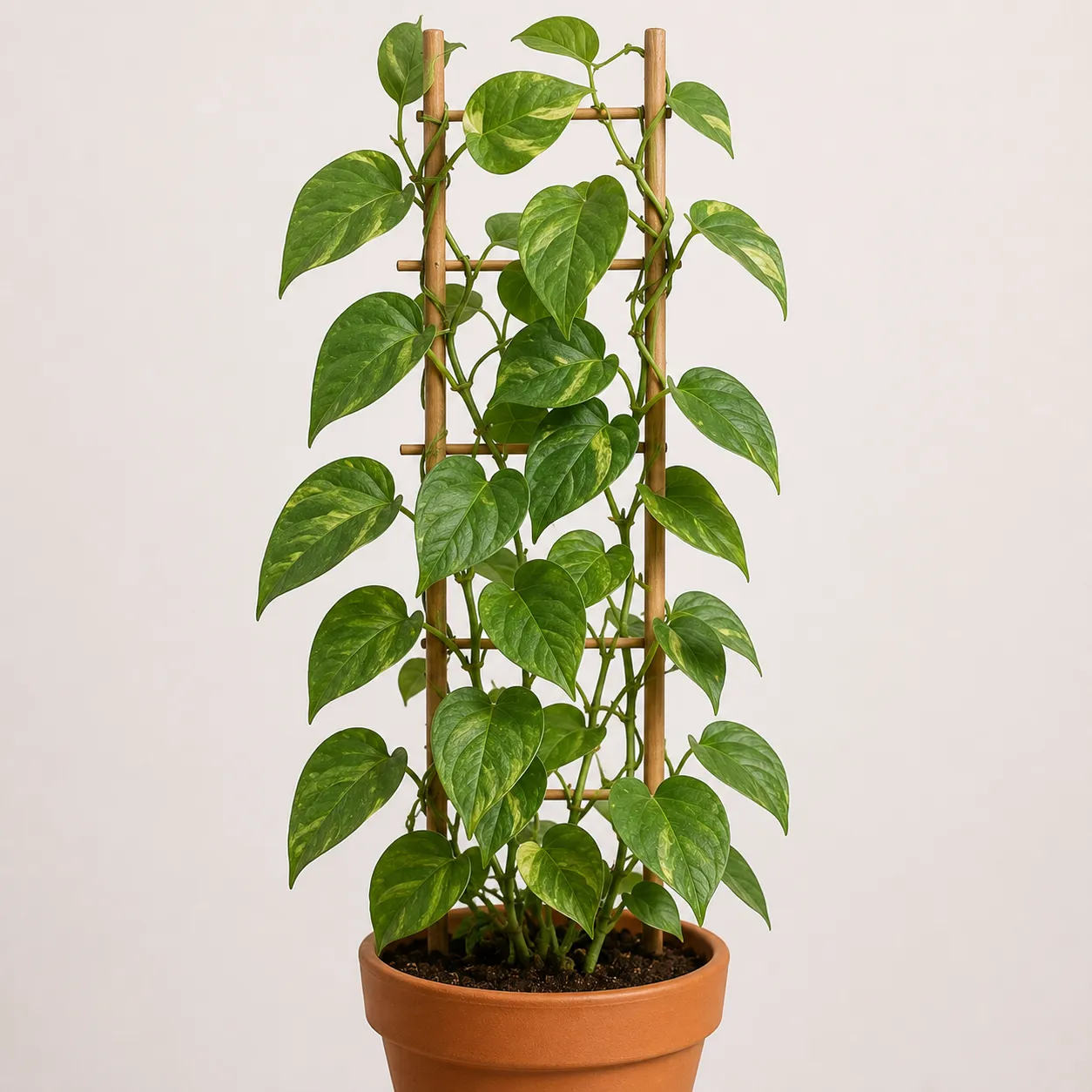
climbing plantˈklaɪmɪŋ plænt
a plant that grows upward by attaching itself to a wall, fence, or other support.
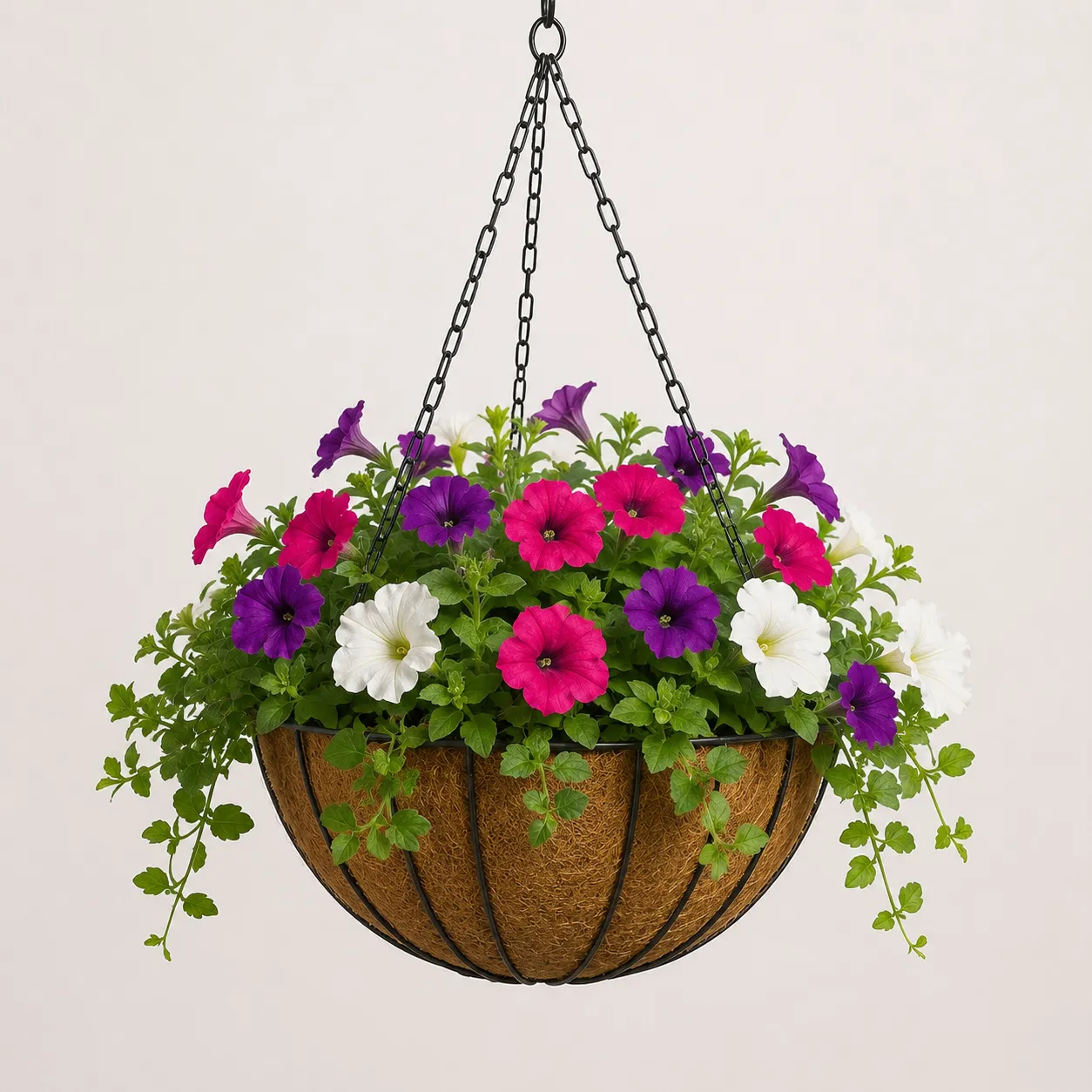
hanging basketˈhæŋɪŋ ˈbæskət
a basket hung from a hook or support and used for growing flowers or other plants.
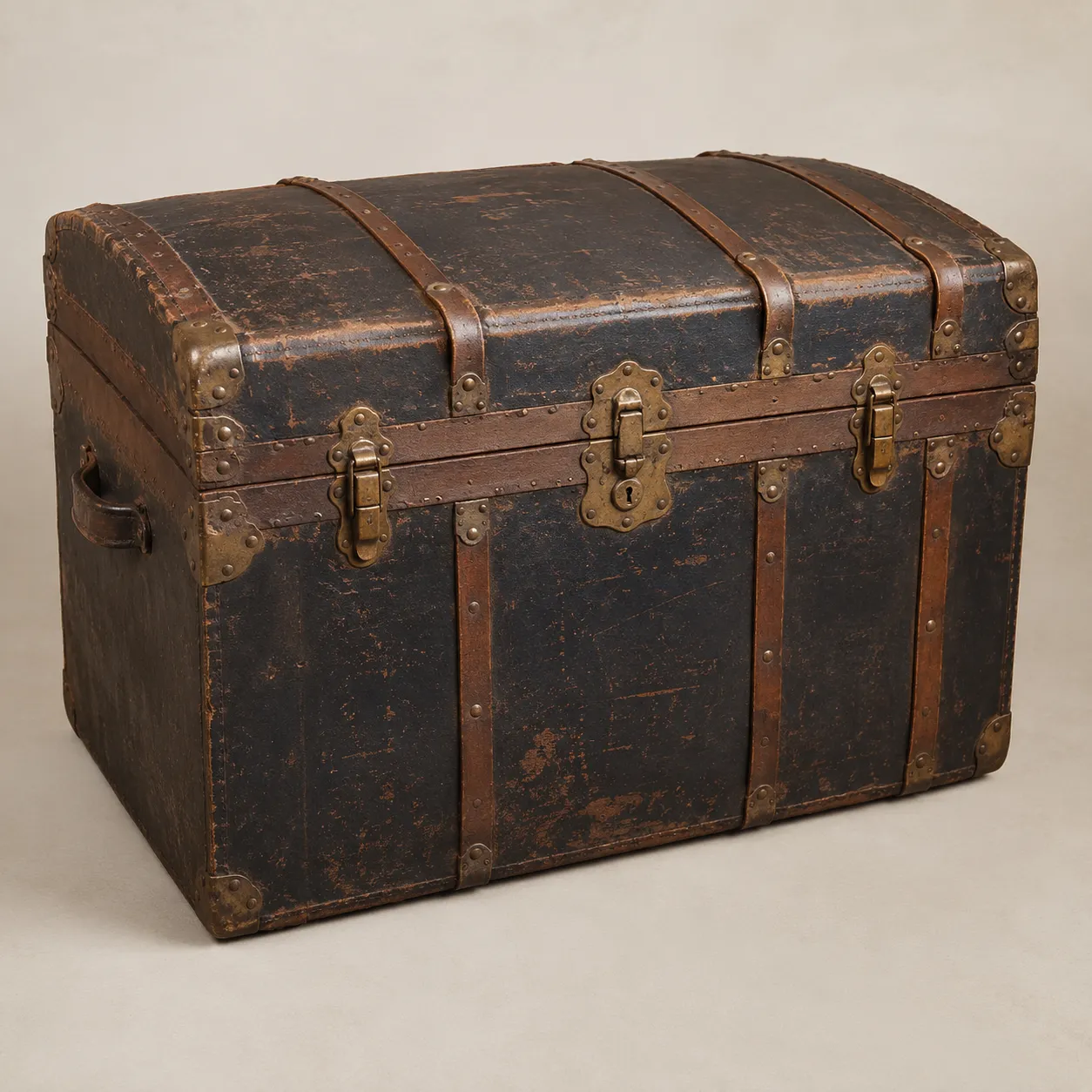
trunktrʌŋk
the thick main stem of a tree, from which the branches grow.
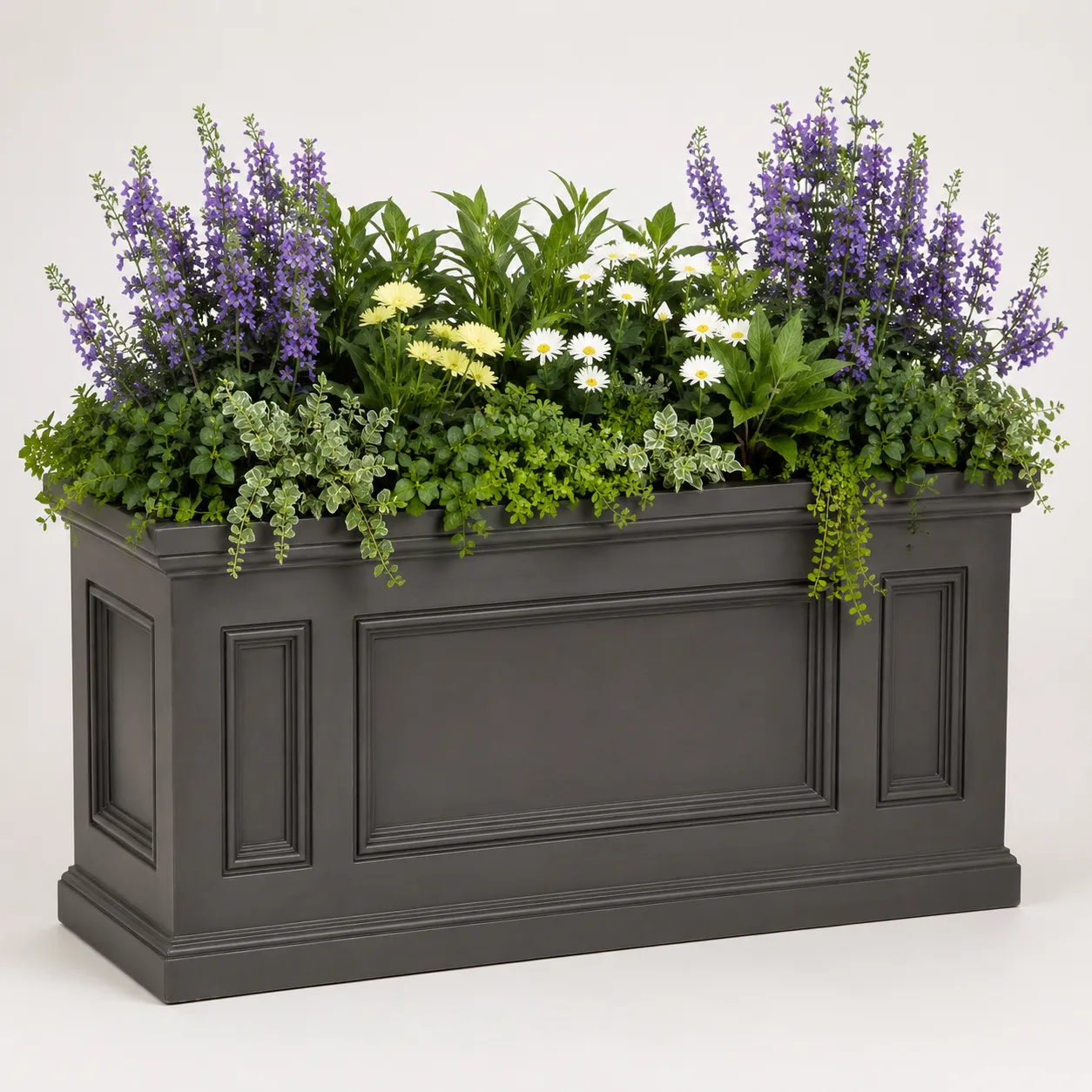
planterˈplæntər
a container, often larger or more decorative than a flowerpot, used for growing plants indoors or outdoors.
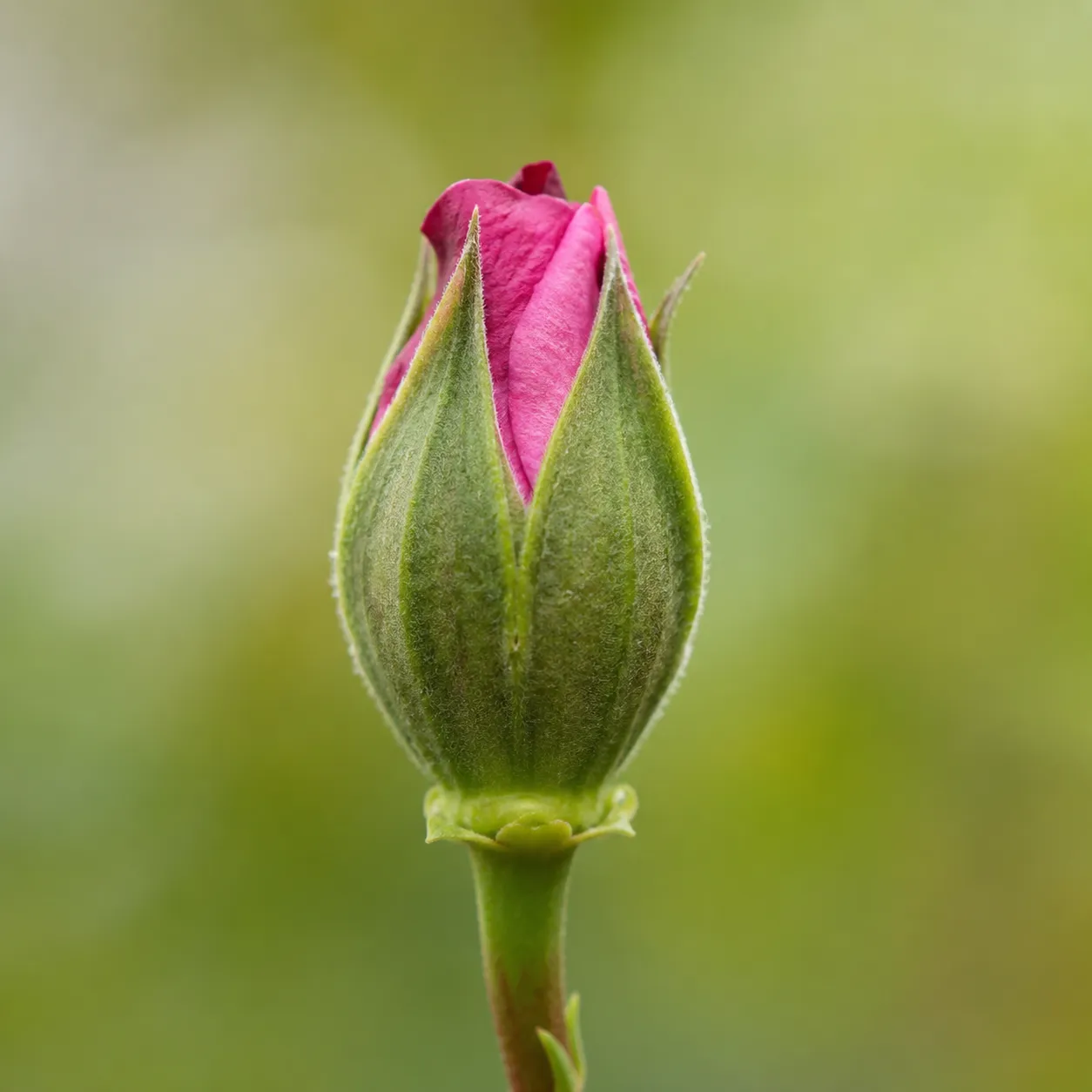
budbʌd
a small closed part on a plant that will open into a flower or leaf.
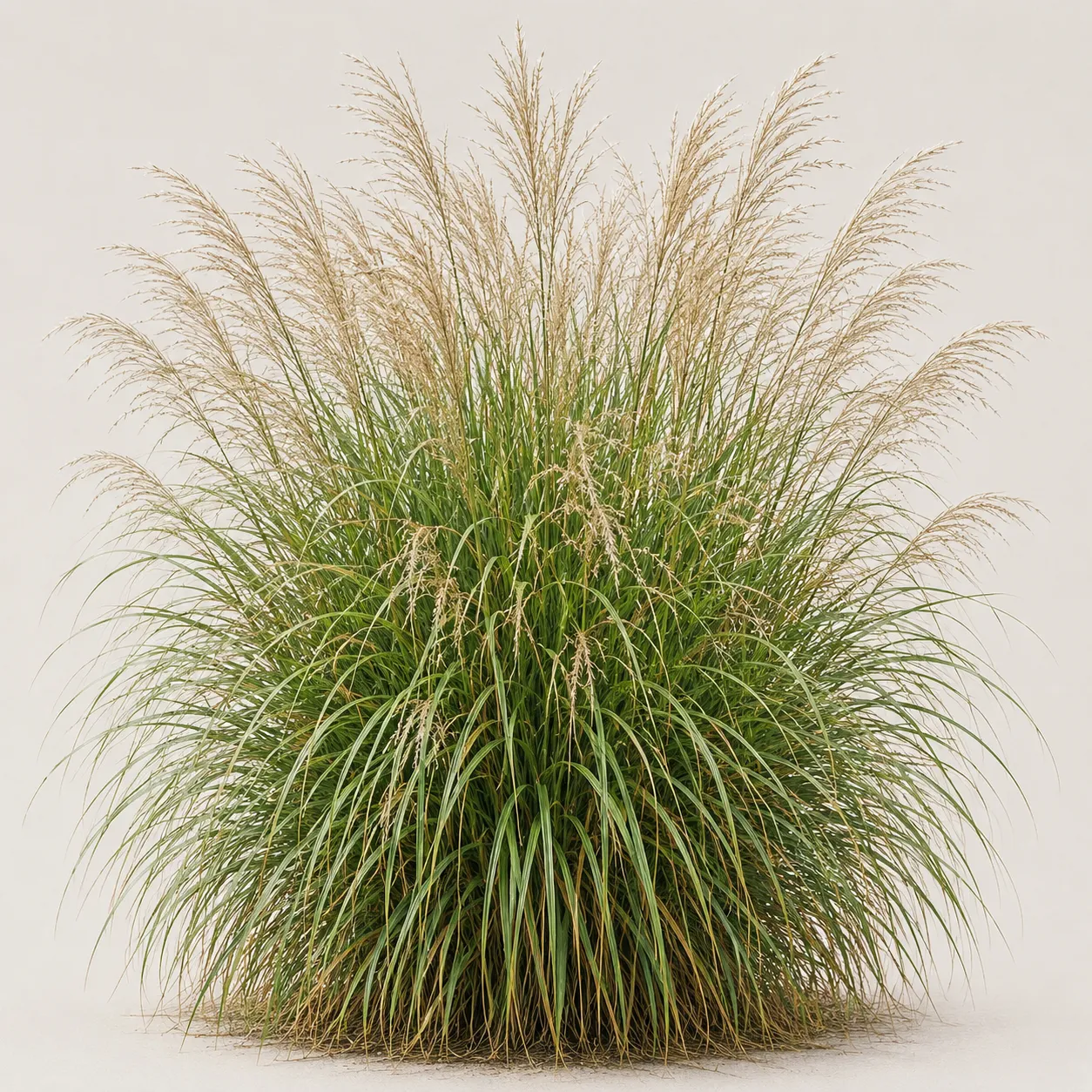
ornamental grassˌɔːrnəˈmɛntəl ɡræs
a type of grass grown in gardens or public spaces because its leaves or seed heads look attractive.
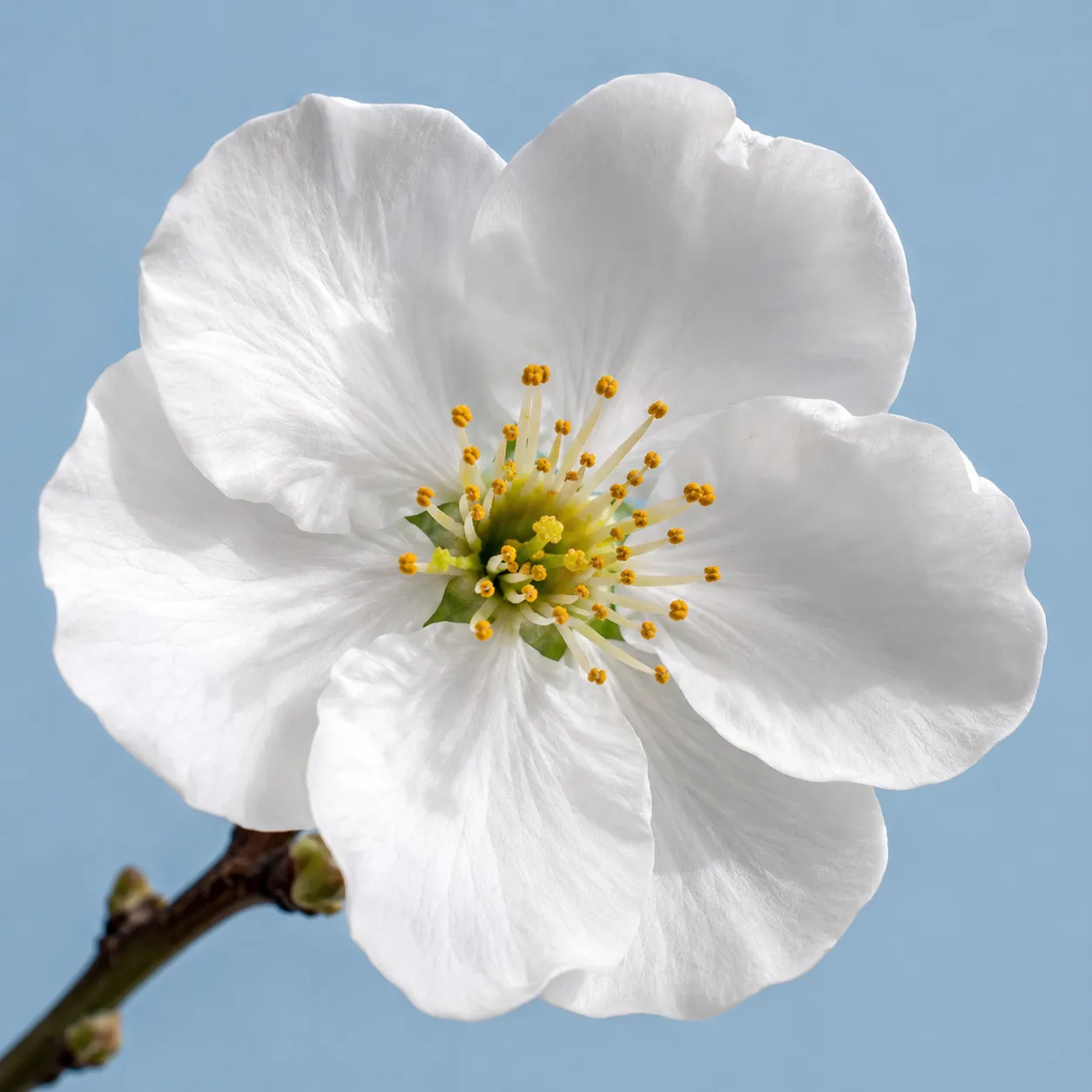
blossomˈblɒsəm
flowers on a tree or bush, especially in spring and before fruit begins to grow.
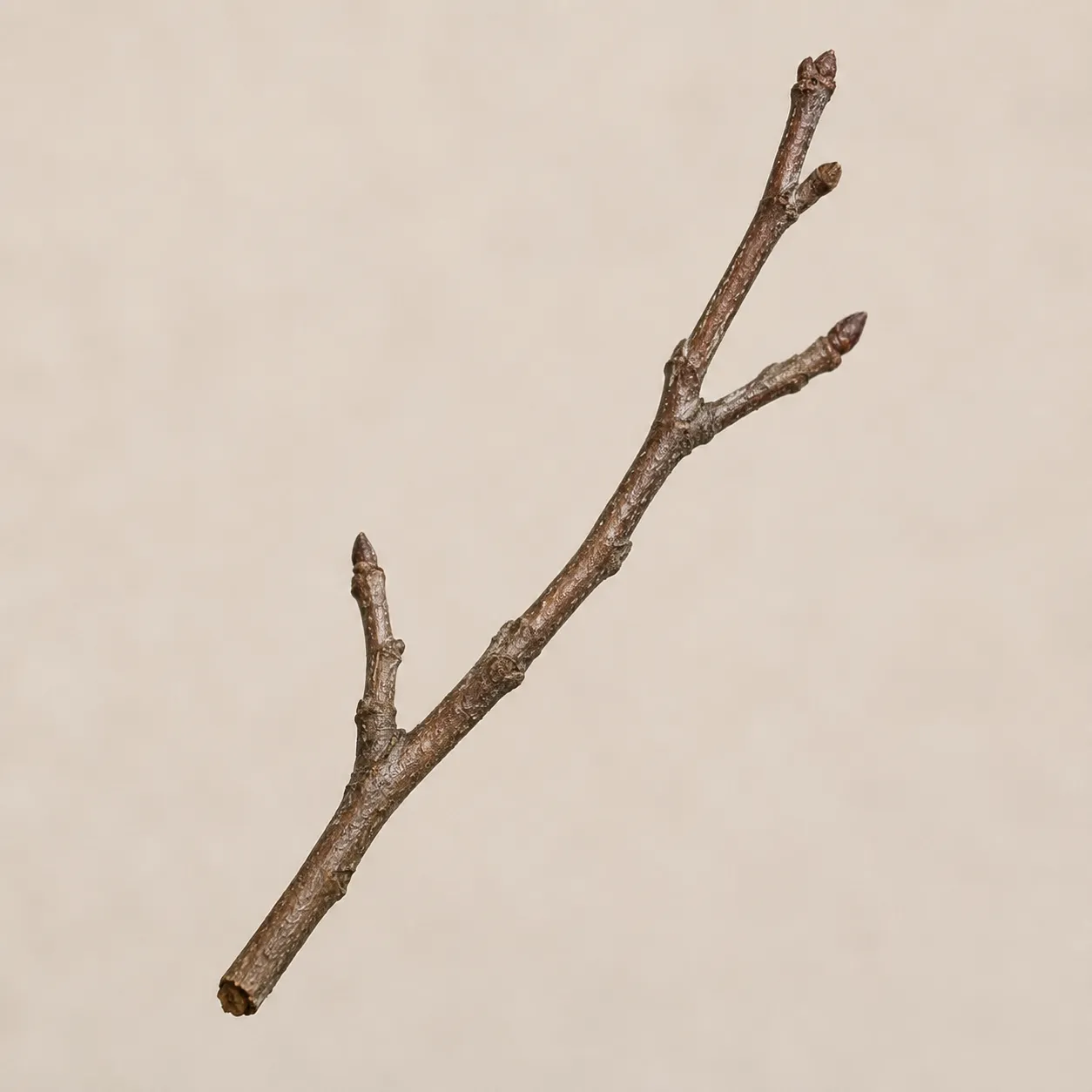
twigtwɪɡ
a small thin branch that grows from a tree or bush.
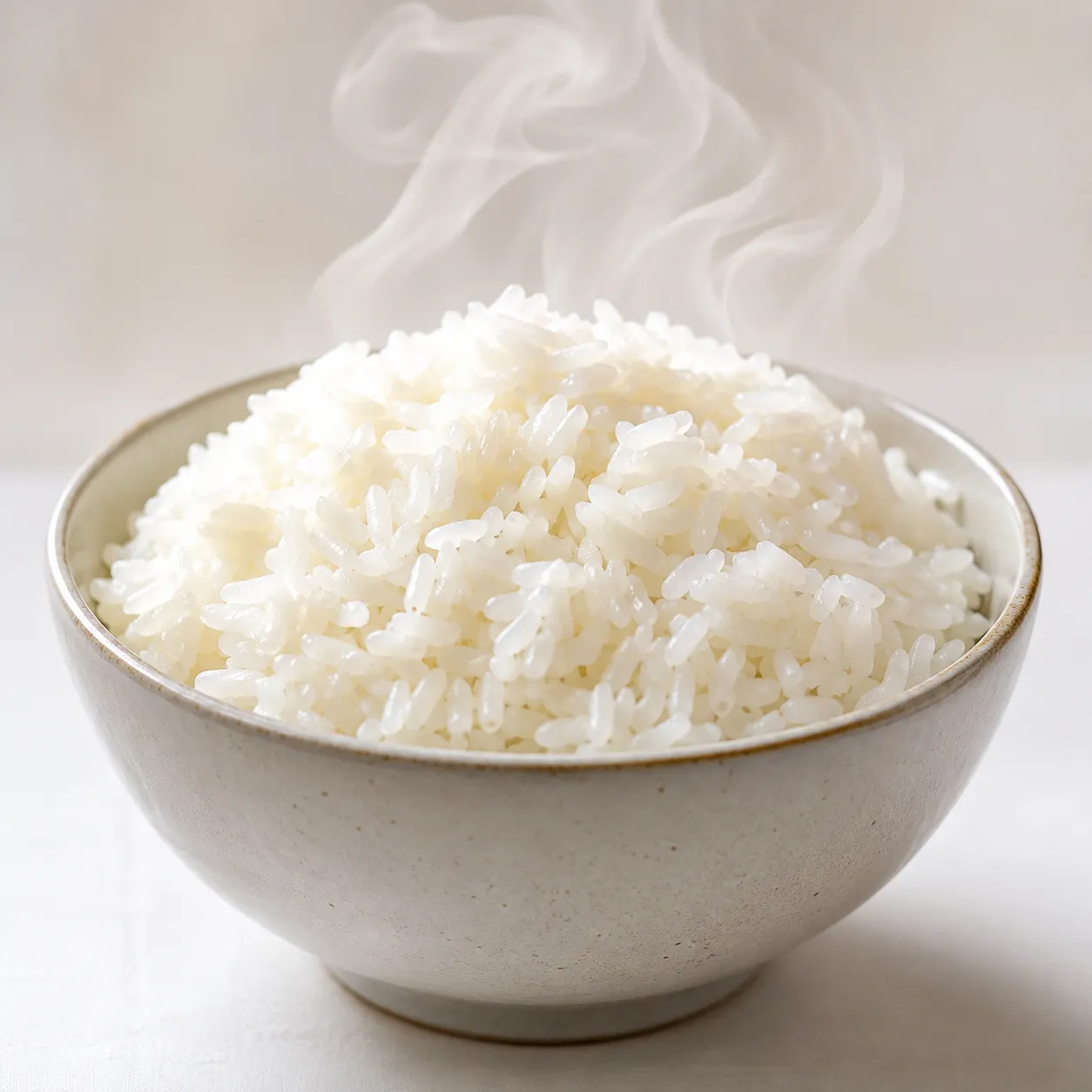
fragrantˈfreɪɡrənt
having a pleasant, often sweet smell.
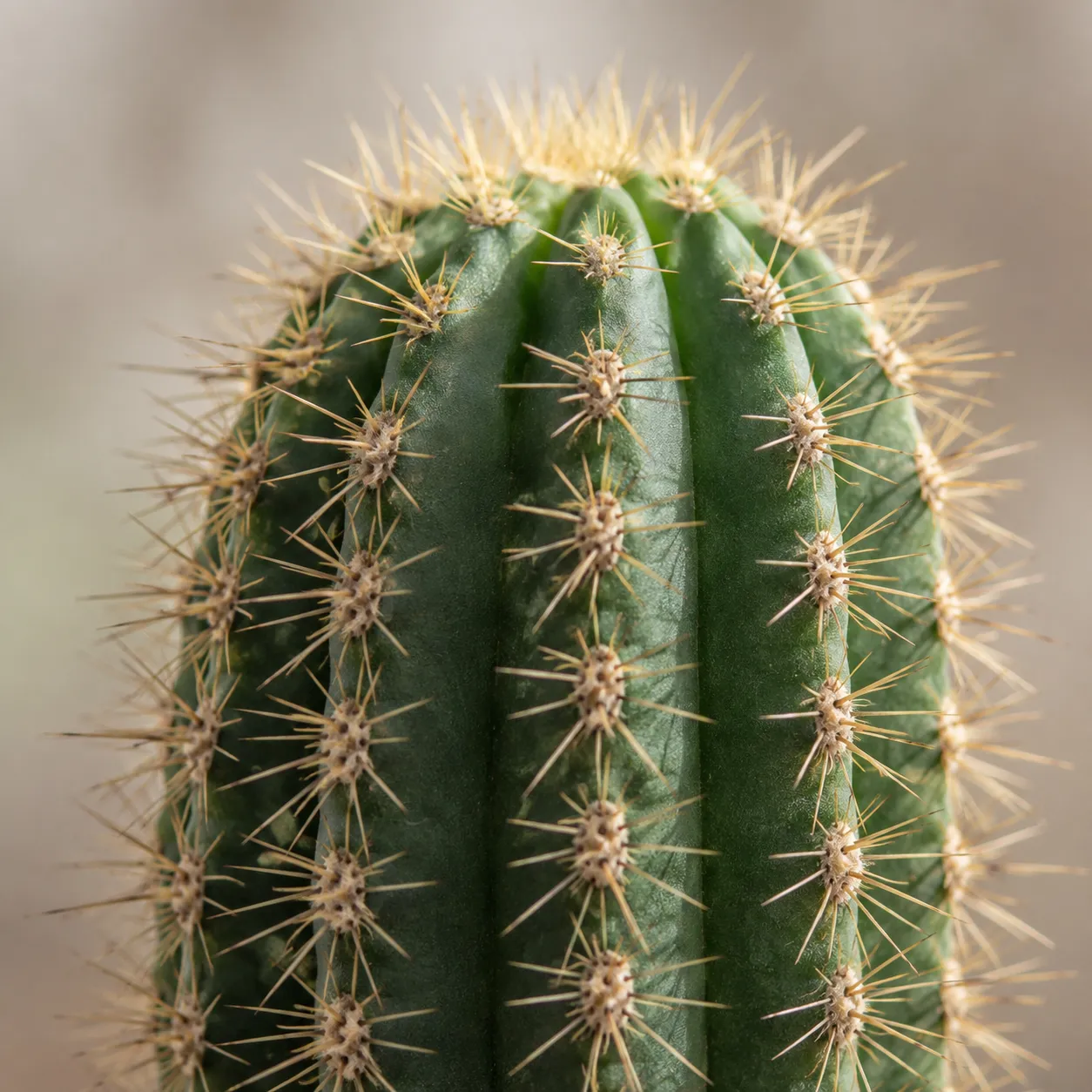
pricklyˈprɪkli
A prickly plant or surface has many small sharp points that can hurt when you touch it.
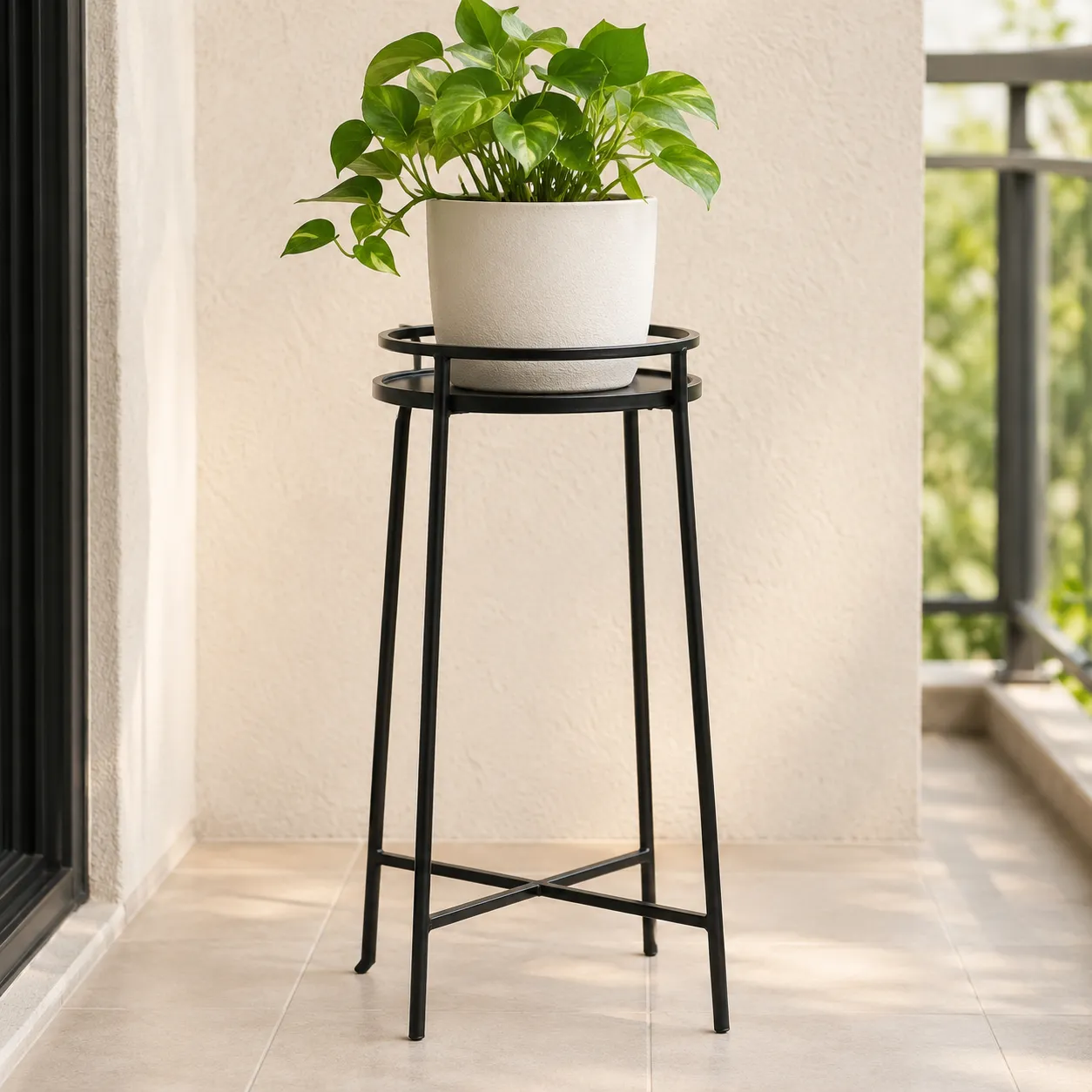
plant standplænt stænd
a small piece of furniture or support used to hold and display a plant in a pot.
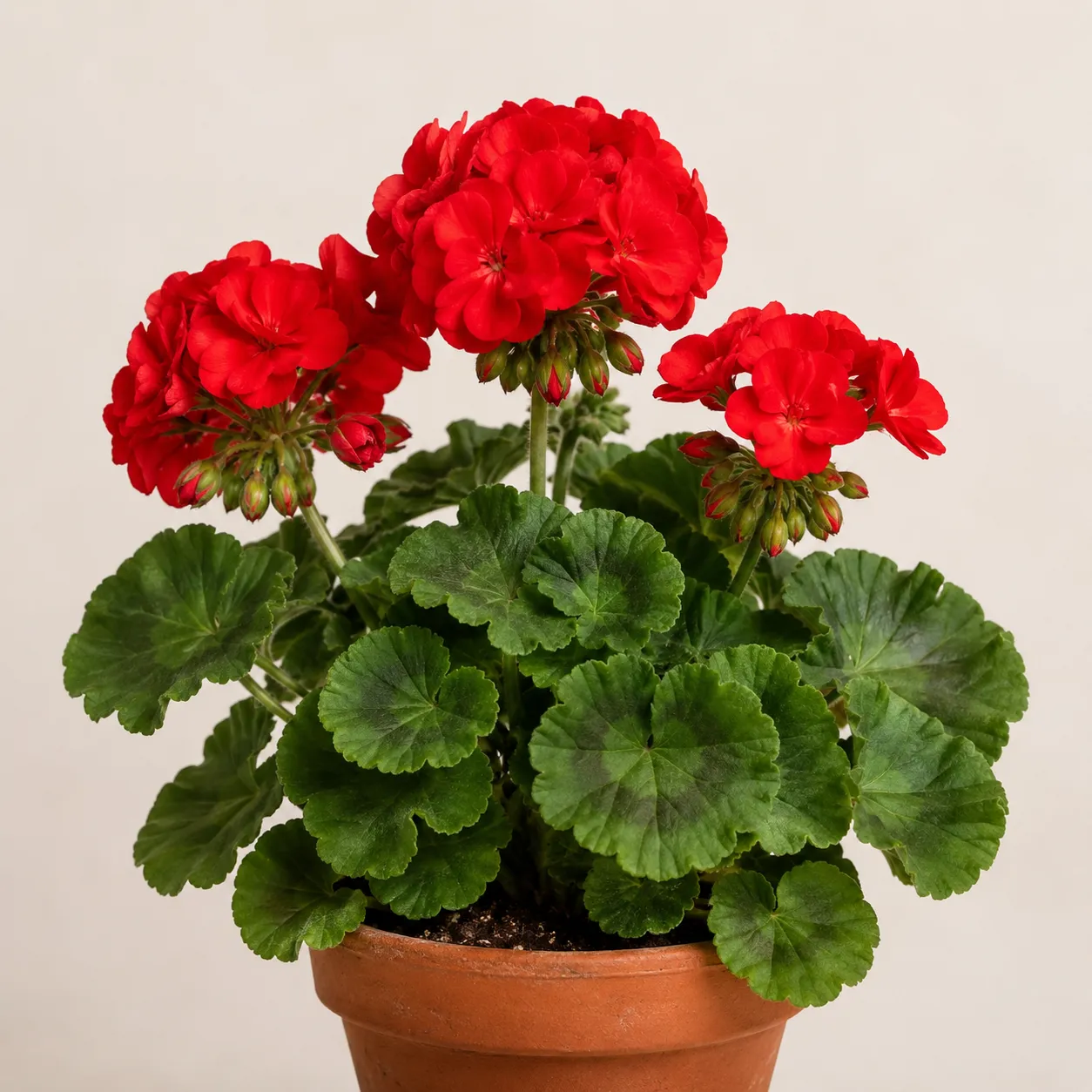
geraniumdʒəˈreɪniəm
a common garden or pot plant with bright flowers, often red, pink, or white.
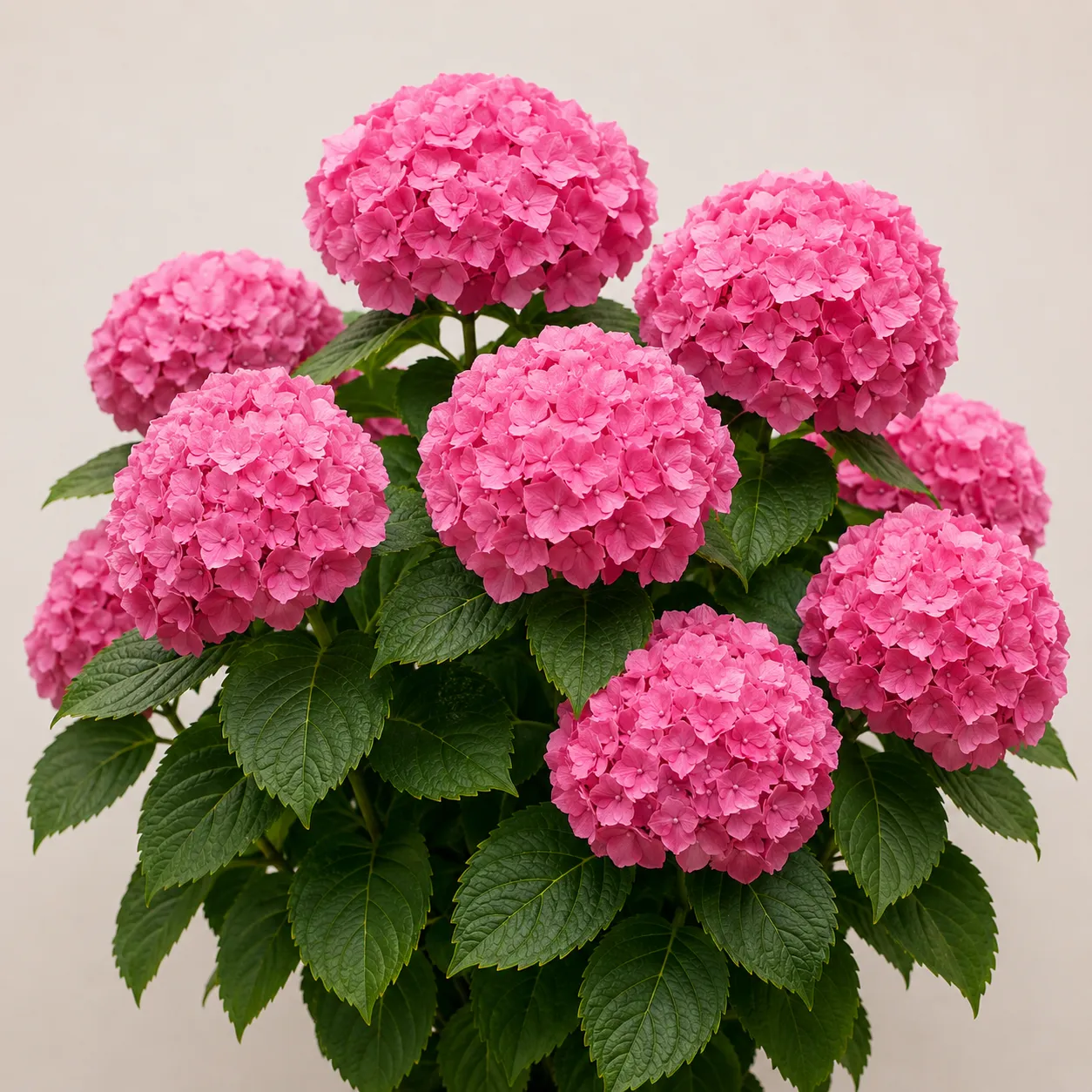
hydrangeahaɪˈdreɪndʒə
a garden bush with large round groups of flowers, often blue, pink, purple, or white.
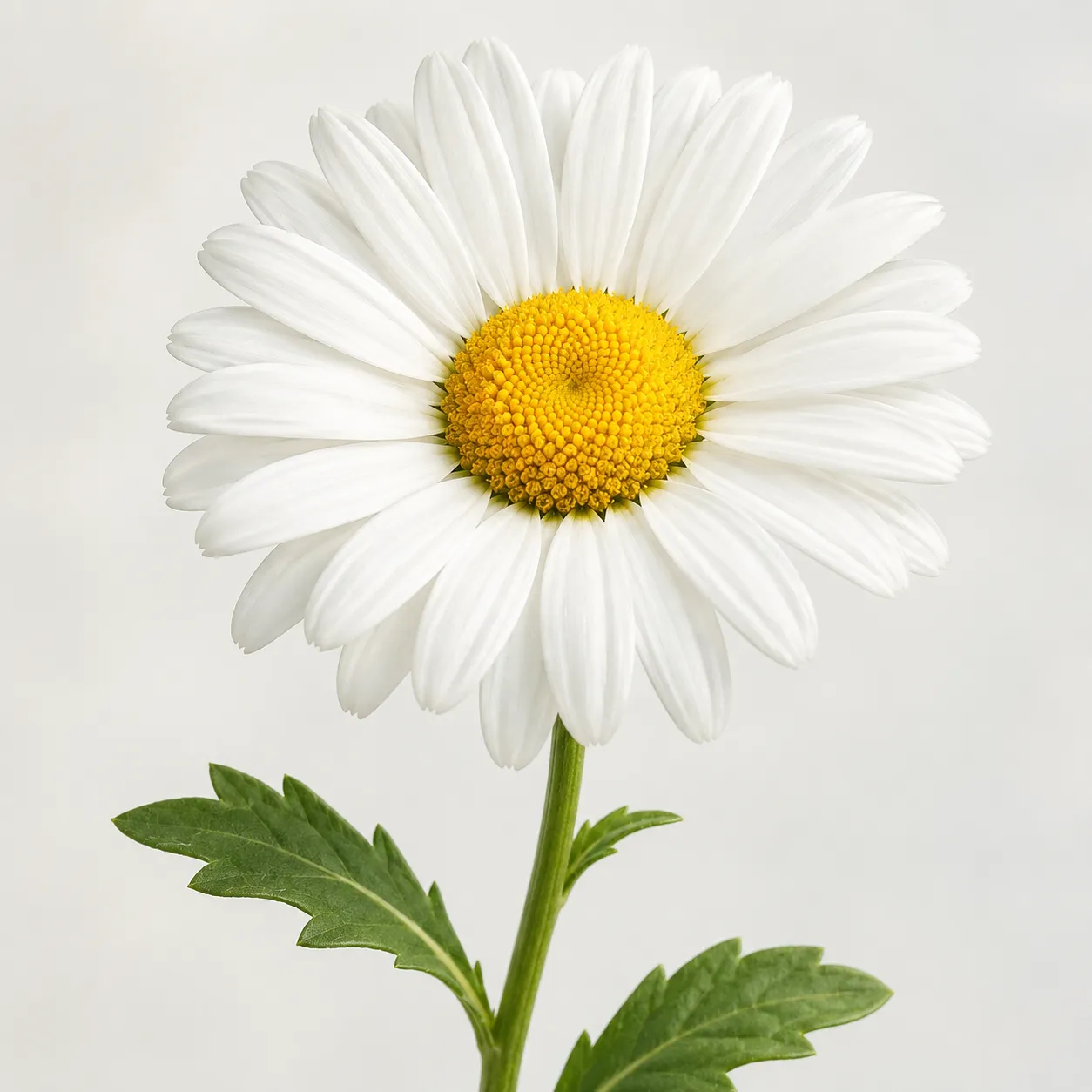
daisyˈdeɪzi
a small common flower with many white petals around a yellow center, often growing in grass.
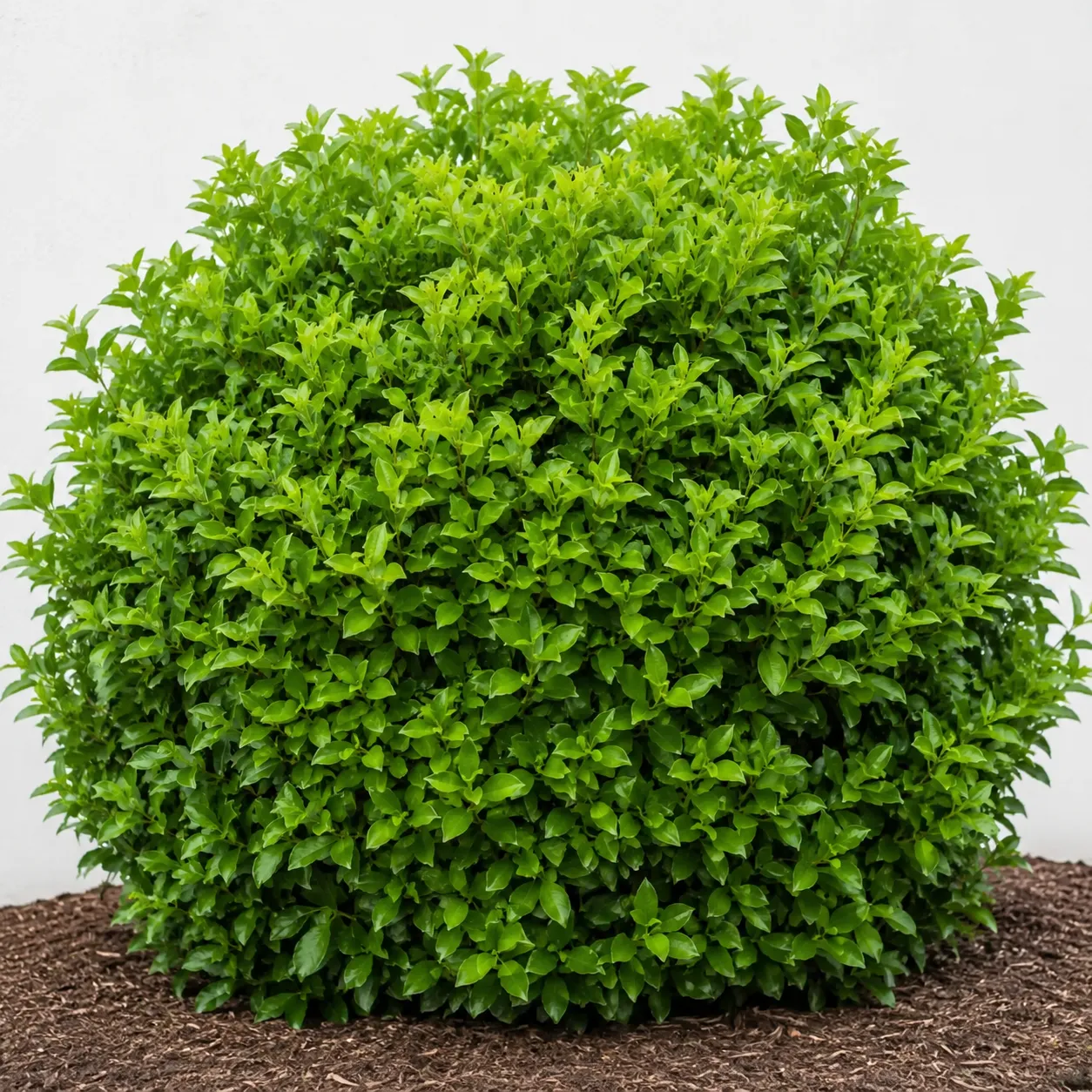
bushbʊʃ
a low plant with many woody branches growing from near the ground.
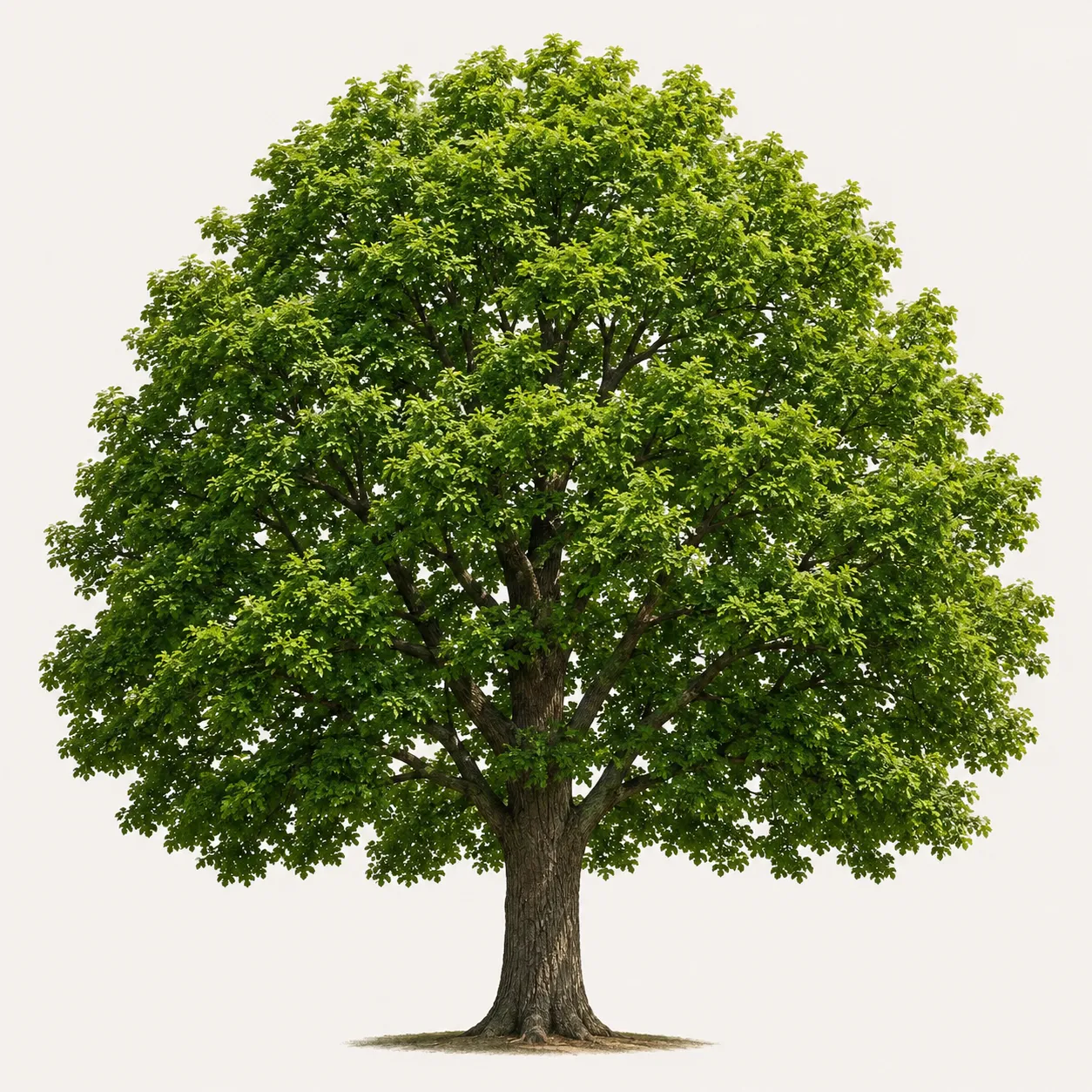
deciduous treedɪˈsɪdʒuəs triː
a tree that loses its leaves in autumn or in a dry season and grows new ones later.
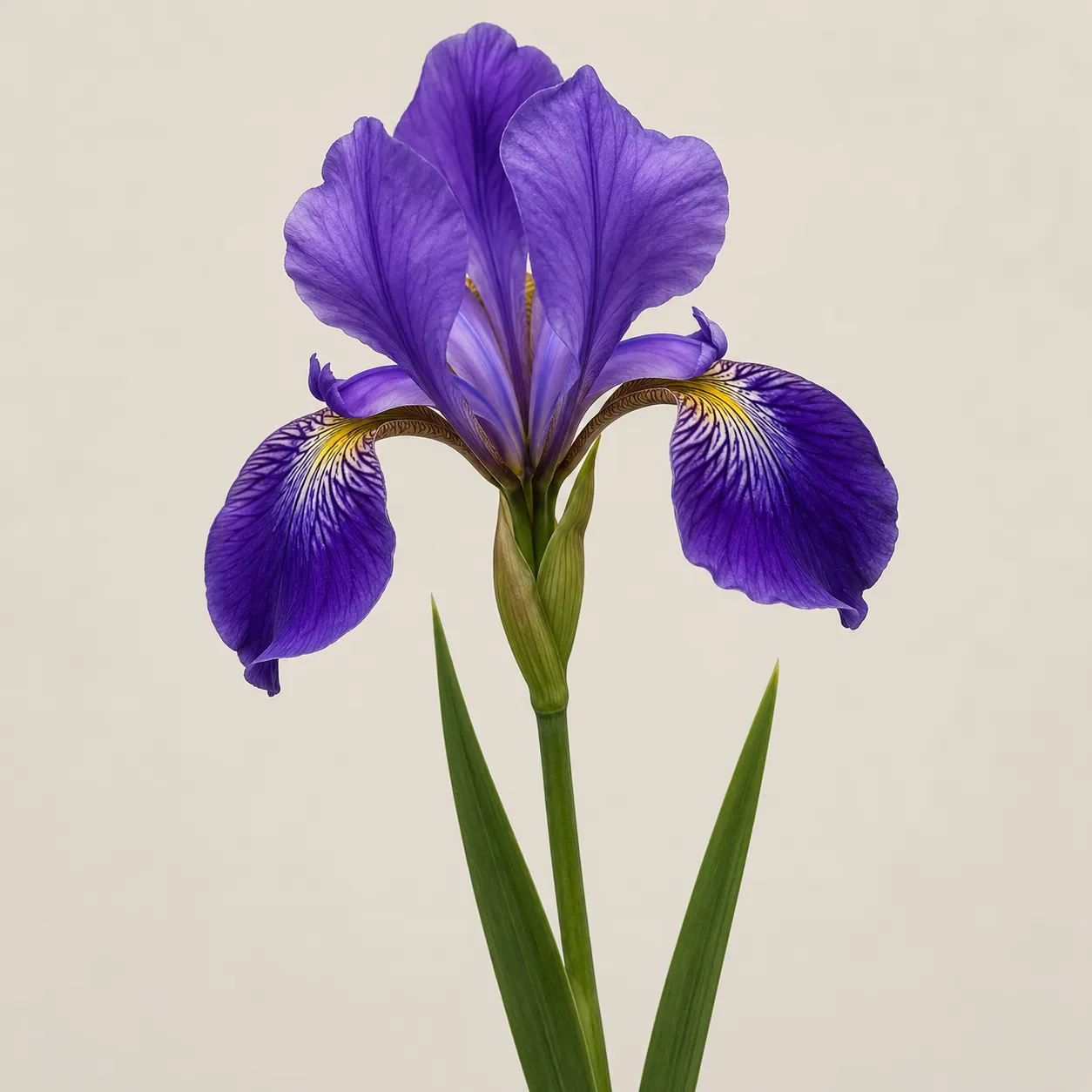
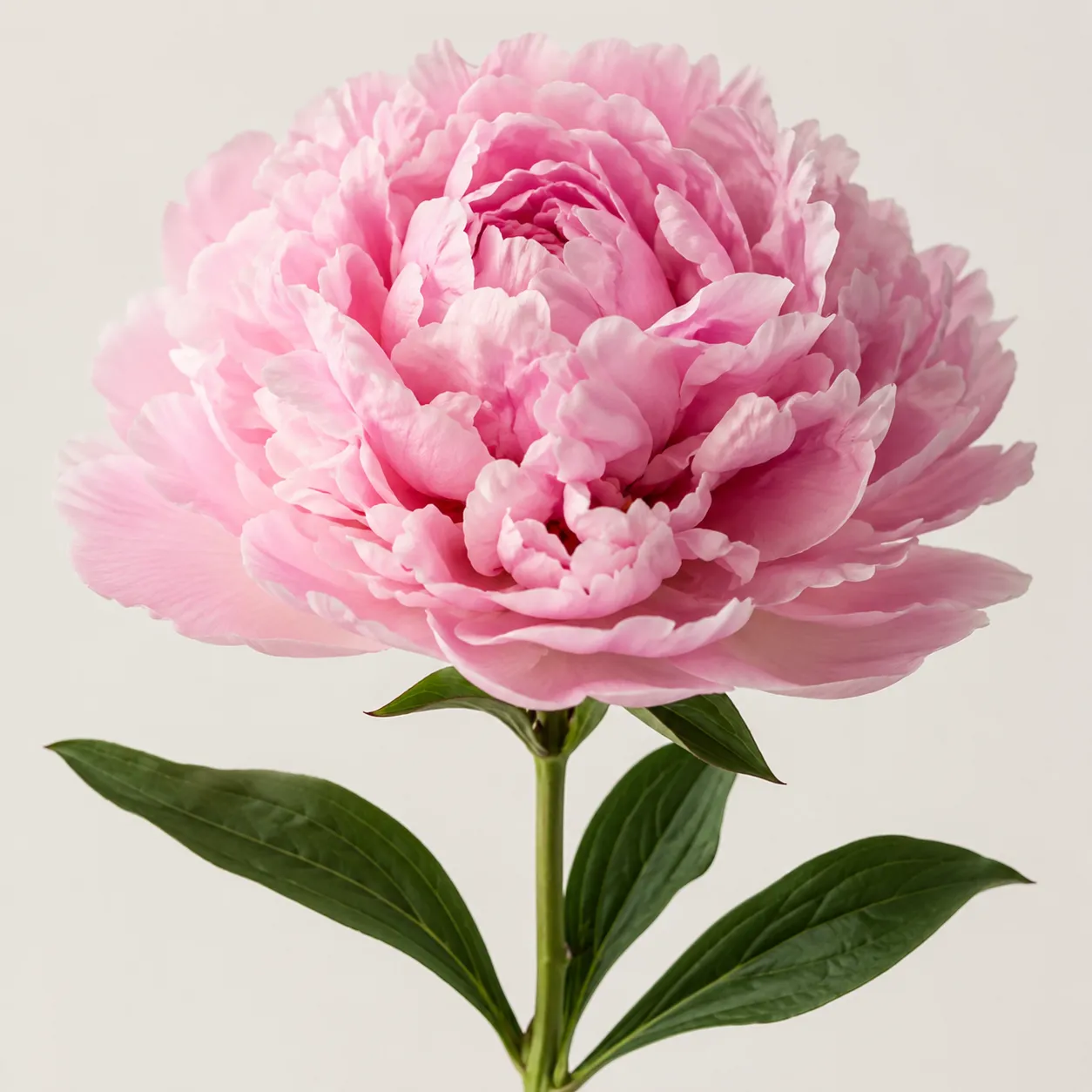
peonyˈpiːəni
a garden plant with very large round flowers made of many soft petals, often pink, red, or white.
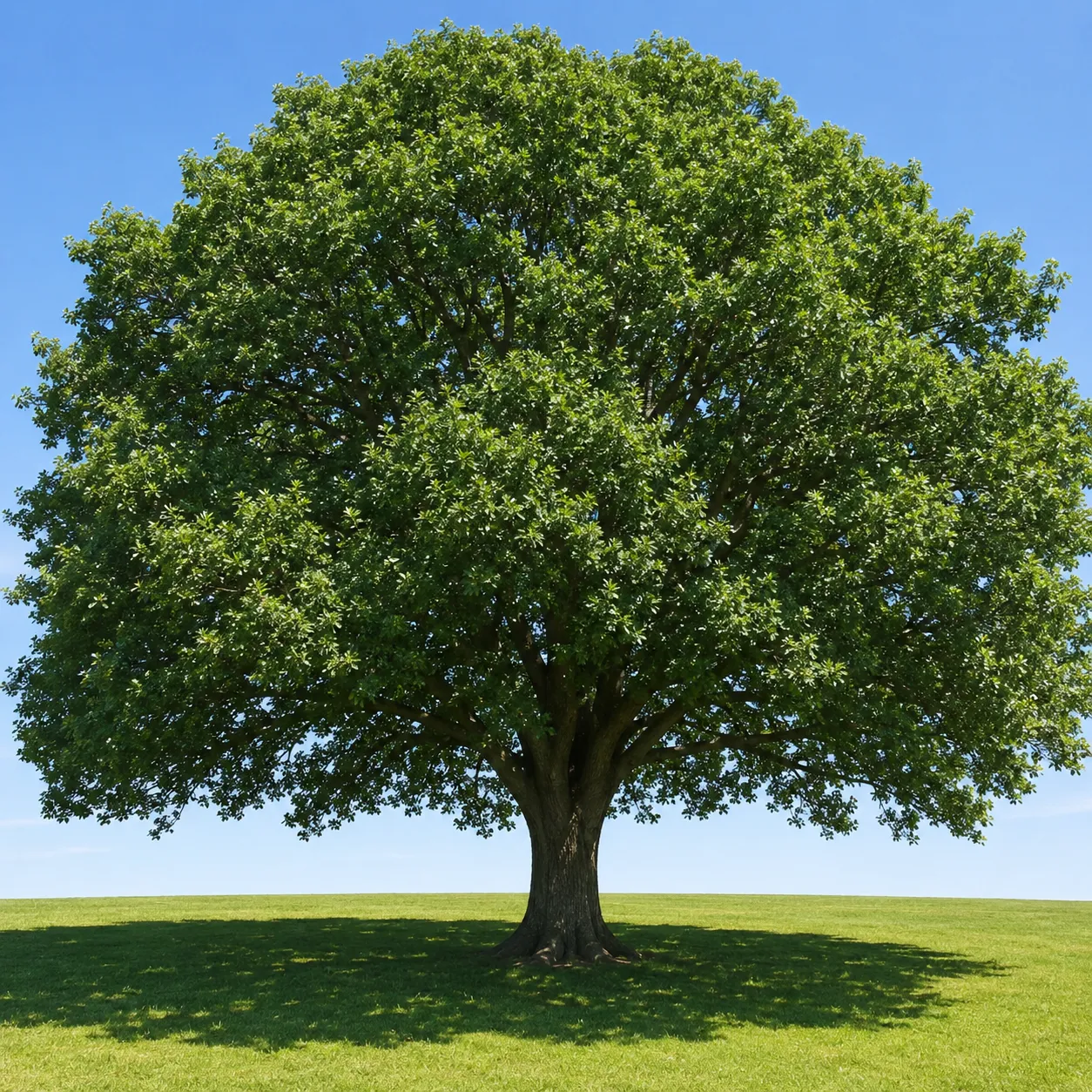
shade treeˈʃeɪd triː
a tree with a broad crown that is planted or kept to give shade from the sun.
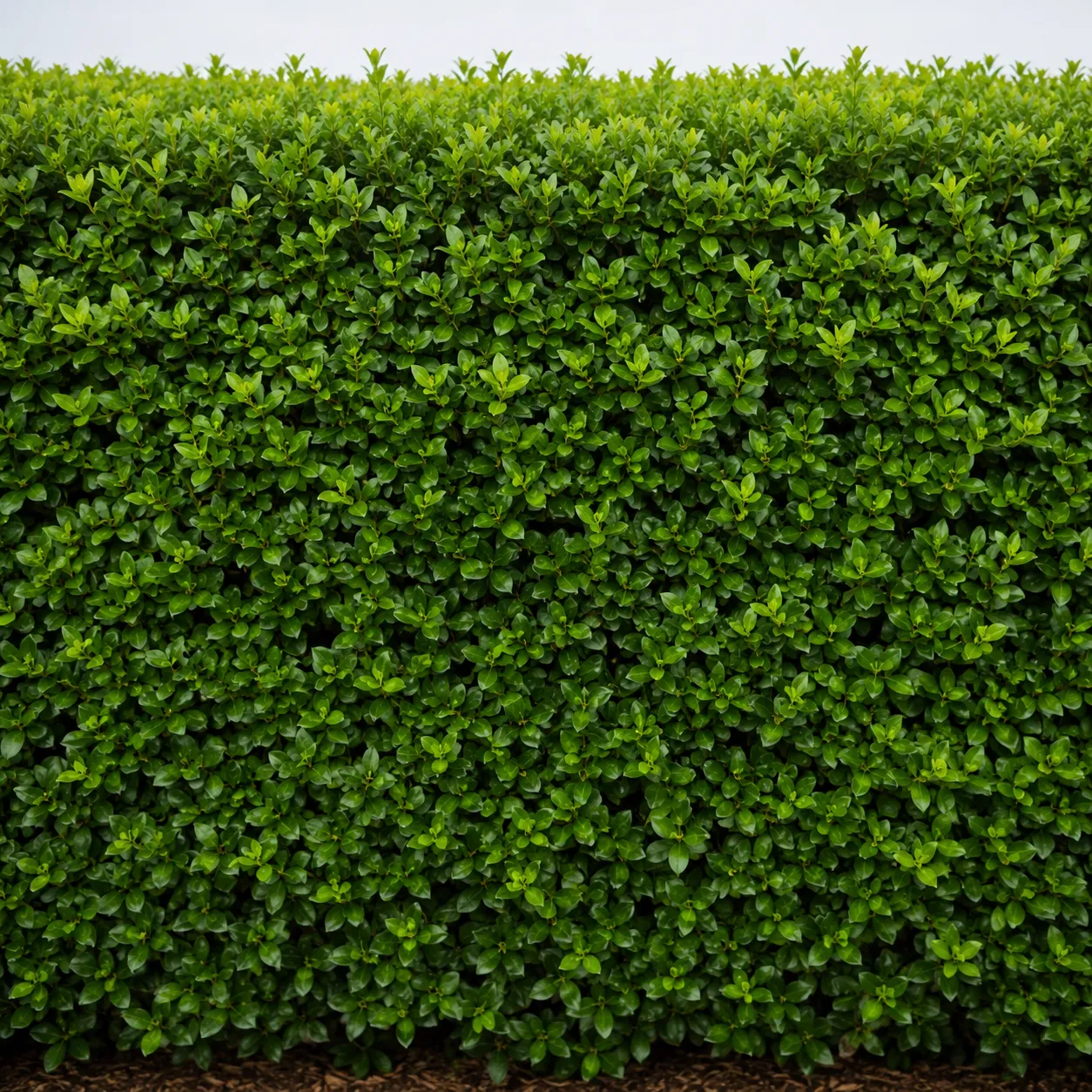
densedɛns
Dense growth or cover has many leaves, stems, or other parts packed closely together.
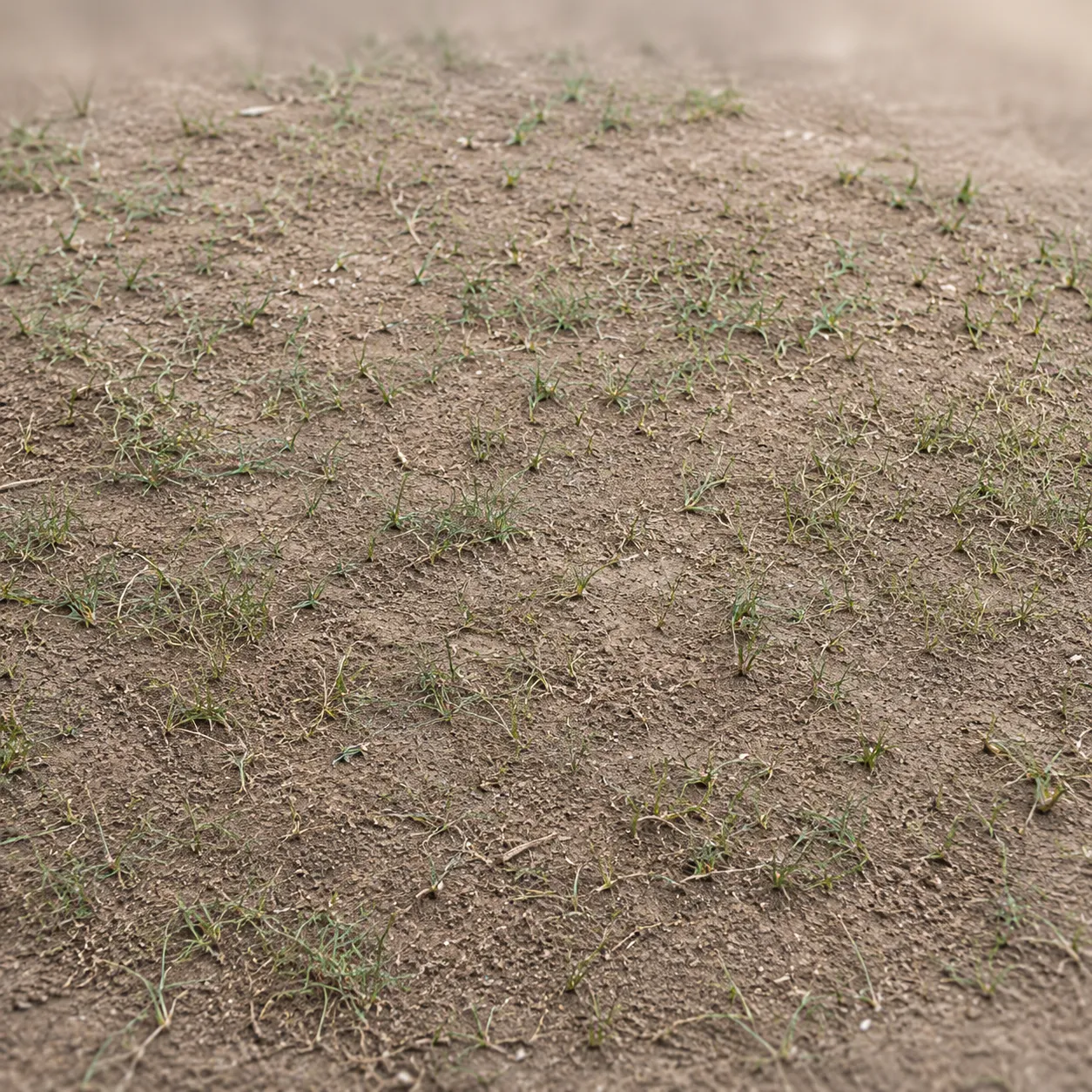
sparsespɑːrs
Sparse growth or cover has only a few plants, leaves, or parts, with spaces between them.
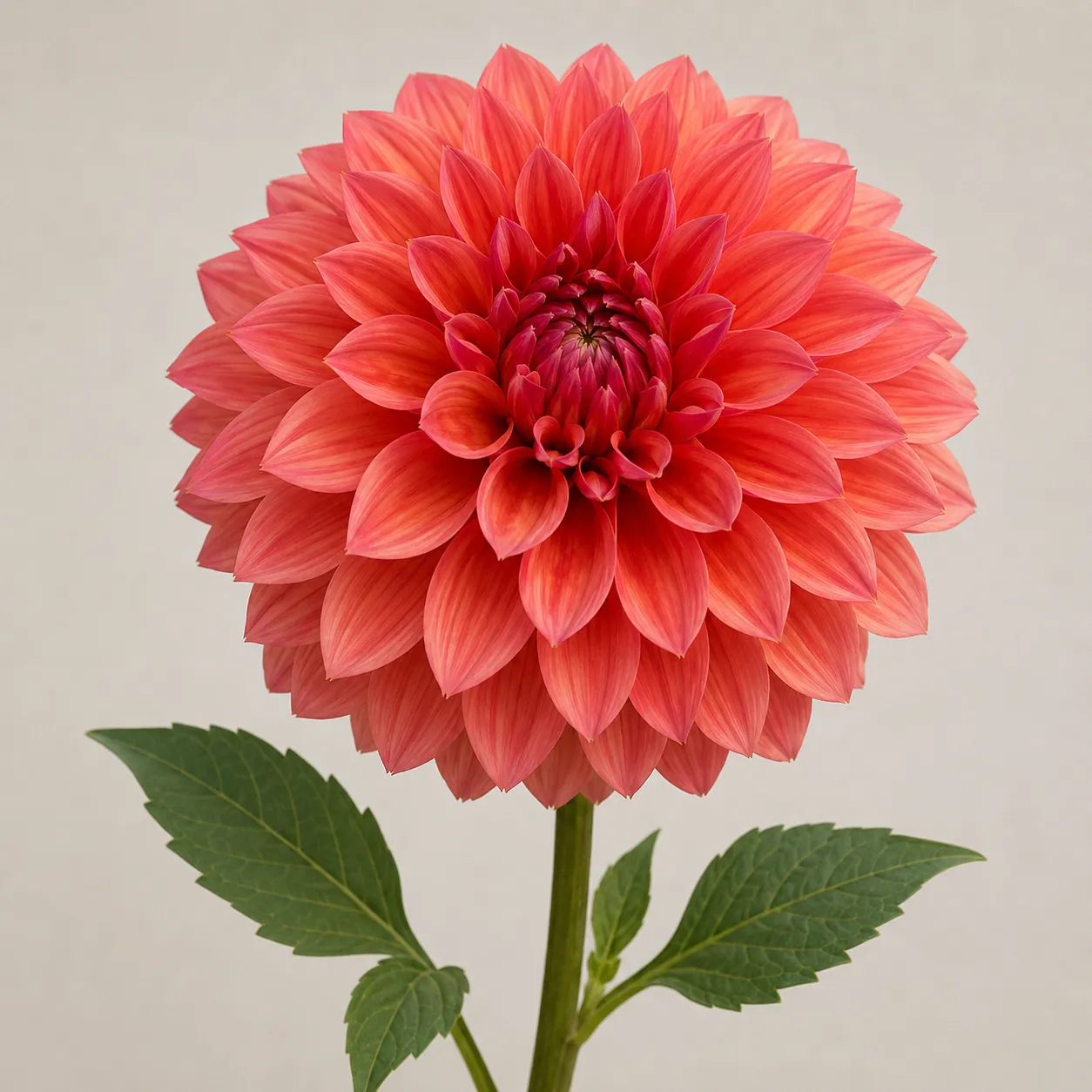
irisˈaɪrɪs
a plant with long narrow leaves and large flowers, often purple or blue, with petals that curve and fold in a distinctive shape.
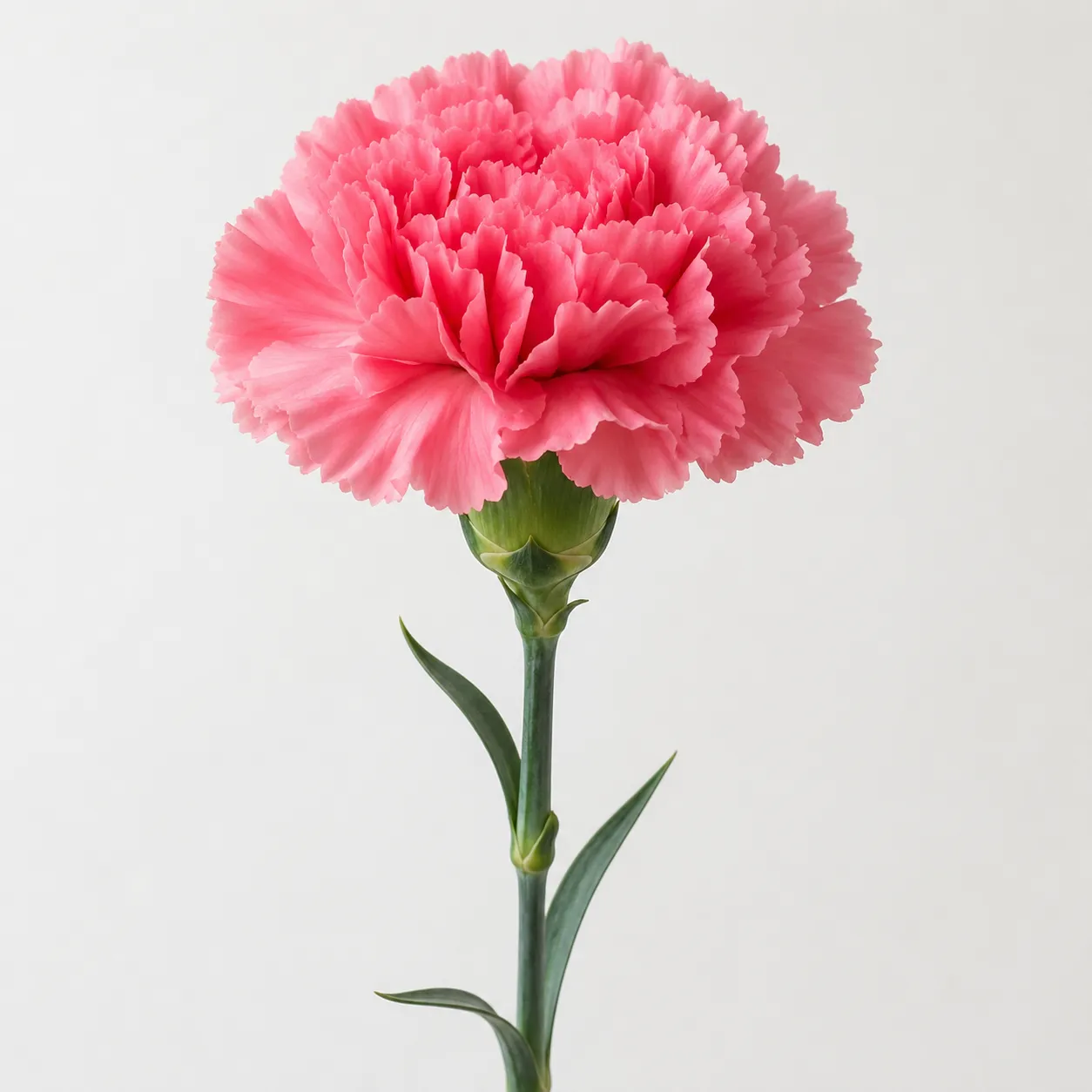
sunflowerˈsʌnˌflaʊər
a tall plant with a very large yellow flower head and seeds that people eat or press for oil.
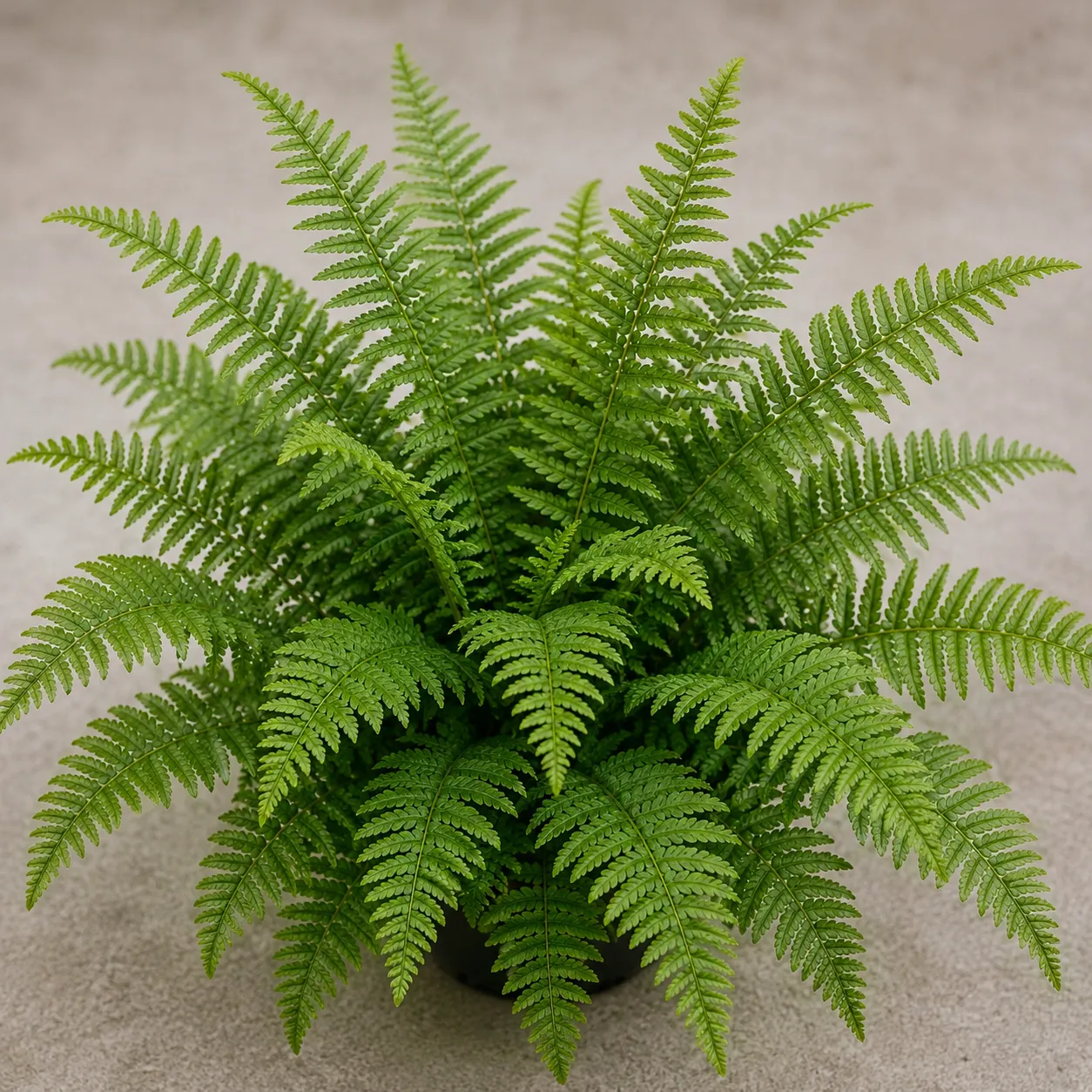
fernfɜːrn
a green plant with long, delicate leaves, often shaped like feathers, that does not produce flowers.
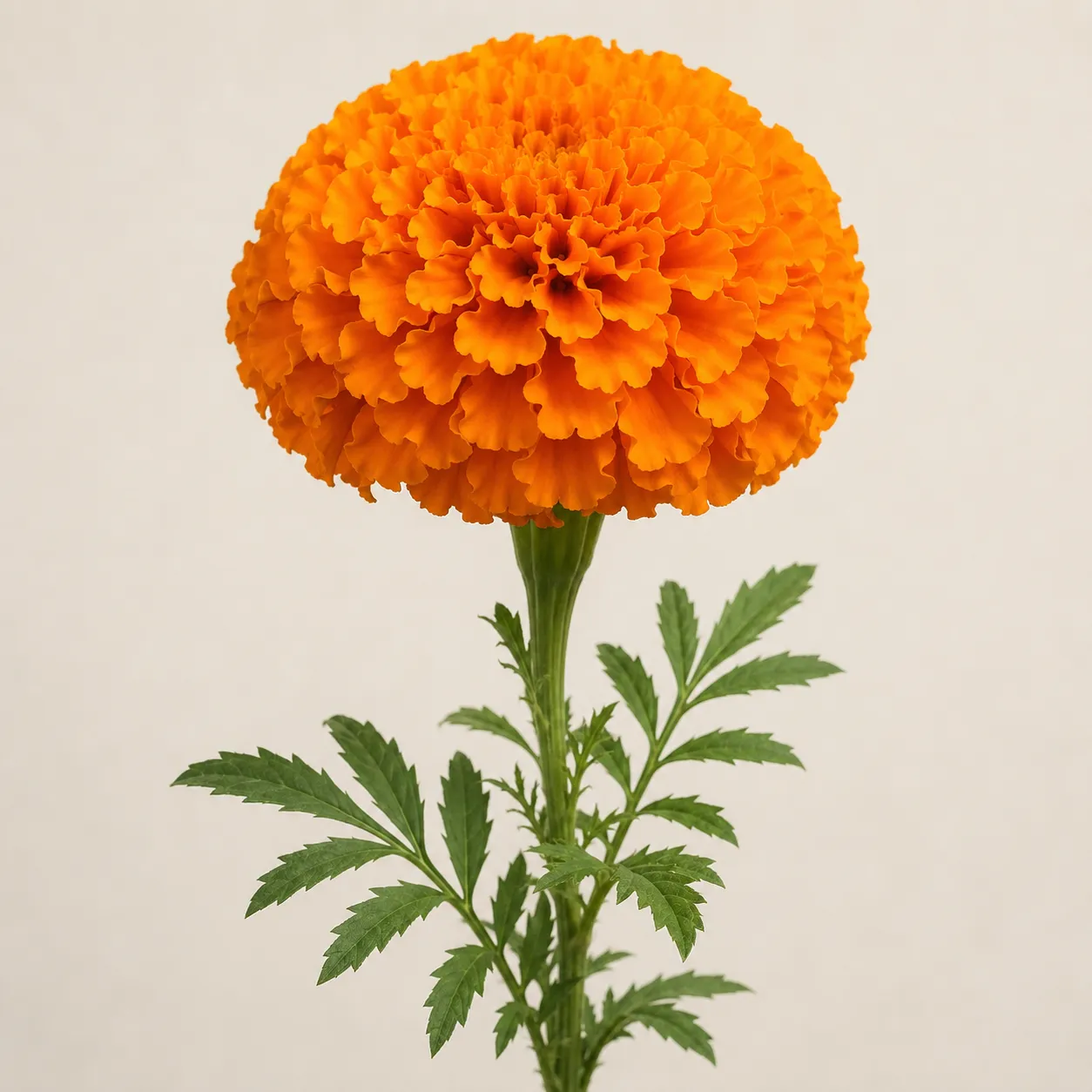
pansyˈpænzi
a small garden flower with broad velvety petals, often in two or three colors with a dark center pattern.
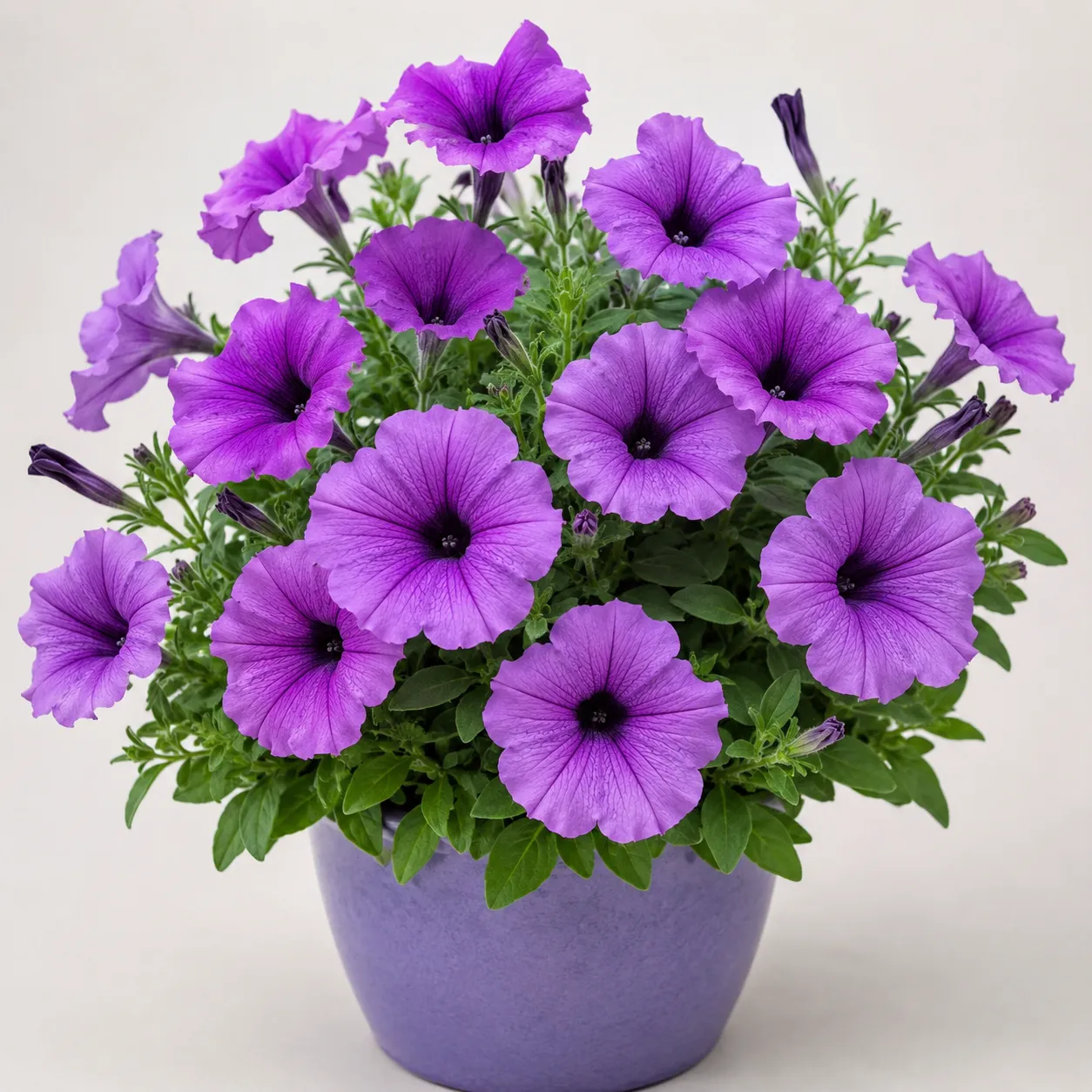
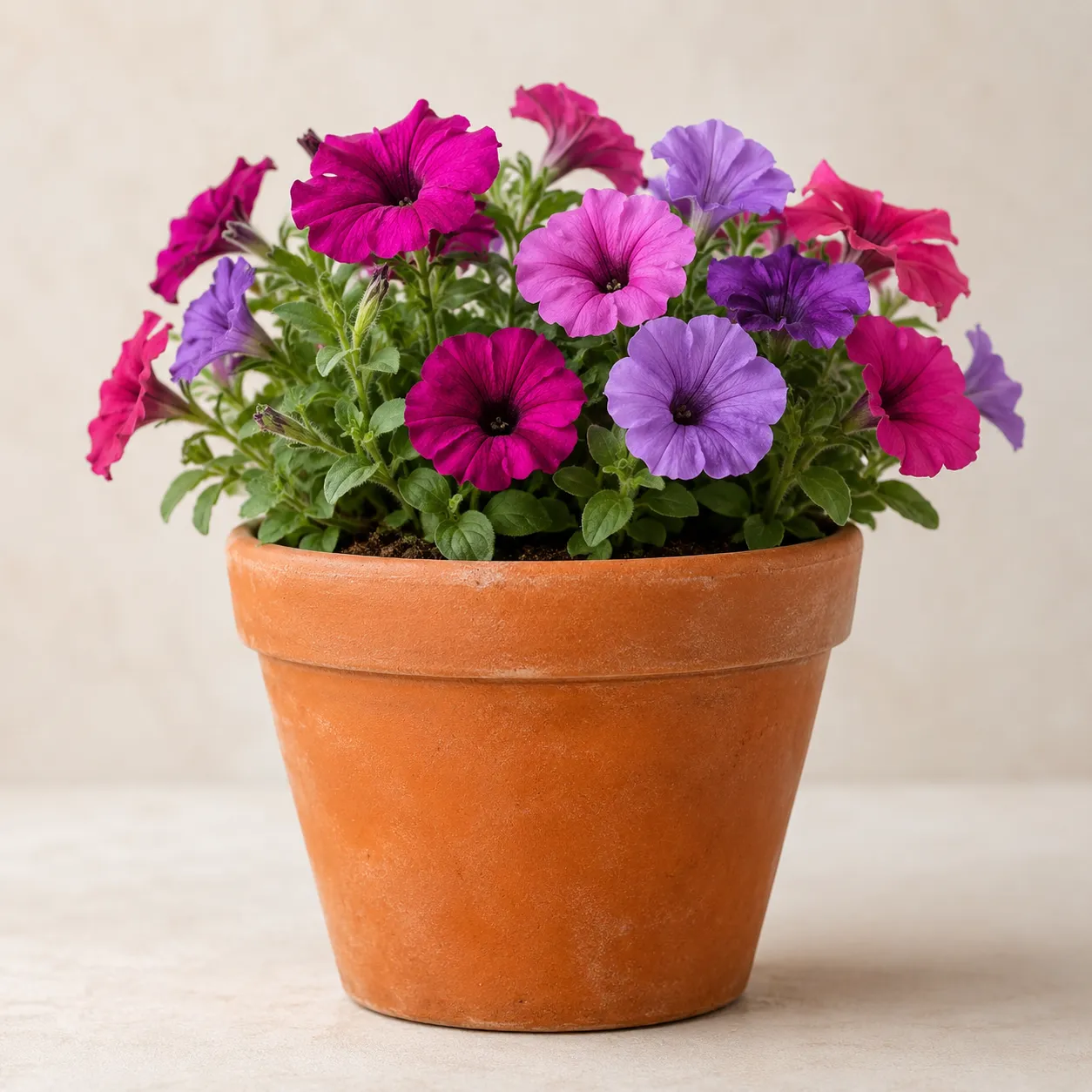
petuniapəˈtuːniə
a garden plant with soft funnel-shaped flowers in many colors, often grown in pots or hanging baskets.
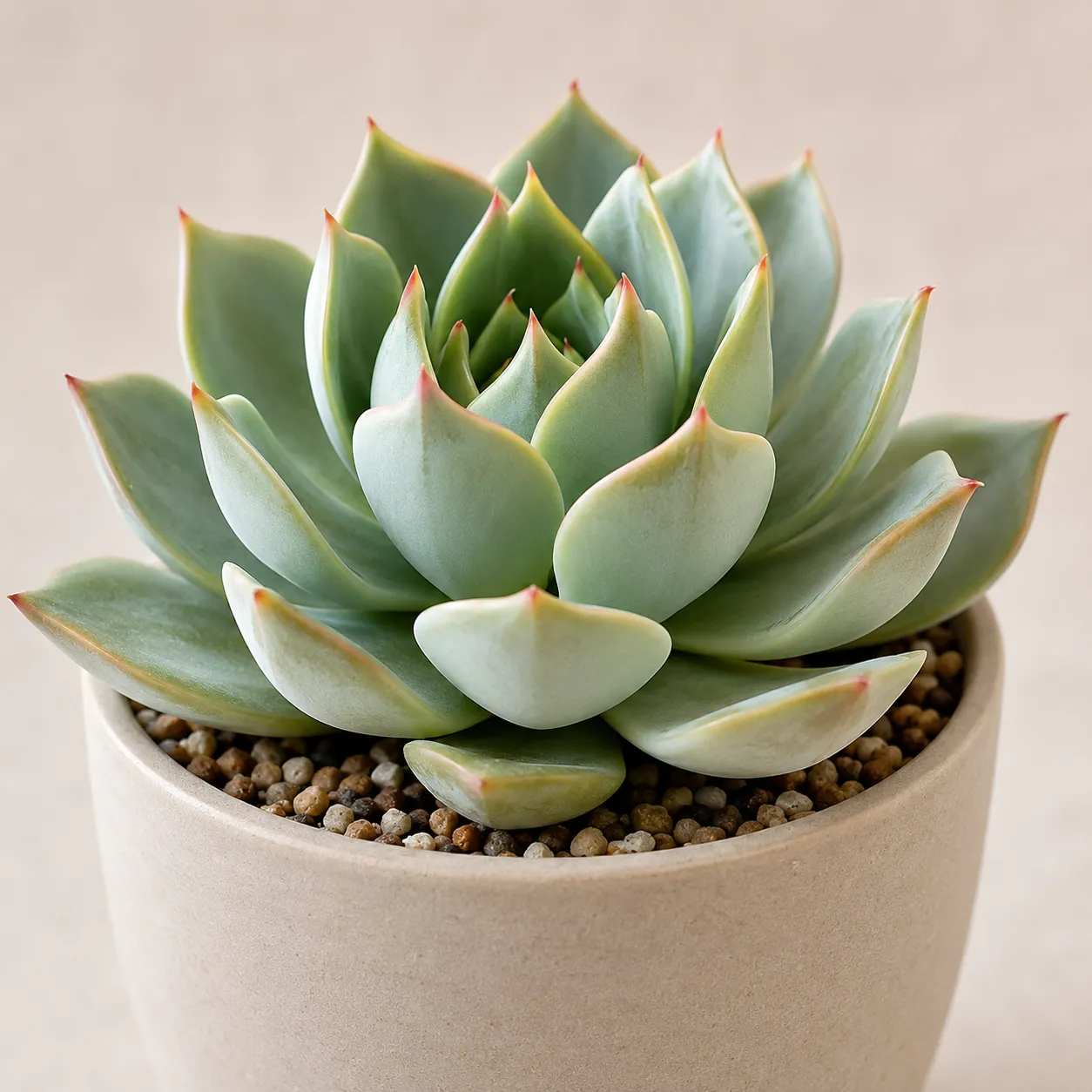
succulentˈsʌkjələnt
a plant with thick leaves or stems that store water, so it can live in dry places.
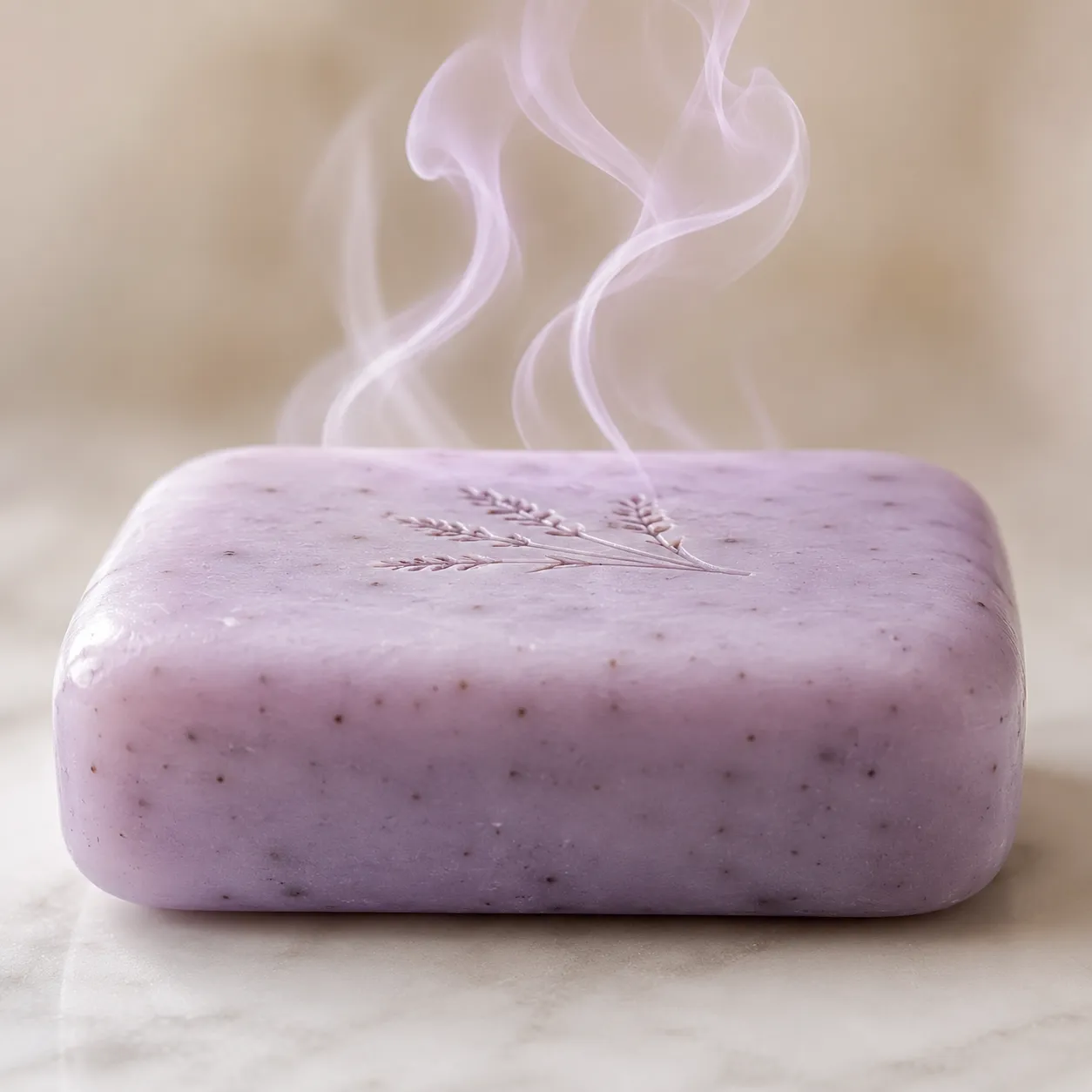
scentsɛnt
a pleasant or clearly noticeable smell, especially from soap, flowers, perfume, or a cleaning product.
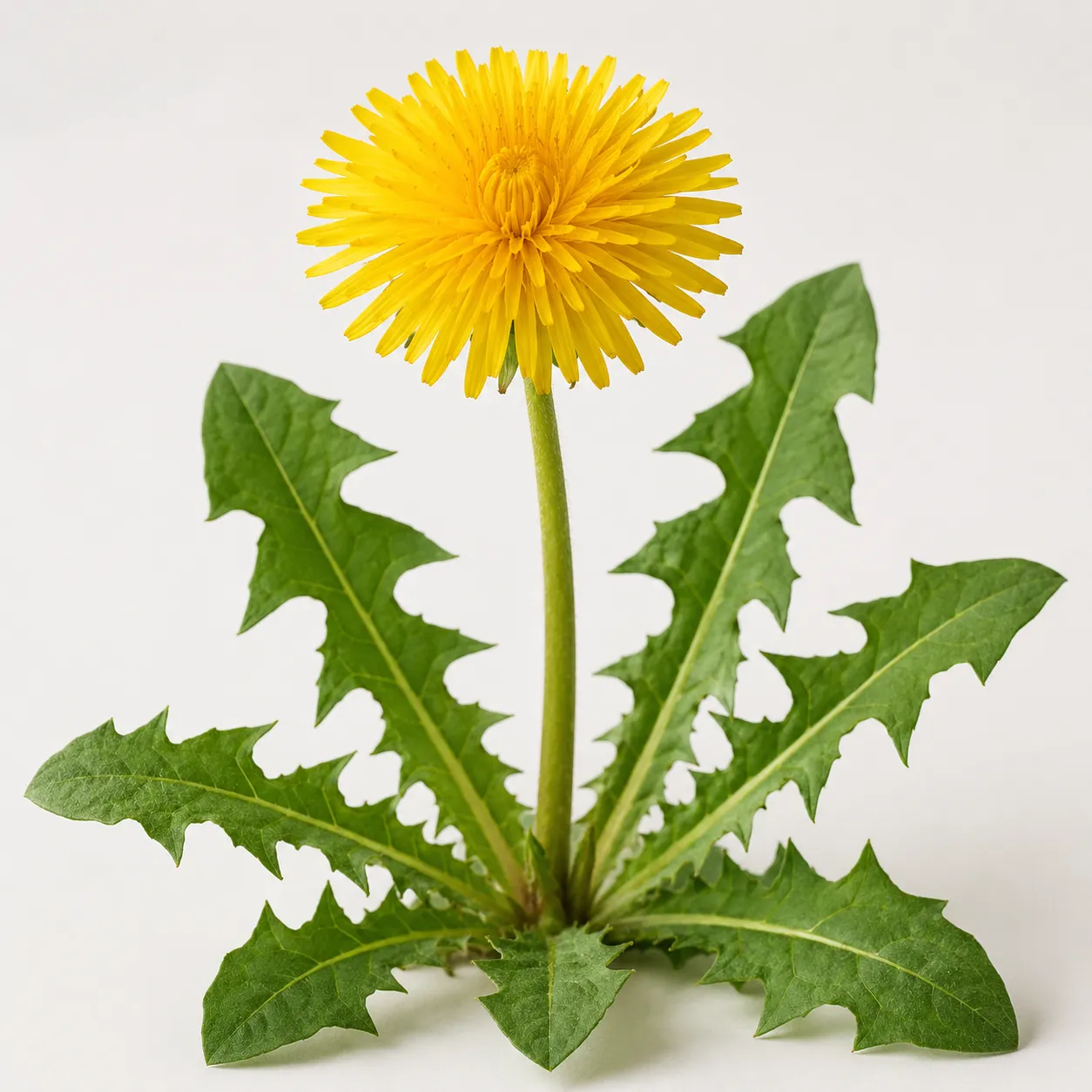
dandelionˈdændɪlaɪən
a common wild plant with bright yellow flowers that later become round white heads of seeds blown by the wind.
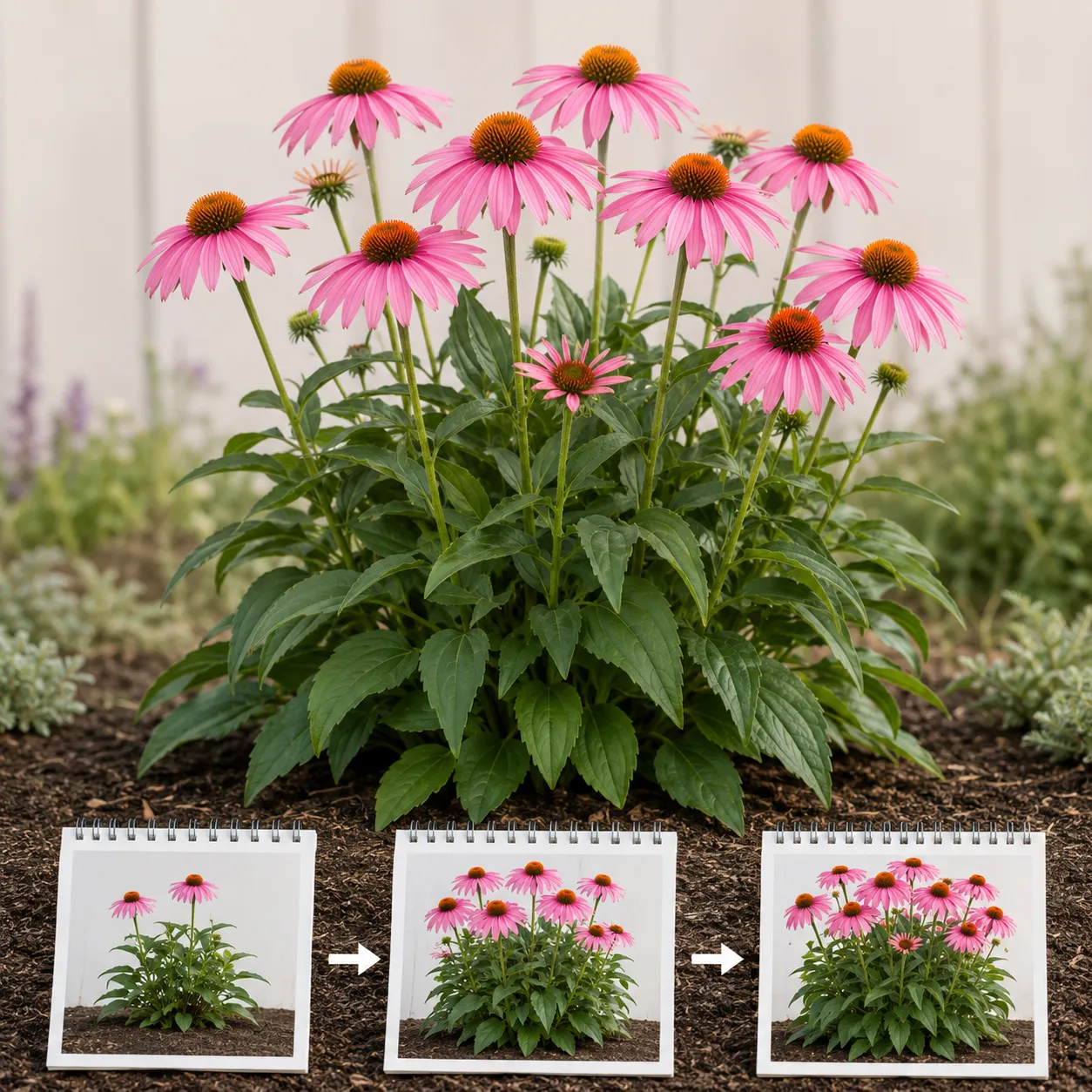
perennialpəˈrɛniəl
A perennial plant lives for more than two years or grows back again each year from the same roots.

flowerˈflaʊər
the usually colorful part of a plant that makes seeds, or a plant grown because of these parts.
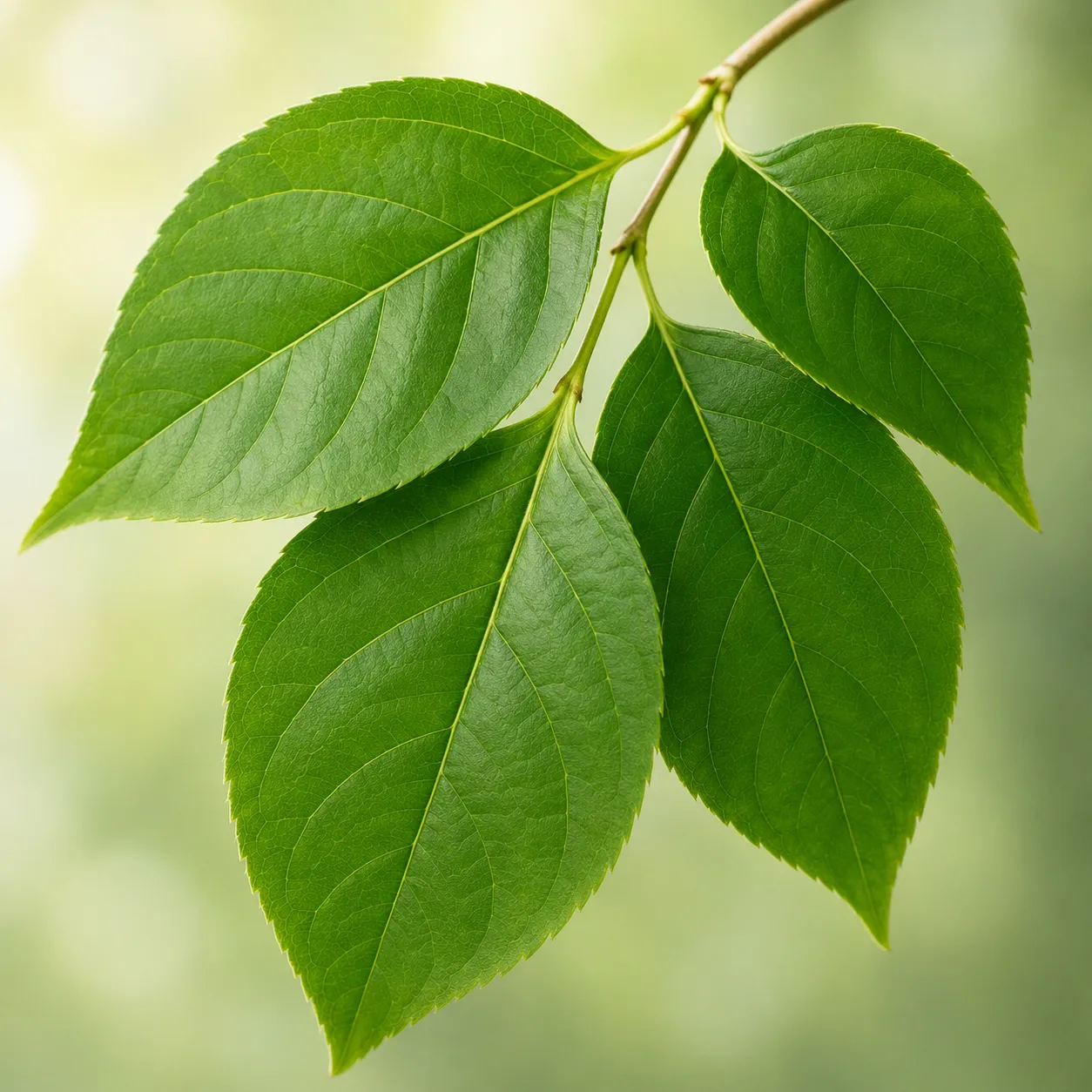
leavesliːvz
the flat, usually green parts of a plant or tree that grow from stems or branches.
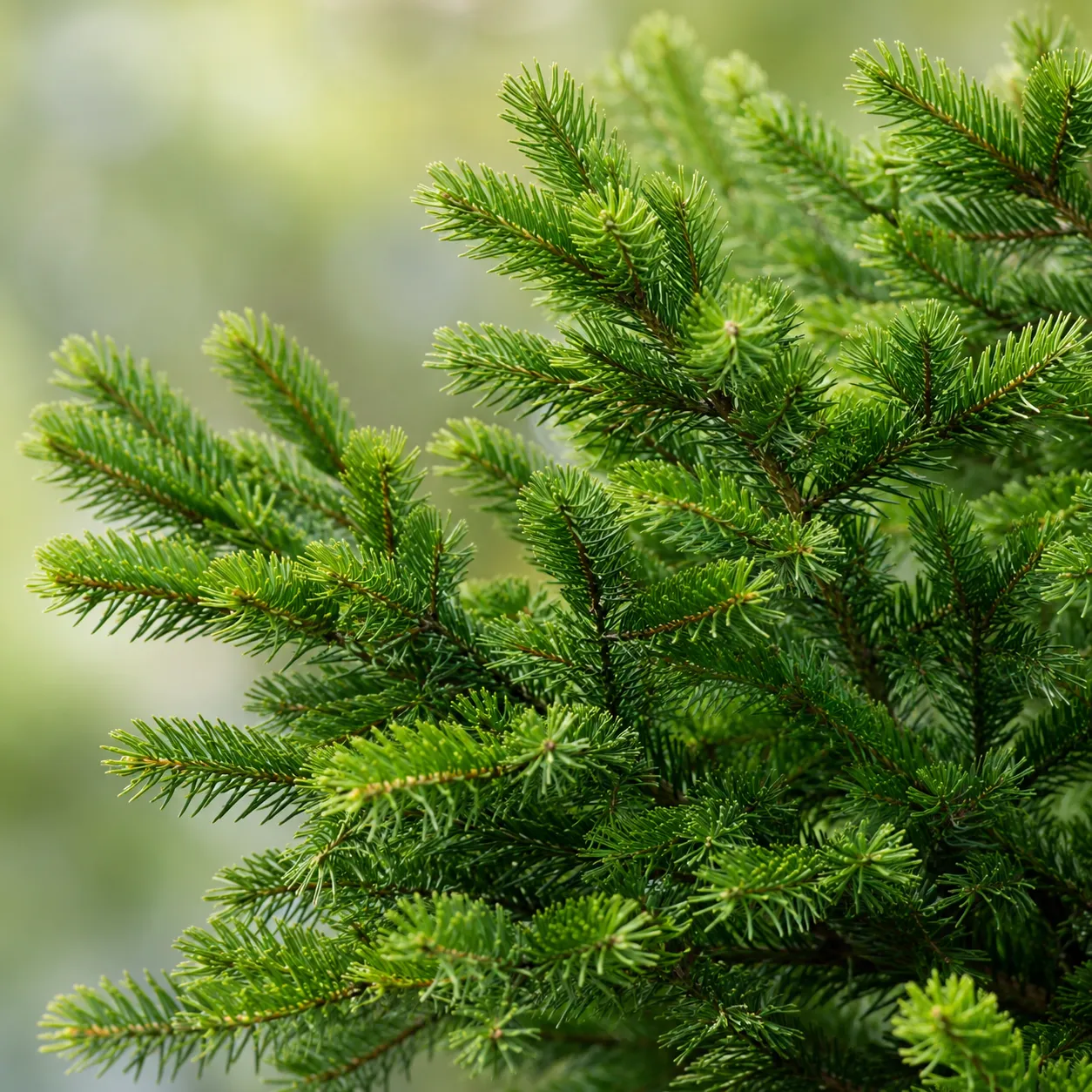
evergreenˈɛvərɡriːn
An evergreen plant keeps its leaves or needles through the year instead of losing them all in one season.
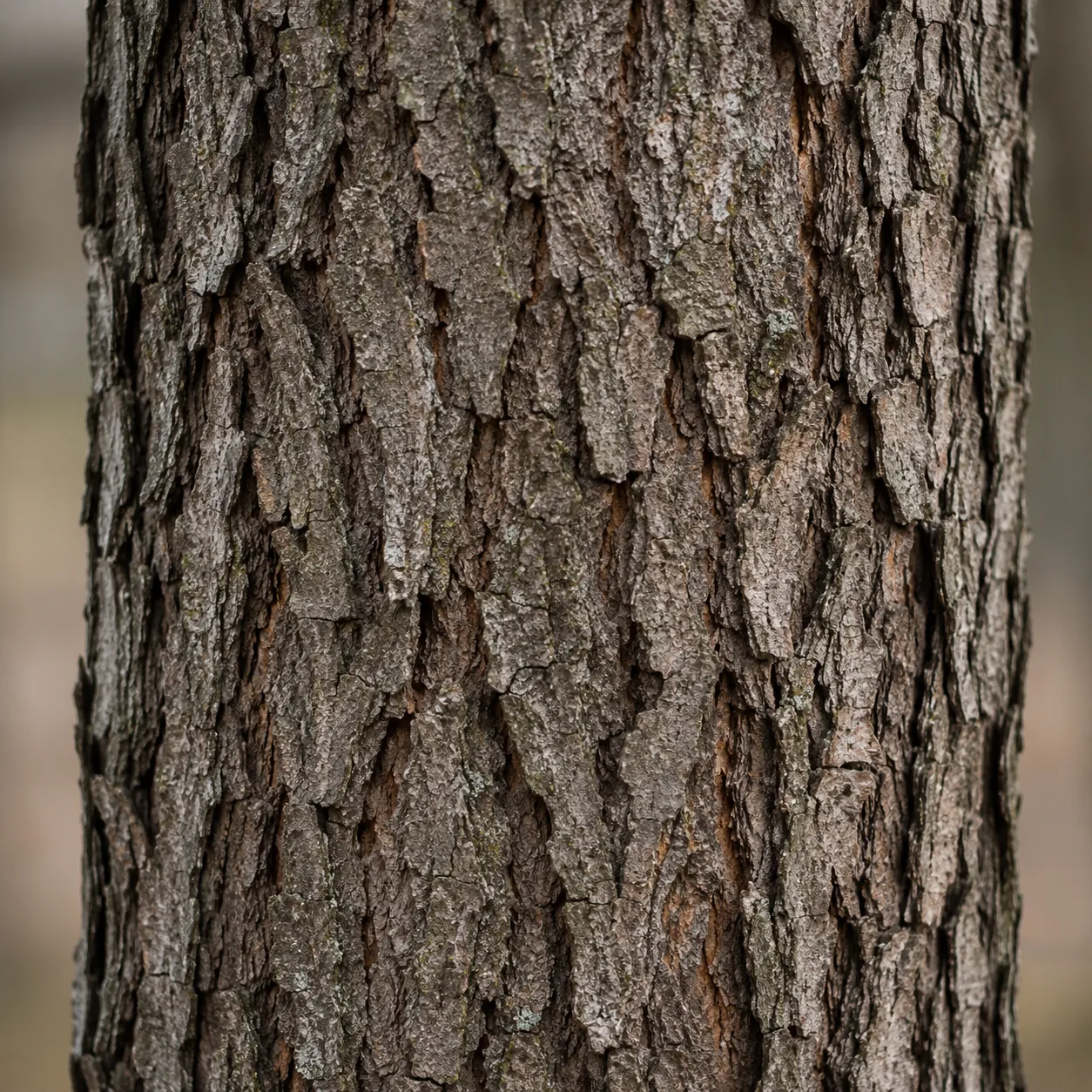
barkbɑːrk
the hard outer covering of the trunk and branches of a tree.
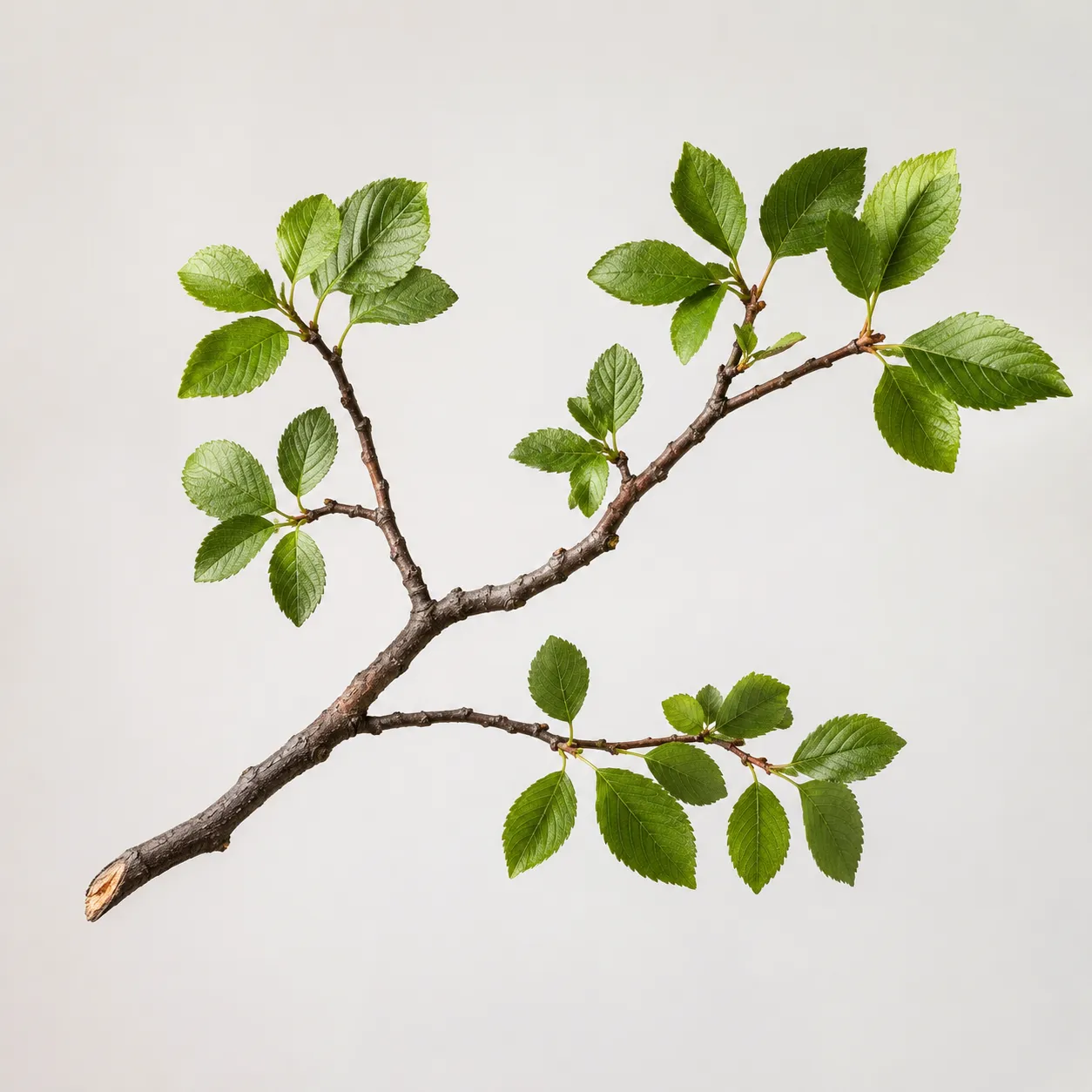
branchbræntʃ
a woody part of a tree or bush that grows out from the trunk or a larger part.

tulipˈtuːlɪp
a spring garden flower with a smooth upright stem and a bright cup-shaped flower.

smellsmɛl
the quality of something that you notice with your nose, which can be pleasant or unpleasant.

youngjʌŋ
A young person, animal, or plant is not old and is still near the beginning of life or growth.
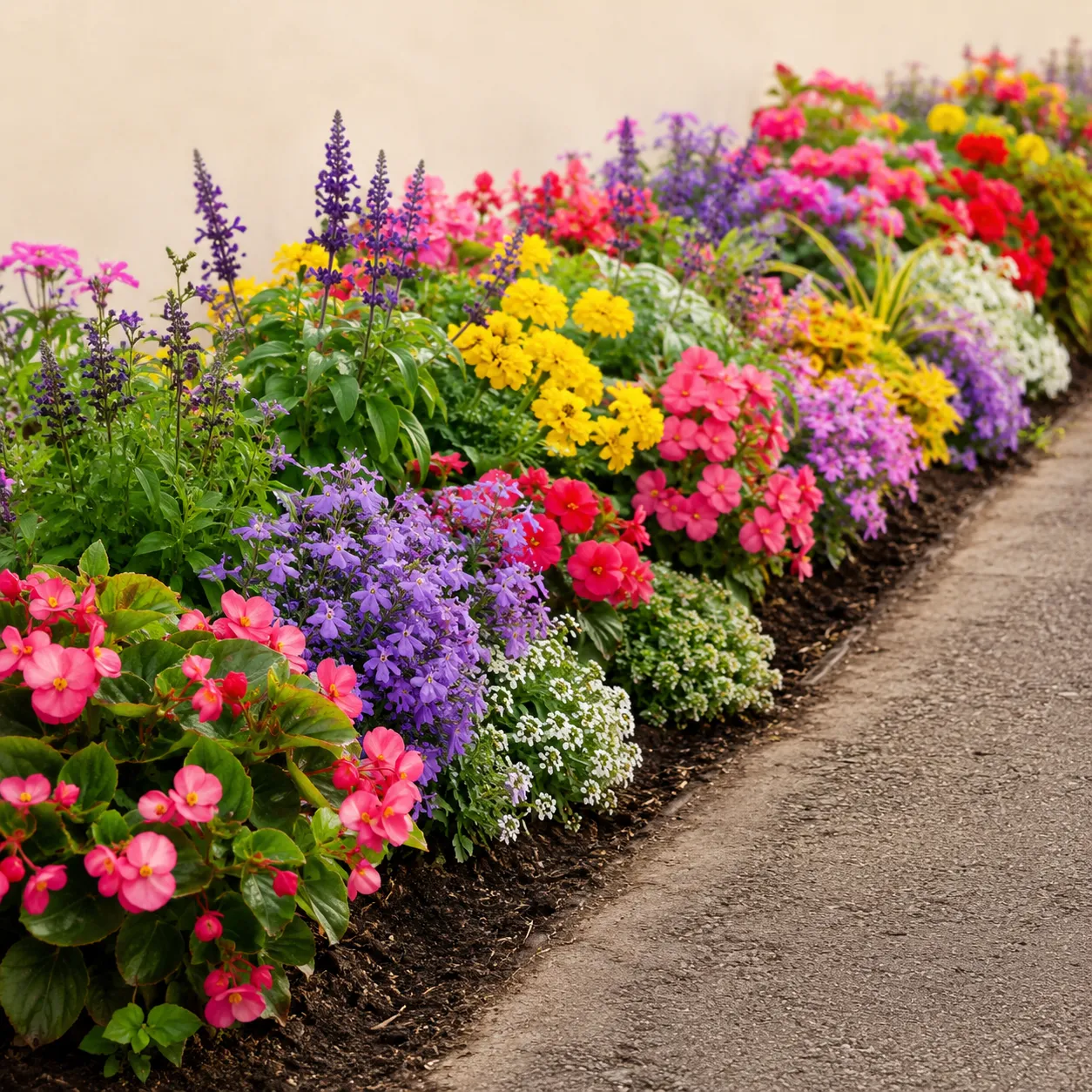
flower borderˈflaʊər ˈbɔːrdər
a long, narrow area planted with flowers, usually along a wall, fence, path, or lawn.
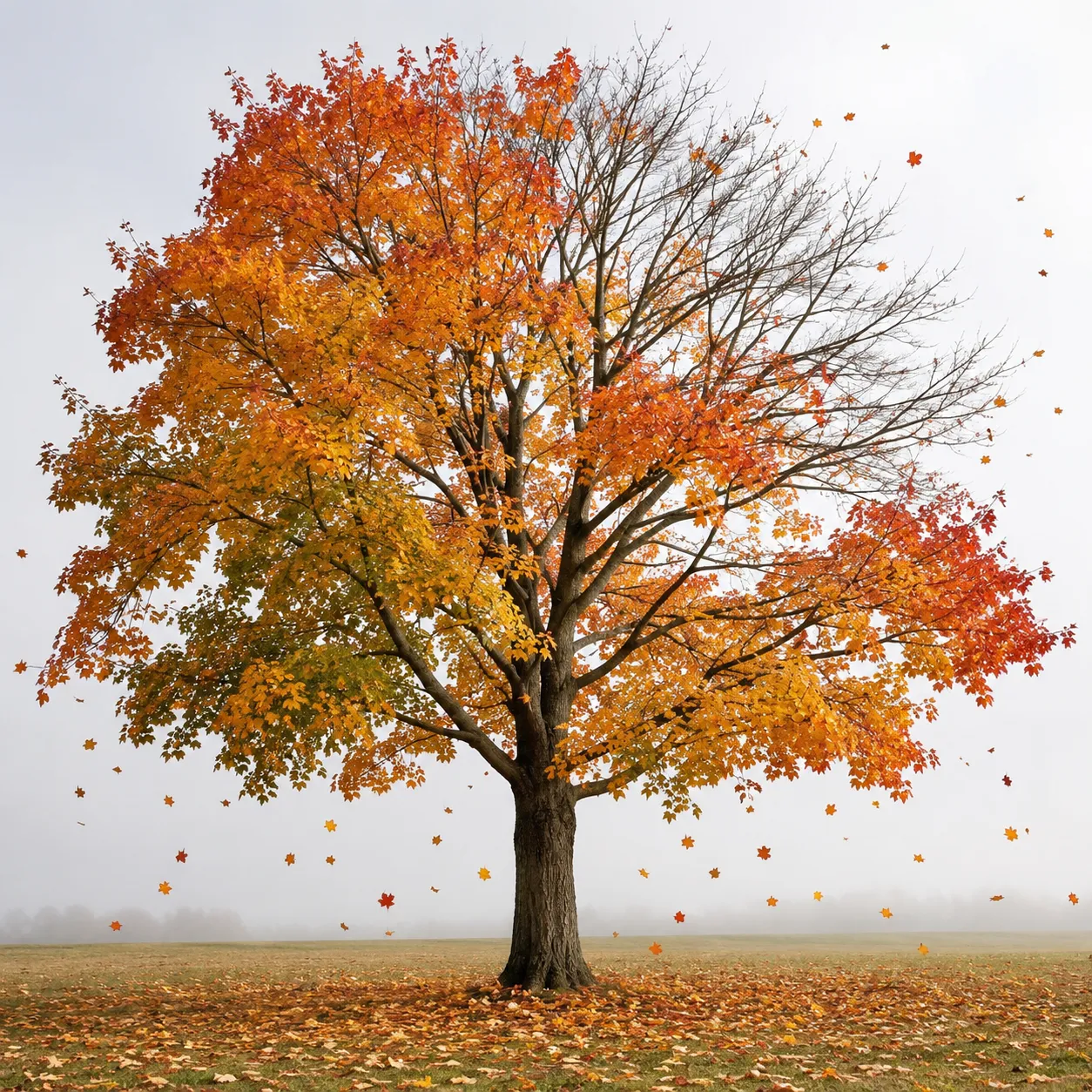
deciduousdɪˈsɪdʒuəs
A deciduous tree or shrub loses its leaves each year, usually in autumn.
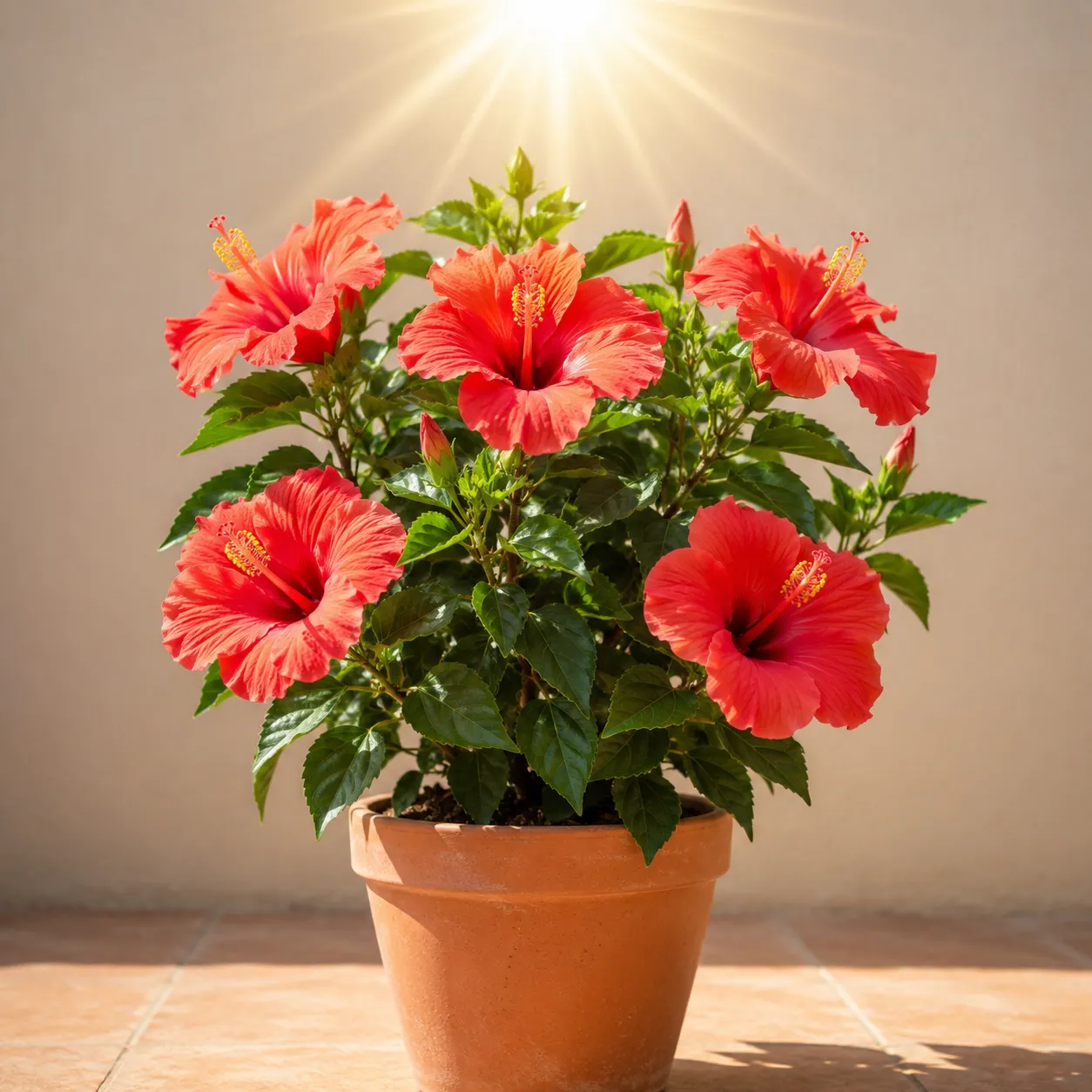
sun-lovingˈsʌn ˌlʌvɪŋ
describes a plant that grows best in bright, direct sunlight.
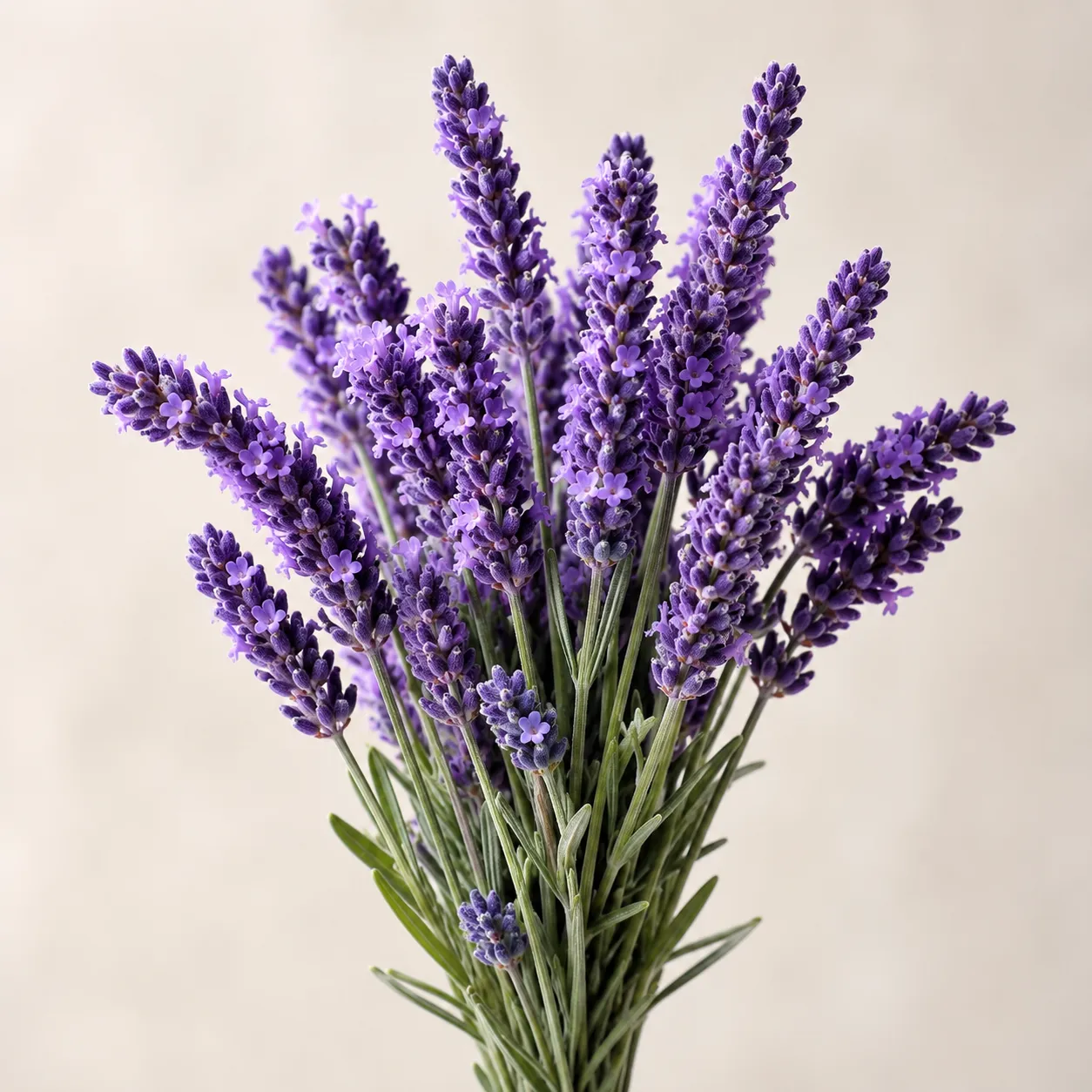
lavenderˈlævəndər
a plant with narrow leaves and small purple flowers that have a pleasant smell, often used for scent or decoration.
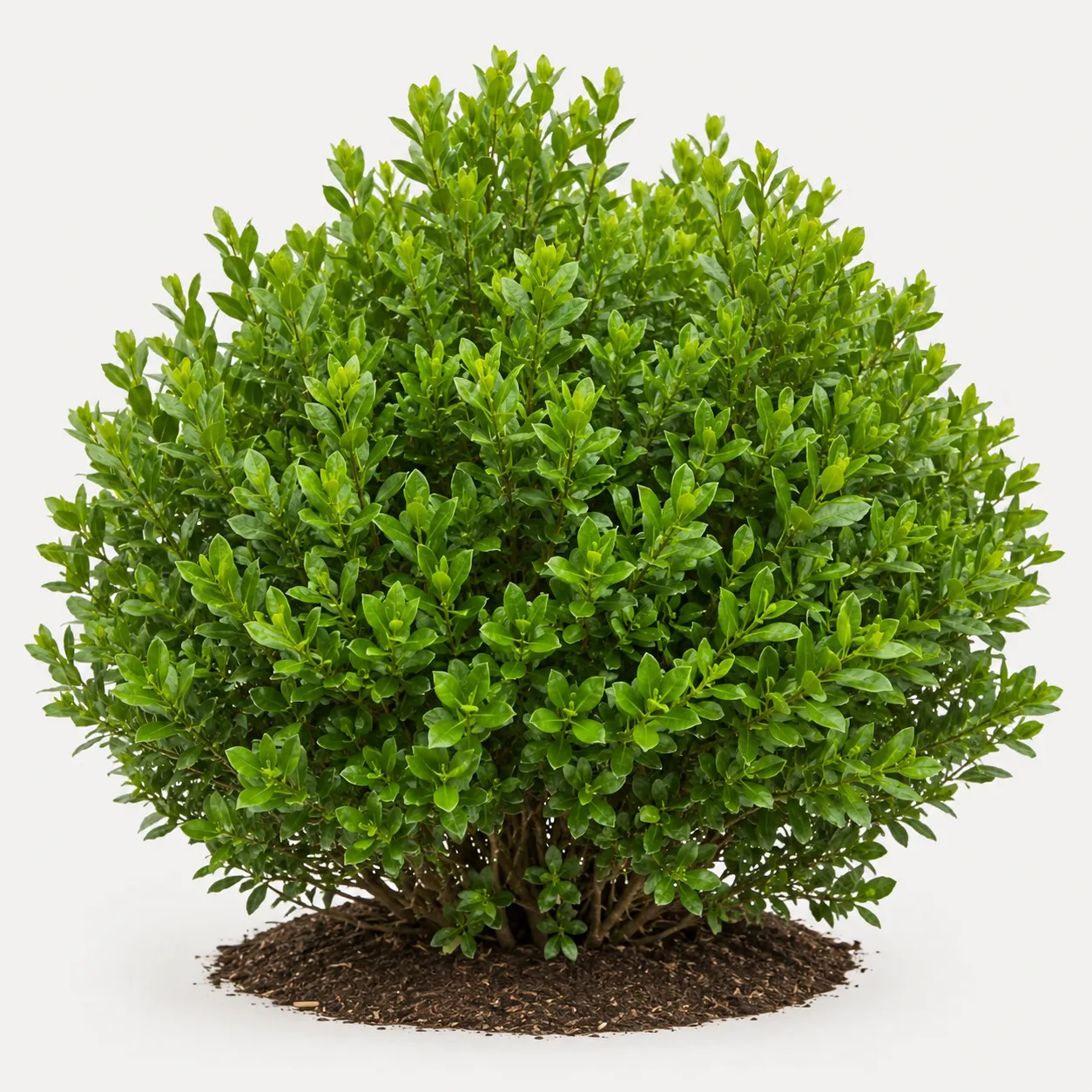
shrubʃrʌb
a plant like a small tree, with several woody stems growing from or near the ground.
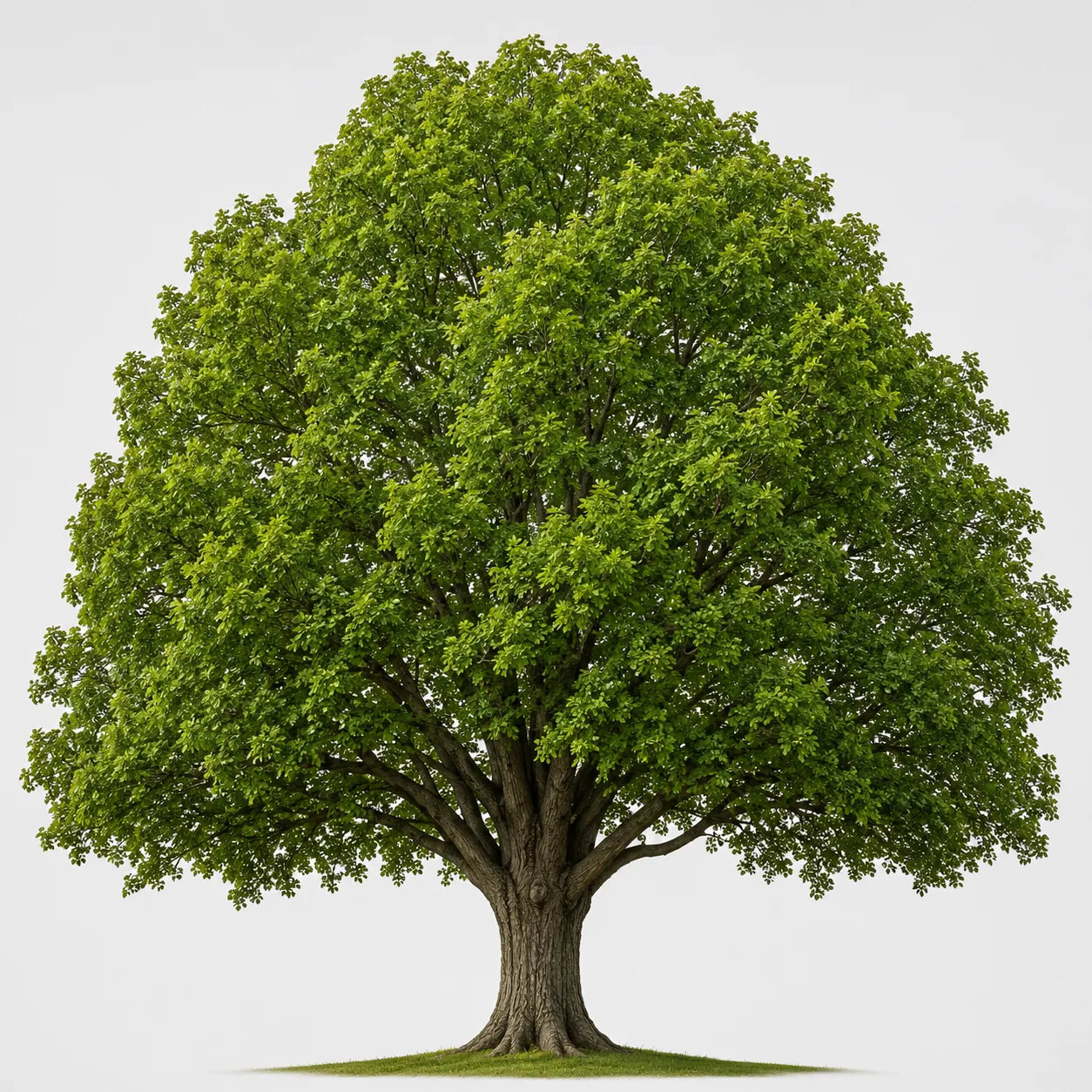
treetriː
a tall plant with a hard wooden trunk, branches, and leaves, often living for many years.
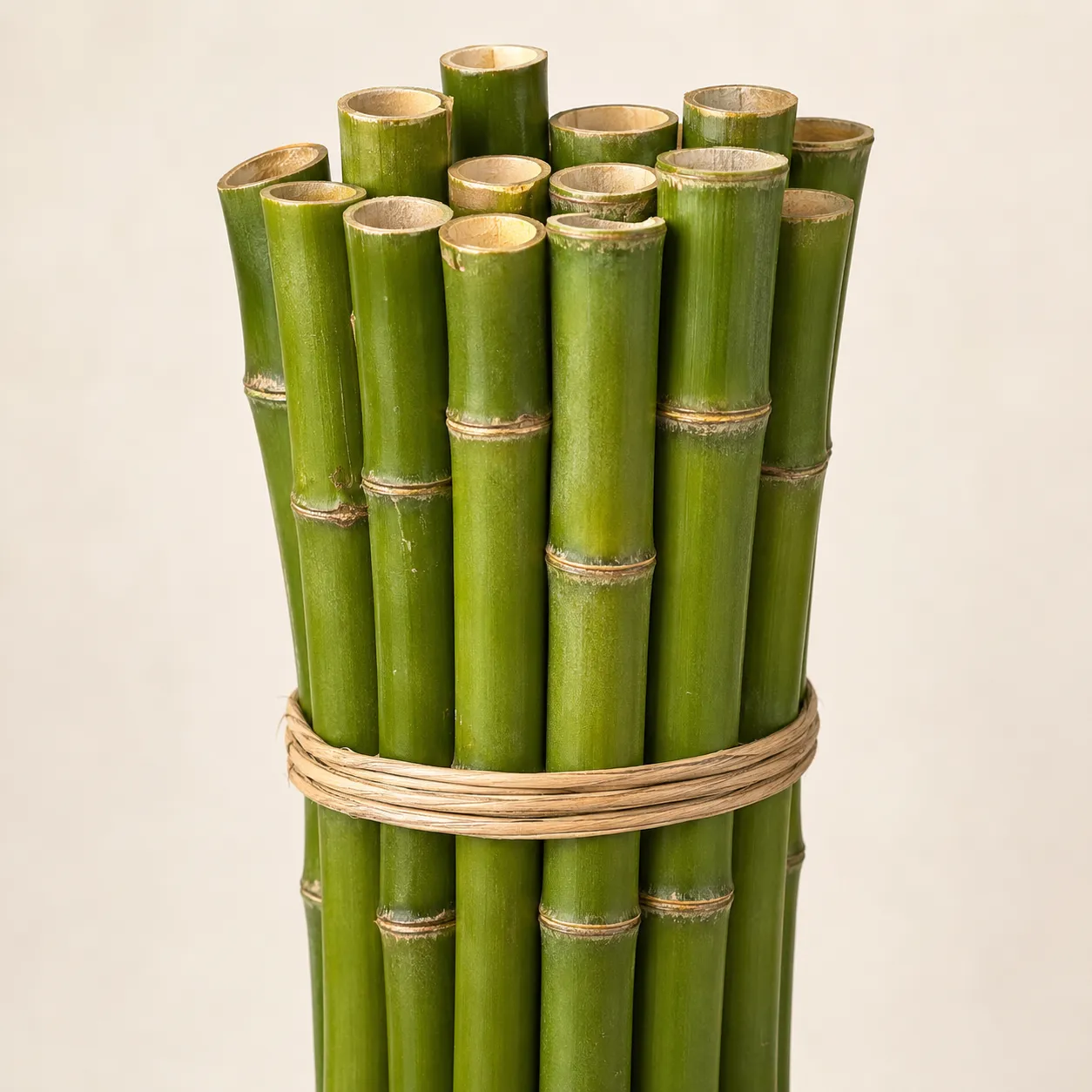
bambooˌbæmˈbuː
a tall tropical plant with hard hollow stems, used for building, furniture, and many other things.
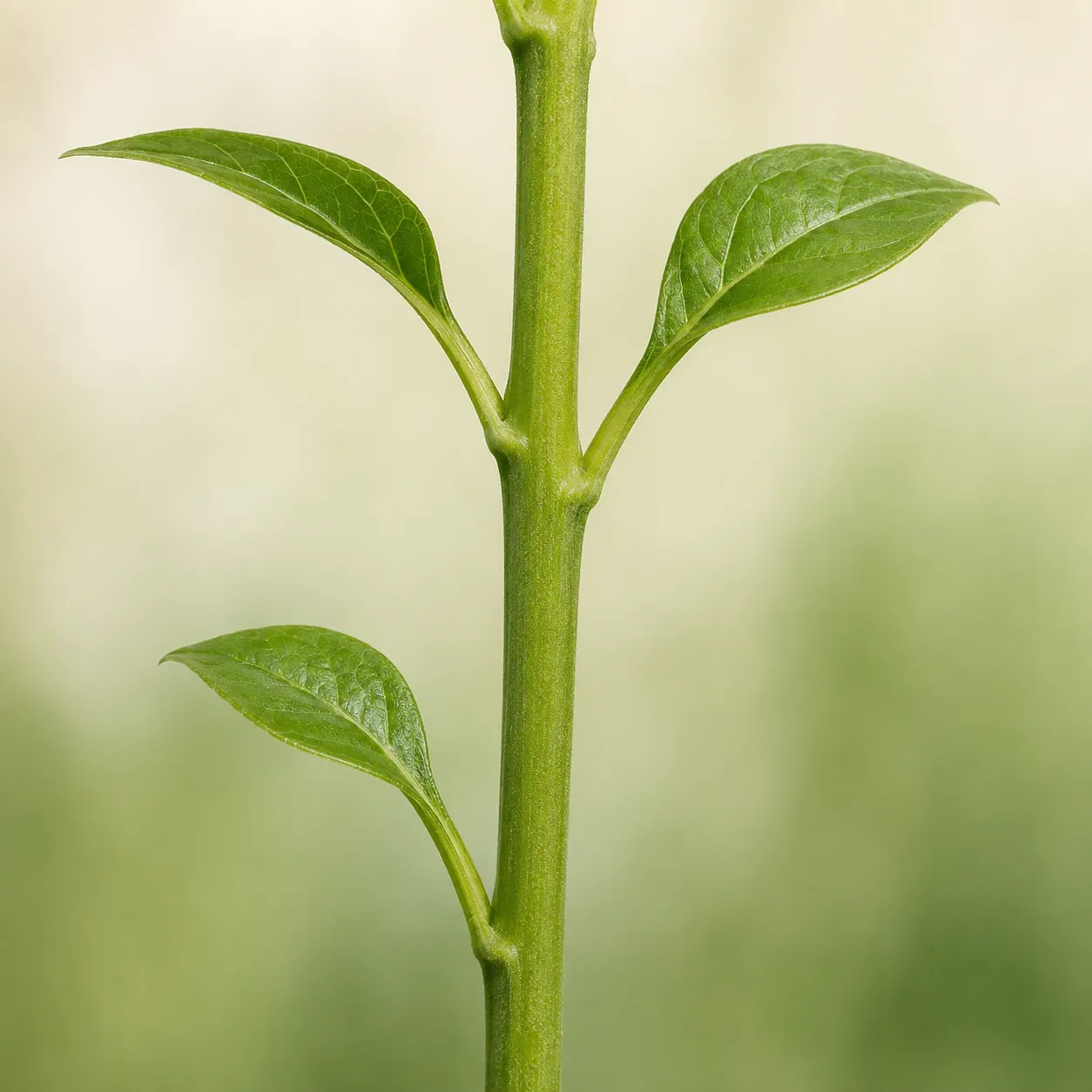
stemstɛm
the main upright part of a plant that supports its leaves, flowers, or fruit.
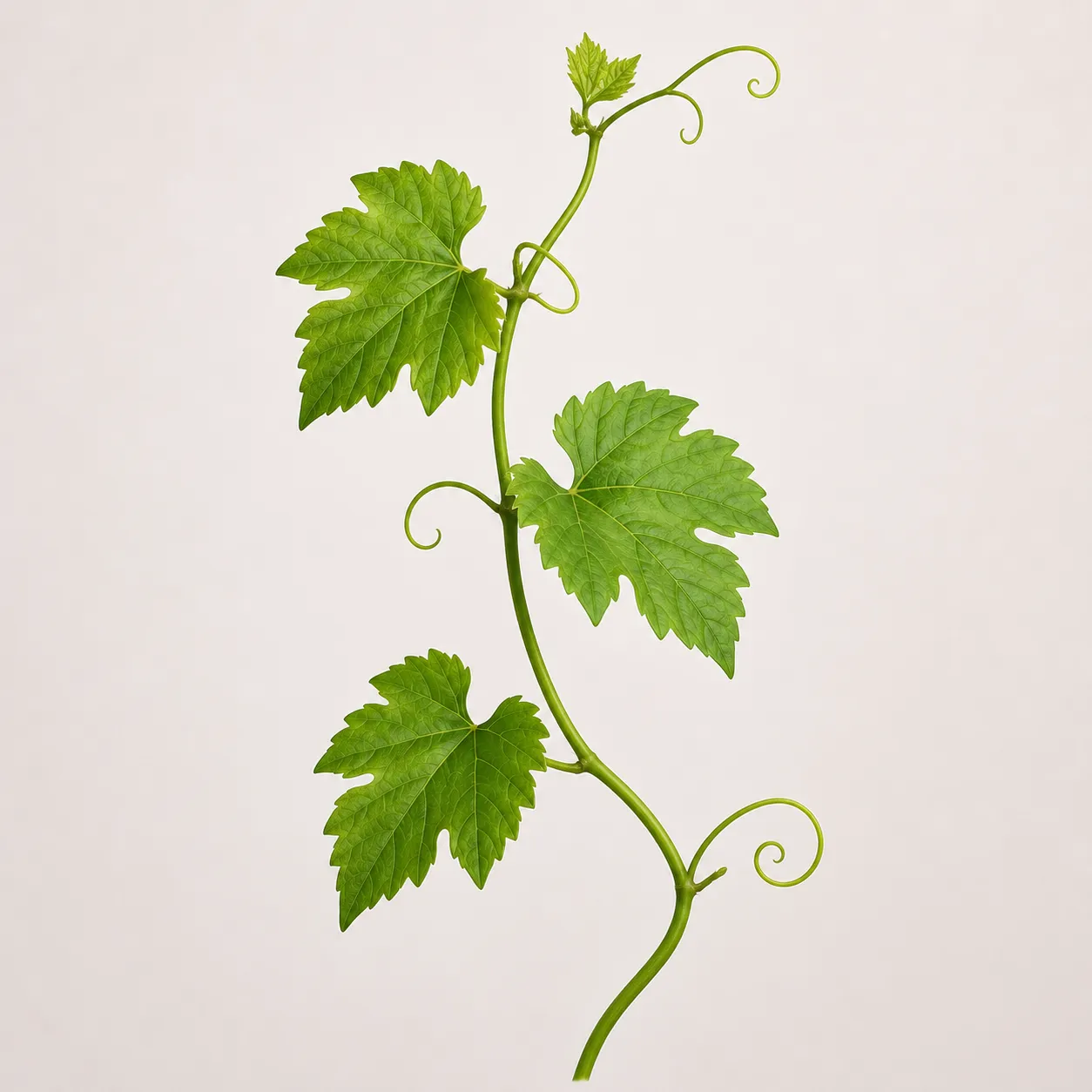
vinevaɪn
a plant with long thin stems that climb up supports or spread along the ground.
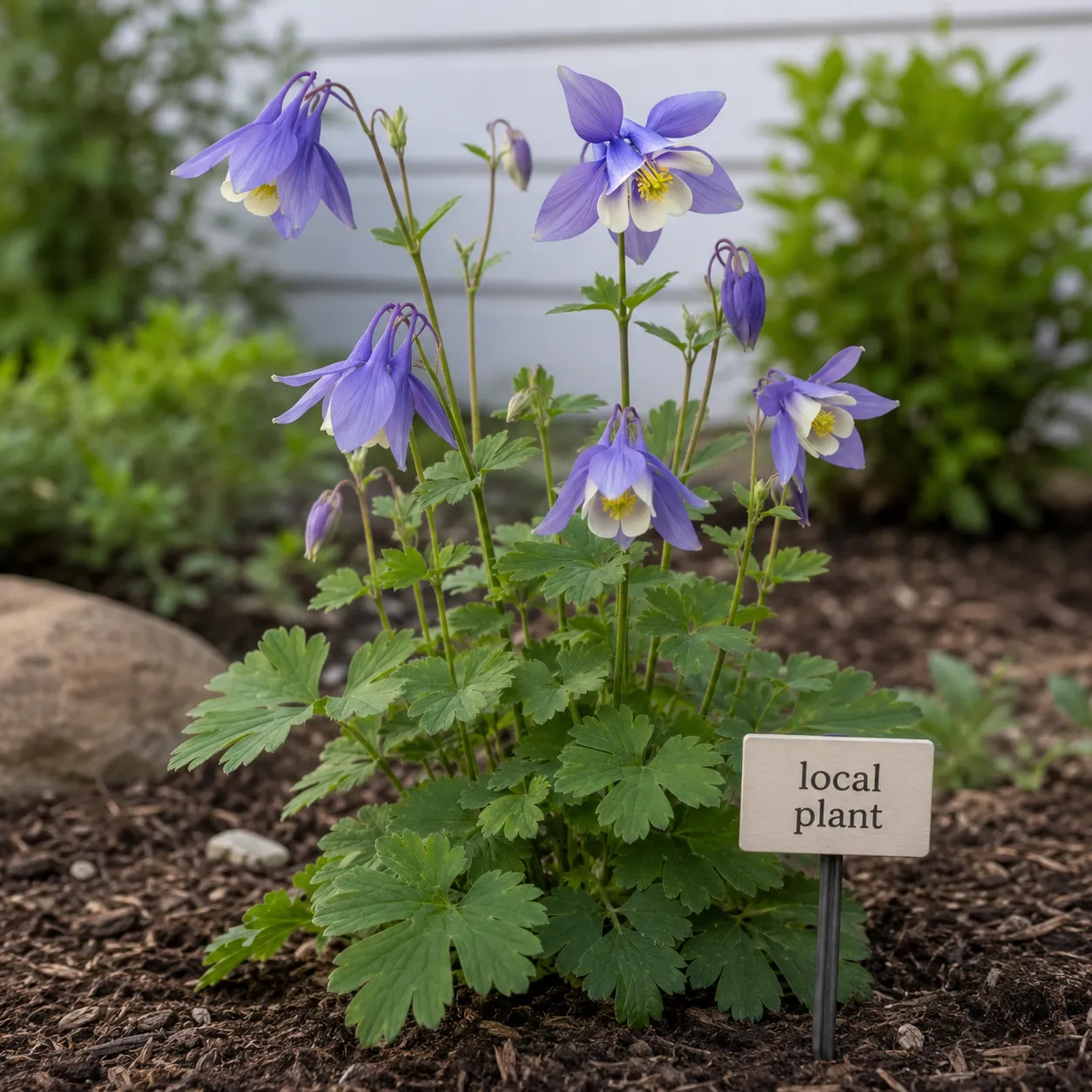
nativeˈneɪtɪv
A native plant or animal lives naturally in a particular area and was not brought there from somewhere else.
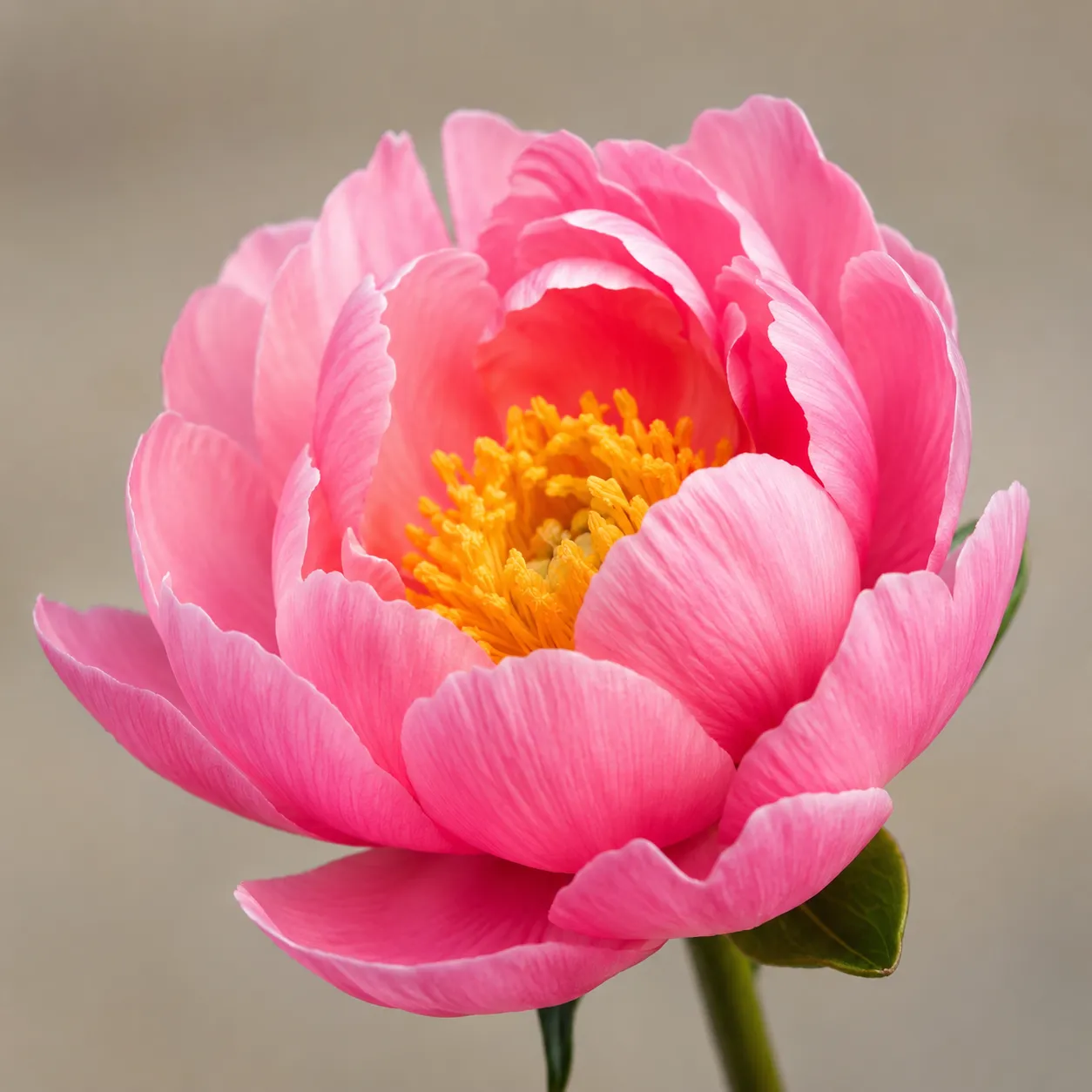
bloombluːm
when a plant produces flowers or its flowers open.

healthyˈhɛlθi
well and strong, with no illness or serious physical problem.
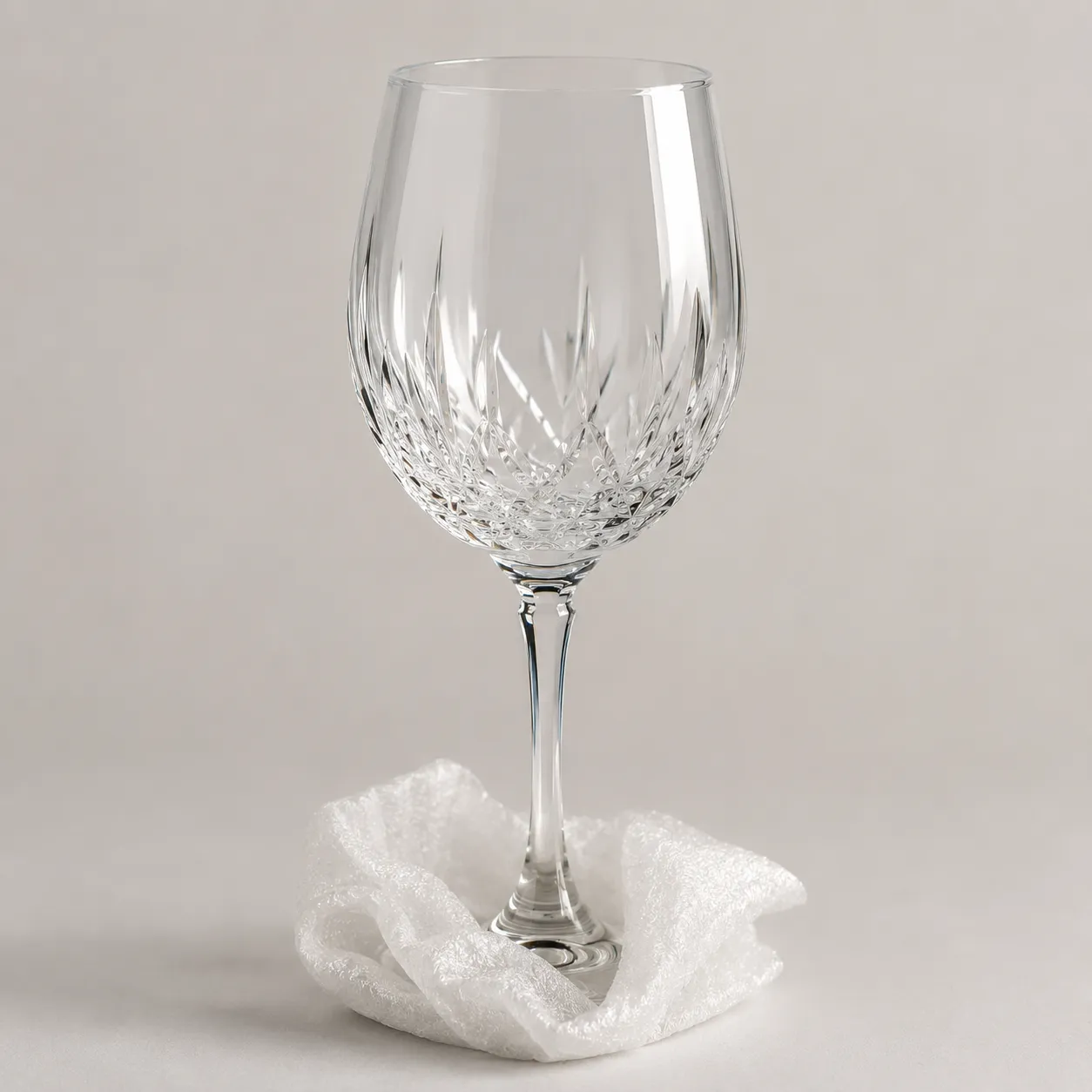
fragileˈfrædʒaɪl
easily broken, damaged, or harmed, so needing careful treatment.
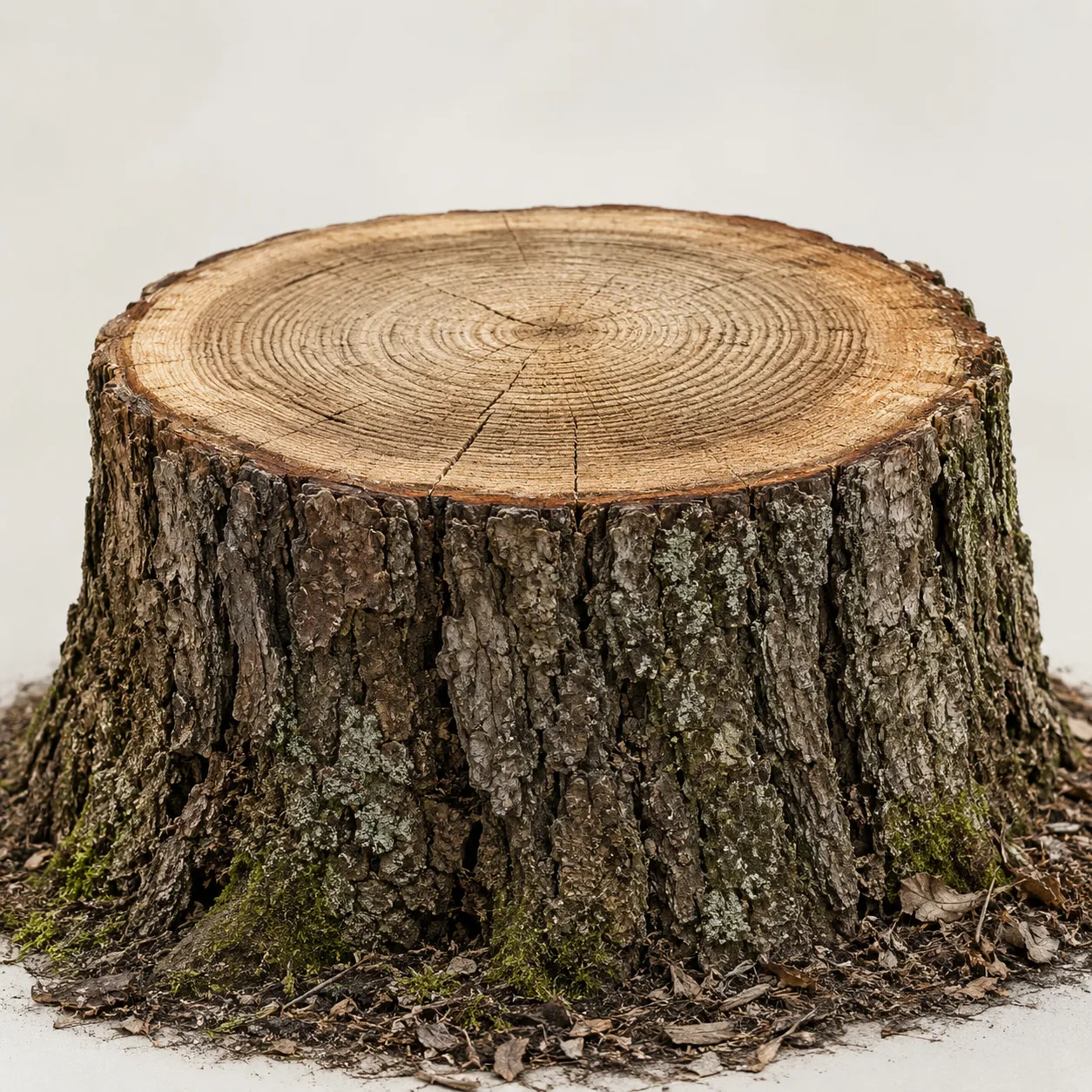
stumpstʌmp
the short part of a tree trunk that remains in the ground after the tree has been cut down or fallen.
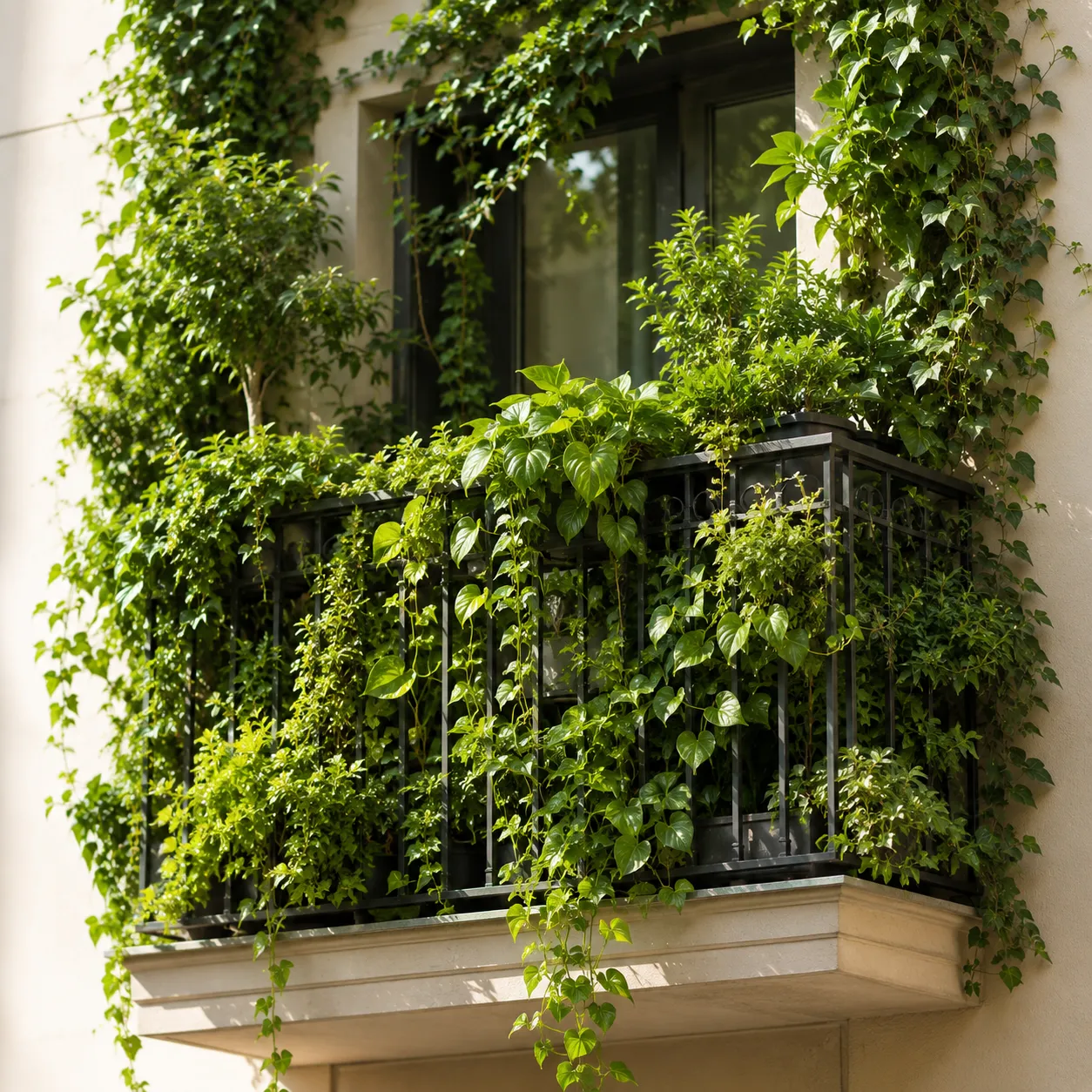
leafyˈliːfi
having many leaves, trees, or green plants.
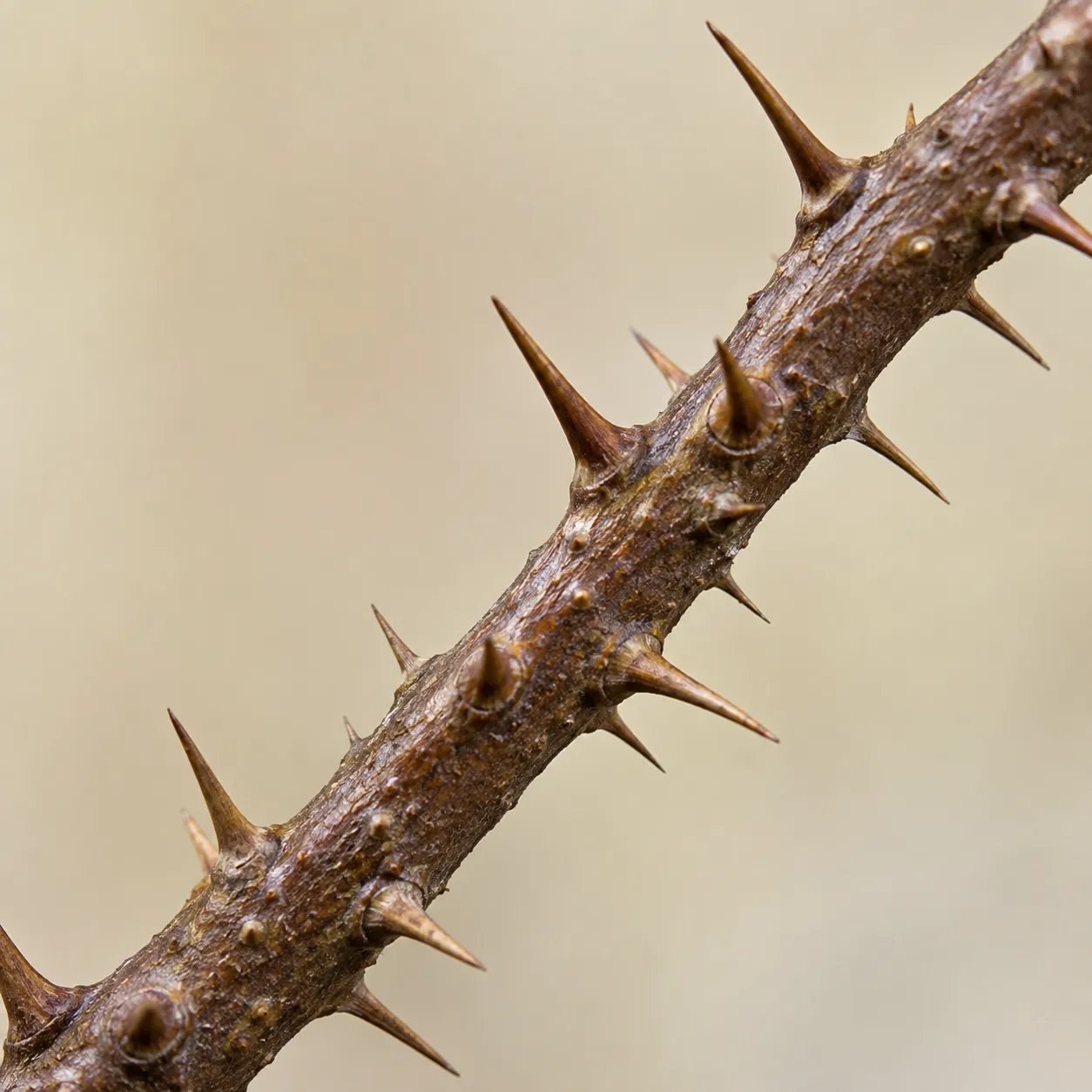
thornyˈθɔːrni
A thorny plant has sharp hard points on its stems or branches that can scratch or prick you.
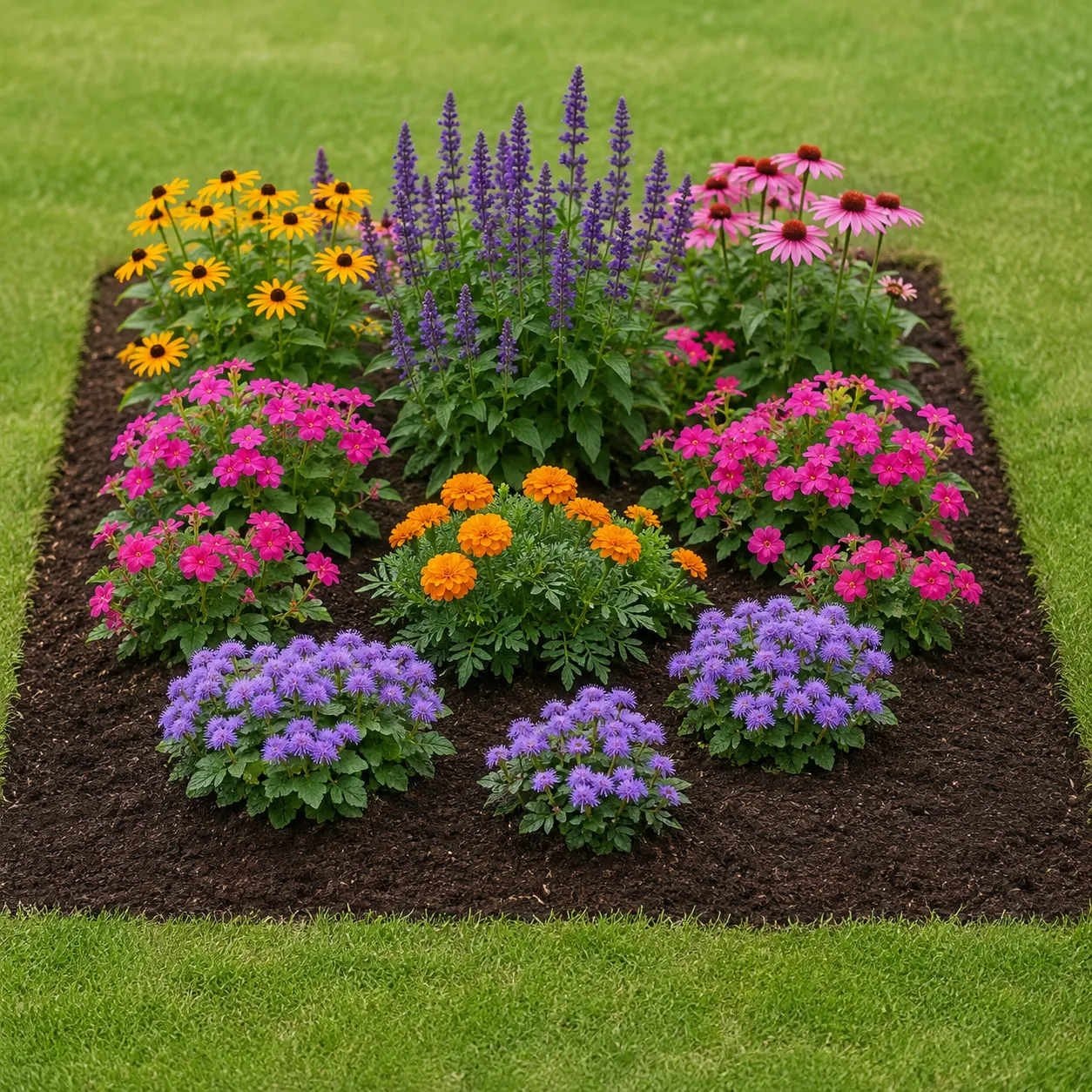
flower bedˈflaʊər ˌbɛd
a prepared area of soil in a garden or yard where flowers are planted and grown.
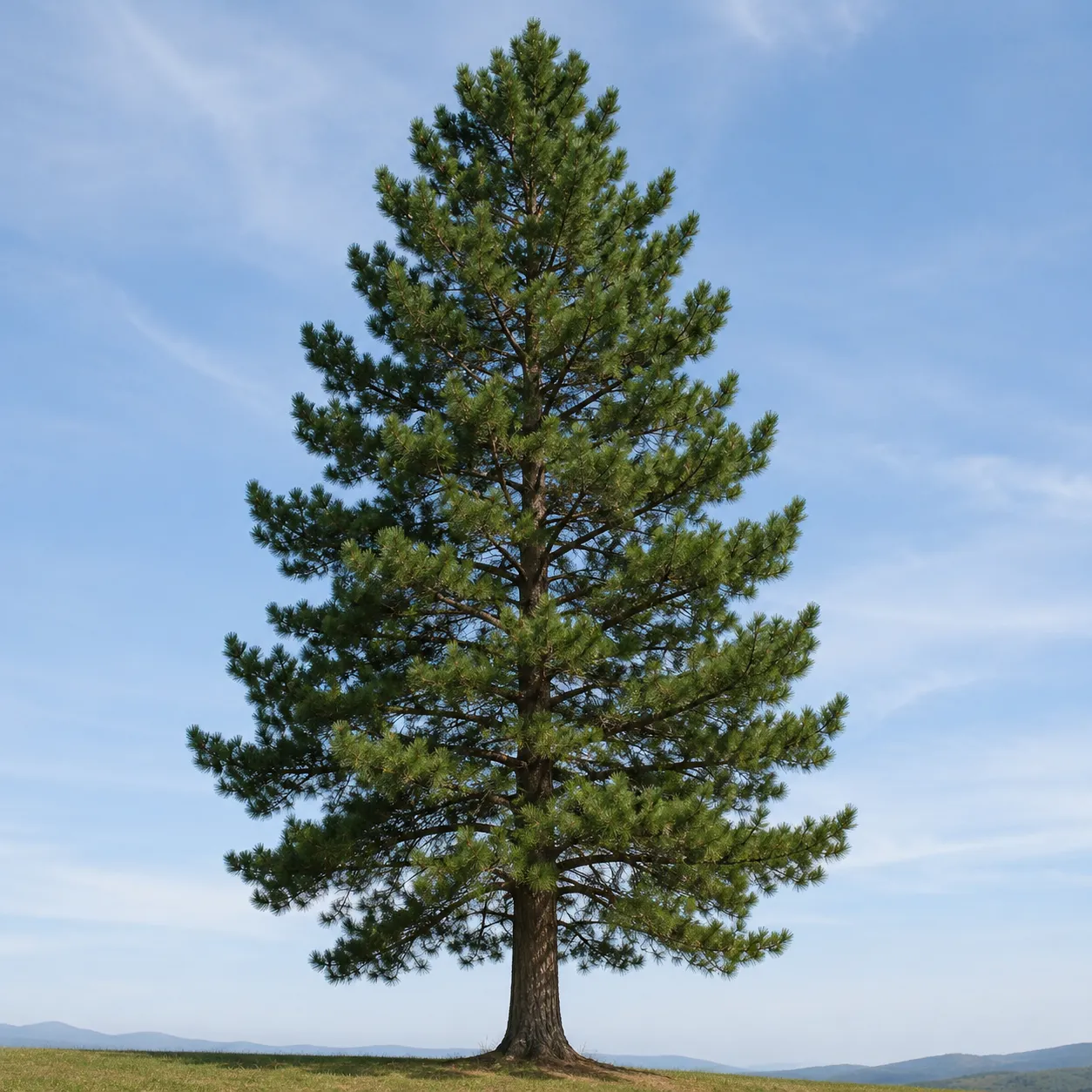
pine treeˈpaɪn triː
an evergreen tree with long thin needles and woody cones, often used for timber or decoration.
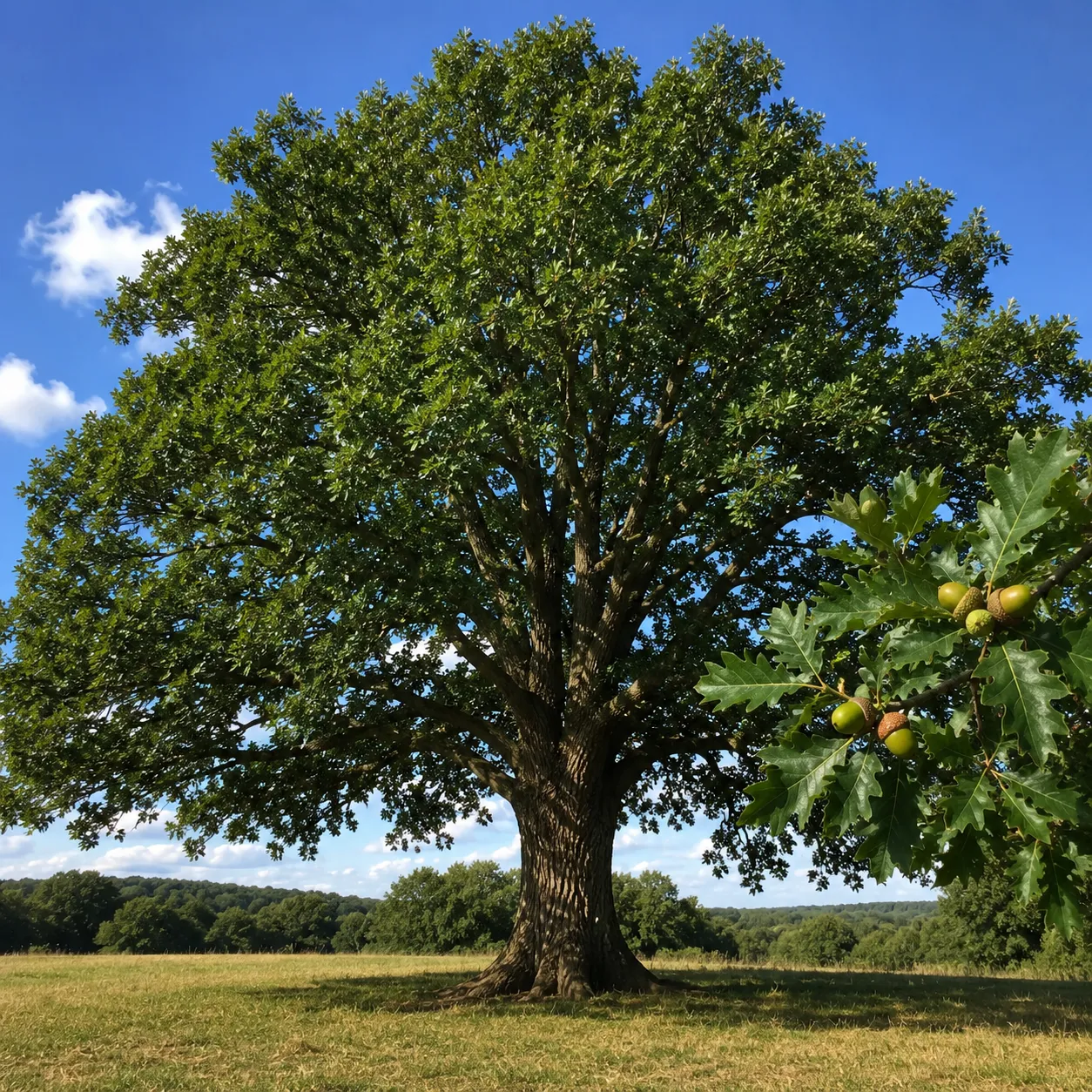
oak treeˈoʊk triː
a large strong tree with broad leaves that produces acorns.
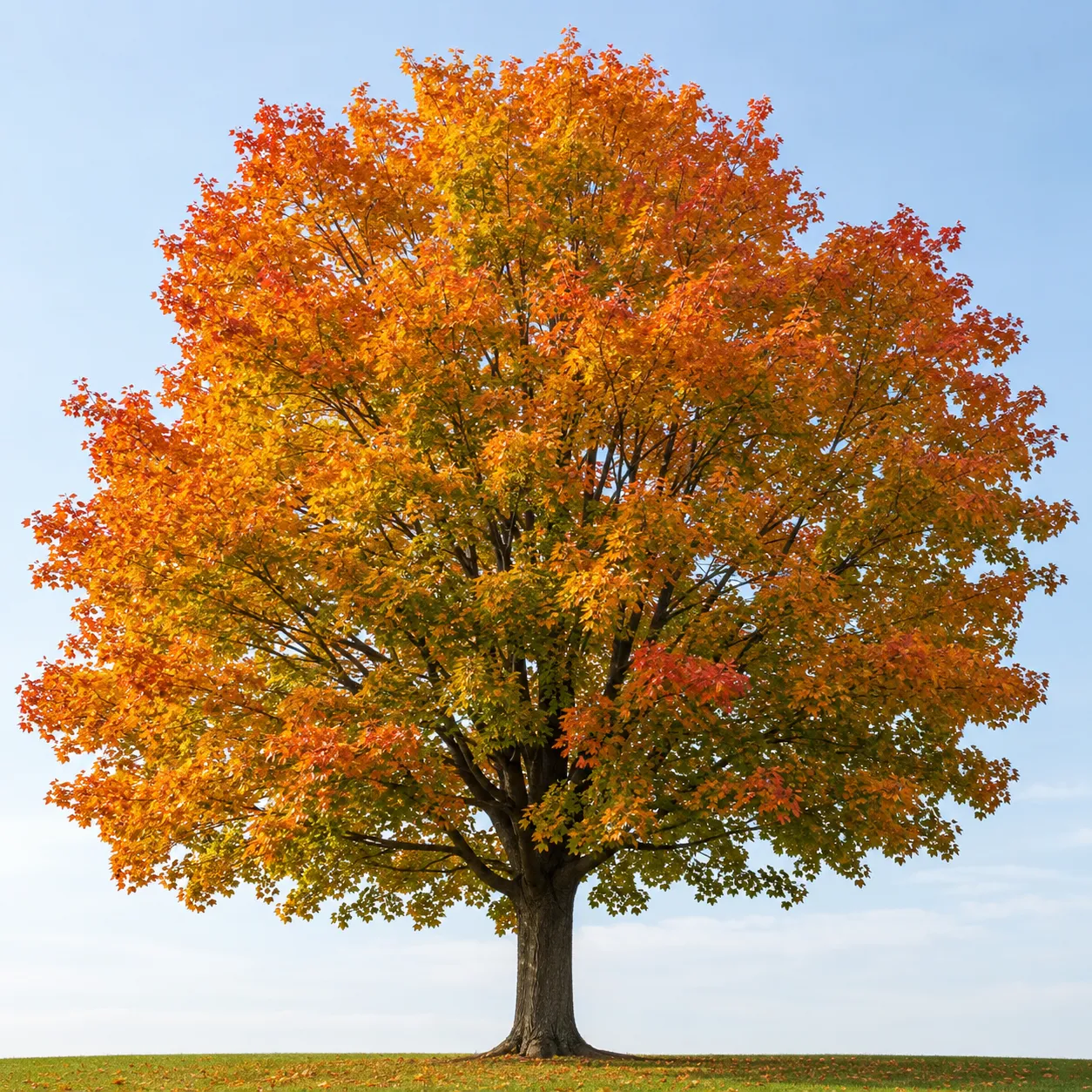
maple treeˈmeɪpəl triː
a tree with pointed lobed leaves, often known for bright autumn colours and sometimes for sweet sap.
Vocabulary for growing vegetables, herbs, fruit, and other edible plants at home.
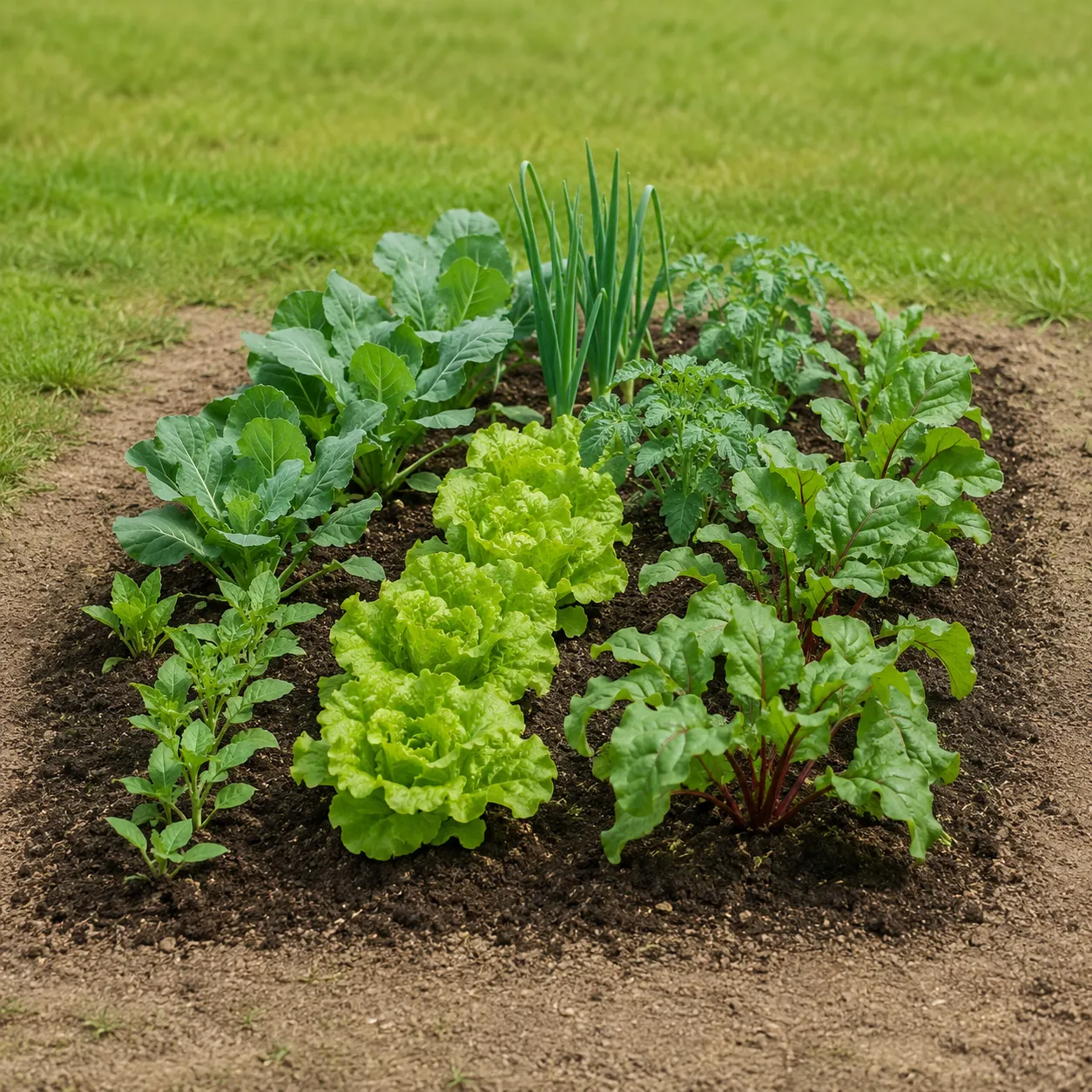
vegetable patchˈvɛdʒtəbəl pætʃ
a small area of ground used for growing vegetables.
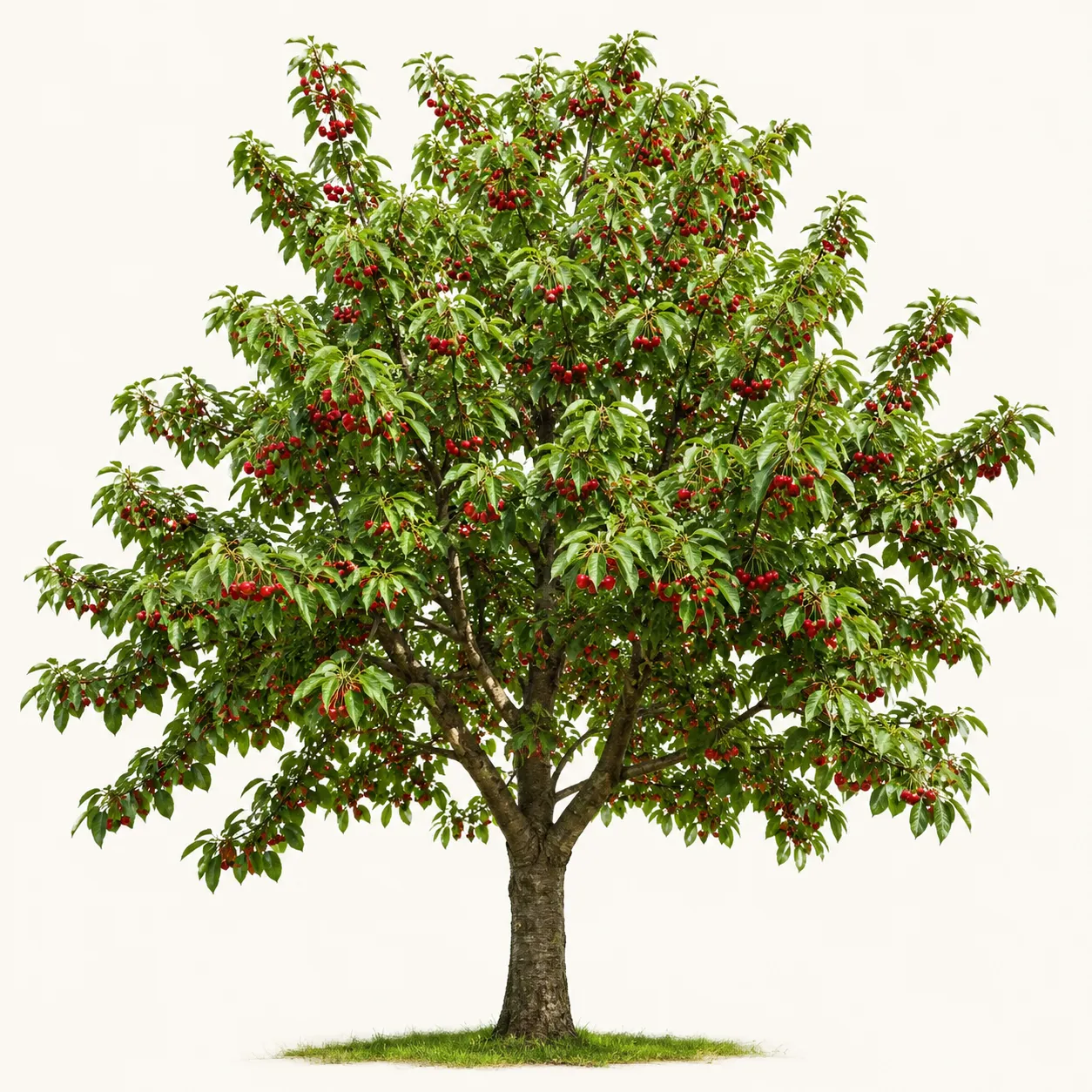
cherry treeˈtʃɛri triː
a tree that grows cherries, small round red or dark fruit, and often has many white or pink flowers in spring.
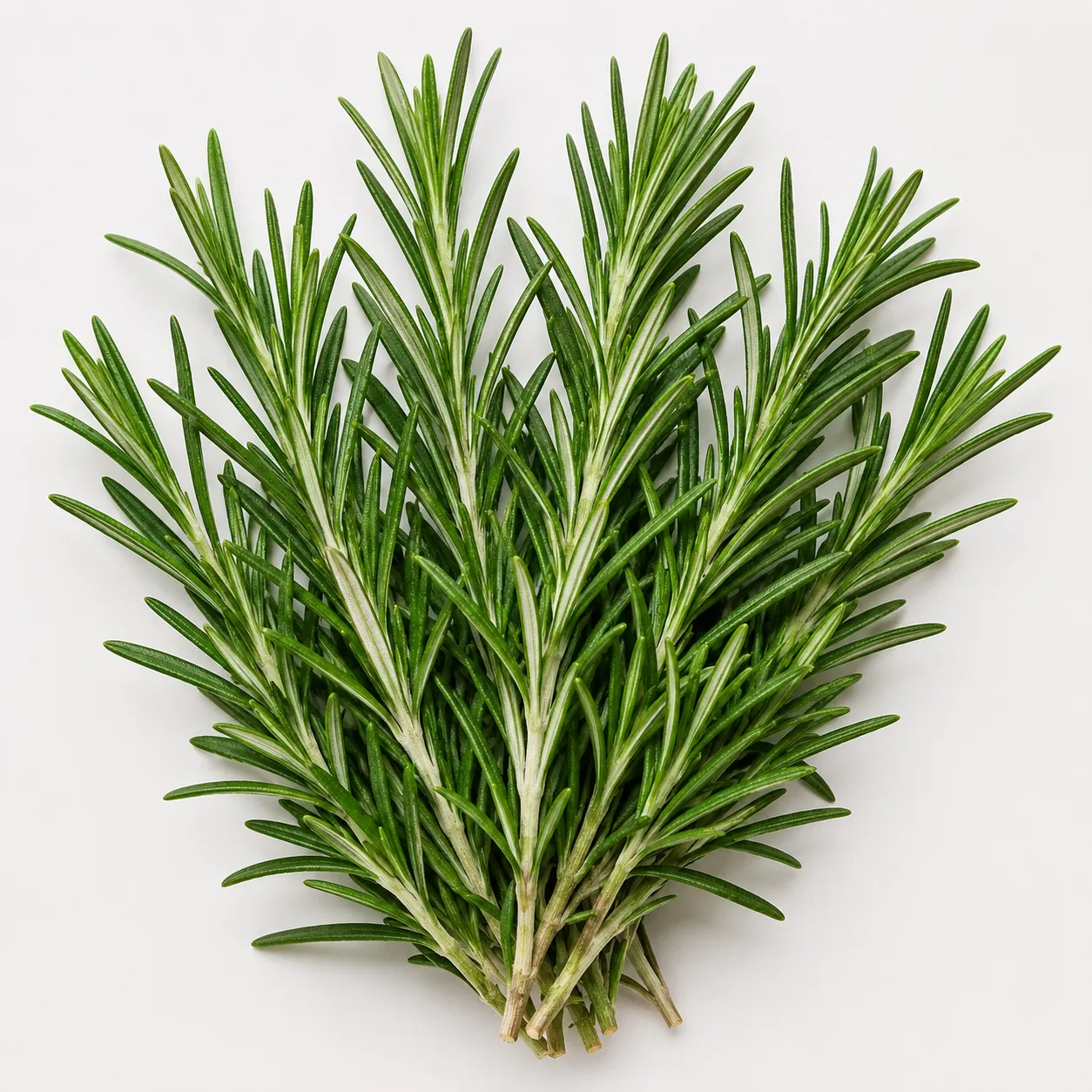
rosemaryˈroʊzmɛri
a fragrant herb with narrow needle-like leaves, used to flavor meat, potatoes, bread and other foods.
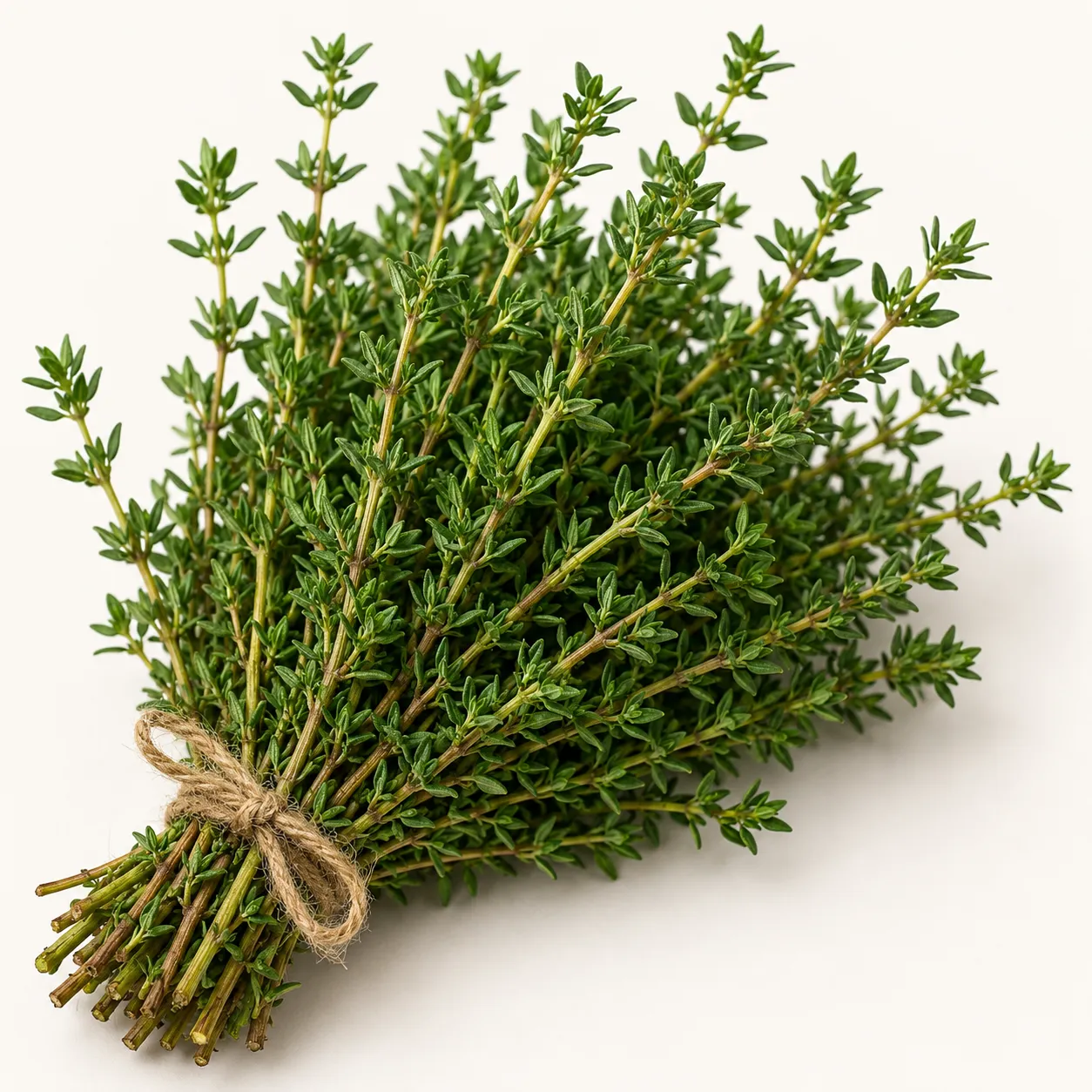
thymetaɪm
an aromatic herb with very small leaves, used fresh or dried to flavor meat, soups and sauces.
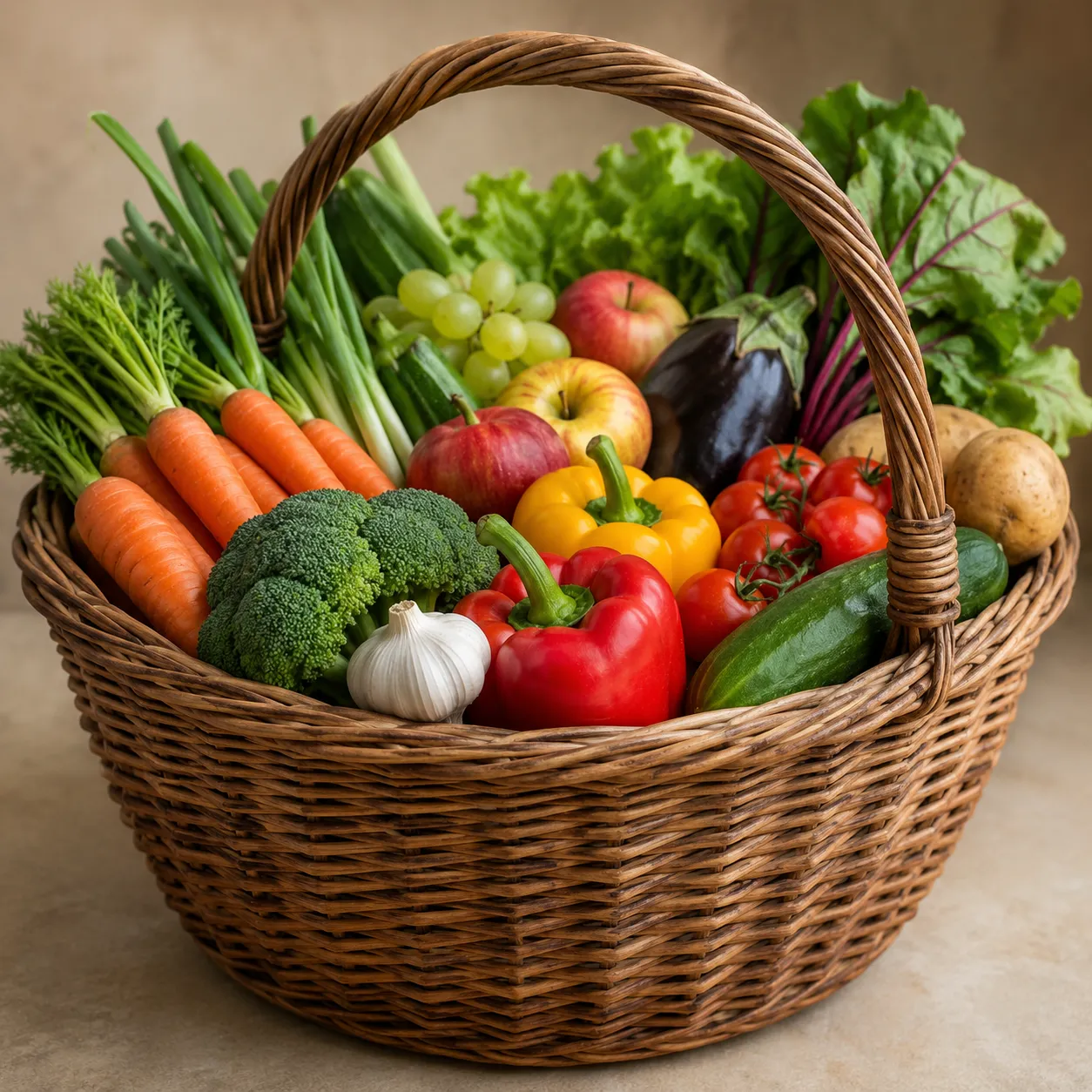
harvestˈhɑːrvəst
the time or act of collecting ripe crops, or the amount of crops collected.
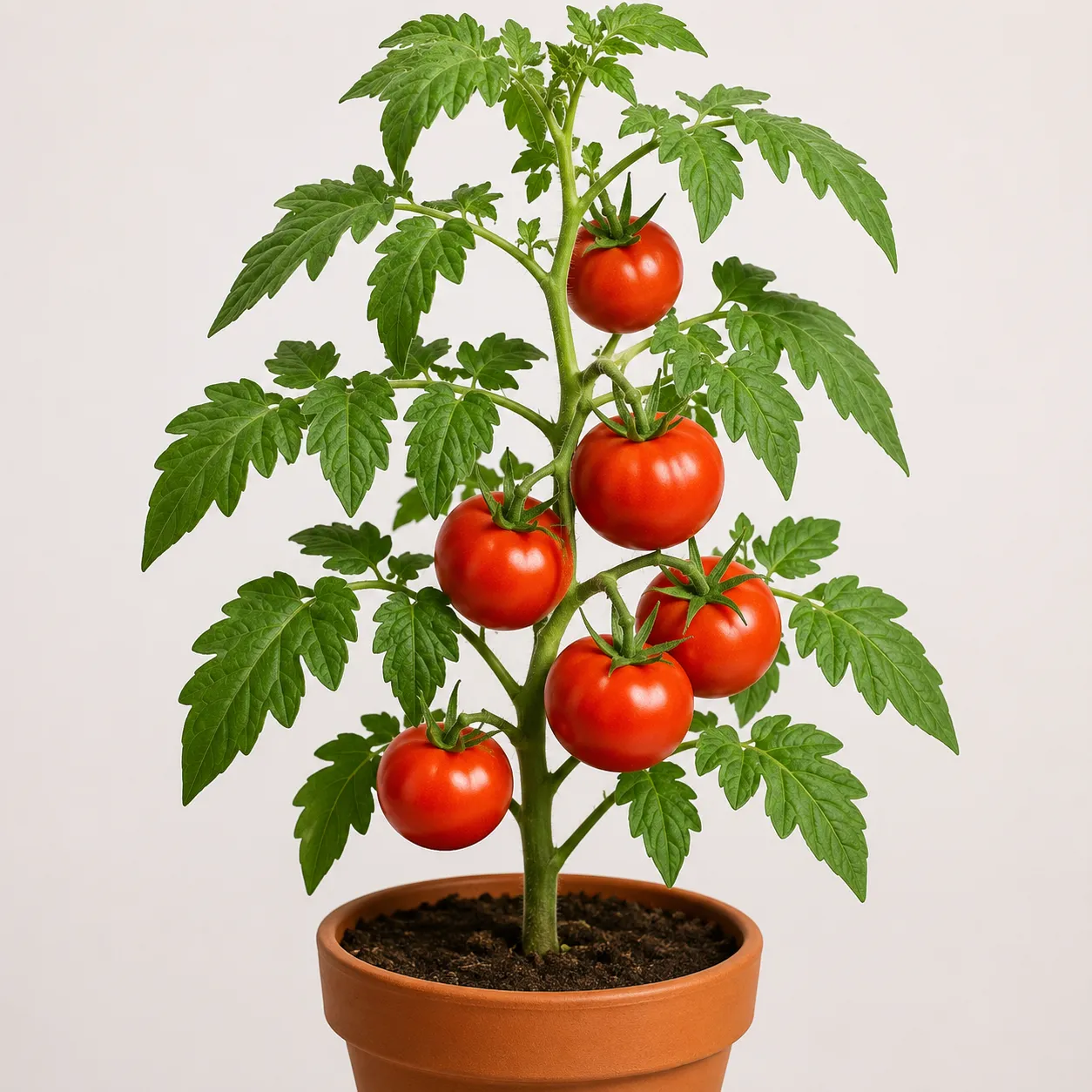
tomato planttəˈmeɪtoʊ plænt
a plant that grows tomatoes, the round red fruits used as food.
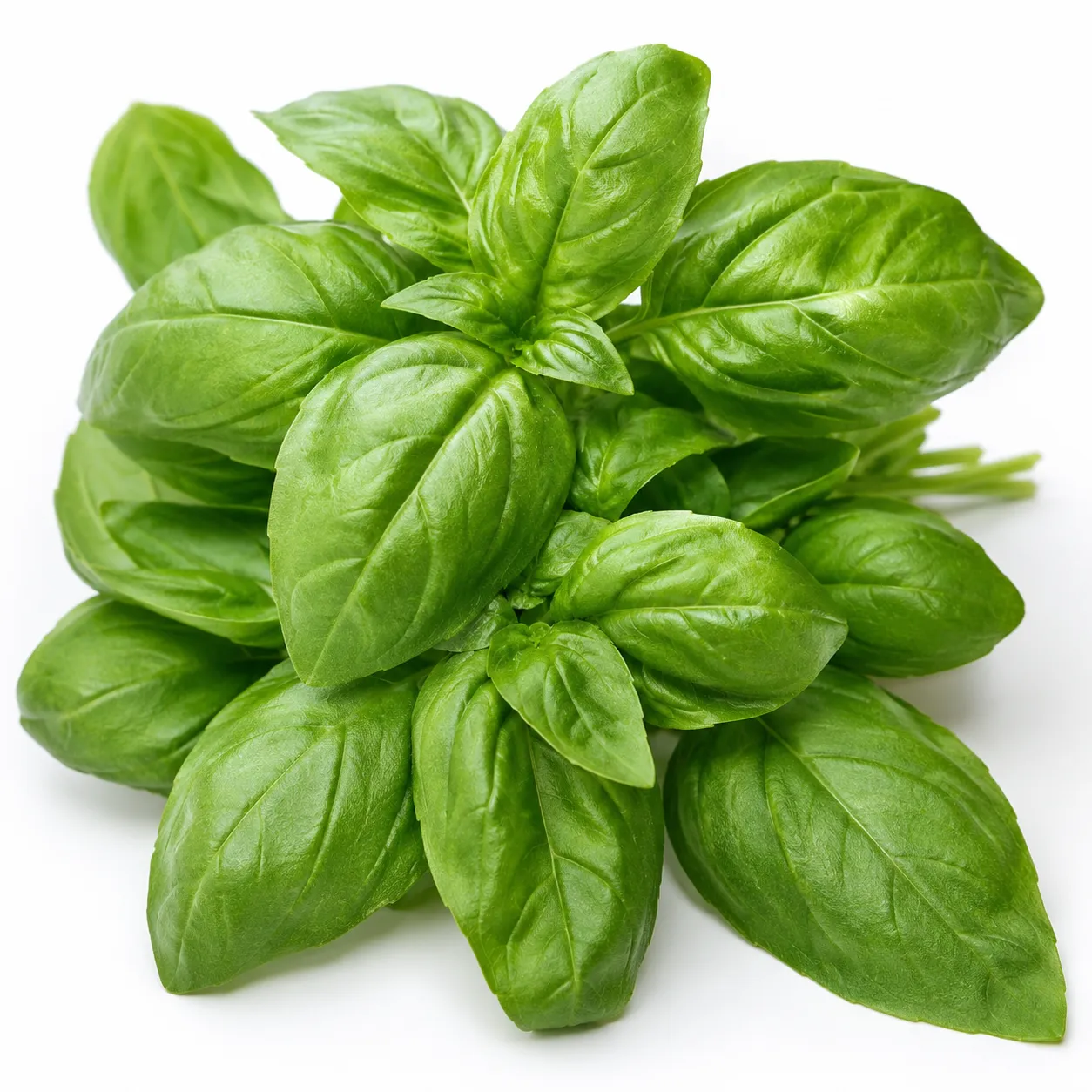
basilˈbeɪzəl
a sweet-smelling green herb used in cooking, especially with tomatoes and in Italian dishes.
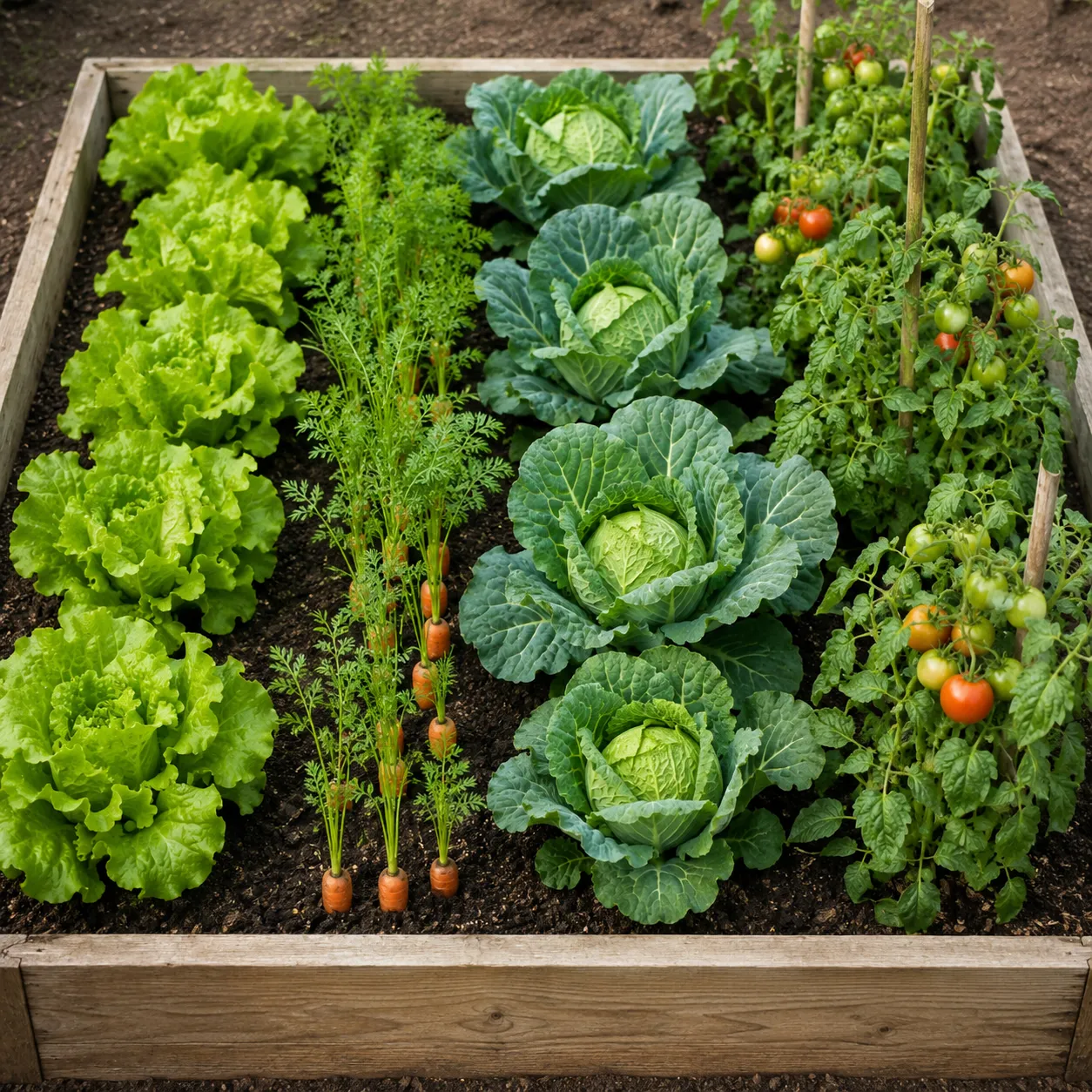
vegetable gardenˈvɛdʒtəbəl ˈɡɑːrdən
a garden or part of a garden where vegetables are grown for food.
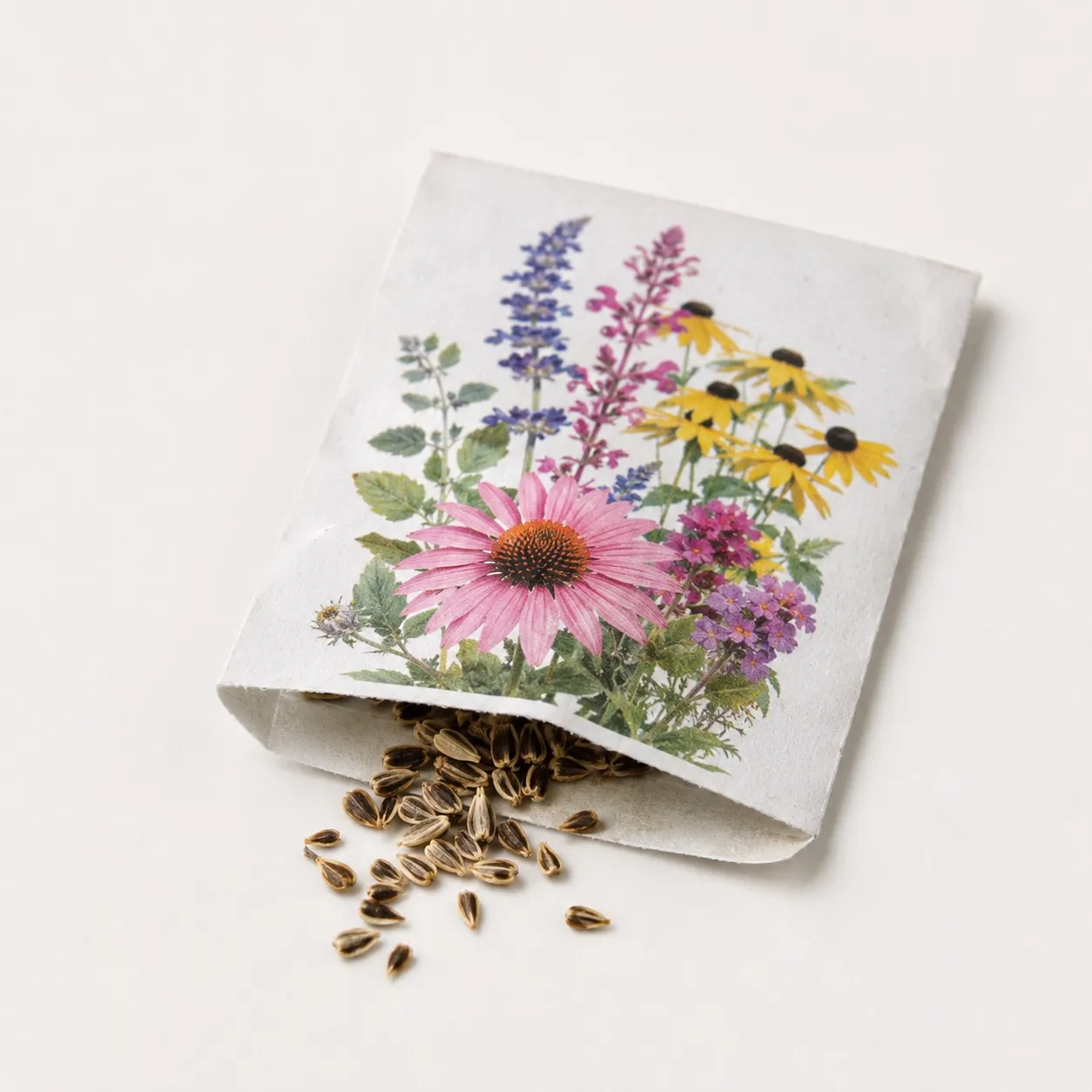
seed packetsiːd ˈpækɪt
a small paper package containing seeds, usually with planting information on it.
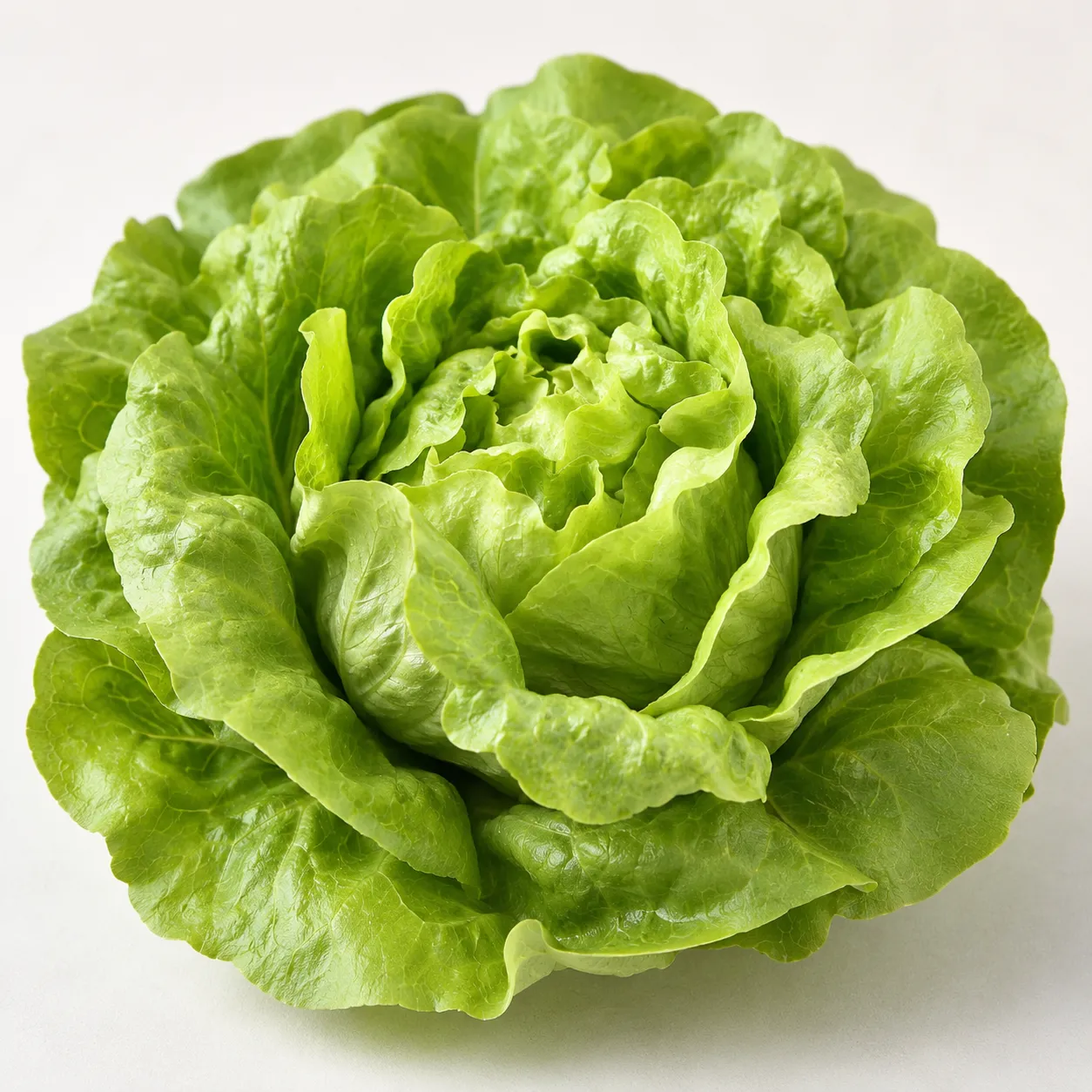
lettuceˈletɪs
a leafy green vegetable plant, or its leaves, usually eaten raw in salads or sandwiches
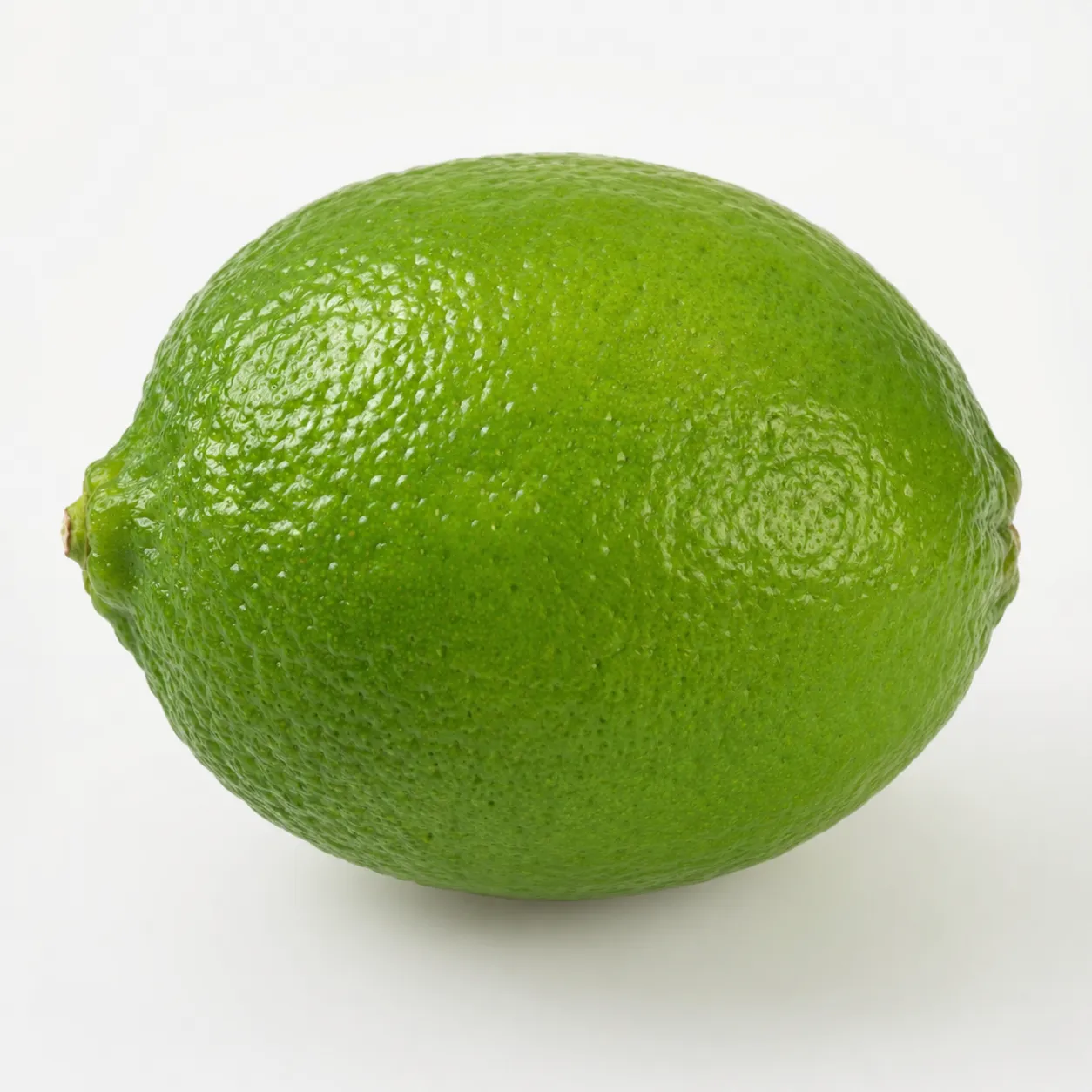
limelaɪm
a small green citrus fruit with sour juice, used in cooking and drinks.
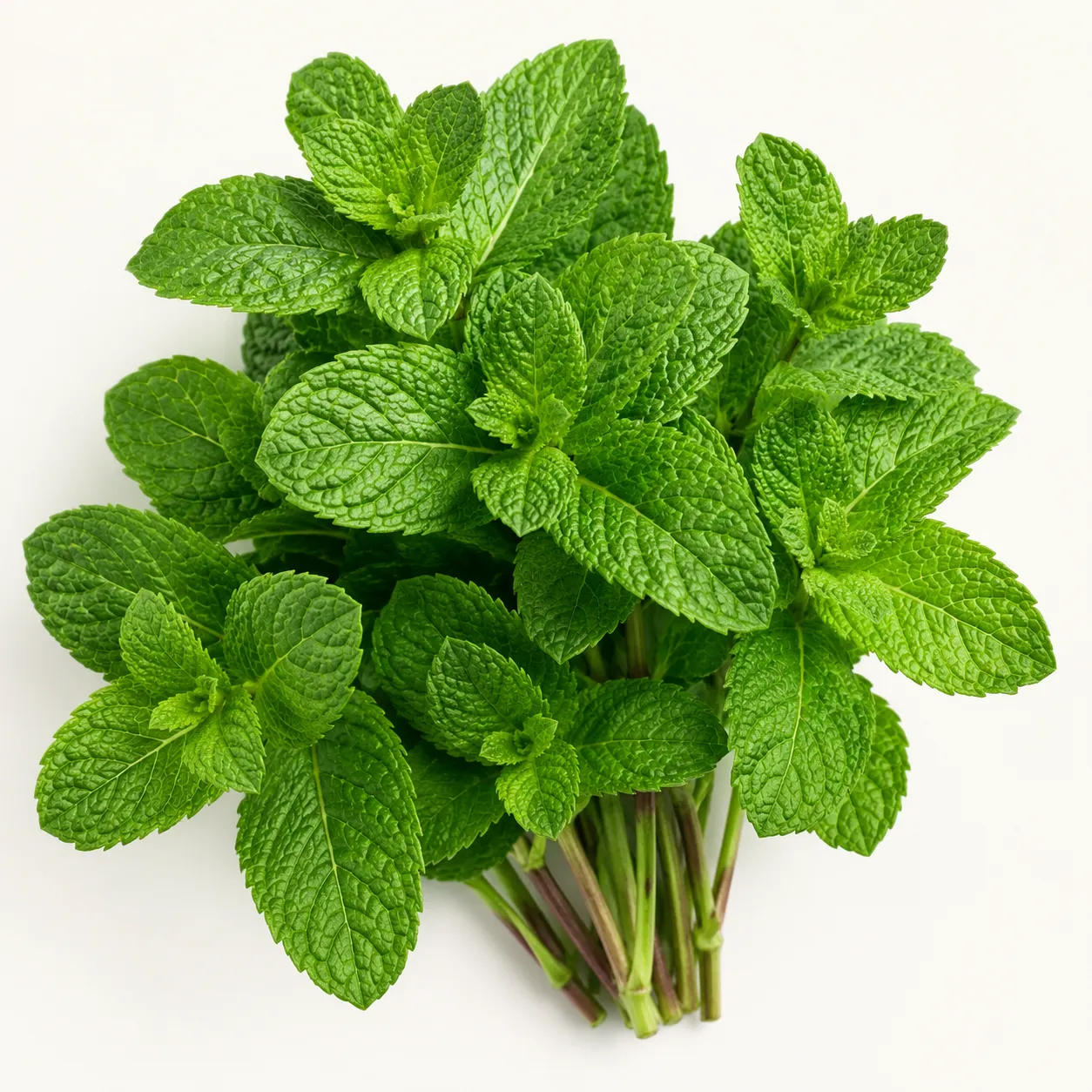
mintmɪnt
a plant with a fresh, cool taste and smell, used in food, tea, and drinks.
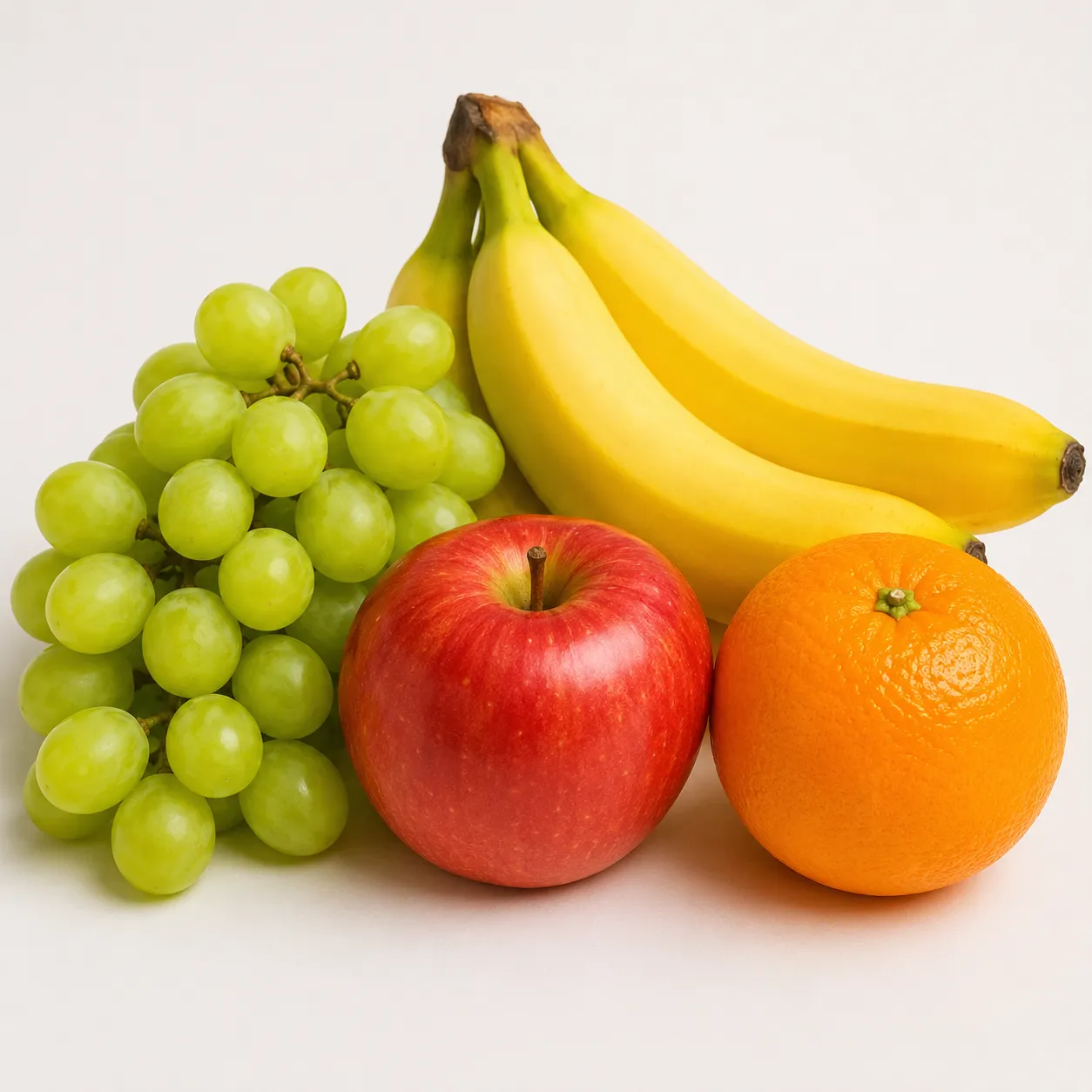
fruitfruːt
the usually sweet part of a plant, such as an apple, banana, or orange, that contains seeds and is eaten as food.
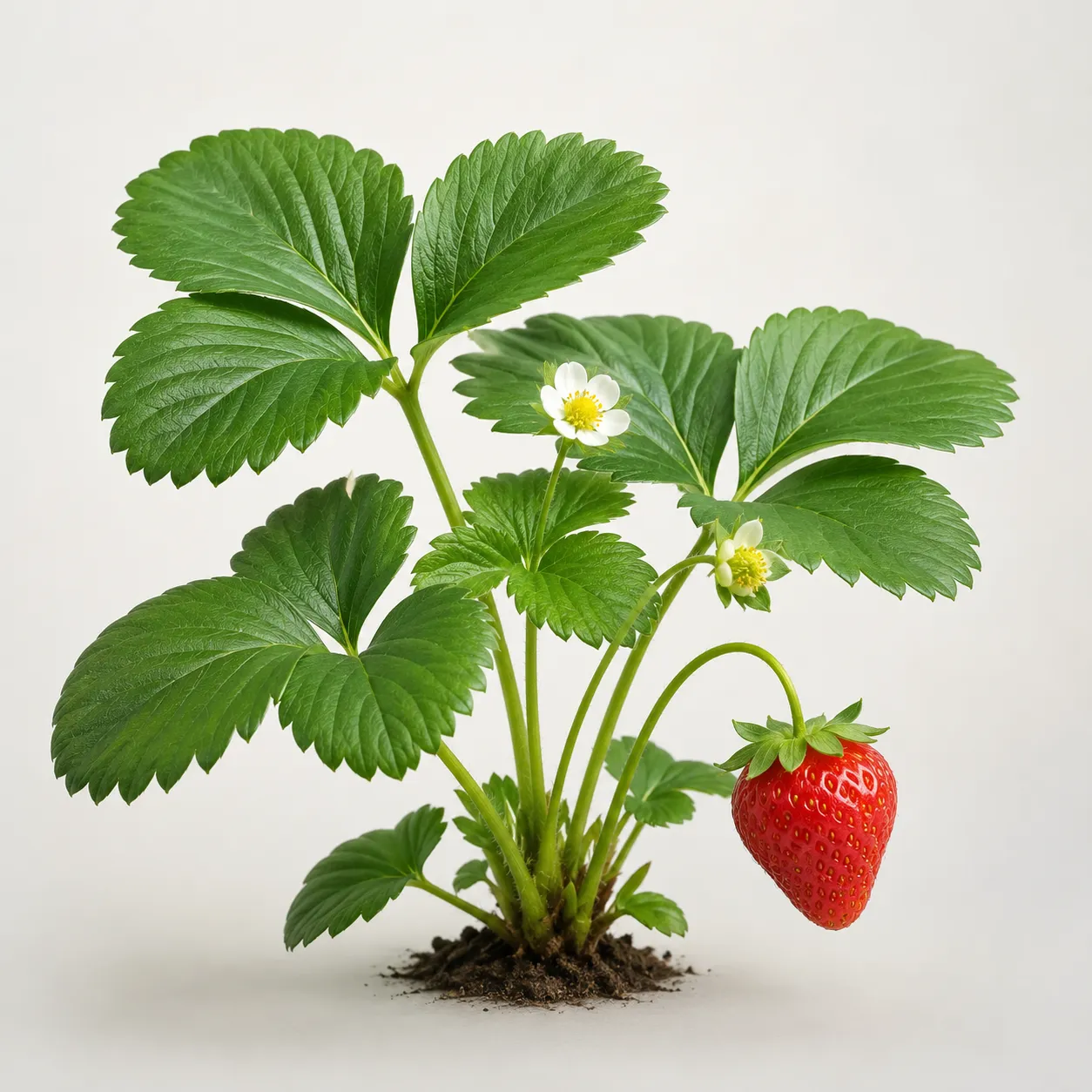
strawberry plantˈstrɔːbəri plænt
a low-growing plant with white flowers that produces small sweet red fruit called strawberries.
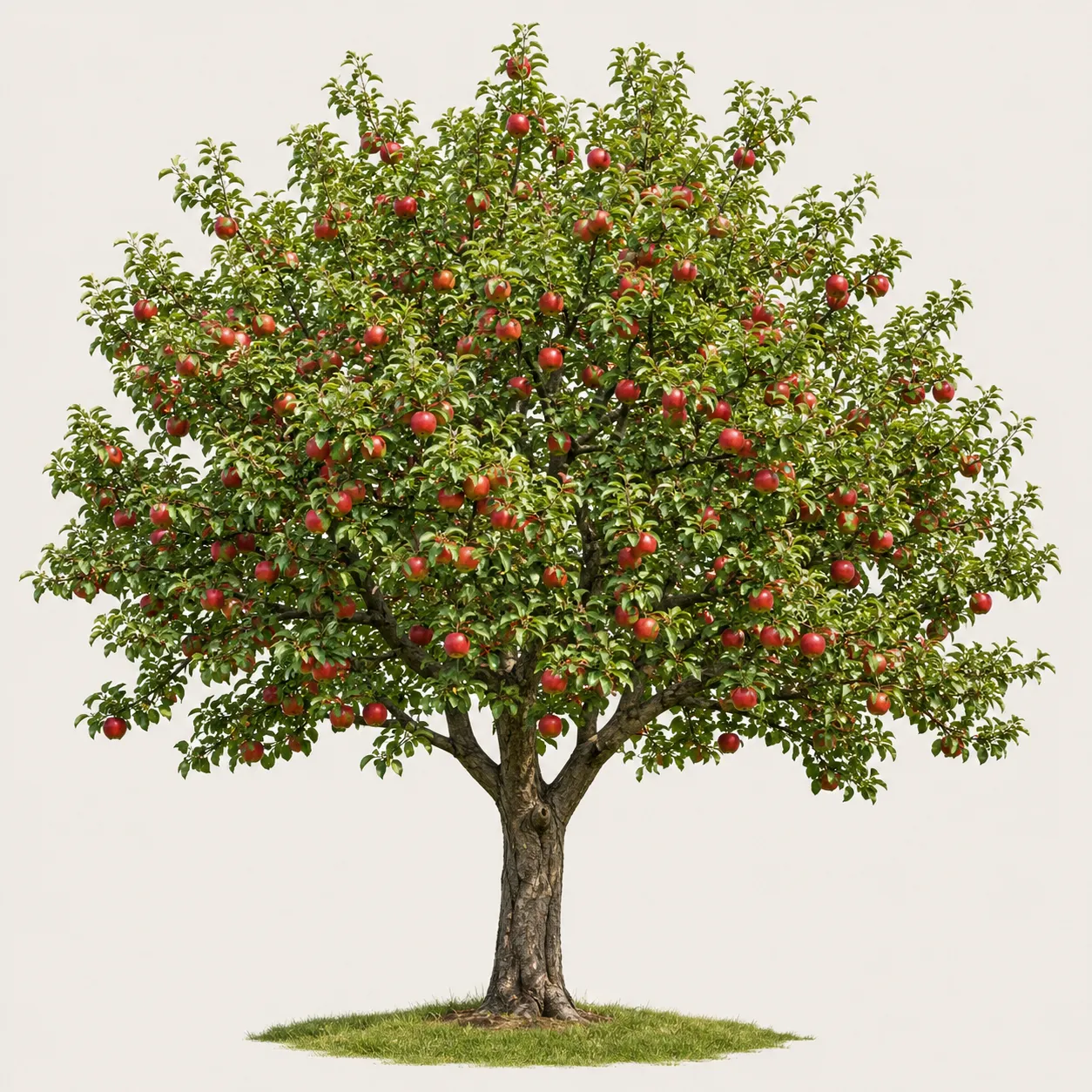
apple treeˈæpəl triː
a tree that grows apples, a round sweet fruit often eaten fresh or used in pies and juice.
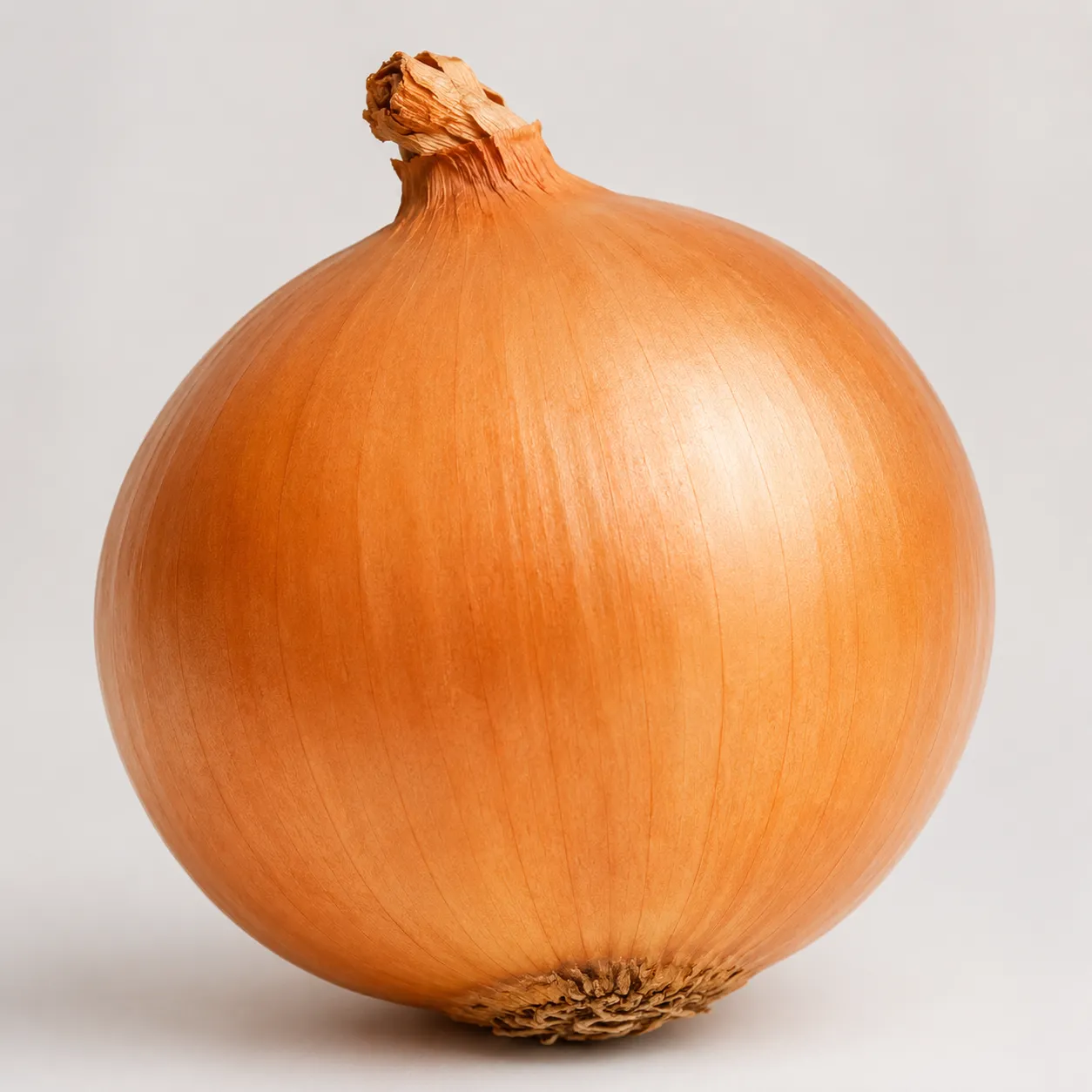
onionˈʌnjən
a plant related to garlic, or its round layered bulb with a strong smell and taste, used as a vegetable or seasoning.
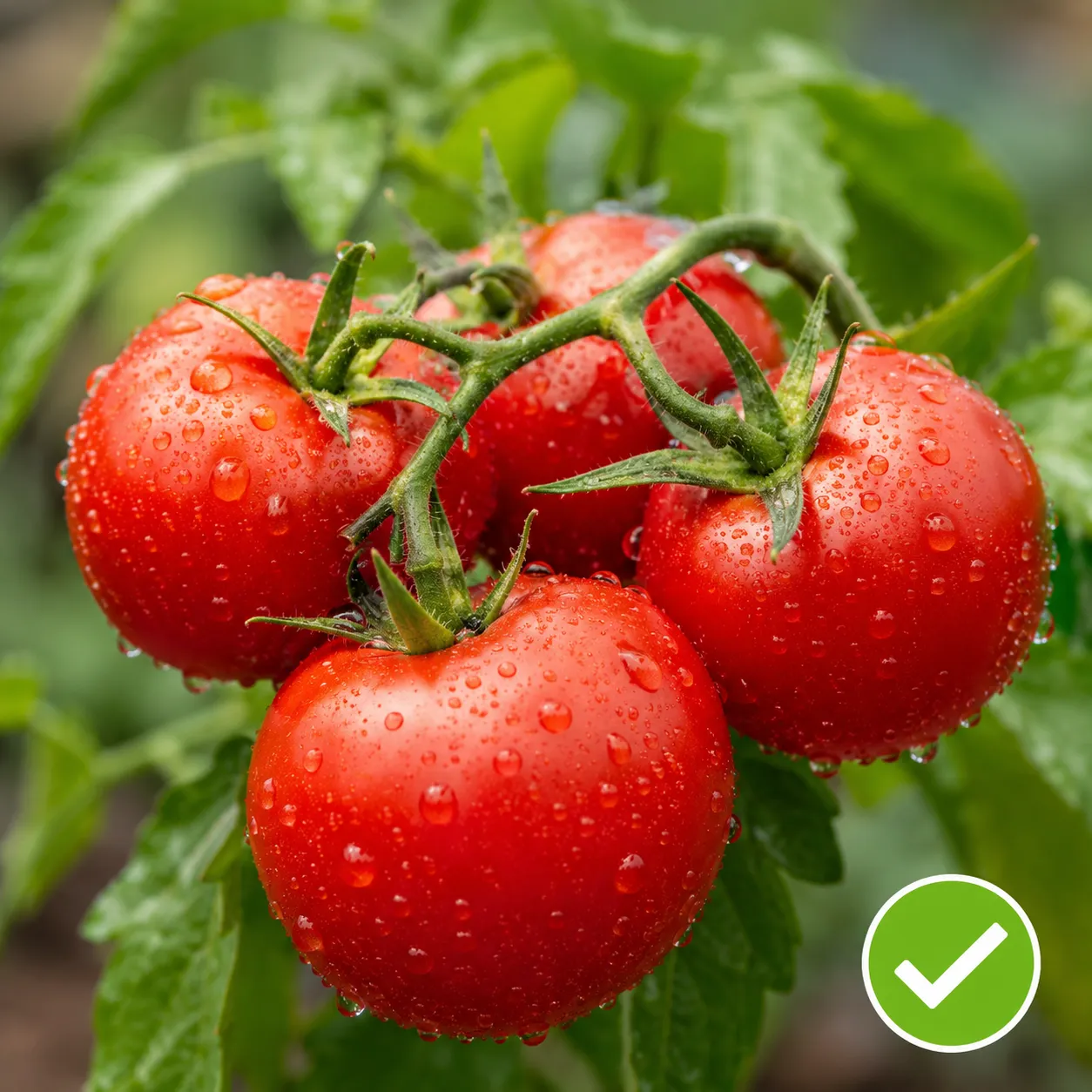
edibleˈɛdəbəl
safe or suitable for people to eat.
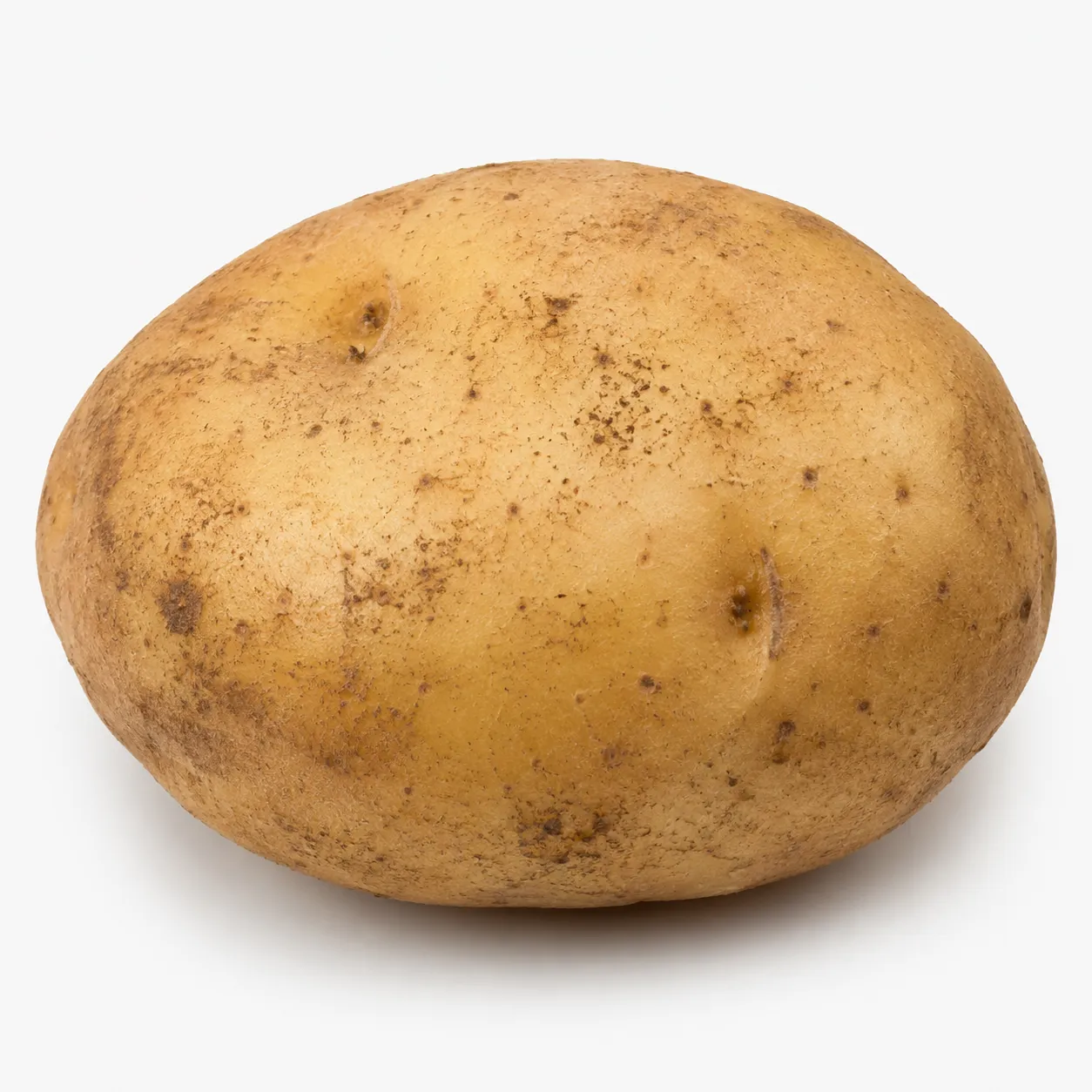
potatopəˈteɪtoʊ
a plant or its round starchy tuber with brown, yellow, or red skin, eaten as a vegetable
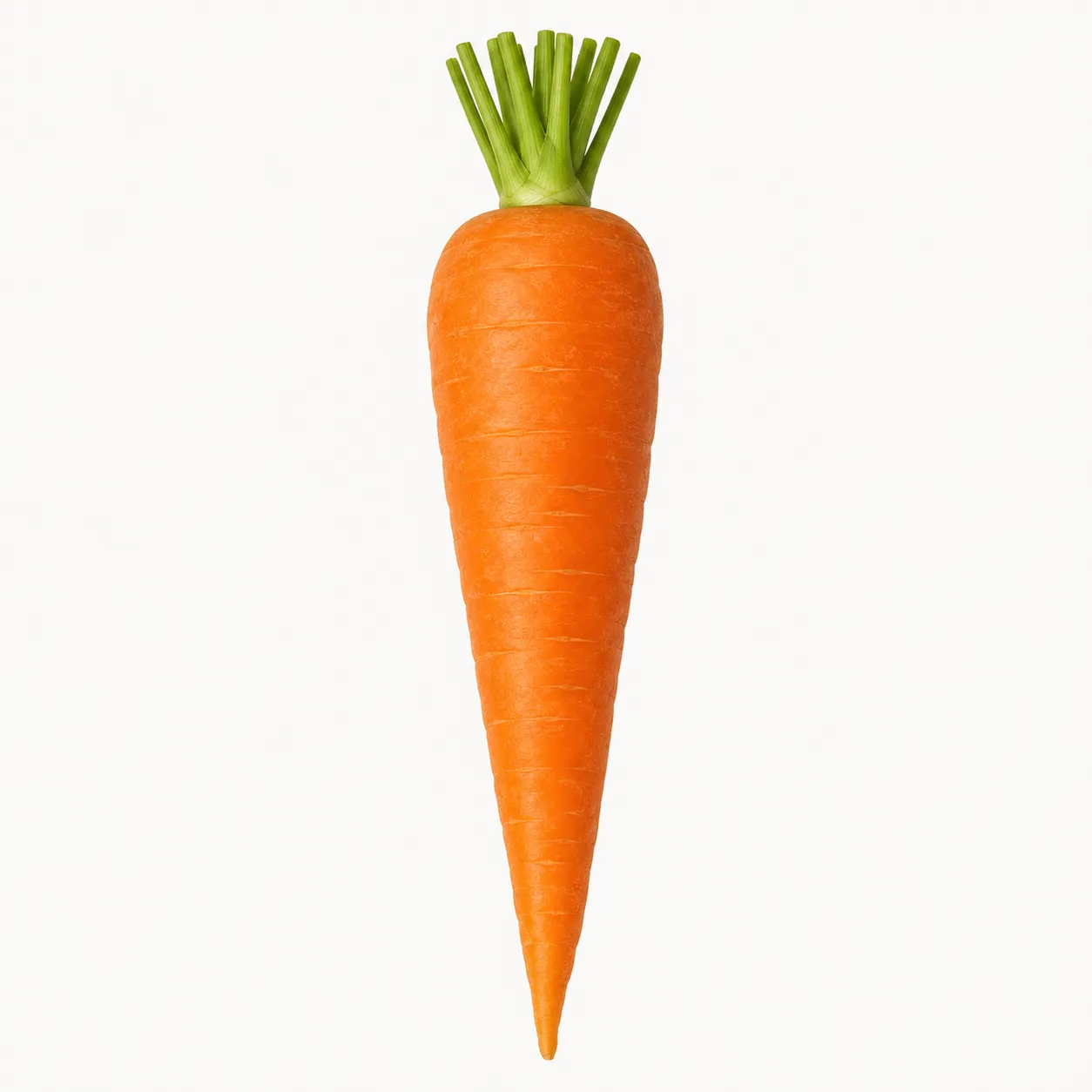
carrotˈkærət
a long orange root vegetable eaten raw or cooked
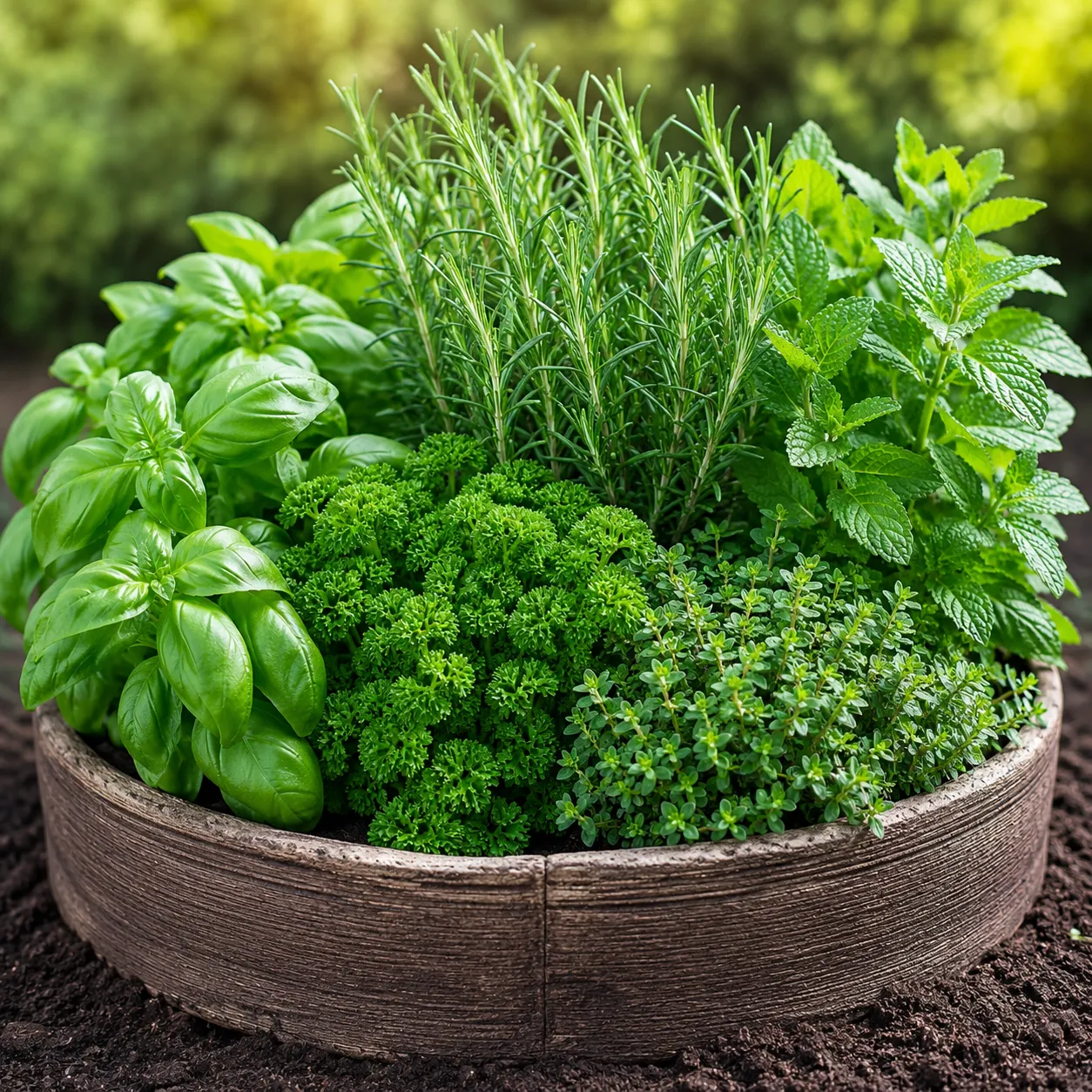
herb gardenˈɝːb ˈɡɑːrdən
a garden or part of a garden where herbs are grown for cooking, scent, or medicine.
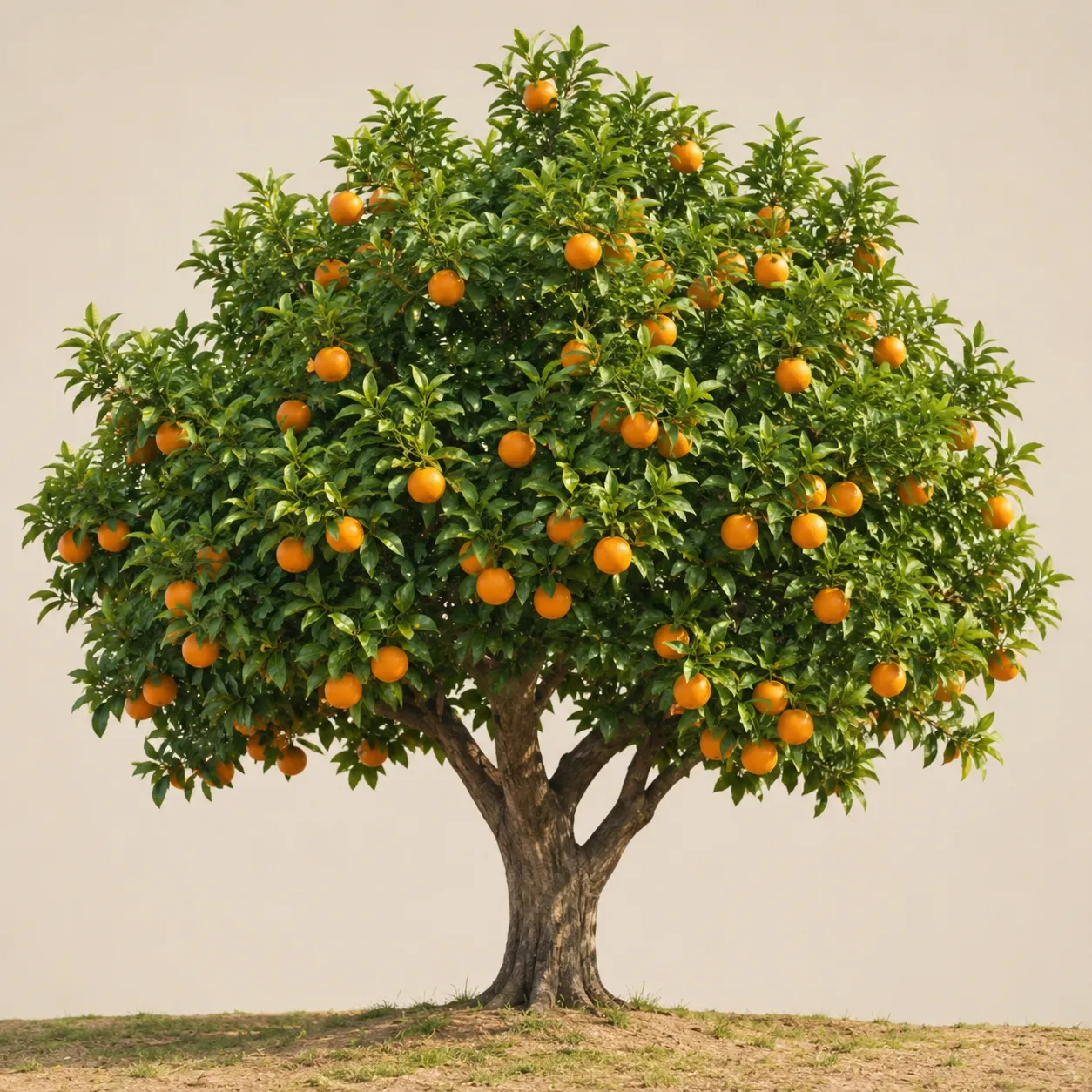
fruit treeˈfruːt triː
a tree that grows fruit people can eat, such as apples, pears, cherries, or plums.
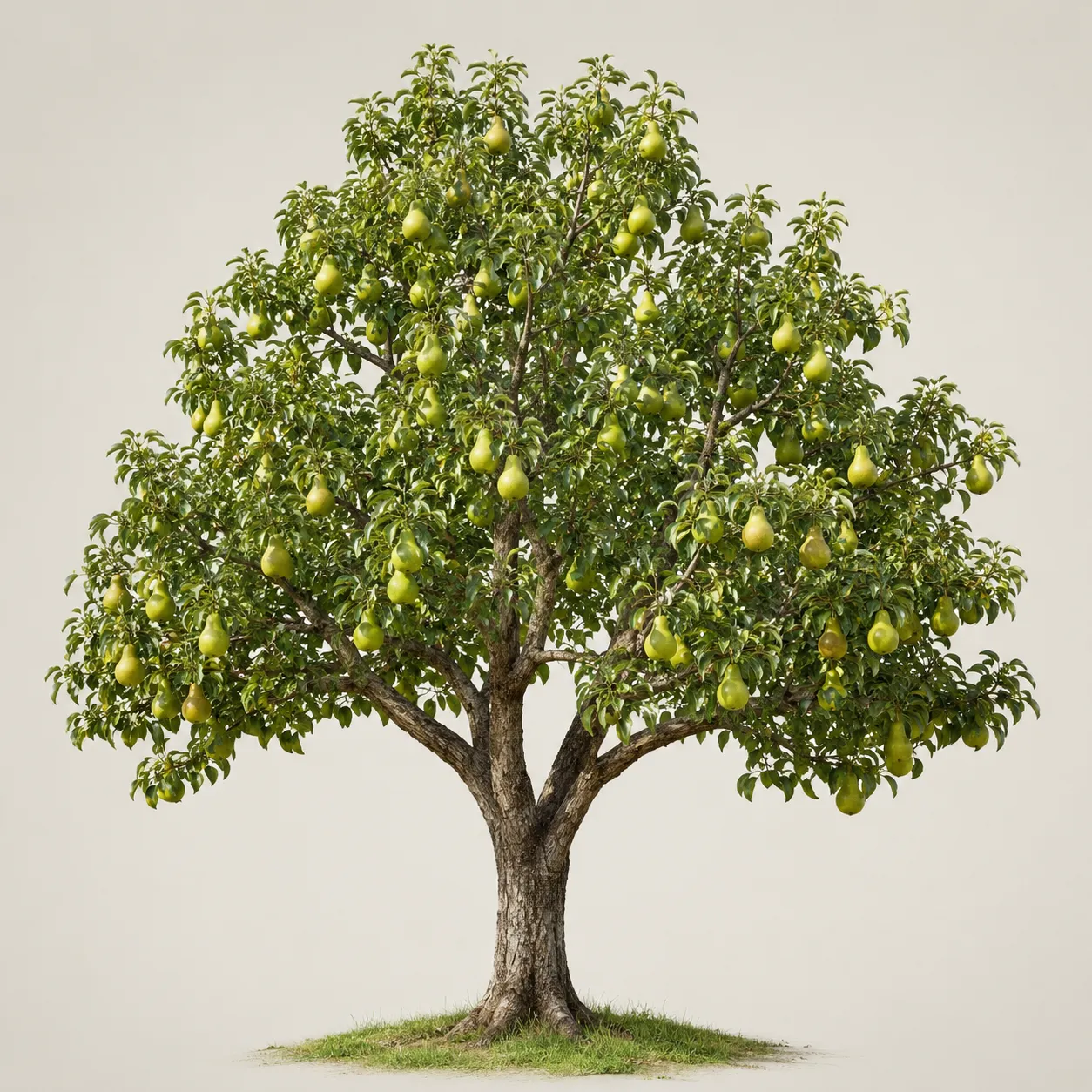
pear treeˈpɛər triː
a tree that grows pears, a sweet fruit with a rounded bottom and narrower top.
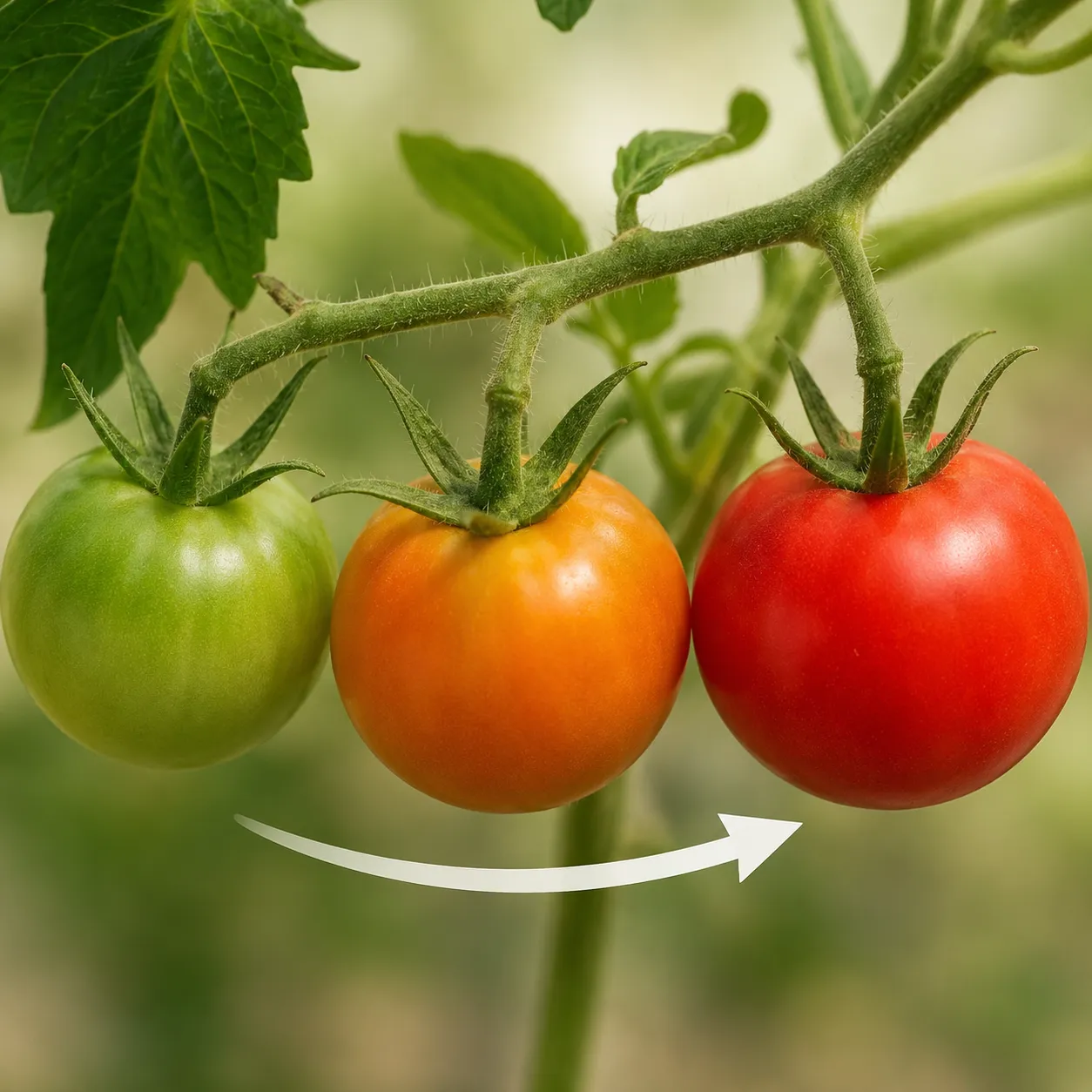
ripenˈraɪpən
for fruit, grain, or other crops to become fully developed and ready to eat or harvest.
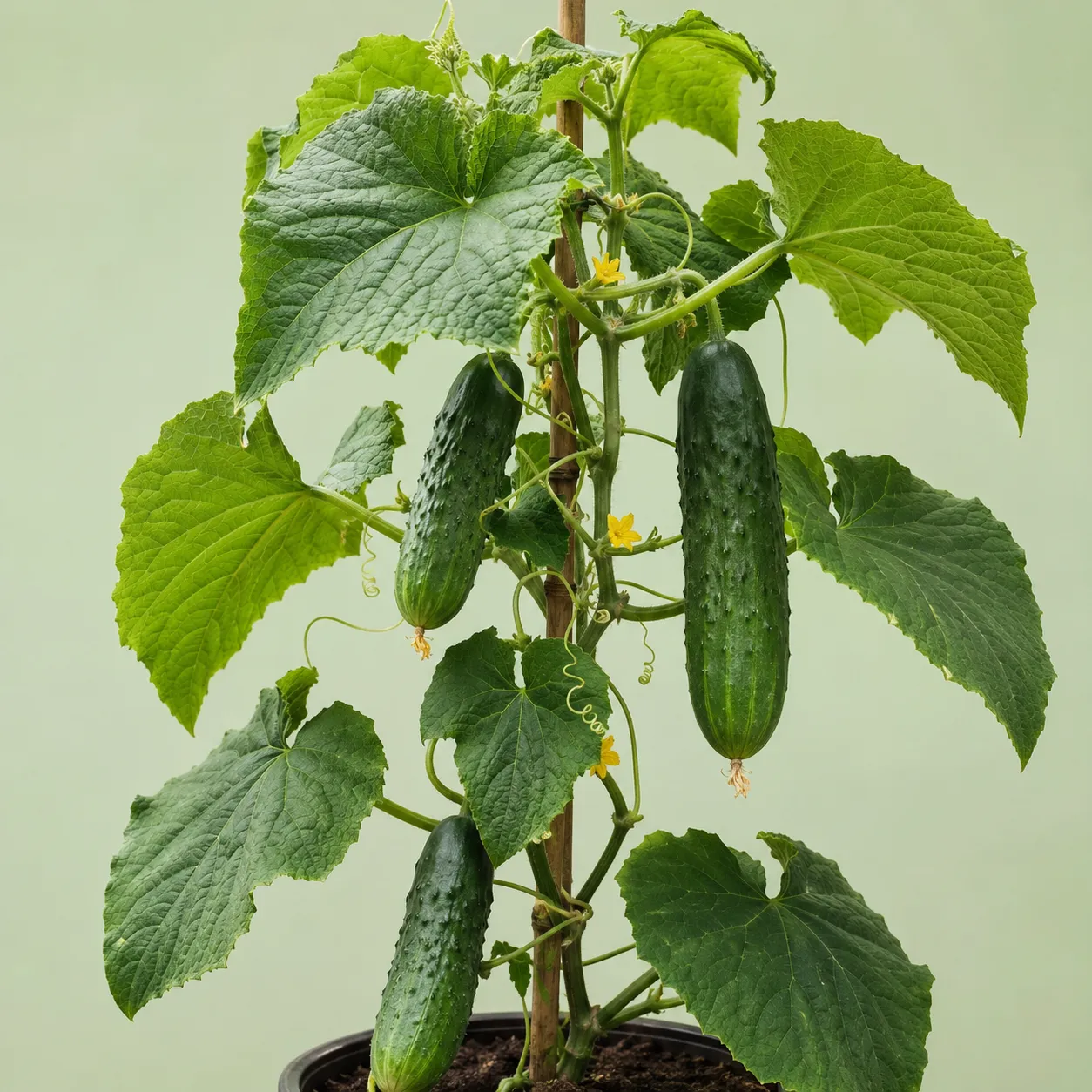
cucumber plantˈkjuːˌkʌmbər plænt
a climbing or spreading garden plant that produces long green cucumbers.
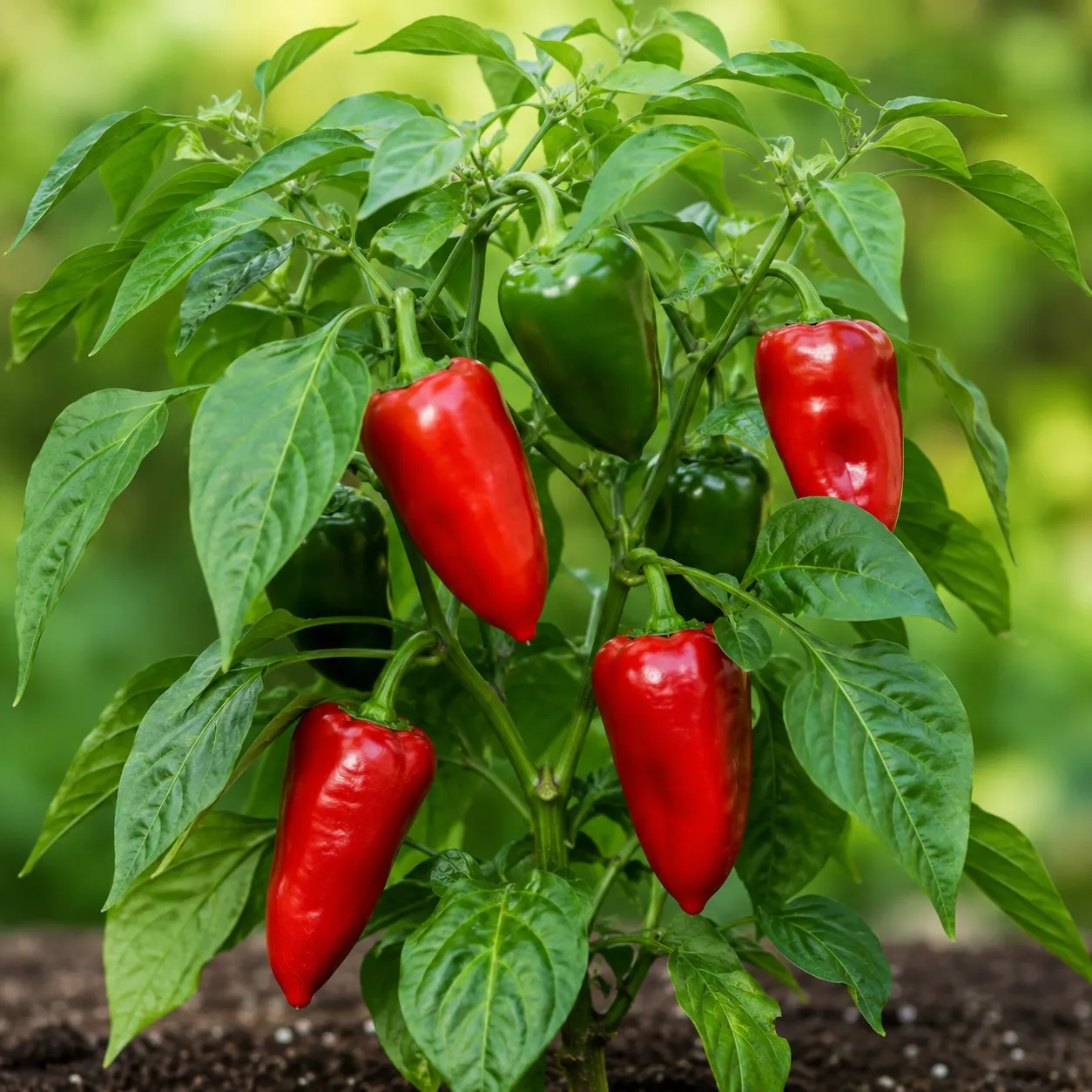
pepper plantˈpɛpər plænt
a garden plant that produces sweet or hot peppers.
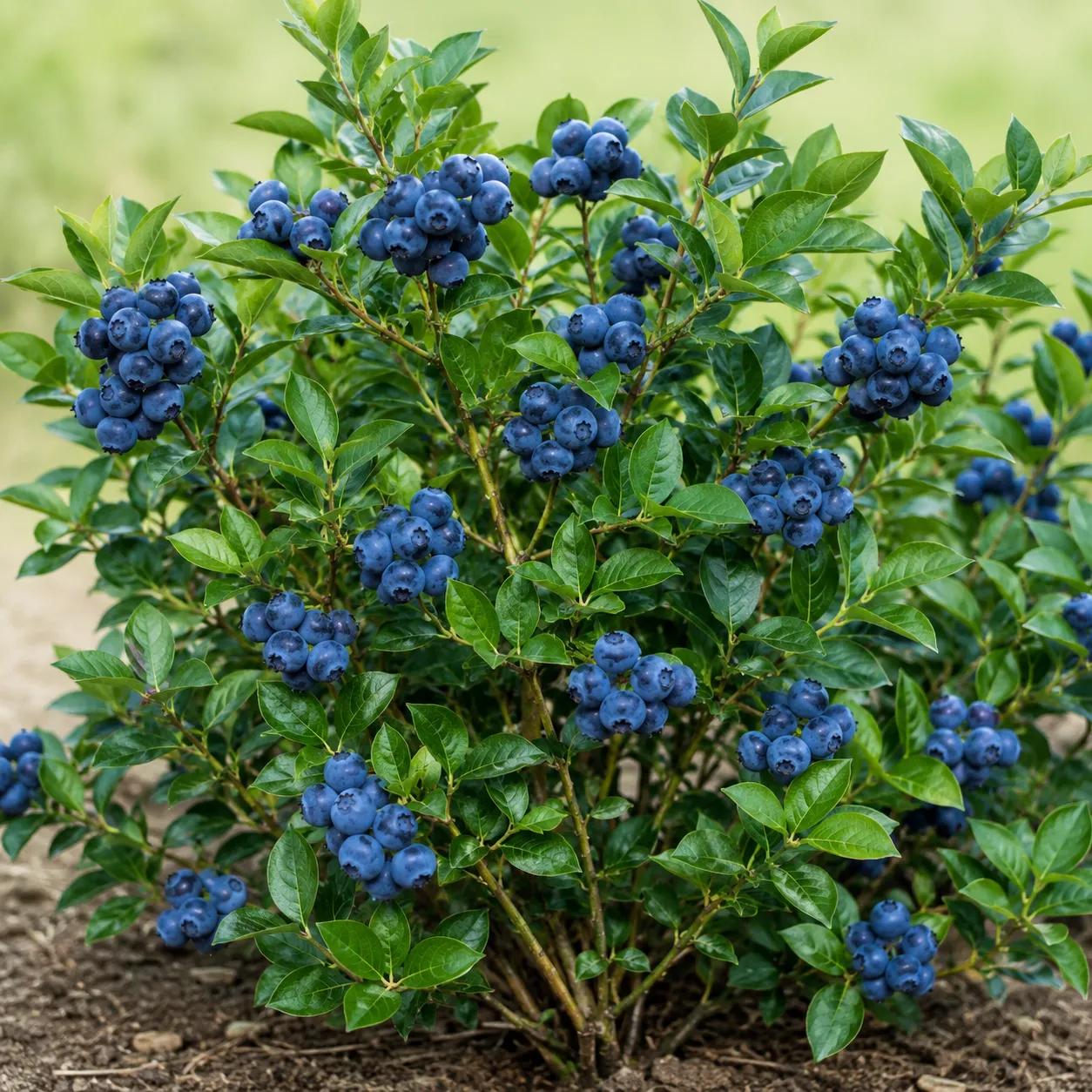
berry bushˈbɛri bʊʃ
a low woody plant that produces small edible fruits such as raspberries, blueberries, or currants.
Learn how to talk about soil, seeds, plant growth, feeding, pruning, composting, and crop protection.
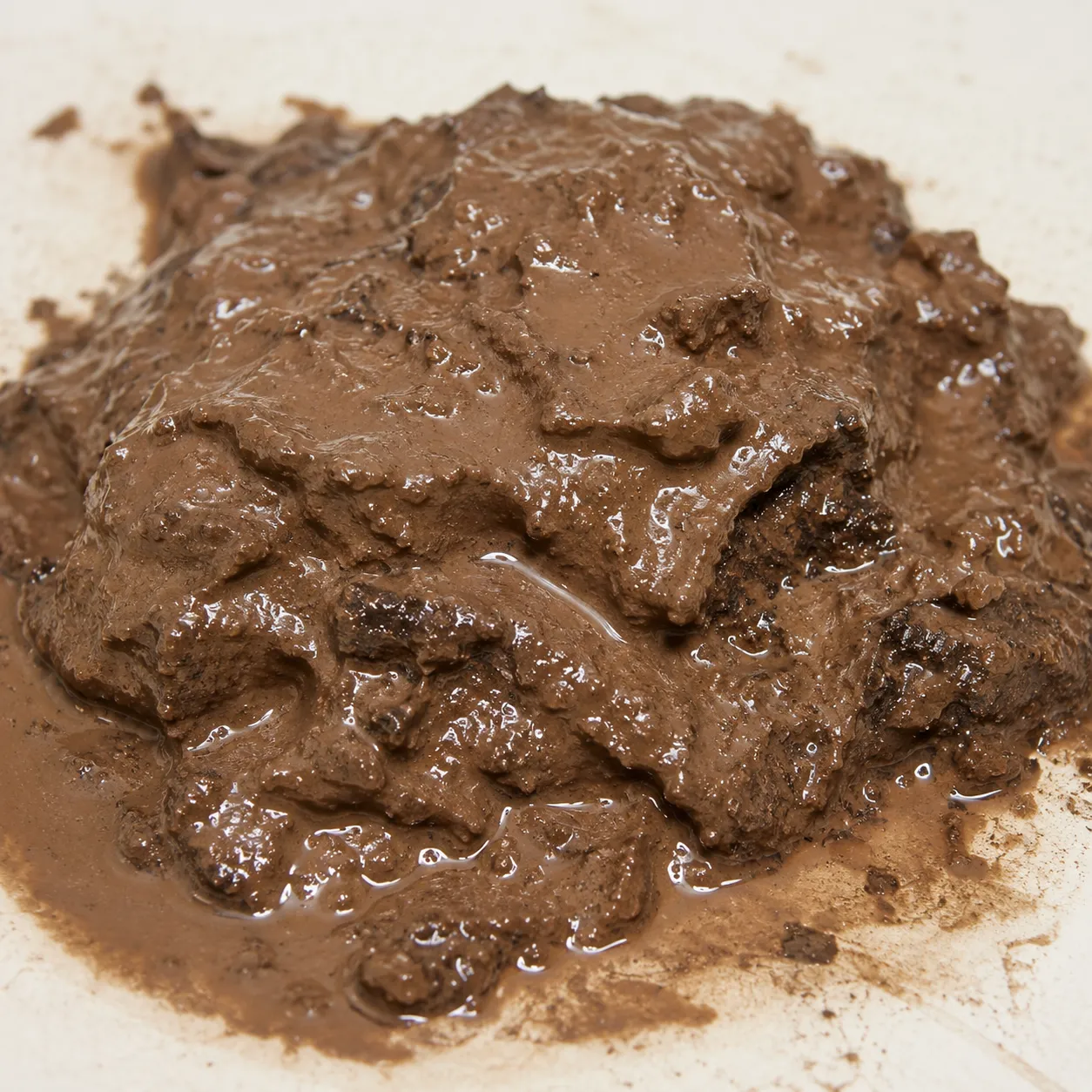
mudmʌd
soft wet earth that forms when soil mixes with water.
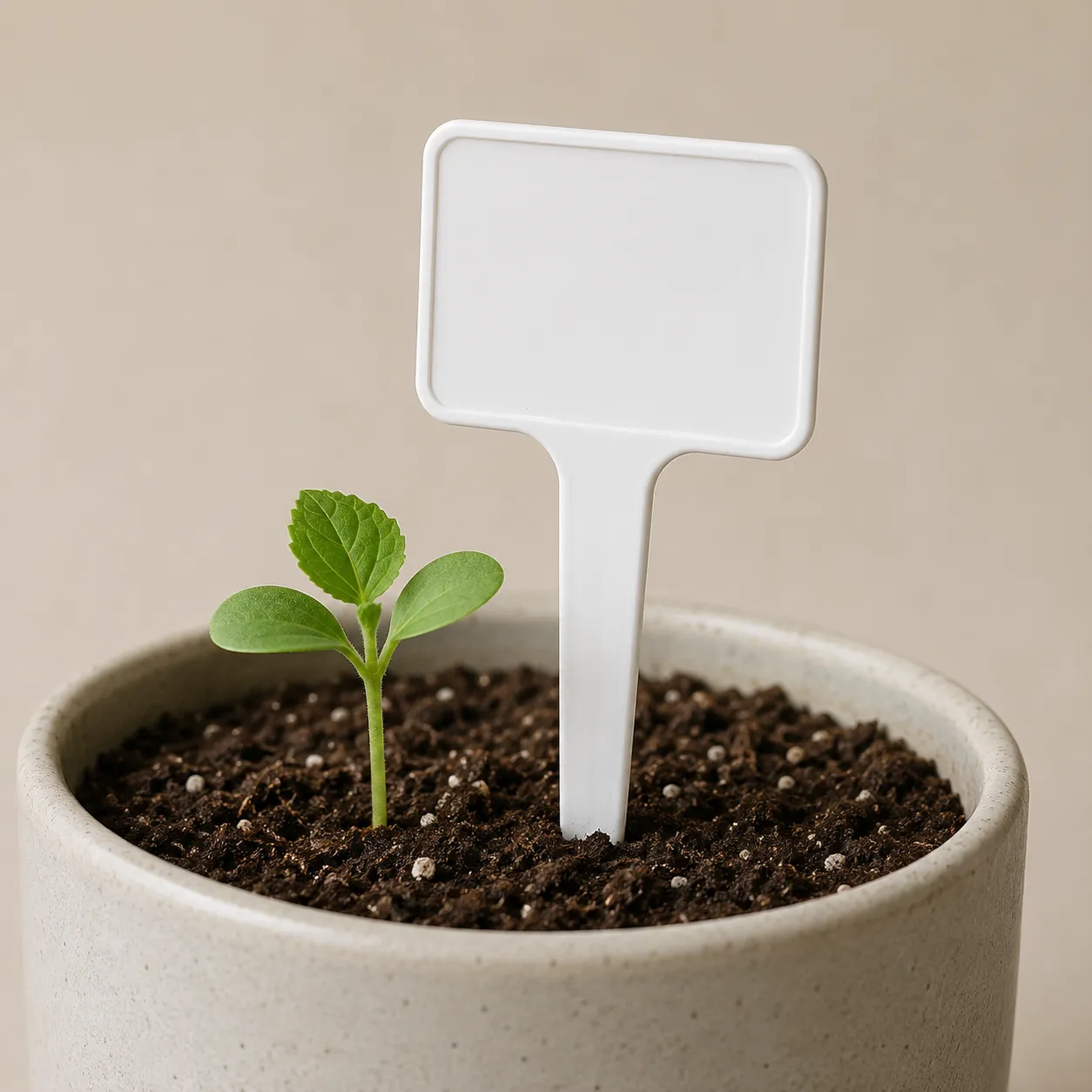
plant markerplænt ˈmɑːrkər
a small stick, tag, or sign placed in soil to identify a plant or row of plants.
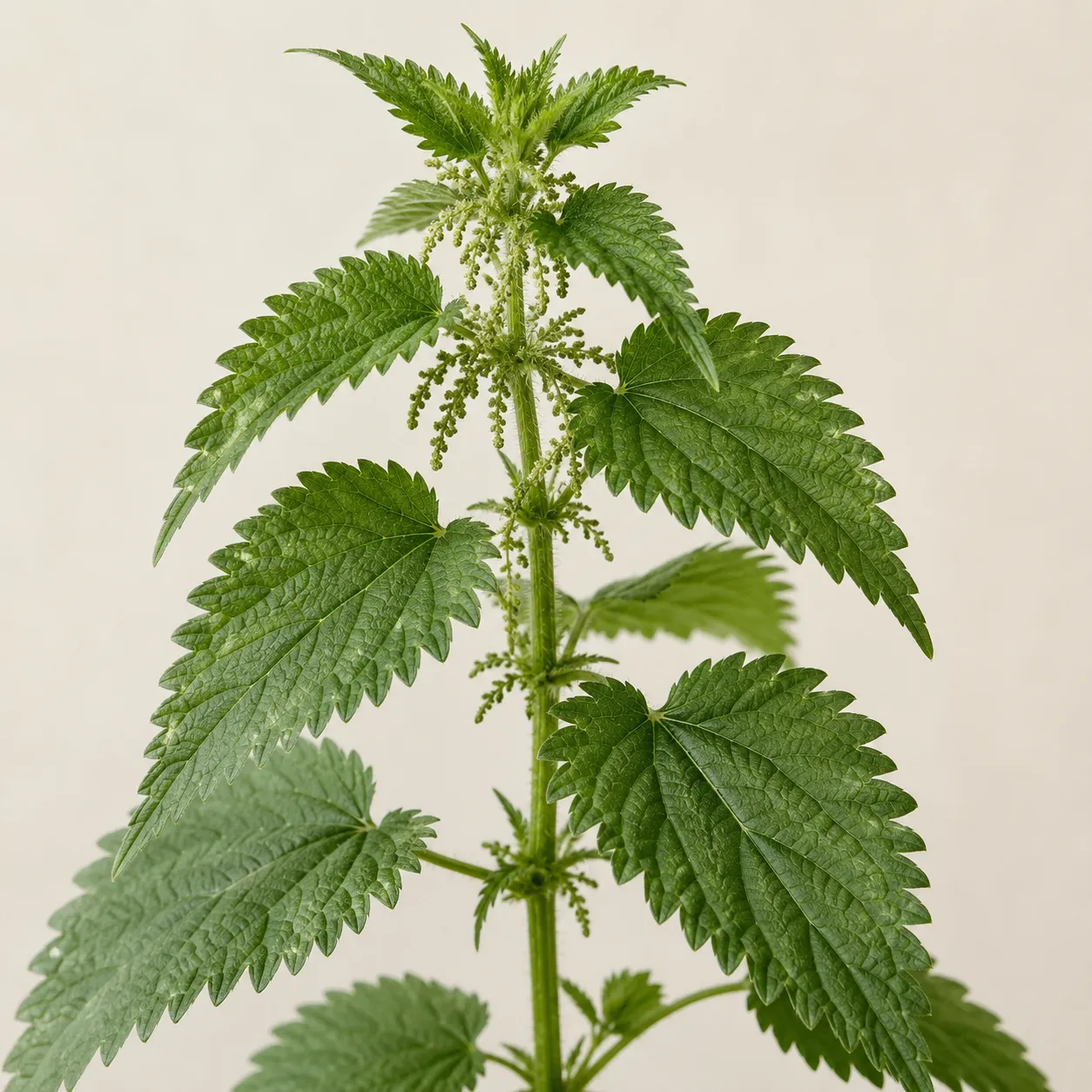
nettleˈnɛtəl
a wild plant with leaves covered in tiny hairs that sting and irritate your skin when you touch them.
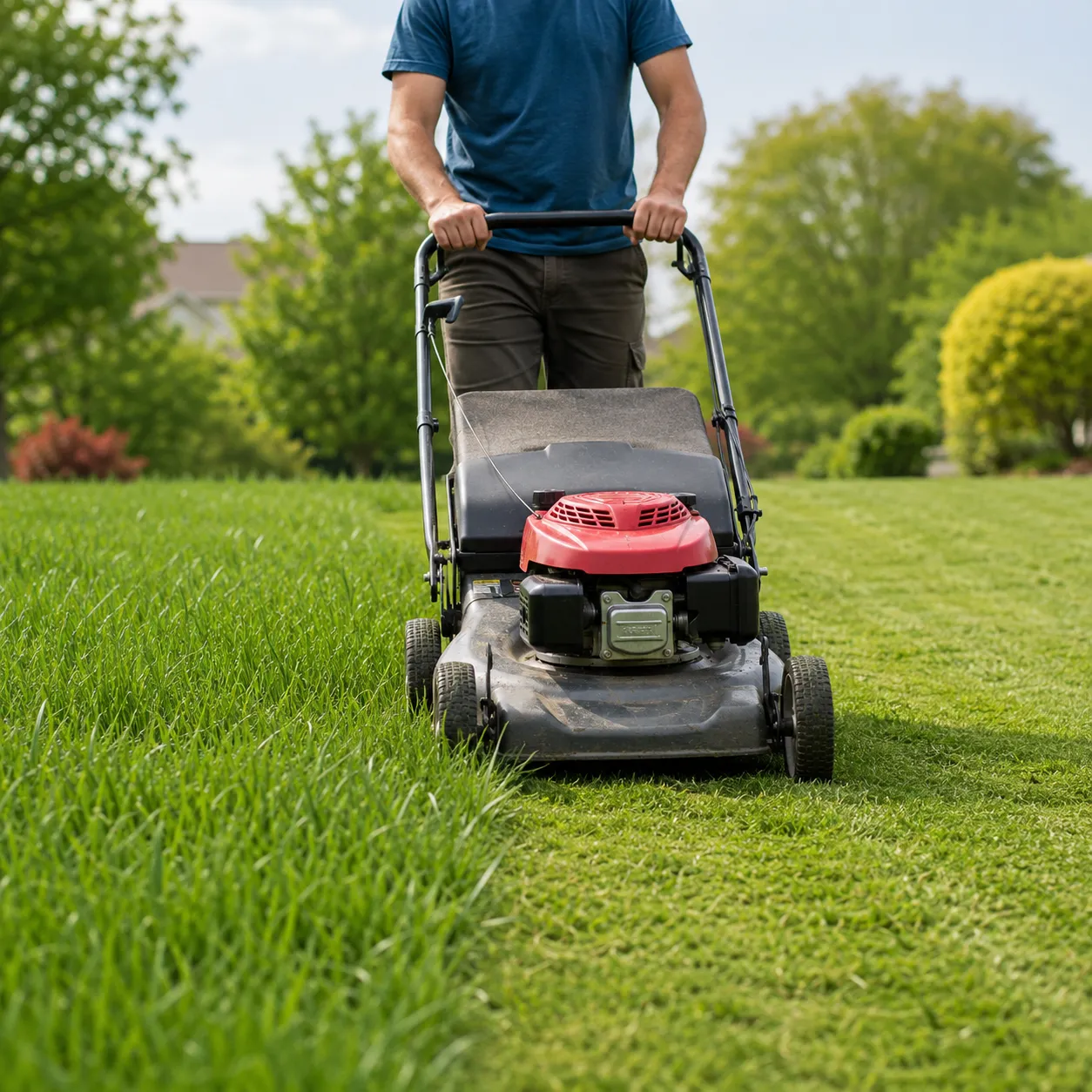
mowmoʊ
to cut grass or another low plant with a machine or tool to make it shorter.
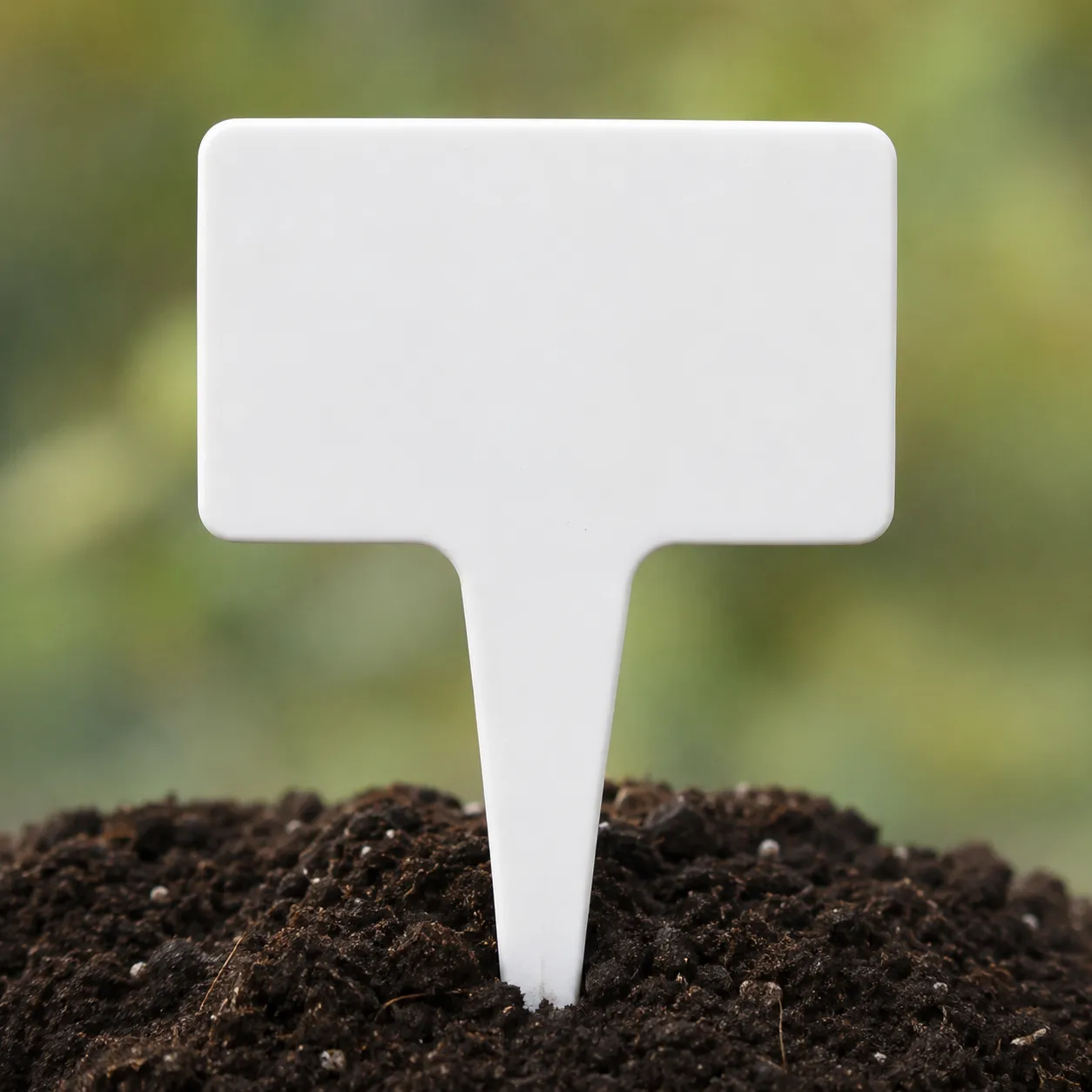
plant labelplænt ˈleɪbəl
a small tag or sign put by a plant to show its name, variety, or care information.
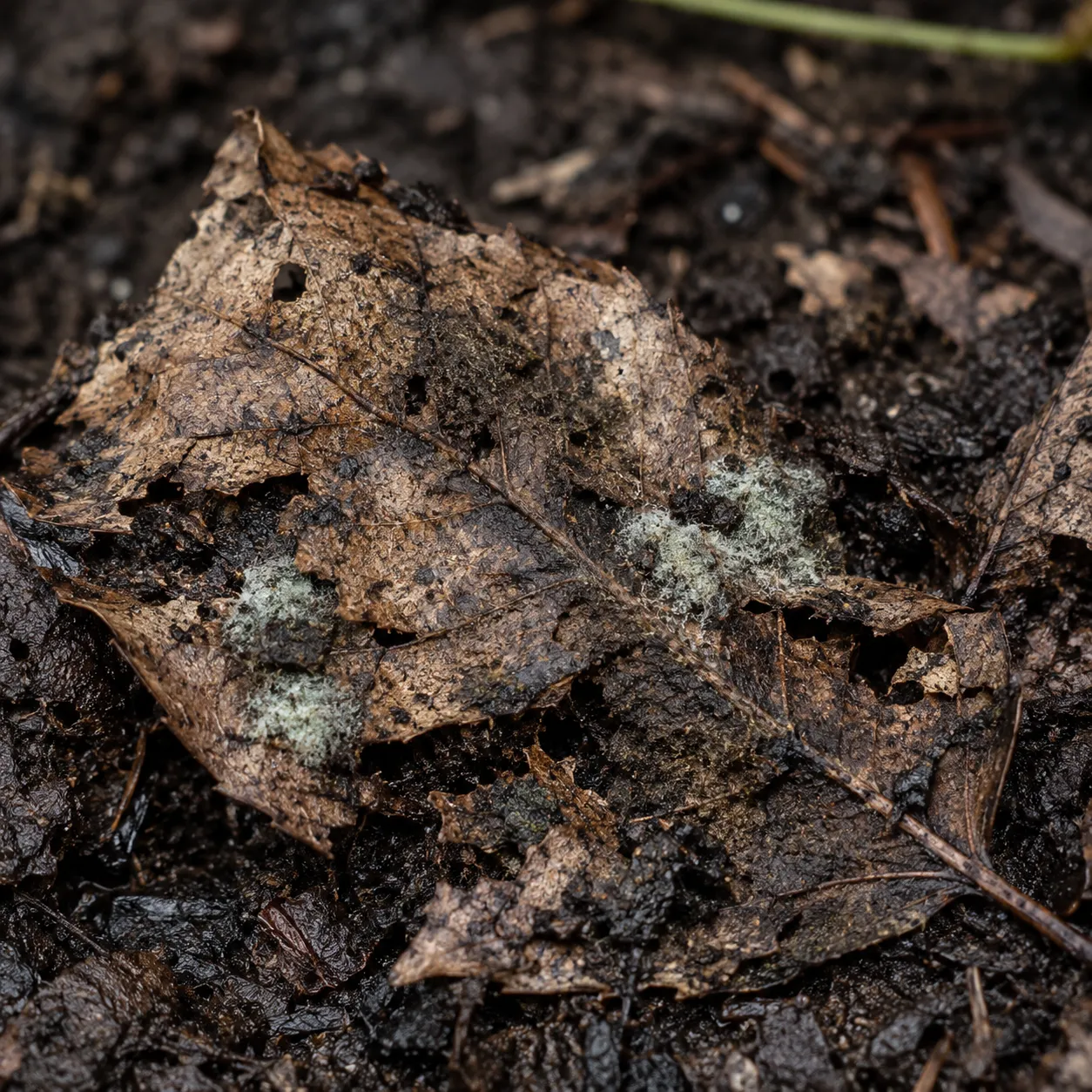
decomposeˌdikəmˈpoʊz
for dead plants, animals, or other organic matter to break down naturally into simpler substances.
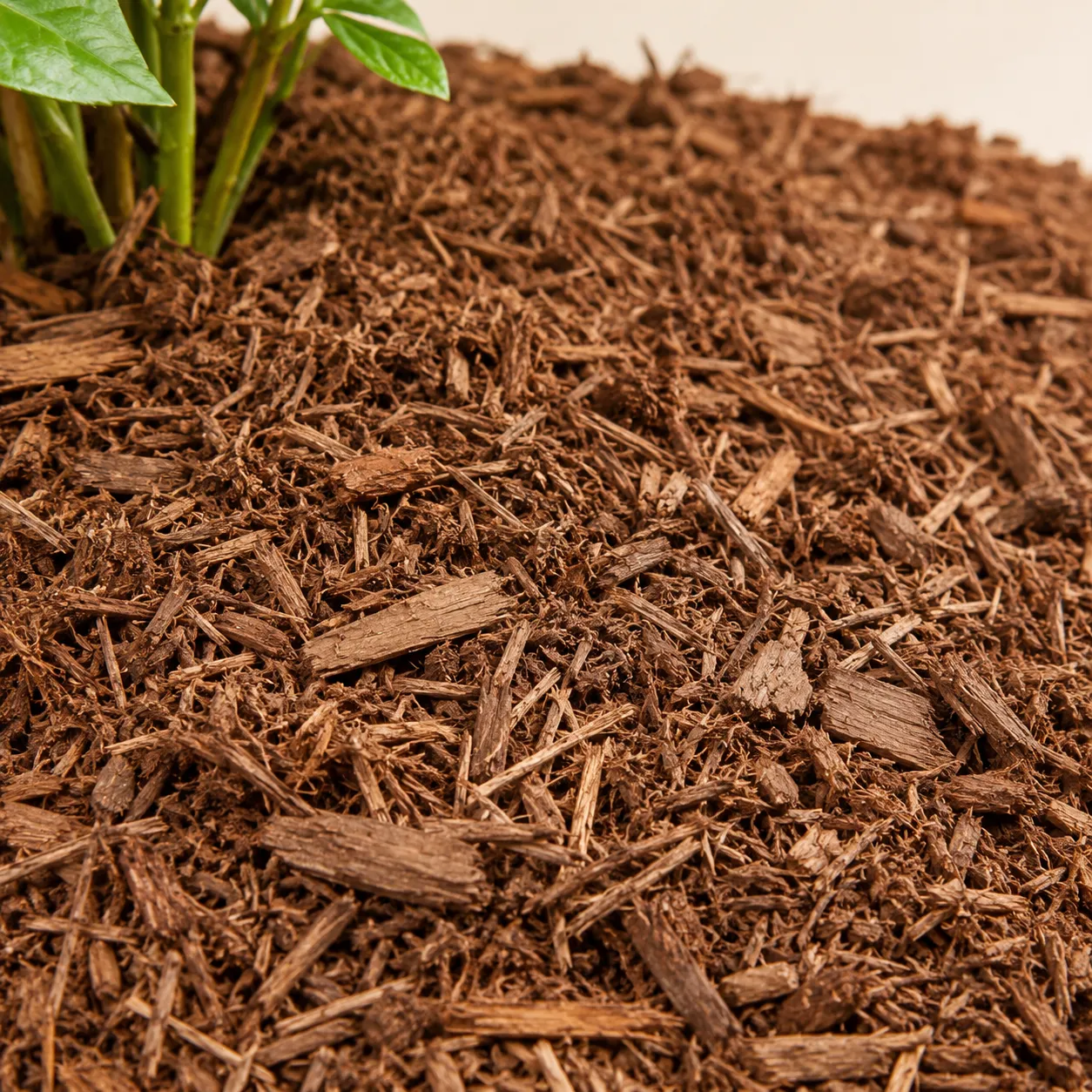
mulchmʌltʃ
a layer of material such as bark, straw, or compost spread over soil to keep moisture in and reduce weeds.
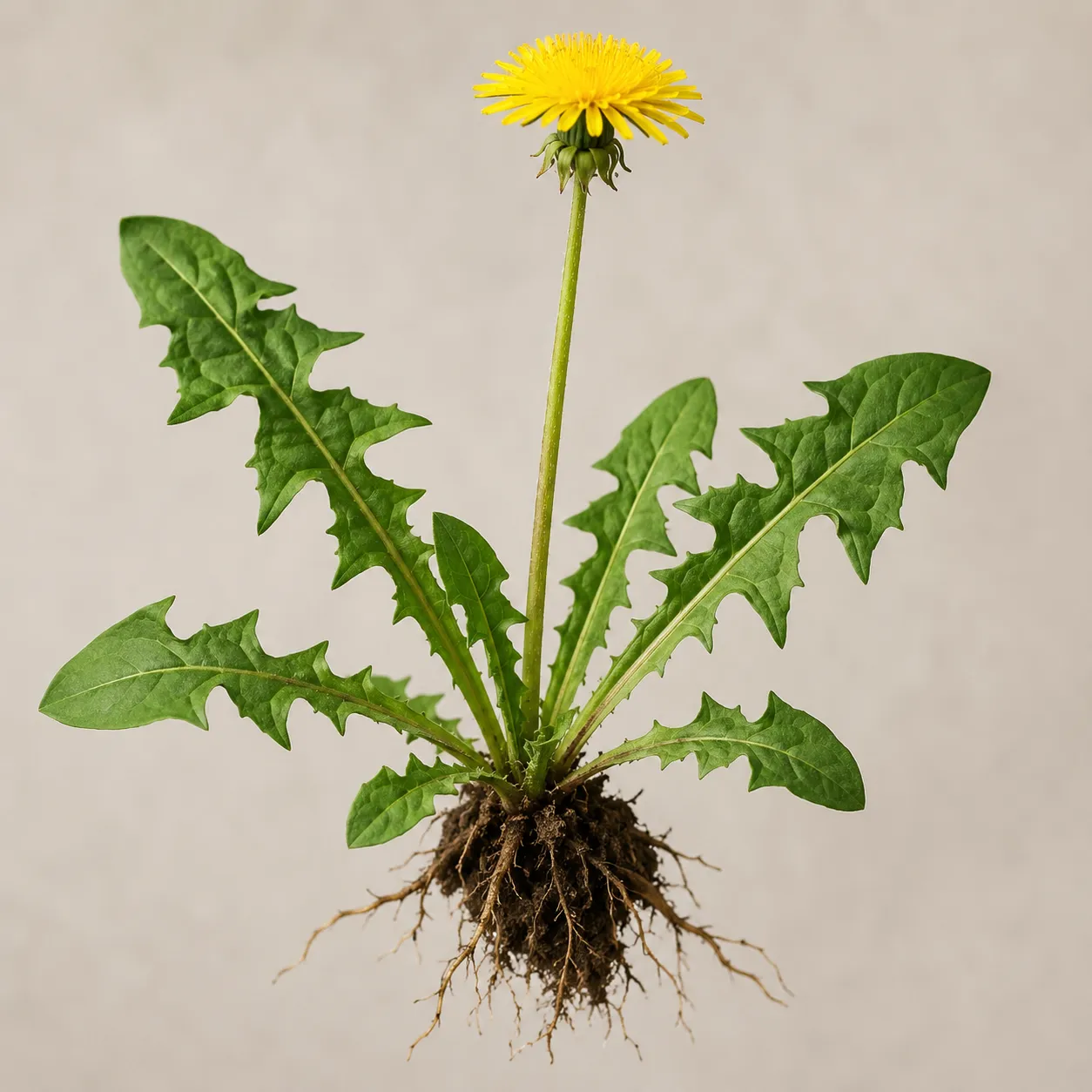
weedwiːd
a wild plant that grows where people do not want it, especially in a garden or field.
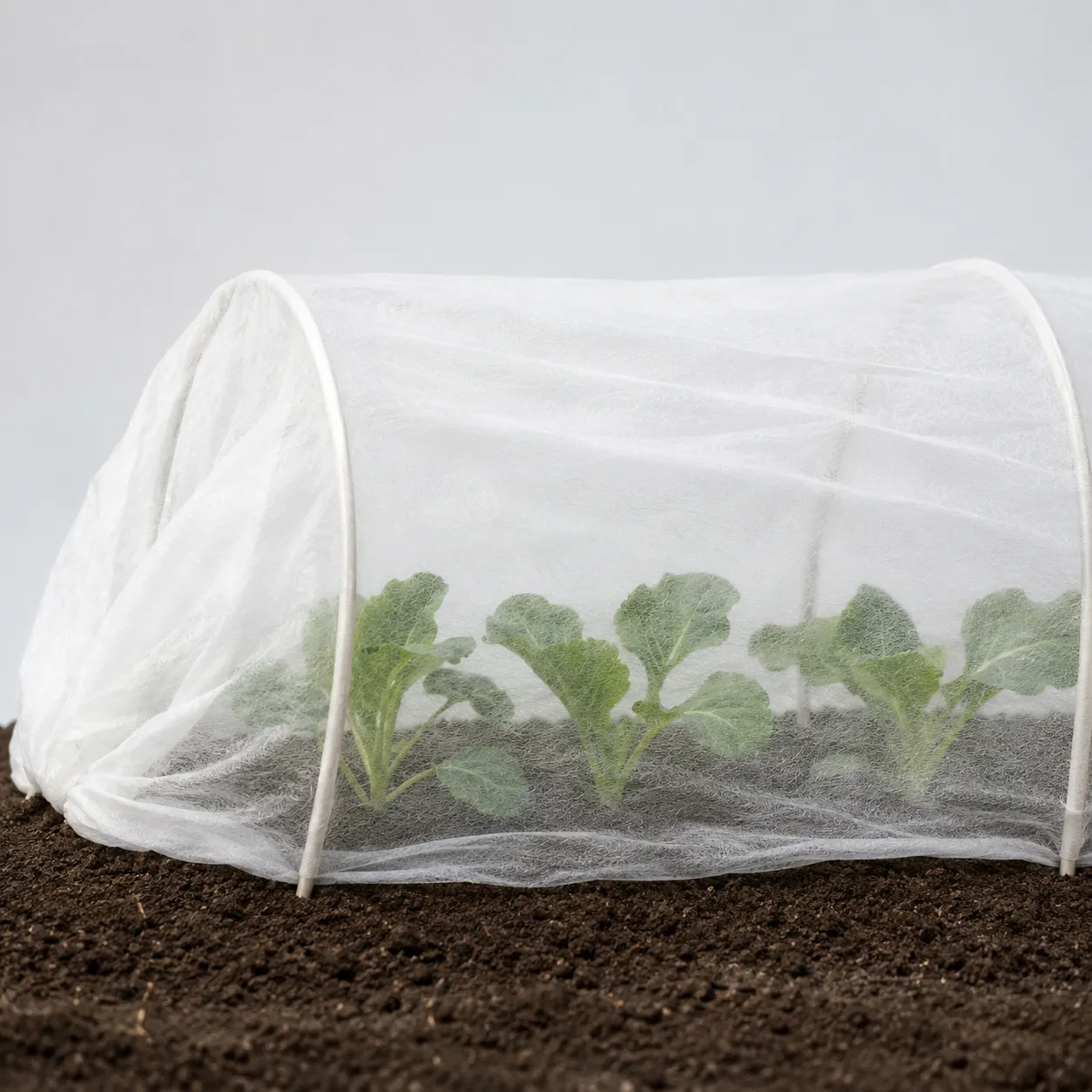
row coverˈroʊ ˌkʌvər
a light sheet of fabric or plastic placed over rows of crops to protect them from cold, insects or strong sun.
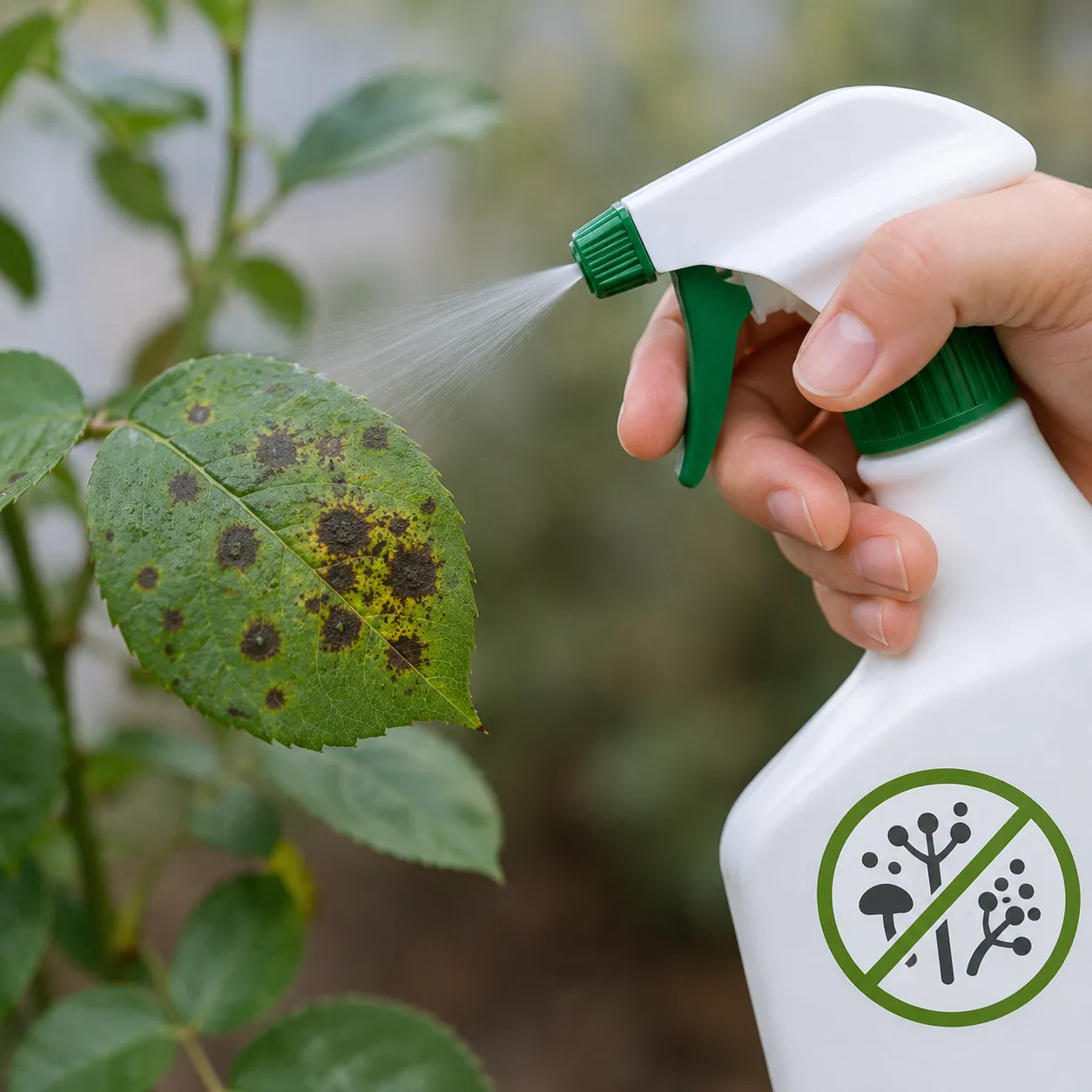
fungicideˈfʌndʒɪsaɪd
a chemical used to kill fungi or stop fungal diseases on plants.
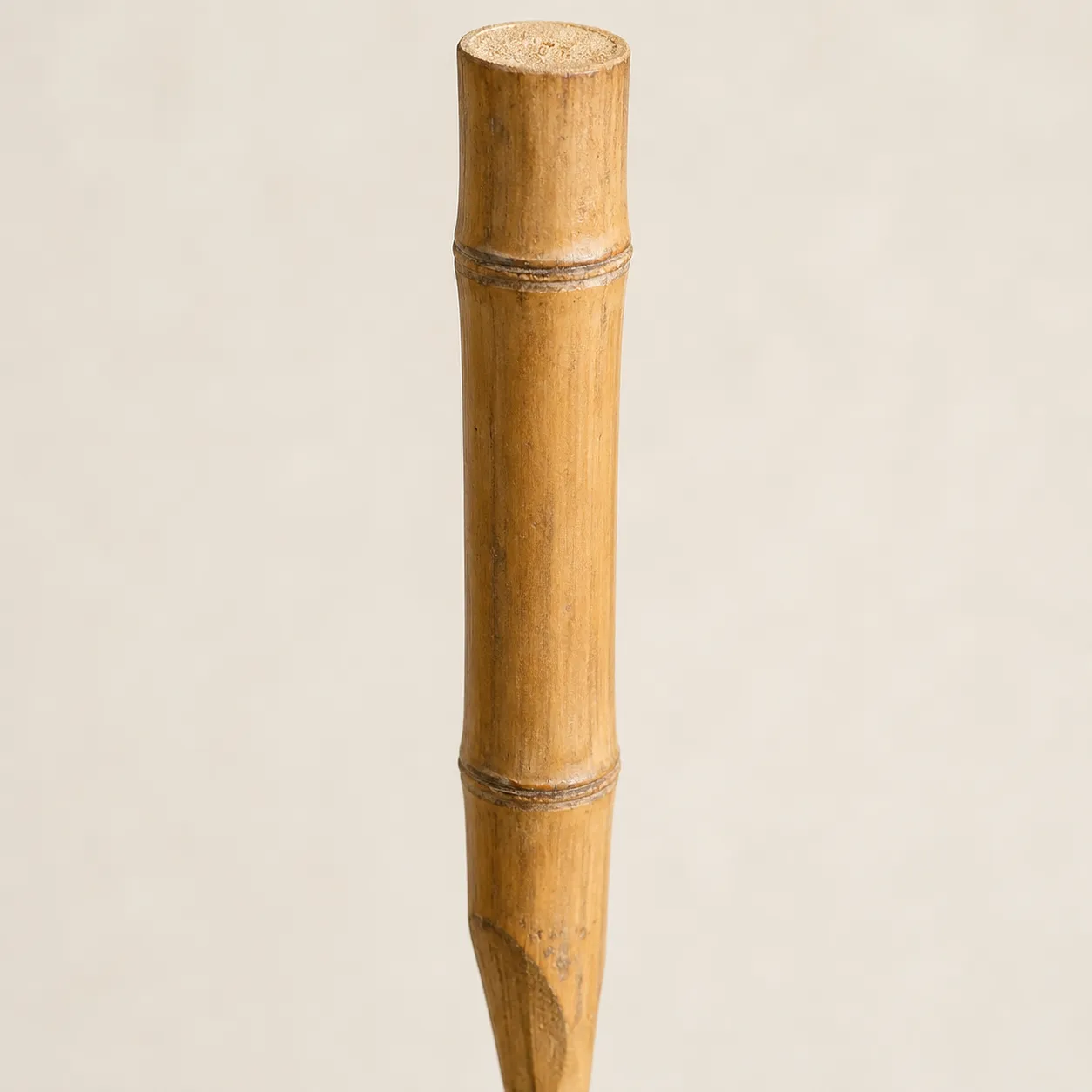
bamboo stakeˌbæmˈbuː steɪk
a light strong bamboo stick pushed into soil and used to support a growing plant.
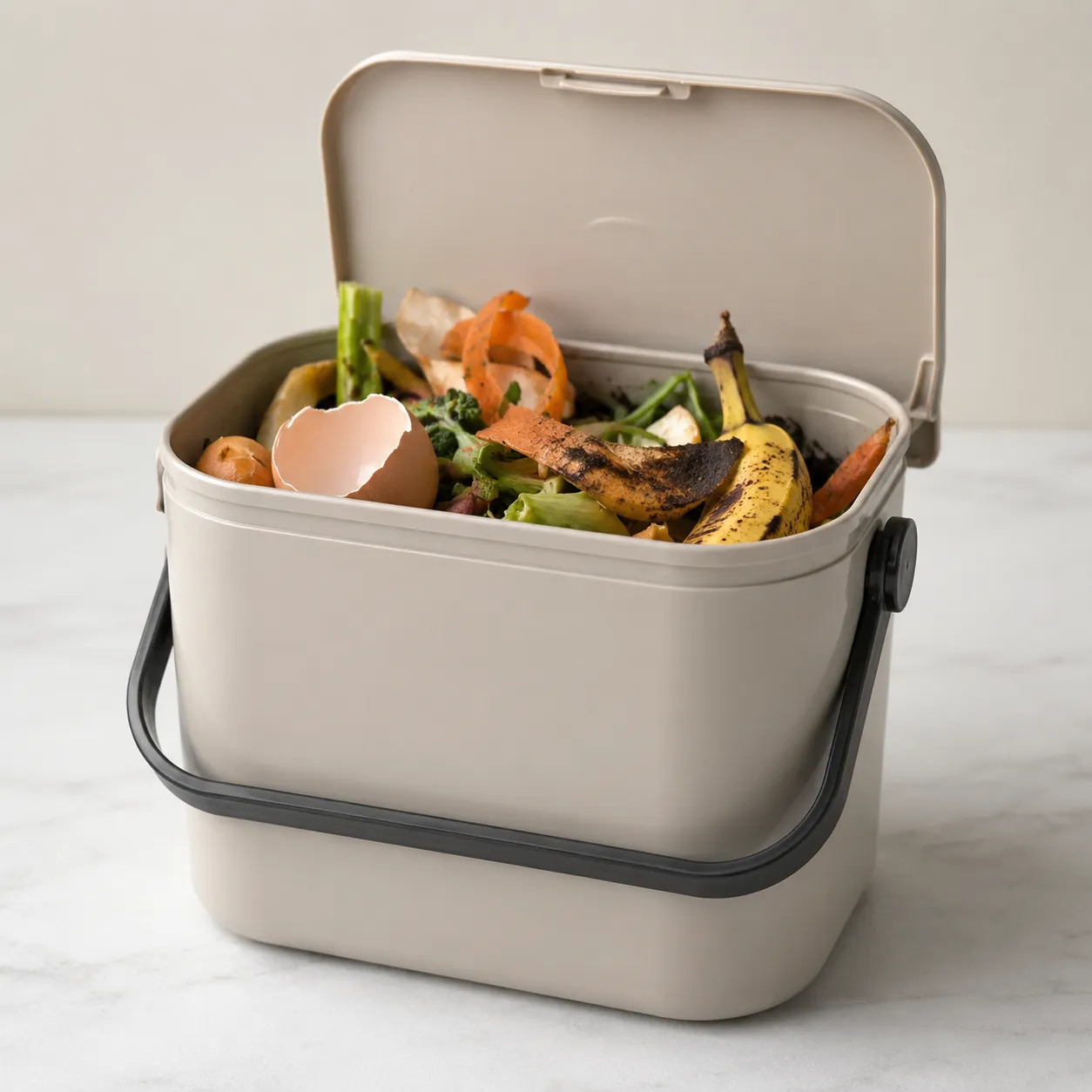
compost binˈkɑːmpoʊst bɪn
a container for food scraps, leaves, and other natural waste, where they break down into material used to improve soil.
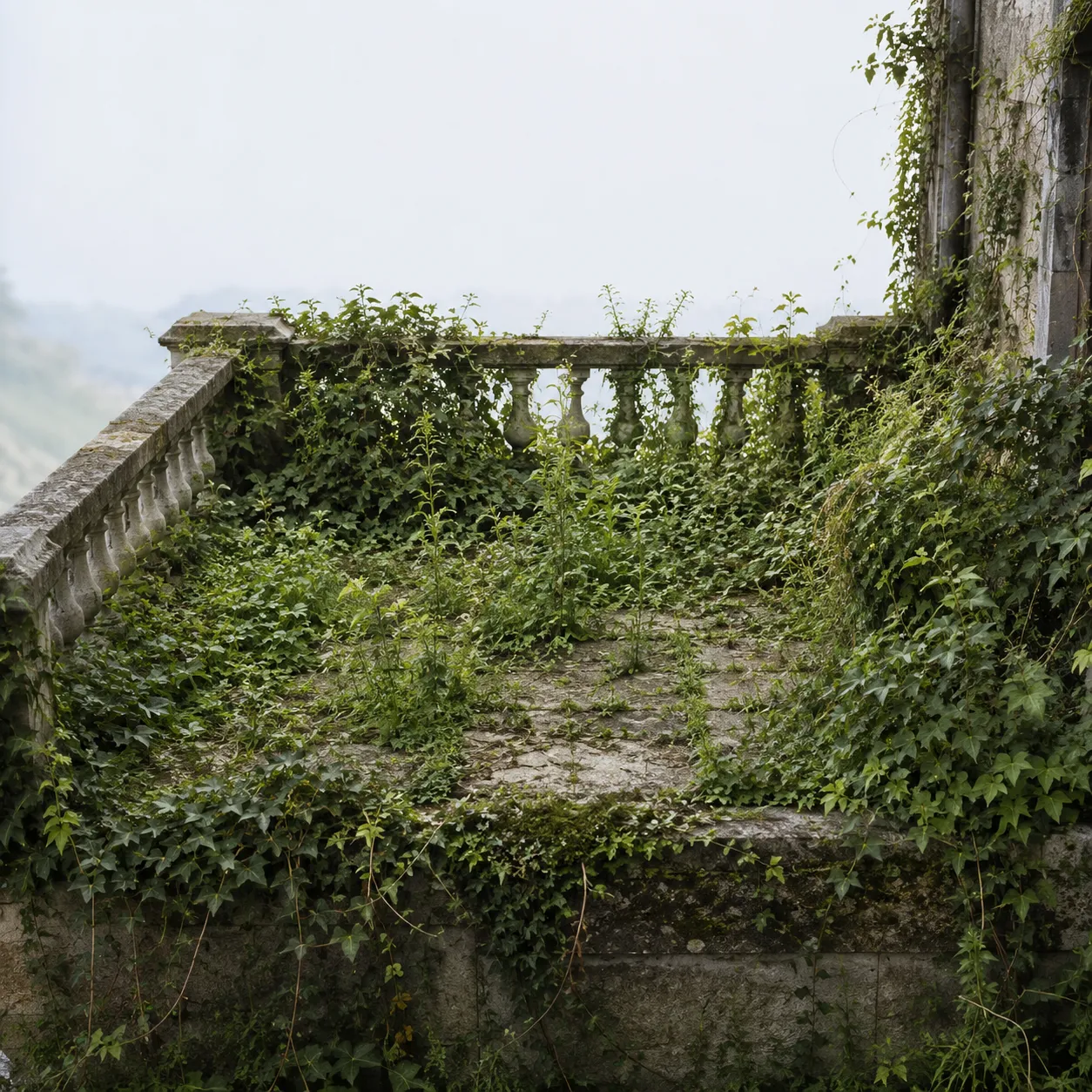
overgrownˌoʊvərˈɡroʊn
covered with plants that have grown too much and have not been cut or controlled.
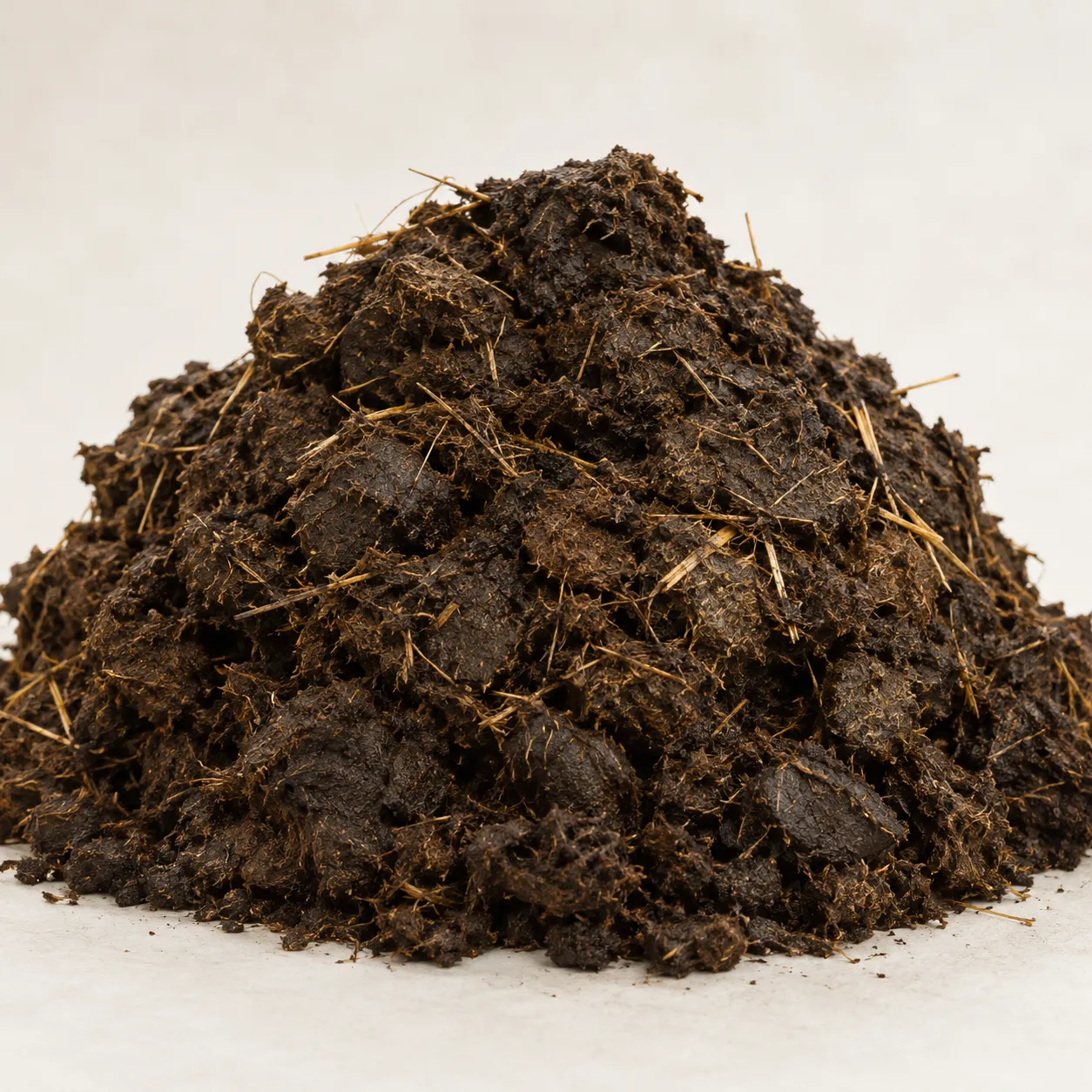
manureməˈnʊr
animal waste, often mixed with straw, that is put on soil to help plants grow.
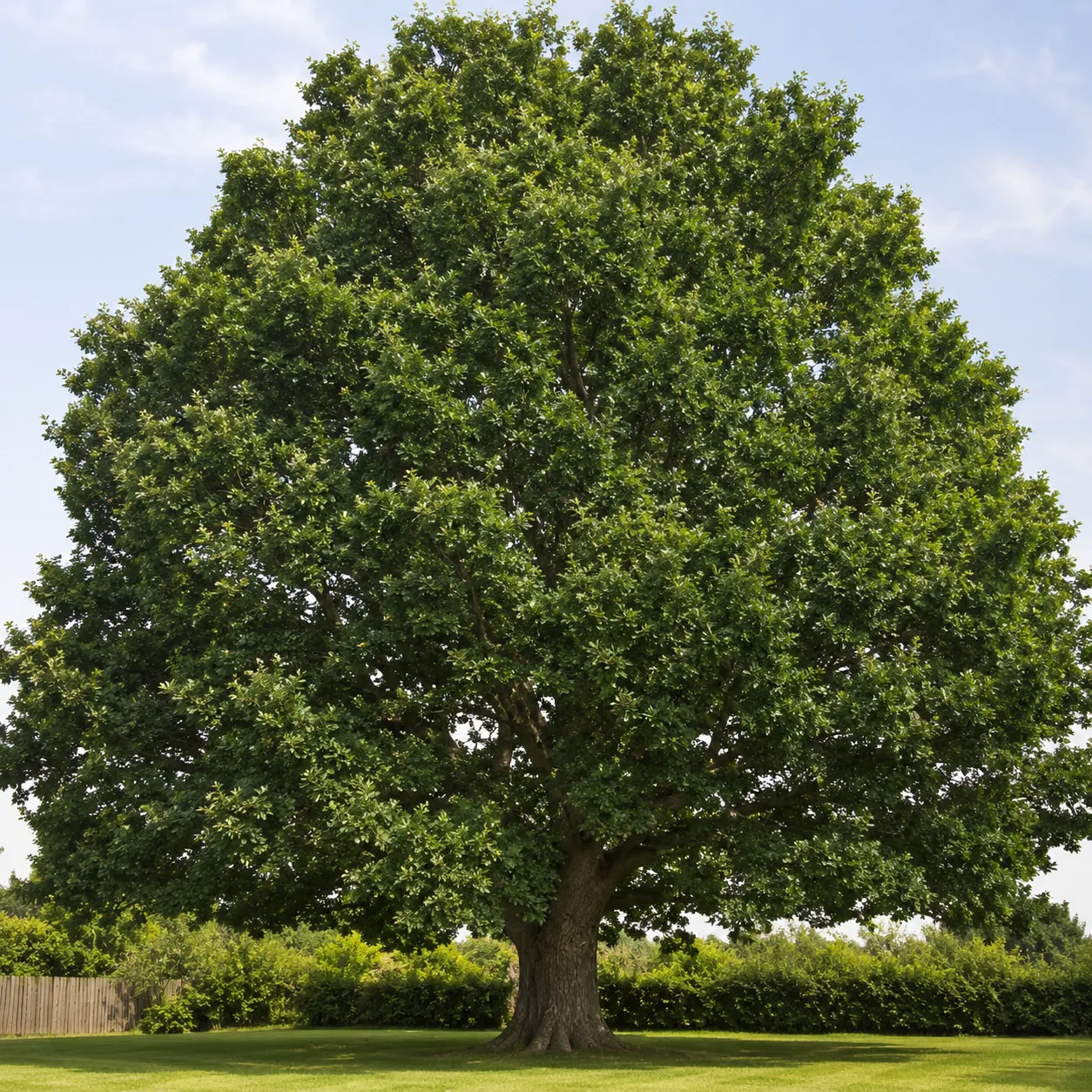
matureməˈtʃʊr
A mature plant, animal, or person is fully grown or fully developed.

wiltedˈwɪltɪd
limp and hanging down because a plant, leaf, or flower has lost water or freshness.
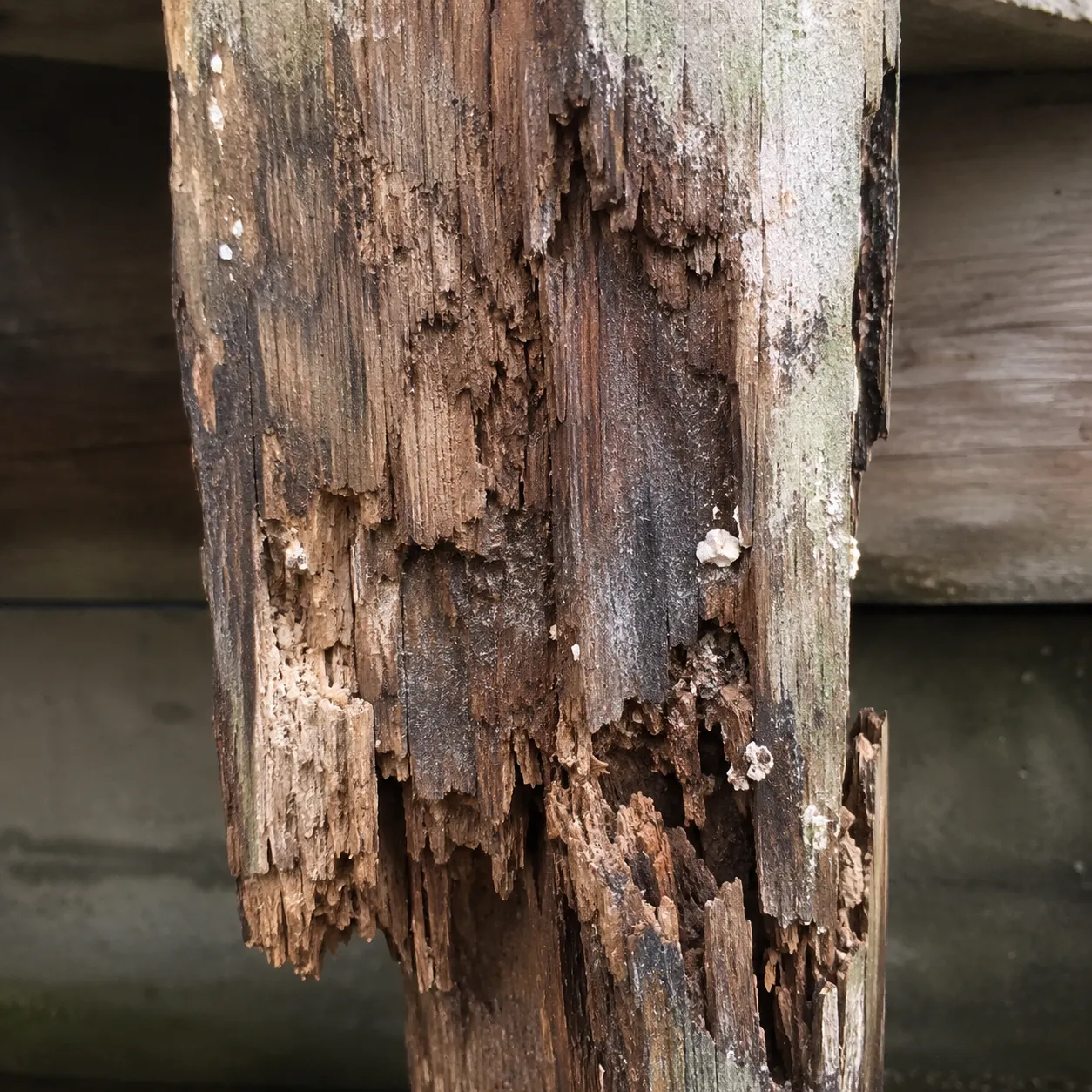
rotrɑːt
to become soft, damaged, and bad because bacteria, fungi, or moisture are breaking the material down.
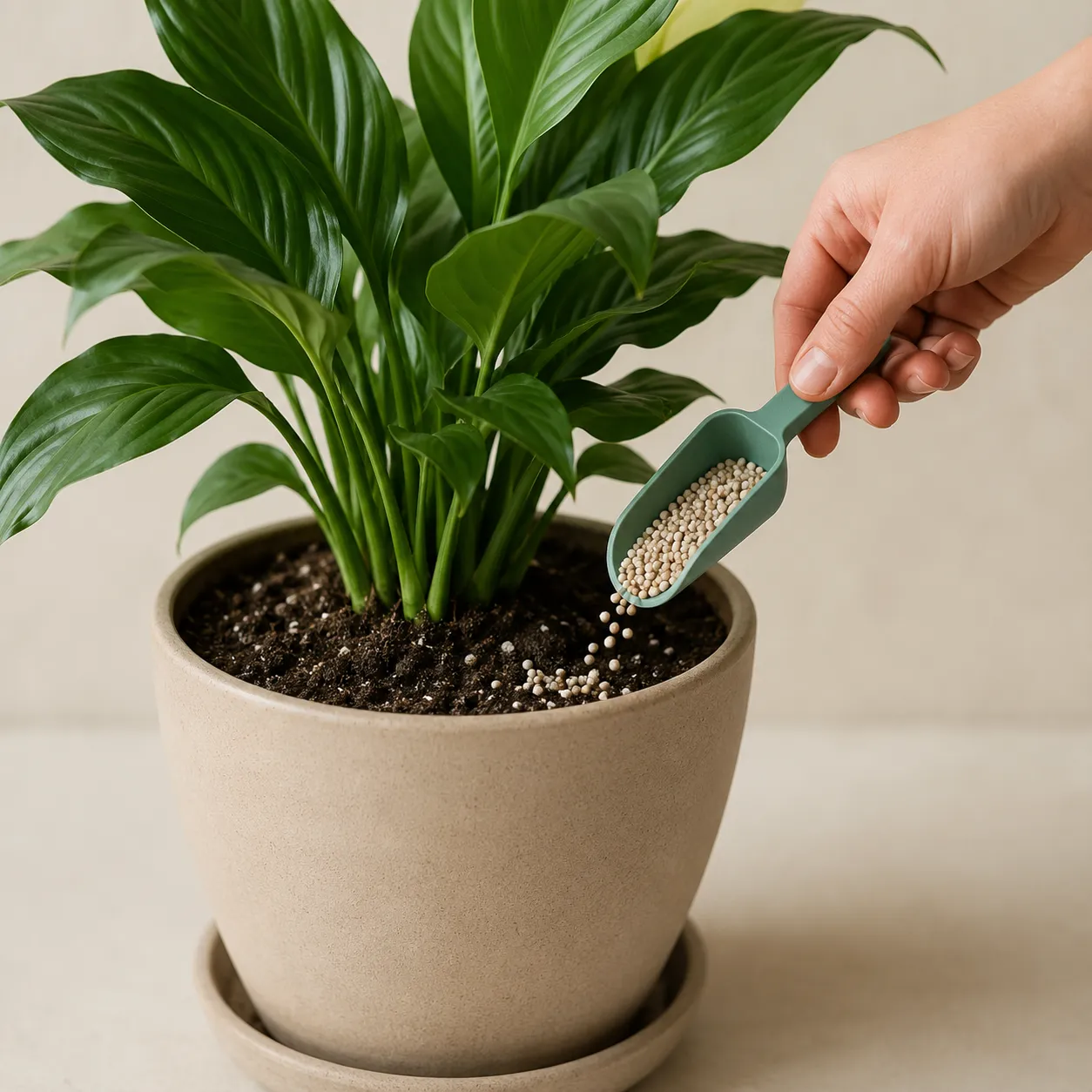
plant foodˈplænt fuːd
a substance added to soil or water to give plants the nutrients they need to grow well.
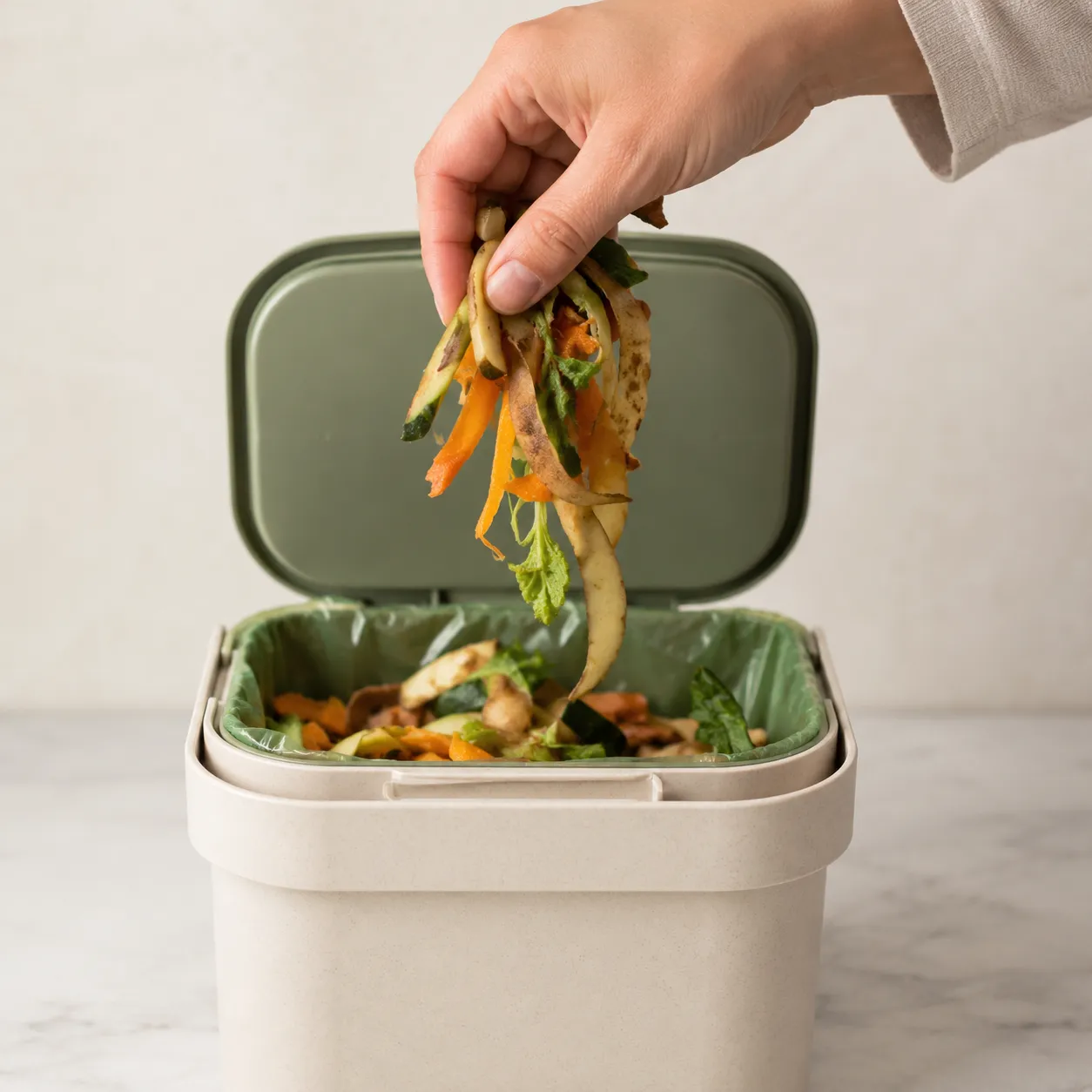
compostˈkɒm.pɒst
to turn food scraps and plant waste into compost for soil.
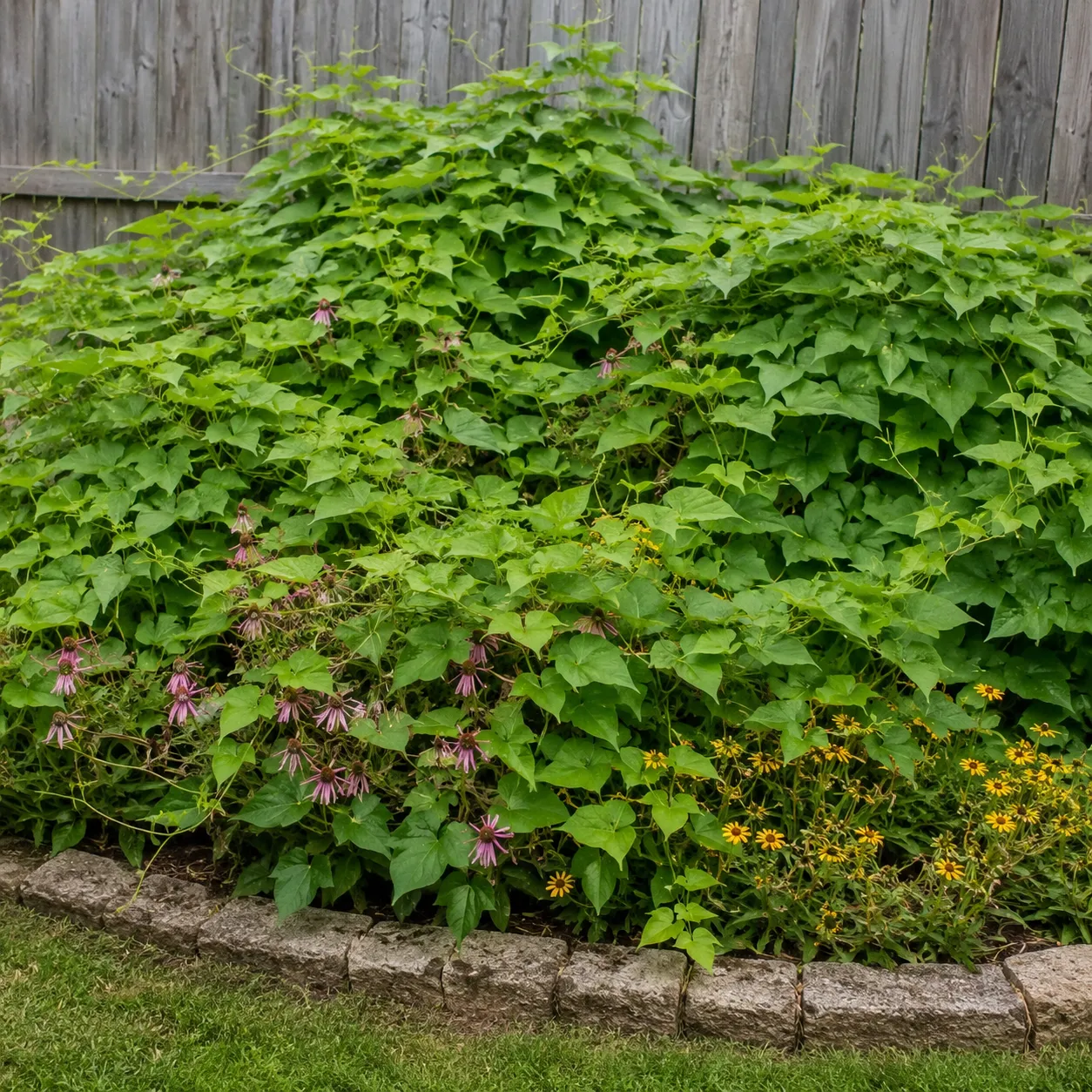
invasiveɪnˈveɪsɪv
An invasive plant or animal spreads quickly in a new area and can damage local species or habitats.
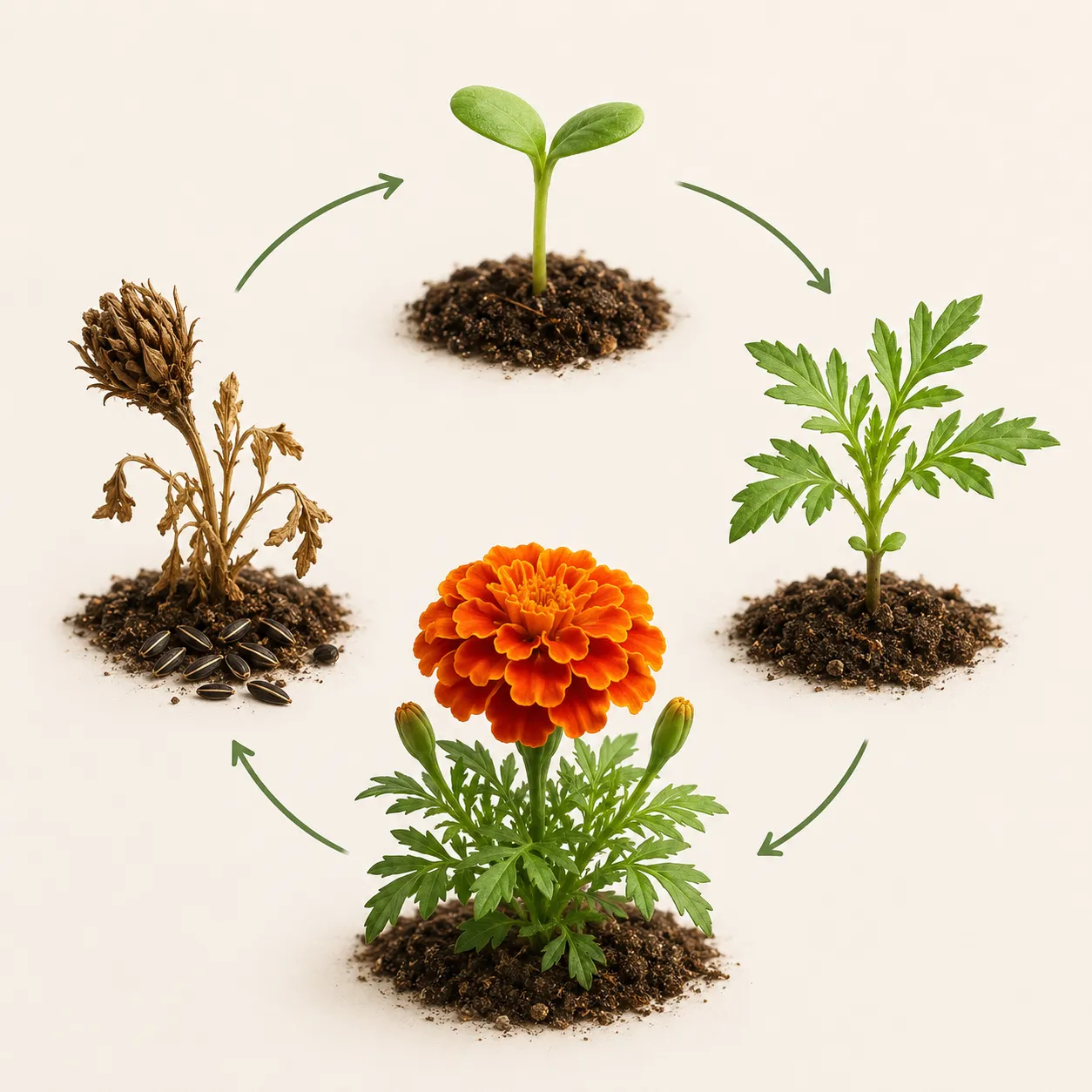
annualˈænjuəl
An annual plant grows, flowers, makes seed, and dies within one year or one growing season.
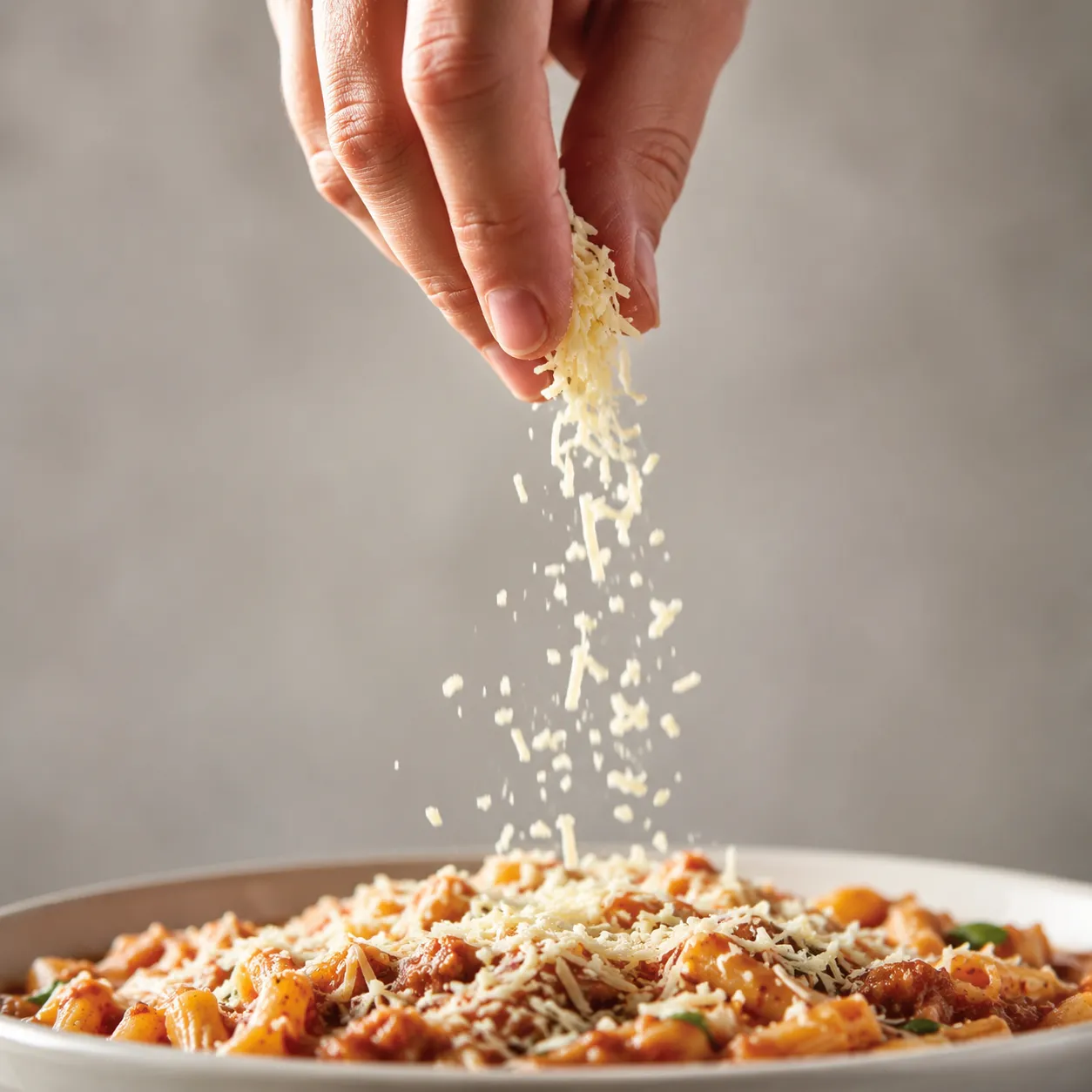
sprinkleˈsprɪŋkəl
to scatter small drops of liquid or small pieces of something over a surface.
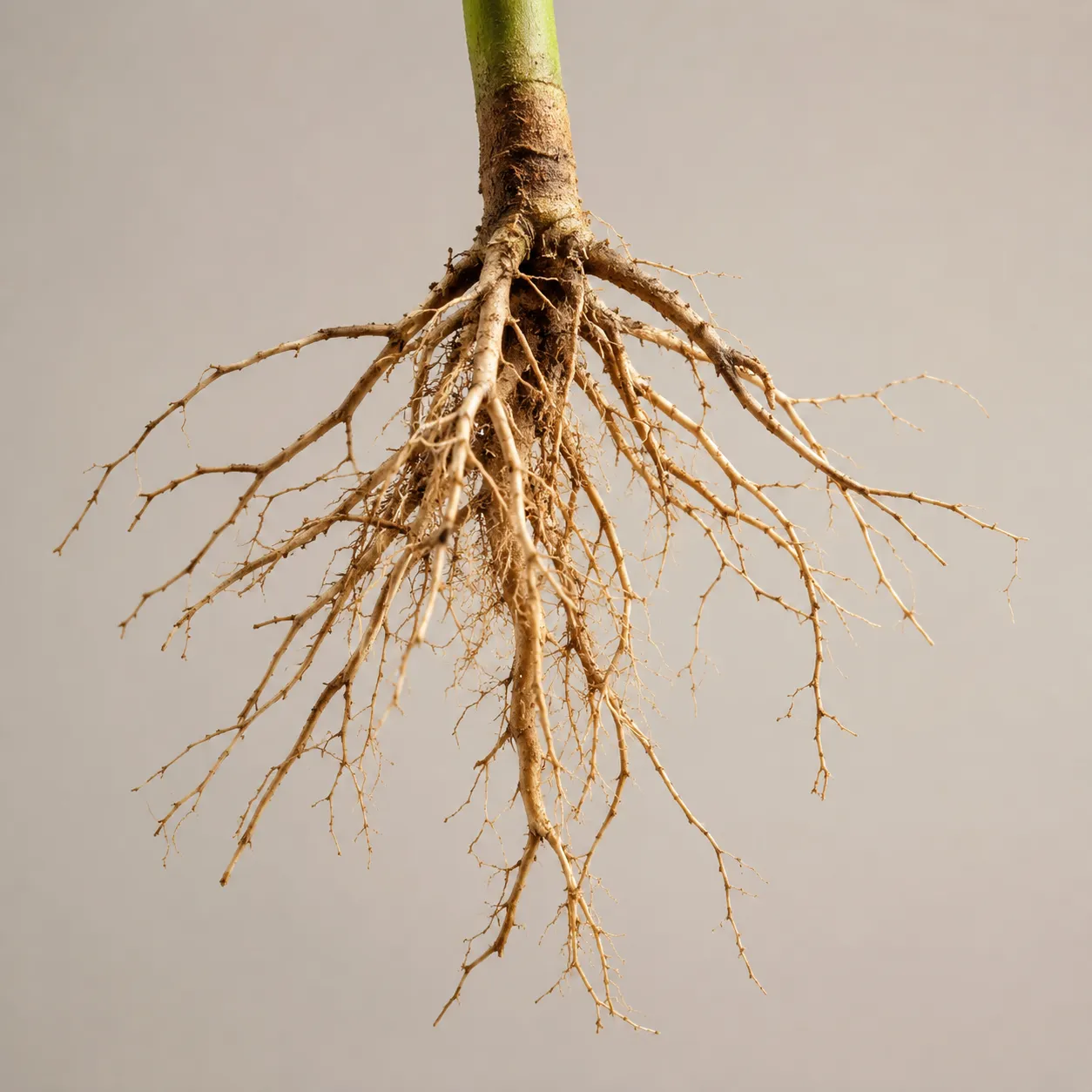
rootruːt
the part of a plant that usually grows under the ground and takes in water and food from the soil.
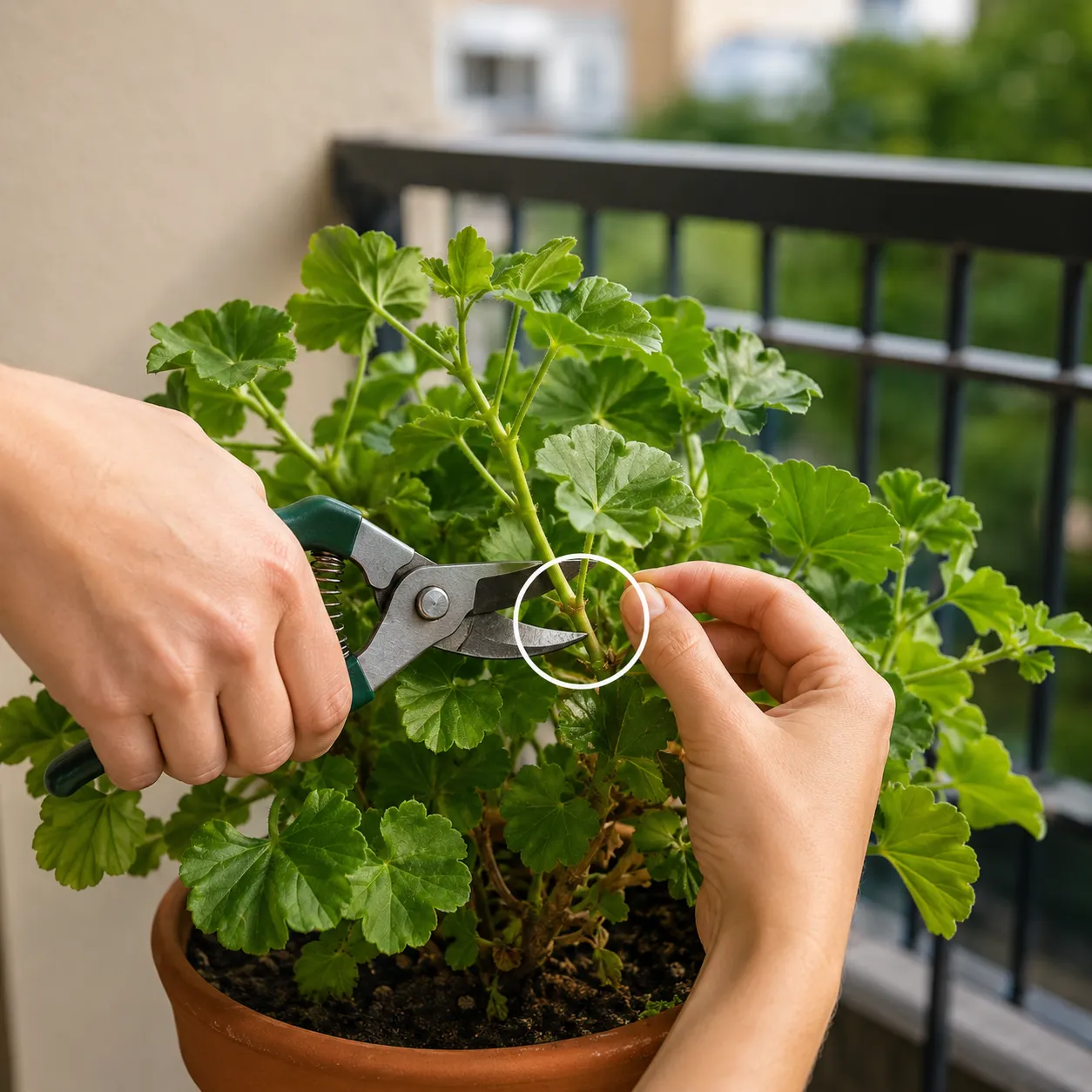
prunepruːn
to cut off some branches or leaves from a tree, bush, or plant so that it grows better or has a good shape.
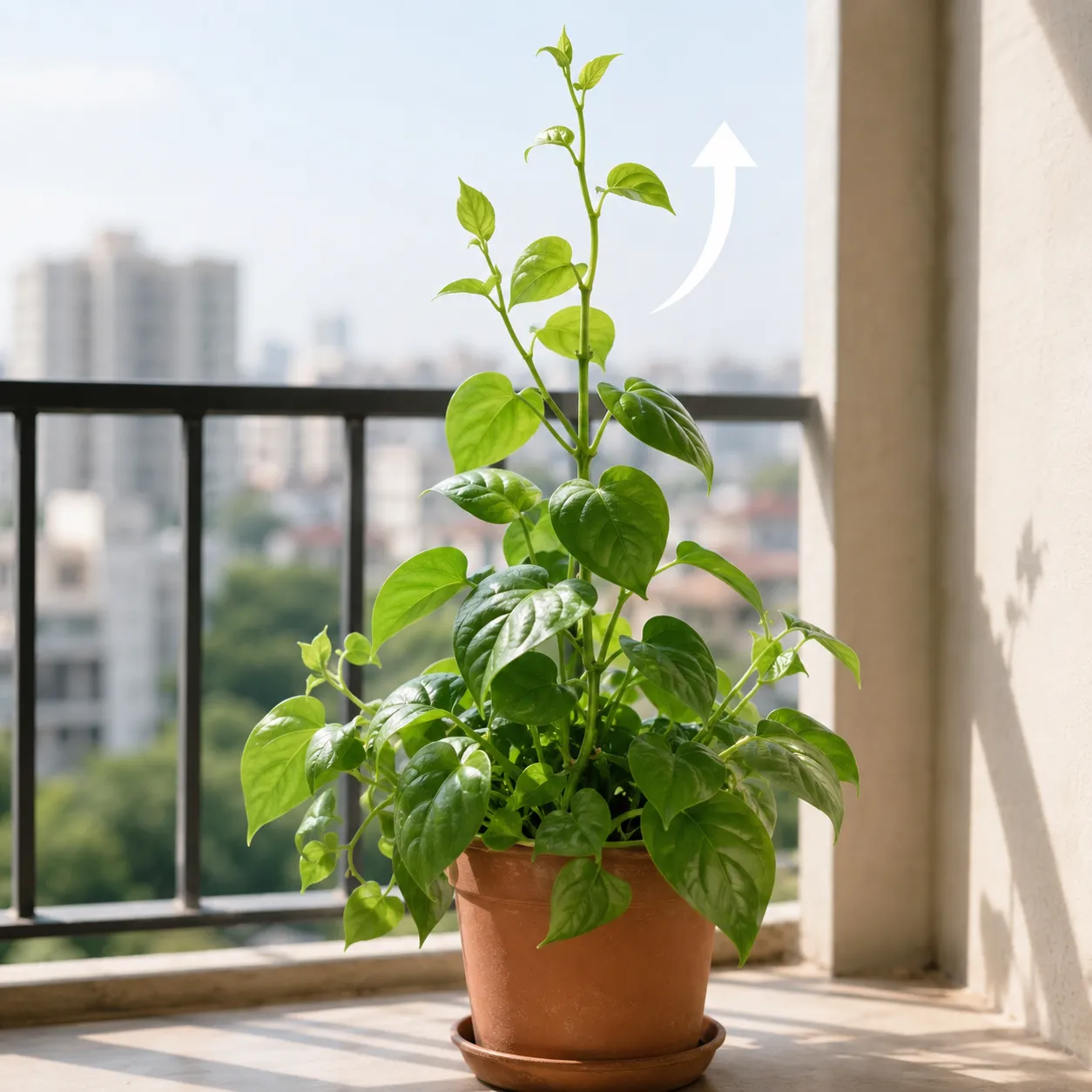
growɡroʊ
to become bigger, older, or more developed over time.
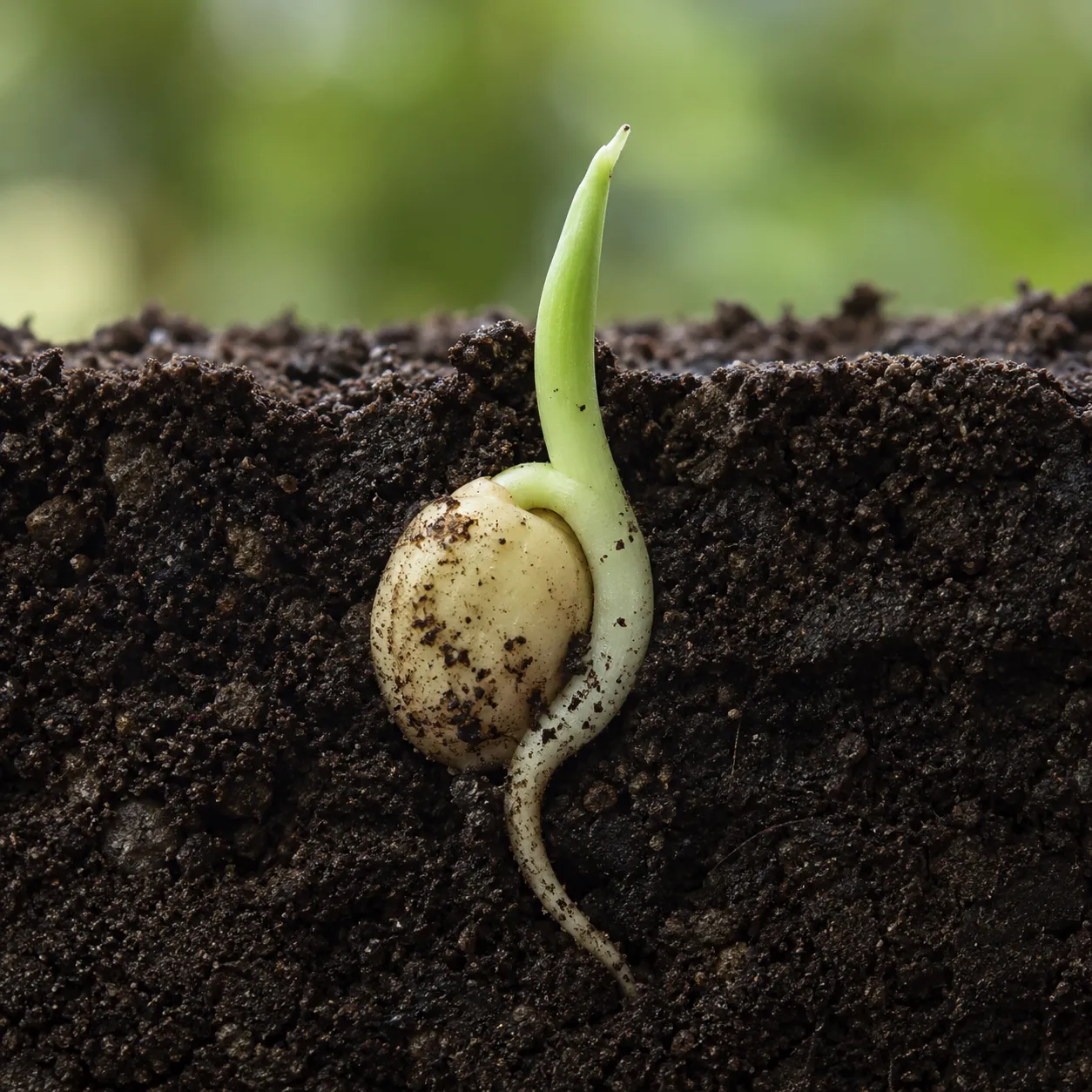
germinateˈdʒɝməˌneɪt
for a seed to start growing and produce a small root or shoot.
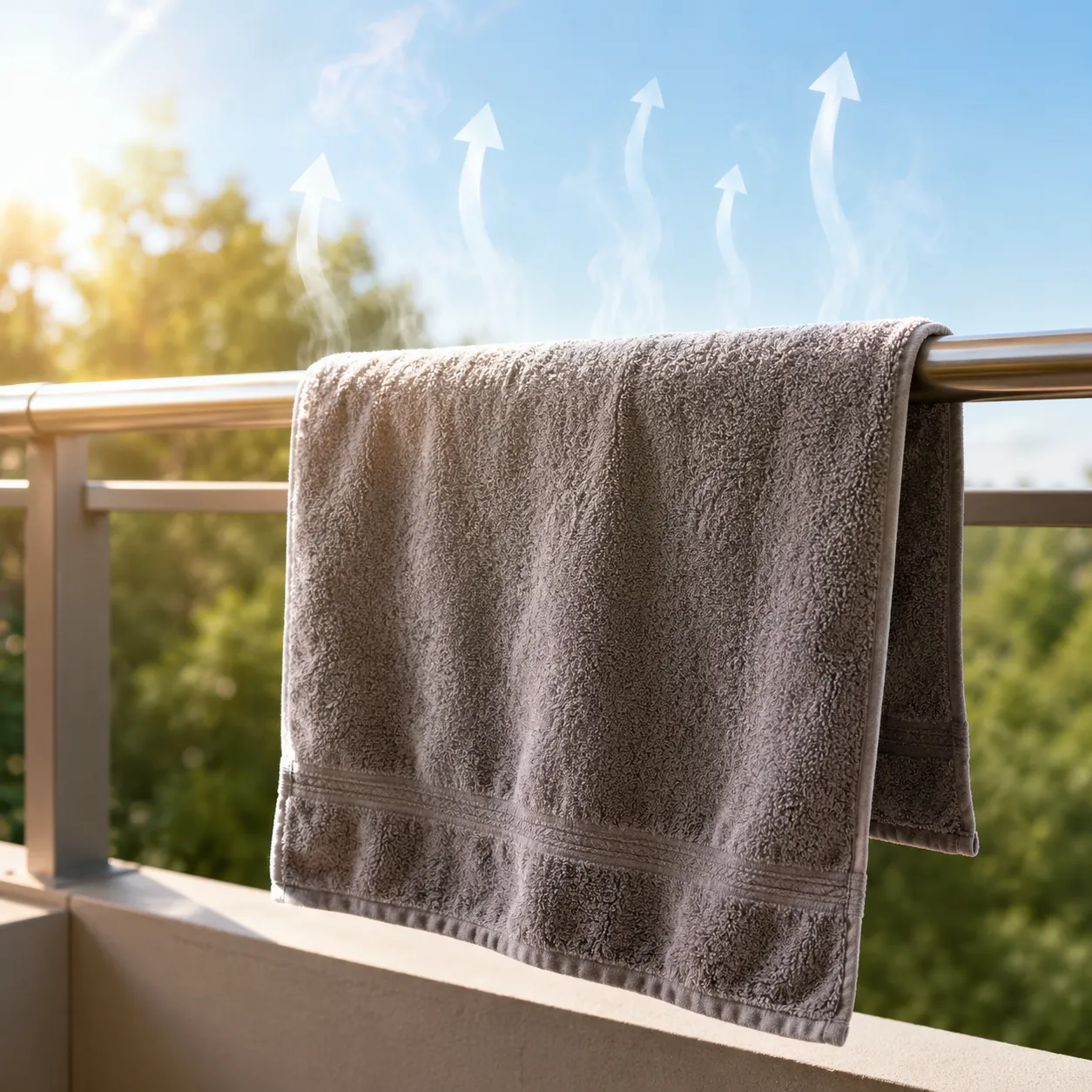
dry outdraɪ aʊt
to become completely dry, or to make something completely dry.
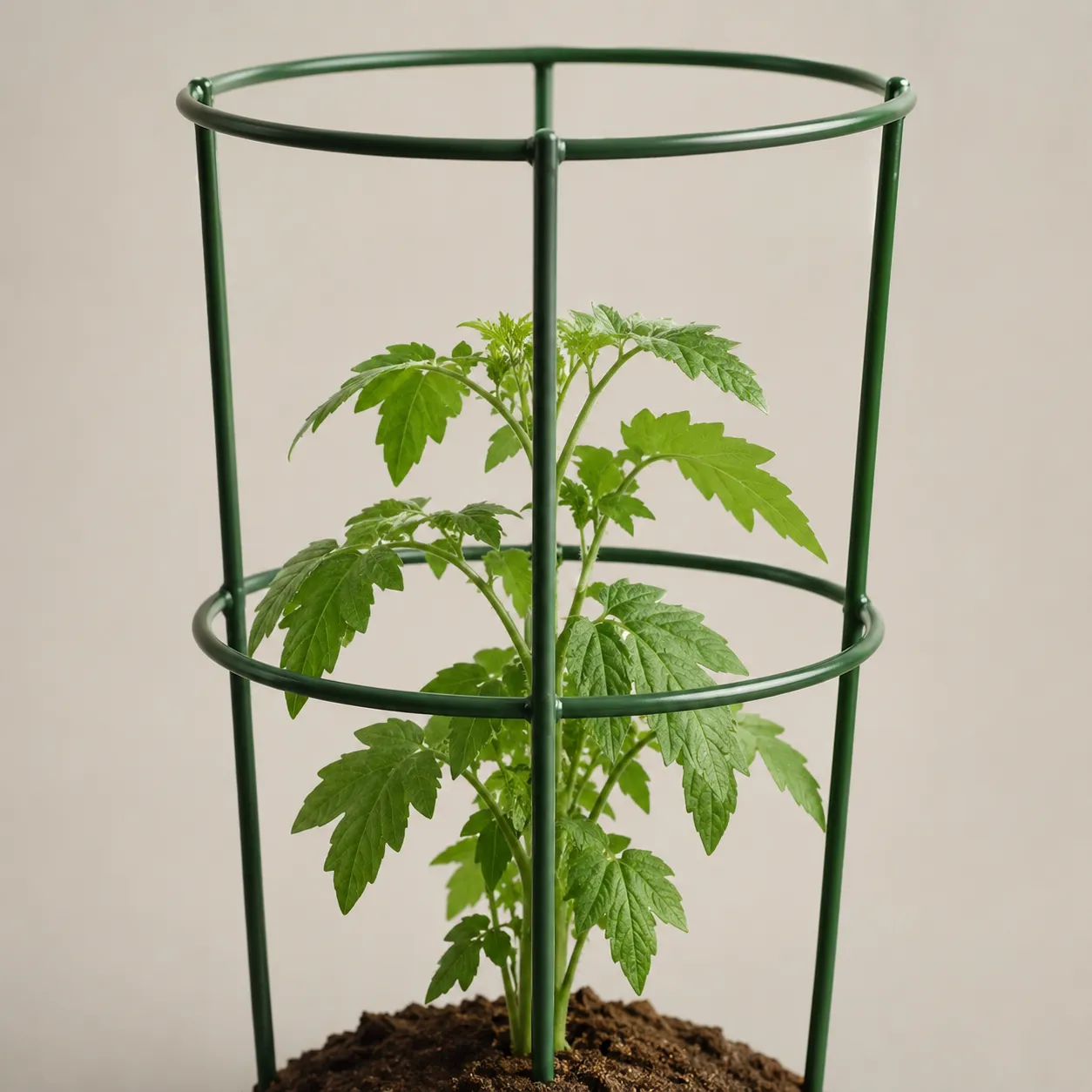
plant supportˈplænt səˌpɔːrt
a stick, frame, ring, or other object that holds a plant upright or guides its growth.
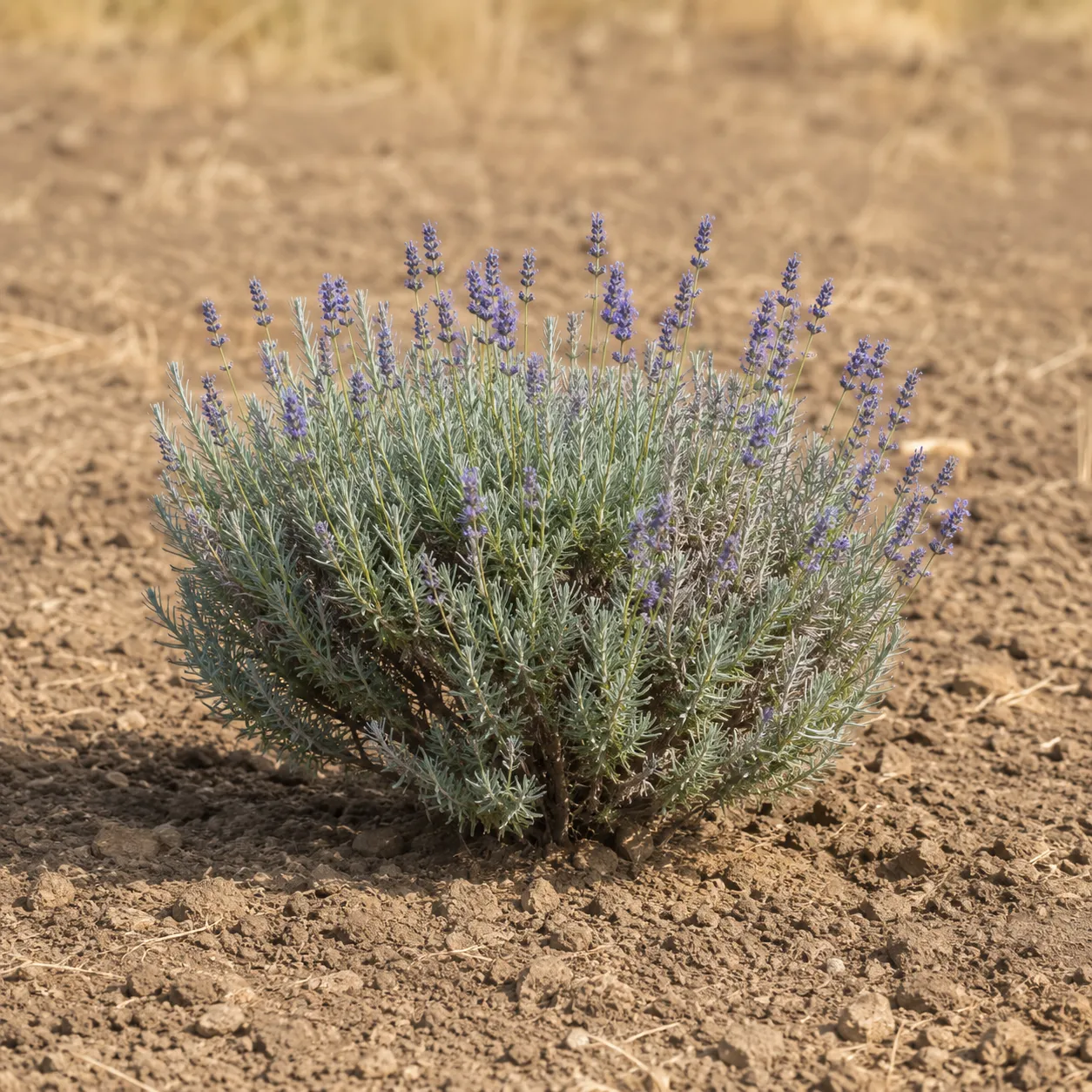
drought-tolerantˈdraʊt ˌtɑːlərənt
A drought-tolerant plant can survive and keep growing during dry periods with little water.
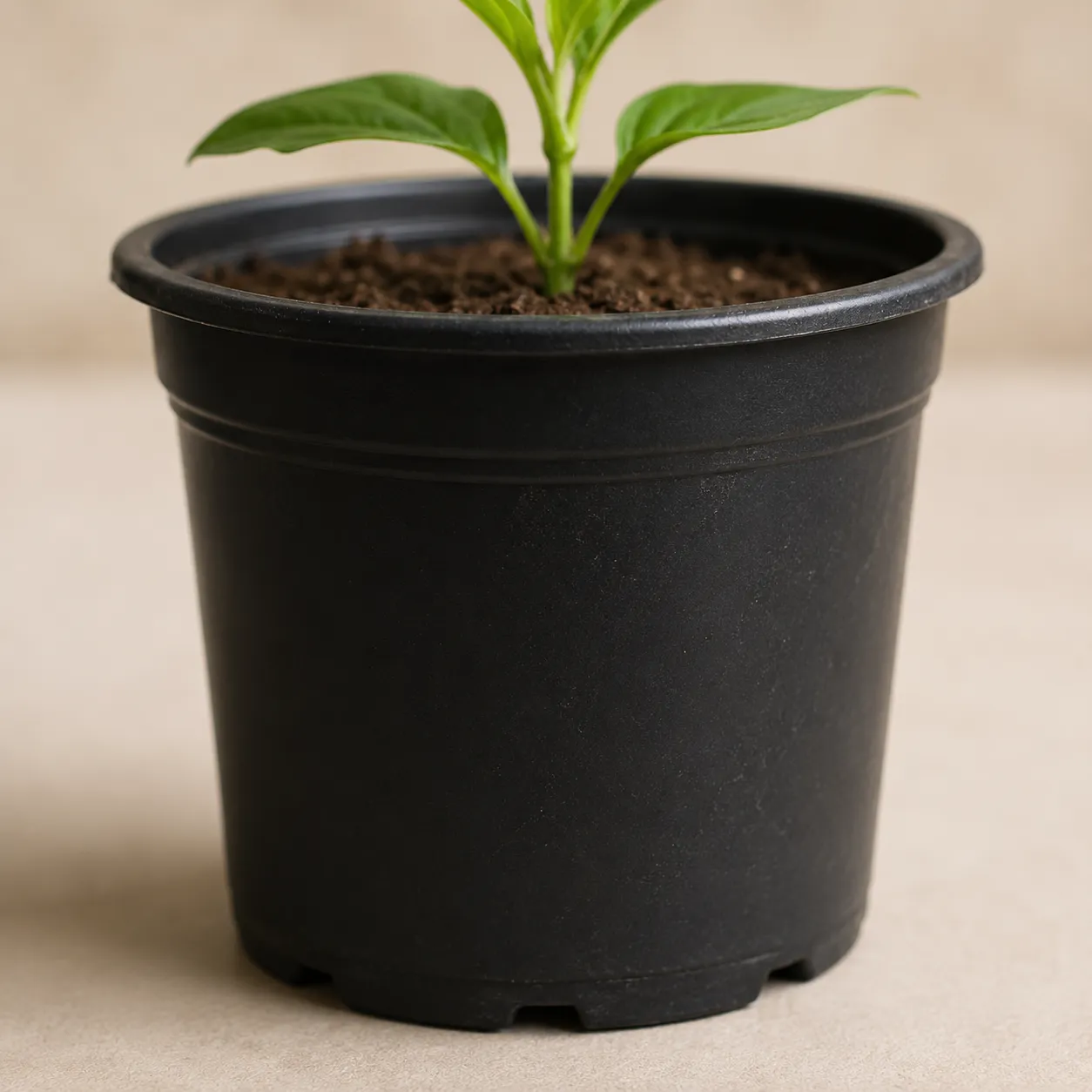
nursery potˈnɜːrsəri pɑːt
a simple container, usually plastic, used for growing and selling young plants.
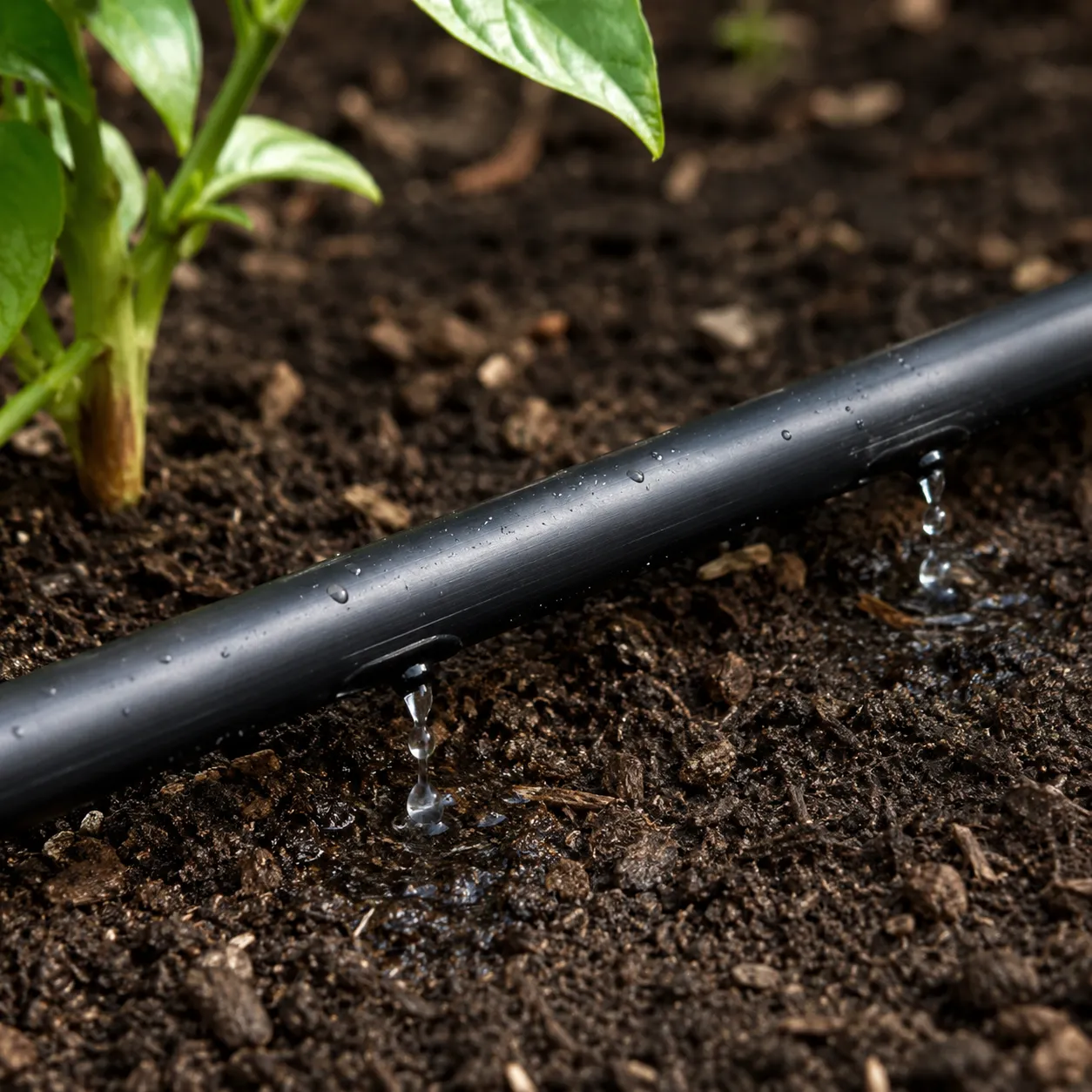
drip lineˈdrɪp ˌlaɪn
a tube in a watering system with small openings that let water drip slowly to plants along the whole line.
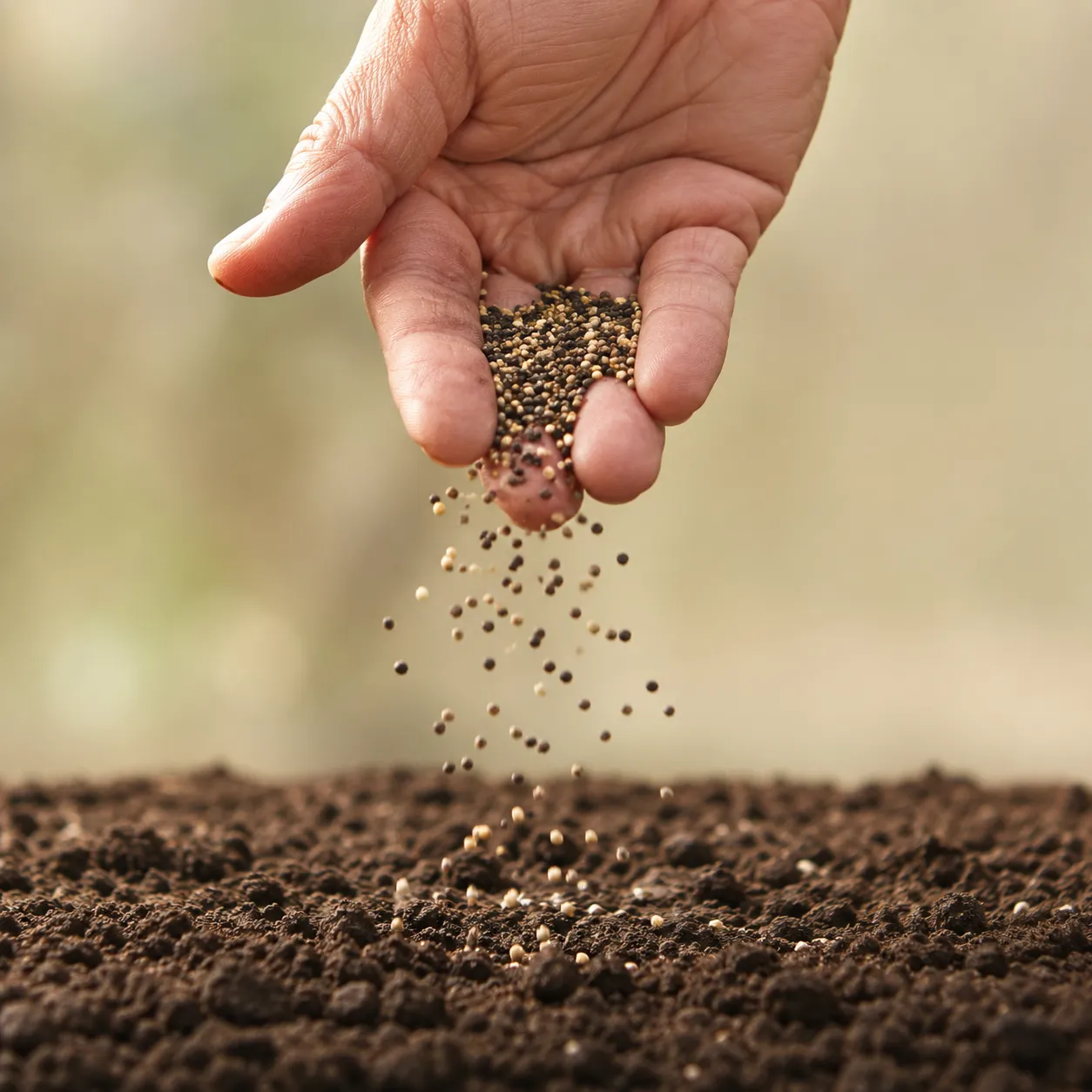
scatterˈskætɚ
to throw or spread things in different directions over an area, not in a neat pile or line.
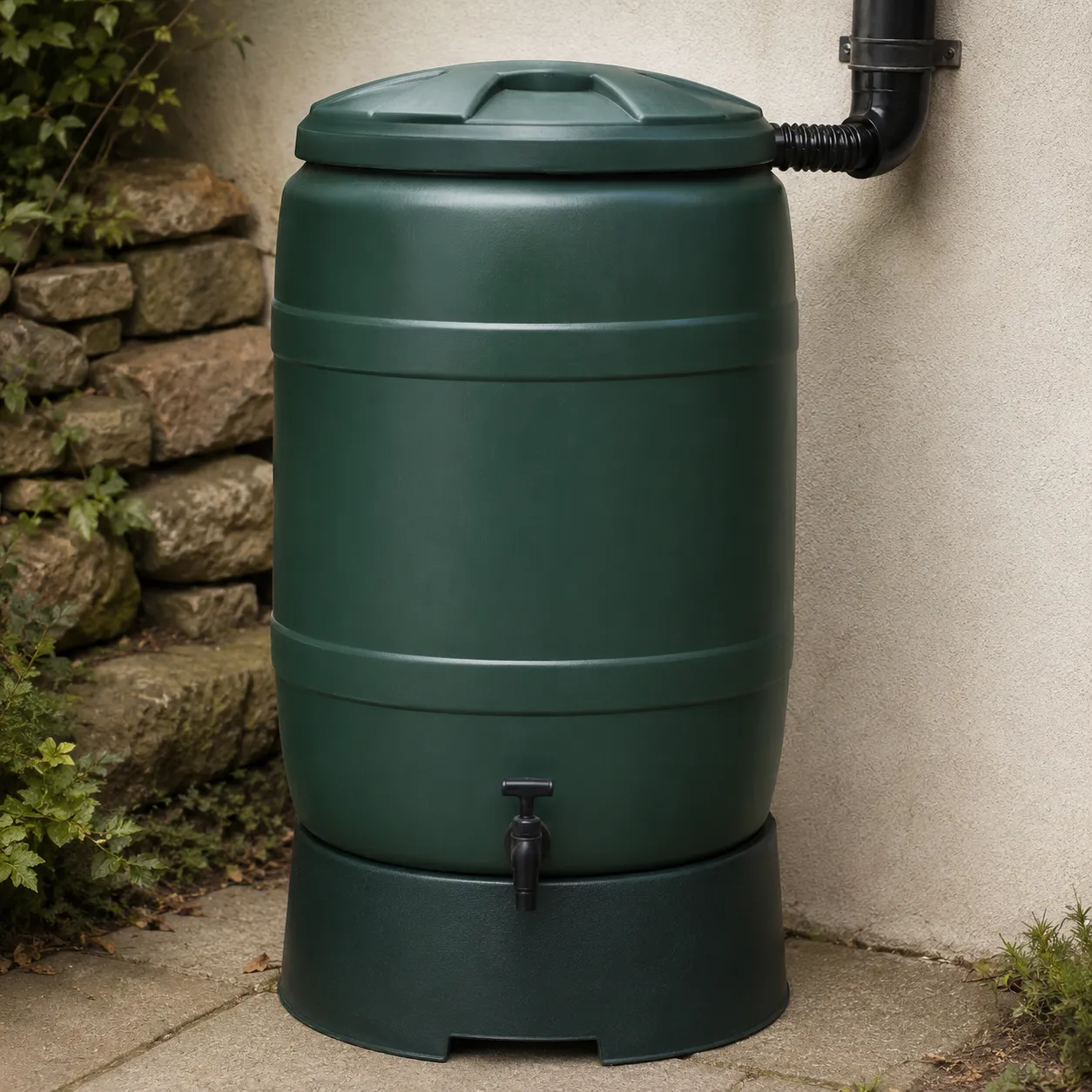
water buttˈwɔːtər bʌt
a large outdoor container that collects rainwater from a roof, usually for watering a garden.
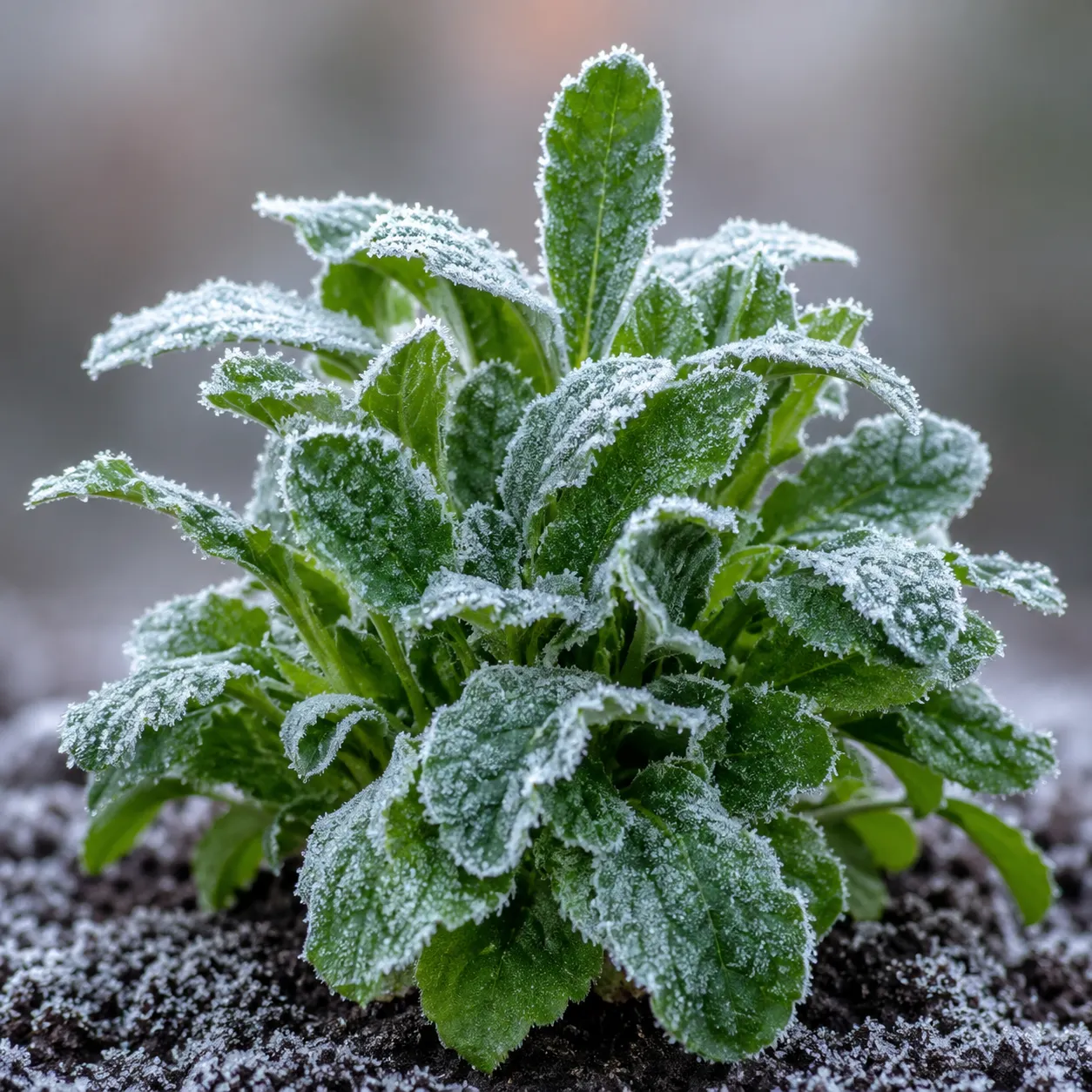
frost-resistantˈfrɔːst rɪˌzɪstənt
A frost-resistant plant or material can survive freezing temperatures without serious damage.
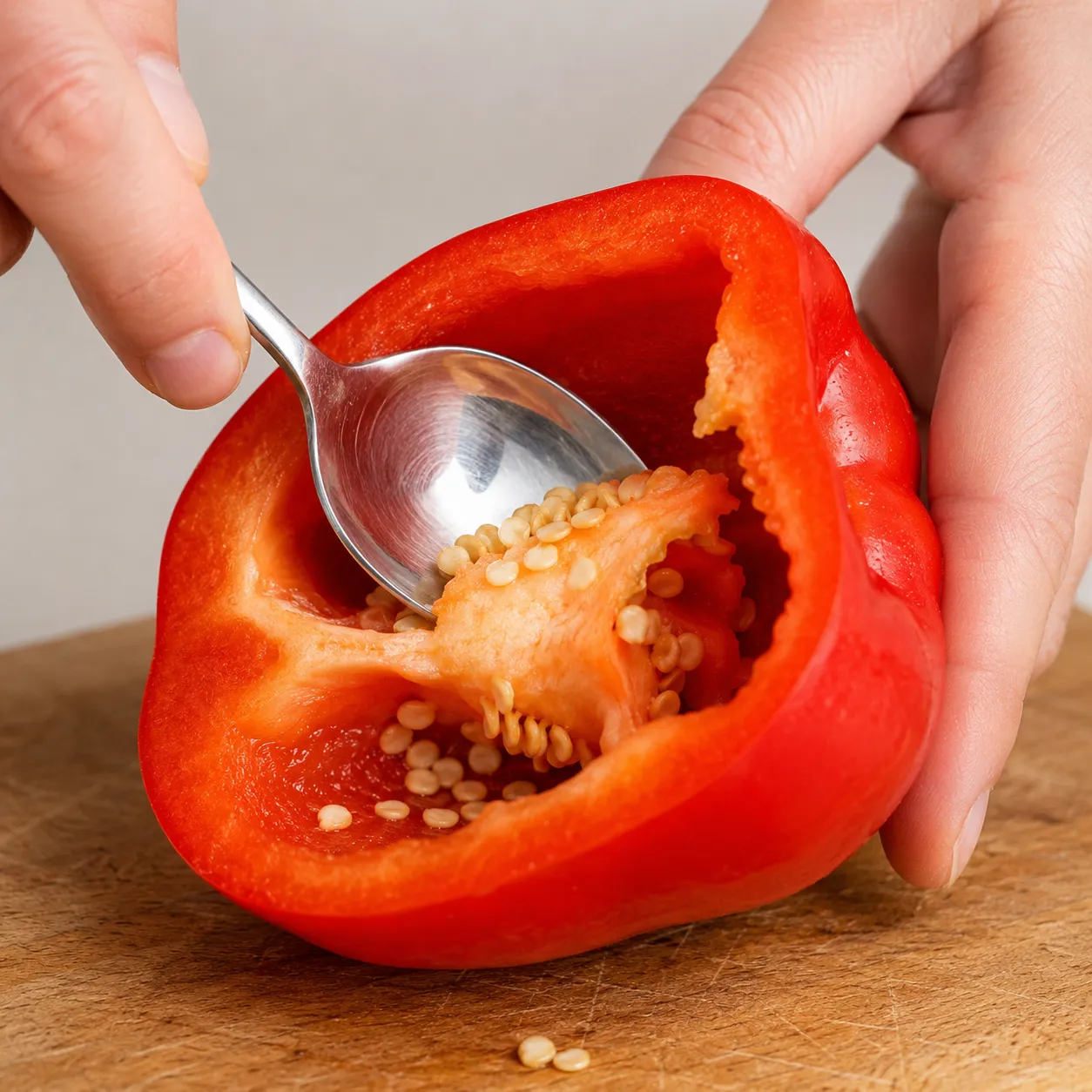
seedsiːd
a small hard part of a plant from which a new plant can grow.
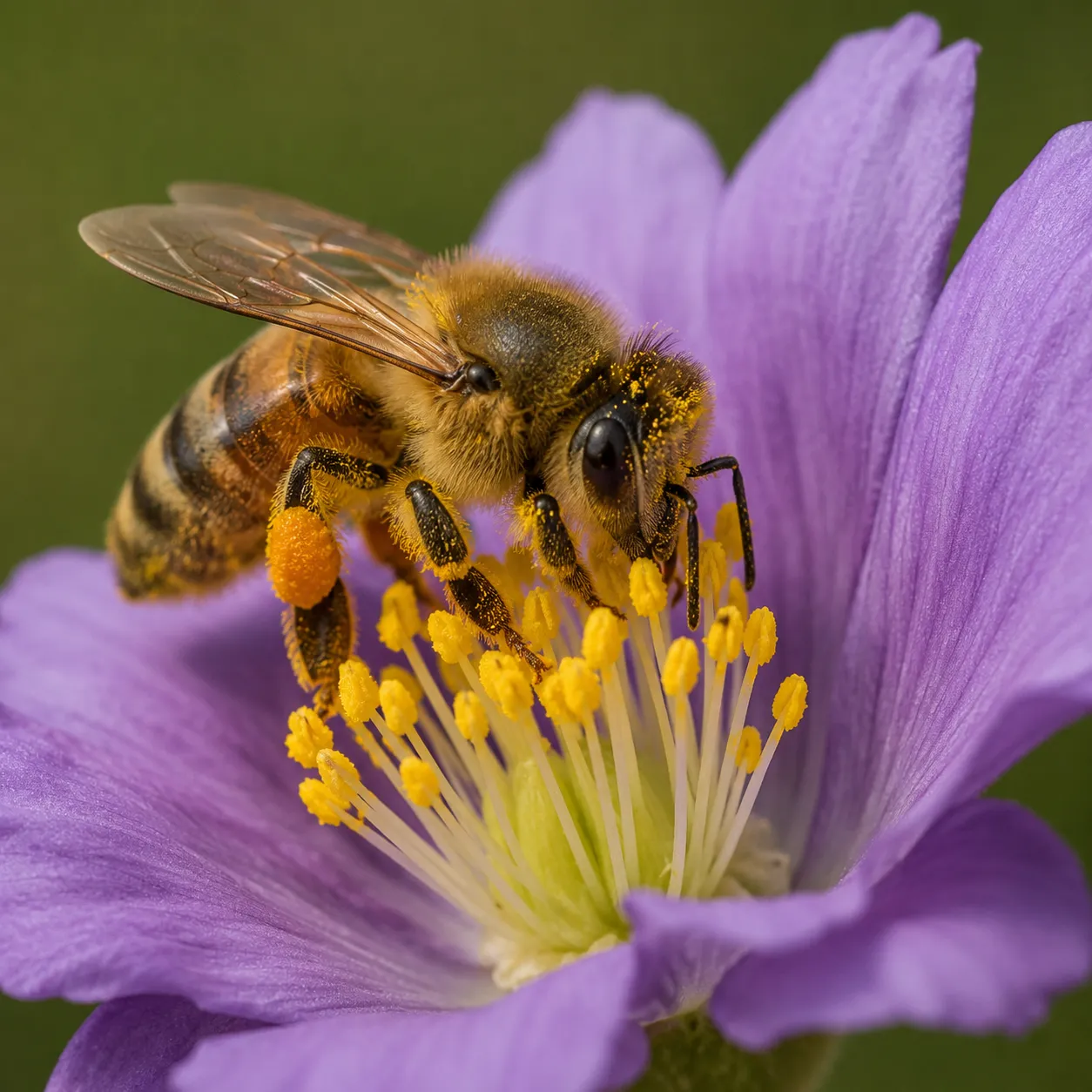
pollinateˈpɑləˌneɪt
to move pollen to the part of a flower that allows the plant to make seeds or fruit.
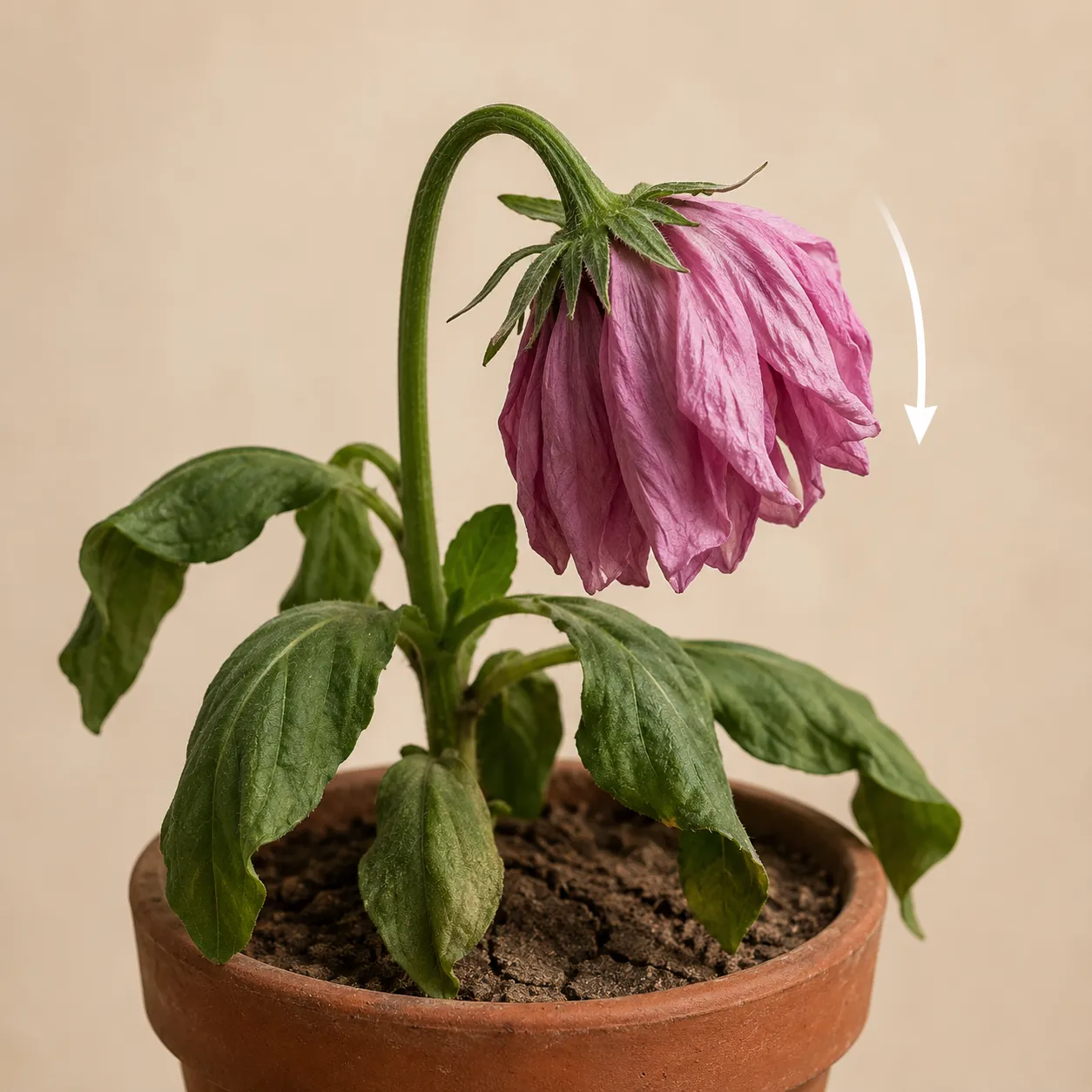
wiltwɪlt
for a plant or flower to become soft and hang down, often because it is too hot or lacks water.
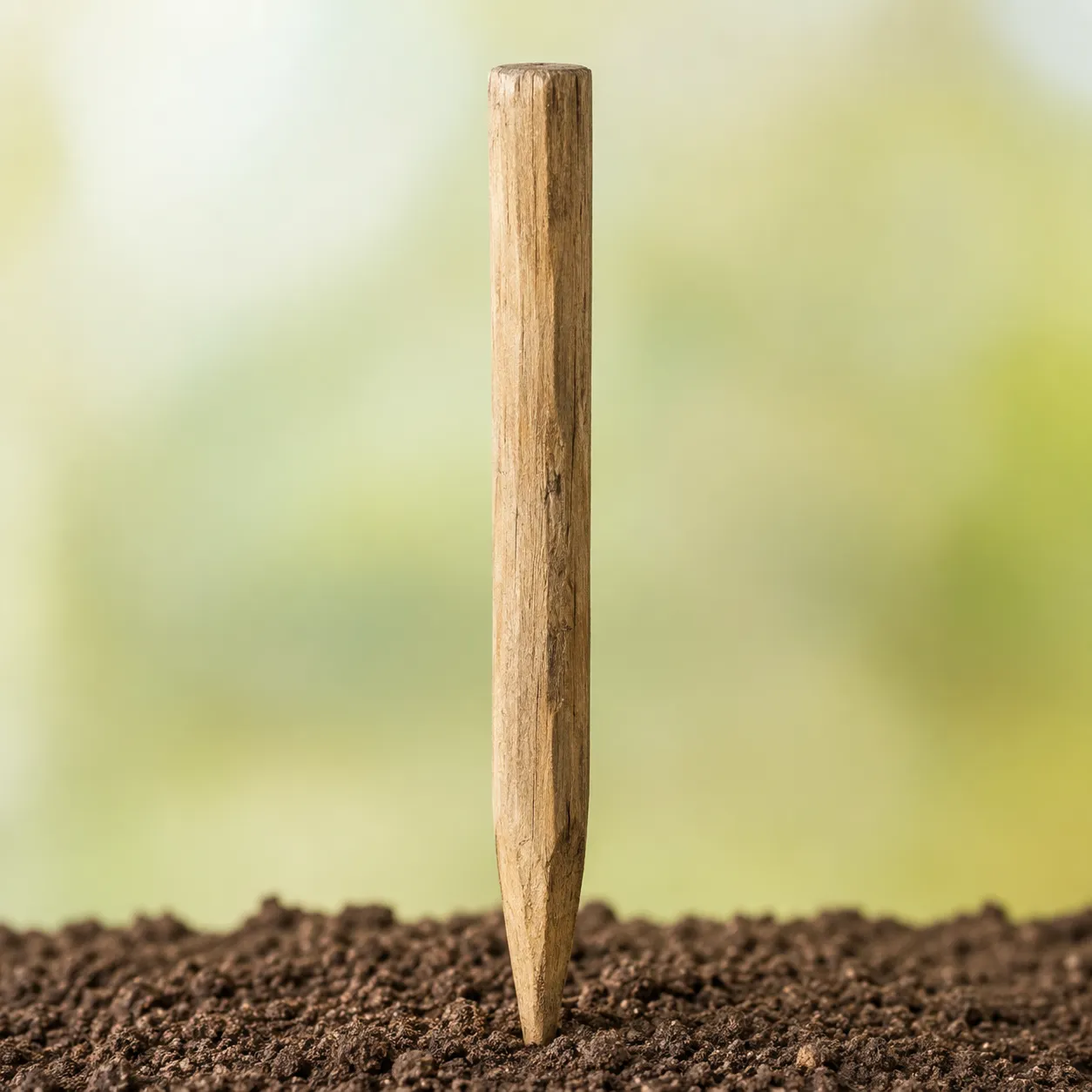
stakesteɪk
a strong stick or post, often pointed at one end, put into the ground to support a plant or mark a place.
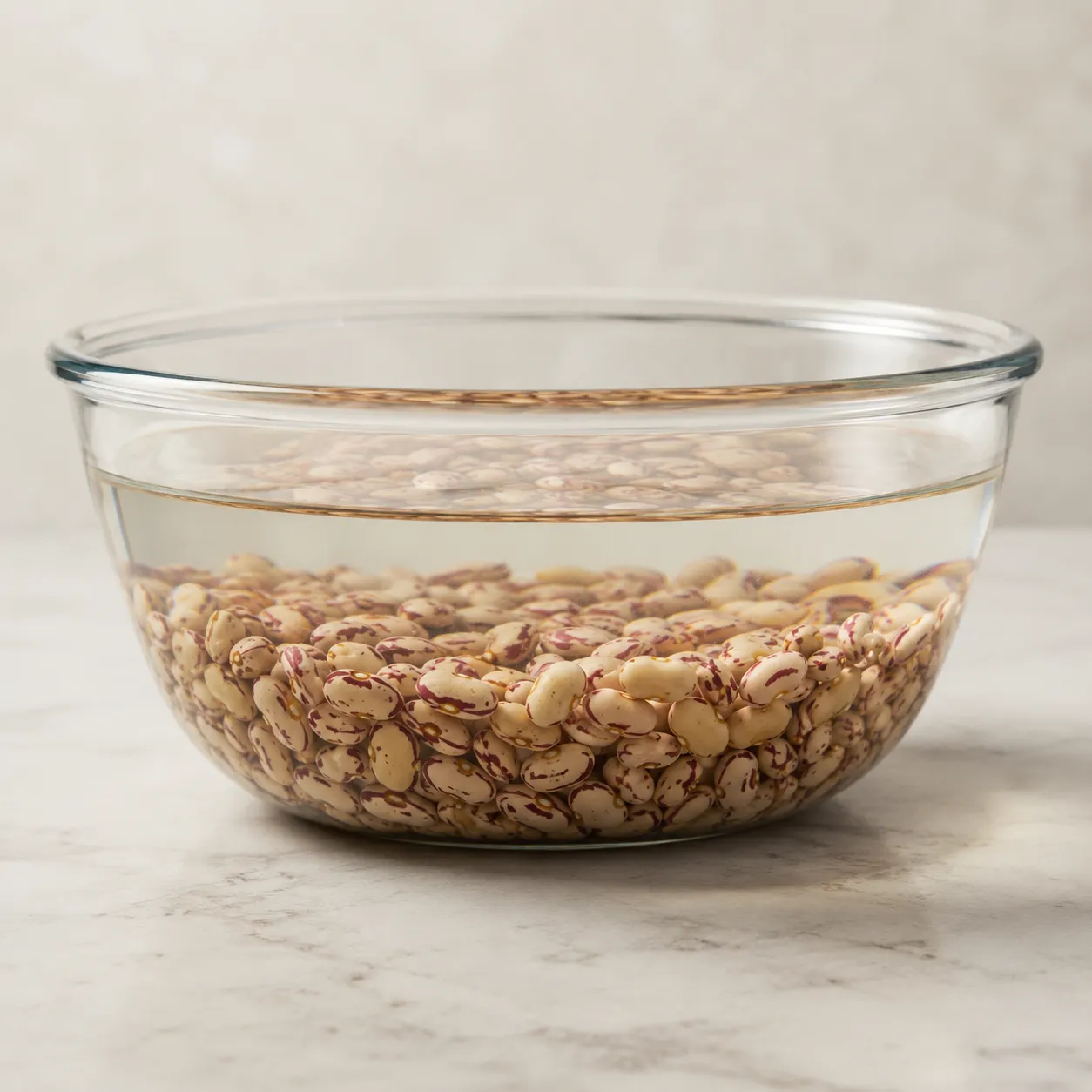
soaksoʊk
to put something in liquid and leave it there, or to make something very wet.
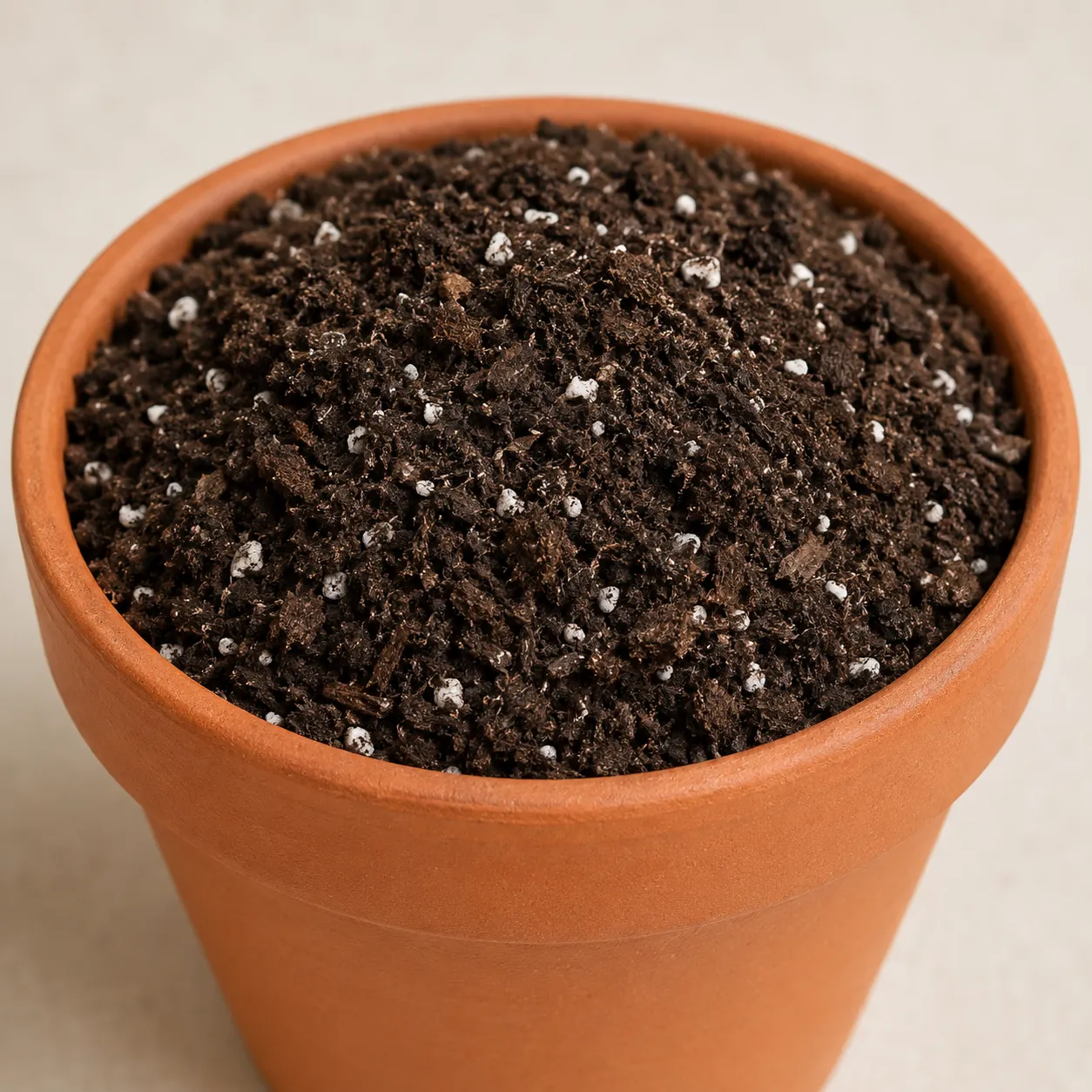
potting soilˈpɑːtɪŋ ˌsɔɪl
a prepared soil mixture used for growing plants in pots or containers.
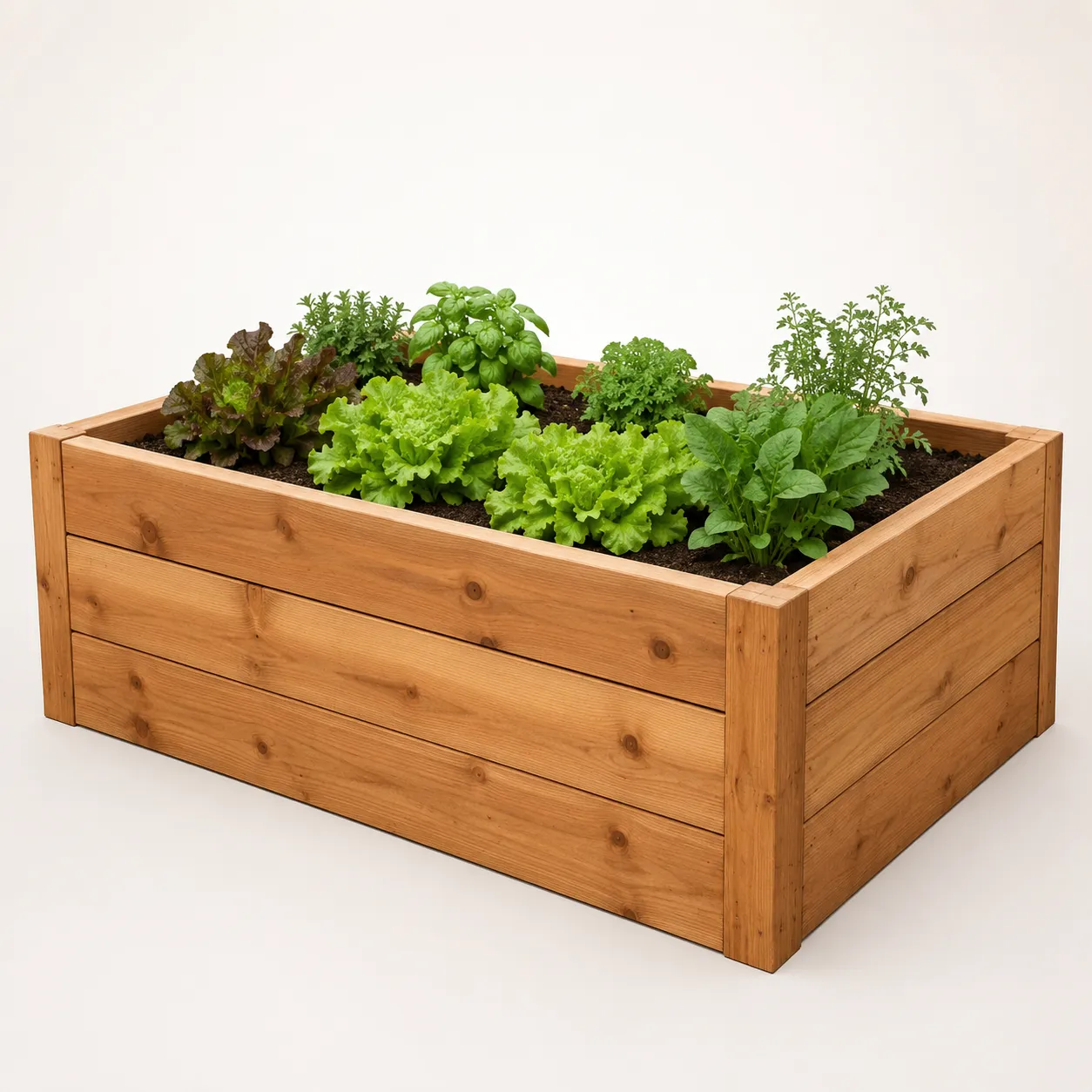
raised bedˌreɪzd ˈbɛd
a garden bed with soil held above ground level, often inside a wooden, stone, or metal frame.
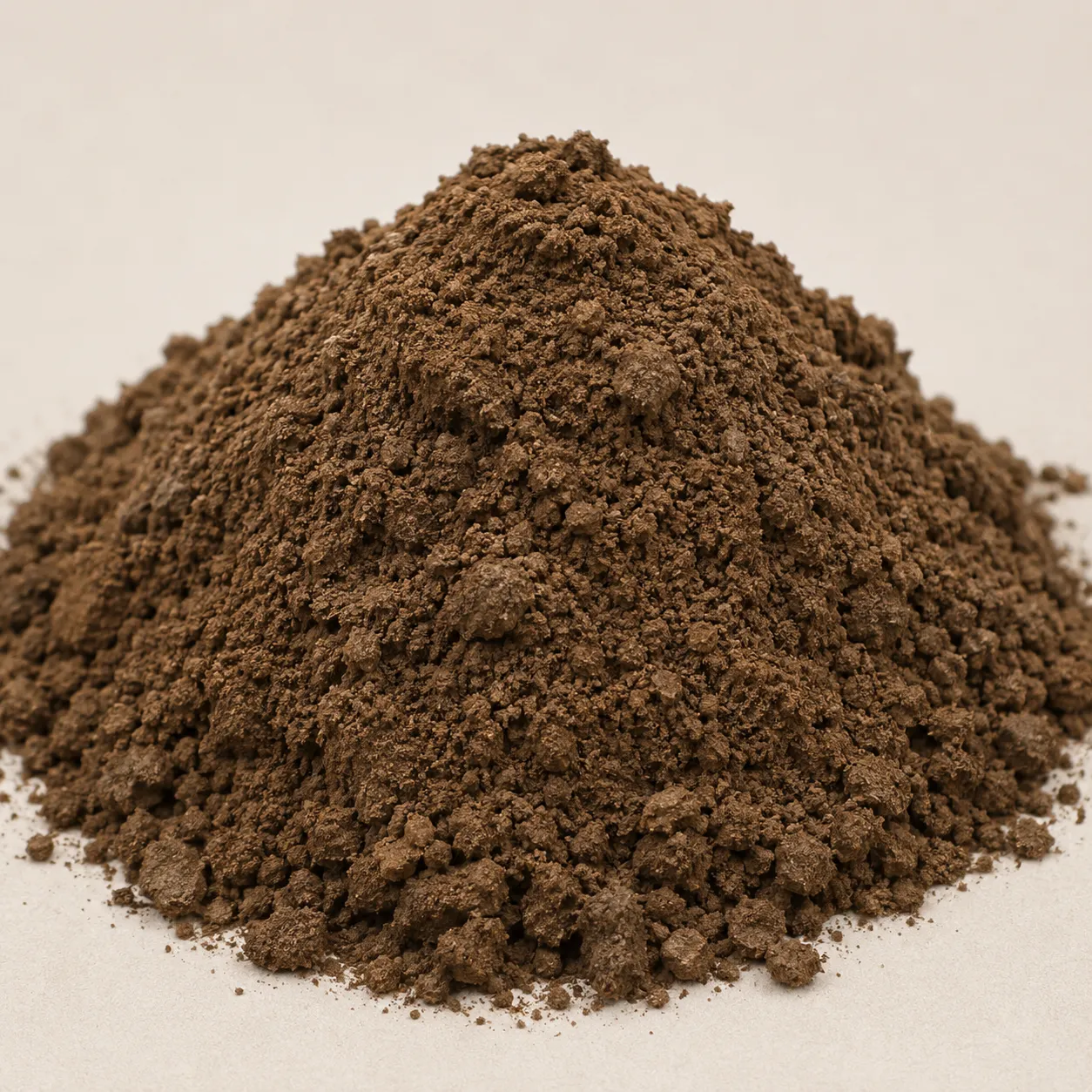
dirtdɝːt
soil, dust, or other substance that makes a surface, place, or thing not clean.
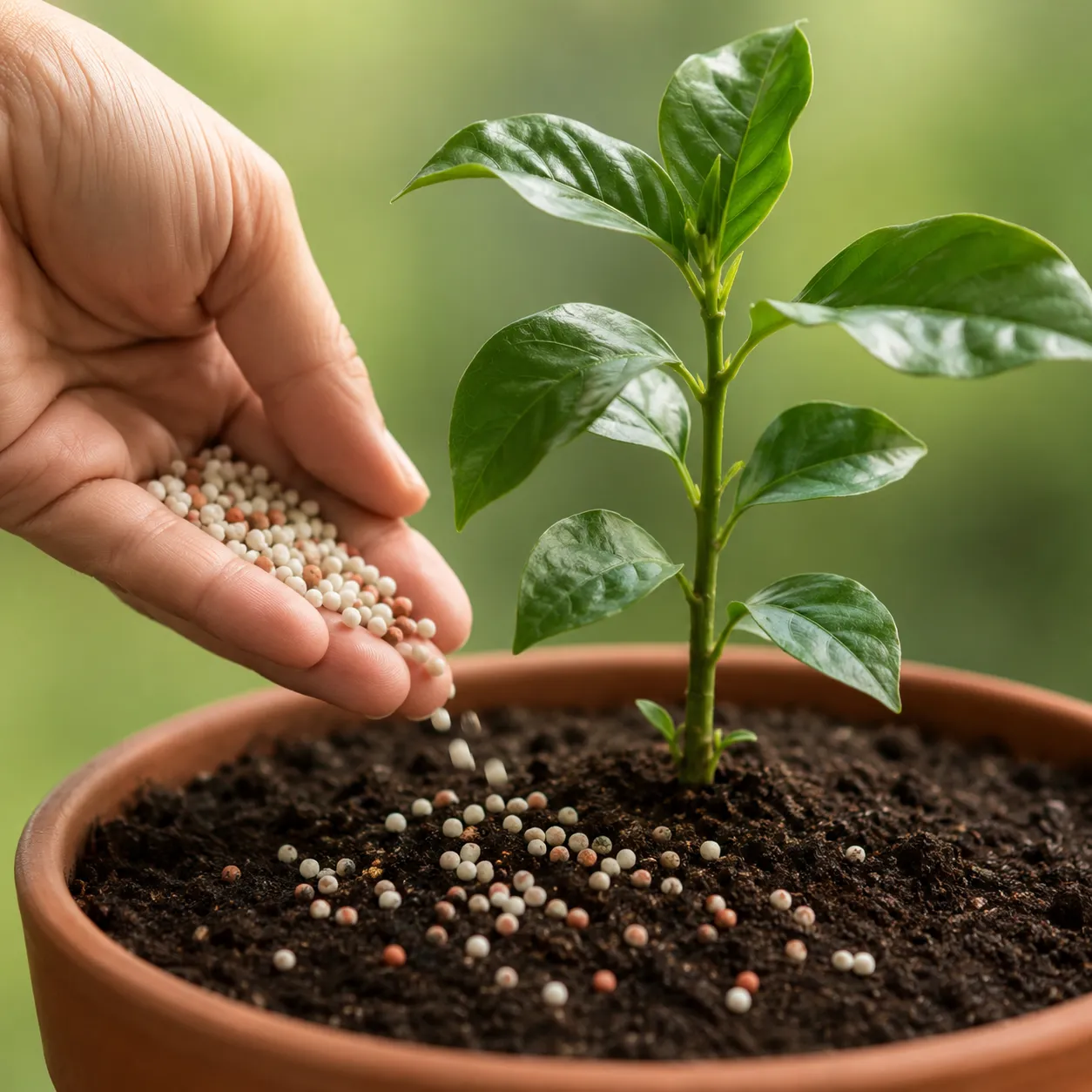
fertilizeˈfɝːtəˌlaɪz
to add a substance to soil or plants to help plants grow better.
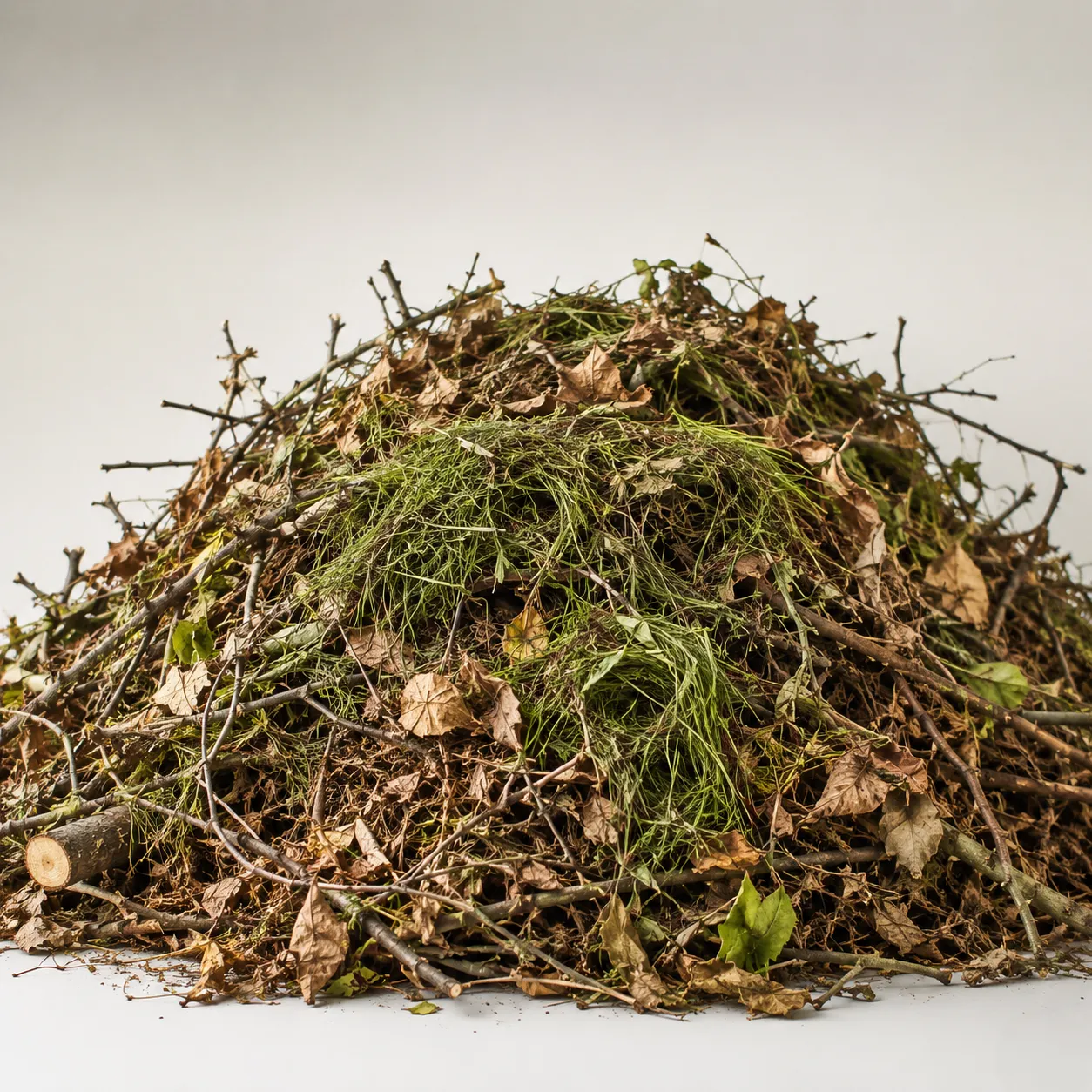
yard wasteˈjɑːrd weɪst
leaves, grass, branches, and other plant material that is thrown away after work in a yard or garden.
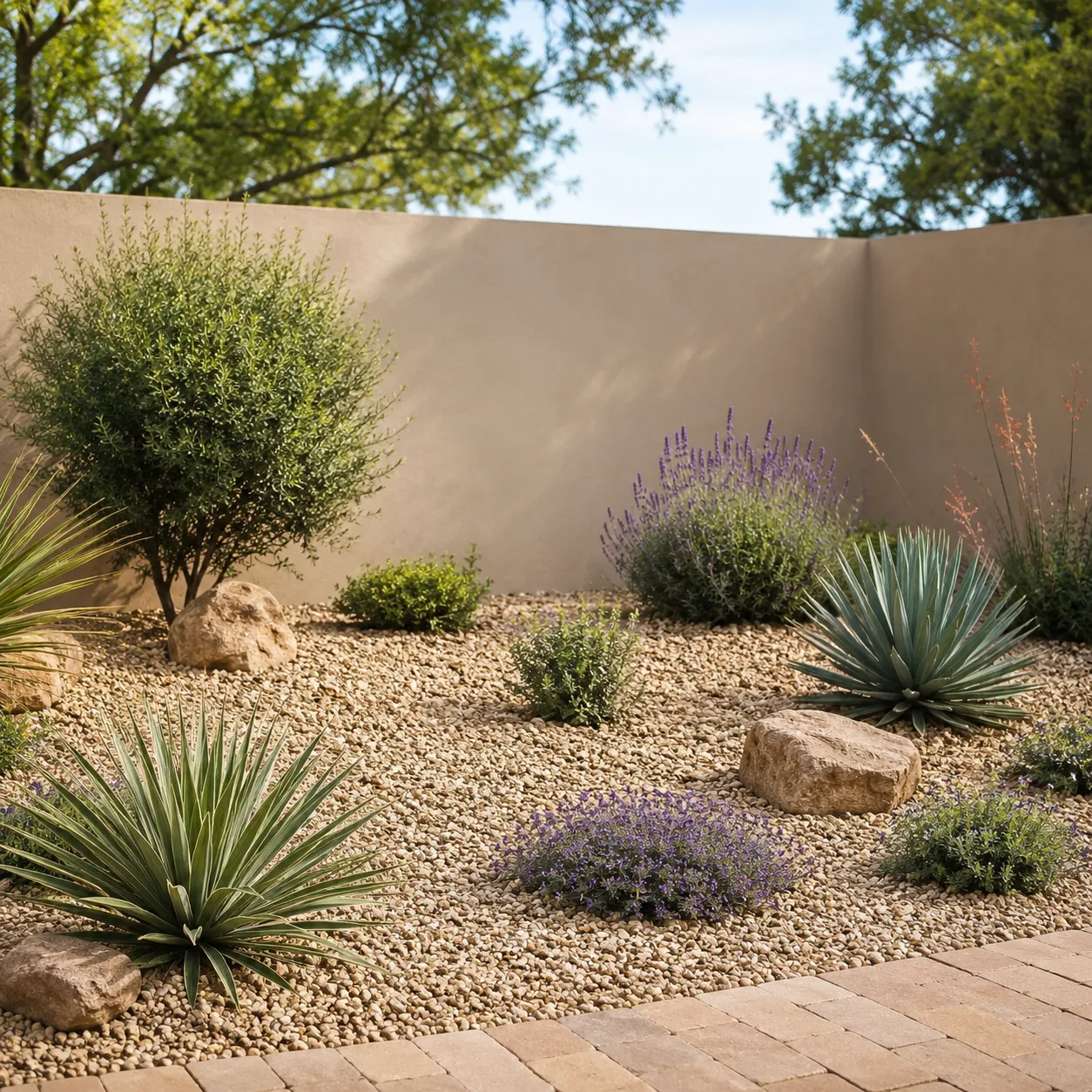
low-maintenanceˌloʊ ˈmeɪntənəns
needing little time, work, or money to keep in good condition.
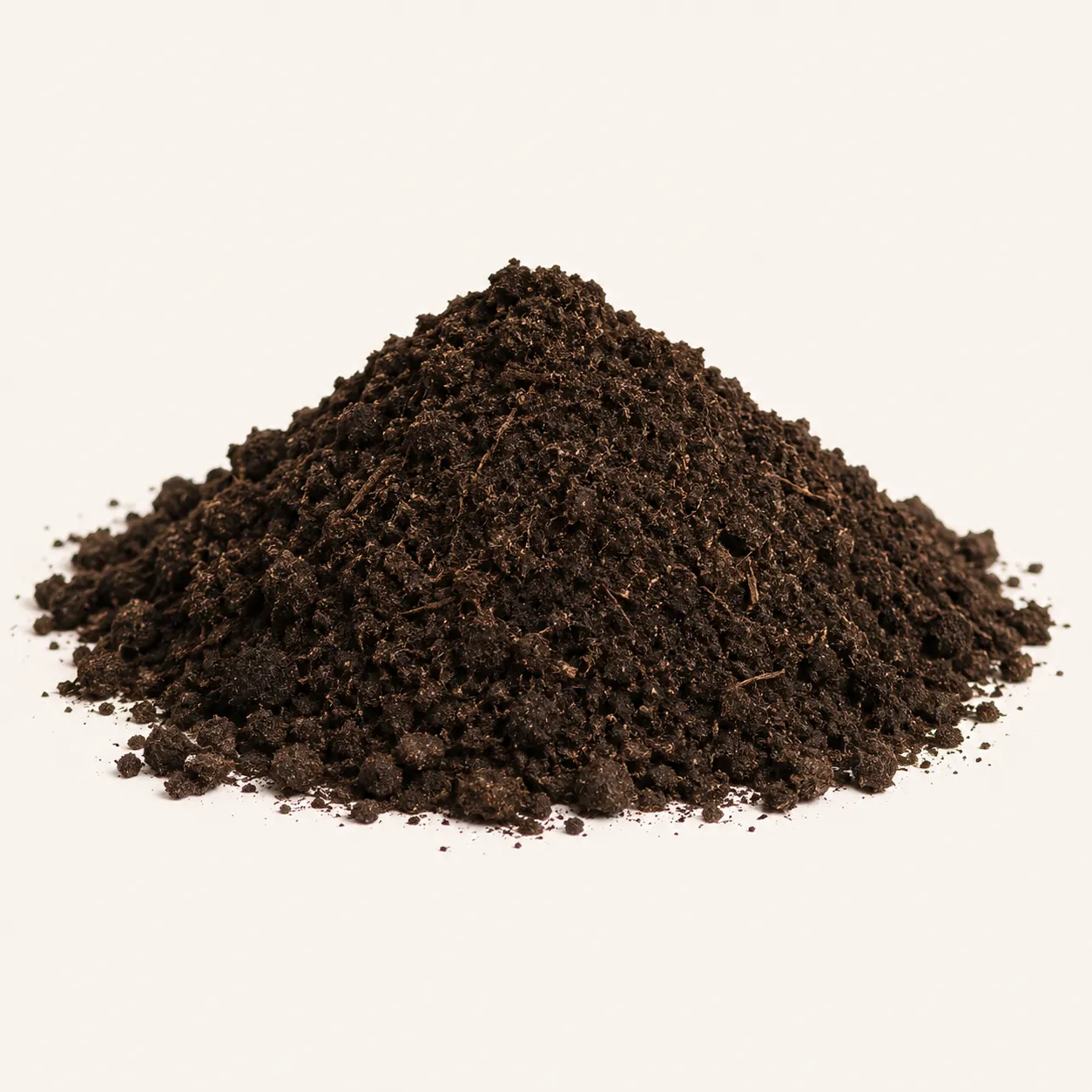
soilsɔɪl
the top layer of the ground, in which plants grow.
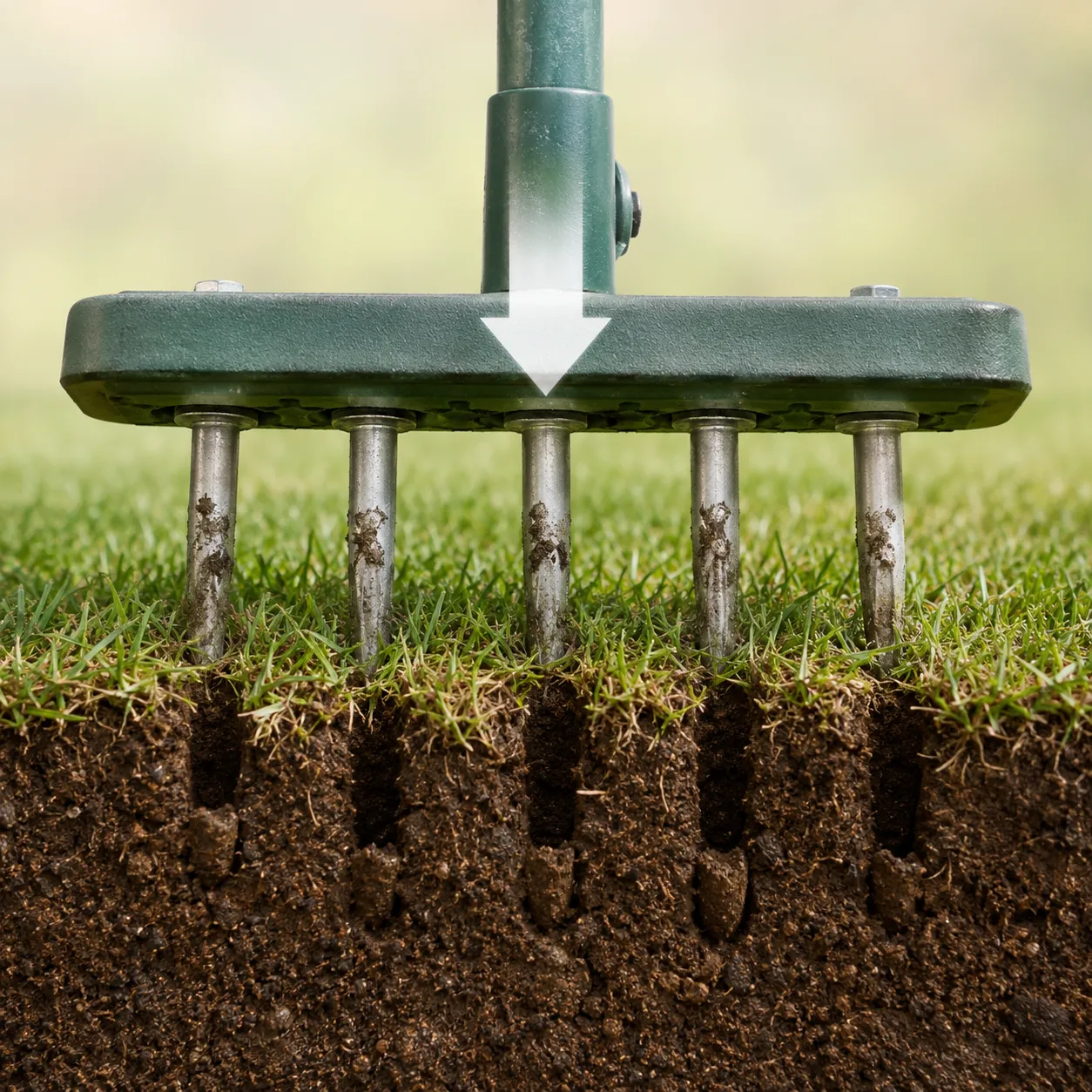
aerateˈɛrɪˌeɪt
to make small spaces or holes in soil, liquid, or another material so that air can enter it.
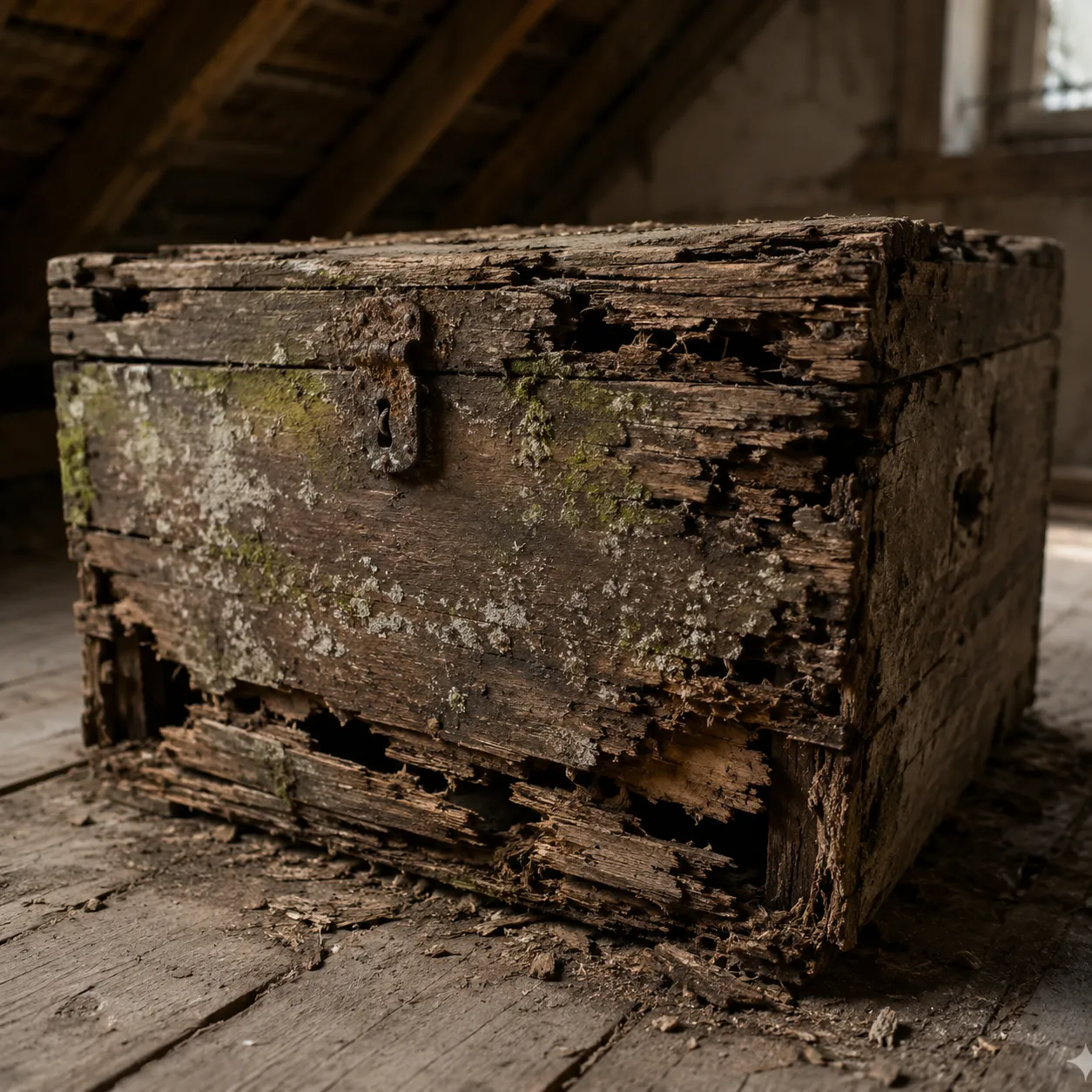
decaydɪˈkeɪ
to slowly become soft, damaged or destroyed by natural processes, especially after death or from lack of care.
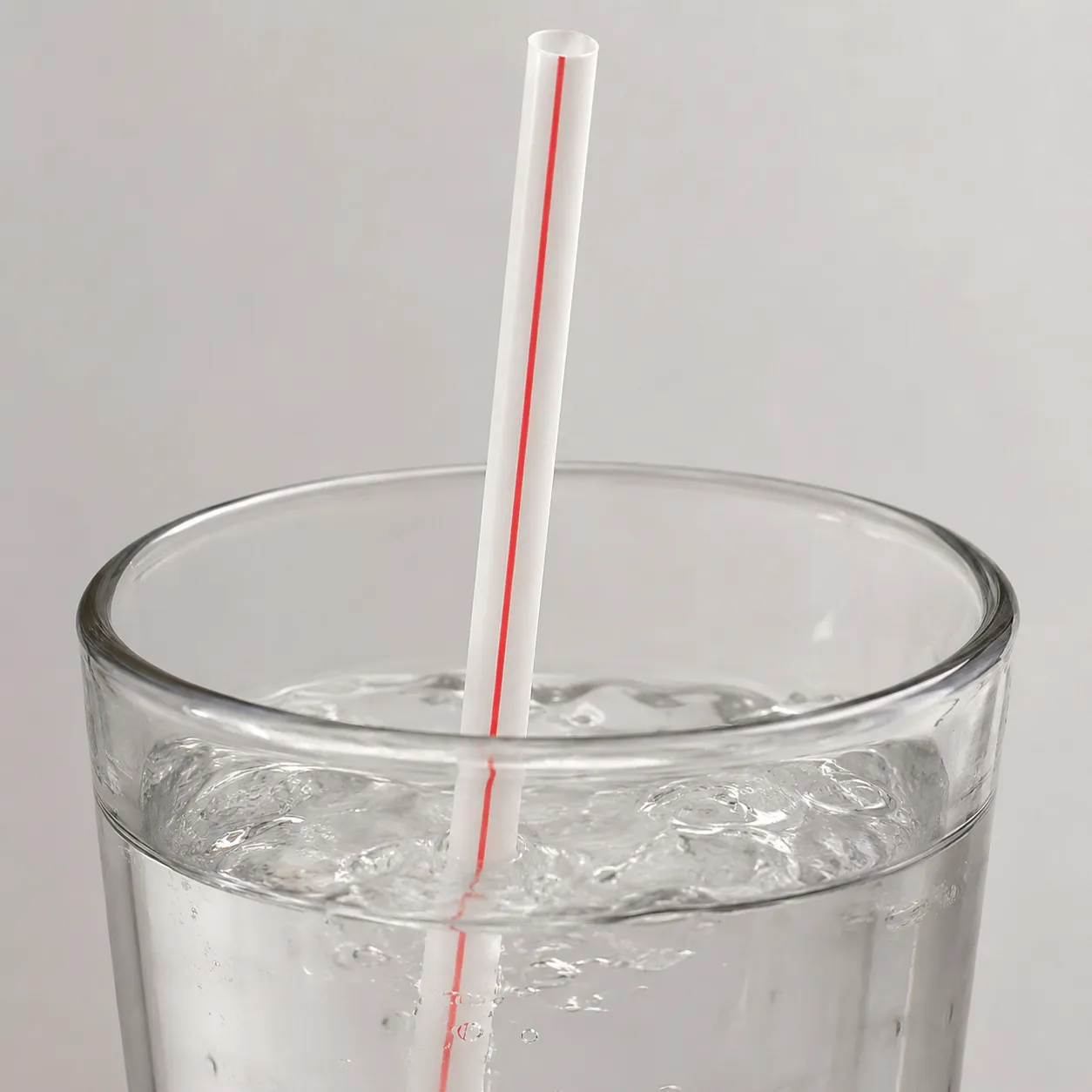
strawstrɔː
a thin tube used for drinking liquid from a glass or bottle
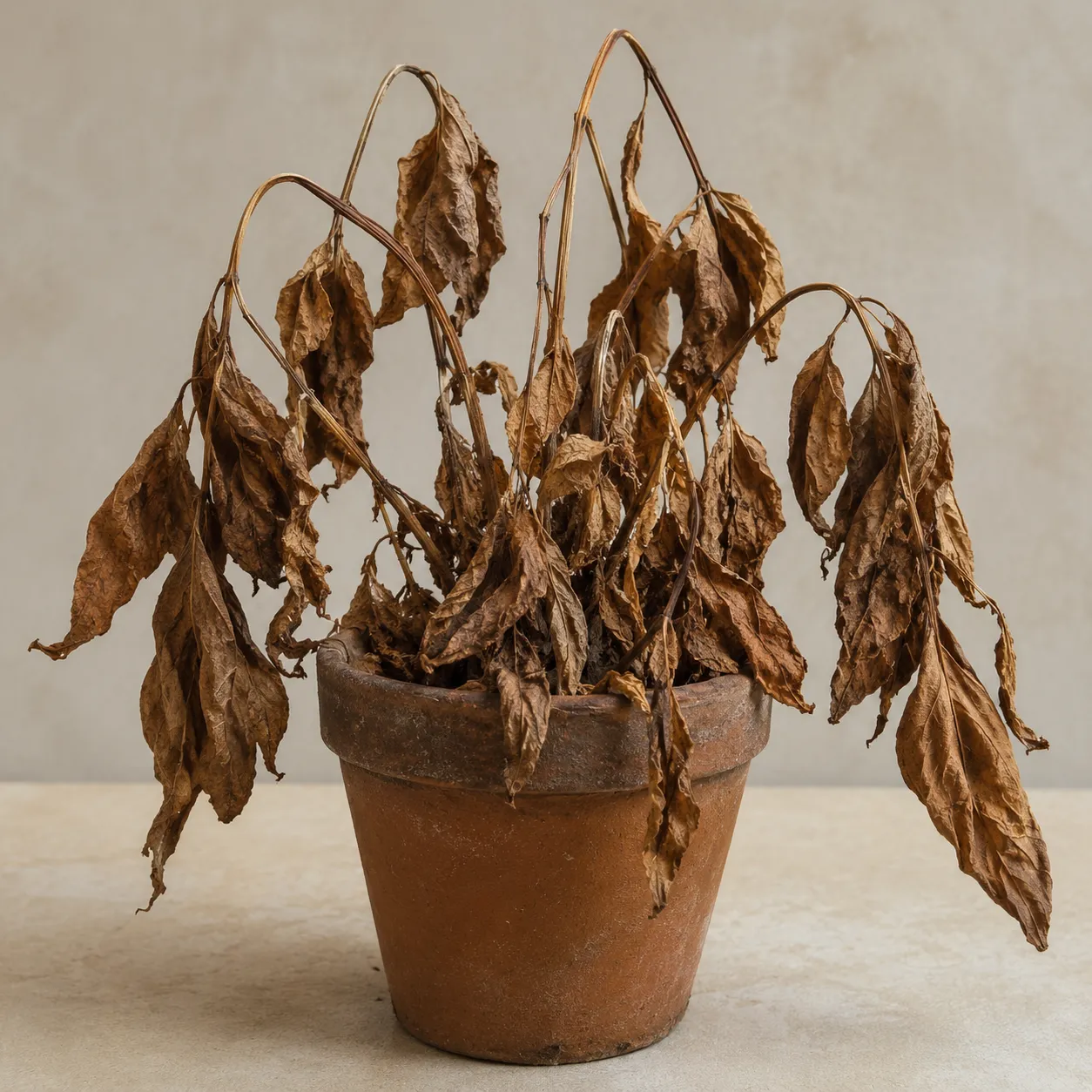
deaddɛd
no longer alive.
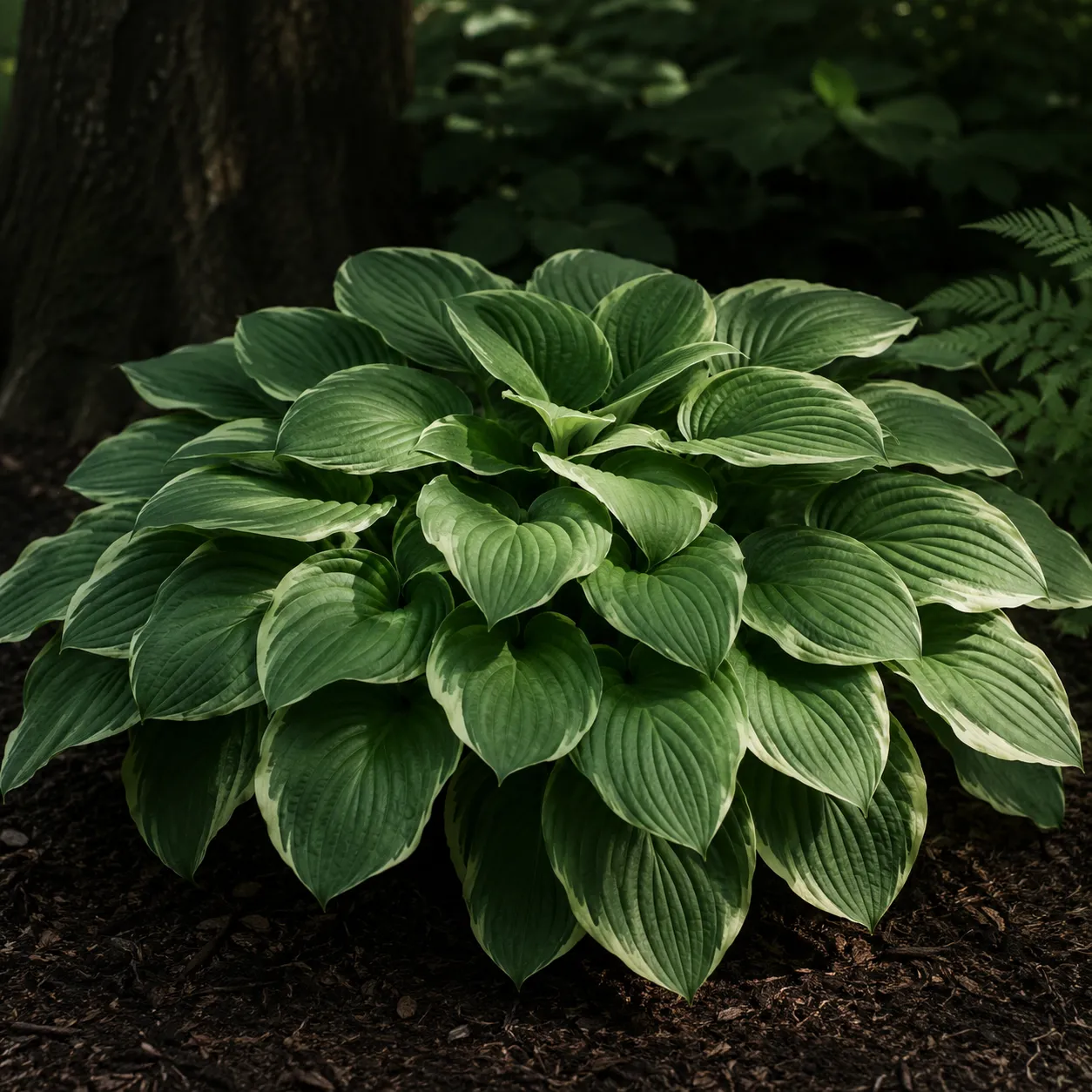
shade-lovingˈʃeɪd ˌlʌvɪŋ
describes a plant that grows best in shade, with little or no direct sunlight.
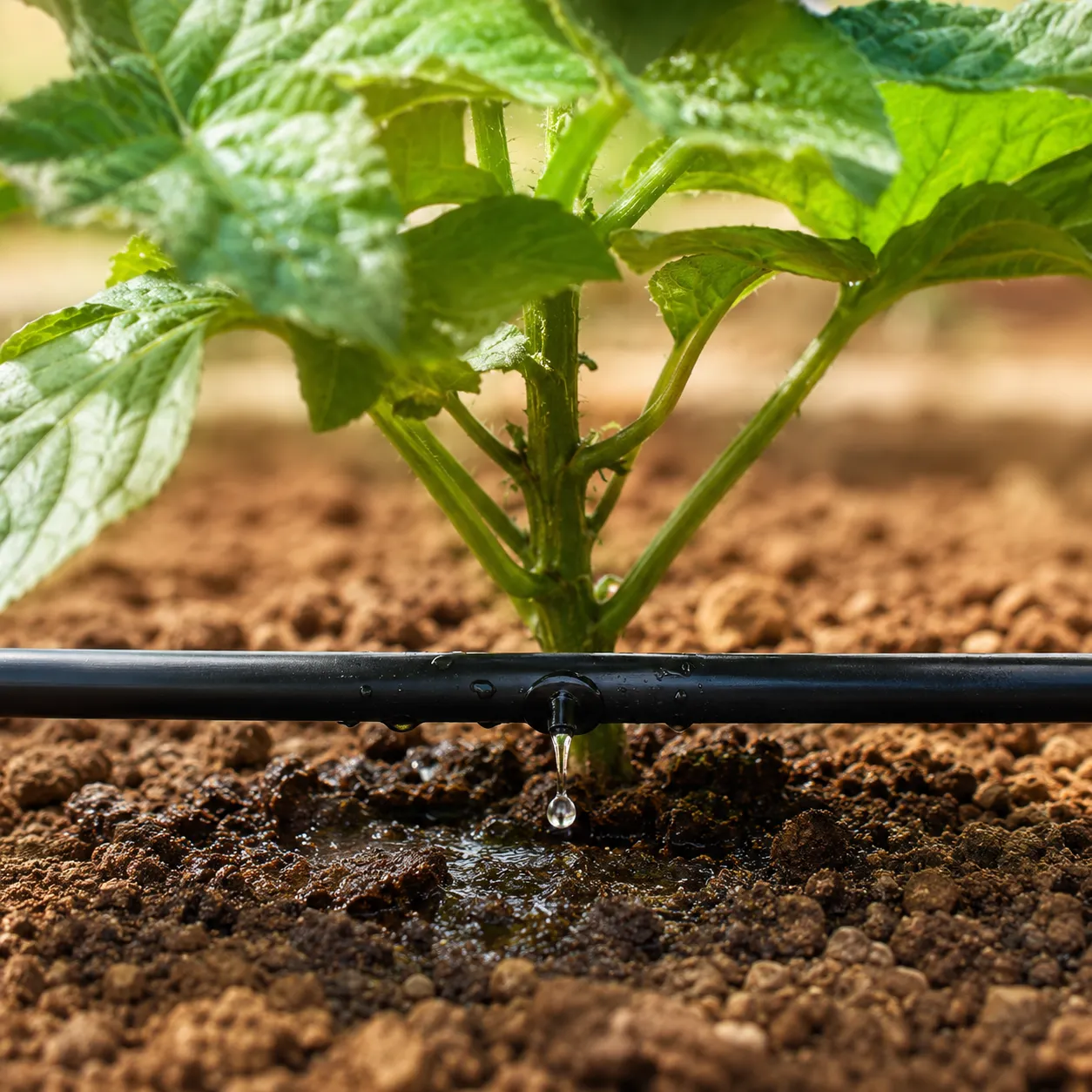
irrigateˈɪrɪˌɡeɪt
to bring water to dry land or crops through channels, pipes, or other systems.
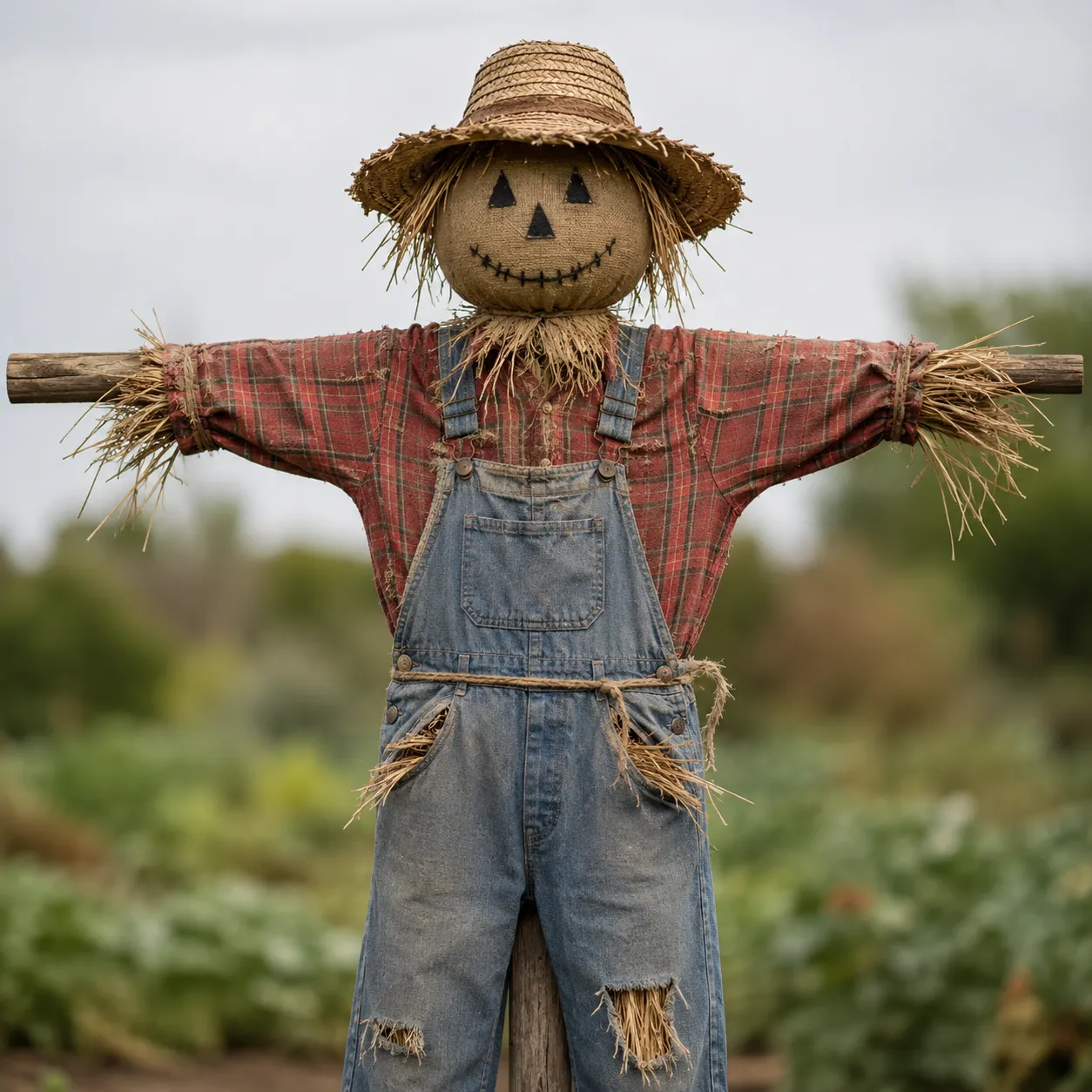
scarecrowˈskɛrkroʊ
a figure made to look like a person and put in a field or garden to frighten birds away from crops.

cloverˈkloʊvər
a low plant with leaves usually divided into three parts and small round flower heads, often eaten by farm animals.
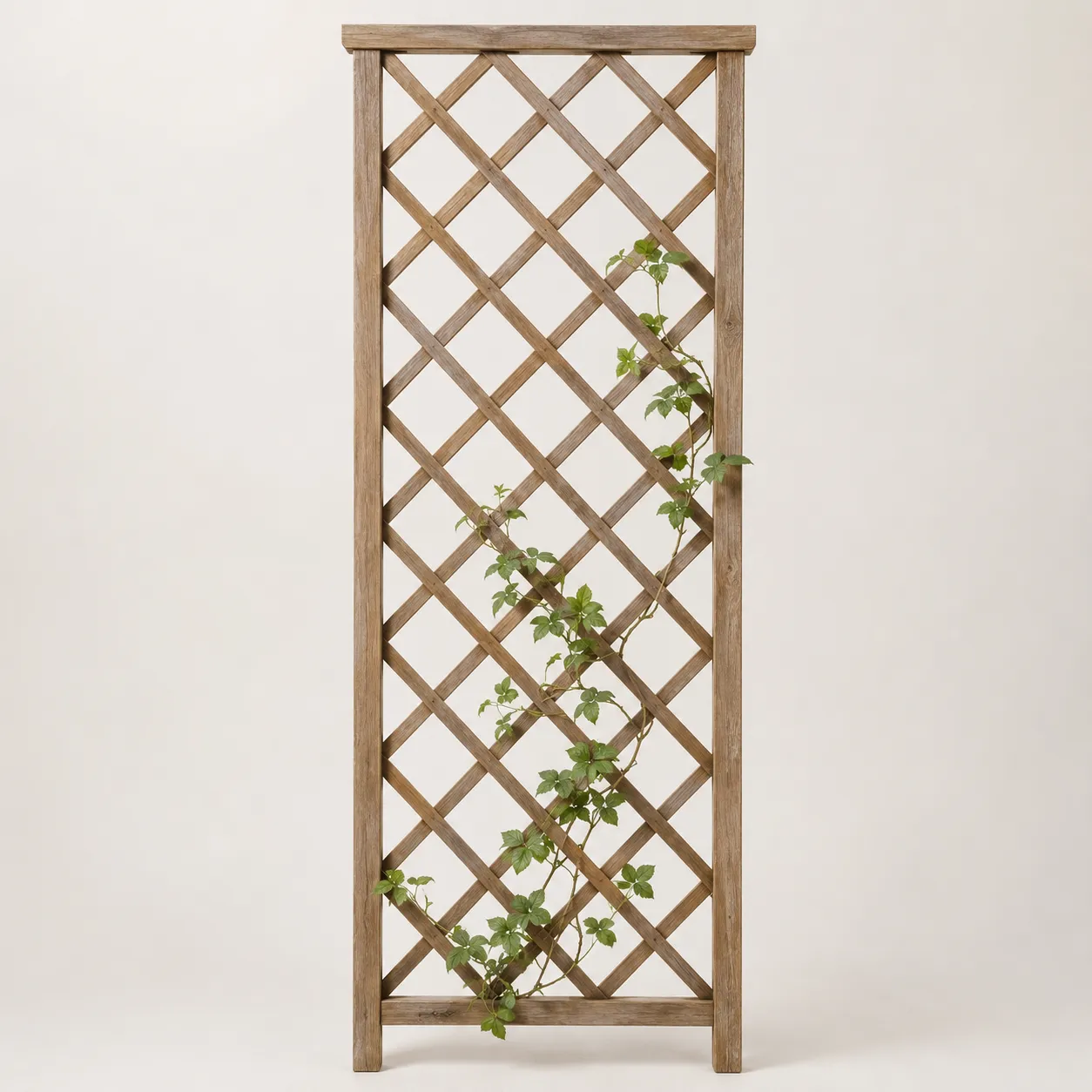
trellisˈtrɛlɪs
a light frame of wood, metal, or plastic that climbing plants grow up and are supported by.
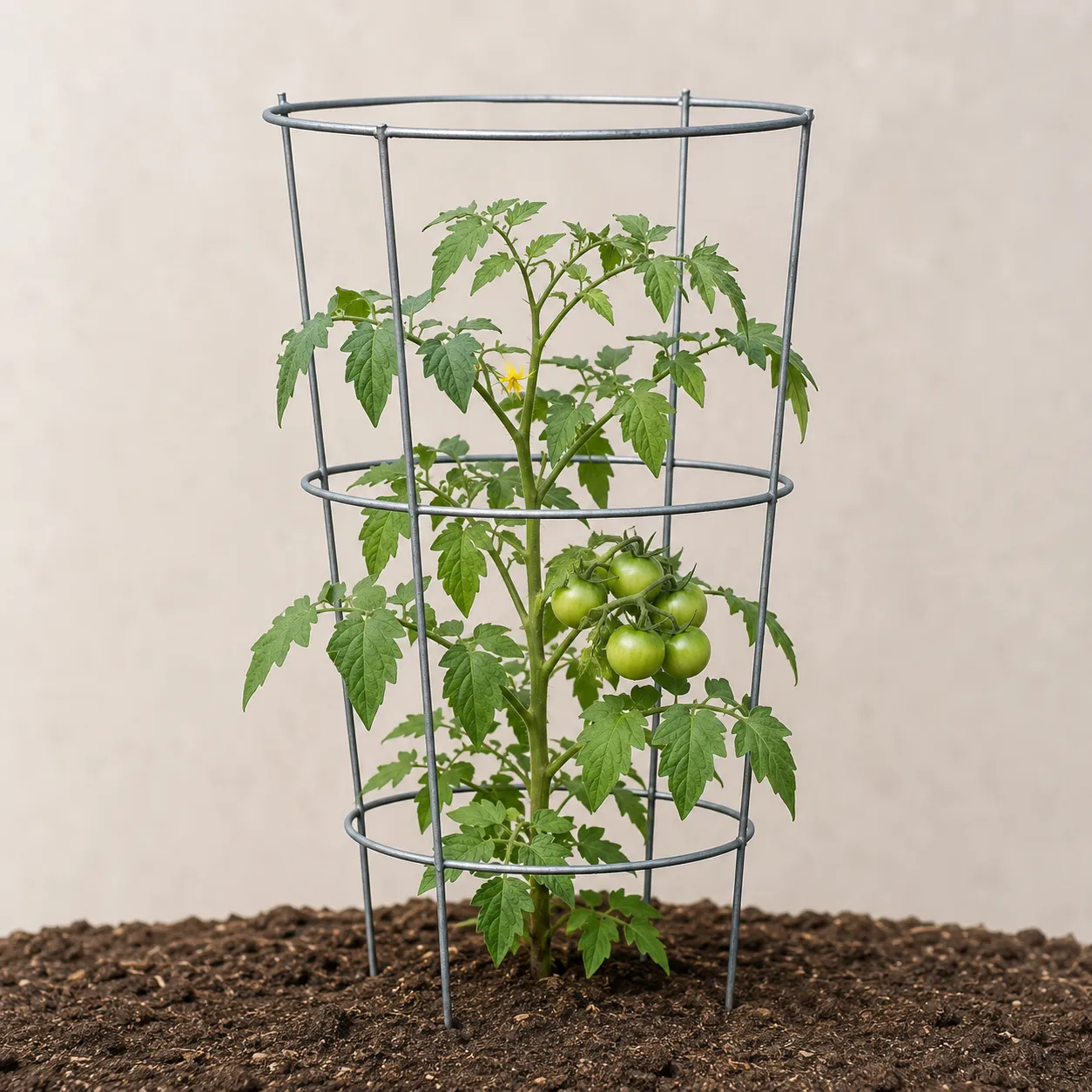
tomato cagetəˈmeɪtoʊ keɪdʒ
a wire or metal frame put around a tomato plant to keep its stems upright as it grows.

fast-growingˌfæstˈɡroʊɪŋ
A fast-growing plant becomes larger or taller quickly.
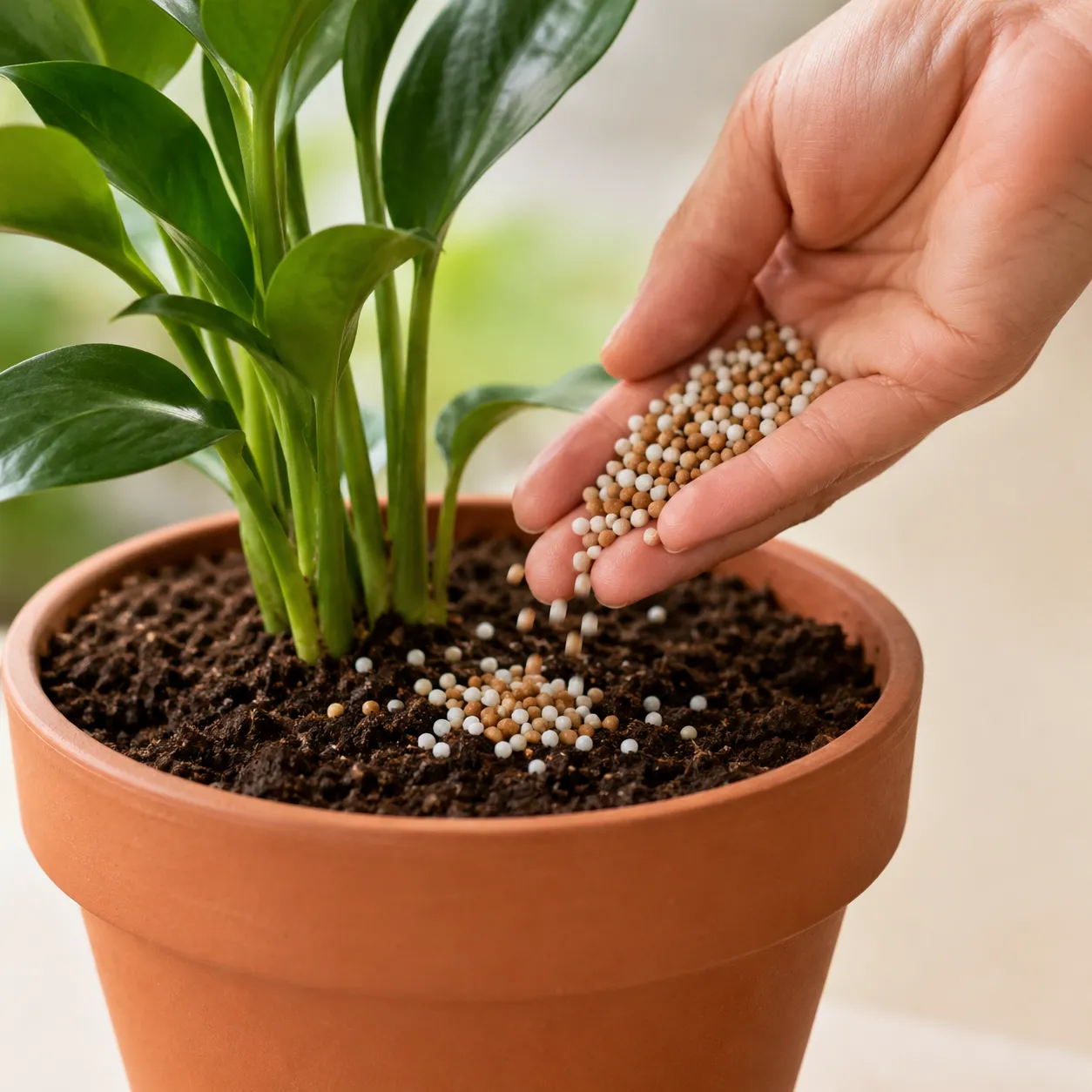
fertilizerˈfɜːrtəlaɪzər
a natural or chemical substance added to soil to help plants grow better.
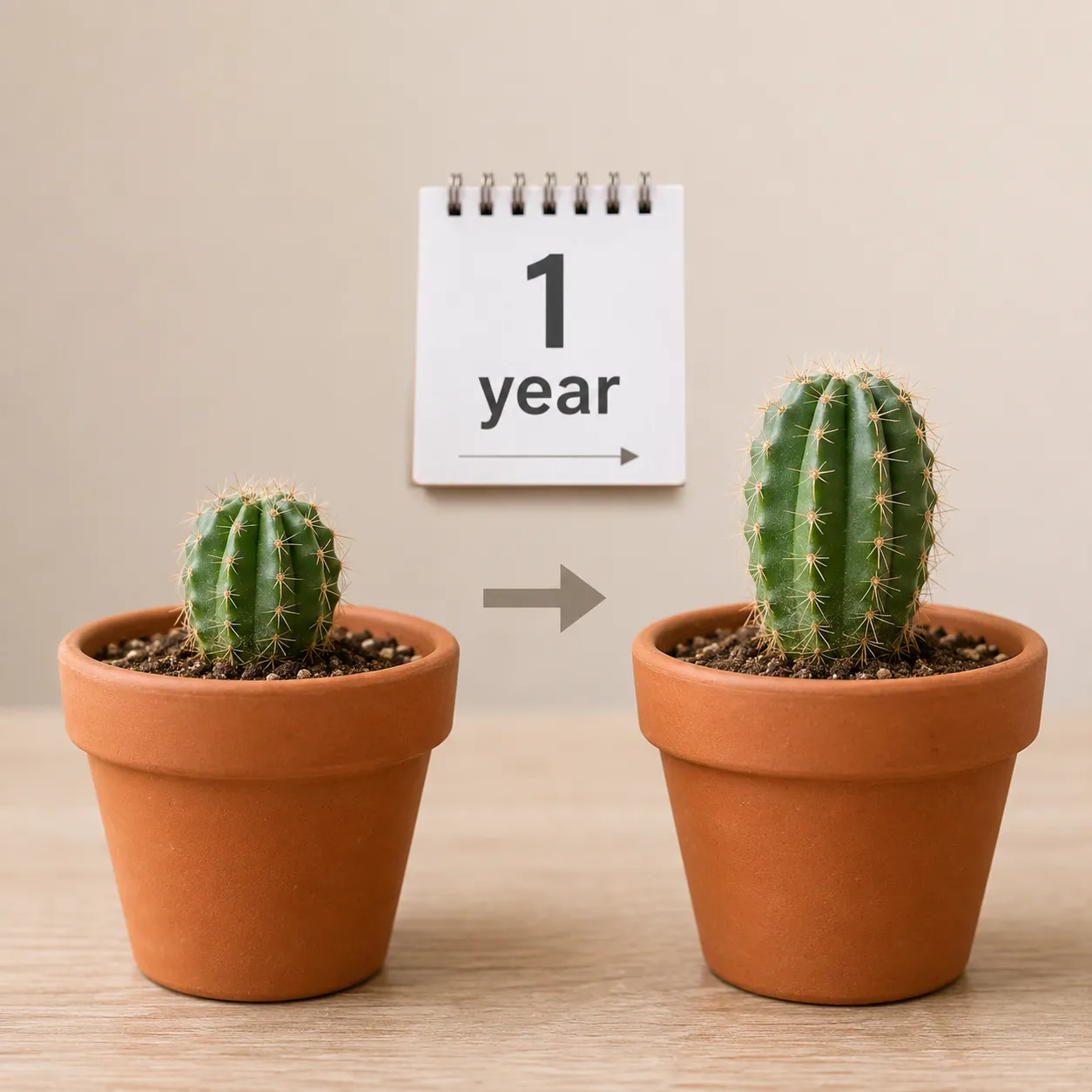
slow-growingˌsloʊˈɡroʊɪŋ
A slow-growing plant becomes larger or taller only gradually over a long time.
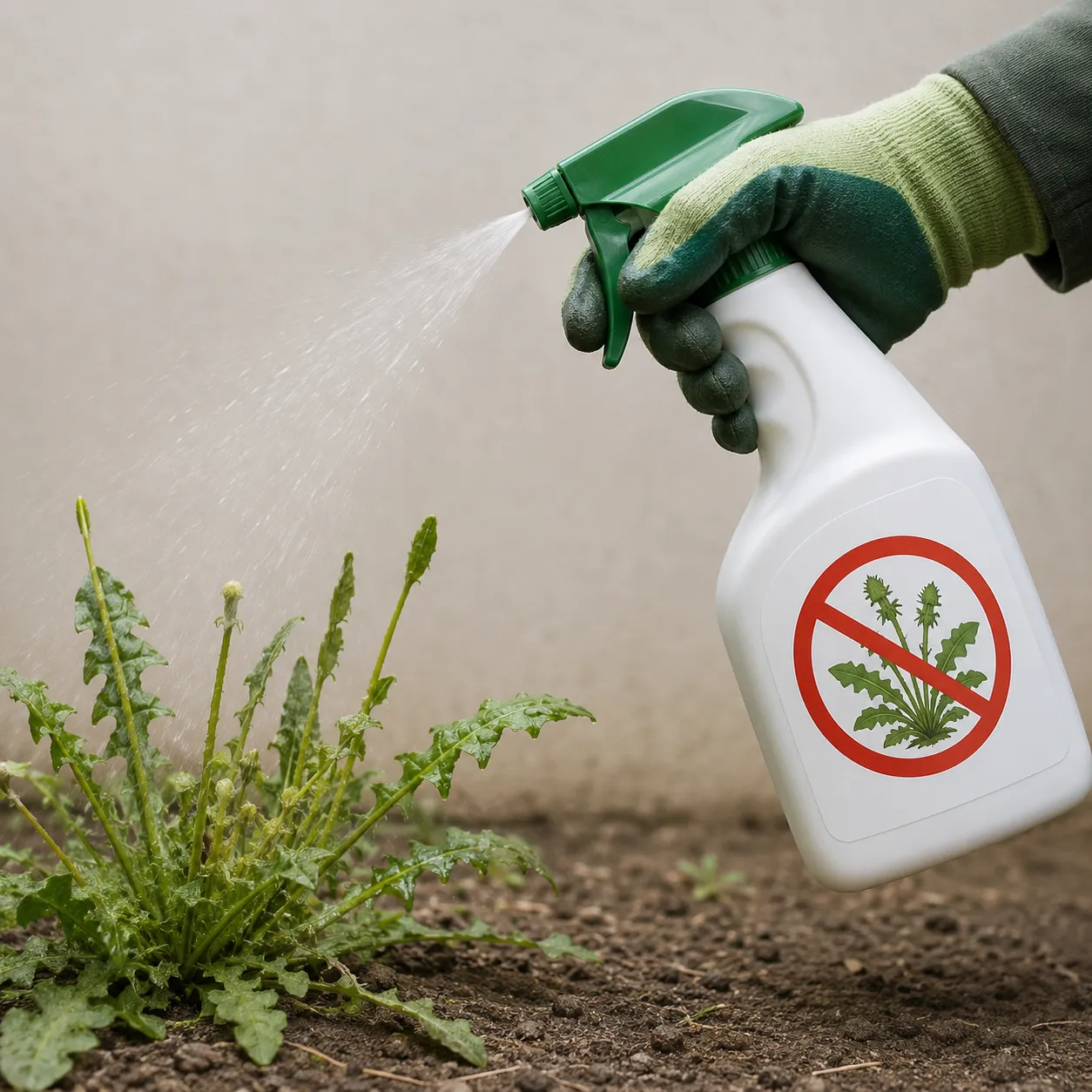
herbicideˈhɜːrbɪsaɪd
a chemical used to kill unwanted plants, especially weeds.
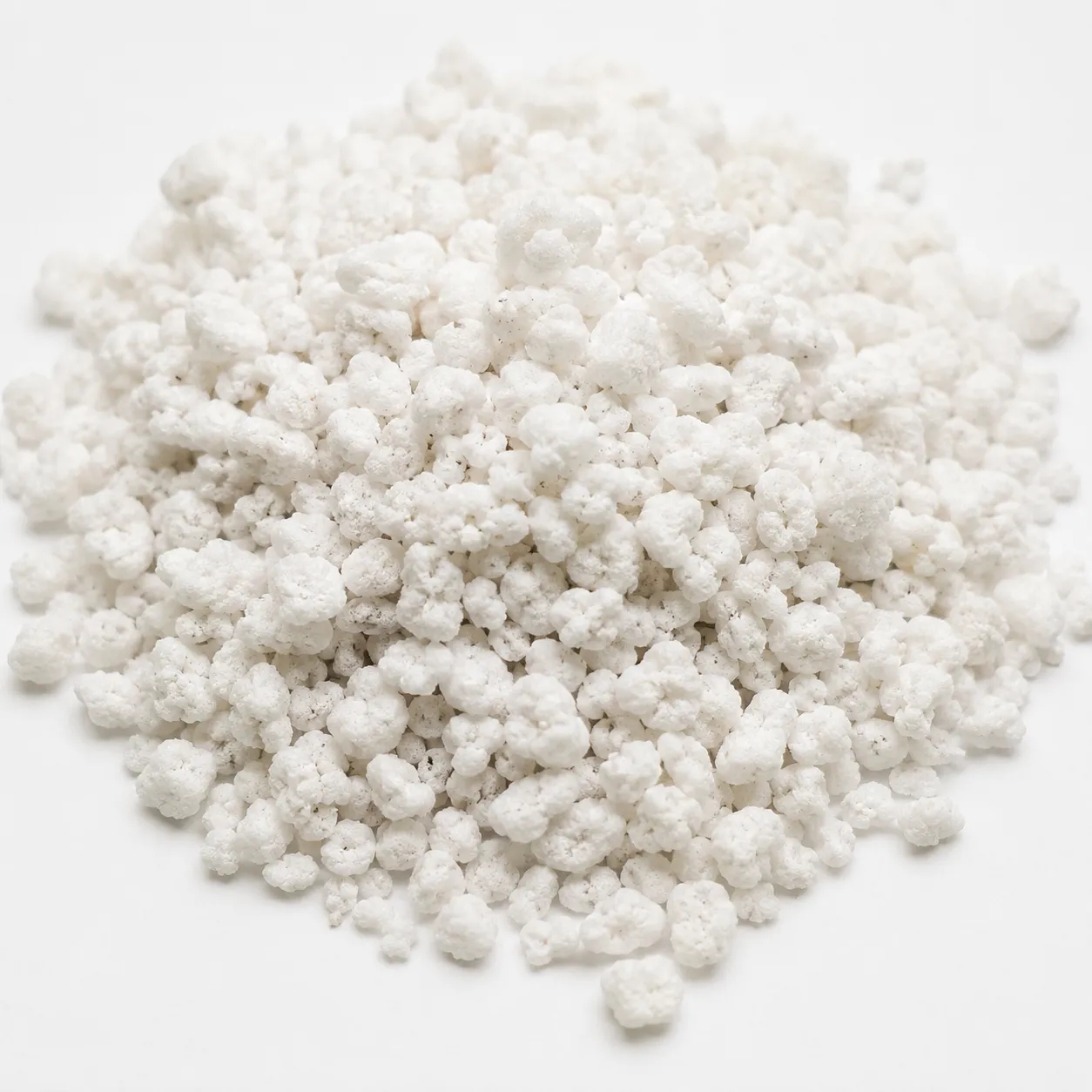
perliteˈpɝːlaɪt
a very light white mineral material added to potting mix to improve air flow and drainage around plant roots.
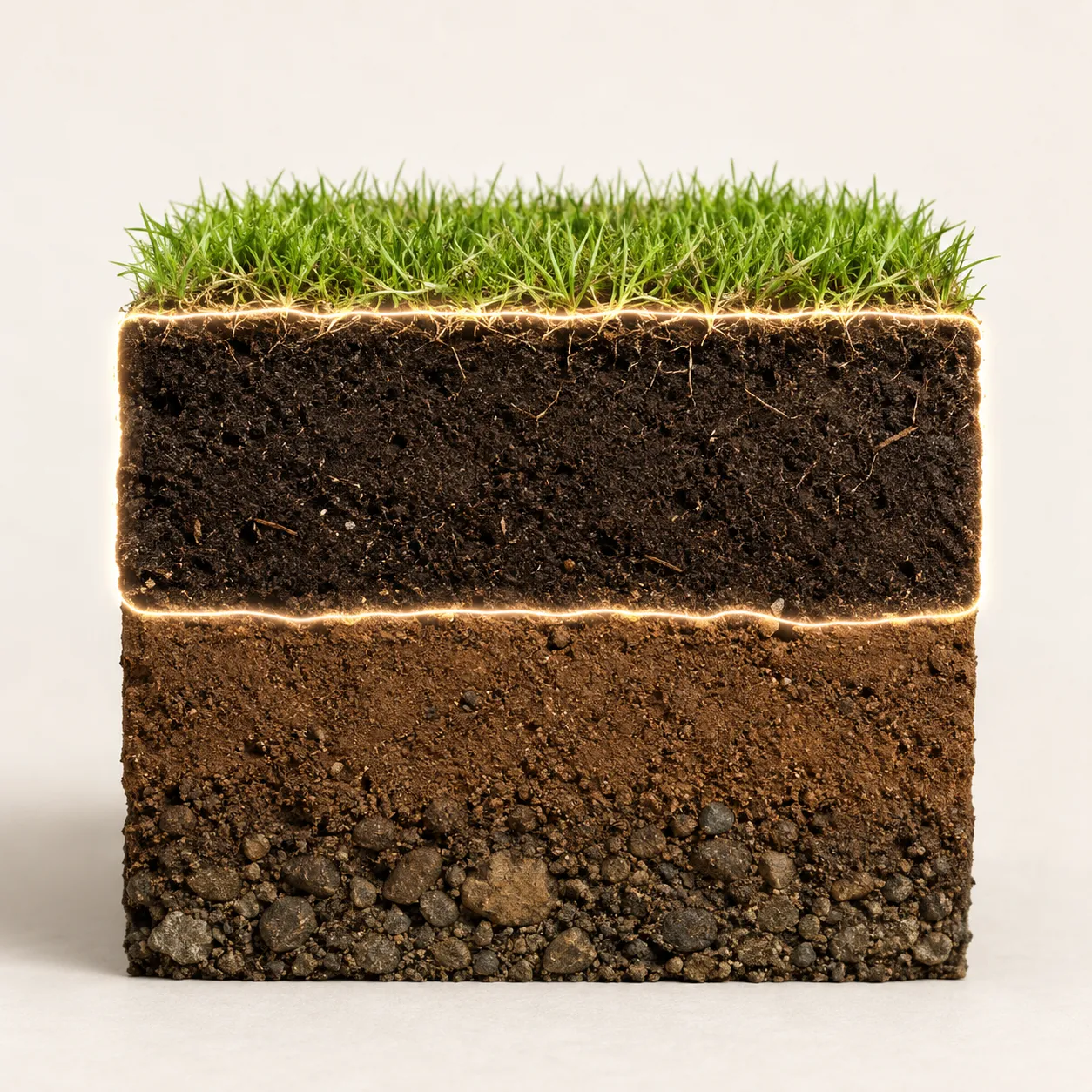
topsoilˈtɑːpsɔɪl
the top layer of soil, where most plant roots grow and where there is the most organic material.
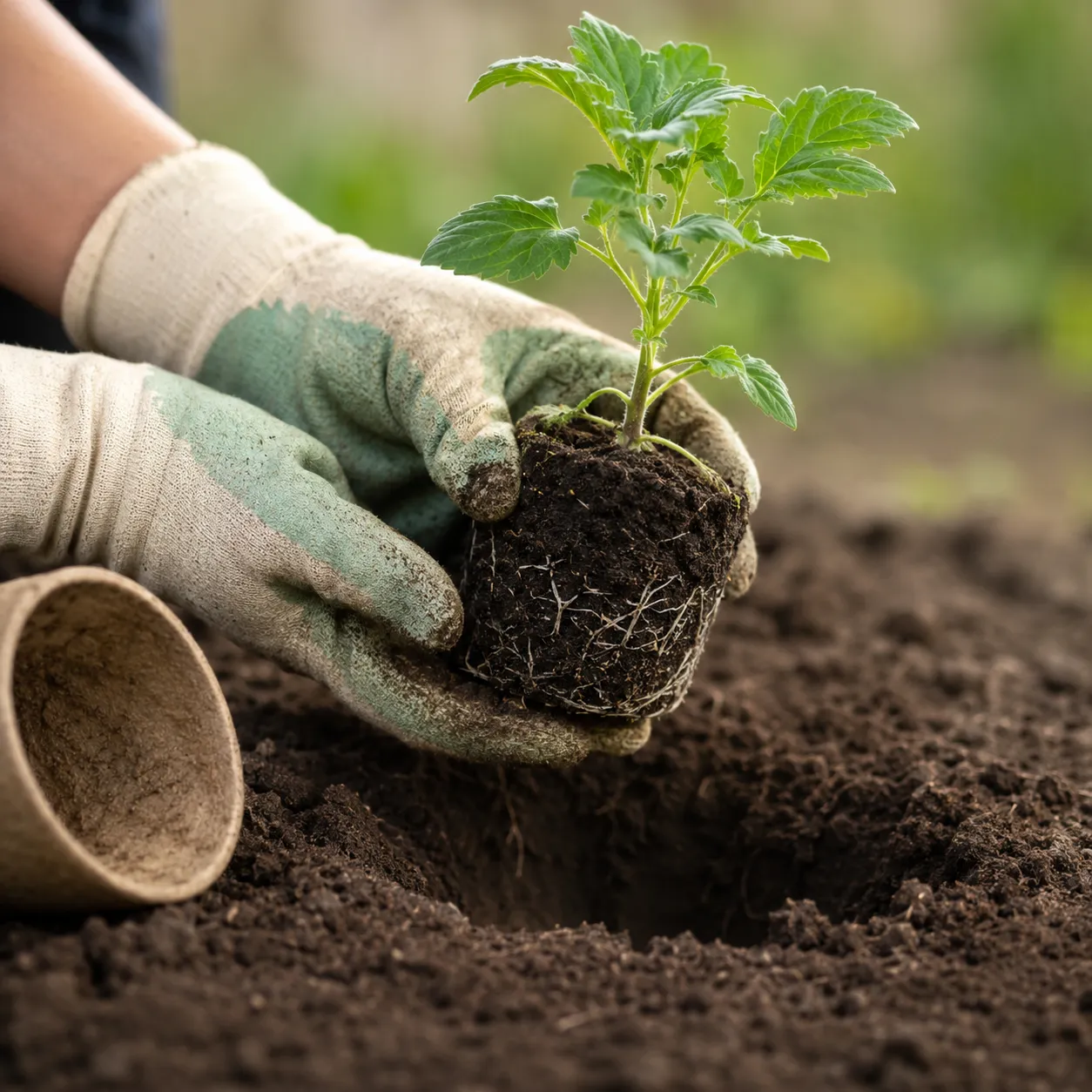
transplanttrænsˈplænt
to move a plant from one place and put it in another place where it can continue growing.
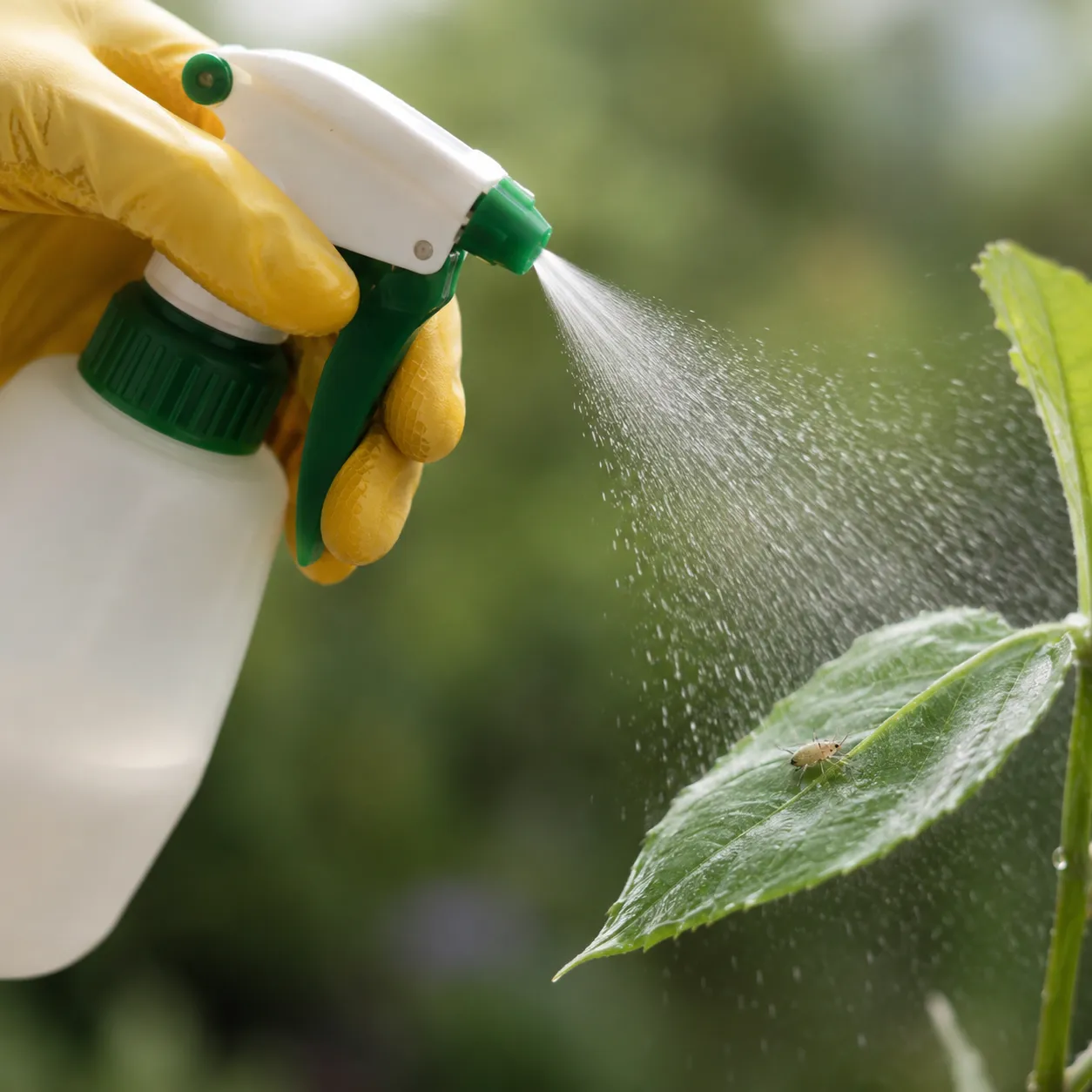
pesticideˈpɛstɪsaɪd
a chemical used to kill insects, weeds, or other living things that damage plants, food, or buildings.

seedlingˈsiːdlɪŋ
a very young plant that has grown from a seed and has only a small stem and leaves.
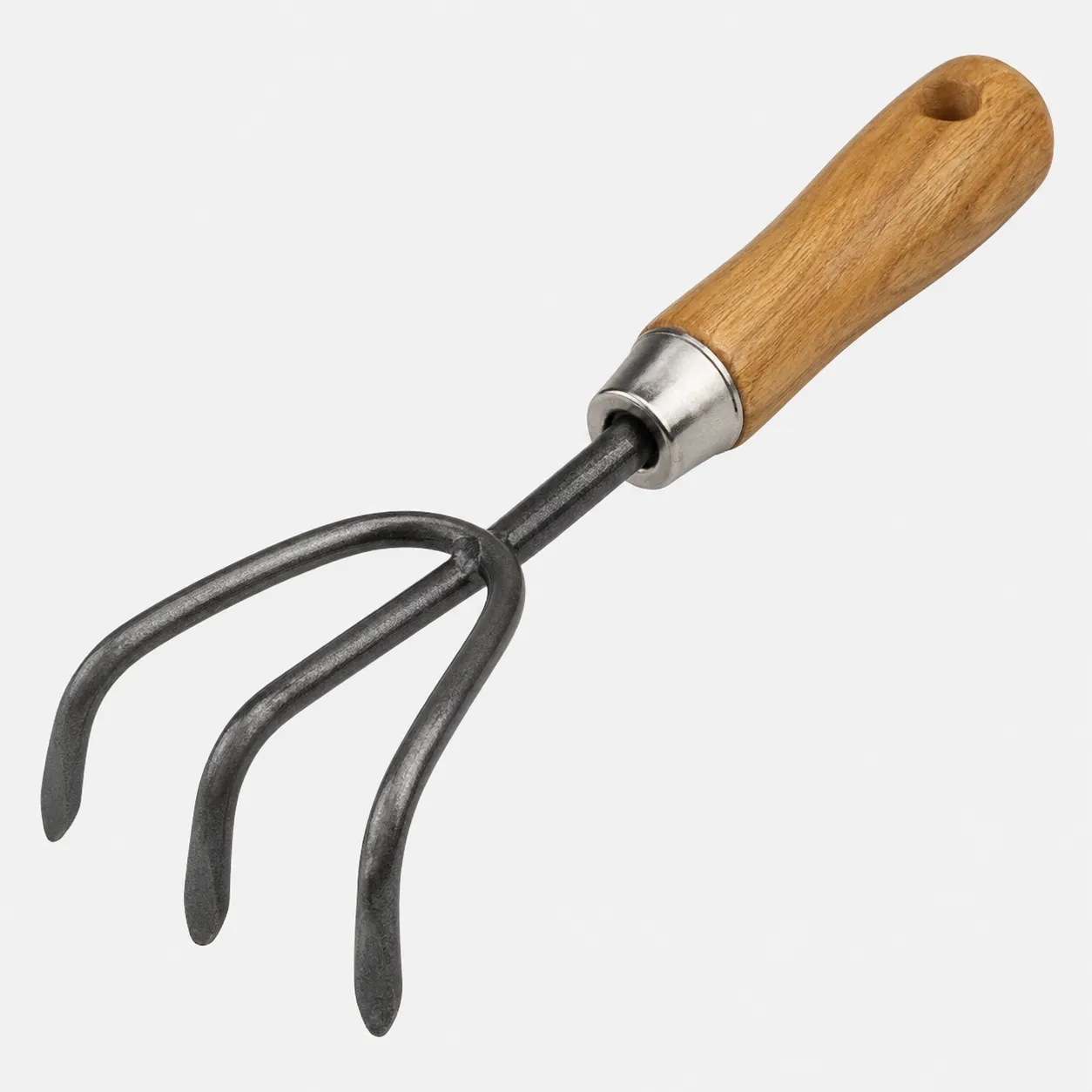
cultivatorˈkʌltəveɪtər
a hand tool or machine with prongs or blades, used to loosen soil and remove weeds before or between plantings.
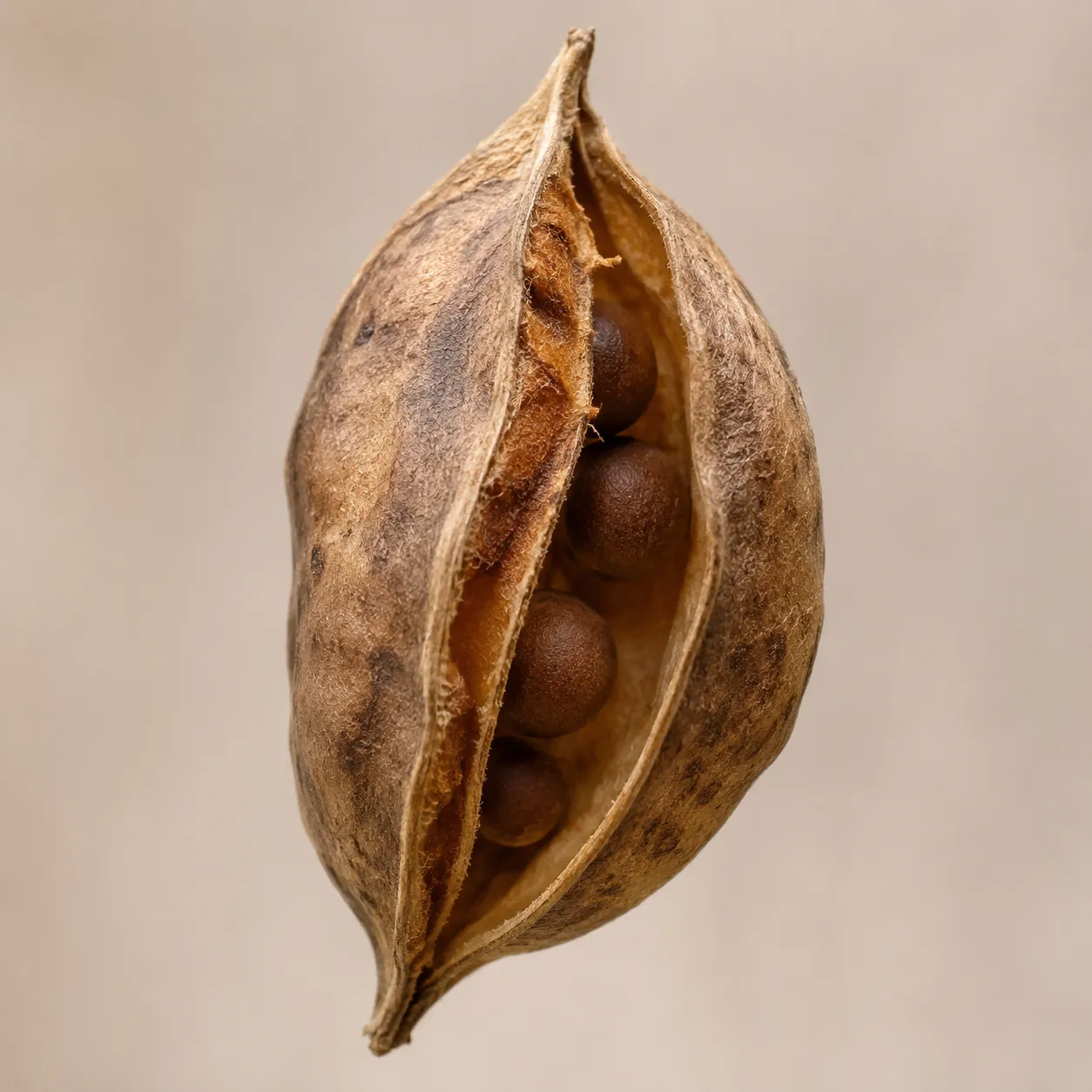
seed podˈsiːd pɑːd
a long or rounded case on a plant that holds seeds until they are ready to fall or be collected.
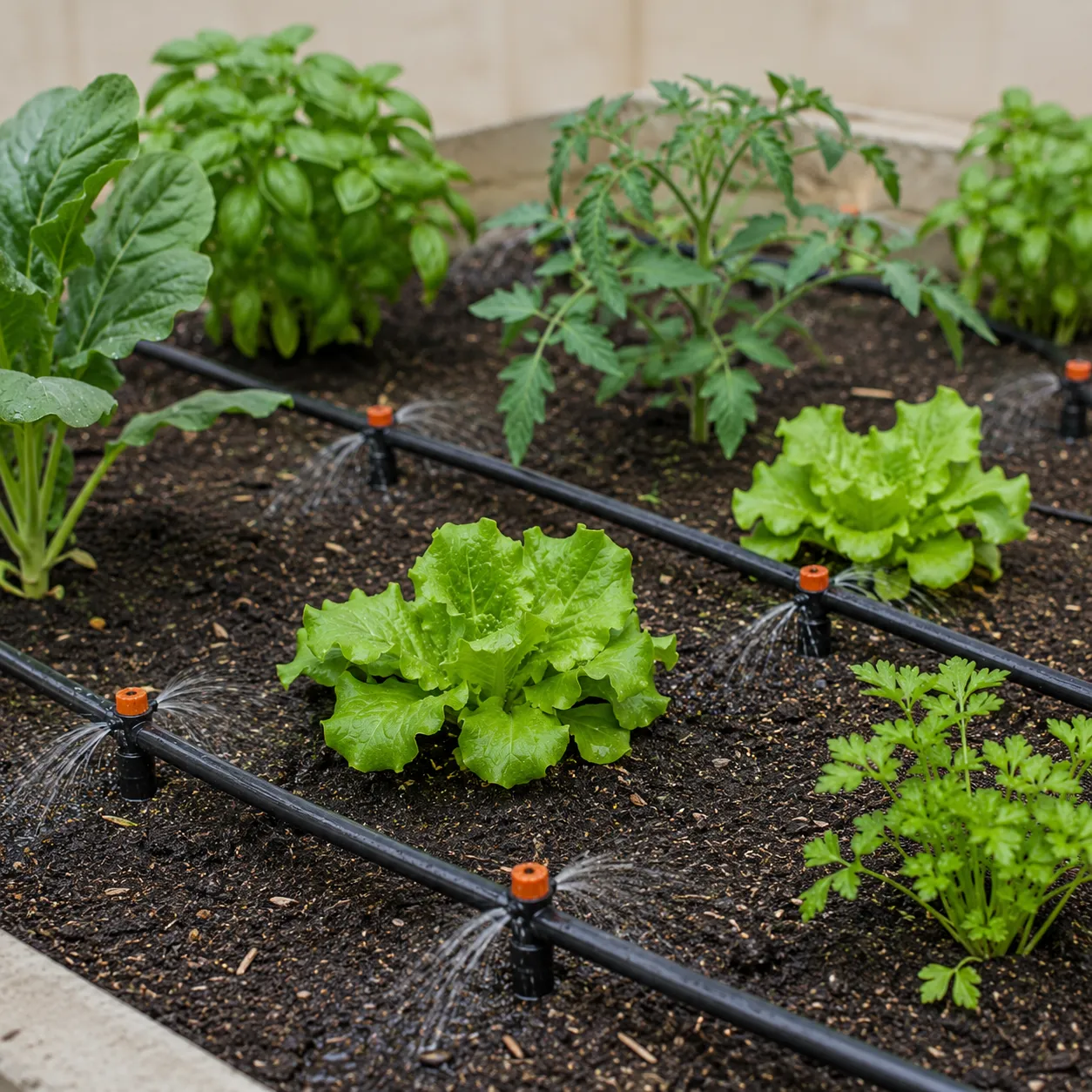
irrigation systemˌɪrɪˈɡeɪʃən ˈsɪstəm
a set of pipes, channels, pumps, or sprinklers that brings water to plants, gardens, or fields.
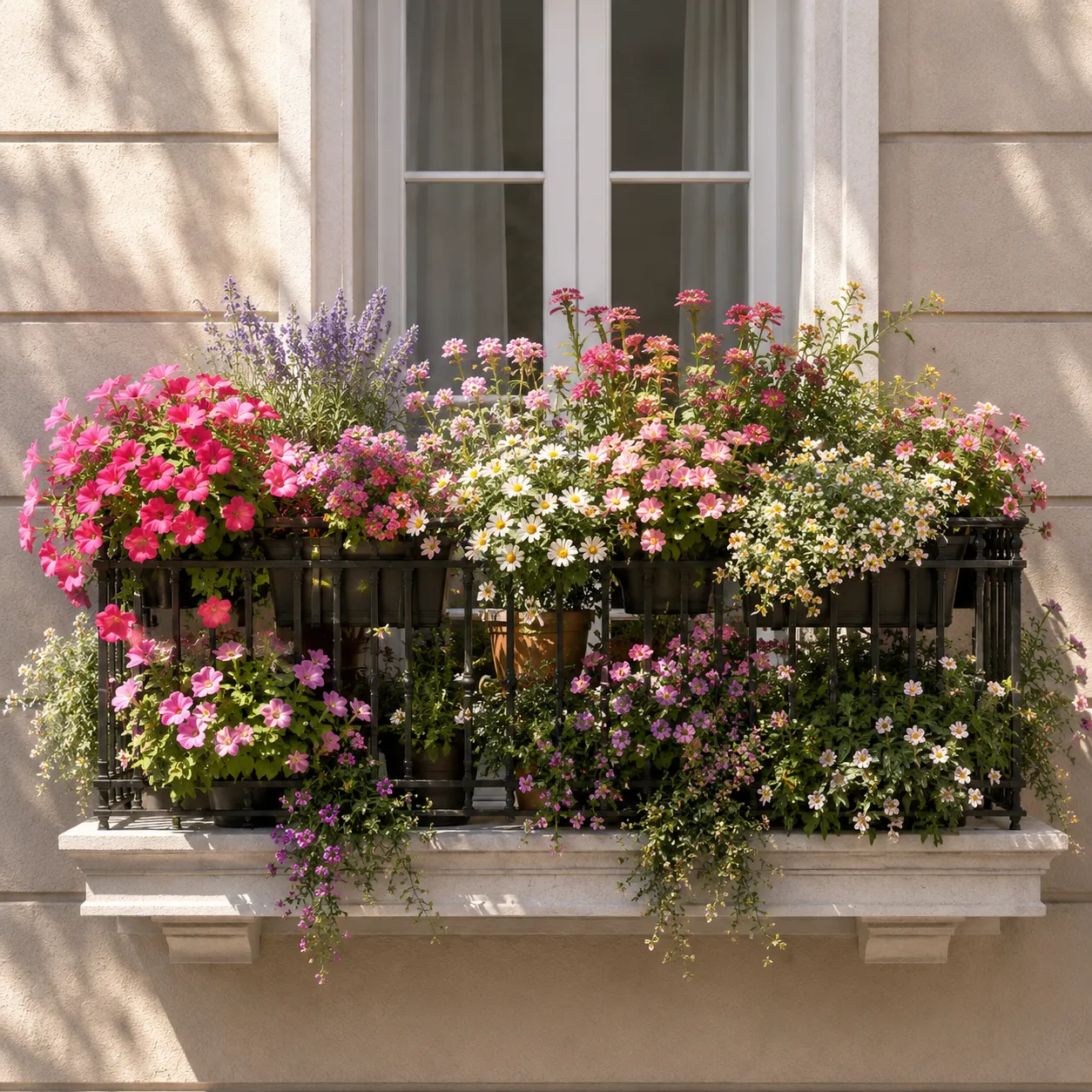
bloomingˈbluːmɪŋ
having flowers that are open or beginning to open.

waterˈwɔːtər
a clear liquid with no color, smell, or taste that falls as rain, forms rivers and seas, and is needed by living things.
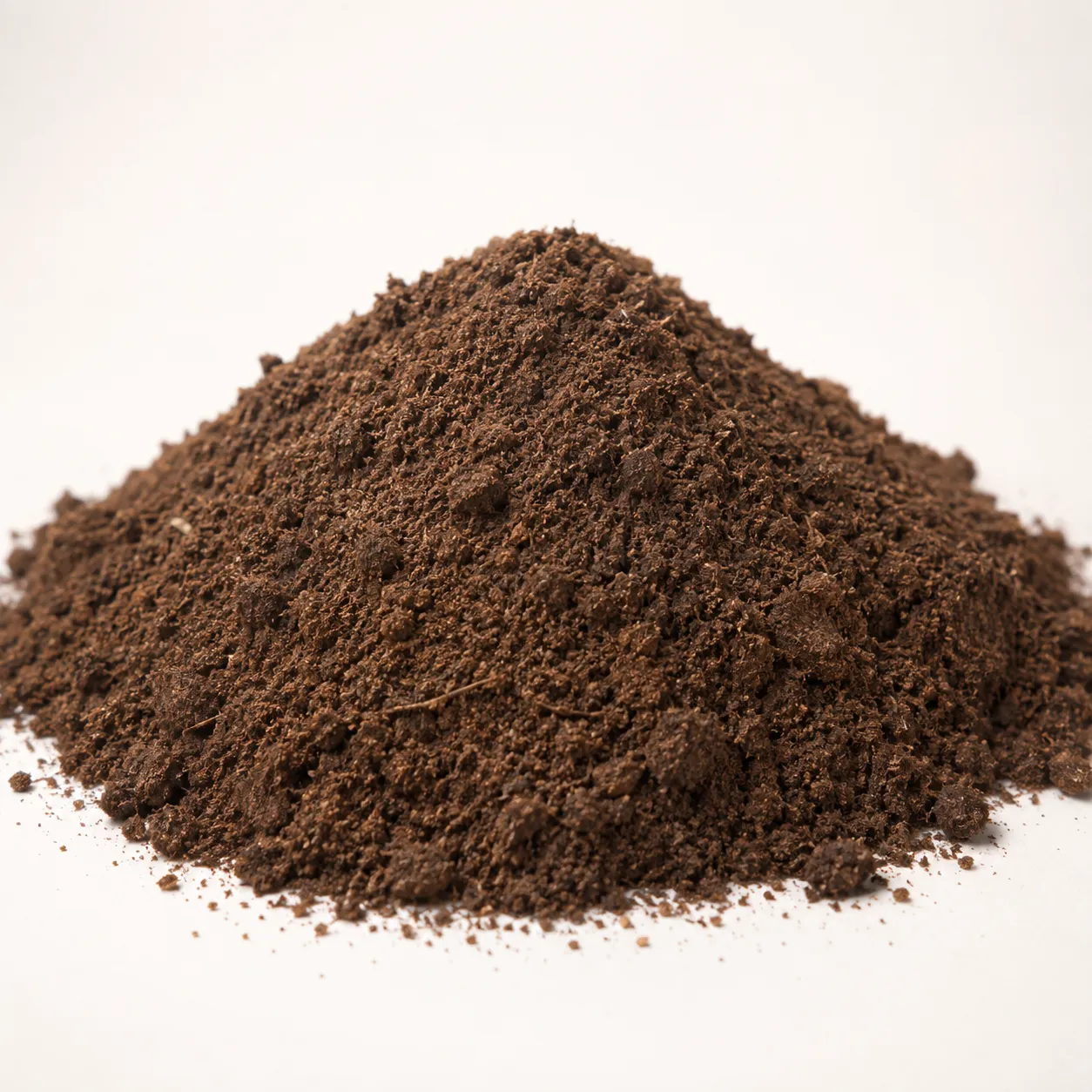
loamloʊm
fertile soil that contains a balanced mixture of sand, clay, and decayed plant material, good for growing plants.
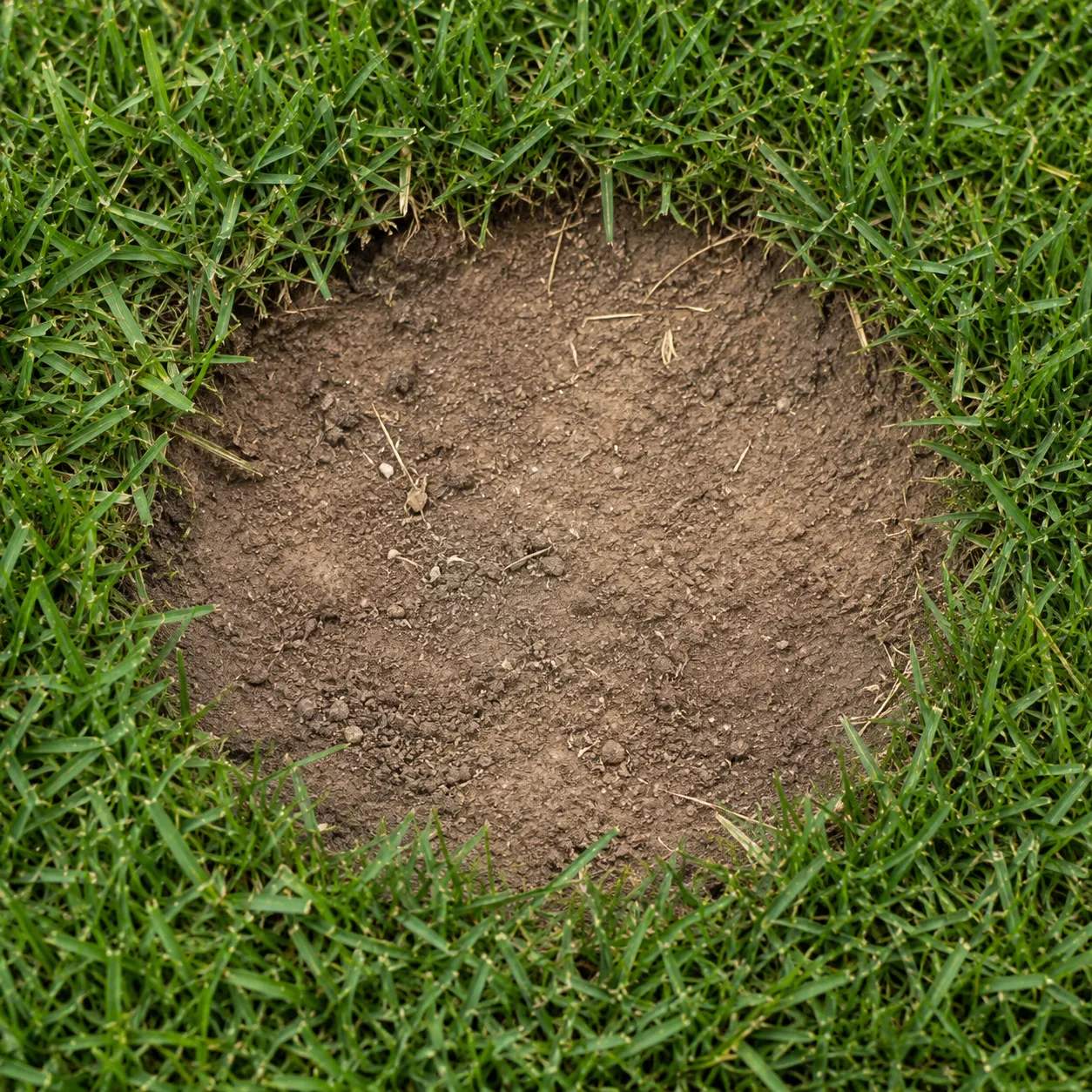
bare patchˈbɛr pætʃ
a small area of ground where nothing is growing or covering the surface.
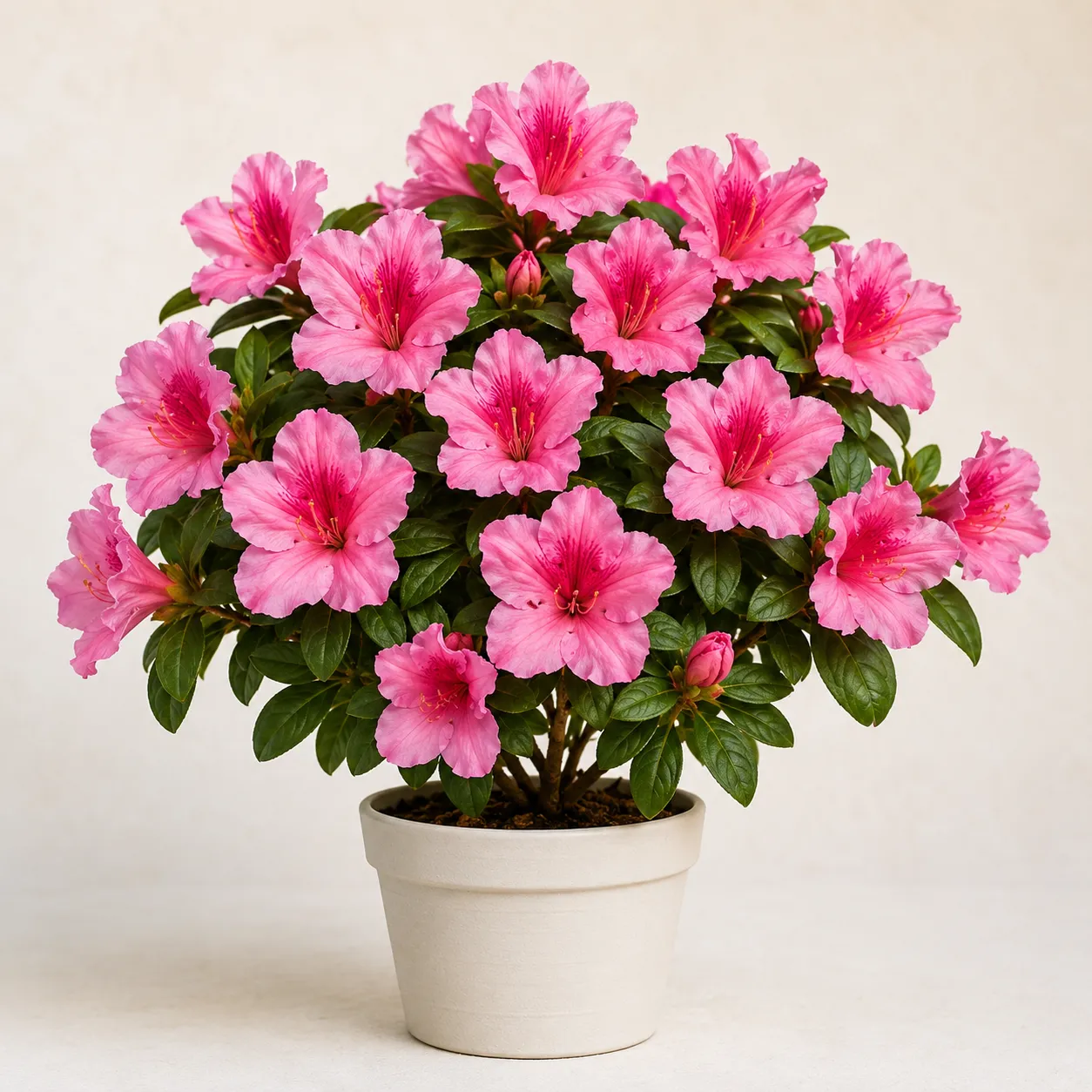
floweringˈflaʊɚɪŋ
producing flowers, or having flowers open at a particular time.
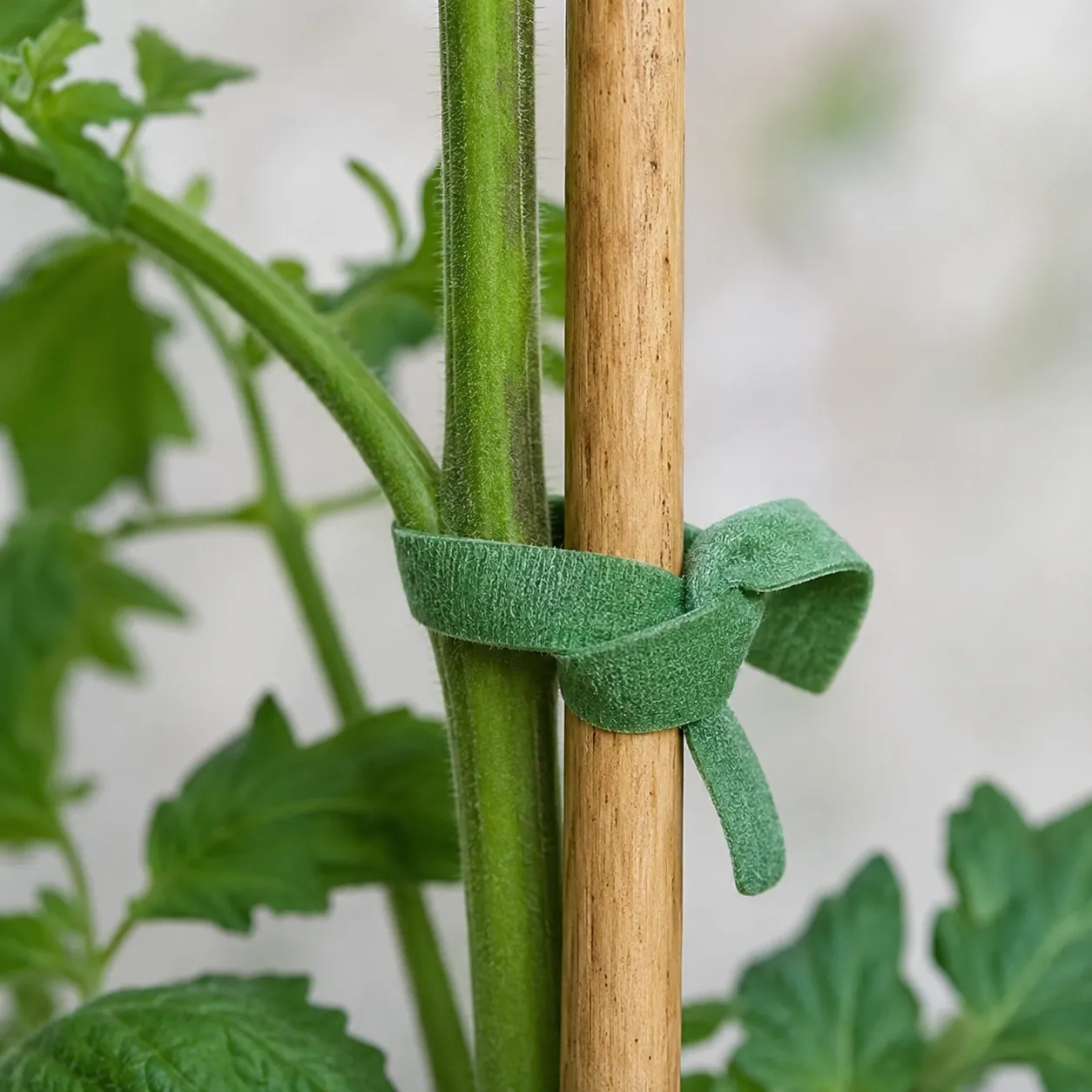
plant tieplænt taɪ
a soft strip, cord, or wire used to attach a plant stem to a stake, trellis, or other support.
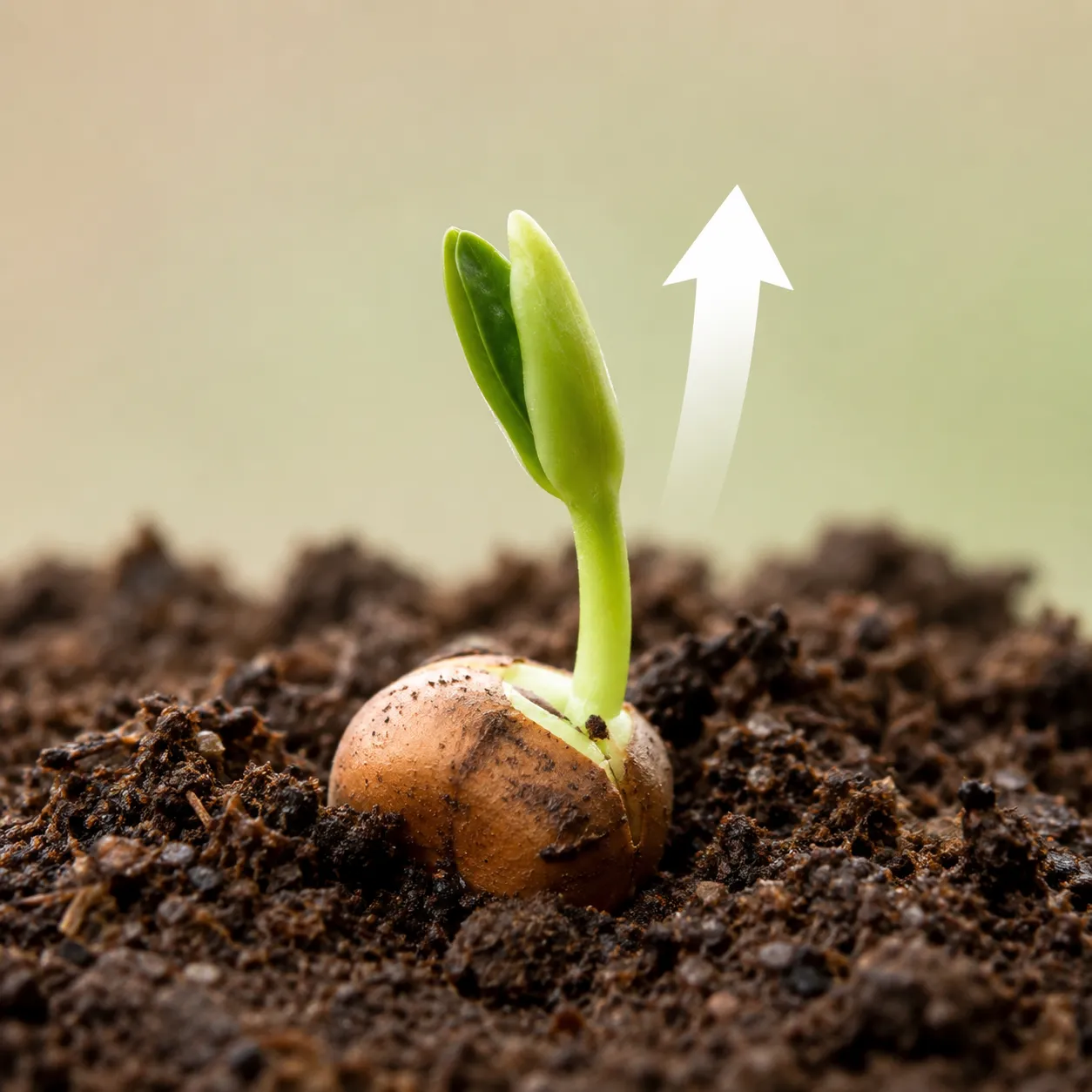
sproutspraʊt
to begin to grow shoots, leaves, or roots from a seed, plant, or other living thing.
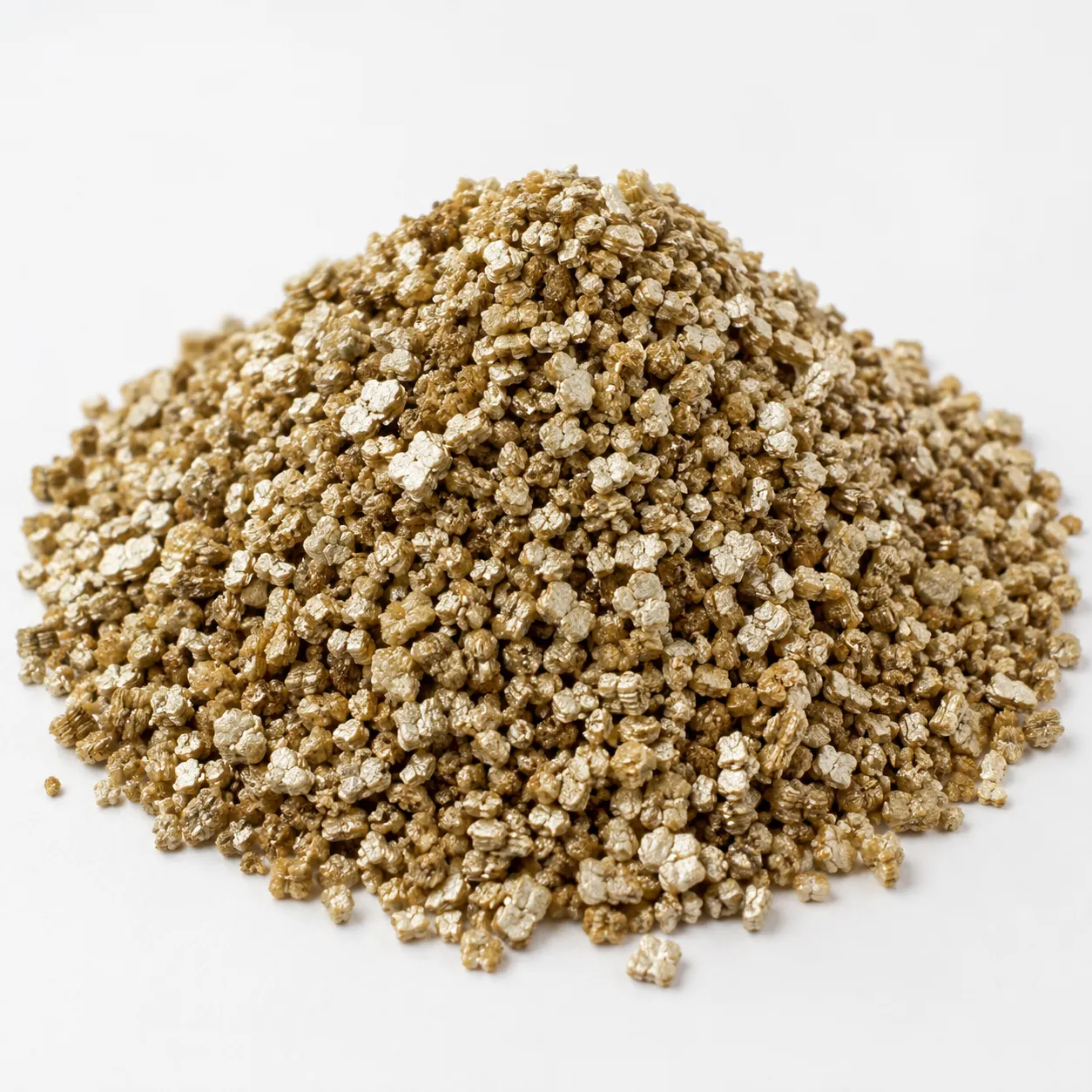
vermiculitevɚˈmɪkjəlaɪt
a light mineral material added to potting mix to hold water and keep soil loose around plant roots.
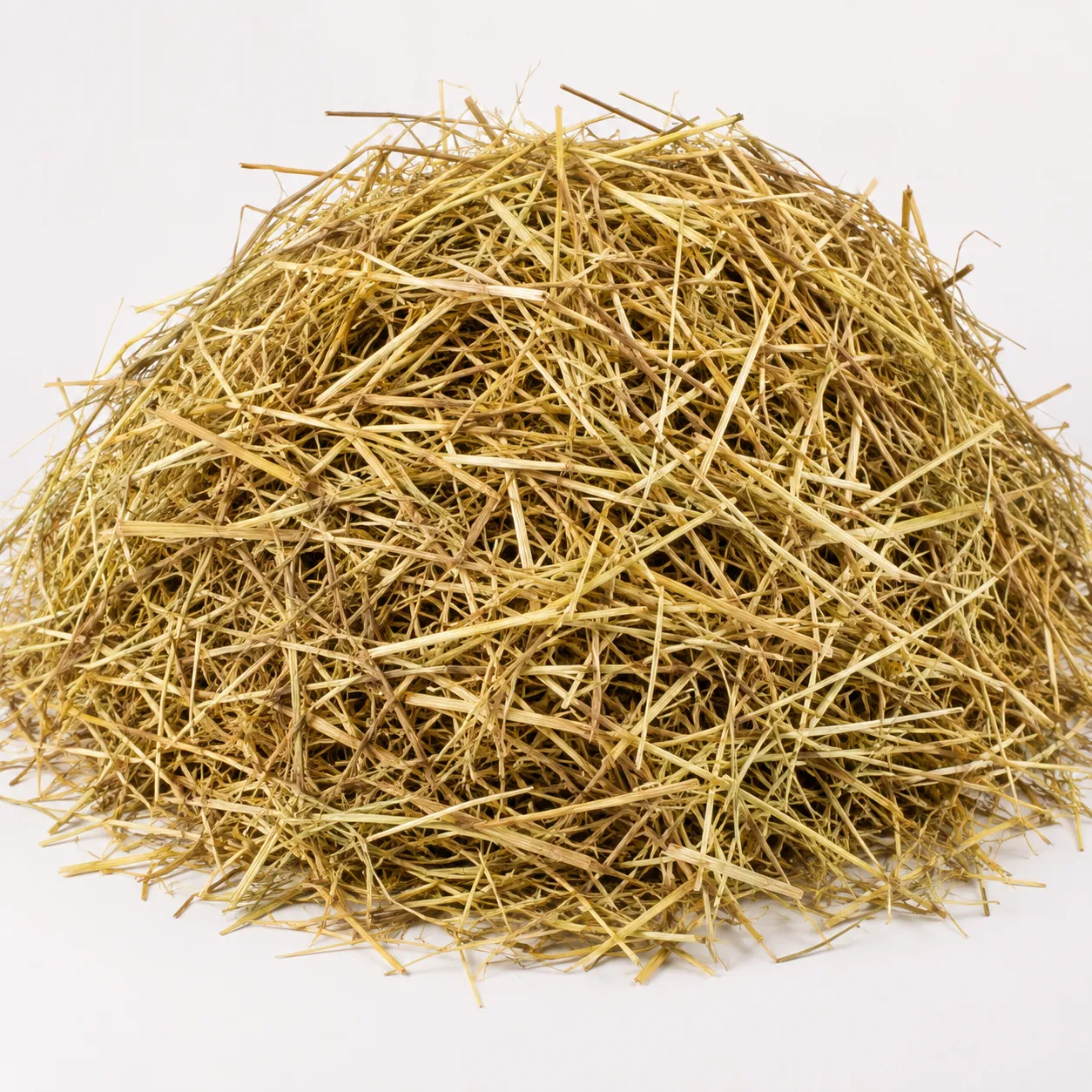
hayheɪ
grass that has been cut and dried, mainly used as food for farm animals or as bedding.
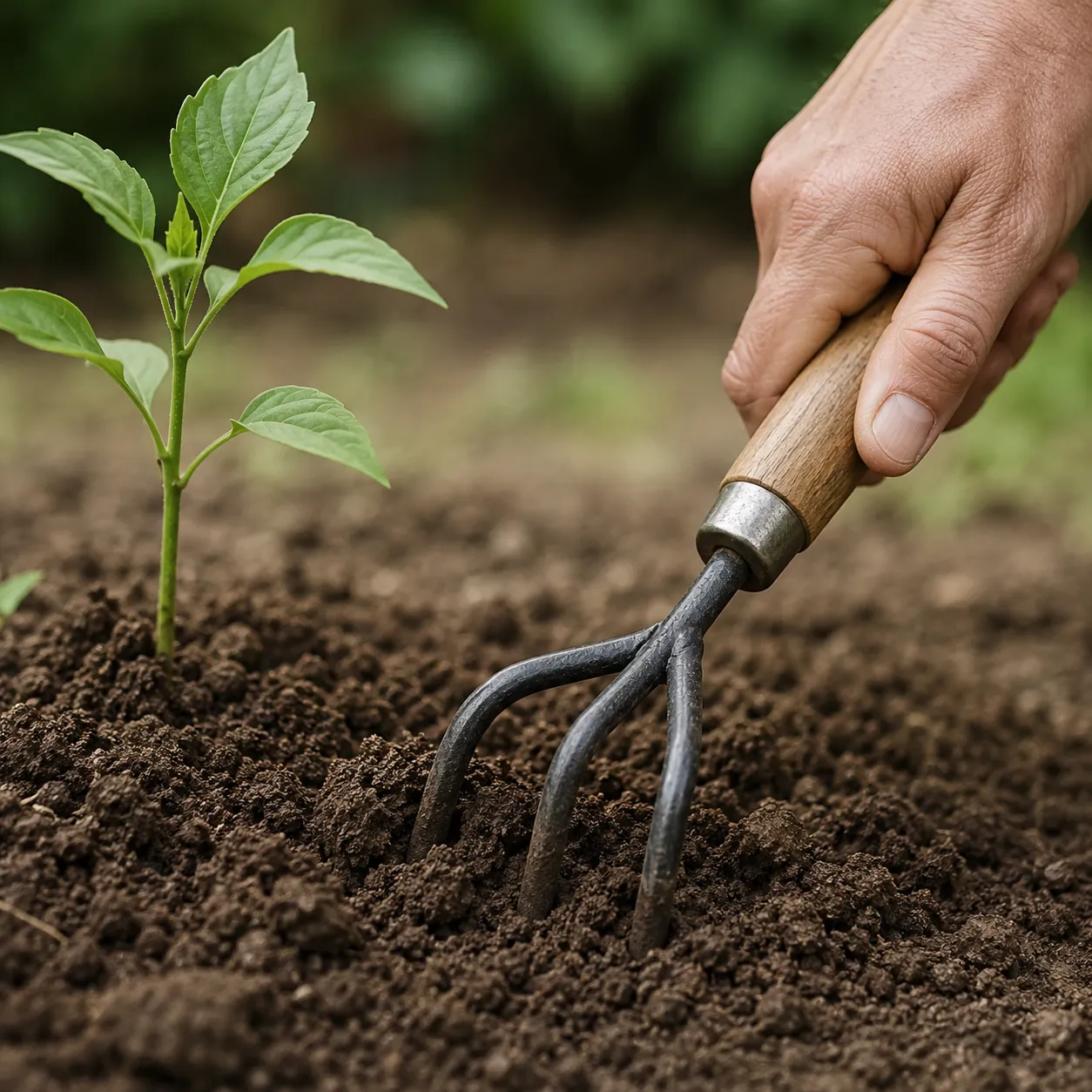
cultivateˈkʌltɪˌveɪt
to prepare and use land for growing crops, flowers, or other plants.
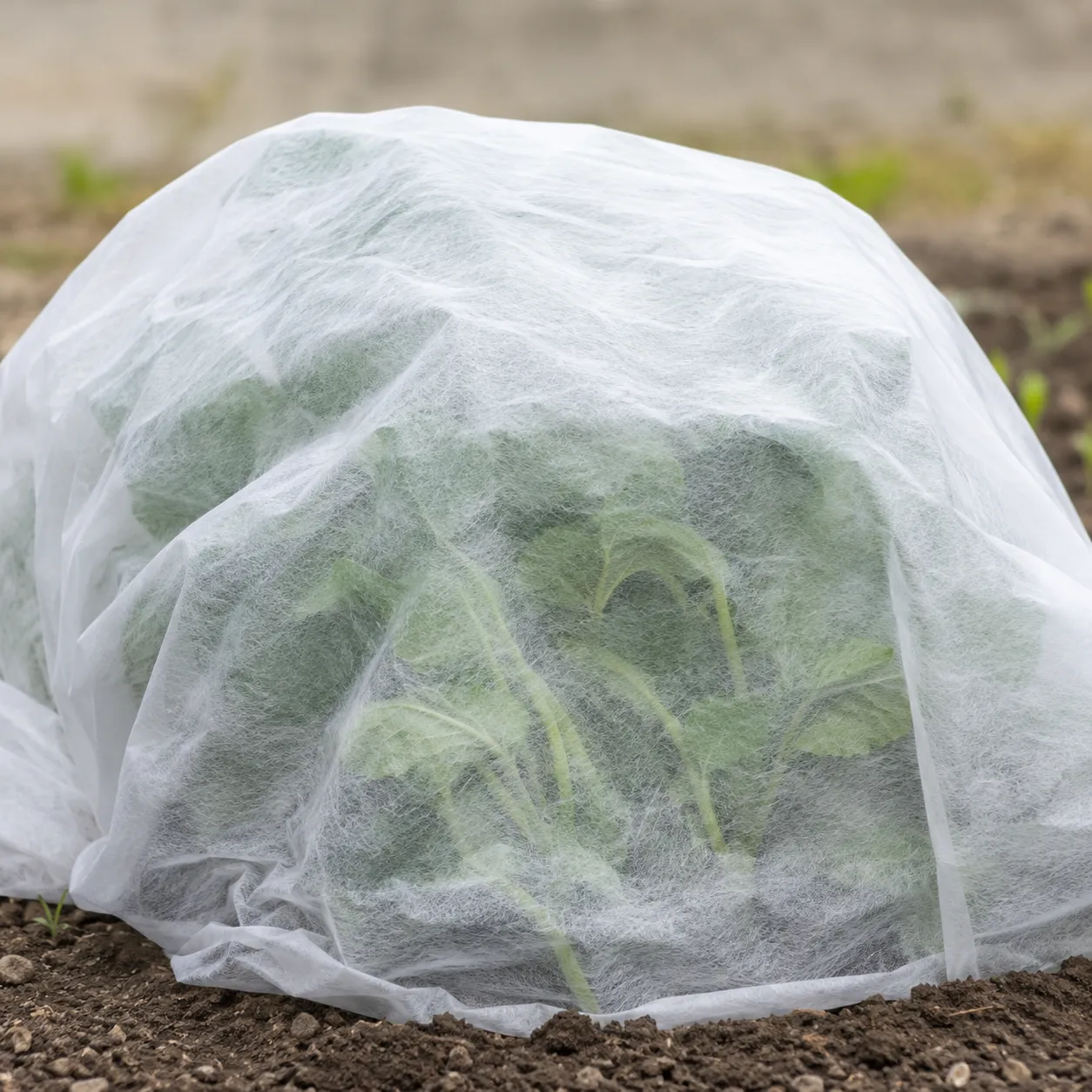
frost clothˈfrɔːst ˌklɔːθ
a light cloth spread over plants to keep them warmer and protect them from frost.
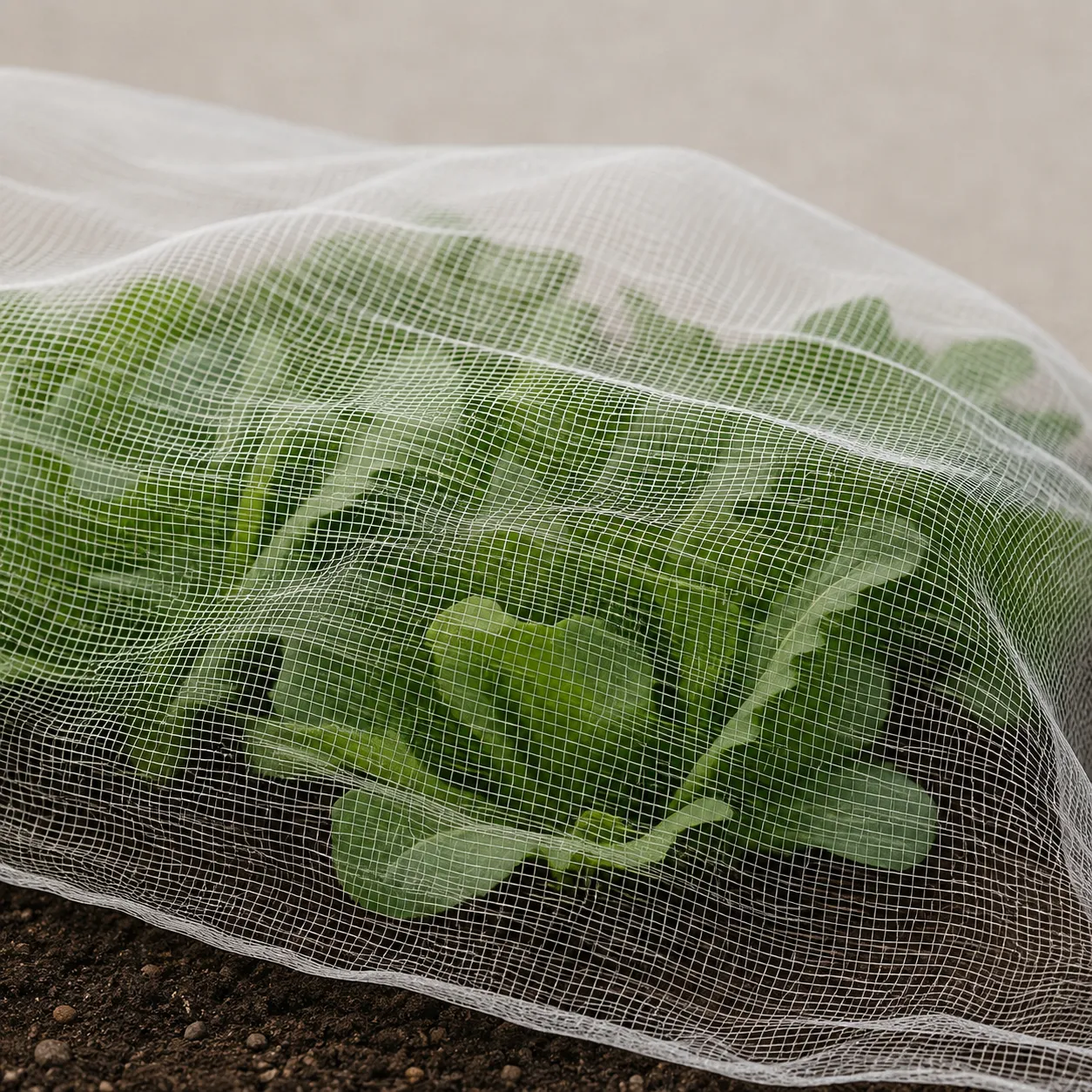
garden nettingˈɡɑːrdən ˈnɛtɪŋ
a fine mesh material spread over garden plants to protect them from birds, insects or other animals.
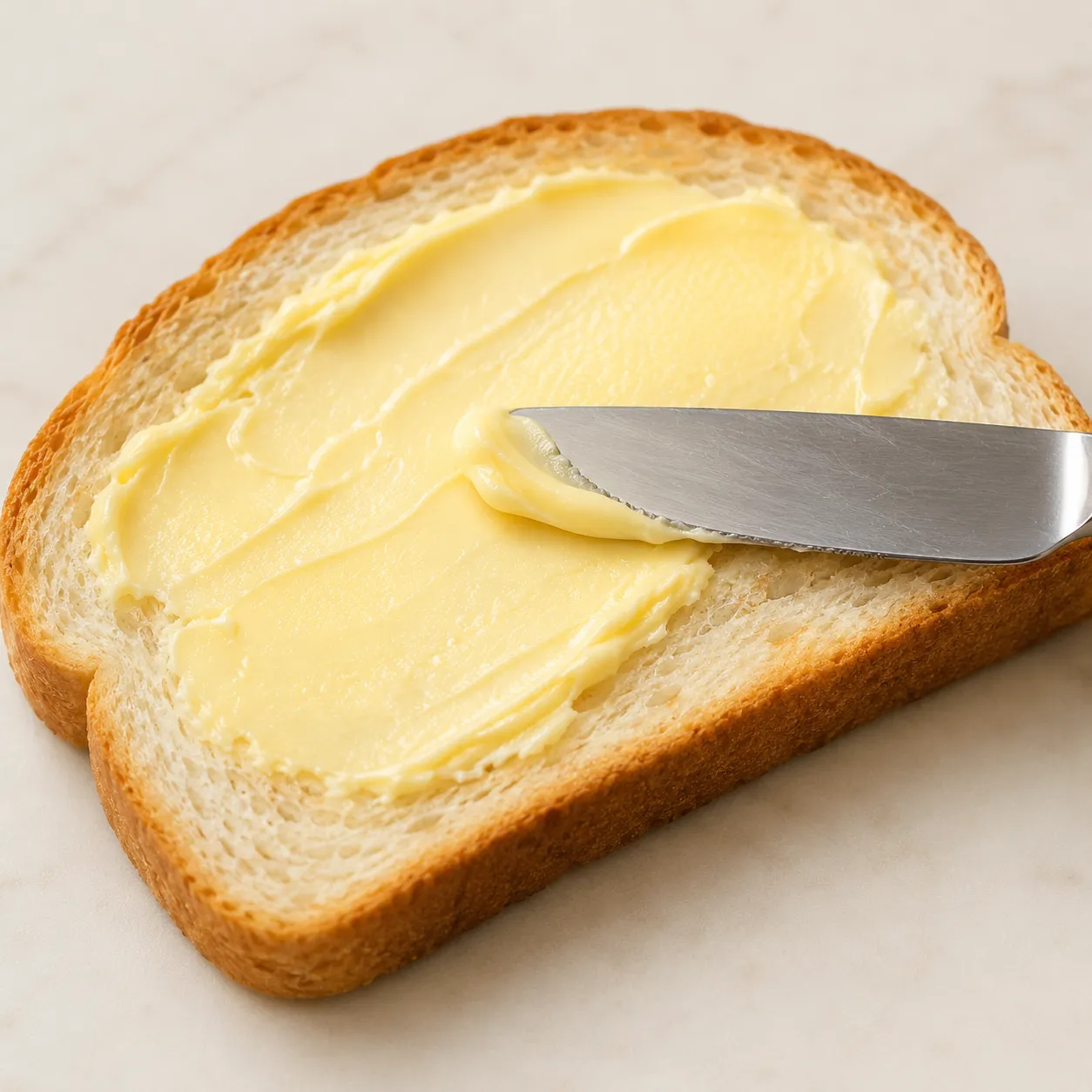
spreadsprɛd
to put a soft substance in a thin layer over a surface.
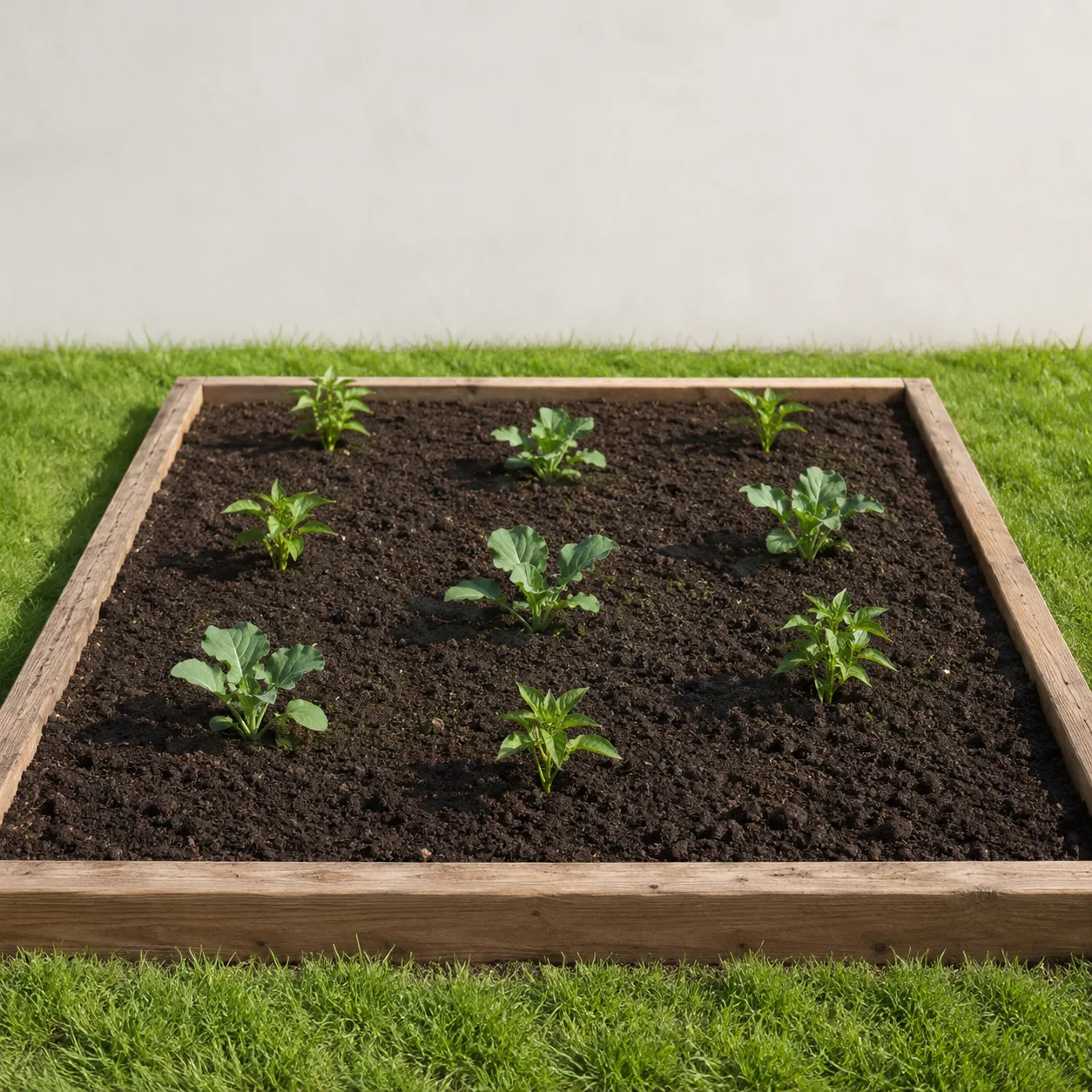
garden bedˈɡɑːrdən ˌbɛd
a prepared area of soil in a garden where vegetables, herbs, flowers, or other plants are grown.
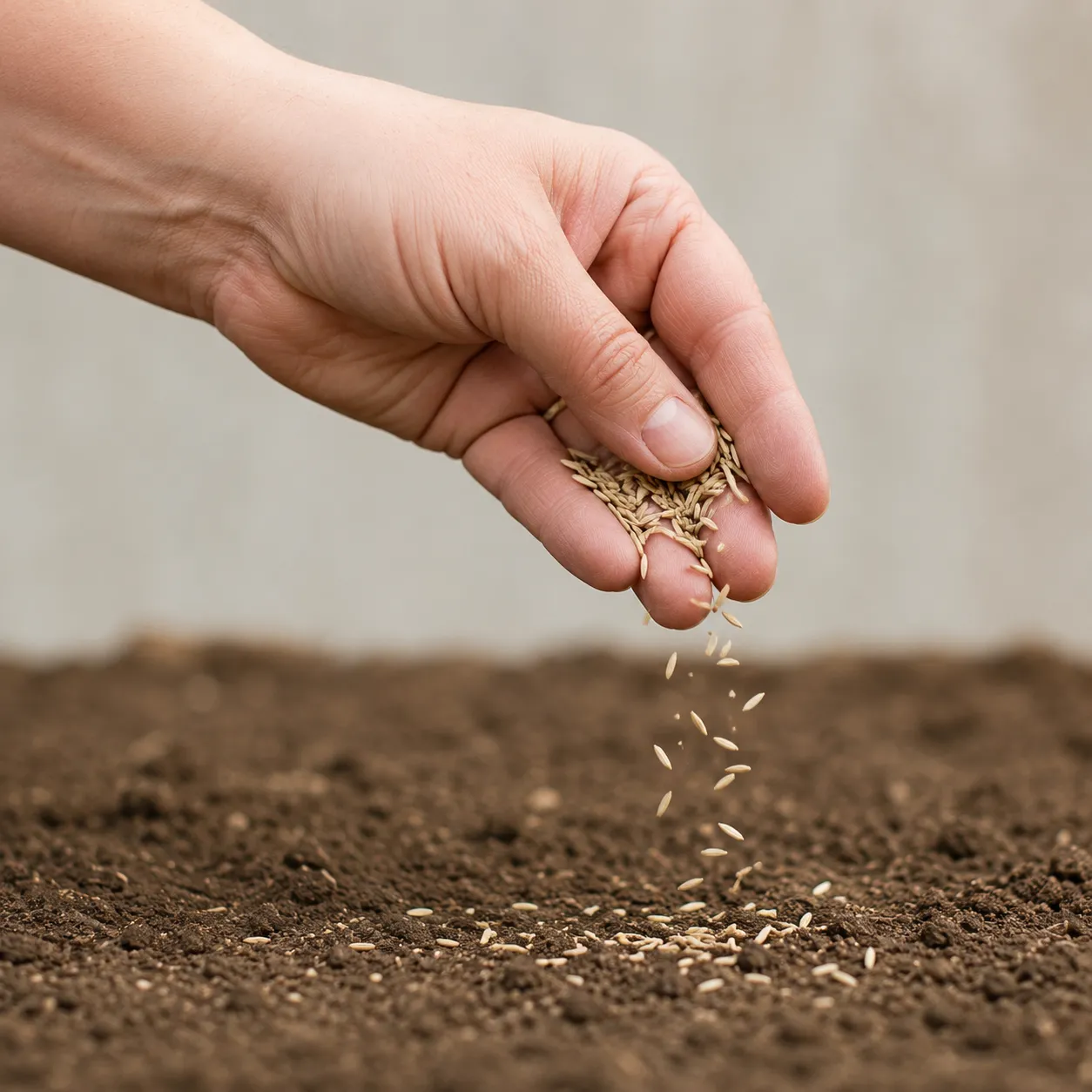
reseedˌriːˈsiːd
to put new seeds into soil where plants or grass have grown poorly or have died.
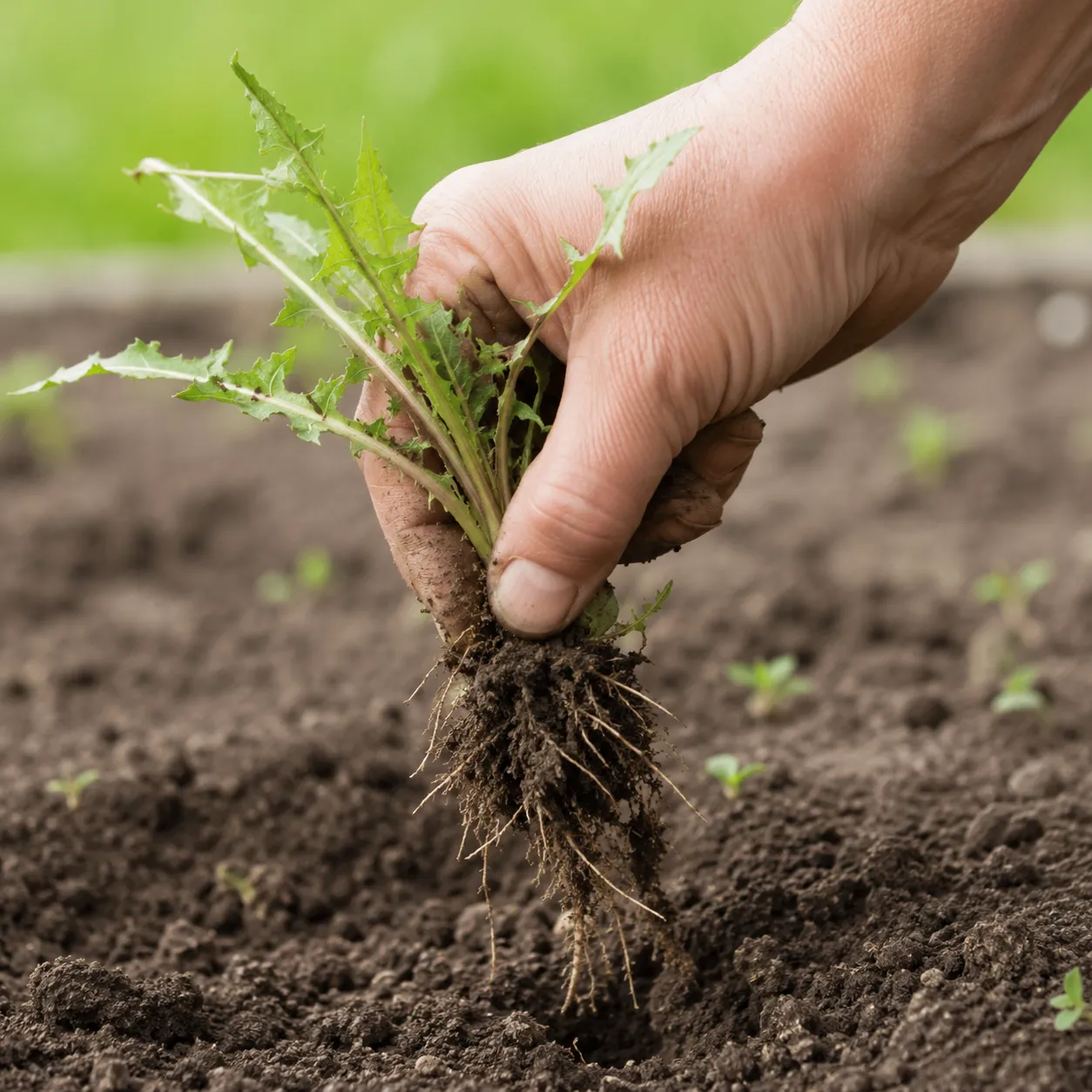
pull weedspʊl wiːdz
to take unwanted wild plants out of the ground, usually by pulling them up with their roots.
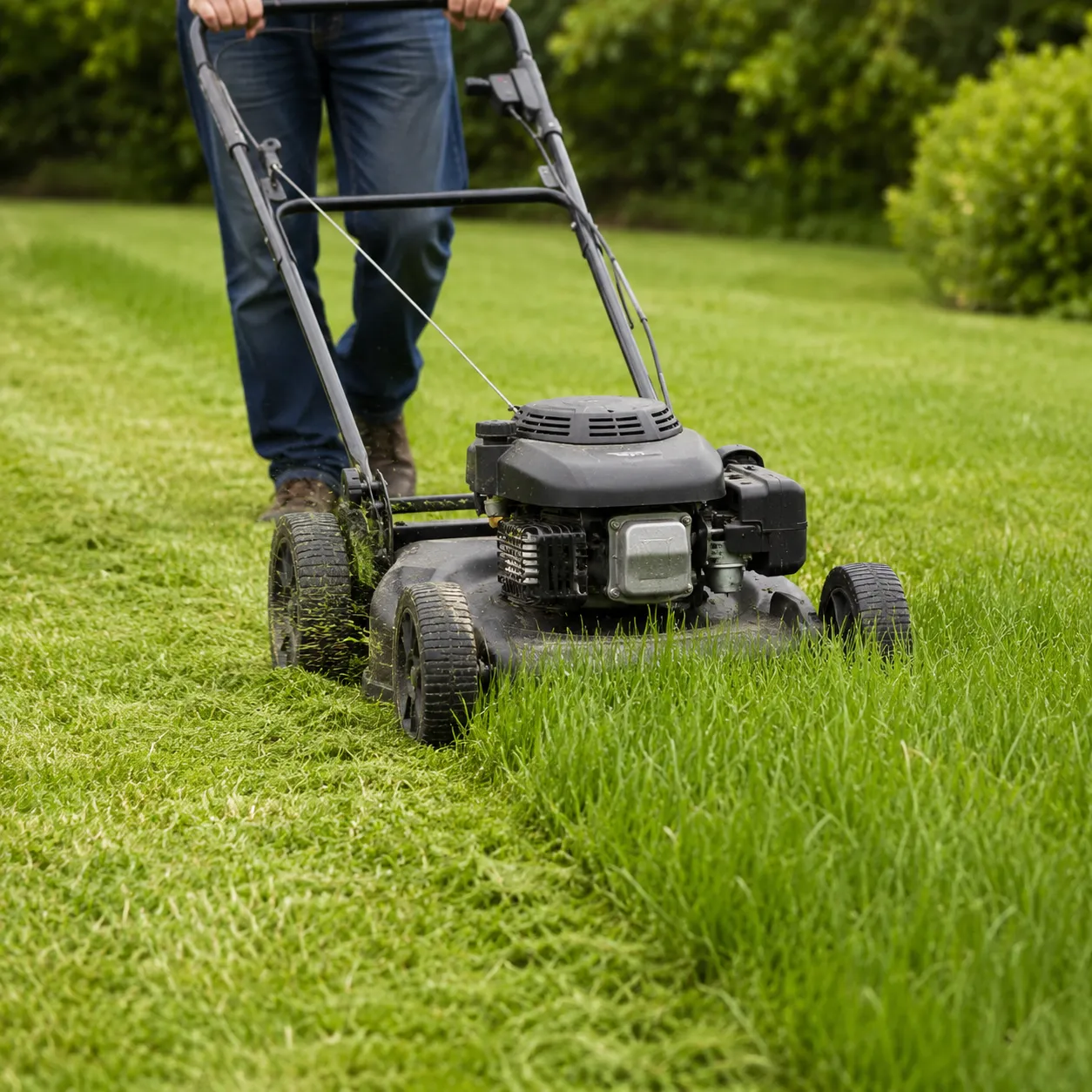
cut grasskʌt ɡræs
to make grass shorter using a machine or tool.
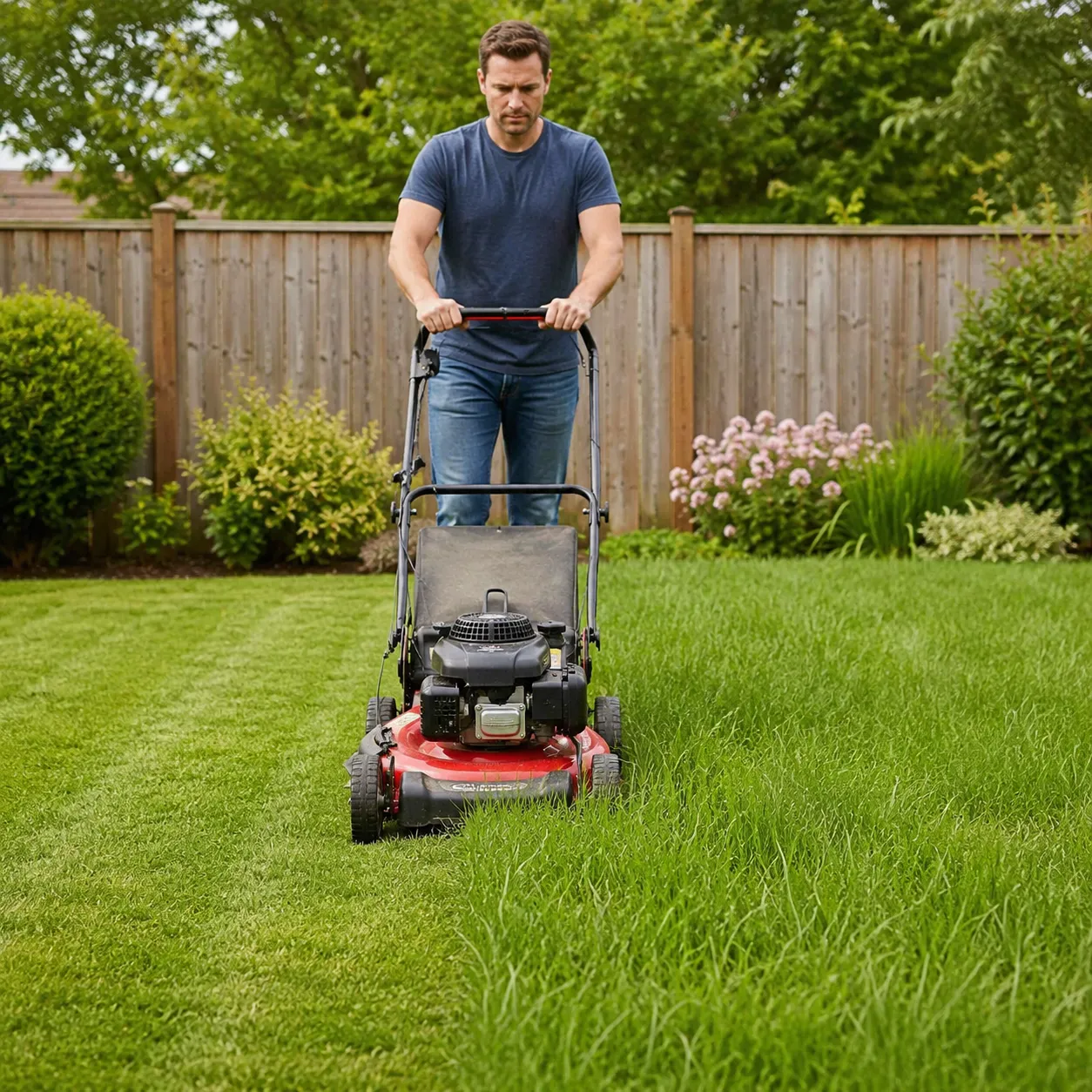
mow the lawnmoʊ ðə lɔn
to cut the grass in a garden or yard with a lawn mower.
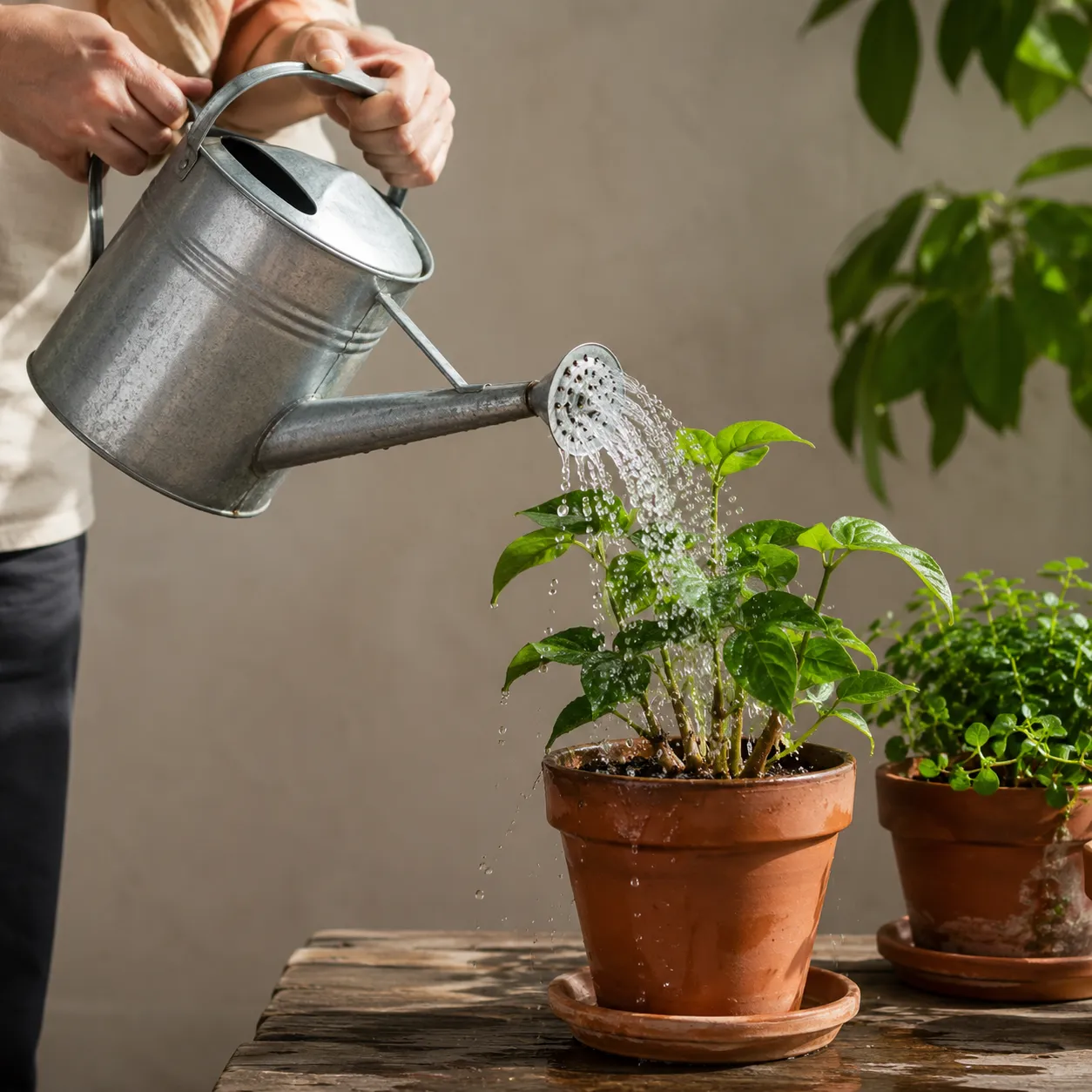
water plantsˈwɔːtər plænts
to pour water onto plants or the soil around them so that they can grow.
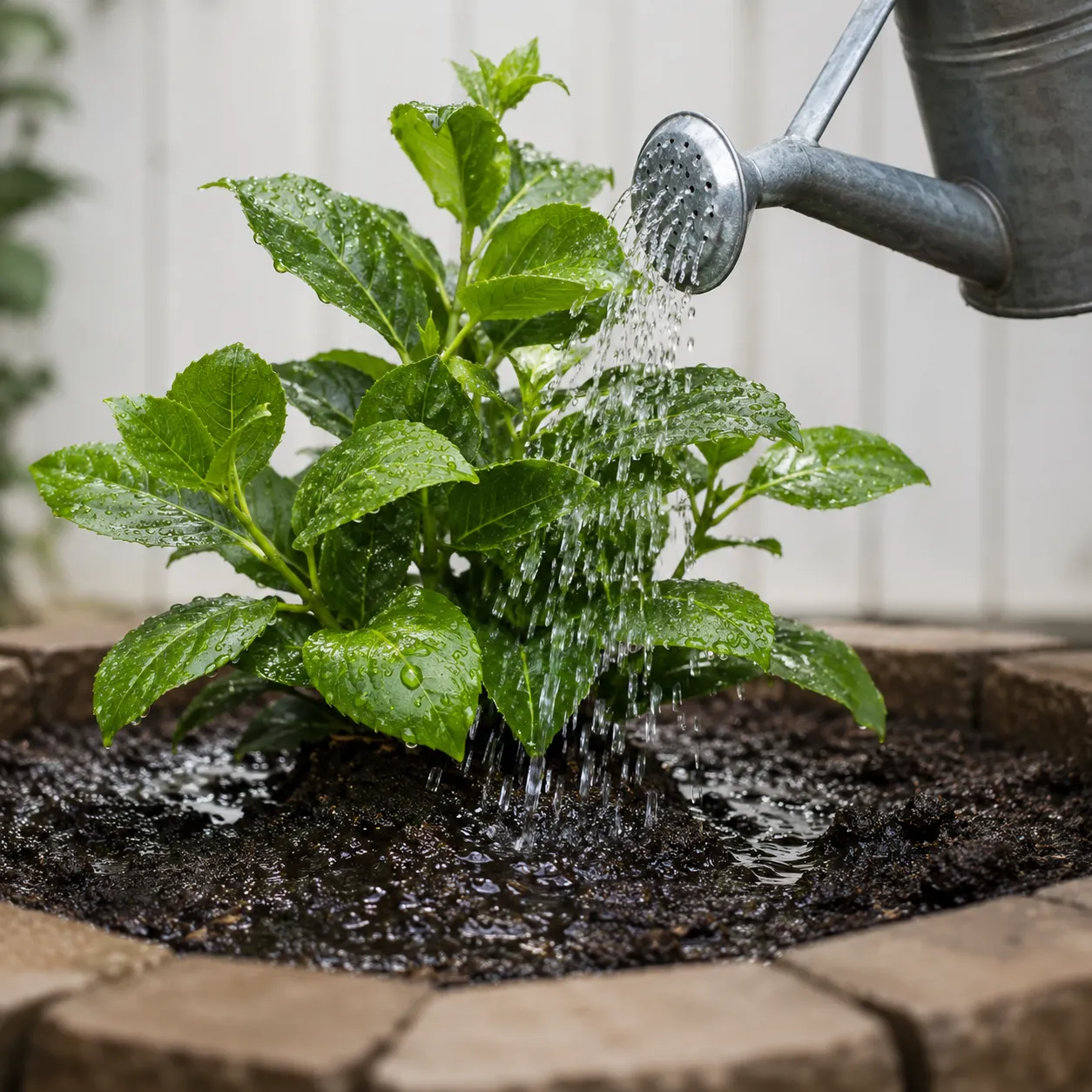
wateredˈwɔːtərd
given water, especially so that plants can grow or soil becomes wet.
Practical words for tools, watering systems, cleaning, repairs, seasonal jobs, and moving garden supplies.
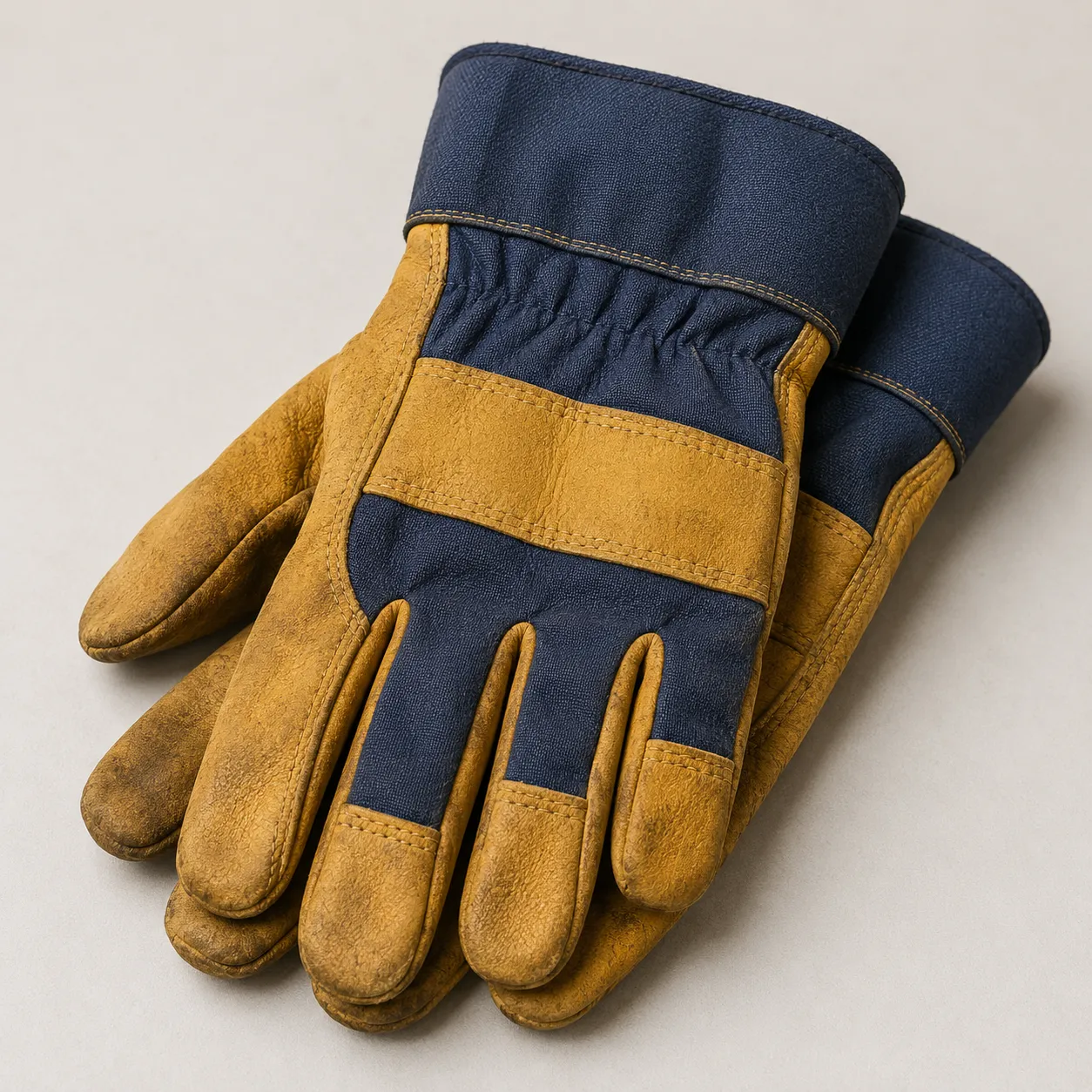
work glovesˈwɝːk ɡlʌvz
strong gloves worn to protect your hands while doing physical work or repairs.
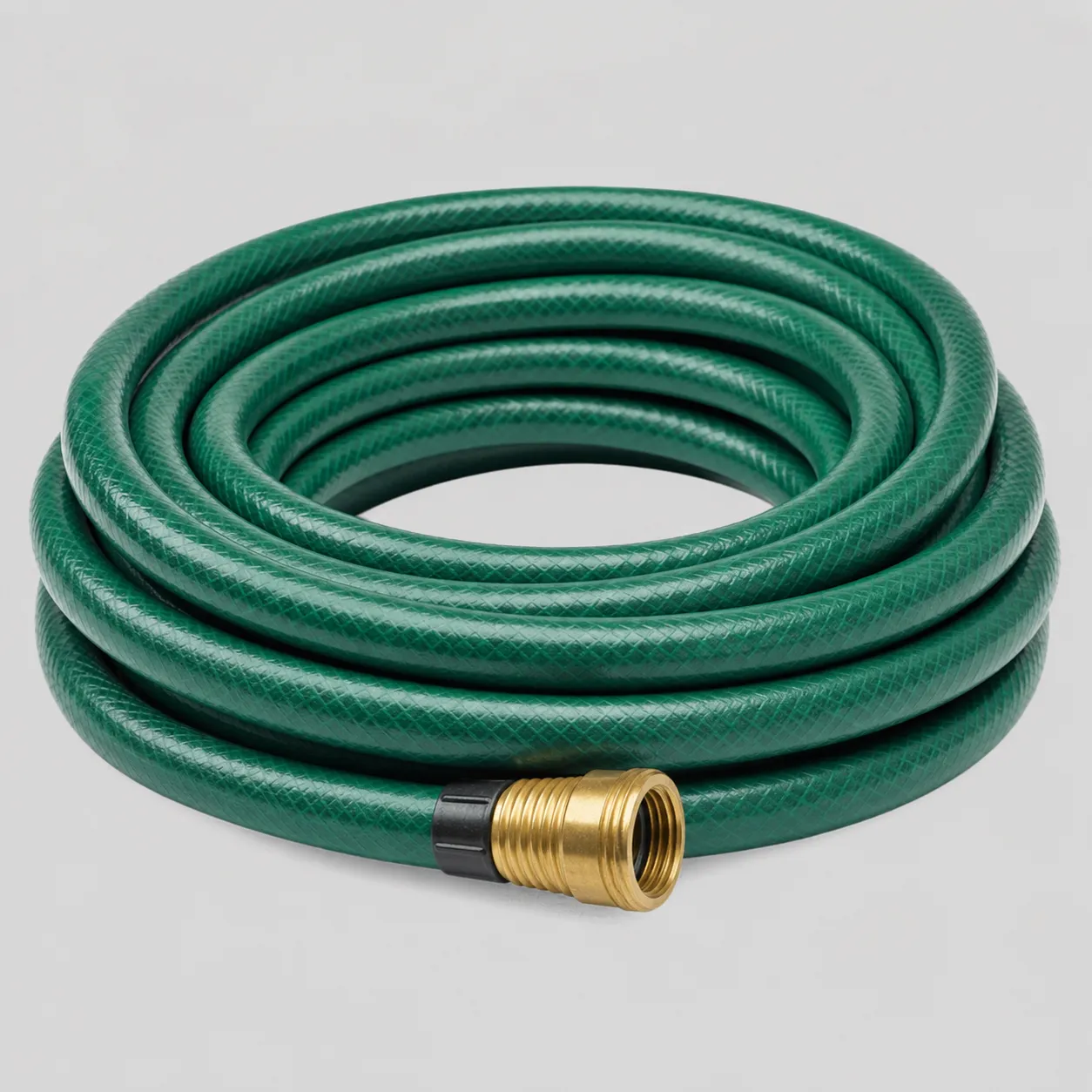
hosehoʊz
a long flexible tube used to carry water, air, or another liquid from one place to another.
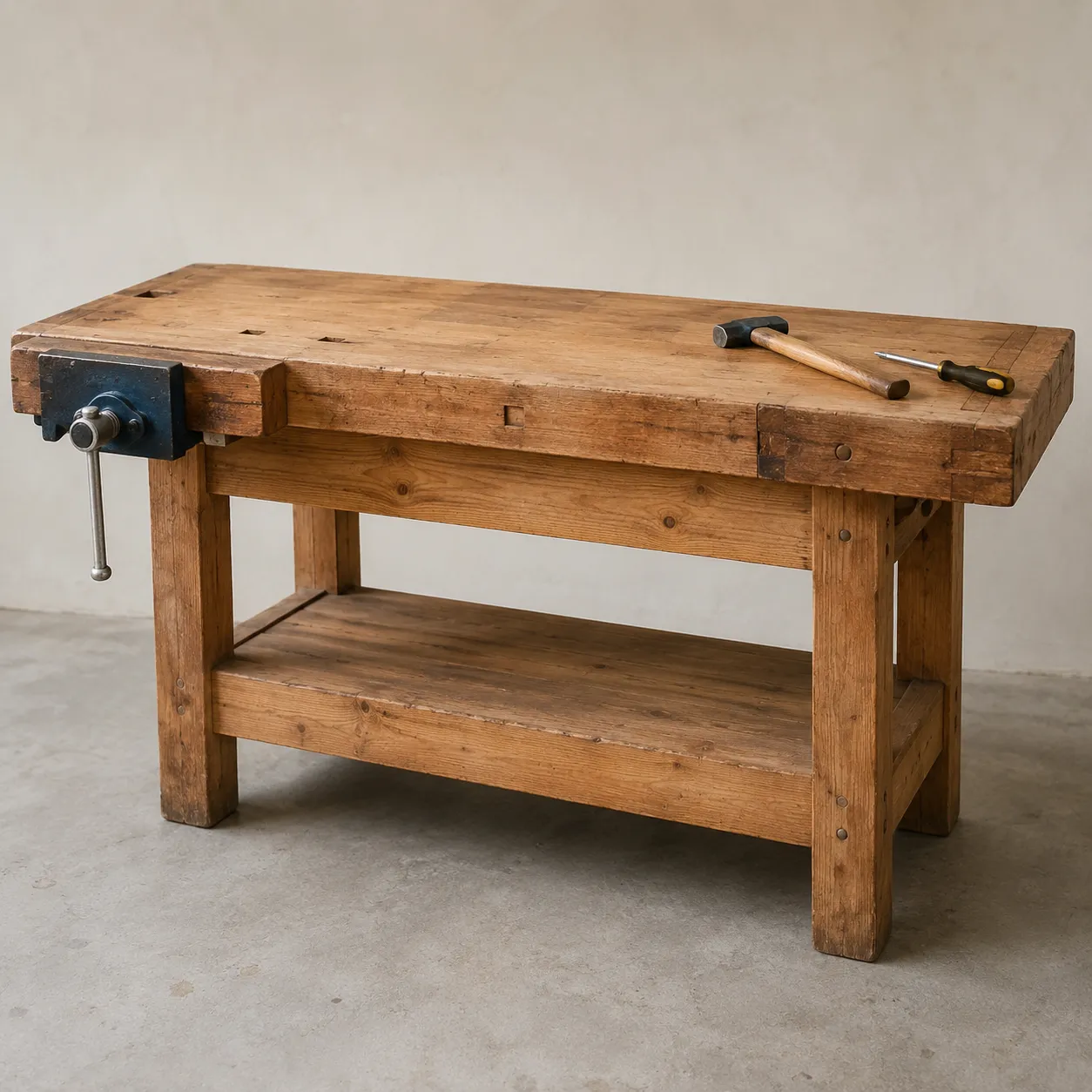
workbenchˈwɝːkˌbɛntʃ
a strong table used for making, repairing, or working on things with tools.
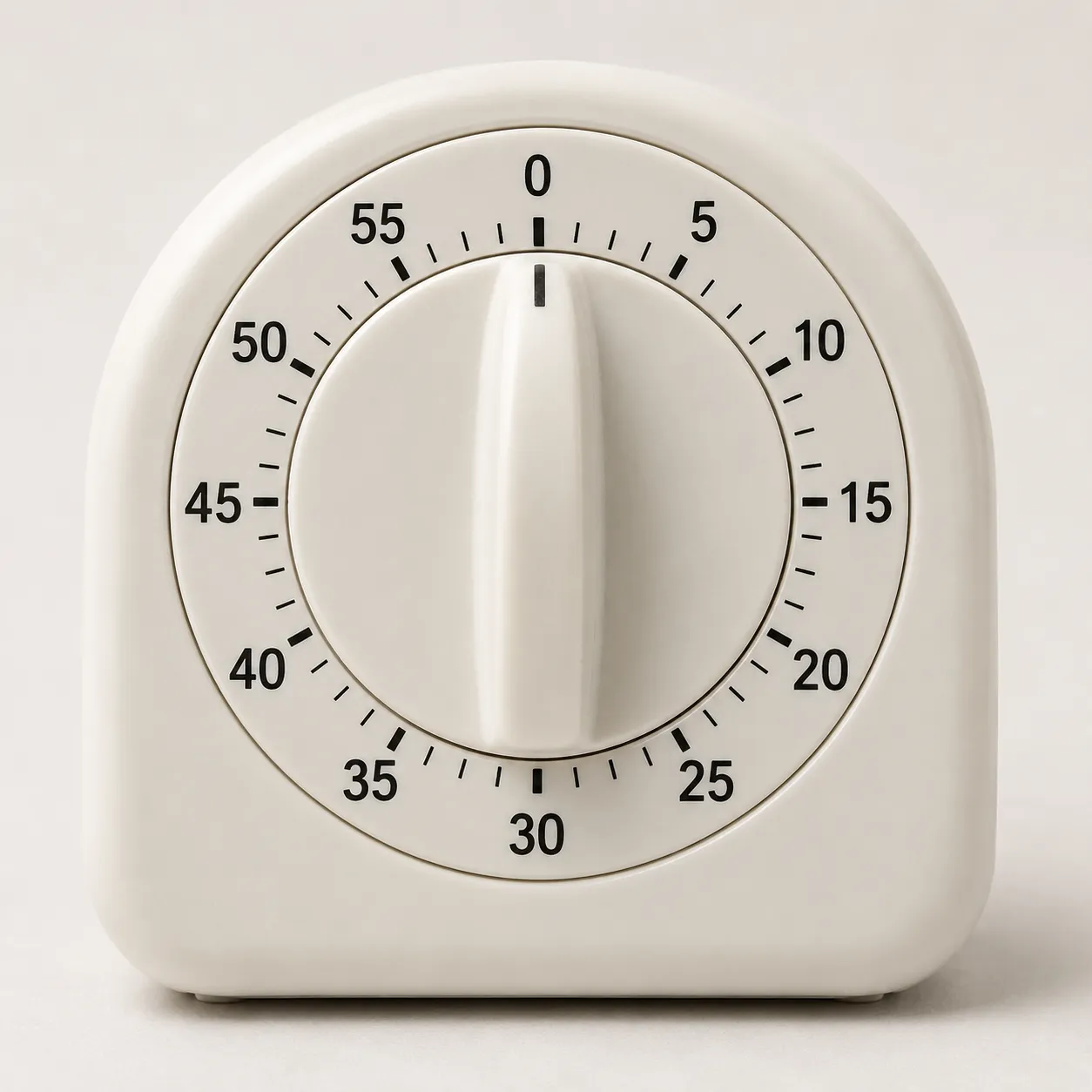
timerˈtaɪmər
a device that measures a set amount of time and usually signals when the time is finished
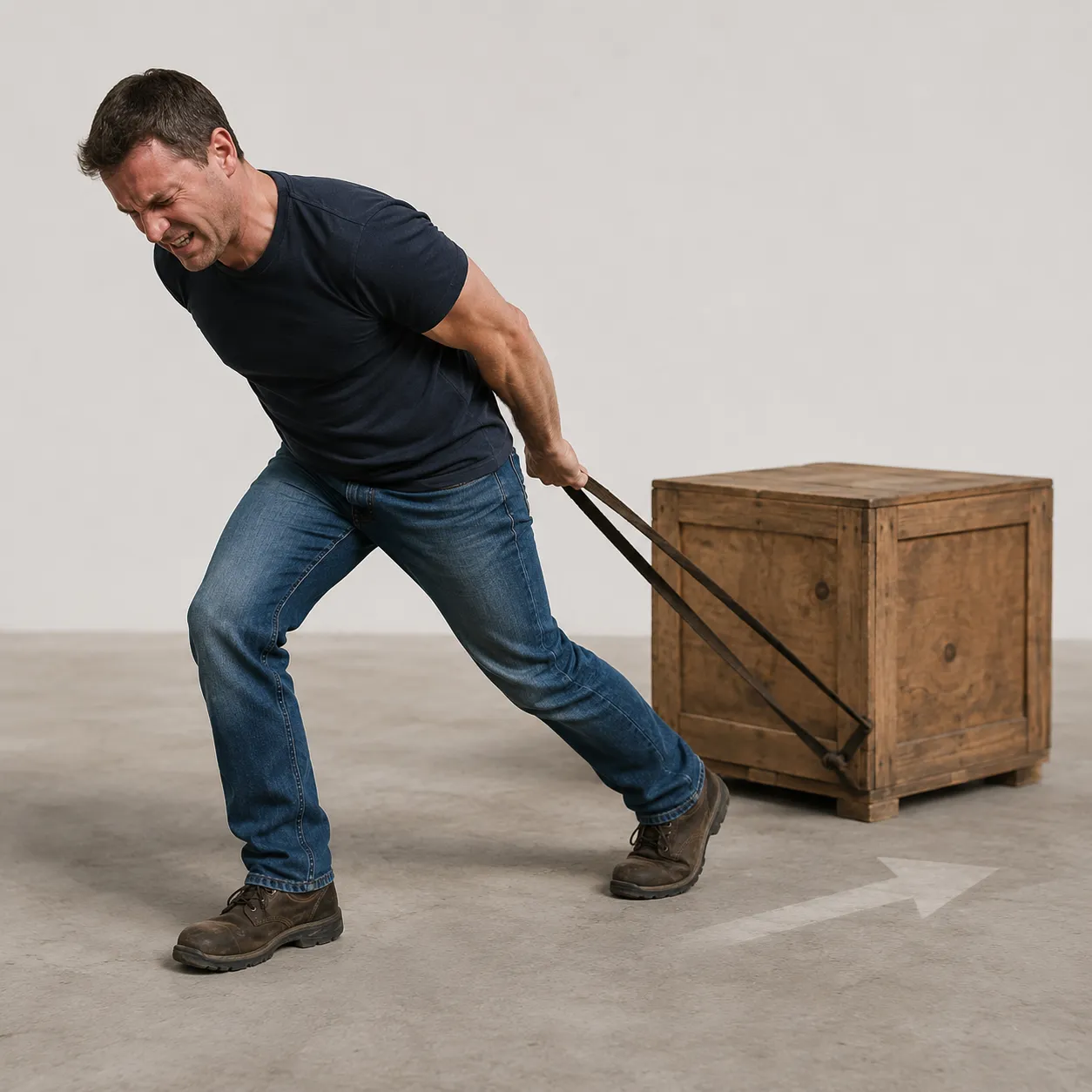
haulhɔːl
to pull or carry something heavy or large, often with a lot of effort.
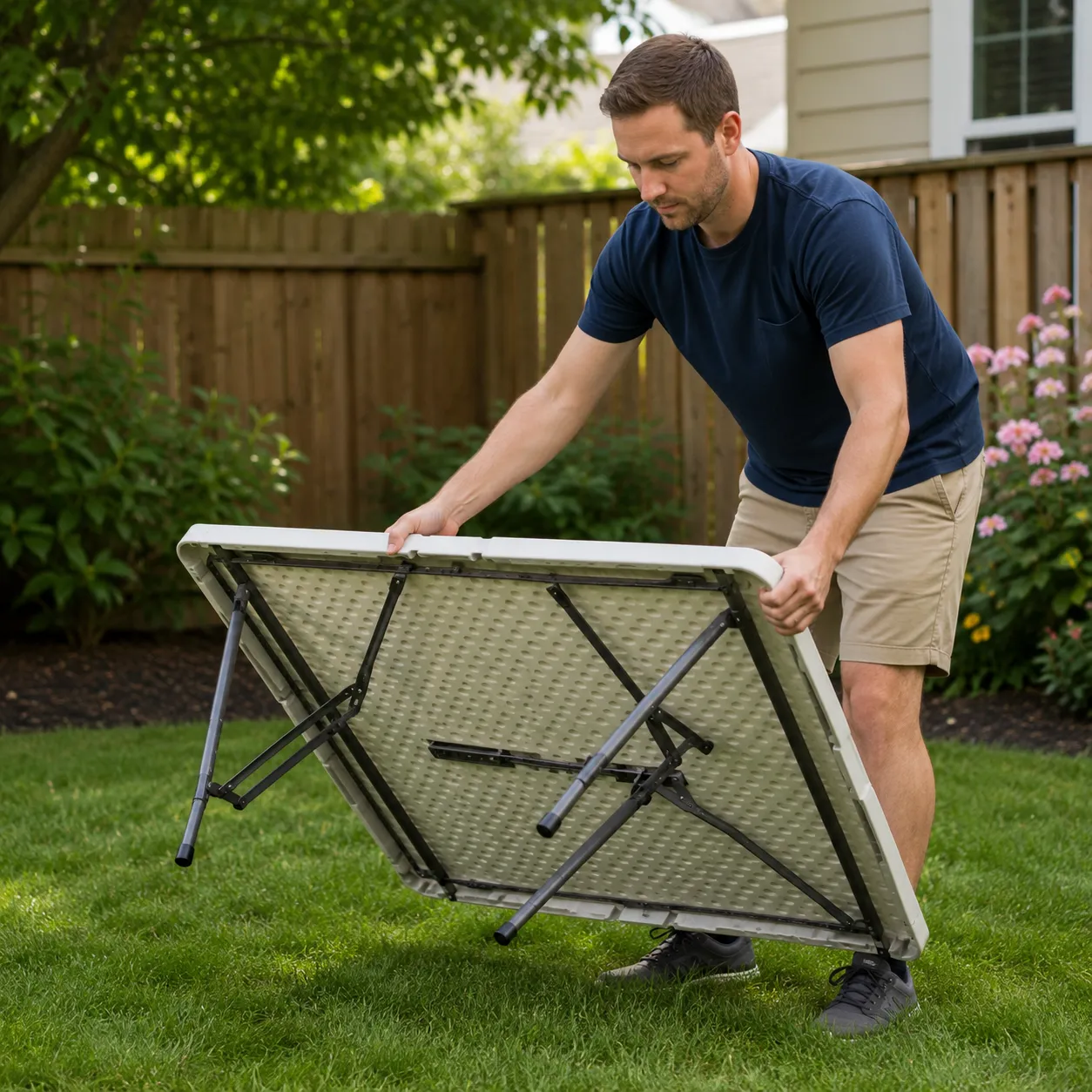
set upset ʌp
to prepare a place, station, or equipment so it is ready to use.
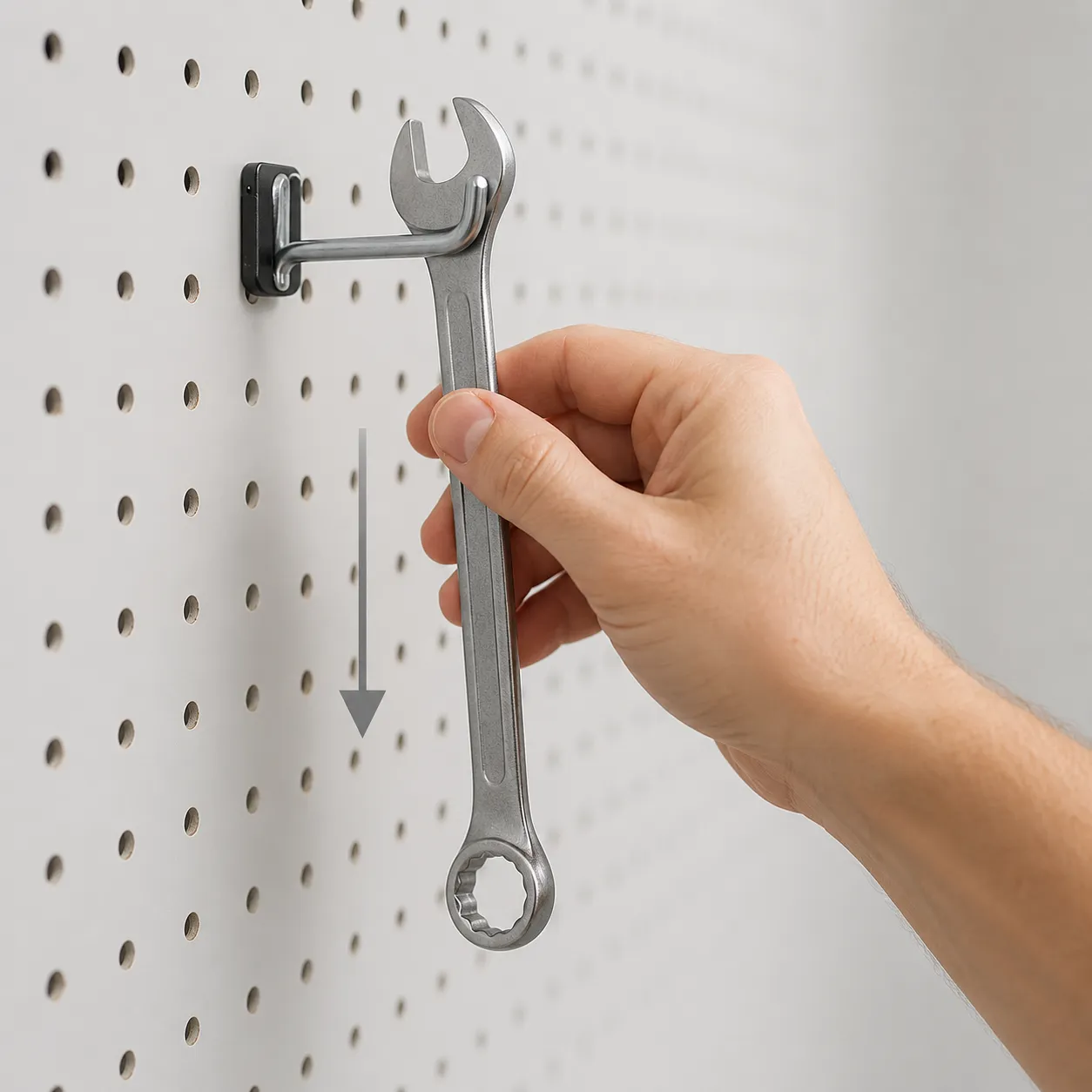
hanghæŋ
to put something on a hook, hanger, or rail so it is supported from above.
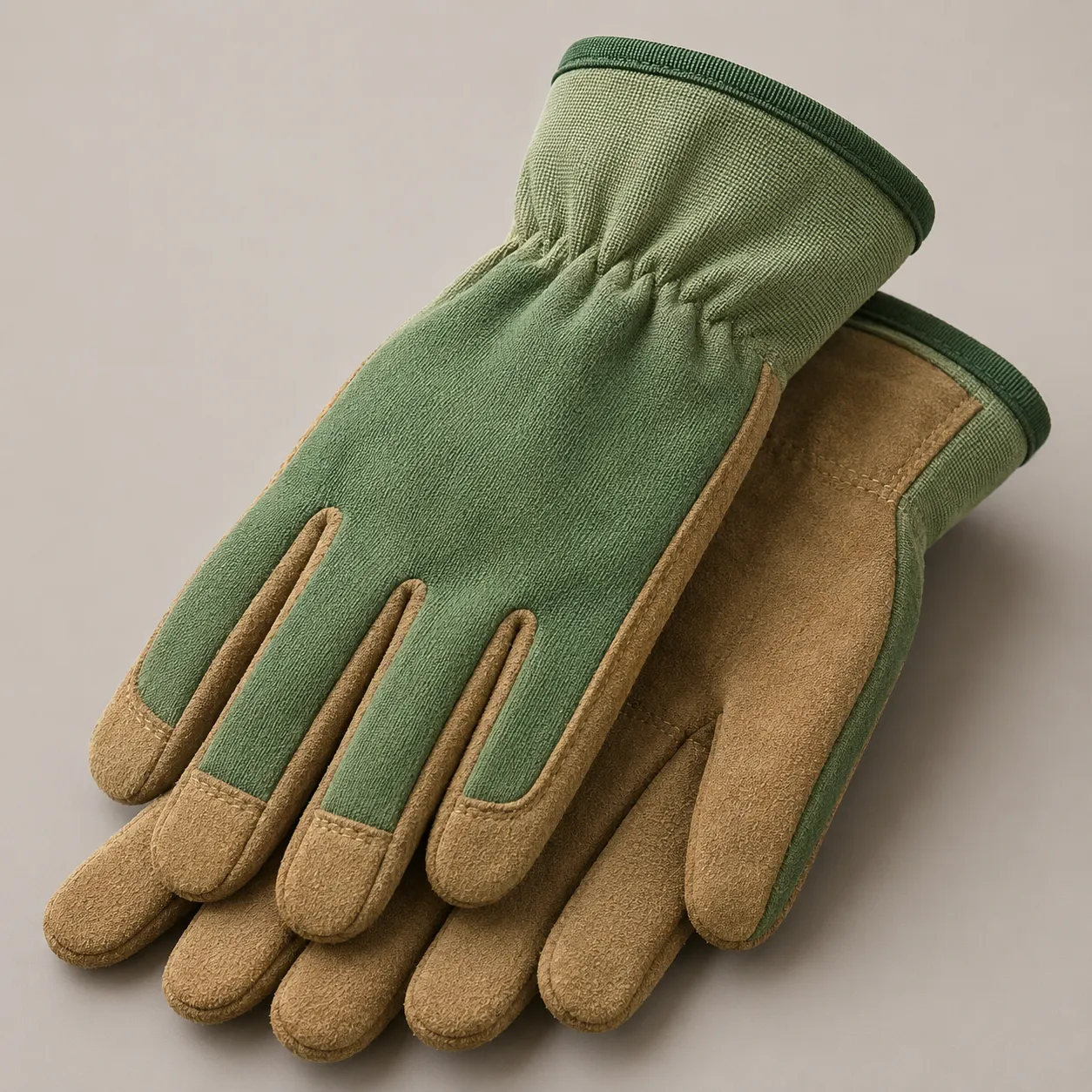
garden glovesˈɡɑːrdən ɡlʌvz
gloves worn when working in a garden to protect the hands from dirt, thorns, cuts, or cold.
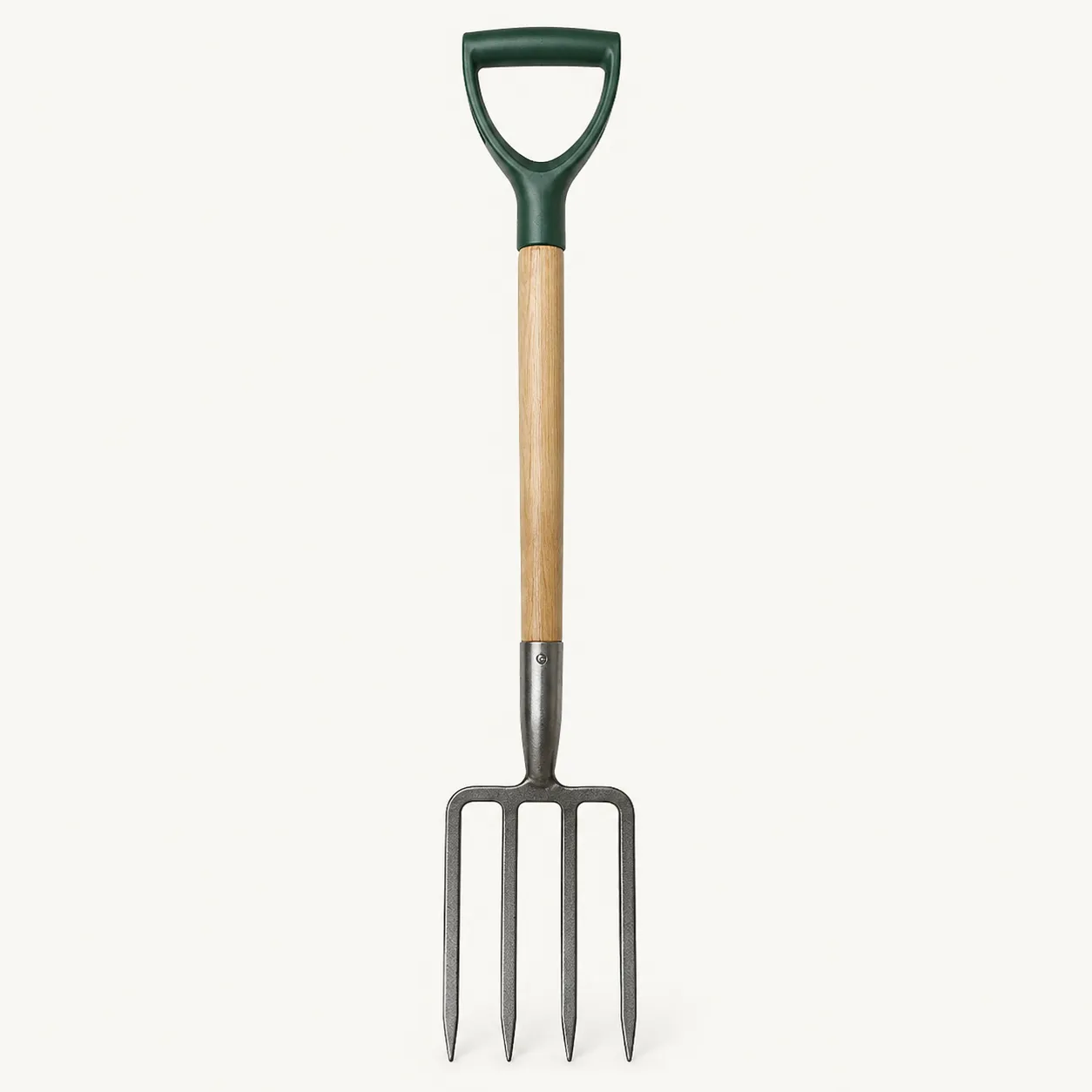
garden forkˈɡɑːrdən fɔːrk
a garden tool with a long handle and several strong metal prongs, used for digging and loosening soil.
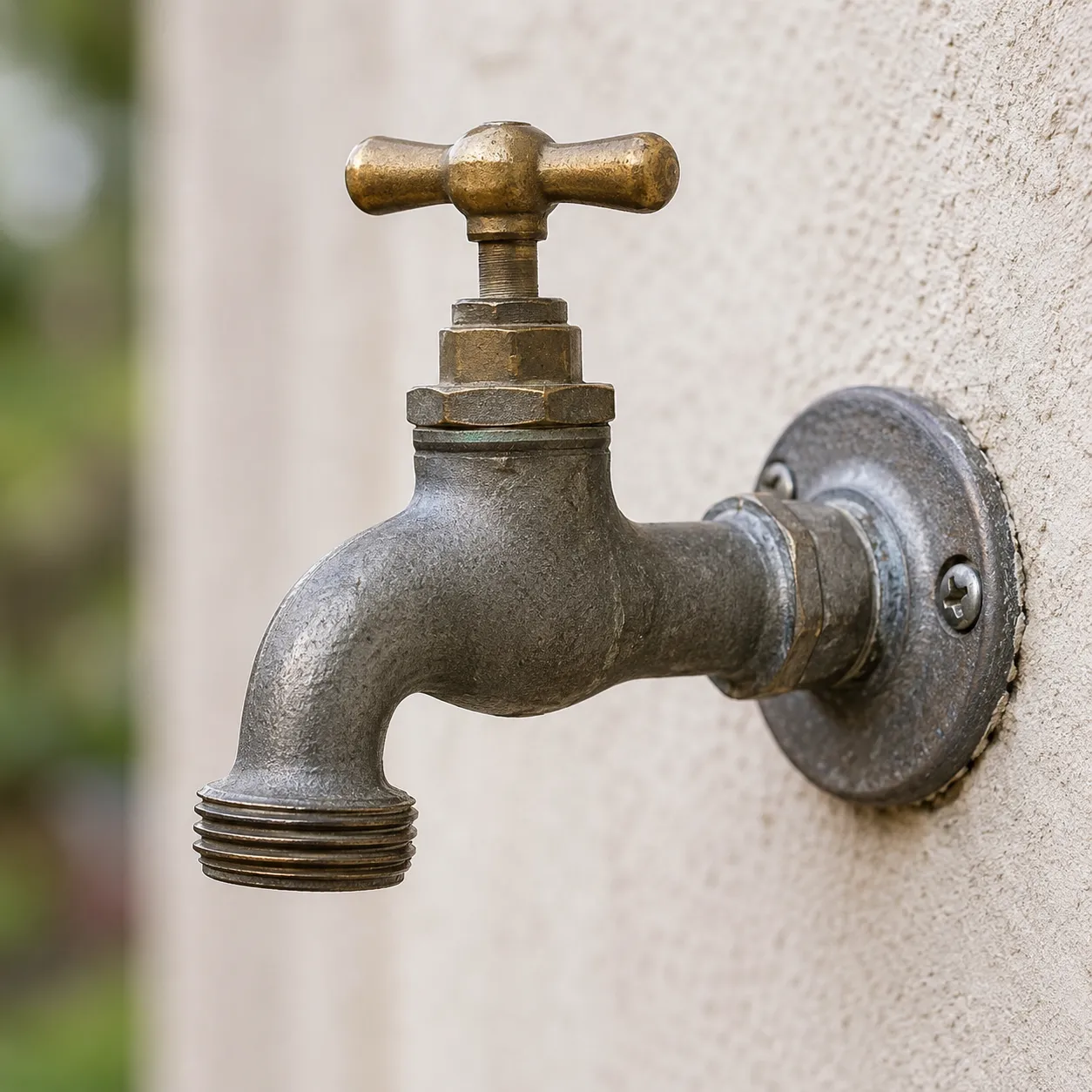
outdoor tapˌaʊtˈdɔːr tæp
a tap fixed outside a house or other building, used for getting water in a garden or yard.
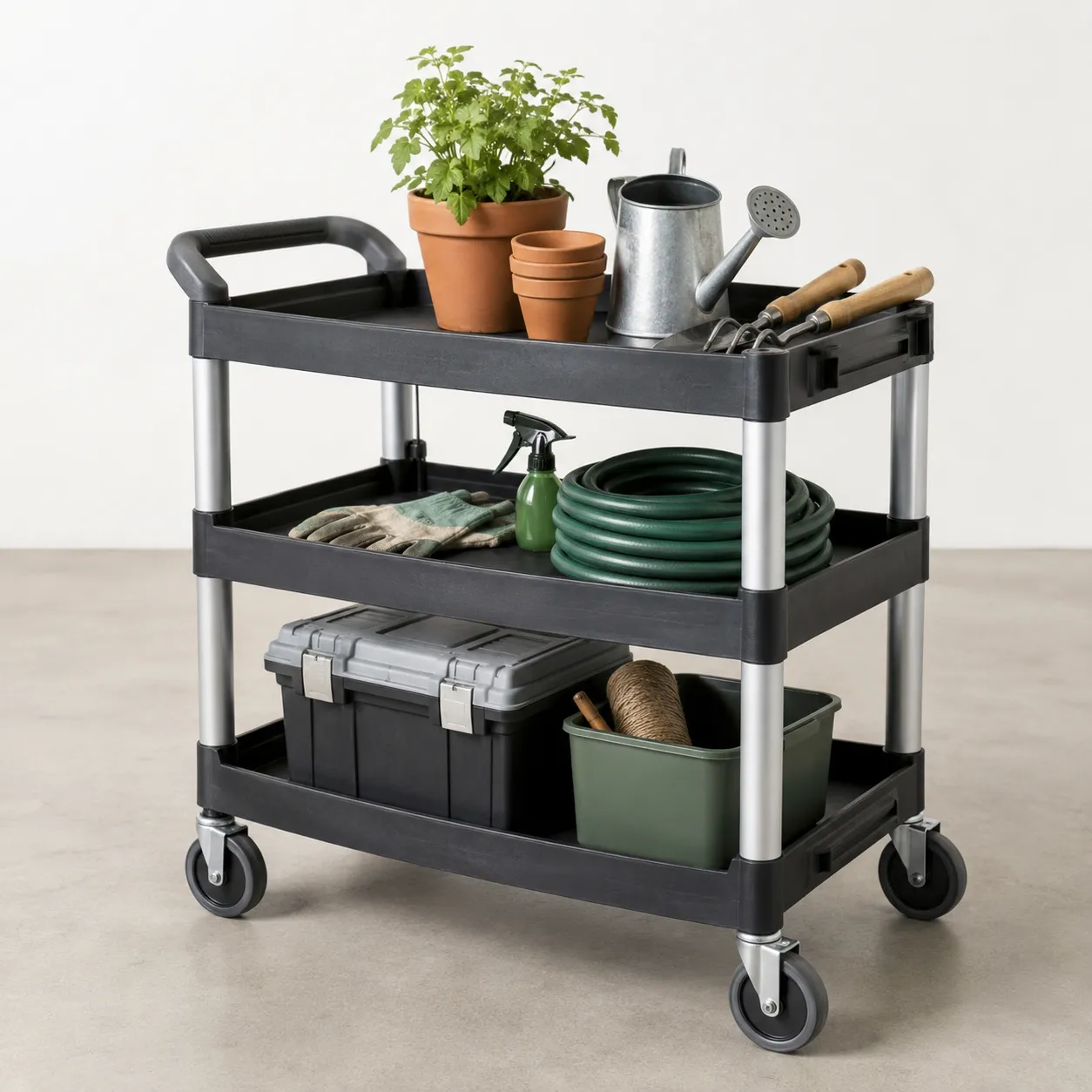
utility cartjuːˈtɪləti ˌkɑːrt
a cart with wheels and shelves or trays, used for moving tools, supplies or household items from place to place.
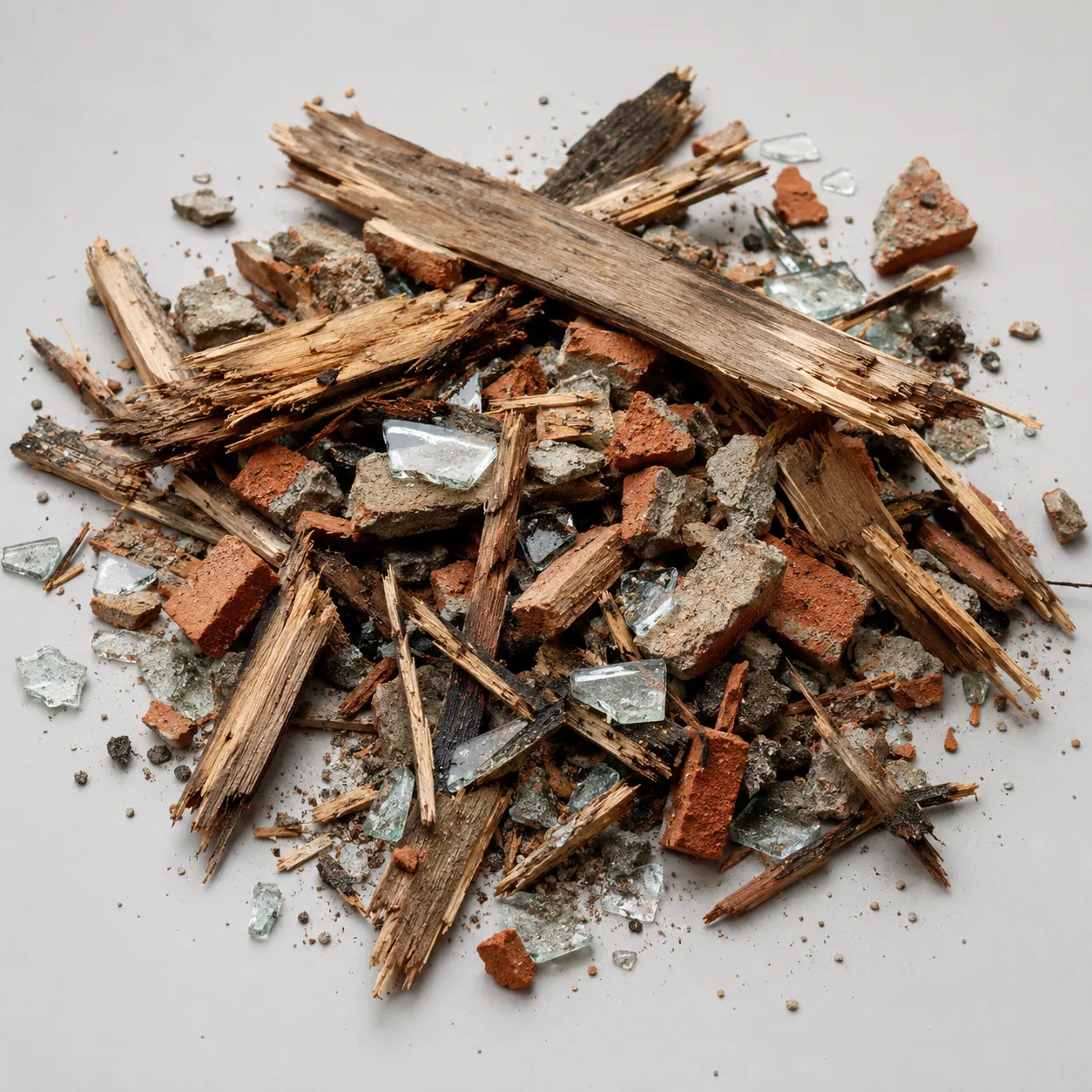
debrisˈdɛbriː
broken pieces of material left after something has been damaged, destroyed, or thrown away.
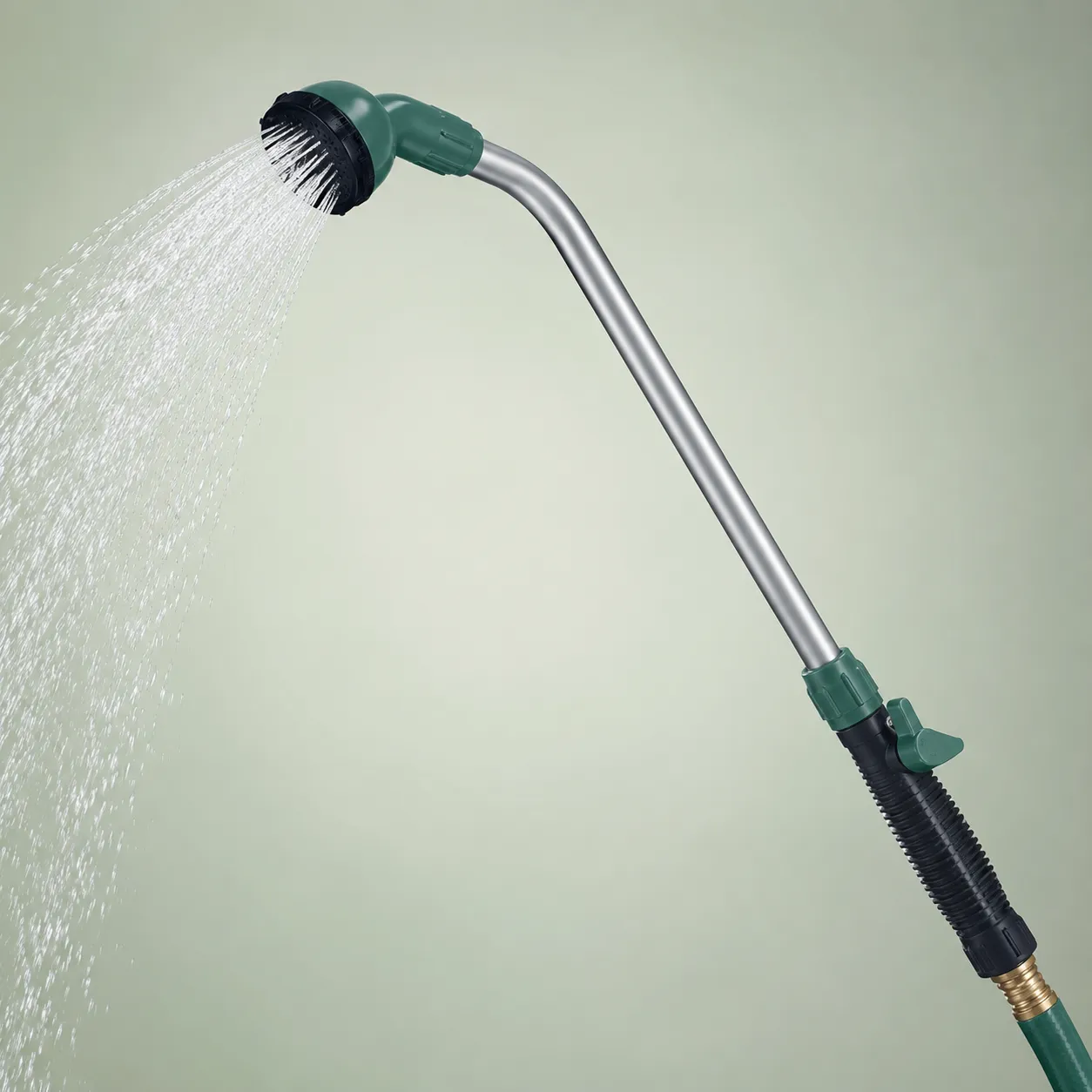
watering wandˈwɔːtərɪŋ wɑːnd
a long attachment for a garden hose, usually with a shower-like end, used to water plants gently and reach farther.
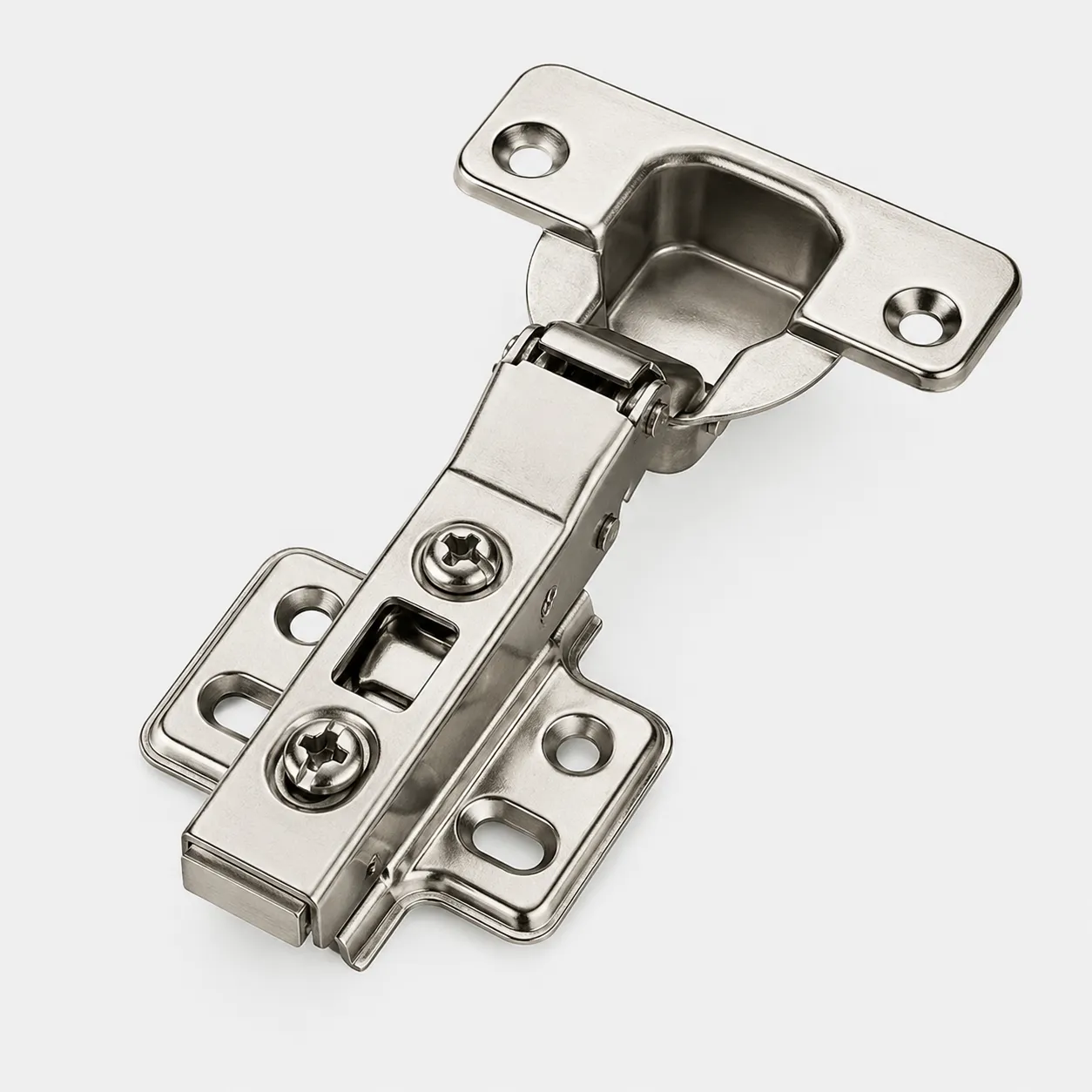
hingehɪndʒ
a metal part that joins a door, lid, or gate to something and lets it swing open and closed.
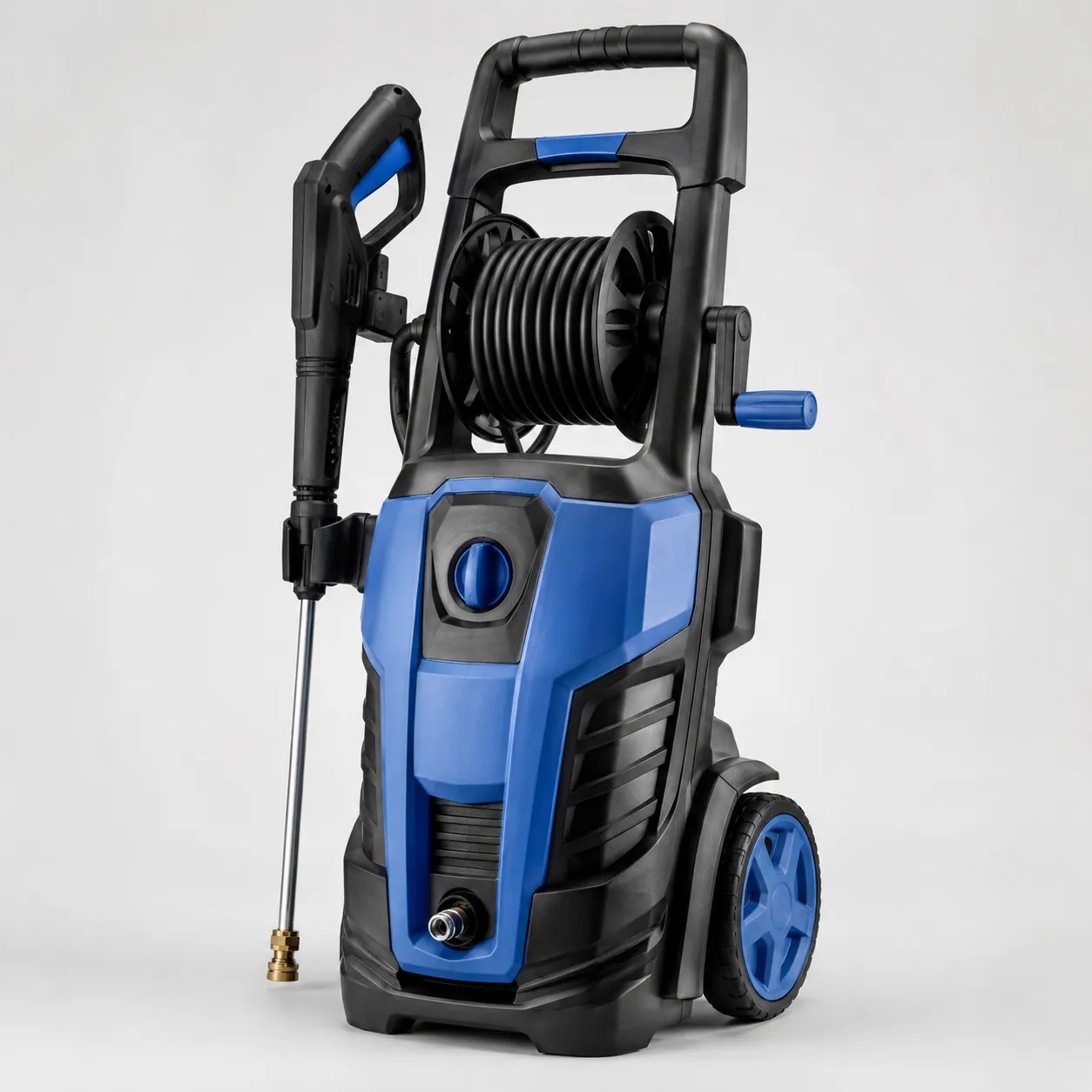
pressure washerˈprɛʃər ˌwɑːʃər
a machine that cleans surfaces by spraying water at very high pressure.
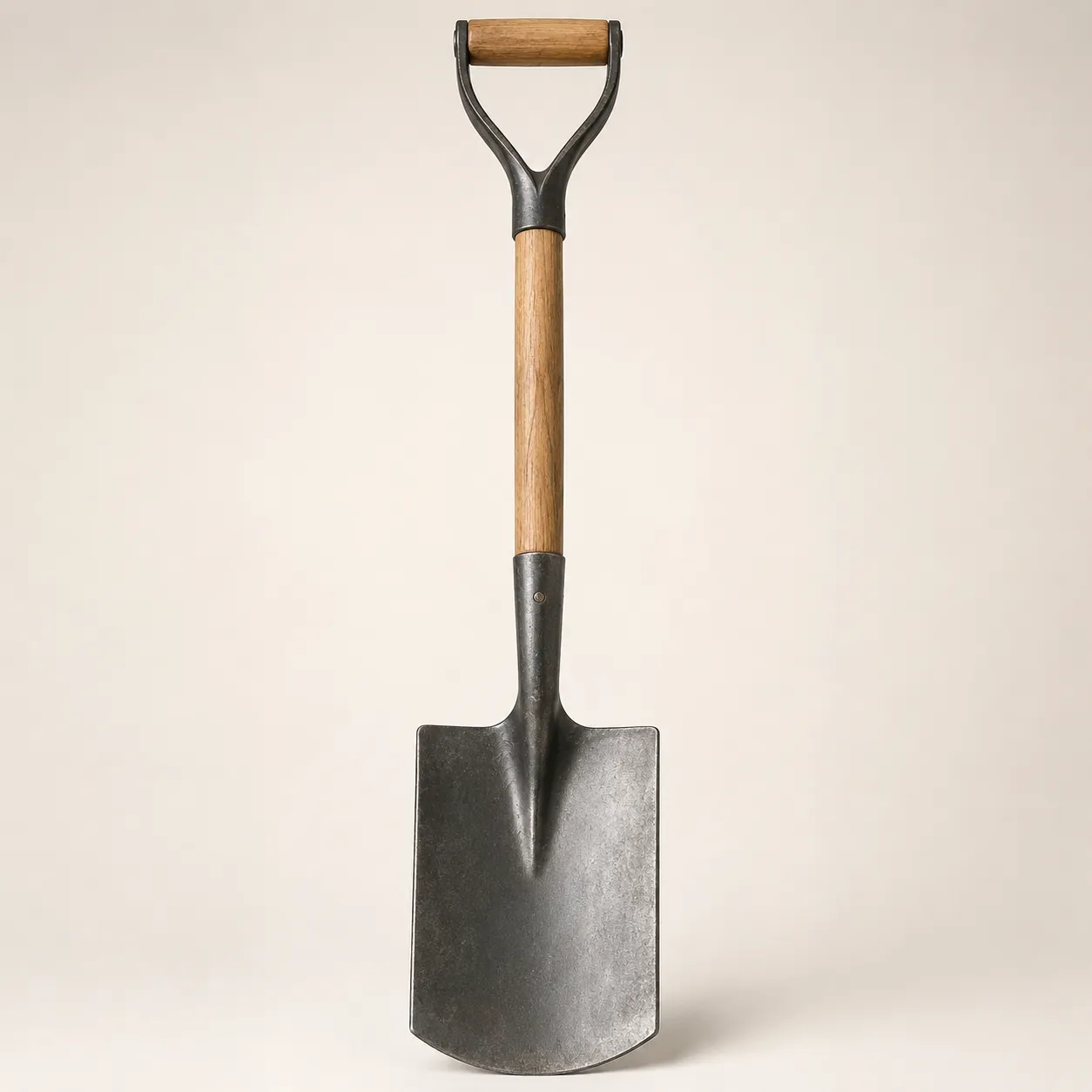
spadespeɪd
a garden tool with a long handle and a flat metal blade, used for digging or moving soil.
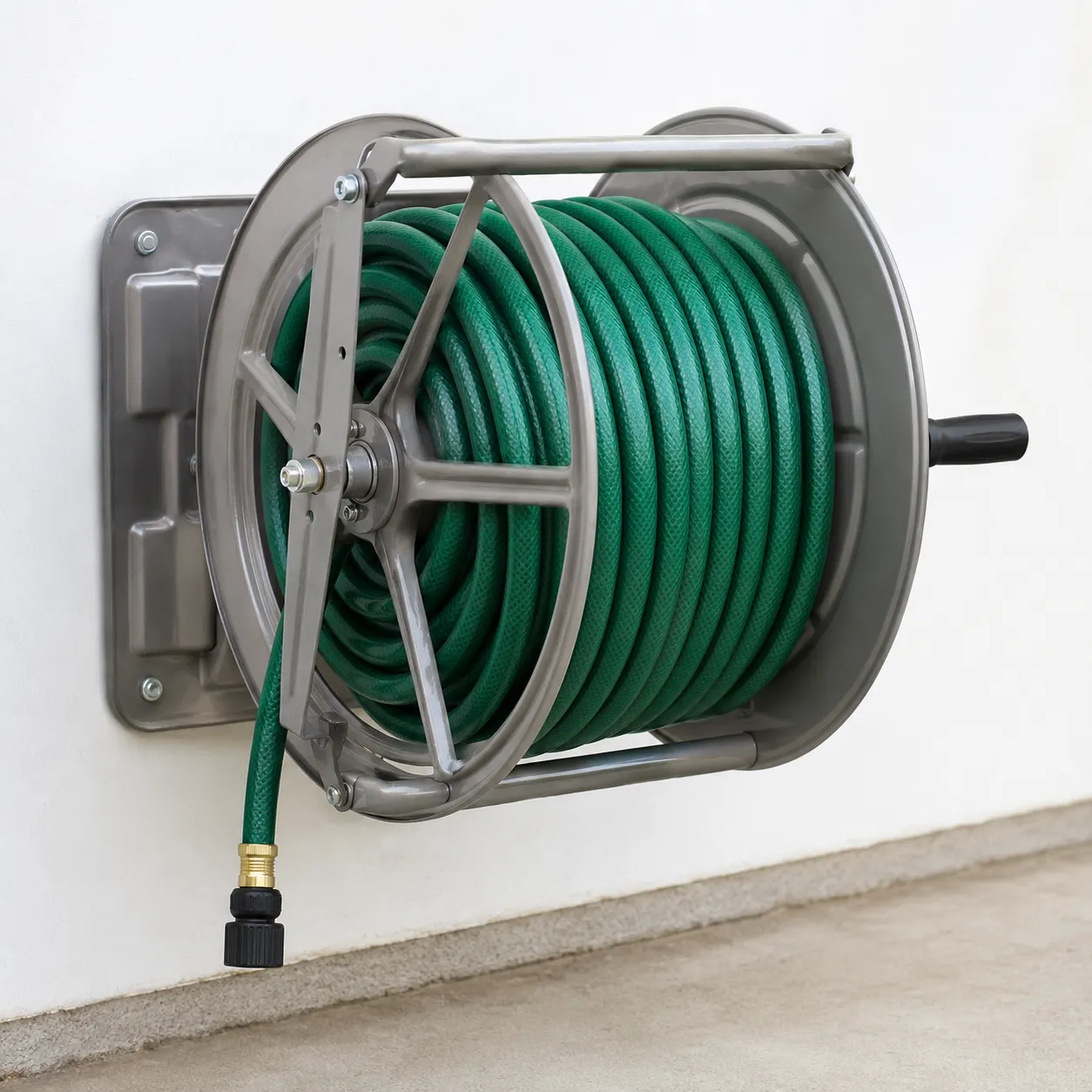
hose reelhoʊz riːl
a round spool or device used to wind up and store a hose neatly.
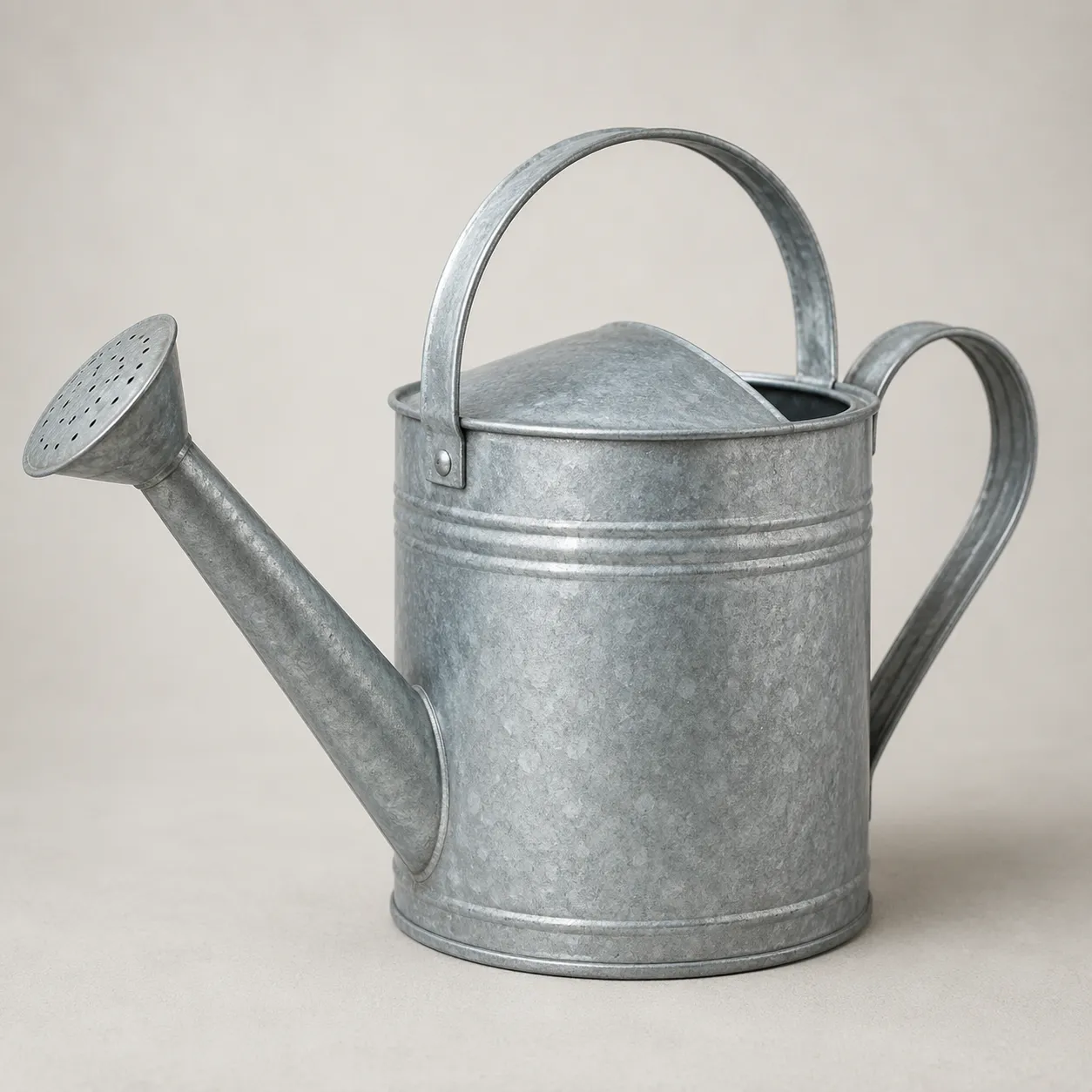
watering canˈwɔːtərɪŋ kæn
a container with a handle and a long spout, used for pouring water on plants.
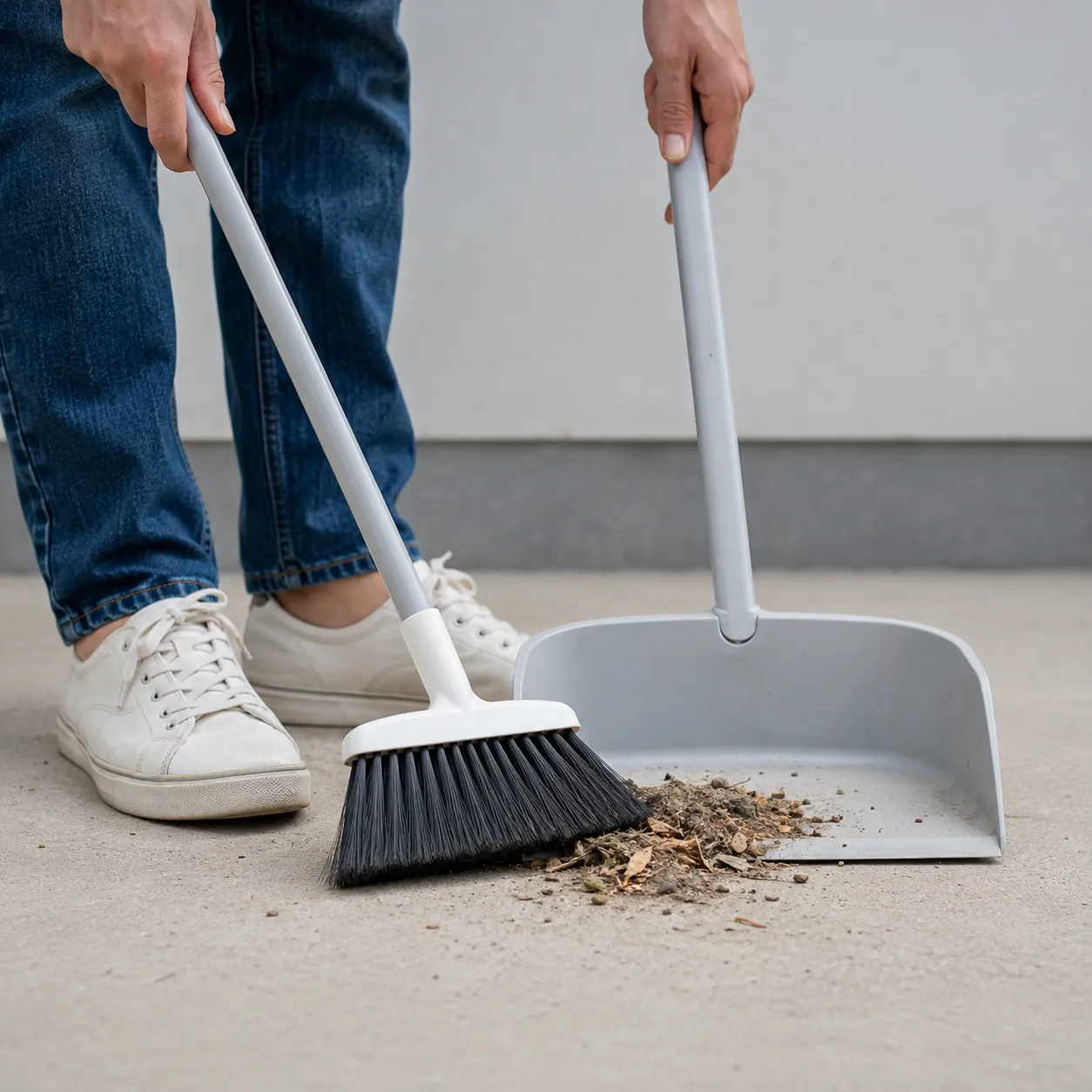
sweep upˈswiːp ˈʌp
to clean a floor or area by using a broom or brush to gather dust, dirt, or small pieces together.
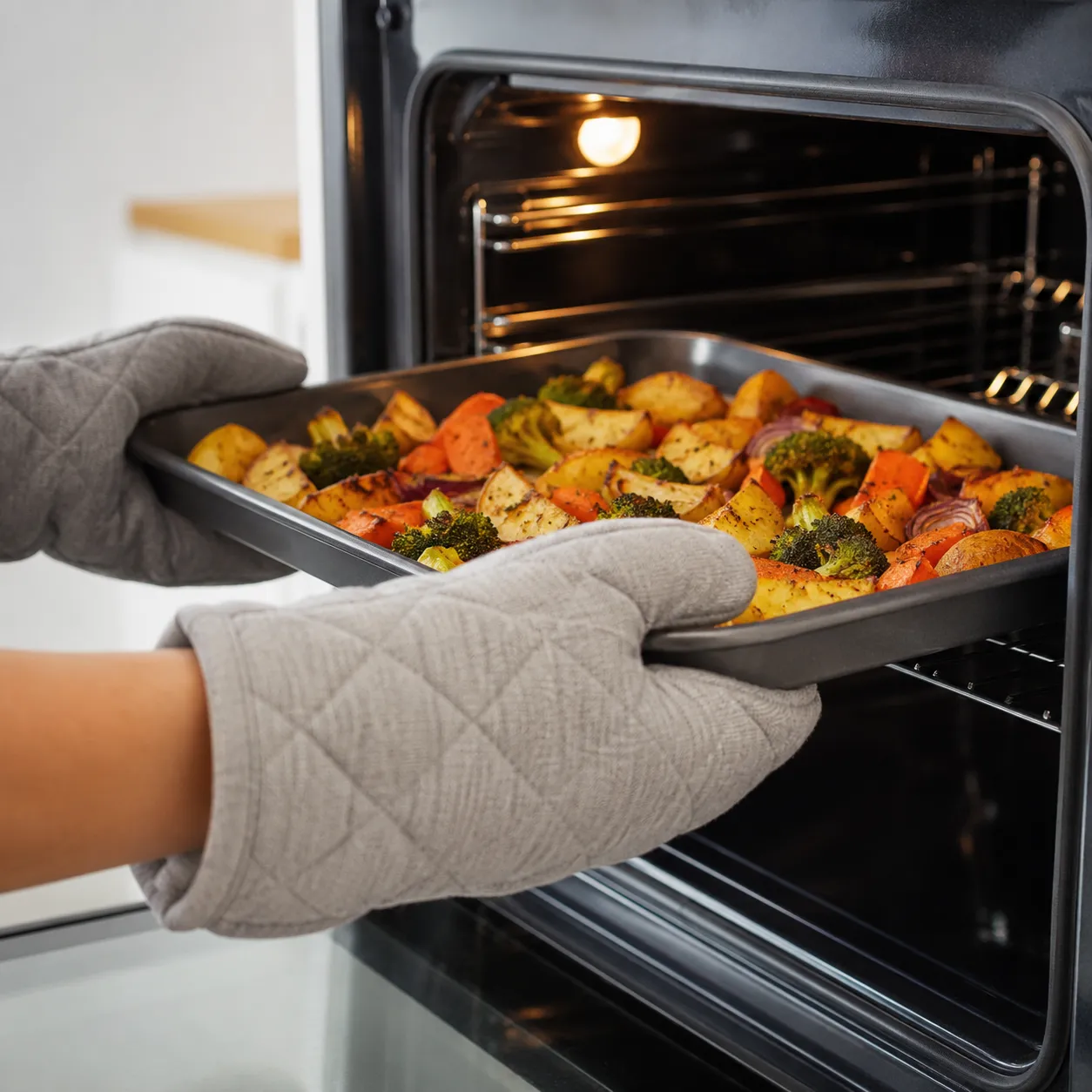
take outˌteɪk ˈaʊt
to remove something from inside a place, container, or object.
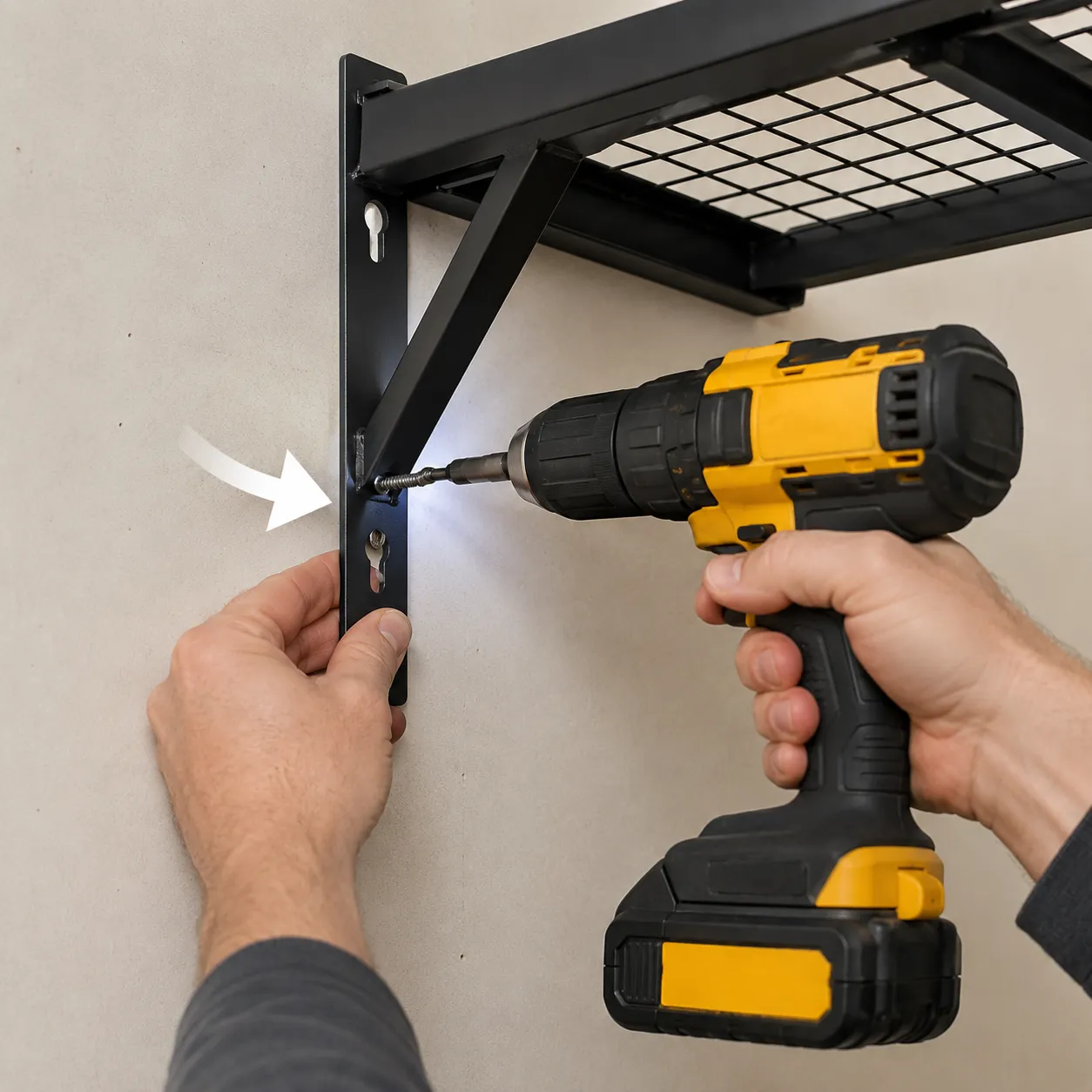
installɪnˈstɔːl
to put a piece of equipment, a system, or a computer program in place so that it is ready to use.
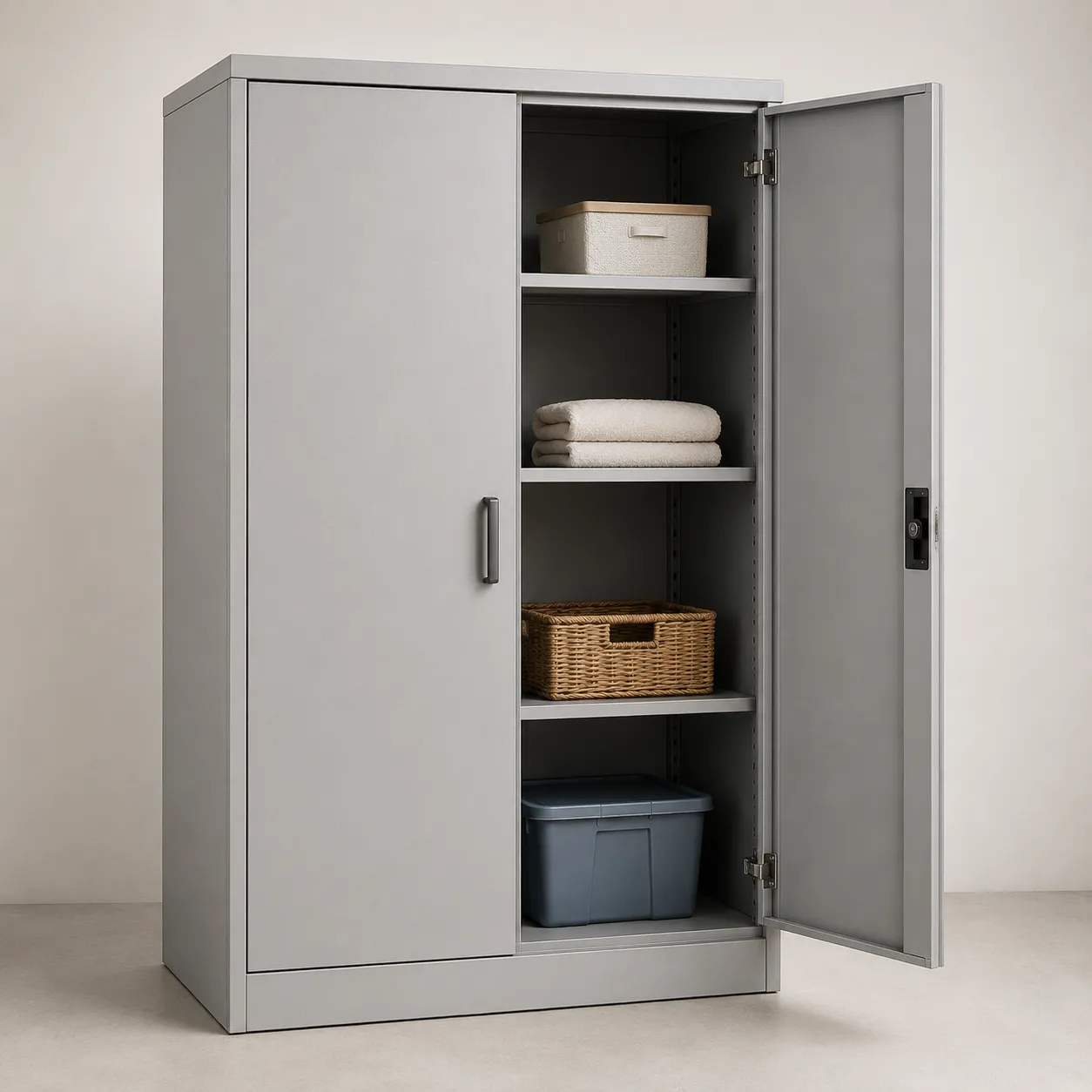
storage cabinetˈstɔːrɪdʒ ˌkæbɪnət
a piece of furniture with doors or drawers used for keeping household items, tools, or supplies.
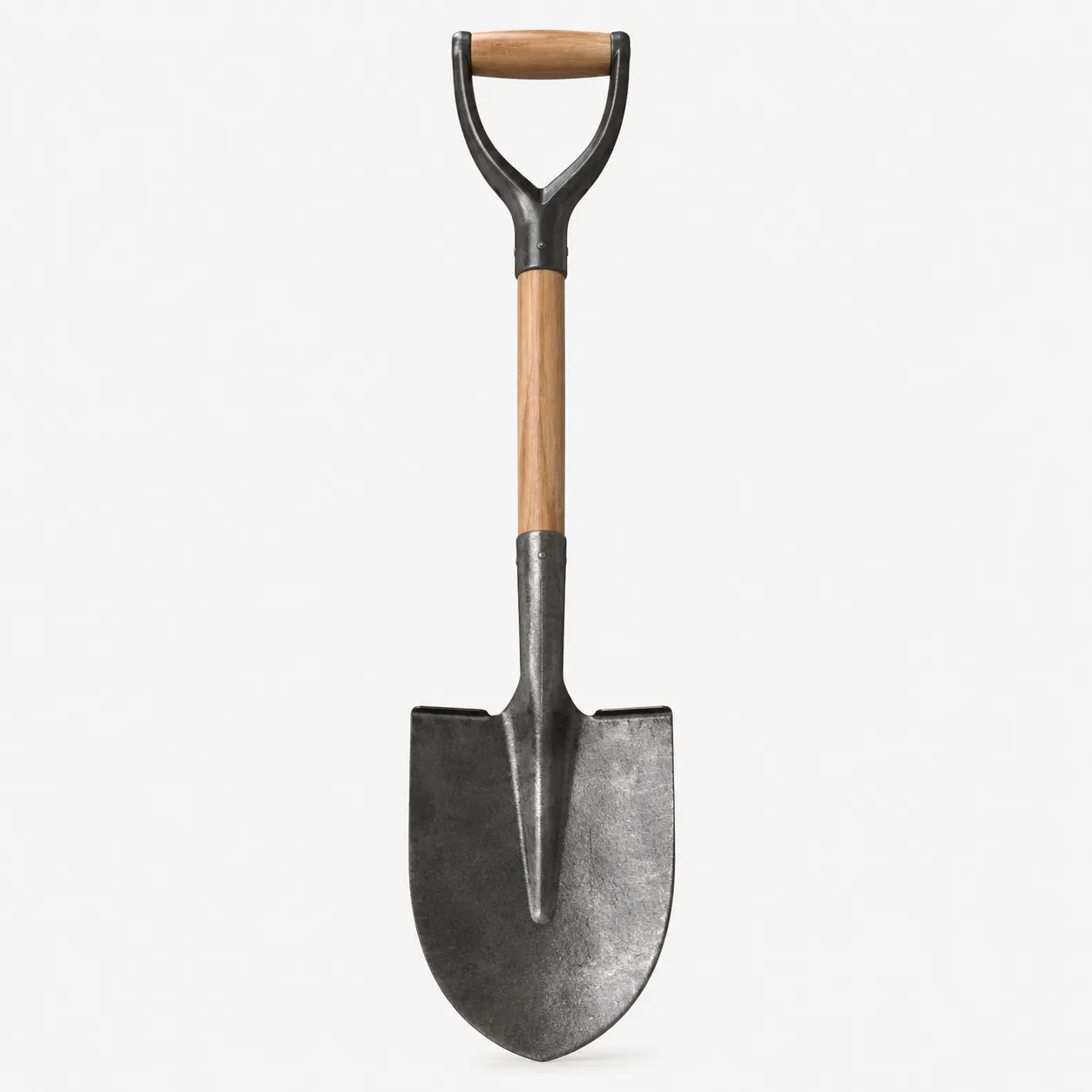
shovelˈʃʌvəl
a tool with a long handle and a broad blade, used for digging or moving earth, sand, or snow.
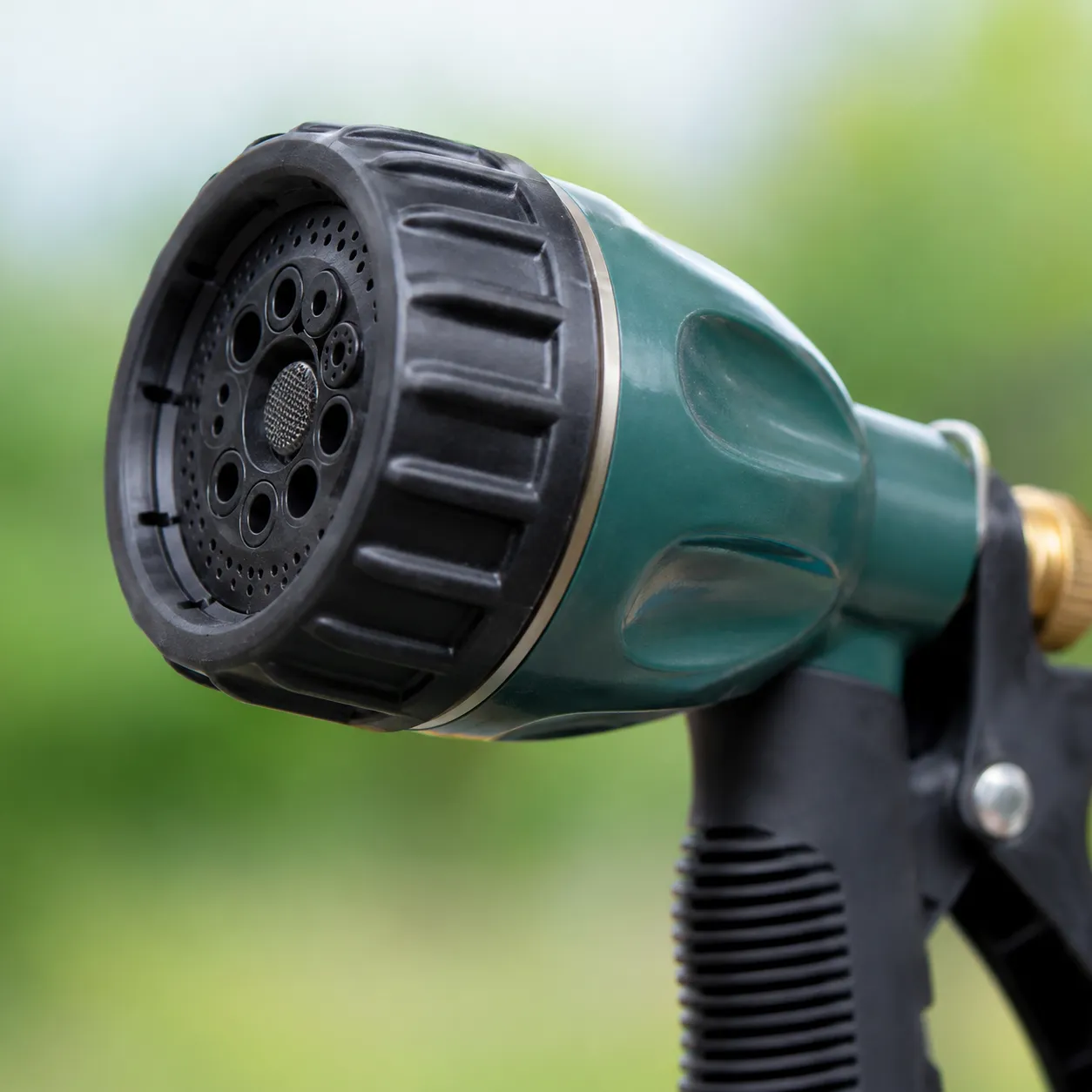
nozzleˈnɑːzəl
a shaped opening at the end of a hose, pipe, or container that controls how liquid or gas comes out.
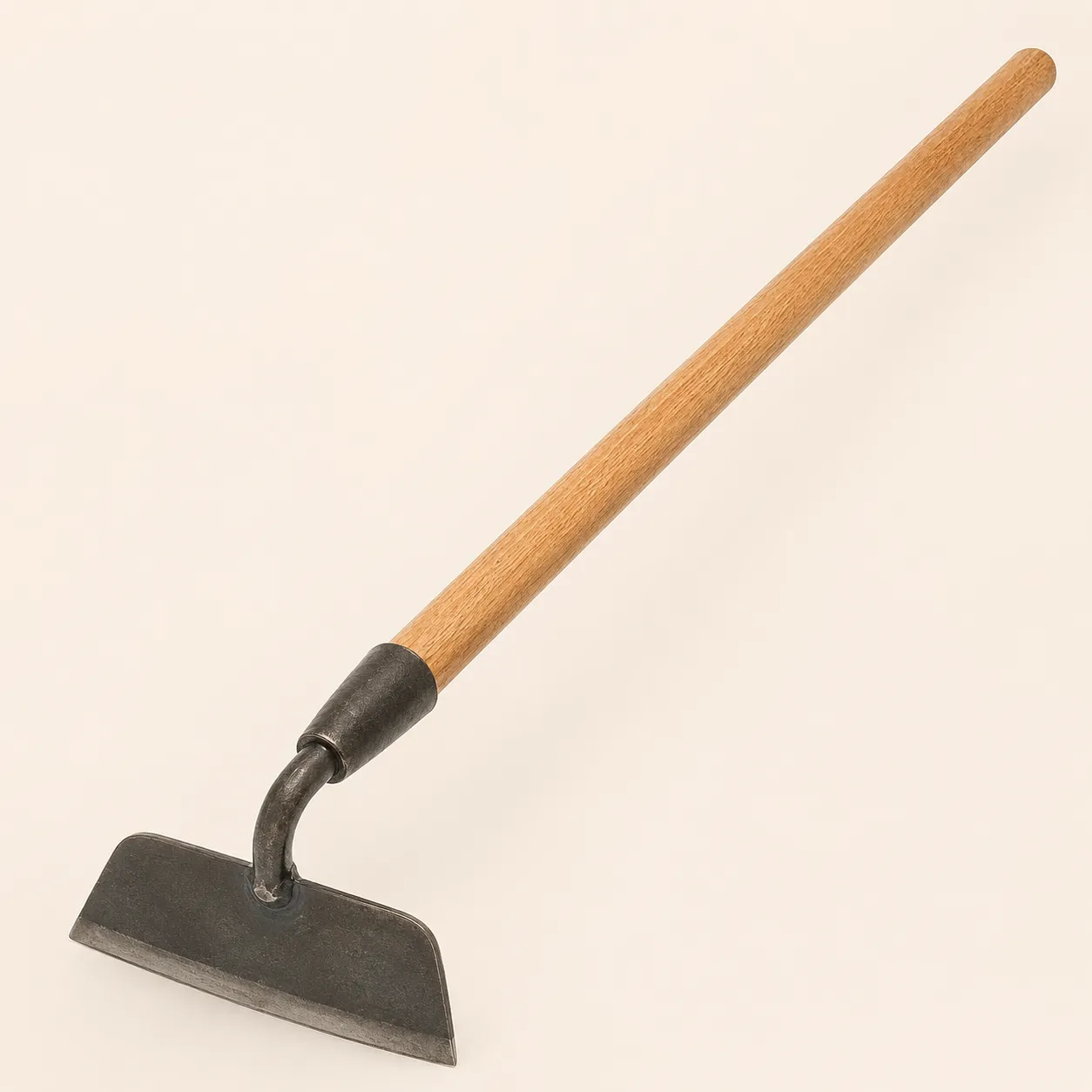
hoehoʊ
a garden tool with a long handle and a flat metal blade, used for breaking soil and removing weeds.
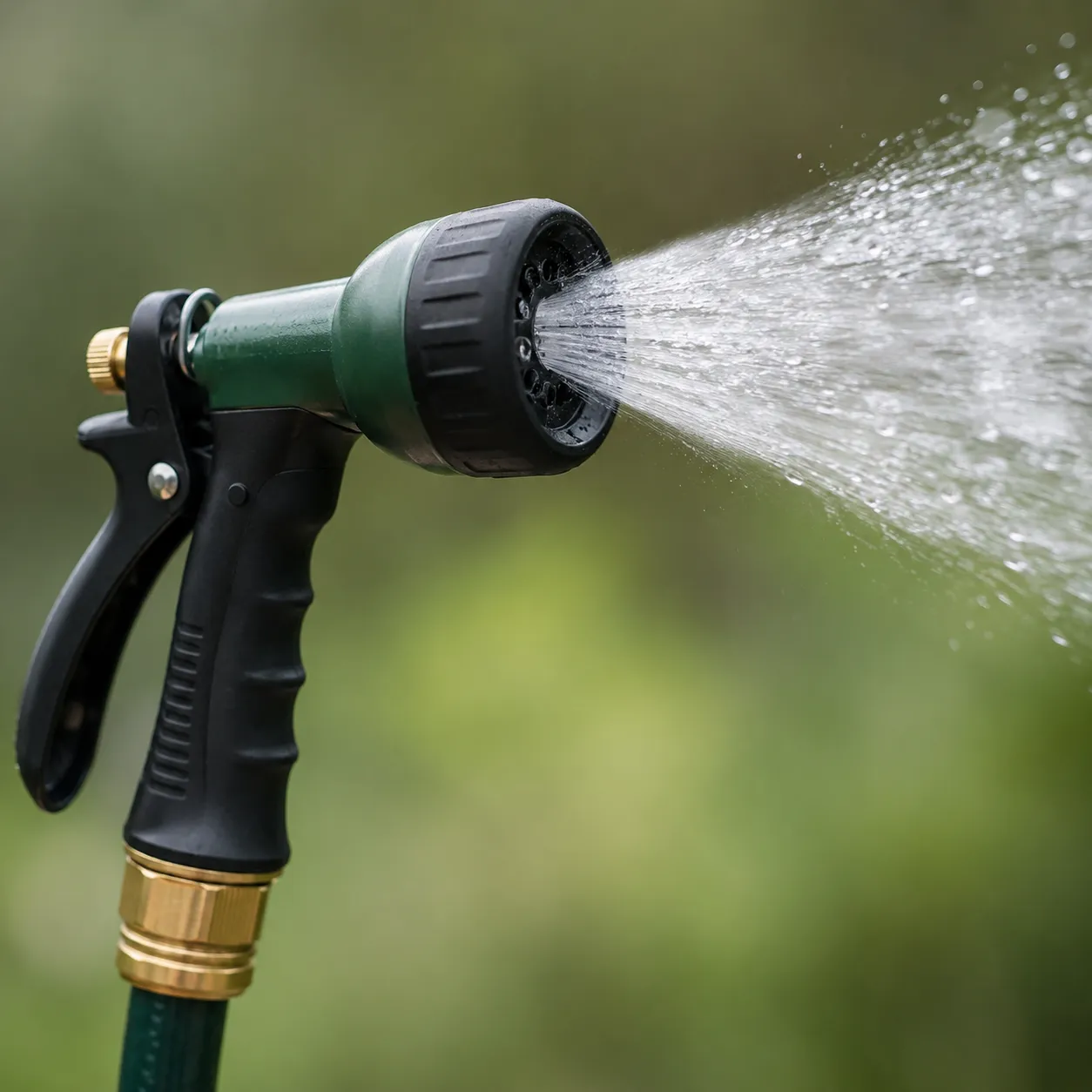
spray nozzlespreɪ ˈnɑːzəl
a device fixed to the end of a hose or sprayer that controls the shape and force of the water spray.
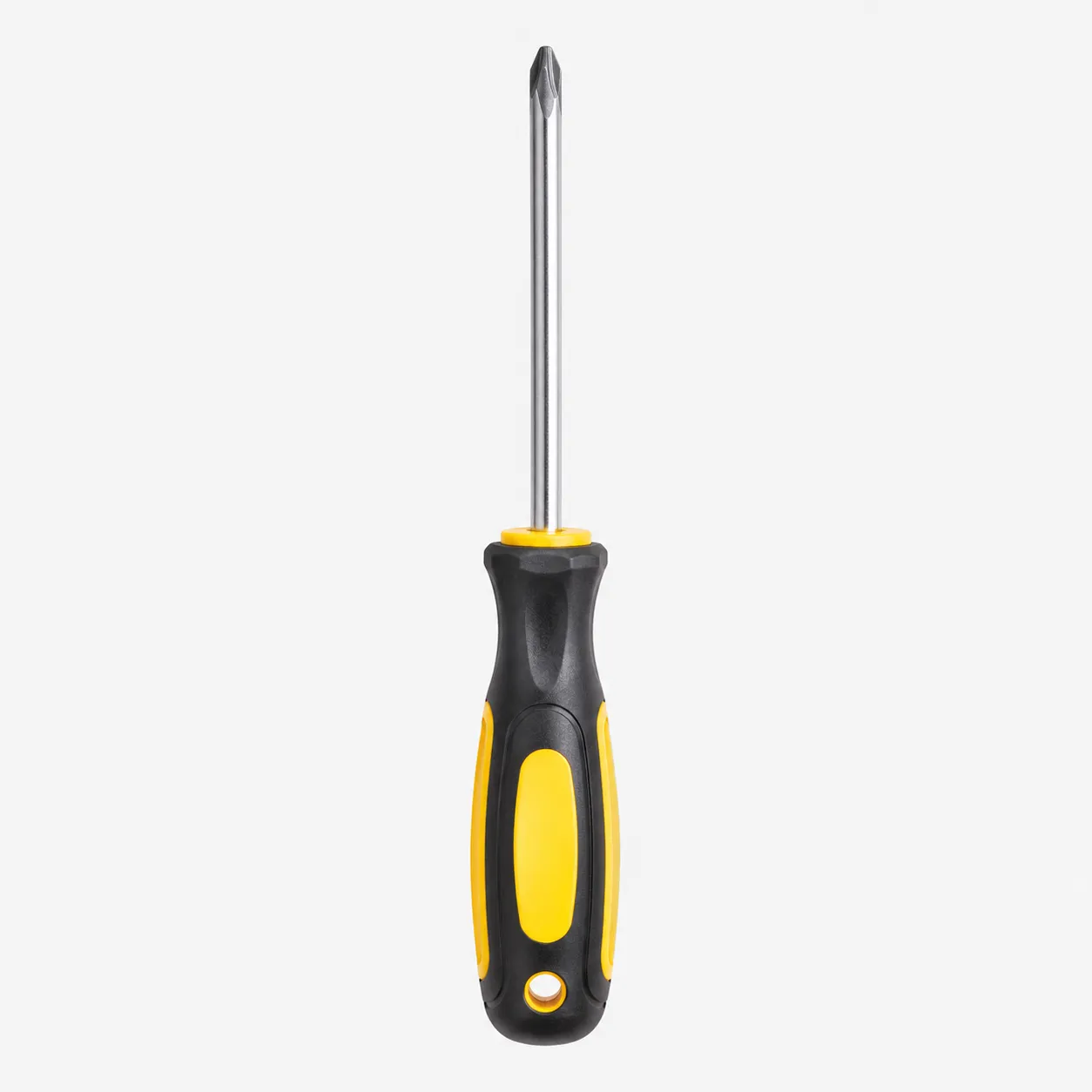
screwdriverˈskruːˌdraɪvɚ
a hand tool with a shaped tip, used to turn screws in or out.
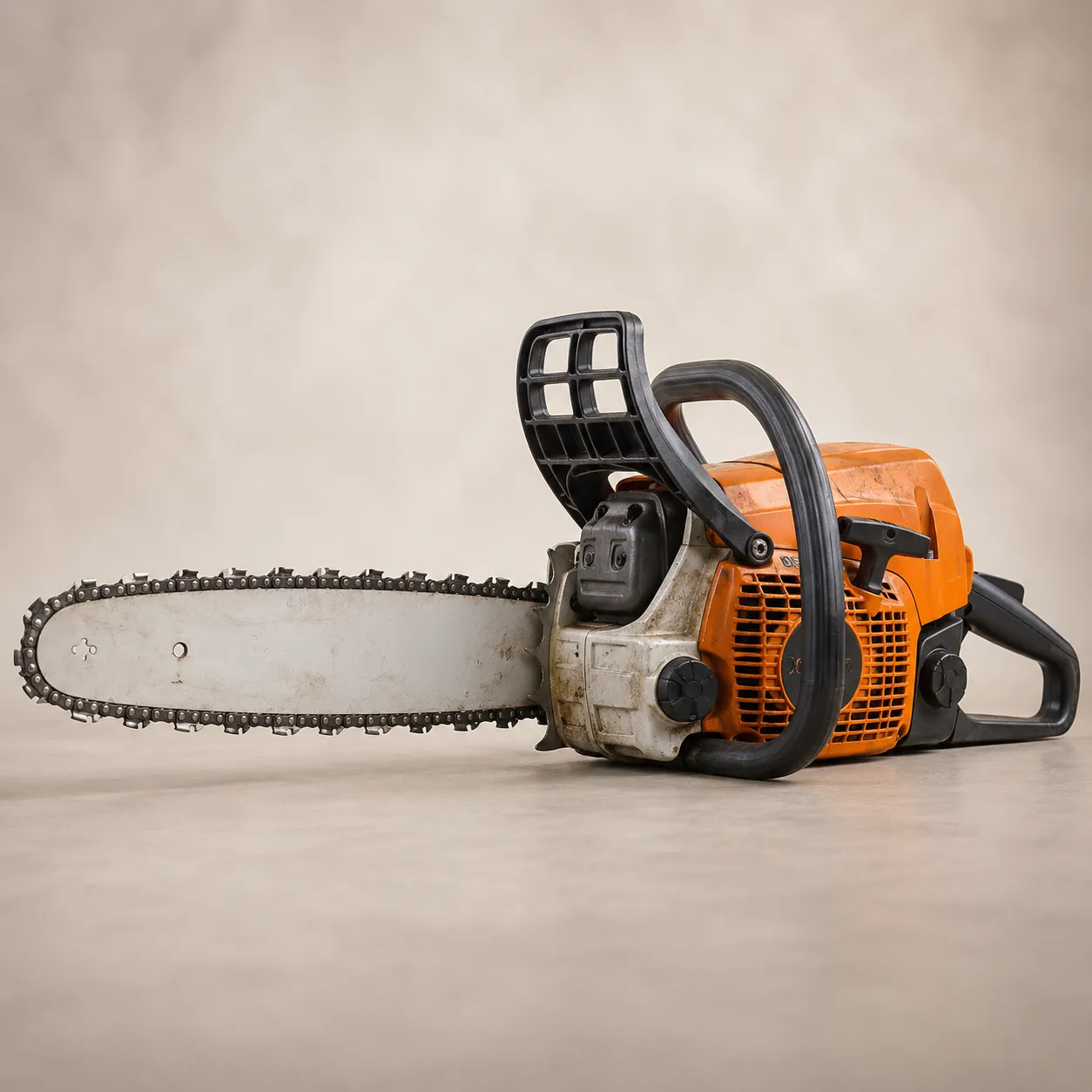
chainsawˈtʃeɪnˌsɔː
a powerful saw with sharp teeth on a moving chain, used especially for cutting trees or large pieces of wood.
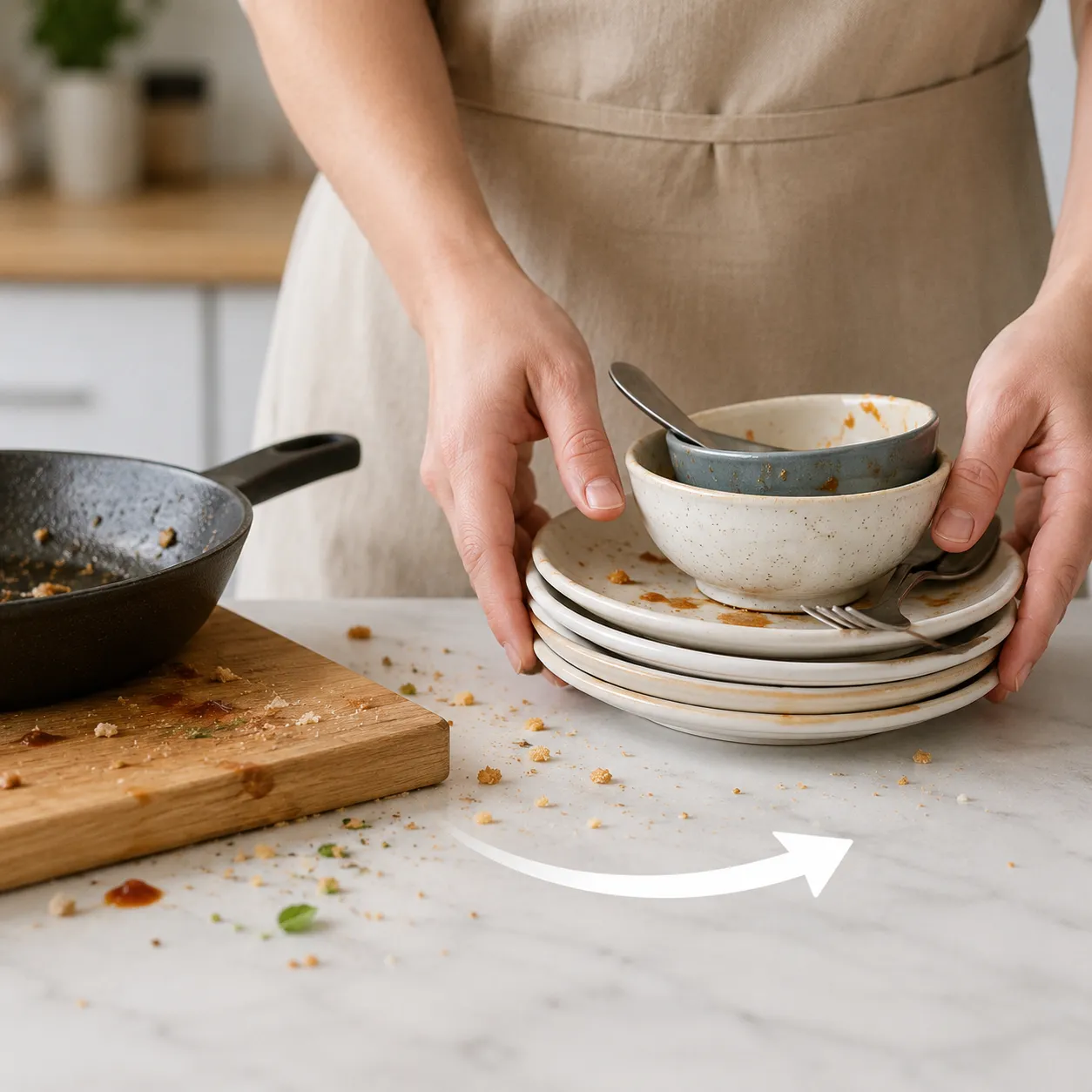
clean upˈkliːn ˈʌp
to make a place clean and tidy by removing dirt, rubbish or things that are not in the right place.
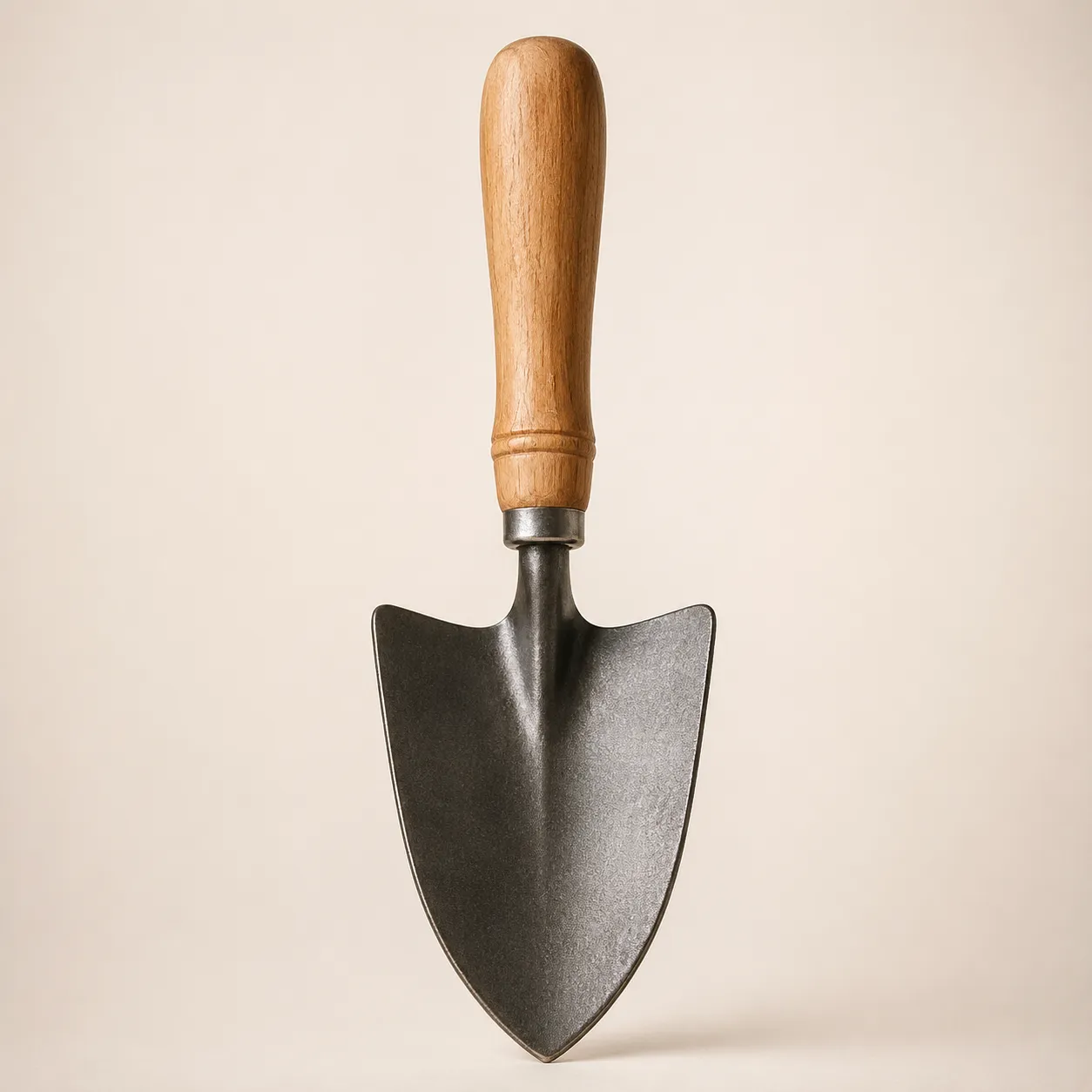
garden toolˈɡɑːrdən tuːl
a tool used for digging, cutting, planting, or other work in a garden.
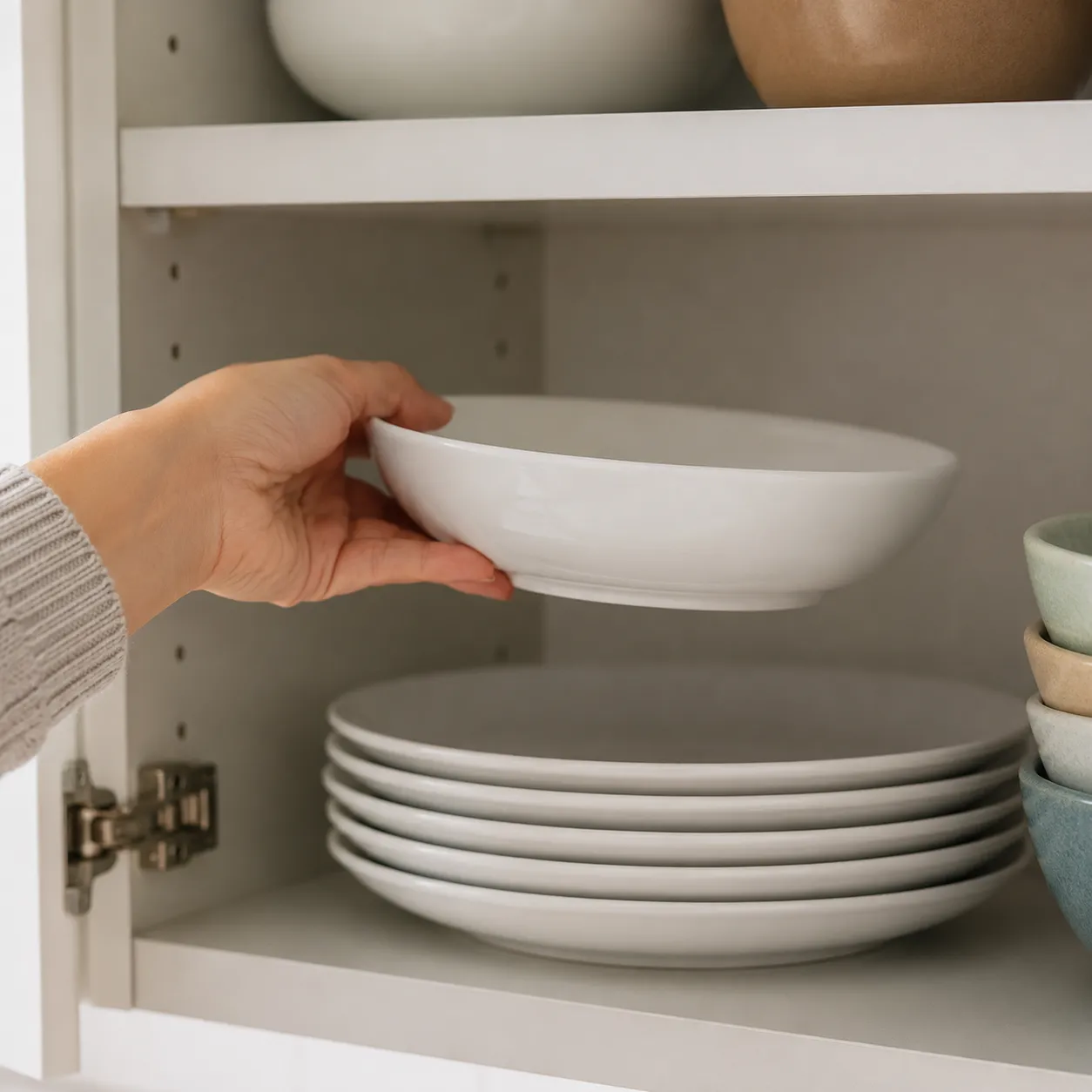
put awayˌpʊt əˈweɪ
to put something in the place where it is usually kept after using it.
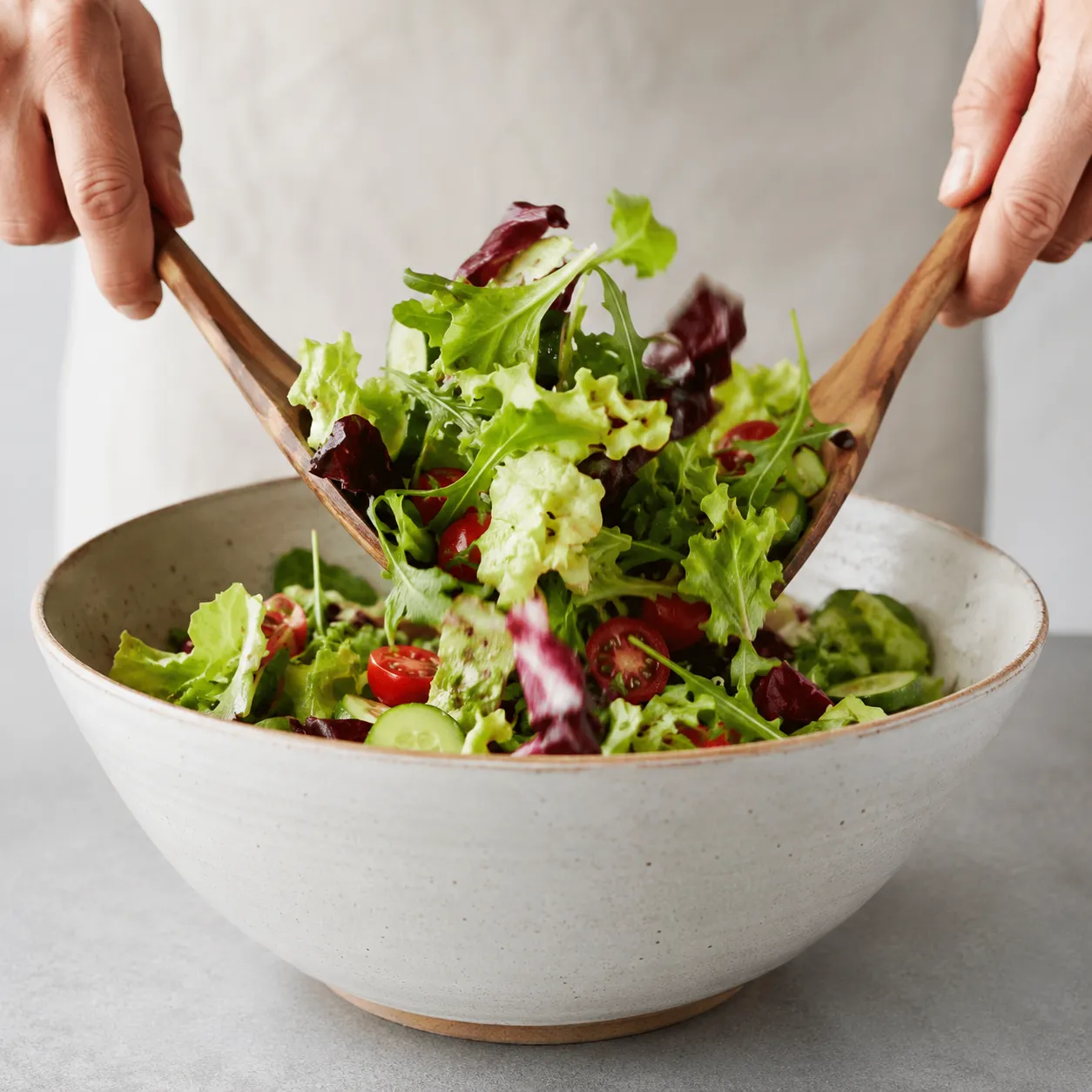
tosstɔːs
to throw something lightly or carelessly, often with a small movement of the hand.
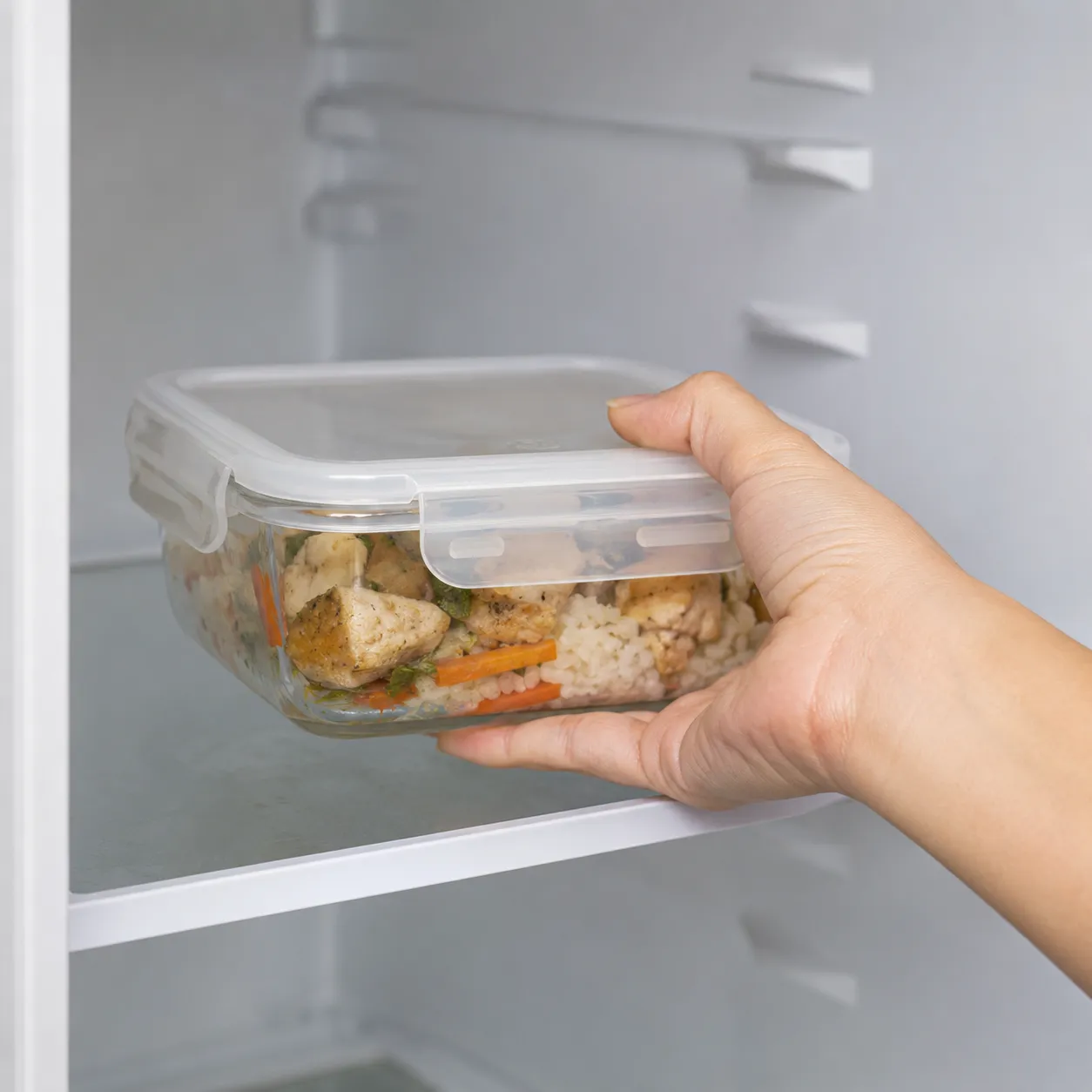
storestɔːr
to keep or collect something in a place until it is needed later.
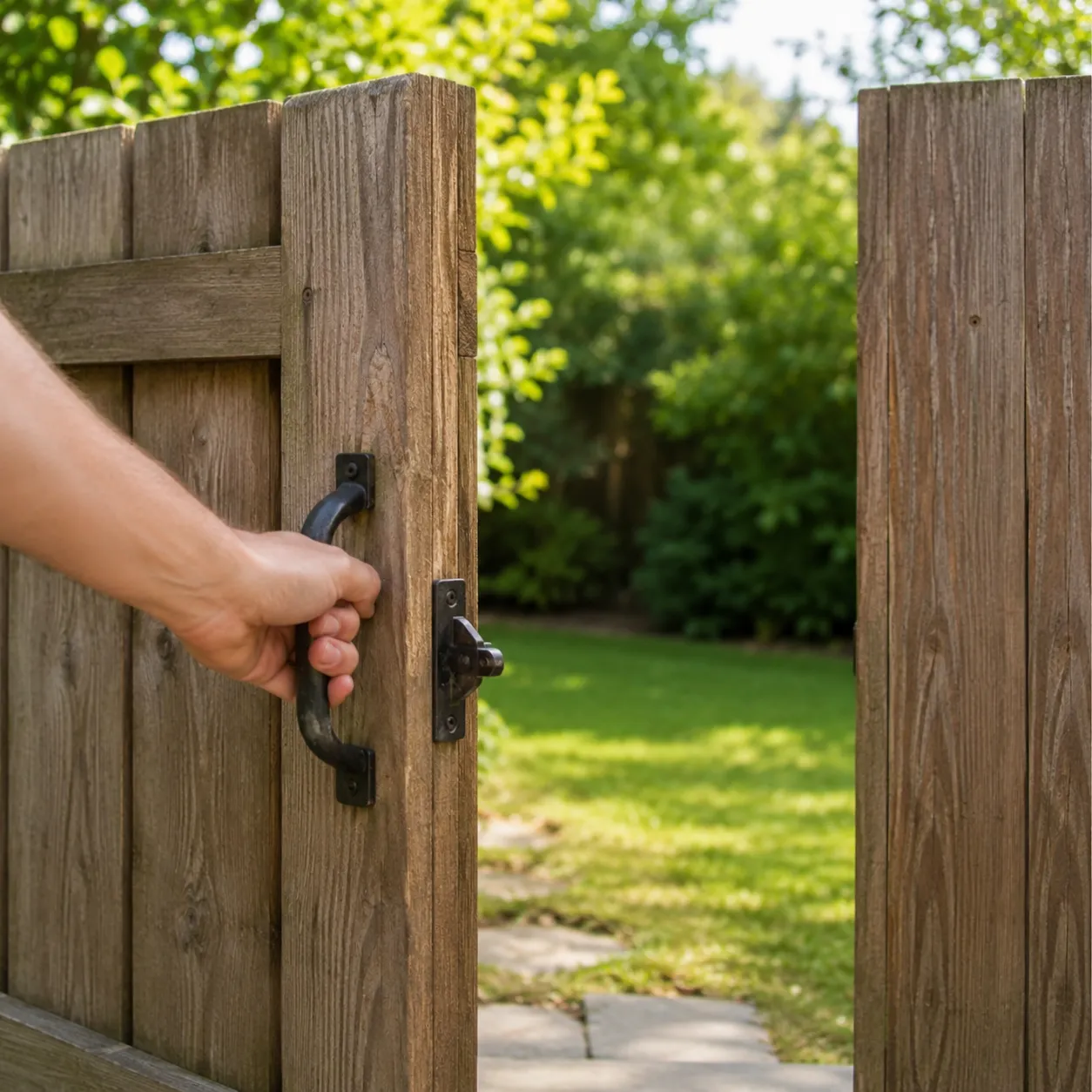
open upˈoʊpən ʌp
to open a door, container, room, or space so that people can enter, see inside, or use it.
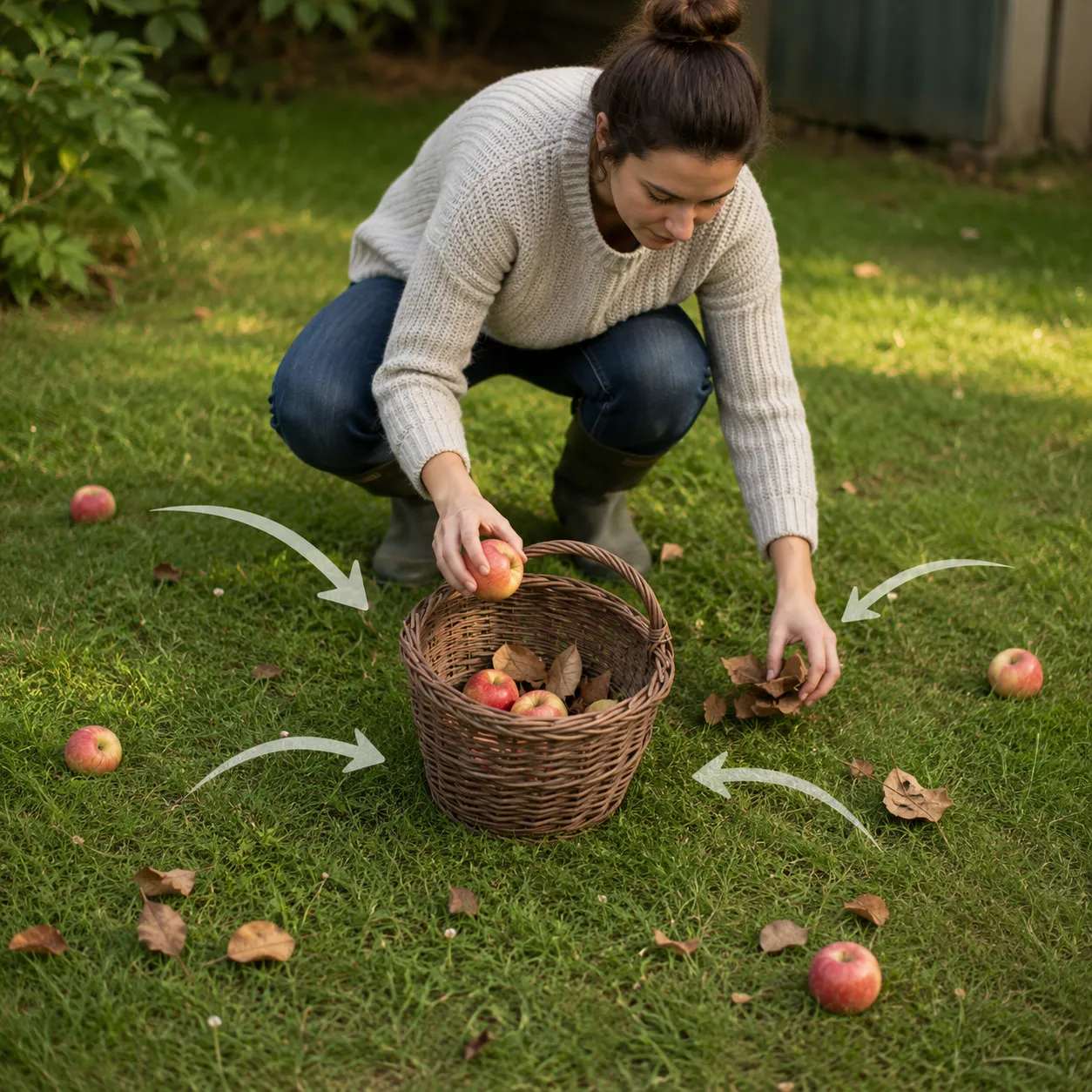
collectkəˈlekt
to take and bring together things from different people or places.
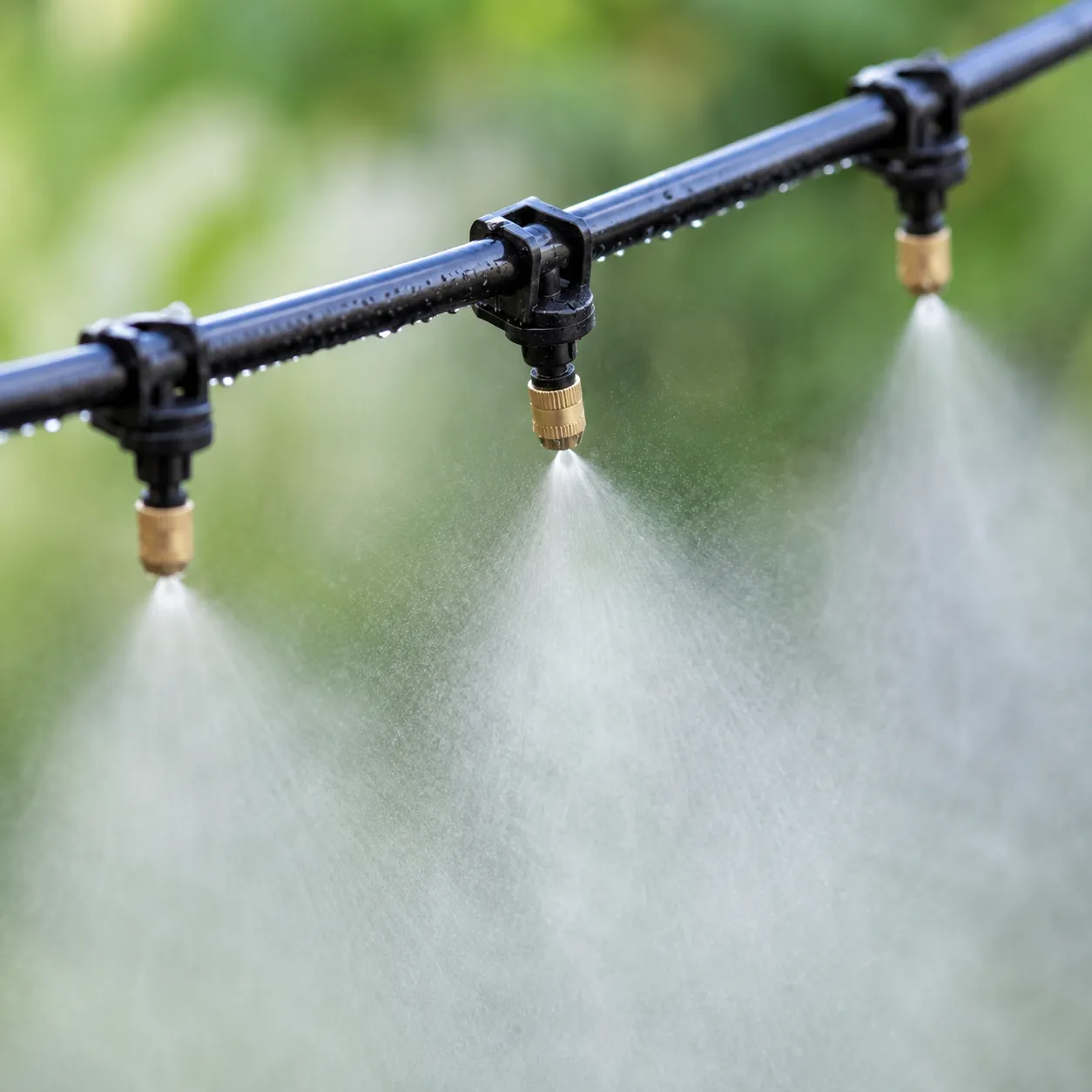
misting systemˈmɪstɪŋ ˈsɪstəm
a system of pipes or nozzles that sprays a fine mist of water to cool an outdoor area or water plants.
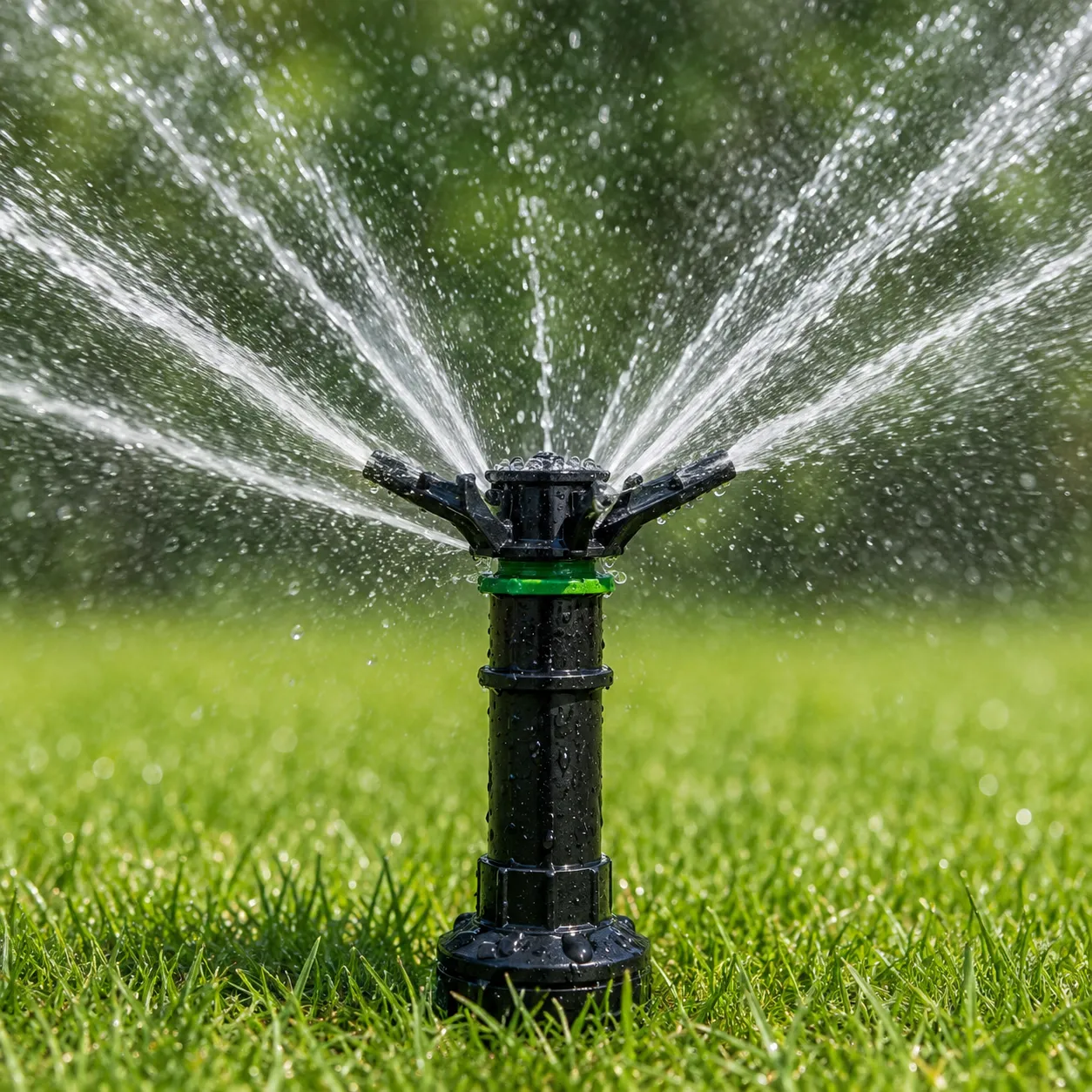
sprinklerˈsprɪŋklər
a device that sprays water over an area, often to put out fires or water grass and plants.
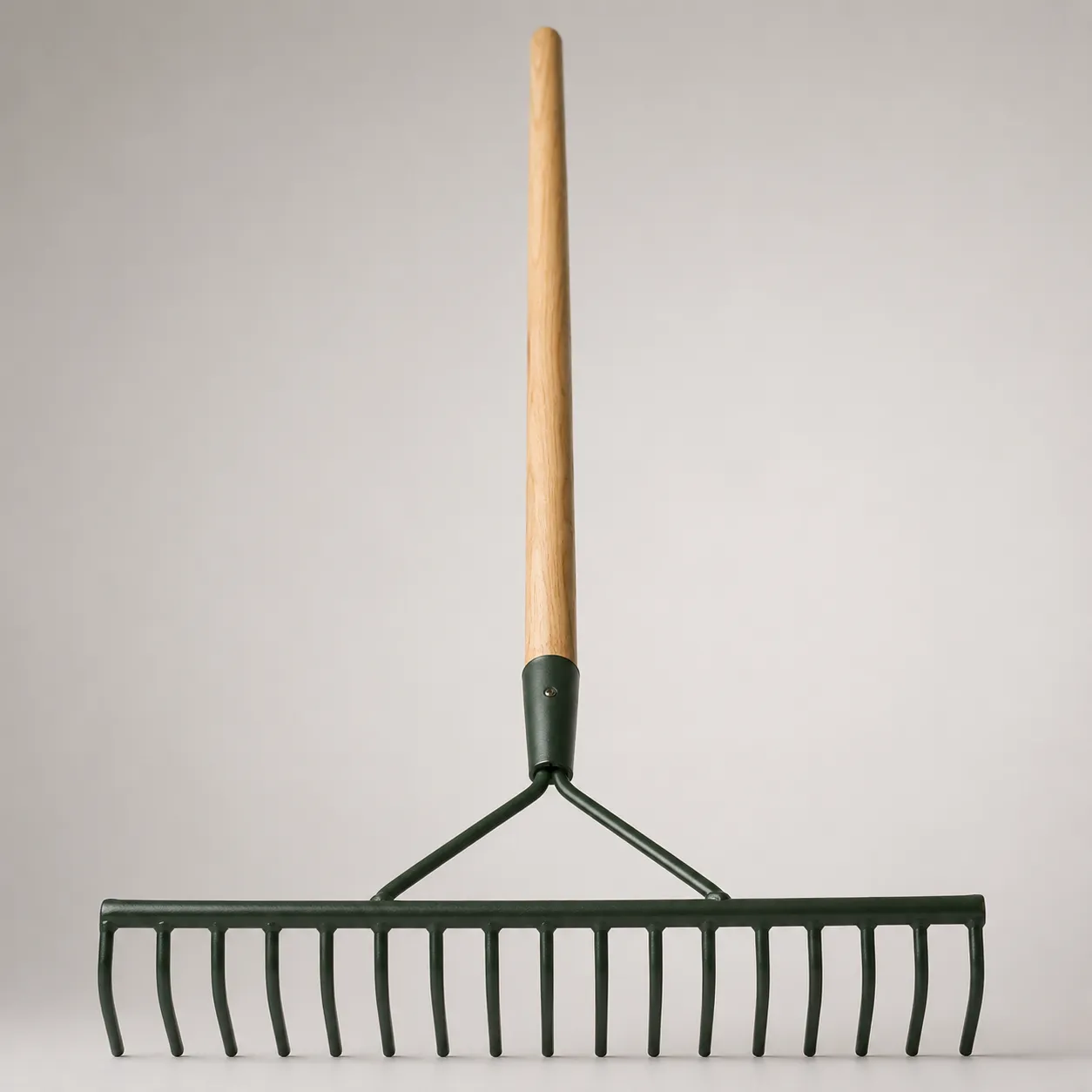
rakereɪk
a garden tool with a long handle and a row of teeth, used for collecting leaves or making soil level.
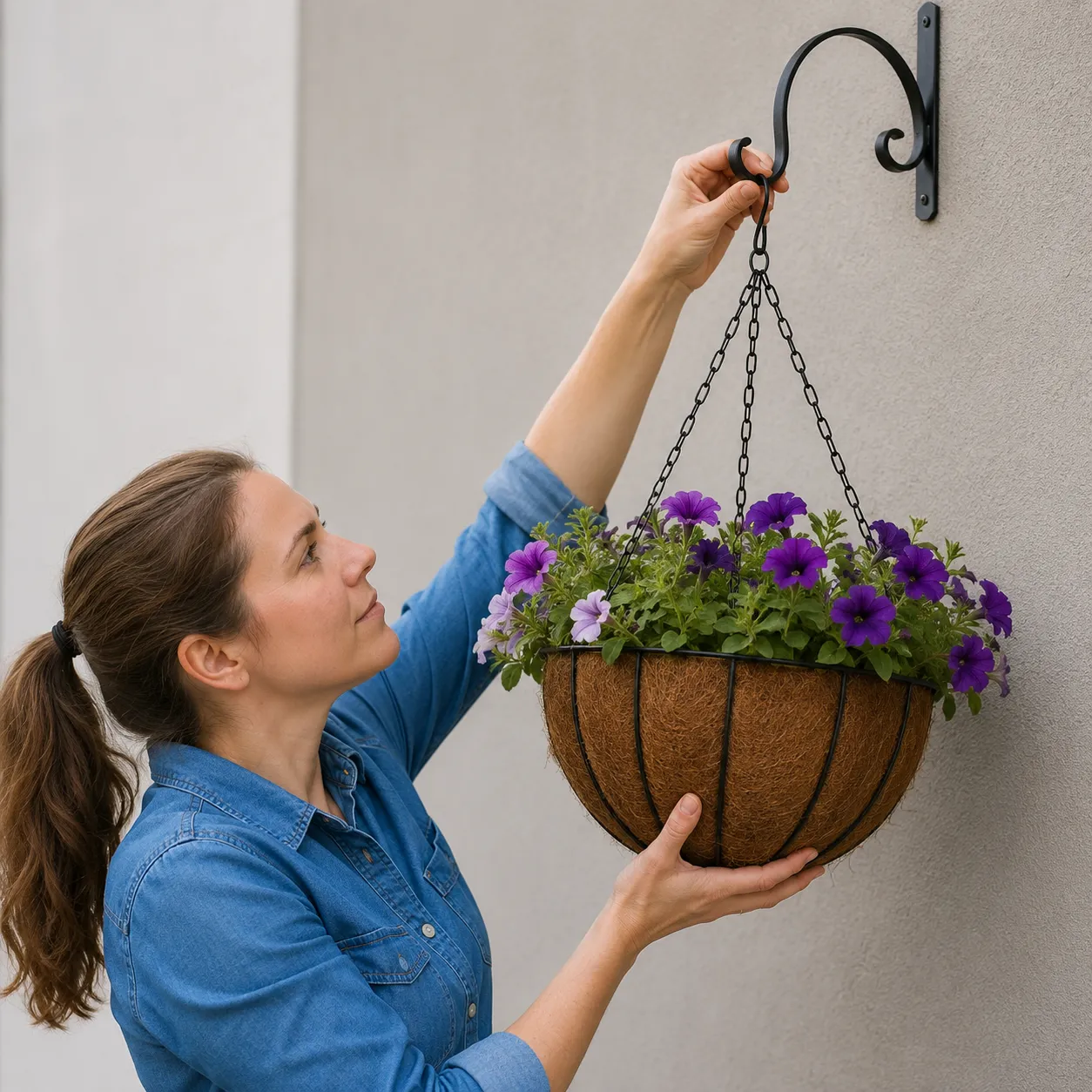
take downteɪk daʊn
to remove something from where it is fixed, hanging, or standing.
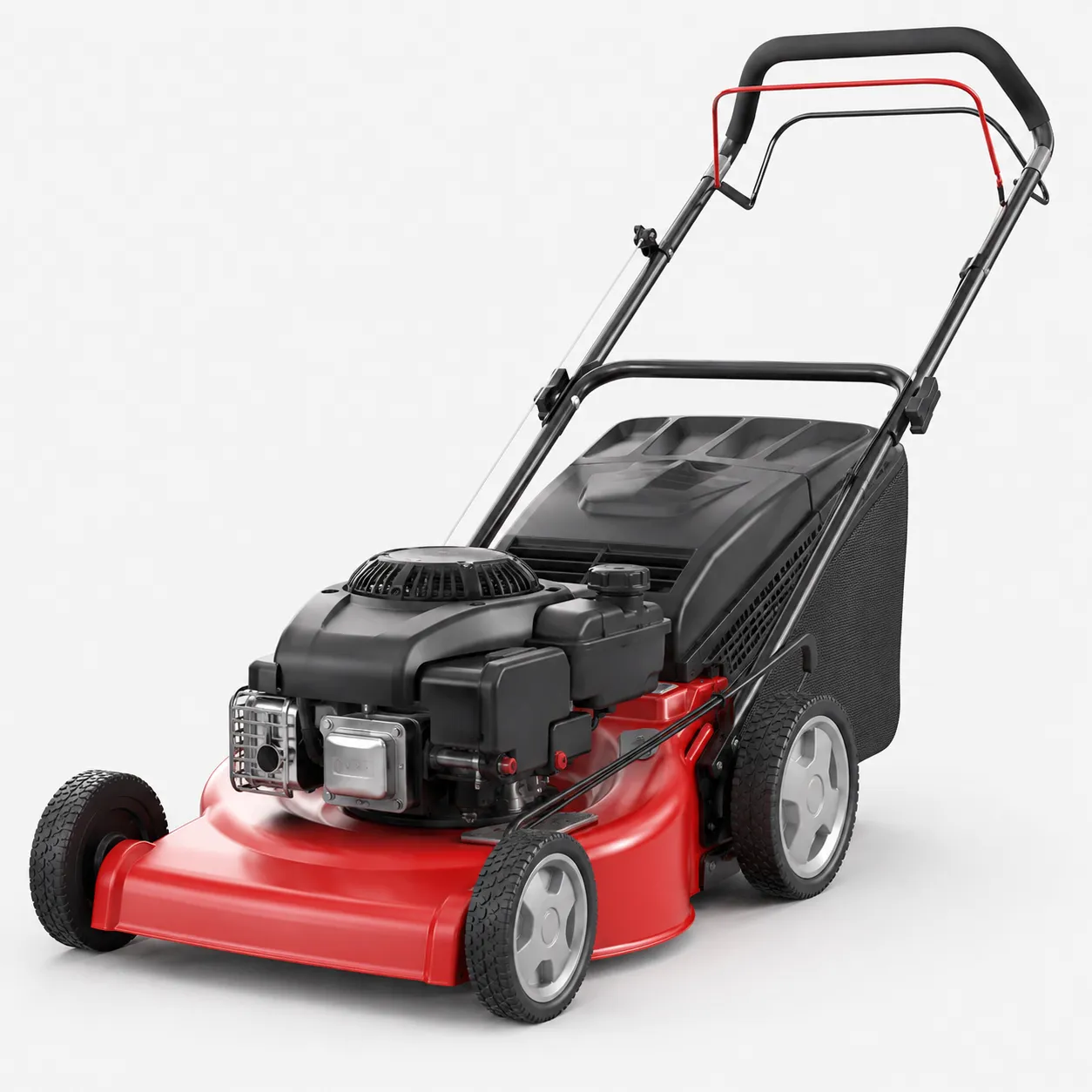
lawn mowerˈlɔːn ˌmoʊər
a machine with blades used for cutting grass on a lawn to an even height.
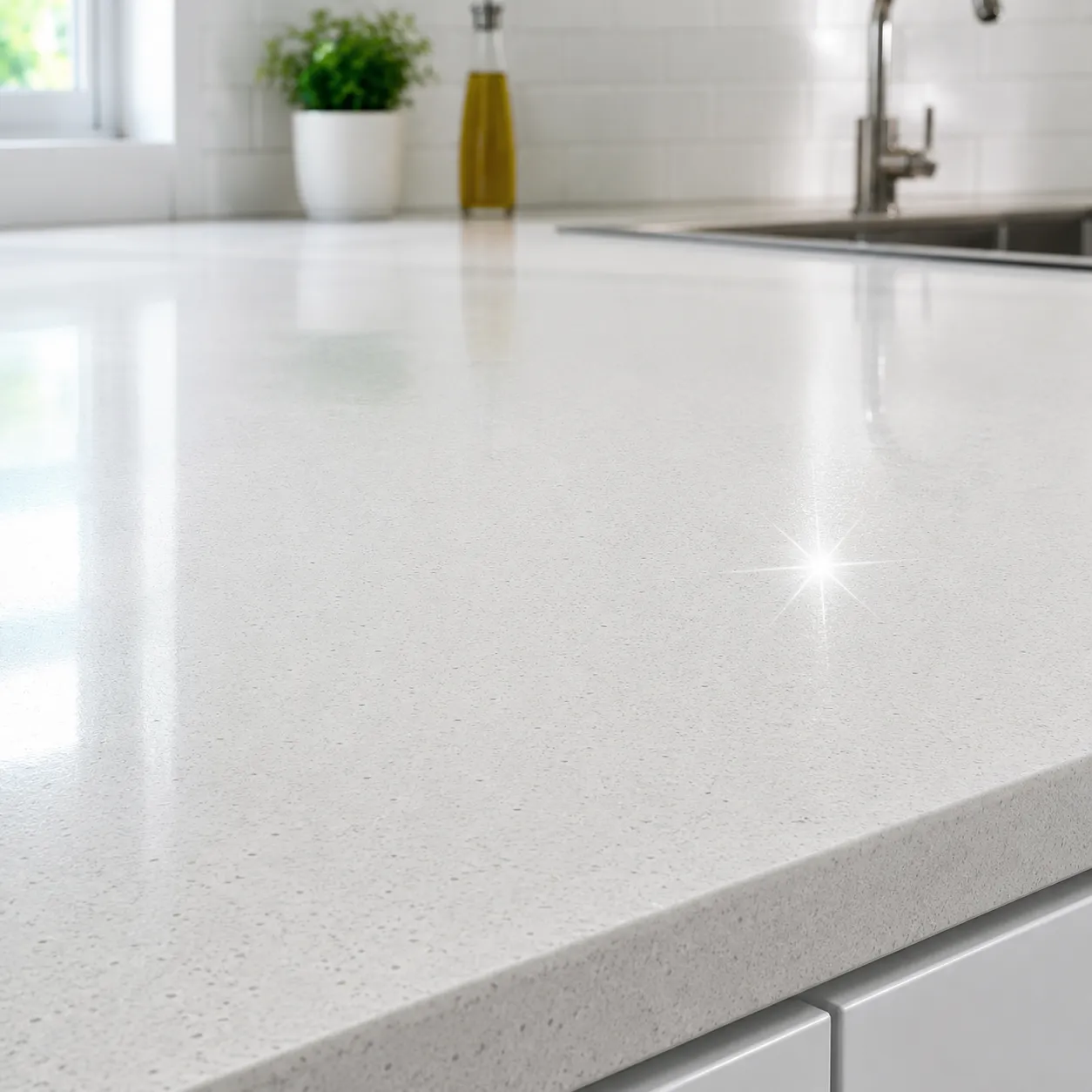
cleankliːn
to remove dirt, dust, or unwanted marks from something.
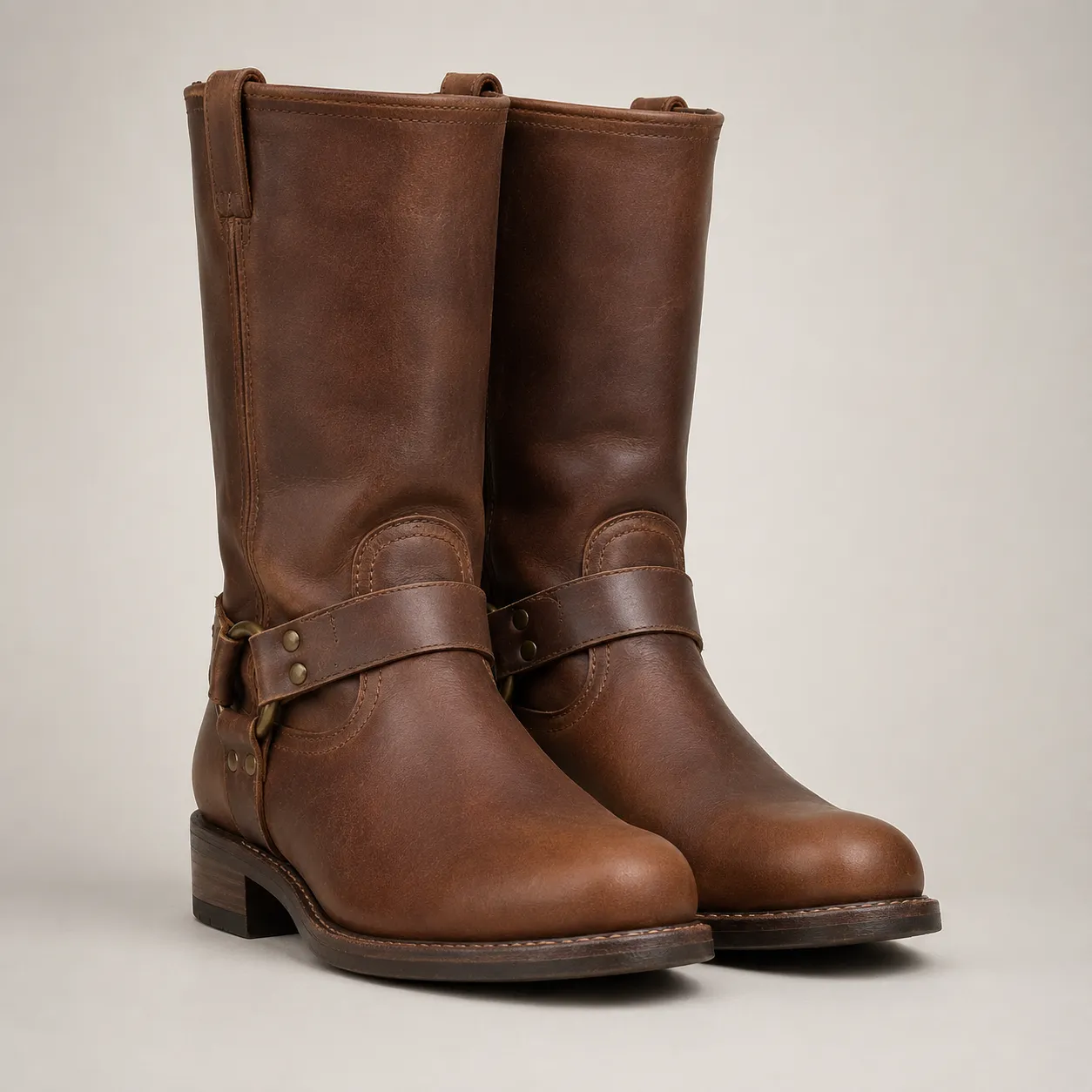
bootsbuːts
a pair of strong shoes that cover the feet and usually the ankles or part of the legs.
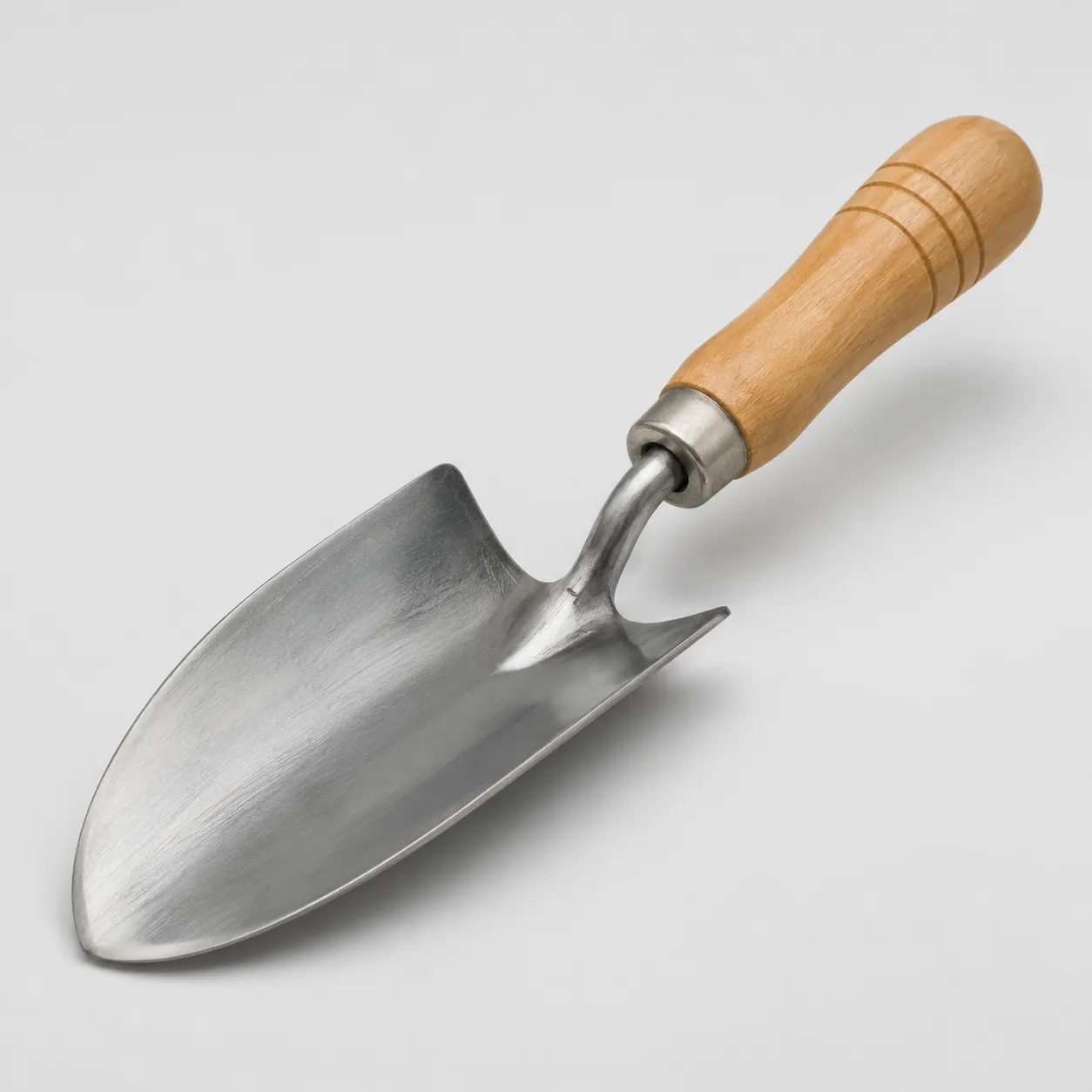
trowelˈtraʊəl
a small hand tool with a curved metal blade, used for digging small holes and planting in a garden.
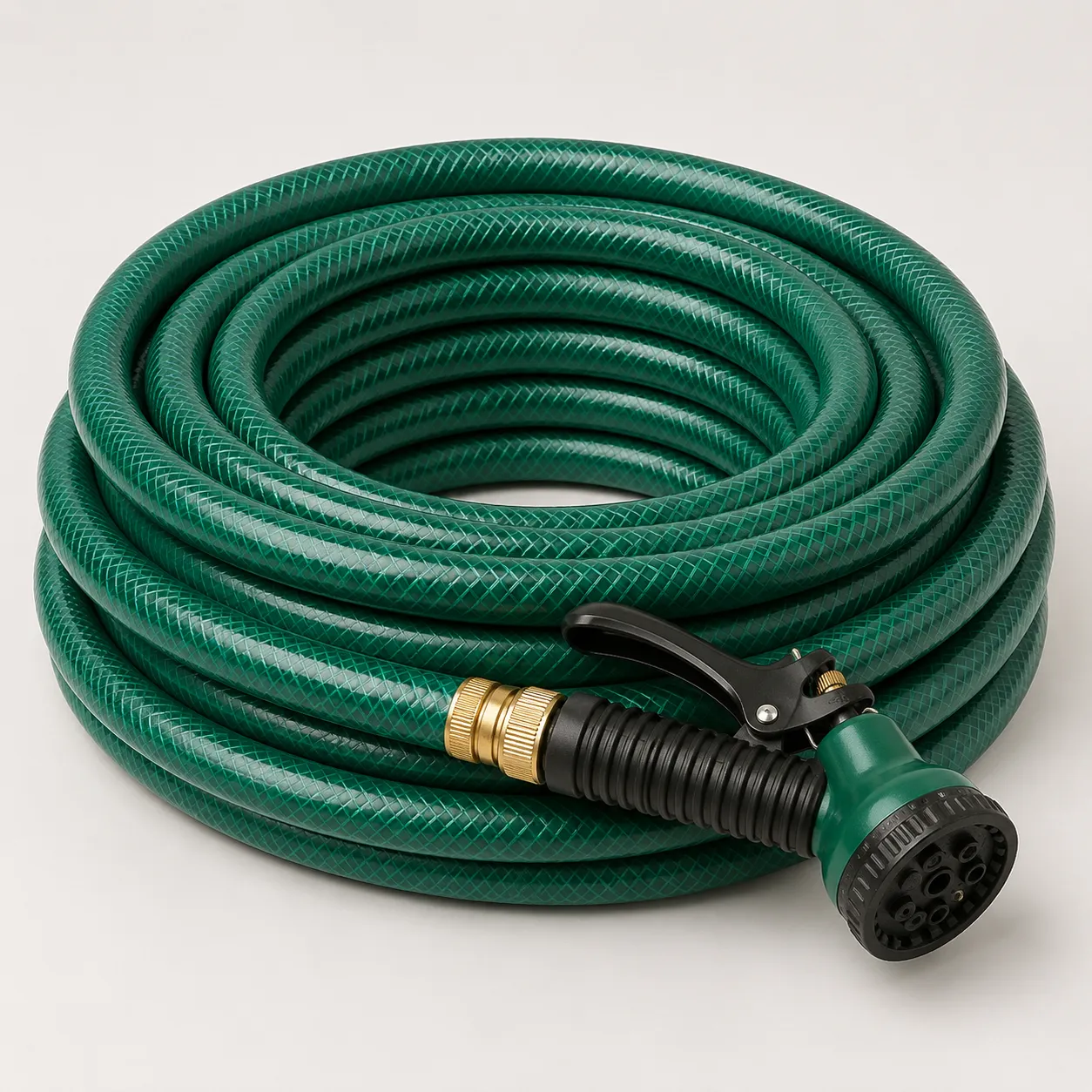
garden hoseˈɡɑːrdən hoʊz
a long flexible tube that carries water, used especially for watering a garden.
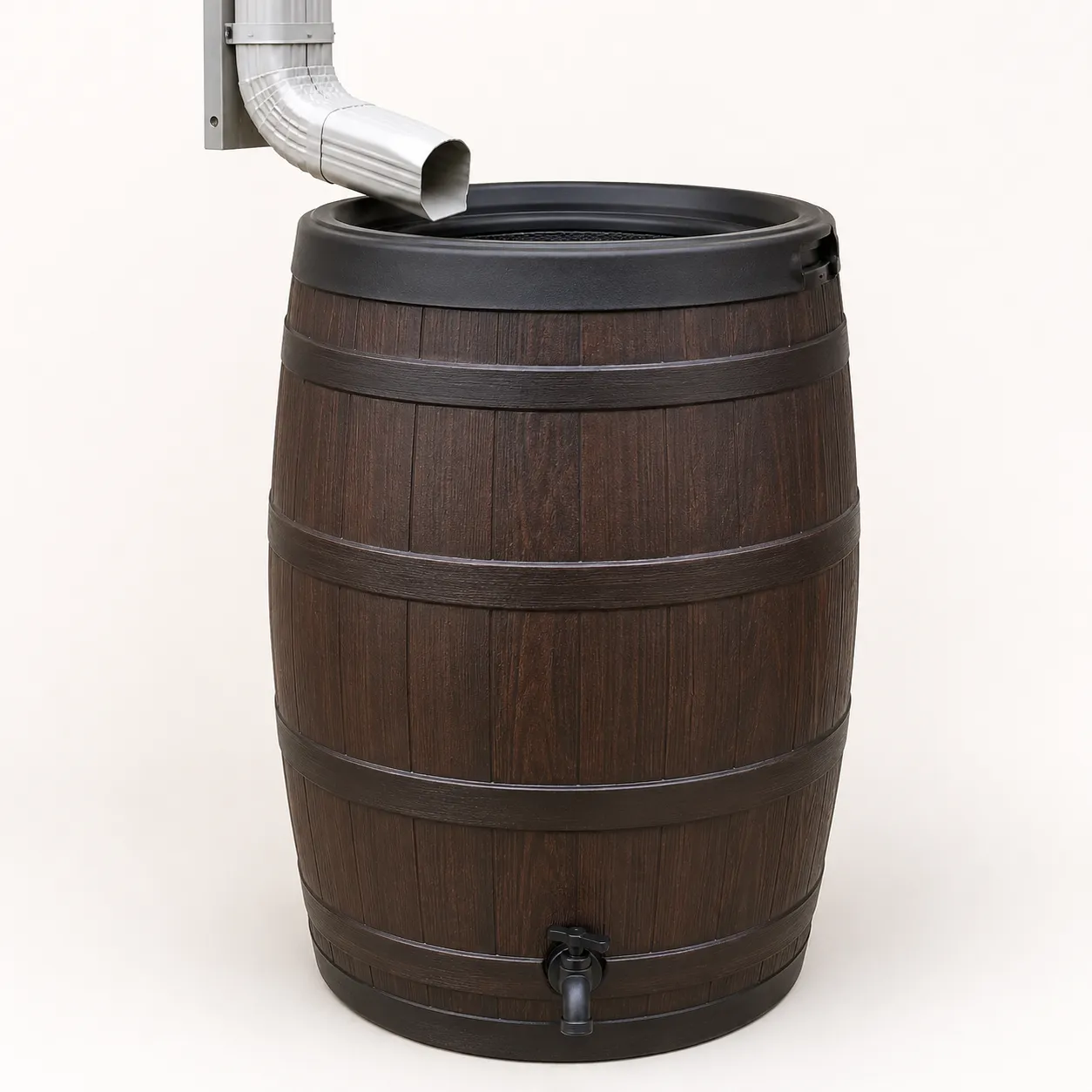
rain barrelˈreɪn ˈbærəl
a large container kept outside to collect and store rainwater, usually from a roof.
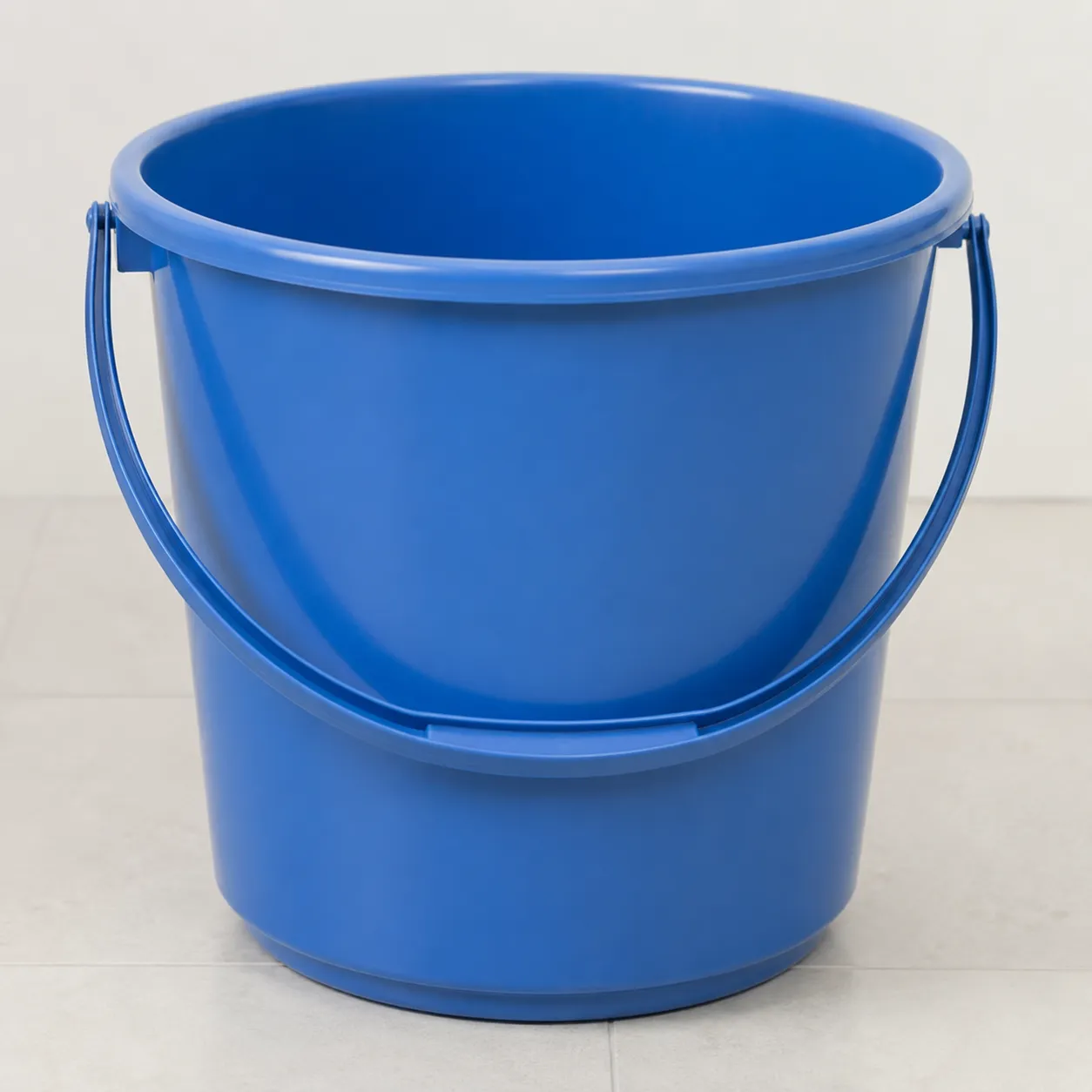
bucketˈbʌkɪt
an open container with a handle, used especially for carrying liquids or cleaning supplies.
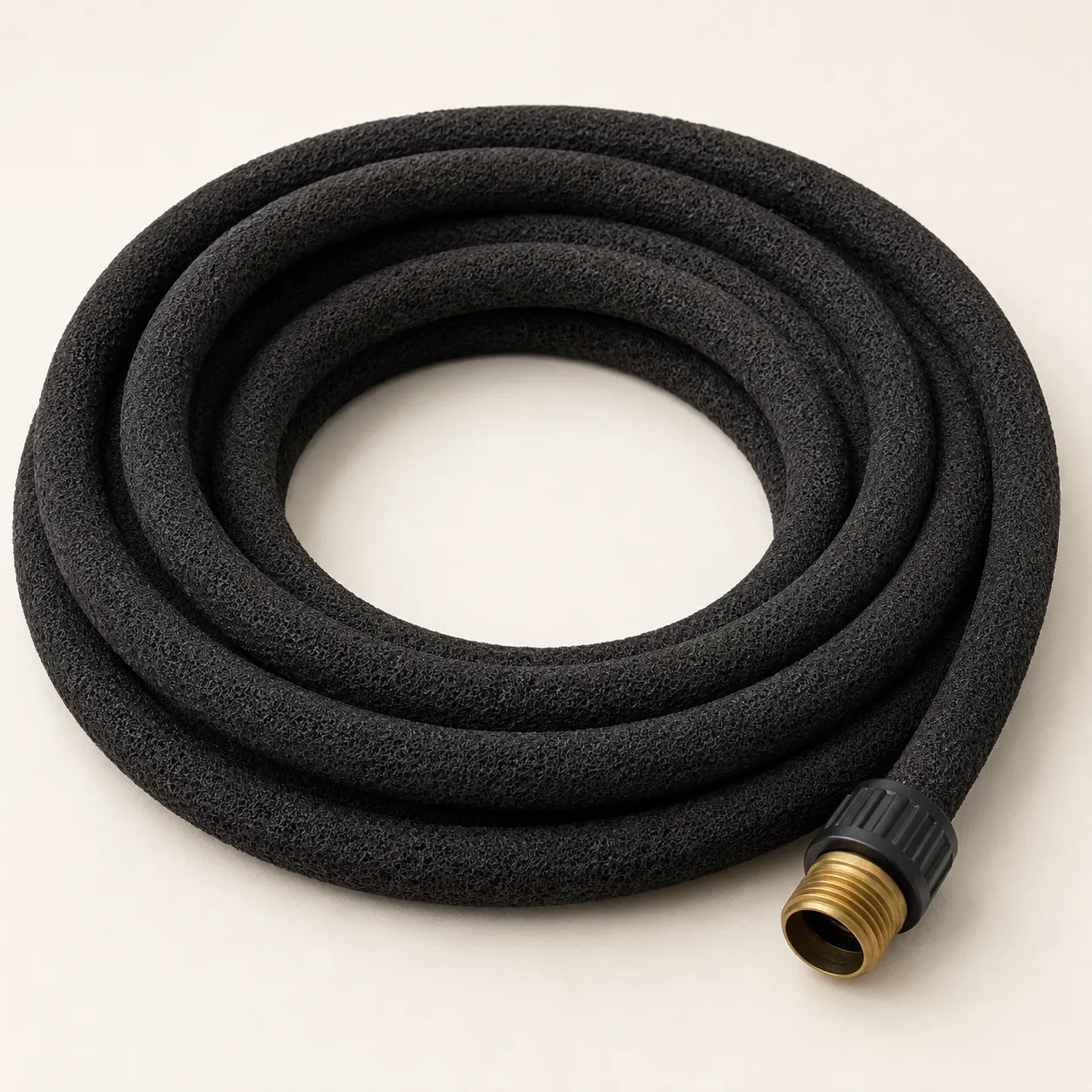
soaker hoseˈsoʊkər ˌhoʊz
a garden hose with tiny holes or porous walls that slowly releases water directly into the soil.
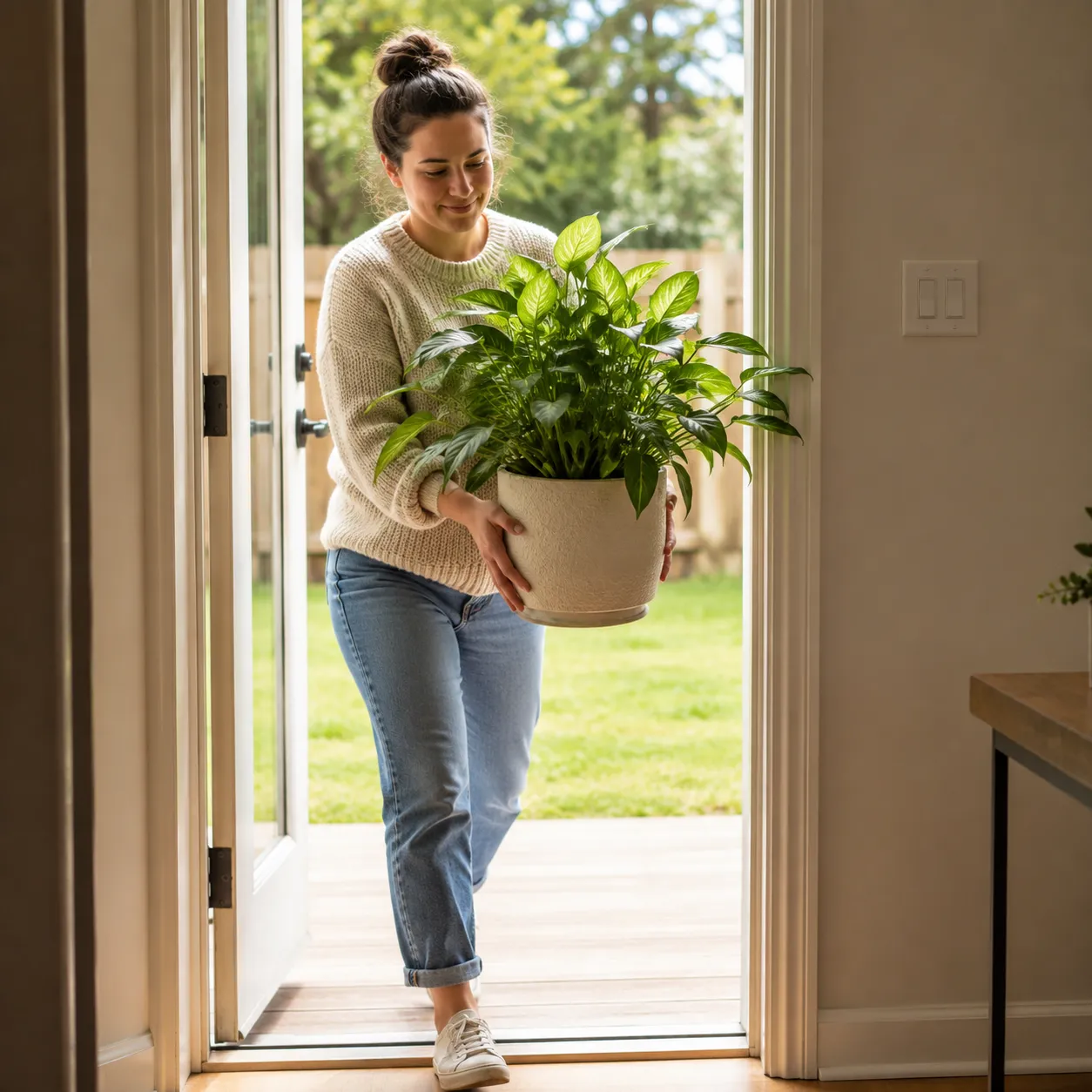
bring inbrɪŋ ˈɪn
to take someone or something into a room, building, or other place.
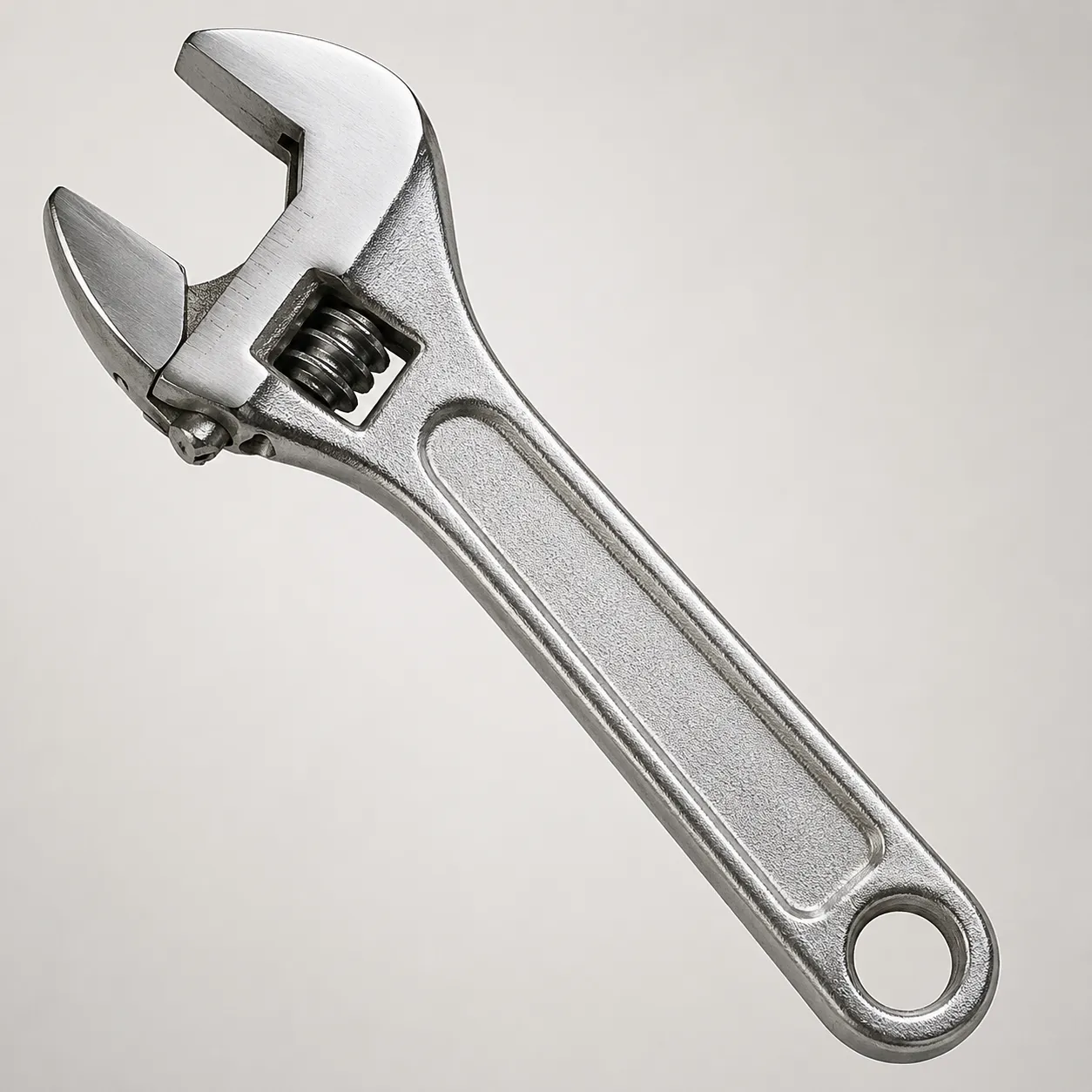
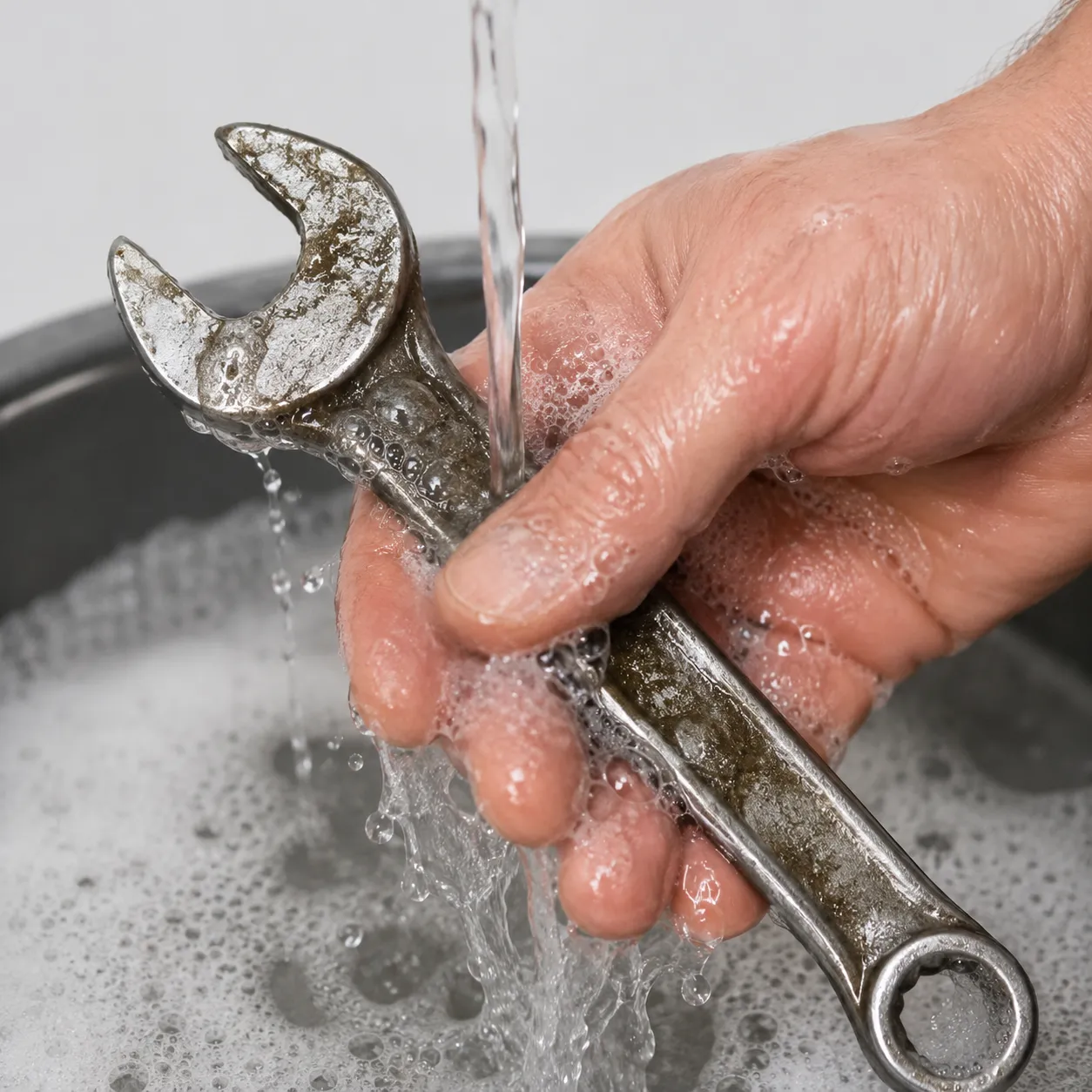
wrenchrentʃ
a hand tool used to grip and turn nuts, bolts, pipes, or other parts, often with an adjustable opening.
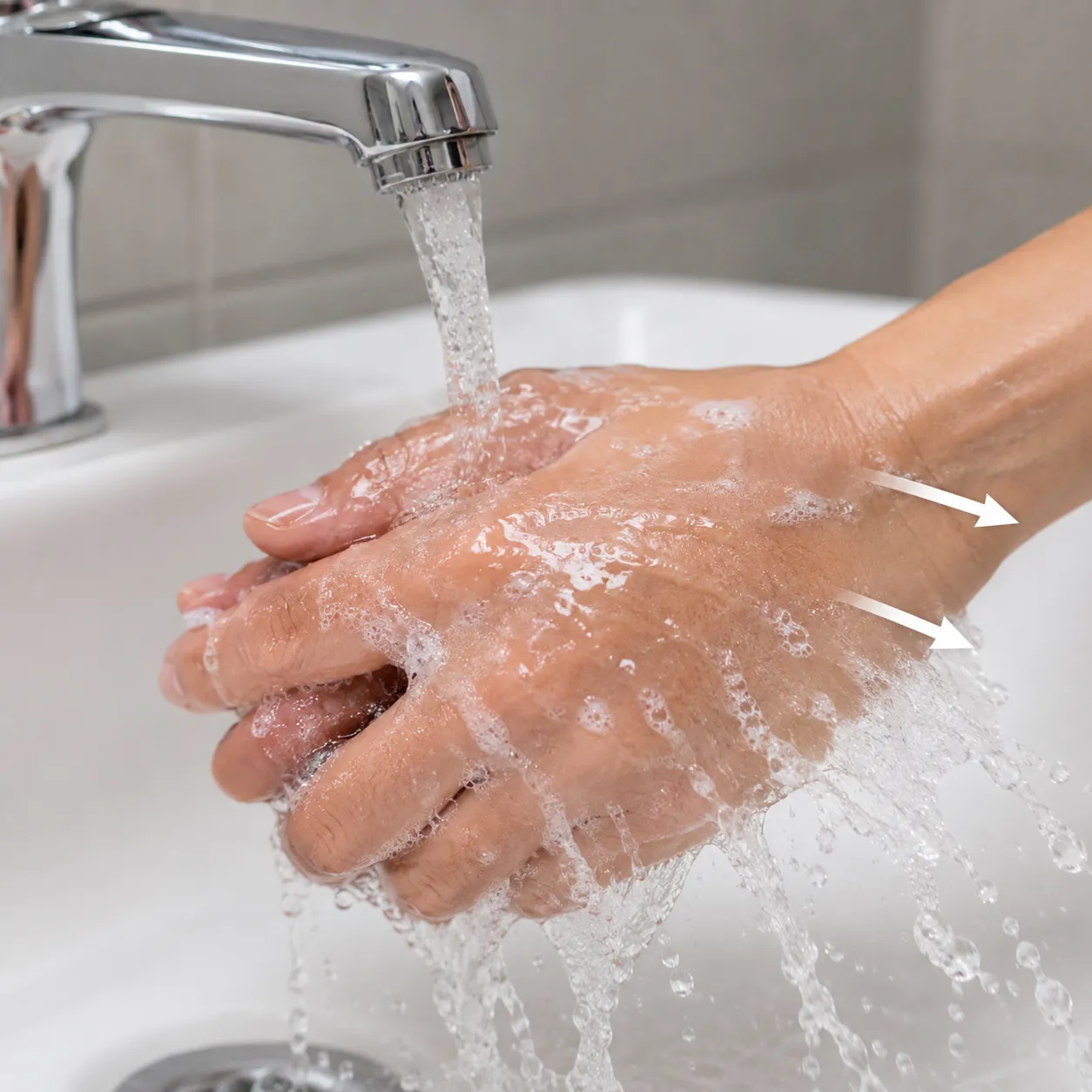
wash offwɑːʃ ɔːf
to remove dirt, soap, makeup, or another substance from skin or a surface by using water, often with soap.
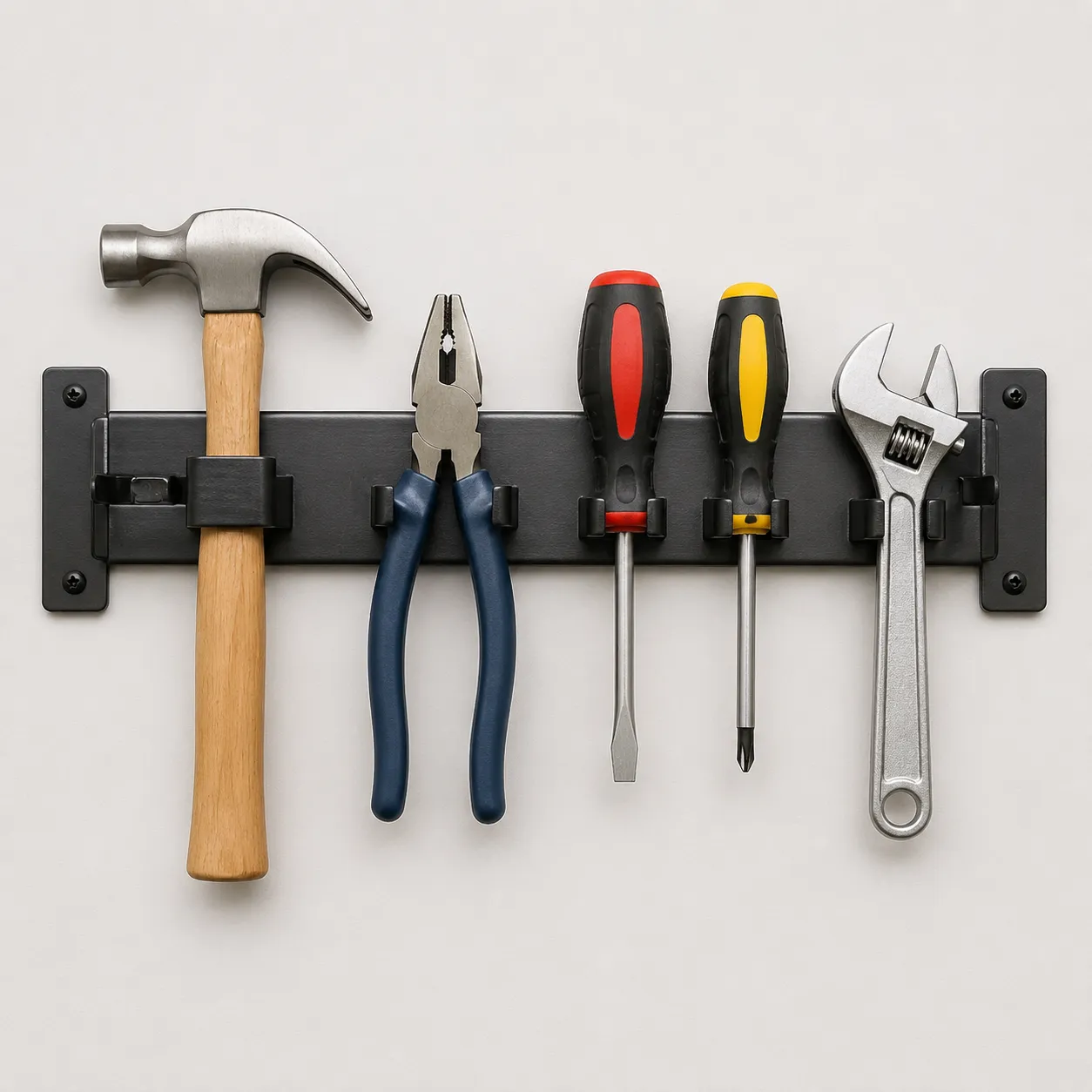
tool rackˈtuːl ræk
a frame, rail, or board with hooks or slots for keeping tools organized and easy to reach.
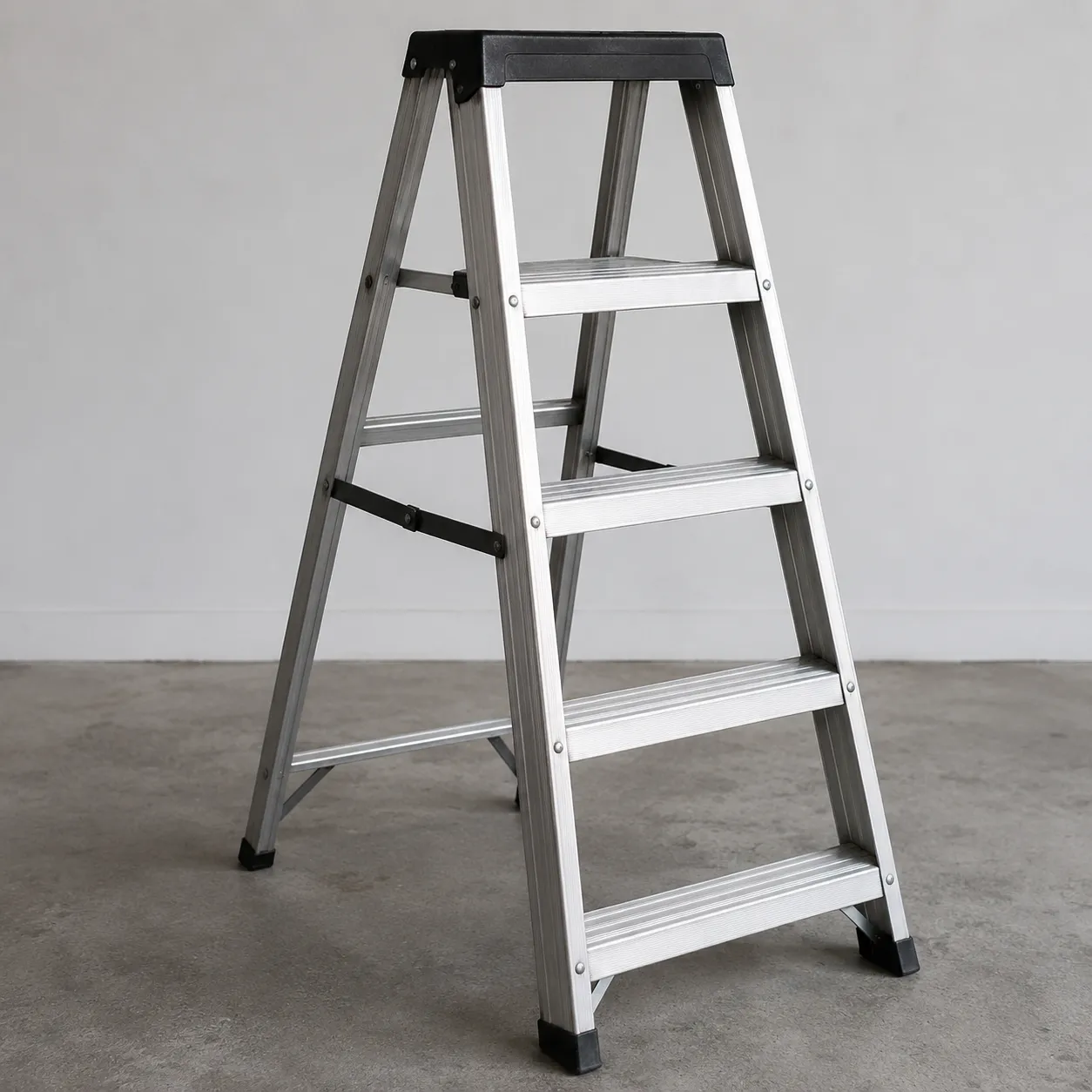
ladderˈlædɚ
a piece of equipment with steps between two long sides, used for climbing up or down.
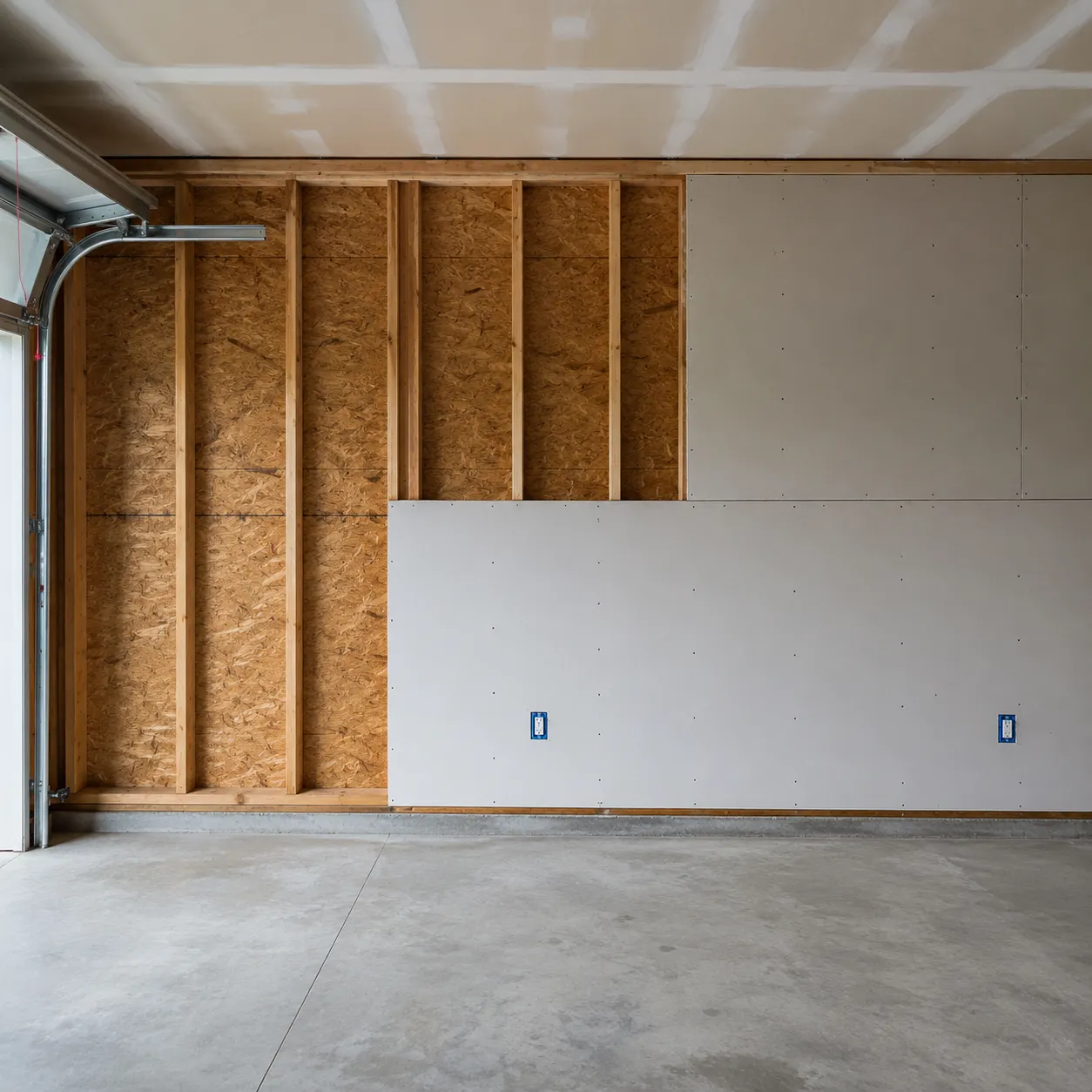
unfoldʌnˈfoʊld
to open something that was bent or folded, so it lies flat or spreads out.
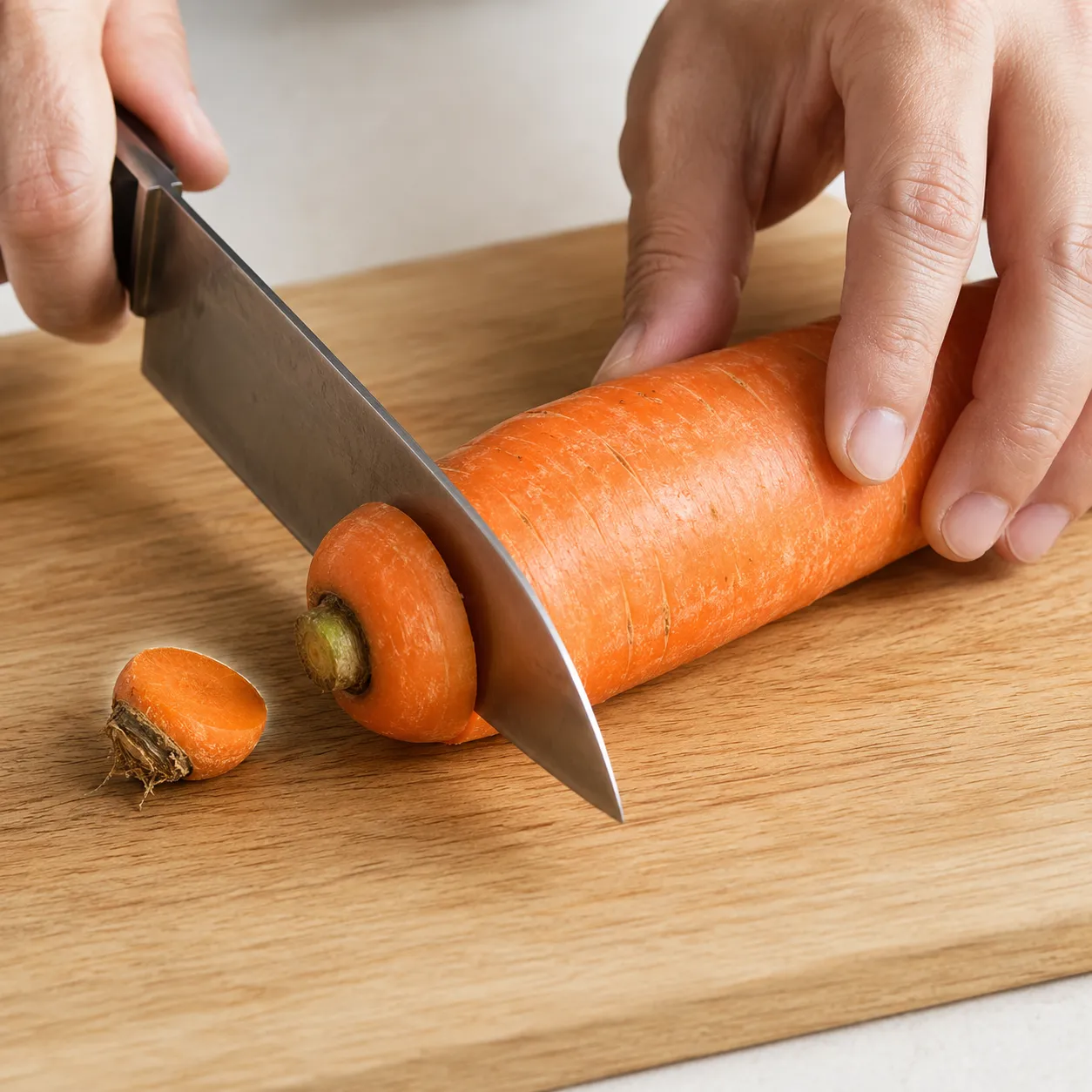
trimtrɪm
to cut a small amount from something, especially hair, plants, cloth, or food, to make it neat, smaller, or the right shape.
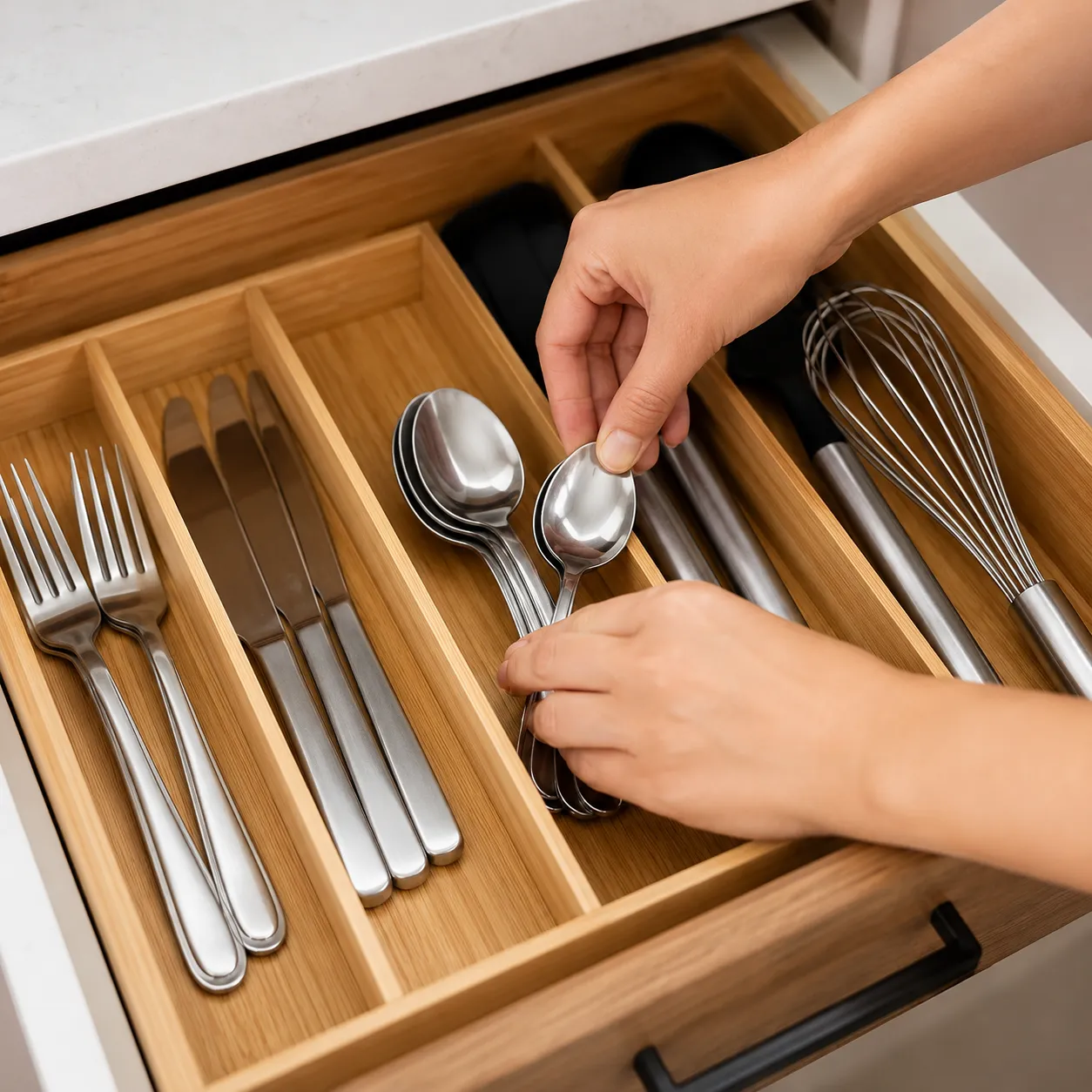
organizeˈɔːrɡənaɪz
to arrange or plan things, activities, or information so they are orderly and useful.
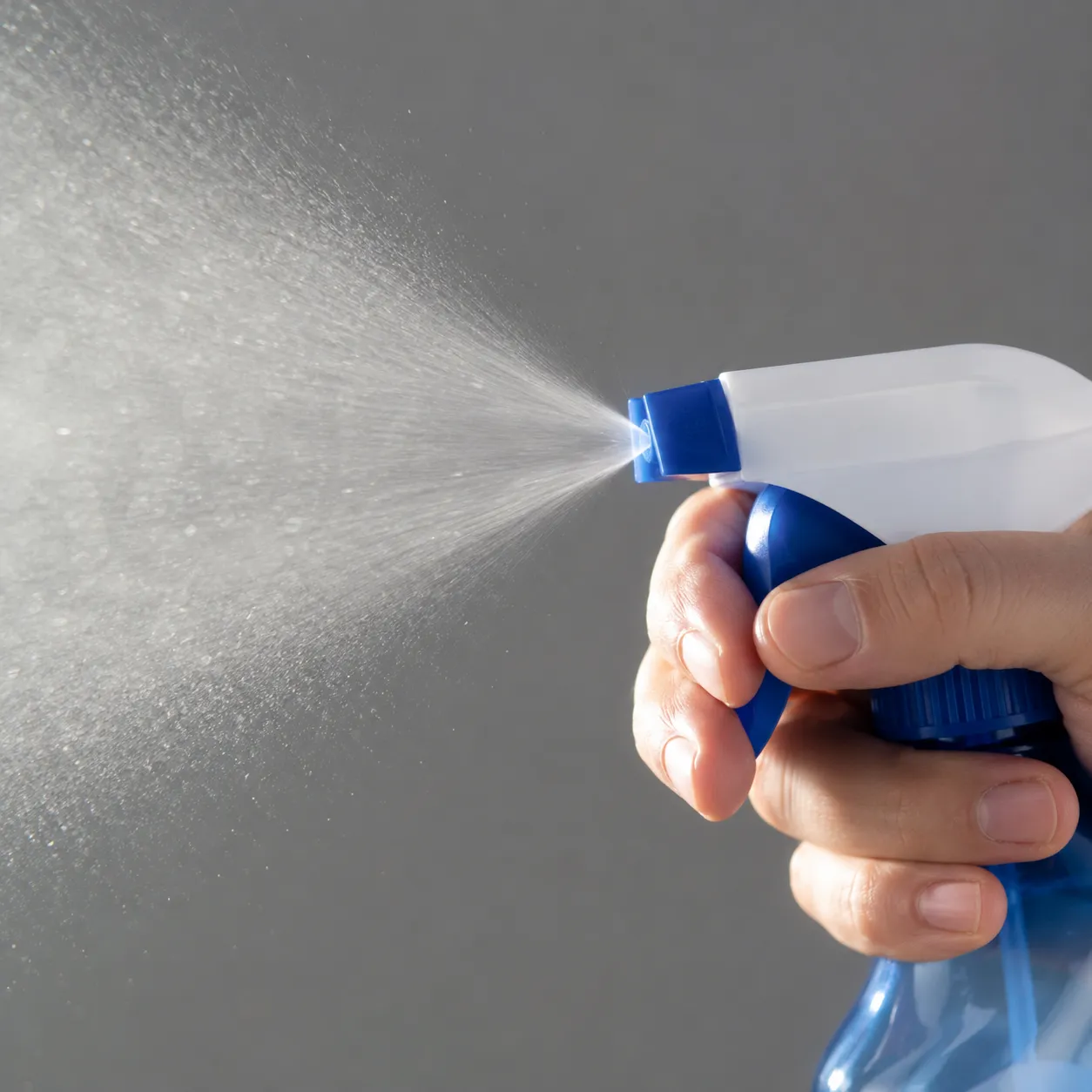
sprayspreɪ
liquid that comes out of a container or nozzle in many very small drops, often used for cleaning, washing, or adding a scent.

buildbɪld
to make a building, structure, or object by putting materials or parts together.
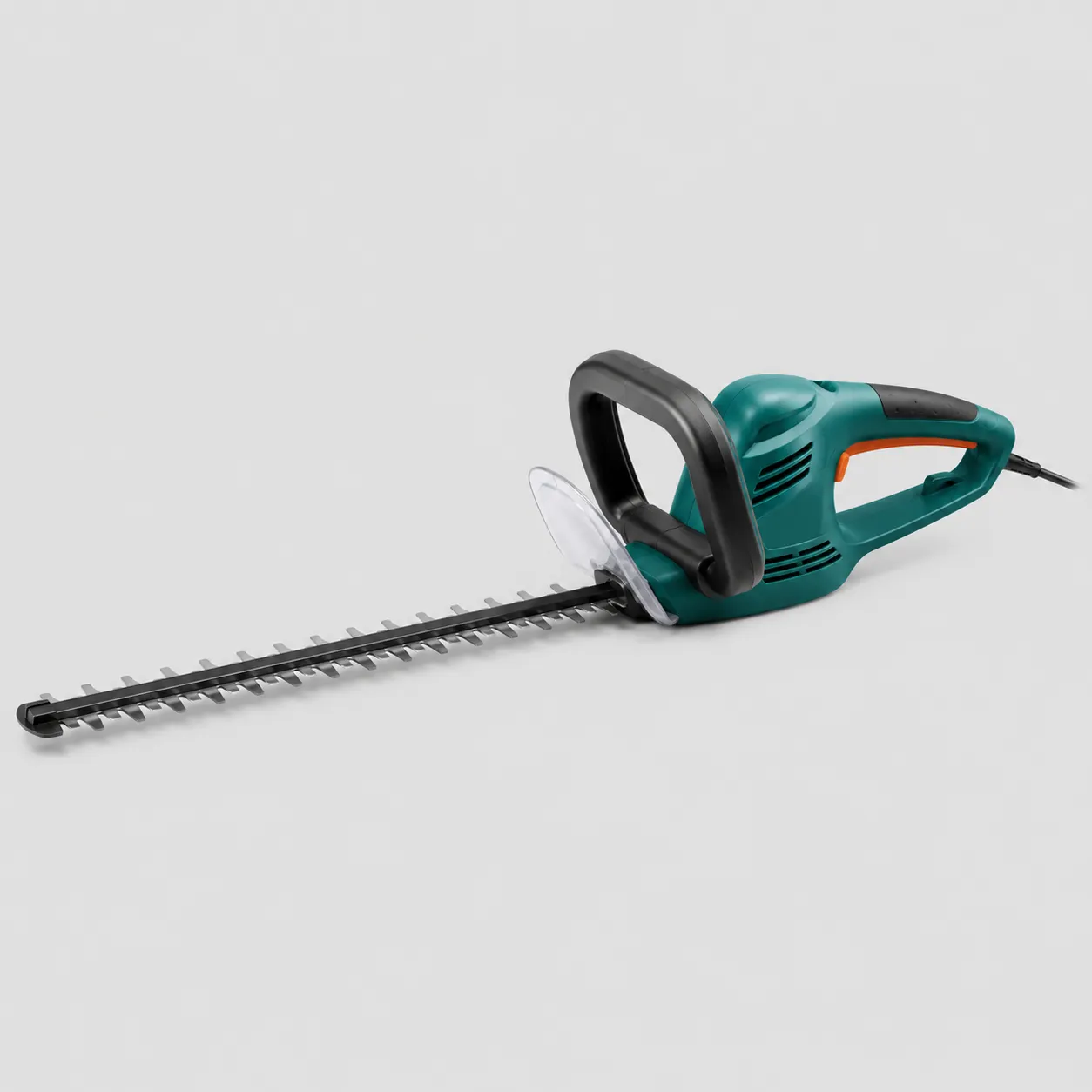
hedge trimmerˈhɛdʒ ˌtrɪmər
a garden tool with a long blade, used to cut and shape hedges and bushes.
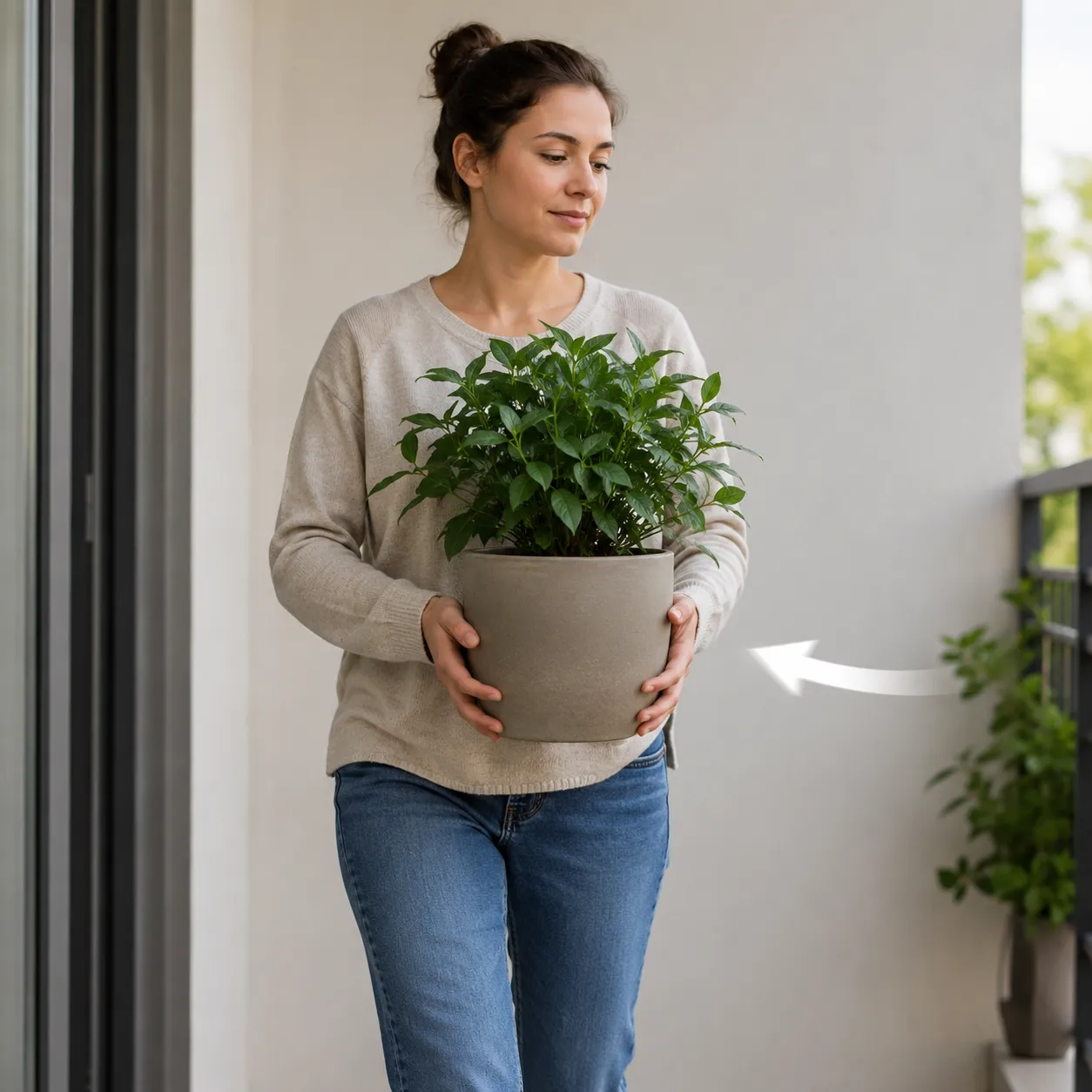
carryˈkæri
to hold something and move it from one place to another.
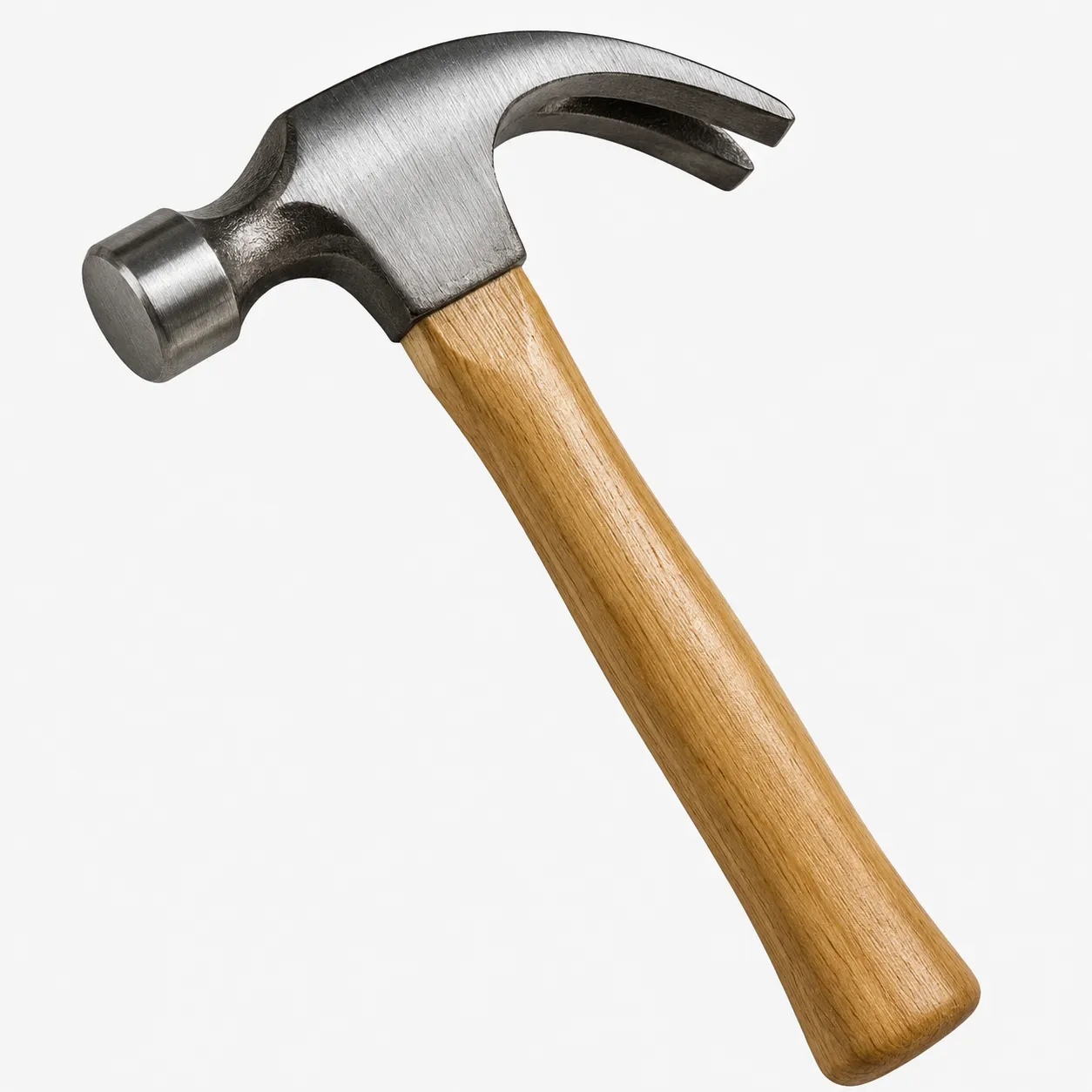
hammerˈhæmɚ
a tool with a heavy metal head and a handle, used especially for hitting nails into wood.
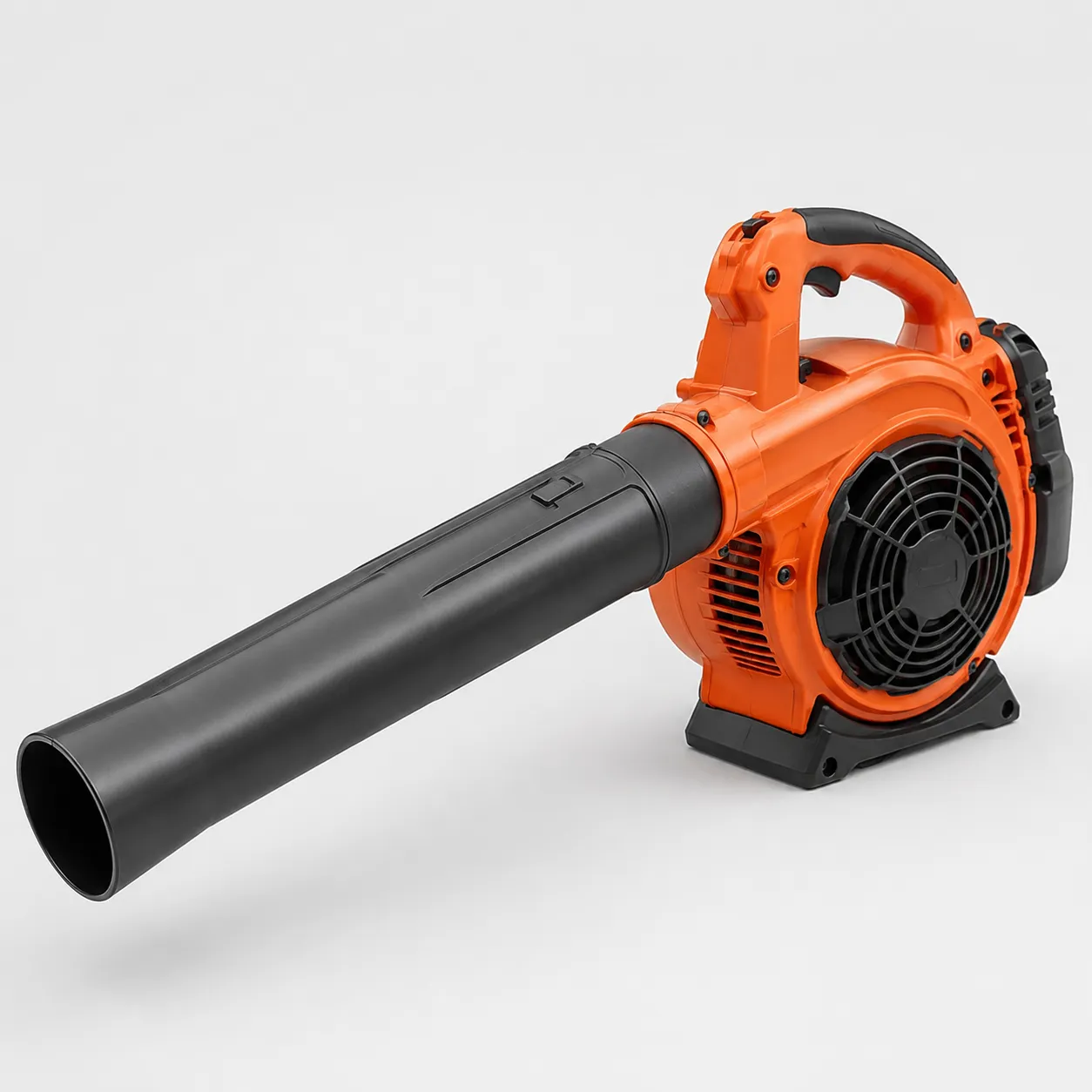
leaf blowerliːf ˈbloʊər
a machine that blows a strong stream of air to move fallen leaves into piles.
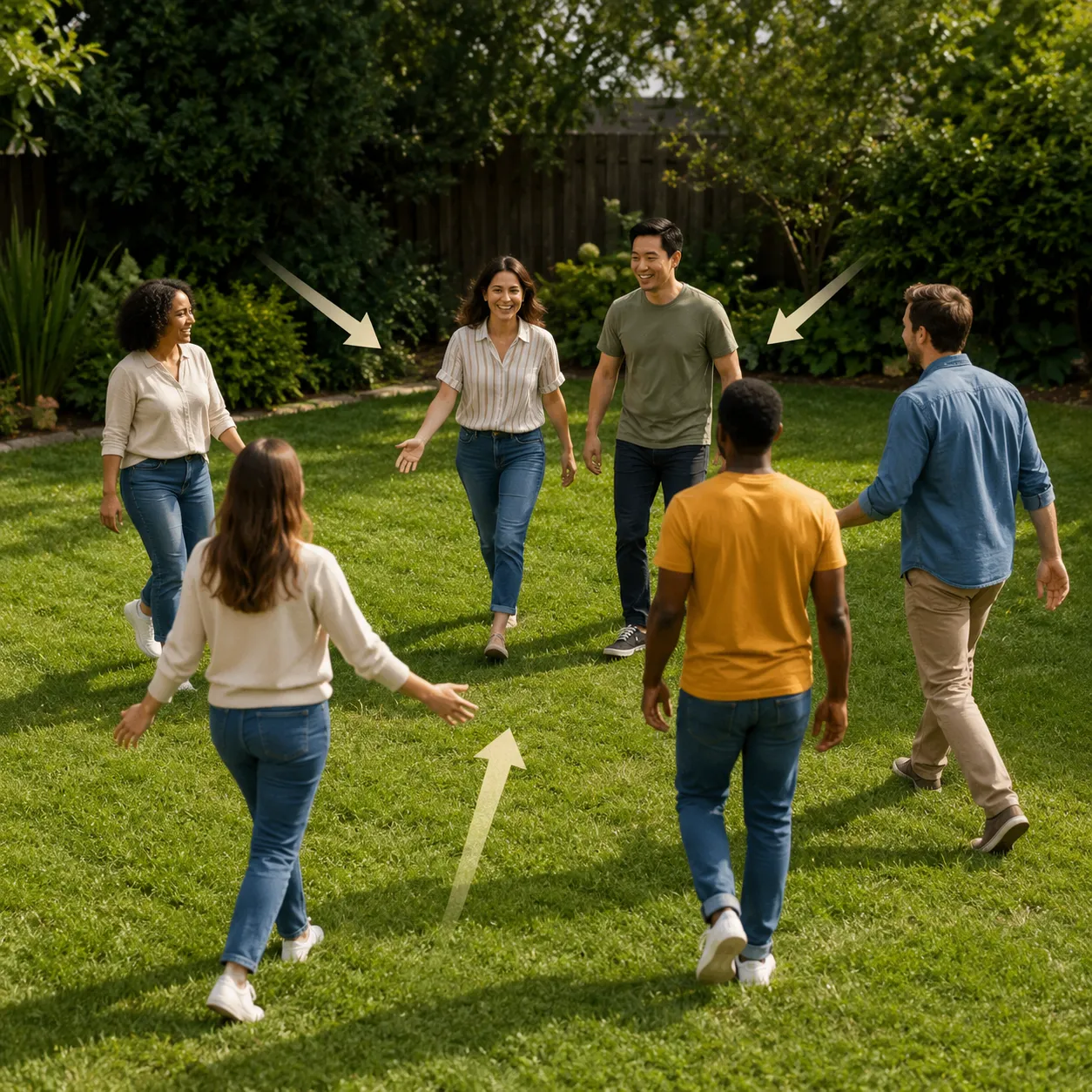
gatherˈɡæðər
to come together in one place, or to bring people together there.
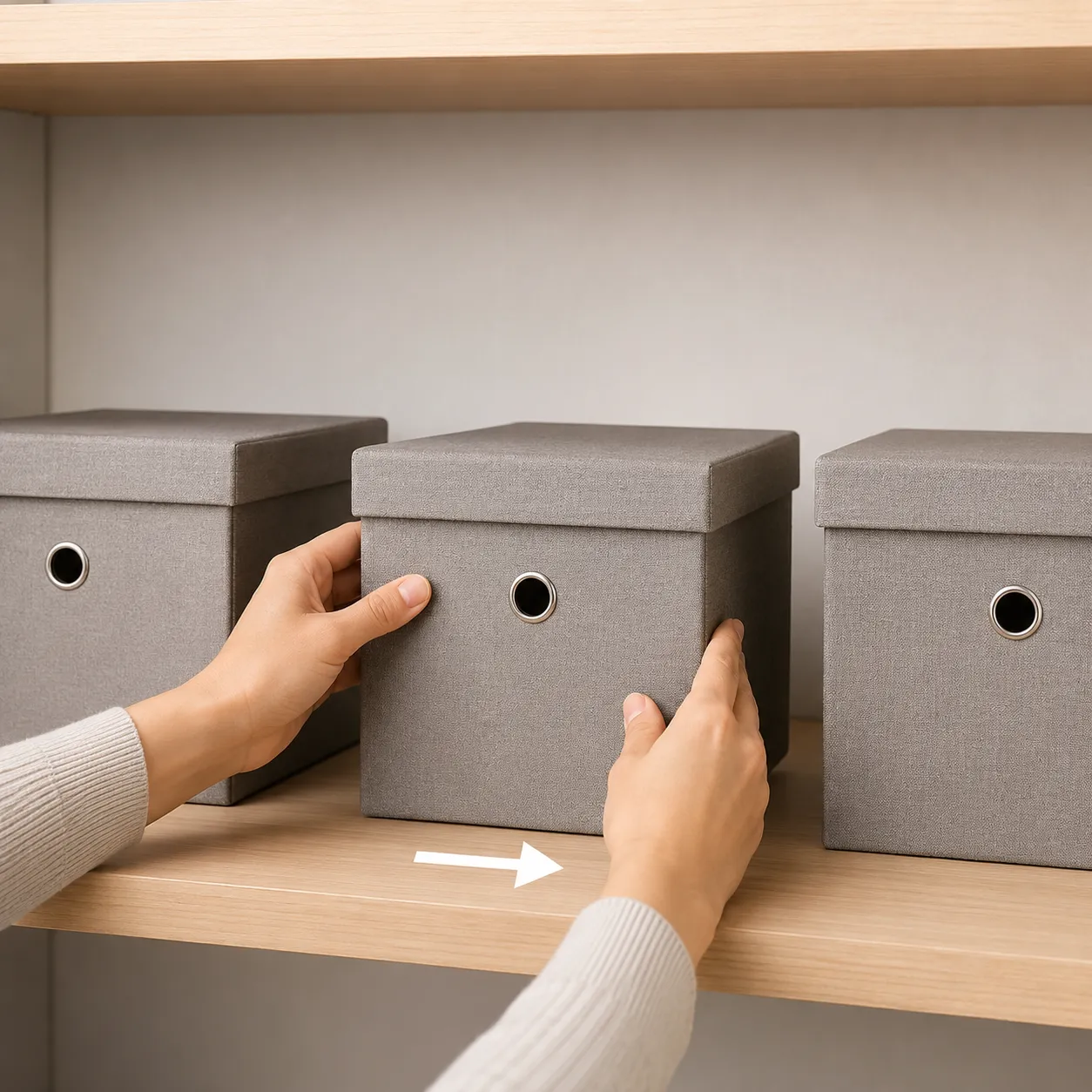
arrangeəˈreɪndʒ
to put things in a neat, useful, or planned order.
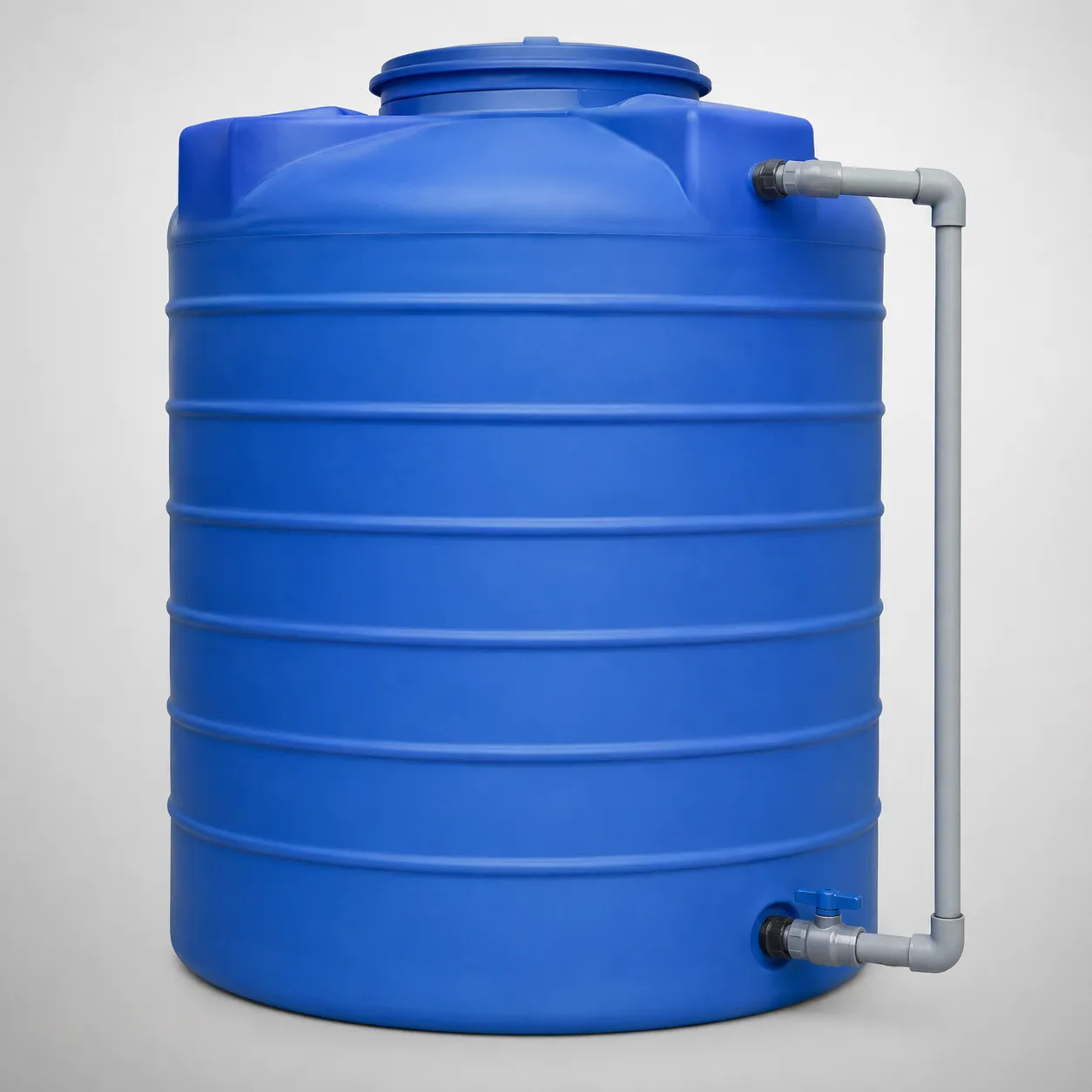
water tankˈwɔːtər tæŋk
a container that holds water, especially the part of a toilet that stores water before flushing.

repairrɪˈper
to make a damaged or broken thing work or look good again.
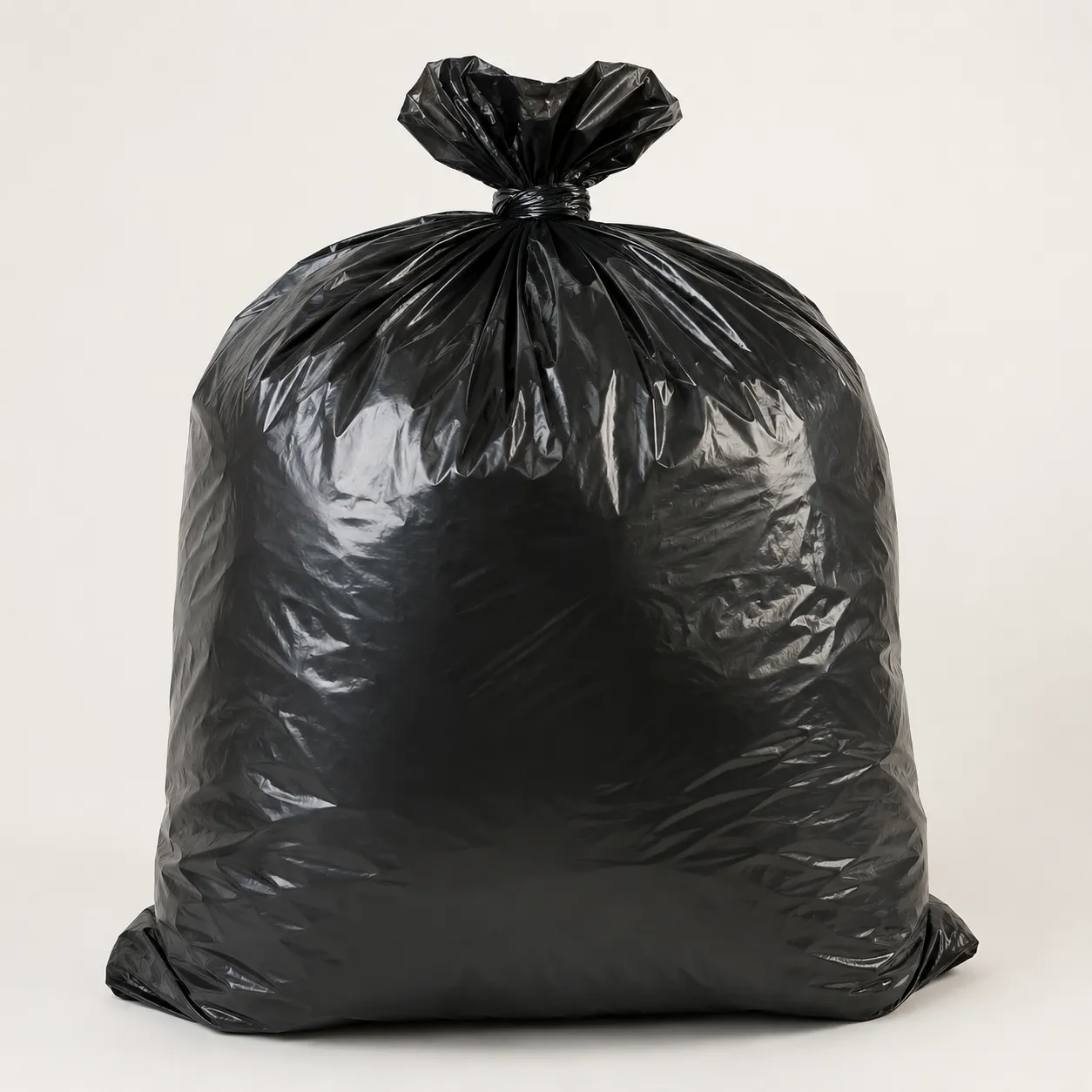
trash bagˈtræʃ bæɡ
a large plastic bag used for holding rubbish before it is thrown away.
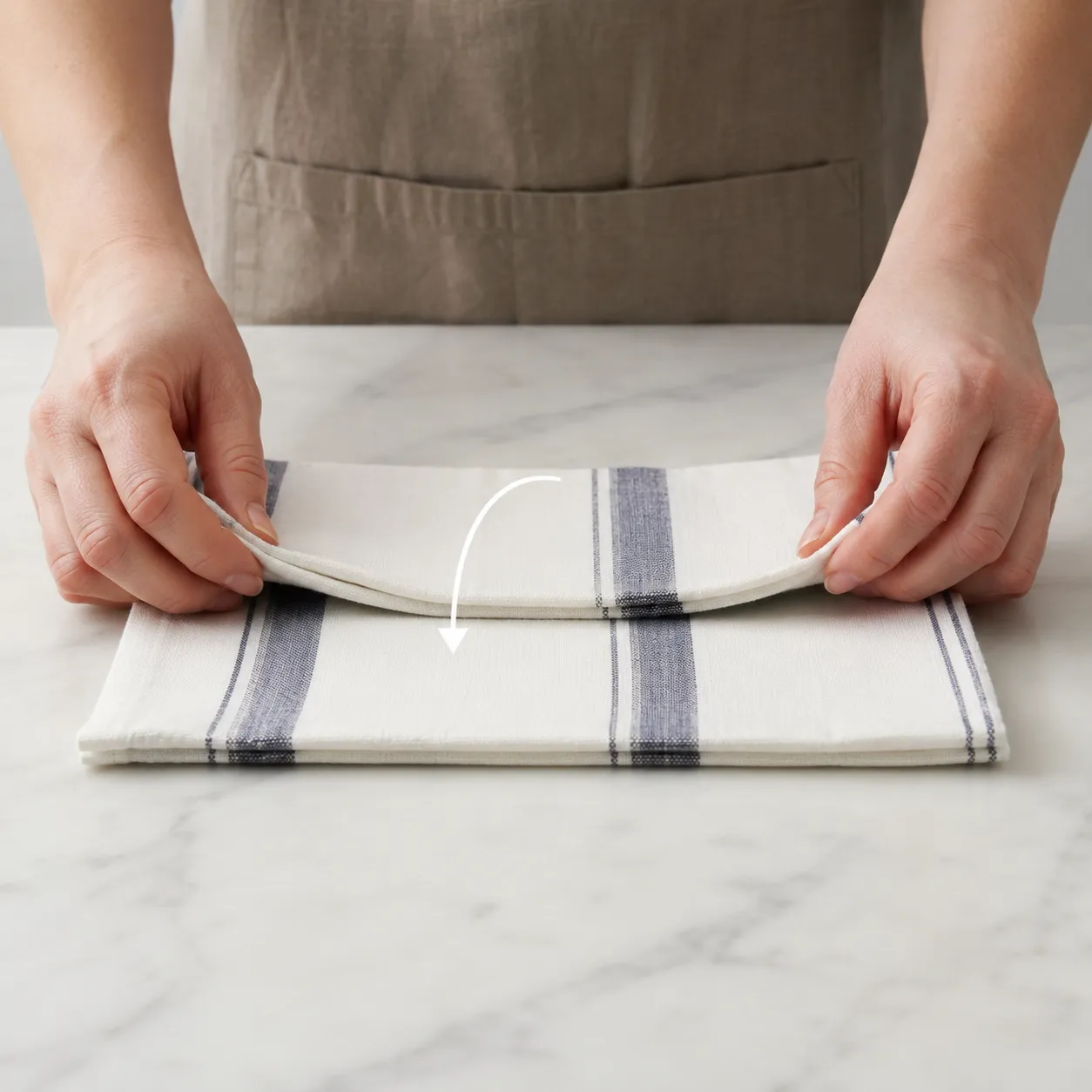
foldfoʊld
to bend cloth, paper, or clothing so one part lies over another.
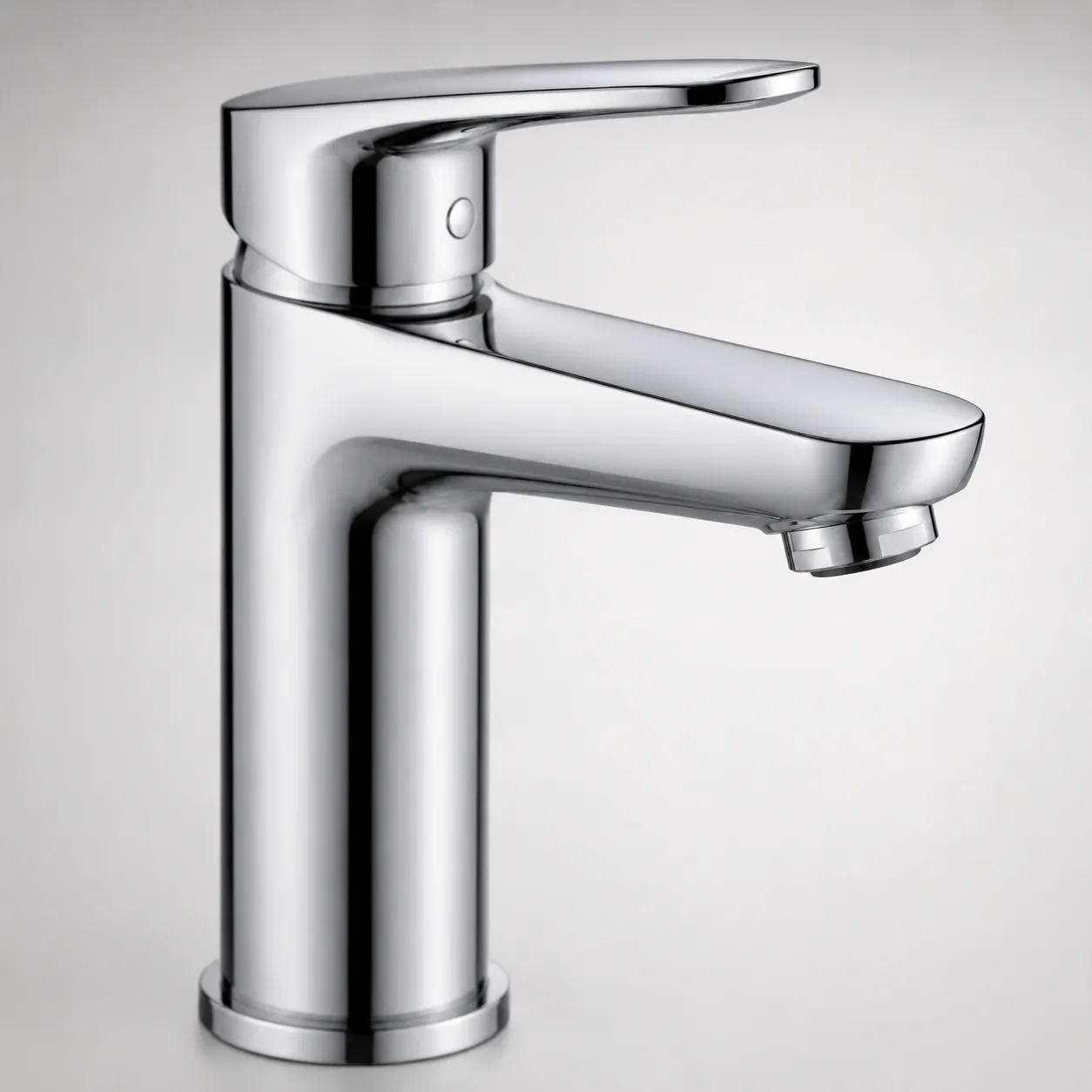
faucetˈfɔːsɪt
a device, especially in American English, that you turn or lift to let water come out of a pipe.
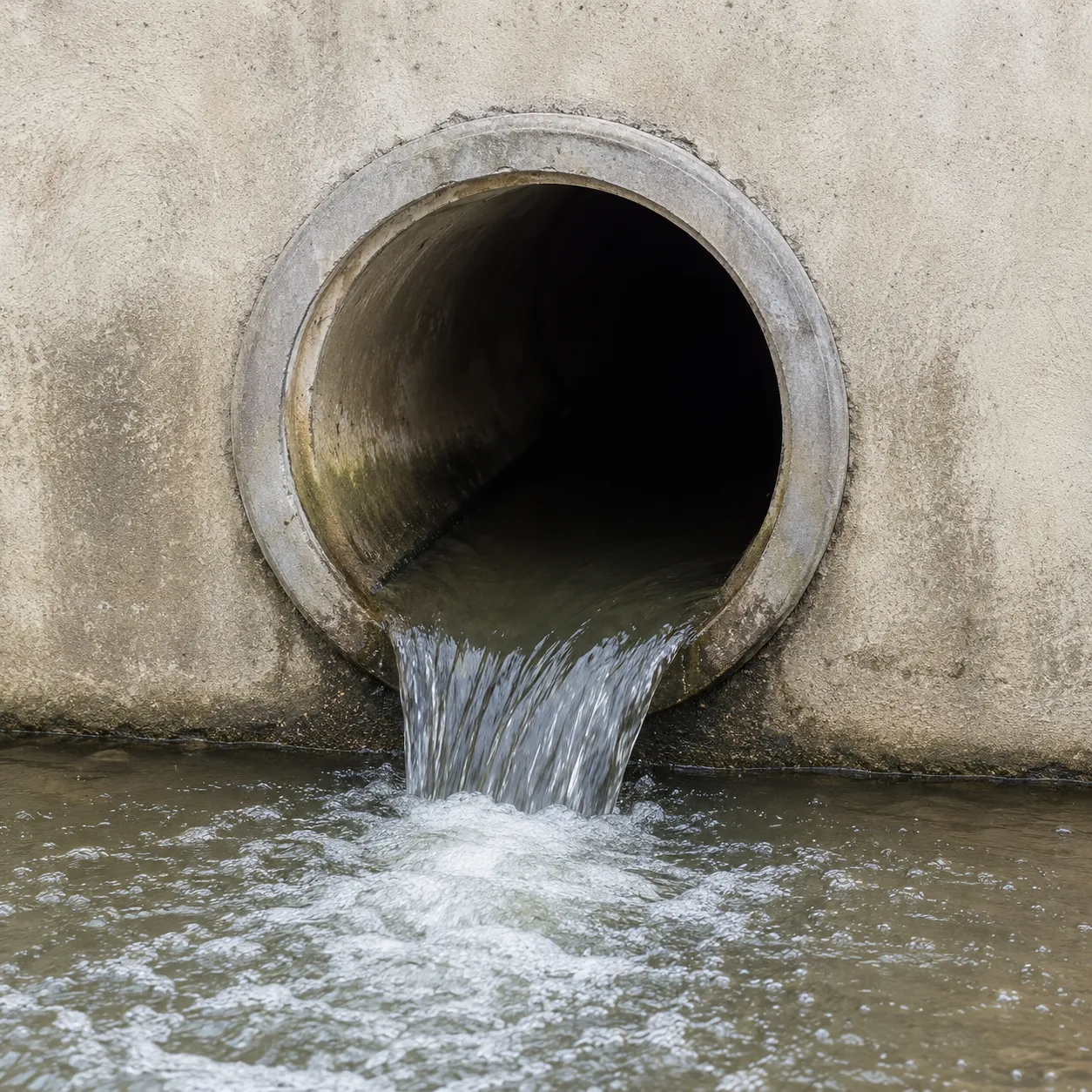
drainage pipeˈdreɪnɪdʒ paɪp
a pipe that carries used water, rainwater, or other liquid away from a place.
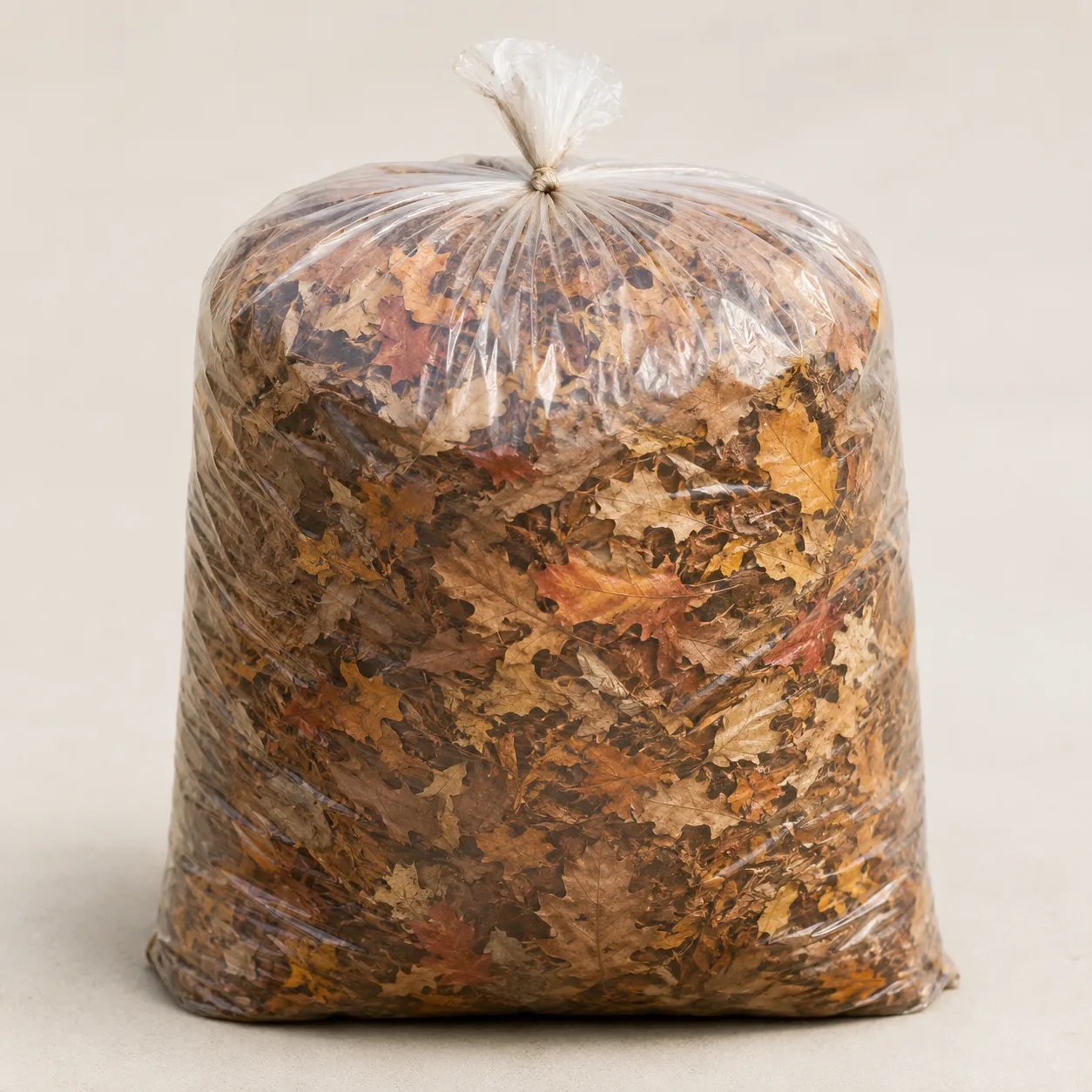
leaf bagˈliːf ˌbæɡ
a large bag used for collecting and throwing away fallen leaves from a garden or yard.
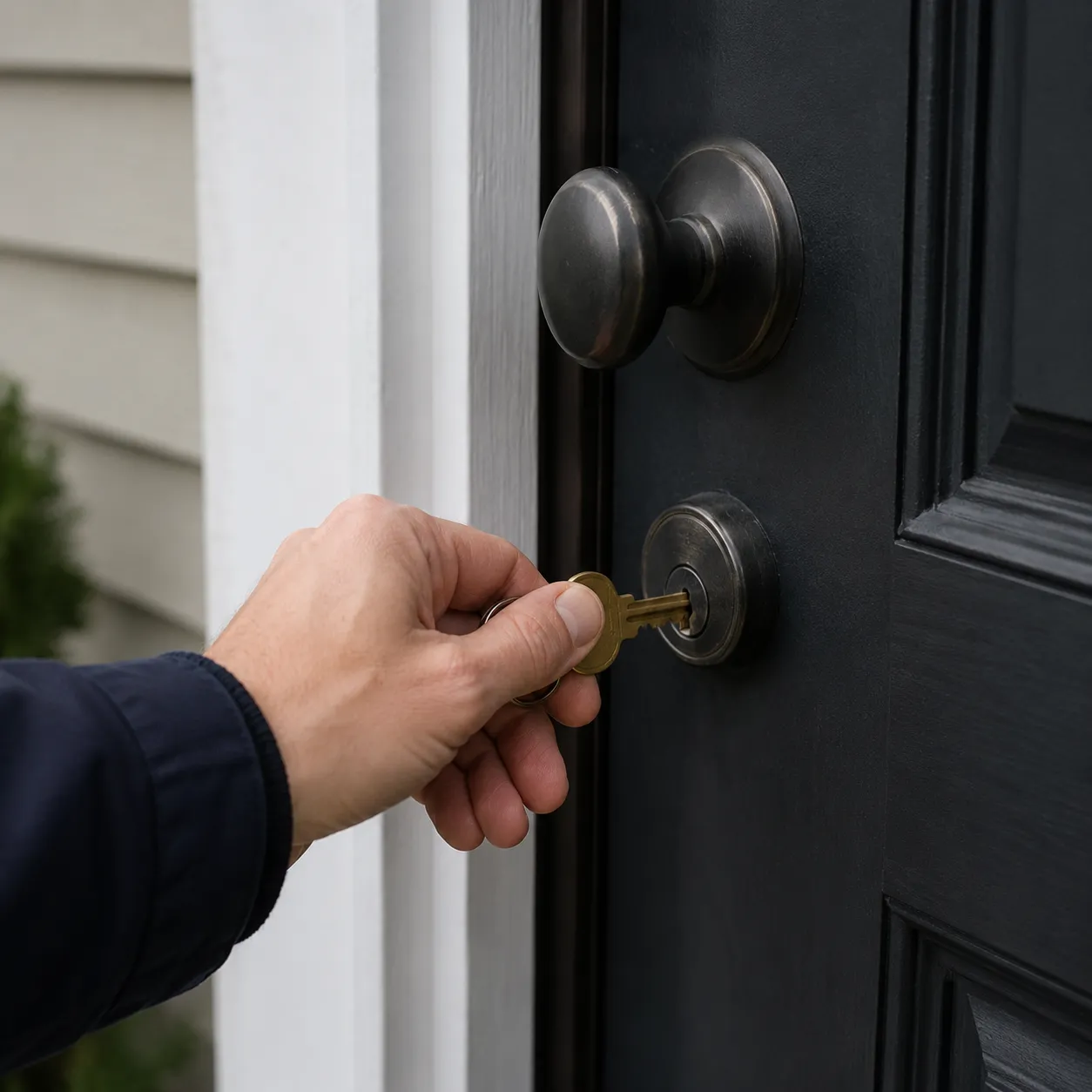
lock uplɑːk ʌp
to lock all doors and secure a building before leaving.
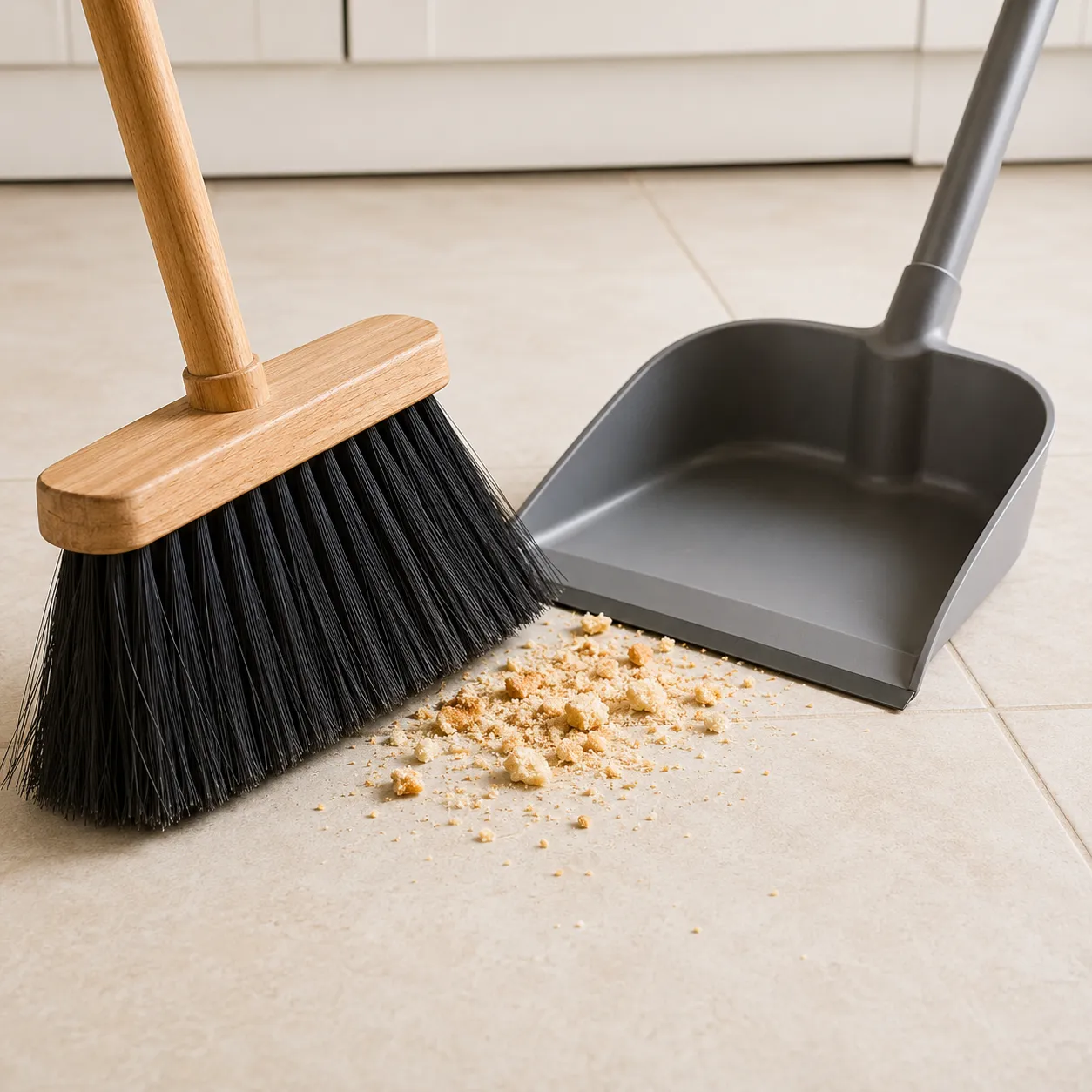
sweepswiːp
to clean a floor or surface, or remove dirt from it, with a broom or brush.
wheelbarrowˈwiːlˌbæroʊ
a small open cart with one wheel at the front and two handles, used for carrying soil, plants, or building materials.
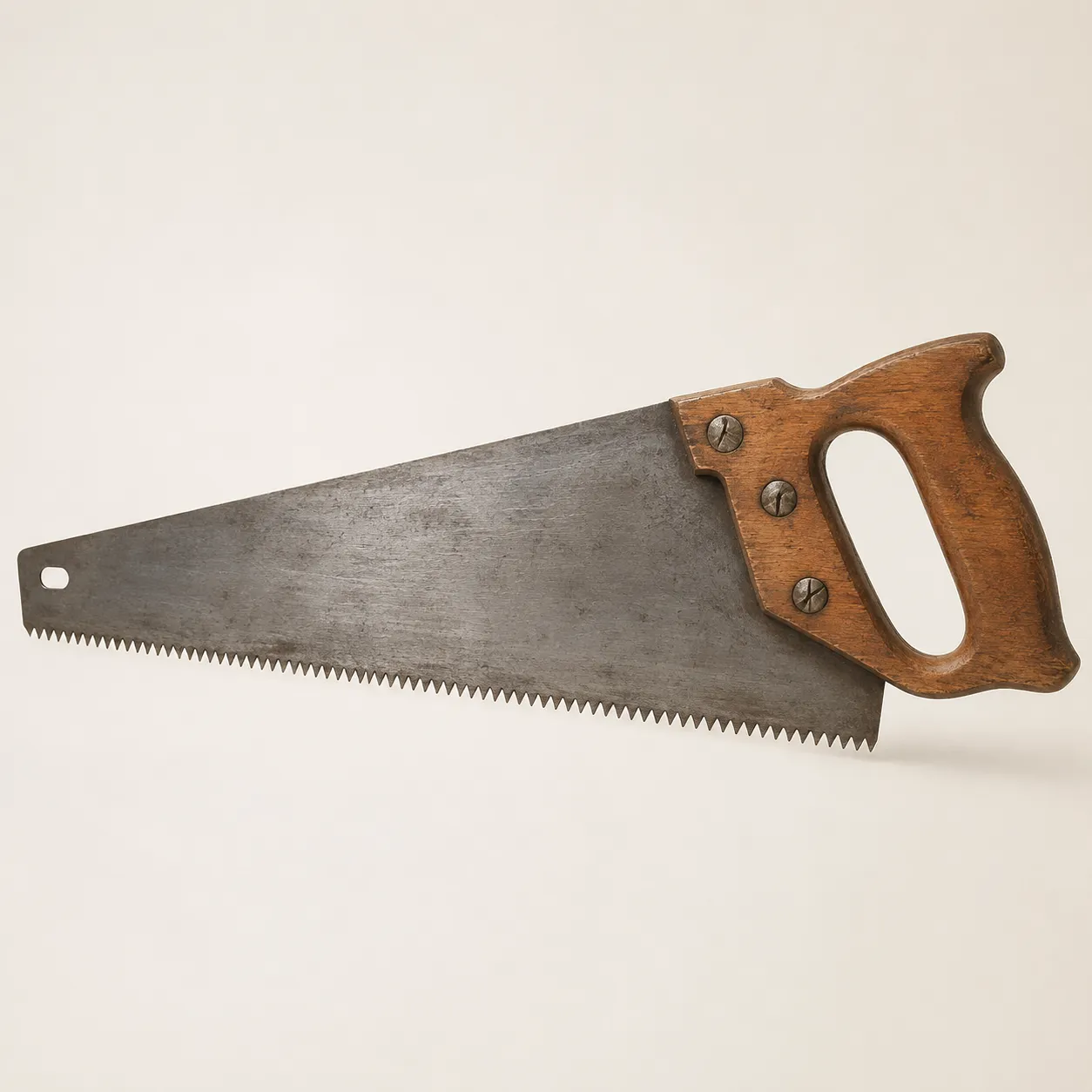
sawsɔː
a tool with a row of sharp teeth, used for cutting wood, metal, or other hard materials.
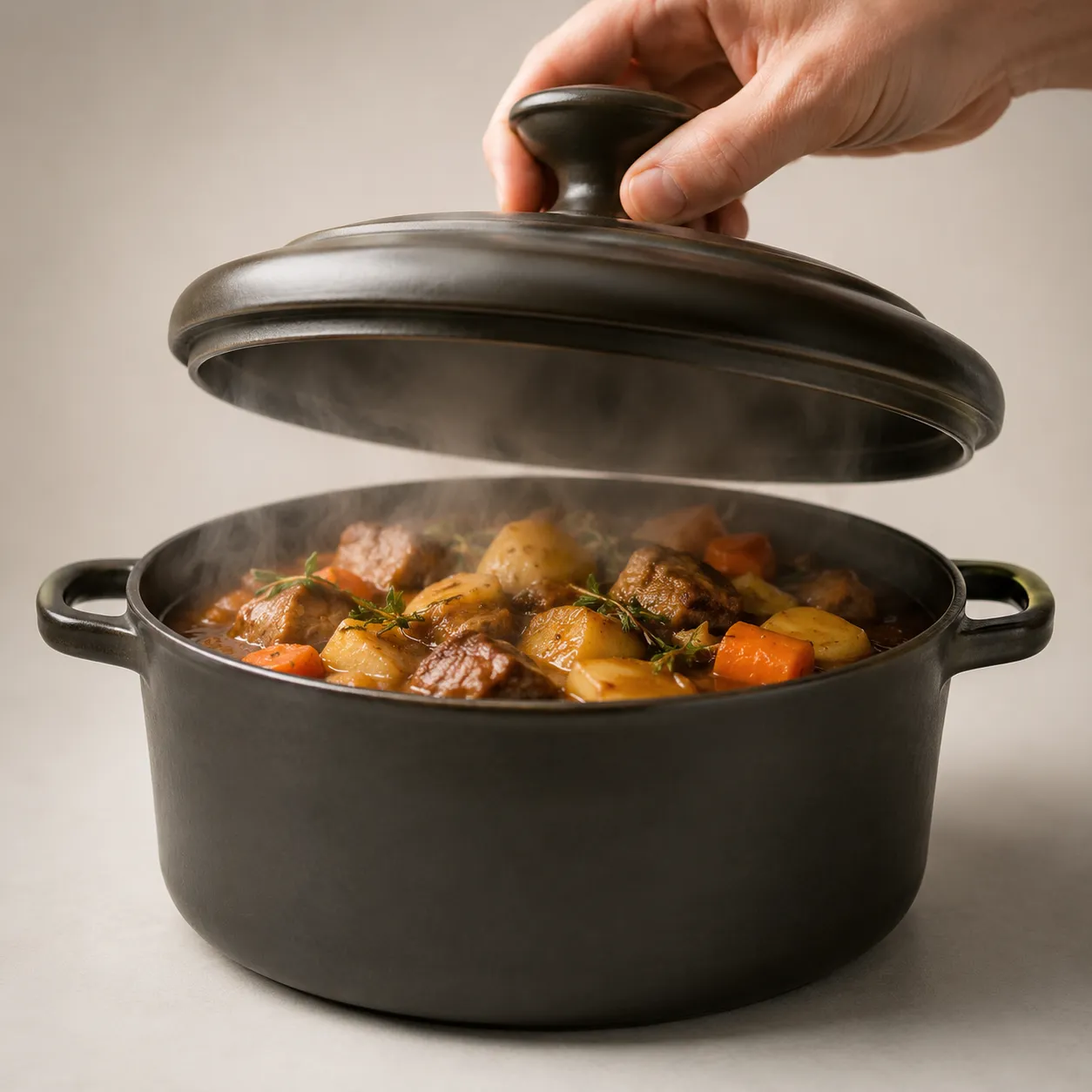
uncoverʌnˈkʌvɚ
to take away something that covers a person or thing, so that what is under it can be seen.
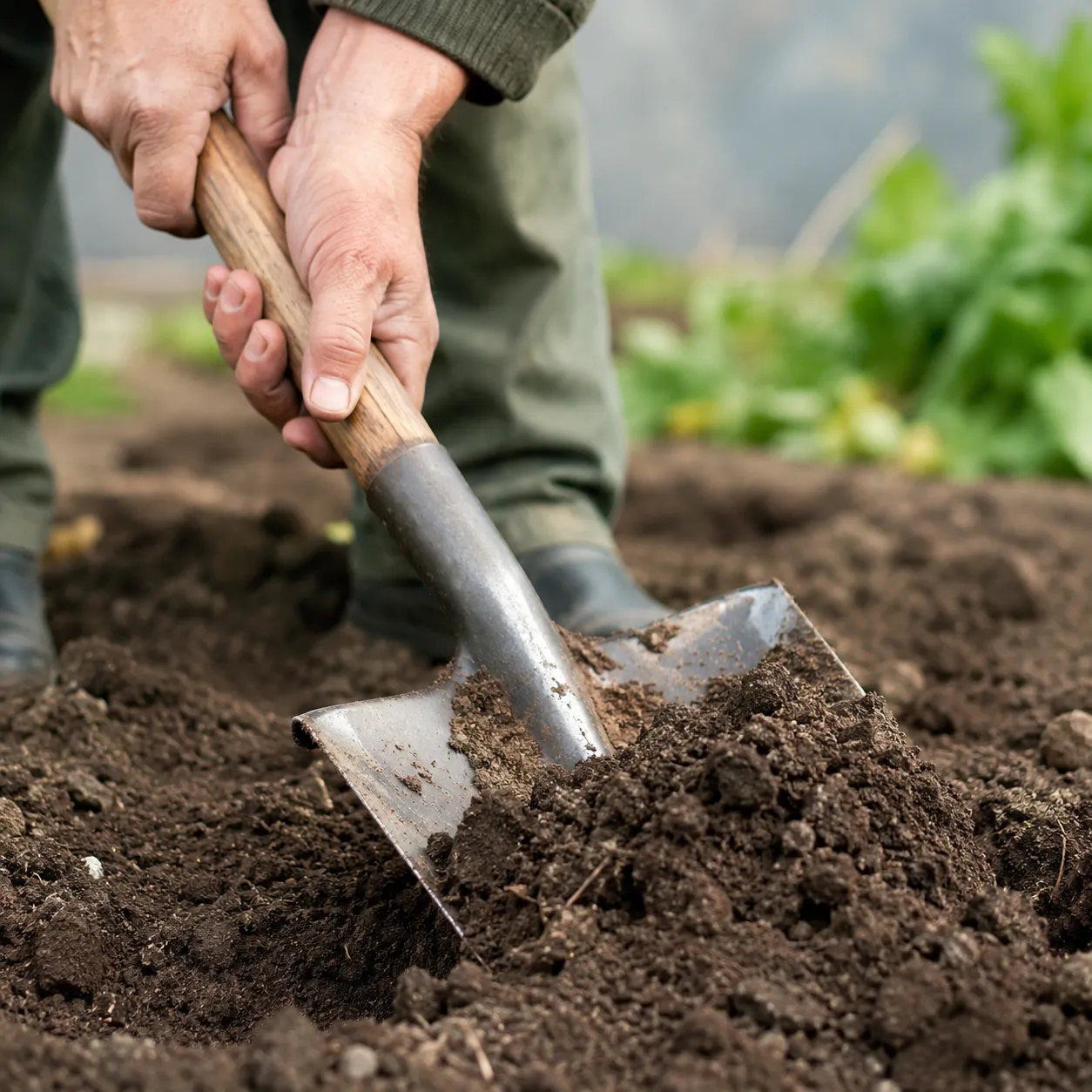
digdɪɡ
to break, move, or make a hole in soil using a tool, your hands, or a machine.
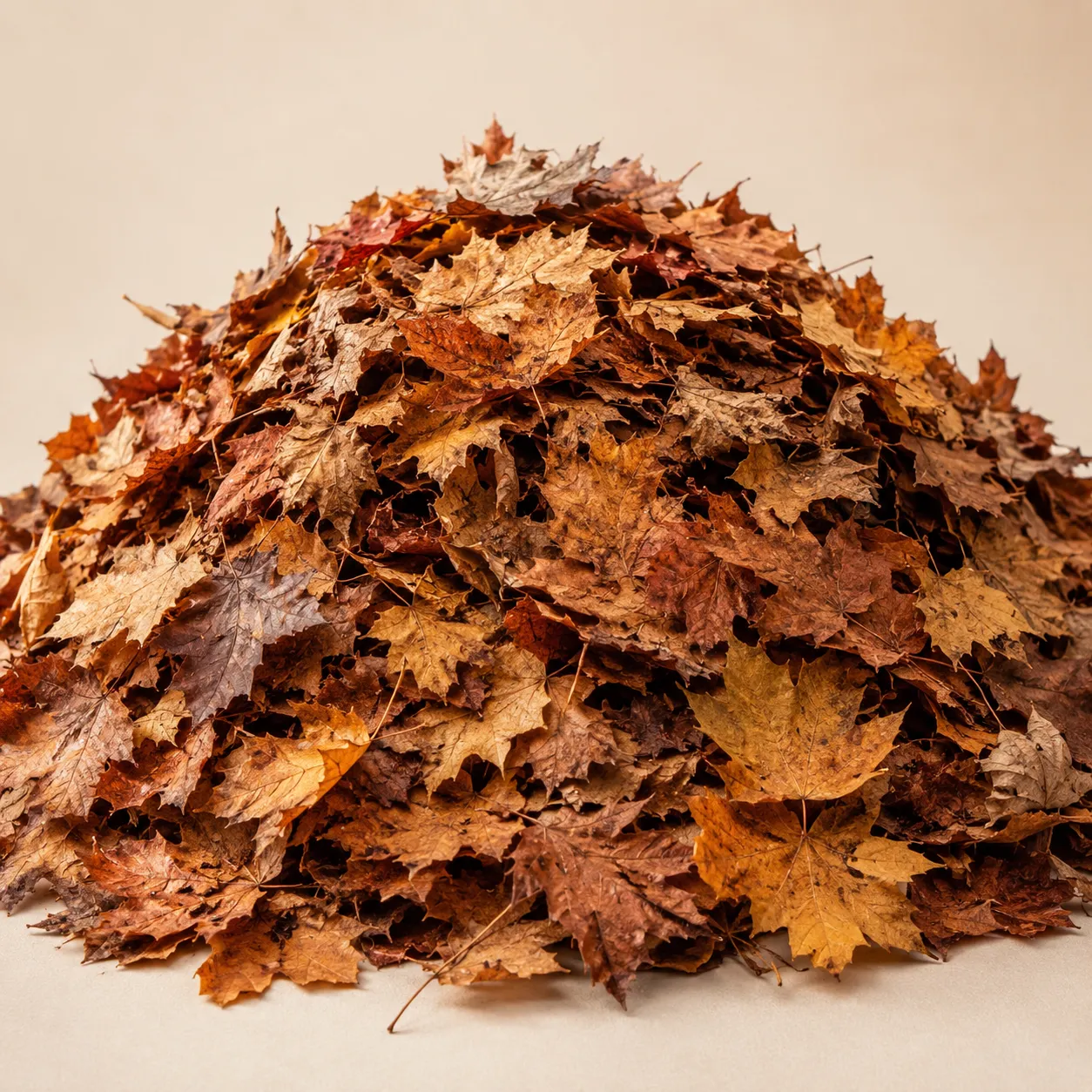
leaf pileliːf paɪl
a pile made of leaves that have fallen from trees and been gathered together.
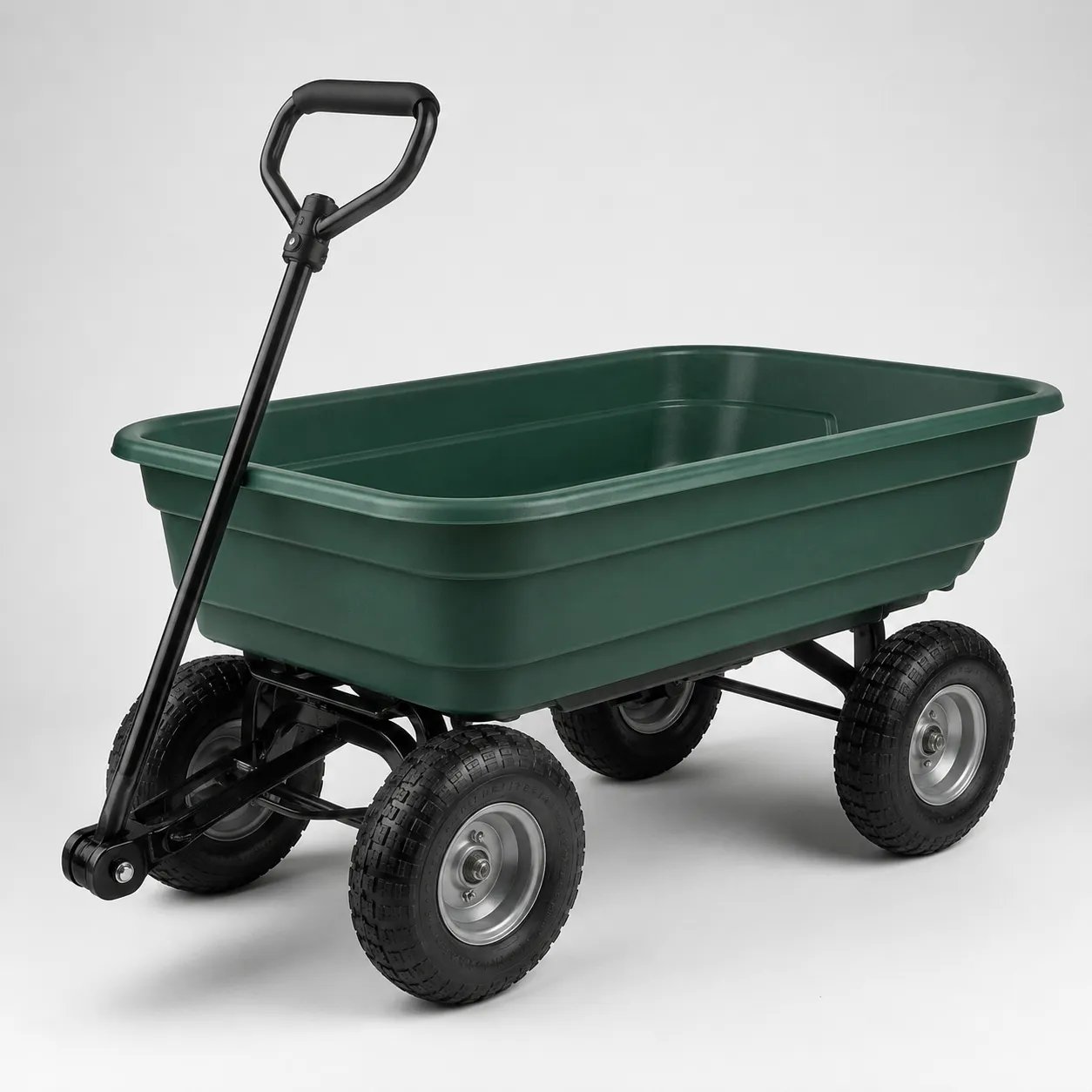
garden cartˈɡɑːrdən kɑːrt
a small wheeled cart used in a garden to move soil, plants, tools, leaves, or other heavy things.
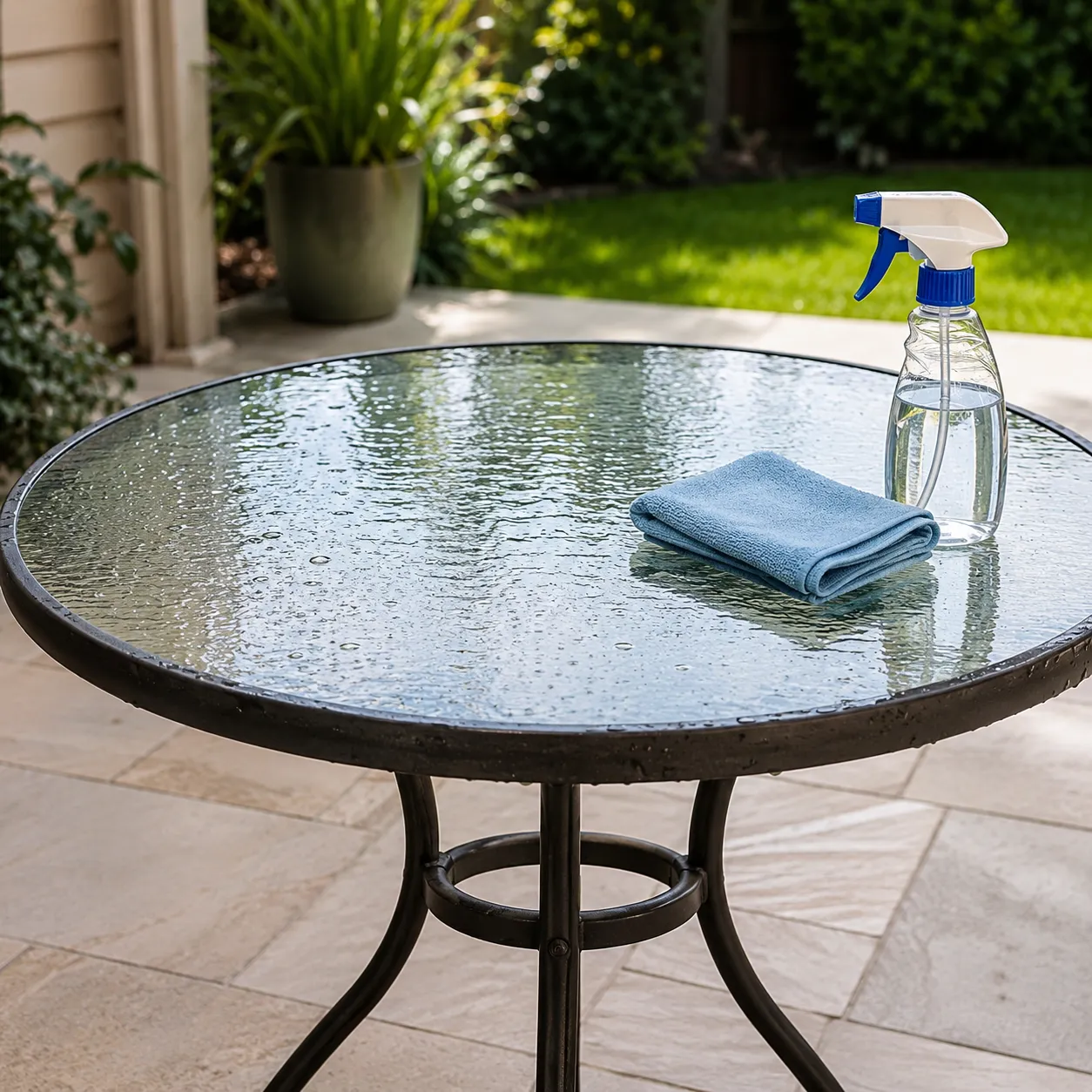
freshly cleanedˈfrɛʃli kliːnd
made clean a short time ago.
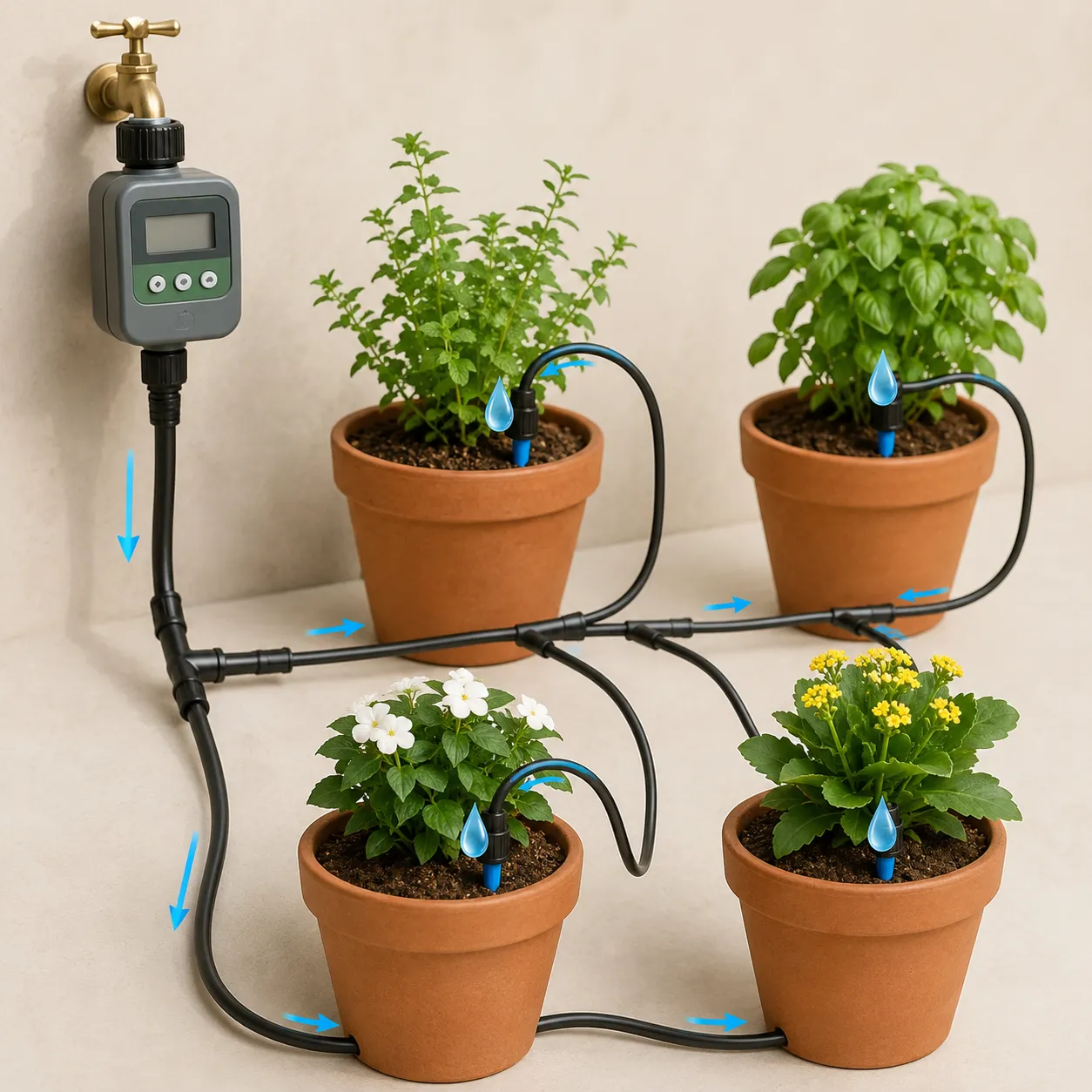
watering systemˈwɔːtərɪŋ ˈsɪstəm
equipment that brings water to plants regularly, often through pipes, tubes, or sprinklers.
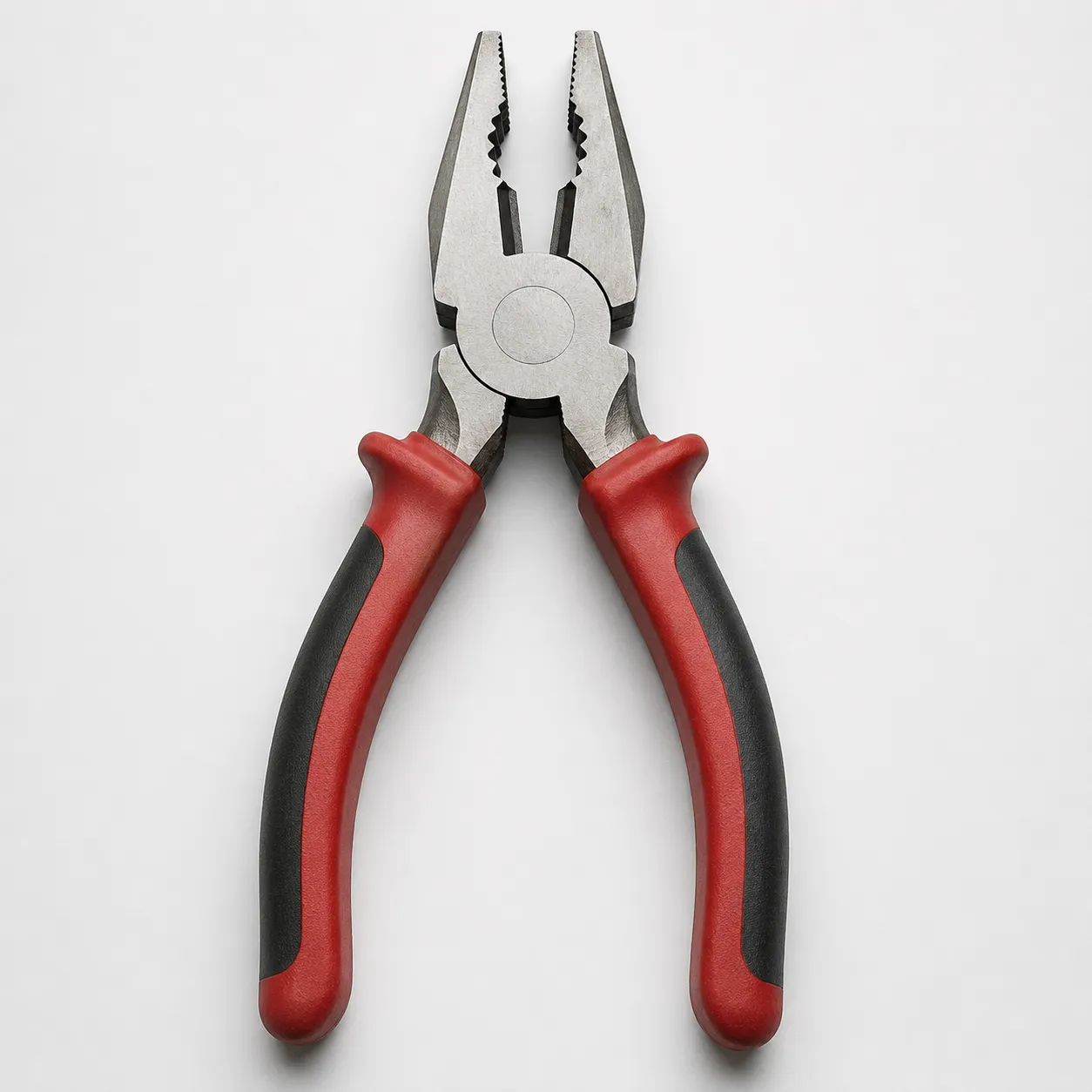
pliersˈplaɪɚz
a hand tool with two handles and metal jaws, used for gripping, bending, or cutting wire and small objects.
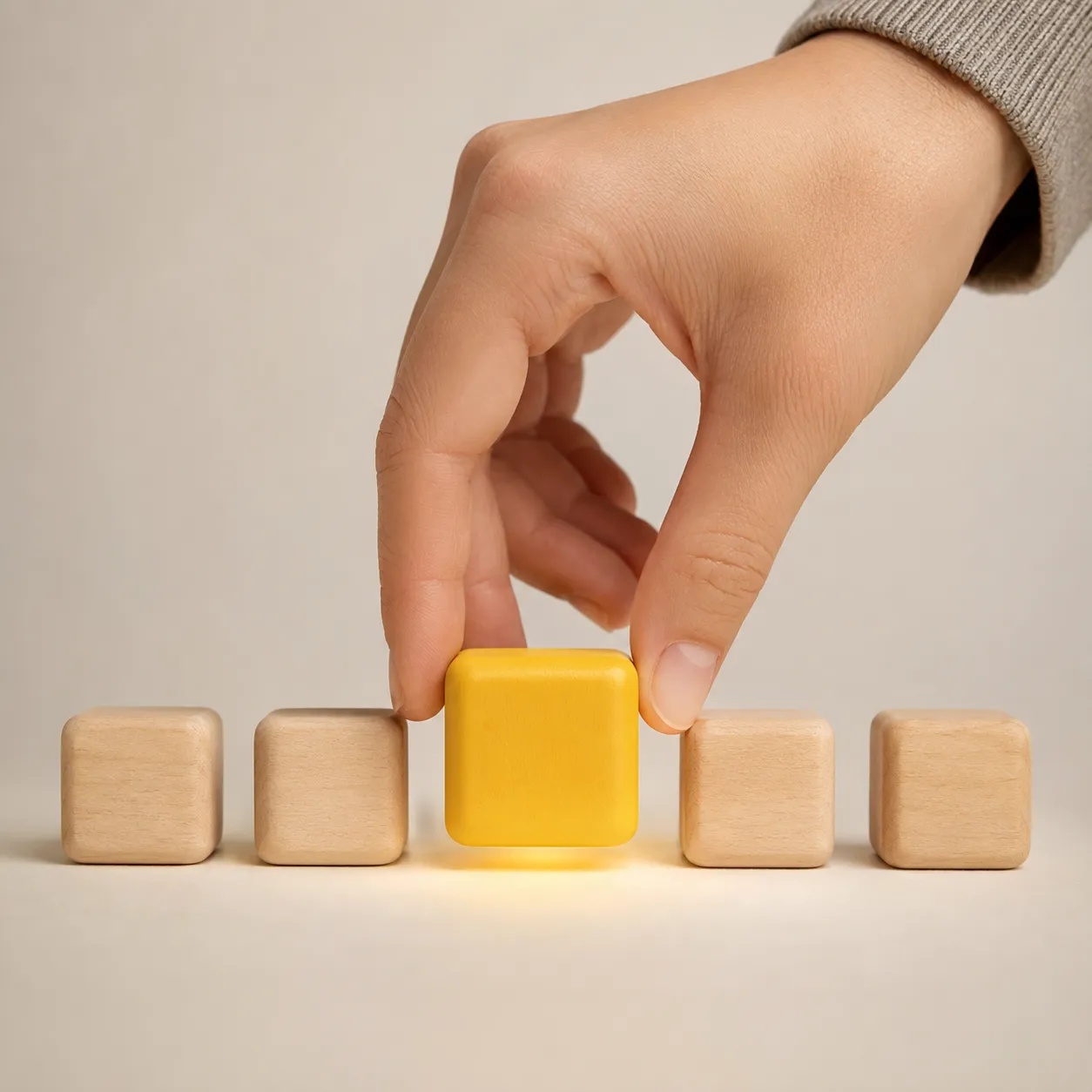
pickpɪk
to choose a thing or person from a group, often in an informal or quick way.
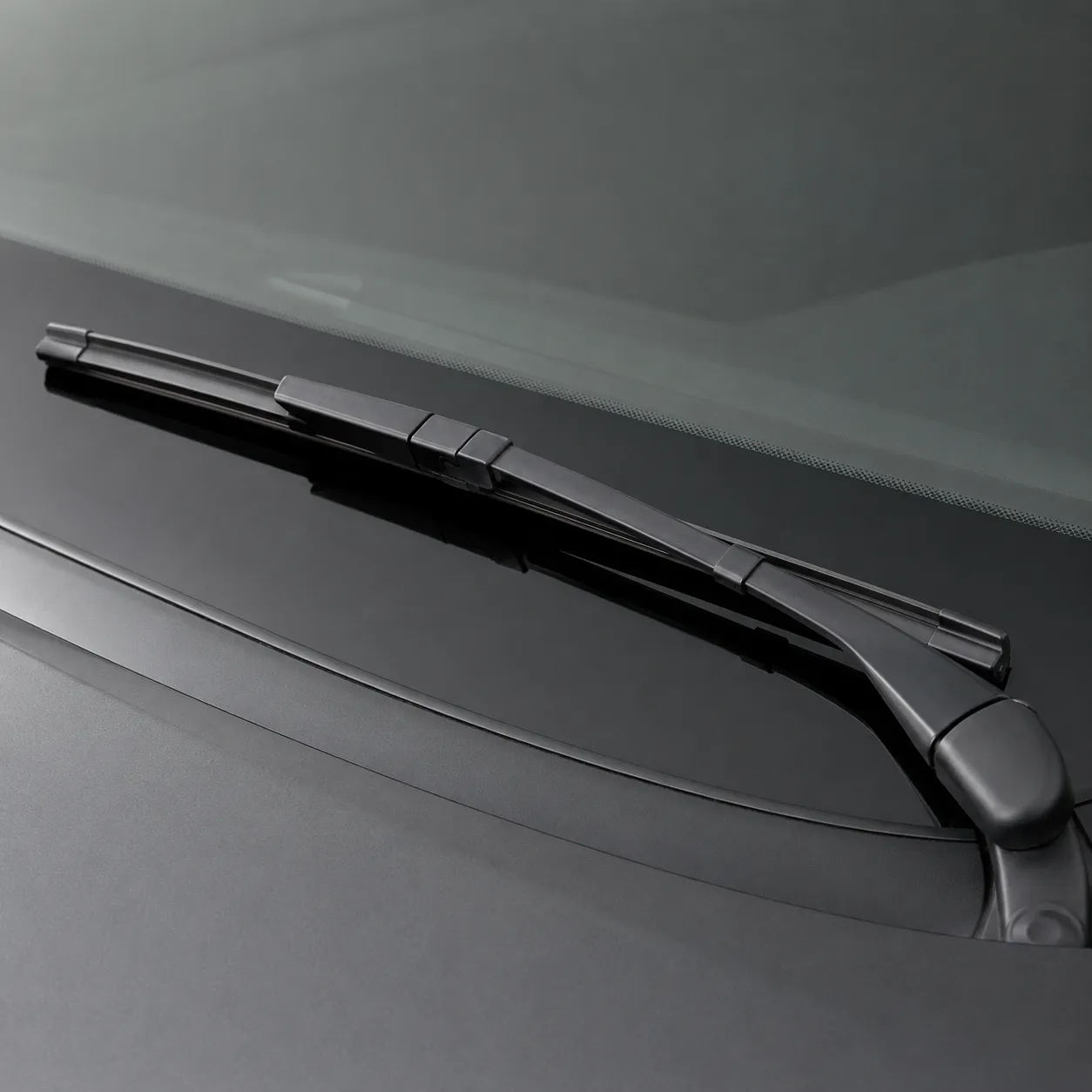
wireˈwaɪər
thin, bendable metal in the form of a thread, often used for carrying electricity, tying things, or making fences.
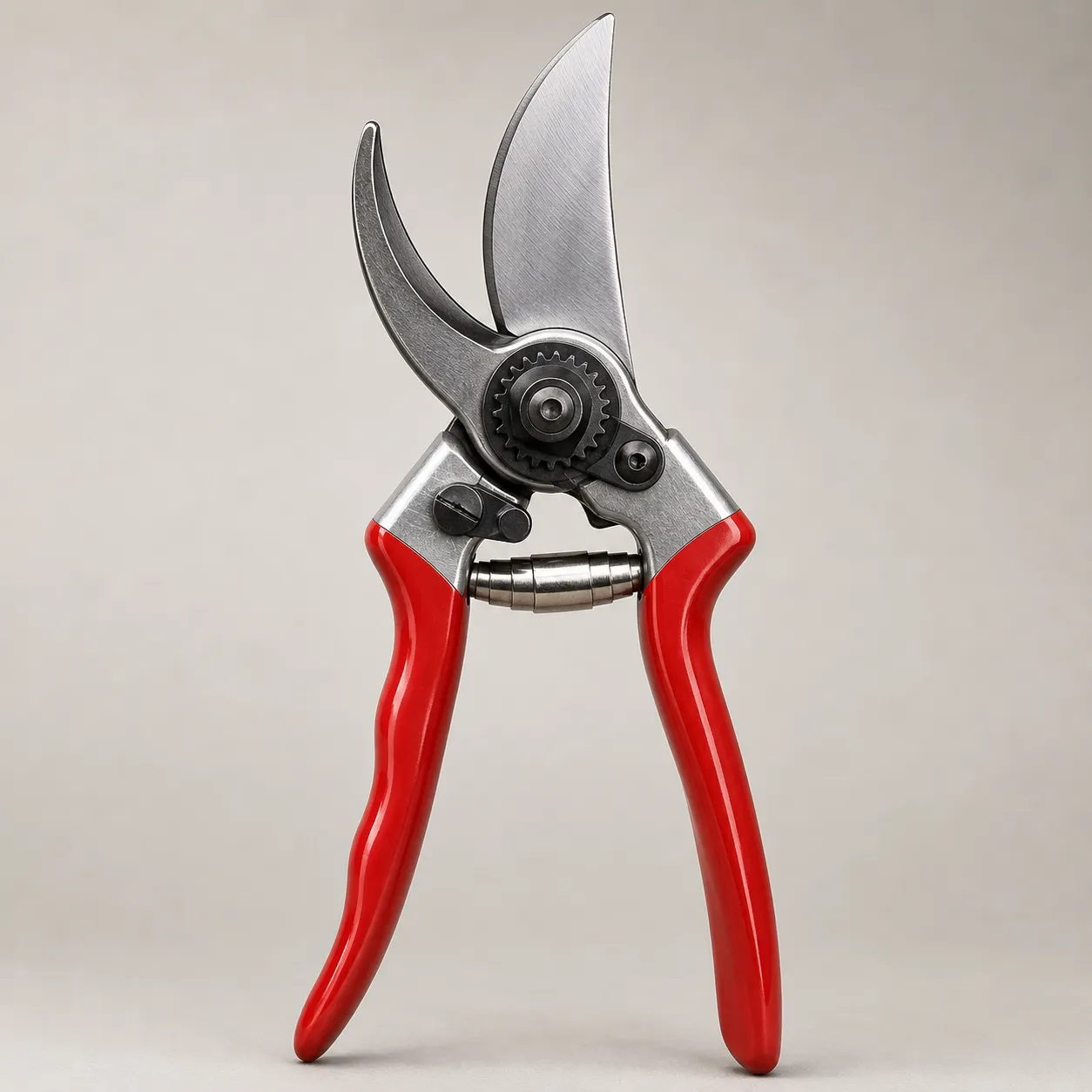
pruning shearsˈpruːnɪŋ ʃɪrz
a strong scissor-like garden tool used for cutting small branches and plant stems.
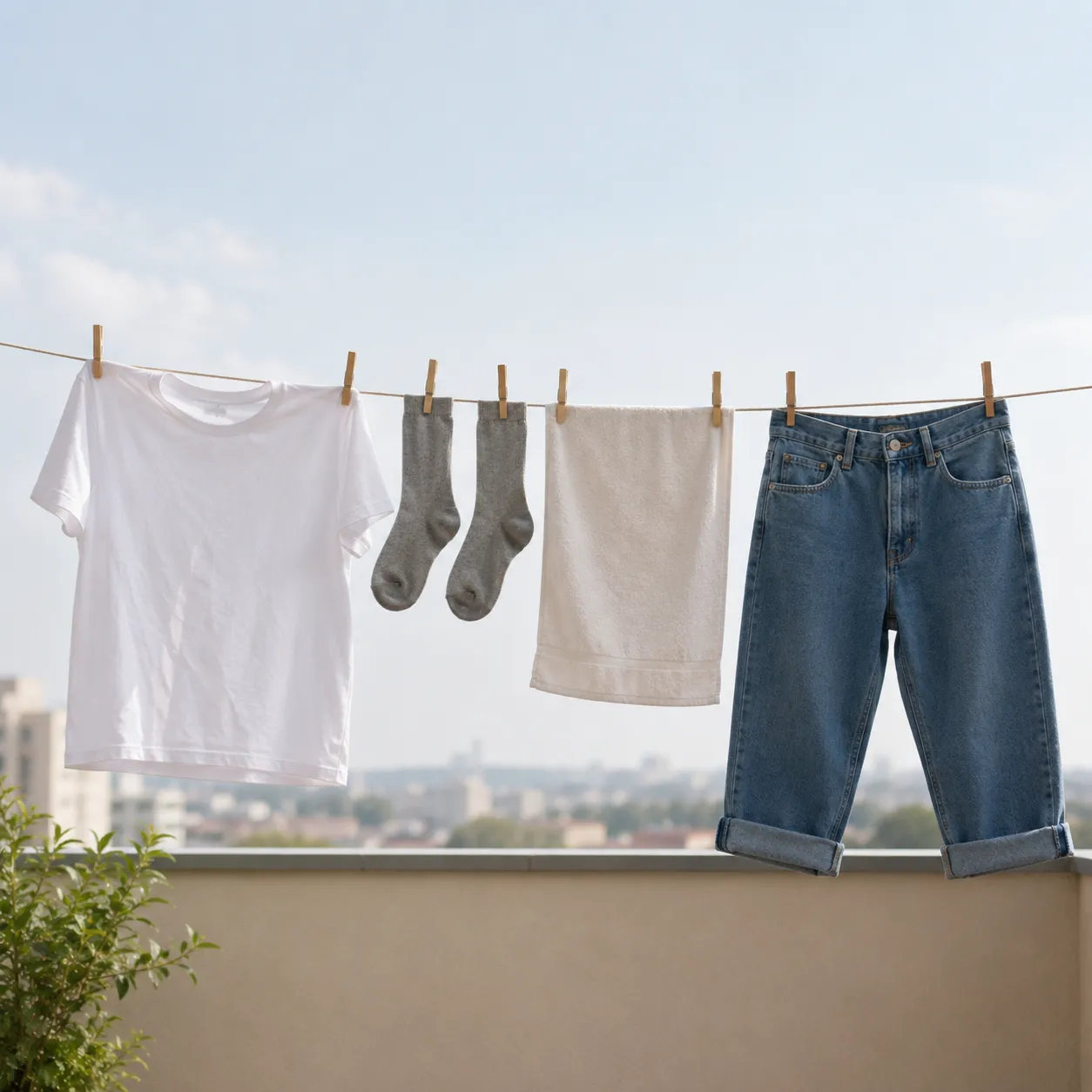
clotheslineˈkloʊðzˌlaɪn
a rope or wire on which wet clothes are hung so they can dry in the air.
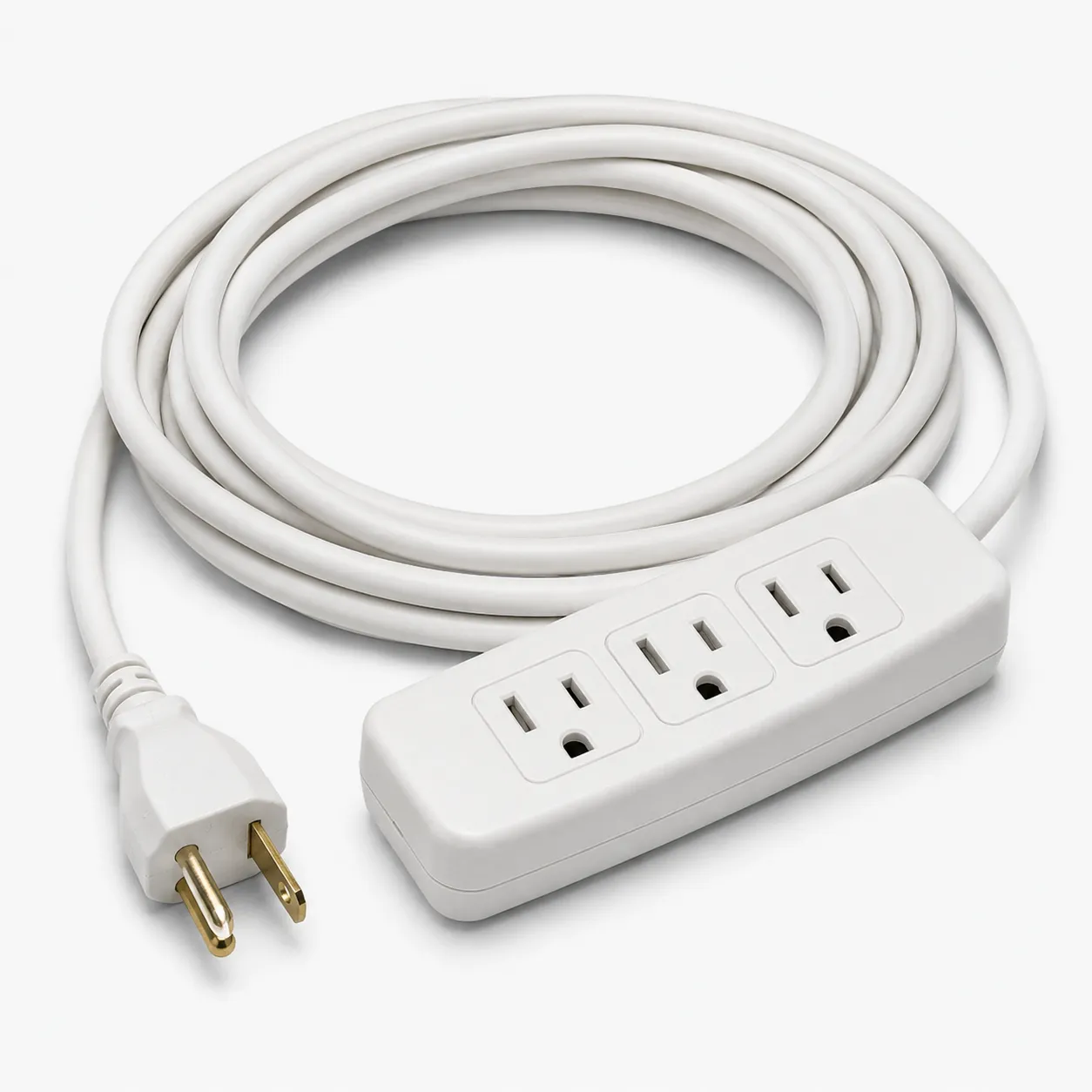
extension cordɪkˈstenʃən kɔːrd
a long electrical cable with sockets that lets you use power farther away from a wall outlet.
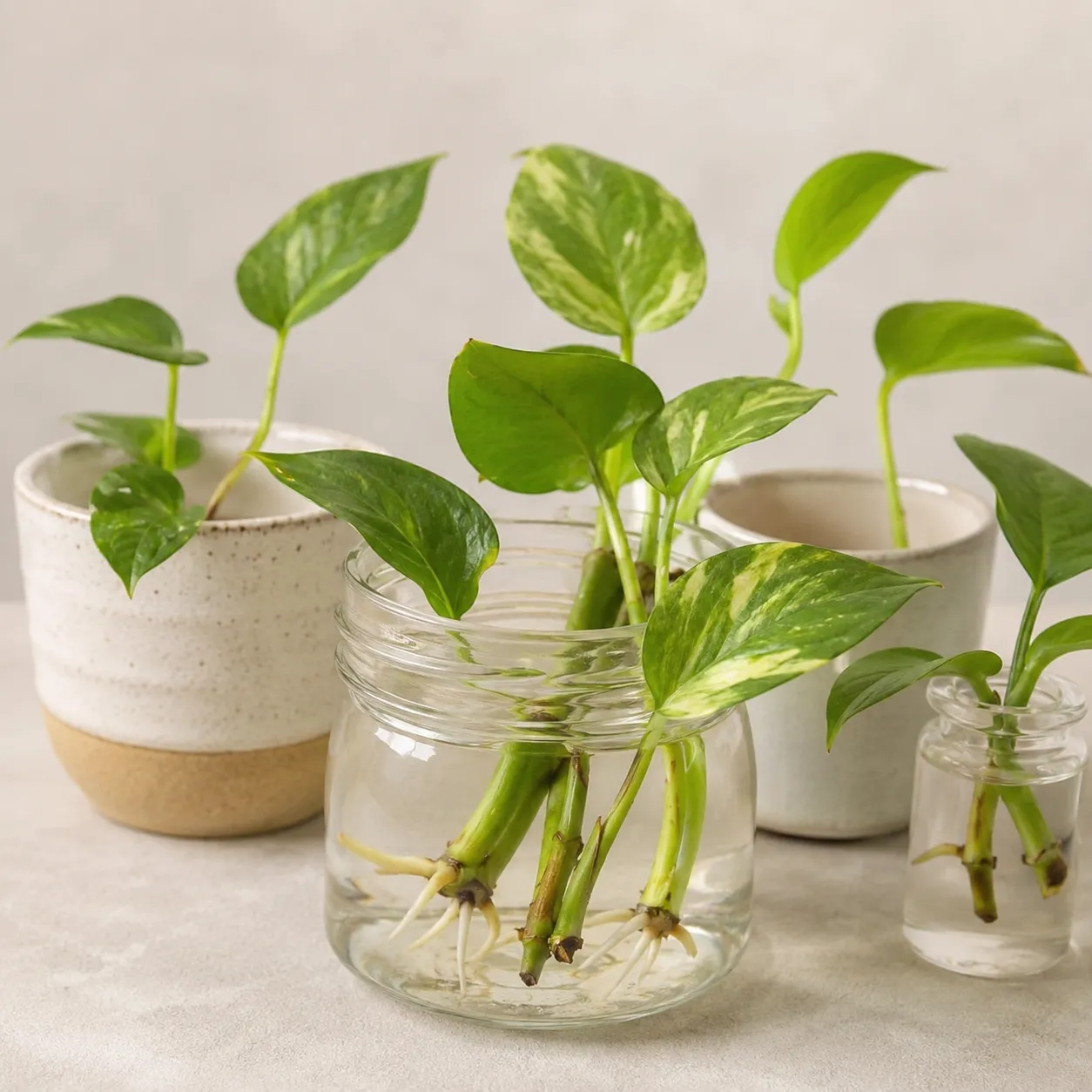
cuttingsˈkʌtɪŋz
pieces cut from a plant and put in soil or water so that they can grow into new plants.
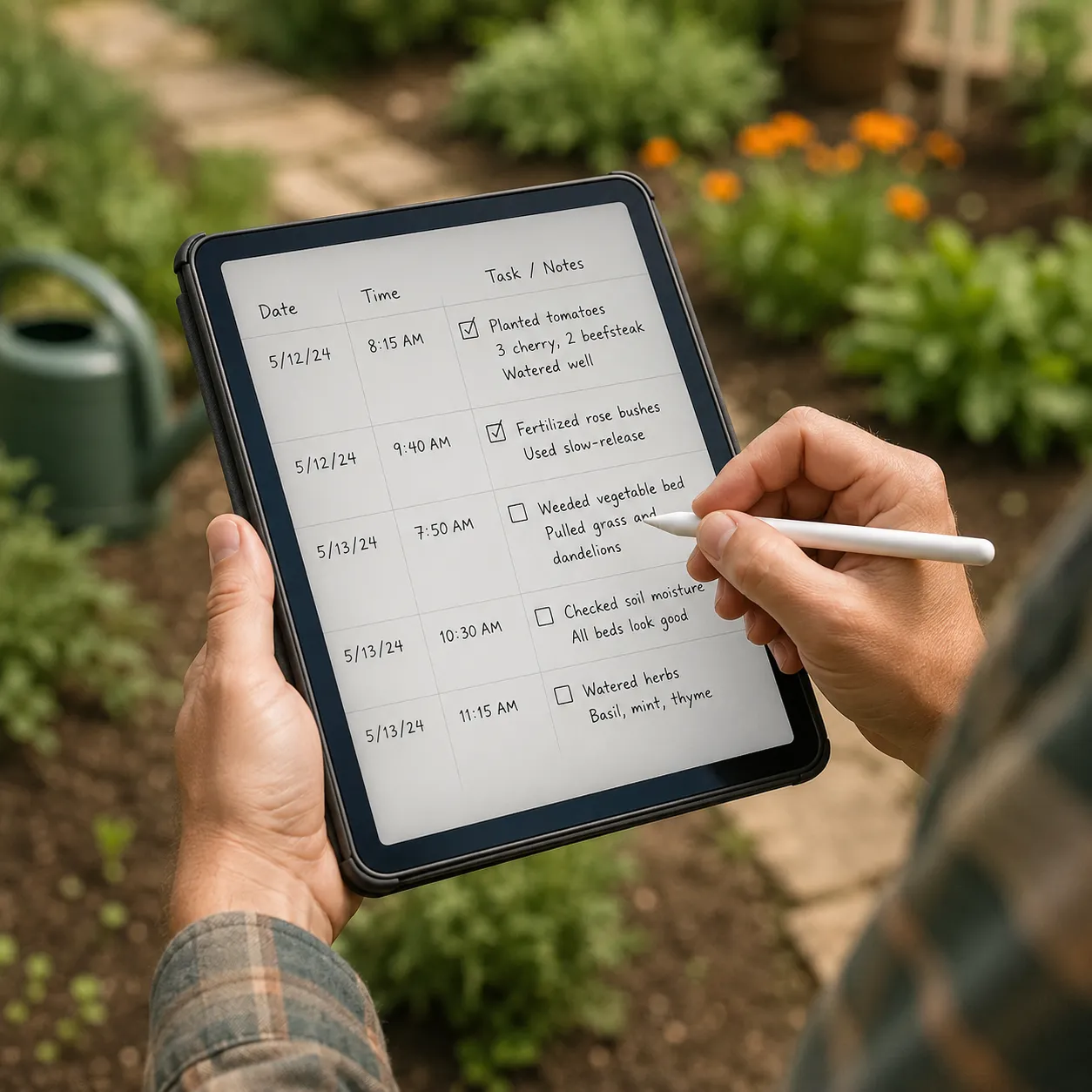
loglɔːɡ
to enter information into a system or record, especially details of an action or event.
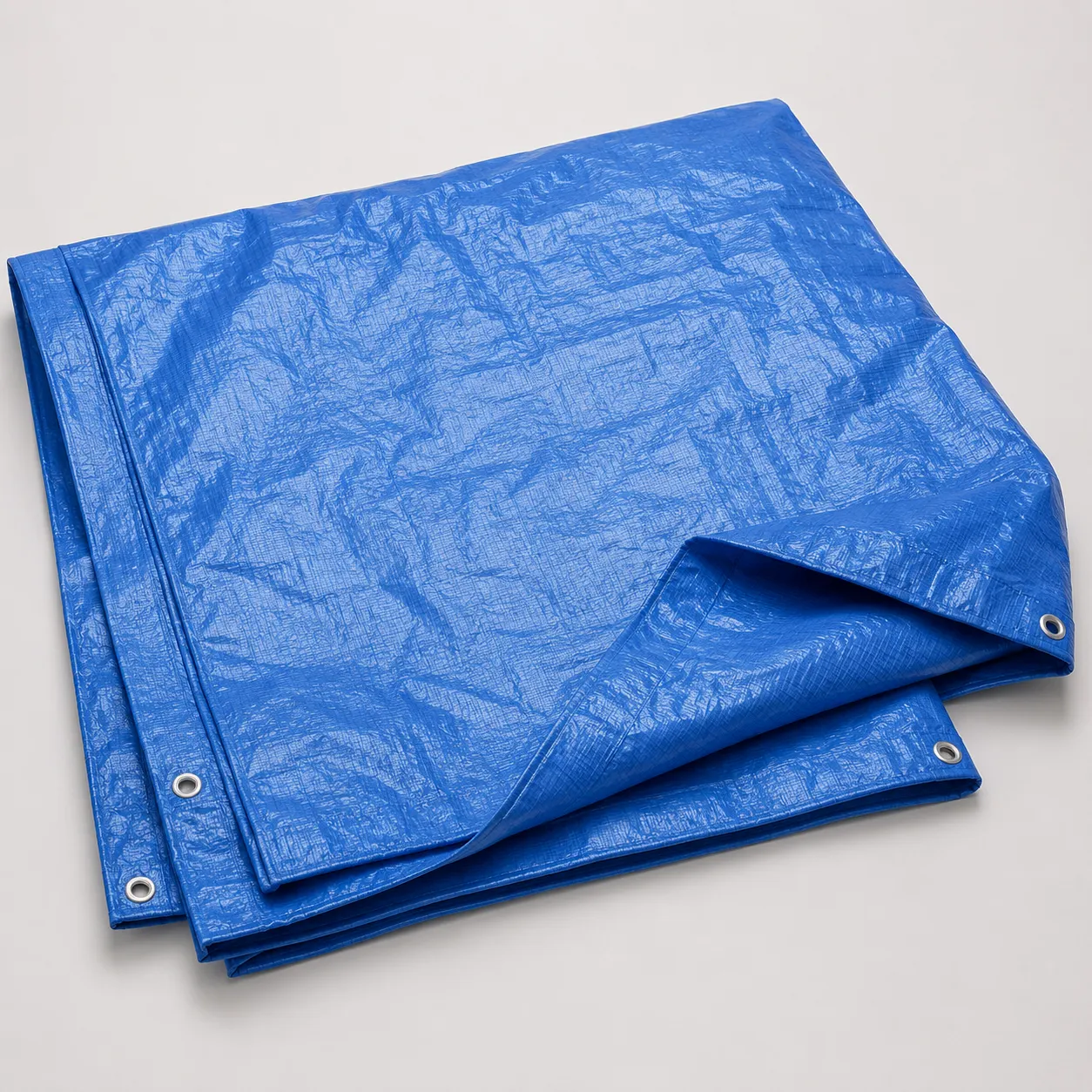
tarptɑːrp
a large sheet of strong waterproof material used to cover and protect things outdoors.
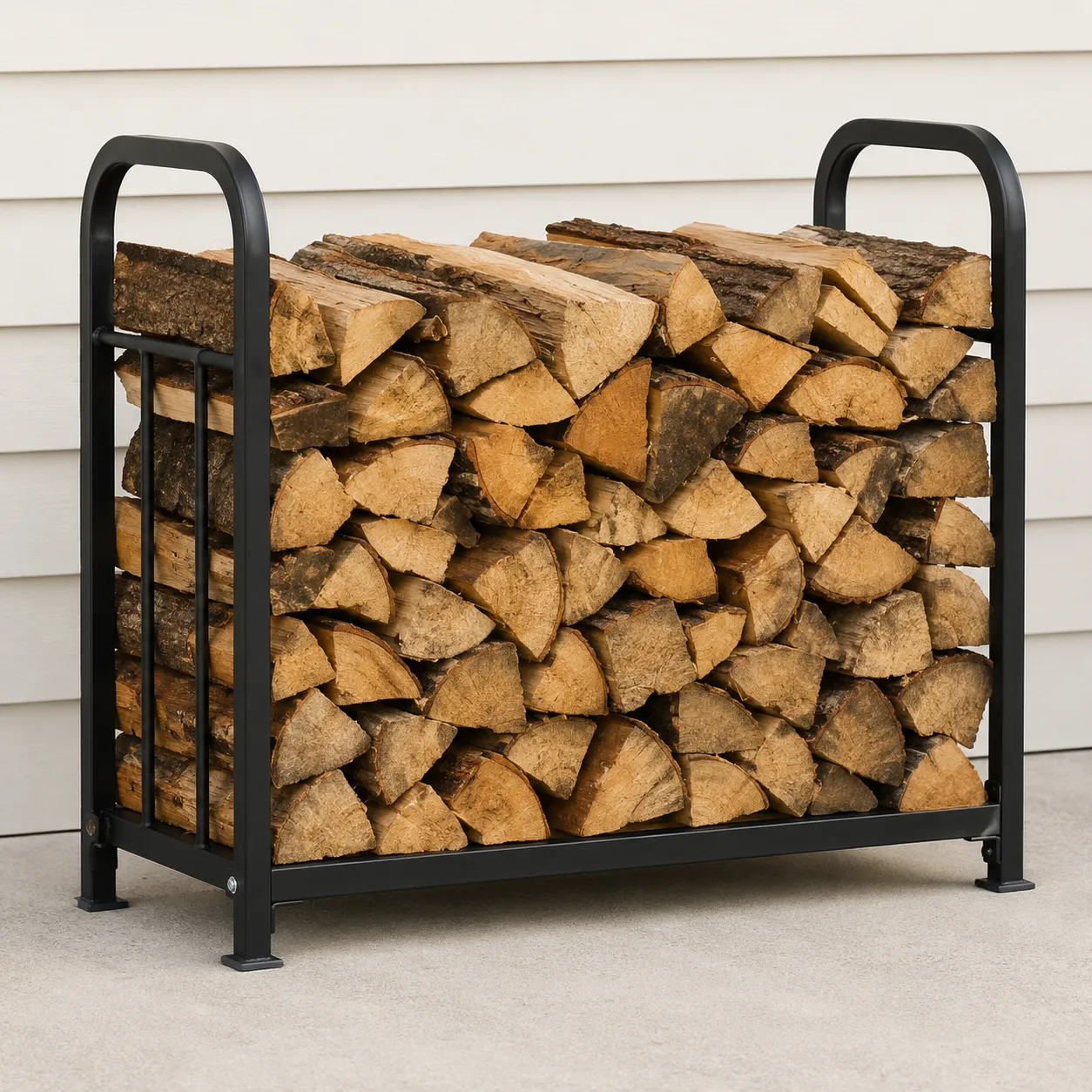
firewood rackˈfaɪərˌwʊd ræk
a frame or stand used to store pieces of wood neatly and keep them ready for a fire.
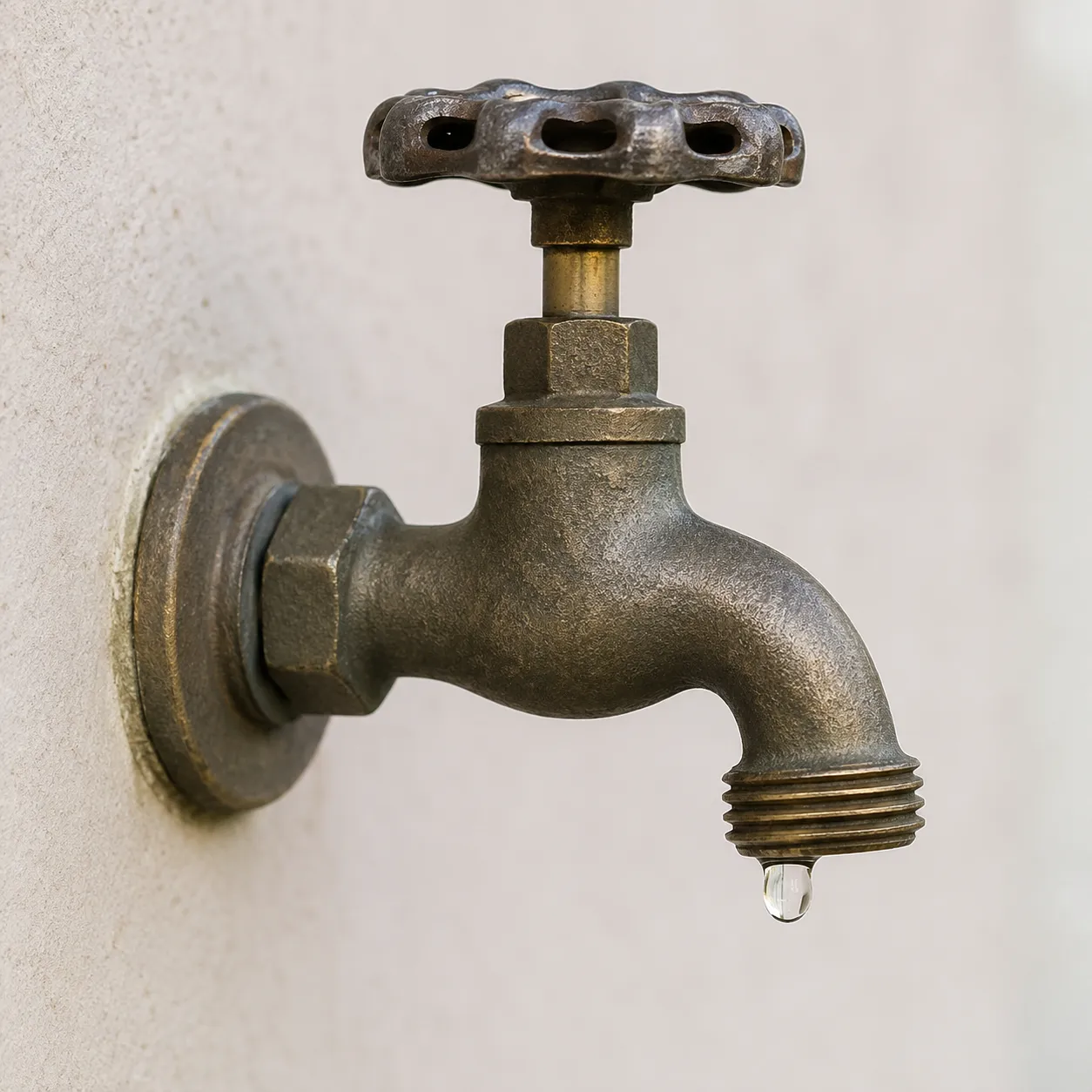
spigotˈspɪɡət
a tap, especially one outside, that you turn to control the flow of water from a pipe.
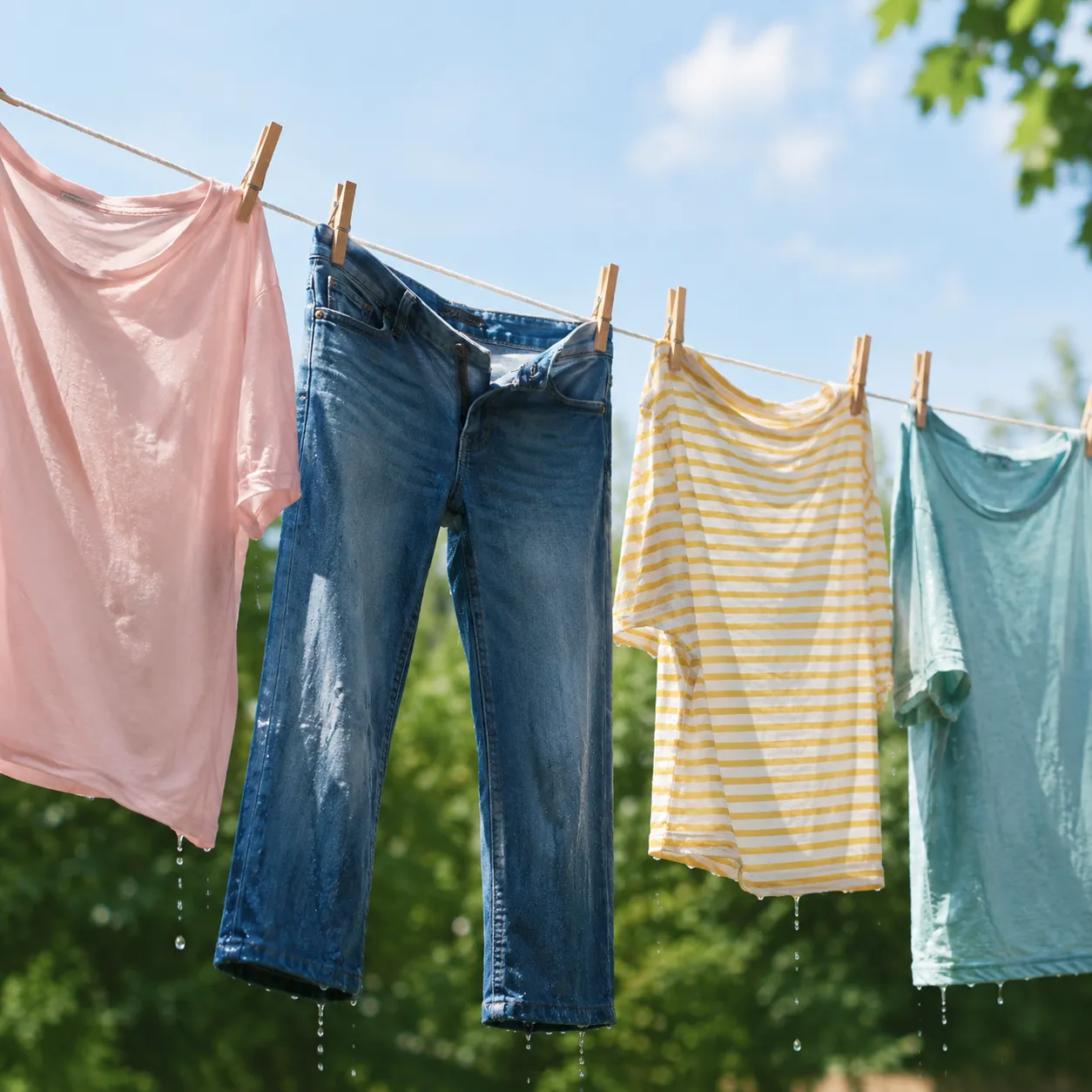
dry clothesdraɪ kloʊðz
to make wet clothes lose their moisture, for example by hanging them up or using a dryer.
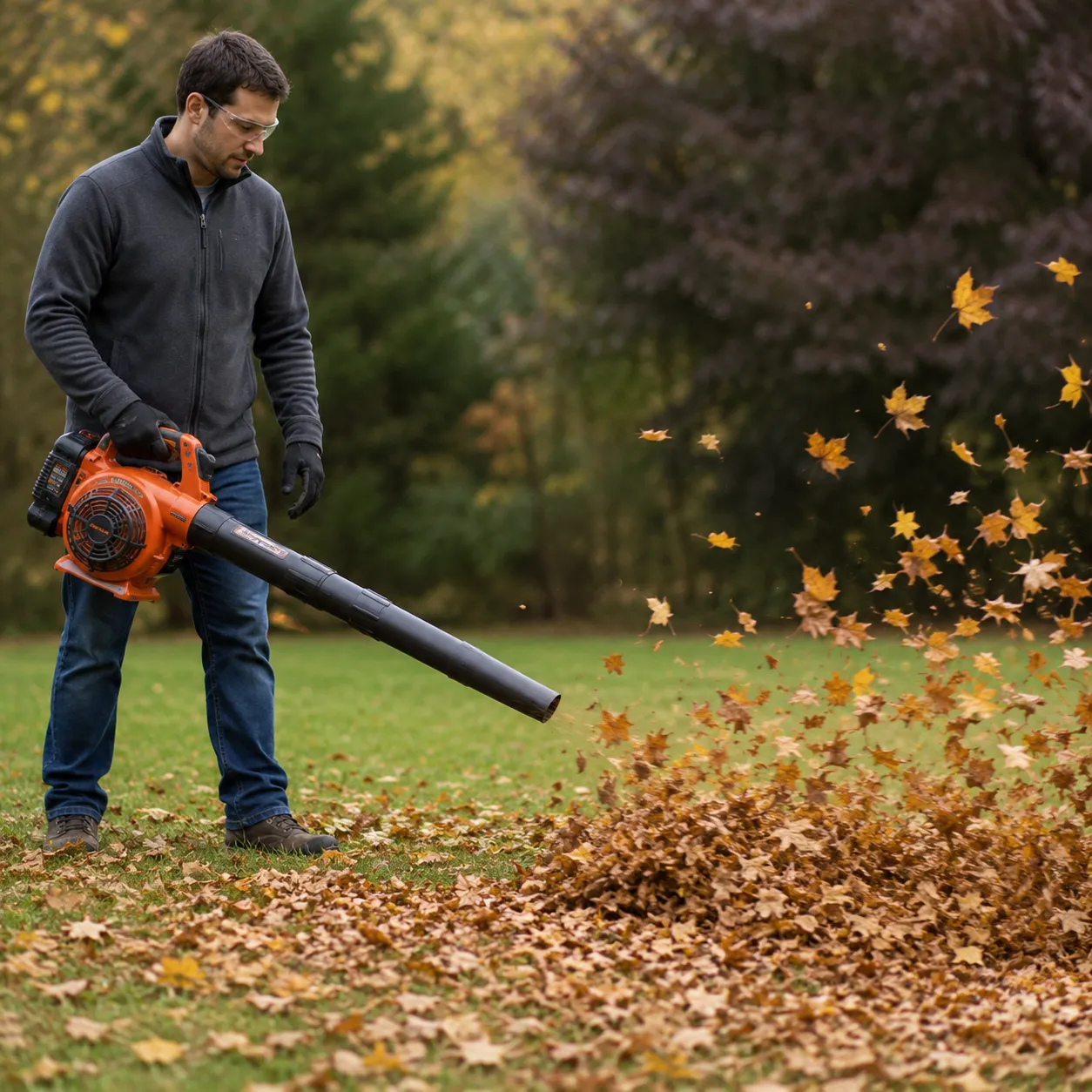
blow leavesbloʊ liːvz
to move fallen leaves from one place to another by blowing air at them, often with a leaf blower.
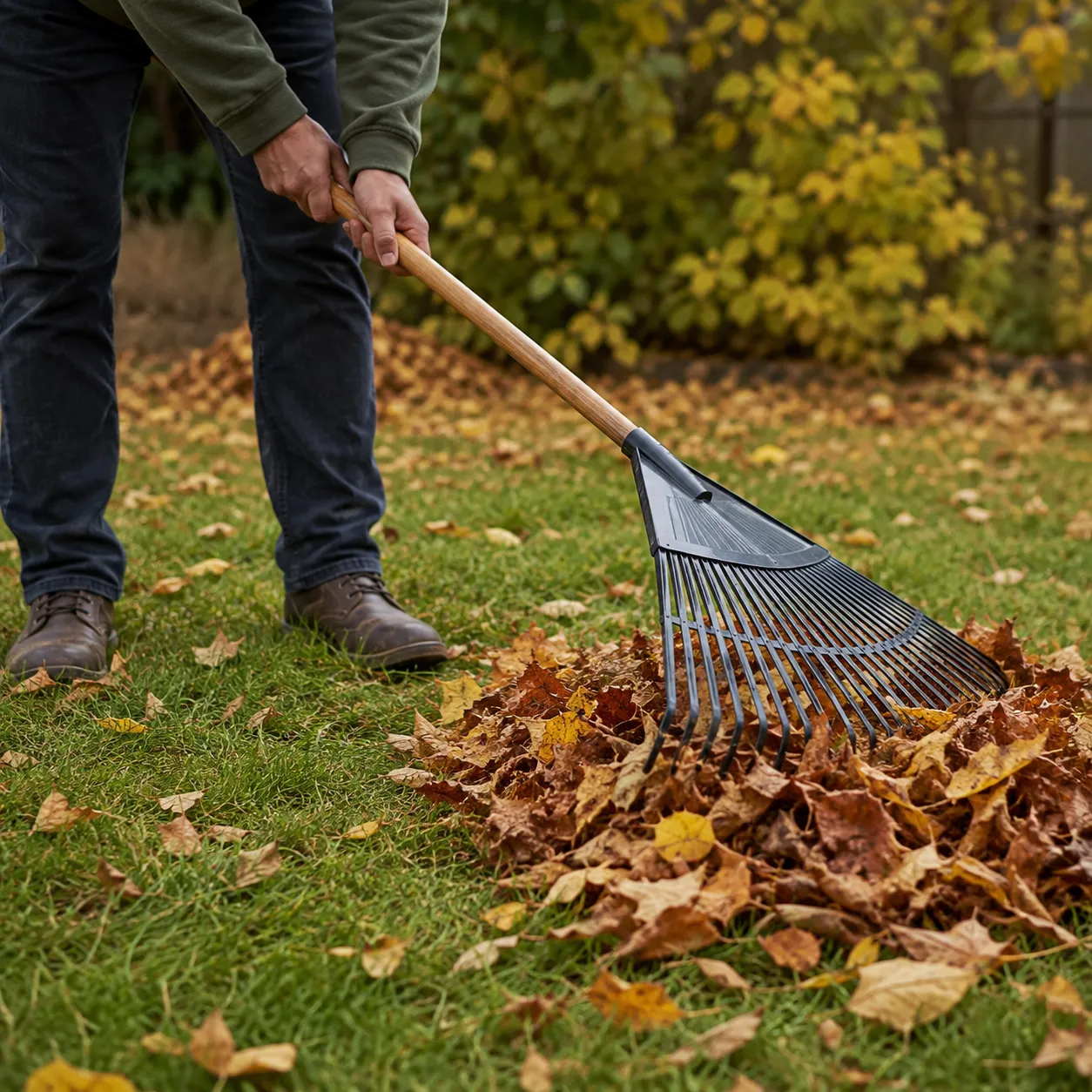
rake leavesreɪk liːvz
to collect fallen leaves into piles using a garden tool with a long handle and teeth.
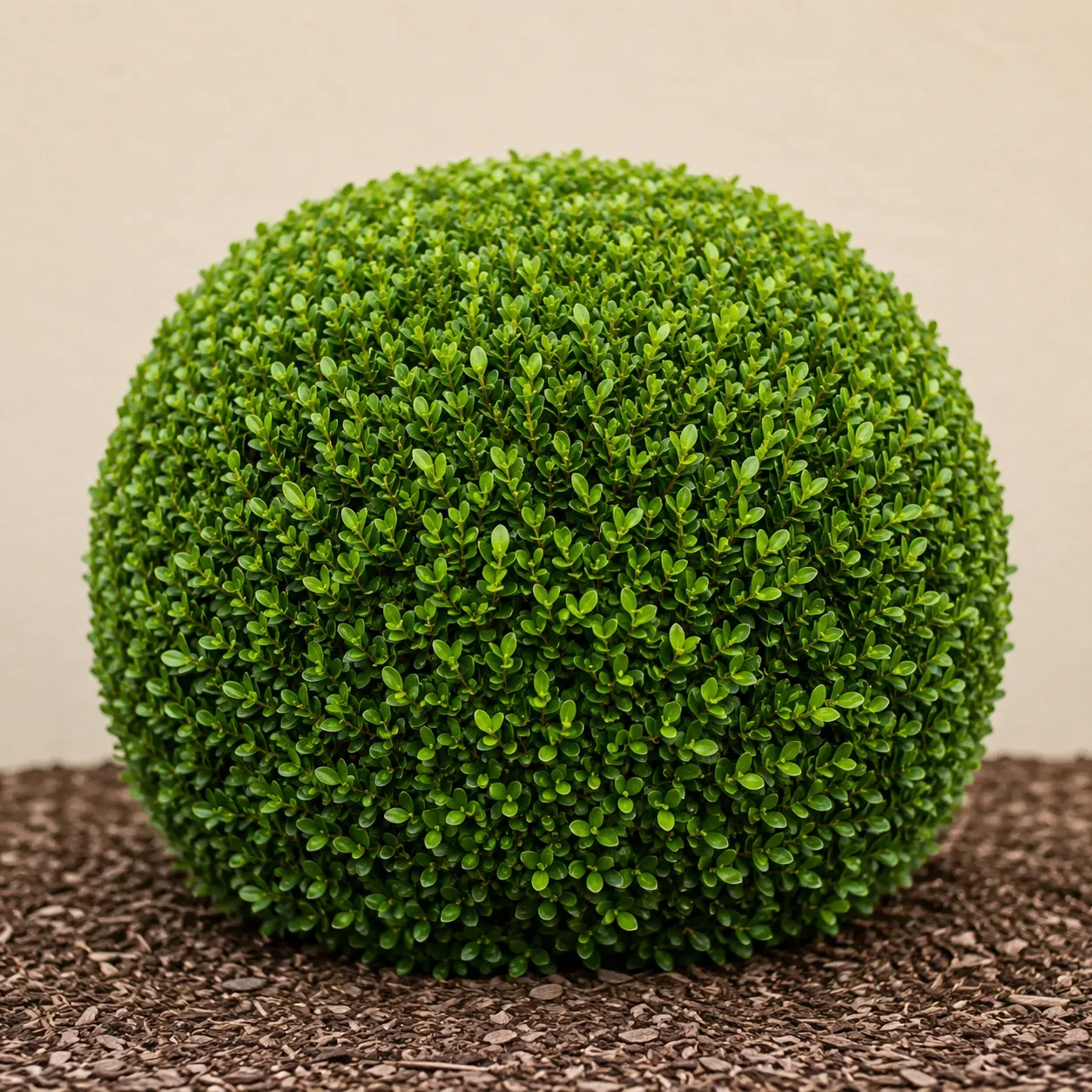
trimmedtrɪmd
made neat and tidy by cutting off small or extra parts, especially hair, grass, or plants.
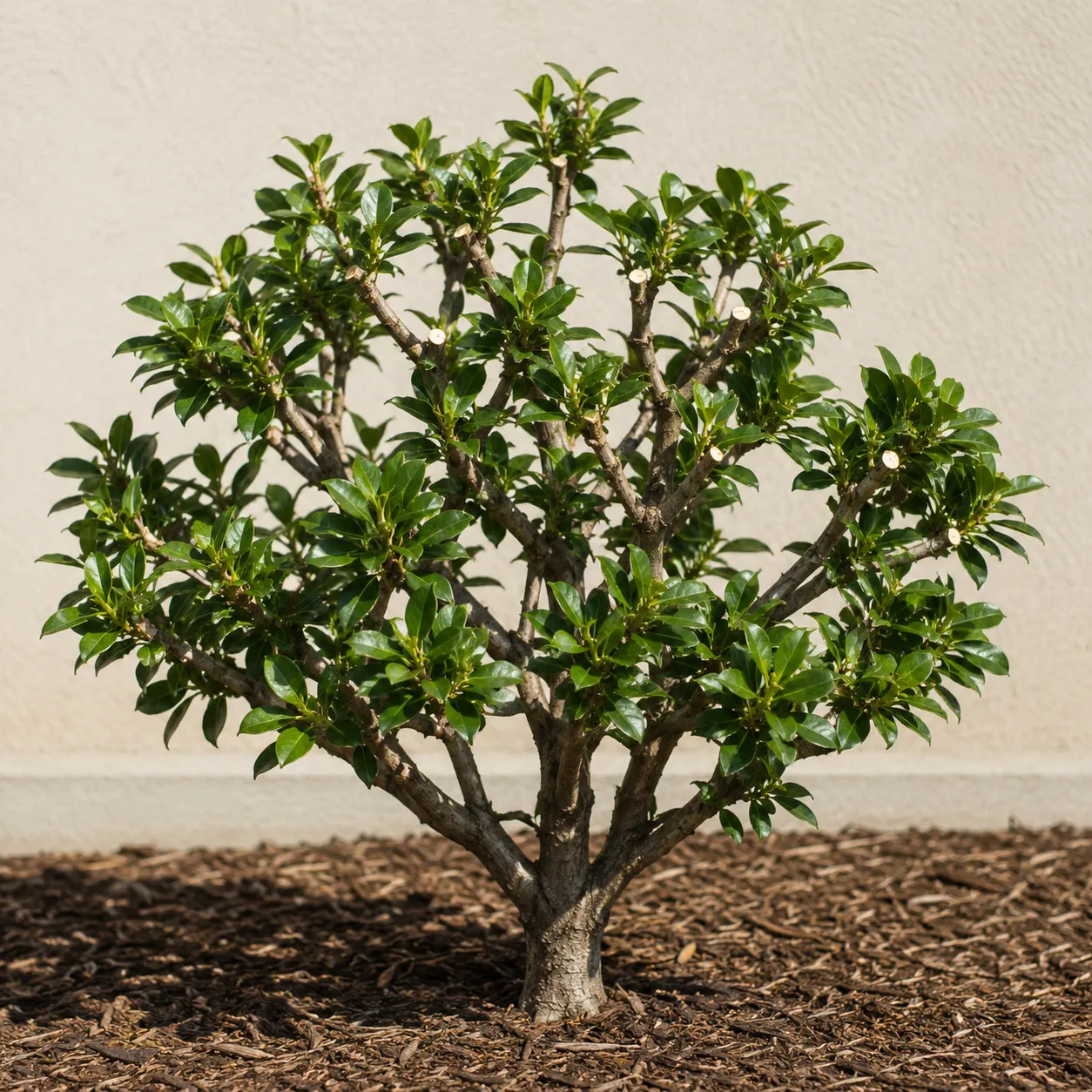
prunedpruːnd
cut back in selected places so that a tree, bush, or plant grows better or has a better shape.
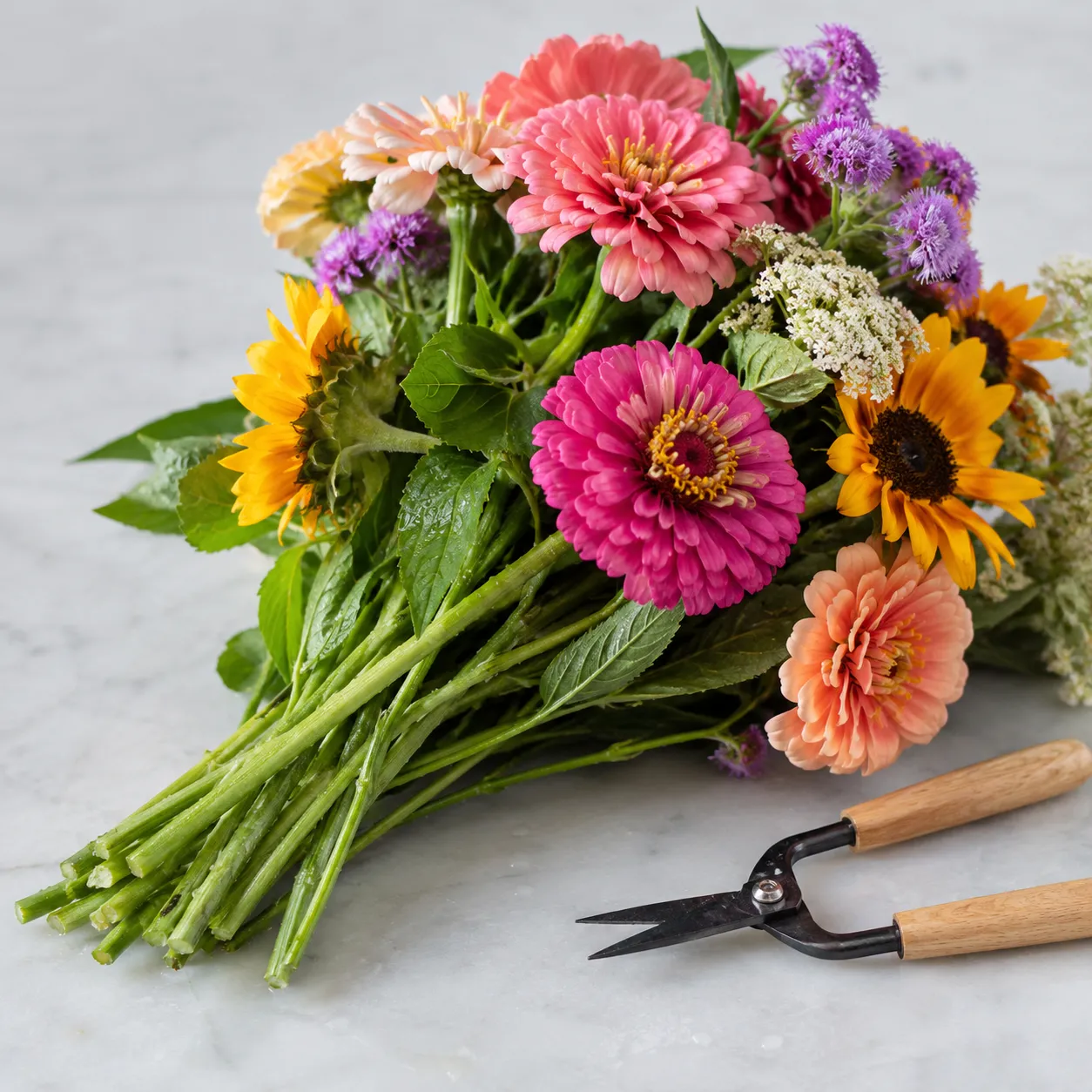
freshly cutˈfrɛʃli kʌt
cut only a short time ago, so it still looks, smells, or feels new.
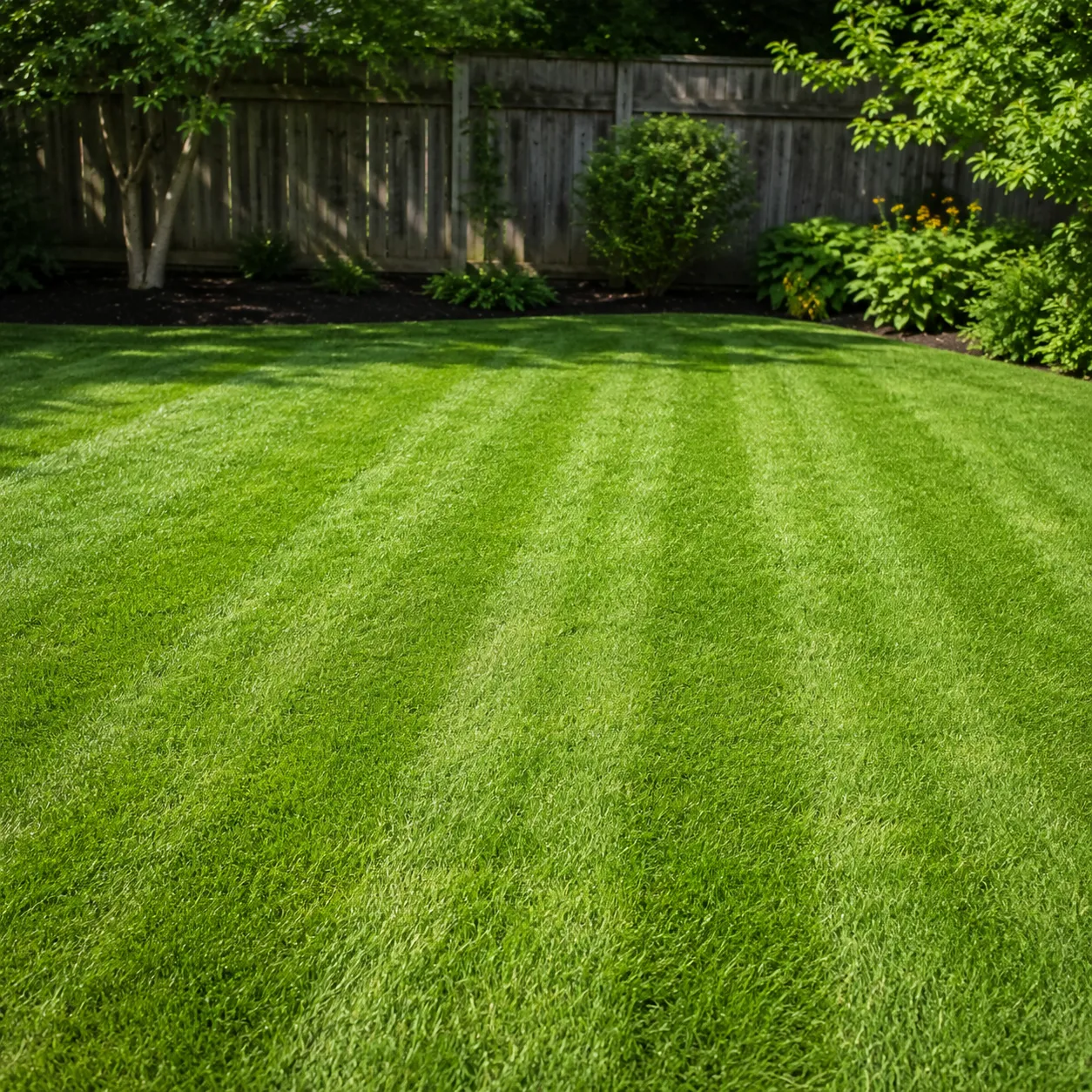
freshly mowedˈfrɛʃli moʊd
cut very recently with a mower, used about grass or a lawn.
Words for barbecues, outdoor meals, serving food, hosting guests, and cooking equipment.

gatheringˈɡæðərɪŋ
a group of people who come together in one place for a social, public, or special purpose.

cookkʊk
to prepare food by heating it, or to become ready to eat by being heated

eatiːt
to put food in your mouth, chew it, and swallow it so that it becomes part of your body.

entertainˌentərˈteɪn
to interest or amuse people so that they enjoy themselves.
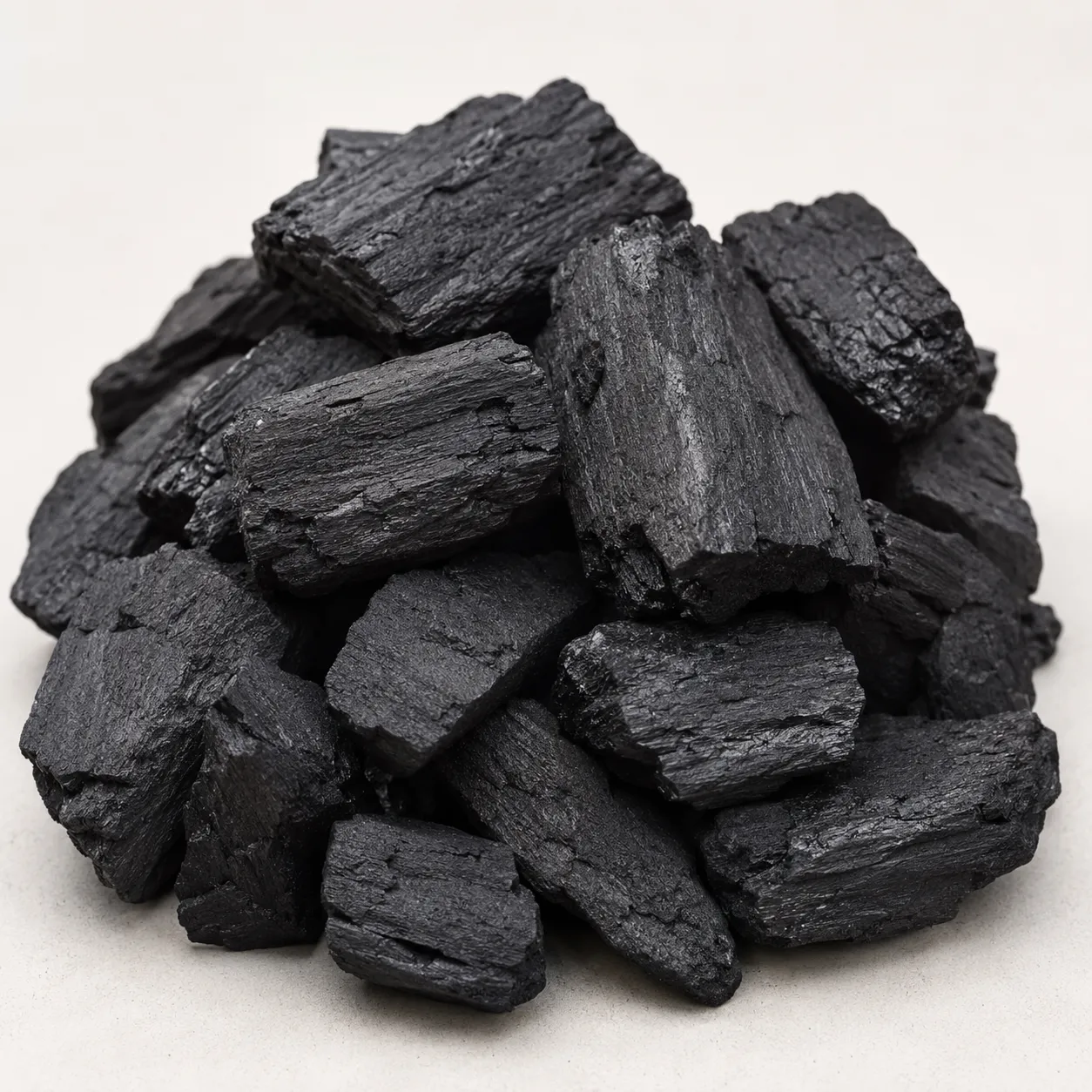
charcoalˈtʃɑːrkəʊl
a black fuel made by heating wood without much air, used for barbecues and drawing.
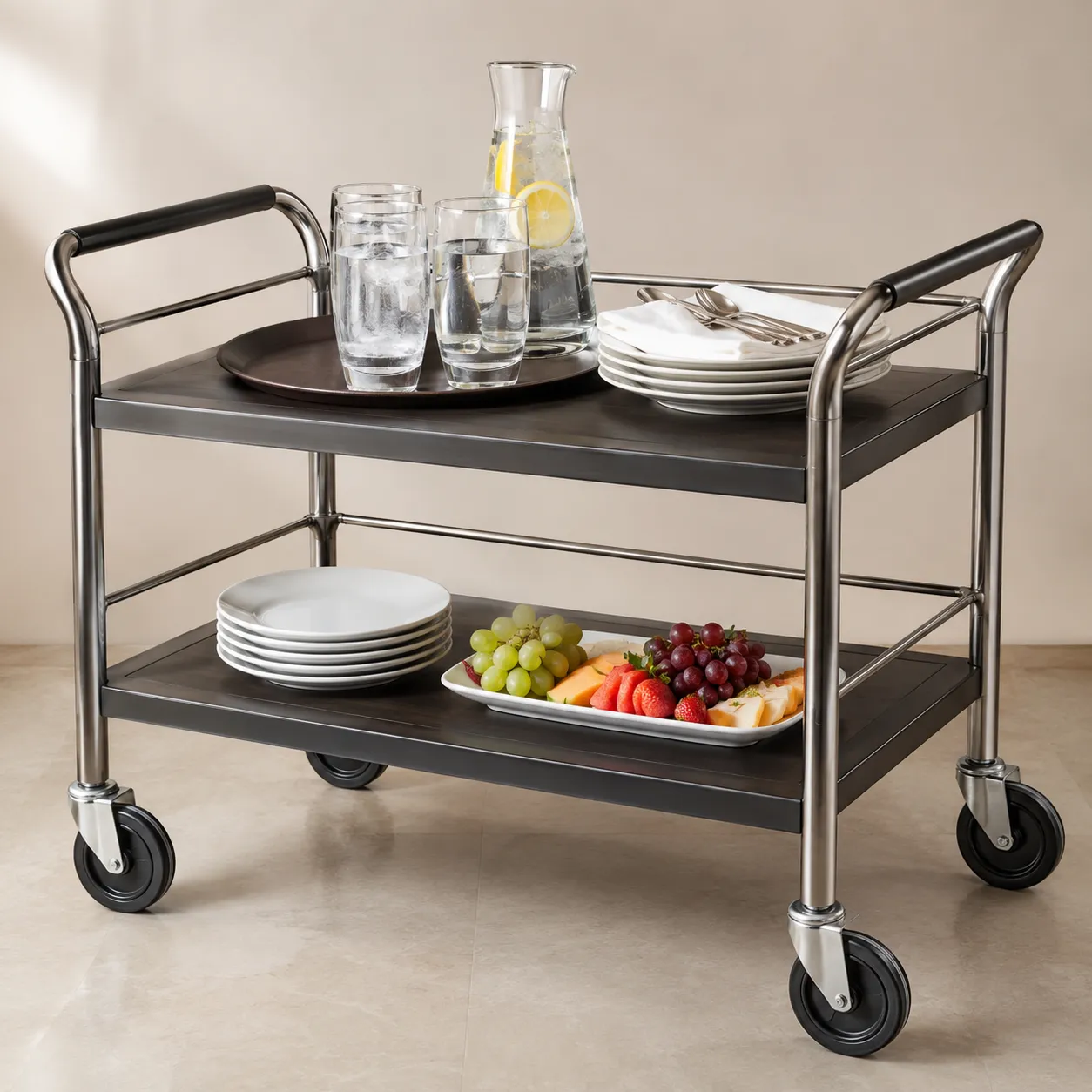
serving cartˈsɜːrvɪŋ kɑːrt
a small cart on wheels used to carry food, plates, or drinks from one place to another and serve them.
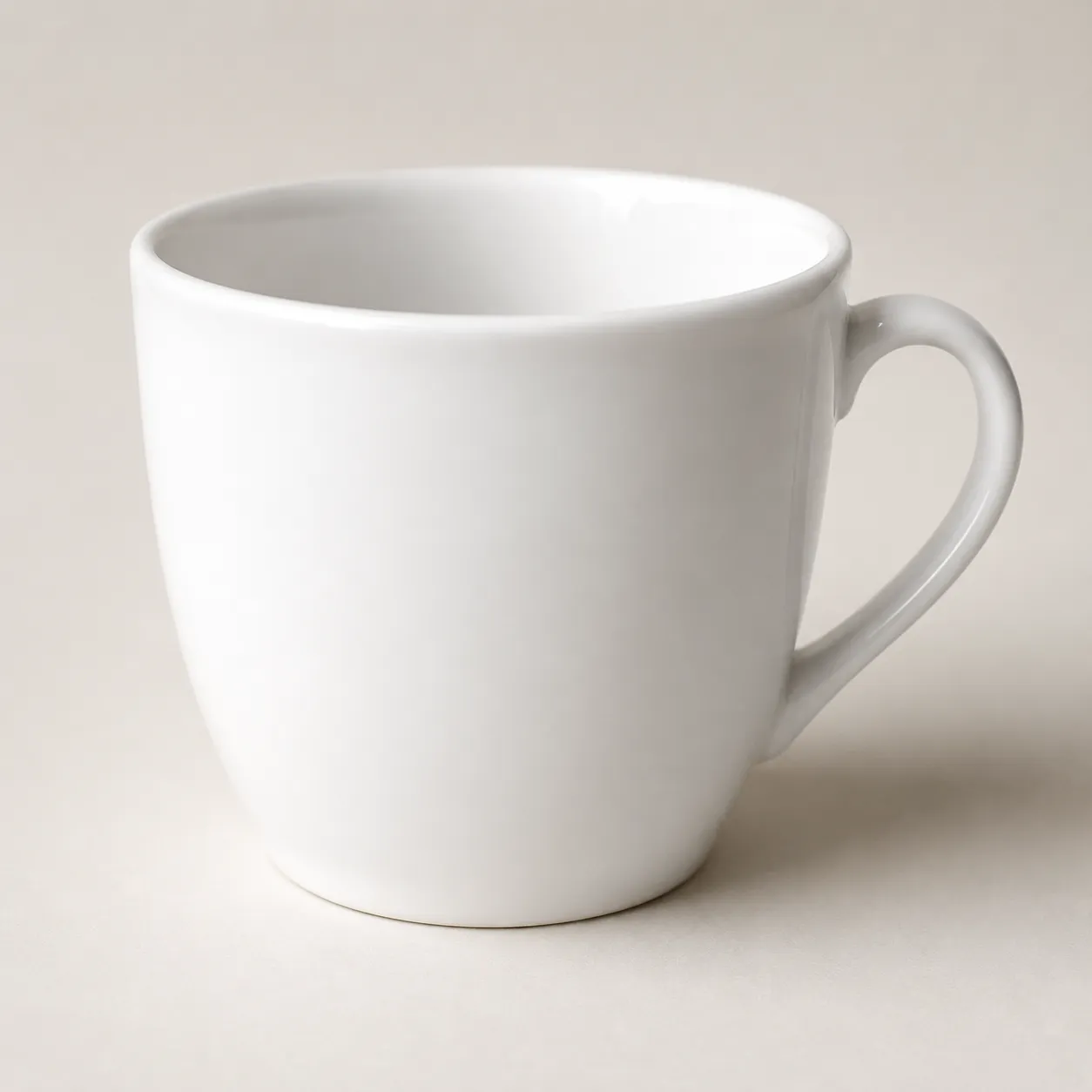
cupkʌp
a small container, often with a handle, used for drinking tea, coffee, or other liquids.
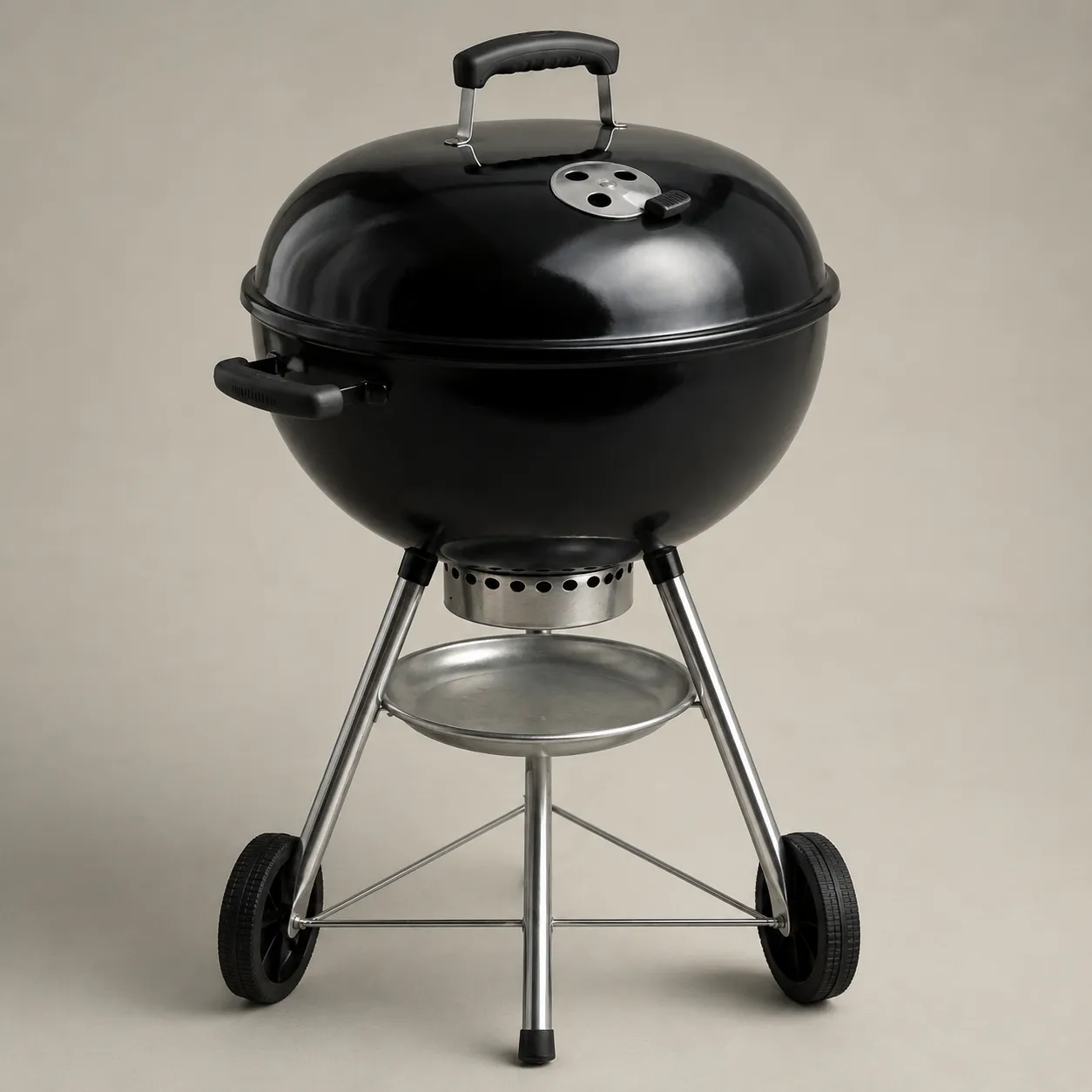
barbecueˈbɑːrbɪkjuː
a meal or social event where food is cooked outdoors on a grill or over hot coals.
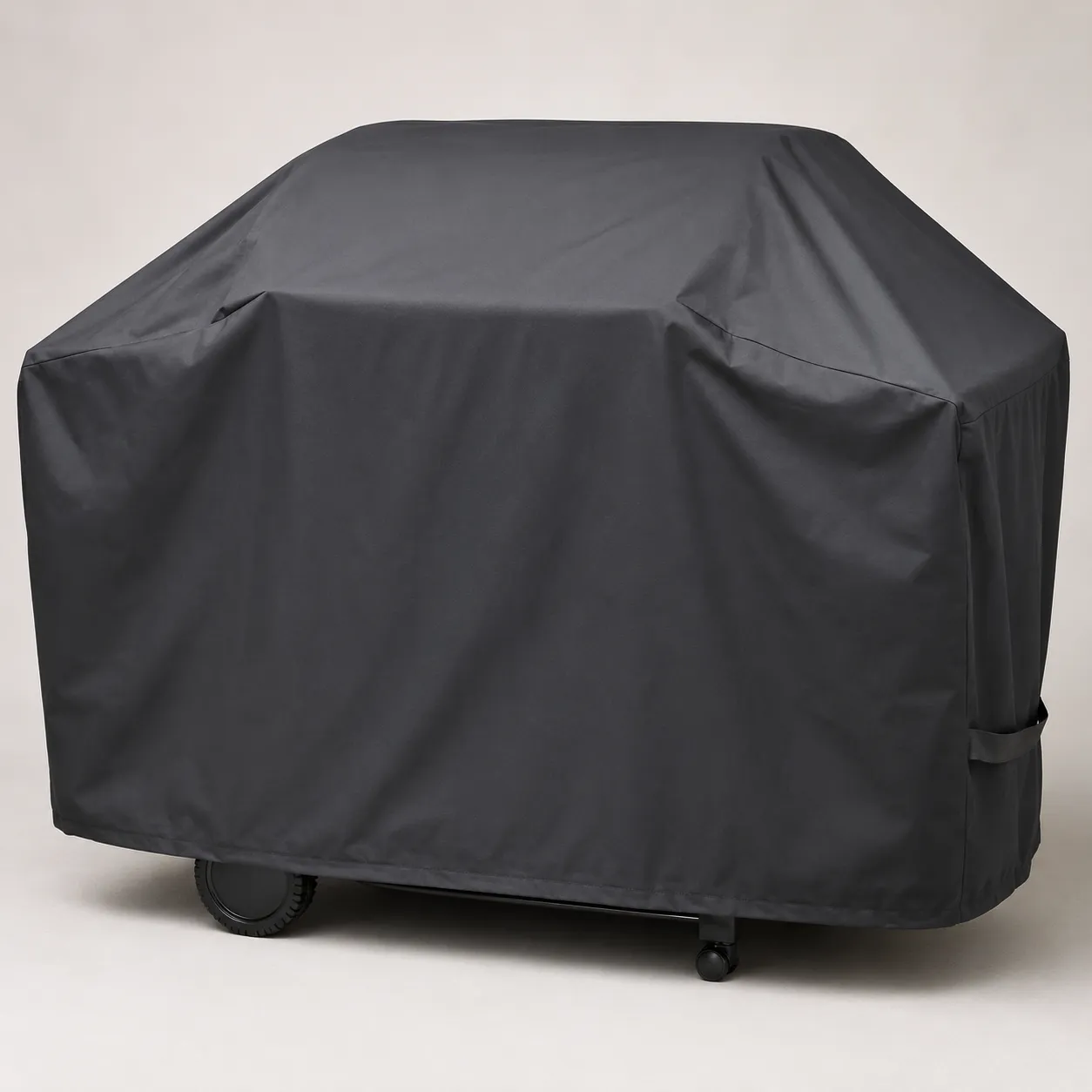
grill coverɡrɪl ˈkʌvər
a fitted cover put over a grill to protect it from rain, dust, and sun when it is not being used.
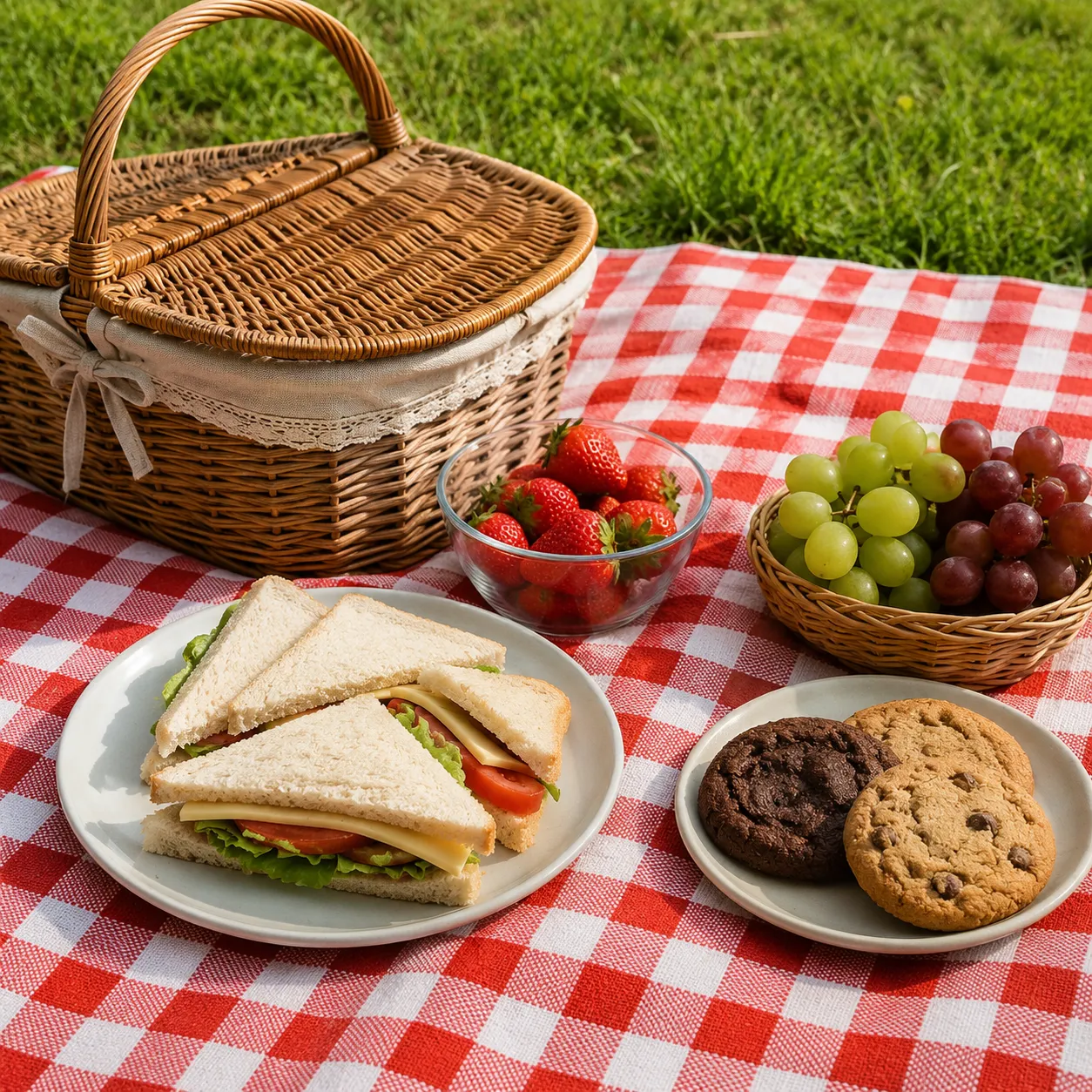
picnicˈpɪknɪk
a meal that people take with them and eat outdoors, often in a park, garden, or the countryside.
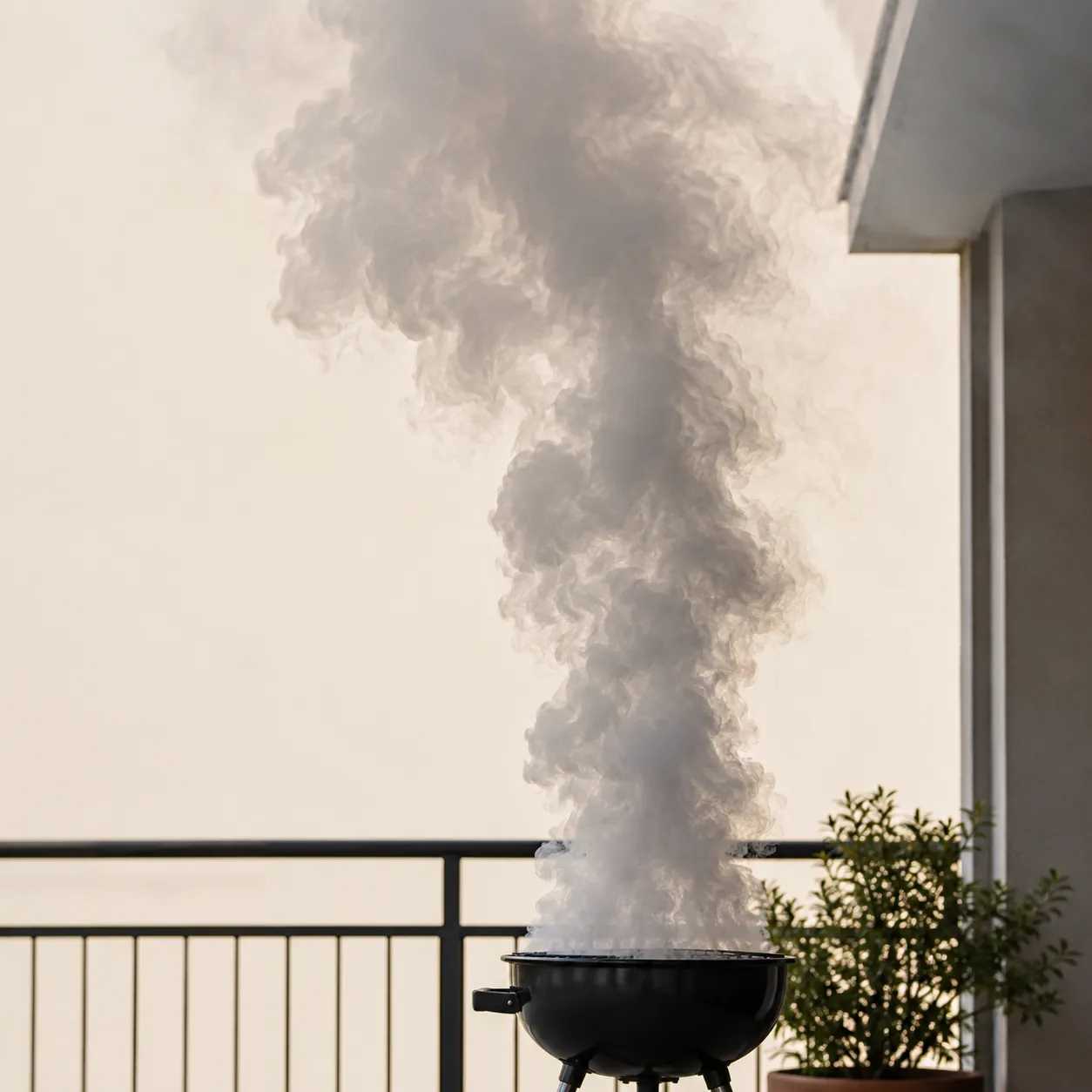
smokesmoʊk
the grey, black, or white gas that rises from a fire or from something that is burning.
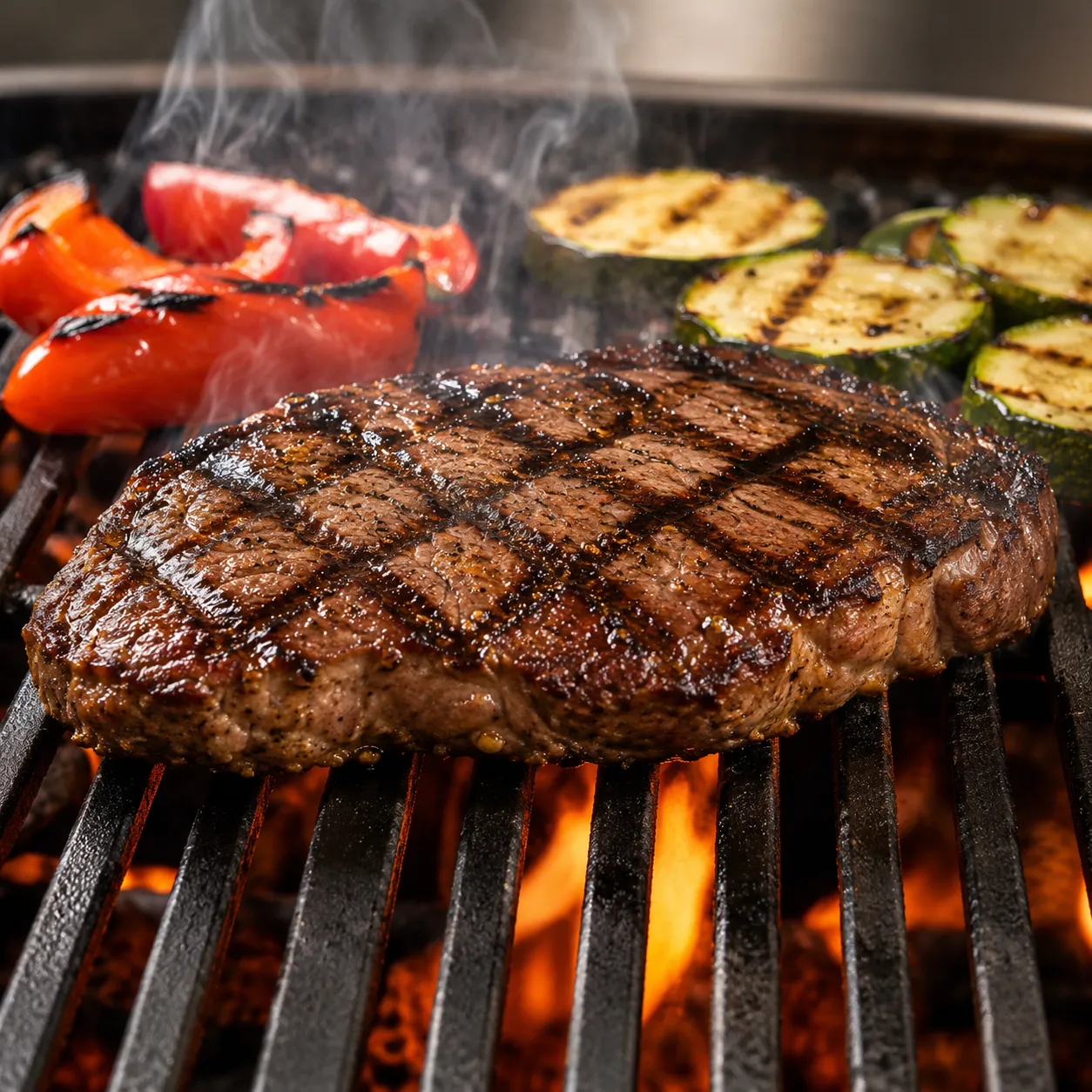
grillɡrɪl
to cook food on a metal rack over direct heat or under strong heat.
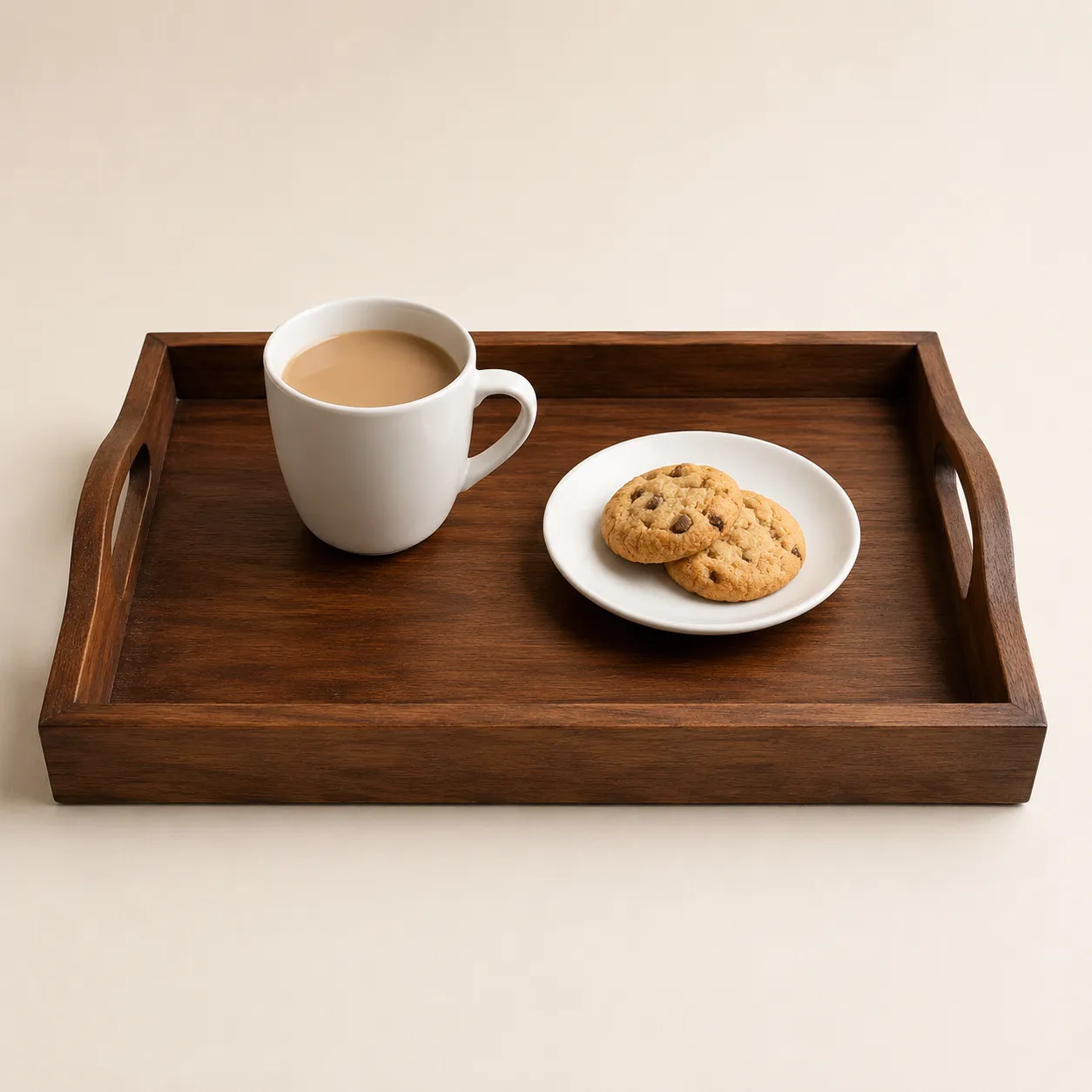
serving trayˈsɜːrvɪŋ treɪ
a tray used for carrying and serving food or drinks to guests.
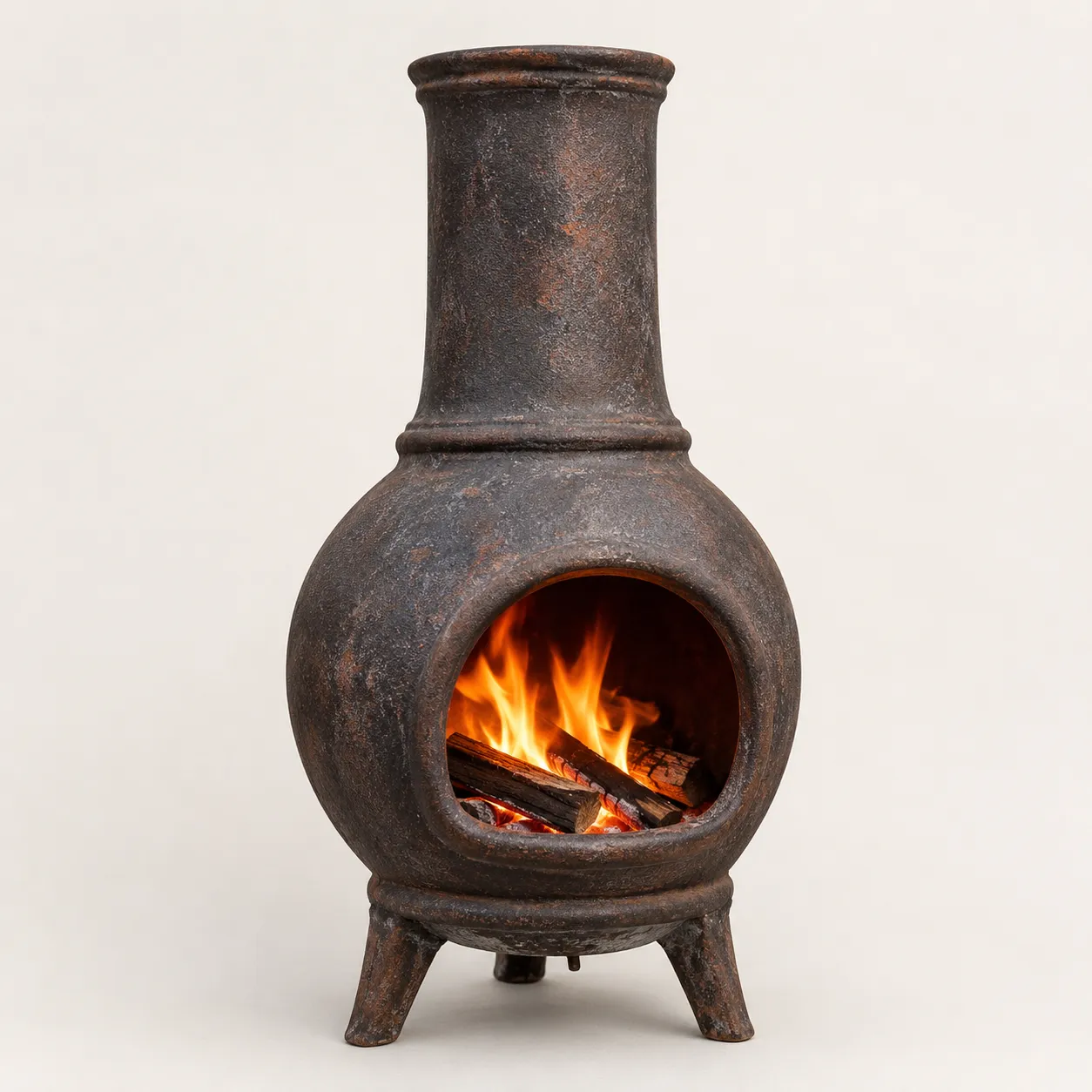
chimineaˌtʃɪmɪˈneɪə
a freestanding outdoor fireplace, usually made of clay or metal, with a rounded body and a chimney.
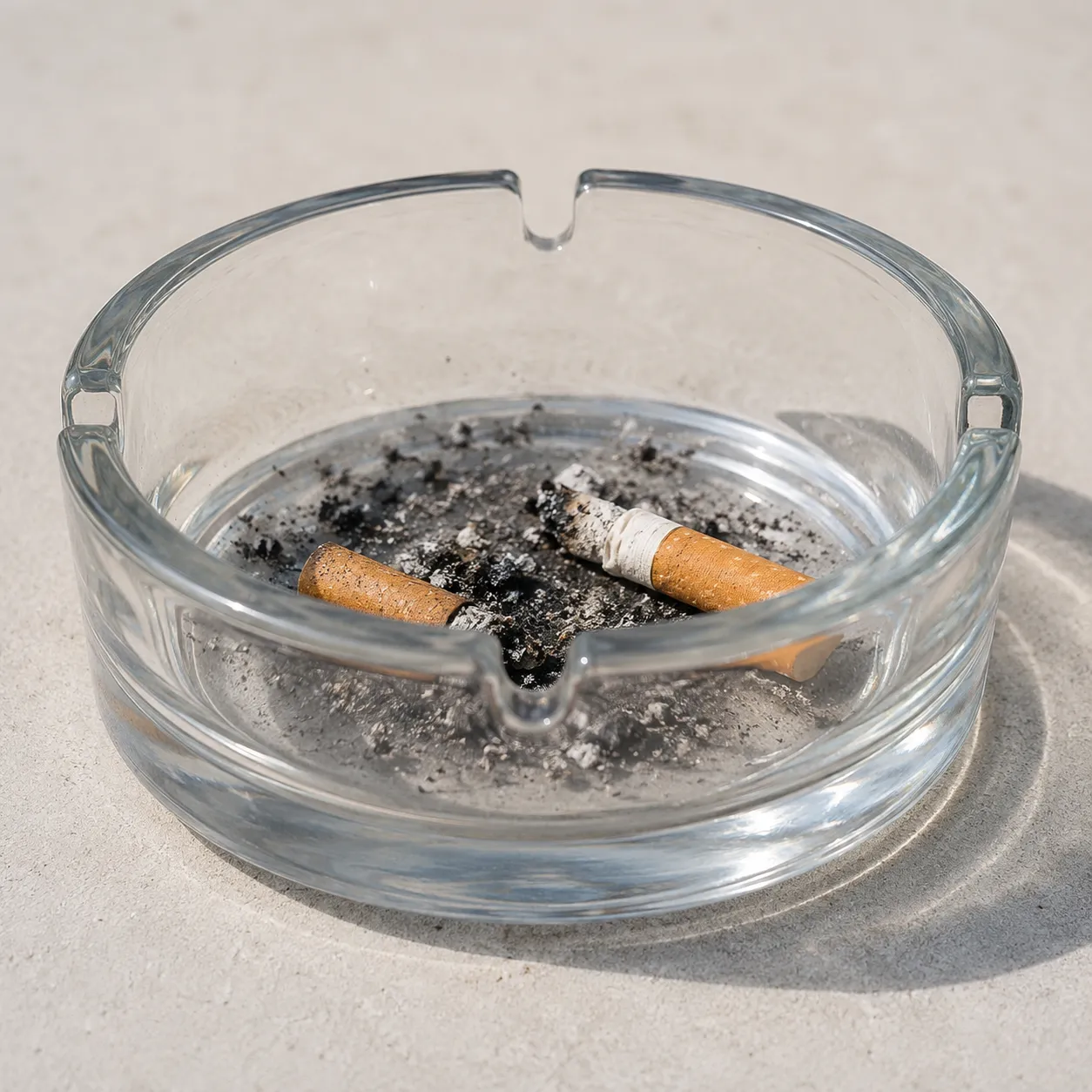
ashtrayˈæʃtreɪ
a small dish or container where smokers put cigarette ash and used cigarette ends.
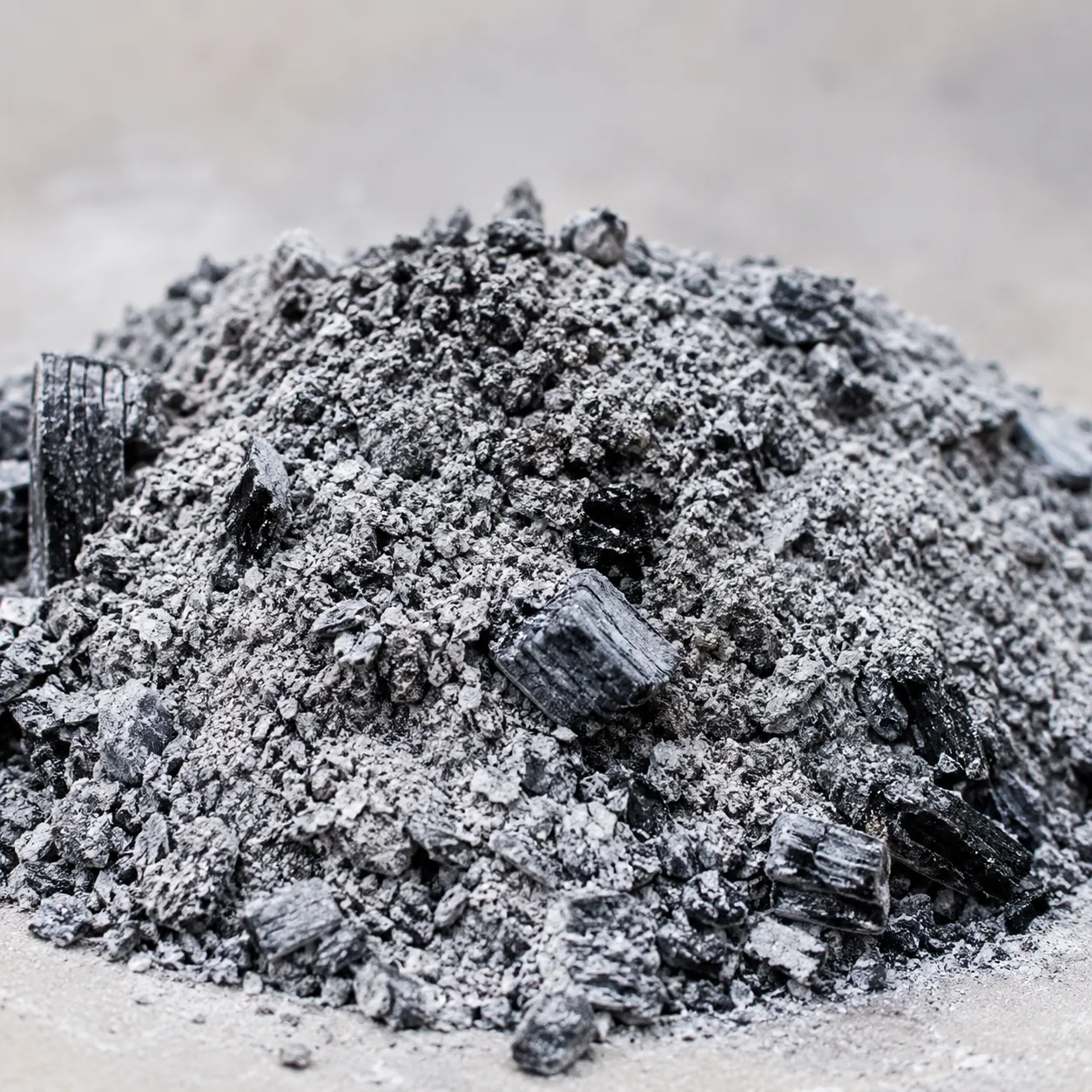
ashæʃ
the soft grey or black powder that remains after wood, paper, or another material has burned.
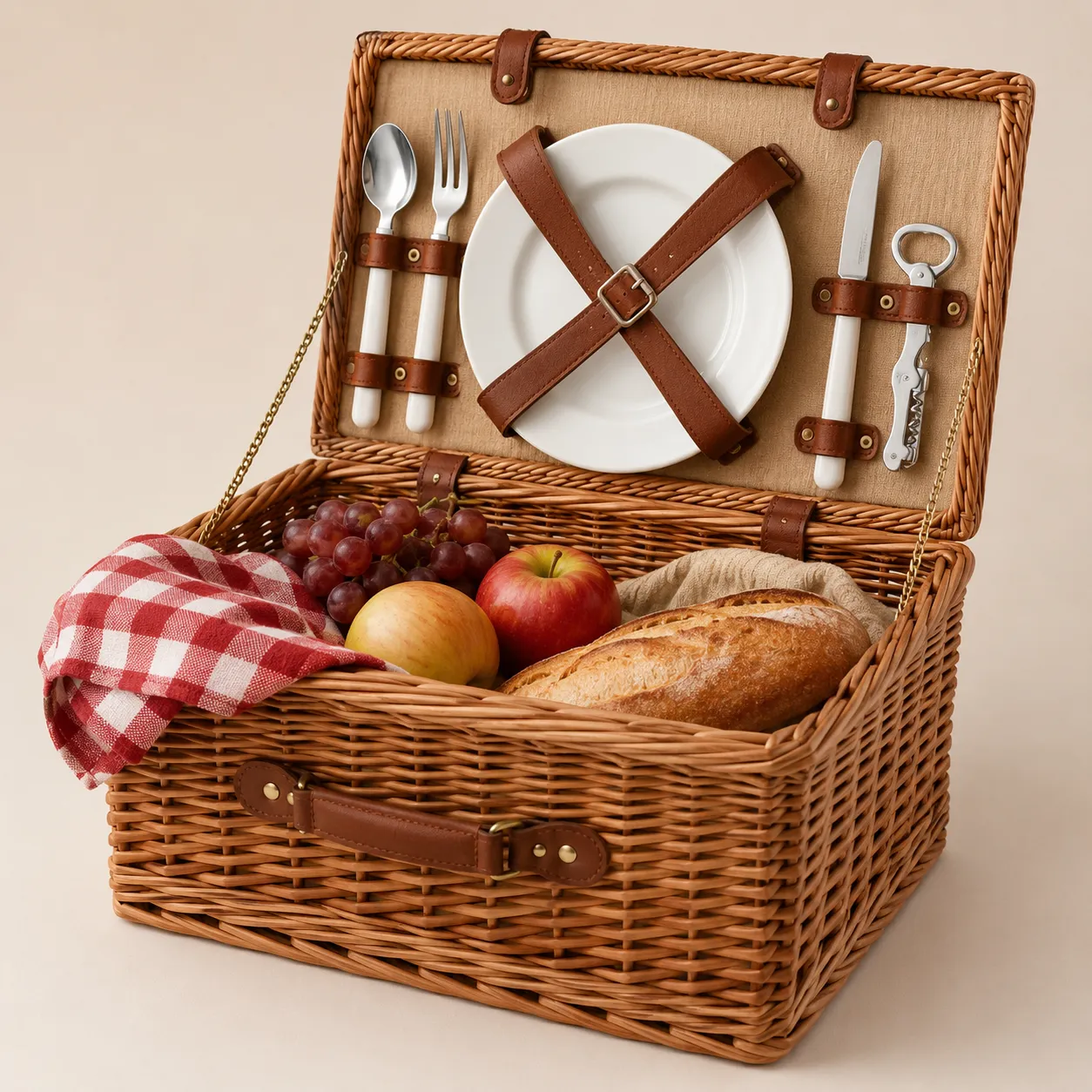
picnic basketˈpɪknɪk ˈbæskət
a basket used to carry food, drinks, plates, or other things for a picnic.
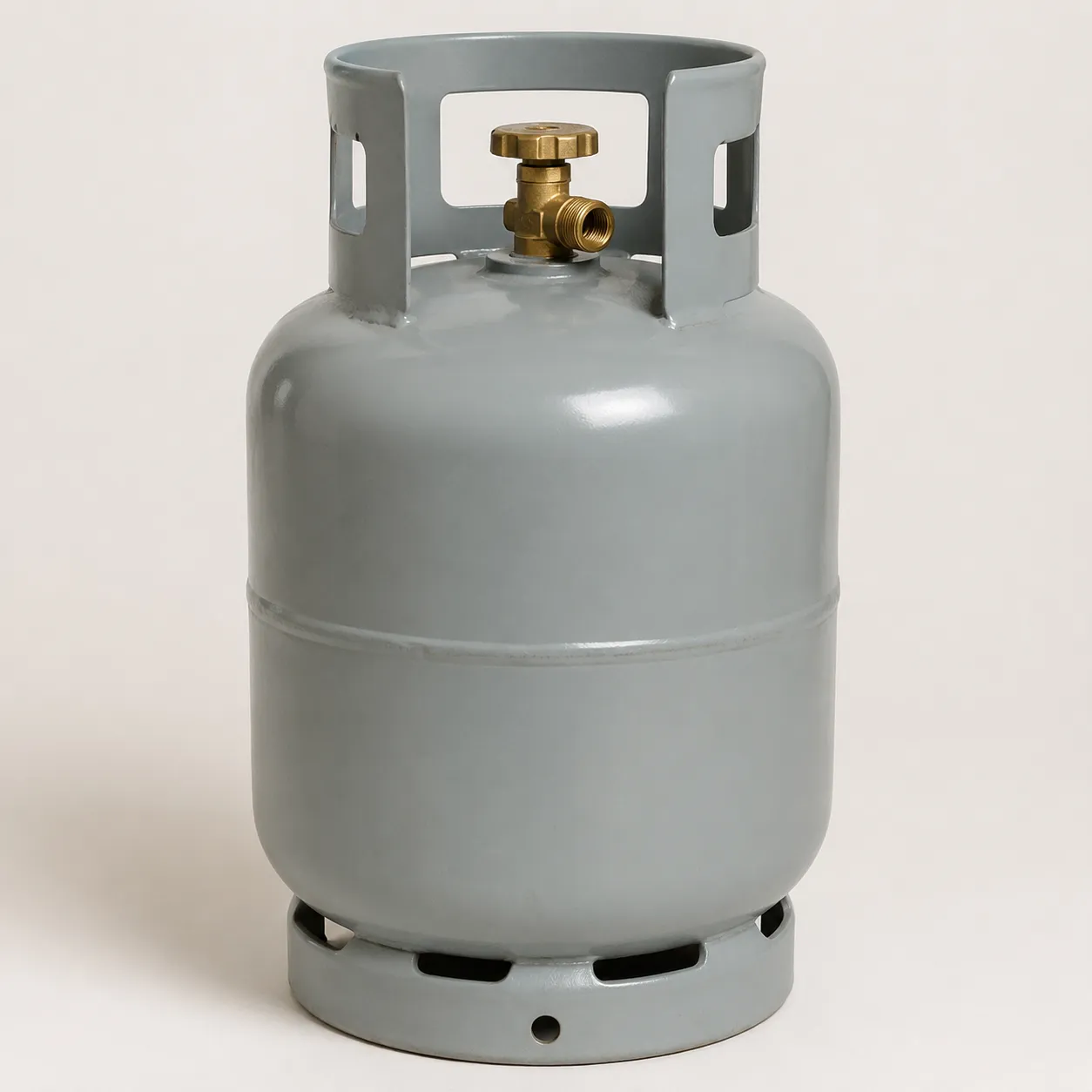
gas cylinderˈɡæs ˌsɪlɪndər
a strong metal container that holds gas under pressure, used for cooking, heating, or other equipment.

napkinˈnæpkɪn
a piece of paper or cloth used while eating to wipe the mouth or hands
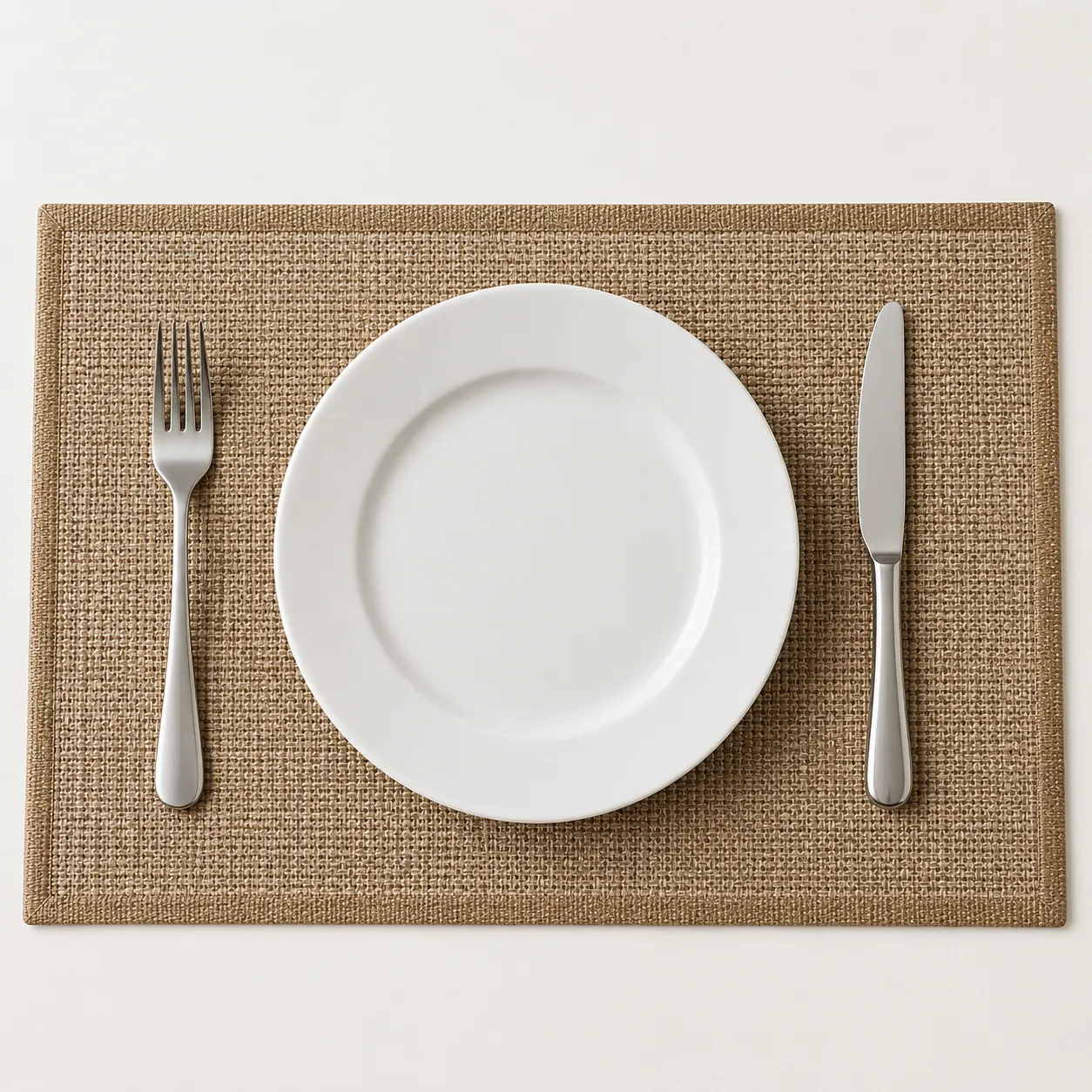
placematˈpleɪsmæt
a small mat placed under a plate at a table to protect the surface
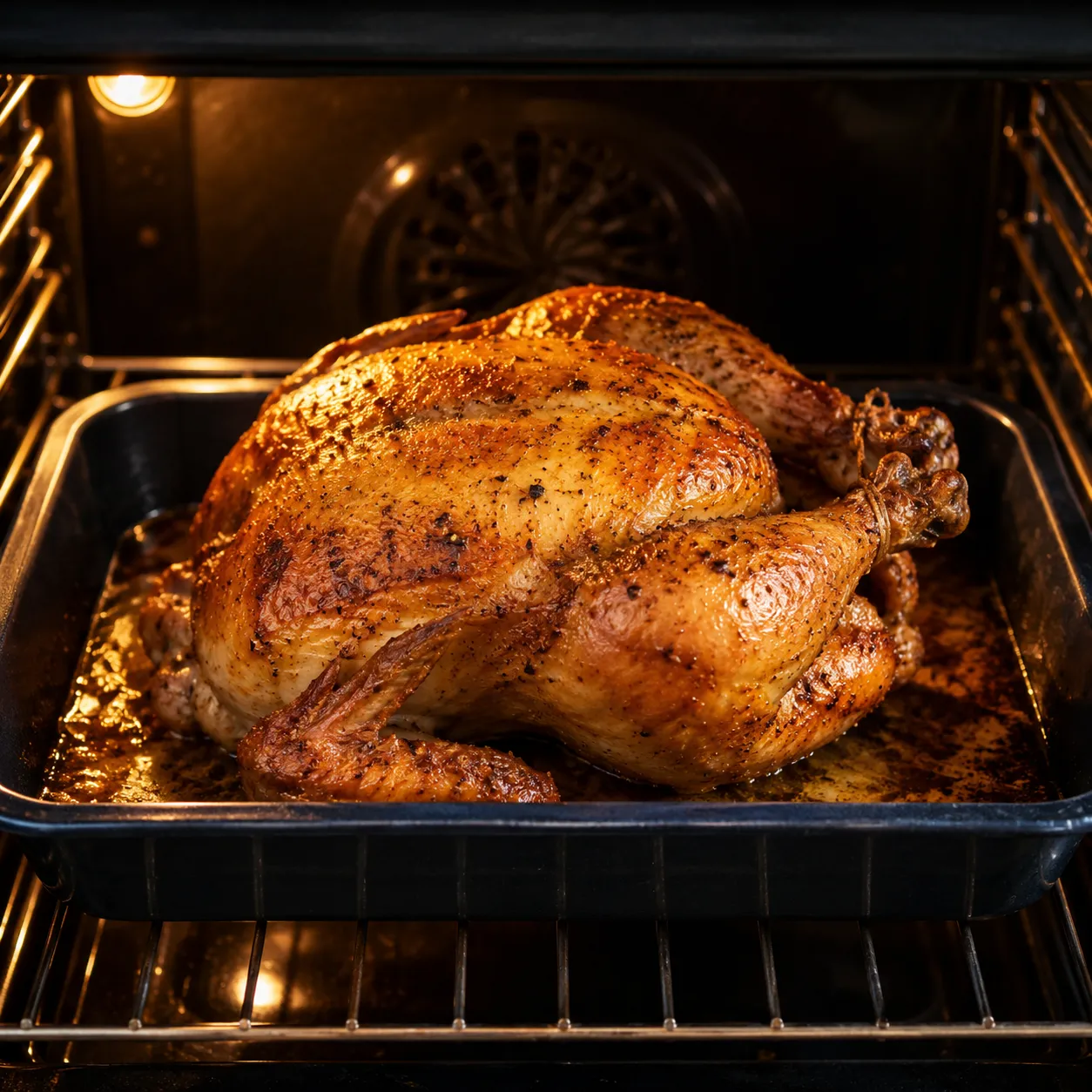
roastrəʊst
to cook meat or vegetables with dry heat in an oven or over a fire
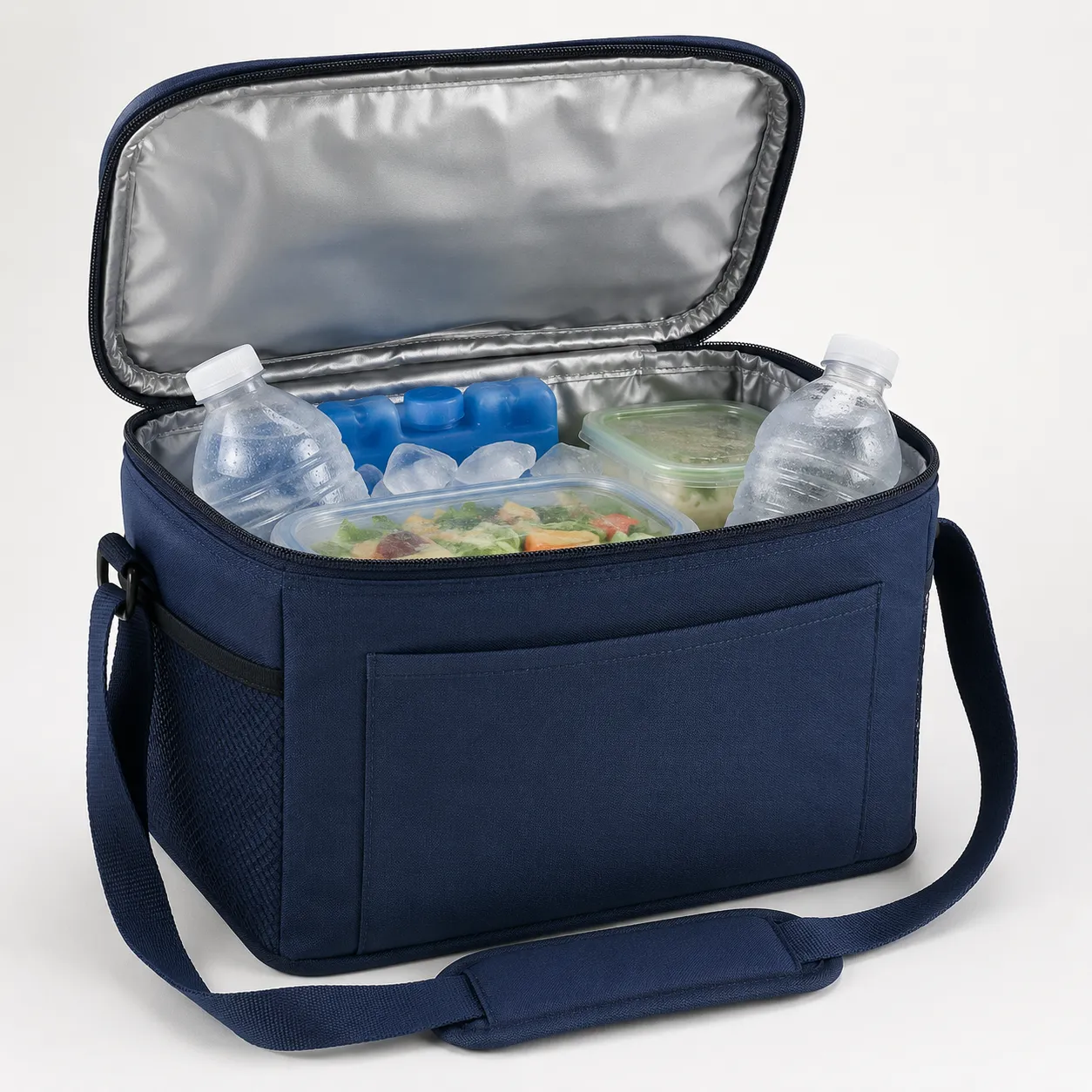
cooler bagˈkuːlər bæɡ
a soft insulated bag used to keep food and drinks cold when you carry them somewhere.
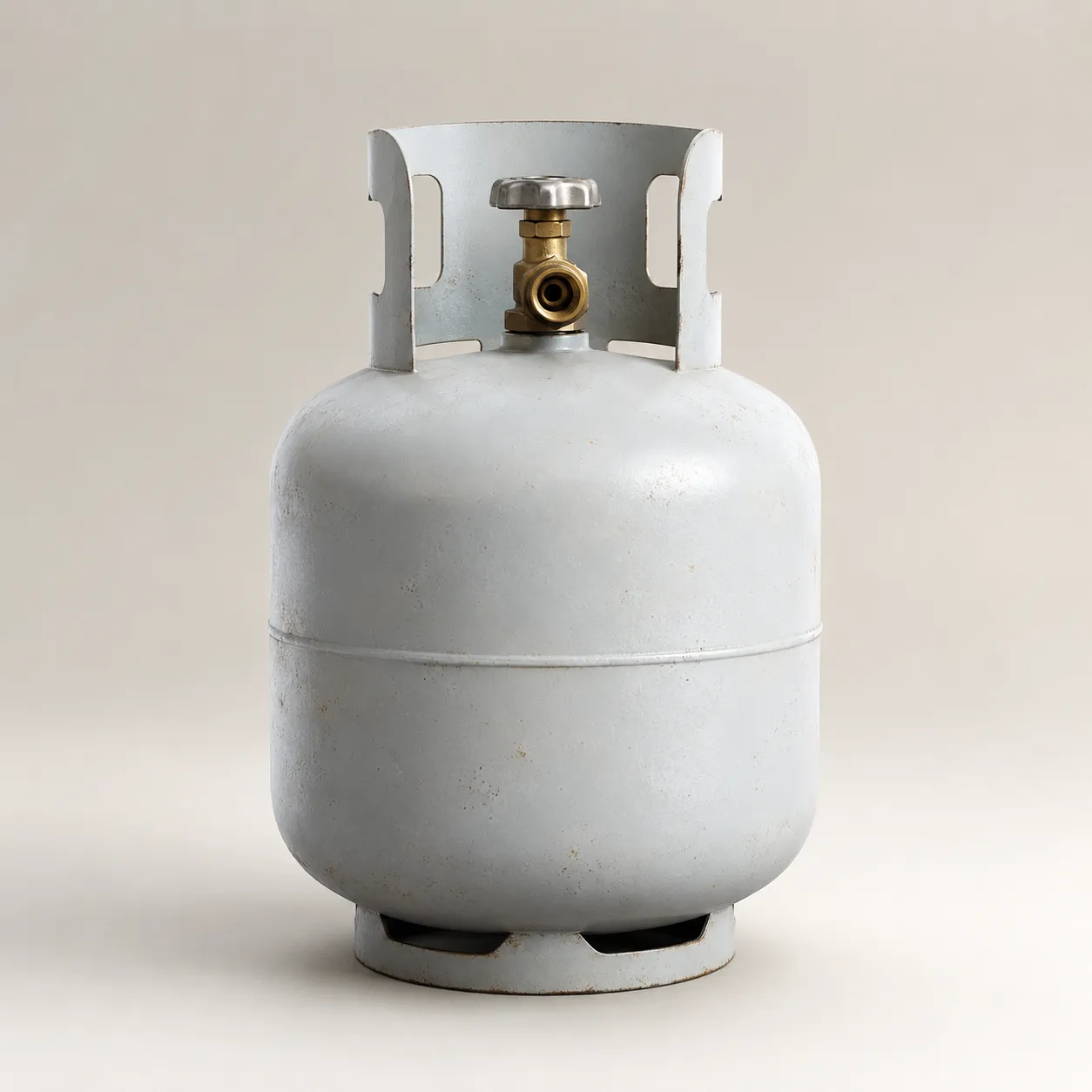
propane tankˈproʊpeɪn tæŋk
a strong metal container that holds propane gas, often used for grills, heaters, or camping equipment.

paper plateˈpeɪpər pleɪt
a light plate made of thick paper, often used at parties or picnics and usually thrown away after one use.
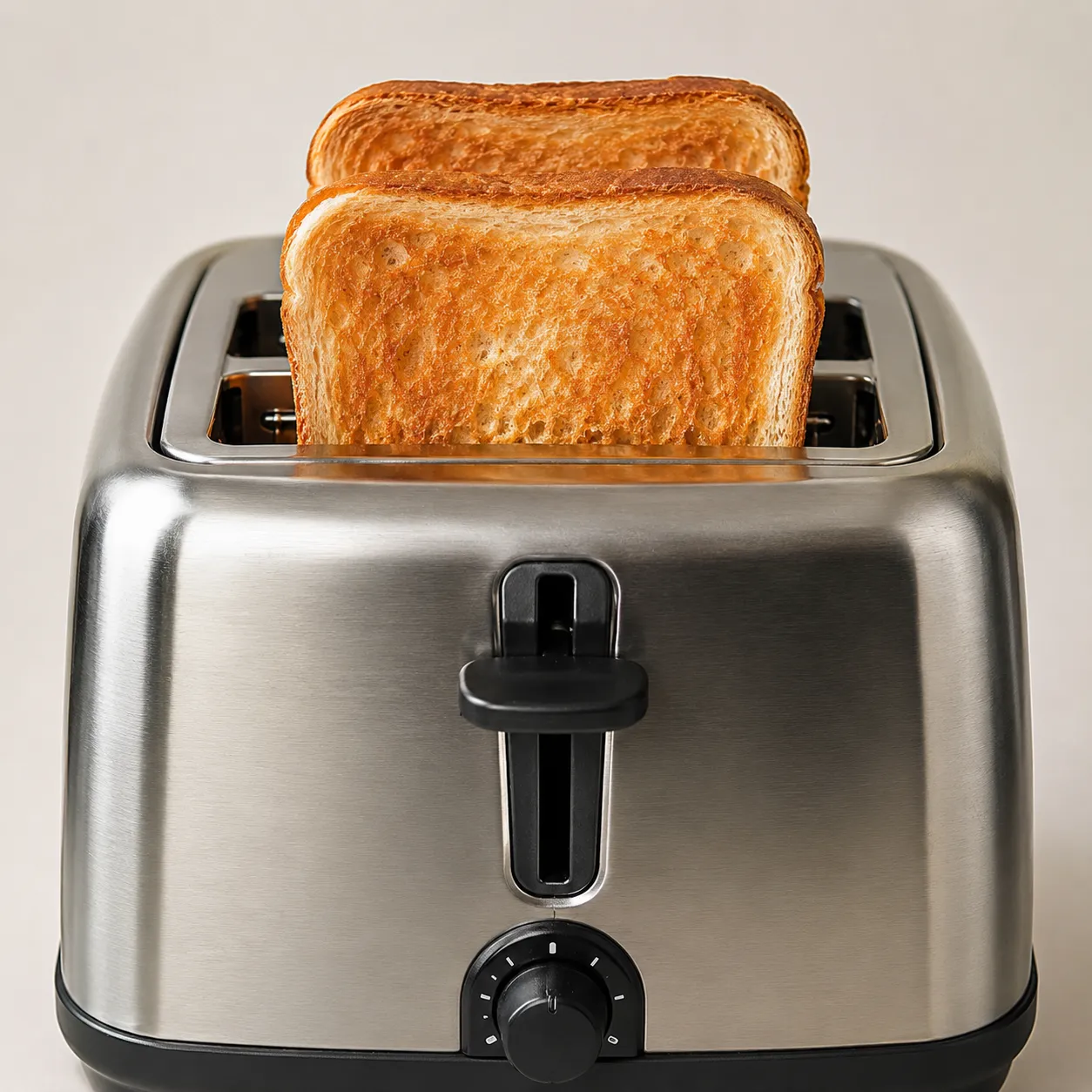
toasttoʊst
bread that has been heated until it is brown and crisp.
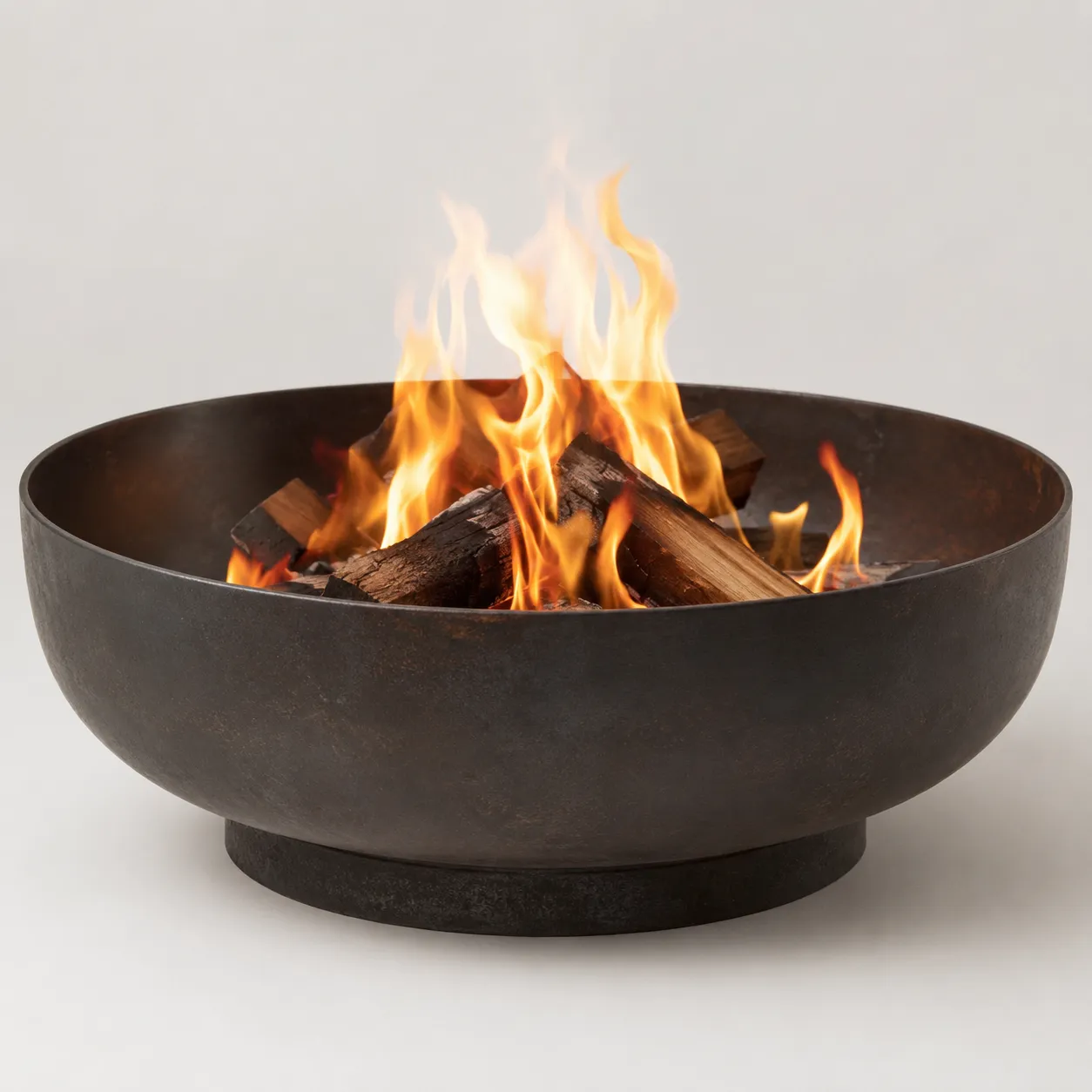
fire bowlˈfaɪər boʊl
a bowl-shaped metal container used outdoors for holding a small open fire.
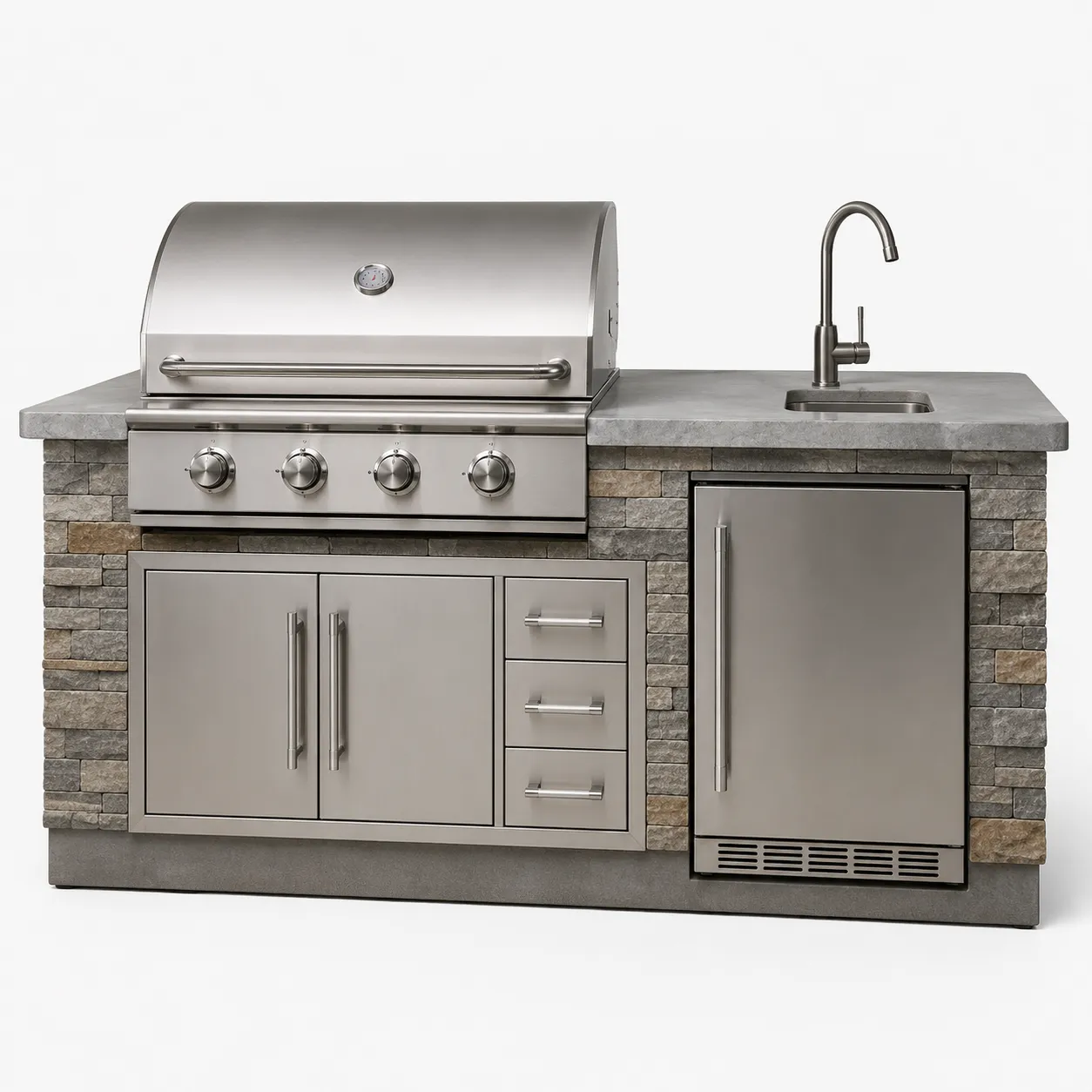
outdoor kitchenˌaʊtˈdɔːr ˈkɪtʃɪn
a cooking area outside a house, often with a grill, work surface, sink, or storage space.
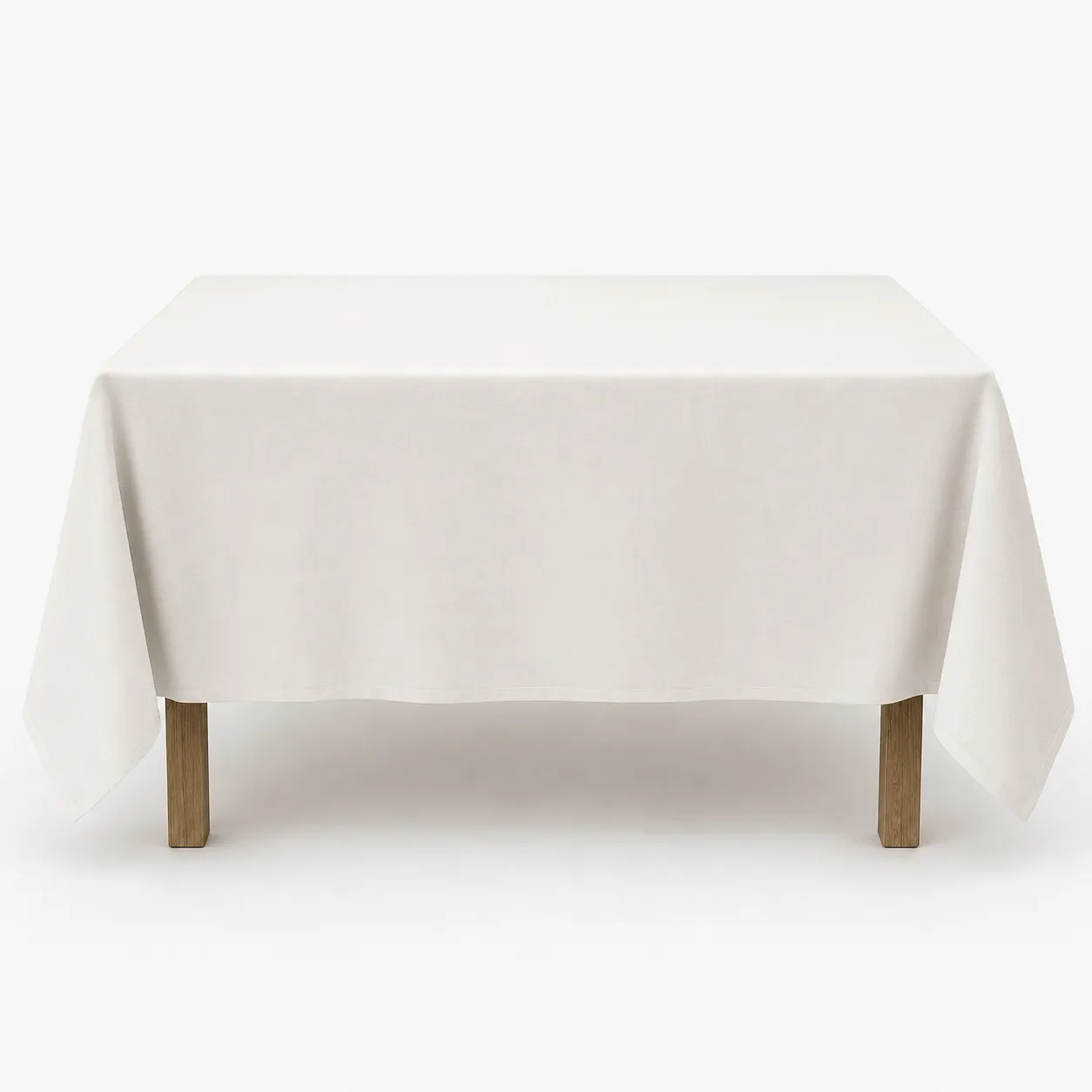
tableclothˈteɪblklɒθ
a large cloth used to cover and protect a table, especially during a meal
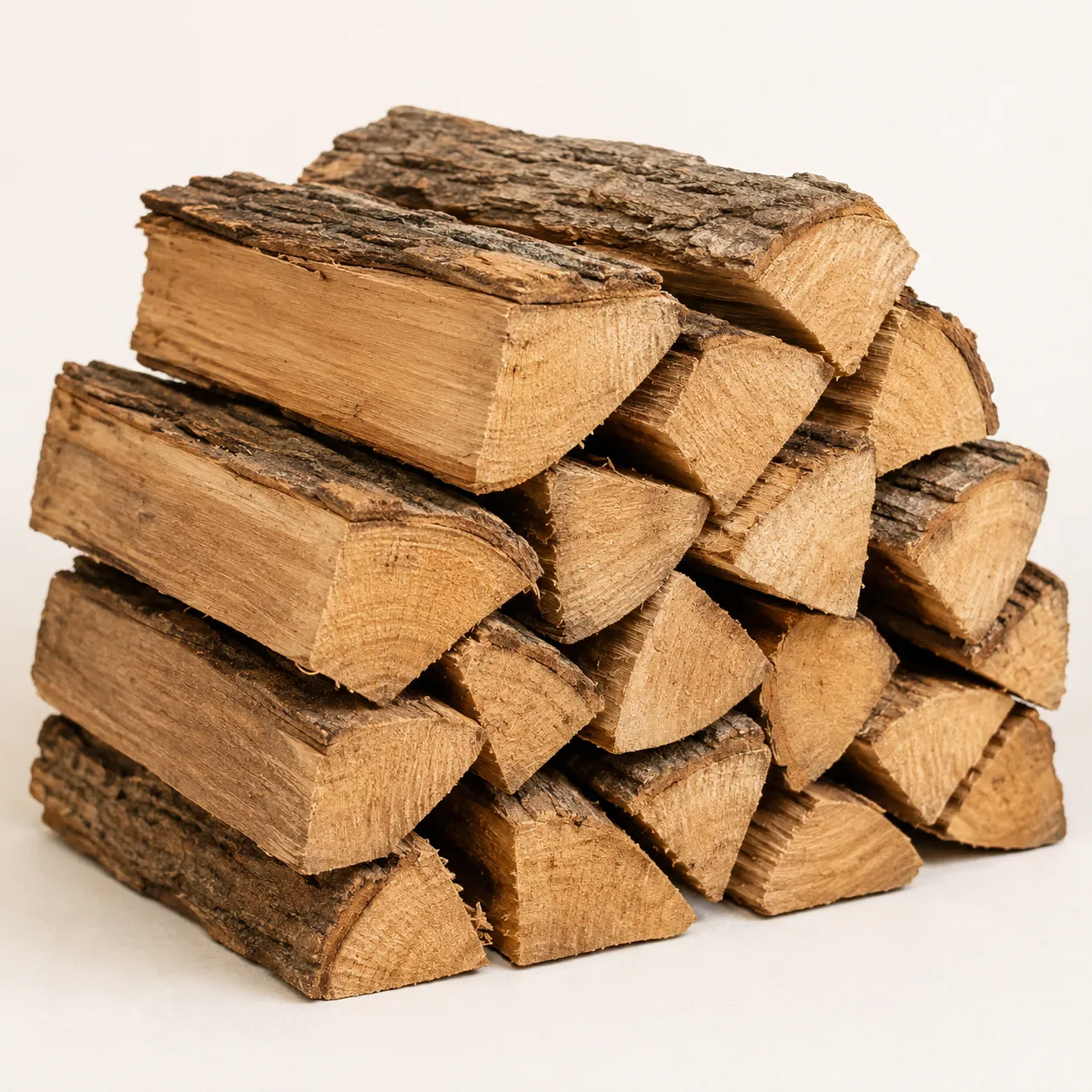
firewoodˈfaɪərwʊd
wood that has been cut and prepared to burn in a fire.

celebrateˈsɛləˌbreɪt
to do something special or enjoyable because it is an important day or because something good has happened.
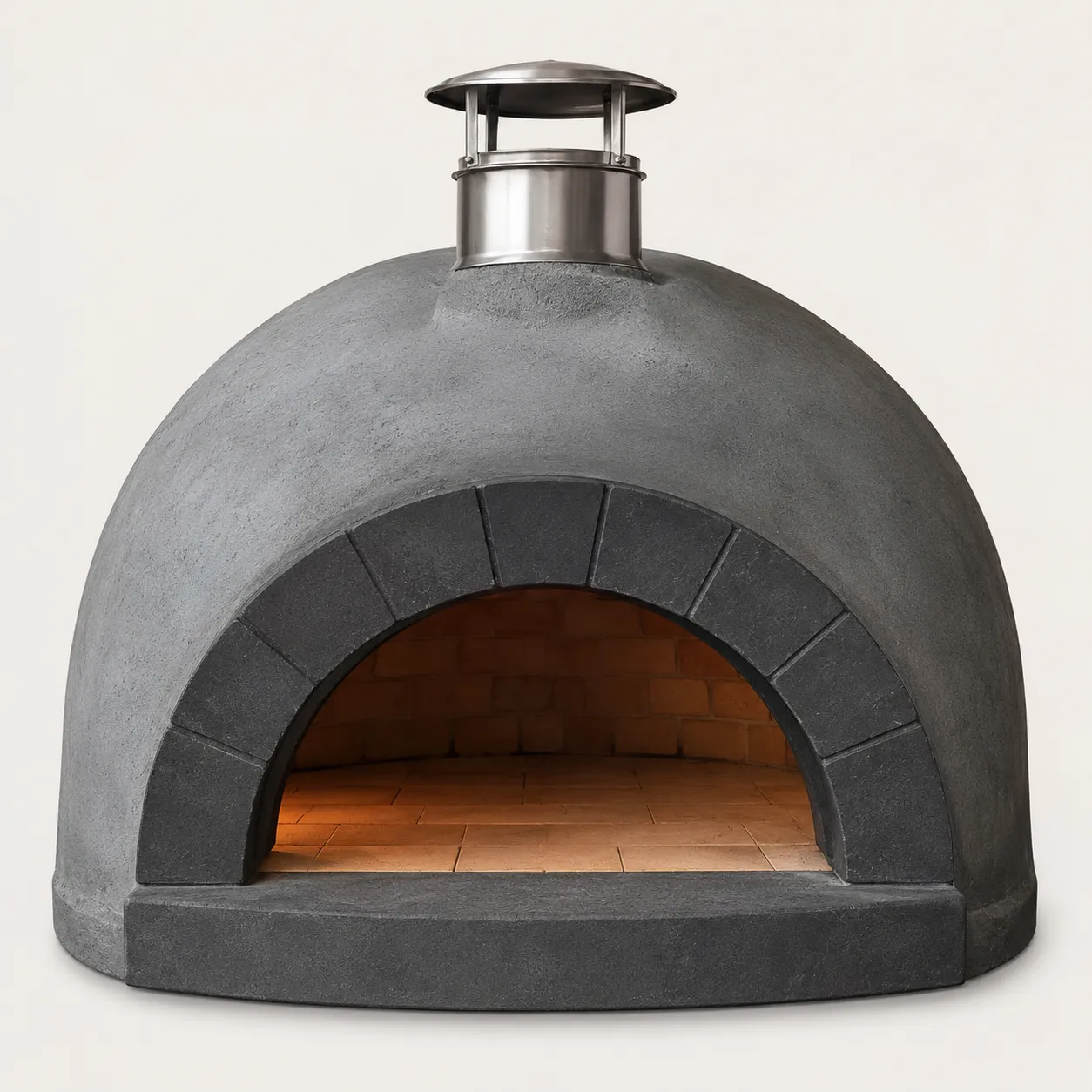
pizza ovenˈpiːtsə ˌʌvən
an oven, often very hot and made of brick or metal, used especially for baking pizzas.
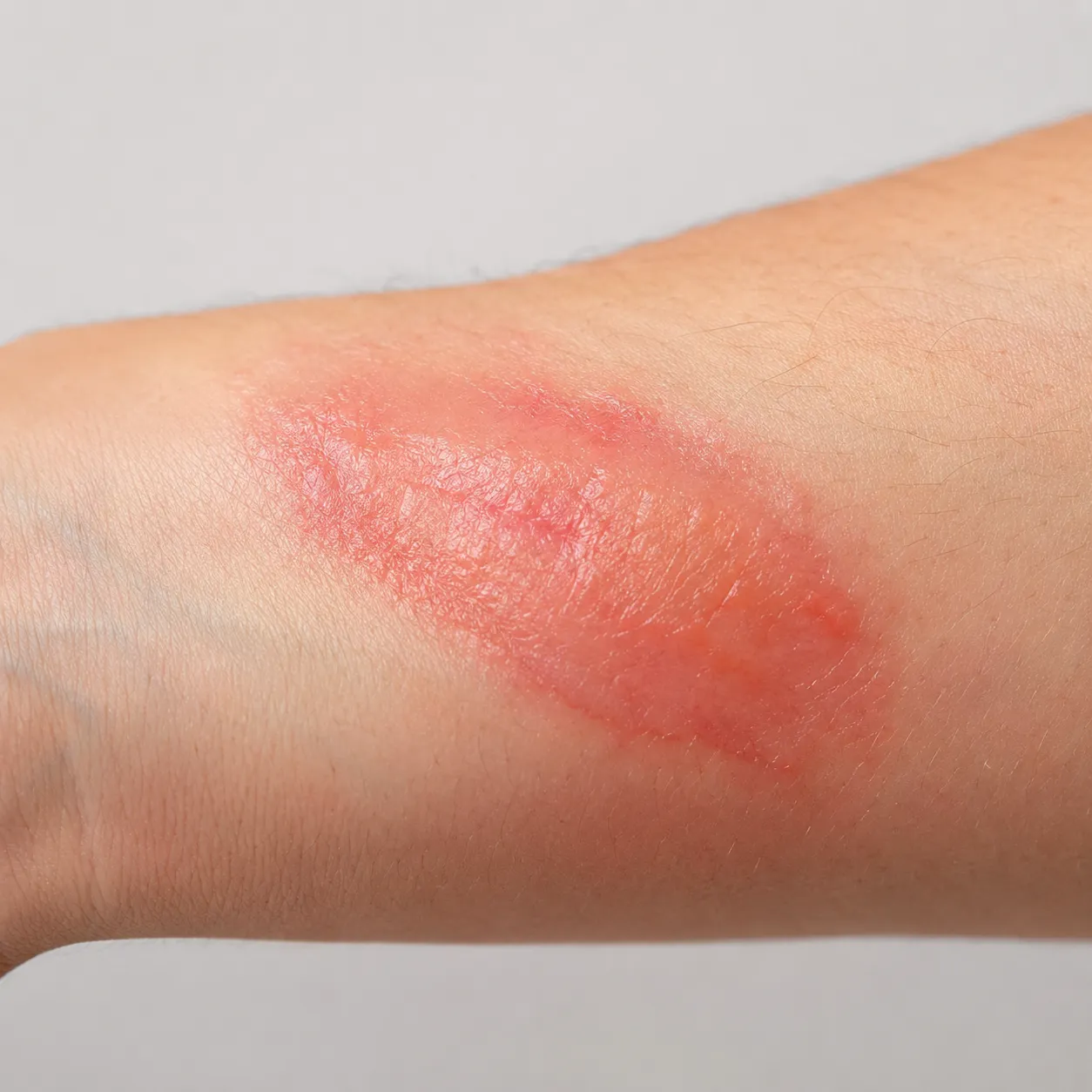
burnbɜːrn
an injury to the skin caused by heat, fire, chemicals, or electricity.
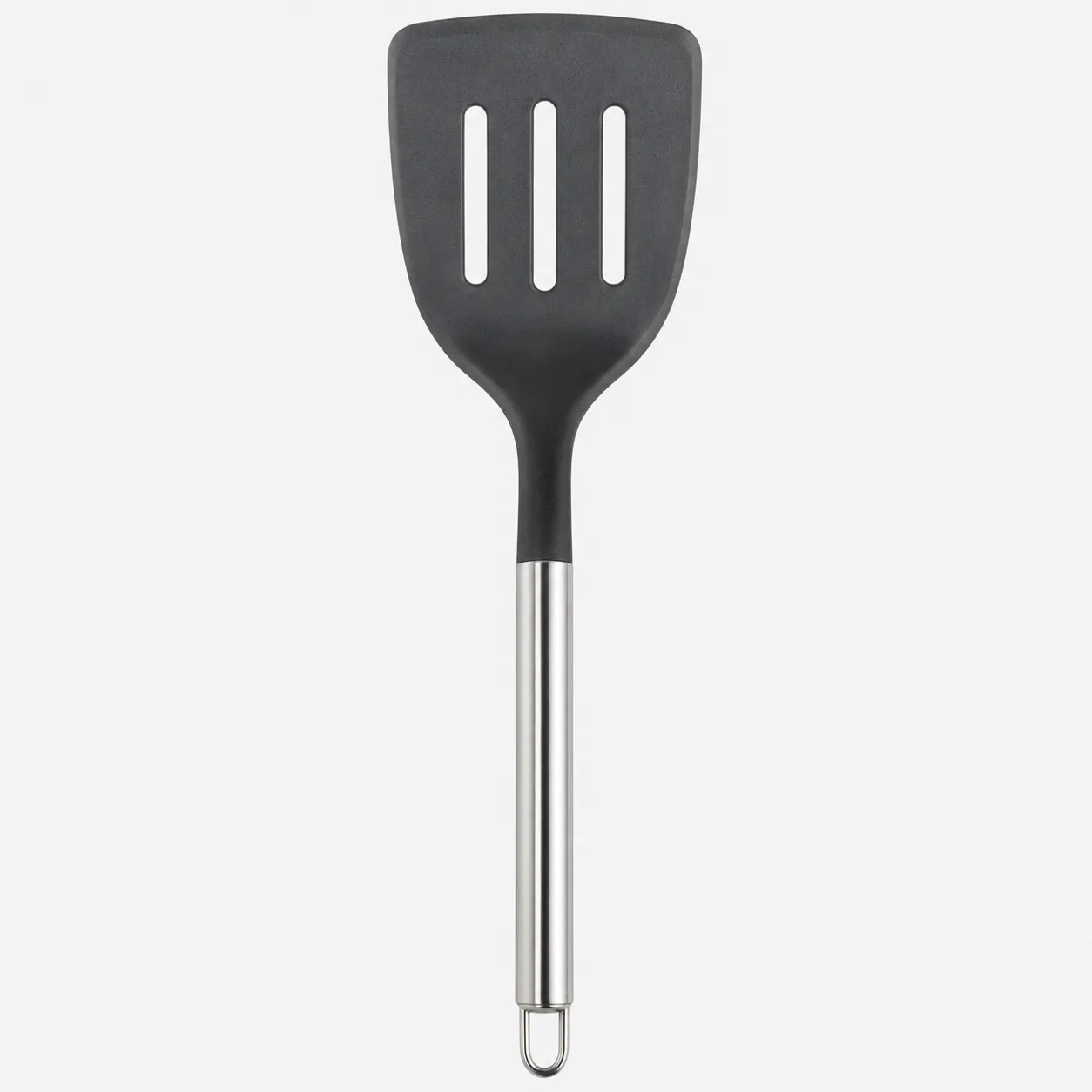
spatulaˈspætʃələ
a flat kitchen tool used for lifting, turning, mixing, or spreading food
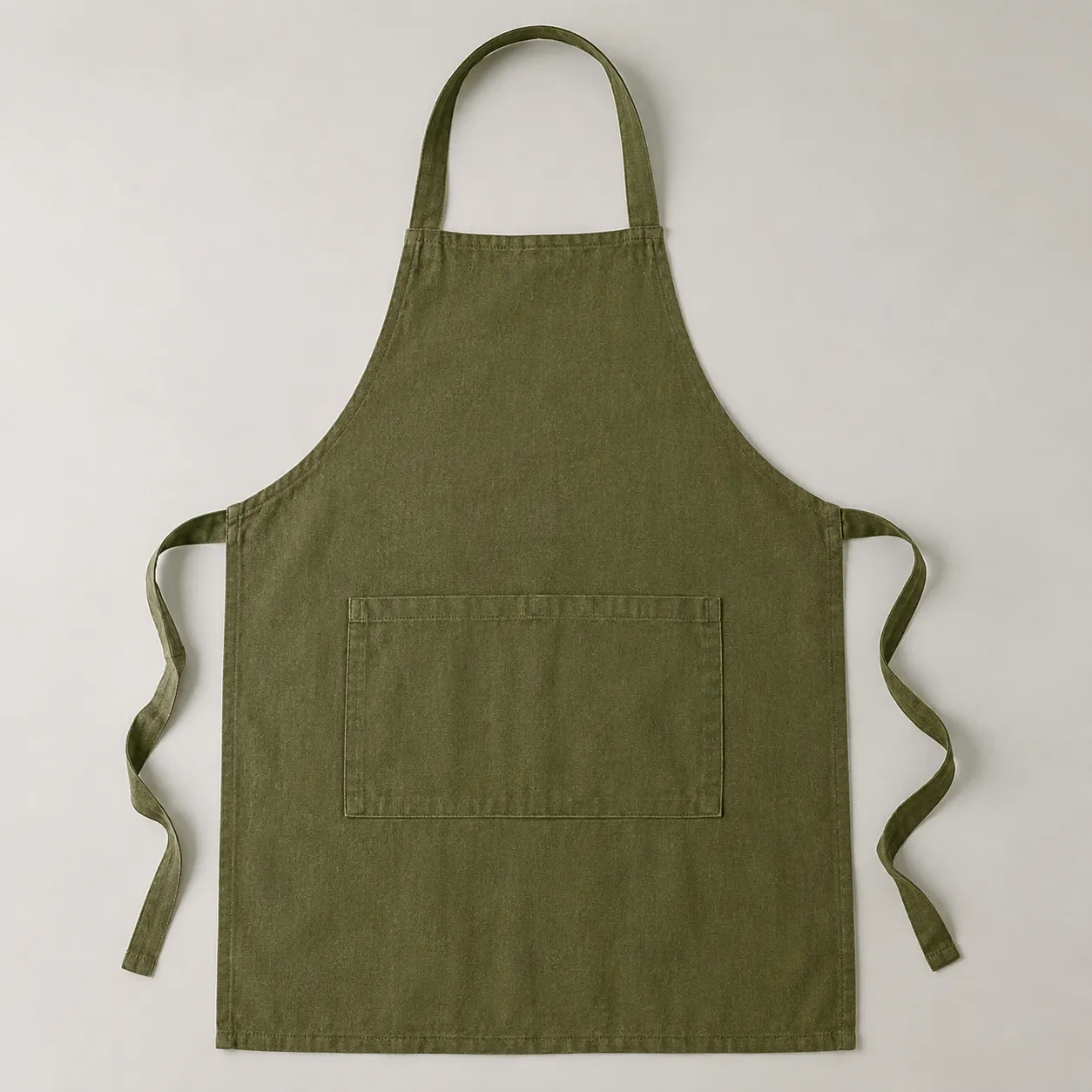
apronˈeɪprən
a piece of clothing worn over the front of the body to protect clothes while working

dinedaɪn
to eat dinner, especially in a restaurant or in a formal way.
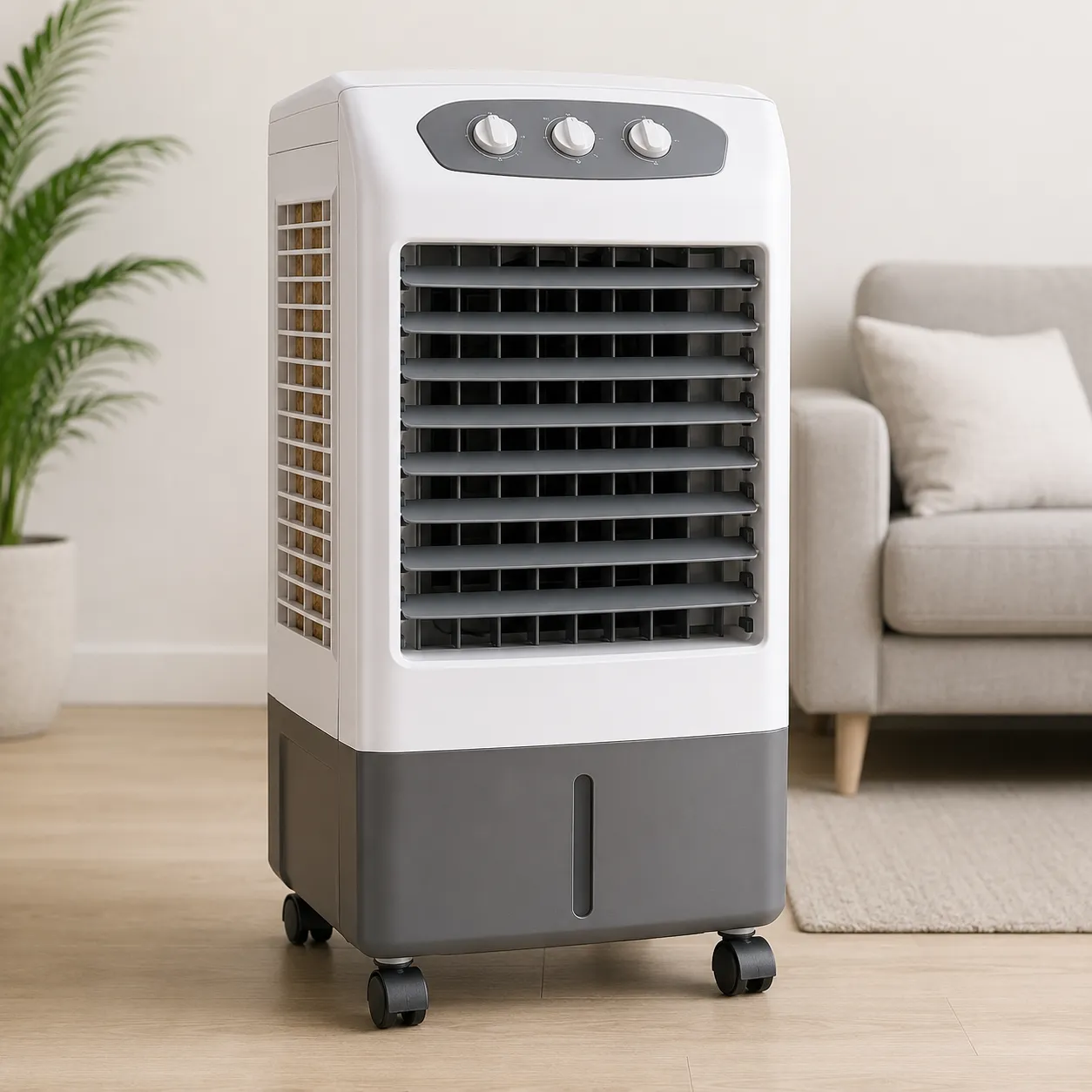
coolerˈkuːlər
an insulated box or bag used to keep food and drinks cold, especially on trips or picnics.
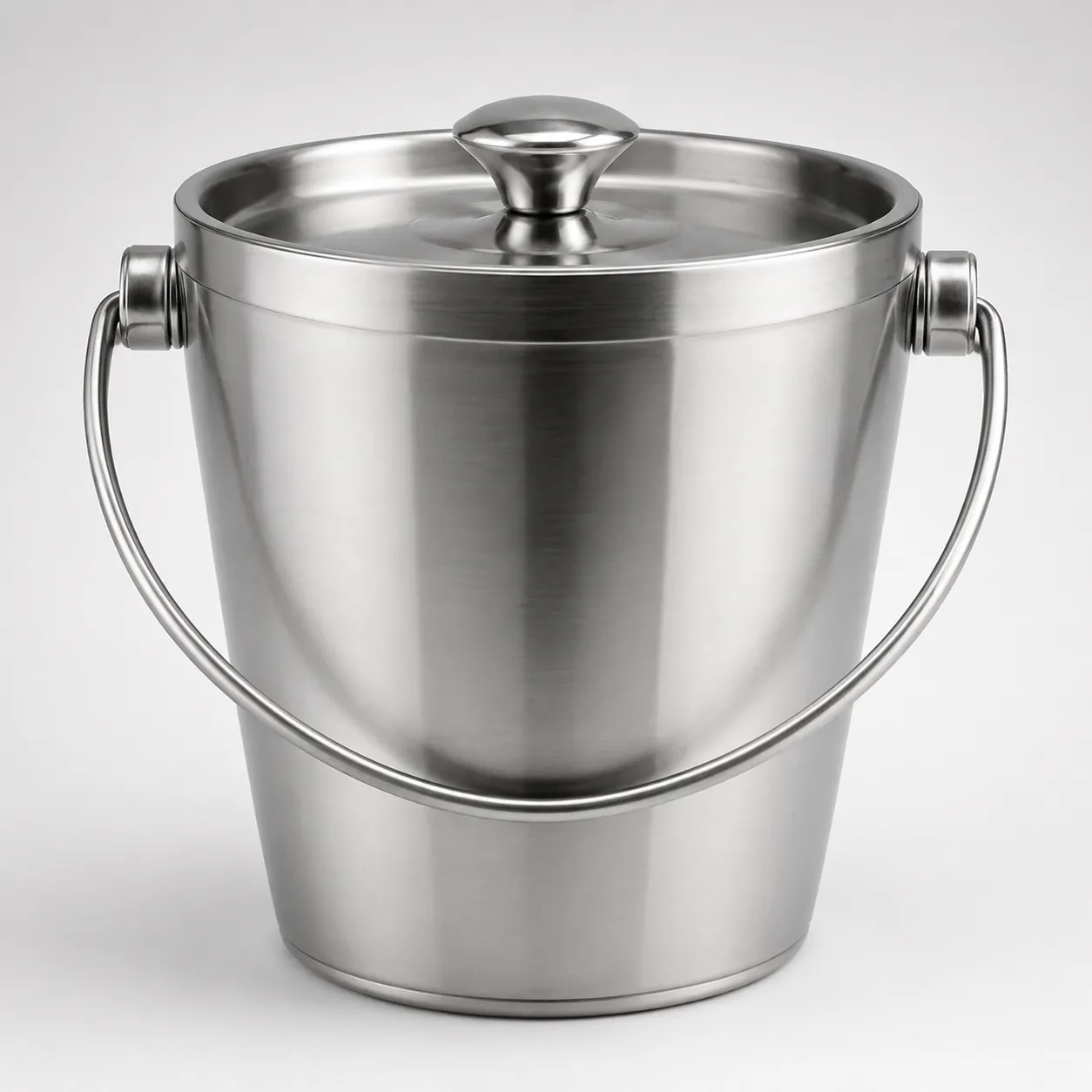
ice bucketˈaɪs ˌbʌkɪt
a container, often insulated, used to hold ice or keep a bottle cold

hosthoʊst
a person who welcomes, receives, or looks after guests at an event, home, restaurant, or similar place.
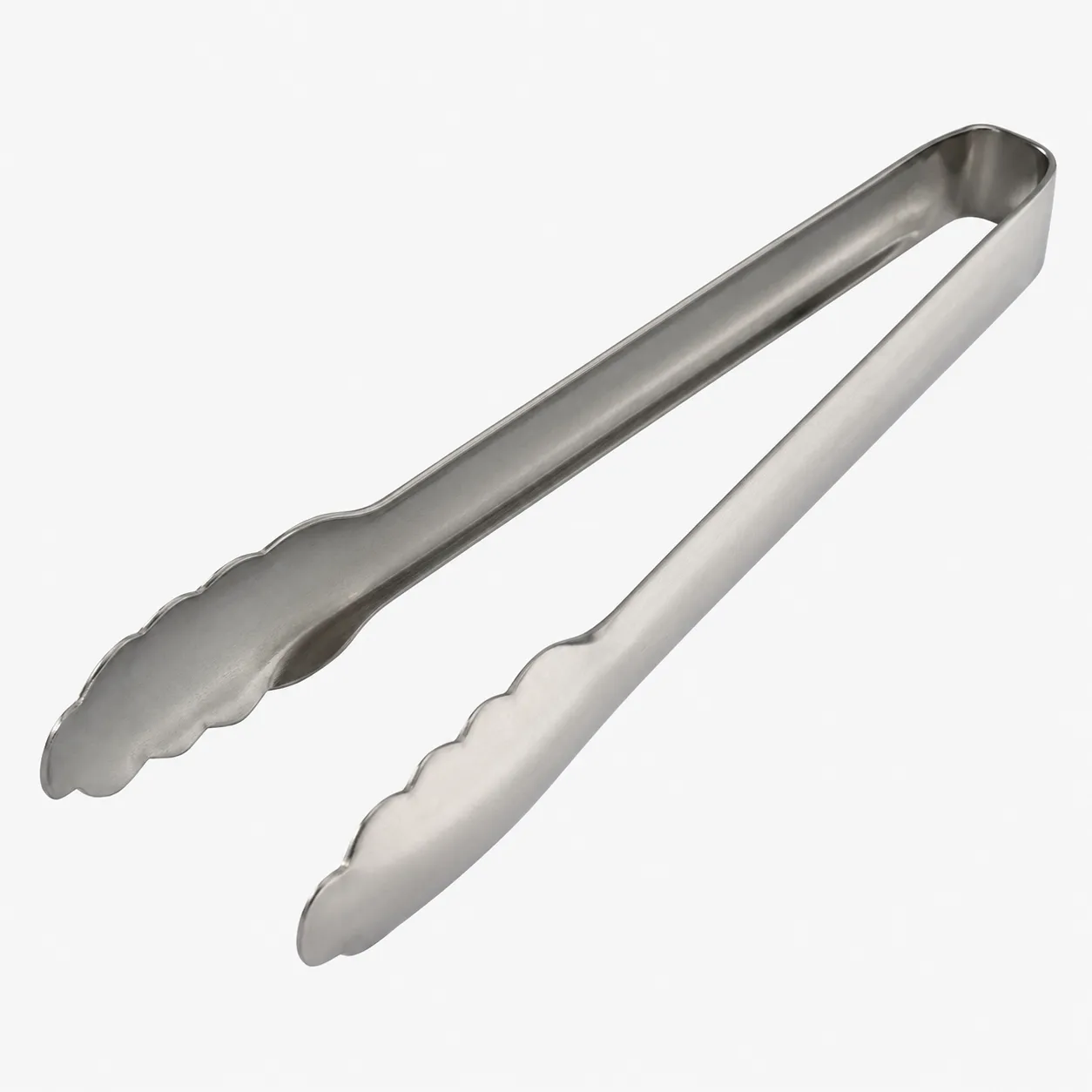
tongstɔːŋz
a tool with two long arms used to hold, lift, or turn things without touching them by hand
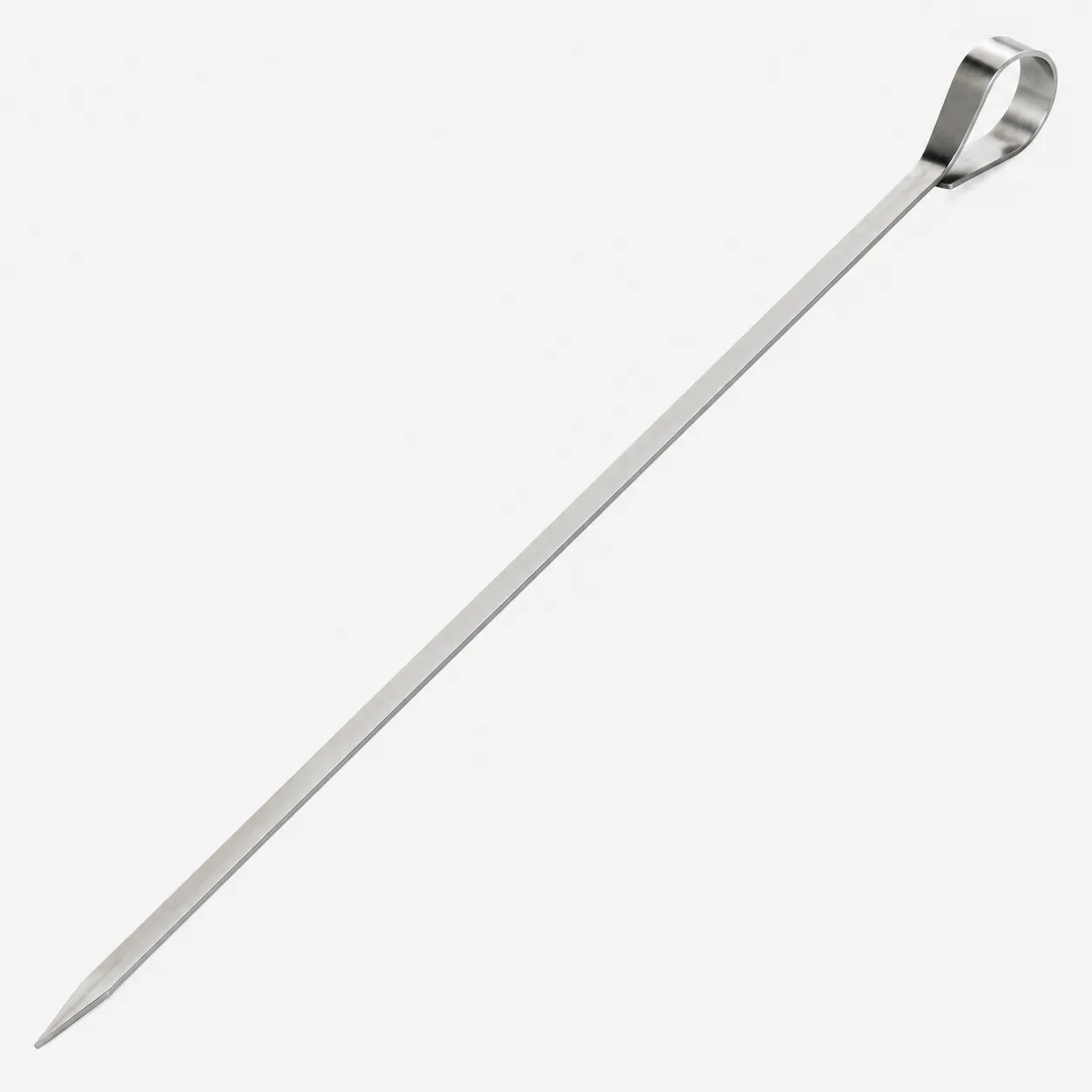
skewerˈskjuːər
a long thin stick or metal rod used to hold pieces of food together while they are cooked or served.
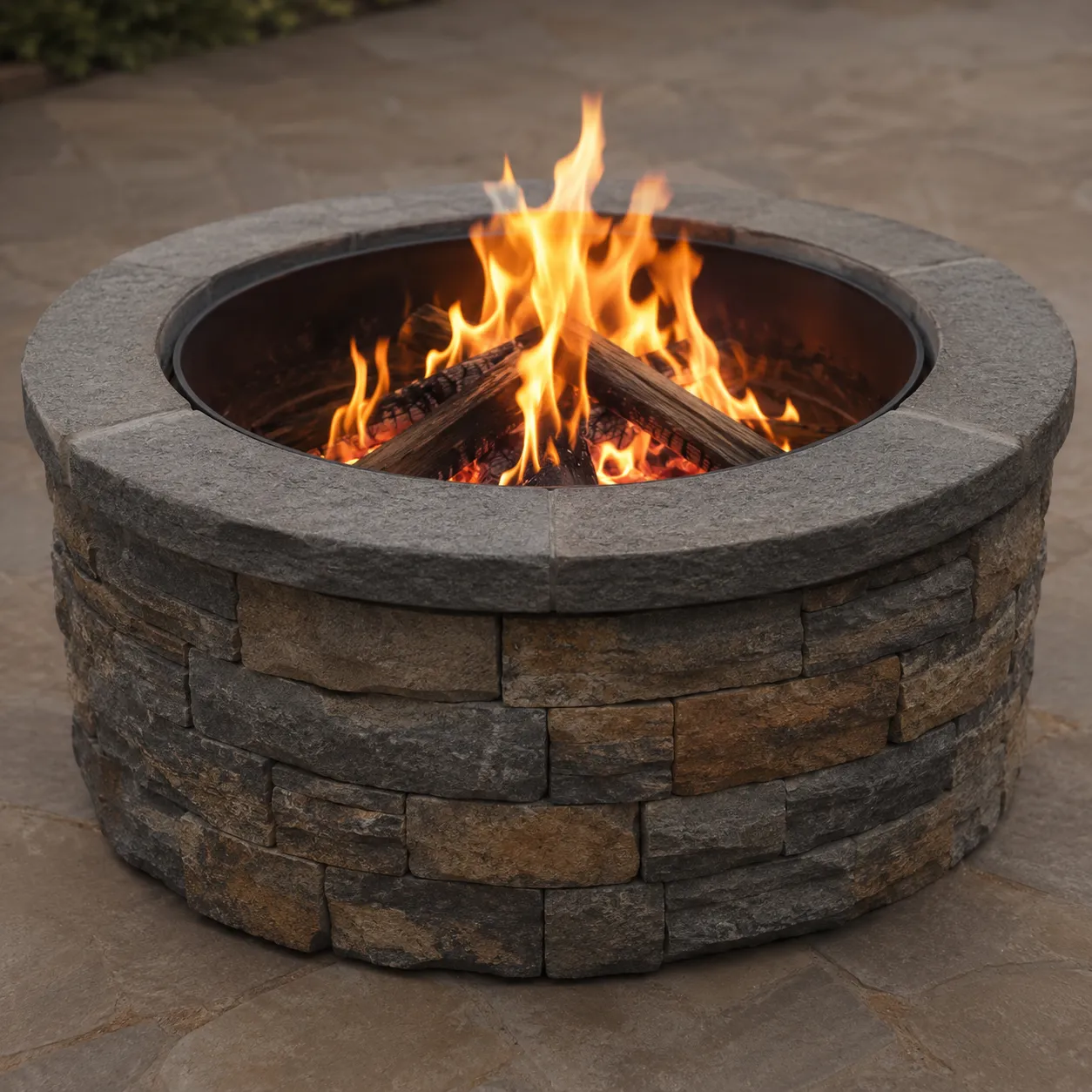
firepitˈfaɪərˌpɪt
a hole, built area, or metal container outside where people make a controlled fire for warmth, cooking, or sitting around.
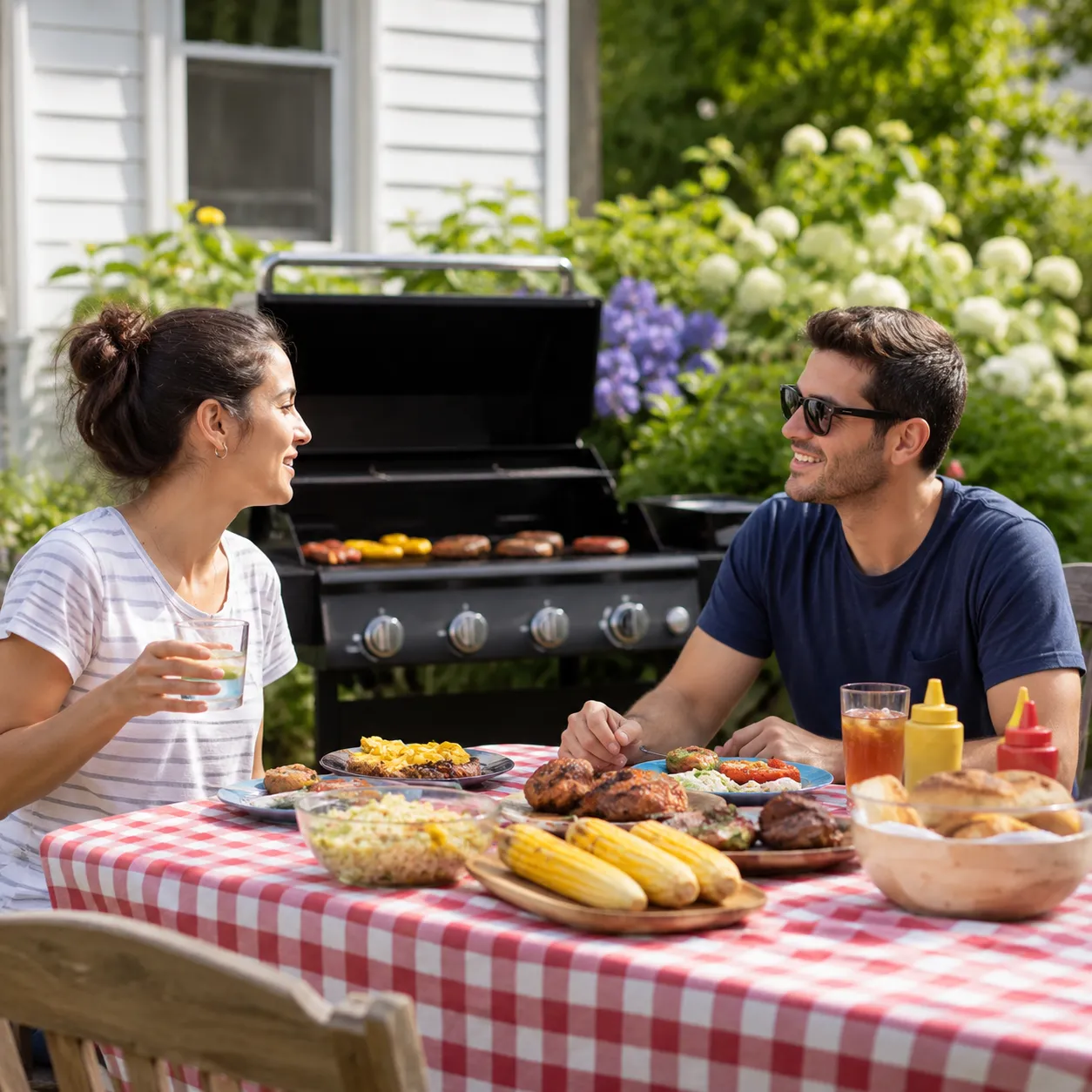
cookoutˈkʊkˌaʊt
an informal meal or party outdoors where food is cooked outside, often on a grill.
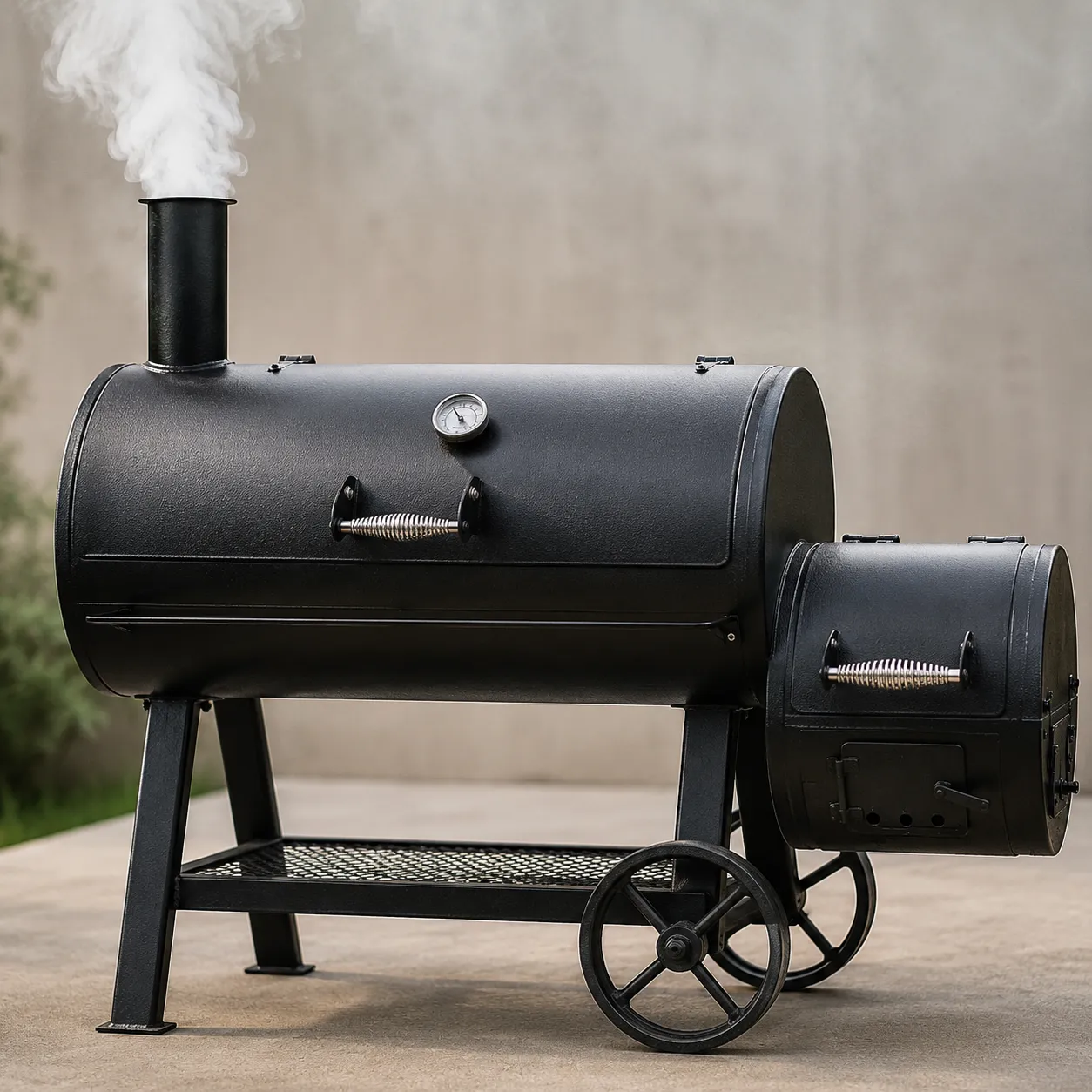
smokerˈsmoʊkər
a cooking device that uses low heat and smoke to cook and flavour meat, fish, or other food.
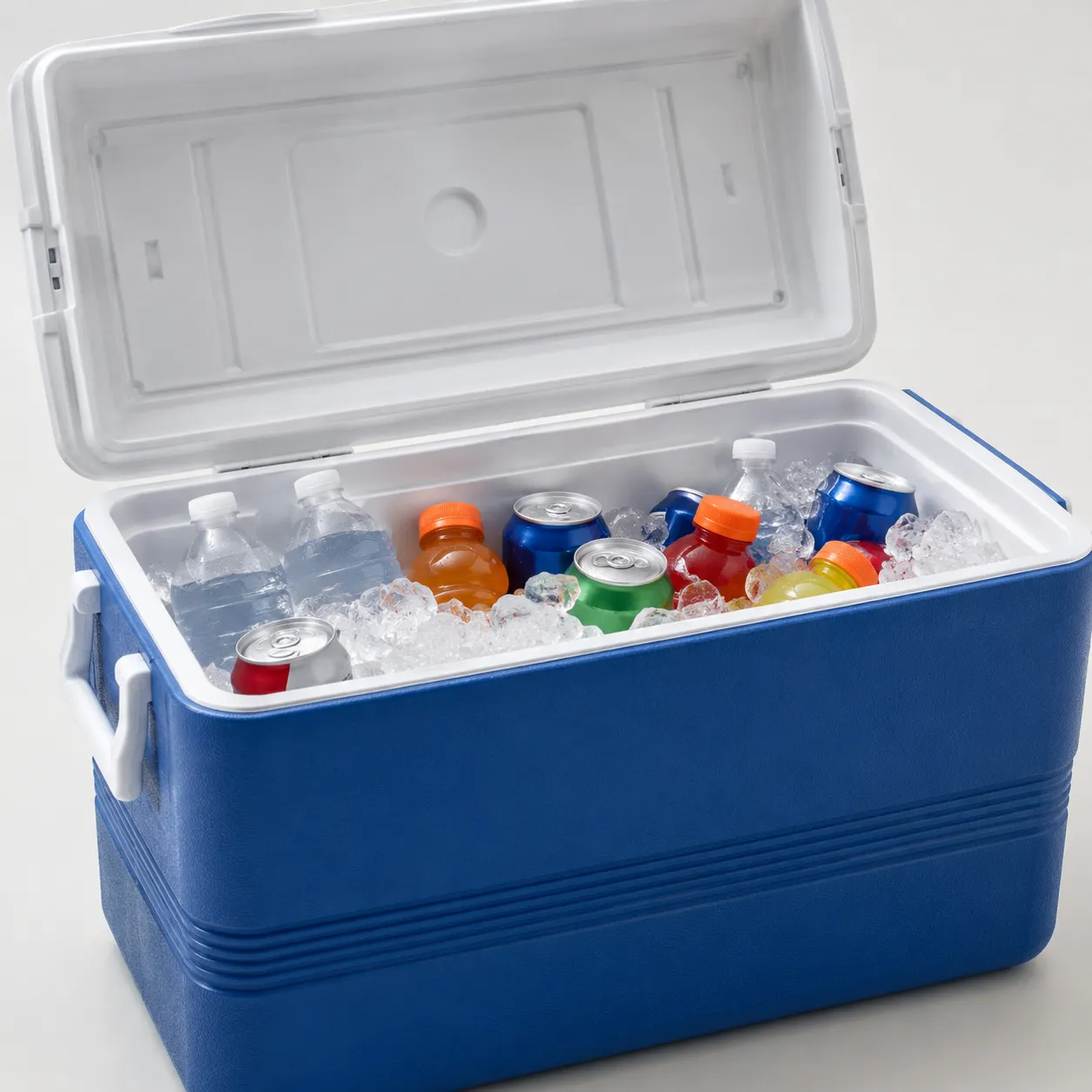
ice chestˈaɪs tʃɛst
a portable insulated box that holds ice and keeps food or drinks cold, especially outdoors or while travelling.

backyard partyˌbækˈjɑːrd ˈpɑːrti
an informal social event held in the open area behind or next to a house.
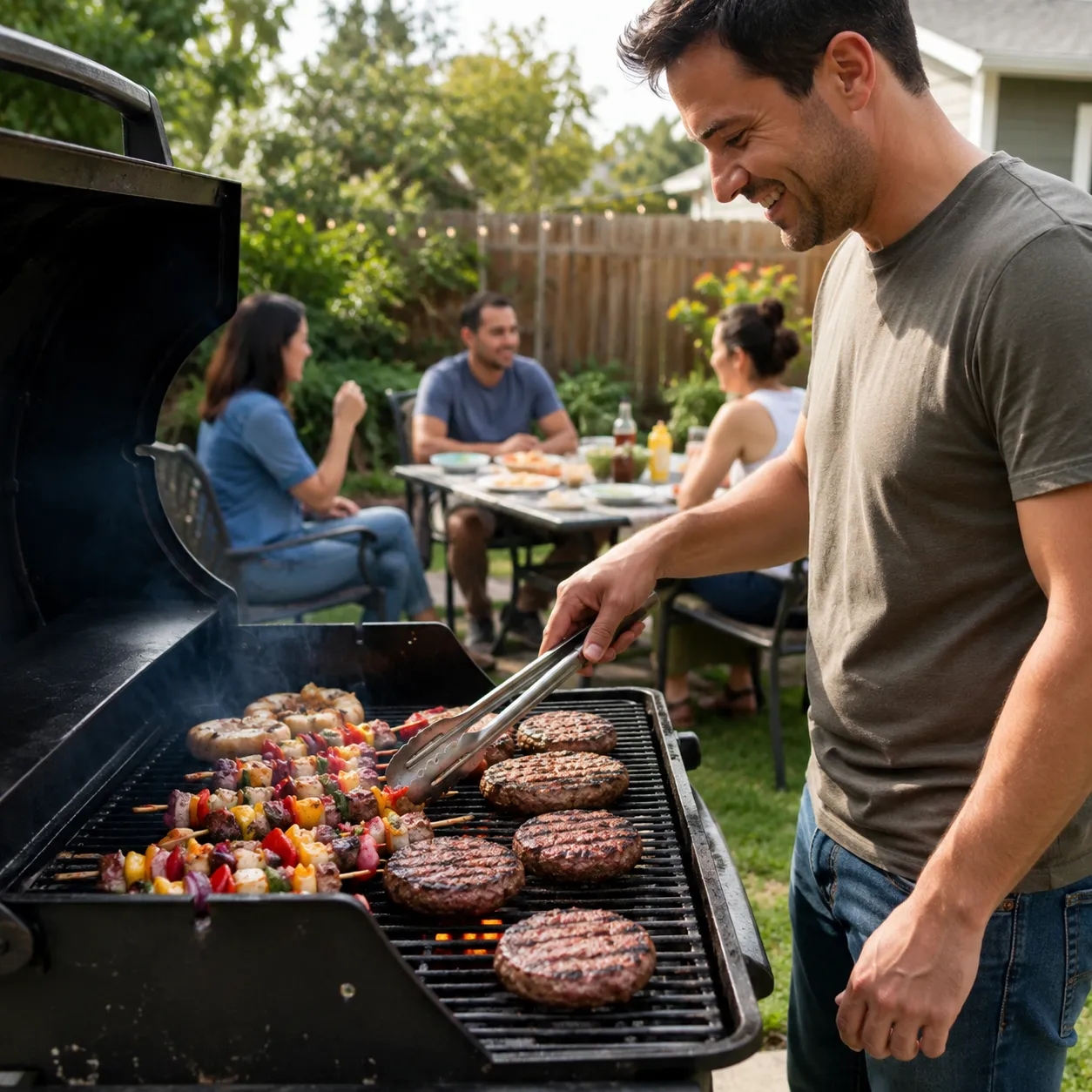
backyard barbecueˌbækˈjɑːrd ˈbɑːrbɪkjuː
a meal or social gathering in a backyard where food is cooked on a grill.
Vocabulary for children’s play equipment, garden games, sports, swimming, sunbathing, and relaxation.
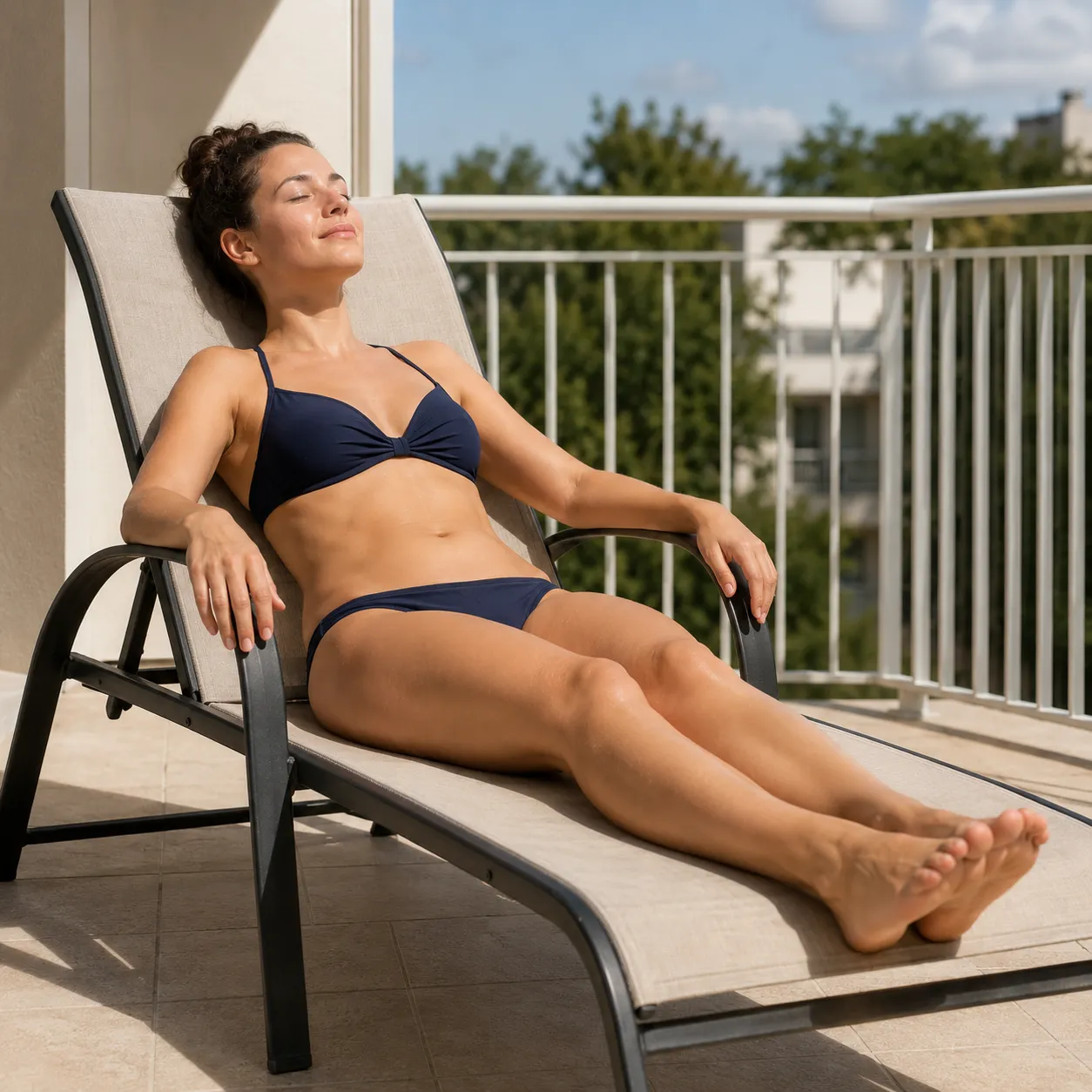
sunbatheˈsʌnbeɪð
to sit or lie in the sun, usually to enjoy the warmth or make your skin darker.

playpleɪ
to do a game or activity for fun, especially as a child.

chasetʃeɪs
to run or move quickly after someone or something in order to catch them.

relaxrɪˈlæks
to become calm and comfortable, especially after work, effort, or worry.
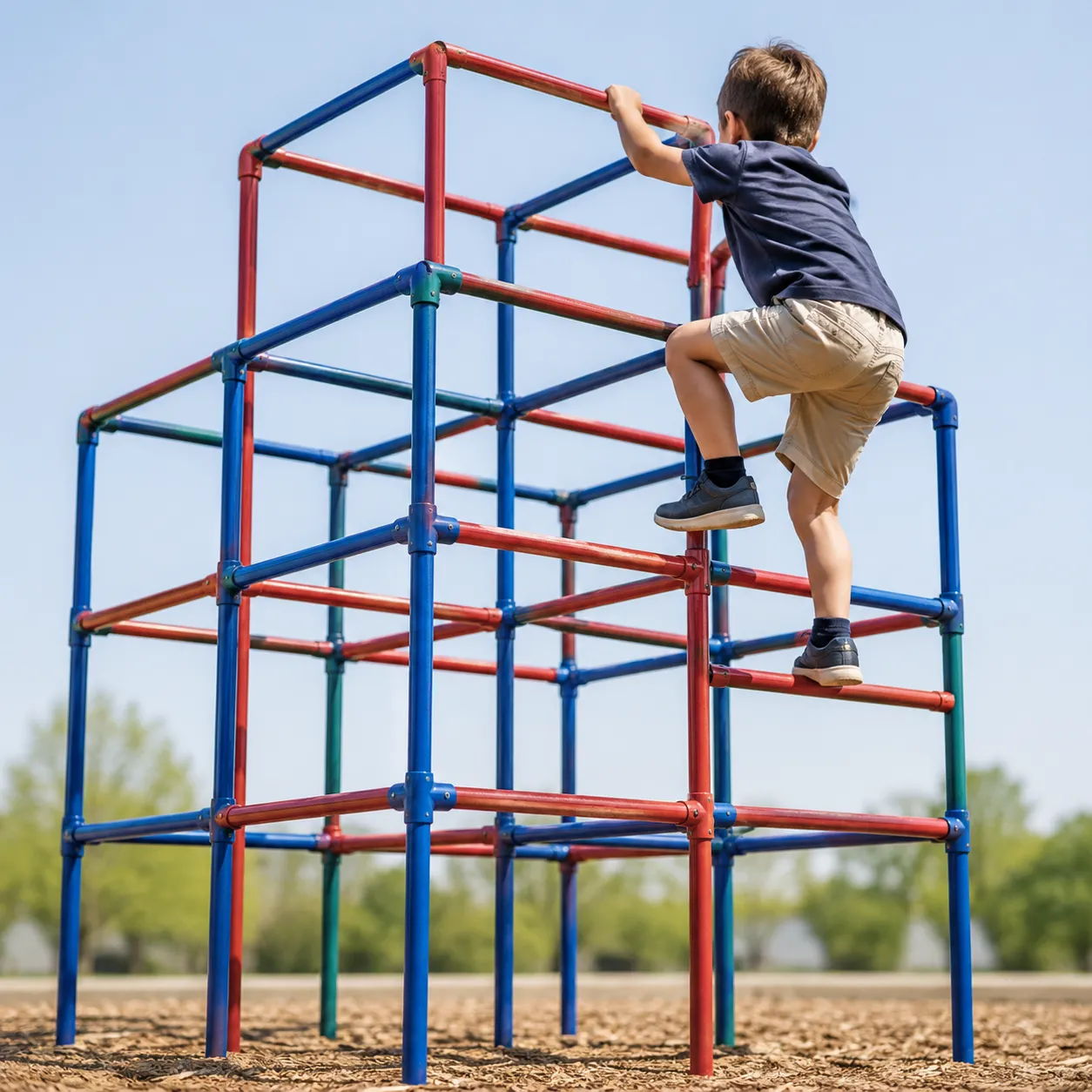
climbing frameˈklaɪmɪŋ ˌfreɪm
a frame with bars, ropes, or platforms that children climb on, usually in a playground.
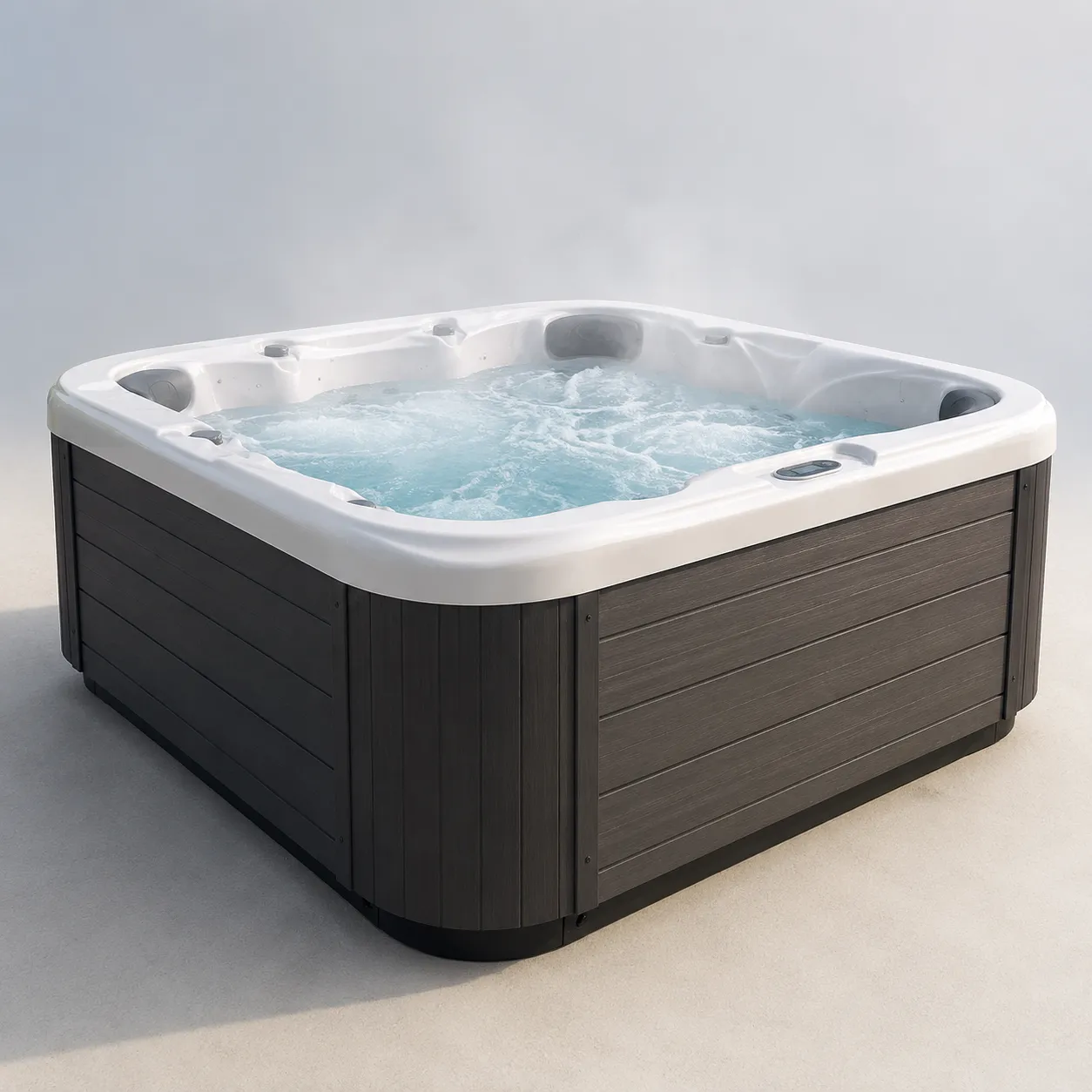
hot tubˈhɑːt tʌb
a large tub filled with hot water, often with bubbles from jets, where people sit to relax.

throwθroʊ
to make something leave your hand and move through the air by using force.
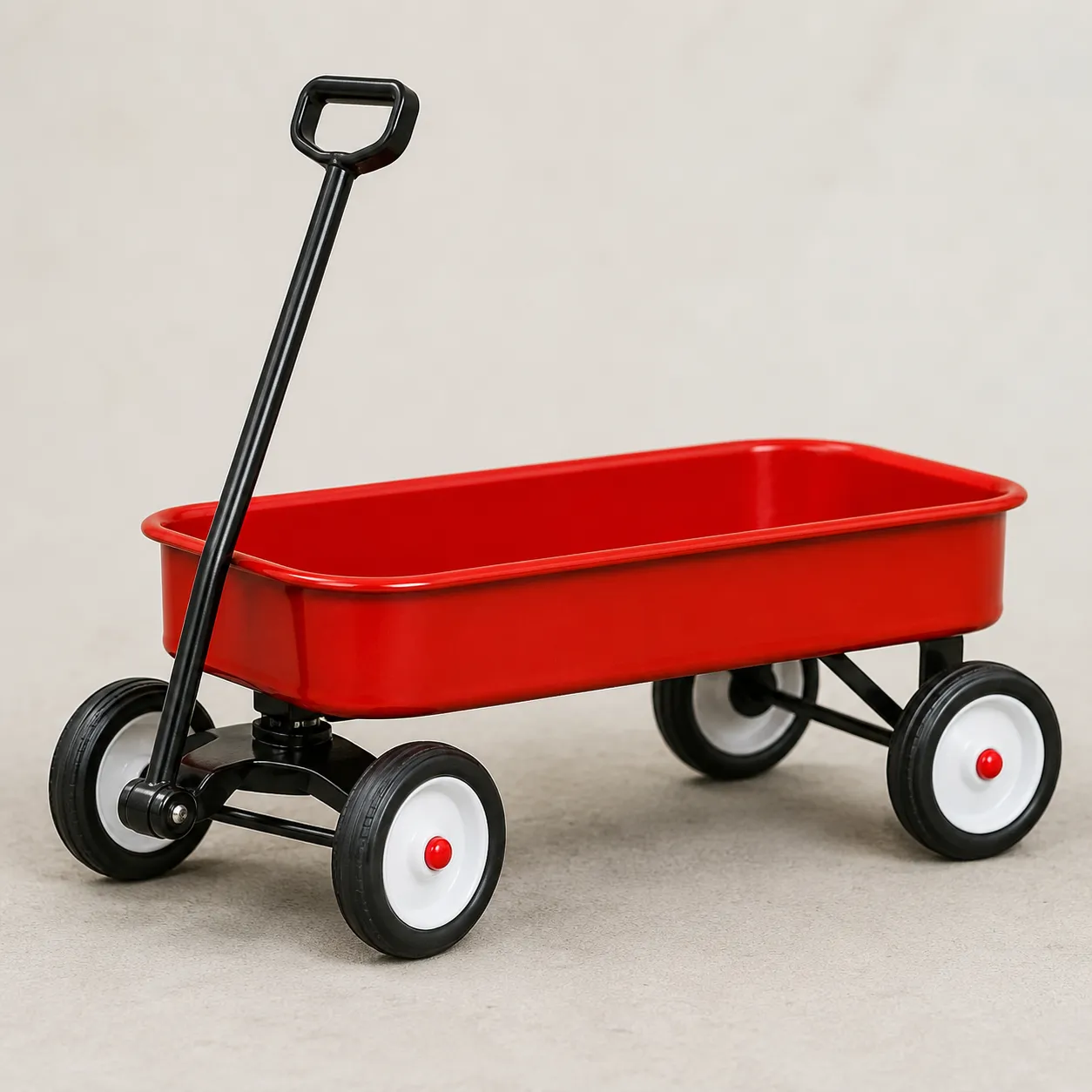
wagonˈwæɡən
a small open cart with four wheels and a handle, used for pulling children or things.

climbklaɪm
to go upward or up something, often using the hands and feet

jumpdʒʌmp
to push yourself up from the ground with your legs and move through the air for a short time.
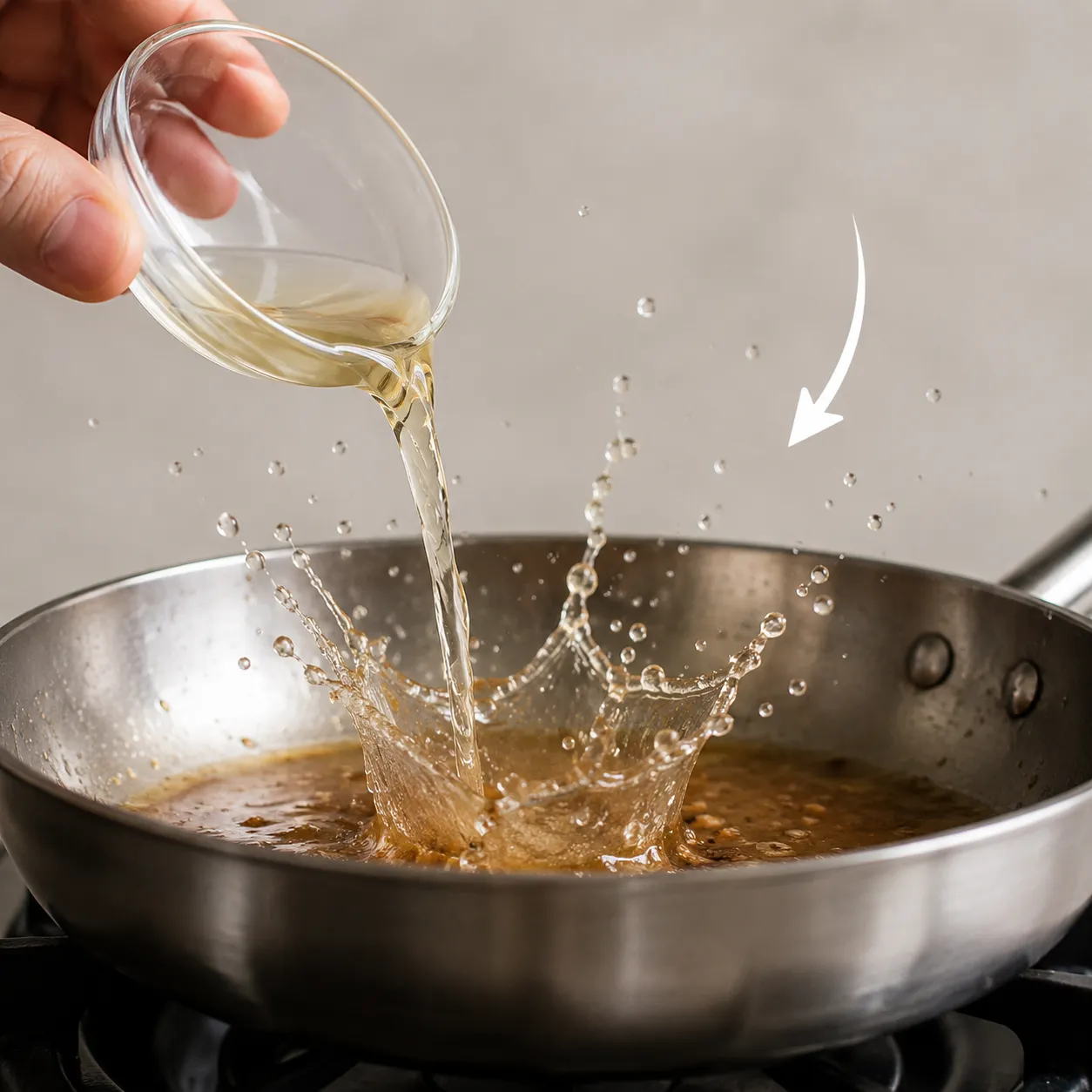
splashsplæʃ
to make water or another liquid fly or fall in drops, often by hitting or moving through it.
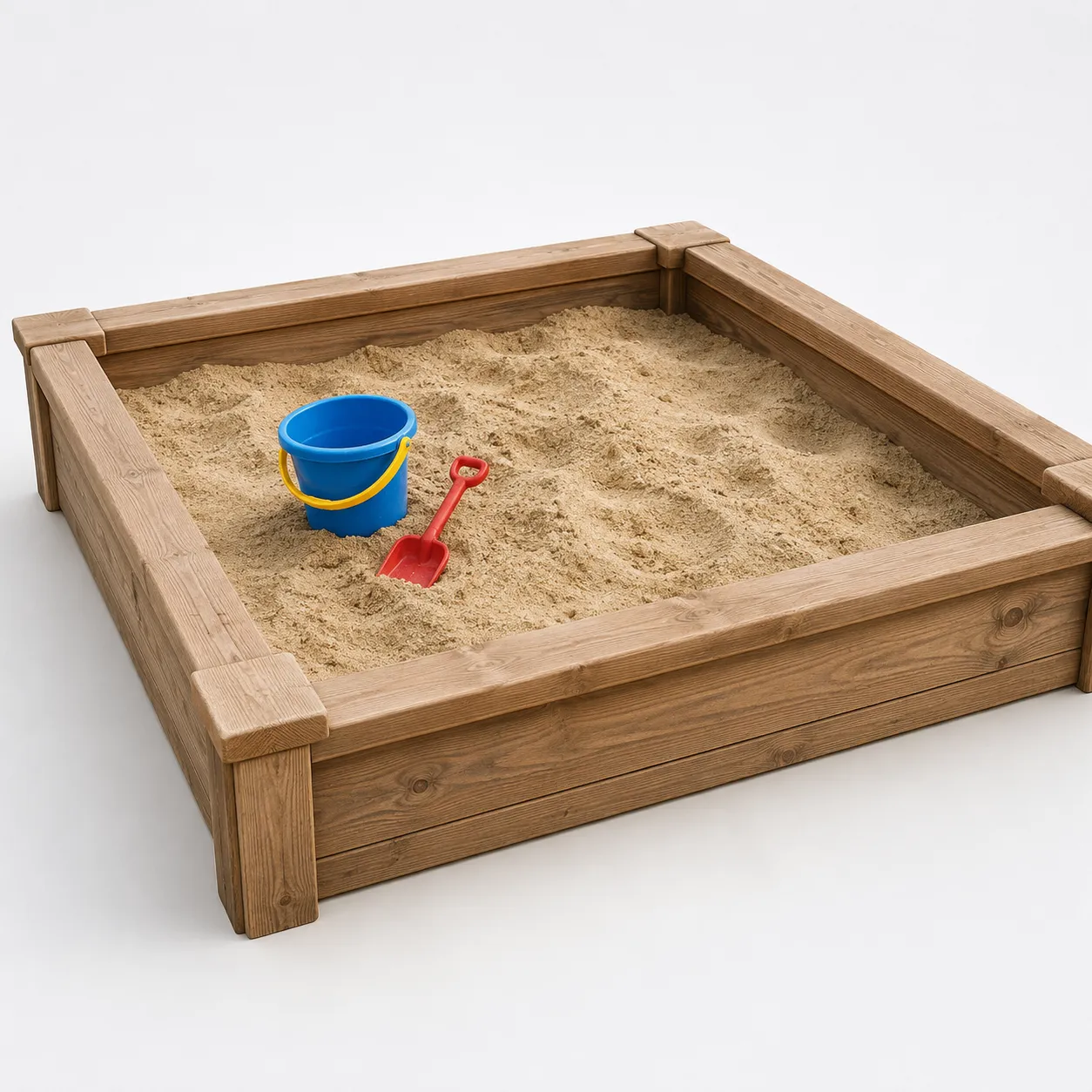
sandboxˈsændbɑːks
a box or small enclosed area filled with sand where children play.
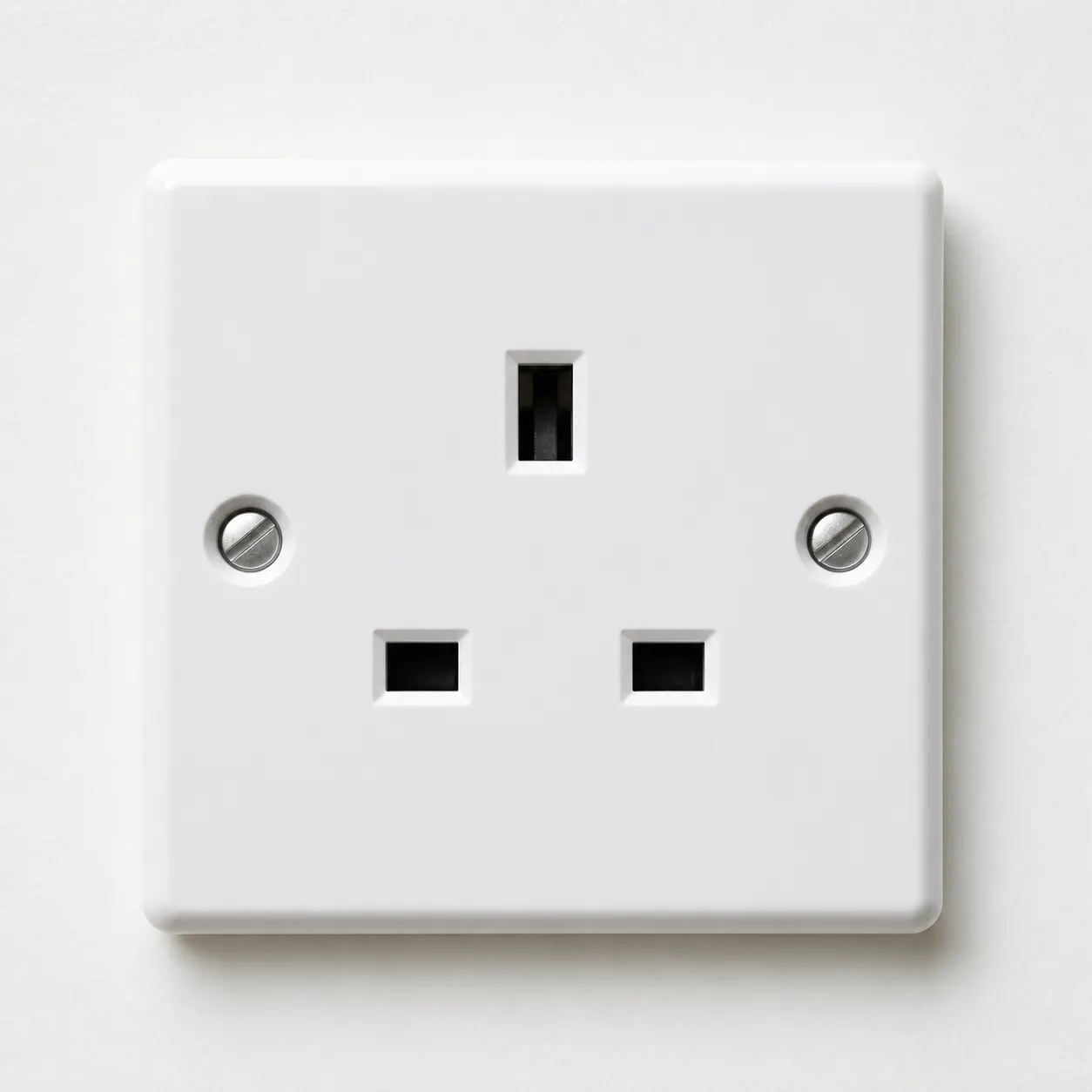
soccer ballˈsɑːkər bɔːl
the round ball that players kick in soccer.

sitsɪt
to be in a position with the lower part of your body resting on a chair, the ground, or another surface.

basketballˈbæskɪtˌbɔːl
a game played by two teams who try to score points by throwing a ball through a high round net.
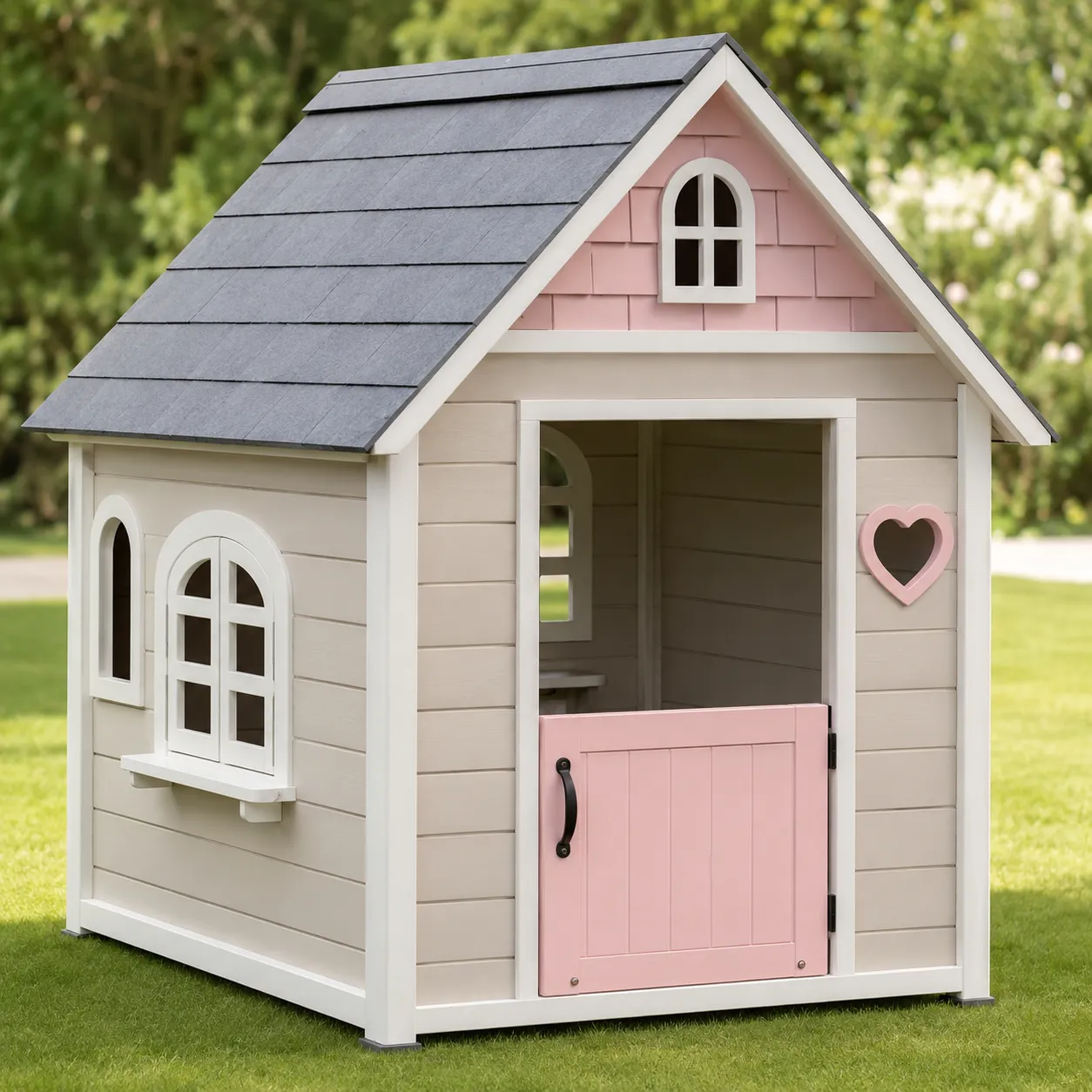
playhouseˈpleɪˌhaʊs
a small house, usually for children, that they can go inside and use for play.
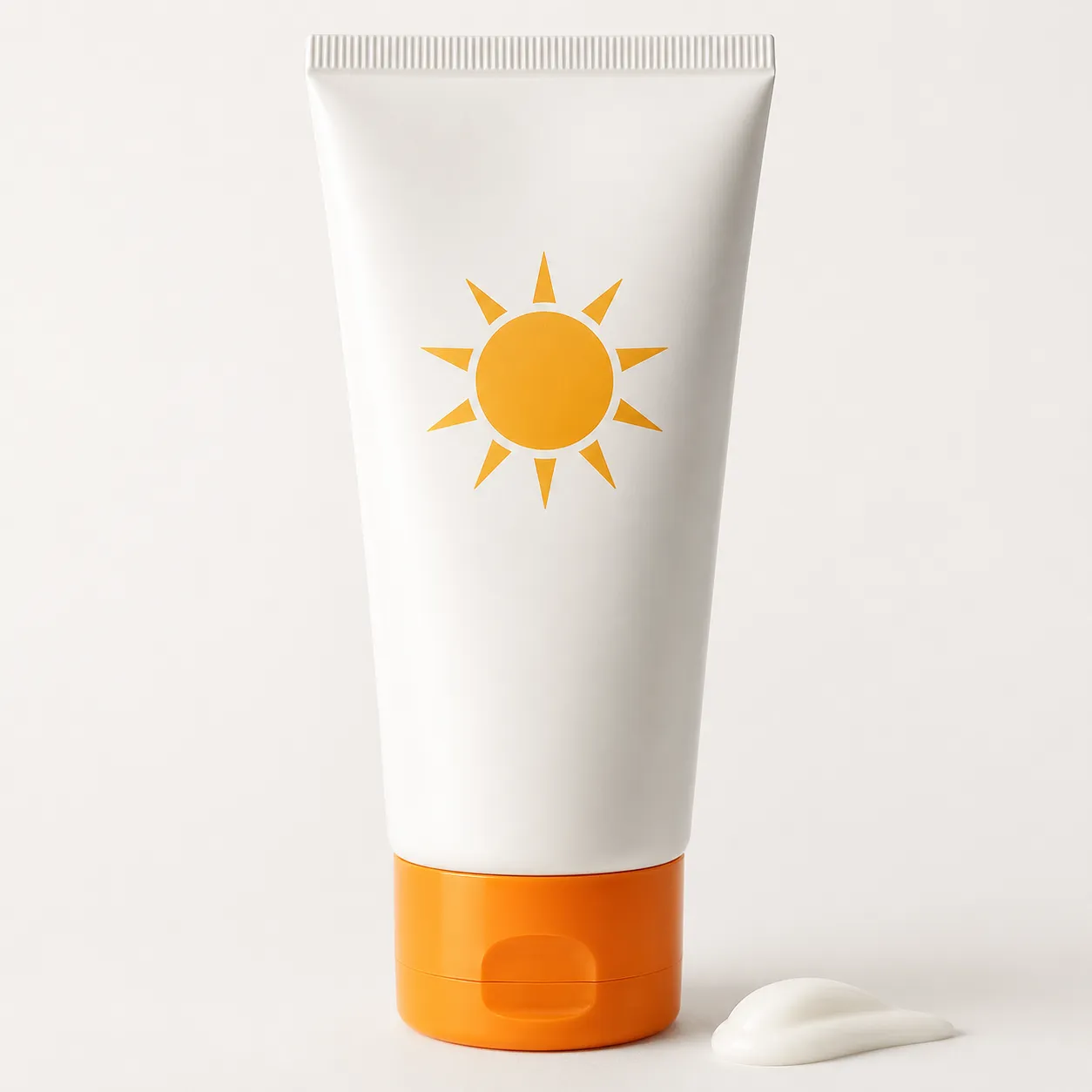
sunscreenˈsʌnˌskriːn
a cream, lotion, or spray put on the skin to protect it from harmful sunlight and sunburn.
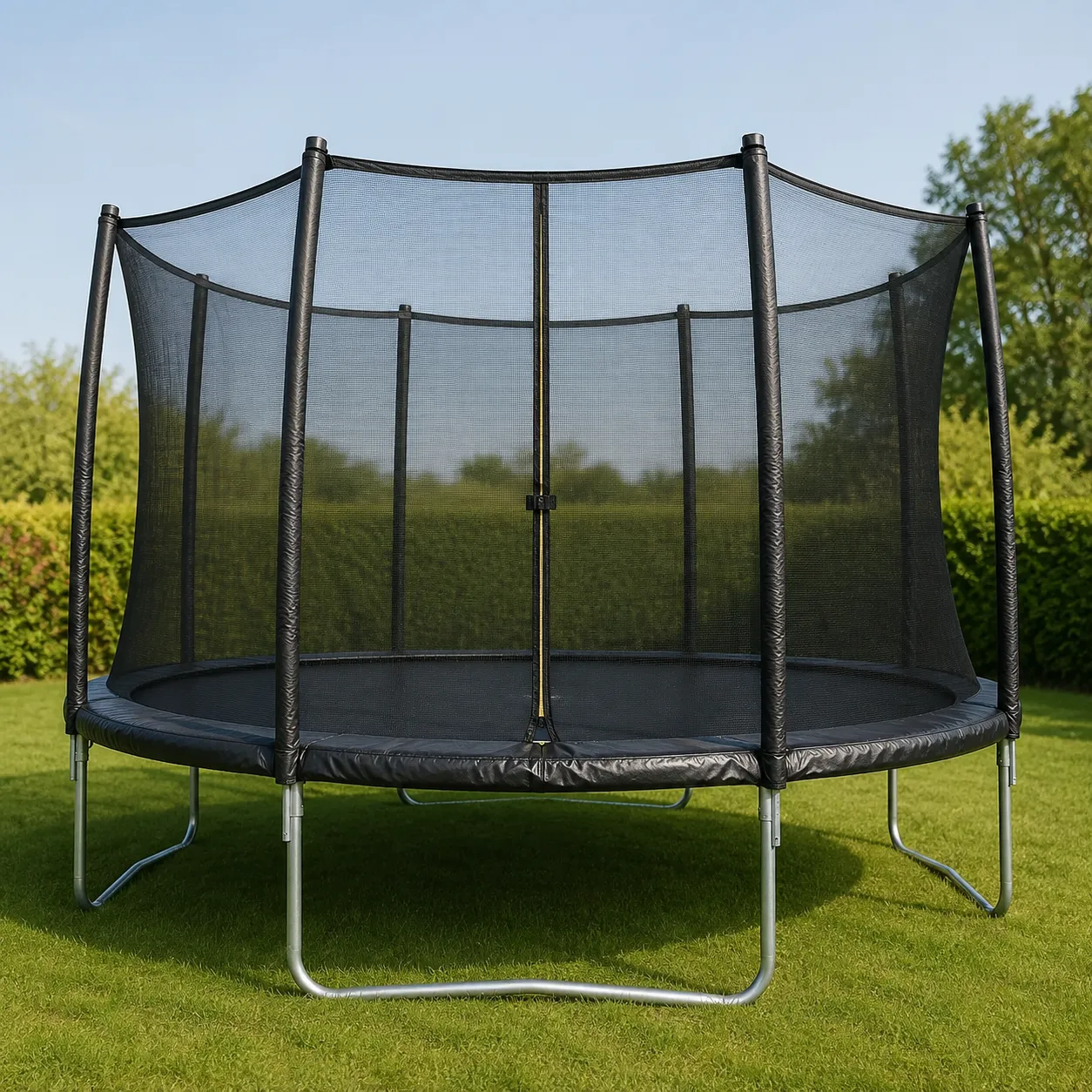
trampolineˈtræmpəˌliːn
a piece of equipment with a strong stretchy surface on a frame, used for jumping high into the air.

catchkætʃ
to stop and hold something that is moving through the air, especially with your hands.
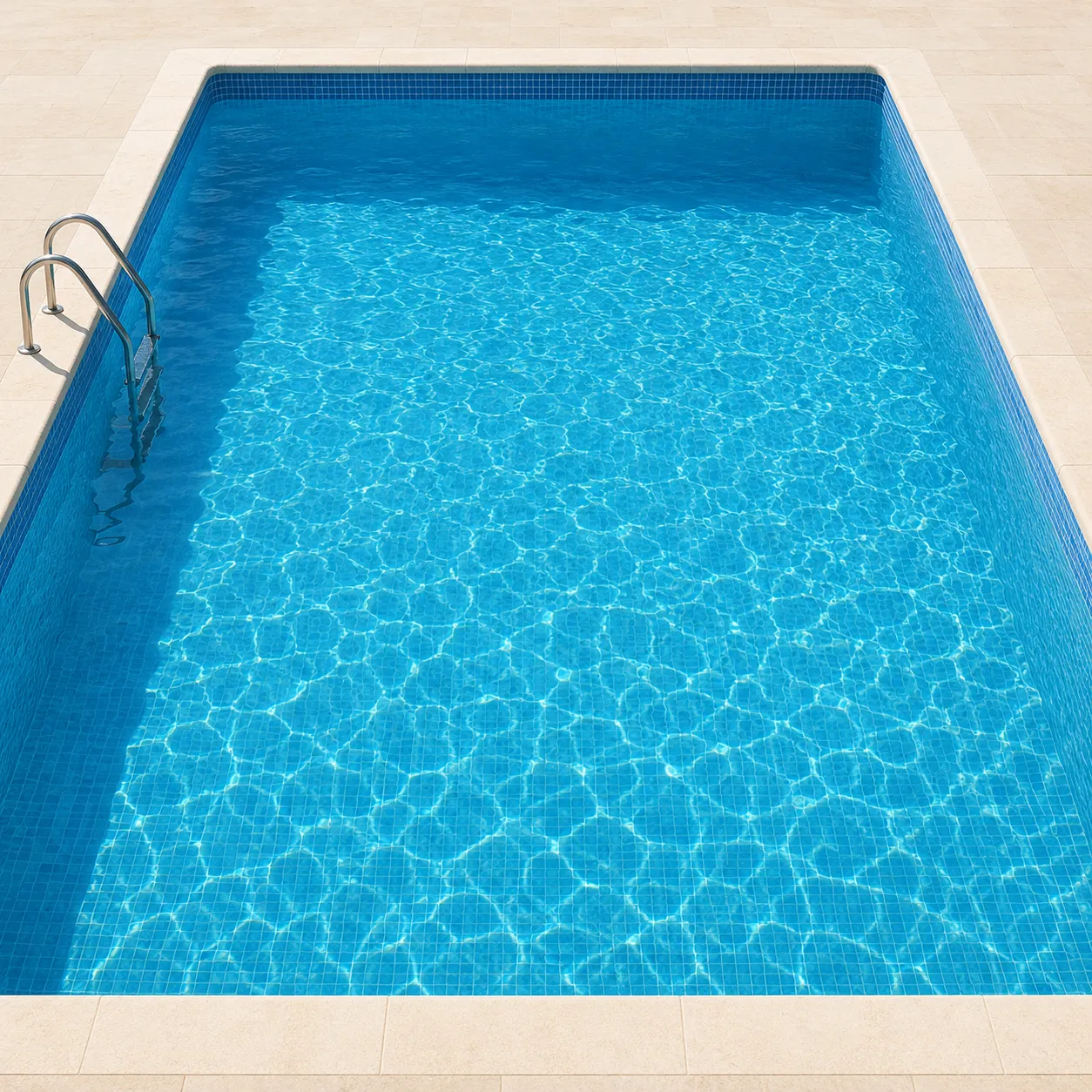
poolpuːl
a built area filled with water where people swim.
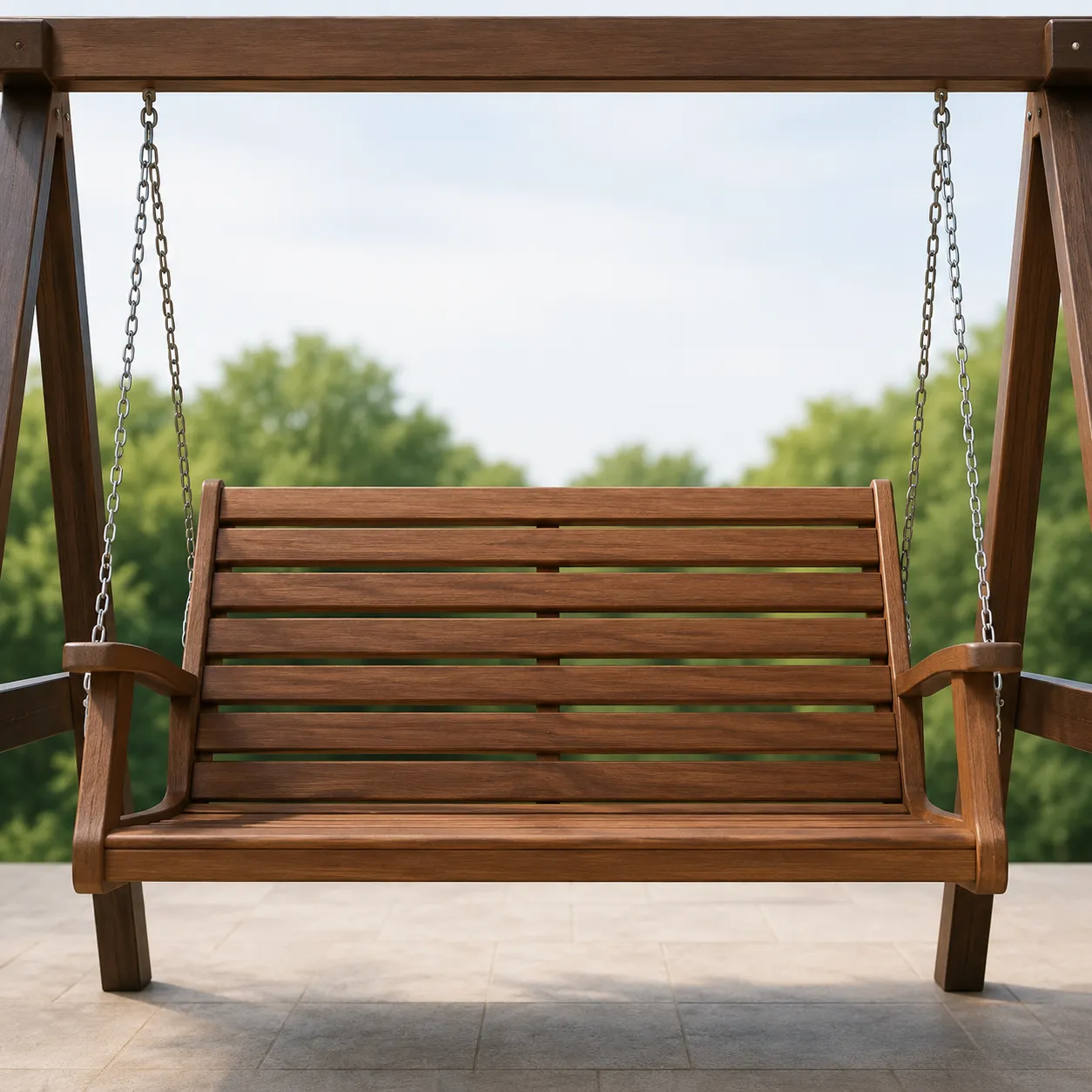
swingswɪŋ
a seat hanging from ropes or chains, often in a garden or playground, that moves backwards and forwards.

kickkɪk
to hit a person, object, or ball with your foot.
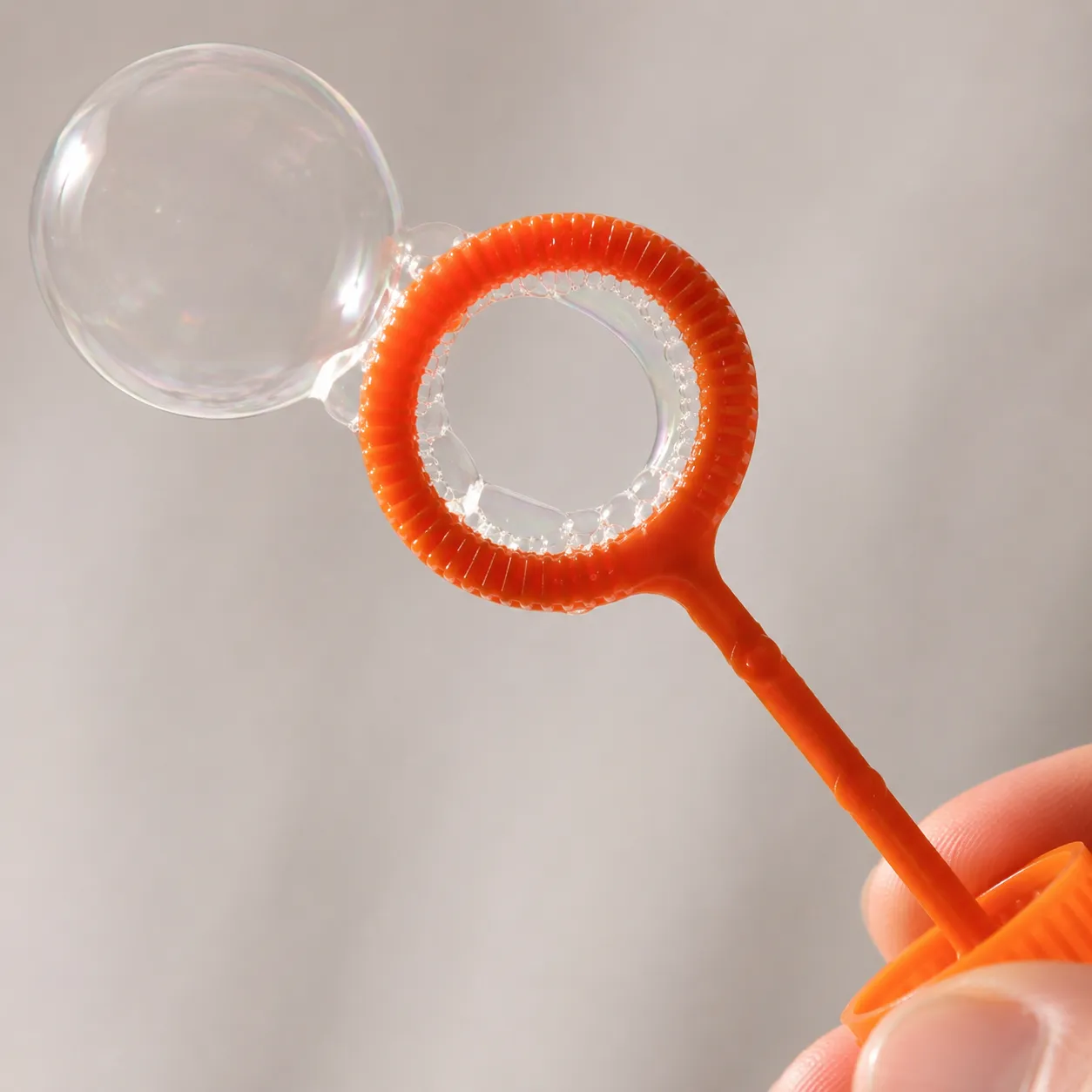
bubble wandˈbʌbəl wɑːnd
a small stick with a loop at the end that is dipped in soapy liquid and used to blow bubbles.

runrʌn
to move quickly on foot, sometimes for exercise, sport, or escape
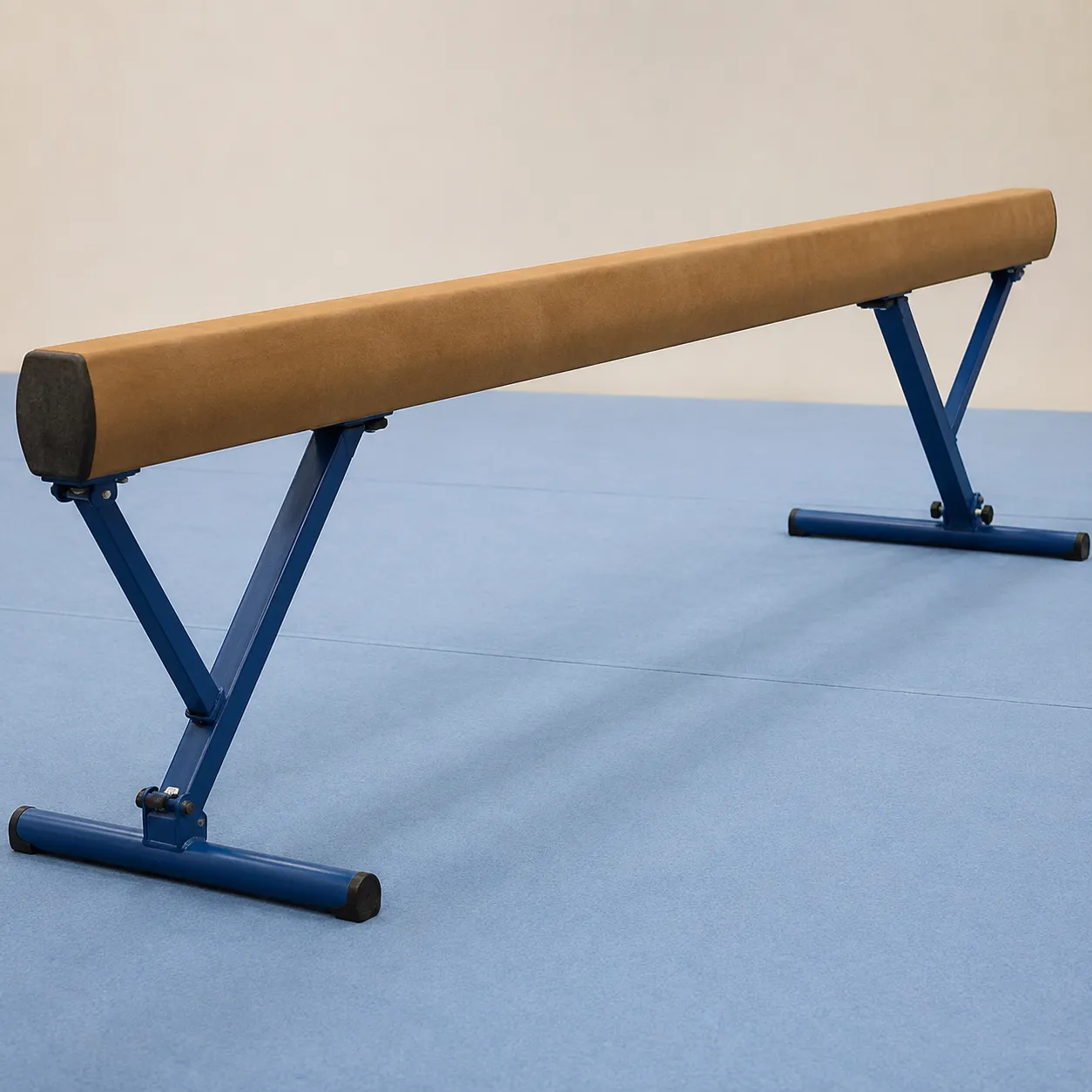
balance beamˈbæləns biːm
a long narrow piece of wood or other material that a person walks along to practise balance, especially in gymnastics or play.
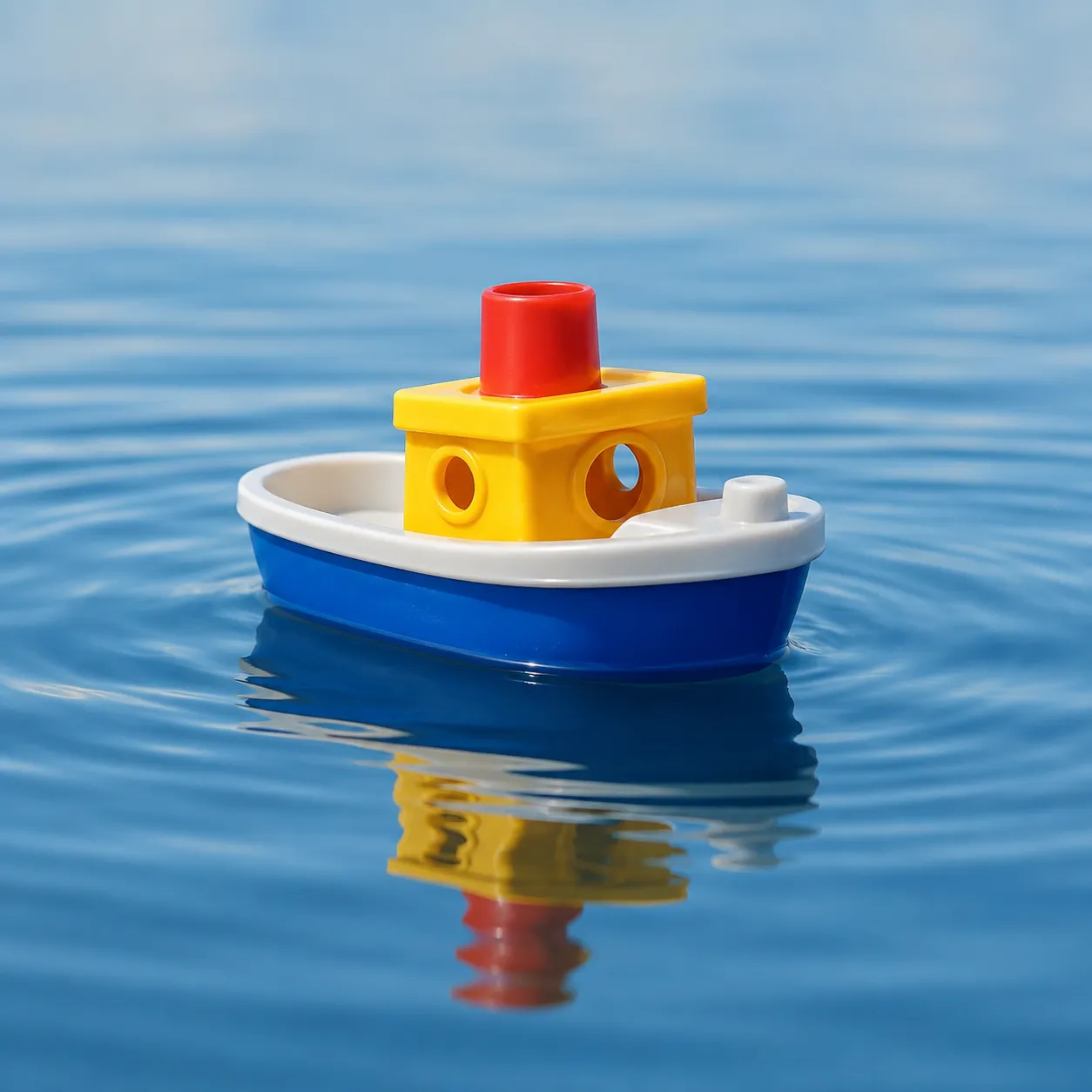
floatfloʊt
to stay on the surface of a liquid or be carried along by water or air, or to make something do this.

kitekaɪt
a light toy flown in the wind at the end of a long string
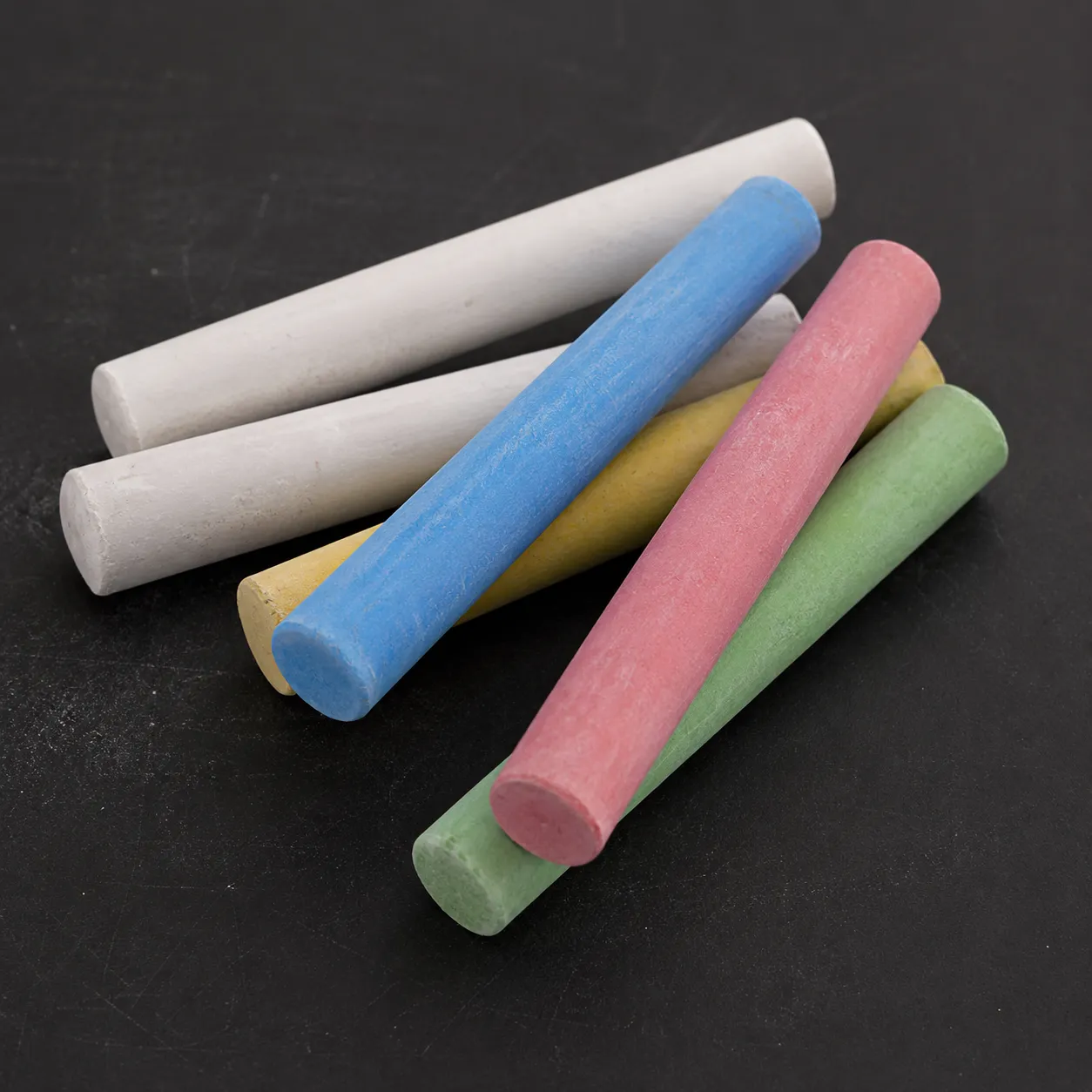
chalktʃɔːk
a soft white or colored stick used for writing on a blackboard.

crawlkrɔːl
to move forward on your hands and knees, or with your body close to the ground.

readriːd
to look at written words or symbols and understand what they mean.
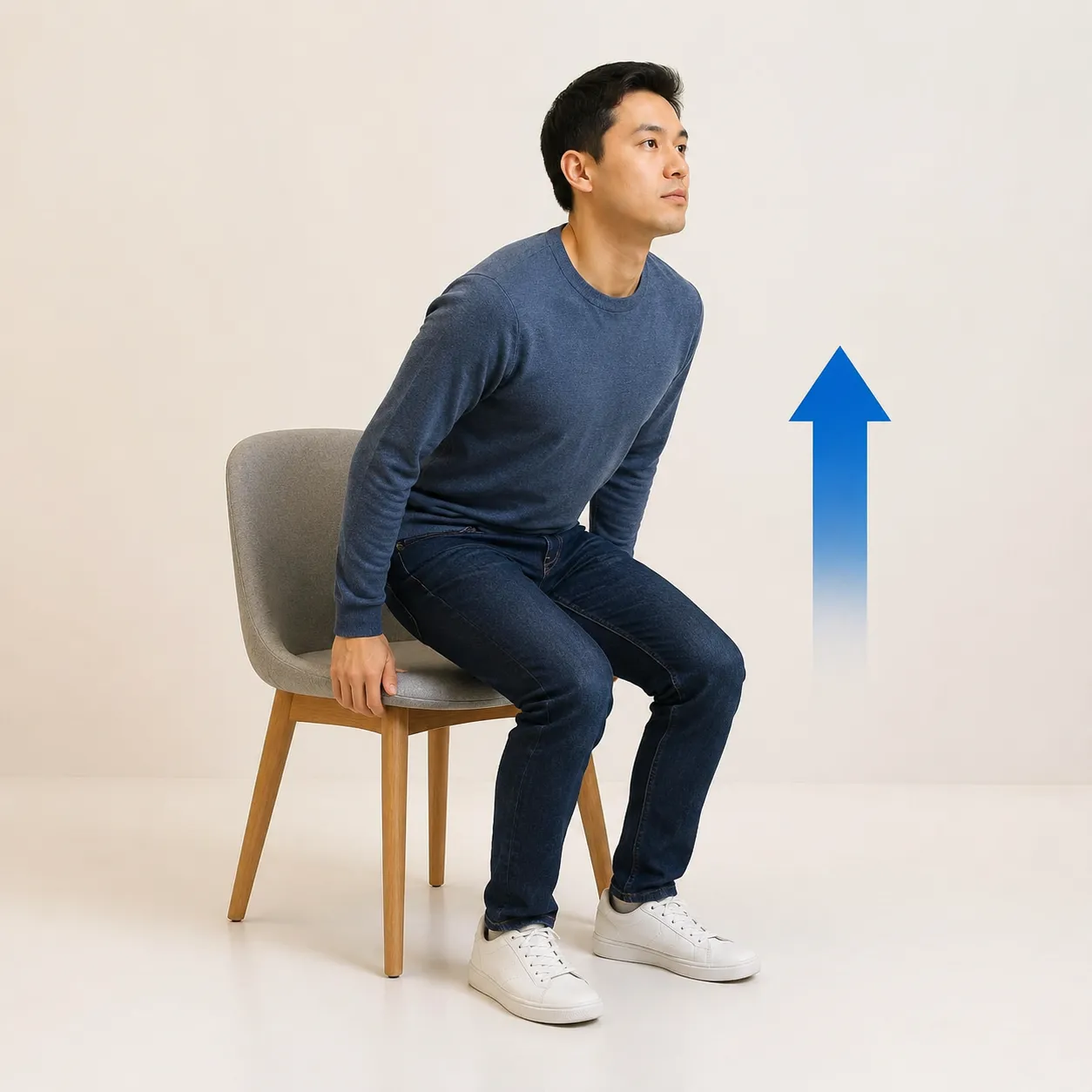
standstænd
to be on your feet with your body upright, or to move into this position.
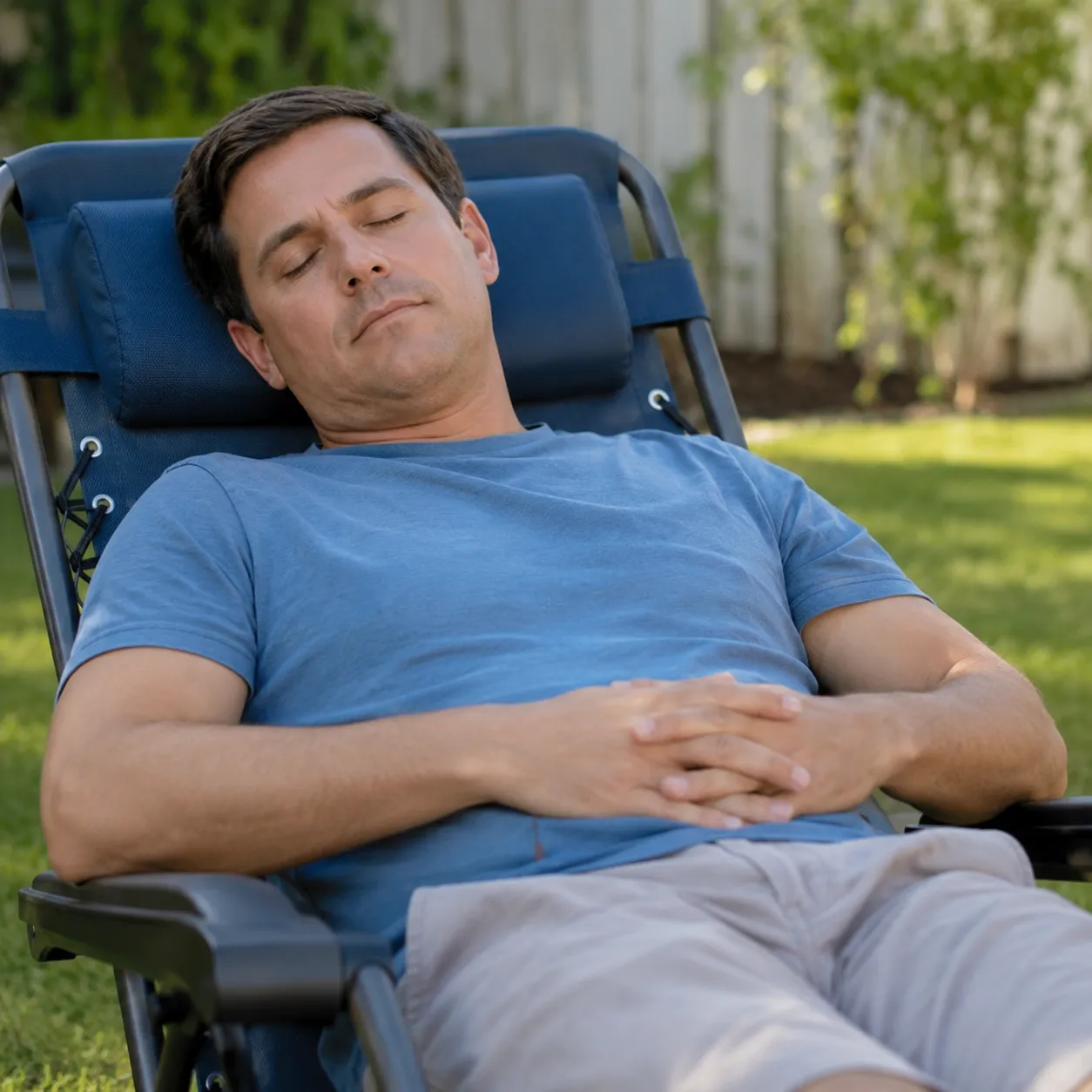
napnæp
a short sleep, usually during the day rather than at night.

spaspɑː
a place that offers health and beauty treatments such as massages, saunas, or skin care.
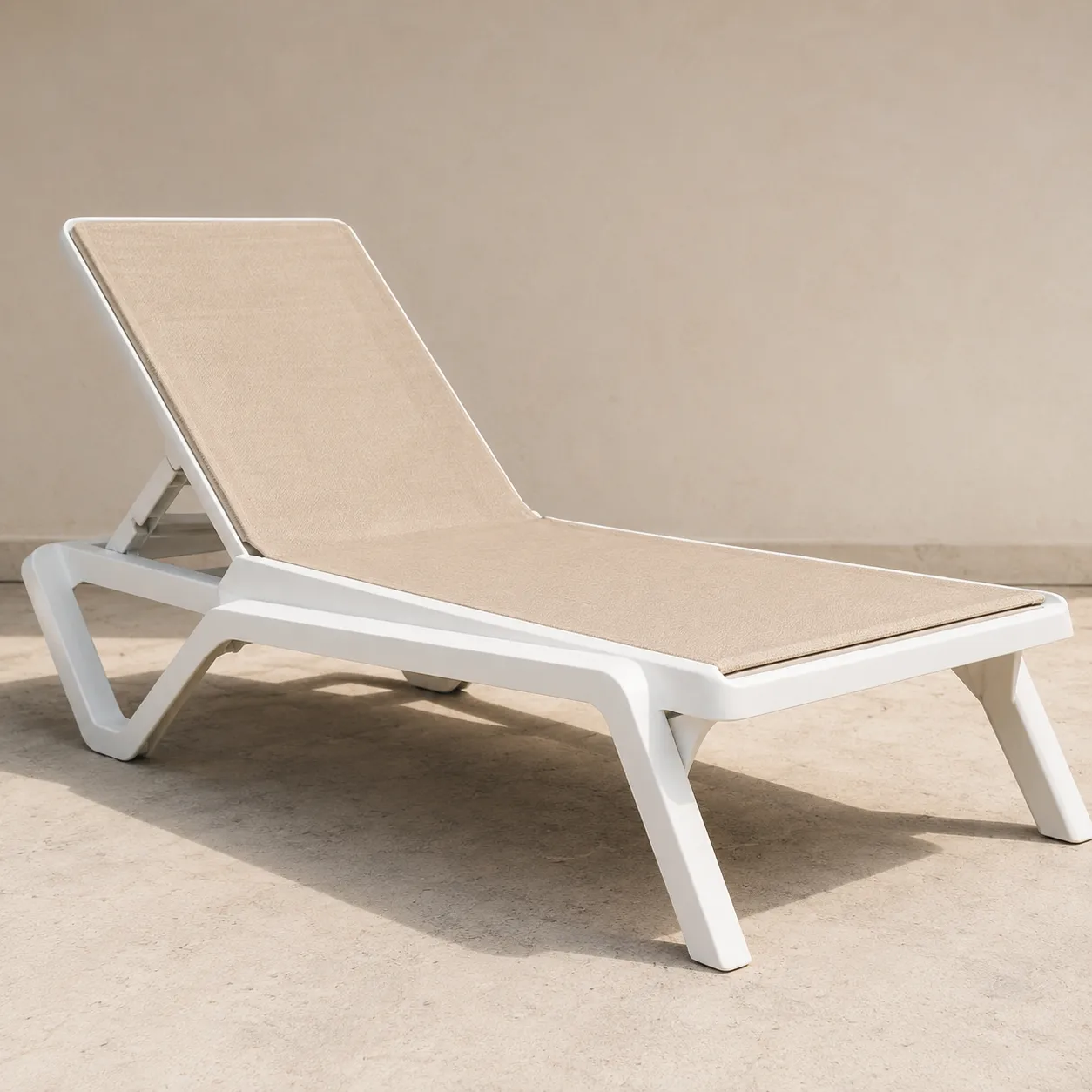
sun loungerˈsʌn ˌlaʊndʒər
a long outdoor chair with a back that can often be lowered, used for lying or relaxing in the sun.

bouncebaʊns
to hit a surface and quickly move away from it again.

toytɔɪ
an object that a child plays with, such as a ball, car or doll.
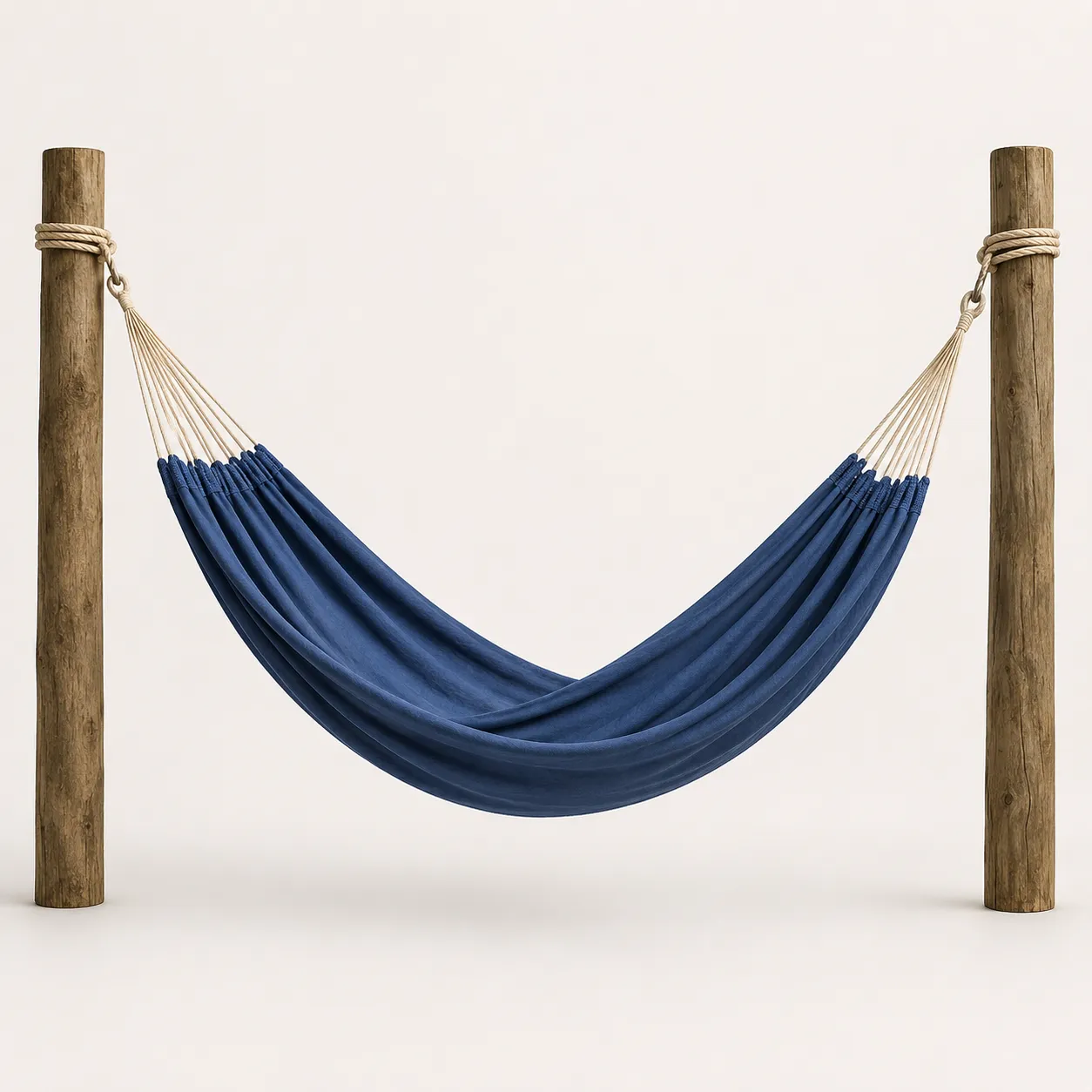
hammockˈhæmək
a bed made of cloth or net that hangs between two trees or supports, used for resting outdoors.

ballbɔːl
a round object that people throw, kick, hit, or catch in games and sports.
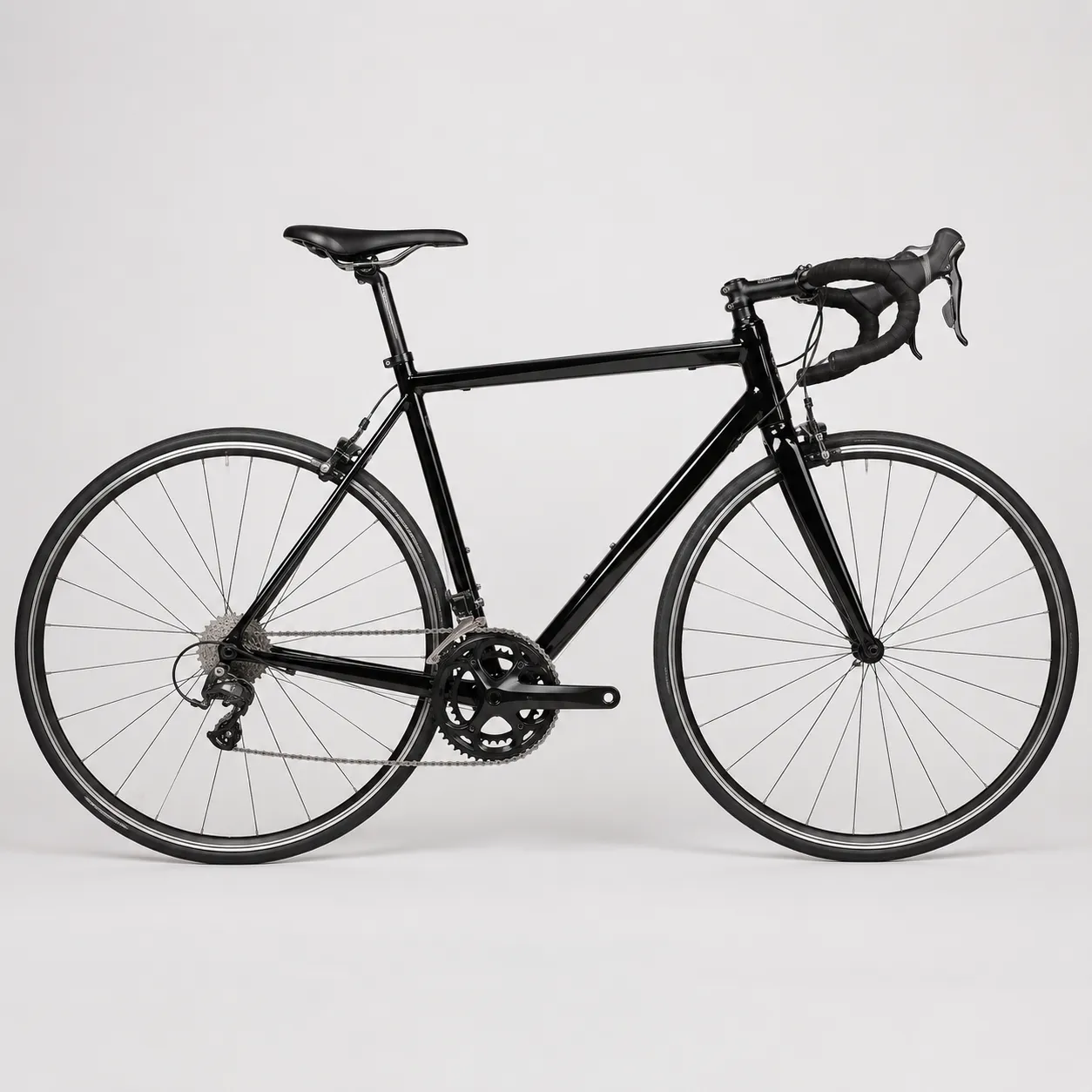
bicycleˈbaɪsɪkəl
a vehicle with two wheels that you ride by sitting on it and pushing pedals with your feet.
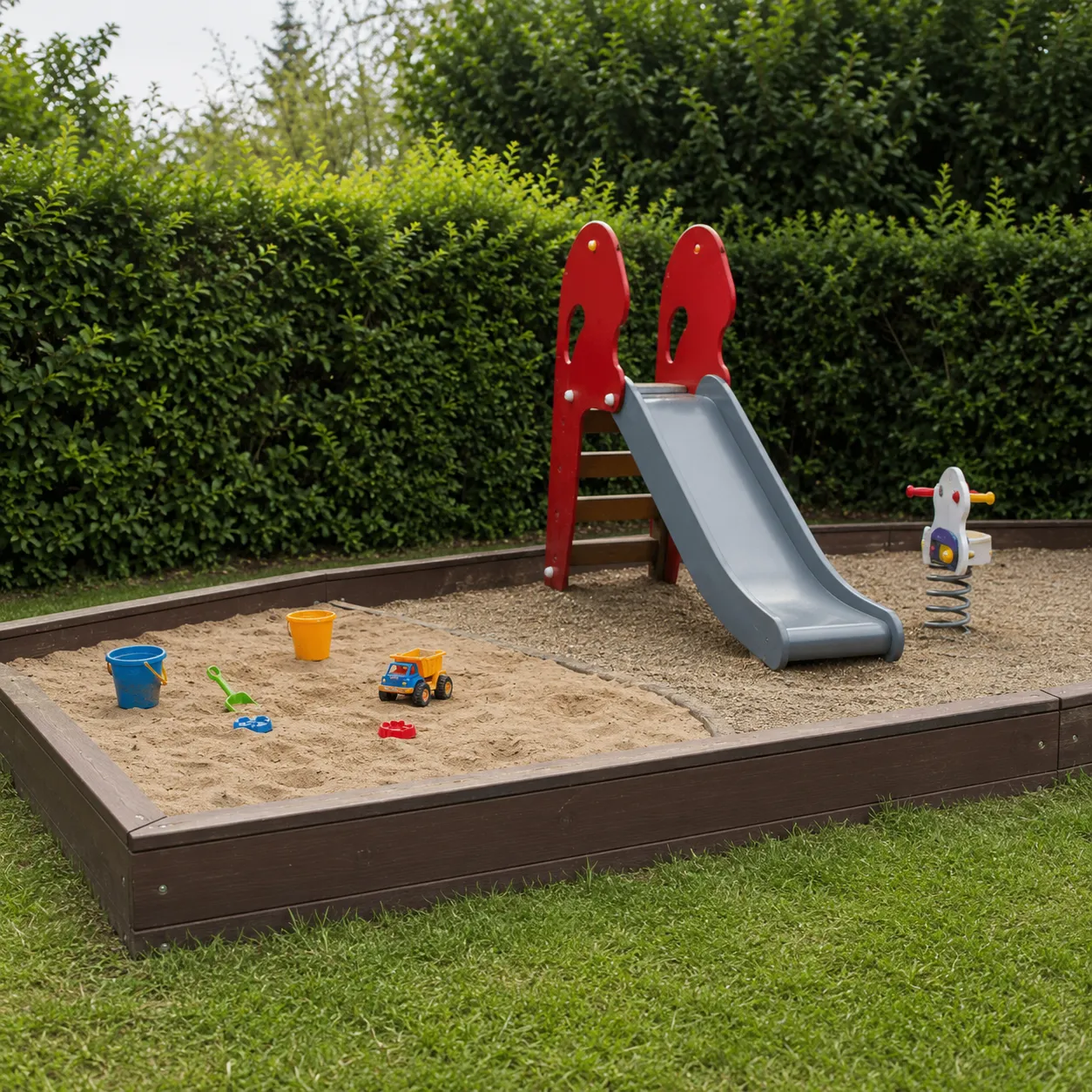
play areaˈpleɪ ˌɛriə
a place, indoors or outdoors, where children are meant to play safely.
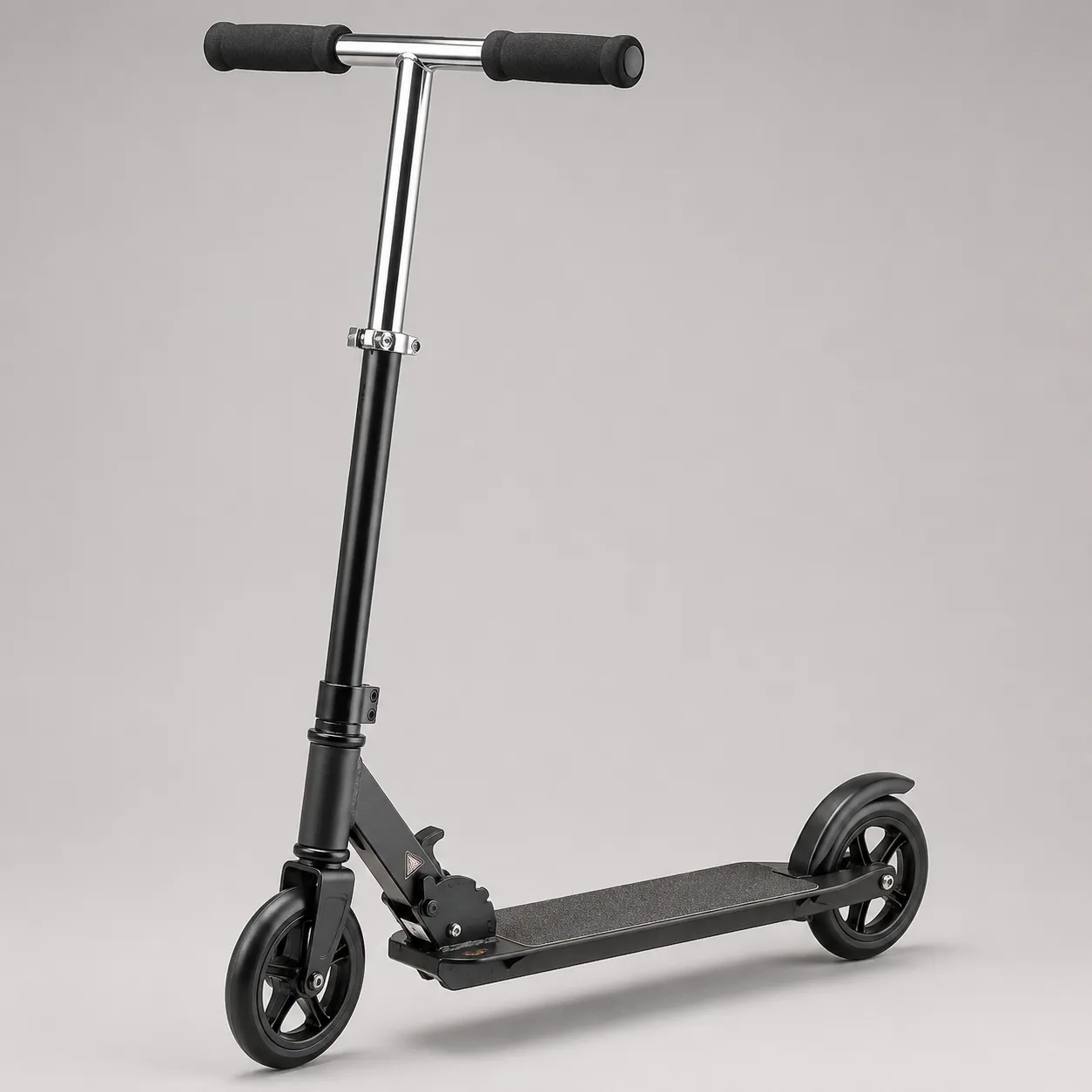
scooterˈskuːtɚ
a vehicle with a narrow board, small wheels, and a handlebar, ridden standing up by pushing with one foot.

projectorprəˈdʒektər
a device that shows images or video on a screen or wall.
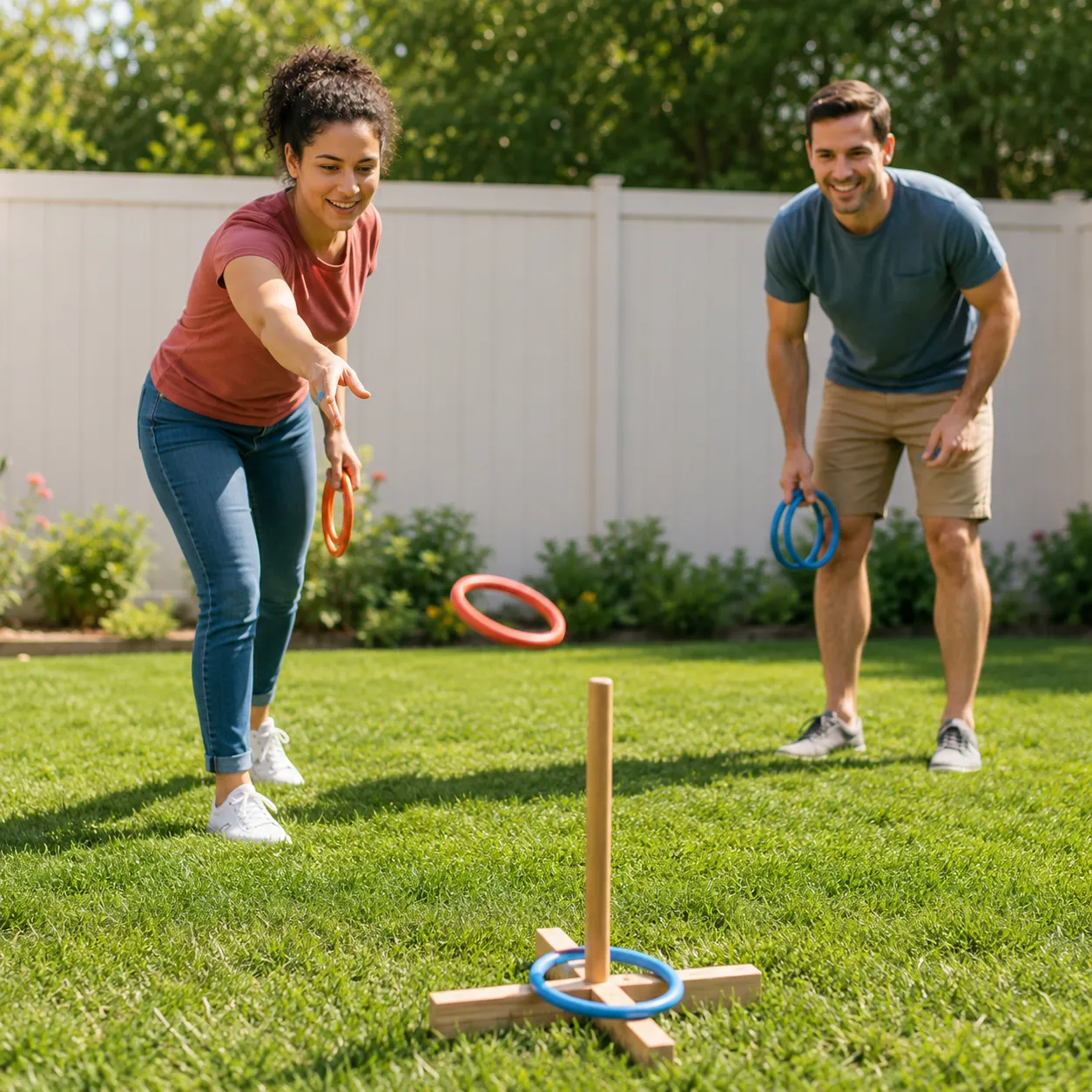
gameɡeɪm
an activity with rules that people do for fun or practice.
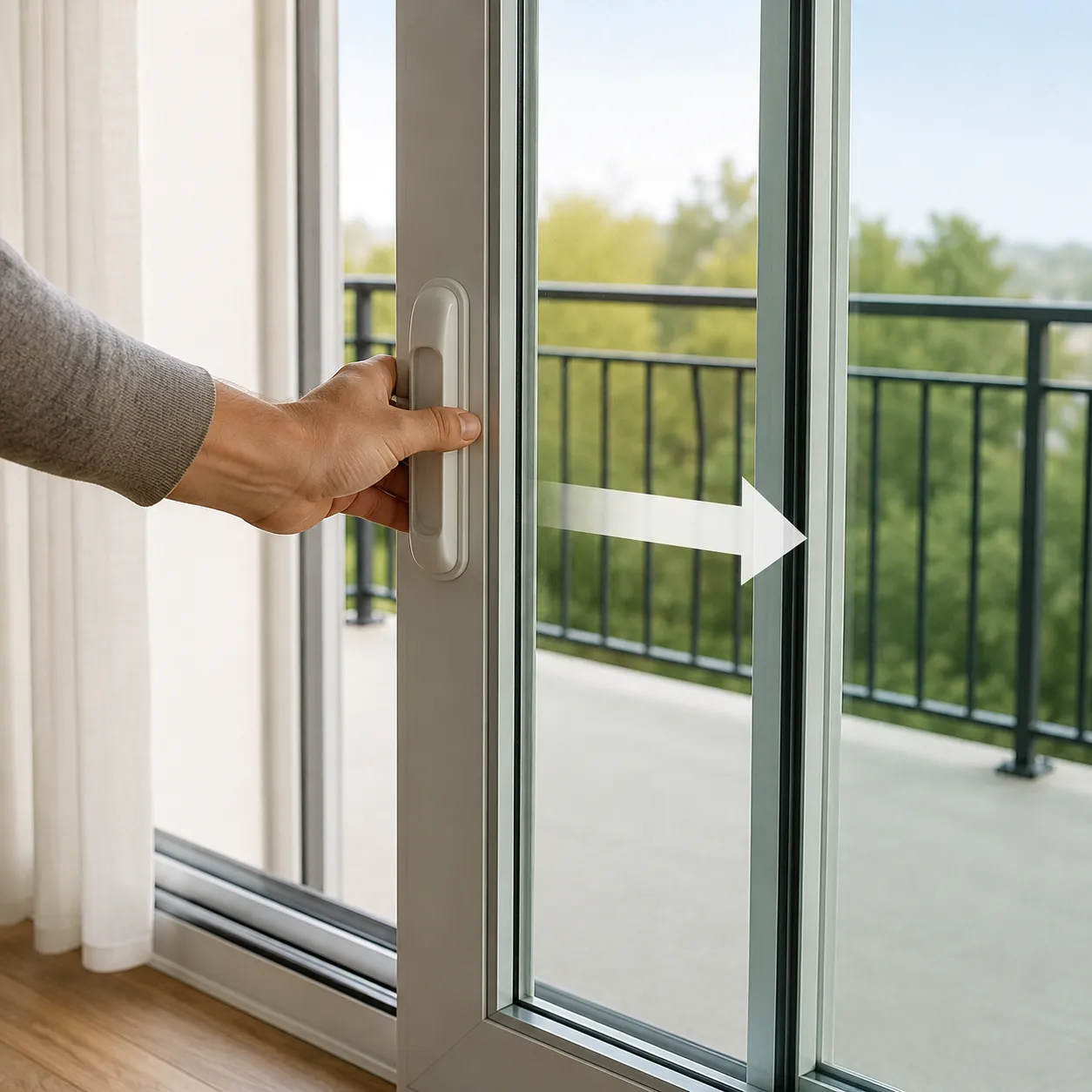
slideslaɪd
to move smoothly over a surface or along something, often without lifting off it.

climbing ropeˈklaɪmɪŋ roʊp
a strong rope that people climb for exercise, sport, or play.
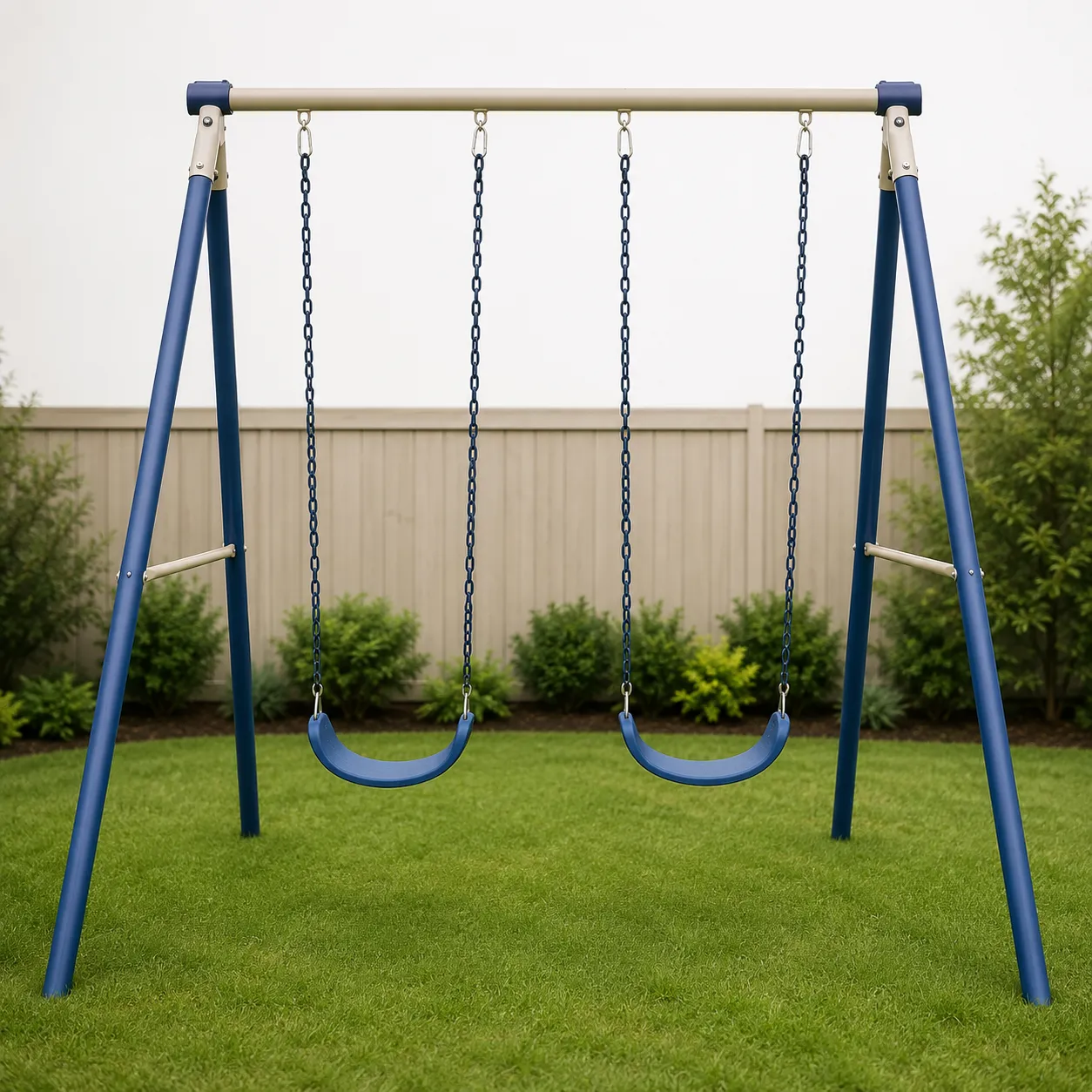
swing setˈswɪŋ ˌsɛt
a frame with one or more hanging seats that children sit on and move back and forth for play.
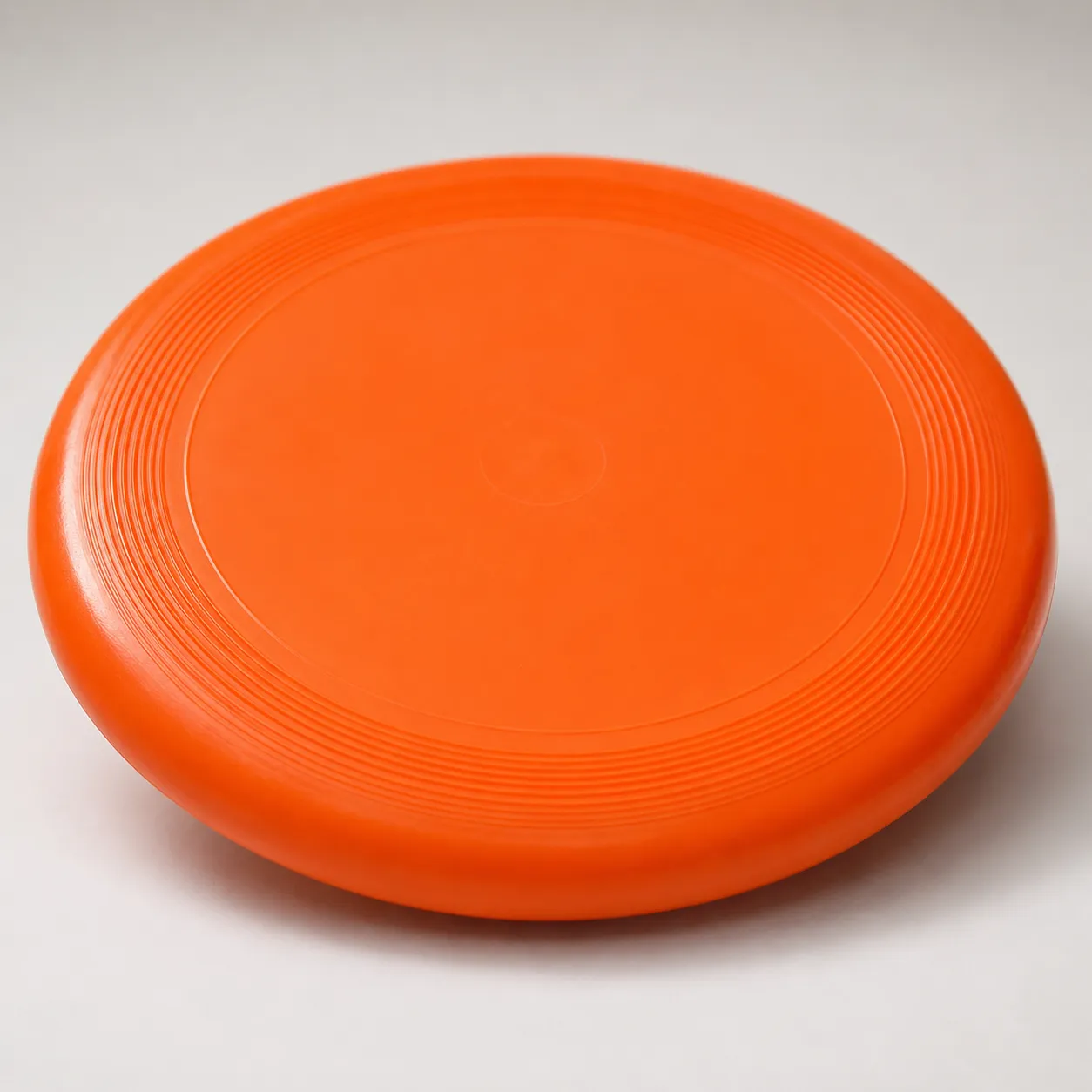
frisbeeˈfrɪzbi
a light plastic disc that people throw to each other for fun or in a sport.
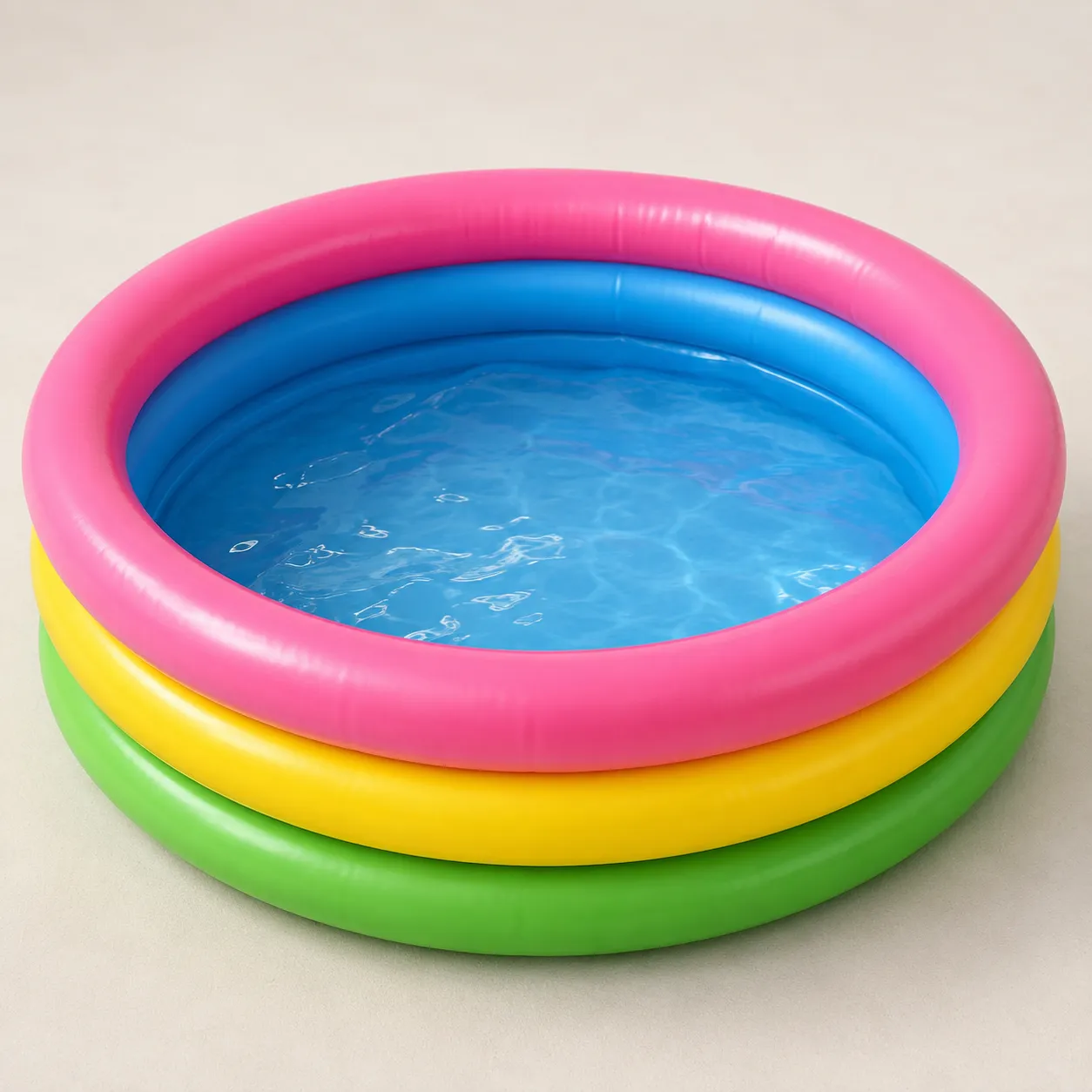
kiddie poolˈkɪdi puːl
a small shallow pool, often made of plastic, for young children to play in.
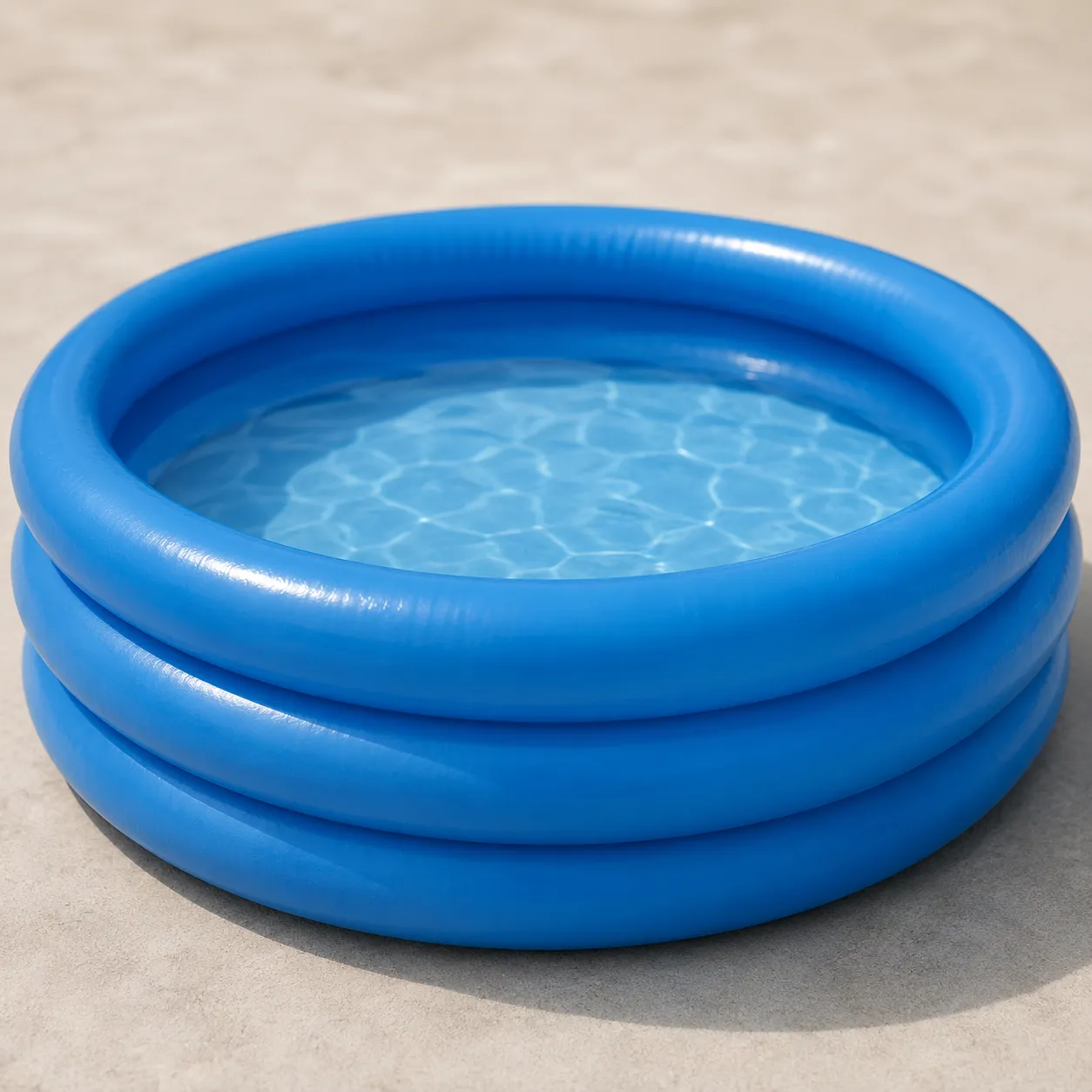
inflatable poolɪnˈfleɪtəbəl puːl
a pool with soft sides that are filled with air so it can stand up and hold water.
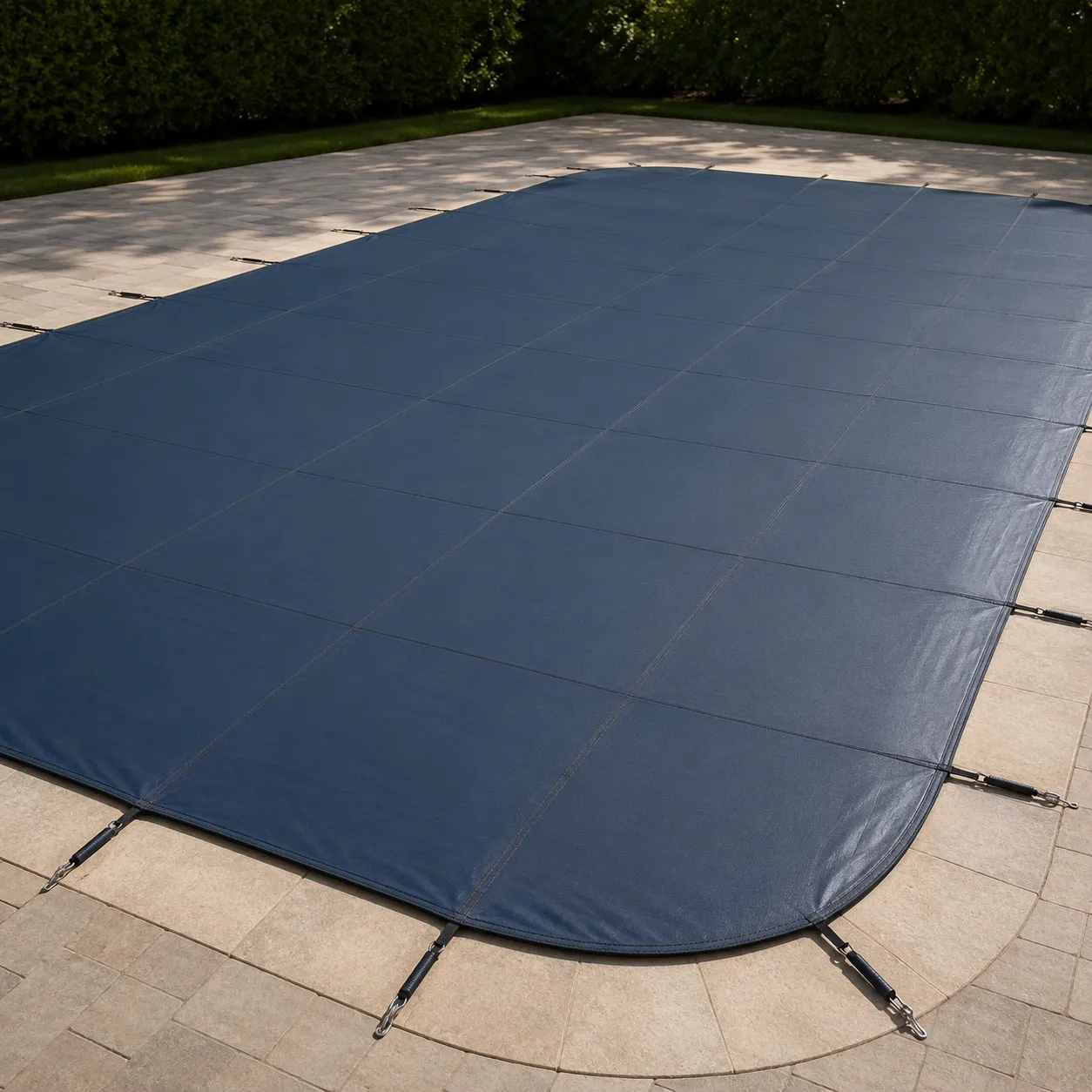
pool coverˈpuːl ˌkʌvər
a sheet or fitted cover put over a swimming pool to keep it clean, warm, or safe when not in use.
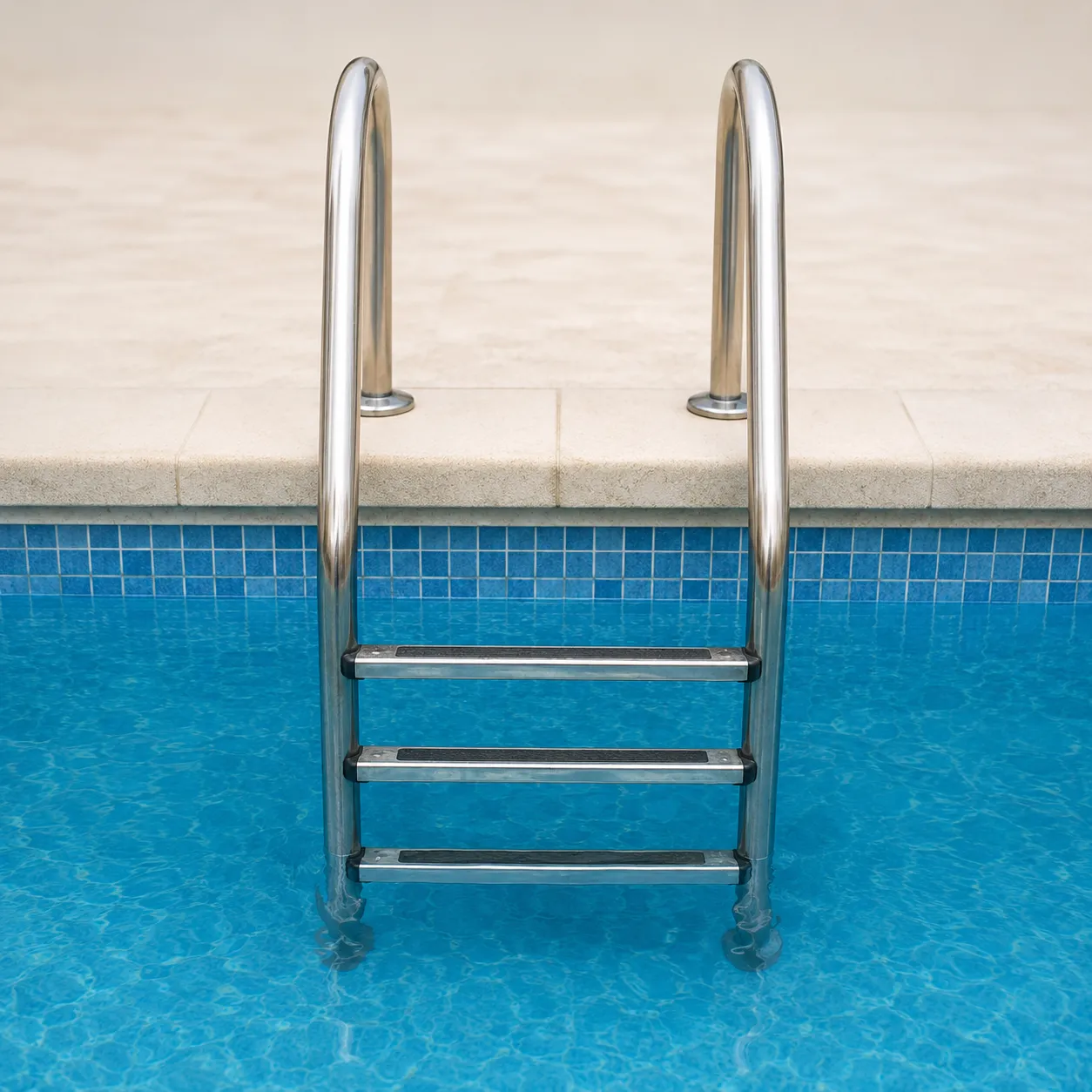
pool ladderˈpuːl ˌlædər
a ladder with steps or rungs used for getting into and out of a swimming pool.

pool floatˈpuːl floʊt
an inflatable object that a person can sit or lie on to float in a swimming pool.
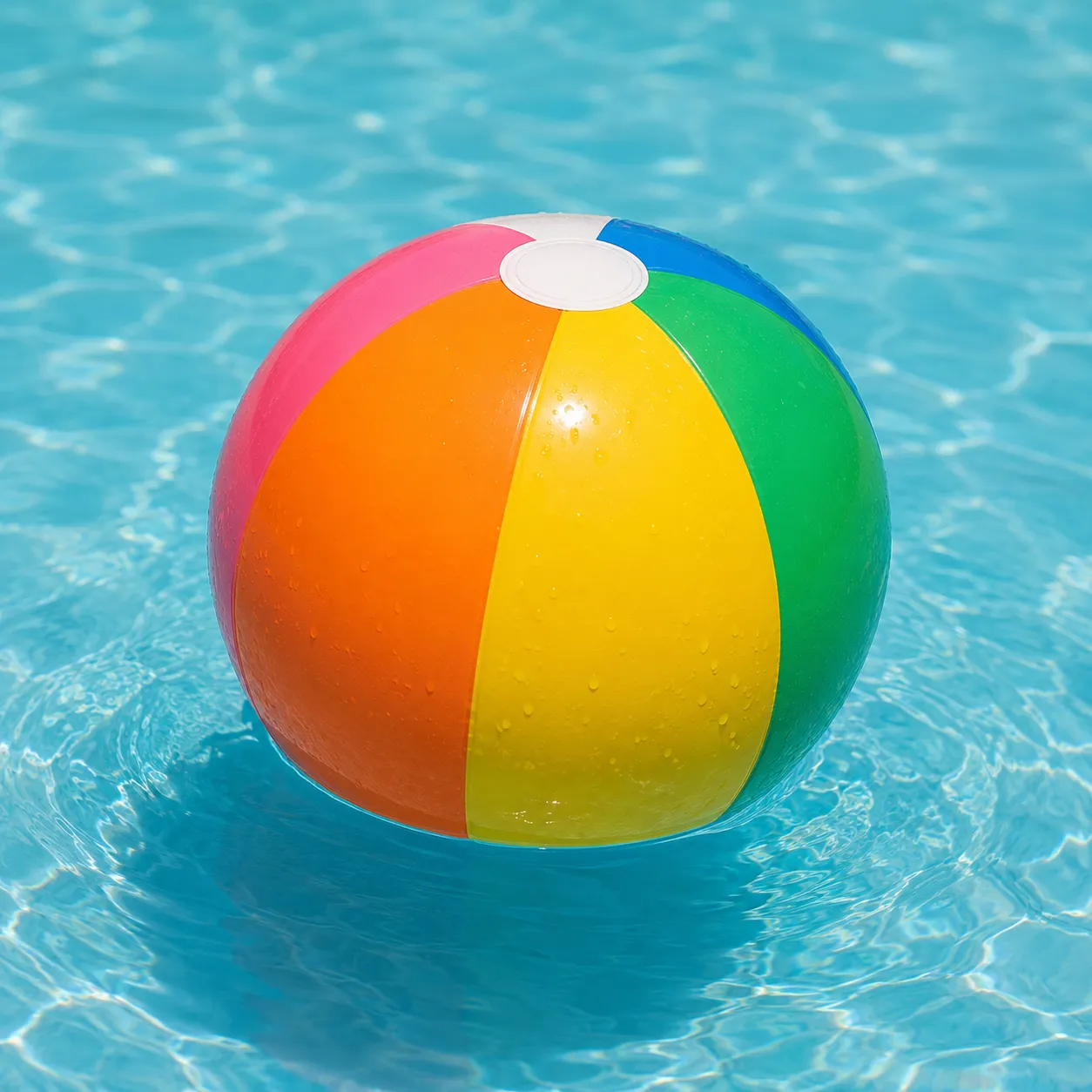
pool toyˈpuːl tɔɪ
a toy made to be used in a swimming pool, such as a ball, ring, or floating animal.
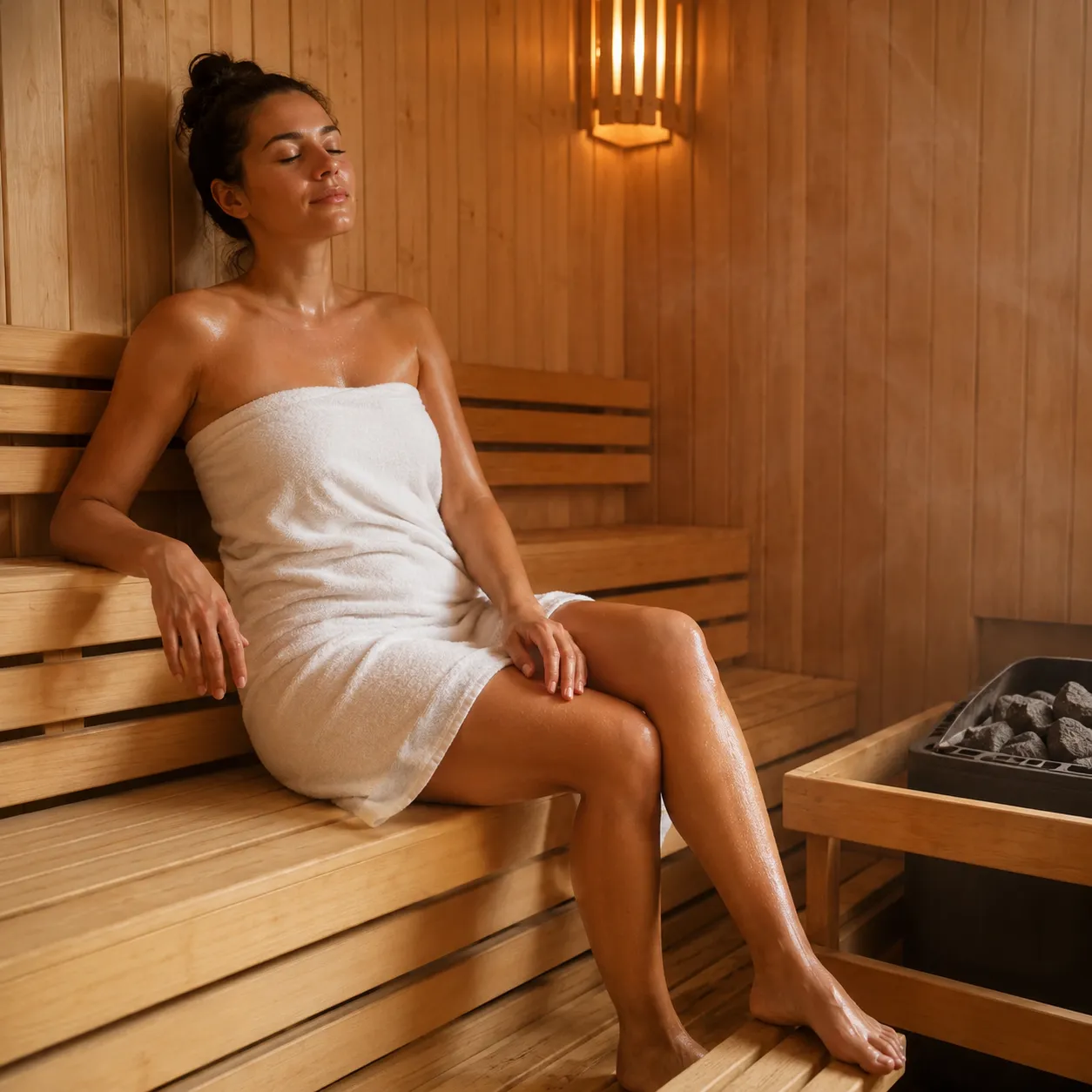
saunaˈsɔːnə
a small room heated to a high temperature where people sit and sweat for relaxation or health.
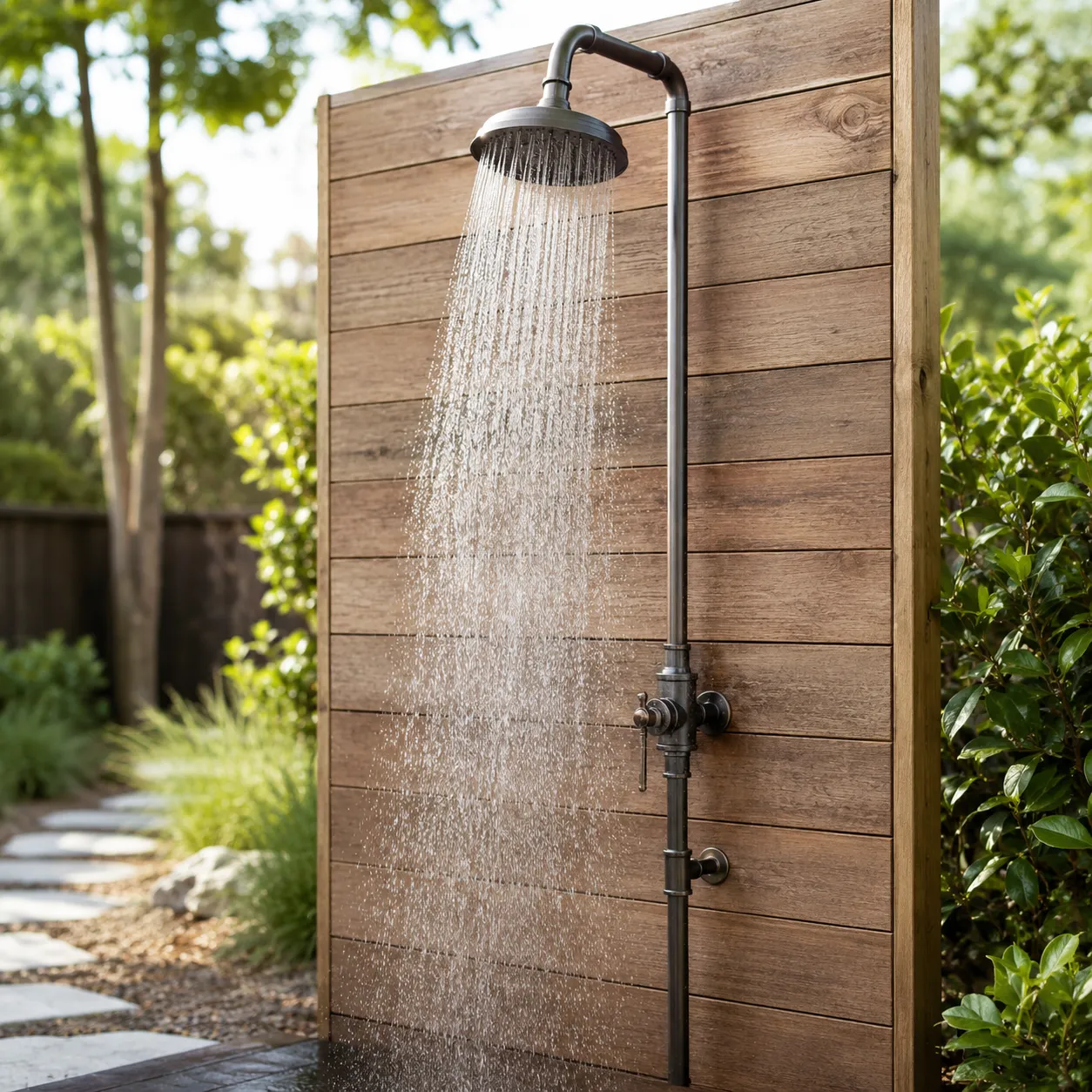
outdoor showerˈaʊtˌdɔːr ˈʃaʊər
a shower installed outside, often used after swimming, gardening, or going to the beach.

swimswɪm
to move through water by moving your arms, legs, or body.

walk the dogwɔːk ðə dɔɡ
to take a dog outside and walk with it so it can exercise or go to the toilet.
Animals, insects, birds, pet items, nests, tracks, and wildlife-friendly features found around a backyard.
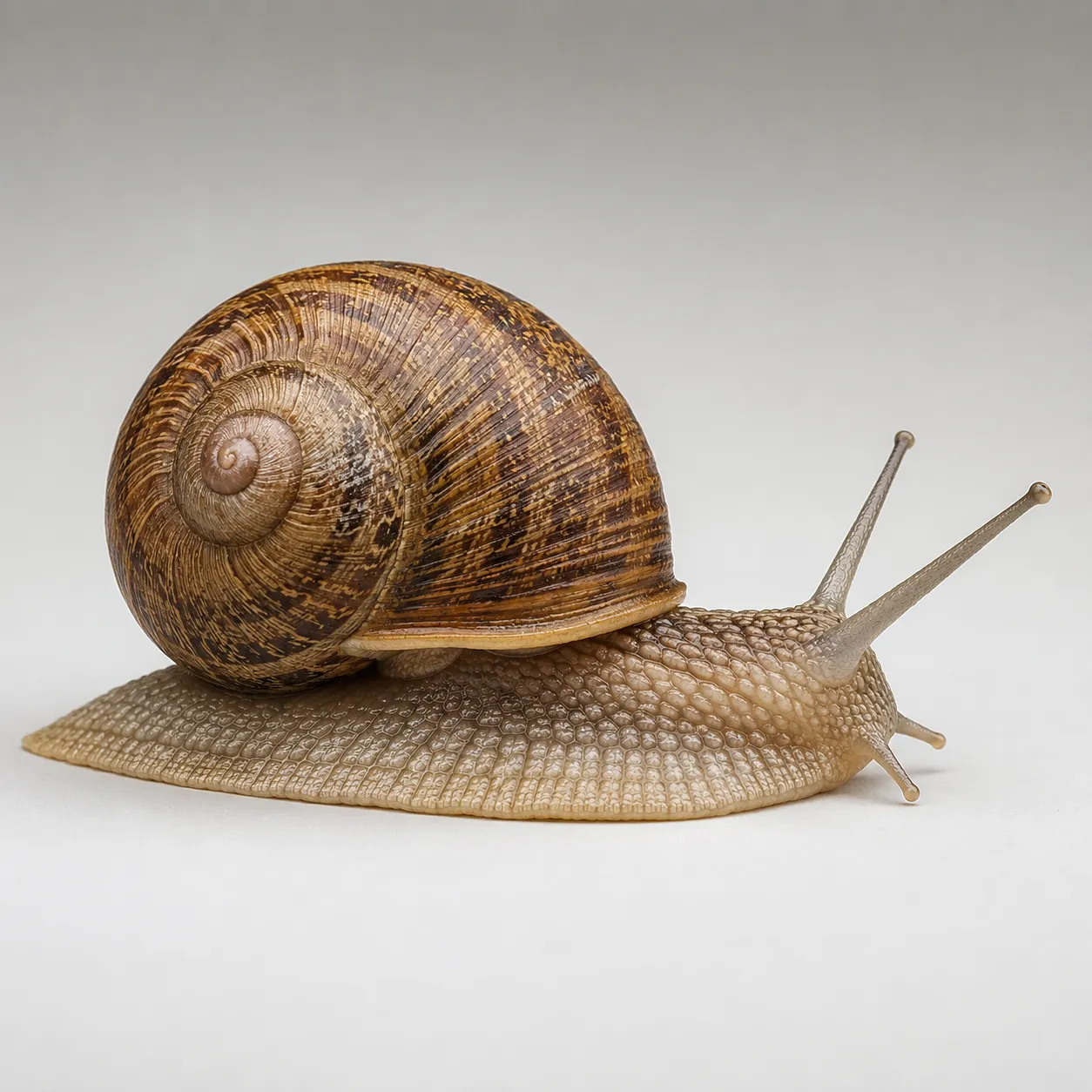
snailsneɪl
a small slow animal with a soft body, no legs, and a hard spiral shell on its back.
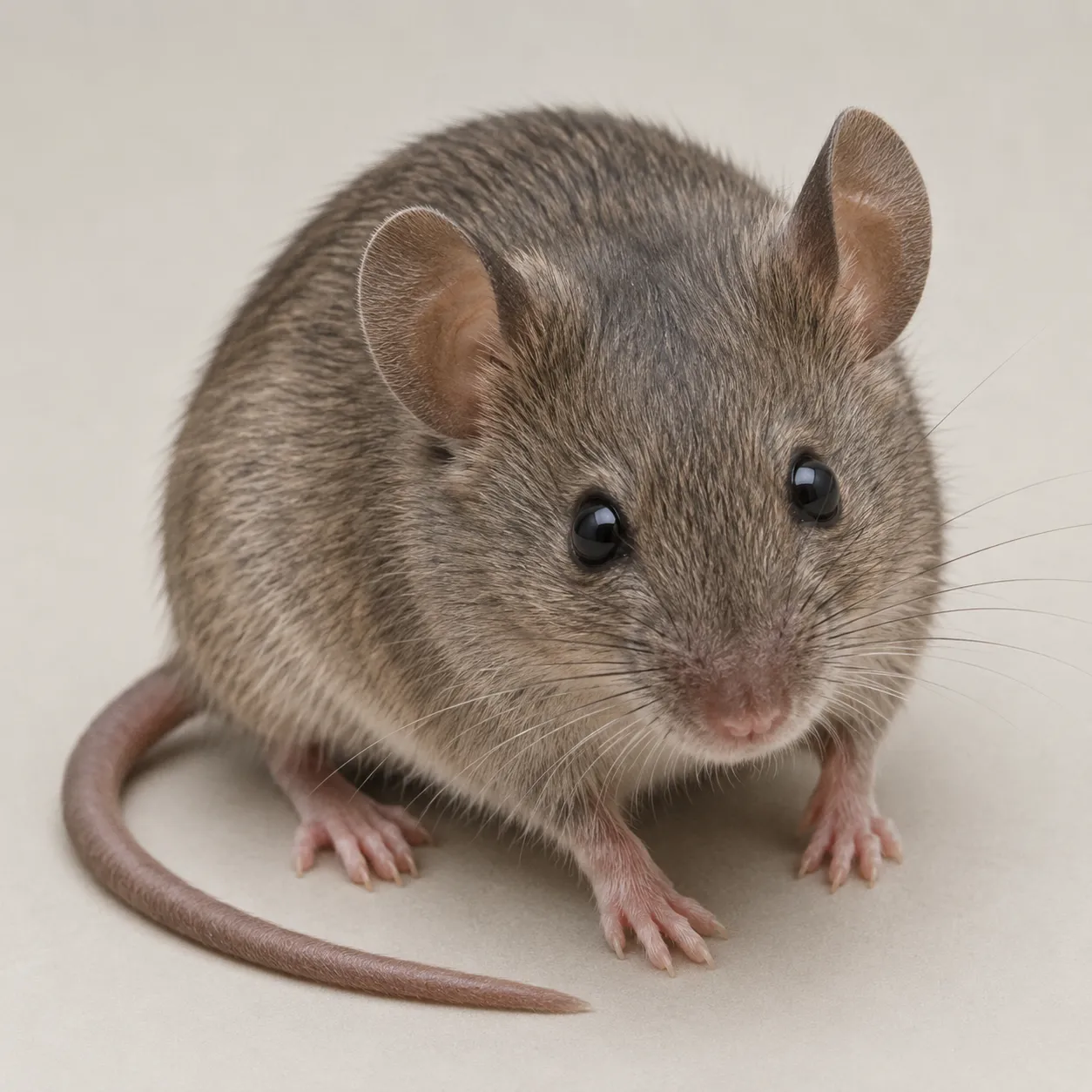
mousemaʊs
a small rodent with a pointed nose and a long thin tail, often found in houses or fields
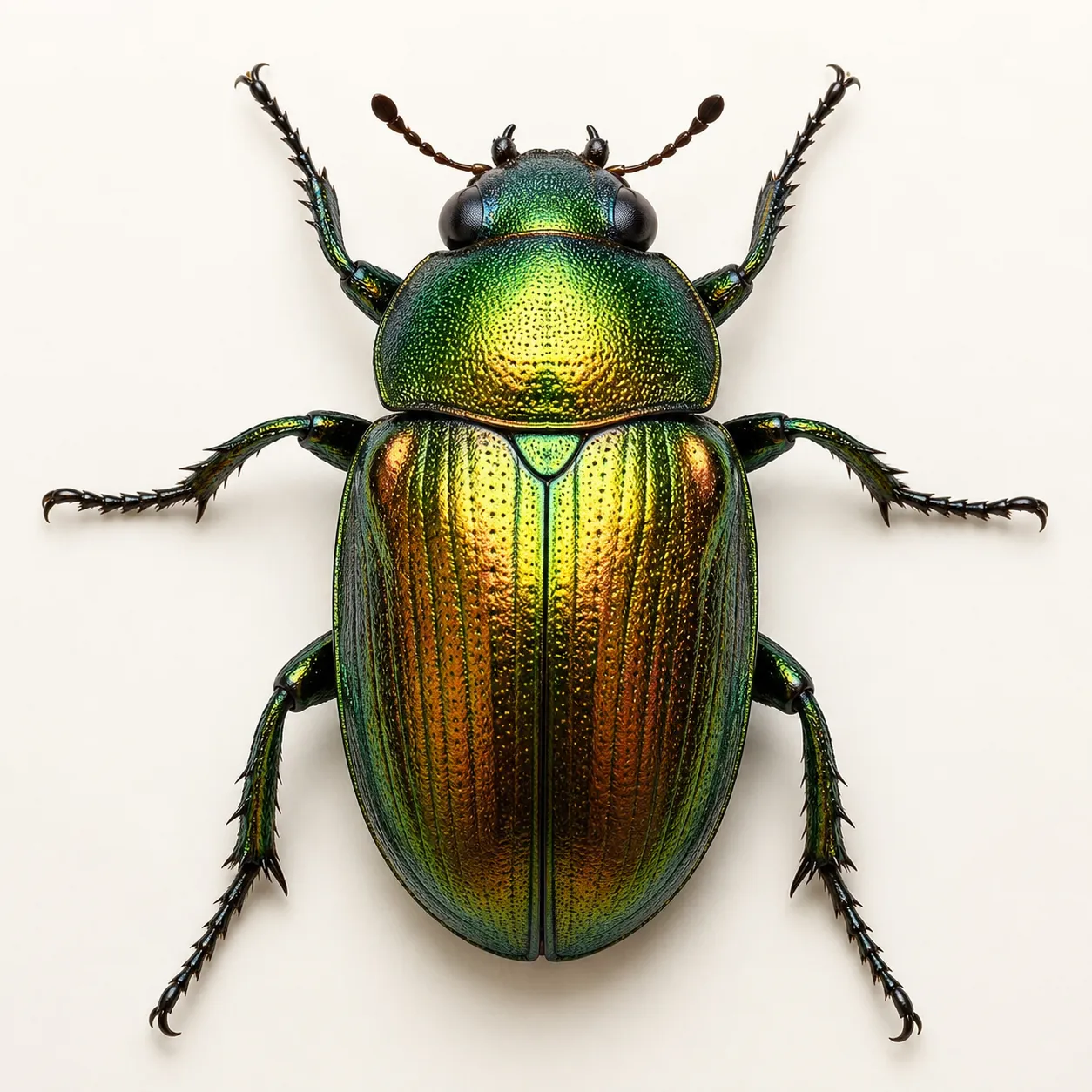
beetleˈbiːtəl
an insect with a hard outer pair of wings that covers the softer flying wings.
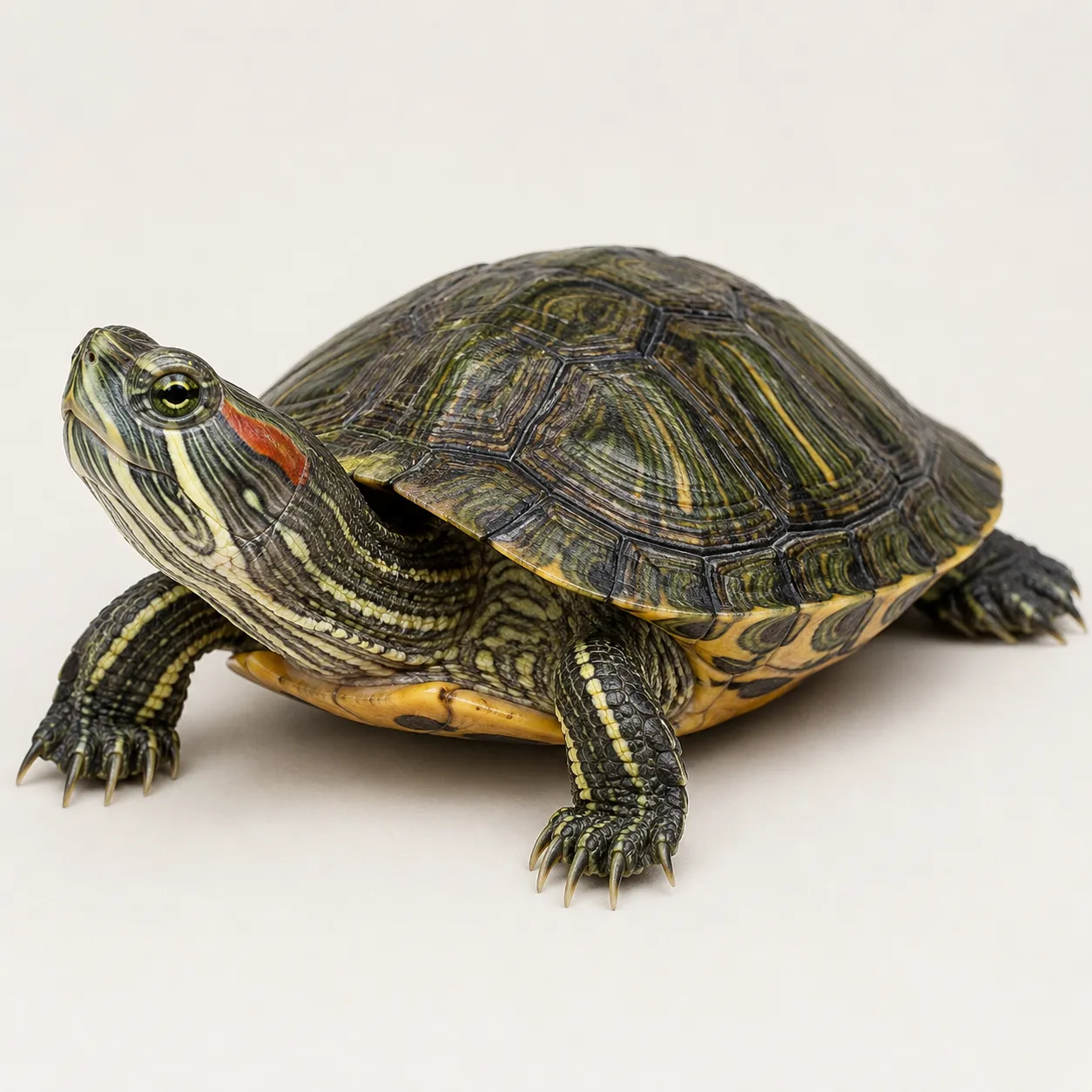
turtleˈtɜːrtl
a reptile with a hard shell that lives on land or in water
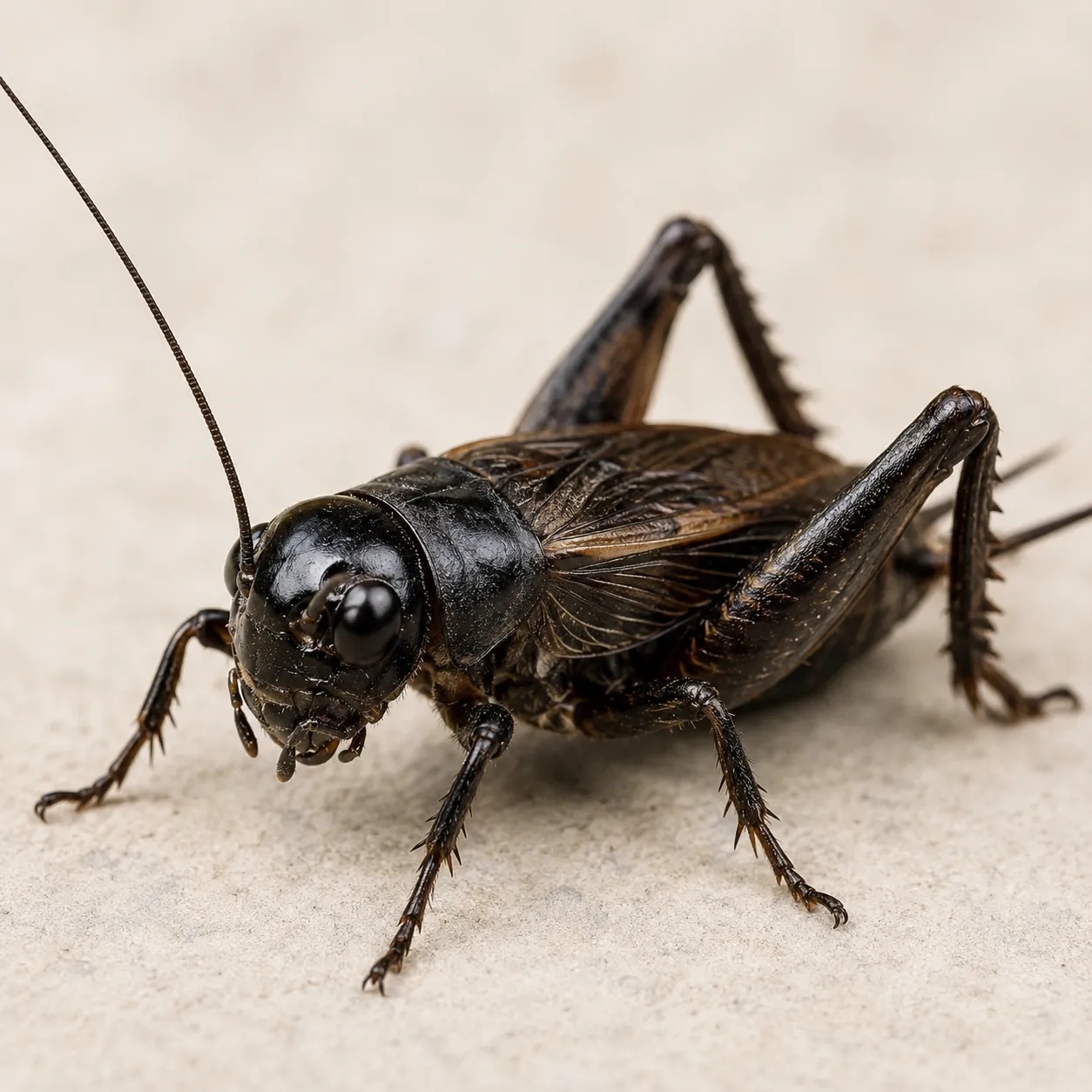
cricketˈkrɪkɪt
a small brown or black insect that jumps and makes a regular chirping sound, especially in warm weather.
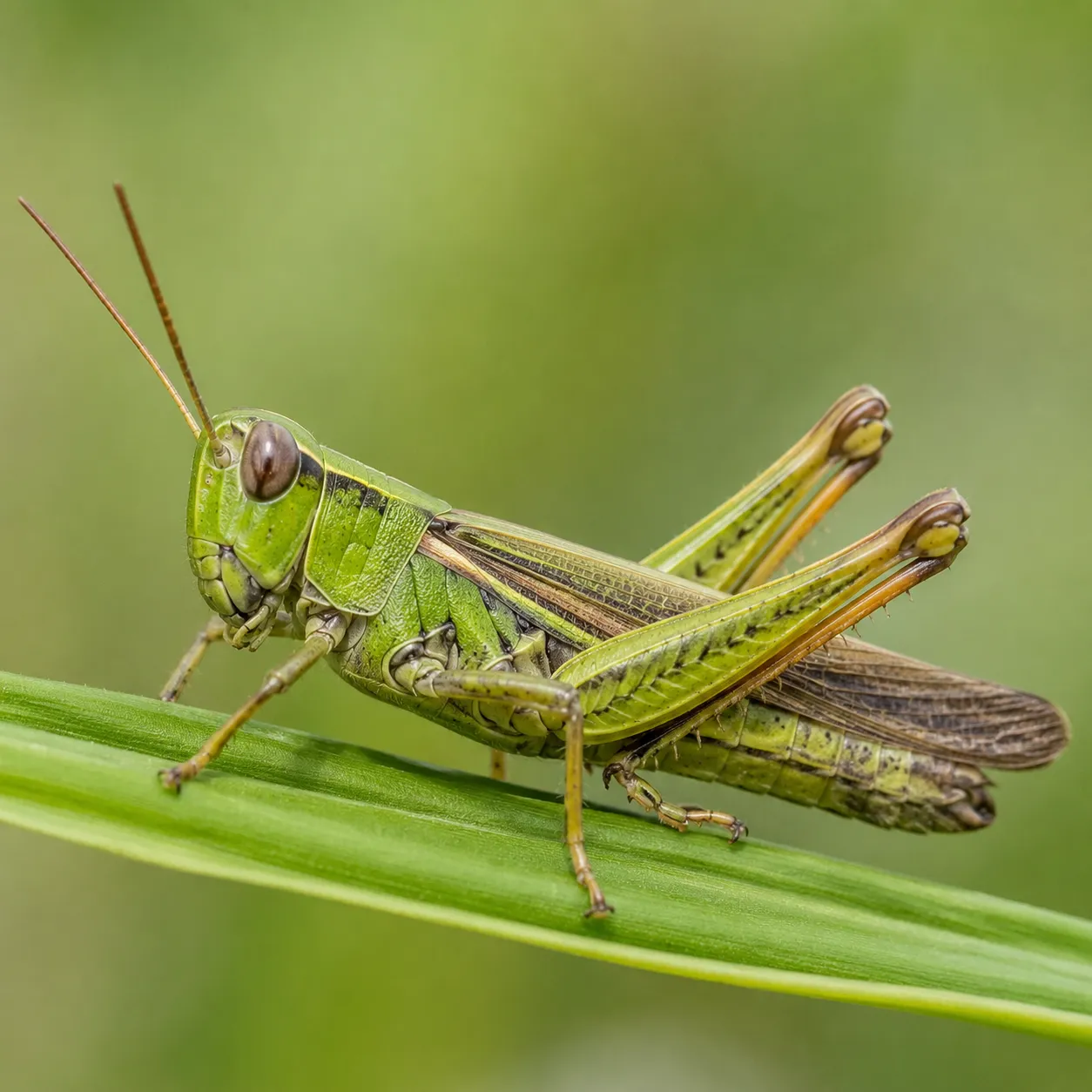
grasshopperˈɡræsˌhɑːpər
a green or brown insect with long back legs that jumps and often lives in grass.
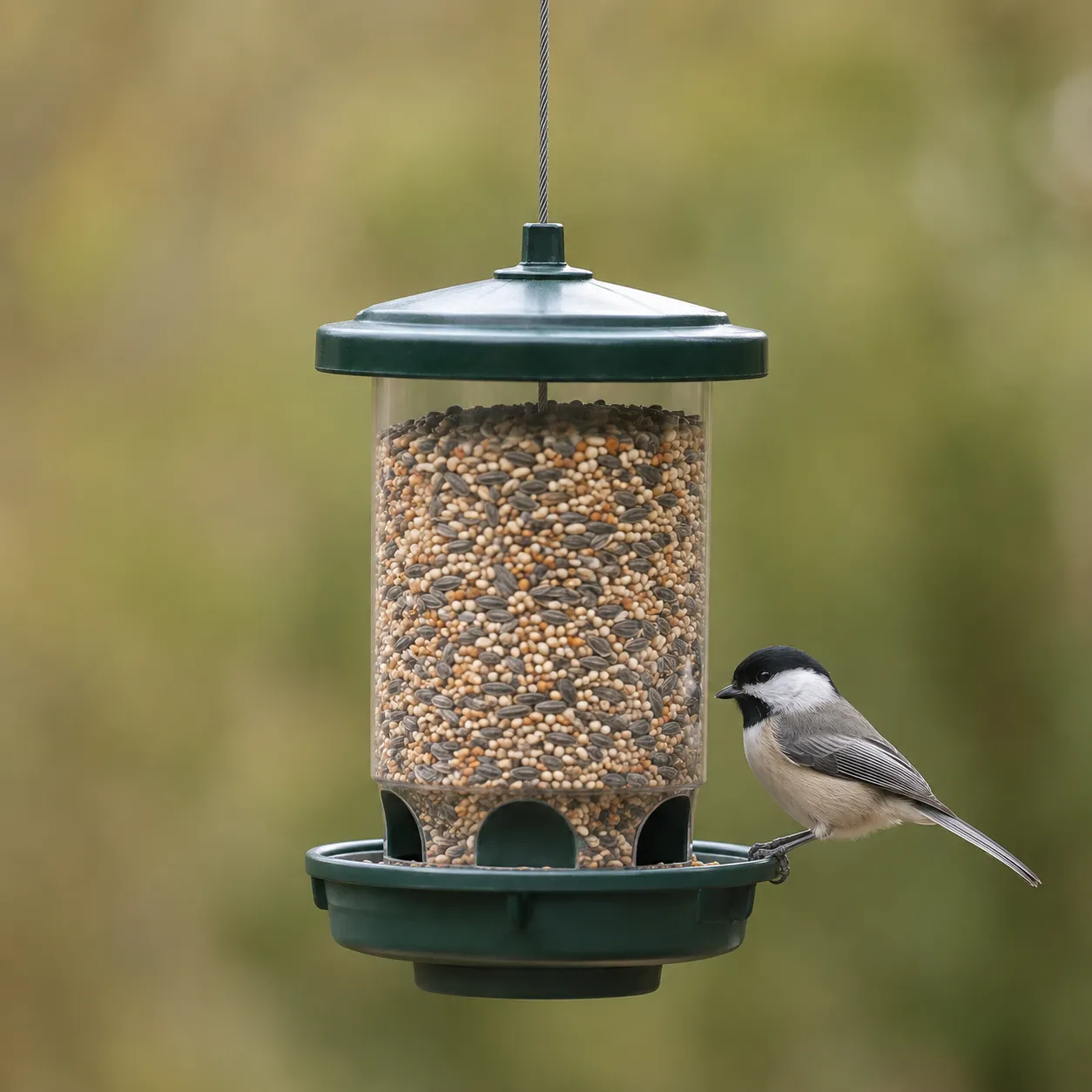
bird feederbɝːd ˈfiːdər
a container placed outside and filled with food for wild birds.
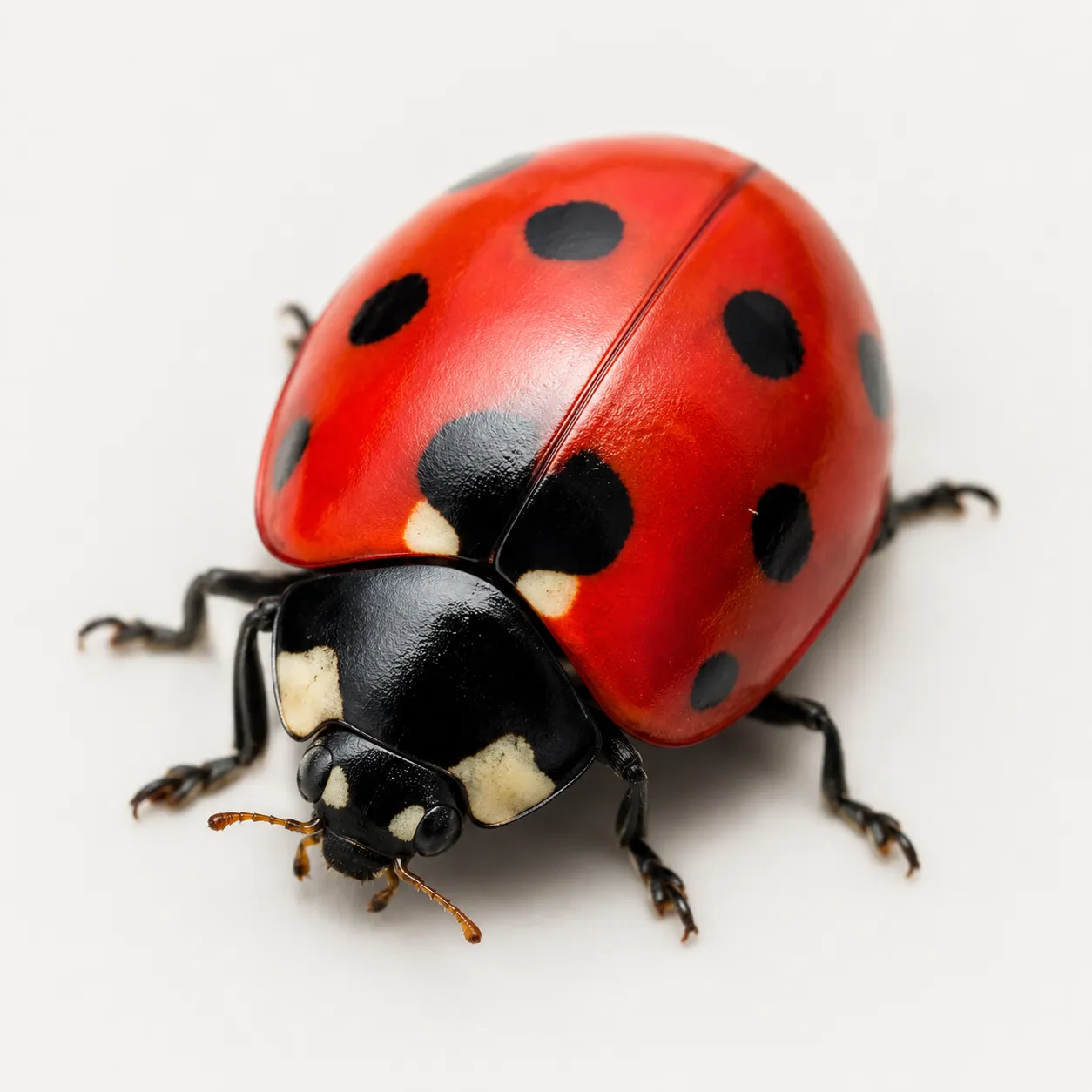
ladybugˈleɪdiˌbʌɡ
a small round beetle, often red or orange with black spots, that eats tiny plant pests.
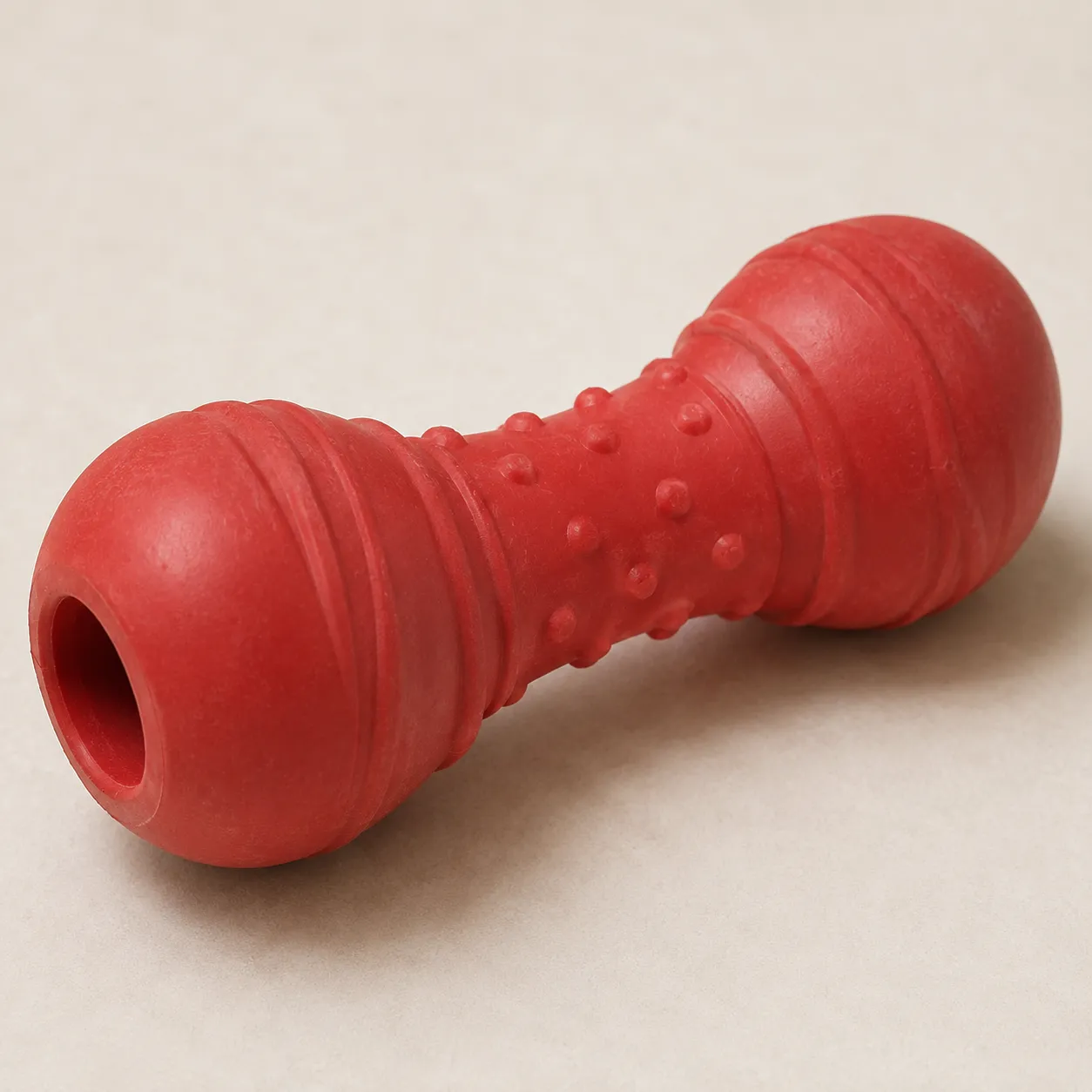
dog toyˈdɔːɡ ˌtɔɪ
an object made for a dog to play with, such as a ball, rope, or soft animal.
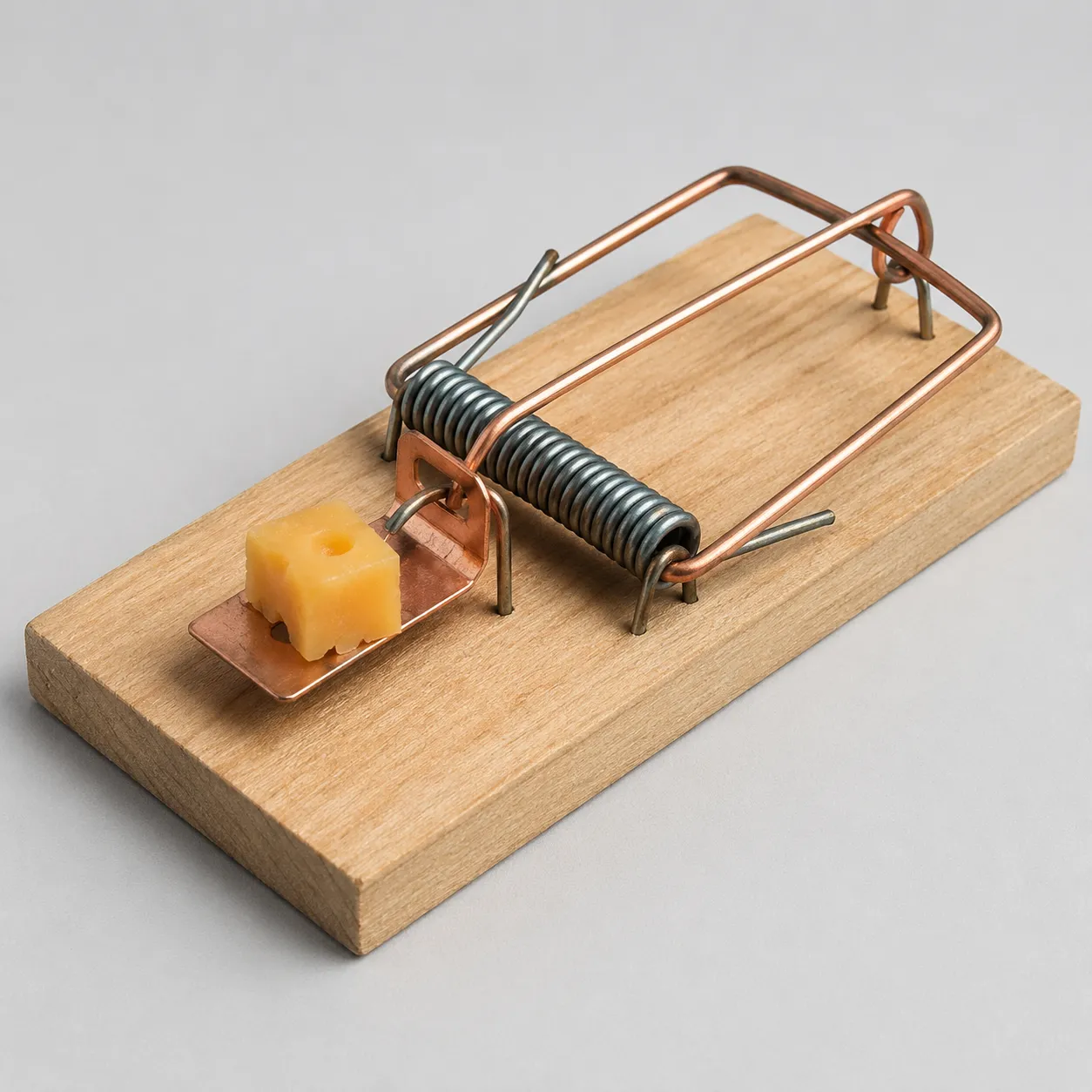
mouse trapˈmaʊs træp
a device used to catch or kill mice, especially inside a building.
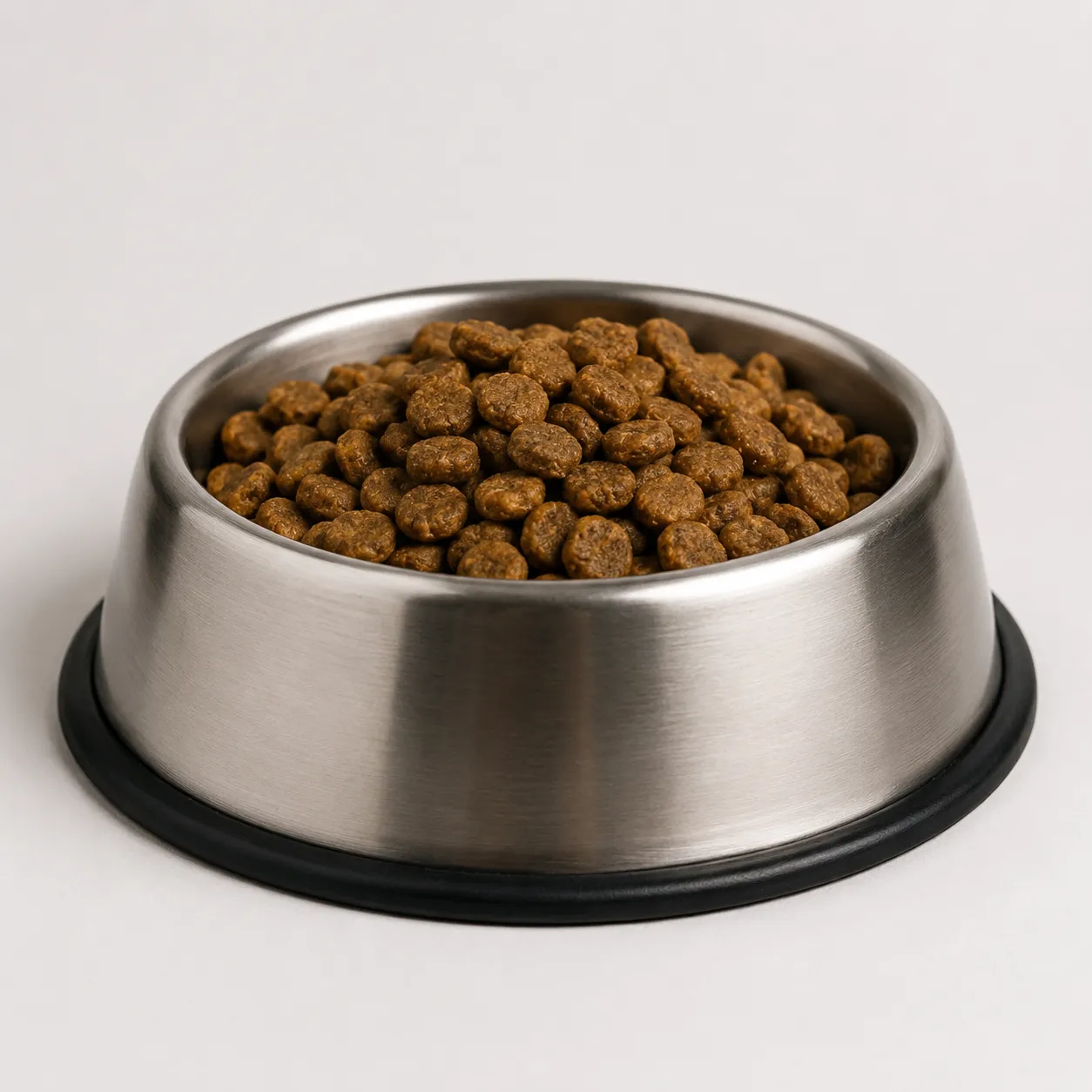
food bowlˈfuːd ˌboʊl
a bowl that holds food, especially food for a pet.
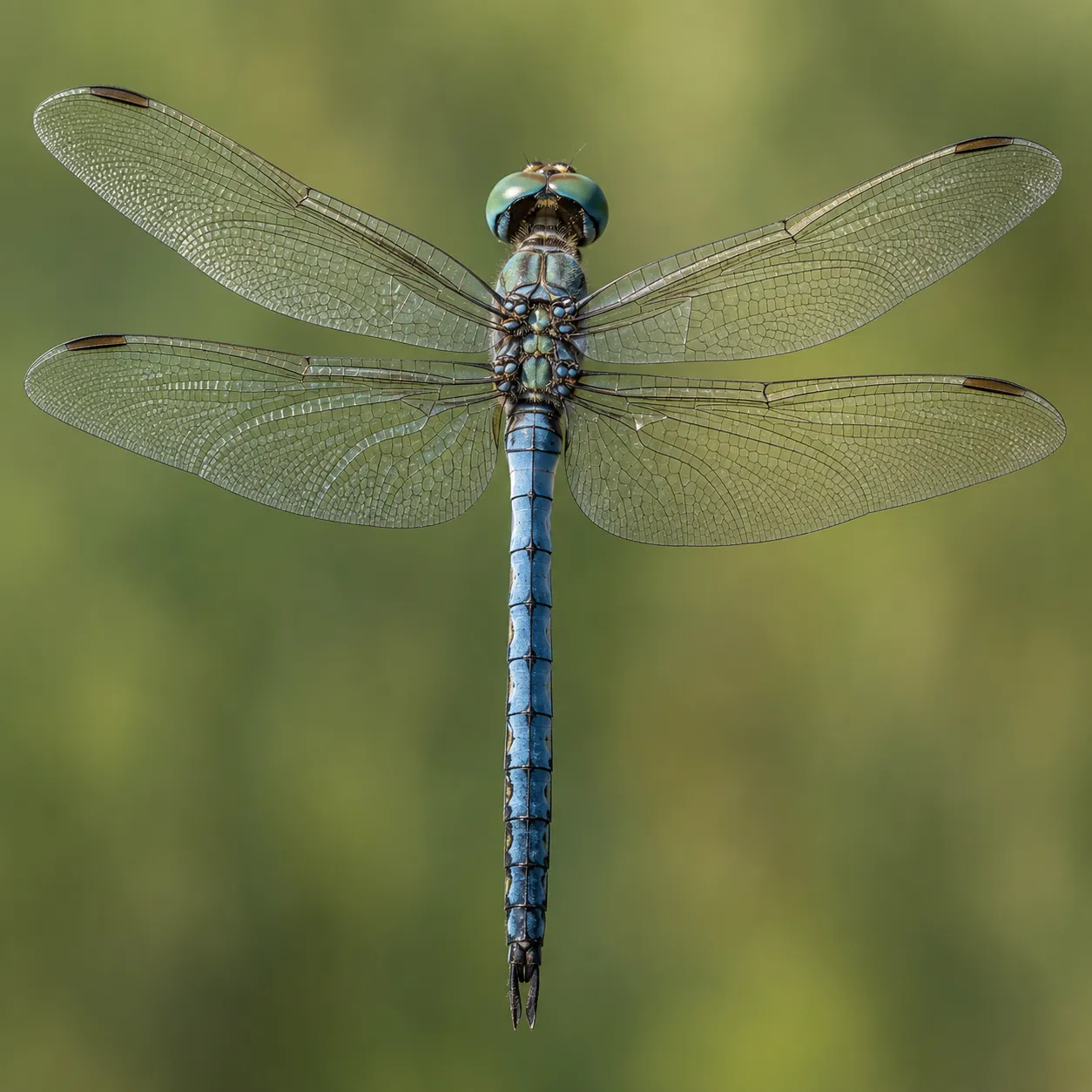
dragonflyˈdræɡənˌflaɪ
a large flying insect with a long thin body and two pairs of clear wings, often seen near water.
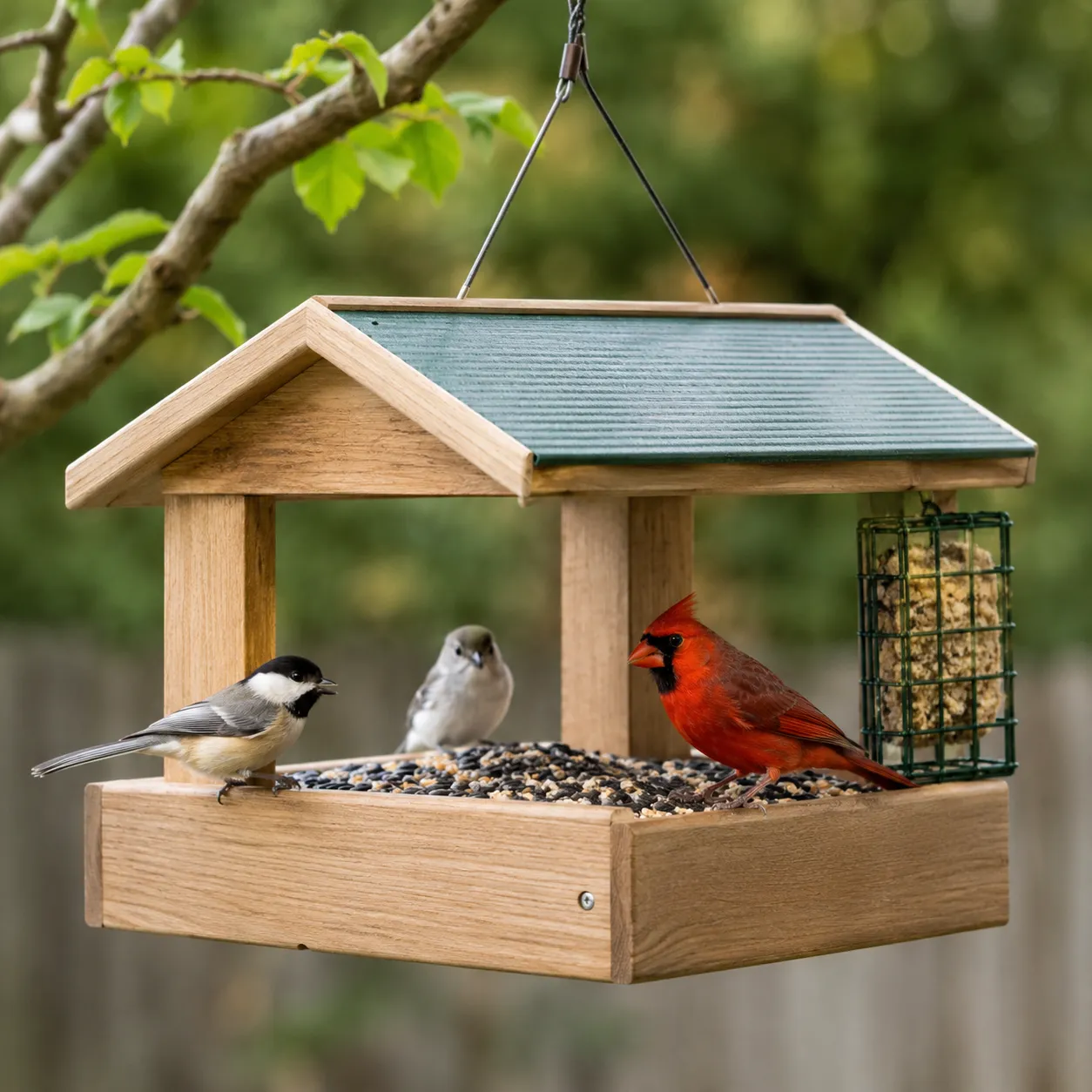
bird-friendlyˈbɝːd ˌfrɛndli
designed or managed in a way that helps birds or does not harm them.
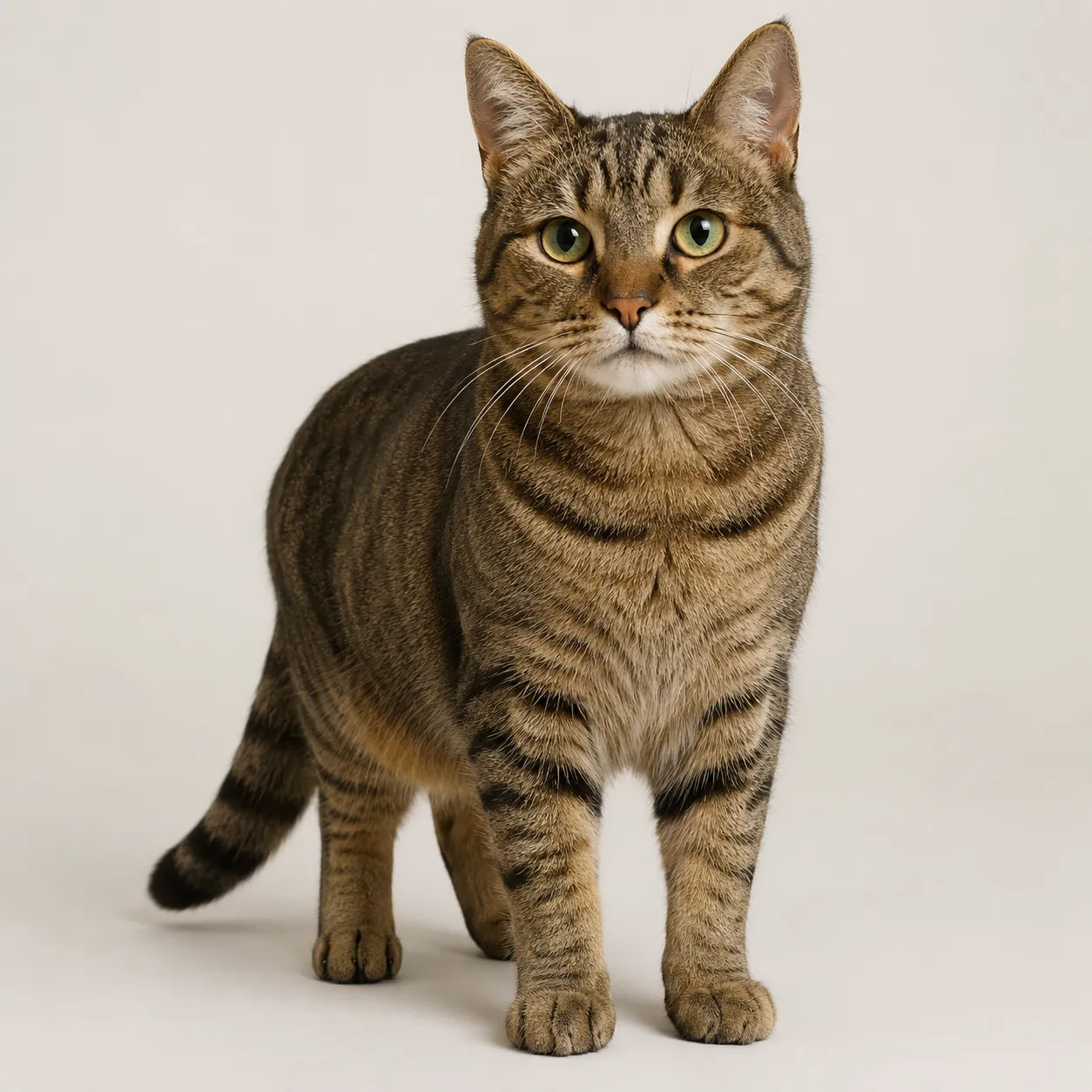
catkæt
a small pet animal with soft fur that often catches mice and can purr

squirrelˈskwɜːrəl
a small animal with a long bushy tail that climbs trees and eats nuts and seeds.
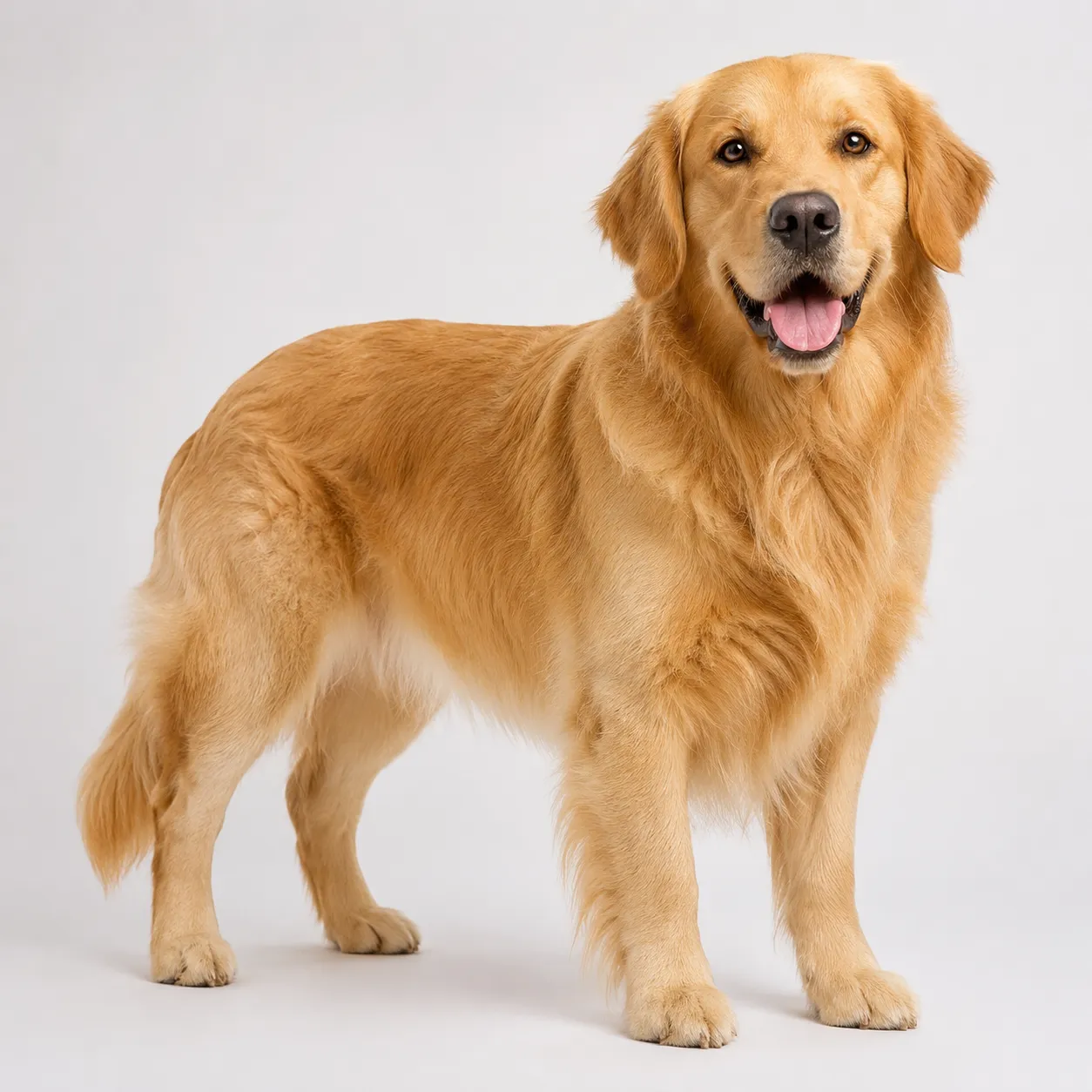
dogdɔːɡ
a common pet or working animal that often lives with people and can bark

paw printˈpɔː ˌprɪnt
a mark made by an animal’s paw on a surface such as mud, snow, or a floor.
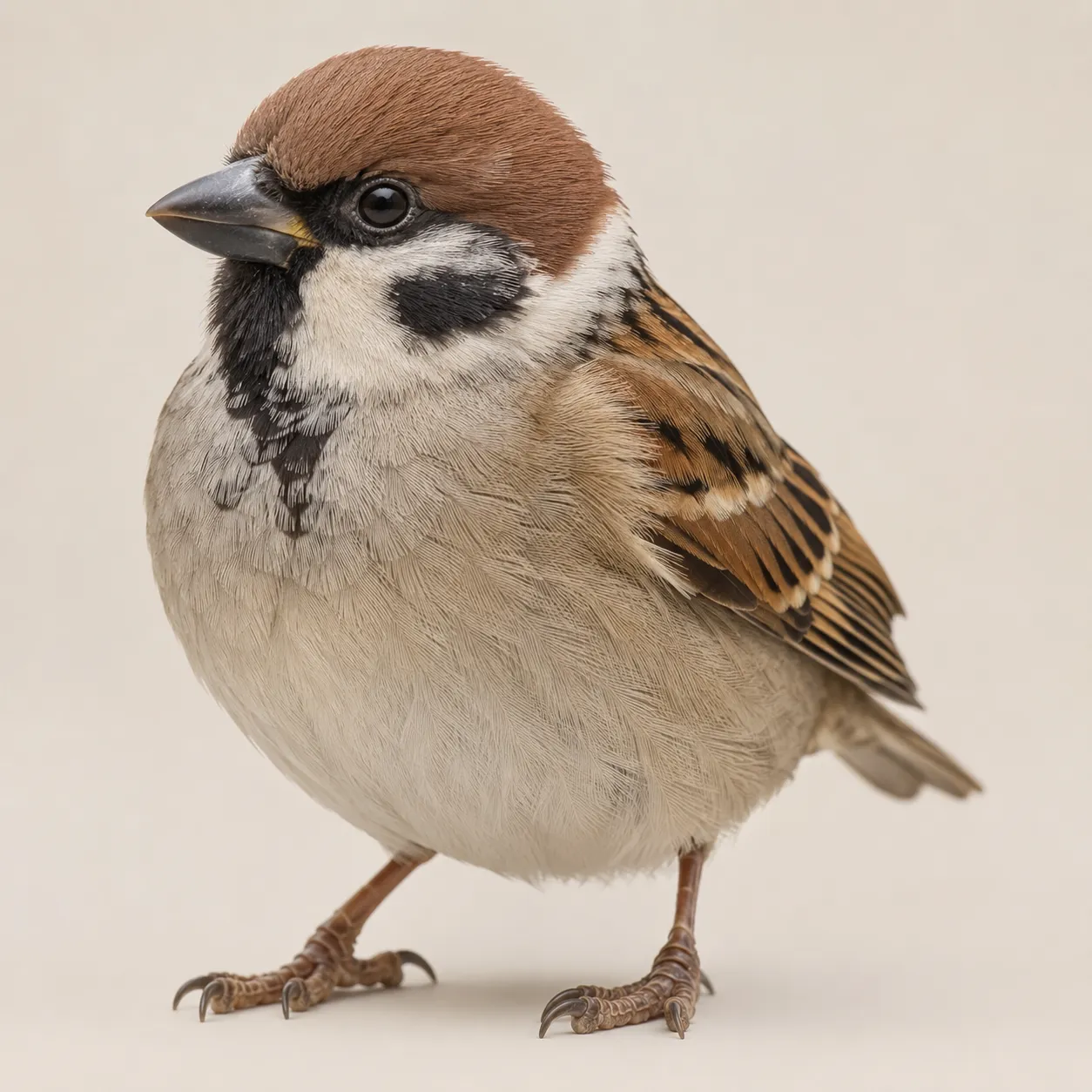
birdbɜːrd
an animal with feathers, wings, and a beak; many birds can fly
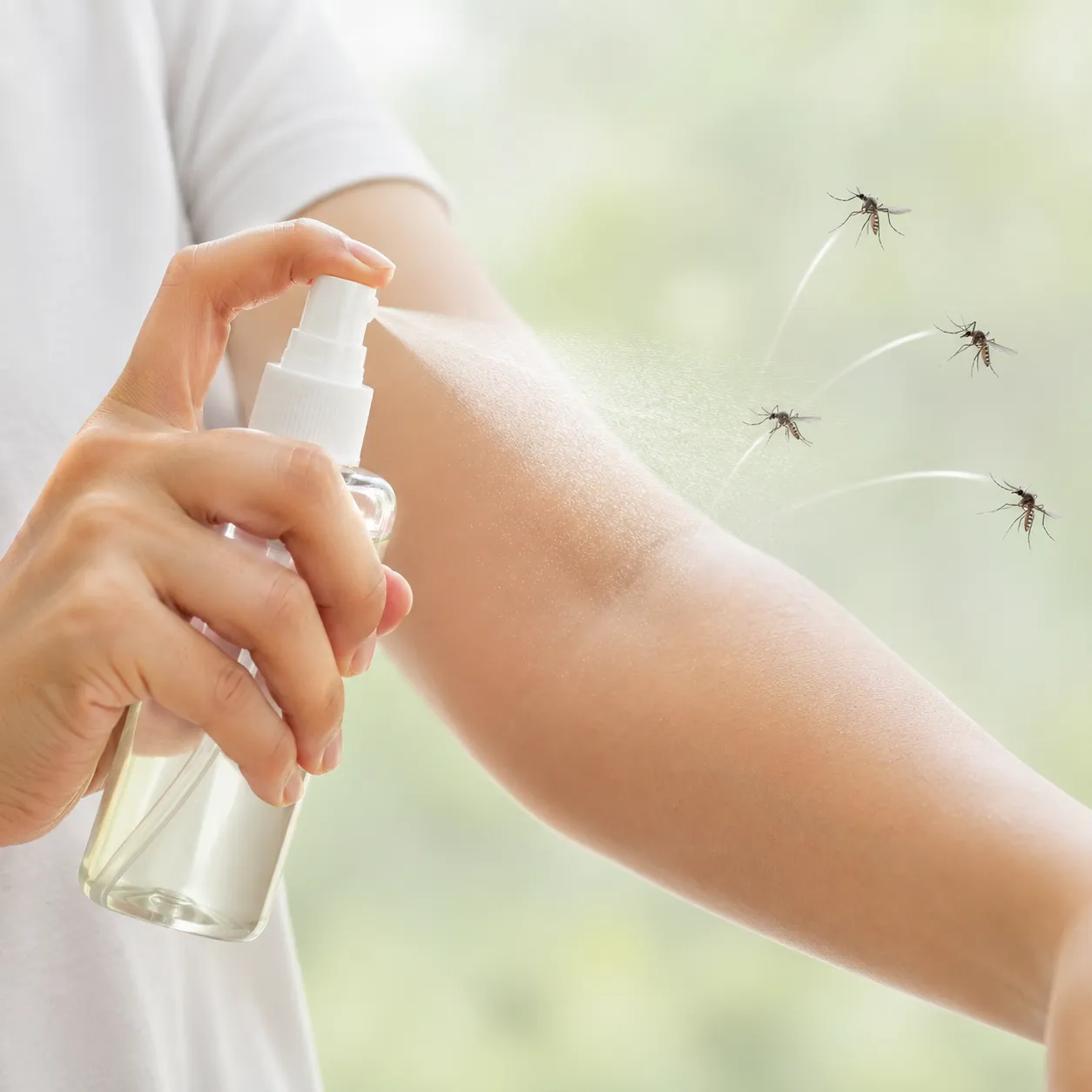
insect repellentˈɪnsɛkt rɪˌpɛlənt
a spray, cream, or other substance put on skin or clothes to keep mosquitoes and other insects away.
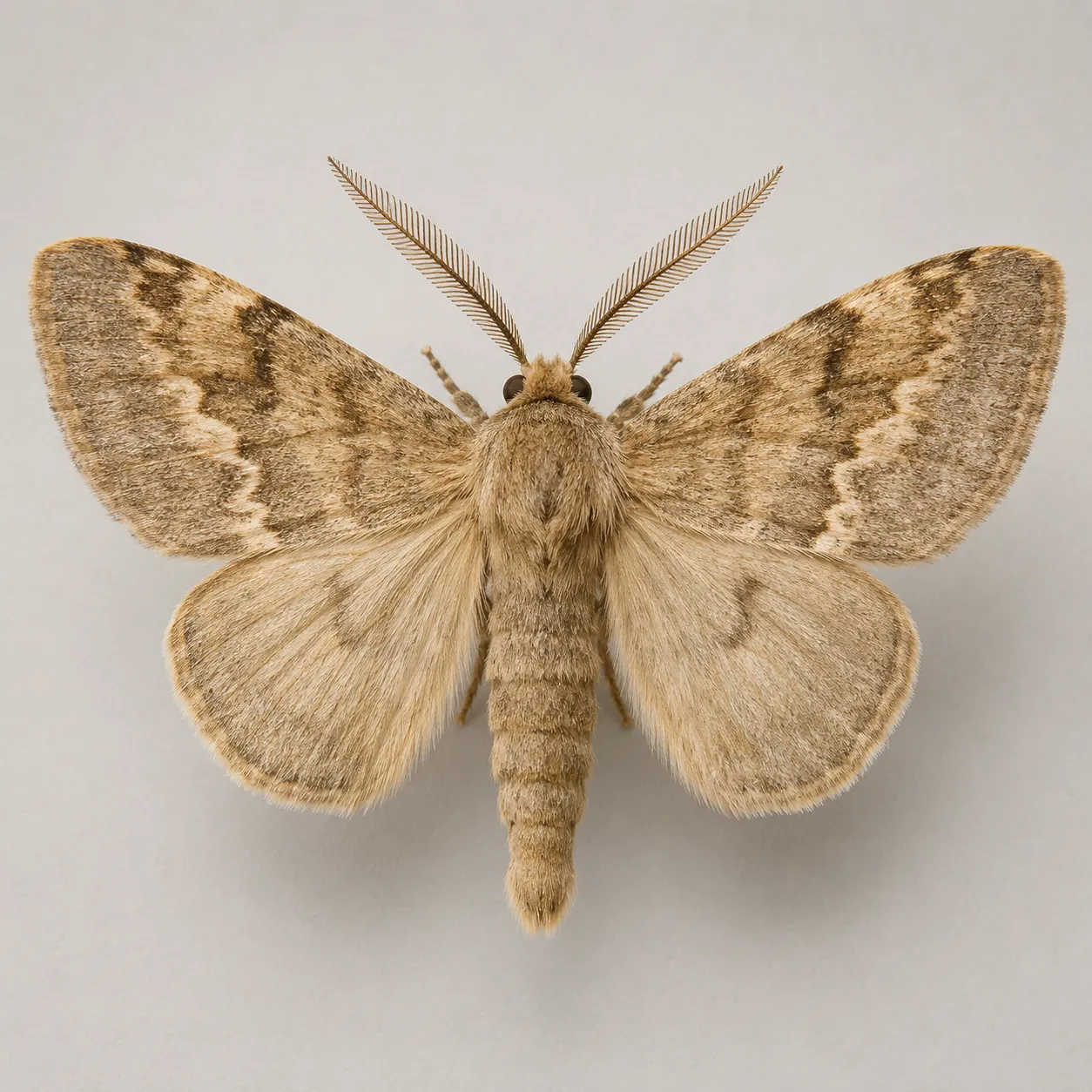
mothmɒθ
an insect like a butterfly that usually flies at night and is often attracted to light.
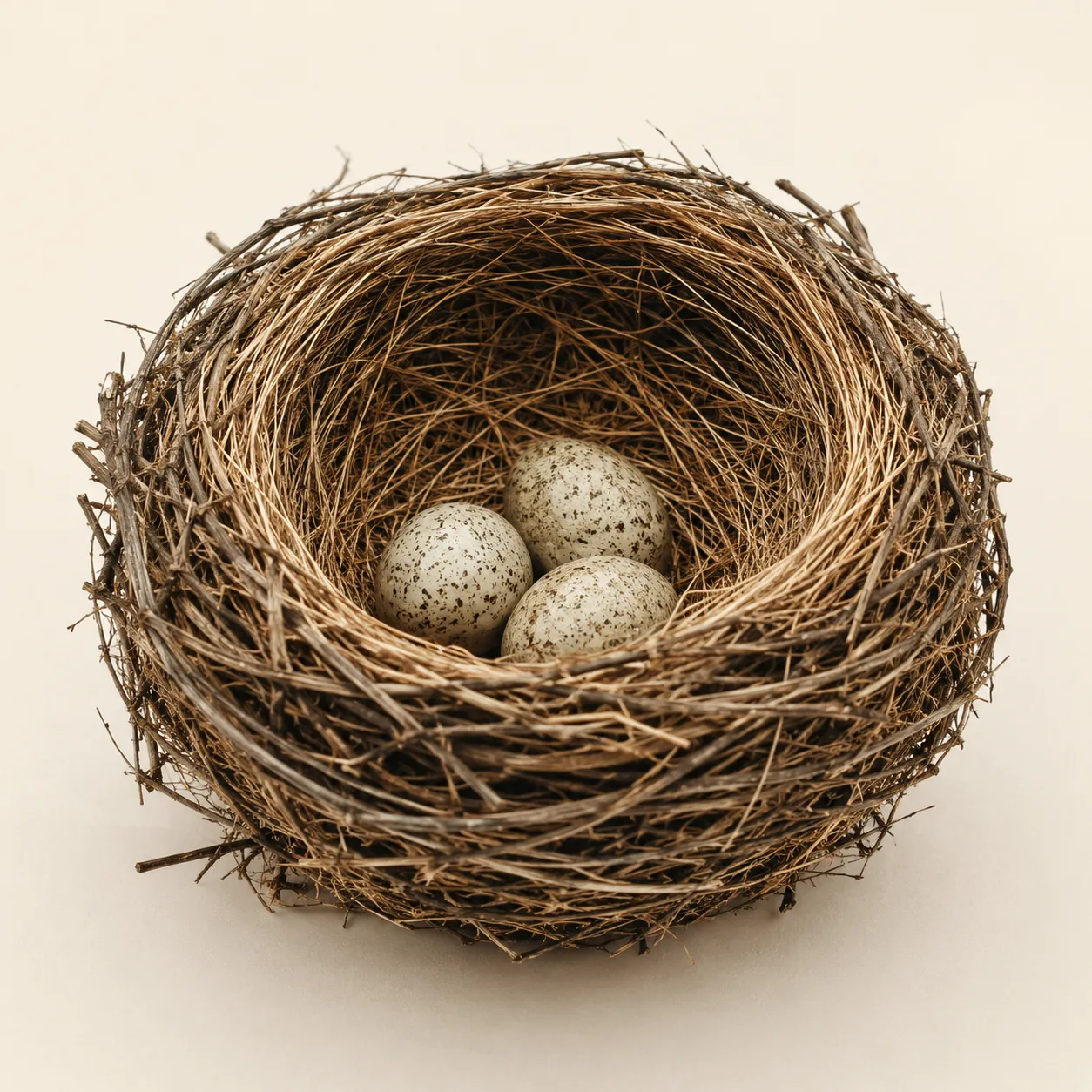
bird nestˈbɜːrd ˌnɛst
a small structure made by a bird from twigs, grass, or other materials, where it lays eggs and cares for its young.
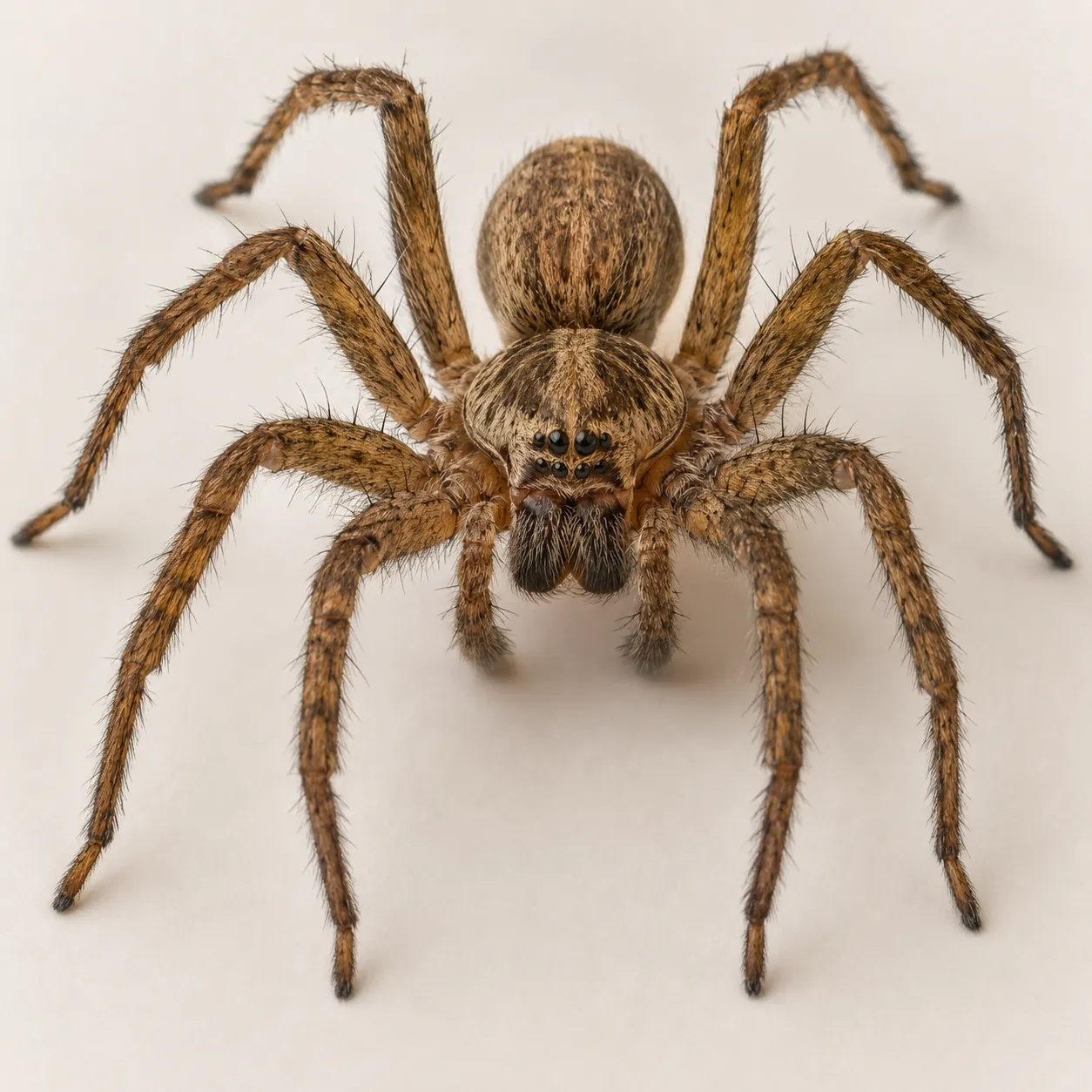
spiderˈspaɪdər
a small animal with eight legs that often makes a web to catch insects.
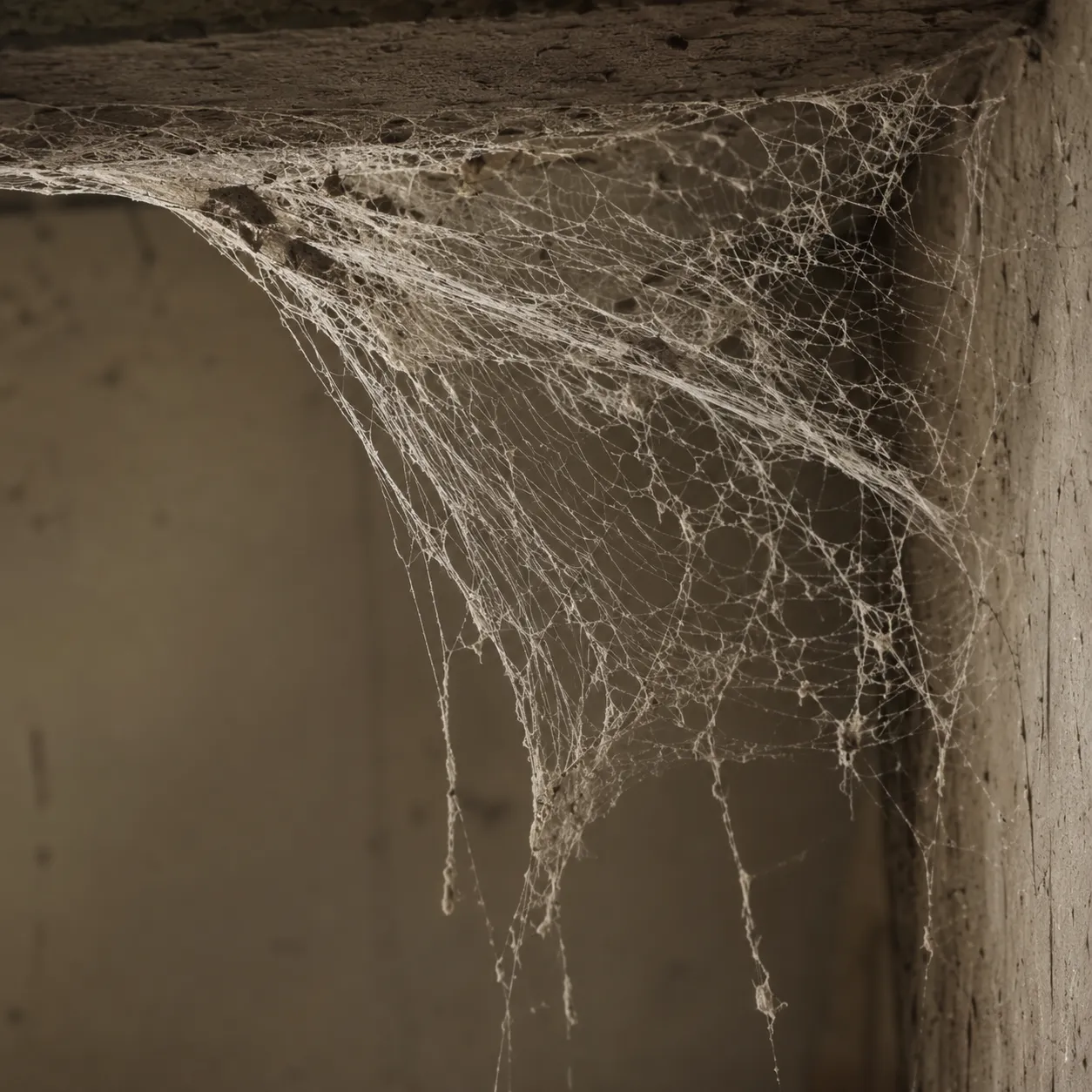
cobwebˈkɑːbˌwɛb
an old spider web, often covered with dust and found in corners or unused places.
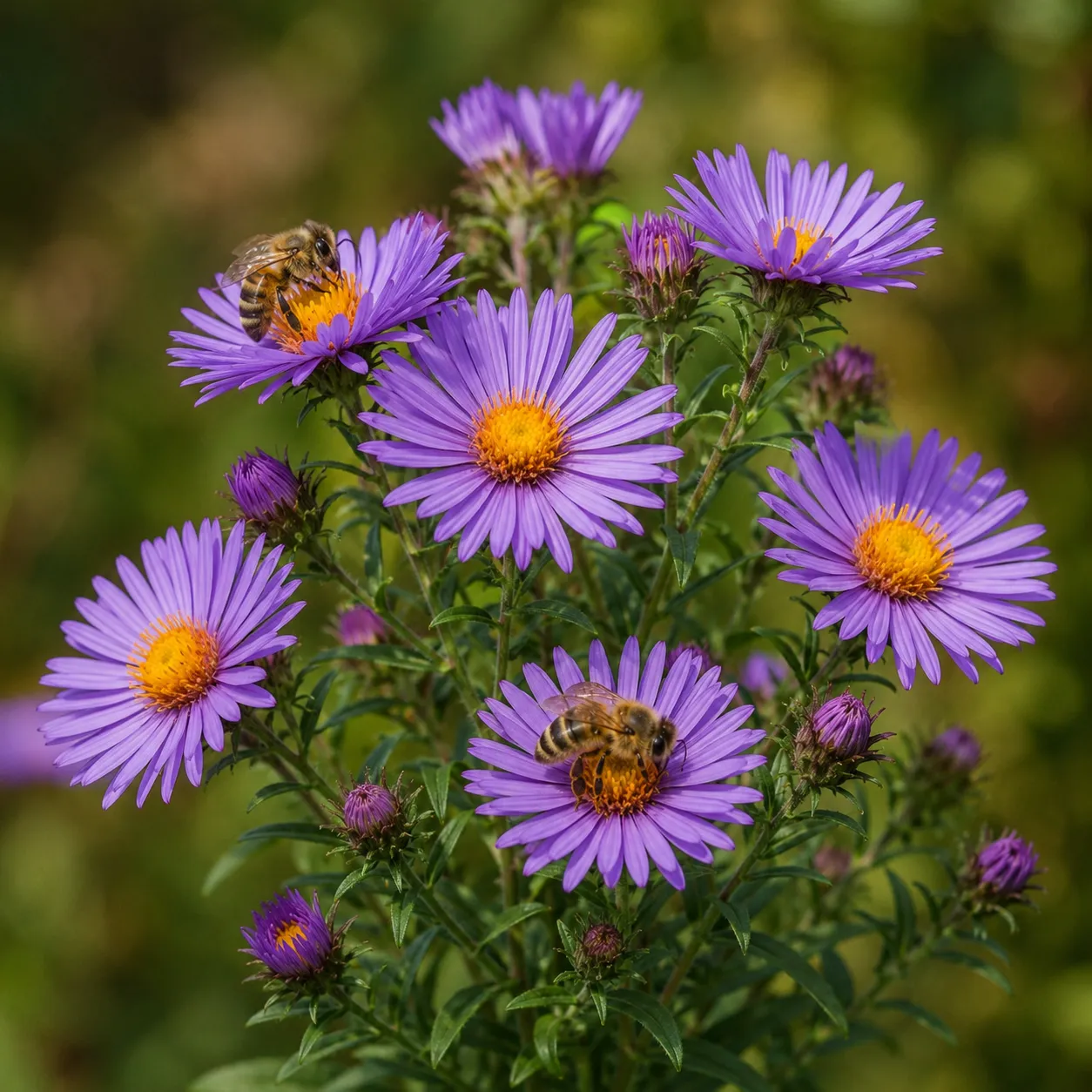
bee-friendlyˈbiː ˌfrɛndli
good for bees or not harmful to them, especially because it provides flowers or avoids dangerous chemicals.

buzzbʌz
to make a low continuous sound, like a bee, an electric razor, or a small machine.
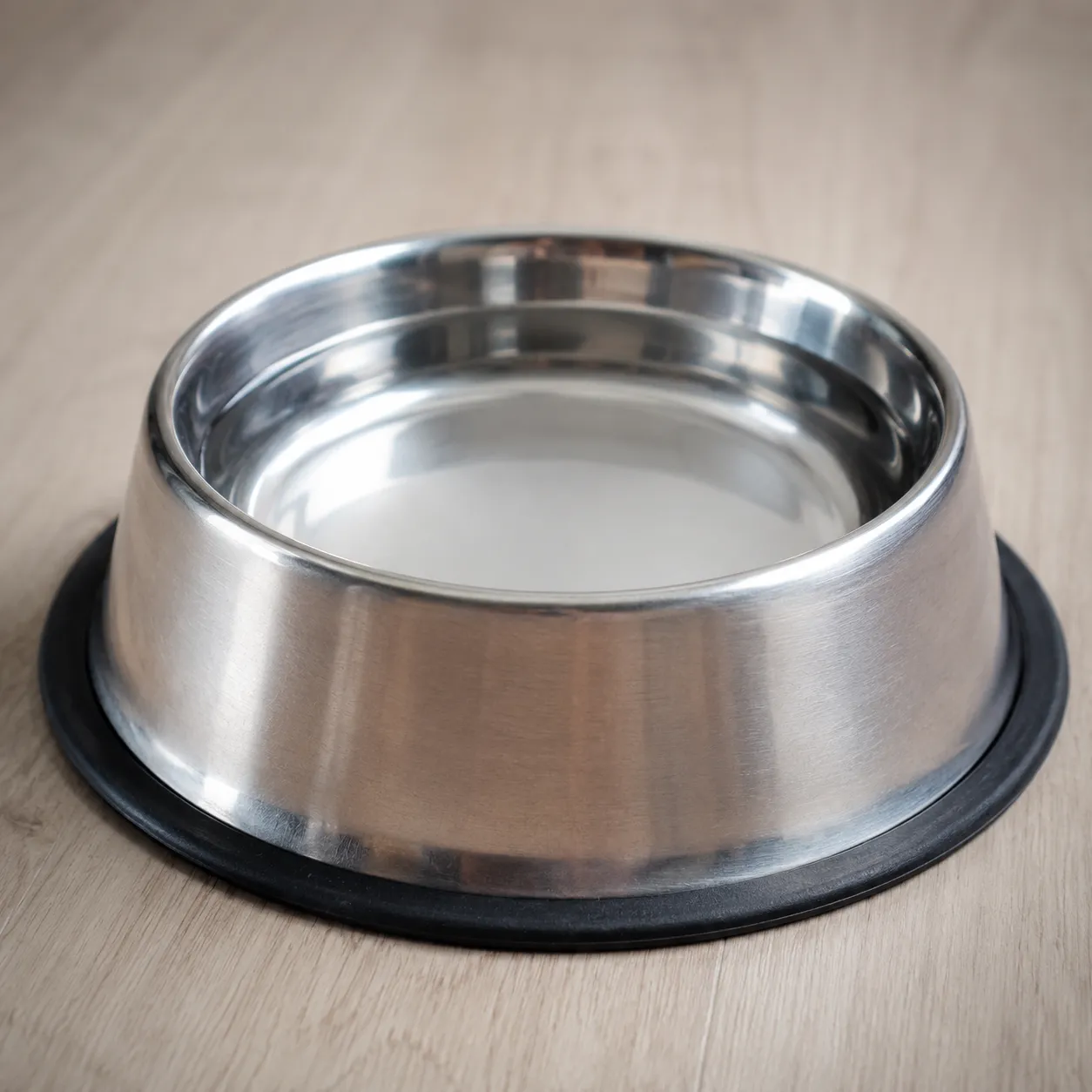
water bowlˈwɔːtər ˌboʊl
a bowl kept filled with water for a person or animal to drink from.
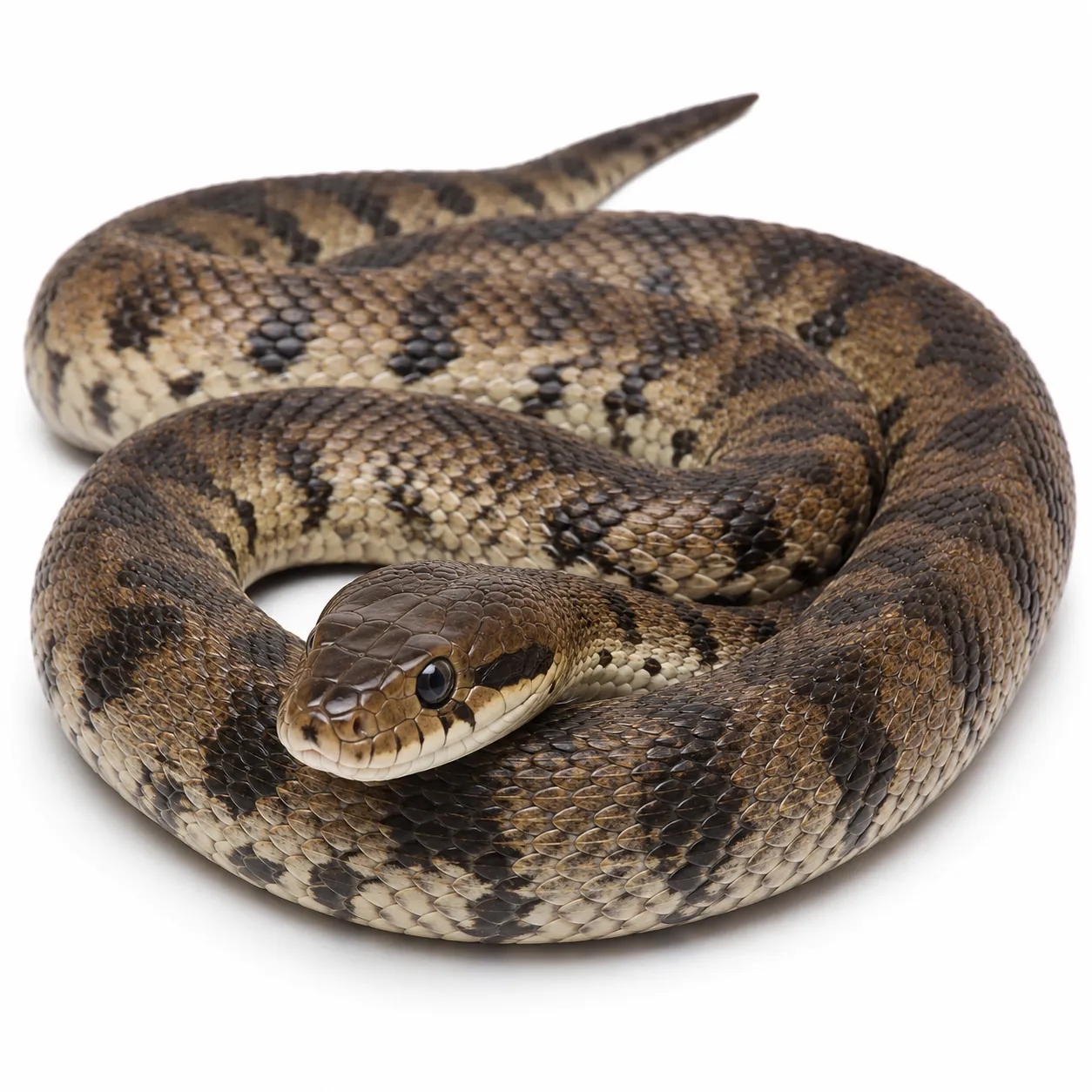
snakesneɪk
a long, thin reptile with no legs.
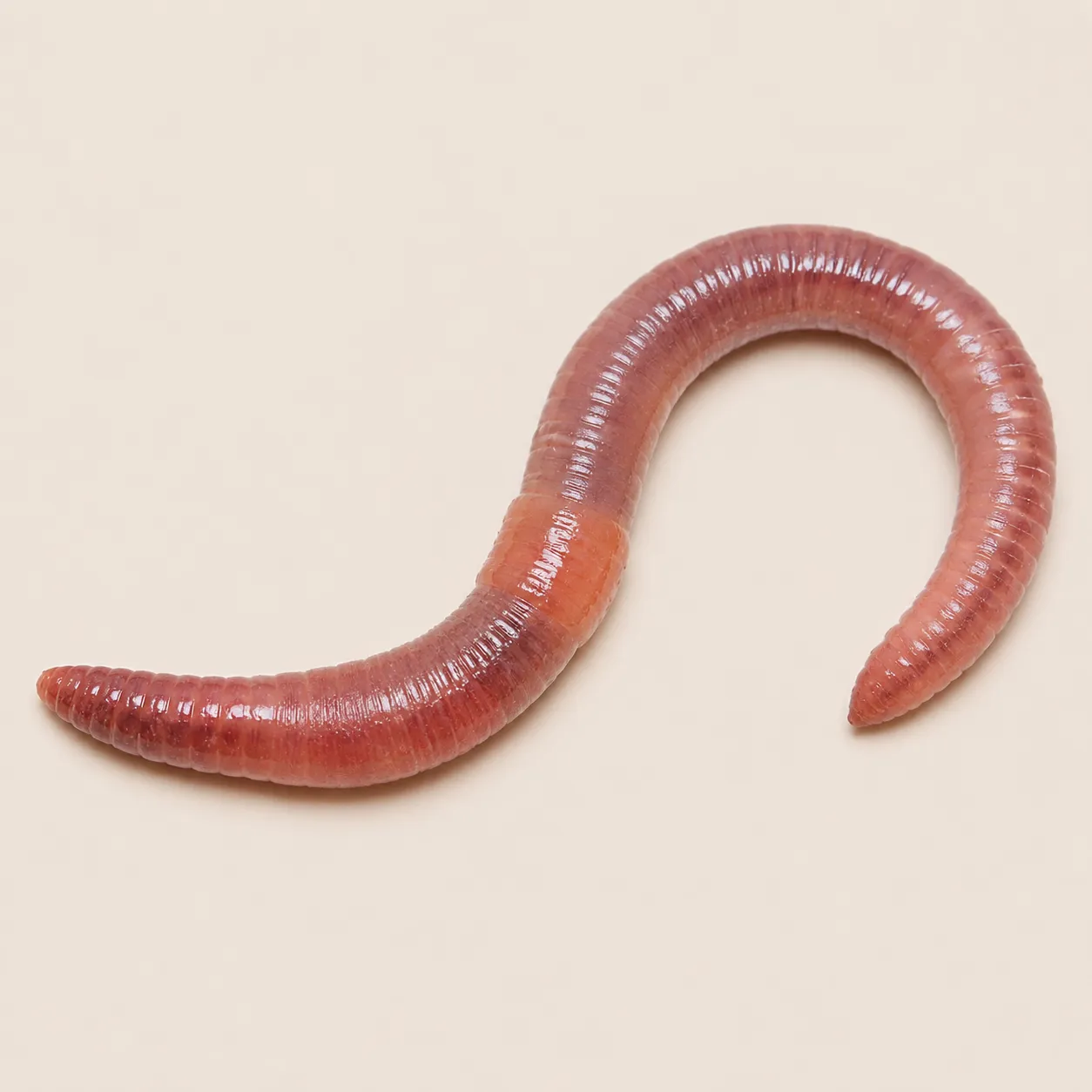
wormwɜːrm
a small soft animal with a long thin body and no legs, often living in soil.
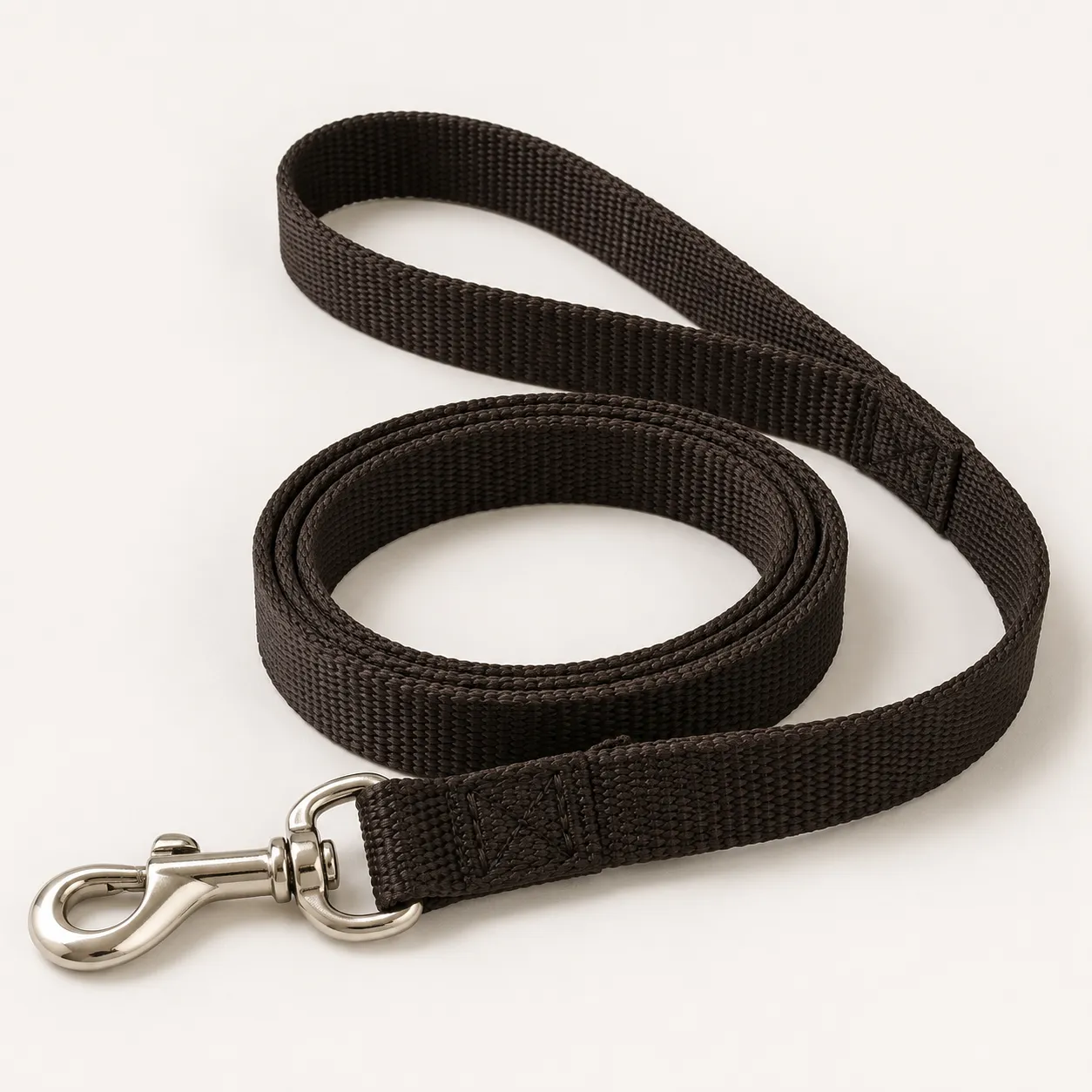
leashliːʃ
a strap or cord attached to a dog or other animal so that a person can control it while walking.
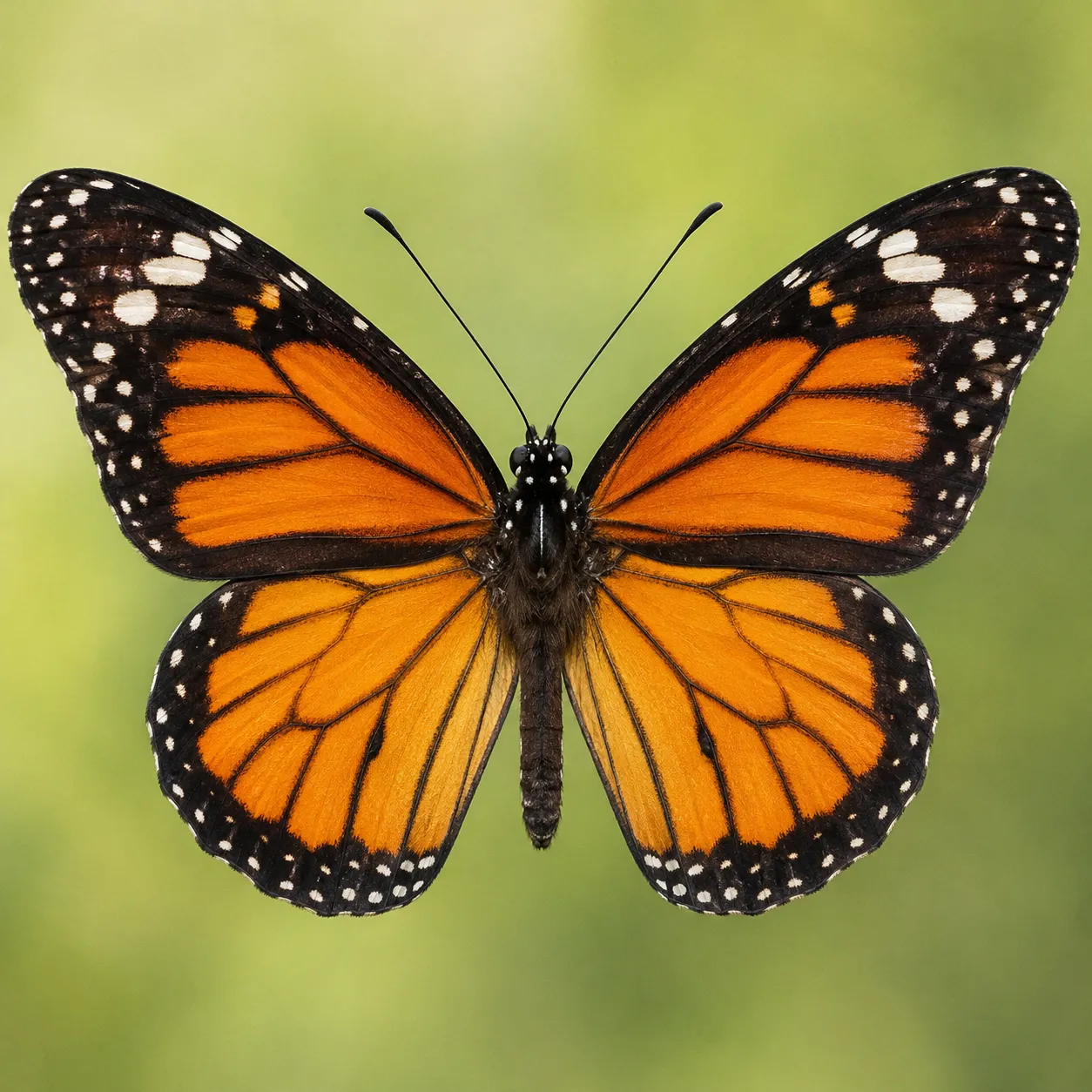
butterflyˈbʌtərflaɪ
an insect with a thin body and large, often colorful wings that flies during the day.
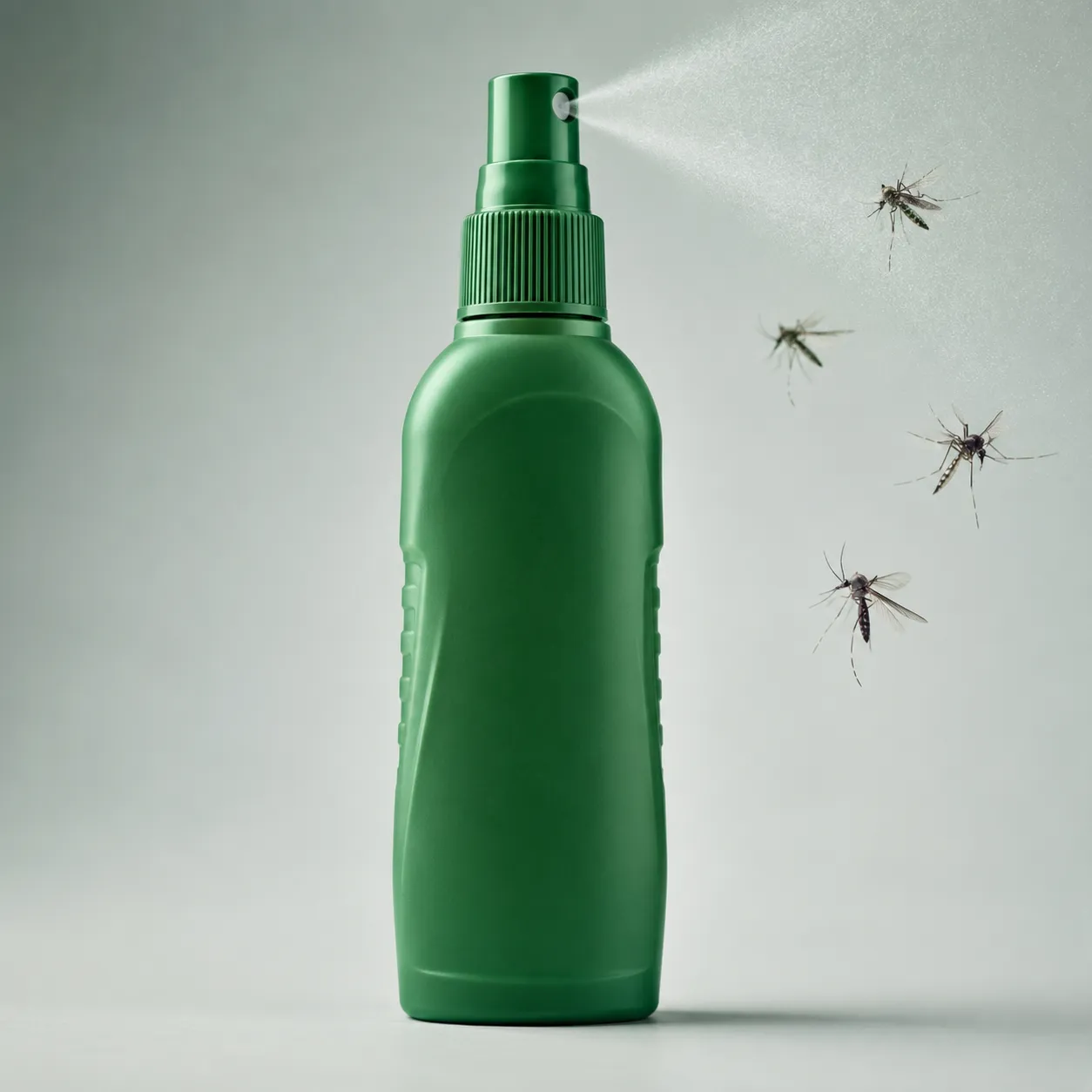
repellentrɪˈpɛlənt
a substance that you put on something to keep insects, animals, or water away.
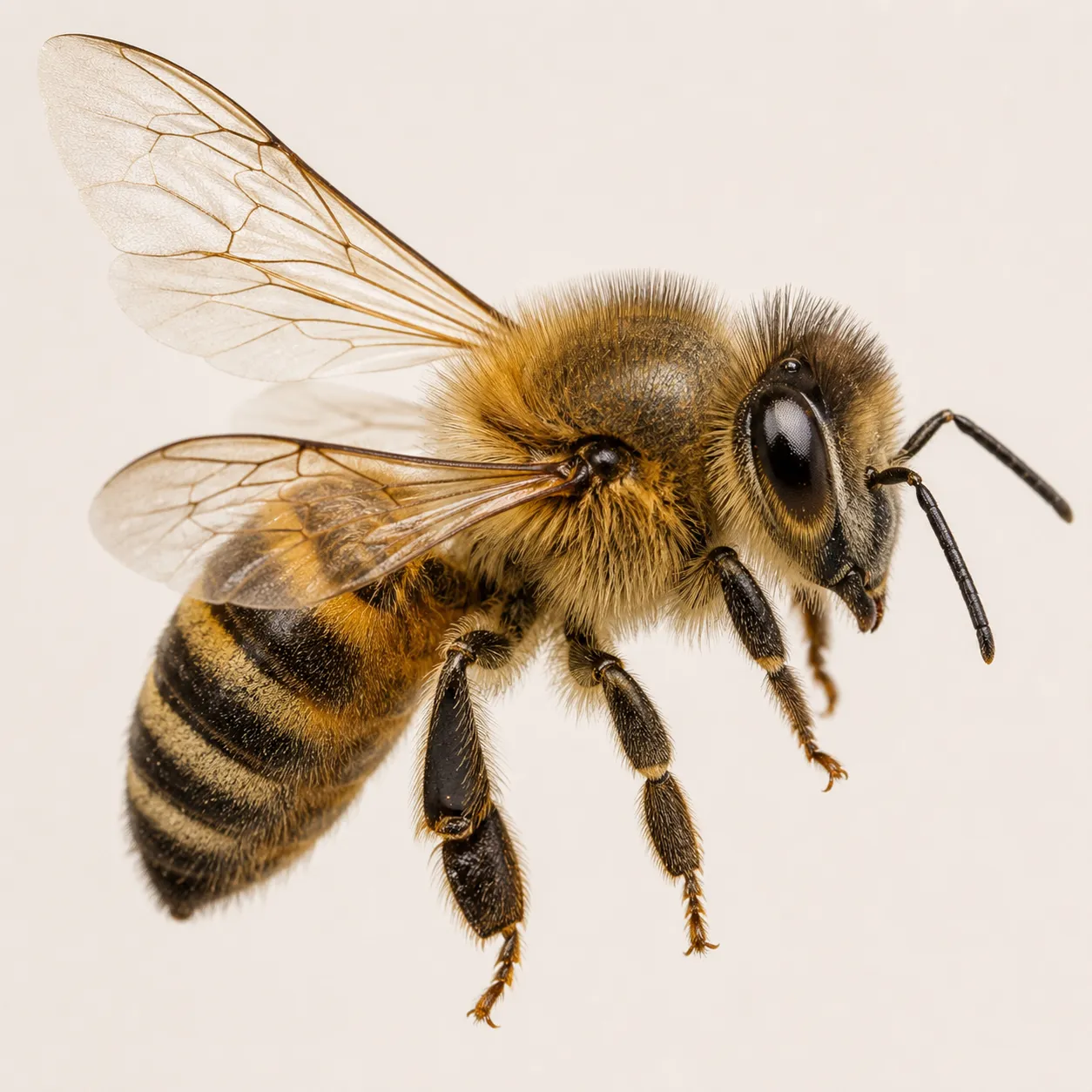
beebiː
a flying insect that collects nectar from flowers and can sometimes sting.

molemoʊl
a small dark animal with strong front feet that lives underground and digs tunnels in soil.
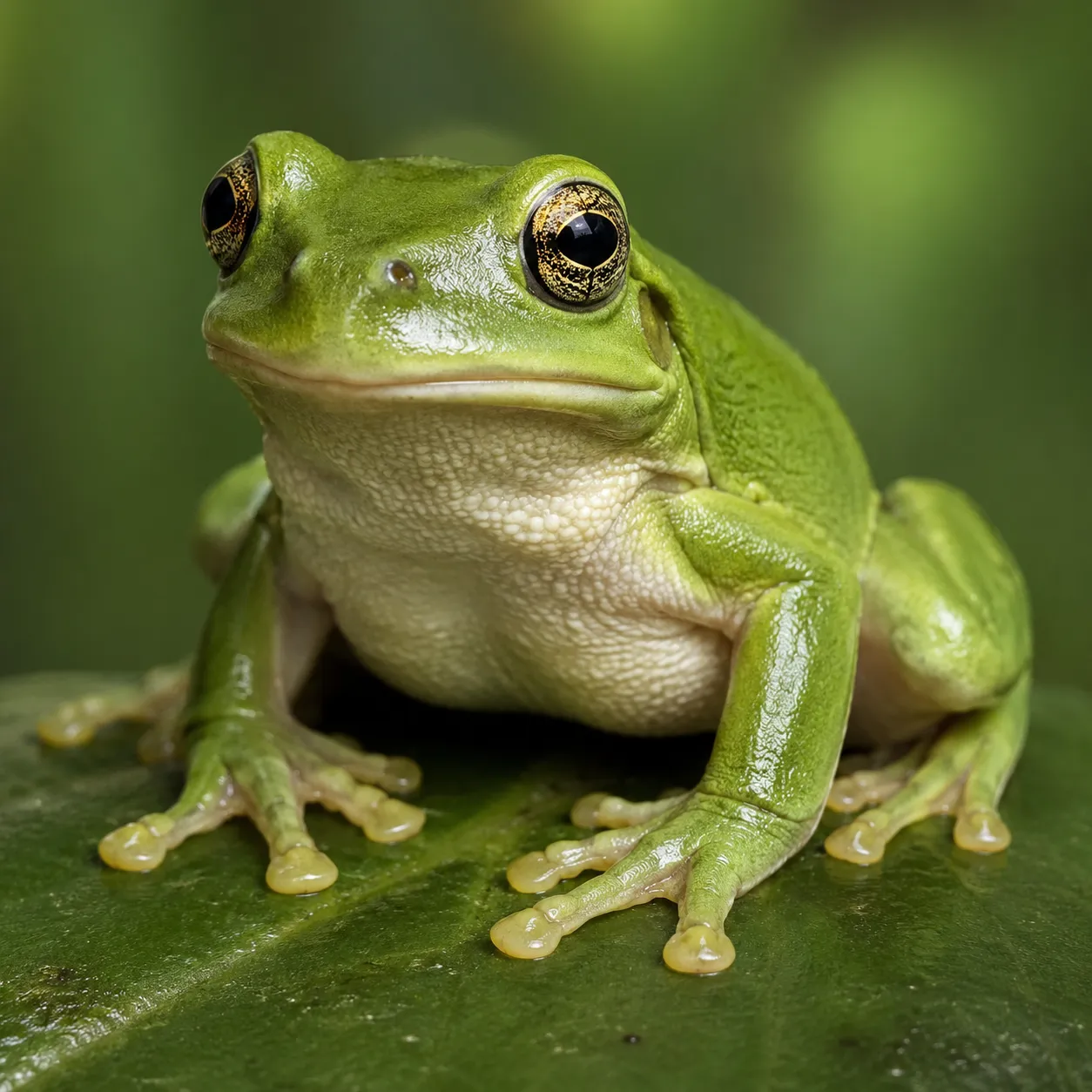
frogfrɔːɡ
a small animal with smooth skin and long back legs for jumping, usually living in or near water.

eggeɡ
an oval object produced by a bird or other animal, often with a shell, from which a young animal may develop, or that people eat as food
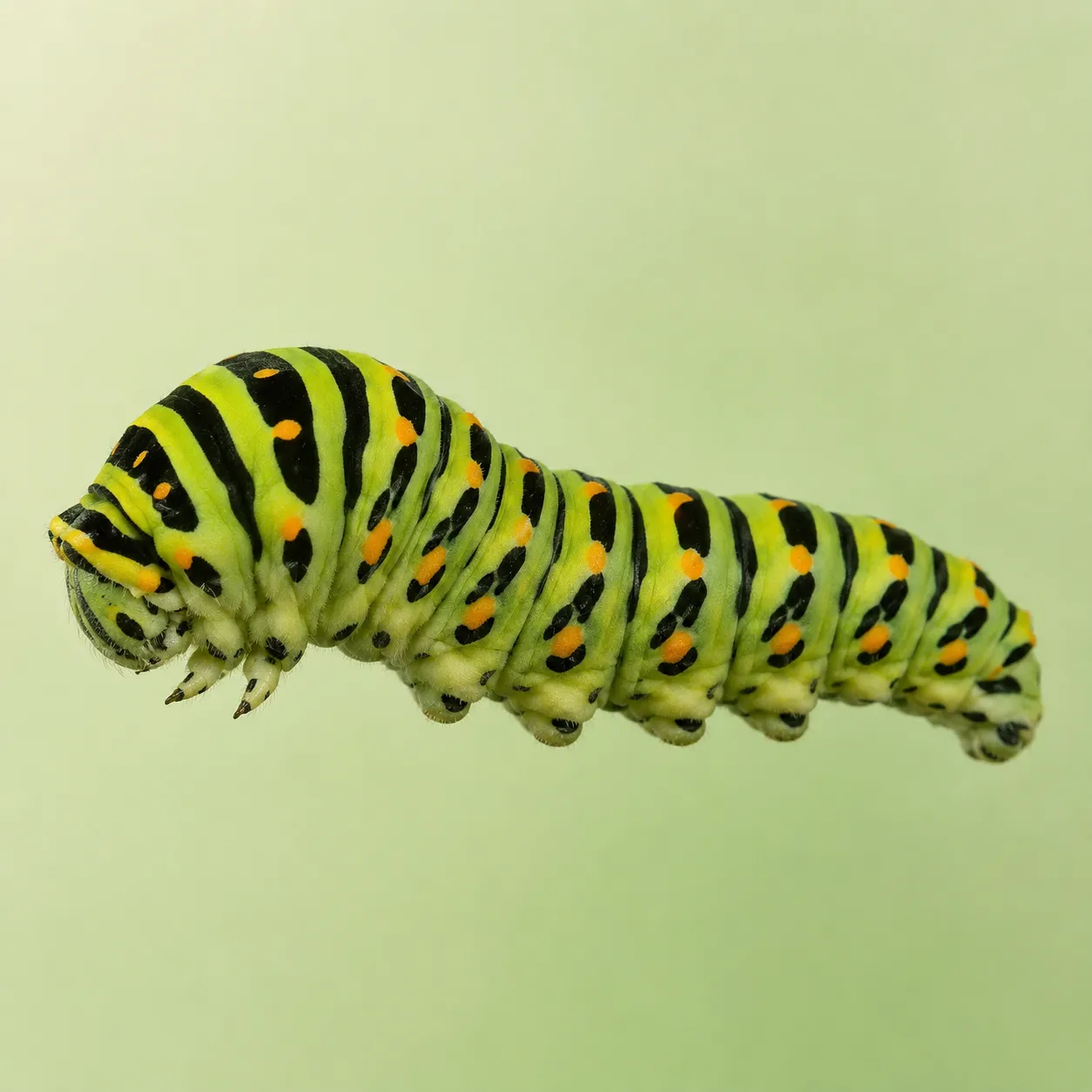
caterpillarˈkætərˌpɪlər
the young form of a butterfly or moth, with a long soft body and many short legs.
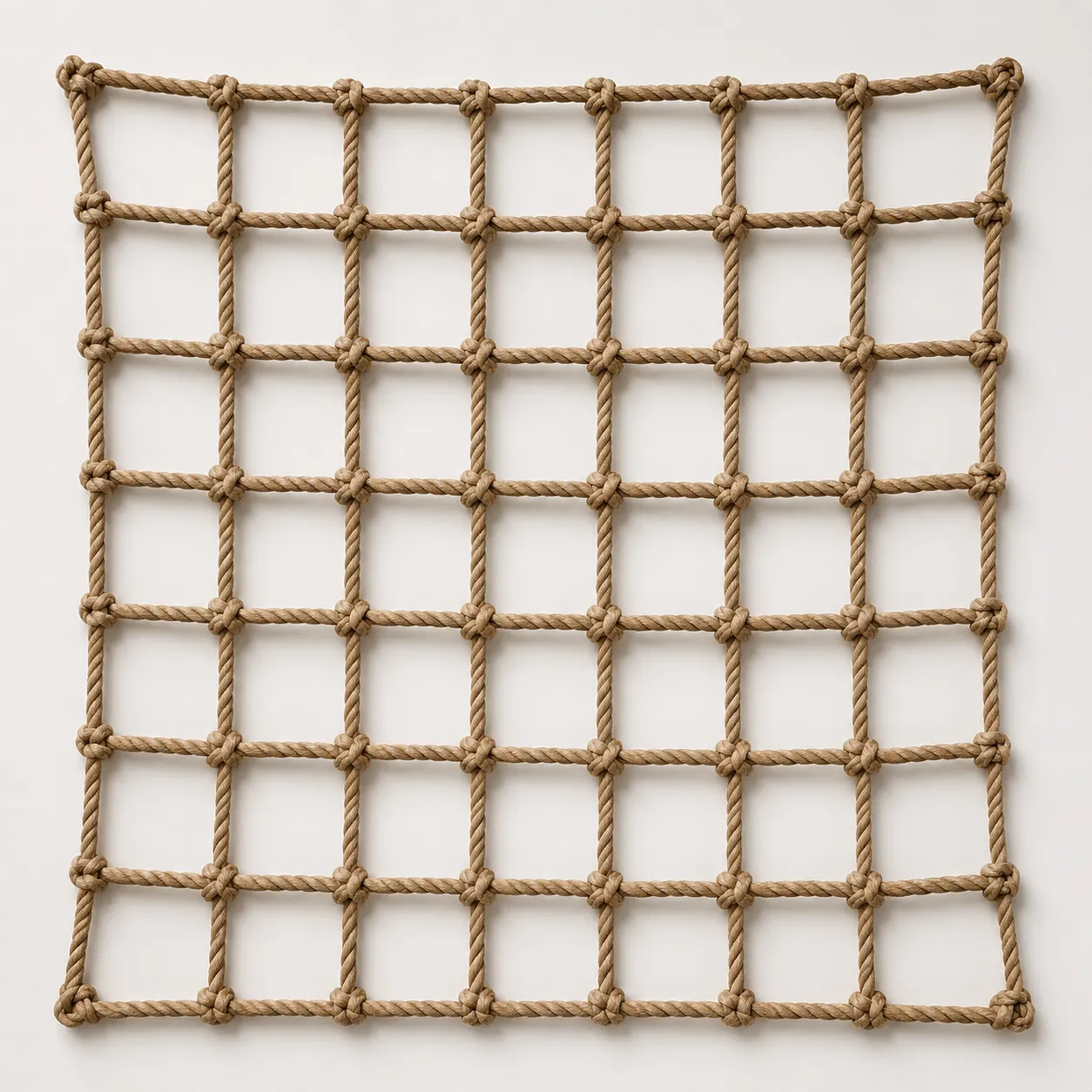
netnɛt
material made from string, thread, or wire with many small holes, used for catching, covering, or protecting things.
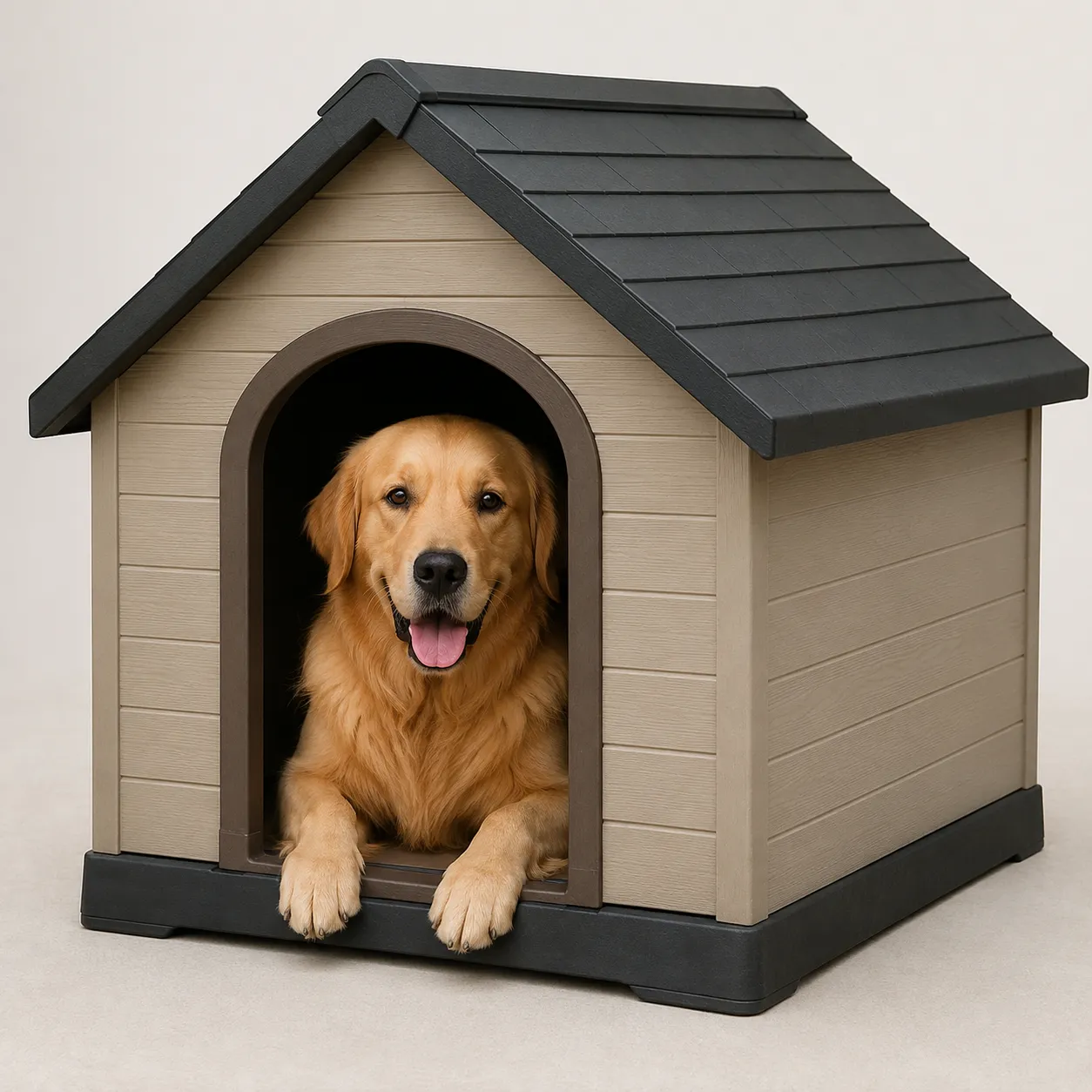
kennelˈkenəl
a small shelter for a dog, or a place where dogs are kept.
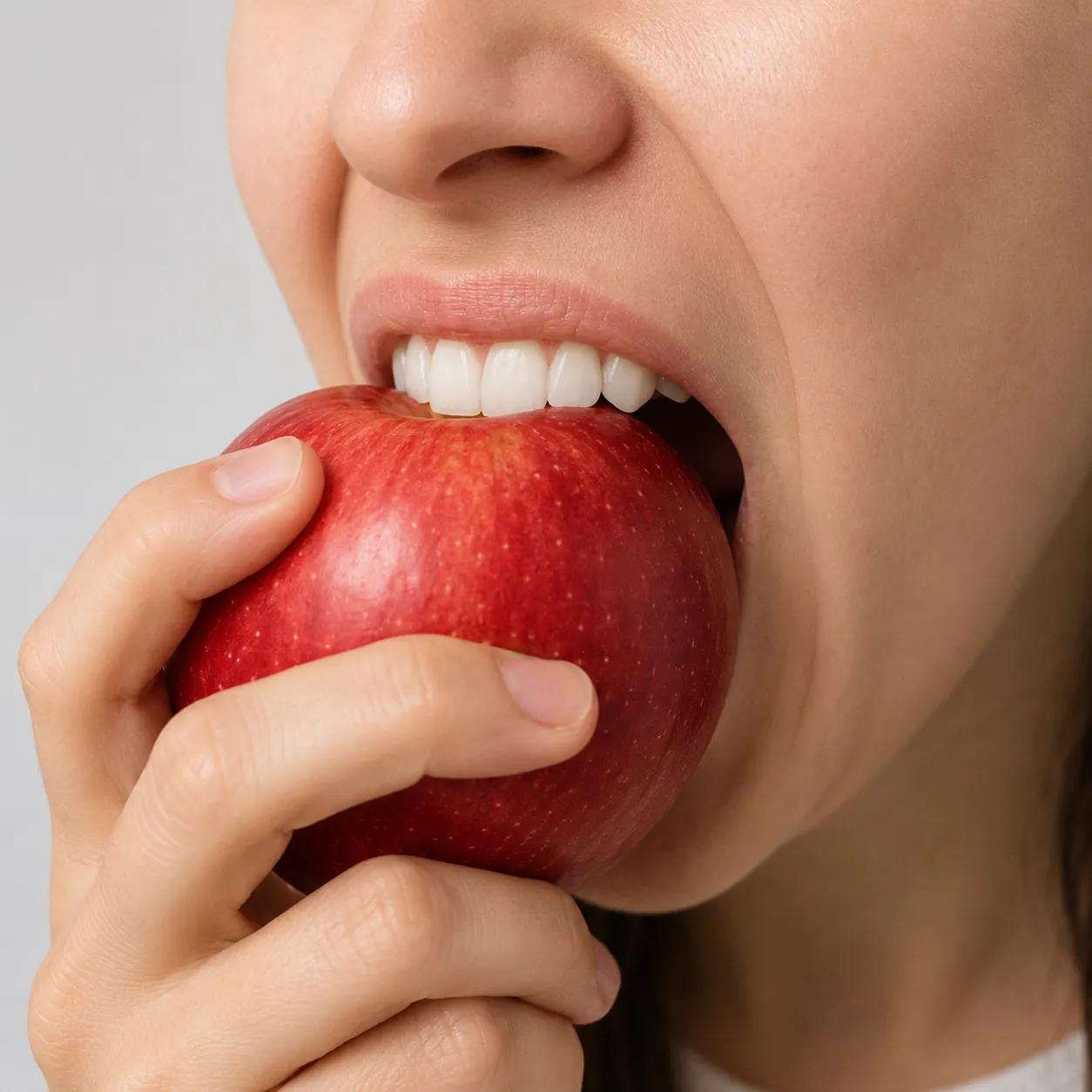
bitebaɪt
to use your teeth to cut into food or to hurt or hold a person, animal, or thing.
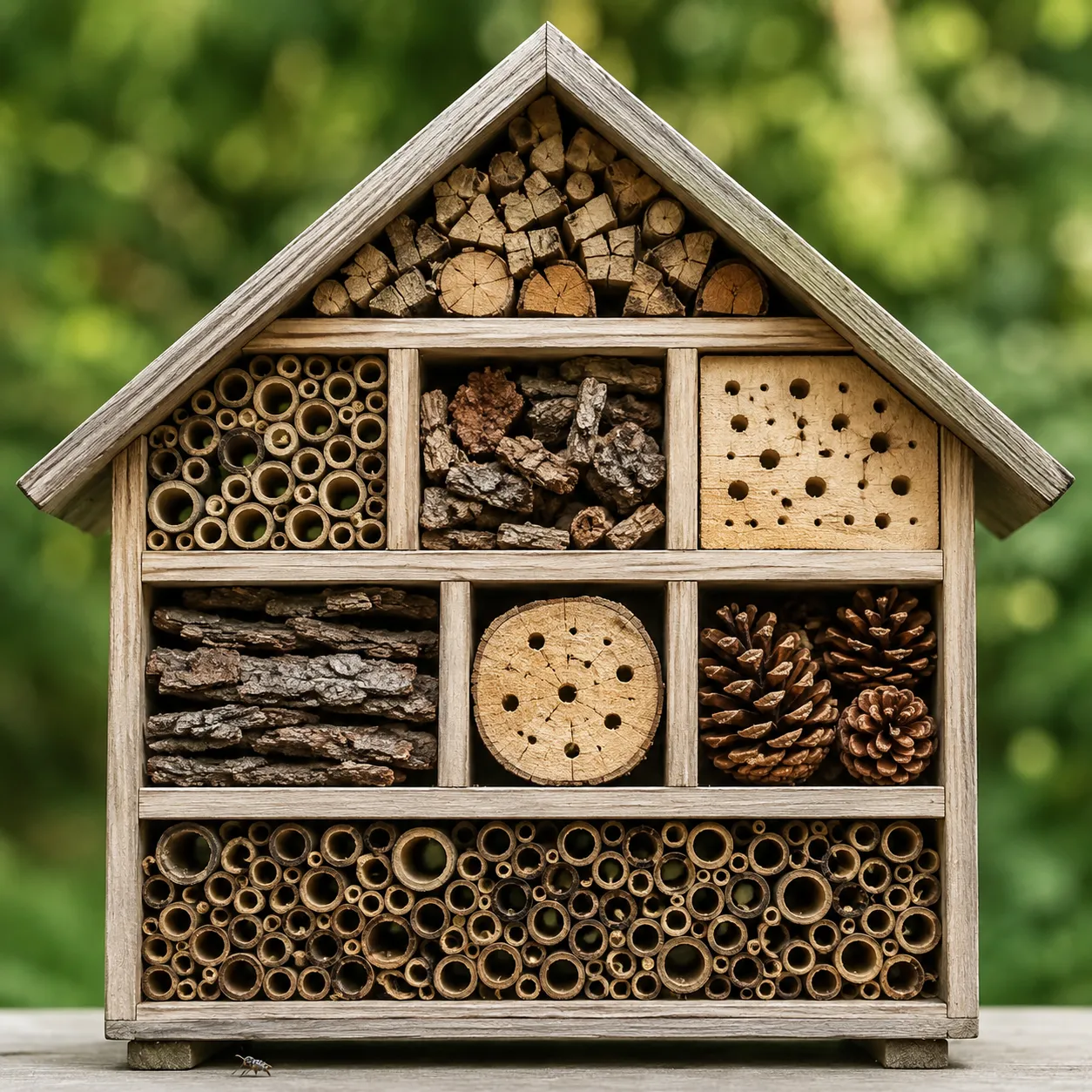
insect hotelˈɪnˌsɛkt hoʊˌtɛl
a small man-made shelter with different spaces where useful insects can live, hide, or nest.
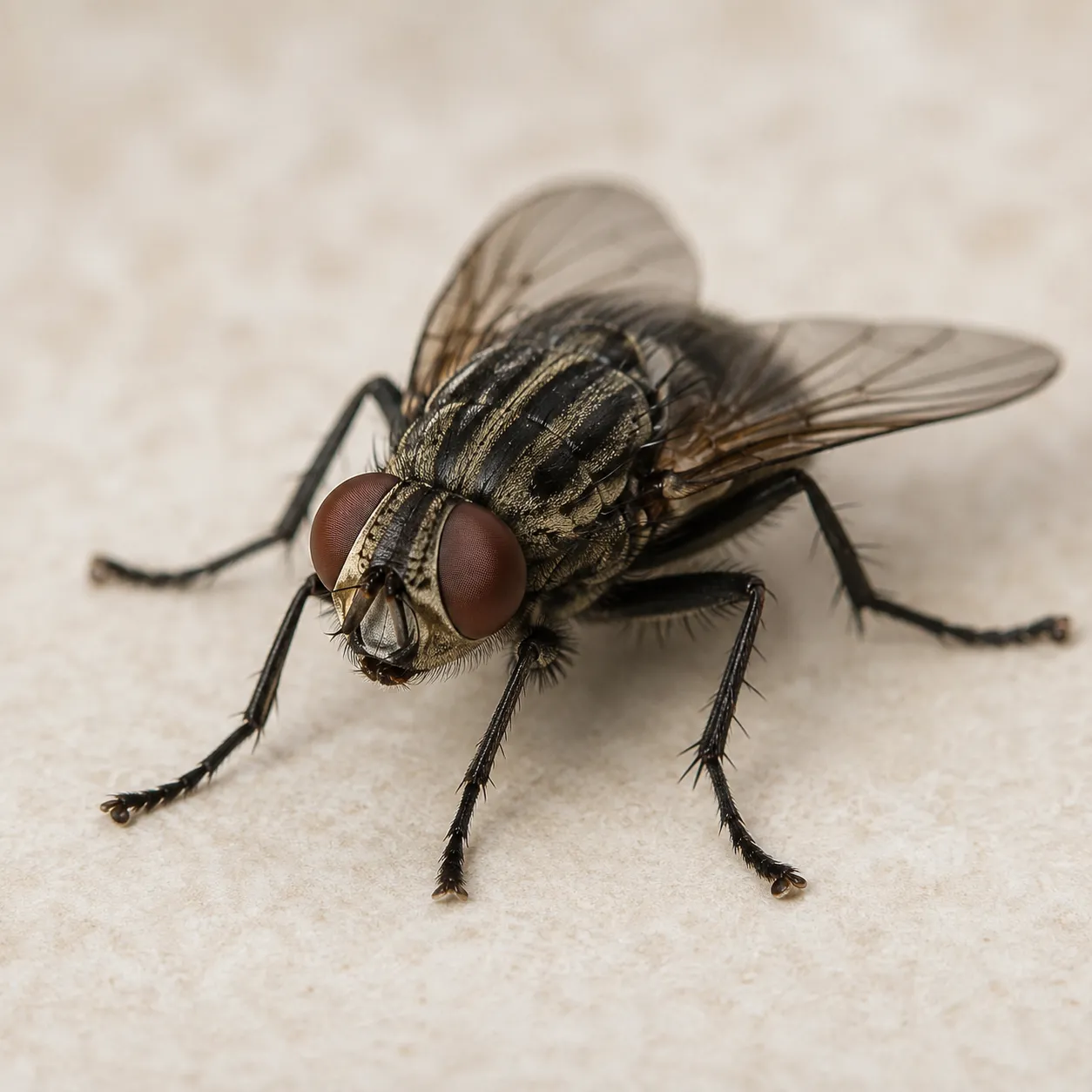
flyflaɪ
a small flying insect that can land on food and spread germs.
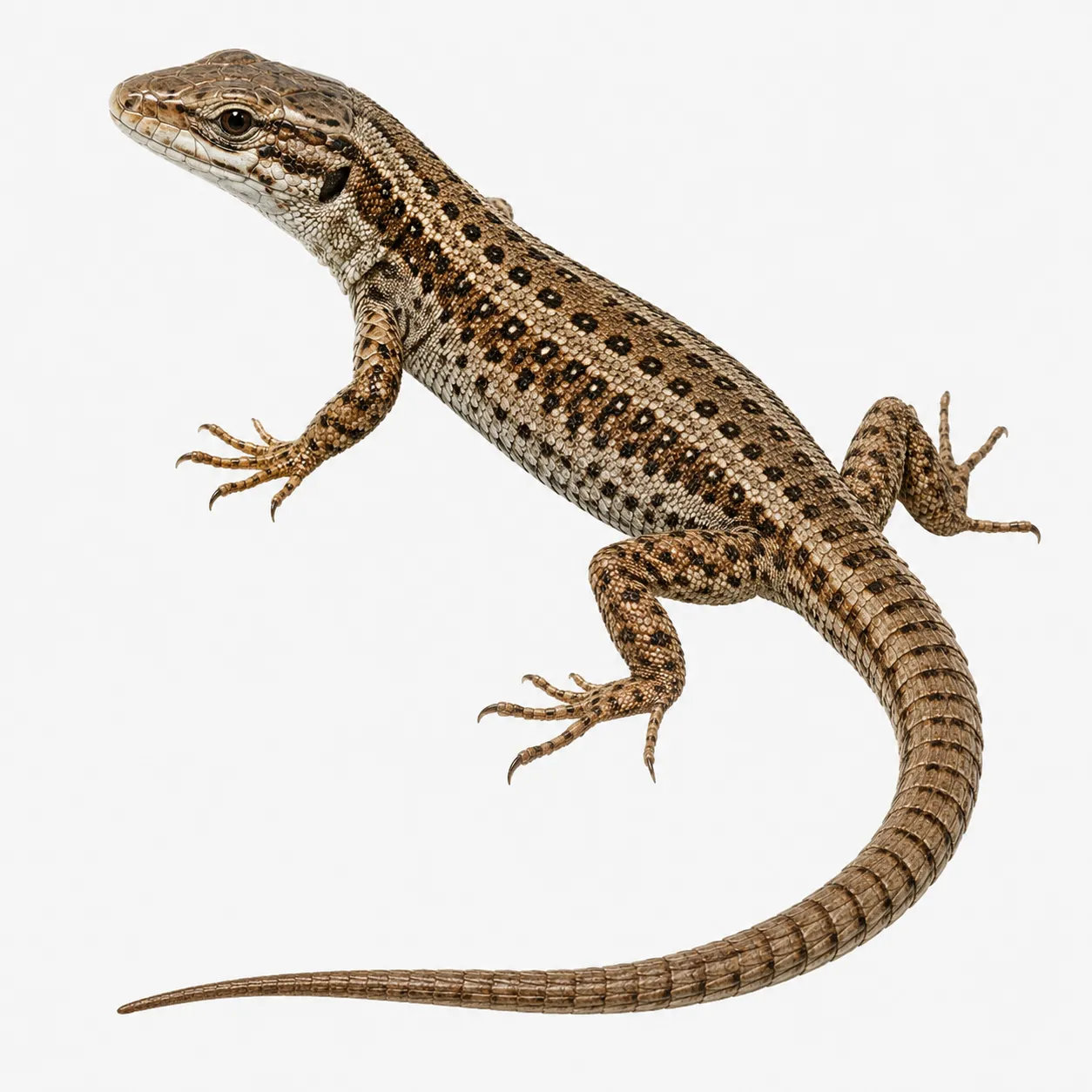
lizardˈlɪzərd
a reptile with dry skin, a long body and tail, and usually four legs.
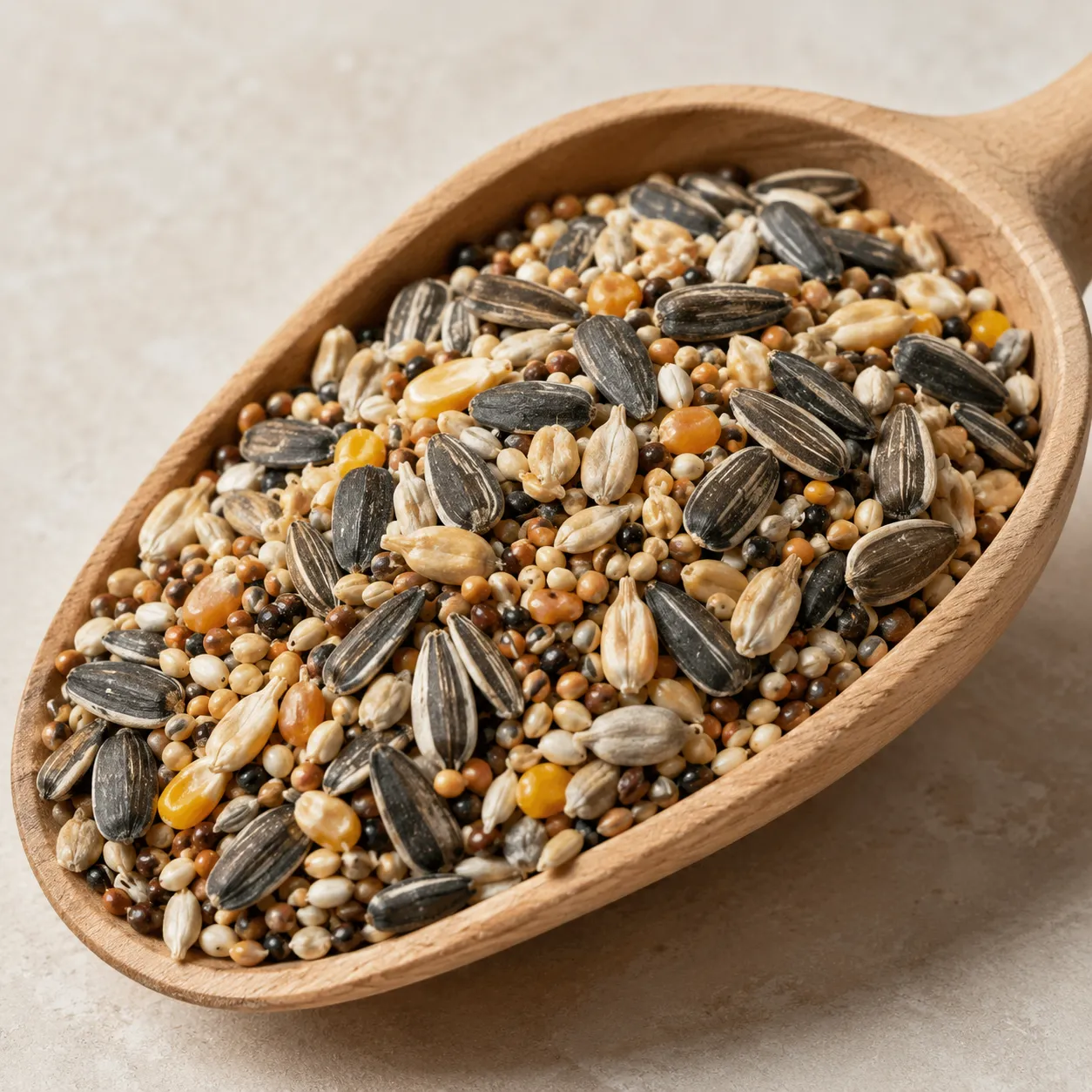
bird seedˈbɜːrd siːd
a mixture of seeds that people give to birds to eat.
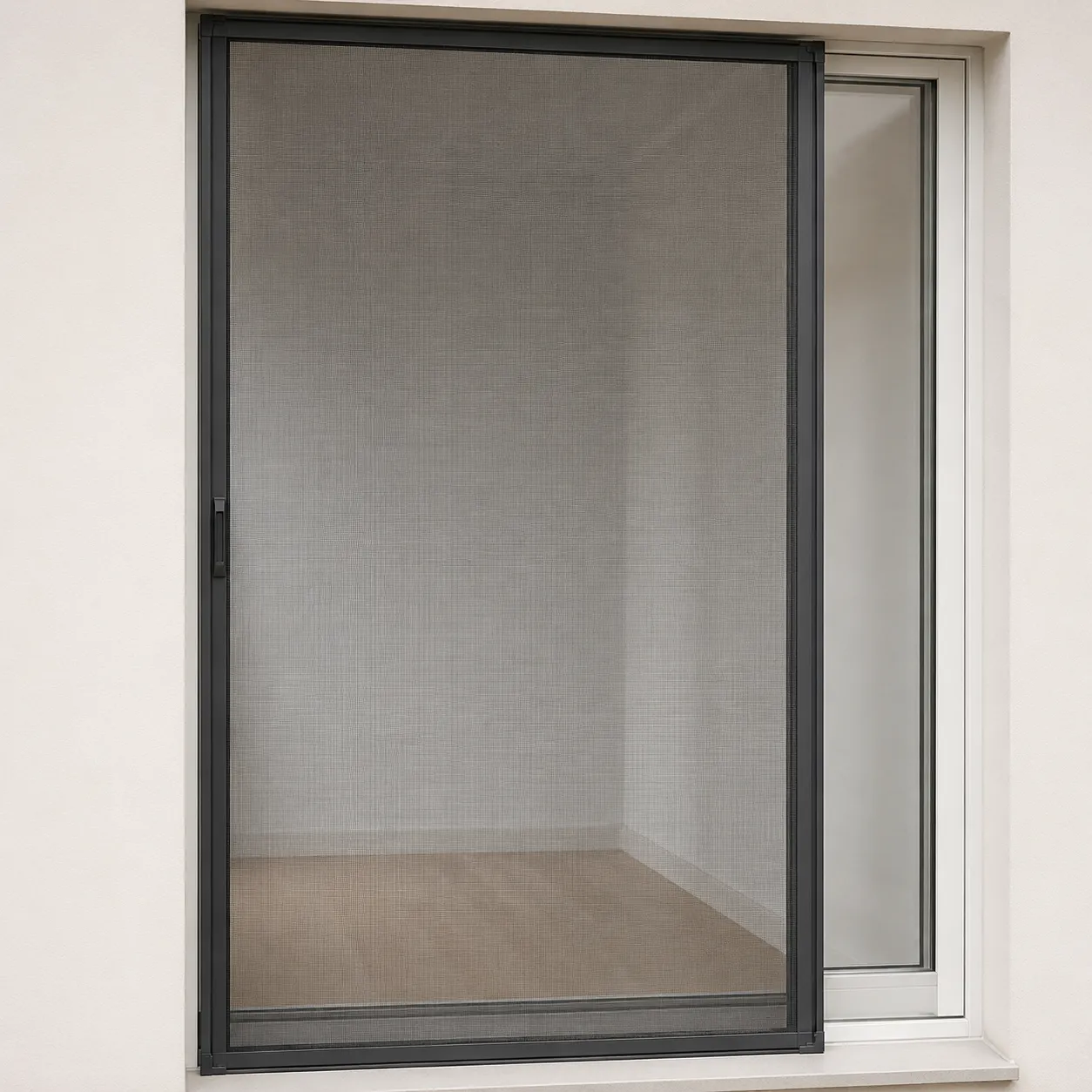
mosquito netməˈskiːtoʊ nɛt
a very fine net that is hung over a bed, window, or door to stop mosquitoes from getting through.
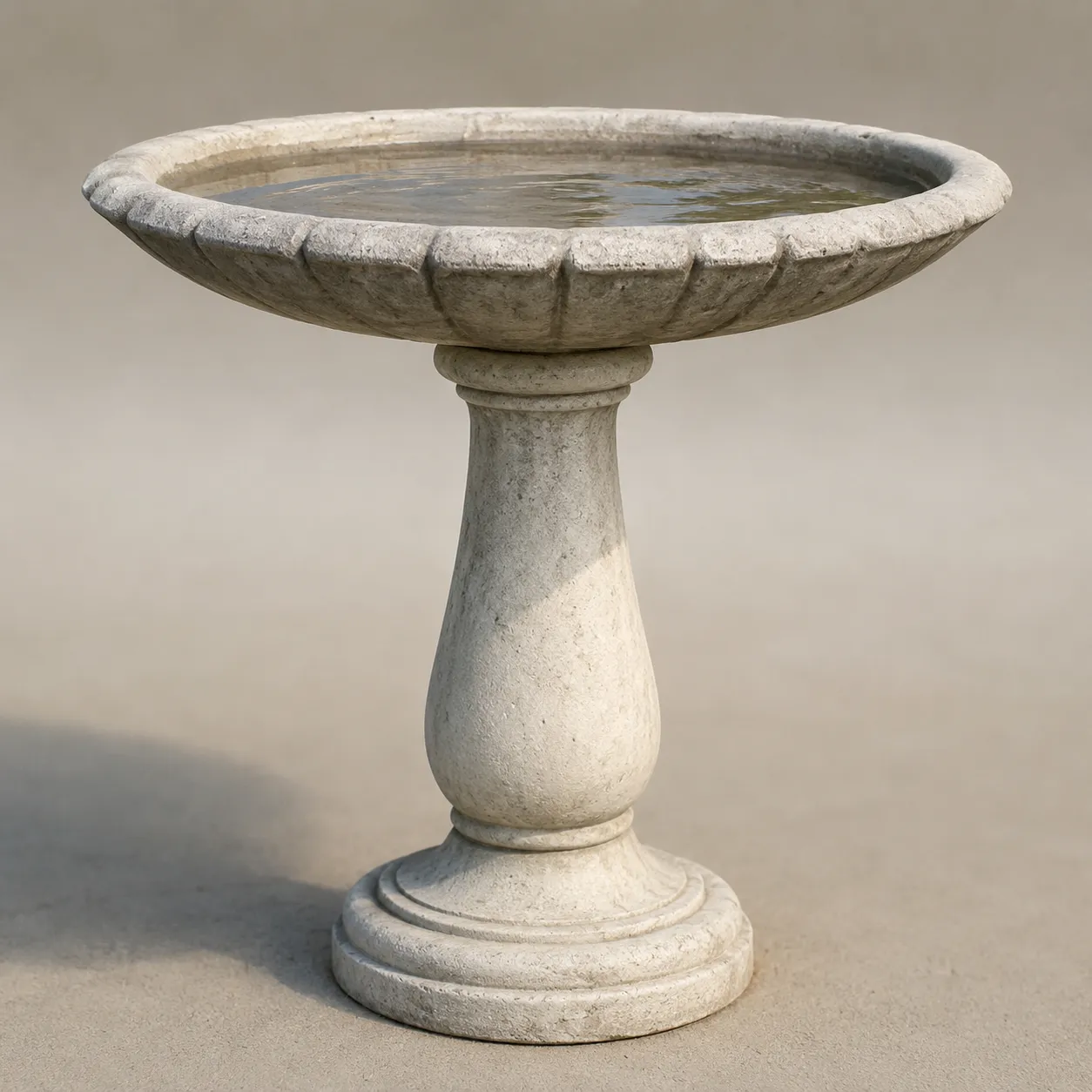
birdbathˈbɝːdˌbæθ
a shallow bowl or basin kept outdoors and filled with water for birds to drink from or wash in.
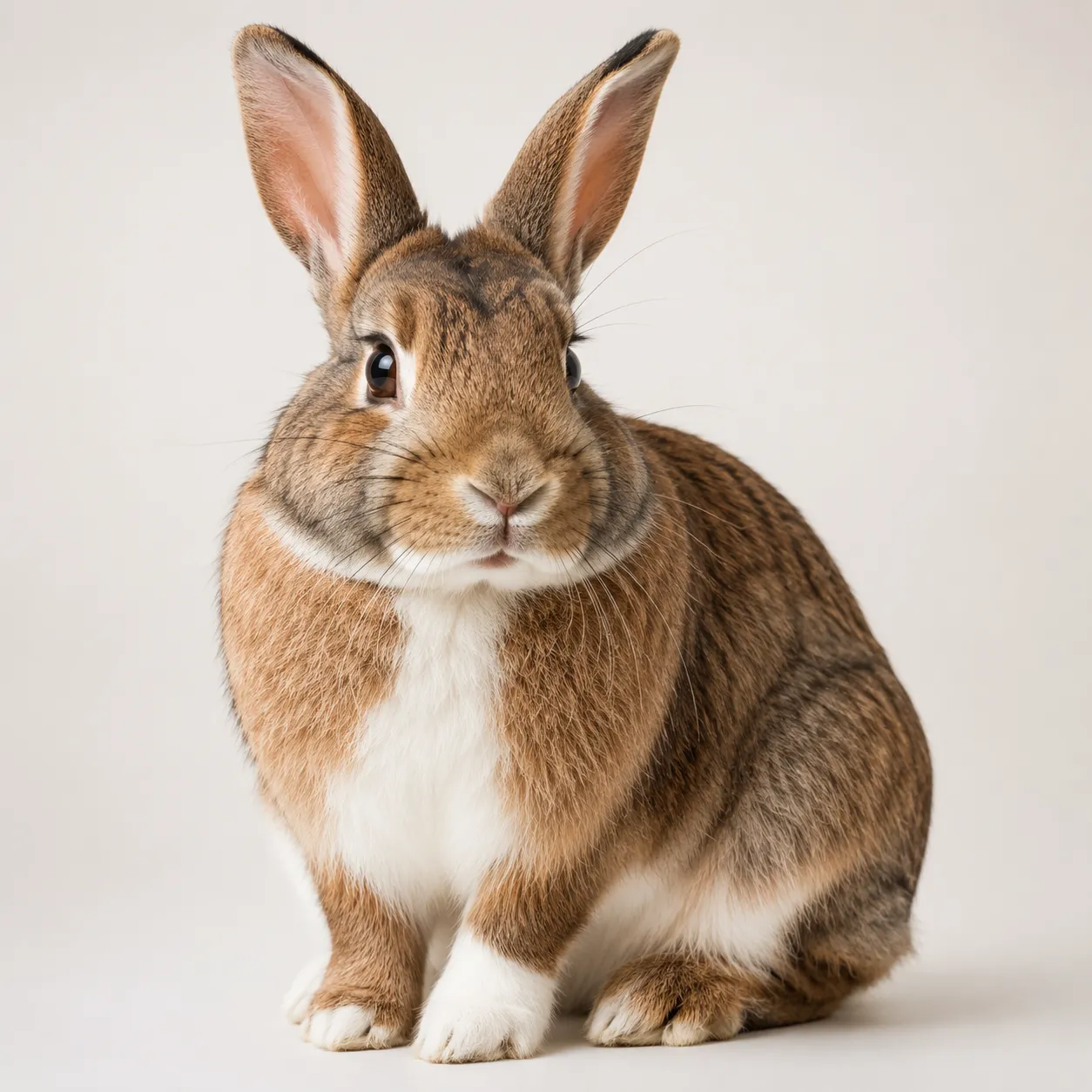
rabbitˈræbɪt
a small animal with long ears, soft fur, long back legs and a short tail, or its meat or fur
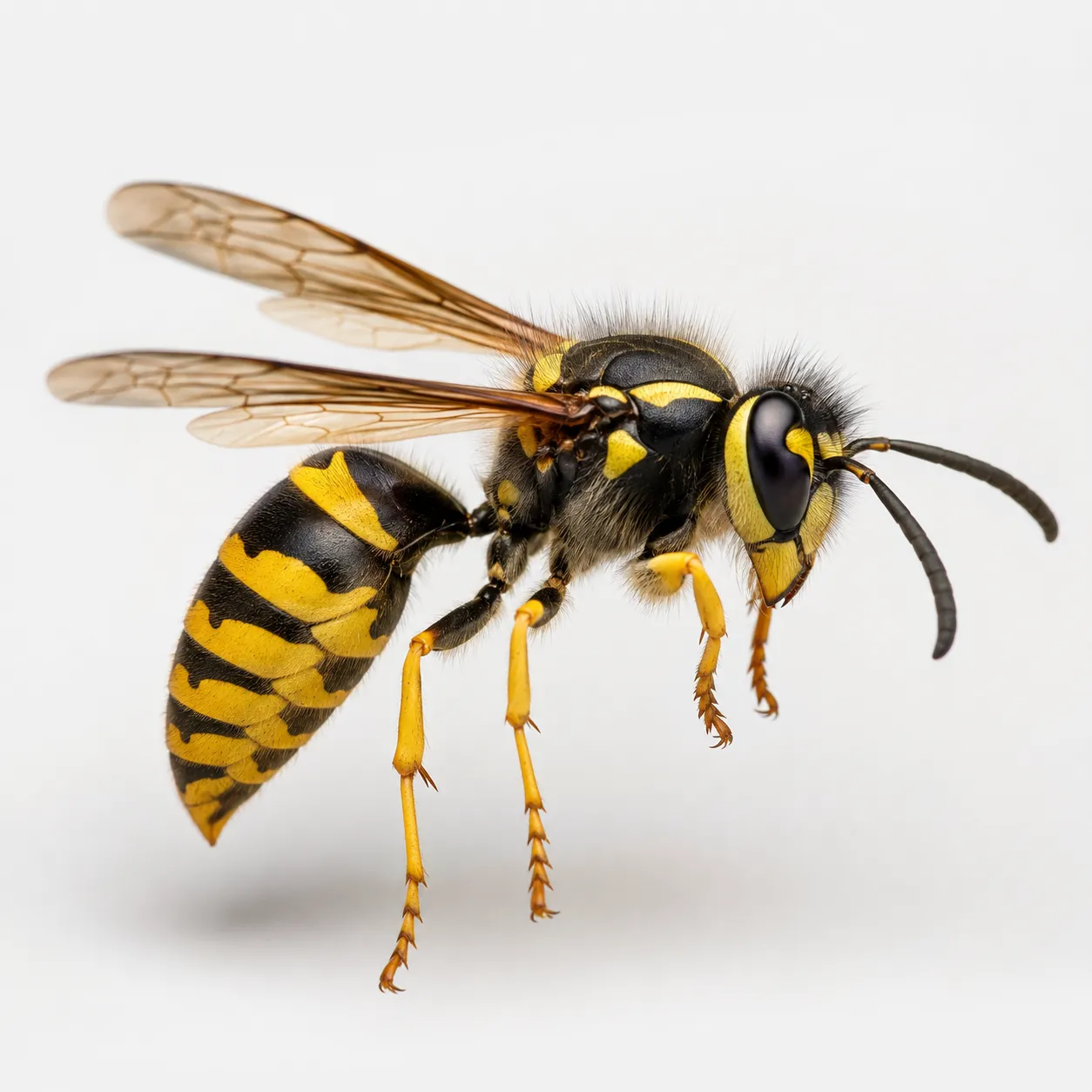
waspwɑːsp
a flying insect, often yellow and black, with a narrow body and a sting that can hurt people.
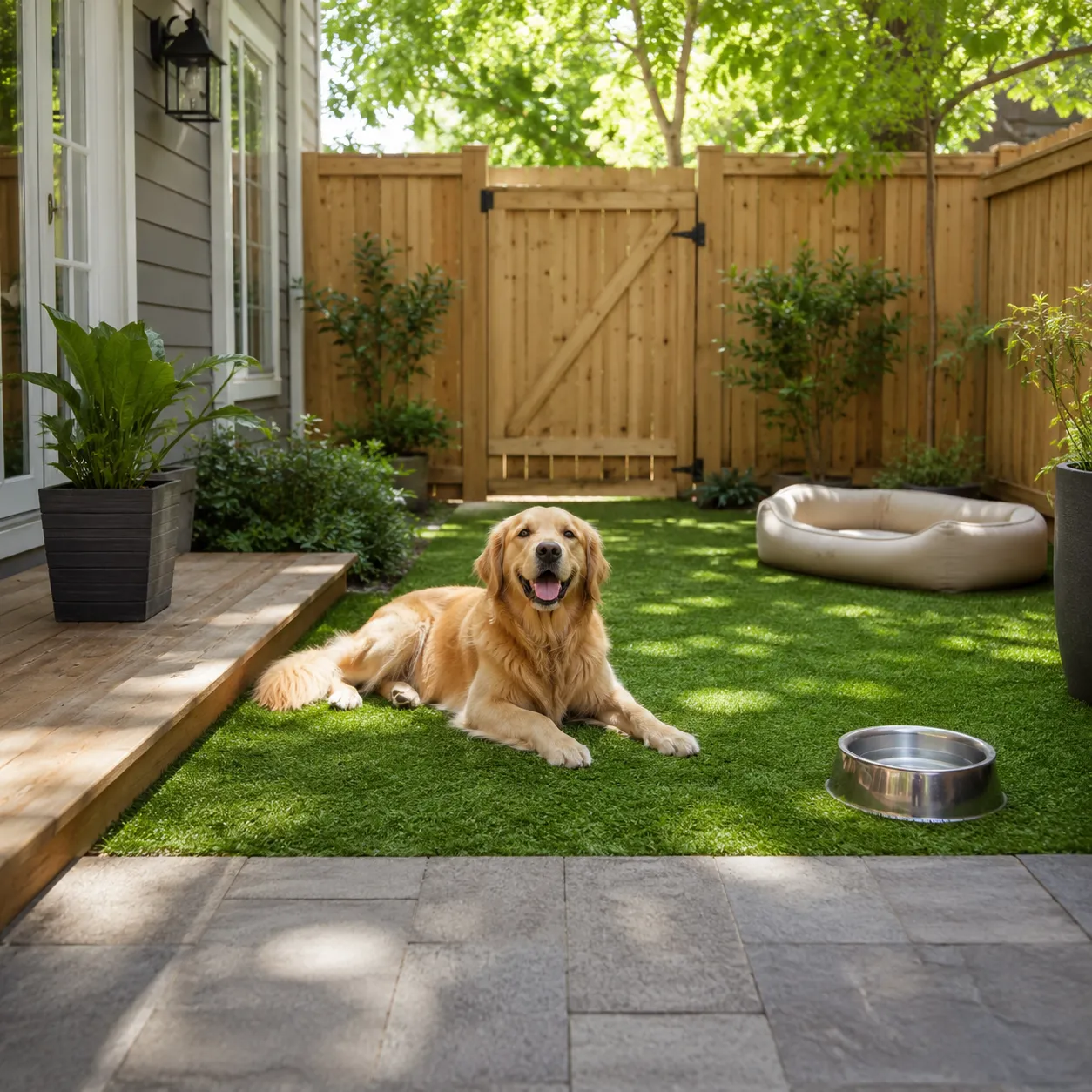
pet-friendlyˈpɛt ˌfrɛndli
allowing guests to bring pets and providing conditions suitable for them.
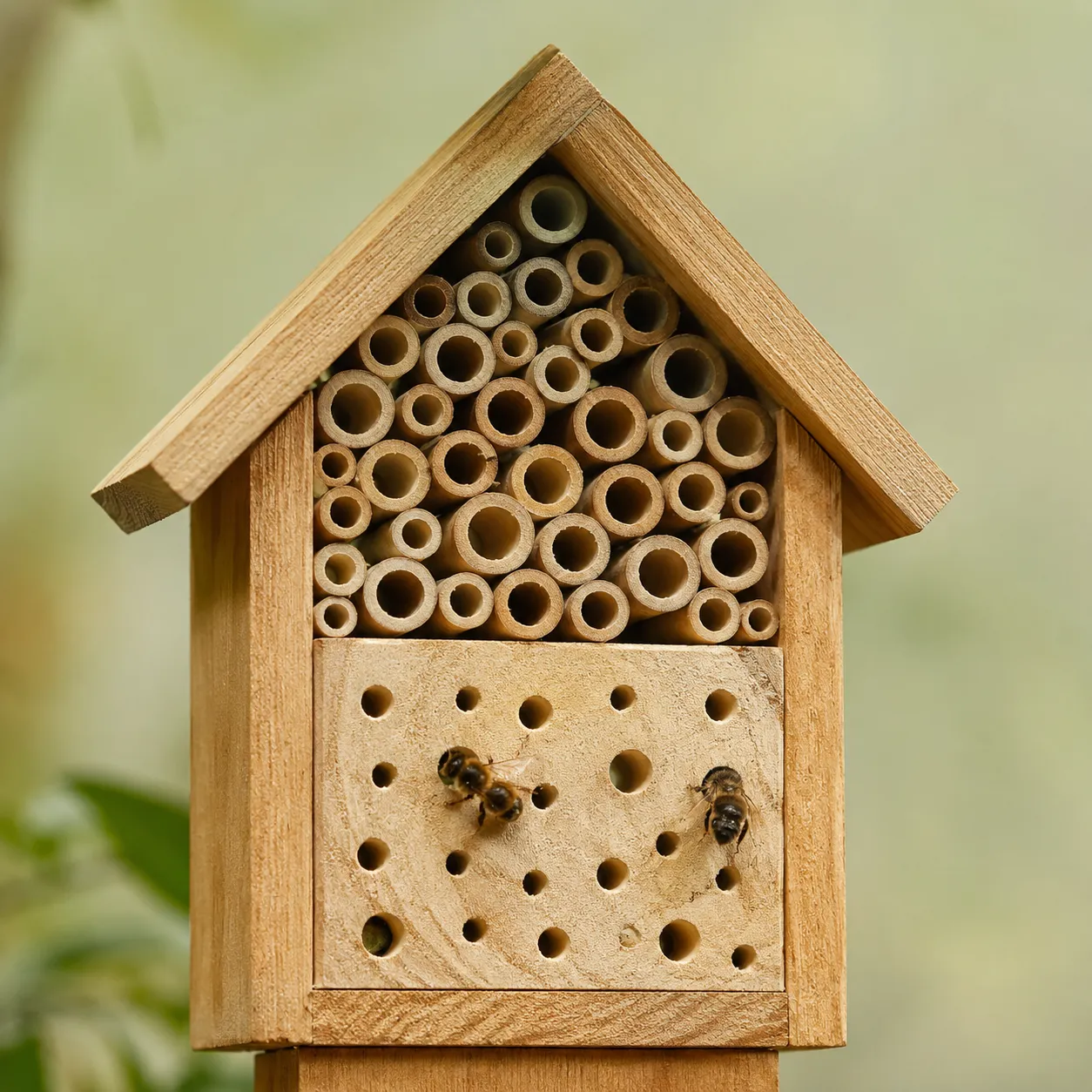
bee hotelˈbiː hoʊˌtɛl
a small man-made shelter with holes or tubes where solitary bees can nest.
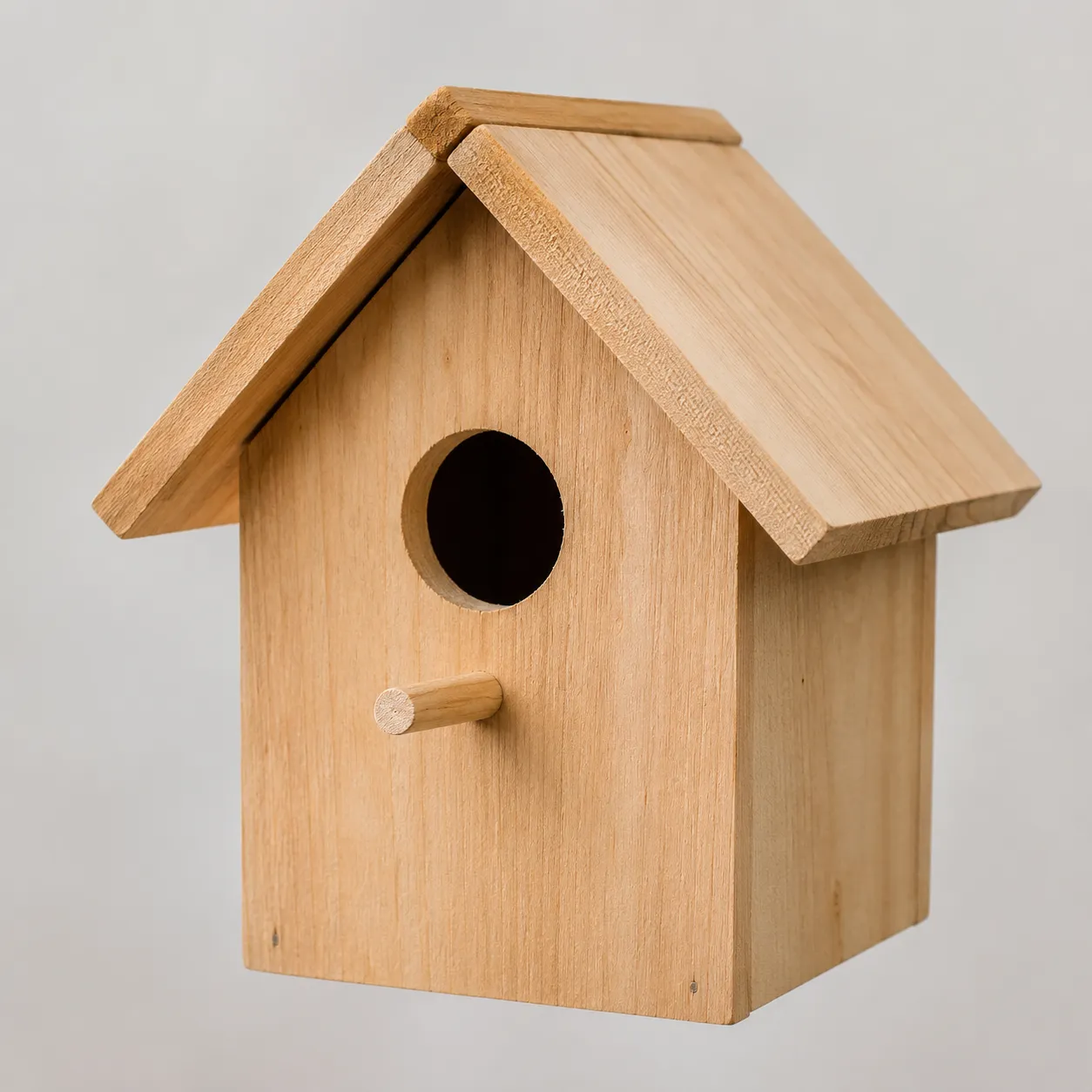
birdhouseˈbɝːdhaʊs
a small wooden or plastic house put outside for birds to live or nest in.
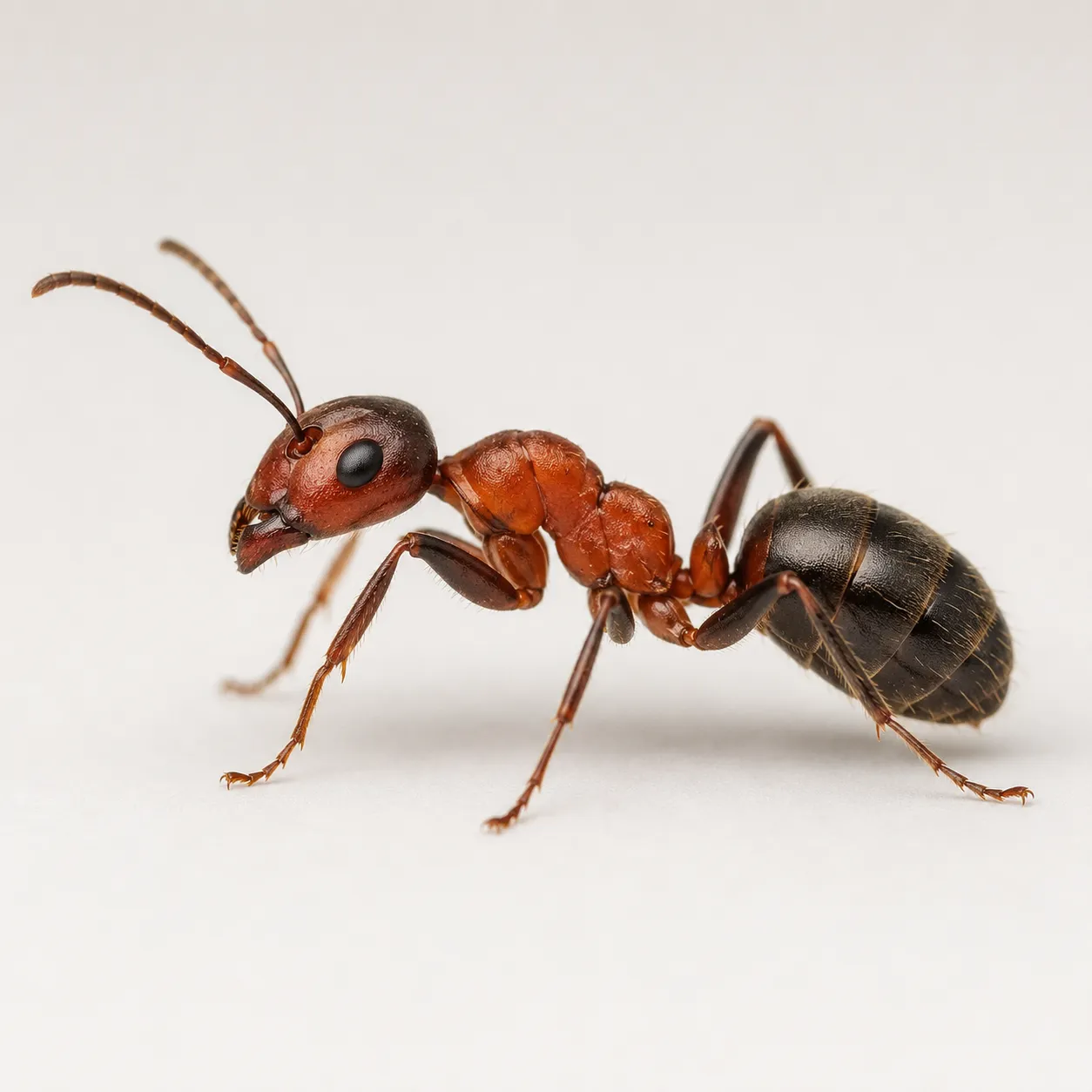
antænt
a small insect that lives in large organized groups, often in nests in the ground.
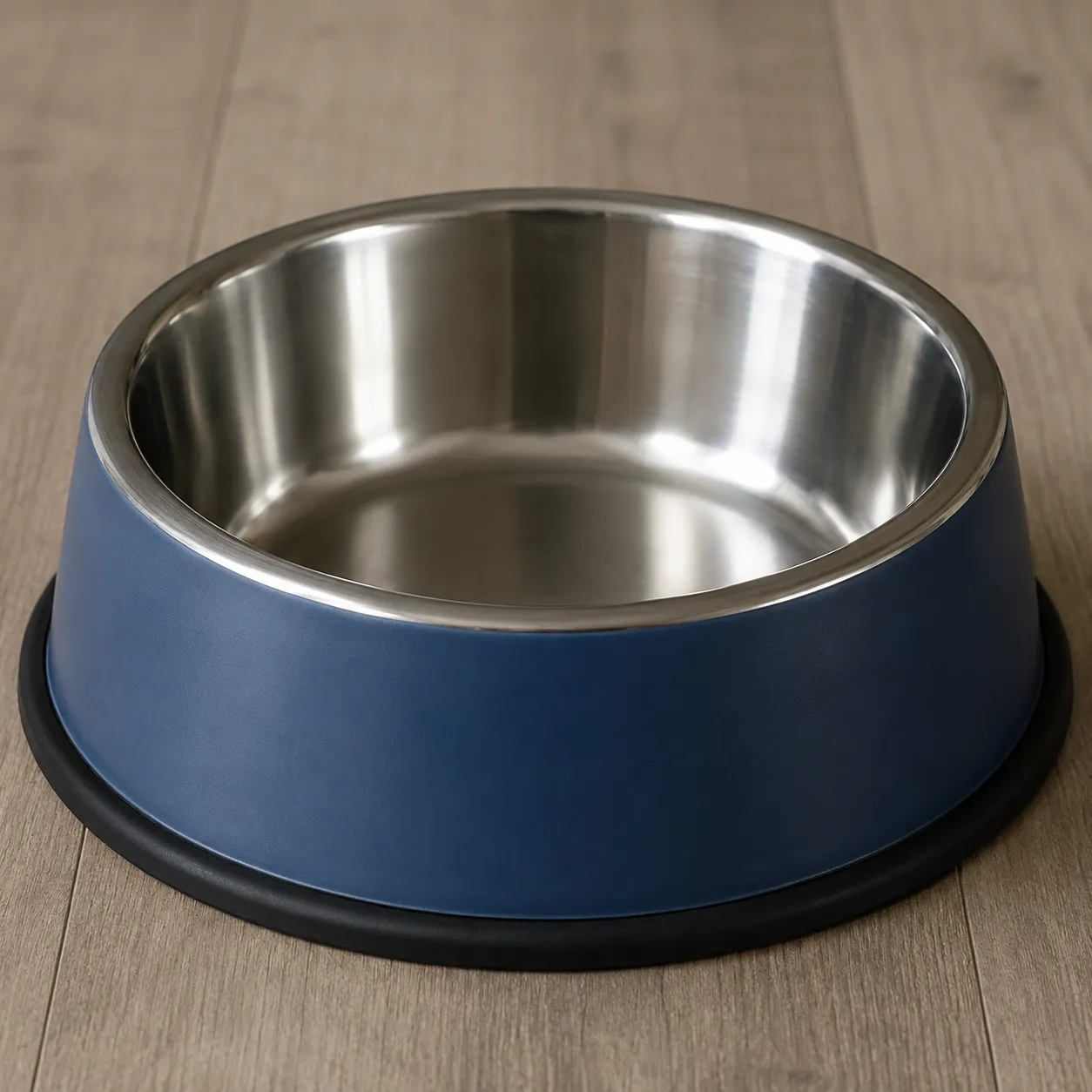
pet bowlˈpɛt boʊl
a bowl used to give food or water to a pet such as a dog or cat.
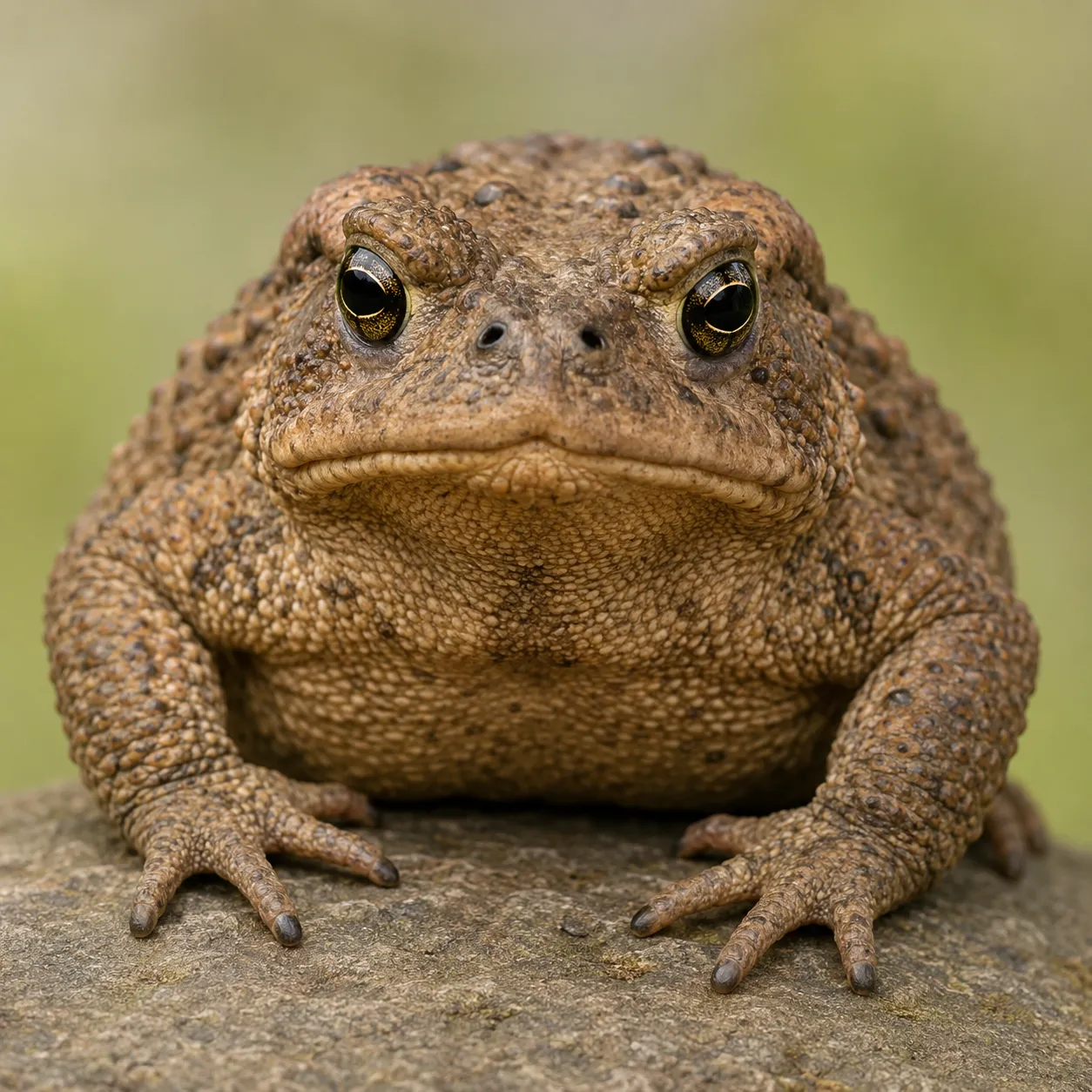
toadtoʊd
a small animal like a frog, but with drier, rougher skin, often living more on land.
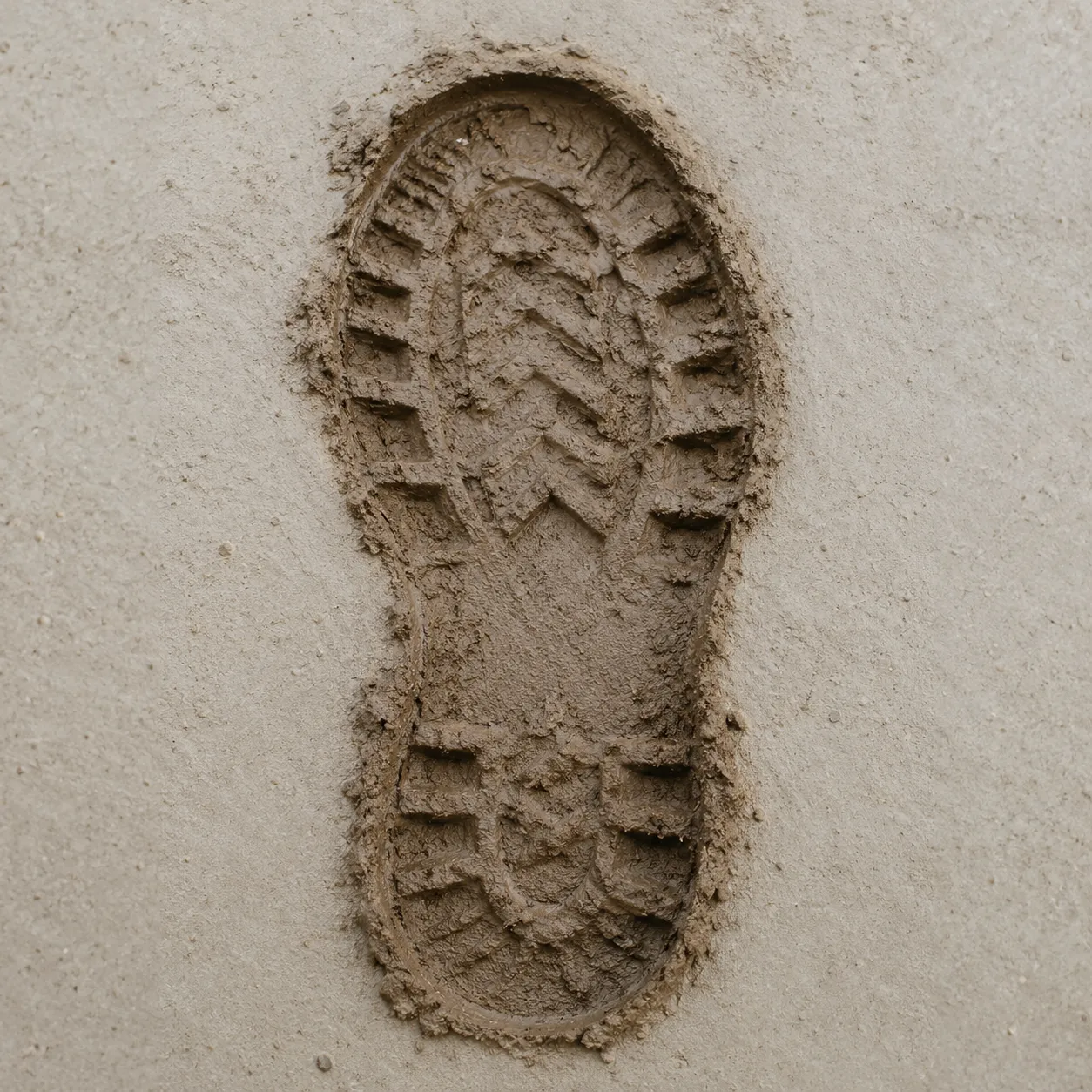
footprintˈfʊtprɪnt
a mark left on a surface by a foot or shoe
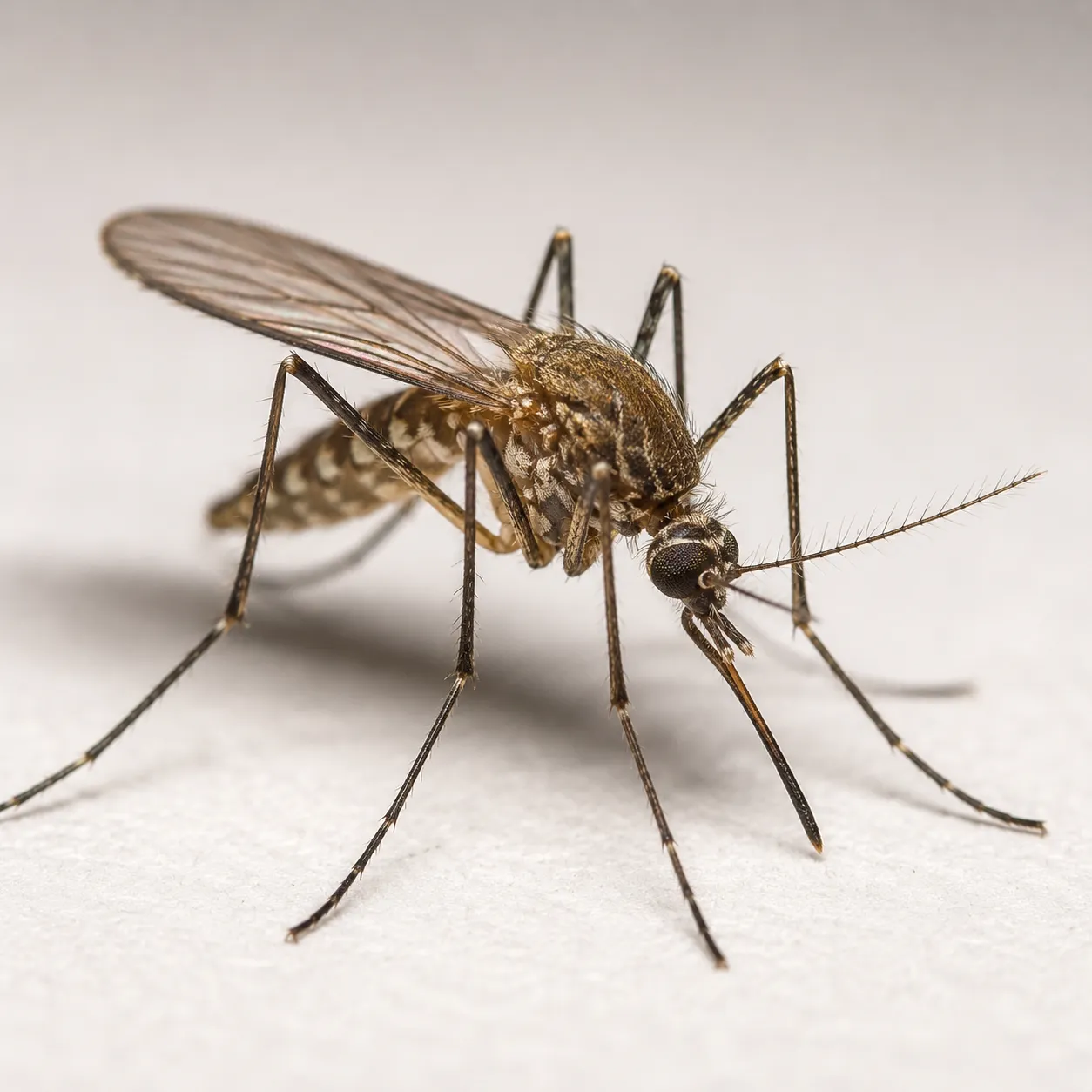
mosquitoməˈskiːtoʊ
a small flying insect that bites people and animals and sucks their blood.
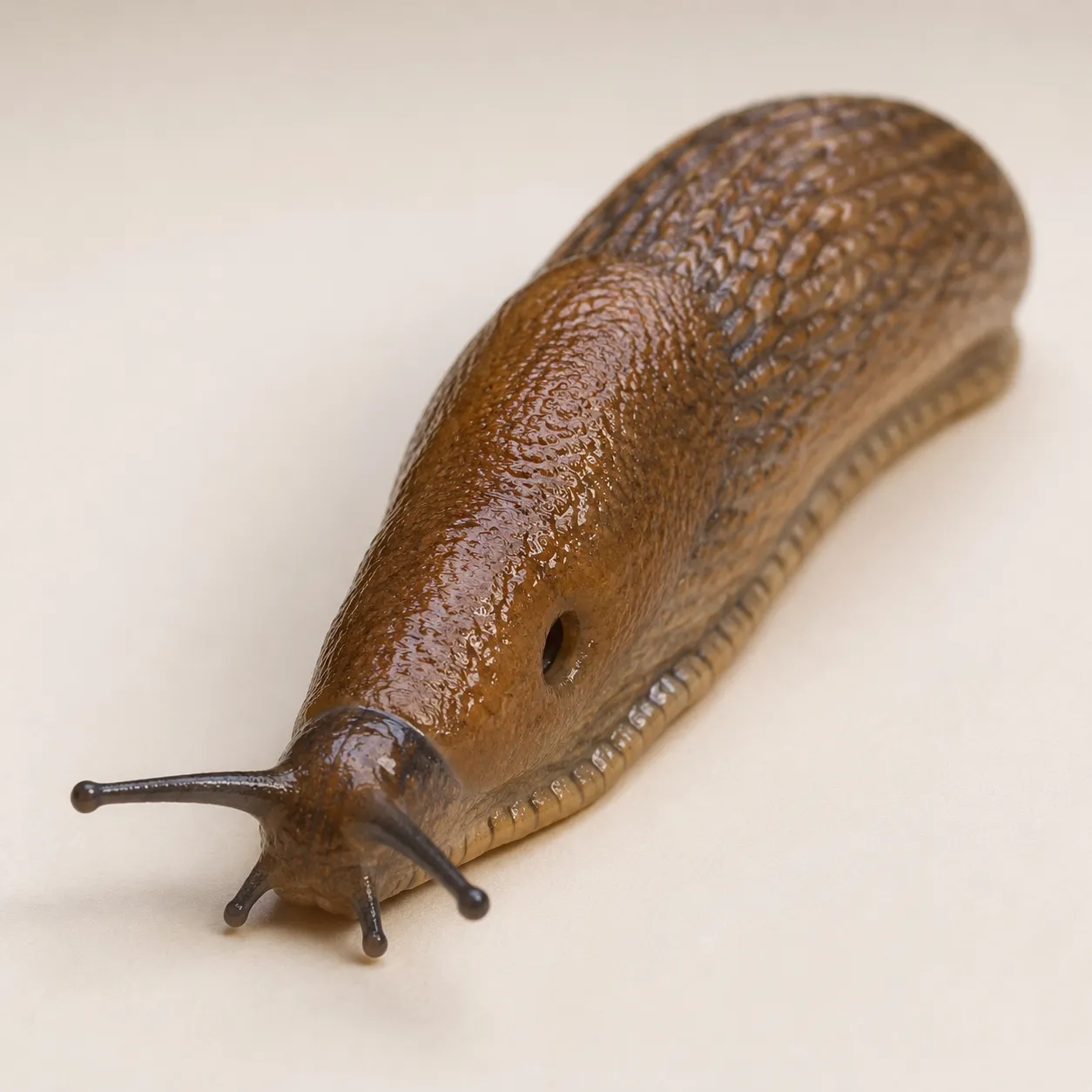
slugslʌɡ
a small slow animal with a soft body and no legs, like a snail but without a shell.
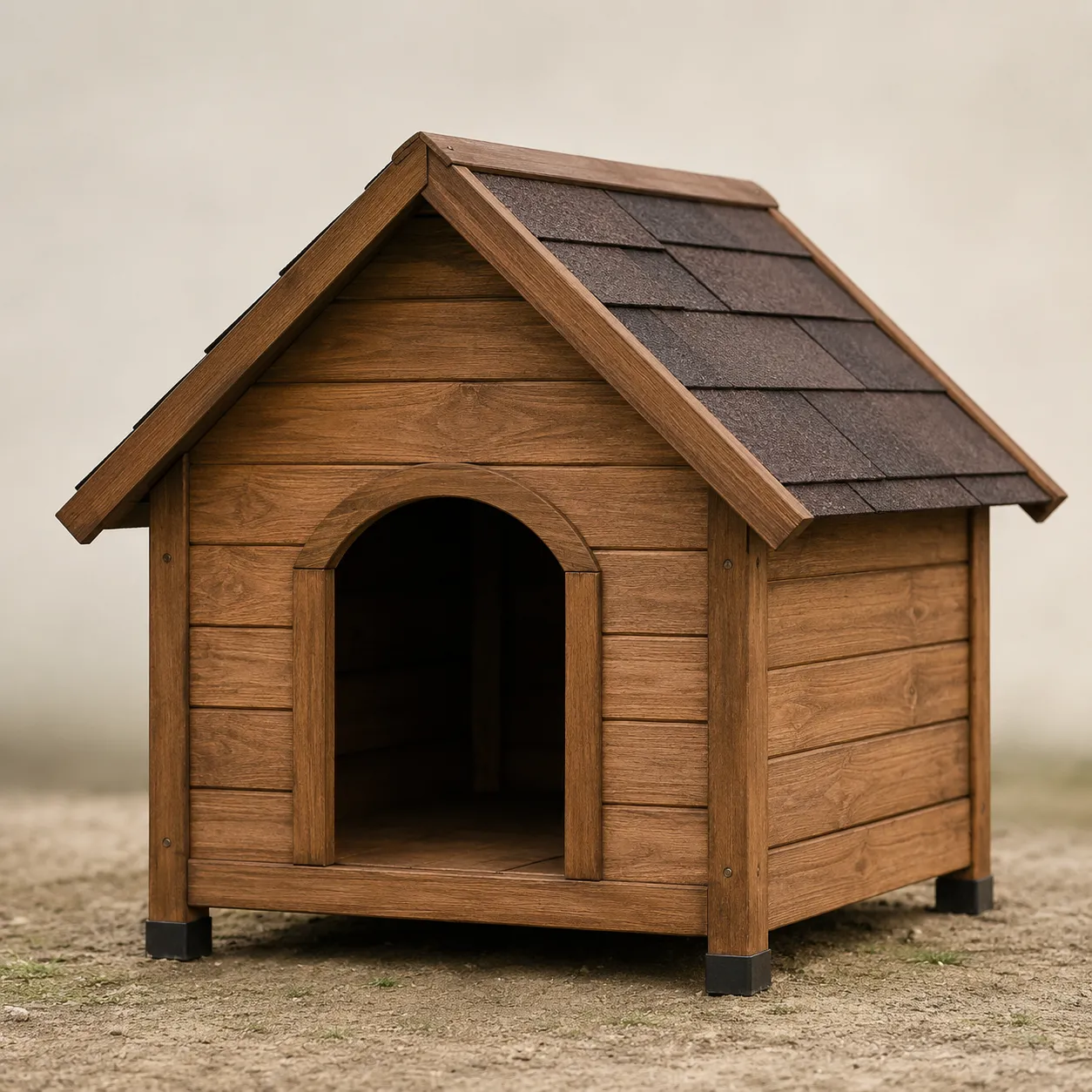
doghouseˈdɔːɡˌhaʊs
a small shelter, usually outside, where a dog can sleep or stay protected from weather.
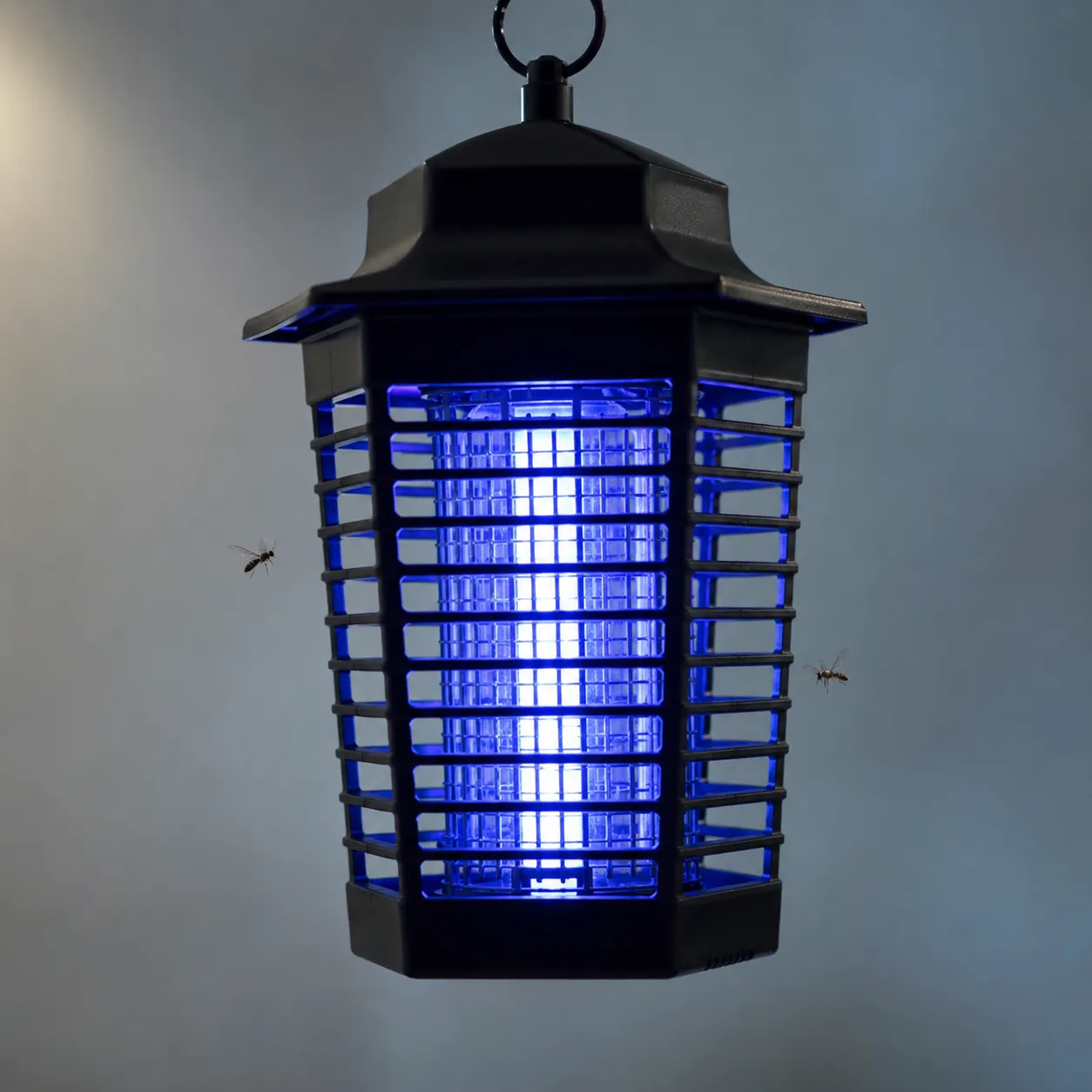
bug zapperˈbʌɡ ˌzæpər
an electric device, often used outdoors, that attracts flying insects with light and kills them.
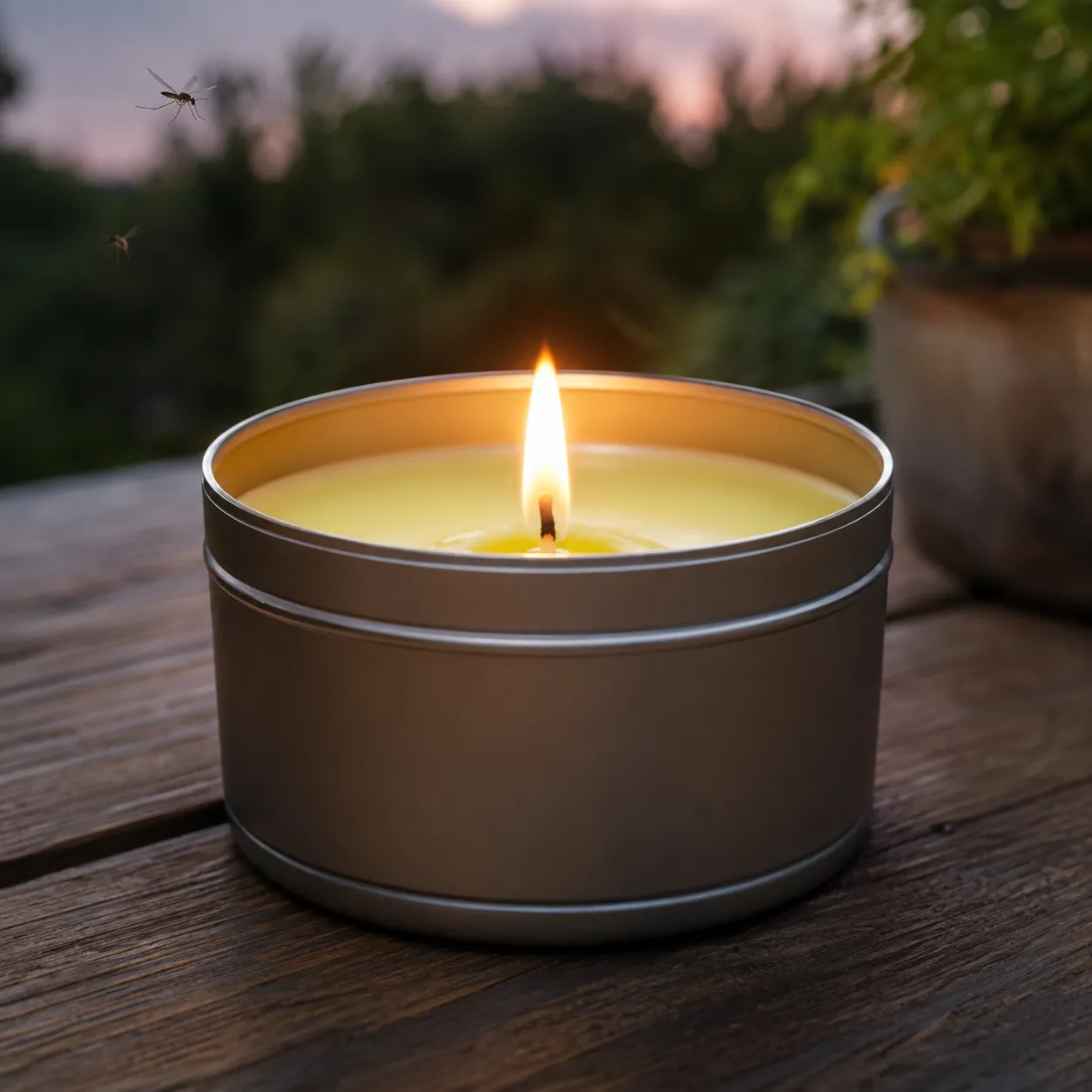
citronella candleˌsɪtrəˈnɛlə ˈkændəl
a candle scented with citronella oil, used outdoors to help keep mosquitoes away.
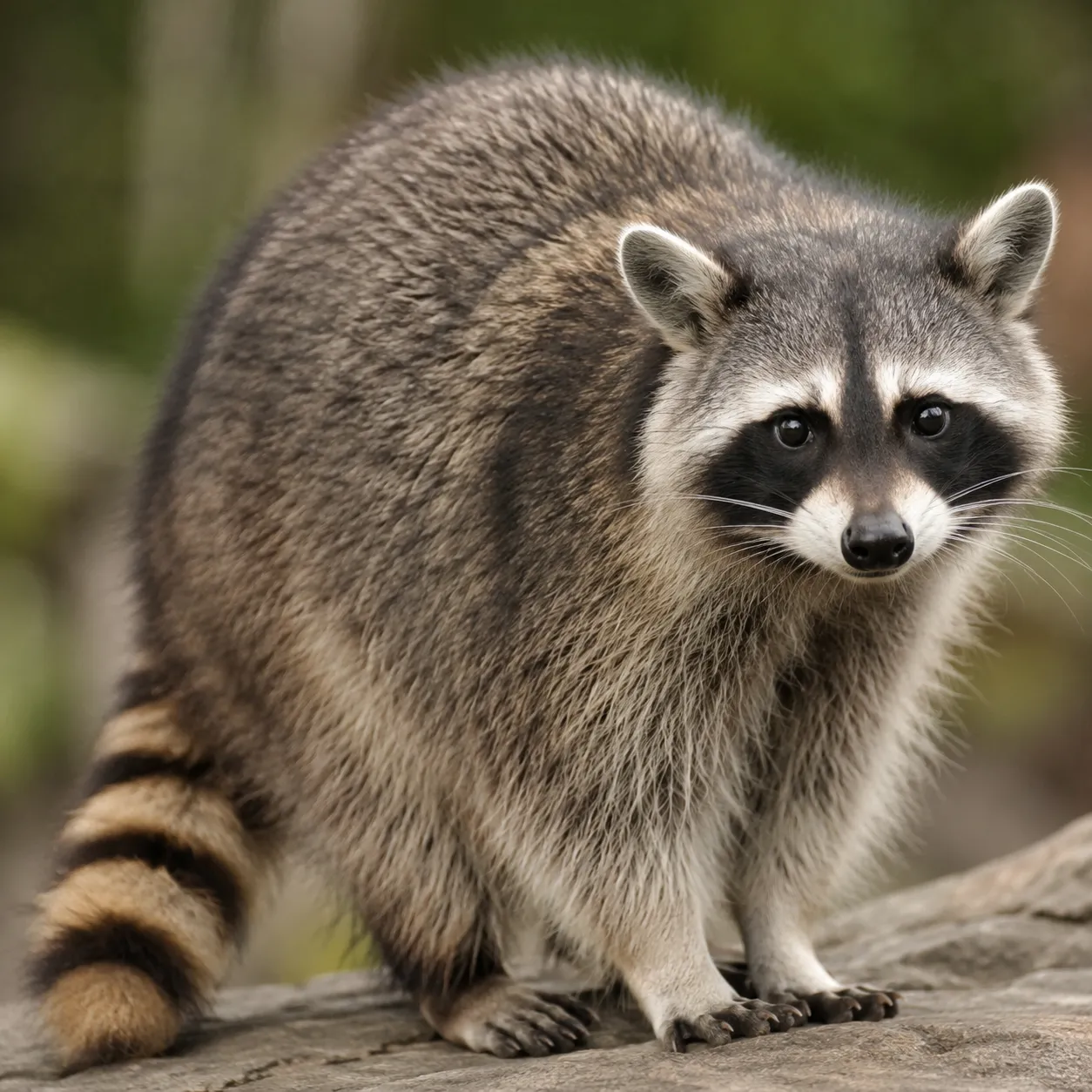
raccoonræˈkuːn
a small North American wild animal with grey fur, a ringed tail, and dark markings around its eyes.
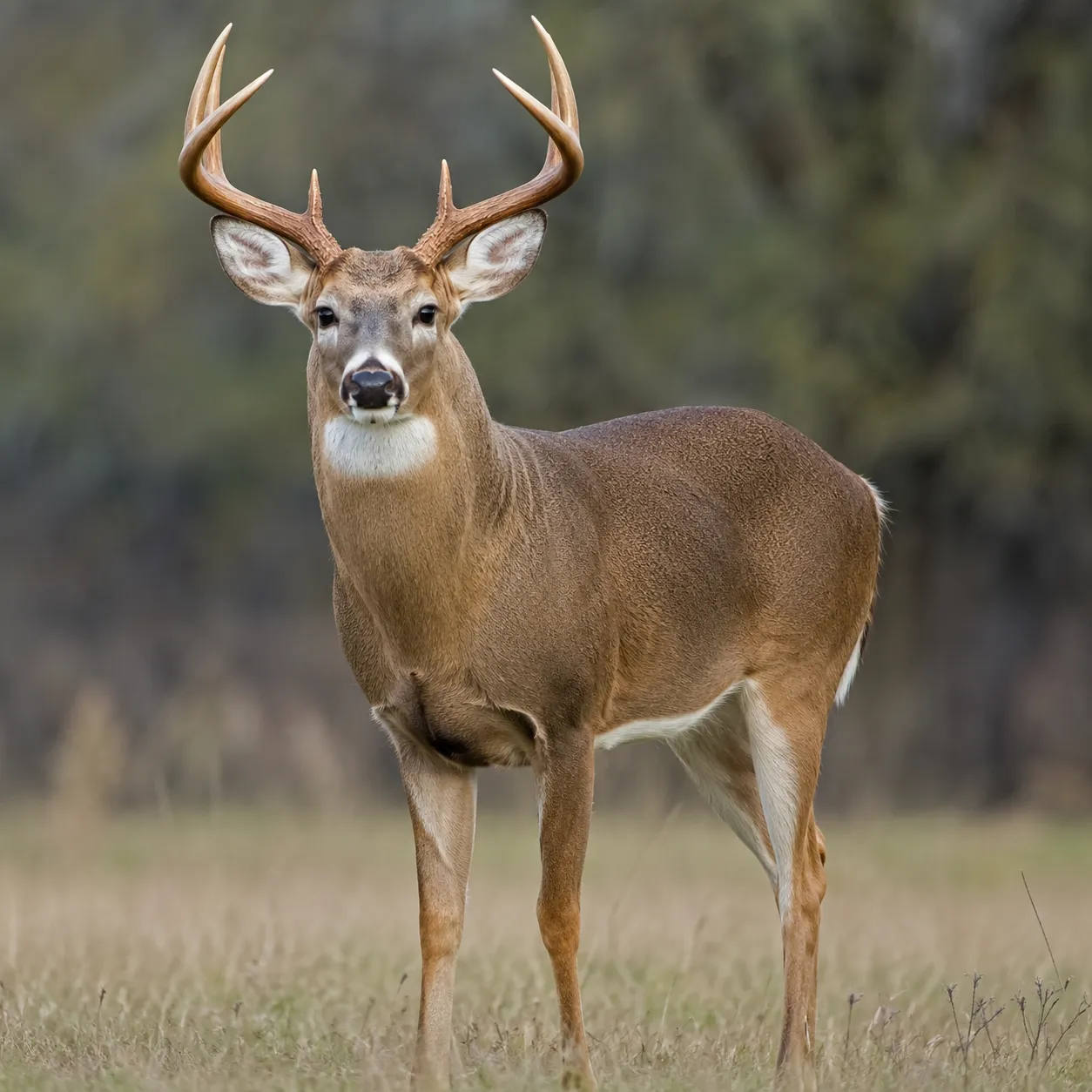
deerdɪr
a wild or sometimes farmed animal with long thin legs; the male of many kinds has antlers.
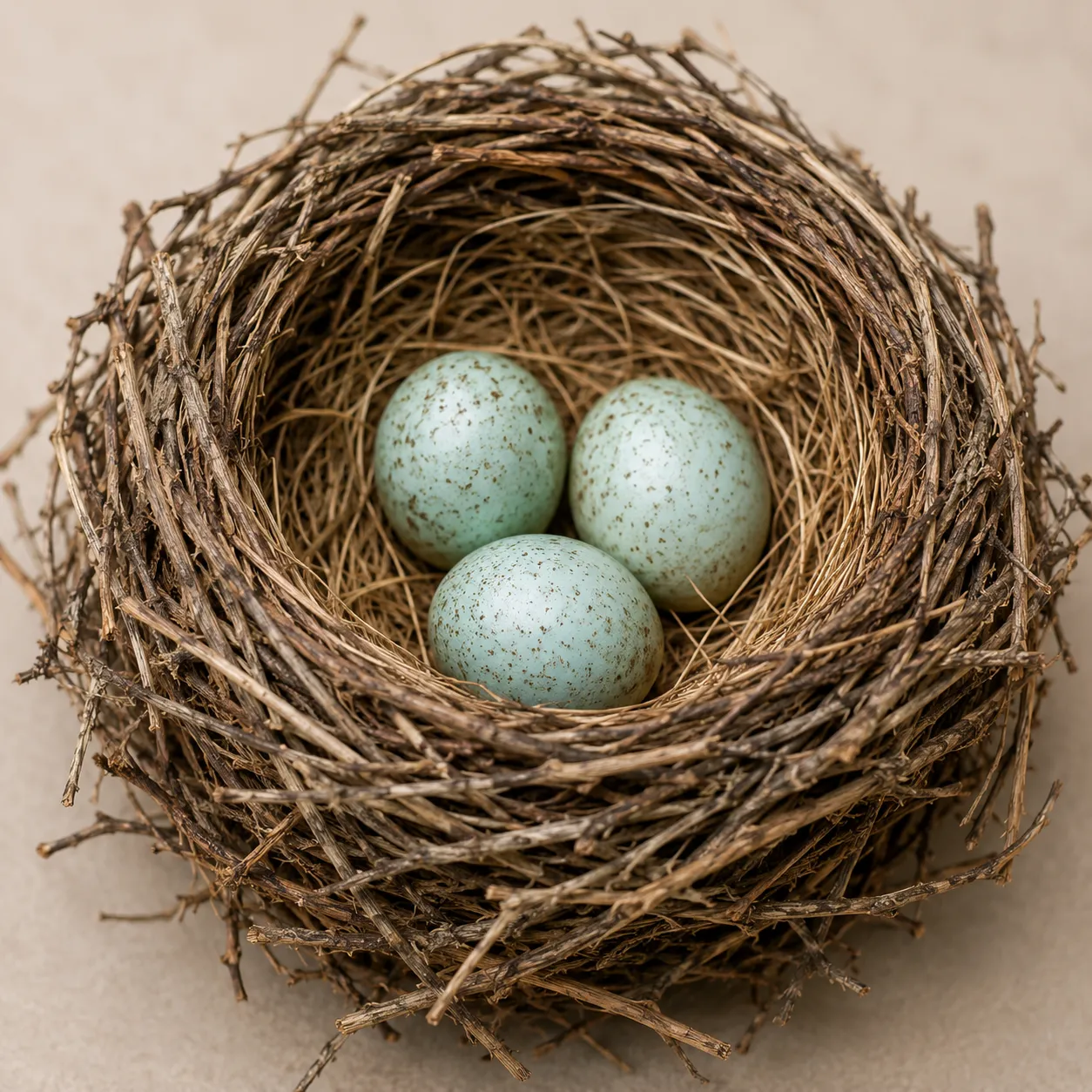
nestnɛst
a place that a bird or small animal makes or uses to lay eggs and keep its young safe.
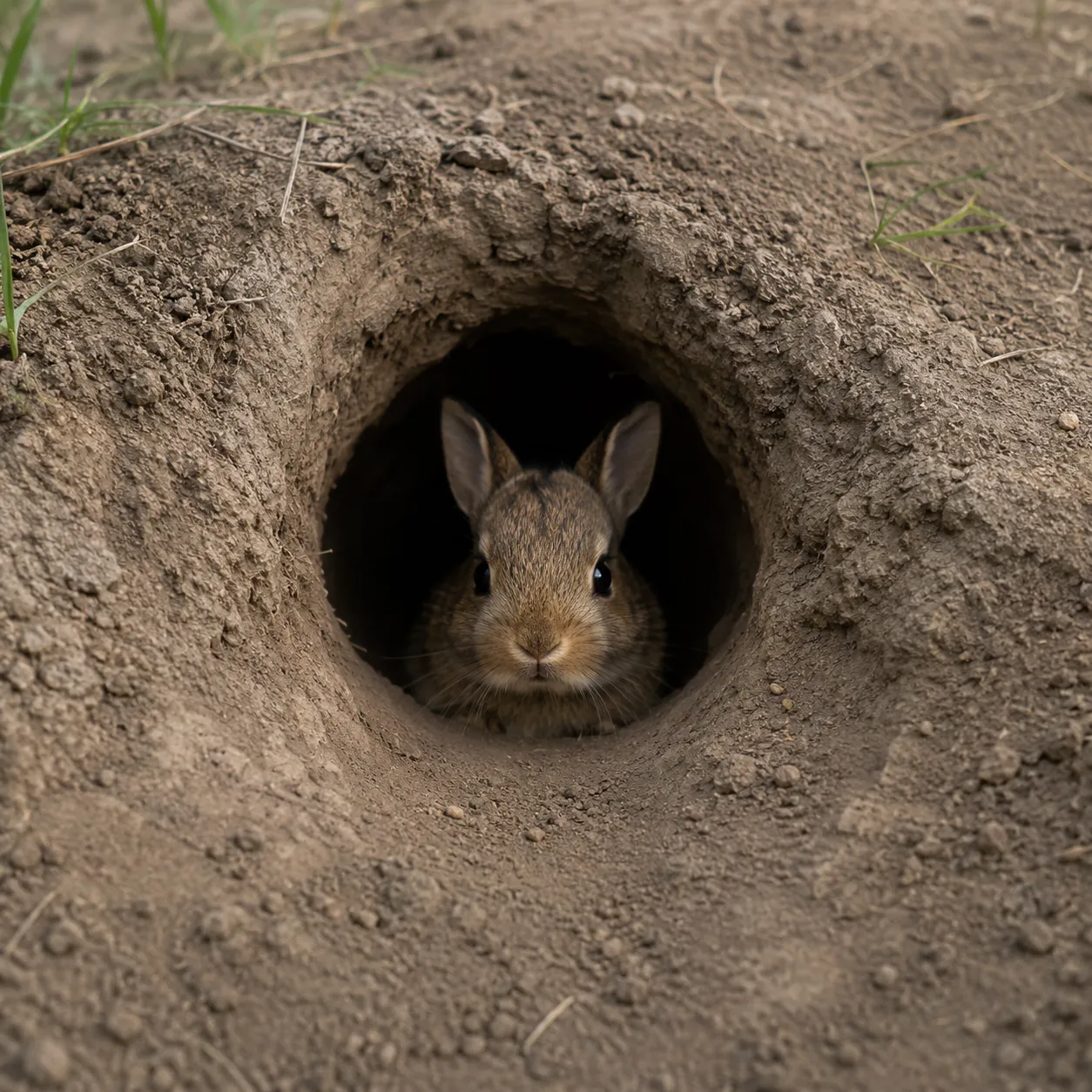
burrowˈbɜːroʊ
a hole or tunnel in the ground where an animal such as a rabbit or fox lives.
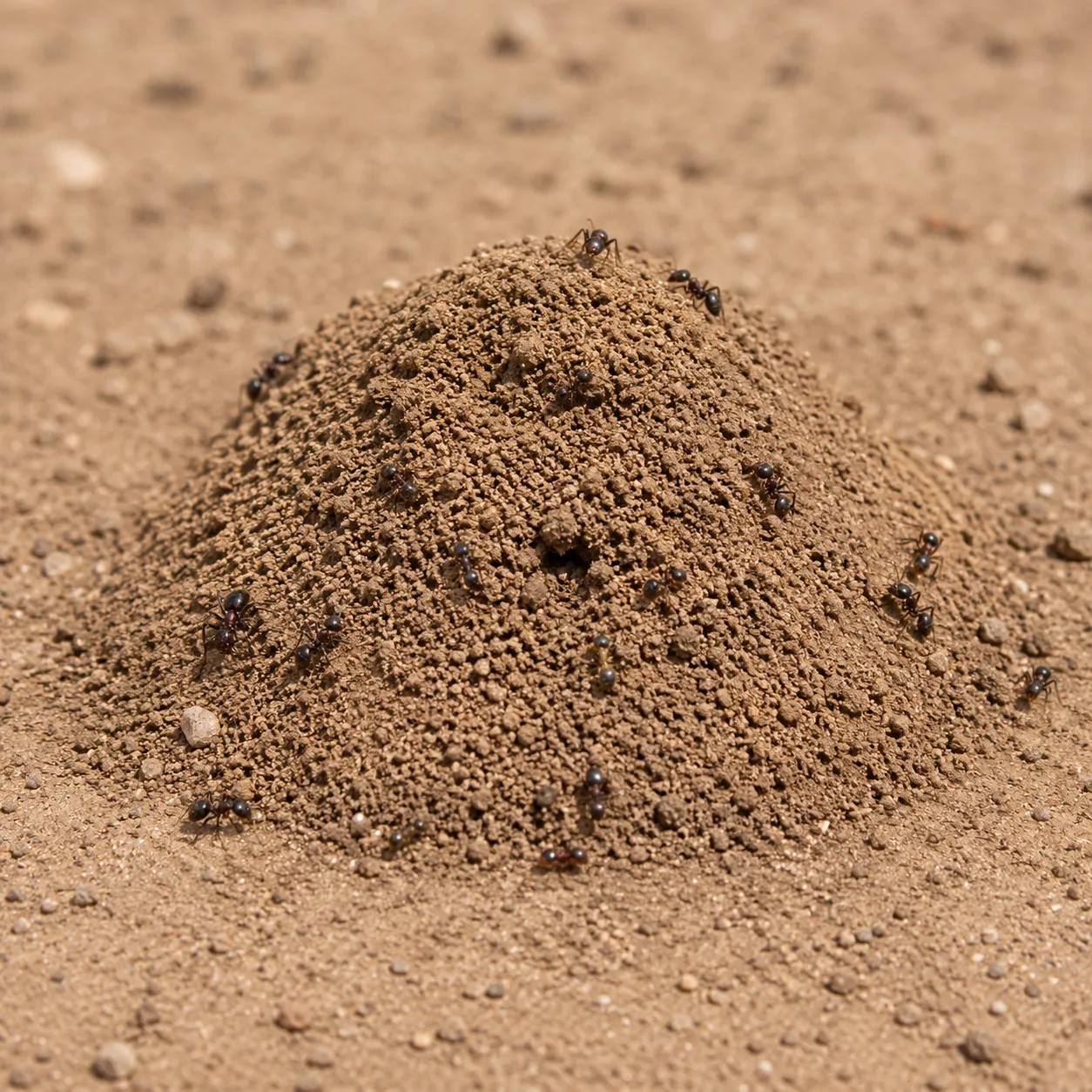
anthillˈæntˌhɪl
a small pile of earth with tunnels inside, made by ants as their home.
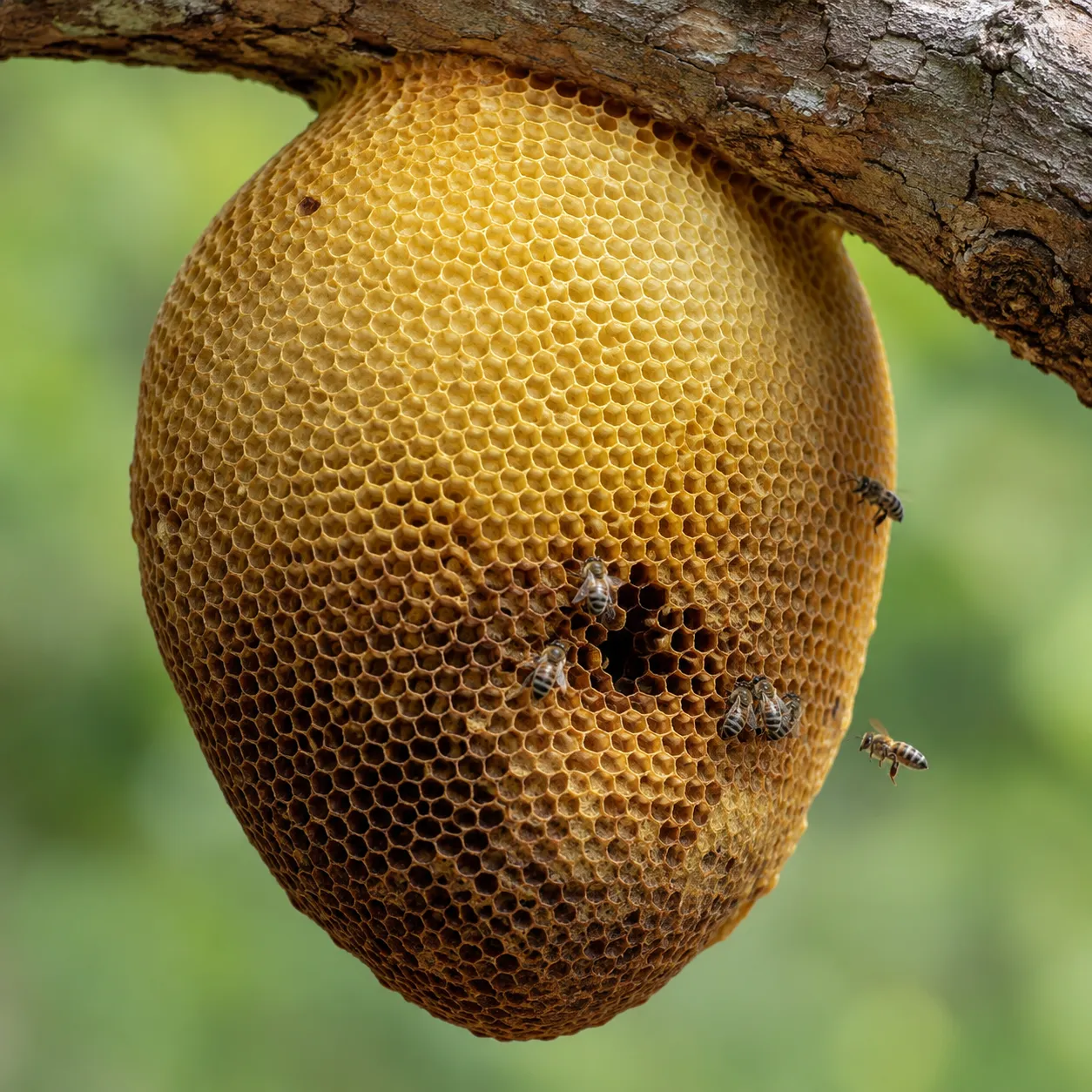
beehiveˈbiːˌhaɪv
a structure, natural or made by people, where bees live and make honey.
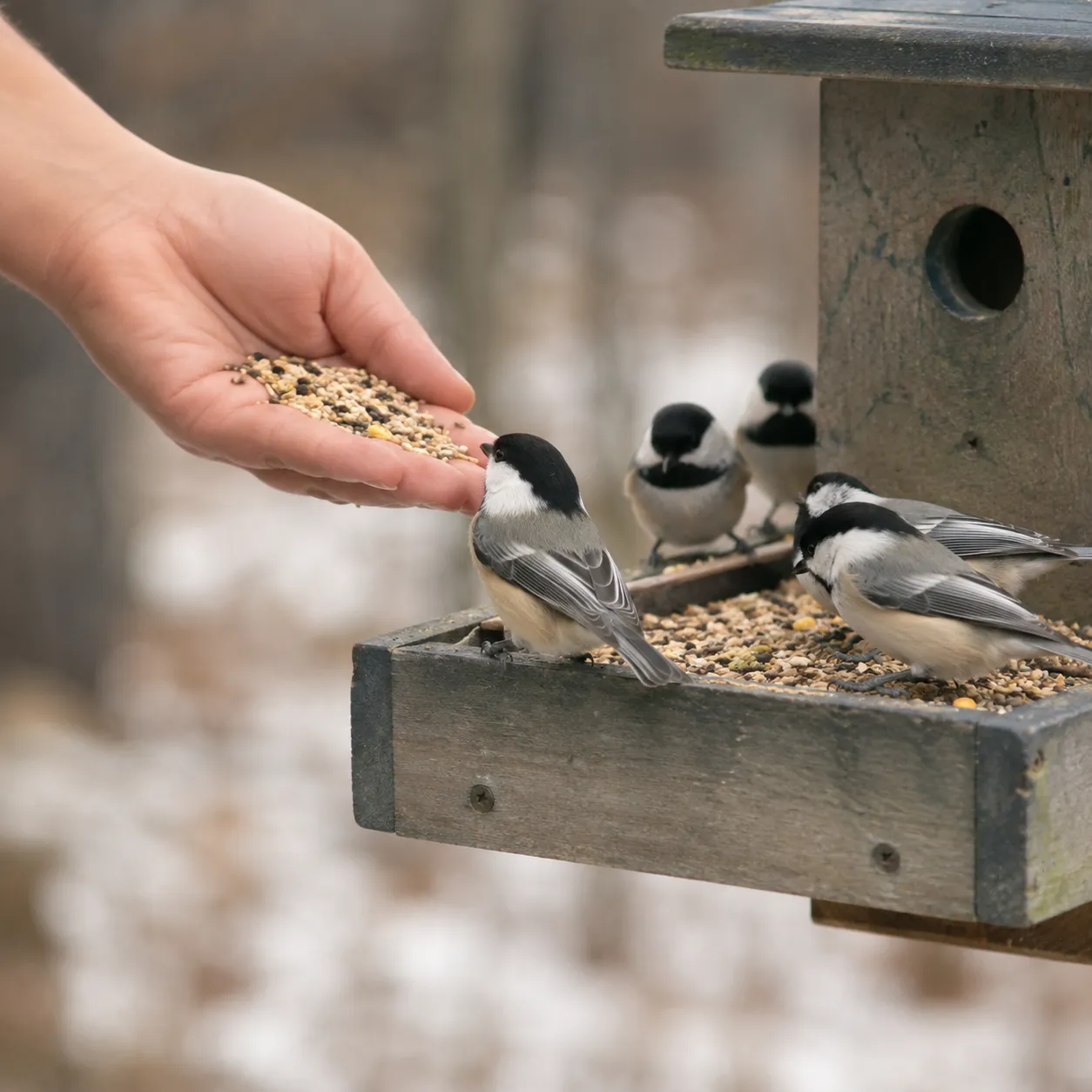
feed birdsfiːd bɜːrdz
to give food to birds, especially wild birds outside.
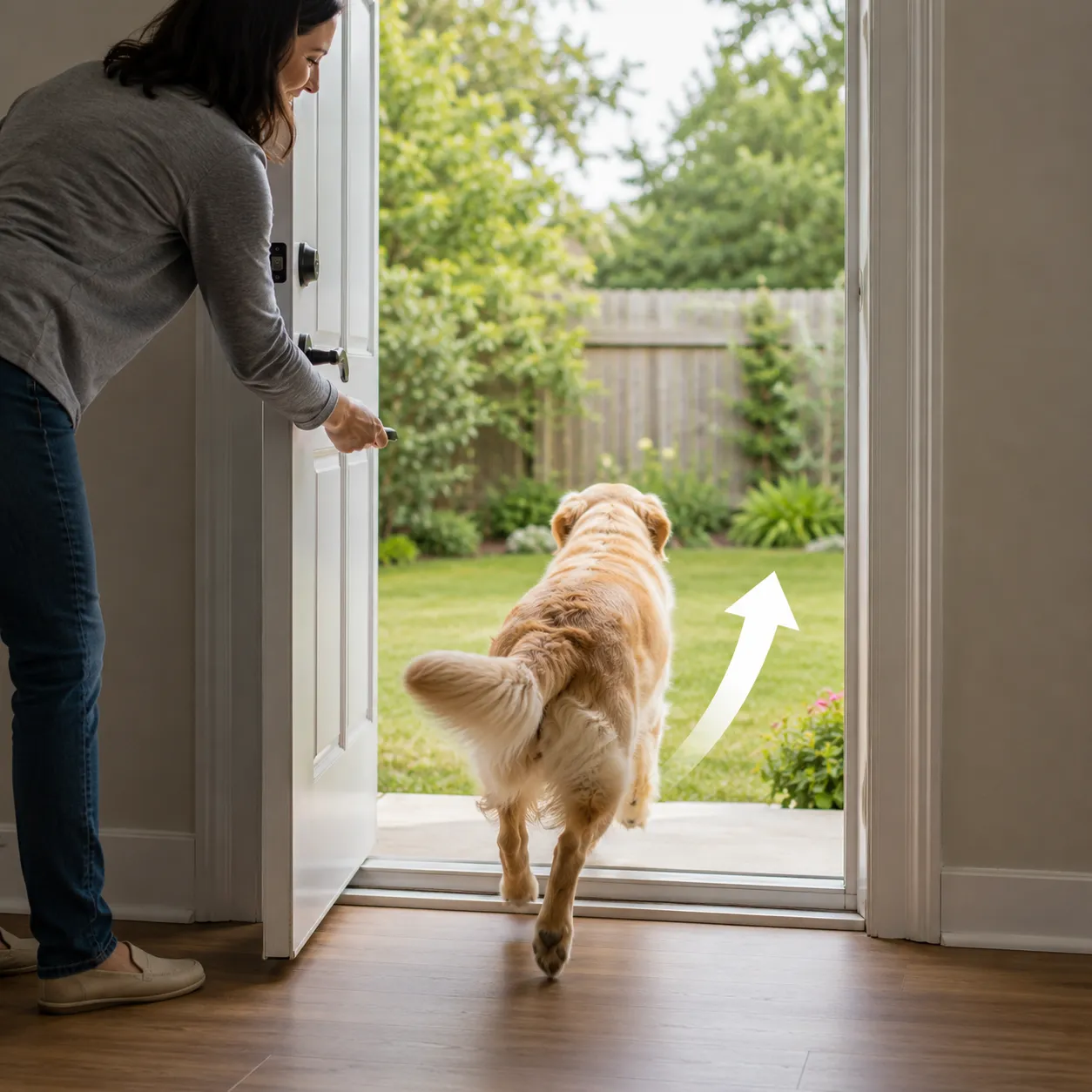
let outlɛt aʊt
to allow a person or animal to leave a room, building, cage, or other enclosed place.
Describe sunshine, rain, wind, temperature, moisture, seasons, and changing outdoor conditions.
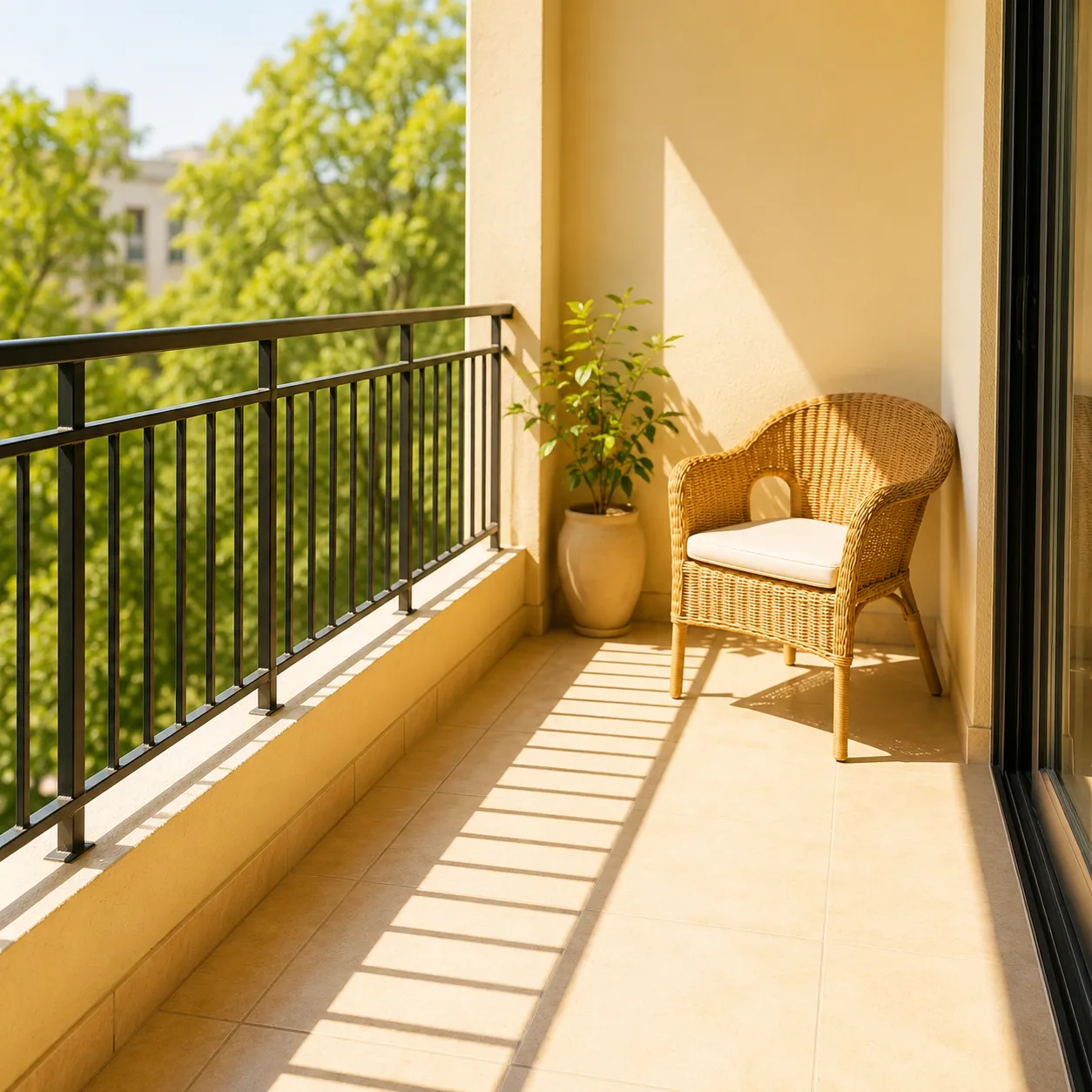
sunlitˈsʌnˌlɪt
bright because the sun is shining on it.
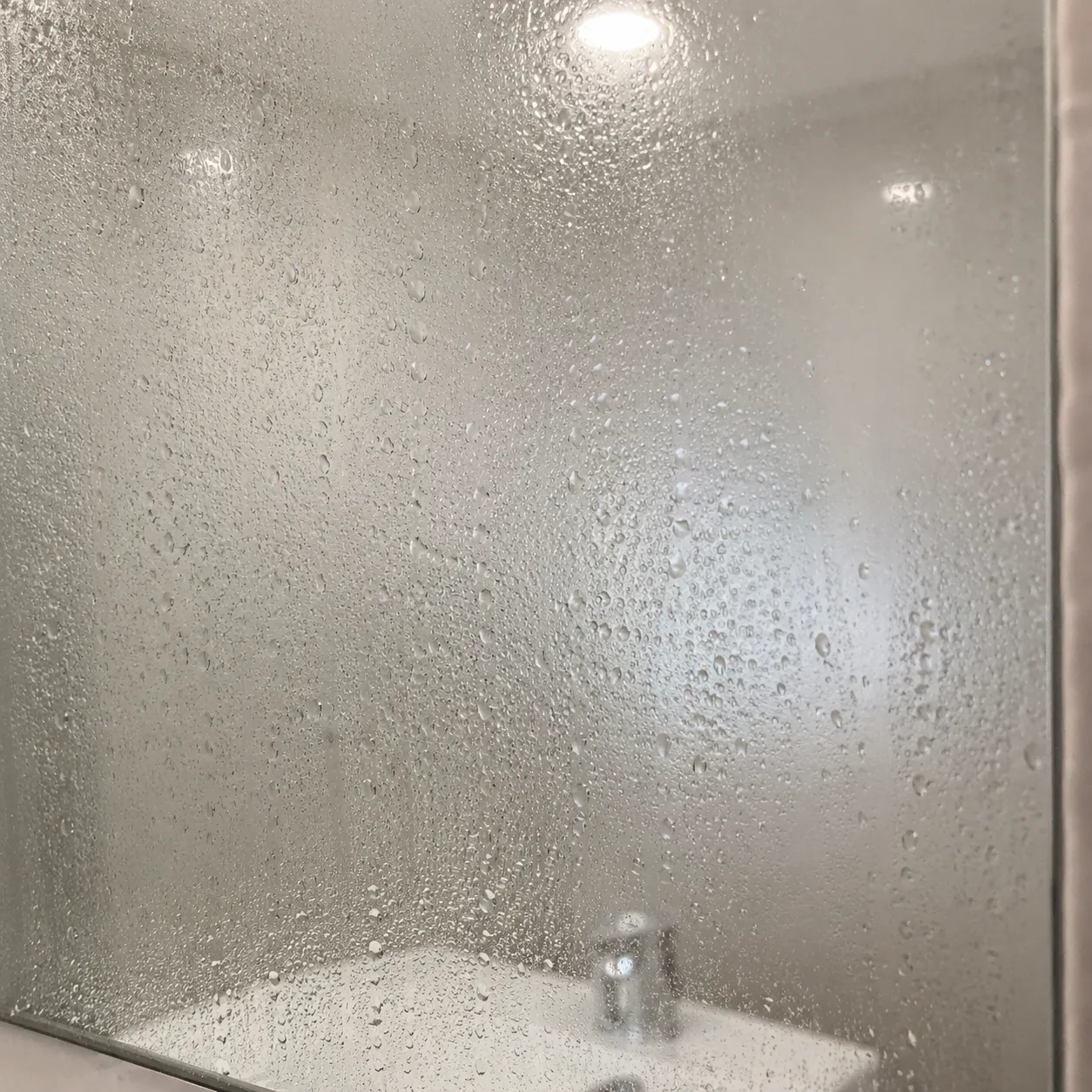
humidˈhjuːmɪd
having a lot of water in the air, so the air feels damp and heavy.

slipperyˈslɪpəri
smooth, wet, or covered with something like soap or oil, so that you can easily slide or fall.

windyˈwɪndi
with a lot of wind blowing.
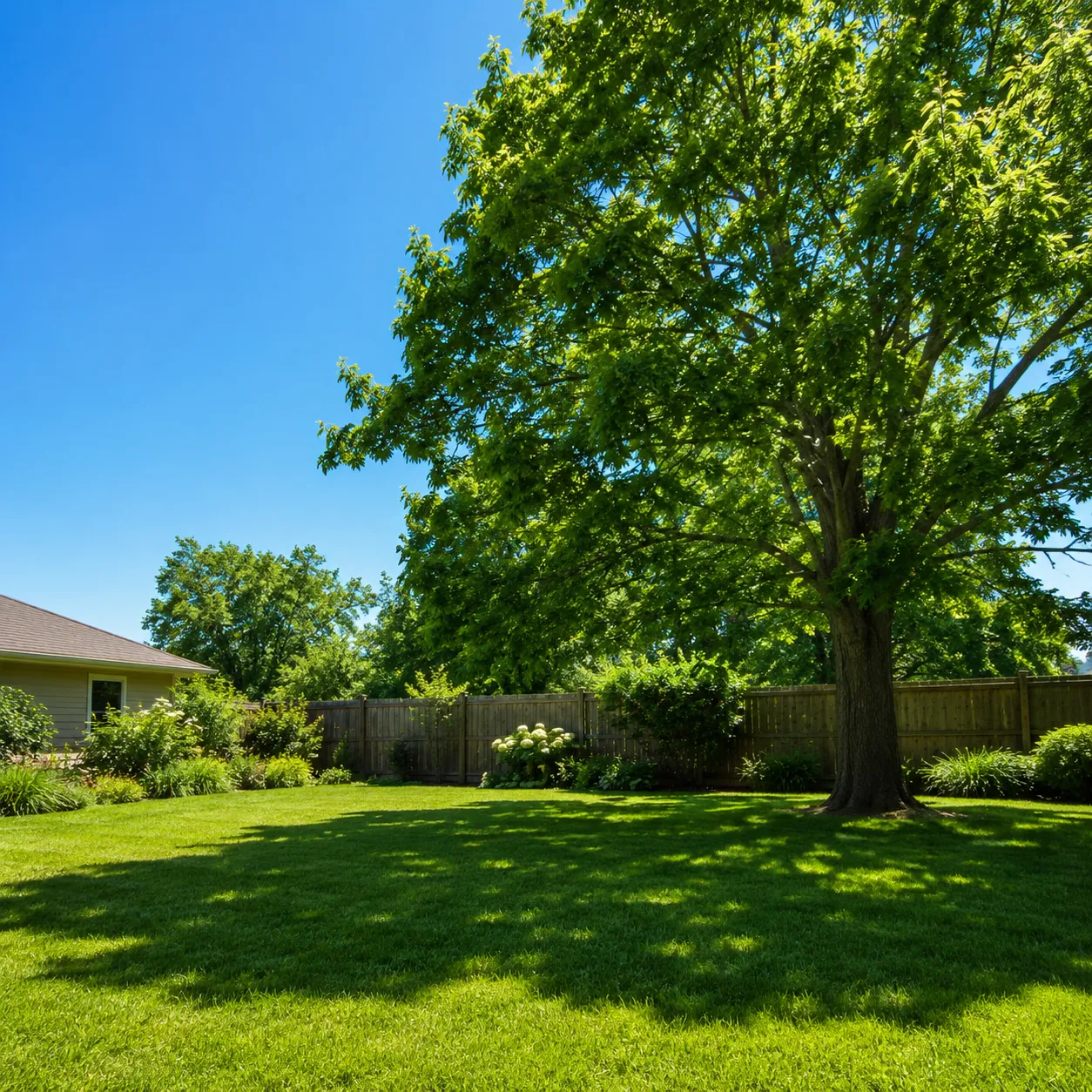
summerˈsʌmər
the warmest season of the year, between spring and autumn.
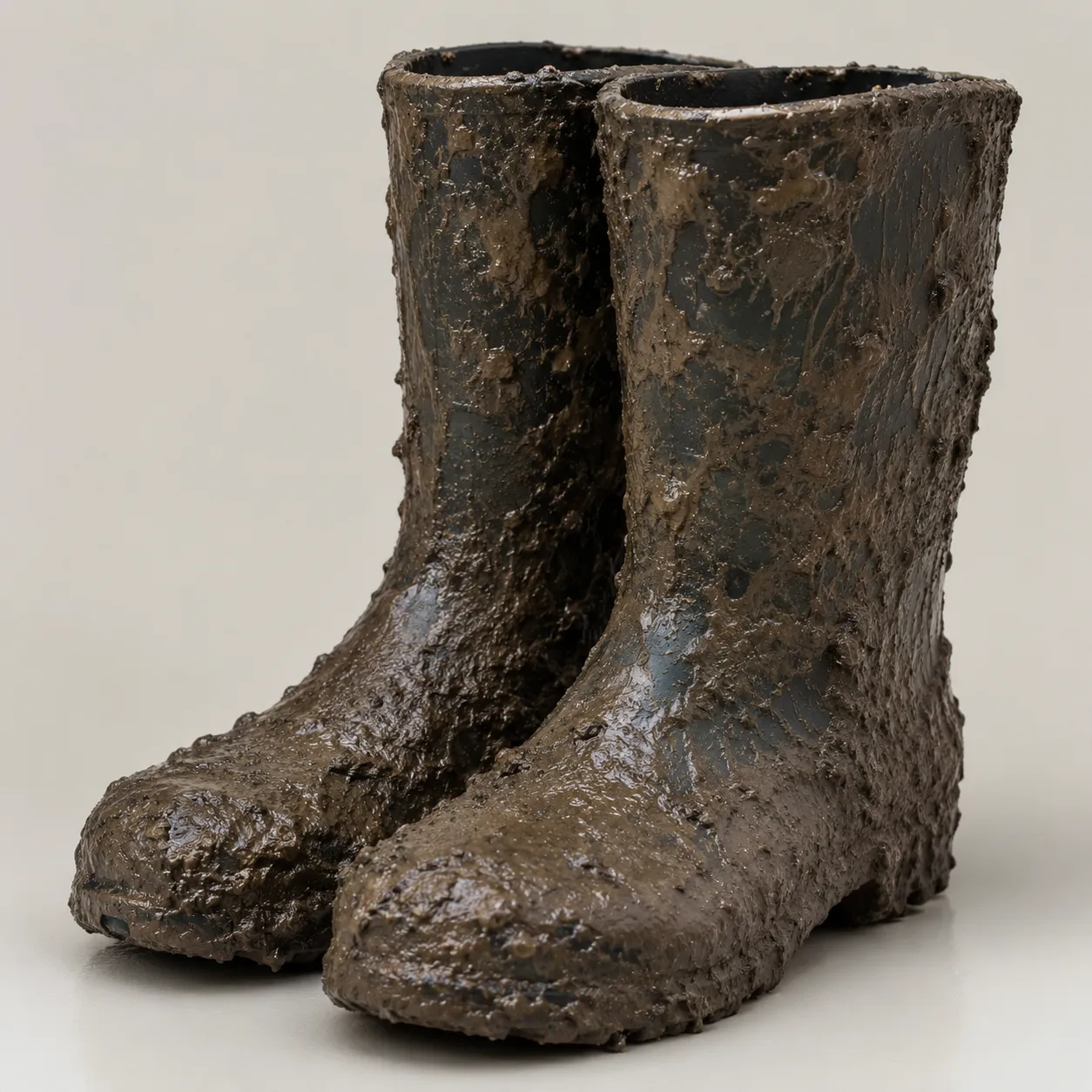
muddyˈmʌdi
covered with mud or containing a lot of mud.
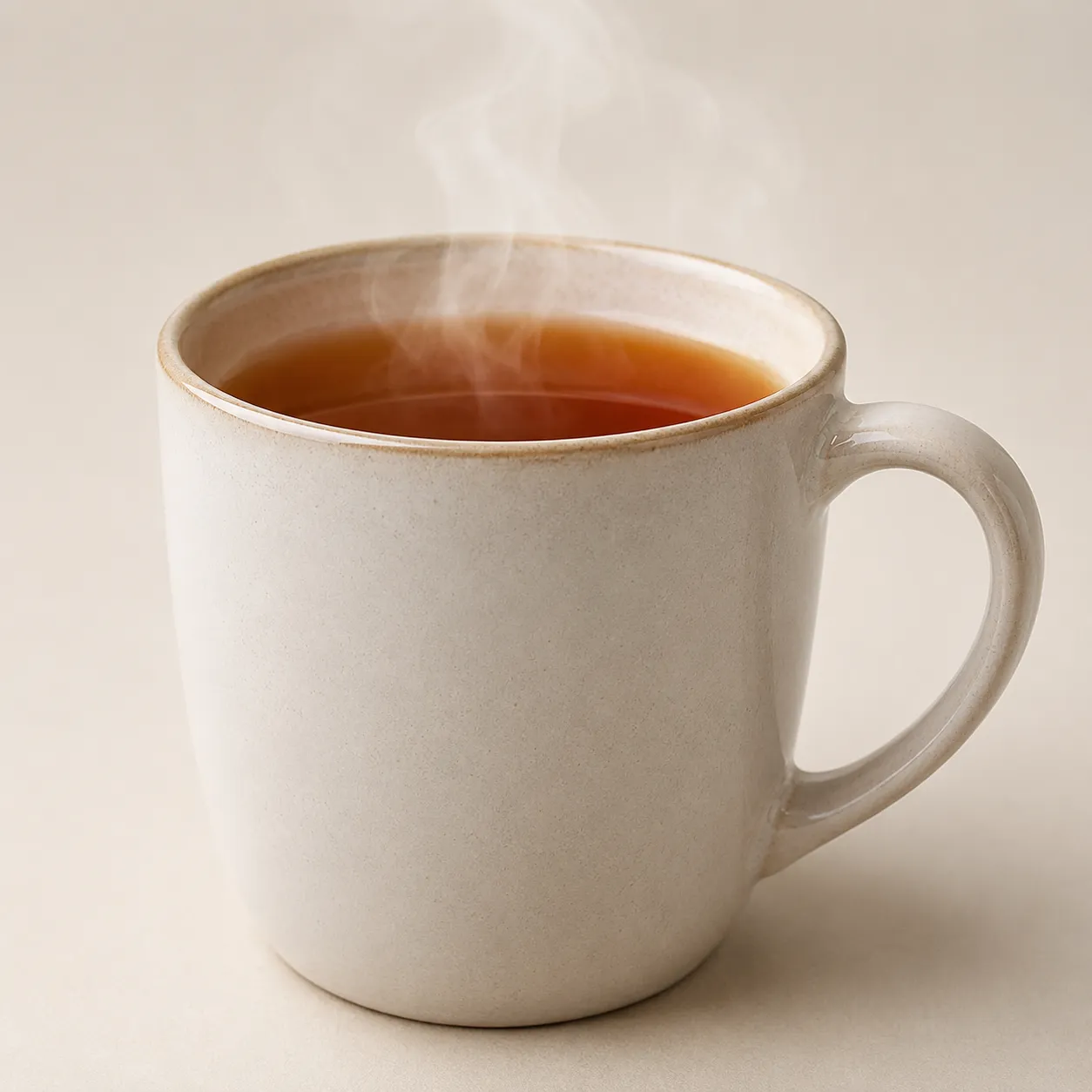
warmwɔːrm
slightly hot, often in a pleasant or acceptable way
seasonalˈsiːzənəl
available, used, or happening only during a particular time of year.
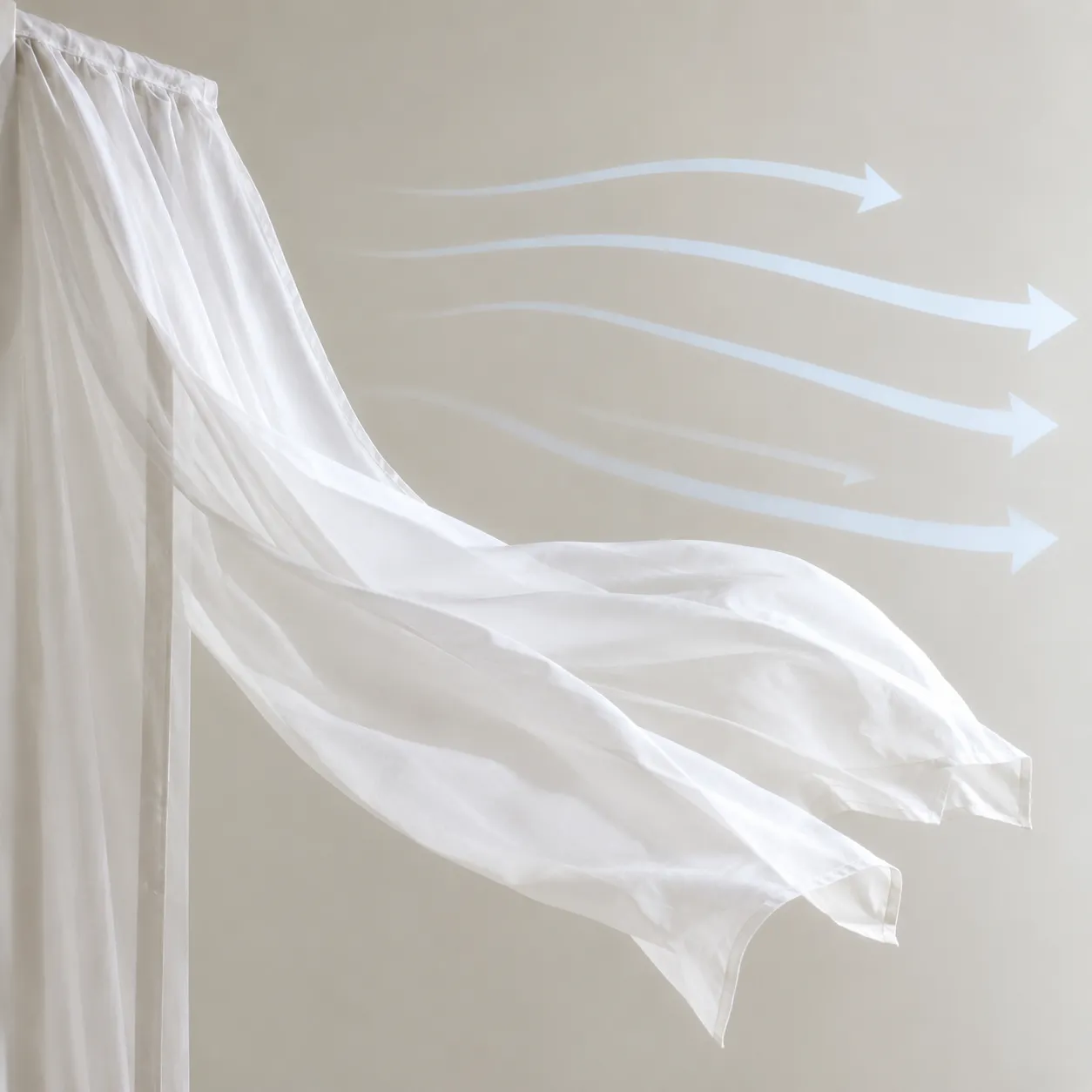
windwɪnd
air that moves across the land, sea, or sky.
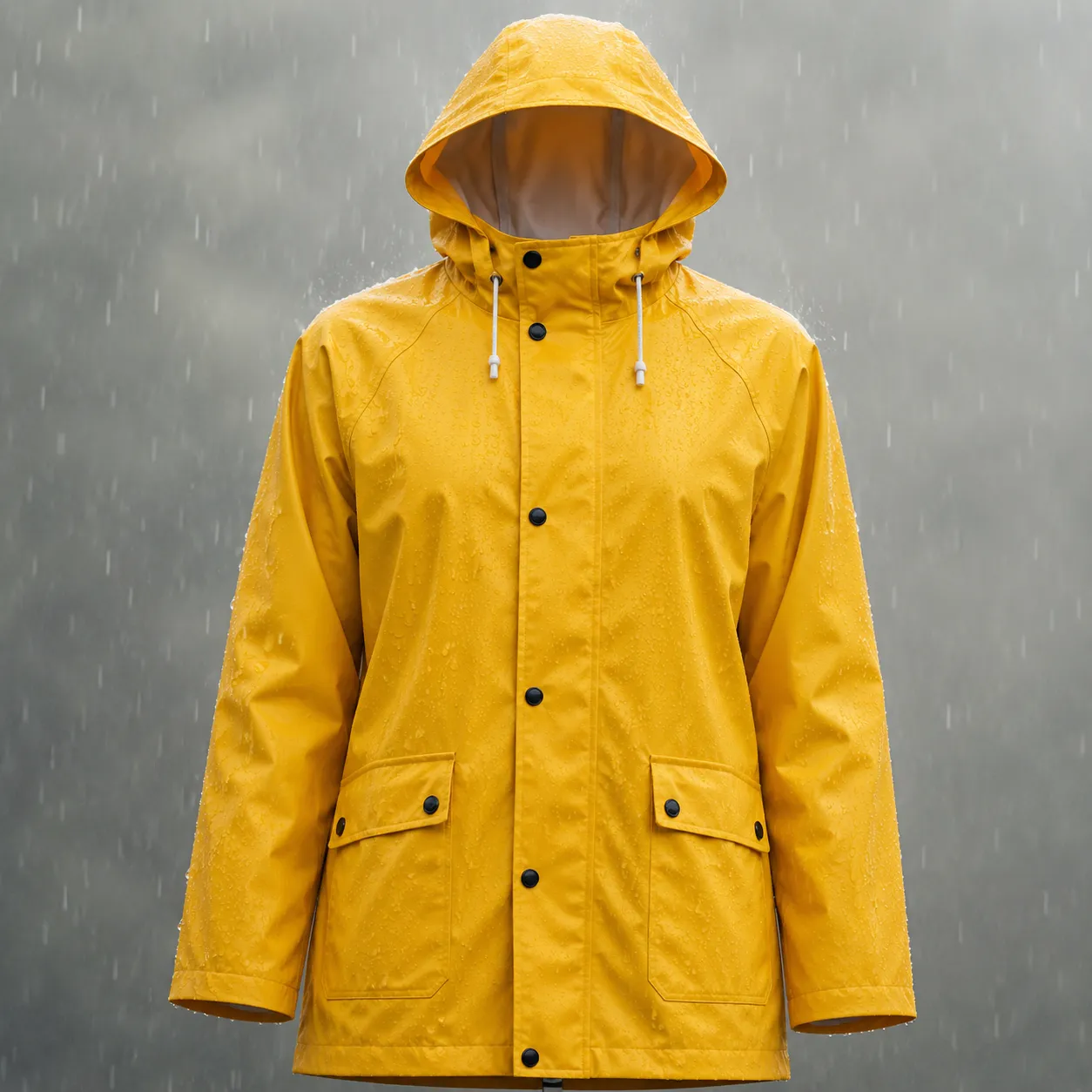
raincoatˈreɪnkoʊt
a coat made from waterproof material, worn to keep you dry when it rains.
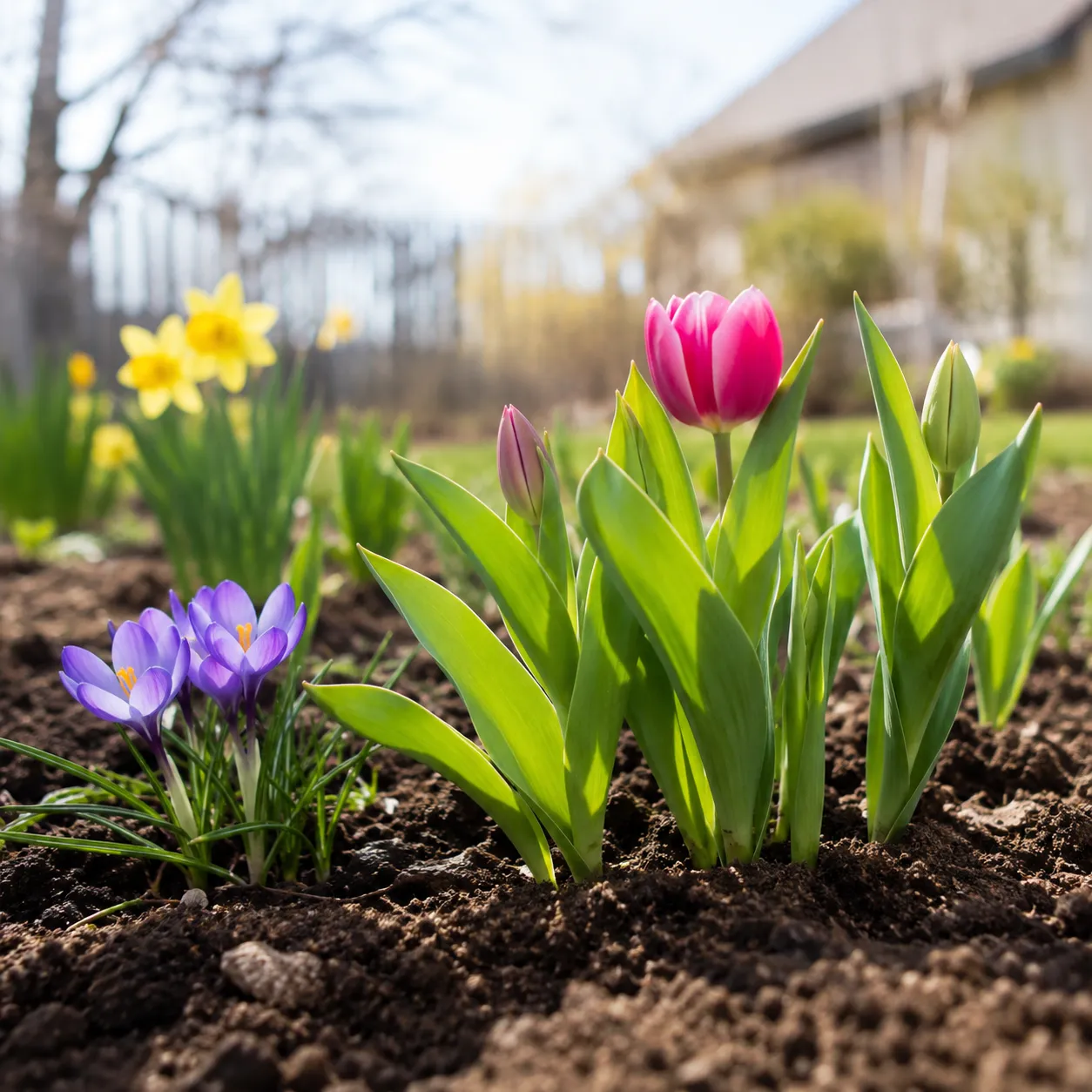
springsprɪŋ
the season between winter and summer, when the weather gets warmer and plants begin to grow.
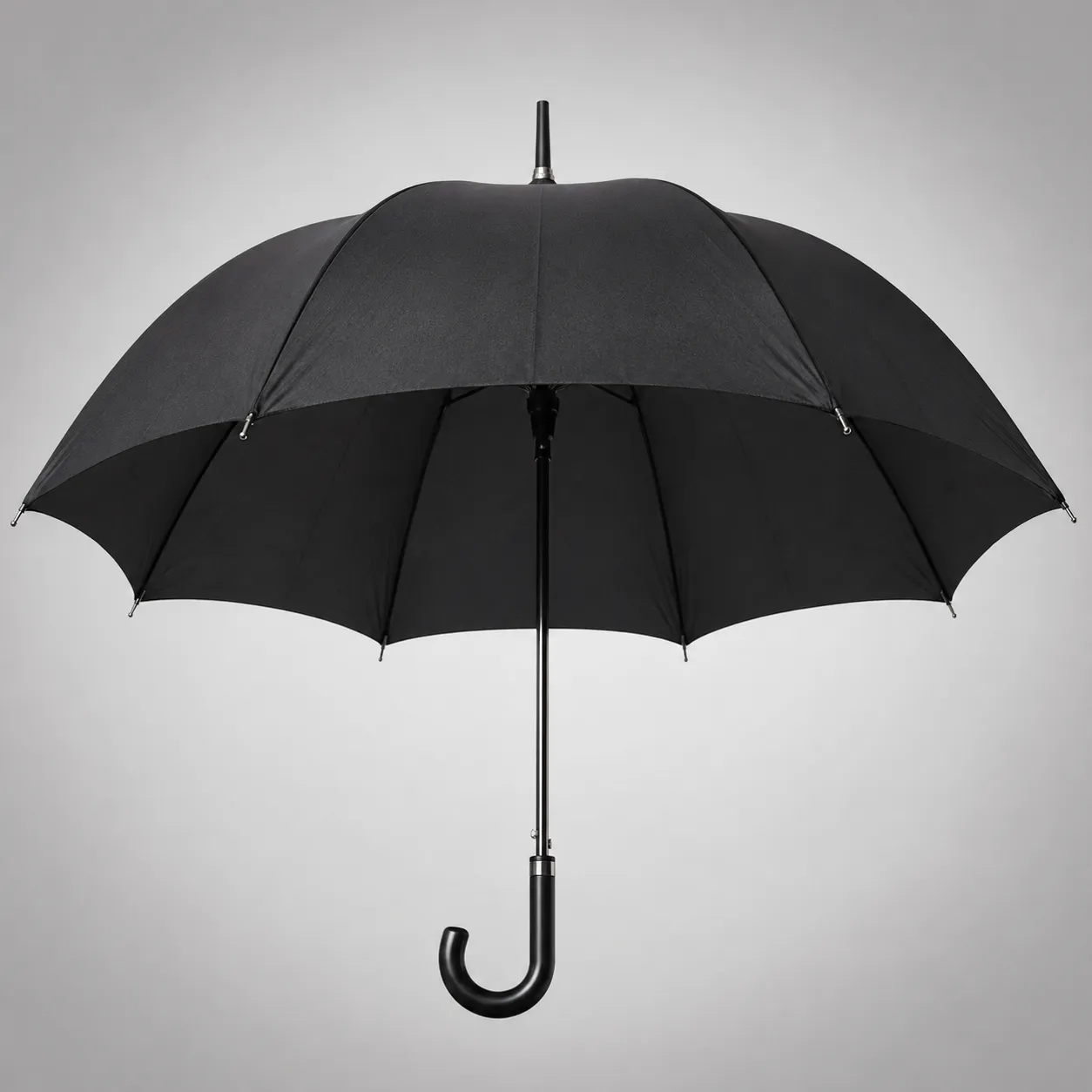
umbrellaʌmˈbrɛlə
an object with a folding cover on a stick, held above your head to keep off rain or sun.

breezebriːz
a light, pleasant wind.
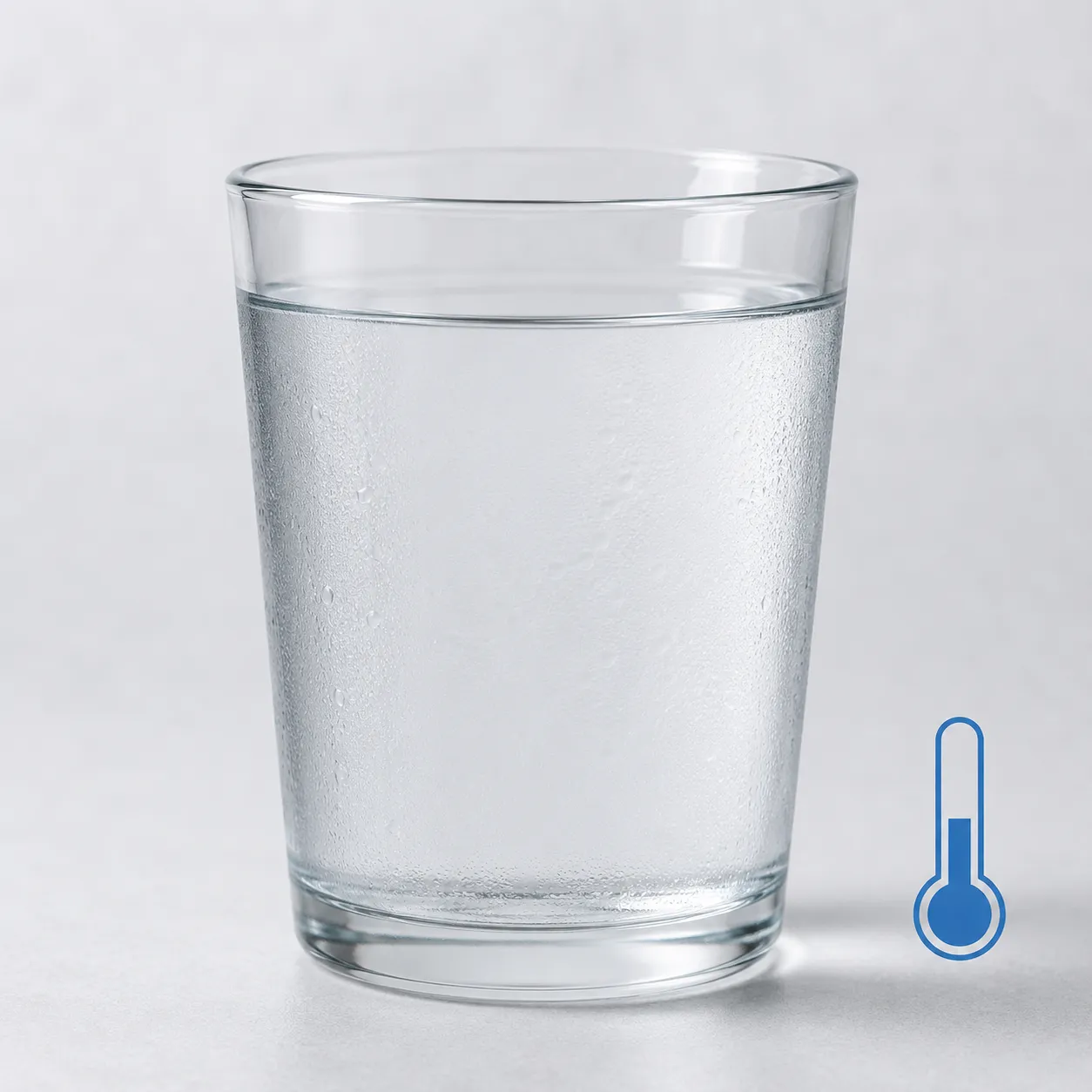
coolkuːl
slightly cold, especially in a pleasant or comfortable way.
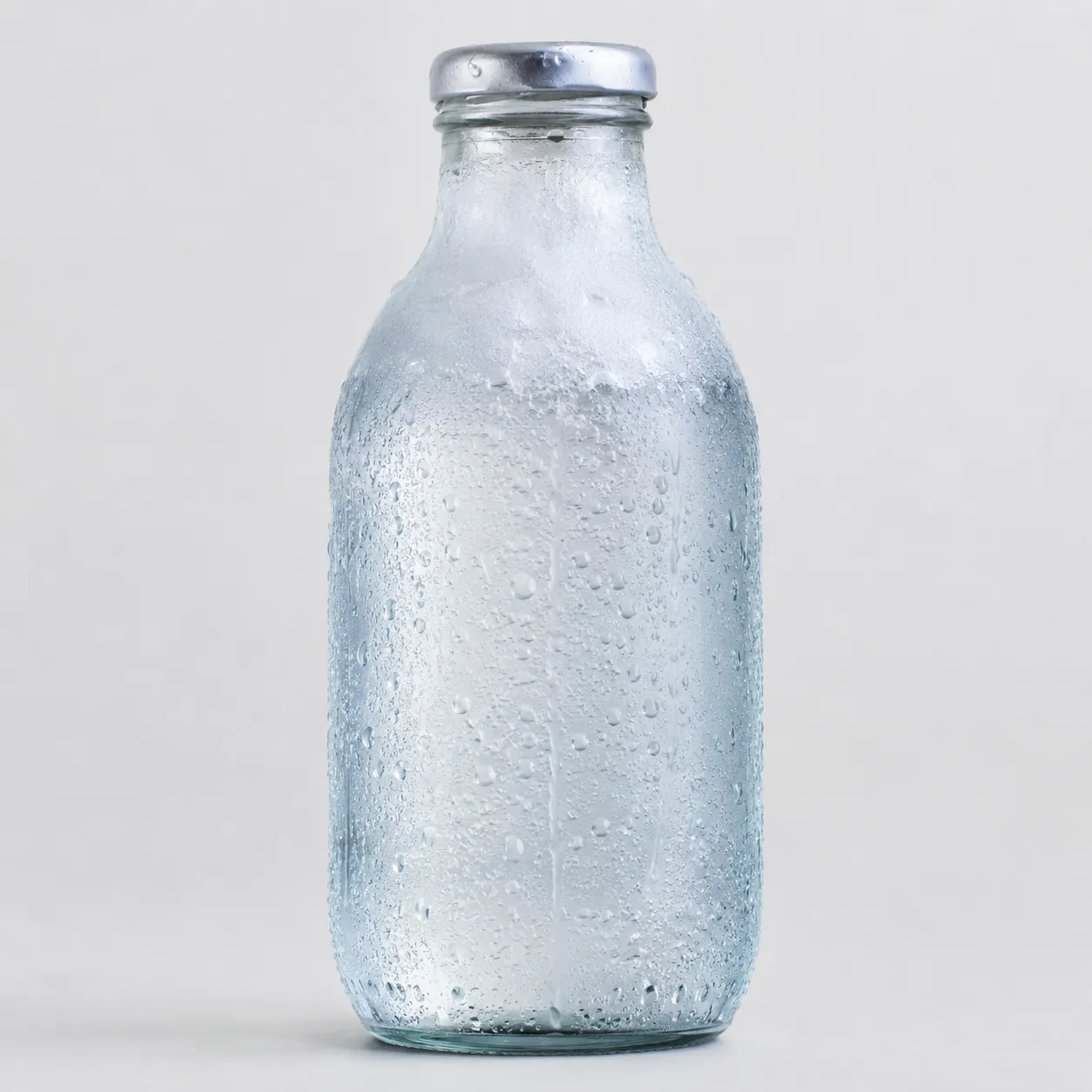
coldkoʊld
having a low temperature, not heated, or making someone feel low body heat

sunshineˈsʌnˌʃaɪn
the light and warmth that come from the sun, especially when the weather is pleasant.
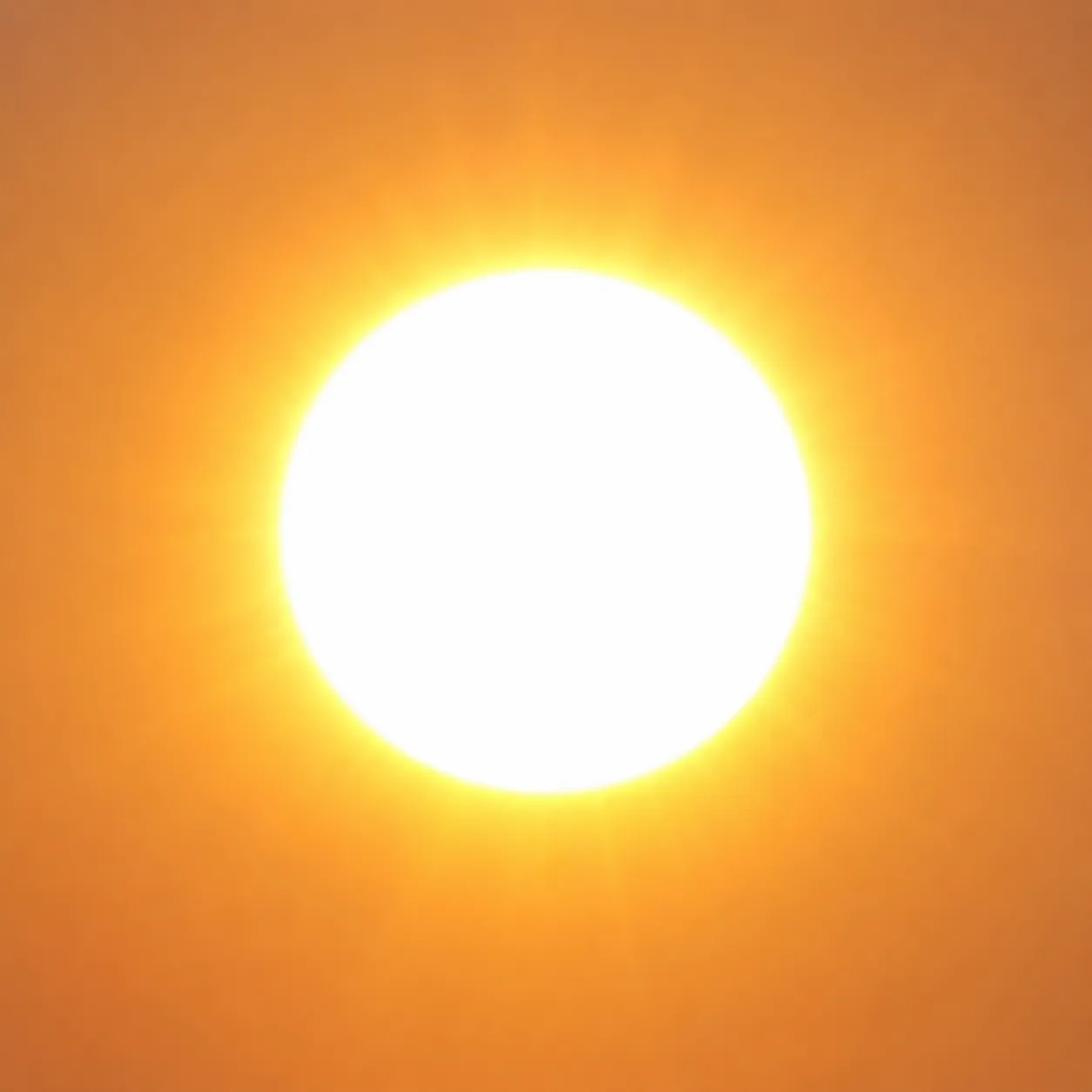
sunsʌn
the star that shines in the sky during the day and gives the Earth light and heat.

sunlightˈsʌnlaɪt
the natural light that comes from the sun.

winterˈwɪntər
the coldest season of the year, between autumn and spring.
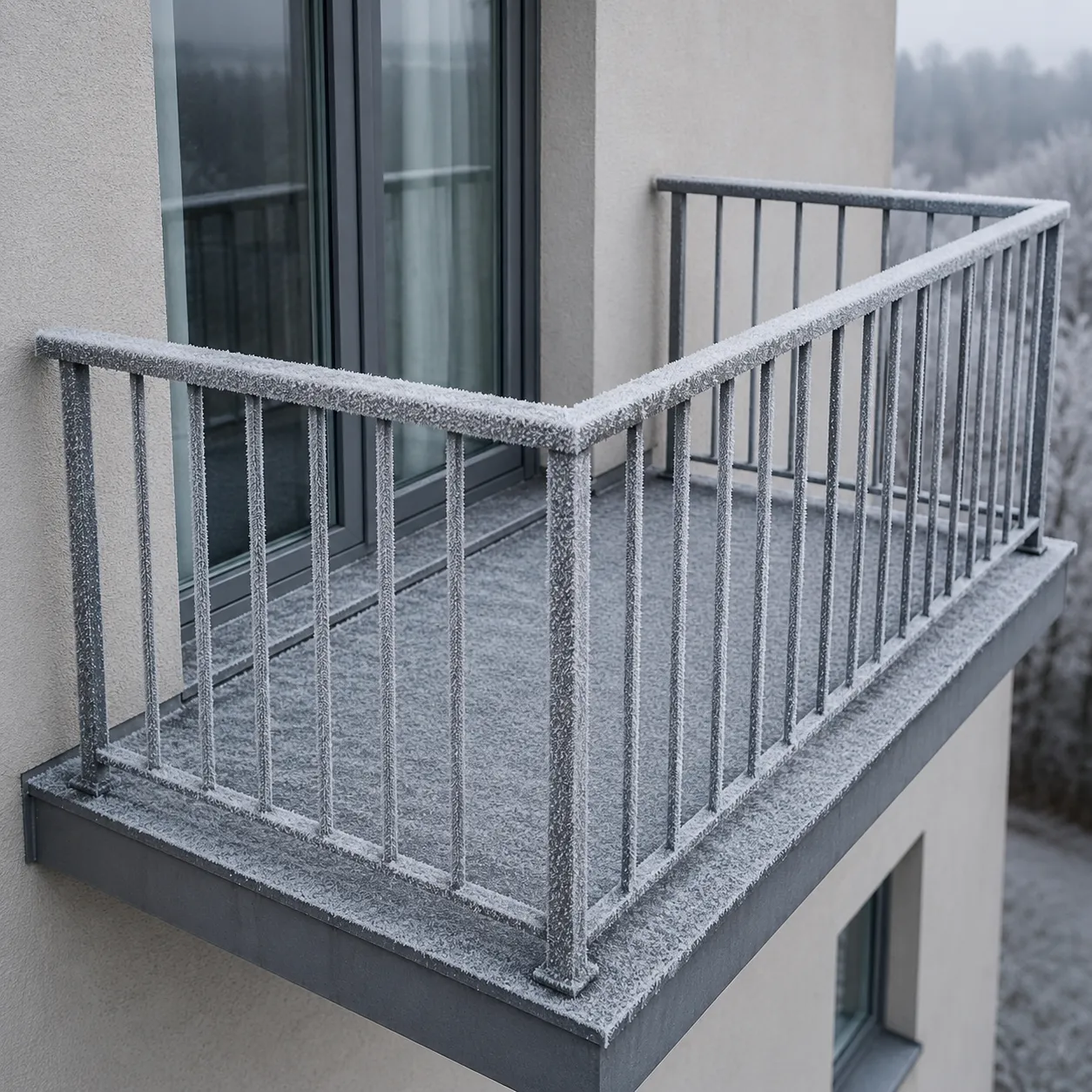
frostyˈfrɔːsti
very cold, with a thin white layer of ice on surfaces.
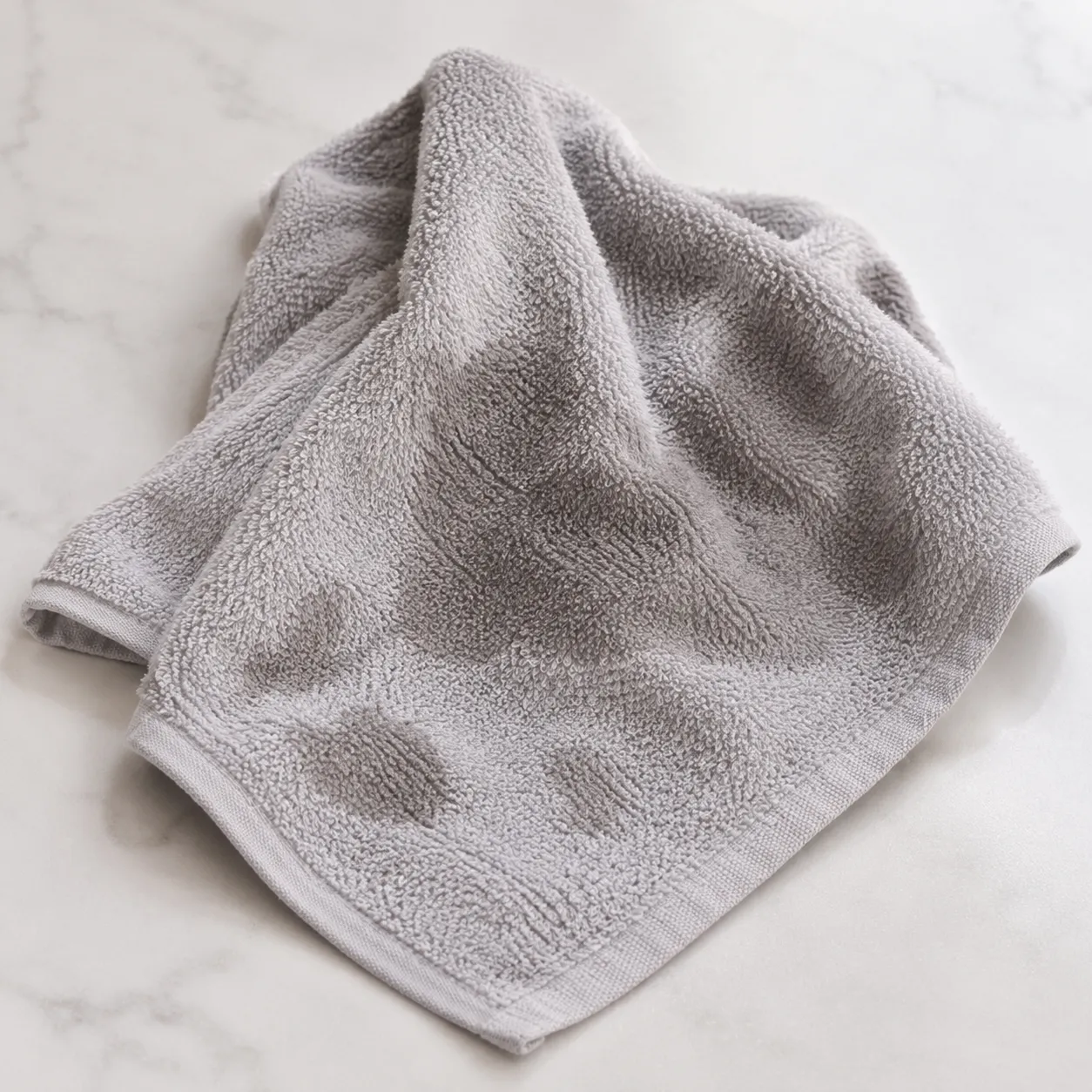
dampdæmp
slightly wet, especially in a way that feels cold or unpleasant.
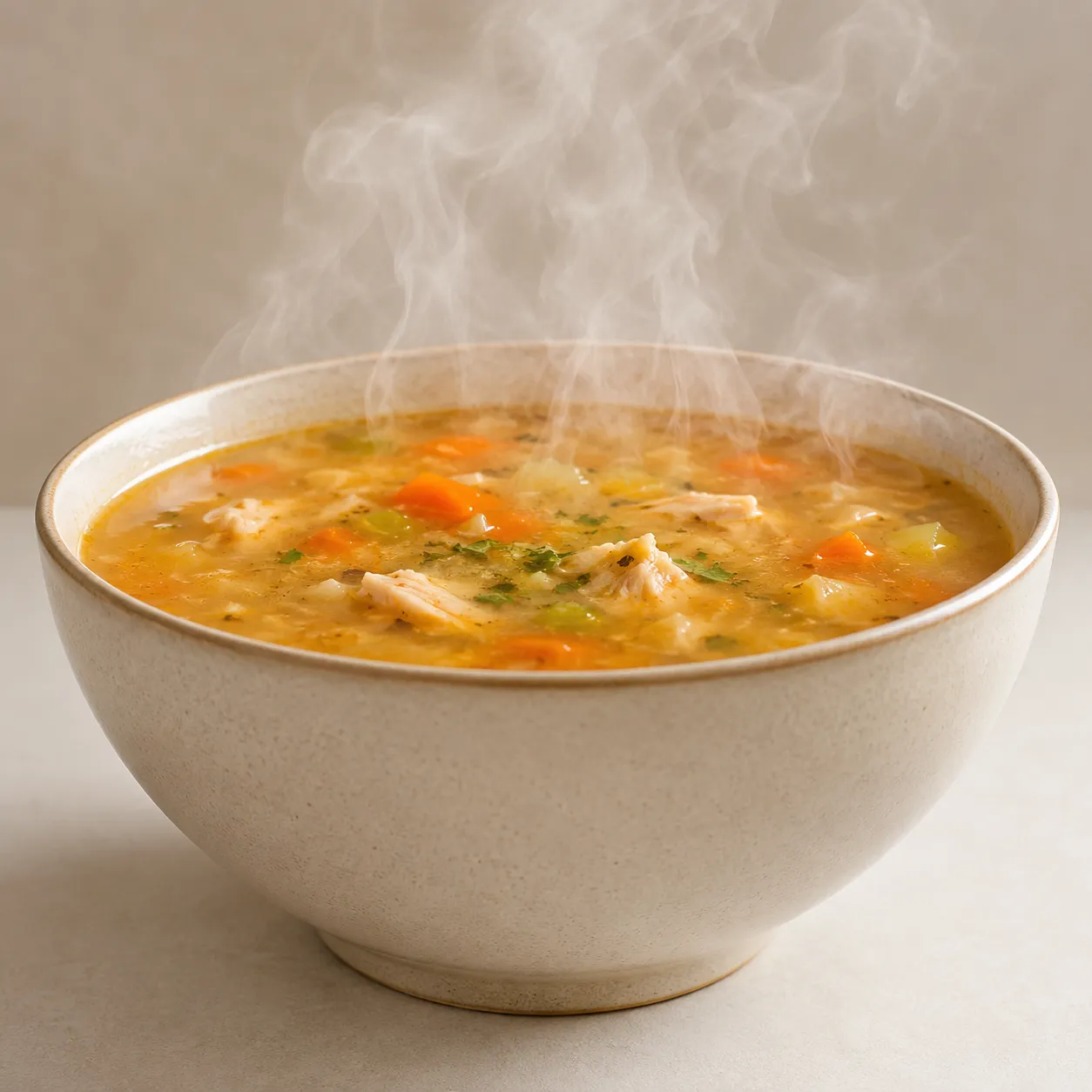
hothɑːt
having a high temperature, served warm, or making you feel too warm

breezyˈbriːzi
with a light, pleasant wind blowing.
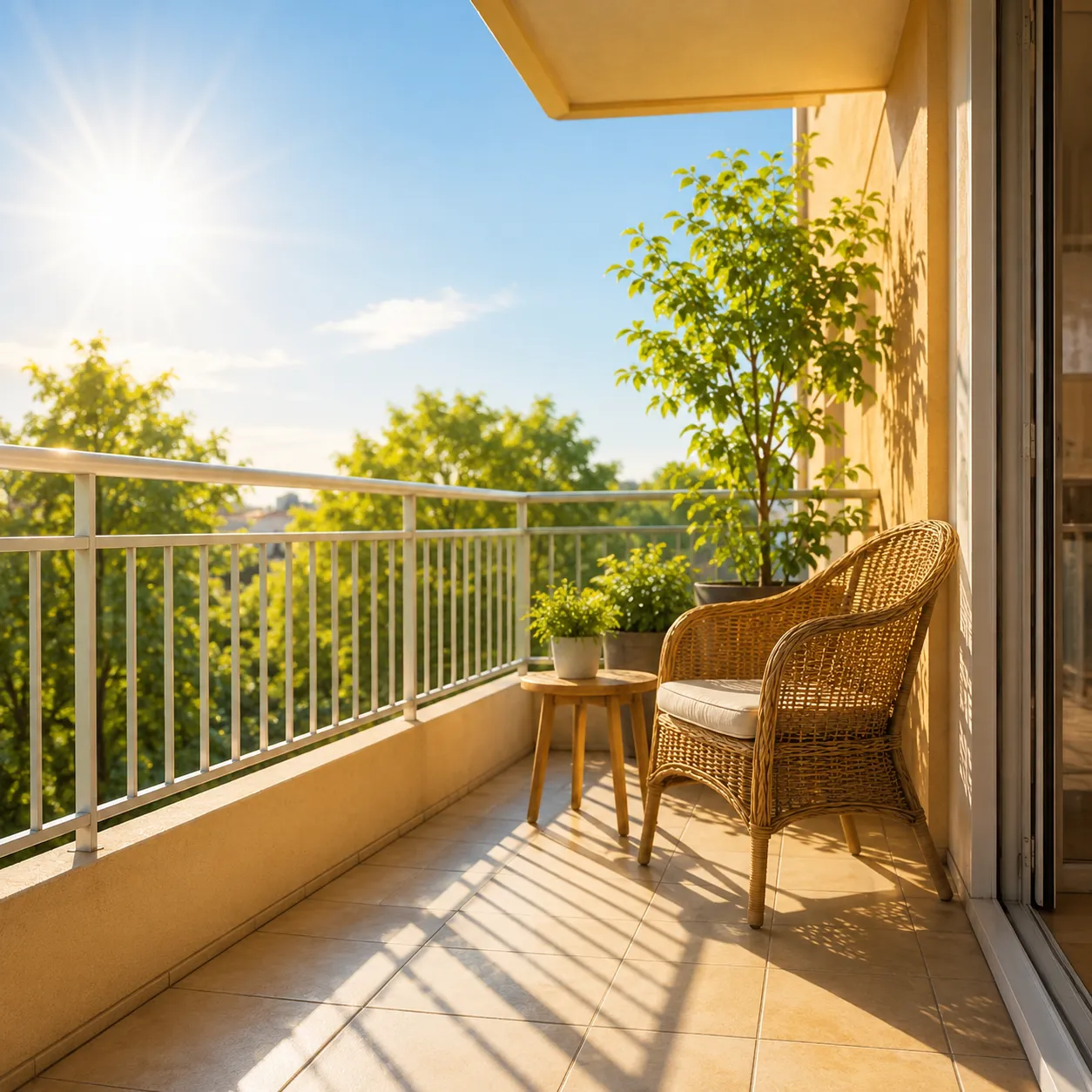
sunnyˈsʌni
bright or receiving a lot of light from the sun.

rainreɪn
water that falls from clouds in drops.
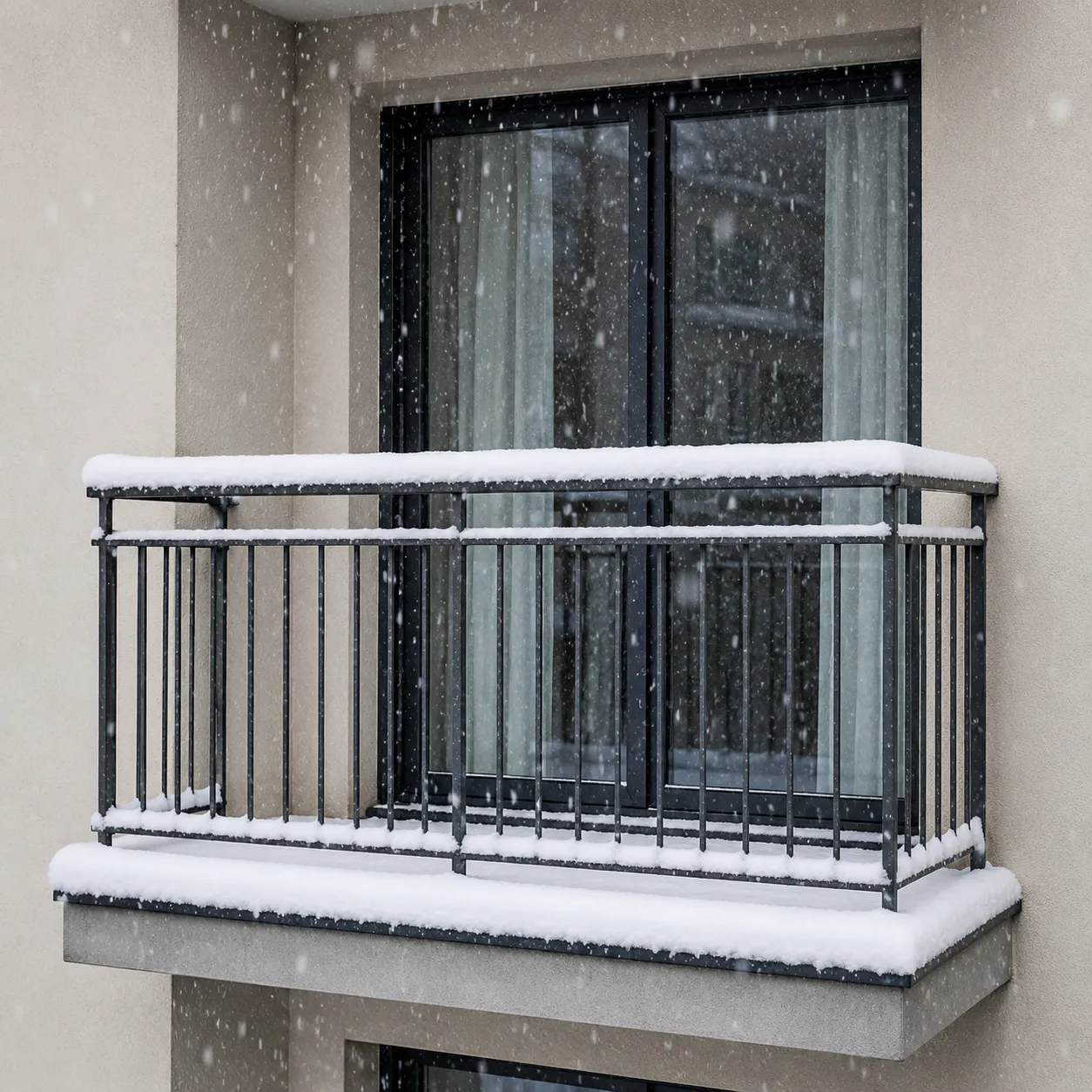
snowyˈsnoʊi
covered with snow, or with snow falling.

drydraɪ
having little or no liquid or moisture, or no longer wet
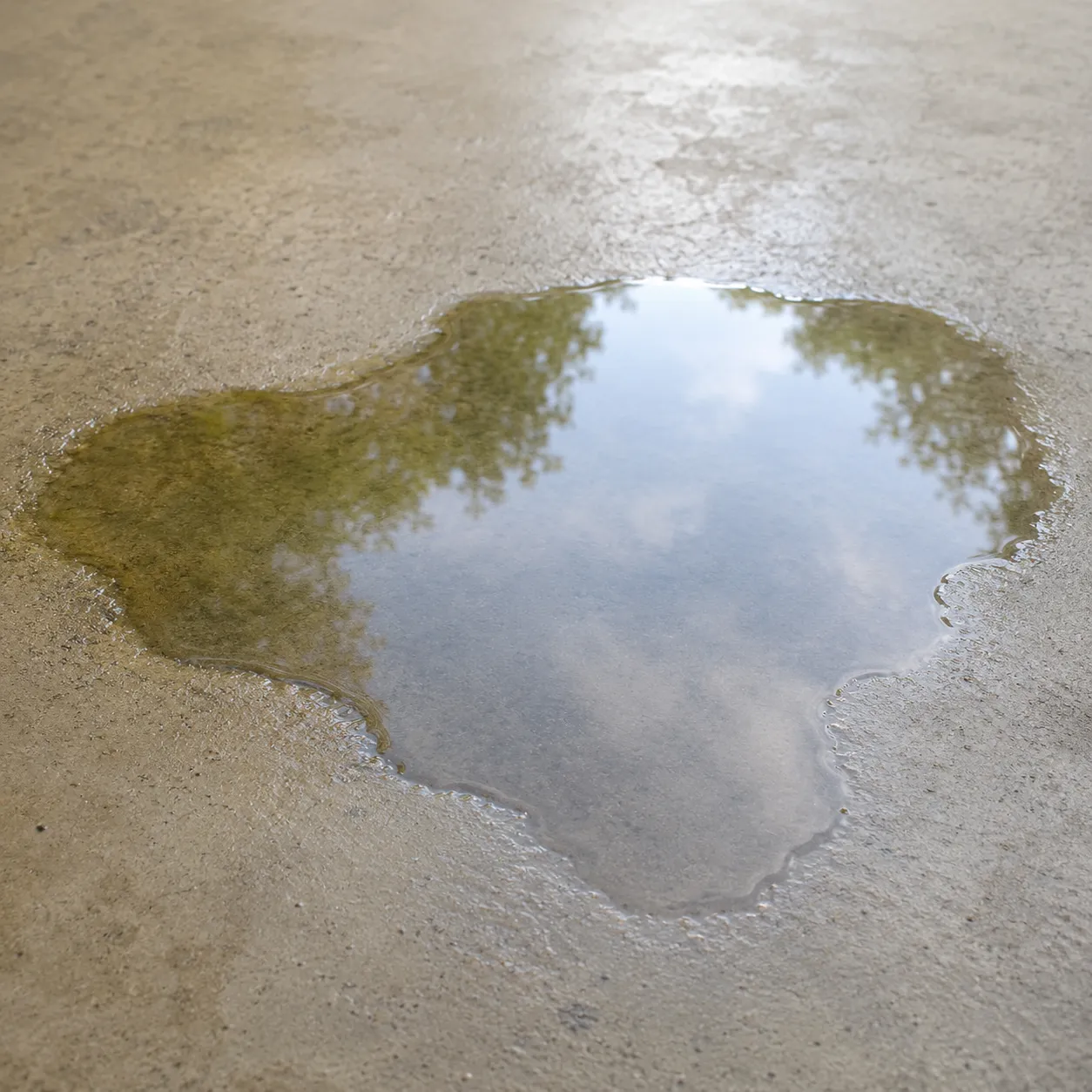
puddleˈpʌdəl
a small amount of water that has collected on the ground or floor.
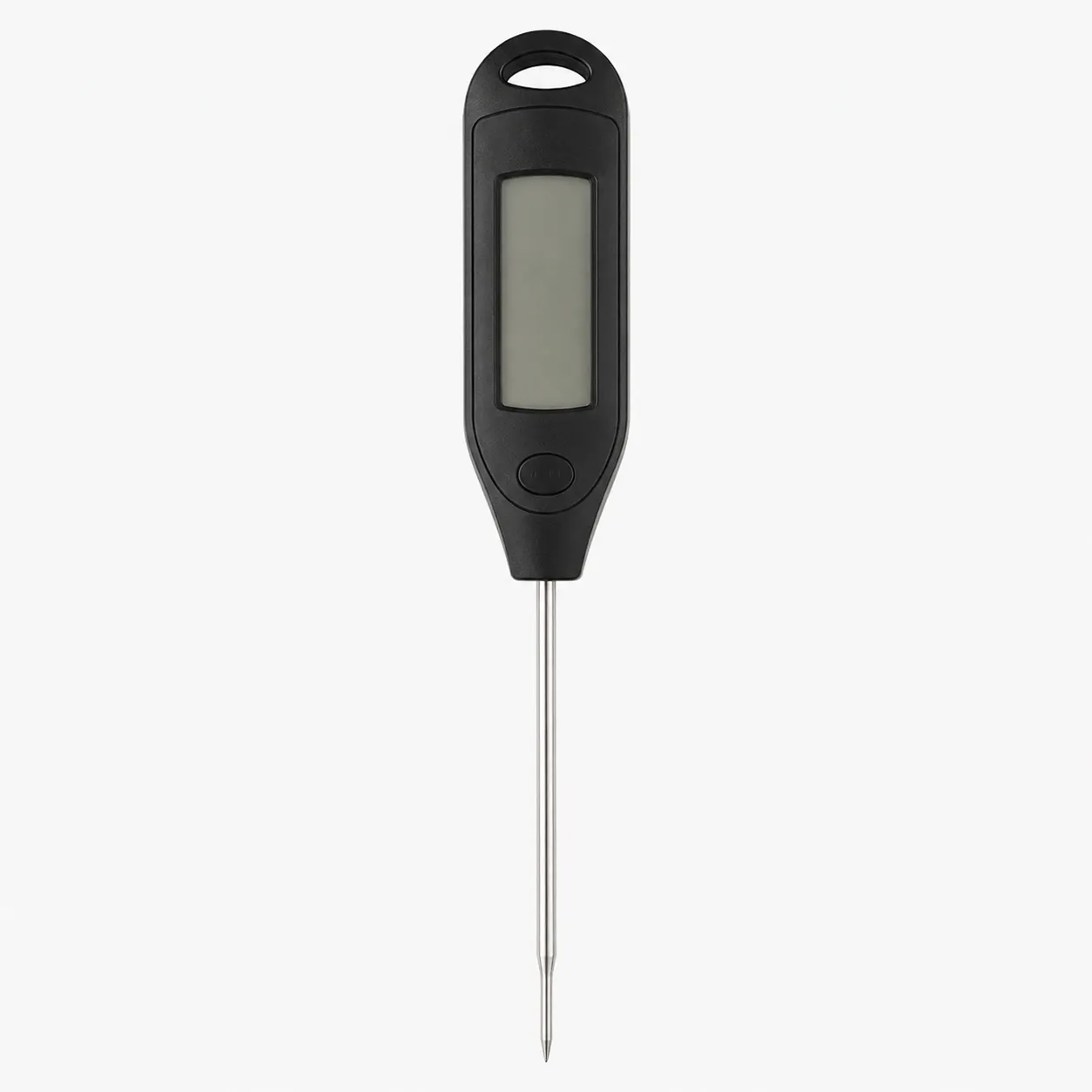
thermometerθərˈmɑːmɪtər
an instrument used to measure temperature, especially body temperature.
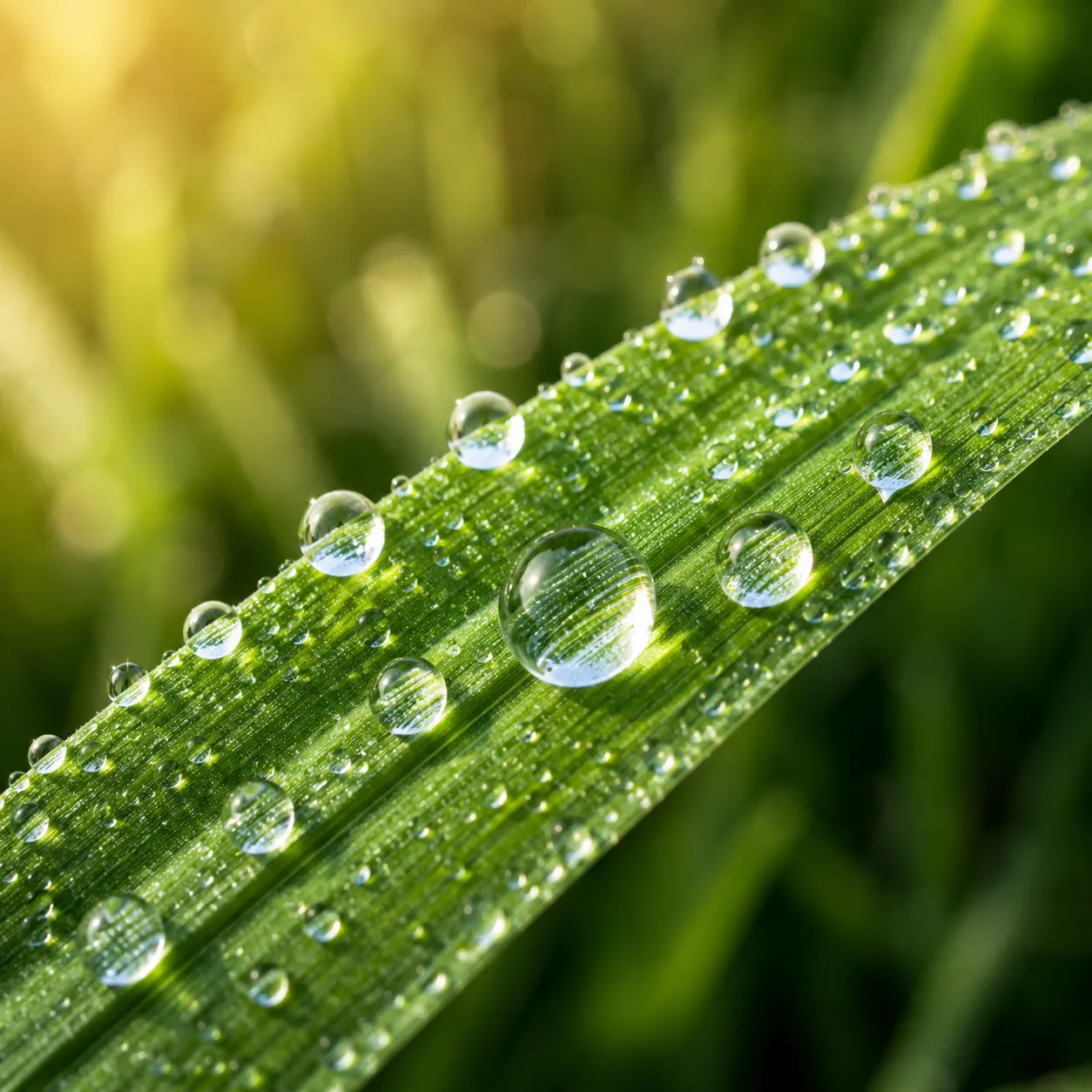
dewduː
small drops of water that form on grass, leaves, and other cool surfaces, often during the night or early morning.
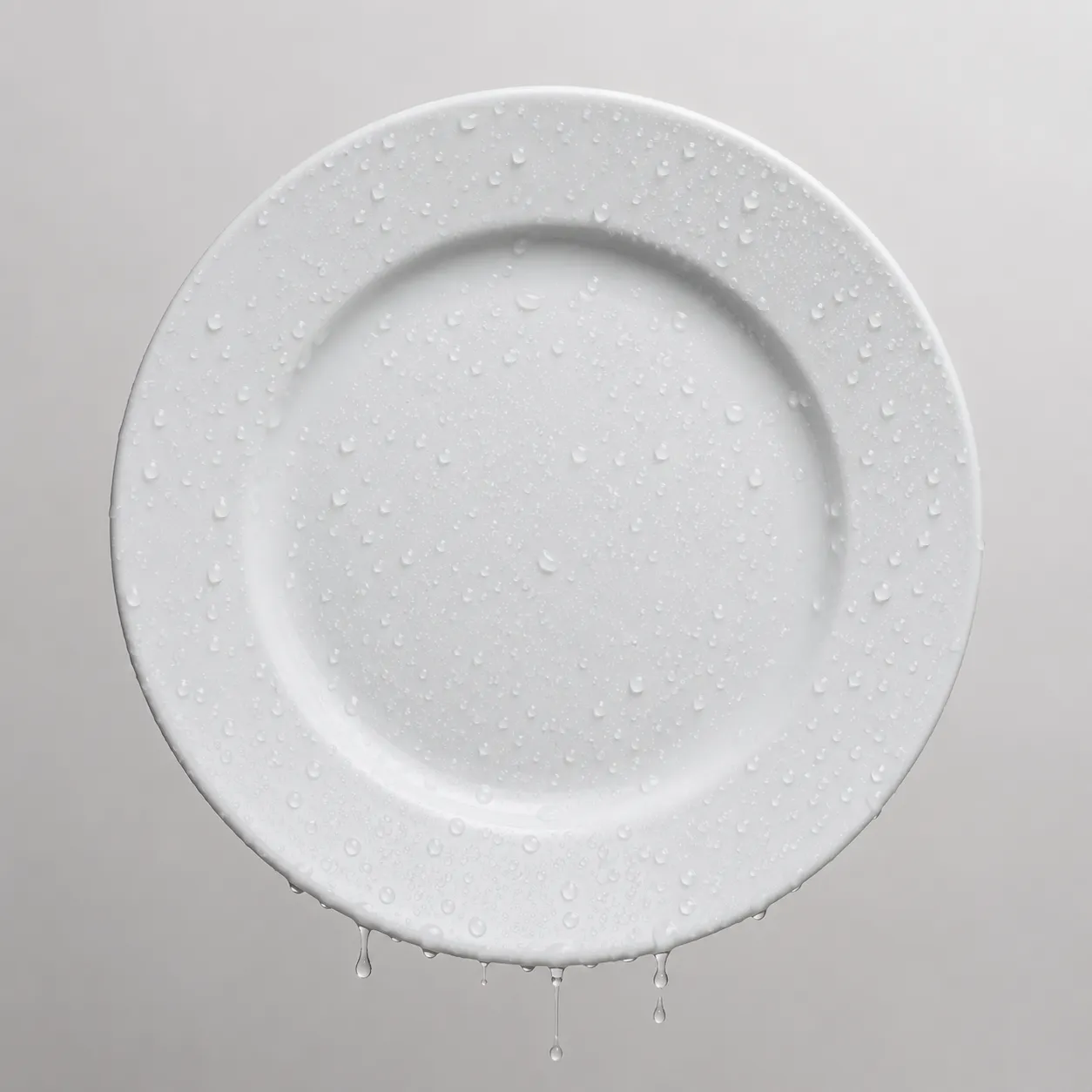
wetwɛt
covered with water or another liquid, or containing liquid, and therefore not dry.
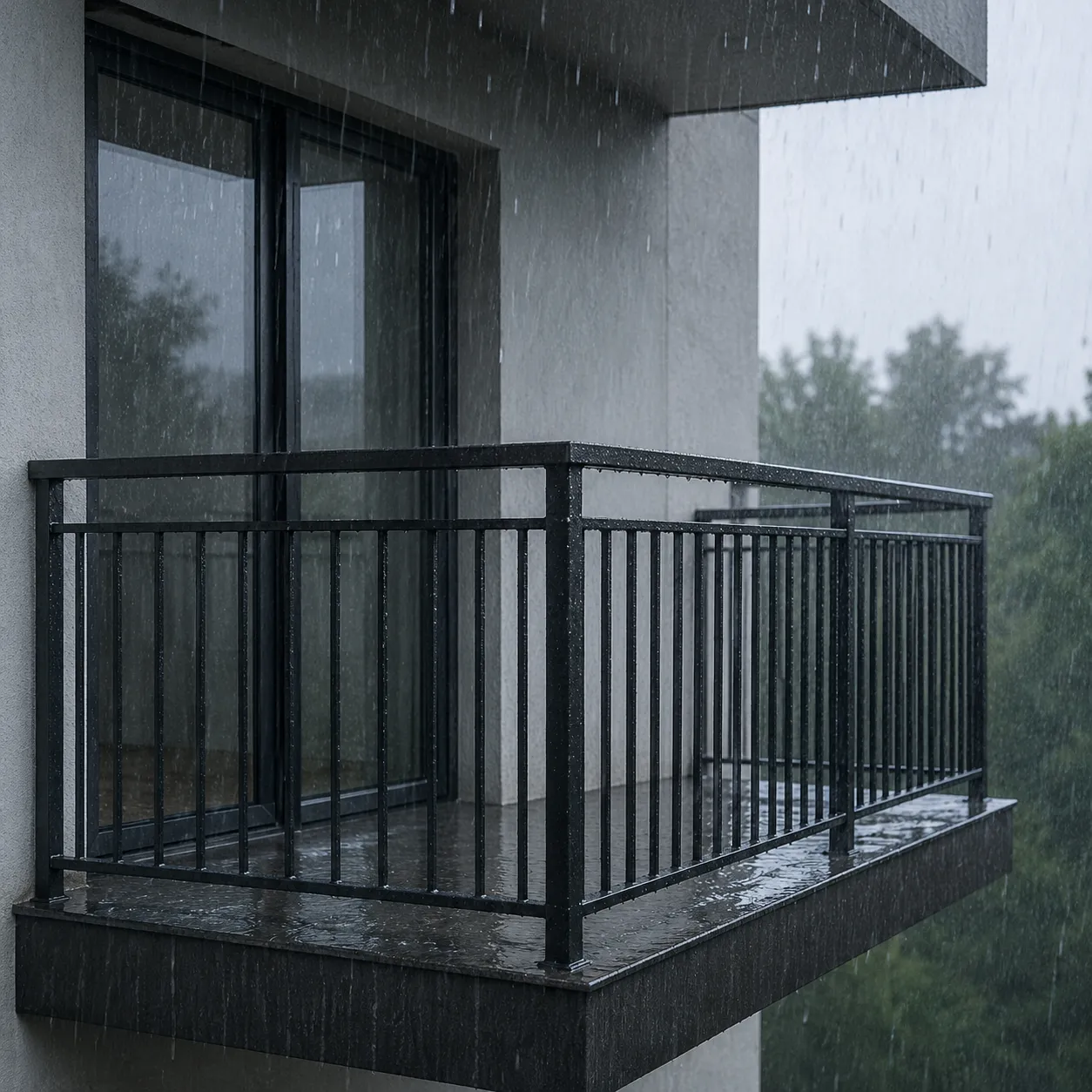
rainyˈreɪni
having a lot of rain or often bringing rain.
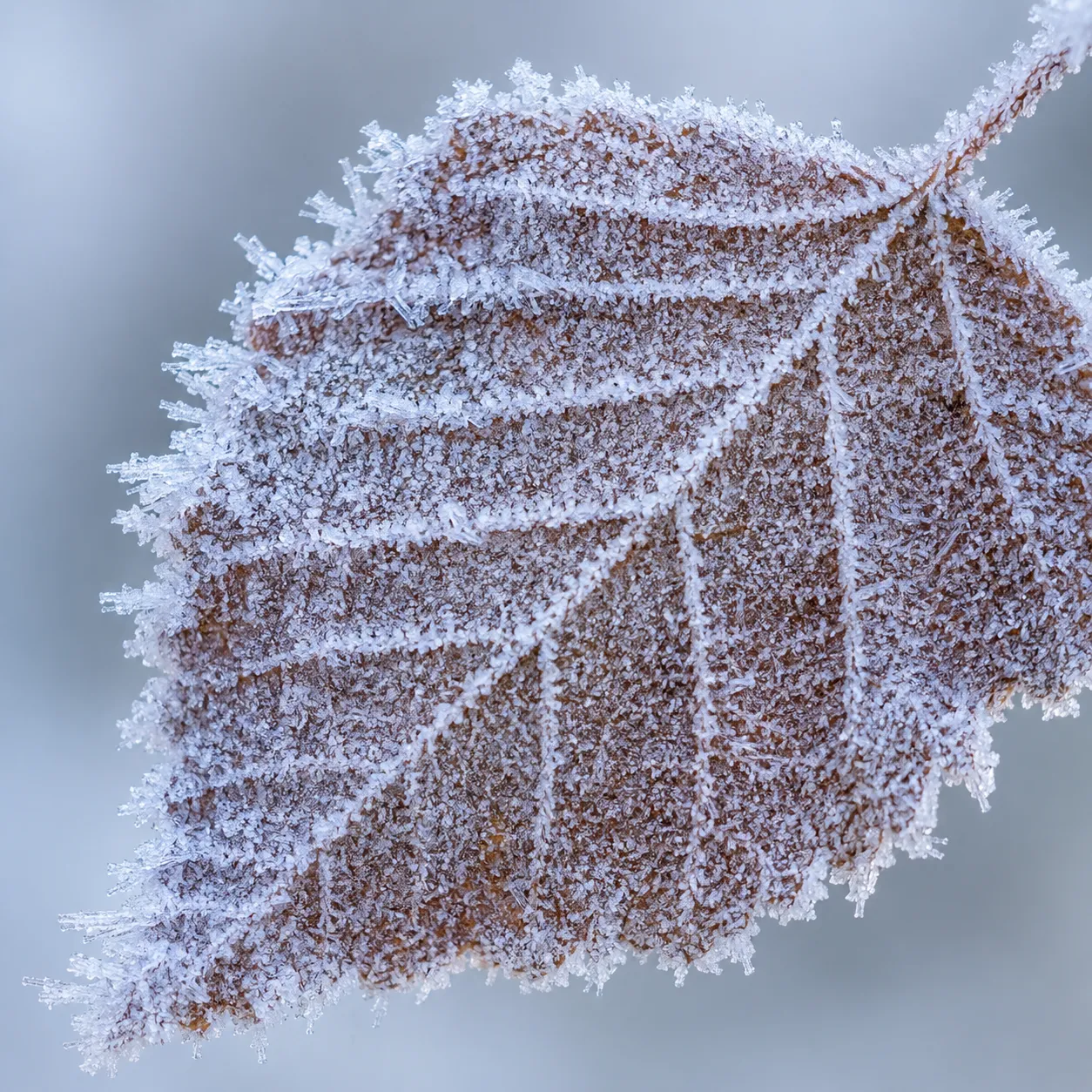
frostfrɔːst
a thin white layer of ice crystals that forms on the ground or other surfaces when the air is very cold.
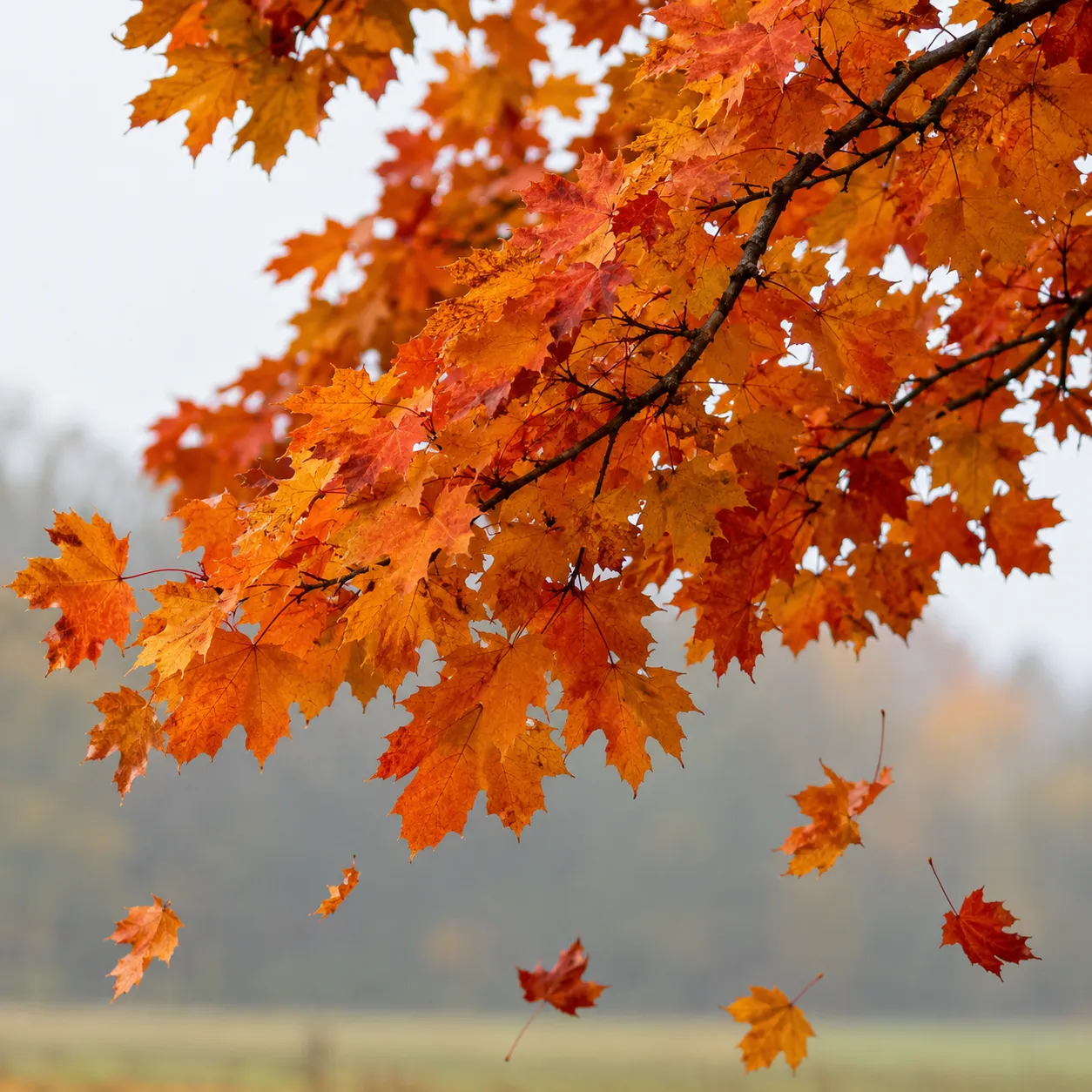
autumnˈɔːtəm
the season between summer and winter, when the weather becomes cooler and leaves often fall from trees.
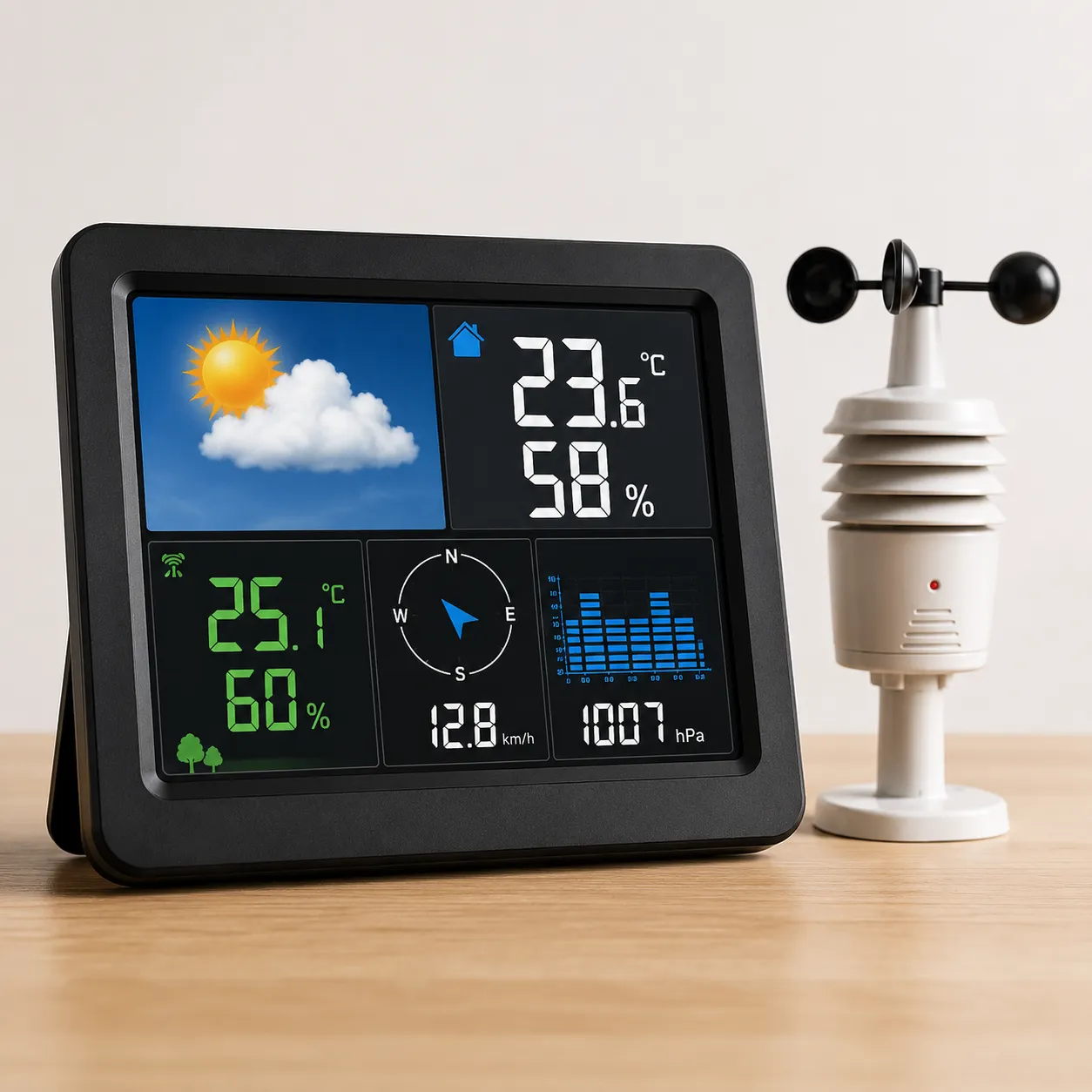
weather stationˈwɛðər ˈsteɪʃən
a device or place that measures weather conditions such as temperature, air pressure, wind, and rain.
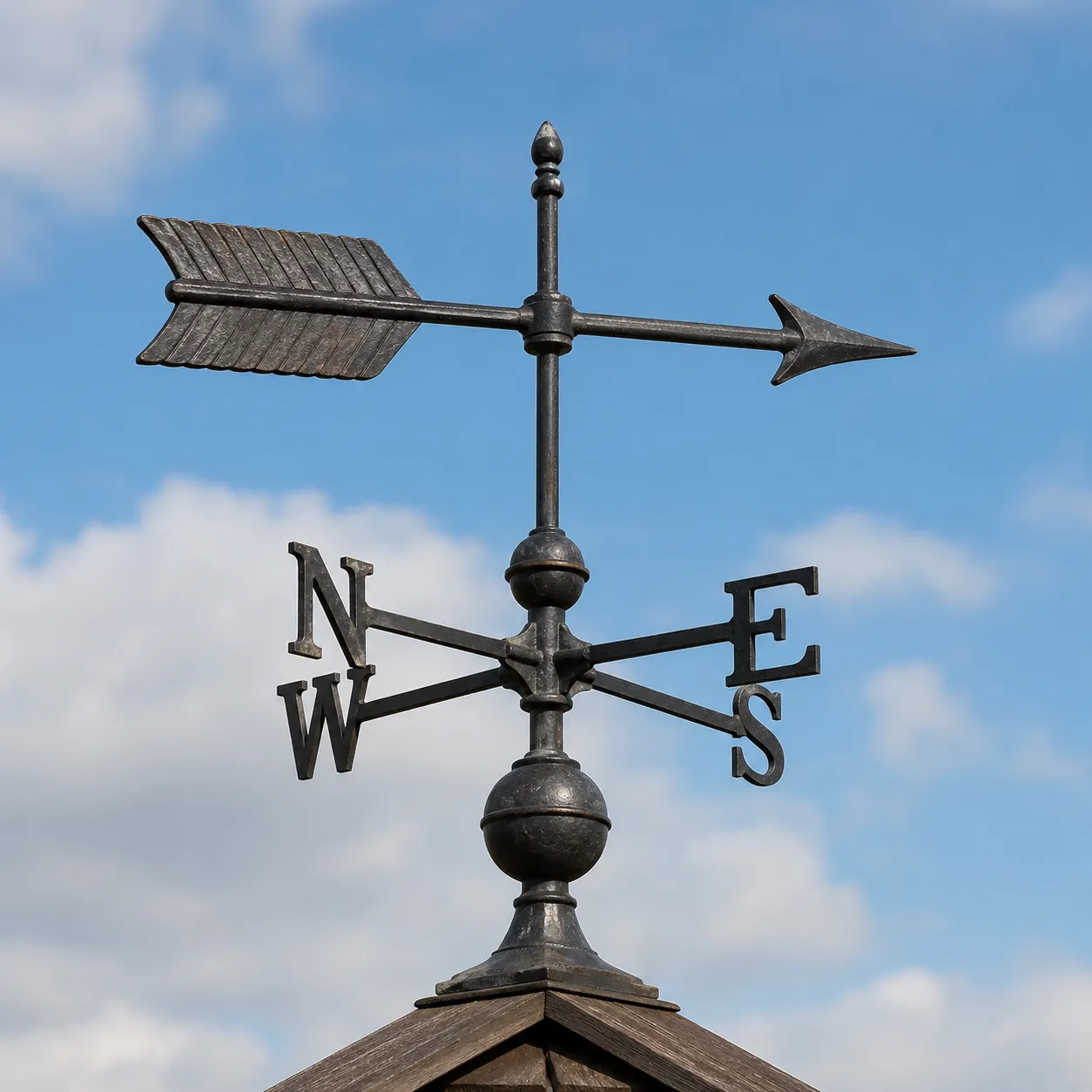
weather vaneˈwɛðər veɪn
a device on a roof or pole that turns in the wind and shows the direction the wind is coming from.
Useful words for outdoor lights, locks, alarms, electrical connections, storage, drainage, and safety equipment.
wall lightˈwɔːl ˌlaɪt
a lamp or light fitting attached to a wall, used to light a room or part of a room.
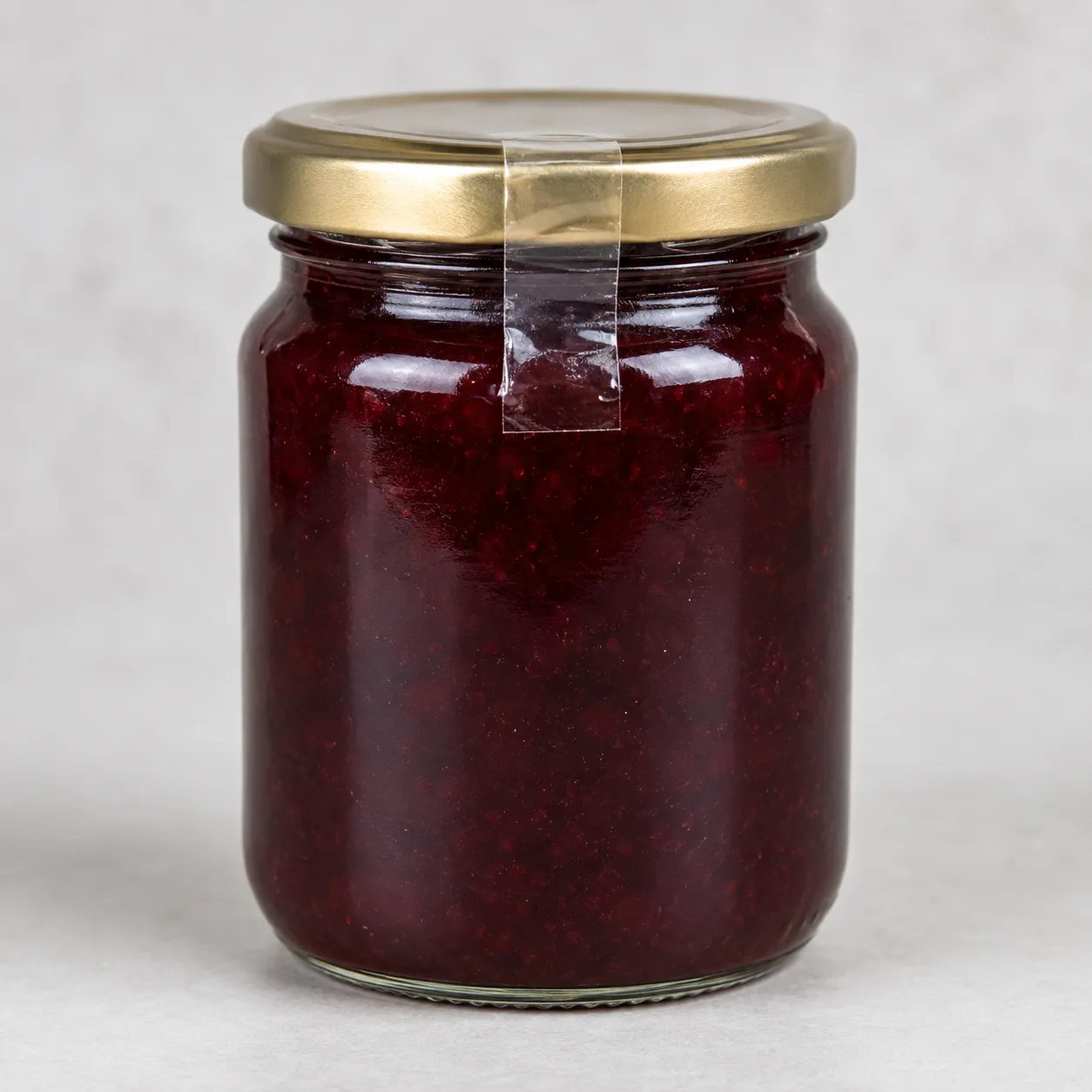
sealedsiːld
closed securely so it cannot be opened without breaking the cover or seal.
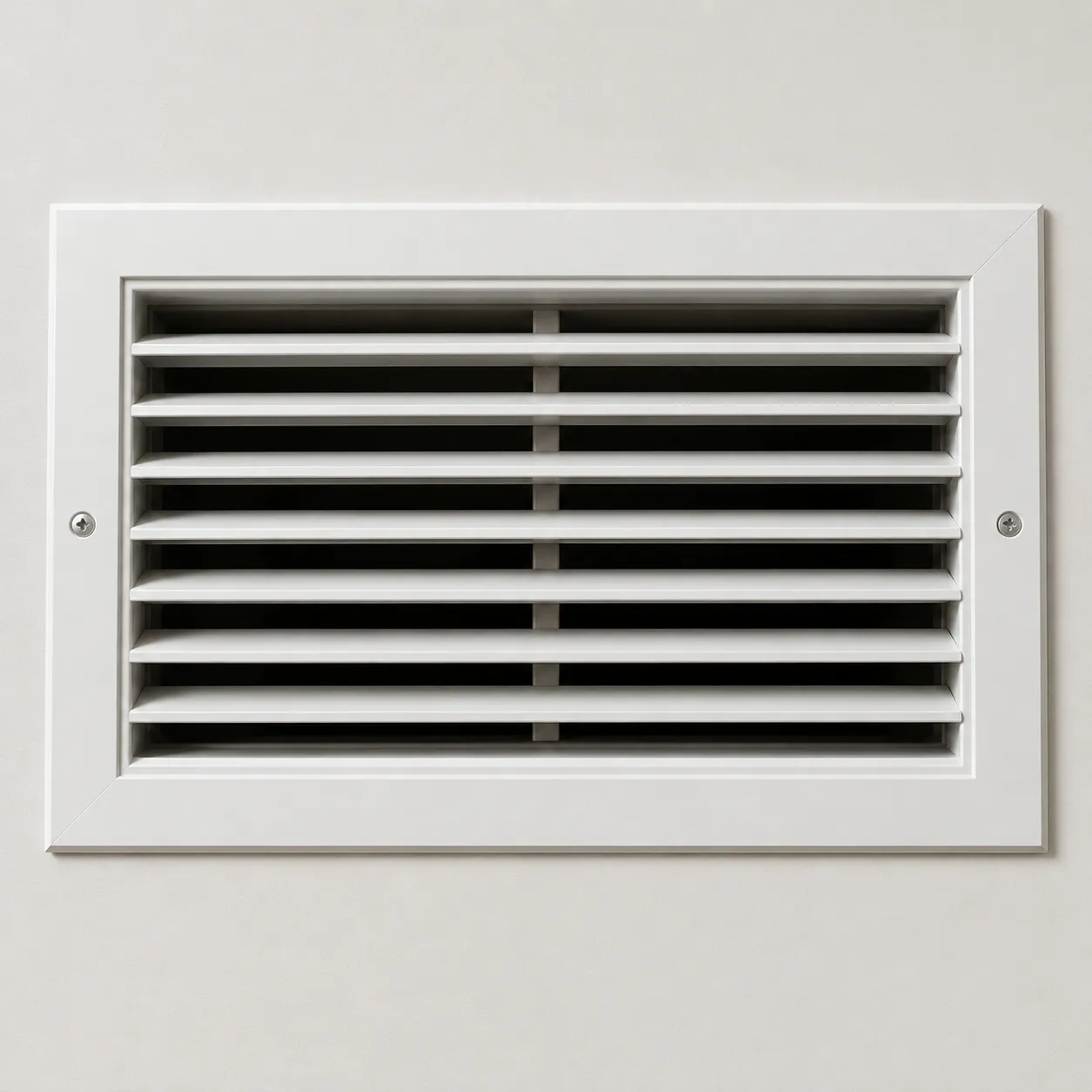
ventvɛnt
an opening in a wall, ceiling, or appliance that lets air, steam, or smells pass in or out.
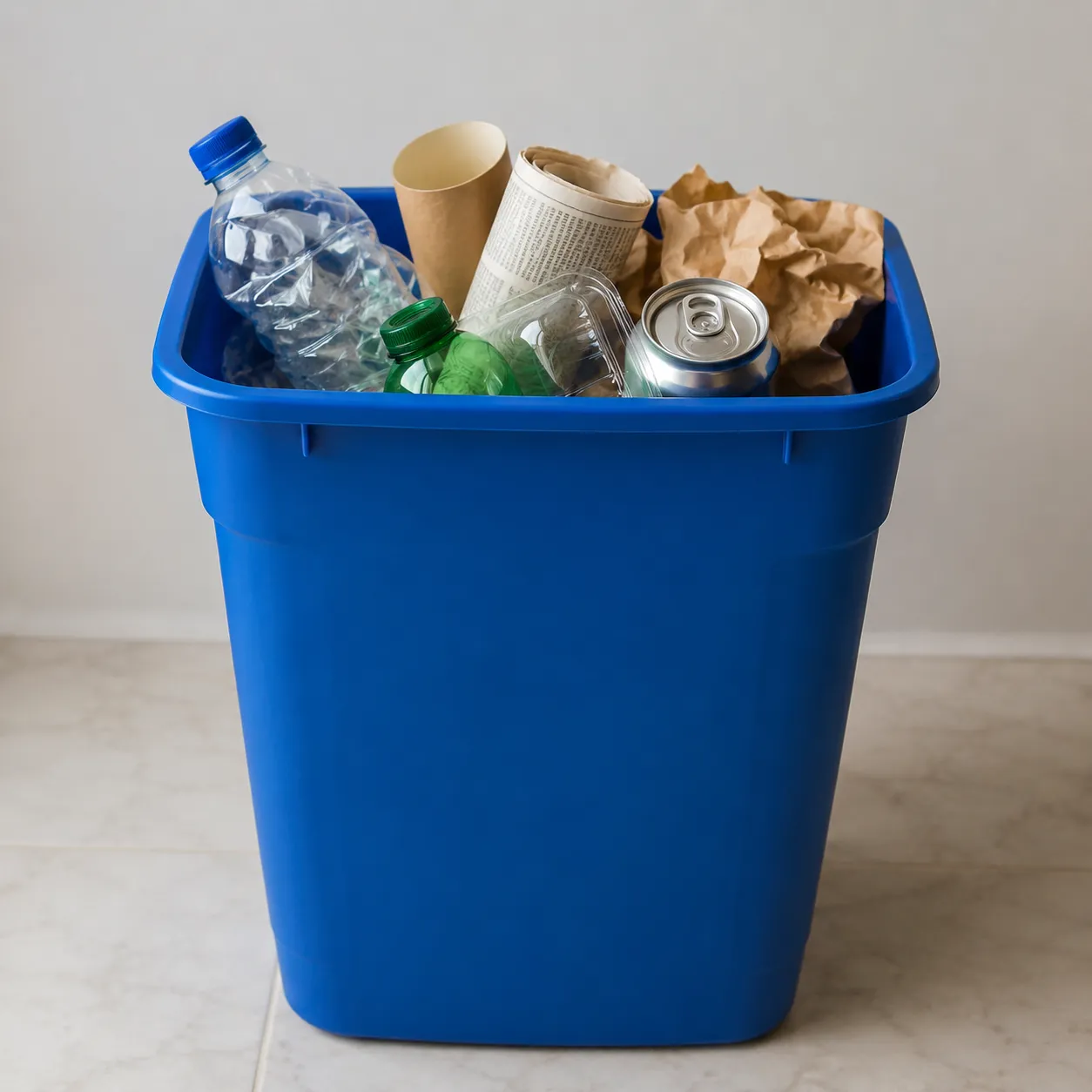
recycling binriːˈsaɪklɪŋ bɪn
a container for materials such as paper, plastic, or glass that can be recycled
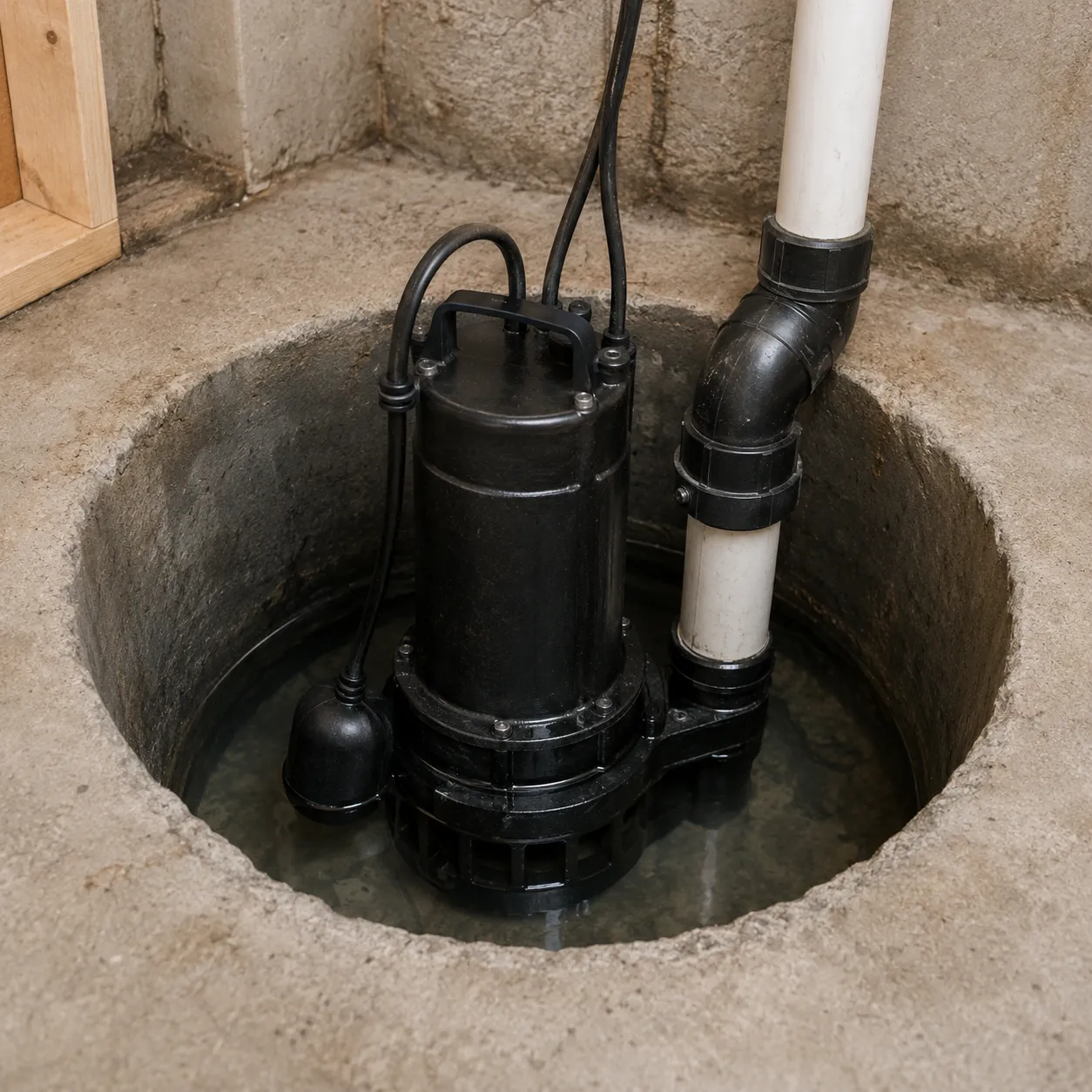
sump pumpˈsʌmp pʌmp
a pump that removes water collected in a pit in a basement or low area of a building.
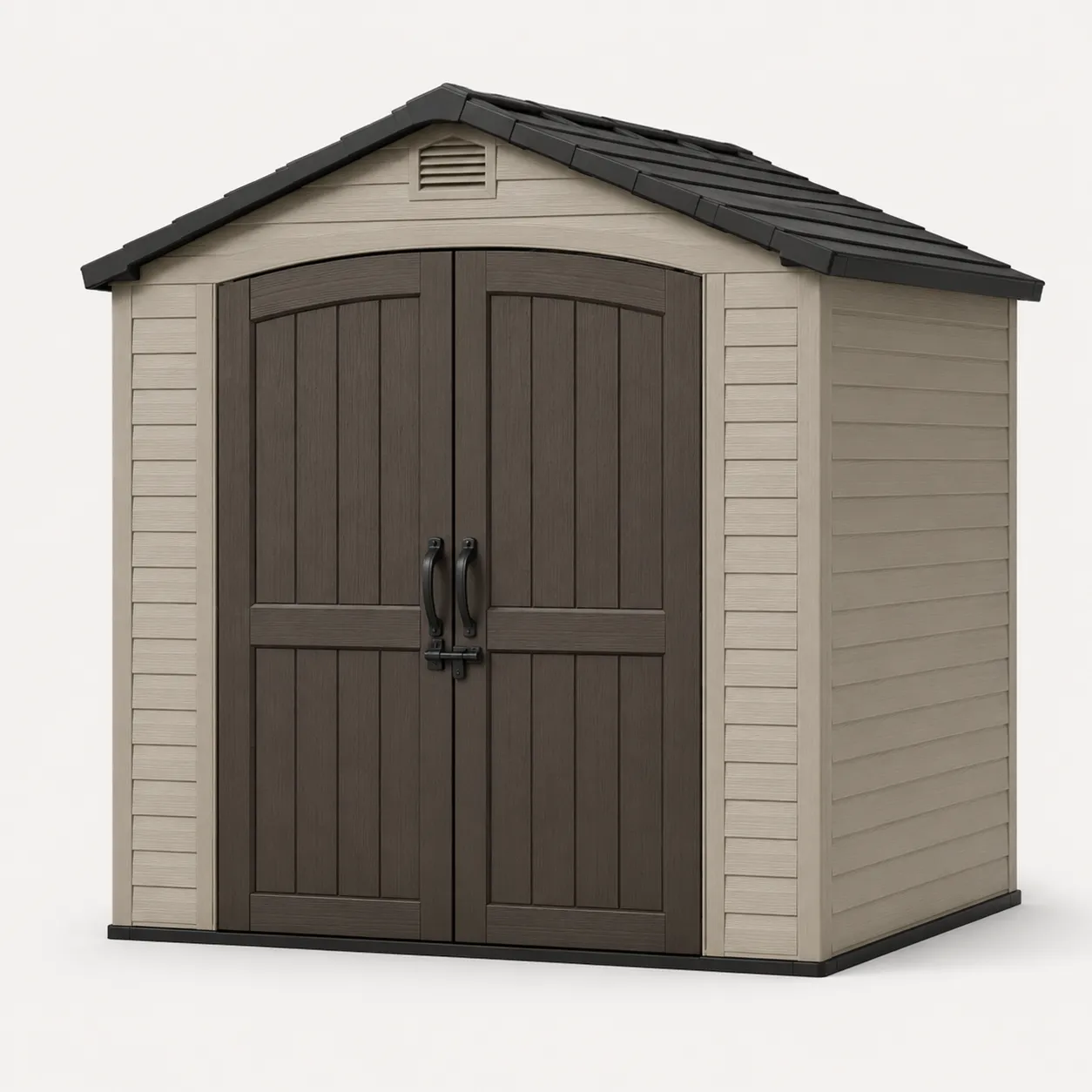
outdoor storageˈaʊtdɔːr ˈstɔːrɪdʒ
a place, box, shed, or other container used for keeping tools, garden equipment, or other things outside.
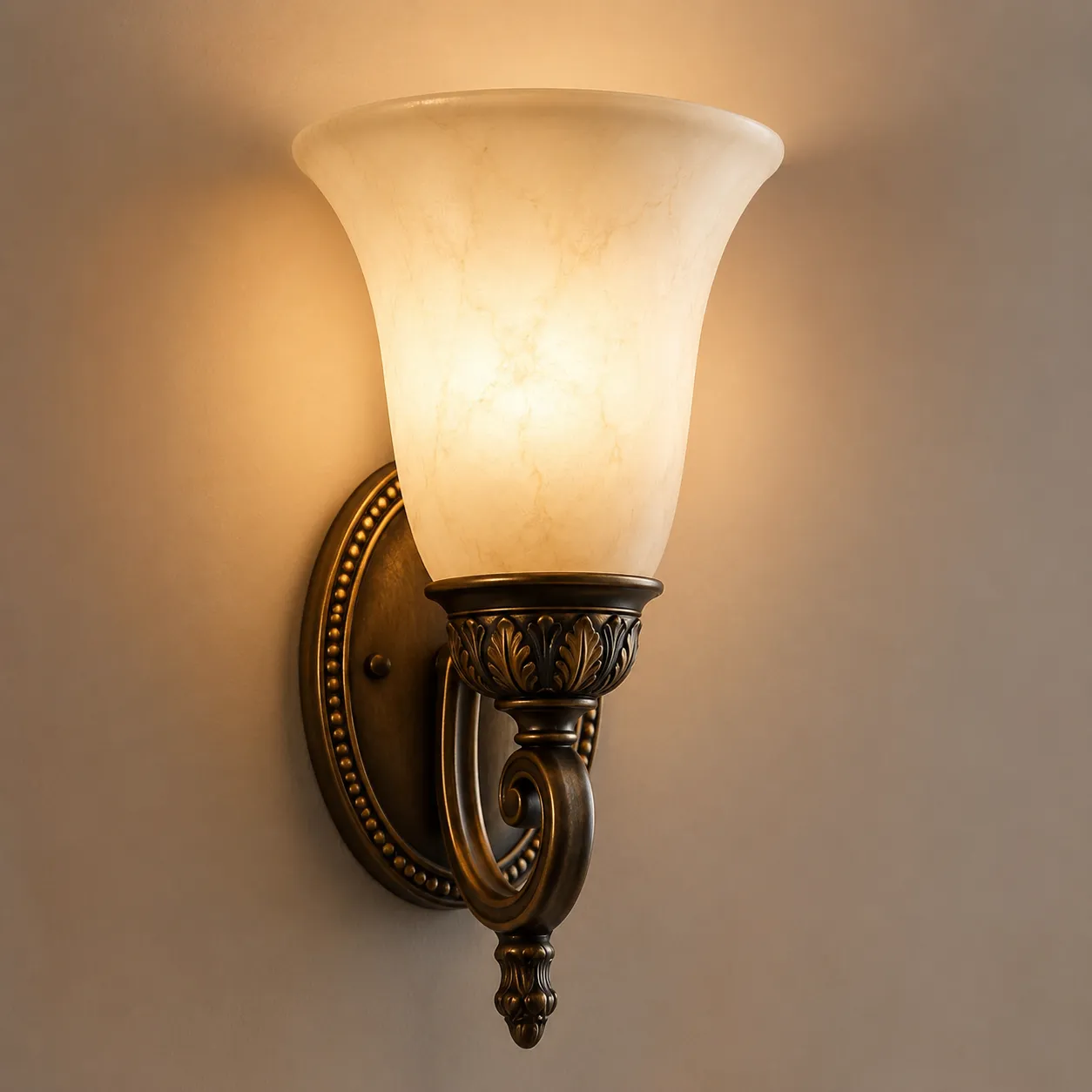
sconceskɑːns
a light, often decorative, that is fixed to a wall rather than standing on a table or floor.
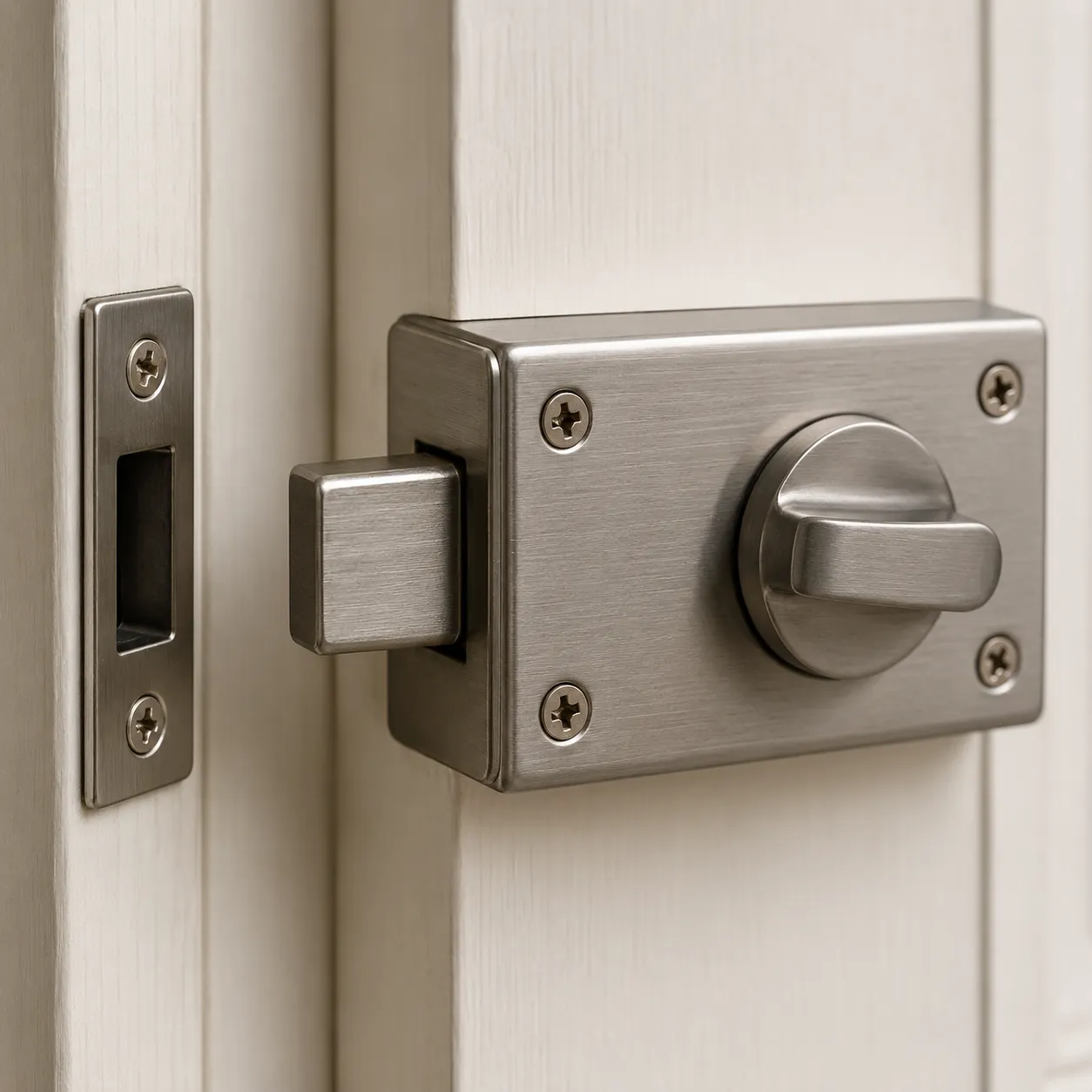
deadboltˈdɛdboʊlt
a strong door lock with a solid metal bolt that moves into the door frame and is usually opened with a key or thumb turn.
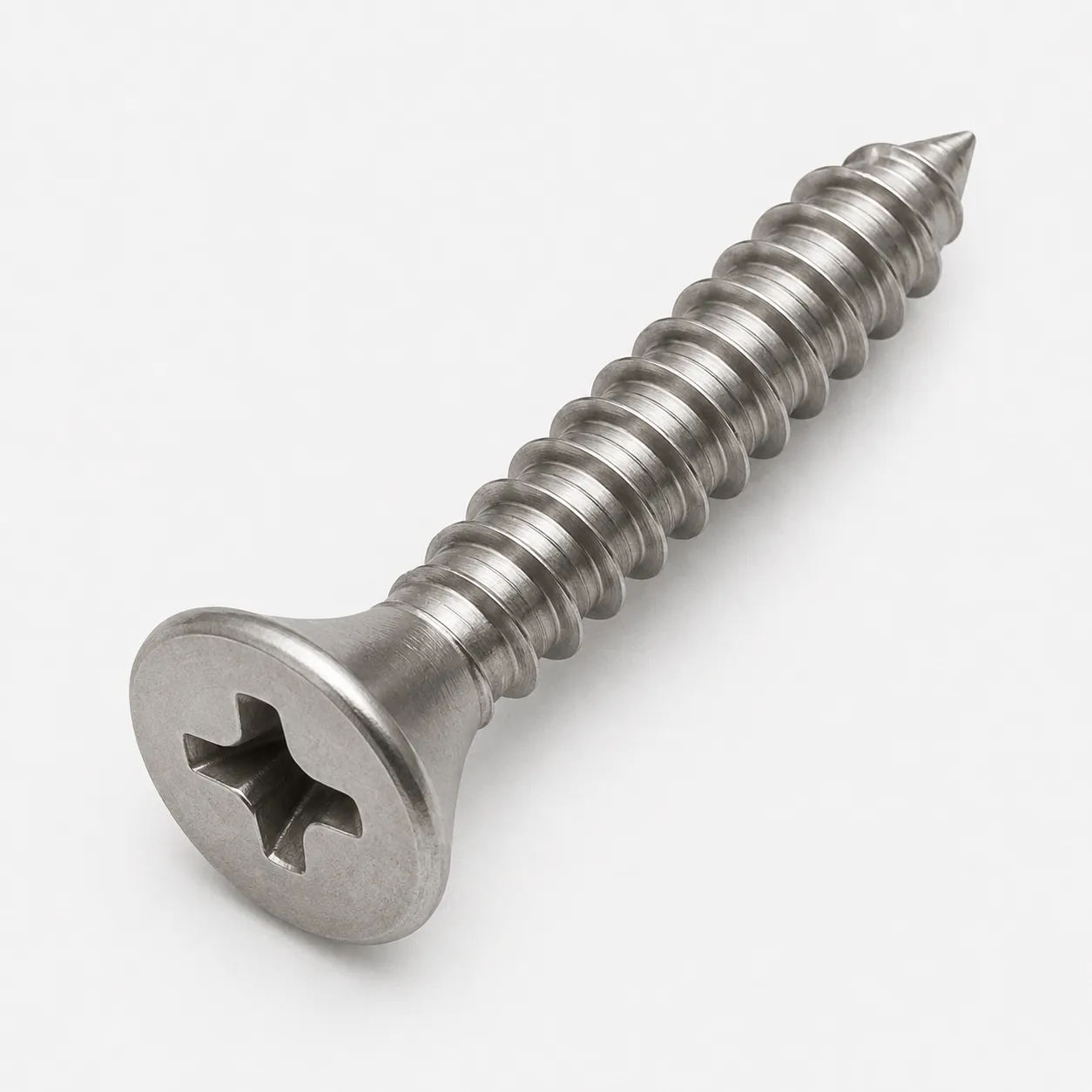
screwskruː
a small metal object with a spiral edge and a slot or cross on top, turned to fasten things together or fix them to a surface.
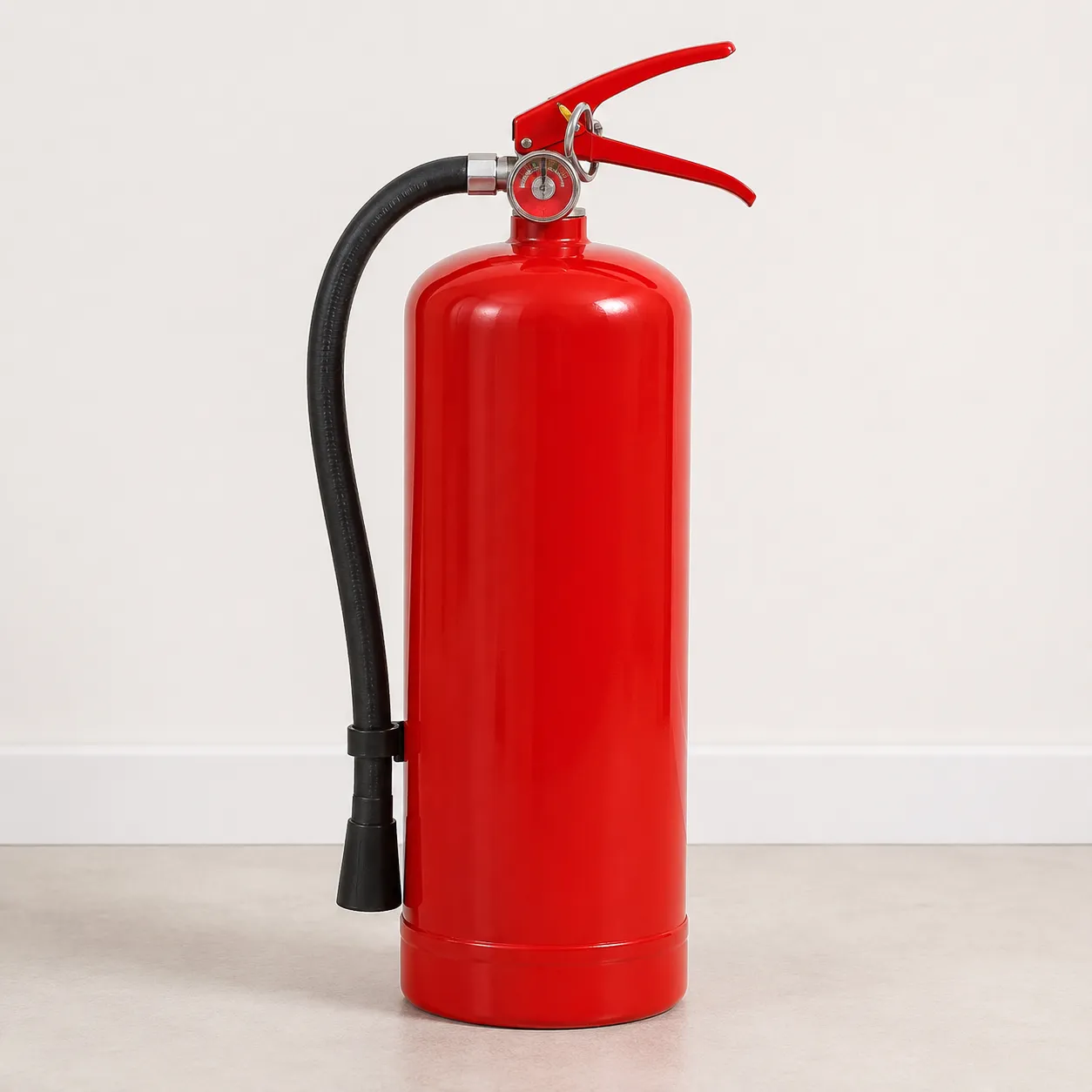
fire extinguisherˈfaɪər ɪkˌstɪŋɡwɪʃər
a portable device that contains a substance used to put out small fires
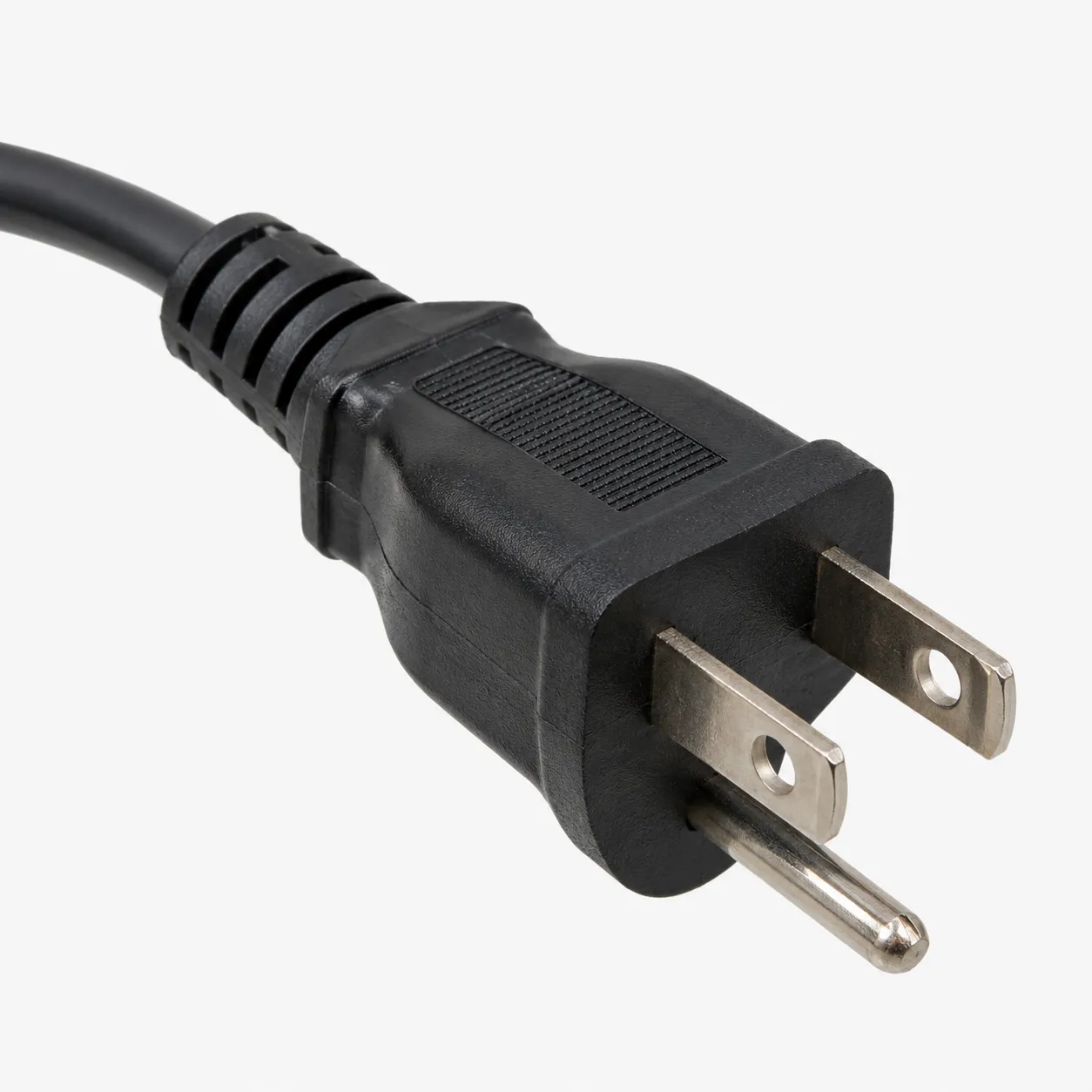
plugplʌɡ
a small object with metal pins that you put into a socket to connect a device to electricity.
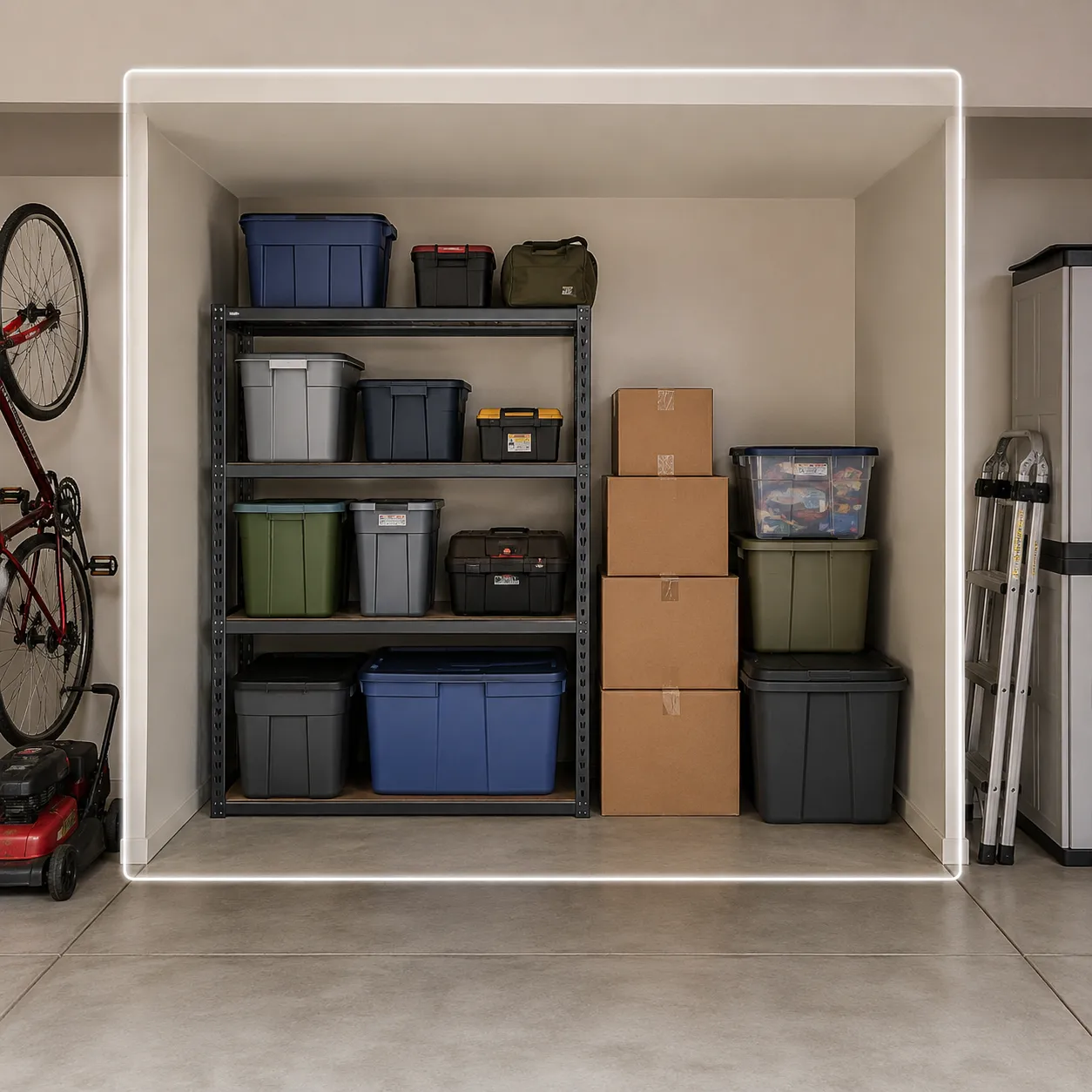
storage areaˈstɔːrɪdʒ ˈɛriə
a place in a room, building, or outside area where things are kept until they are needed.
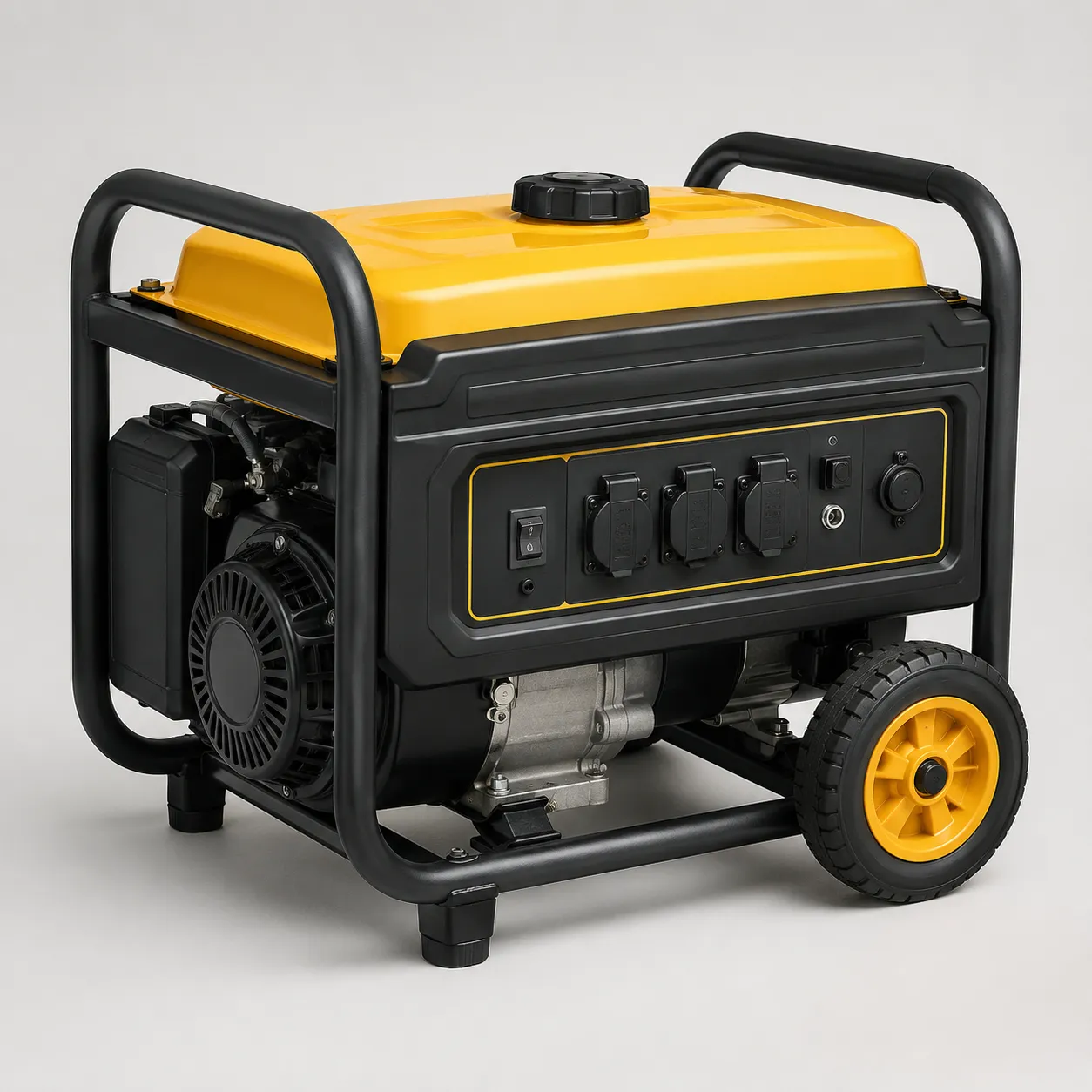
generatorˈdʒɛnəˌreɪtər
a machine that produces electricity, especially for use when the normal power supply is not available.
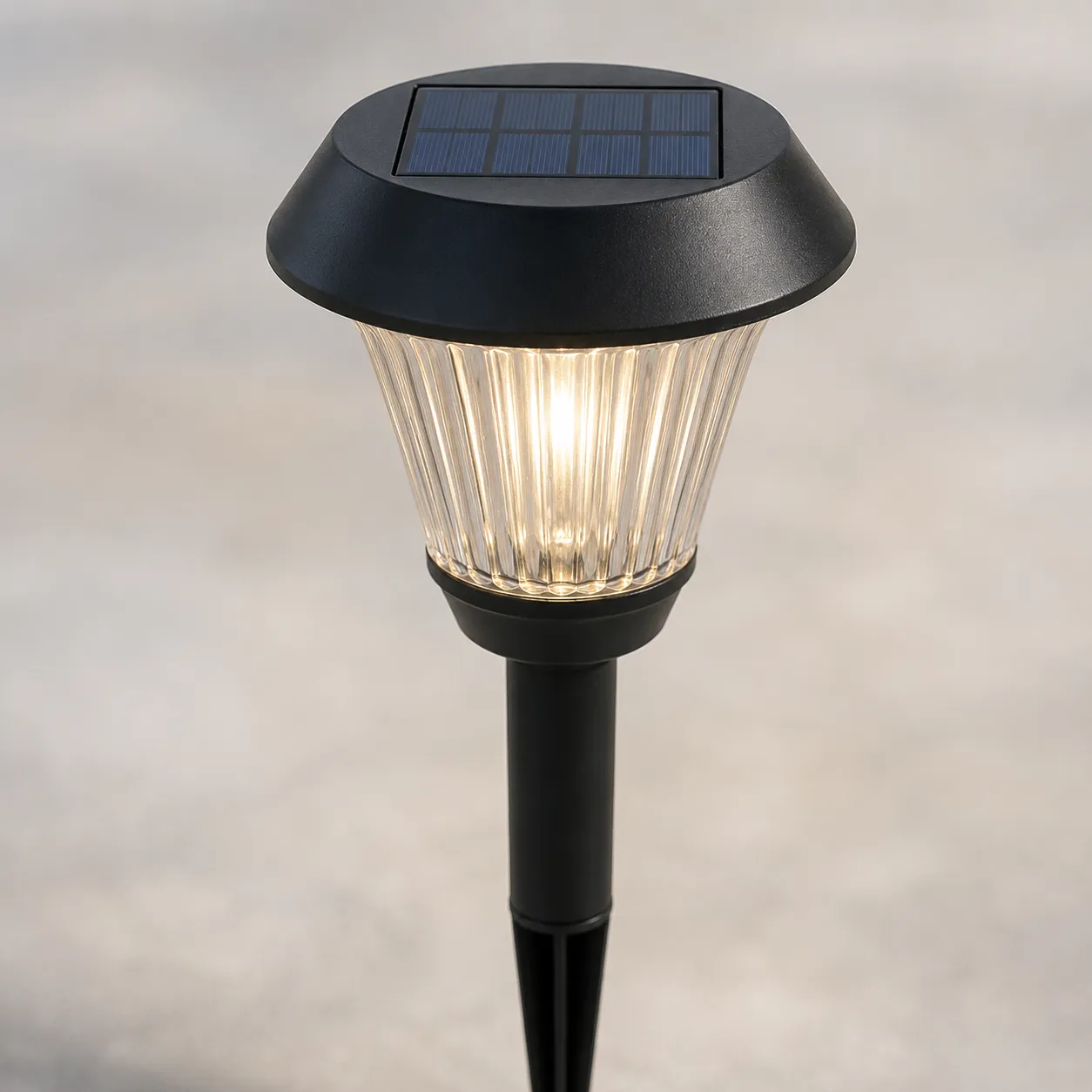
solar lightˈsoʊlər laɪt
a light, often used outdoors, that stores energy from the sun during the day and shines at night.
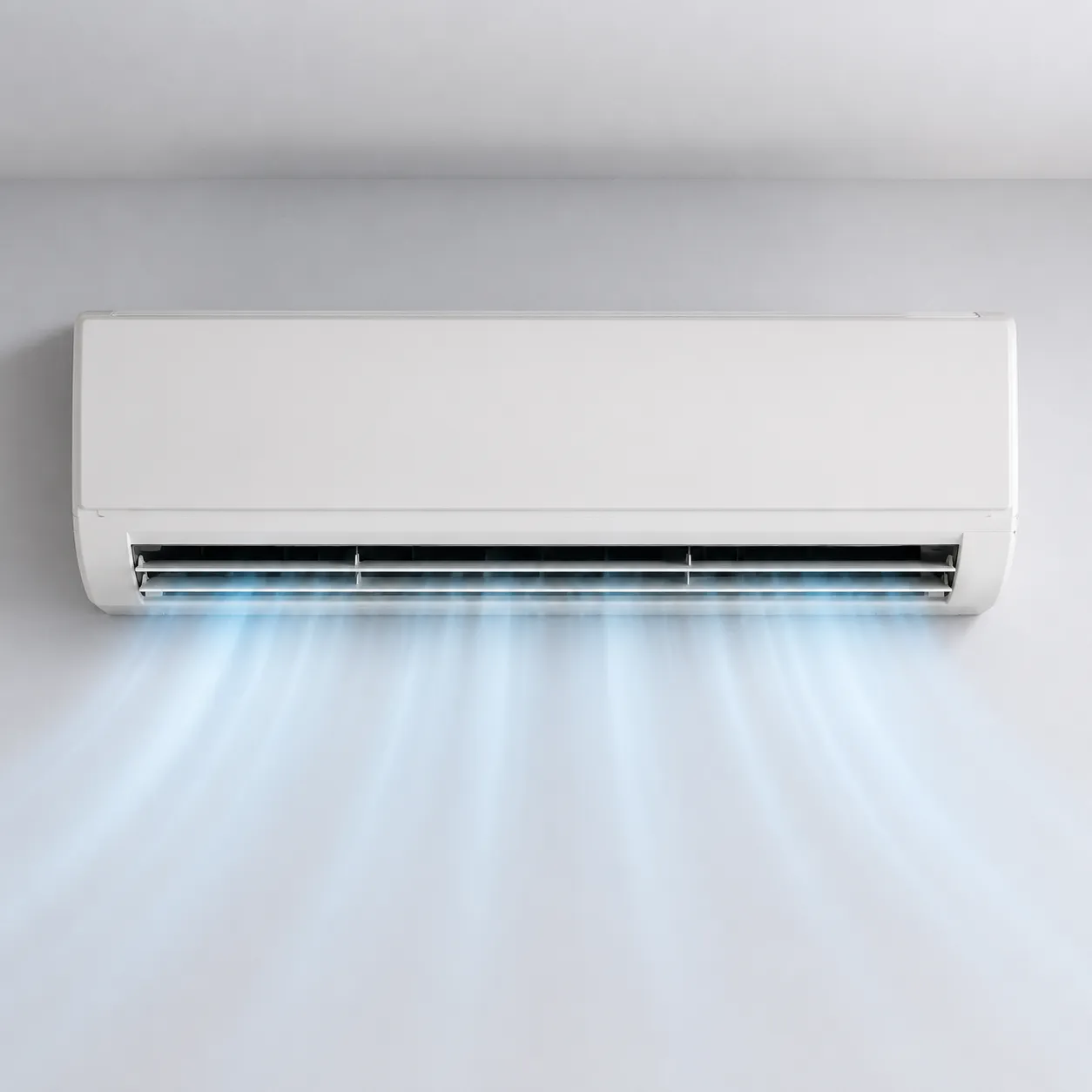
air conditionerˈɛr kənˌdɪʃənər
a machine that cools the air in a room, car, or building, and often makes the air less wet.

locklɑːk
a device on a door, drawer, or container that keeps it closed until opened with a key, code, or tool.
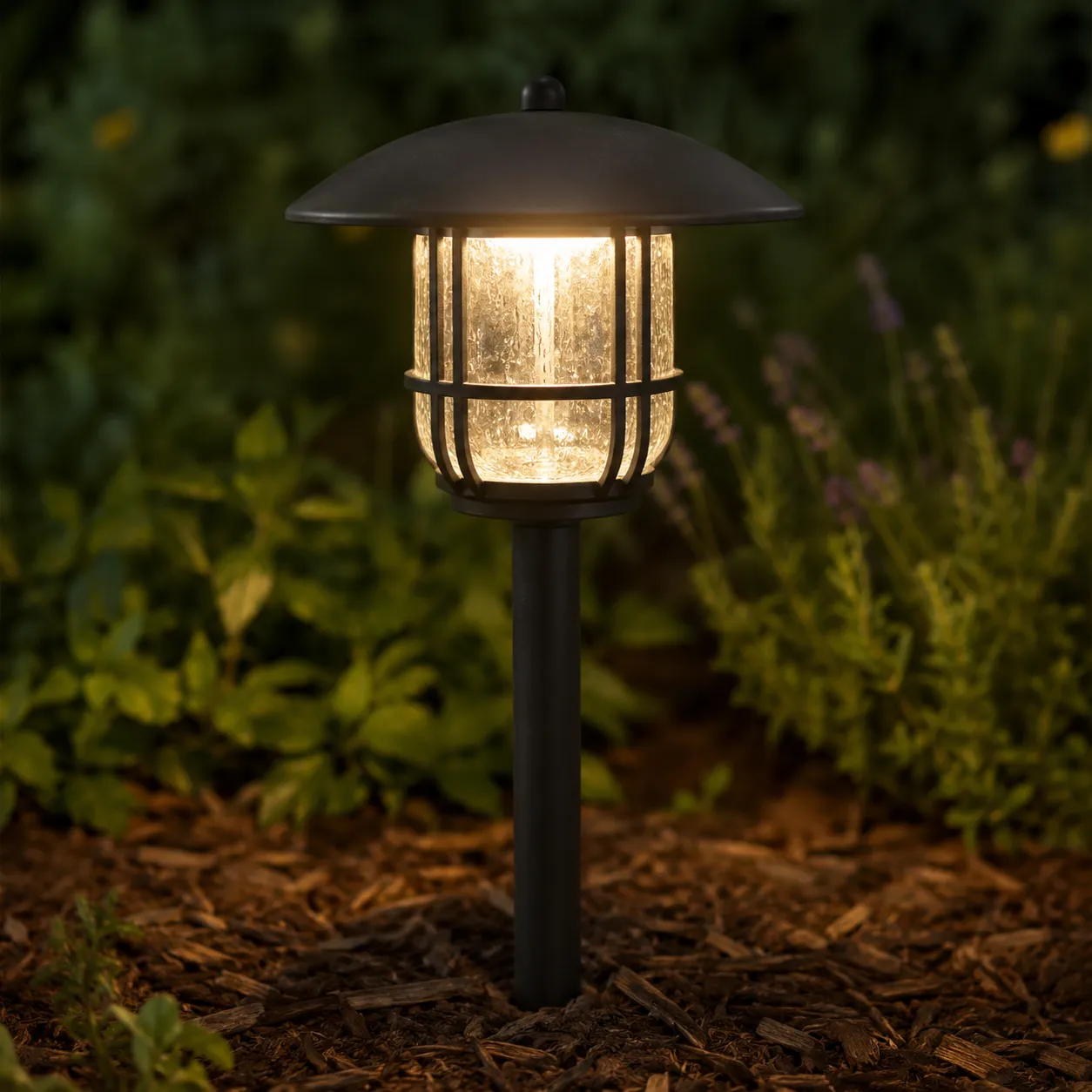
garden lightˈɡɑːrdən laɪt
a lamp or small light placed in a garden to make paths, plants or outdoor areas visible at night.
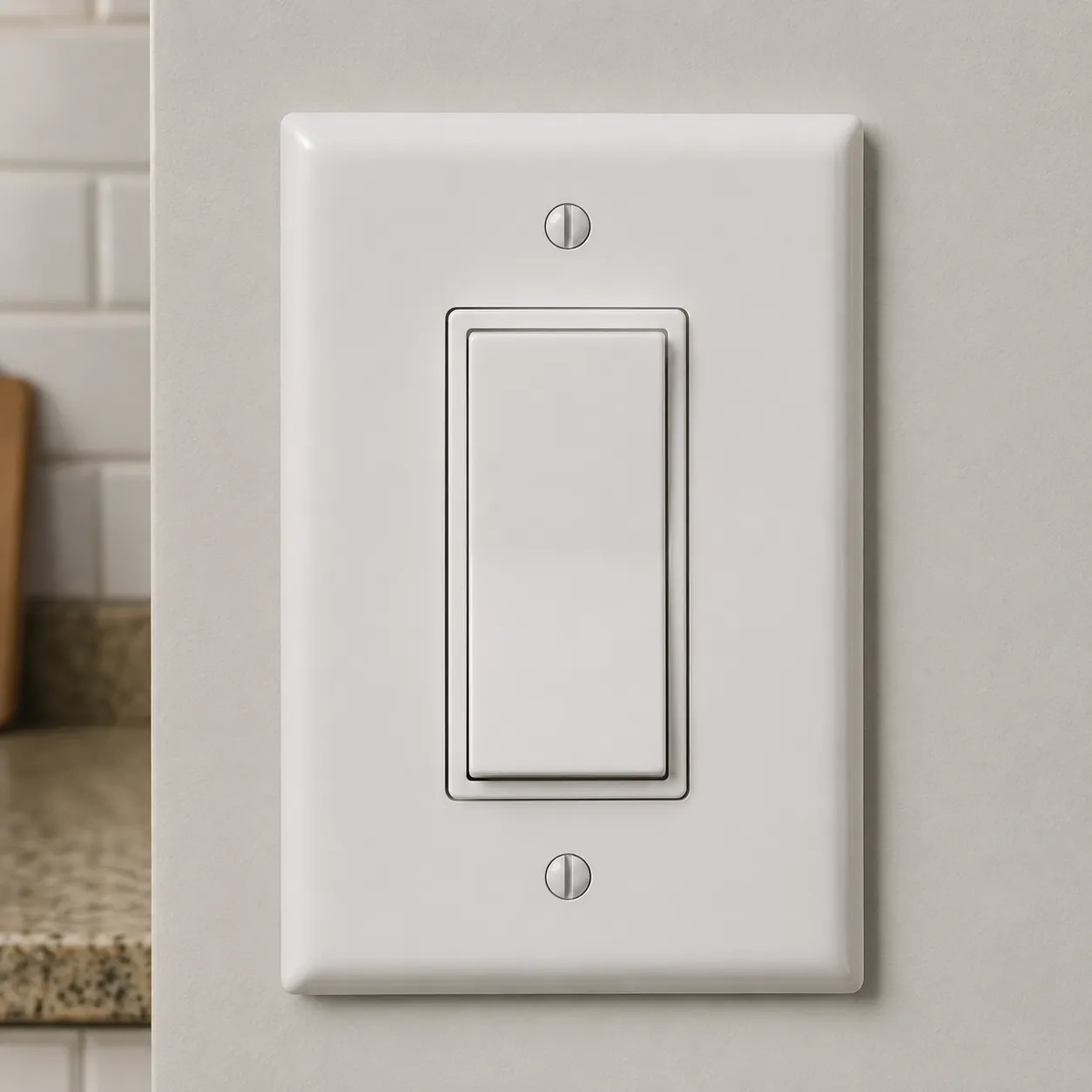
switchswɪtʃ
a small control that starts or stops electricity or turns a machine on or off
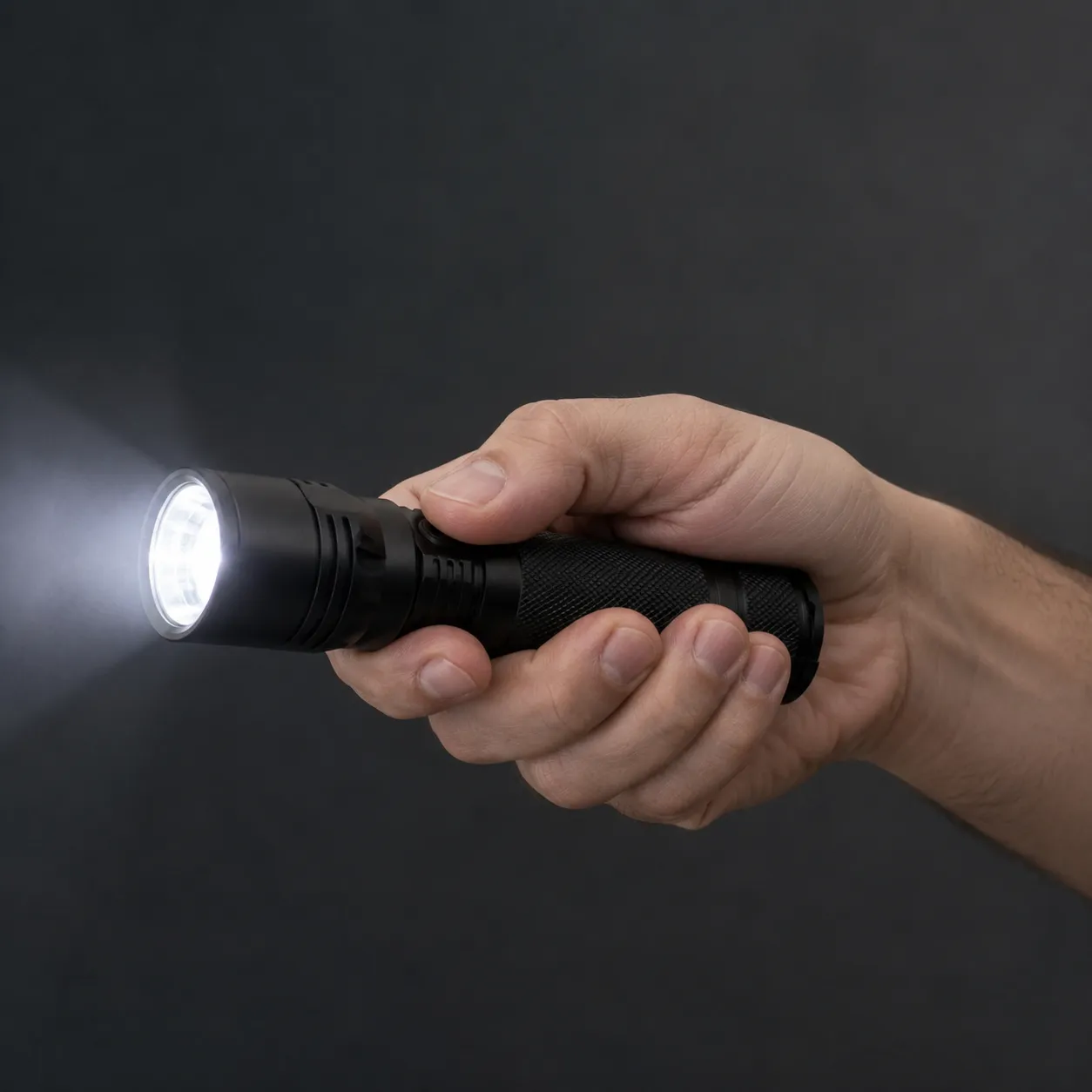
torchtɔːrtʃ
a small portable electric light that you hold in your hand; in American English it is usually called a flashlight.
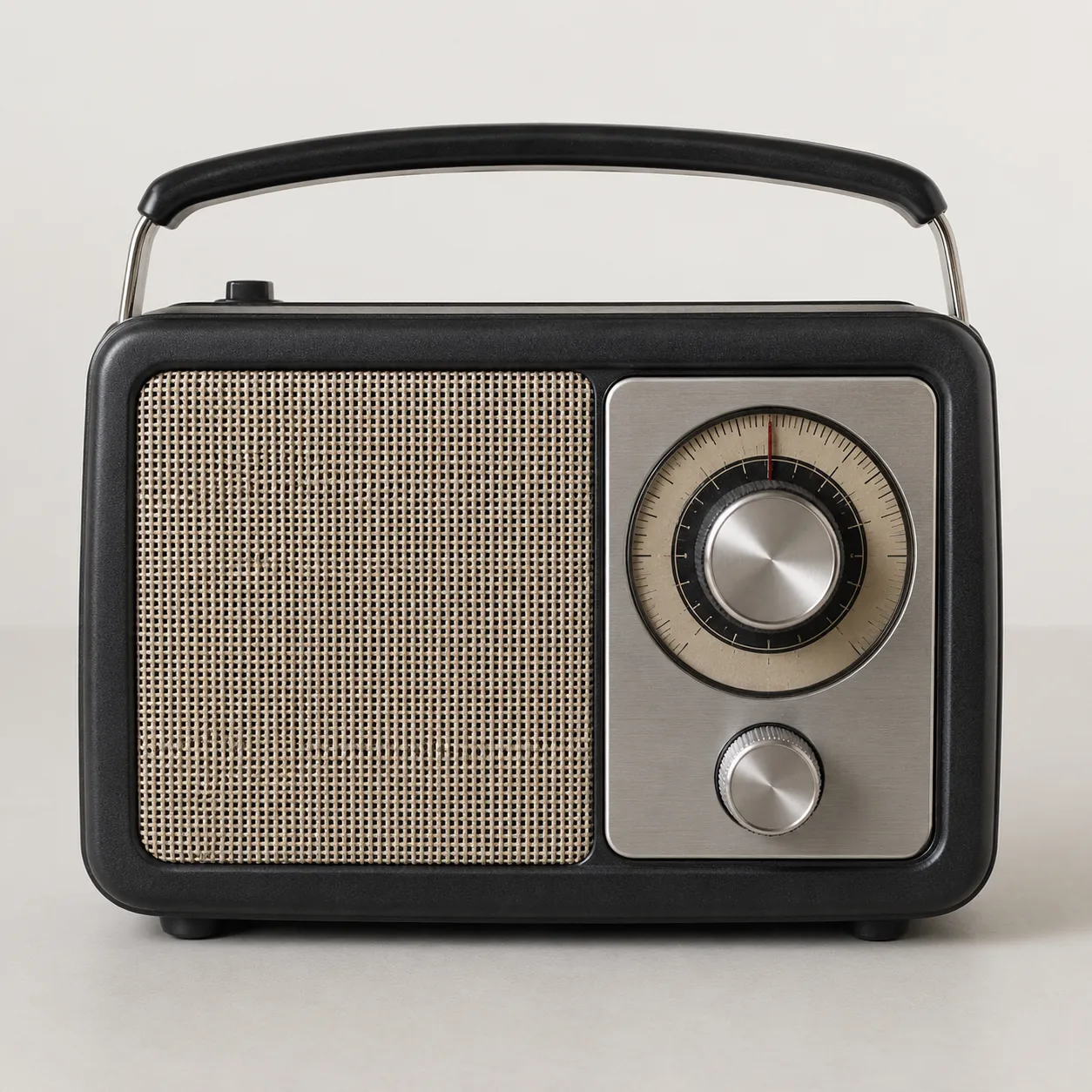
radioˈreɪdiˌoʊ
a way of sending sound programmes, music, news and talk shows through signals so people can listen to them.

security camerasɪˈkjʊrəti ˈkæmərə
a camera used to watch or record an area for safety or crime prevention
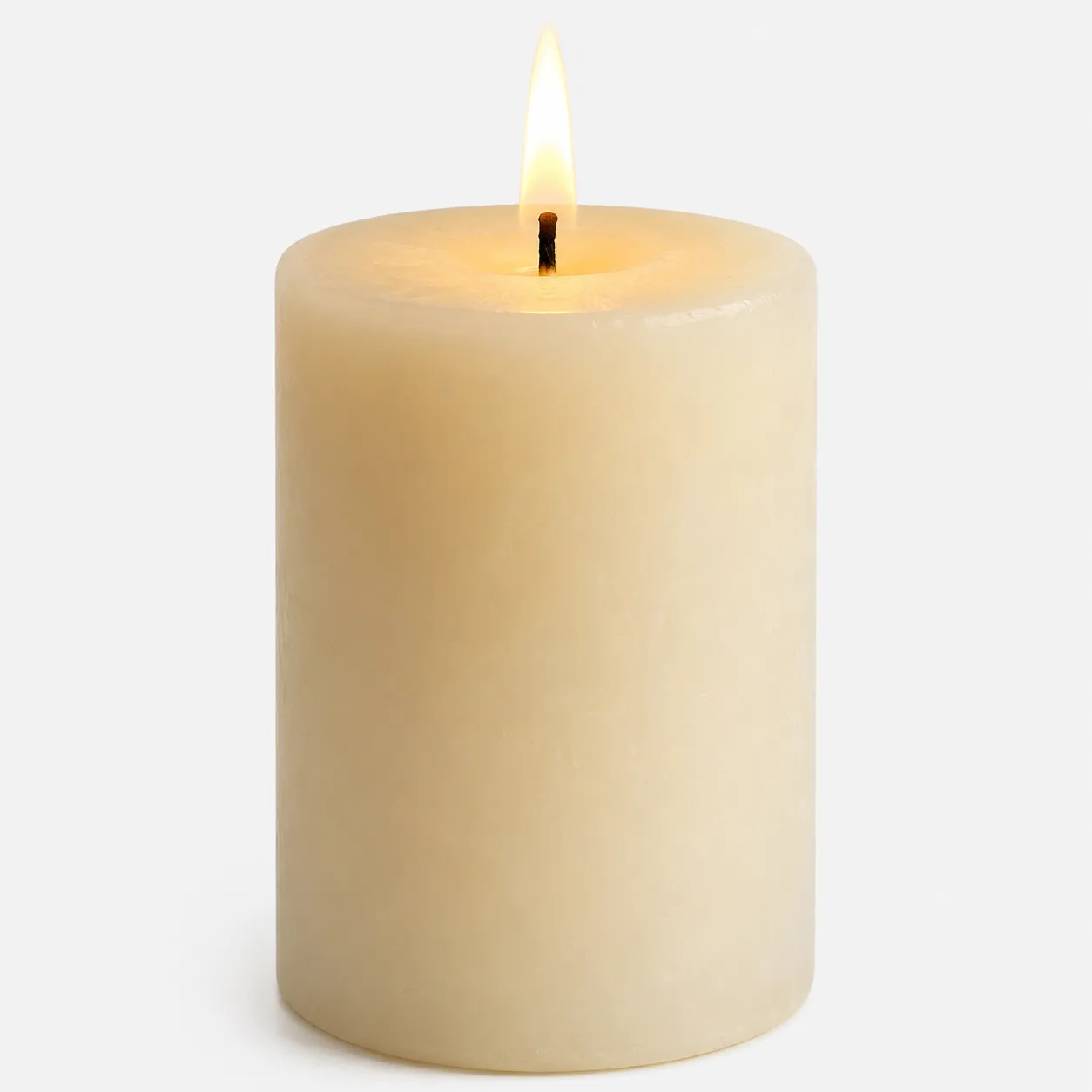
candleˈkændəl
a stick of wax with a string through the middle that you light to give light or a pleasant smell.
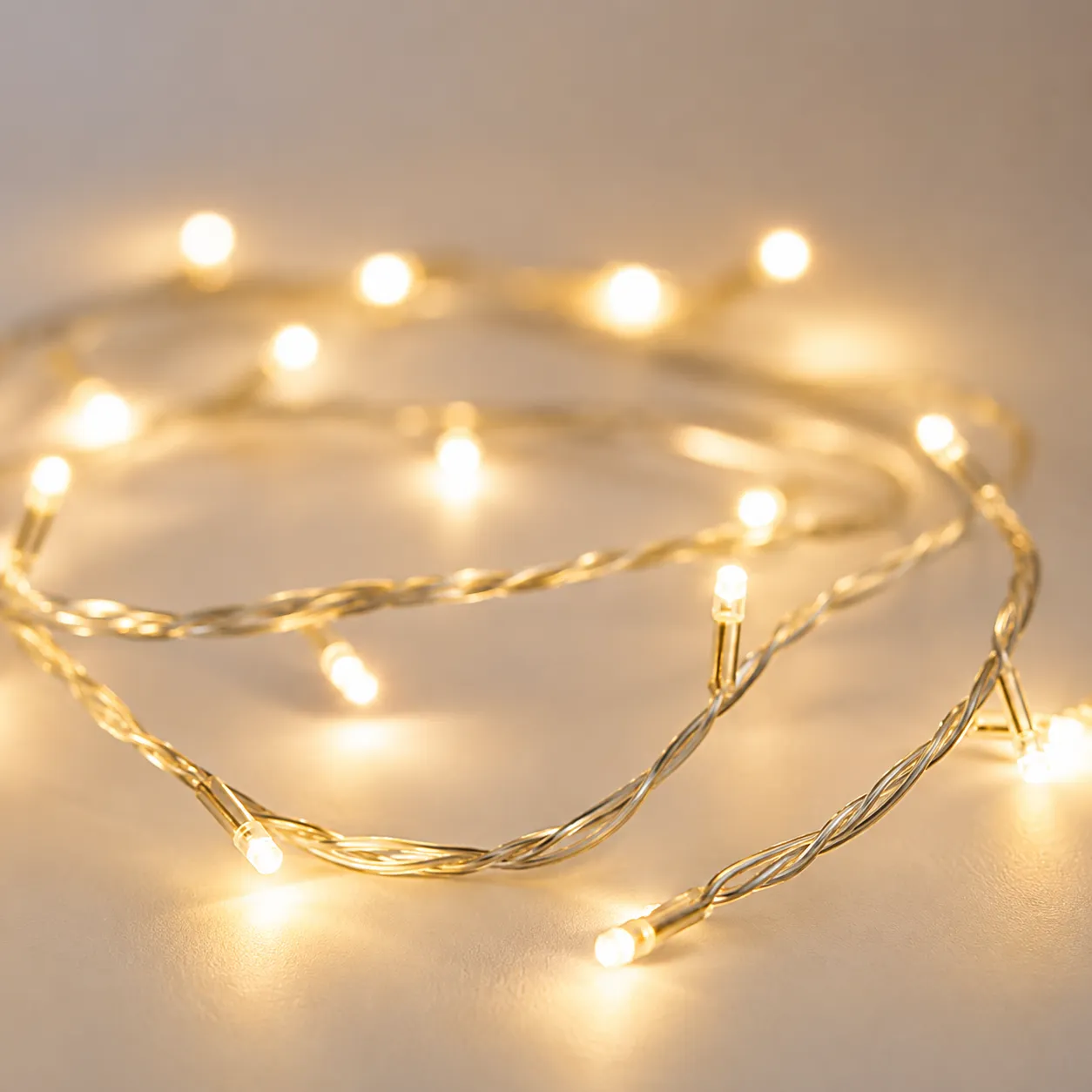
fairy lightsˈfɛri laɪts
a long wire with many small electric lights on it, used to decorate a room, tree, garden, or other place.
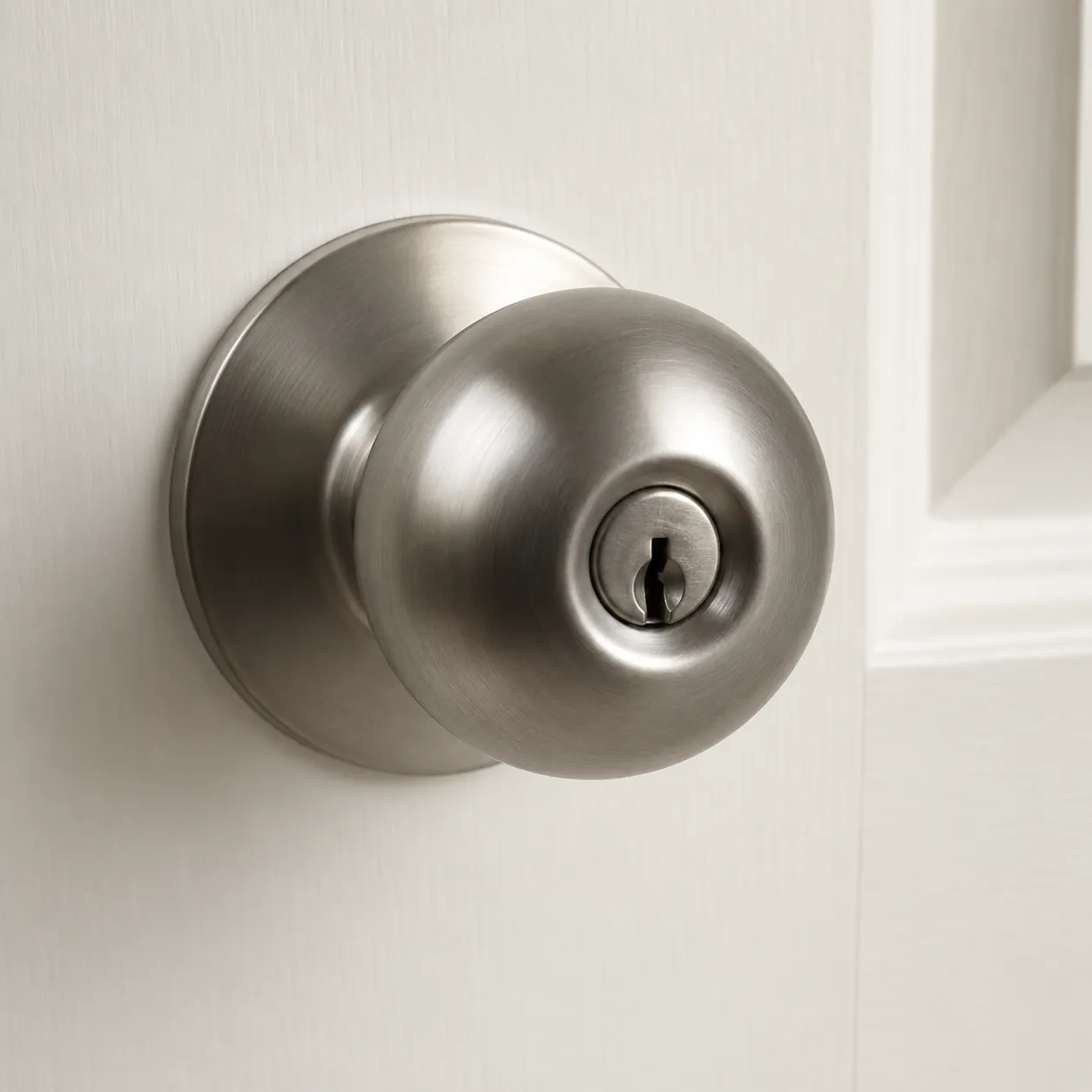
doorknobˈdɔːrnɑːb
a round handle on a door that you turn or pull to open or close the door.
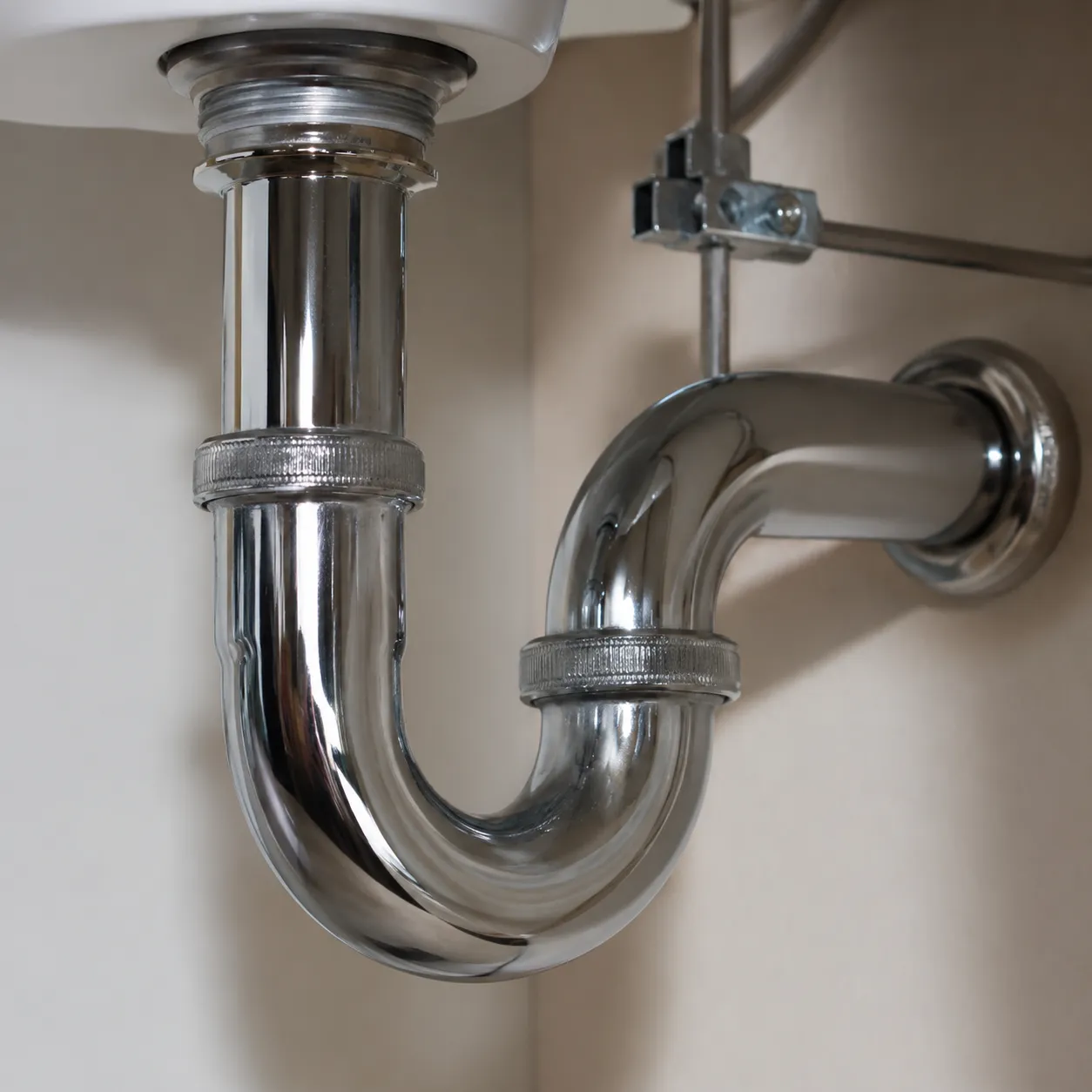
traptræp
a curved part of a drain pipe under a sink, bath, or shower that keeps some water inside it to stop bad smells from coming back into the room.
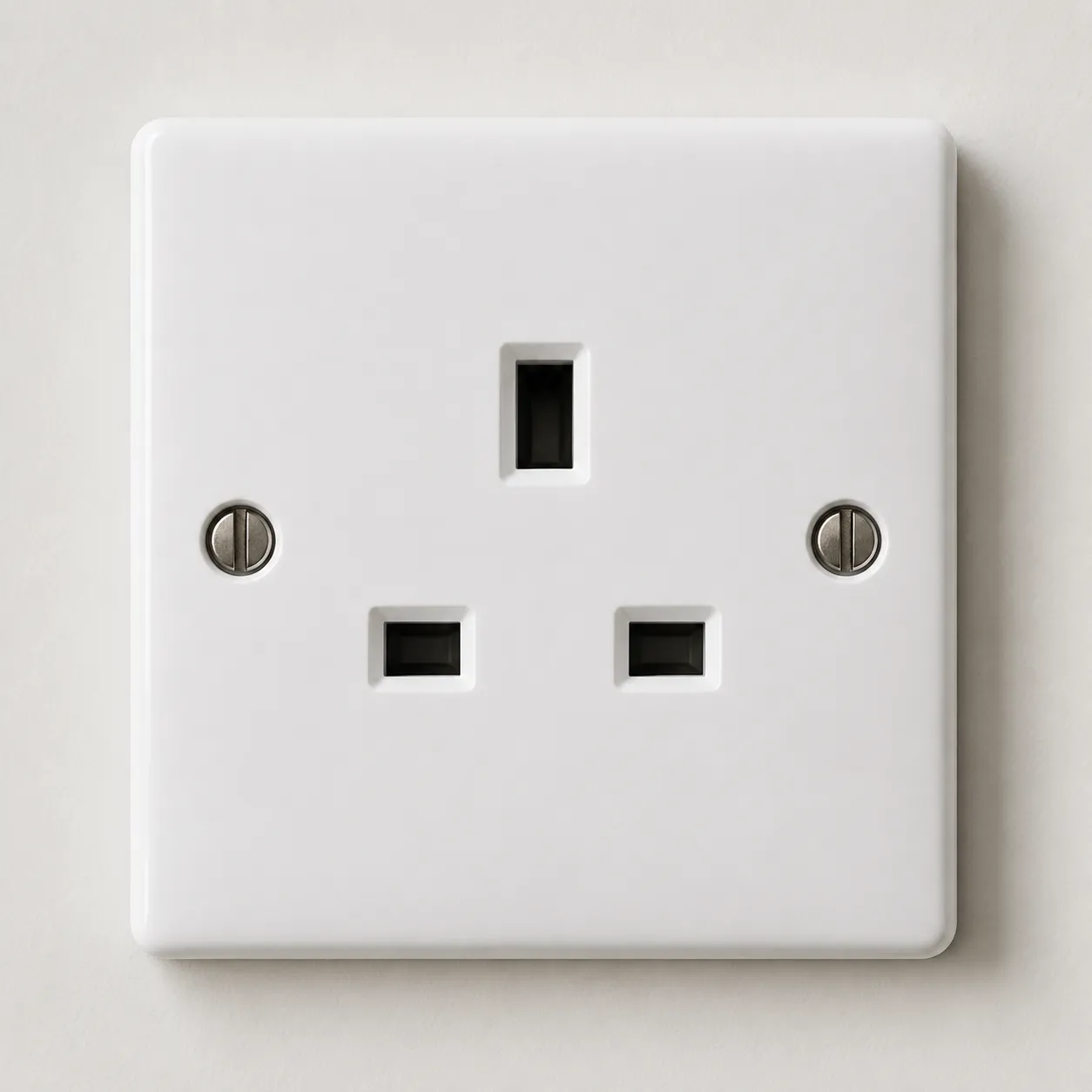
socketˈsɑːkɪt
a fixed point in a wall where you put a plug to connect an electrical device to the power supply.

keyholeˈkiːhoʊl
the small opening in a lock where you put a key to lock or unlock something.
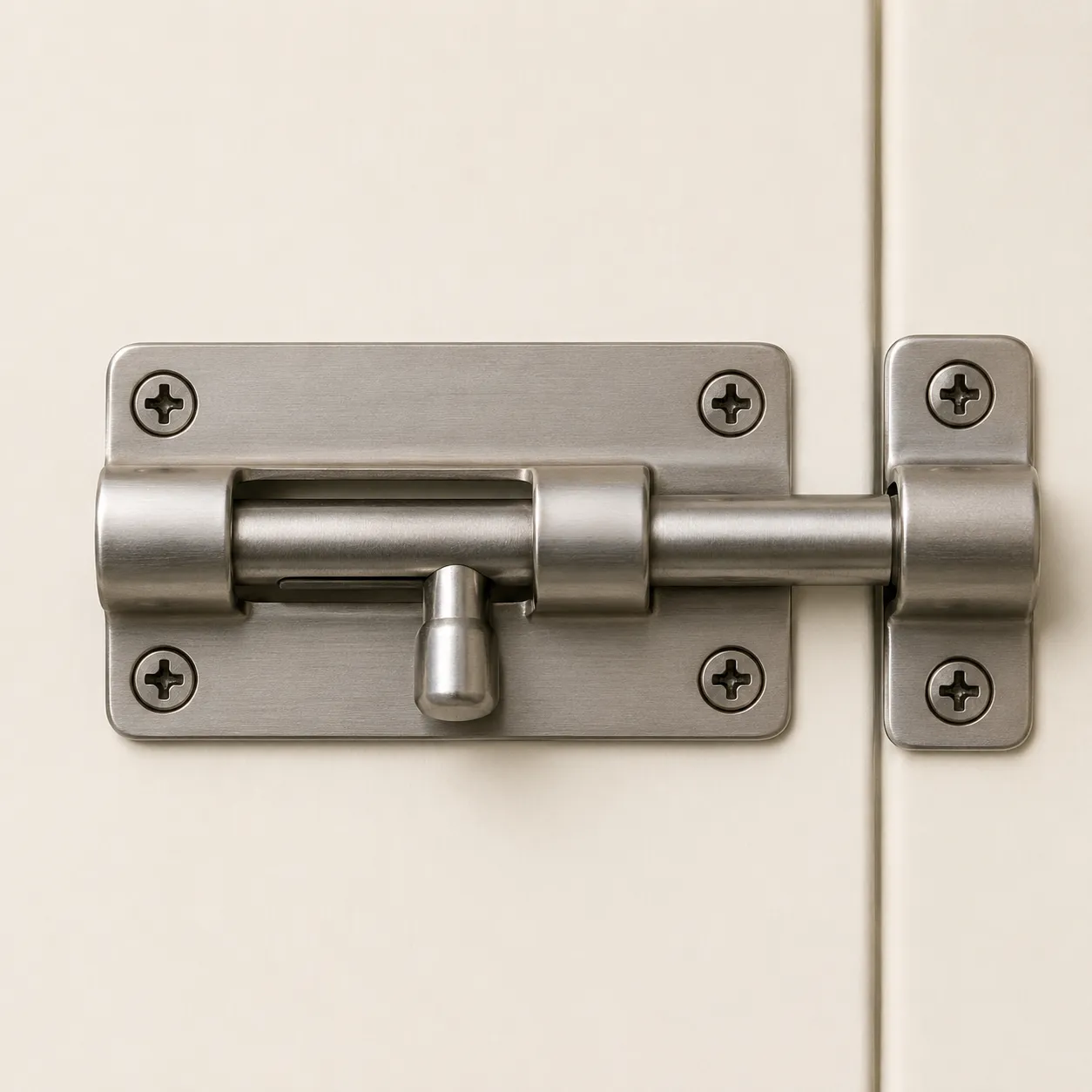
latchlætʃ
a small device that holds a door, gate, or window closed and can be lifted or moved to open it.
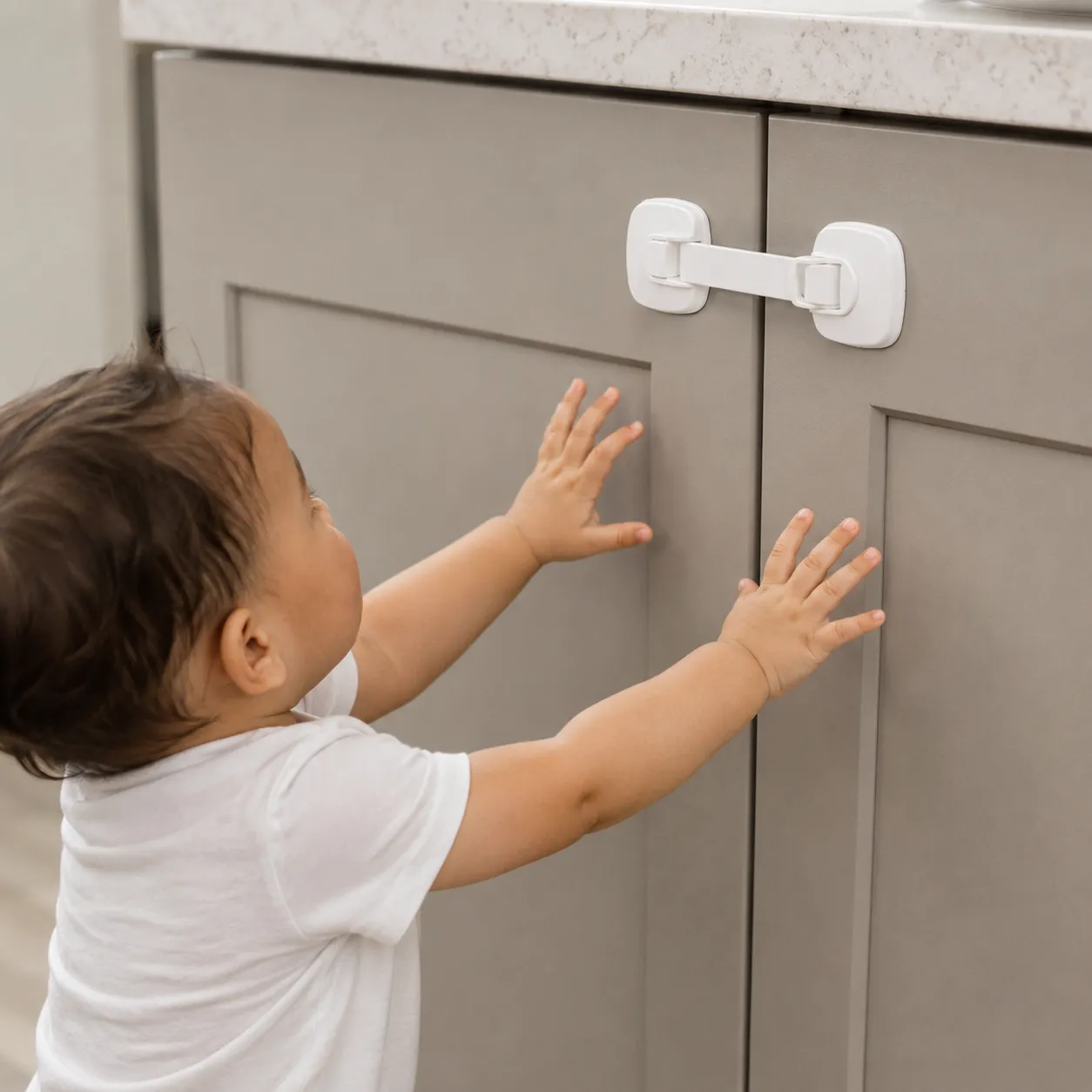
childproofˈtʃaɪldˌpruːf
made so that young children cannot open it, break it, or use it in a dangerous way.
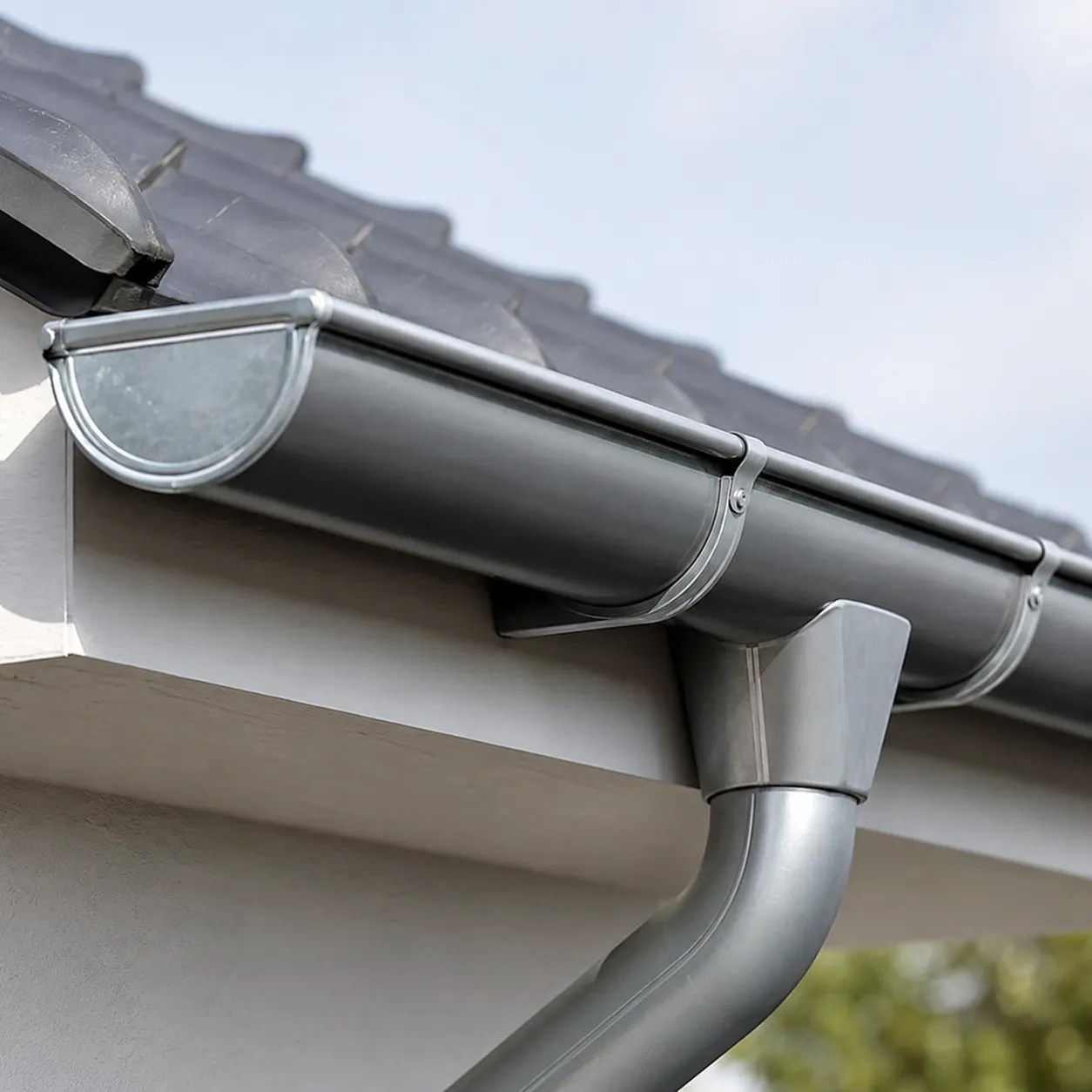
gutterˈɡʌtər
a narrow channel fixed along the edge of a roof to collect rainwater and carry it away.
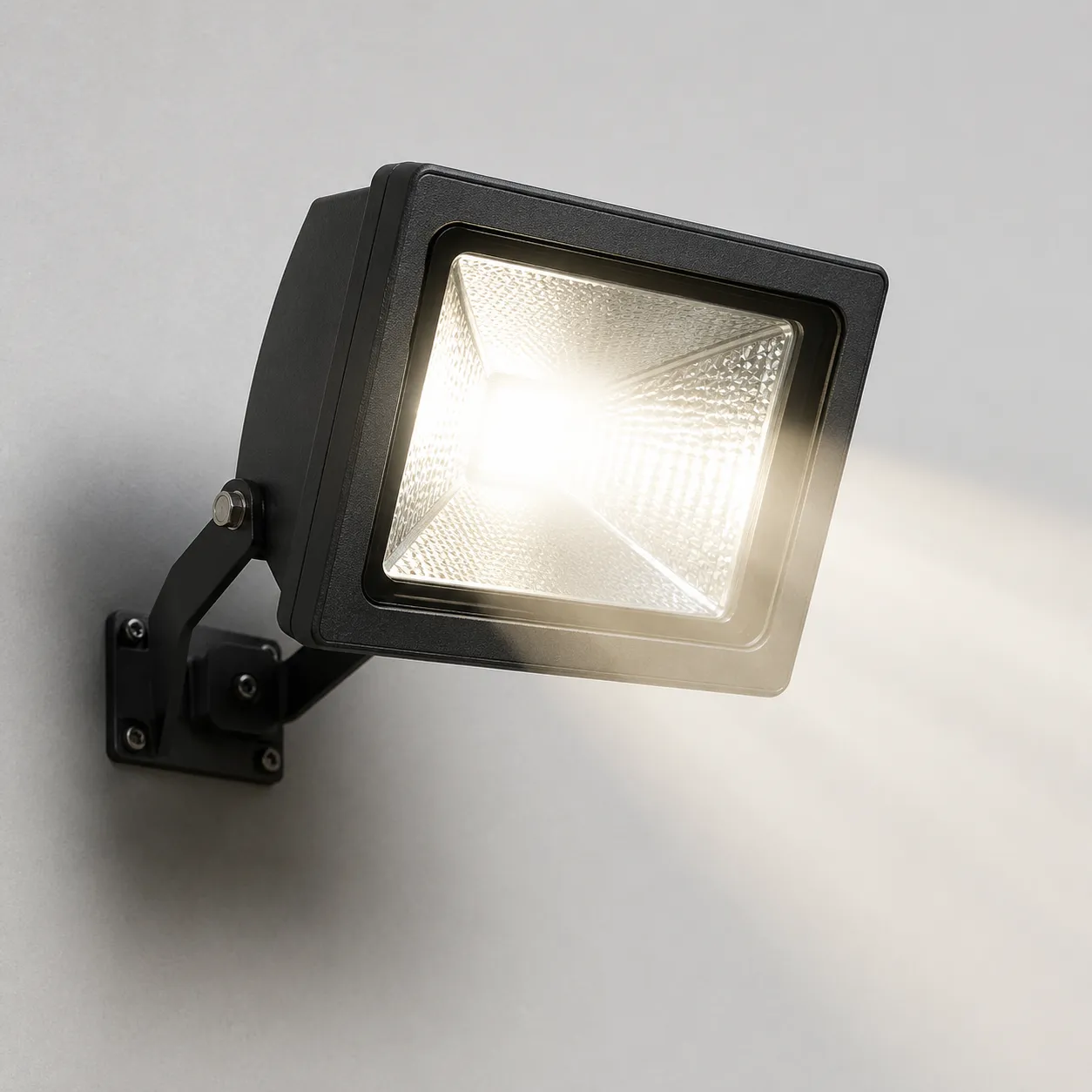
floodlightˈflʌdlaɪt
a very strong light used outside to light a large area, such as a sports field, stage, or building.
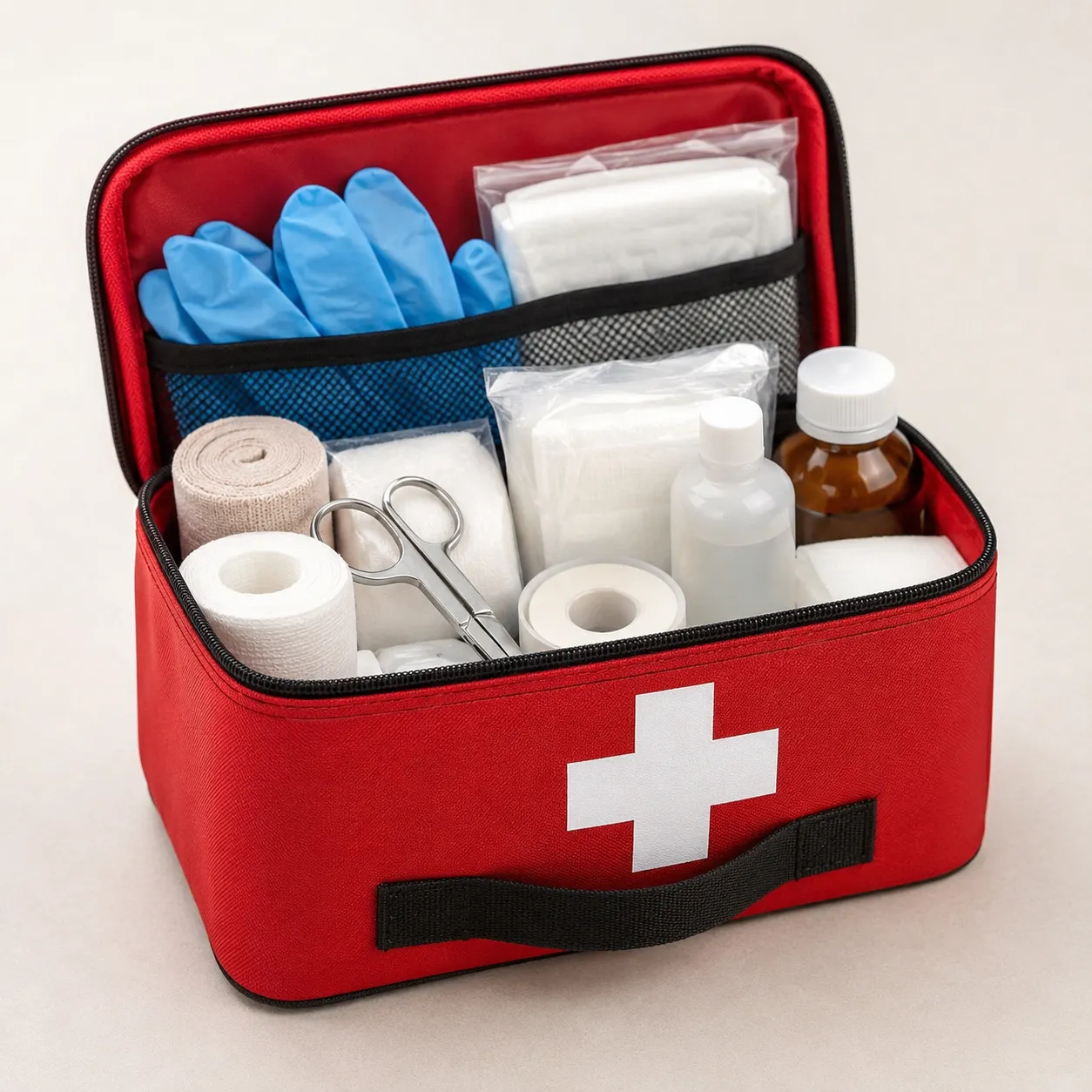
first aid kitˌfɜːrst ˈeɪd kɪt
a box or bag with basic medical supplies for treating minor injuries or helping before a doctor arrives.
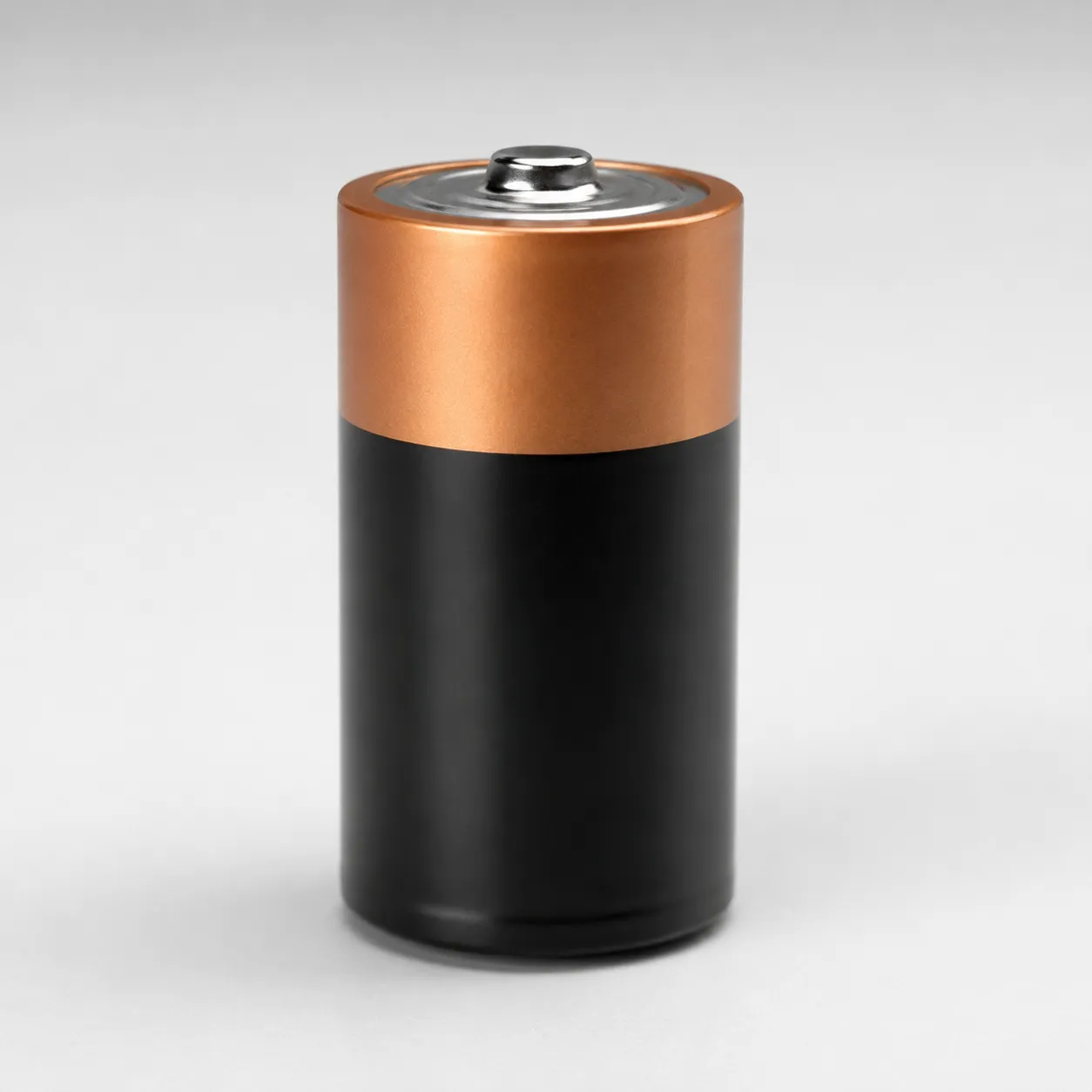
batteryˈbætəri
a device that stores electrical energy and provides power for a phone, toy, car, or other equipment.
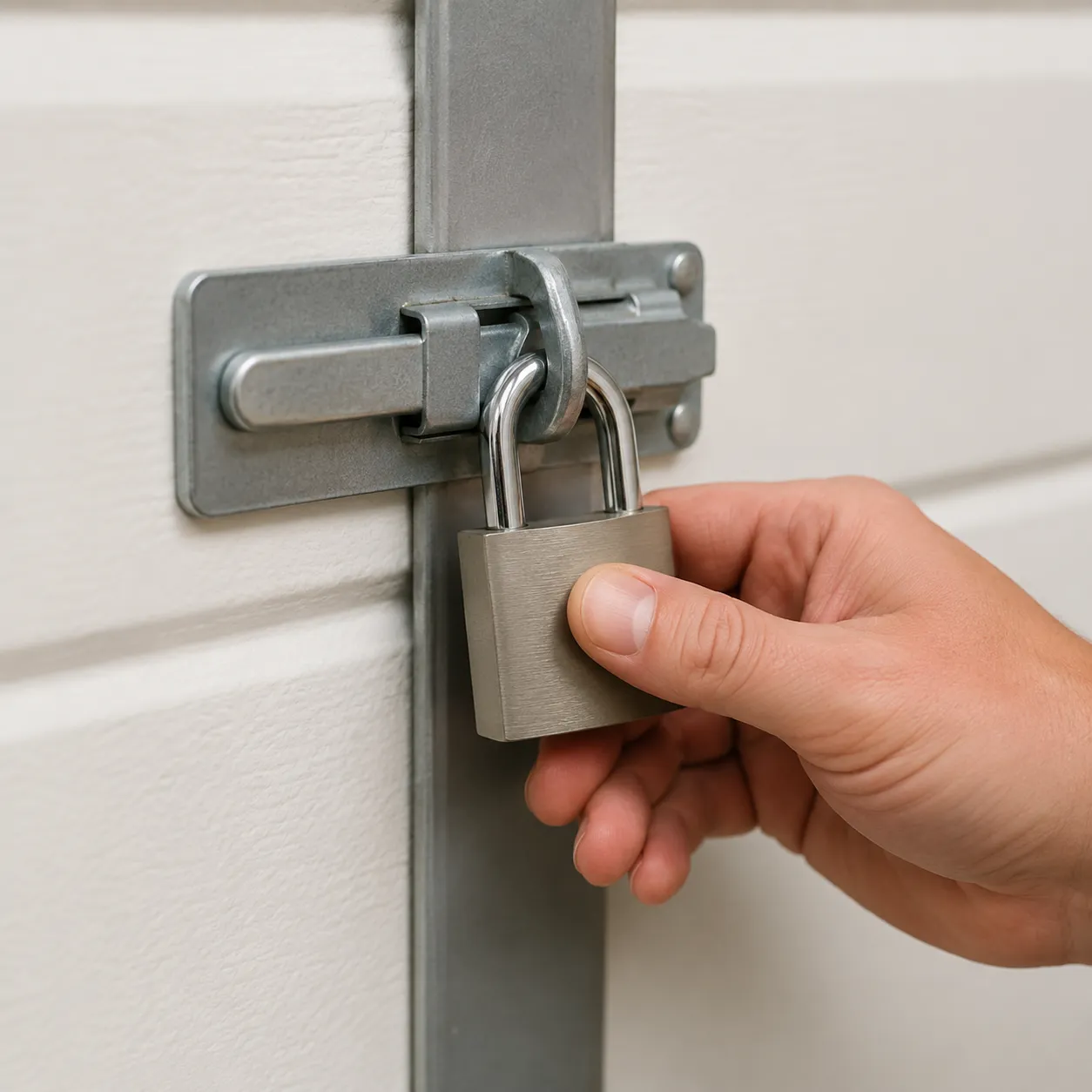
securesɪˈkjʊr
to fasten something firmly so it does not move or come loose.

fireproofˈfaɪərˌpruːf
made or treated so that it does not burn easily or is not easily damaged by fire.

alarməˈlɑːrm
a clock or sound set to wake someone up at a chosen time
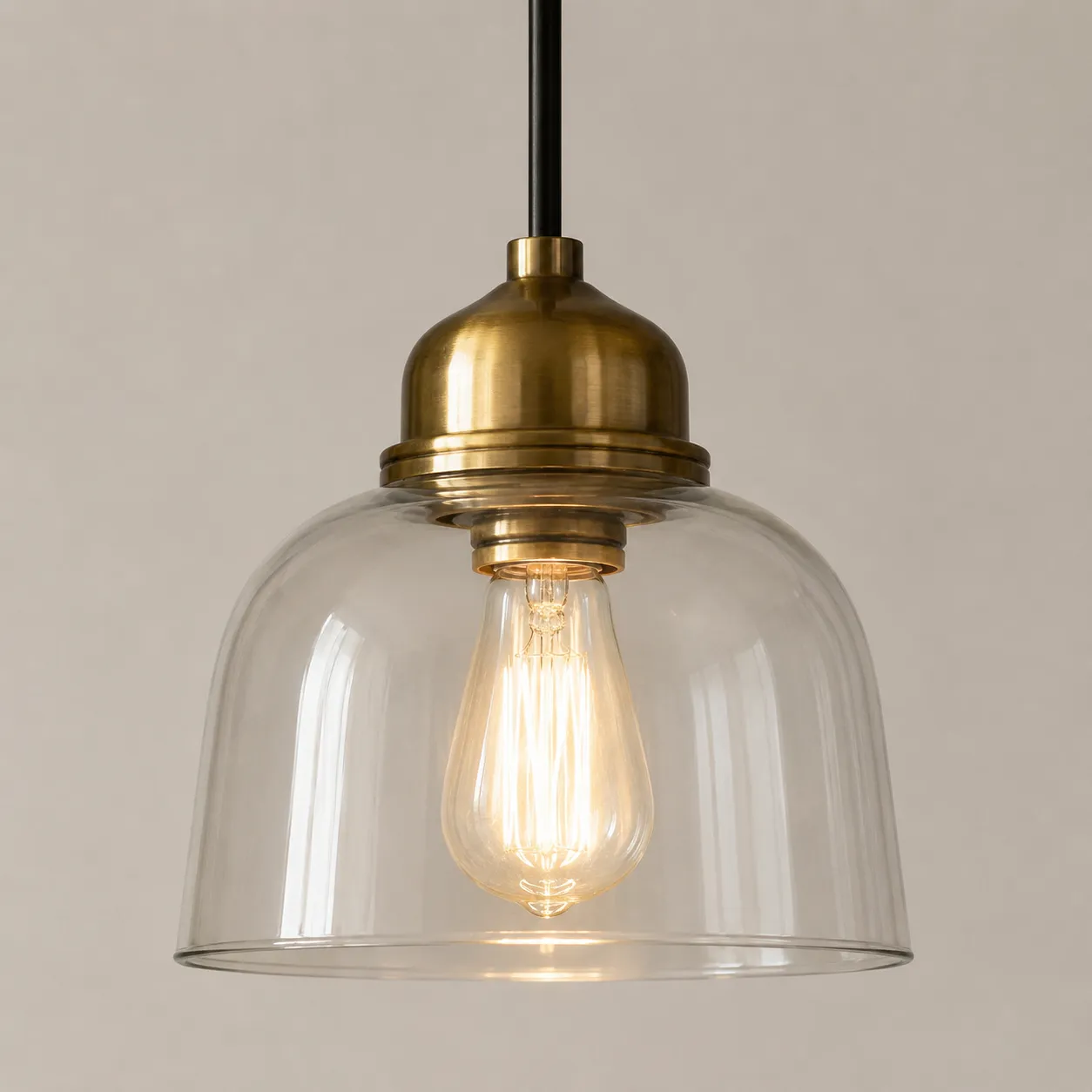
lightlaɪt
the brightness from the sun, a lamp, or another source that makes it possible to see things.
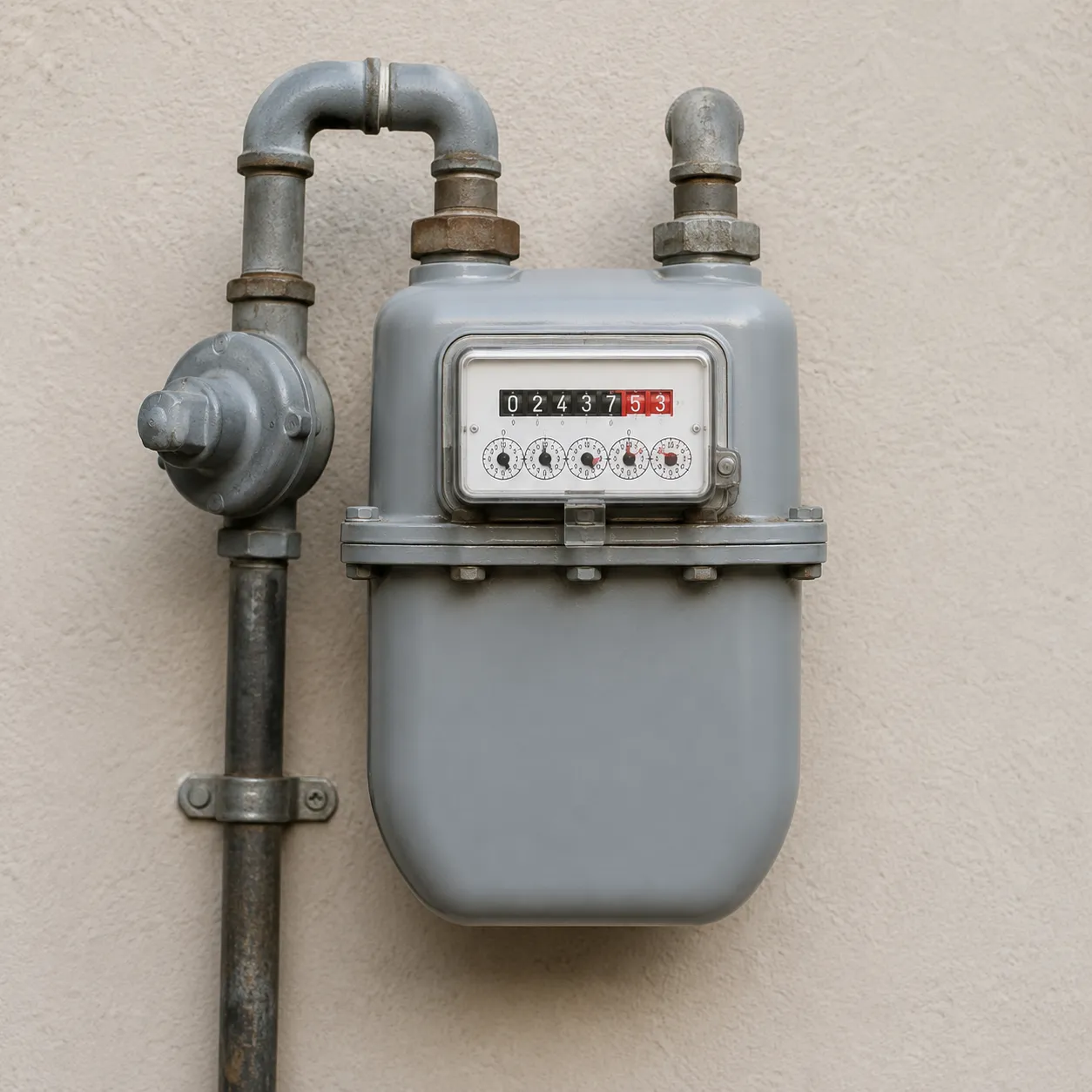
gas meterˈɡæs ˈmiːtər
a device that measures the amount of gas used in a home, building, or other place.
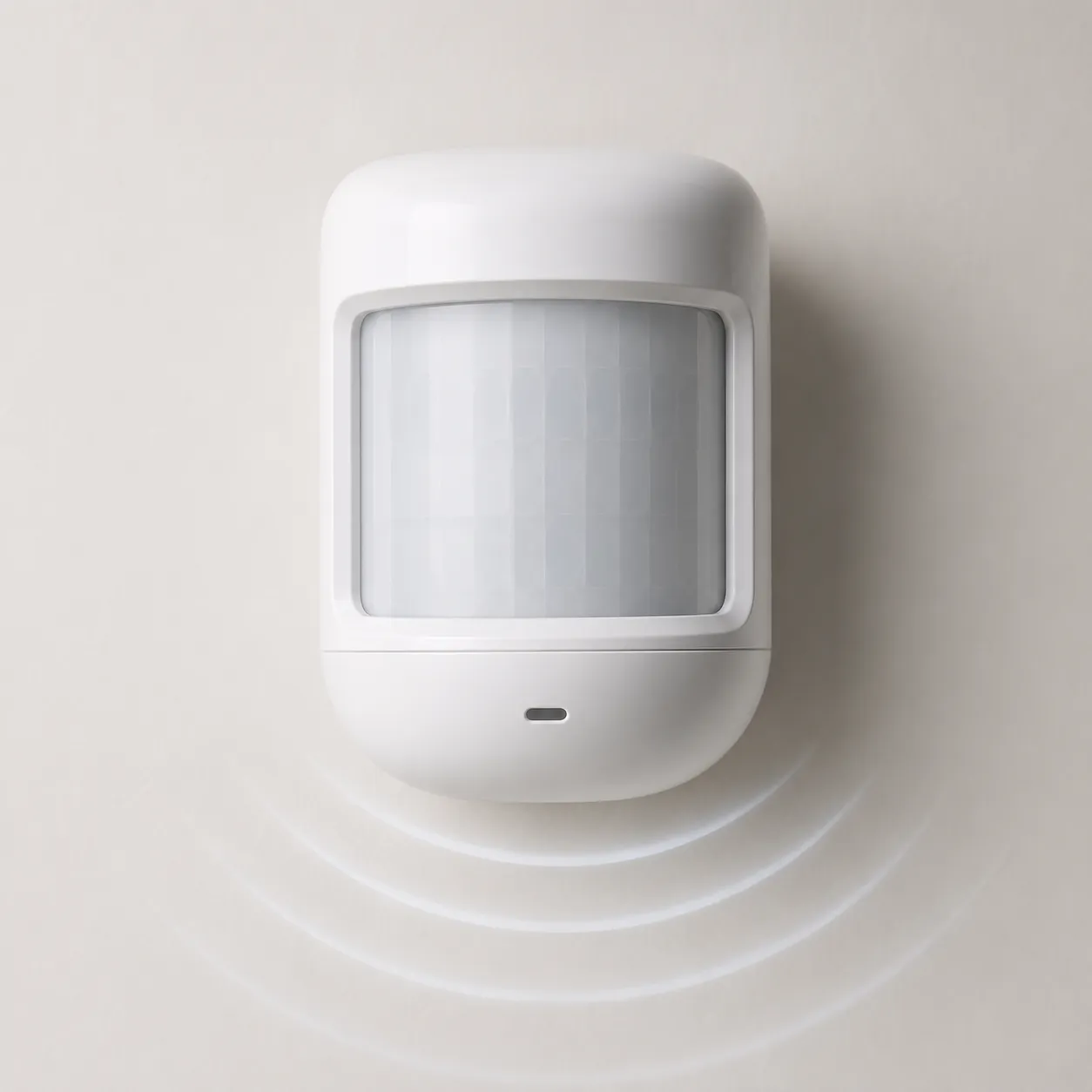
sensorˈsɛnsər
a device that notices and measures things such as movement, light, heat, or pressure.

cameraˈkæmərə
a device used to take photographs or record moving pictures.
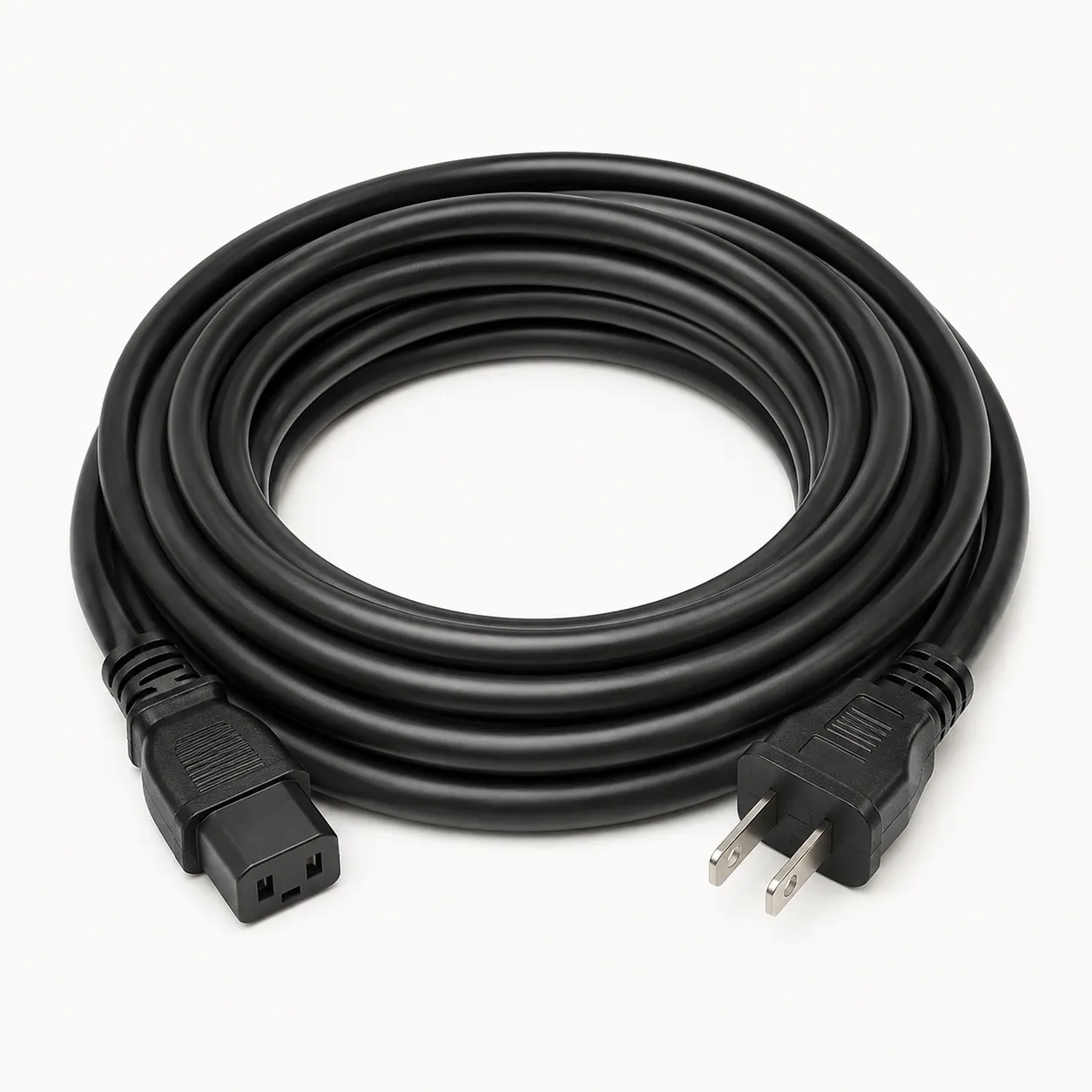
cableˈkeɪbəl
a thick wire or group of wires used to carry electricity, data, or signals.

unlockedʌnˈlɑːkt
not fastened with a lock, so that it can be opened.

unsafeʌnˈseɪf
likely to cause harm, danger, or injury.

lockedlɑːkt
fastened with a lock, so that it cannot be opened without a key, code, or similar device.

safeseɪf
not dangerous, harmful, or likely to be lost or damaged.
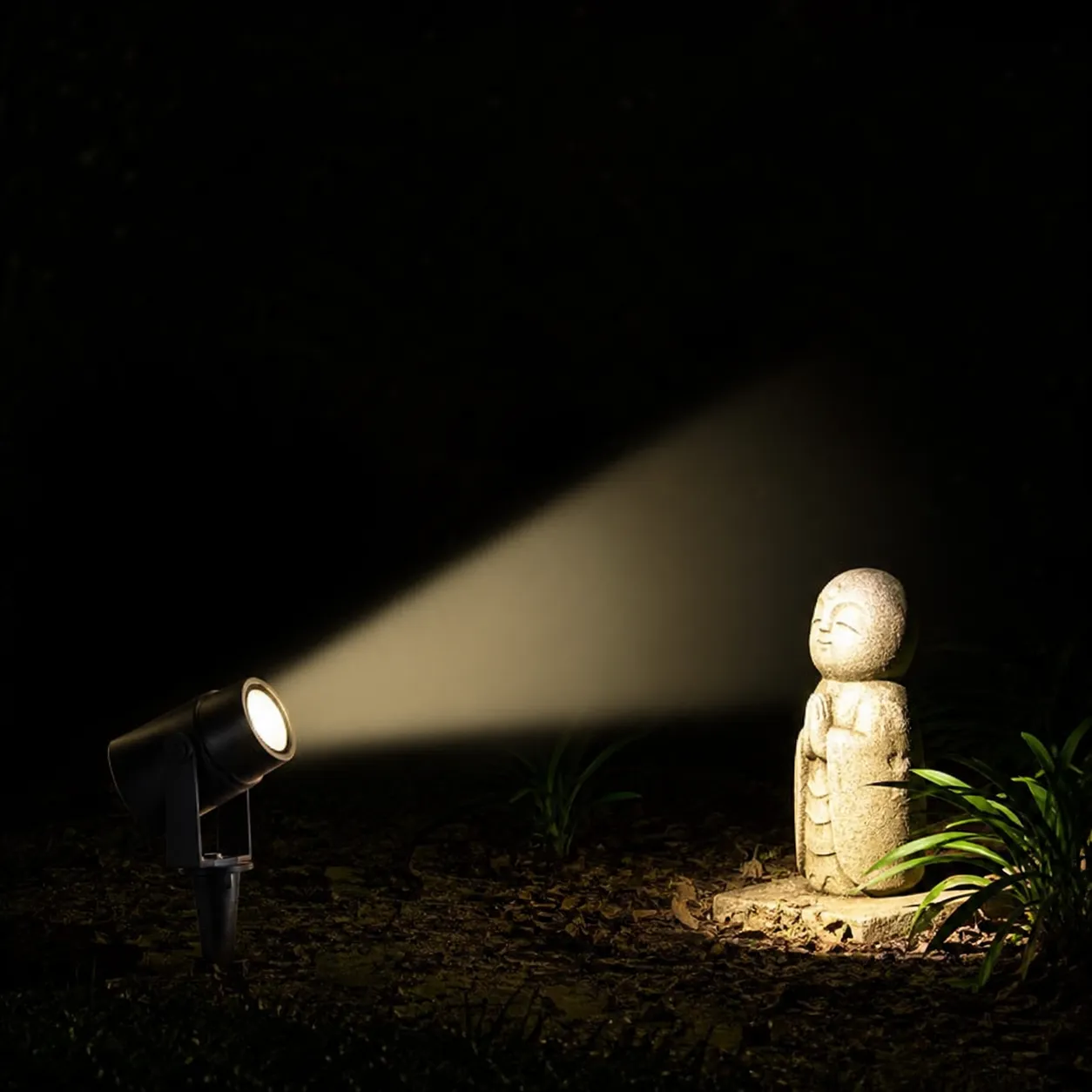
spotlightˈspɑːtˌlaɪt
a lamp that sends a strong narrow beam of light onto one particular place or person, especially on a stage.
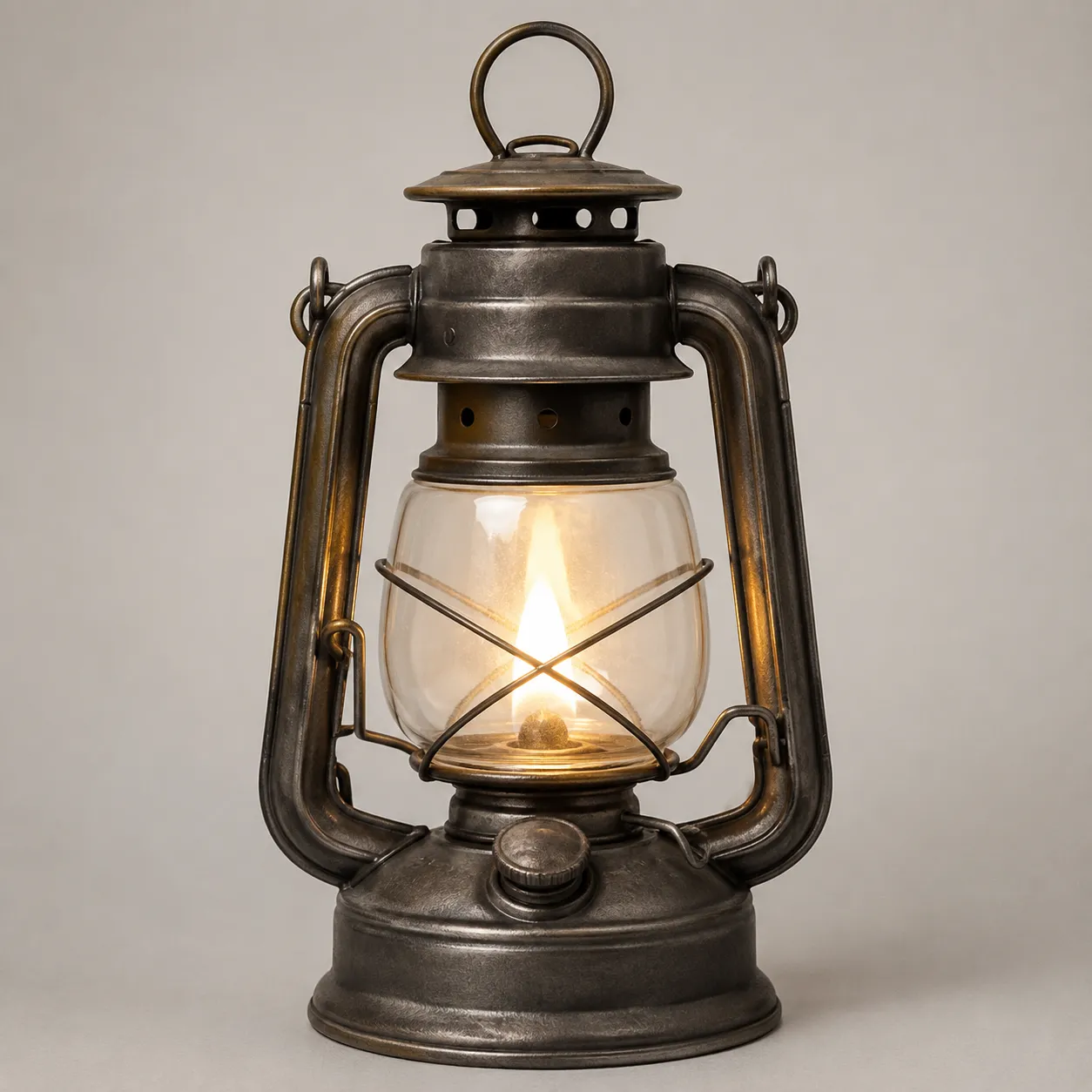
lanternˈlæntərn
a lamp that you can carry or hang, usually with a cover around the light to protect it from wind or damage.
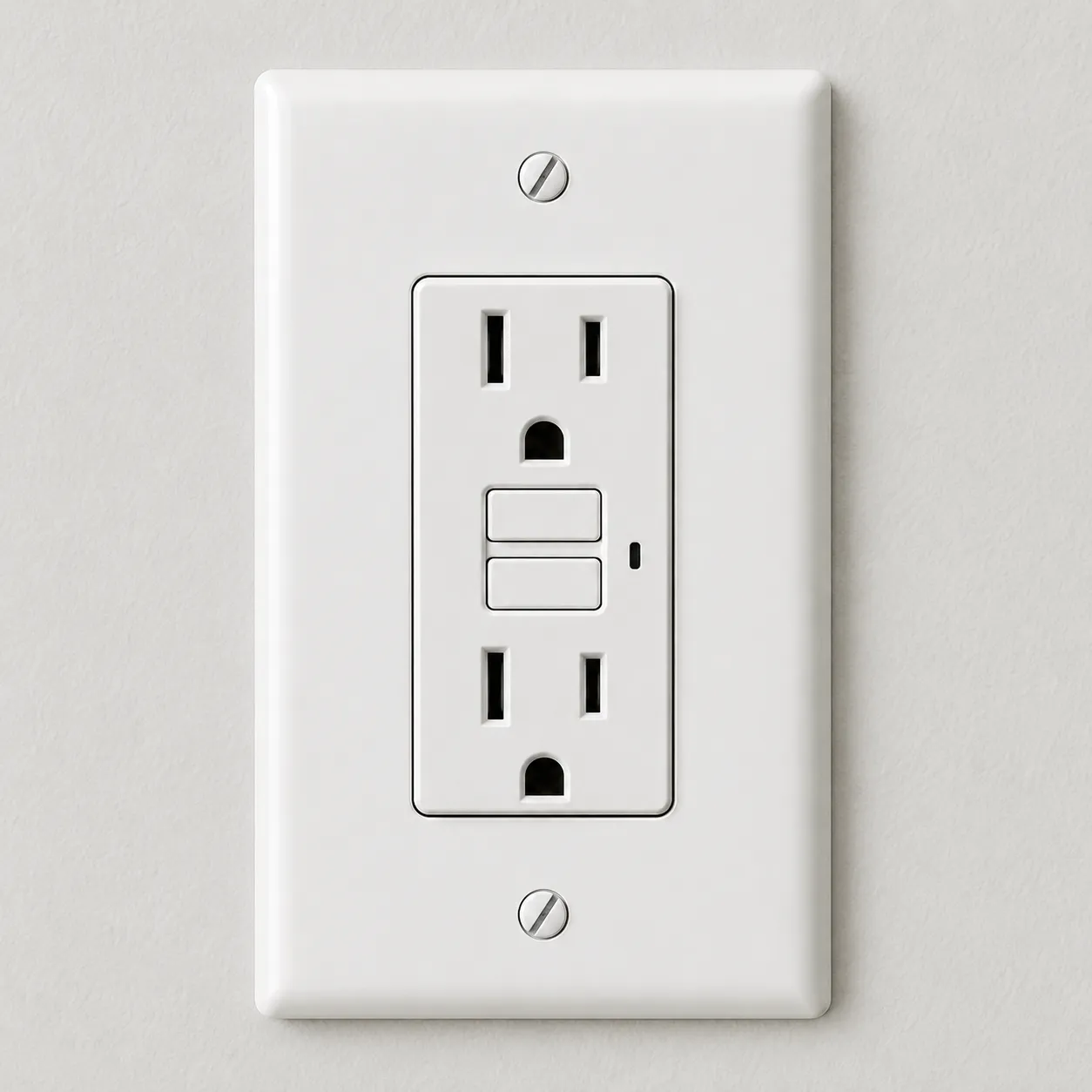
outletˈaʊtlet
a place in a wall, especially in American English, where you plug in electrical equipment to get power.
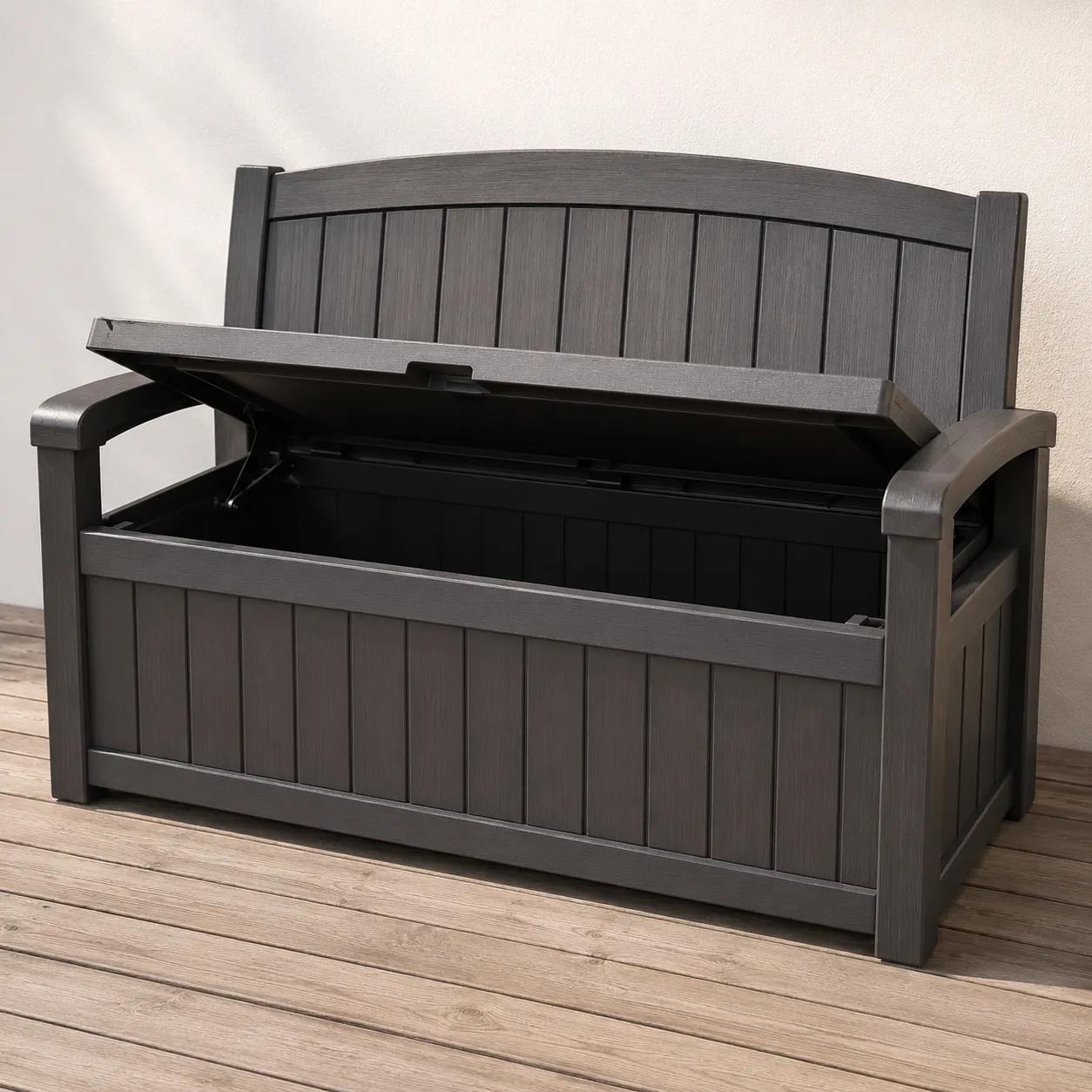
storage benchˈstɔːrɪdʒ bentʃ
a long seat with a space inside or under it where you can keep things.

padlockˈpædˌlɑːk
a small lock with a U-shaped metal bar, used for locking gates, doors, boxes, or chains.
storage boxˈstɔːrɪdʒ bɑːks
a box used for keeping materials, supplies, or personal items organized.
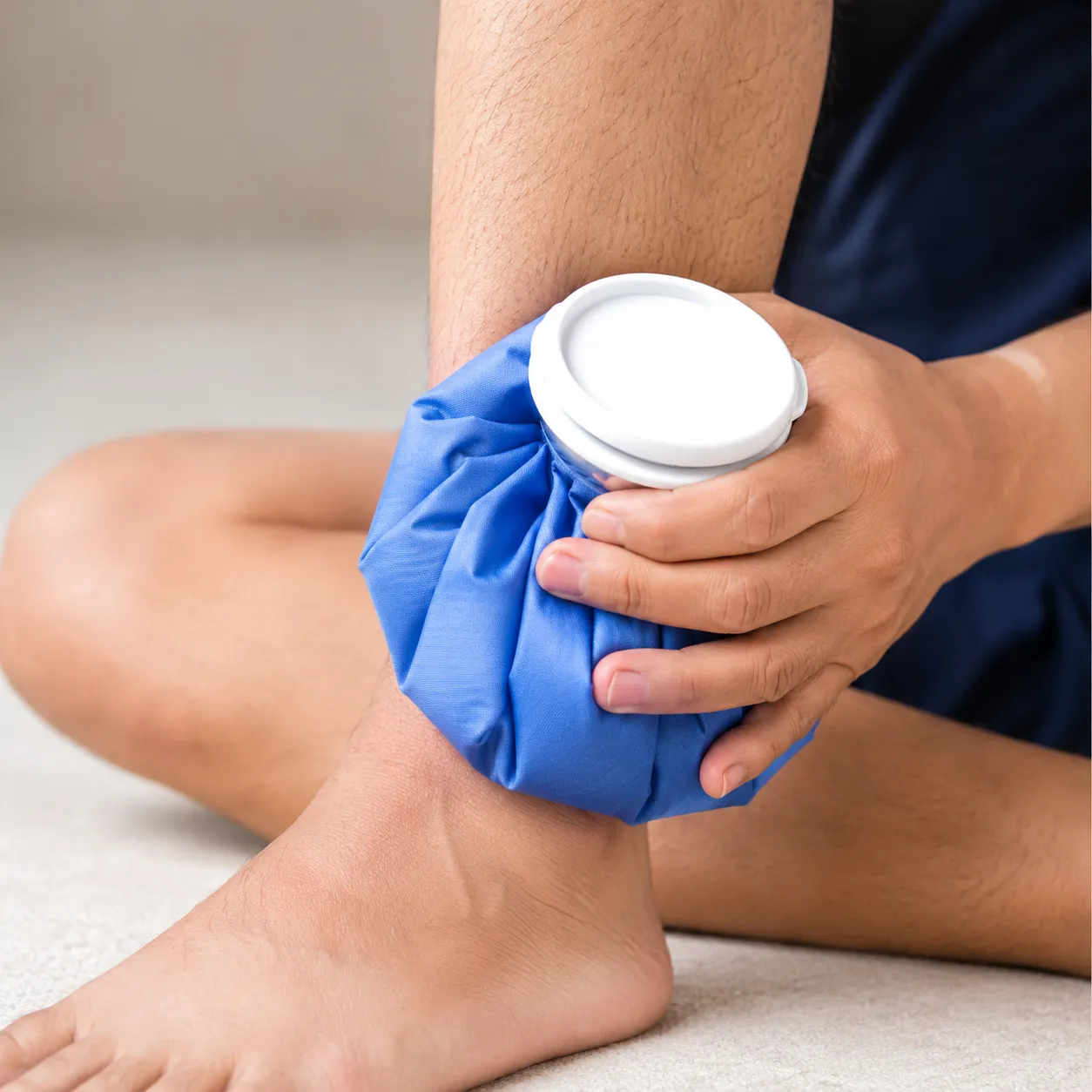
ice packˈaɪs pæk
a cold pack placed on the body to reduce pain, swelling, or injury inflammation.
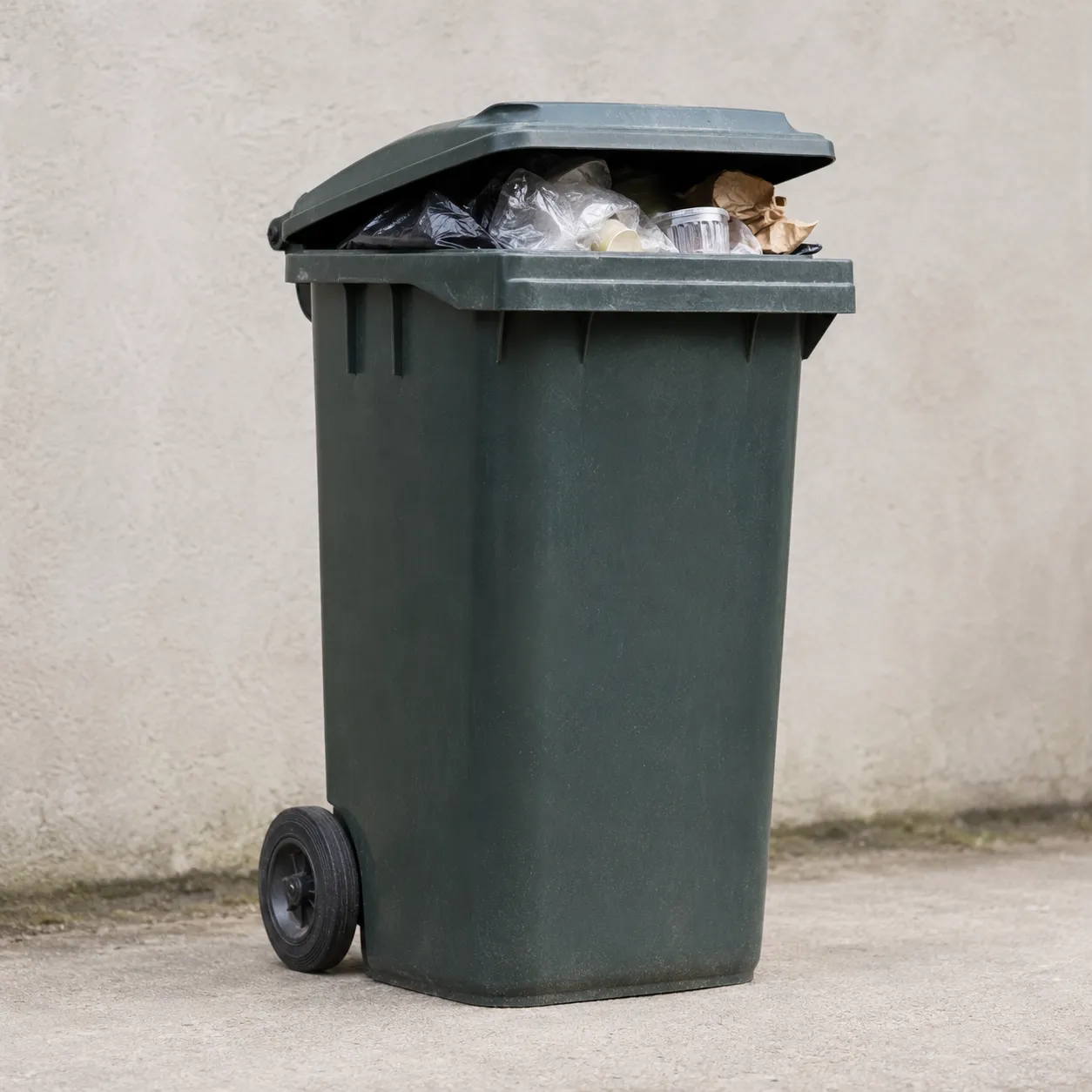
trash binˈtræʃ ˌbɪn
a container for things that people throw away, especially in a room or outside a building.
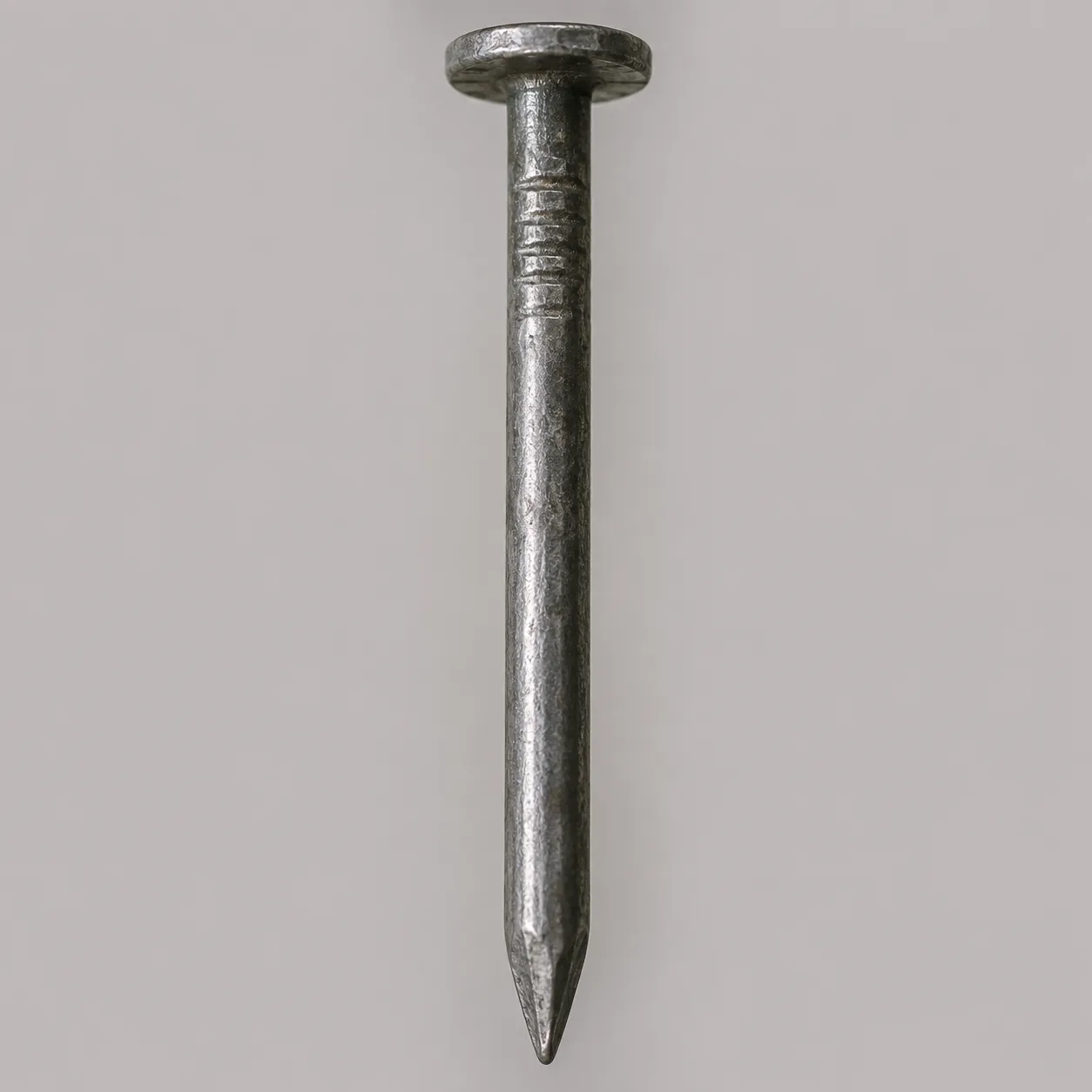
nailneɪl
a thin piece of metal with a sharp point and a flat top, hammered into wood or a wall to fasten something.
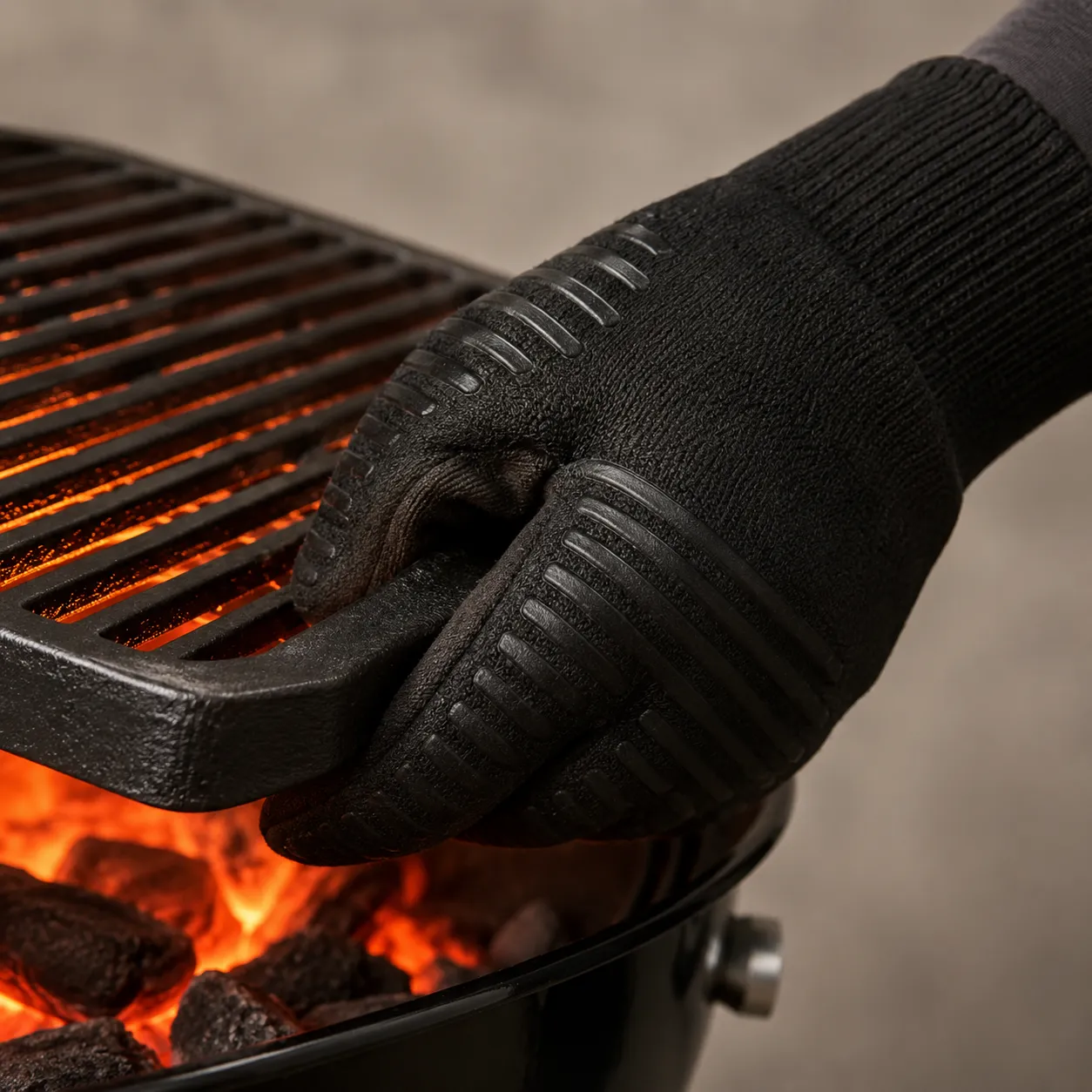
heat-resistantˈhiːt rɪˌzɪstənt
able to stay in good condition when exposed to high temperatures.
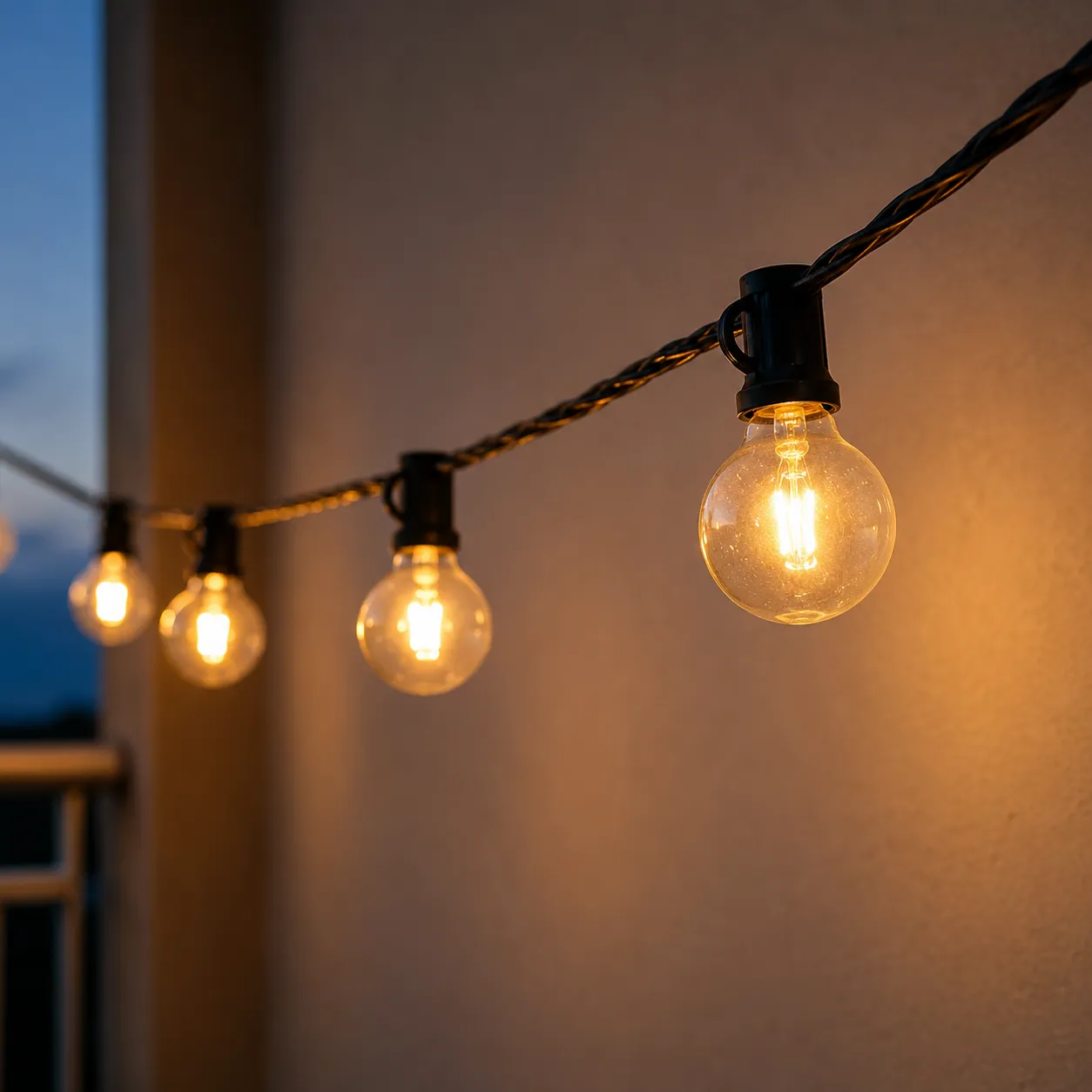
string lightsˈstrɪŋ laɪts
a wire or cord with many small lights along it, used to decorate indoor or outdoor spaces.
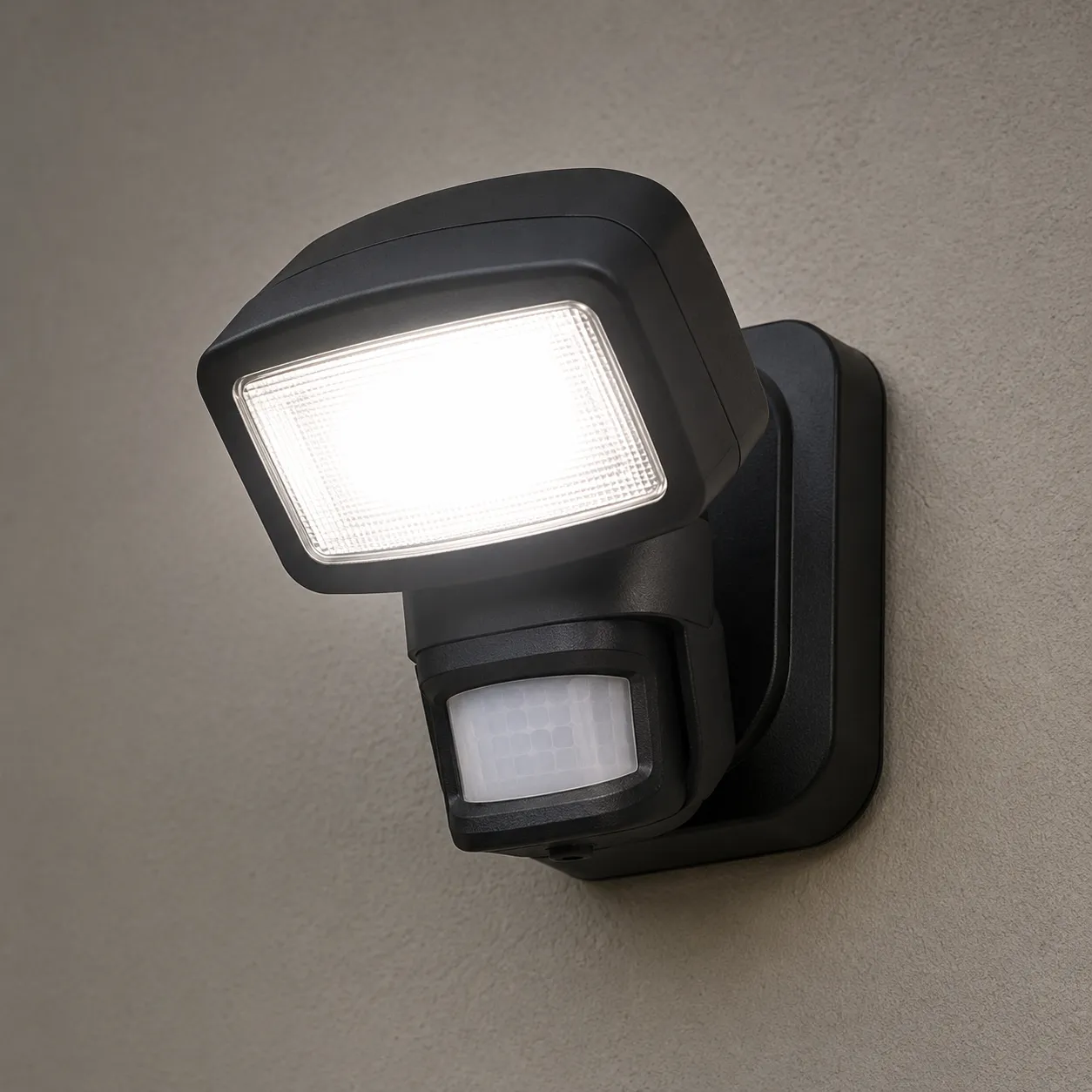
motion lightˈmoʊʃən ˌlaɪt
a light that switches on automatically when a sensor detects movement nearby.
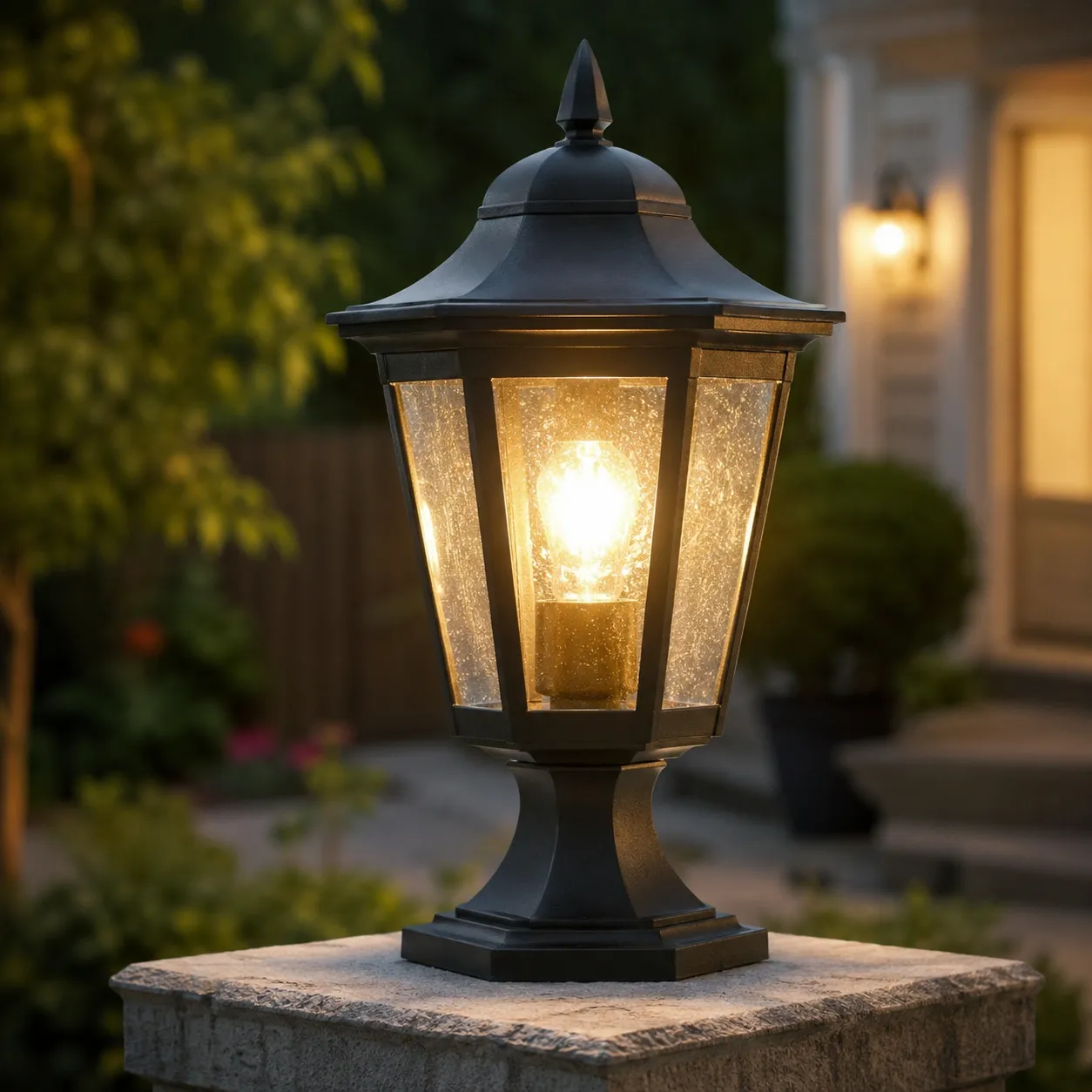
outdoor lampˈaʊtˌdɔːr læmp
a light fixture used outside a building, in a yard, garden, or on a path.
Materials, visual details, condition words, and adjectives for describing how an outdoor space looks and feels.
woodenˈwʊdn
made of wood, the hard material from trees.

bright-coloredˈbraɪt ˌkʌlərd
having strong, clear colors that are easy to notice.
waterproofˈwɔːtəpruːf
designed to prevent water from passing through or damaging it.
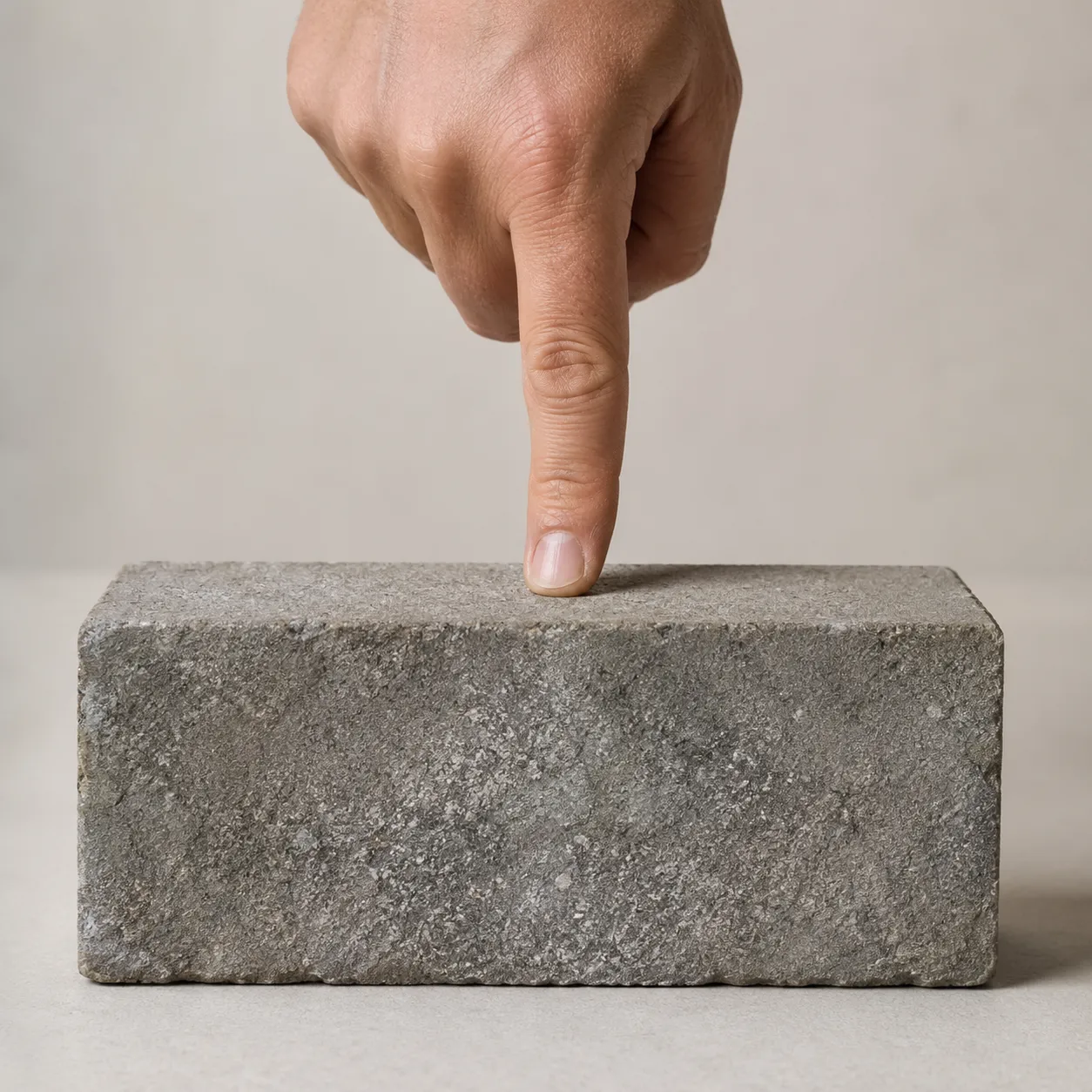
hardhɑːrd
solid and difficult to bend, cut, break, or press into.

spaciousˈspeɪʃəs
having a lot of room inside or around things, so people can move easily.
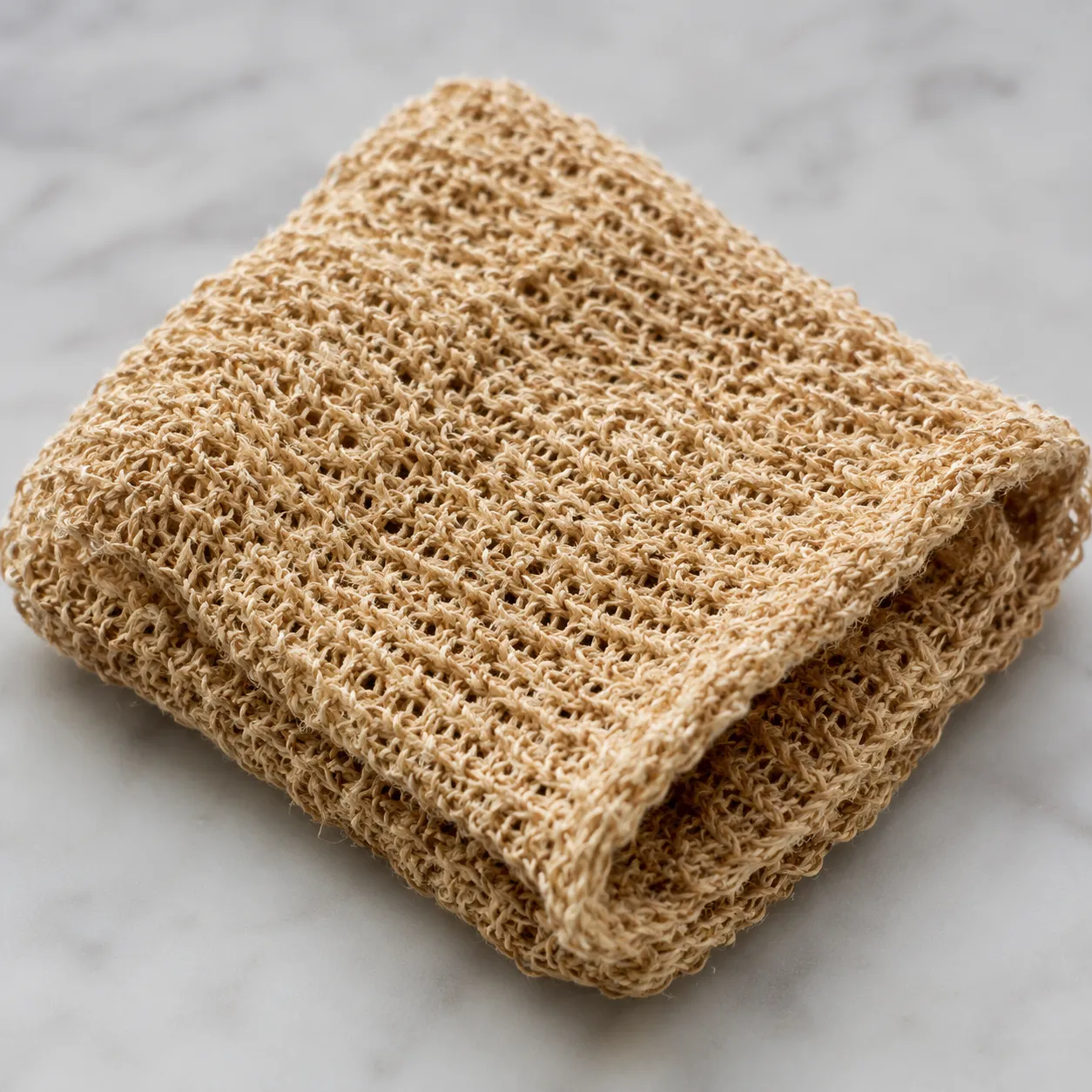
roughrʌf
not smooth when you touch it, often with small bumps or a hard, uneven surface.

garden statueˈɡɑːrdən ˈstætʃuː
a decorative figure or sculpture placed in a garden.
sandsænd
very small grains of rock found on beaches and in deserts, and used in building materials.
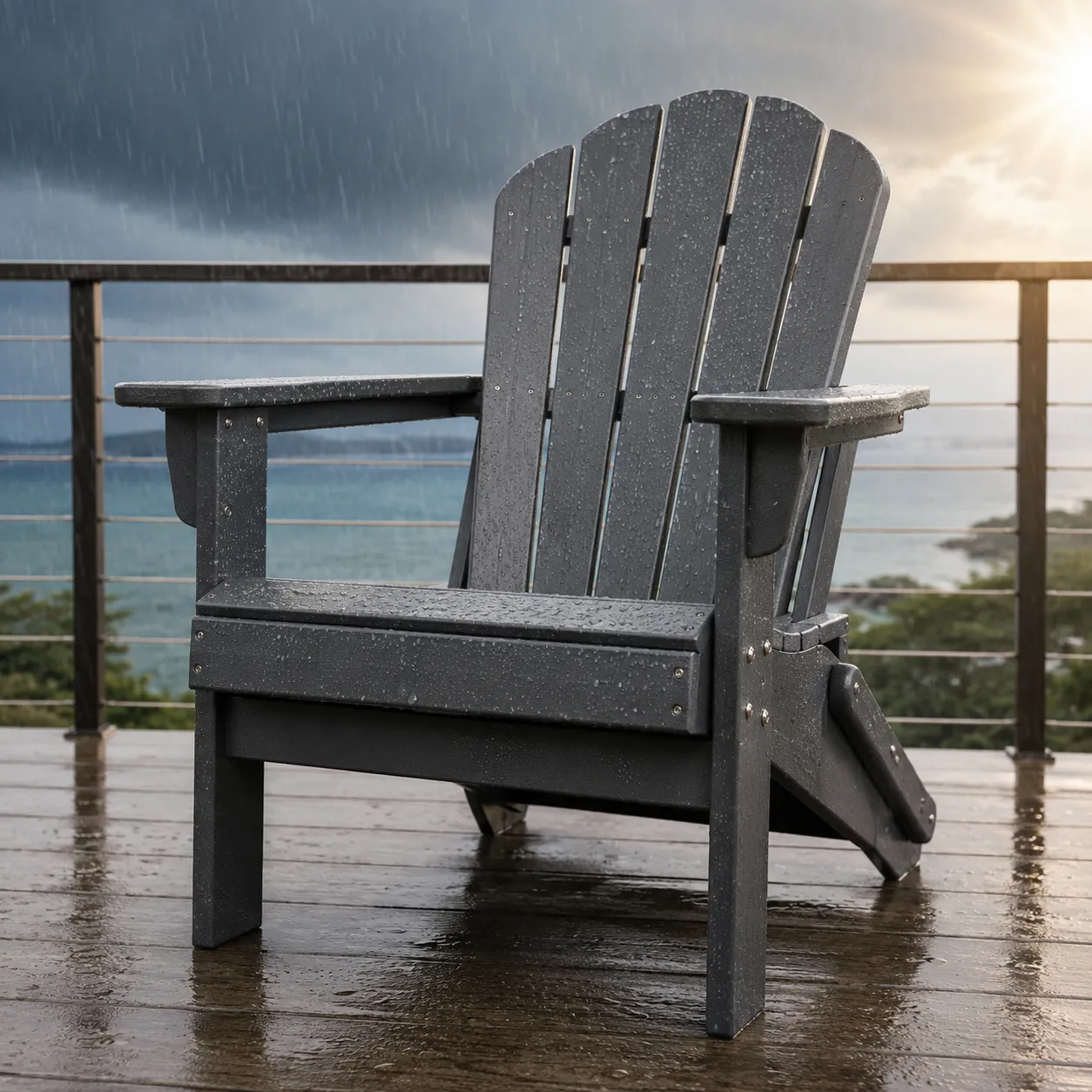
durableˈdjʊərəbl
strong and able to last a long time without breaking or wearing out.
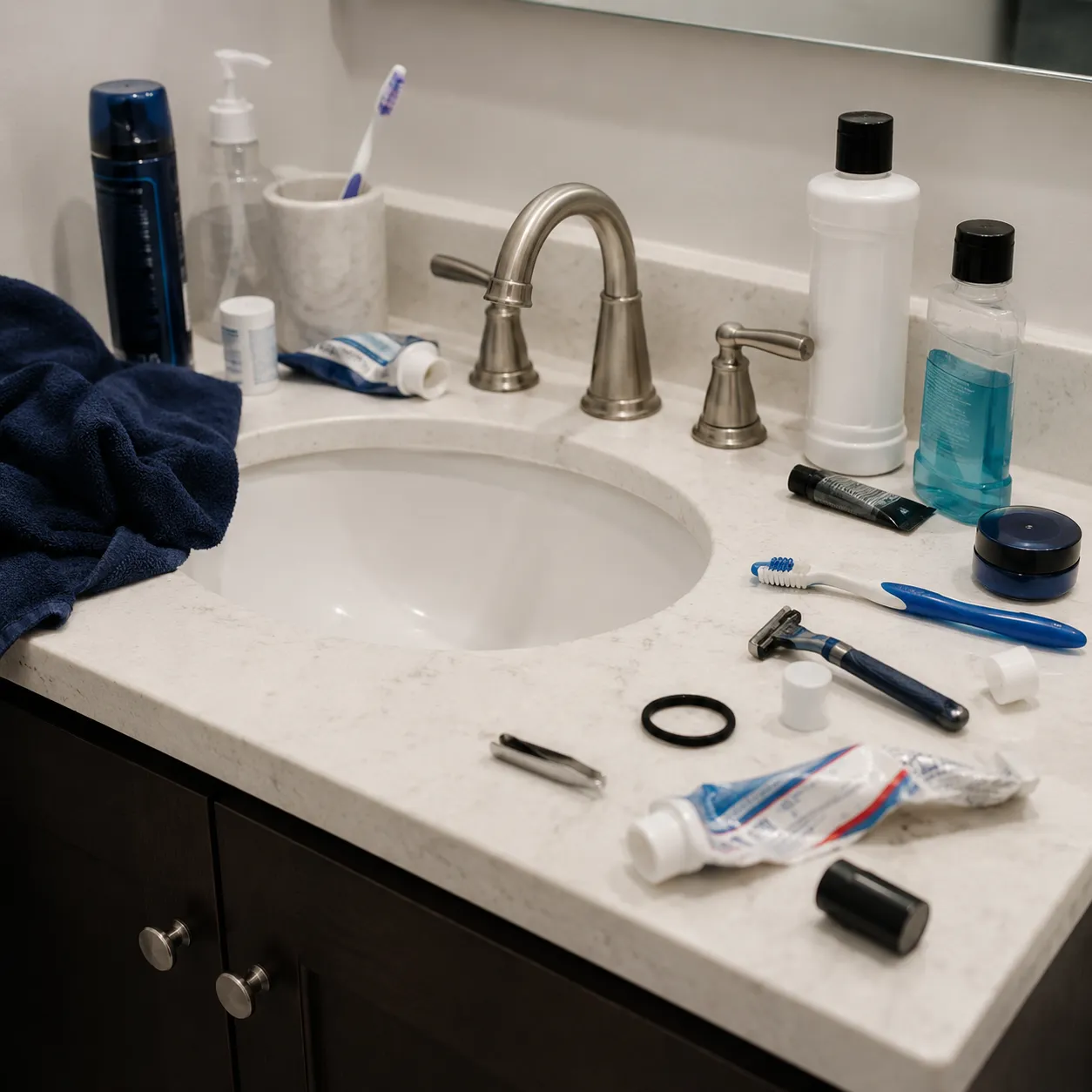
messyˈmɛsi
not clean or tidy, with things left in the wrong places.
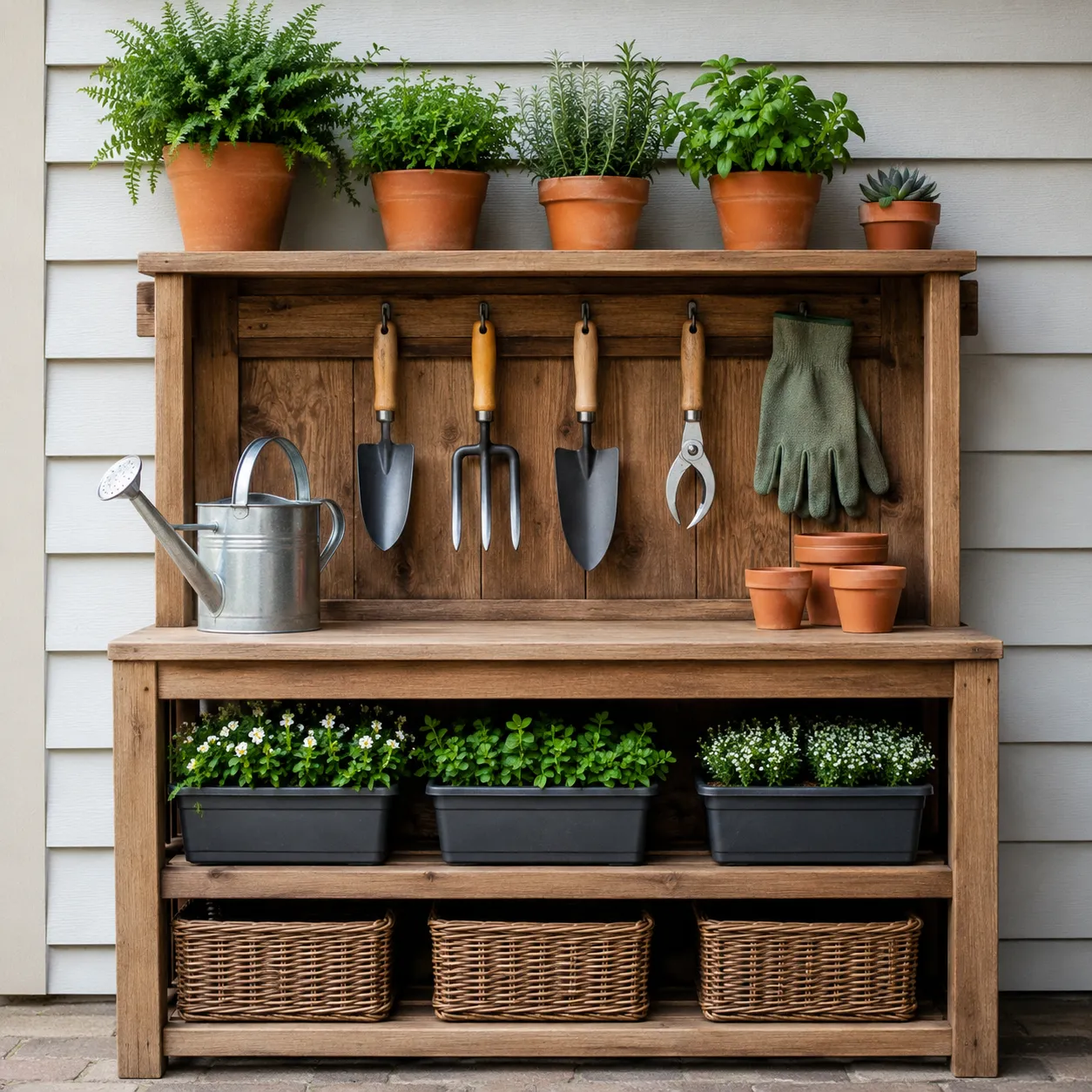
neatniːt
clean, tidy, and arranged carefully in the right place or order.

ornamentalˌɔːrnəˈmɛntəl
used or added to make something look attractive rather than mainly for a practical purpose.
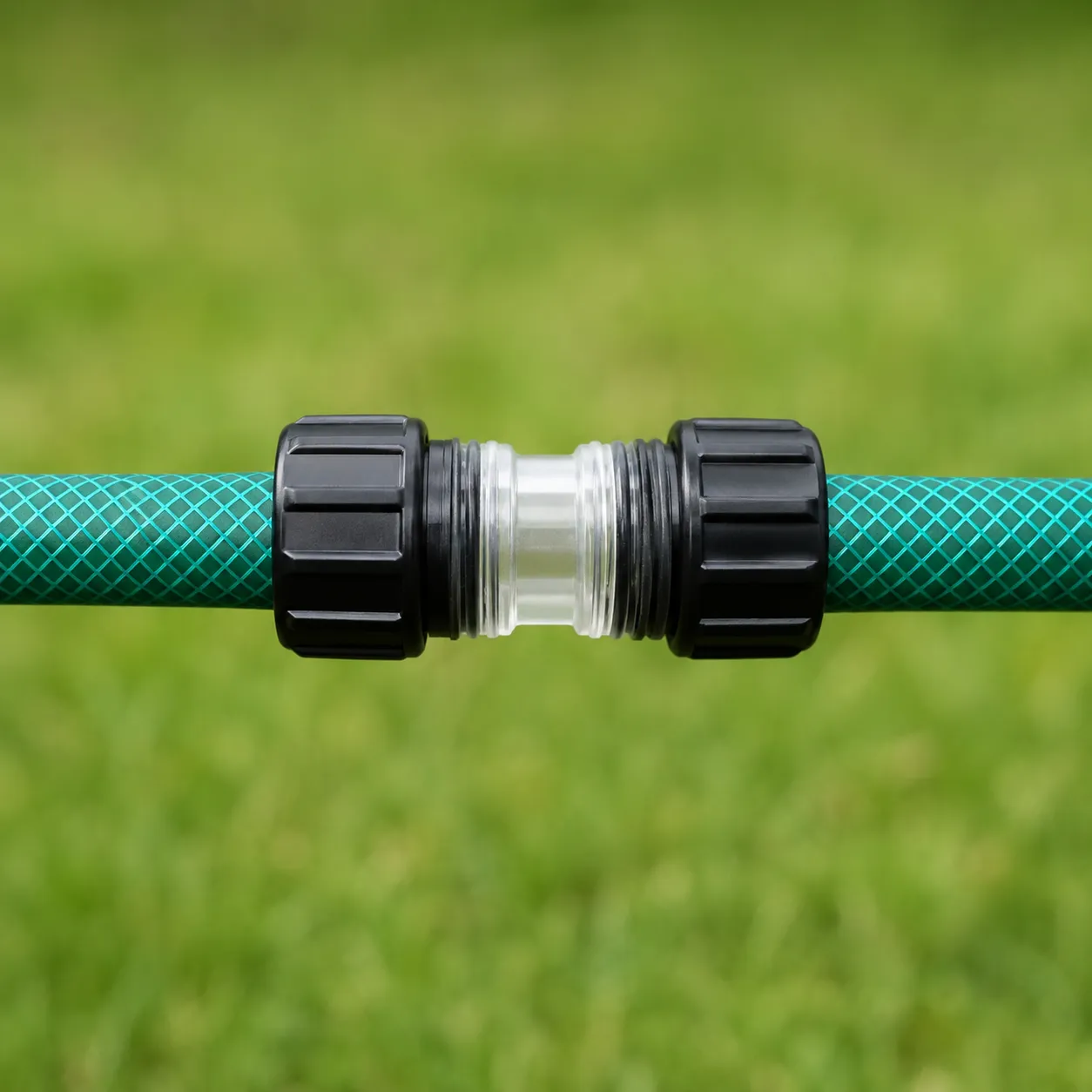
repairedrɪˈpɛrd
fixed after being broken, damaged, or not working properly.
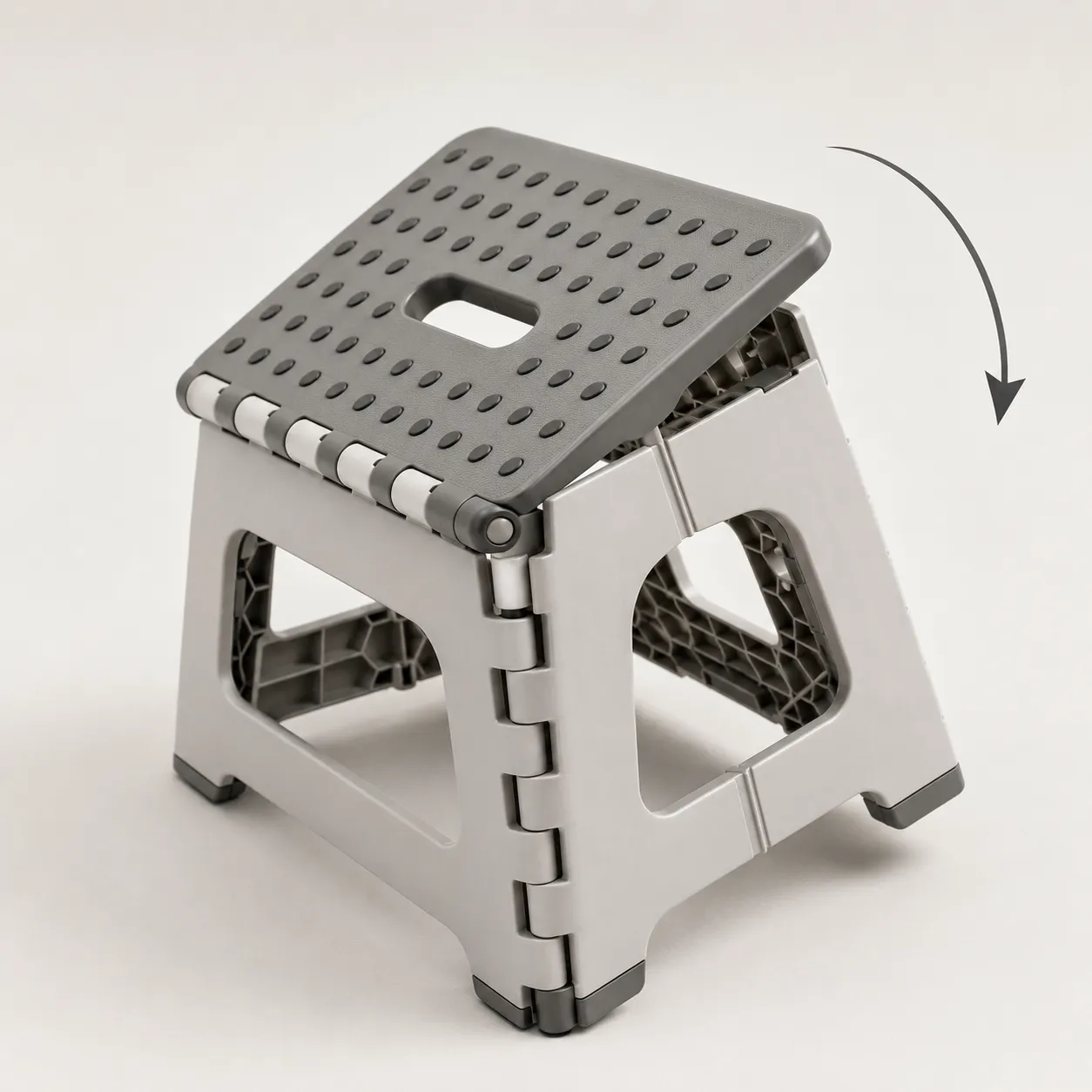
foldableˈfoʊldəbl
able to be folded into a smaller or flatter shape, especially for easy storage or carrying.
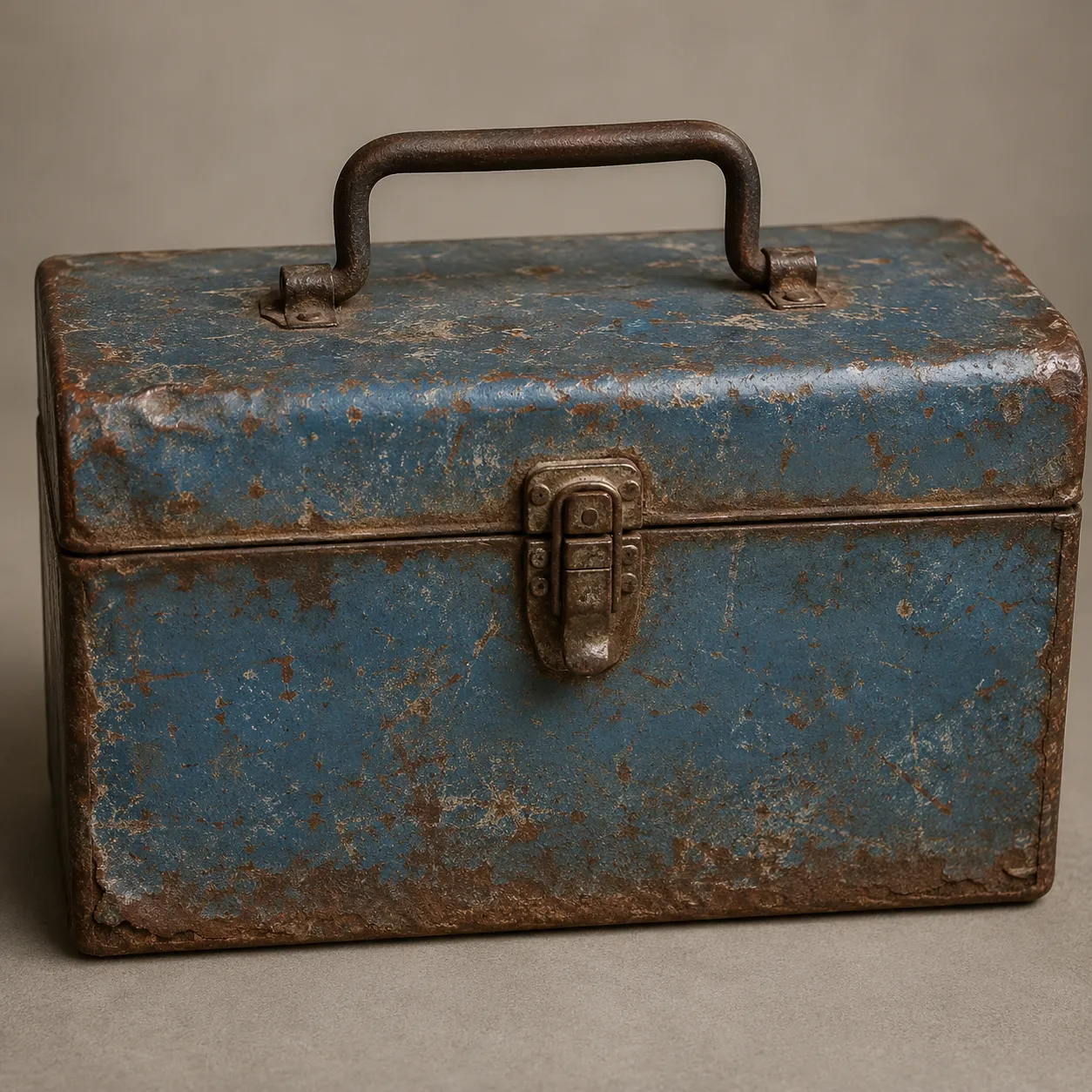
oldoʊld
having existed or been used for a long time; not new.
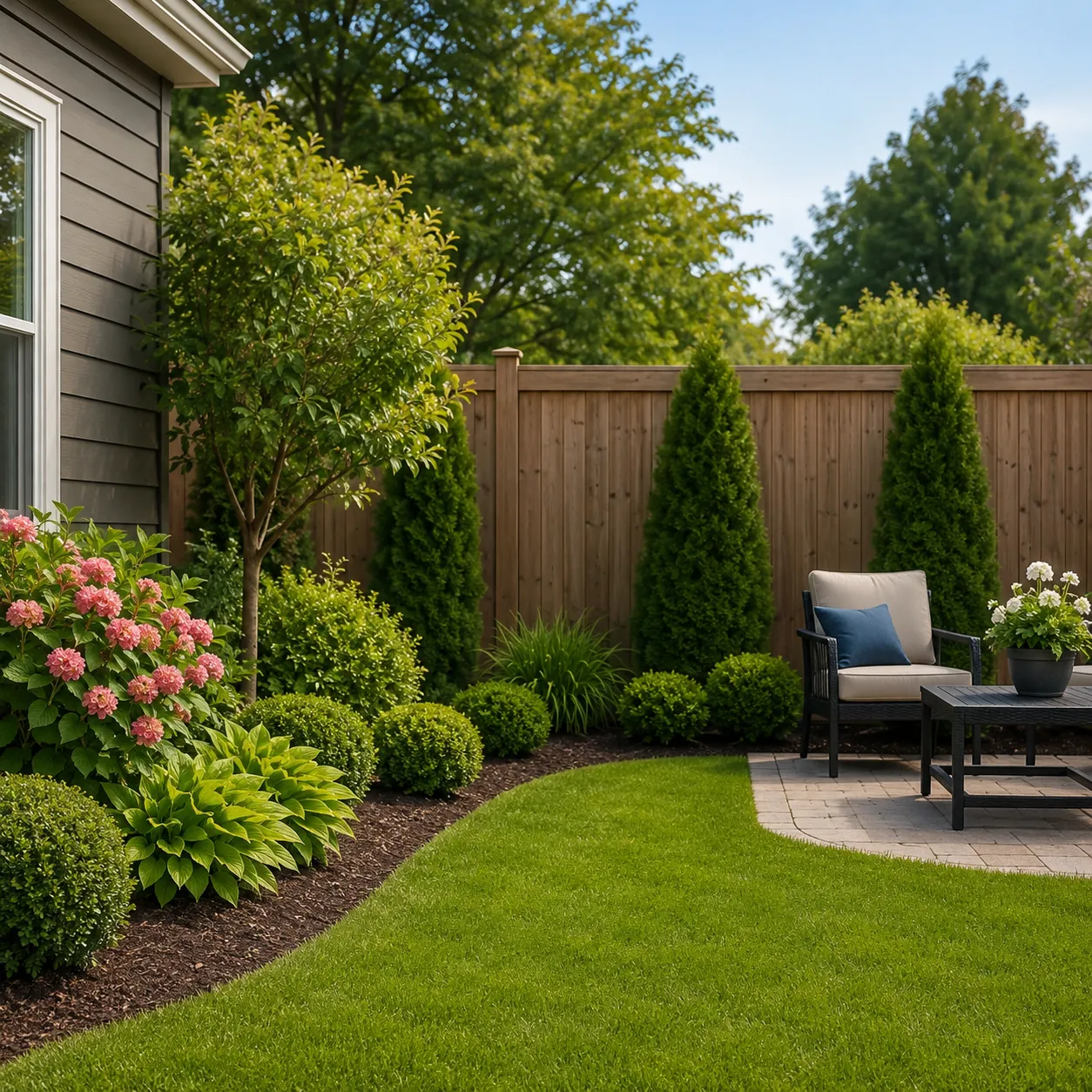
well-keptˌwɛl ˈkɛpt
kept clean, tidy, and in good condition because someone takes regular care of it.
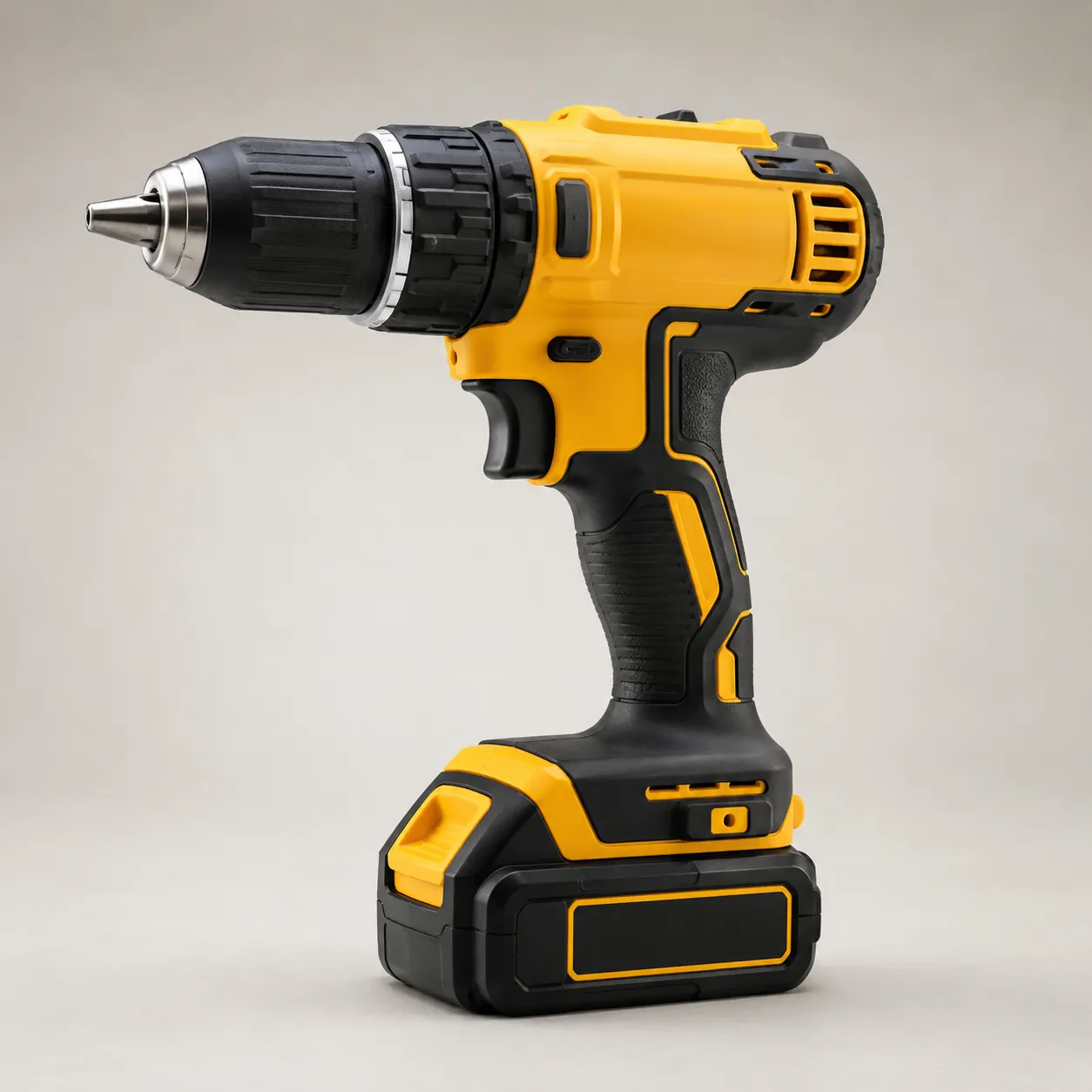
newnjuː
not used before; recently made, bought, or received.
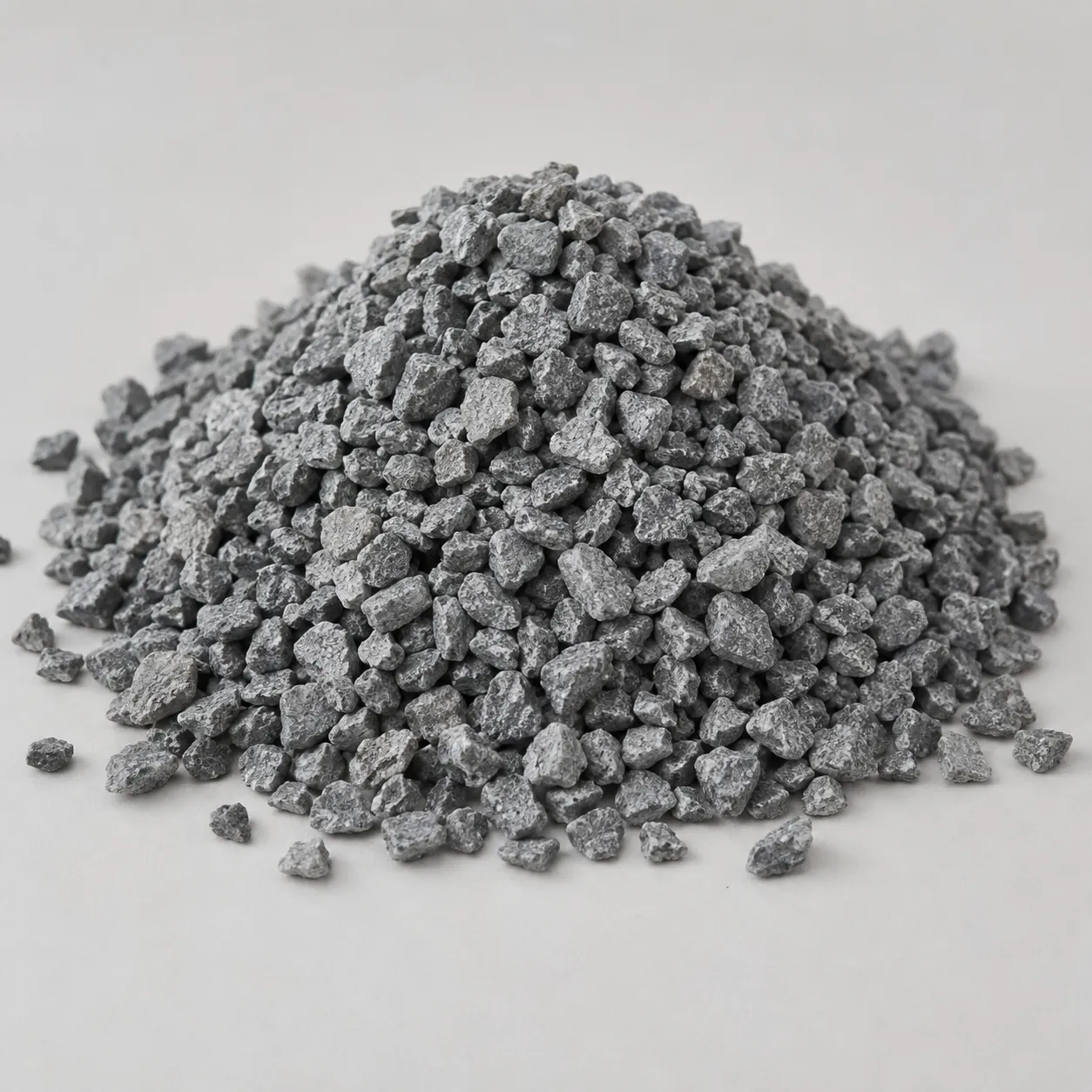
gravelˈɡrævəl
small loose stones used for paths, driveways, gardens, or as a building material.
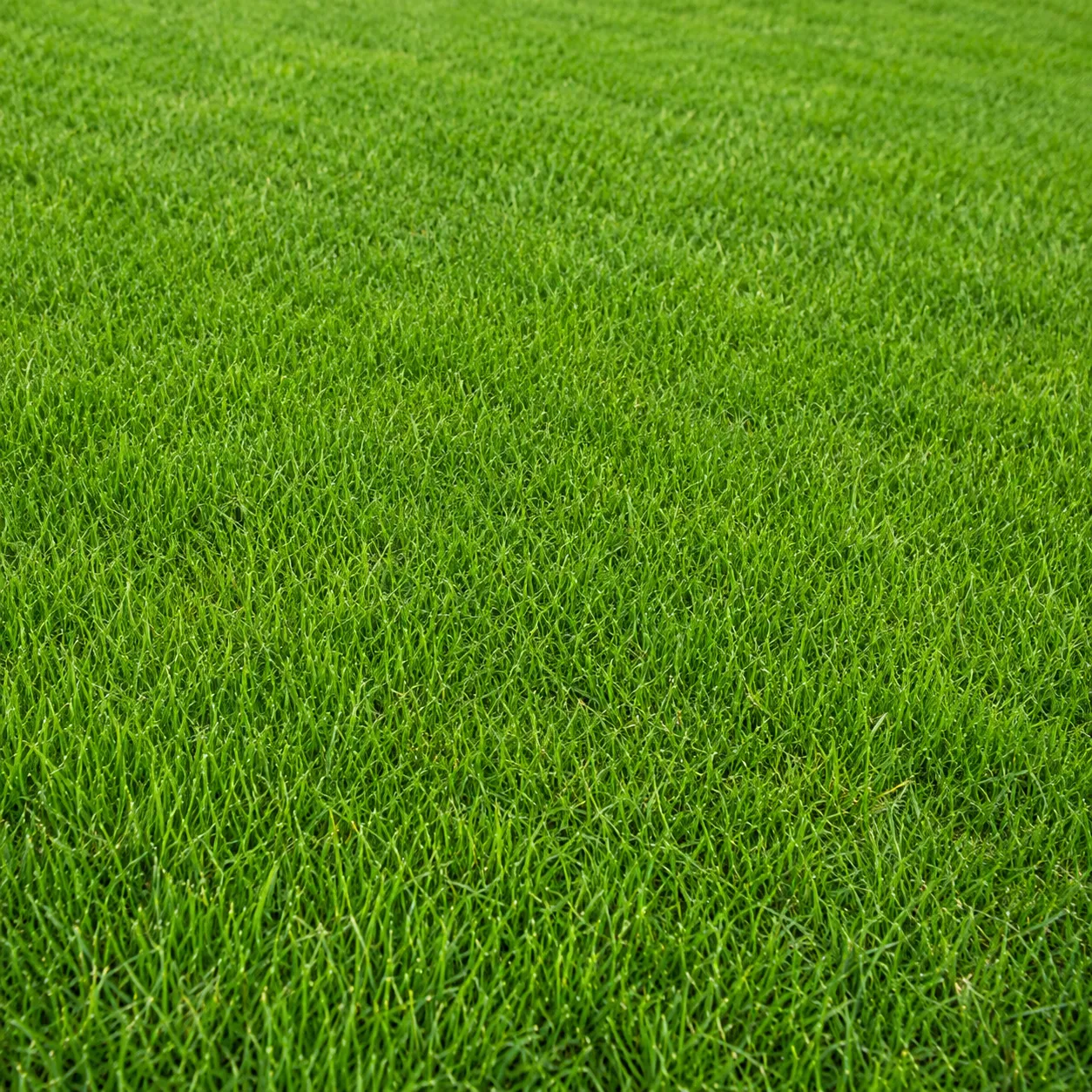
grassyˈɡræsi
covered with grass, or having a lot of grass growing on it.
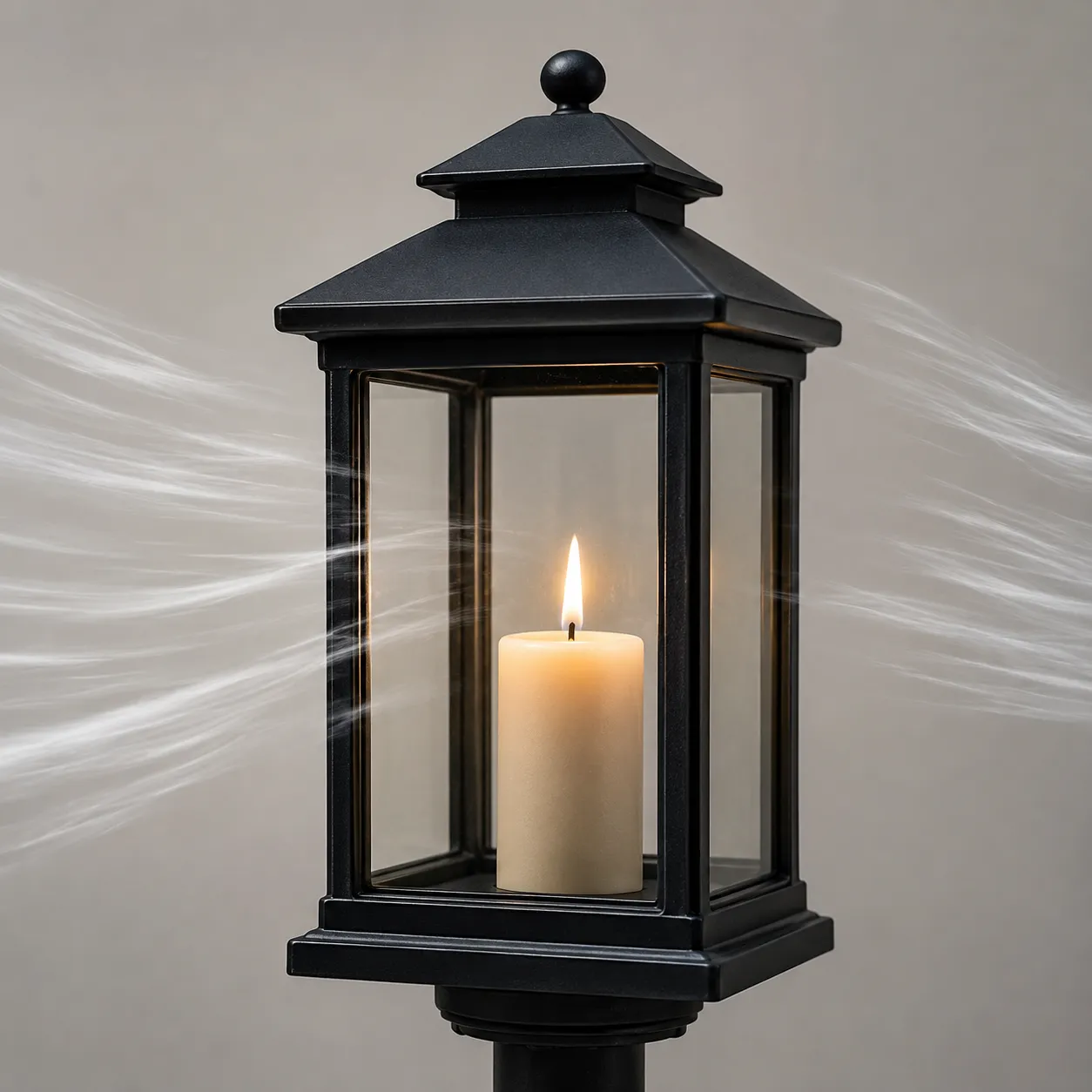
windproofˈwɪndpruːf
made so that wind cannot pass through it easily.
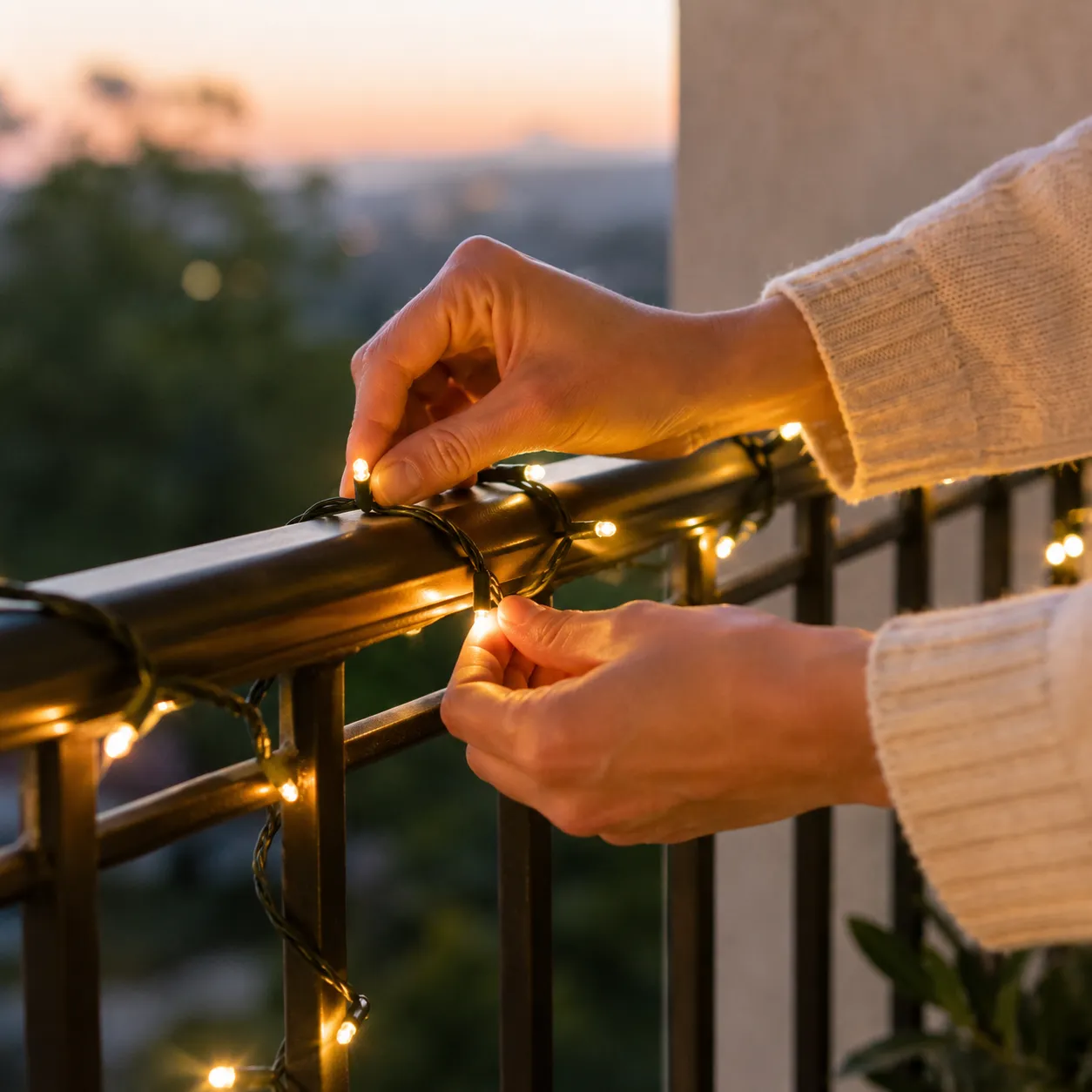
decorateˈdɛkəreɪt
to make a room, building, object, or place look more attractive by adding colors, pictures, flowers, or other things.

paintpeɪnt
a coloured liquid that you put on walls, wood, metal or pictures and that becomes dry and hard.
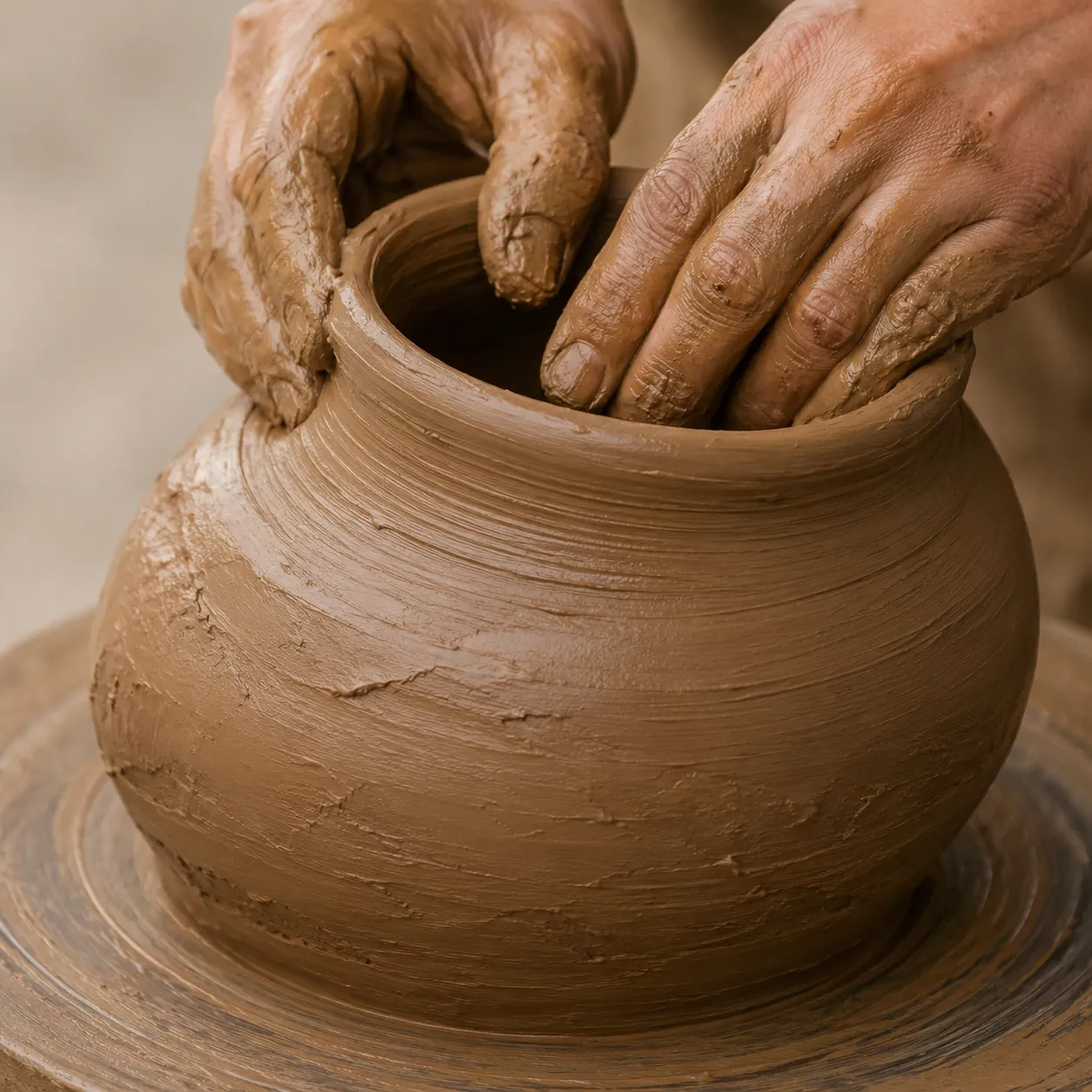
claykleɪ
a heavy soft earth that becomes hard when it is dried or heated, used for making pots, bricks, and model shapes.

dirtyˈdɜːrti
not clean; covered with or containing dirt, marks, or unwanted substances.
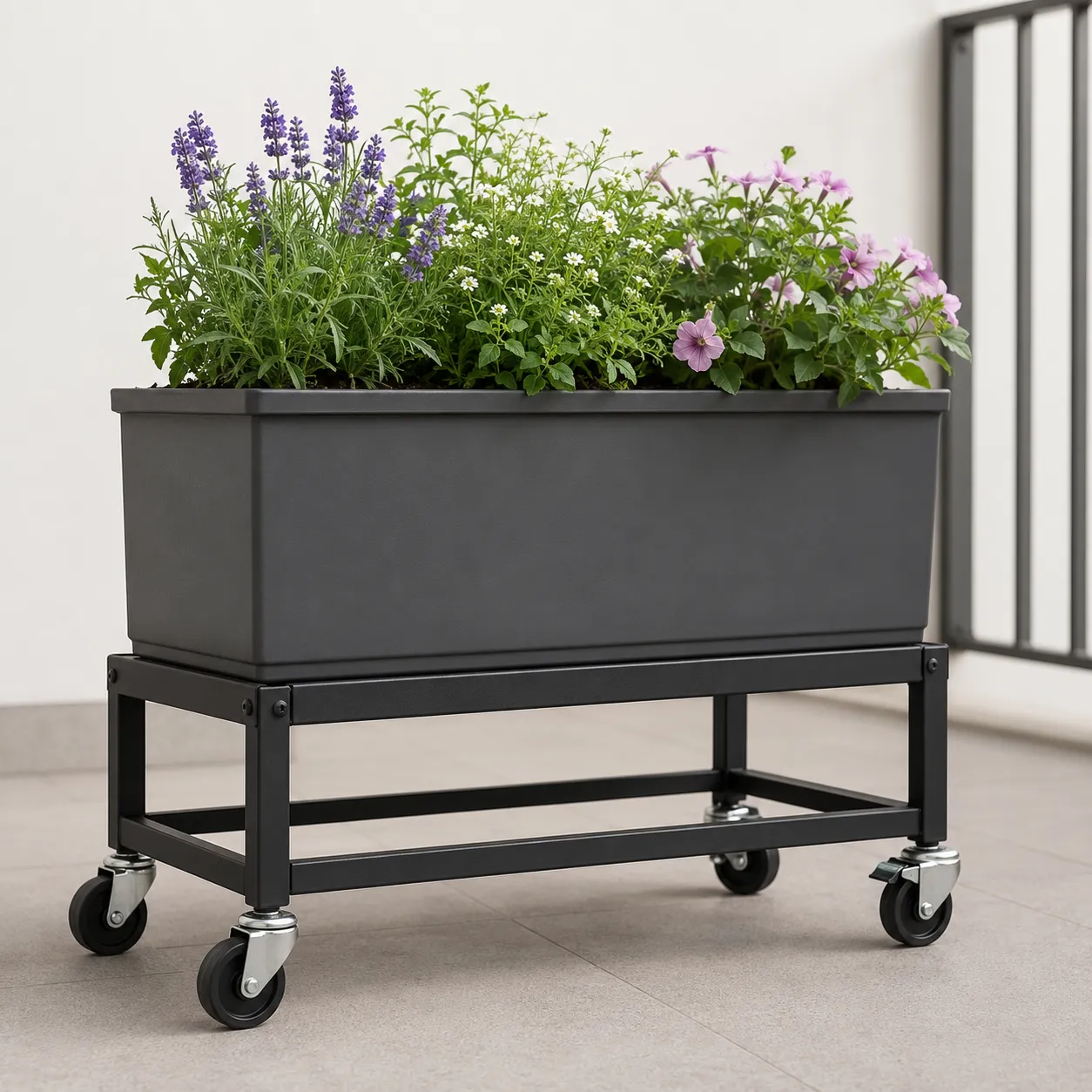
movableˈmuːvəbəl
able to be moved from one place or position to another.
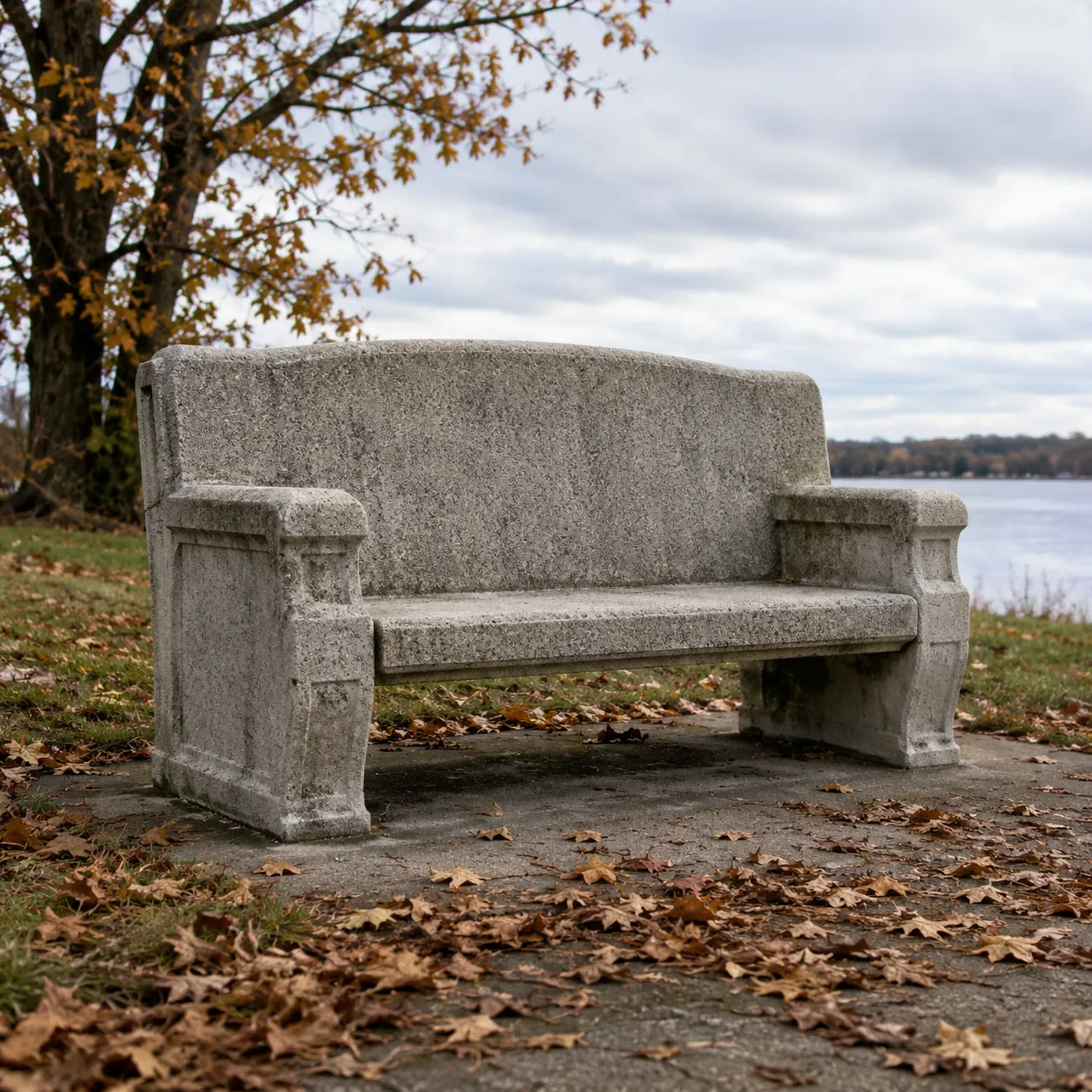
permanentˈpɜːrmənənt
lasting for a long time or forever, not temporary.
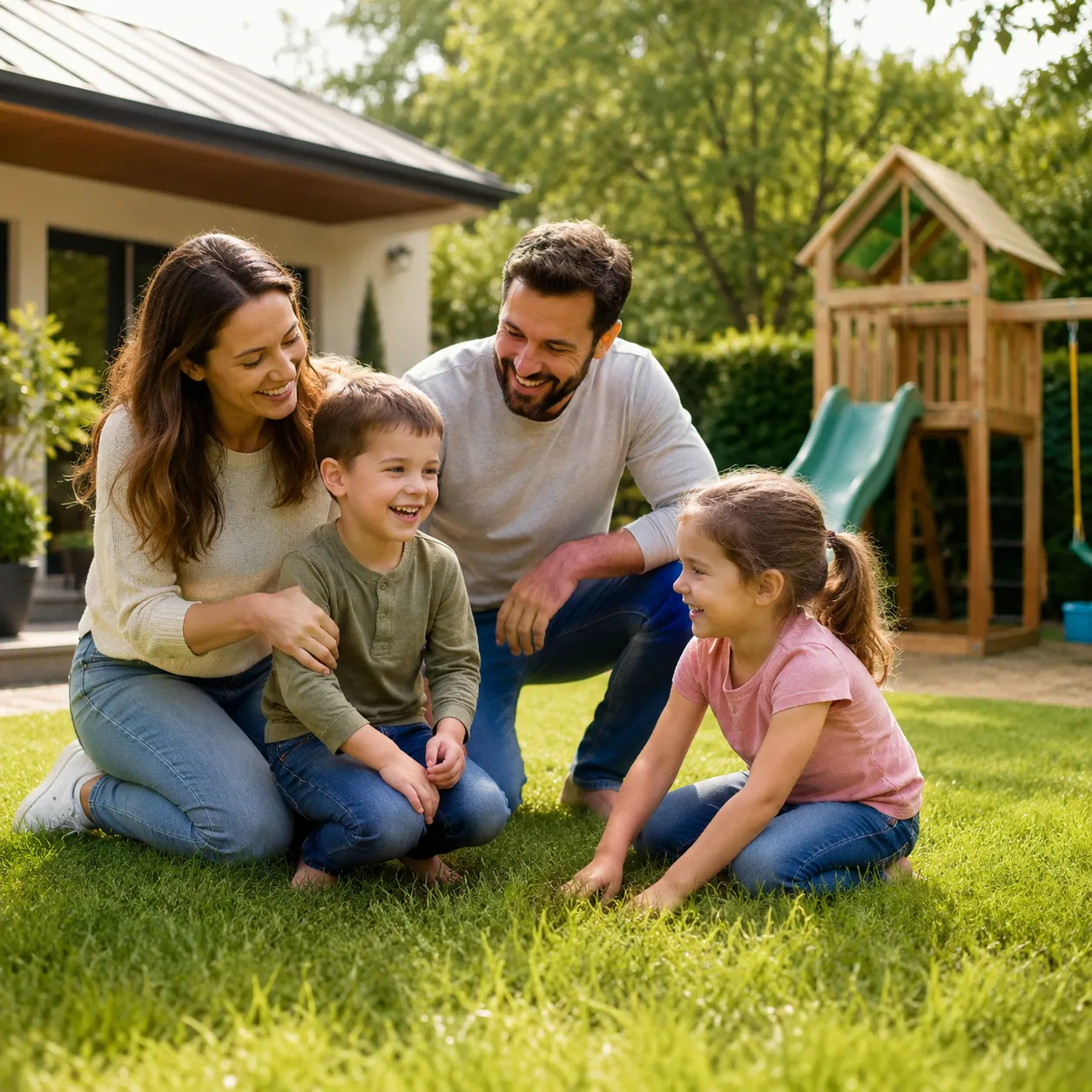
family-friendlyˈfæməli ˌfrɛndli
suitable for families, especially those with children.
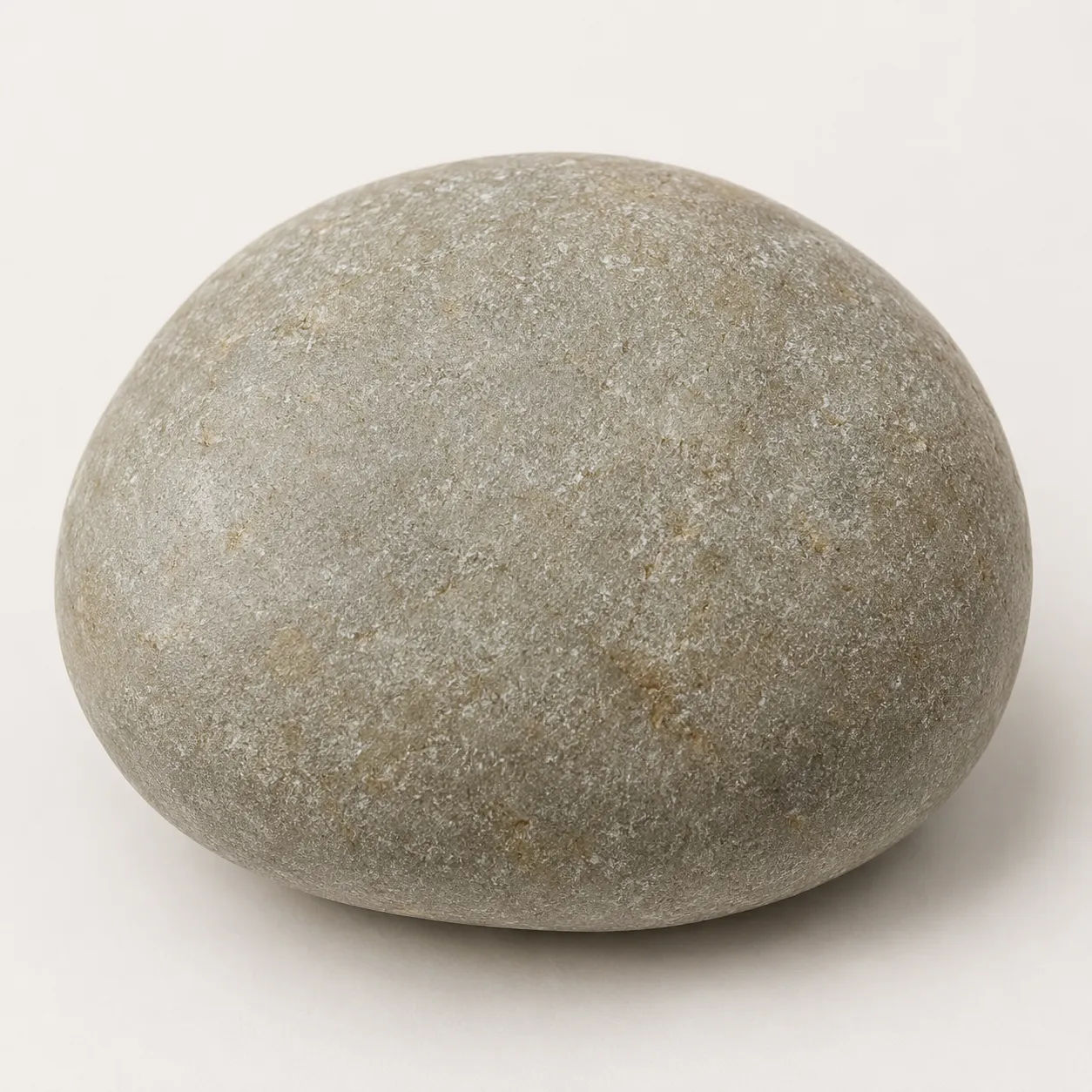
pebbleˈpɛbəl
a small, usually smooth stone, especially one found on a beach or in a river.
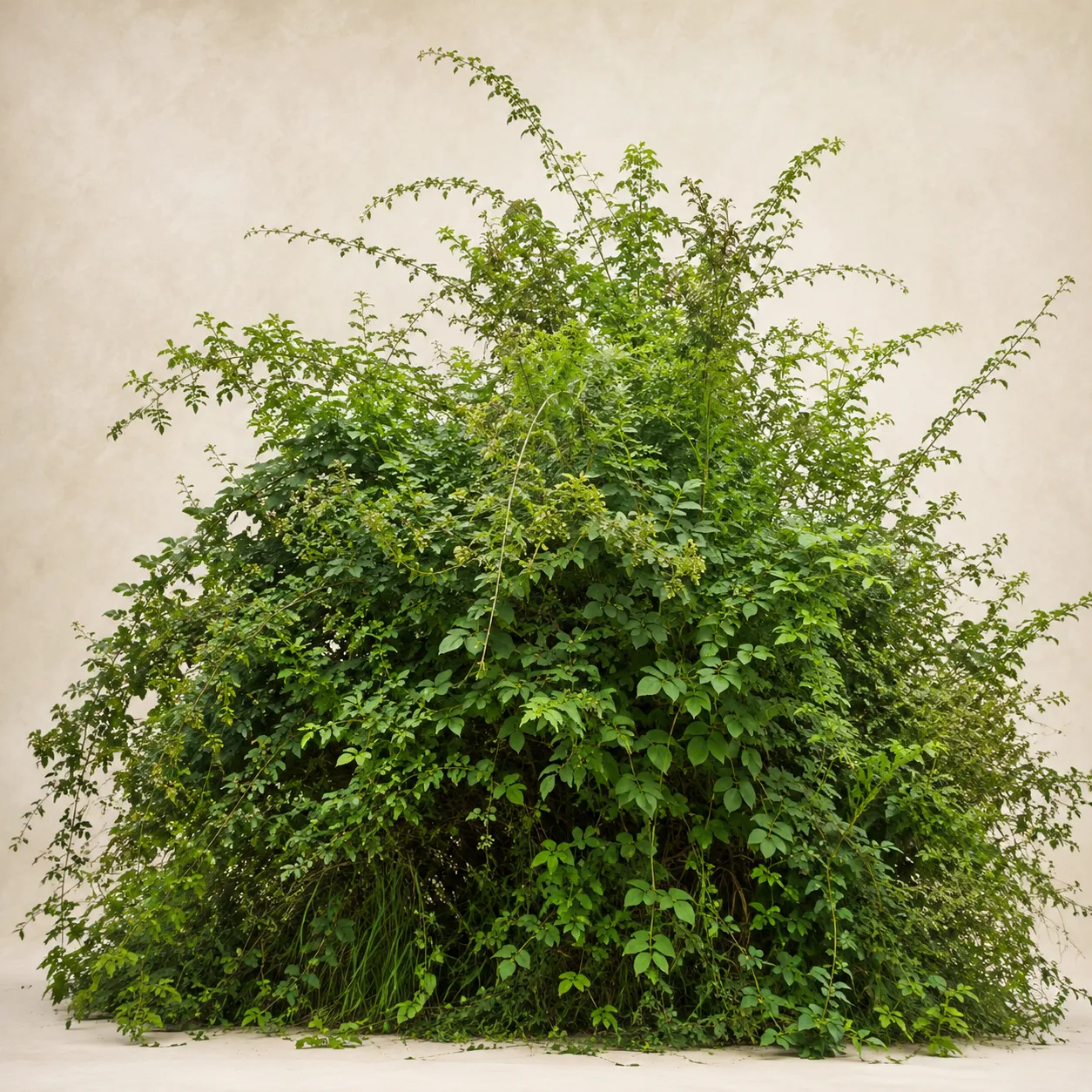
wildwaɪld
growing or living in nature without being planted, kept, or controlled by people.

noisyˈnɔɪzi
making a lot of loud or unpleasant sound.
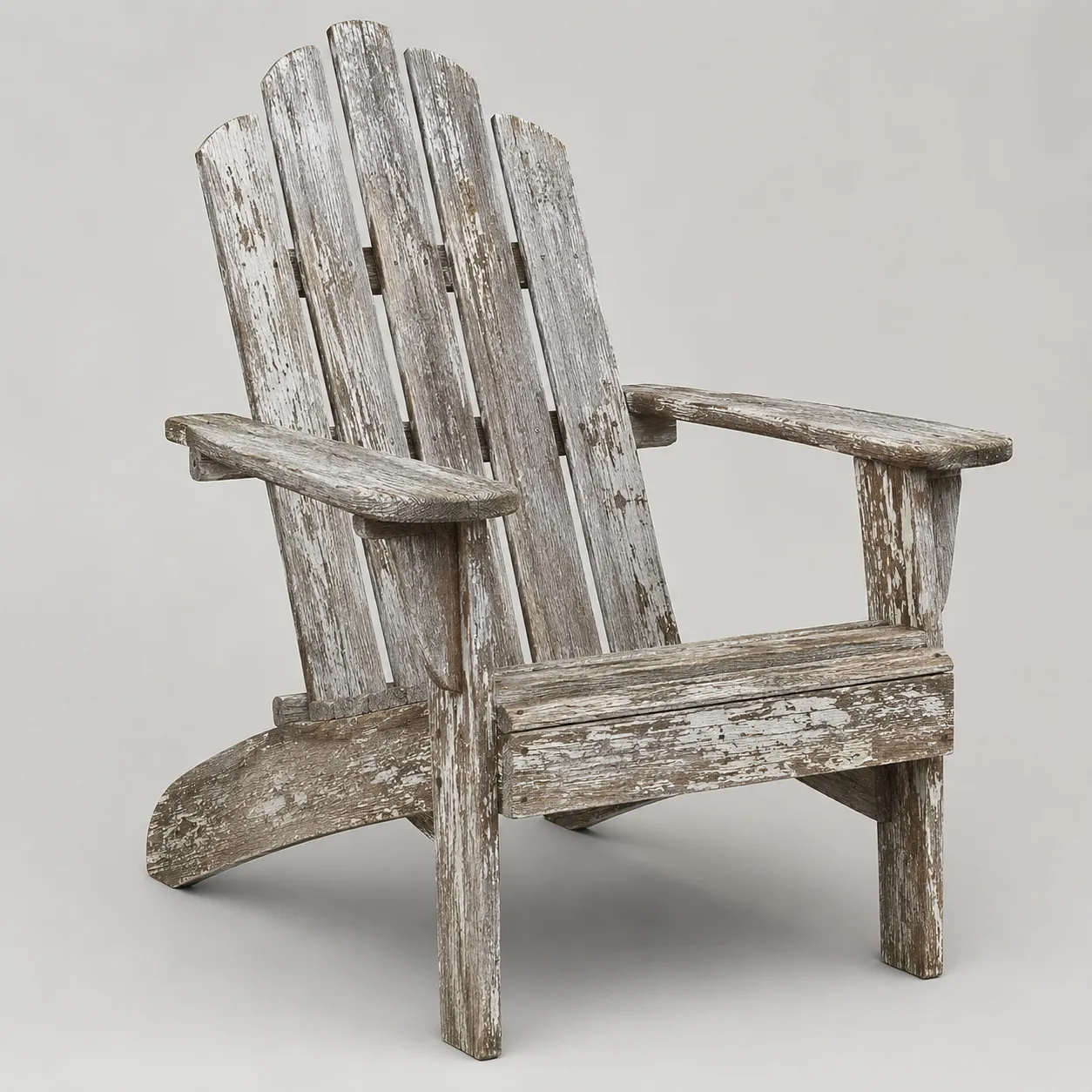
weatheredˈwɛðərd
changed in colour, shape, or surface because wind, rain, sun, or cold has affected it for a long time.
largelɑːrdʒ
big in size, number, or amount.
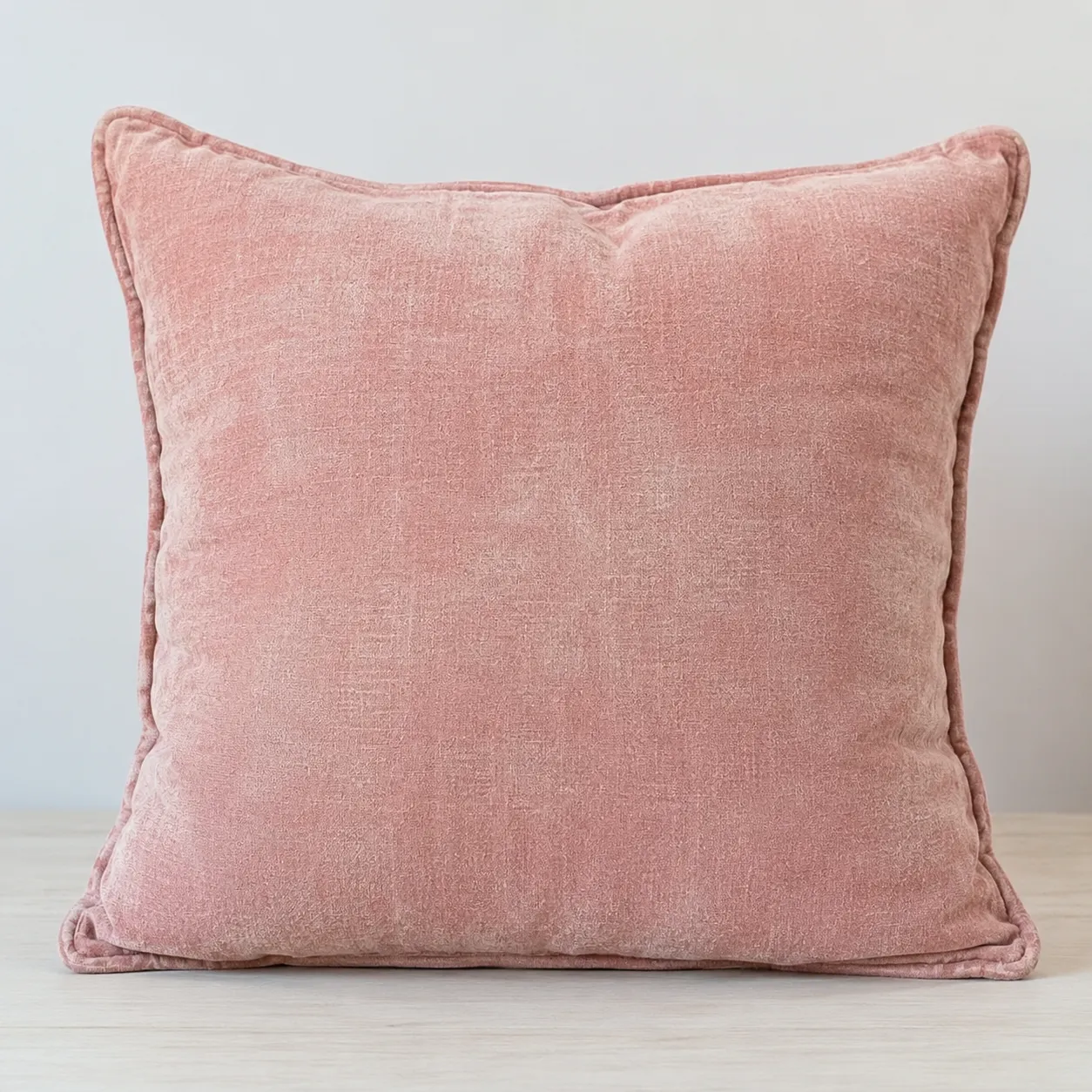
fadedˈfeɪdɪd
having lost much of its original color or brightness, especially after washing or sunlight.
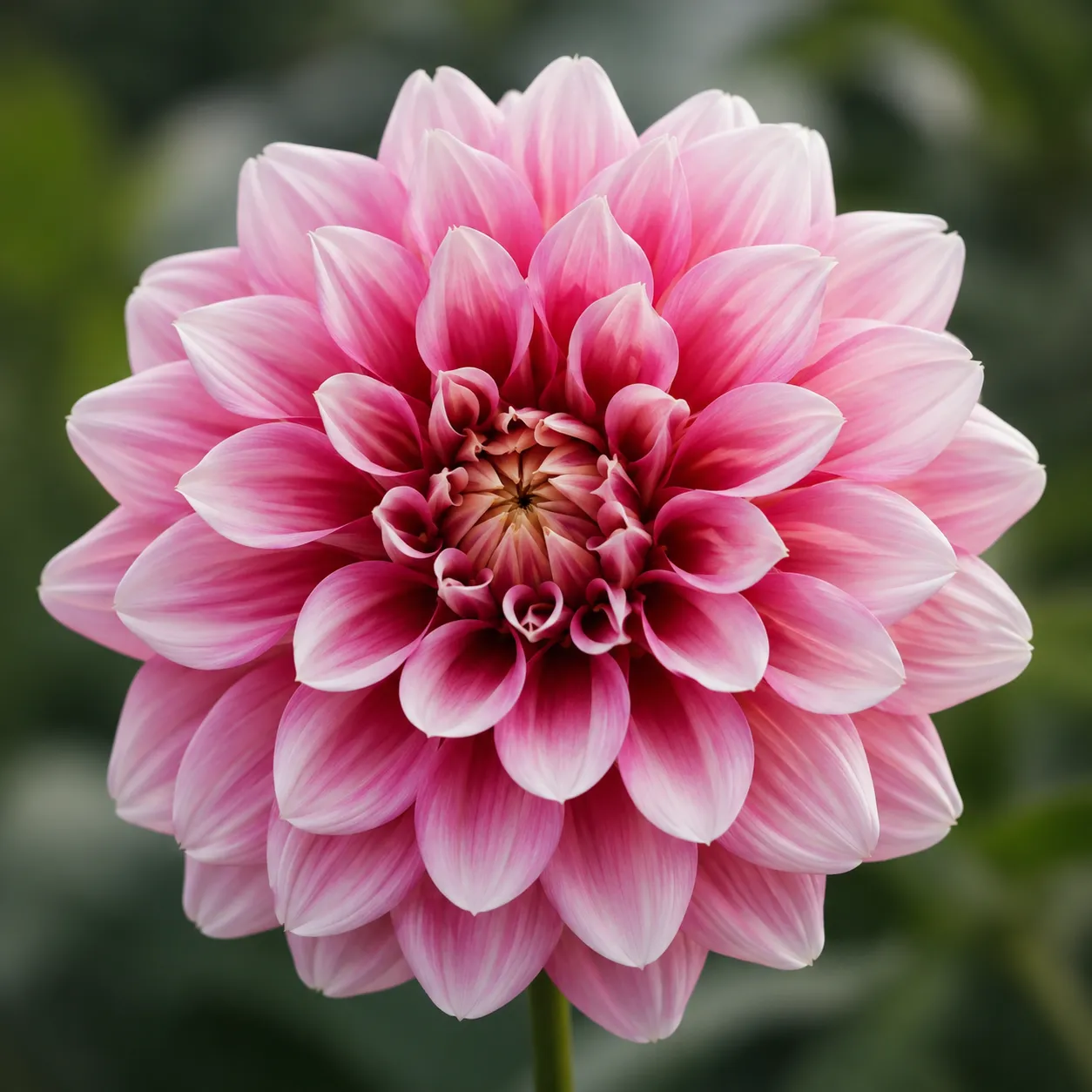
beautifulˈbjuːtɪfəl
very pleasing to look at, hear, or experience.
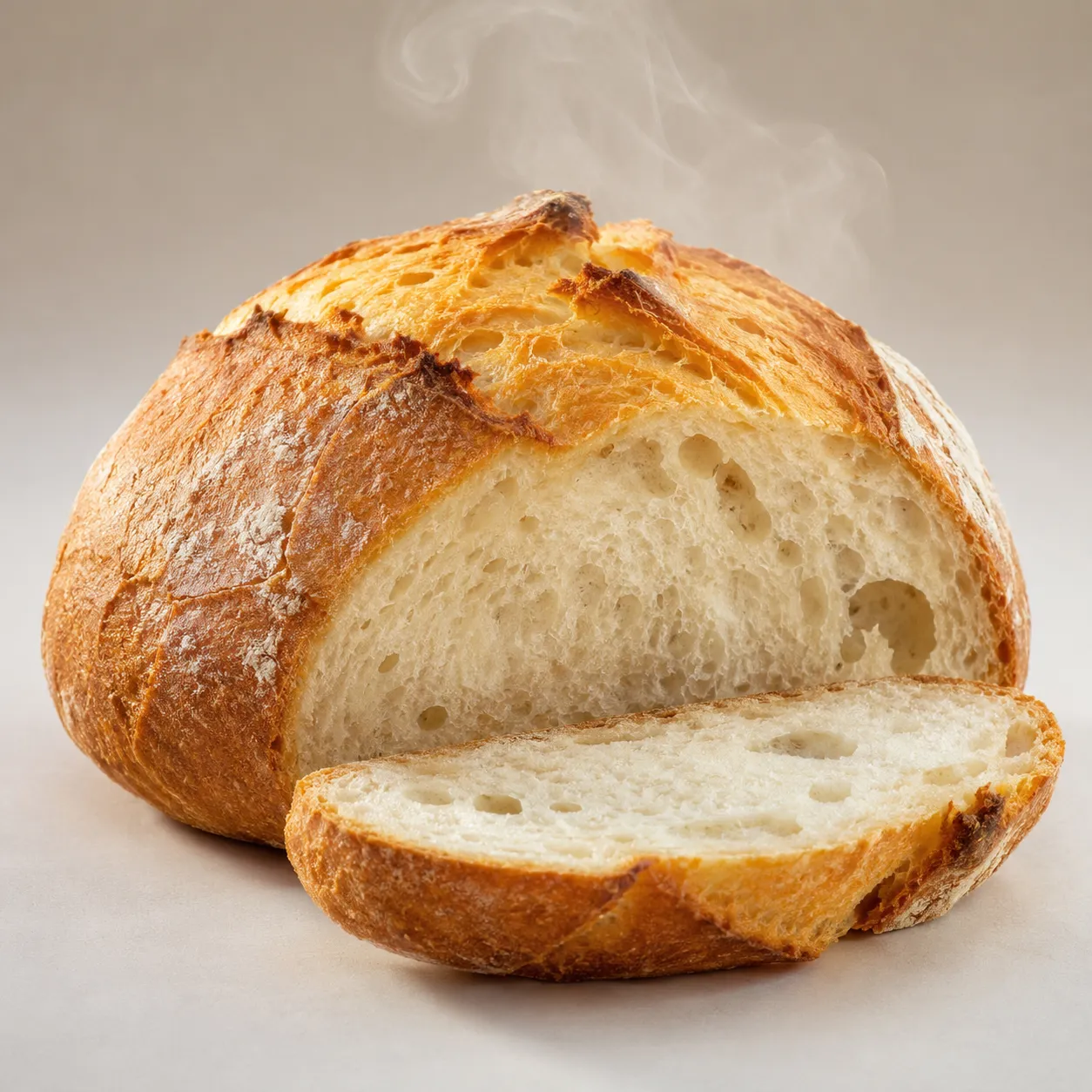
freshfreʃ
recently made, picked, or prepared, and not old or spoiled
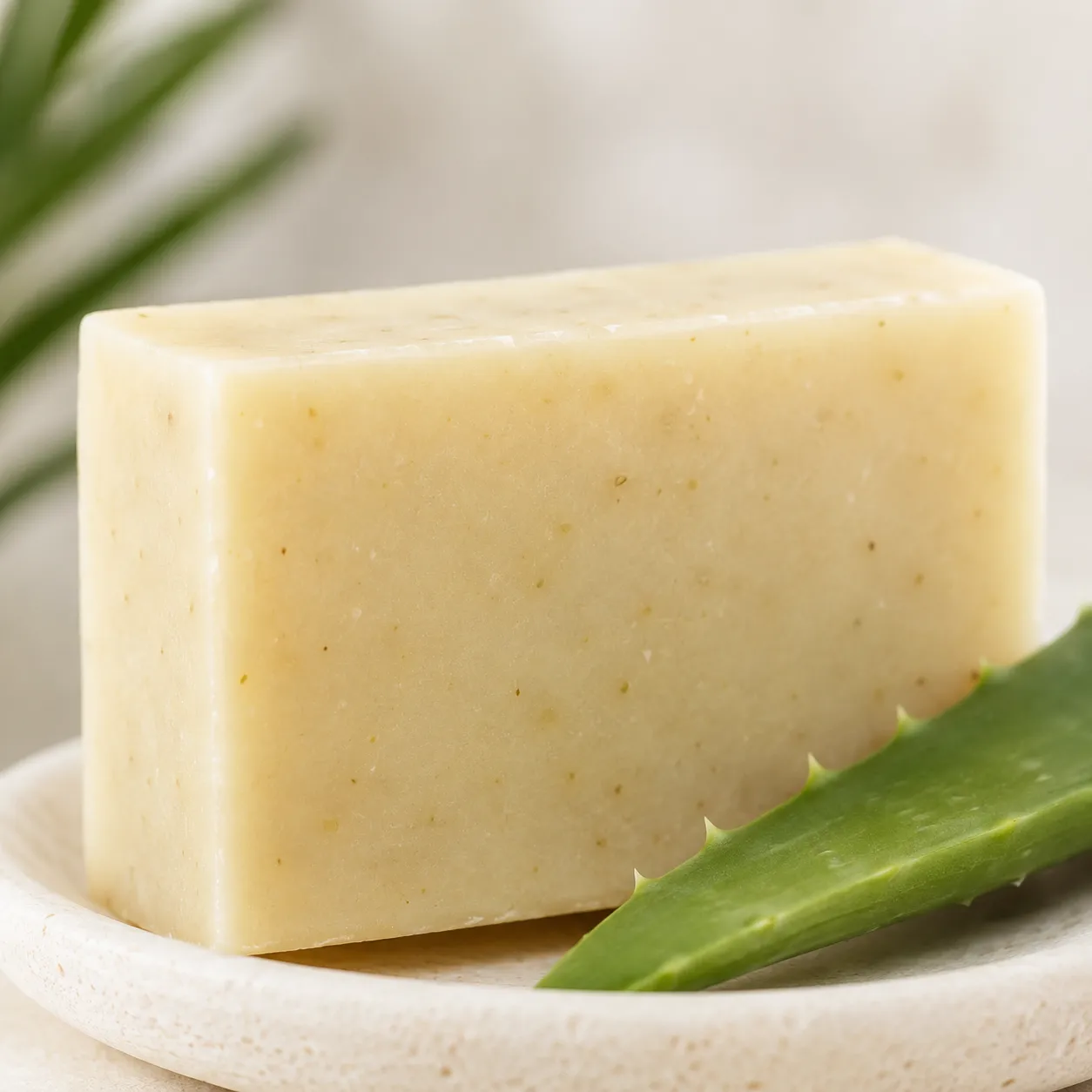
naturalˈnætʃərəl
coming from nature or made with substances from nature, not made artificially.
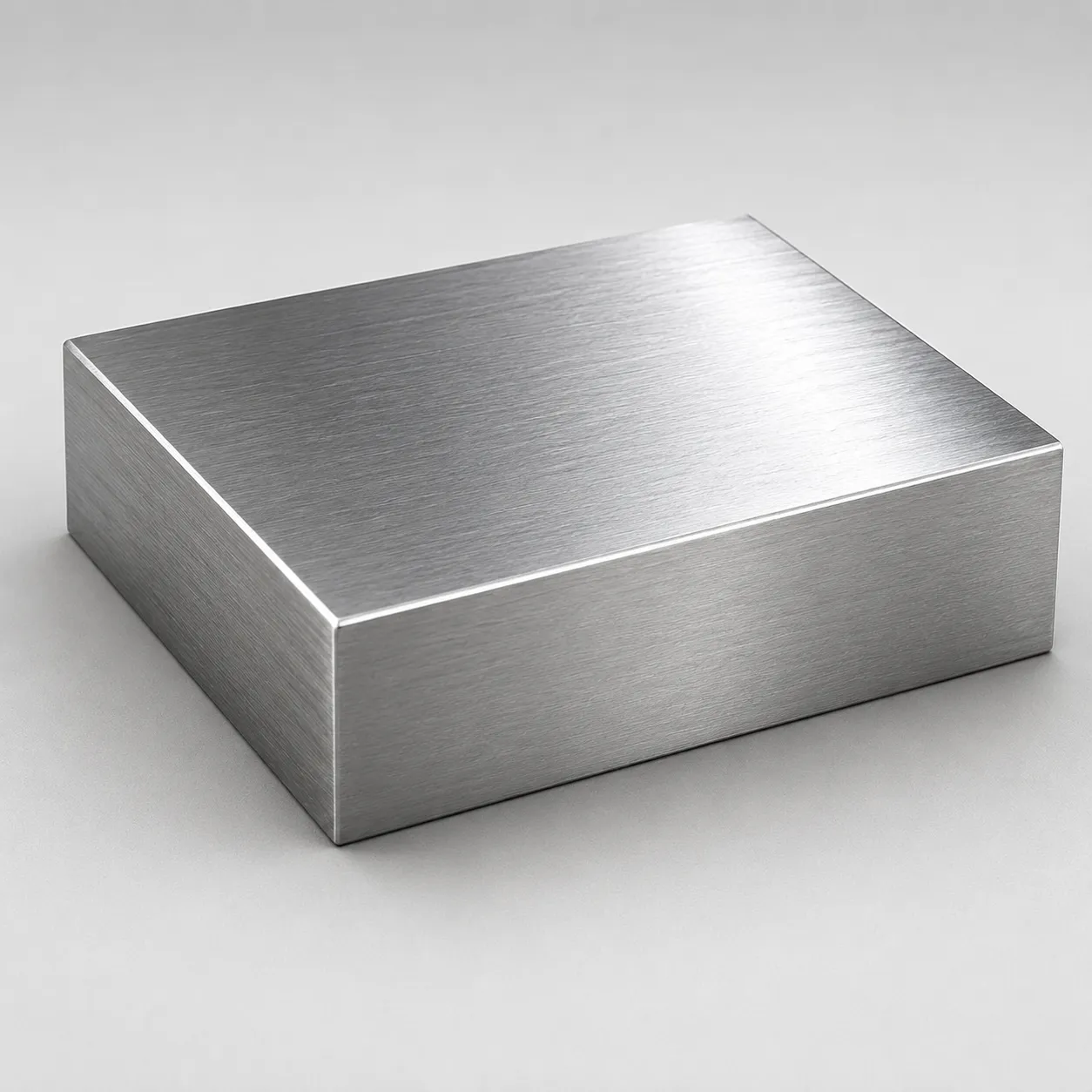
metalˈmetəl
a hard material such as iron, steel, or aluminium that is usually shiny and can conduct heat and electricity.
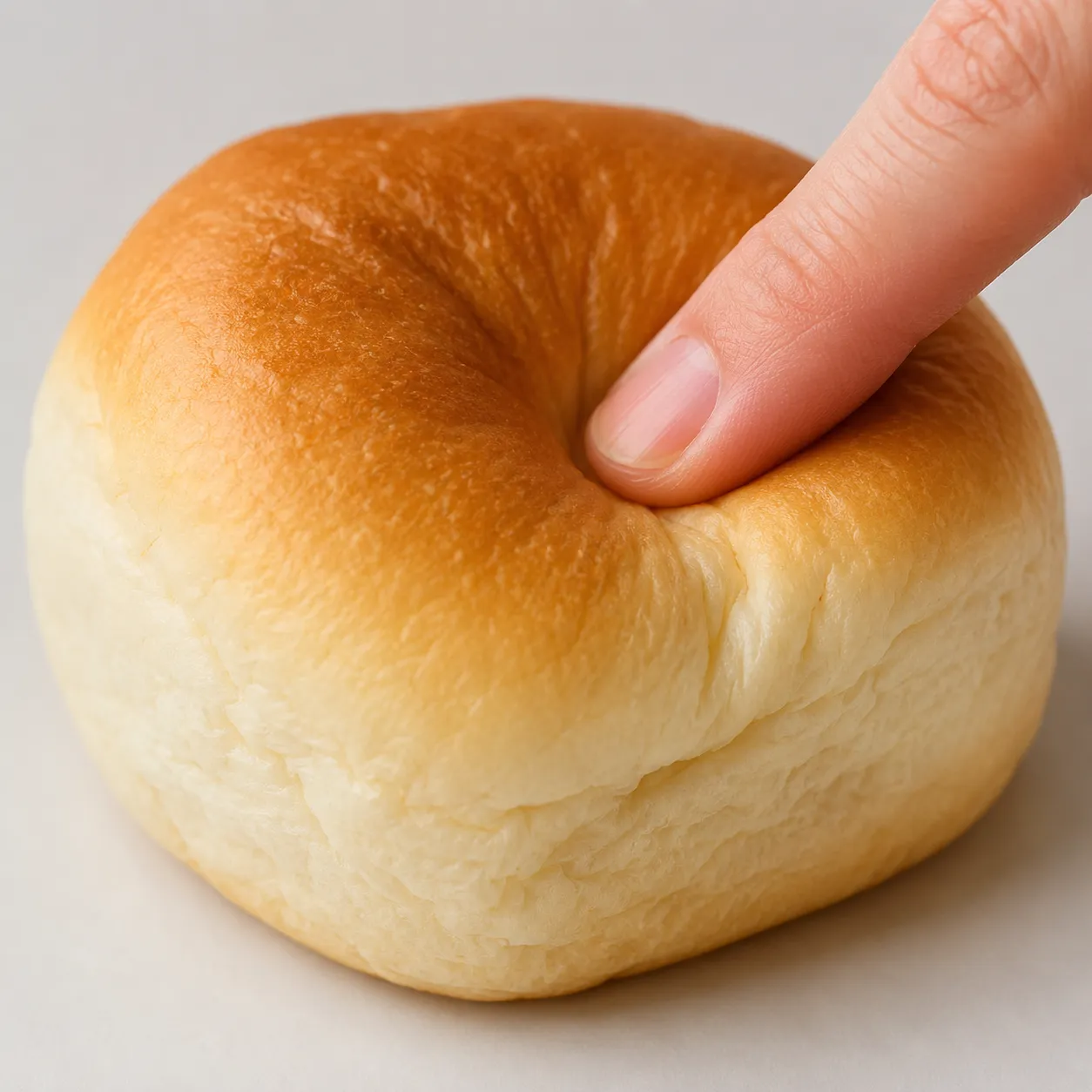
softsɔːft
Something soft is not hard and is easy to press, bend, cut, or shape.
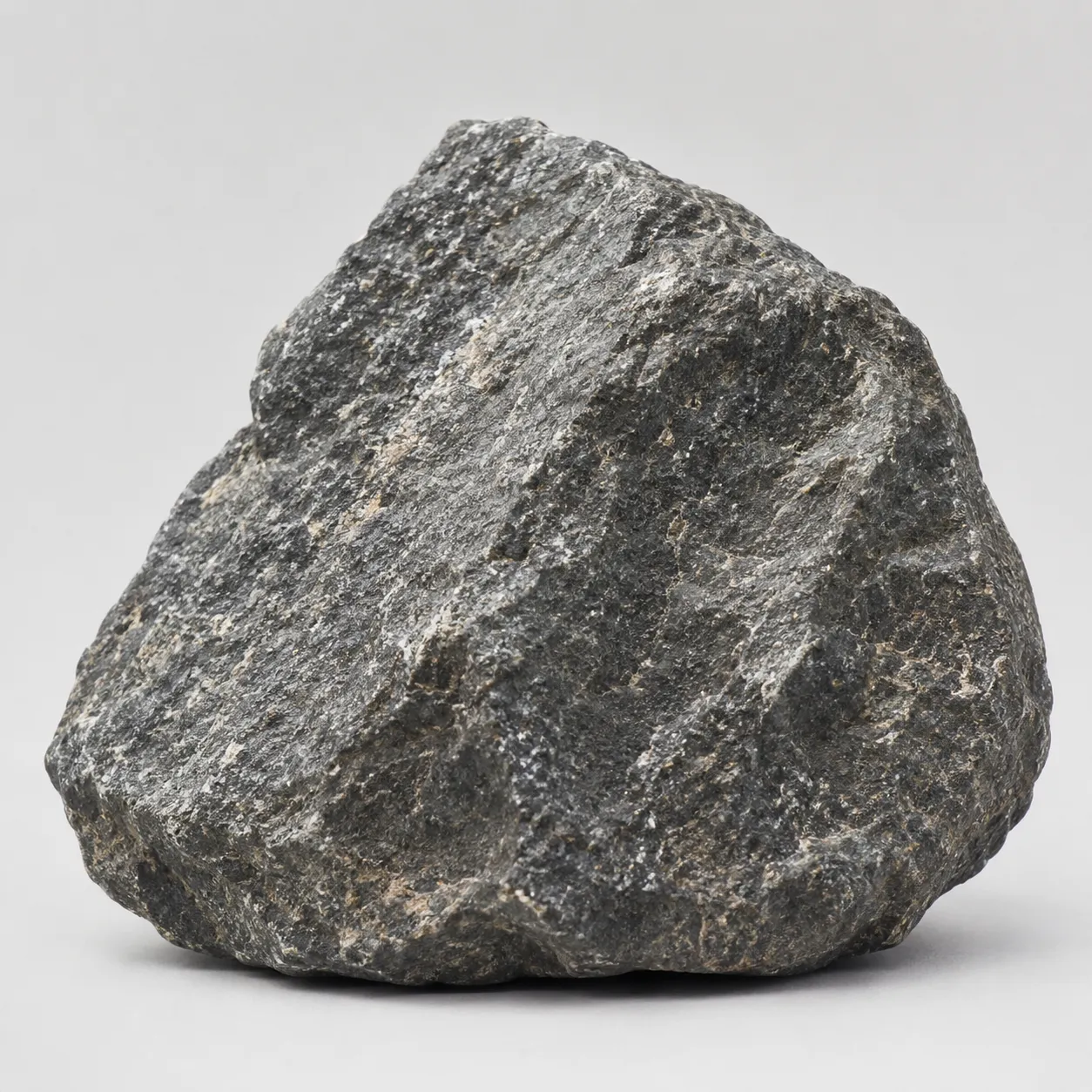
rockrɑːk
hard natural material that forms part of the earth, or a piece of this material.
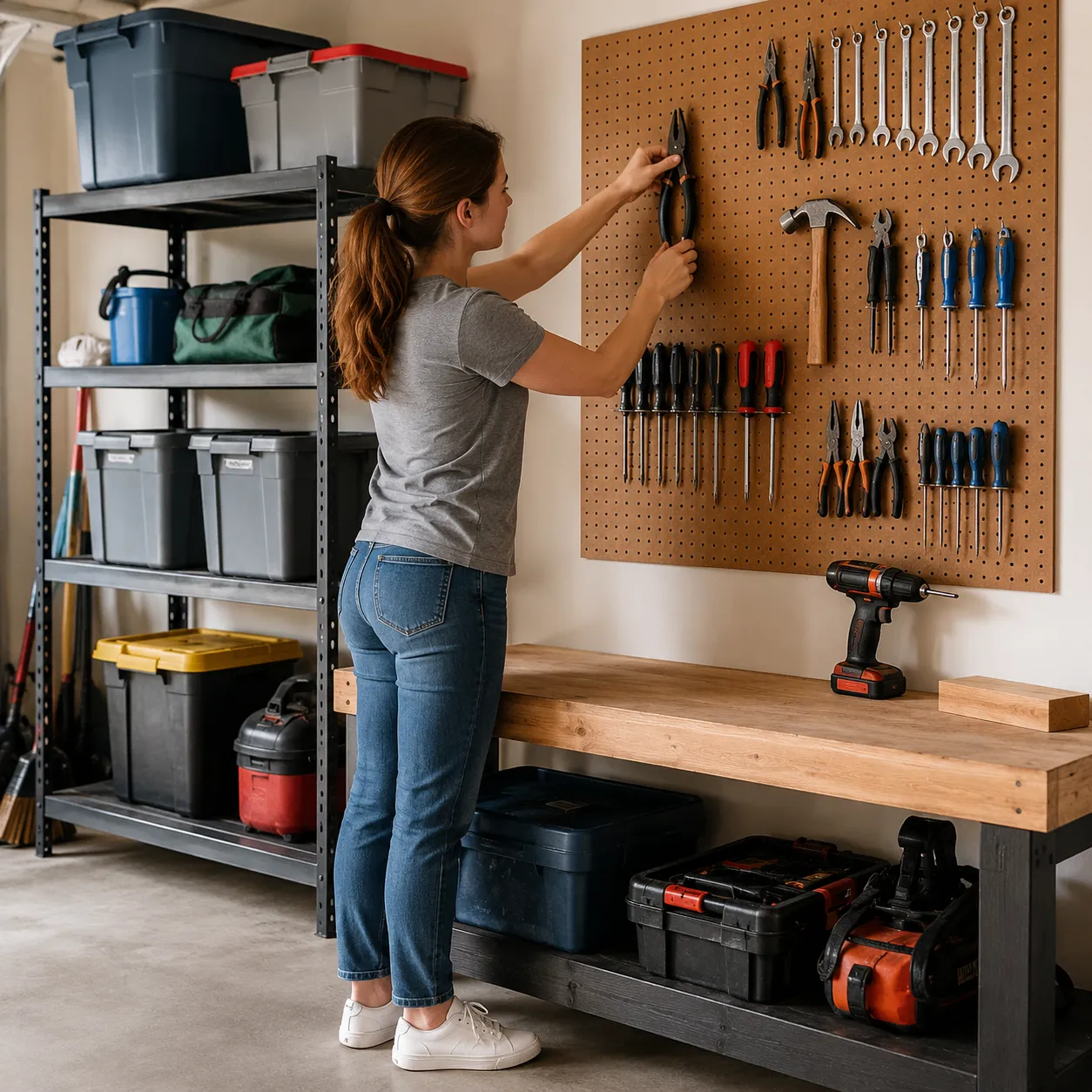
tidyˈtaɪdi
to make a place neat by putting things in the right places.

modernˈmɑːdərn
belonging to the present time or to recent times, not to the distant past.
rusticˈrʌstɪk
simple, plain, and natural in a way that is typical of the countryside or old country homes.
stainedsteɪnd
marked by dirt, liquid, or color that is difficult to remove.
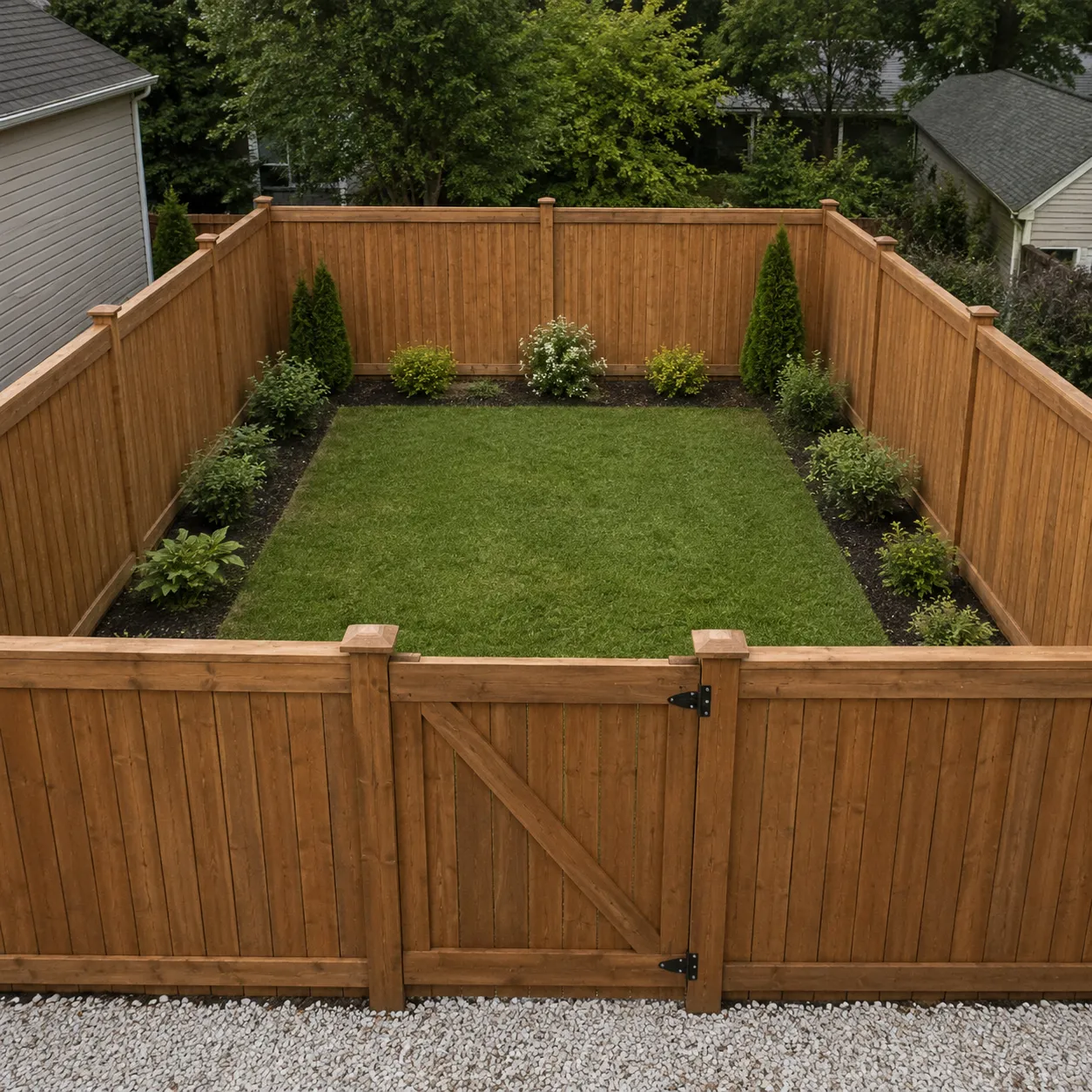
fencedfɛnst
surrounded, divided, or protected by a fence.
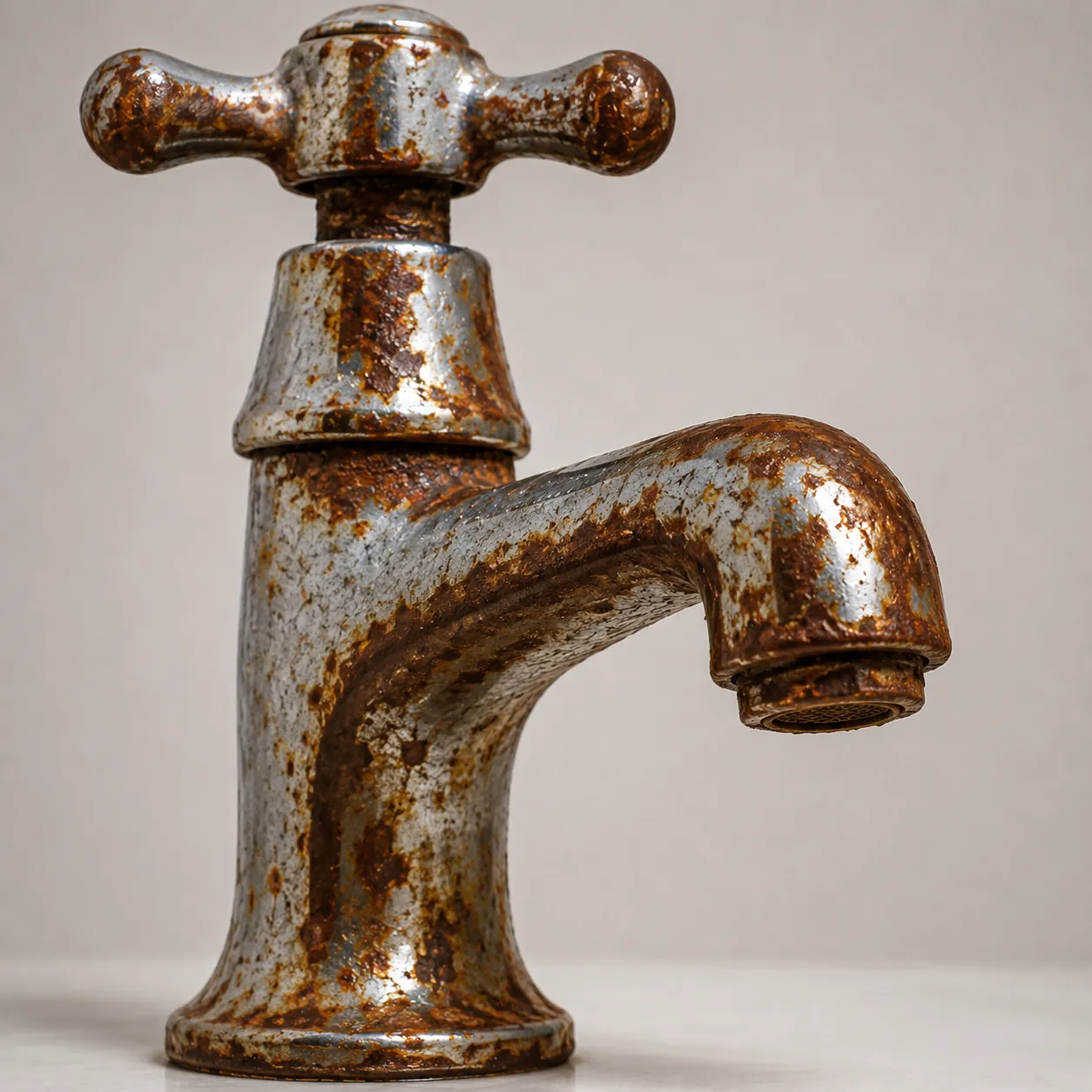
rustyˈrʌsti
covered with reddish-brown material that forms on metal when it gets wet and is exposed to air.
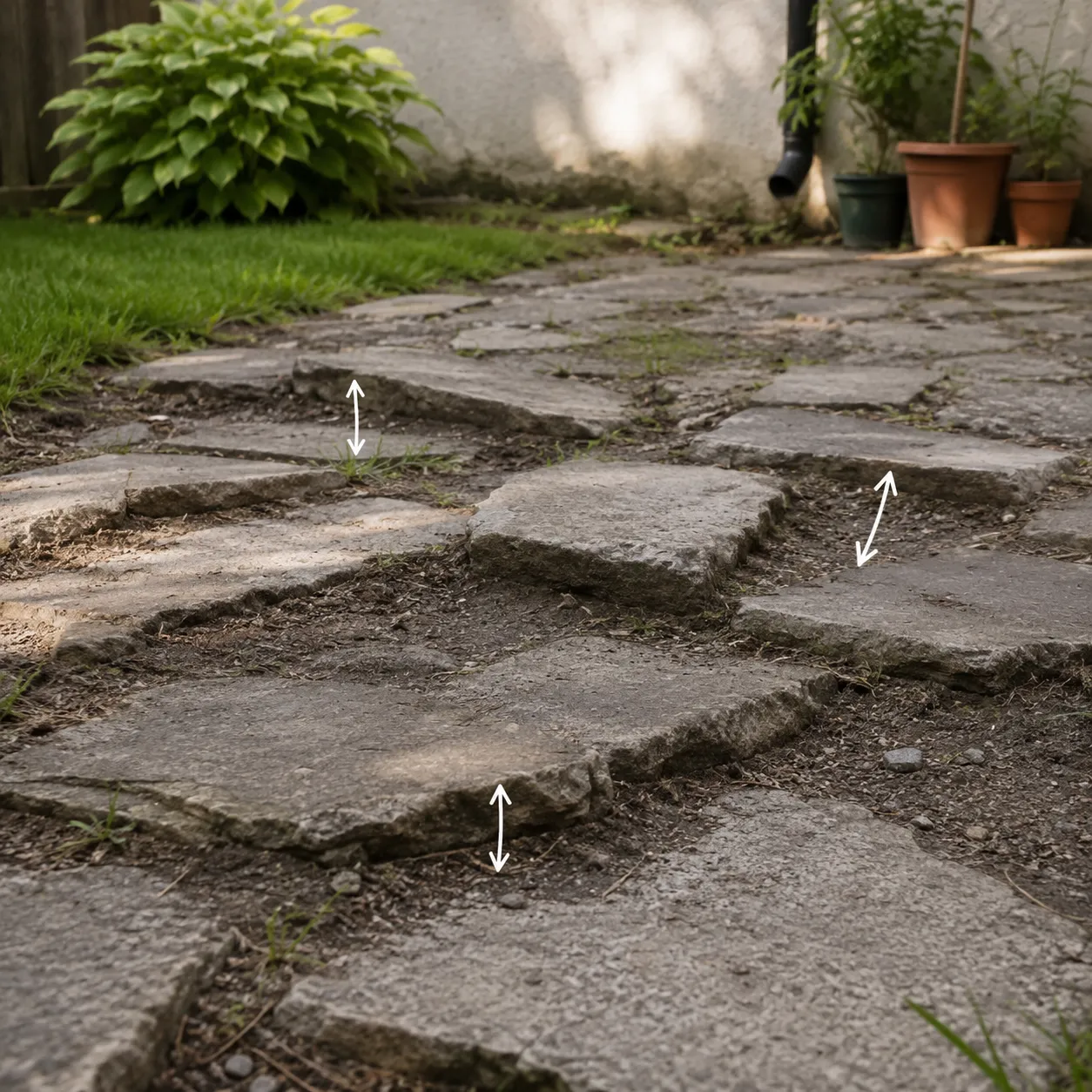
unevenʌnˈiːvən
not flat, level, or smooth, with parts higher or lower than others.
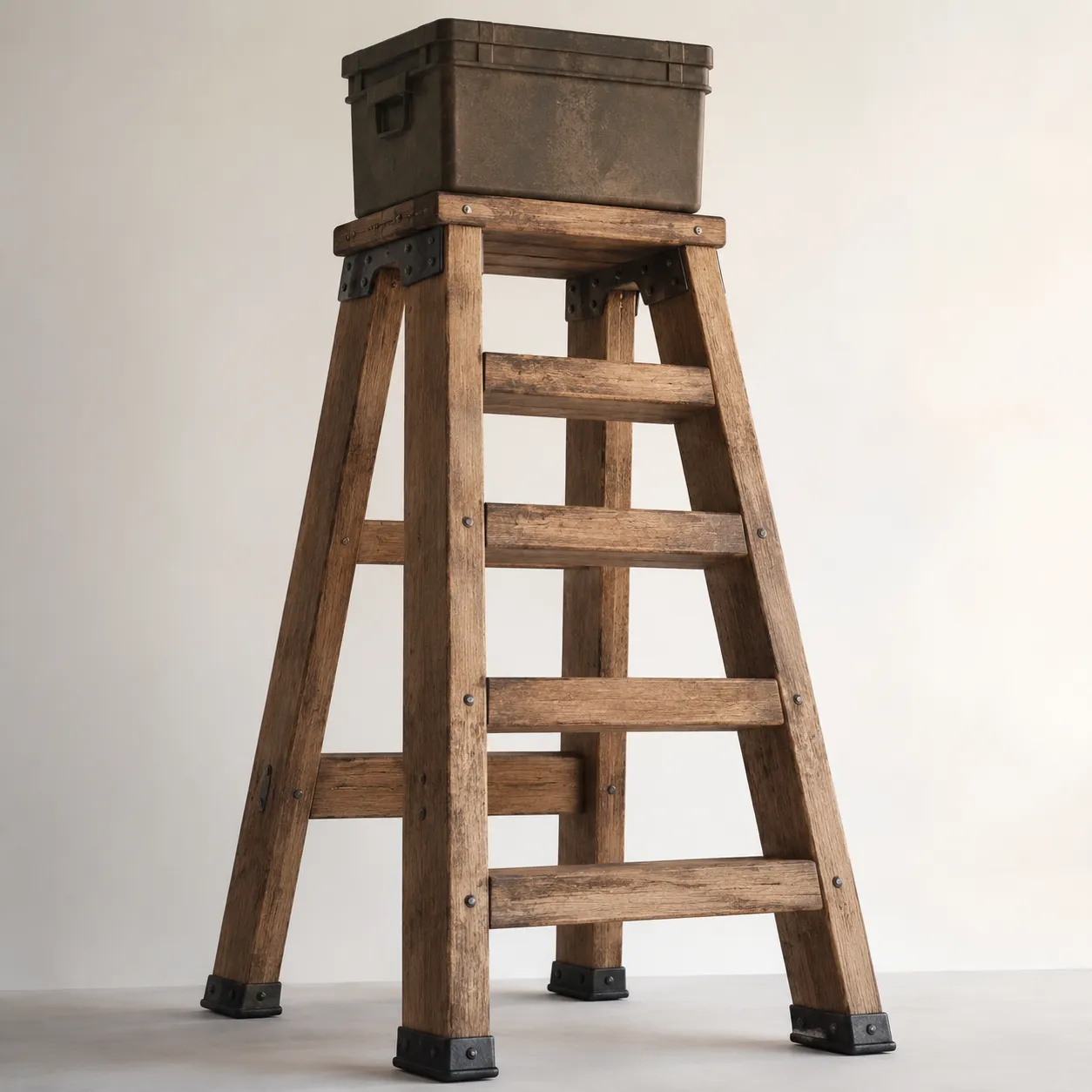
sturdyˈstɝːdi
strongly made and not easily broken, damaged, or knocked over.
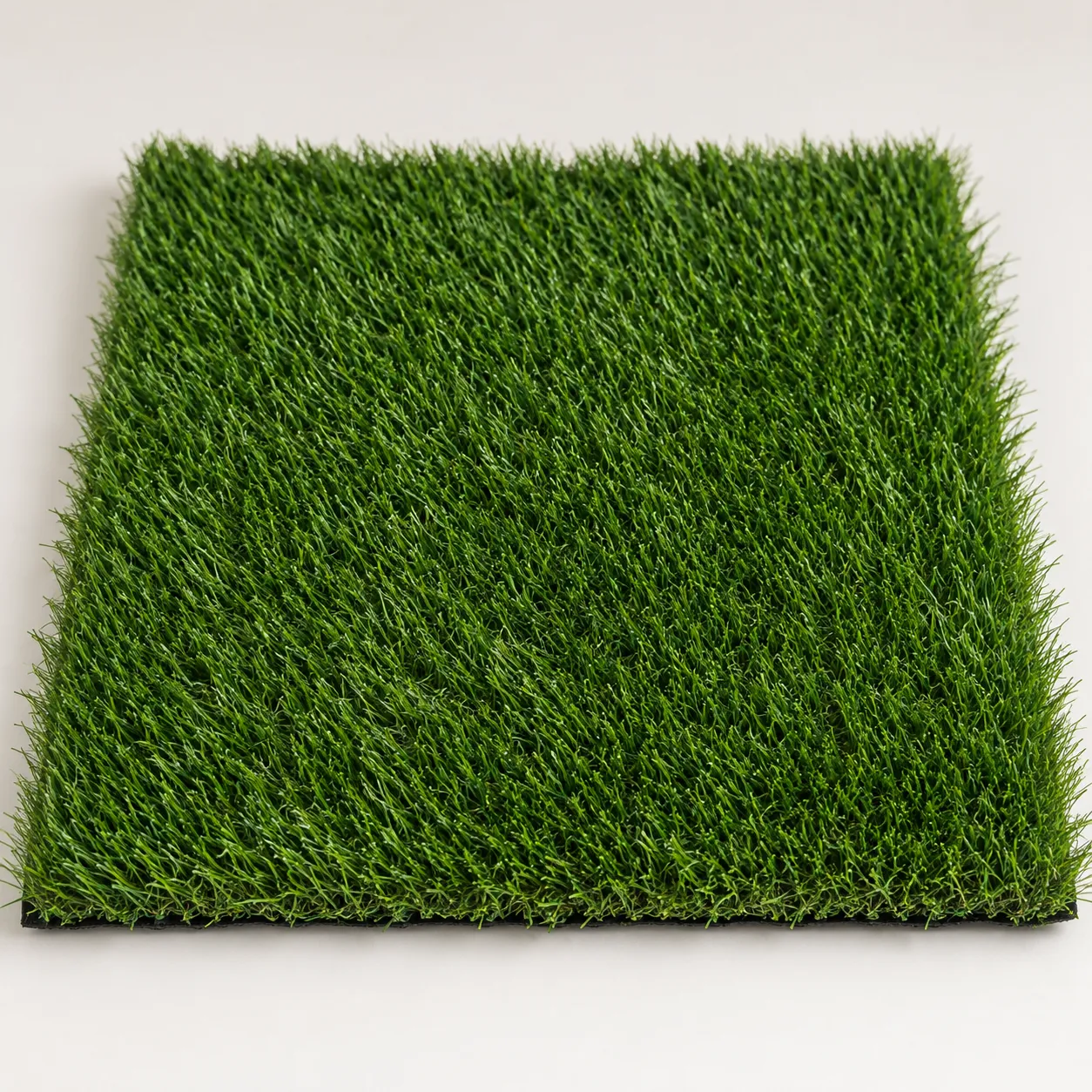
artificial grassˌɑːrtəˈfɪʃəl ɡræs
a green synthetic surface that looks like real grass and is used instead of a natural lawn.
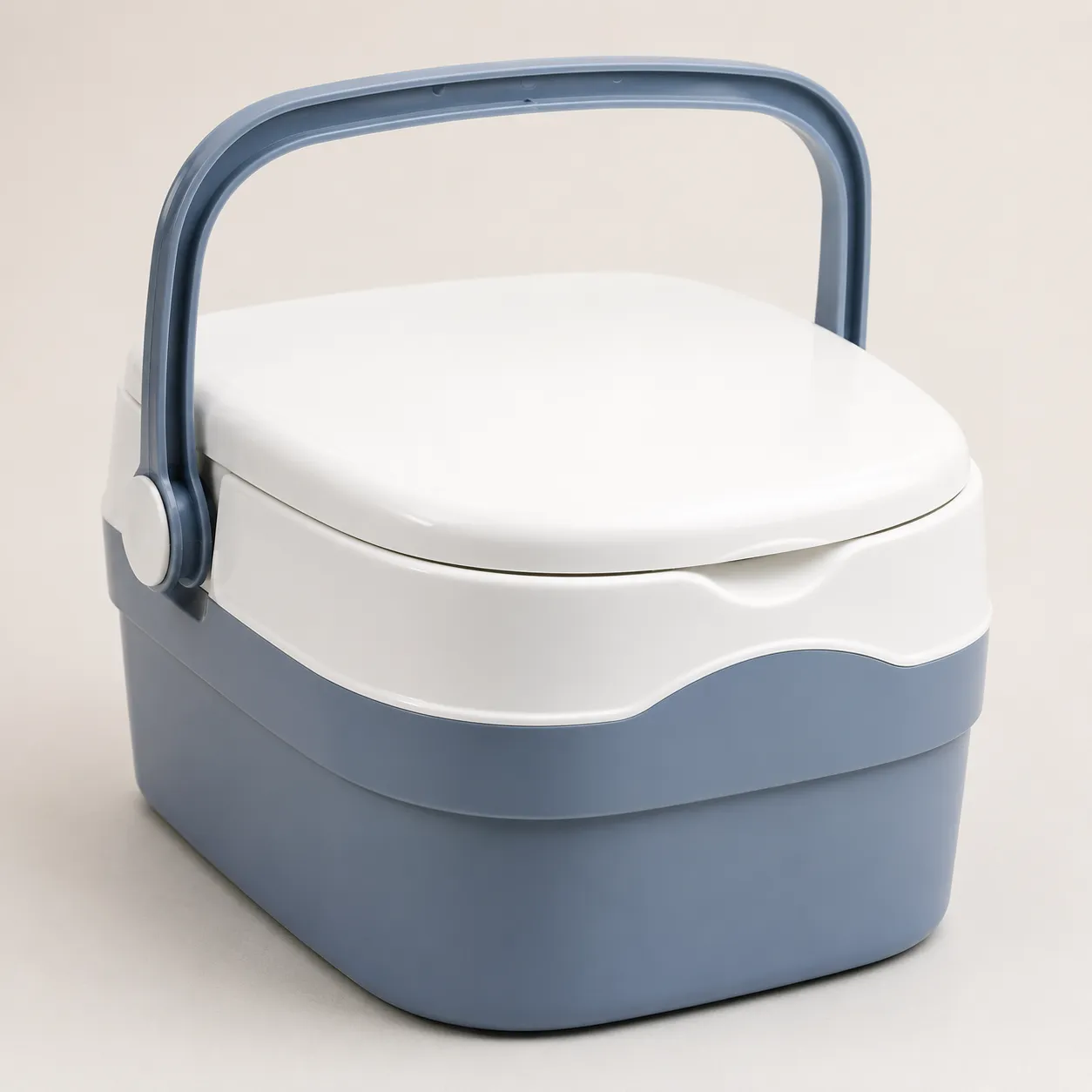
portableˈpɔːrtəbl
easy to carry or move, so it can be used in different places.

clutteredˈklʌtərd
filled with too many things, so a place looks untidy or is hard to use.
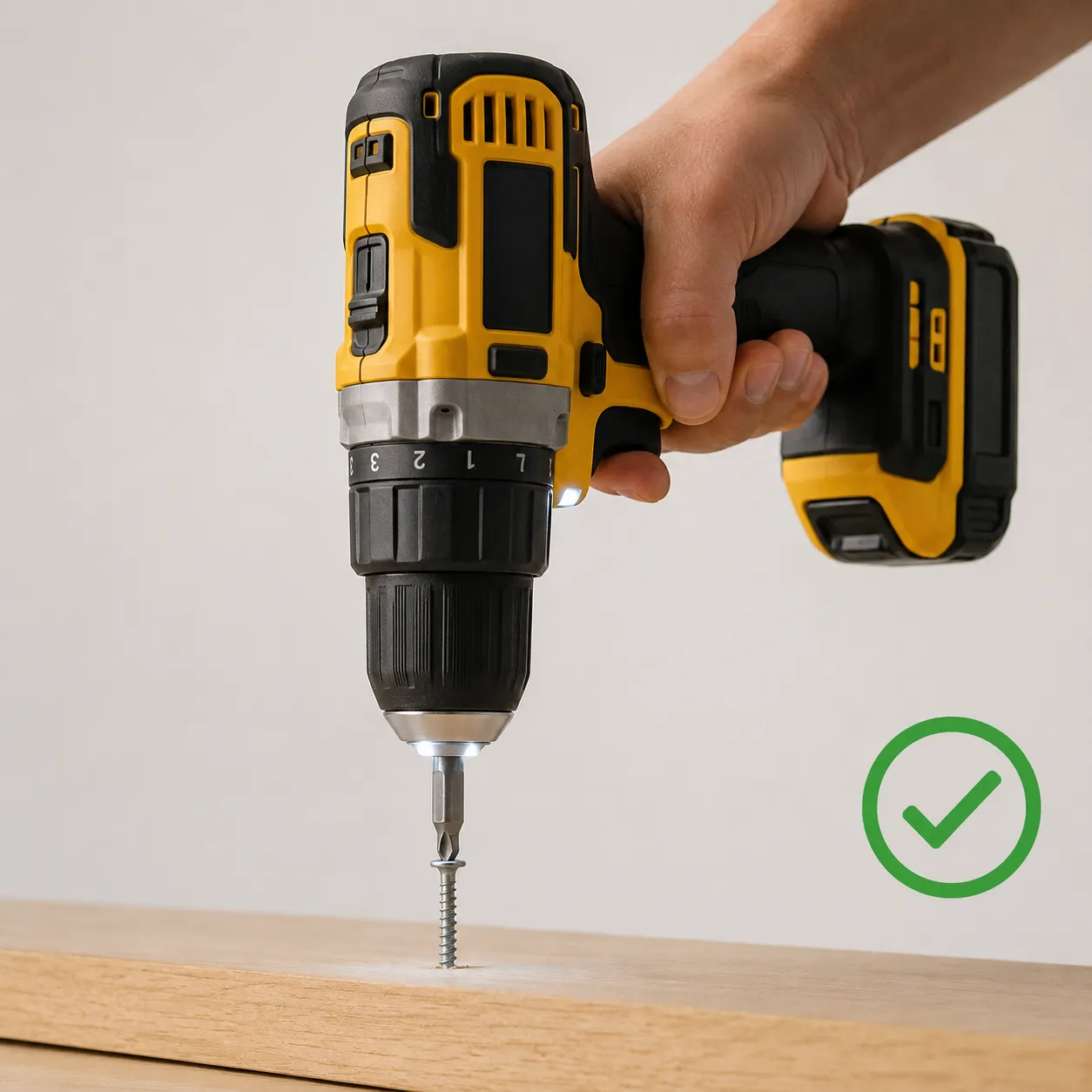
functionalˈfʌŋkʃənəl
designed to be useful and practical, not mainly attractive or decorative.
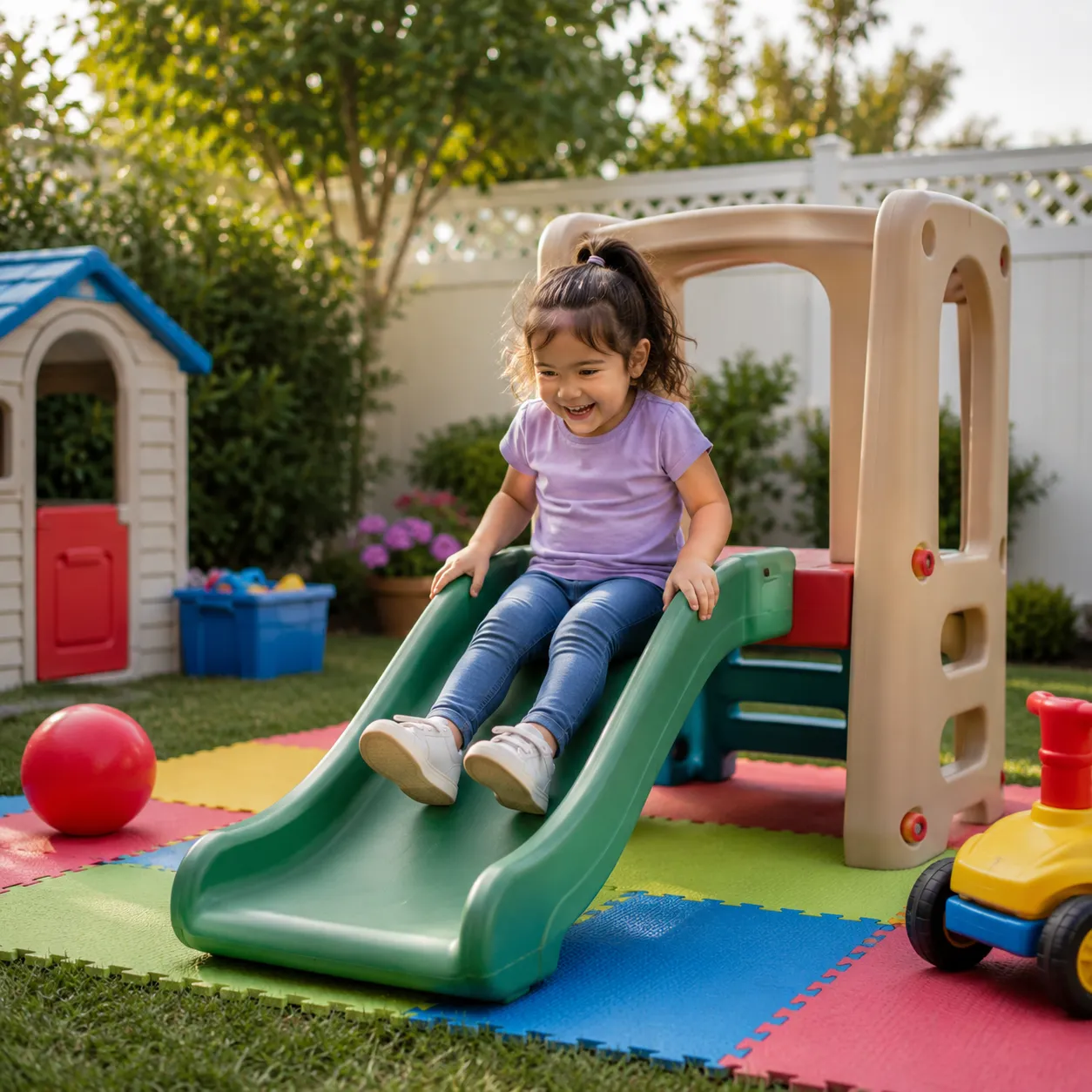
child-friendlyˈtʃaɪld ˌfrɛndli
suitable and safe for children.
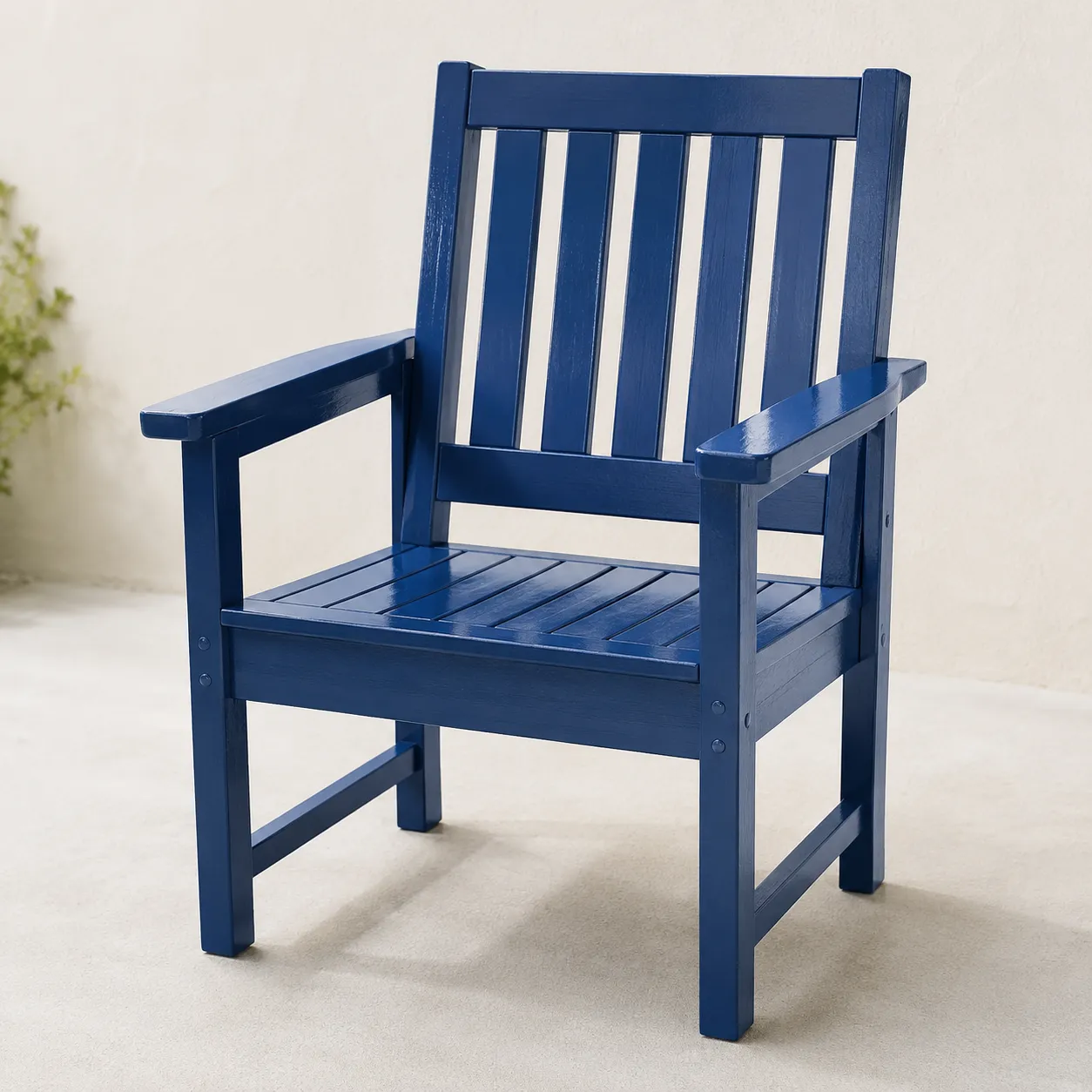
paintedˈpeɪntɪd
covered with a layer of paint or decorated using paint.
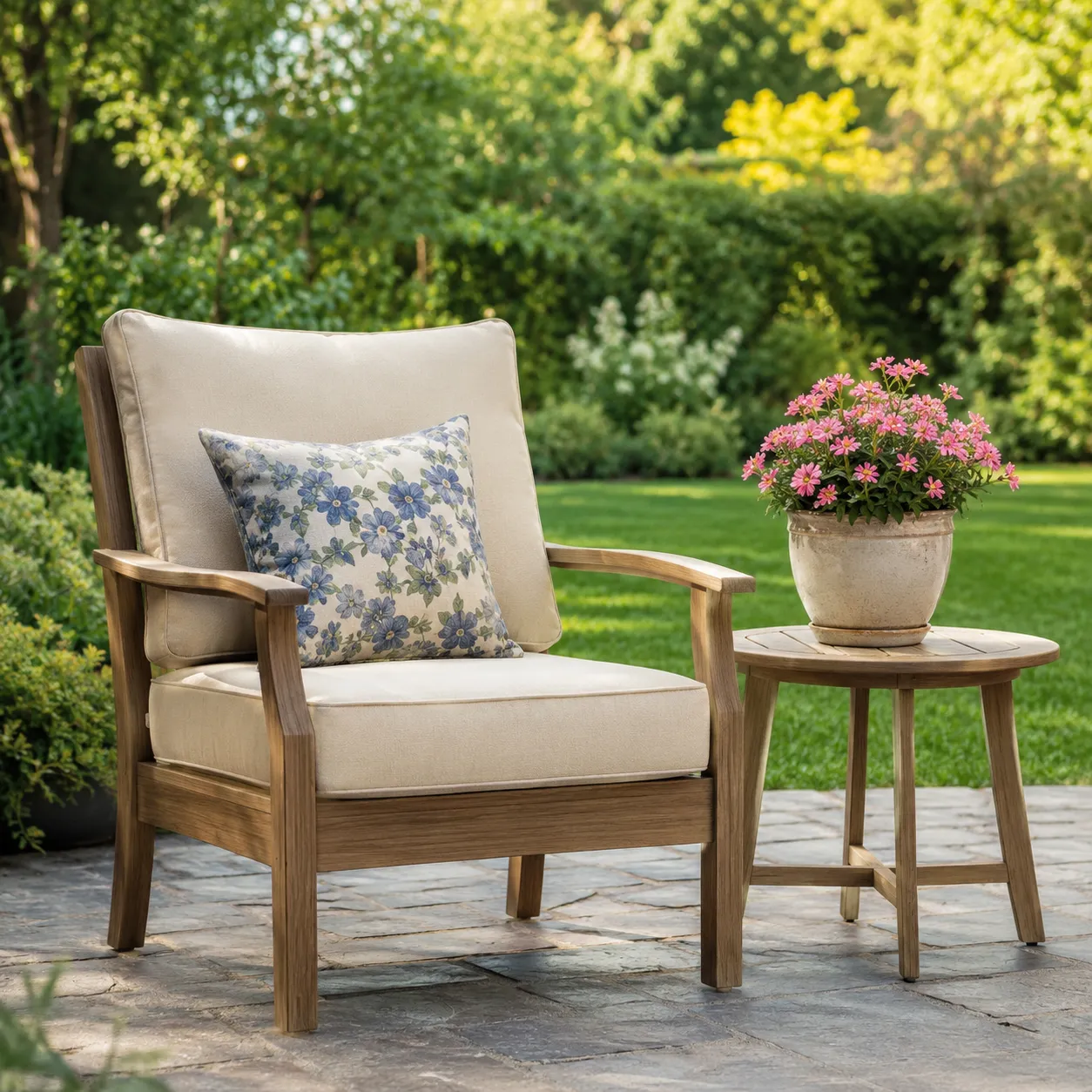
attractiveəˈtræktɪv
pleasant to look at, or having qualities that make people like or want something.
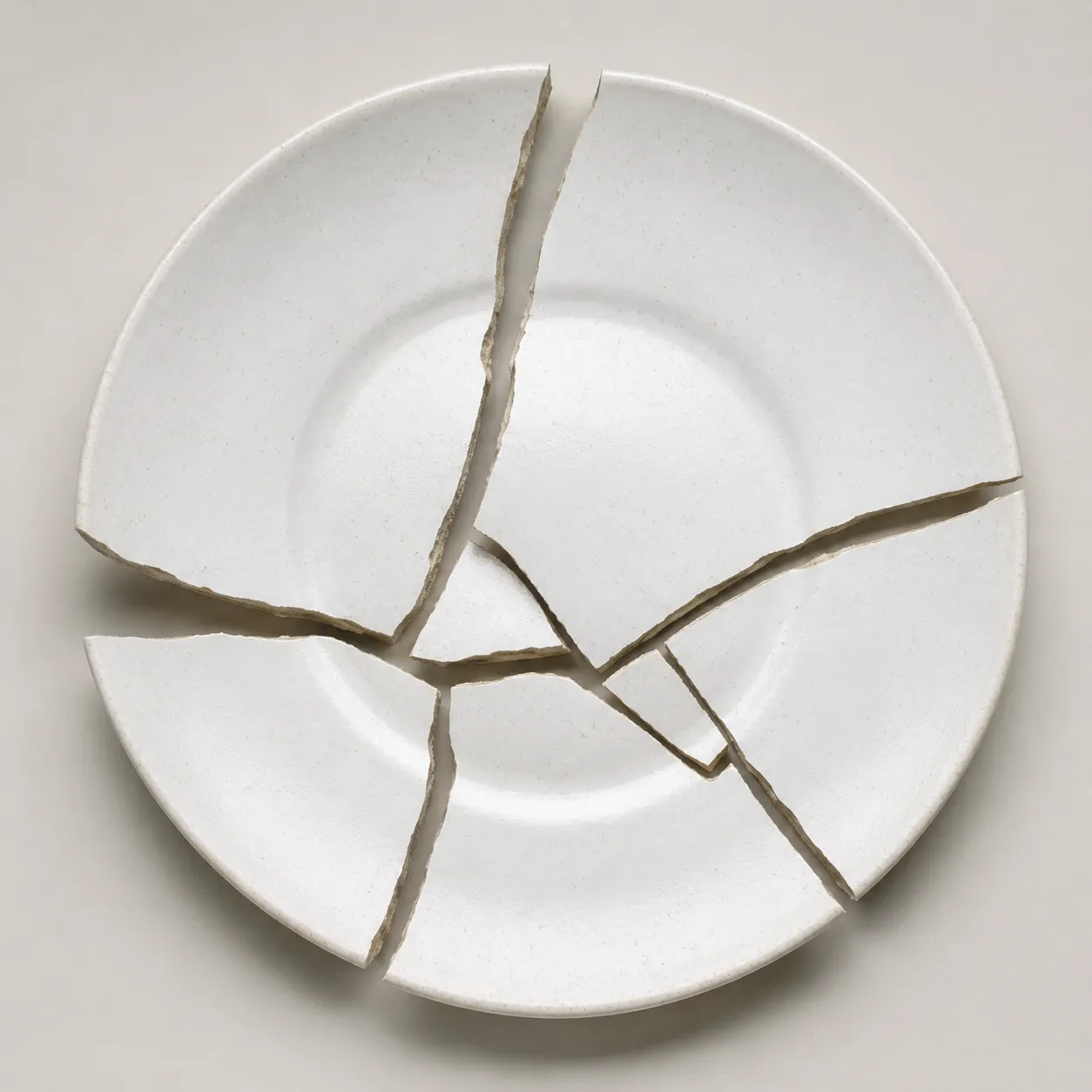
brokenˈbrəʊkən
damaged so that it does not work or is in pieces.
plasticˈplæstɪk
a light artificial material that can be shaped and is used to make many products and packages.

noisenɔɪz
a loud or unpleasant sound.
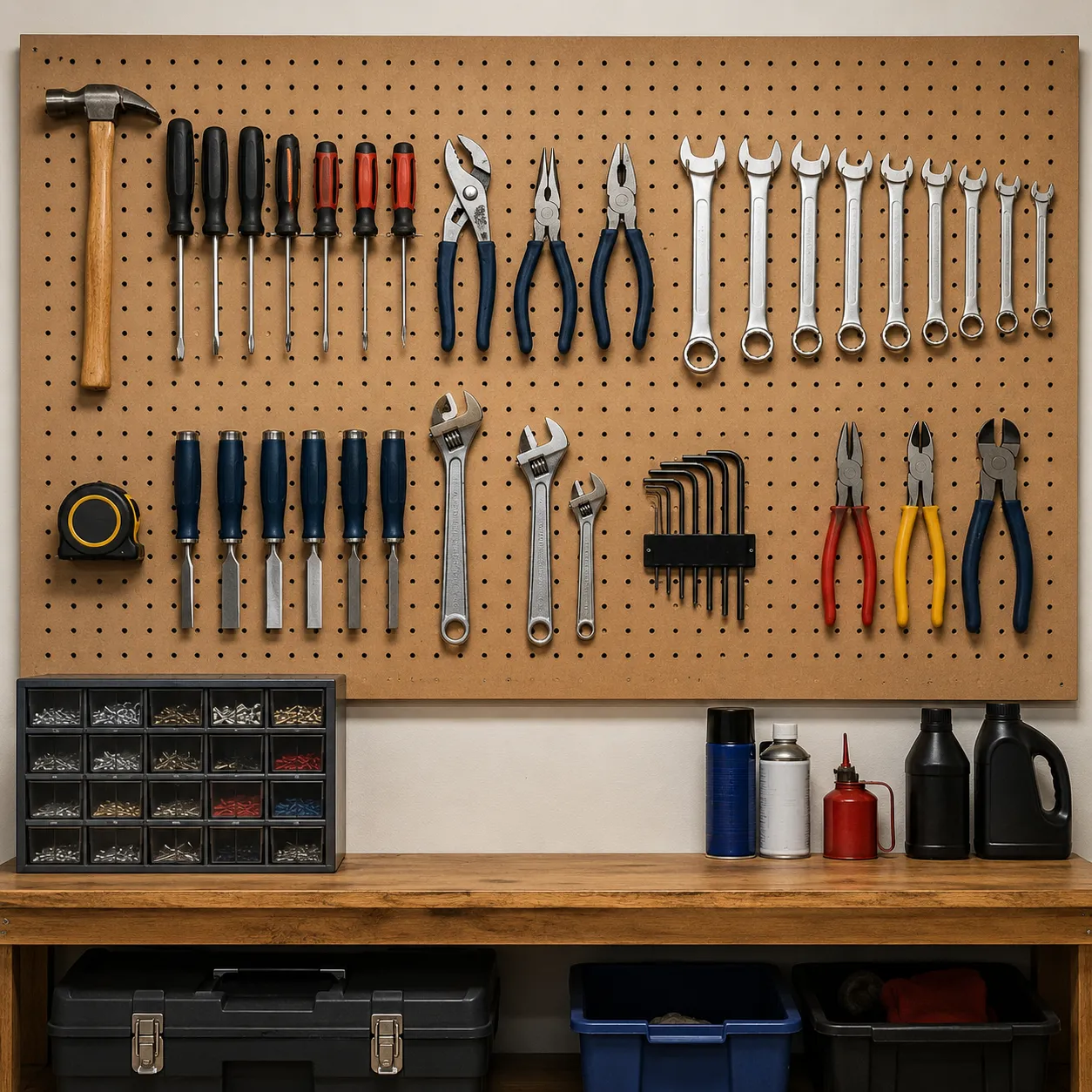
neatlyˈniːtli
in an orderly, clean way, with things put in the right place.

dustyˈdʌsti
covered with dust or containing a lot of dust.
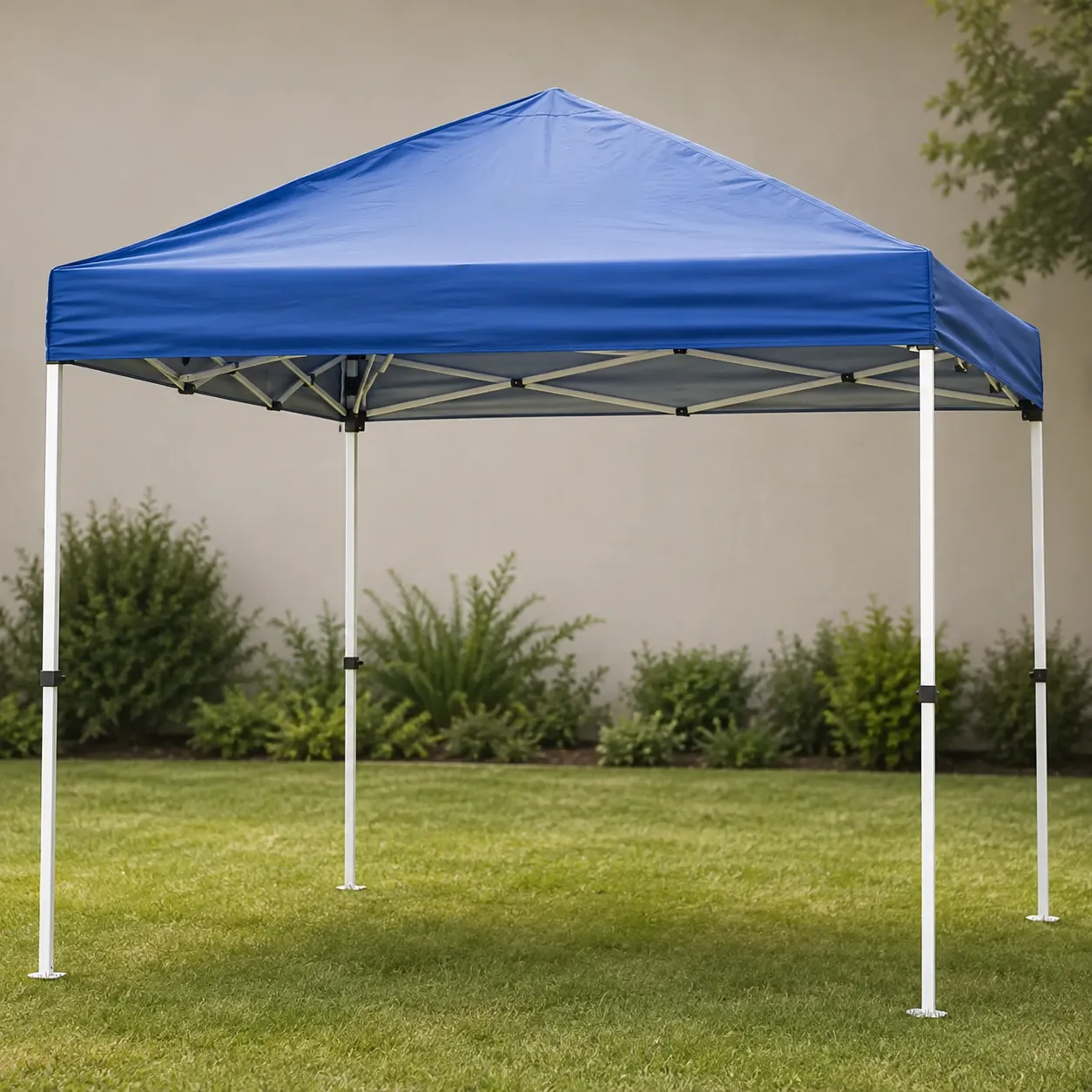
temporaryˈtempəreri
lasting for only a limited time; not permanent.
darkdɑːrk
having little or no light, so it is difficult to see.
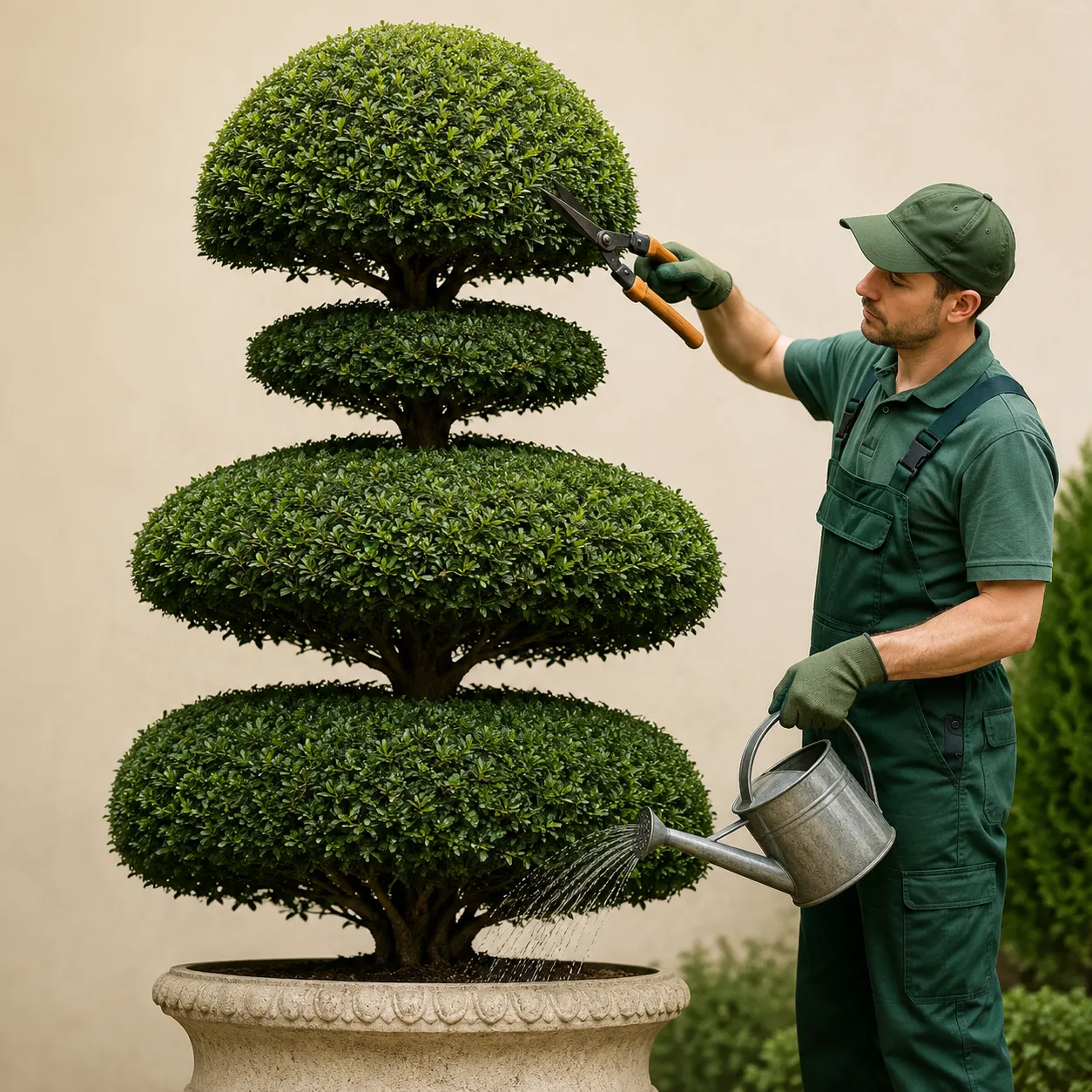
high-maintenanceˌhaɪ ˈmeɪntənəns
needing a lot of time, work, attention, or money to keep working well, looking good, or staying satisfied.

brightbraɪt
full of light or having a strong, clear color
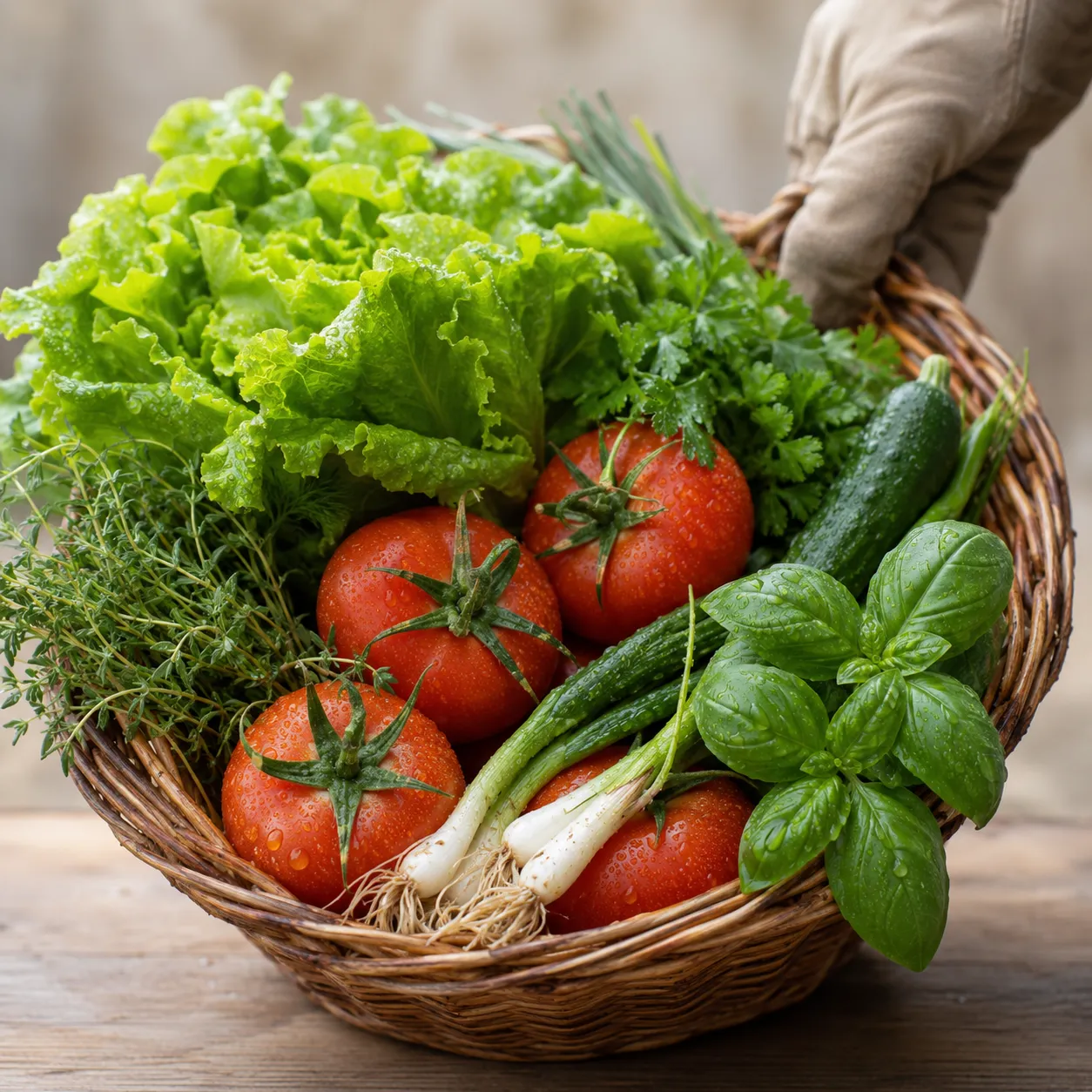
freshlyˈfrɛʃli
only a short time after being made, picked, prepared, or done.
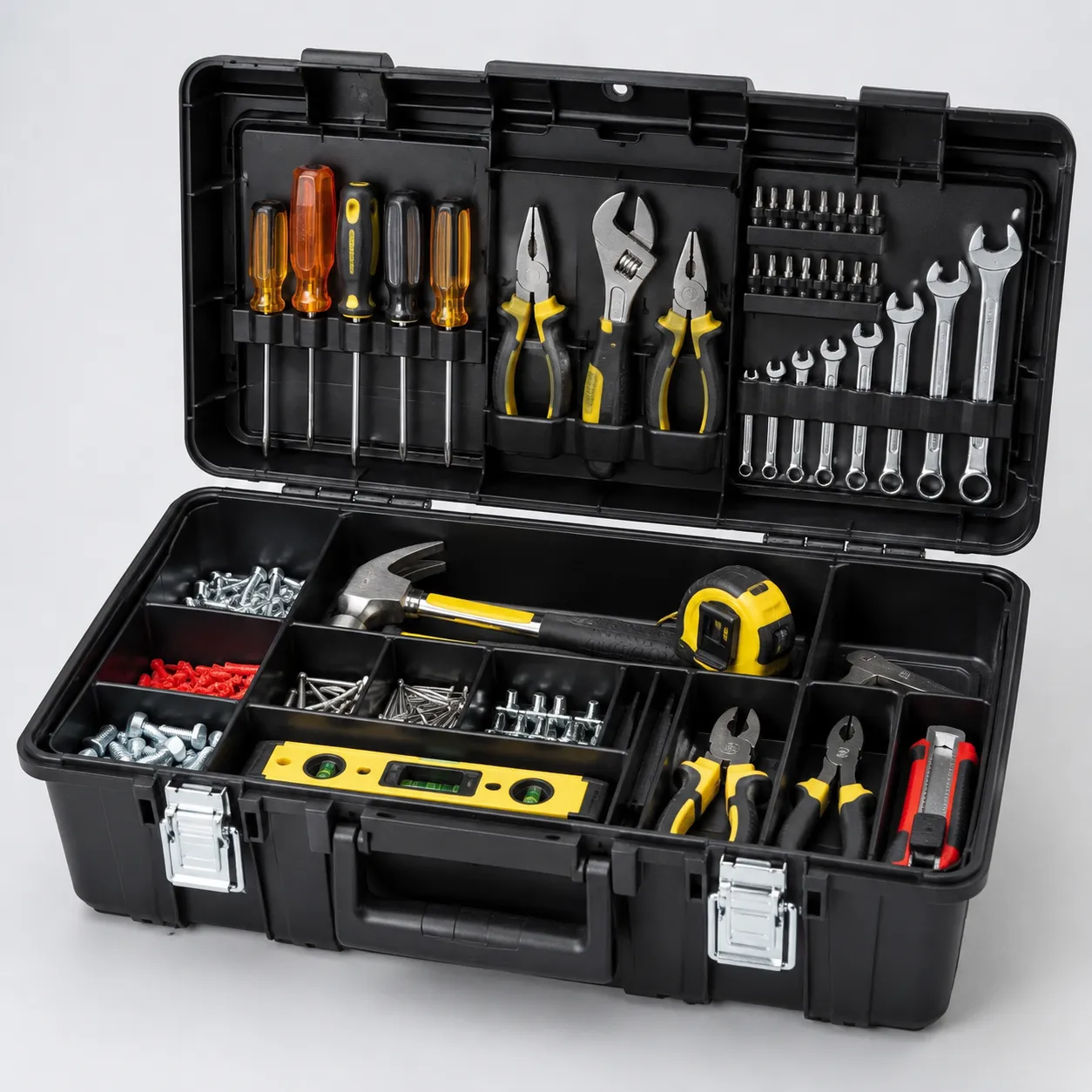
practicalˈpræktɪkəl
focused on real use, skills, or experience rather than only ideas.
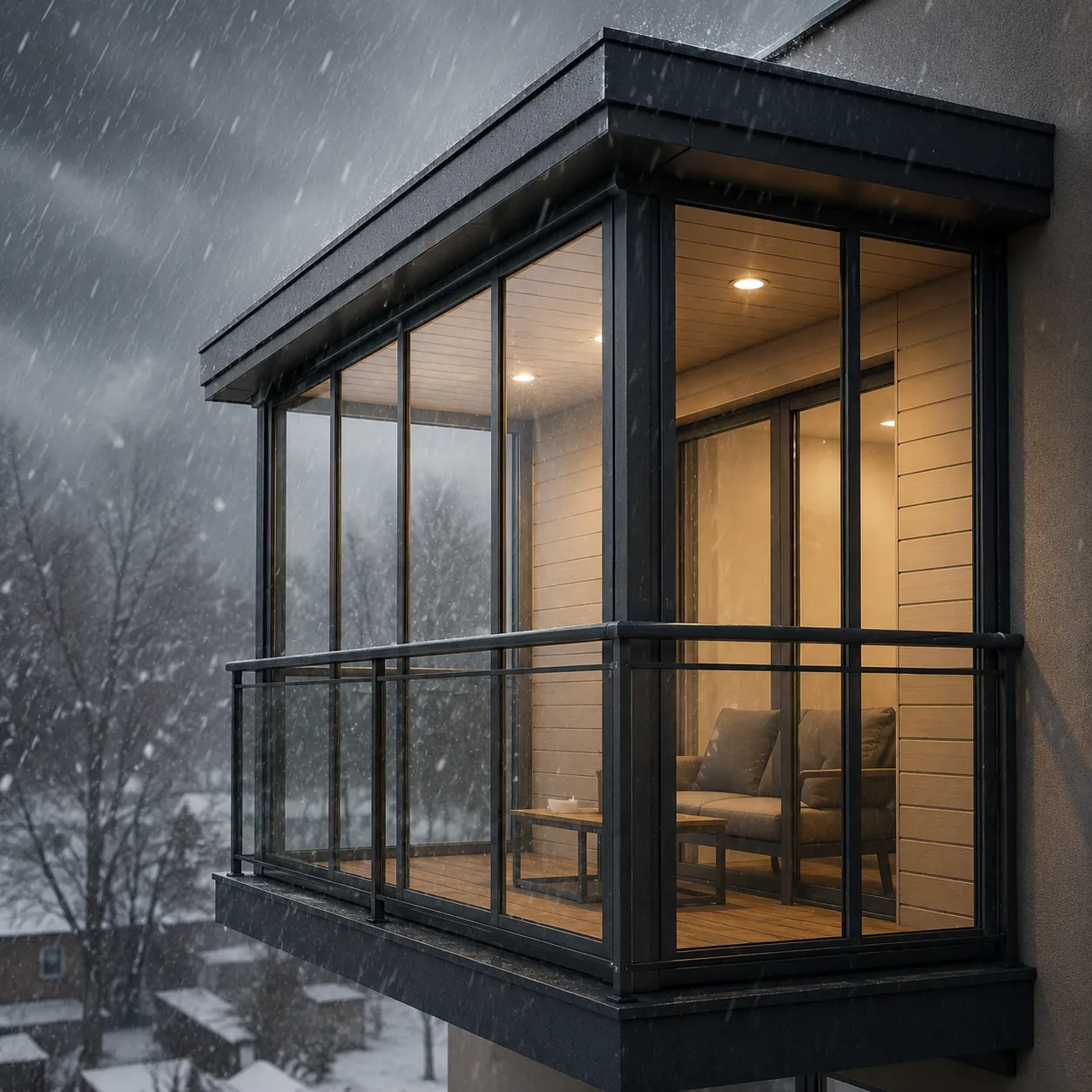
weatherproofˈwɛðərˌpruːf
made so that rain, wind, sun, or cold cannot easily damage it.
thinθɪn
having a small distance between one side or surface and the other.
greenɡriːn
having the colour of grass or leaves.

smallsmɔːl
not large in size, number, or amount.

colorfulˈkʌlərfəl
having bright colors or many different colors.
smoothsmuːð
having an even surface with no rough parts, holes, or raised areas.
patio tileˈpætioʊ taɪl
a flat piece of stone, ceramic or concrete used to cover the floor of an outdoor patio.

decorativeˈdɛkərətɪv
used or made to make something look more attractive, rather than mainly for a practical purpose.
freshly paintedˈfrɛʃli ˈpeɪntəd
covered with a new layer of paint a short time ago.
built-inˌbɪlt ˈɪn
made as a permanent part of a room, wall, cupboard, or piece of furniture, rather than being separate.
stainsteɪn
a dirty mark on a surface or material that is difficult to remove

flagflæɡ
a piece of cloth with colors or symbols that represents a country, organization, group, or idea.
thickθɪk
having a large distance between one side or surface and the opposite side or surface.

garden gnomeˈɡɑːrdən noʊm
a small decorative statue, usually of an old man with a pointed hat, that people put in a garden.

prettyˈprɪti
nice to look at in a gentle or pleasant way.
inflatableɪnˈfleɪtəbəl
made so that it can be filled with air and used, then let down and stored easily.
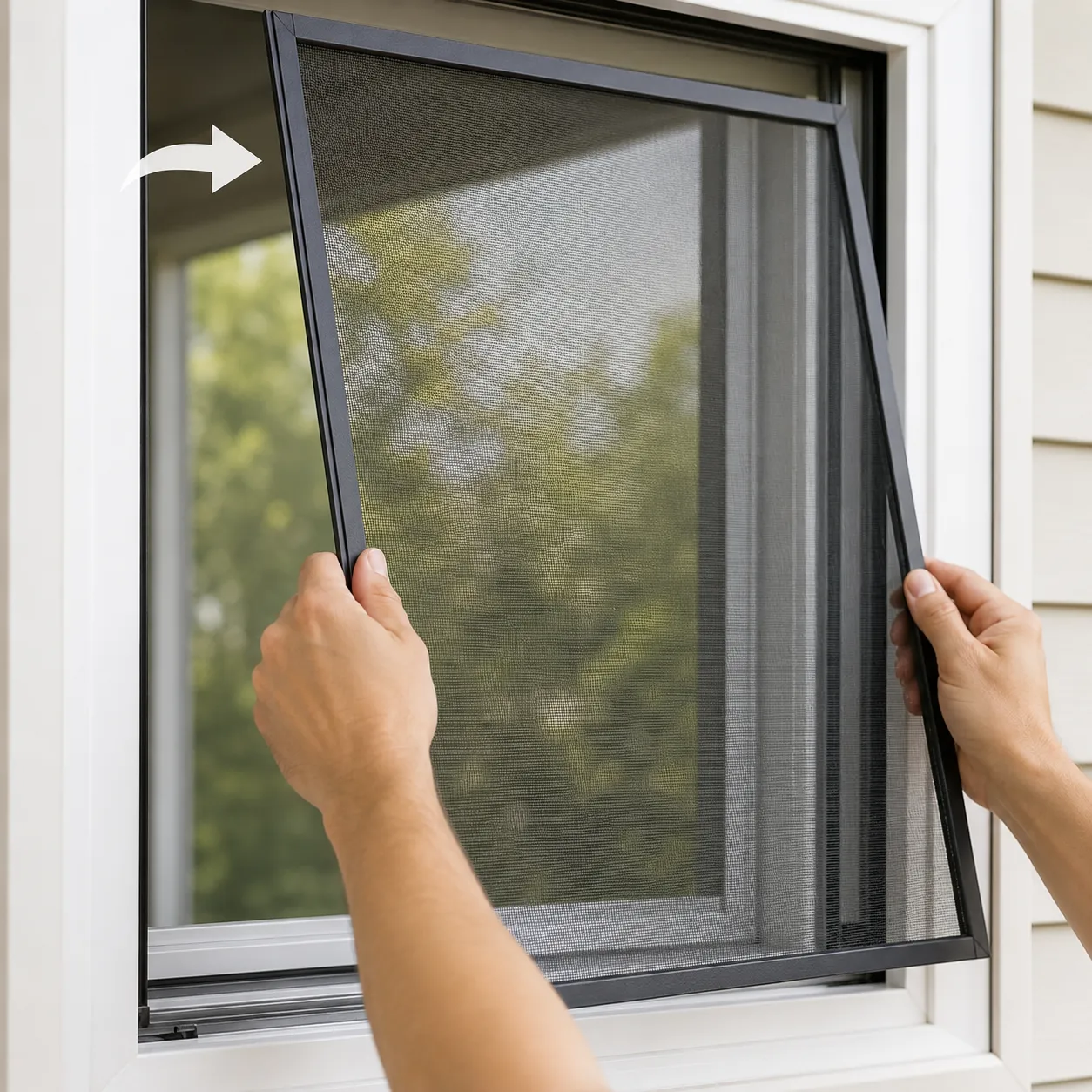
screenskriːn
to test or ask questions to find possible signs of a disease or risk before a full diagnosis.
attachedəˈtætʃt
included with an email or document as an extra file or item.
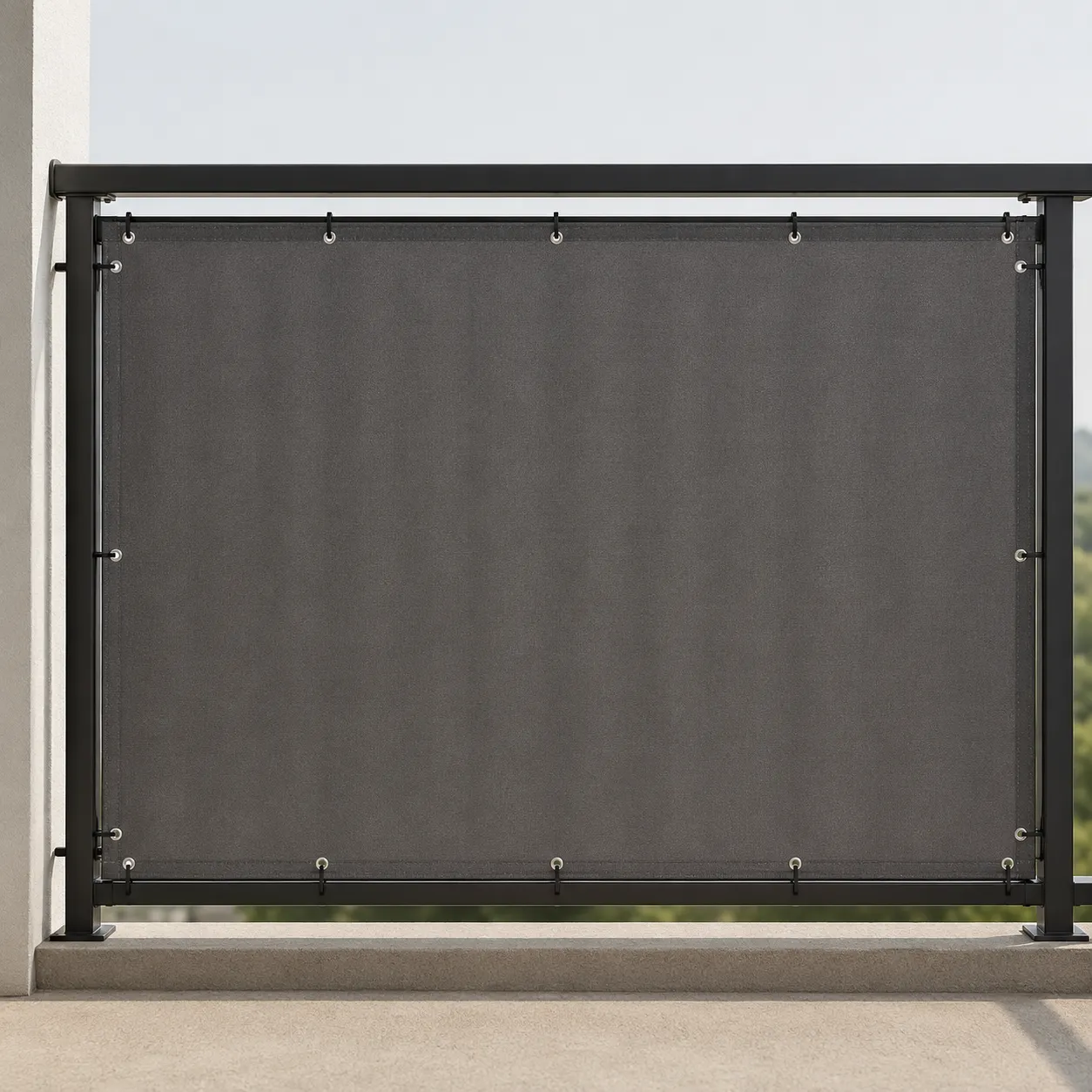
privacy screenˈpraɪvəsi skriːn
a movable screen used to stop others from seeing a patient during care.
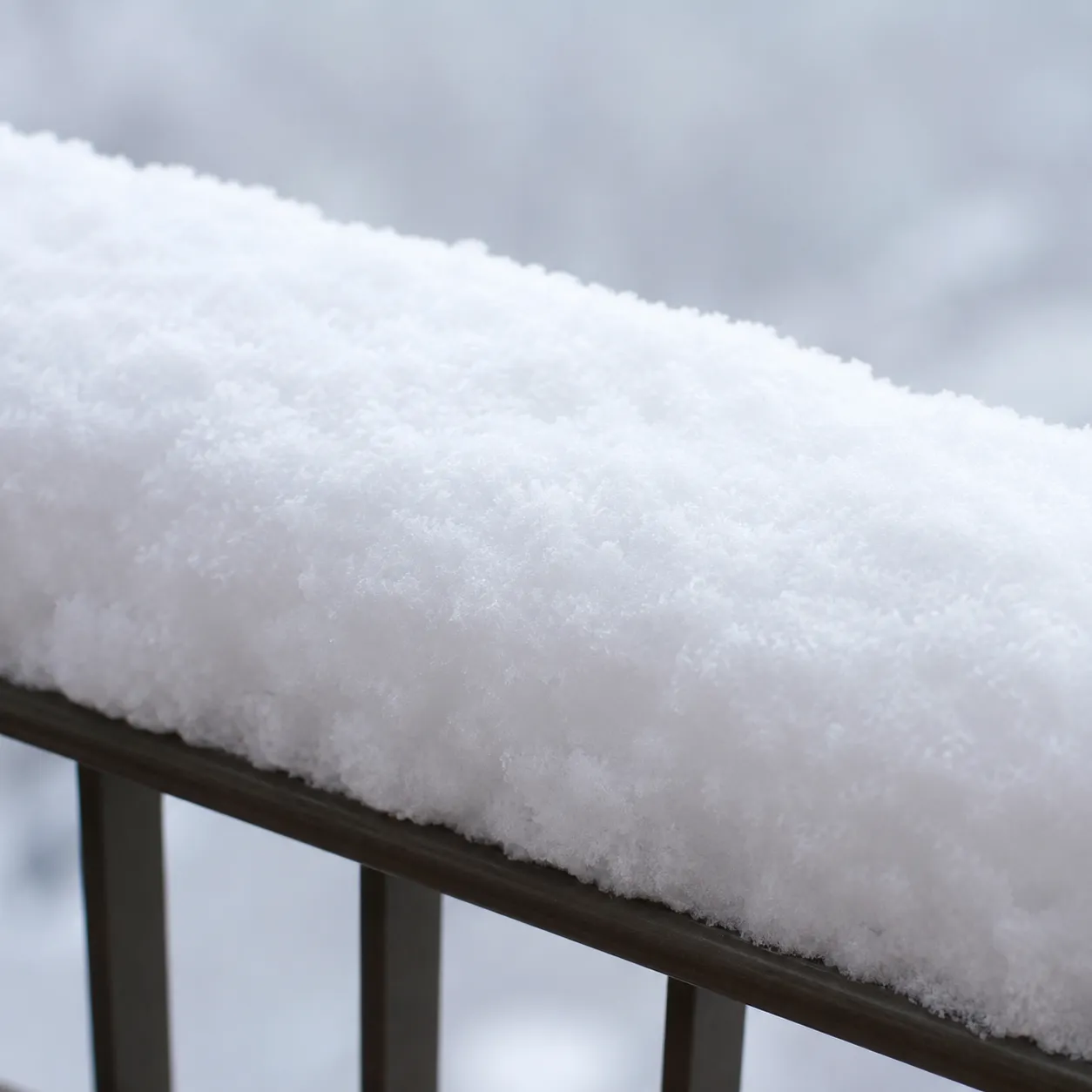
snow
Cocaine.
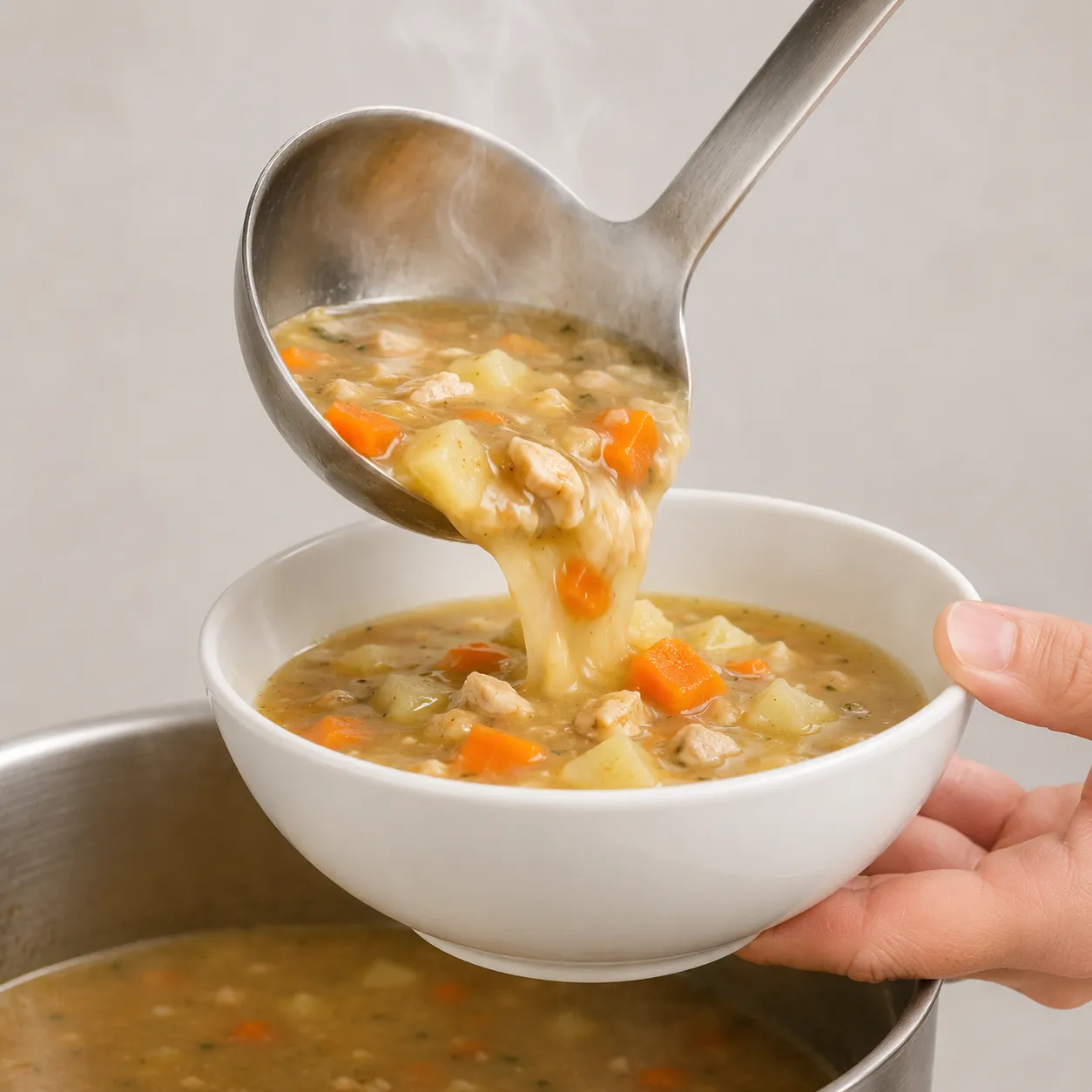
servesɜːrv
to help a customer or provide a service to them

handleˈhændl
to deal with a task, situation, customer, or problem.
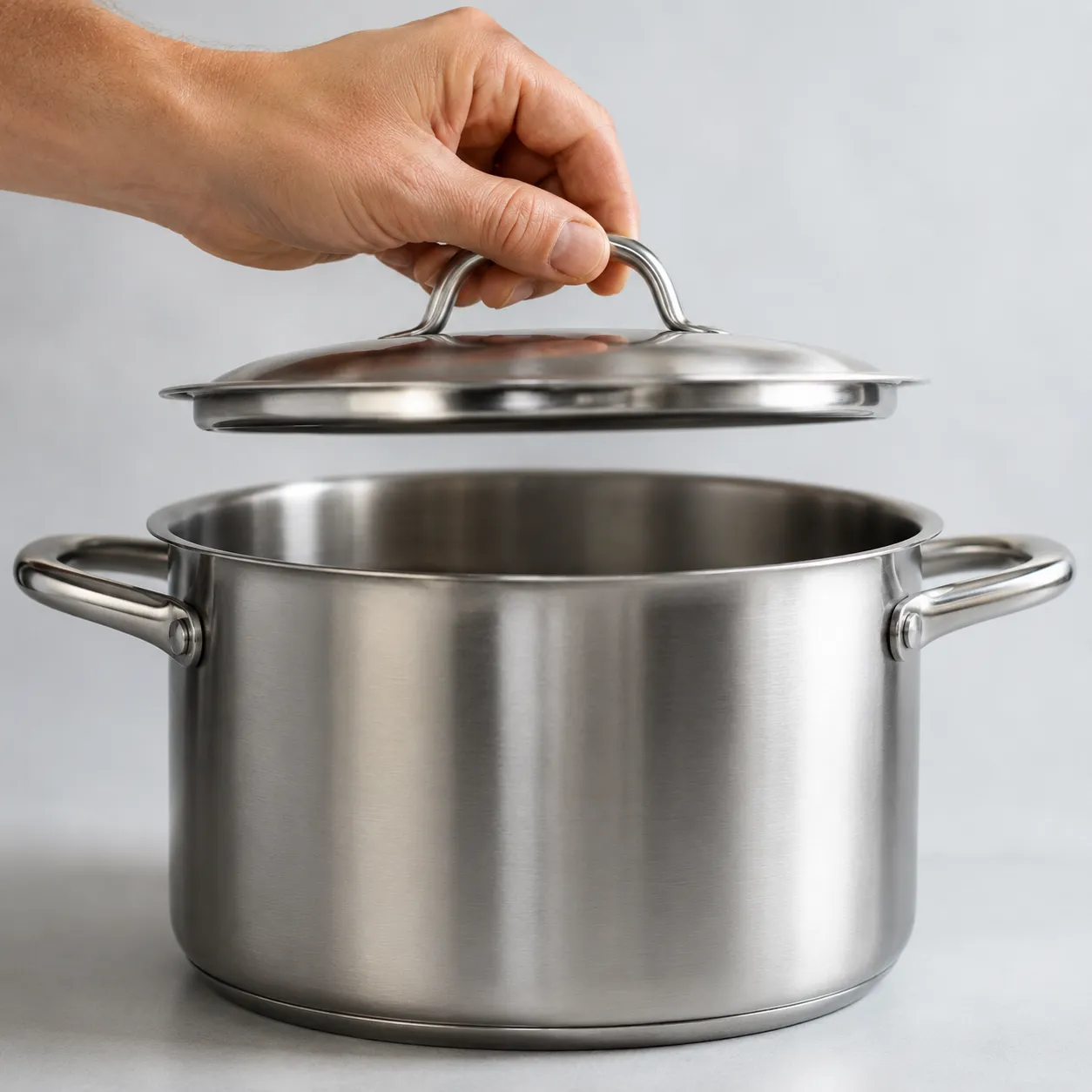
coverˈkʌvər
one customer served in a restaurant, used when counting how many meals or guests were served.
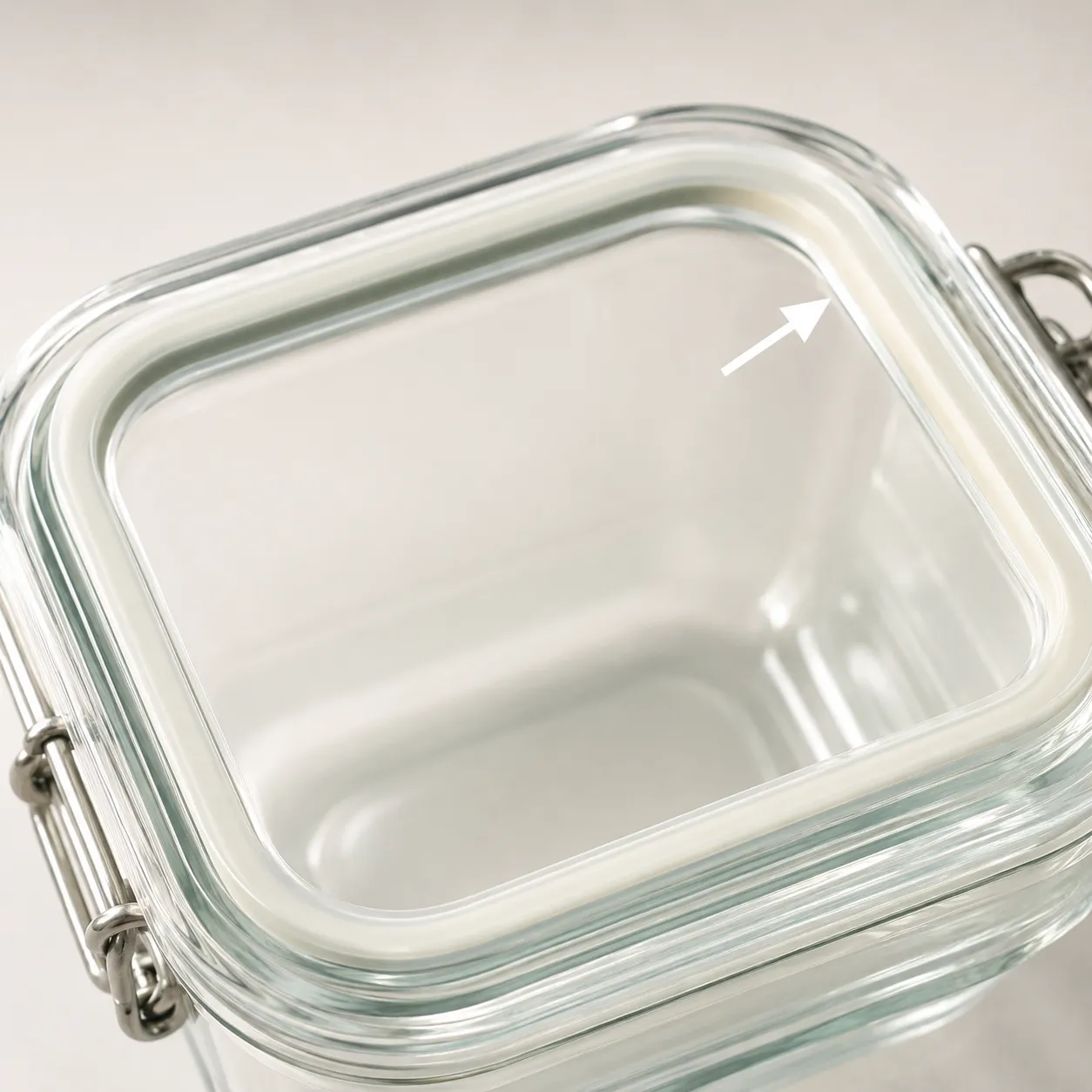
sealsiːl
a sea mammal with a round body and flippers, which often lives in cold water and comes onto land or ice to rest.

bathebeɪð
to wash a patient’s body, especially when they cannot wash themselves.

partyˈpɑːrti
a group of customers who come to a restaurant together and are served together.
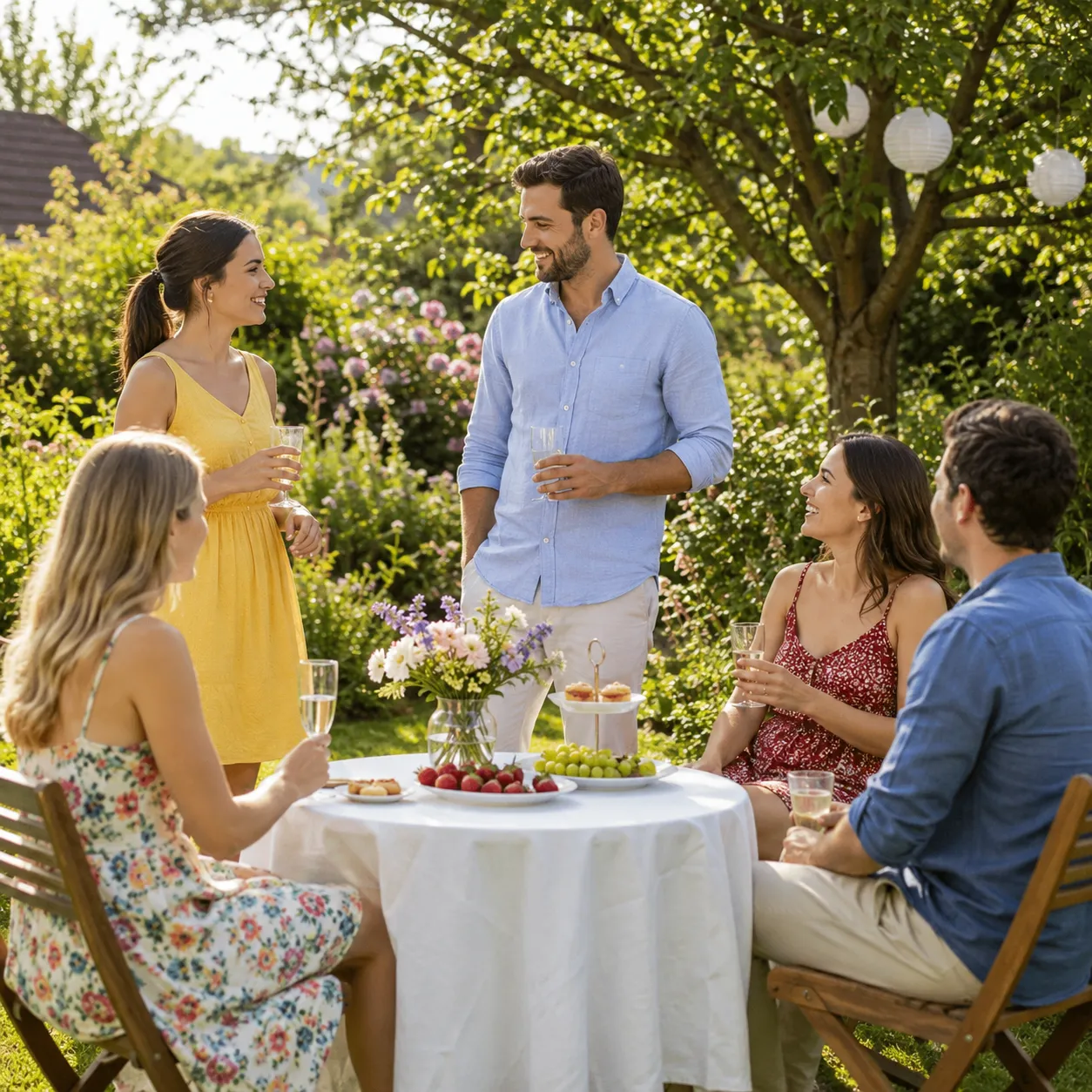
garden partyˈɡɑːrdən ˈpɑːrti
a party held outside in a garden, especially in warm weather.
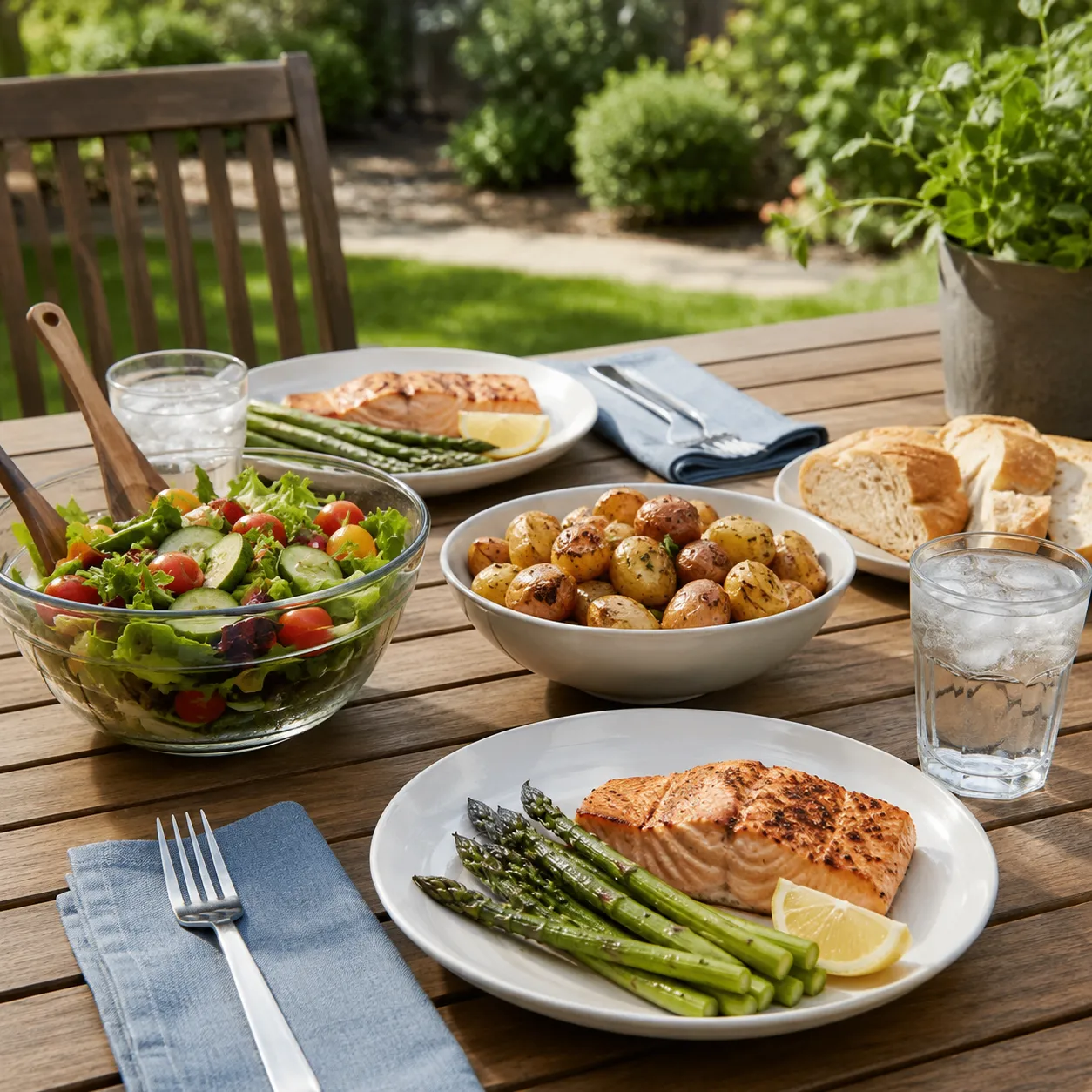
outdoor mealˈaʊtdɔːr miːl
a meal that people eat outside rather than inside a building.
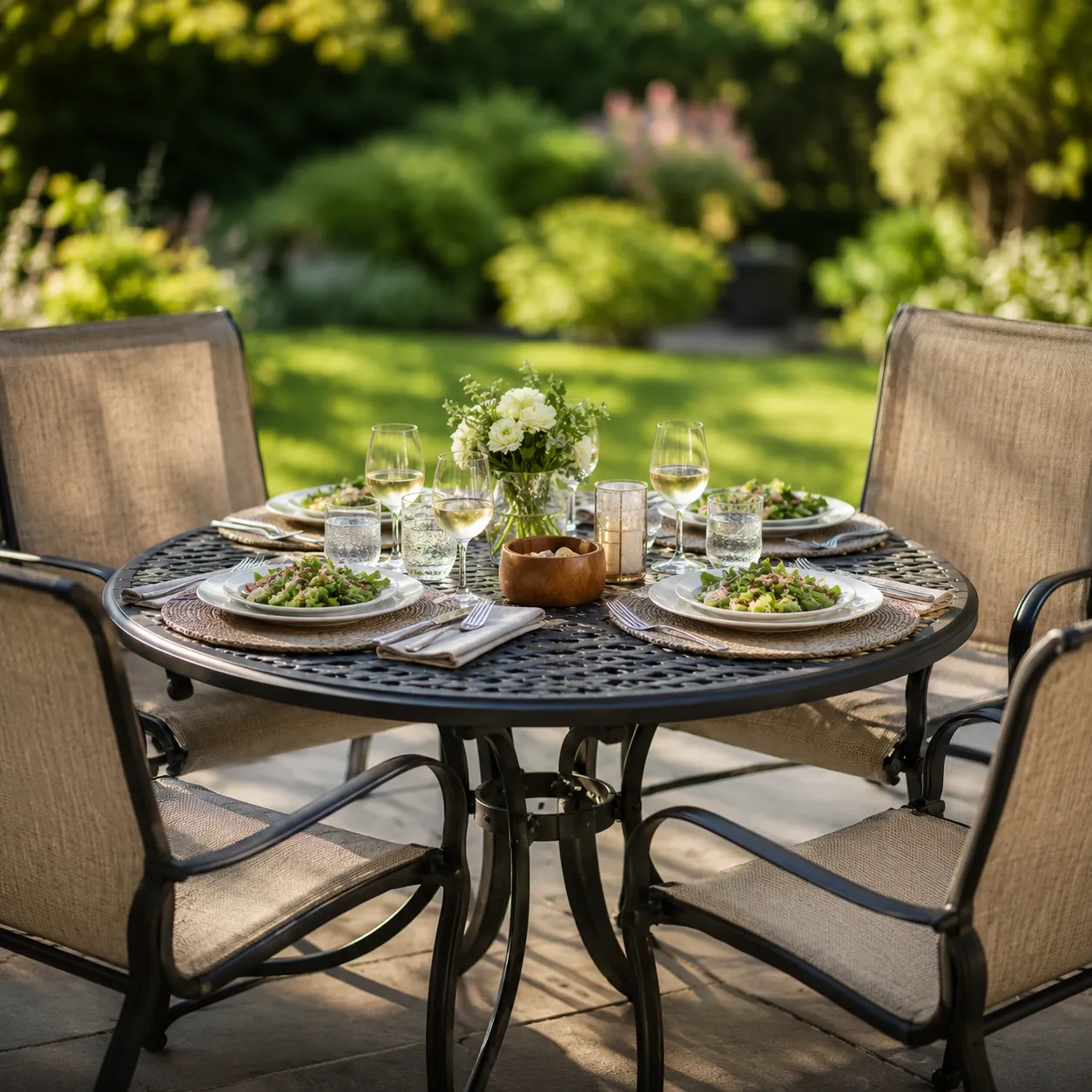
outdoor diningˈaʊtdɔːr ˈdaɪnɪŋ
the activity of eating a meal outside, or a place set up for eating outside.
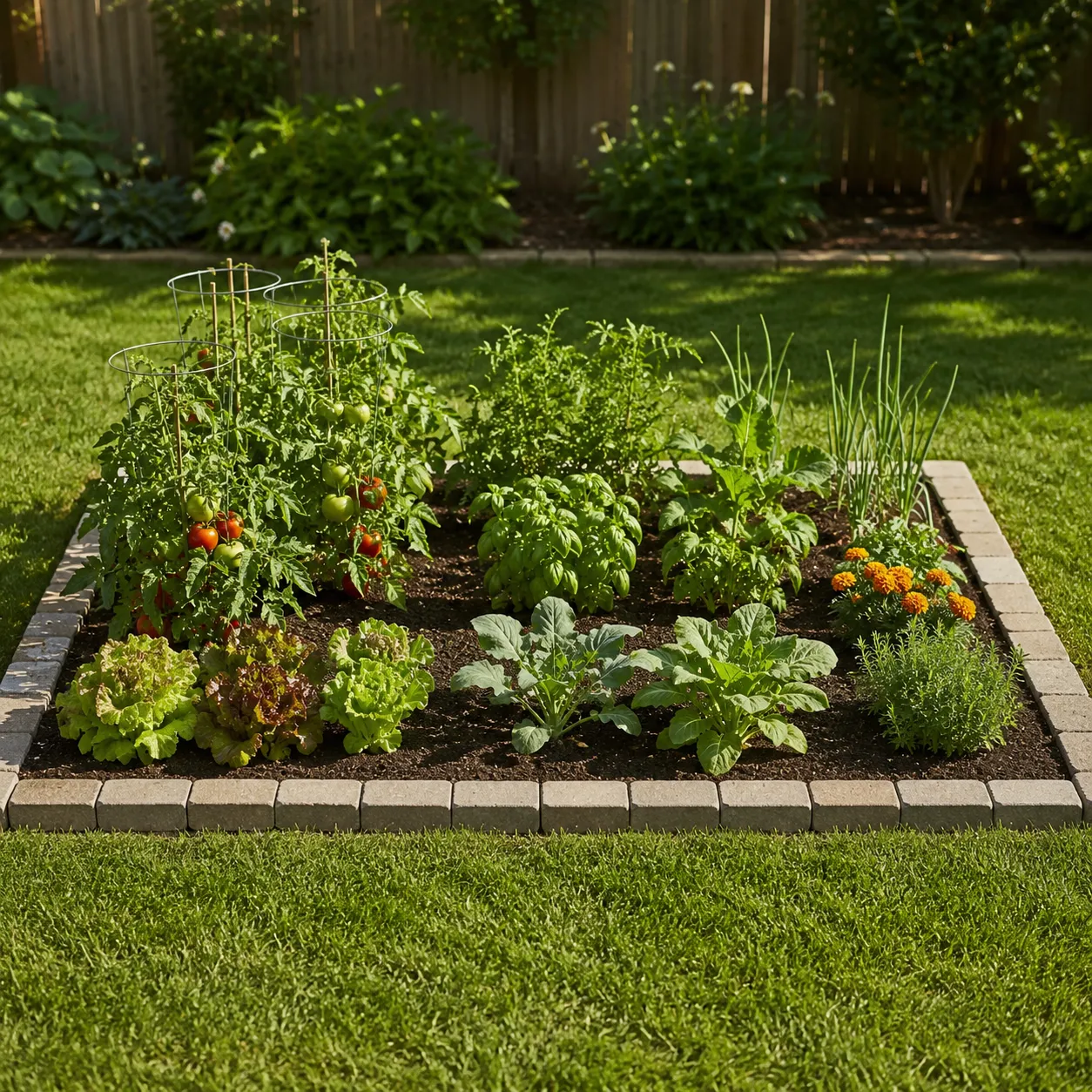
garden areaˈɡɑːrdən ˈeriə
a part of an outdoor space where plants, flowers, or vegetables are grown.
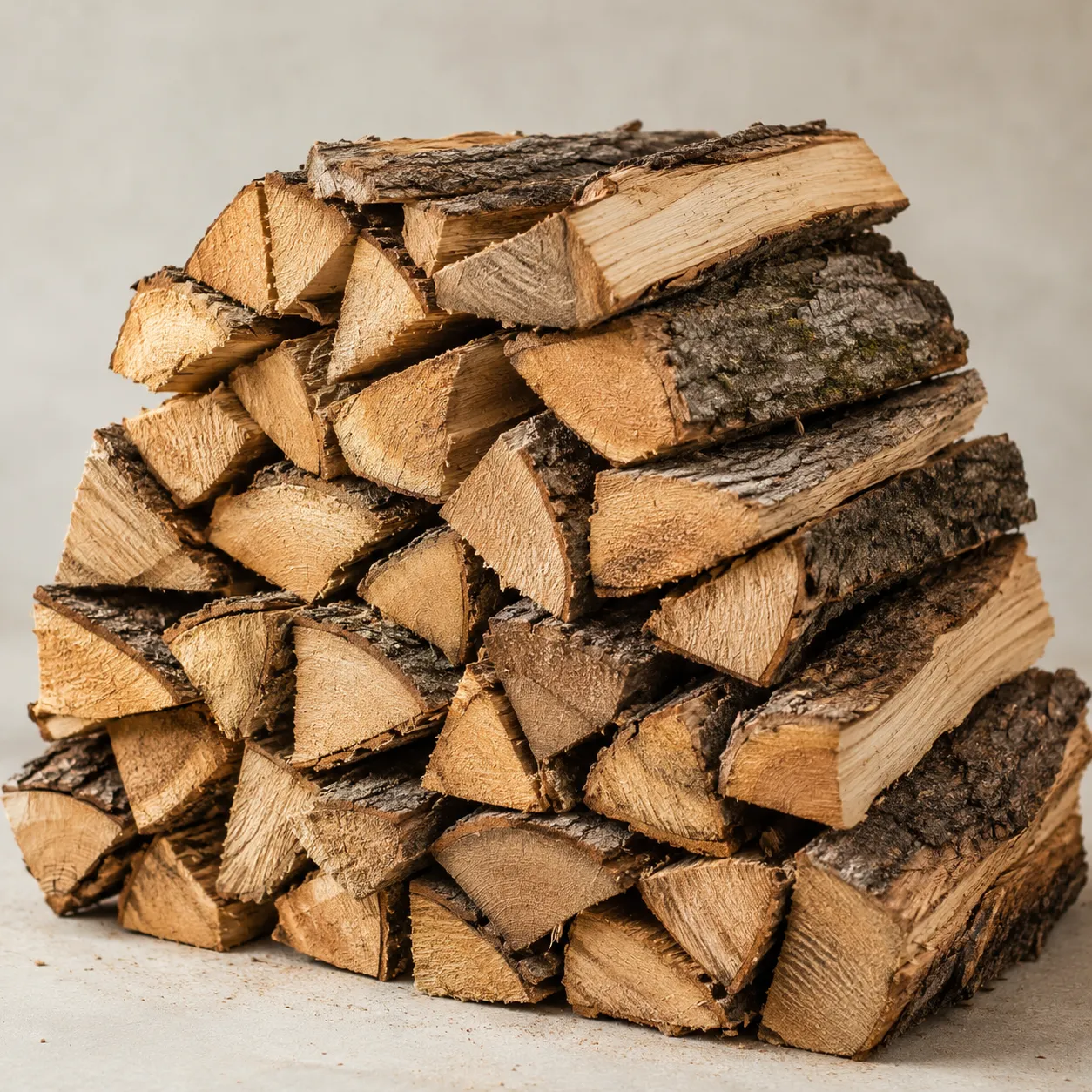
firewood pileˈfaɪərwʊd paɪl
a stack or heap of cut wood kept to burn in a fireplace, stove, or outdoor fire.
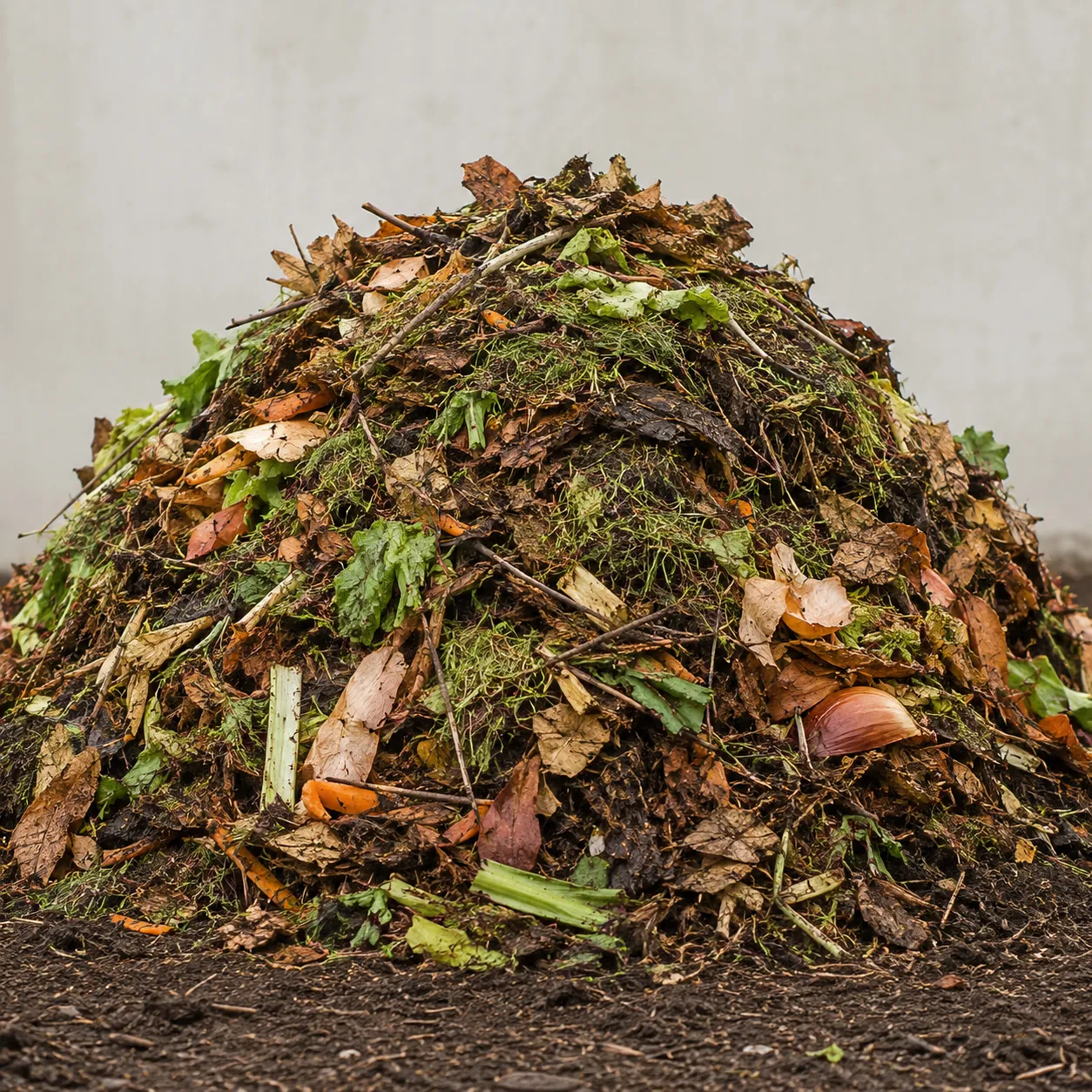
compost pileˈkɑːmpoʊst paɪl
a heap of garden and food waste that is left to break down into material that improves soil.
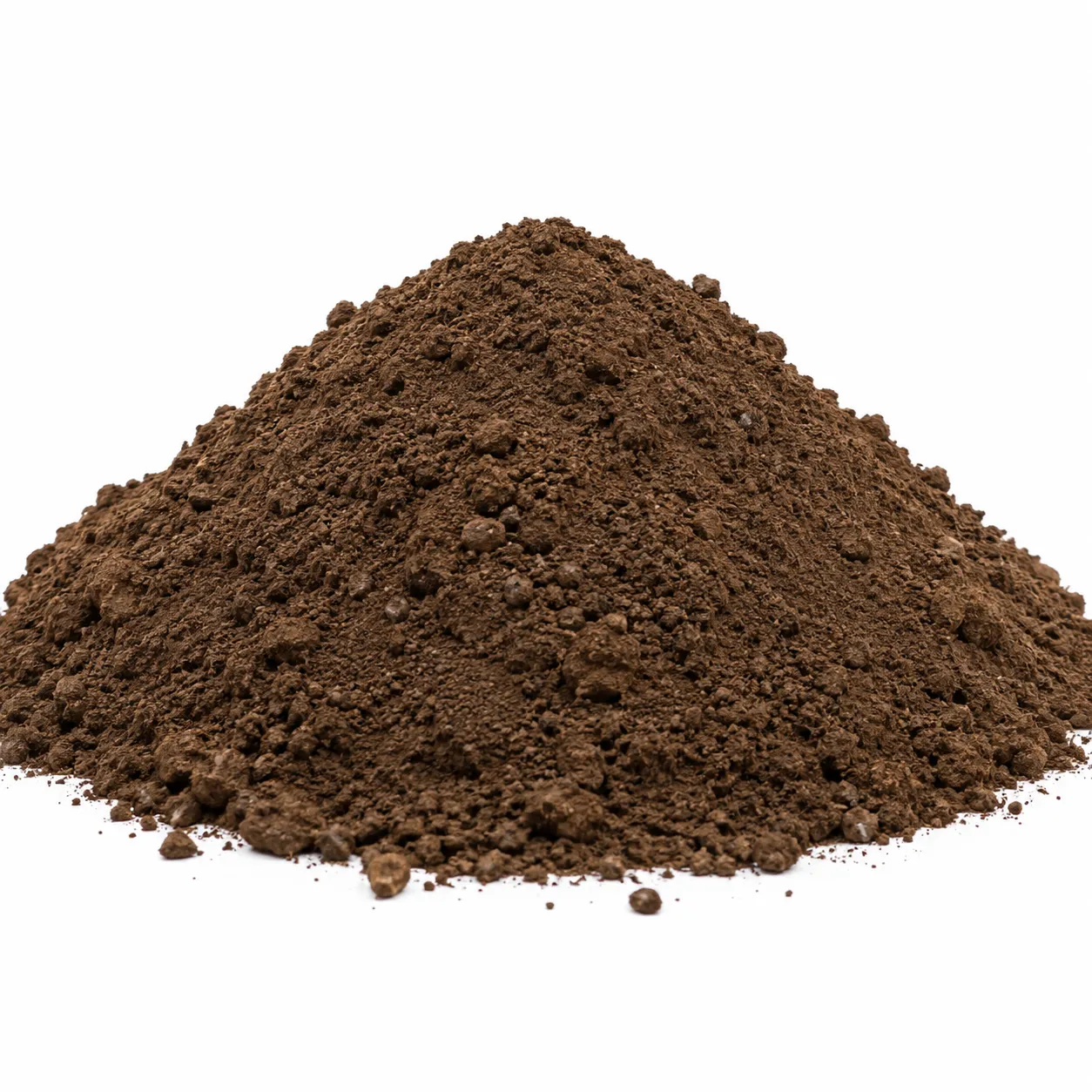
dirt piledɜːrt paɪl
a heap of loose earth or soil on the ground.
sand pilesænd paɪl
a heap of sand kept or left in one place, often for building, gardening, or play.
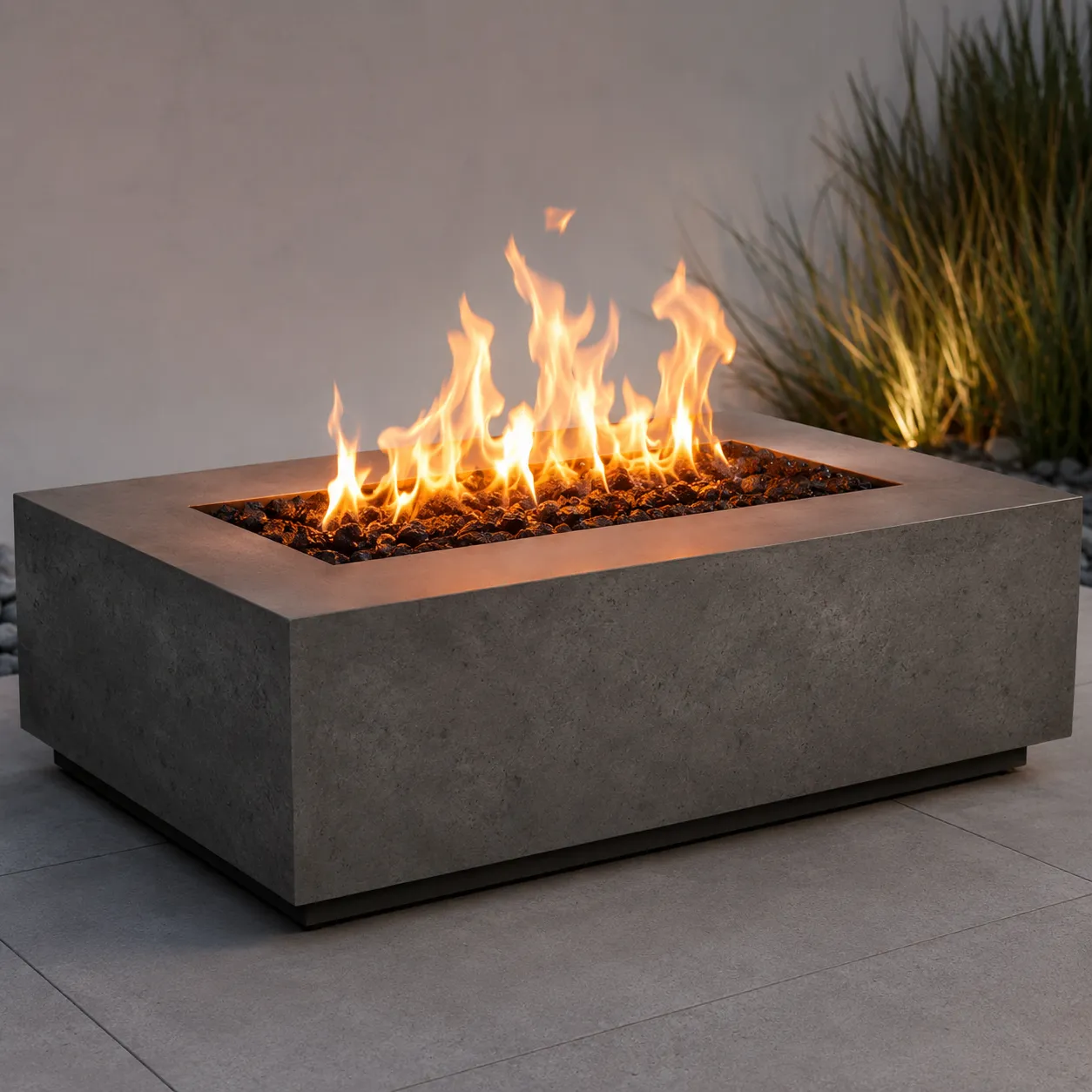
fire featureˈfaɪər ˈfiːtʃər
a designed outdoor element, such as a fire pit or fireplace, that has a visible flame for heat or atmosphere.
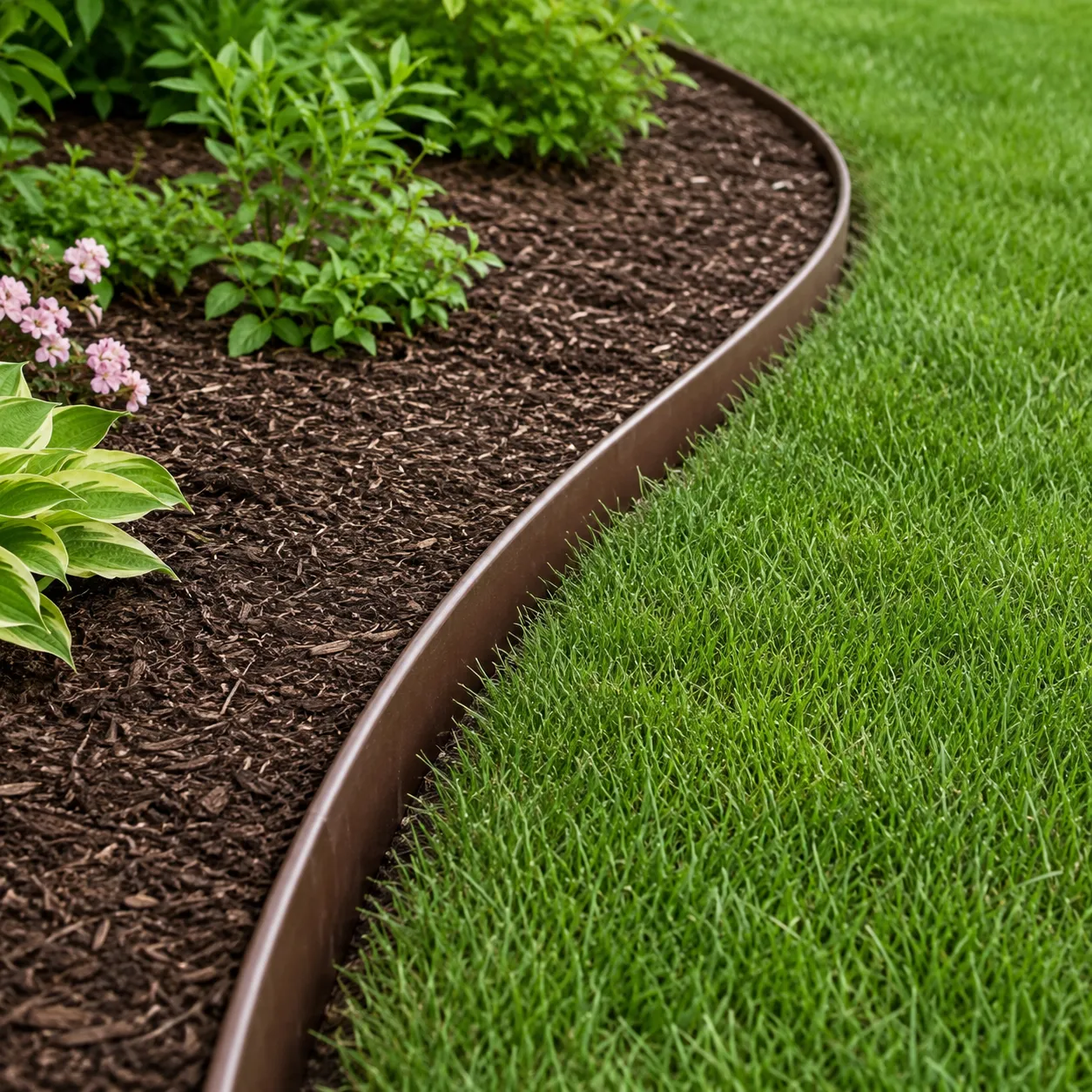
garden edgingˈɡɑːrdən ˈedʒɪŋ
a low border of stone, metal, wood, or plastic used to separate a garden bed from grass or a path.
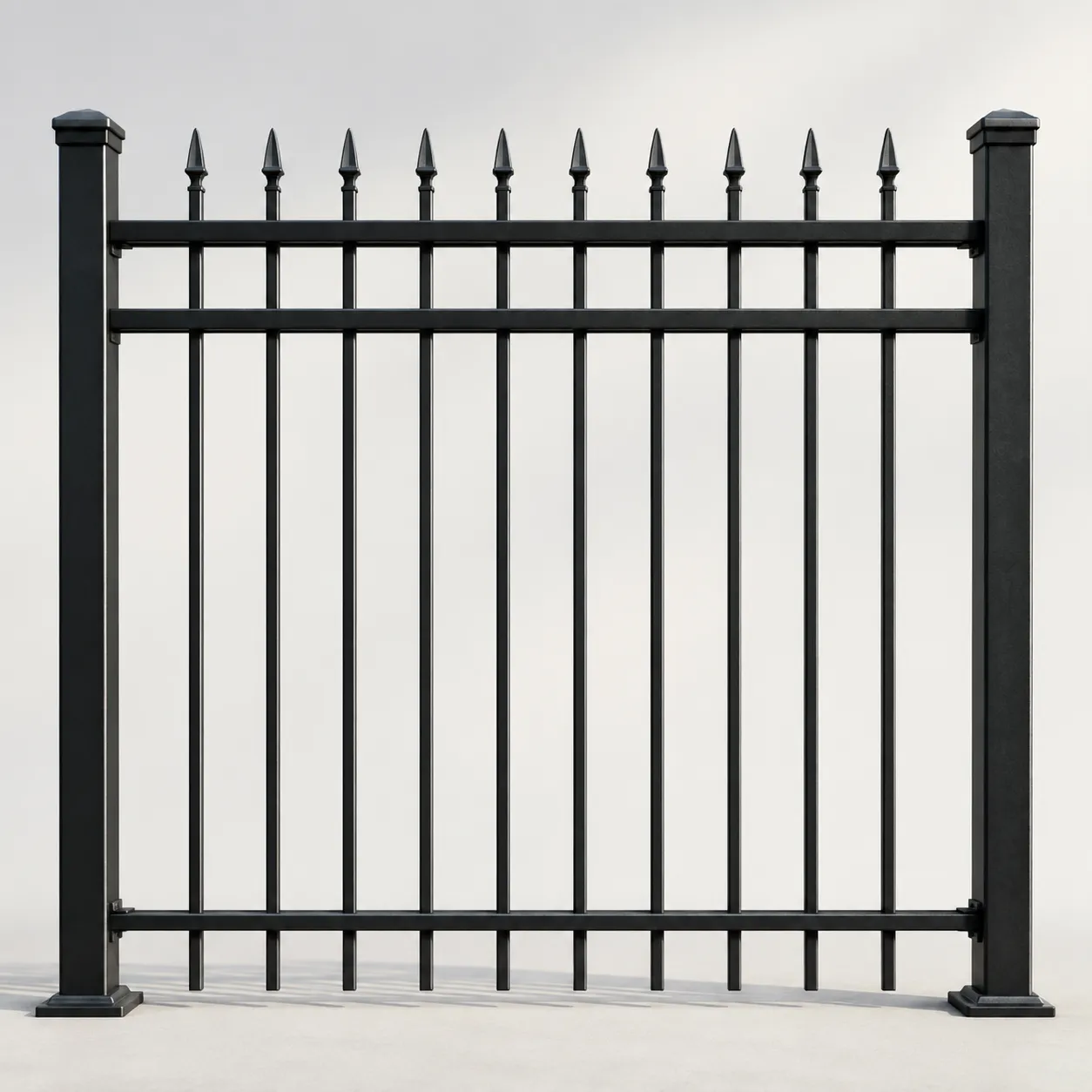
metal fenceˈmetəl fens
a barrier made of metal posts, bars, wire, or panels that marks or protects an area.
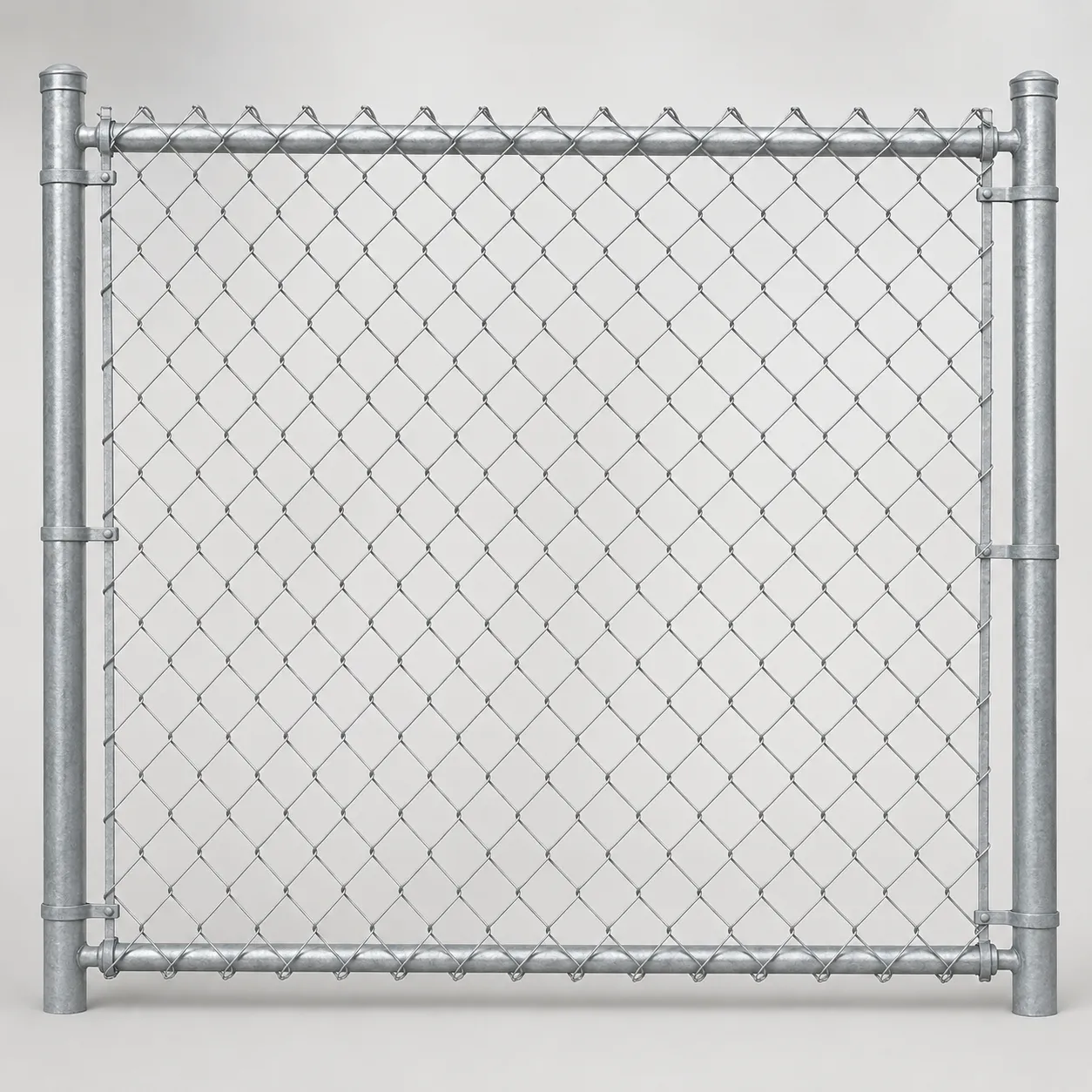
chain-link fenceˈtʃeɪn lɪŋk fens
a fence made from metal wire woven into a pattern of diamond-shaped spaces.
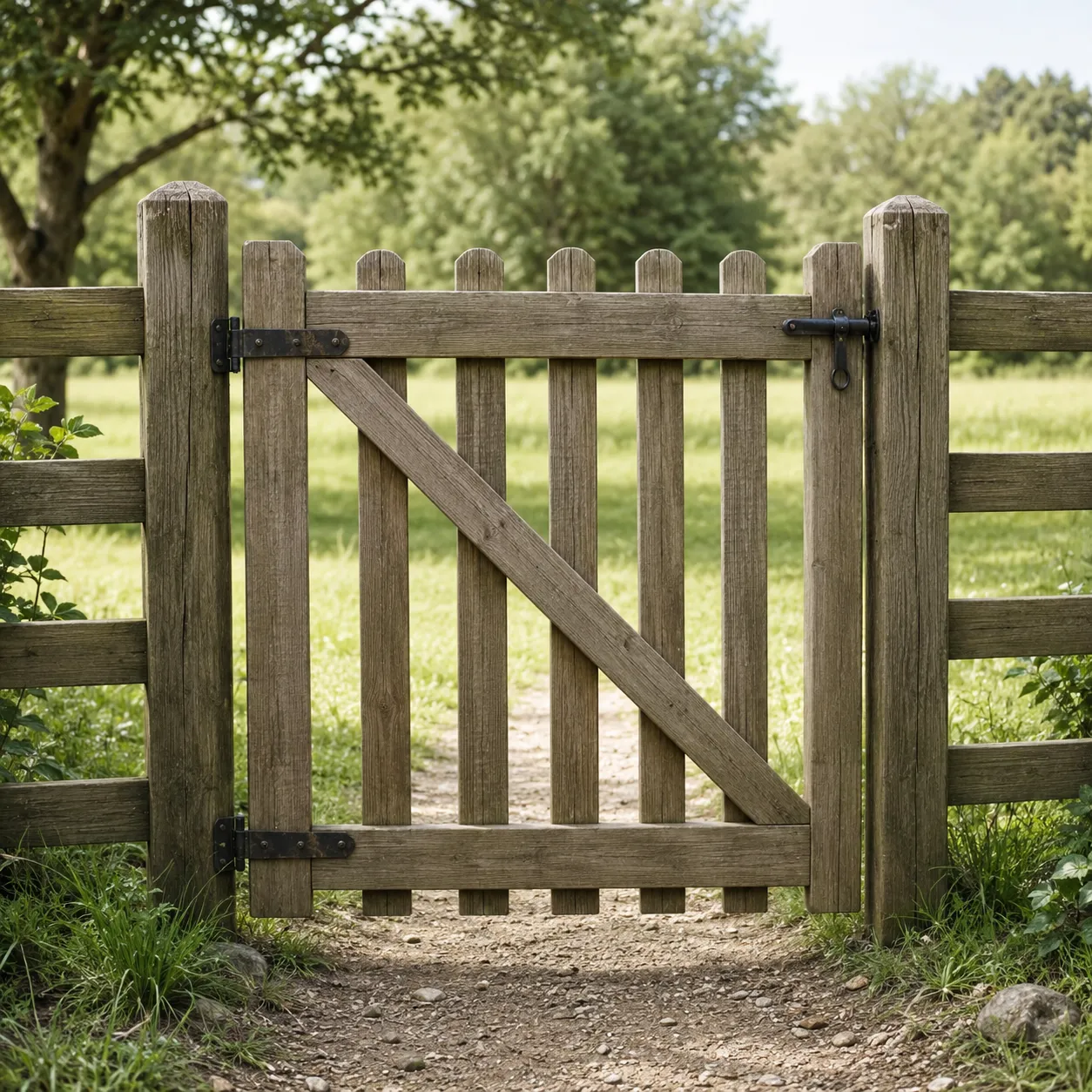
fence gatefens ɡeɪt
the movable part of a fence that opens and closes so people, animals, or vehicles can pass through.
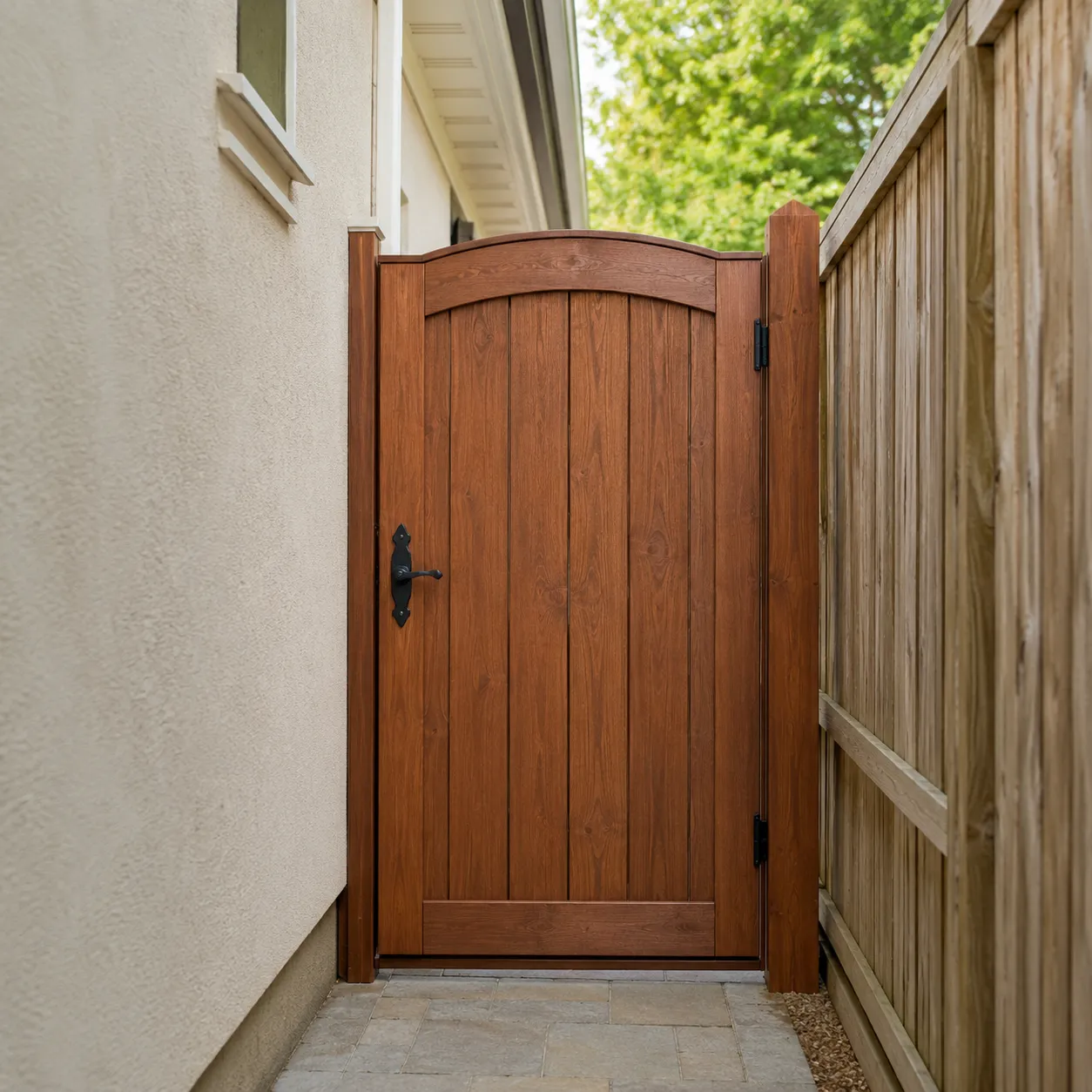
side gatesaɪd ɡeɪt
a gate at the side of a house or property, often giving access to a yard or garden.
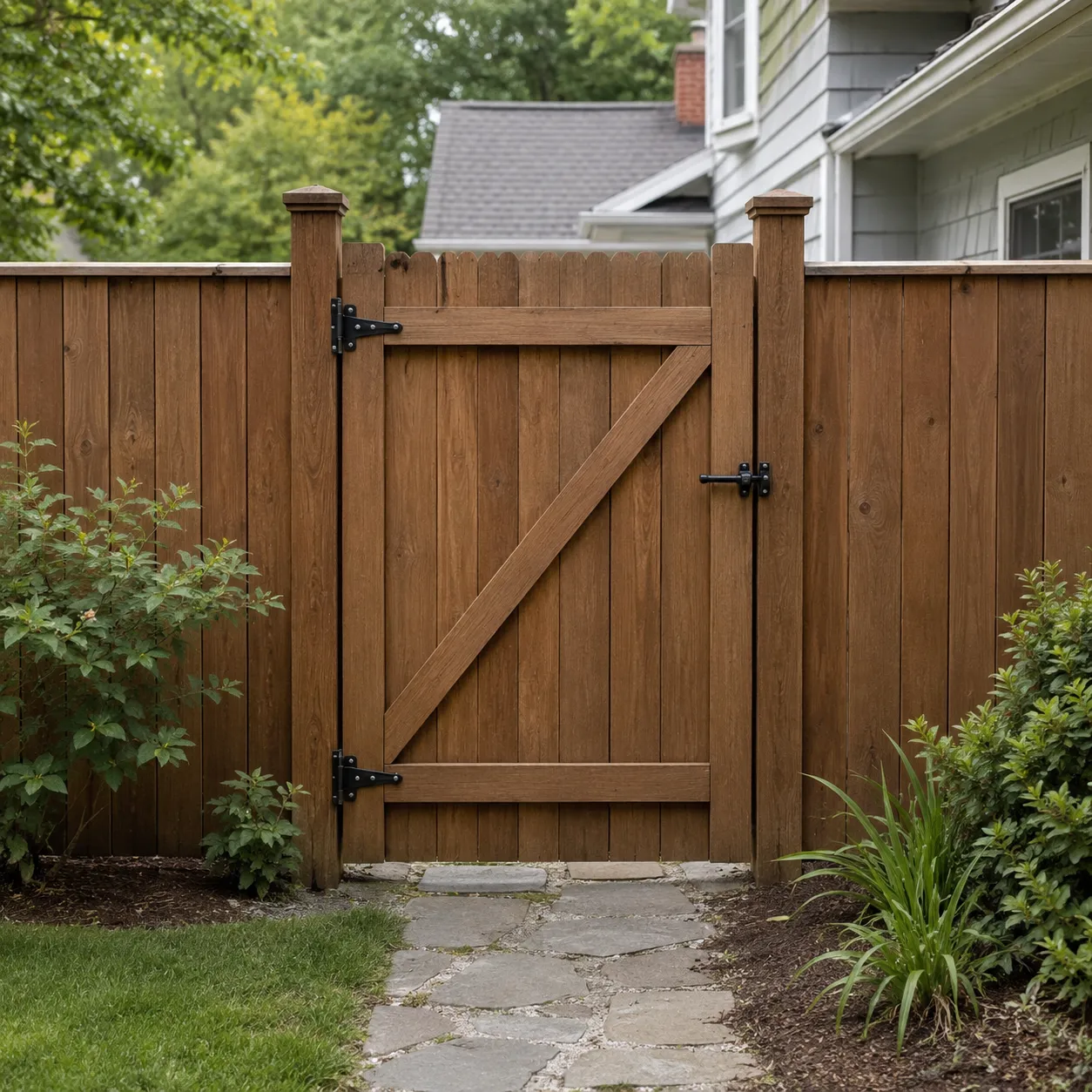
back gatebæk ɡeɪt
a gate at the back of a house, yard, garden, or property.
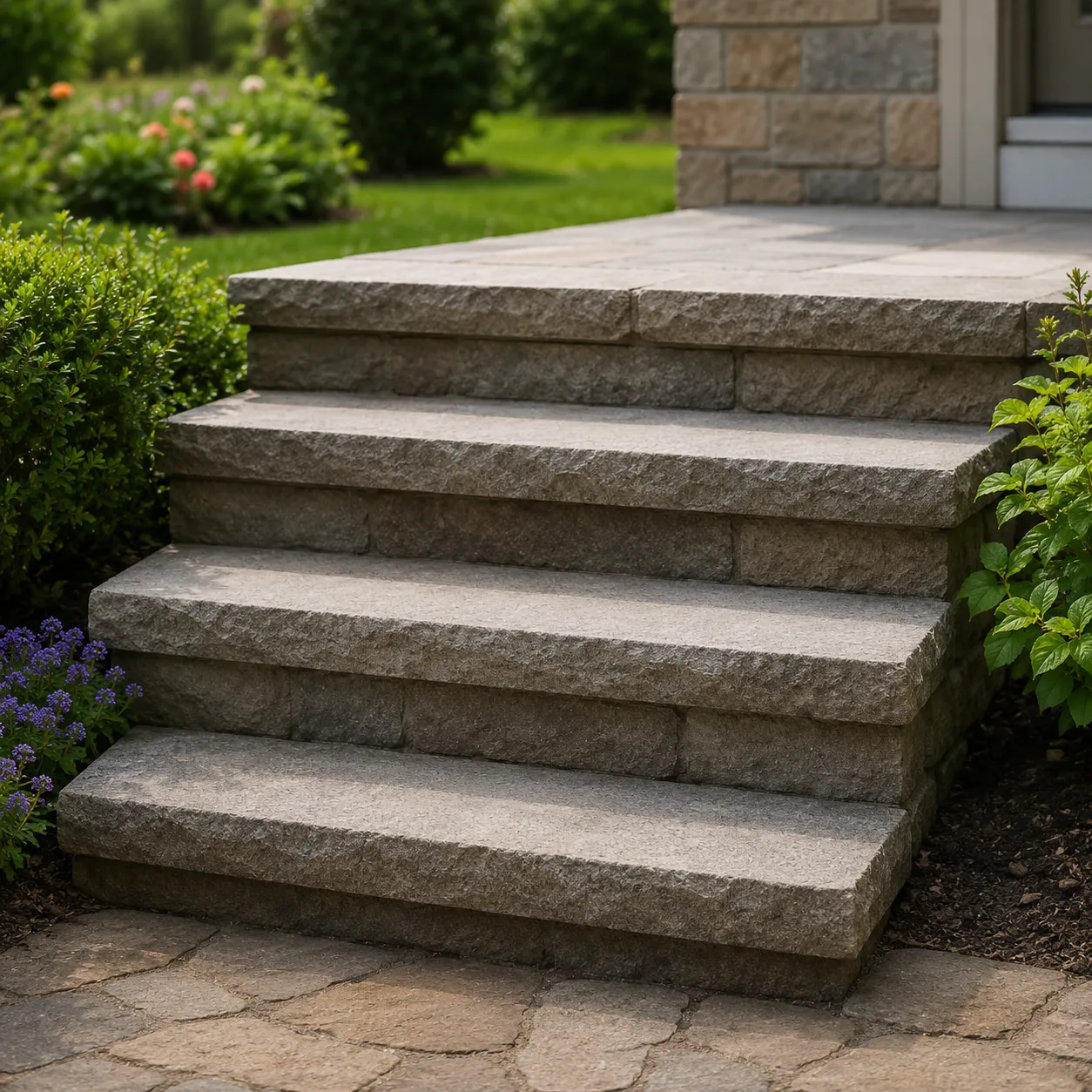
outdoor stepsˈaʊtdɔːr steps
steps outside a building or in an outdoor area, used for walking up or down between levels.
deck boarddek bɔːrd
one long, flat piece of wood or composite material used to make the floor surface of an outdoor deck.
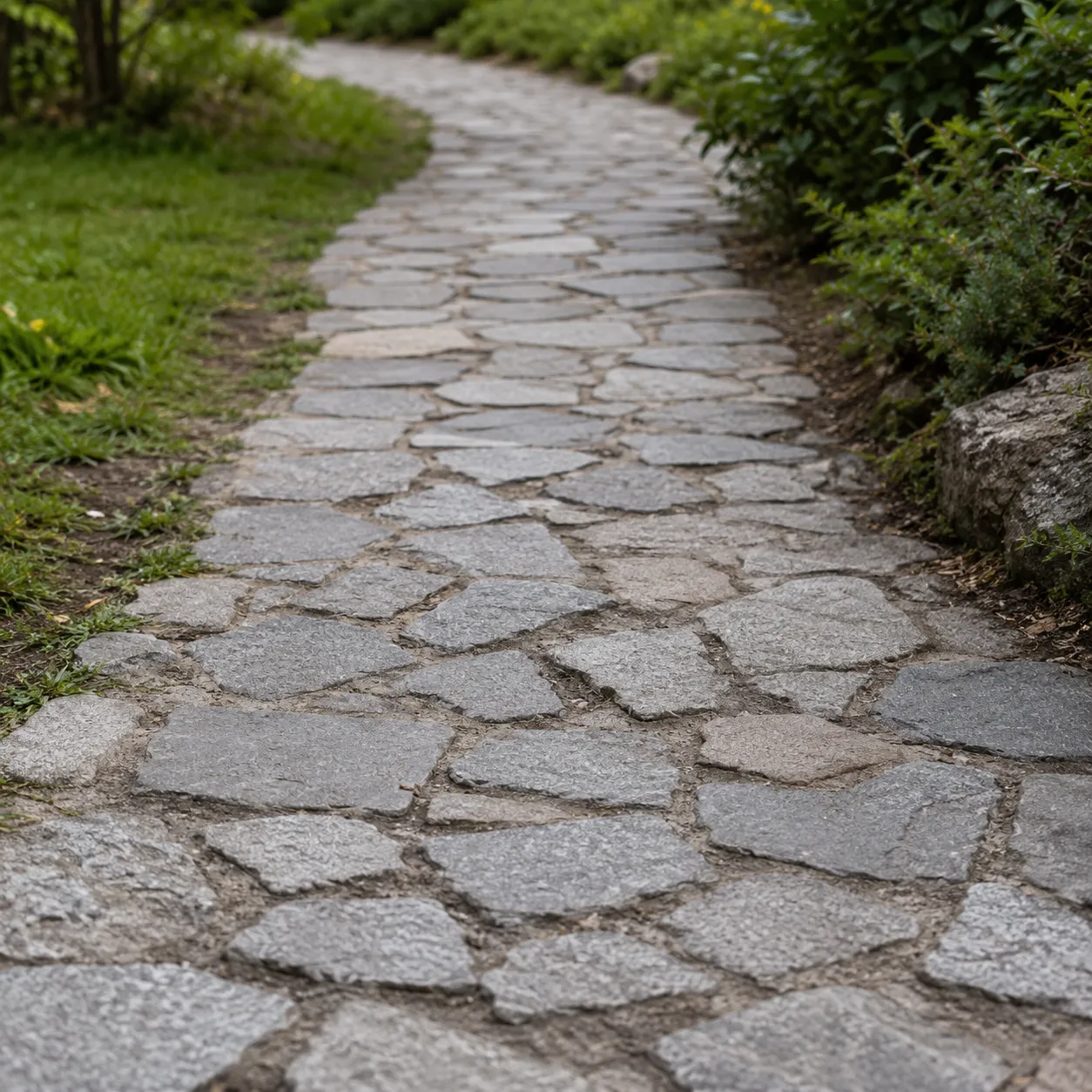
stone pathstoʊn pæθ
a walkway made of stones, used for walking through a garden, yard, or other outdoor area.
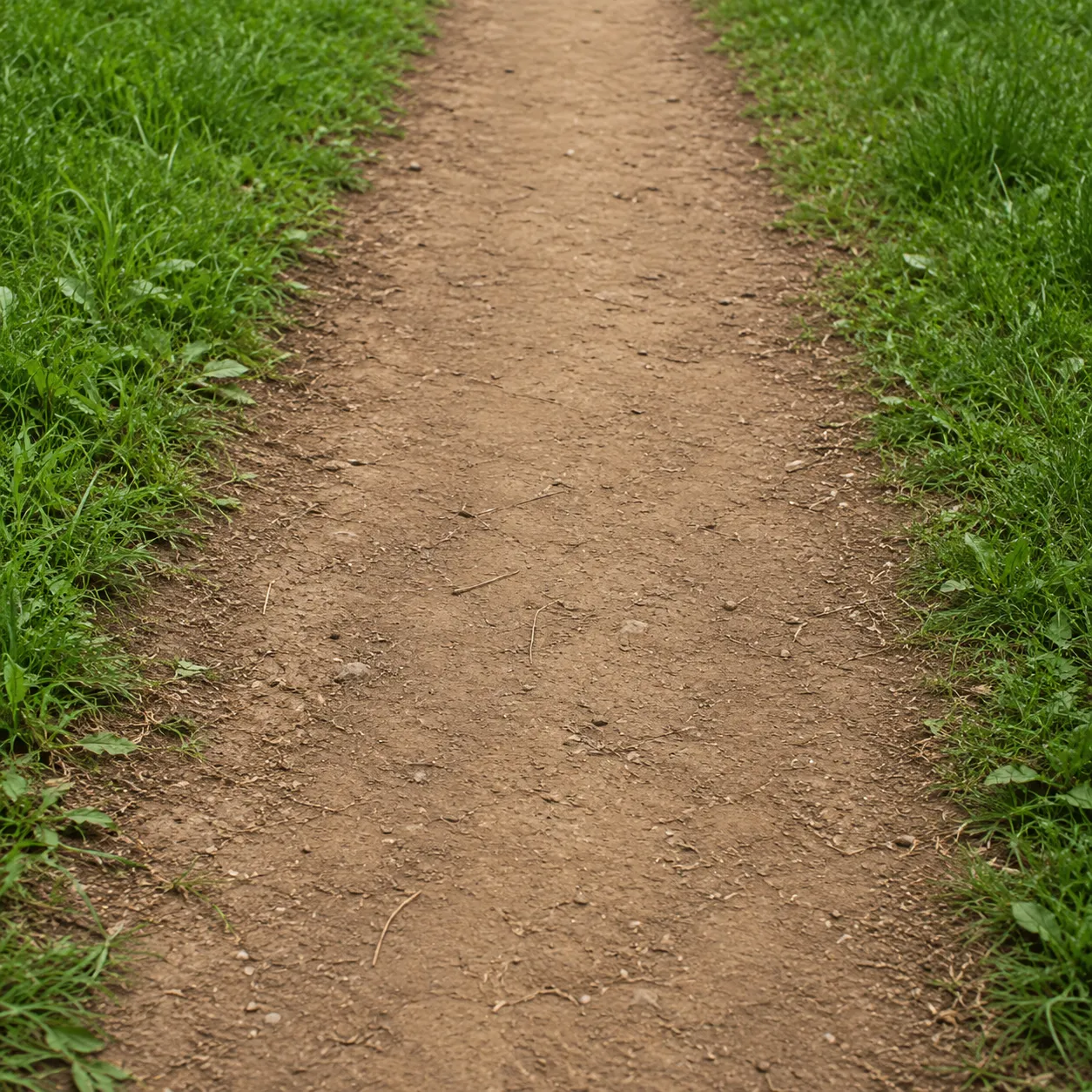
dirt pathdɜːrt pæθ
a path of bare earth, made by walking or left without grass or paving.
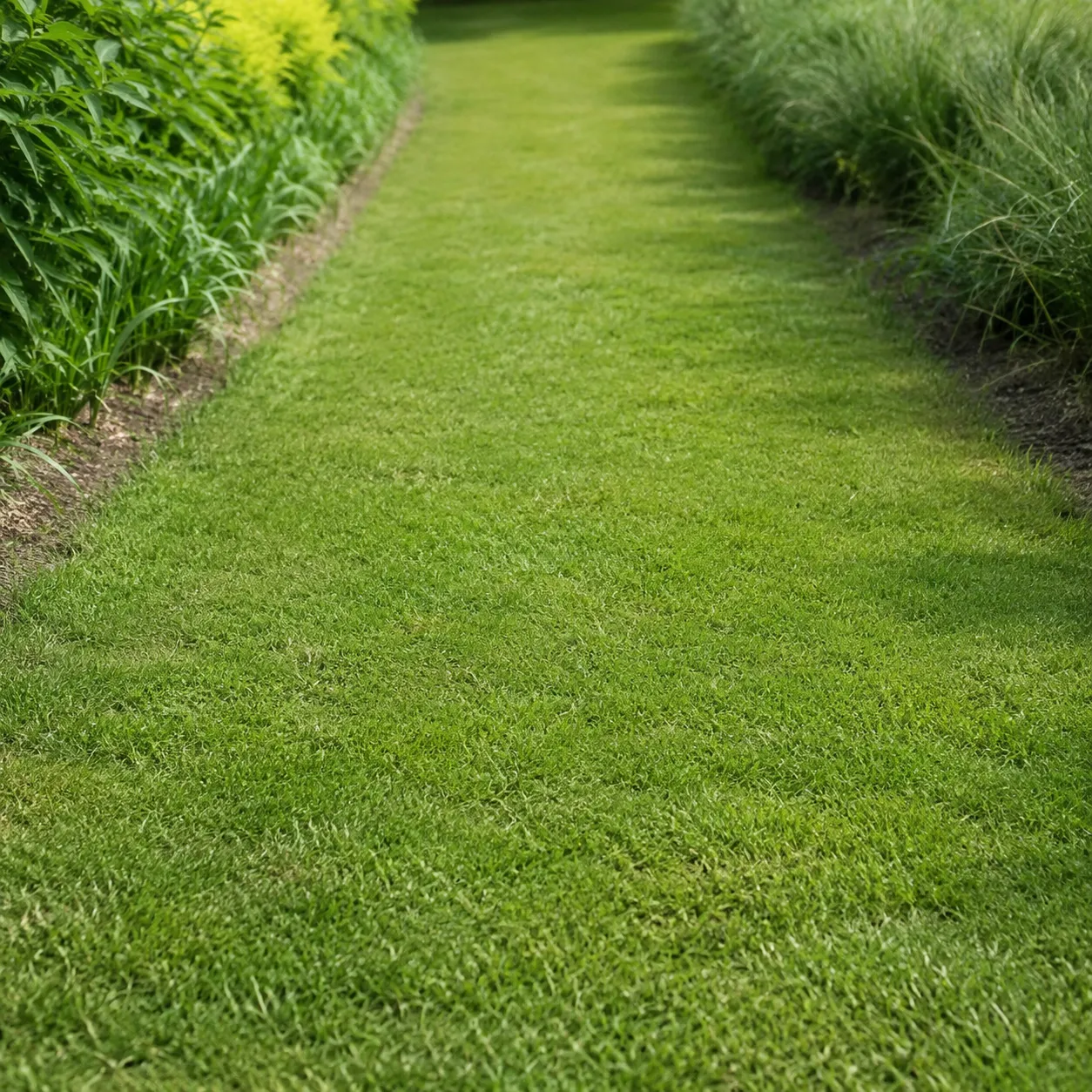
grass pathɡræs pæθ
a path covered with grass, usually kept clear enough for people to walk on.
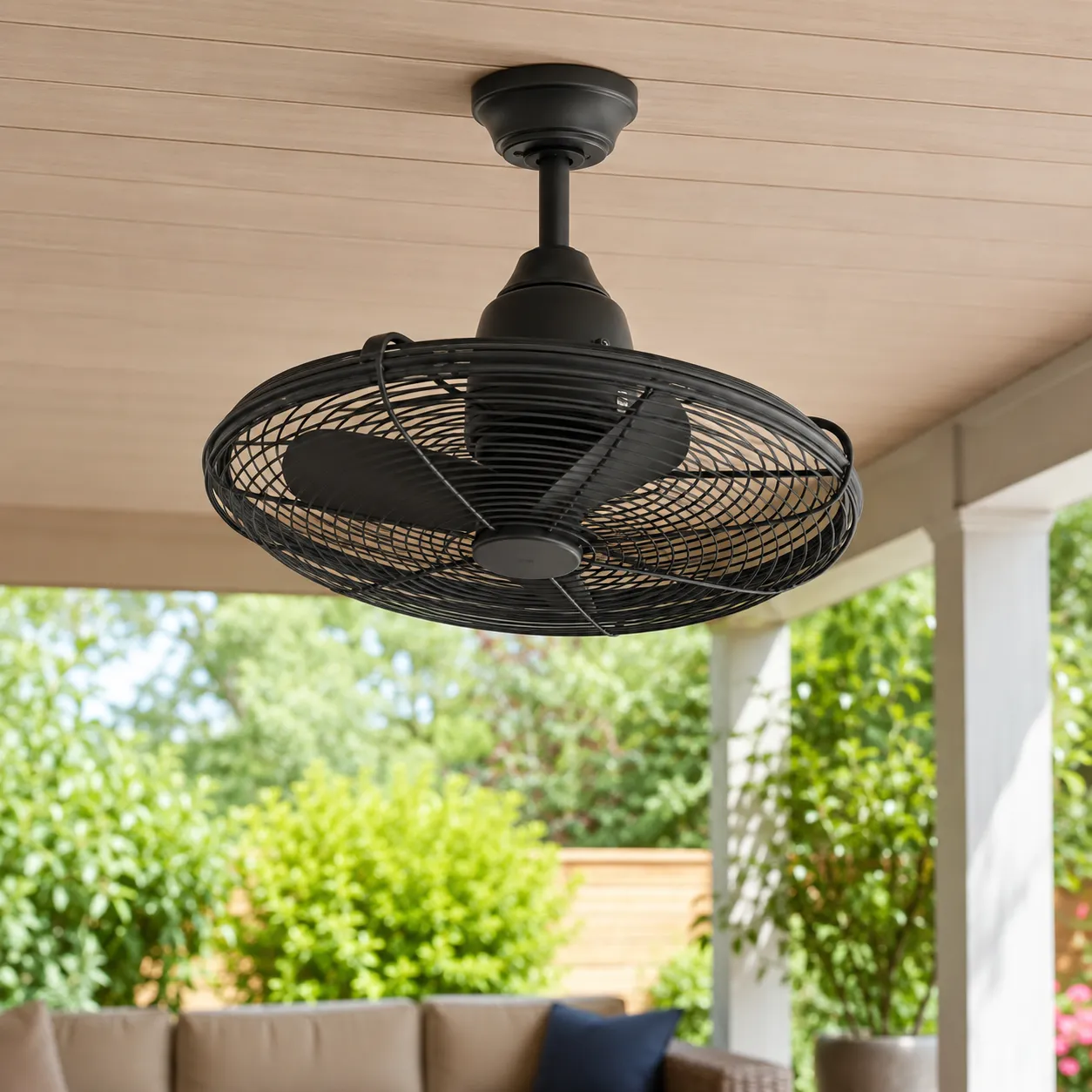
outdoor fanˈaʊtdɔːr fæn
an electric fan made for use outside, often on a patio or porch, to move air and help people feel cooler.
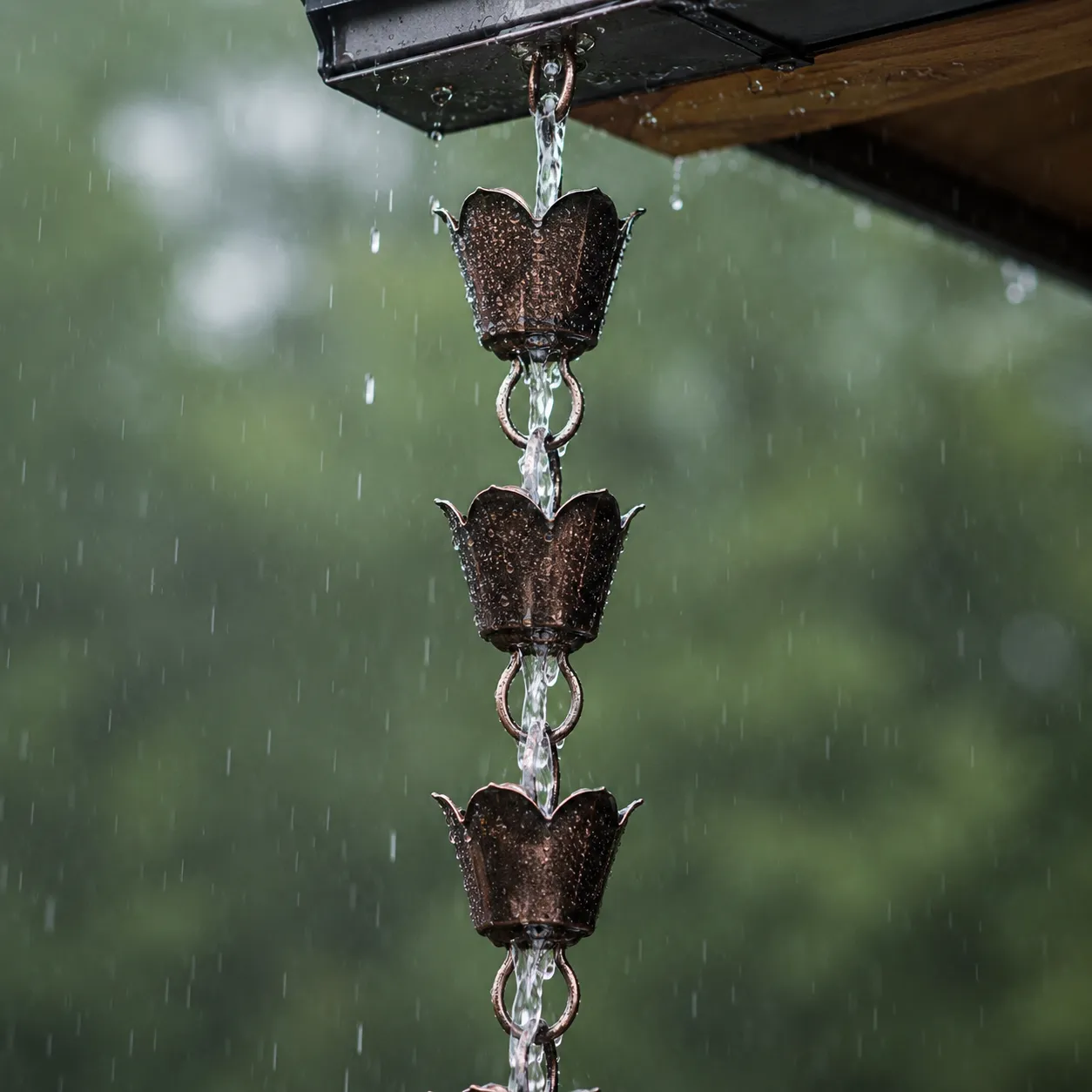
rain chainreɪn tʃeɪn
a decorative chain or set of cups that hangs from a roof edge and guides rainwater down instead of a downspout.
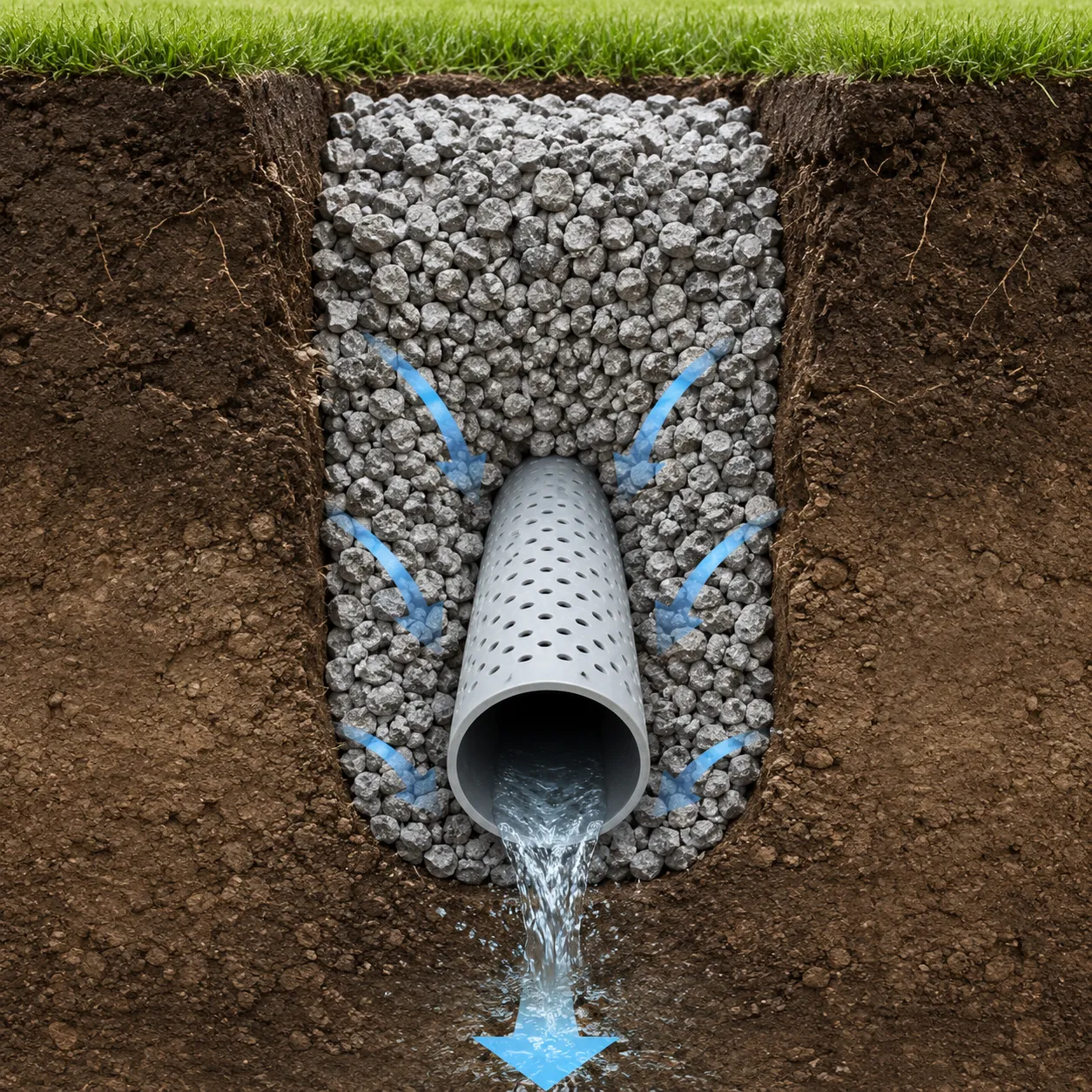
French drainfrentʃ dreɪn
a trench filled with gravel, often with a pipe inside, that collects water from soil and carries it away from a wet area or building.
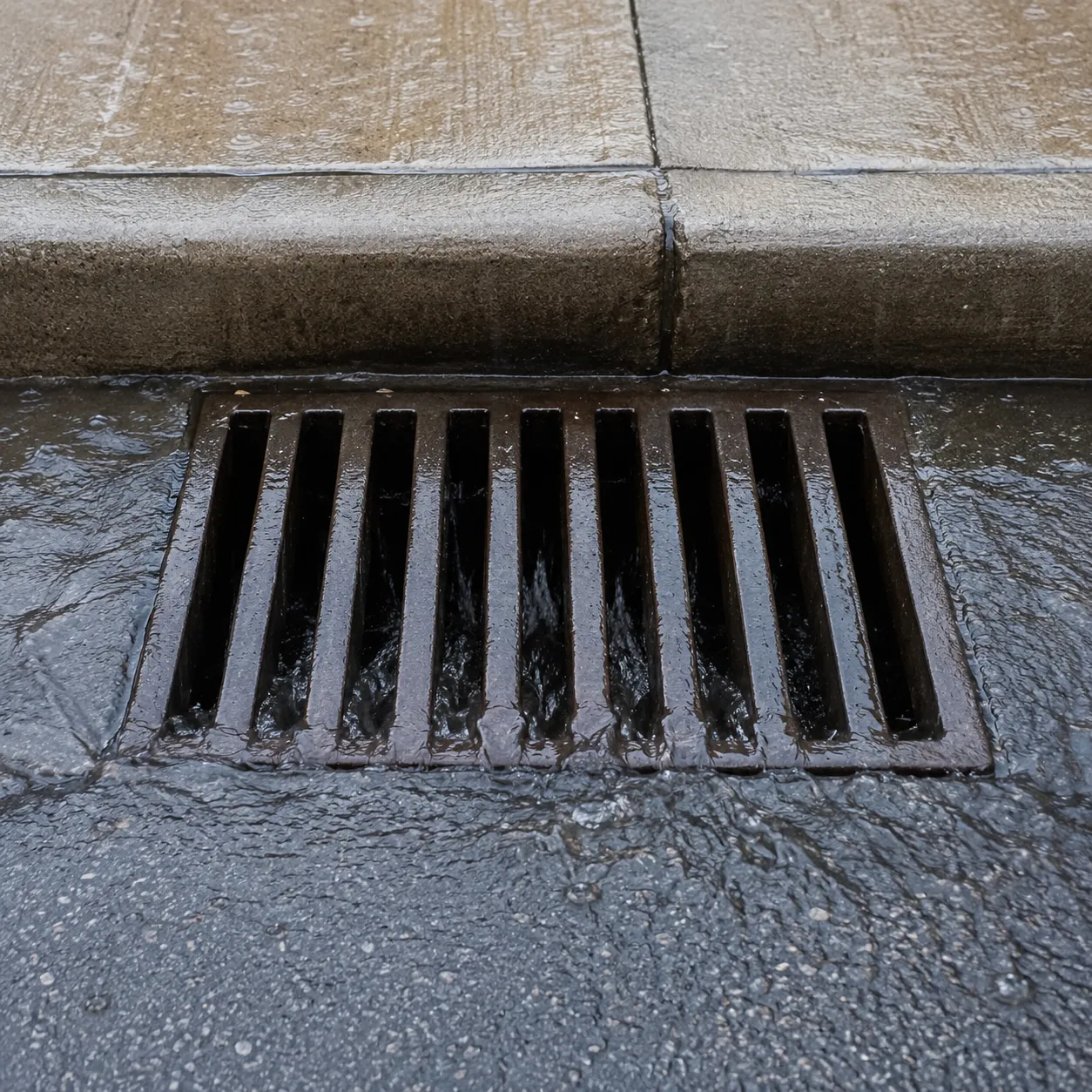
storm drainstɔːrm dreɪn
a drain in a street or outdoor area that carries rainwater away to prevent flooding.
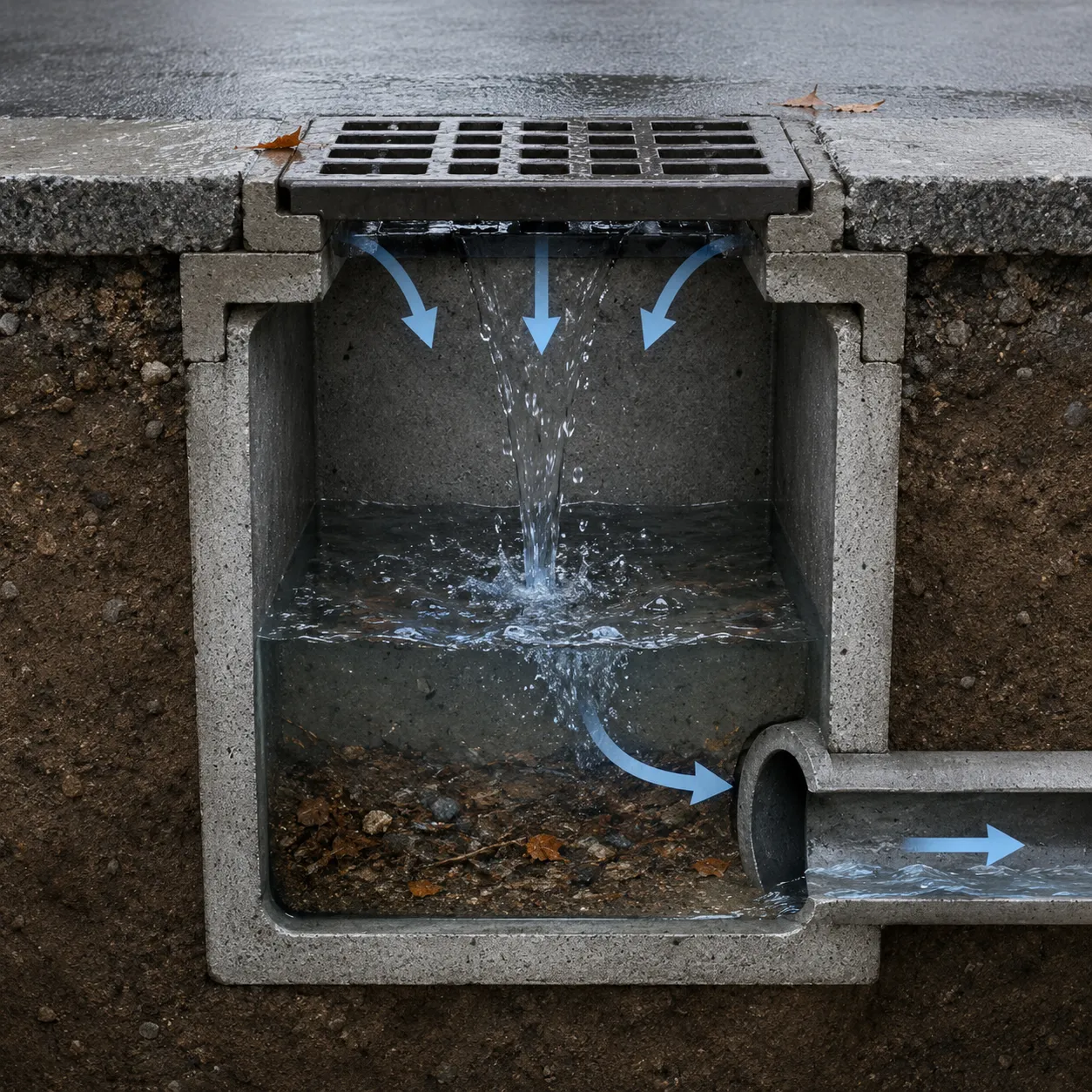
catch basinkætʃ ˈbeɪsən
a covered underground box that collects rainwater and debris before the water flows into a drainpipe.
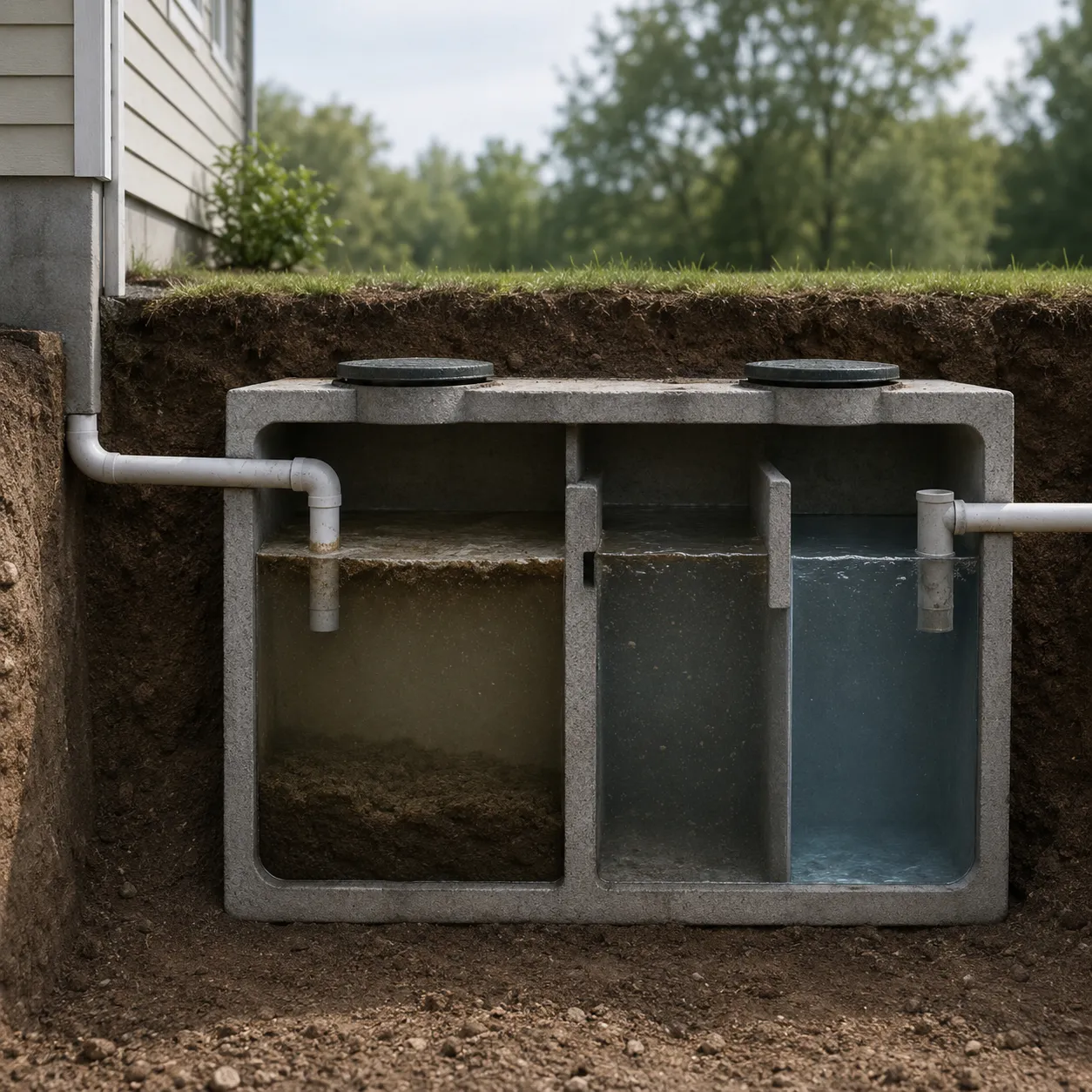
septic tankˈseptɪk tæŋk
an underground tank that receives and partly treats wastewater from a house when the house is not connected to a public sewer.
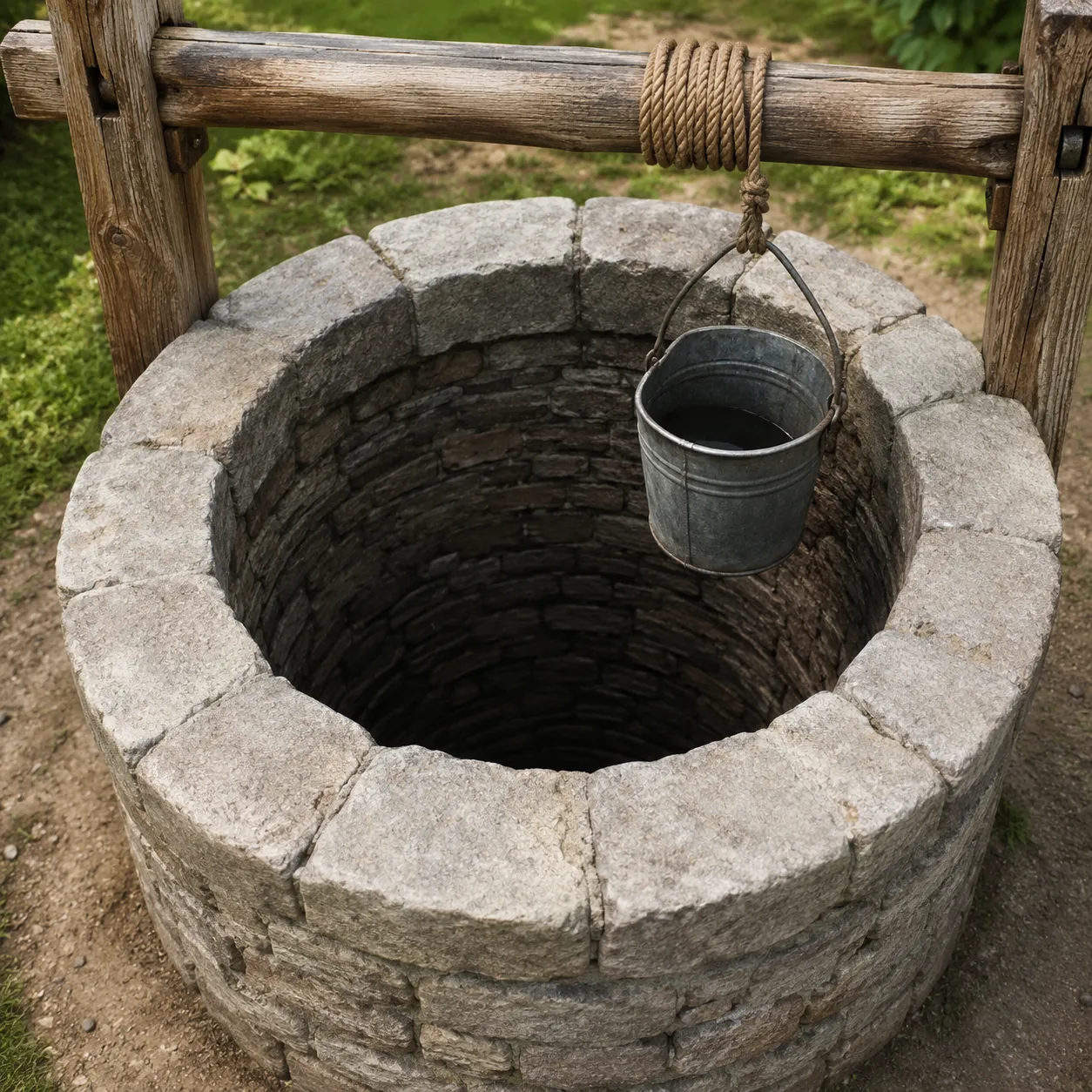
wellwel
a deep hole dug or drilled in the ground to get water from below the surface.
well coverˈwɛl ˌkʌvər
a lid or protective cover placed over the opening of a water well to keep people, animals, and dirt out.
utility boxjuːˈtɪləti ˌbɑːks
a protective box, often outside a building, that holds equipment or connections for services such as electricity, water, gas, or internet.
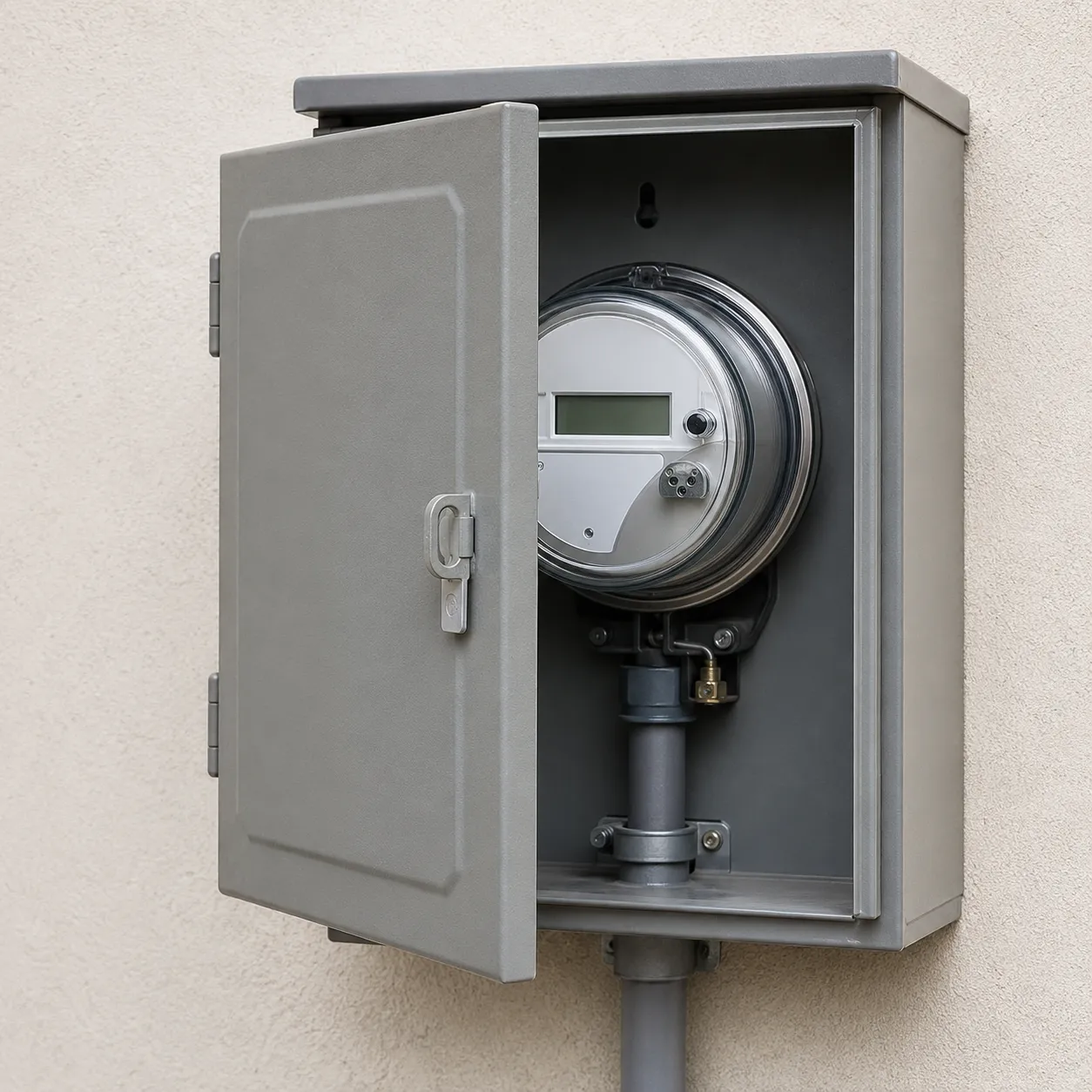
meter boxˈmiːtər ˌbɑːks
a protective box that holds a meter for measuring a service such as electricity, gas, or water.
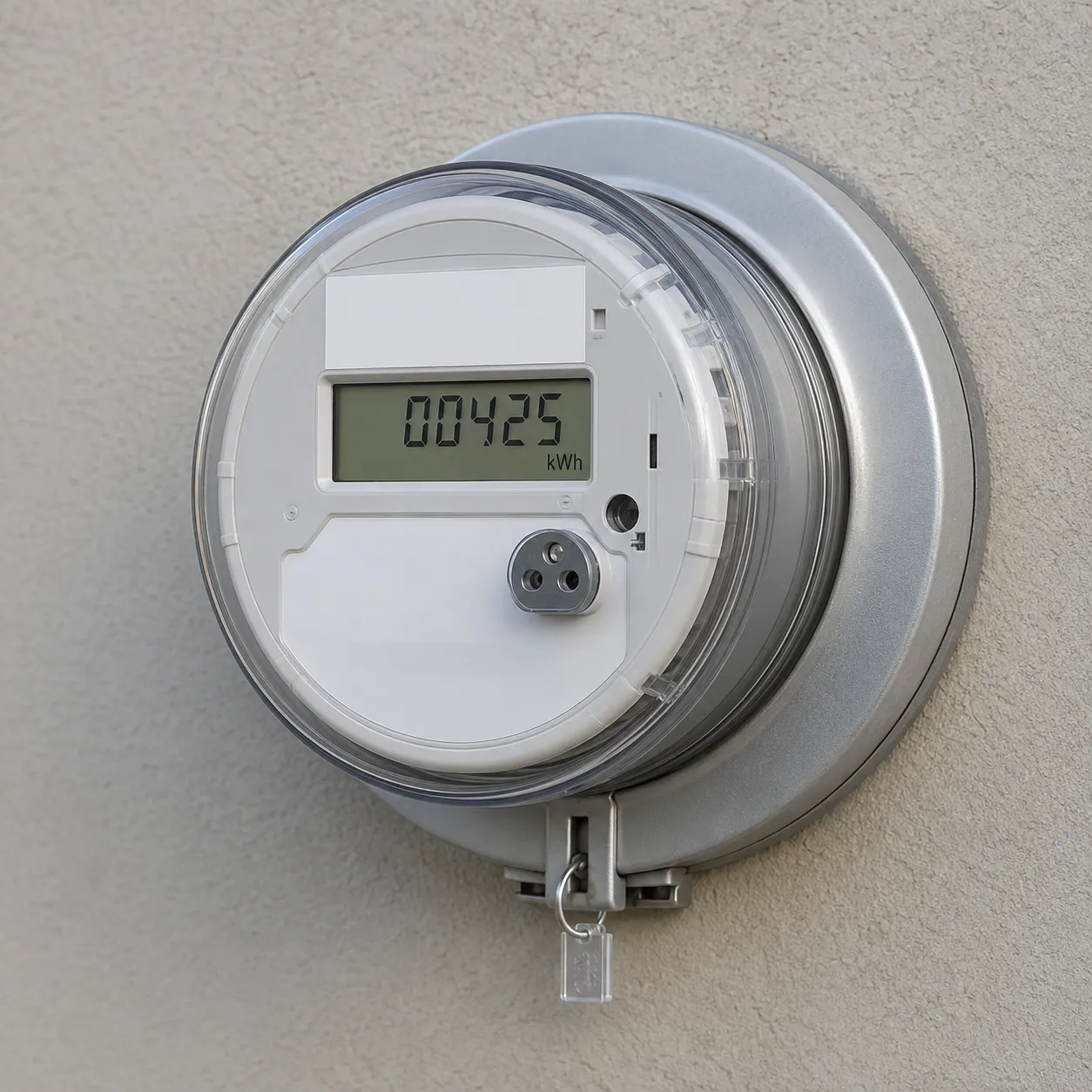
electric meterɪˈlɛktrɪk ˈmiːtər
a device that measures how much electricity a home, business, or machine uses.
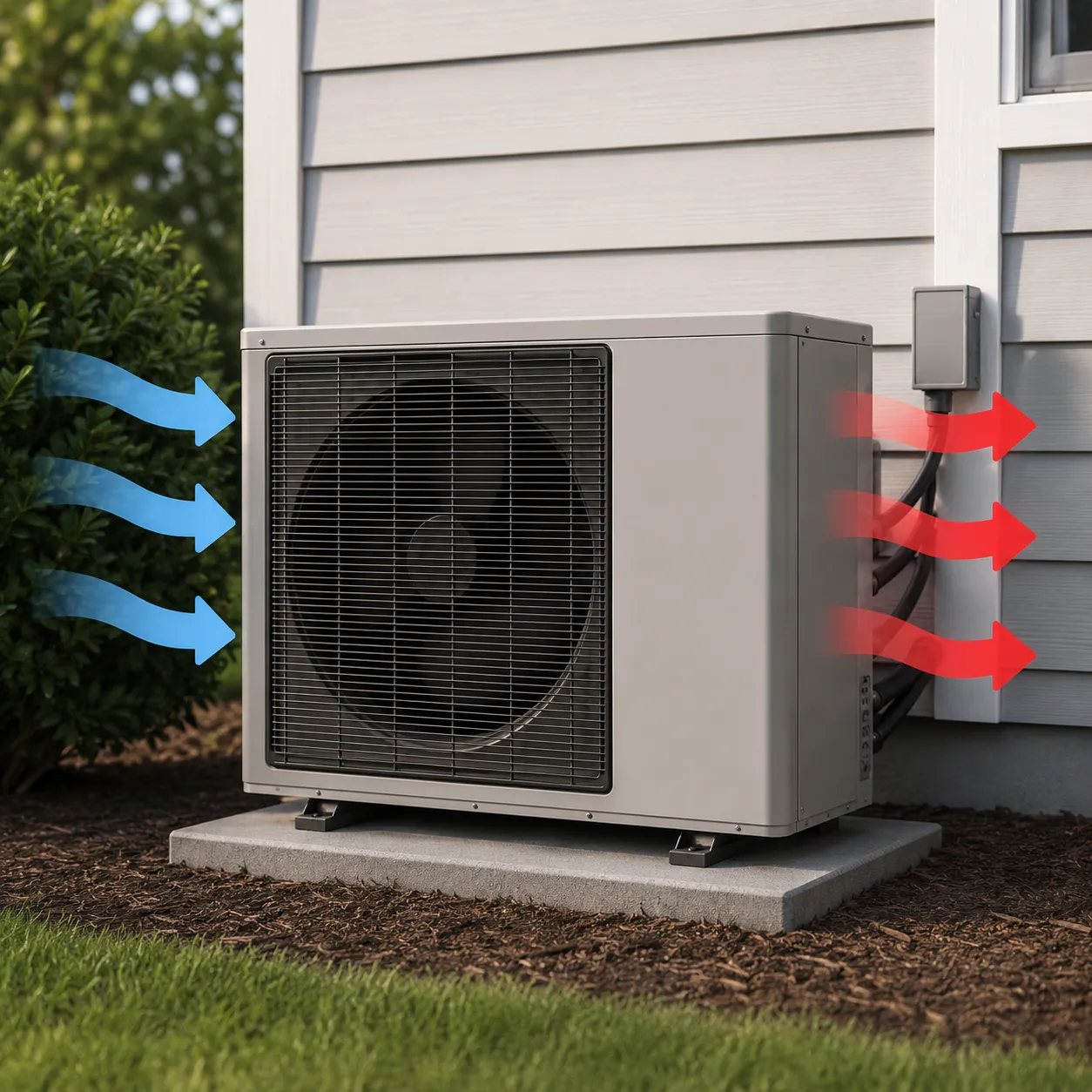
heat pumpˈhiːt ˌpʌmp
a machine that heats or cools a building by moving heat from one place to another instead of making heat directly.
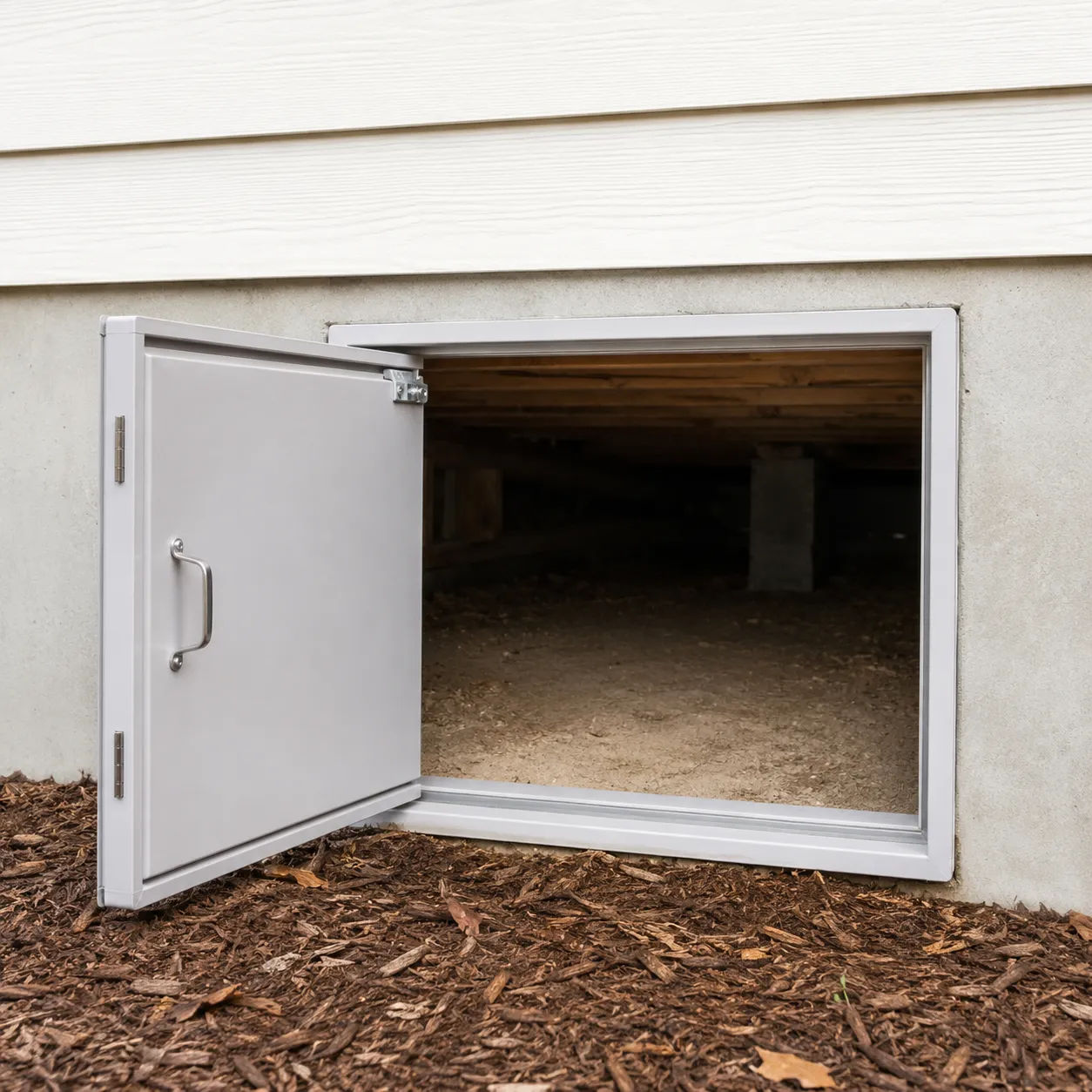
crawl space doorˈkrɔːl speɪs ˌdɔːr
a small door that gives access to the low unfinished space under the floor of a building.
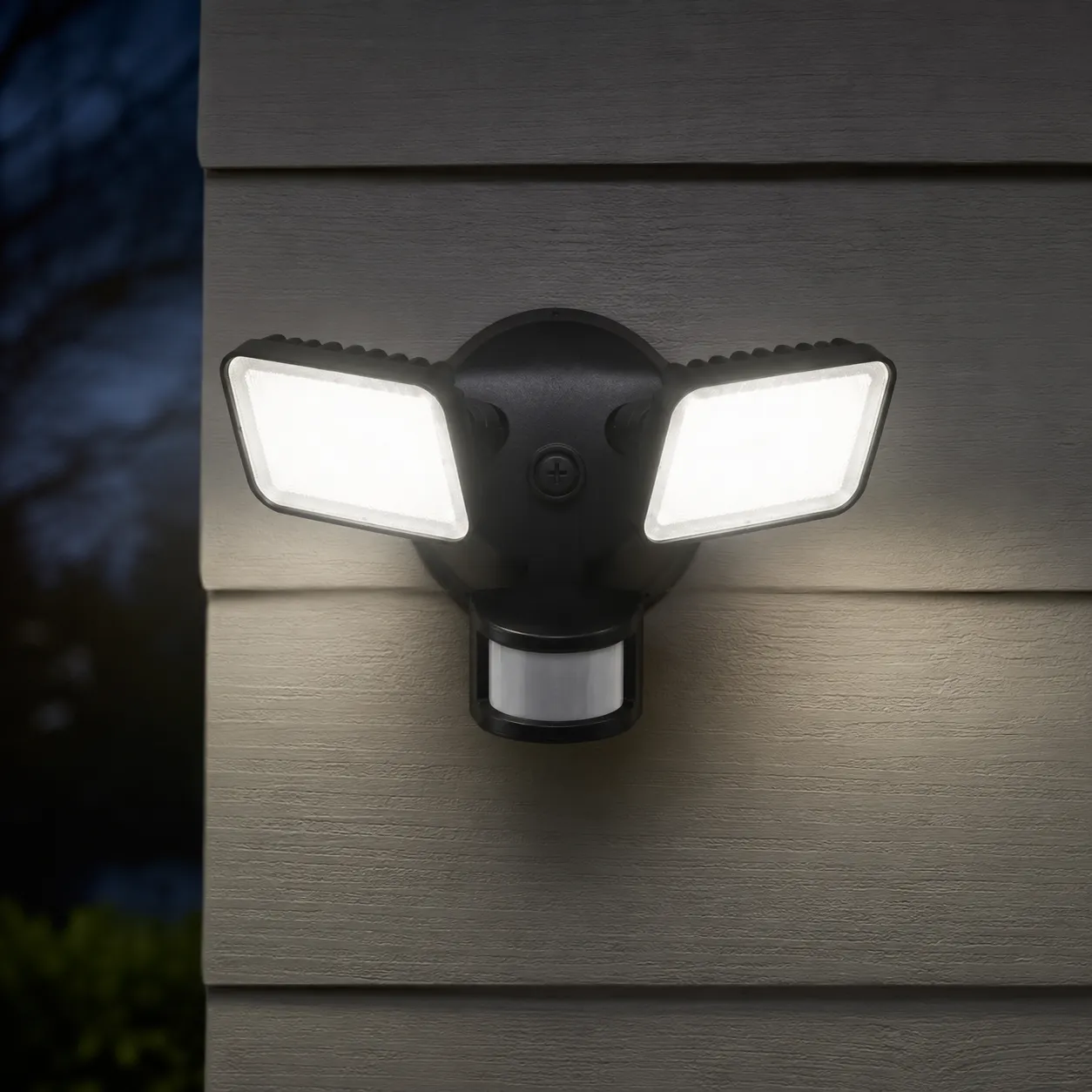
security lightsɪˈkjʊrəti ˌlaɪt
a bright outdoor light that helps protect a place by lighting it at night, often when it senses movement.
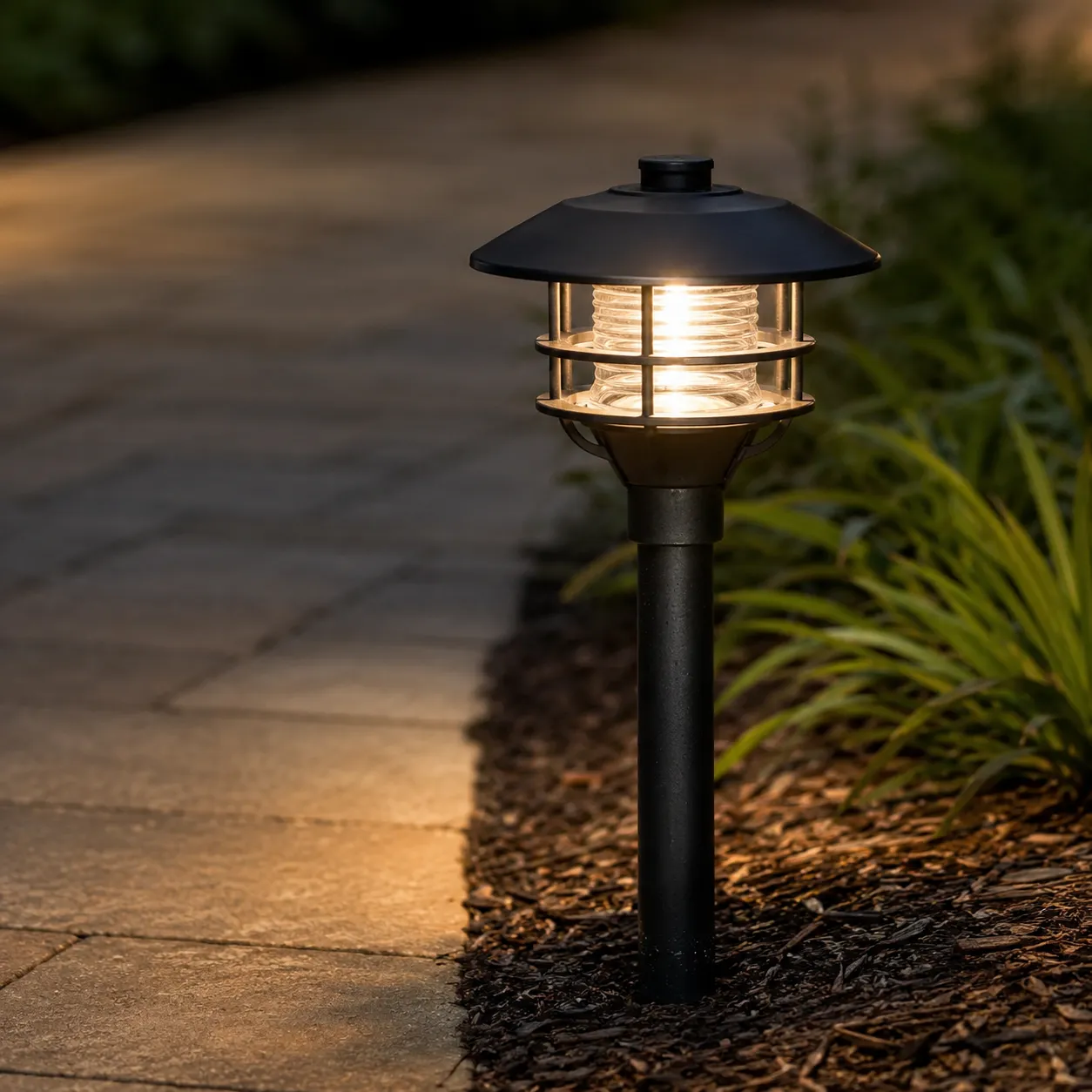
pathway lightˈpæθweɪ ˌlaɪt
a small outdoor light placed along a path or walkway so people can see where to walk.
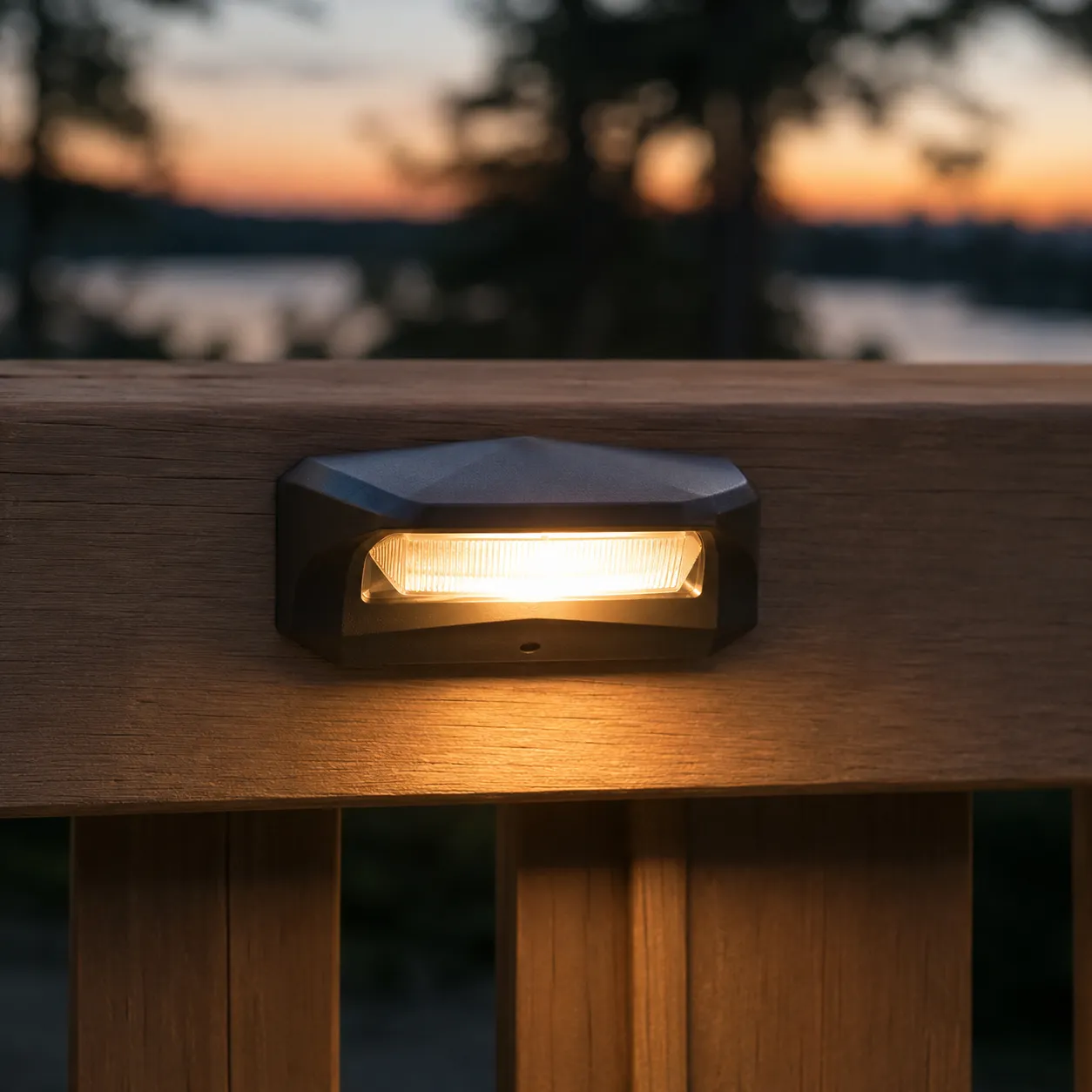
deck lightˈdɛk ˌlaɪt
a light fixed on or near an outdoor wooden platform to make the area safer or more attractive at night.
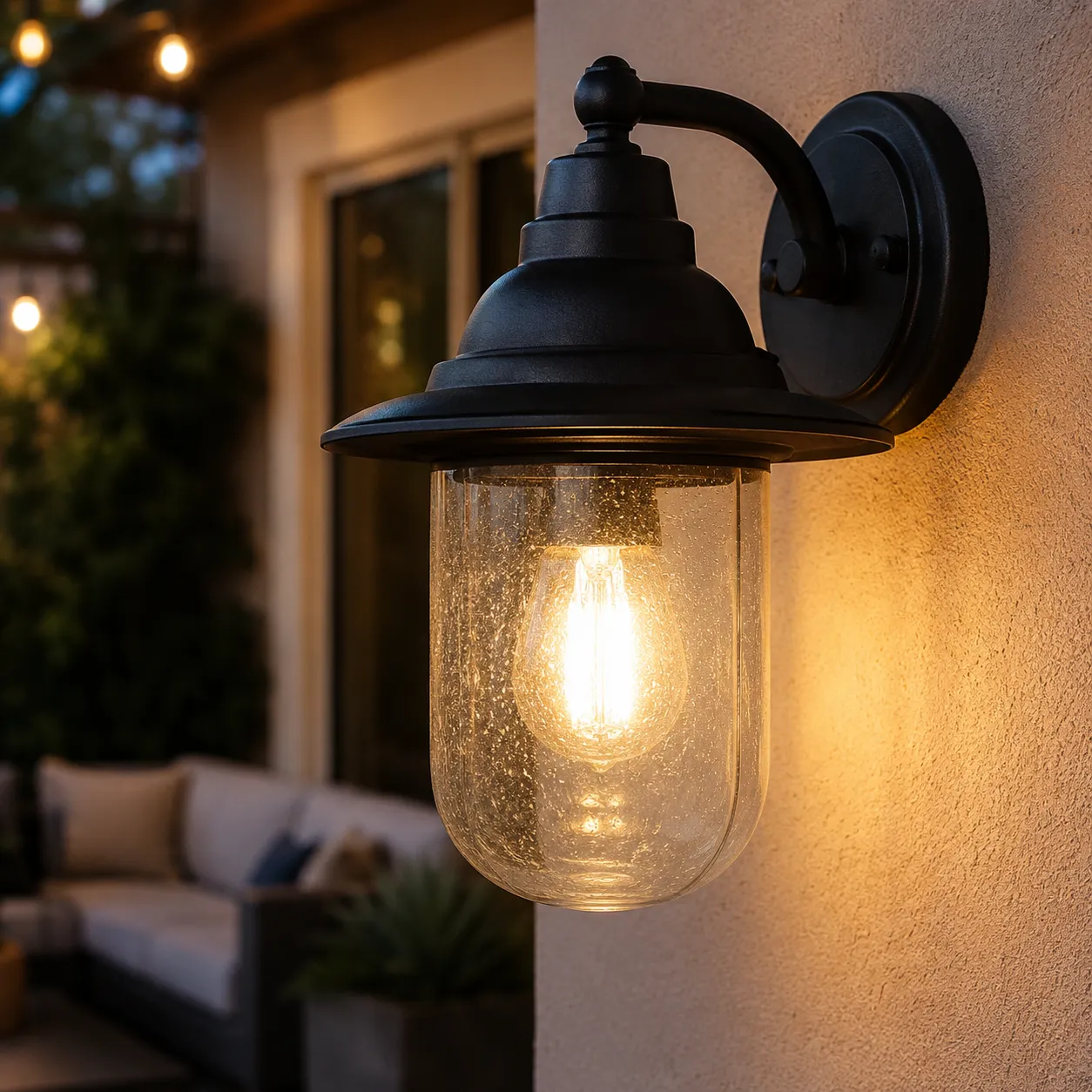
patio lightˈpætioʊ ˌlaɪt
a light used on an outdoor paved sitting area so people can use it after dark.
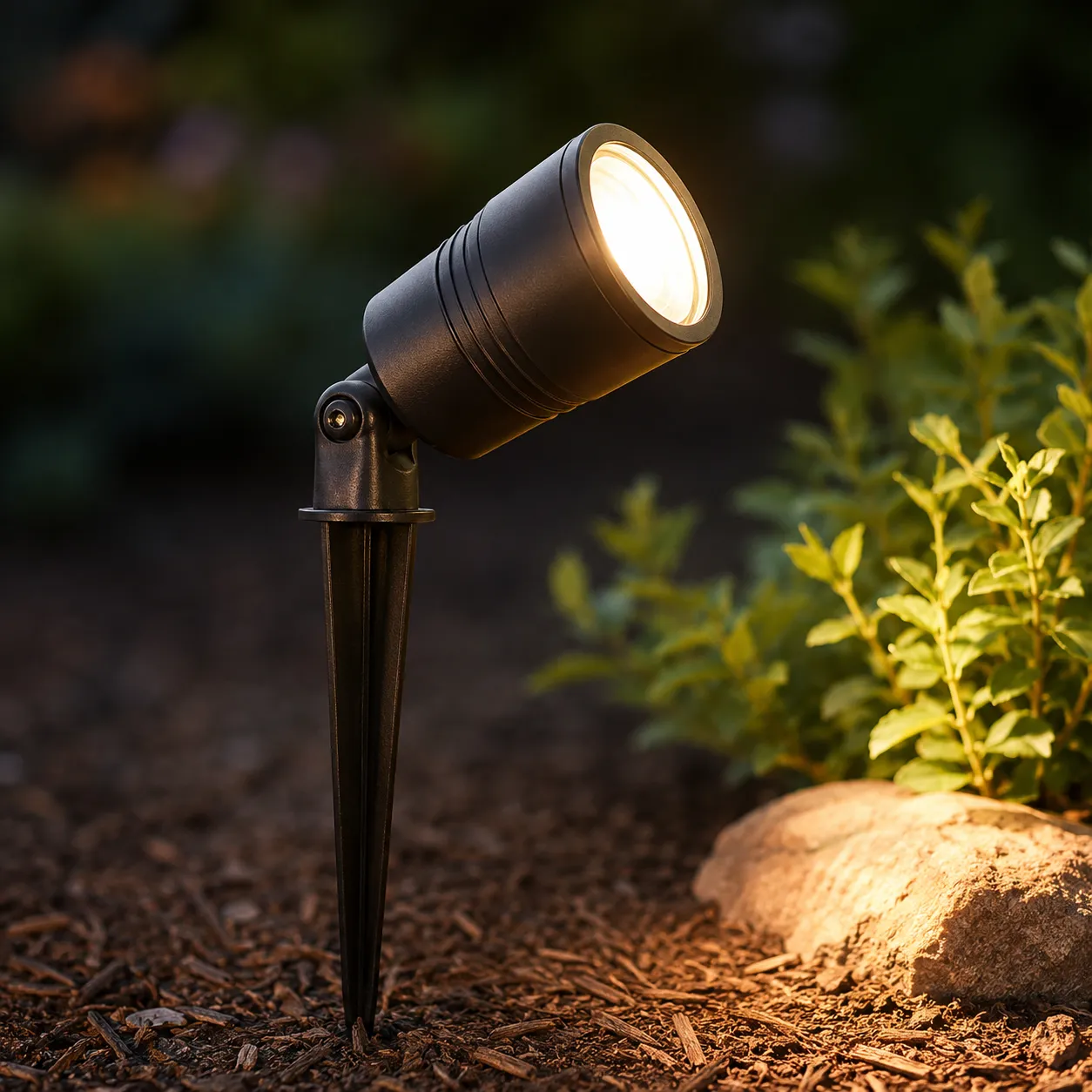
landscape lightˈlændskeɪp ˌlaɪt
an outdoor light used to show or decorate parts of a garden, yard, path, tree, or building at night.
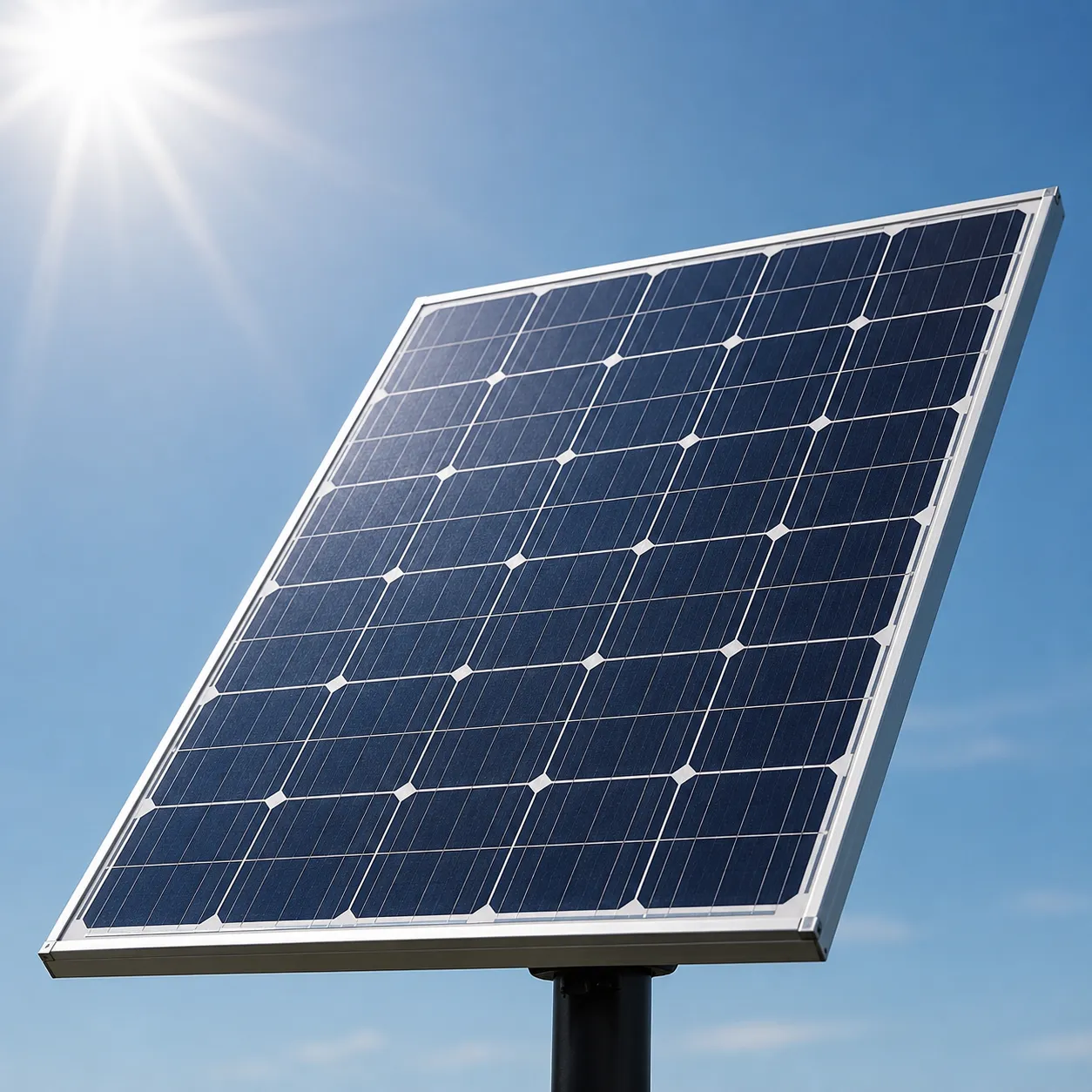
solar panelˈsoʊlər ˌpænəl
a flat device that collects sunlight and changes it into electricity.
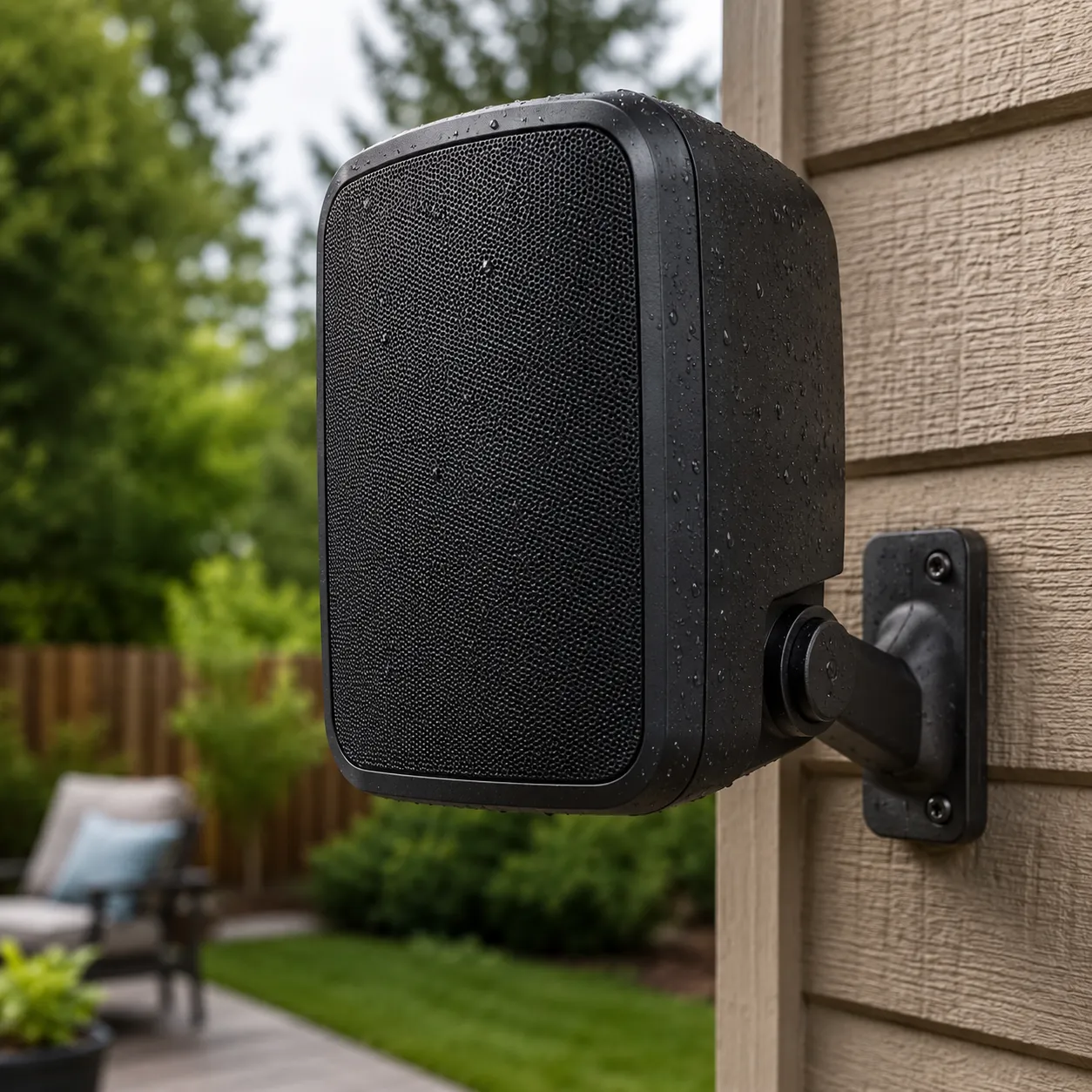
outdoor speakerˈaʊtˌdɔːr ˈspiːkər
a speaker made to play sound outside and to resist weather better than an indoor speaker.

screen projectorˈskriːn prəˌdʒɛktər
a device that sends a large picture or video onto a screen or wall.
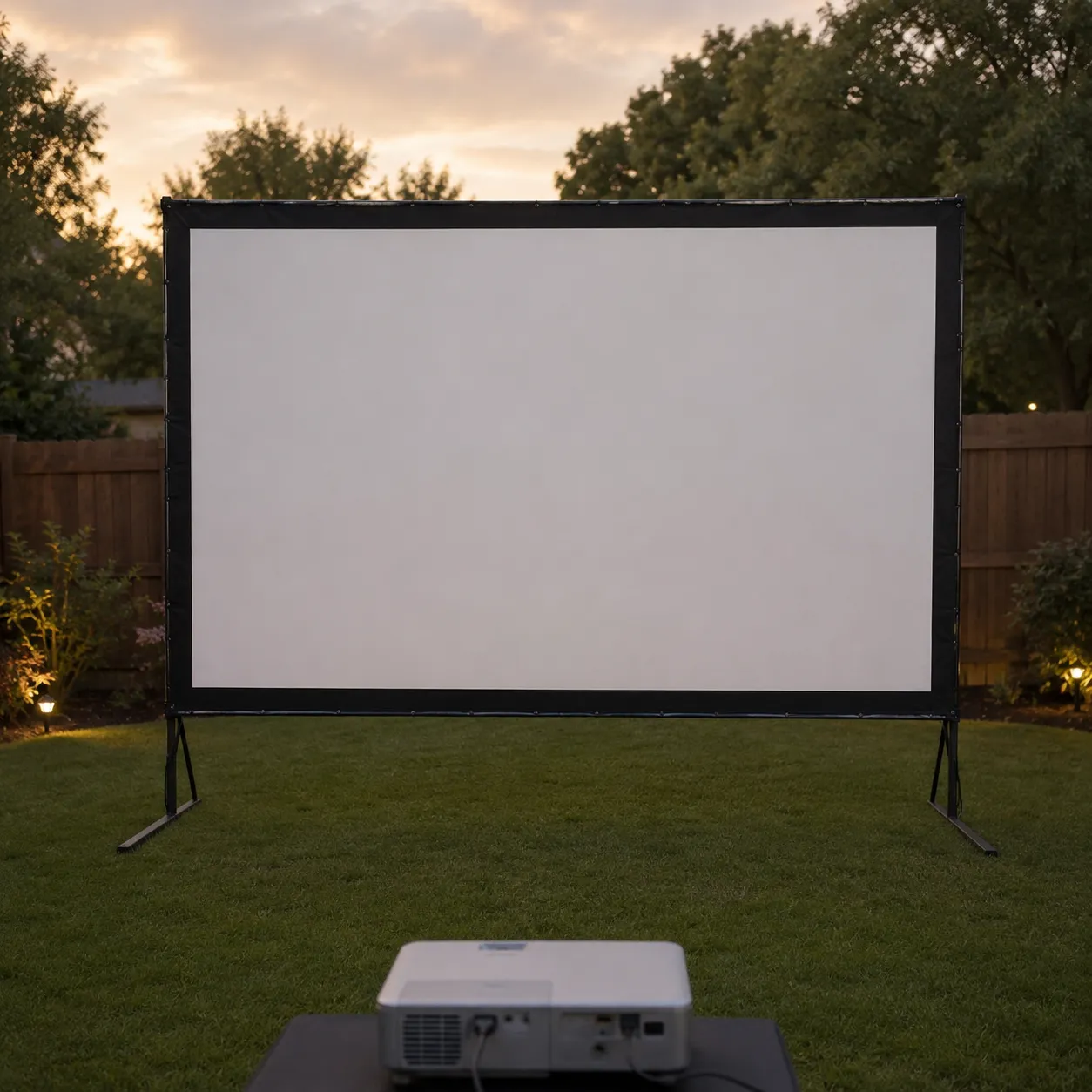
outdoor movie screenˈaʊtˌdɔːr ˈmuːvi ˌskriːn
a large screen set up outside so films or videos can be projected and watched outdoors.
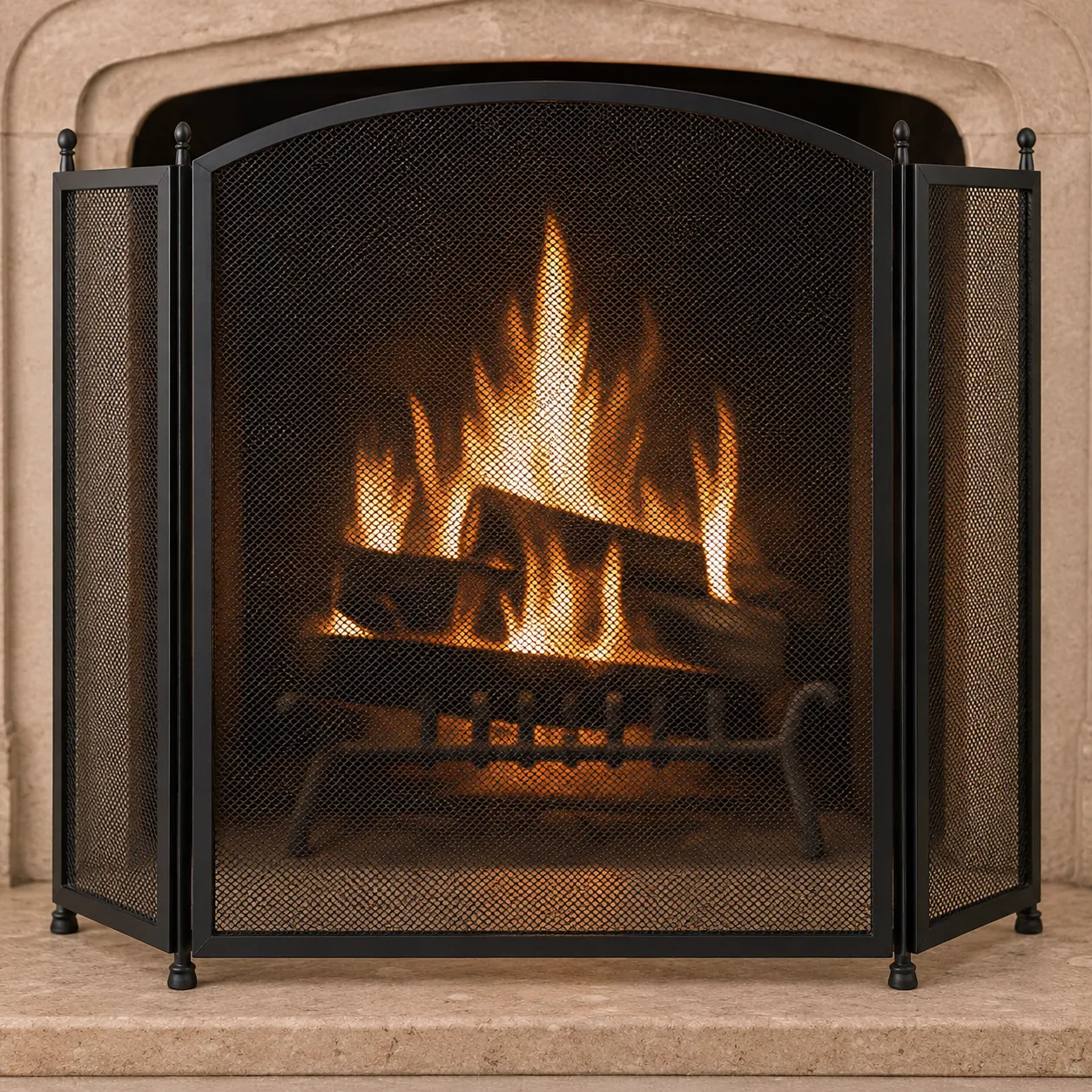
fire screenˈfaɪər ˌskriːn
a metal or glass screen placed in front of a fireplace or fire to stop sparks from flying out.
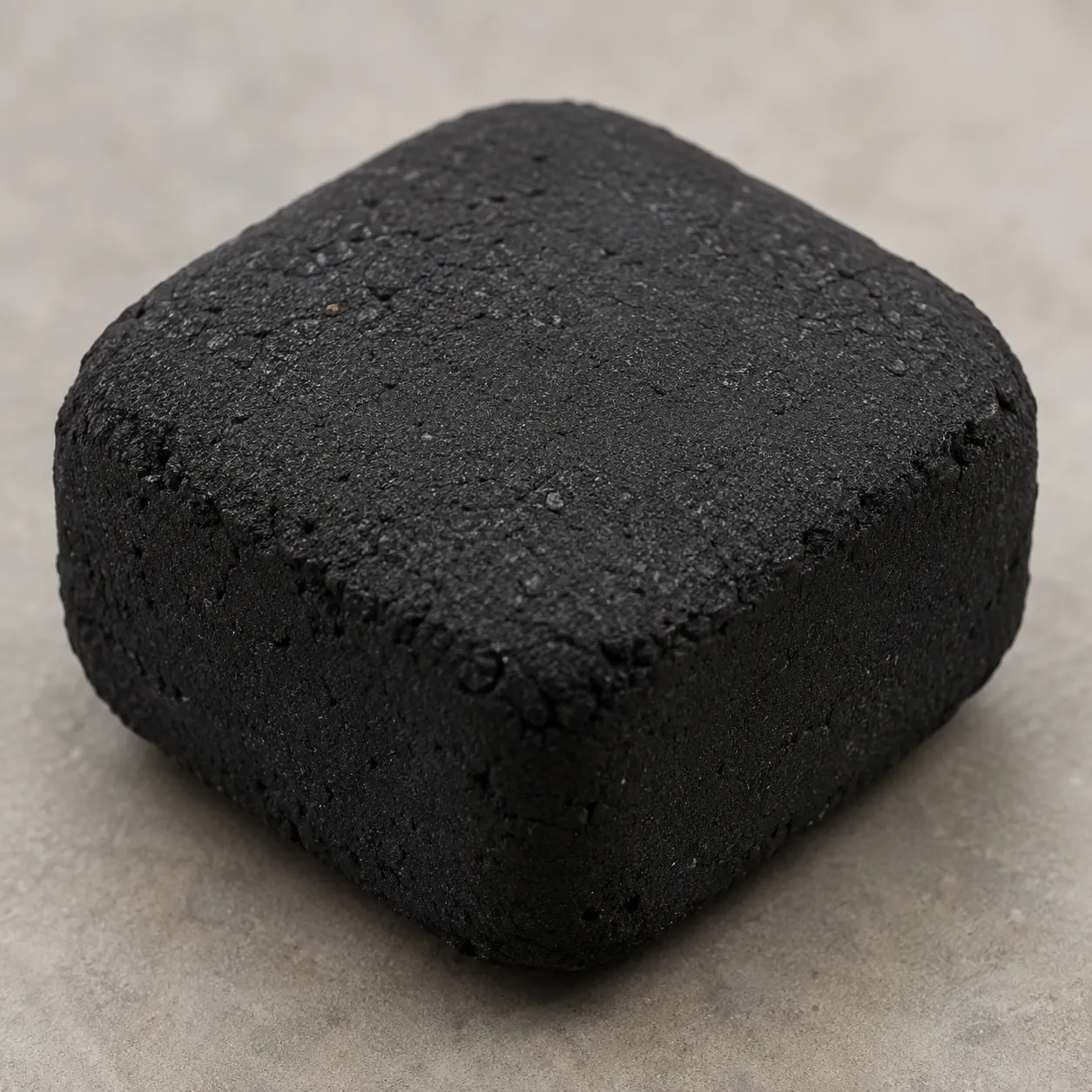
briquettebrɪˈkɛt
a small block of pressed coal, charcoal, or other fuel, used especially for cooking on a grill or making heat.
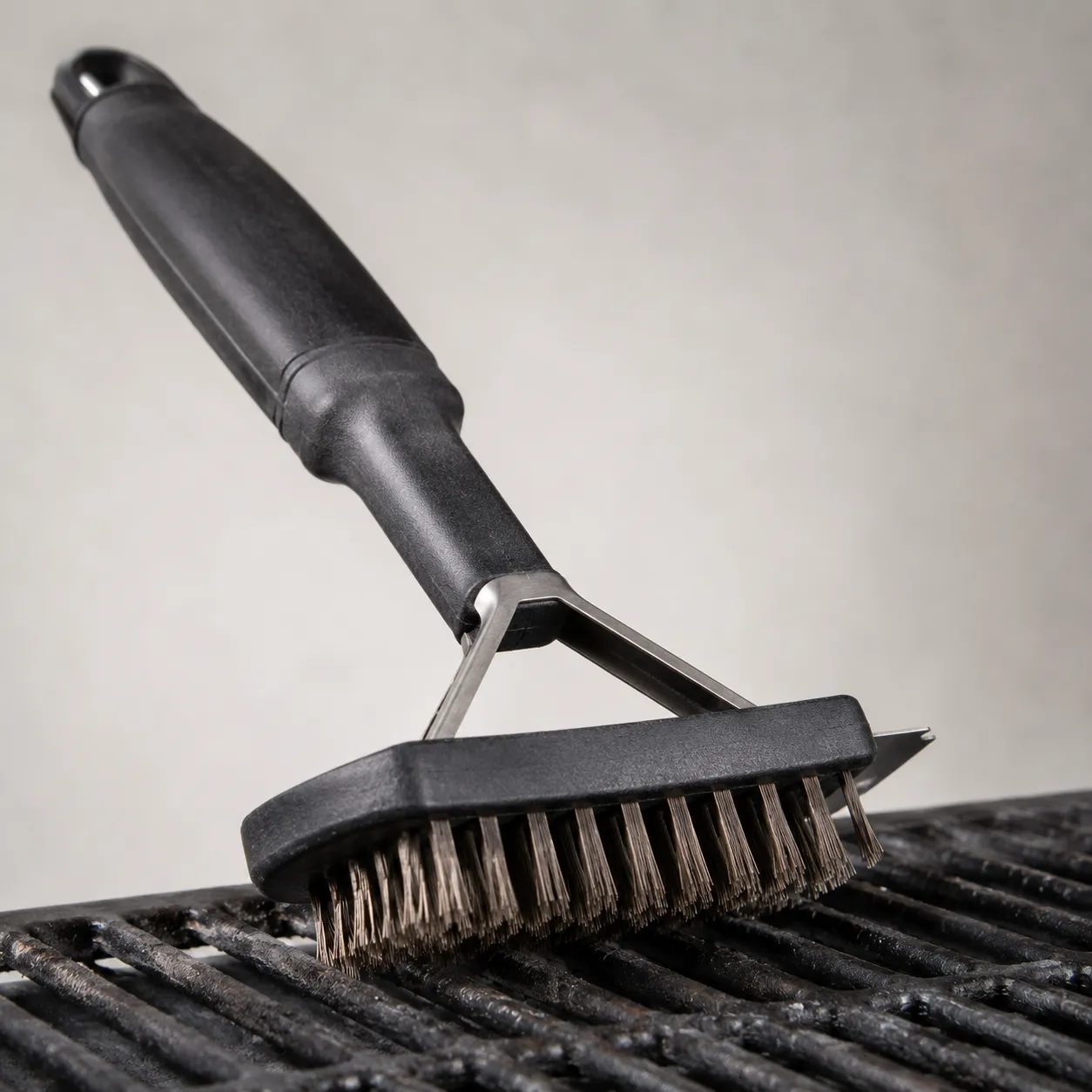
grill brushˈɡrɪl ˌbrʌʃ
a brush with stiff bristles or wire, used to clean food and grease from the metal bars of a grill.
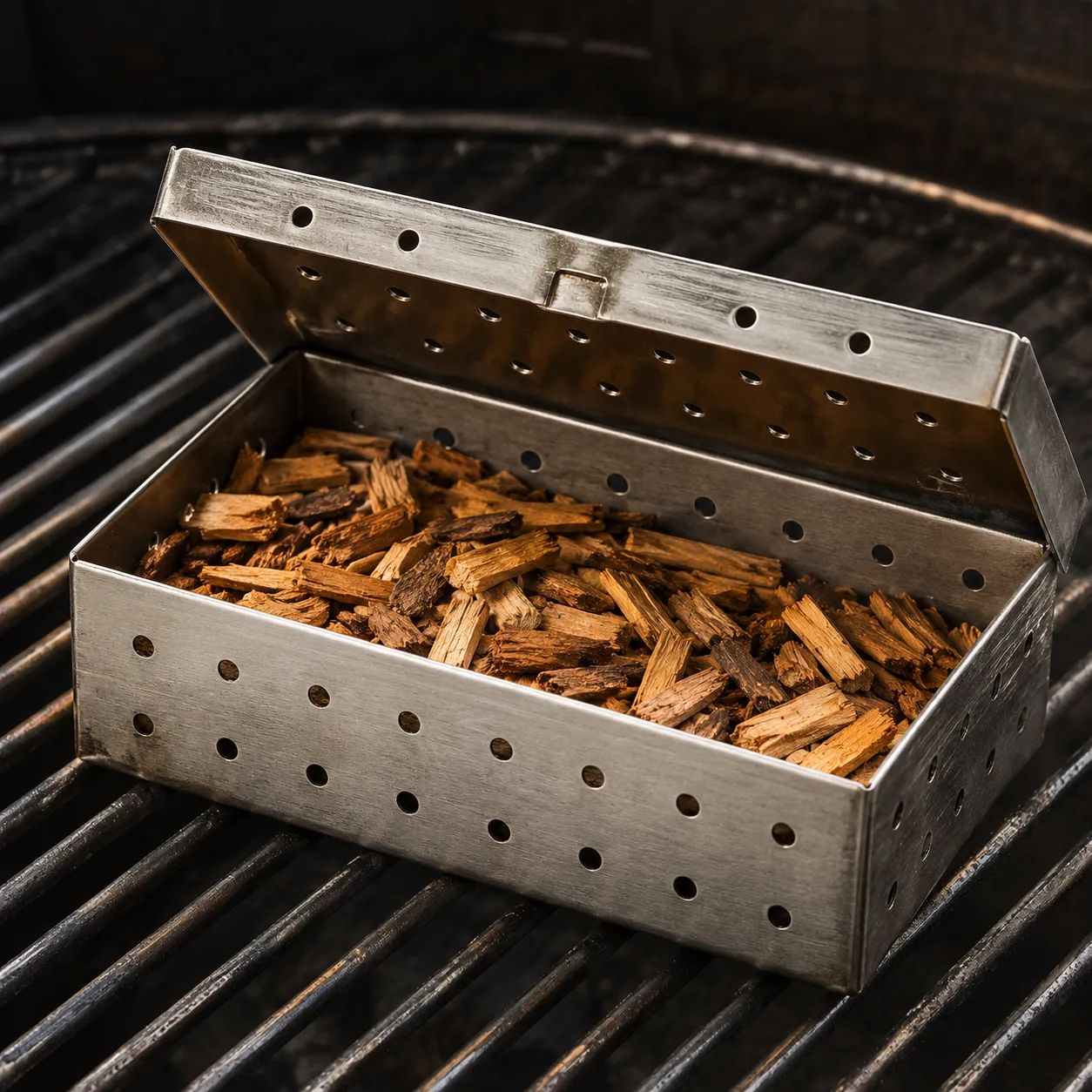
smoker boxˈsmoʊkər ˌbɑːks
a small metal box that holds wood chips in a grill so they smoke and add flavor to the food.
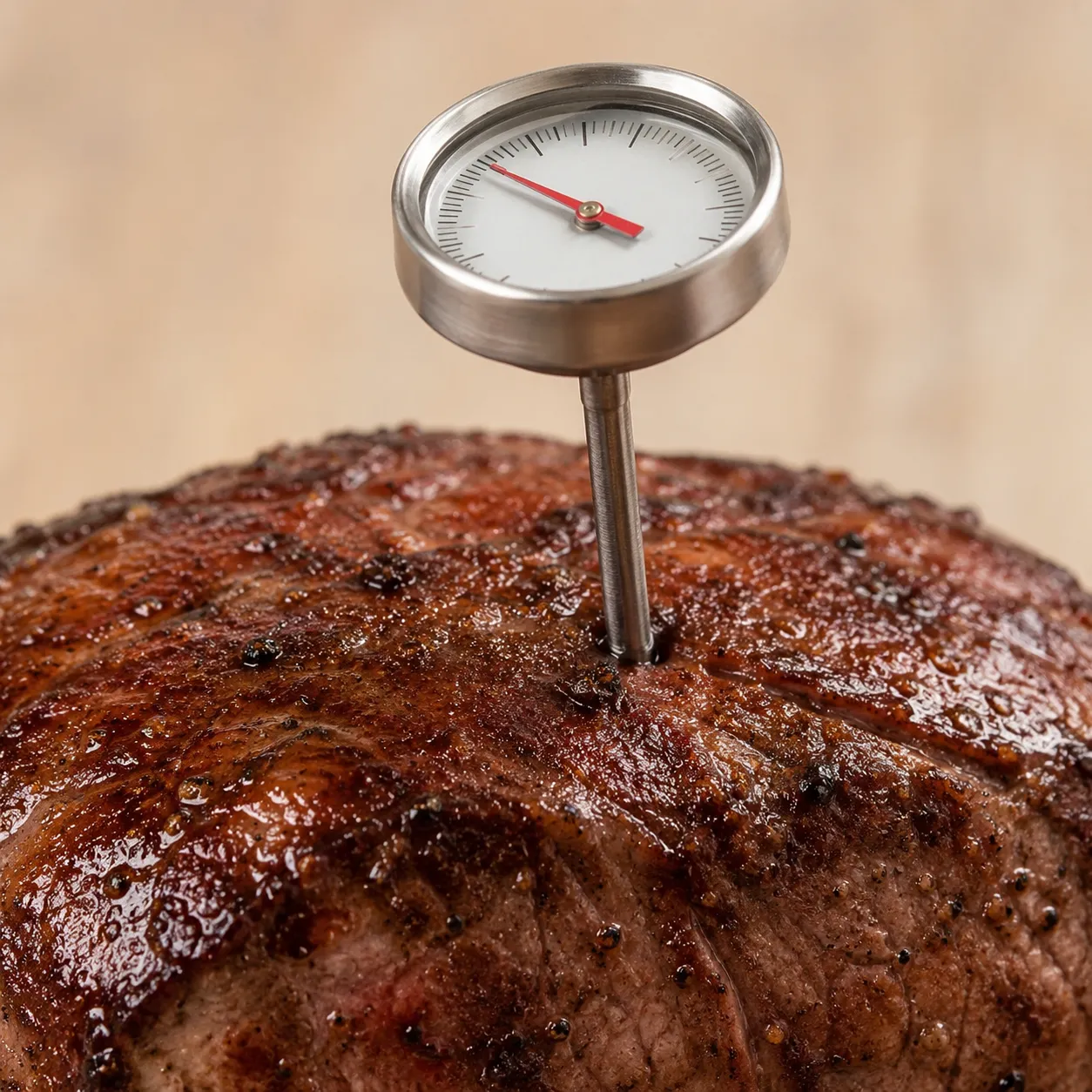
meat thermometerˈmiːt θərˌmɑːmətər
a thermometer put into meat to check its inside temperature and see whether it is cooked enough.
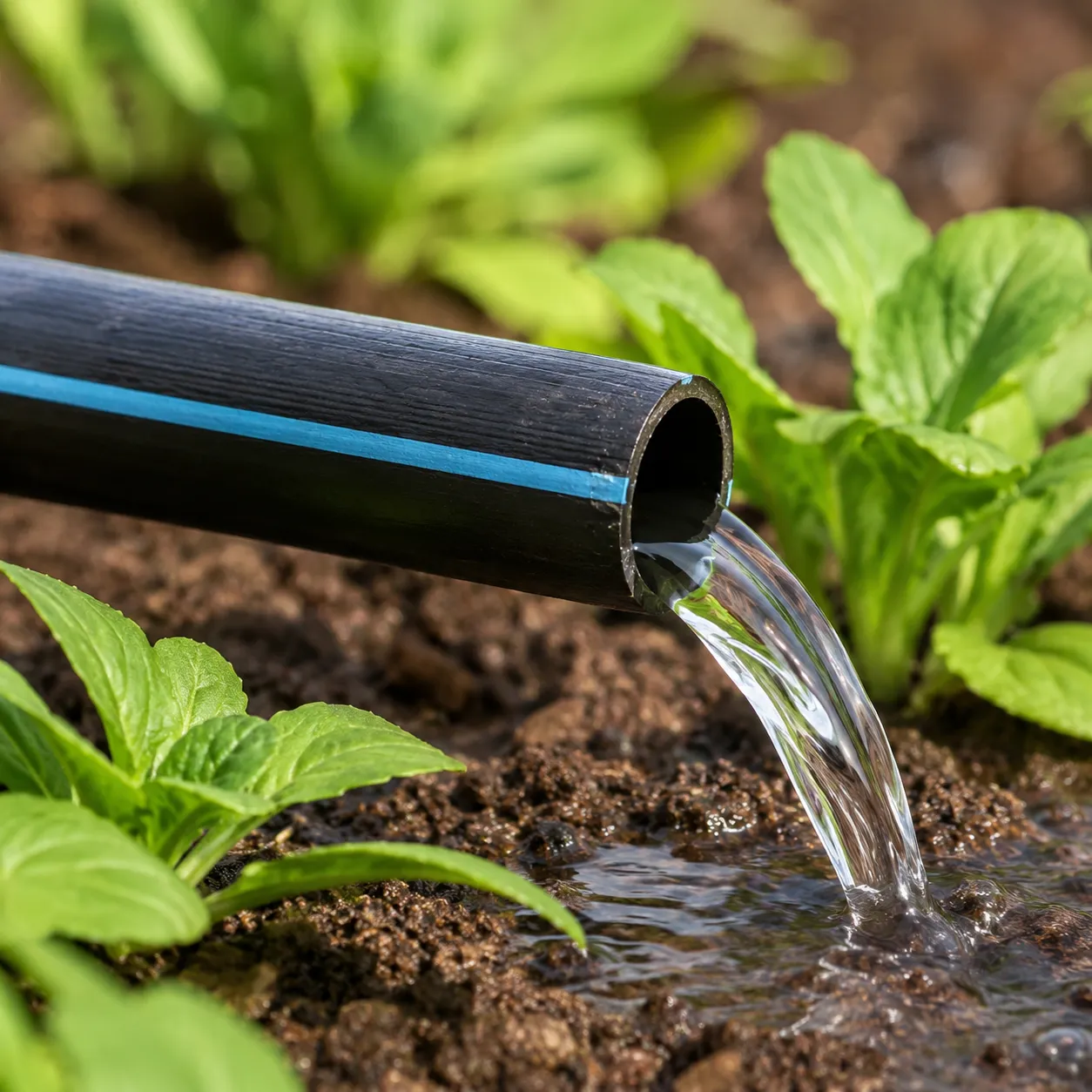
irrigation pipeˌɪrɪˈɡeɪʃən ˌpaɪp
a pipe that carries water to fields, gardens, or plants as part of a watering system.
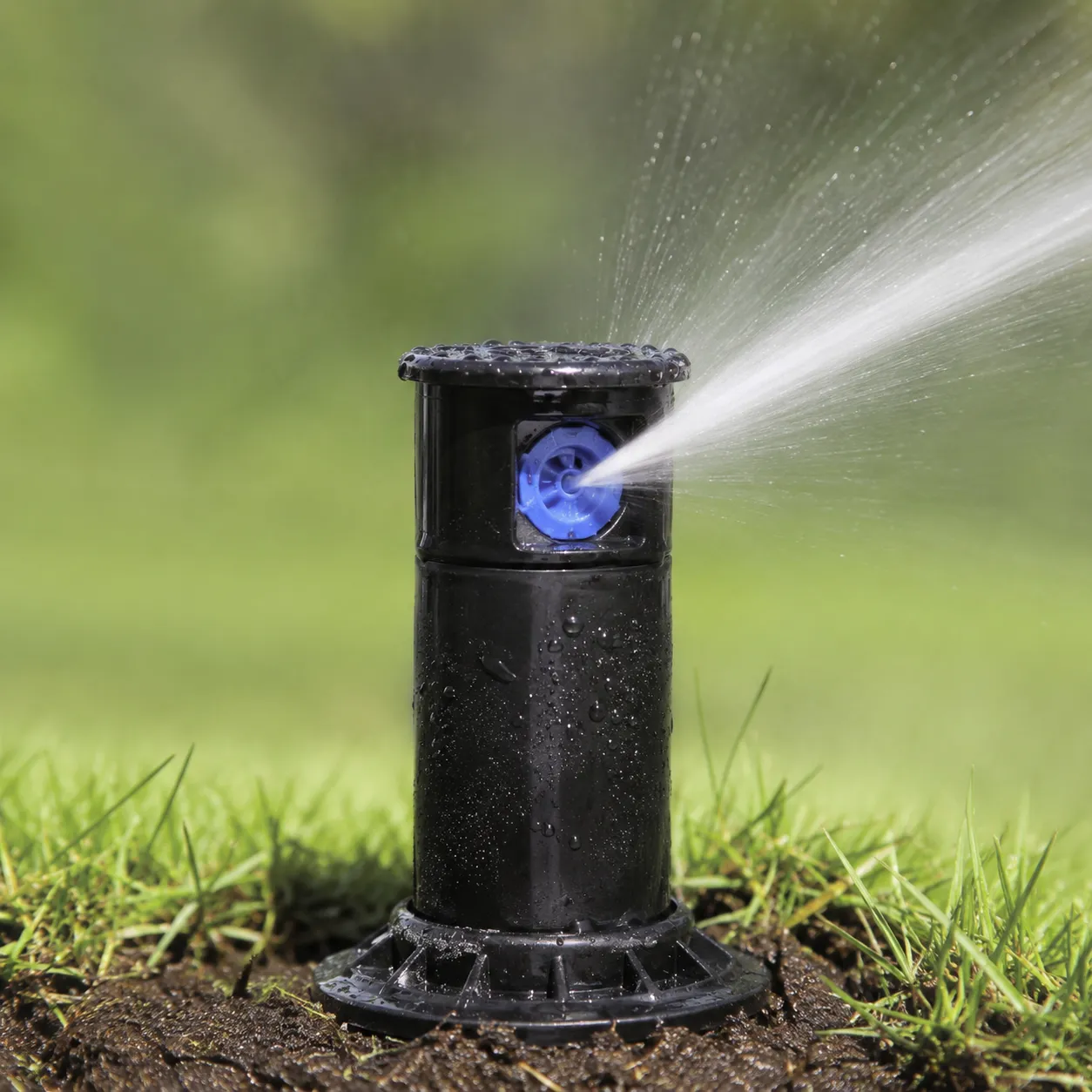
sprinkler headˈsprɪŋklər ˌhɛd
the part of a sprinkler system where water comes out and is sprayed over grass, plants, or a garden.
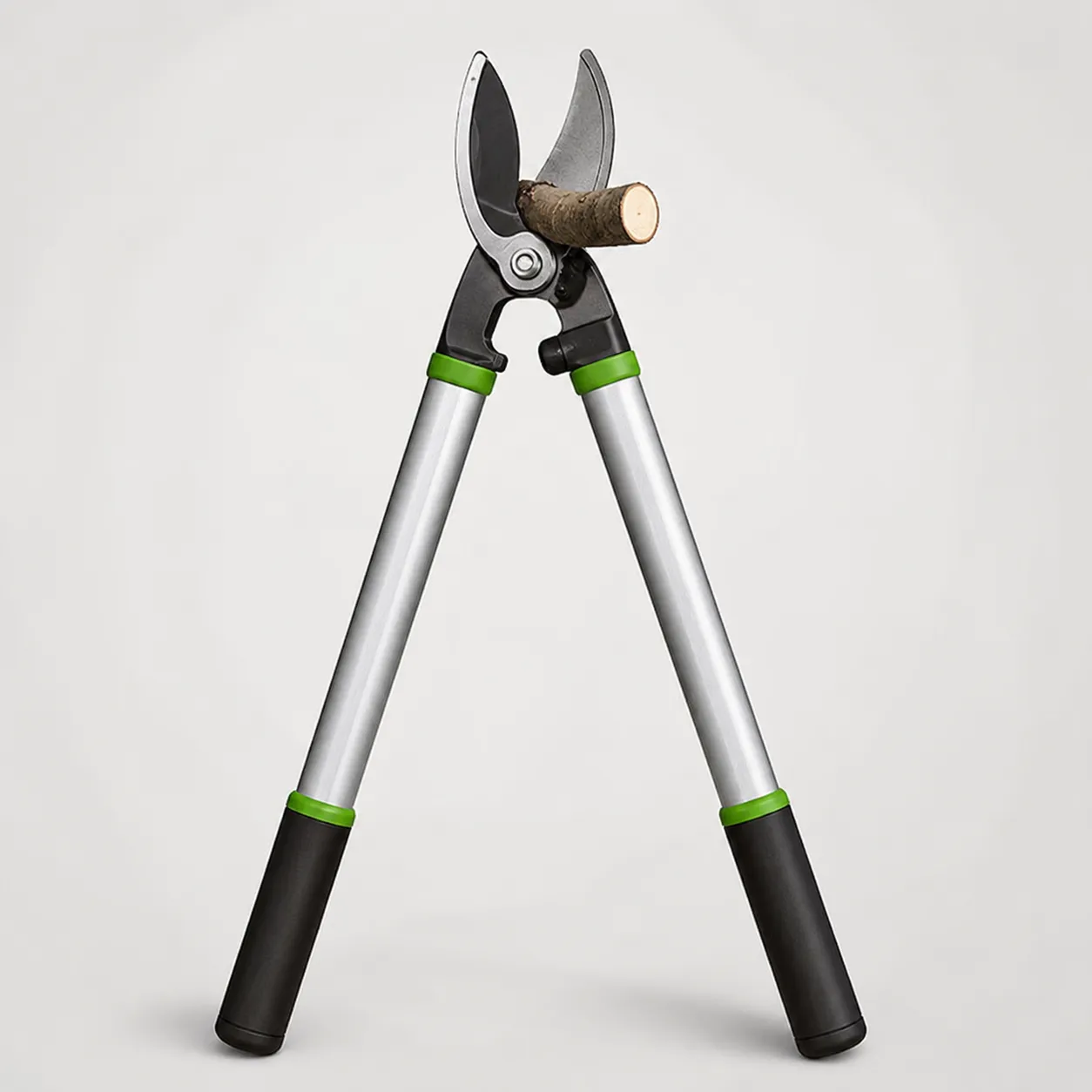
loppersˈlɑːpərz
a garden tool like large scissors with long handles, used for cutting branches that are too thick for ordinary pruning shears.
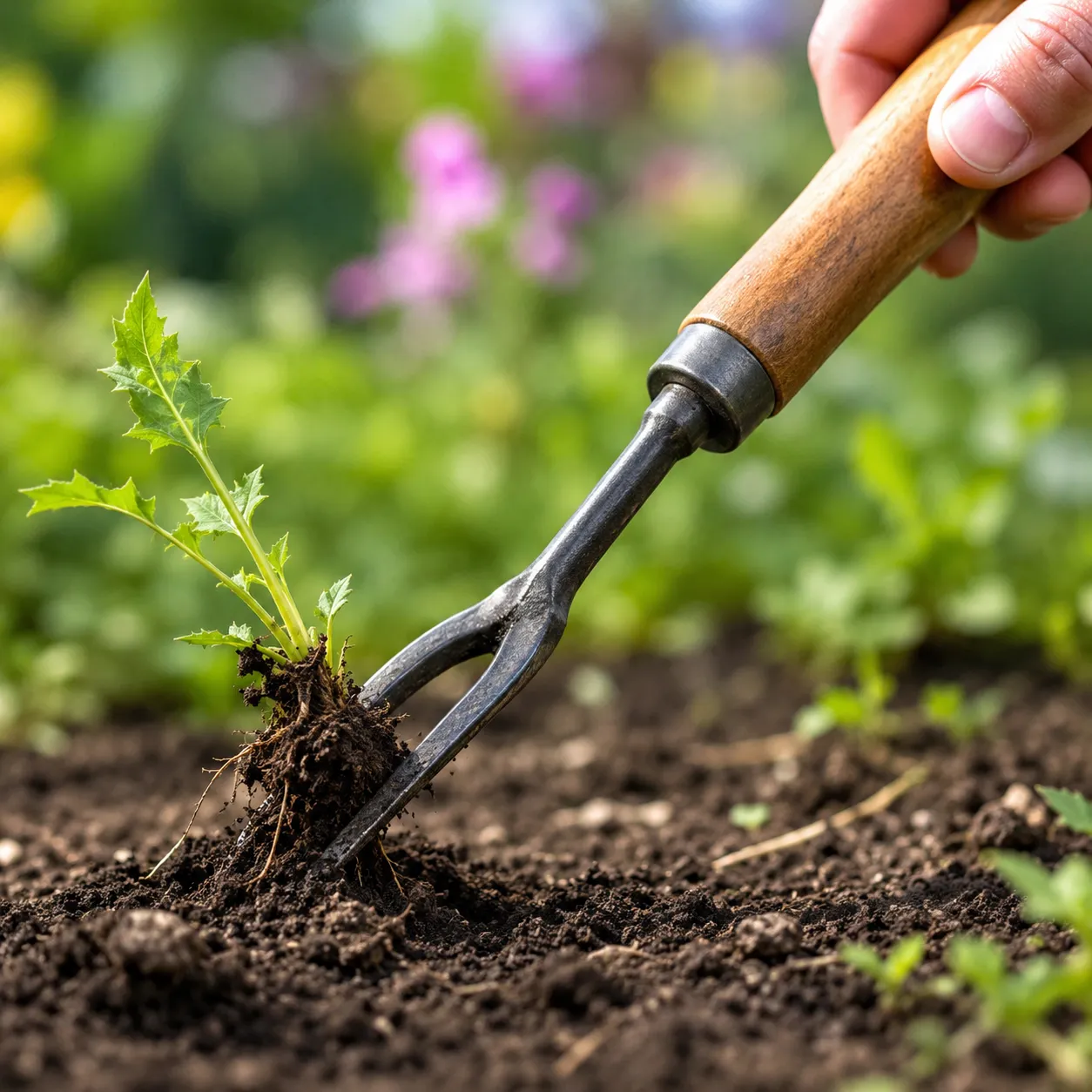
weederˈwiːdər
a tool, and sometimes a person, that removes unwanted plants from soil or between other plants.
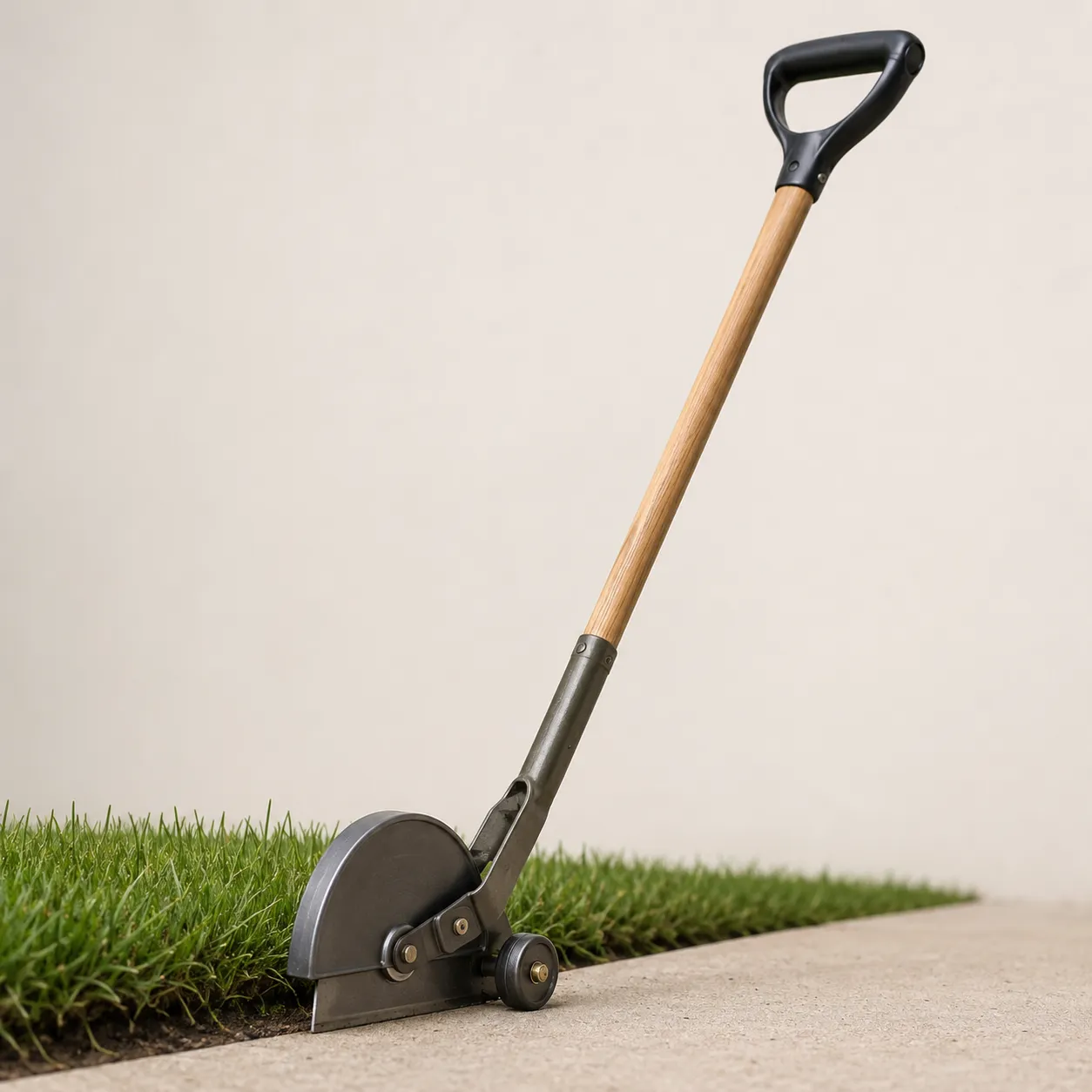
edgerˈɛdʒər
a garden tool or machine used to cut a clean line along the edge of a lawn, path, or flower bed.
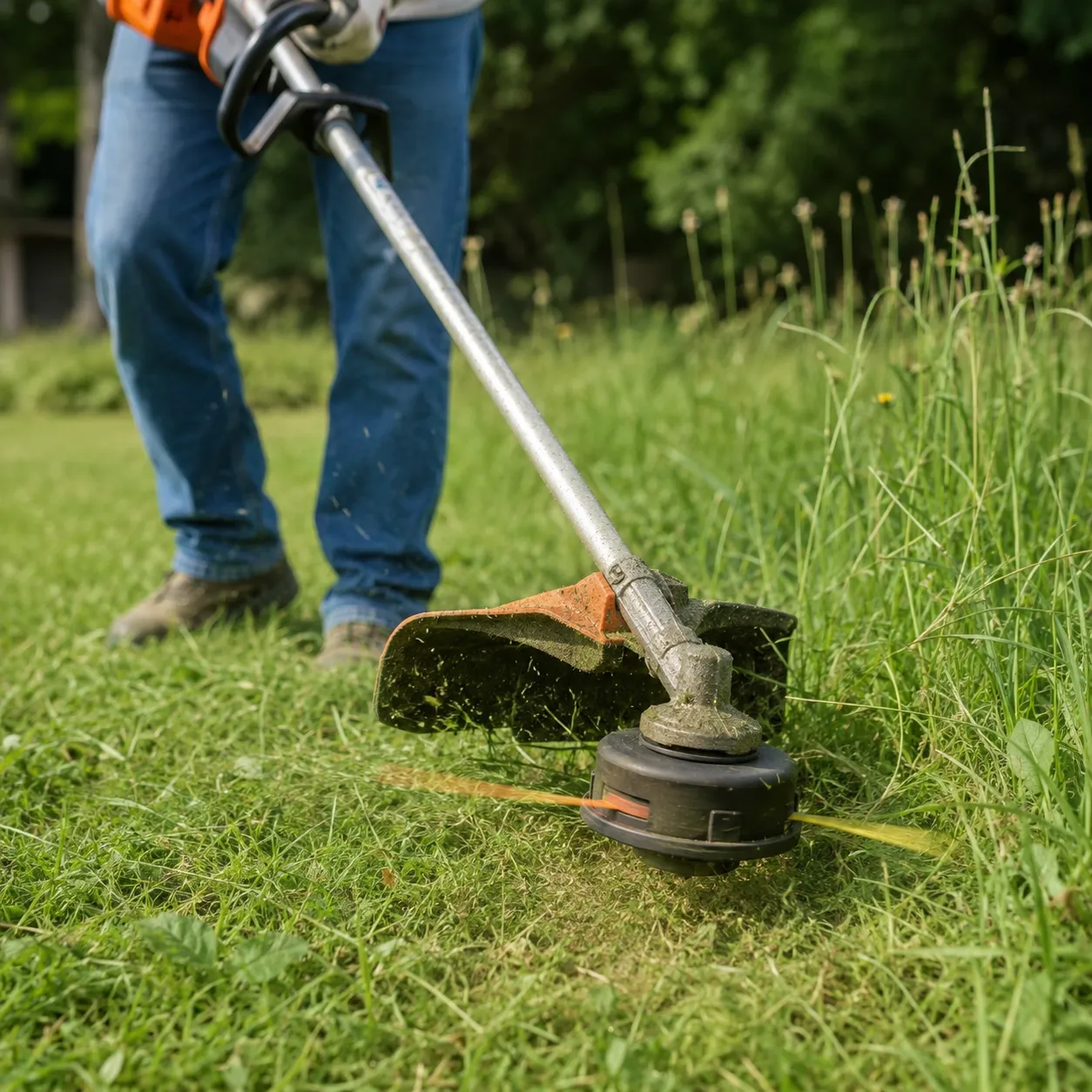
string trimmerˈstrɪŋ ˌtrɪmər
a powered garden tool that cuts grass and weeds with a fast-spinning plastic line, especially near edges and obstacles.
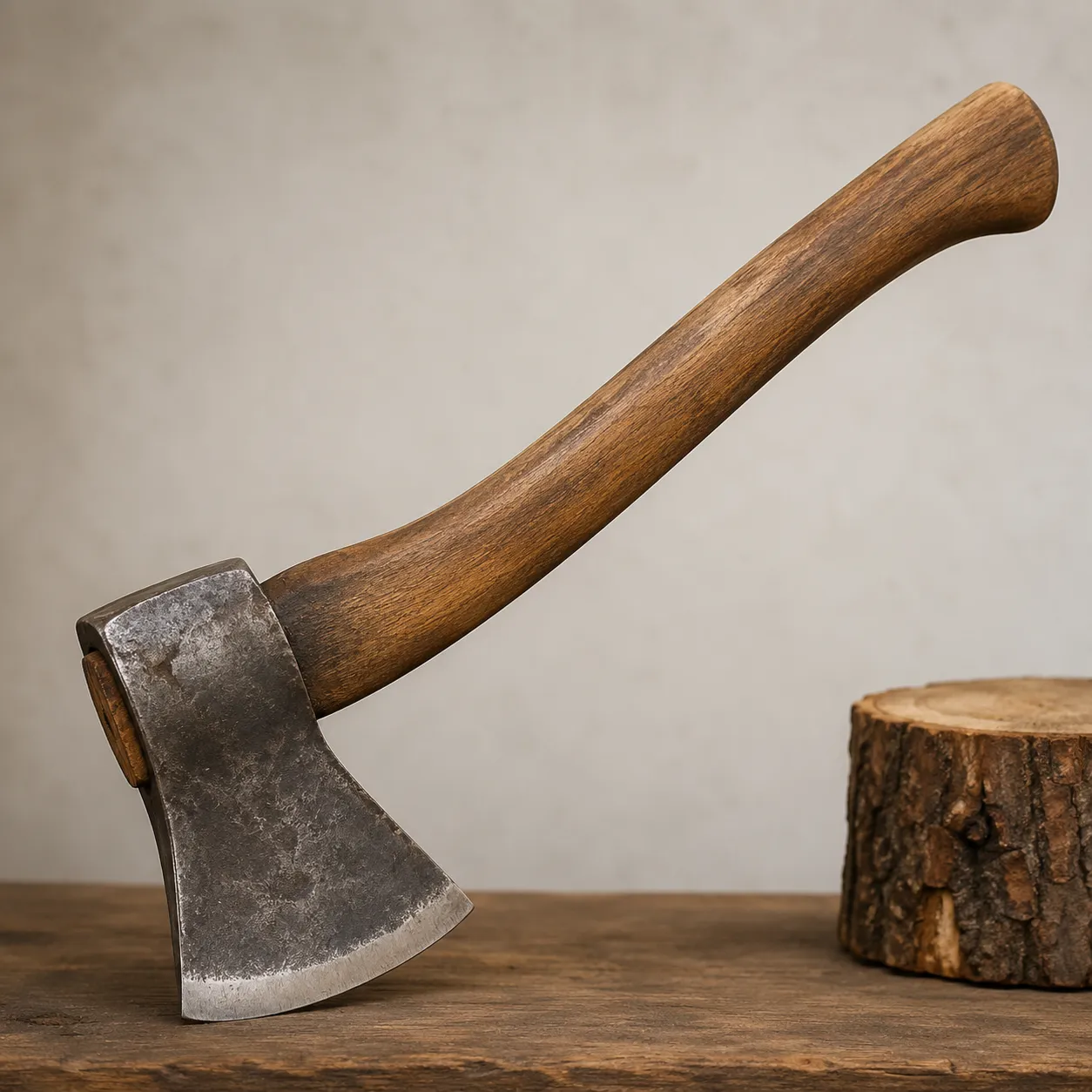
axeæks
a tool with a heavy metal blade on a handle, used for cutting or chopping wood.
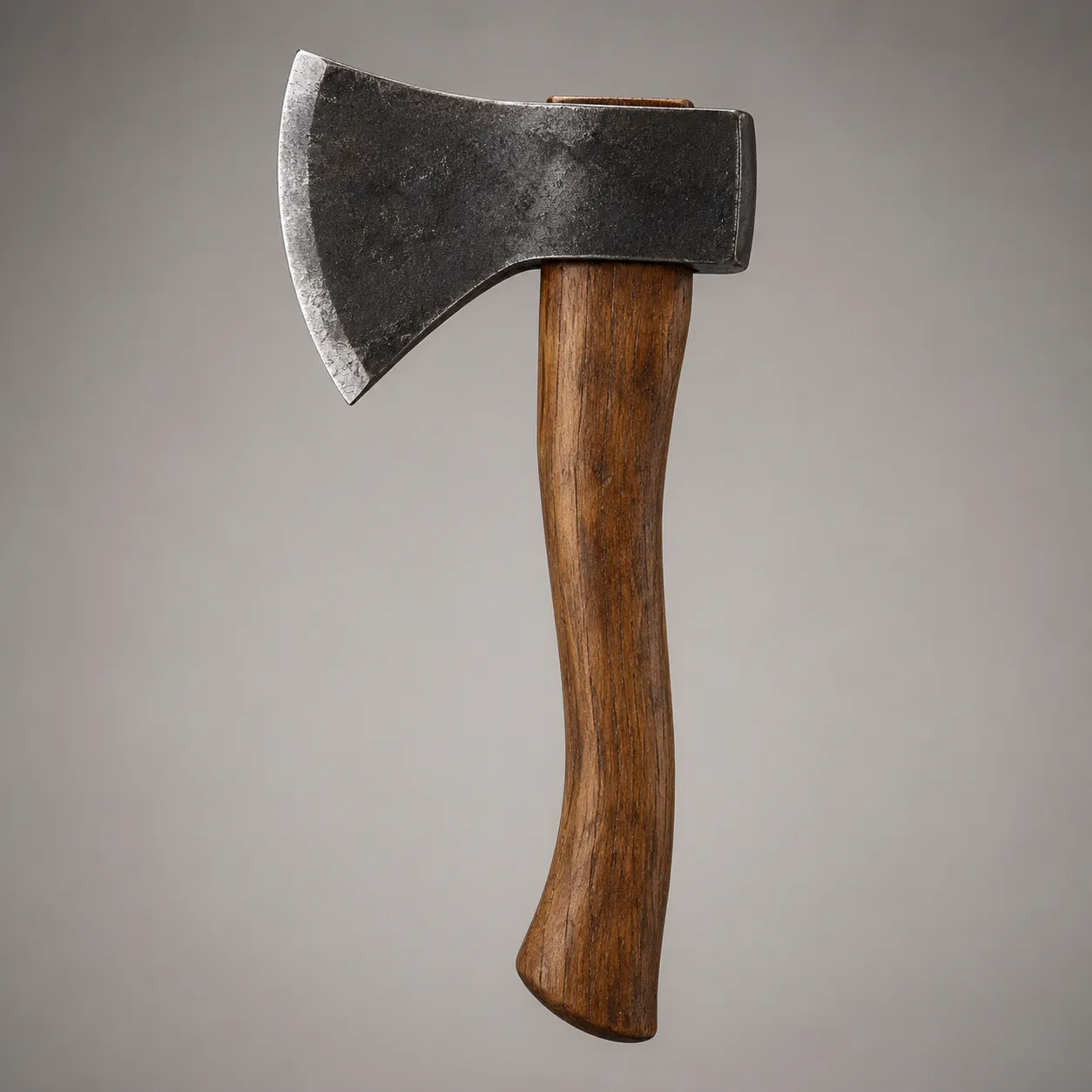
hatchetˈhætʃɪt
a small axe with a short handle, used with one hand for chopping small pieces of wood.
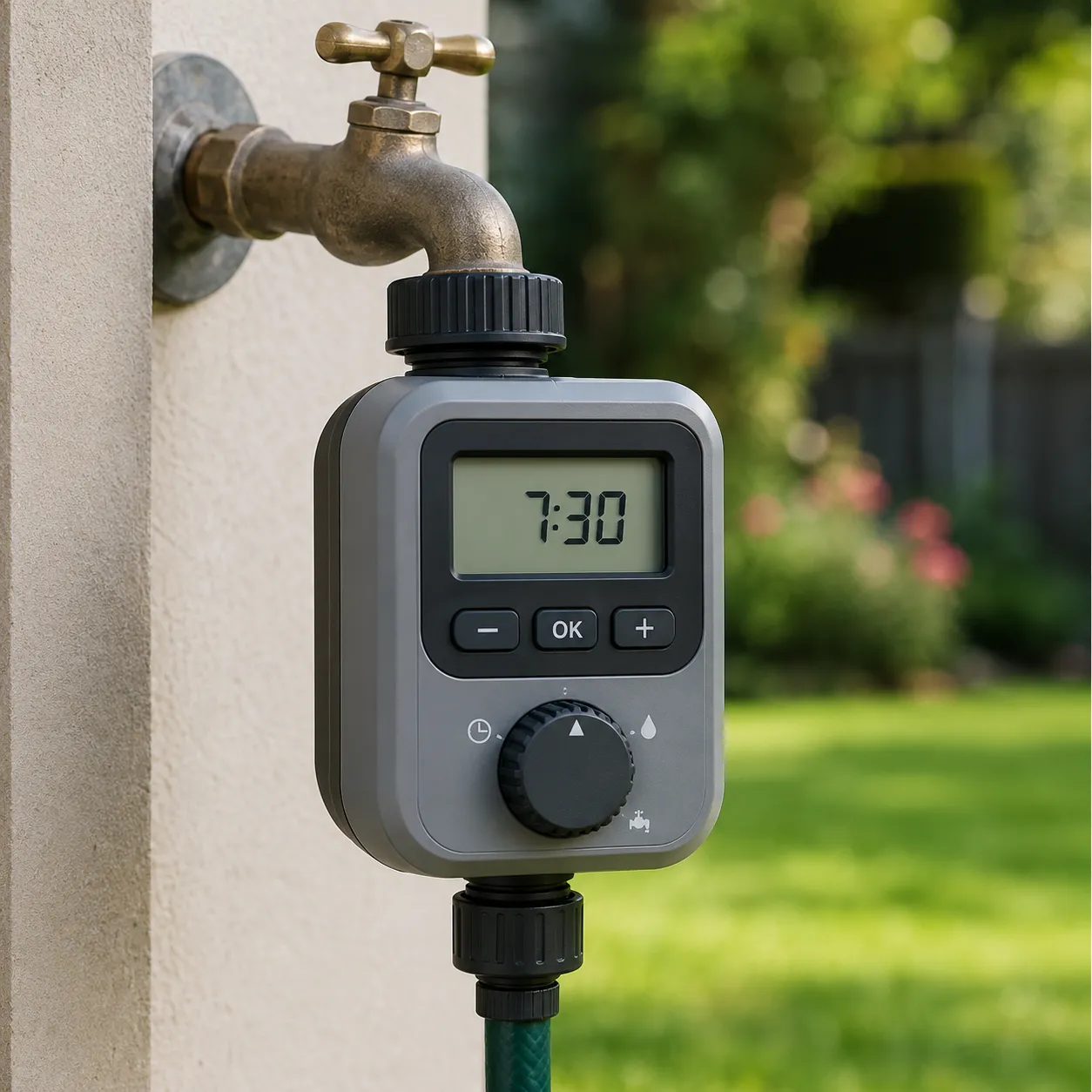
watering timerˈwɔːtərɪŋ ˌtaɪmər
a device that automatically turns a hose or irrigation system on and off at set times.
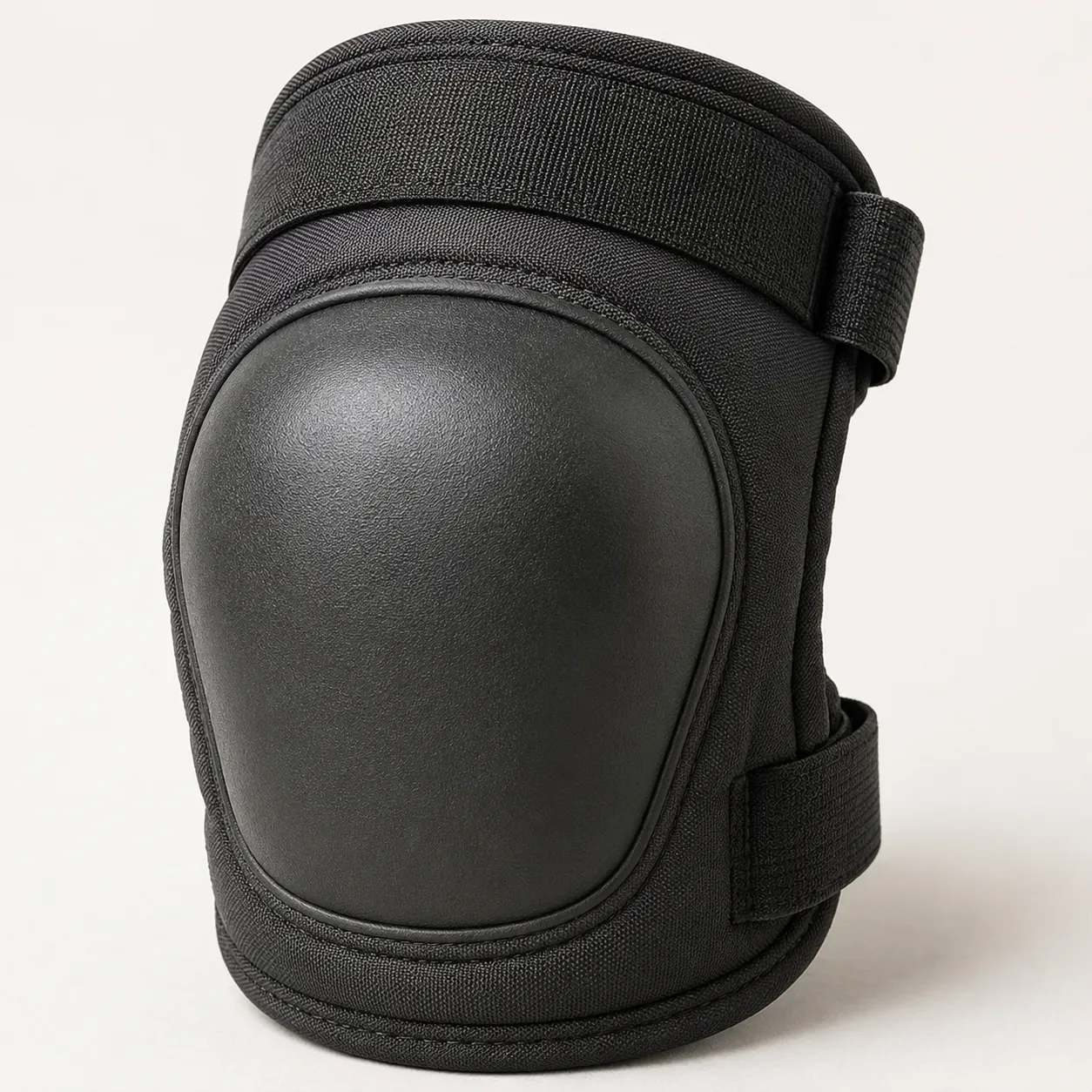
knee padˈniː ˌpæd
a soft or hard pad worn on the knee, or placed under it, to protect it when kneeling or playing sports.
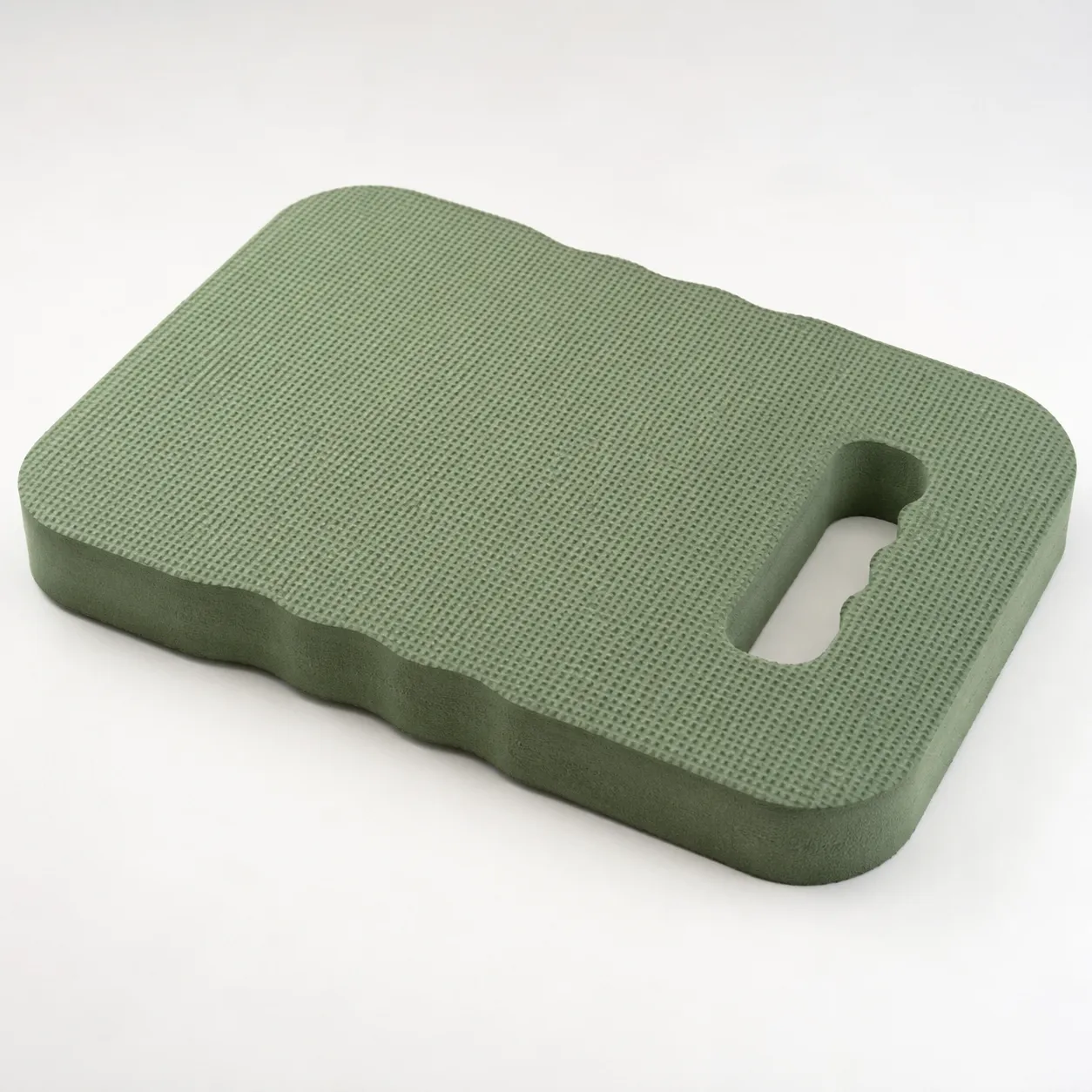
kneelerˈniːlər
a soft pad or low support that you kneel on to protect your knees, especially while gardening or praying.
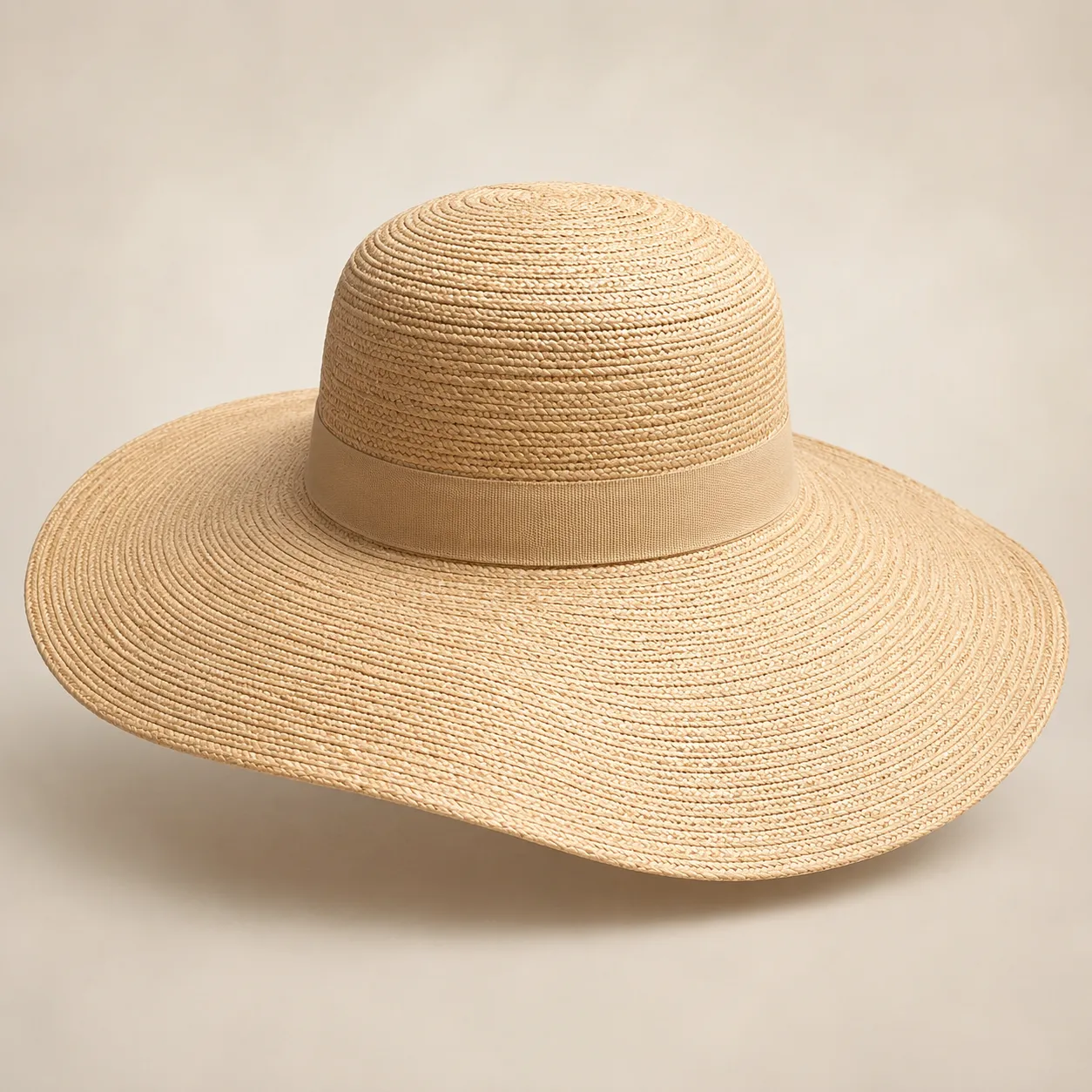
sun hatˈsʌn hæt
a hat, often with a wide edge, that protects your head and face from strong sunlight.
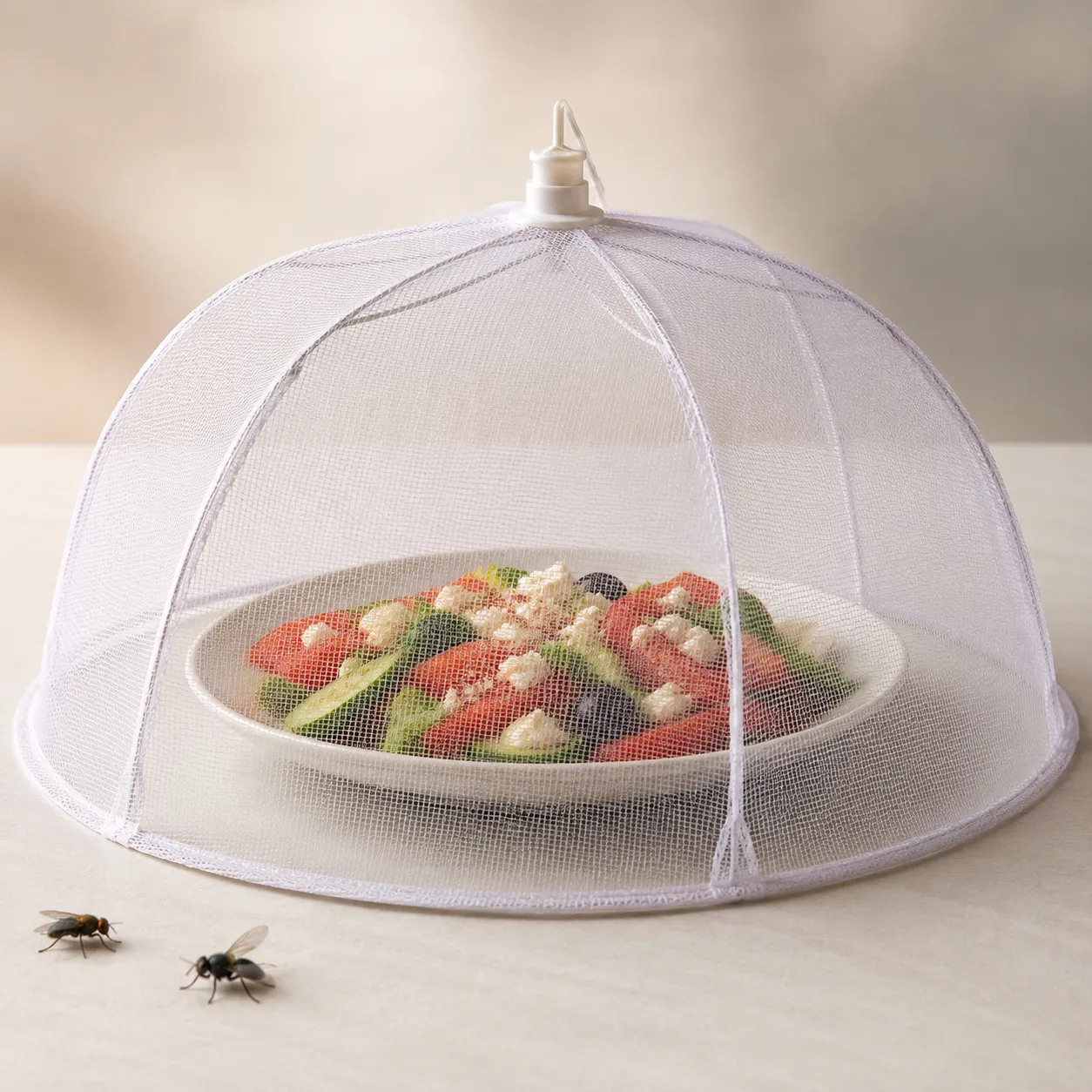
insect netˈɪnsekt net
a net with very small holes that keeps insects away from a person, plants, or food.
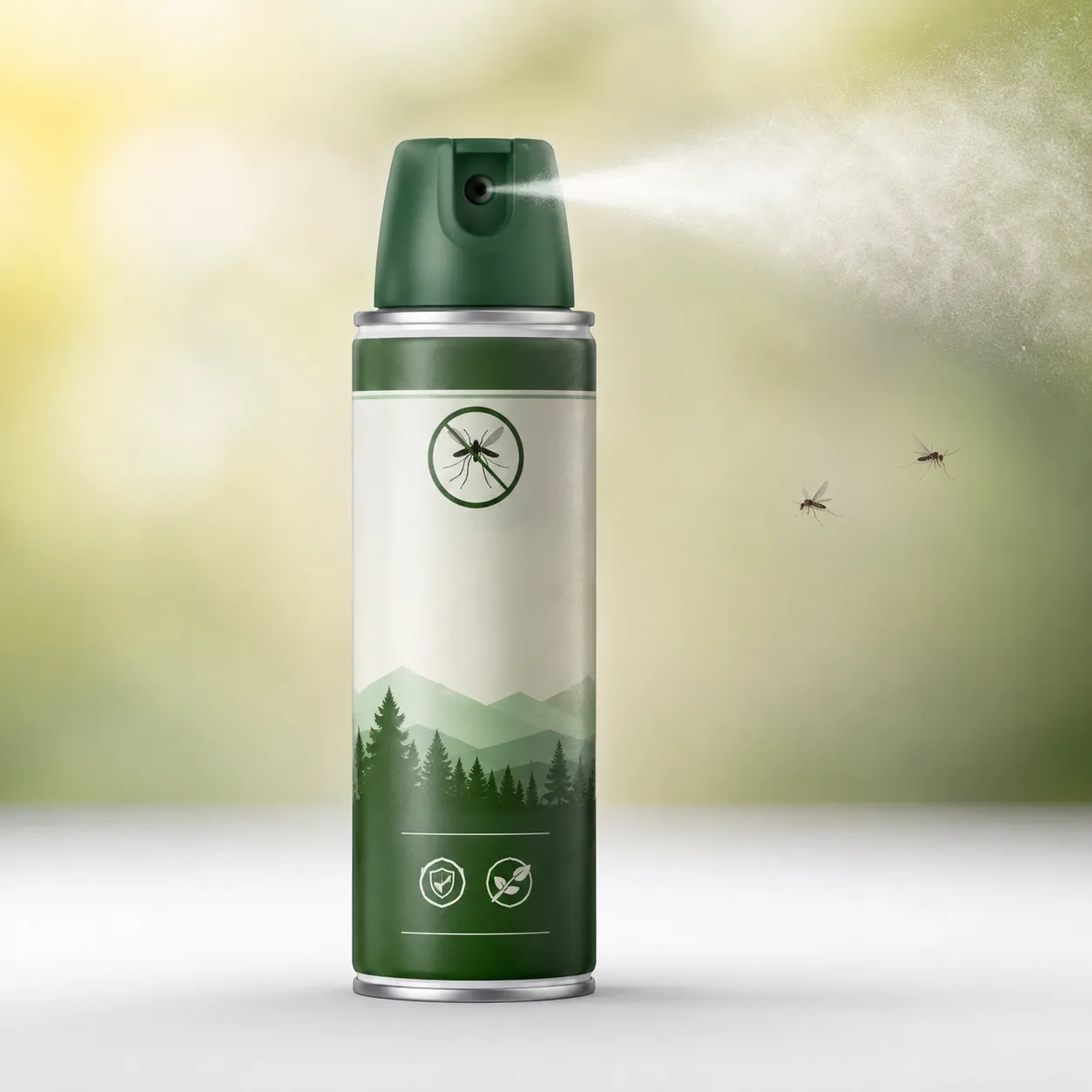
bug sprayˈbʌɡ spreɪ
a liquid sprayed on skin, plants, or surfaces to kill insects or keep them away.
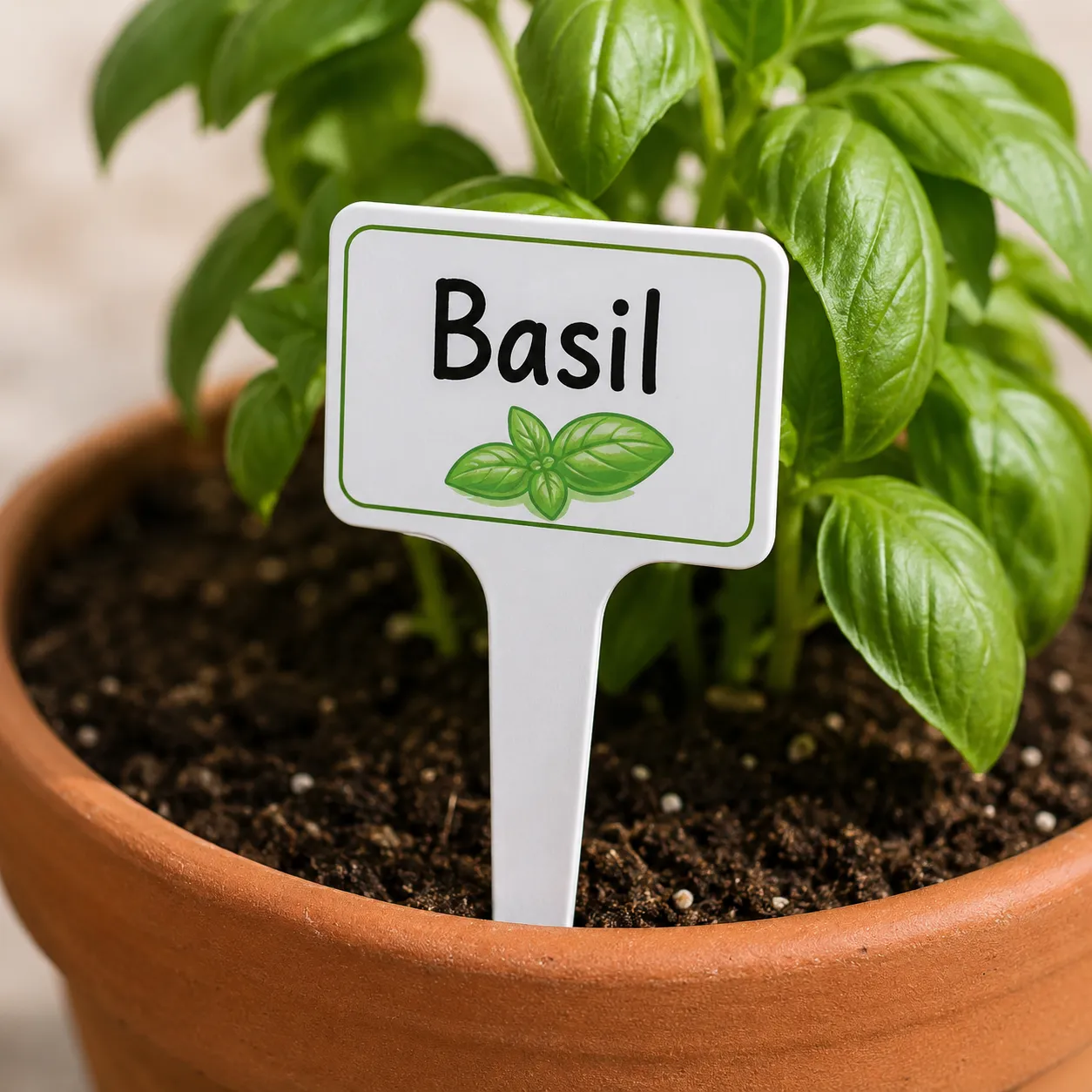
plant tagˈplænt tæɡ
a small label put in a pot or in the ground to show a plant’s name or care information.
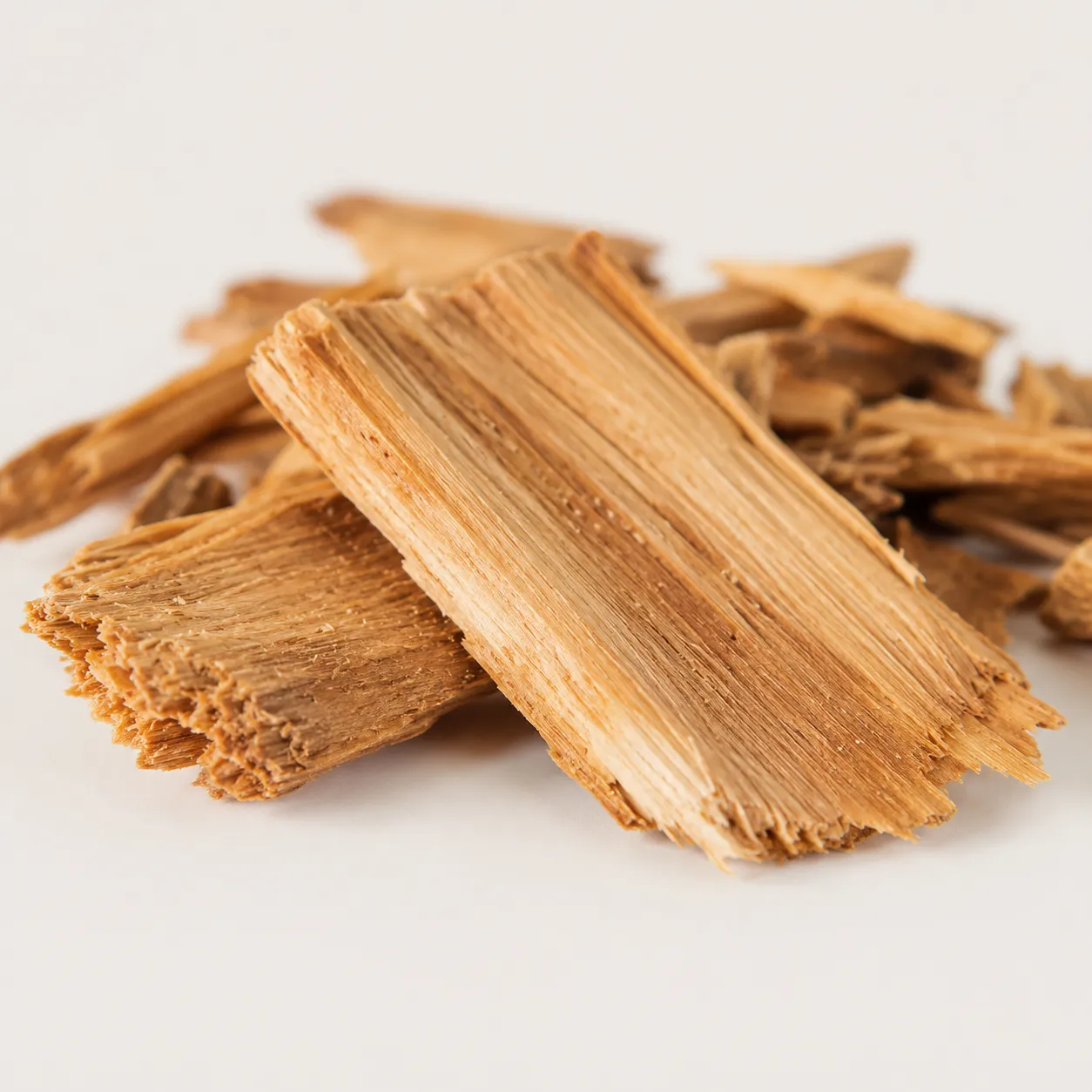
wood chipˈwʊd tʃɪp
a small piece of cut or broken wood, often spread on soil in gardens or used as fuel.
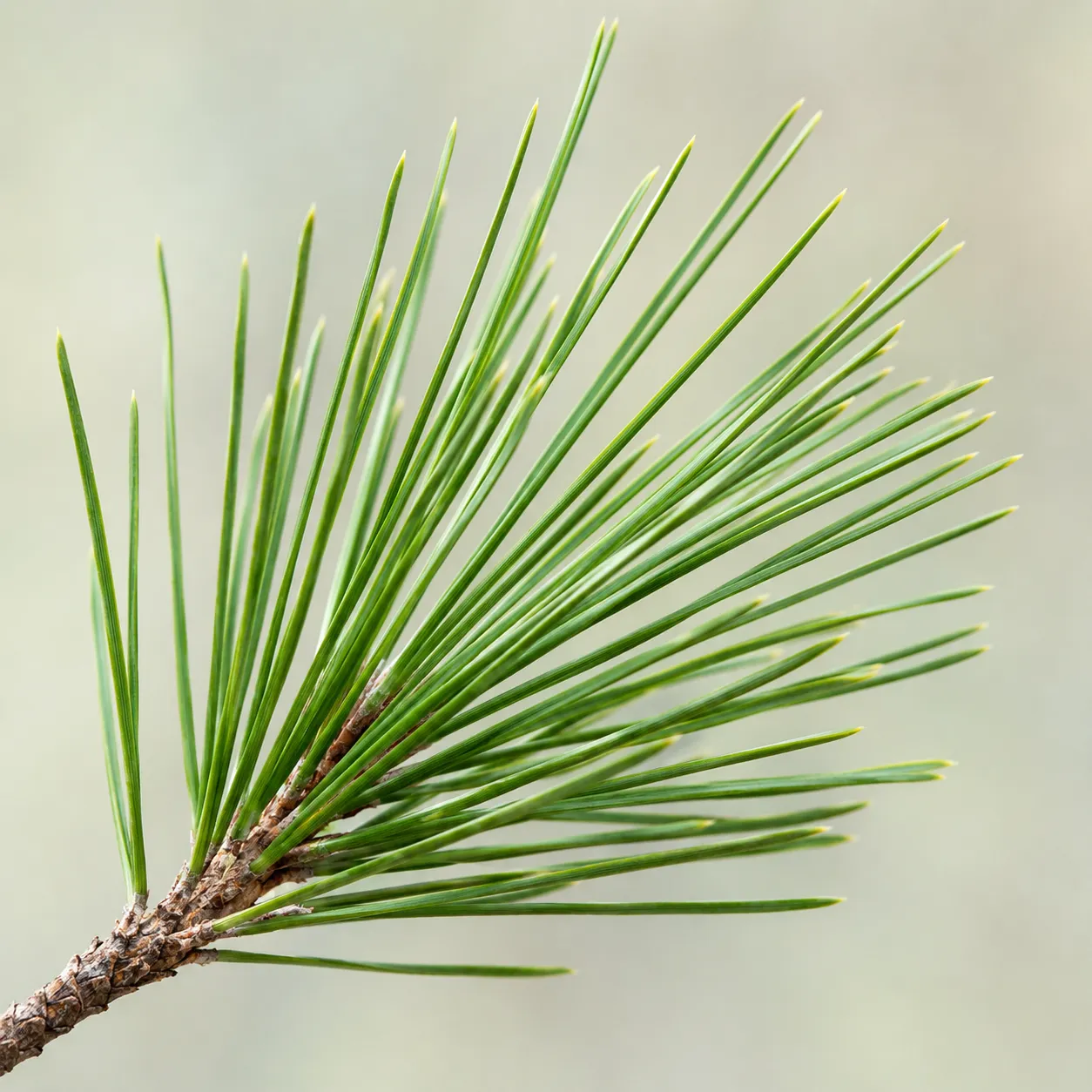
pine needleˈpaɪn ˌniːdəl
one of the long, thin, sharp leaves that grow on a pine tree.
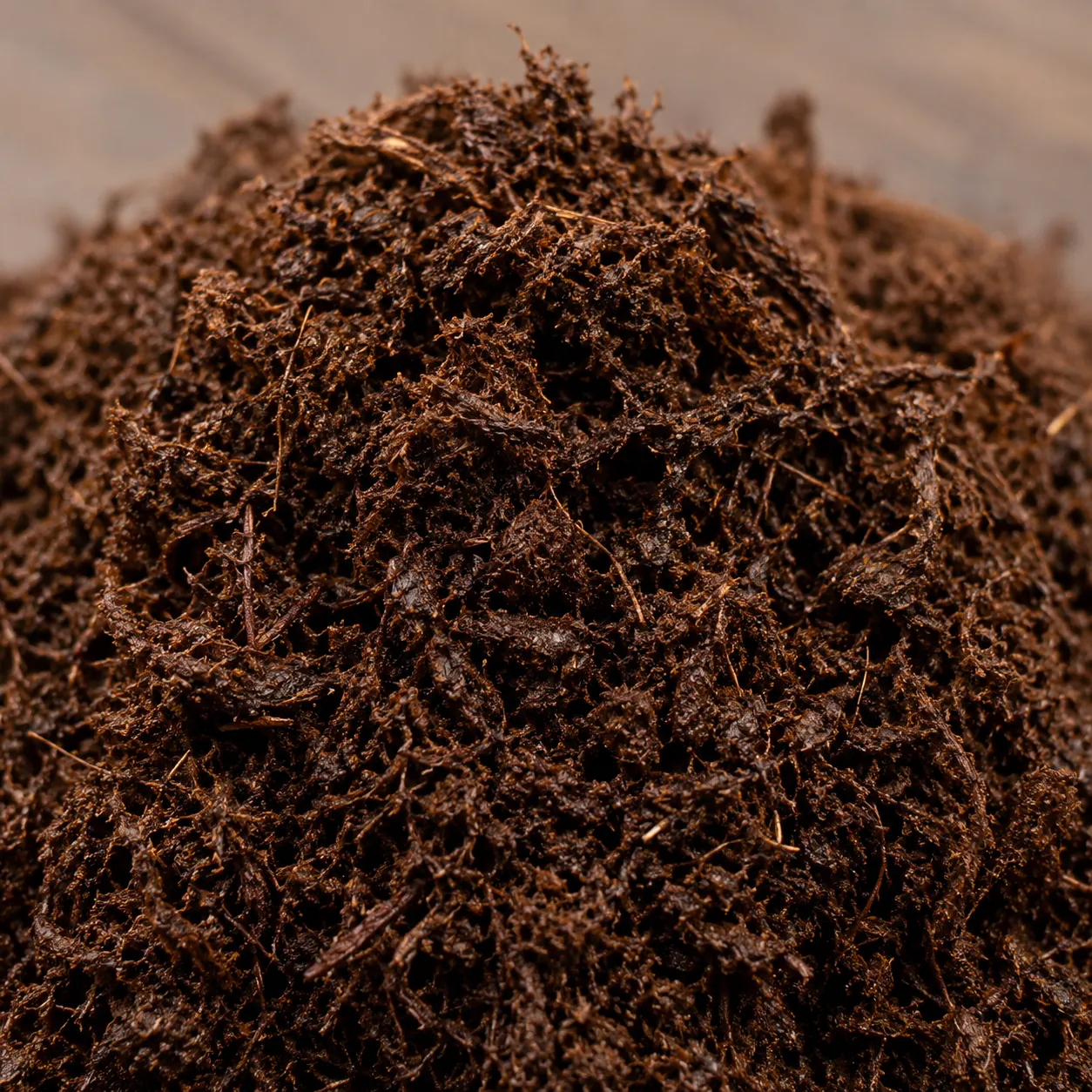
peat mossˈpiːt mɔːs
partly decayed moss from wet ground, used in gardening to help soil hold water and air.
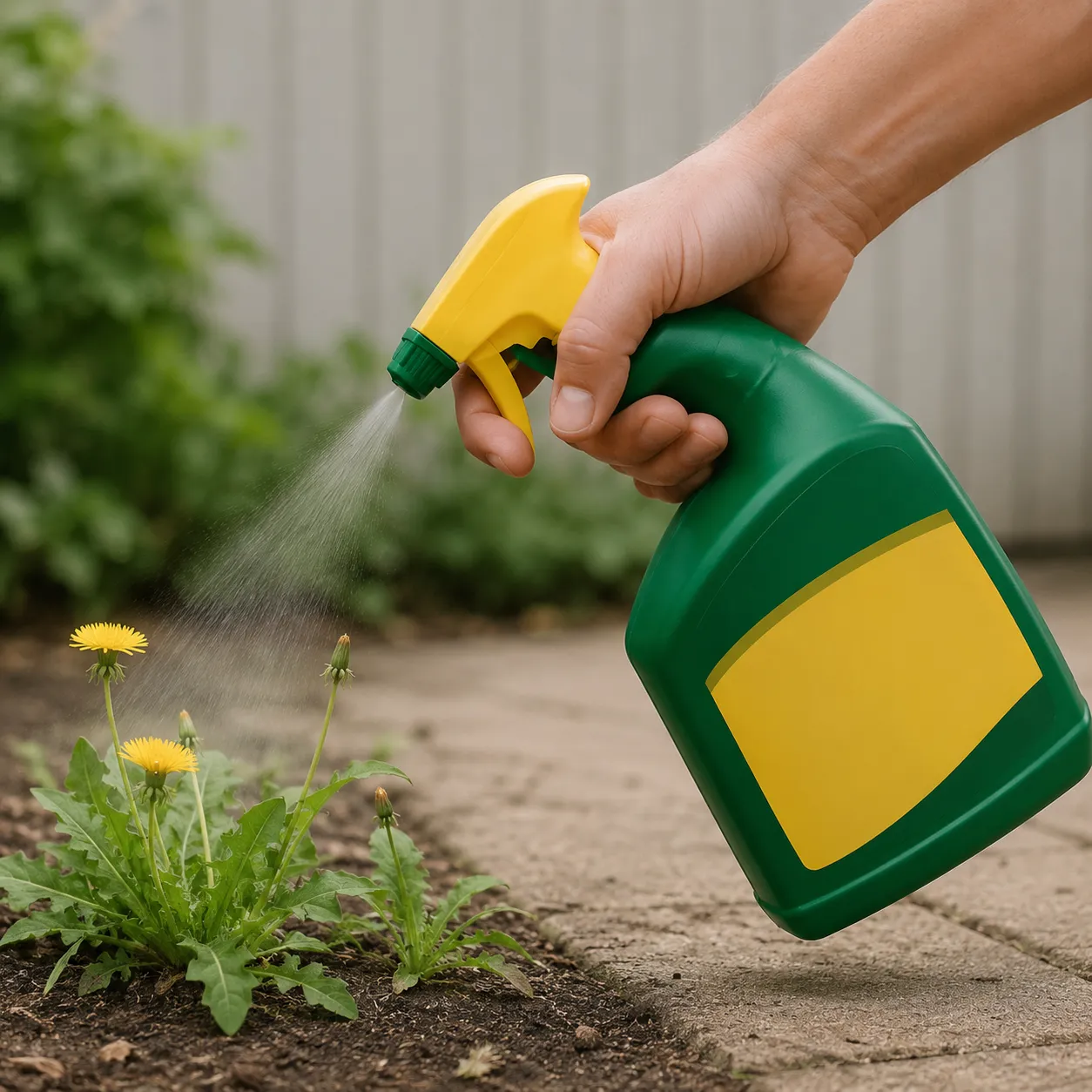
weed killerˈwiːd ˌkɪlər
a chemical used in gardens, fields, or paths to kill plants that are growing where they are not wanted.
wire meshˈwaɪər meʃ
a material made of crossed metal wires with small regular holes, used for fencing, screens, or support.
chicken wireˈtʃɪkɪn ˌwaɪər
thin wire netting with six-sided holes, used especially for making fences around chickens or garden plants.
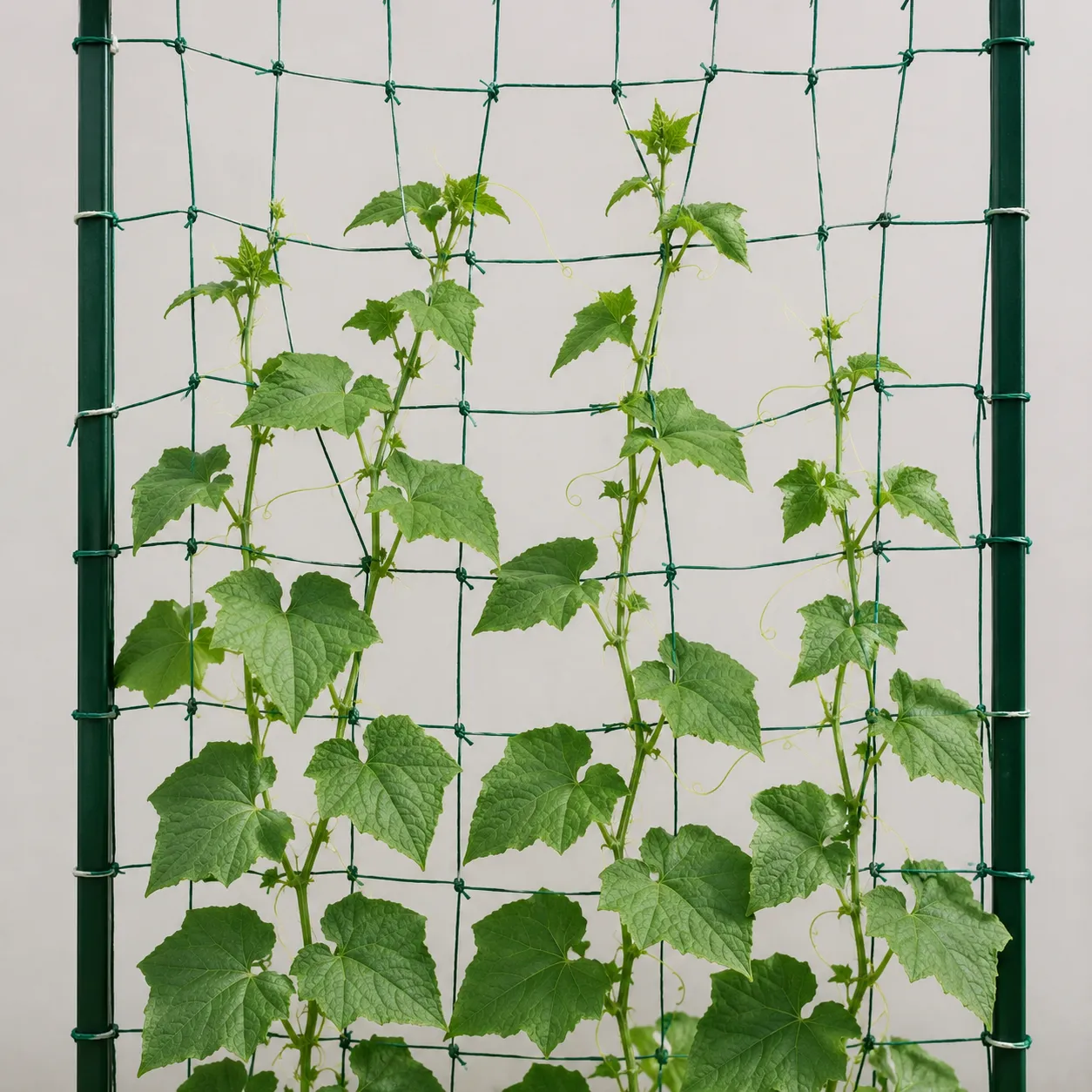
trellis nettingˈtrelɪs ˌnetɪŋ
netting fixed in a garden to support climbing plants as they grow upward.
ground coverˈɡraʊnd ˌkʌvər
low plants grown close together to cover the soil and reduce weeds or bare patches.
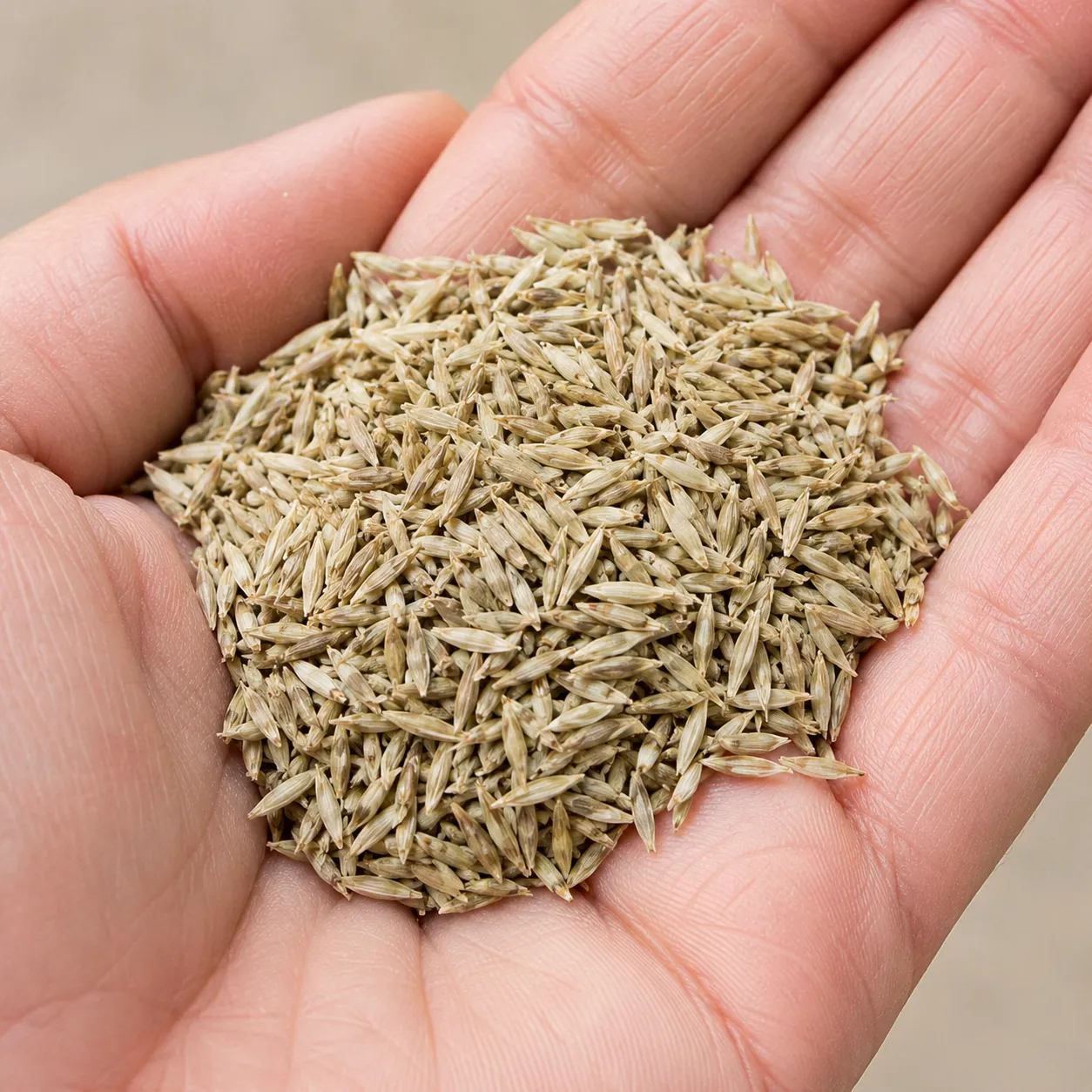
lawn seedˈlɔːn siːd
grass seed that is spread on soil to grow or repair a lawn.
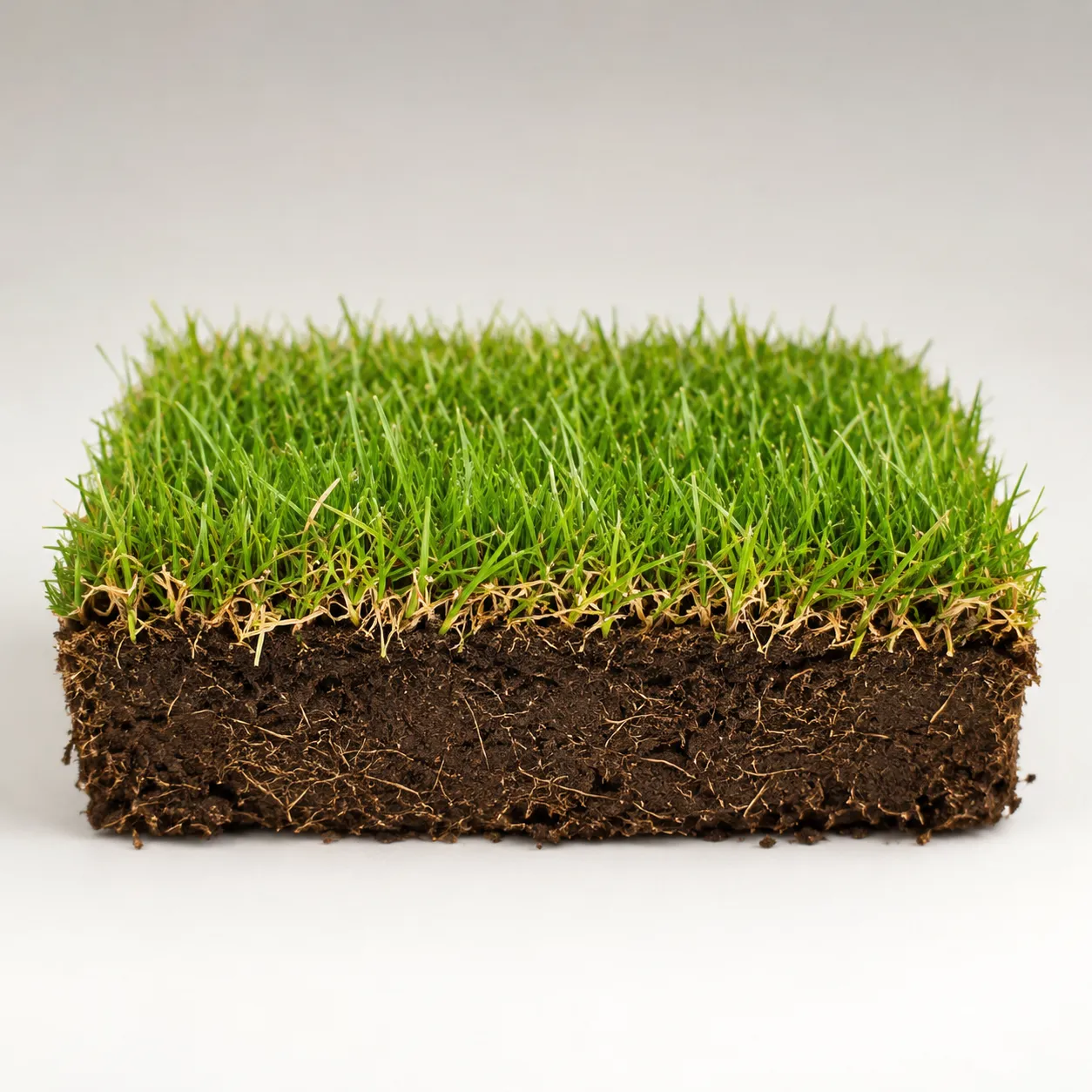
turftɜːrf
grass together with the top layer of soil that its roots grow in, especially when forming a lawn or sports surface.
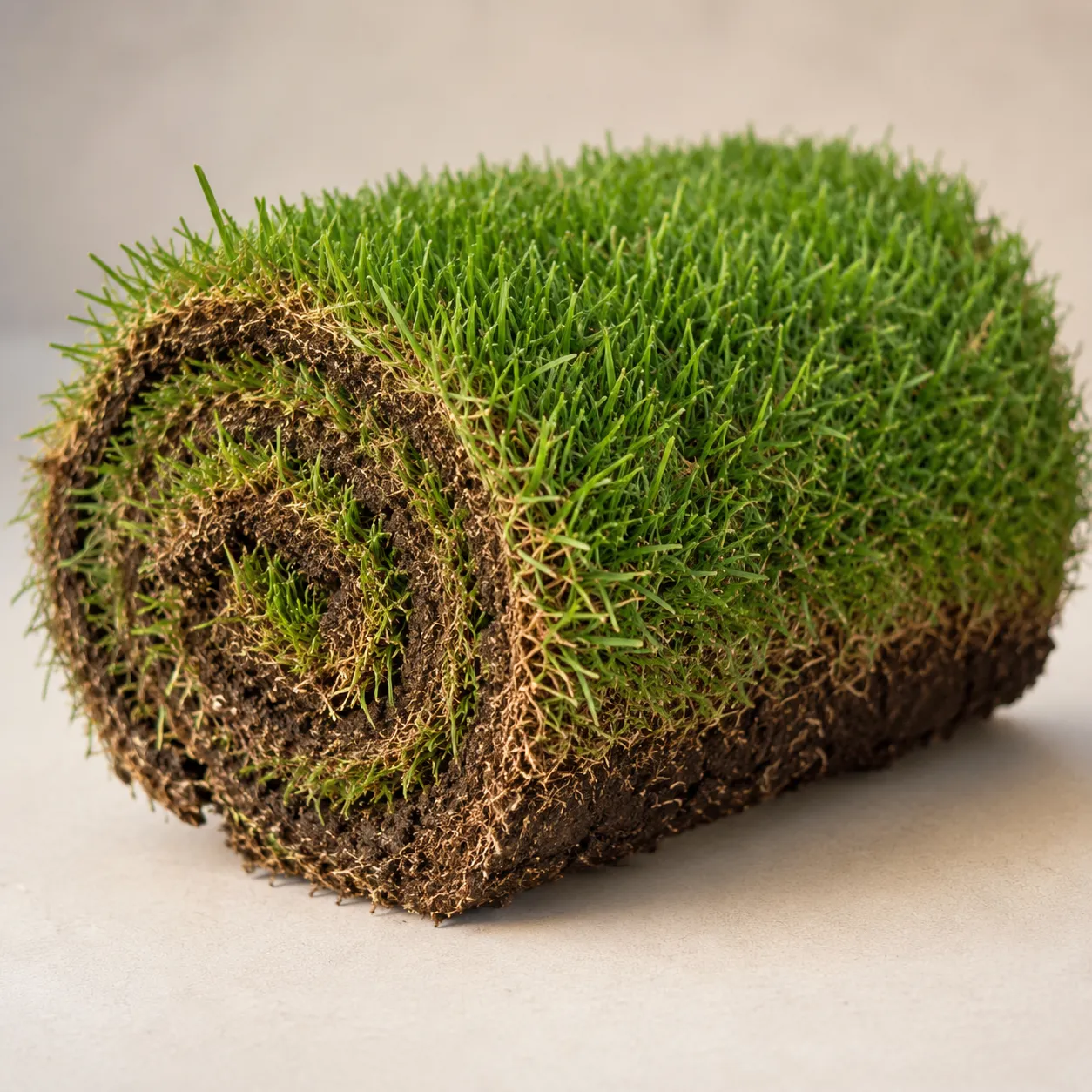
sodsɑːd
a piece or roll of grass with soil and roots attached, laid on the ground to make a lawn quickly.
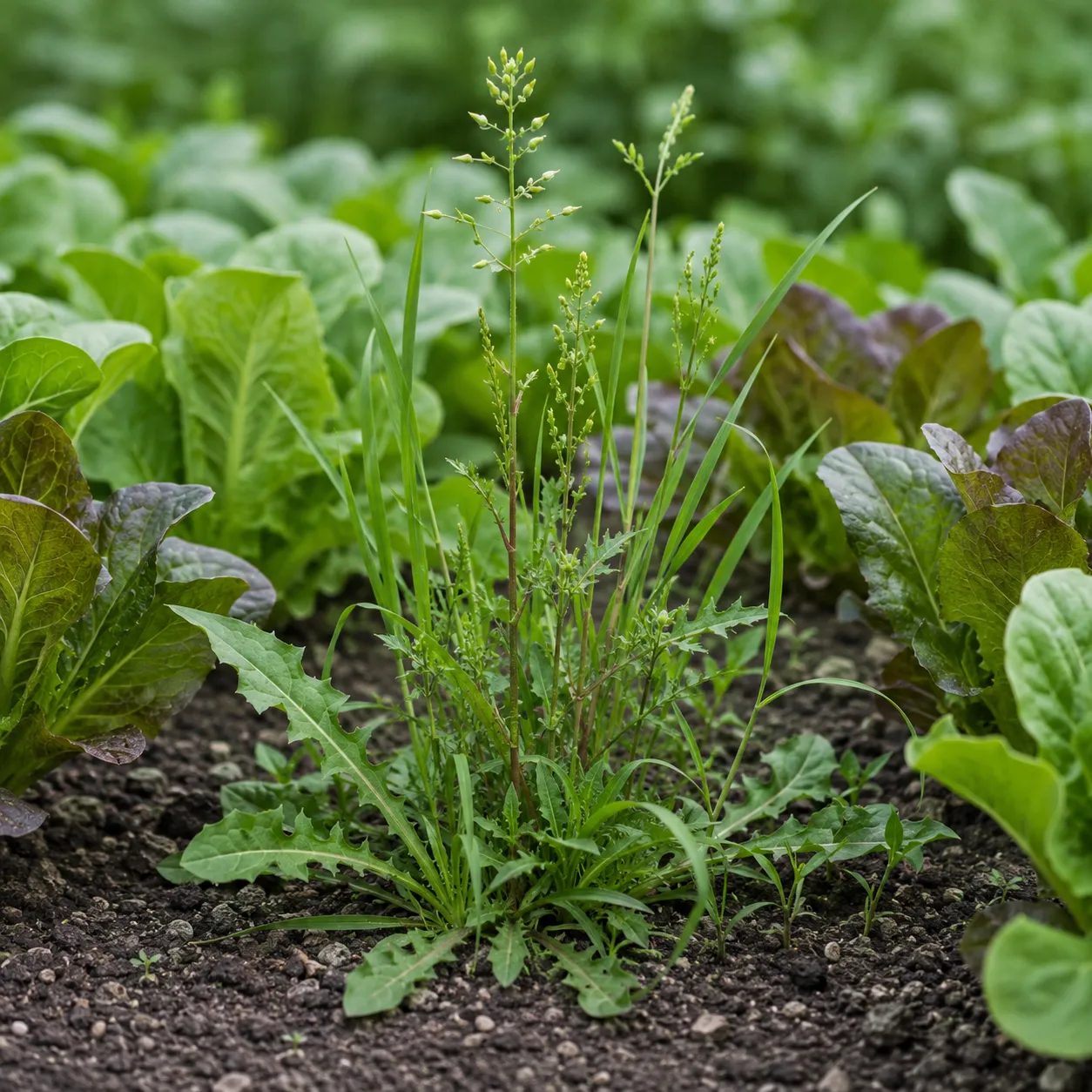
weedswiːdz
wild plants that grow where people do not want them, especially among garden plants or crops.
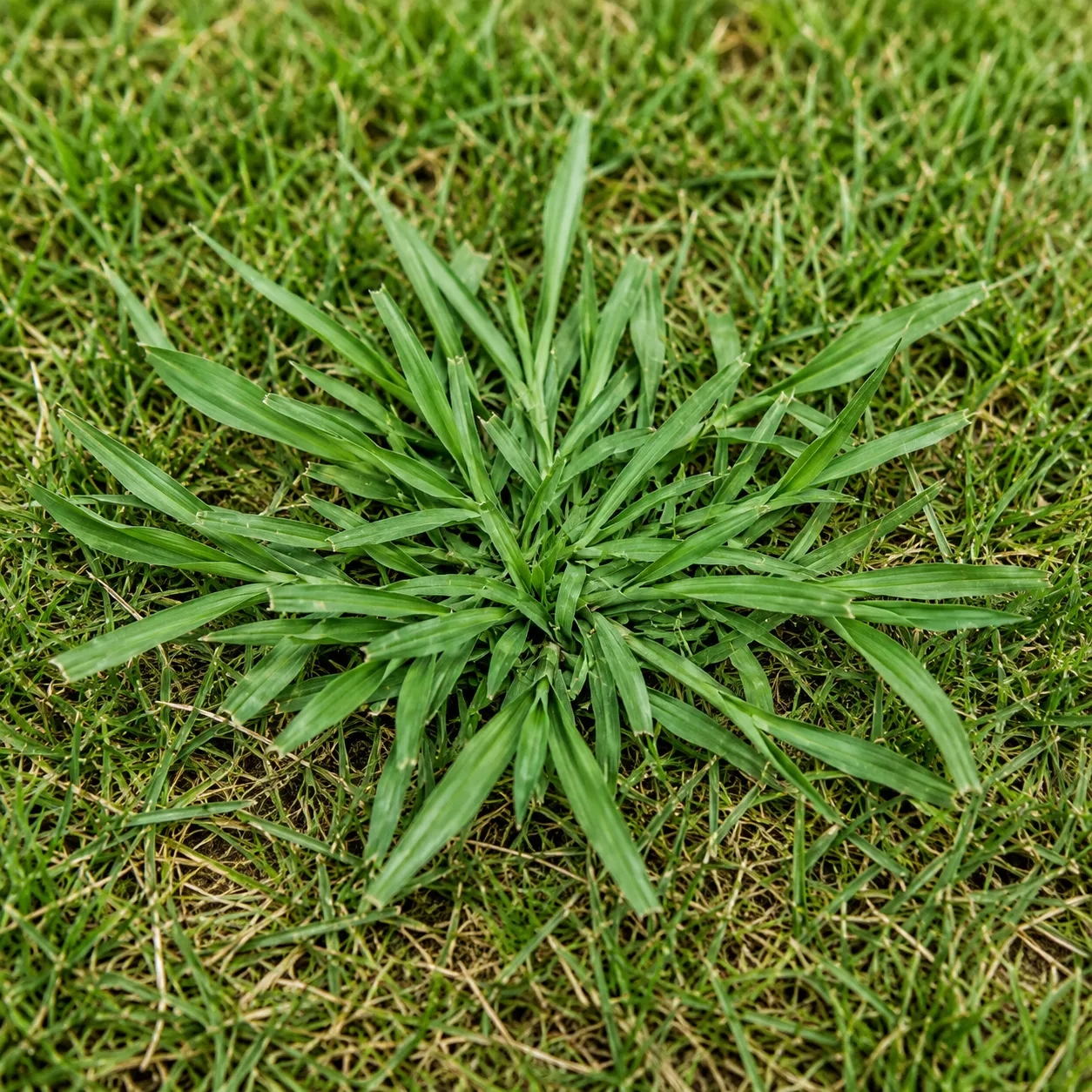
crabgrassˈkræbˌɡræs
a low, spreading grass that often grows as an unwanted weed in lawns and gardens.
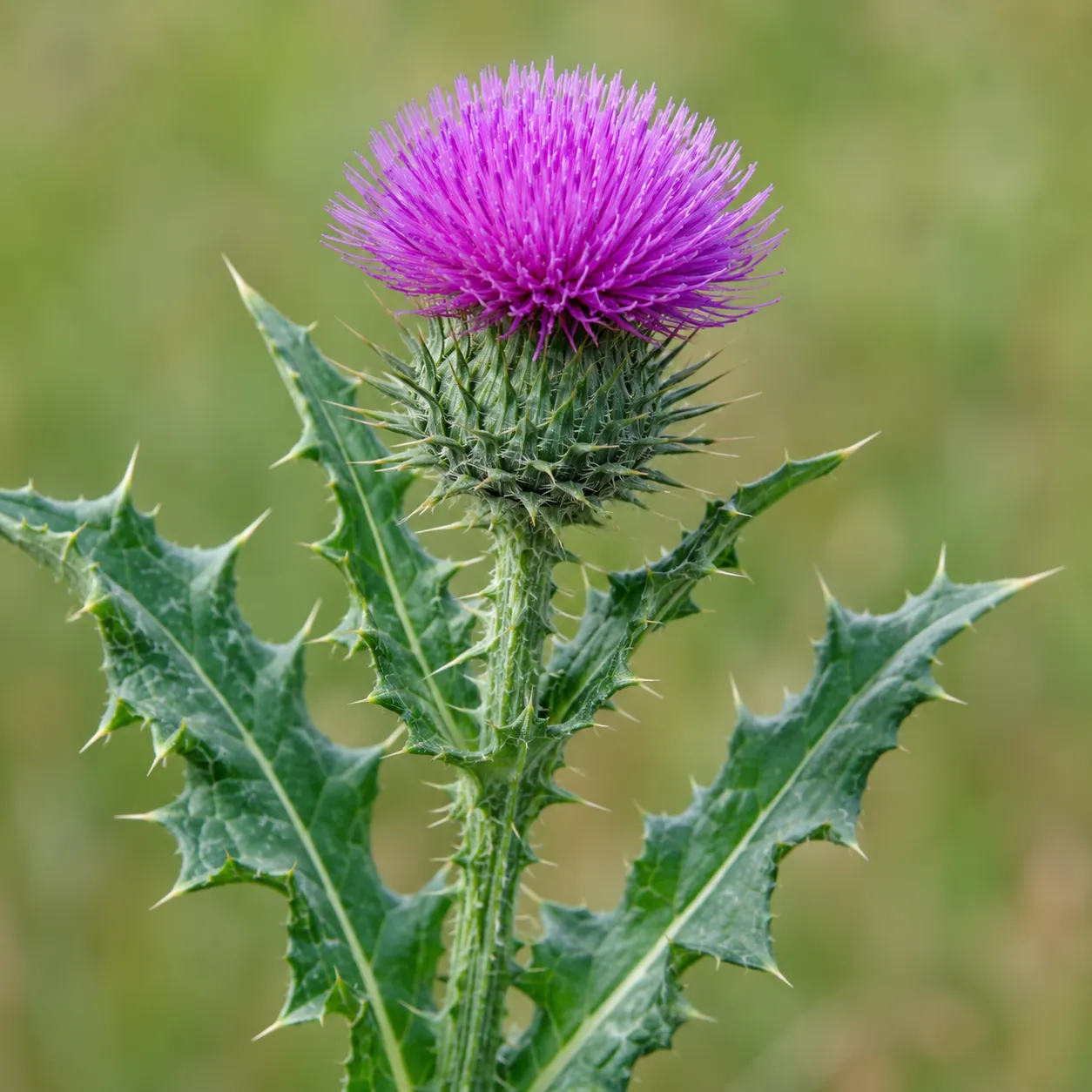
thistleˈθɪsəl
a wild plant with sharp prickles on its leaves and stems and usually purple, pink, or white flower heads.
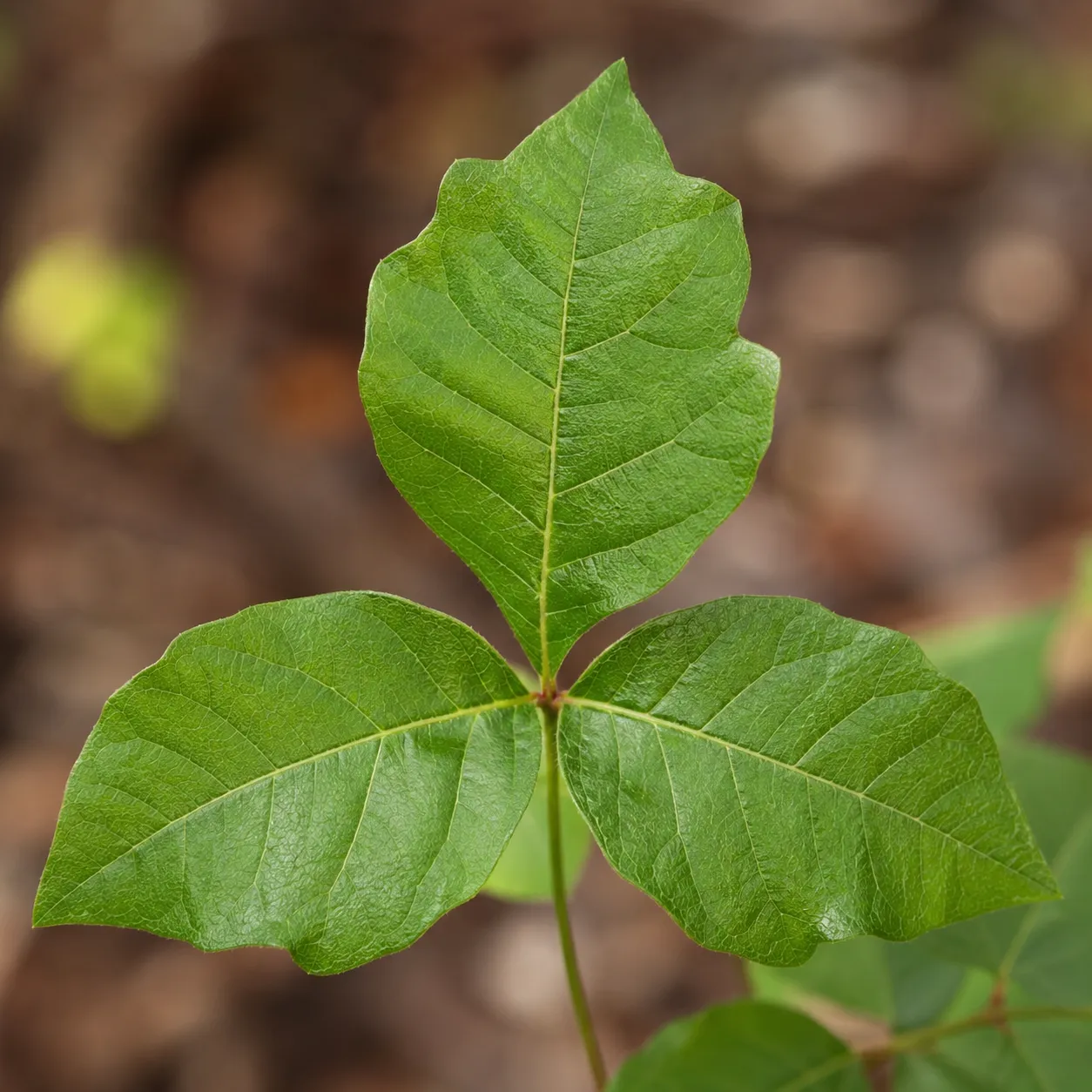
poison ivyˈpɔɪzən ˌaɪvi
a North American plant with leaves in groups of three that can cause an itchy rash when it touches the skin.
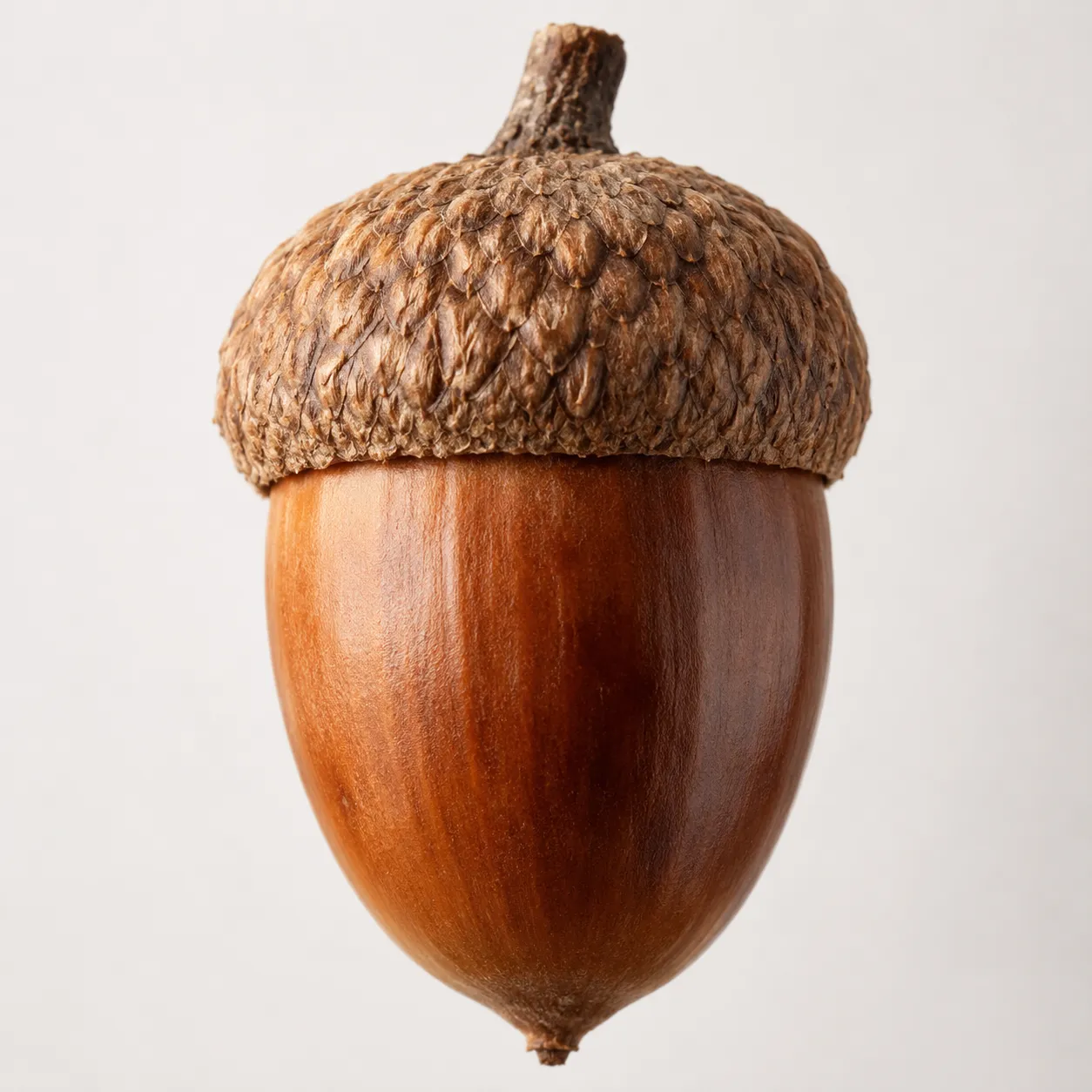
acornˈeɪkɔːrn
the small brown nut of an oak tree, usually with a little cup-shaped base.
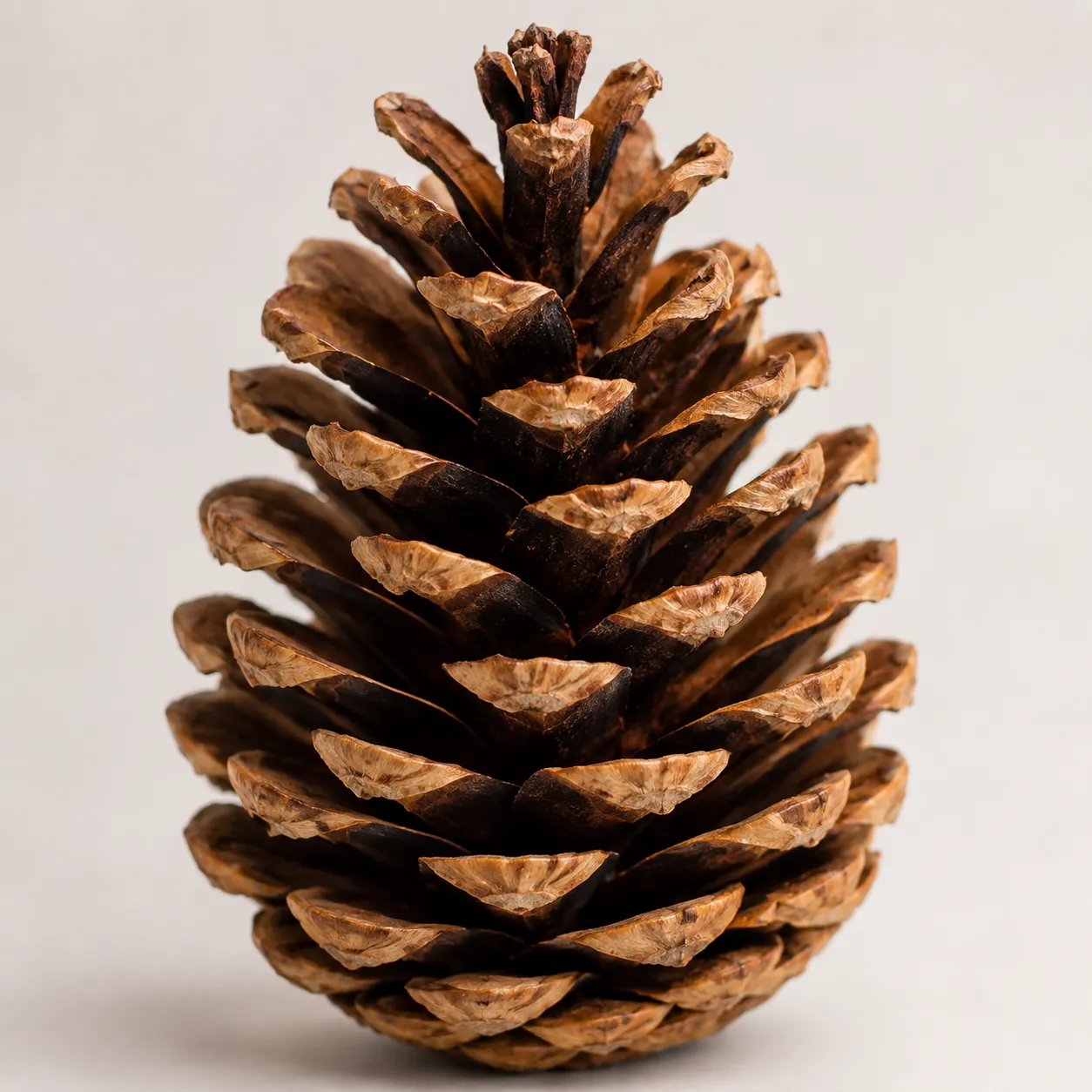
pineconeˈpaɪnˌkoʊn
the hard, woody cone of a pine tree, made of many scales and containing seeds.
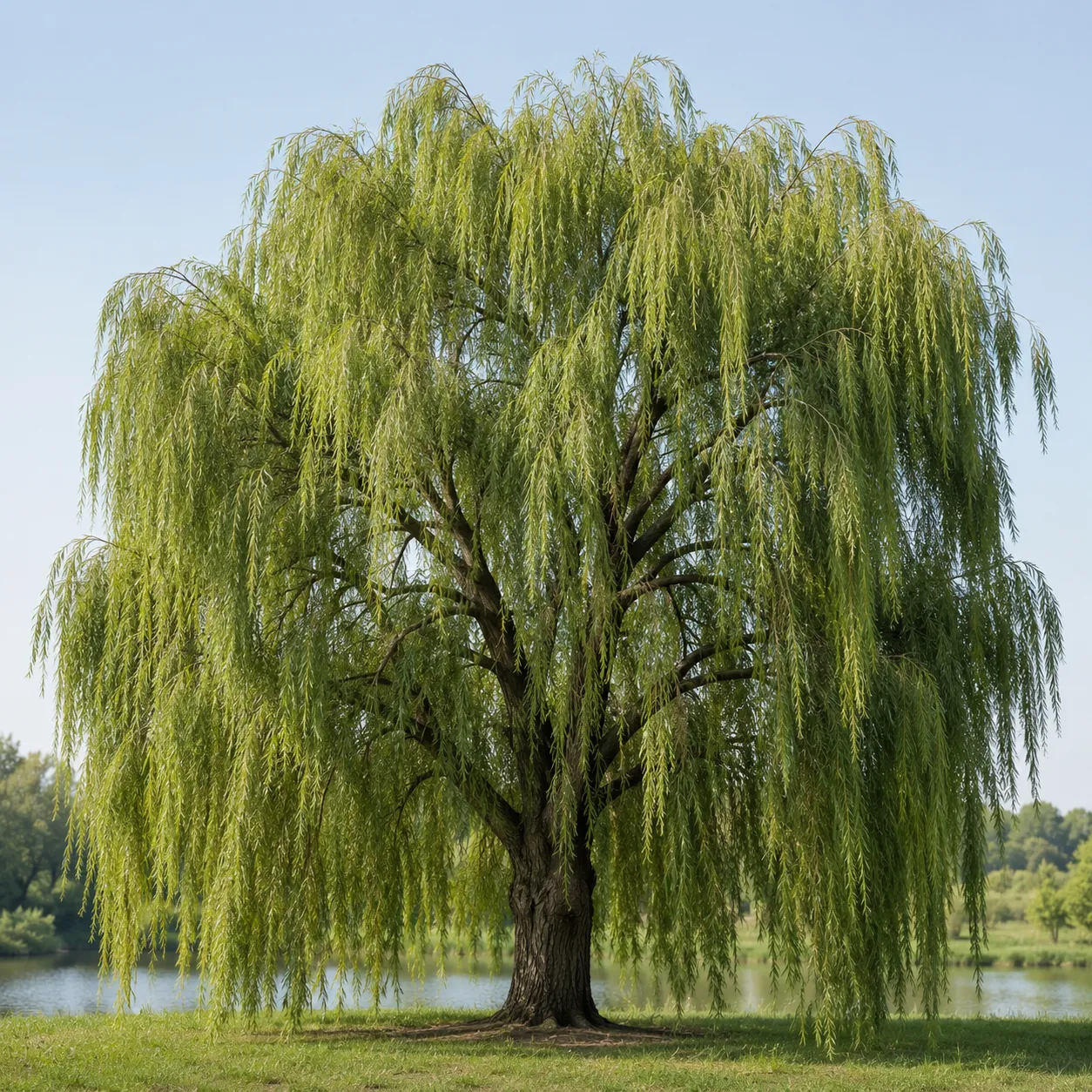
willow treeˈwɪloʊ triː
a tree with long narrow leaves and flexible branches, often growing near rivers or wet ground.
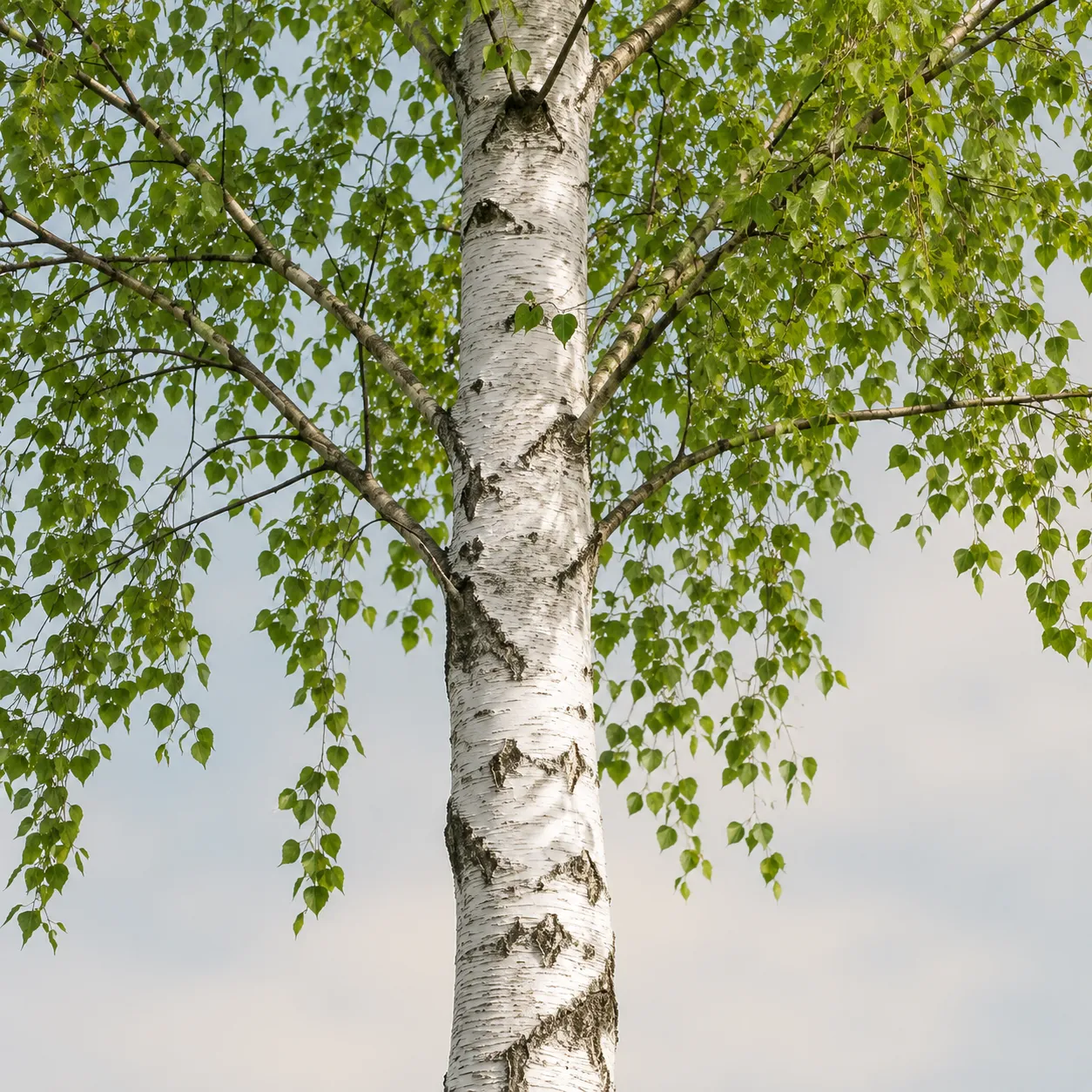
birch treeˈbɜːrtʃ triː
a tree with thin bark that is often white and papery, and with small leaves.
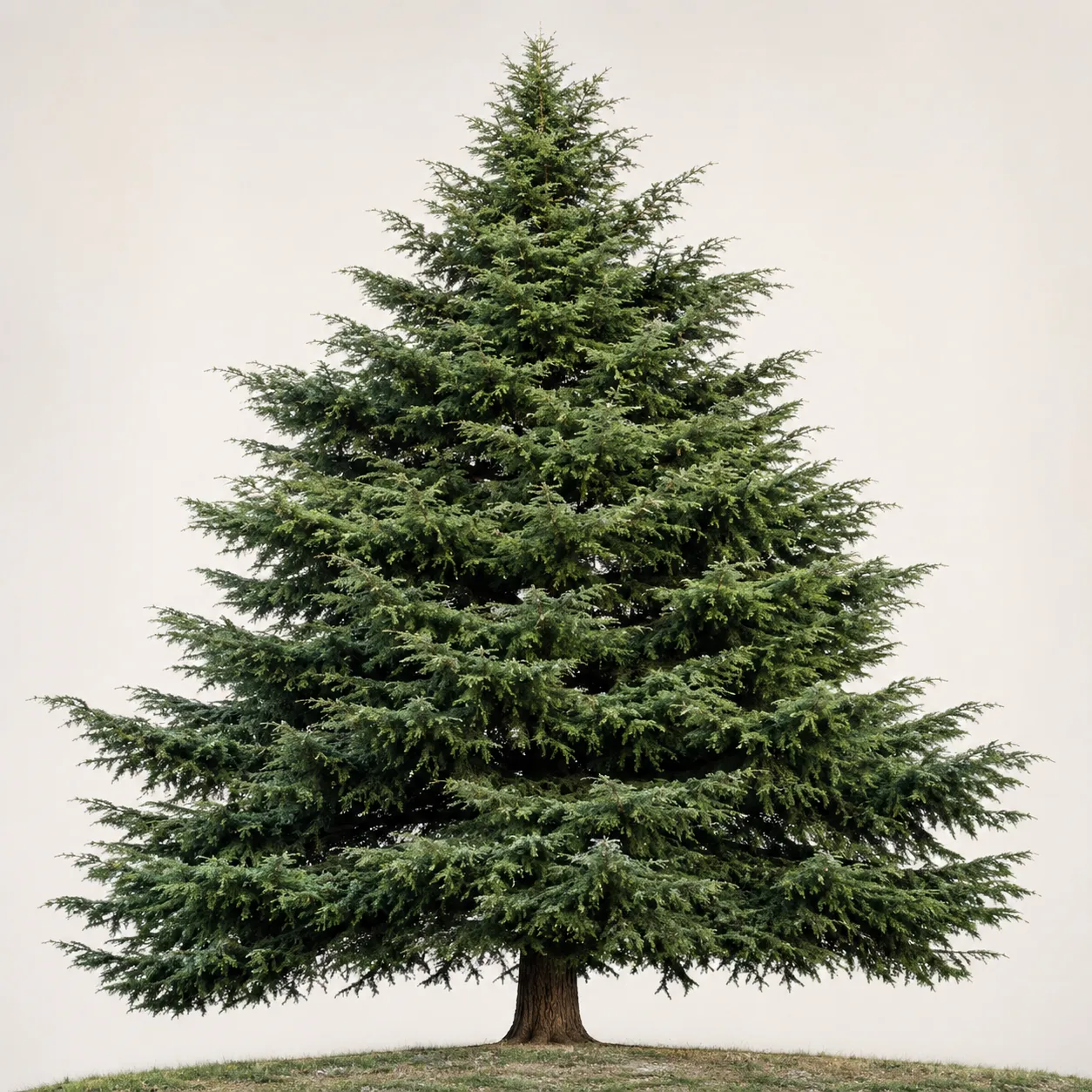
cedar treeˈsiːdər triː
an evergreen tree with pleasant-smelling wood and needle-like or scale-like leaves.
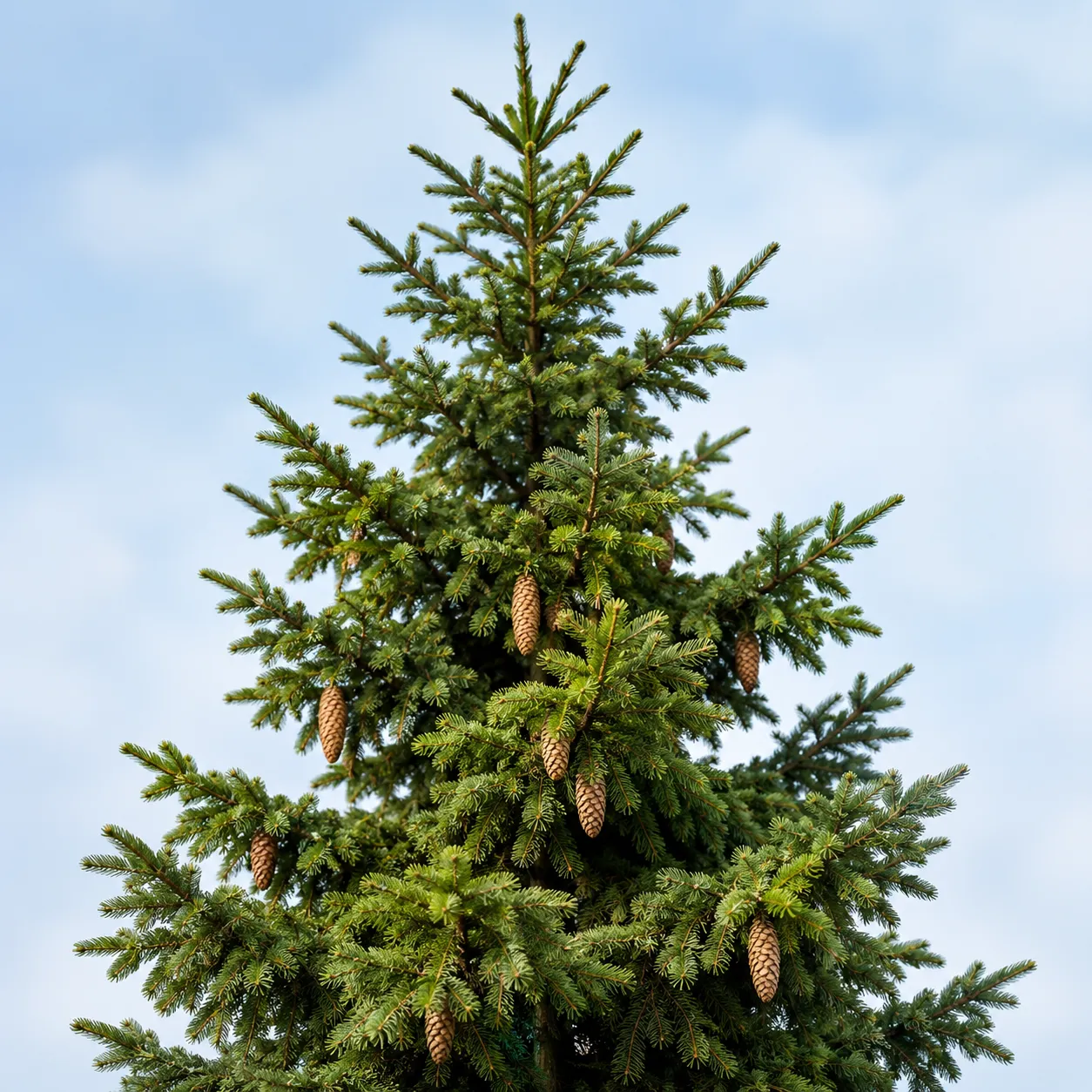
spruce treeˈspruːs triː
an evergreen tree with short sharp needles and cones, often grown for wood or as a Christmas tree.
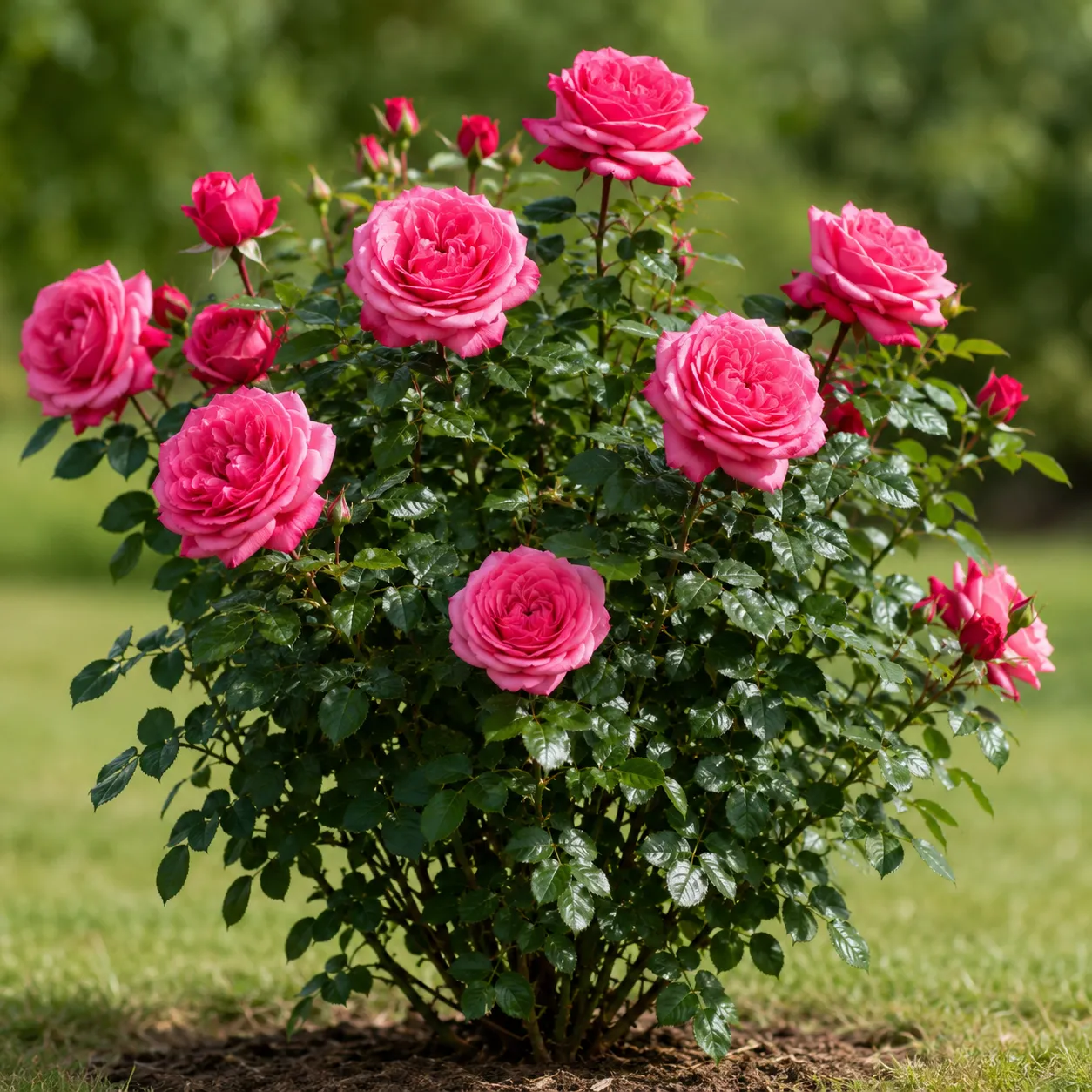
bush roseˈbʊʃ roʊz
a rose plant that grows as a free-standing bush, not as a climbing plant.
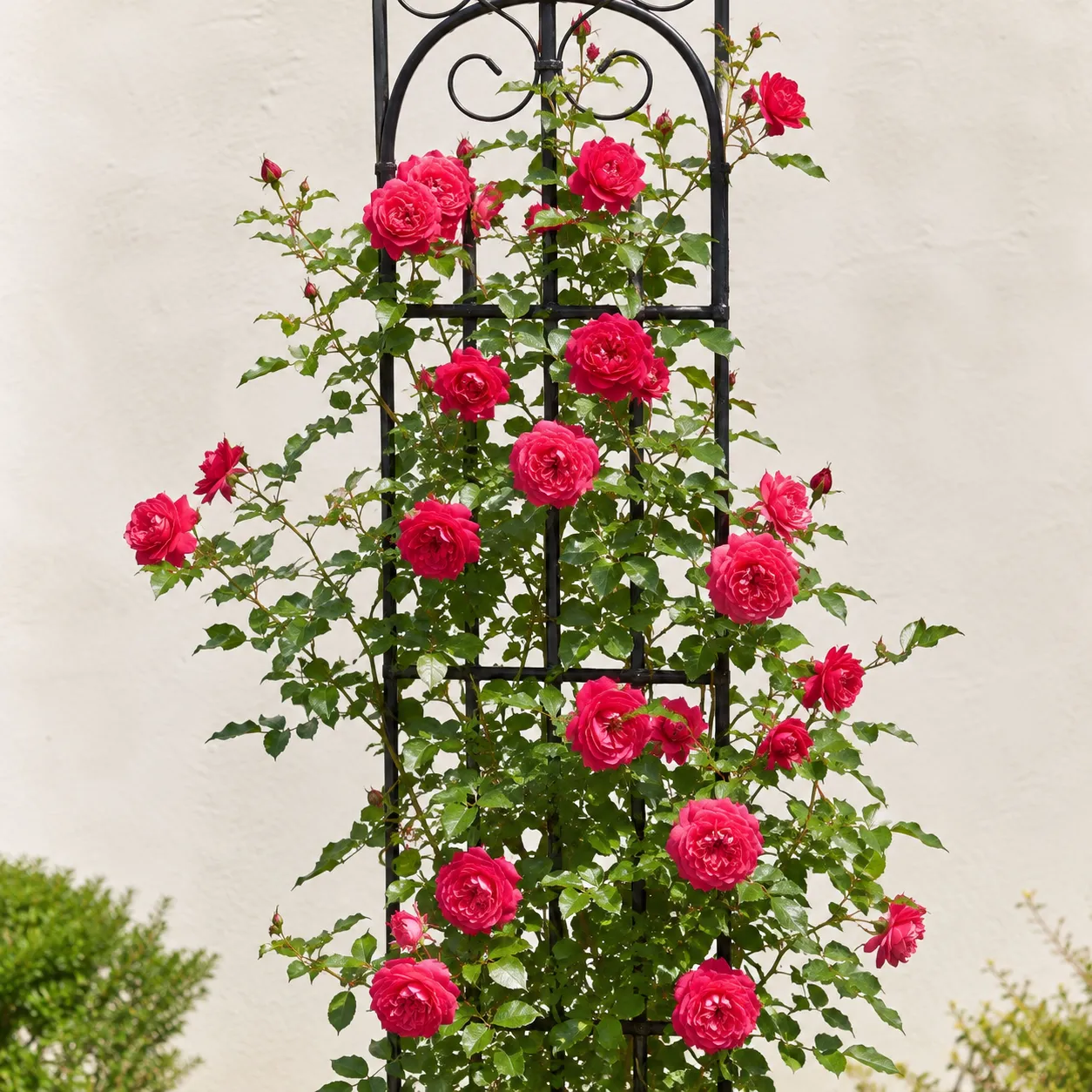
climbing roseˈklaɪmɪŋ roʊz
a rose plant with long stems that can be tied to a wall, fence, or frame so it grows upward.
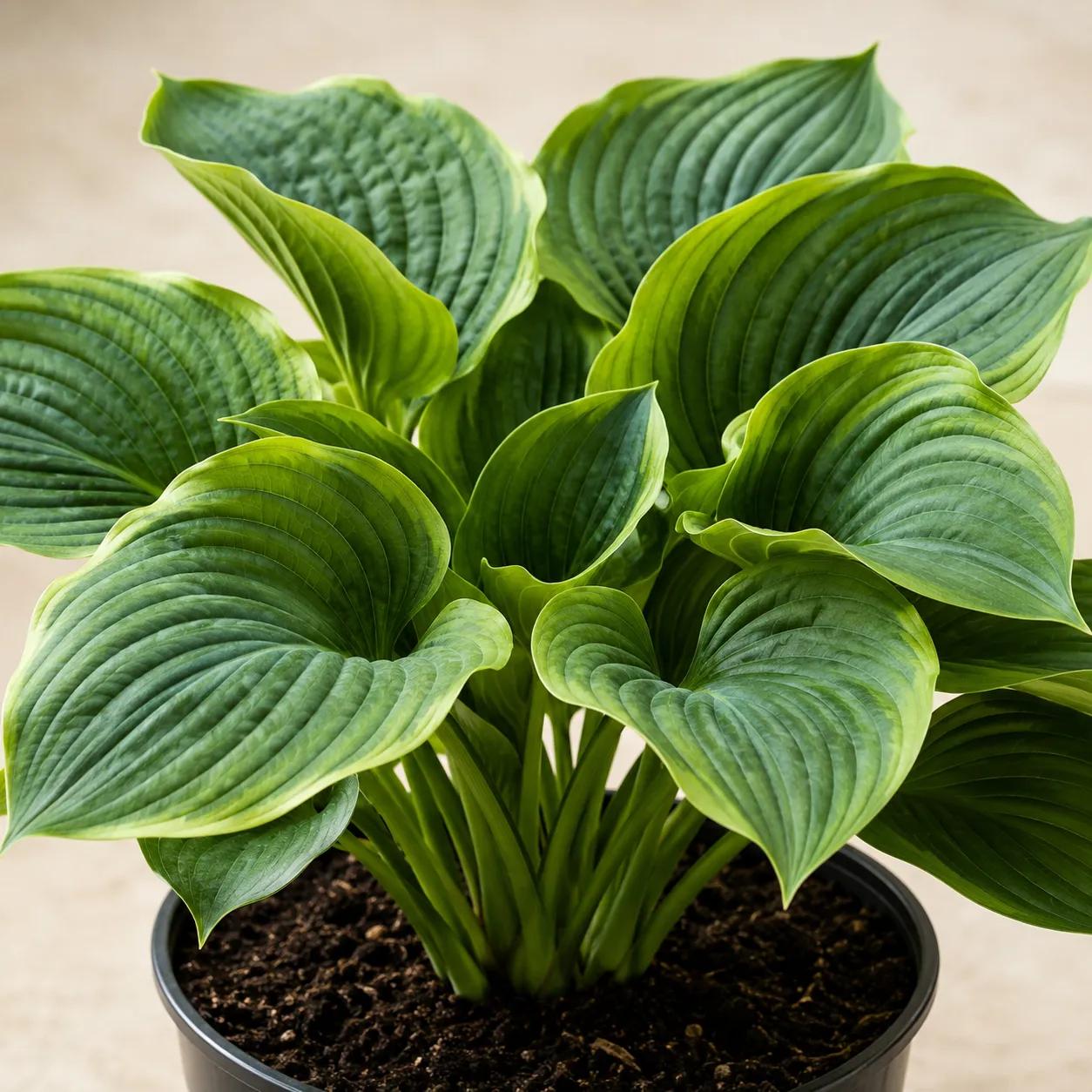
hostaˈhɑːstə
a garden plant with large decorative leaves, often grown in shady places and sometimes producing pale purple or white flowers.
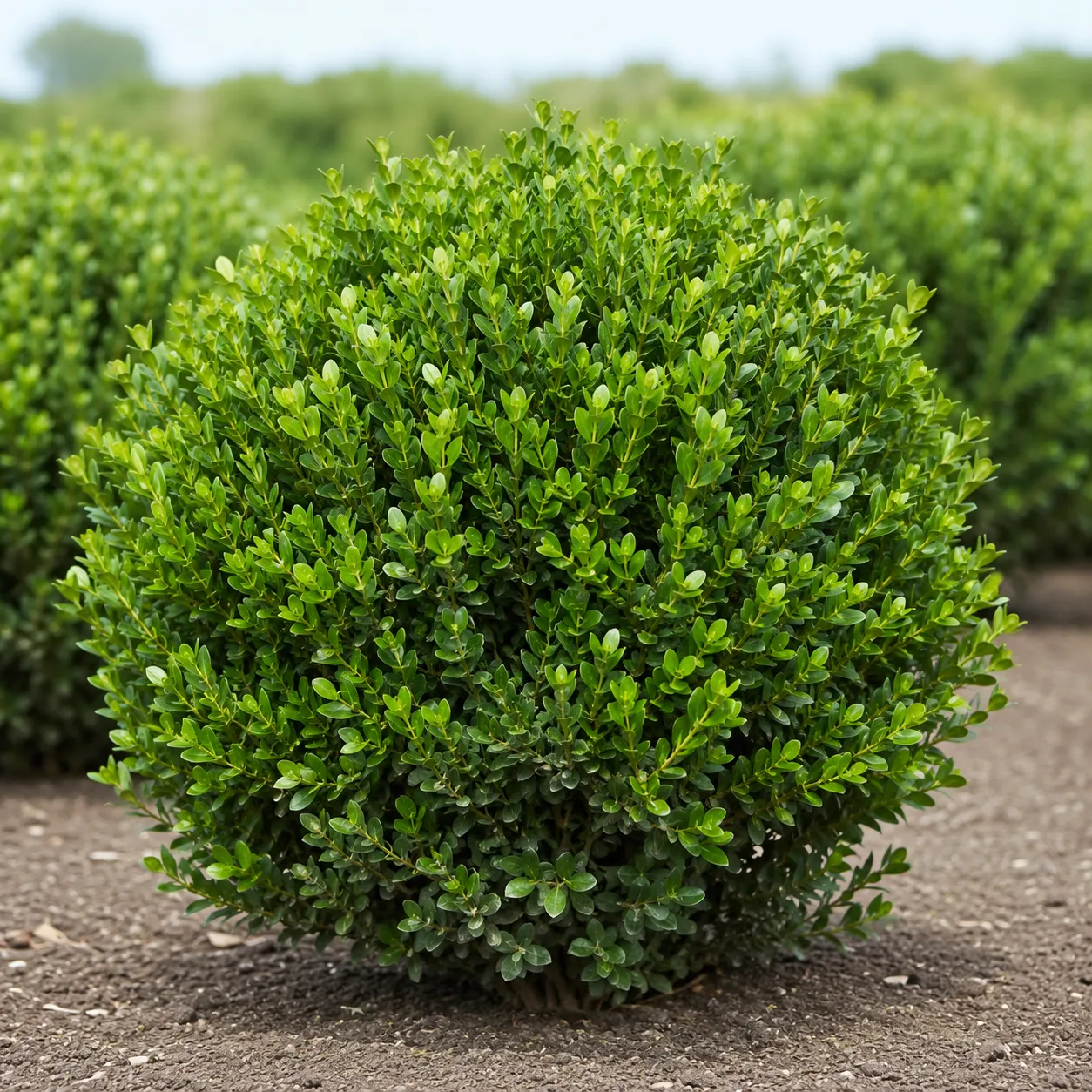
hedge plantˈhedʒ plænt
a shrub or small tree planted in a row and trimmed to make a living fence or boundary.
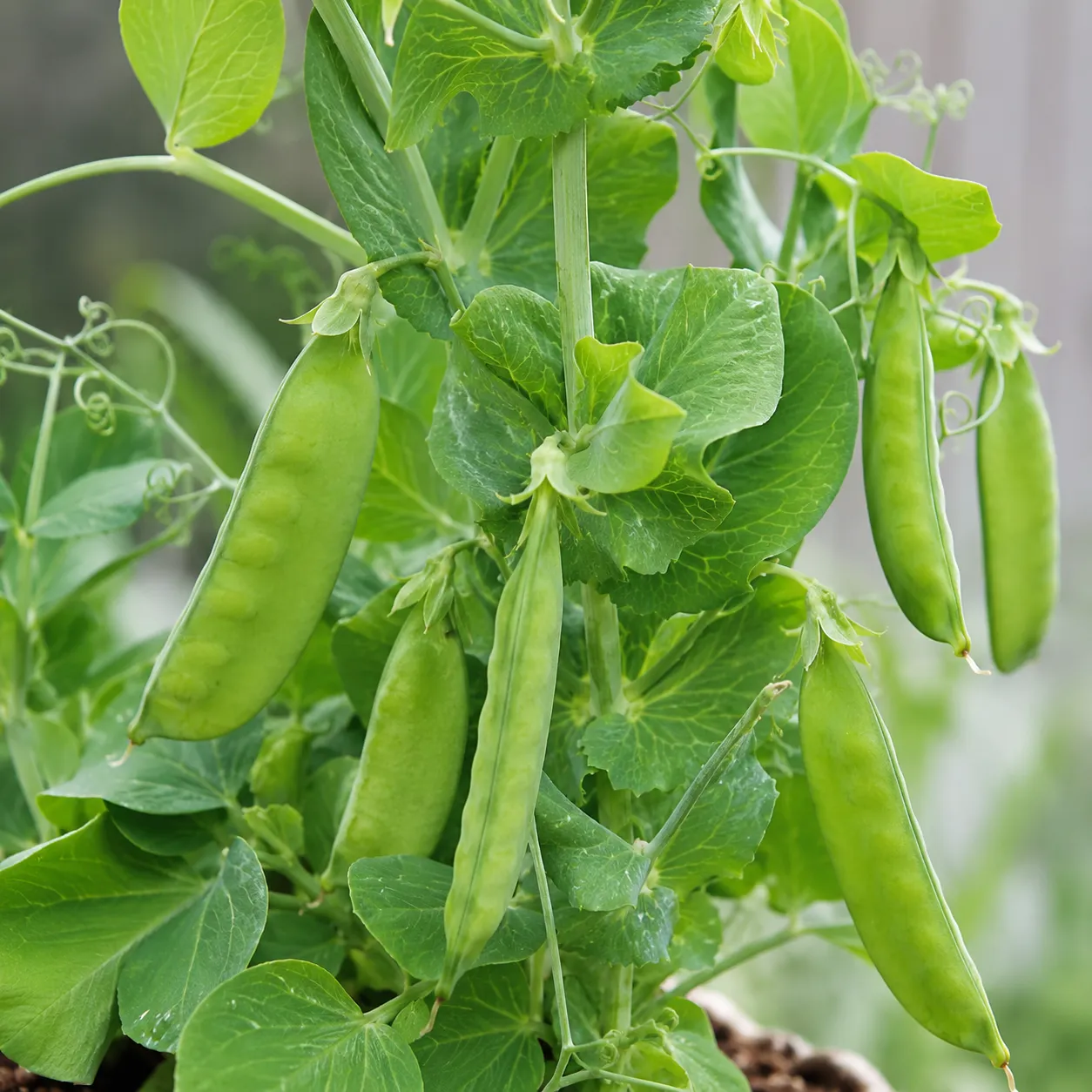
pea plantˈpiː ˌplænt
a small garden plant that grows pods containing round green peas.
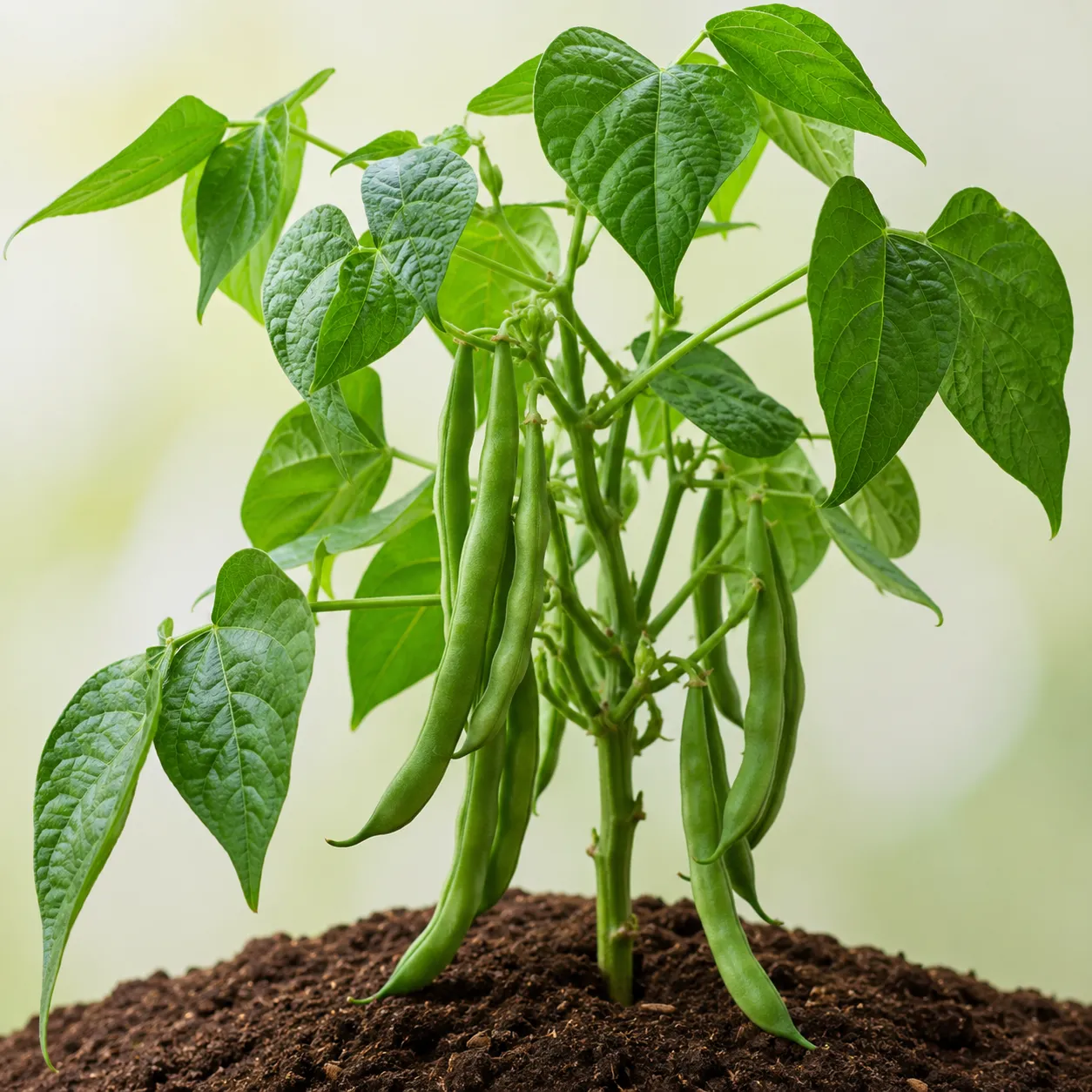
bean plantˈbiːn ˌplænt
a garden plant that grows pods containing beans that people eat fresh or dried.
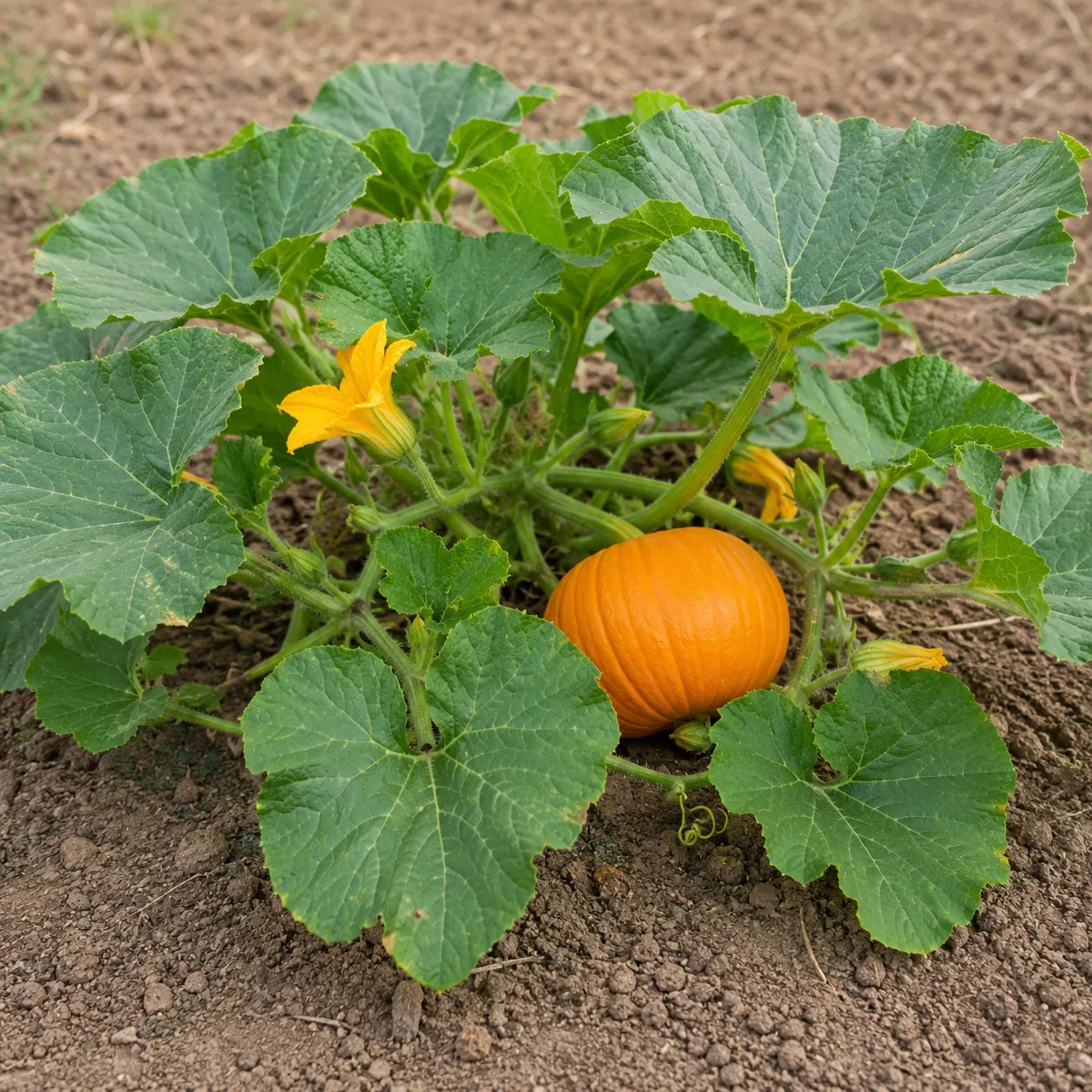
pumpkin plantˈpʌmpkɪn ˌplænt
a large spreading garden plant that grows big round orange fruits called pumpkins.
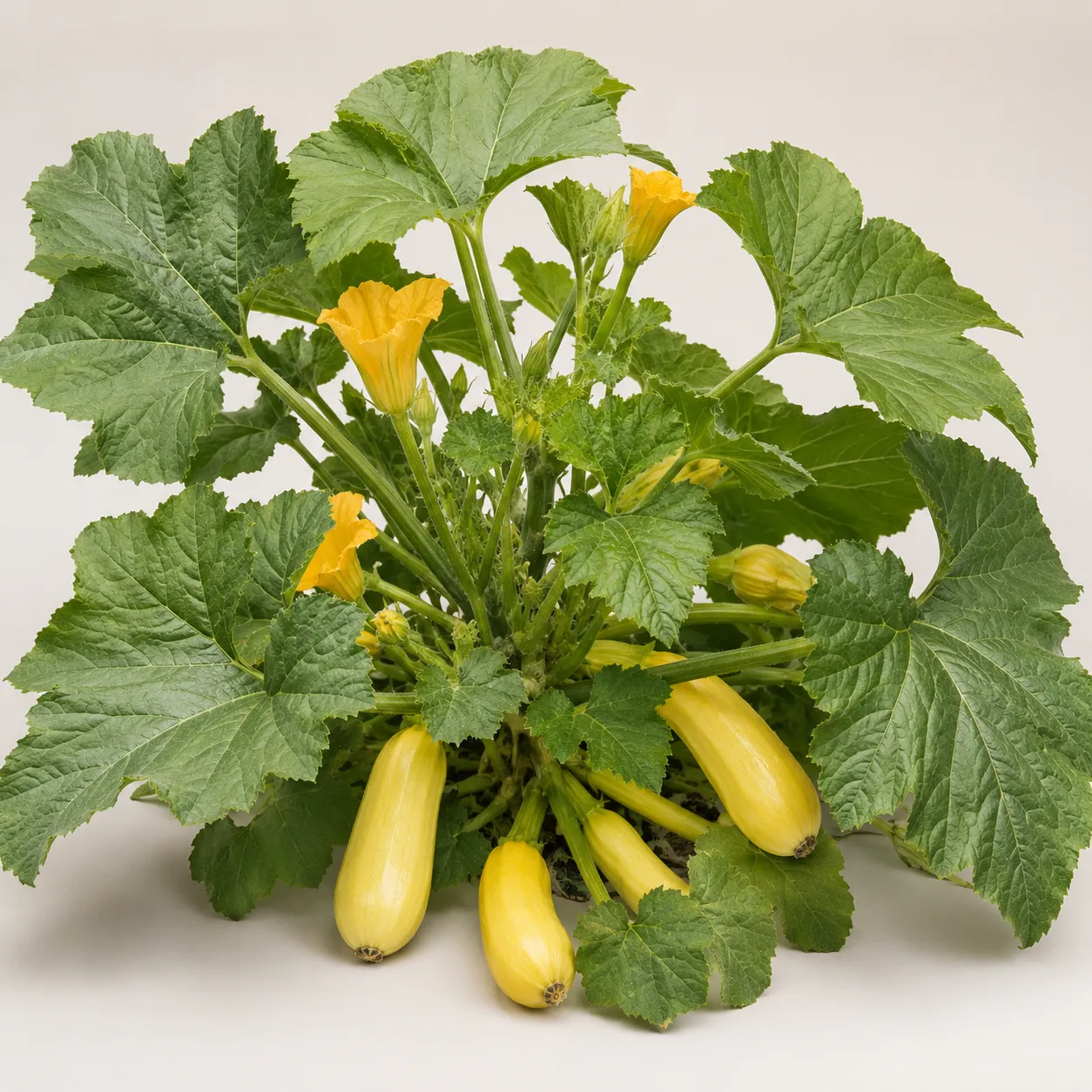
squash plantˈskwɑːʃ ˌplænt
a garden plant with spreading stems that produces edible fruits such as summer squash or winter squash.
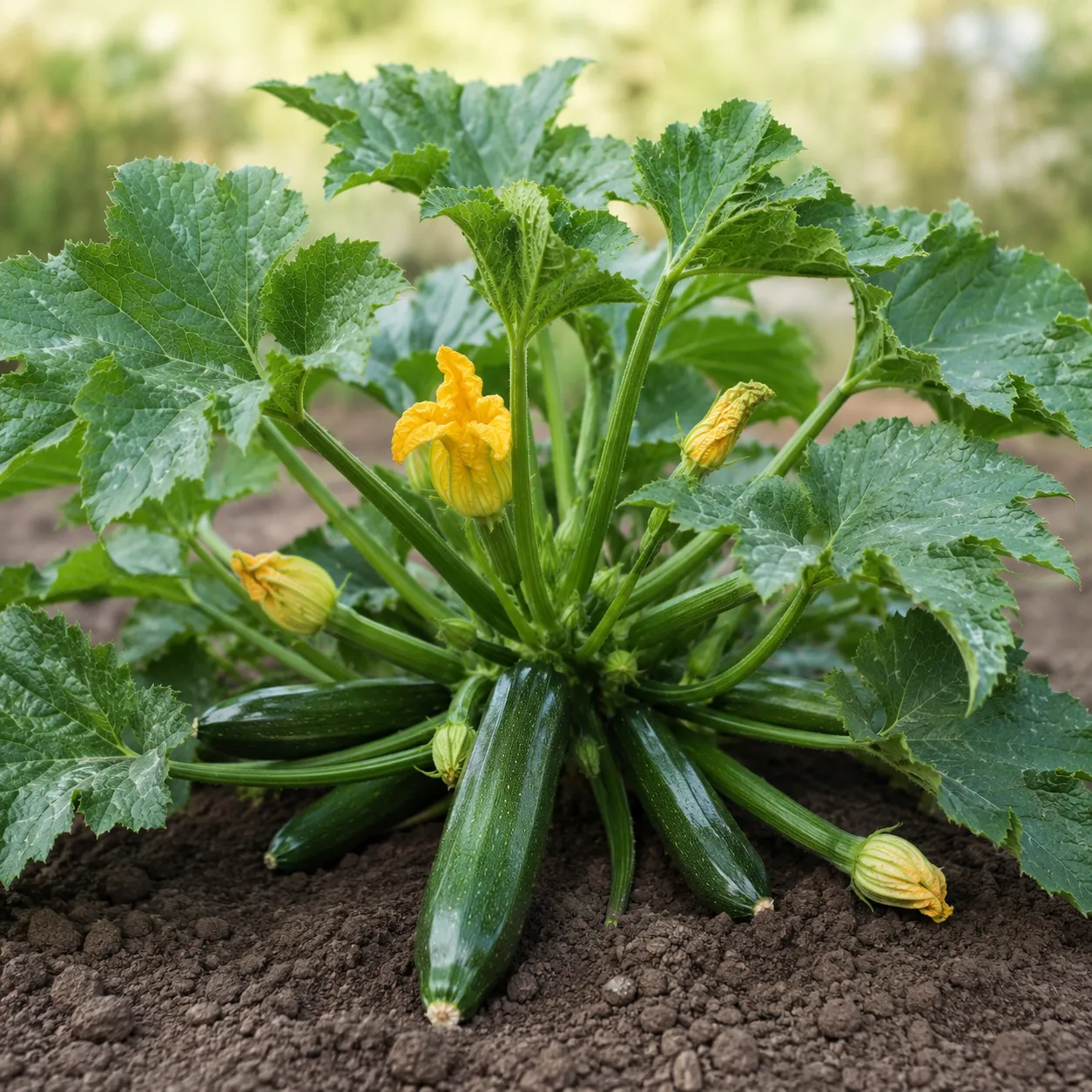
zucchini plantzuːˈkiːni ˌplænt
a bushy garden plant that produces long green summer squash called zucchini.
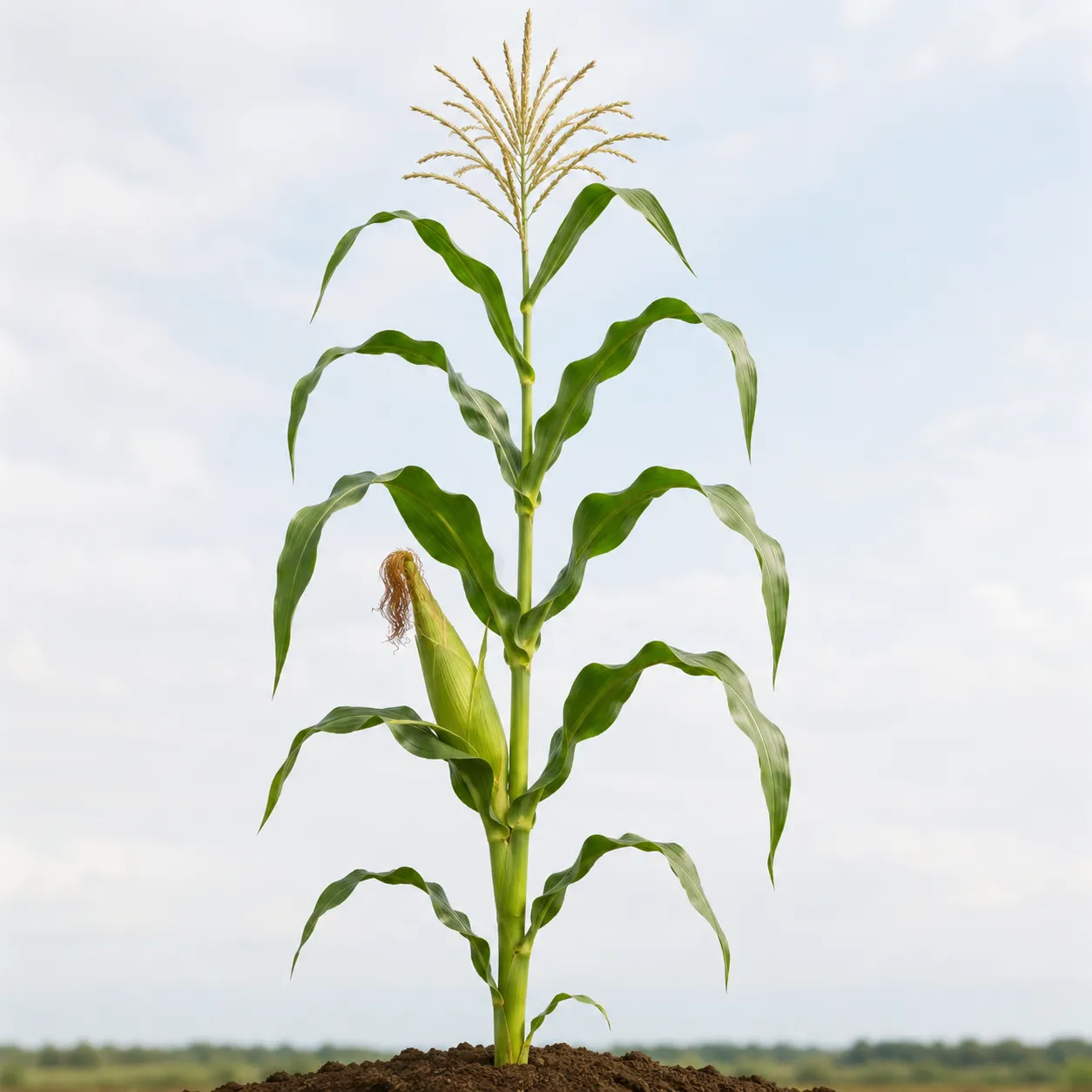
corn stalkˈkɔːrn ˌstɔːk
the tall thick stem of a corn plant, with leaves and ears of corn growing on it.
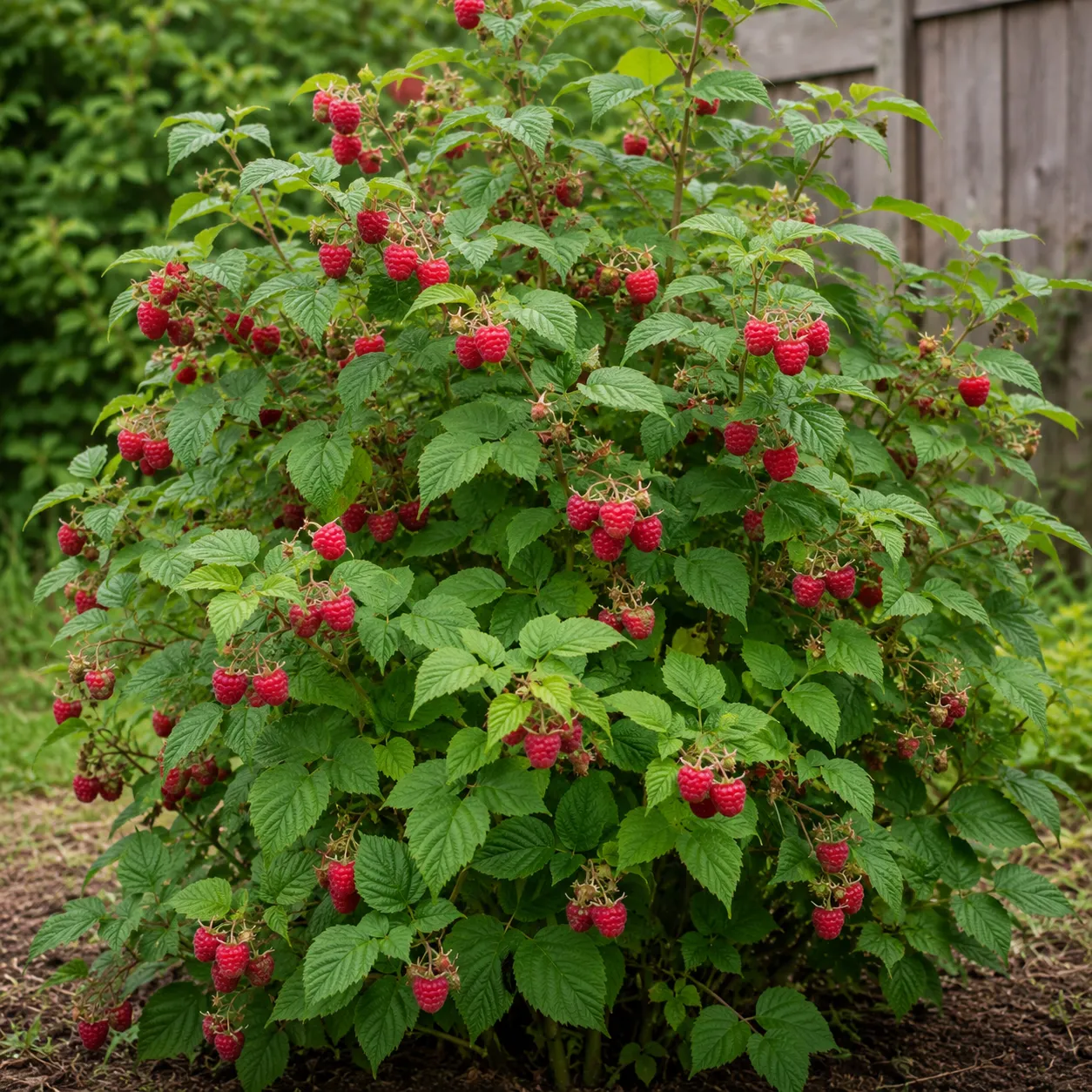
raspberry bushˈræzˌbɛri ˌbʊʃ
a prickly garden or wild bush that produces soft red or dark berries called raspberries.
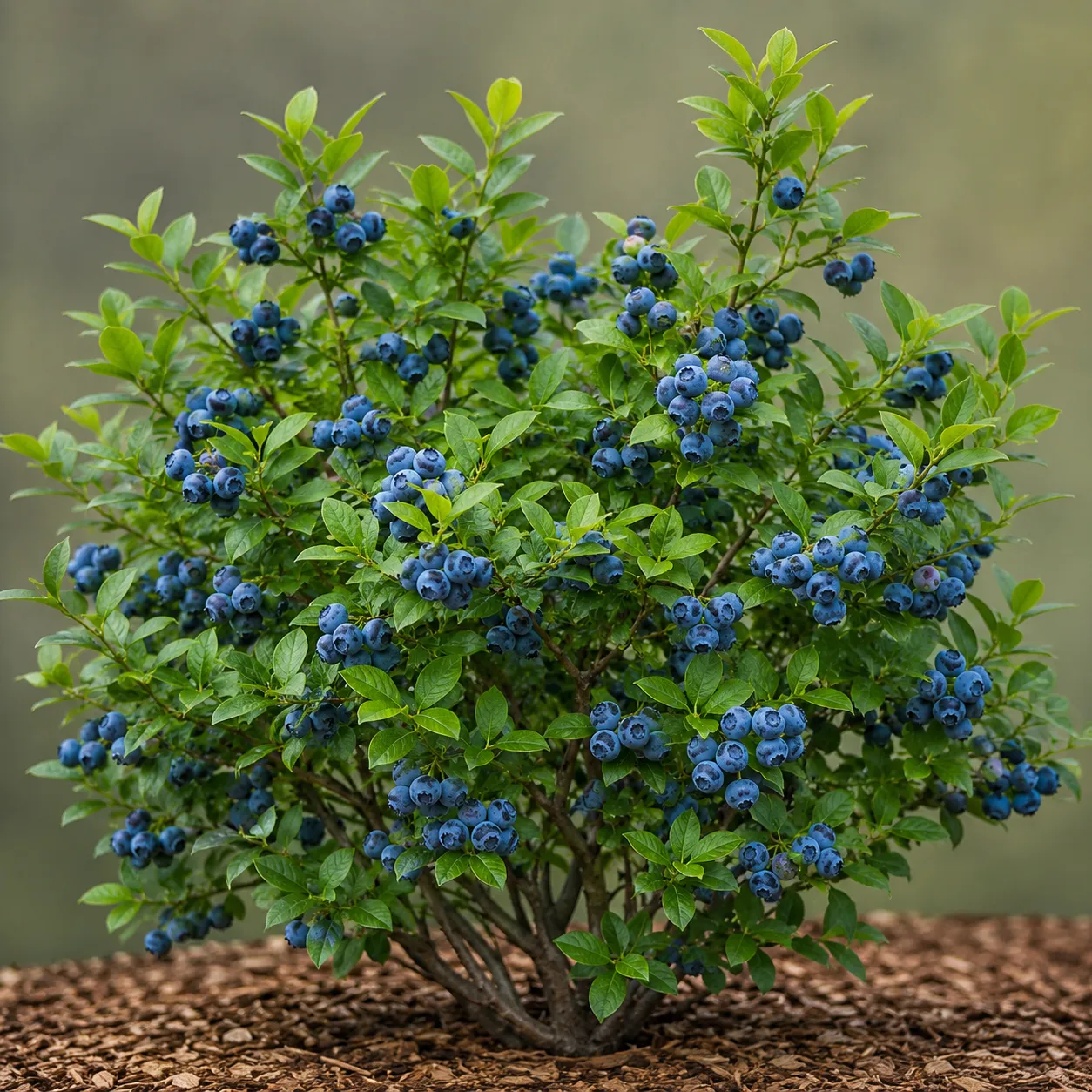
blueberry bushˈbluːˌbɛri ˌbʊʃ
a low bush that produces small round blue berries called blueberries.
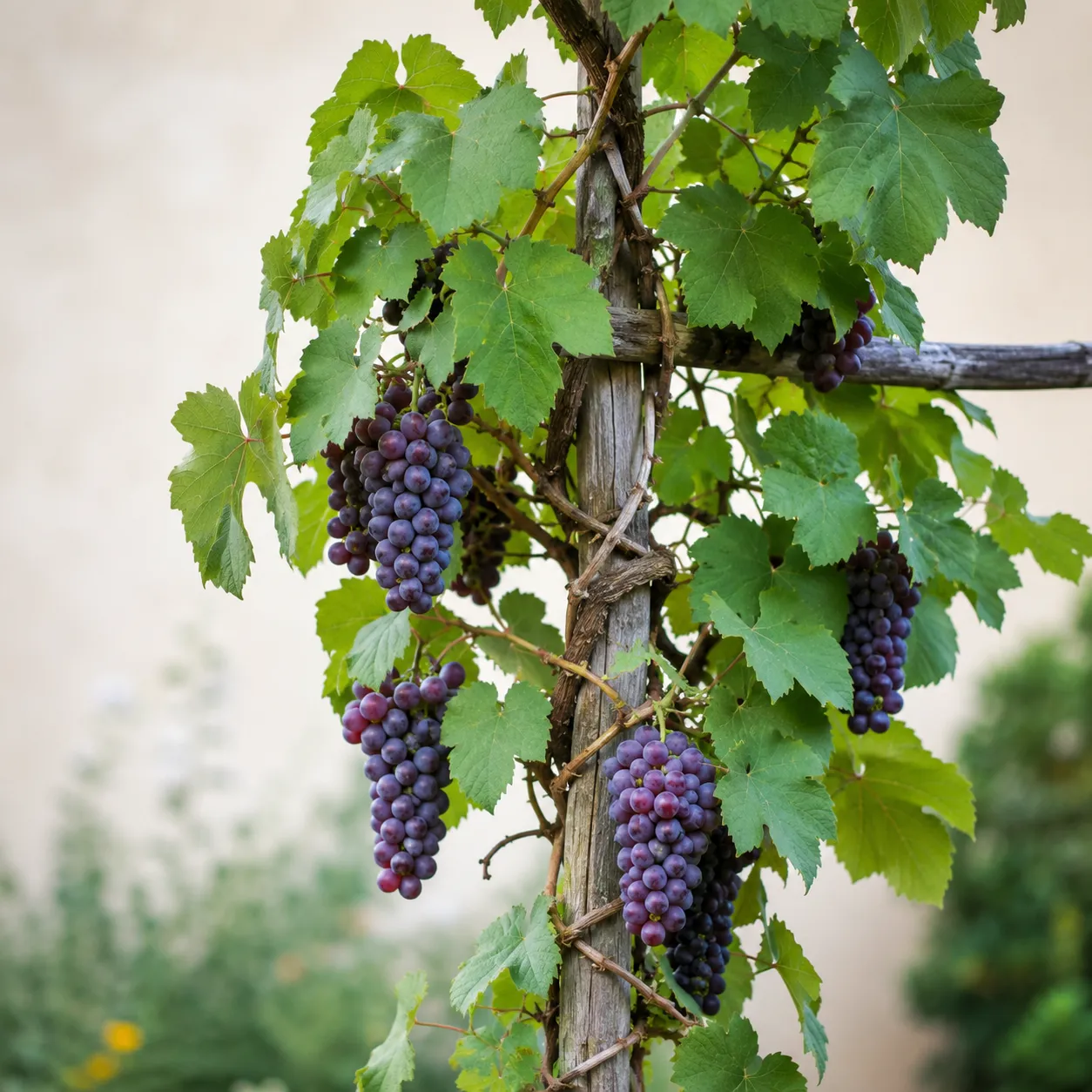
grapevineˈɡreɪpˌvaɪn
a climbing plant with woody stems that produces bunches of grapes.
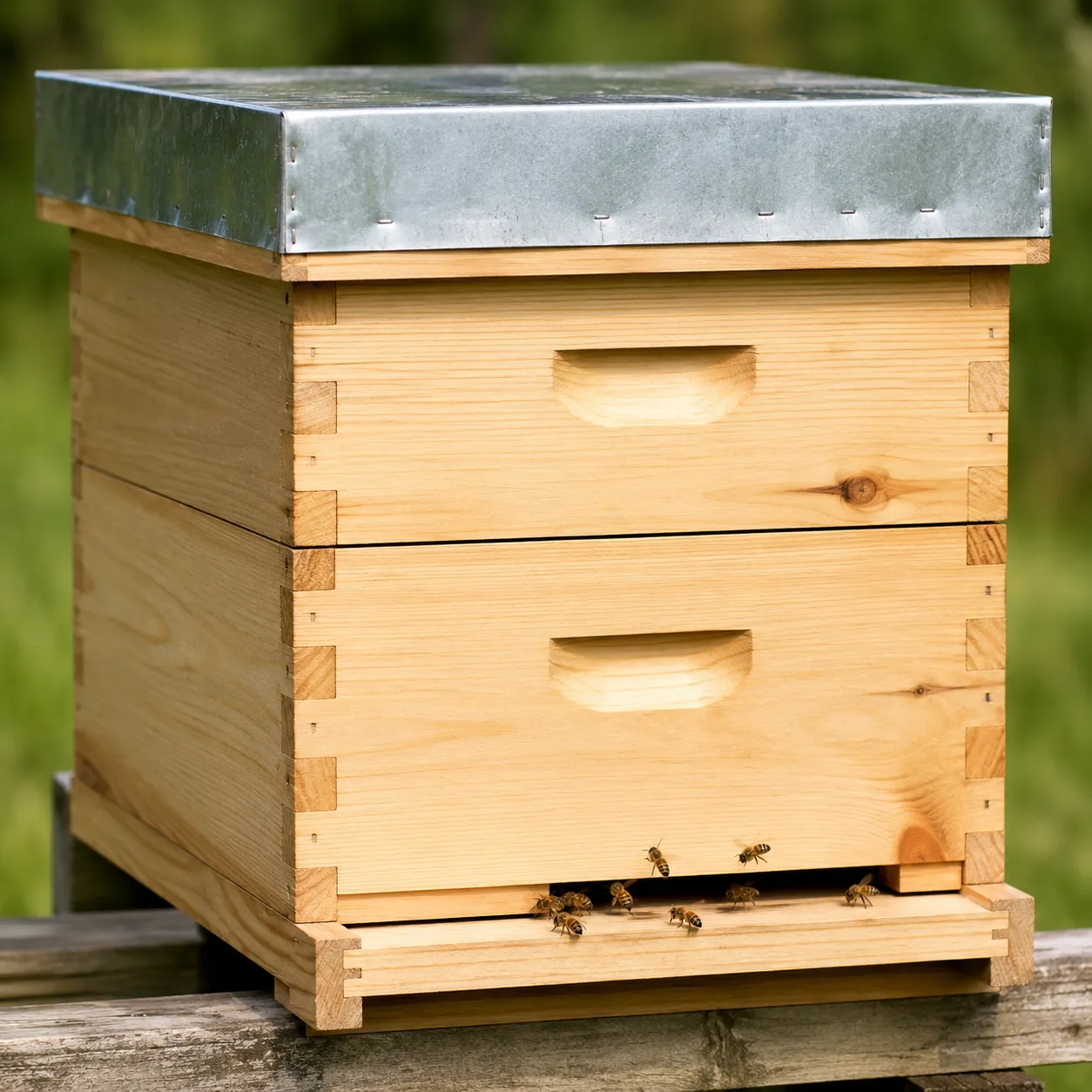
beehive boxˈbiːˌhaɪv ˌbɑːks
a wooden or plastic box made for keeping honeybees, where they live and make honey.
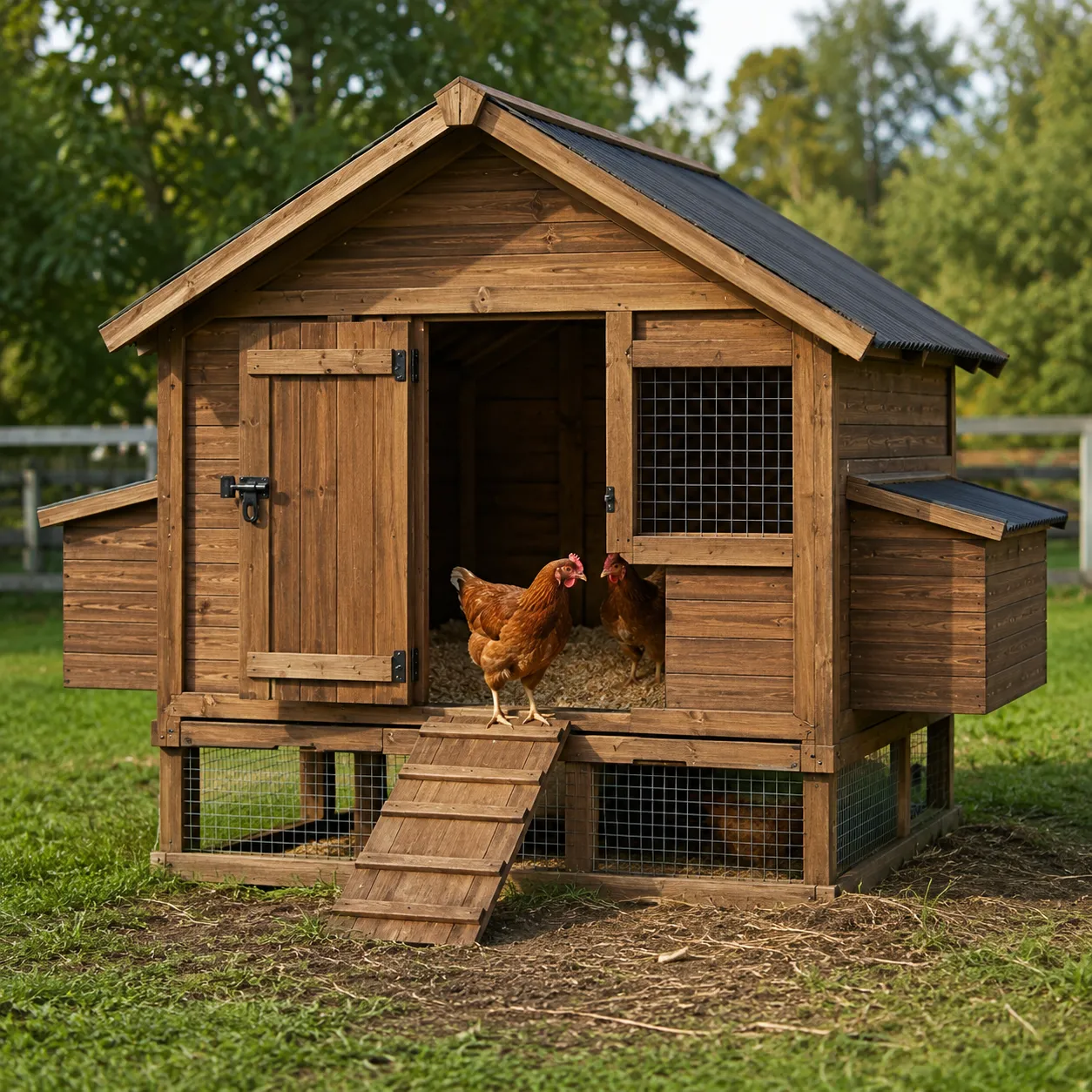
chicken coopˈtʃɪkɪn ˌkuːp
a small house or cage where chickens are kept, especially at night.
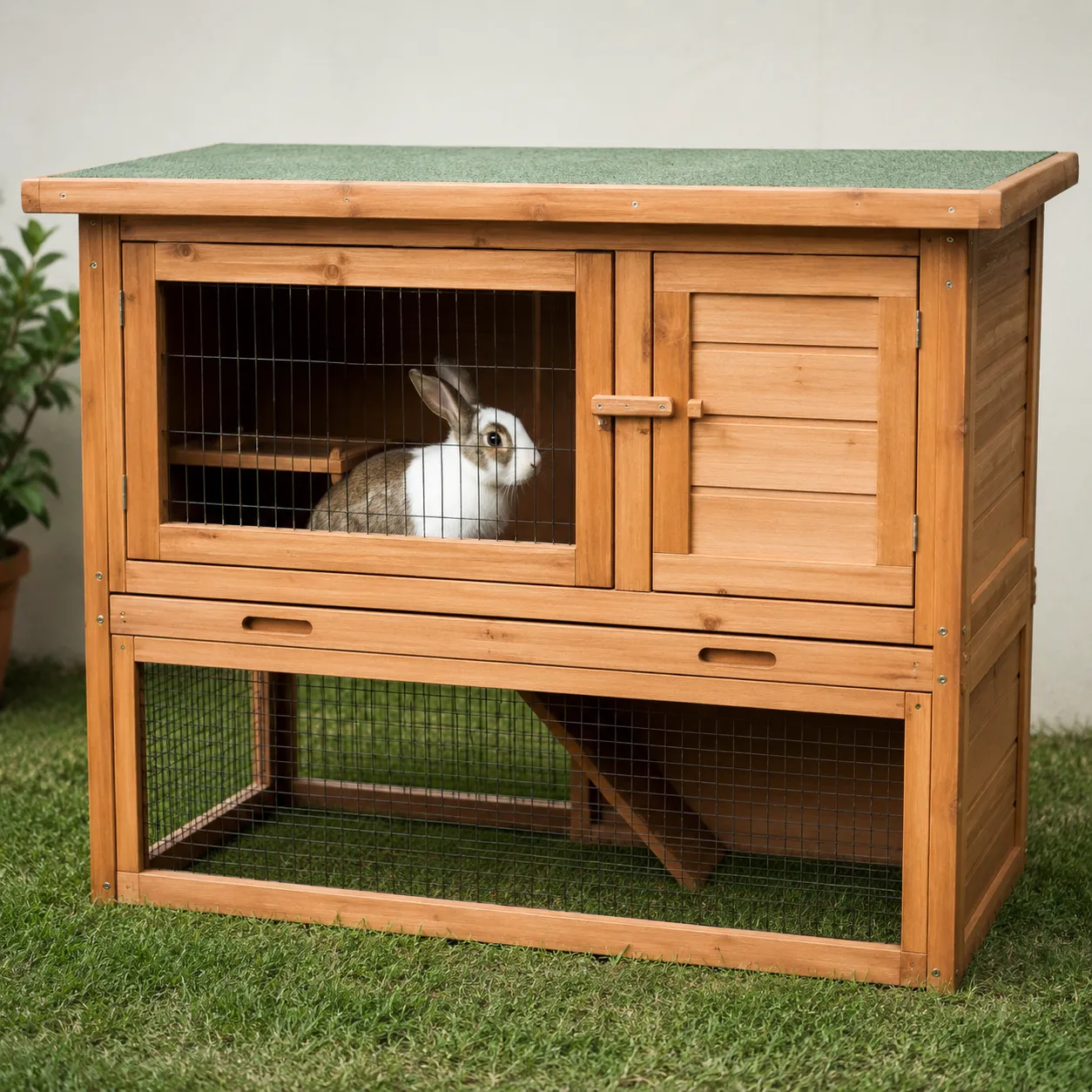
rabbit hutchˈræbɪt ˌhʌtʃ
a cage or small wooden house where a pet rabbit is kept.
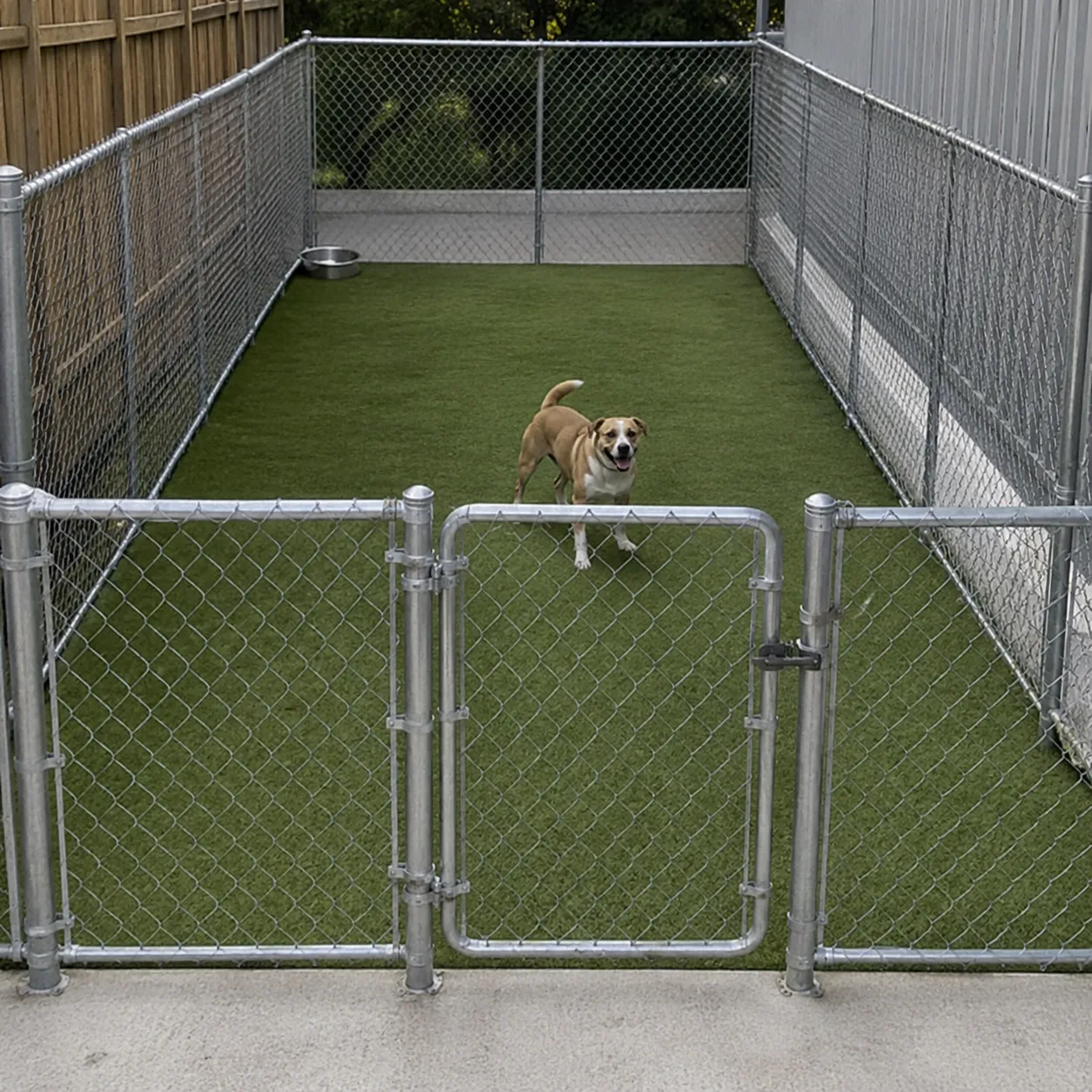
dog runˈdɔːɡ ˌrʌn
a fenced outdoor area where a dog can move around safely.
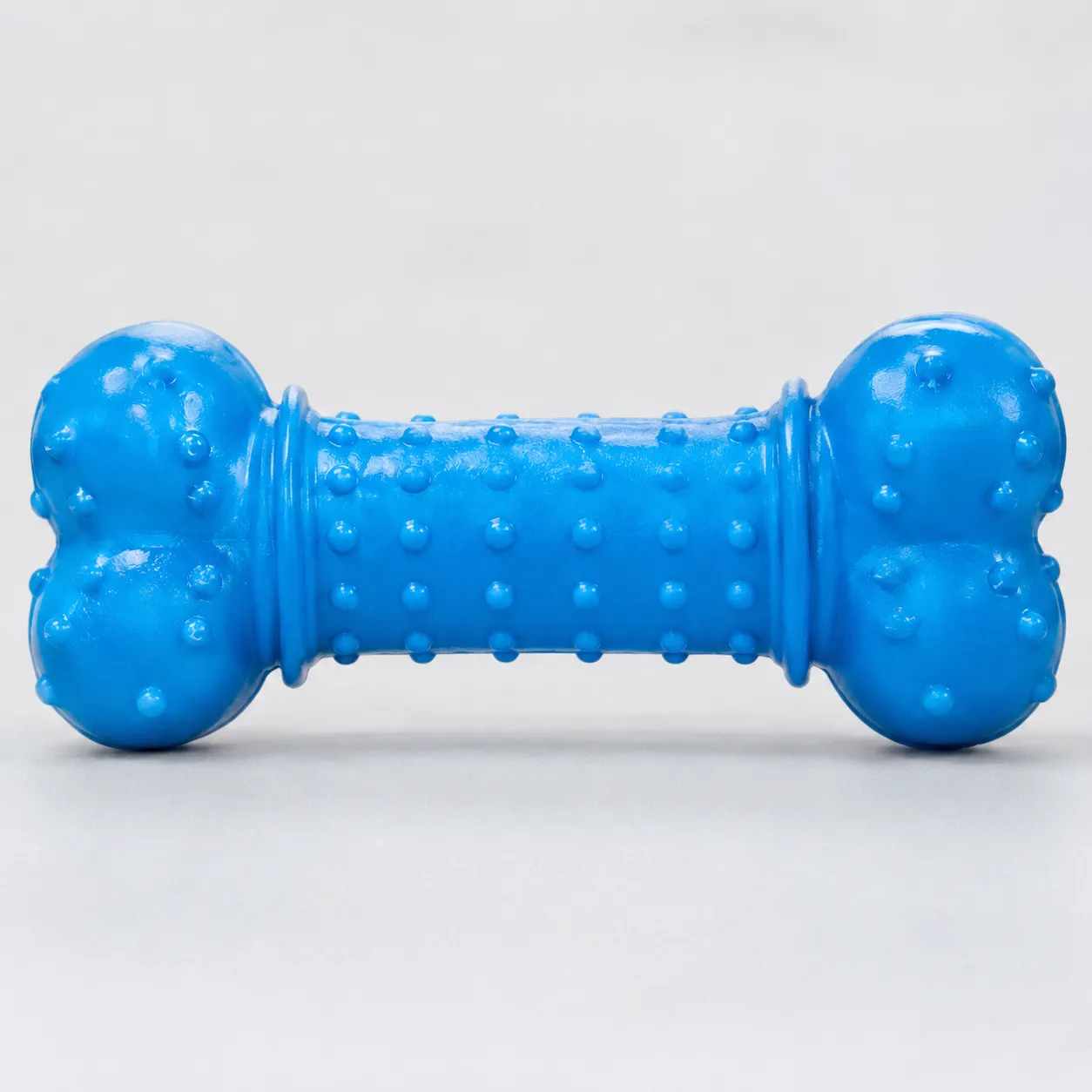
chew toyˈtʃuː ˌtɔɪ
a toy made for a dog or other pet to bite and chew safely.
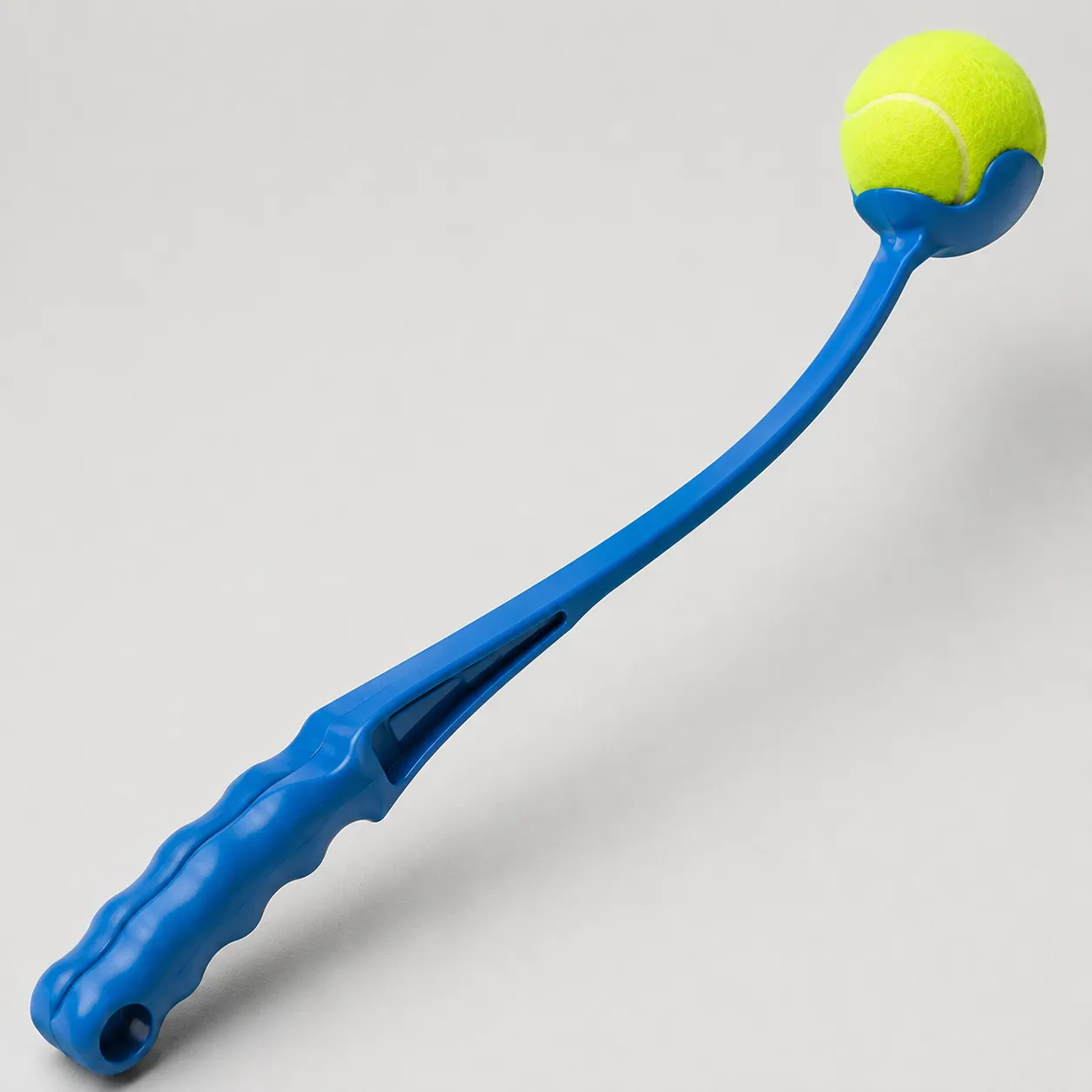
ball launcherˈbɔːl ˌlɔːntʃər
a hand tool or device that throws a ball farther for a dog to chase.
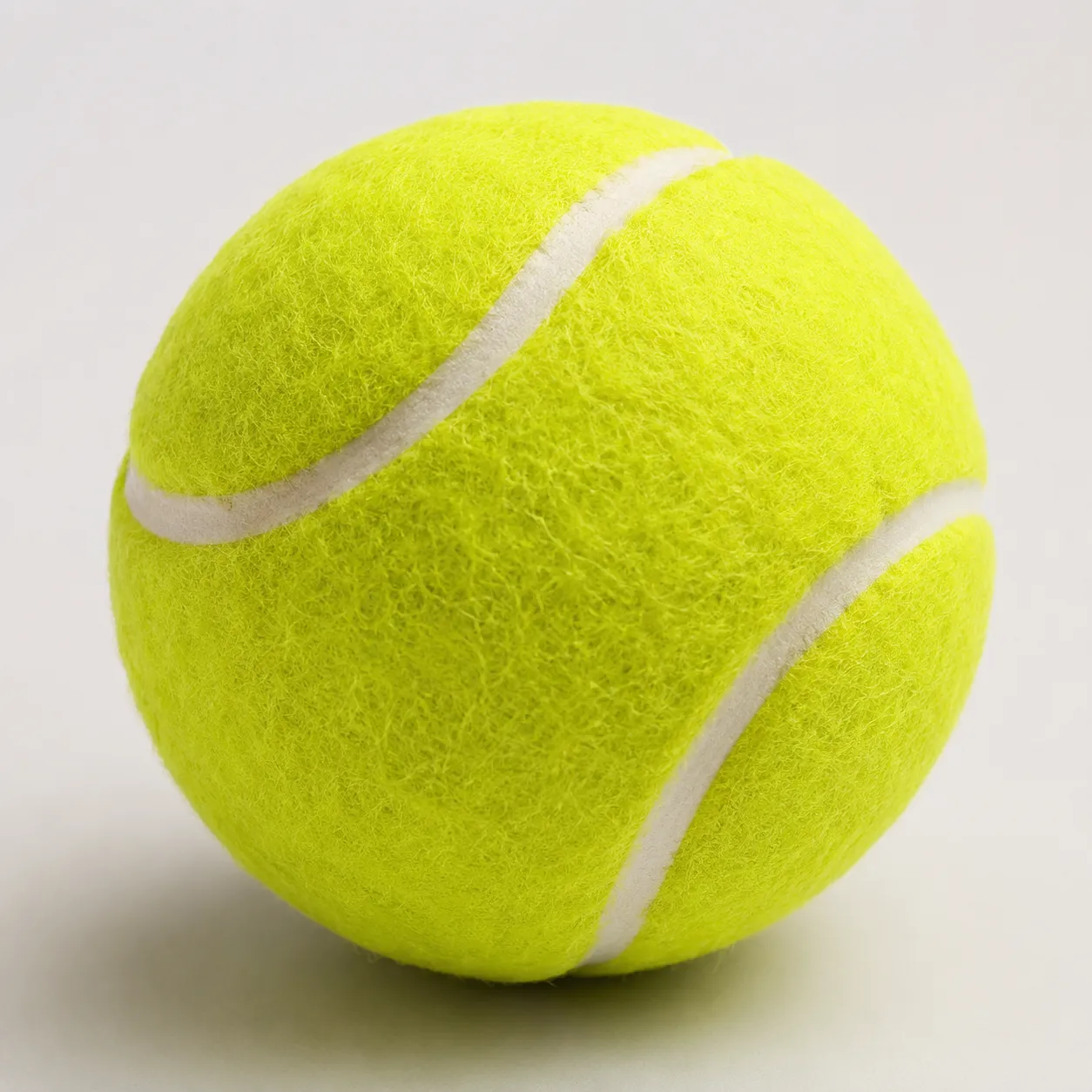
fetch toyˈfɛtʃ ˌtɔɪ
a toy that you throw for a dog to chase and bring back.
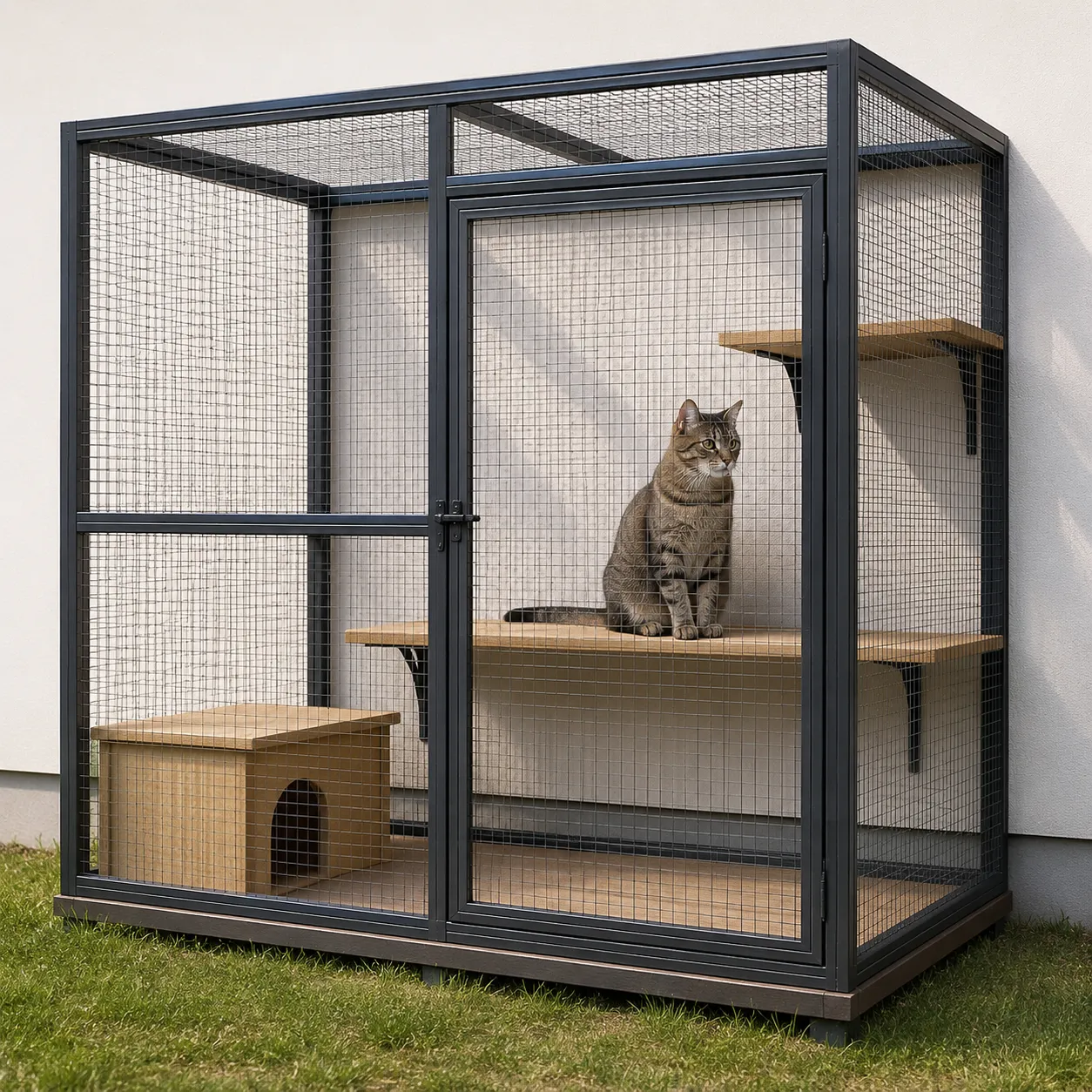
catioˈkætioʊ
an enclosed outdoor area, often attached to a home, where cats can be outside safely.
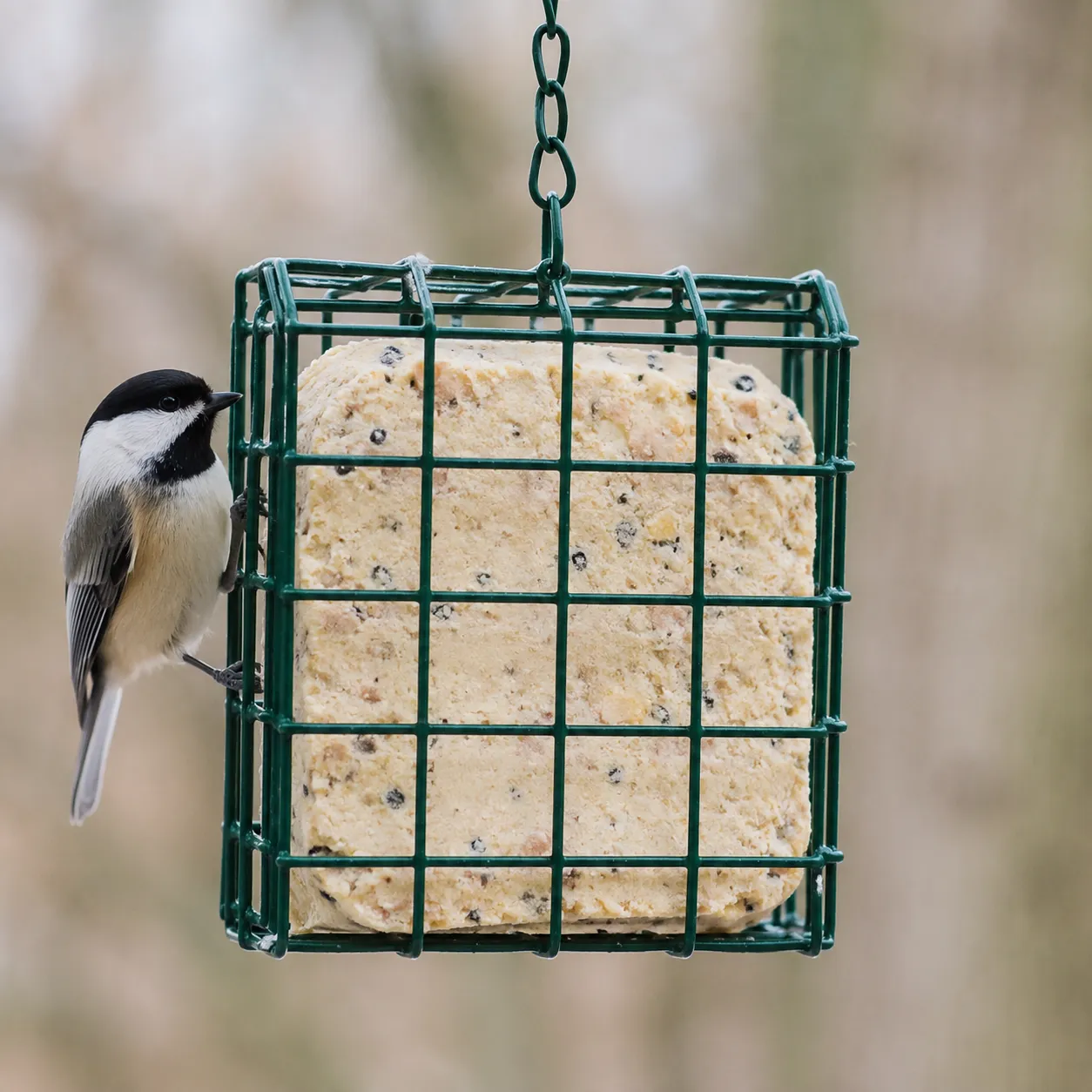
suet feederˈsuːɪt ˌfiːdər
a small cage or container that holds blocks of animal fat or seed-fat food for wild birds.
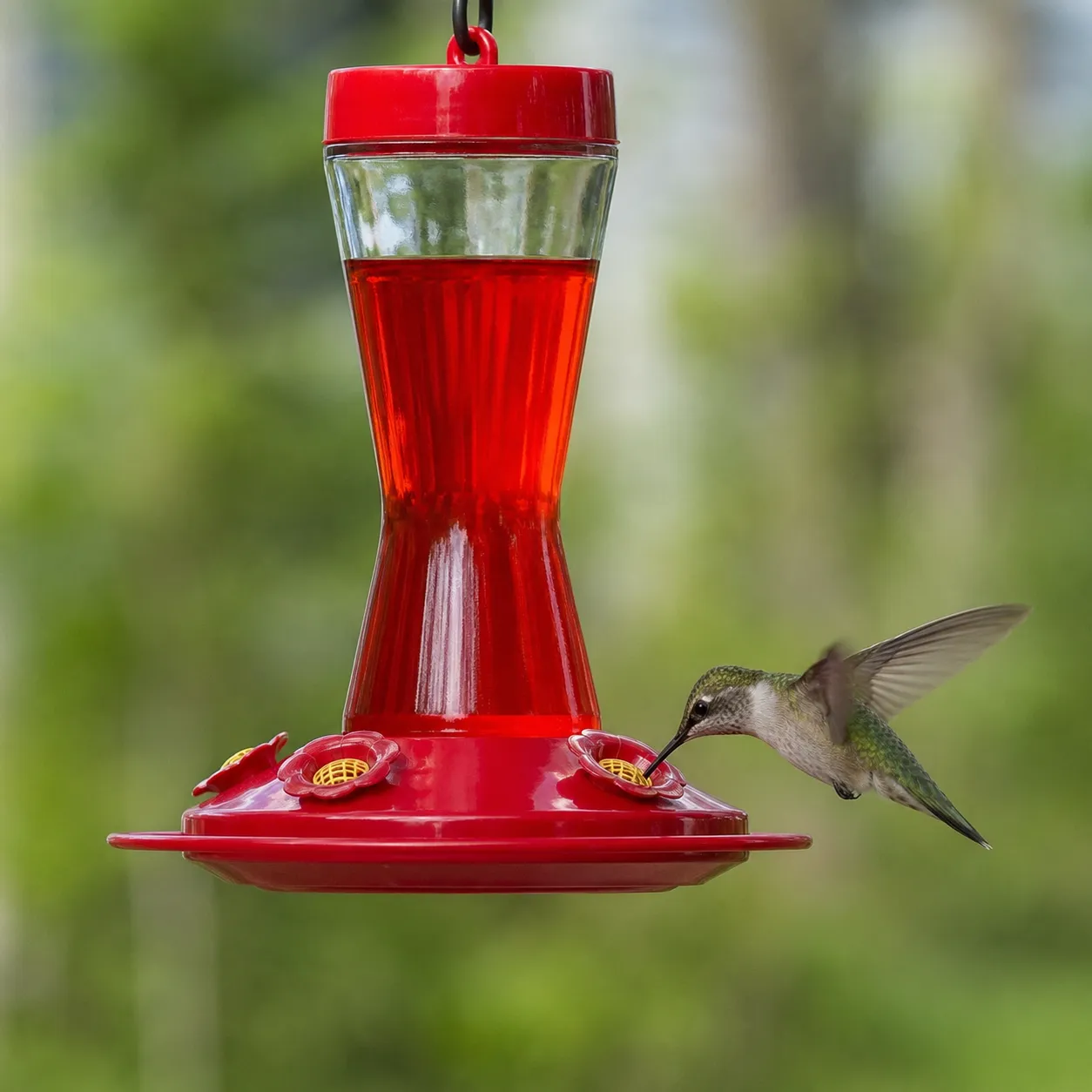
hummingbird feederˈhʌmɪŋˌbɜːrd ˌfiːdər
a hanging container filled with sweet liquid for hummingbirds to drink.
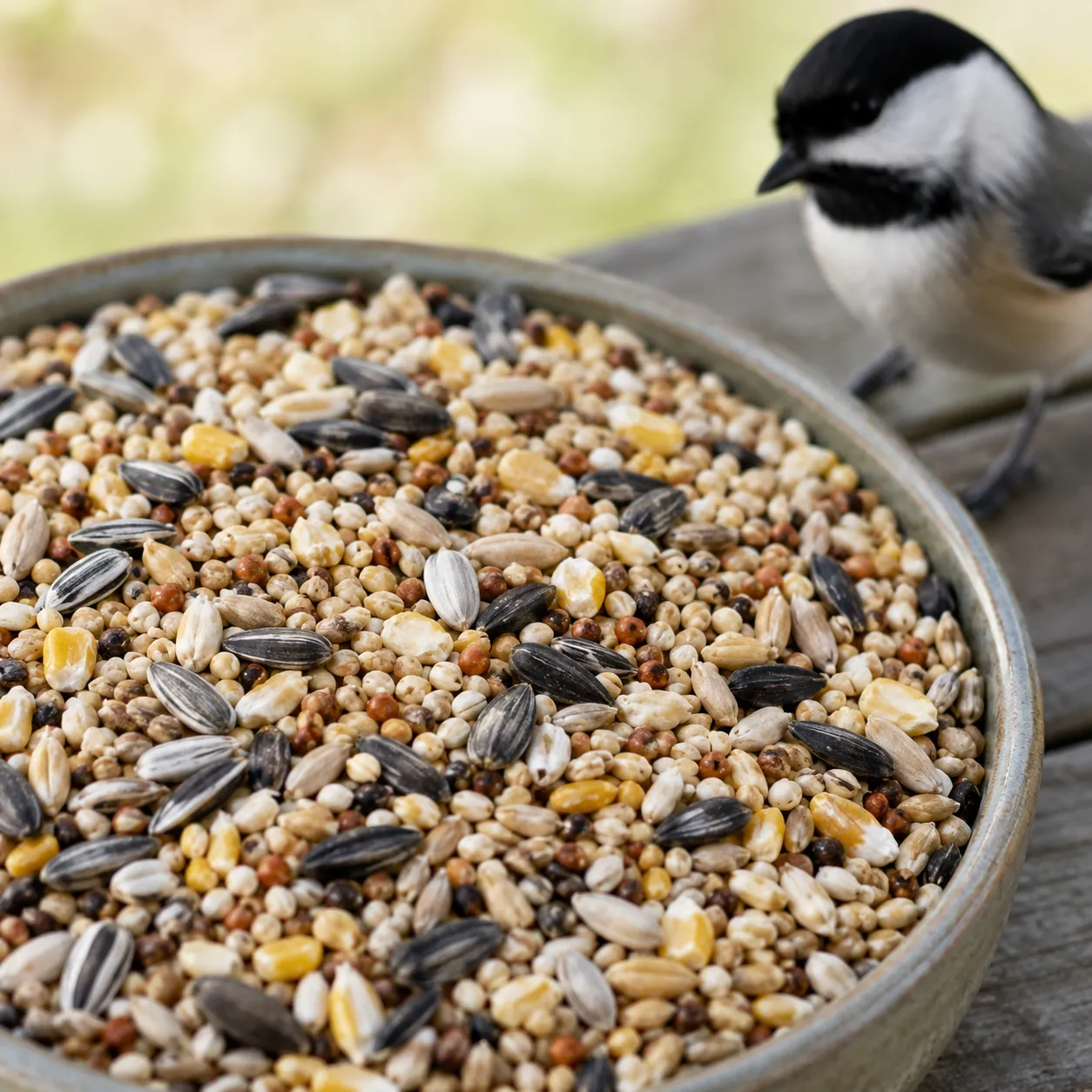
bird seed mixˈbɜːrd siːd ˌmɪks
a mixture of different seeds used as food for pet birds or wild birds.

featherˈfɛðər
one of the light soft parts that cover a bird's body and help many birds fly.
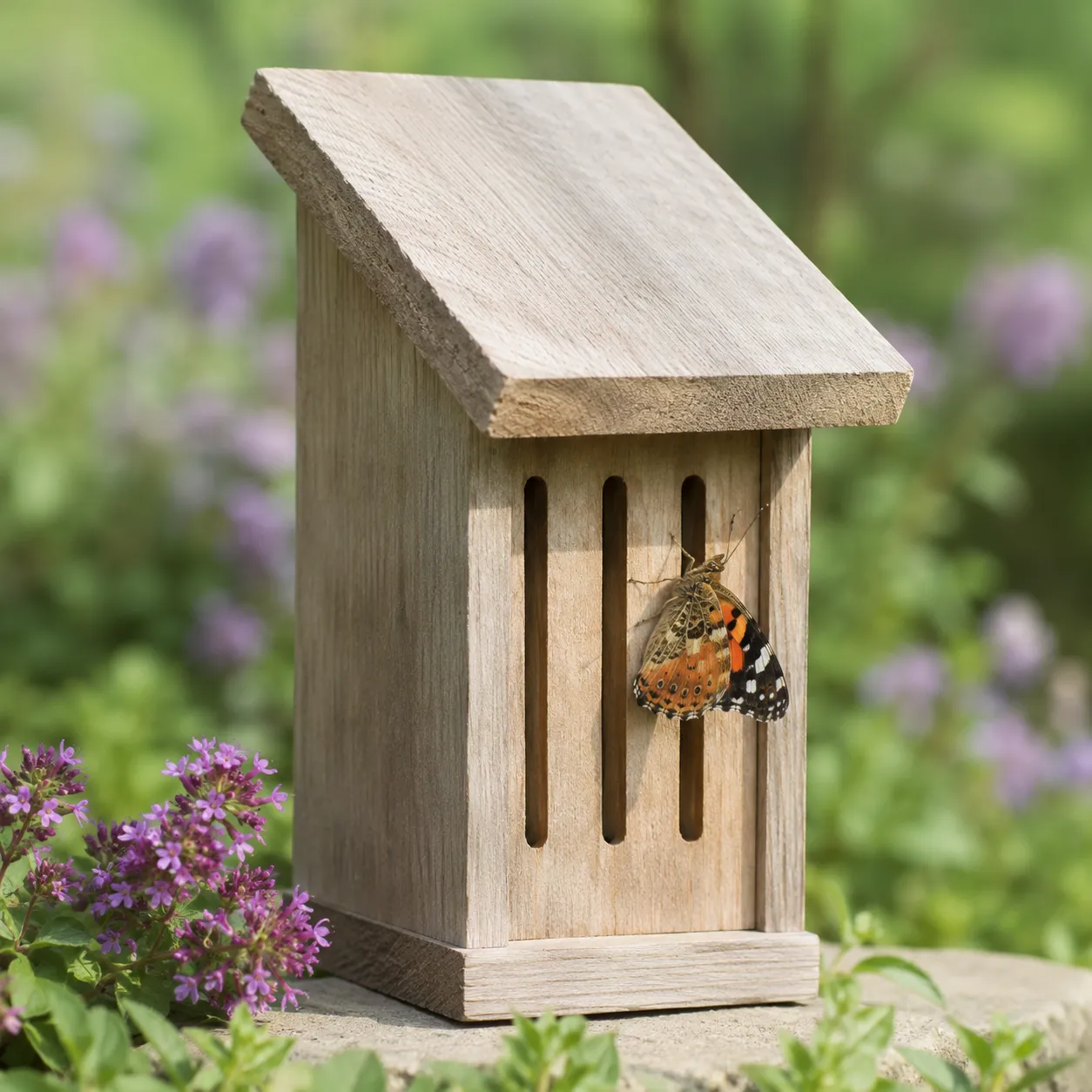
butterfly houseˈbʌtərˌflaɪ ˌhaʊs
a small outdoor shelter made to give butterflies a place to rest or hide.
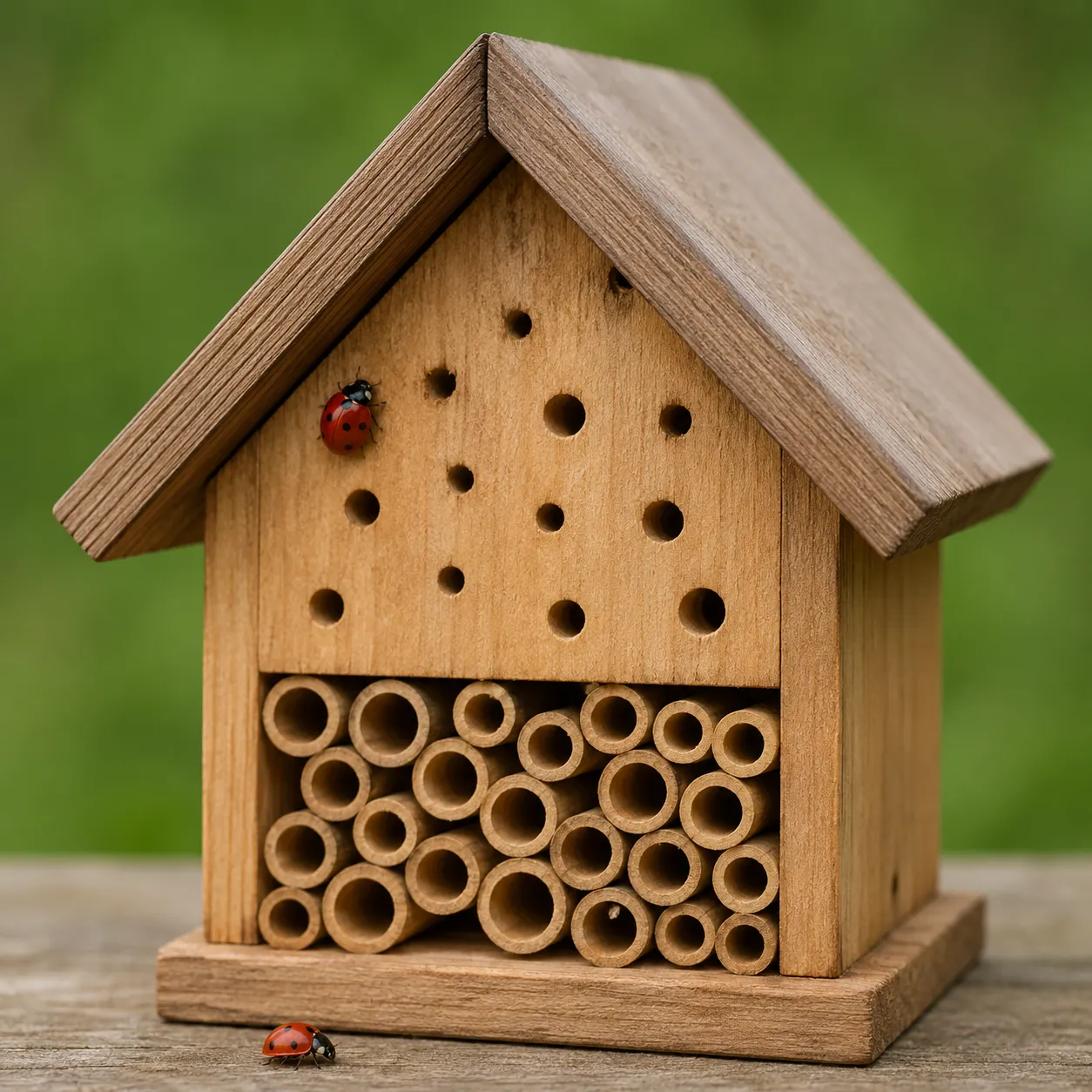
ladybug houseˈleɪdiˌbʌɡ ˌhaʊs
a small outdoor shelter made to attract ladybugs and give them a place to hide or overwinter.
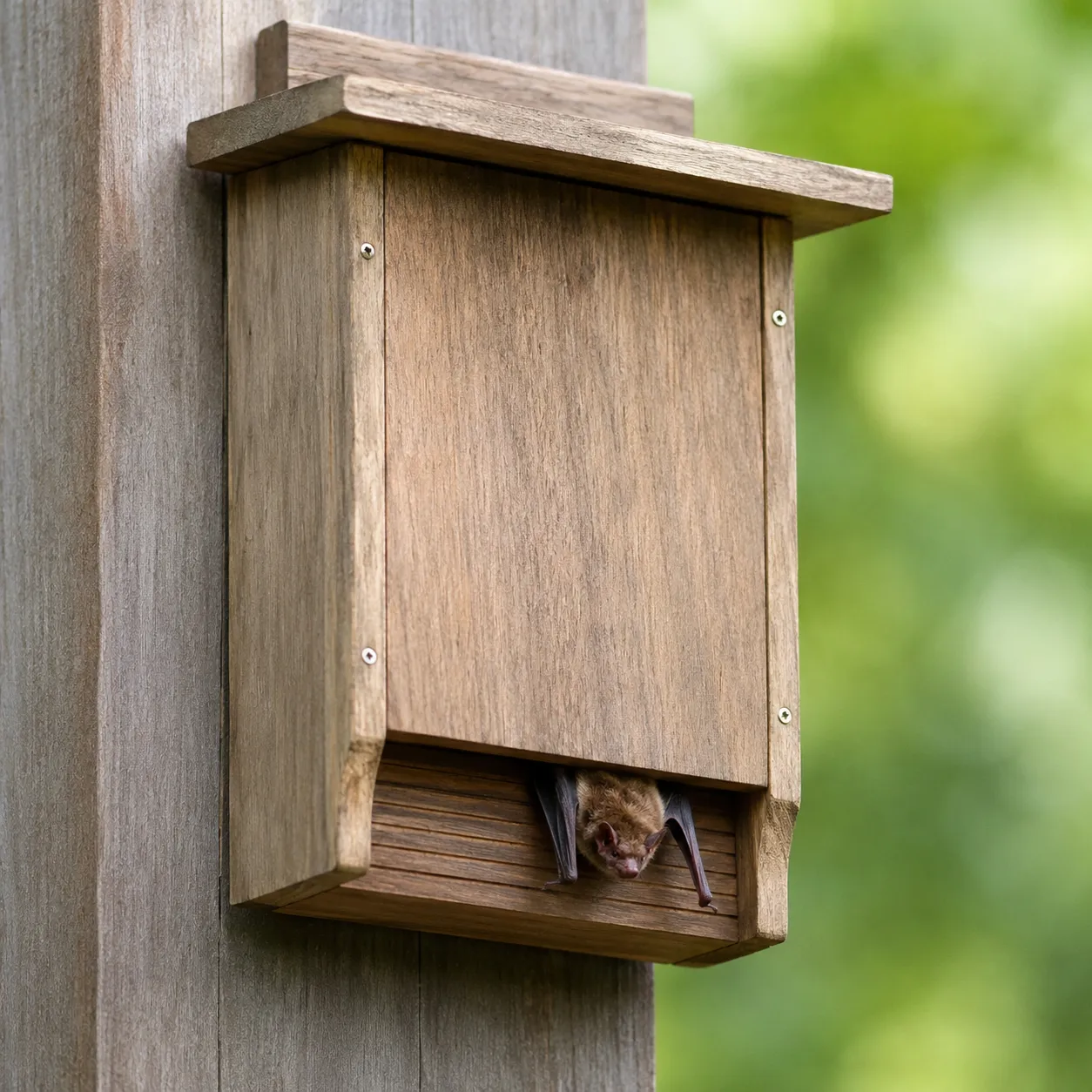
bat houseˈbæt ˌhaʊs
a box fixed outside to give bats a safe place to rest or live.
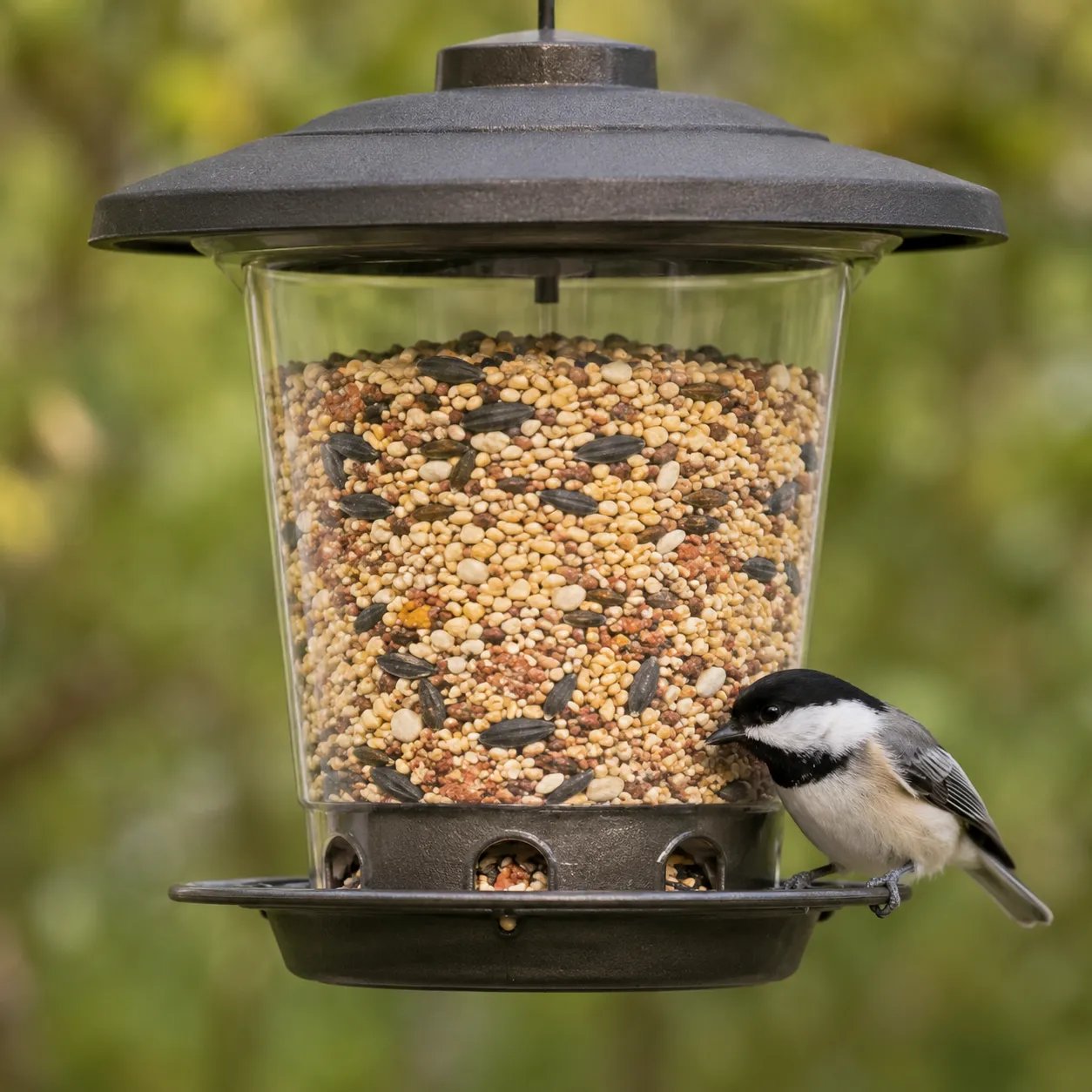
wildlife feederˈwaɪldˌlaɪf ˌfiːdər
a container or device that provides food for wild animals such as birds, deer, or squirrels.
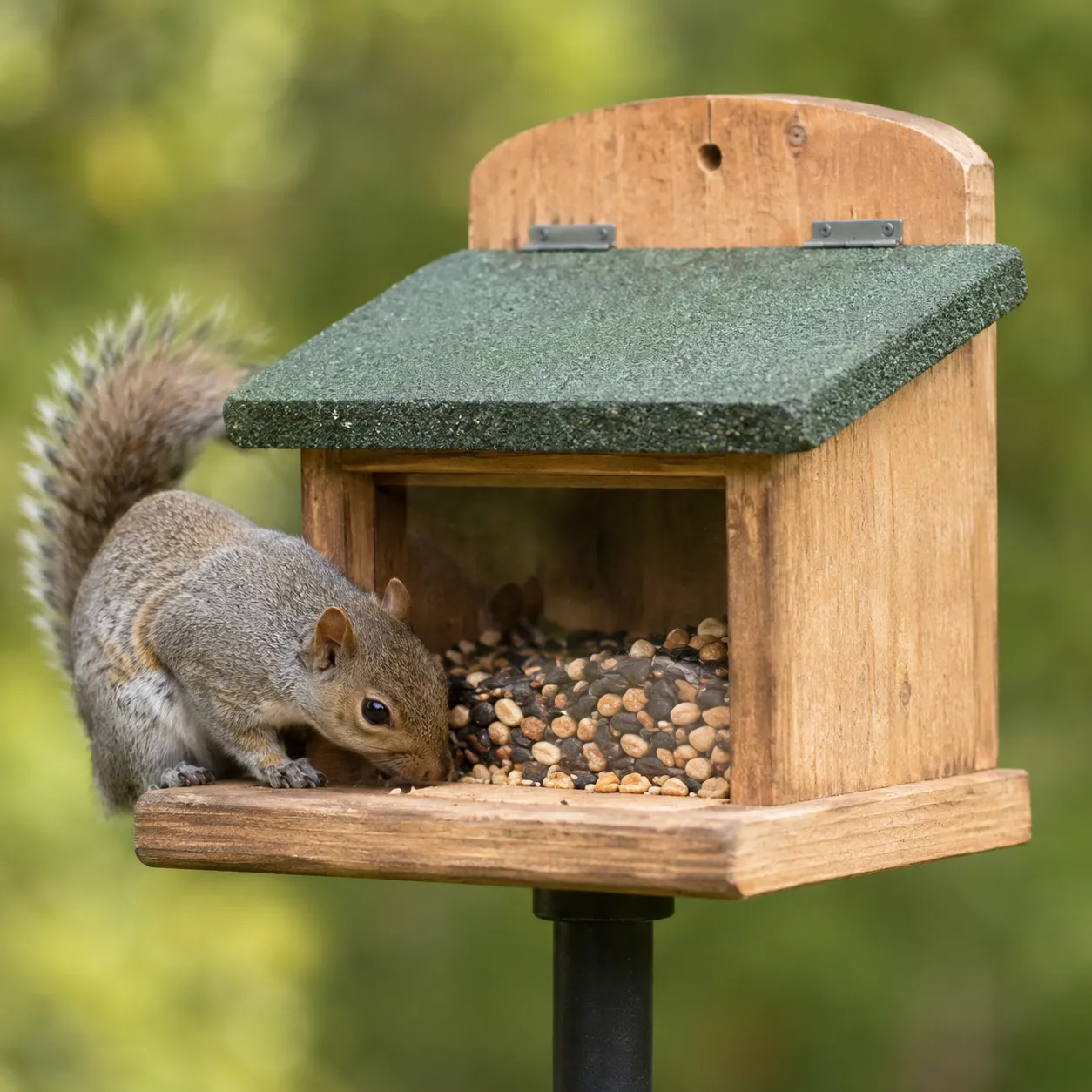
squirrel feederˈskwɜːrəl ˌfiːdər
a small container or device that holds food such as nuts or corn for squirrels.
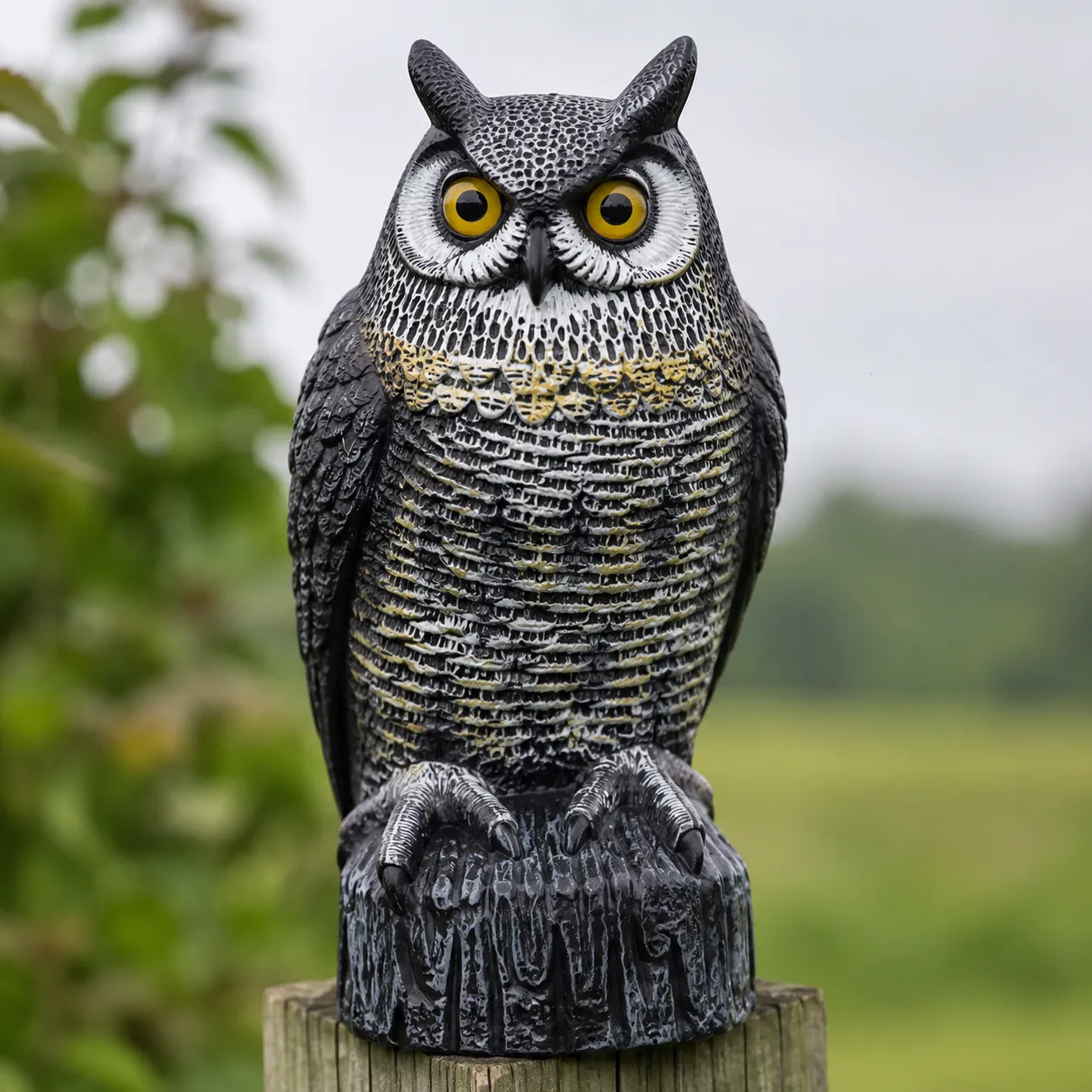
owl decoyˈaʊl ˌdiːkɔɪ
a model of an owl used in a garden or yard to frighten birds or small animals away.
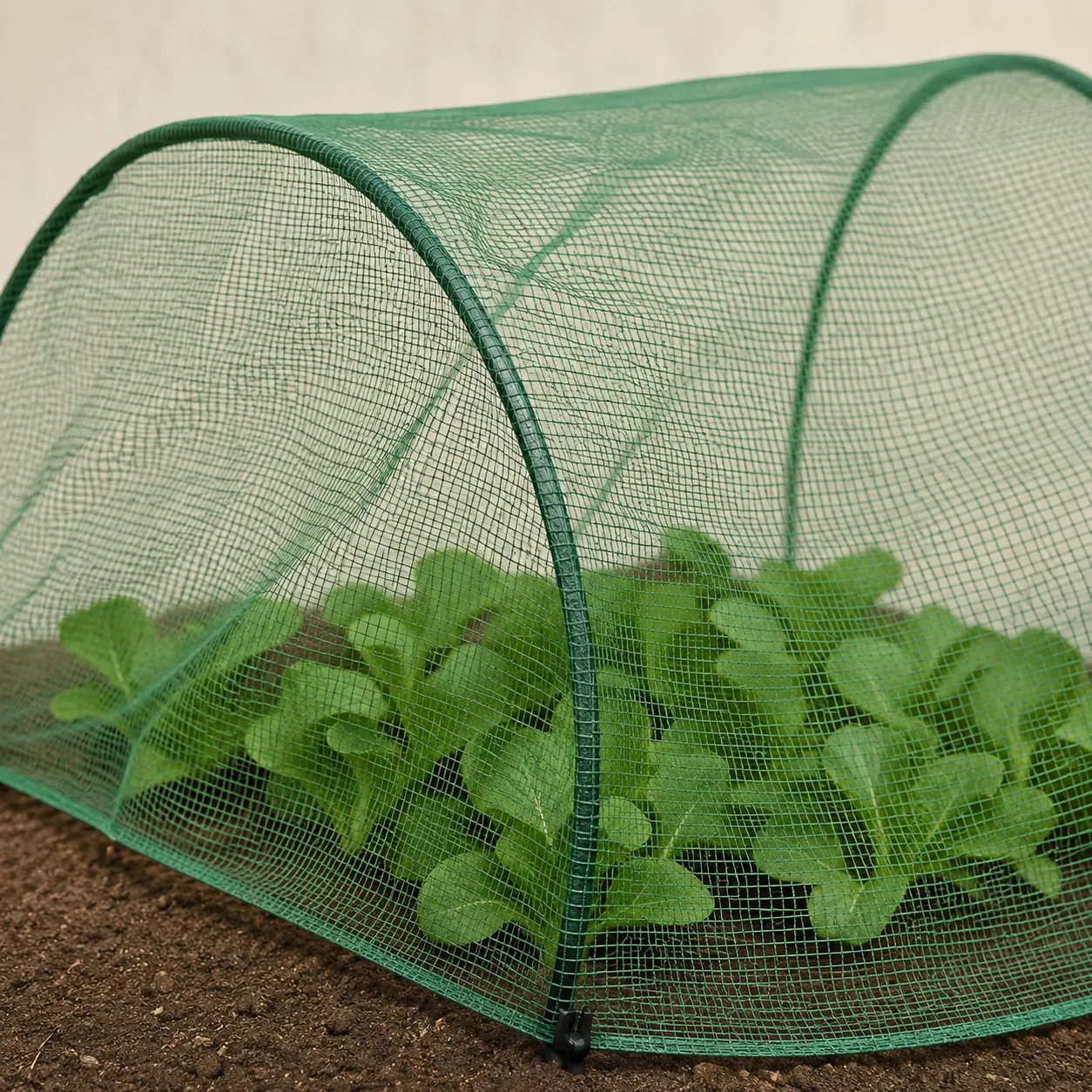
nettingˈnɛtɪŋ
material made of many crossing threads or plastic strips, used to cover plants or keep animals out.
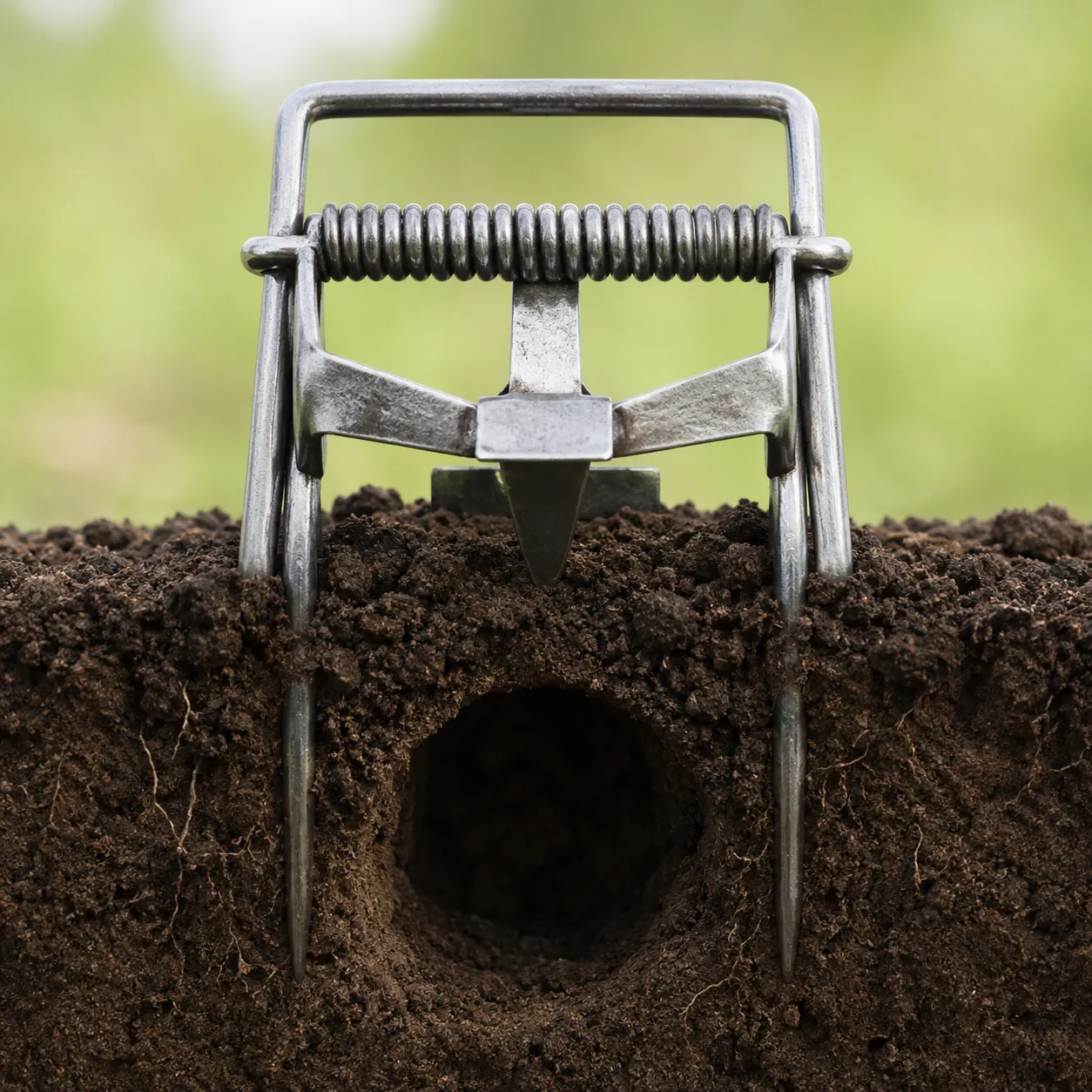
mole trapˈmoʊl ˌtræp
a device placed in the ground to catch or kill moles that dig tunnels in lawns or gardens.
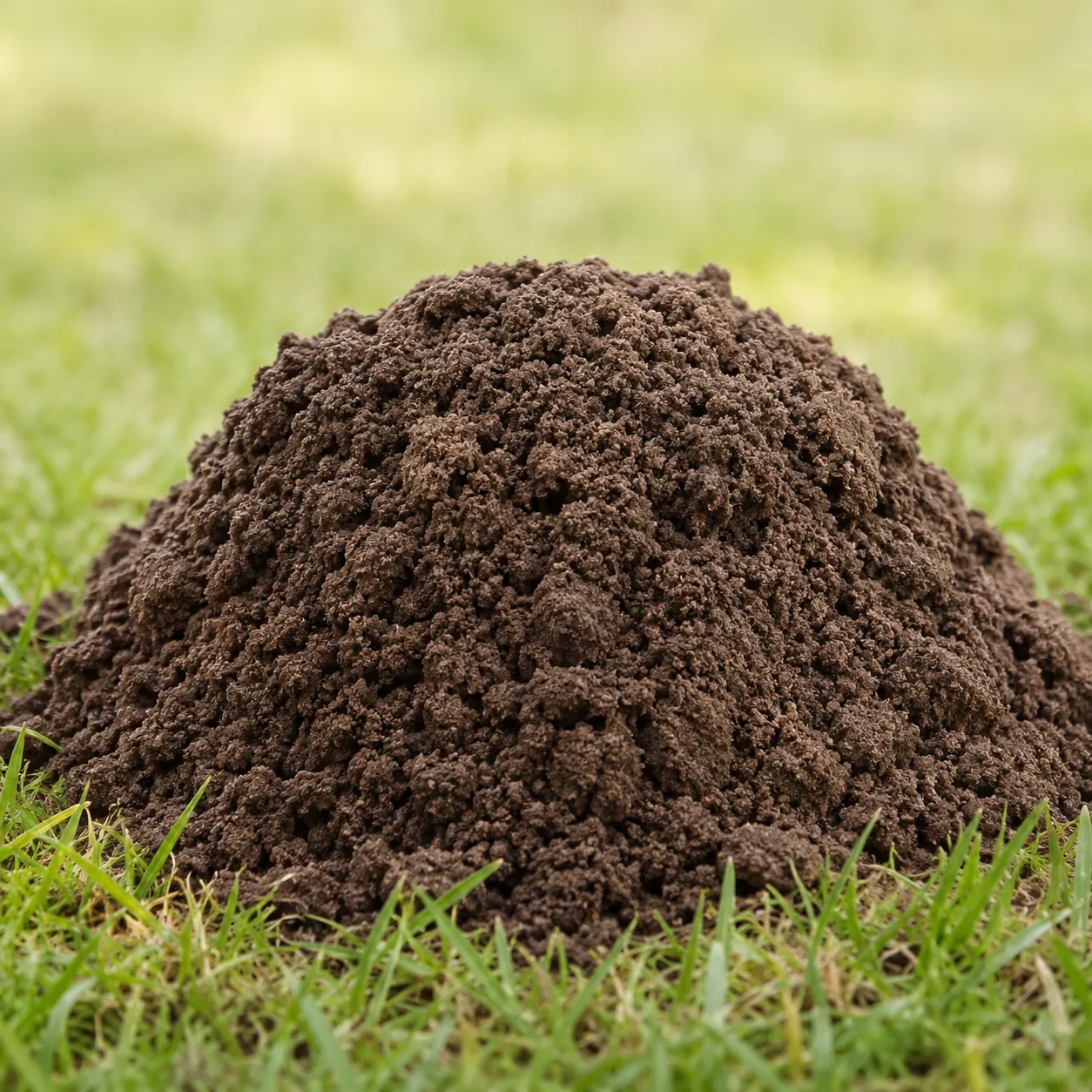
molehillˈmoʊlˌhɪl
a small pile of earth on the ground, made when a mole digs a tunnel below it.

gopherˈɡoʊfər
a small North American animal like a rodent that lives in holes and makes tunnels underground.

chipmunkˈtʃɪpmʌŋk
a small North American animal related to squirrels, with dark and light stripes along its back.
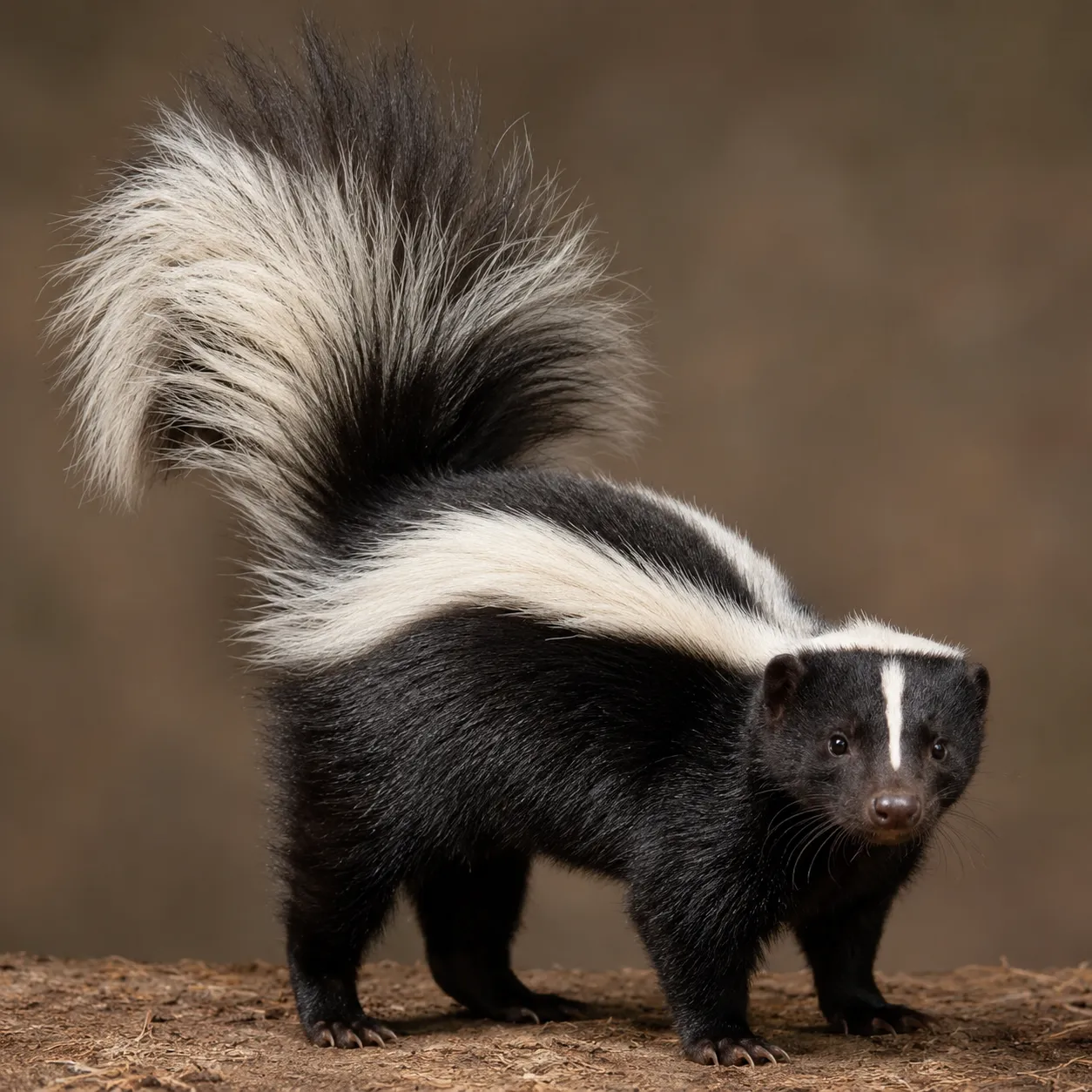
skunkskʌŋk
a black-and-white American animal that can spray a very strong unpleasant smell when it is frightened.
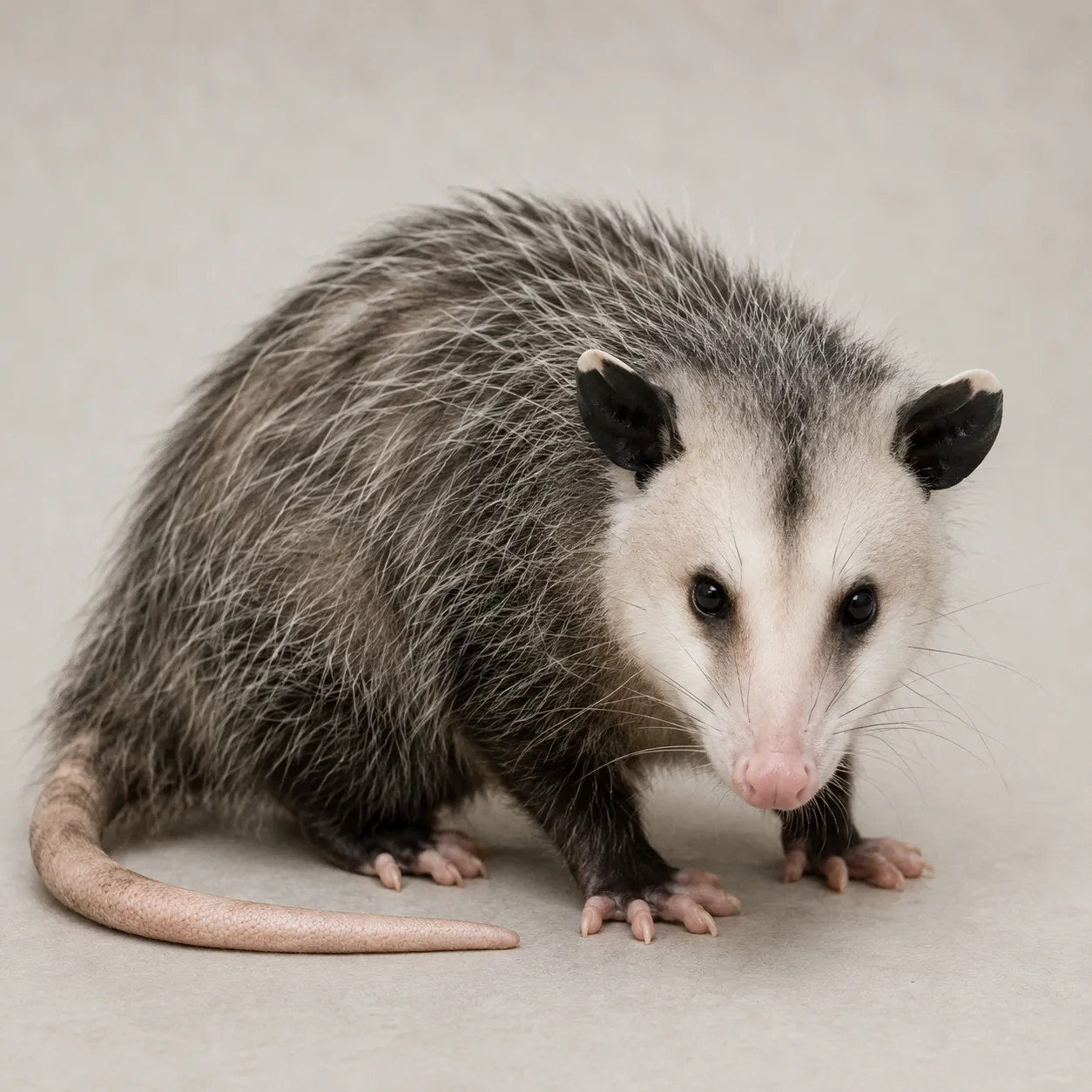
opossuməˈpɑːsəm
an American animal with a long nose and tail, whose young grow in a pouch on the mother's body.
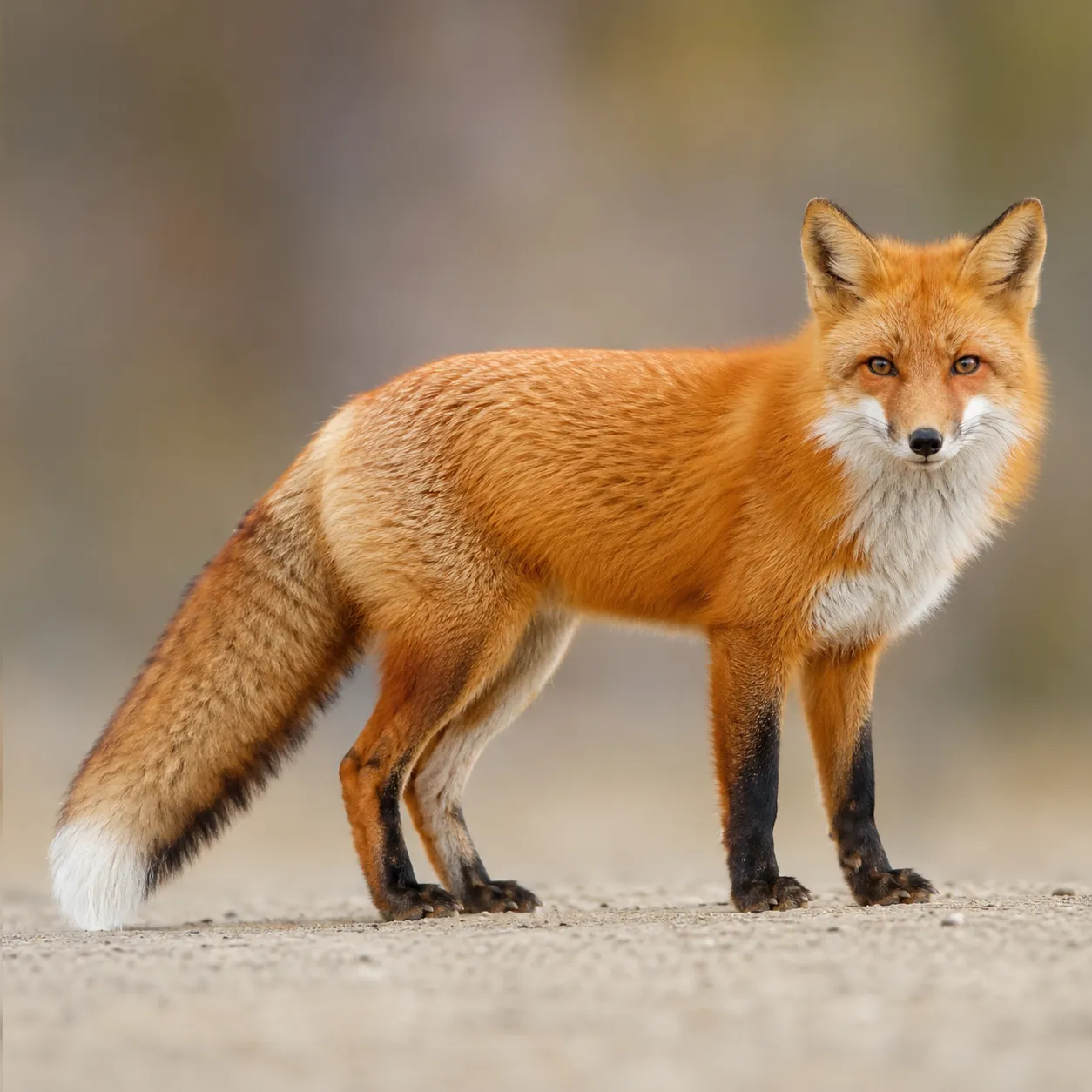
foxfɑːks
a wild animal like a small dog, with a pointed face, red-brown fur, and a thick tail.
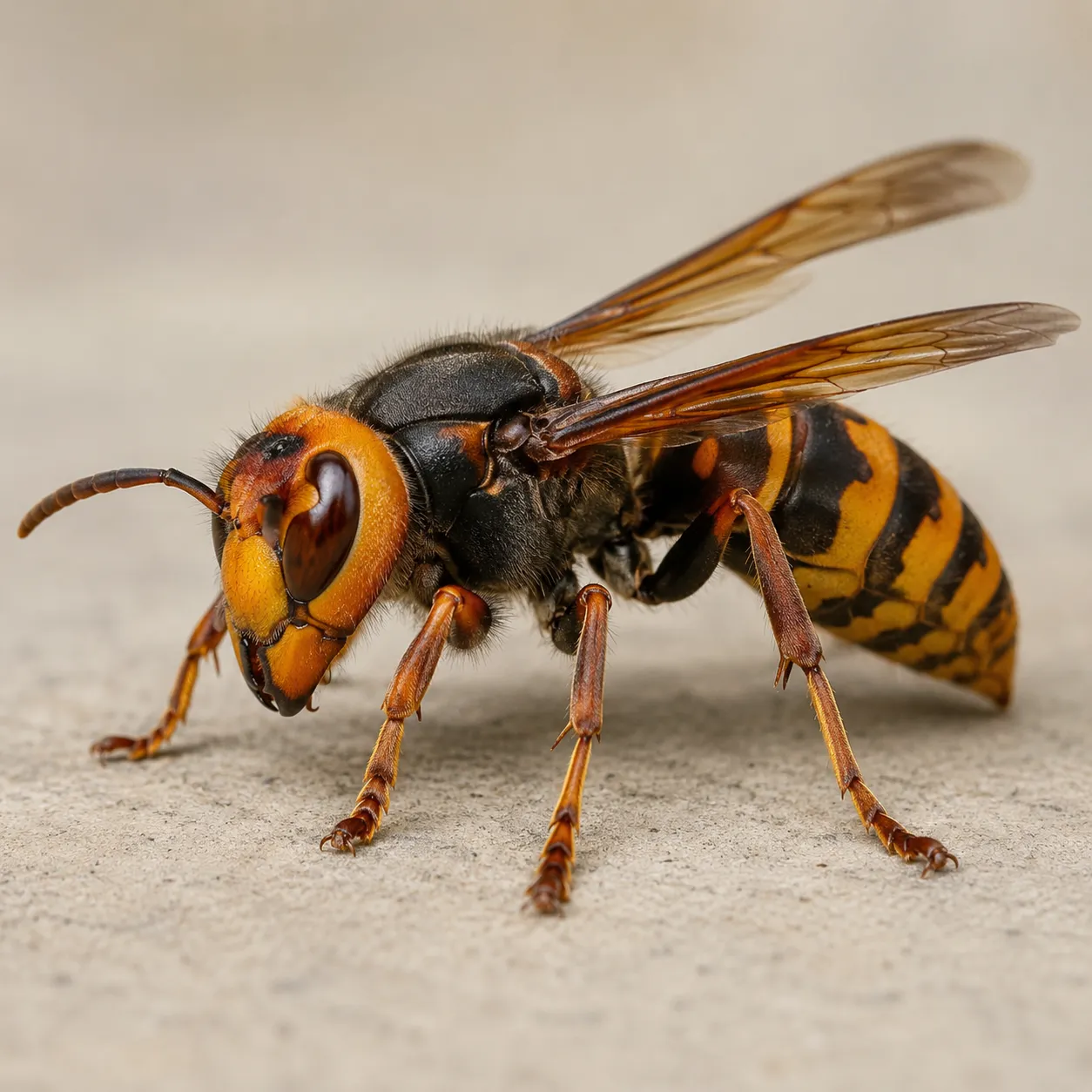
hornetˈhɔːrnɪt
a large wasp that can give a painful sting and often lives in a nest with many others.
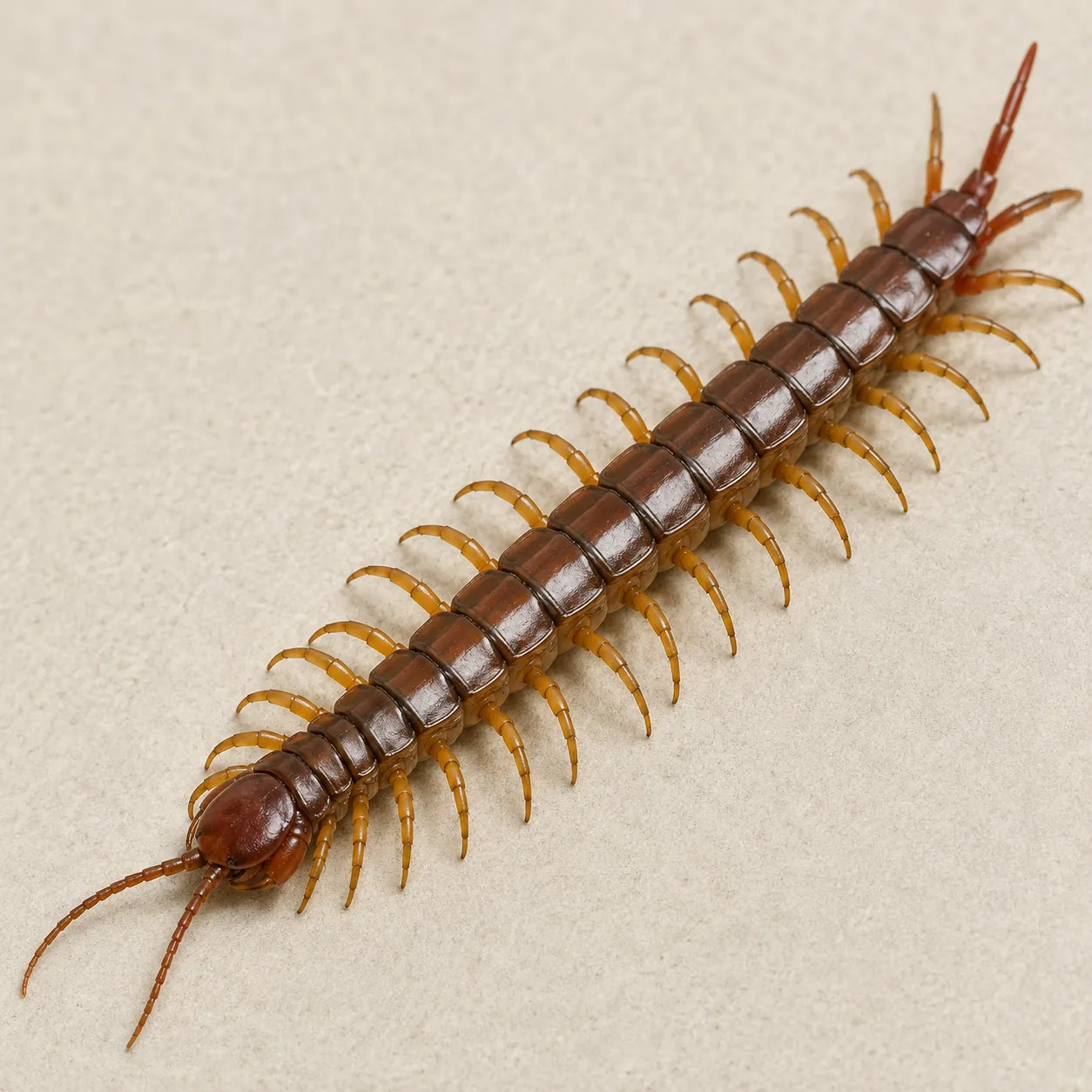
centipedeˈsɛntɪpiːd
a small long animal with many body sections and many pairs of legs, often found in damp places.
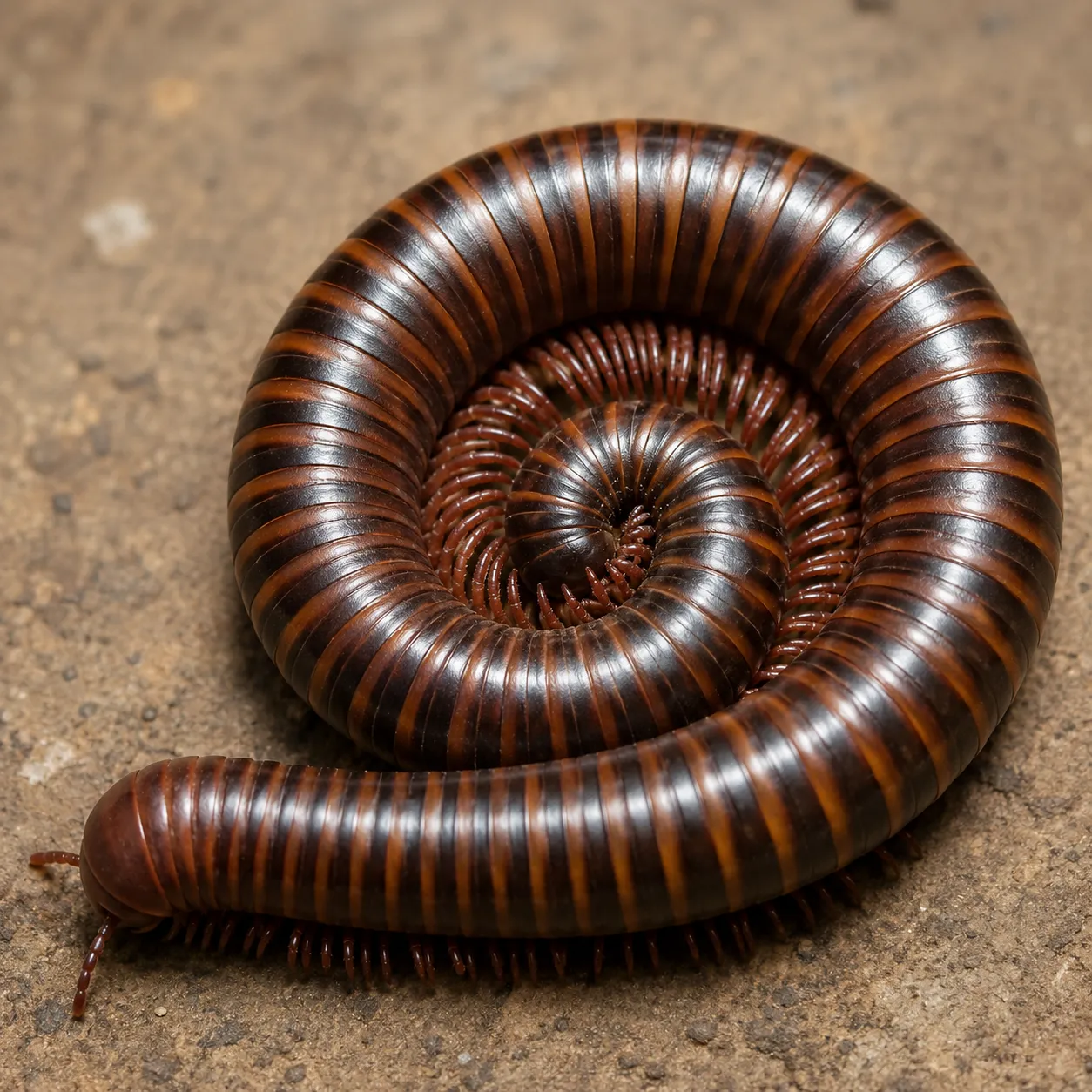
millipedeˈmɪlɪpiːd
a small long animal with a hard body and many pairs of legs, which often curls into a circle when touched.
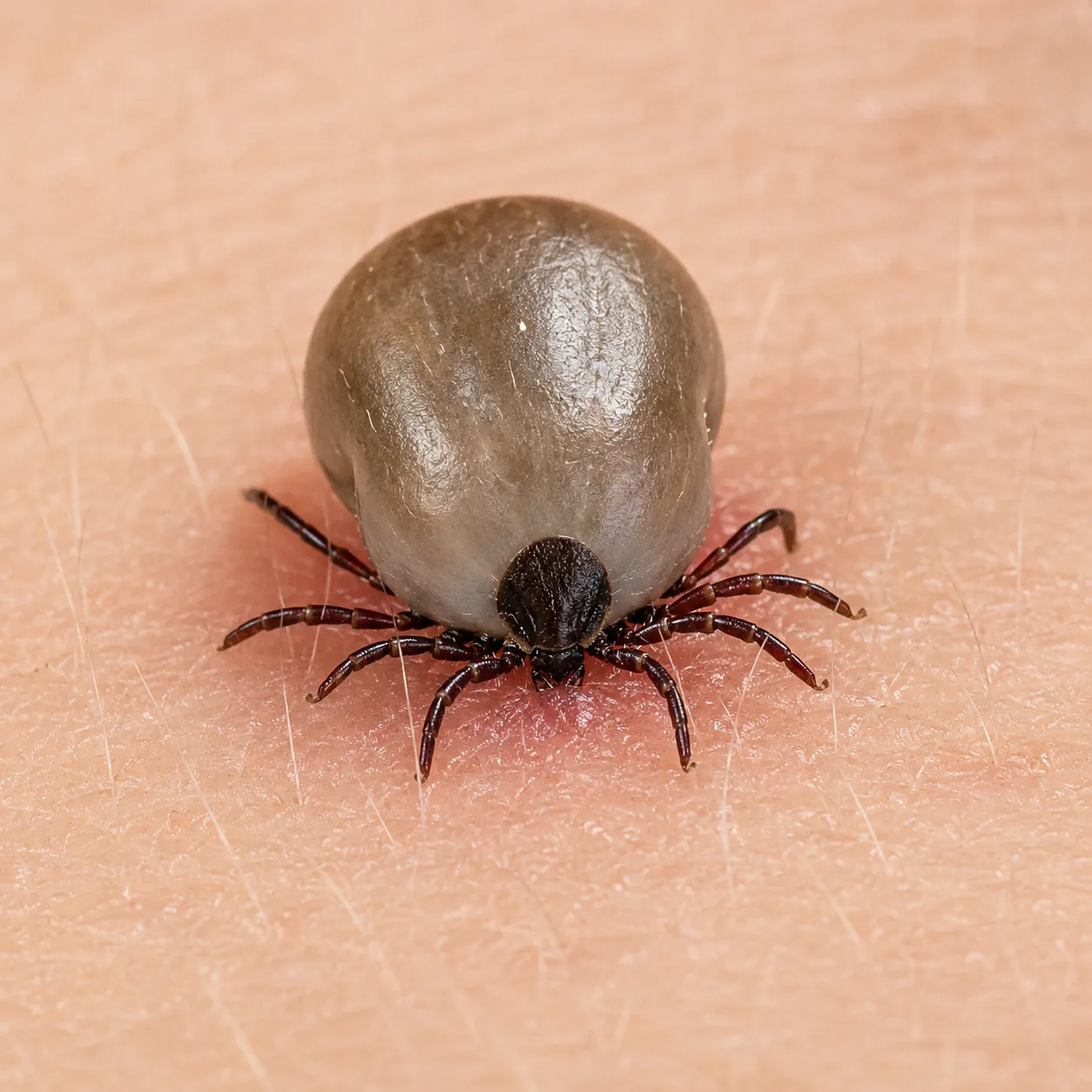
ticktɪk
a very small animal that bites people or animals, fixes itself to the skin, and sucks blood.
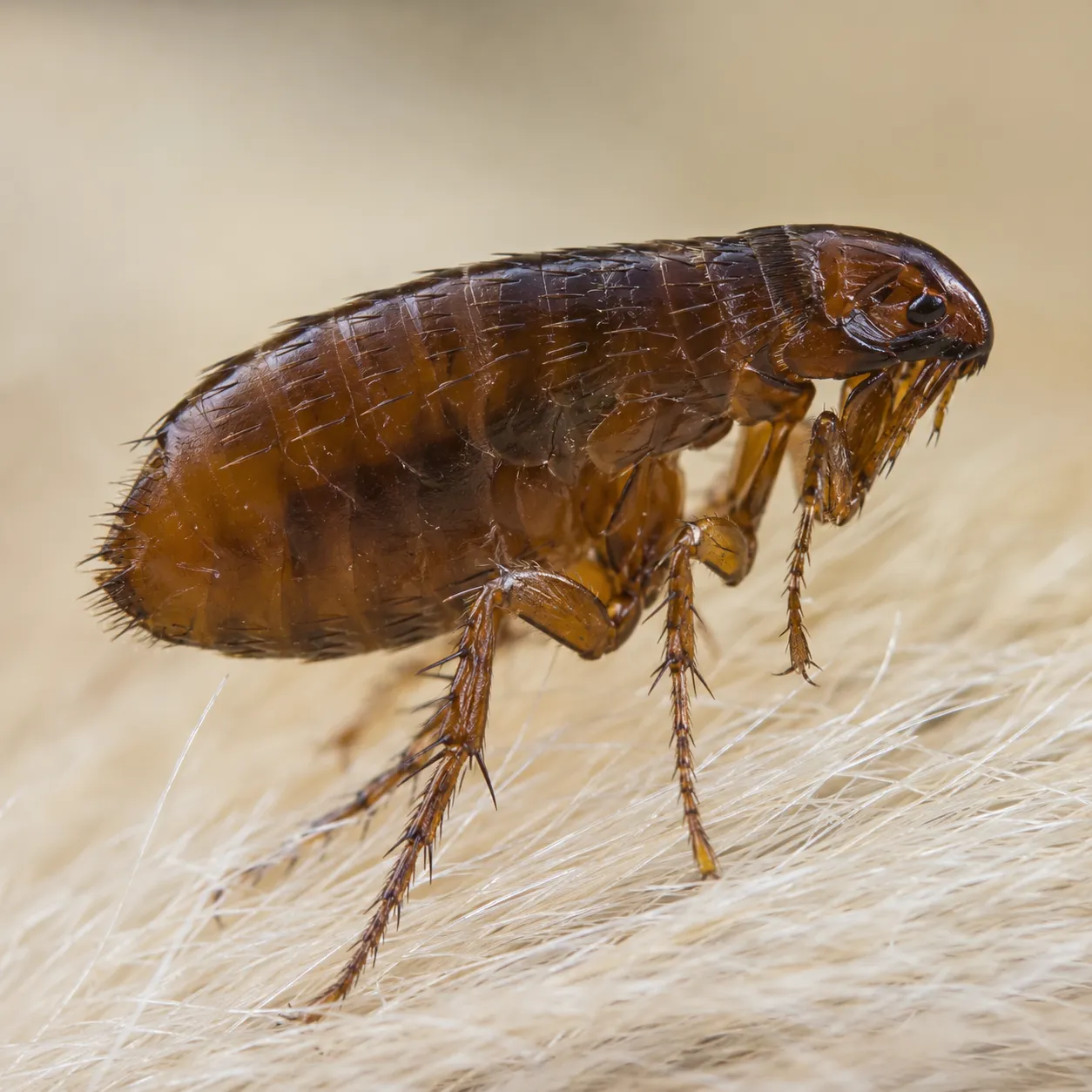
fleafliː
a very small jumping insect that lives on animals or people and bites them to feed on blood.
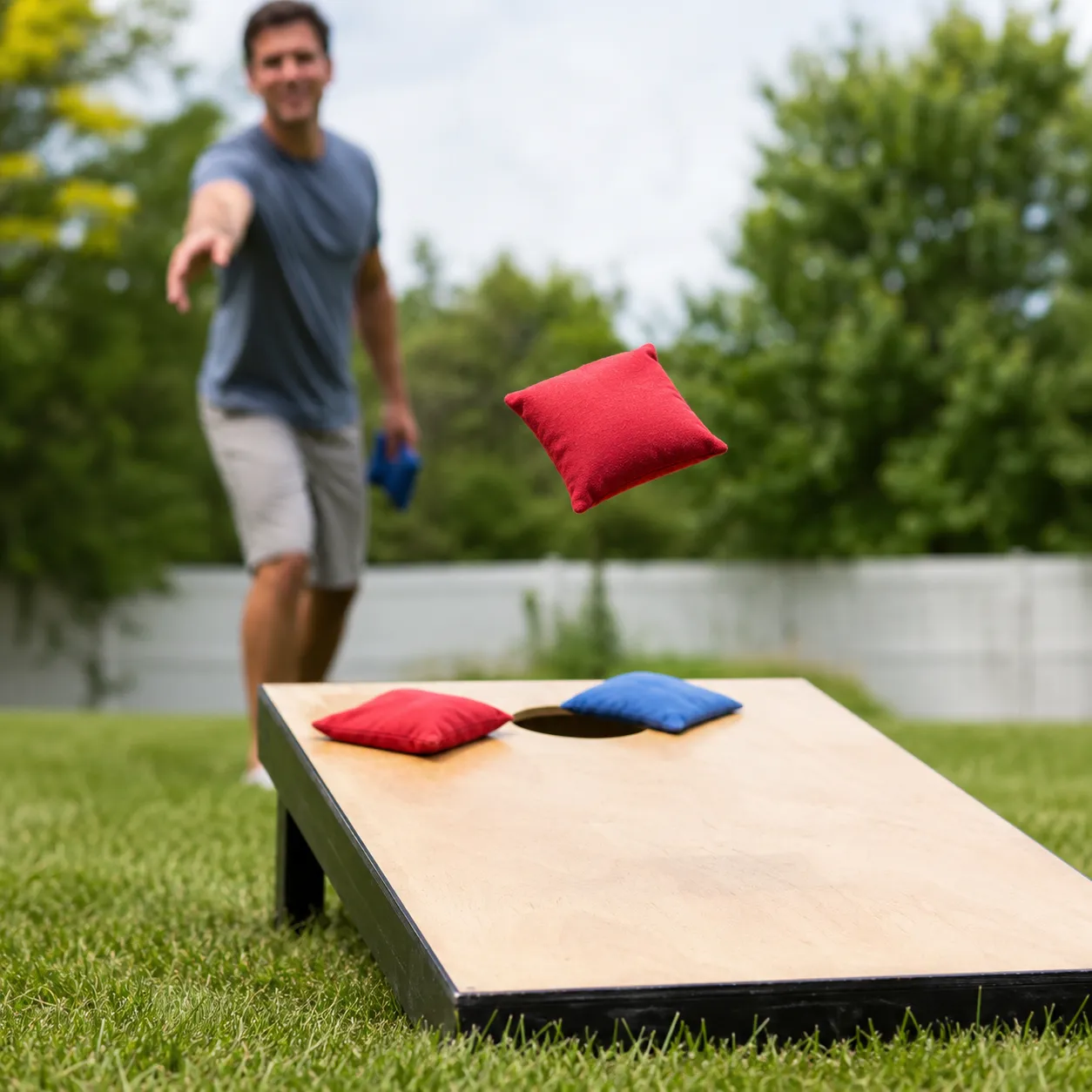
outdoor gameˈaʊtdɔːr ɡeɪm
a game that people play outside, usually in a yard, park, or sports area.
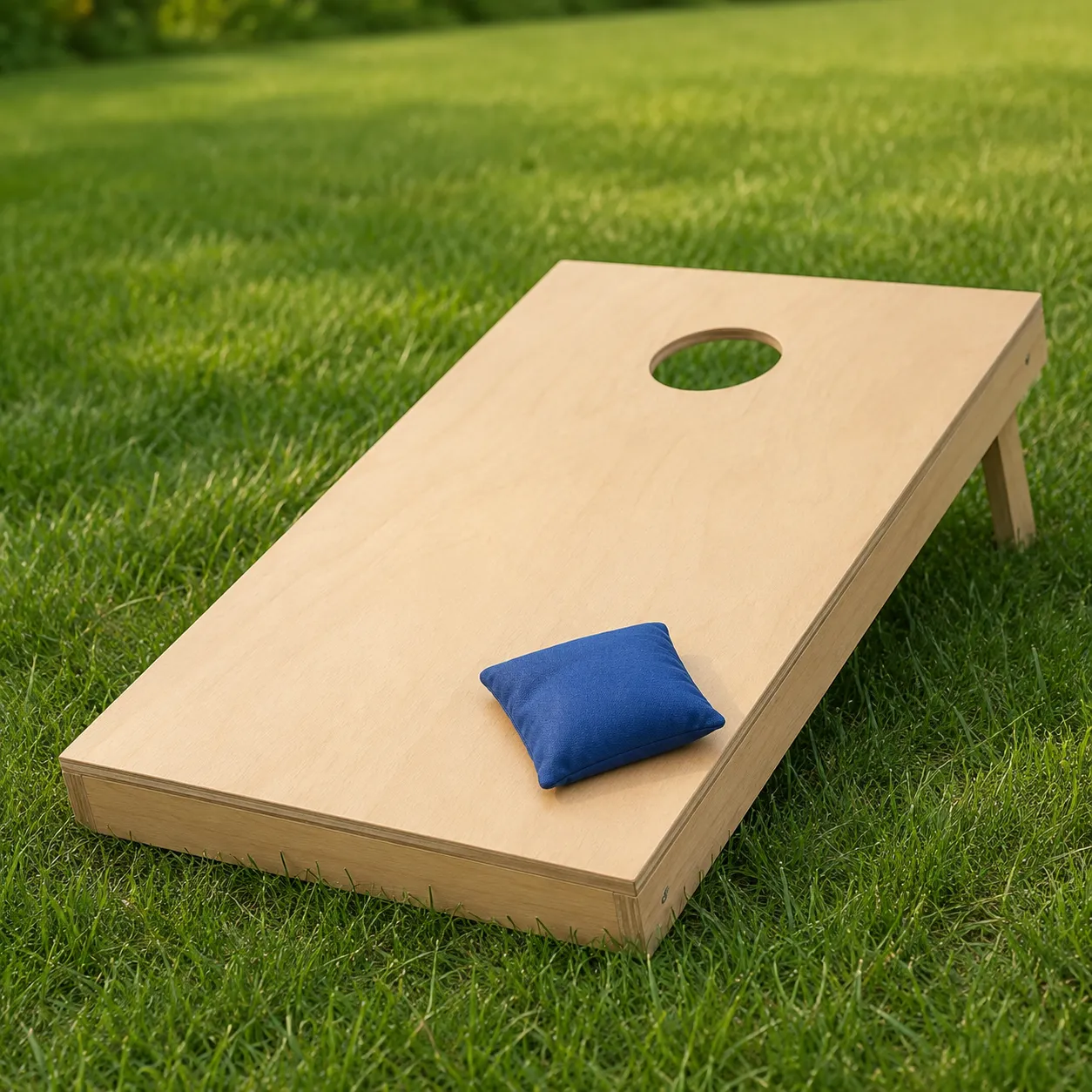
lawn gamelɔːn ɡeɪm
a game designed to be played on a lawn or other flat grassy area.
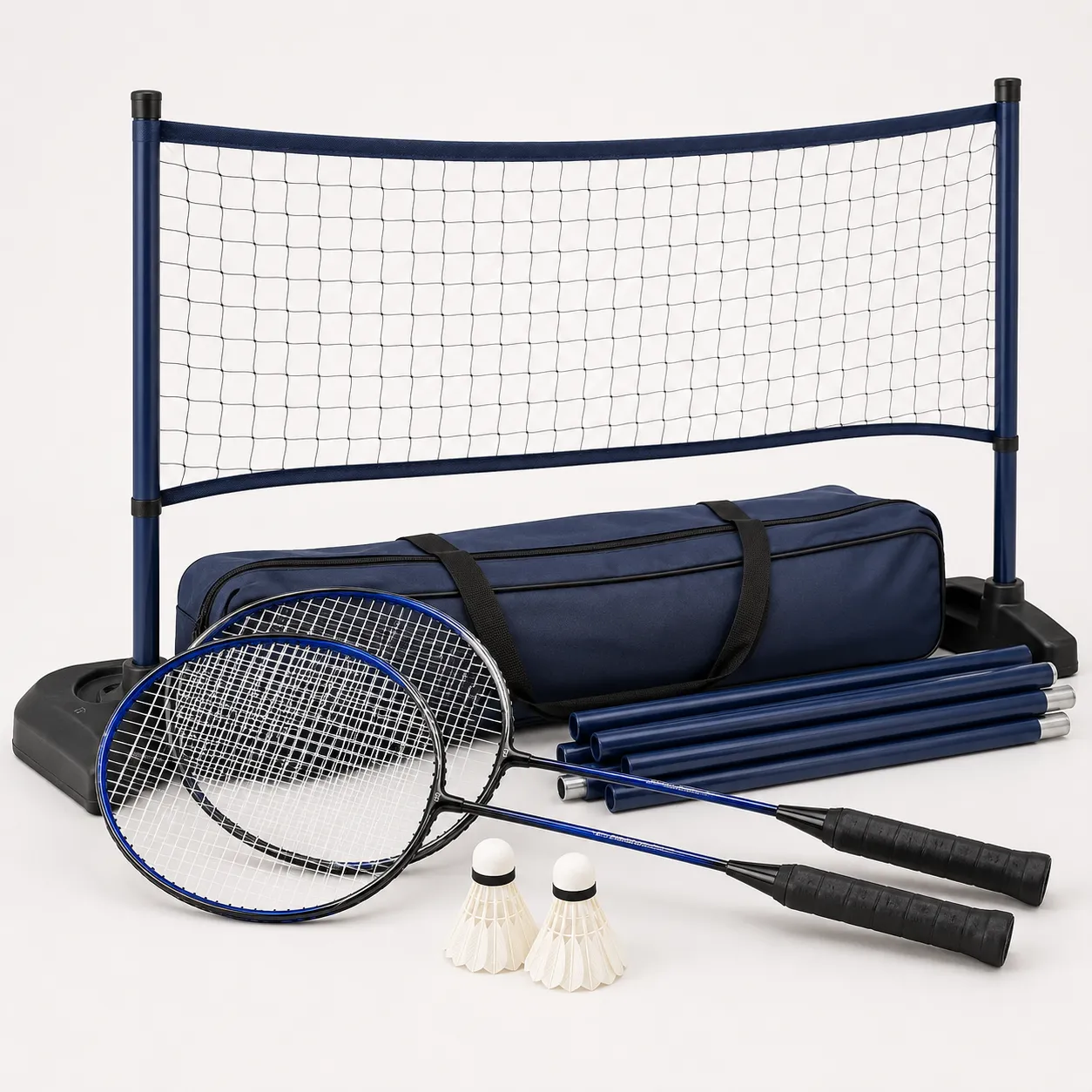
badminton setˈbædmɪntən sɛt
a group of items for playing badminton, usually including rackets, shuttlecocks, and sometimes a net.

volleyball netˈvɑːlibɔːl nɛt
the high net stretched across the middle of a volleyball court, over which players hit the ball.

basketball hoopˈbæskətbɔːl huːp
the metal ring, usually with a net, that players throw the ball through to score in basketball.
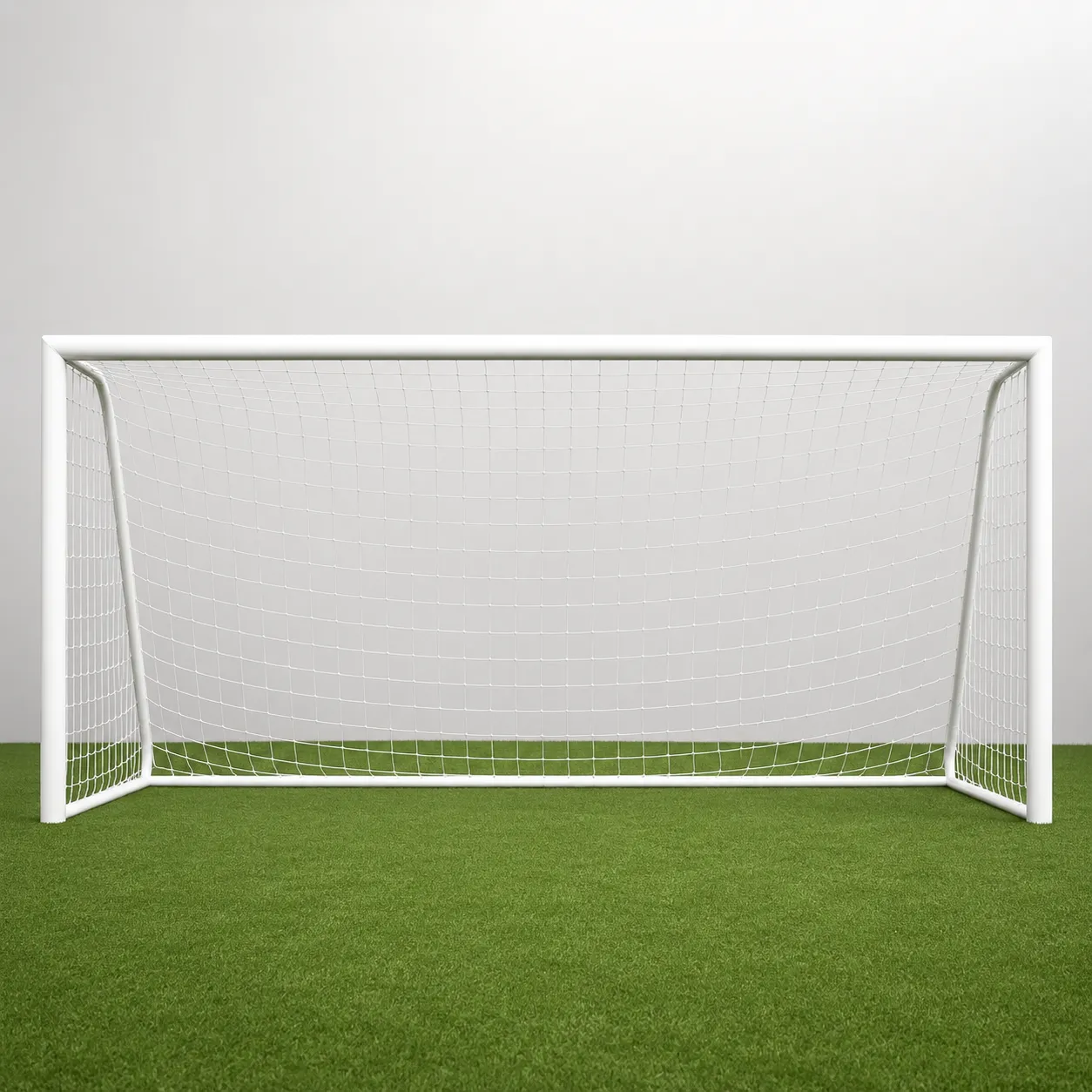
soccer goalˈsɑːkər ɡoʊl
the frame with a net at each end of a soccer field, where a team scores by putting the ball in.
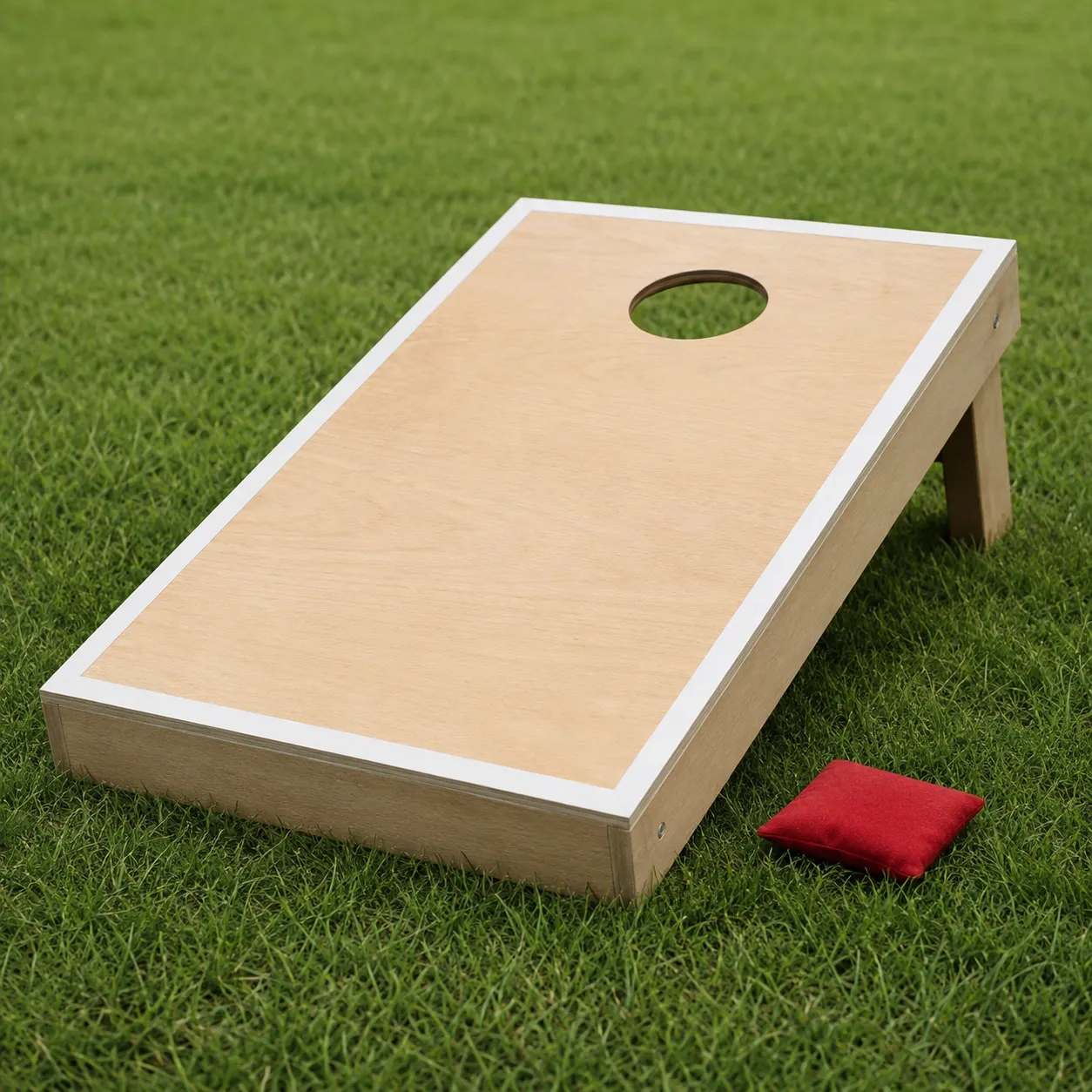
cornhole boardˈkɔːrnhoʊl bɔːrd
a slanted wooden board with a hole near the top, used in a lawn game where players throw small bags at it.
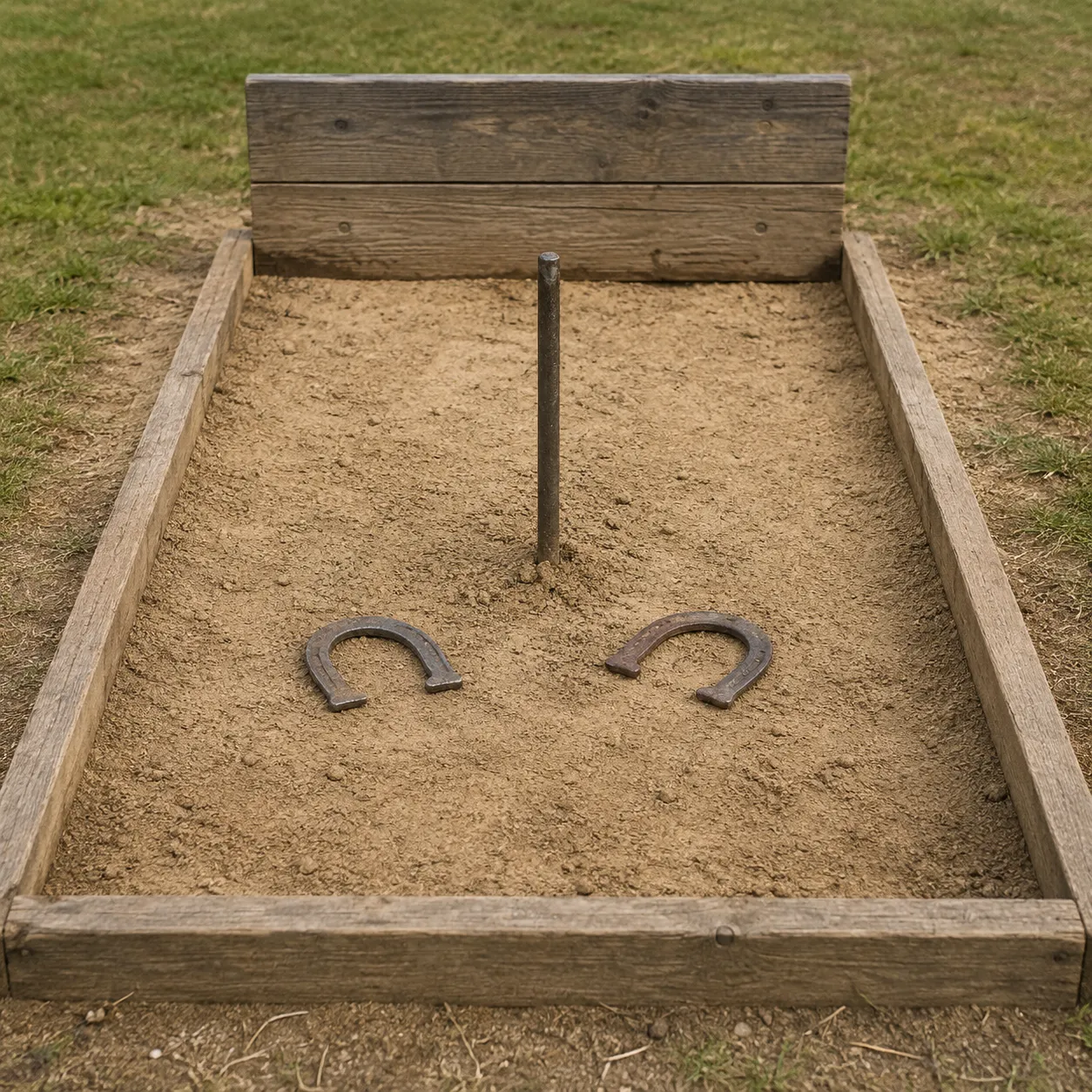
horseshoe pitˈhɔːrʃʃuː pɪt
a marked area with a metal stake in the ground, used for a game where players throw horseshoes toward the stake.
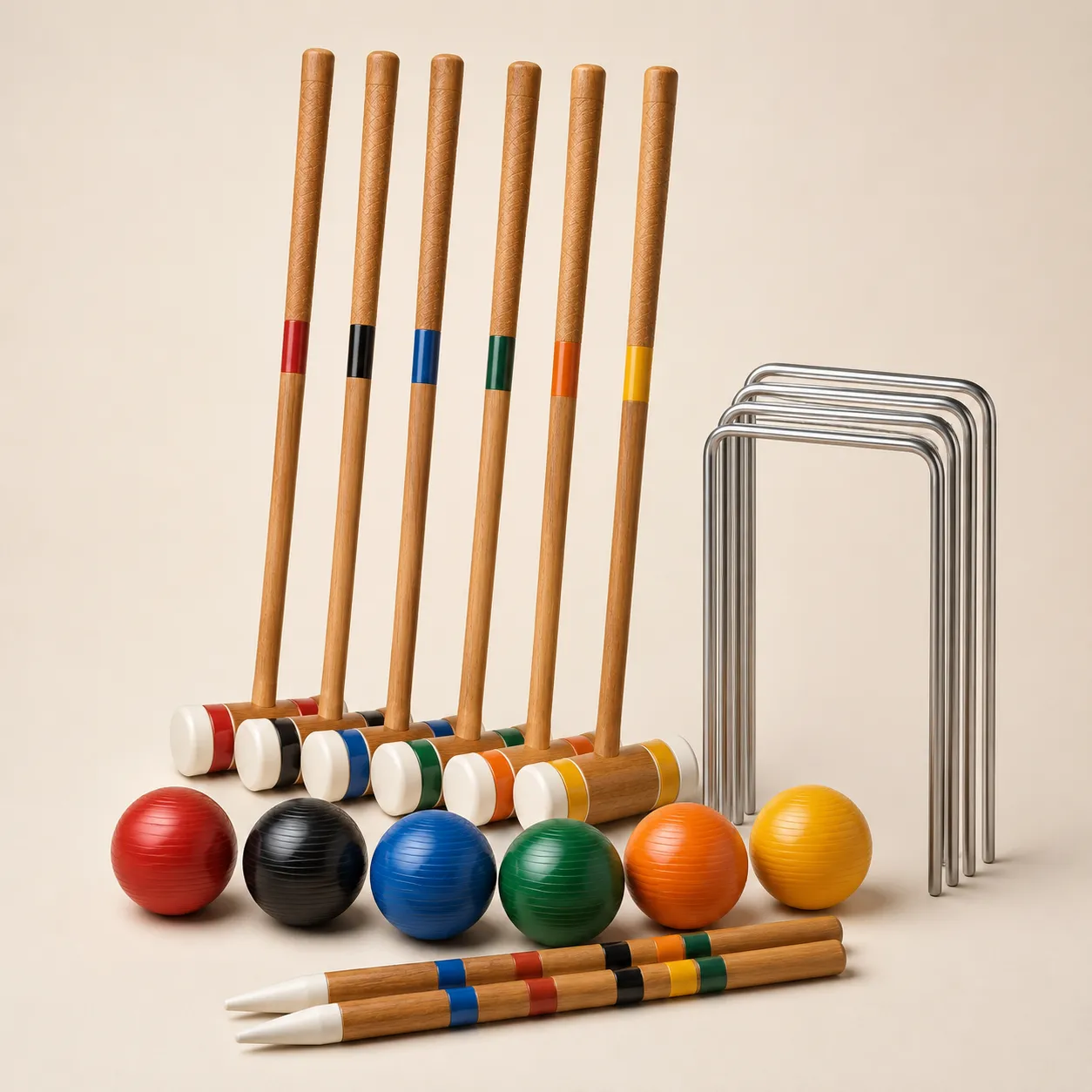
croquet setkroʊˈkeɪ sɛt
a group of items for playing croquet, usually including mallets, balls, and small wire gates.
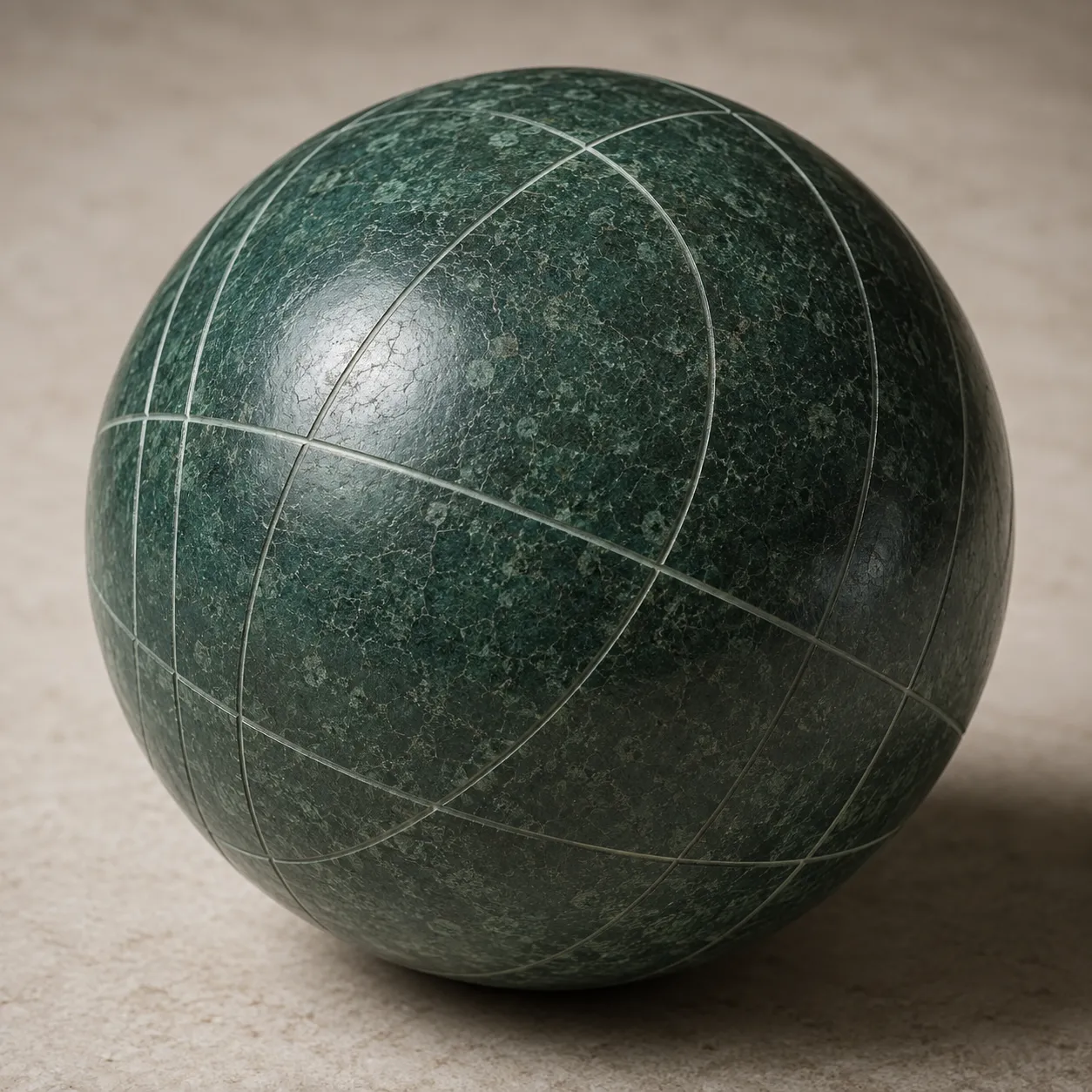
bocce ballˈbɑːtʃi bɔːl
a heavy ball used in bocce, a game where players roll balls as close as possible to a small target ball.

water gunˈwɔːtər ɡʌn
a toy shaped like a gun that shoots water for play.

bubble machineˈbʌbəl məˈʃiːn
a device that blows many soap bubbles automatically, often used at parties or for children's play.

sandbox toyˈsændbɑːks tɔɪ
a toy used by children for digging, shaping, or carrying sand in a sandbox.
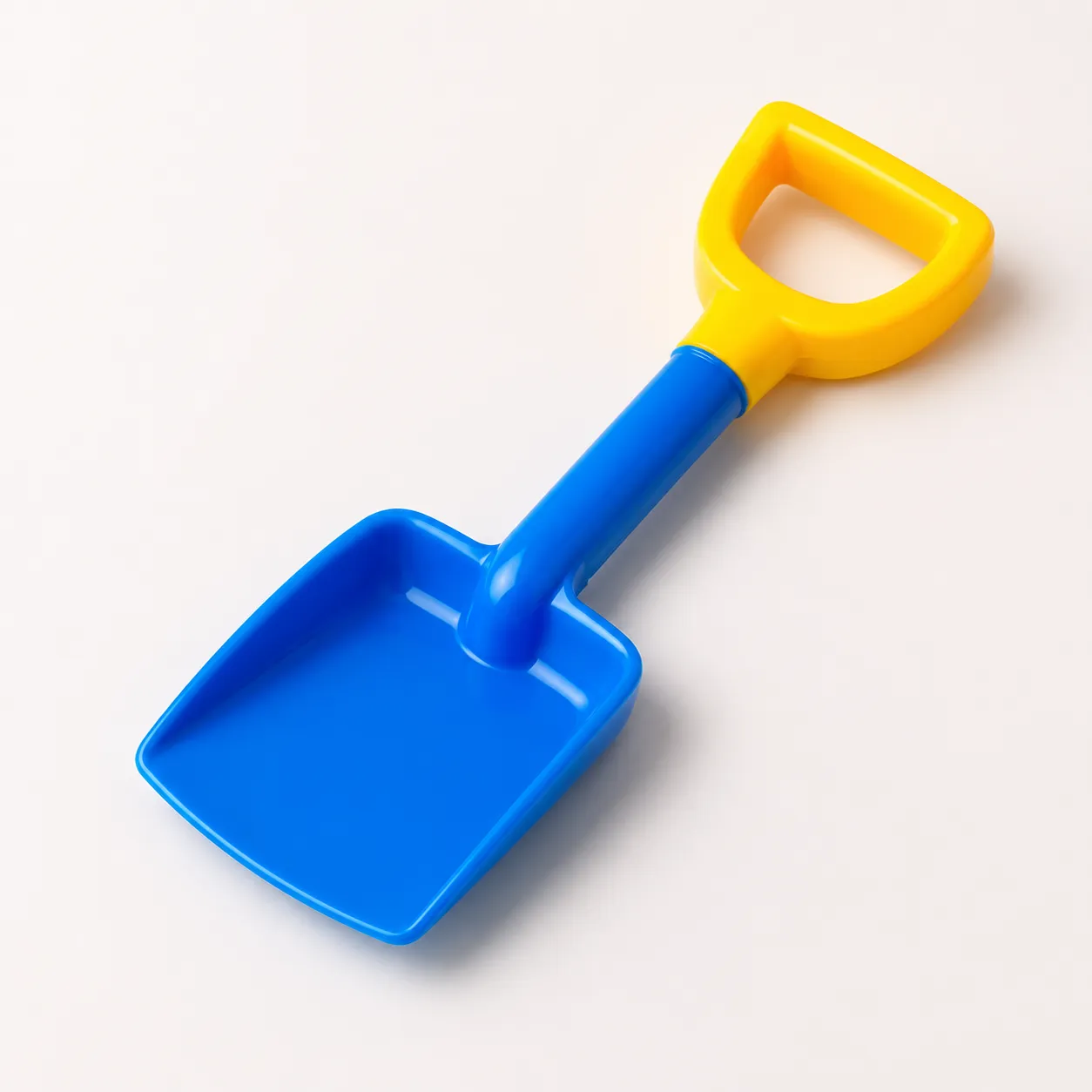
toy shoveltɔɪ ˈʃʌvəl
a small plastic or metal shovel that children use for digging in sand, dirt, or snow.
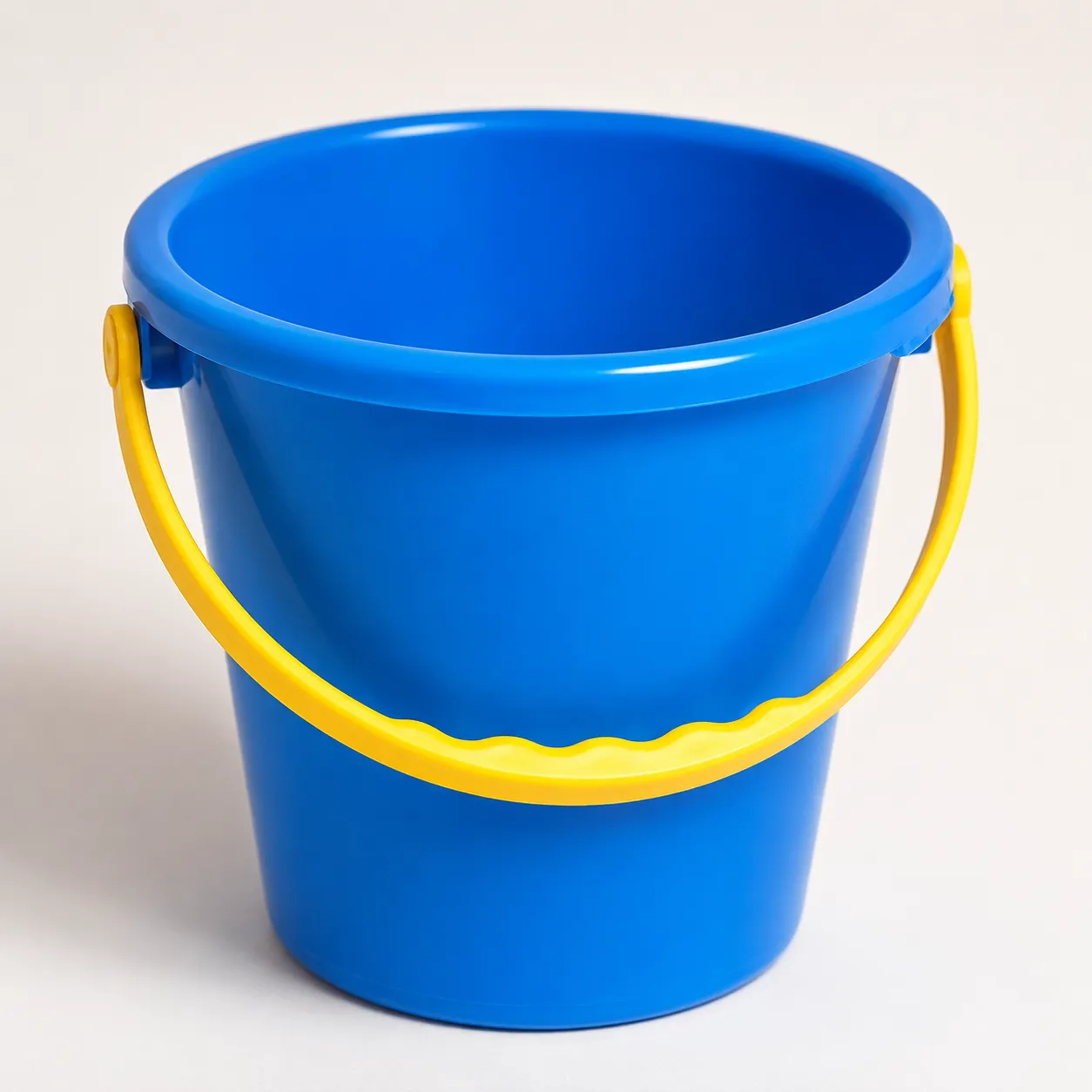
toy buckettɔɪ ˈbʌkət
a small bucket, usually plastic, that children use to carry sand, water, or small toys.
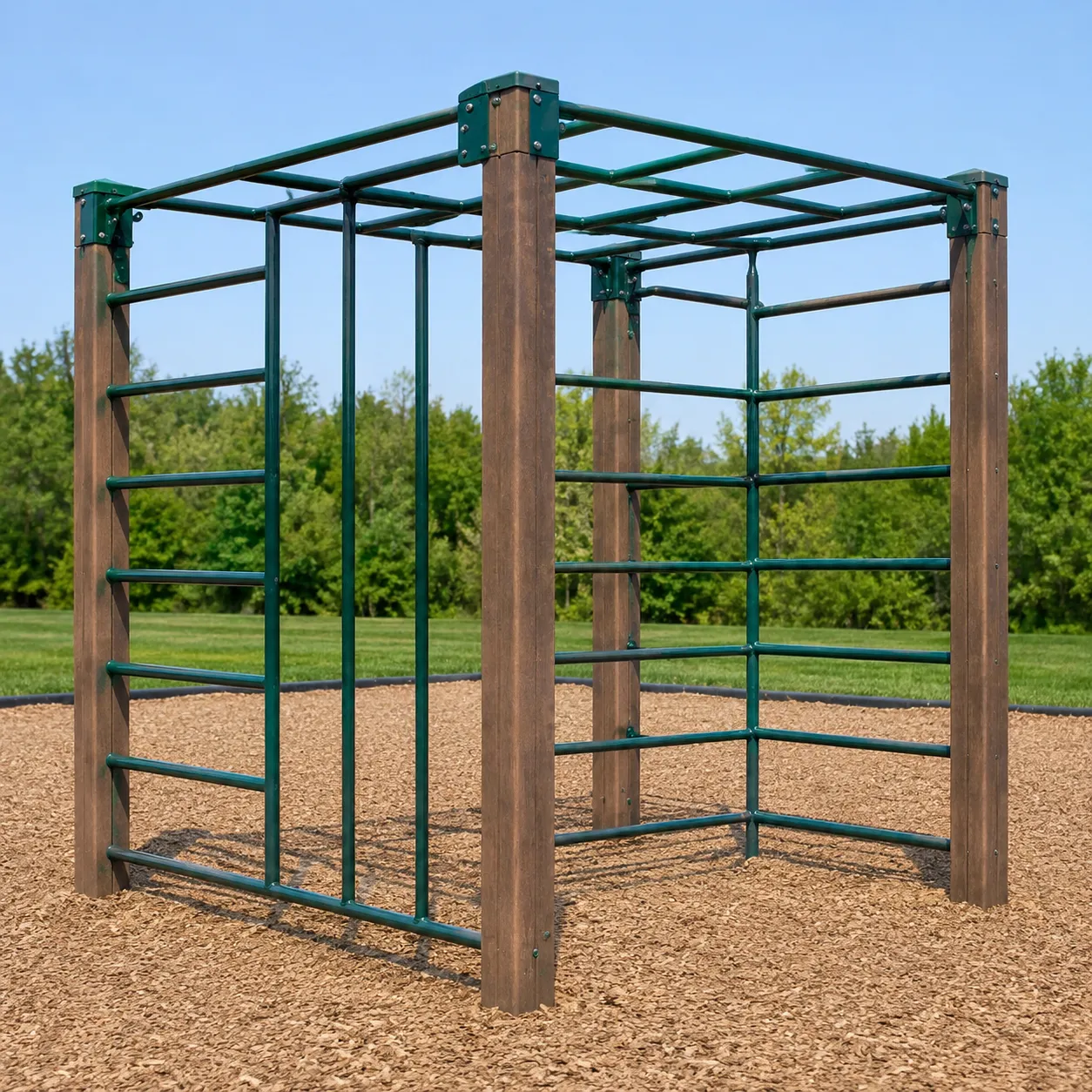
jungle gymˈdʒʌŋɡəl dʒɪm
a playground structure made of bars or frames that children climb on.
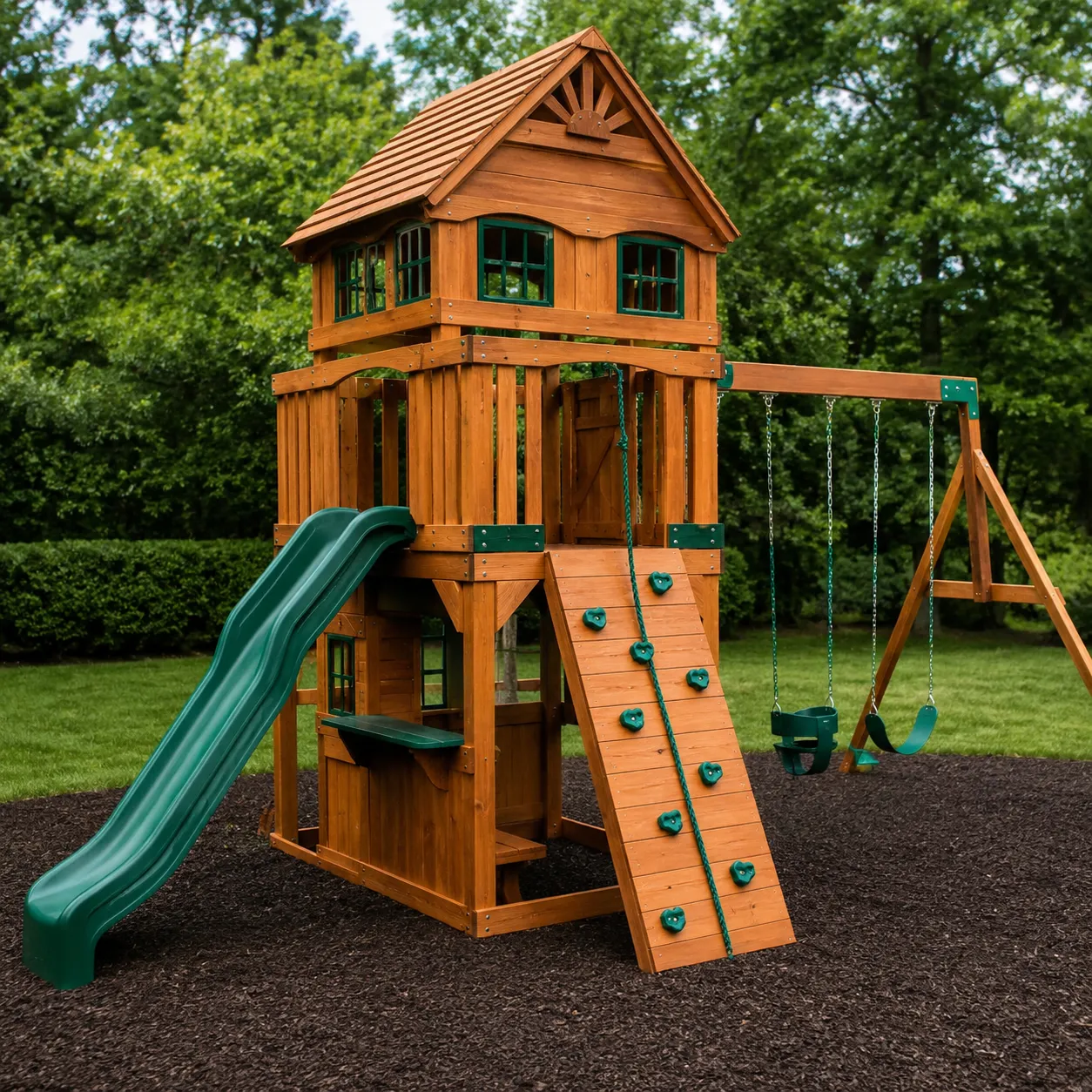
playsetˈpleɪsɛt
a set of outdoor play equipment for children, often with swings, a slide, or a climbing frame.
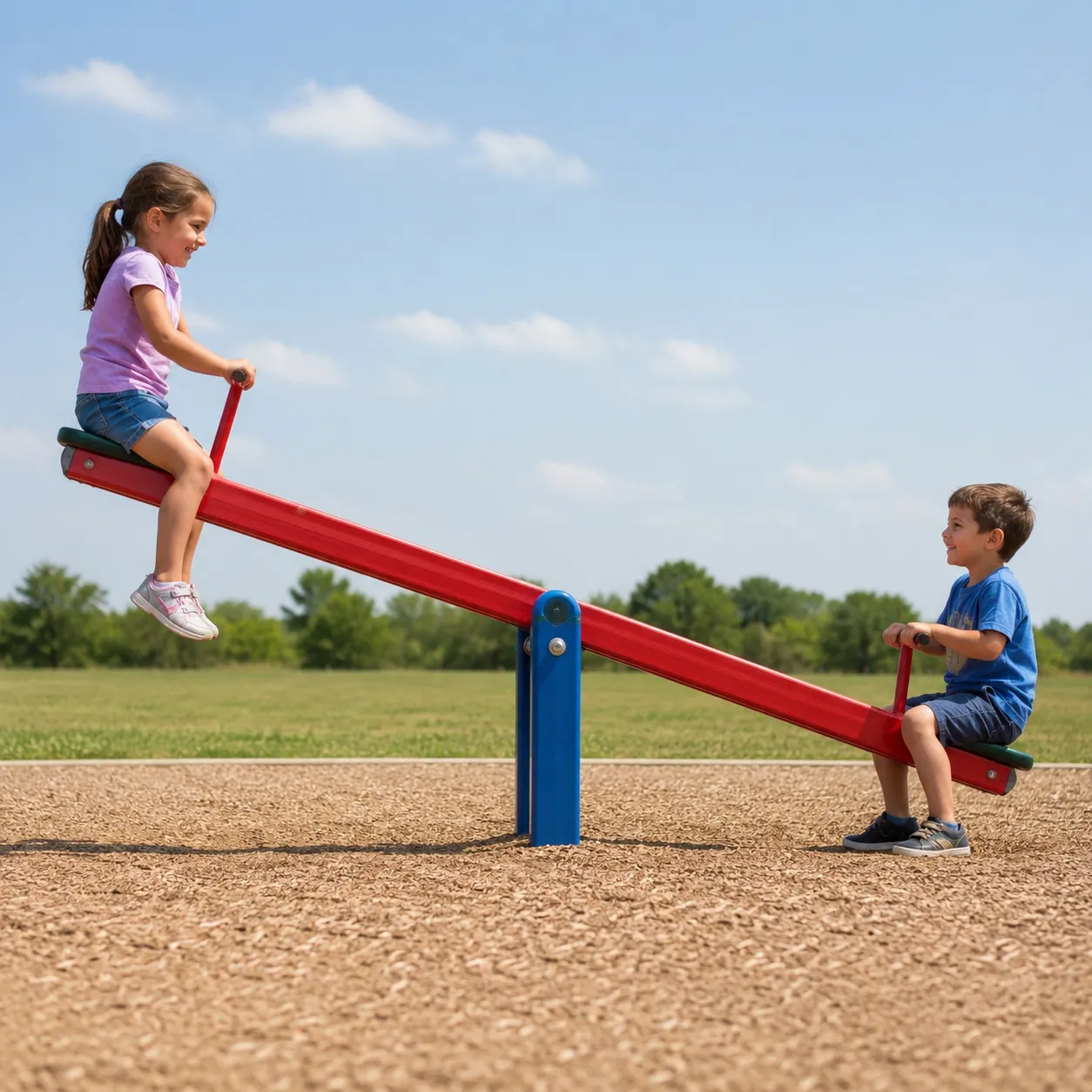
seesawˈsiːsɔː
a long board balanced in the middle, on which two children sit at opposite ends and move up and down.
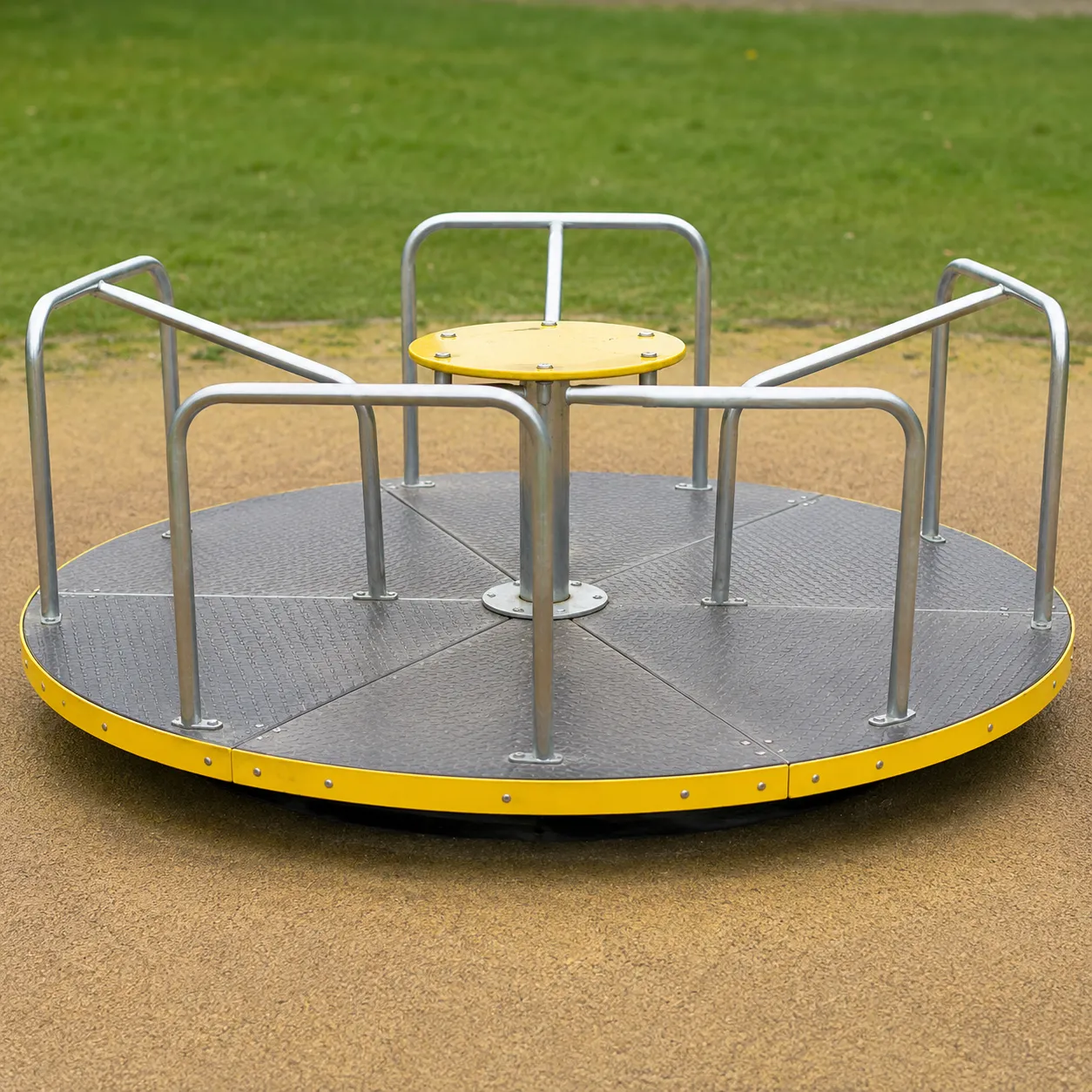
merry-go-roundˈmɛri ɡoʊ raʊnd
a round piece of playground equipment that children sit or stand on while it turns around.
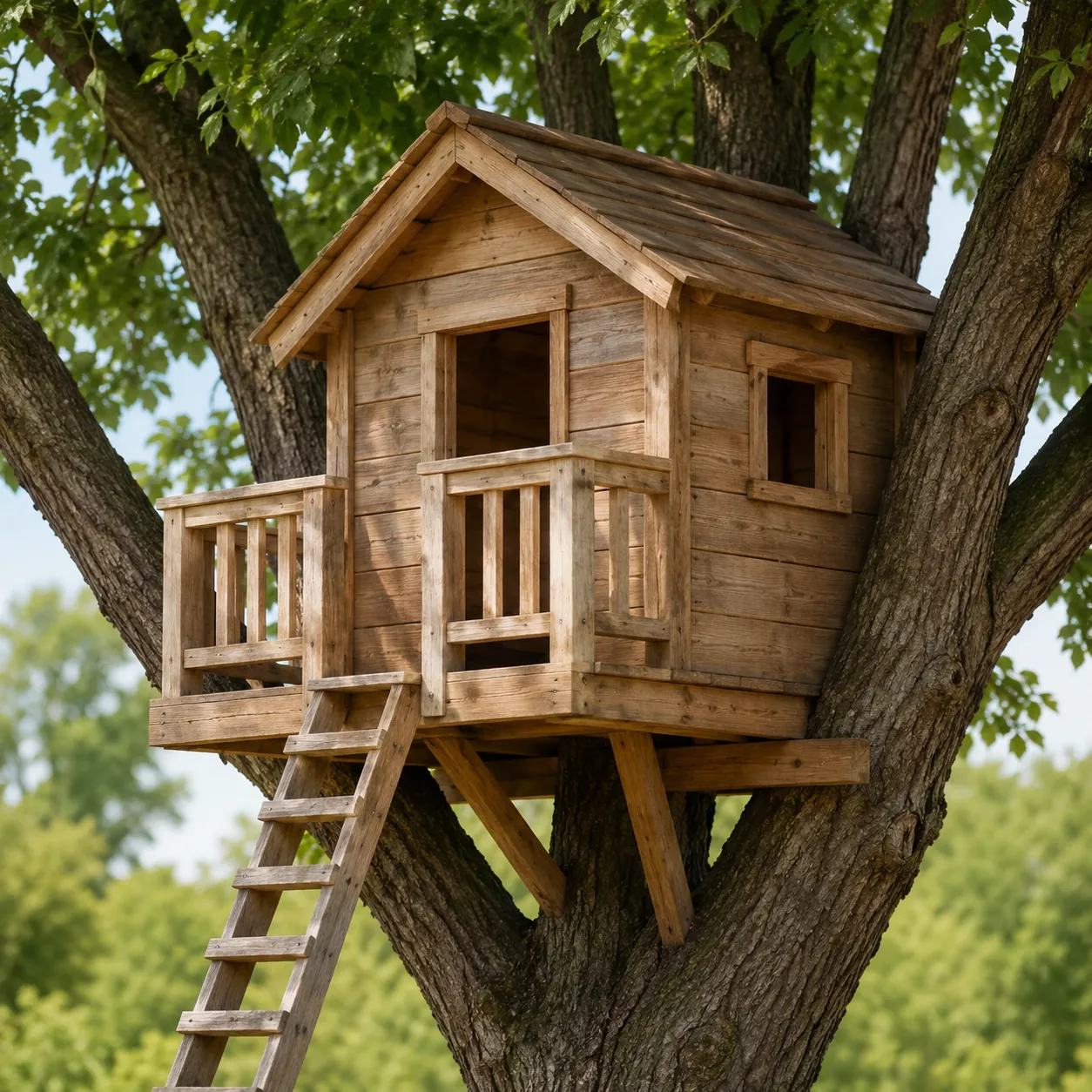
treehouseˈtriːhaʊs
a small house or platform built in the branches of a tree, often for children to play in.
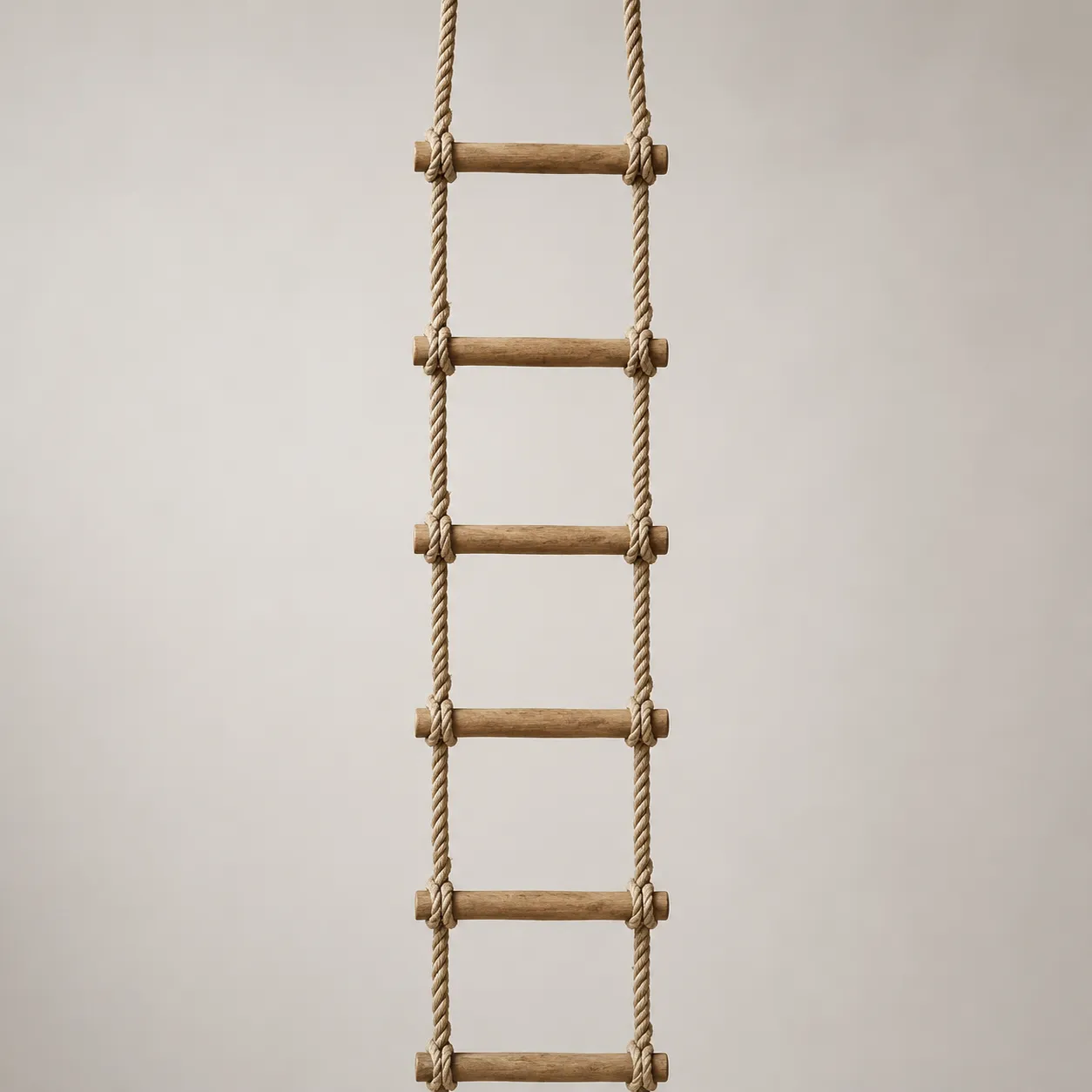
rope ladderˈroʊp ˌlædər
a ladder made from two ropes with steps between them, used for climbing up or down.

zip lineˈzɪp ˌlaɪn
a sloping cable that a person rides along while hanging from a pulley, often for fun or adventure.
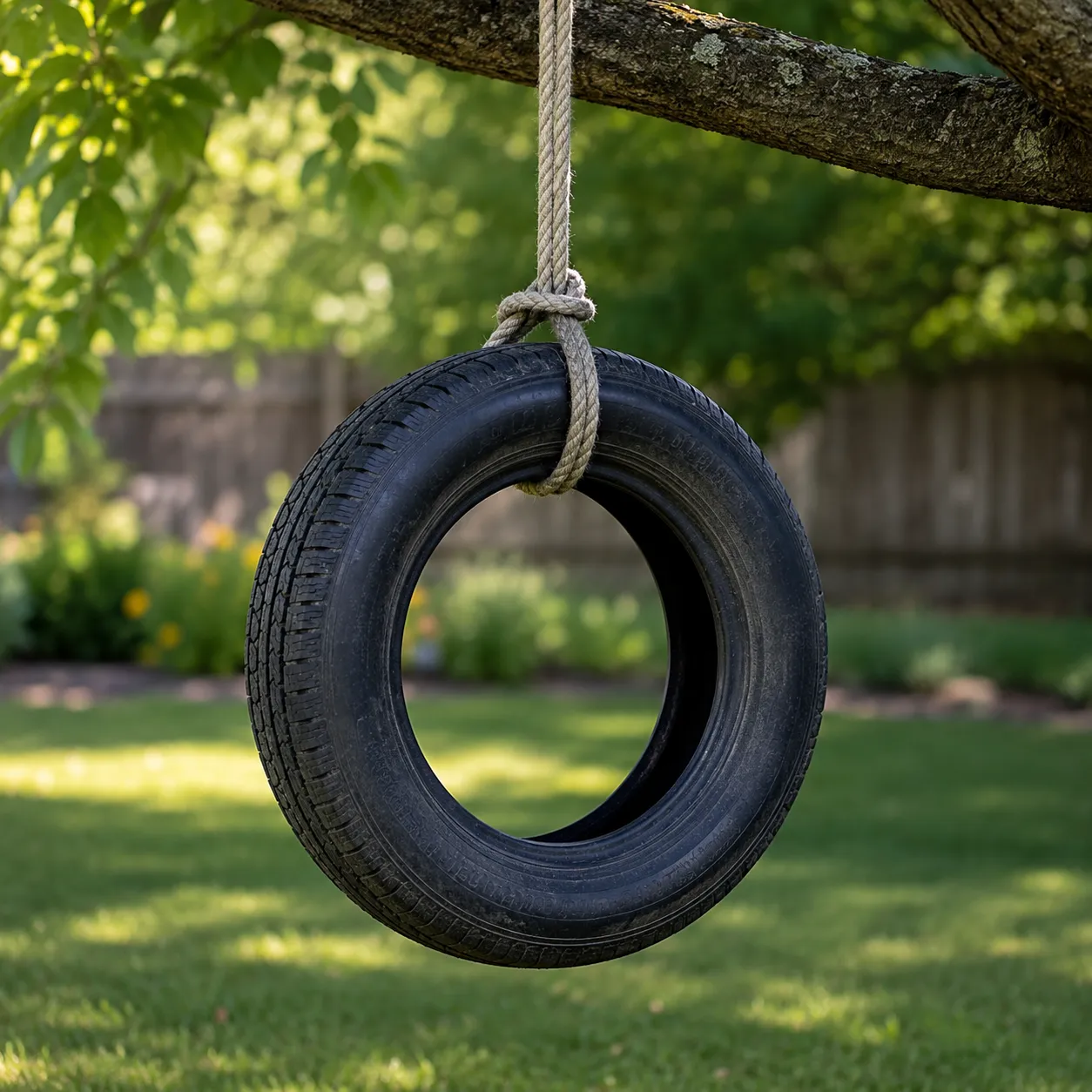
tire swingˈtaɪər ˌswɪŋ
a swing made from a tire hung by a rope or chain, usually from a tree.
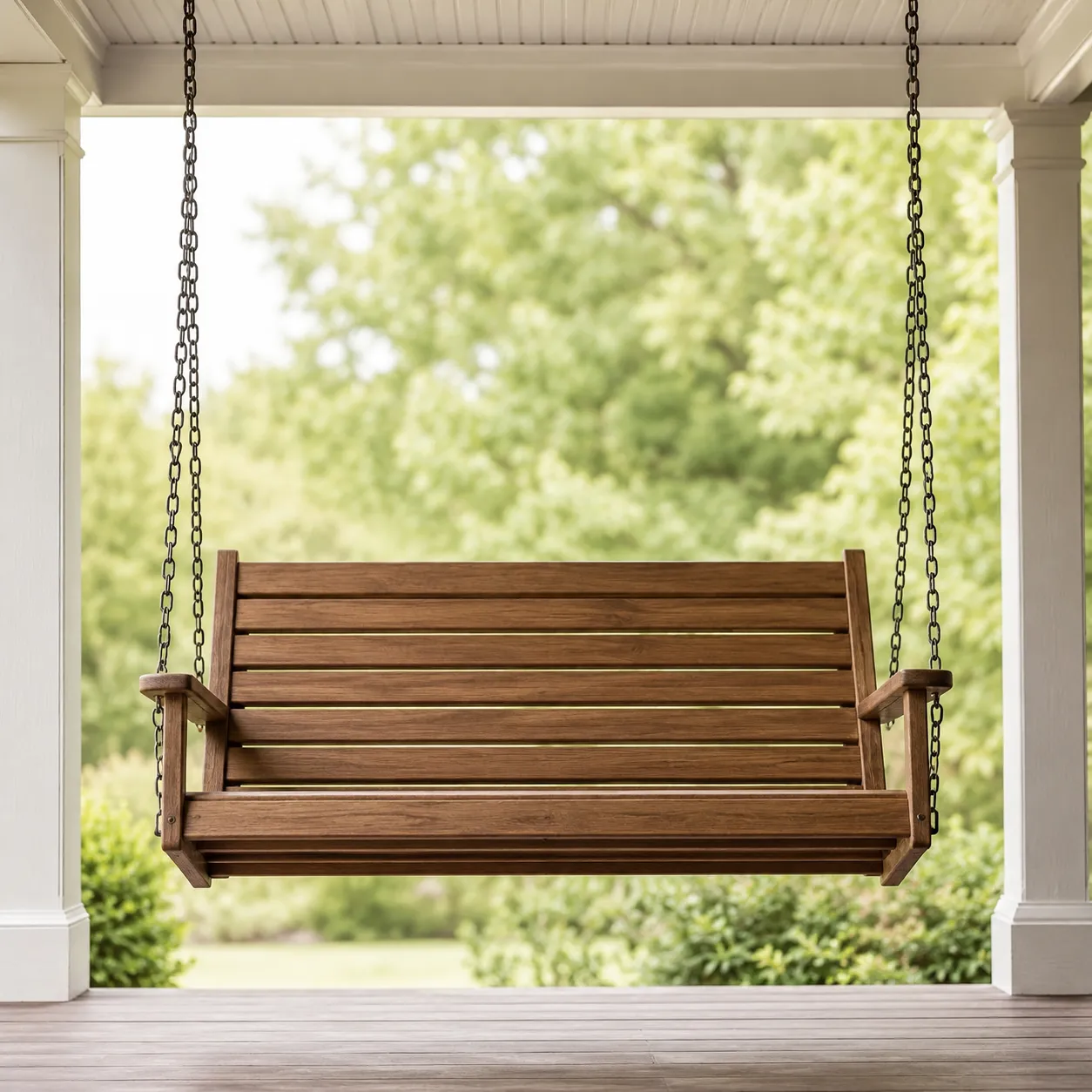
porch swingˈpɔːrtʃ ˌswɪŋ
a hanging seat like a small bench, usually attached to the roof of a porch.

baby swingˈbeɪbi ˌswɪŋ
a small swing with a safe seat that holds a baby while it moves gently back and forth.
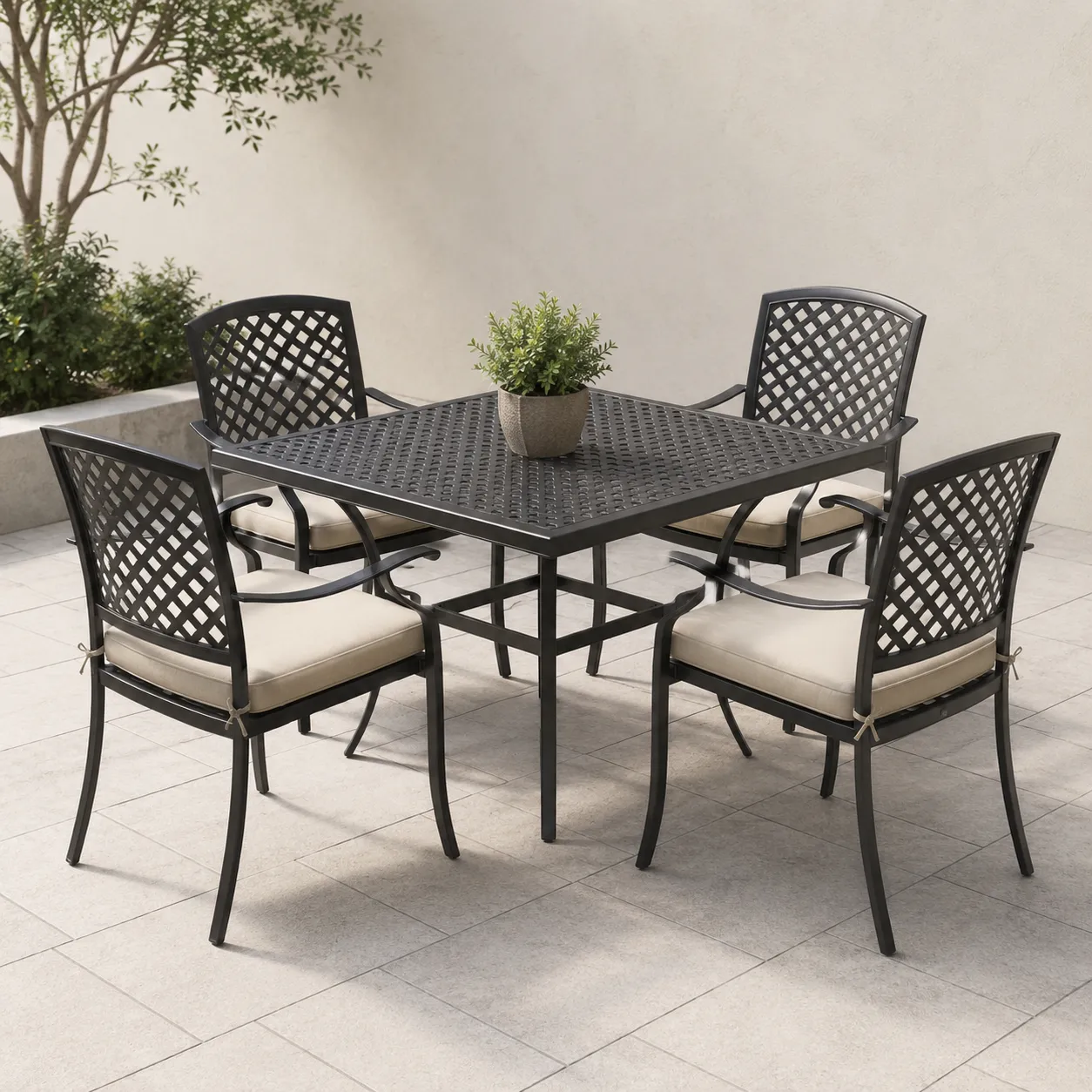
patio setˈpætioʊ ˌsɛt
a matching group of outdoor furniture, usually a table and chairs, used on a patio or in a garden.
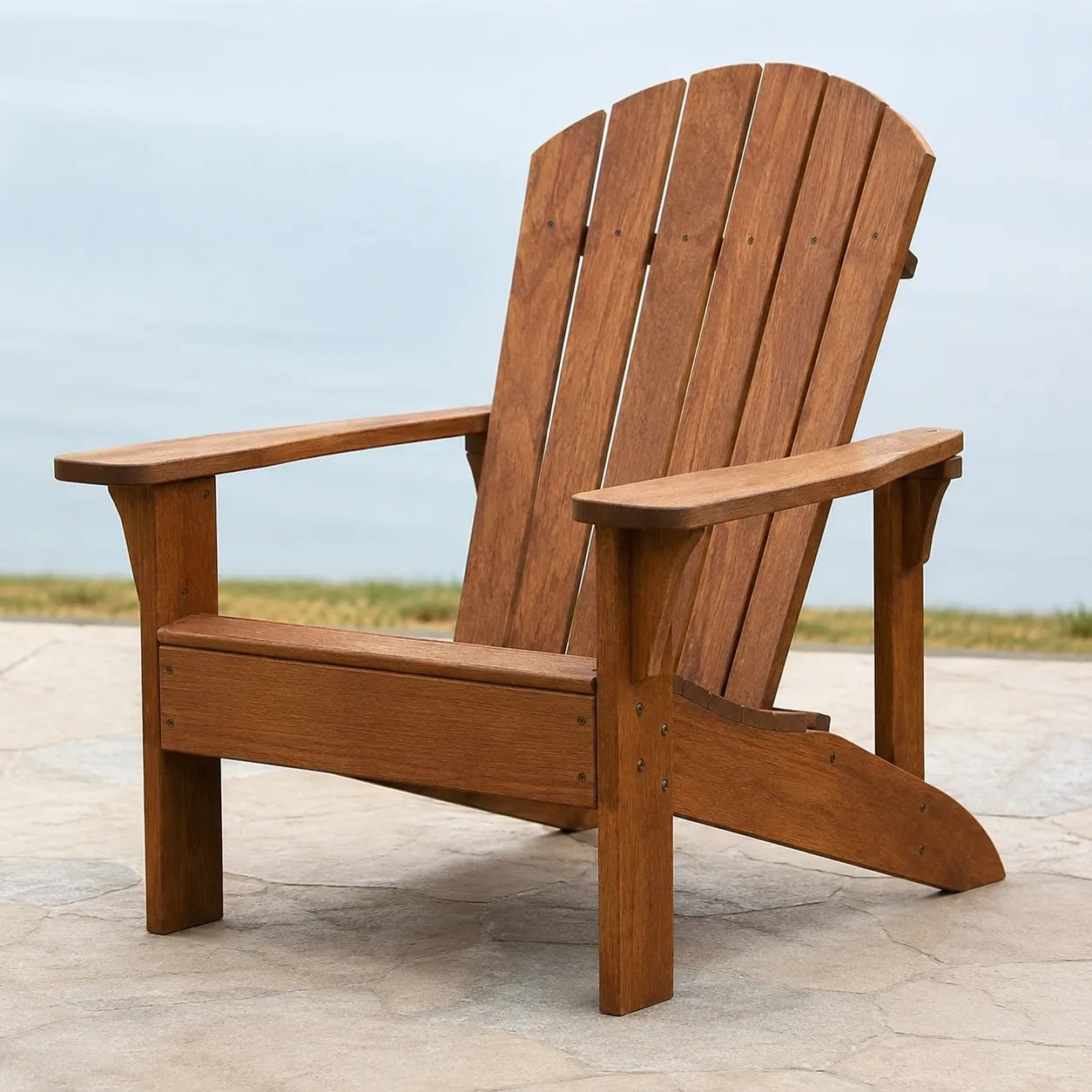
Adirondack chairˌædɪˈrɑːndæk ˌtʃɛr
a low outdoor chair, often made of wood, with wide armrests, a high sloping back and a slanted seat.
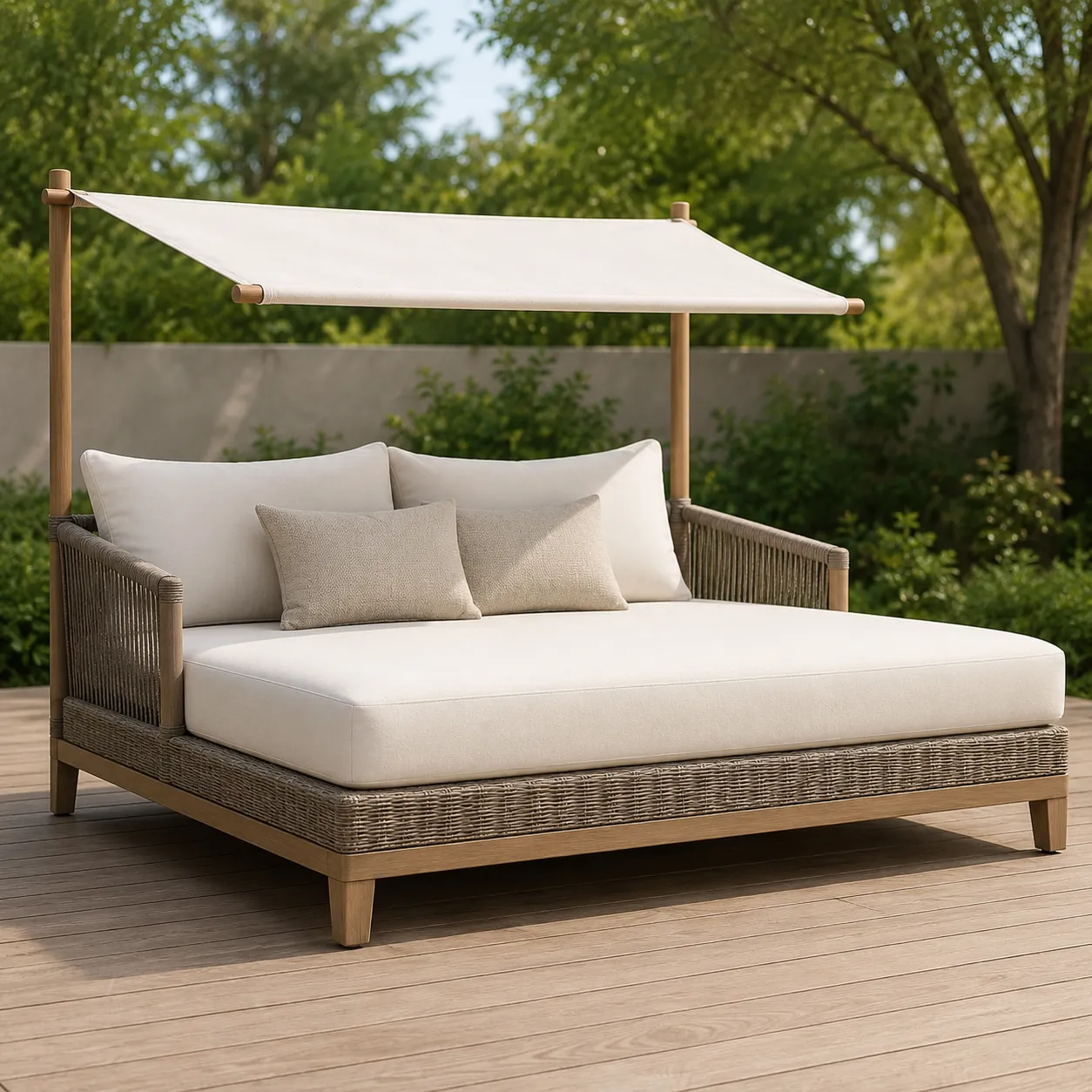
outdoor bedˈaʊtˌdɔːr ˌbɛd
a bed or large cushioned seat designed for resting outside in a garden, yard or on a patio.
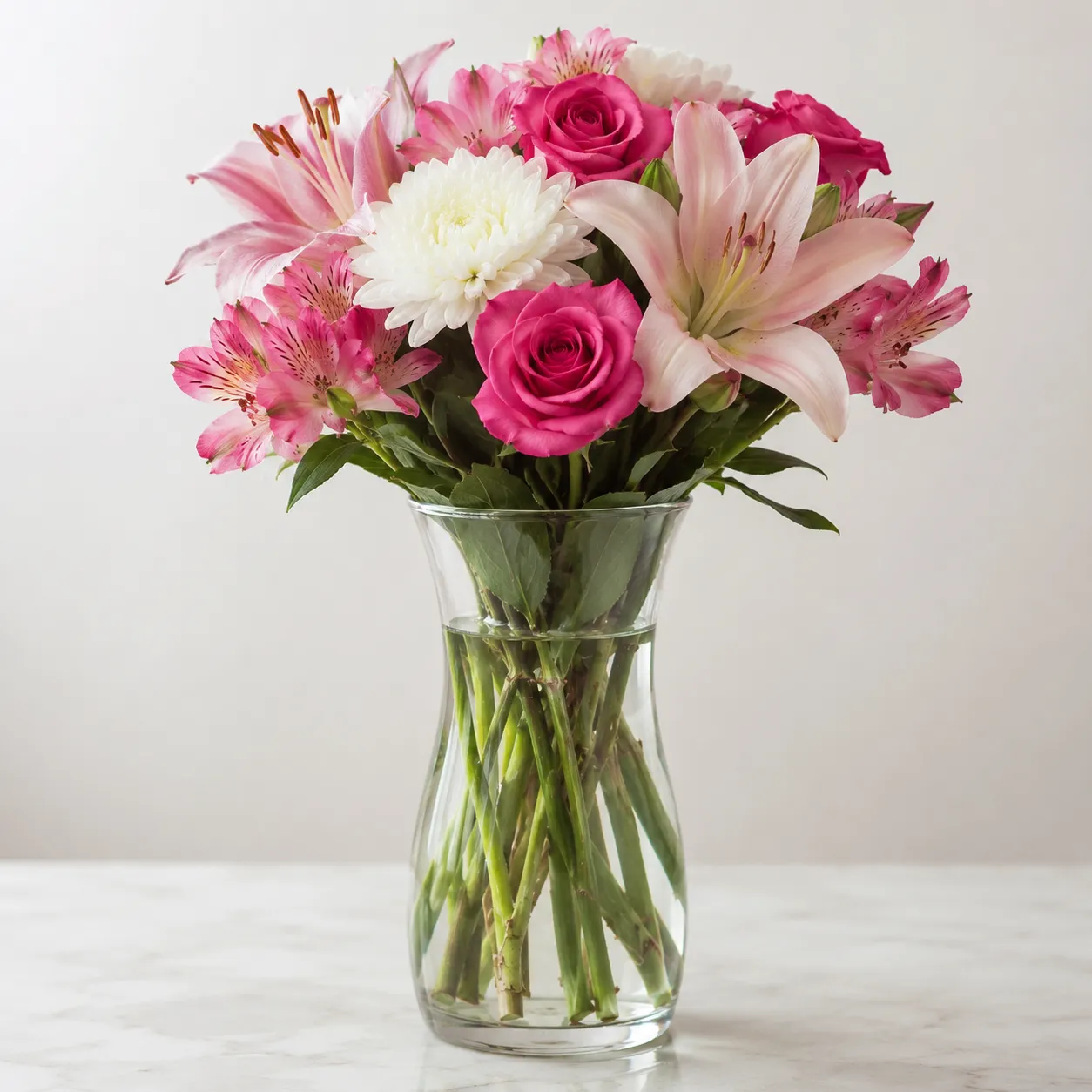
flower vaseˈflaʊər ˌveɪs
a container used to hold cut flowers, often with water in it.
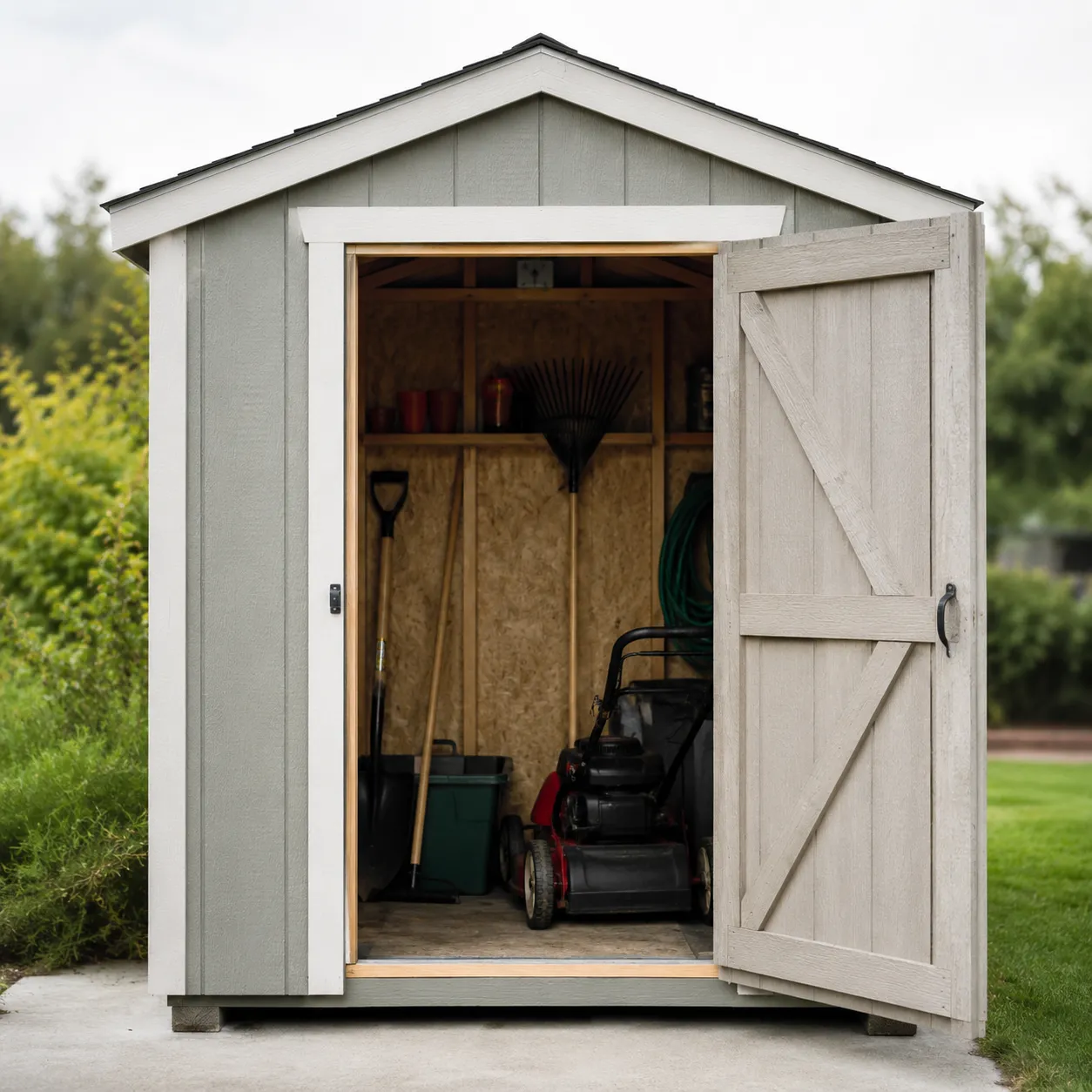
storage shedˈstɔːrɪdʒ ˌʃɛd
a small building used for keeping tools, garden equipment or other things not used indoors.
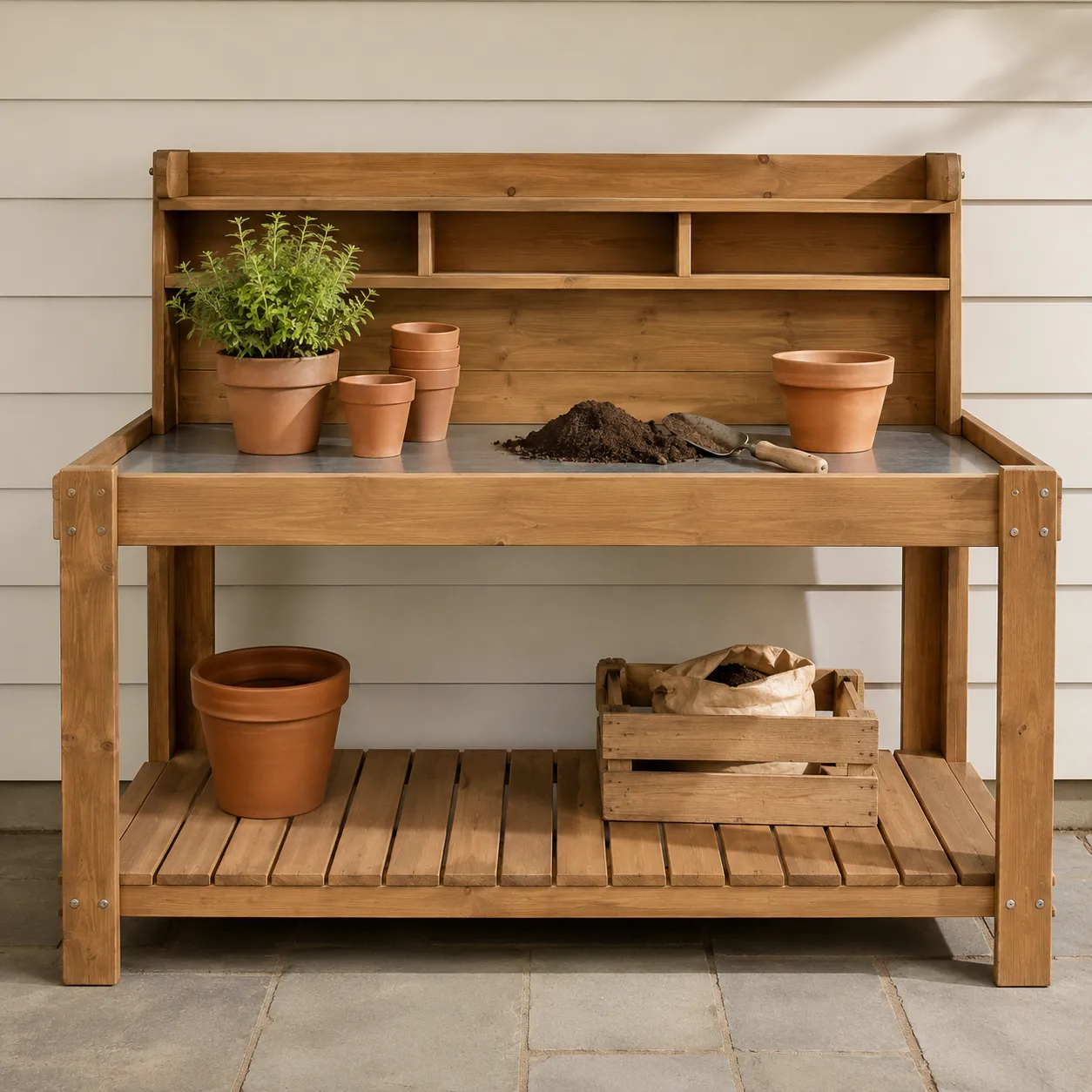
potting benchˈpɑːtɪŋ ˌbɛntʃ
a work table used by gardeners for planting seeds, filling pots and moving plants into larger containers.
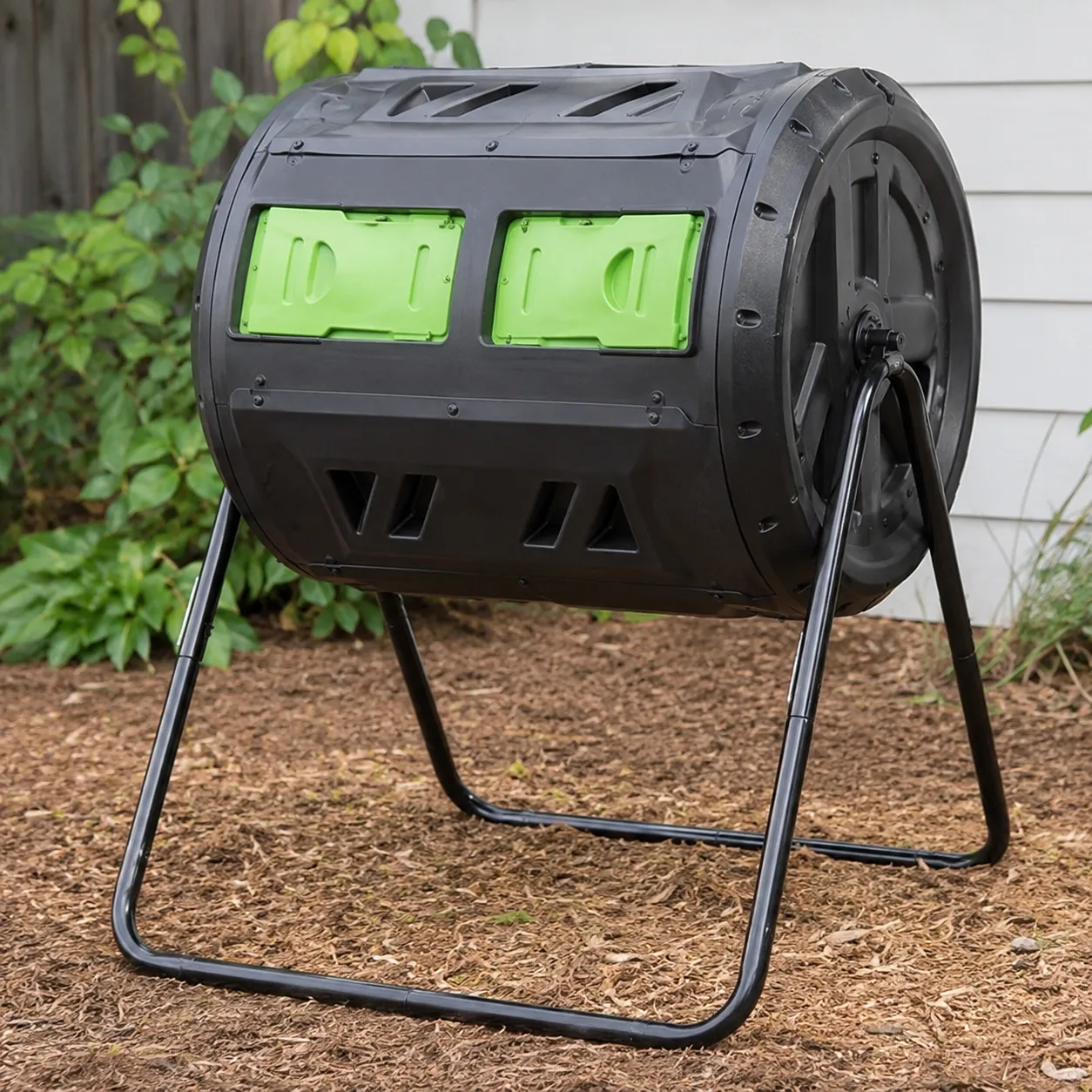
compost tumblerˈkɑːmpoʊst ˌtʌmblər
a container that can be turned to mix food scraps and garden waste as they break down into compost.
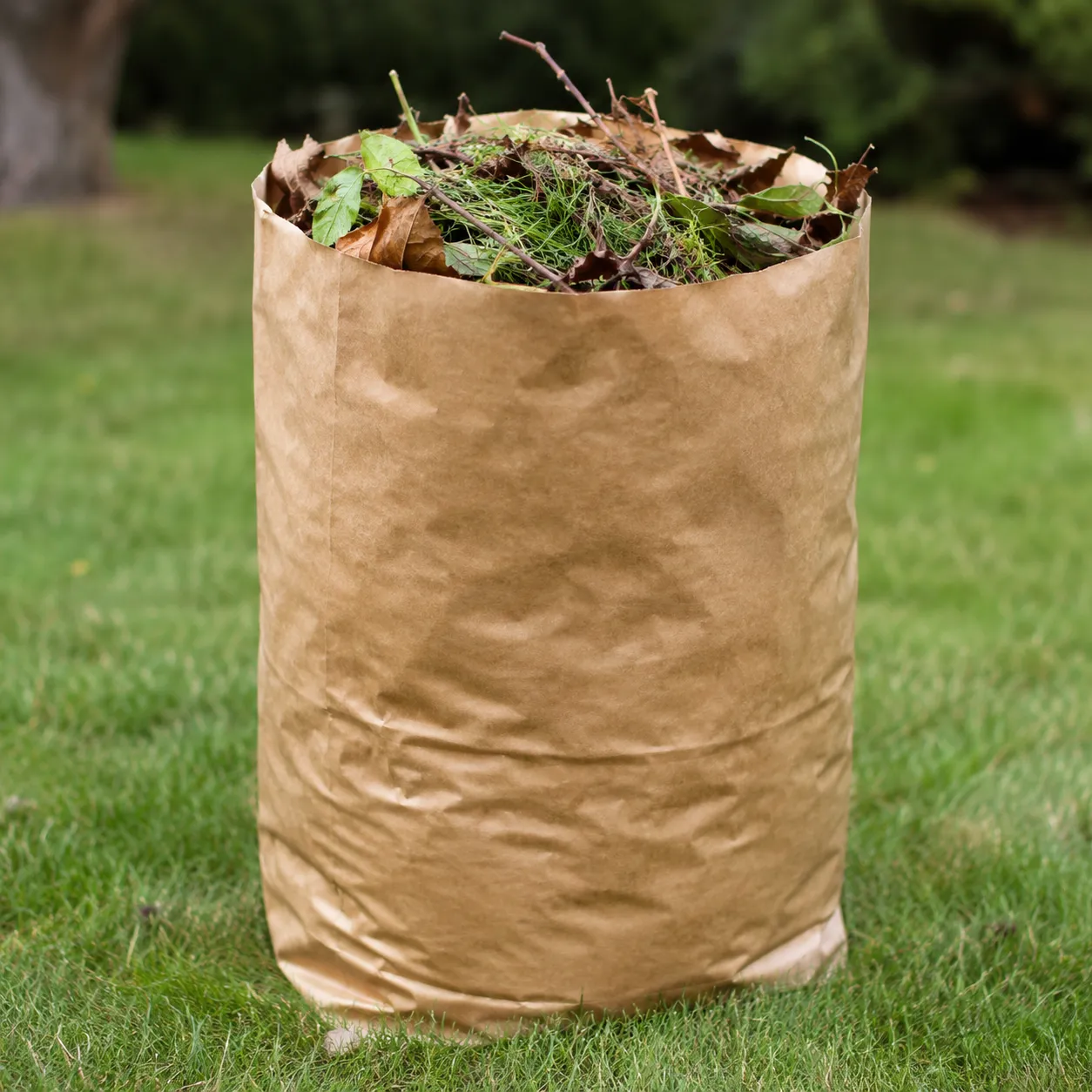
yard waste bagˈjɑːrd ˌweɪst ˌbæɡ
a large bag used for collecting leaves, grass and other waste from a yard or garden.
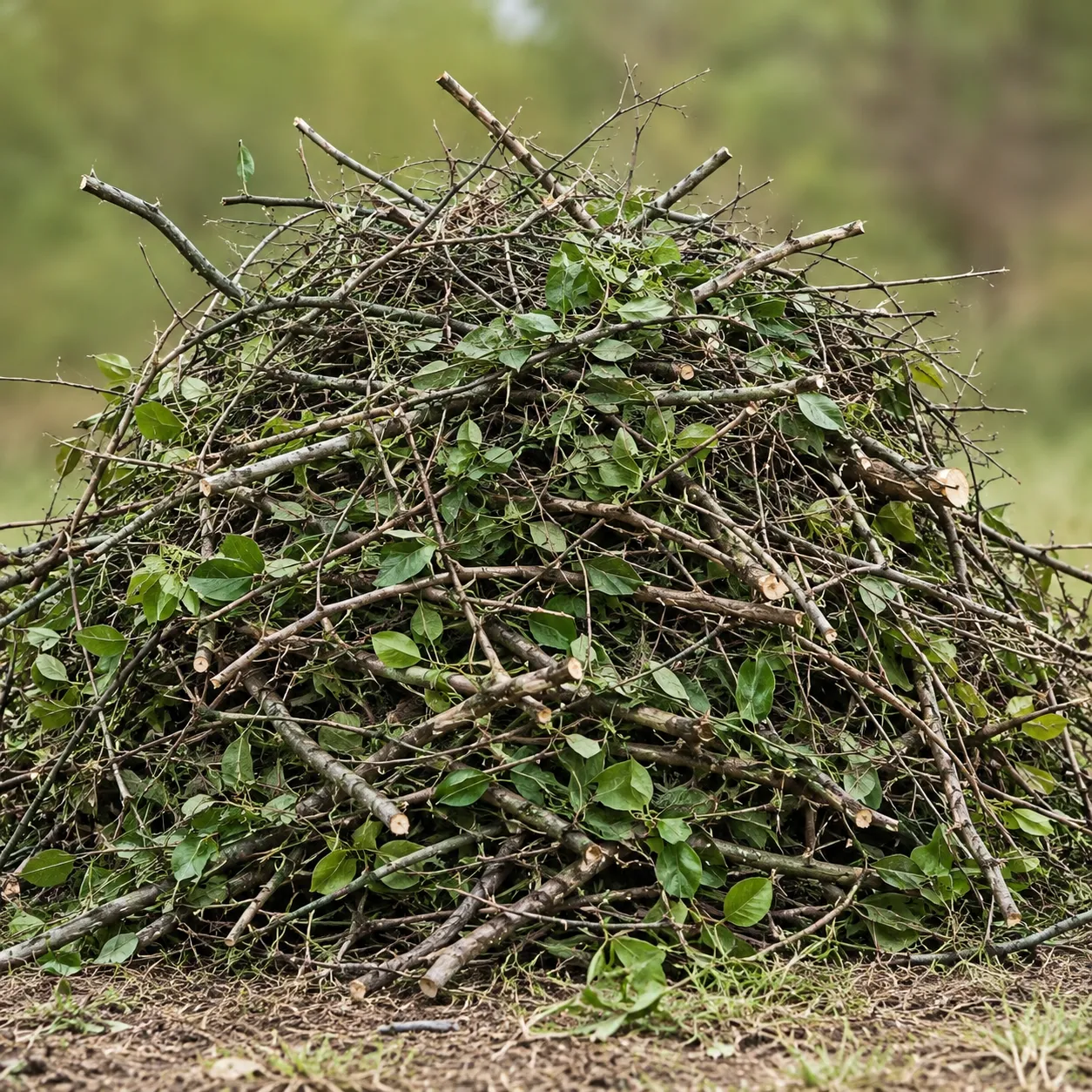
brush pileˈbrʌʃ ˌpaɪl
a pile of cut branches, twigs and bushes, often made after clearing a yard or garden.
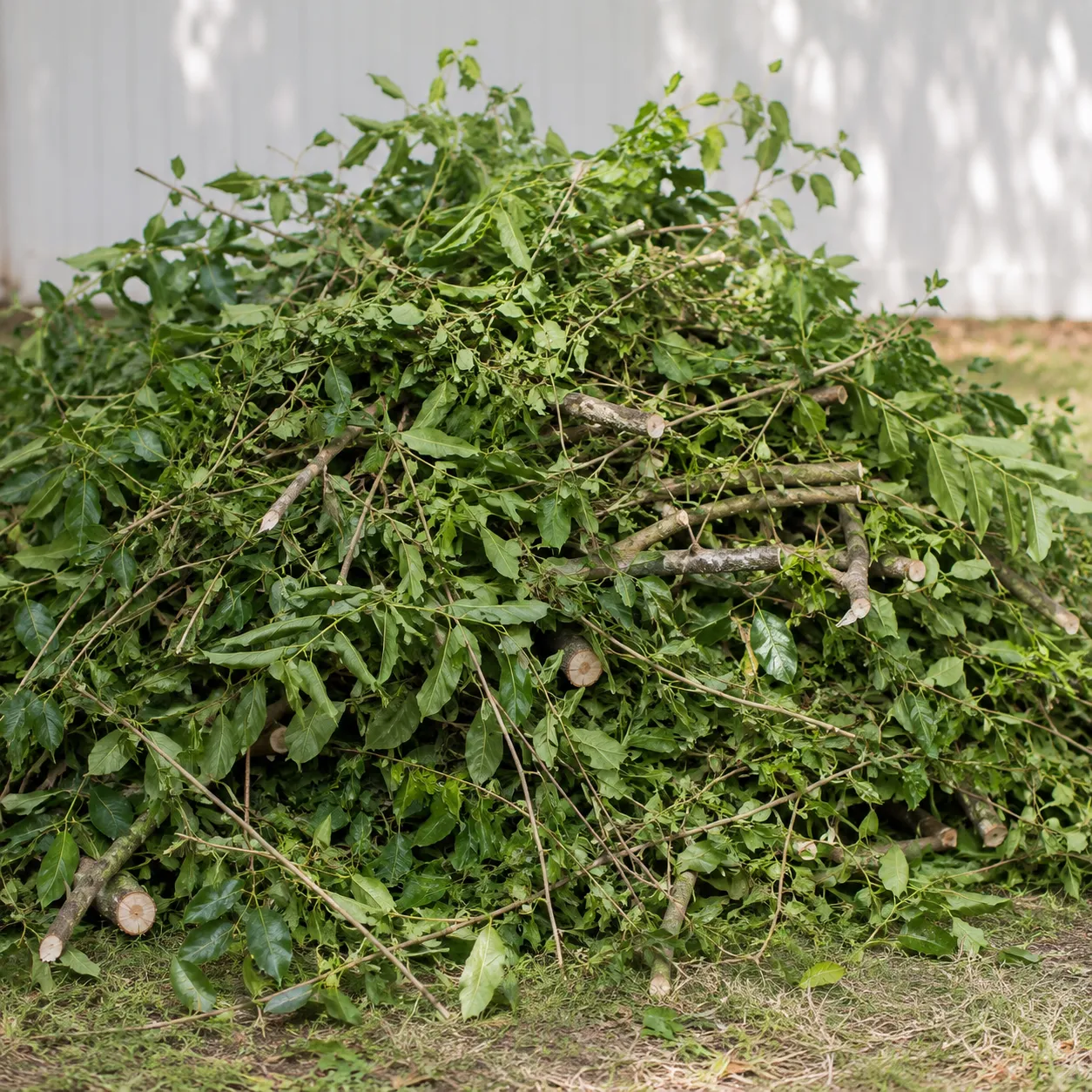
pruning pileˈpruːnɪŋ ˌpaɪl
a pile of branches, stems and leaves that have been cut off plants while shaping or caring for them.
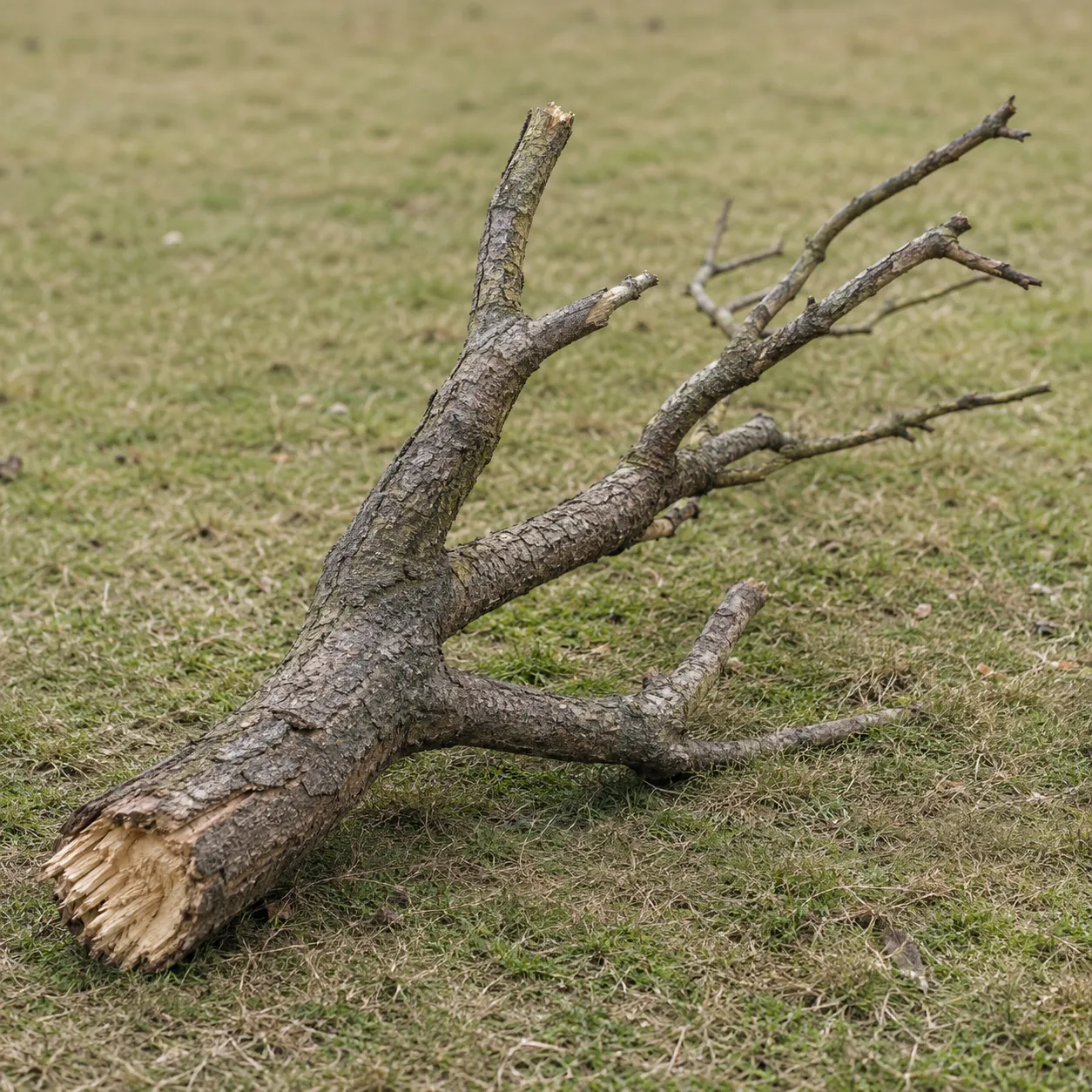
fallen branchˈfɔːlən ˌbræntʃ
a branch that has come down from a tree onto the ground.
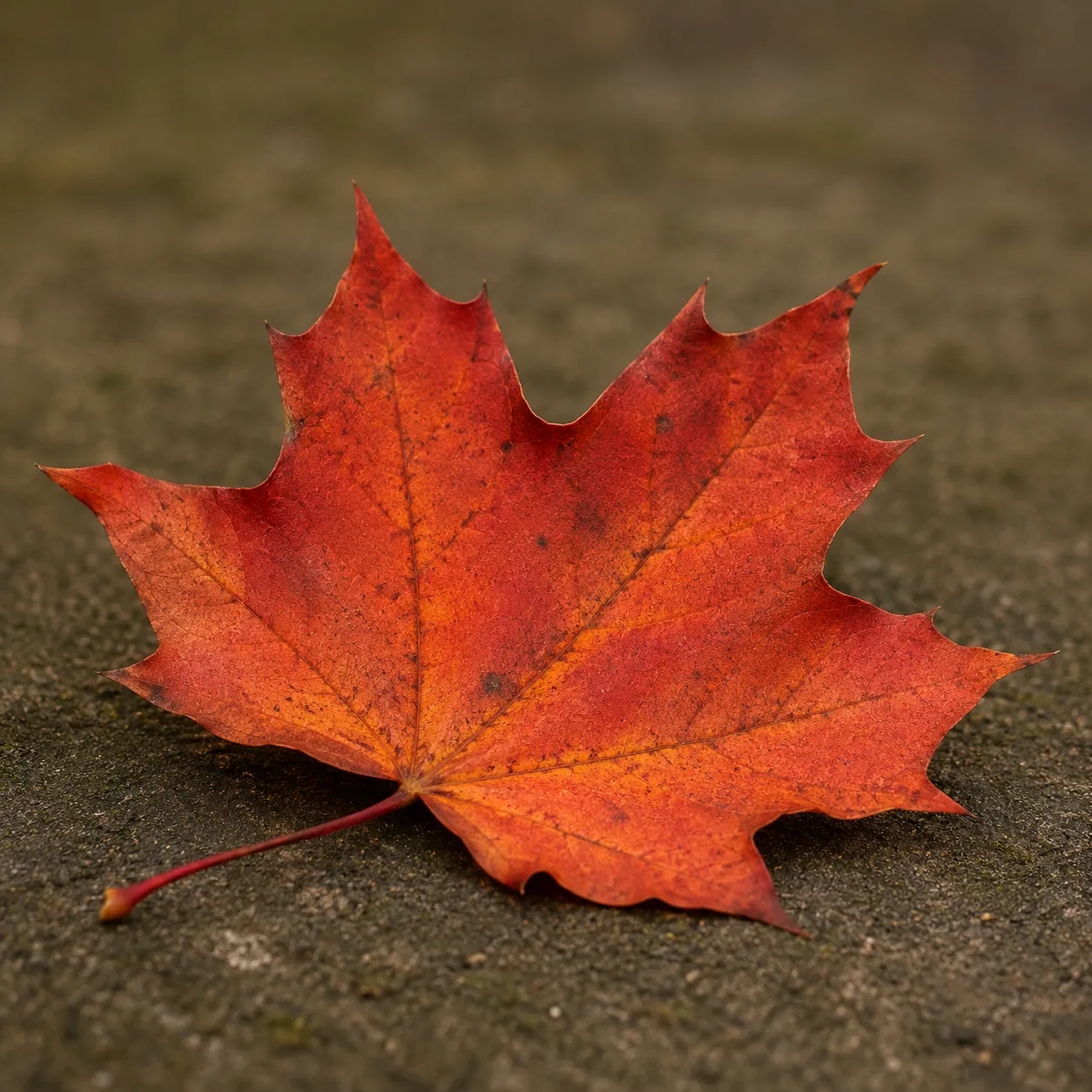
fallen leafˈfɔːlən ˌliːf
a leaf that has dropped from a tree or plant onto the ground.
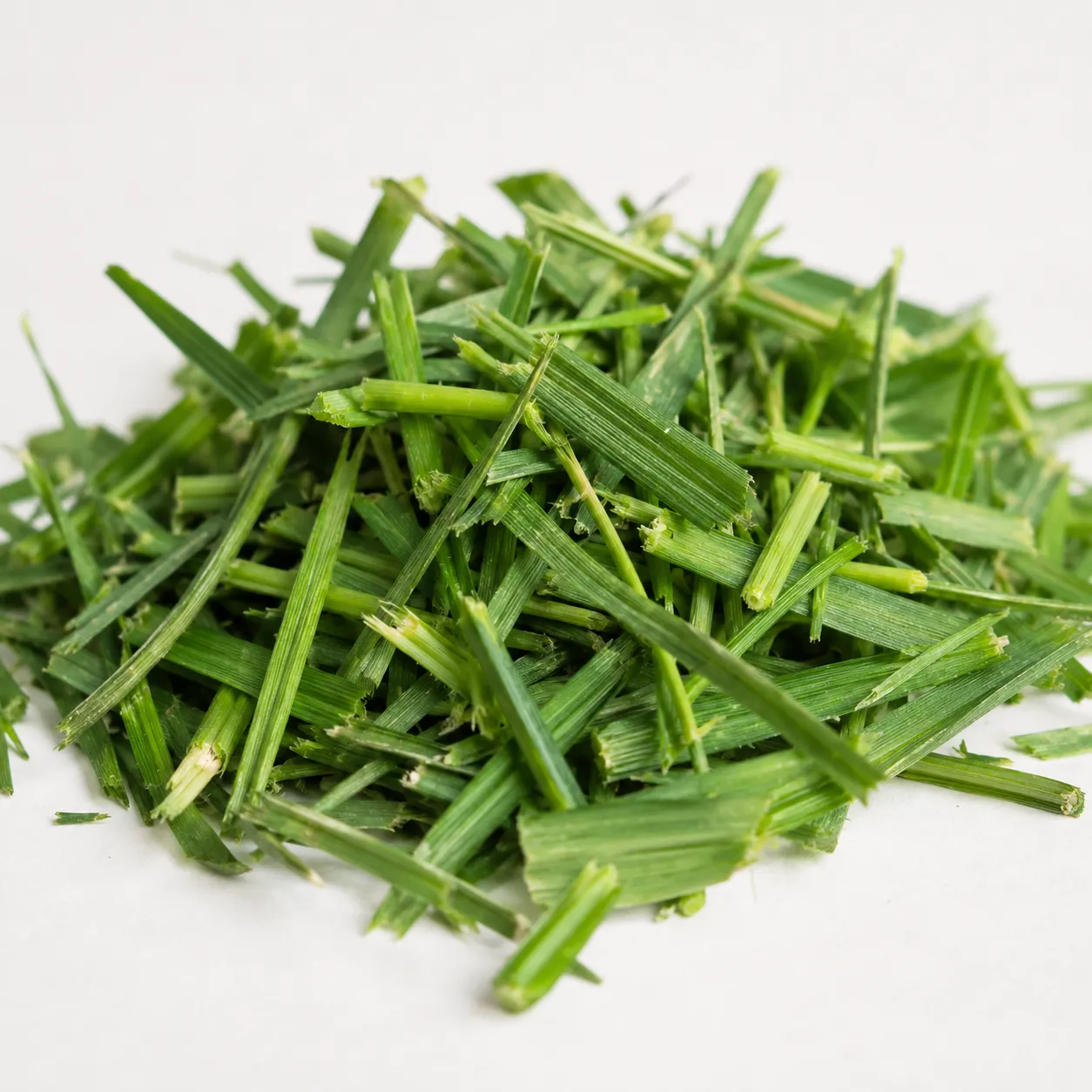
grass clippingˈɡræs ˌklɪpɪŋ
a small piece of grass left after a lawn has been cut.
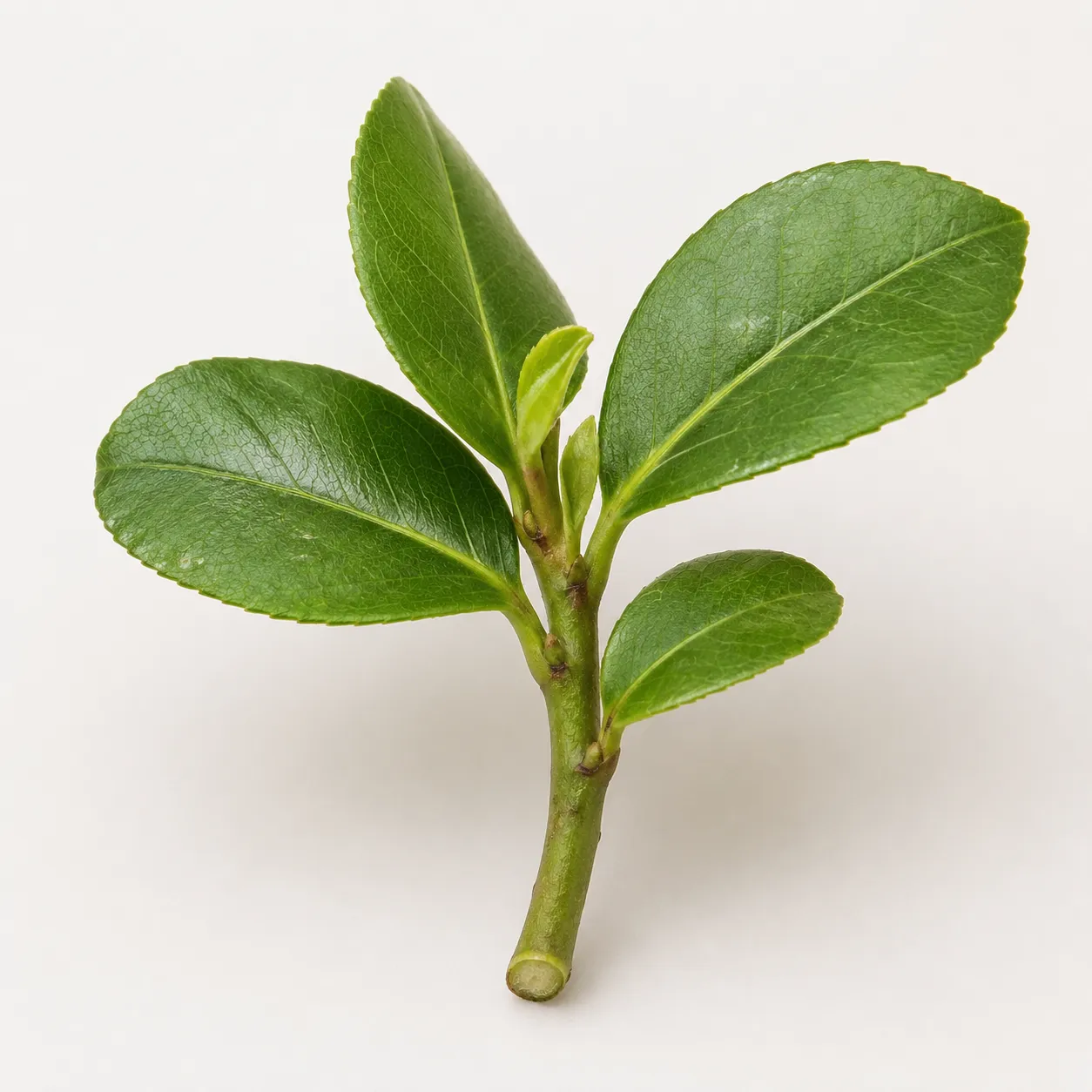
hedge clippingˈhɛdʒ ˌklɪpɪŋ
a small piece of leaves or stem cut off a hedge when it is trimmed.
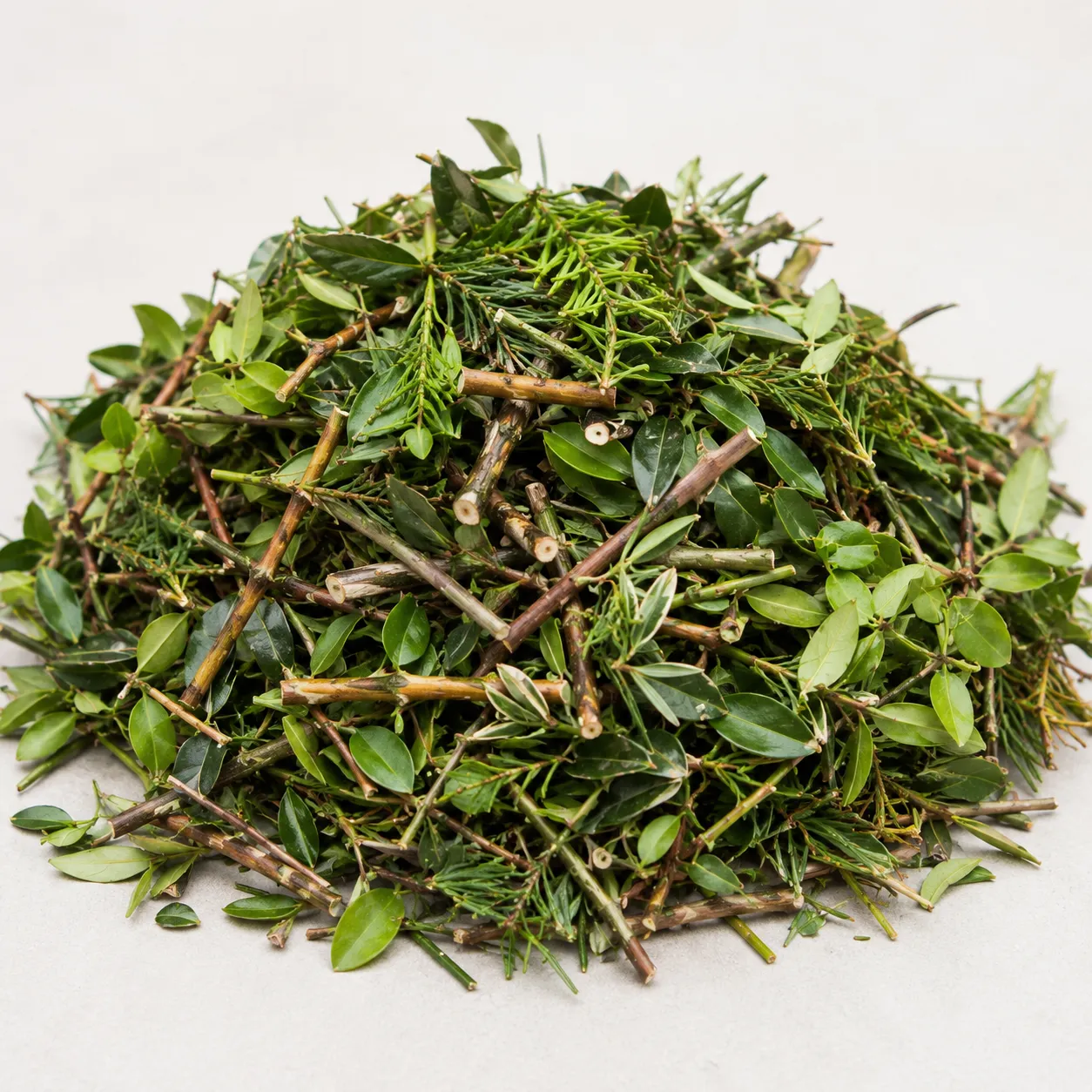
trimmingsˈtrɪmɪŋz
small pieces cut off something to make it neat, especially leaves, stems or branches from plants.
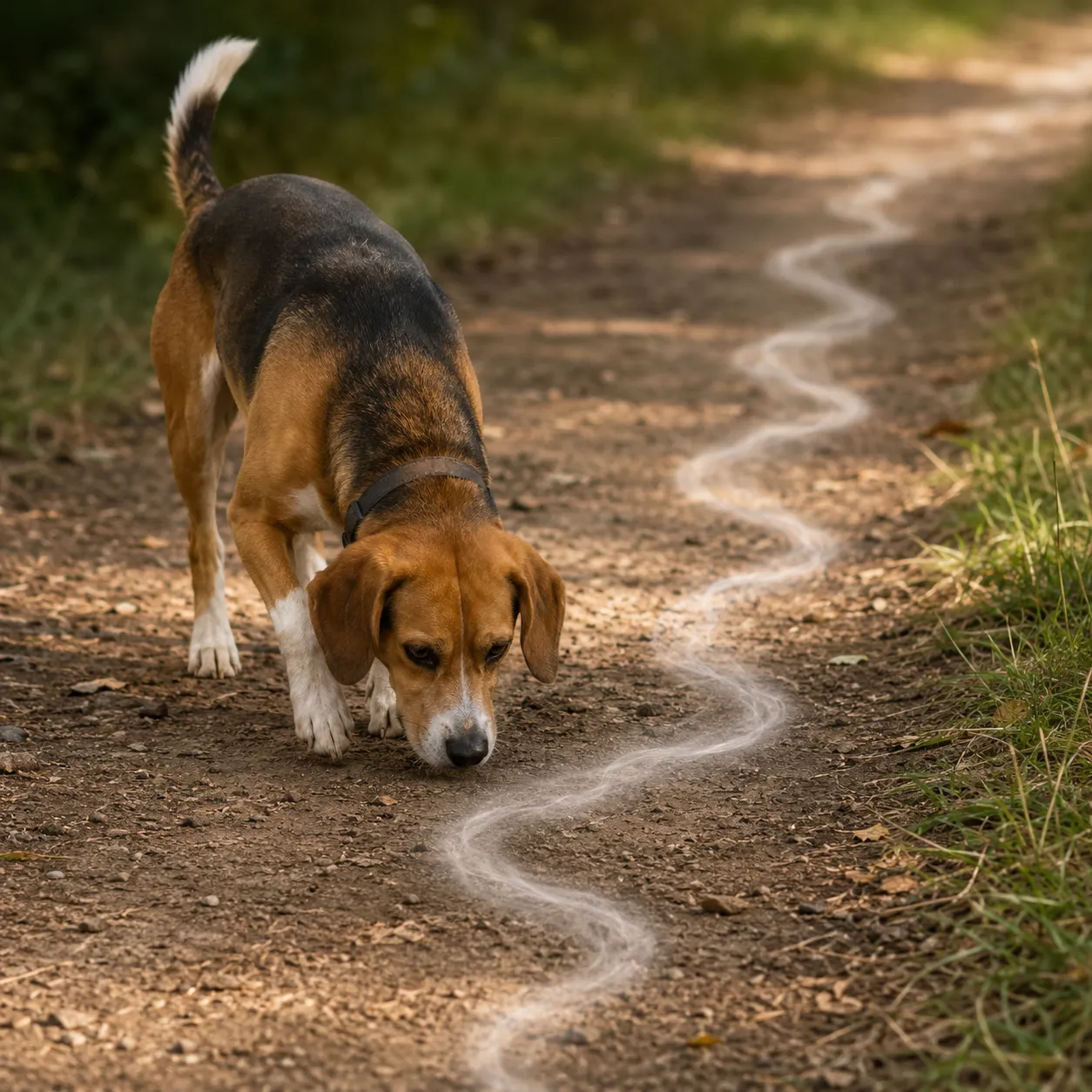
scent trailˈsɛnt ˌtreɪl
a line of smell left behind by a person, animal or object, which an animal can follow.
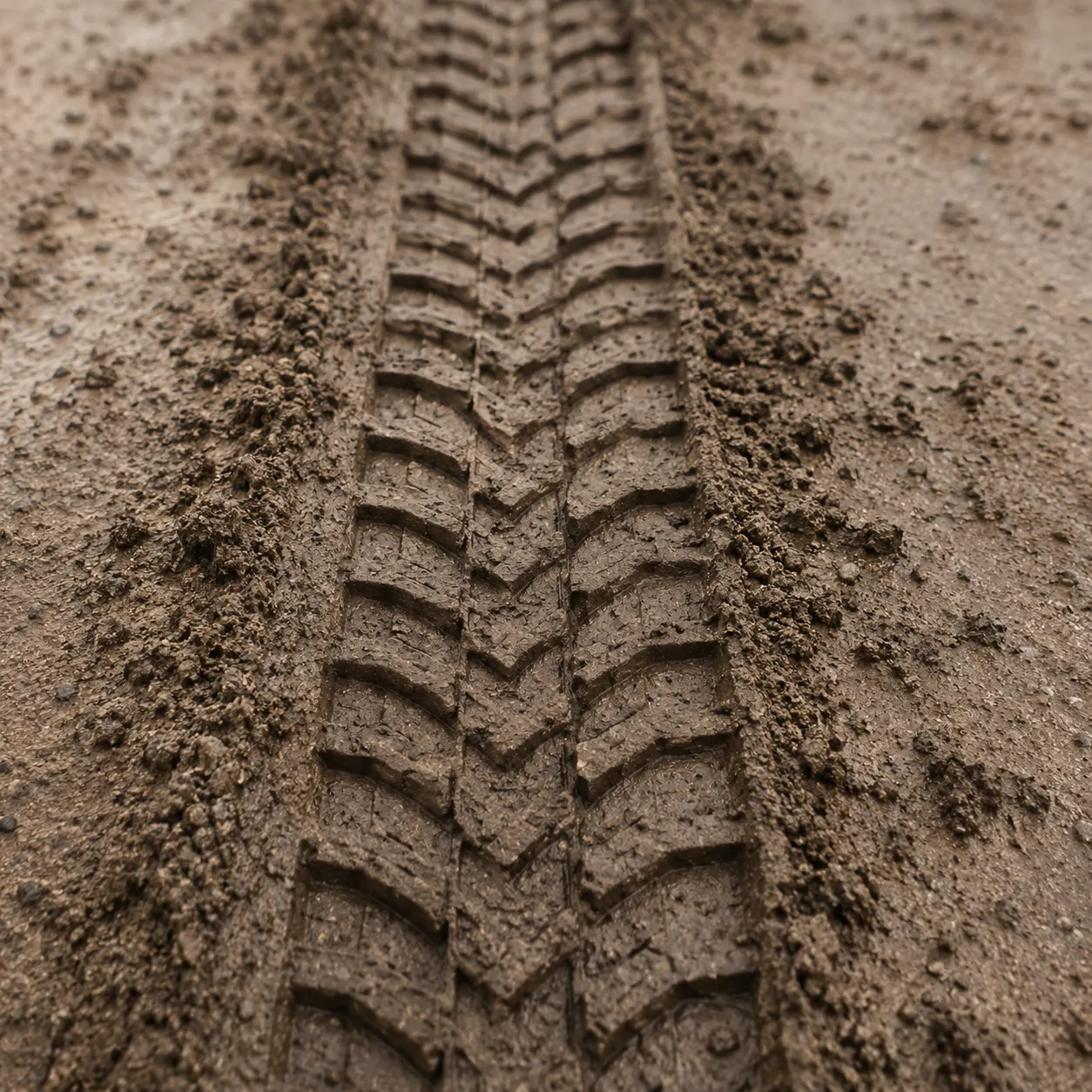
tire trackˈtaɪər ˌtræk
a mark left on the ground by the tire of a car, bicycle or other vehicle.
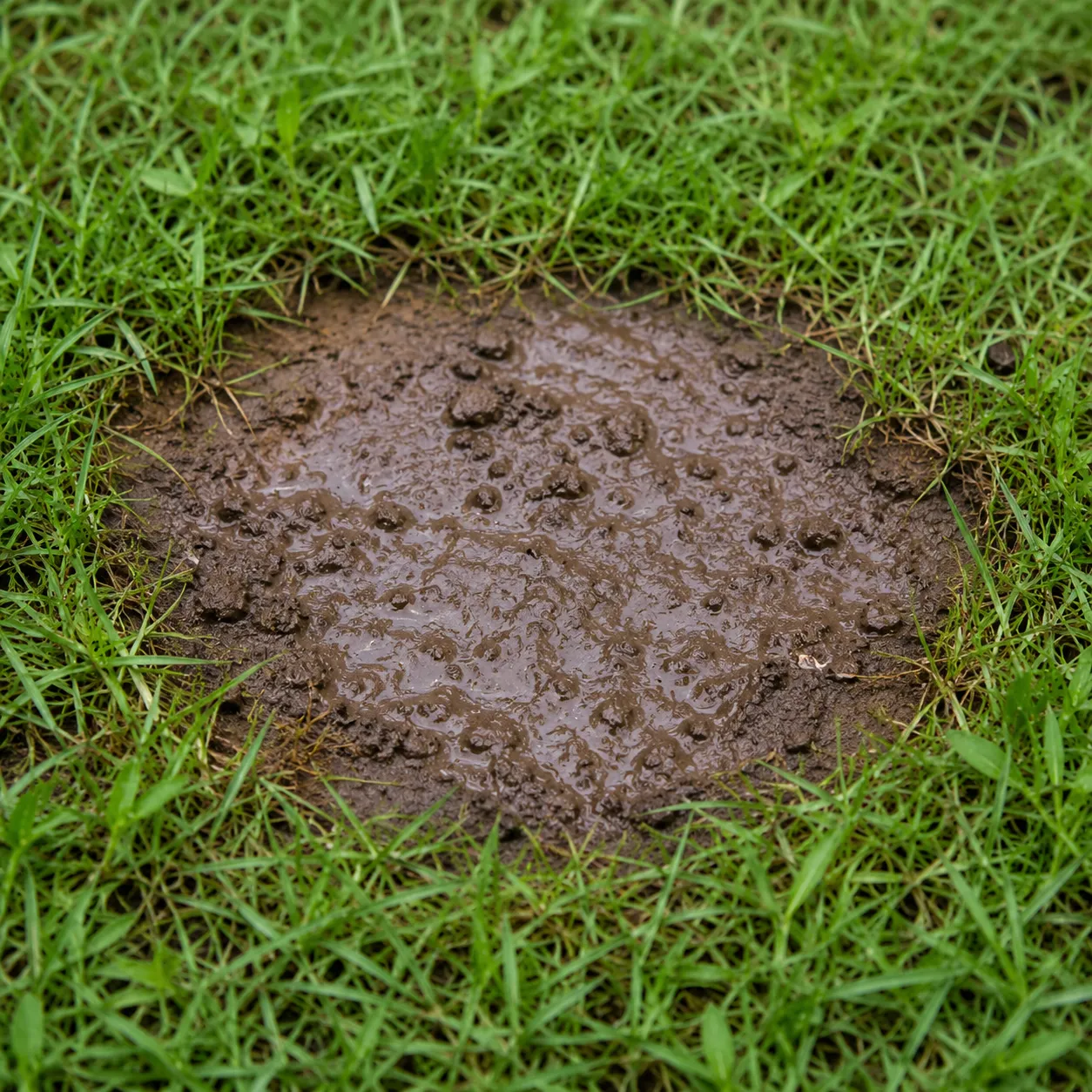
muddy spotˈmʌdi ˌspɑːt
a small area of ground covered with wet, soft dirt.
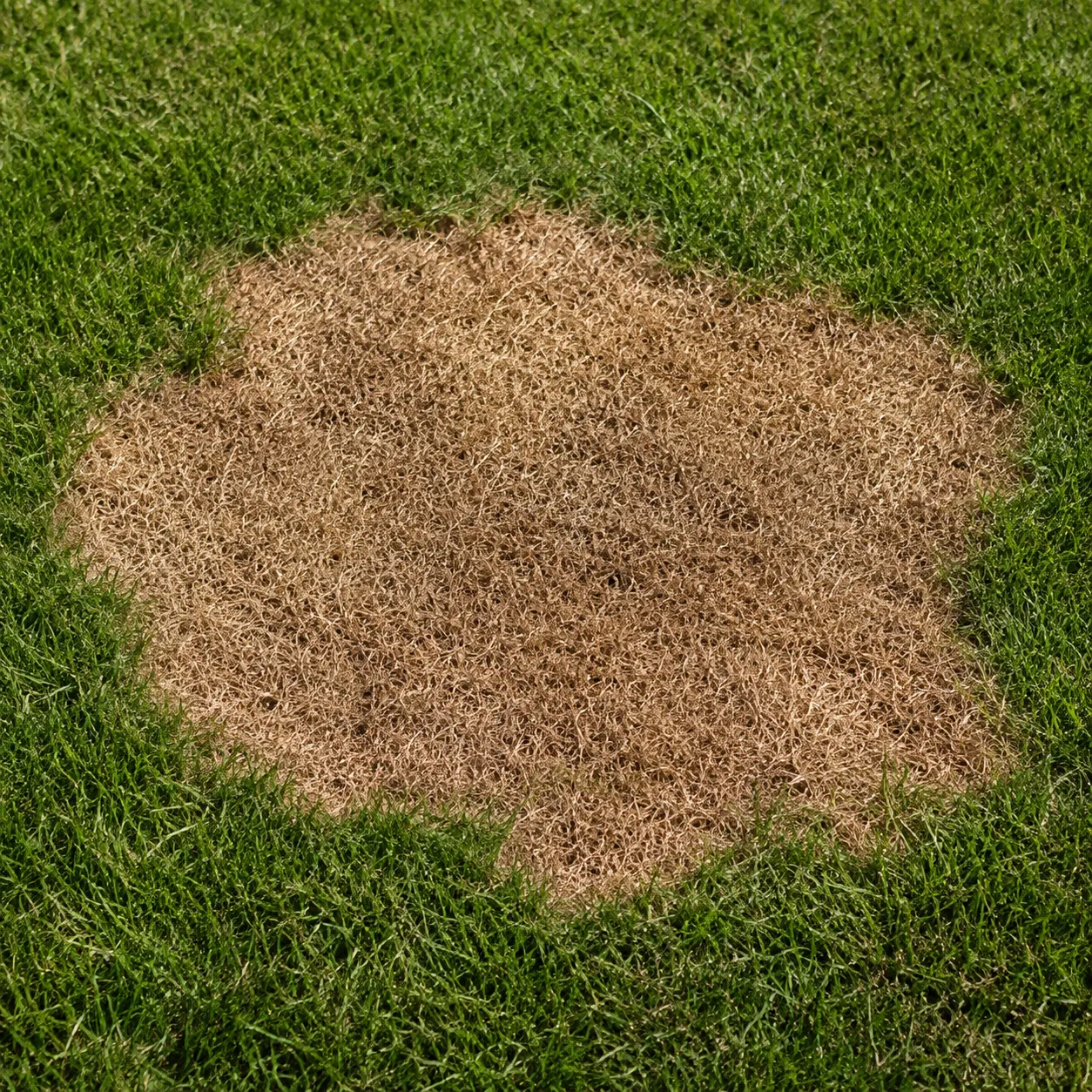
dead patchˈdɛd ˌpætʃ
an area in a lawn or garden where the grass or plants have died.
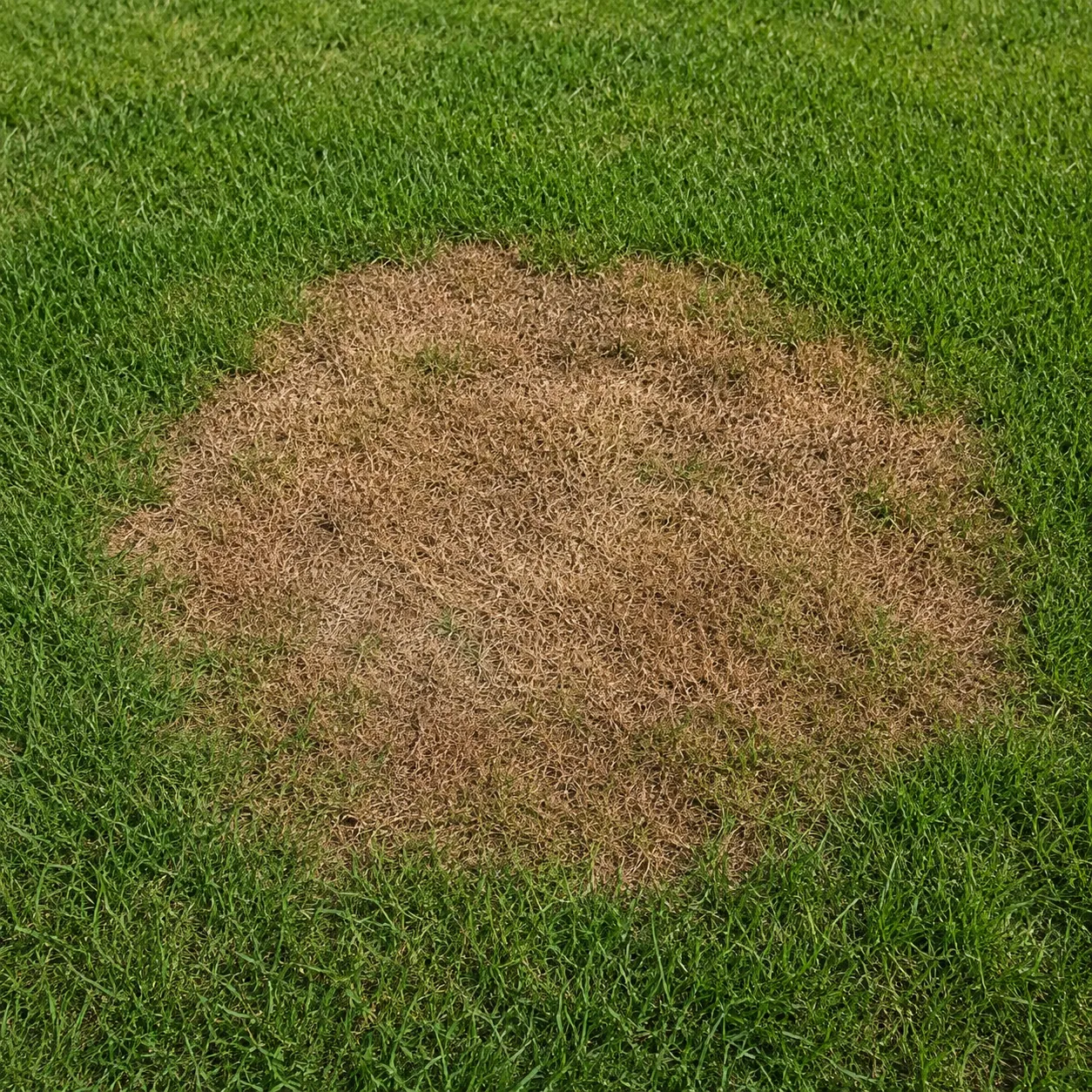
brown patchˈbraʊn ˌpætʃ
an area of a lawn where the grass has turned brown, often because it is dry, damaged or diseased.
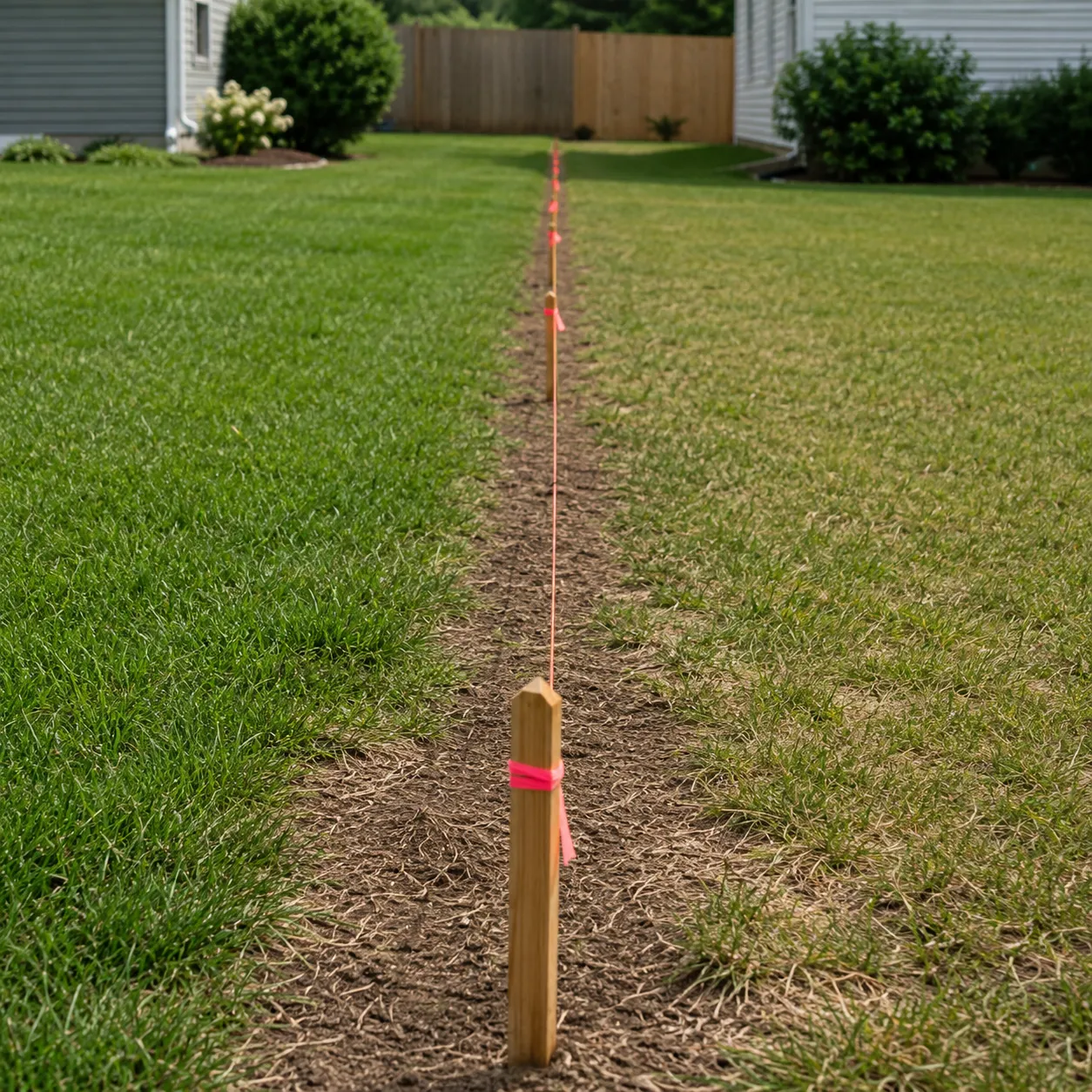
property lineˈprɑːpərti ˌlaɪn
the legal border that shows where one piece of land ends and another begins.
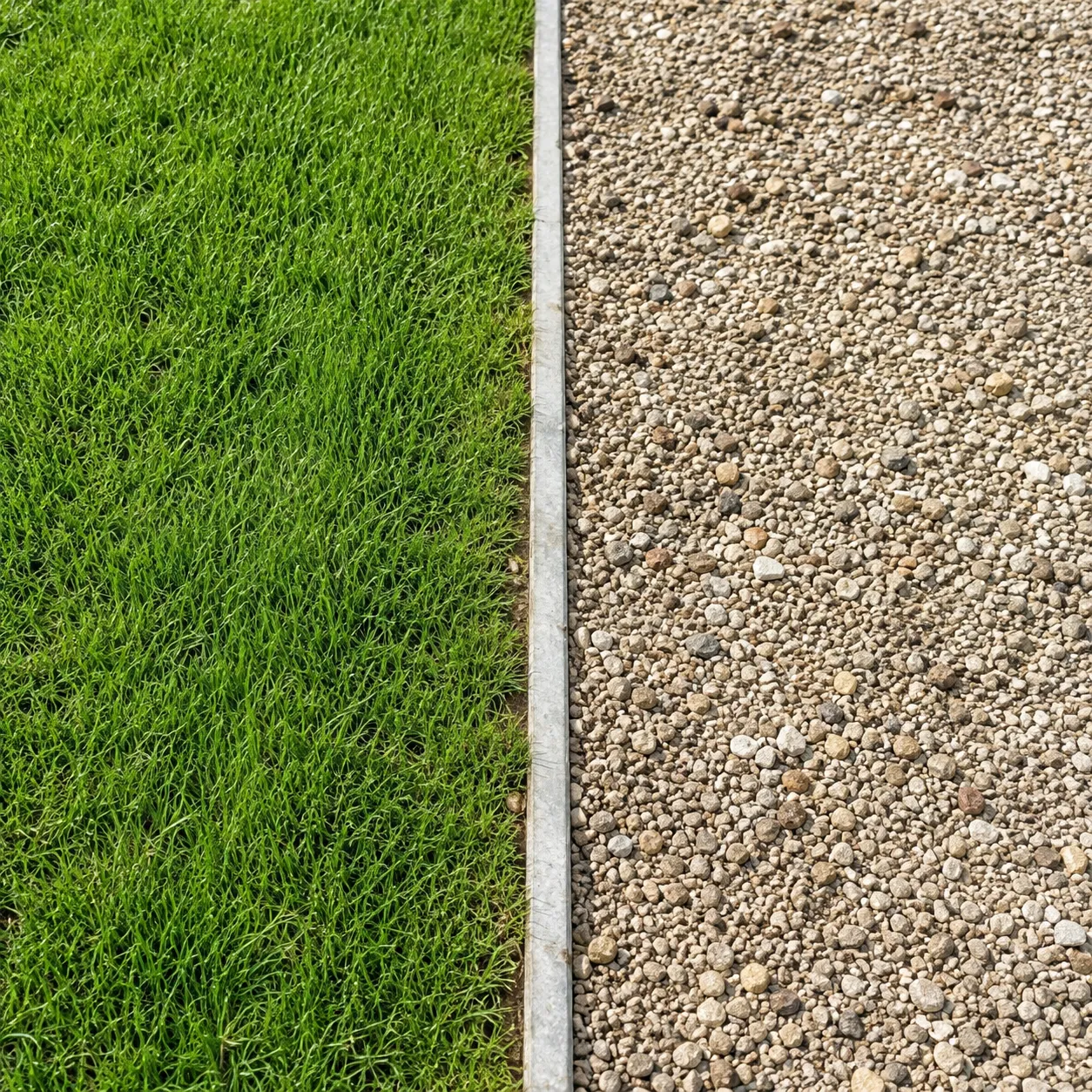
boundaryˈbaʊndəri
a real or imagined line that separates two areas or marks the limit of something.
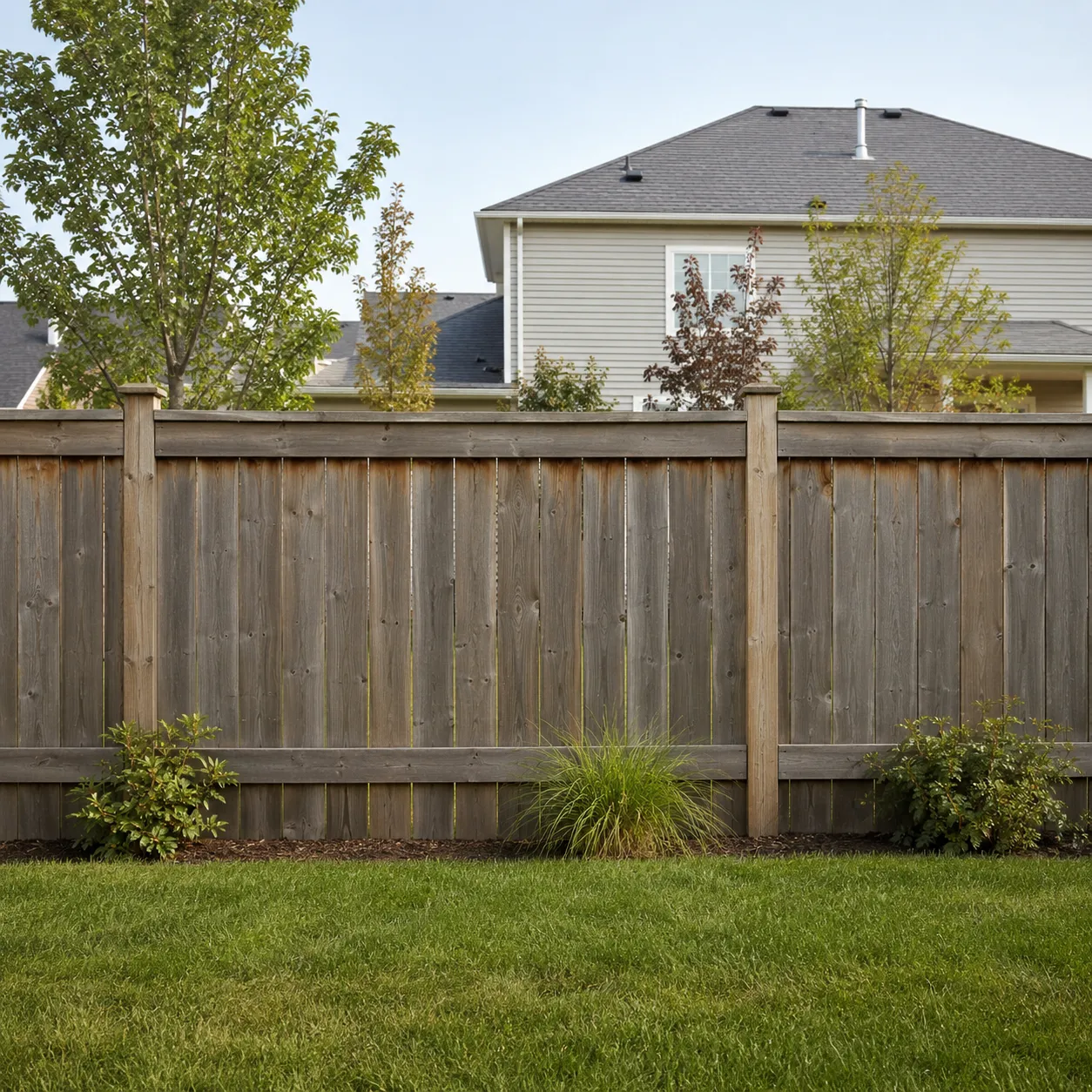
neighbor's fenceˈneɪbərz ˌfɛns
the fence that belongs to the person who lives next to or near you.
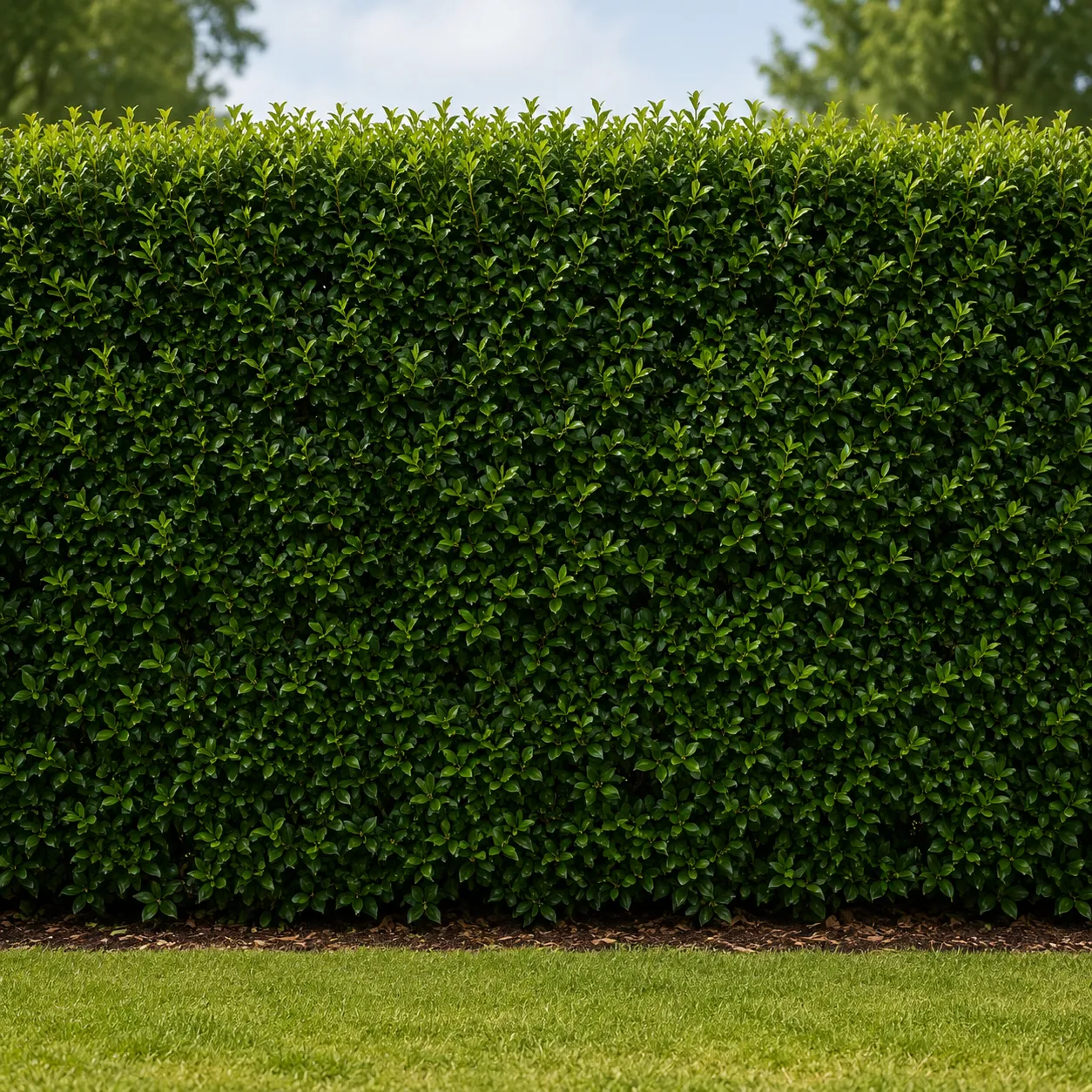
privacy hedgeˈpraɪvəsi ˌhɛdʒ
a row of bushes or small trees grown to stop other people from seeing into a garden or yard.
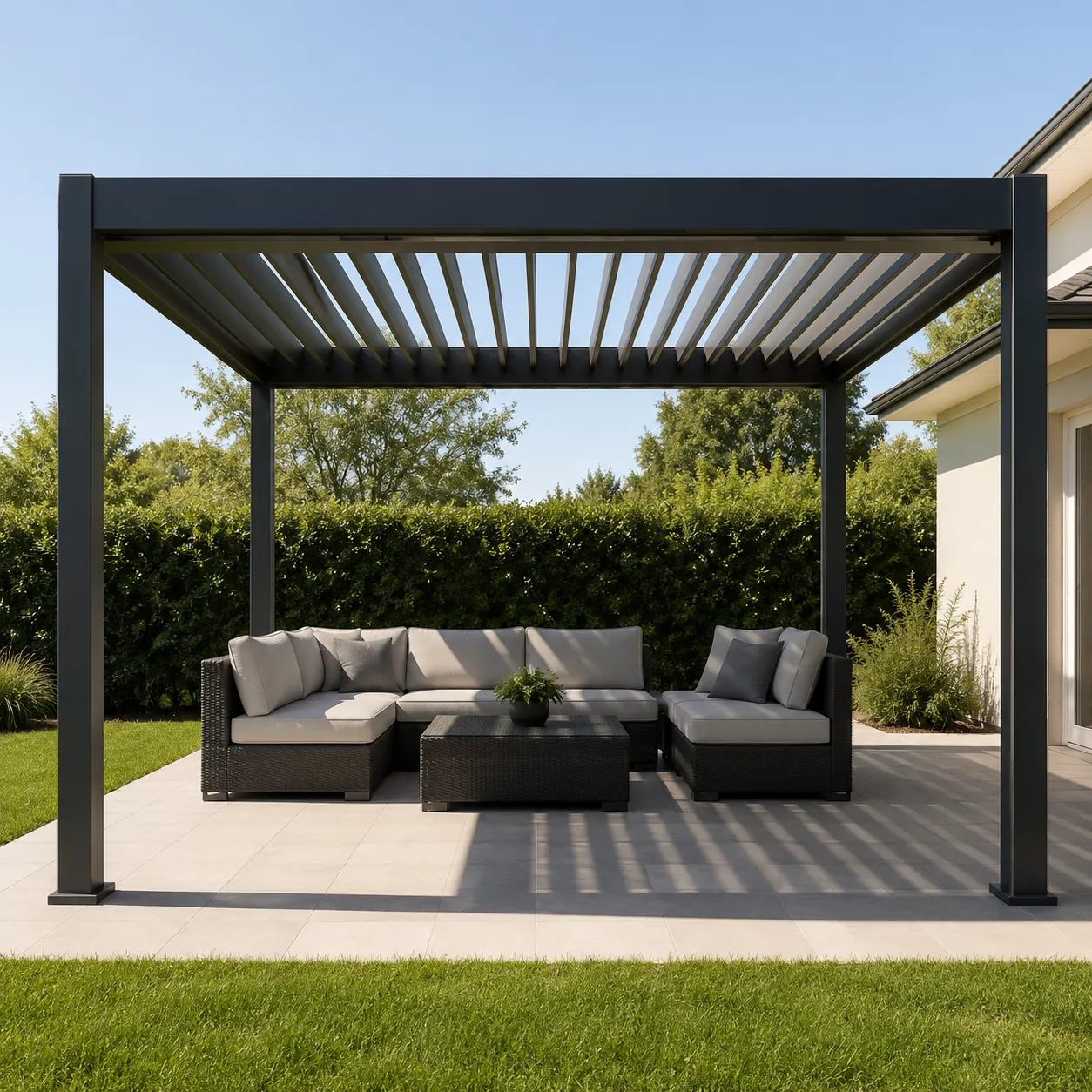
shade structureˈʃeɪd ˌstrʌktʃər
an outdoor frame, roof or shelter built to block direct sunlight and make a place cooler.
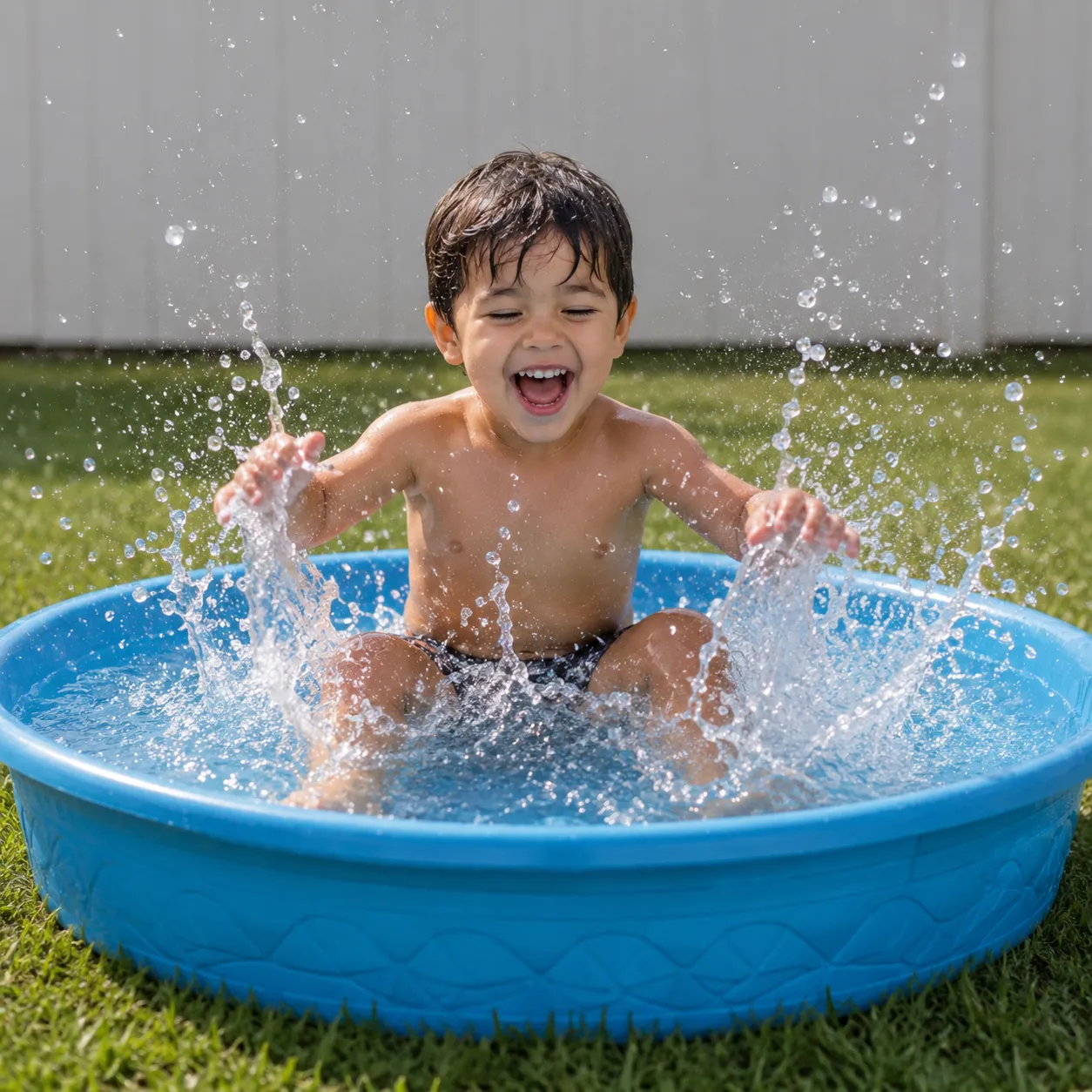
splash aroundˌsplæʃ əˈraʊnd
to move or play in water so that drops of water fly in many directions.
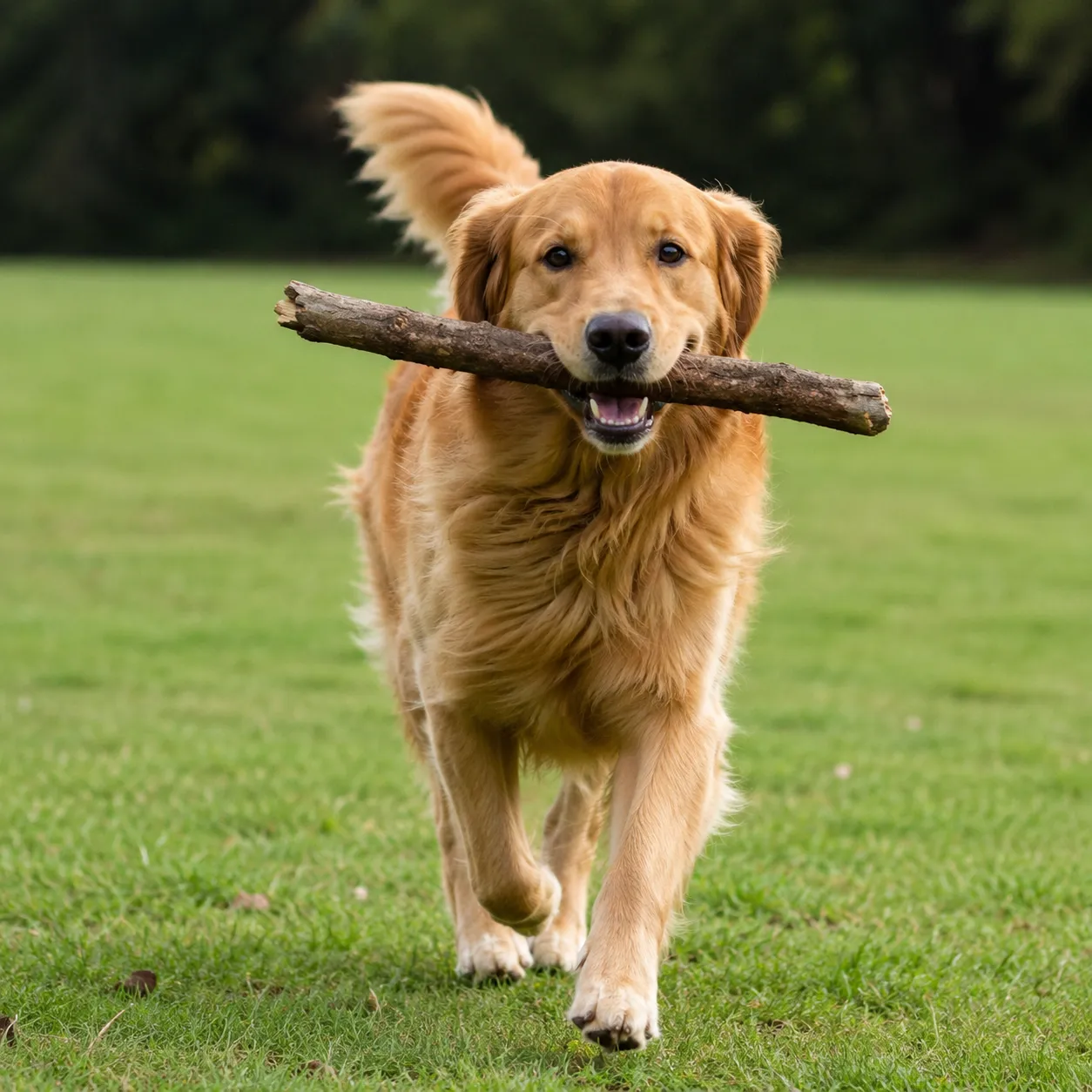
fetchfɛtʃ
to go to a place, get something or someone, and bring them back.
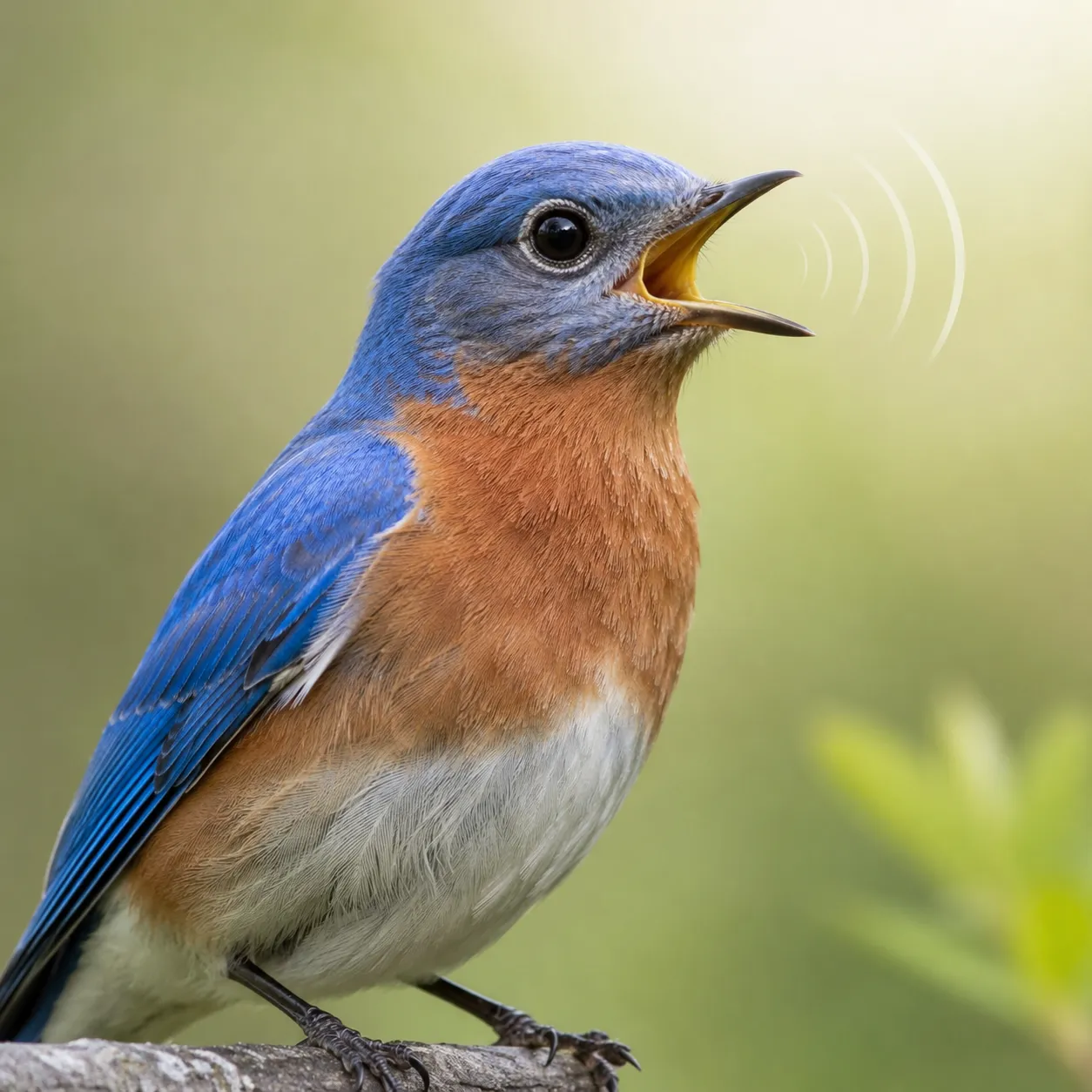
chirptʃɝːp
to make short, high sounds, especially like a small bird or insect.
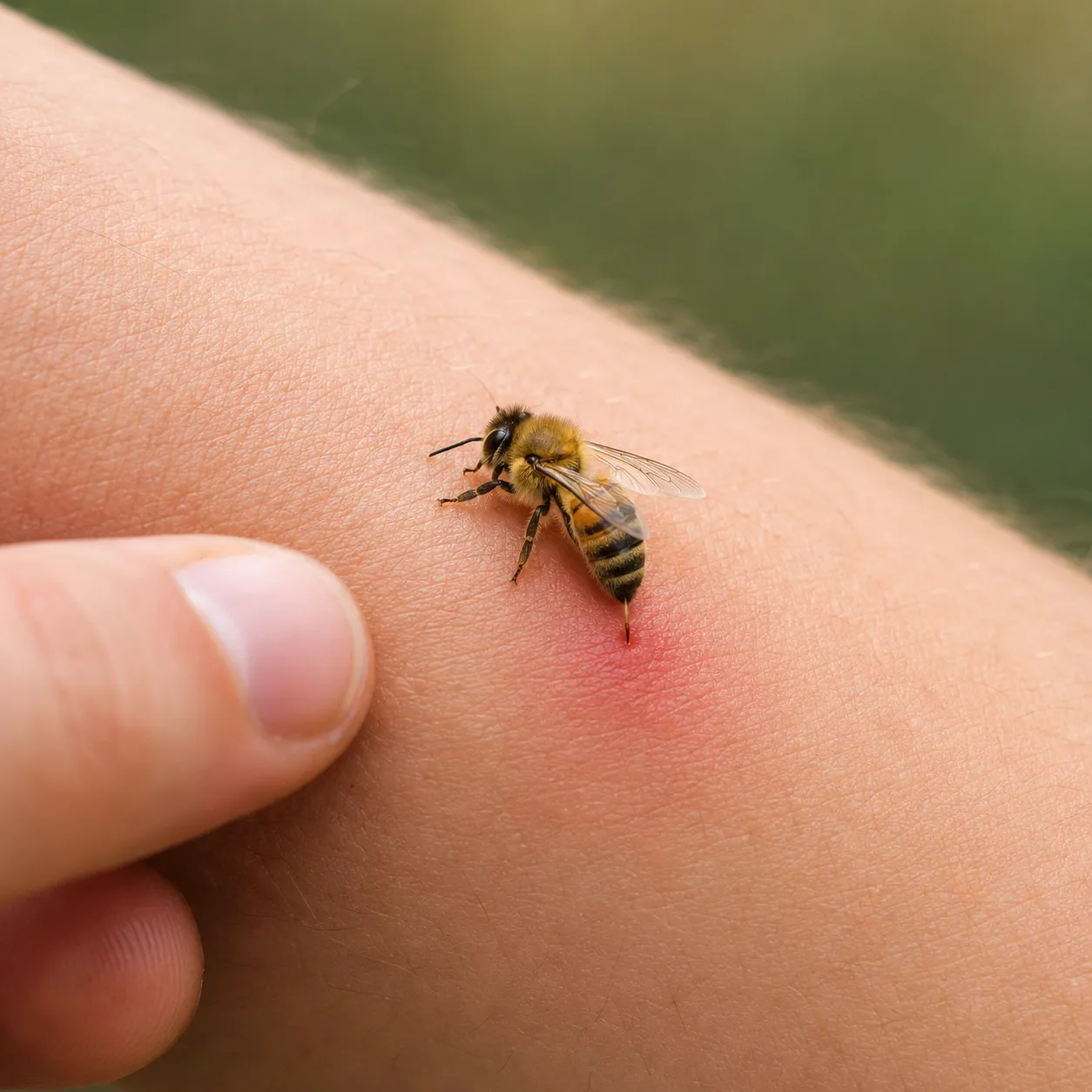
stingstɪŋ
to cause a sharp burning pain, especially when an insect or plant touches the skin.
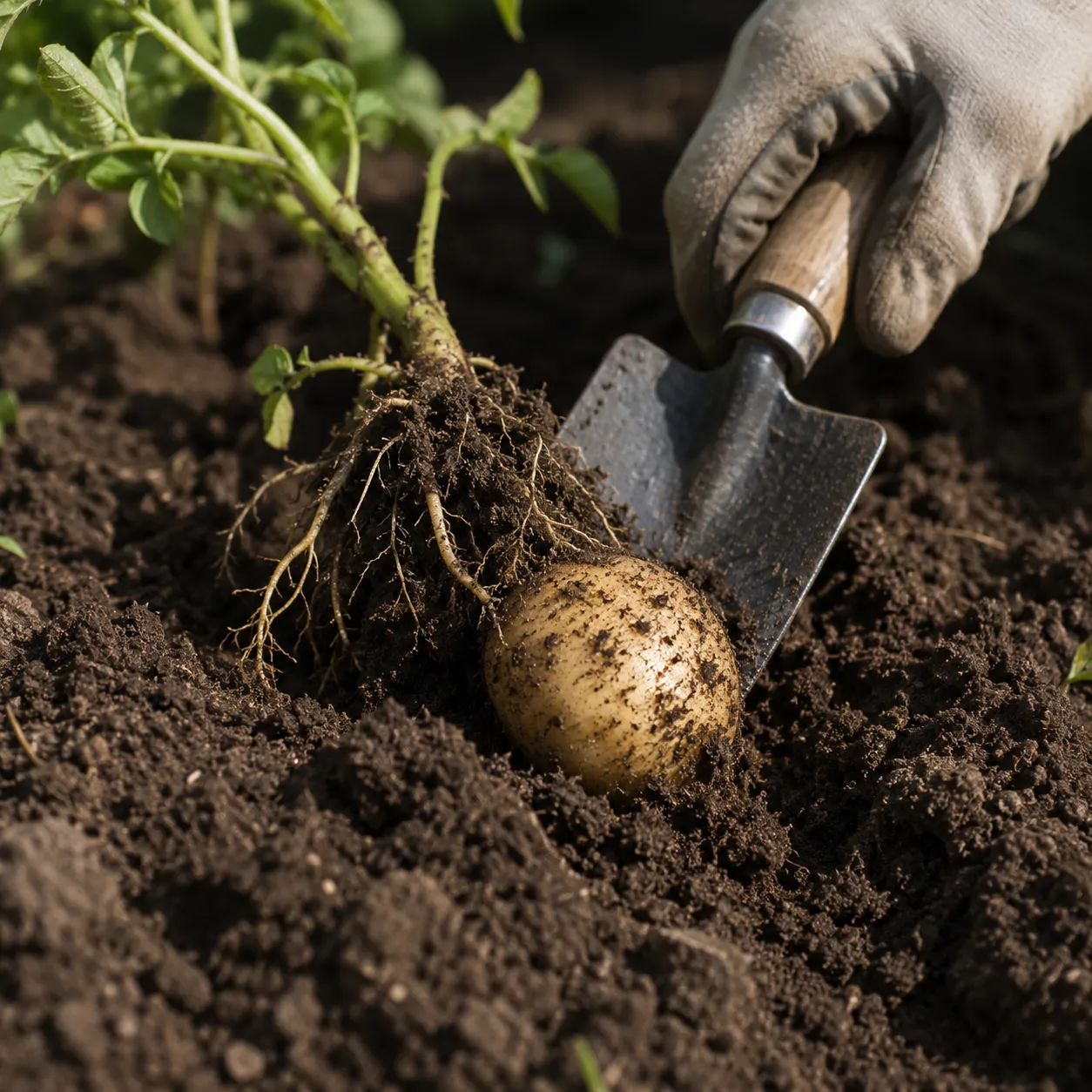
dig upˌdɪɡ ˈʌp
to take something out of the ground by digging with a tool or with your hands.
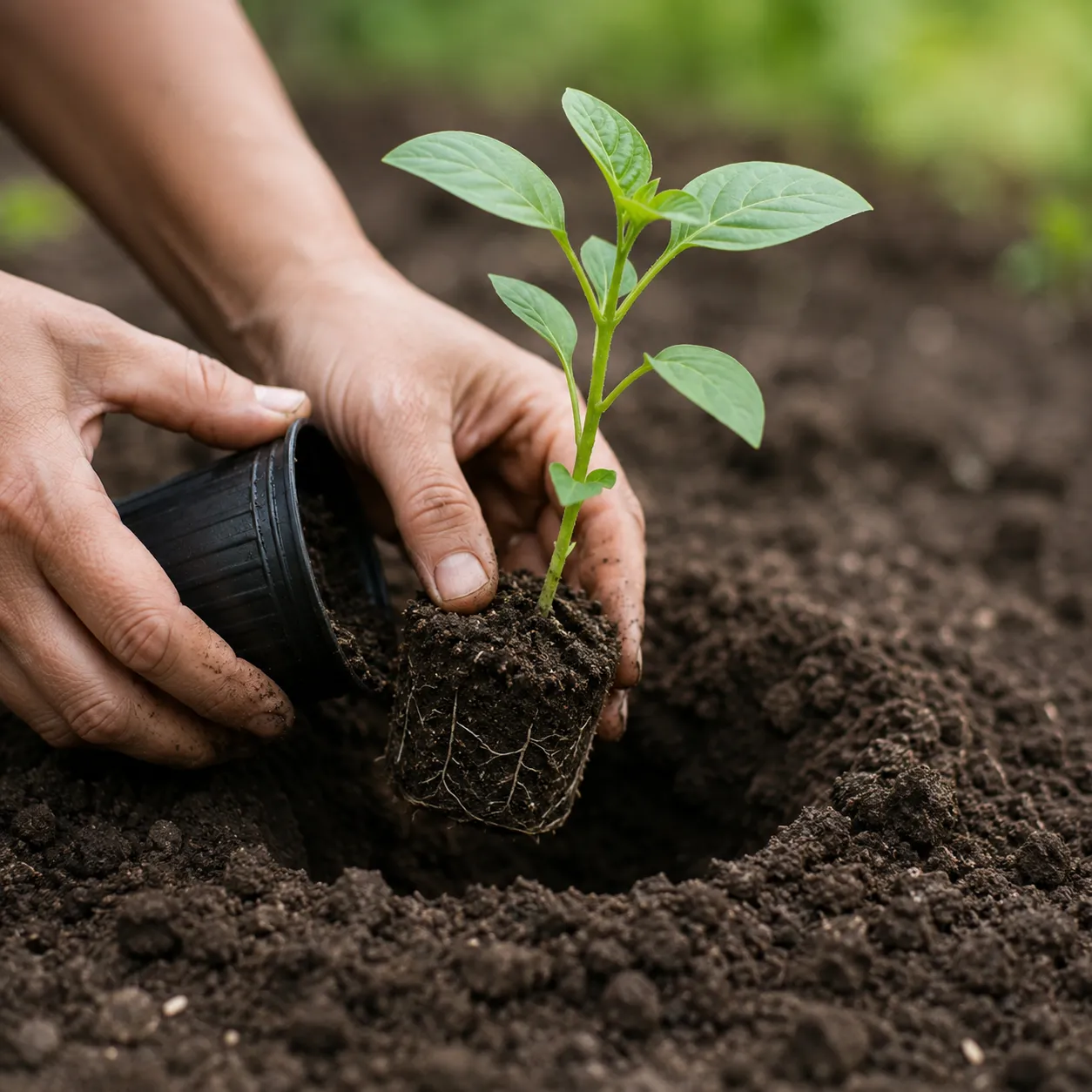
plant outˌplænt ˈaʊt
to move young plants from pots or trays and put them in the ground outside.
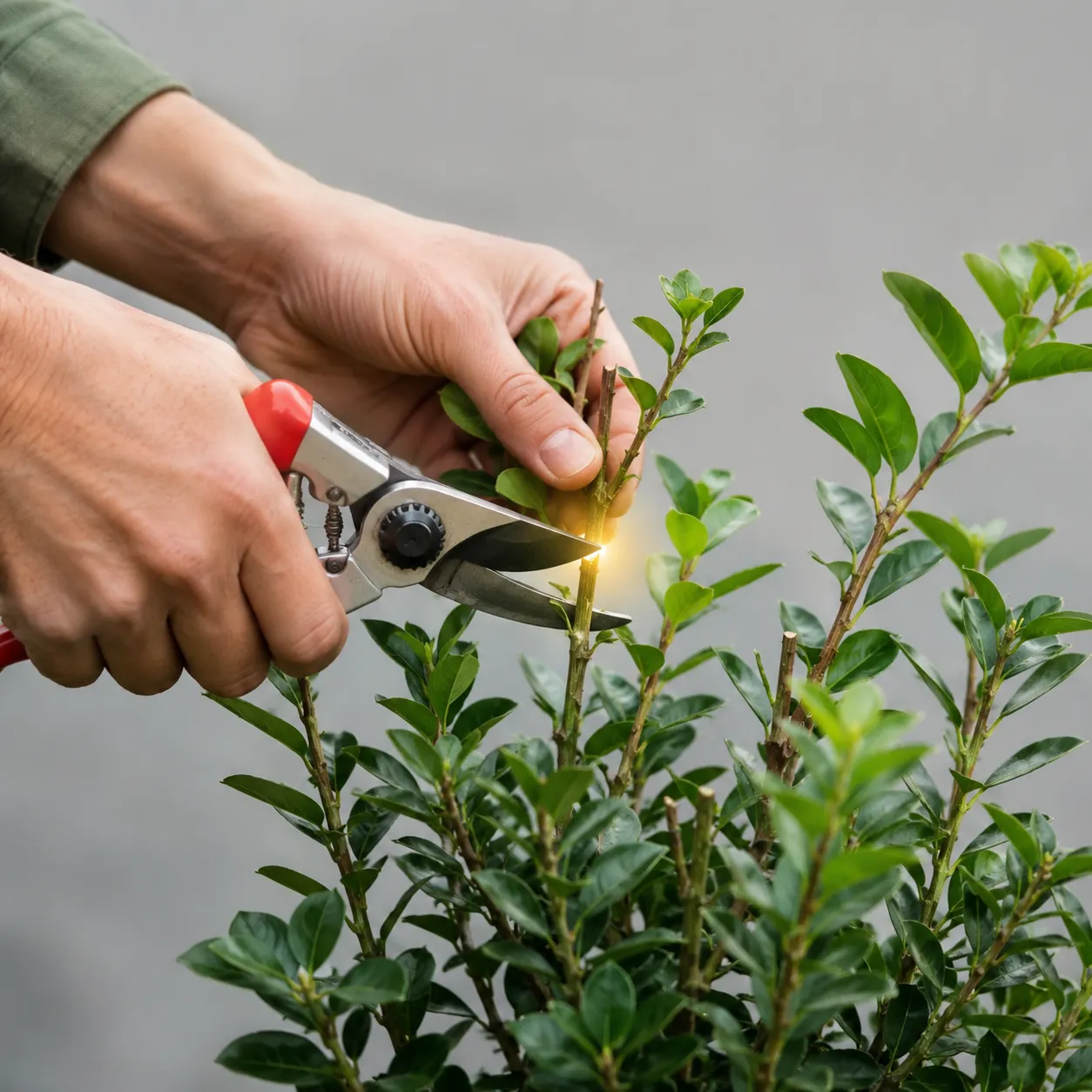
cut backˌkʌt ˈbæk
to make a plant shorter or smaller by cutting off some branches, stems, or leaves.
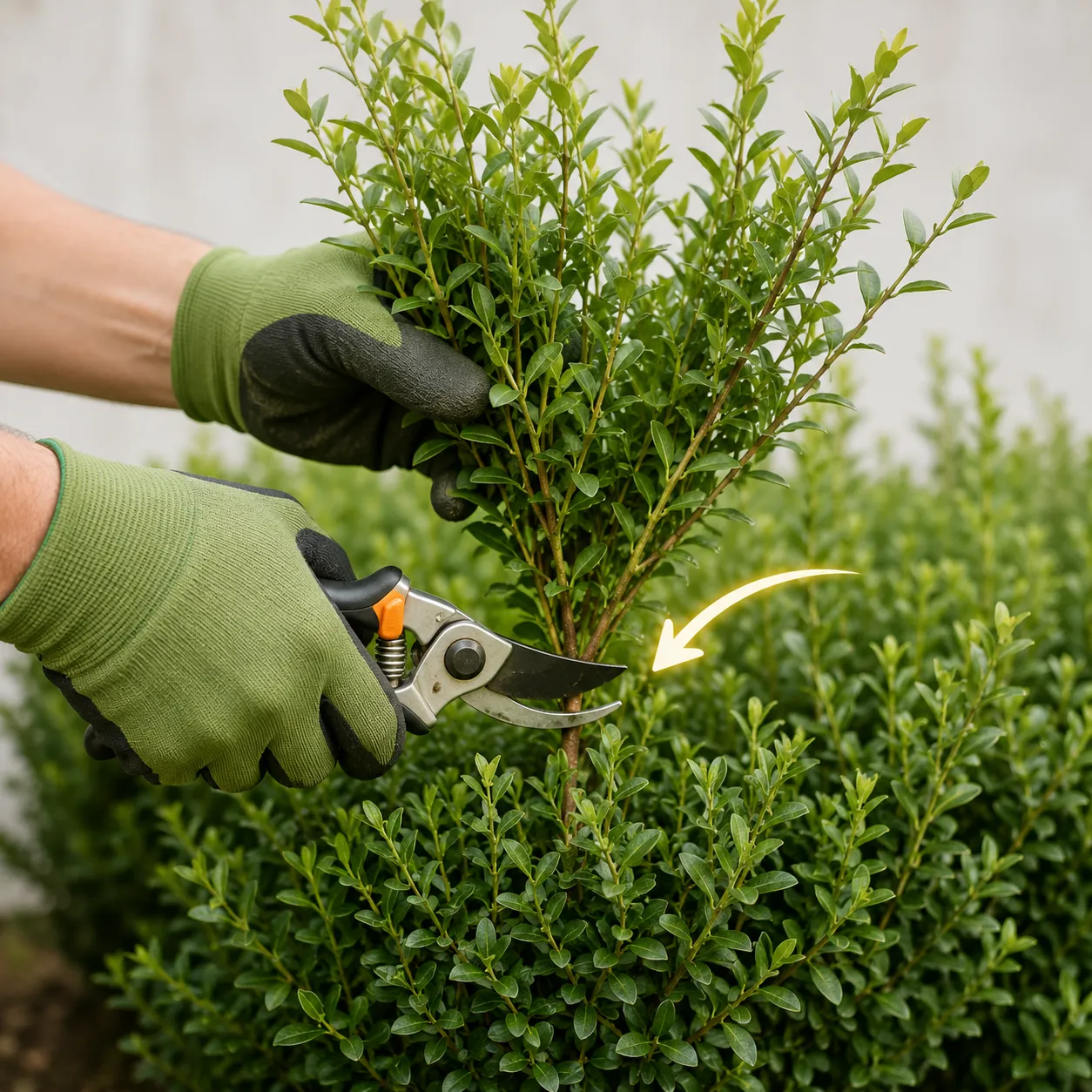
trim backˌtrɪm ˈbæk
to cut parts of a plant so it becomes shorter, neater, or less overgrown.
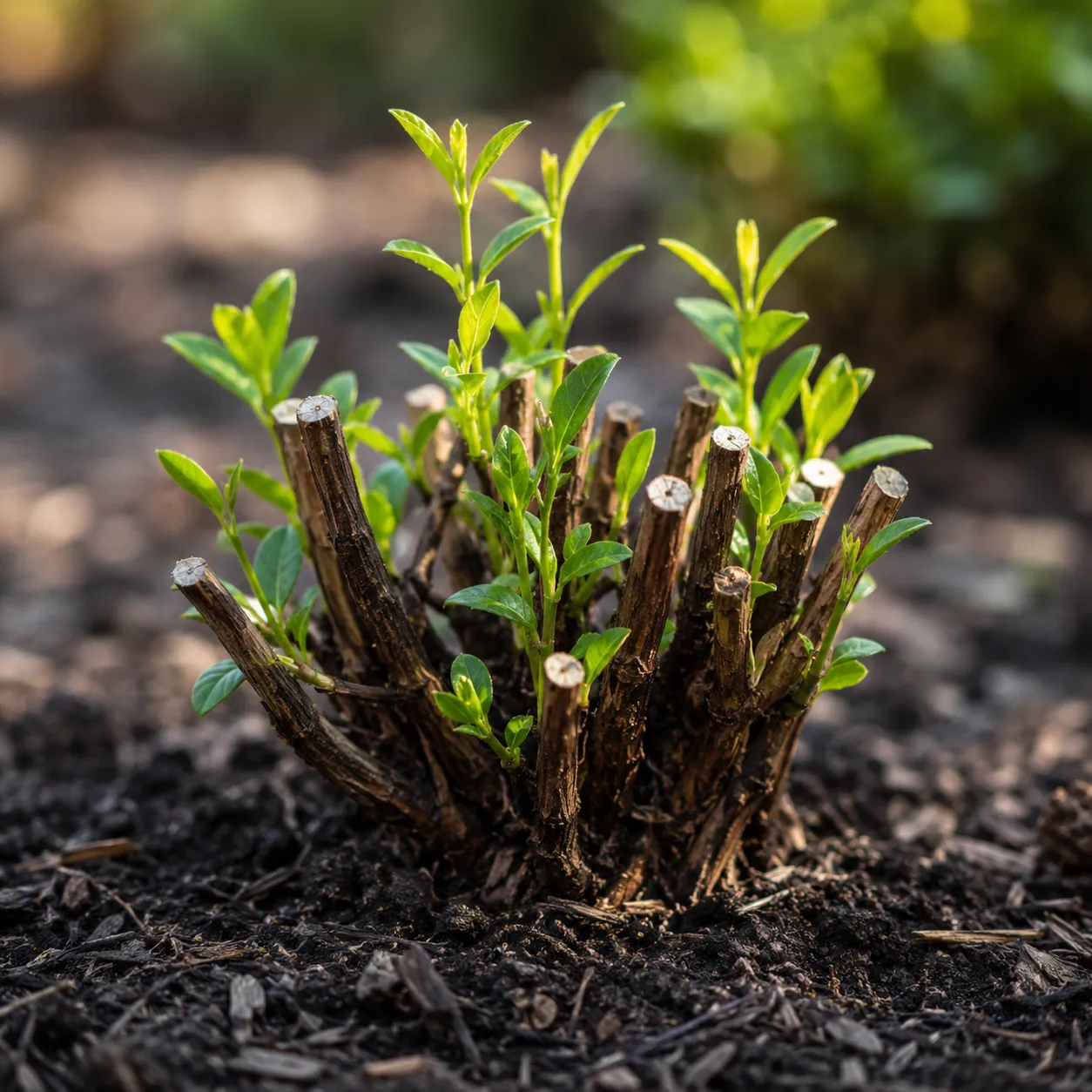
grow backˌɡroʊ ˈbæk
to grow again after being cut off, damaged, or lost.
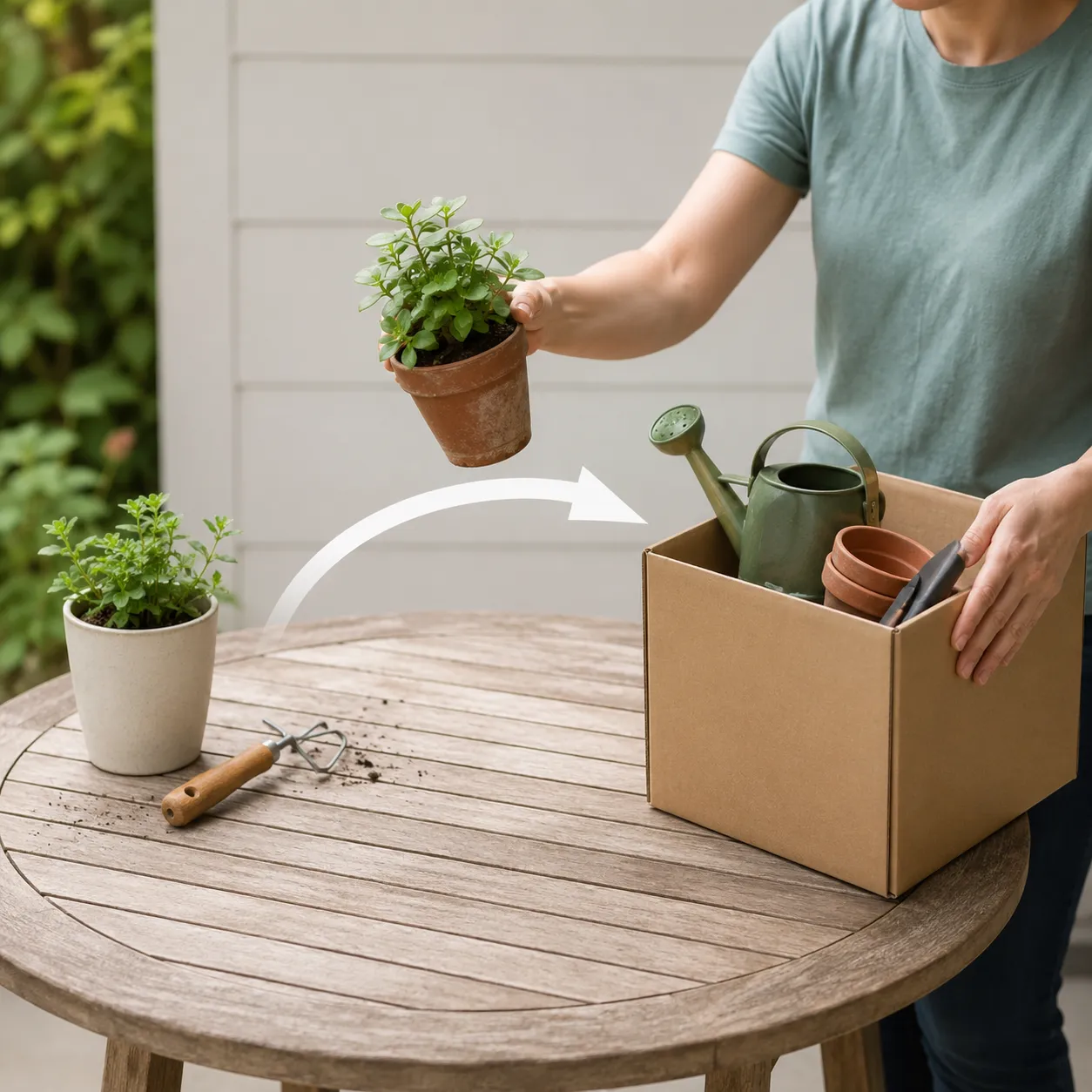
clear awayˌklɪr əˈweɪ
to remove things that are not needed so a place is clean, tidy, or empty.
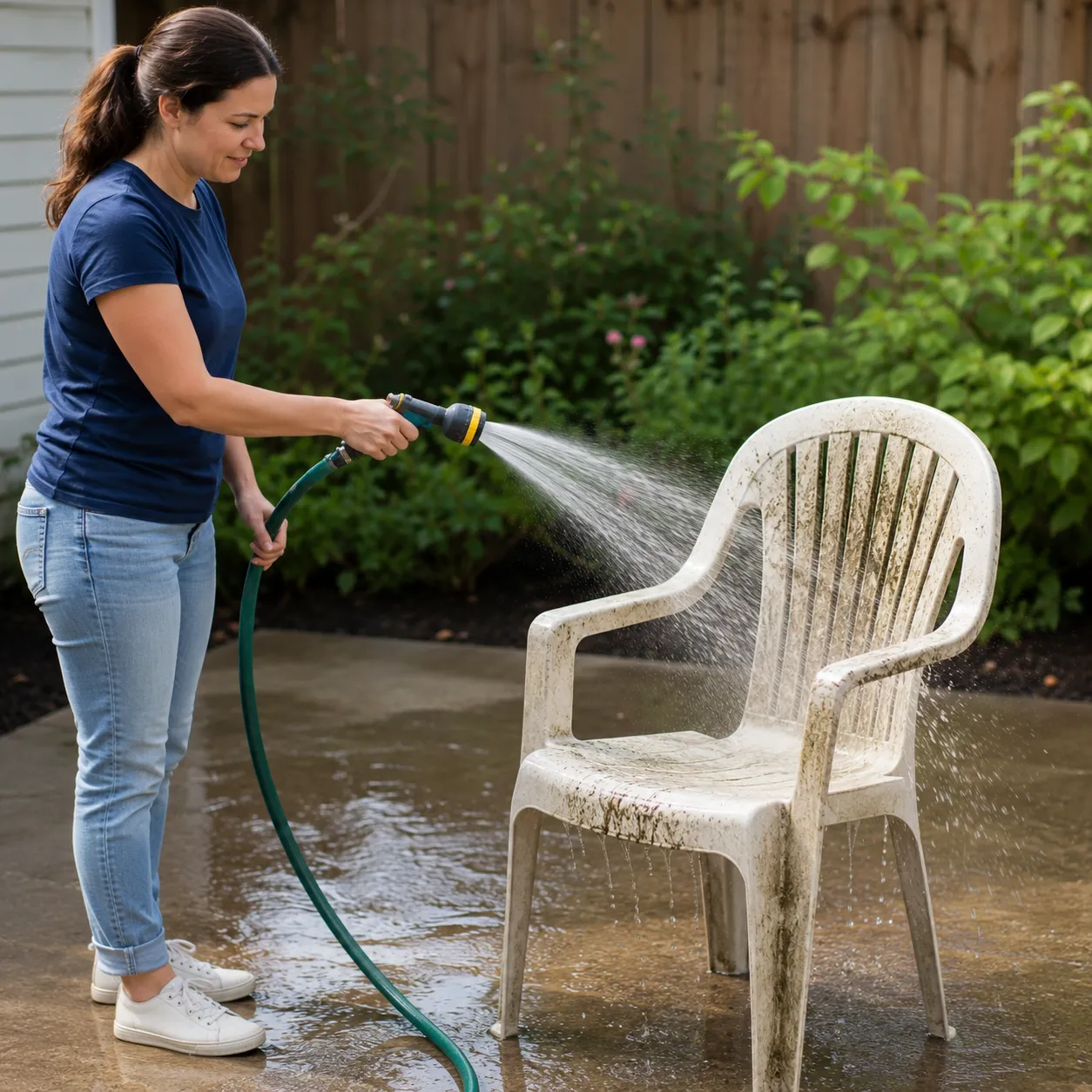
hose downˌhoʊz ˈdaʊn
to wash something by spraying it with water from a hose.

fill upˌfɪl ˈʌp
to put enough of something into a container or space so that it becomes full.
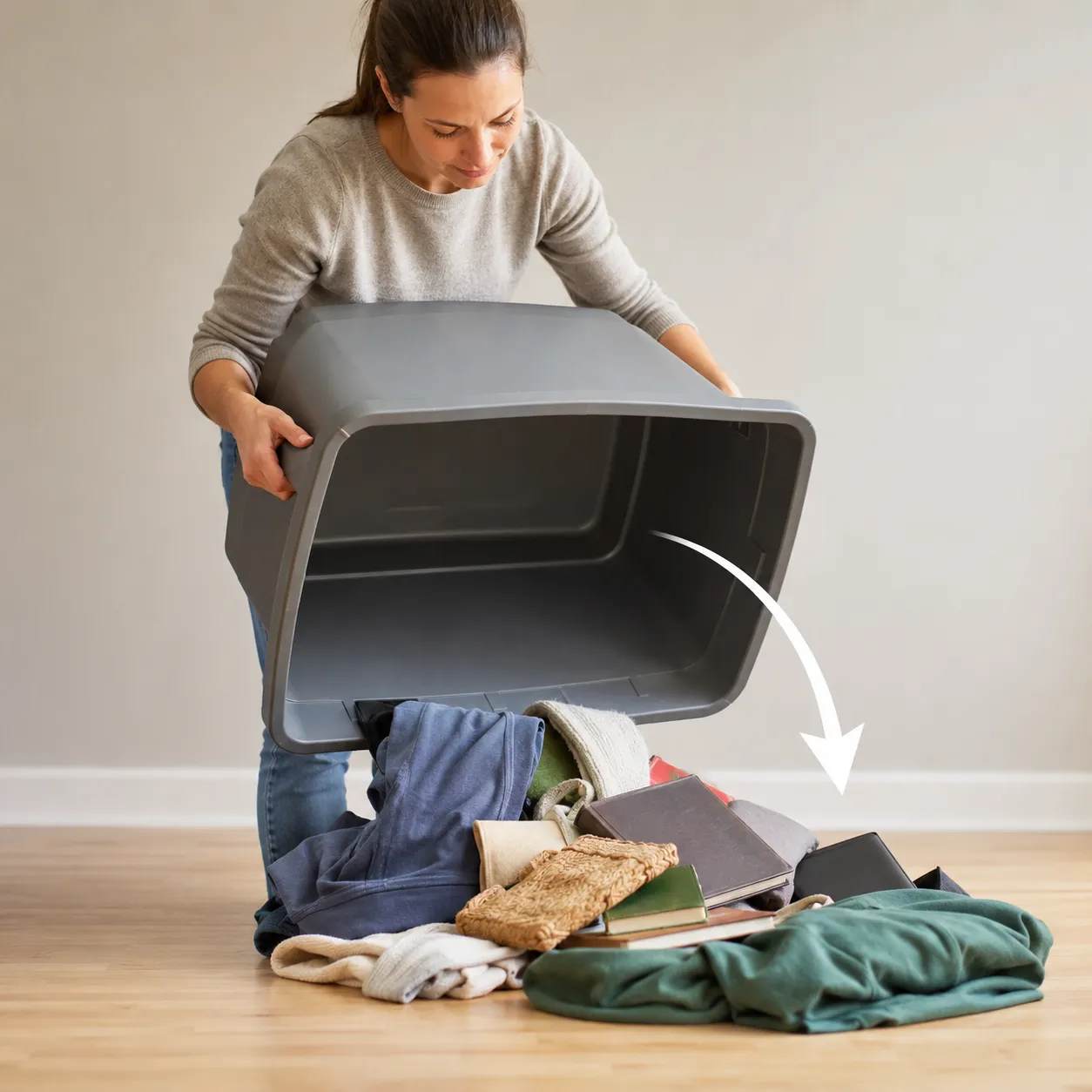
empty outˌɛmpti ˈaʊt
to take everything out of a container, room, or space so that nothing is left inside.
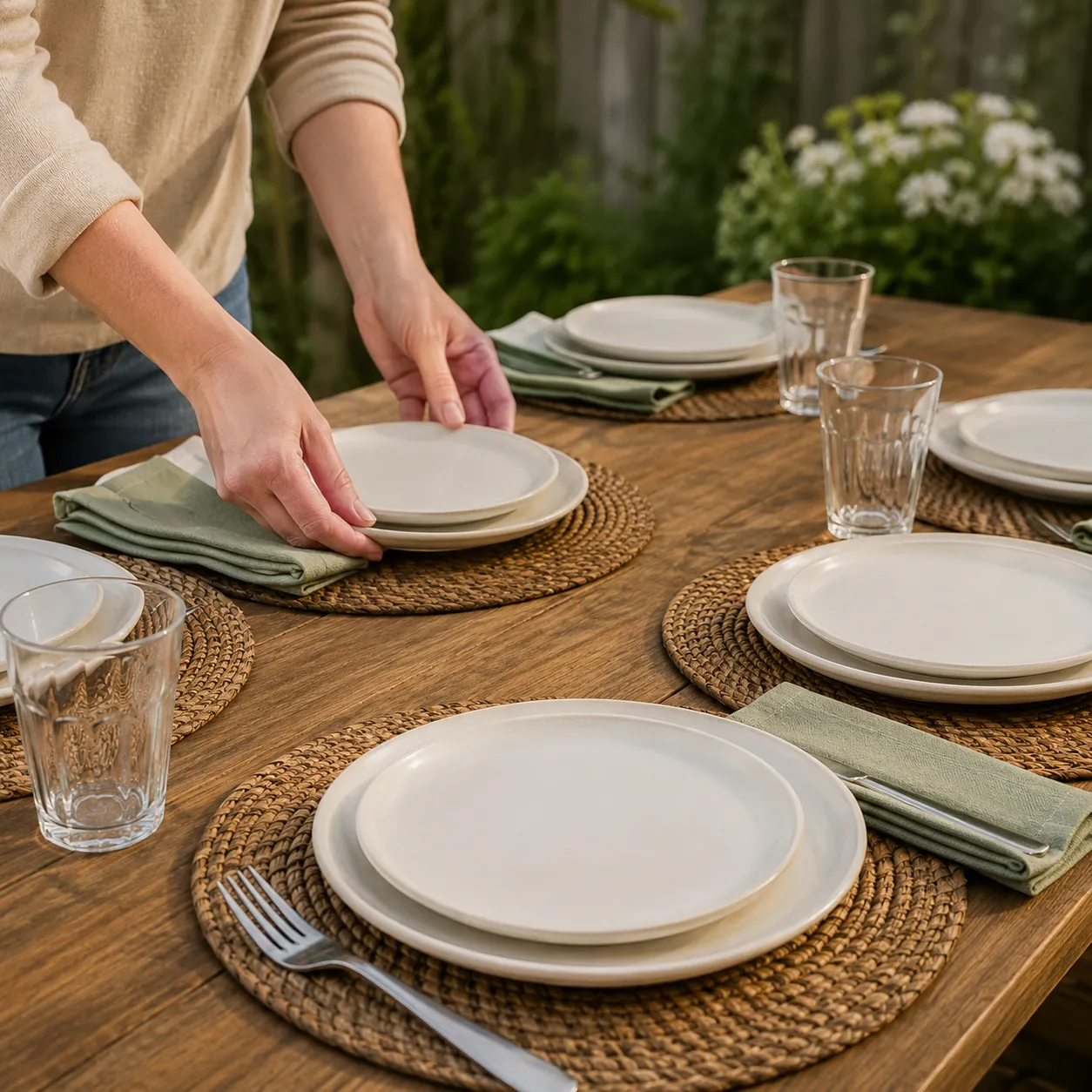
set outˌsɛt ˈaʊt
to put things in particular places so they are ready to be used, seen, or eaten.
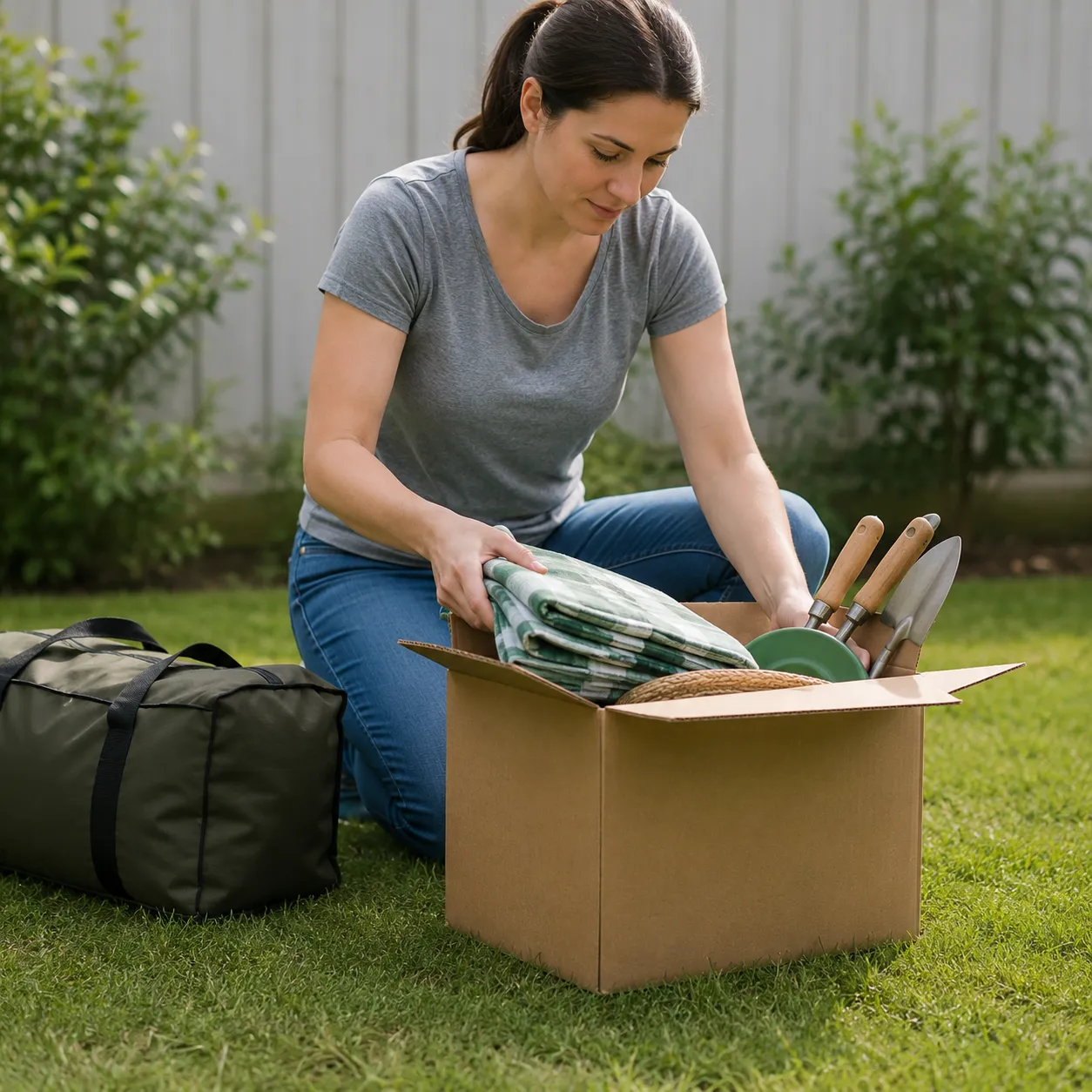
pack upˌpæk ˈʌp
to put things into bags, boxes, or cases, especially before leaving a place or storing them.
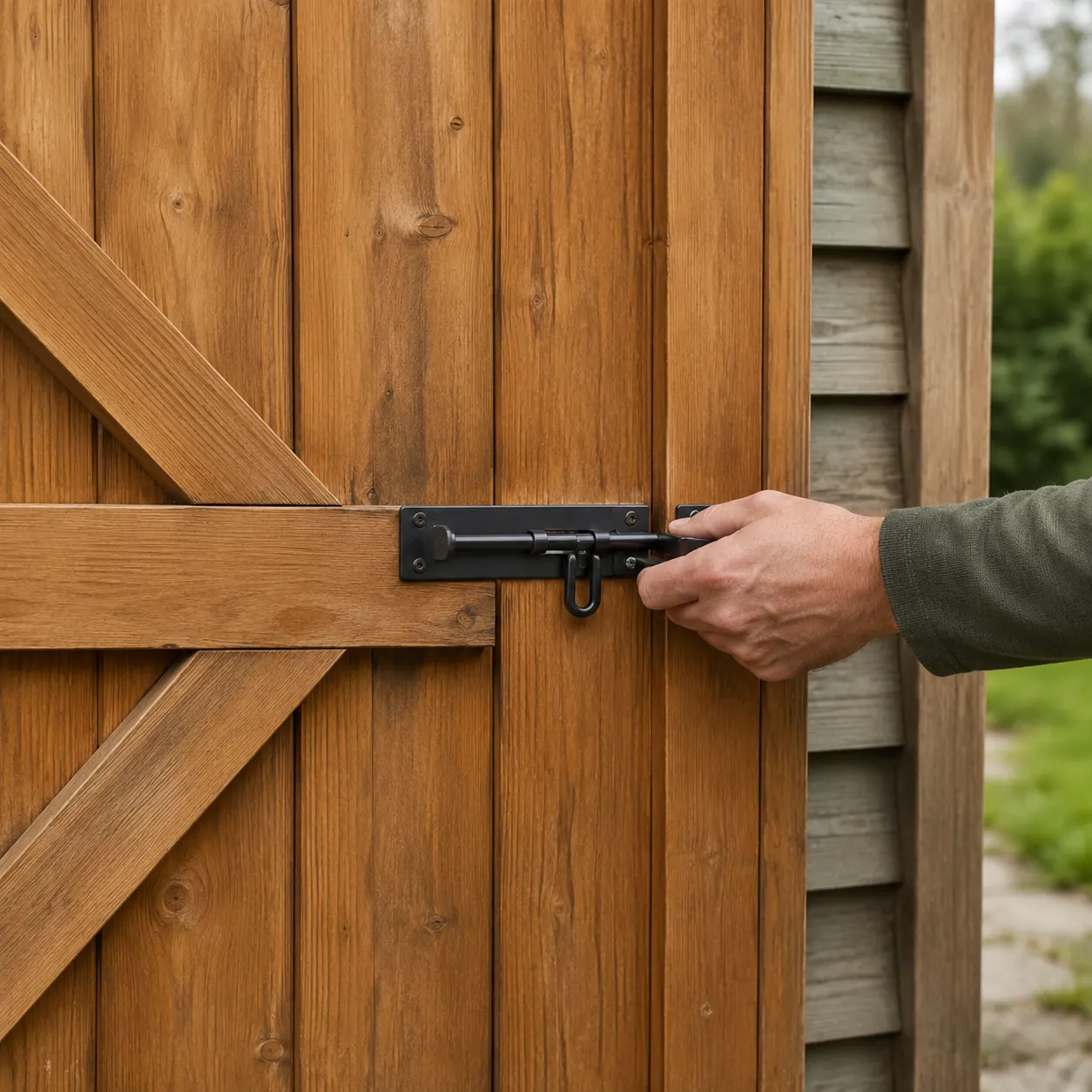
close upˌkloʊz ˈʌp
to shut a place, opening, or object completely, often at the end of use or business.
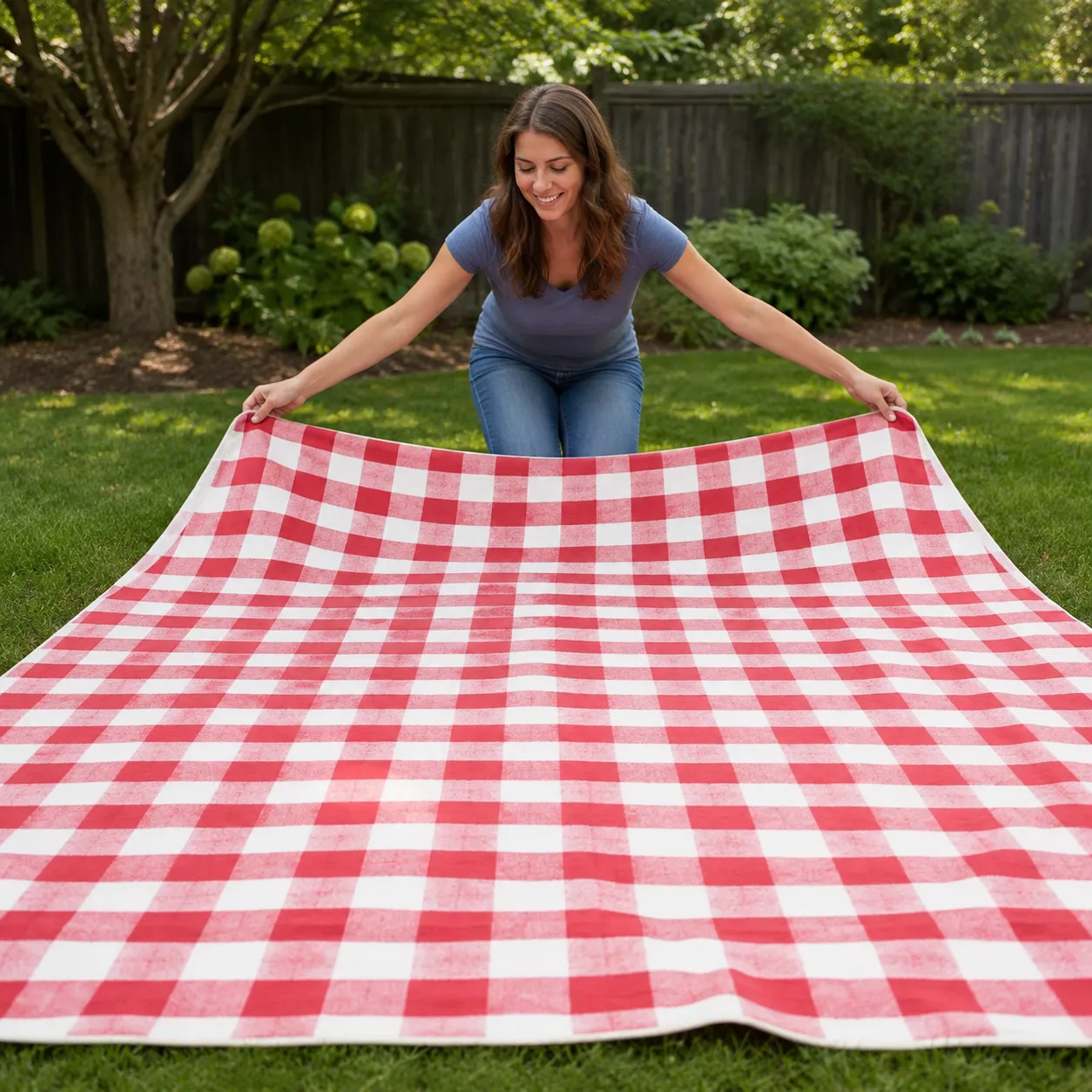
spread outˌsprɛd ˈaʊt
to arrange things or people over a larger area instead of keeping them close together.
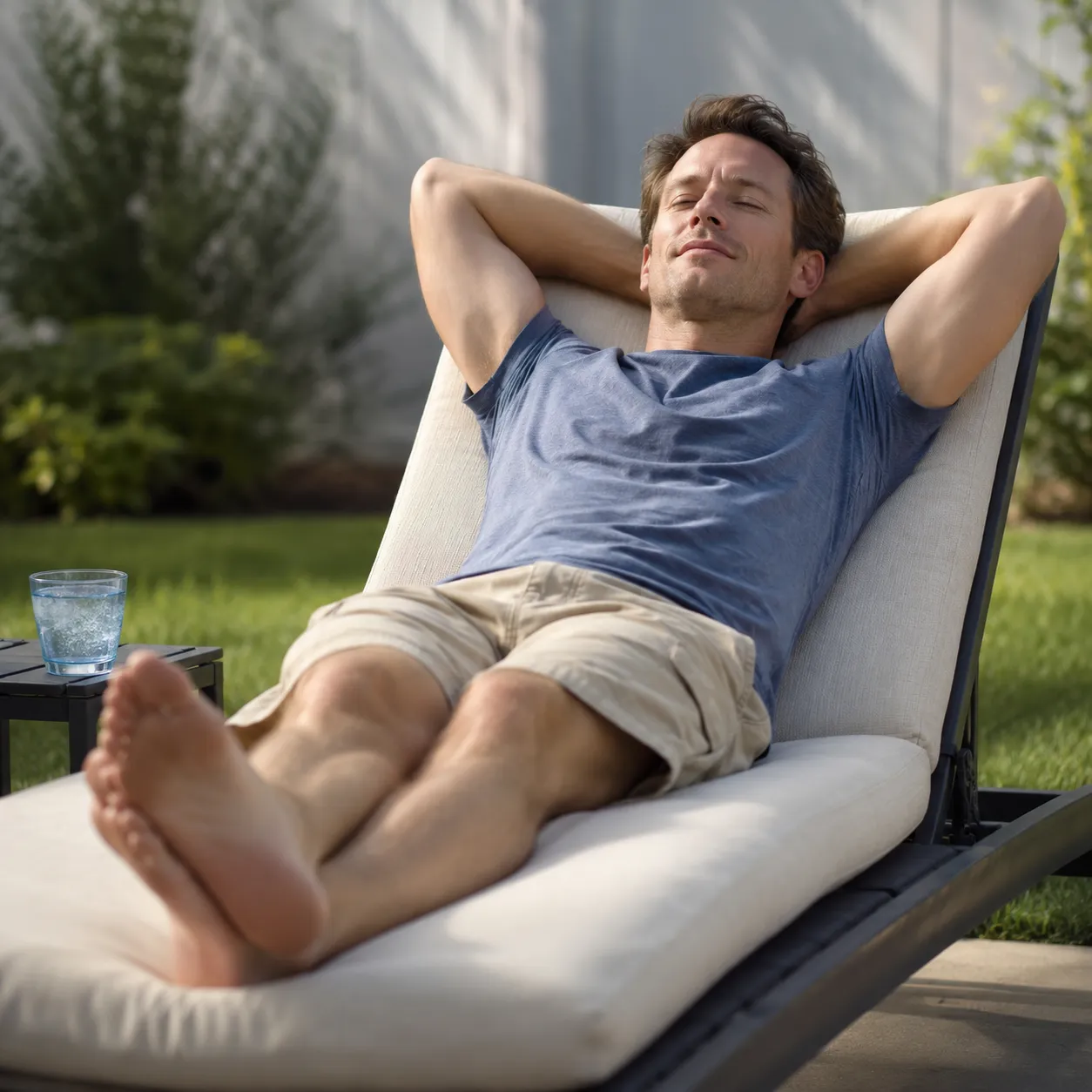
lounge aroundˌlaʊndʒ əˈraʊnd
to spend time relaxing in a lazy way, usually without doing anything important.

play outsideˌpleɪ aʊtˈsaɪd
to have fun or take part in games in the open air, not inside a building.
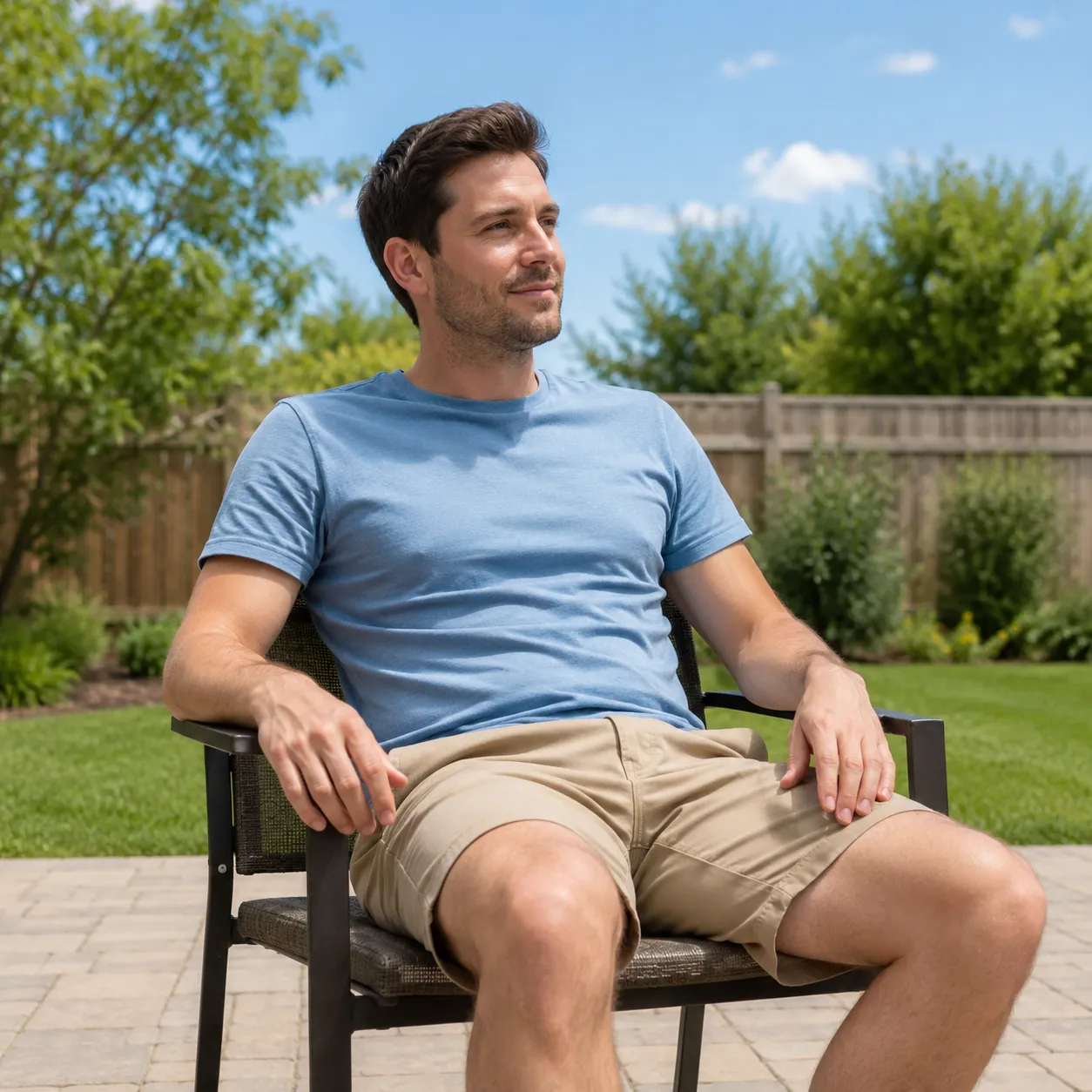
sit outsideˌsɪt aʊtˈsaɪd
to rest on a chair, bench, or the ground in the open air, not inside a building.

eat outsideˌiːt aʊtˈsaɪd
to have food or a meal in the open air, not inside a building.
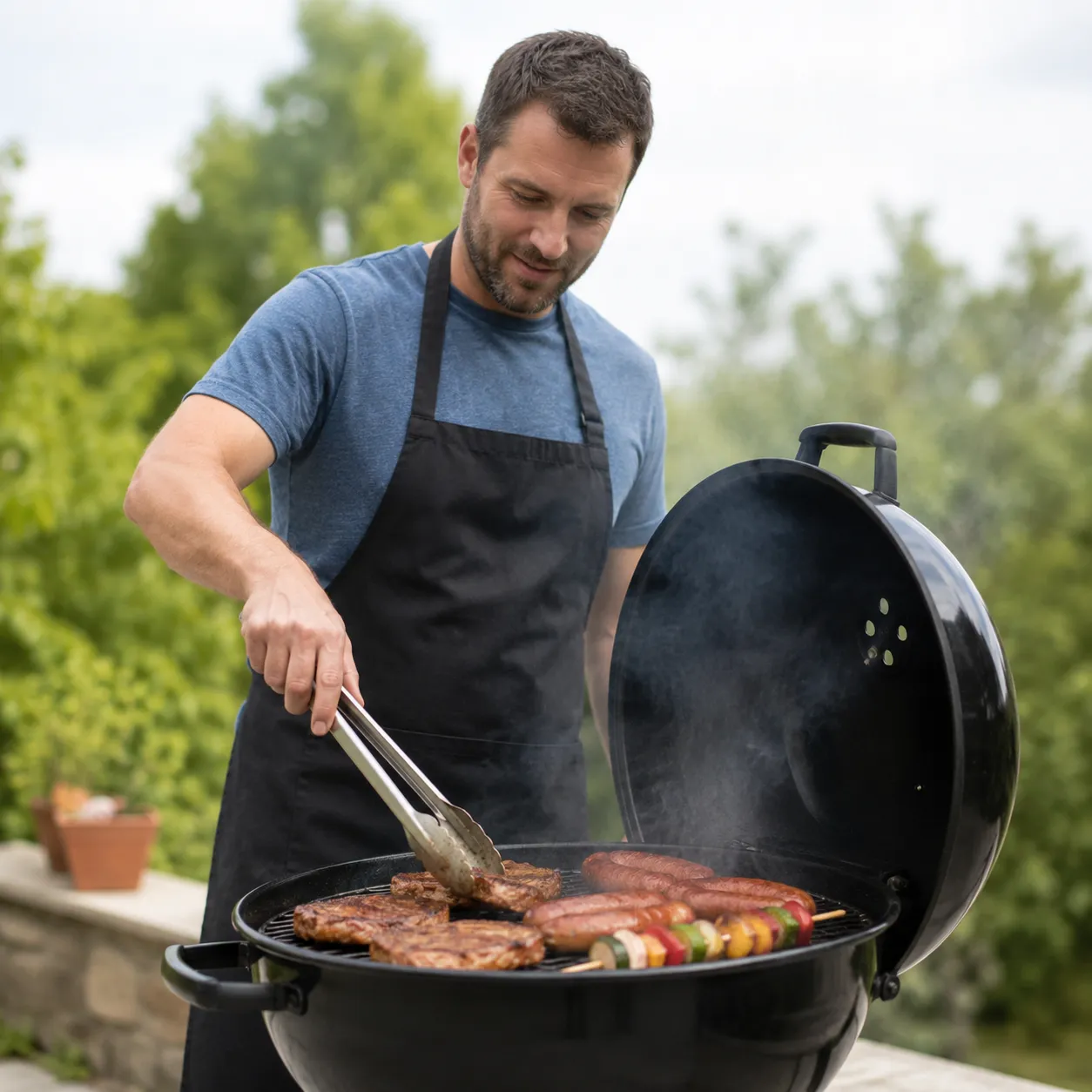
cook outsideˌkʊk aʊtˈsaɪd
to prepare food in the open air, for example on a barbecue or fire.
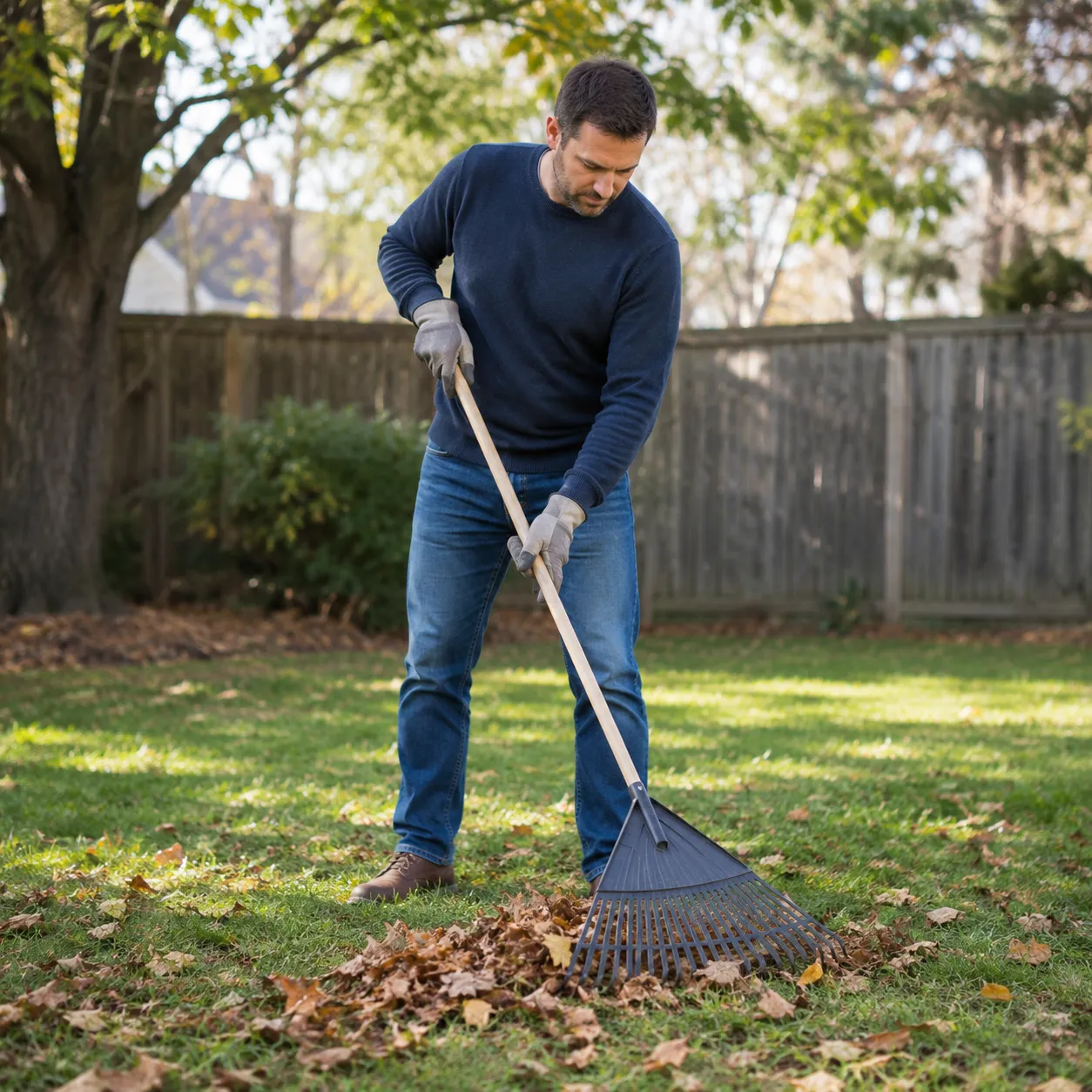
work outsideˌwɝːk aʊtˈsaɪd
to do a job or task in the open air, not inside a building.
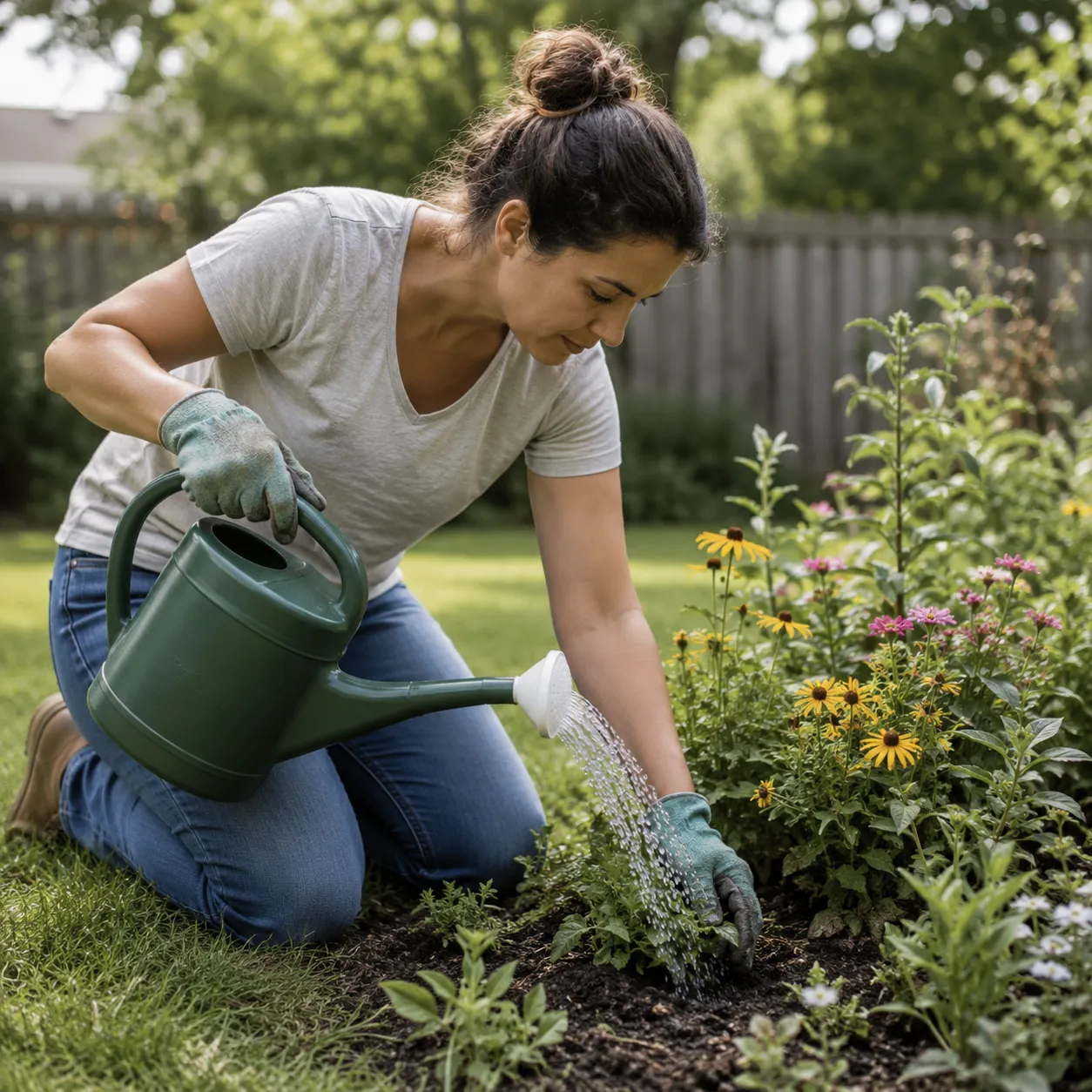
garden outsideˌɡɑːrdən aʊtˈsaɪd
to work with plants and soil in a garden or other outdoor space.
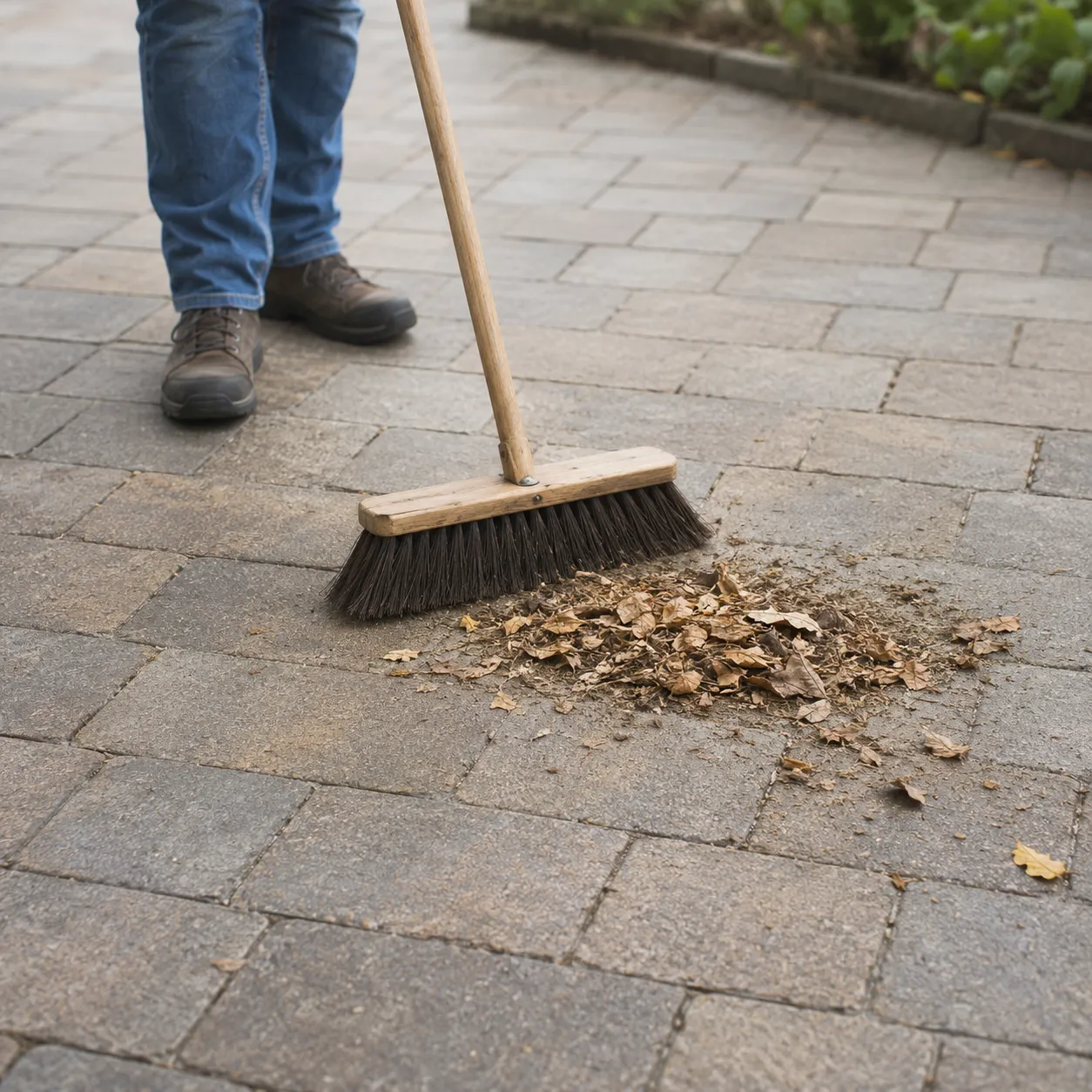
clean the patioˌkliːn ðə ˈpætioʊ
to remove dirt, leaves, or mess from a paved outdoor area used for sitting or eating.
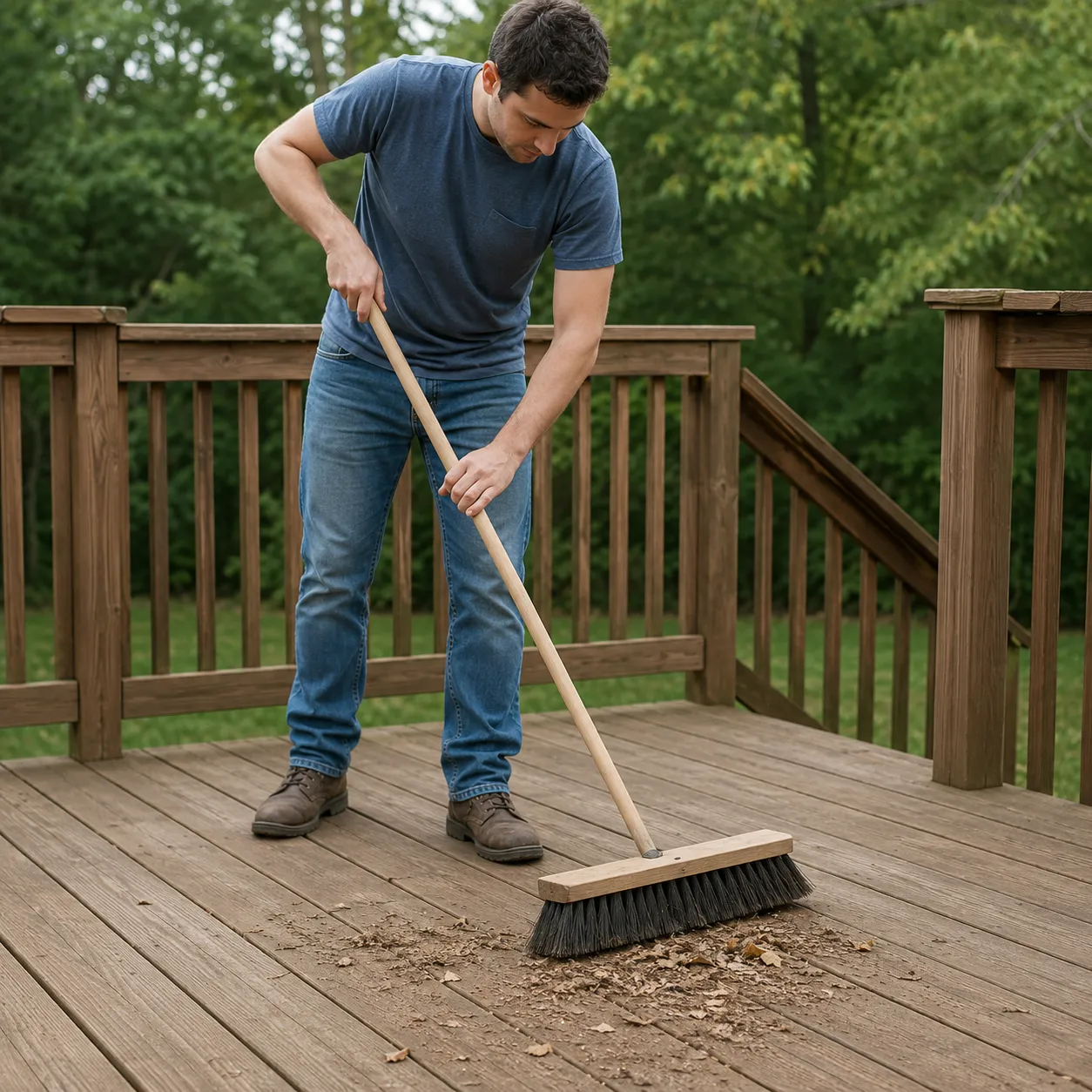
sweep the deckˌswiːp ðə ˈdɛk
to clean an outdoor wooden floor or platform by pushing dirt and leaves away with a broom.
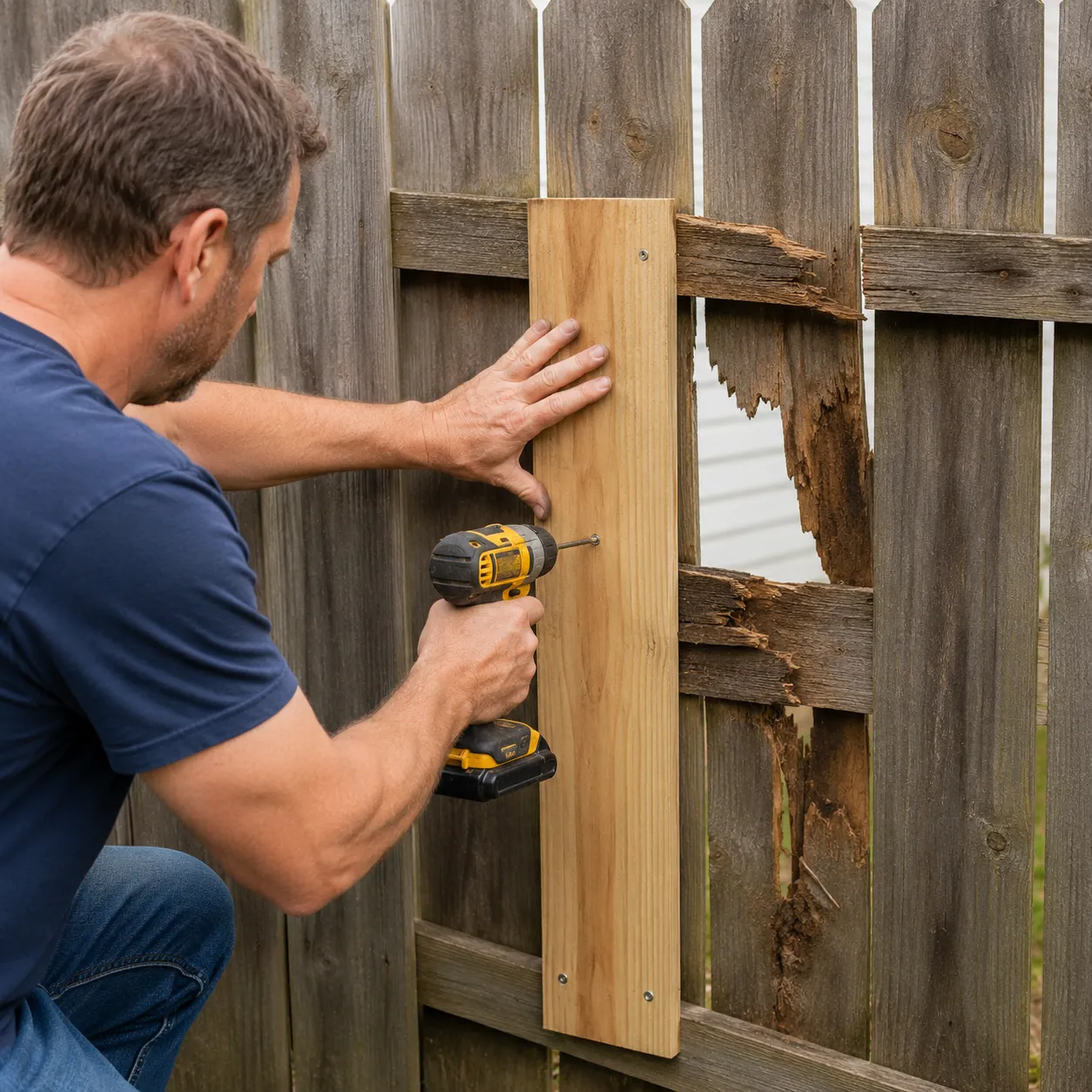
repair the fencerɪˌpɛr ðə ˈfɛns
to fix a damaged structure that marks or closes the edge of a garden, yard, or property.
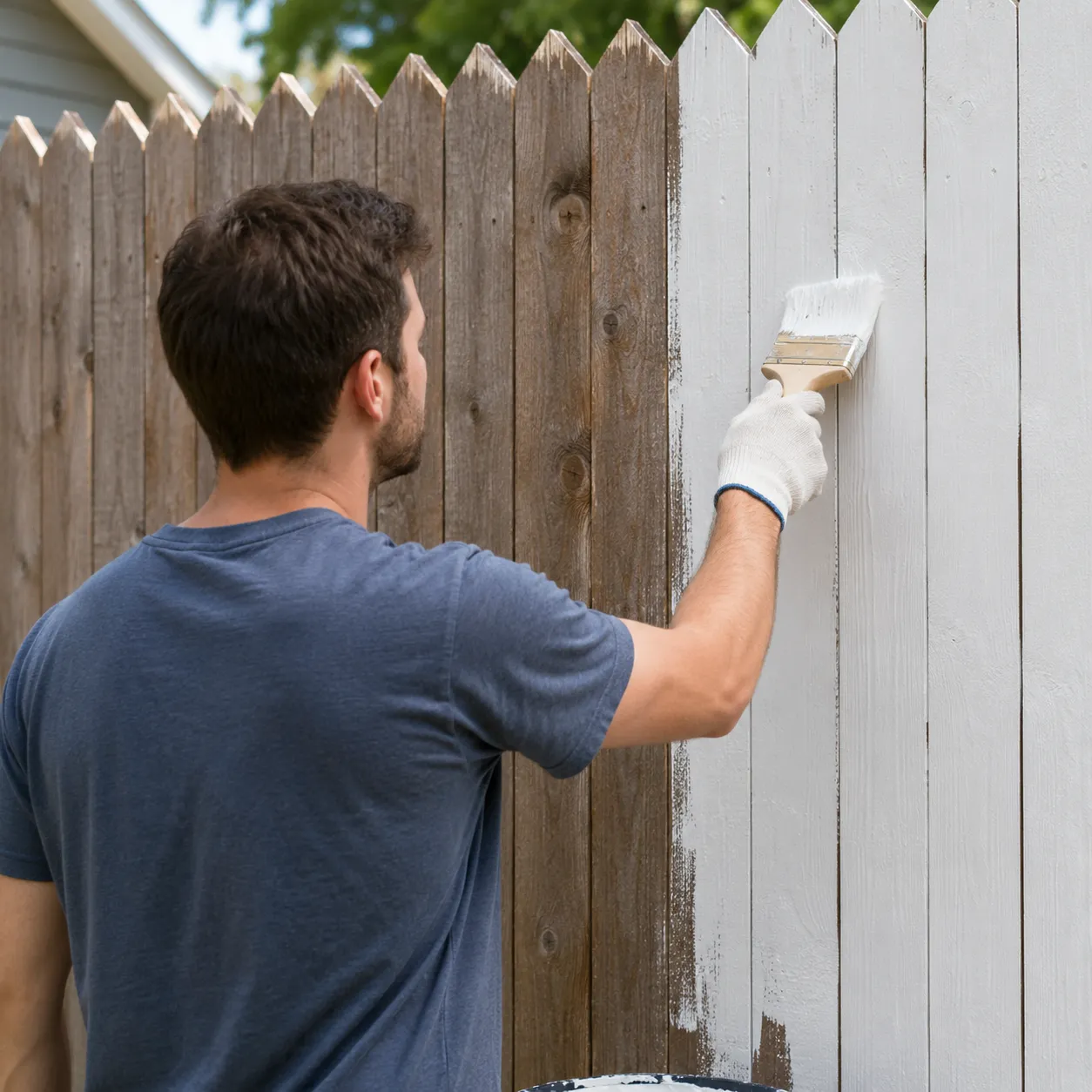
paint the fenceˌpeɪnt ðə ˈfɛns
to put paint on a fence to give it colour or protect its surface.
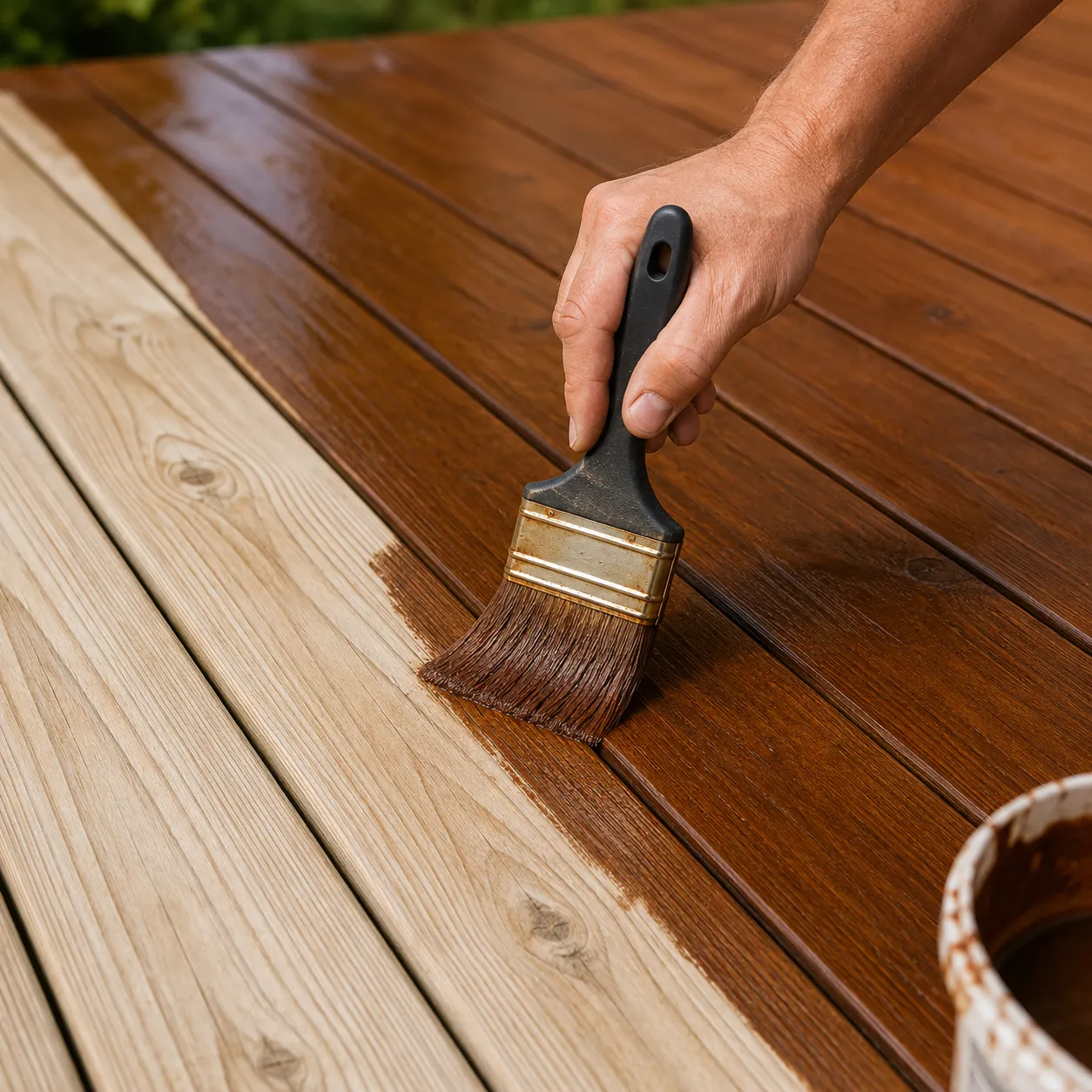
stain the deckˌsteɪn ðə ˈdɛk
to put a coloured liquid on a wooden outdoor floor or platform to protect the wood and improve its appearance.
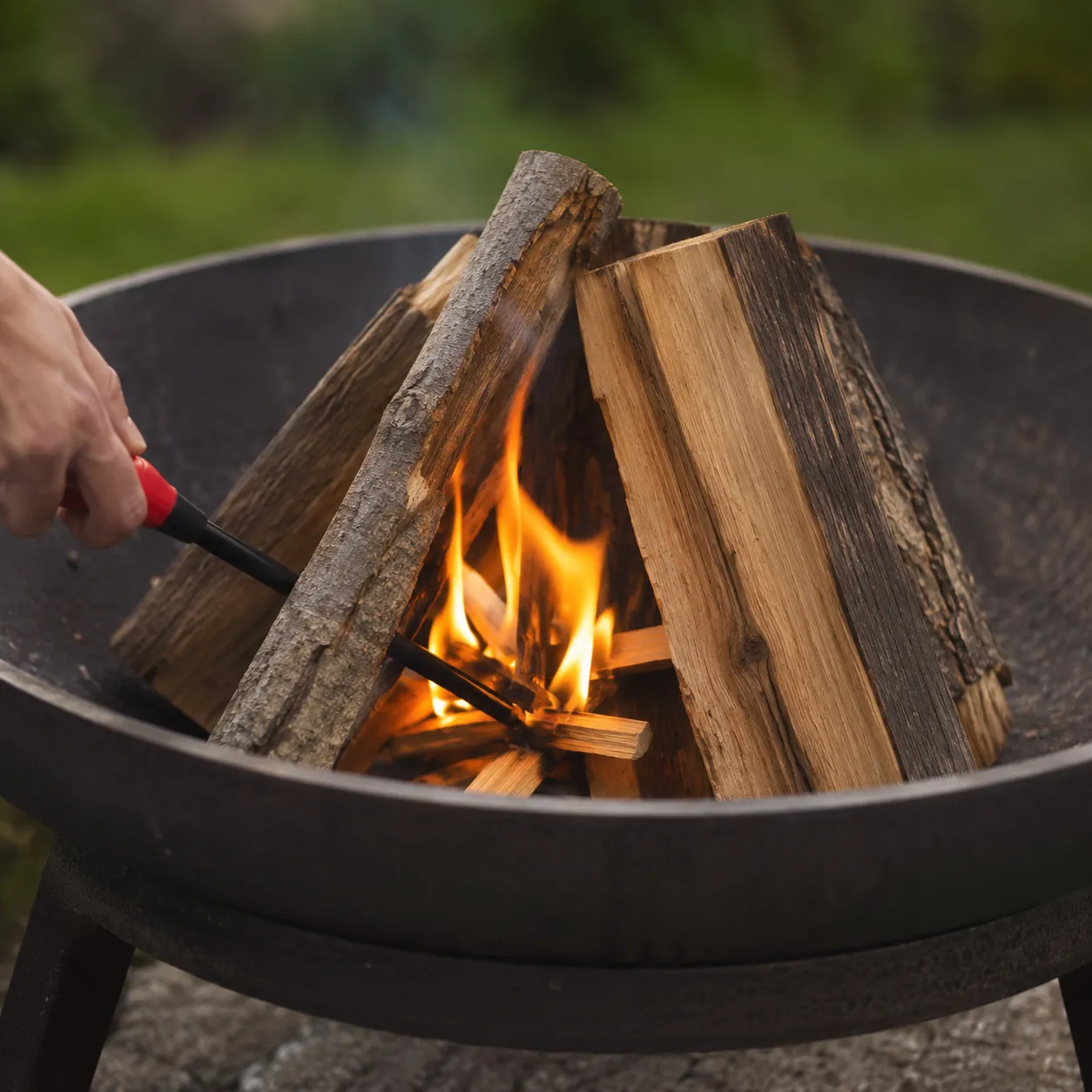
light the fireˌlaɪt ðə ˈfaɪər
to make wood, coal, or other fuel start burning so there is a fire.
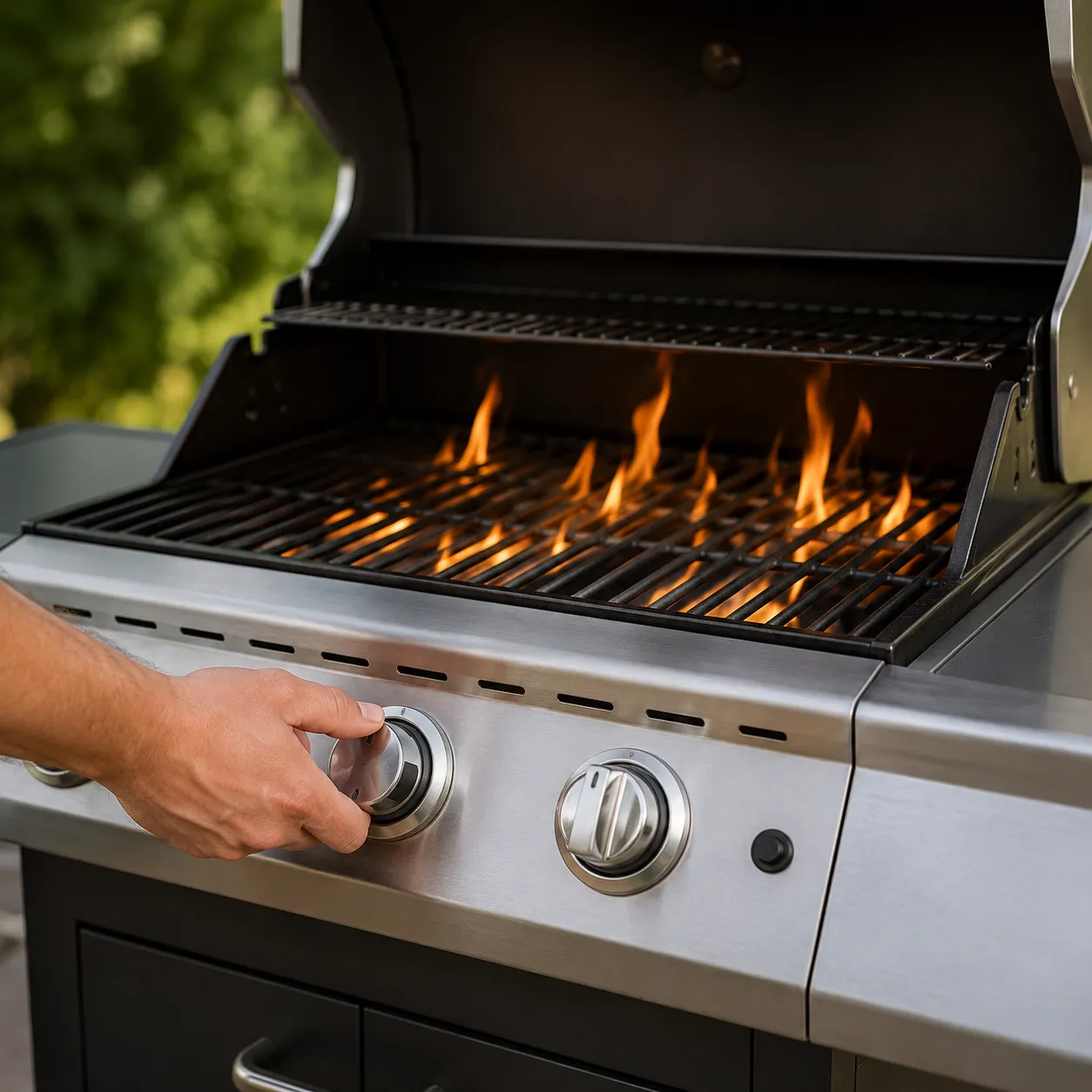
start the grillstɑːrt ðə ɡrɪl
to light or turn on an outdoor grill so it becomes hot enough for cooking food.
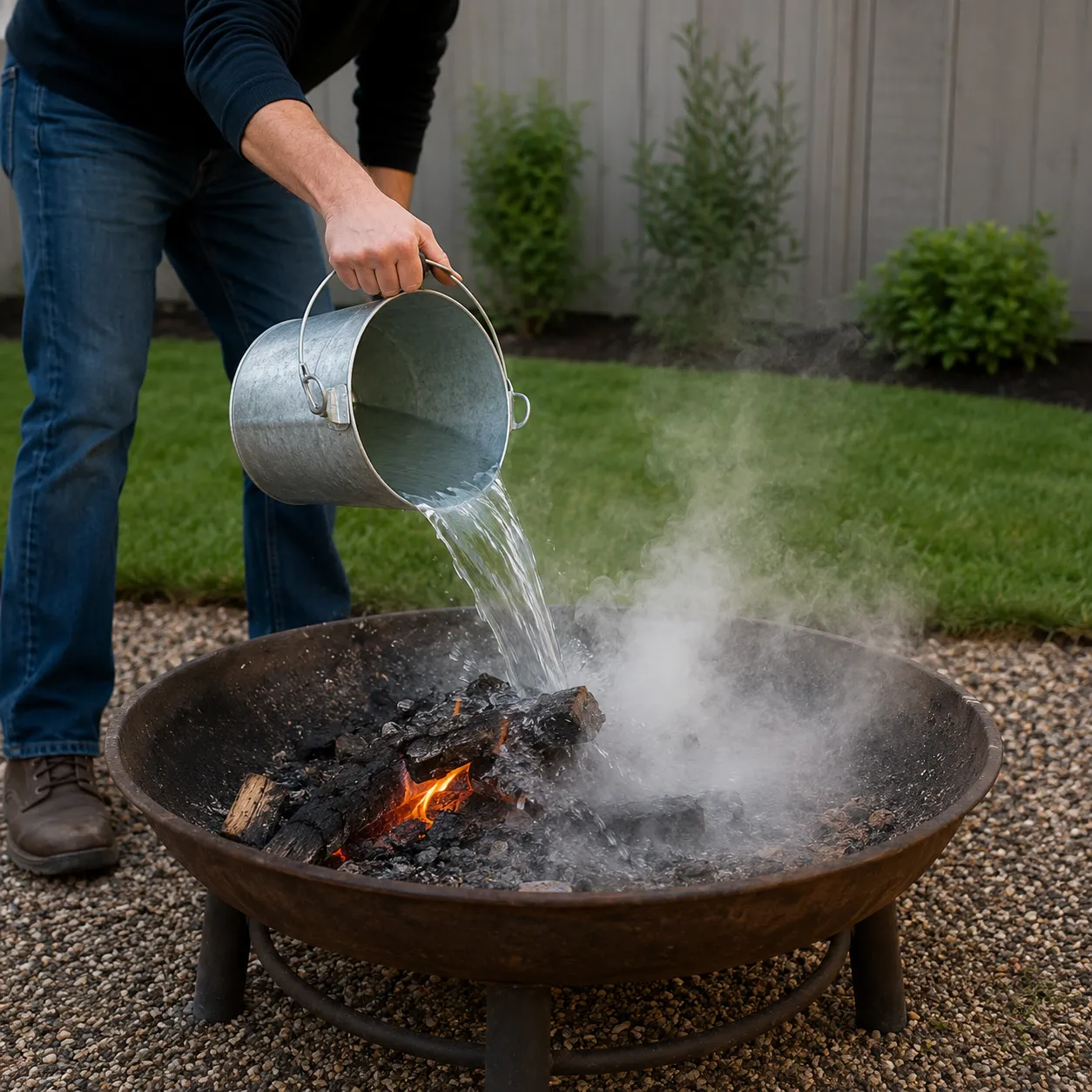
put out the firepʊt aʊt ðə ˈfaɪər
to make a fire stop burning, usually with water, sand, or another safe method.
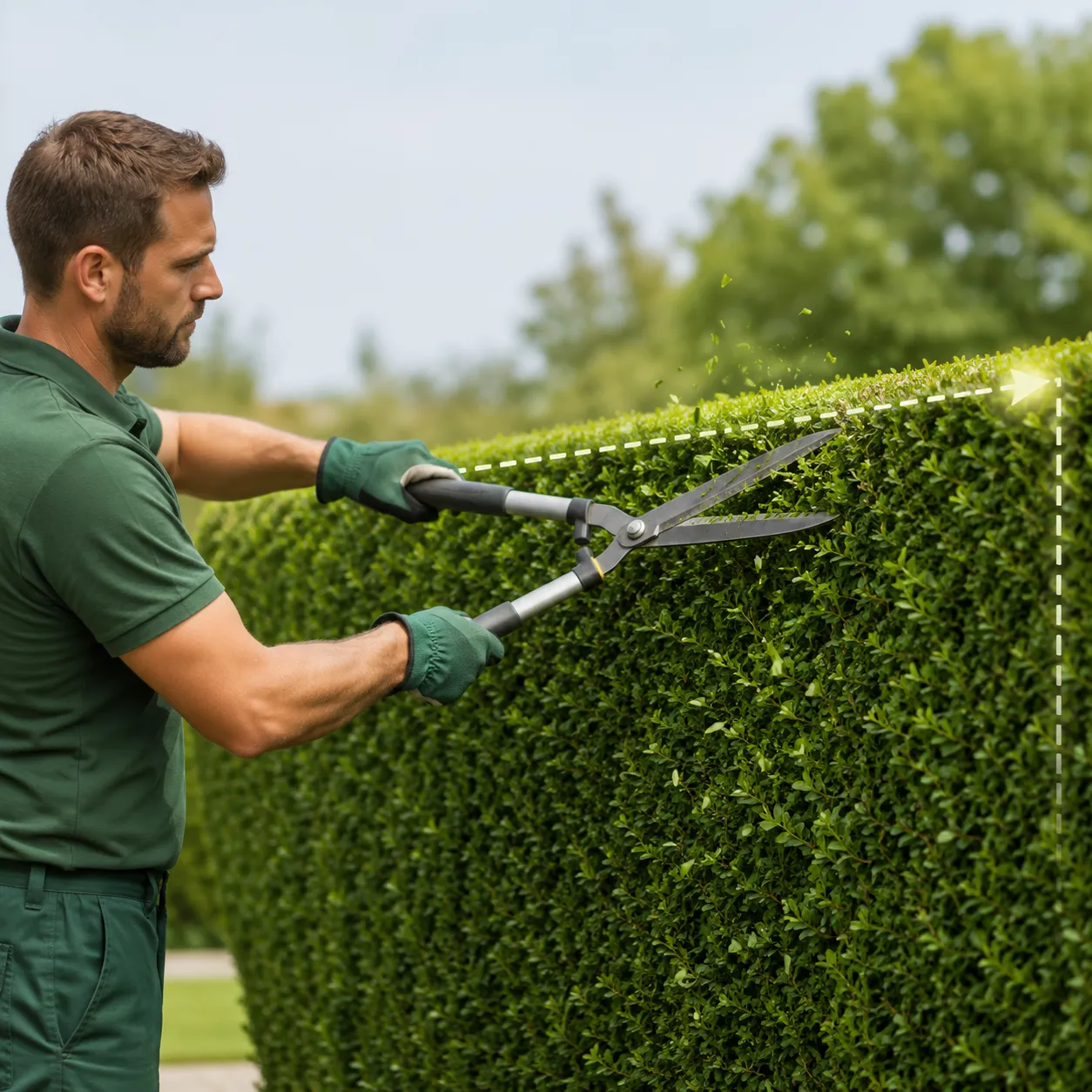
trim the hedgetrɪm ðə hɛdʒ
to cut the outside of a hedge so it looks neat and keeps the shape you want.
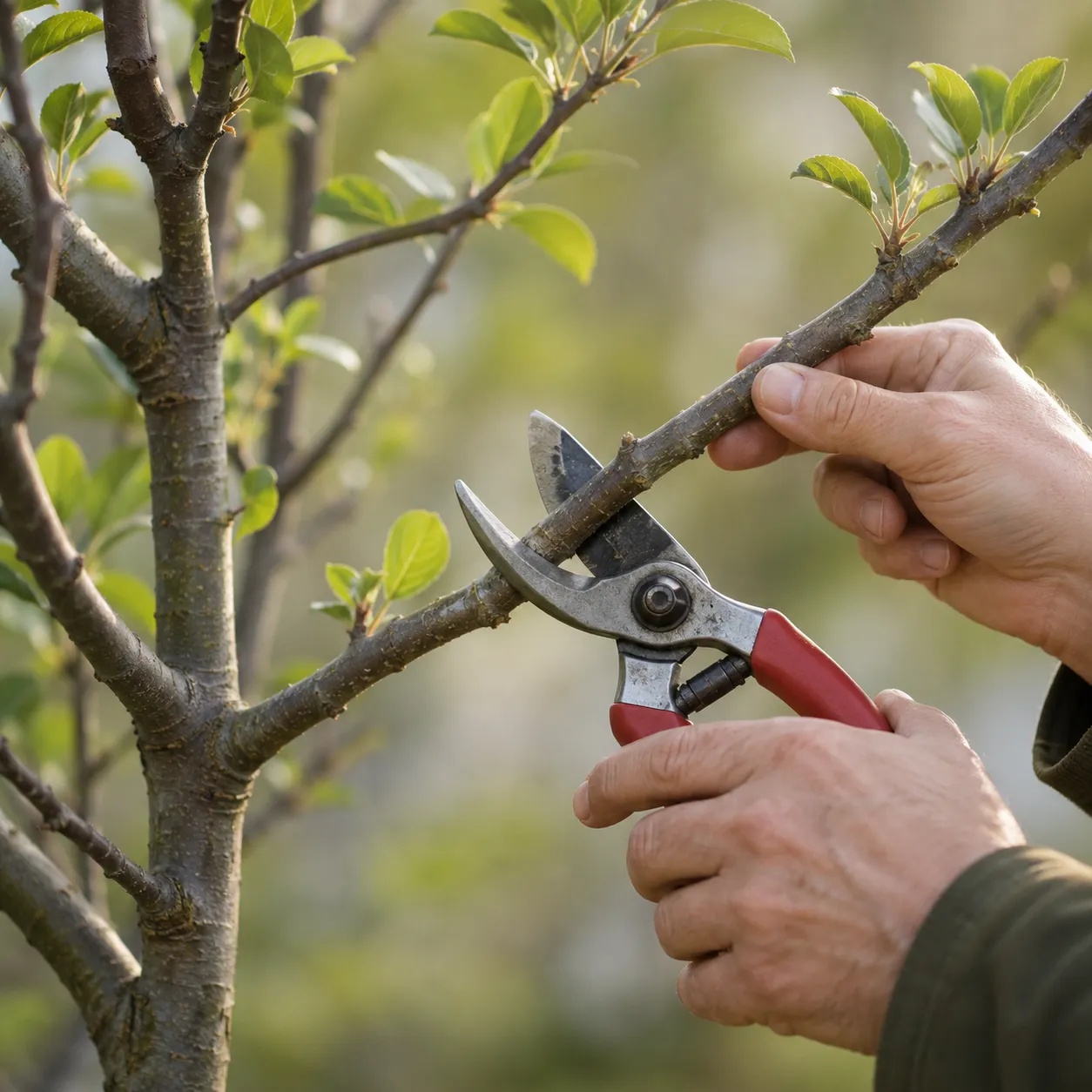
prune the treepruːn ðə triː
to cut off some branches from a tree to keep it healthy, safe, or in a good shape.
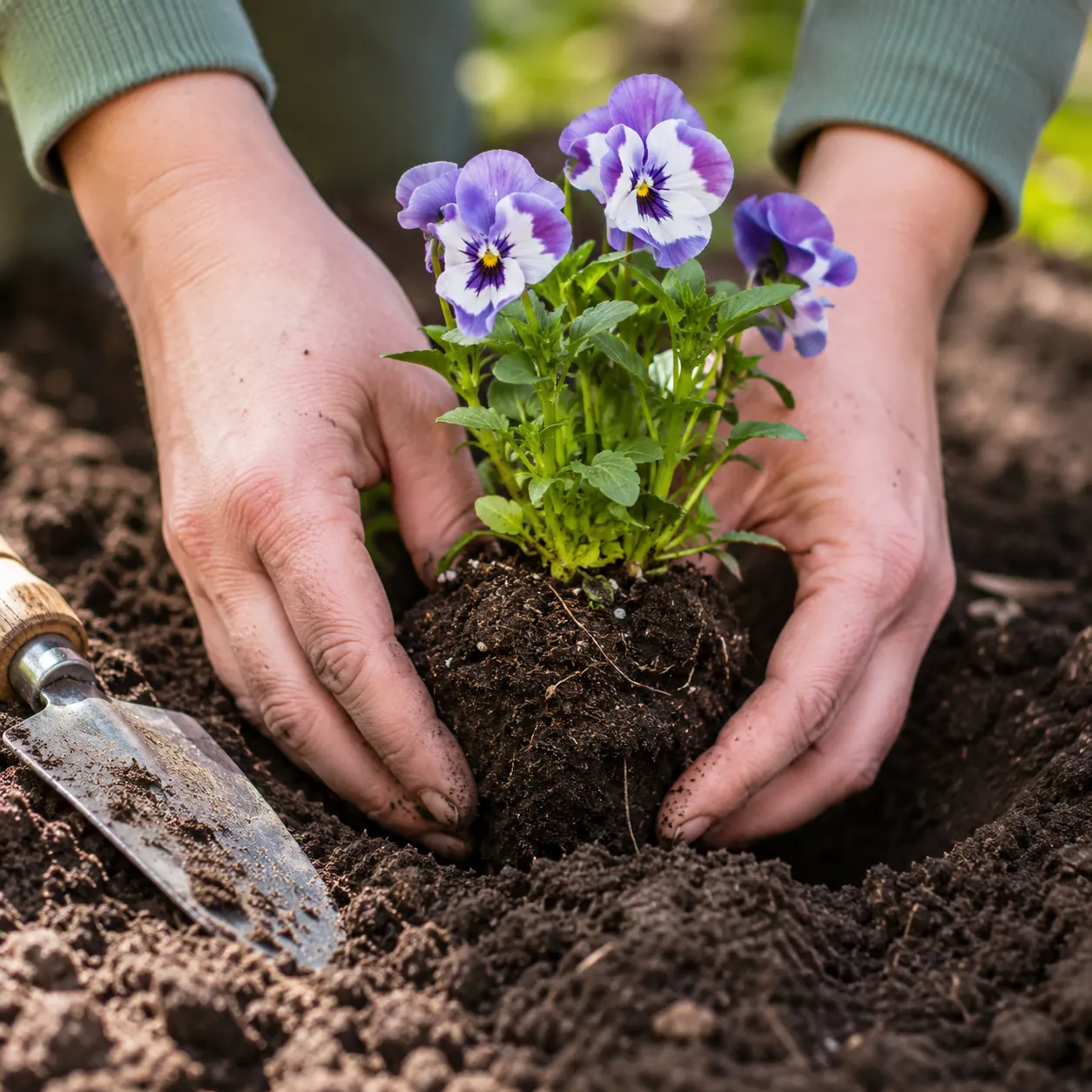
plant flowersplænt ˈflaʊərz
to put flower seeds or young flower plants into soil so they can grow.
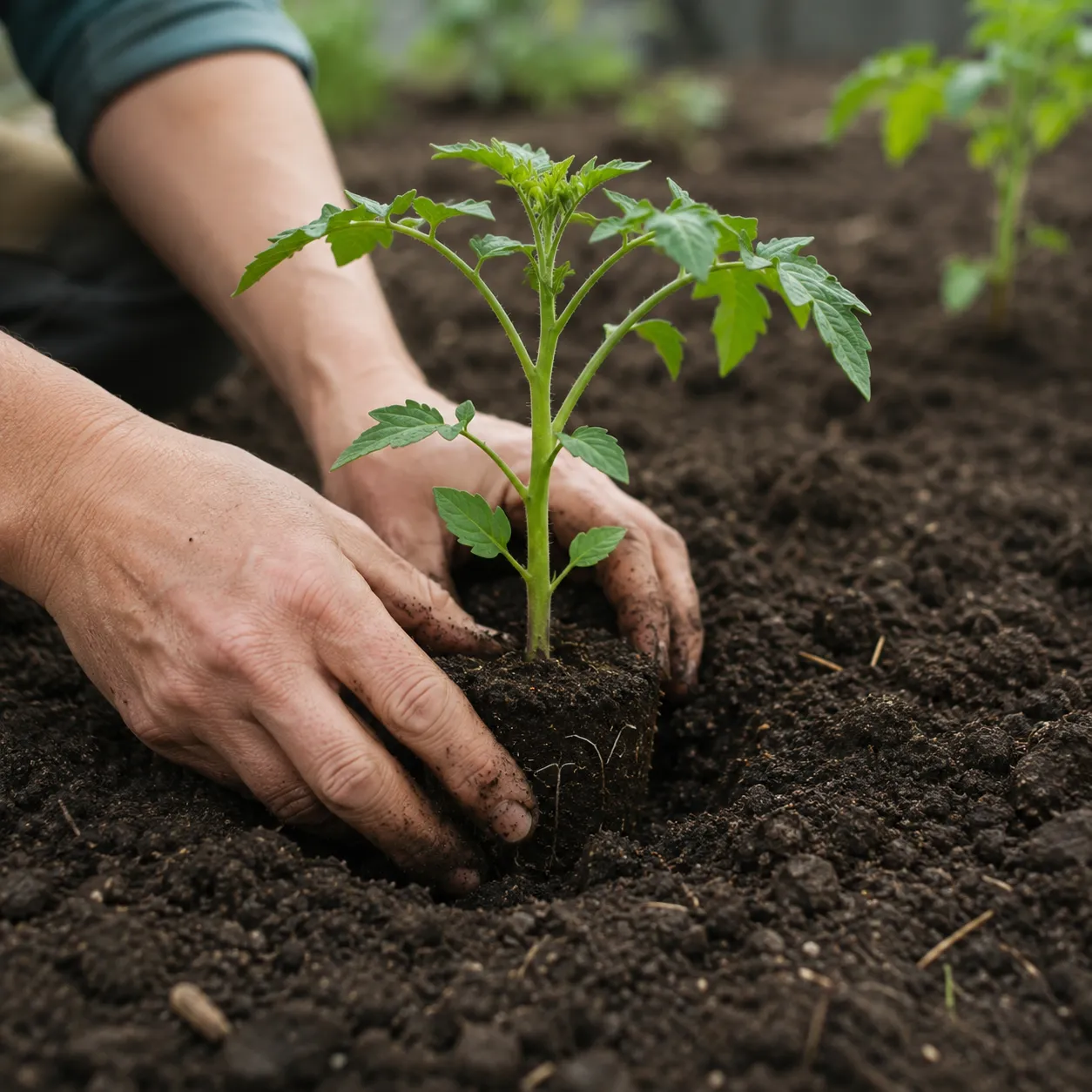
plant vegetablesplænt ˈvɛdʒtəbəlz
to put vegetable seeds or young vegetable plants into soil so they can grow.
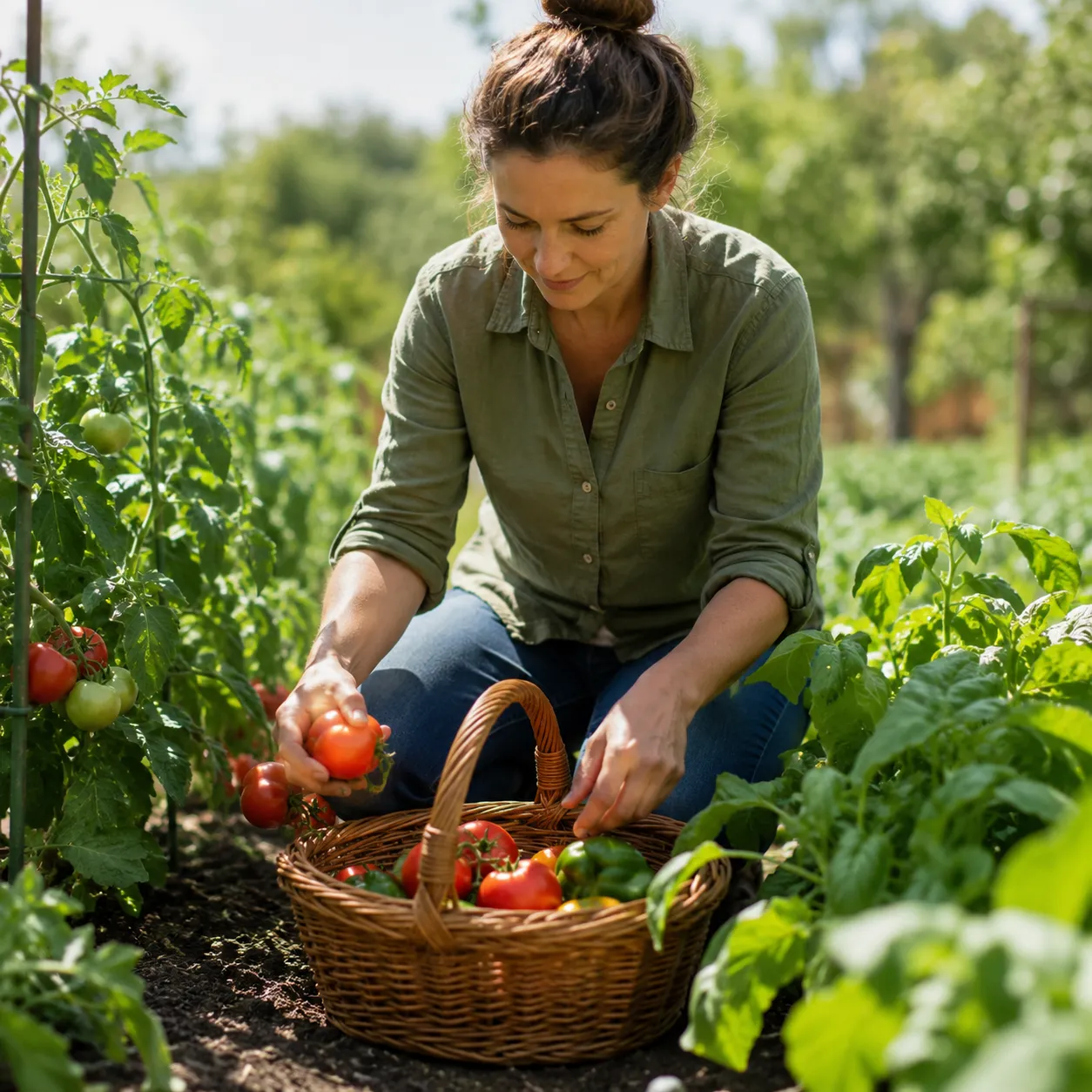
harvest vegetablesˈhɑːrvəst ˈvɛdʒtəbəlz
to collect vegetables from a garden or field when they are ready to eat or store.
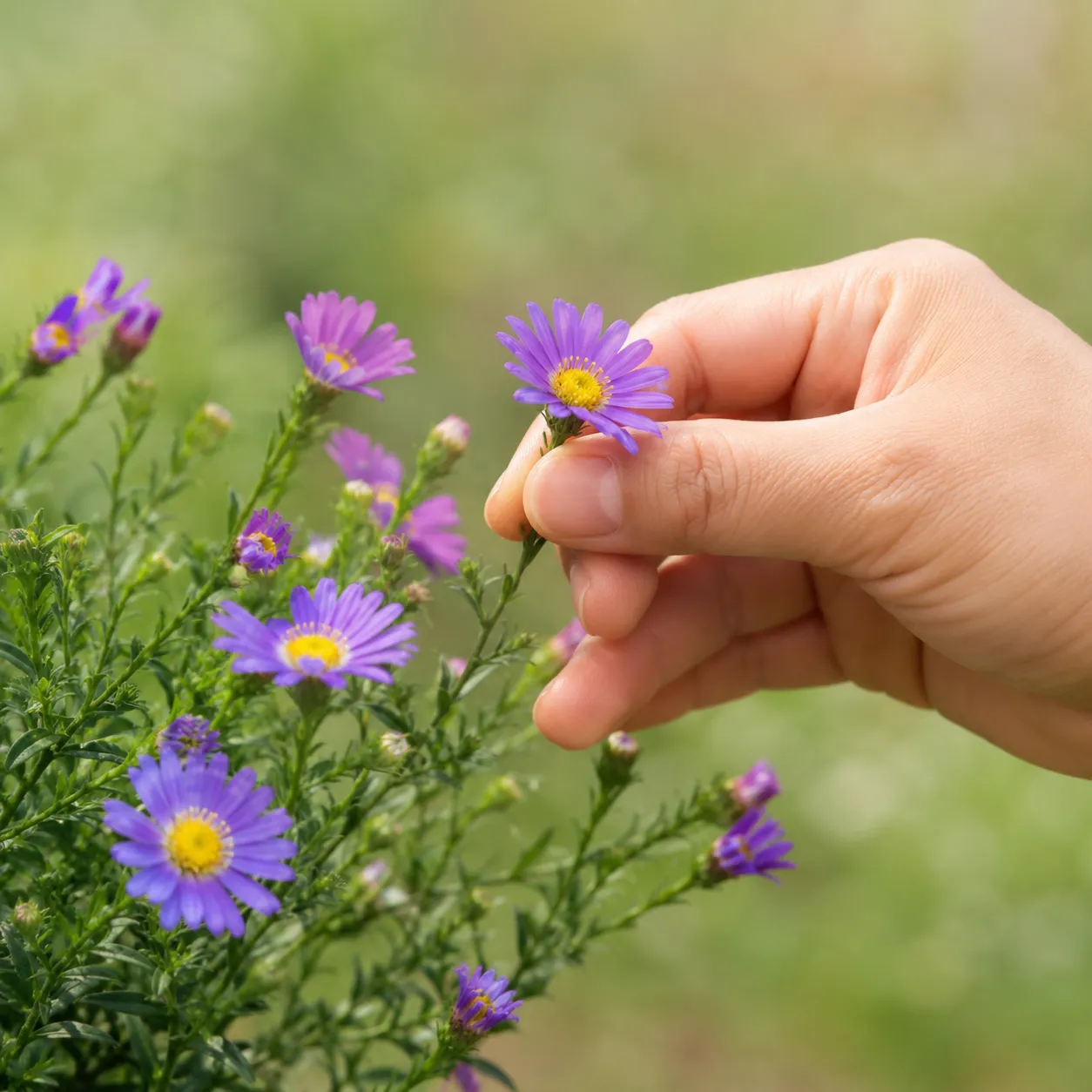
pick flowerspɪk ˈflaʊərz
to take flowers from their stems by hand, often to make a bunch or bring them inside.
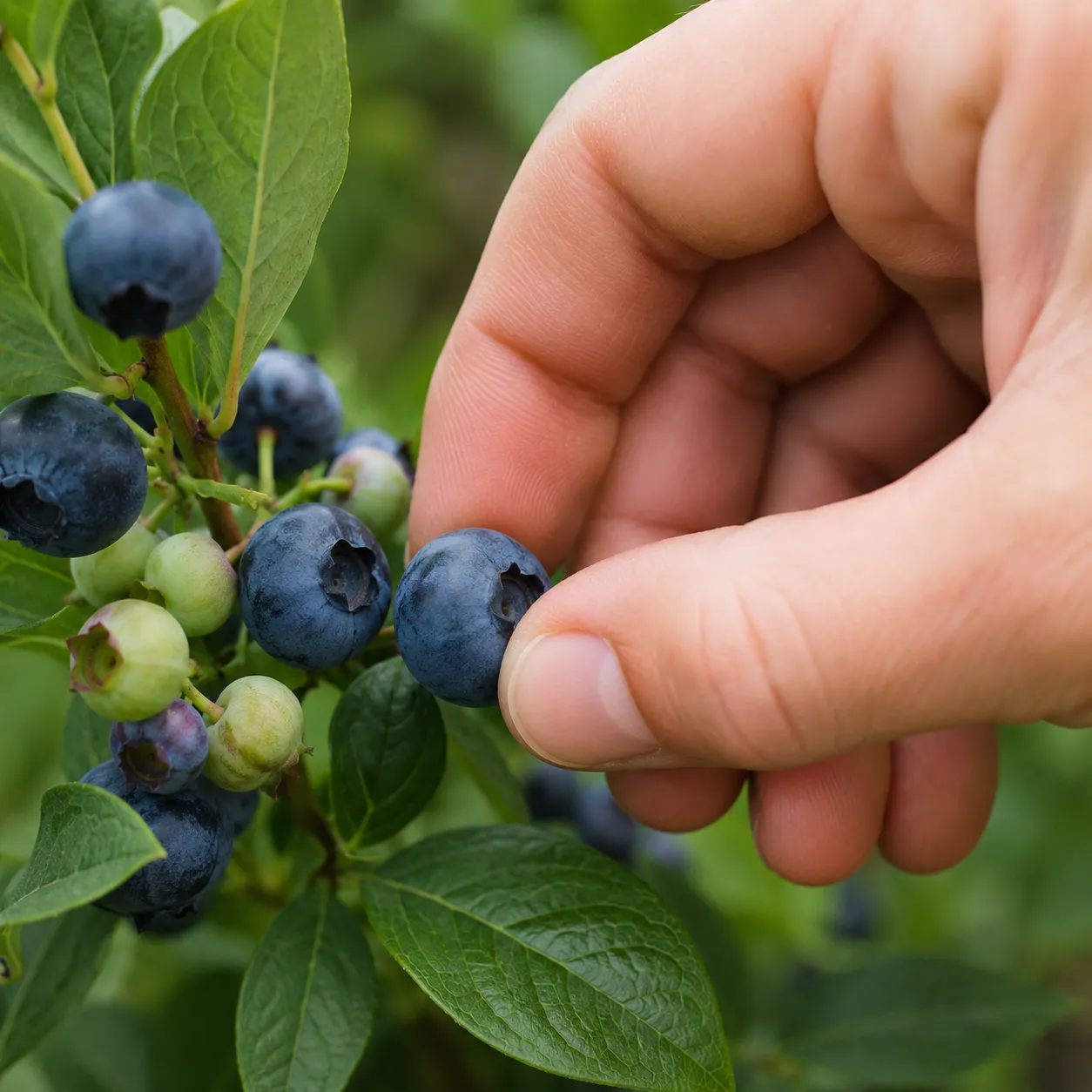
pick berriespɪk ˈbɛriz
to take berries from bushes or other plants by hand when they are ripe.
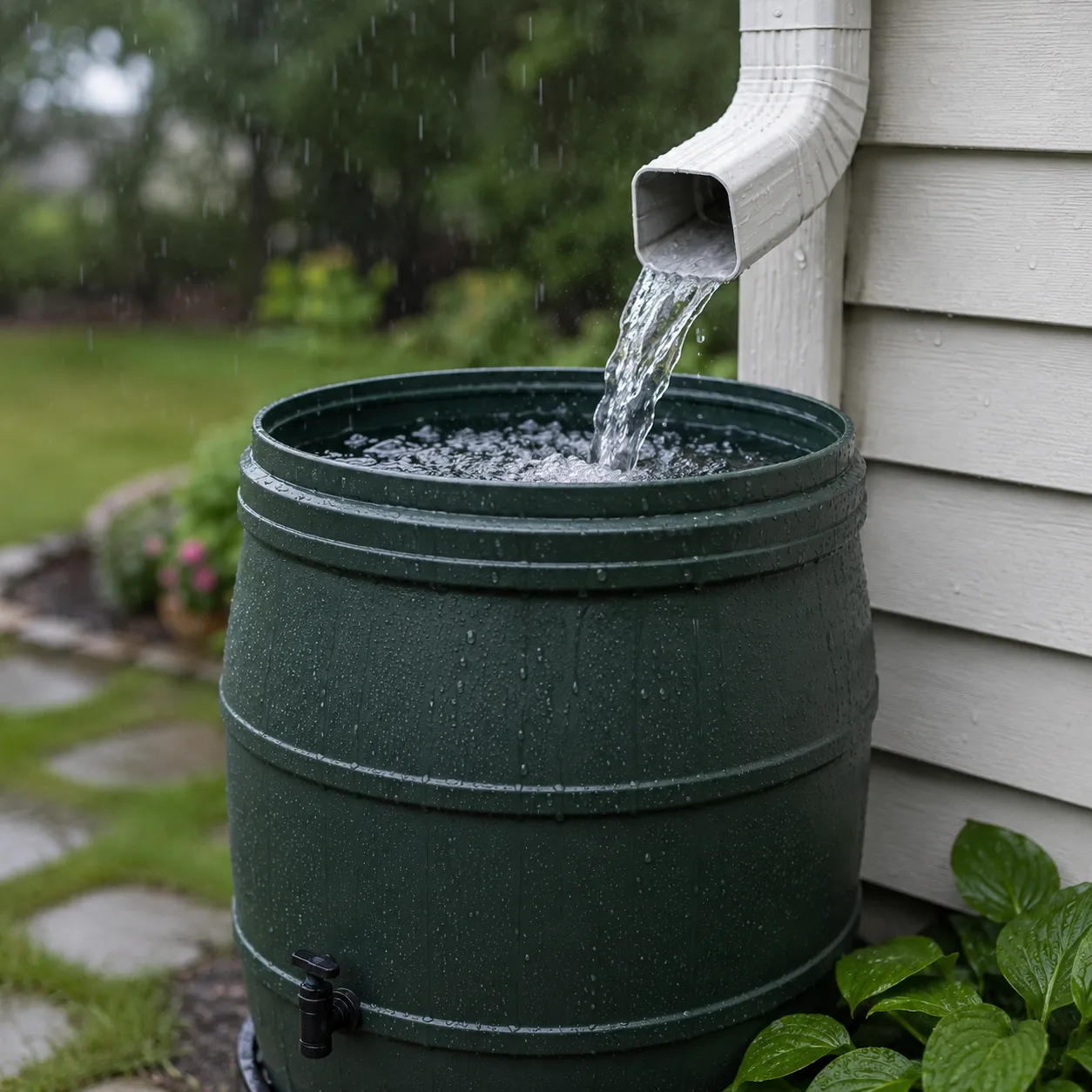
collect rainwaterkəˈlɛkt ˈreɪnˌwɔːtər
to gather rainwater in a barrel, tank, or other container so it can be used later.
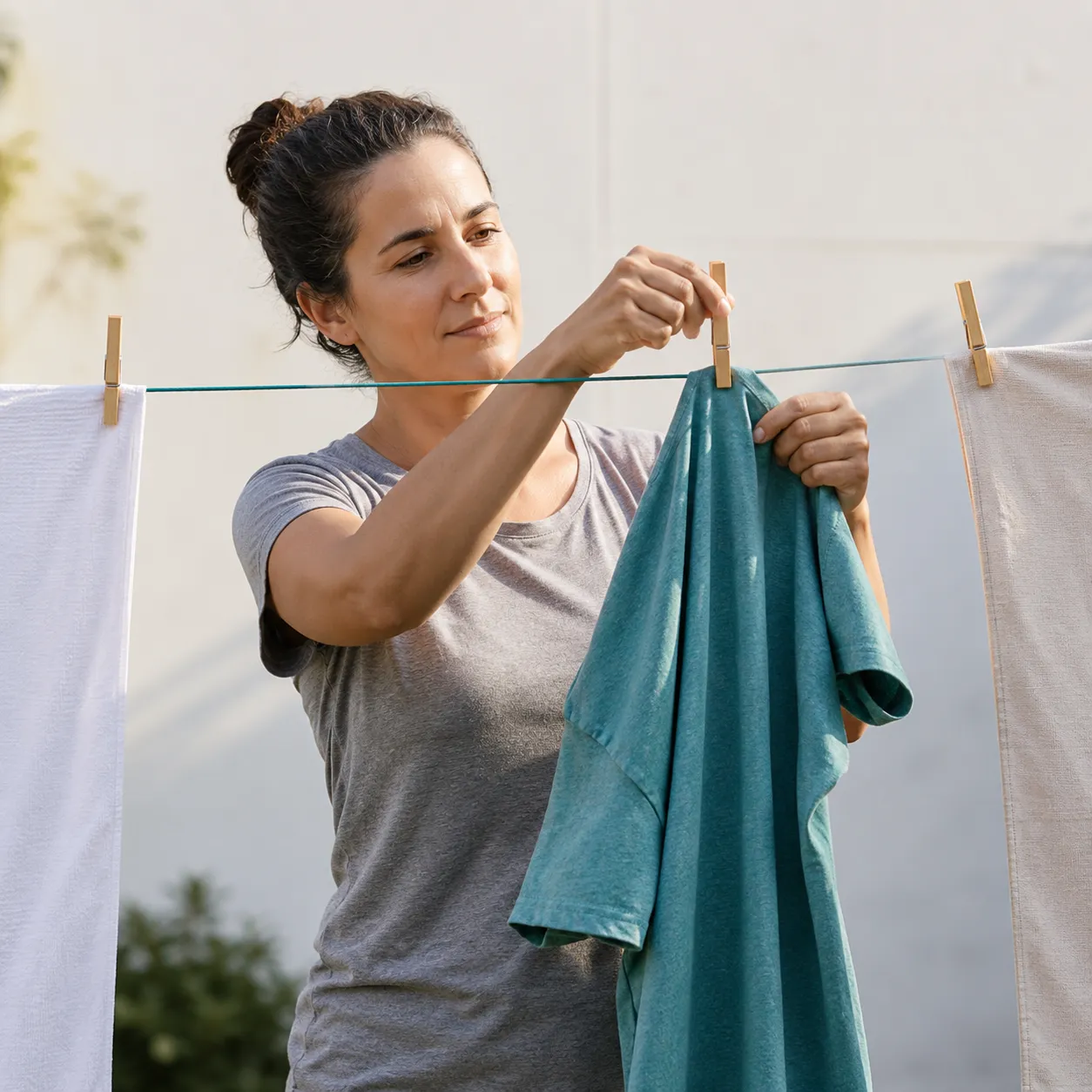
hang laundryhæŋ ˈlɔːndri
to put wet washed clothes on a line, rack, or hanger so they can dry.
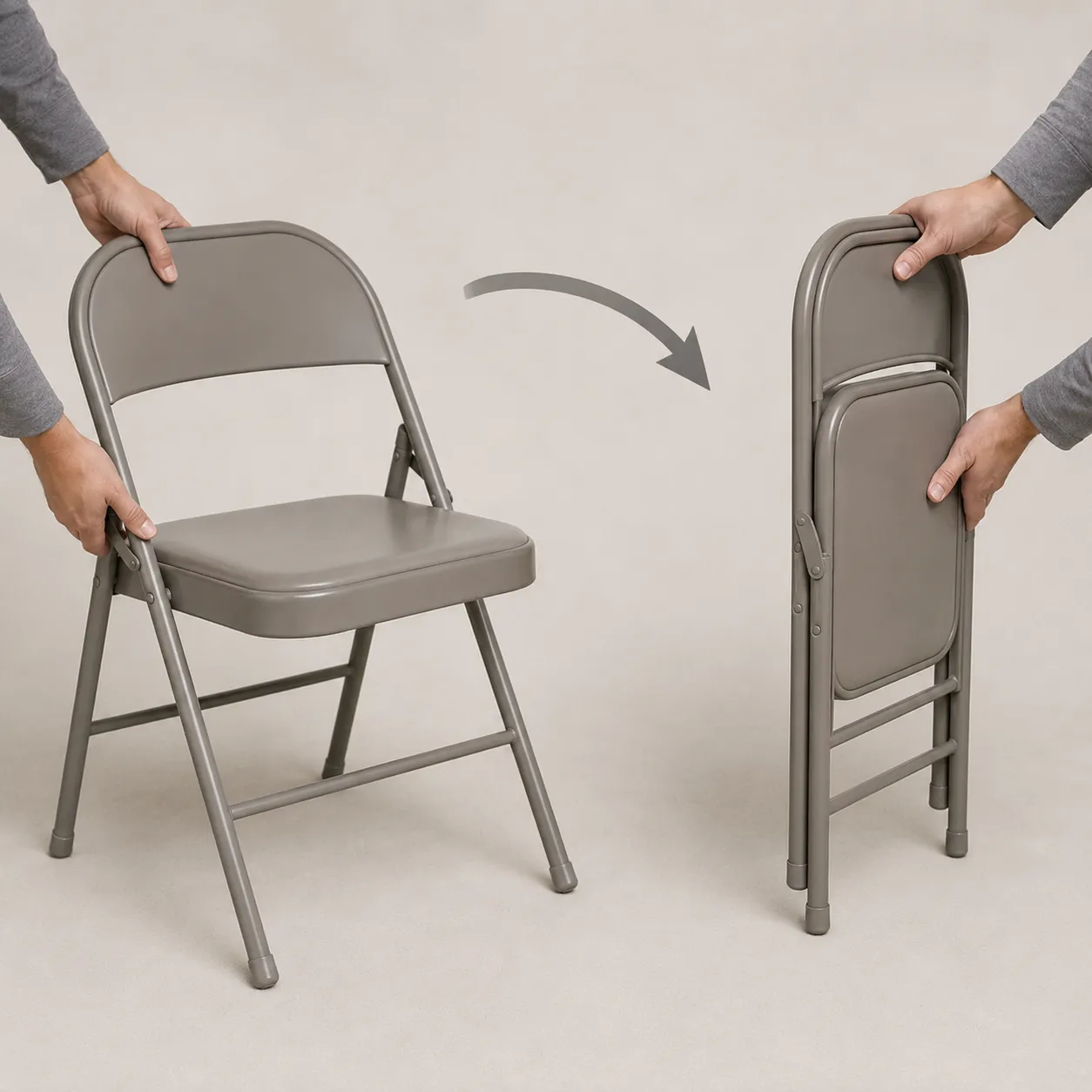
fold chairsfoʊld tʃɛrz
to close folding chairs into a flat shape so they are easier to carry or store.
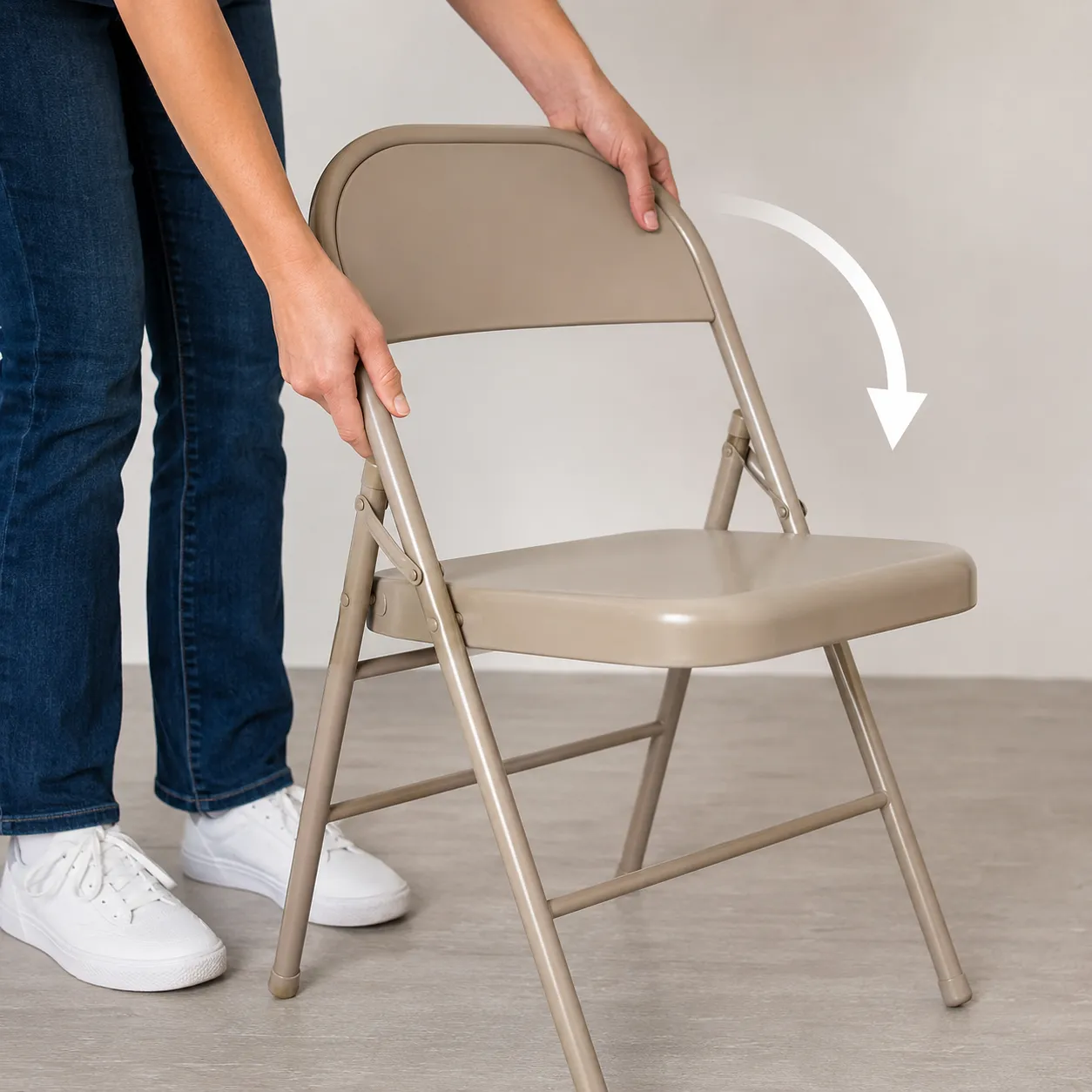
unfold chairsʌnˈfoʊld tʃɛrz
to open folding chairs from a flat shape so people can sit on them.
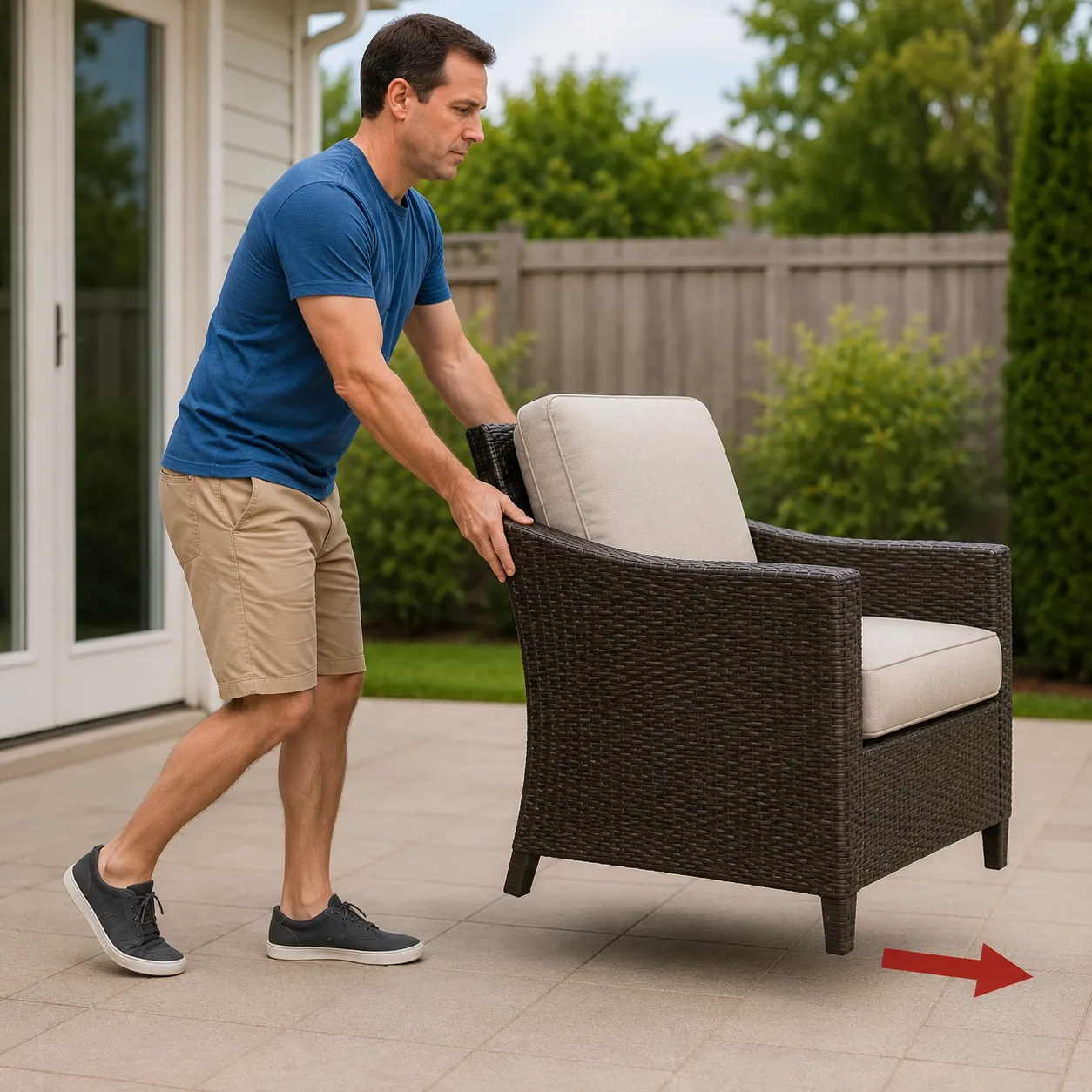
move furnituremuːv ˈfɜːrnɪtʃər
to carry, lift, or push tables, chairs, beds, or other large household objects to another place.
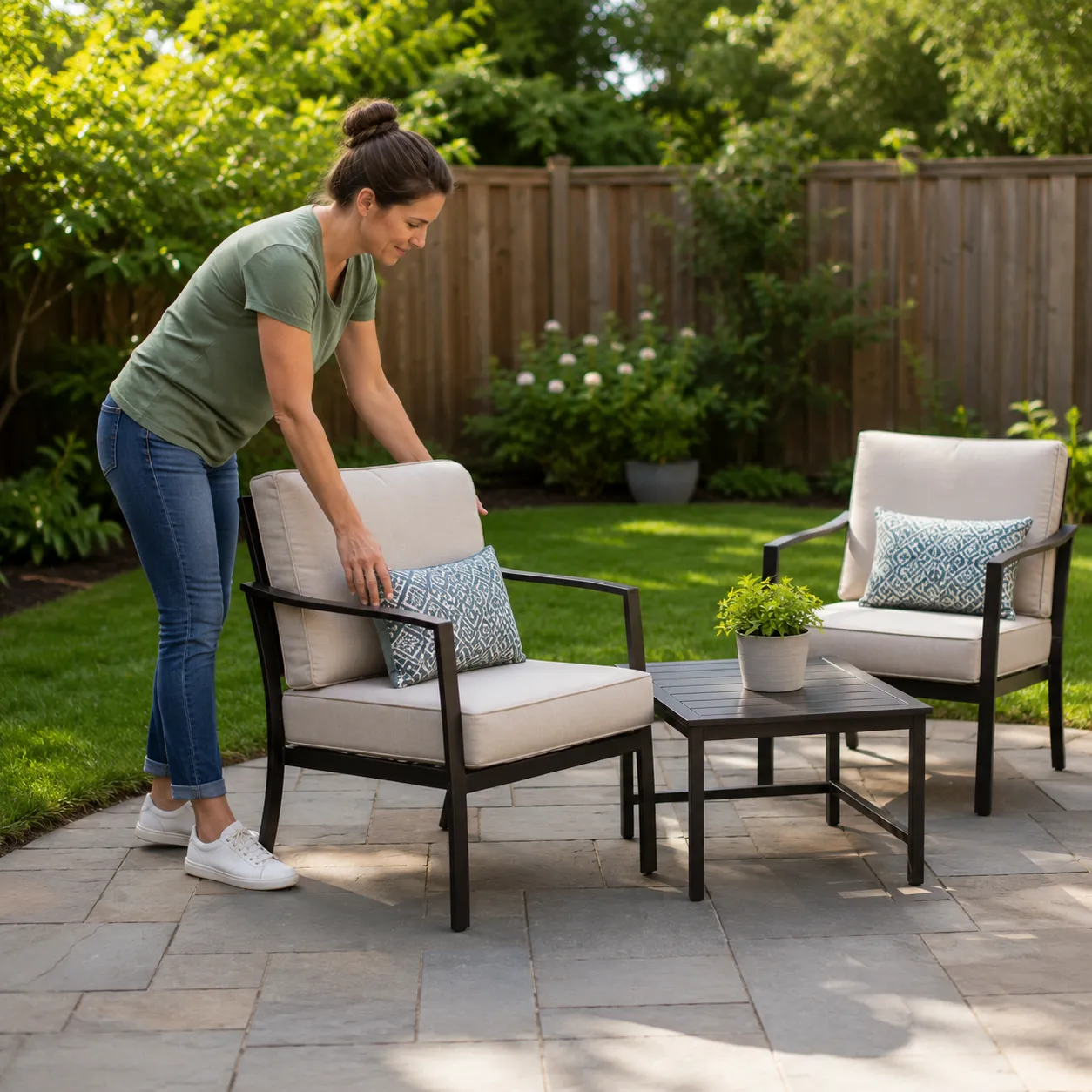
arrange furnitureəˈreɪndʒ ˈfɜːrnɪtʃər
to place furniture in a room in a particular order or position so the space works well or looks good.
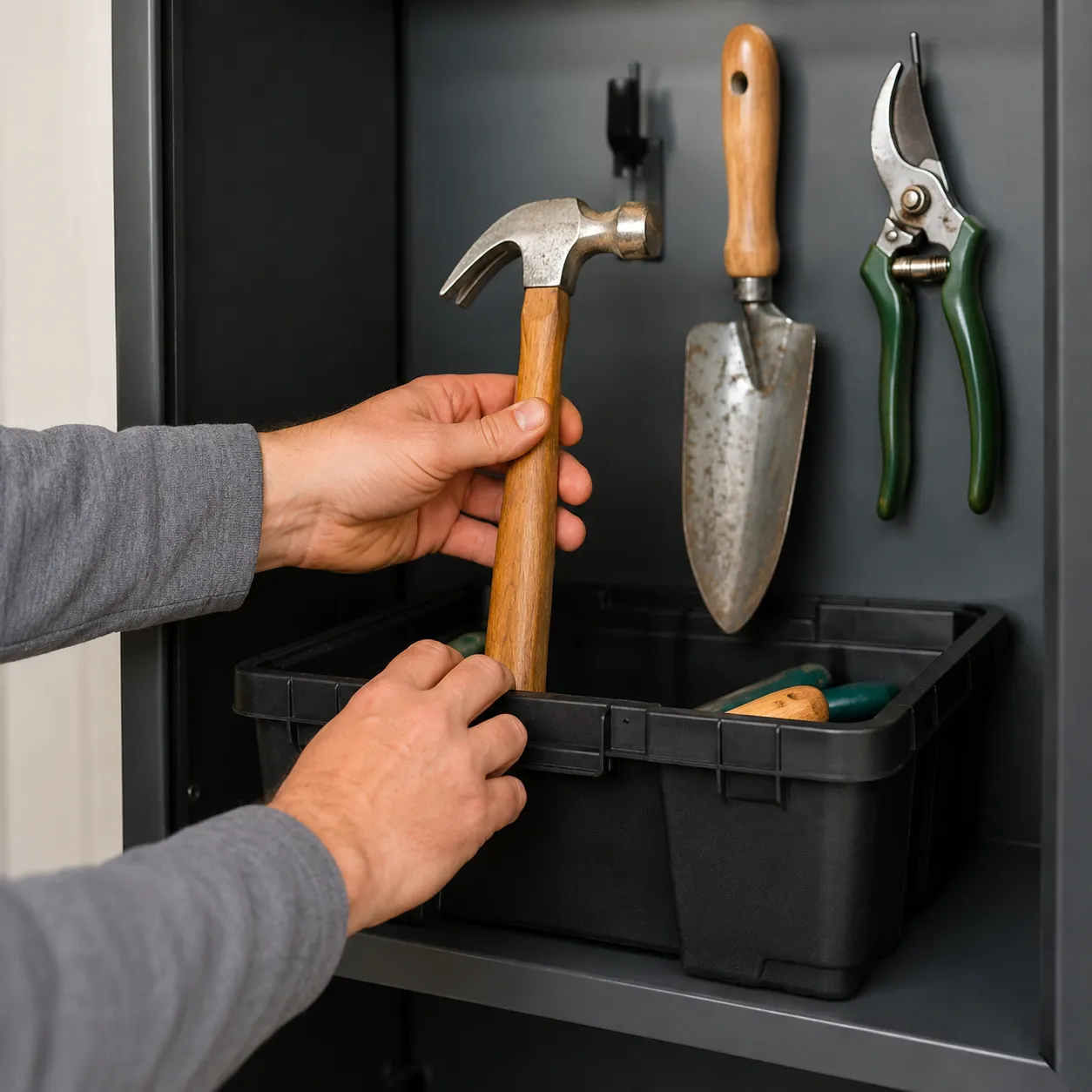
store toolsstɔːr tuːlz
to put tools in a safe or proper place where they can stay until you need them again.
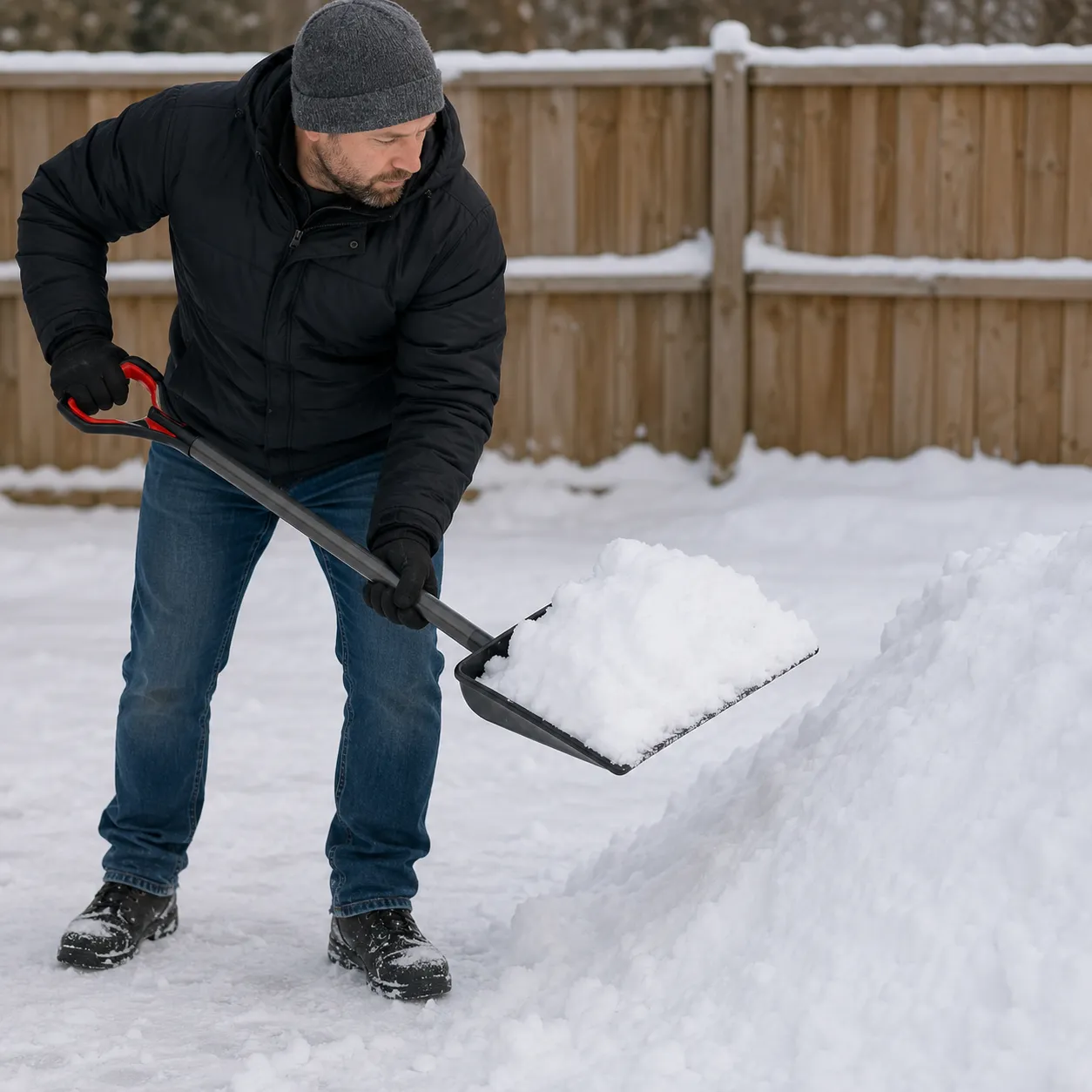
shovel snowˈʃʌvəl snoʊ
to move snow from a path, driveway, or other place using a shovel.
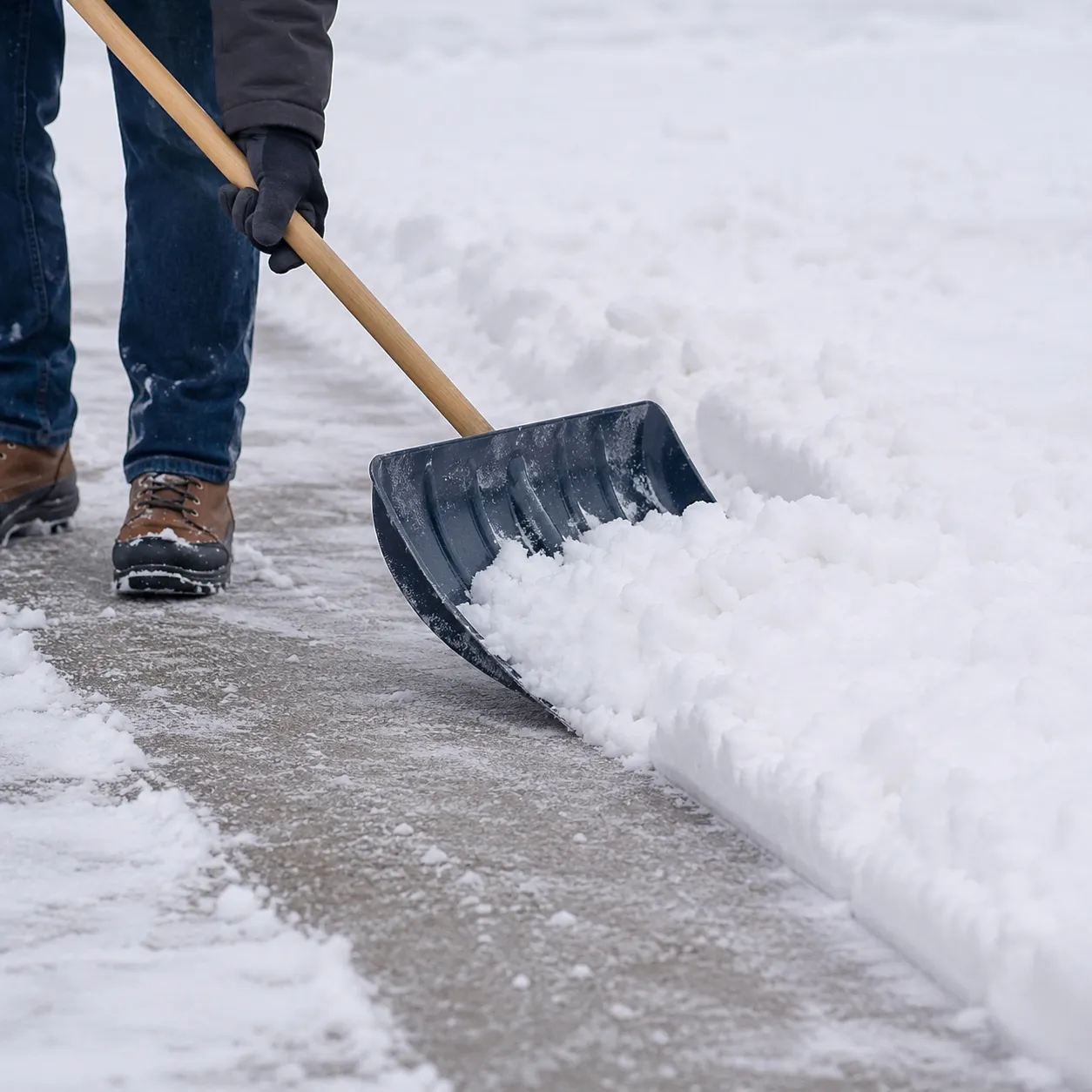
clear snowklɪr snoʊ
to remove snow from a road, path, driveway, or other area so people can use it.
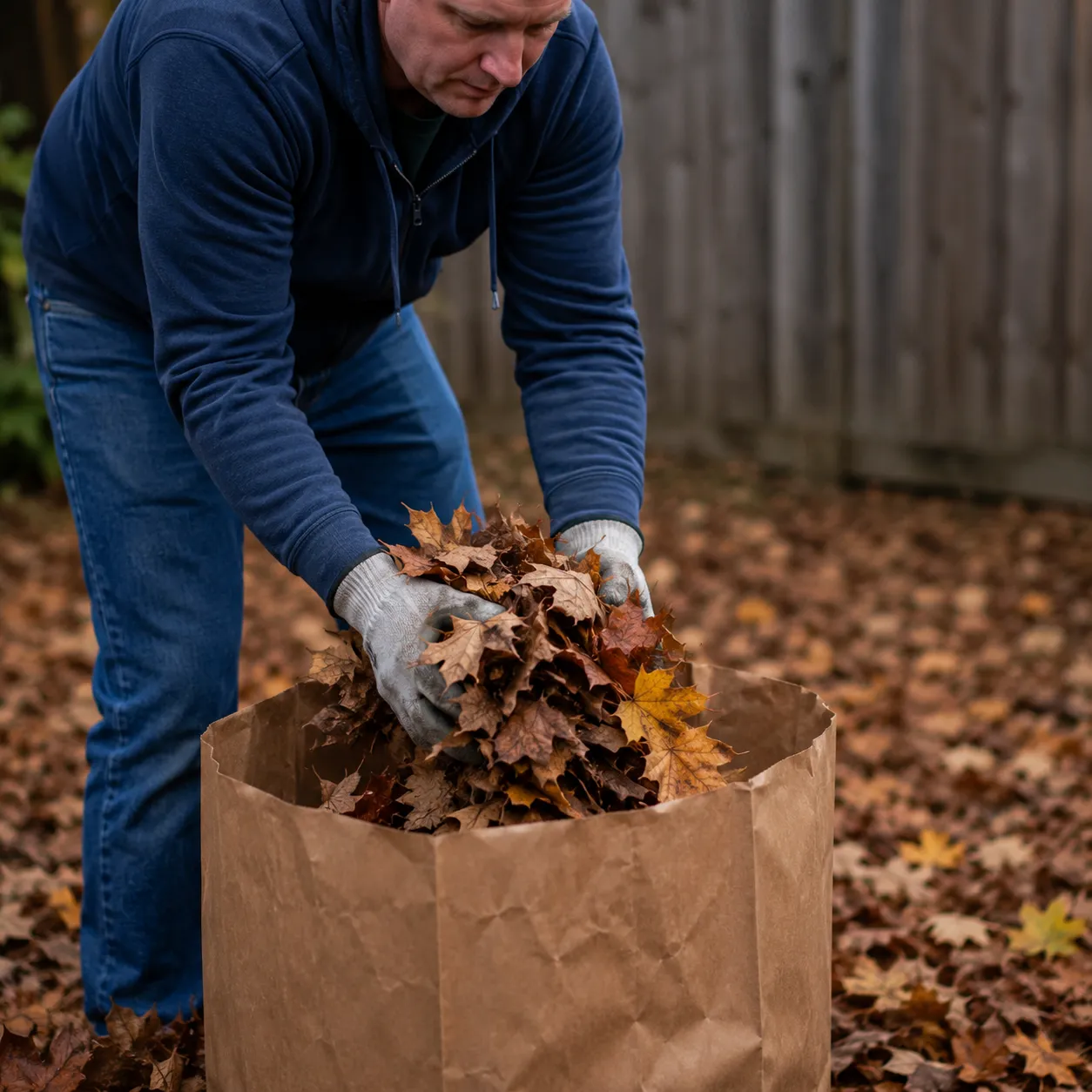
remove leavesrɪˈmuːv liːvz
to take fallen leaves away from a lawn, path, or other place.
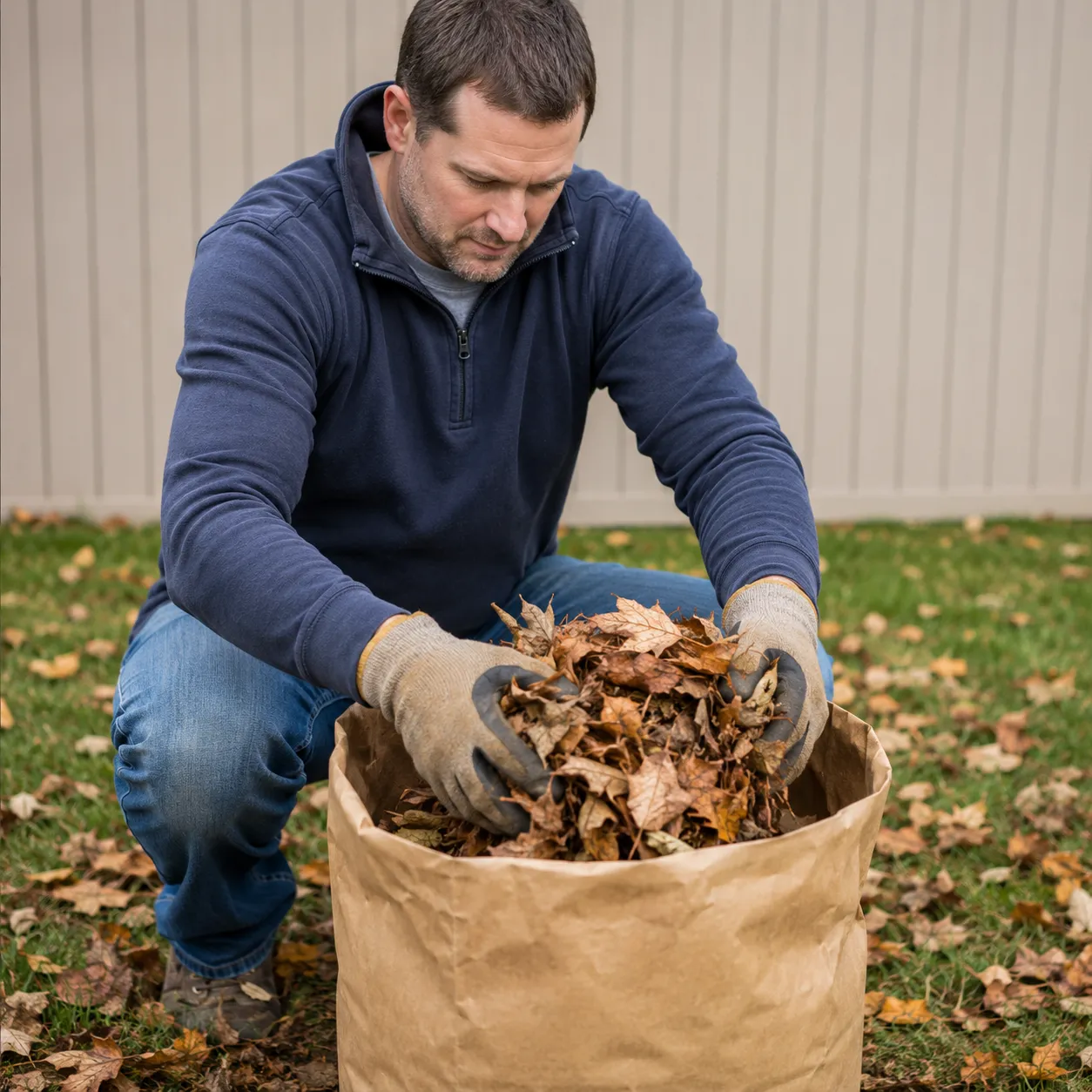
bag leavesbæɡ liːvz
to put fallen leaves into bags, usually after raking them, so they can be thrown away or composted.
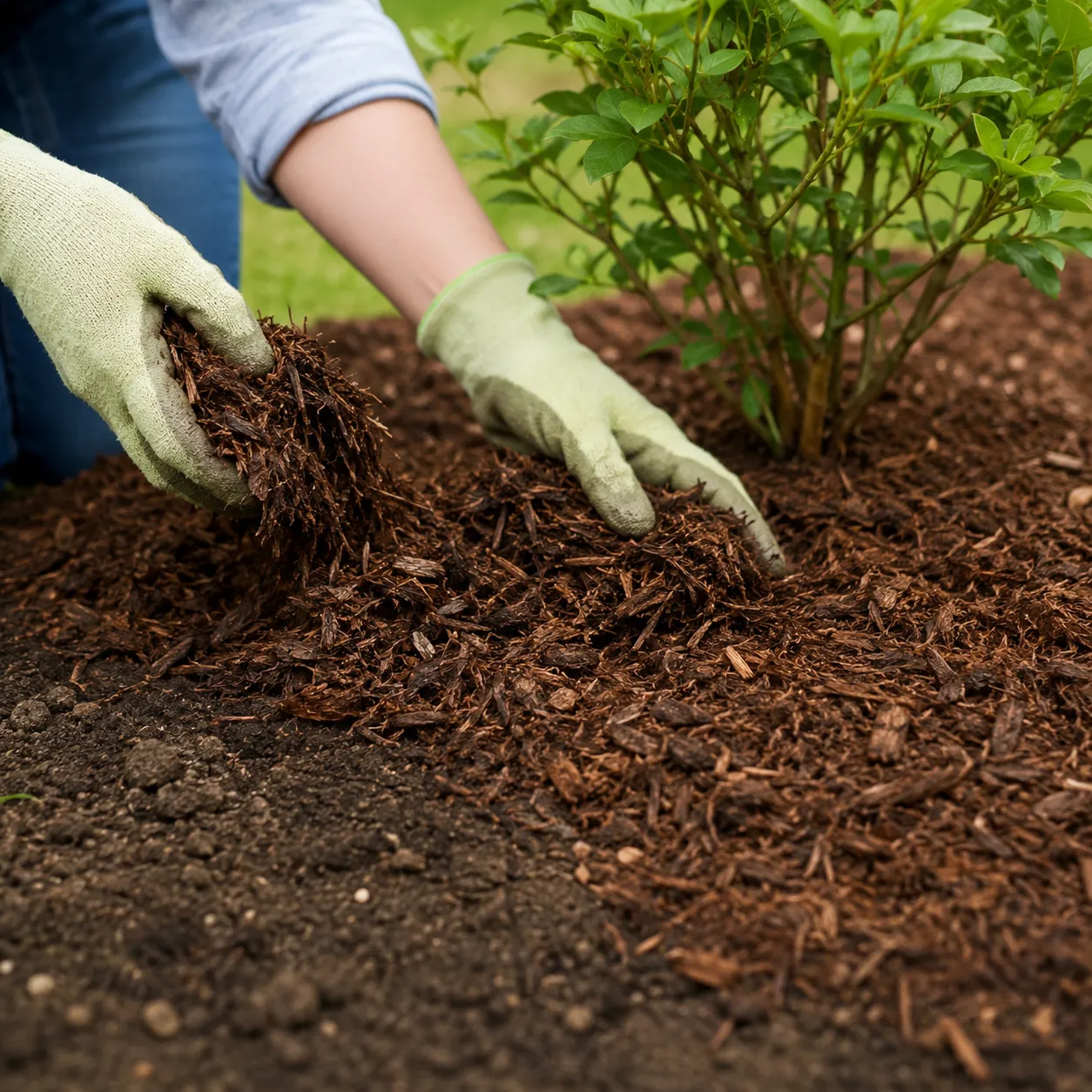
spread mulchsprɛd mʌltʃ
to put a layer of mulch over soil around plants to hold moisture, reduce weeds, or protect roots.
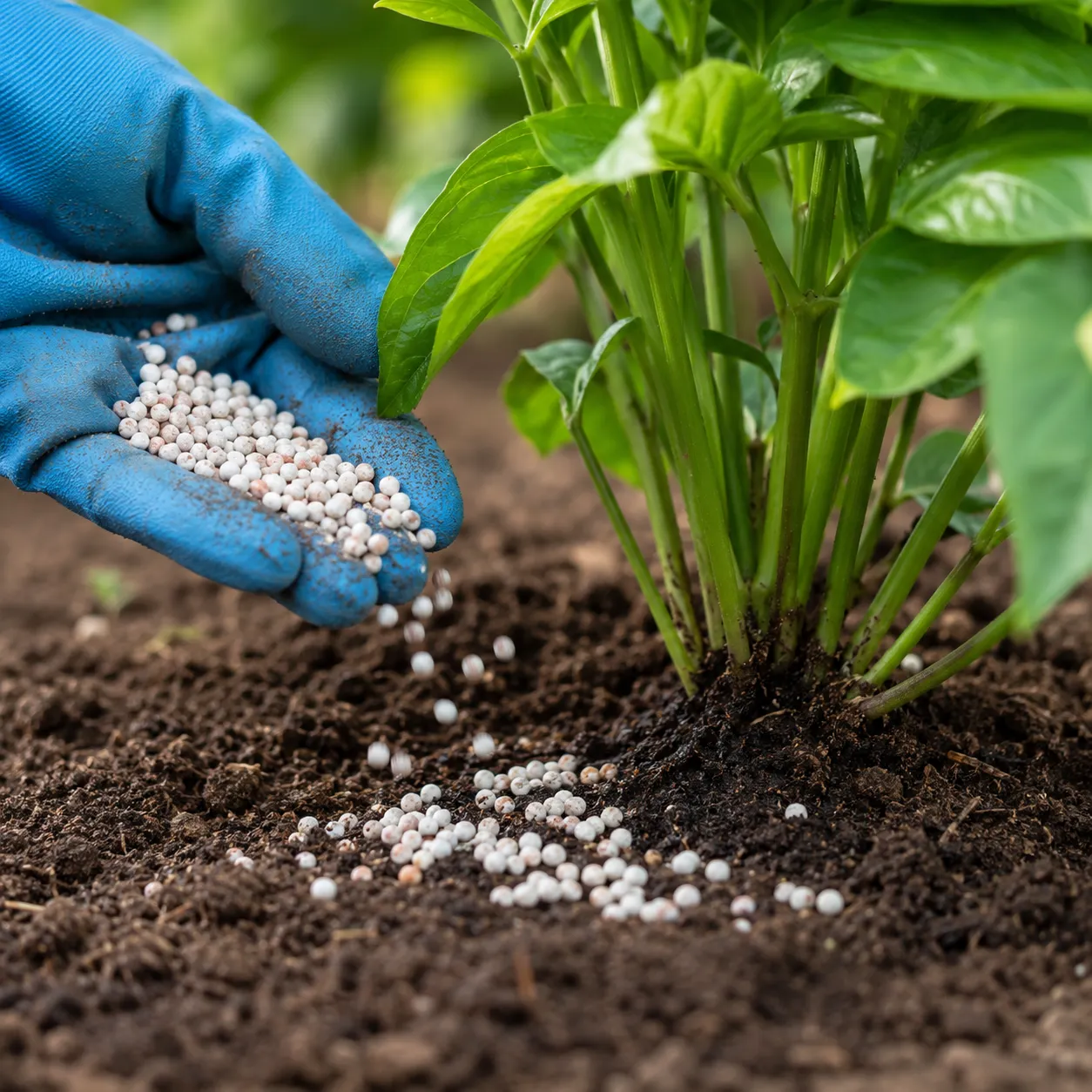
apply fertilizerəˈplaɪ ˈfɜːrtəˌlaɪzər
to put fertilizer on soil or plants to give them nutrients and help them grow.
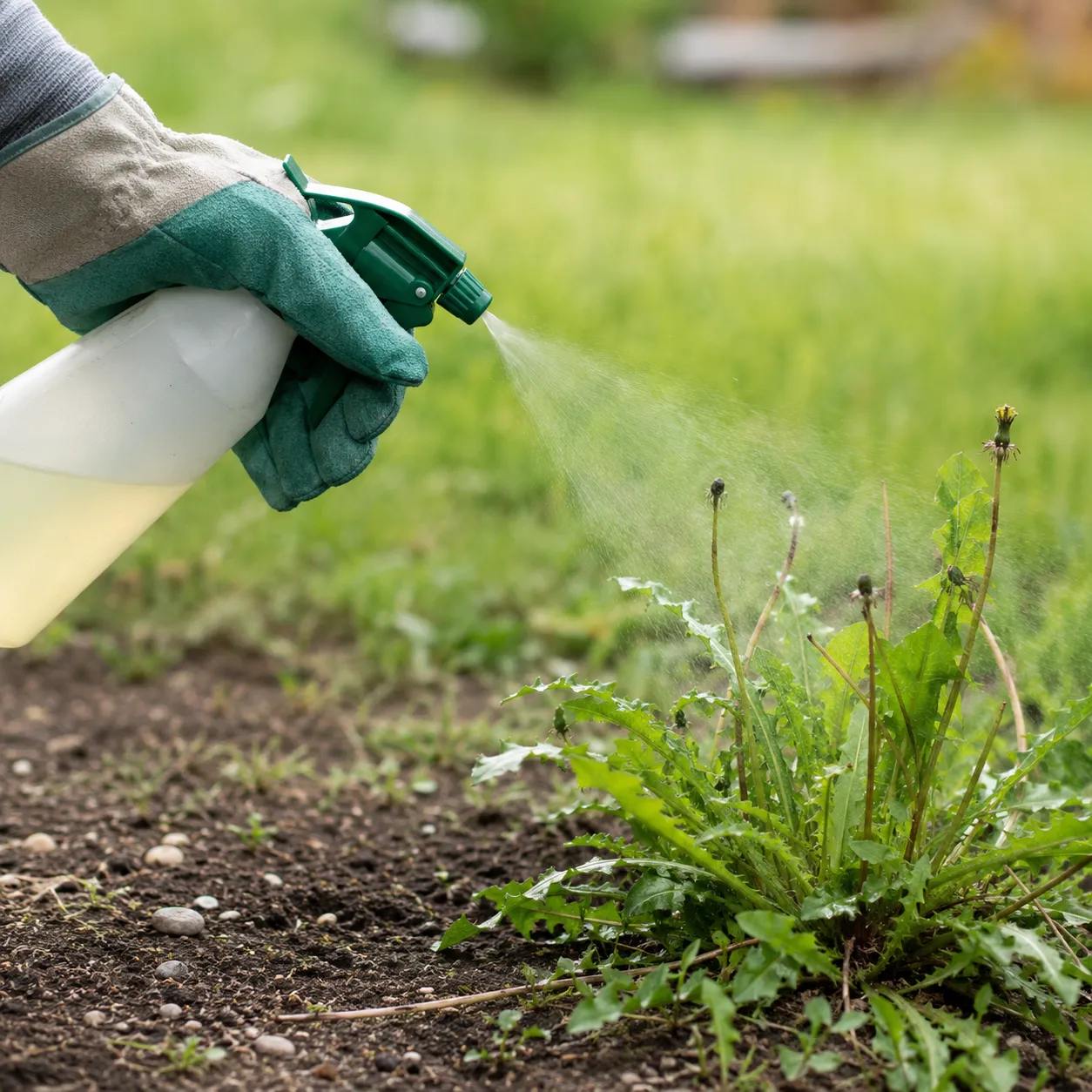
spray weedsspreɪ wiːdz
to cover unwanted plants with a sprayed liquid, often a chemical, to damage or kill them.
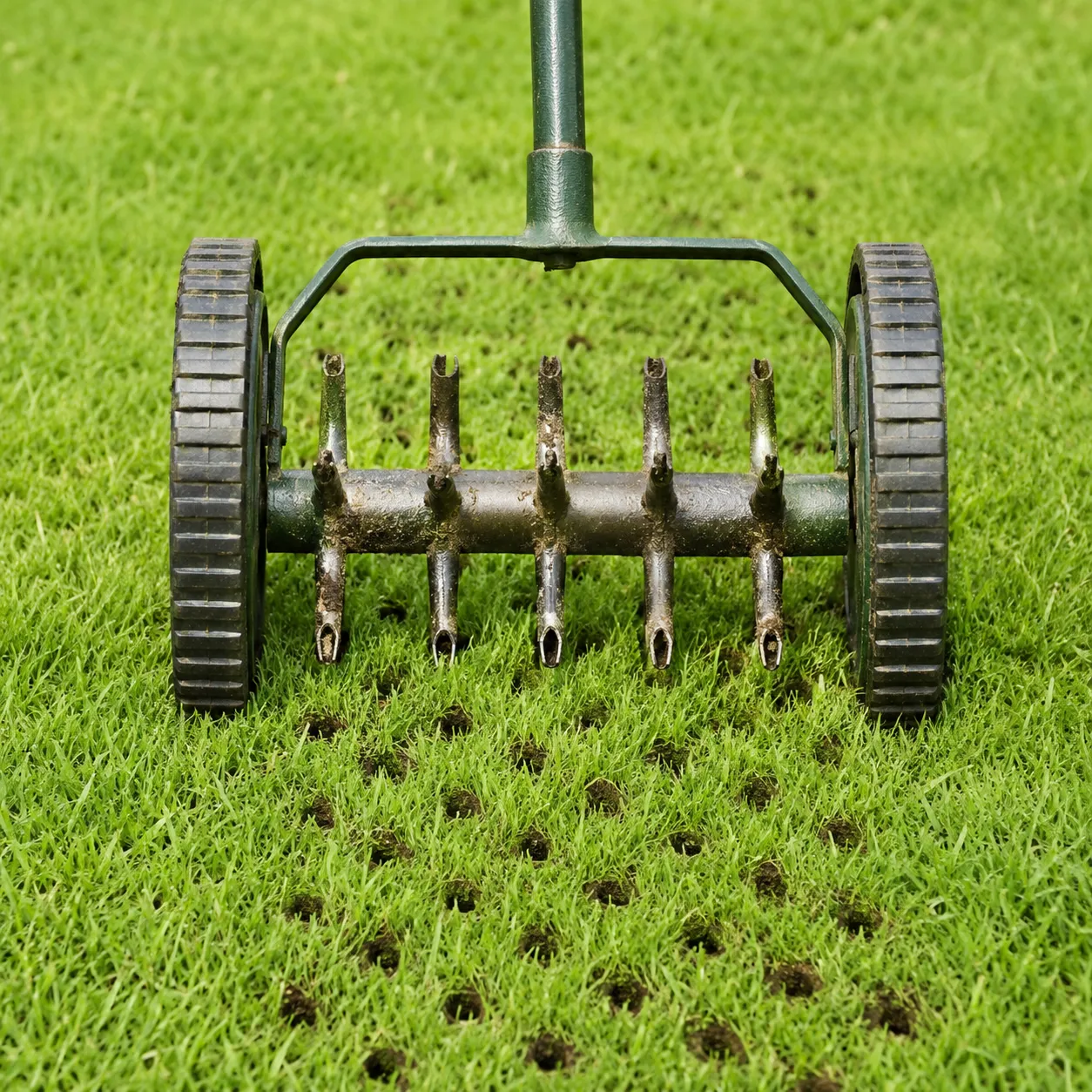
aerate the lawnˈɛəreɪt ðə lɔːn
to make small holes in a lawn so air, water, and nutrients can get into the soil and help the grass grow.
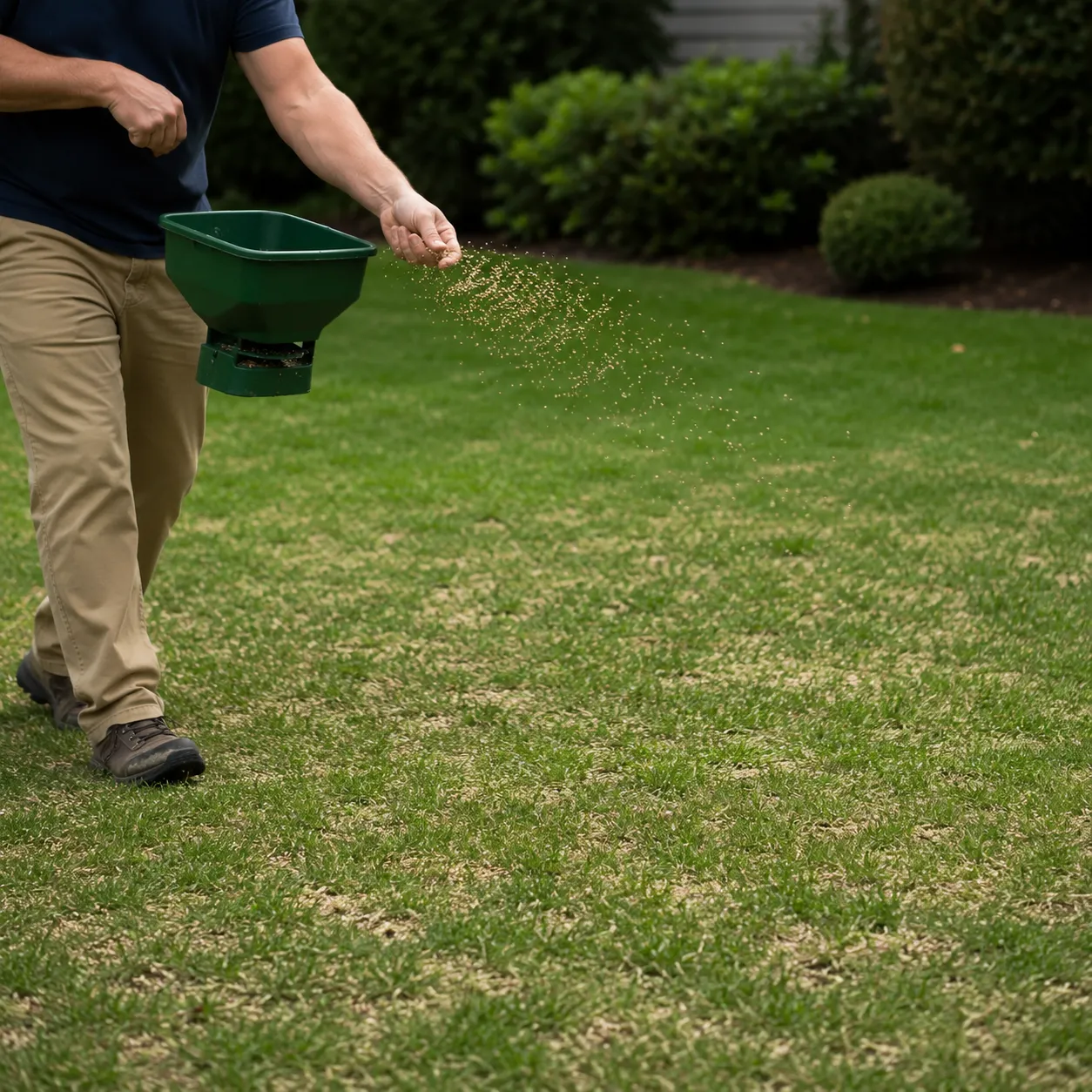
reseed the lawnriːˈsiːd ðə lɔːn
to put new grass seed on an existing lawn to make the grass thicker or repair bare spots.
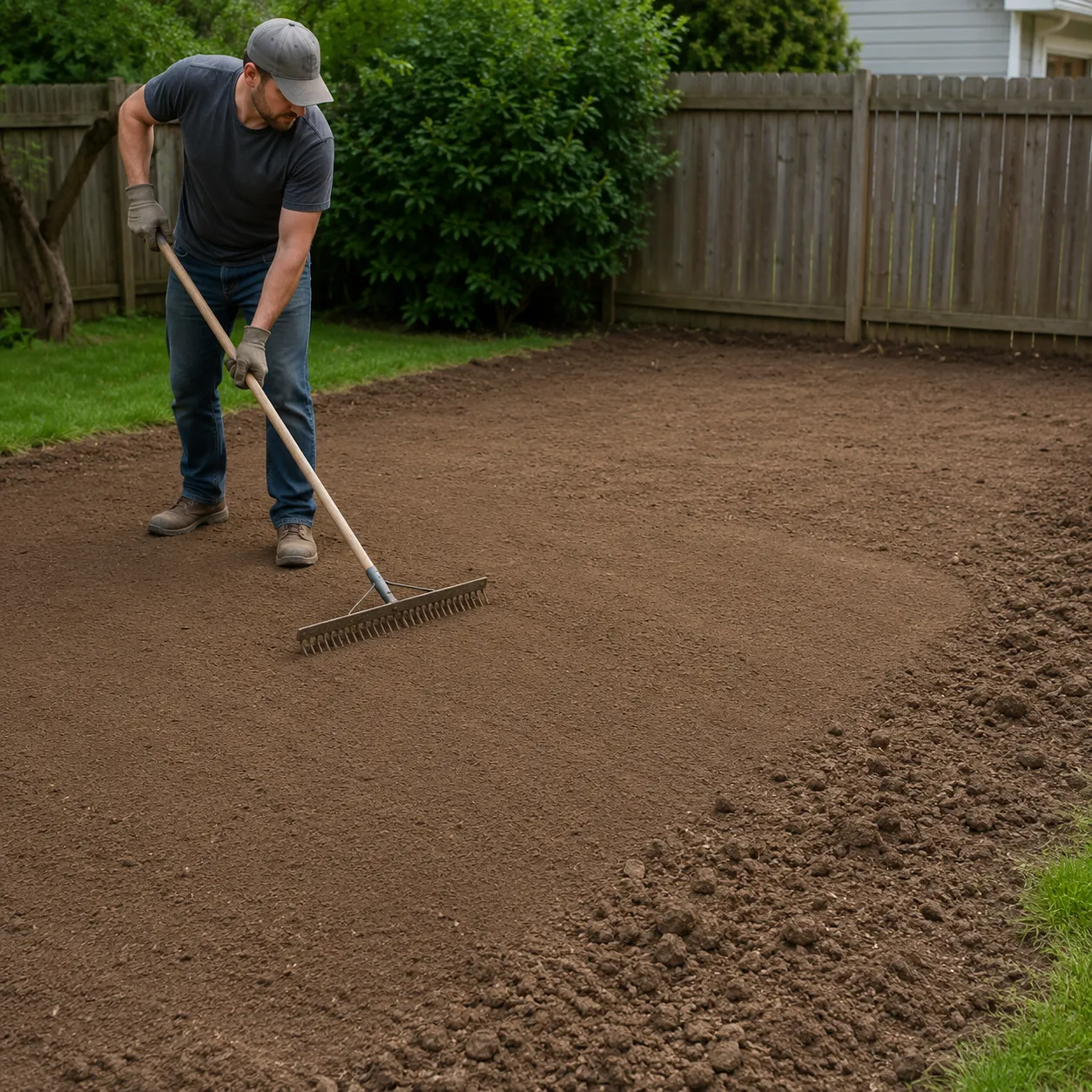
level the groundˈlɛvəl ðə ɡraʊnd
to make the ground flat and even by adding, moving, or removing soil.
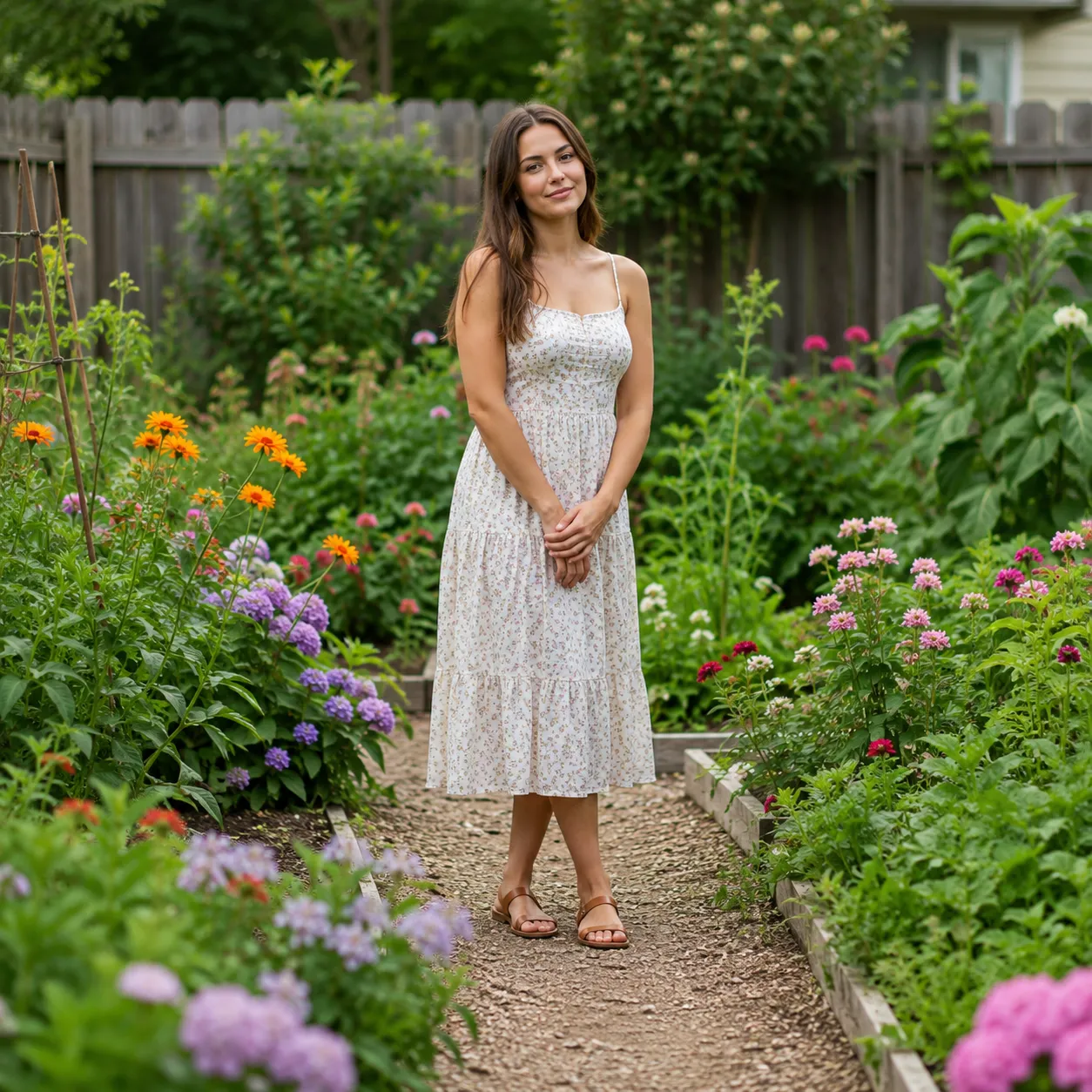
in the gardenɪn ðə ˈɡɑːrdən
inside the area of land near a home where people grow flowers, vegetables, grass, or other plants.
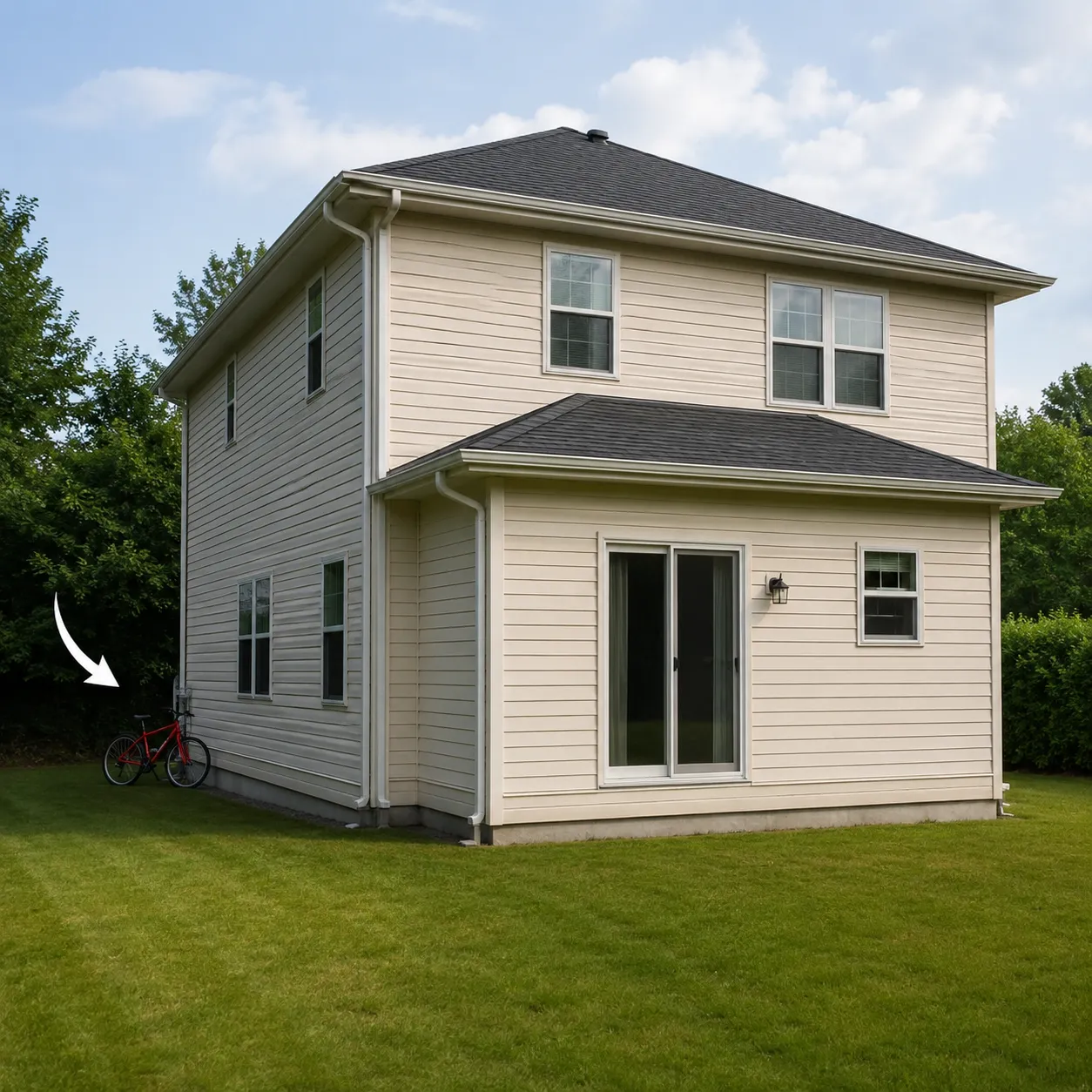
behind the housebɪˈhaɪnd ðə haʊs
at or toward the back side of a house, not at the front entrance side.
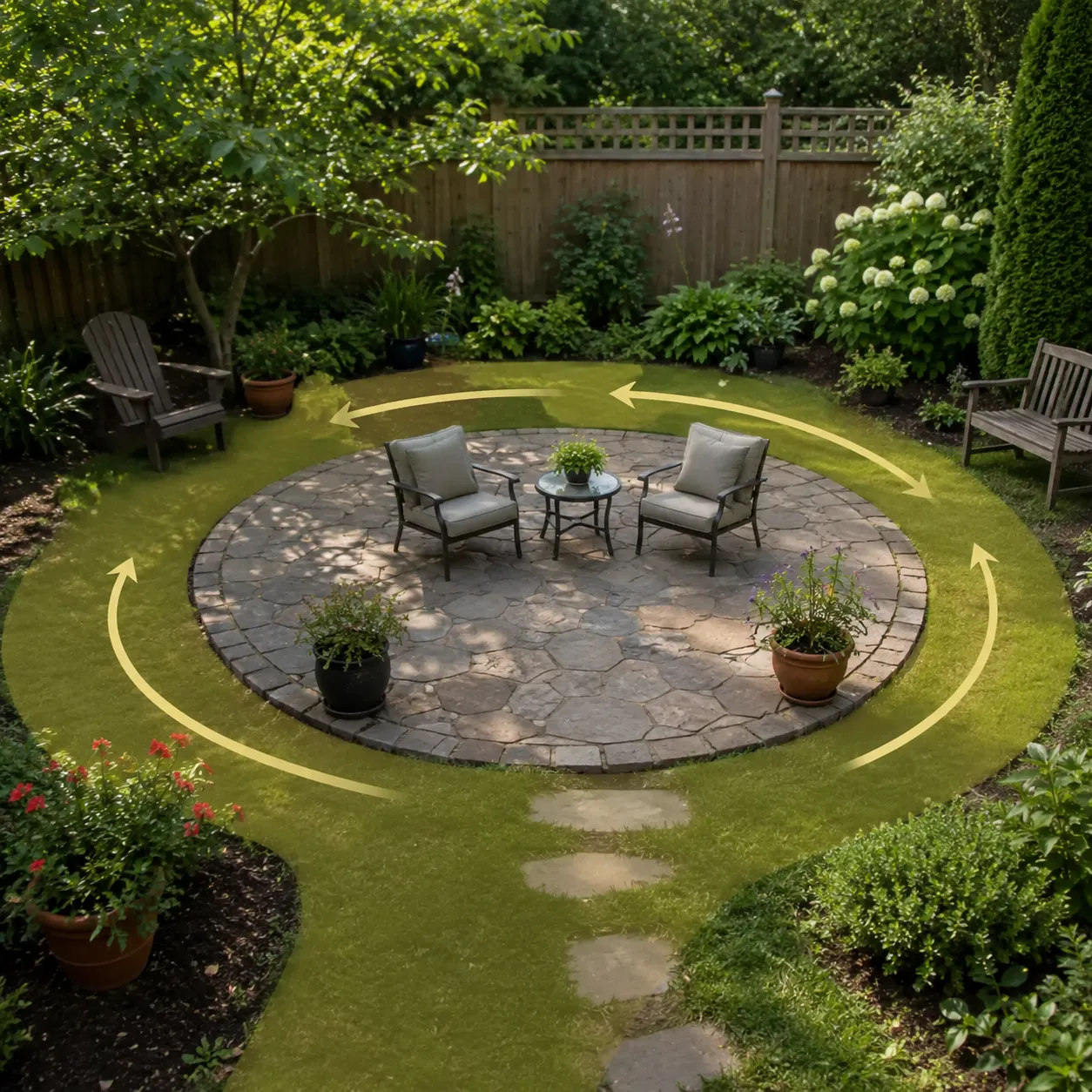
around the patioəˈraʊnd ðə ˈpætioʊ
in the space on all sides of a patio, the hard outdoor area used for sitting or eating.
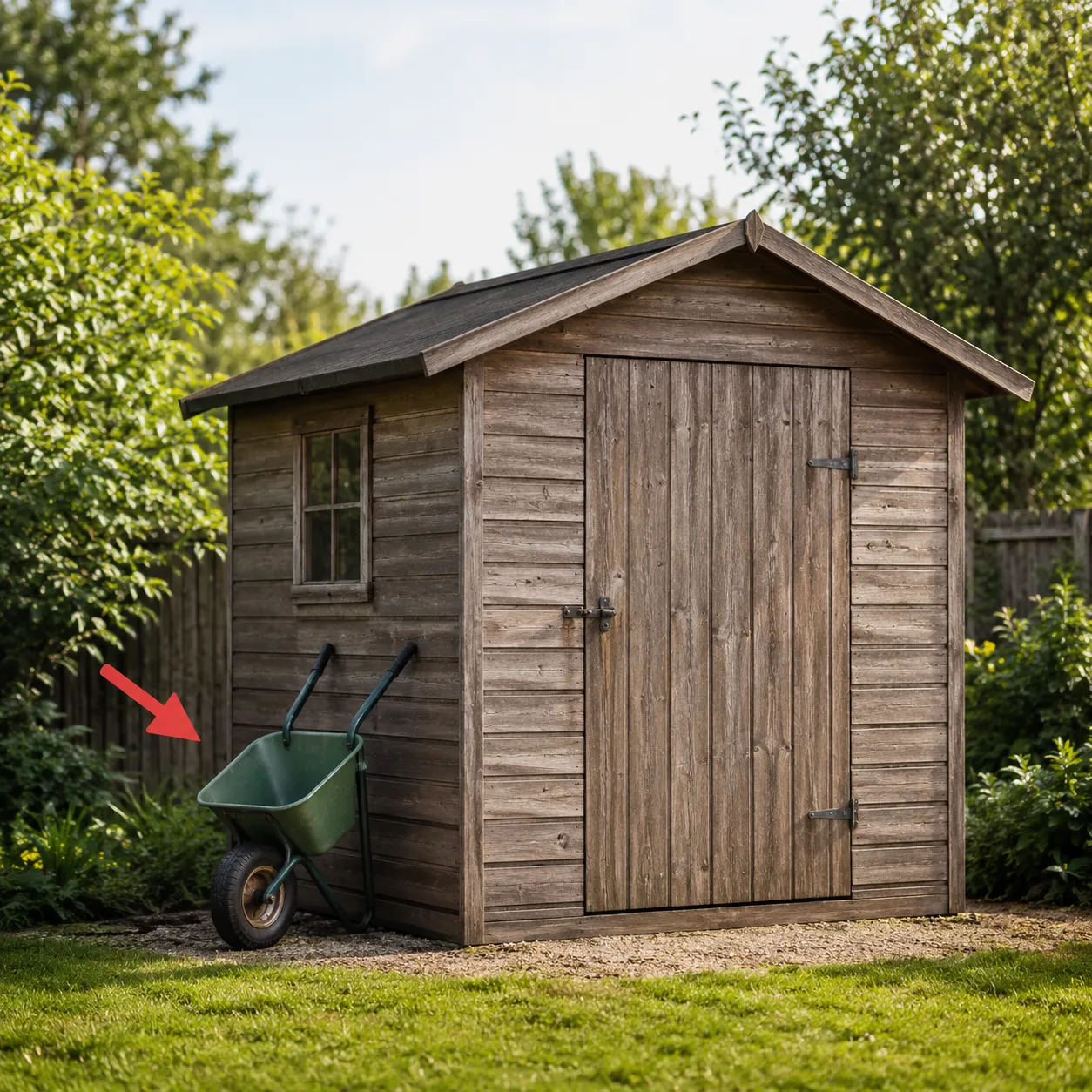
near the shednɪr ðə ʃɛd
close to a small outdoor building used for storing tools, garden equipment, or other things.
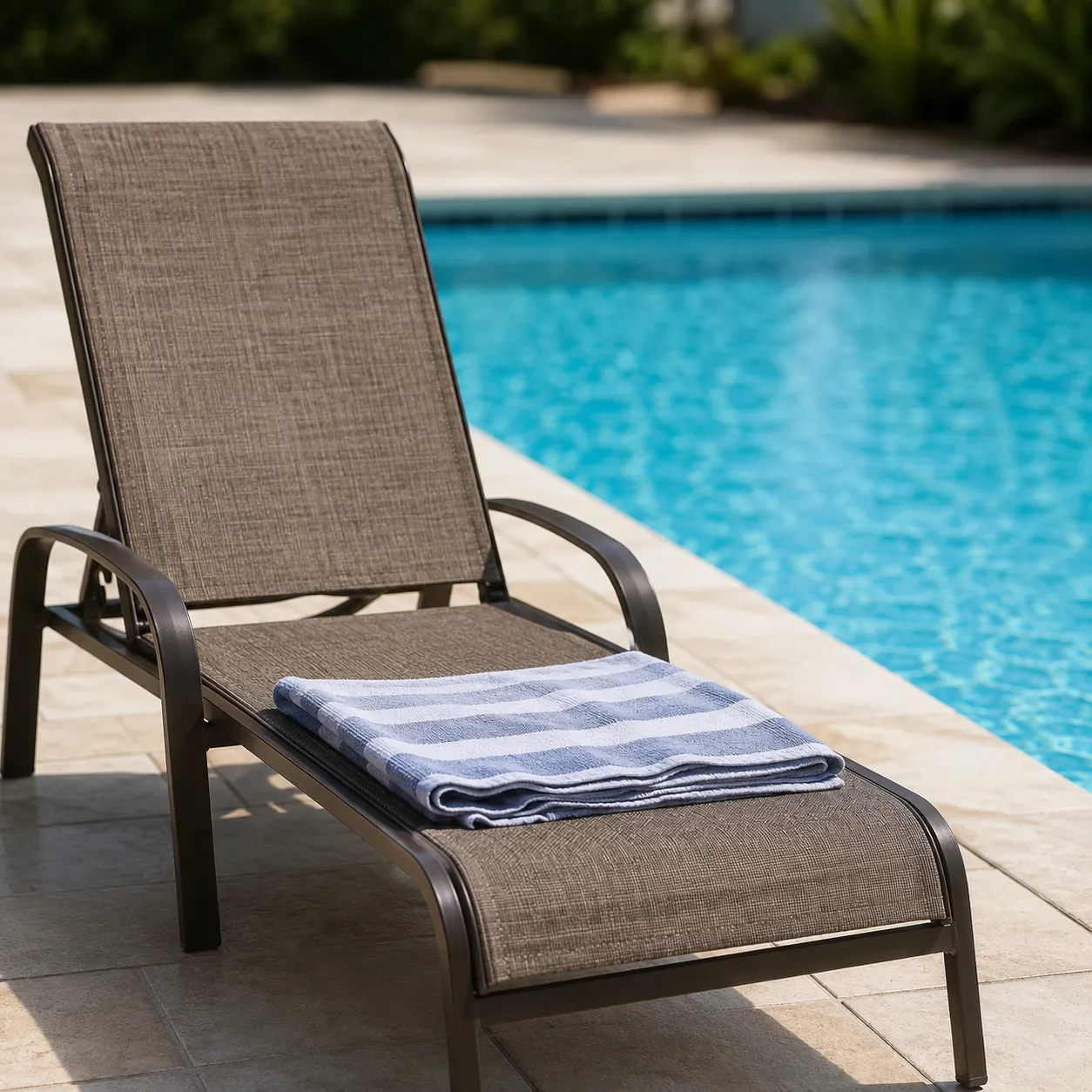
by the poolbaɪ ðə ˈpuːl
at the side of a swimming pool or very close to it.
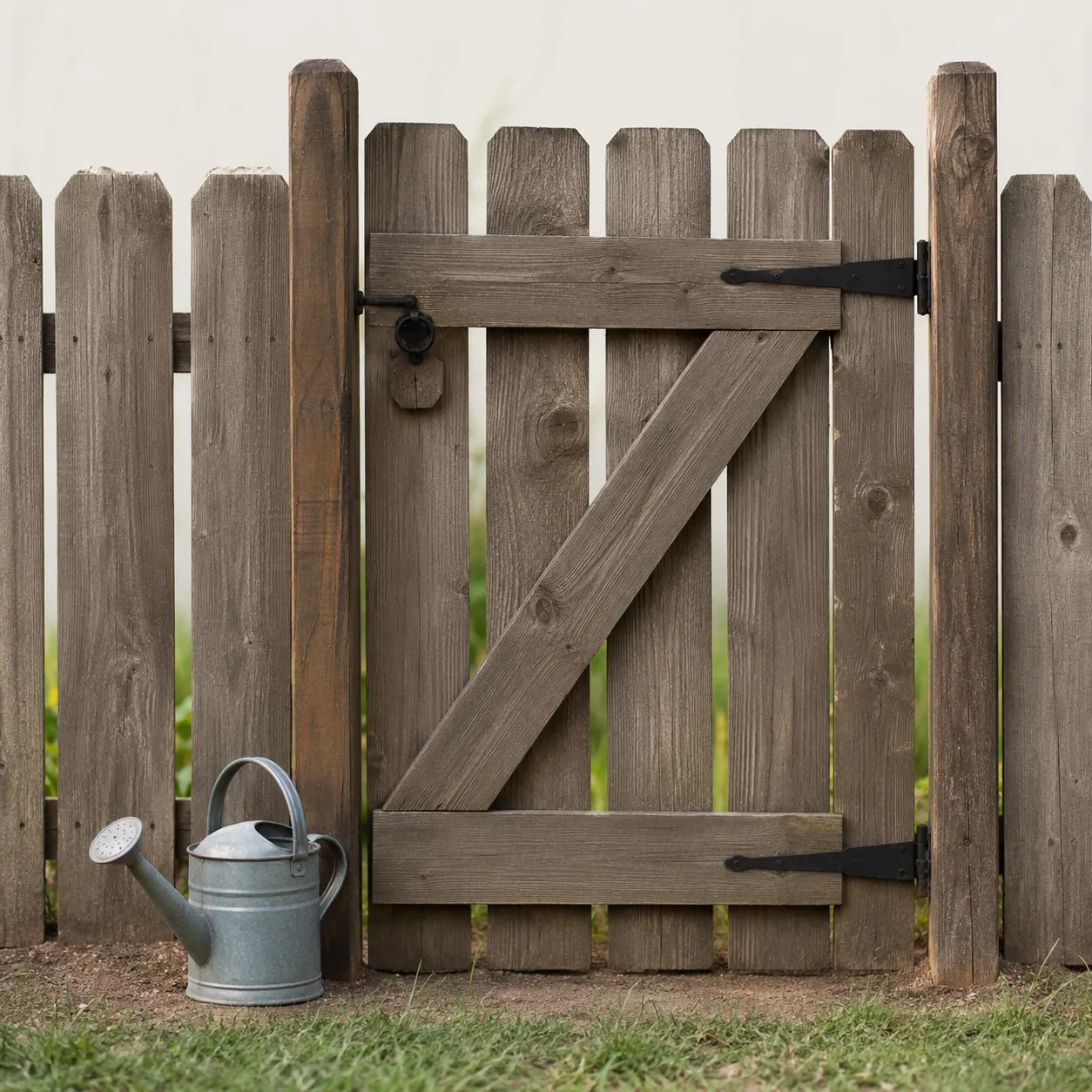
next to the gateˈnɛkst tə ðə ˈɡeɪt
beside the gate, with little or no space between.
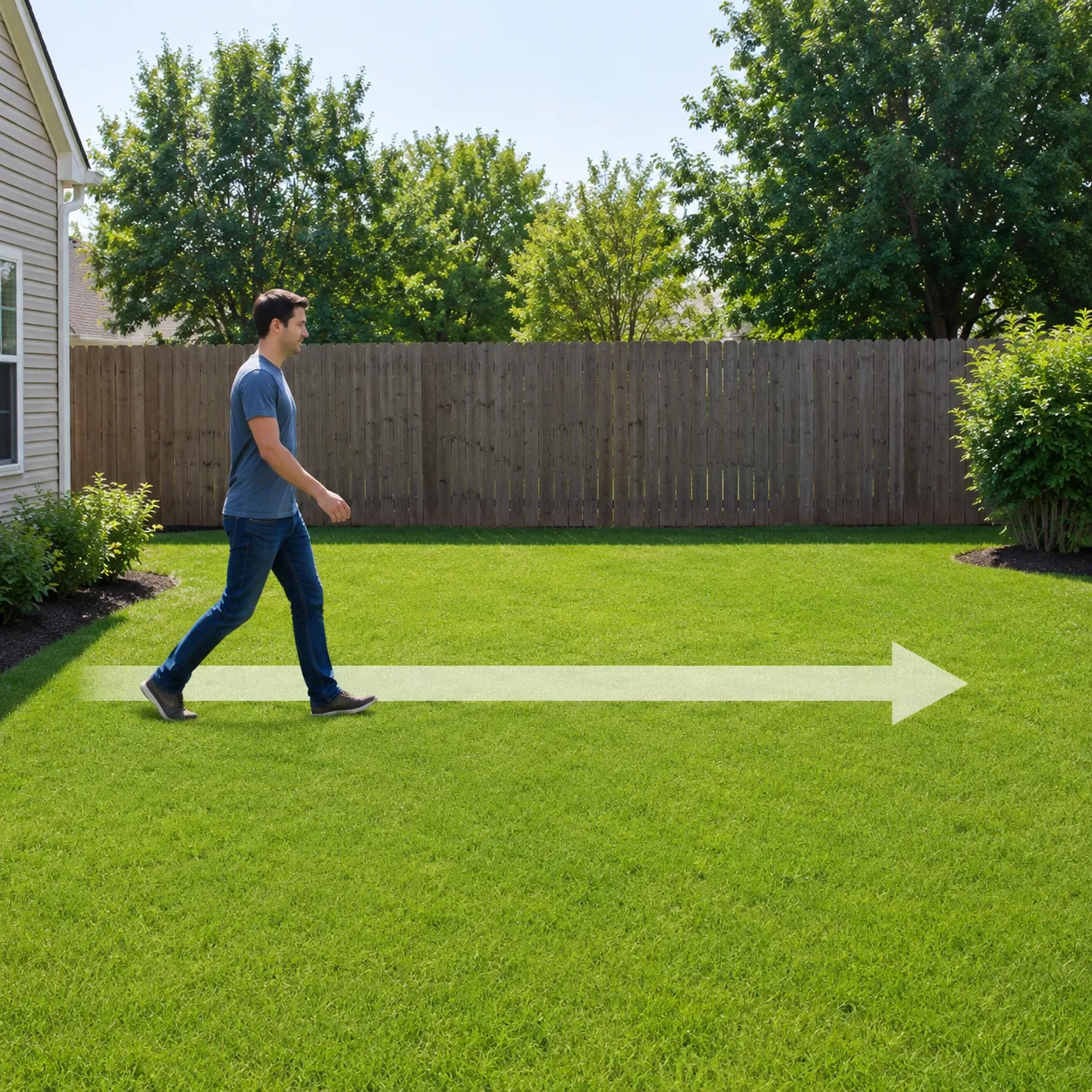
across the yardəˈkrɔːs ðə ˈjɑːrd
from one side of a yard to the other, or over on the other side of the yard.
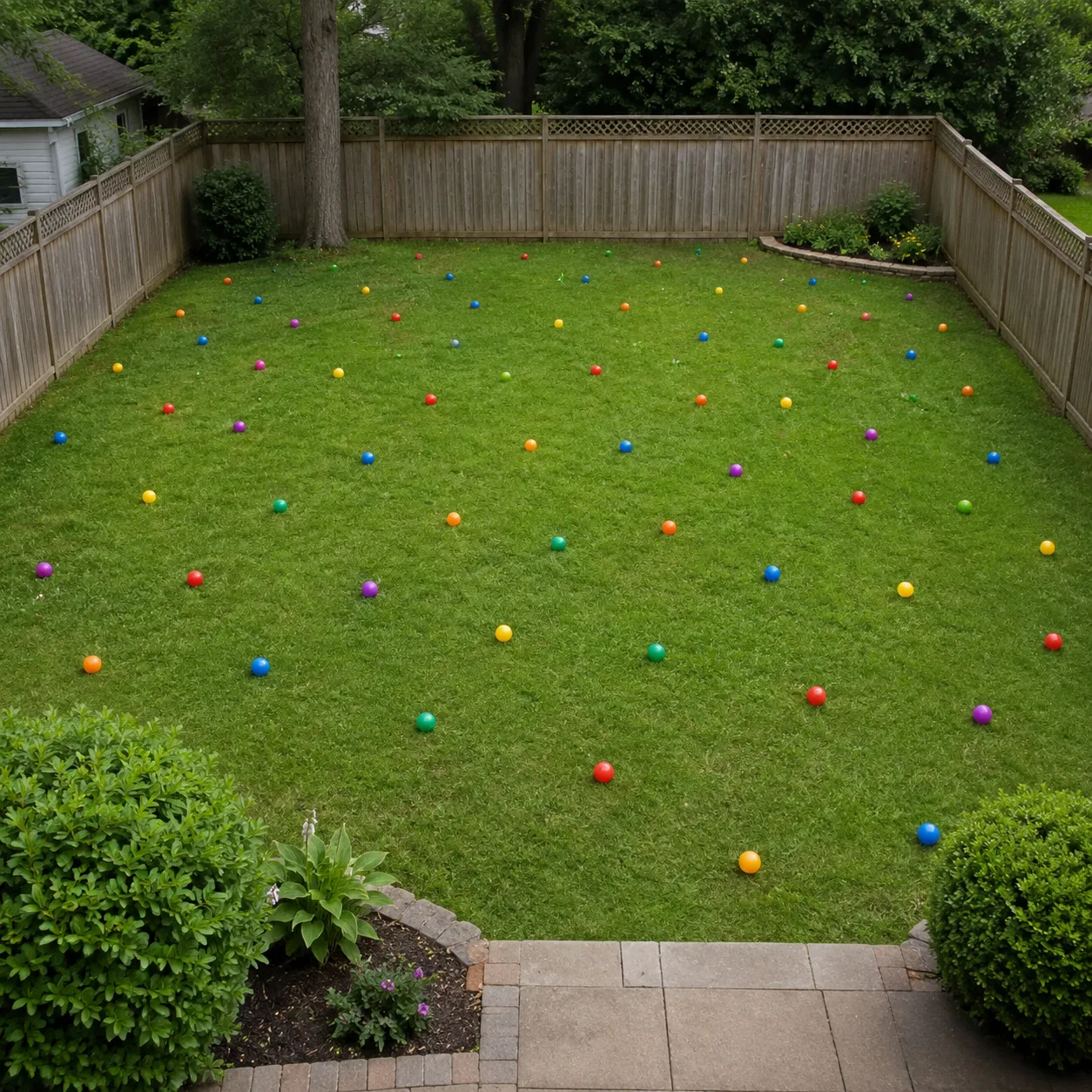
throughout the backyardθruːˈaʊt ðə ˌbækˈjɑːrd
in all parts of the area behind a house.

outdoorsyˌaʊtˈdɔːrzi
liking activities outside in nature, such as walking, camping, or gardening.
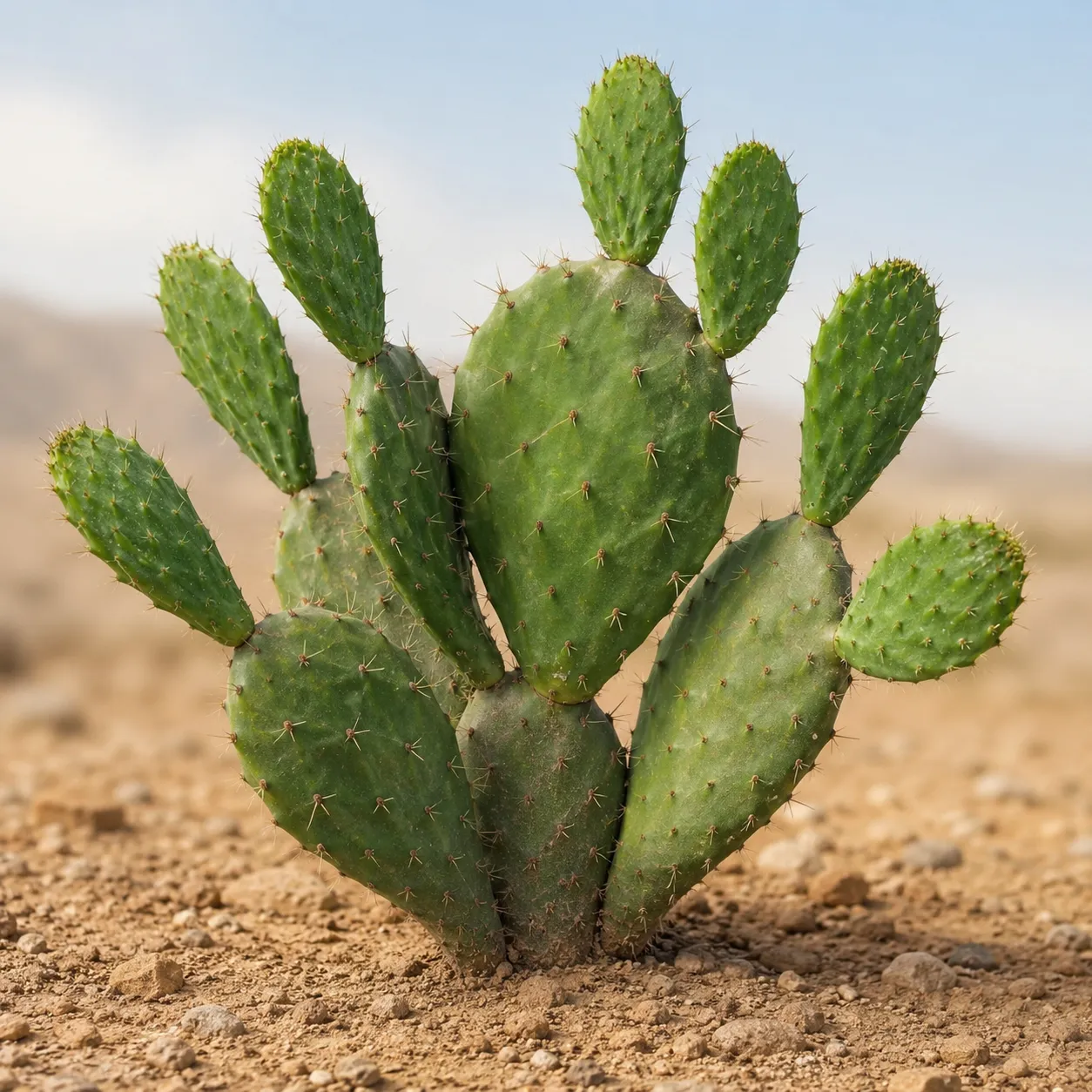
drought-resistantˈdraʊt rɪˌzɪstənt
able to stay alive and grow even when there is little rain or water for a long time.
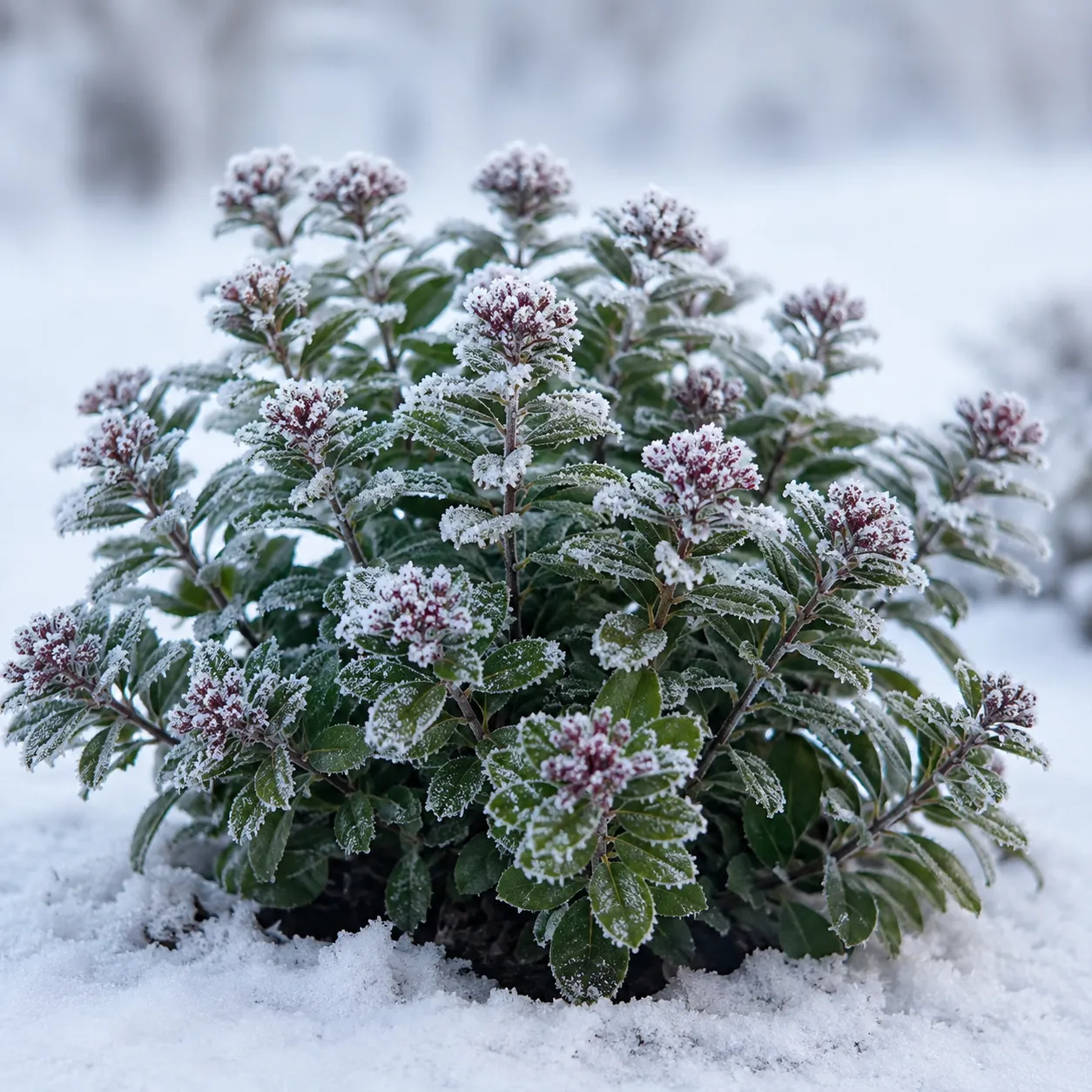
cold-hardyˈkoʊld ˌhɑːrdi
able to live through cold weather, frost, or low winter temperatures.
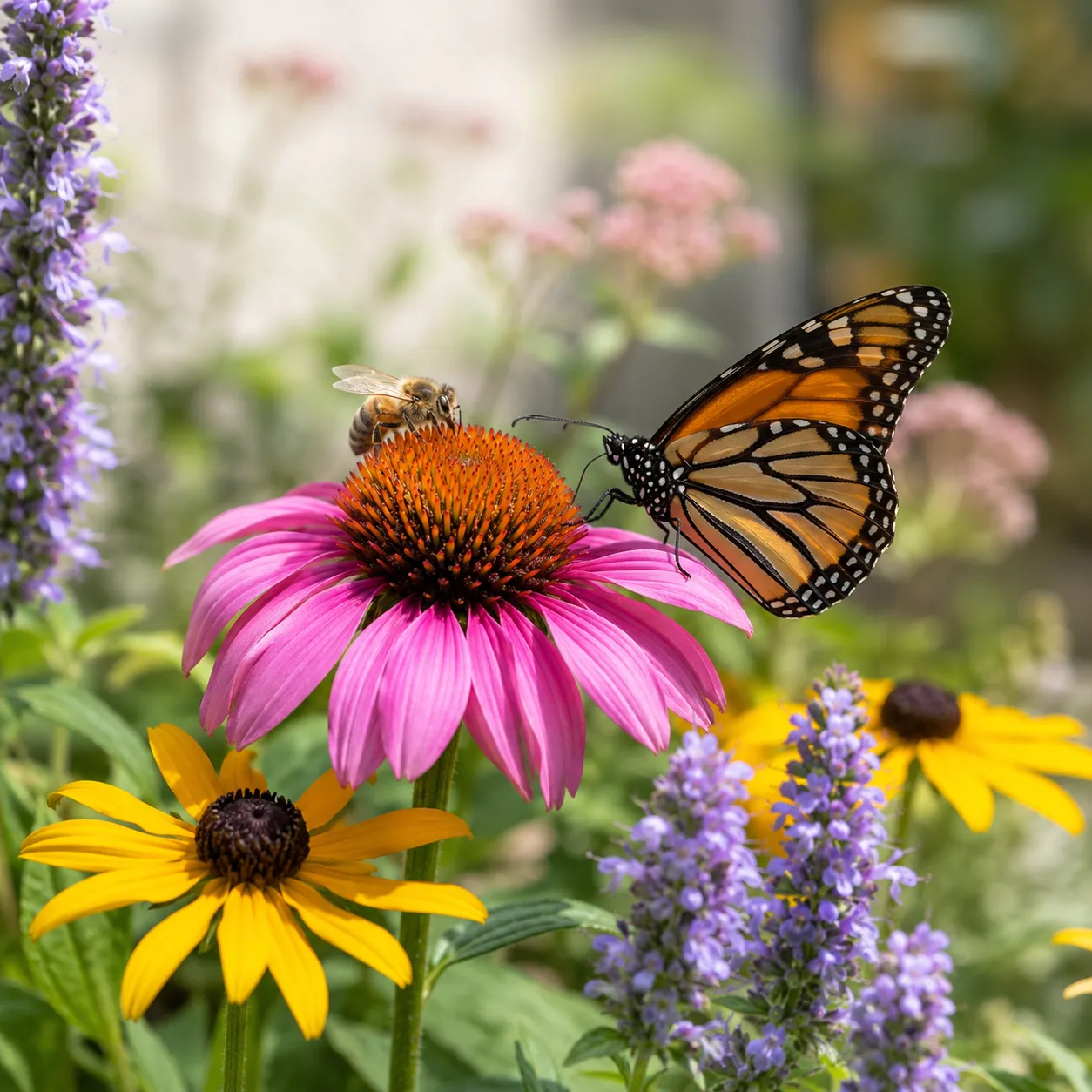
pollinator-friendlyˈpɑːləˌneɪtər ˈfrɛndli
providing food or a safe place for bees, butterflies, and other animals that move pollen between flowers.

thornlessˈθɔːrnləs
having no sharp thorns on the stems or branches.
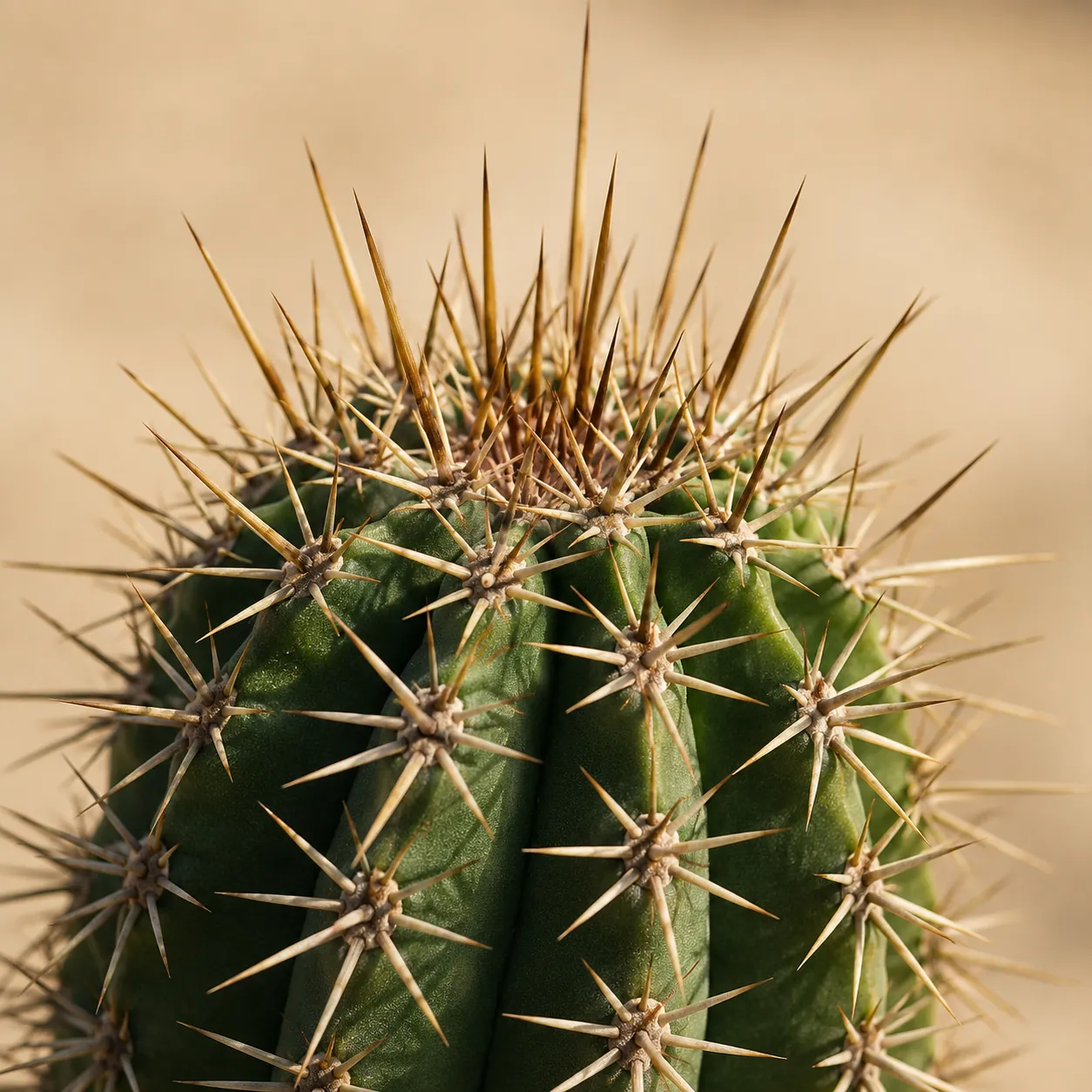
spikyˈspaɪki
covered with sharp points, or having a shape with many sharp points.
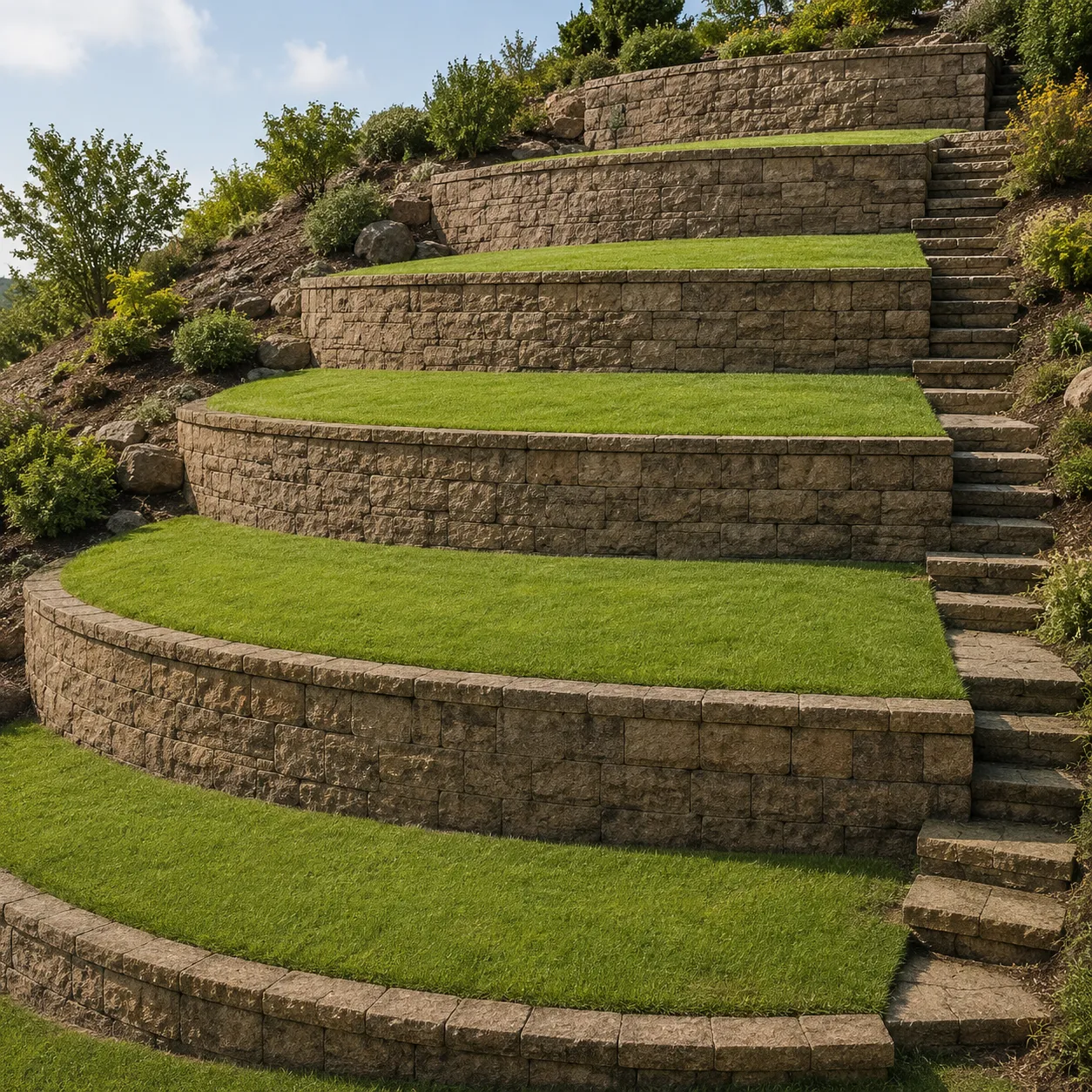
terracedˈtɛrəst
built or arranged in a series of flat levels like steps, especially on a slope.
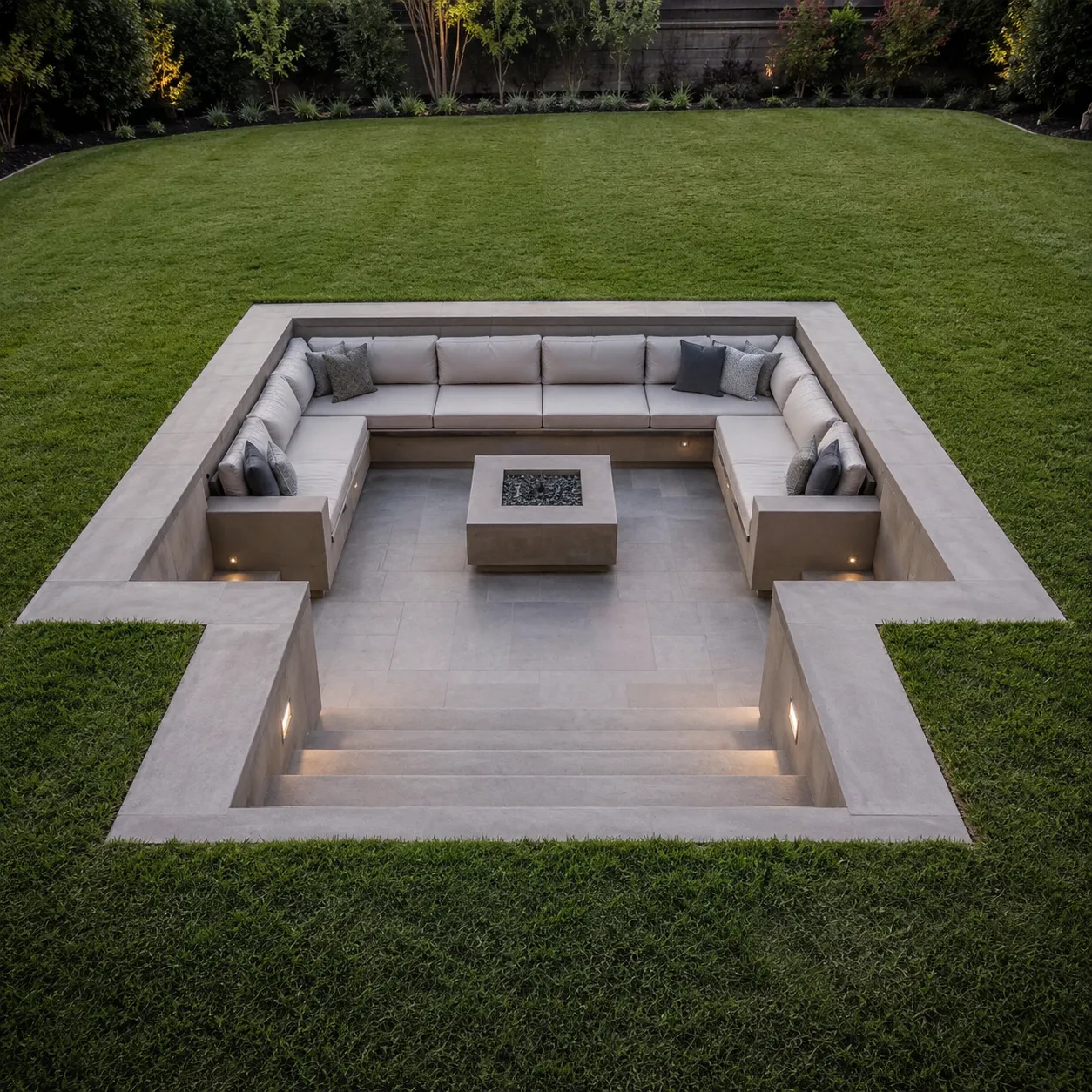
sunkenˈsʌŋkən
built, placed, or lying lower than the area around it.
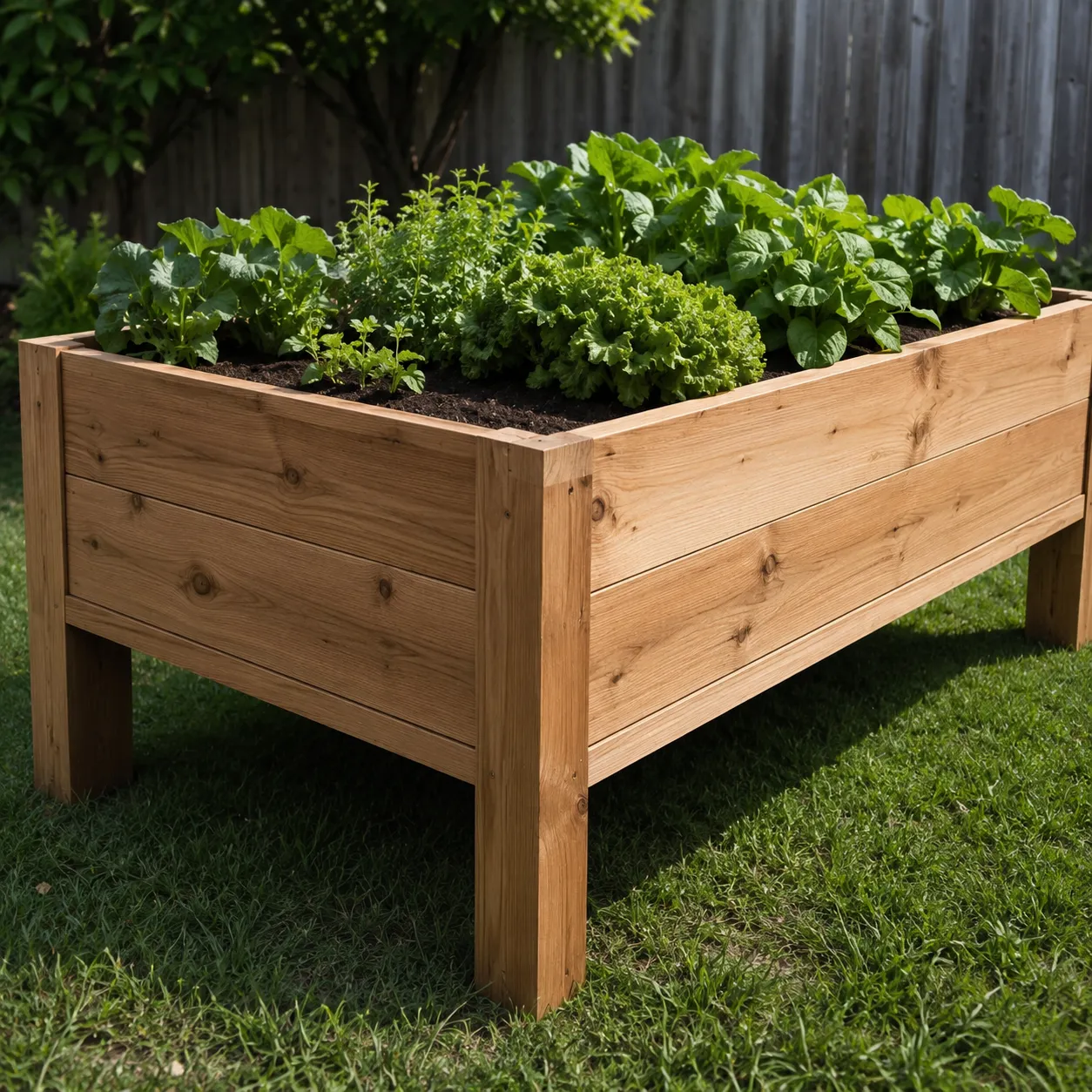
raisedreɪzd
built or placed higher than the ground or surface around it.
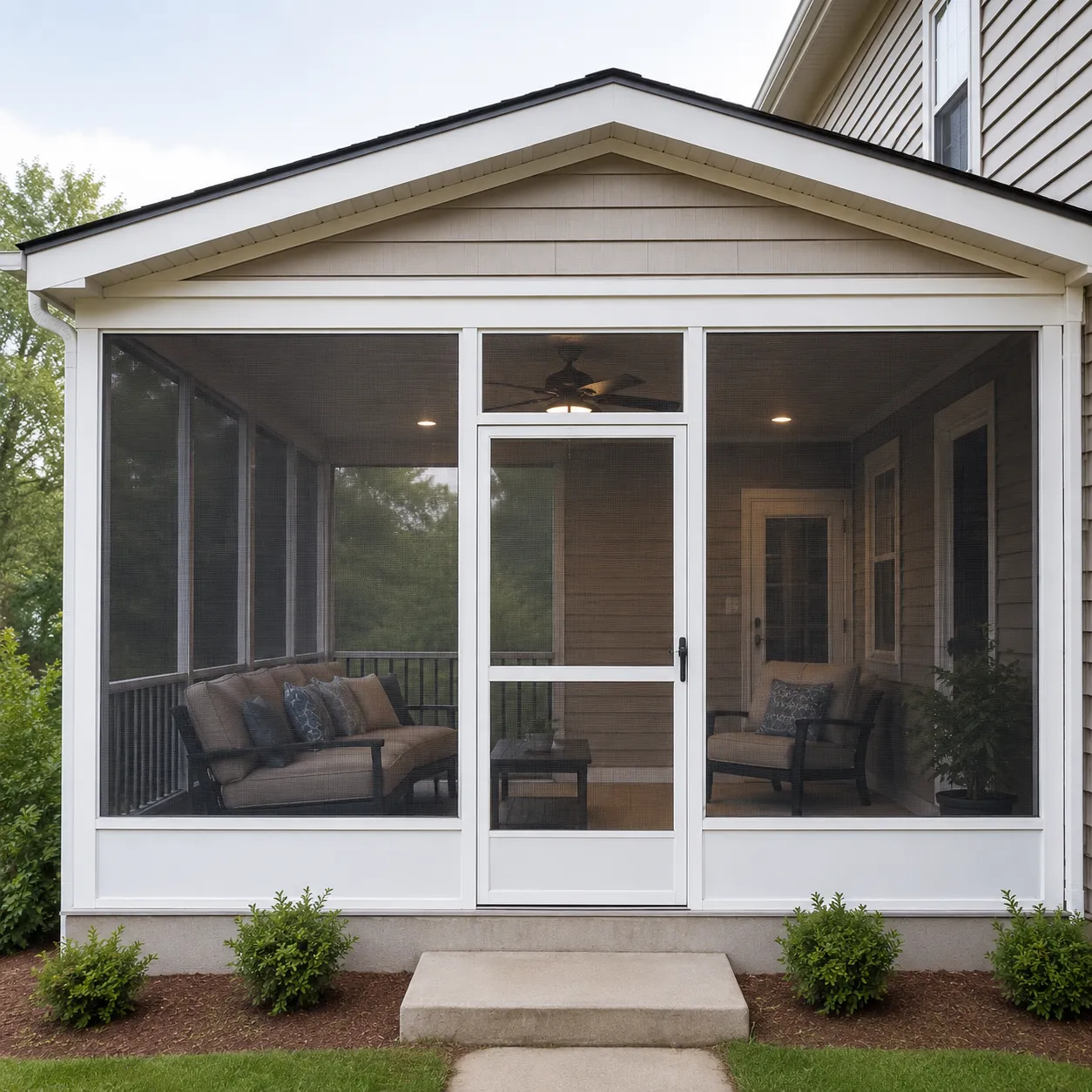
screenedskriːnd
covered or protected with a fine mesh that lets in air but keeps insects or leaves out.
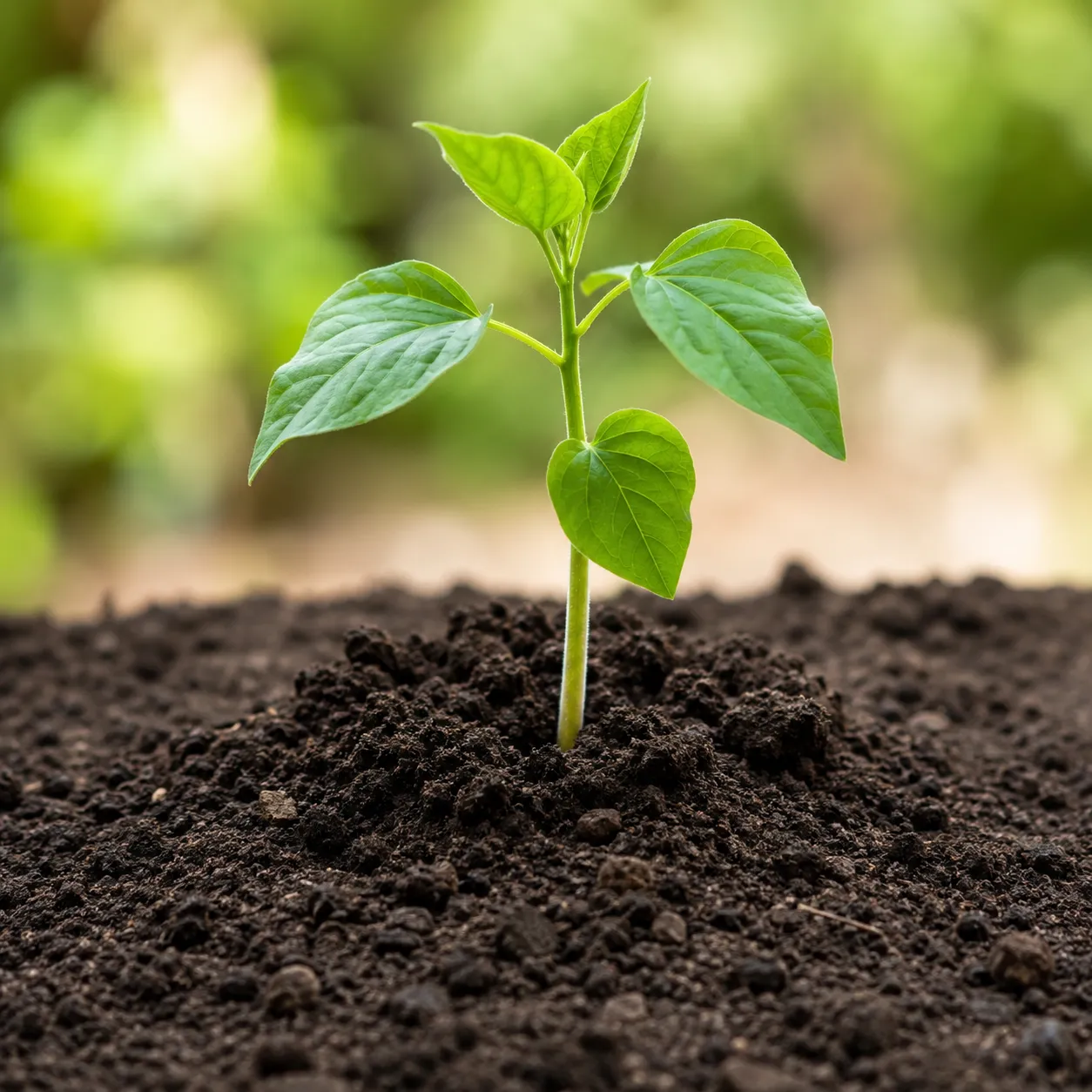
freshly plantedˈfrɛʃli ˈplæntɪd
put into the soil to grow only a short time ago.
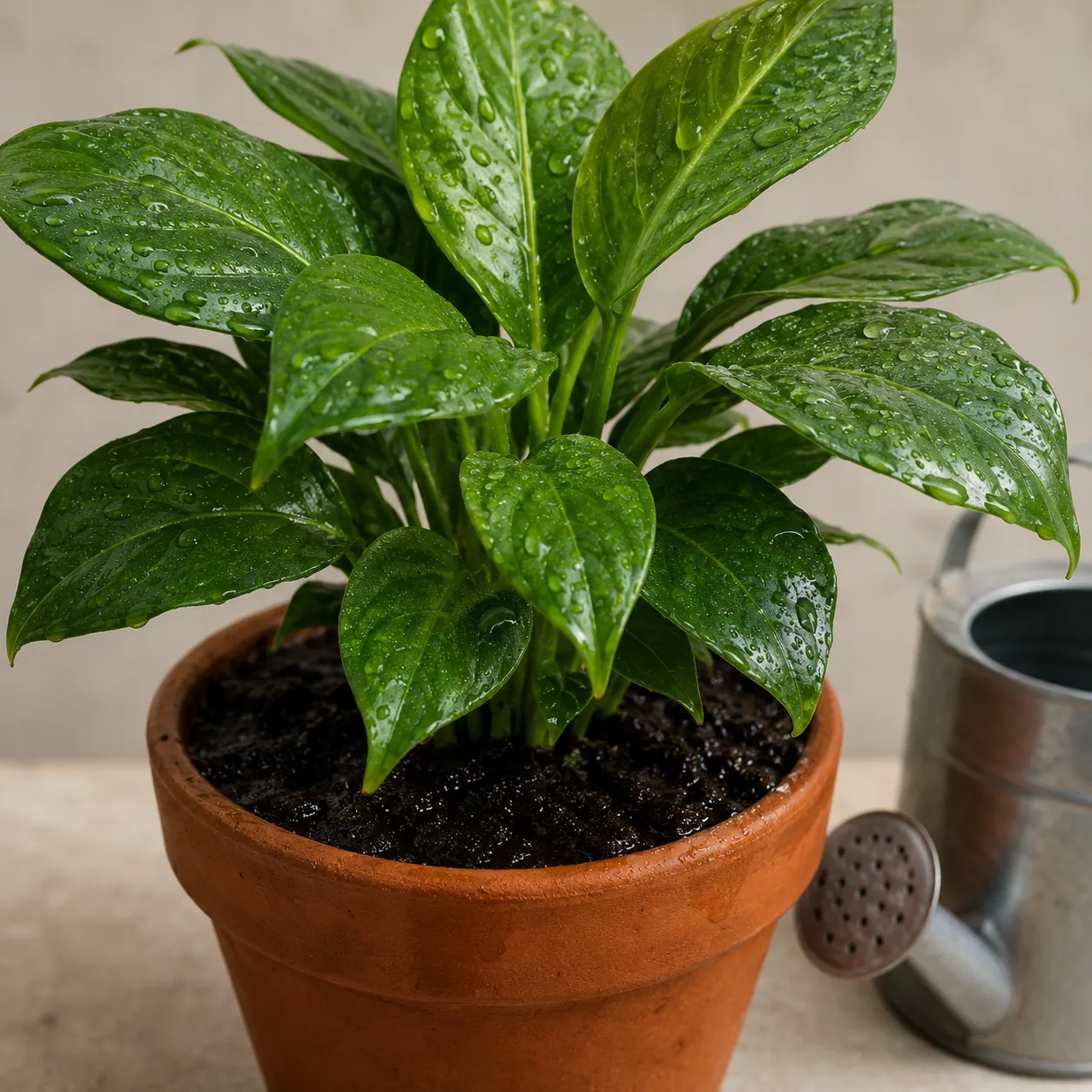
freshly wateredˈfrɛʃli ˈwɔːtərd
given water only a short time ago, especially a plant, lawn, or garden bed.
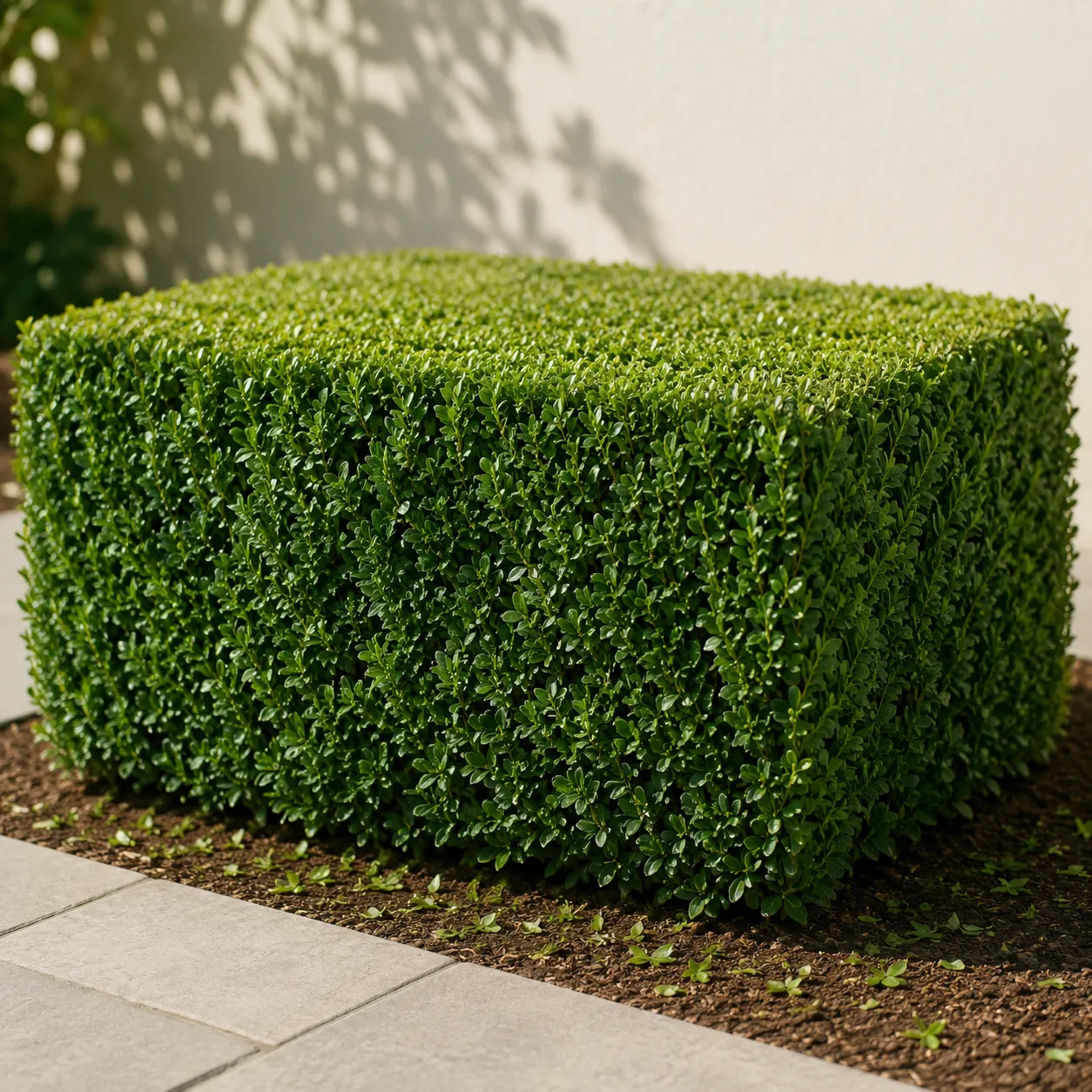
freshly trimmedˈfrɛʃli ˈtrɪmd
cut a short time ago to make it neater, shorter, or more even.
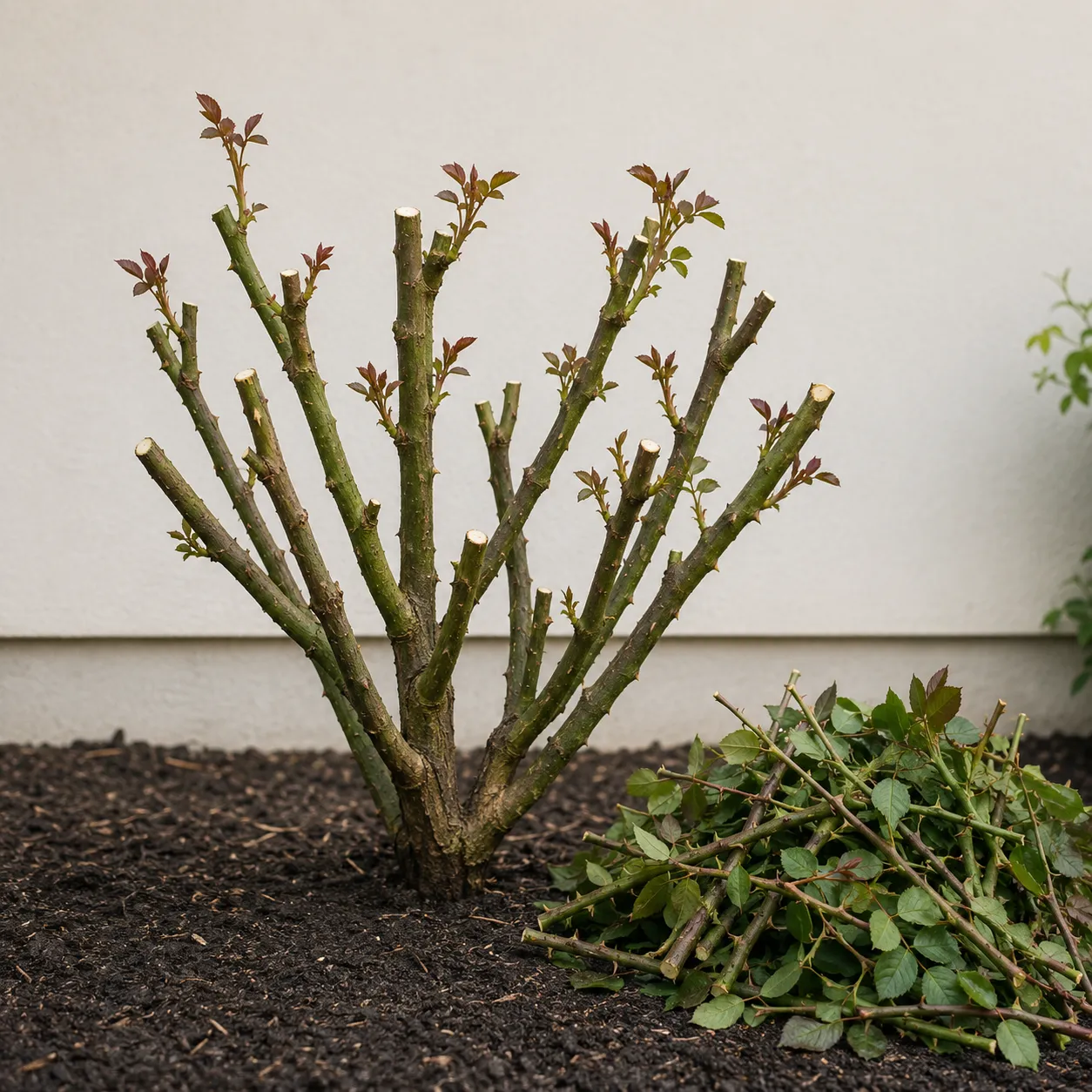
freshly prunedˈfrɛʃli ˈpruːnd
cut a short time ago to remove unwanted branches or stems and help a plant grow well.
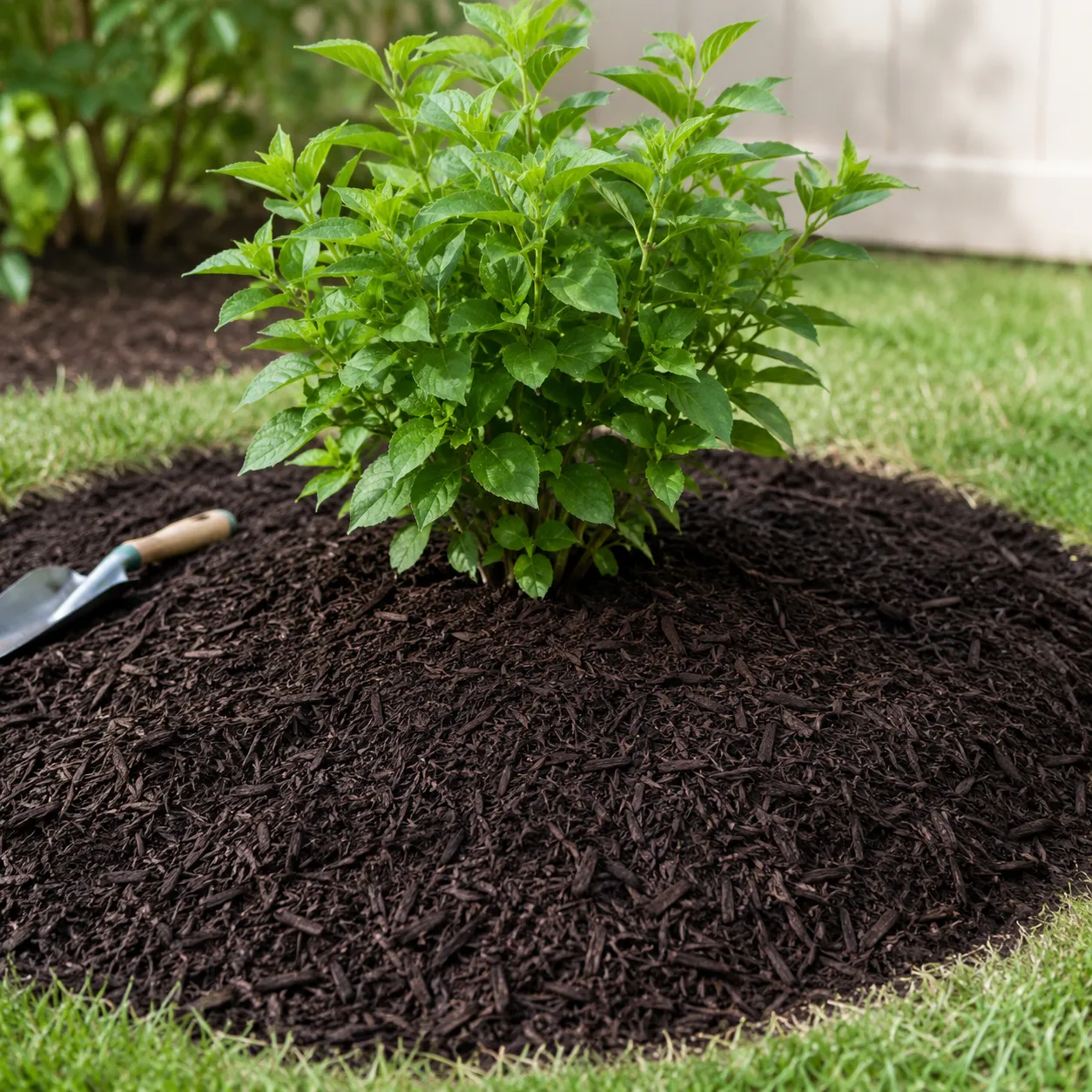
freshly mulchedˈfrɛʃli ˈmʌltʃt
covered a short time ago with a layer of material such as bark, leaves, or straw to protect the soil around plants.
In American English, a backyard is the private outdoor area behind a house. In British English, people more often say back garden, even when the space includes a lawn, patio, shed, or play area.
The set covers backyard areas and structures, furniture, plants, edible gardening, soil and plant care, tools, wildlife, pets, outdoor cooking, games, weather, lighting, storage, safety, materials, and useful actions and descriptions.
Yes. Beginners should start with common nouns such as garden, fence, tree, table, chair, hose, dog, and barbecue. Because the set is extensive, intermediate learners can continue with gardening terms, materials, maintenance verbs, and descriptive adjectives.
Study one category at a time in groups of about 10–20 words. Review the same group over several days, say the words aloud, and test yourself in both directions: English to your language and your language to English.
A yard is the outdoor land around a home. A garden is an area where plants are grown, although in British English it can mean the whole yard. A patio is a paved sitting area at ground level, while a deck is usually a raised platform made of wood or composite boards.
Describe a real photo or your own outdoor space. Make sentences about what you can see, where objects are, what people are doing, and what needs care—for example, “The hose is beside the shed” or “We are planting herbs in a raised bed.”
Add this set to your personal dictionary and practice with spaced repetition, flashcards and 9 more study modes — free.