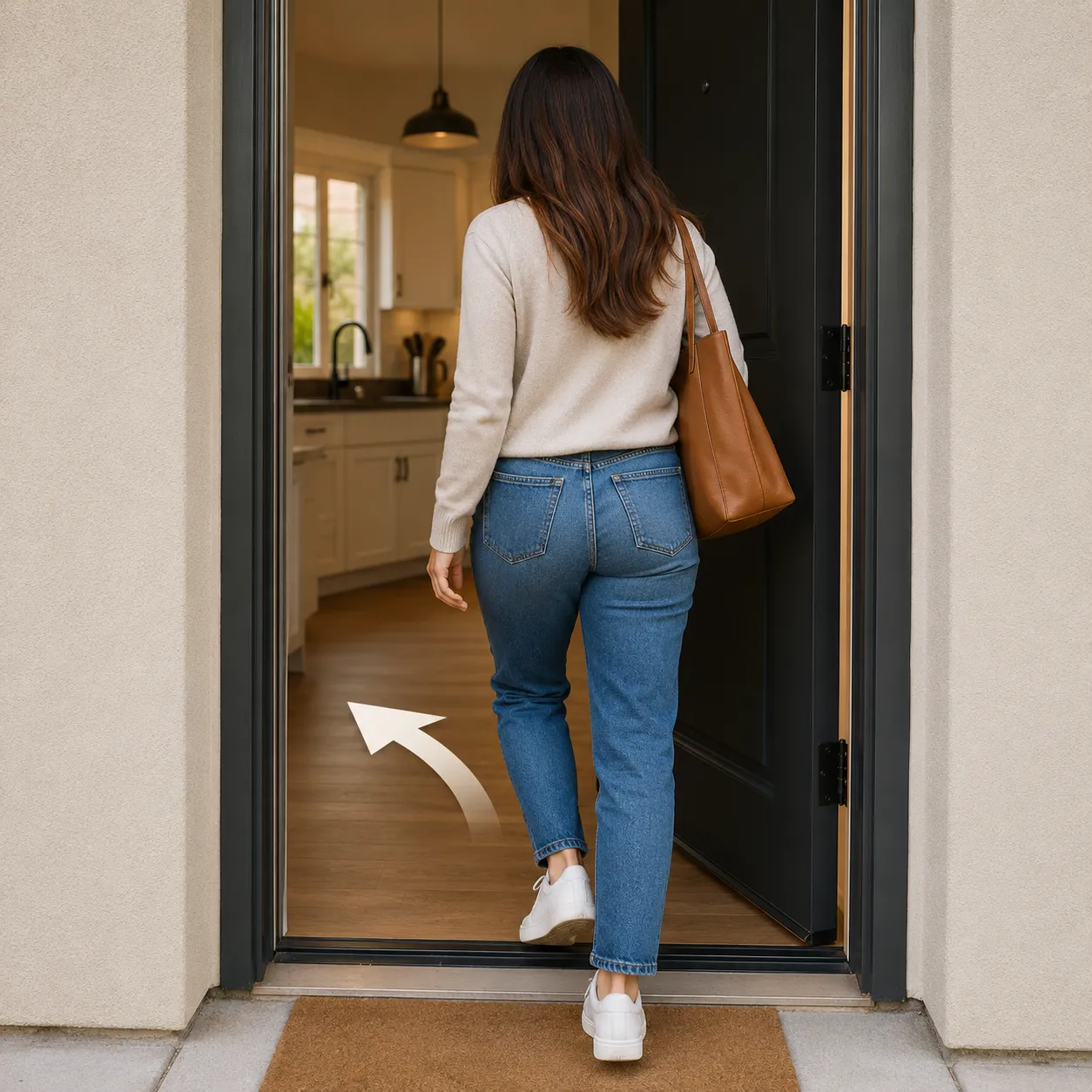
enterˈɛntər
to go or come into a room, building, or other place
- 🇺🇦
- увійти
- увійти або зайти до кімнати, будівлі чи іншого місця
- 🇨🇿
- vstoupit
- vejít nebo vstoupit do místnosti, budovy nebo jiného místa

Learn 577 English attic vocabulary words for storage, roof structures, insulation, repairs, pests, keepsakes and common items found under the roof.
This attic vocabulary set brings together 577 English words and phrases you may need when describing the space under a roof, organizing stored belongings, or discussing home maintenance. It starts with common attic rooms, access points, boxes, shelves, and everyday stored objects, then moves to keepsakes, seasonal decorations, tools, roof structures, insulation, ventilation, moisture problems, pests, and safety. The set is useful for English learners who are moving house, renovating a home, reading property listings, or simply expanding practical home vocabulary. Study one category at a time, listen to the pronunciation, and make short example sentences about a real or imagined attic. Review storage verbs together—such as packing, sorting, and putting things away—and learn technical building terms in smaller groups. Because the list includes simple, intermediate, and advanced vocabulary, beginners can focus on familiar objects first while higher-level learners continue with construction and energy-efficiency terms.
Customize the card view
Hide translations you don't need, blur fields to quiz yourself, and switch the card layout.
Core words for attic rooms, entrances, ladders, directions, and moving around under the roof.
enterˈɛntər
to go or come into a room, building, or other place
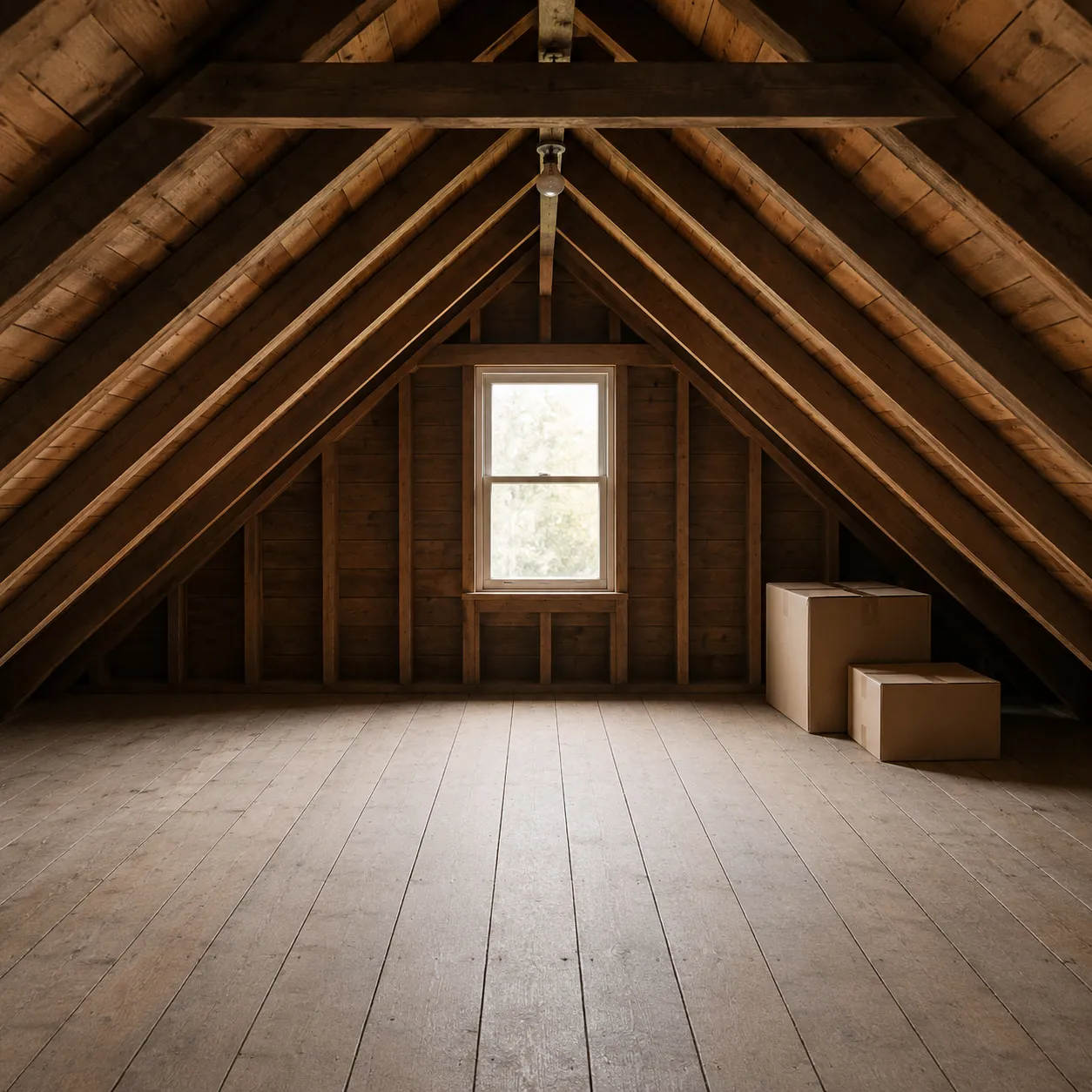
Atticˈætɪk
A space under the roof, often used for storage.
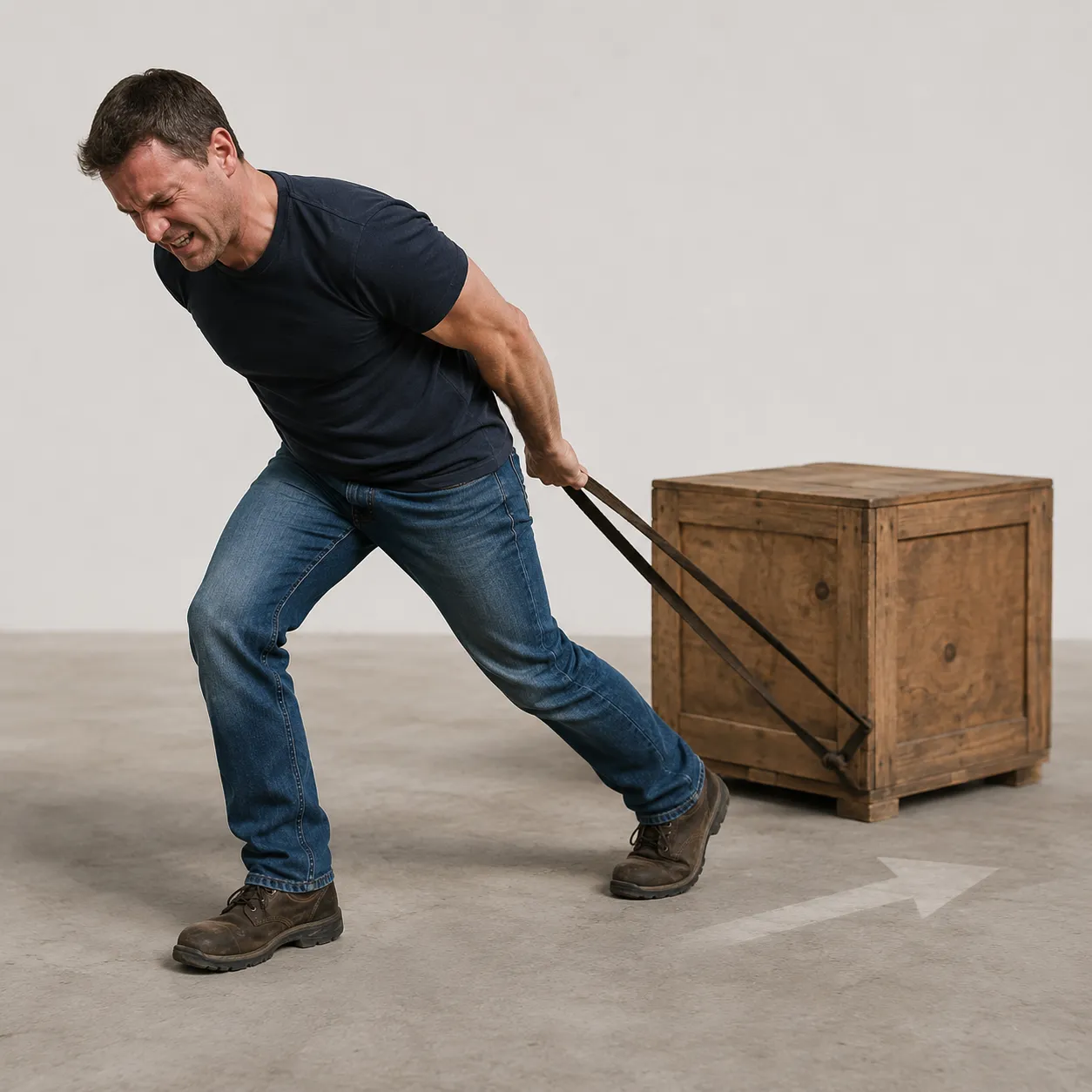
haulhɔːl
to pull or carry something heavy or large, often with a lot of effort.
betweenbɪˈtwiːn
in the space that separates two people, places, or things.
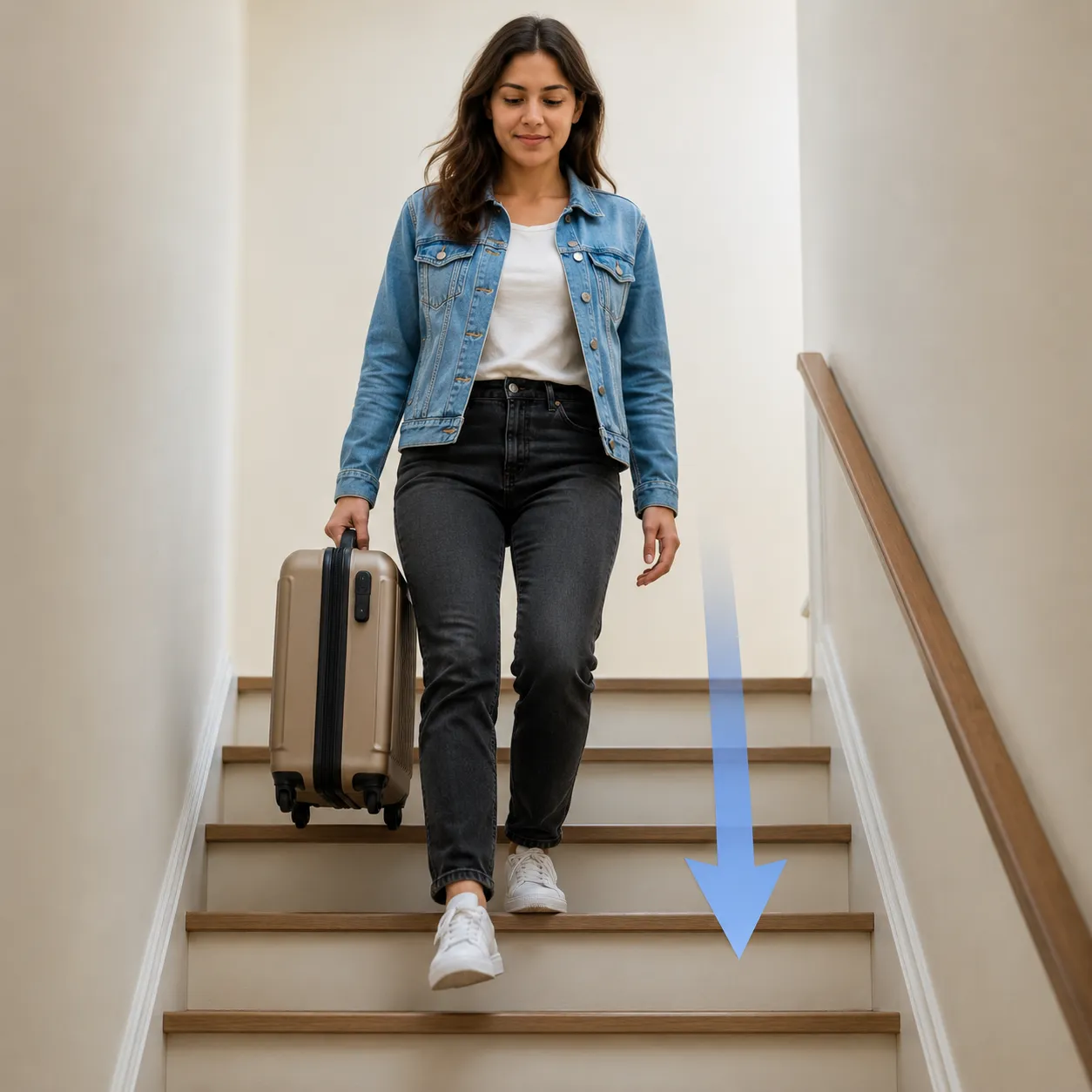
bring downˈbrɪŋ ˈdaʊn
to take something or someone from a higher place to a lower place, especially downstairs.
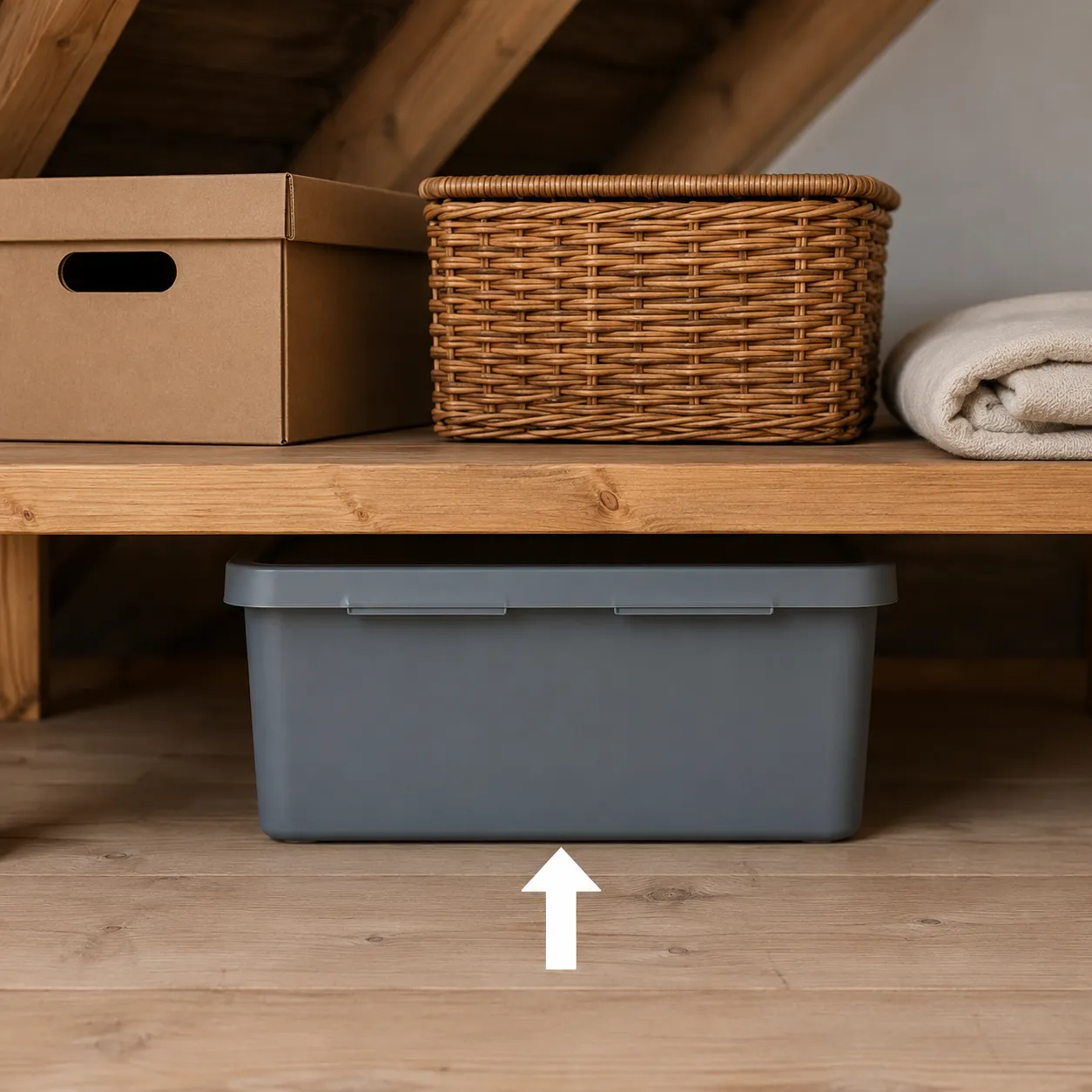
beneathbɪˈniːθ
in or to a lower position than someone or something; under them.
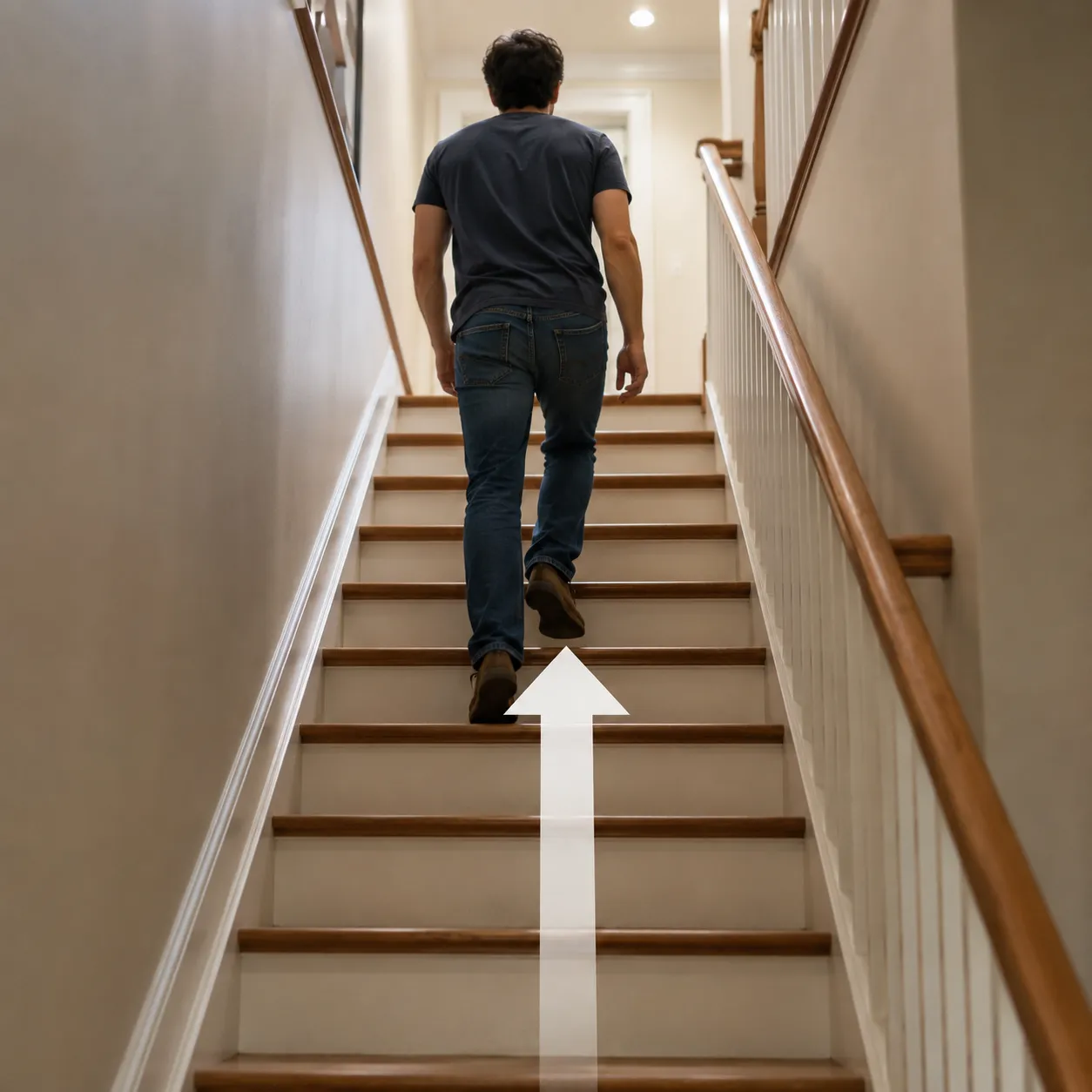
upstairsˌʌpˈstɛrz
on or to a higher floor of a building, especially the floor above the one you are on.
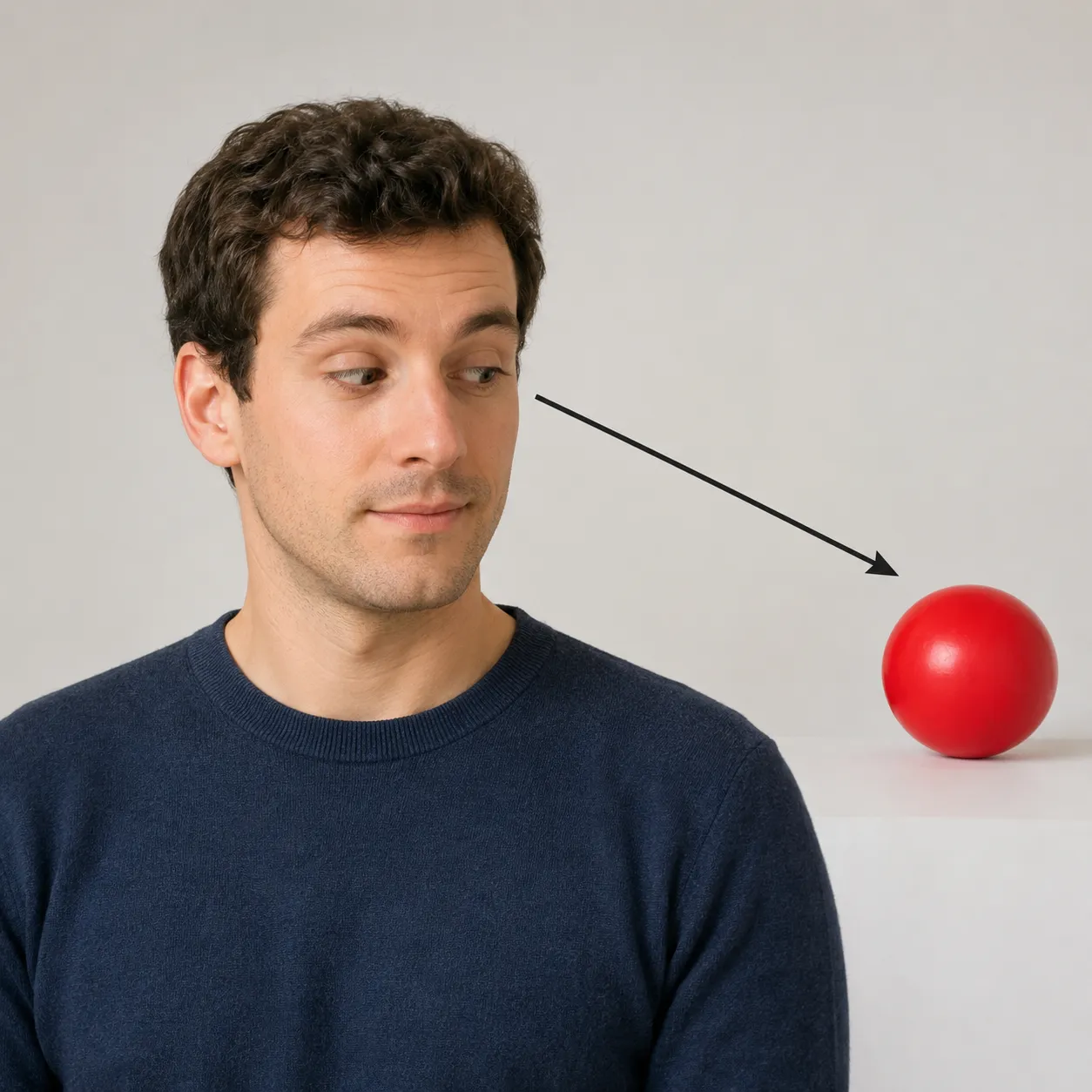
looklʊk
to turn your eyes toward someone or something and try to see them.
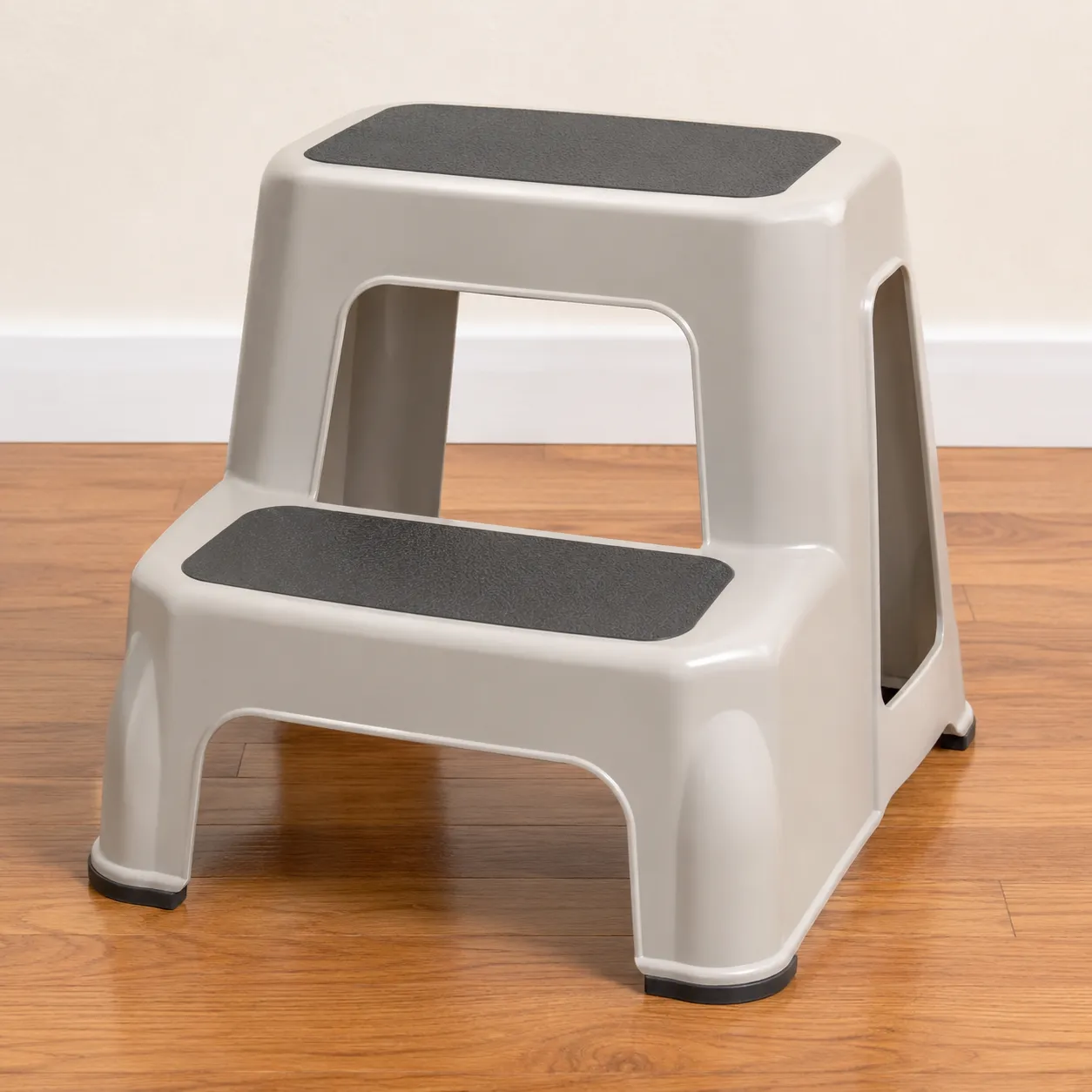
step stoolˈstɛp stuːl
a small low stool that you stand on to reach something higher than you can normally reach.

climbklaɪm
to go upward or up something, often using the hands and feet
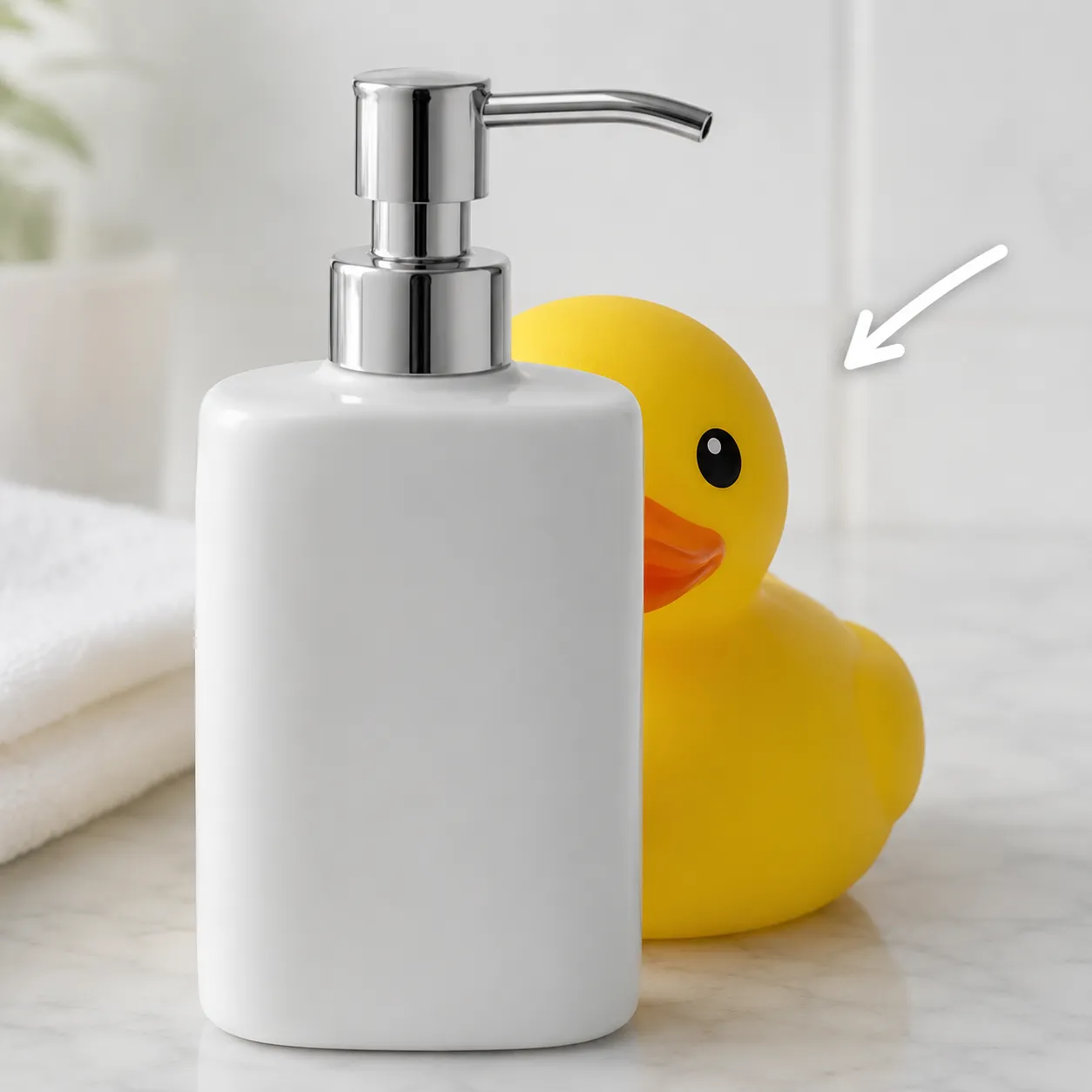
behindbɪˈhaɪnd
at or to the back of a person or thing, on the side that is not facing you.
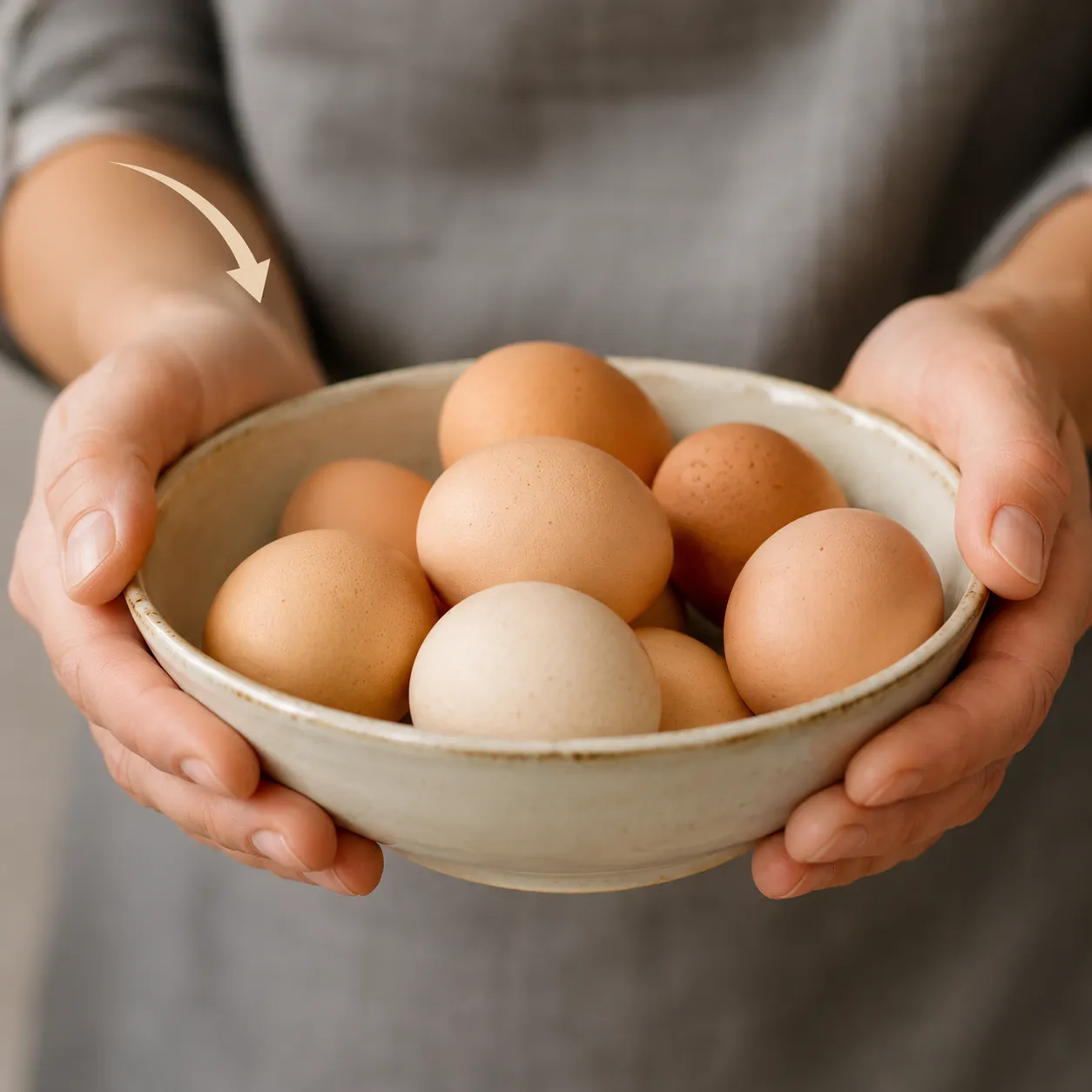
carefullyˈkerfəli
in a way that gives attention to what you are doing so that you avoid mistakes, damage or danger.
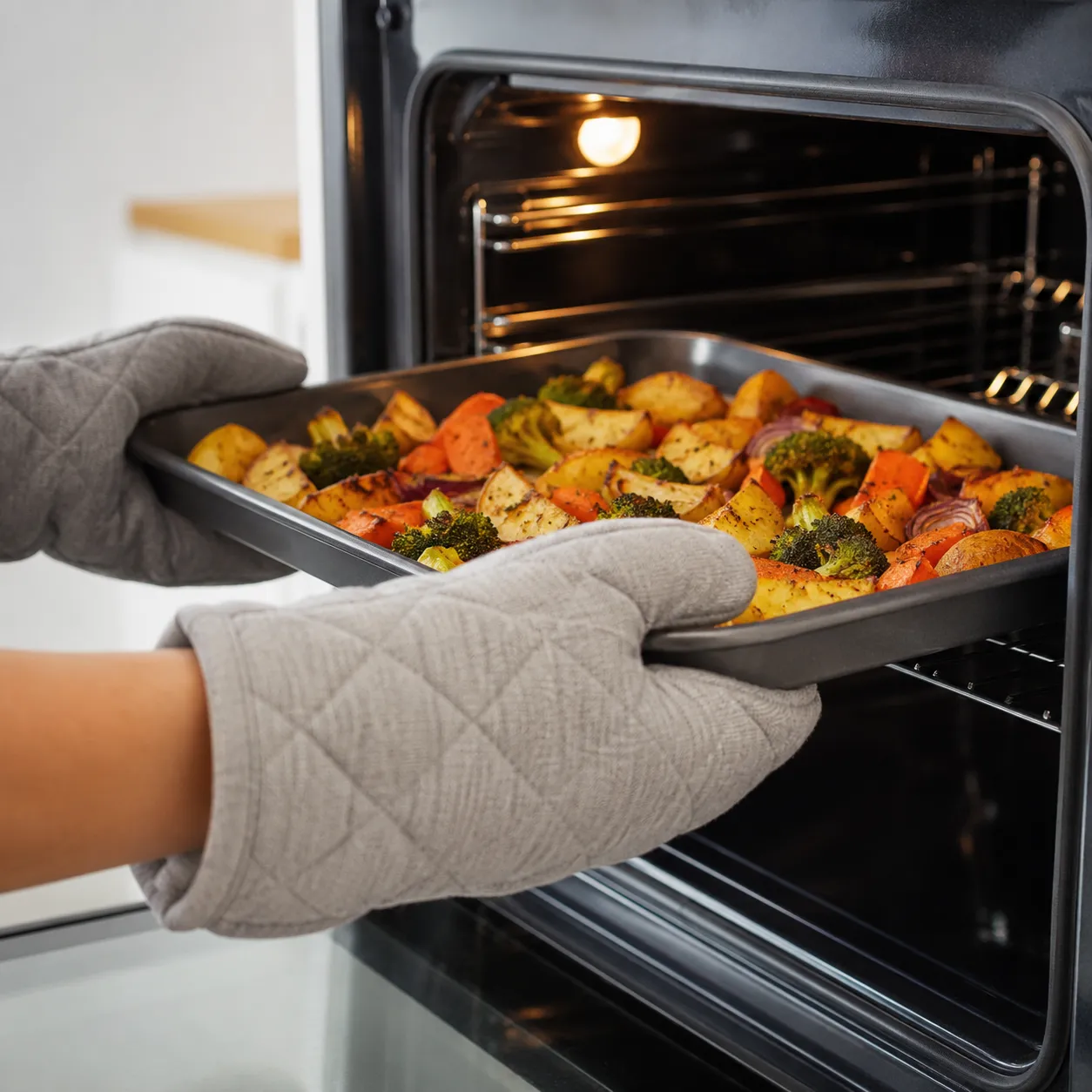
take outˌteɪk ˈaʊt
to remove something from inside a place, container, or object.
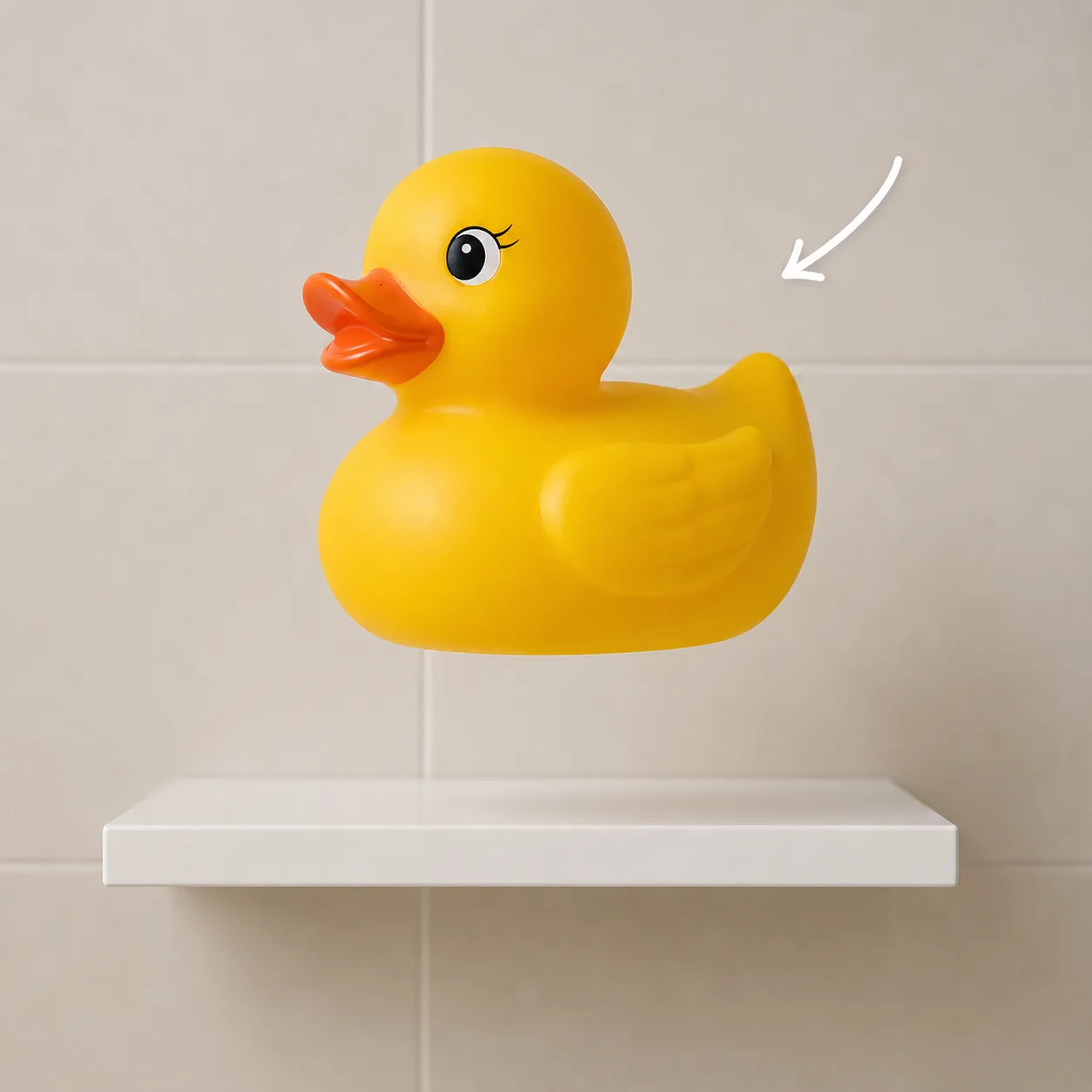
aboveəˈbʌv
in or to a higher position than something else, not necessarily touching it.
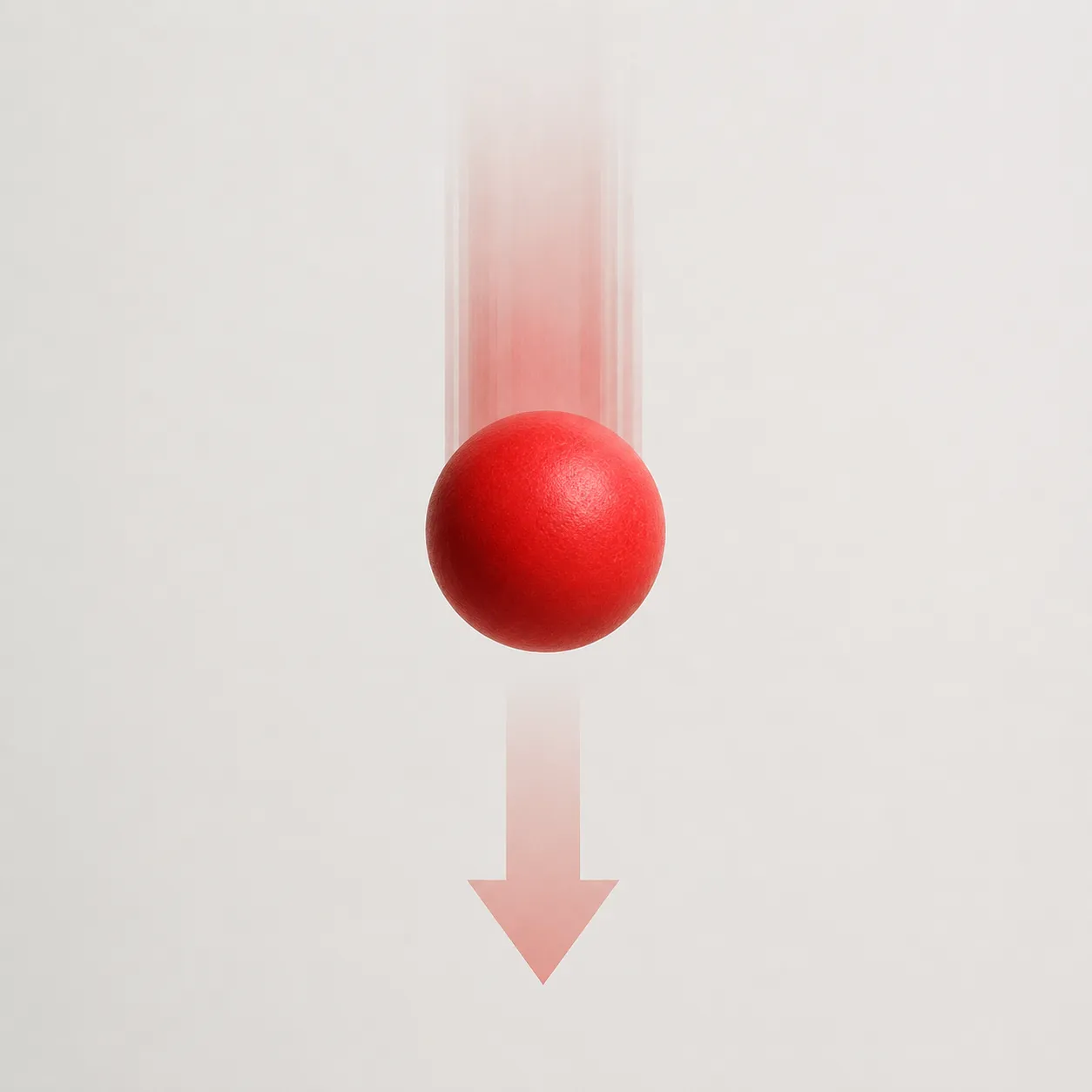
downwardˈdaʊnwərd
toward a lower place, position, amount, or level.

upwardˈʌpwərd
toward a higher place, position, amount, or level.
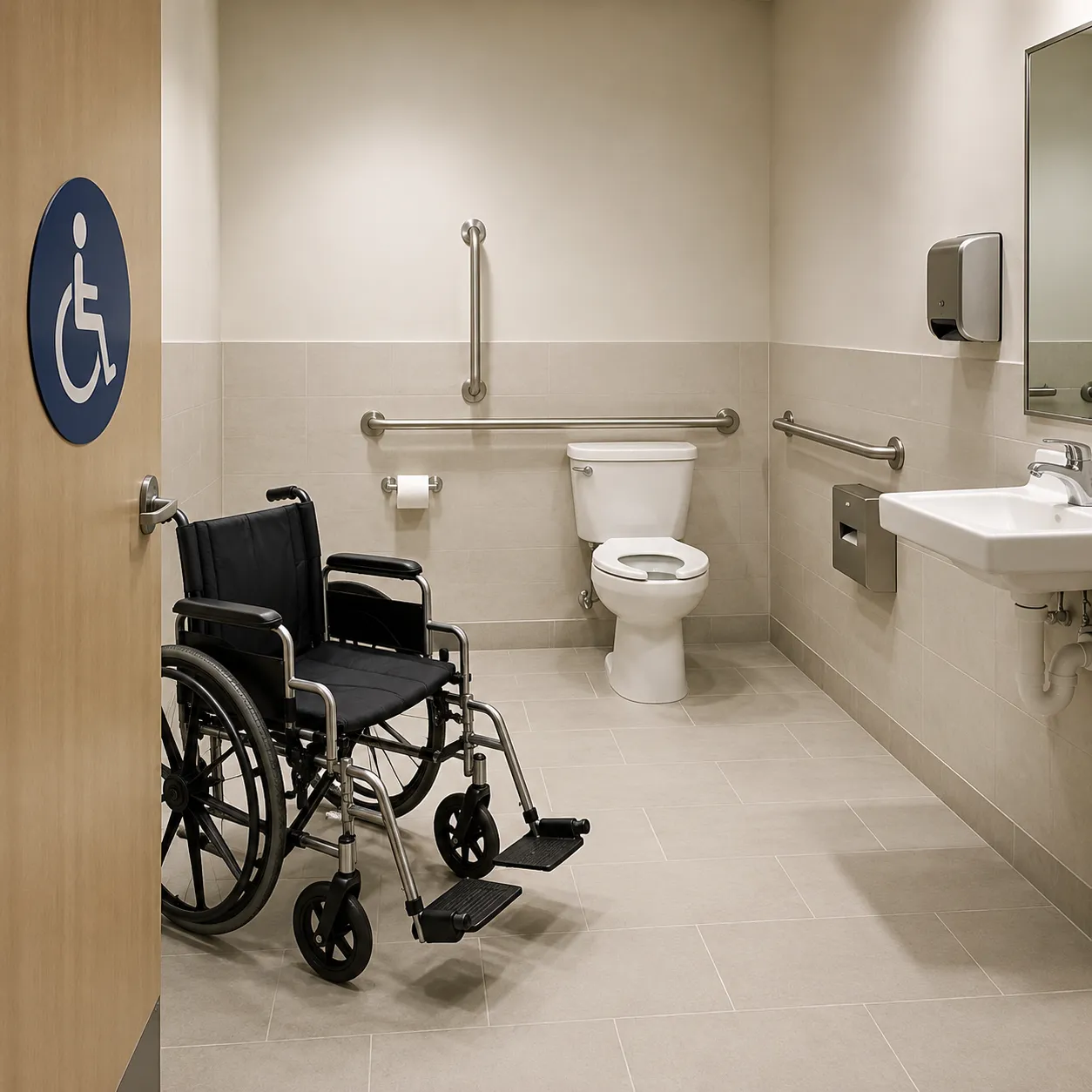
accessibleəkˈsɛsəbəl
easy to reach, enter, get, or use.
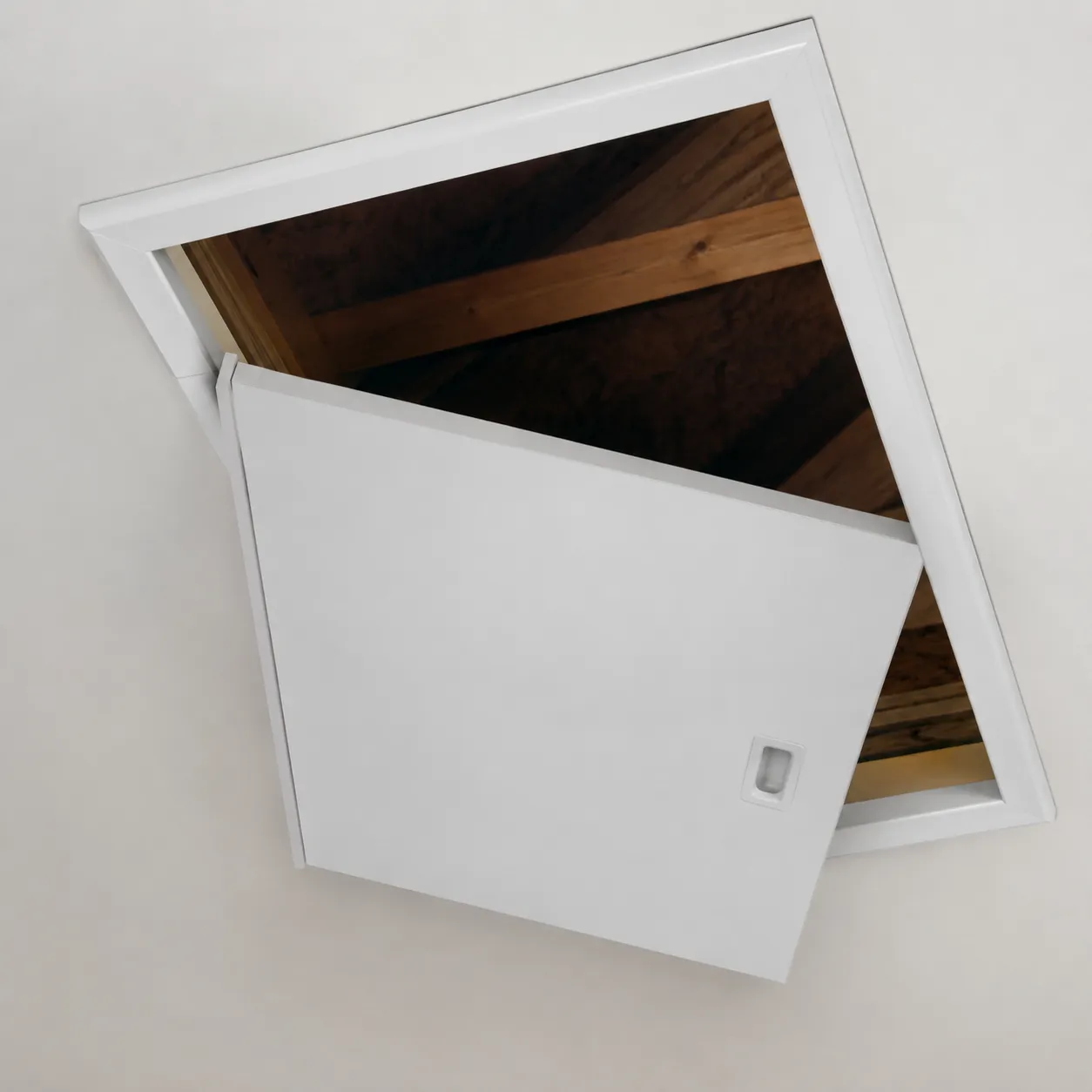
access panelˈækses ˈpænəl
a removable cover in a wall, ceiling, or machine that lets people reach pipes, wires, or equipment behind it.
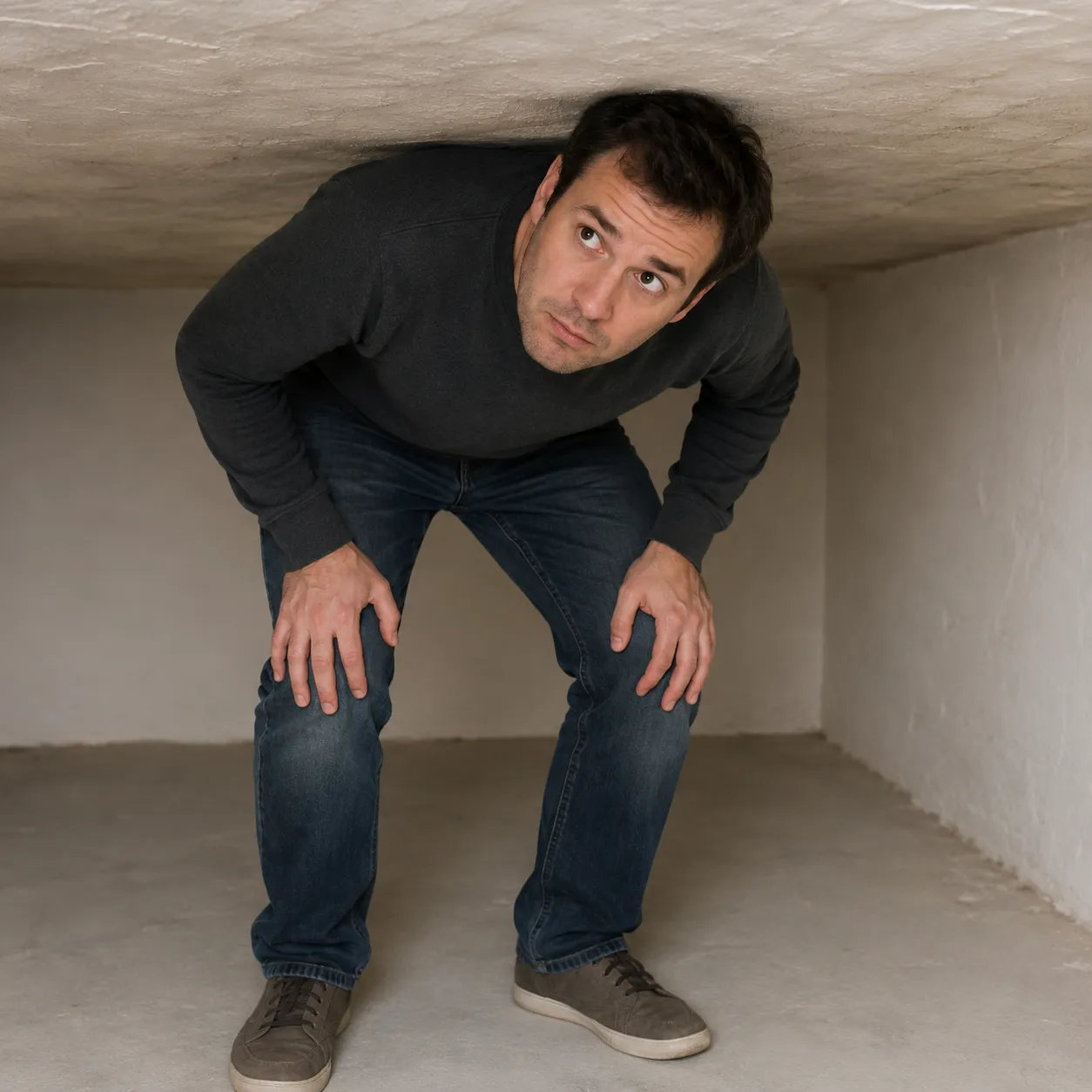
low ceilingˌloʊ ˈsiːlɪŋ
a ceiling that is not high above the floor, so the room may feel short or cramped.
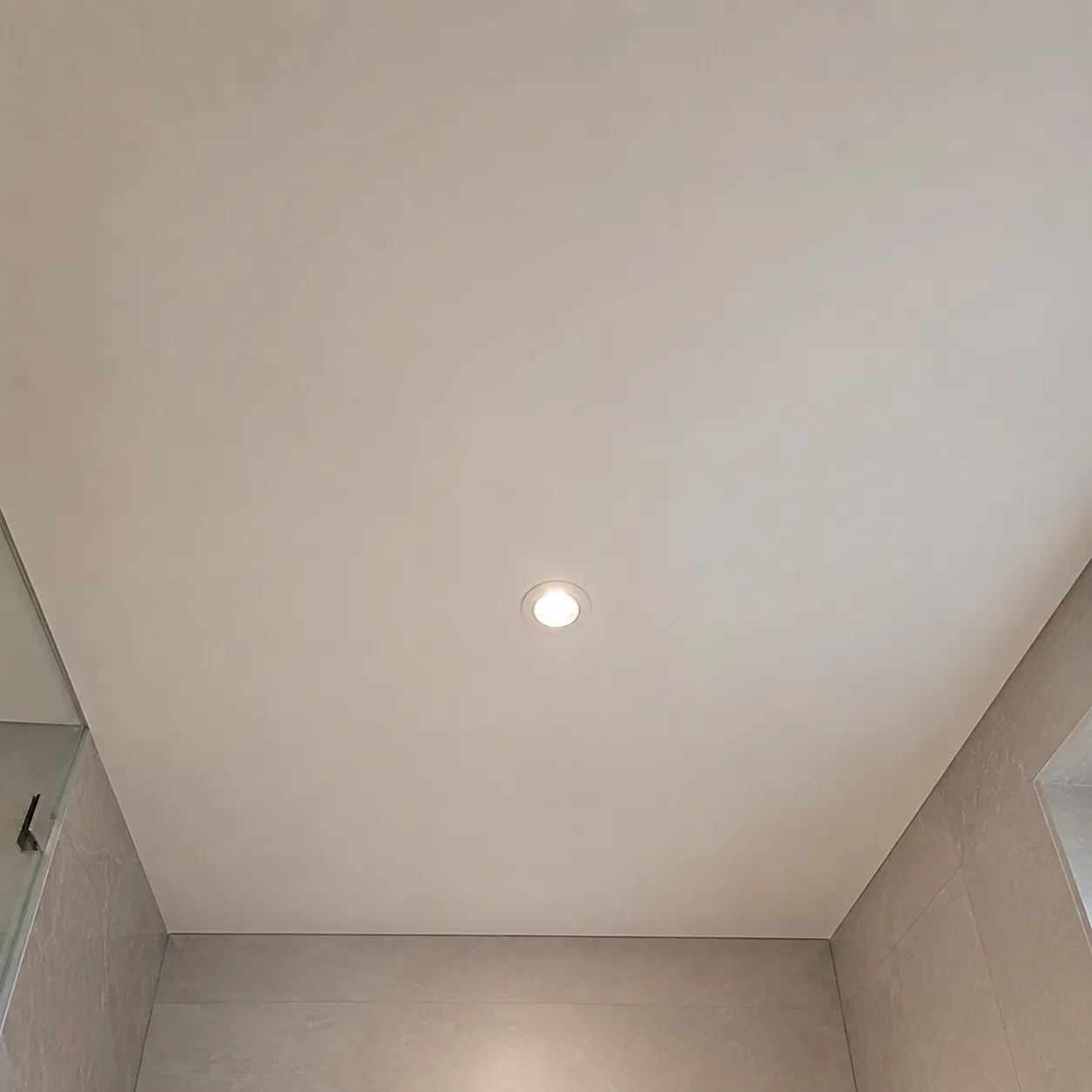
ceilingˈsiːlɪŋ
the flat or sloping surface at the top inside a room.
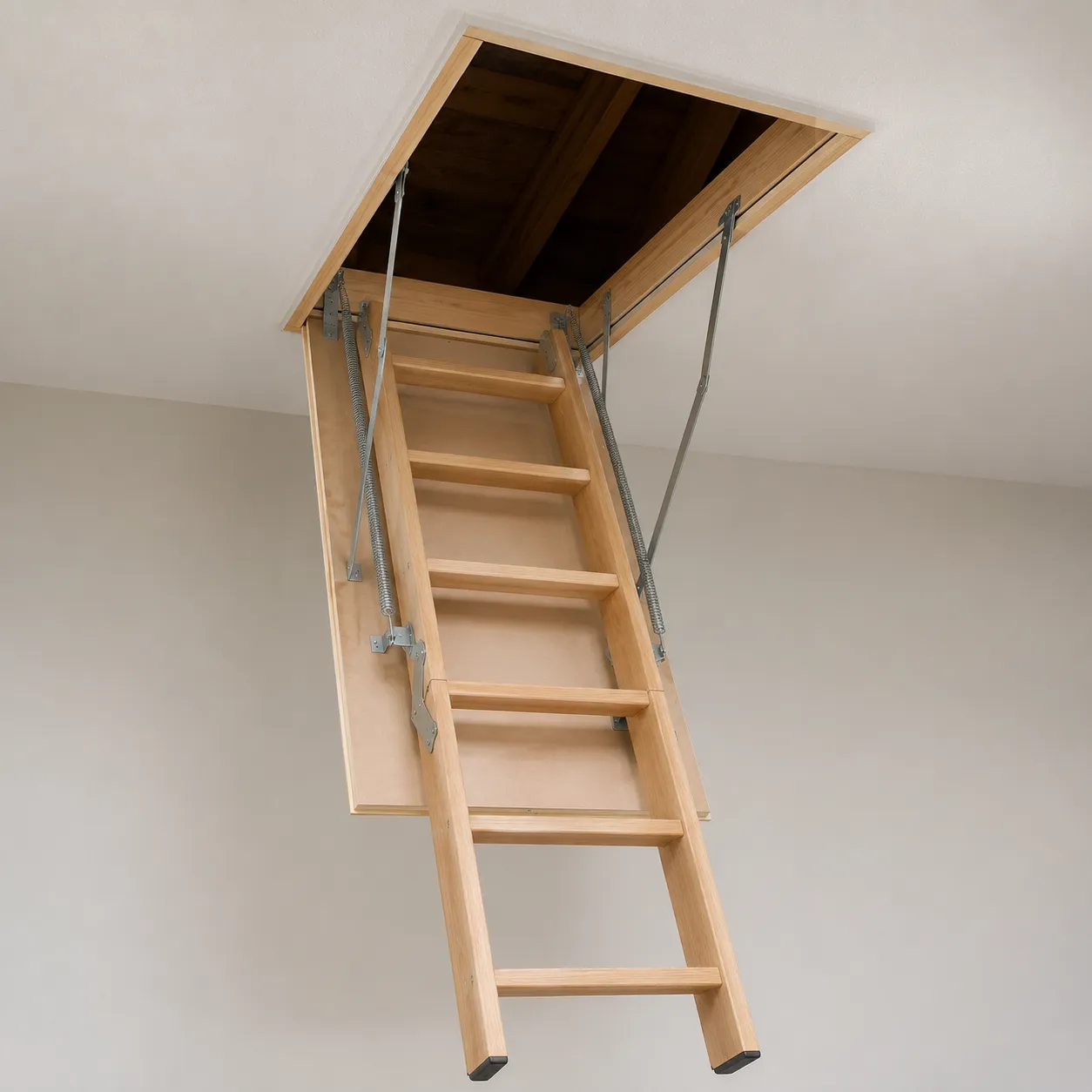
accessˈækˌsɛs
the right, ability, or way to enter a place, reach someone, or obtain and use something
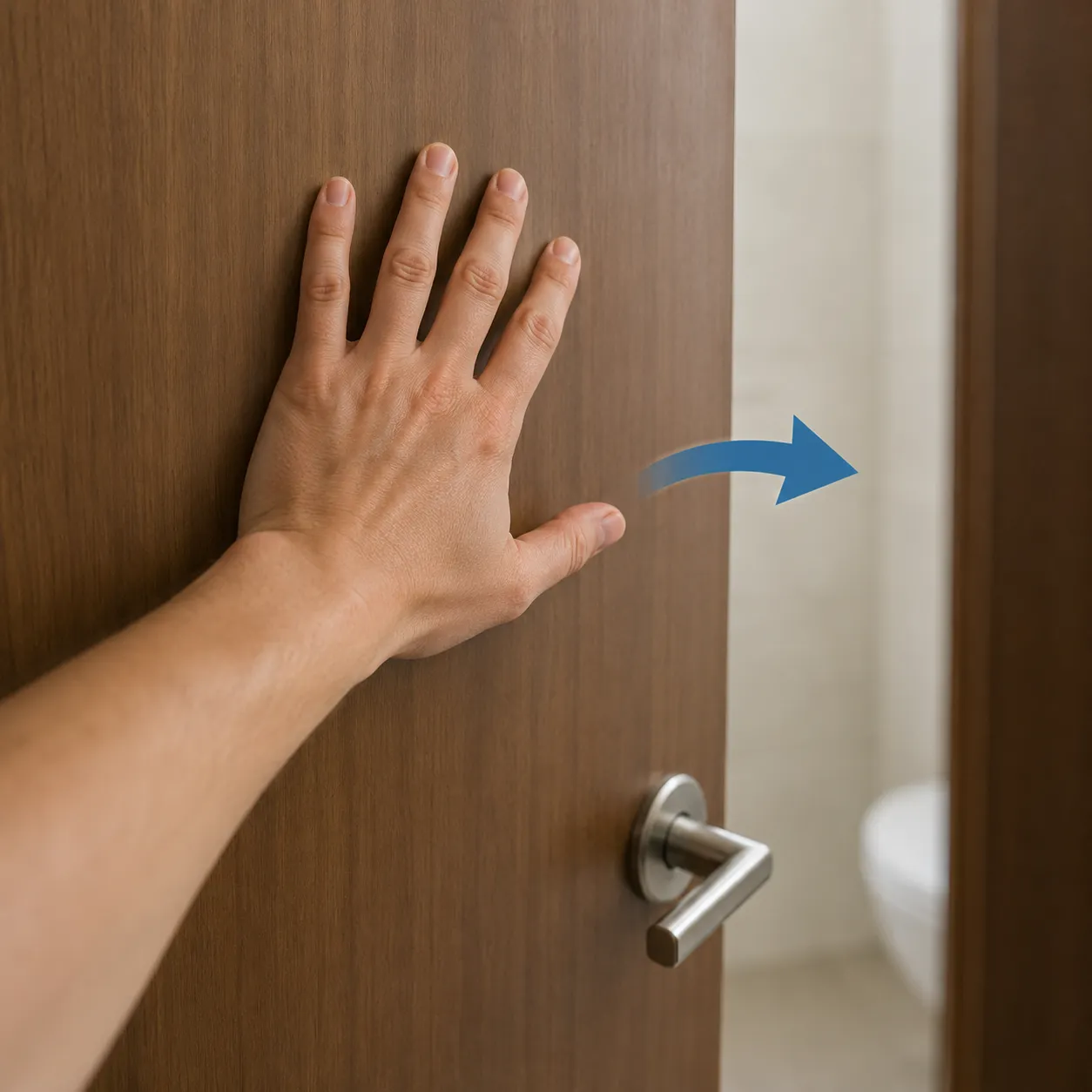
Pushpʊʃ
to move a door, button or other object away from yourself by pressing it with your hand or body.
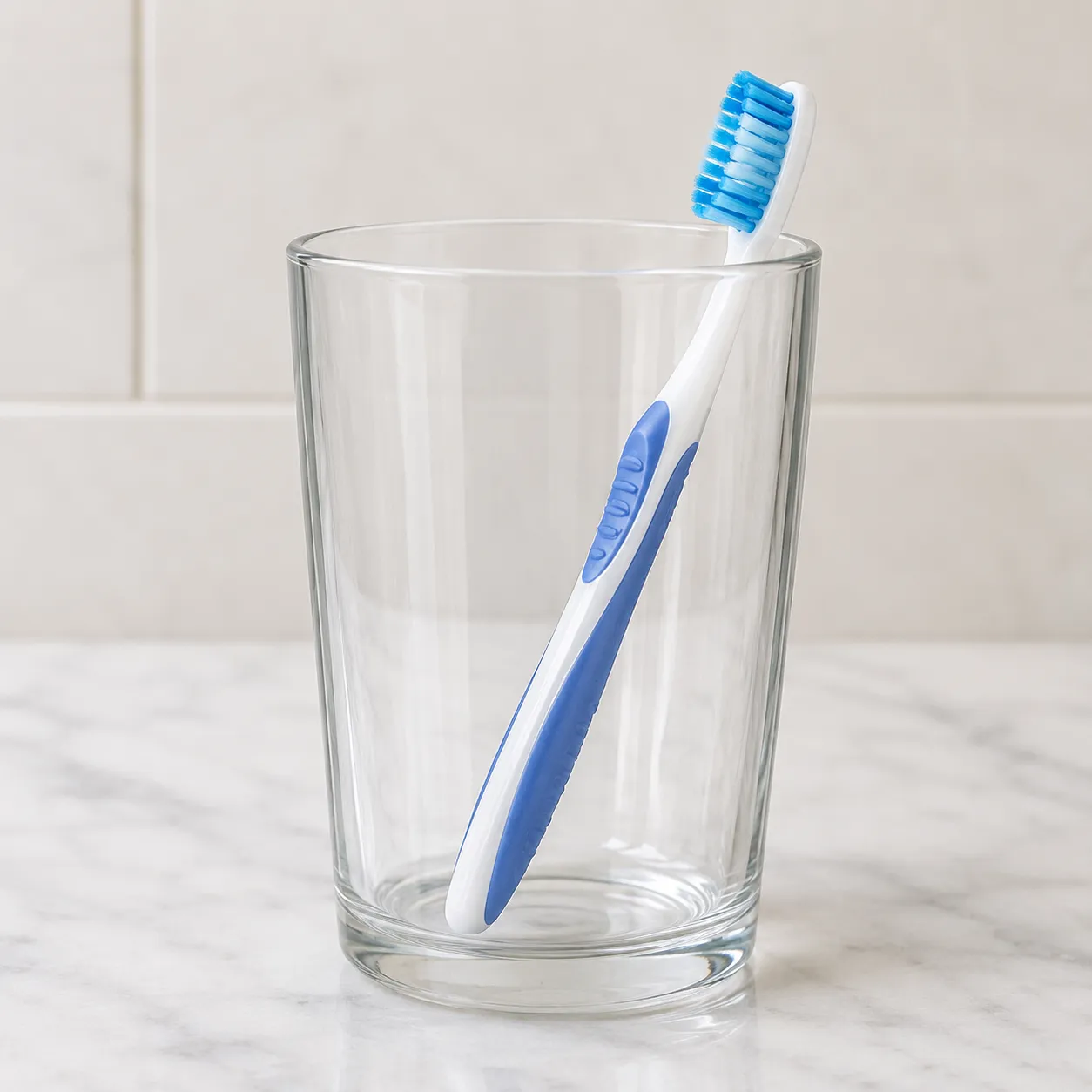
insideˌɪnˈsaɪd
in or into the inner part of a container, room, building, or other enclosed place.

upʌp
toward or in a higher place or position.
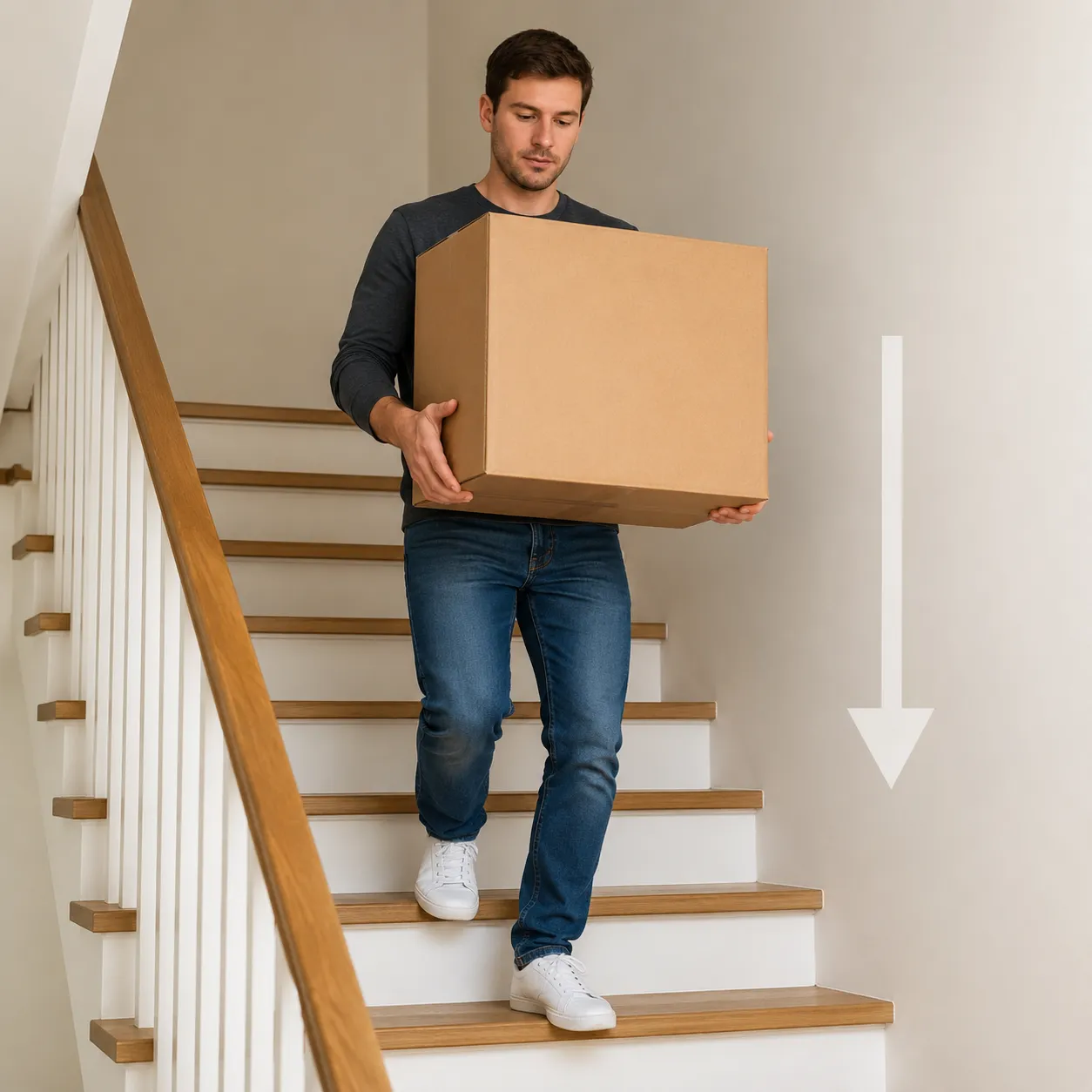
carry downˈkæri ˈdaʊn
to take something in your hands or arms from a higher place to a lower place, especially downstairs.
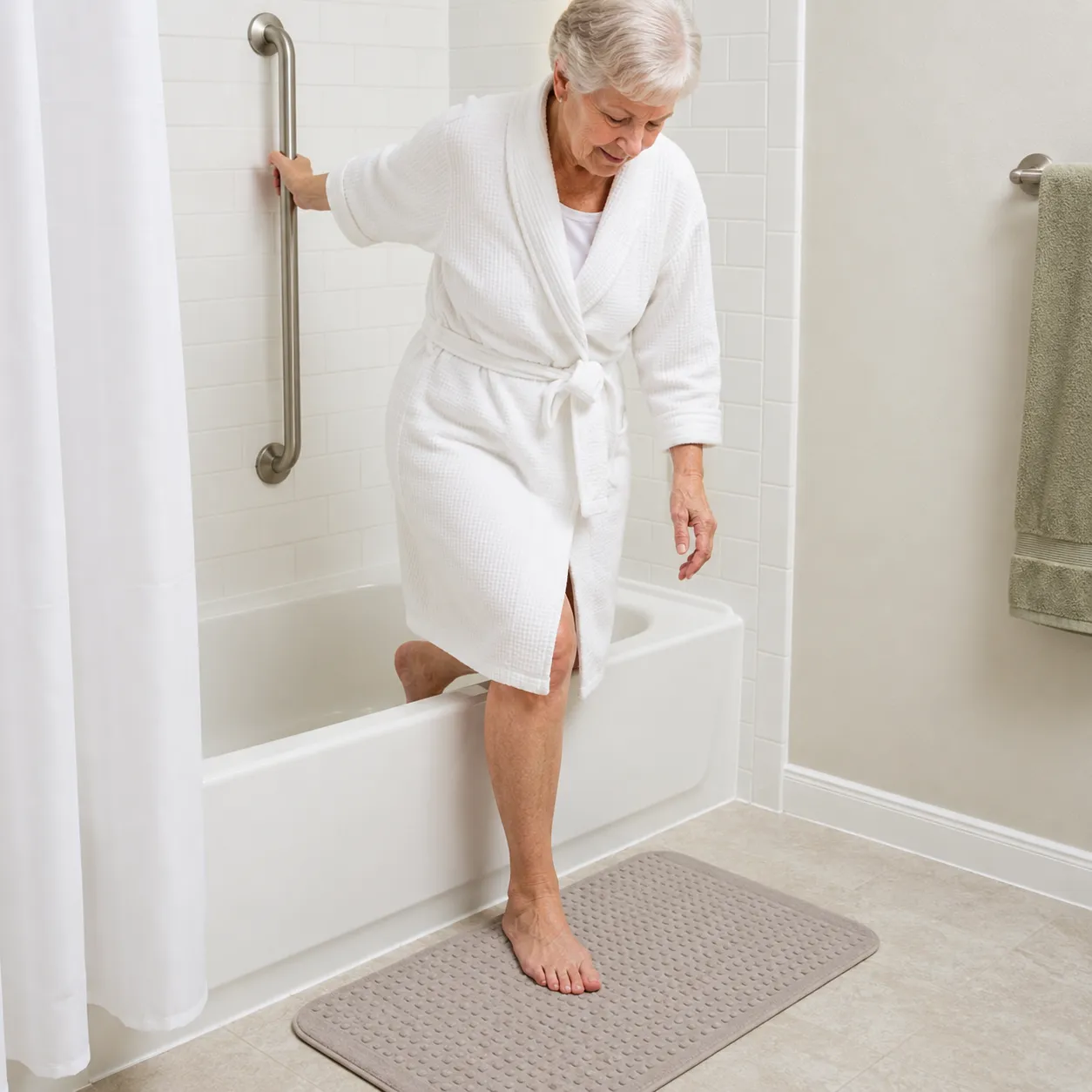
safelyˈseɪfli
in a way that does not cause danger, harm, or injury.
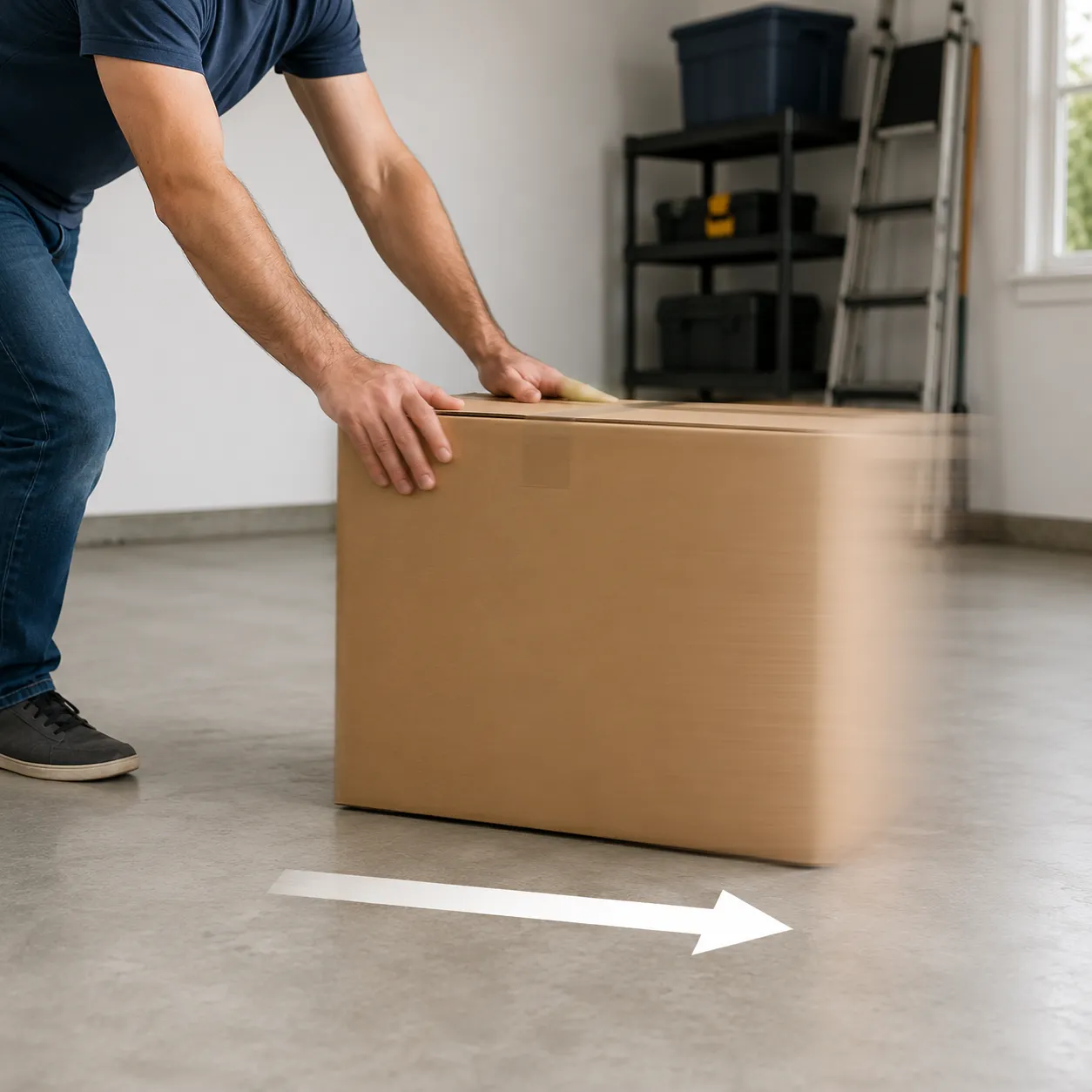
movemuːv
to change position or place, or to make someone or something change position or place.
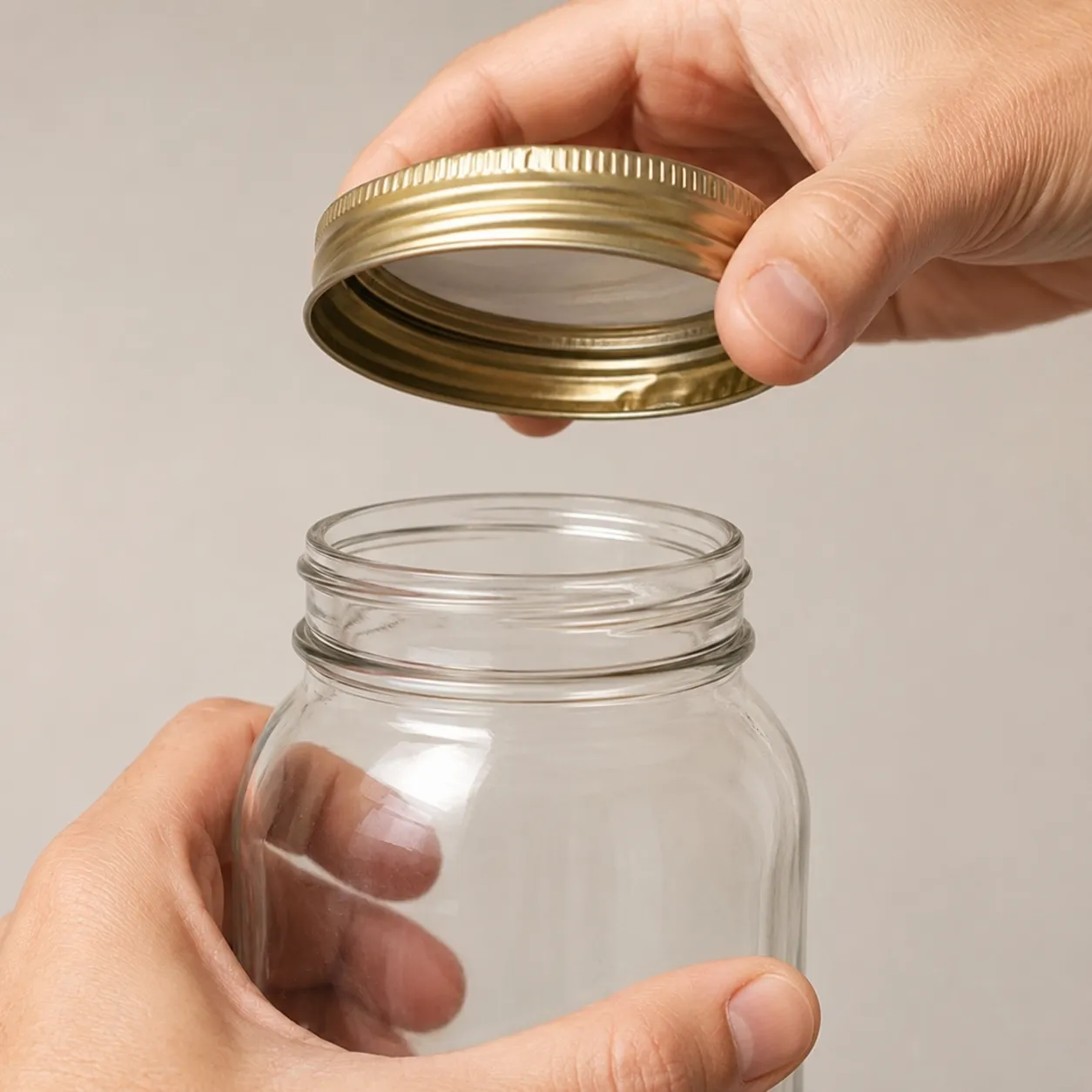
openˈoʊpən
not closed, locked, or covered, so entry, exit, access, or a view inside is possible
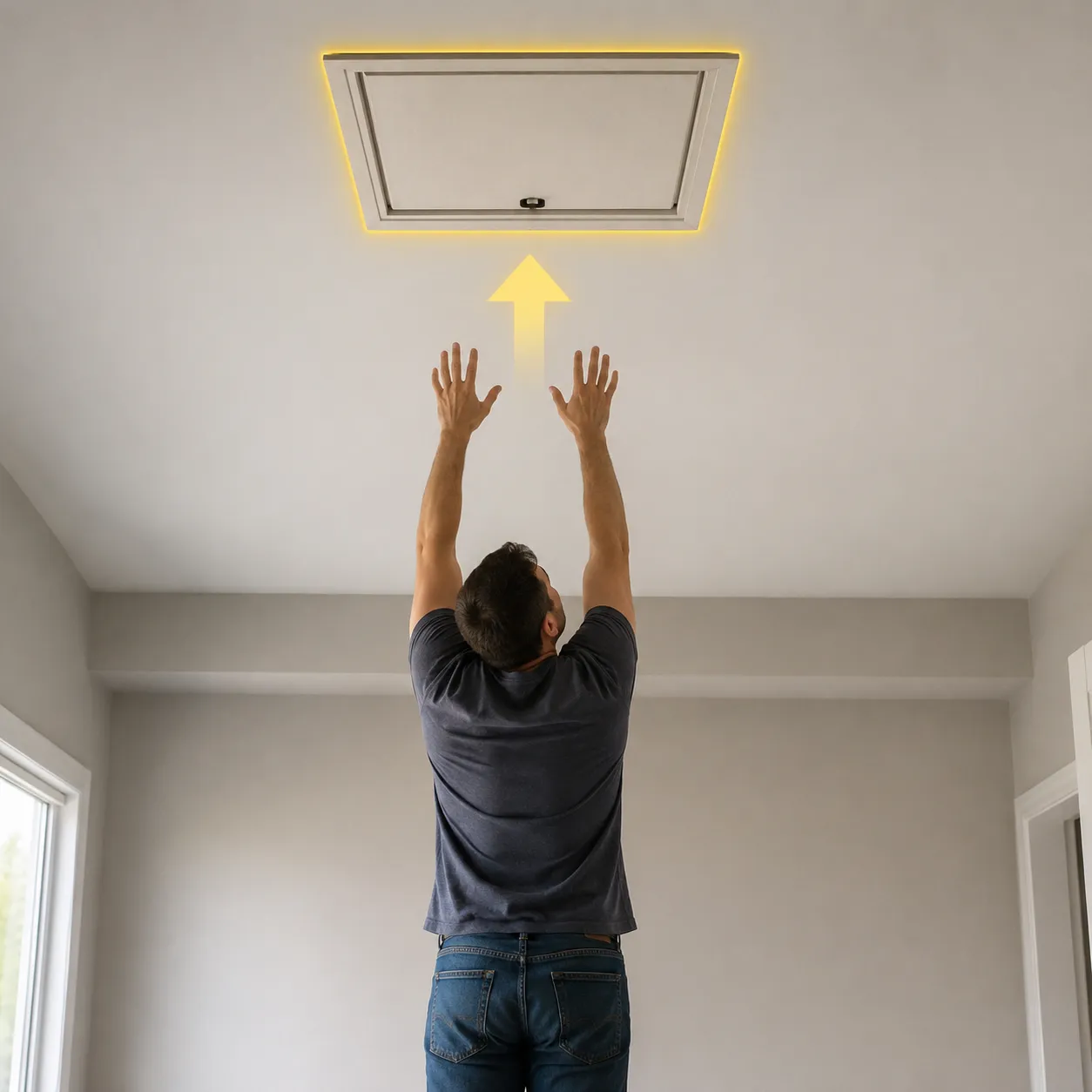
inaccessibleˌɪnəkˈsɛsəbl
impossible or very difficult to reach, enter, use, or understand.
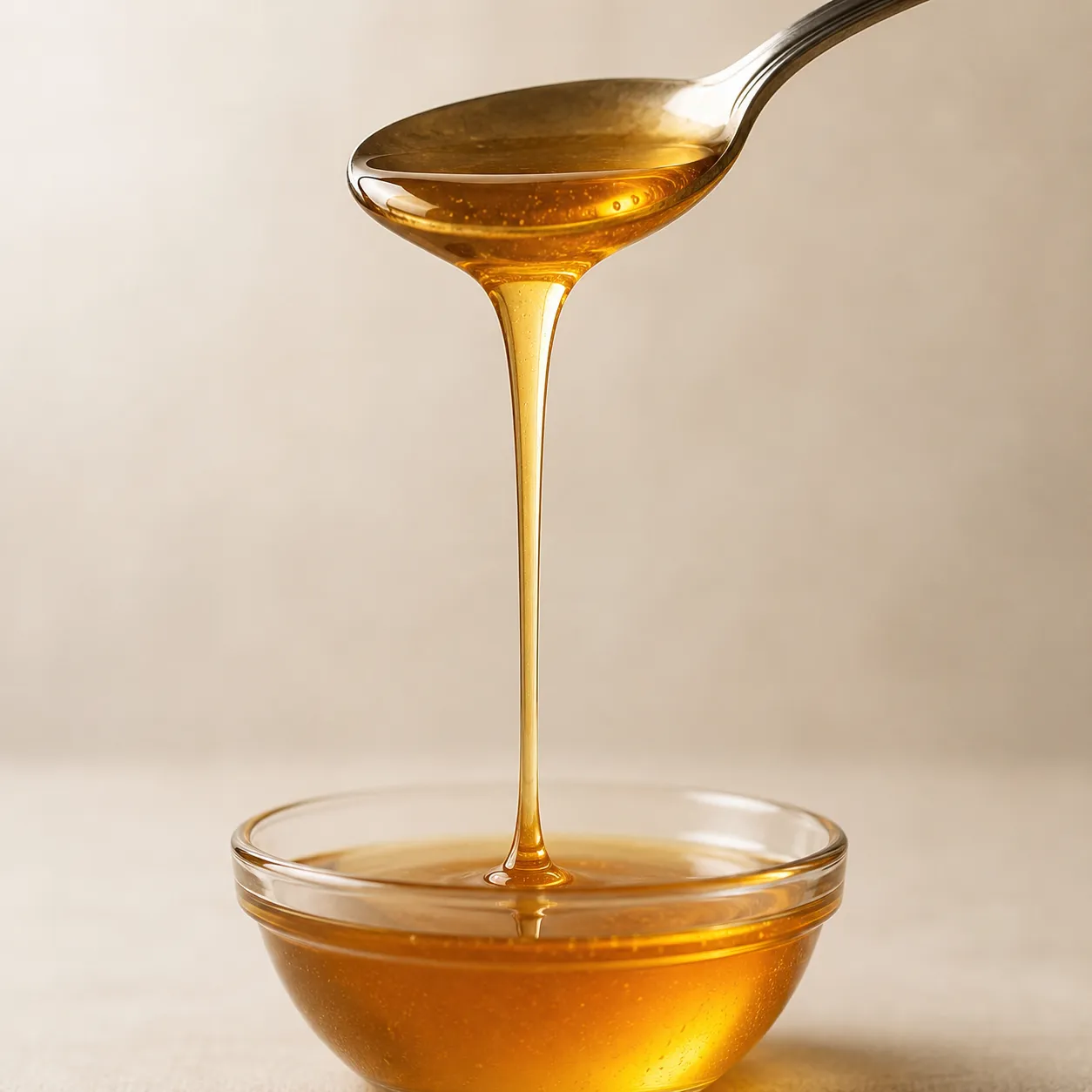
slowlyˈsloʊli
at a low speed or in a way that takes a long time
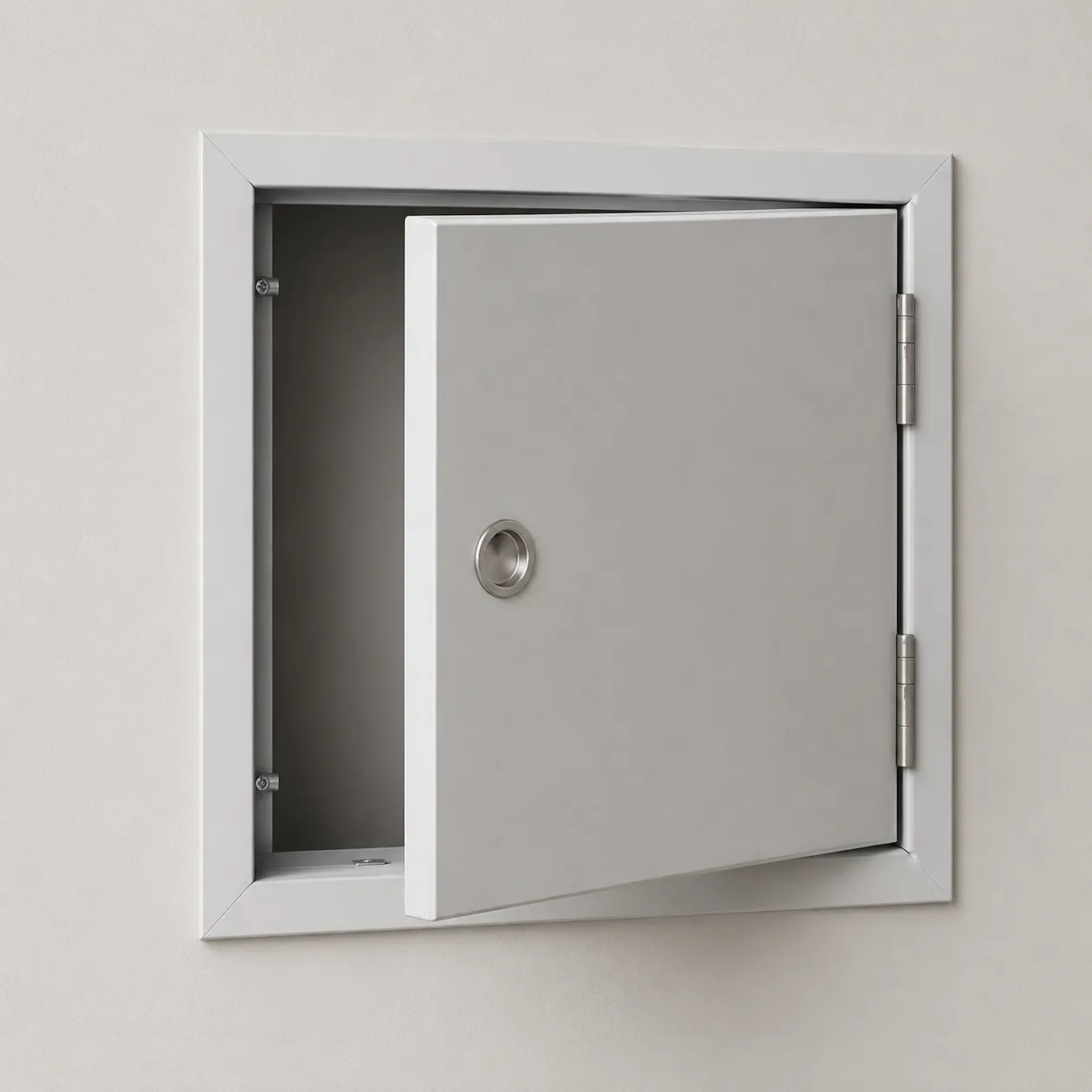
hatchhætʃ
a small door or covered opening in a floor, ceiling, wall, or vehicle.
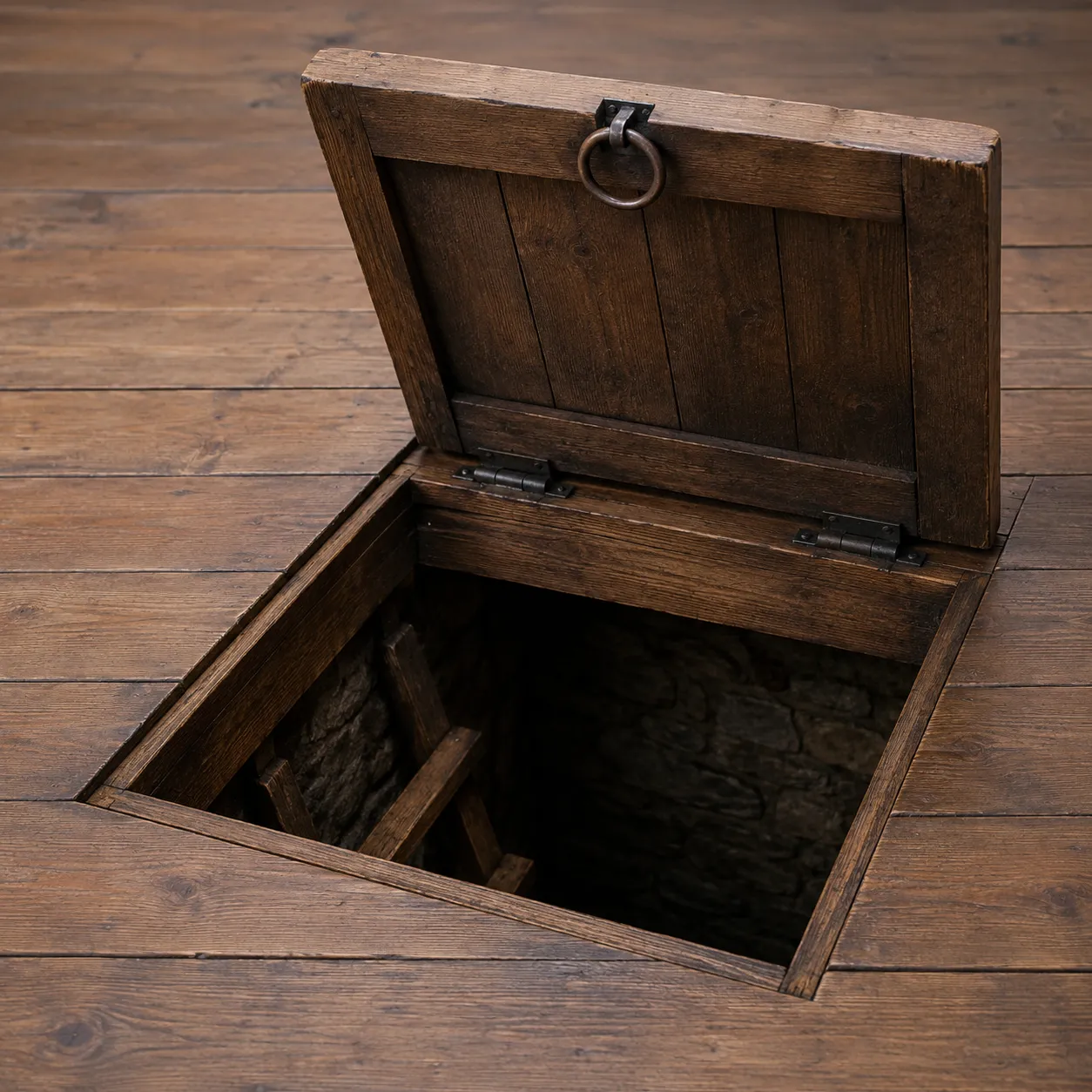
trapdoorˈtræpˌdɔːr
a door set into a floor or ceiling that opens to a space above or below.
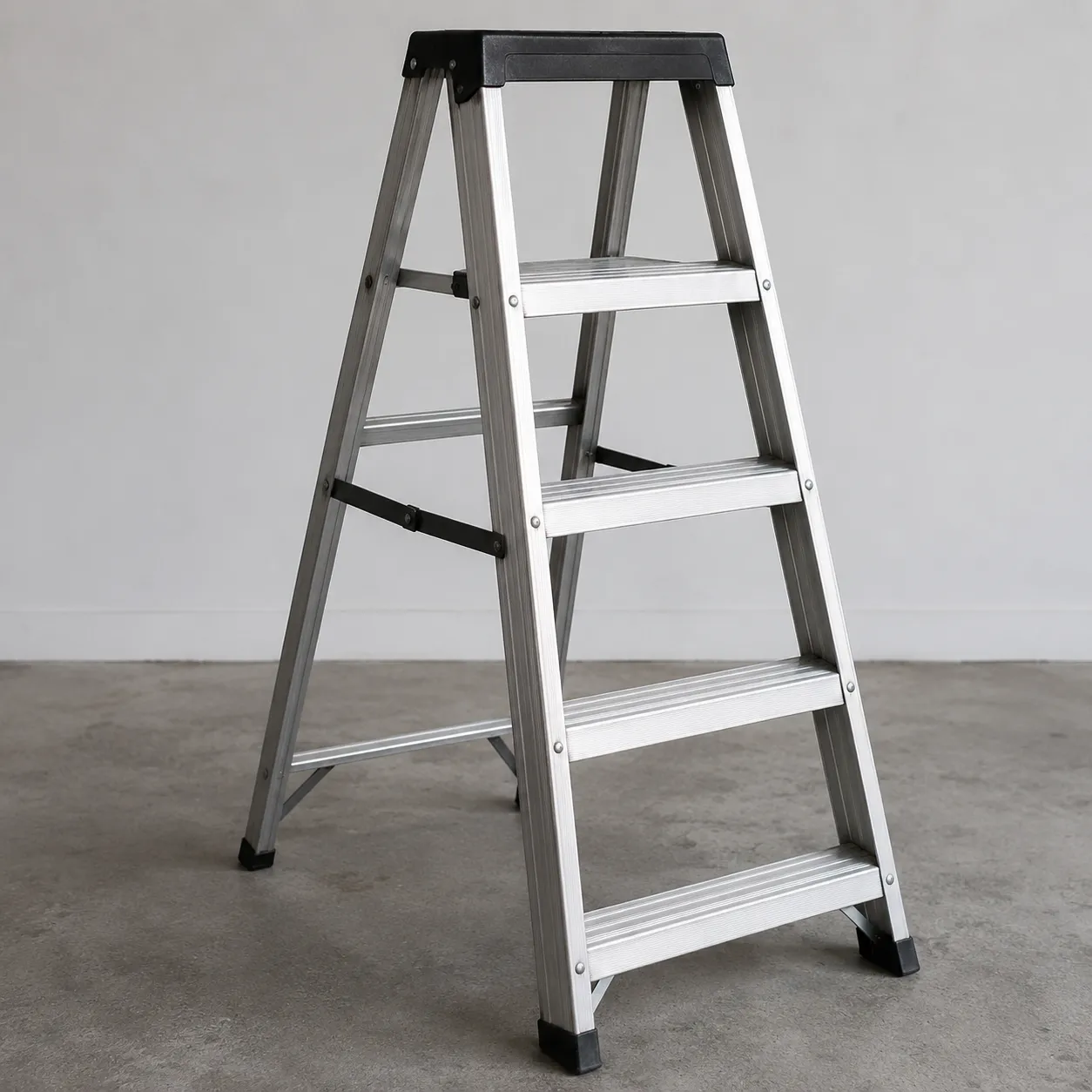
ladderˈlædɚ
a piece of equipment with steps between two long sides, used for climbing up or down.
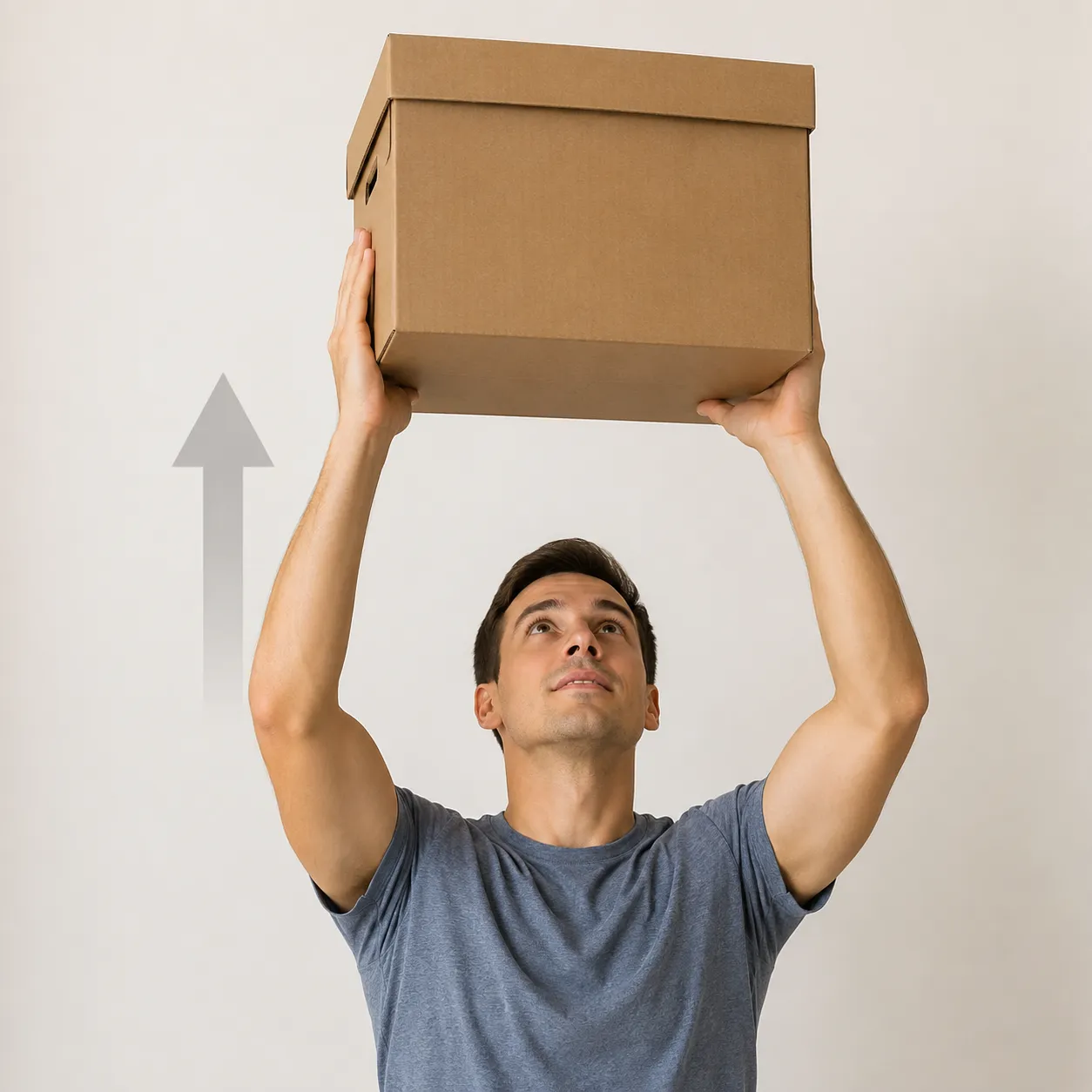
liftlɪft
to move something upward, or to make an amount, level, or condition higher.
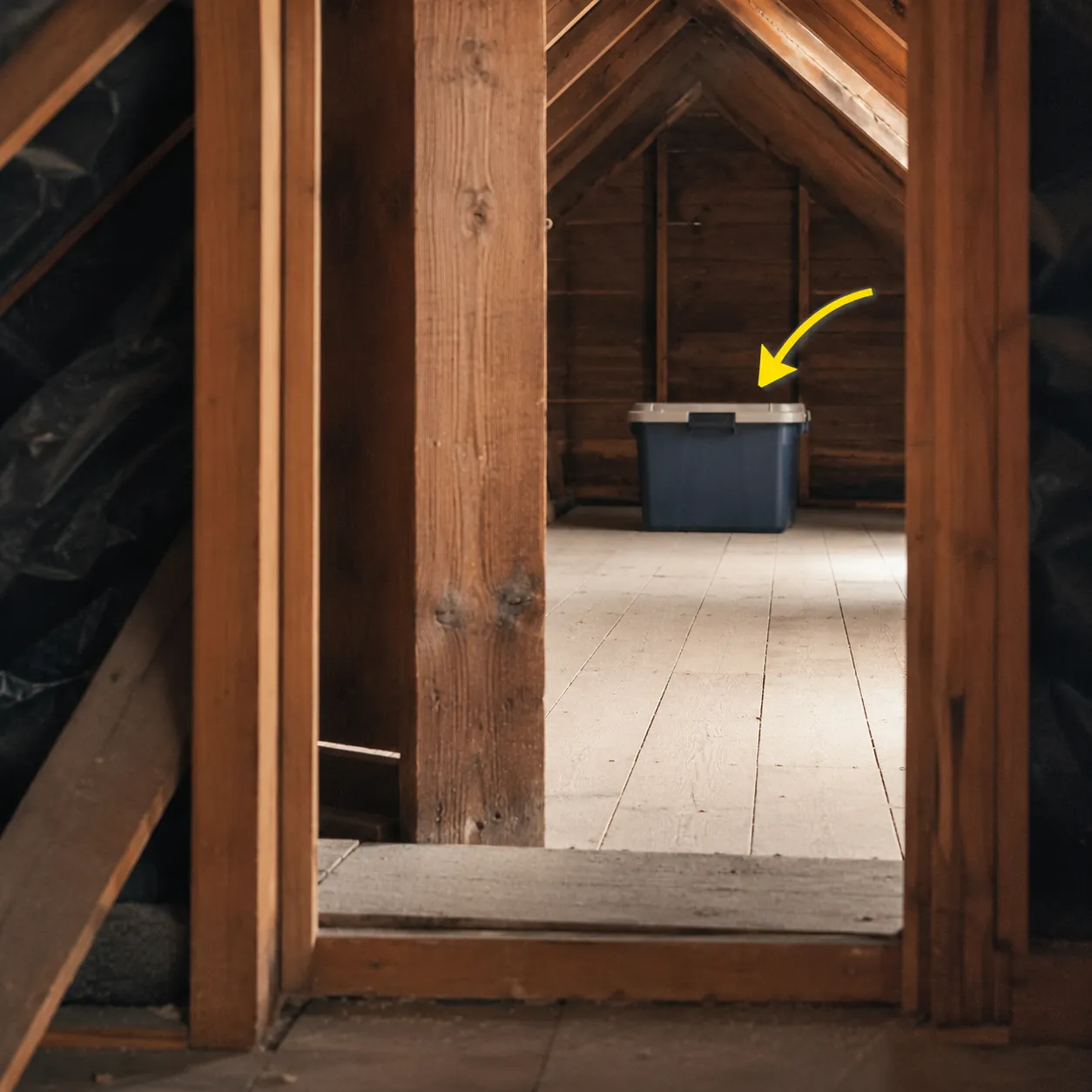
beyondbiˈɑːnd
on or to the farther side of a place or thing.
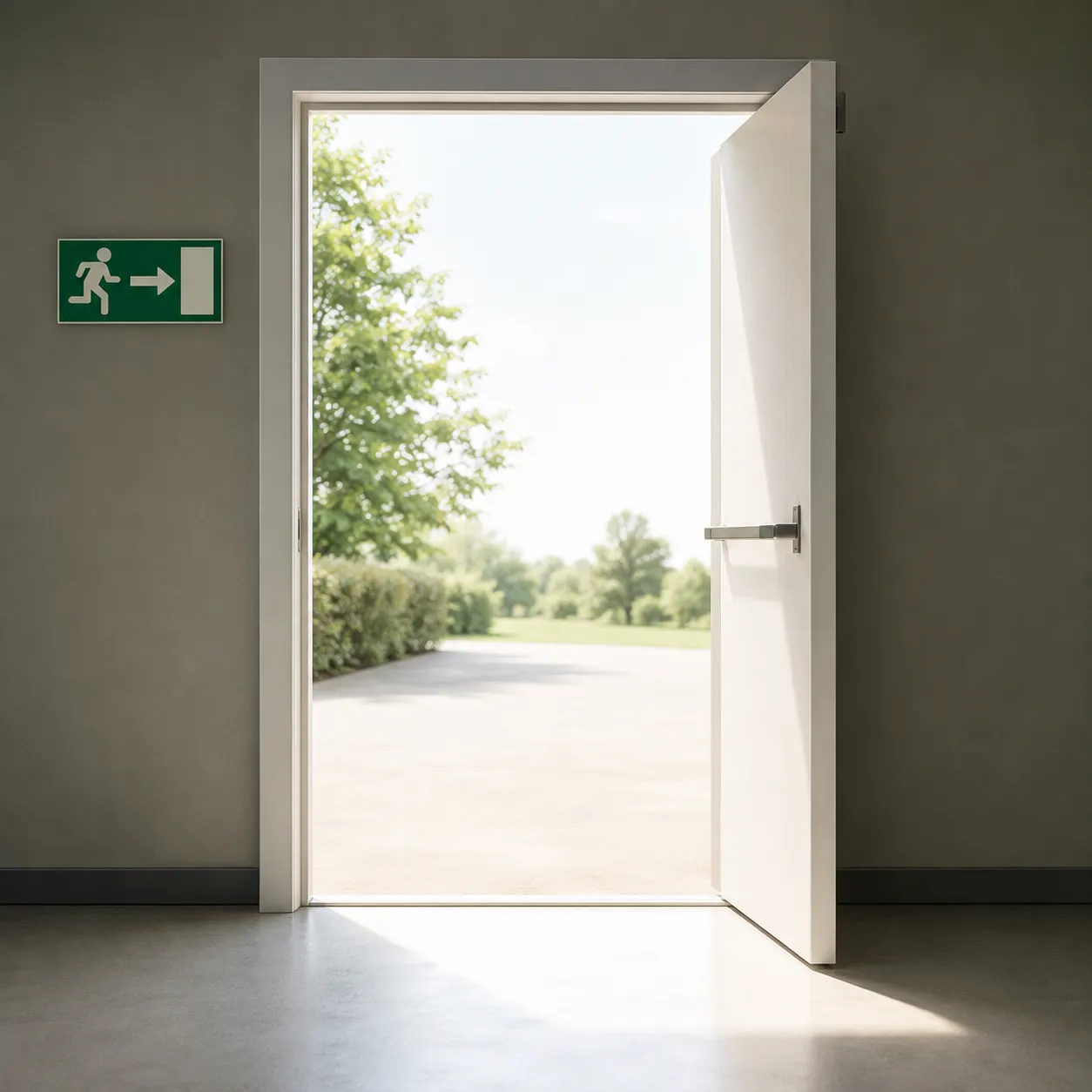
exitˈeksɪt
a door, gate, or place where people leave a building, room, or area
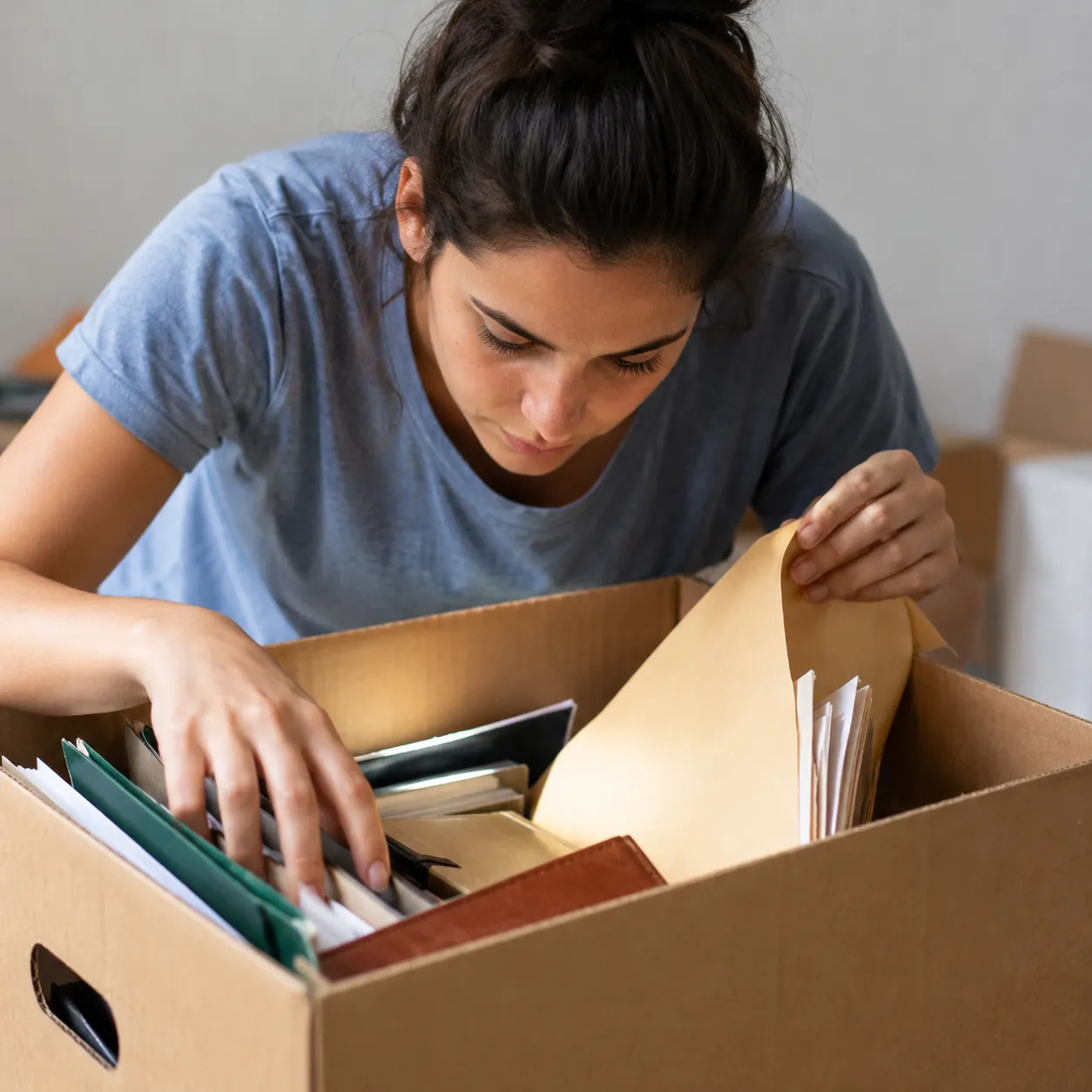
searchsɝːtʃ
to try to find someone or something by looking carefully
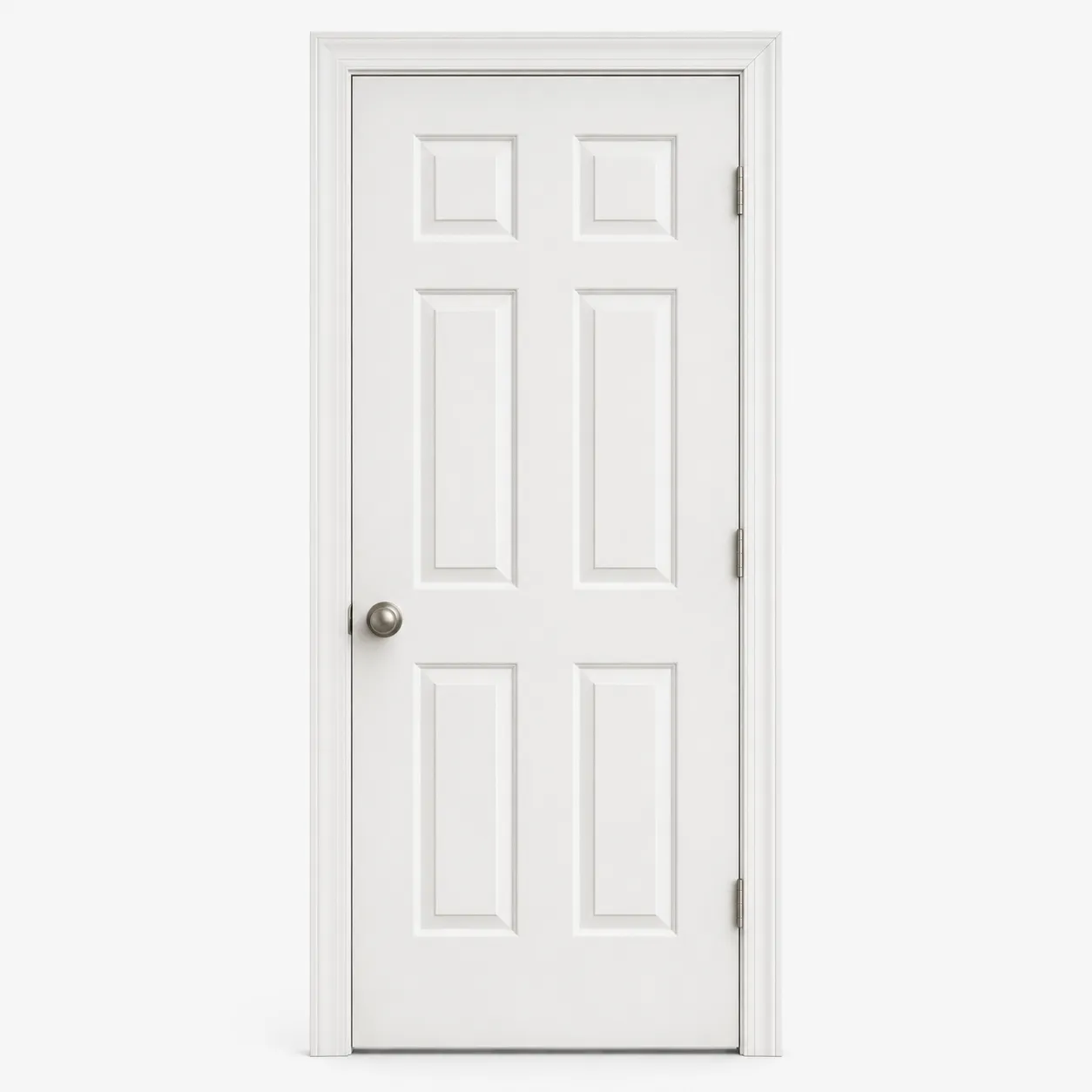
doordɔːr
a flat movable part that you open to enter or leave a room, building, cupboard, or similar space.
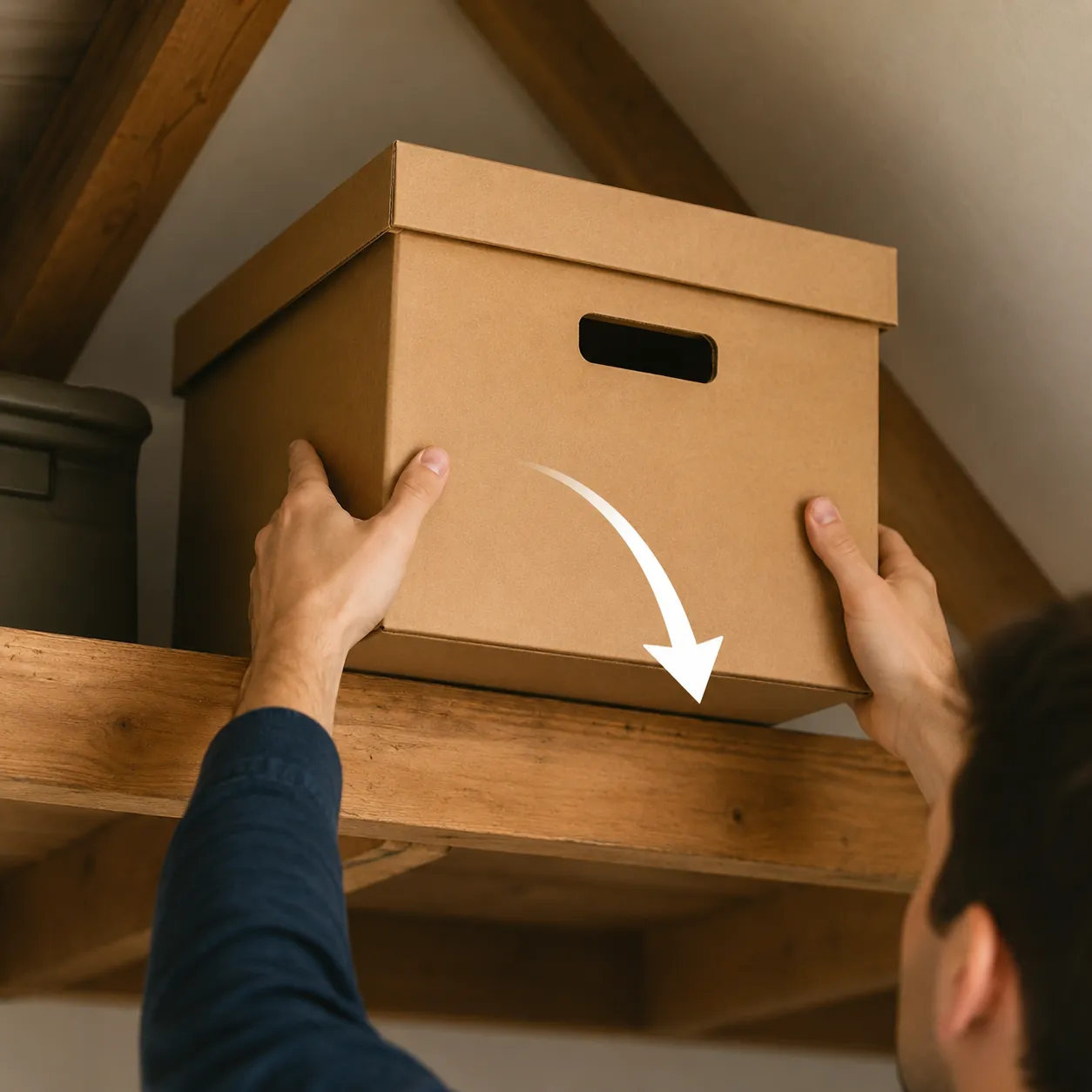
retrieverɪˈtriːv
to find something and bring it back, especially from the place where it was stored or left.
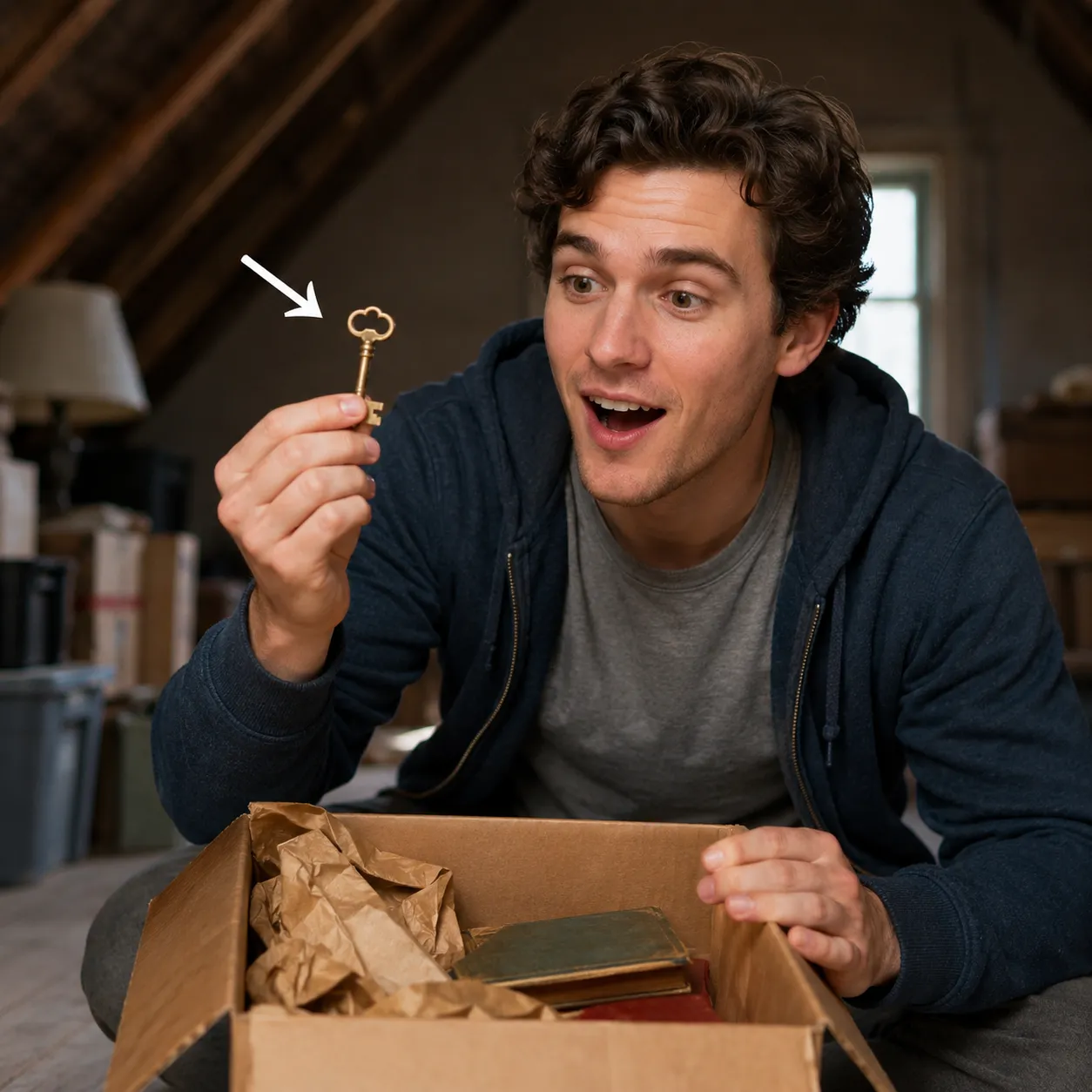
findfaɪnd
to discover where someone or something is, especially after looking for them.
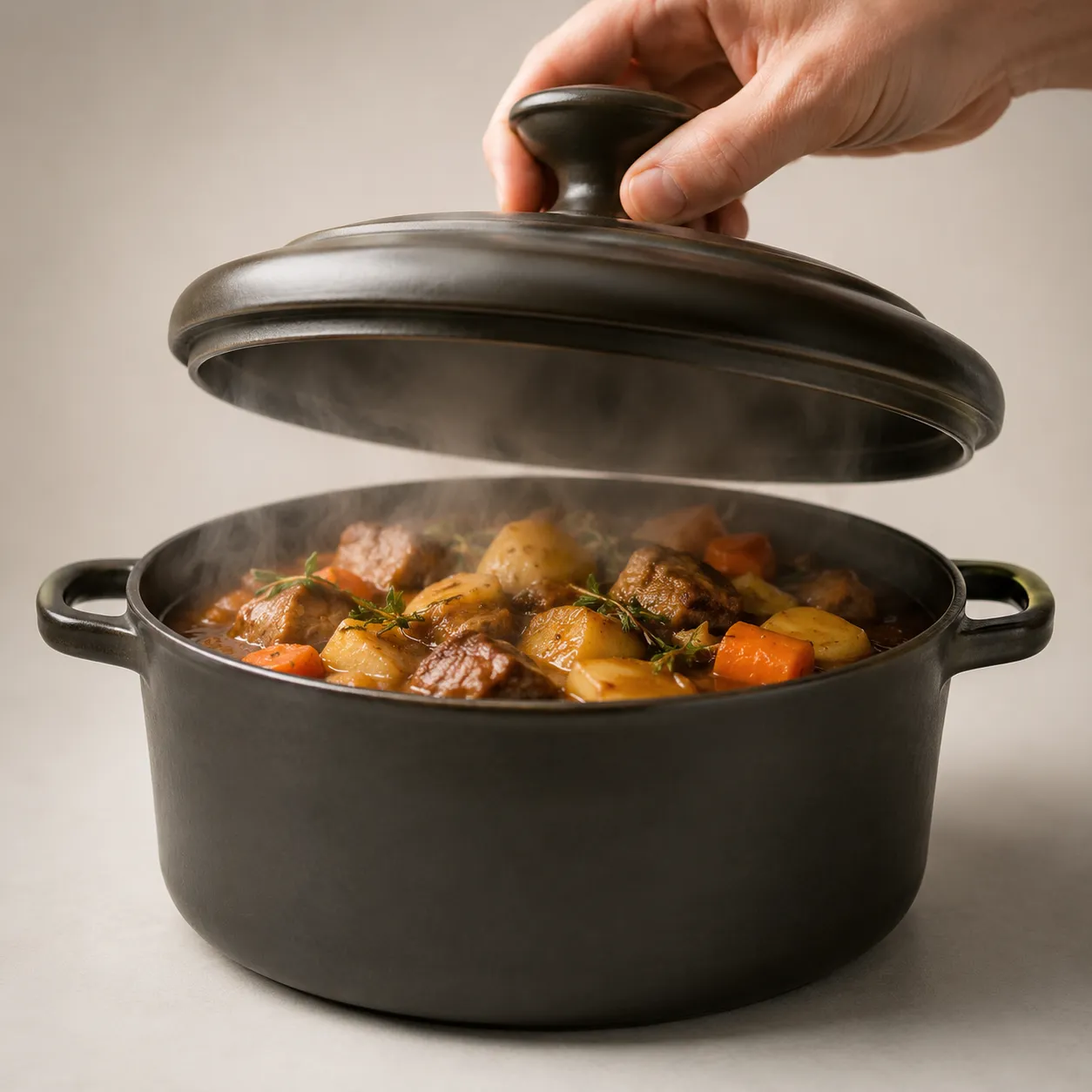
uncoverʌnˈkʌvɚ
to take away something that covers a person or thing, so that what is under it can be seen.
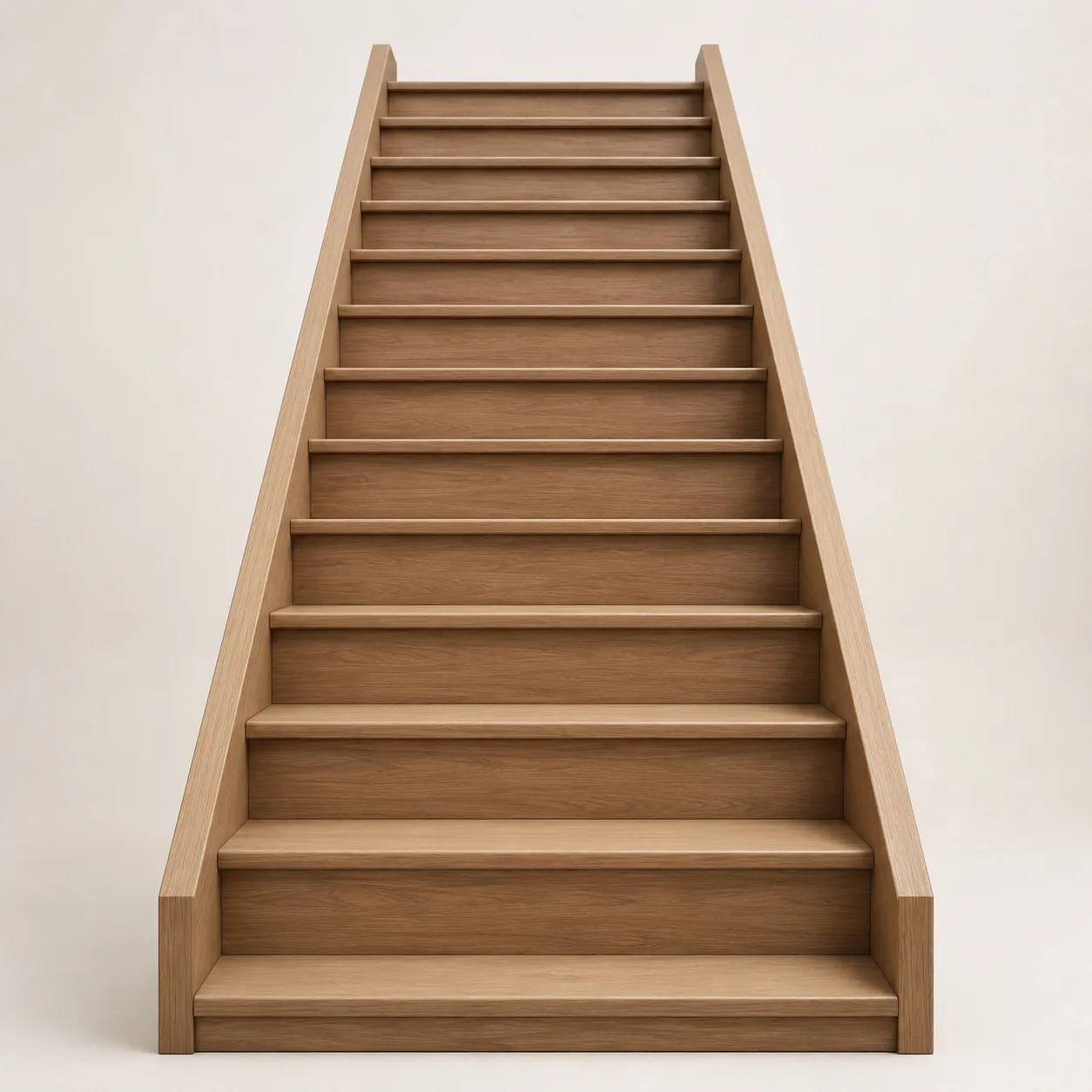
Stairssteəz
Steps used to go up or down between floors.
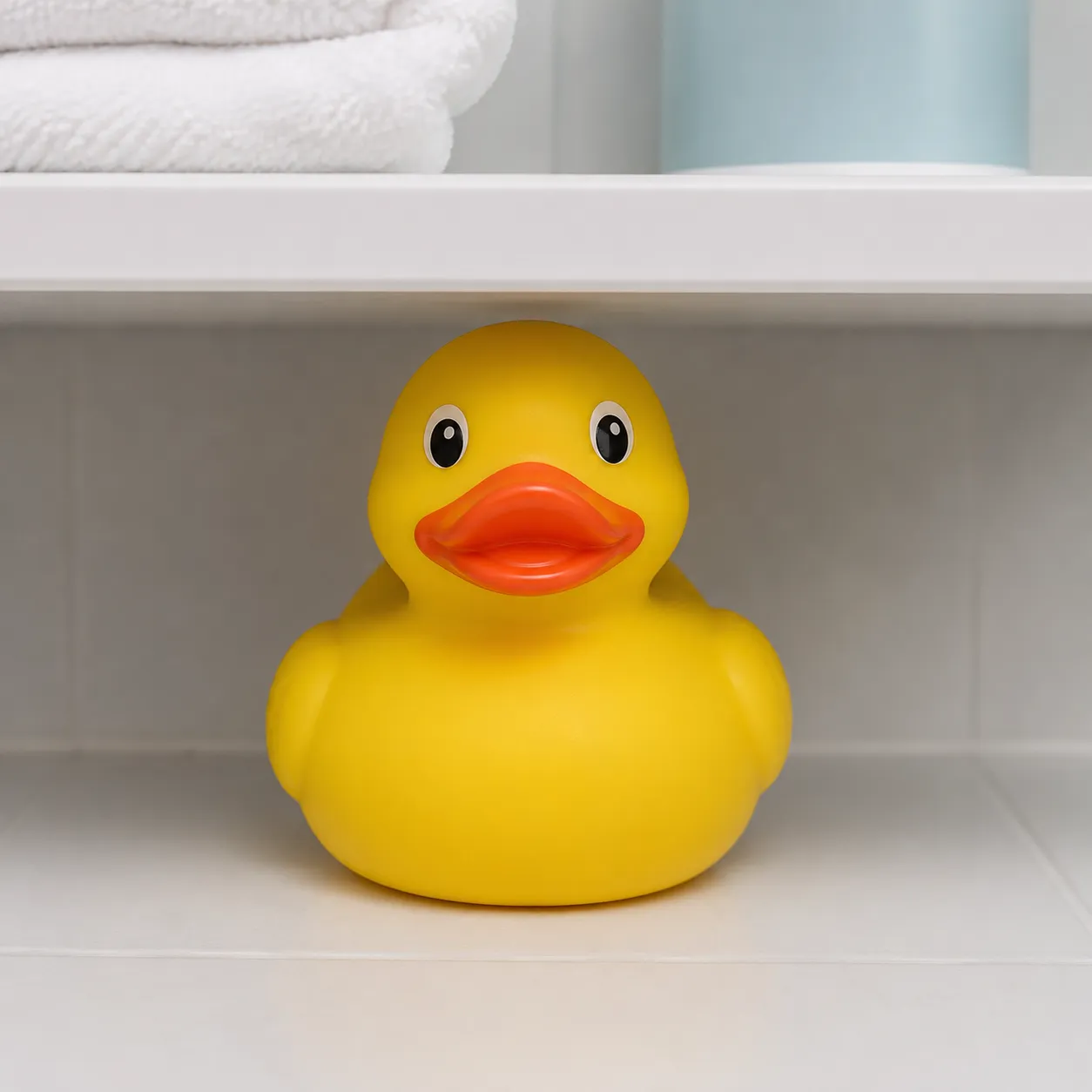
underˈʌndər
in or to a lower position than something else, often directly beneath it or covered by it.
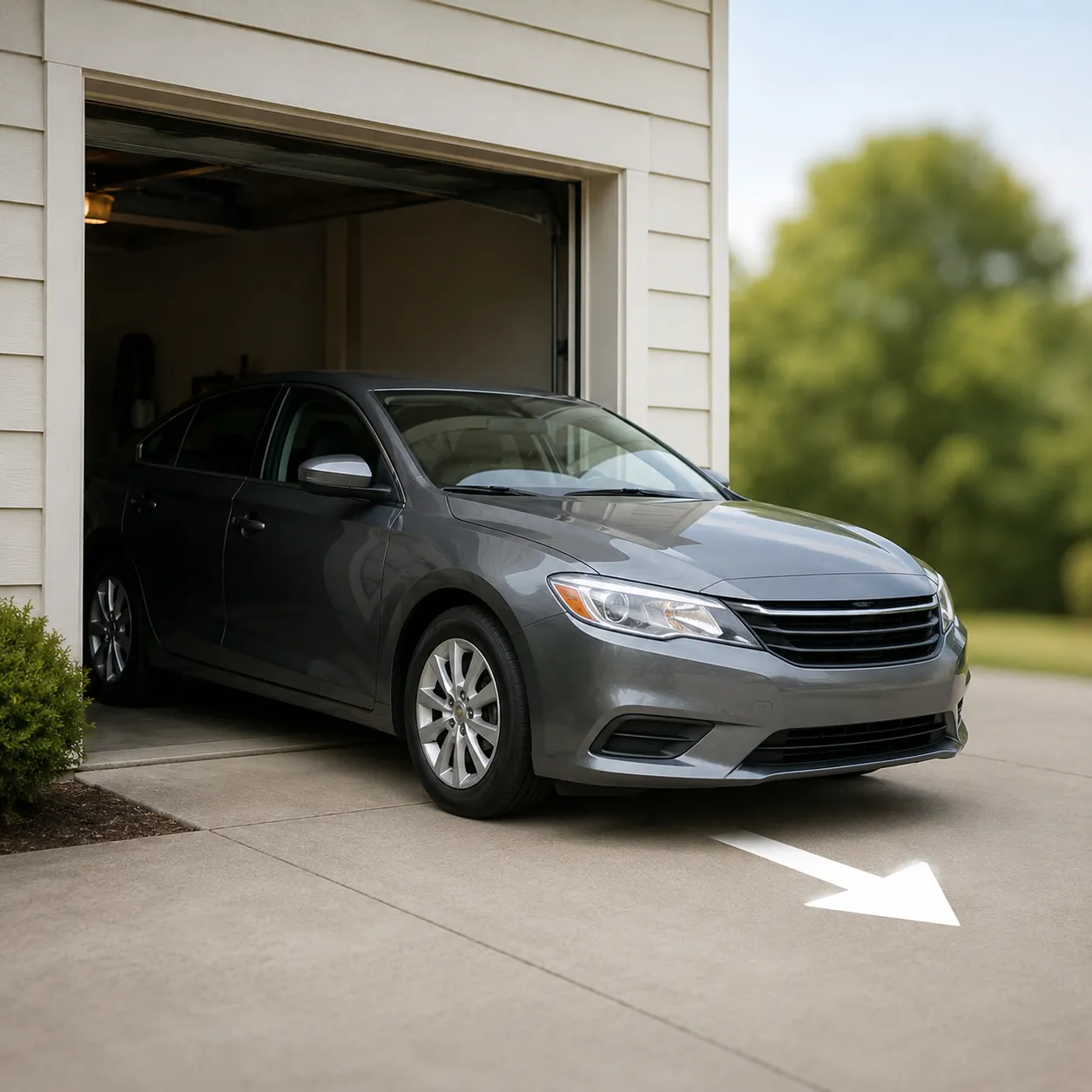
outaʊt
away from the inside of a place or thing.
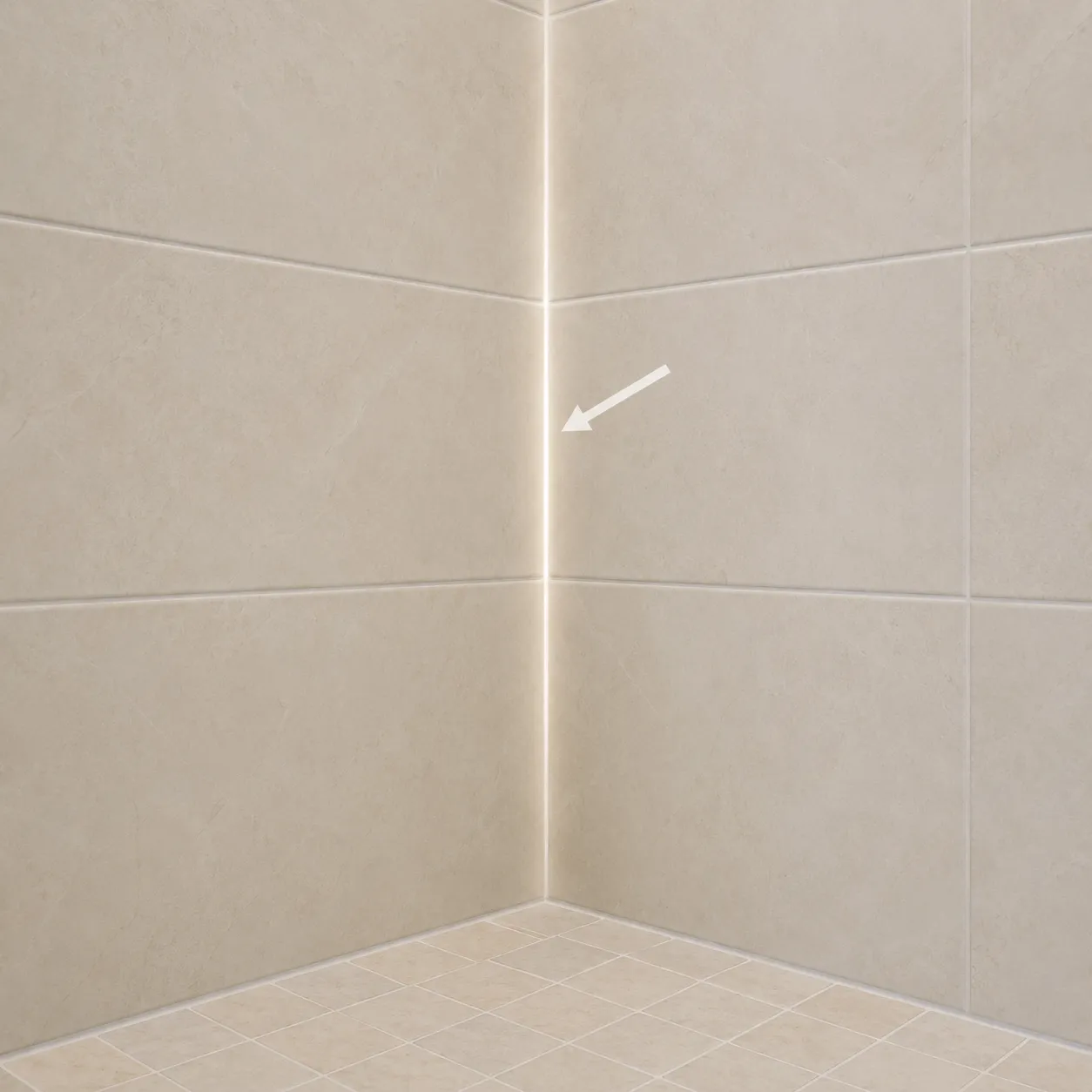
cornerˈkɔːrnər
the place where two walls, edges, or sides meet, especially inside a room or on an object.
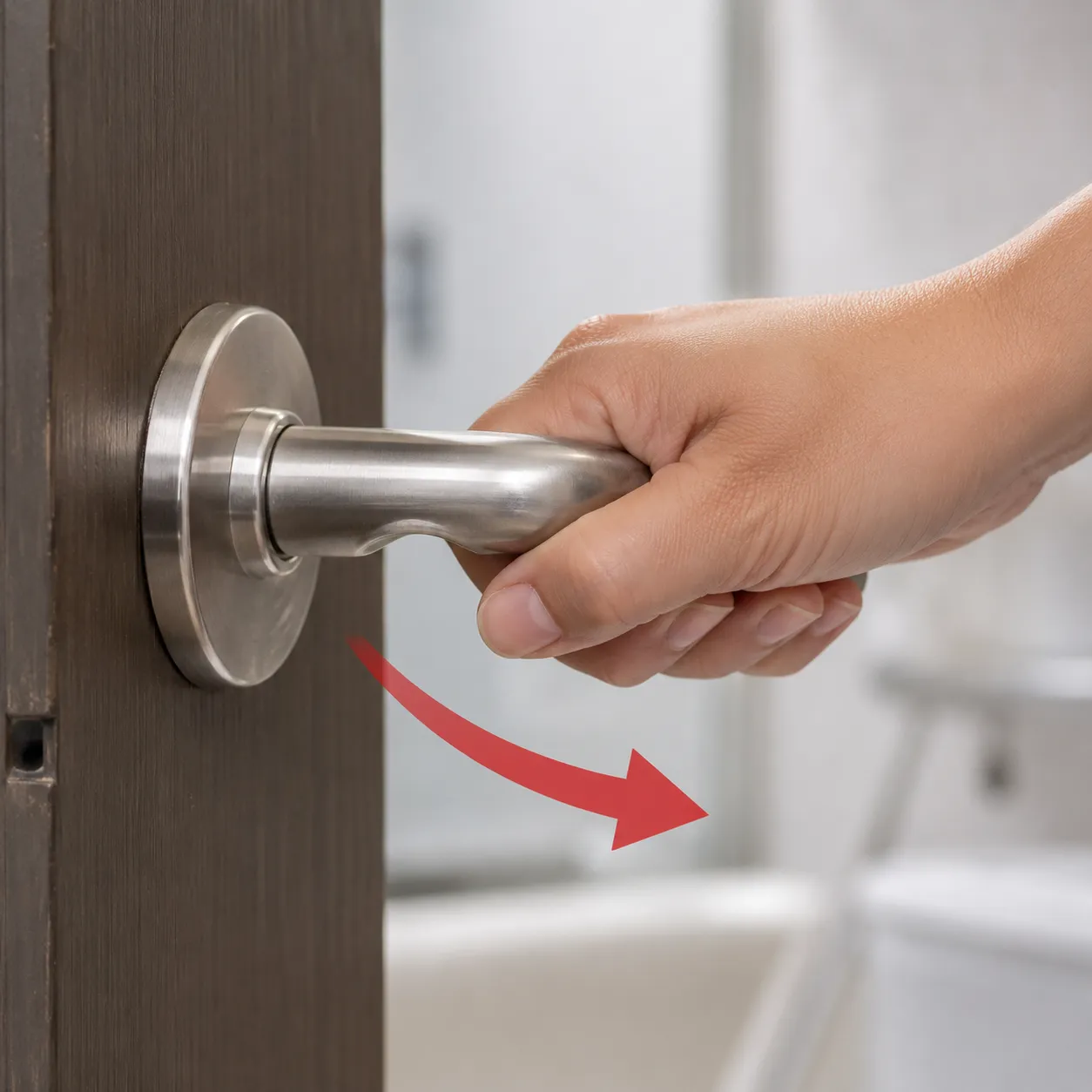
Pullpʊl
to move a door, handle or other object toward yourself by holding it and using force.
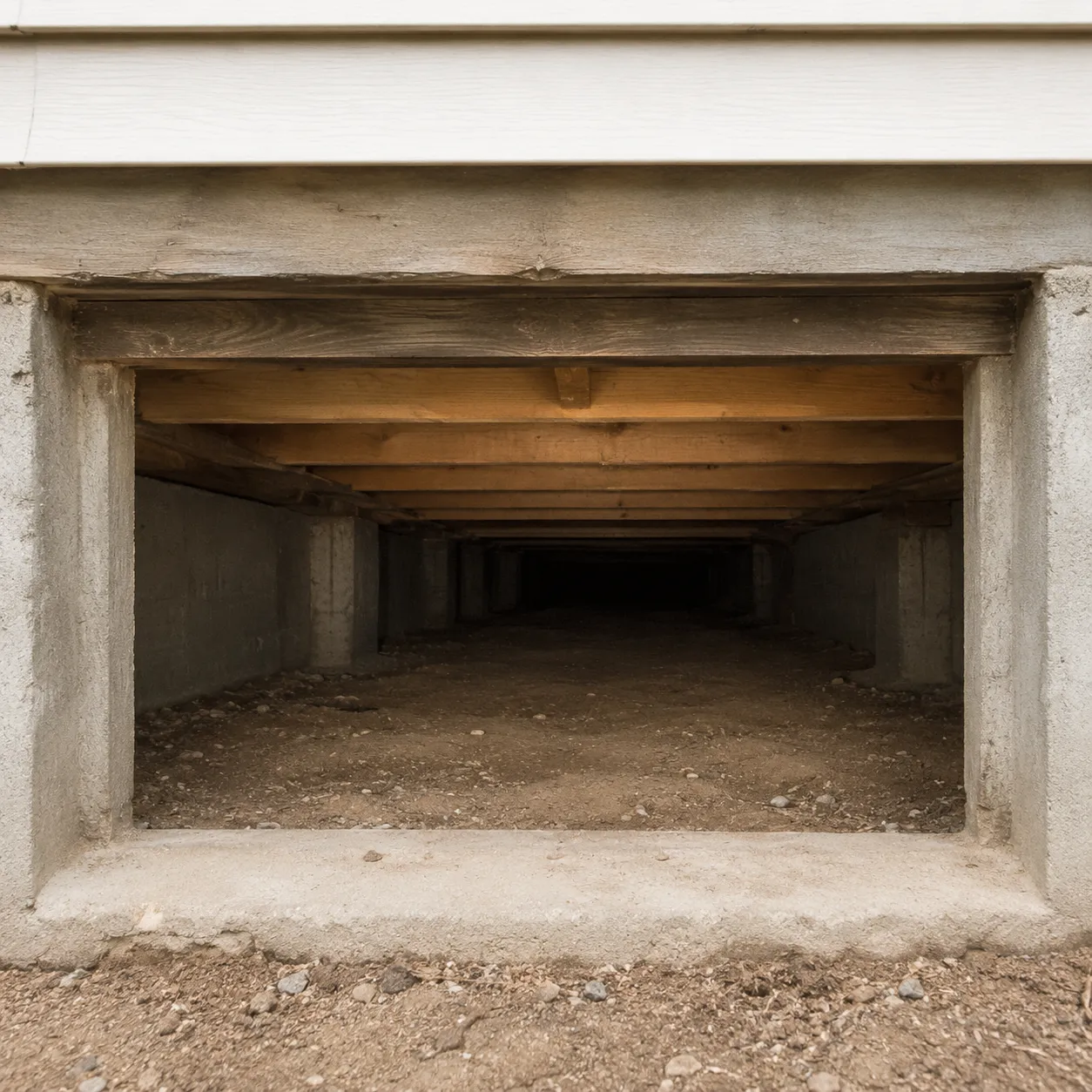
crawl spaceˈkrɔːl speɪs
a low narrow space under a floor or roof where a person can move only by crawling.
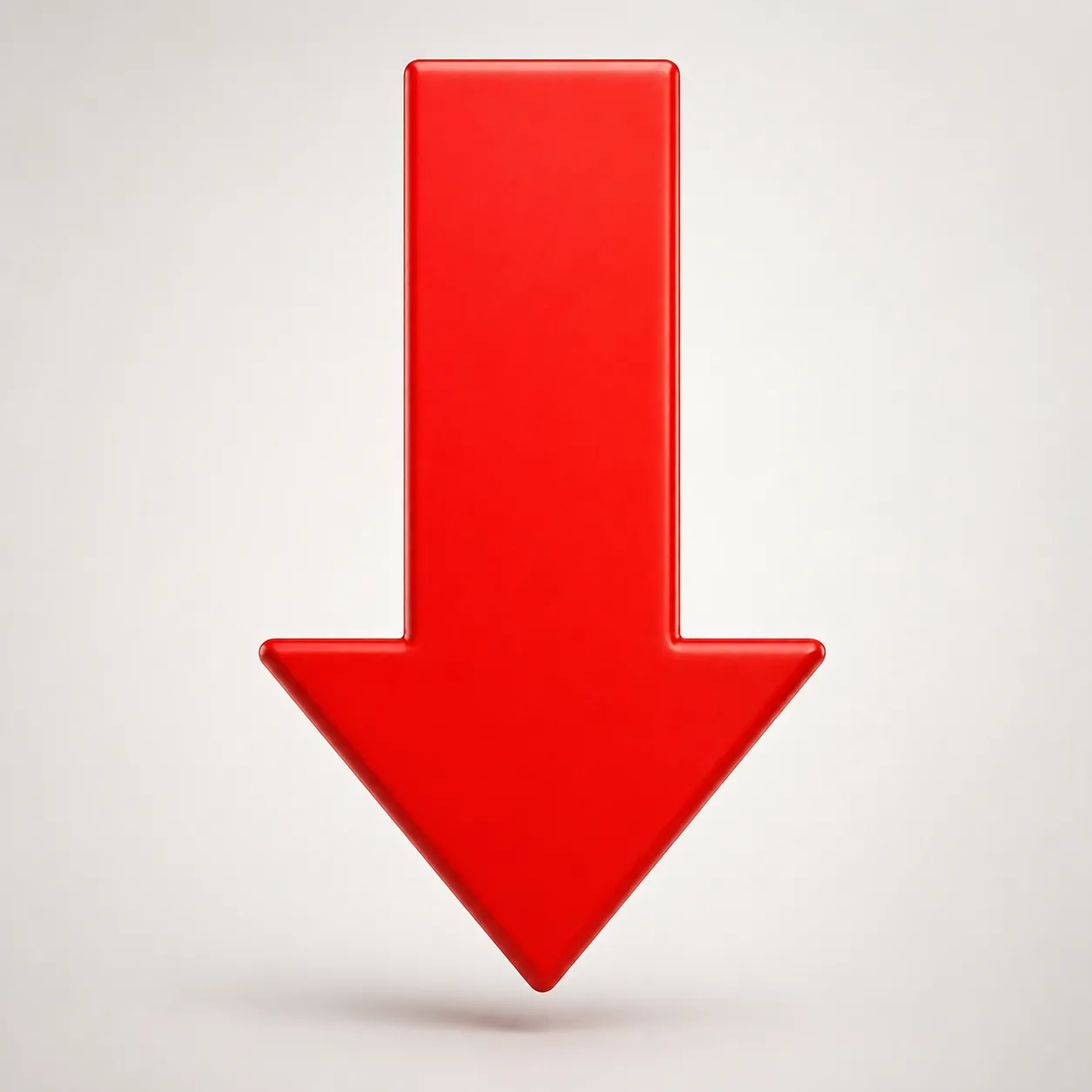
downdaʊn
toward or in a lower place or position.
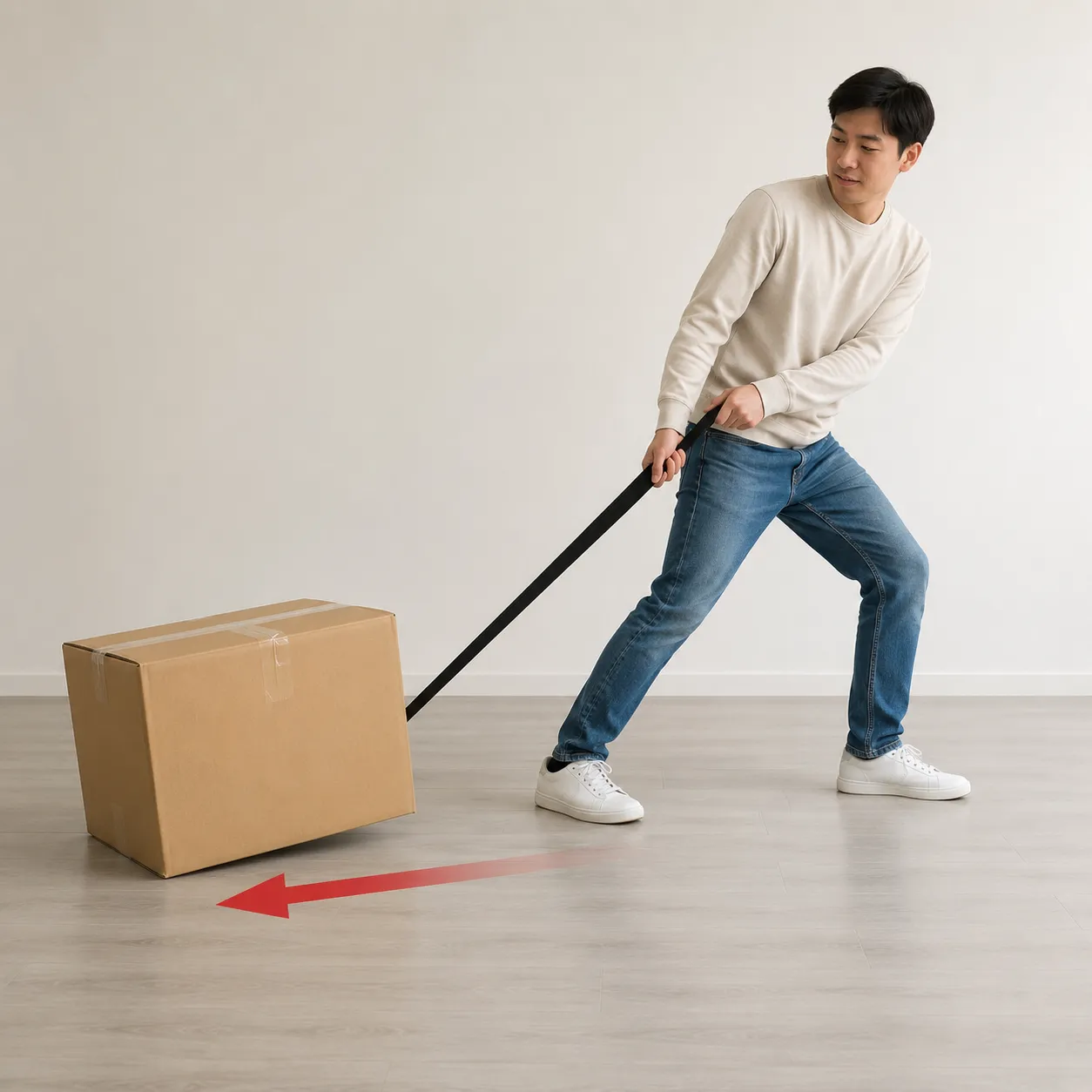
dragdræɡ
to pull someone or something along the ground or another surface, usually with effort.
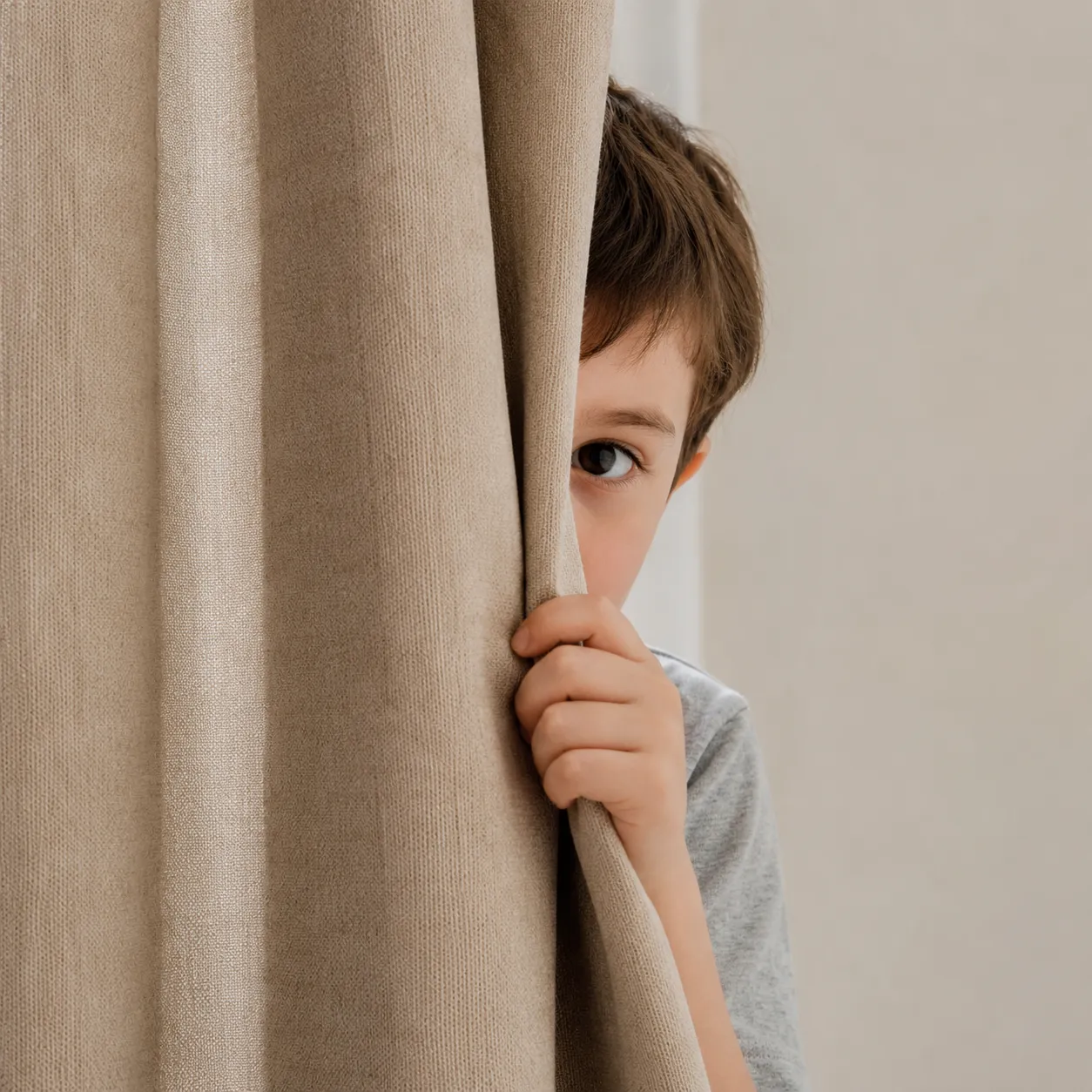
hidehaɪd
to put or remain out of sight so that someone or something cannot be seen or found

awayəˈweɪ
not in a place, or moving farther from a place, person, or thing.
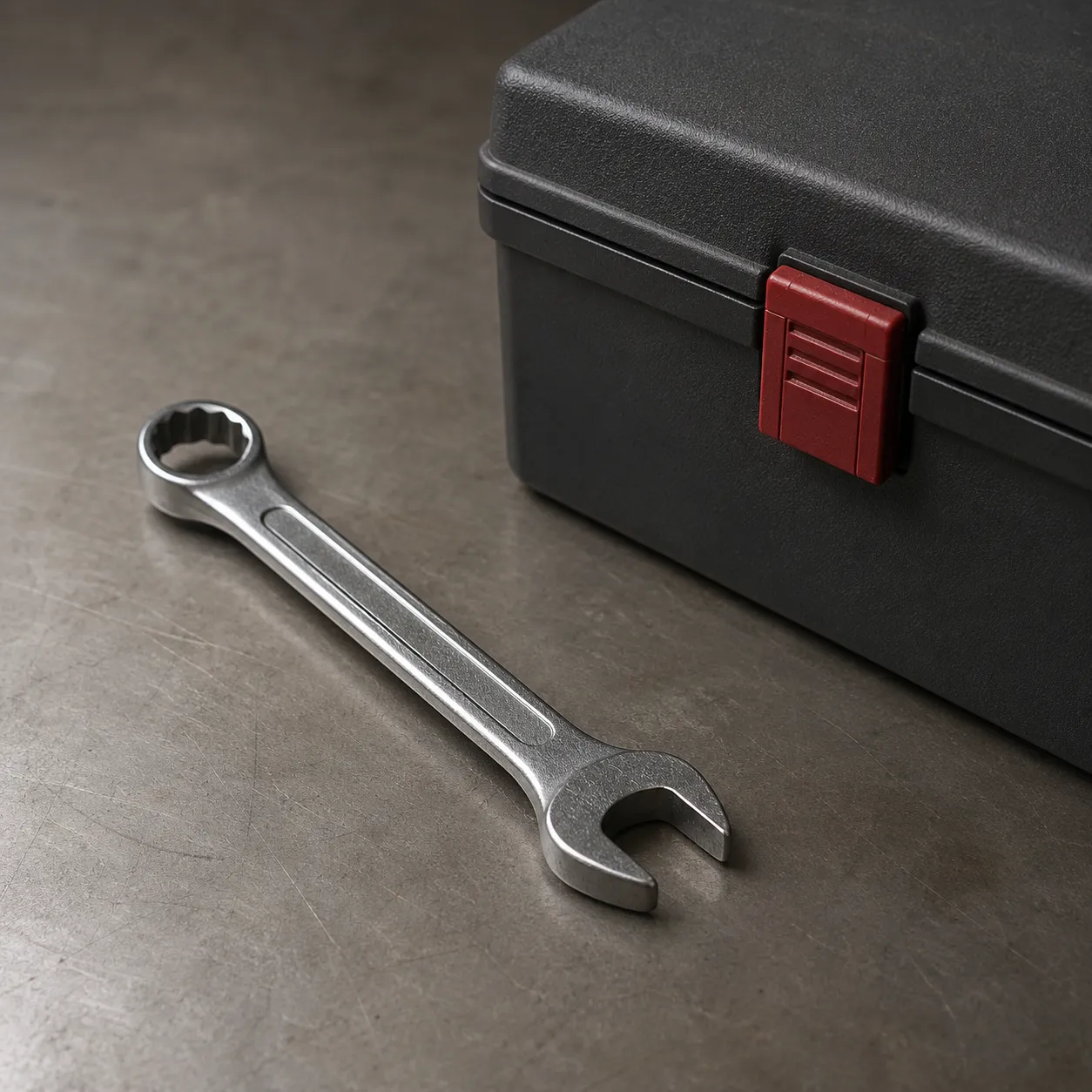
nearnɪr
not far away in distance
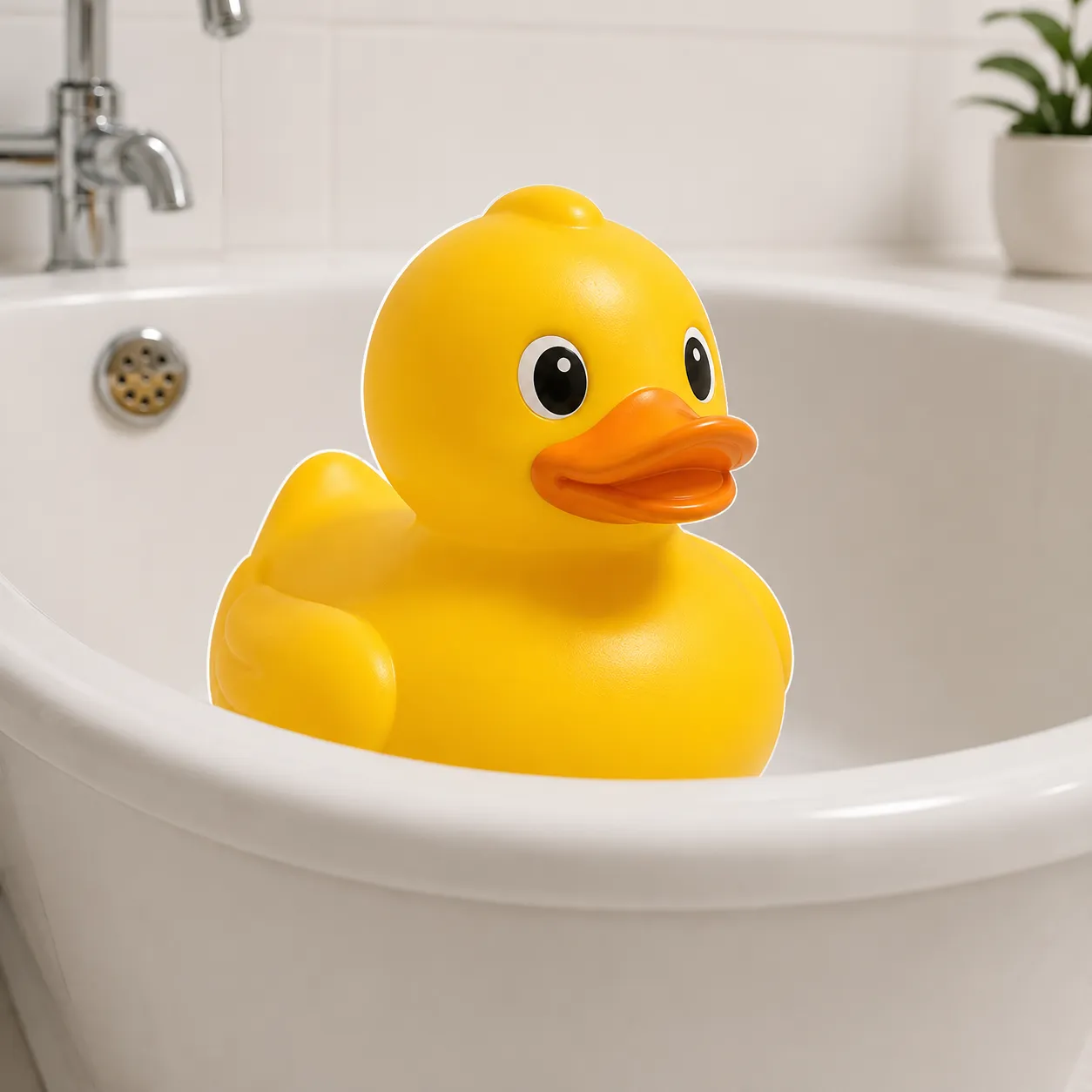
inɪn
inside a place, room, container, or area.
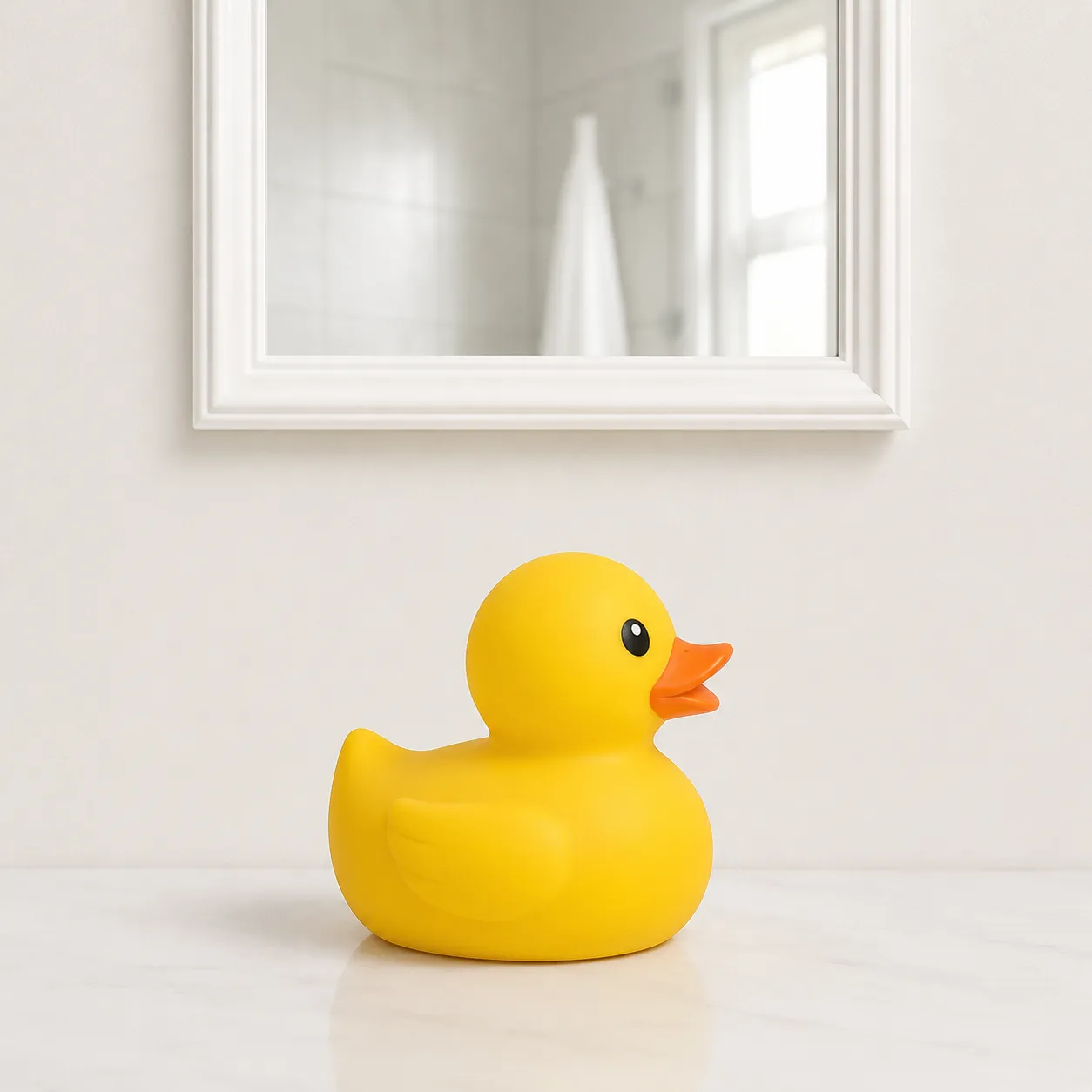
belowbɪˈloʊ
in or to a lower position than something else.
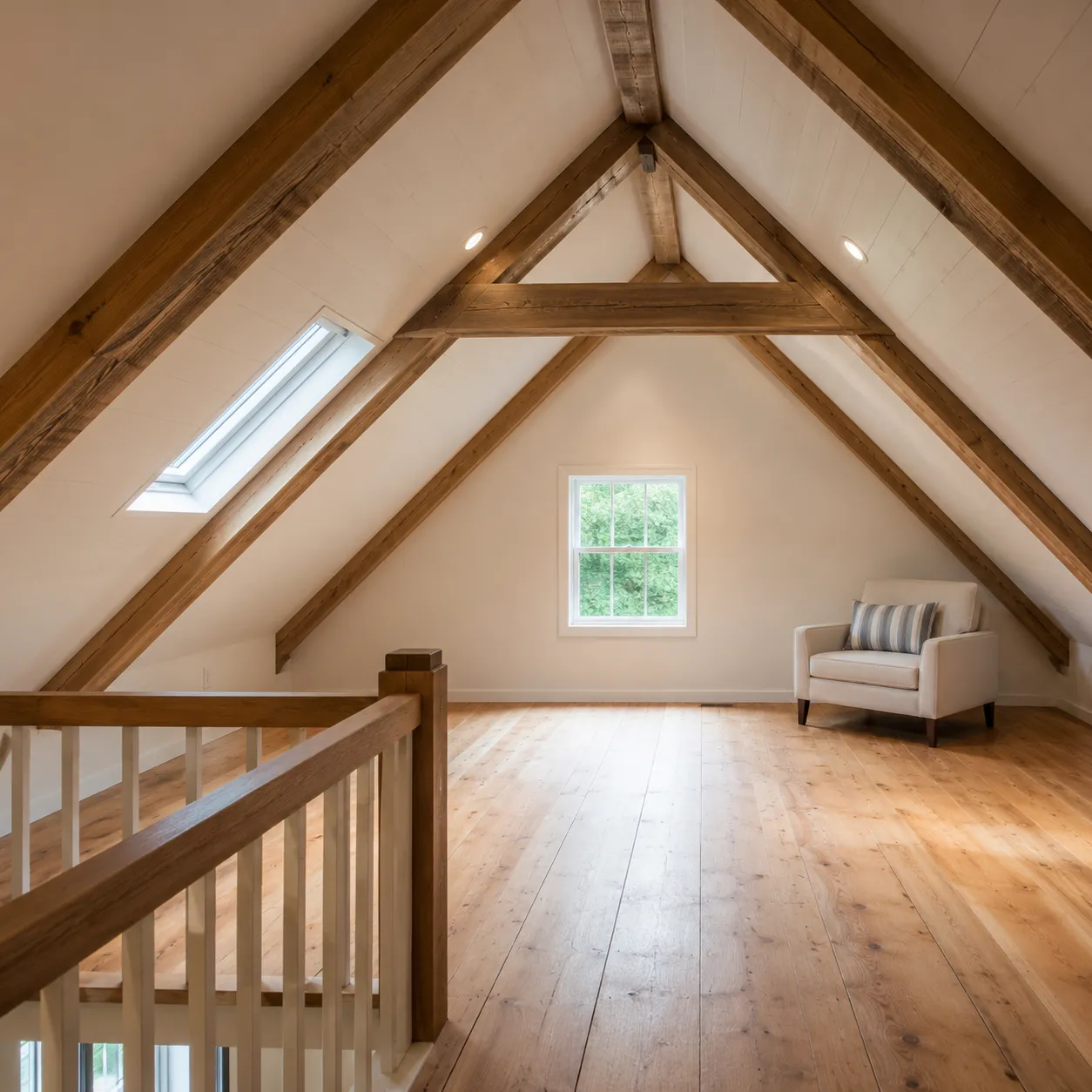
loftlɒft
a space at the top of a building, just under the roof, used for storage or sometimes made into a room.
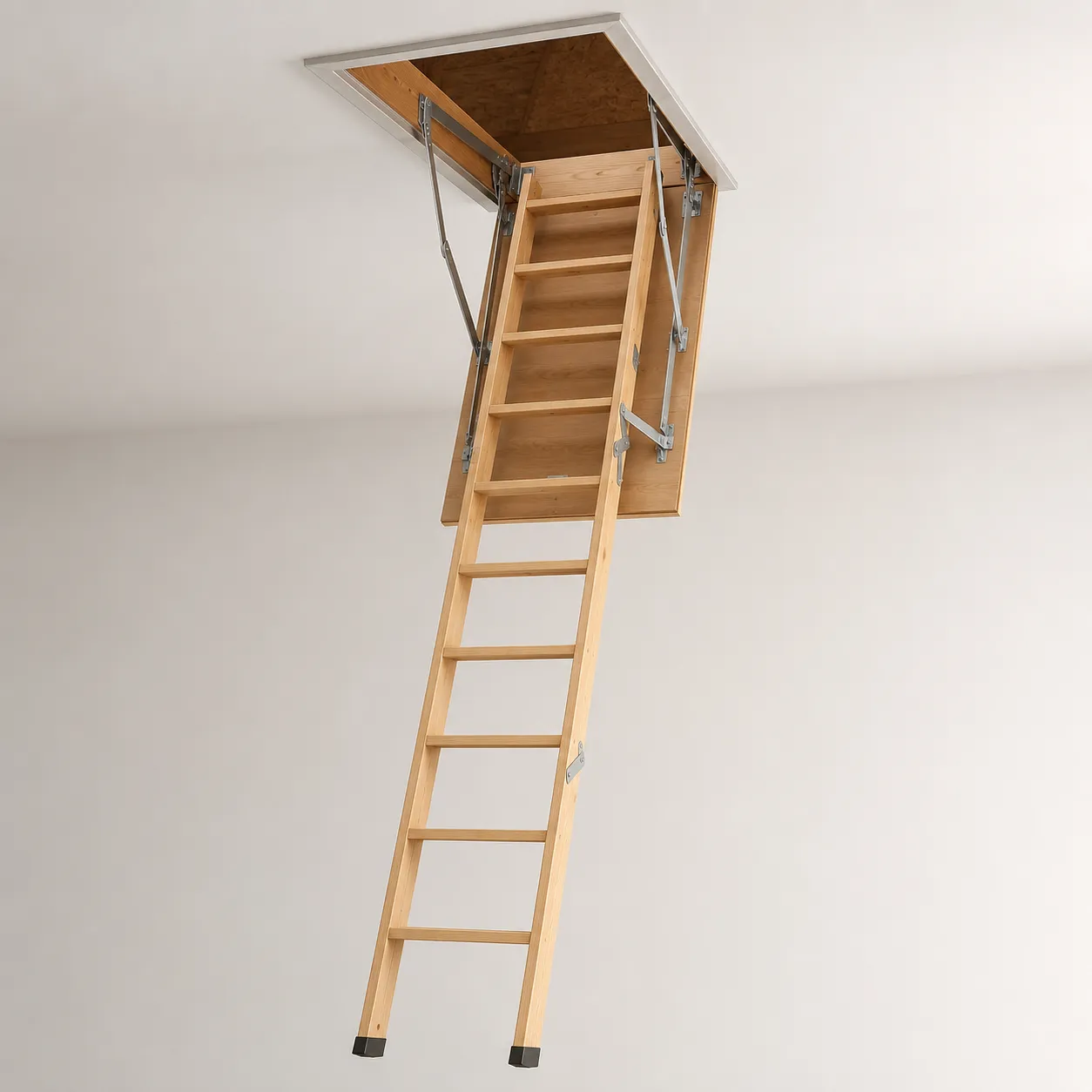
attic ladderˈætɪk ˈlædər
a ladder that gives access to the space under the roof of a house.
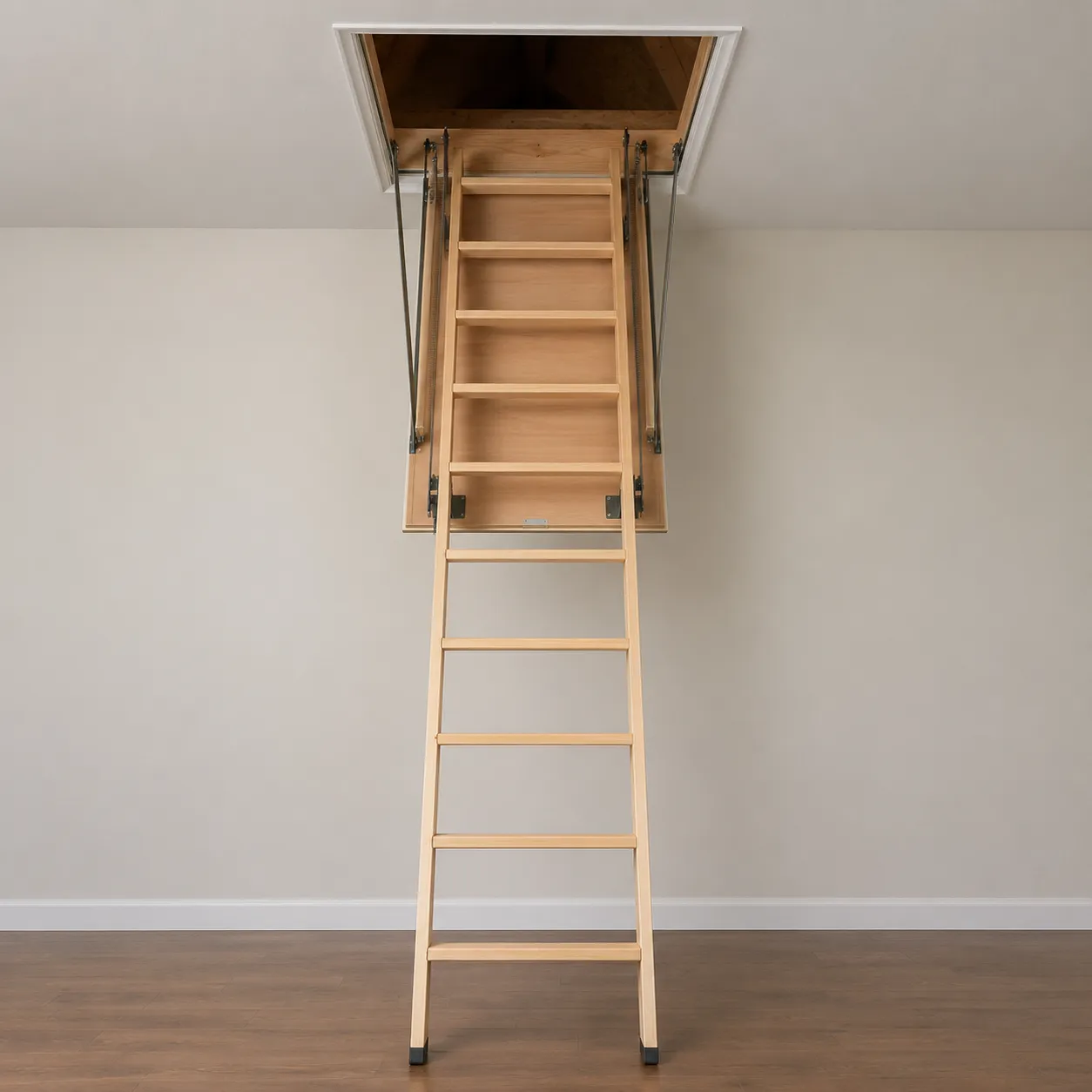
pull-down ladderˈpʊlˌdaʊn ˈlædər
a folding ladder stored above a ceiling opening and pulled down when needed.
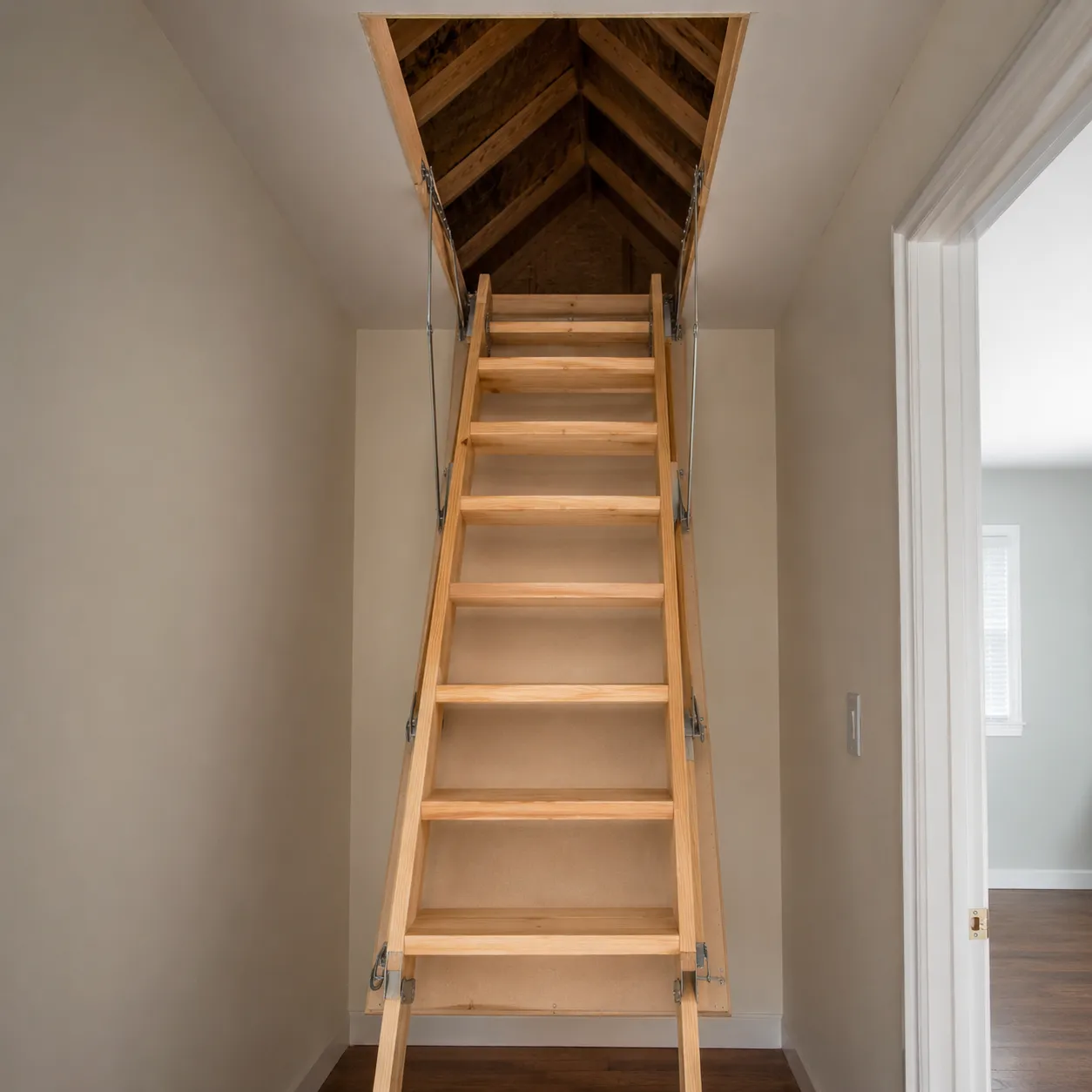
attic stairsˈætɪk stɛrz
stairs that lead to the space under the roof of a house.
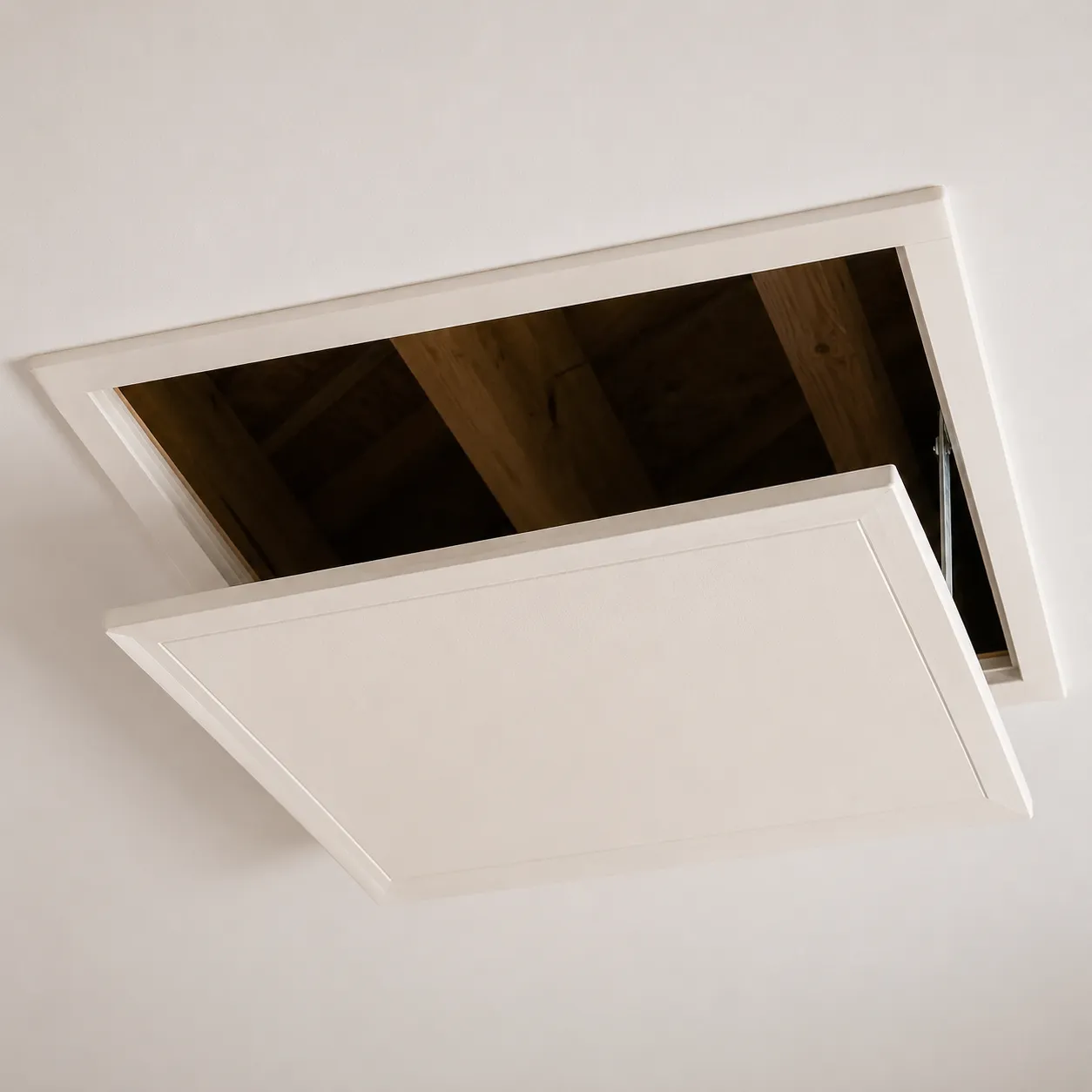
attic hatchˈætɪk hætʃ
a small door or cover in a ceiling that opens into the space under the roof.
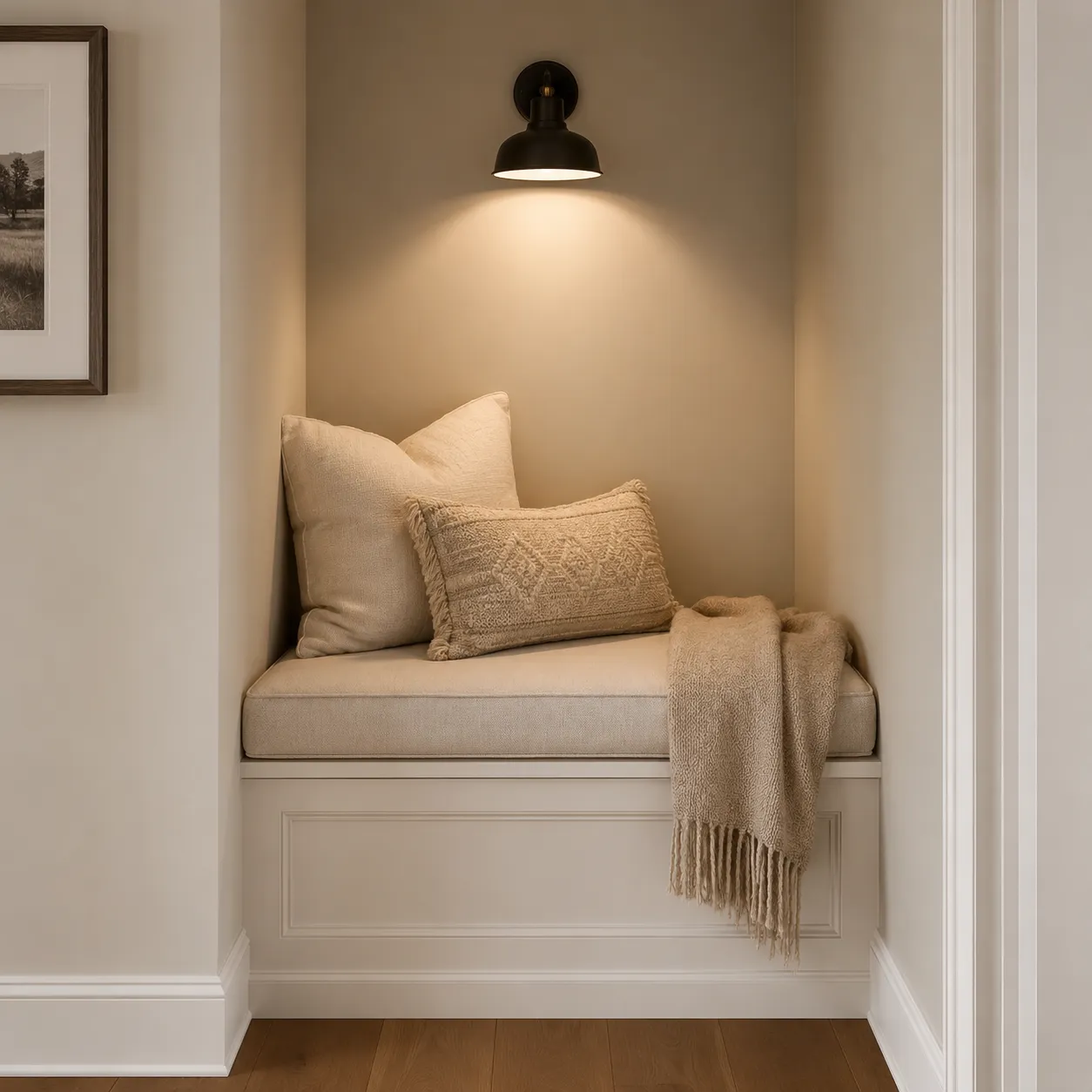
nooknʊk
a small quiet corner or partly hidden place, often inside a room.
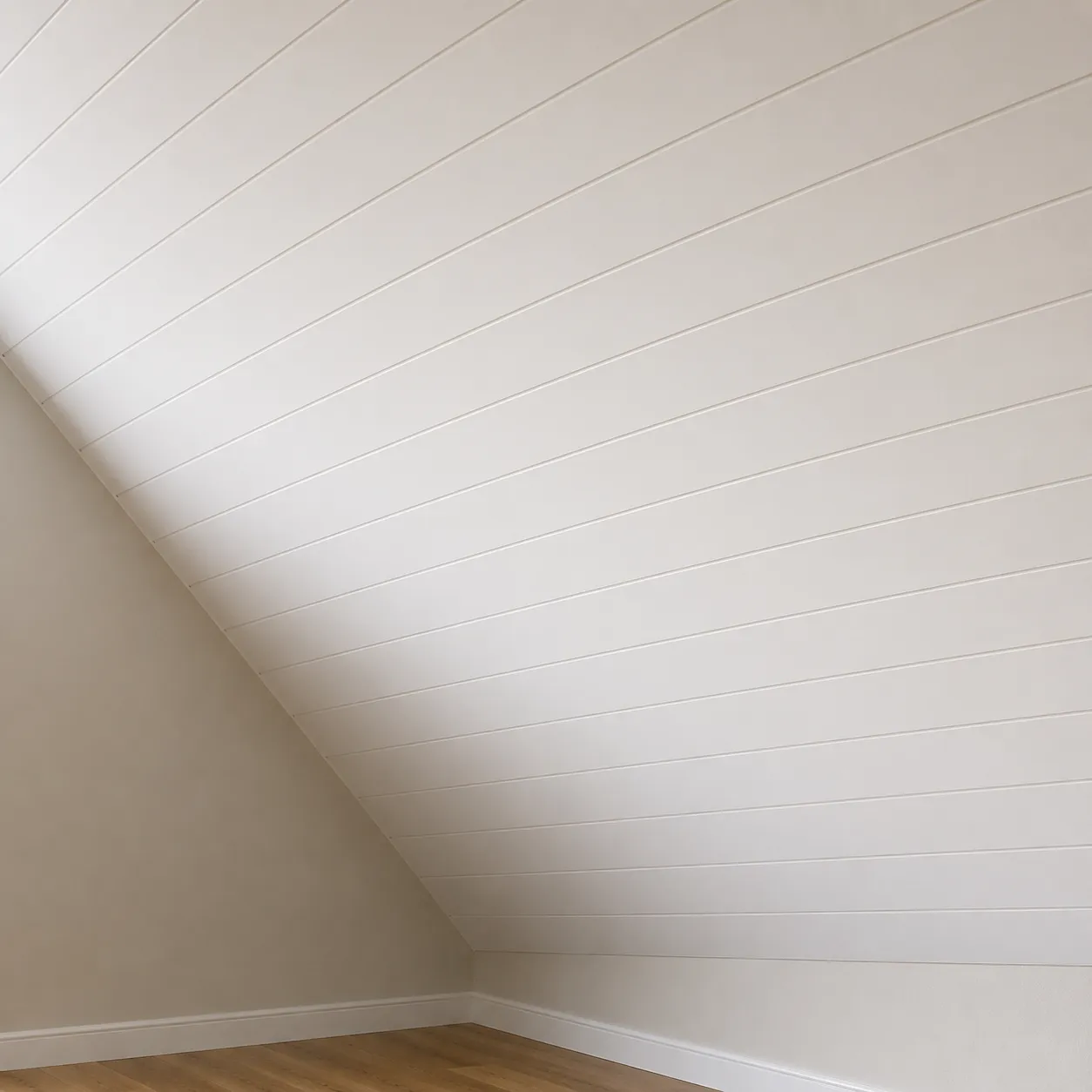
sloped ceilingsloʊpt ˈsiːlɪŋ
a ceiling that rises or falls at an angle instead of being level, often under a roof.
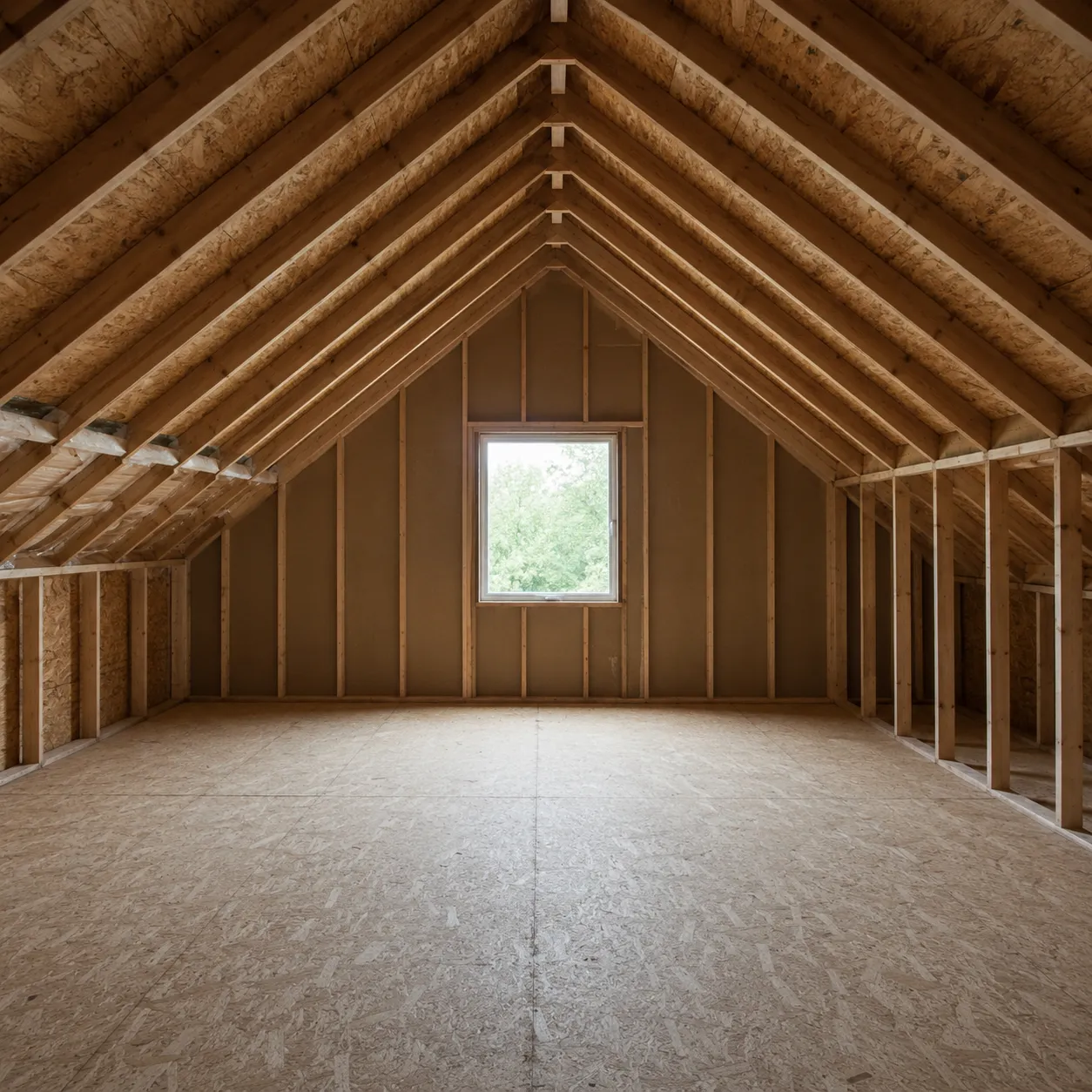
unfinished roomʌnˈfɪnɪʃt ˈruːm
a room whose walls, floor, ceiling, or decoration have not yet been completed.
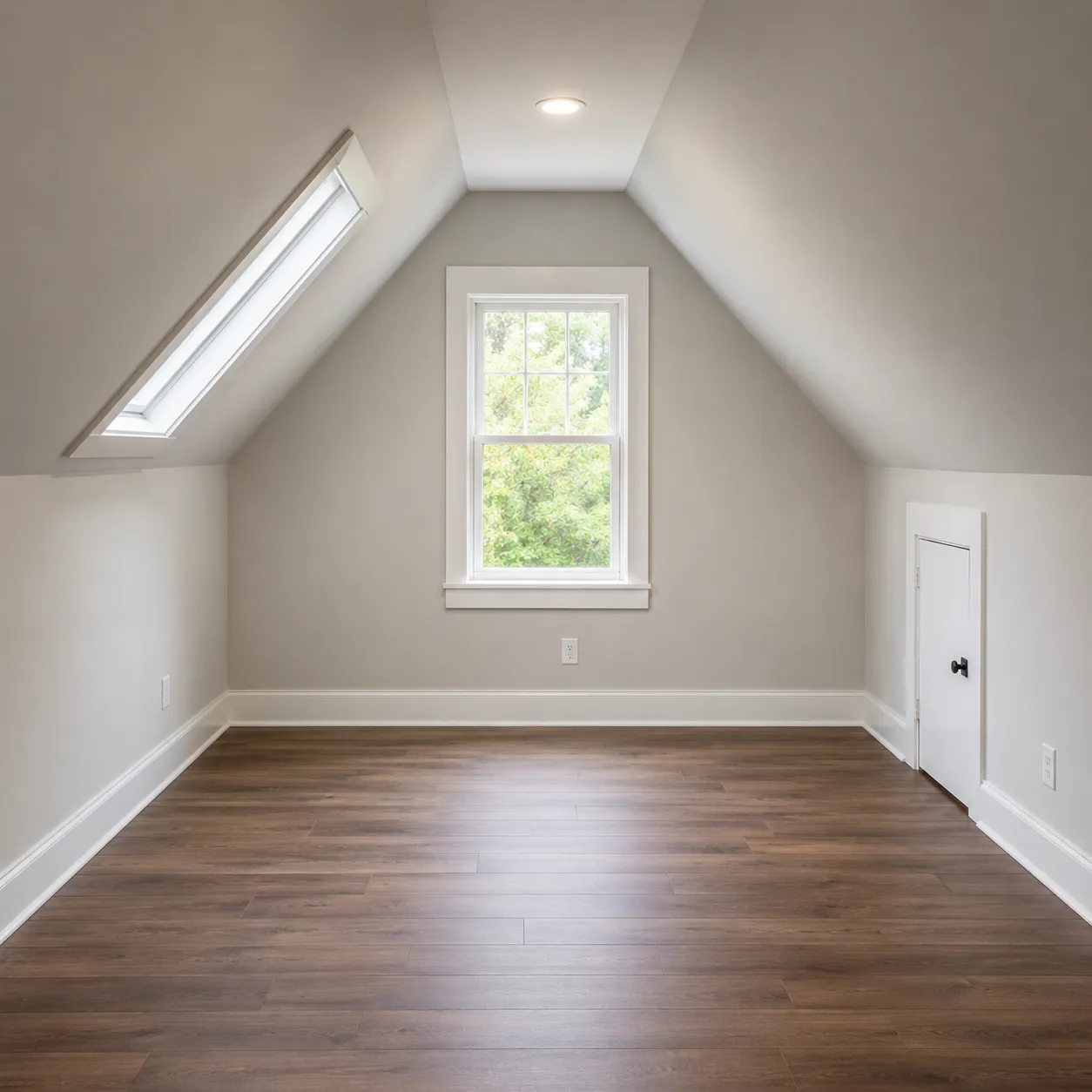
finished atticˈfɪnɪʃt ˈætɪk
an attic that has been completed with walls, flooring, and other features so people can use it as a room.
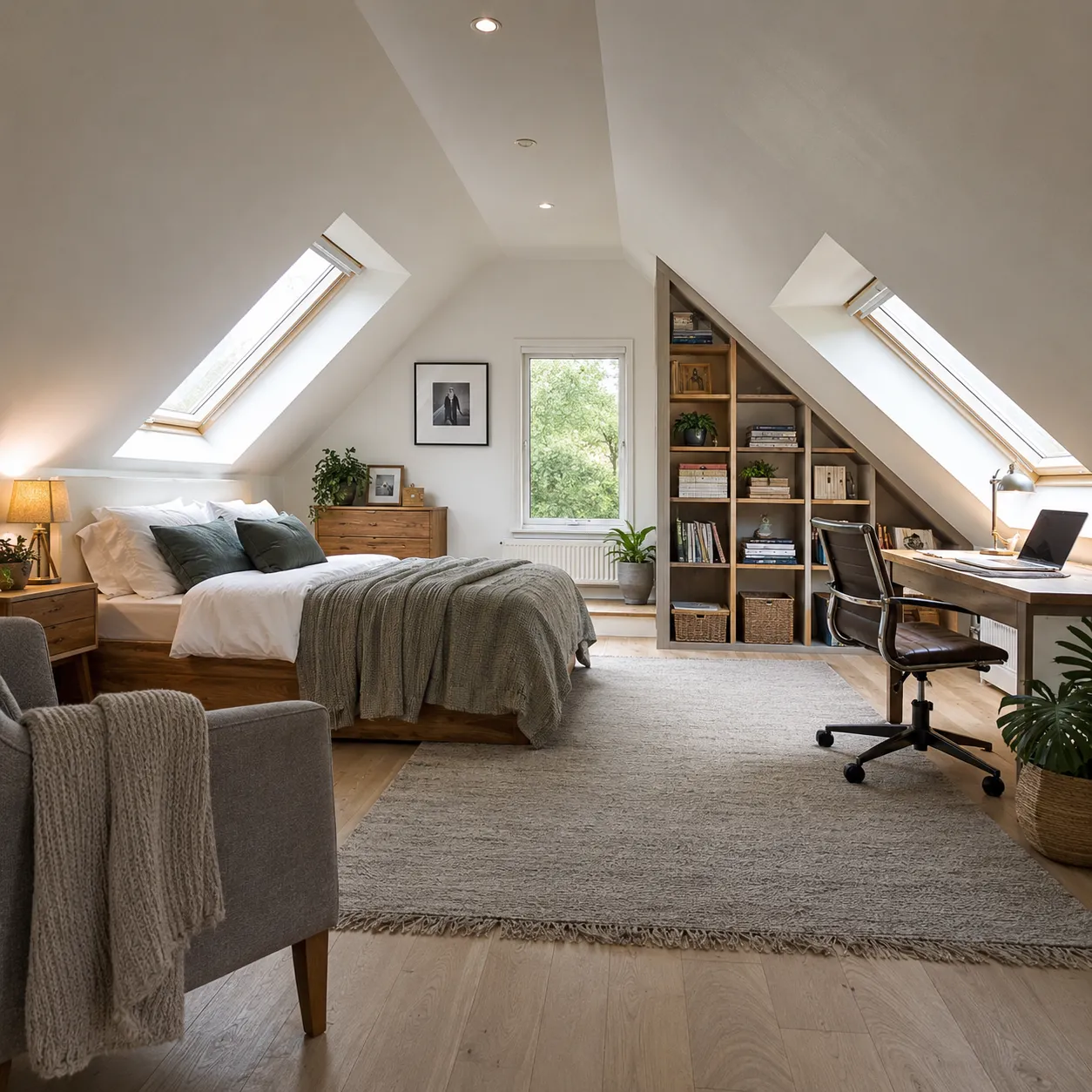
converted attickənˈvɝːtɪd ˈætɪk
an attic that has been changed into a usable room, such as a bedroom, office, or living space.
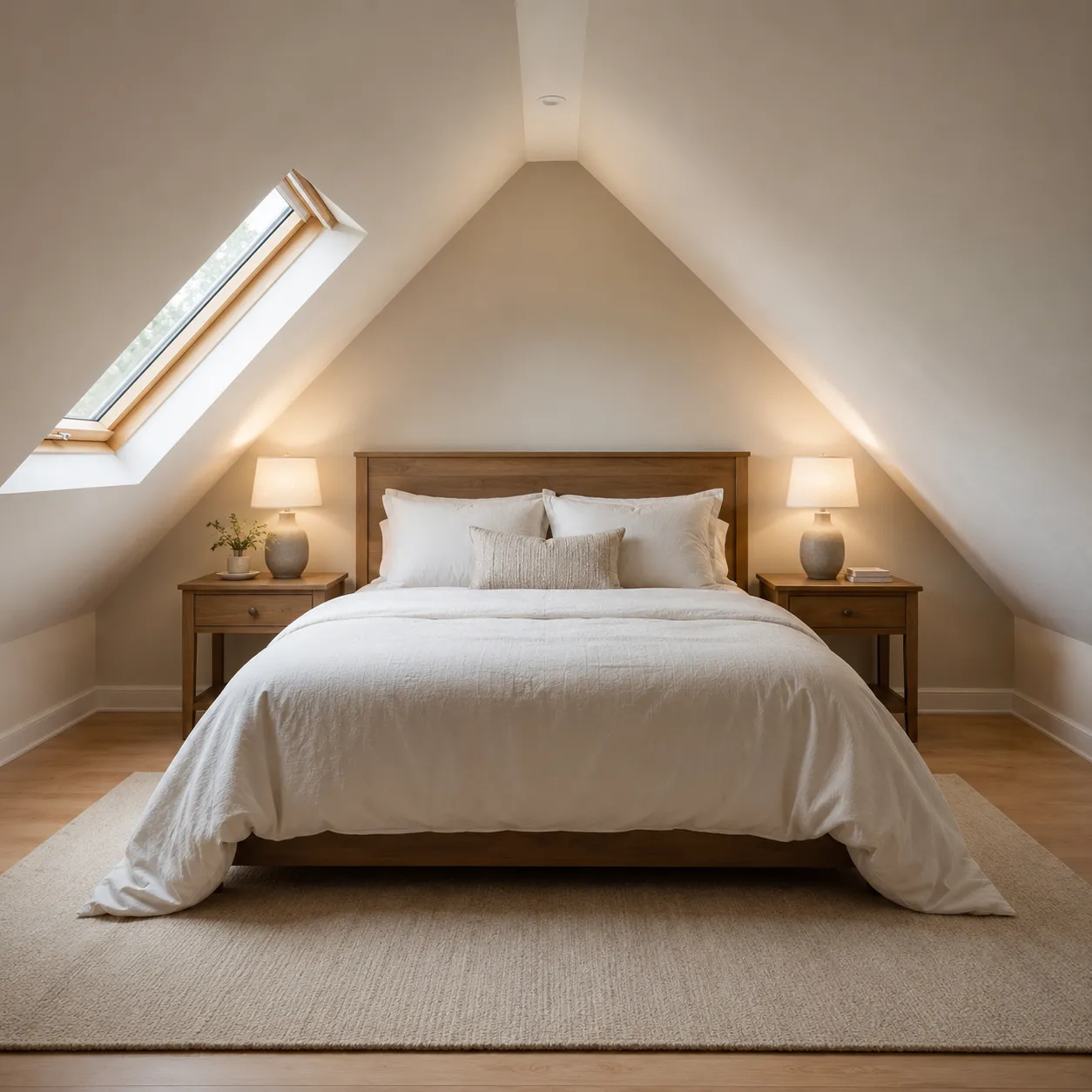
attic bedroomˈætɪk ˈbɛdˌruːm
a bedroom located in the space at the top of a house, just under the roof.
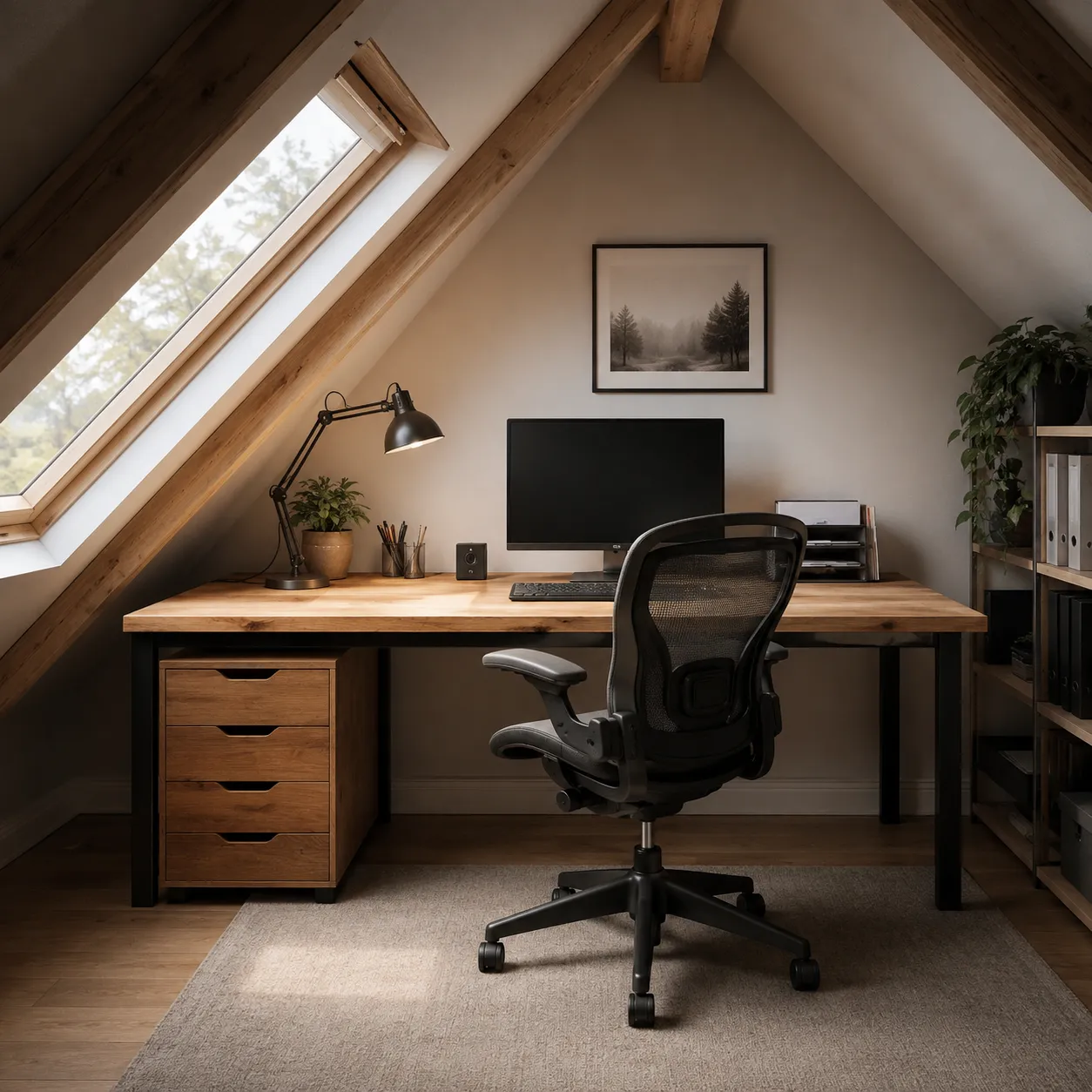
attic officeˈætɪk ˈɑːfɪs
an office or workroom located in the space at the top of a house, just under the roof.
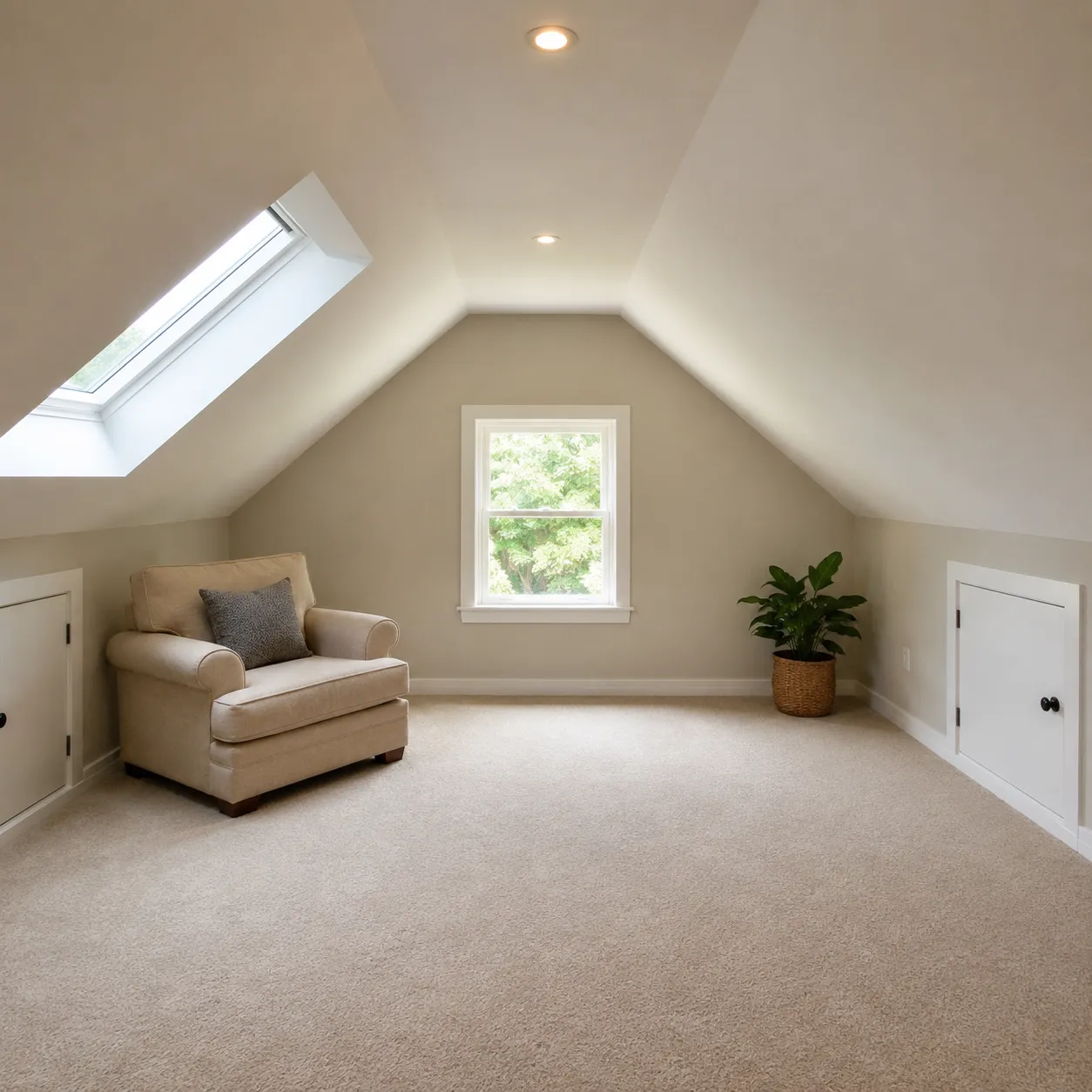
attic roomˈætɪk ˈruːm
a room in the space at the top of a house, just under the roof.
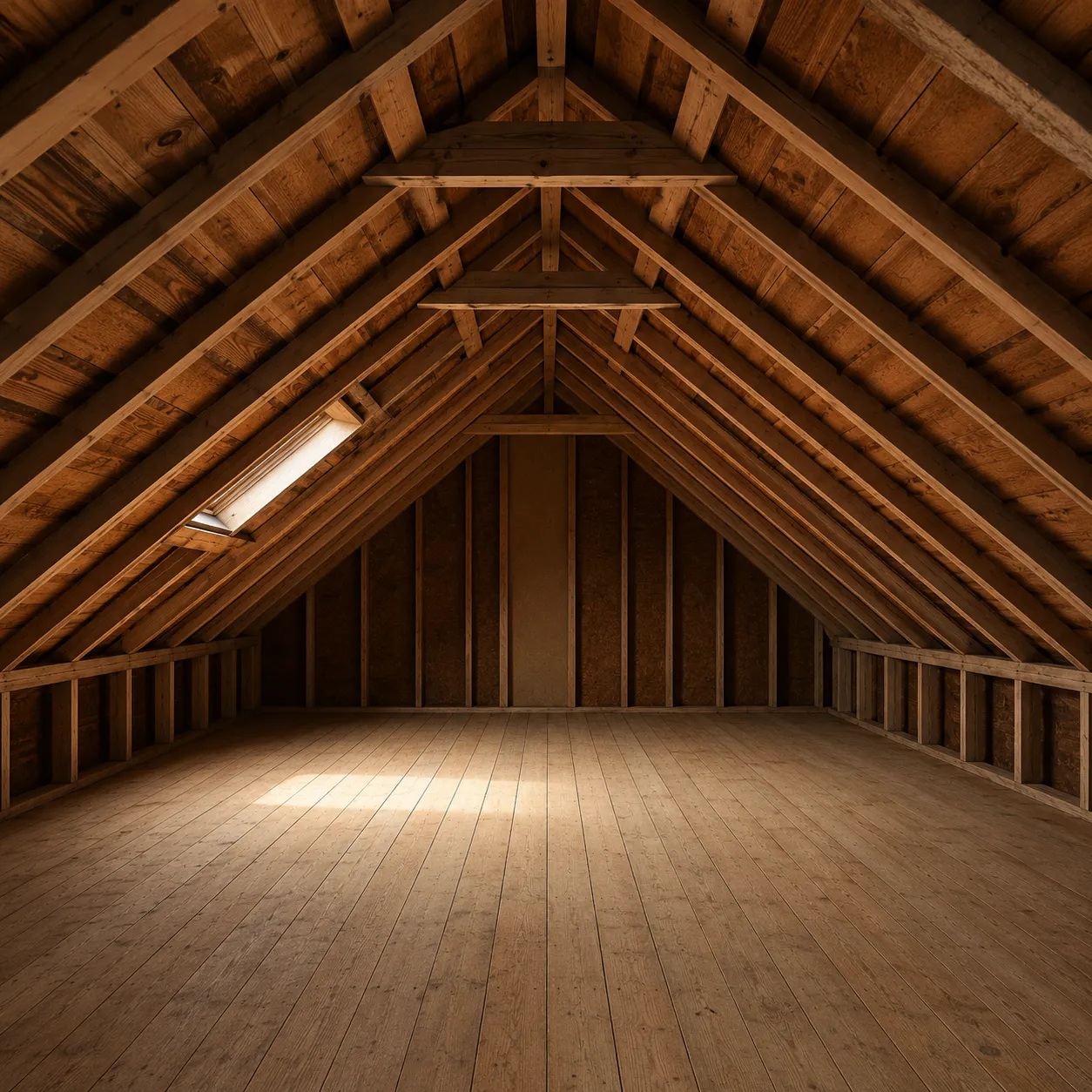
attic spaceˈætɪk ˌspeɪs
the space at the top of a building, directly under the roof, used for storage or made into rooms.
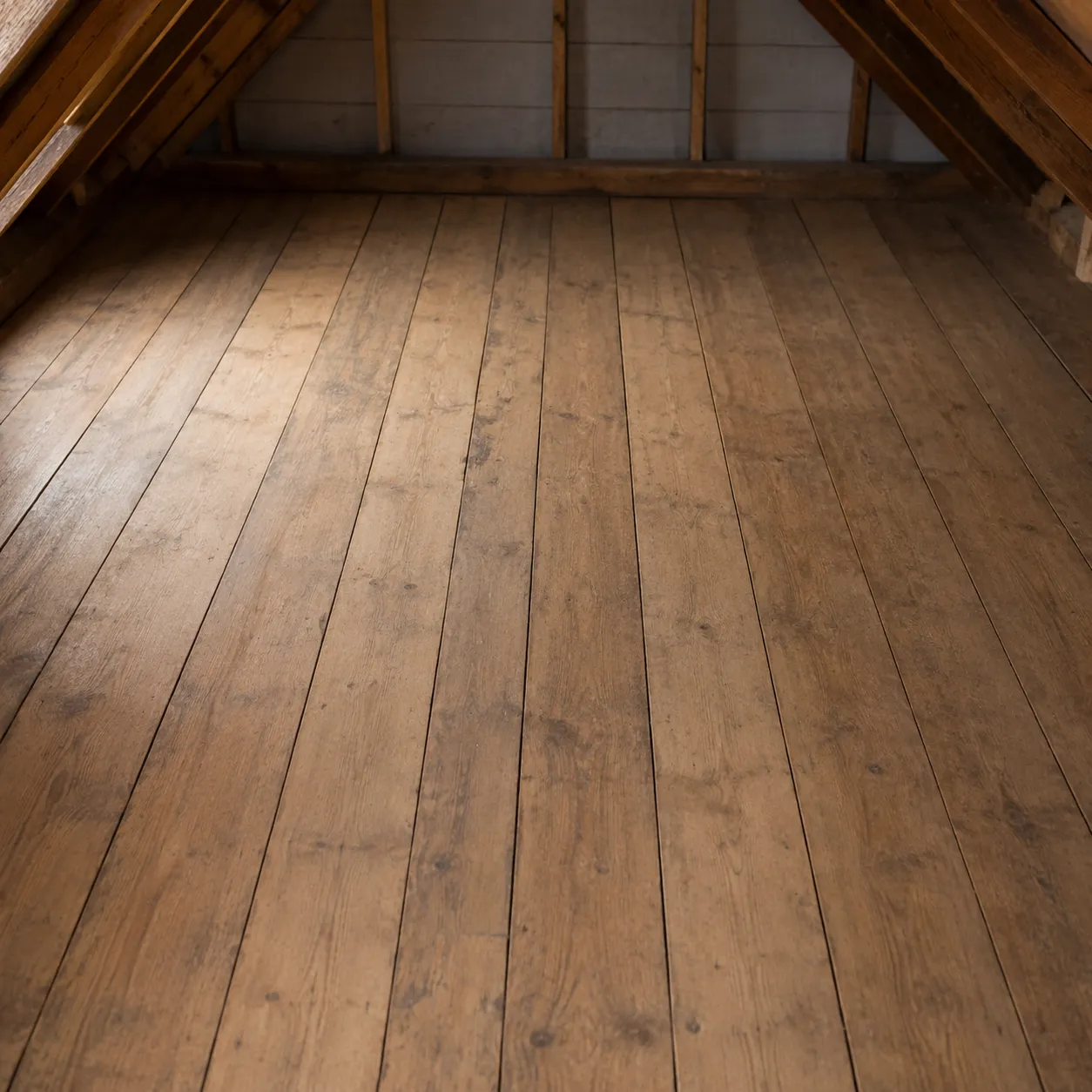
attic floorˈætɪk ˌflɔːr
the floor surface in the space at the top of a building, directly under the roof.
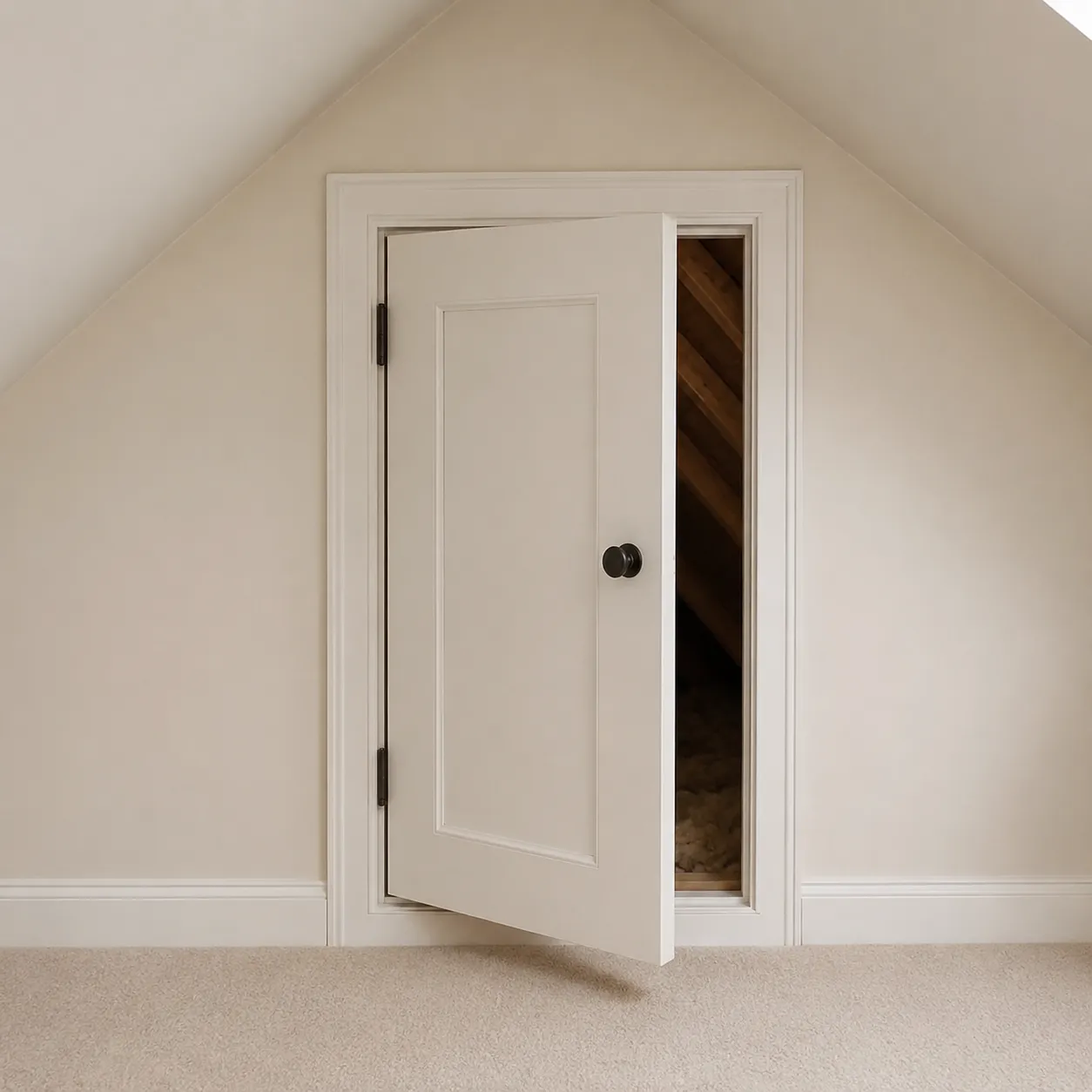
attic doorˈætɪk ˌdɔːr
a door that gives access to the space at the top of a building, directly under the roof.
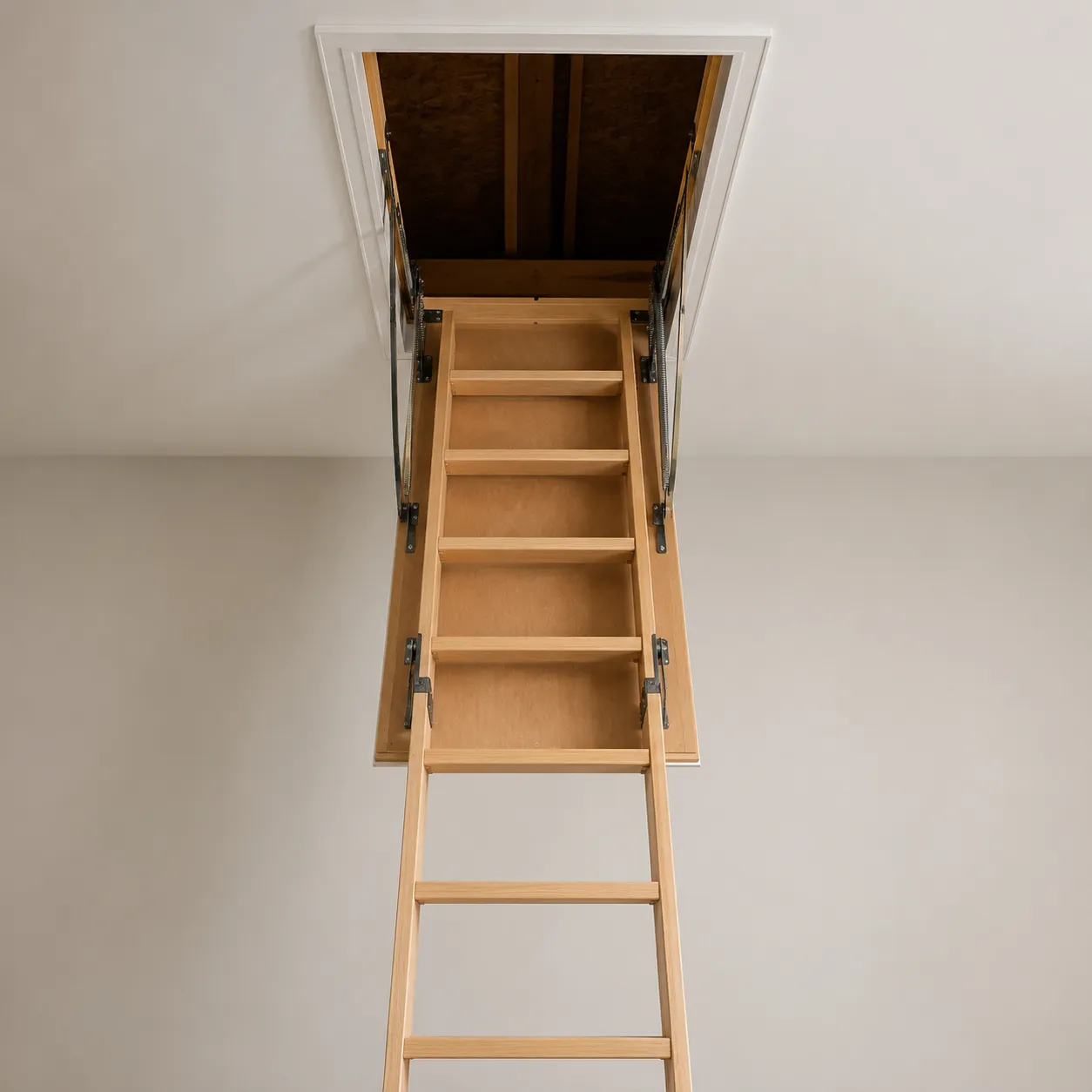
attic accessˈætɪk ˌæksɛs
a door, opening, ladder, or other way to enter the space at the top of a building under the roof.
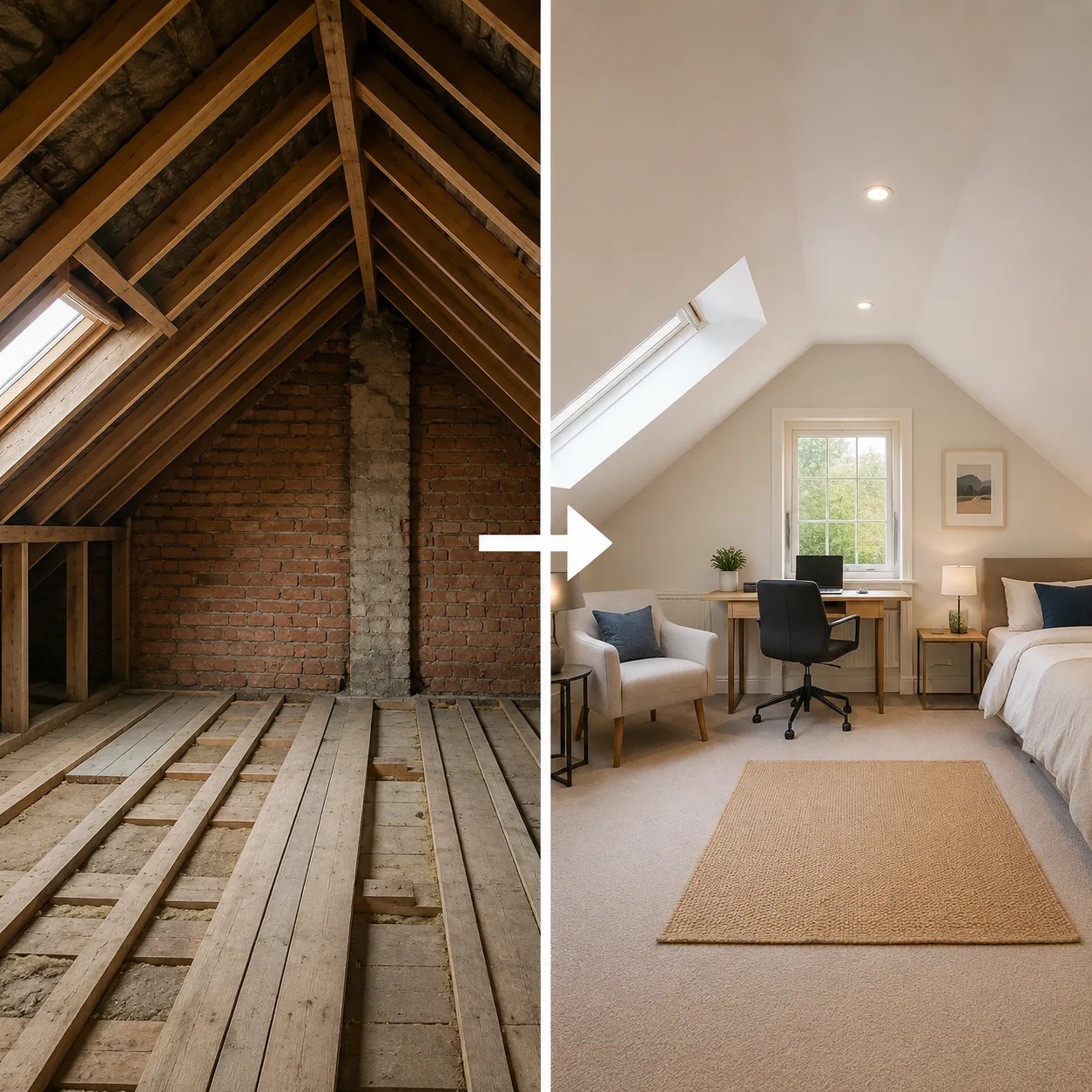
attic conversionˈætɪk kənˈvɝːʒən
the work of changing an attic into a usable room or living space.
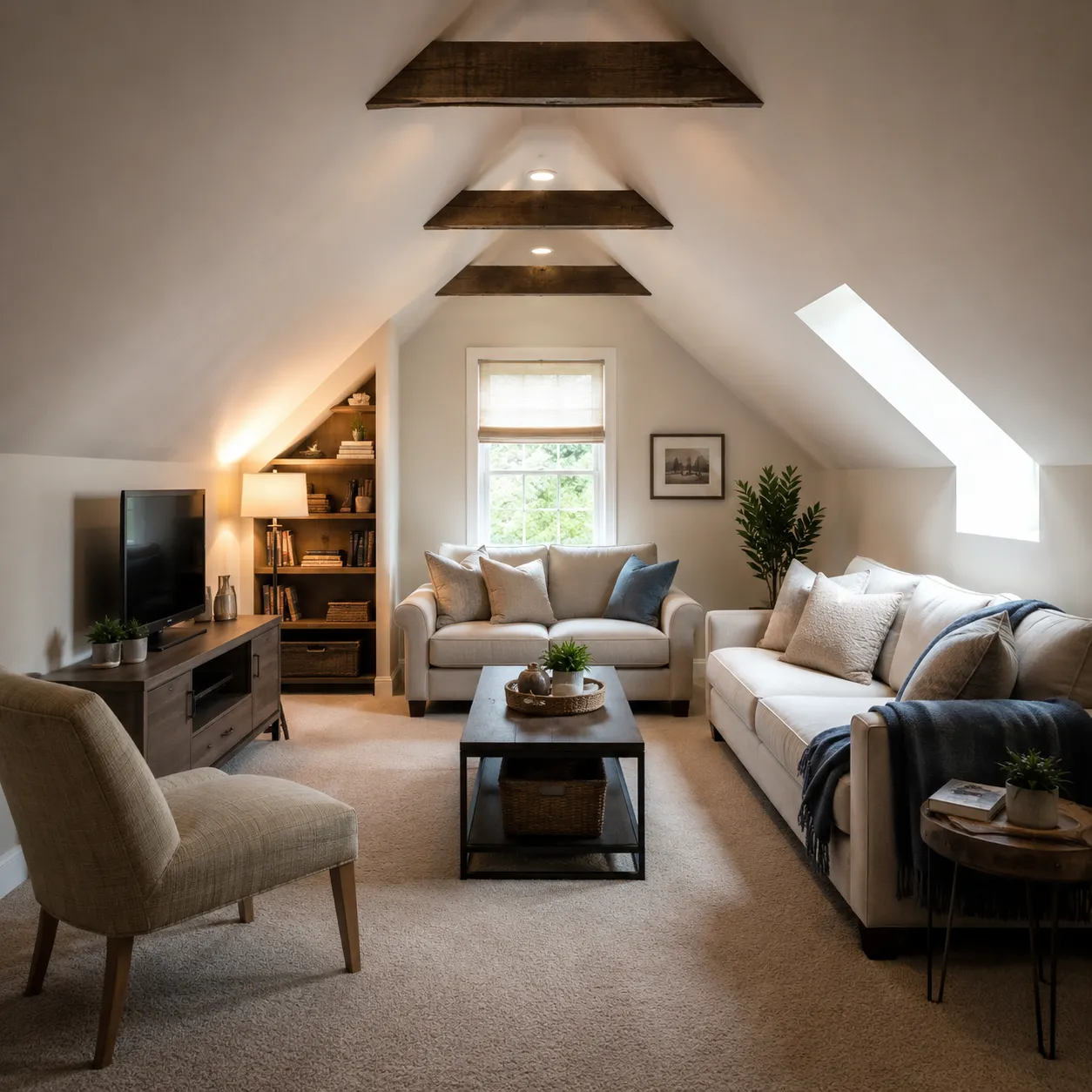
convertedkənˈvɝːtɪd
changed so that it has a different use, form, or purpose from before.
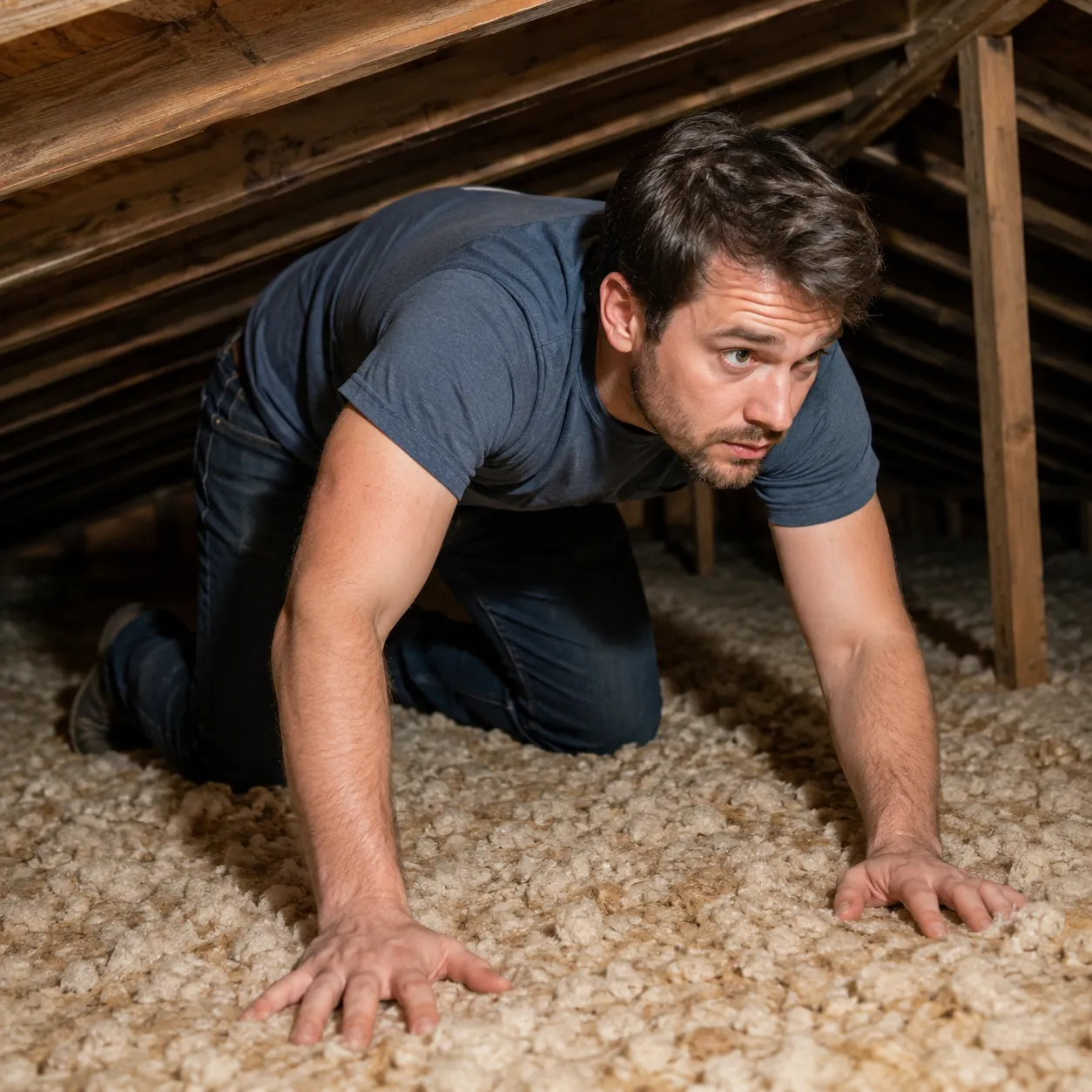
crawlkrɔːl
to move forward on your hands and knees, or with your body close to the ground.
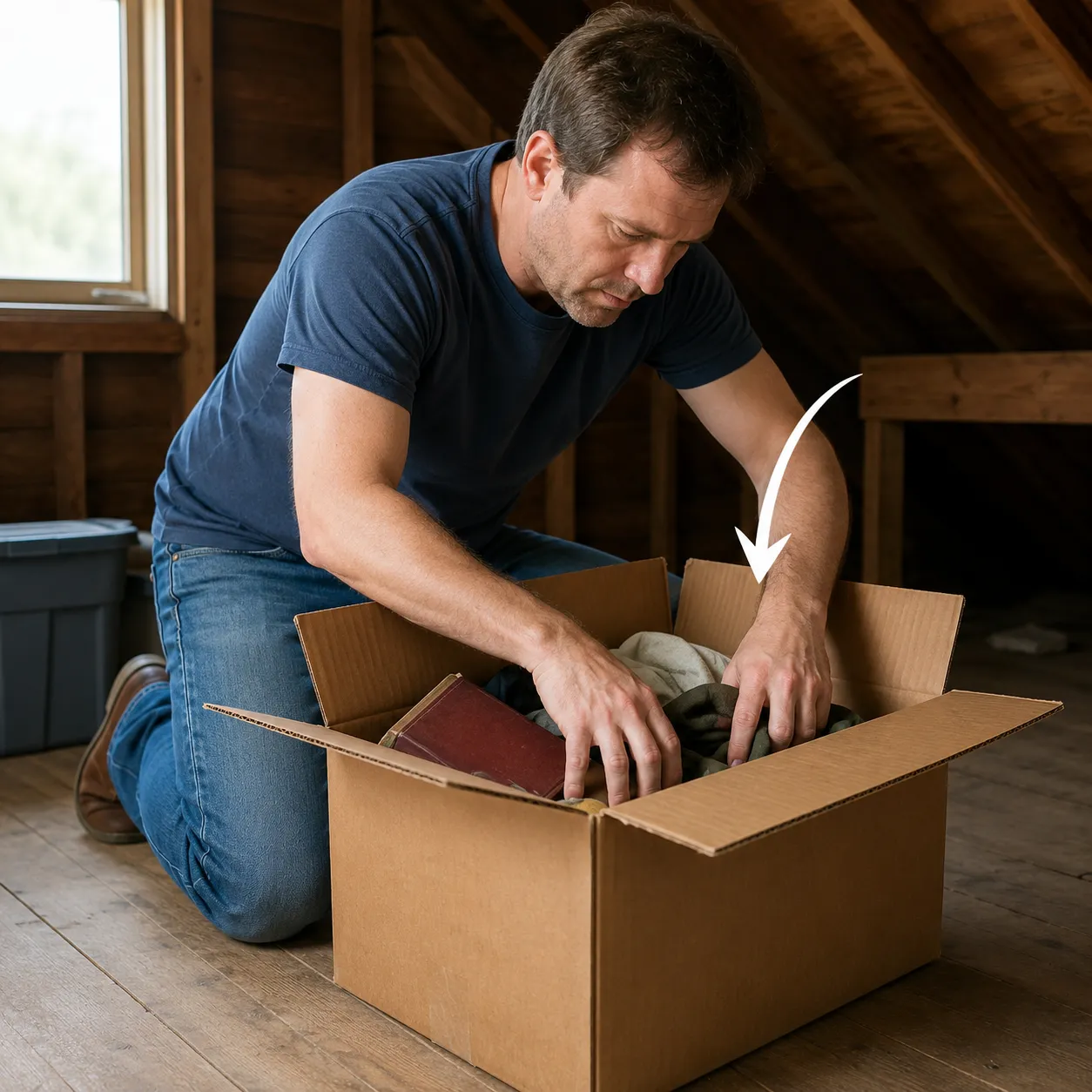
rummageˈrʌmɪdʒ
to search for something by moving many things around in a messy or hurried way.
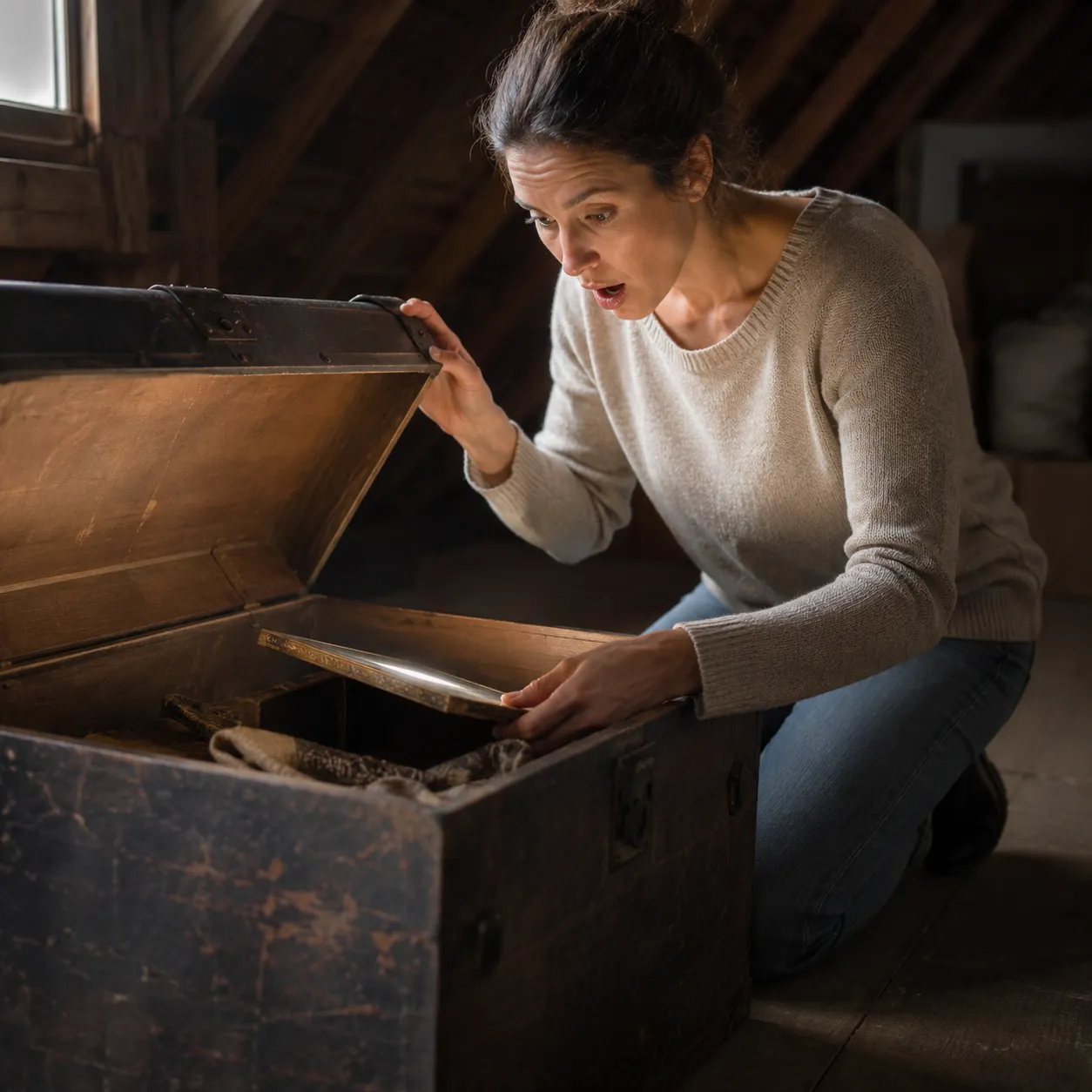
discoverdɪˈskʌvər
to find something or learn a fact for the first time.
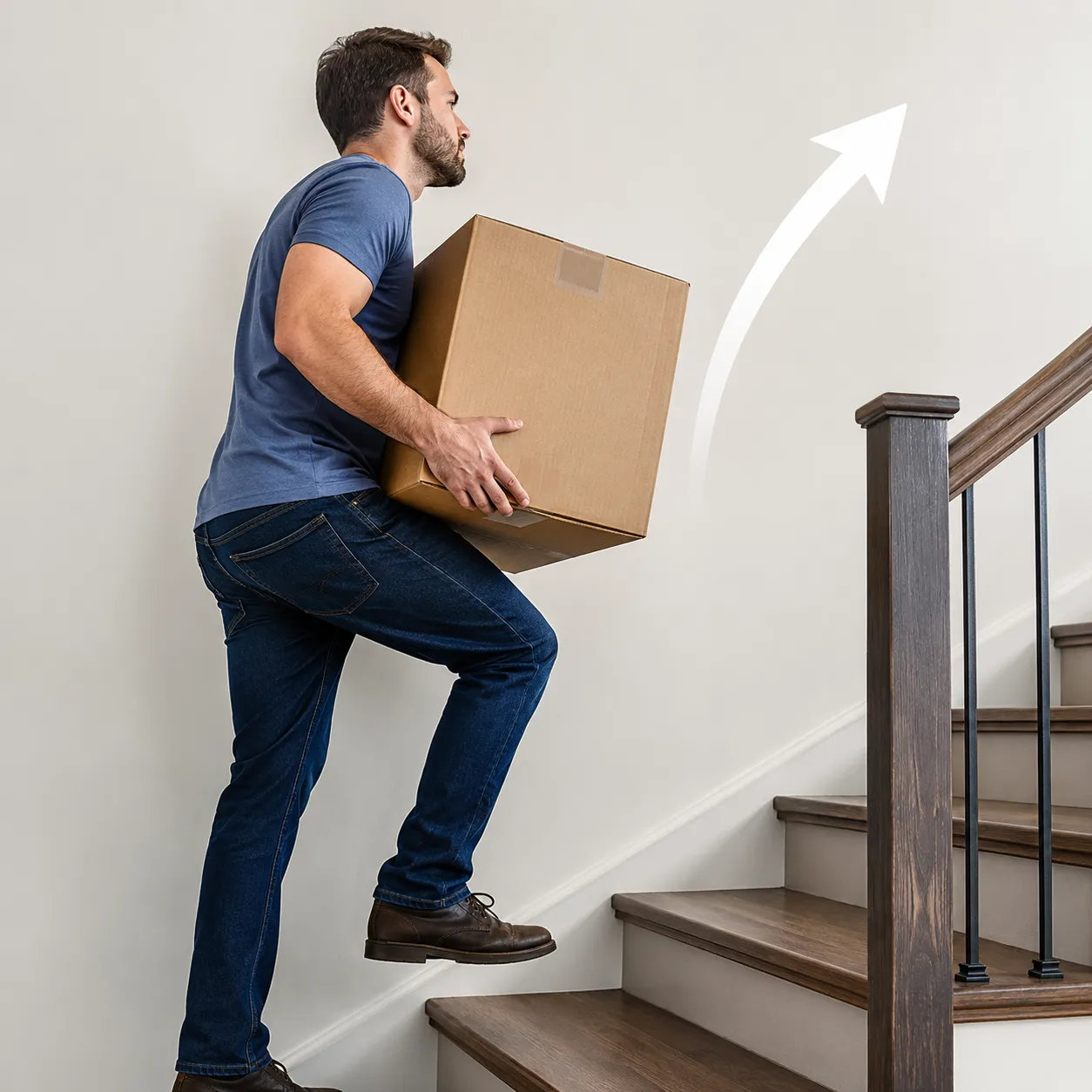
carry upˈkæri ˈʌp
to take something from a lower place to a higher place, especially by holding it.
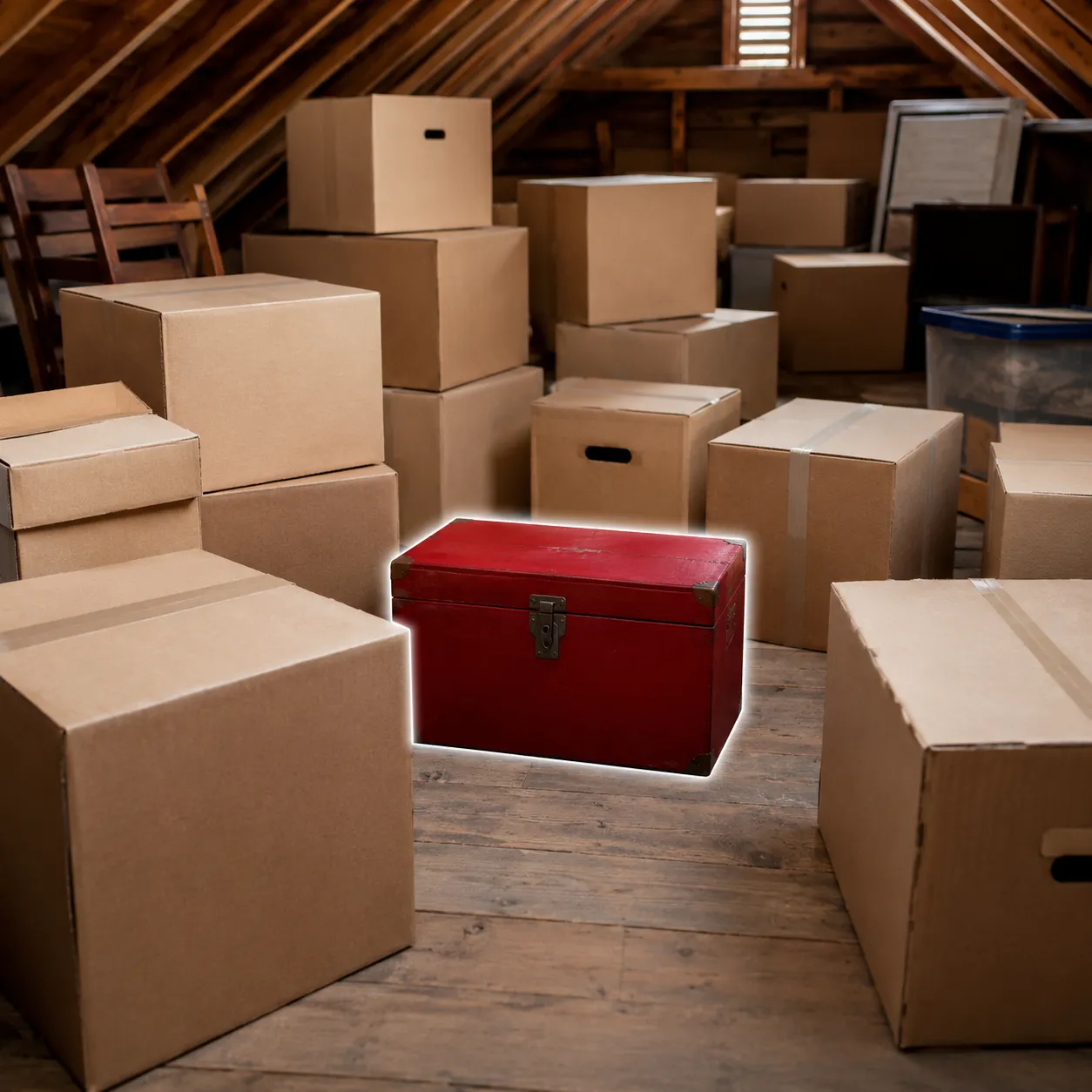
amongəˈmʌŋ
in the middle of a group of people or things, or included as part of that group.
Containers, shelves, labels, and practical verbs for packing, sorting, storing, and clearing things out.
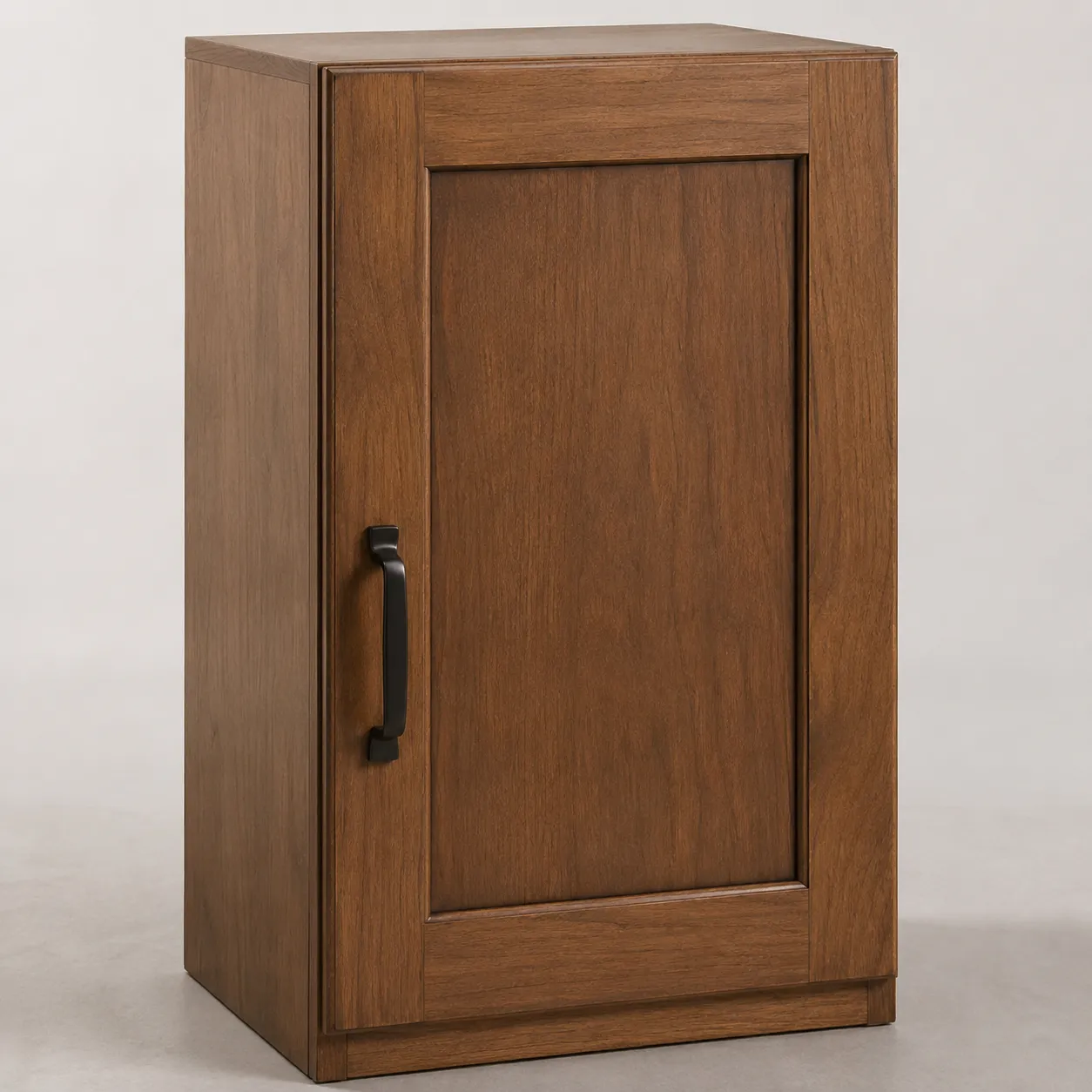
cabinetˈkæbɪnət
a piece of furniture with doors or drawers used for storing things.
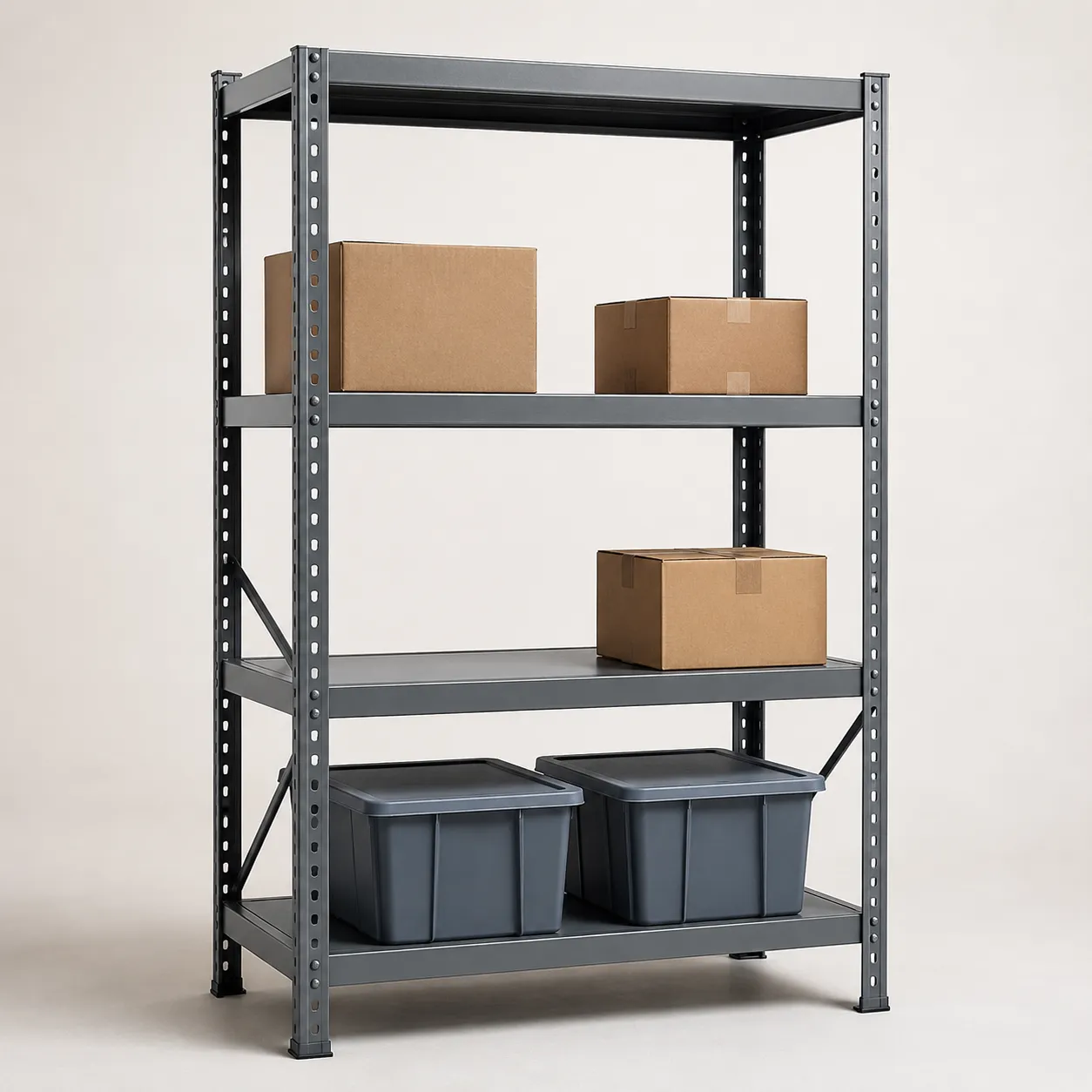
storage rackˈstɔːrɪdʒ ræk
a frame with shelves, bars, or levels used to hold and organize stored items.
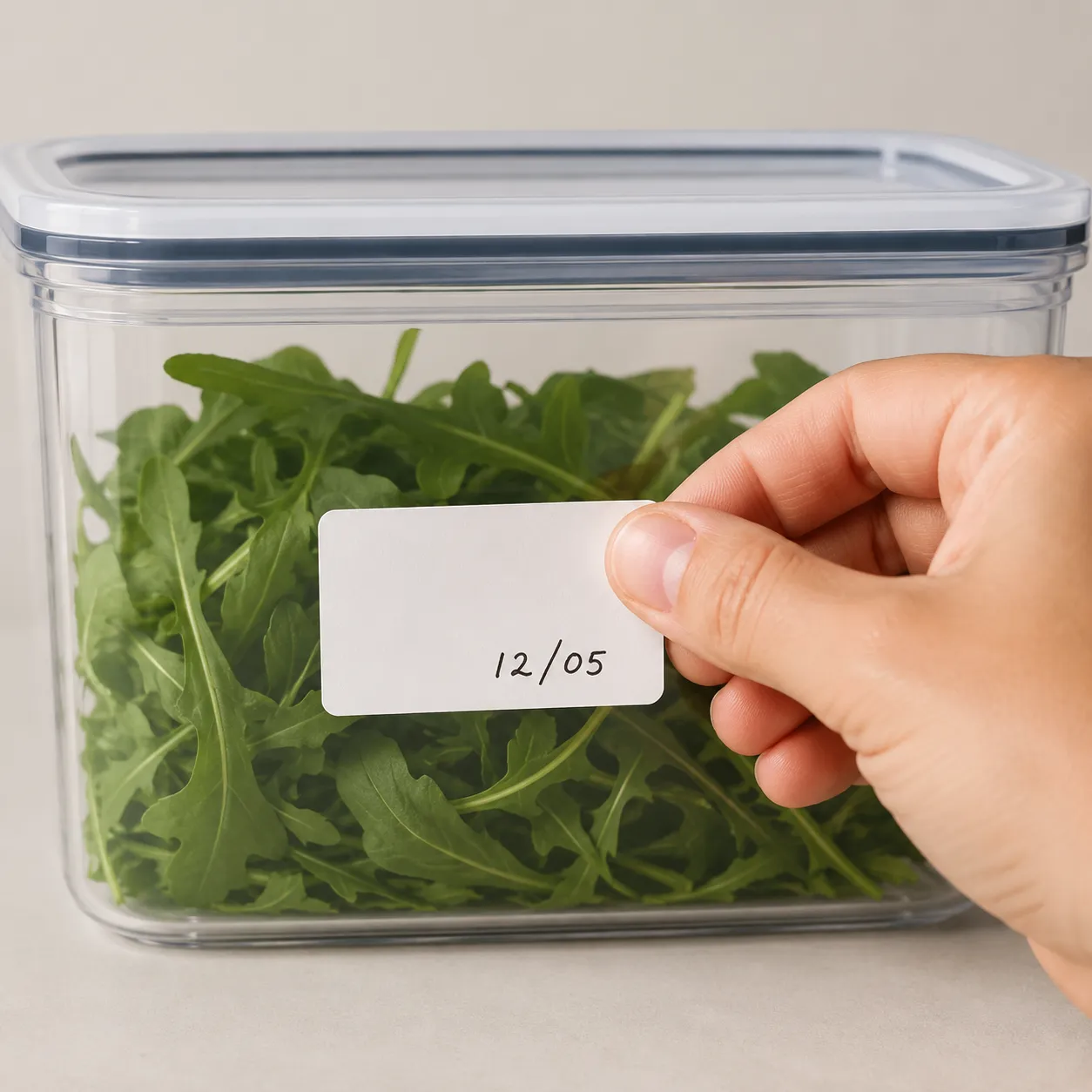
labelˈleɪbəl
to put a name, description, or information tag on something.
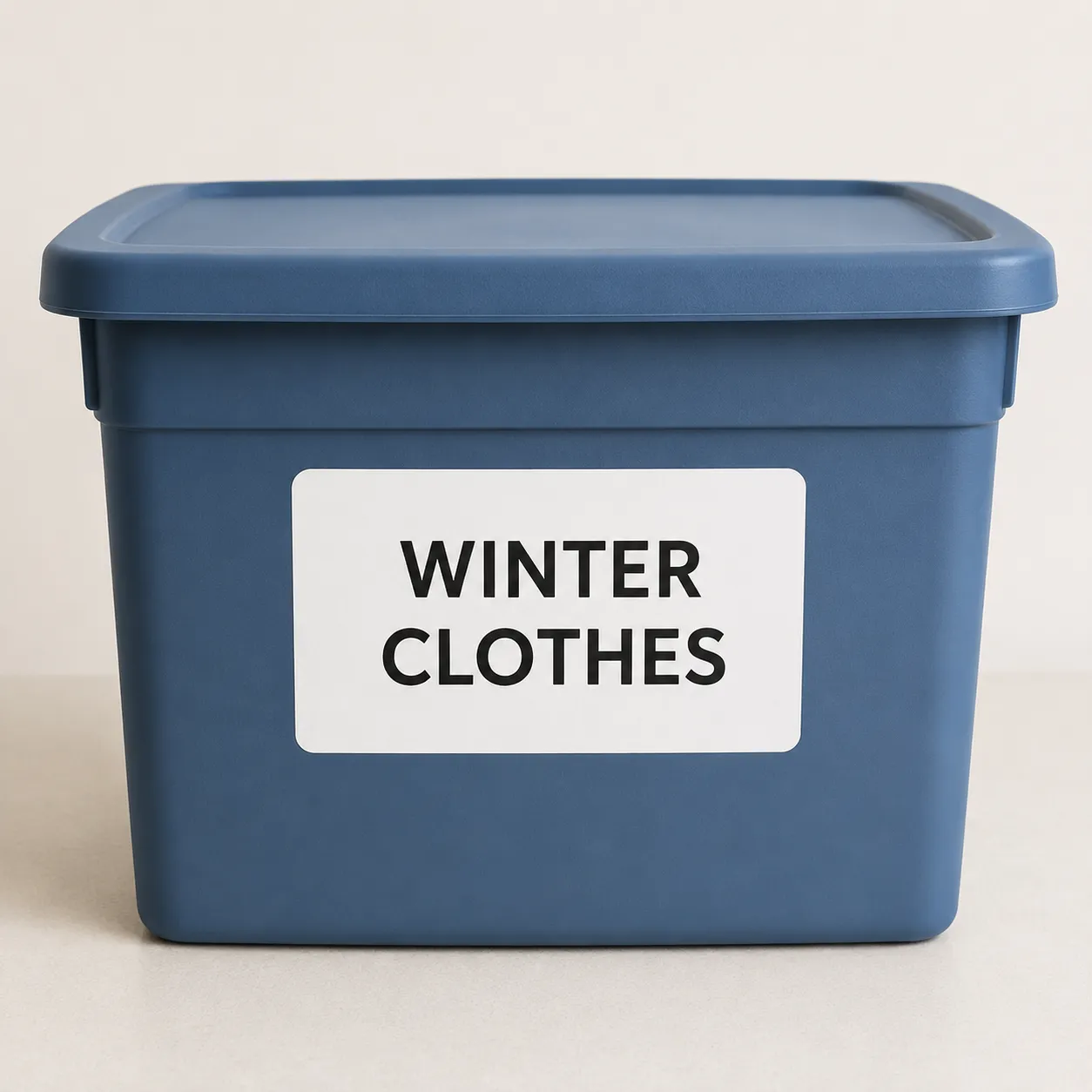
labeledˈleɪbəld
having a label that gives information about what something is or where it belongs.
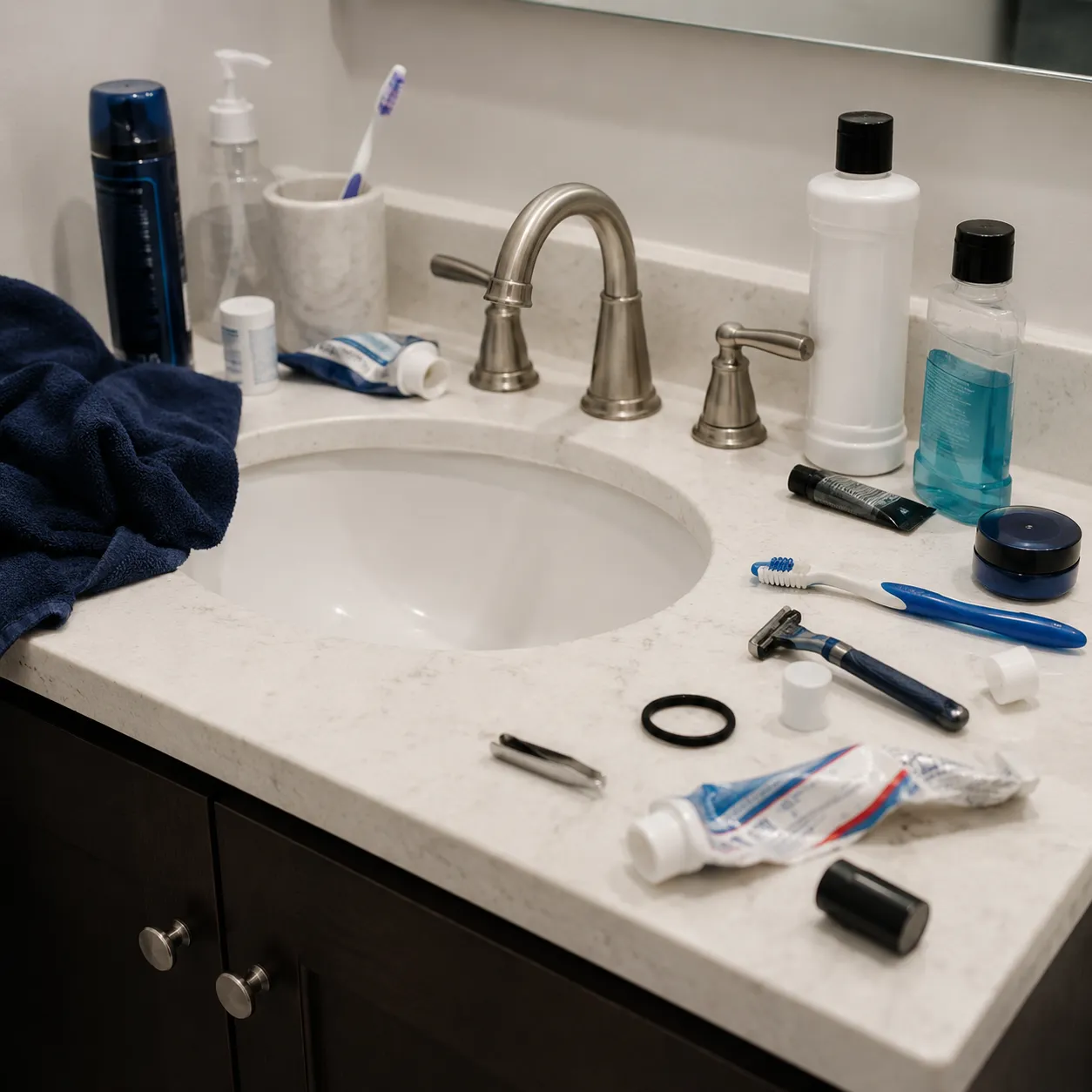
messyˈmɛsi
not clean or tidy, with things left in the wrong places.
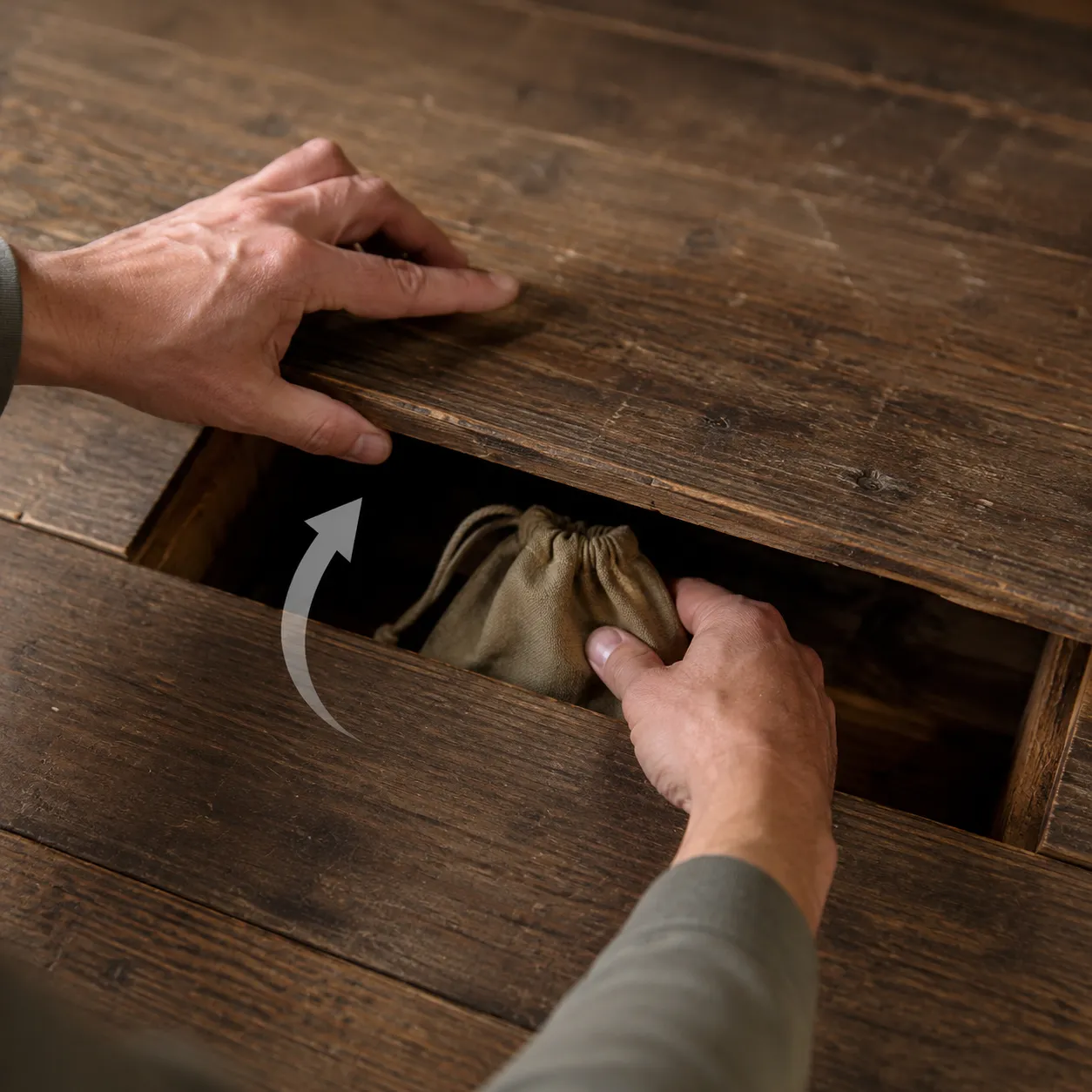
stashstæʃ
to put something in a hidden or safe place, usually to use it later.
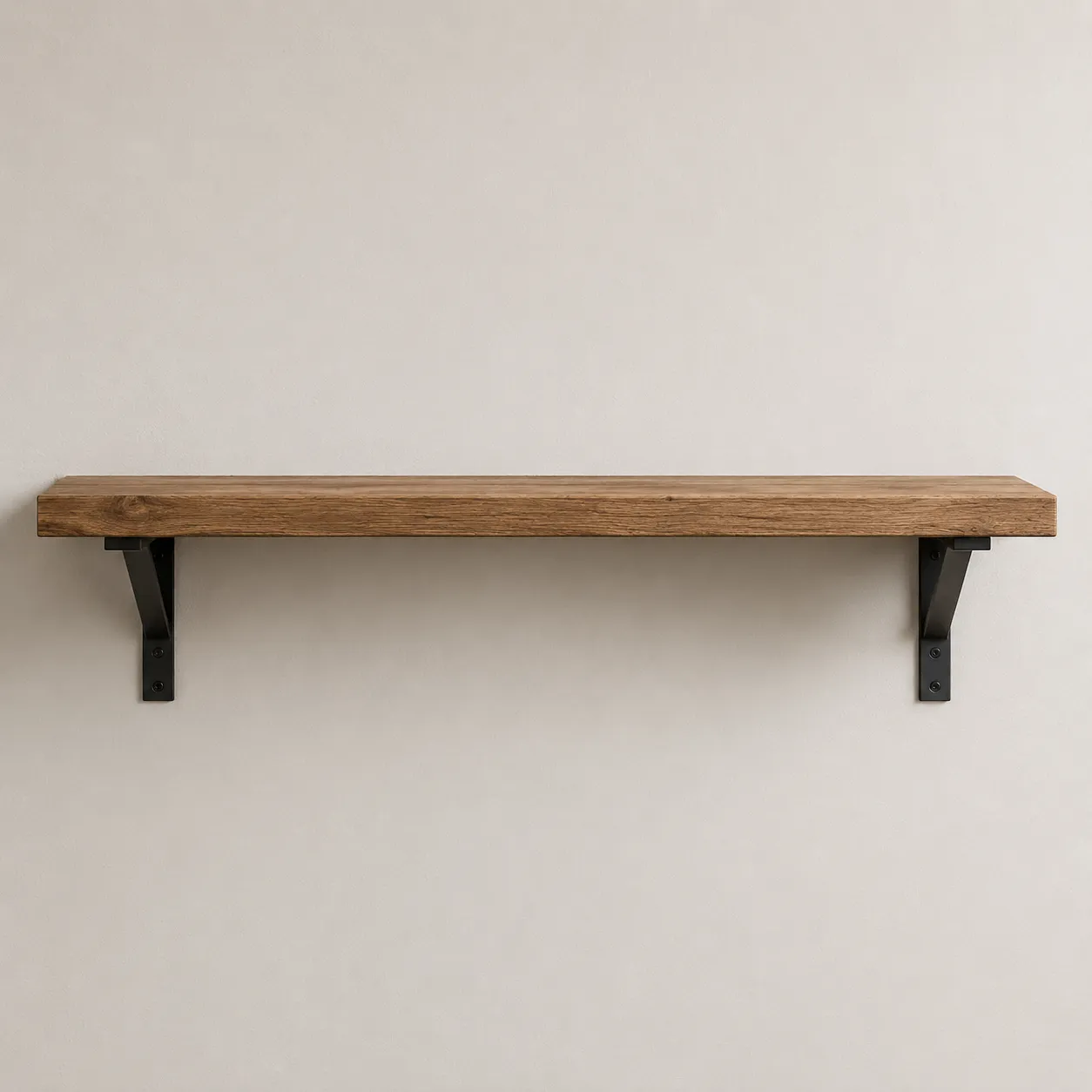
shelfʃelf
a flat board fixed to a wall or frame, used for holding or displaying things.
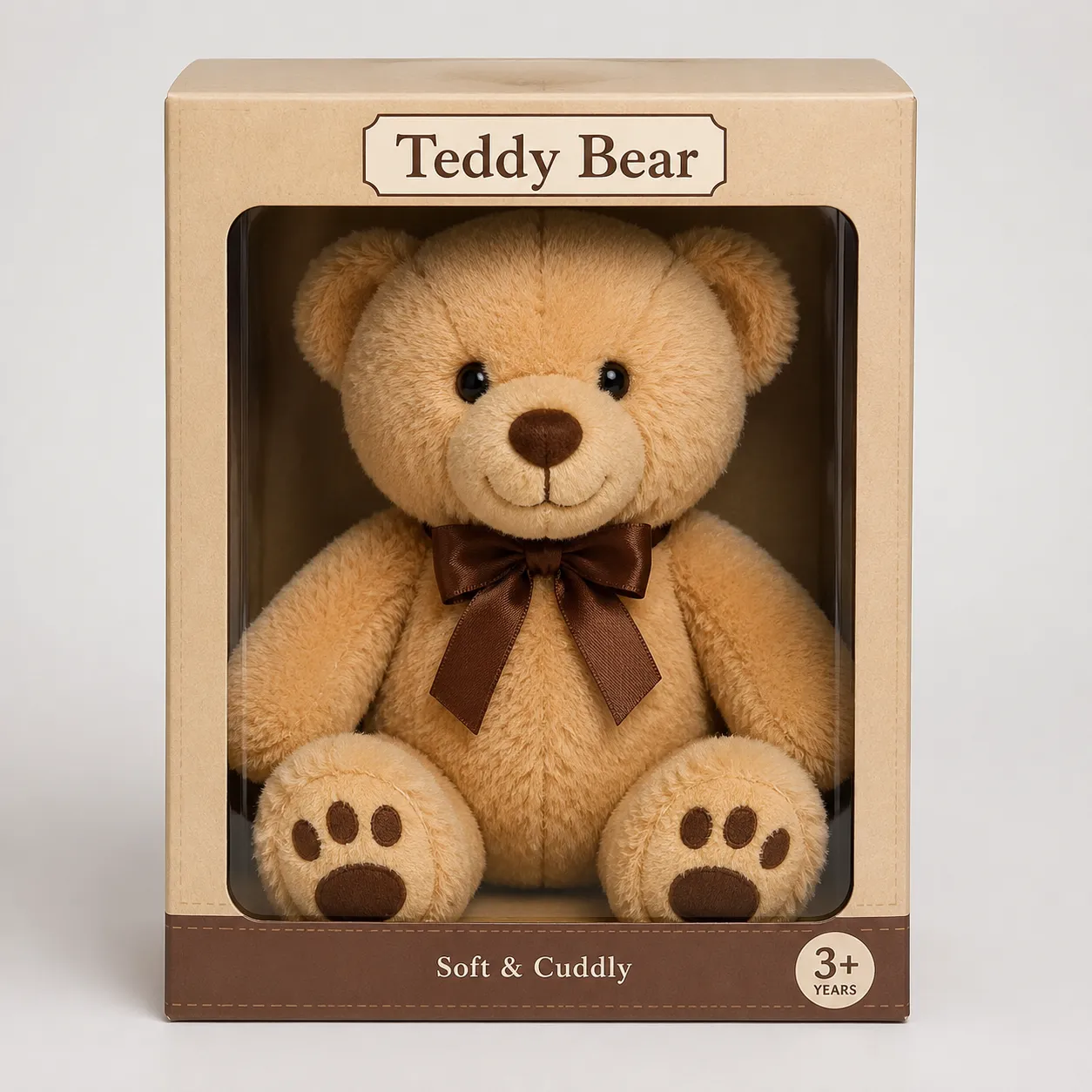
boxedbɑːkst
sold or kept in a box, especially as a ready product from a shop.
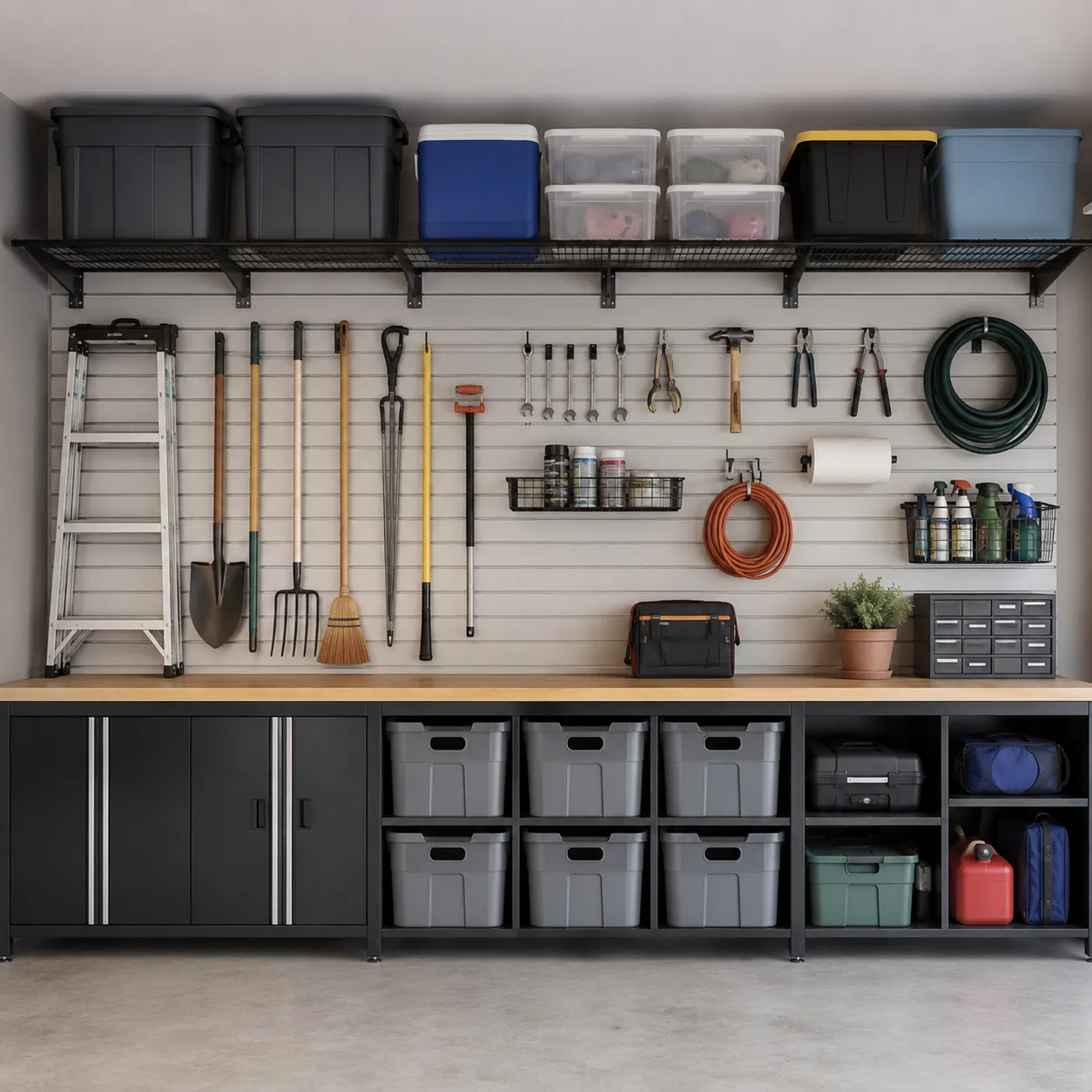
organizedˈɔːrɡənaɪzd
arranged in a clear, orderly way, or good at planning and managing tasks
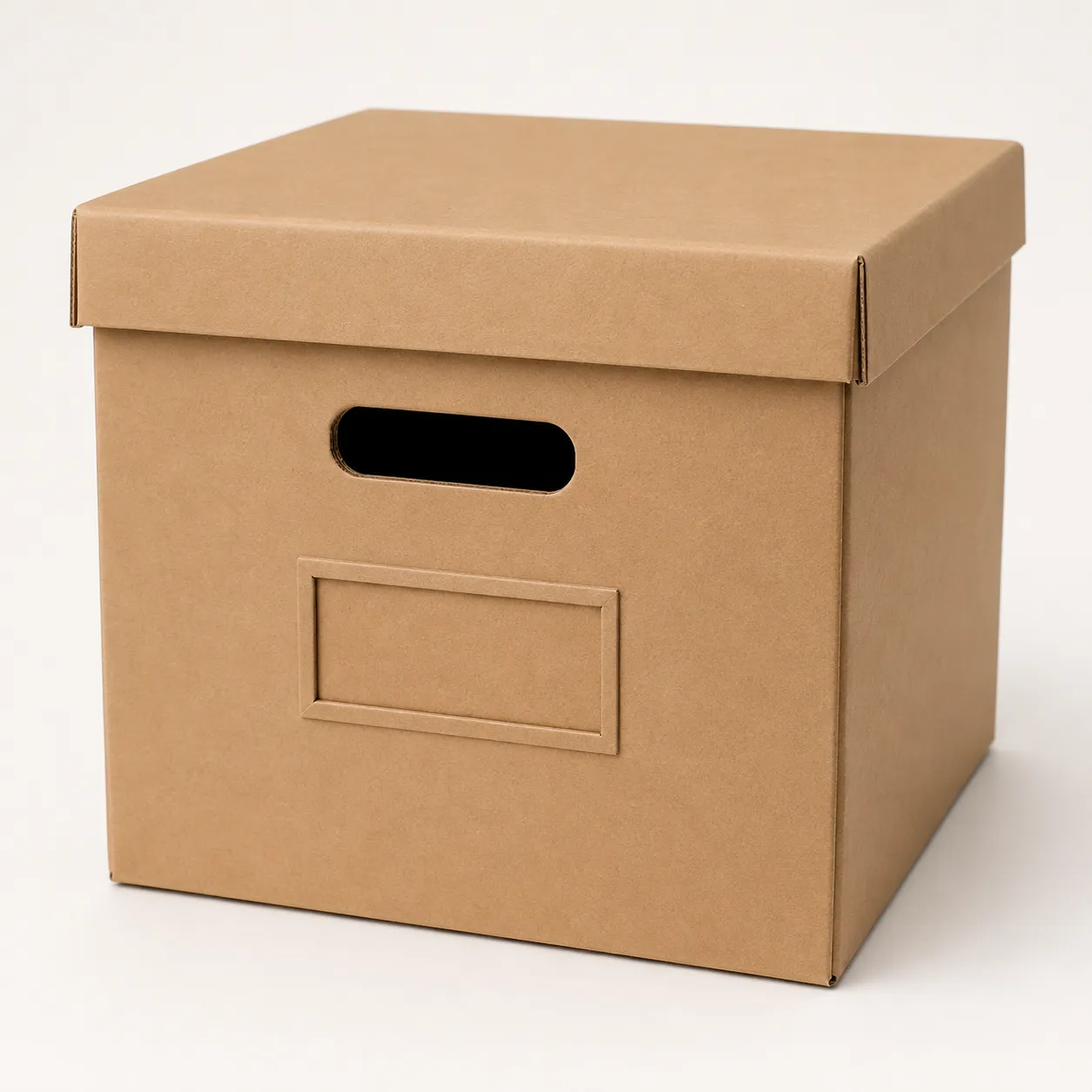
archive boxˈɑːrkaɪv bɑːks
a box used for keeping old records, papers, or documents for a long time.
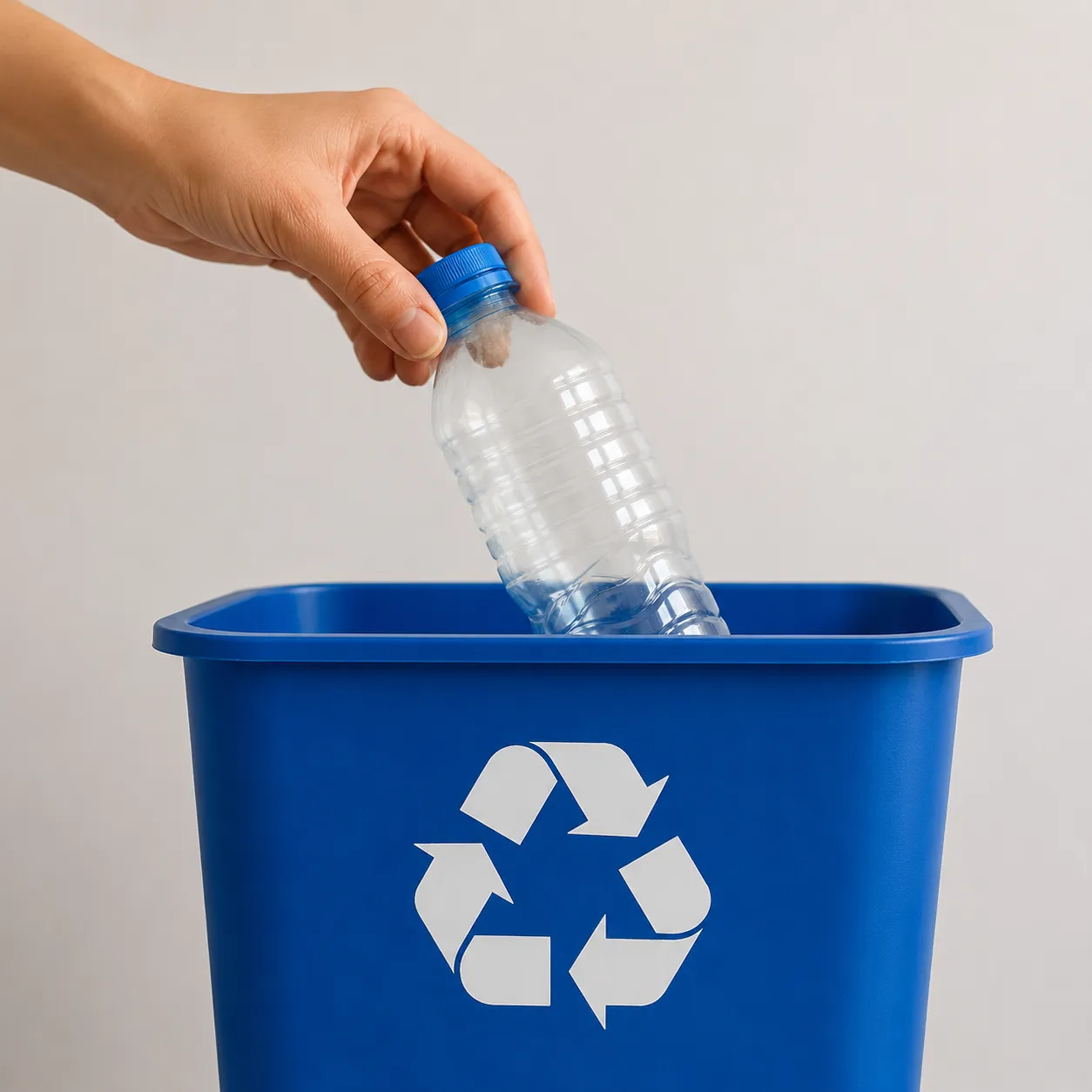
recycleˌriːˈsaɪkəl
to process used materials so they can be made into new products
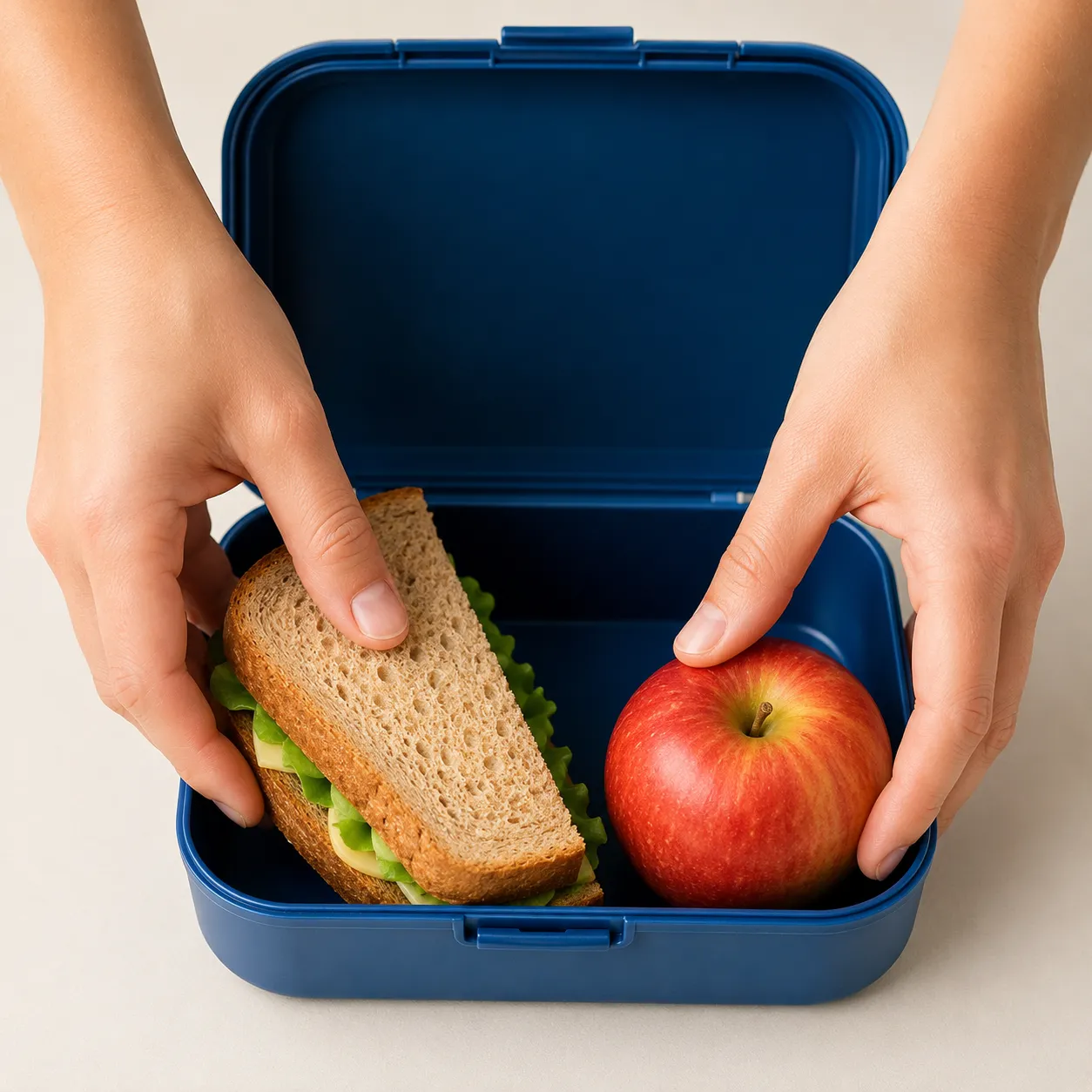
packpæk
to put items into a box, bag, or container for storage, delivery, or carrying.
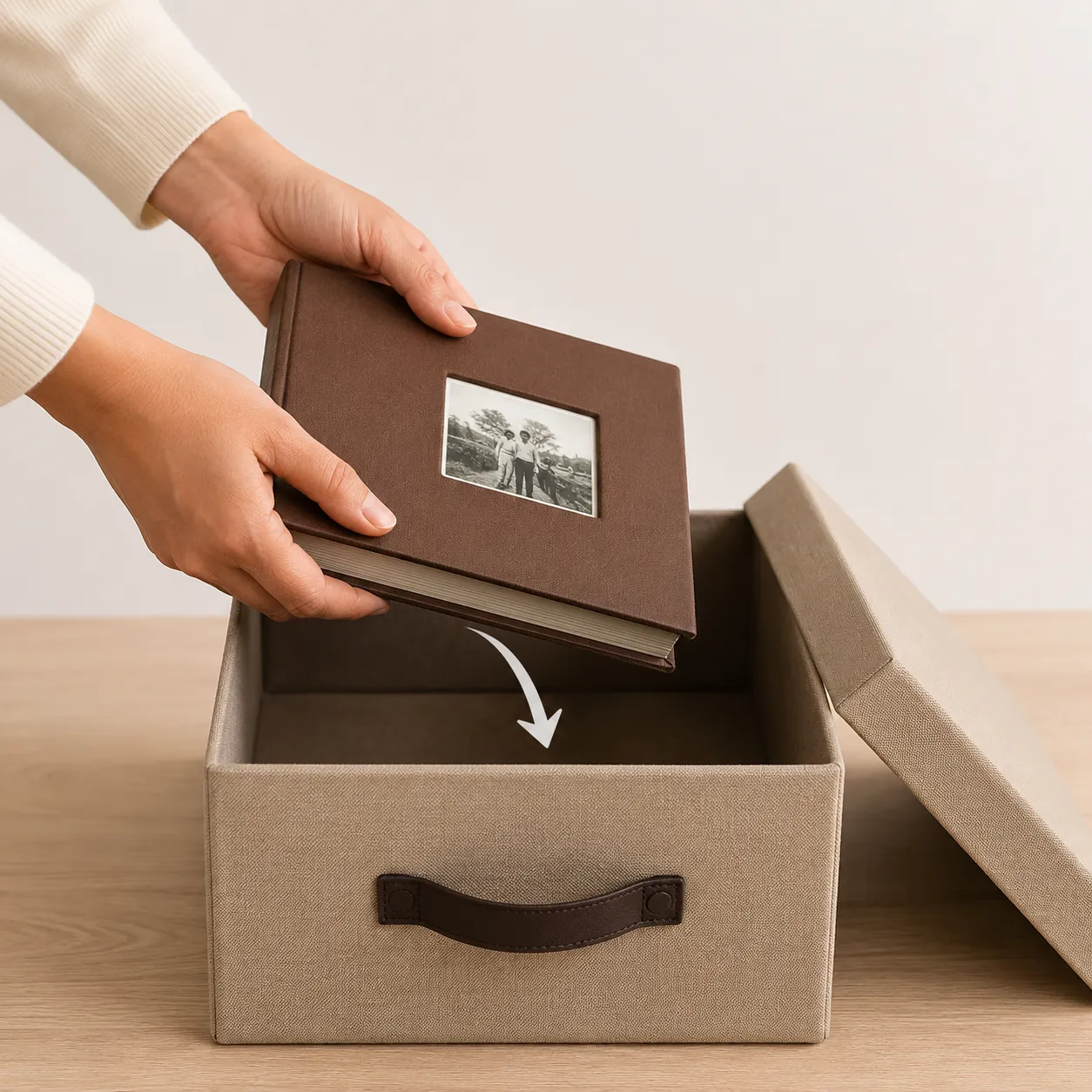
keepkiːp
to continue to have something and not lose it, sell it, give it away, or throw it away.
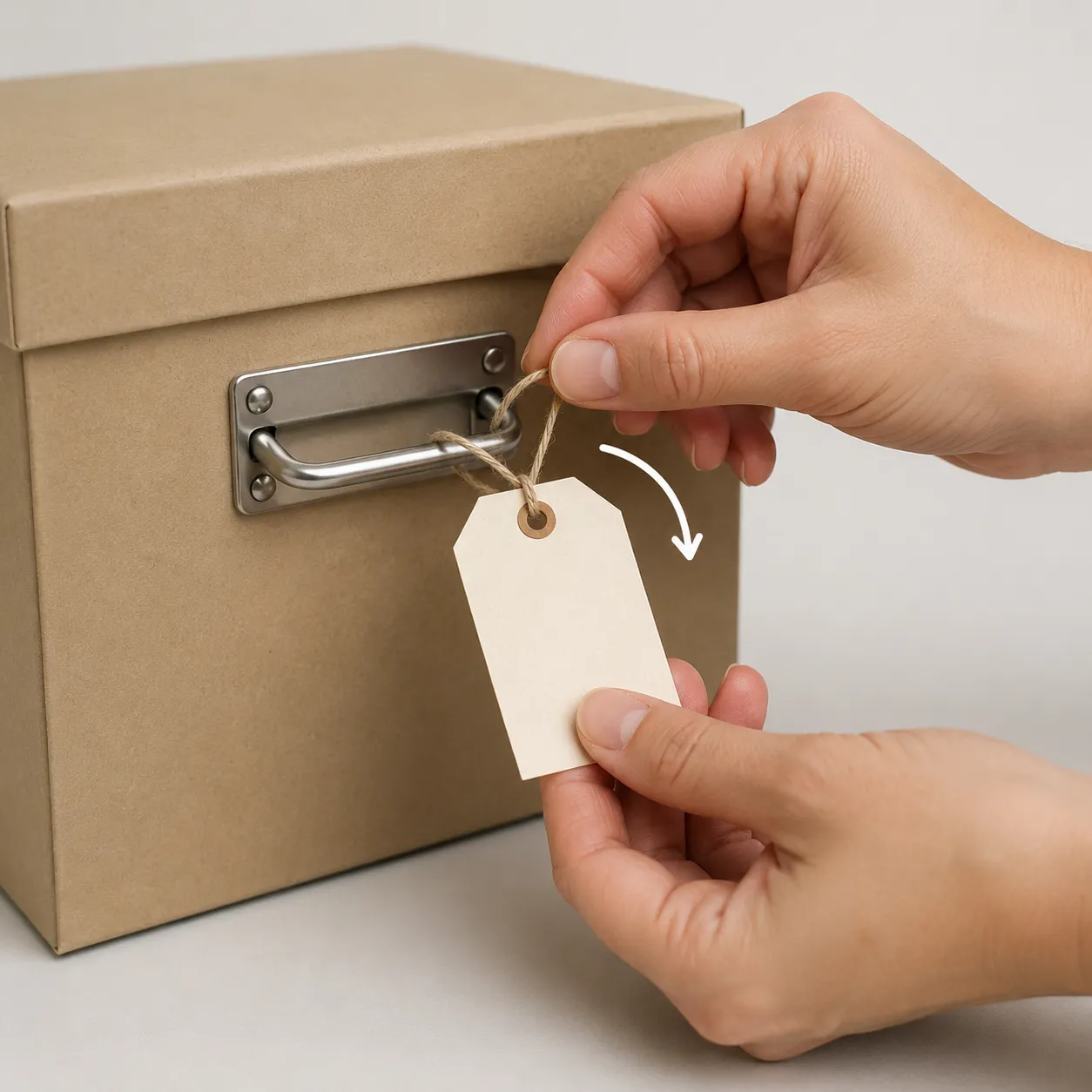
tagtæɡ
to add a keyword or marker to an item so it can be found or sorted easily.
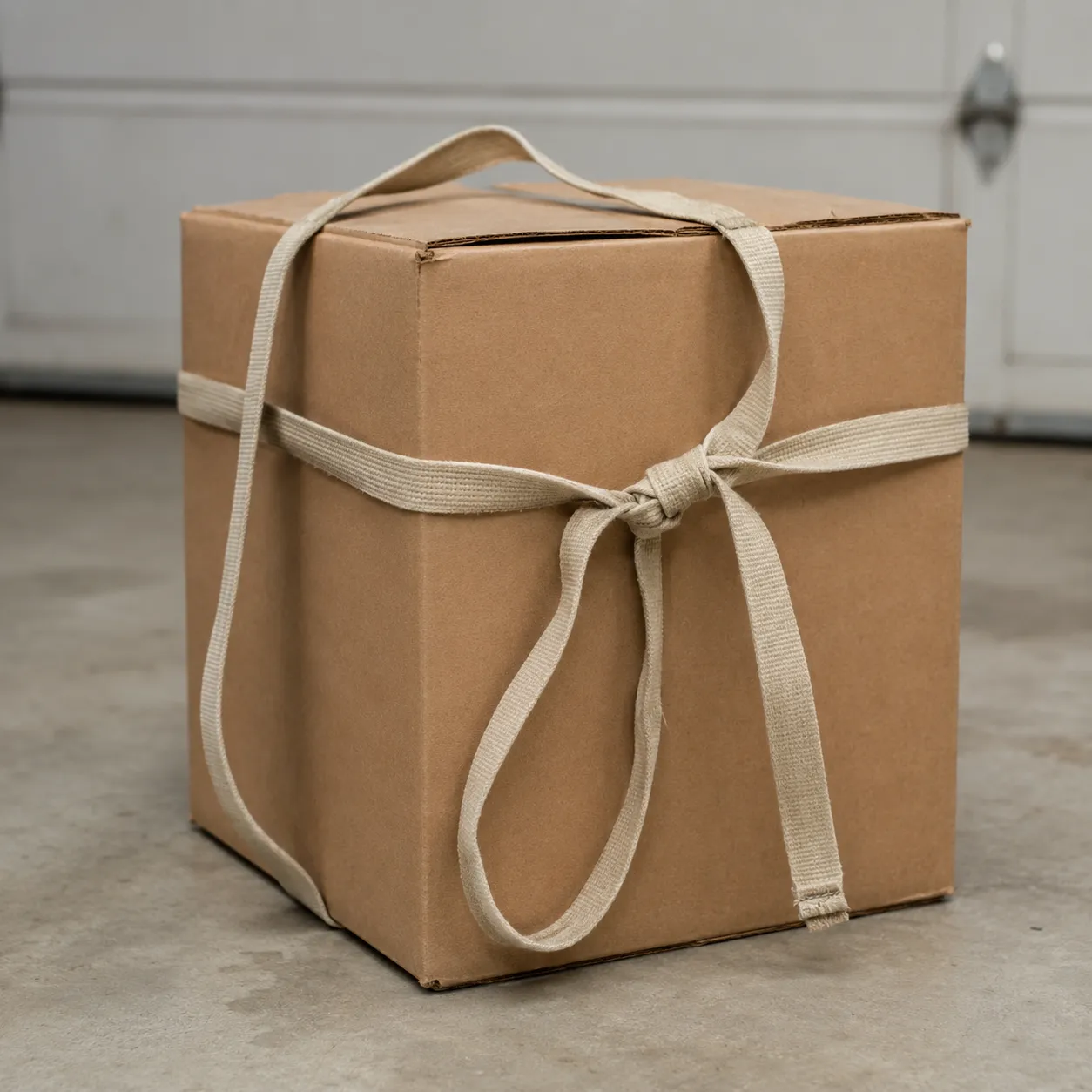
looselyˈluːsli
in a way that is not tight, firm, or closely fixed in place.
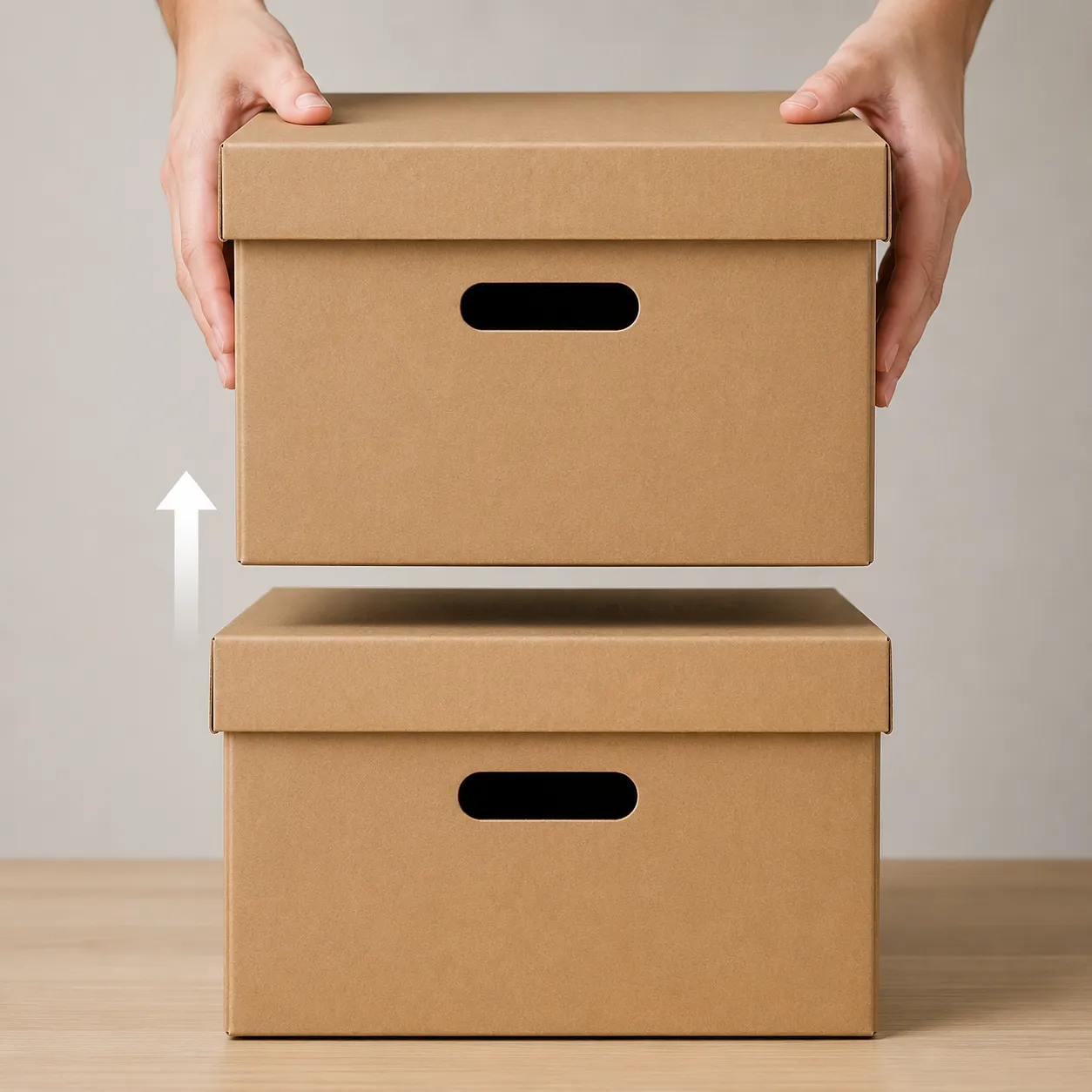
stackstæk
to place things one on top of another in a neat pile
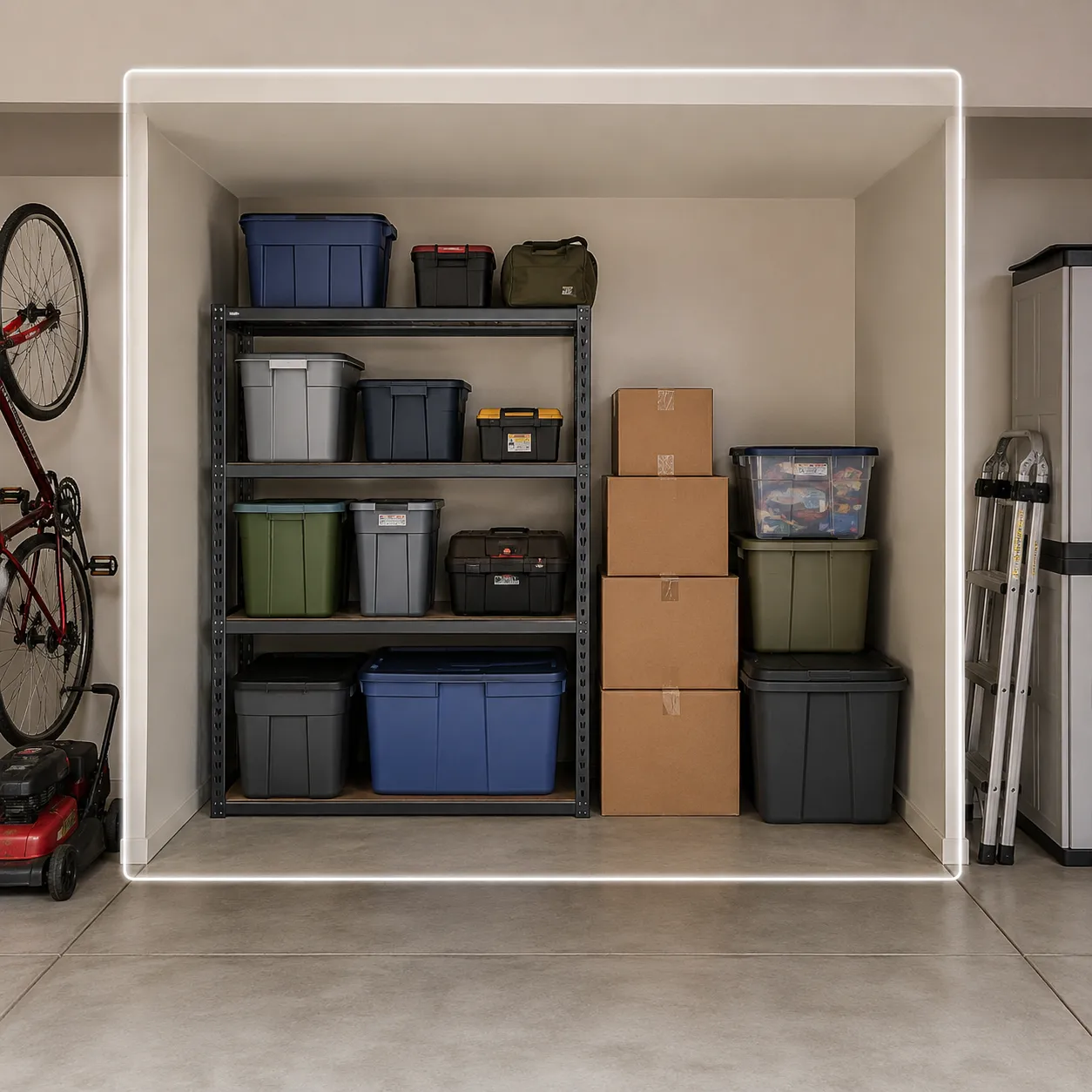
storage areaˈstɔːrɪdʒ ˈɛriə
a place in a room, building, or outside area where things are kept until they are needed.
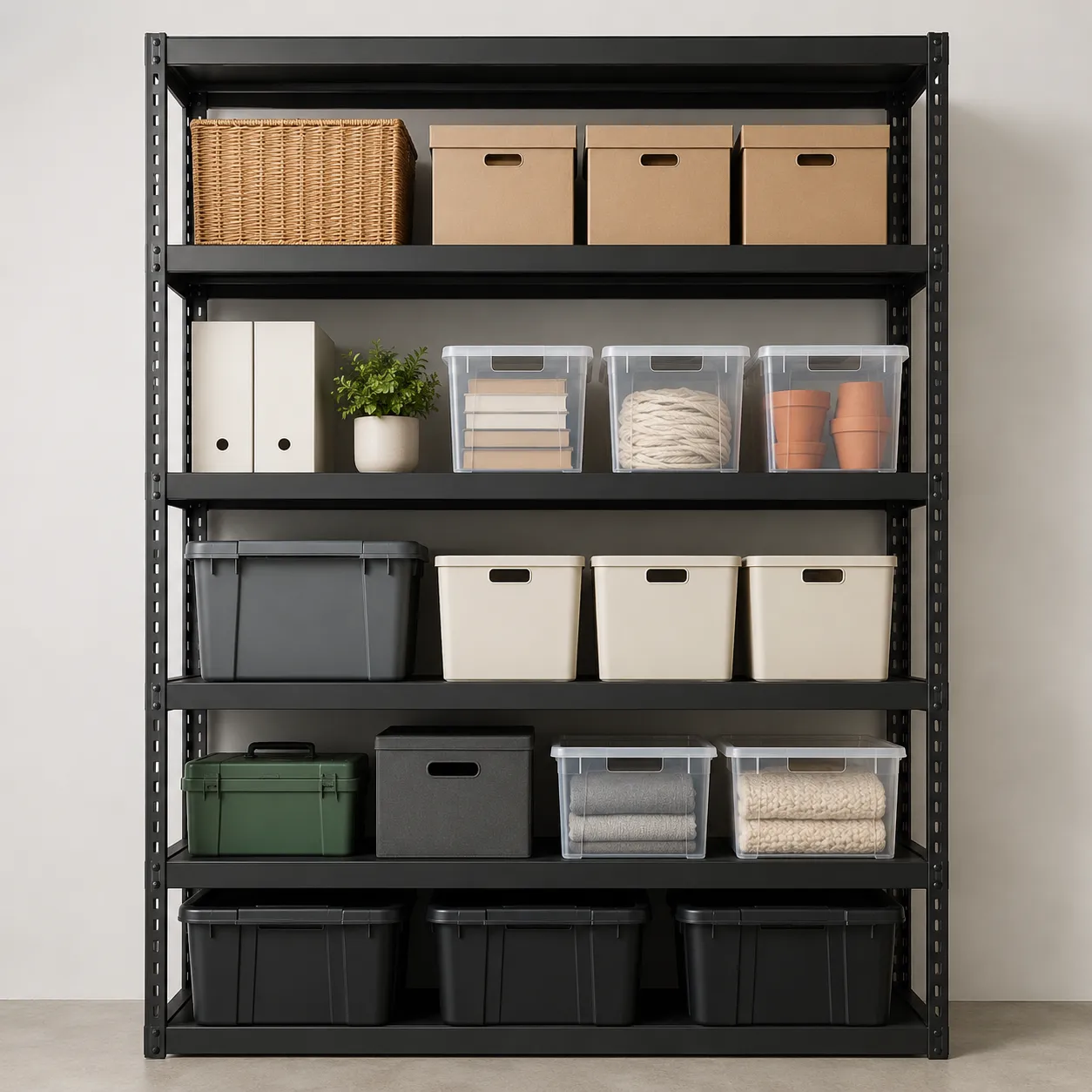
storageˈstɔːrɪdʒ
the act of keeping things in a place until they are needed, or the space used for this.
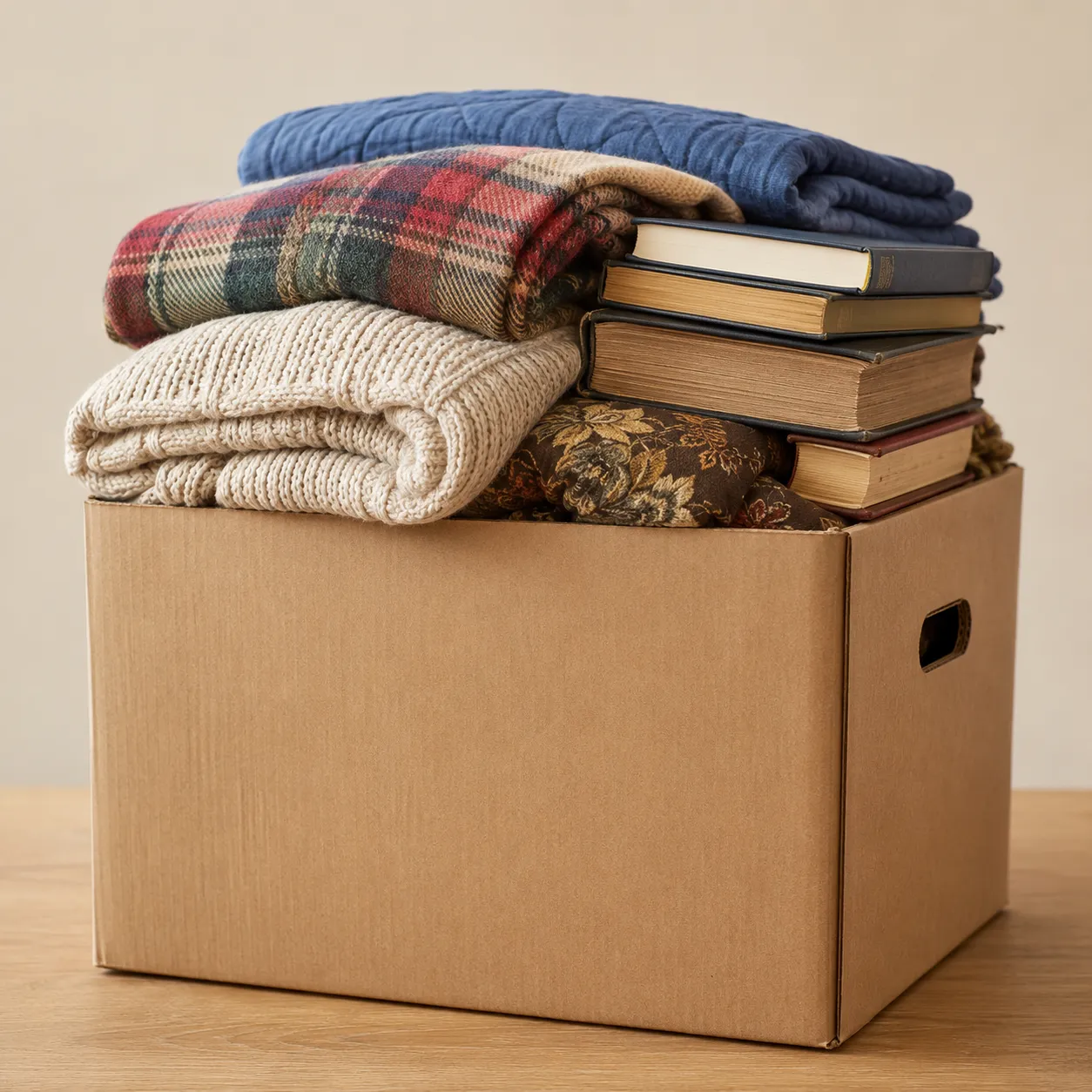
fullfʊl
containing as much or as many things as possible, with no empty space.
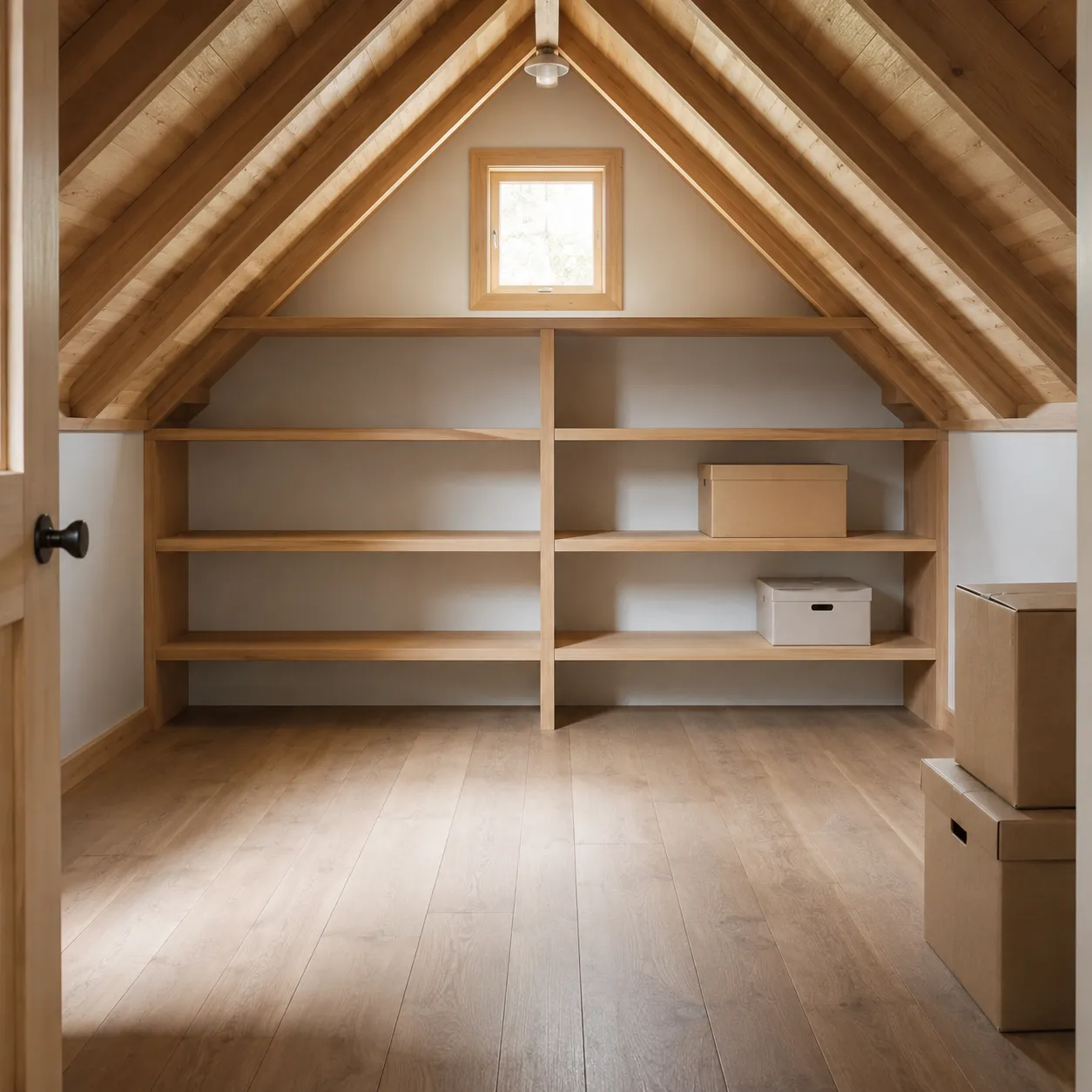
storage spaceˈstɔːrɪdʒ speɪs
the amount of room available for keeping things in a home, office, container, or device.
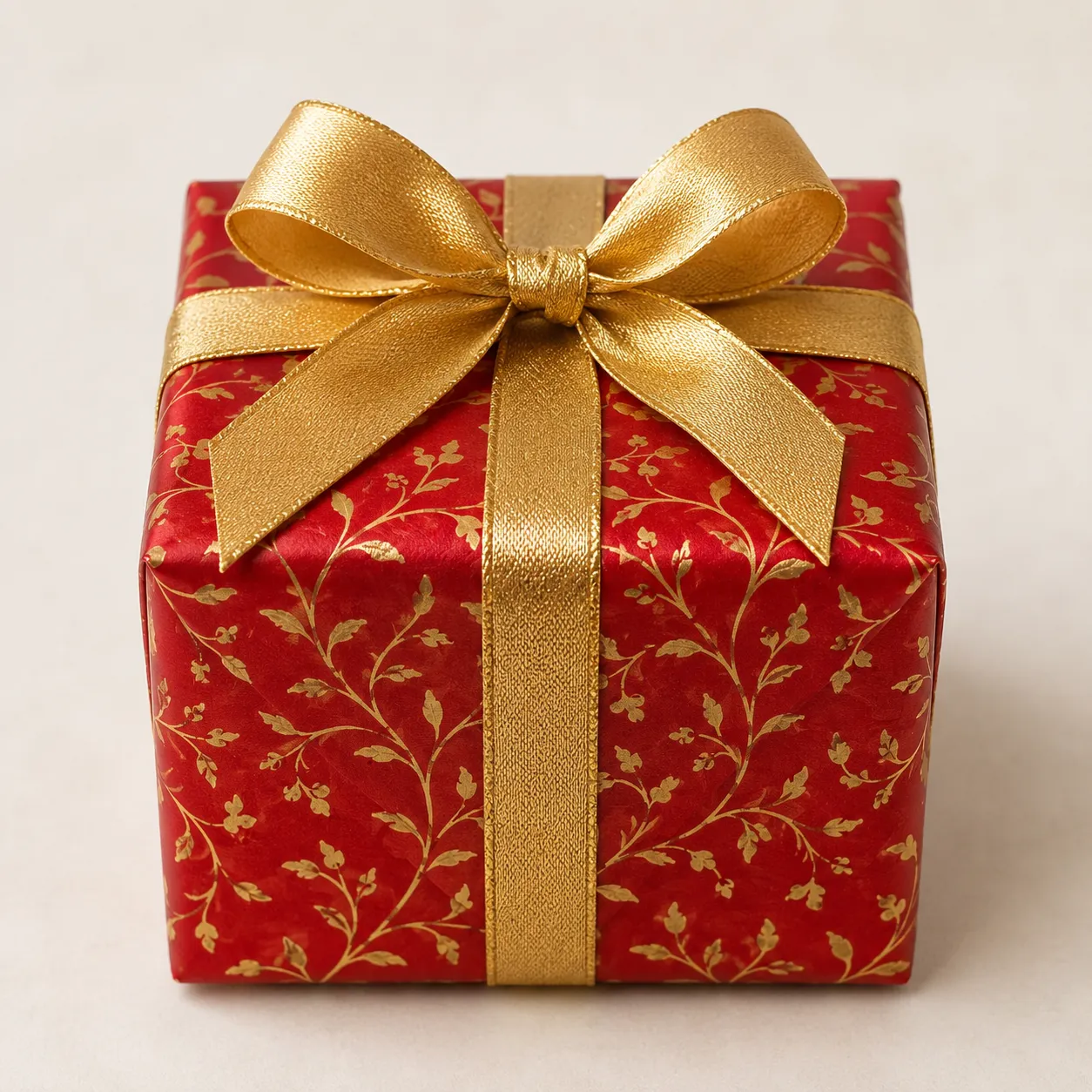
wrappedræpt
covered in paper, cloth, plastic, or another material, often to protect or hide it.
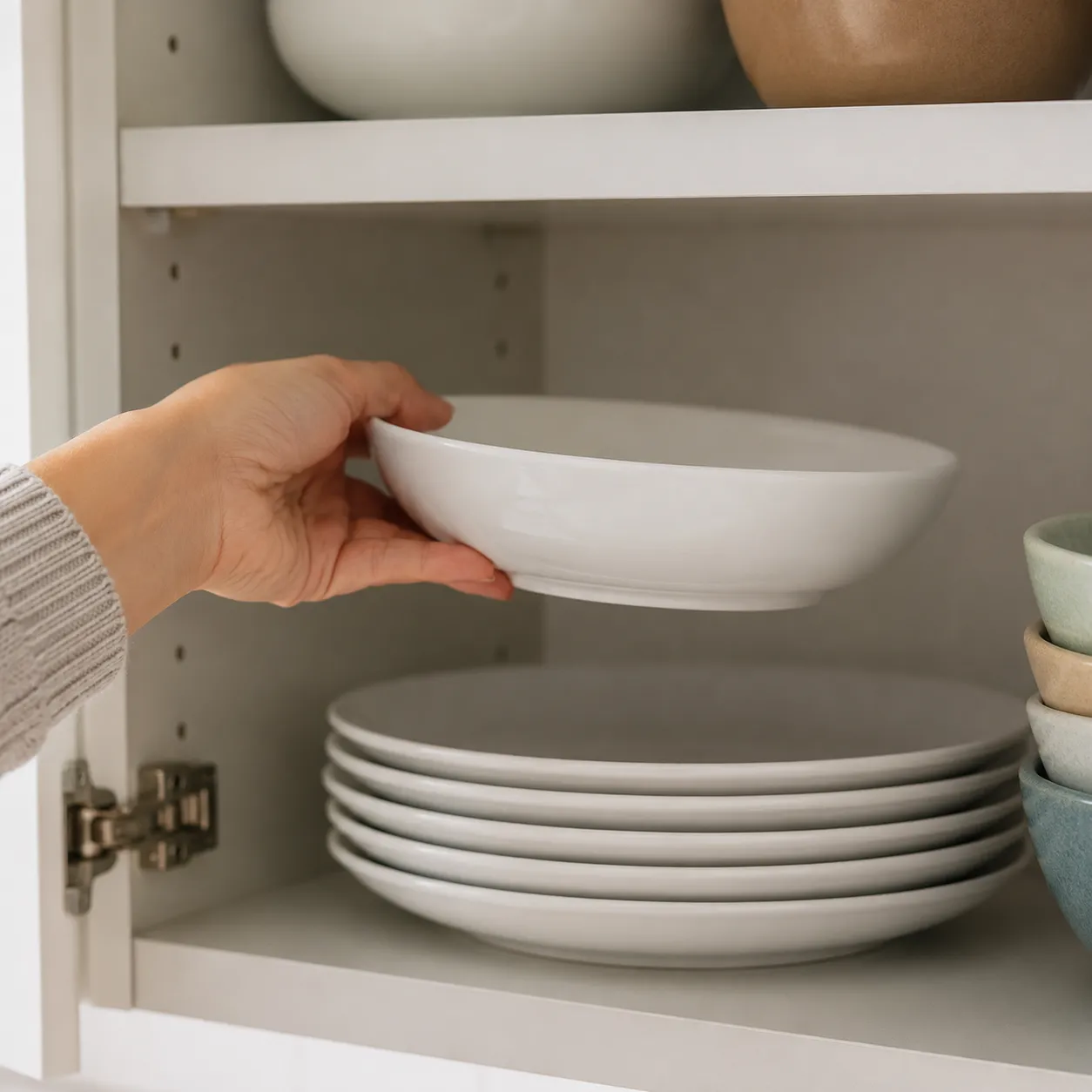
put awayˌpʊt əˈweɪ
to put something in the place where it is usually kept after using it.
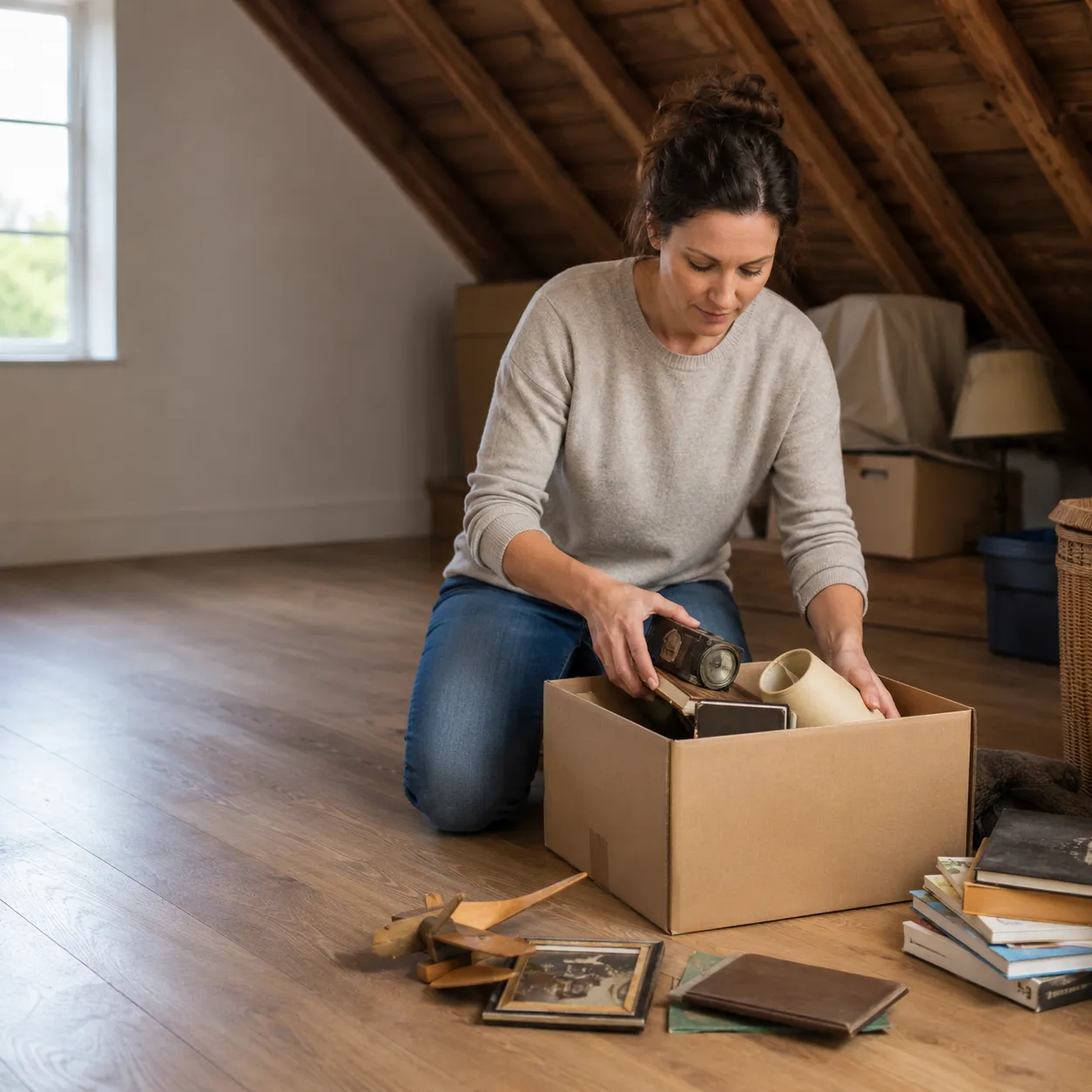
declutterdiːˈklʌtər
to make a place tidier by removing things that you do not need or use.
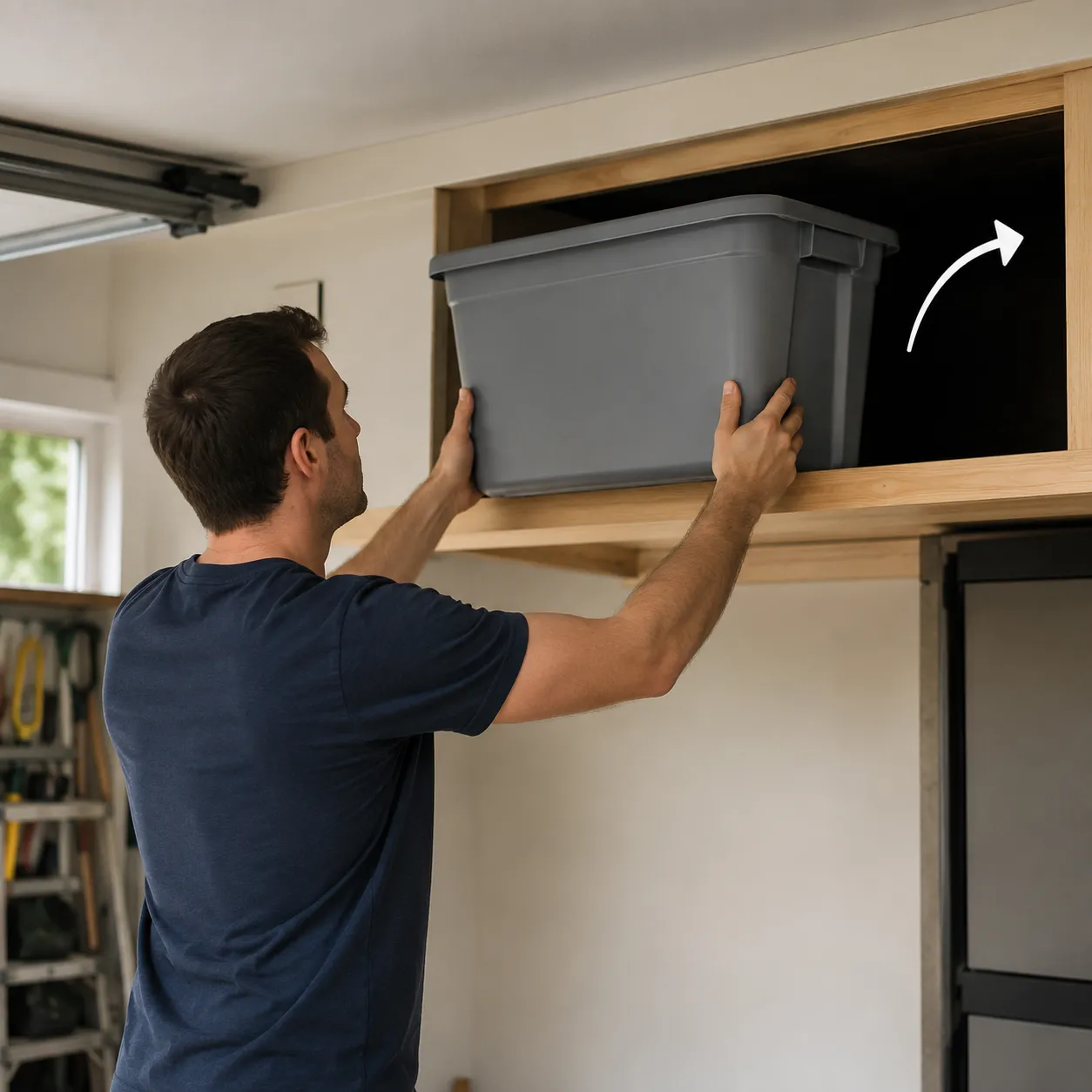
store awayˌstɔːr əˈweɪ
to put something in a place where it will be kept for later use.

donateˈdoʊneɪt
to give money, goods, or help to a person or organization, especially to help others.
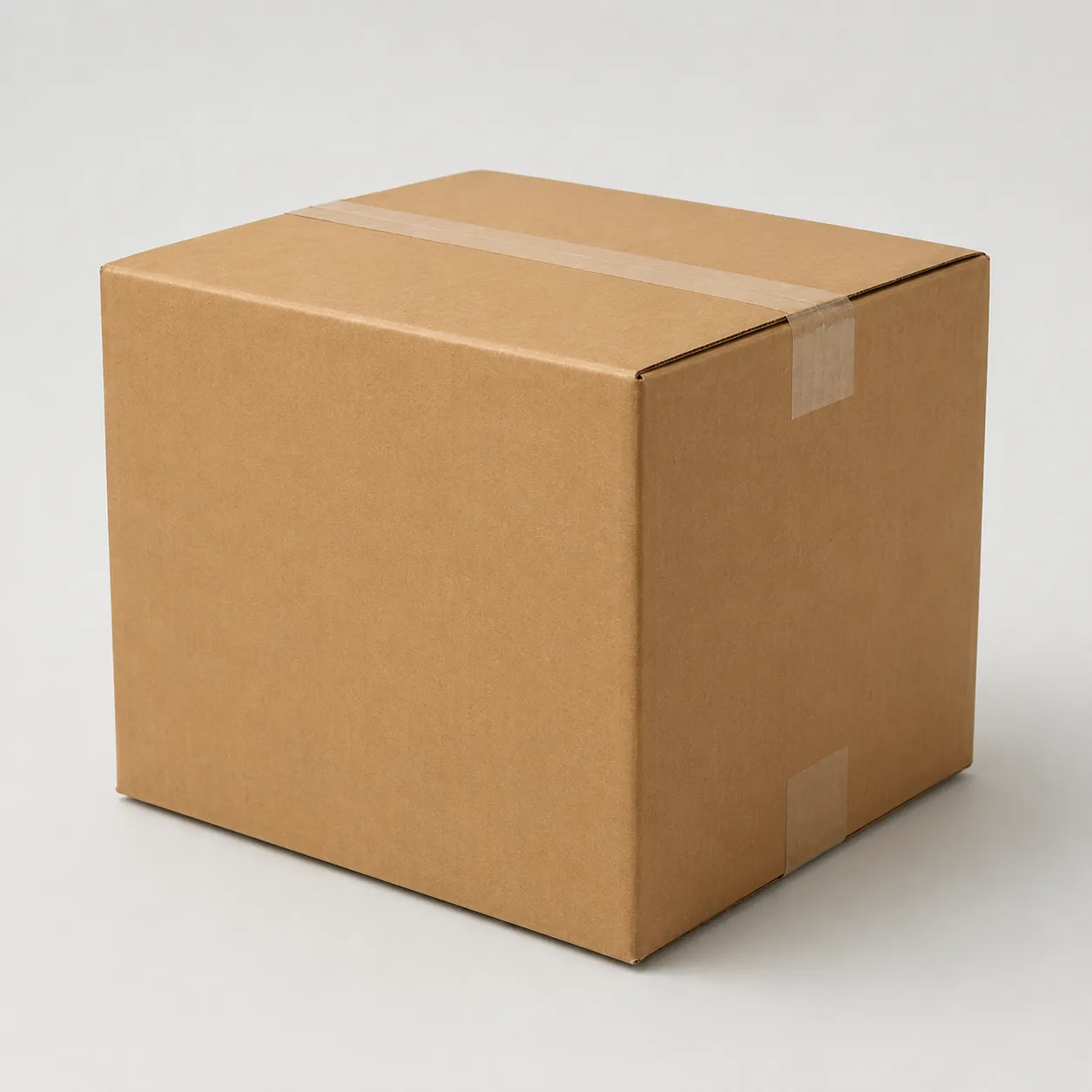
boxbɑːks
a rigid container with flat sides, usually used for storing or transporting things
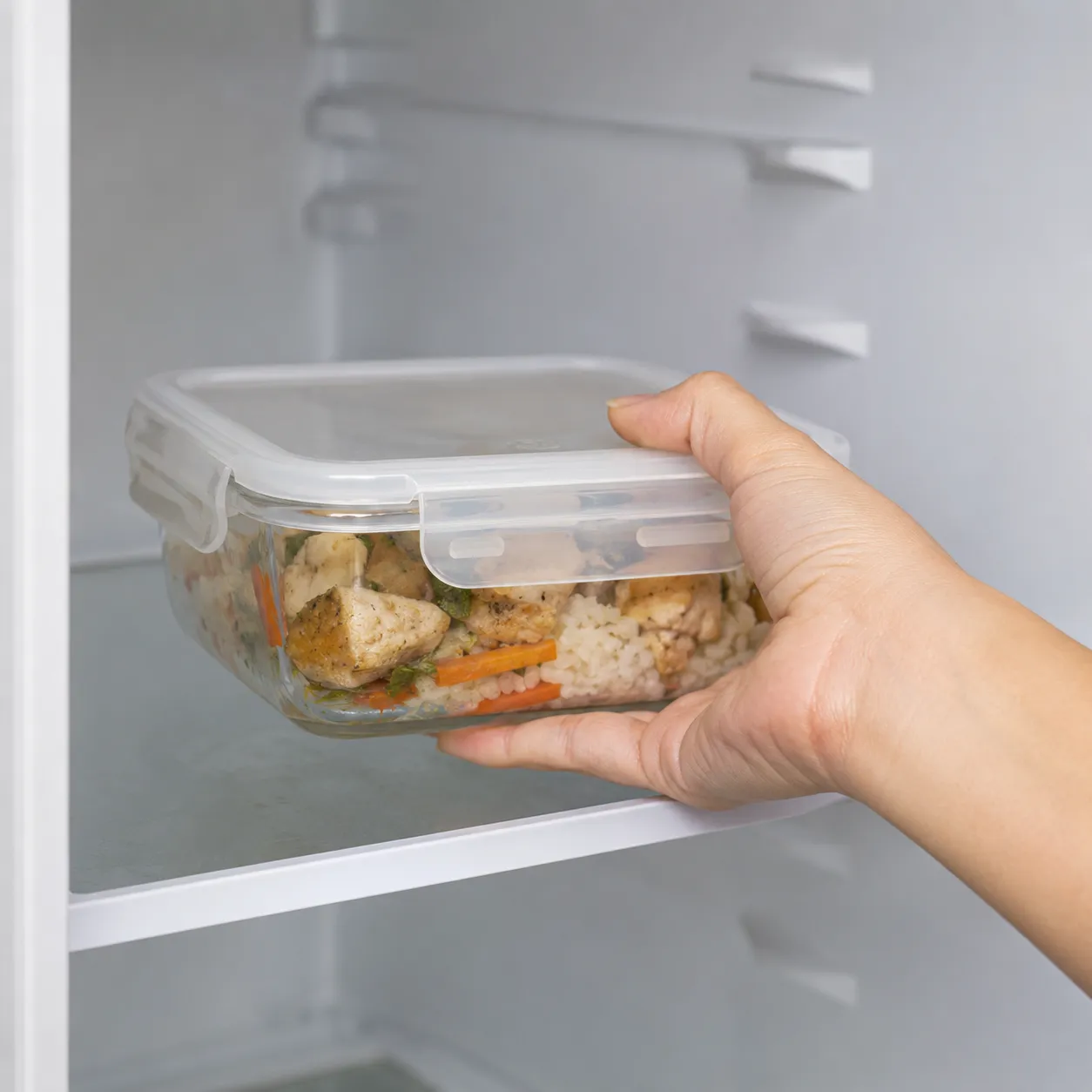
storestɔːr
to keep or collect something in a place until it is needed later.
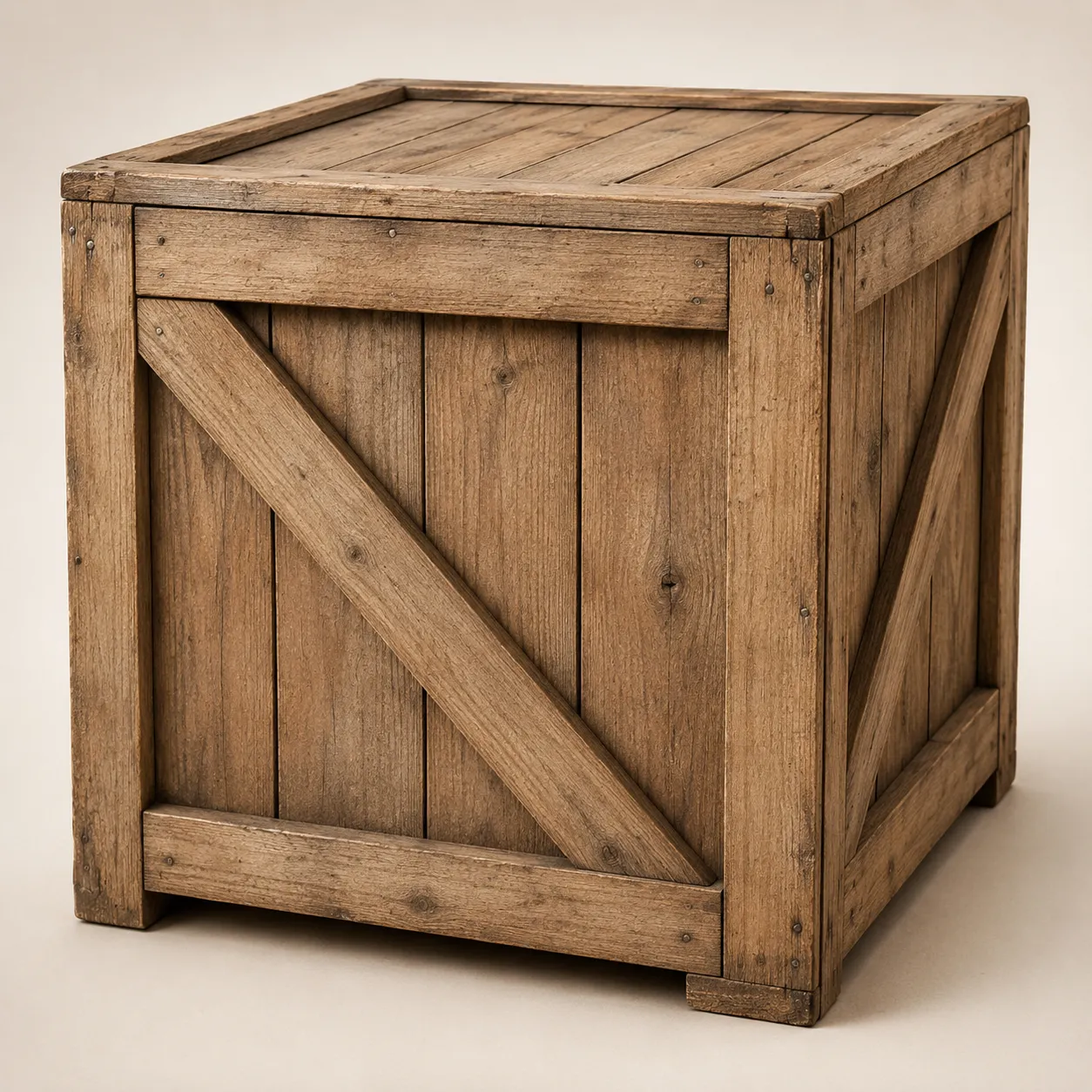
cratekreɪt
a strong box or open container used for storing, carrying, or transporting goods or bottles
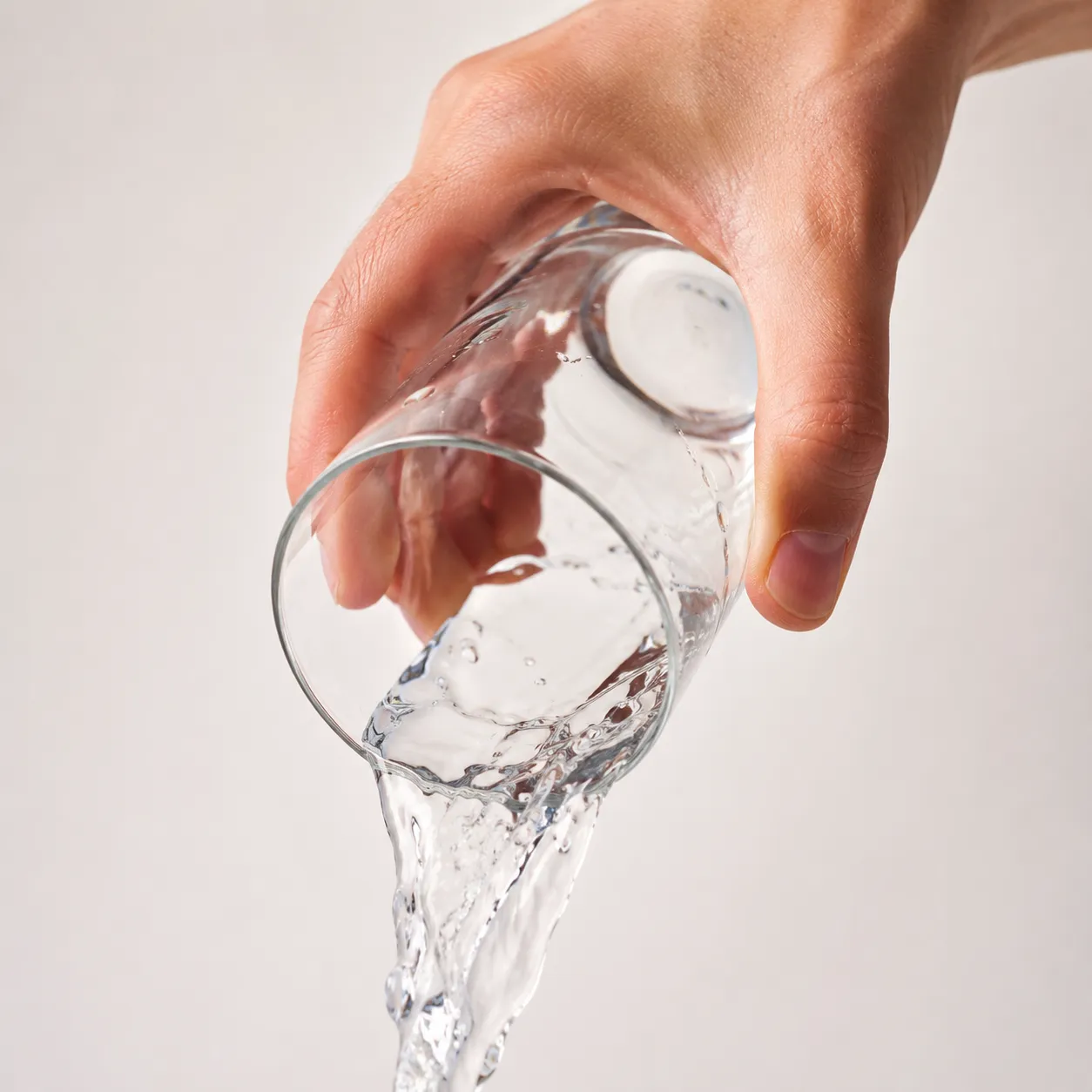
emptyˈempti
to remove everything from a container, bin, or space.
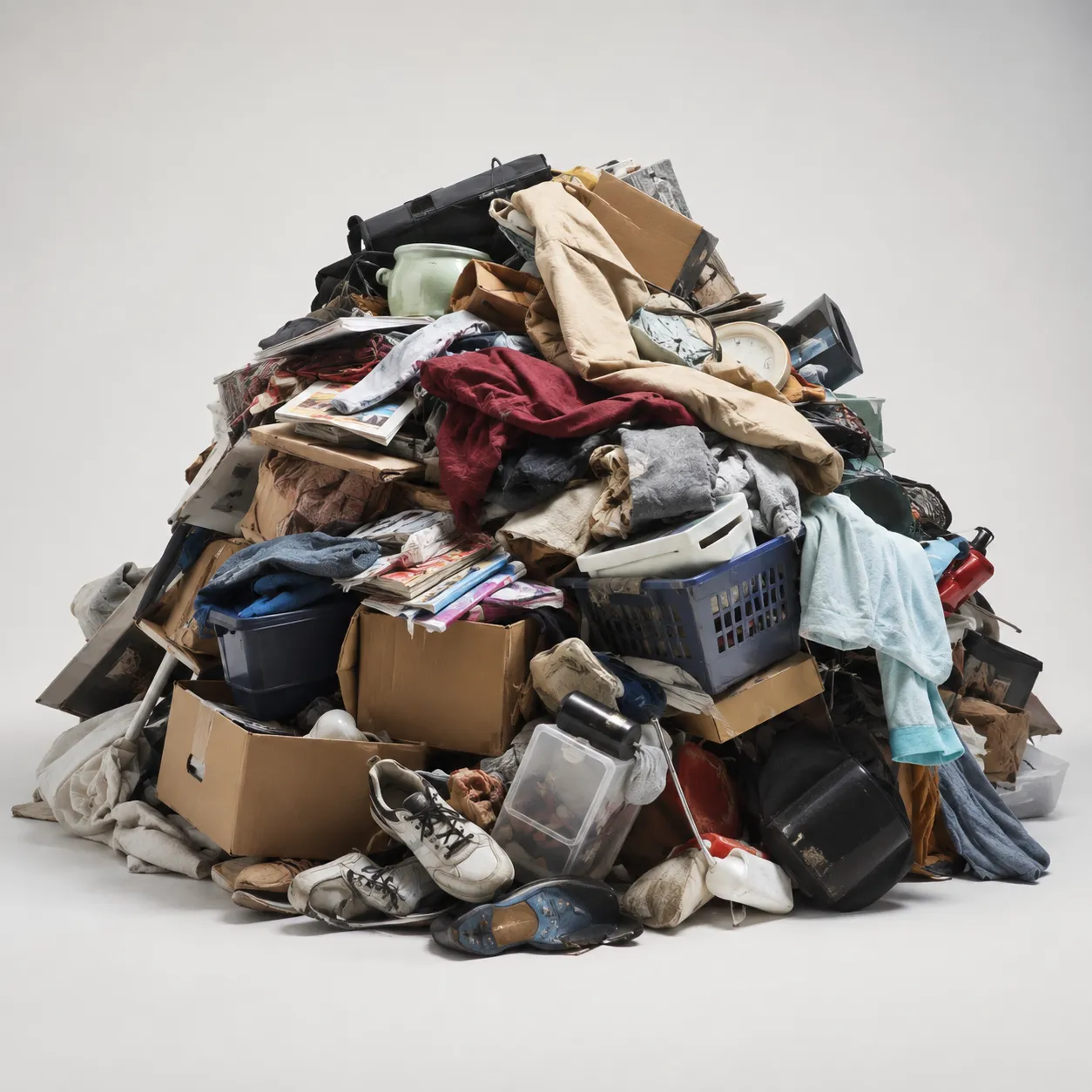
clutterˈklʌtər
a lot of things lying around in an untidy way, especially things that are not needed.
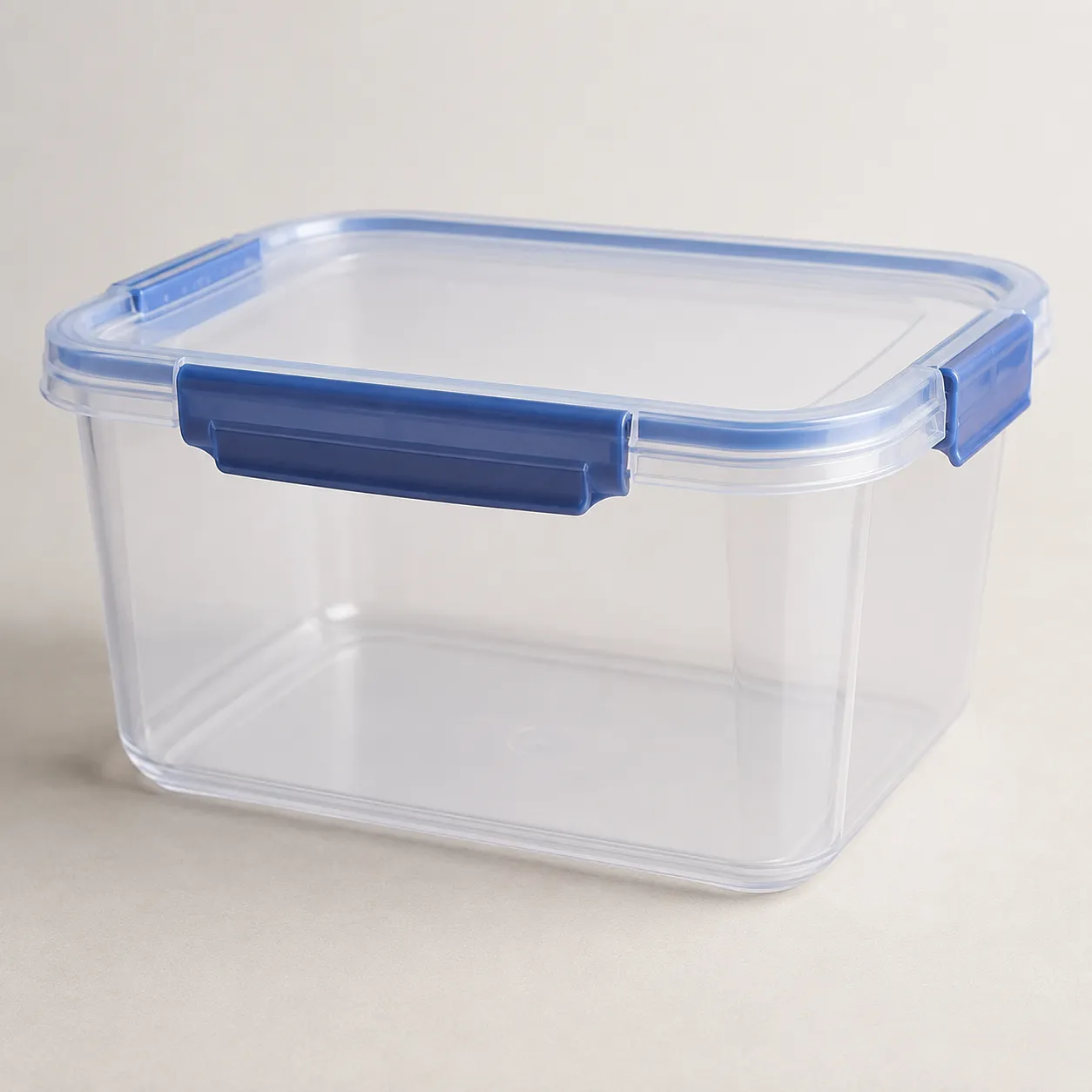
containerkənˈteɪnər
an object used to hold, store, or transport something.

inspectɪnˈspɛkt
to look at something carefully in order to check that it is safe, correct, or in good condition.
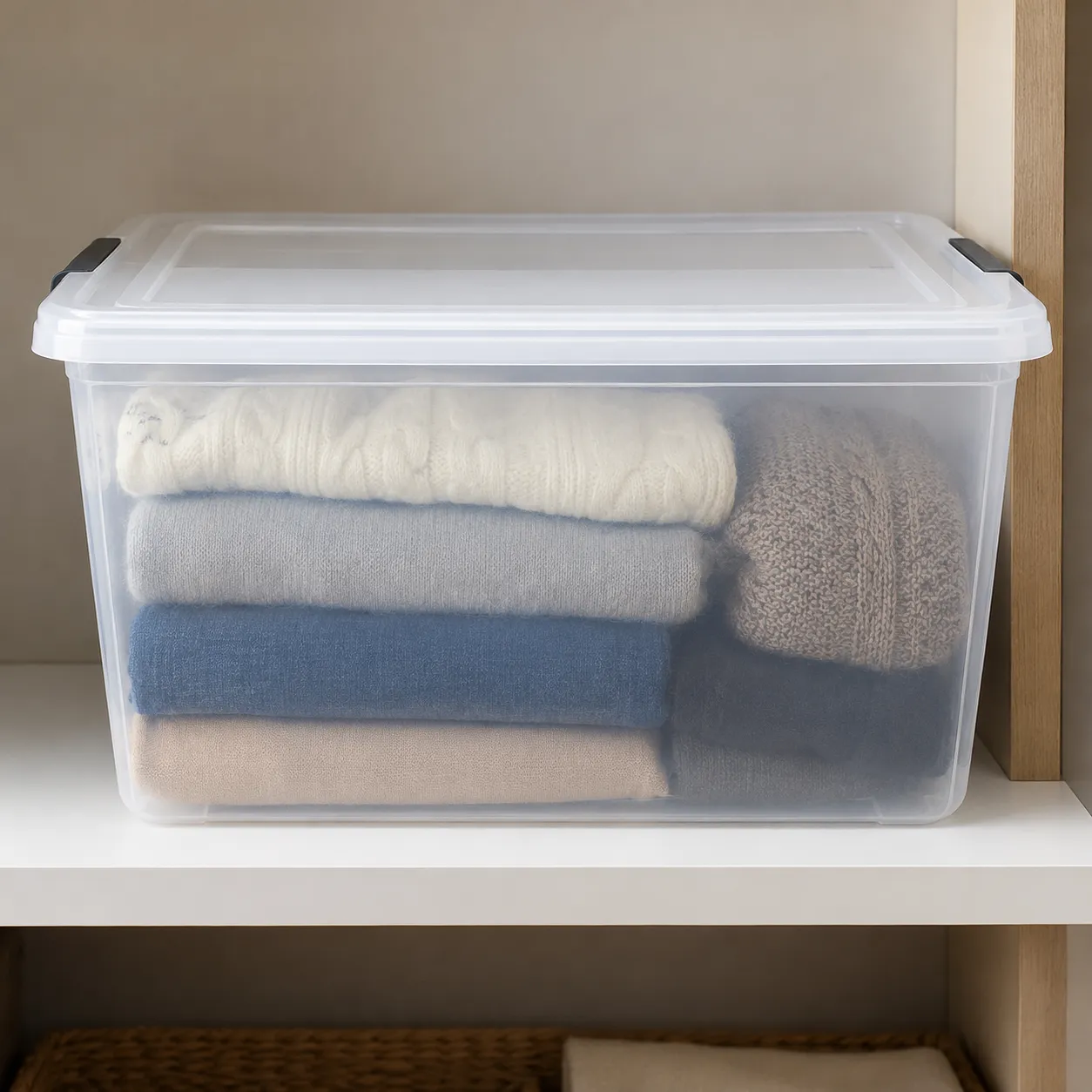
storedstɔːrd
kept in a particular place so it can be used or found later.
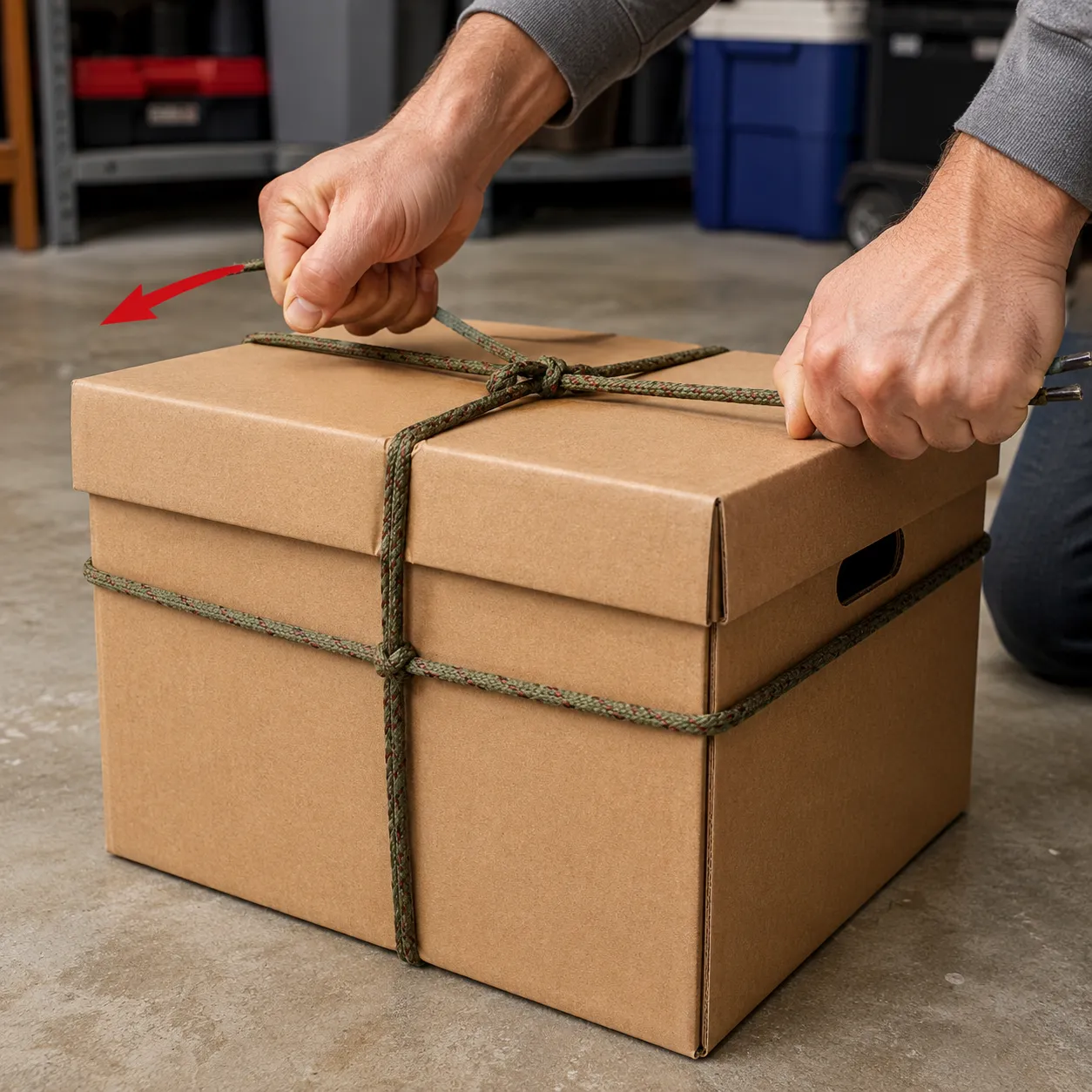
tightlyˈtaɪtli
in a firm or close way, with little or no space to move.
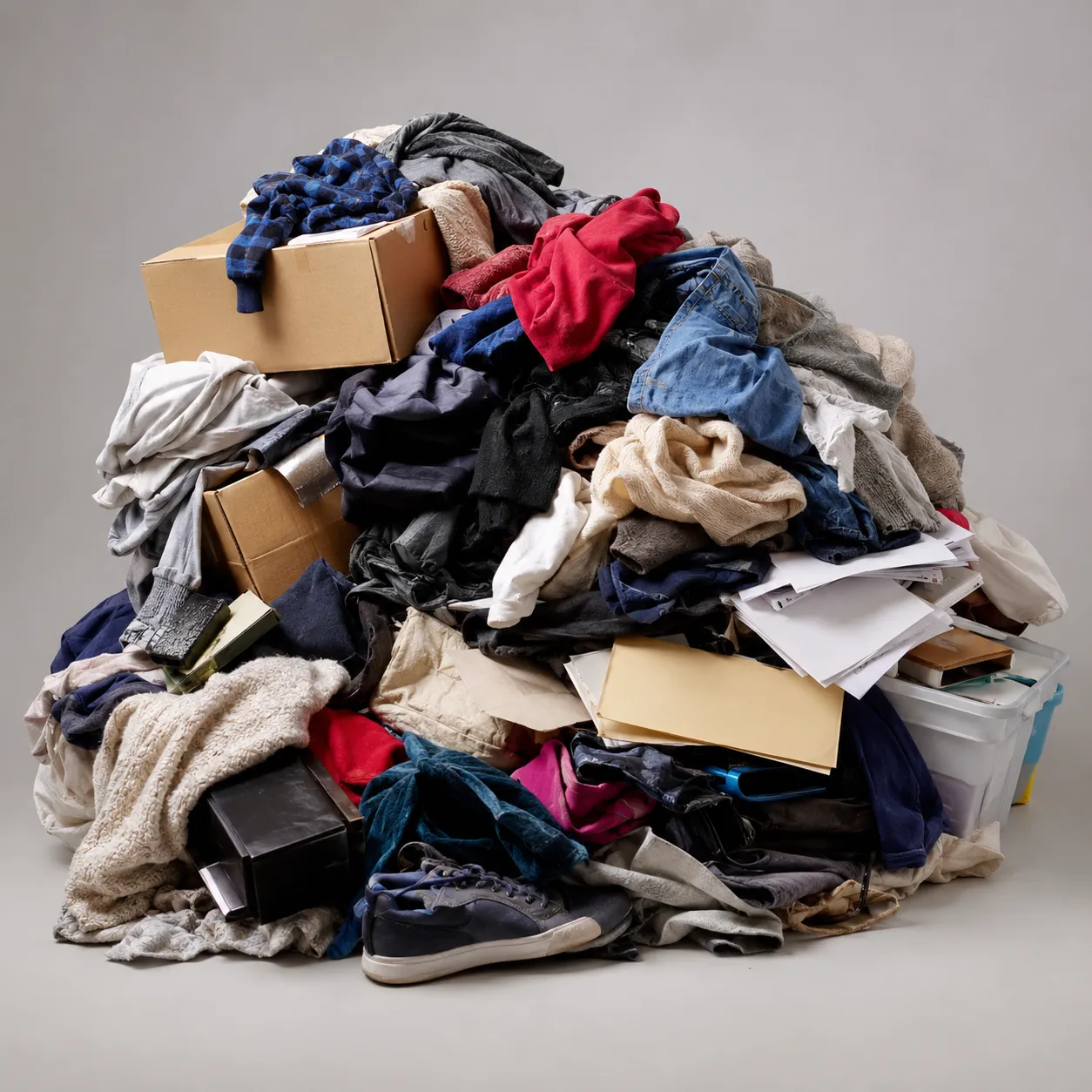
messmɛs
a dirty or untidy state, or a place that is dirty or untidy.
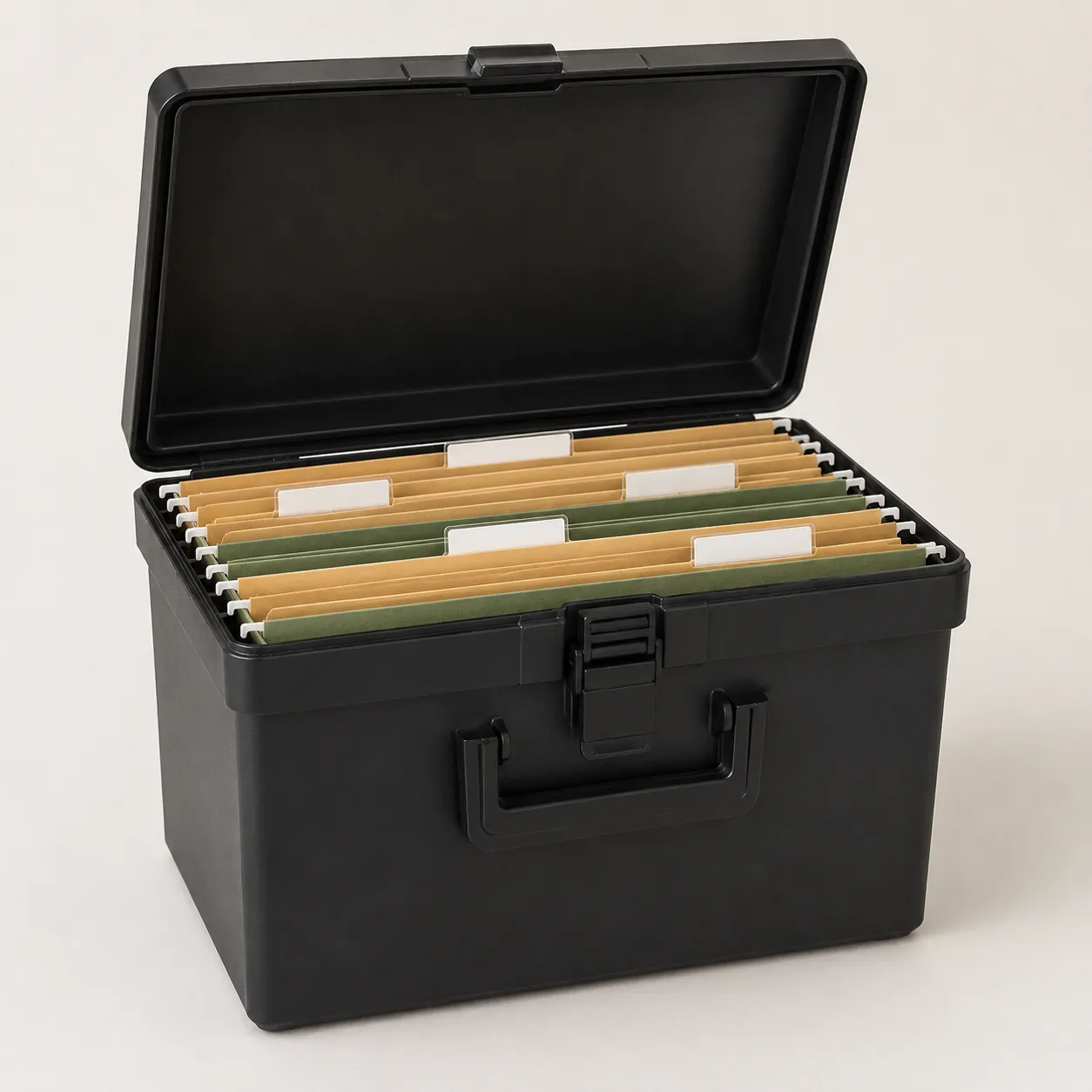
file boxˈfaɪl bɑːks
a box used for storing and organizing files, folders, or papers.
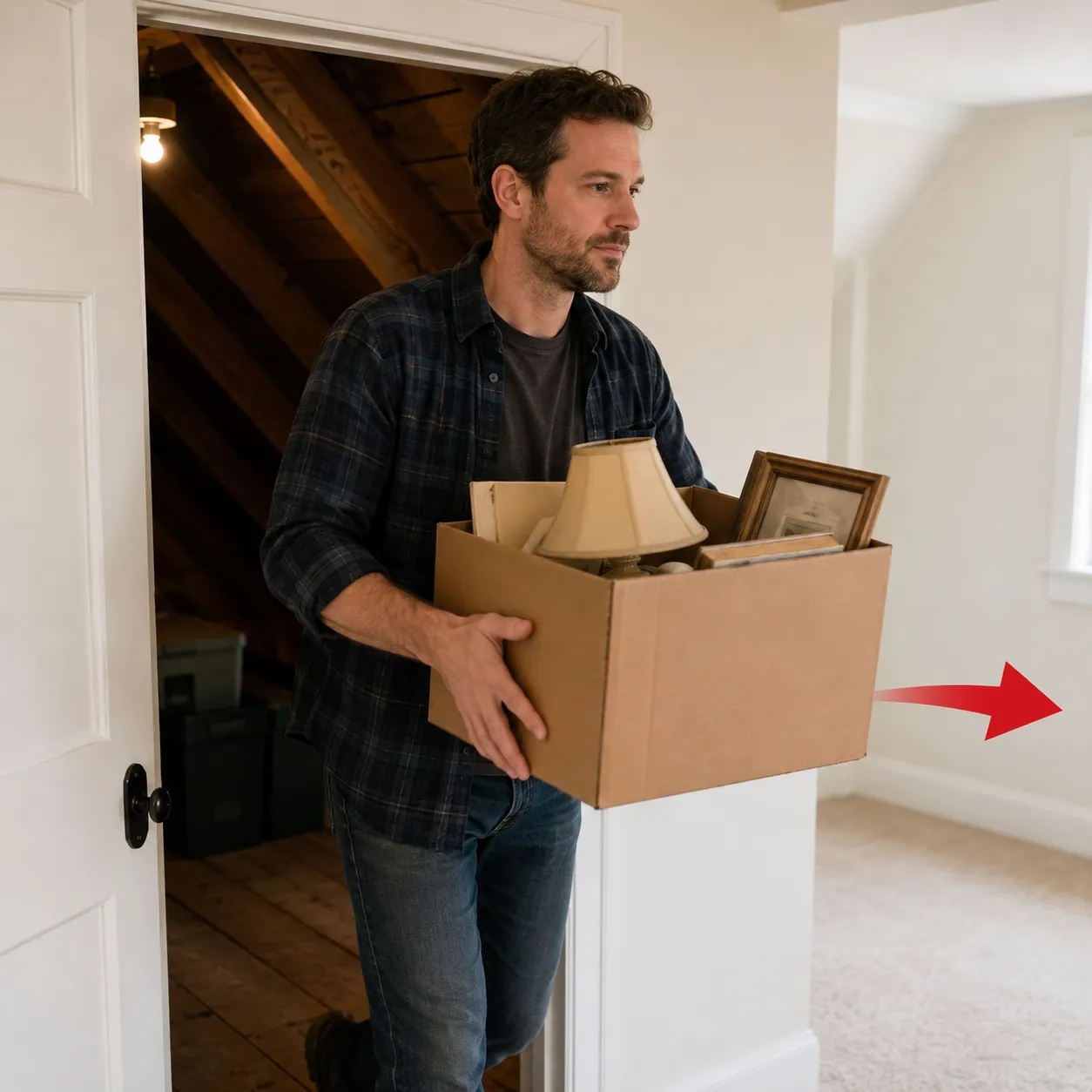
clear outklɪr ˈaʊt
to remove unwanted things from a place so that it becomes empty, tidy, or cleaner.
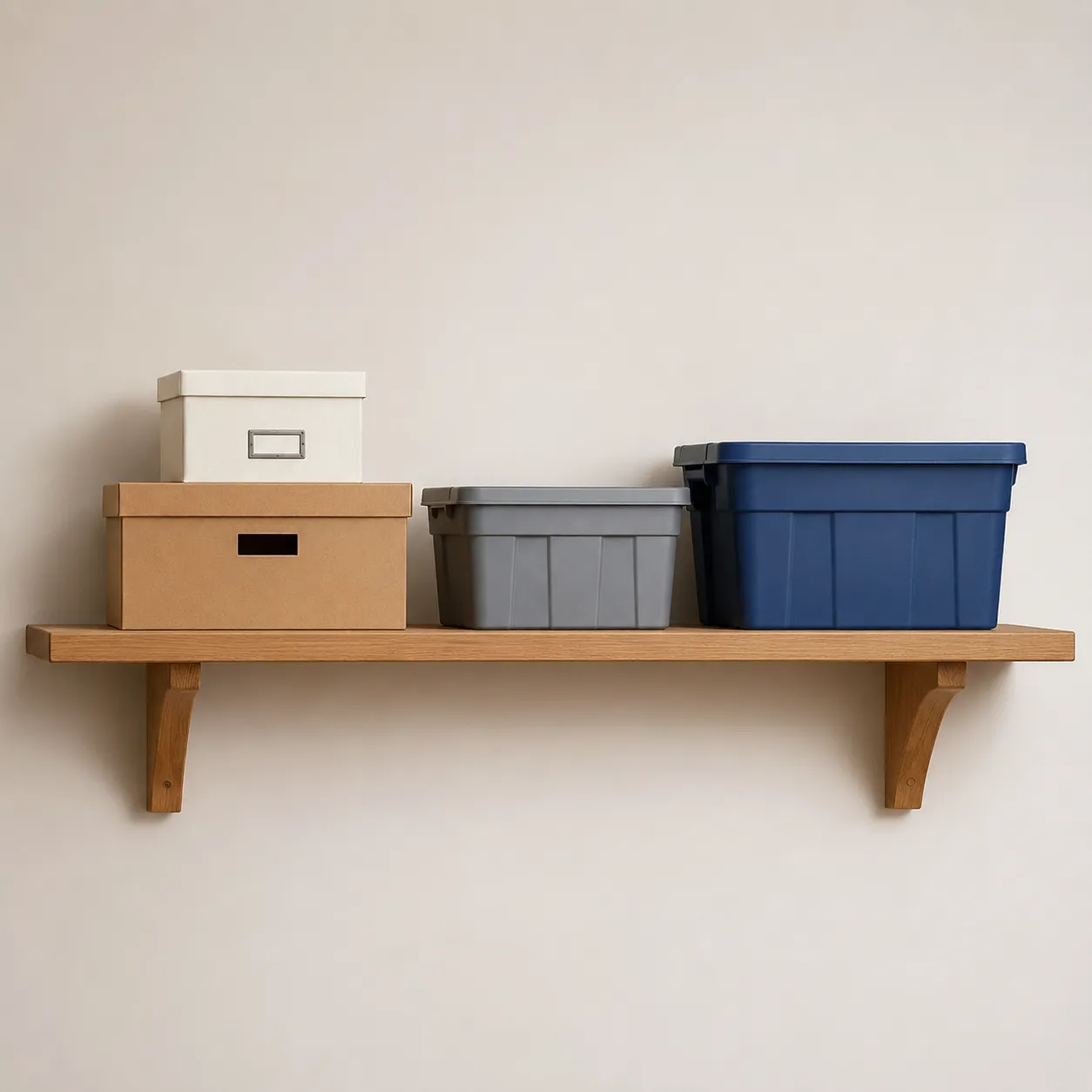
storage shelfˈstɔːrɪdʒ ʃɛlf
a flat shelf used for keeping boxes, tools, supplies, or other stored items organized.
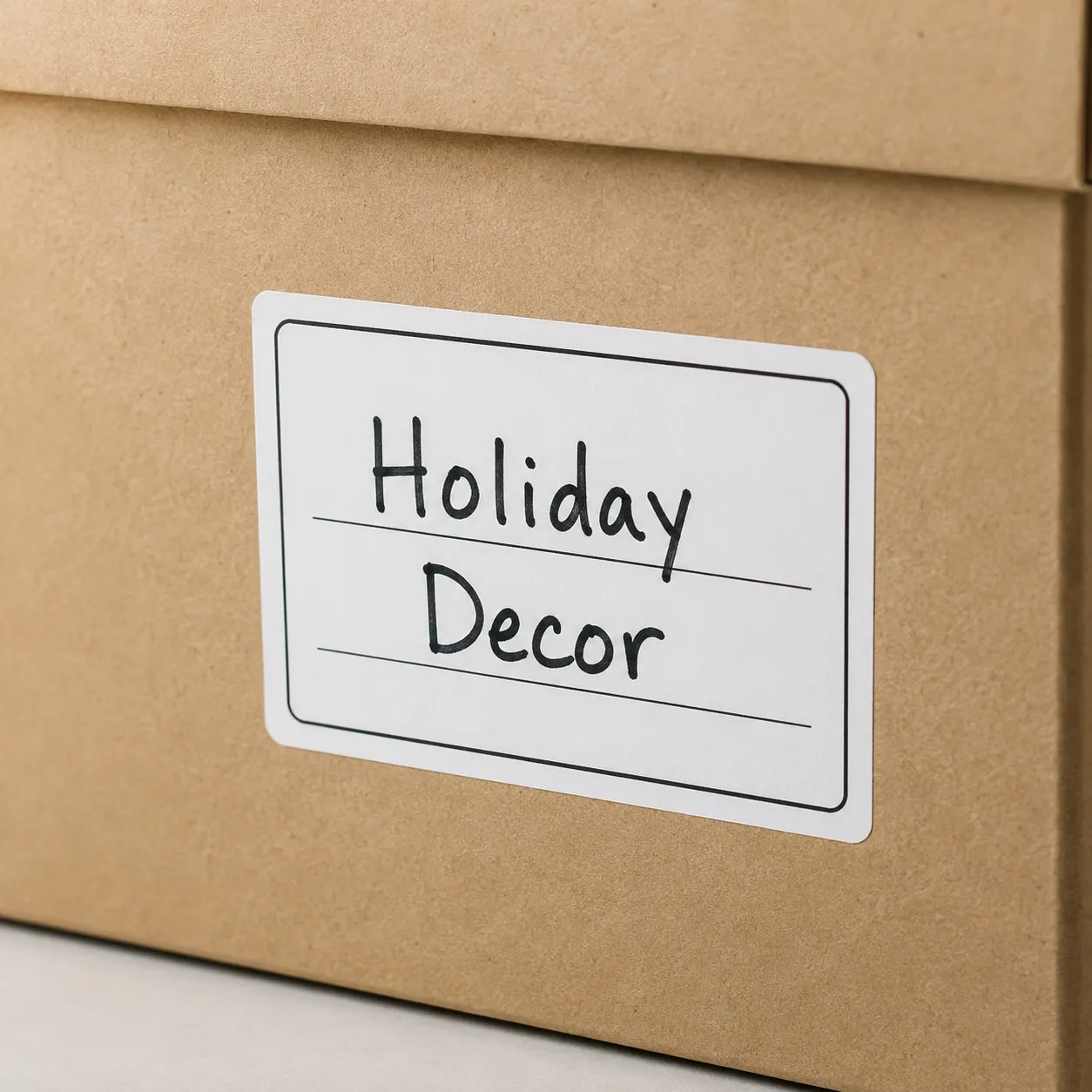
storage labelˈstɔːrɪdʒ ˈleɪbəl
a piece of paper, sticker, or tag that shows what is kept in a box, container, shelf, or storage place.
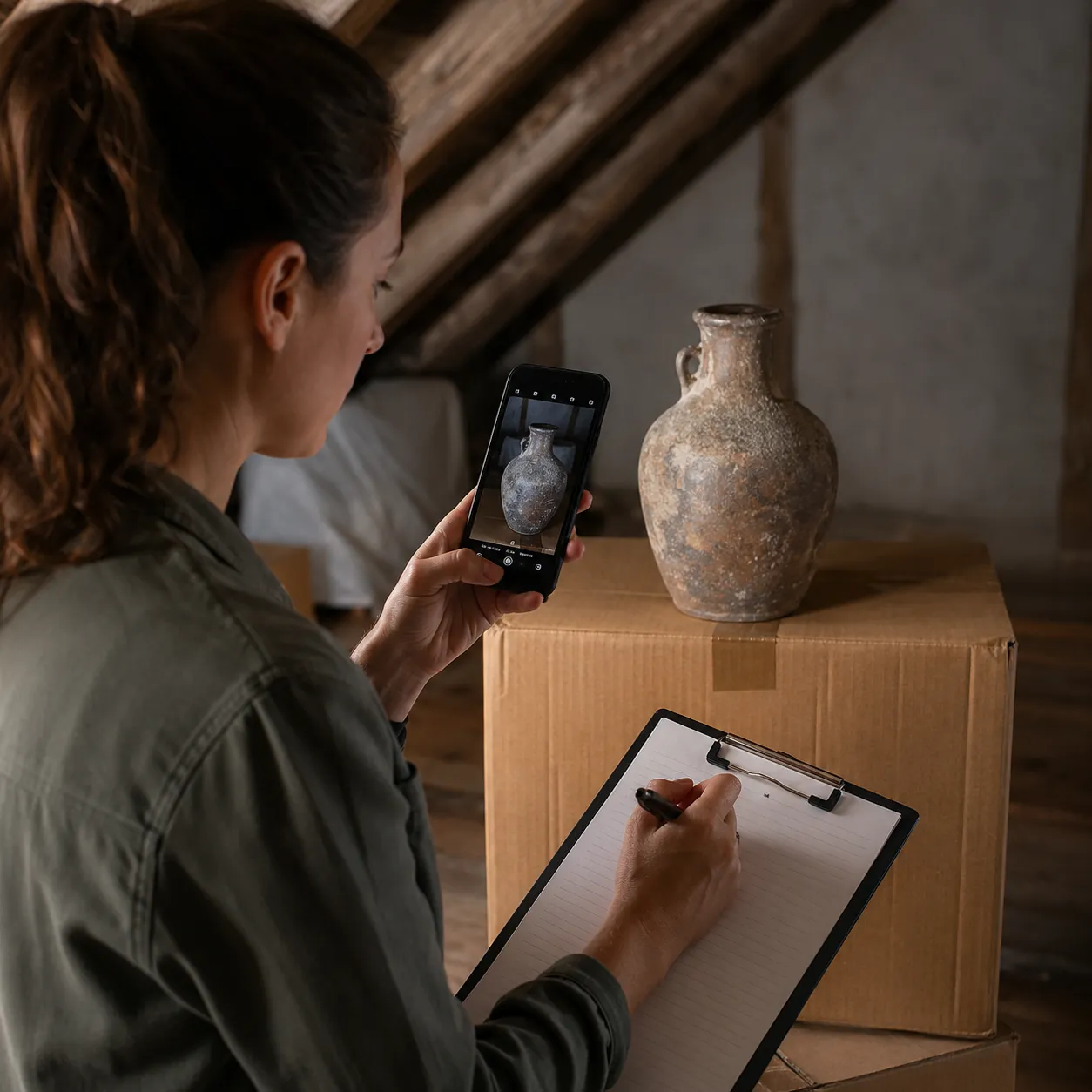
documentˈdɑːkjument
to record or support something with written, photographic, or other evidence
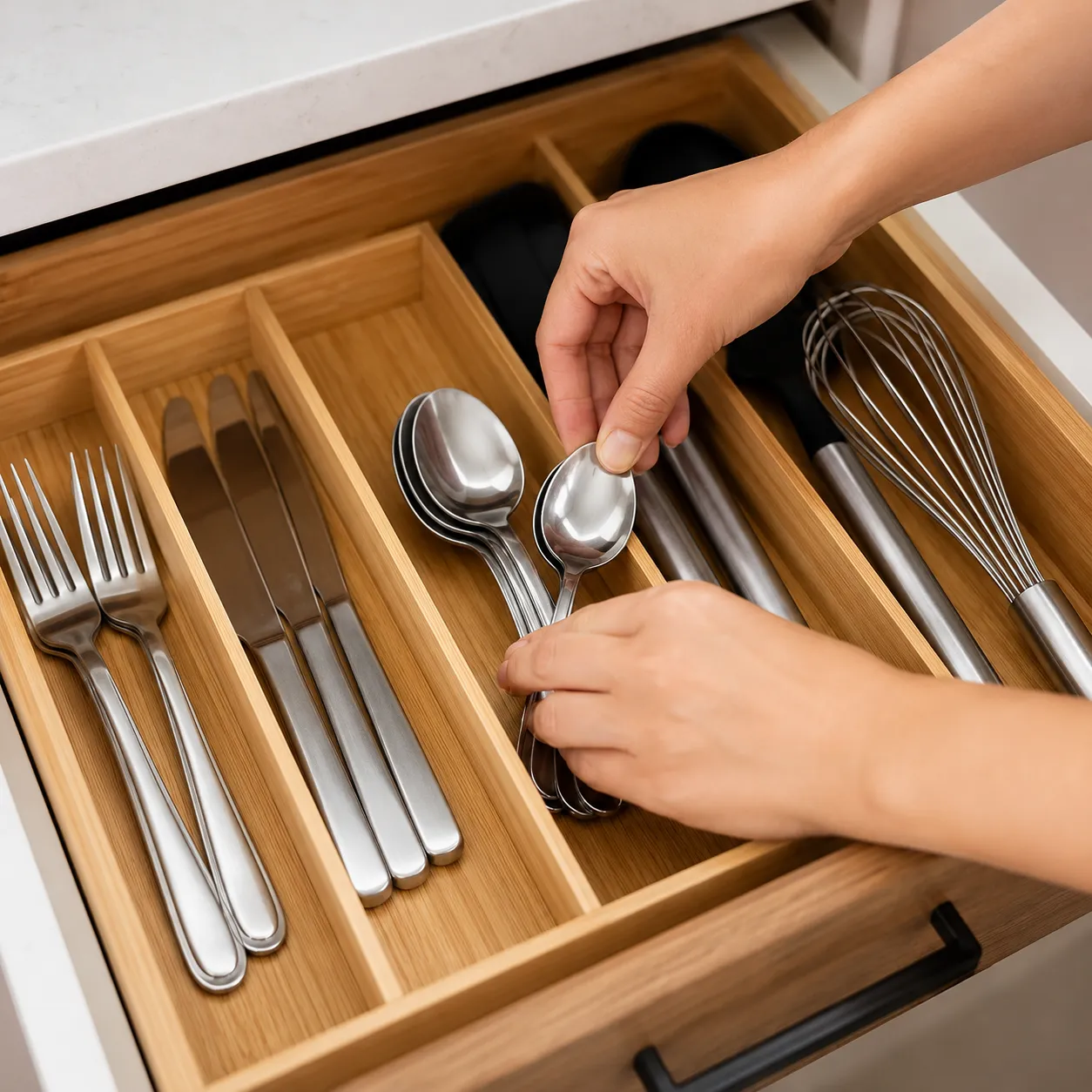
organizeˈɔːrɡənaɪz
to arrange or plan things, activities, or information so they are orderly and useful.
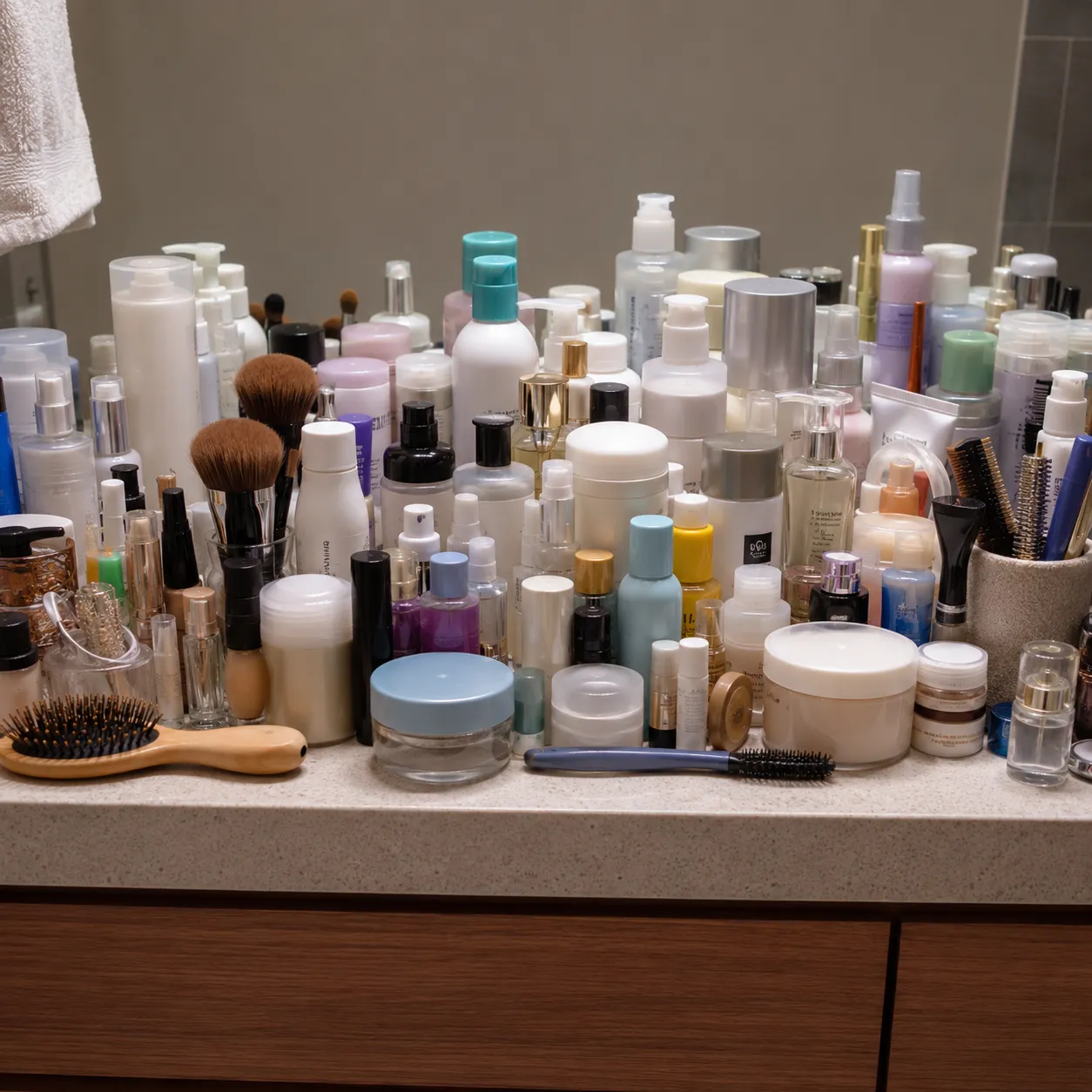
clutteredˈklʌtərd
filled with too many things, so a place looks untidy or is hard to use.
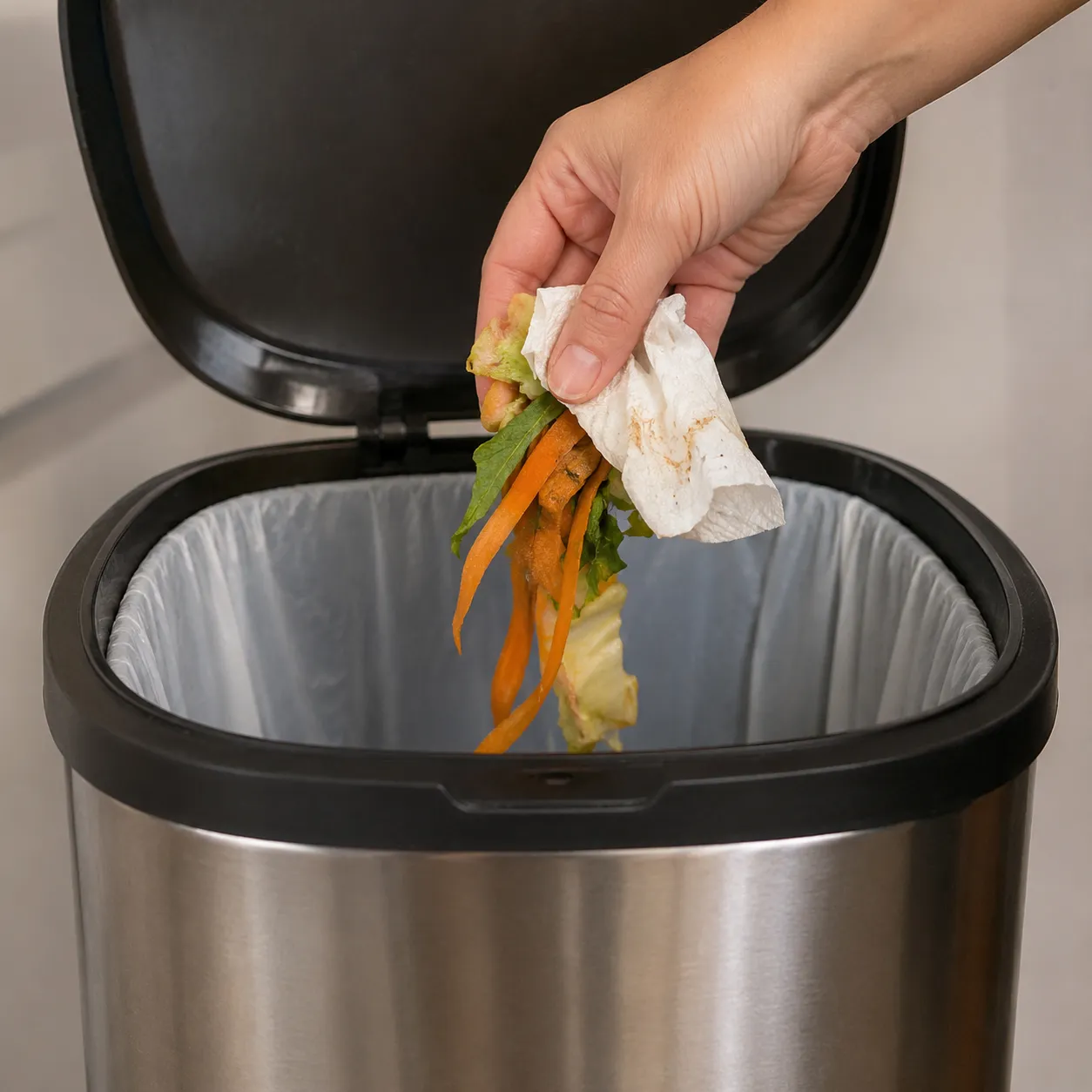
throw awayθroʊ əˈweɪ
to put something in the trash because it is not wanted or needed.
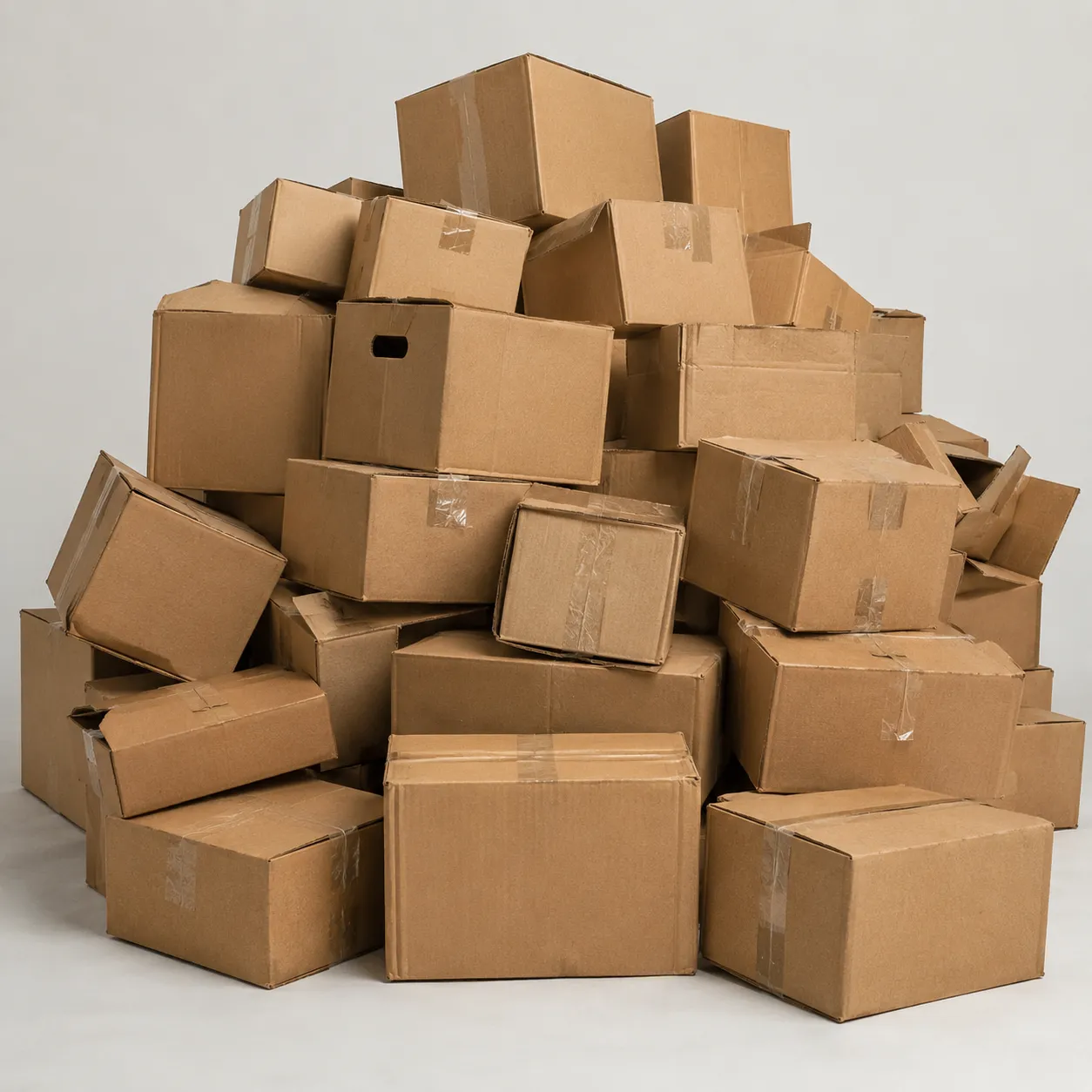
pilepaɪl
a number of things lying on top of one another in a messy or simple stack.
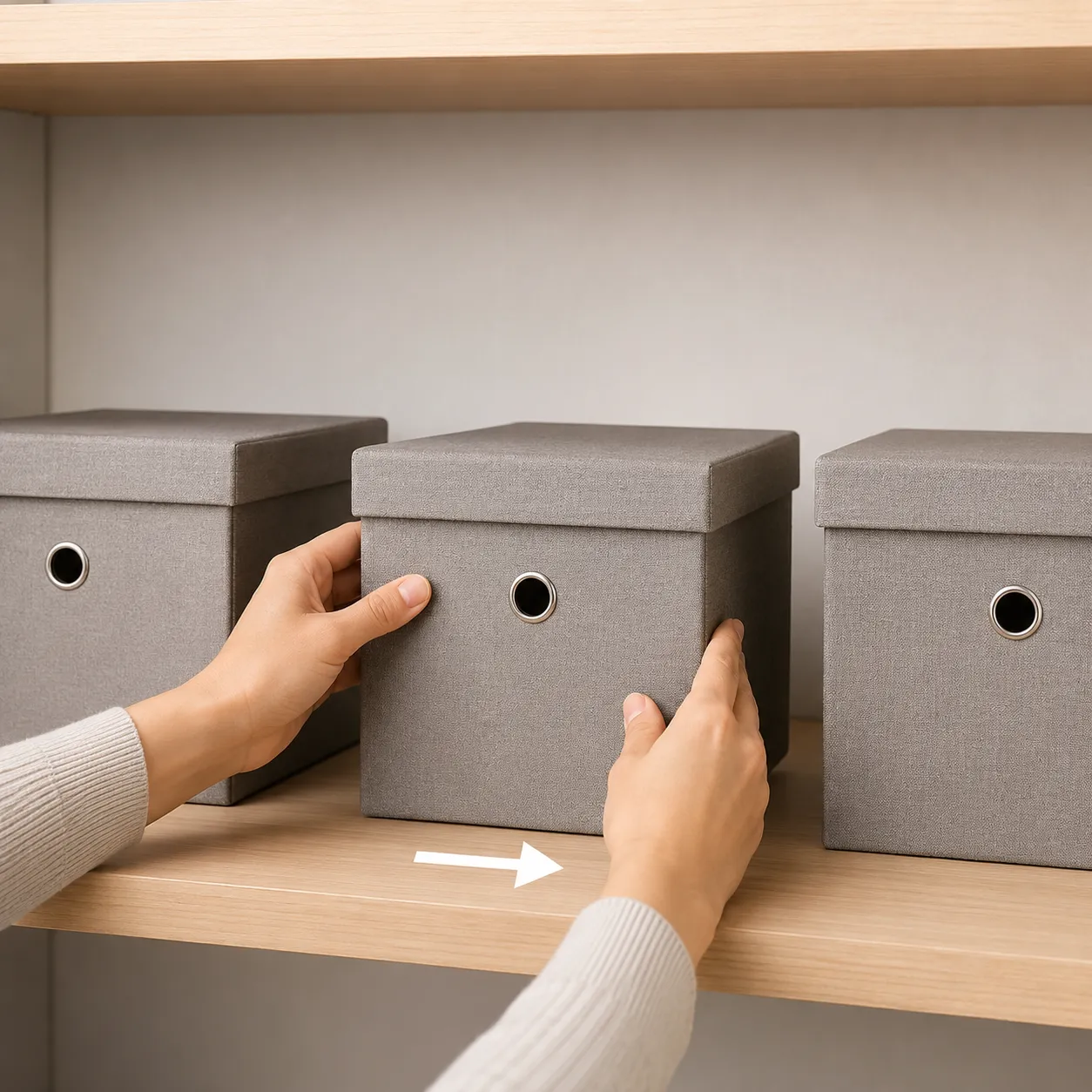
arrangeəˈreɪndʒ
to put things in a neat, useful, or planned order.
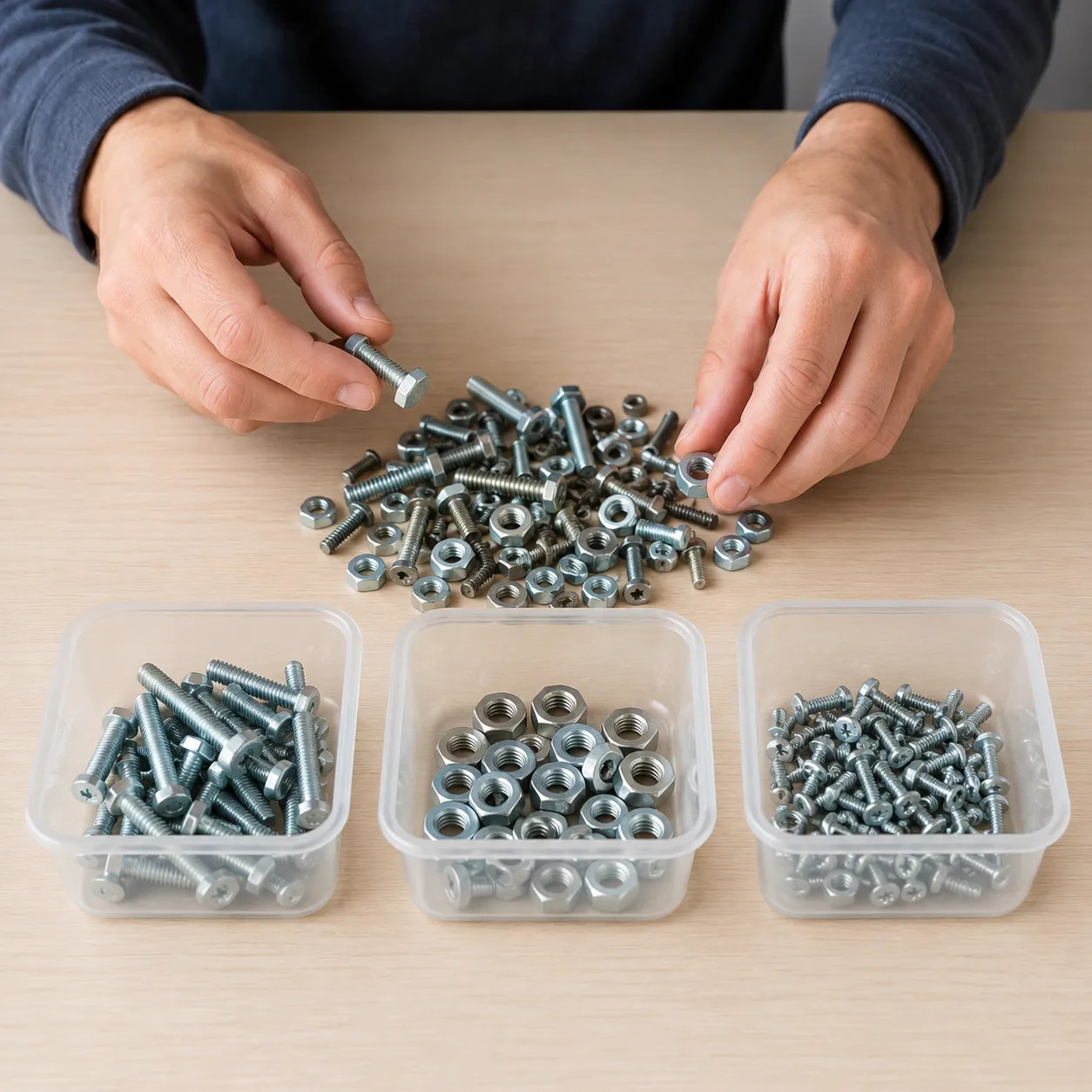
sortsɔːrt
to arrange things into groups or in a particular order.
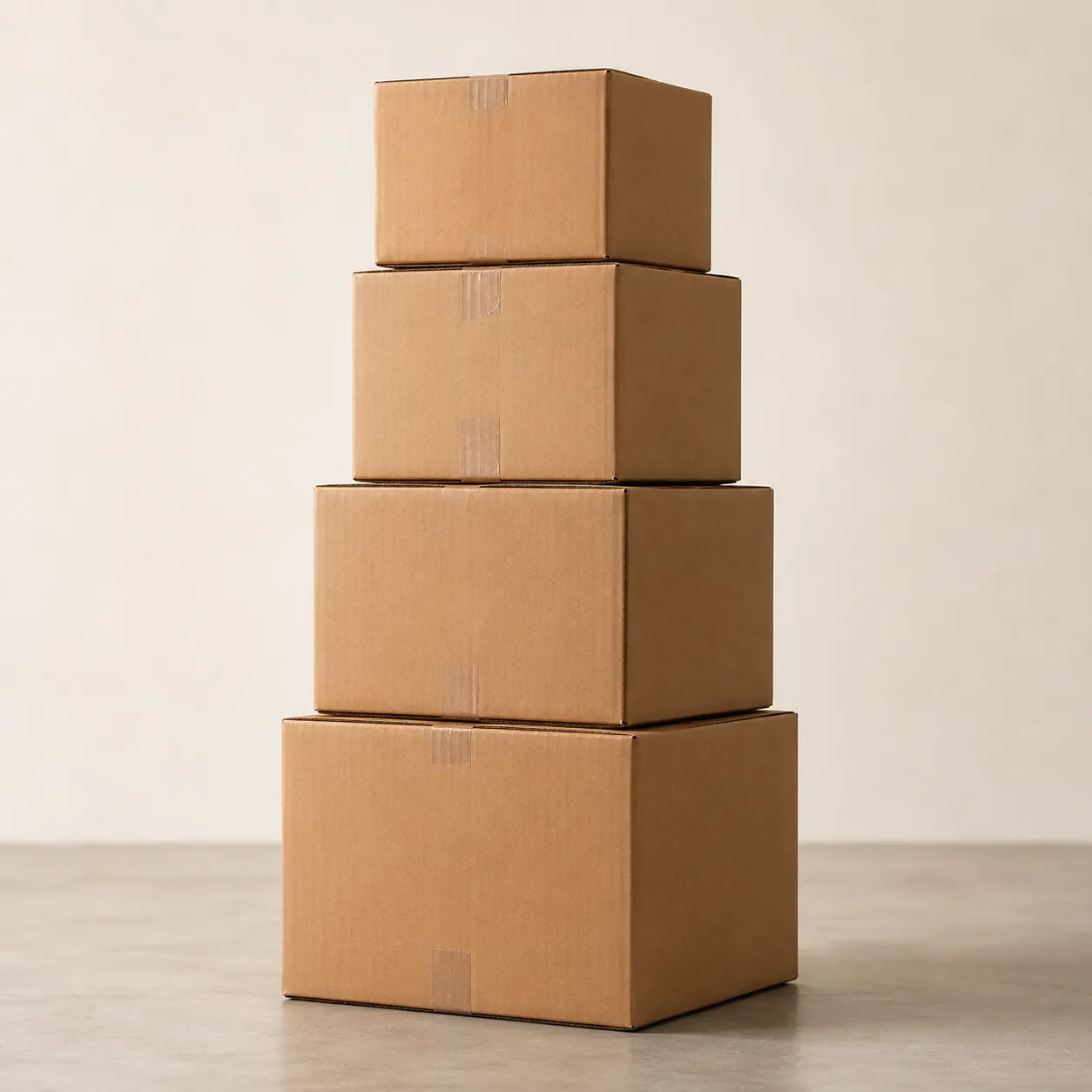
stackedstækt
put or arranged in a pile, with one thing on top of another.
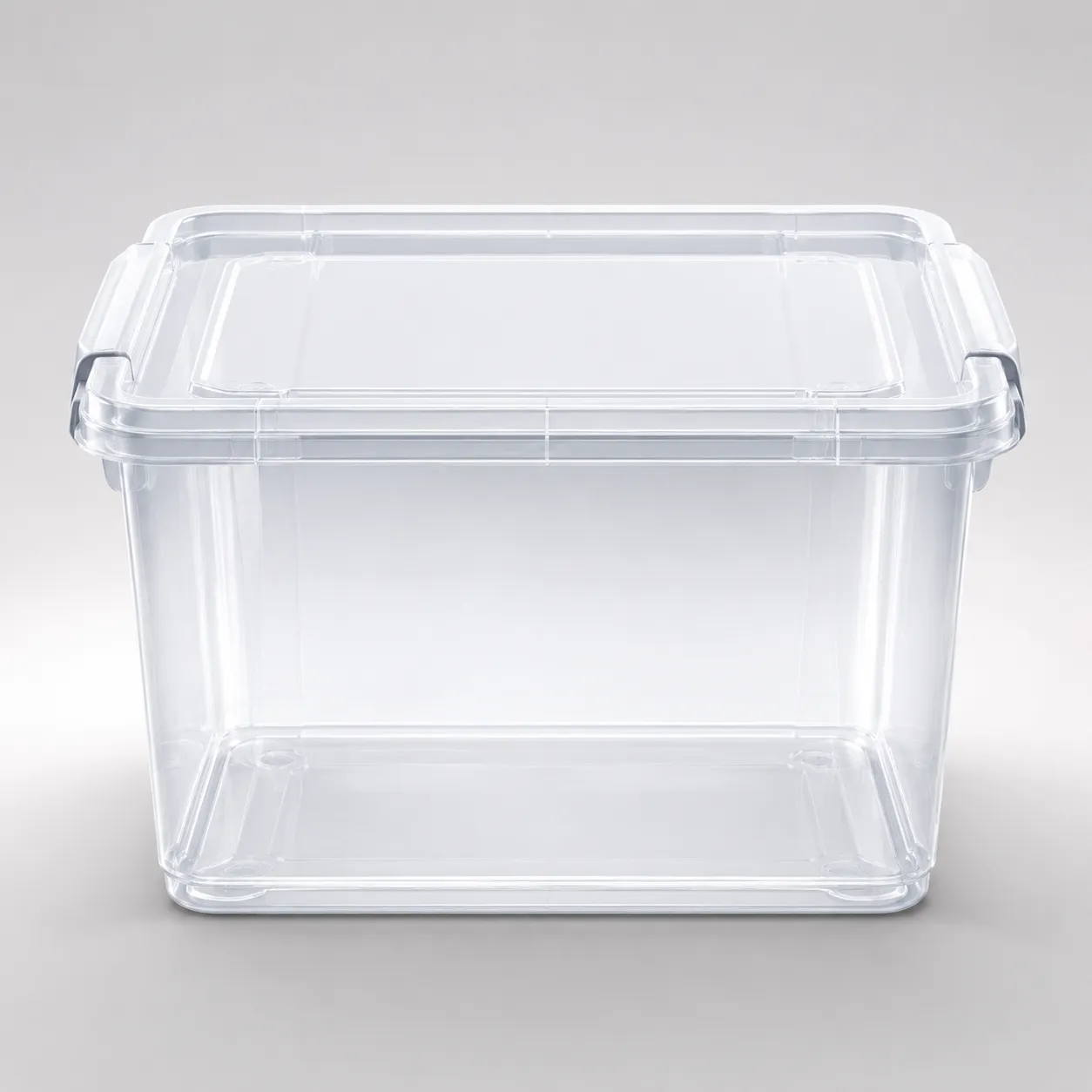
plastic binˈplæstɪk bɪn
a container made of plastic, used for storing, carrying, or sorting things.
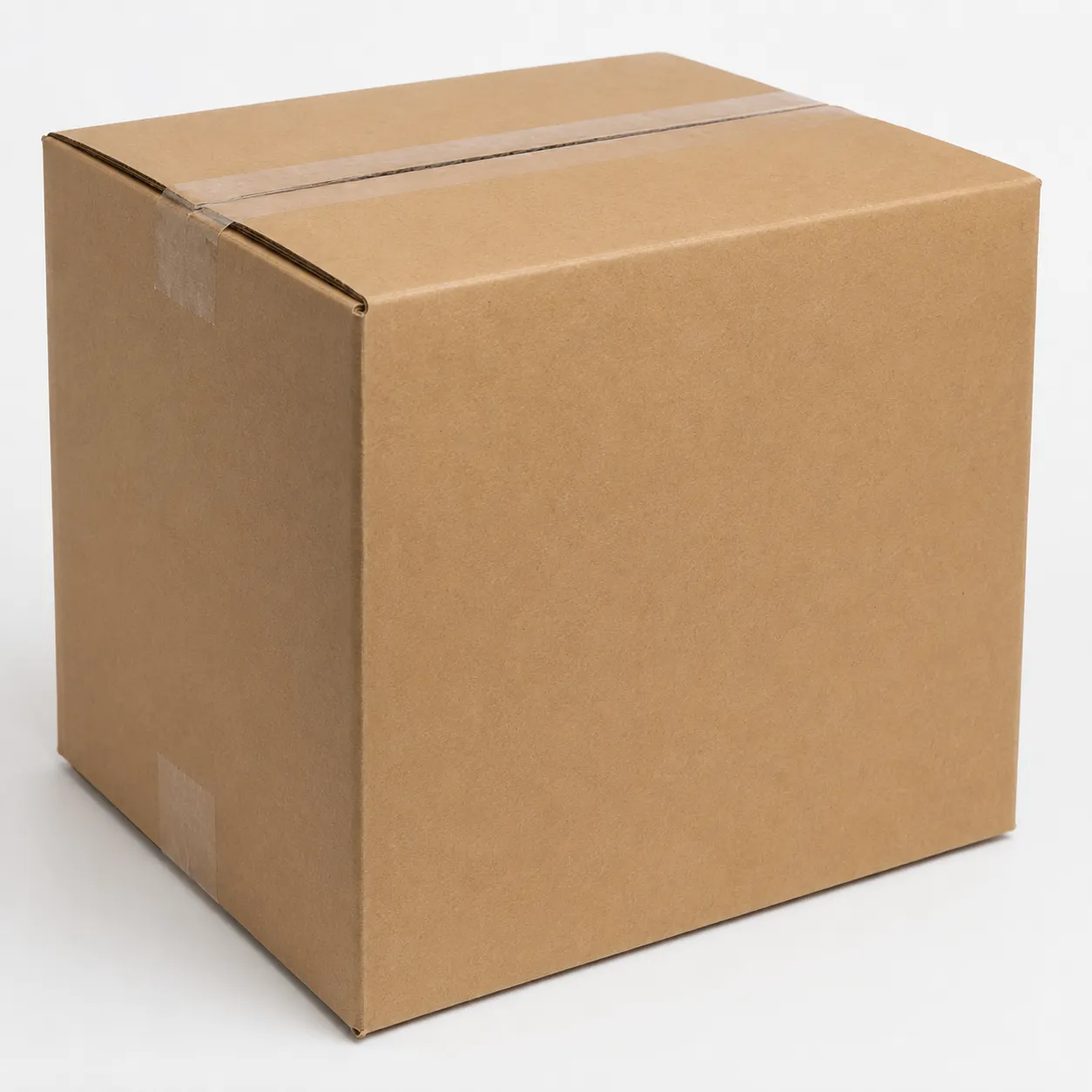
cardboard boxˈkɑːrdˌbɔːrd bɑːks
a box made from thick stiff paper, often used for packing, storing, or moving things.
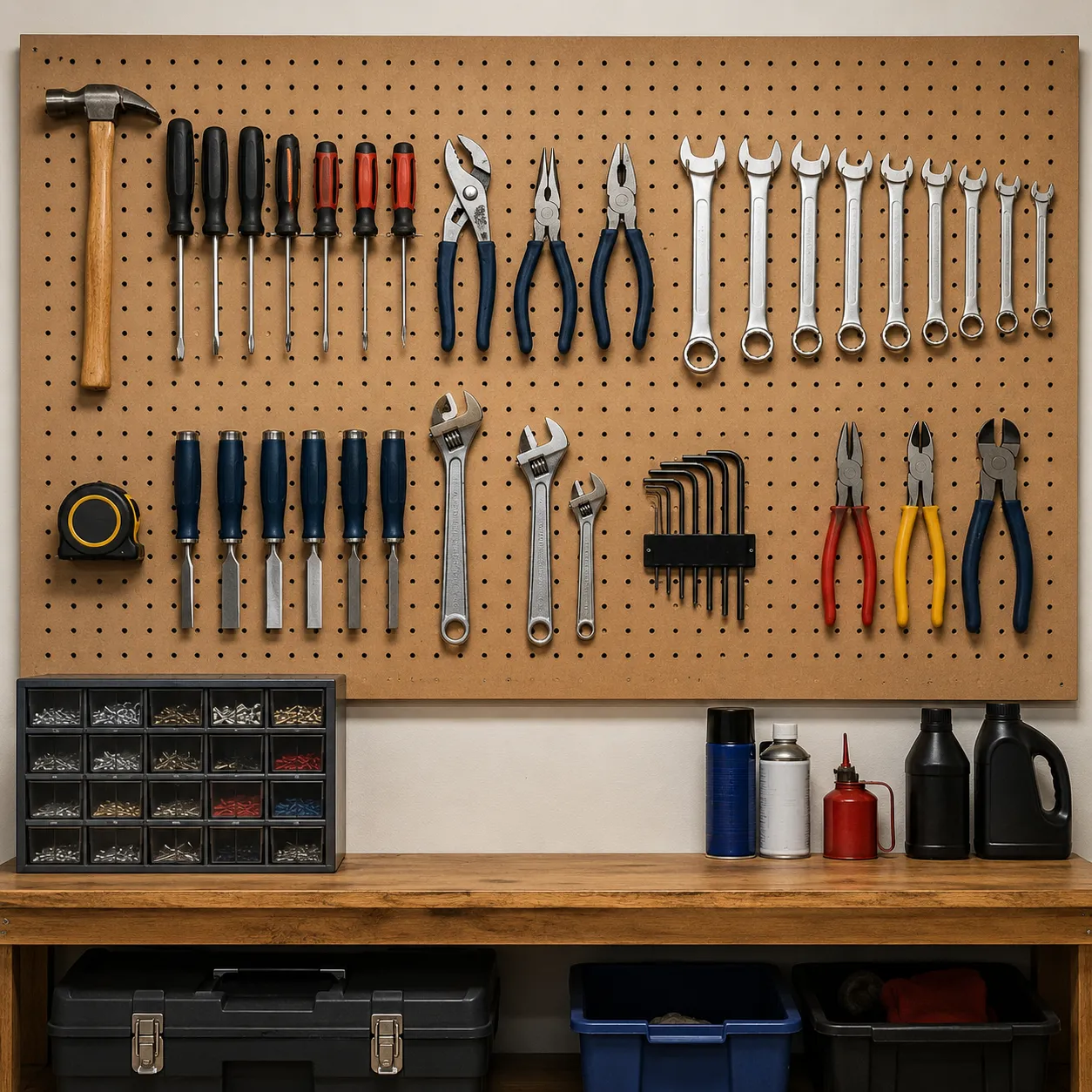
neatlyˈniːtli
in an orderly, clean way, with things put in the right place.
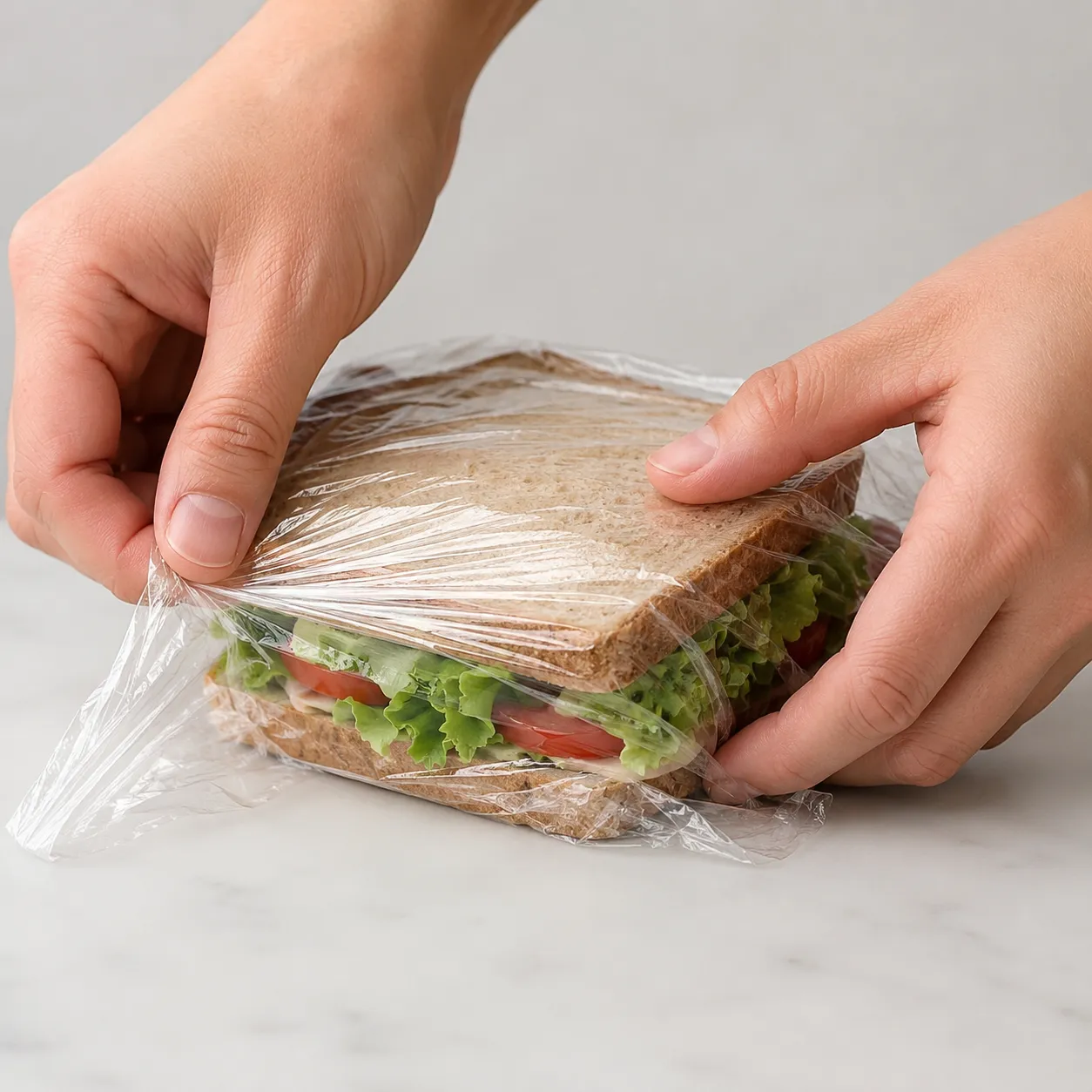
wrapræp
to cover something with paper, plastic, or another material around it.
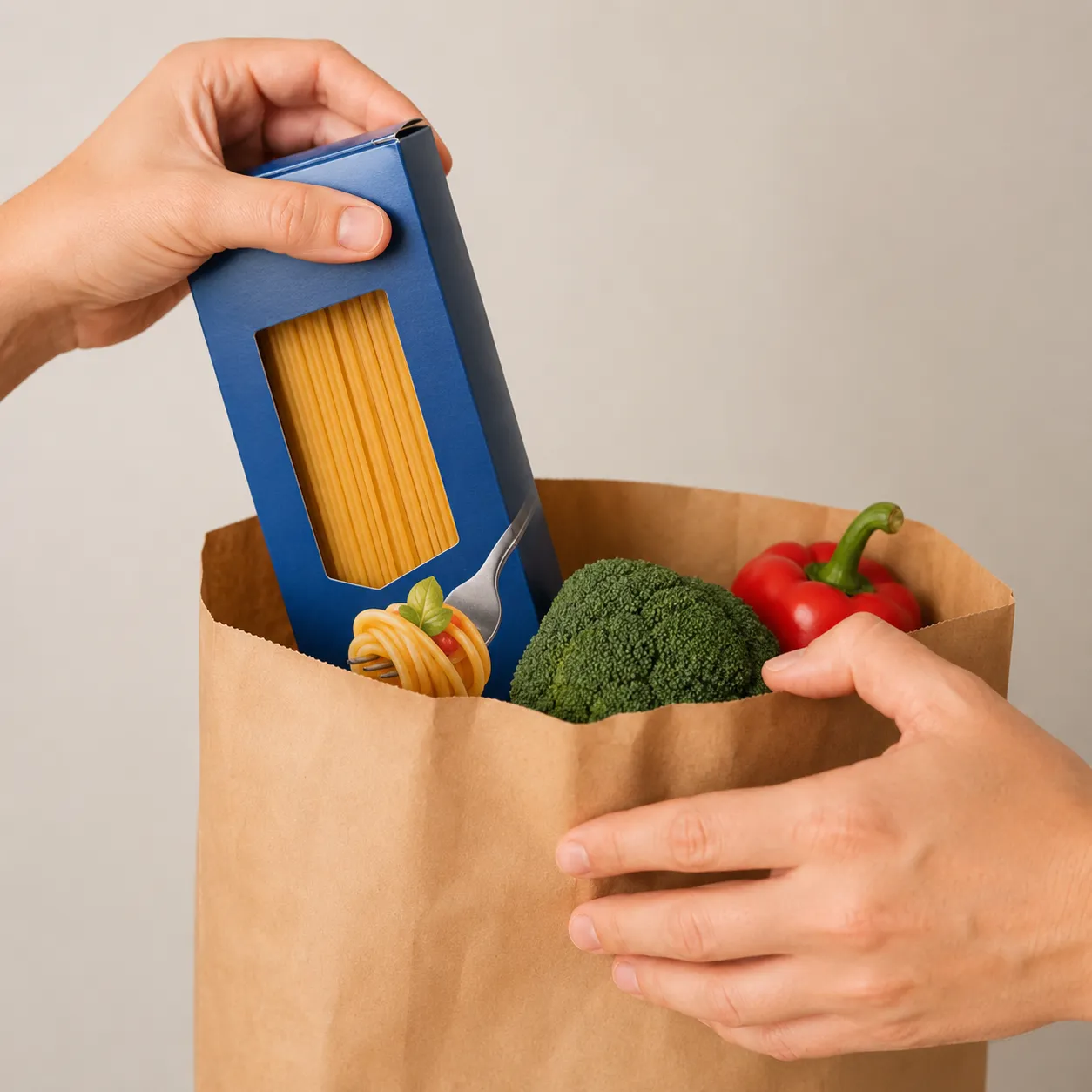
unpackʌnˈpæk
to take things out of a bag, box, package, or container.
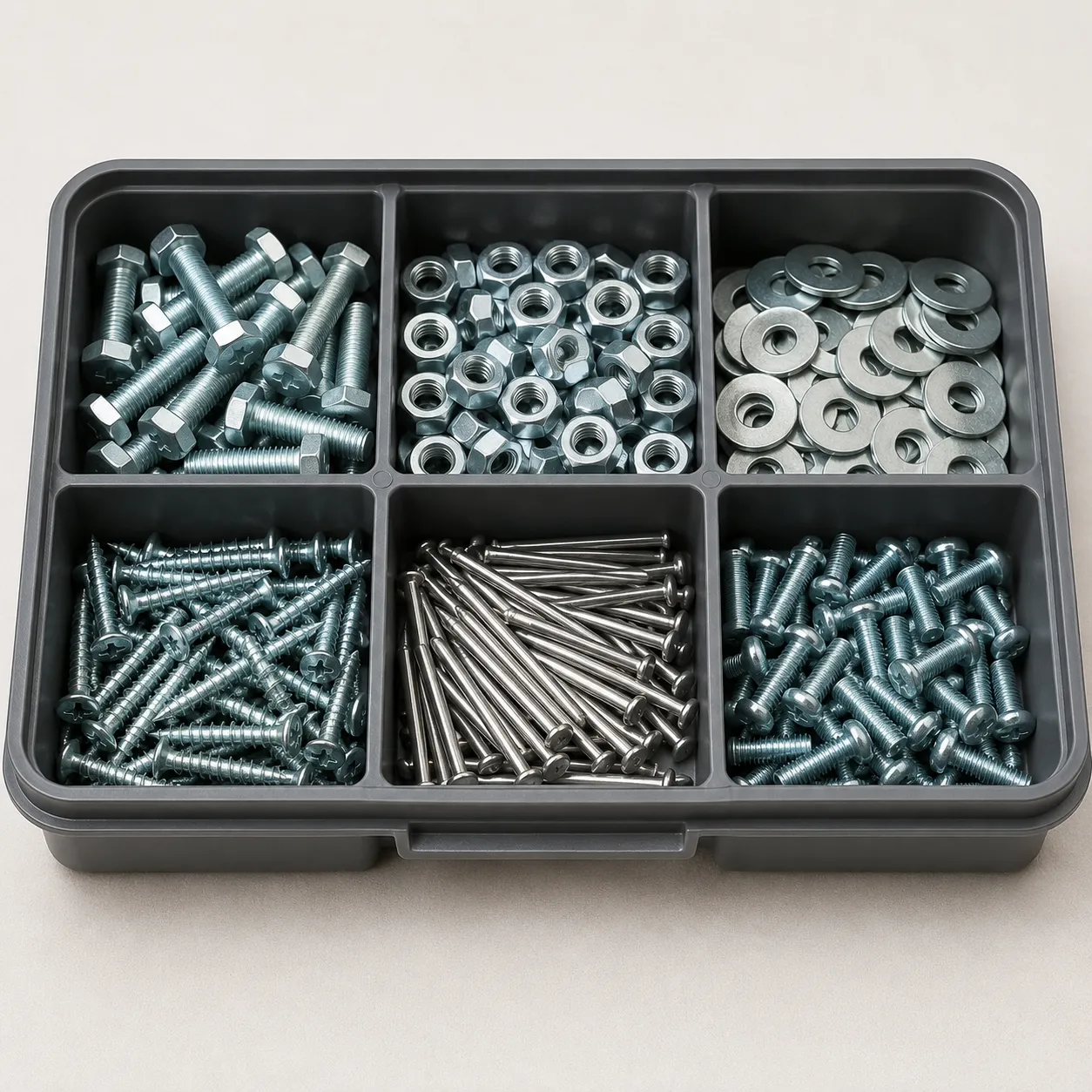
sortedˈsɔːrtɪd
put into separate groups or into the correct order according to type, color, size, or another feature.
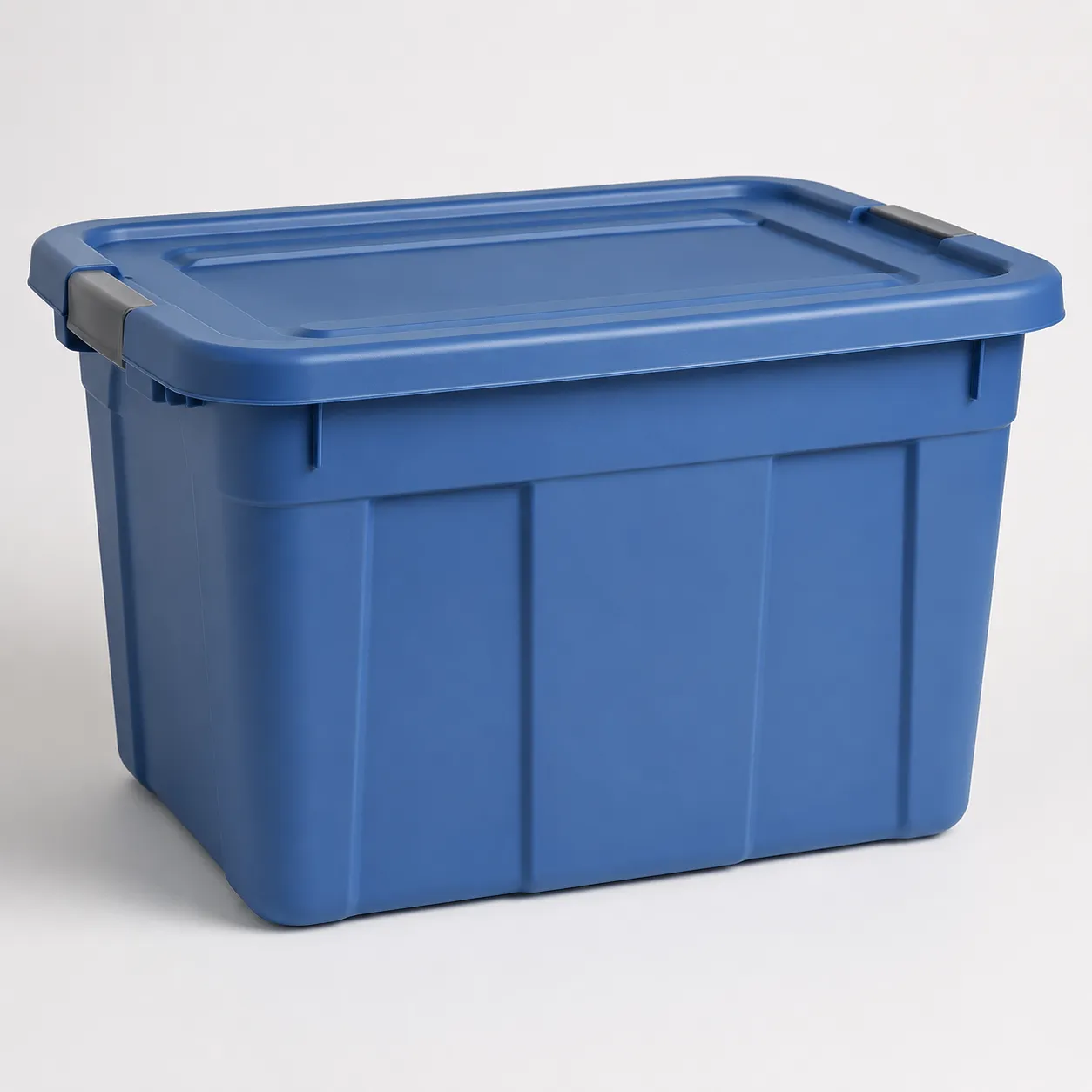
storage binˈstɔːrɪdʒ bɪn
a container used for keeping goods, supplies, or small items organized.
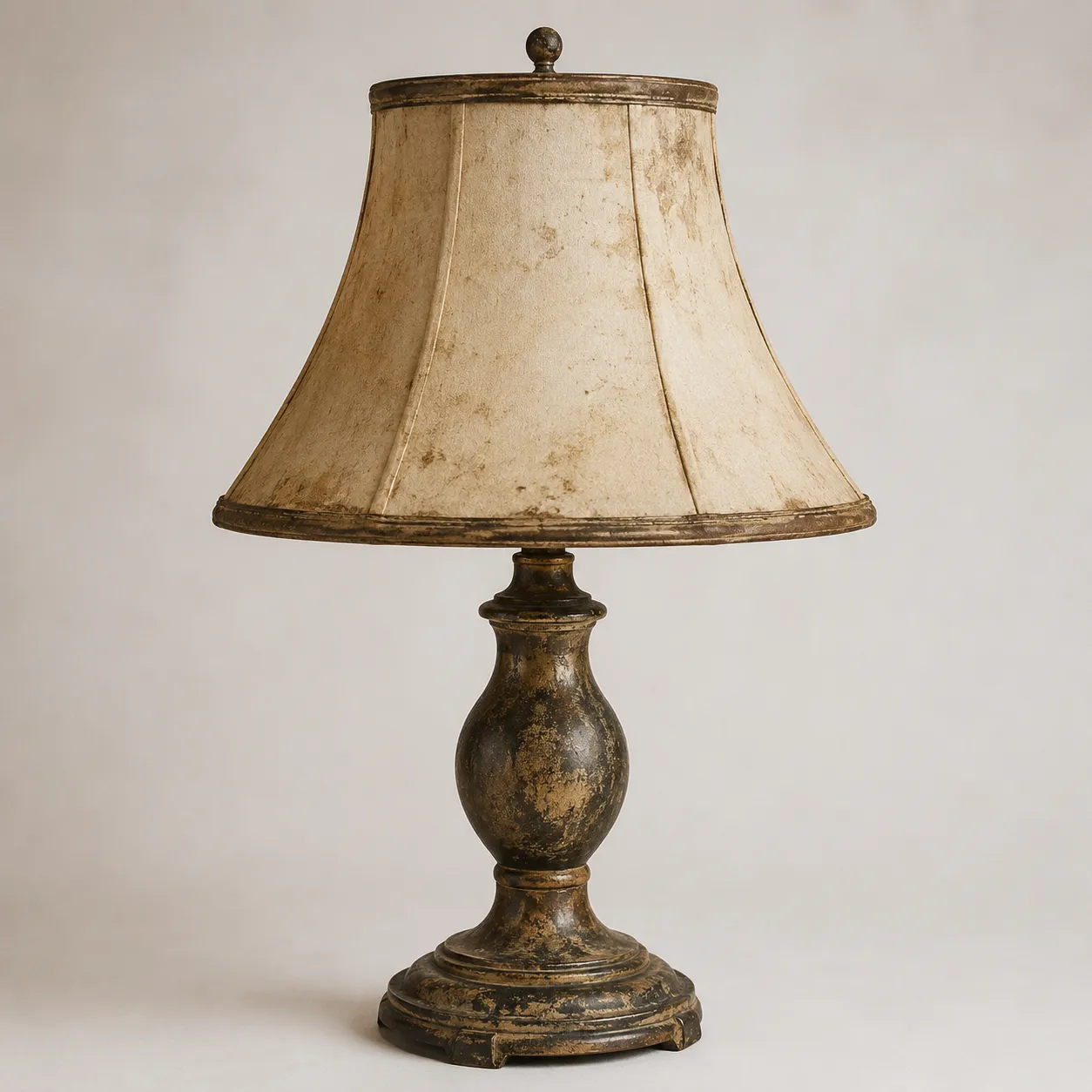
packedpækt
completely full of people or things, with little or no empty space.
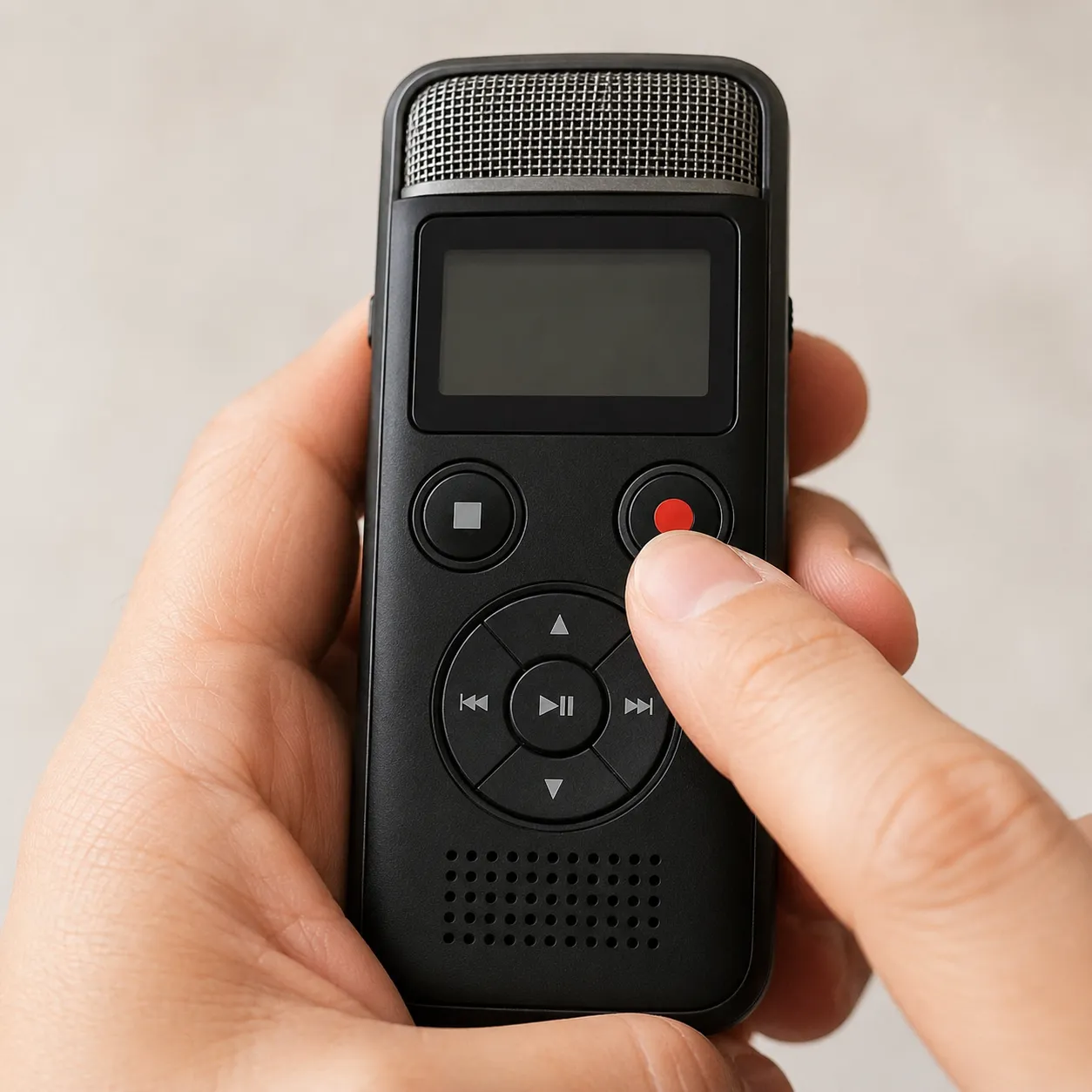
recordrɪˈkɔːrd
to write down or enter information so it is kept for future use.
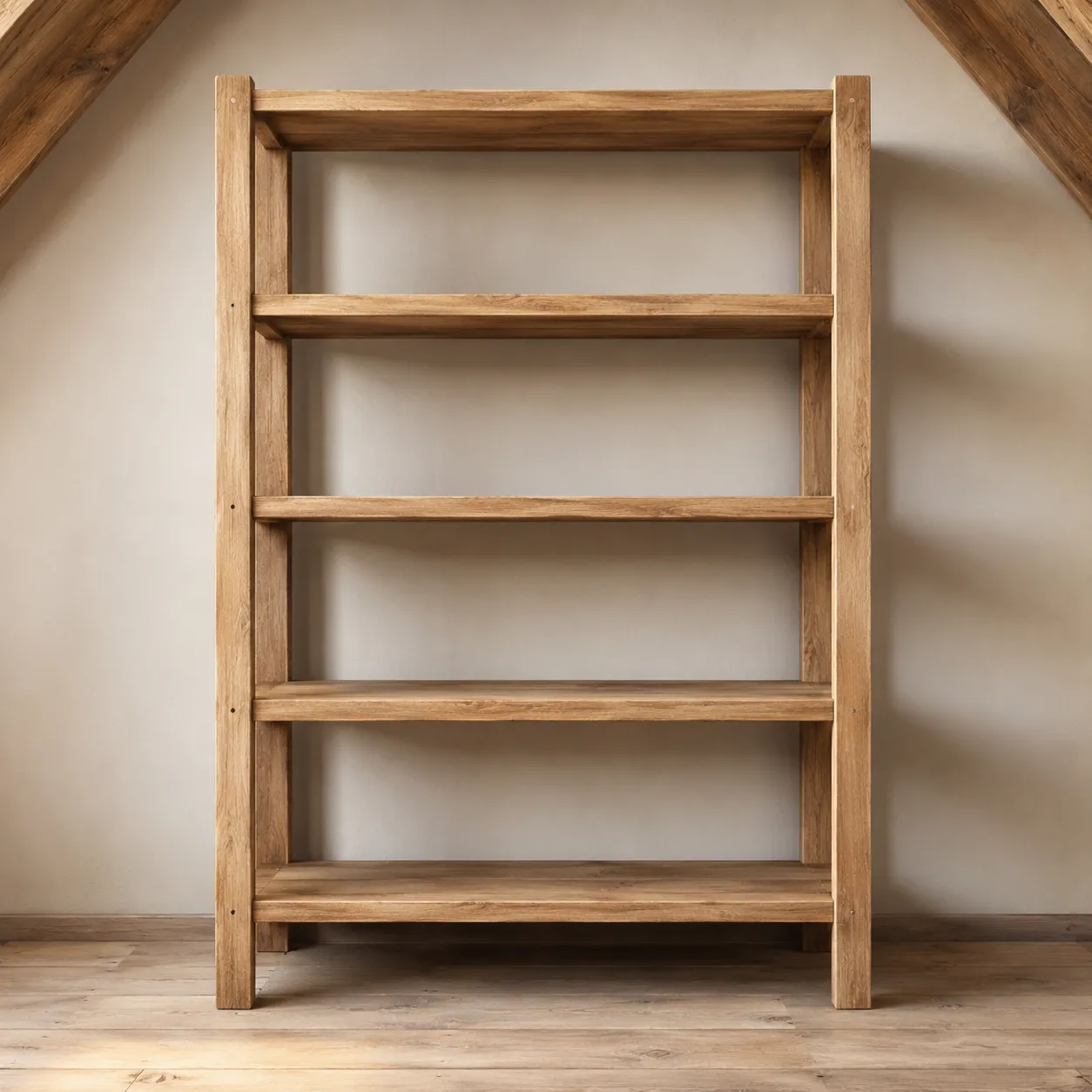
shelvingˈʃɛlvɪŋ
shelves, or a set of shelves, used for keeping books, tools, boxes or other objects on.
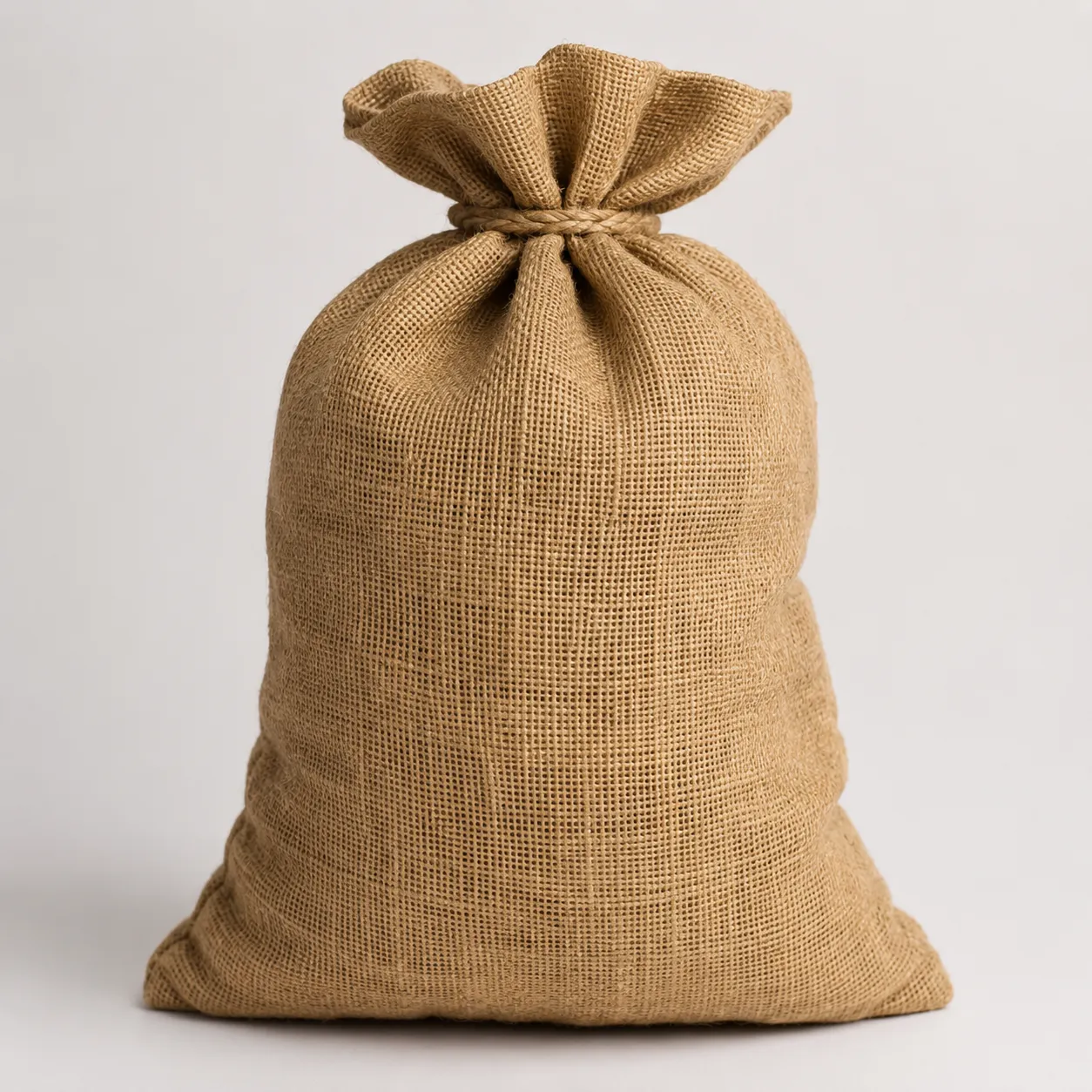
sacksæk
a large strong bag made of cloth, paper, or plastic, used for carrying or storing things such as grain, coal, or potatoes.
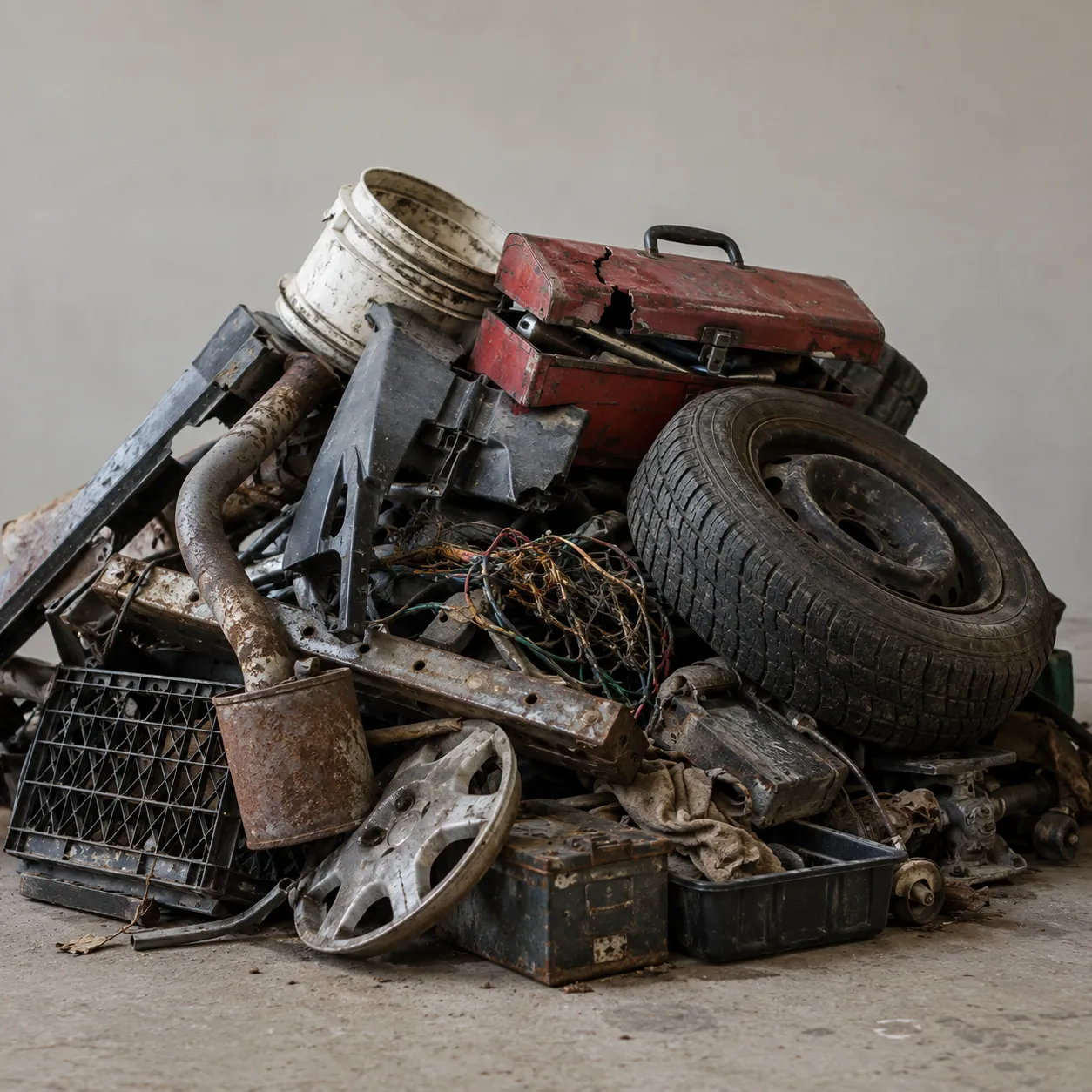
junkdʒʌŋk
old, broken, or unwanted things that have little value and are often thrown away.
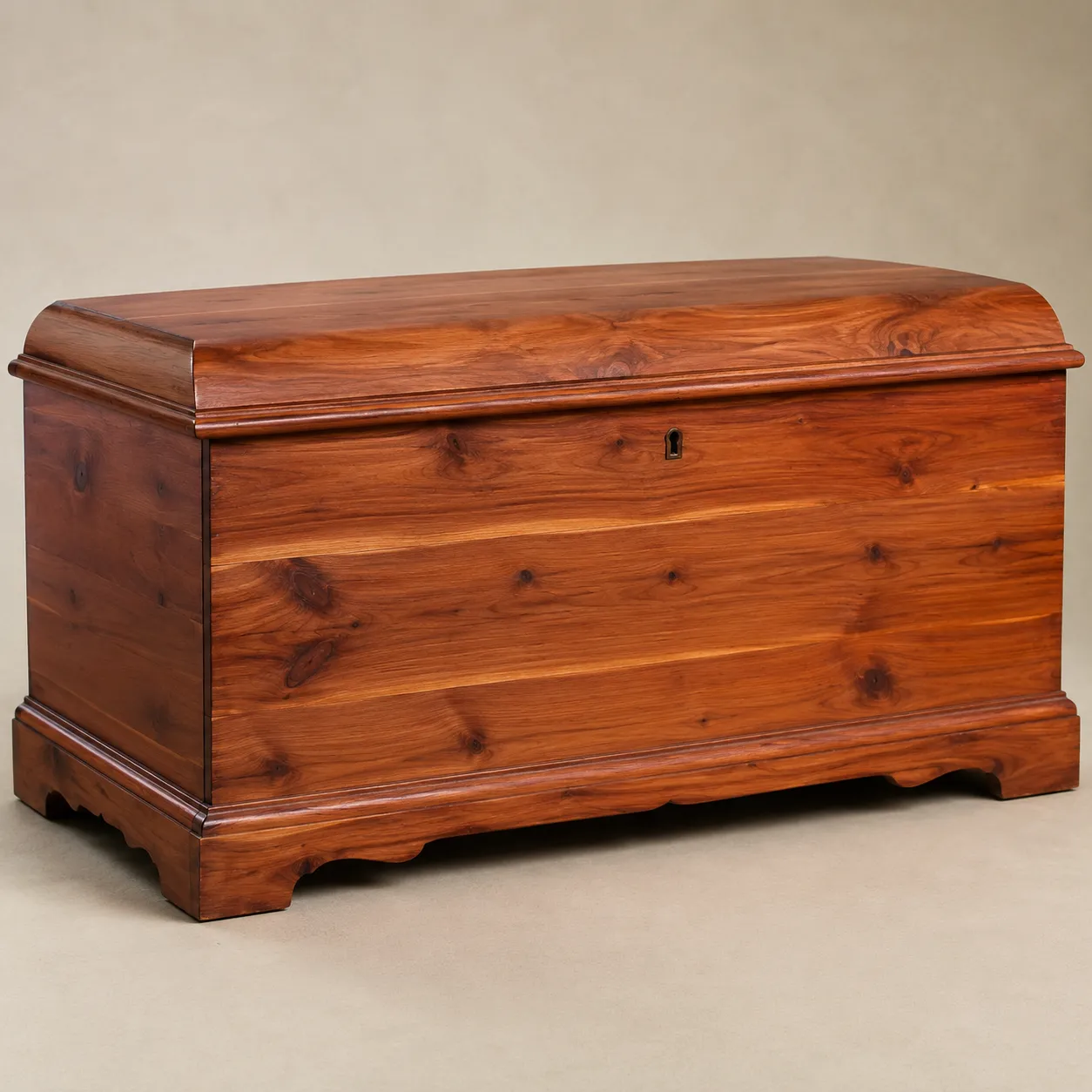
hope chestˈhoʊp ˌtʃɛst
a chest in which, traditionally, a young woman kept clothes, linens, and household items for her future married life.
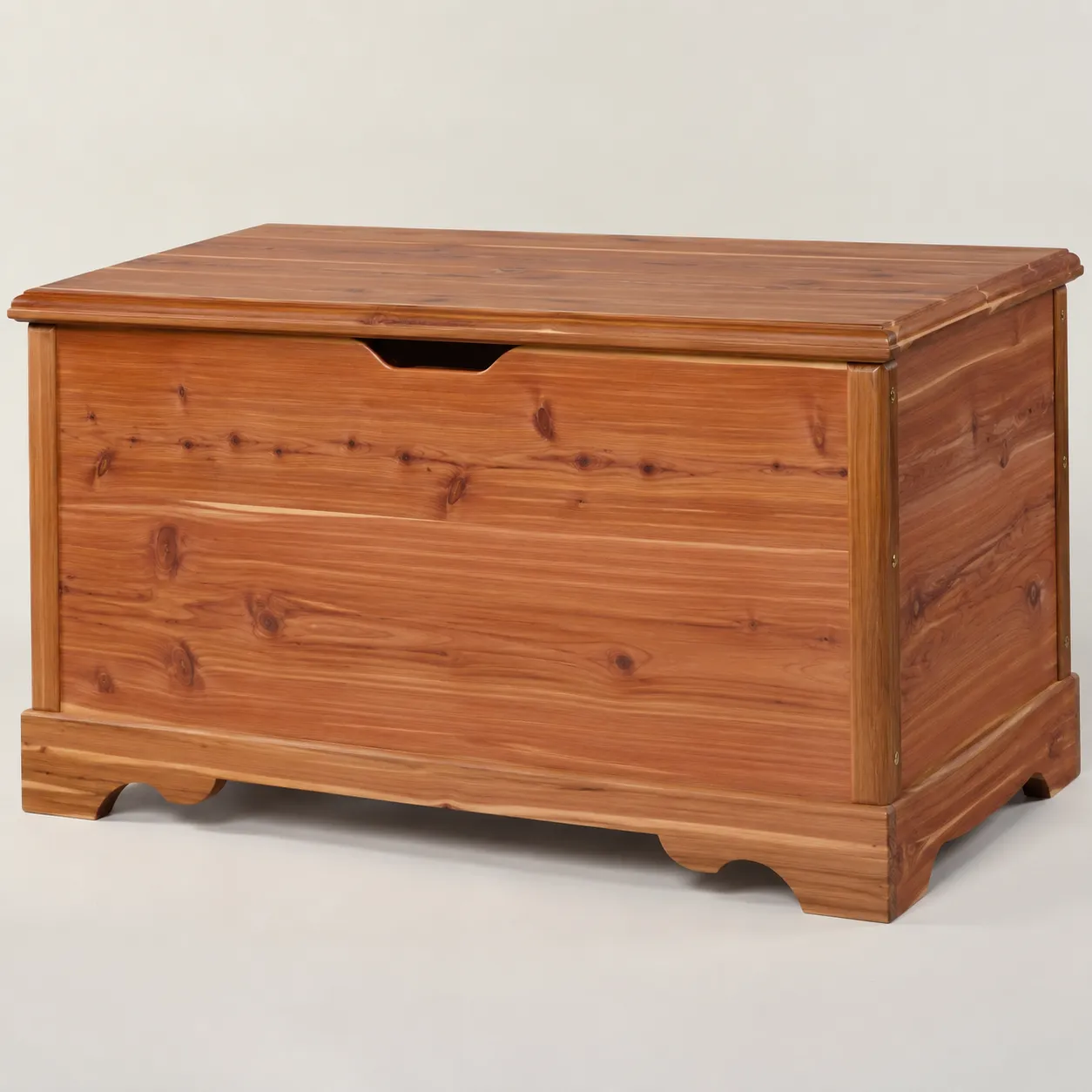
cedar chestˈsiːdər ˌtʃɛst
a storage chest made of cedar wood, often used for keeping clothes or linens safe from moths and bad smells.
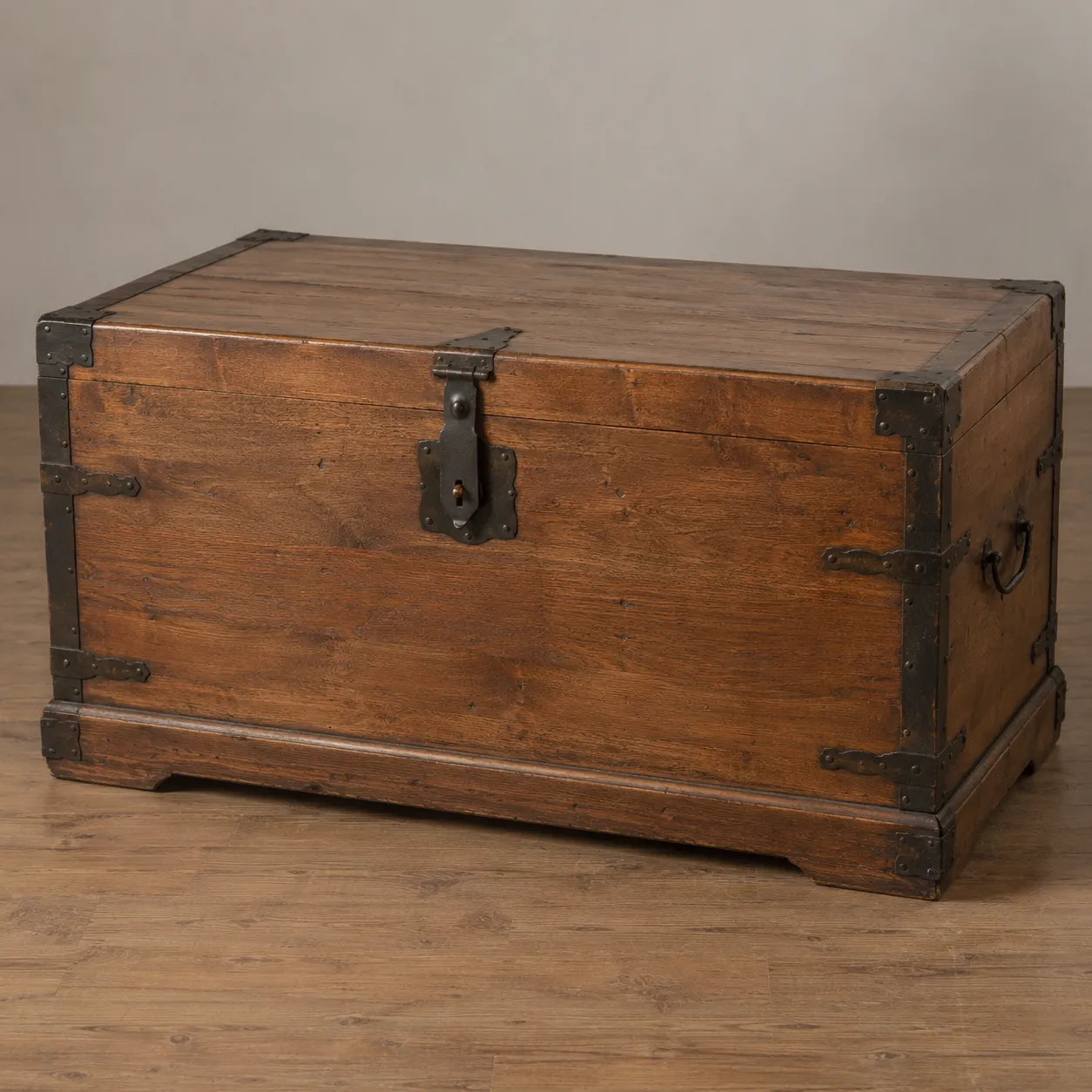
storage chestˈstɔːrɪdʒ ˌtʃɛst
a large box with a lid, often used as furniture, where clothes, blankets, toys, or other things can be kept.
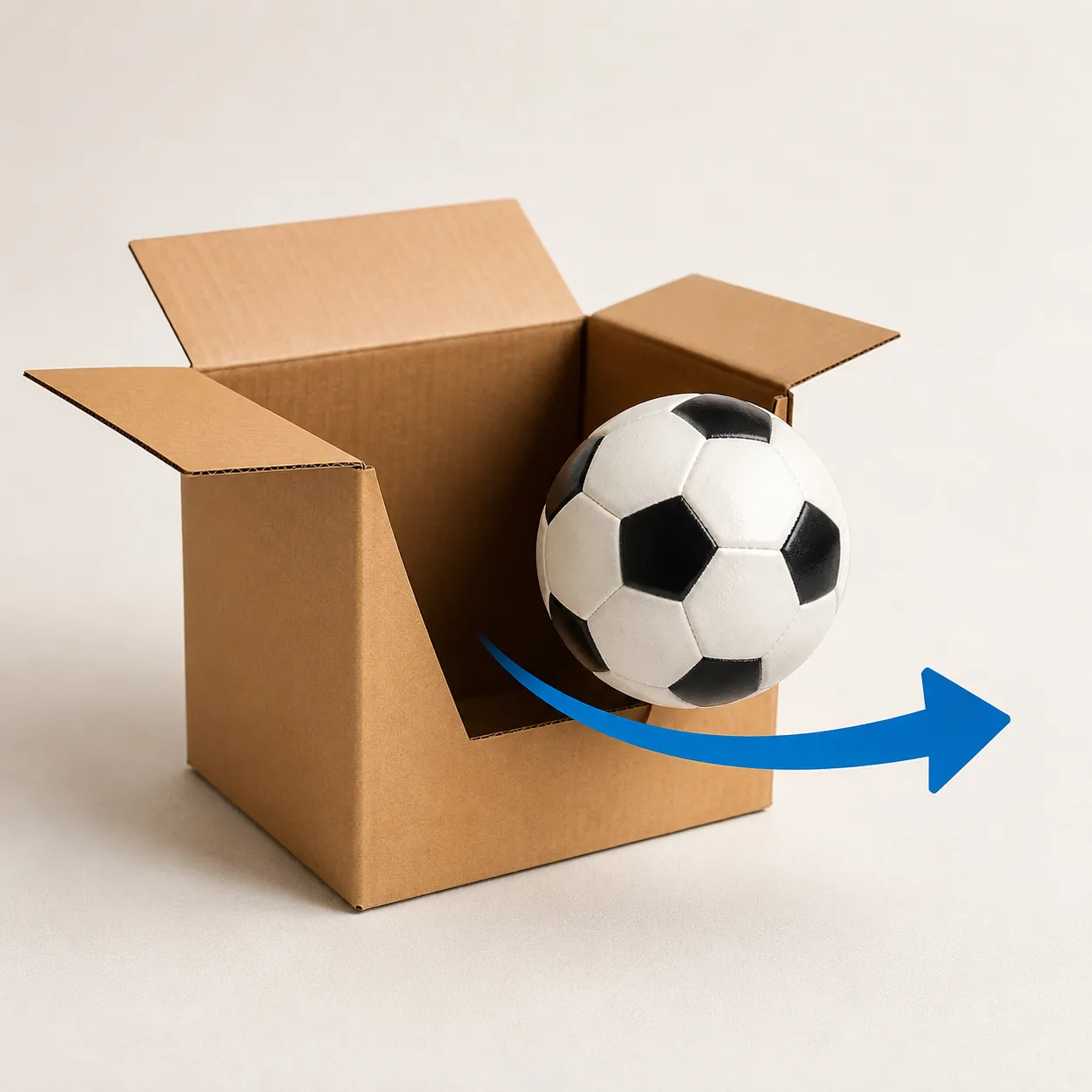
overstuffedˌoʊvɚˈstʌft
filled with too many things, so there is little space left.
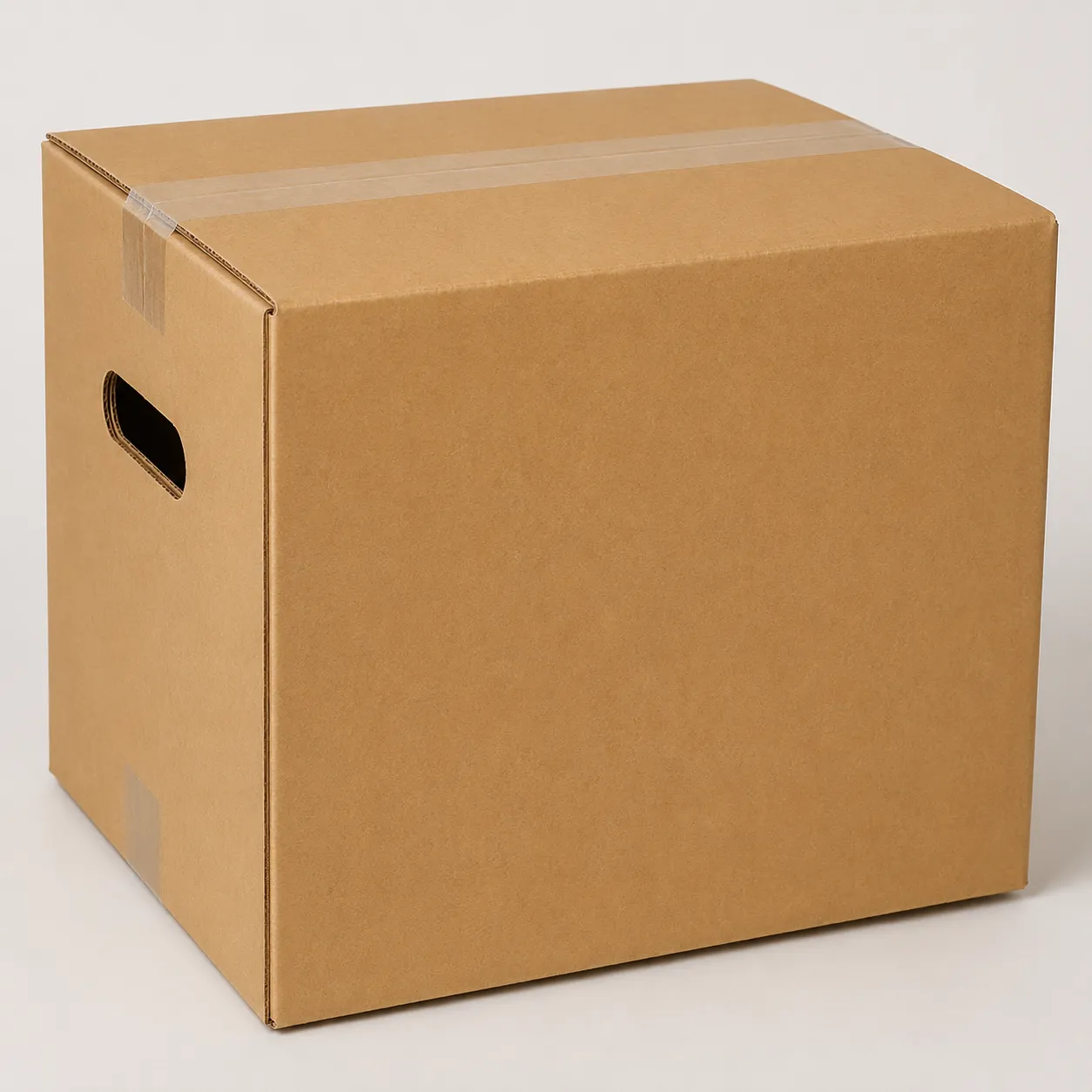
moving boxˈmuːvɪŋ bɑːks
a cardboard box used to pack and carry belongings when someone moves to a new home or office.
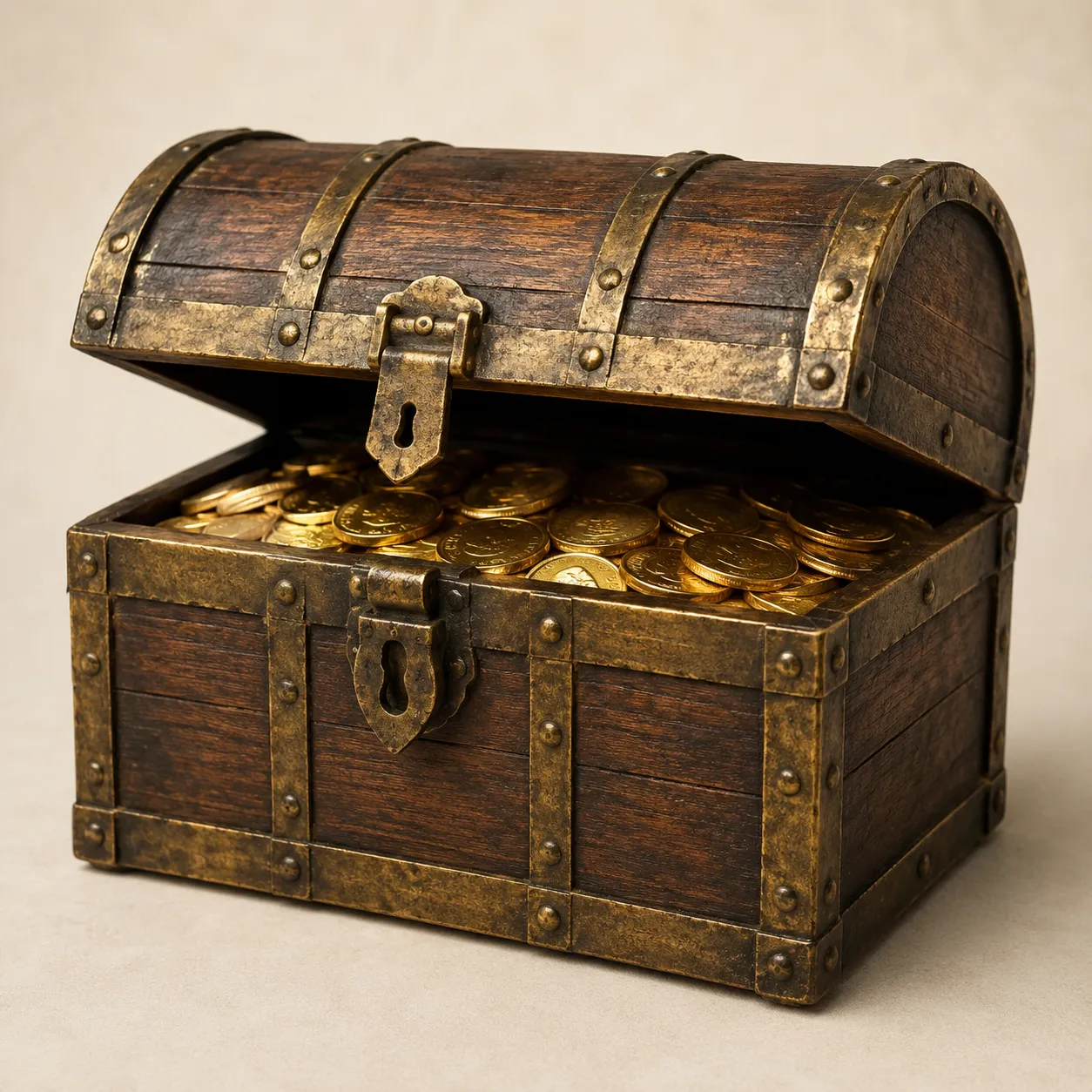
treasure chestˈtrɛʒɚ tʃɛst
a large strong box, often in stories, used for keeping gold, jewels, or other valuable things.
Photos, letters, records, artwork, documents, and special objects kept for personal or historical value.
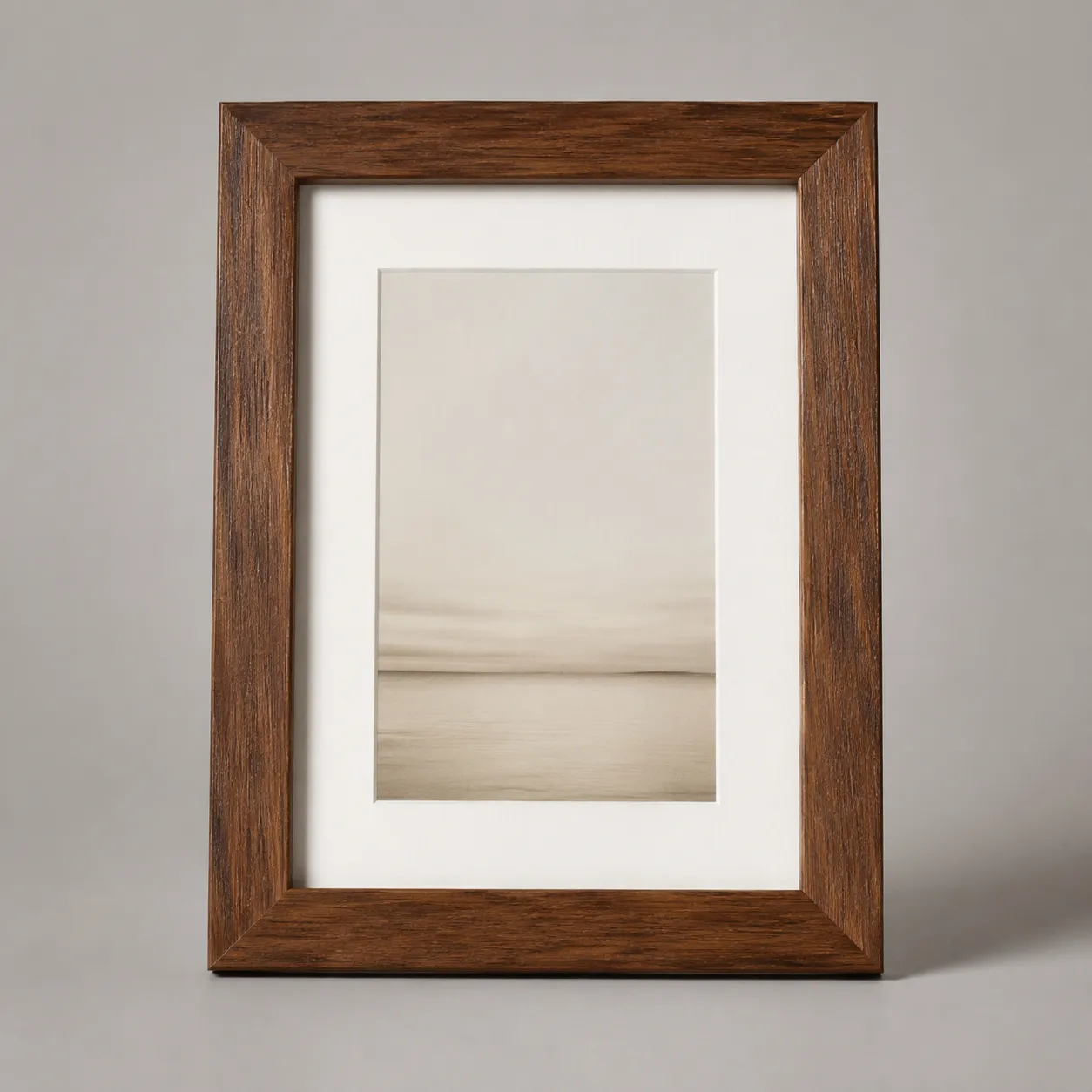
picture frameˈpɪktʃər freɪm
a border or case around a picture or photograph, used to protect it and show it on a wall or table.
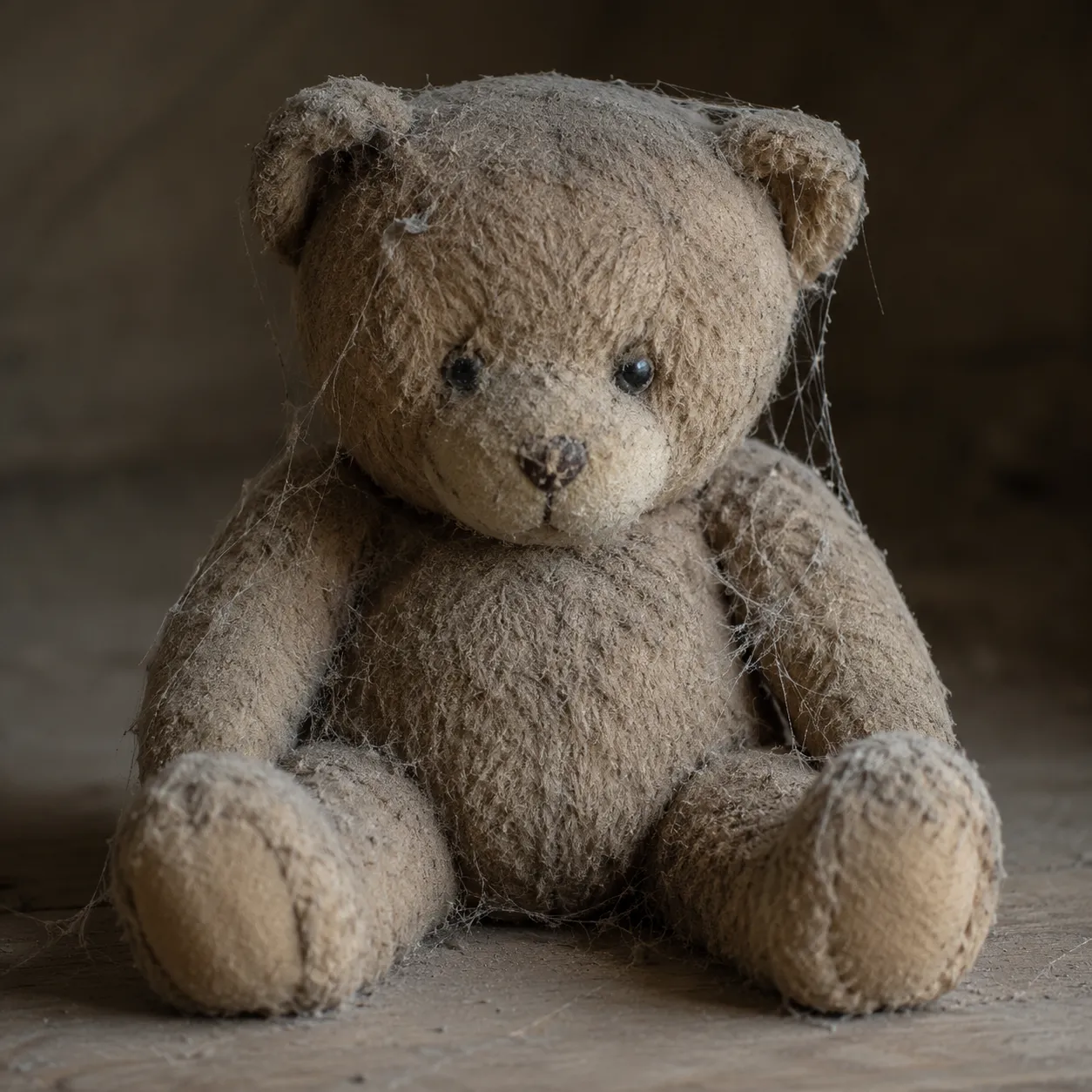
forgottenfərˈɡɑːtən
not remembered, or no longer thought about by people.
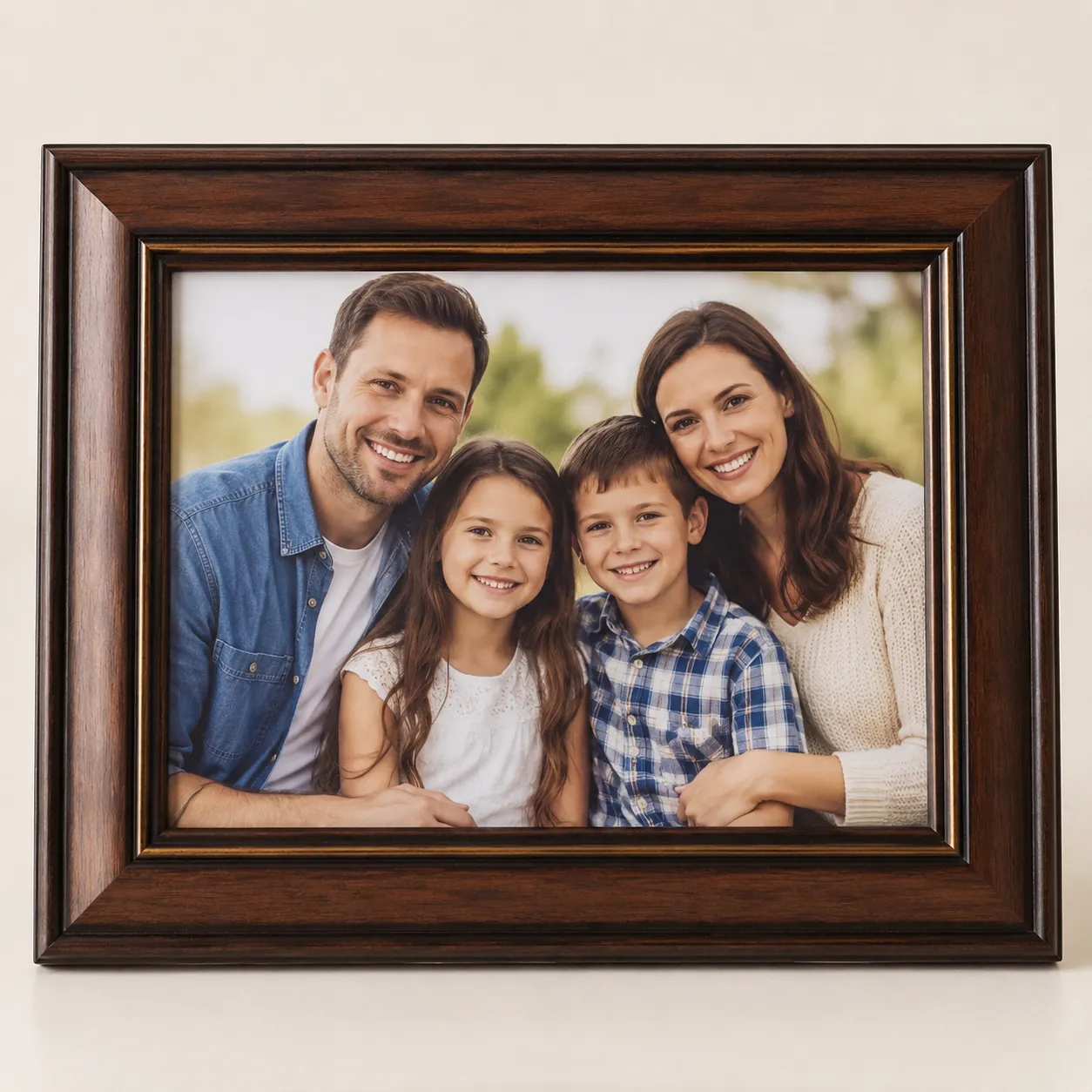
family photoˈfæməli ˈfoʊtoʊ
a photograph that shows members of a family, often taken together on a special day or kept as a memory.

newspaperˈnuːzˌpeɪpər
a set of large printed pages with news, articles, advertisements, and pictures, usually published every day or every week.
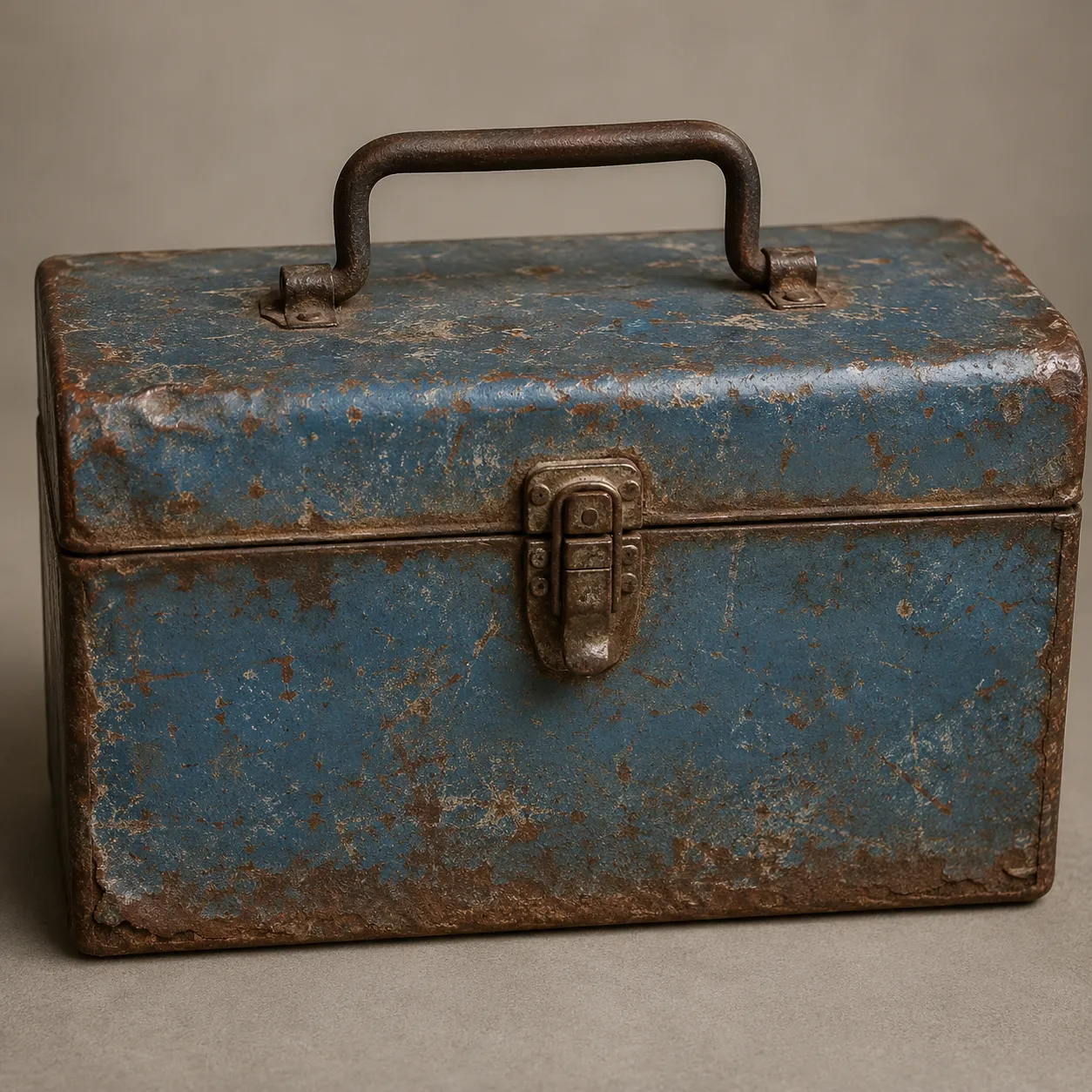
oldoʊld
having existed or been used for a long time; not new.
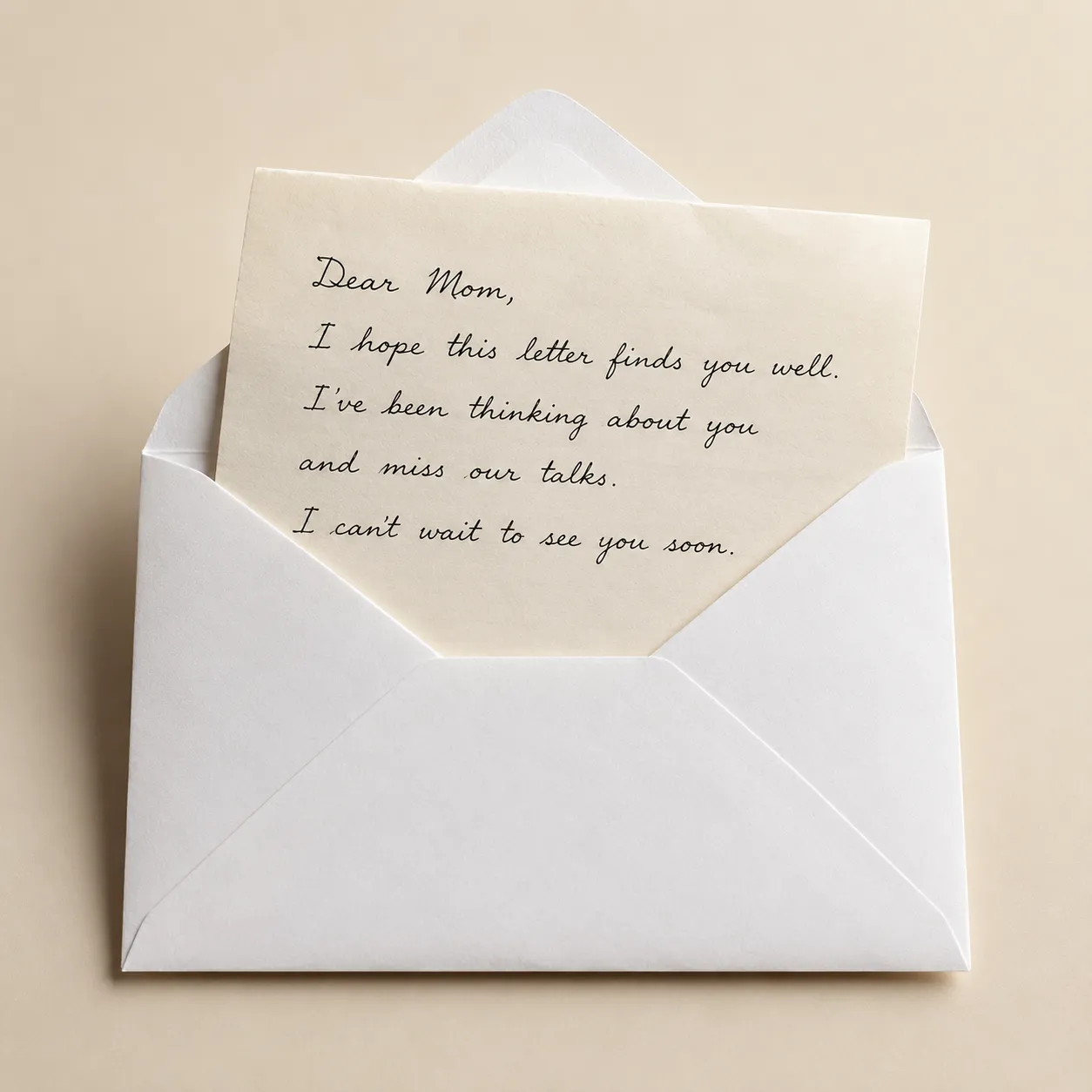
letterˈletər
a written message sent to a person, usually in an envelope.
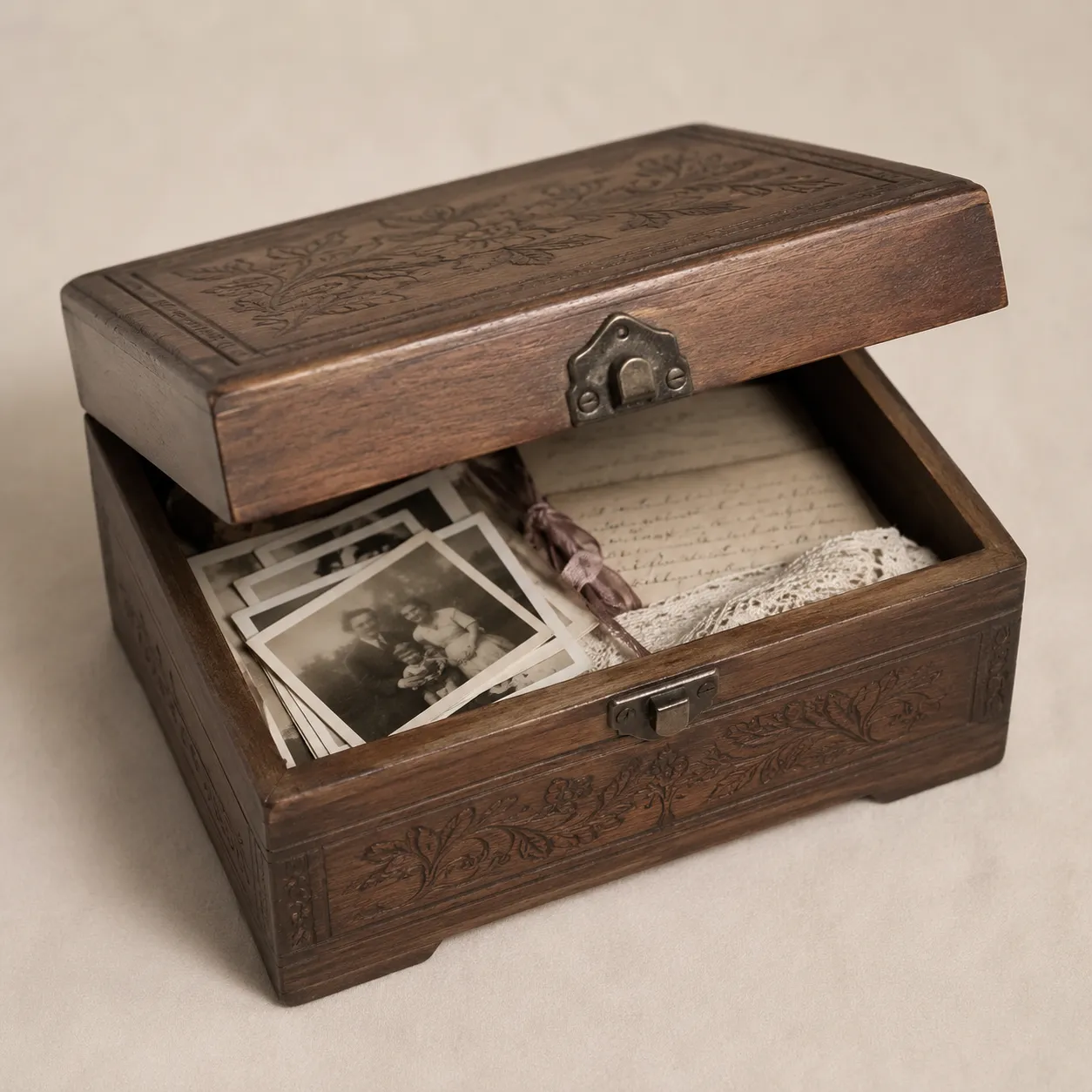
memory boxˈmɛməri bɑːks
a box where you keep photos, letters, small gifts, or other things that help you remember special people, places, or events.
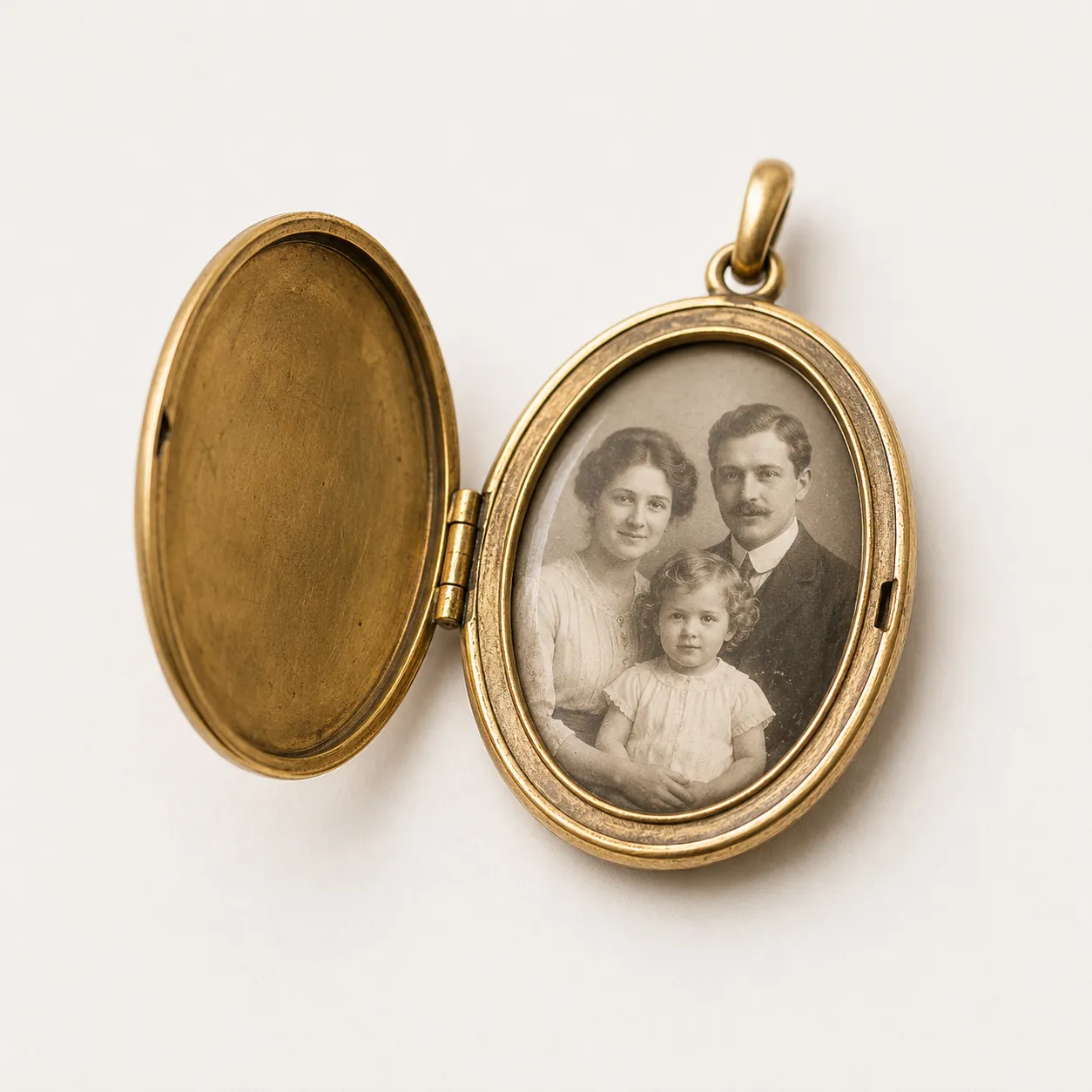
keepsakeˈkiːpseɪk
a small object that you keep because it reminds you of a person, place, or time that is special to you.

photographˈfoʊtəˌɡræf
a picture that is made with a camera.
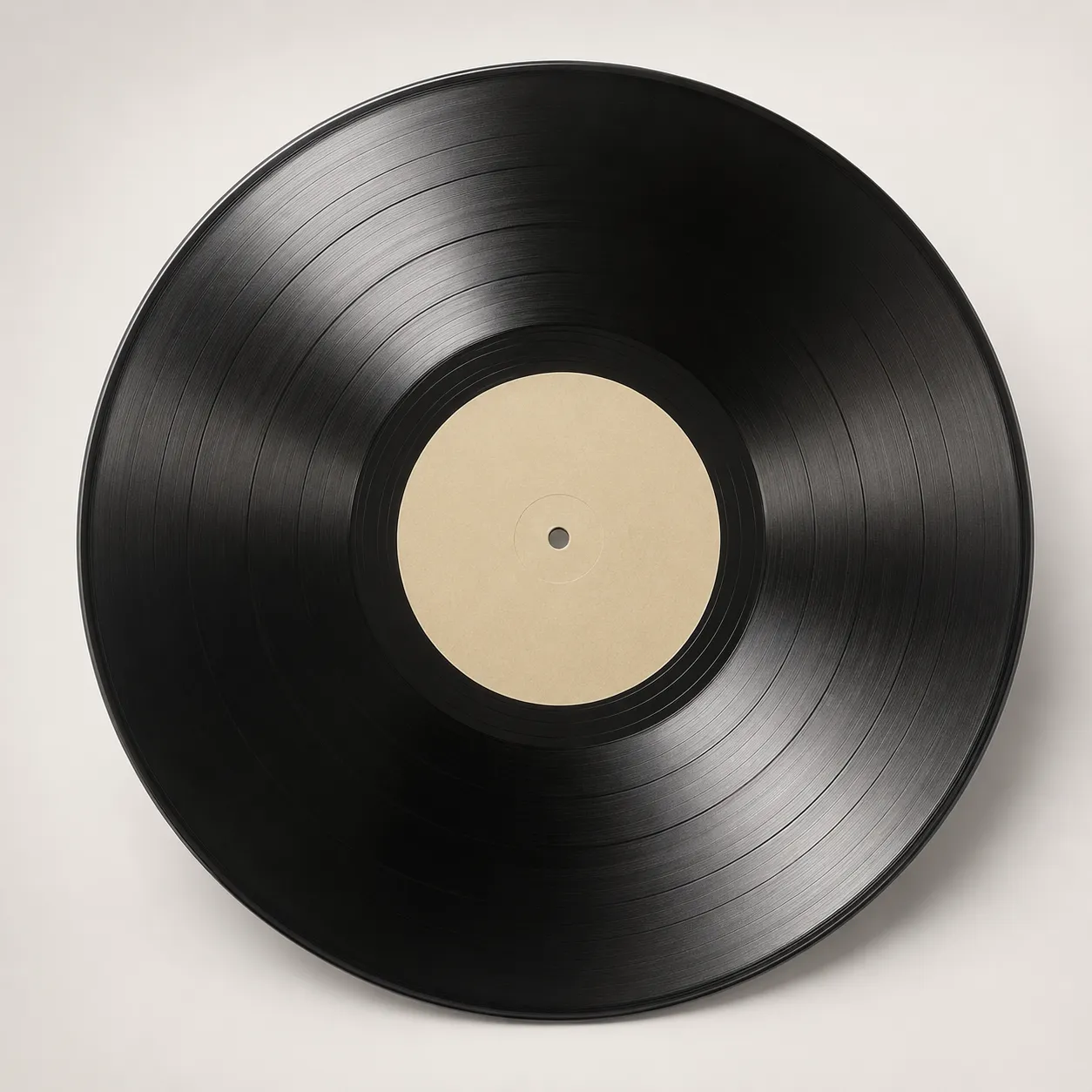
vinyl recordˈvaɪnəl ˈrɛkərd
a flat round plastic disc with tiny grooves, used for playing recorded music on a record player.
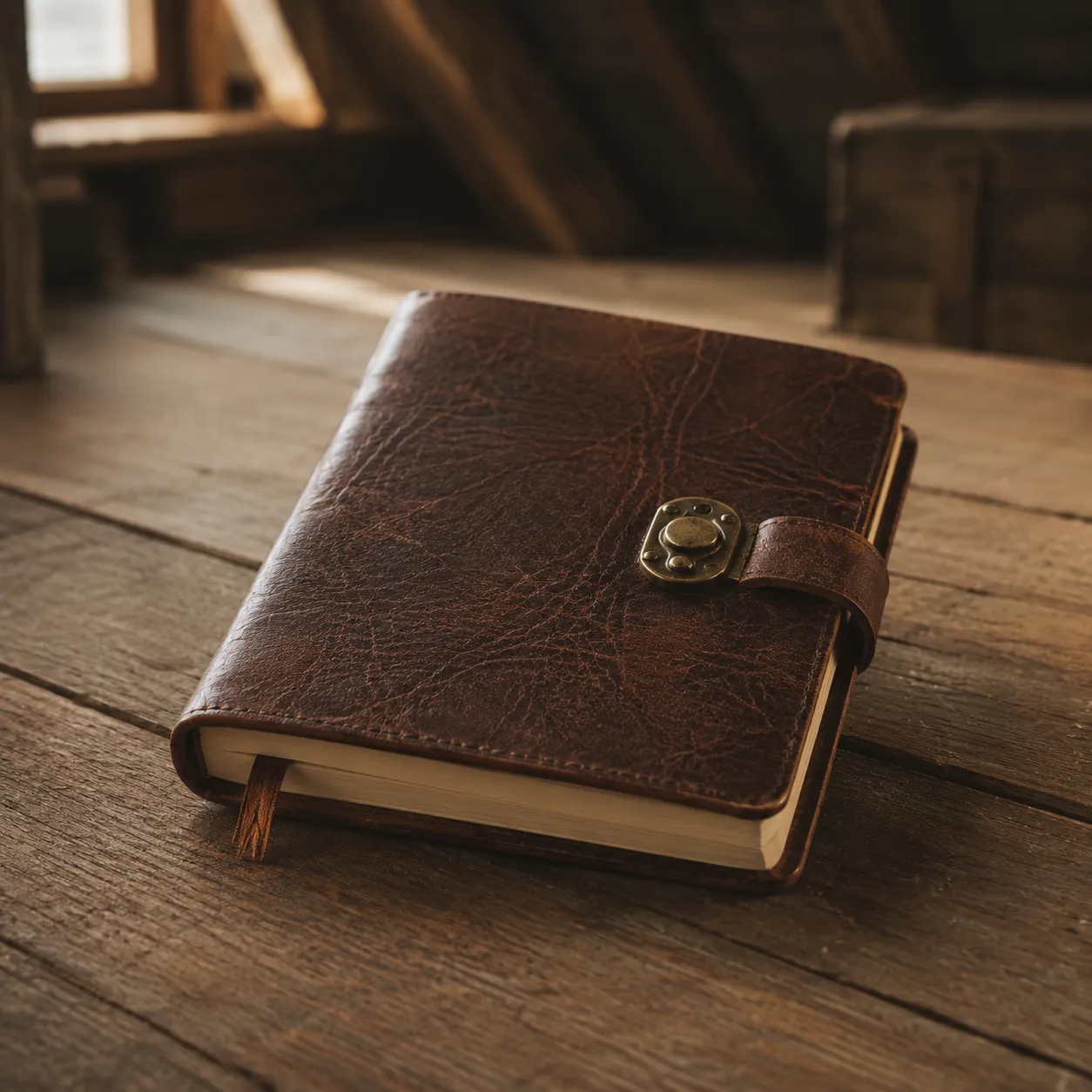
diaryˈdaɪəri
a book or file where you write what happened each day and often your private thoughts or feelings.
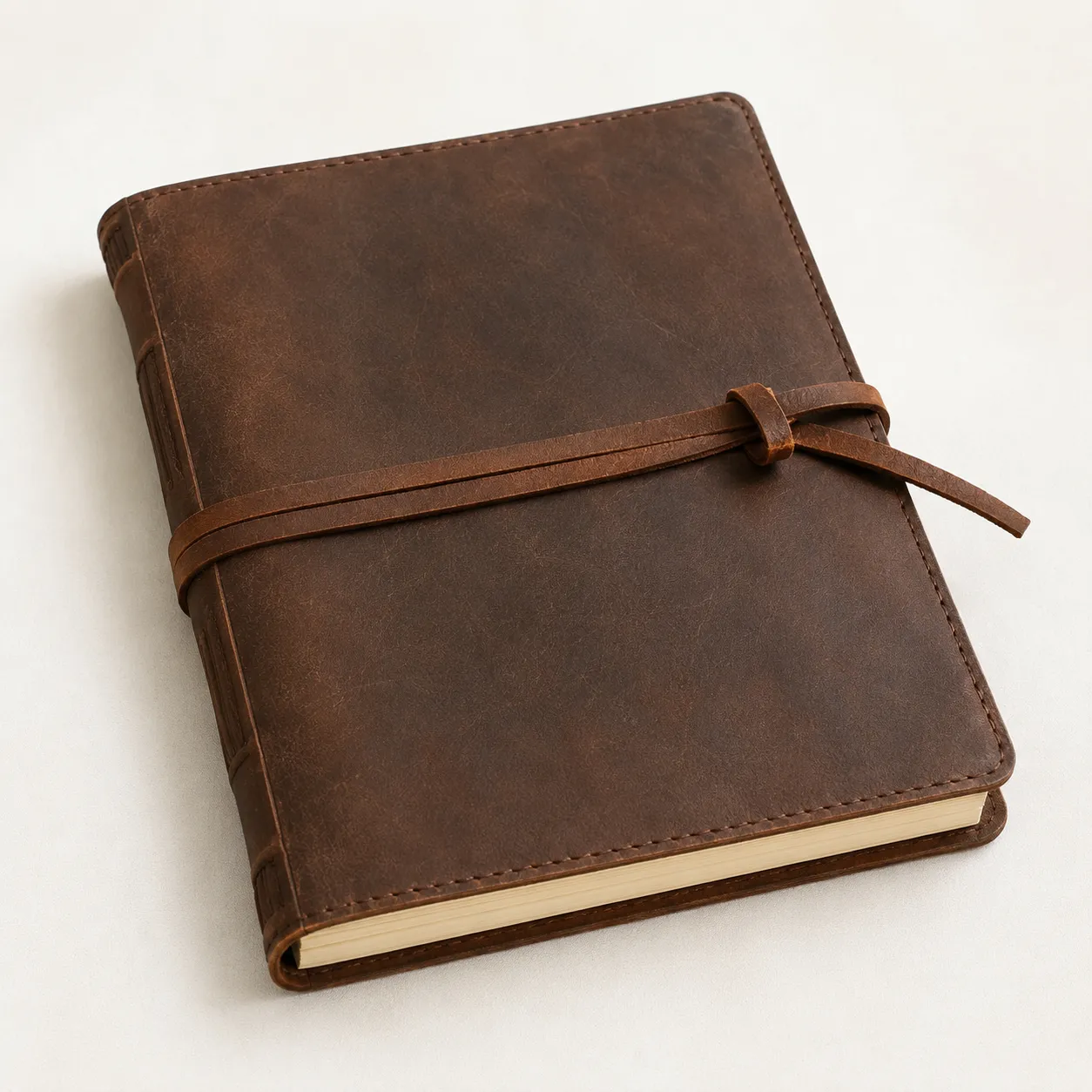
journalˈdʒɝːnəl
a book or digital record where you regularly write about what happens, what you think, or what you experience.
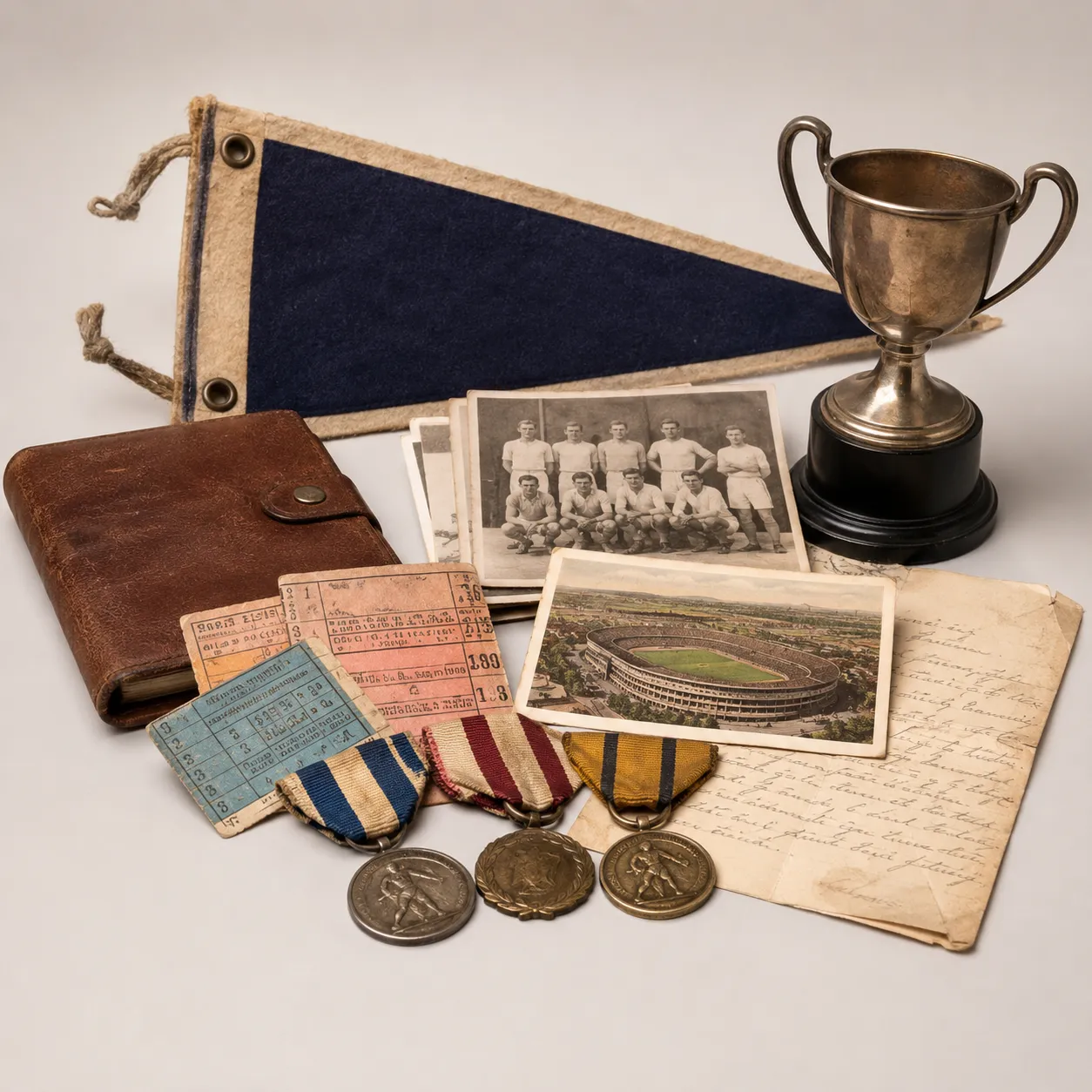
memorabiliaˌmɛmərəˈbɪliə
objects that people keep because they are connected with a famous person, special event, place, or personal memory.
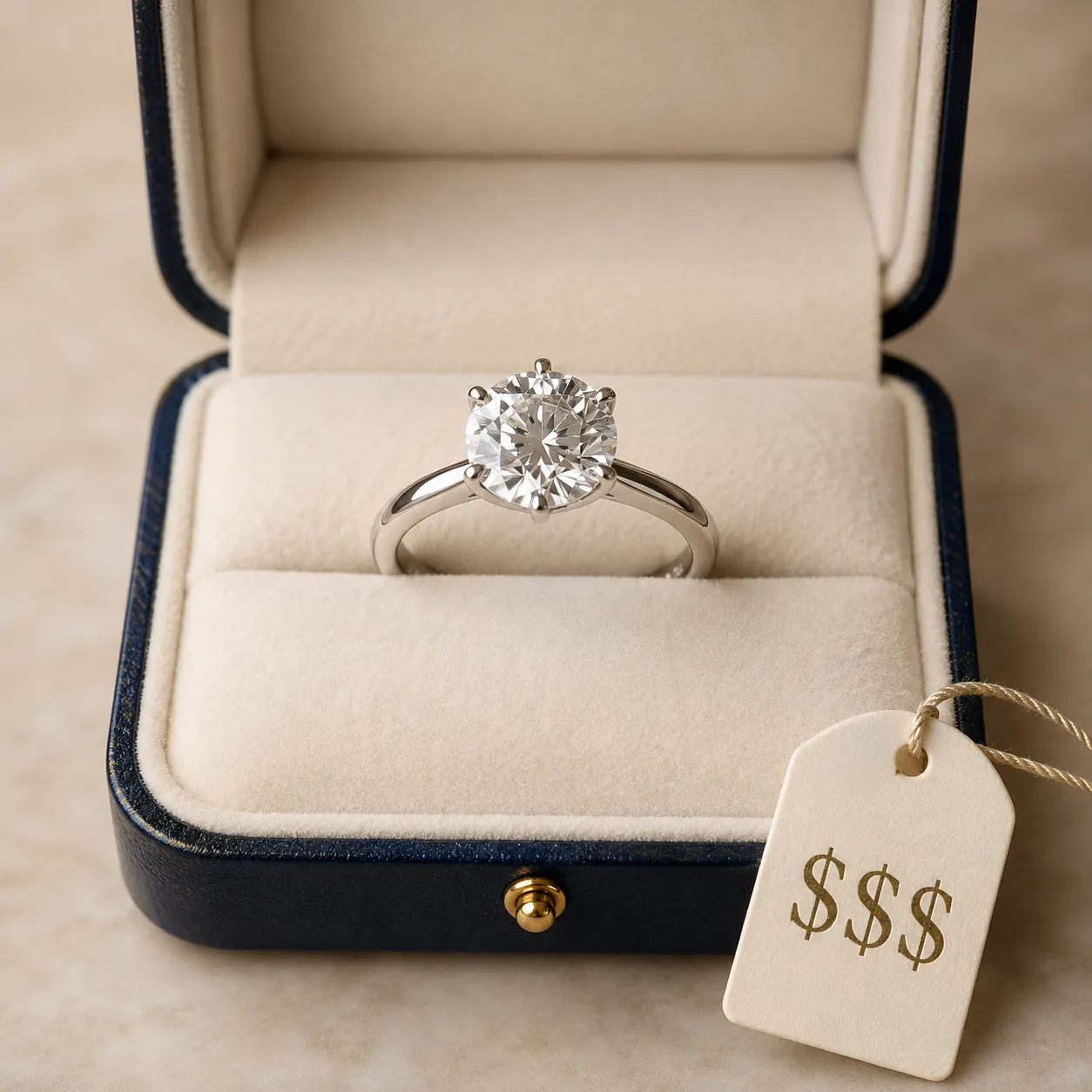
valuableˈvæljuəbəl
worth a lot of money, or very useful and important.
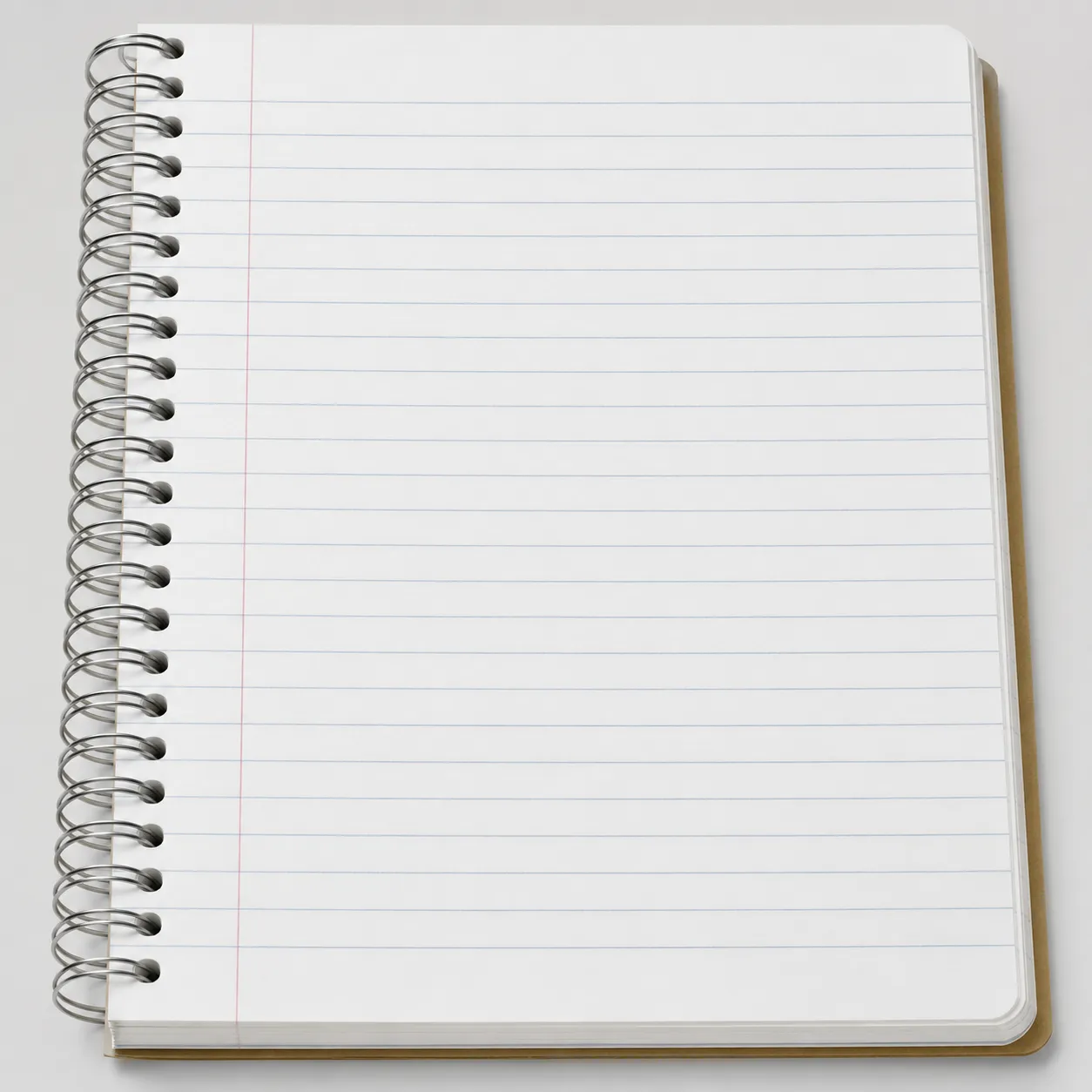
notebookˈnoʊtbʊk
a book of blank or lined pages used for writing notes.
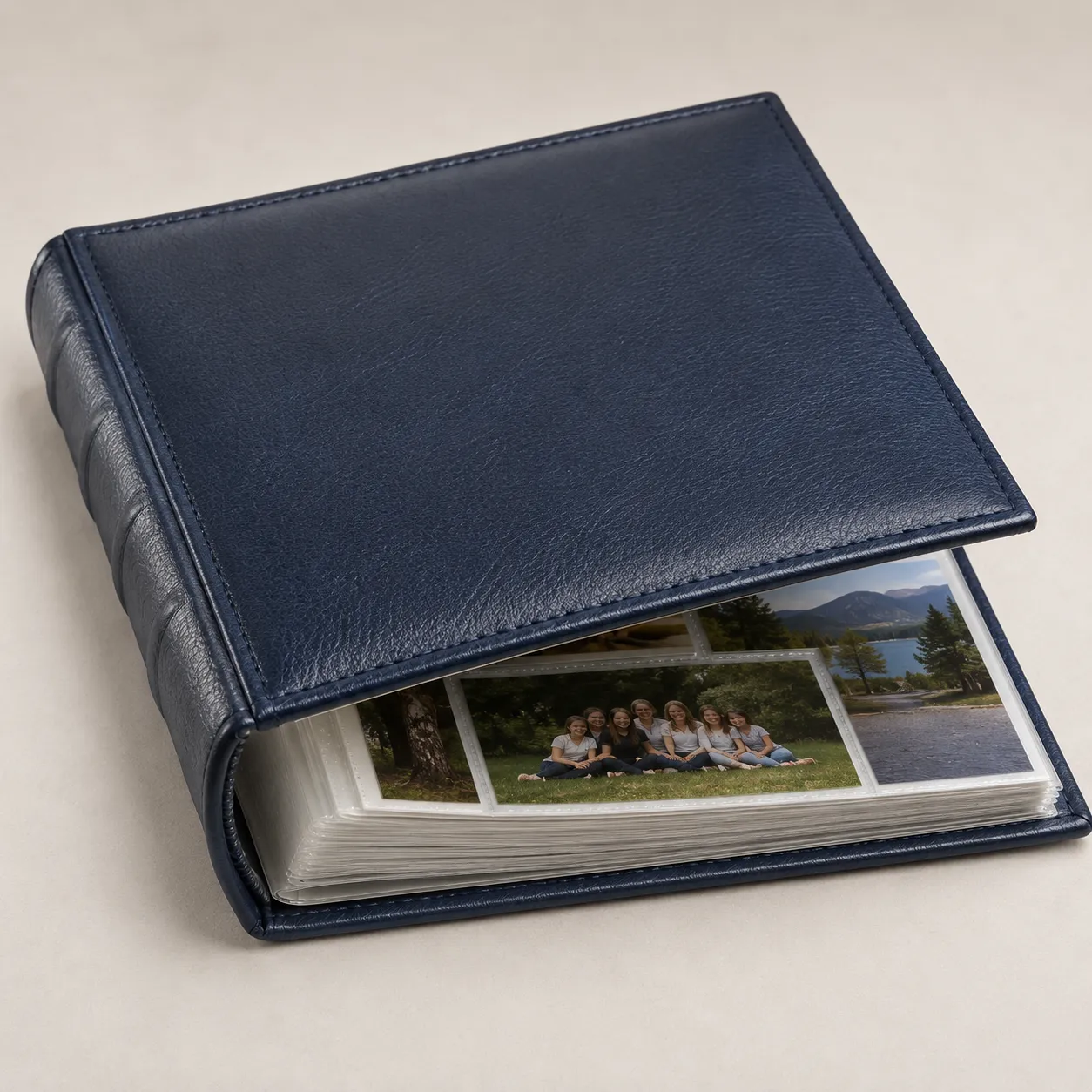
photo albumˈfoʊtoʊ ˌælbəm
a book or digital collection where photographs are kept and shown together.
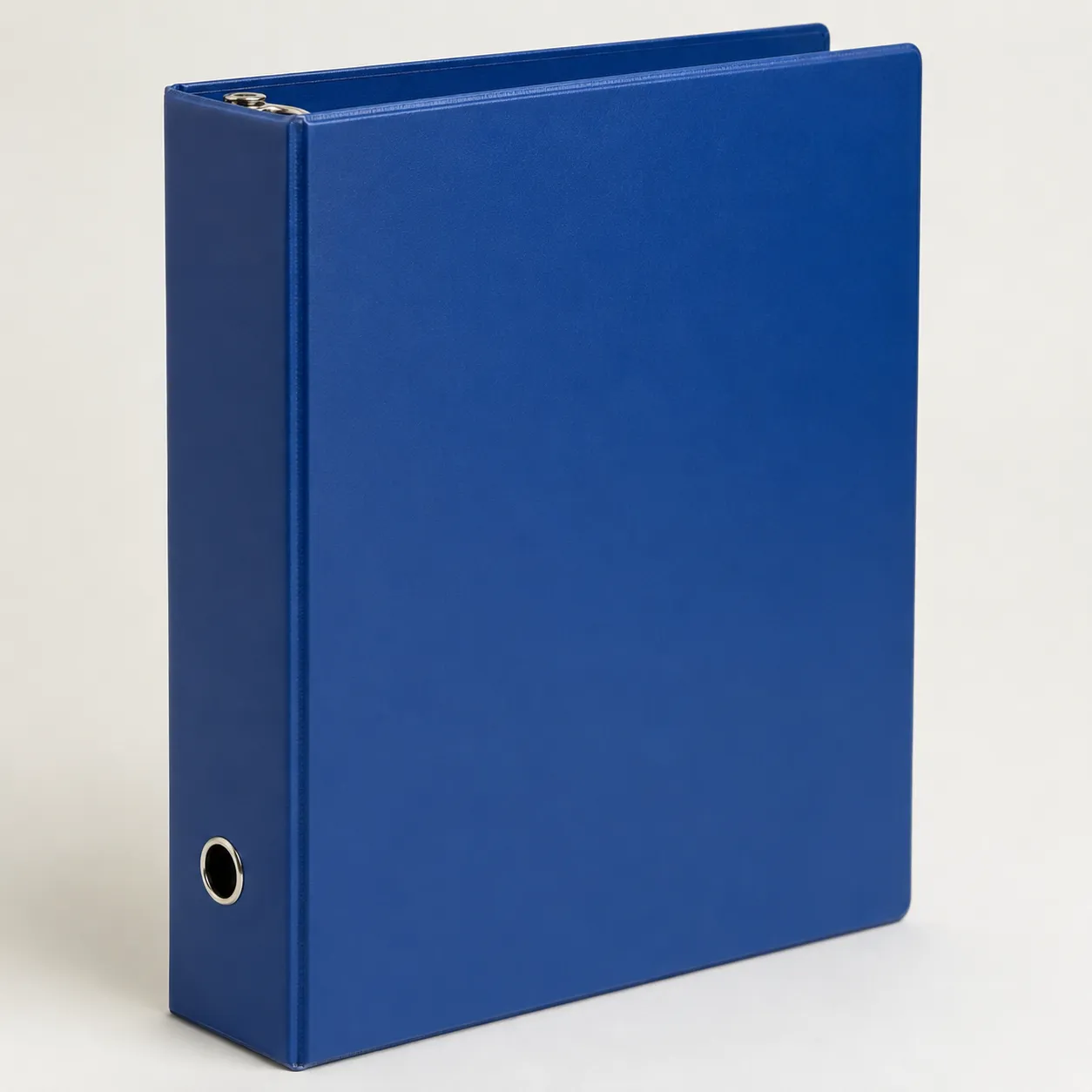
binderˈbaɪndər
a hard folder with rings inside for holding punched papers.
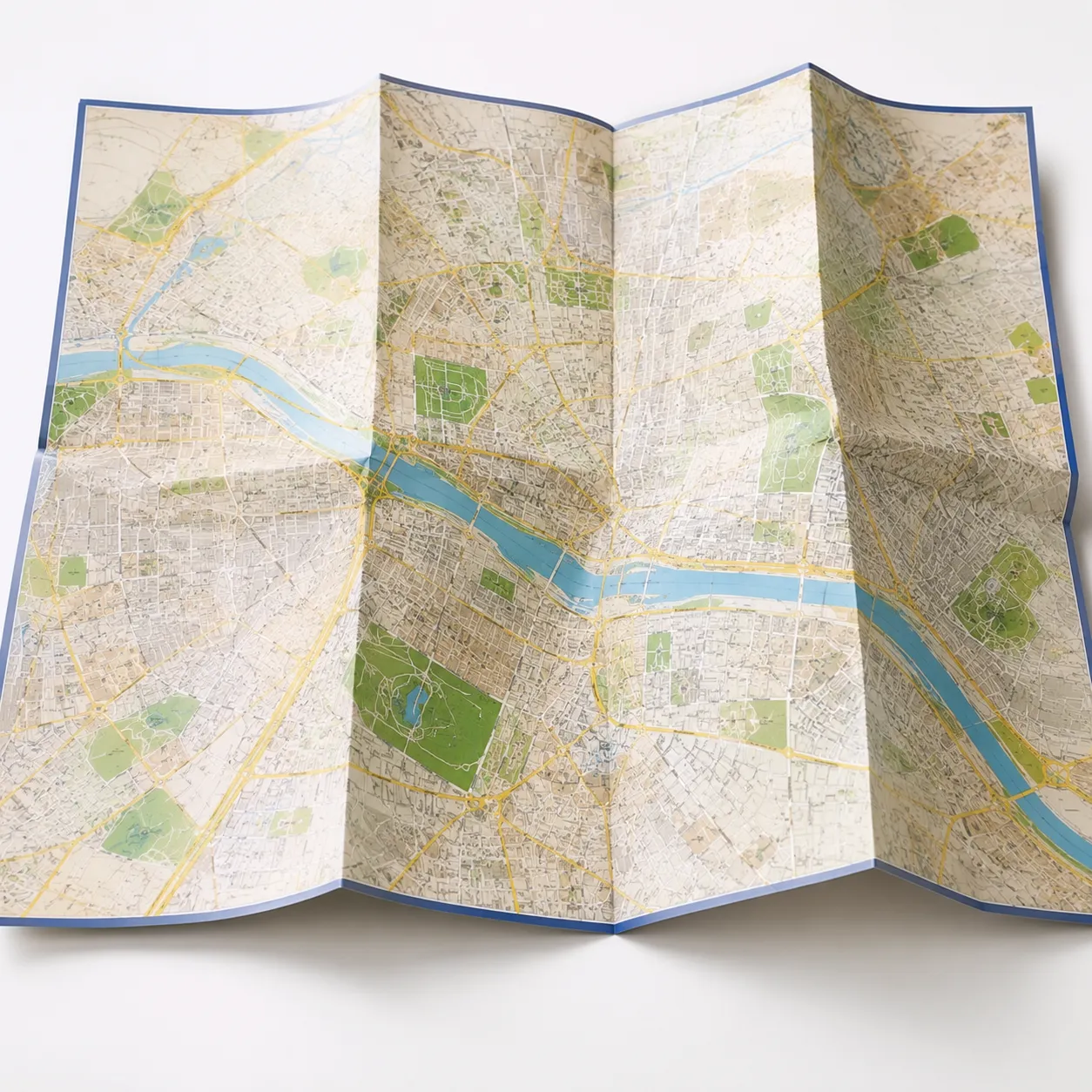
mapmæp
a picture showing where places are located

magazineˌmæɡəˈziːn
a thin book with a paper cover, published every week or month, with articles, stories and pictures.
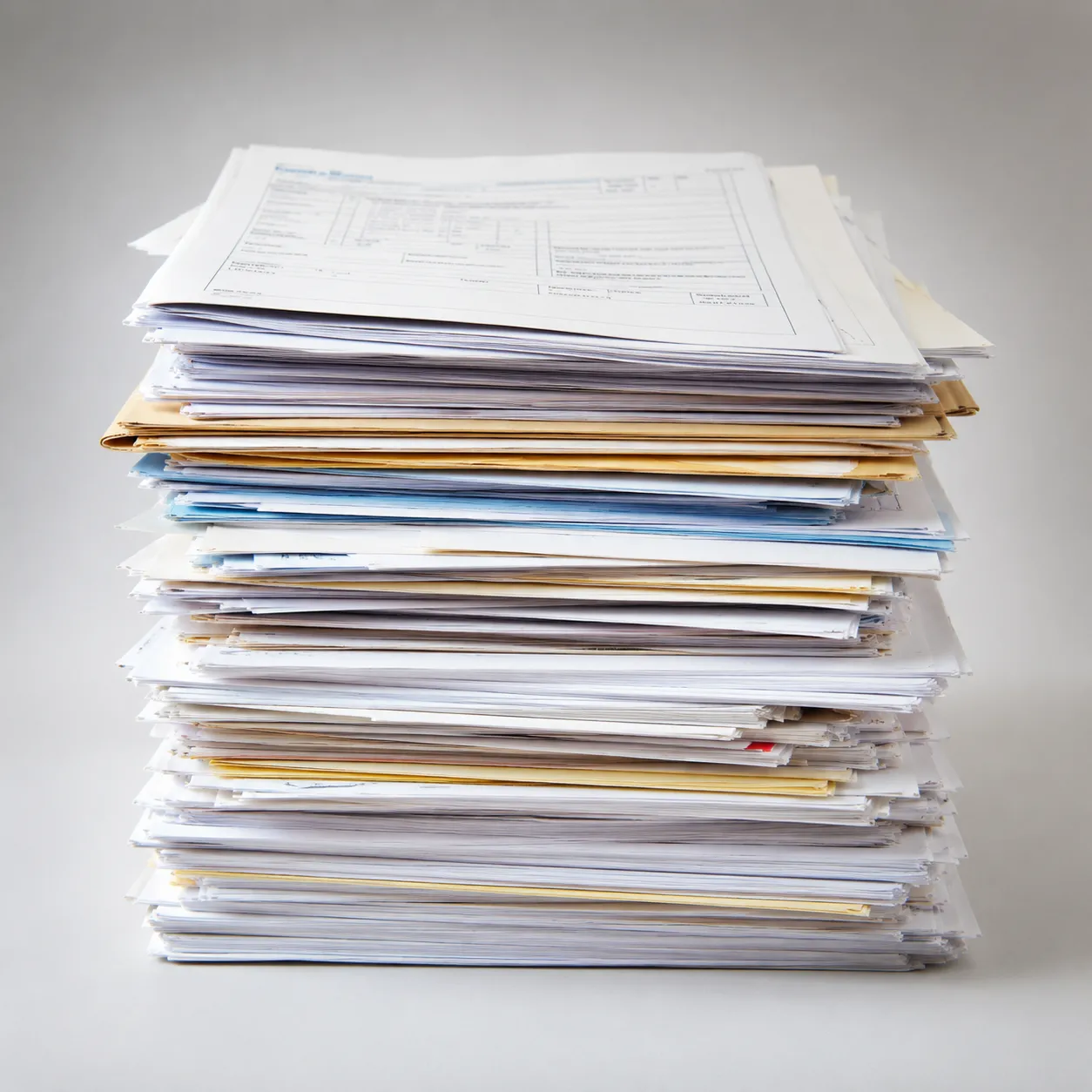
paperworkˈpeɪpəwɜːk
documents and forms that must be completed as part of a job or process.
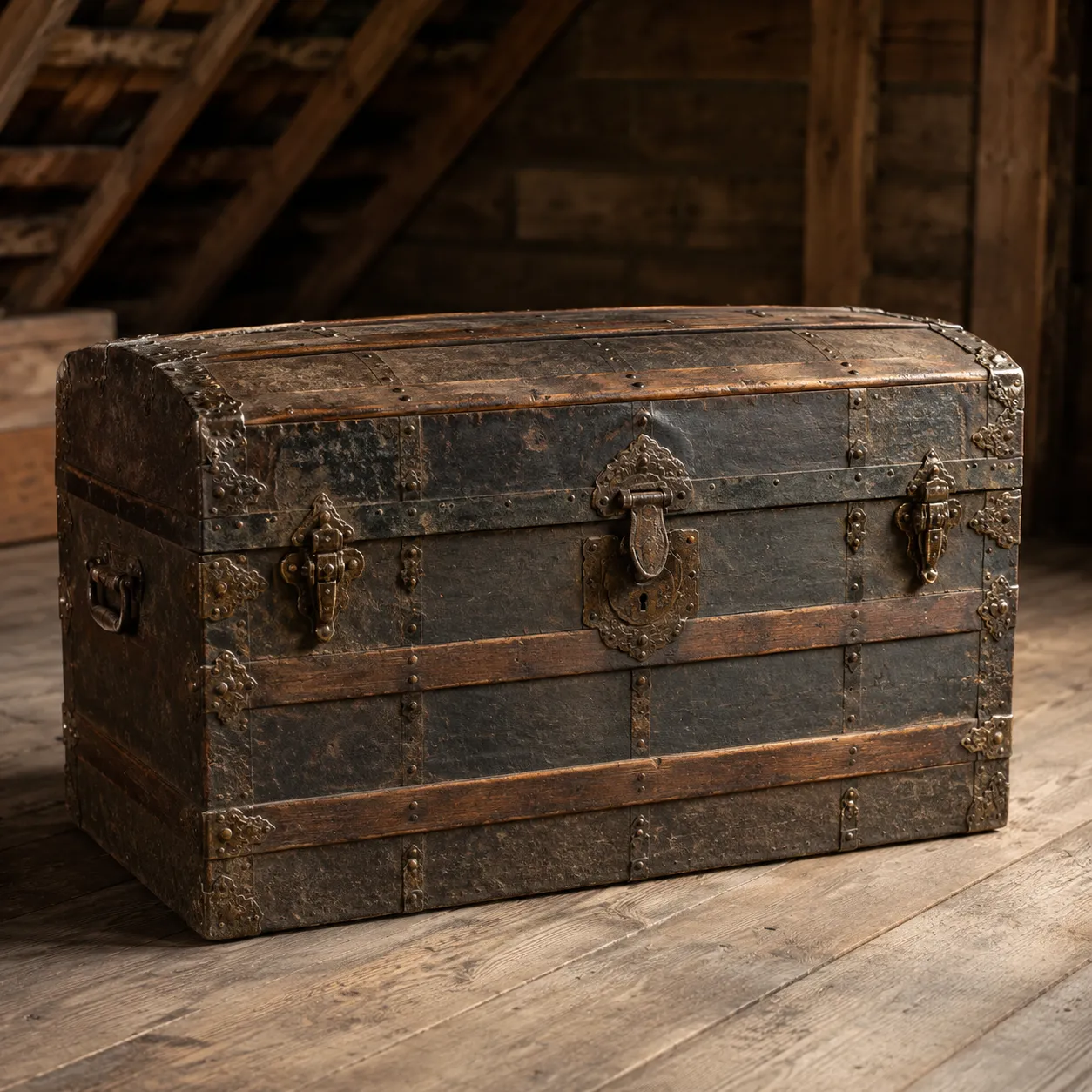
antiqueænˈtiːk
old and often valuable because of age, beauty, or historical interest, especially used about furniture or objects.
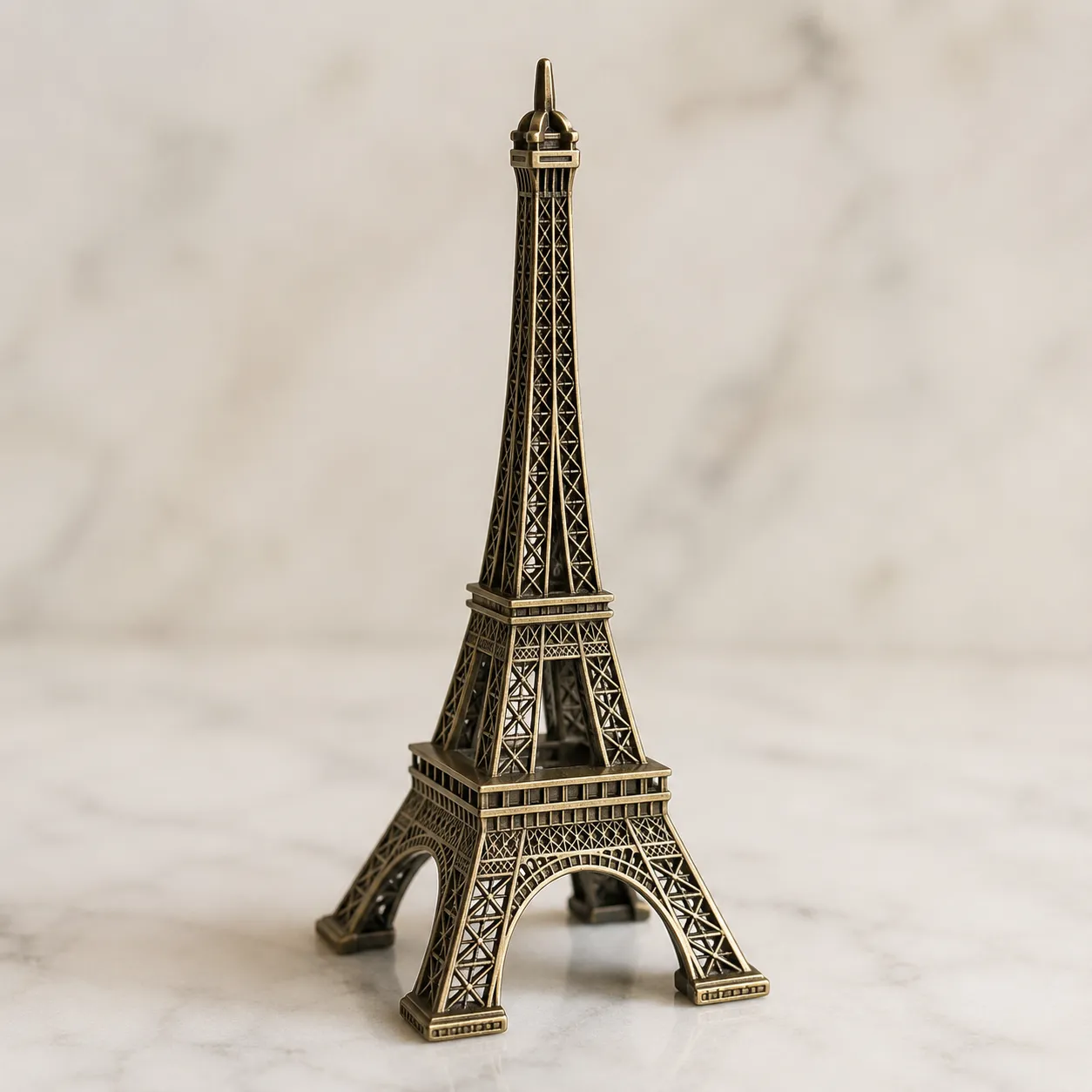
souvenirˌsuːvəˈnɪr
something that you buy or keep to remind you of a place you visited, a holiday, or a special event.
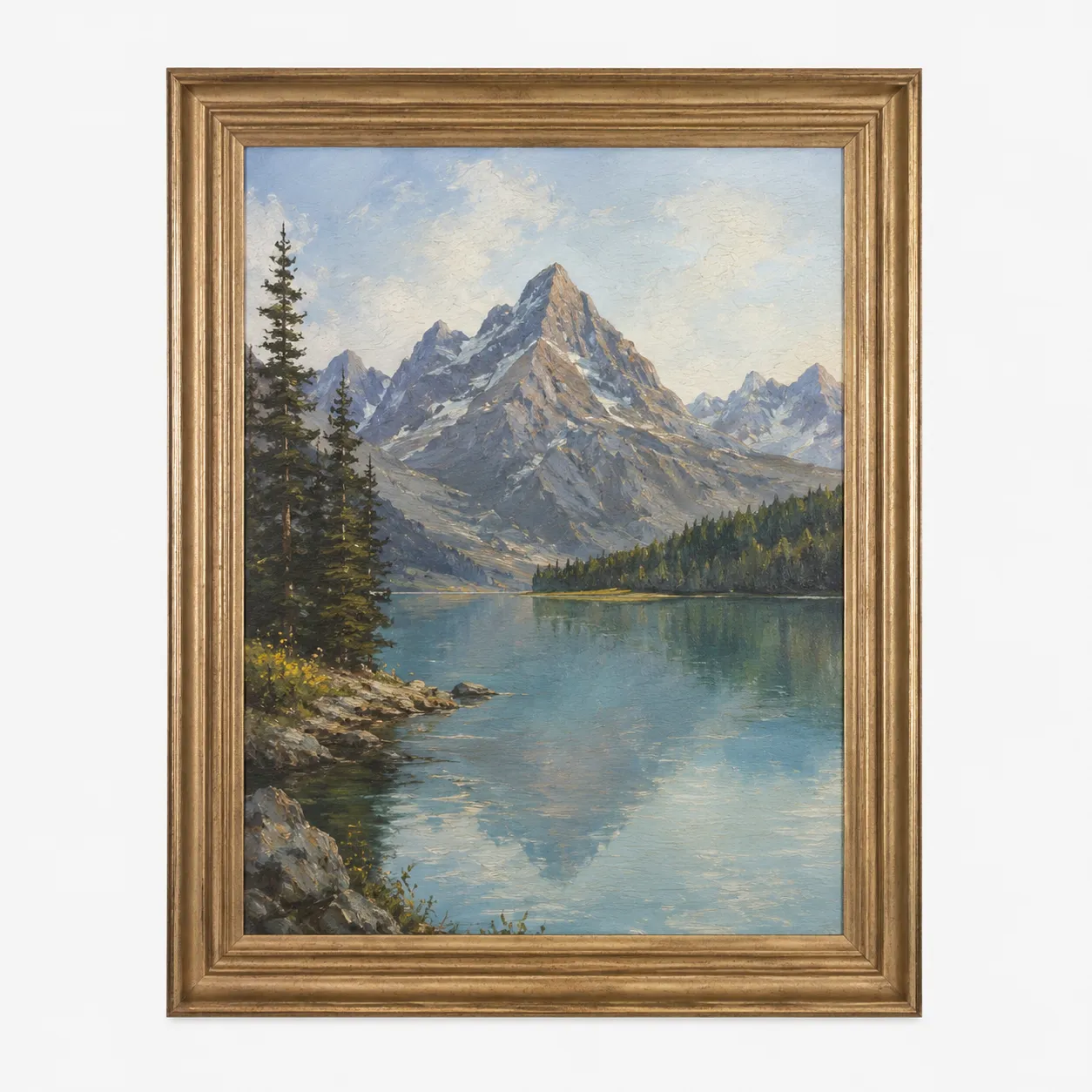
artworkˈɑːrtˌwɝːk
an object, picture, or design that an artist has made.

collectionkəˈlekʃən
a group of related objects or products gathered, displayed, or sold together
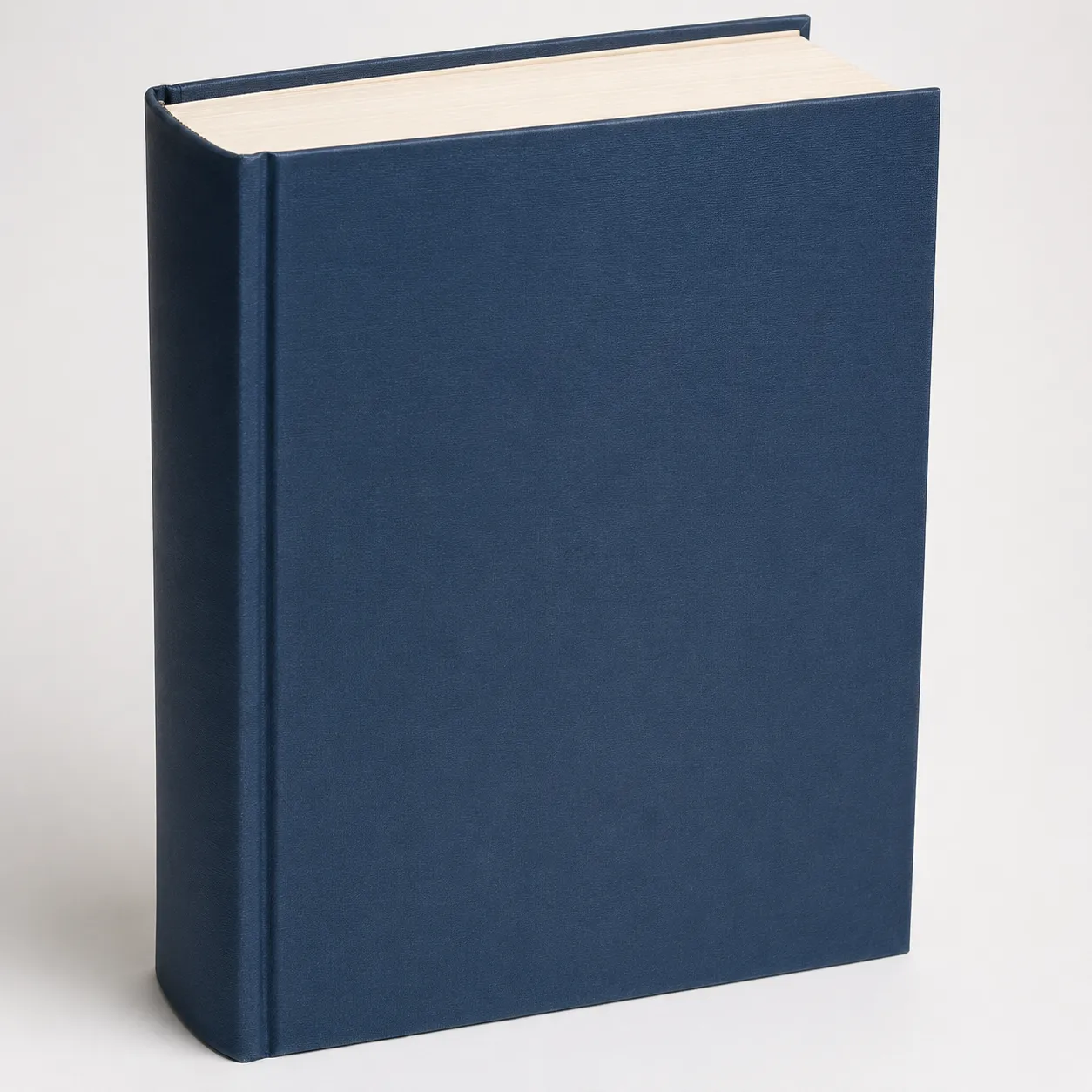
textbookˈtekstbʊk
a book used for studying a school subject, with explanations and exercises.

posterˈpoʊstər
a large printed picture or notice put on a wall for information, decoration, or advertising.

envelopeˈenvəloʊp
a flat paper cover used for sending or storing a letter or document.
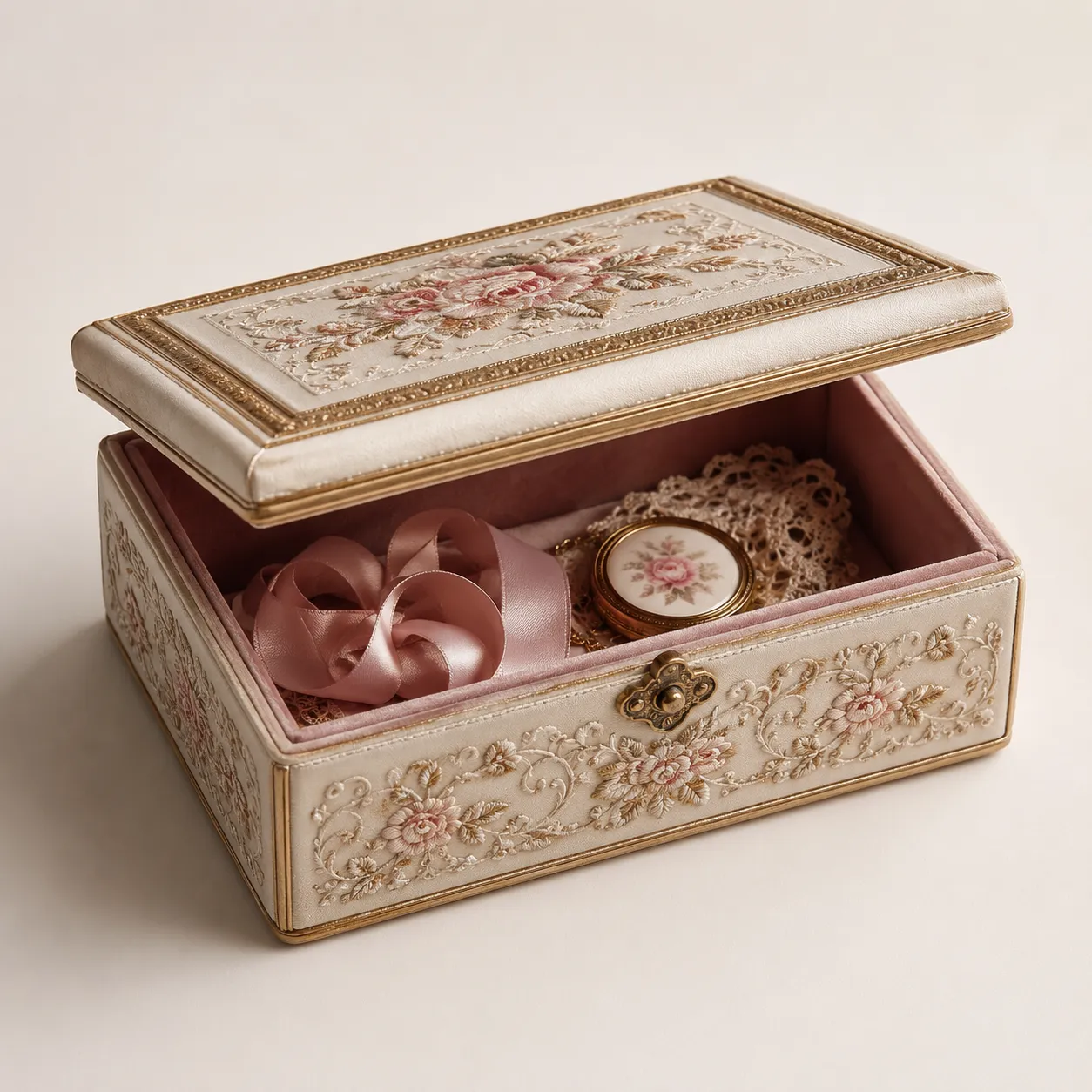
keepsake boxˈkiːpseɪk bɑks
a box used to keep small objects that remind you of important people, places or events.
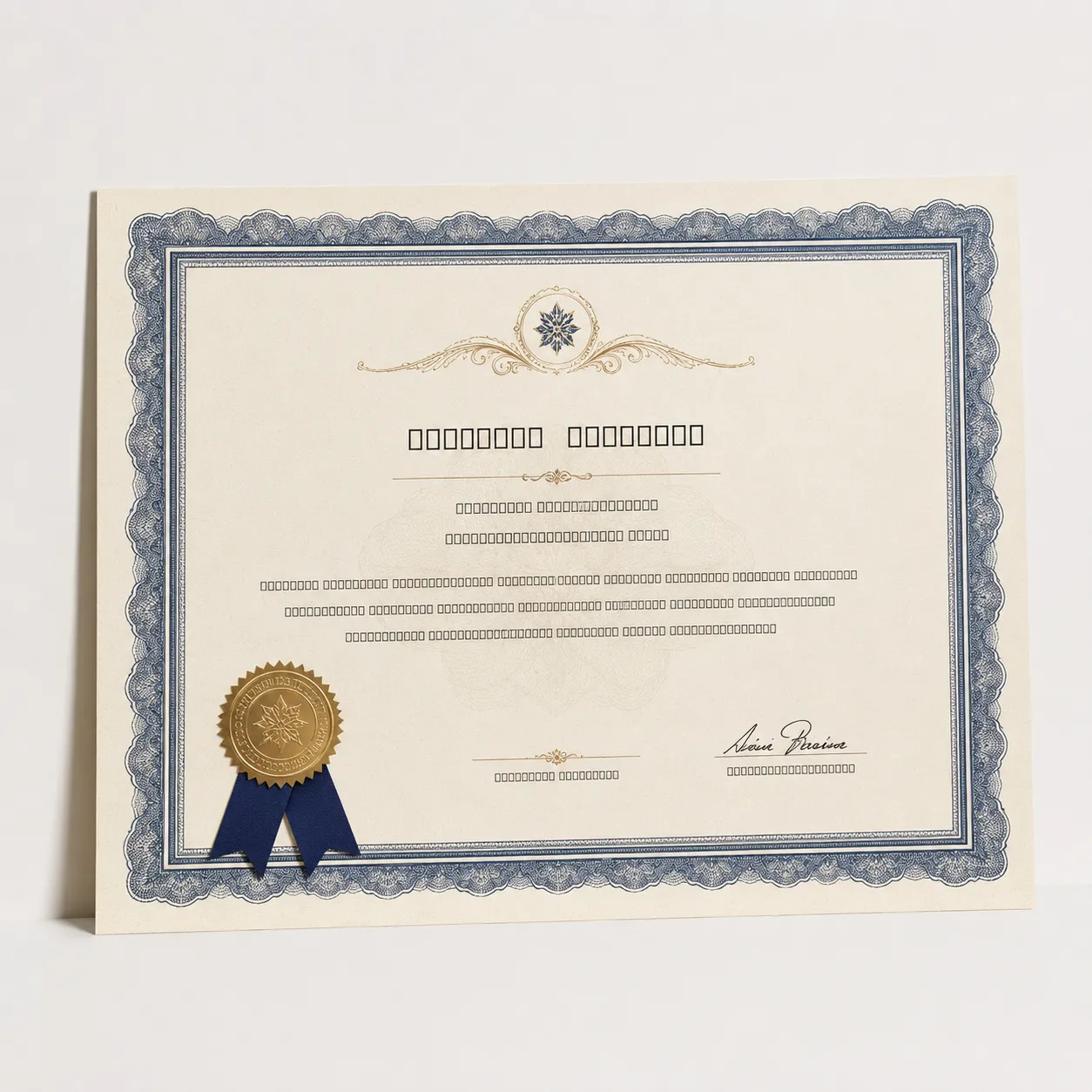
certificatesərˈtɪfɪkət
an official document that proves a fact, qualification, achievement, or status.
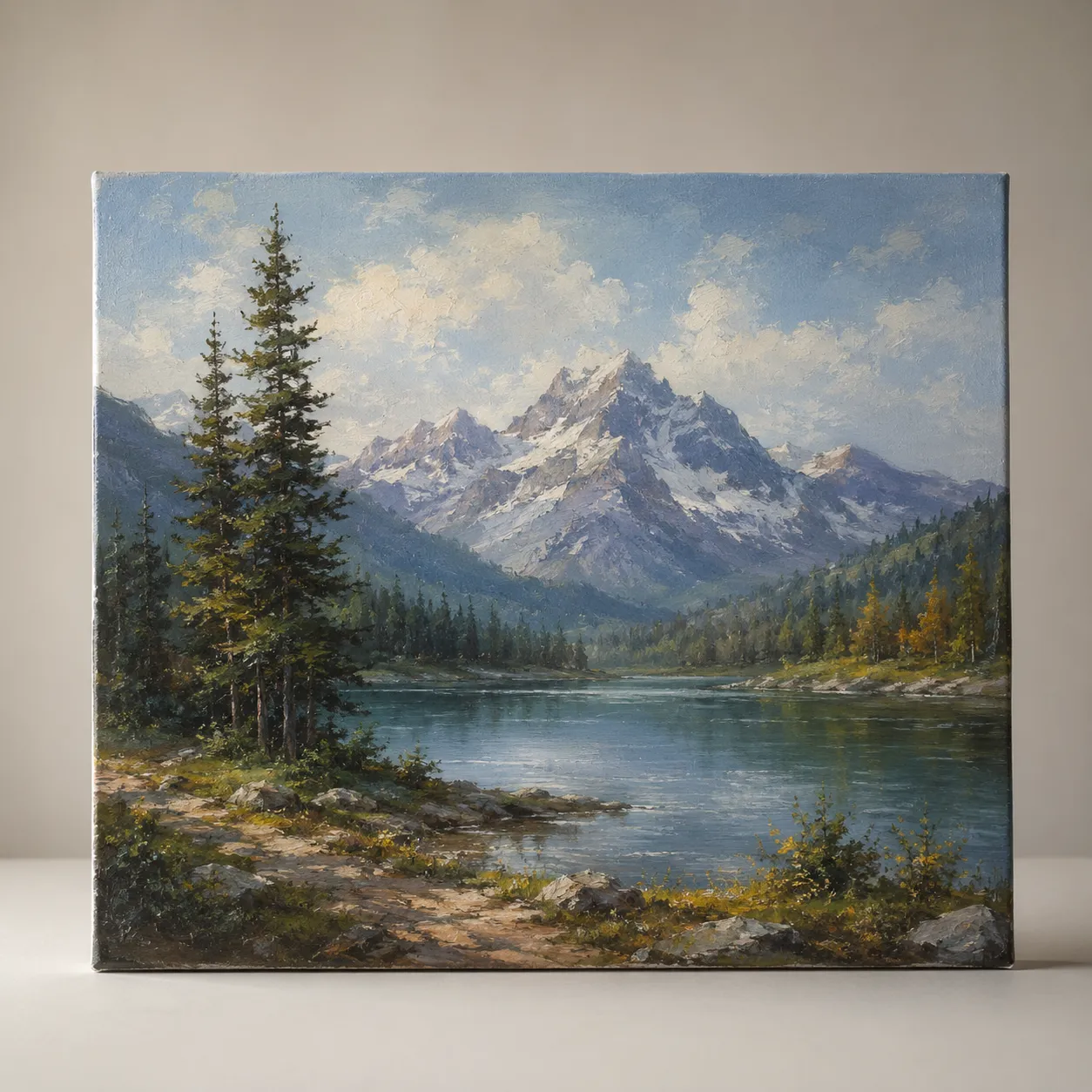
paintingˈpeɪntɪŋ
a picture that someone has made using paint.
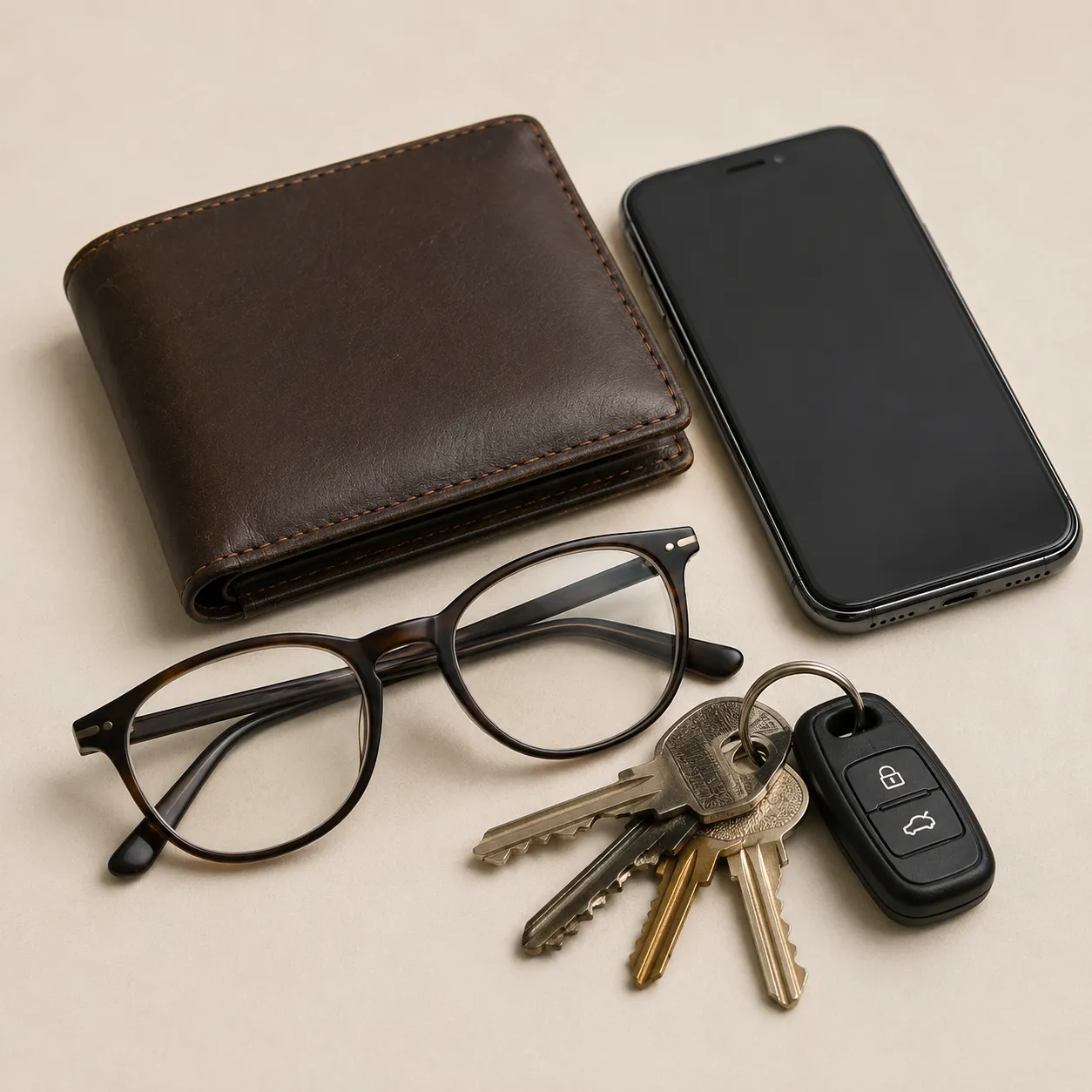
personalˈpɝːsənəl
belonging to or connected with one particular person rather than with other people or work.
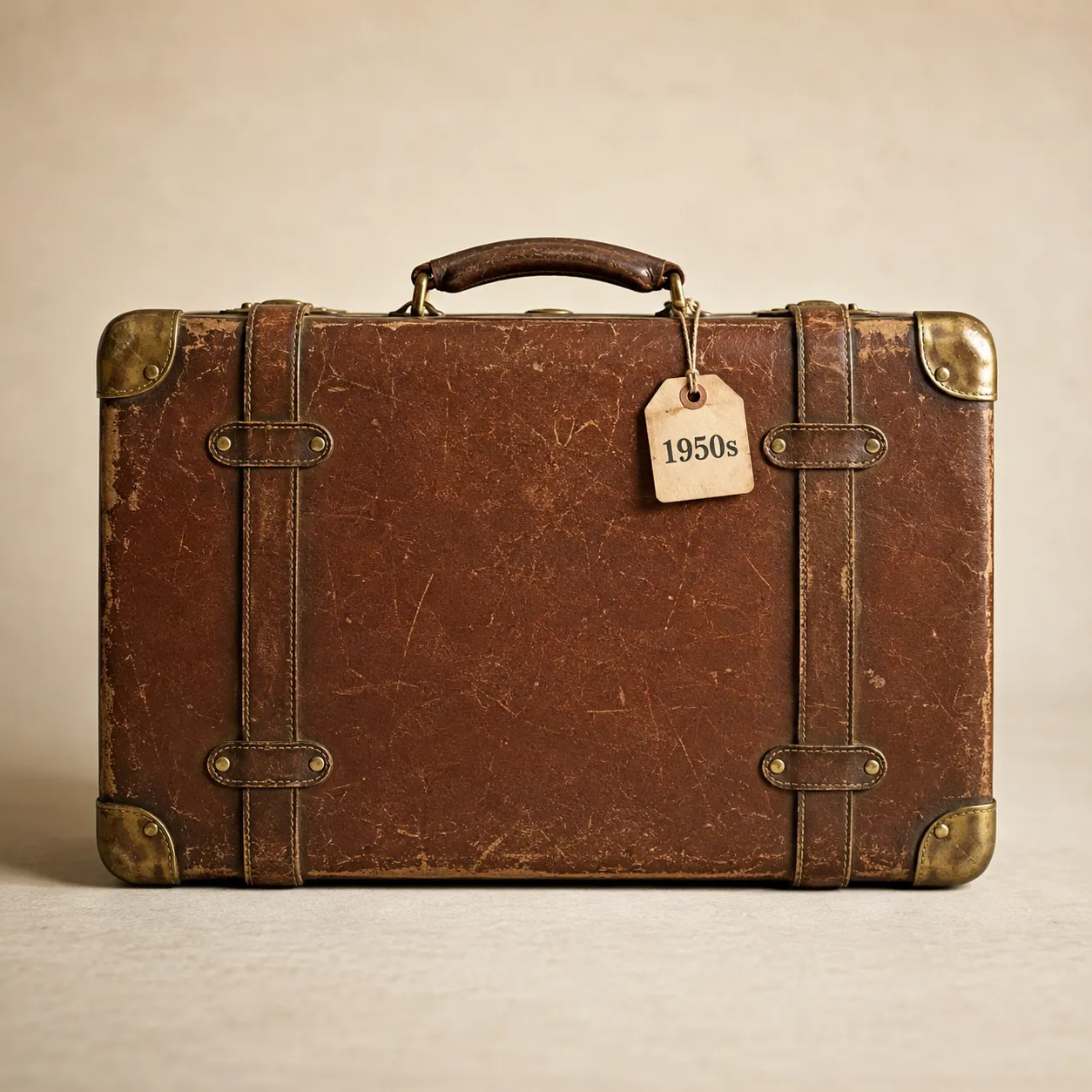
vintageˈvɪntɪdʒ
from an earlier period and valued because it has a good style, quality, or character typical of that time.
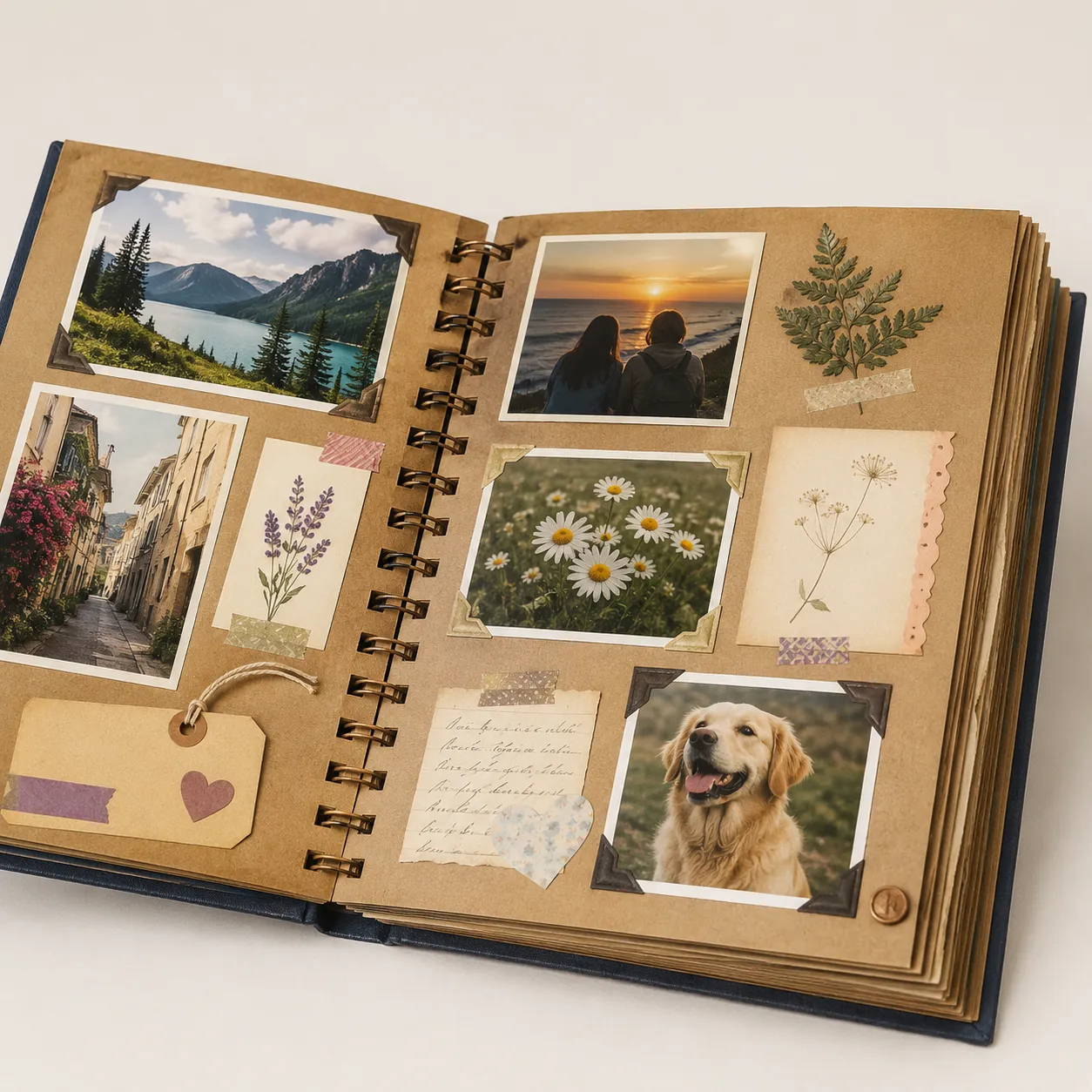
scrapbookˈskræpˌbʊk
a book with blank pages where you keep photos, drawings, tickets, newspaper pieces, and other things that remind you of events.
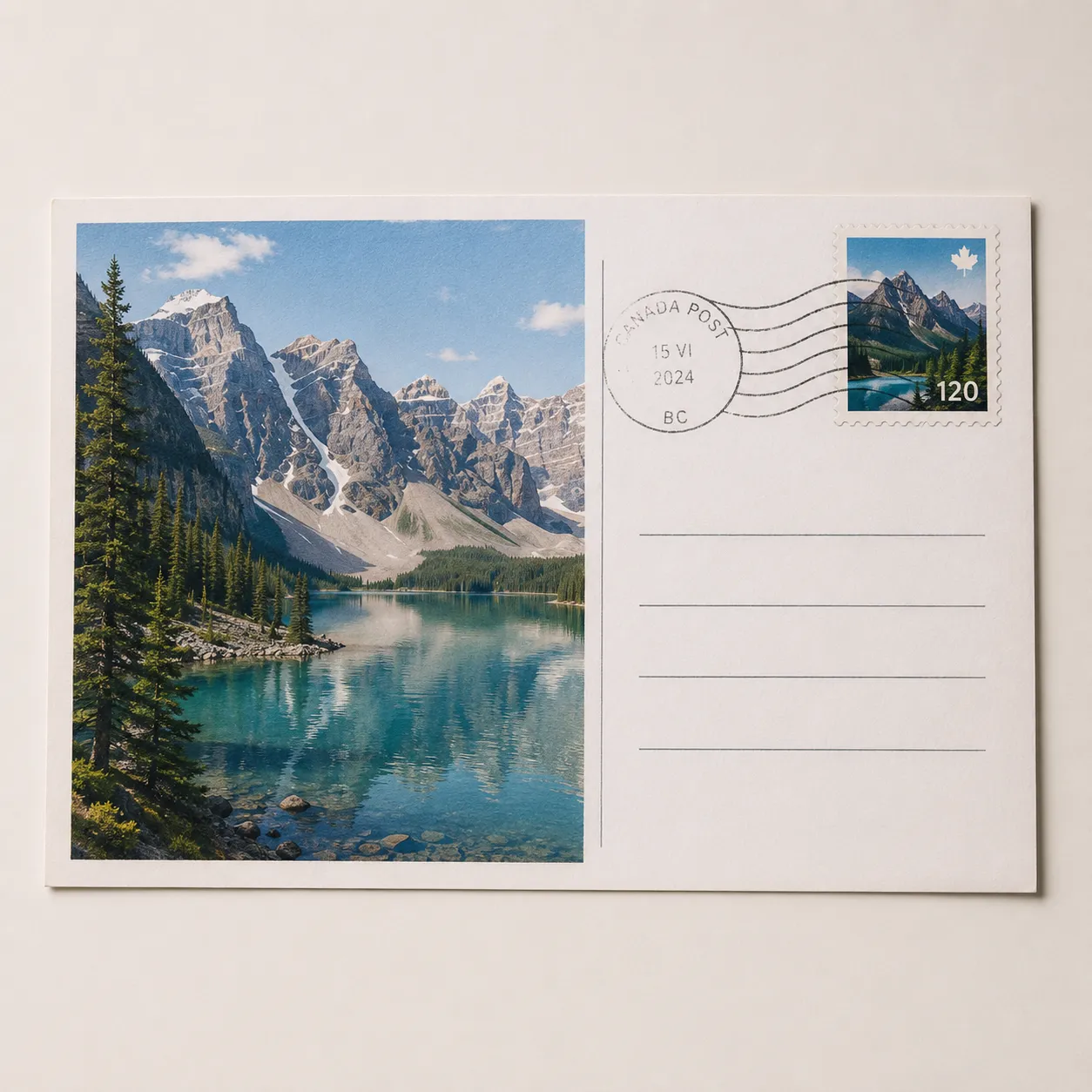
postcardˈpoʊstˌkɑrd
a card, often with a picture on one side, that you write a short message on and send by mail without an envelope.
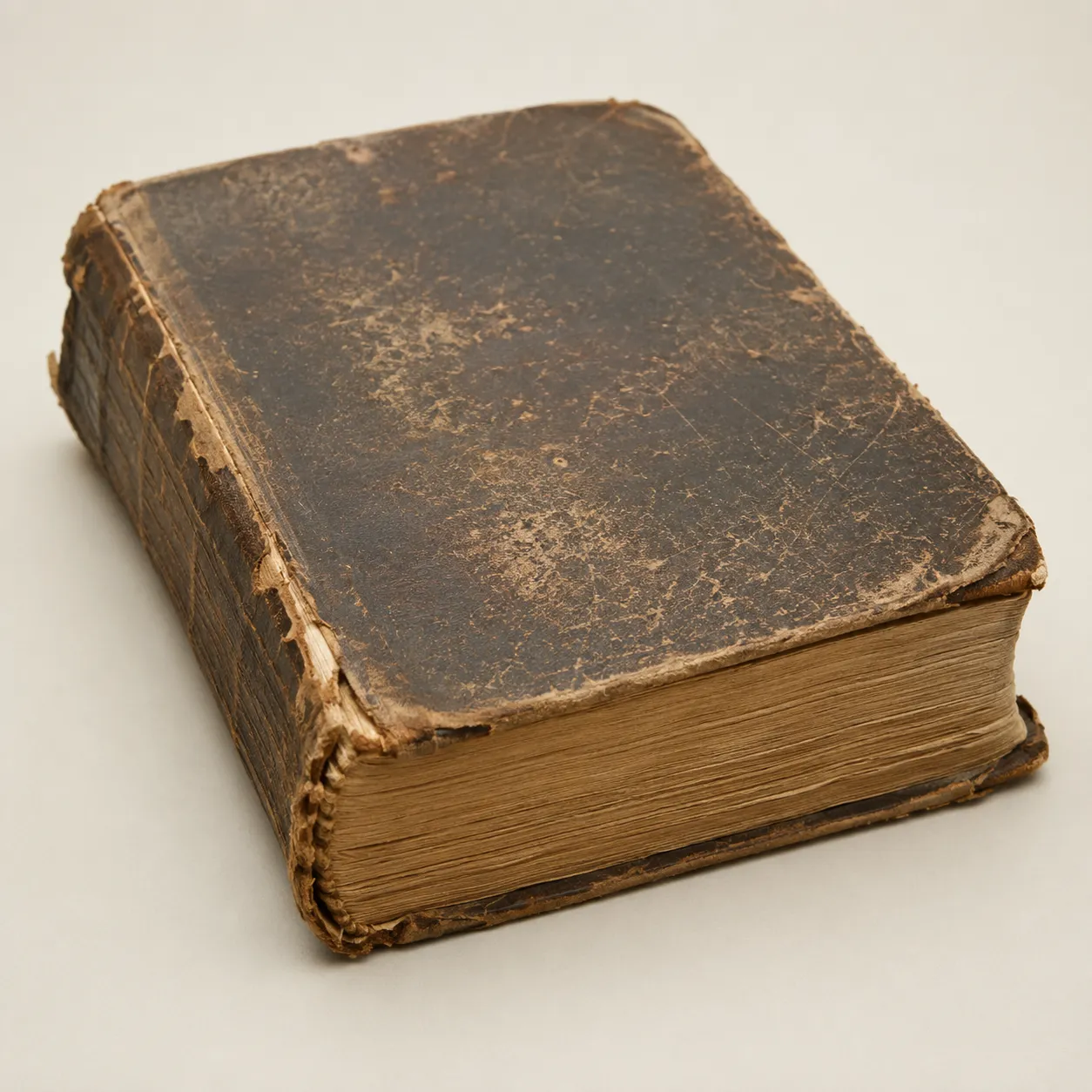
old bookoʊld bʊk
a book that has existed for a long time and may look worn, out of date, or valuable because of its age.
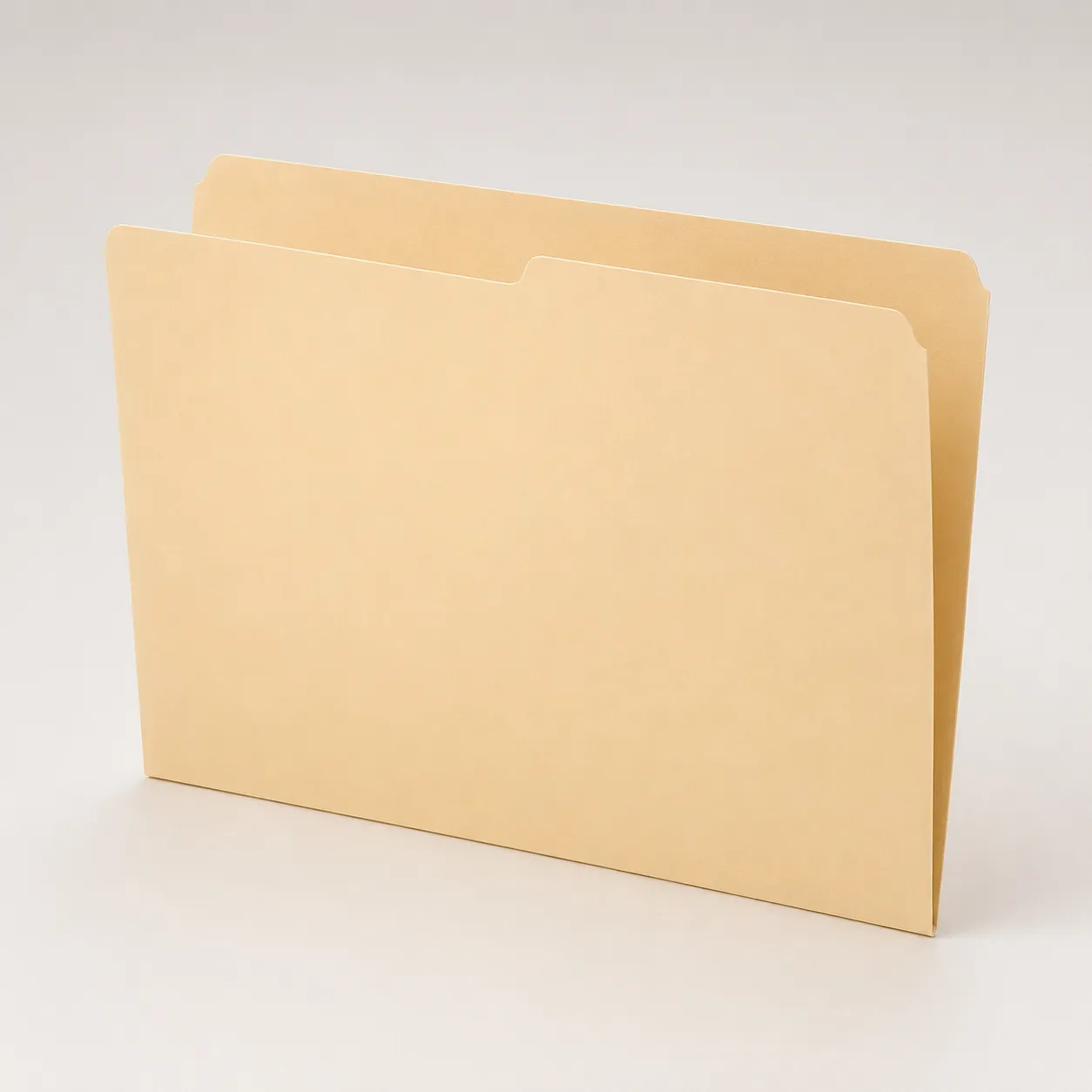
file folderˈfaɪl ˌfoʊldər
a folded piece of card or plastic used to hold and organize papers, usually in a drawer or cabinet.
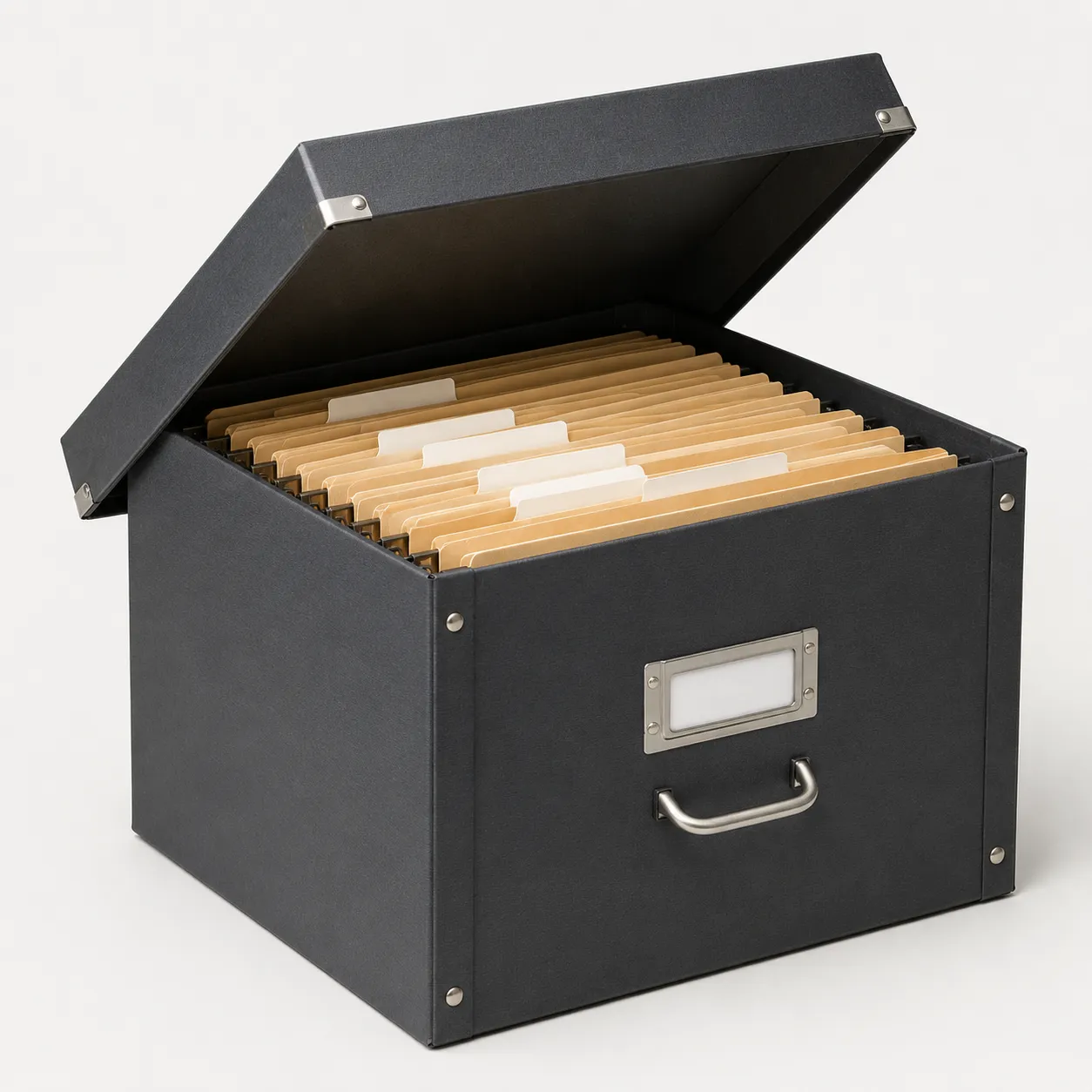
filing boxˈfaɪlɪŋ bɑks
a box used for storing documents in an organized way, often with folders or labels inside.
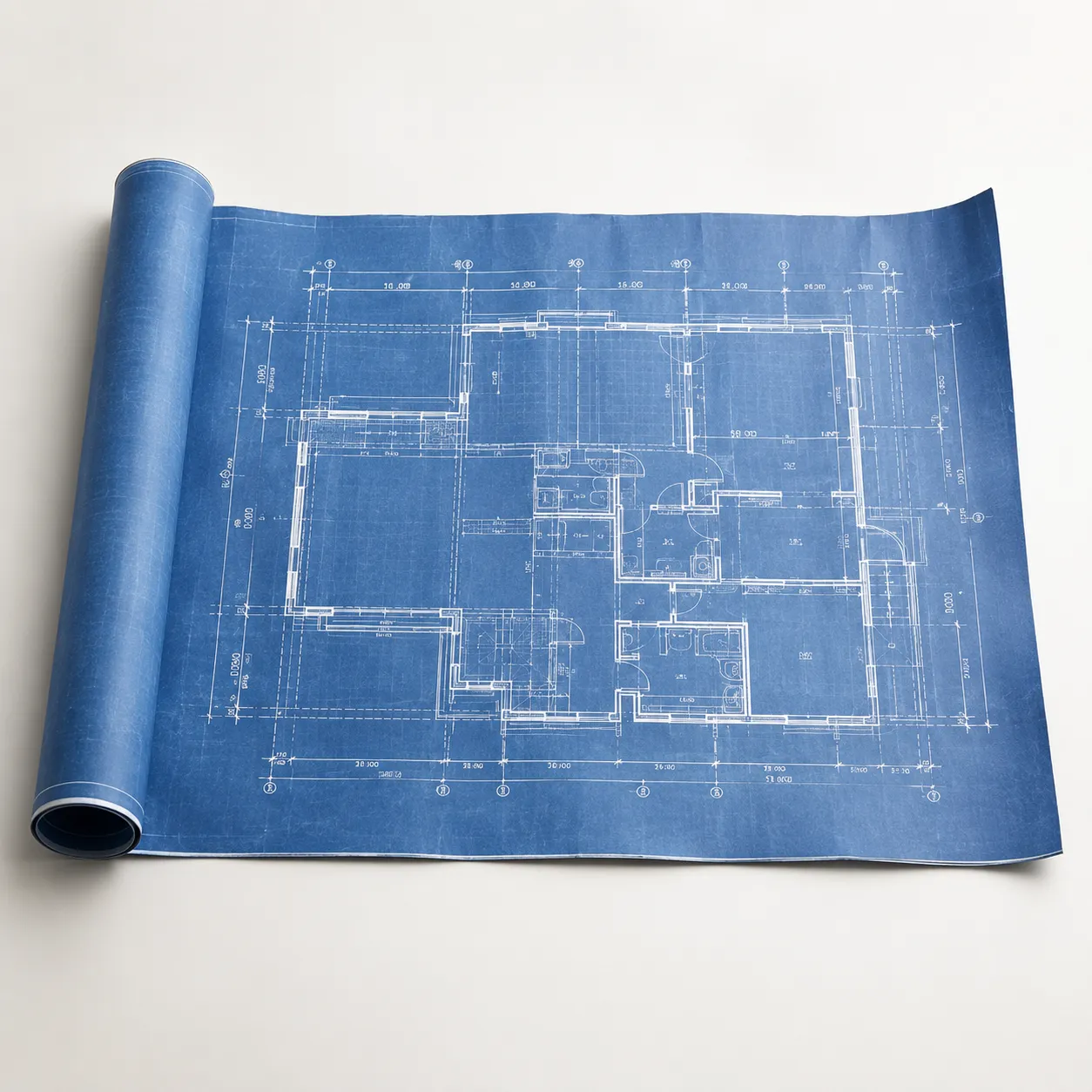
blueprintˈbluˌprɪnt
a detailed technical drawing or plan that shows how a building, machine, or object should be made.
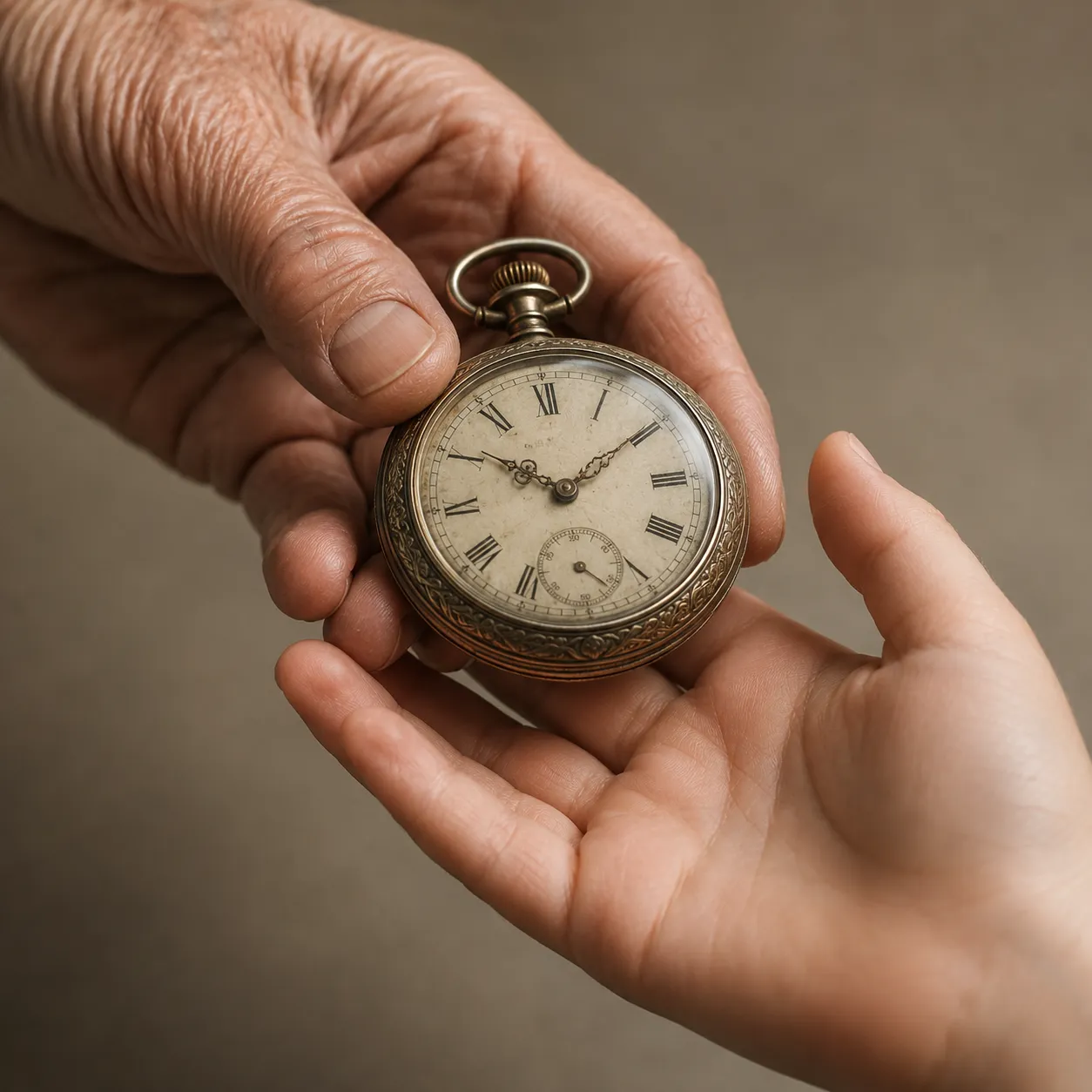
heirloomˈɛrˌlum
a valuable or special object that has belonged to a family for many years and is passed from one generation to the next.
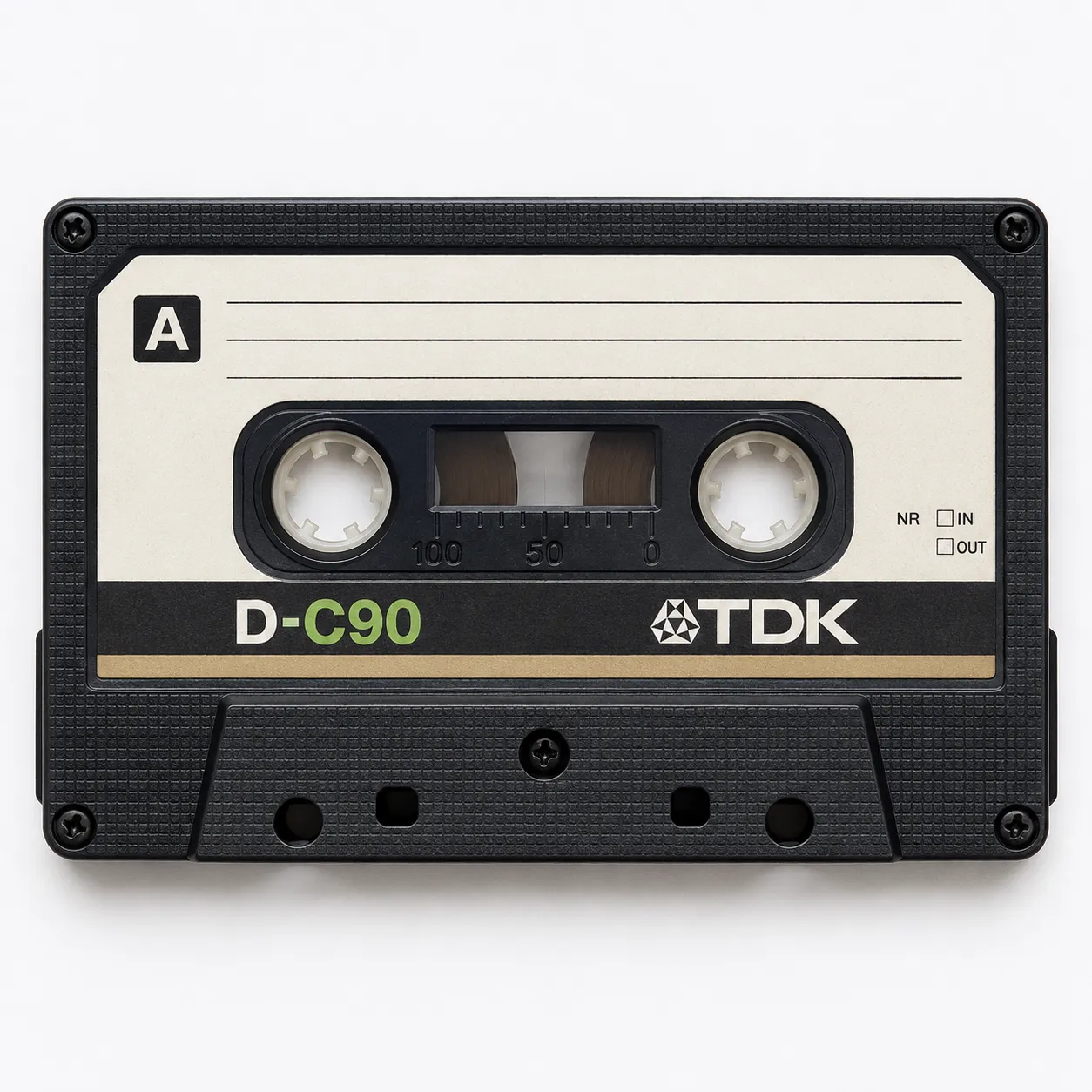
cassette tapekəˈsɛt teɪp
a small plastic case containing magnetic tape, formerly used for recording and playing music or speech.

video tapeˈvɪdioʊ teɪp
magnetic tape, usually in a cassette, that was used for recording and playing films or television programs.

DVDˌdi vi ˈdi
a flat round disc used for storing digital data, especially films that can be played on a DVD player or computer.
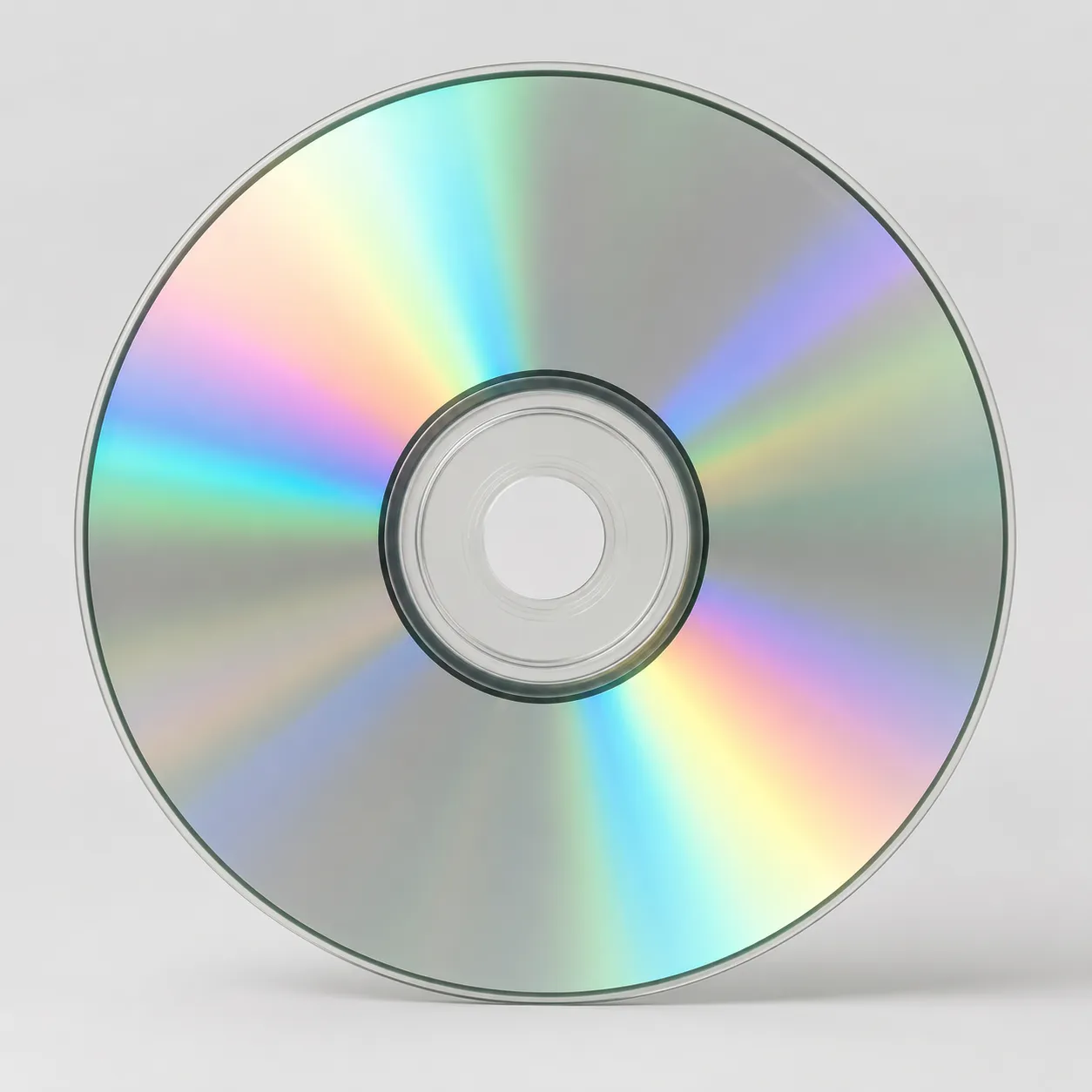
CDˌsi ˈdi
a flat round disc used for storing digital data, especially music that can be played on a CD player or computer.
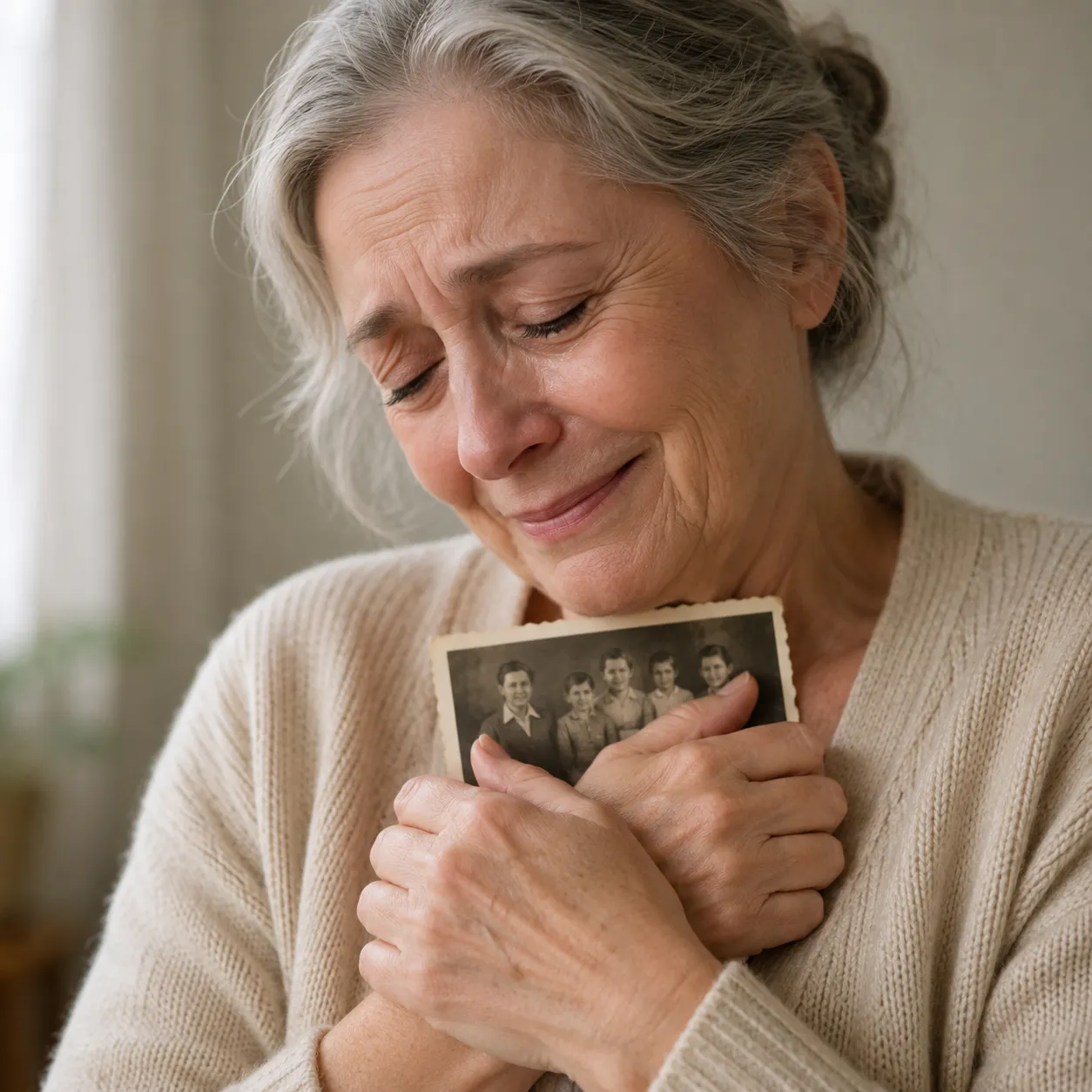
sentimentalˌsɛntəˈmɛntl
connected with gentle emotions or personal memories, often more than with practical value.
Clothes, costumes, gift supplies, and decorations commonly stored between holidays or seasons.
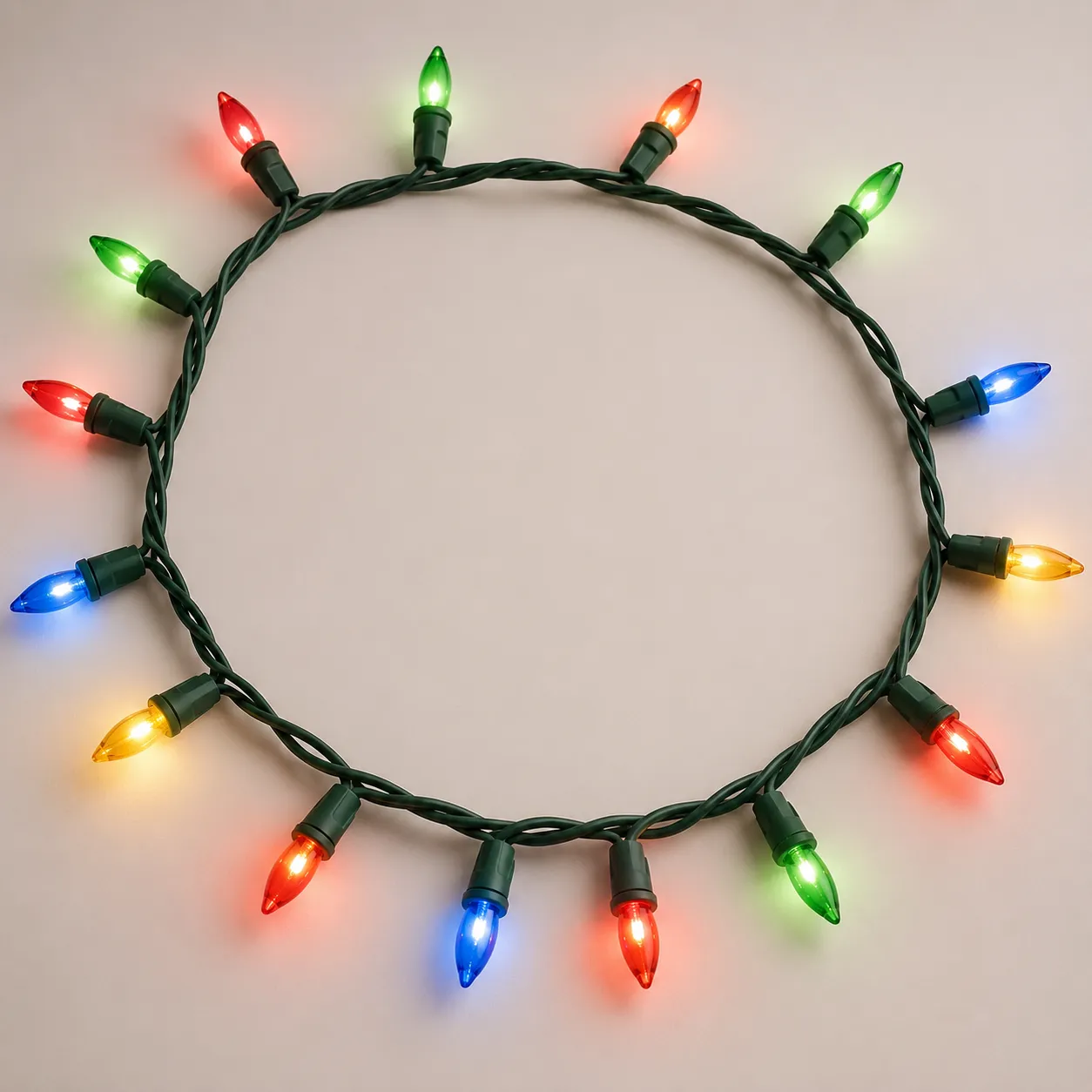
Christmas lightsˈkrɪsməs ˌlaɪts
strings of small electric lights used to decorate homes, trees, or streets at Christmas.
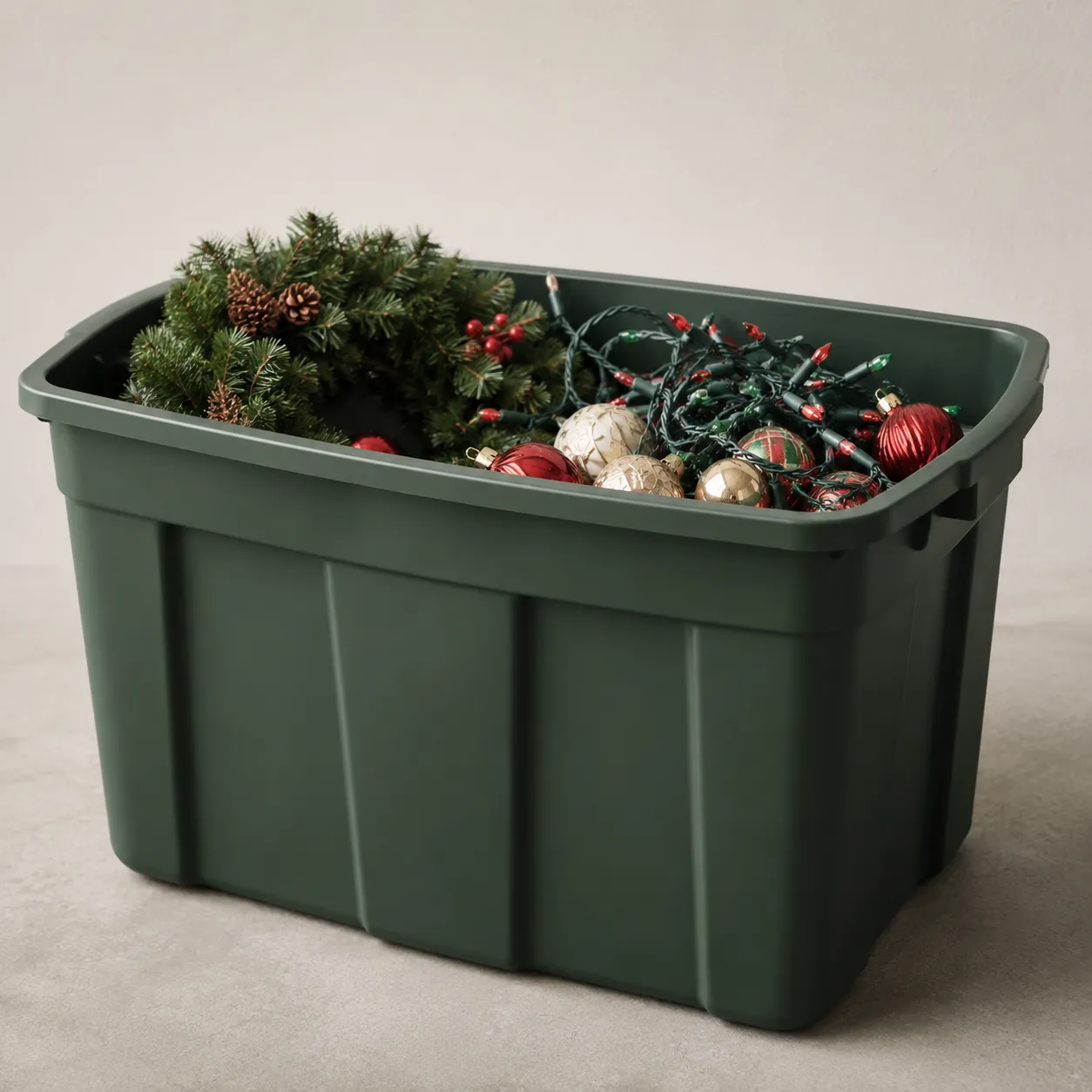
seasonalˈsiːzənəl
available, used, or happening only during a particular time of year.
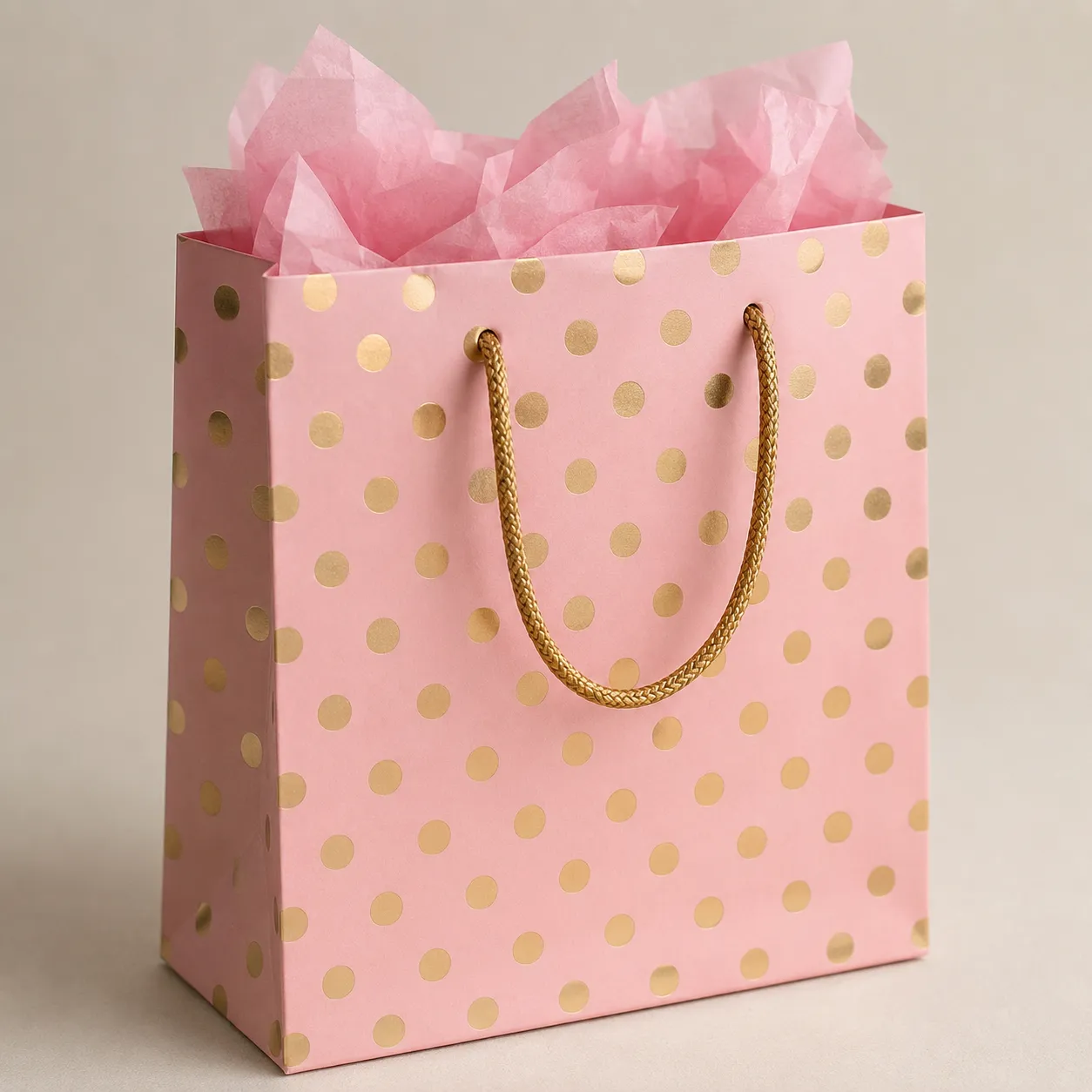
gift bagɡɪft bæɡ
a decorative bag used to hold a present.
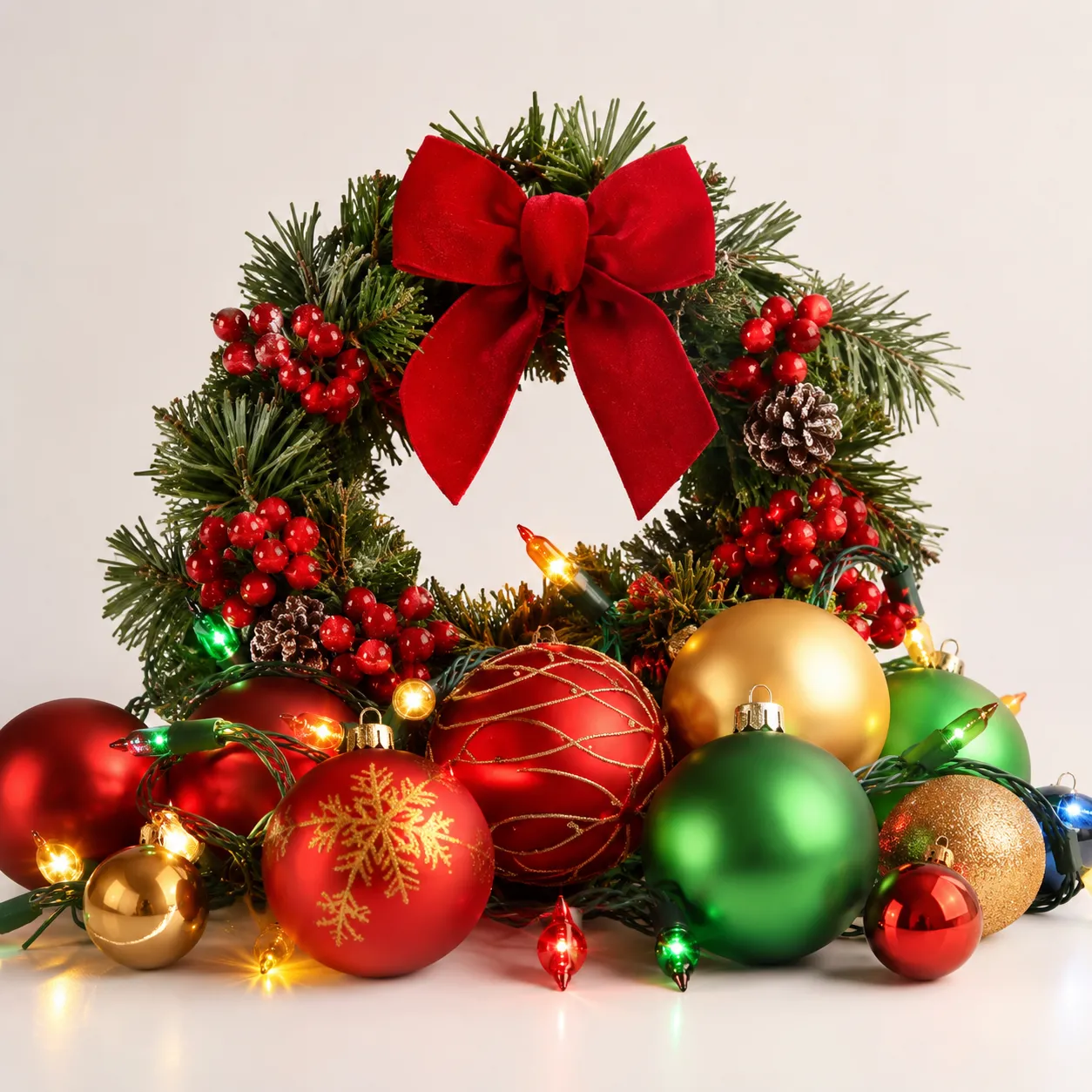
holiday decorationsˈhɑːlədeɪ ˌdɛkəˈreɪʃənz
objects used to make a home, room, or public place look special for a holiday.
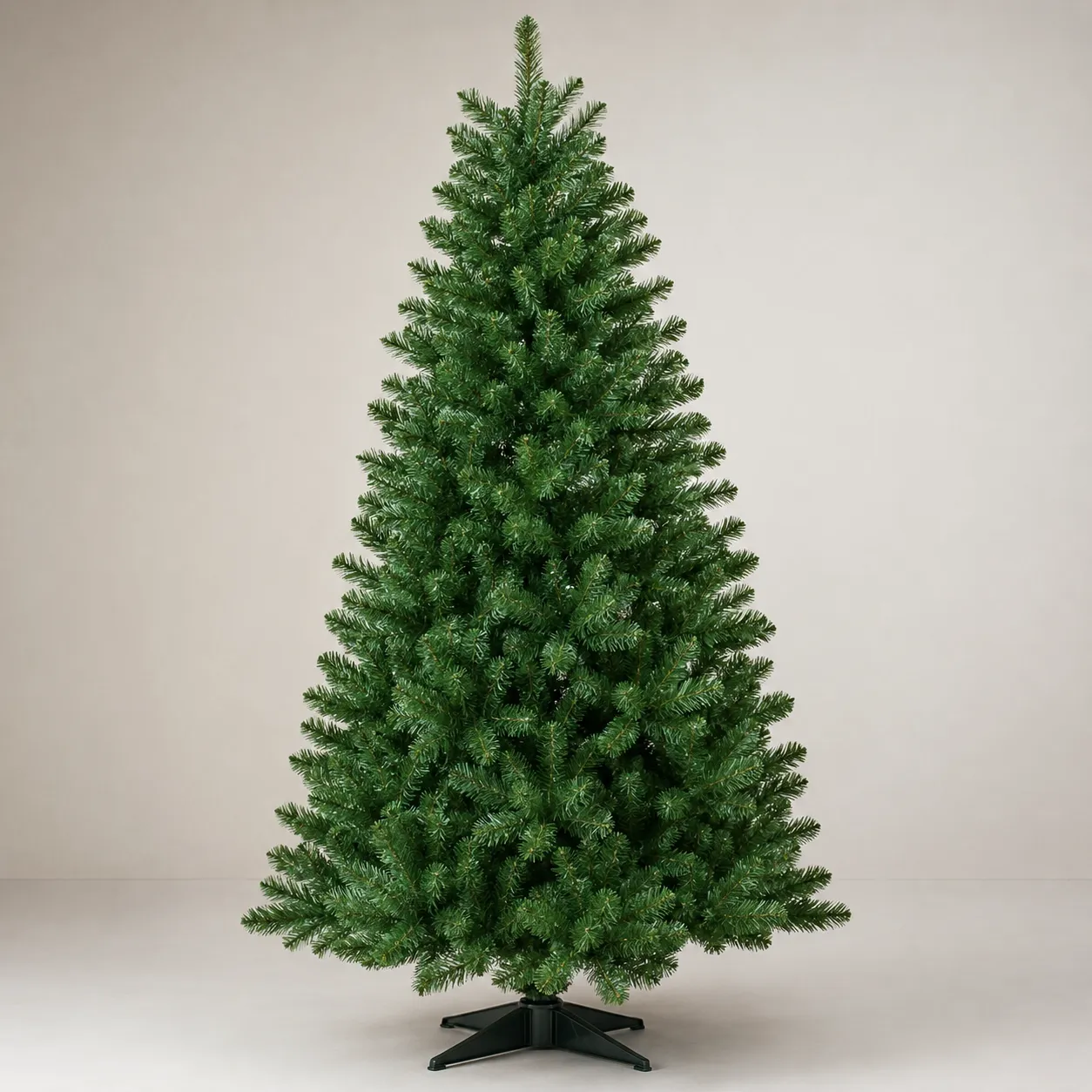
artificial treeˌɑːrtəˈfɪʃəl triː
a man-made tree used as decoration, especially a reusable Christmas tree.
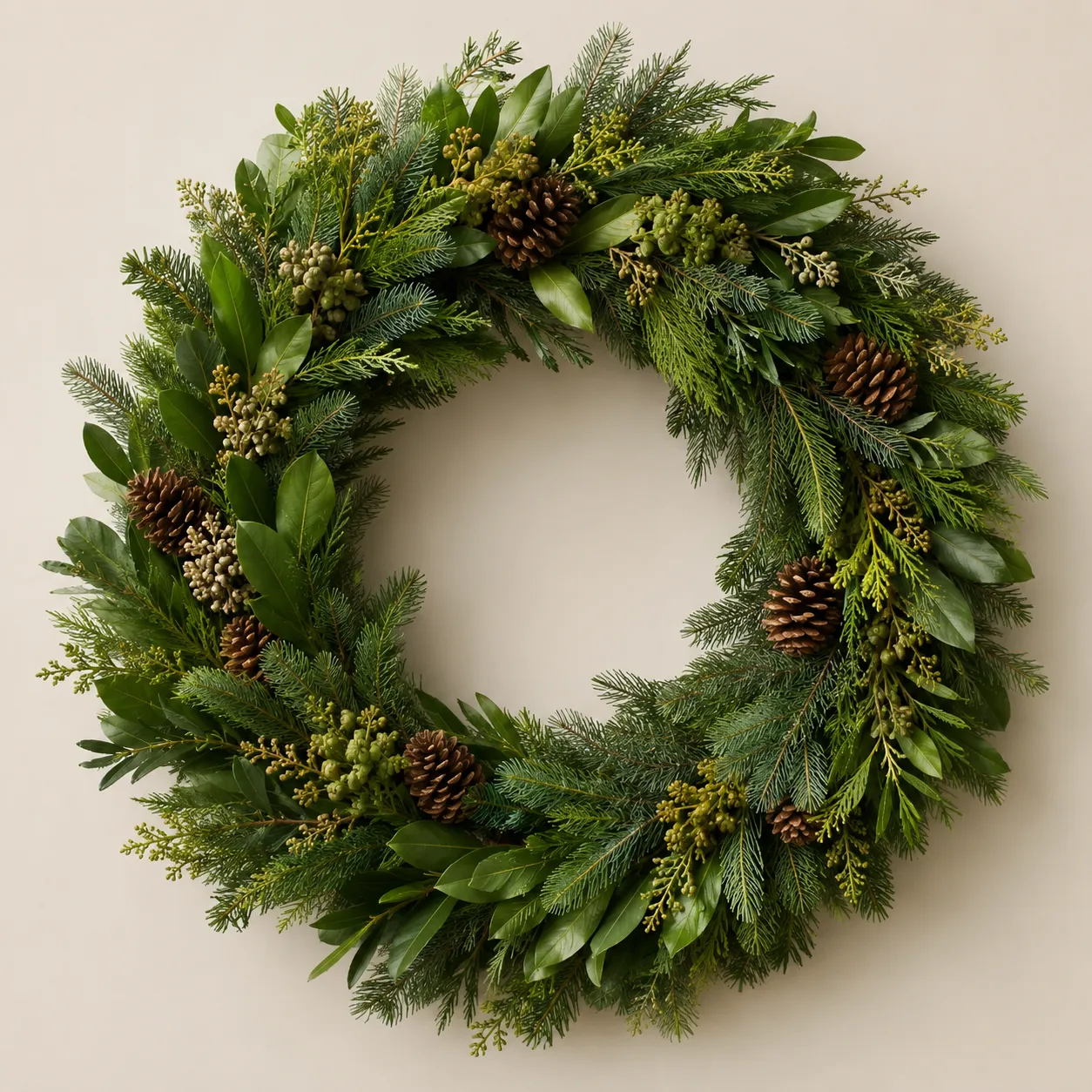
wreathriːθ
a ring made of flowers, leaves, or branches, used as a decoration or placed on a grave.
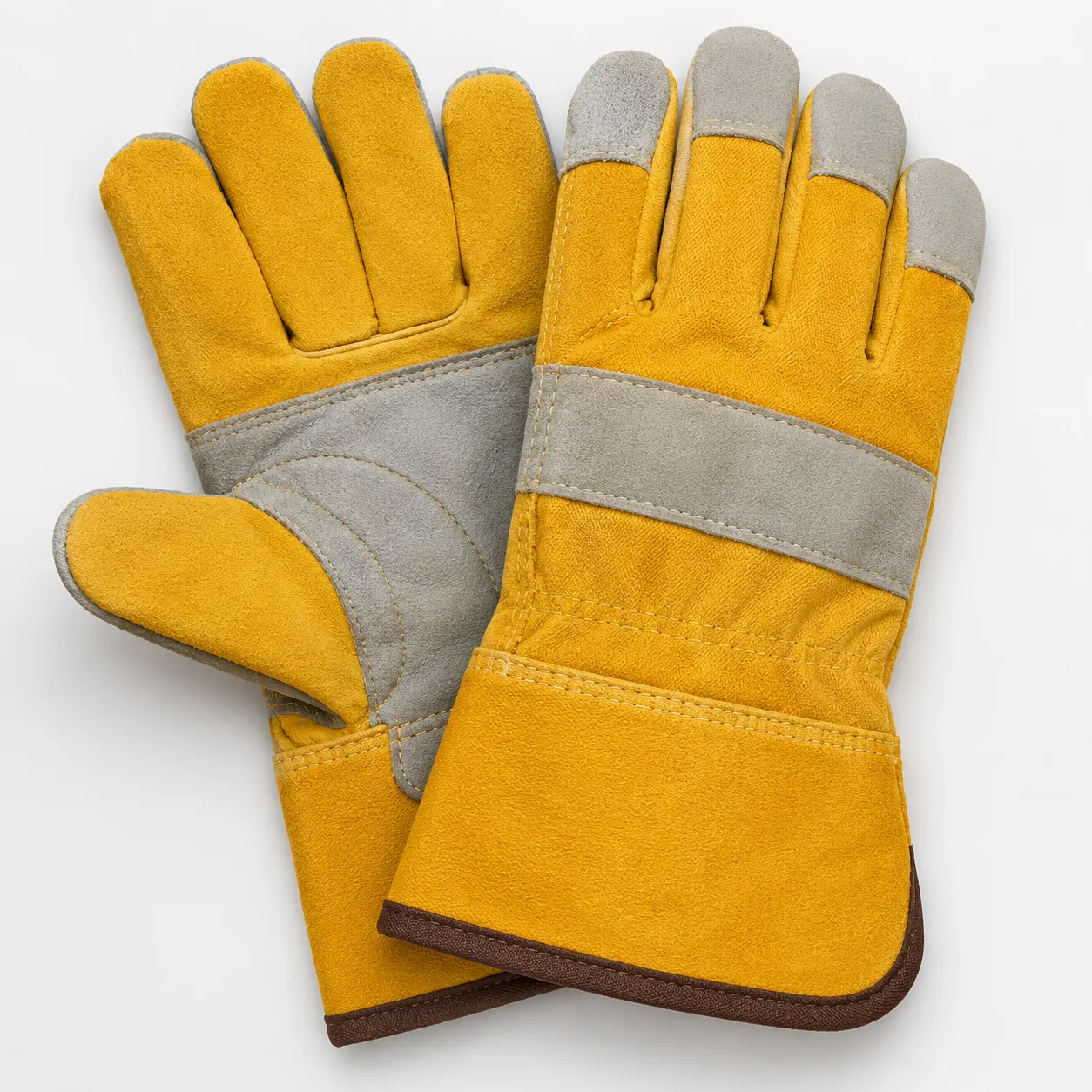
glovesɡlʌvz
protective coverings worn on the hands
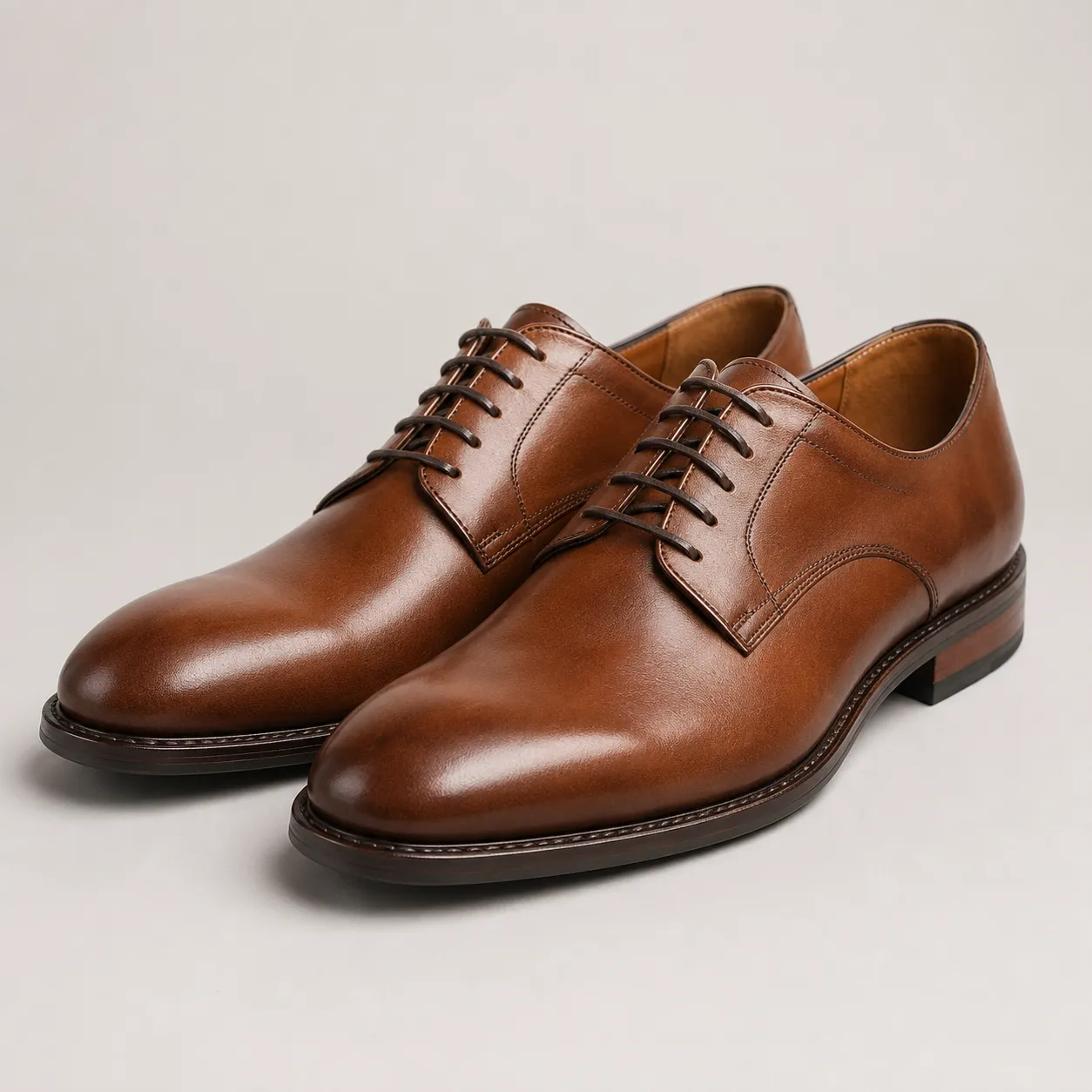
shoesʃuːz
items worn on your feet, usually over socks, to protect them when you walk outside.
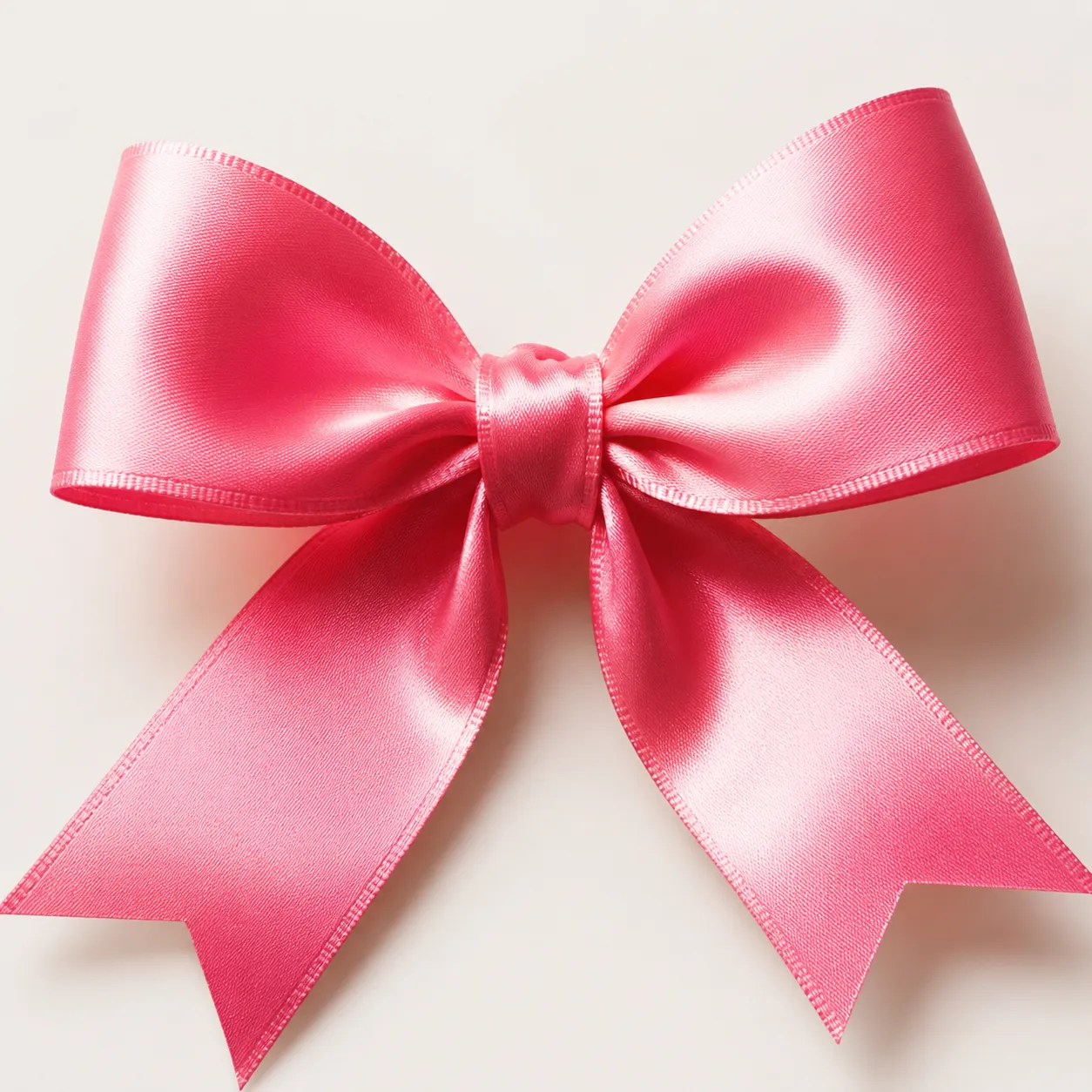
ribbonˈrɪbən
a narrow strip of cloth, plastic, or paper used for tying things or decorating gifts, clothes, or hair.
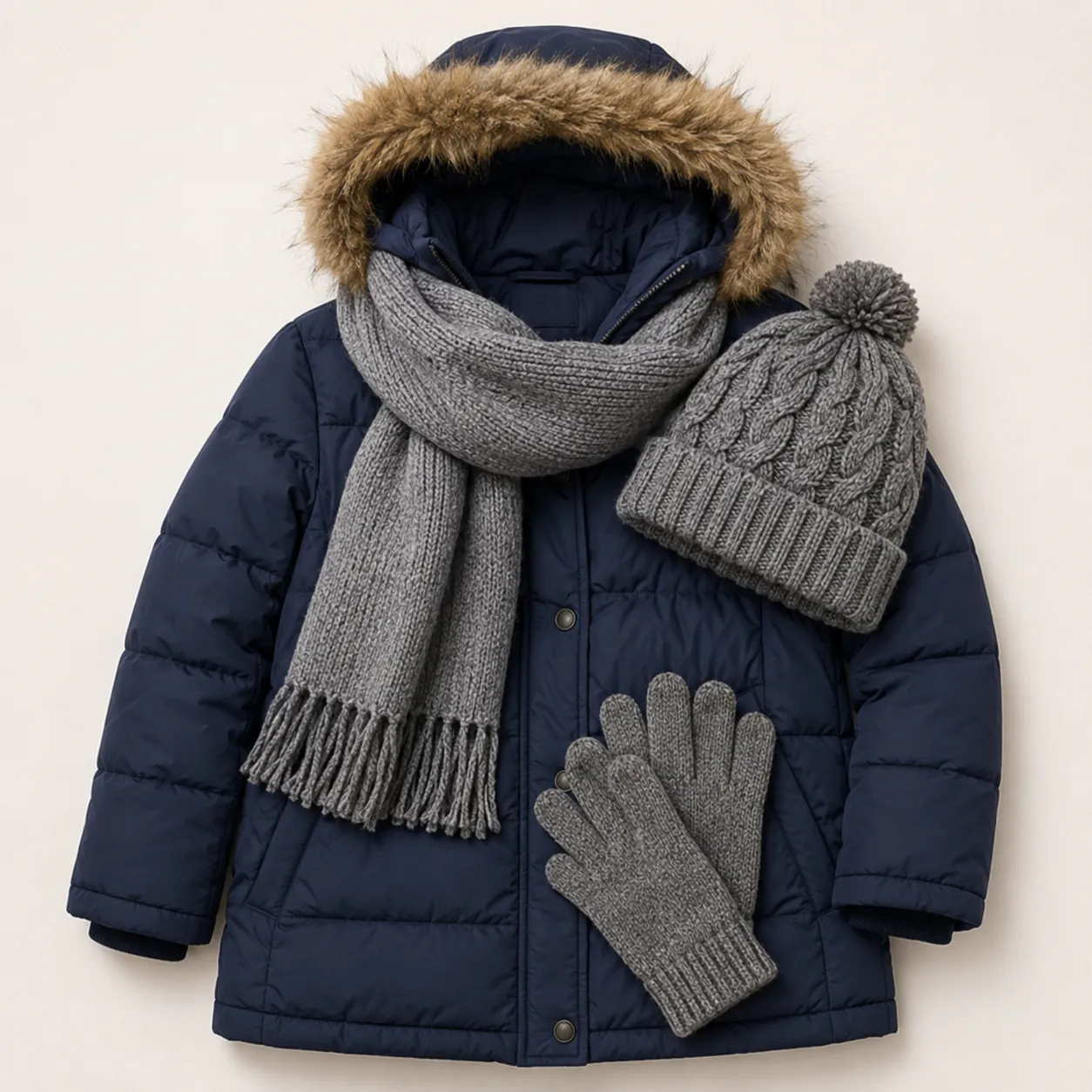
winter clothesˈwɪntər kloʊðz
clothes made to keep you warm in cold winter weather.
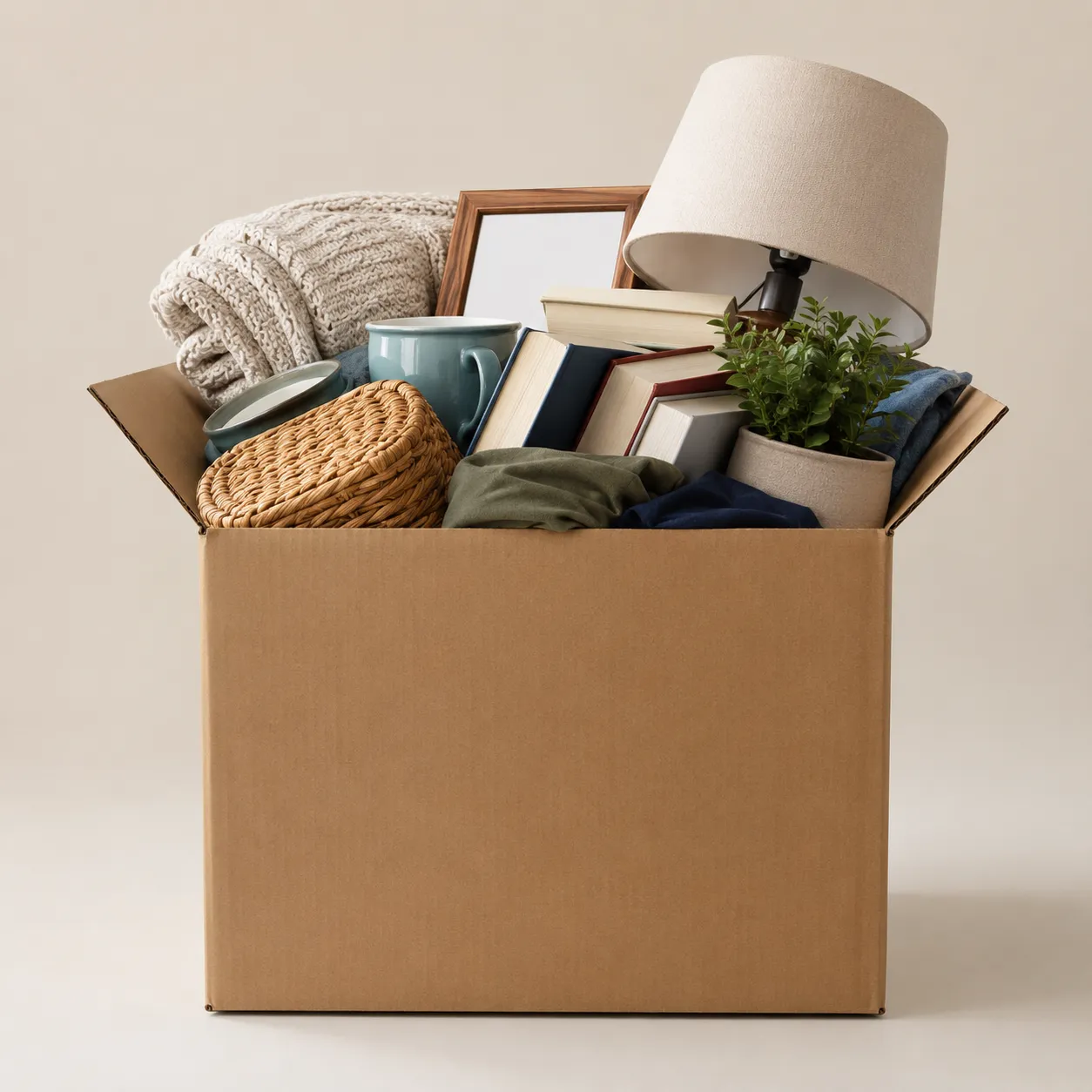
ornamentˈɔːrnəmənt
a small object or decorative detail that is added to something to make it look more attractive.
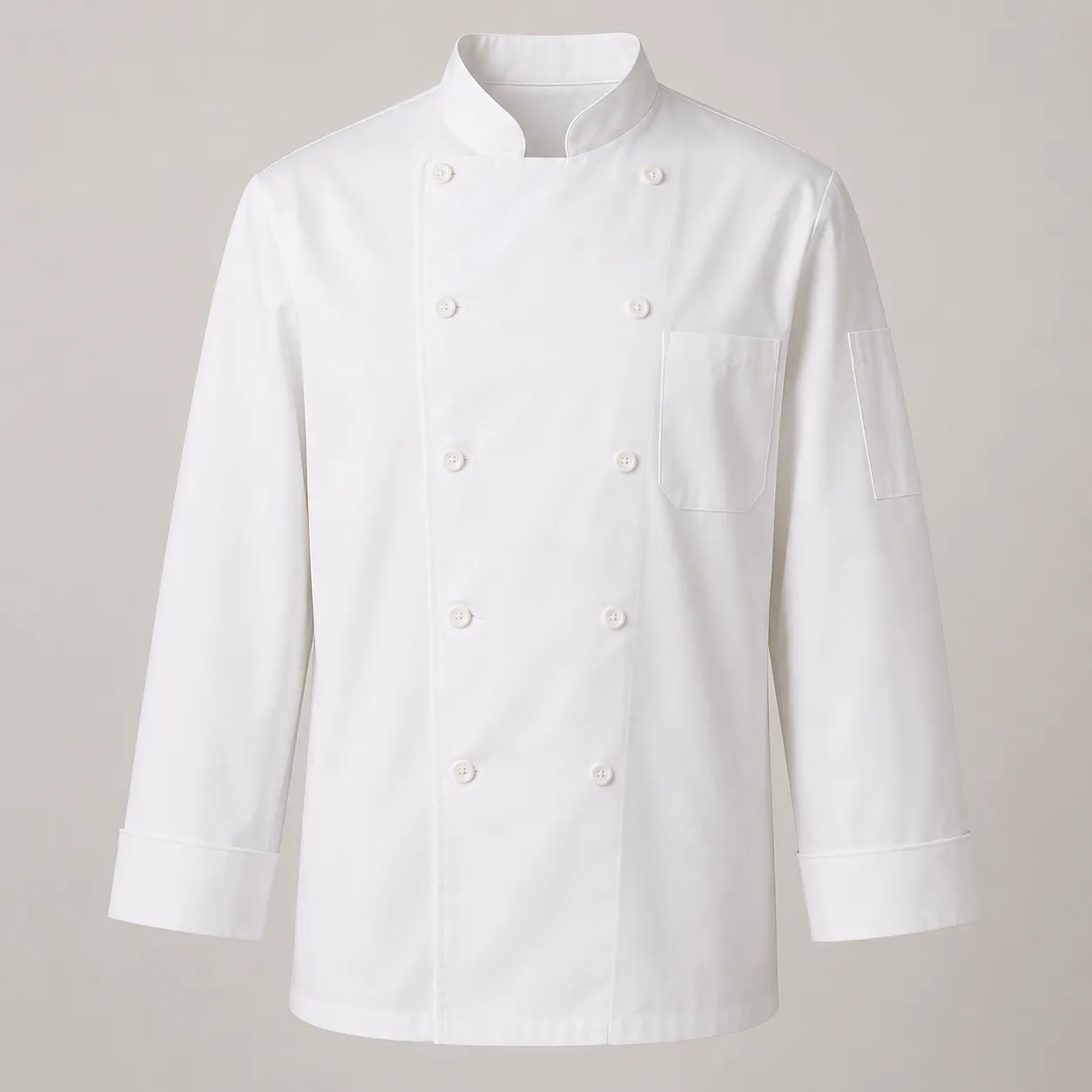
coatkoʊt
a piece of clothing with sleeves that you wear over other clothes, especially to keep warm outside.
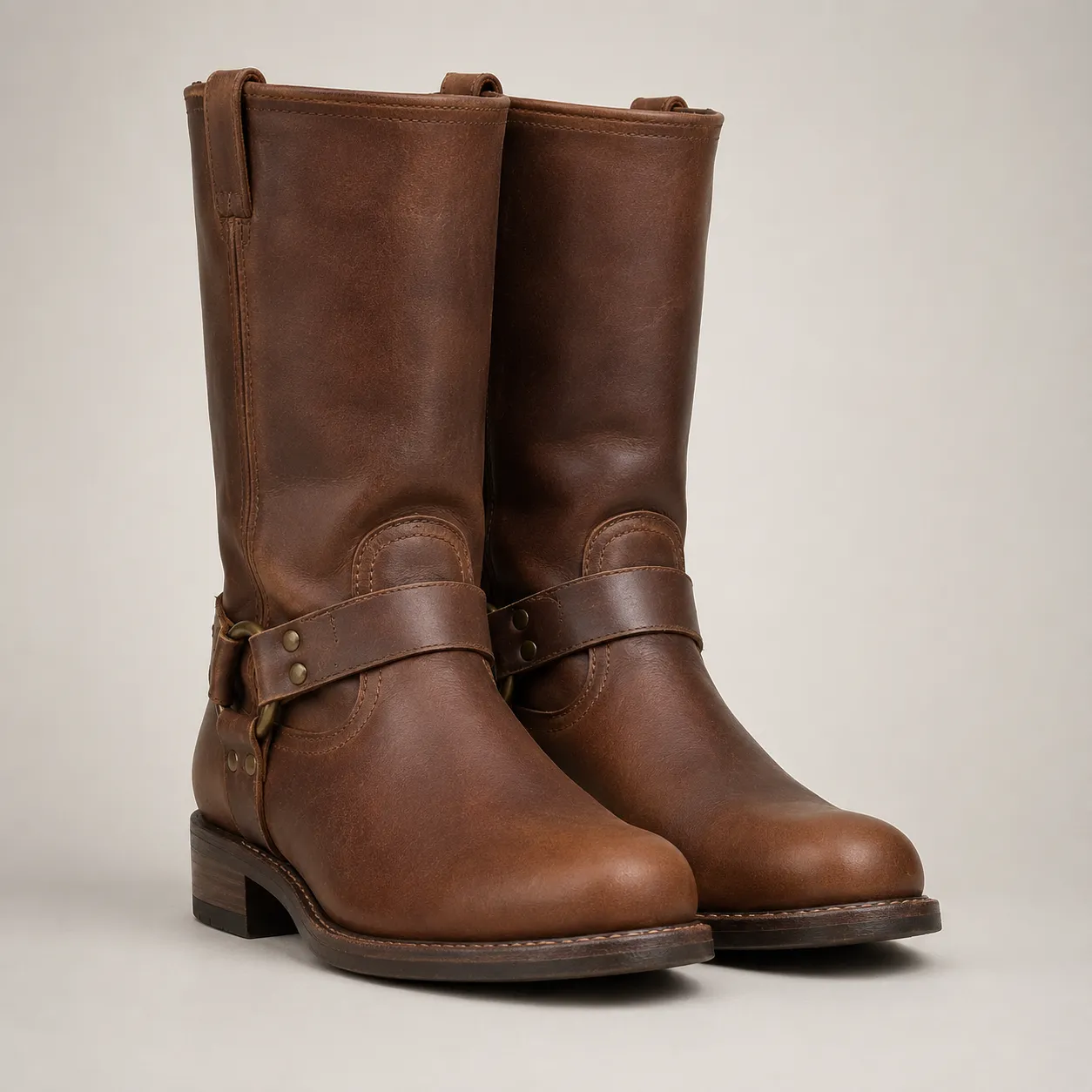
bootsbuːts
a pair of strong shoes that cover the feet and usually the ankles or part of the legs.
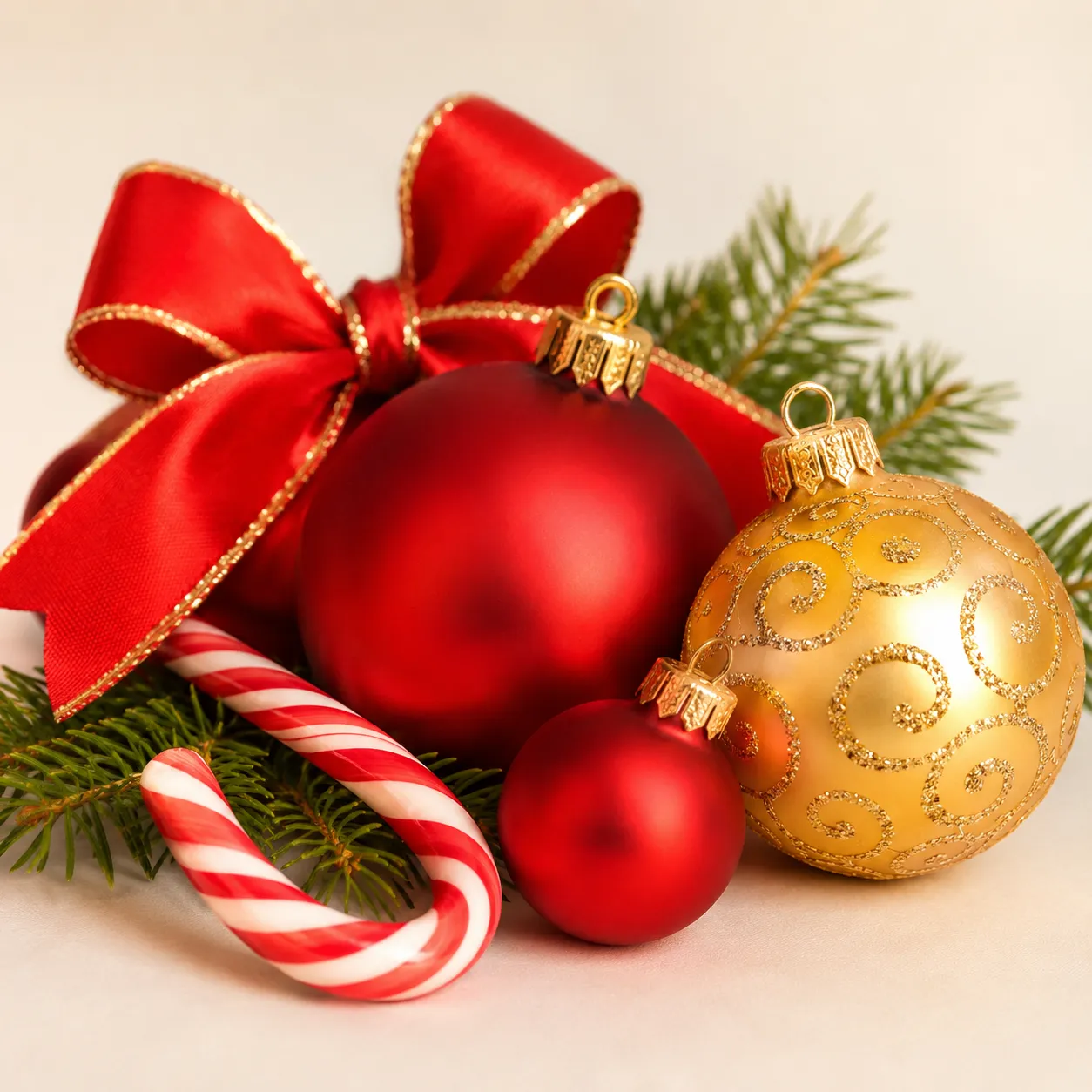
Christmas decorationsˈkrɪsməs ˌdɛkəˈreɪʃənz
objects such as lights, ornaments, or garlands used to decorate a place for Christmas.
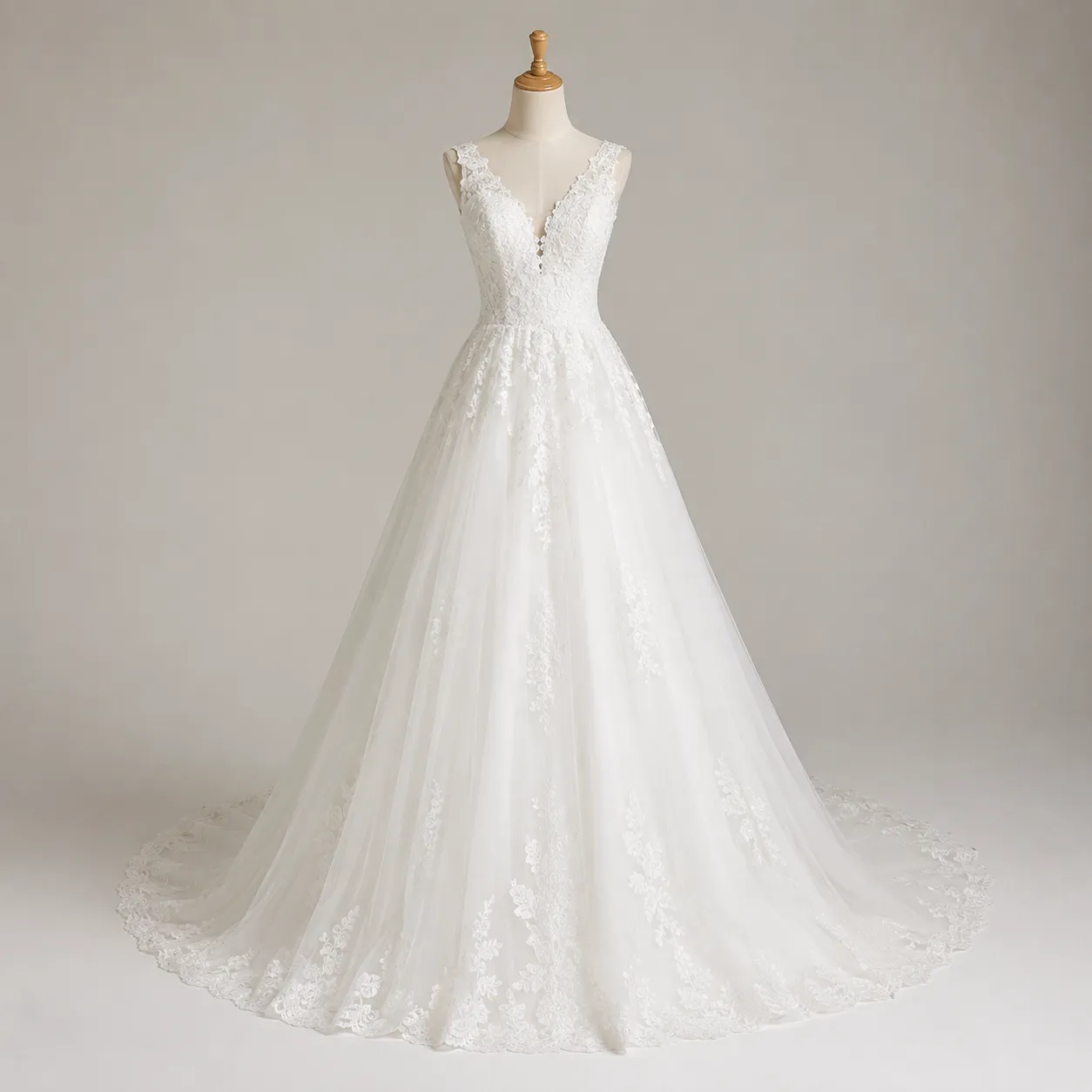
wedding dressˈwɛdɪŋ ˌdrɛs
a special dress worn by a bride during a wedding ceremony.
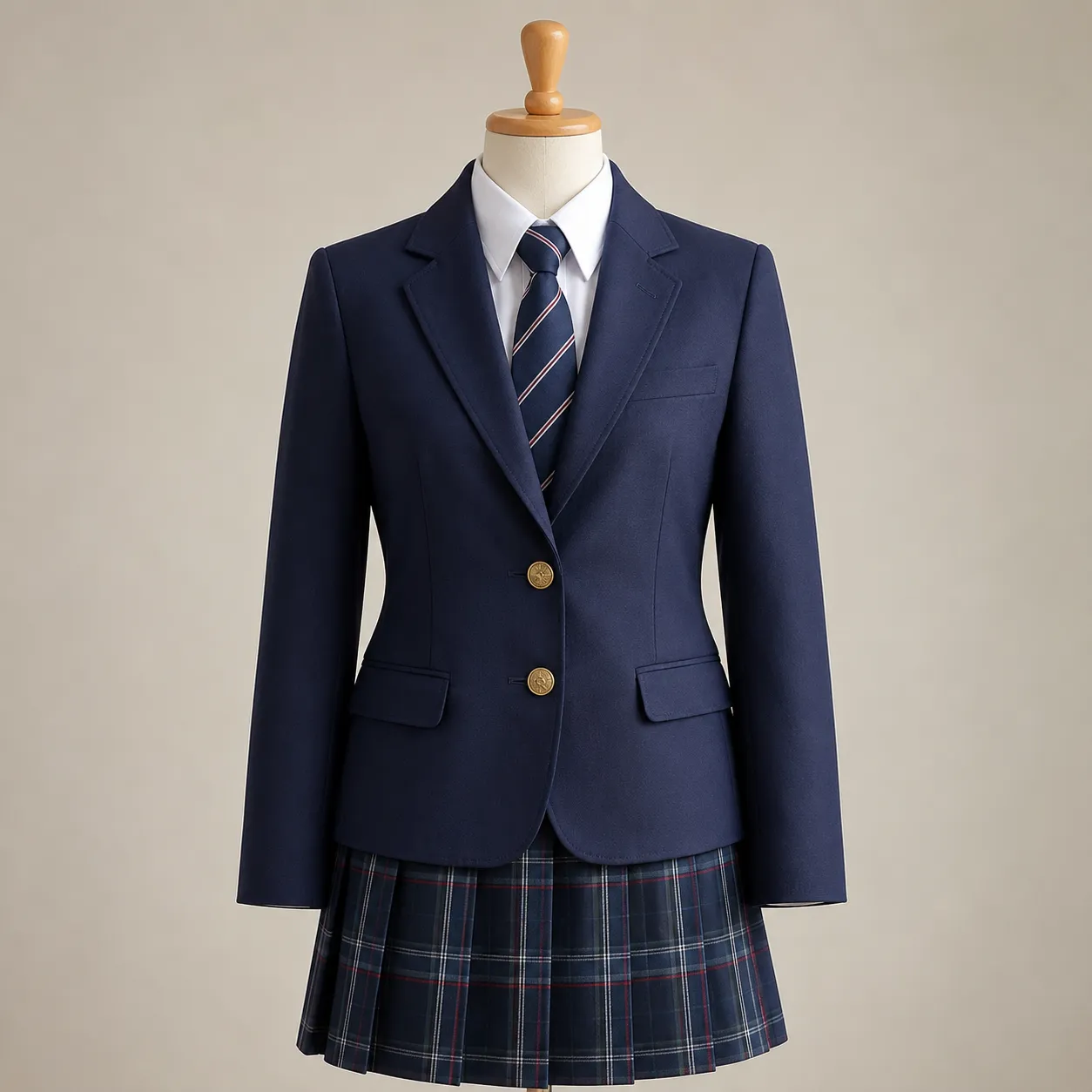
uniformˈjuːnəfɔːrm
special clothes worn by all members of the same organization, job, school, or team.
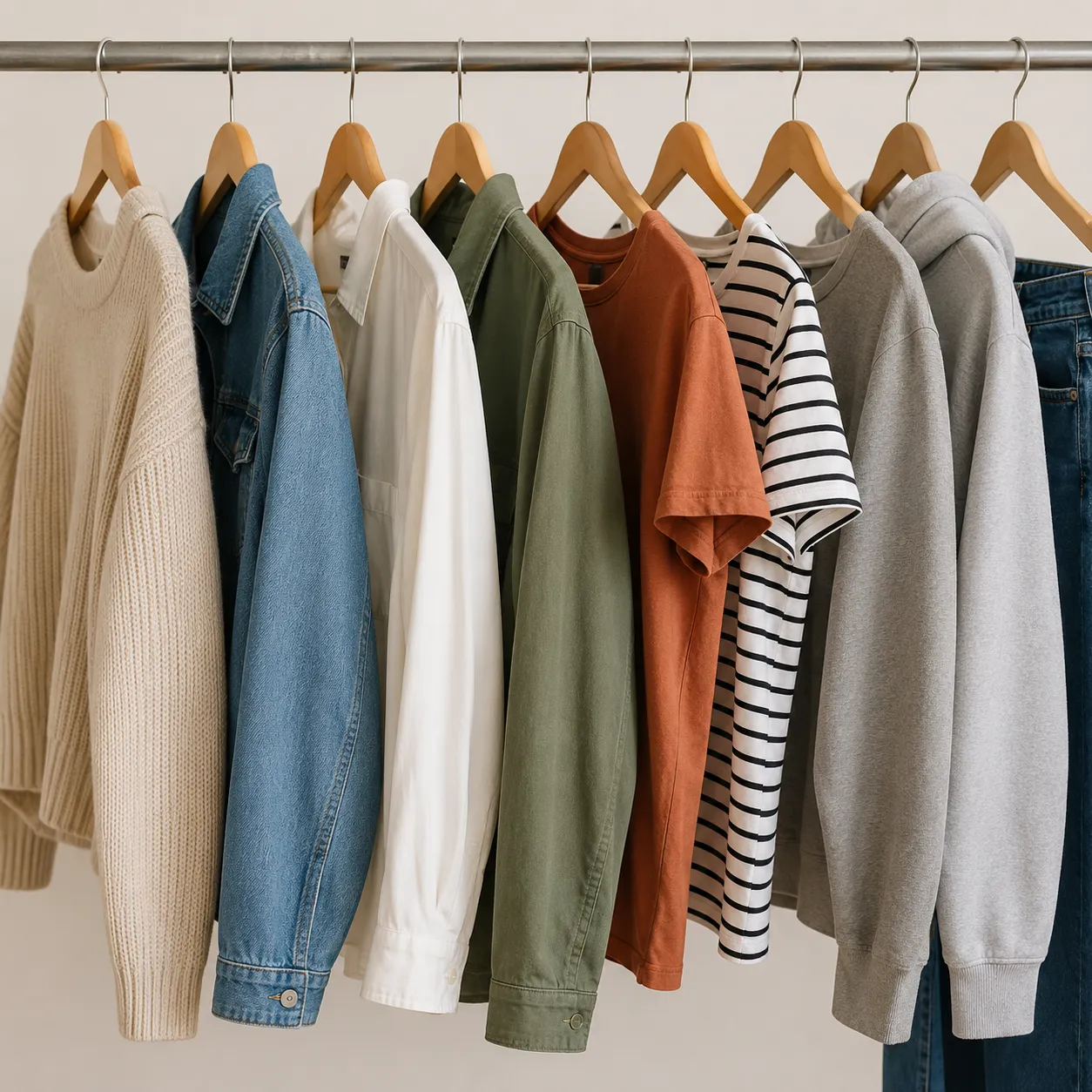
clotheskloʊðz
things that people wear on their body, such as shirts, trousers, dresses or coats.
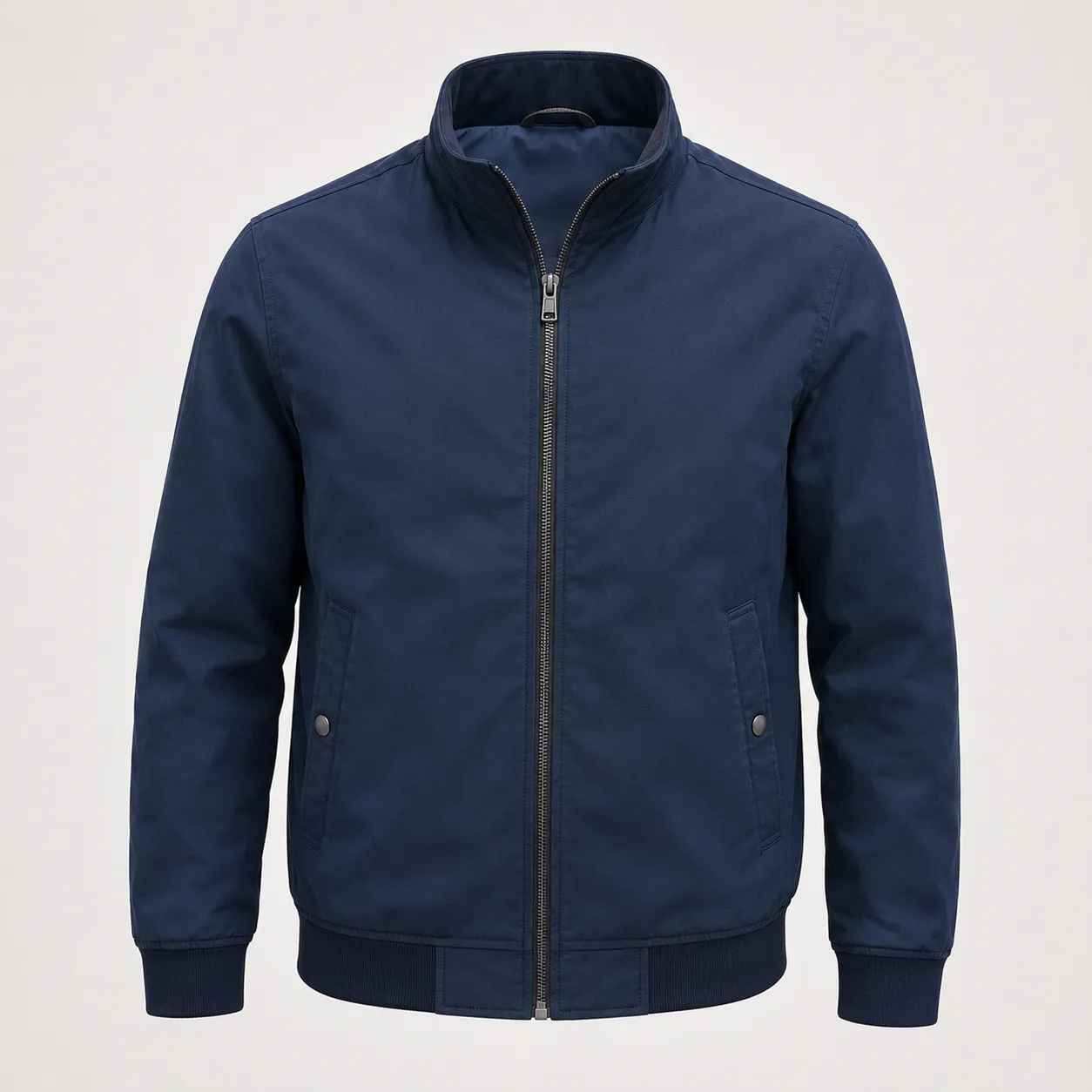
jacketˈdʒækɪt
a usually short outer garment worn on the upper body over a shirt or other clothing
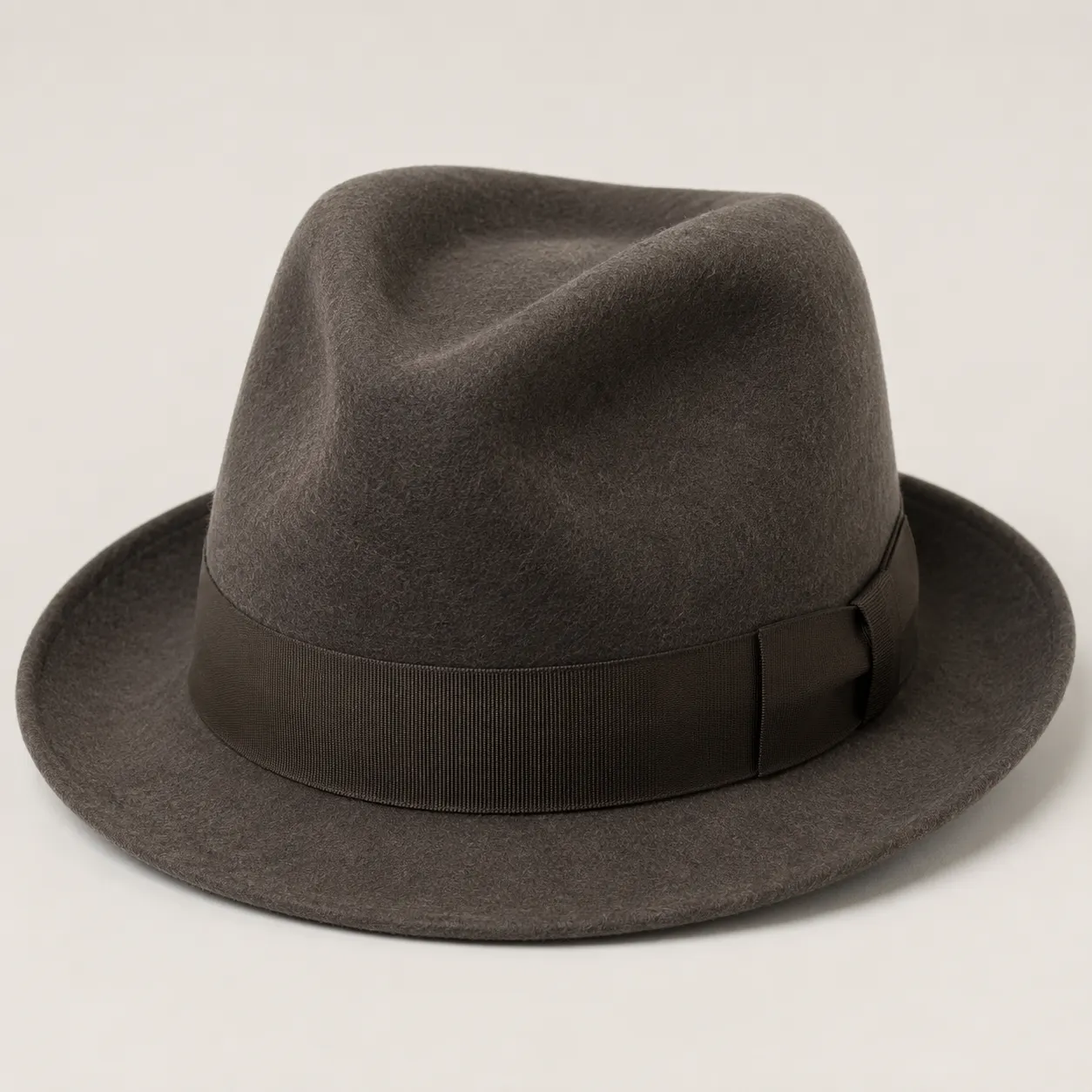
hathæt
a piece of clothing worn on the head, often for warmth, protection, or style.
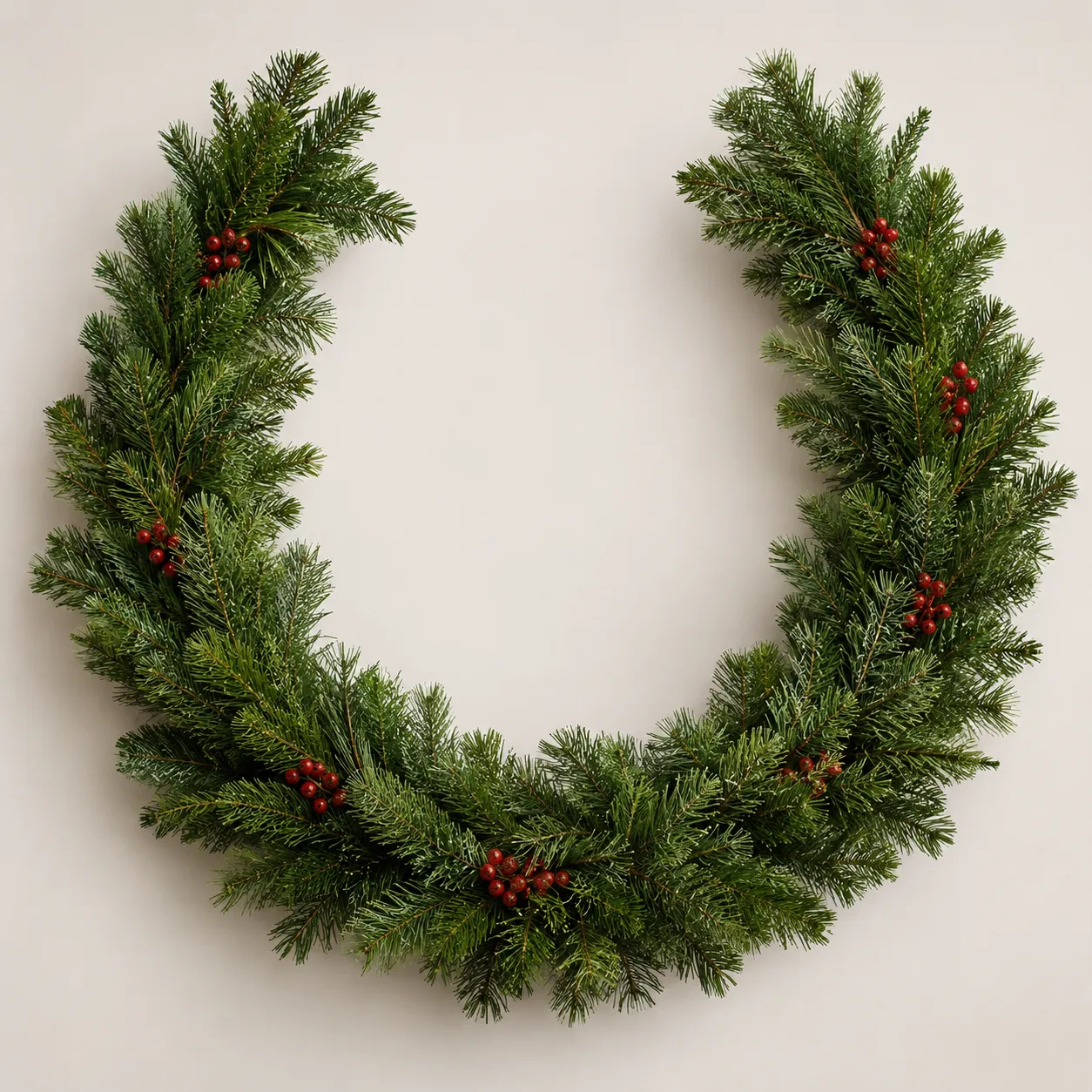
garlandˈɡɑːrlənd
a long chain or strip of flowers, leaves, paper, lights, or similar things, hung as a decoration.
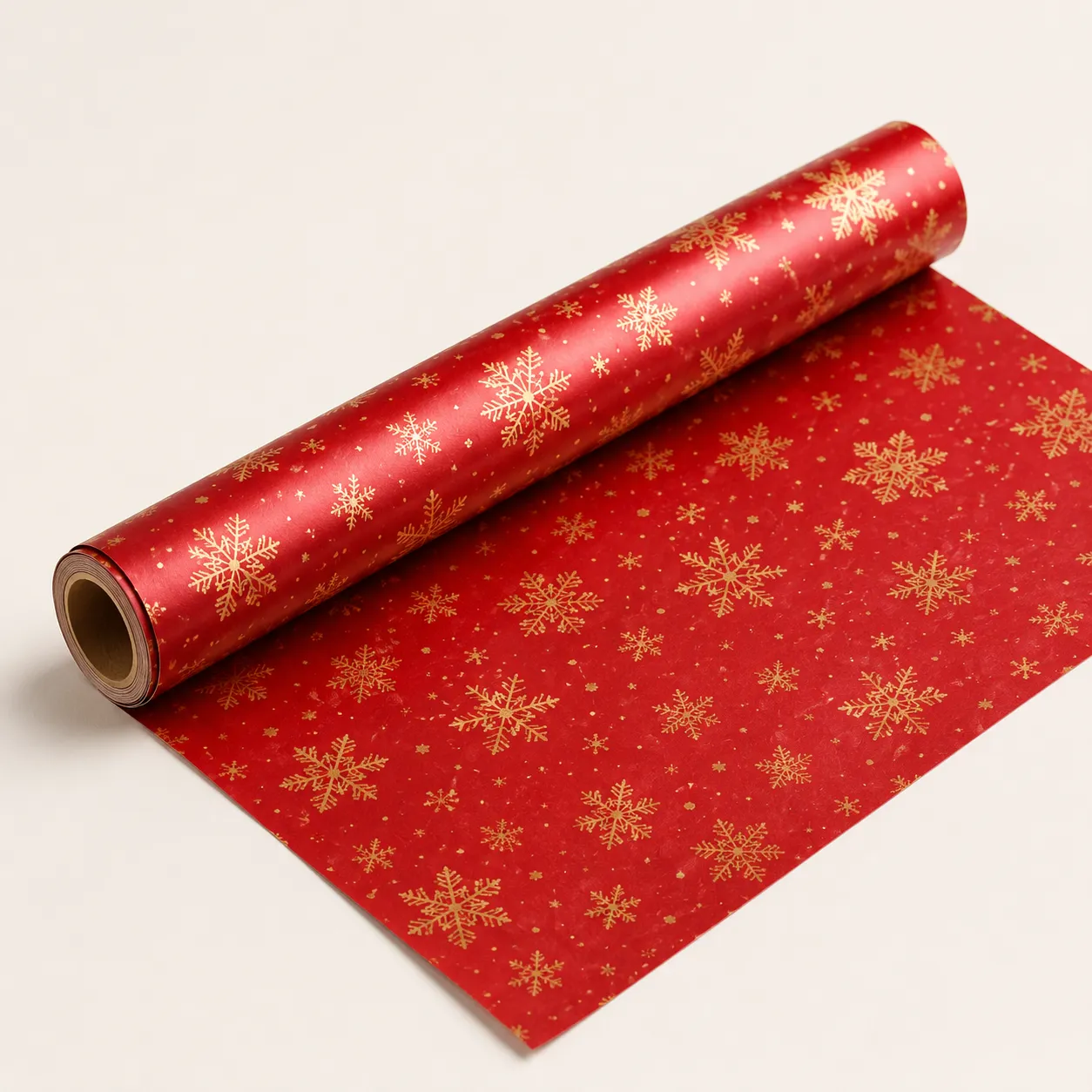
wrapping paperˈræpɪŋ ˈpeɪpər
decorative paper used to cover a gift.
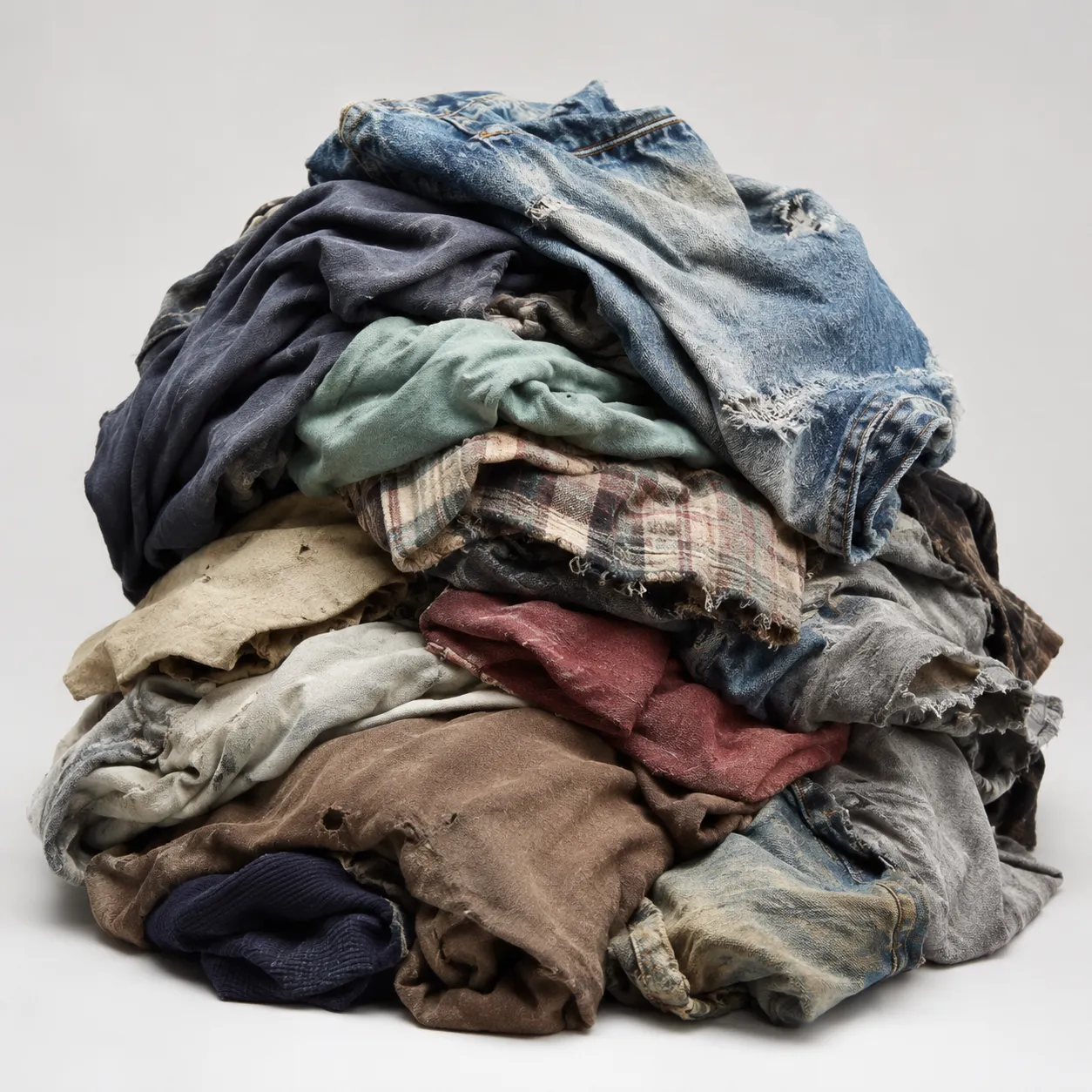
old clothesoʊld kloʊðz
clothes that have been worn for a long time or are no longer wanted for regular use.
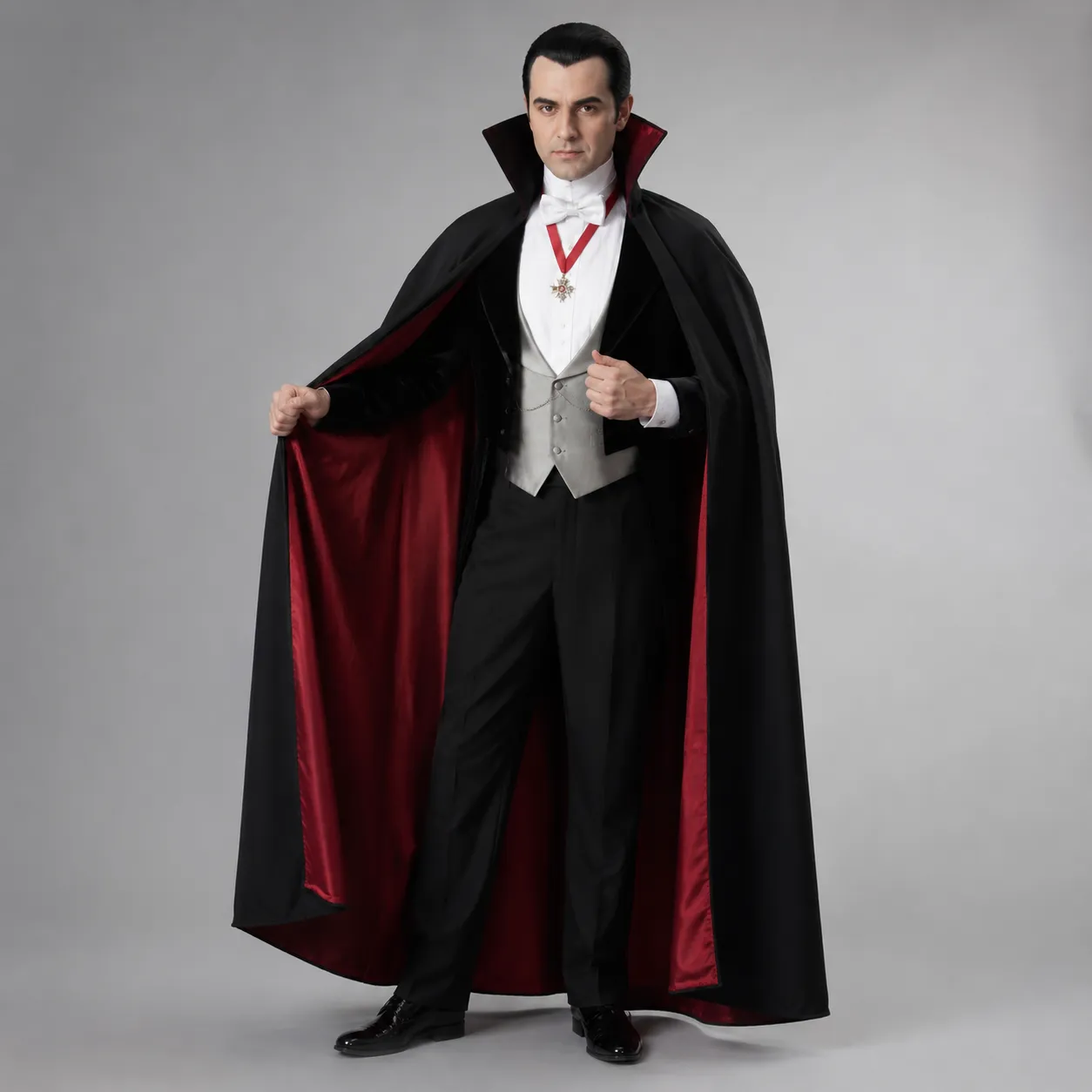
costumeˈkɒstuːm
a set of clothes worn to look like a particular character, person, place or historical time.
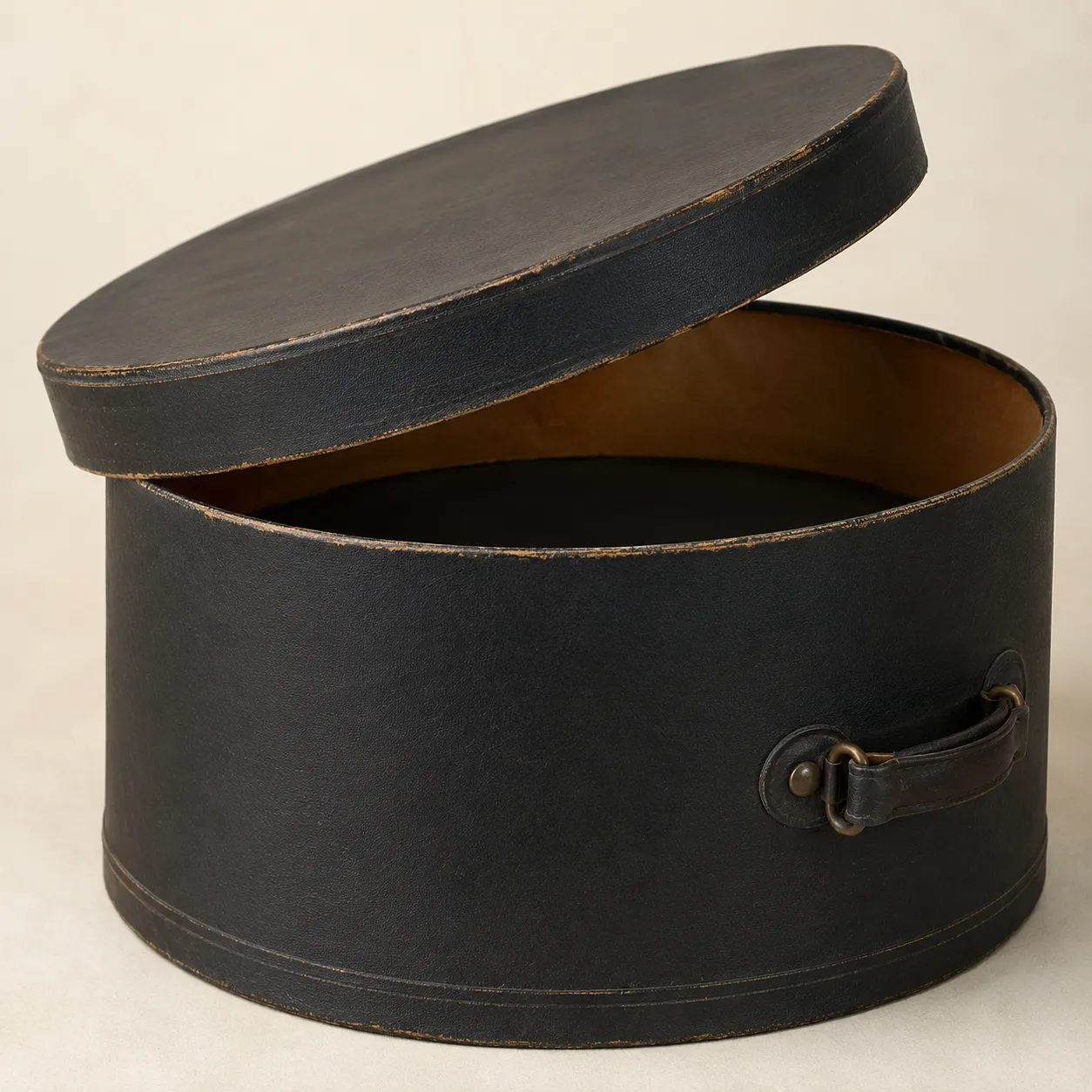
hatboxˈhætˌbɒks
a round or square box used for storing or carrying a hat so that it keeps its shape.
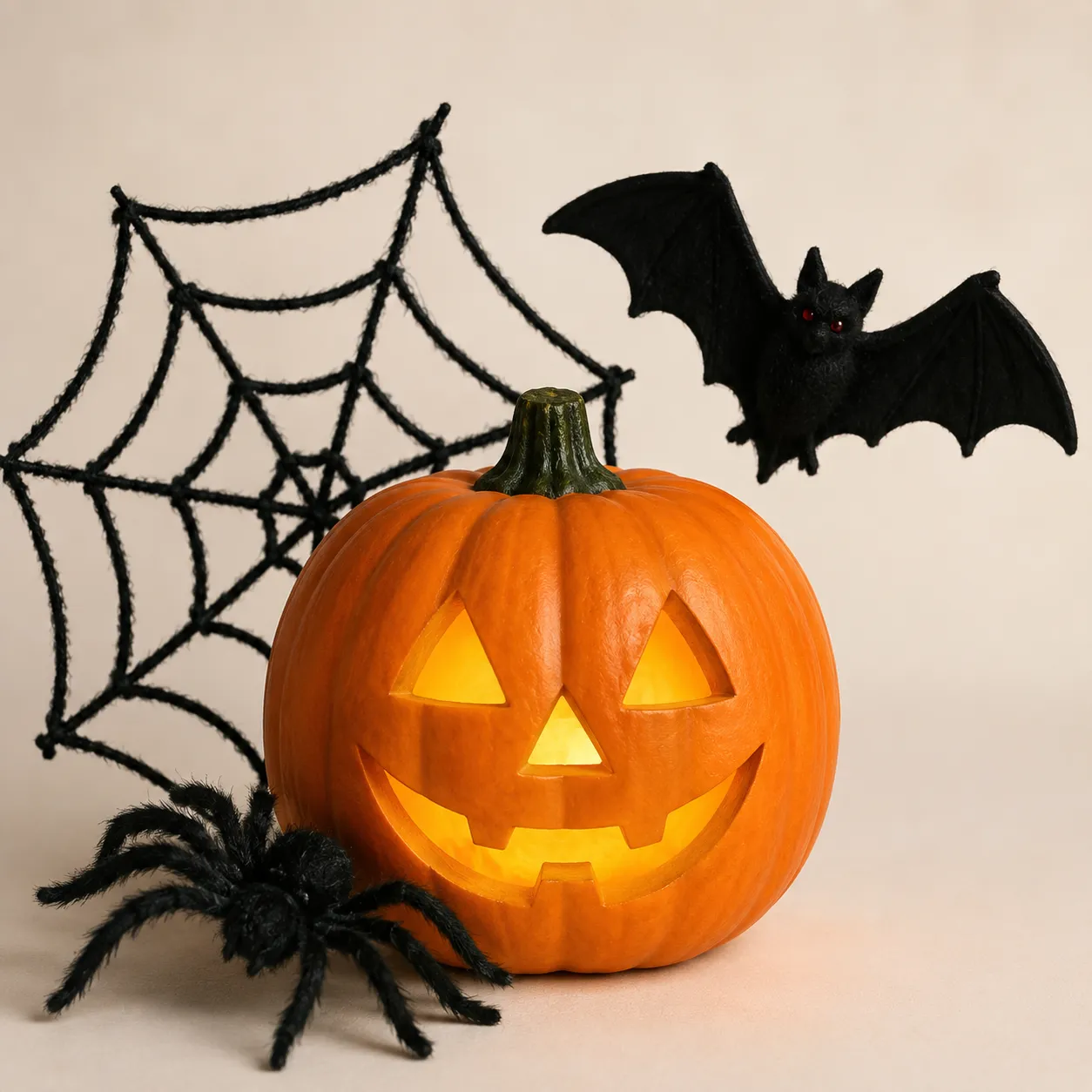
Halloween decorationsˌhæloʊˈin ˌdɛkəˈreɪʃənz
objects used to make a place look ready for Halloween, such as pumpkins, ghosts, skeletons, or lights.
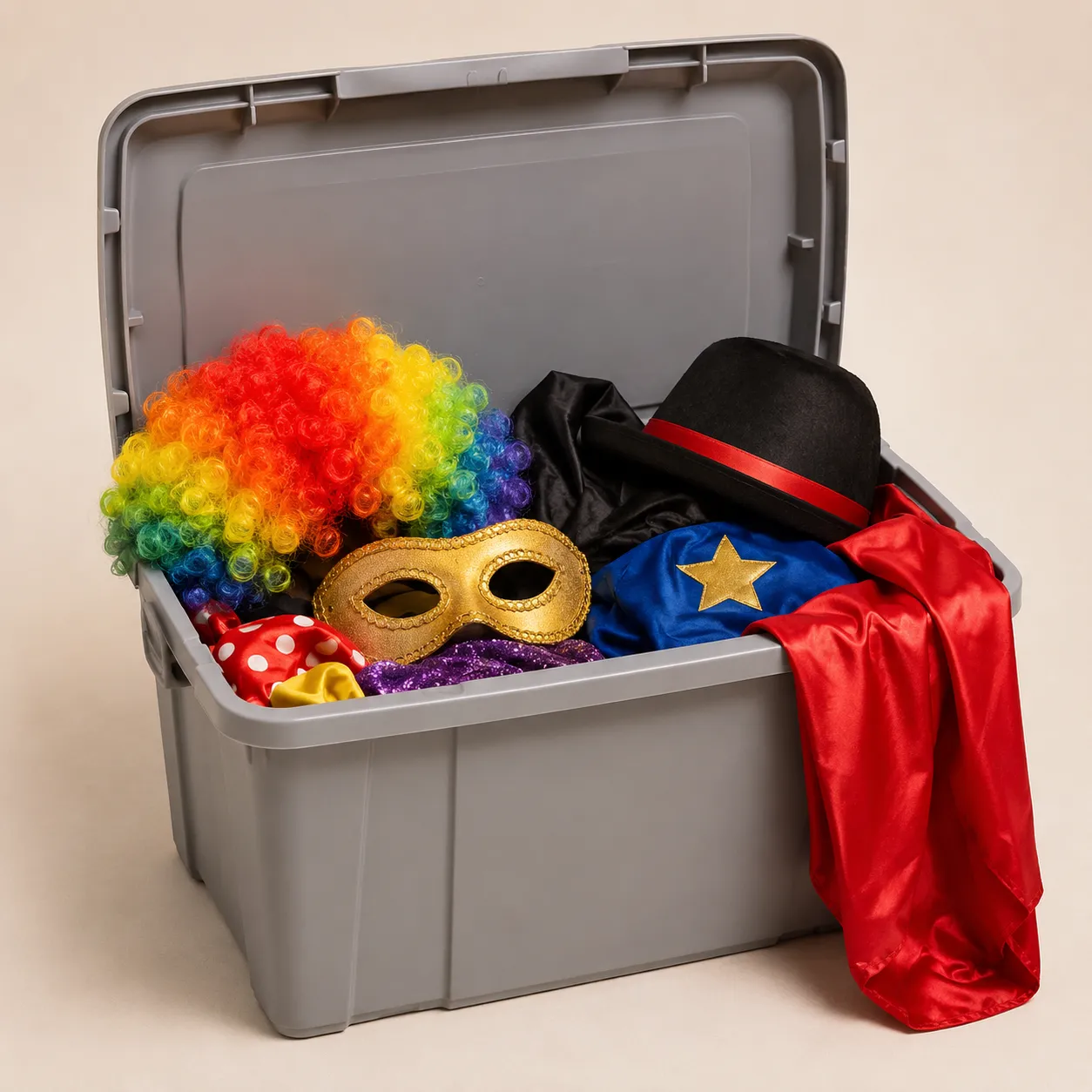
costume boxˈkɑstum bɑks
a box used for keeping costumes, masks, and special clothes for parties, plays, or dress-up games.

Easter basketˈistər ˌbæskət
a basket used at Easter, often filled with decorated eggs, candy, small gifts, or food for a celebration.
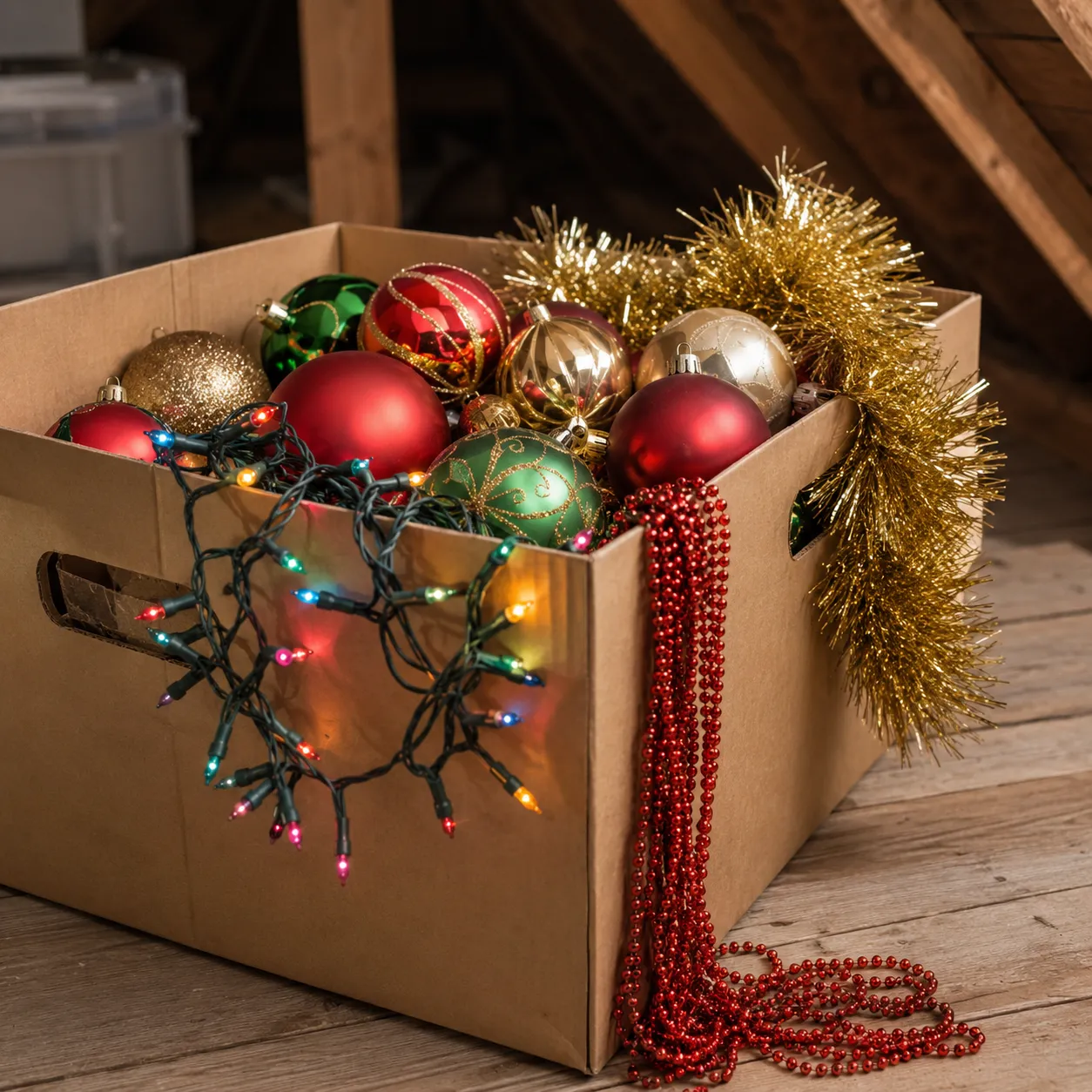
decorationsˌdɛkəˈreɪʃənz
objects that you put in a place or on something to make it look prettier, more interesting, or ready for a celebration.
Toys, games, sports equipment, camping supplies, travel bags, and materials for crafts and hobbies.
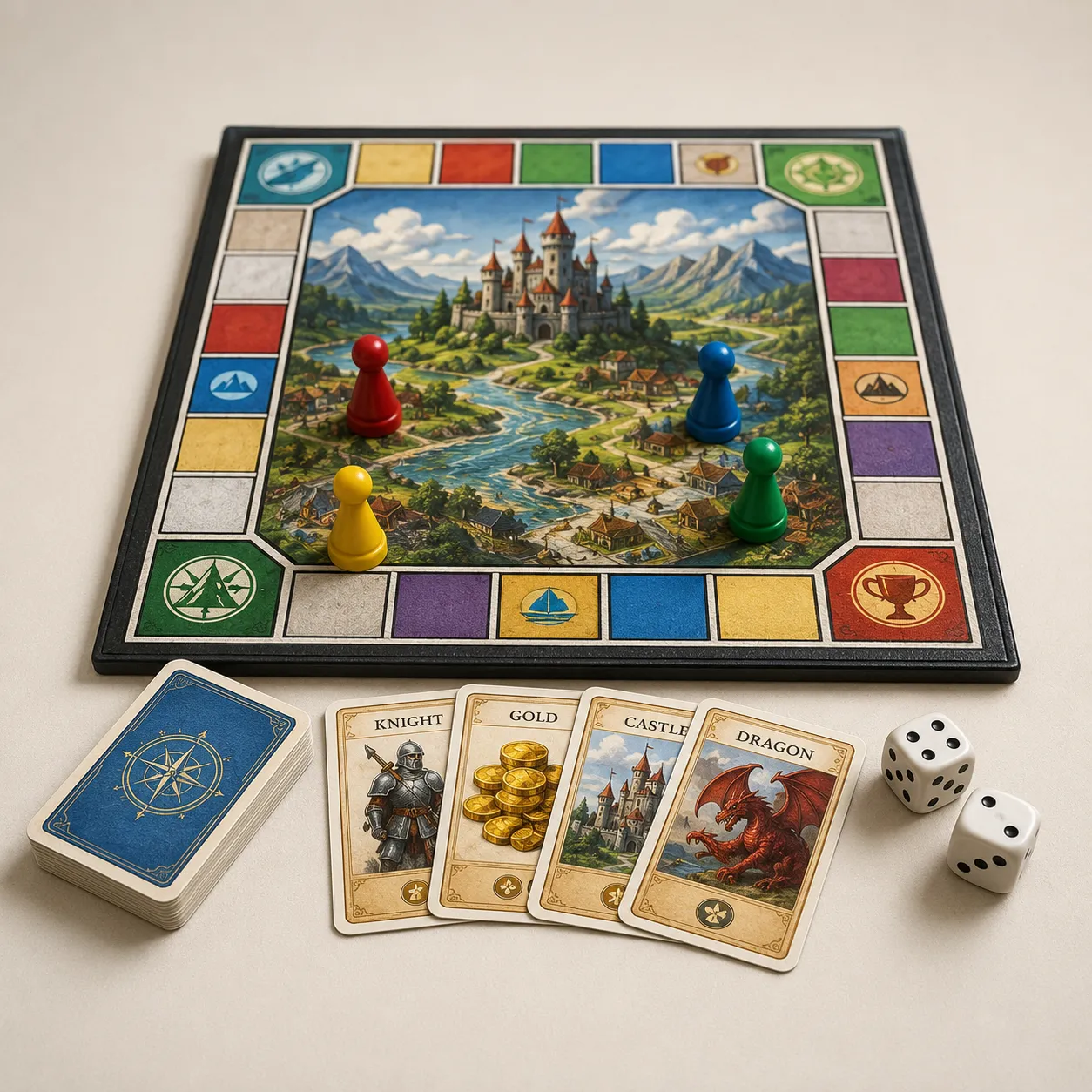
board gameˈbɔːrd ɡeɪm
a game played on a special board, usually by moving pieces and sometimes using dice or cards.
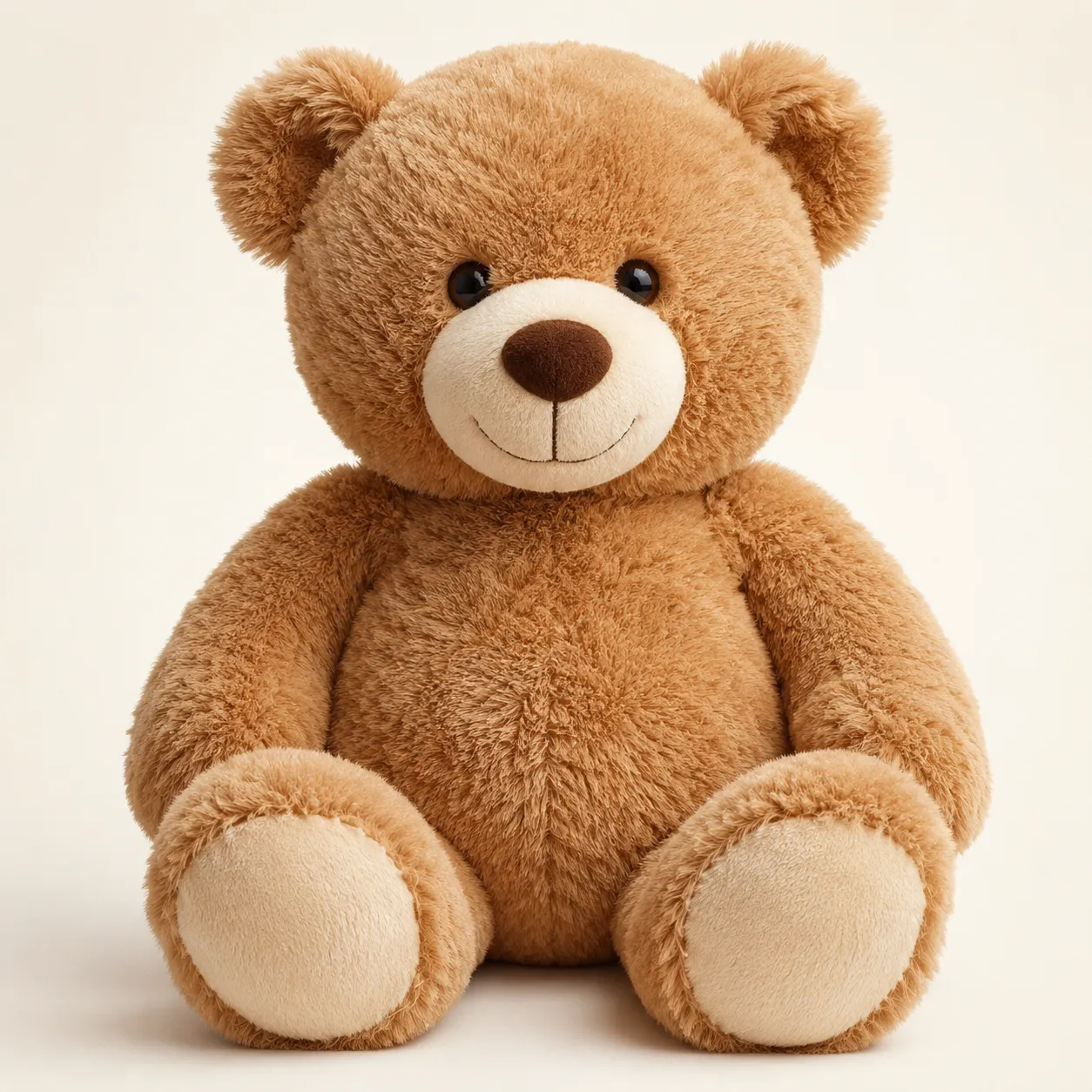
stuffed animalˌstʌft ˈænəməl
a soft toy made in the shape of an animal and filled with soft material.
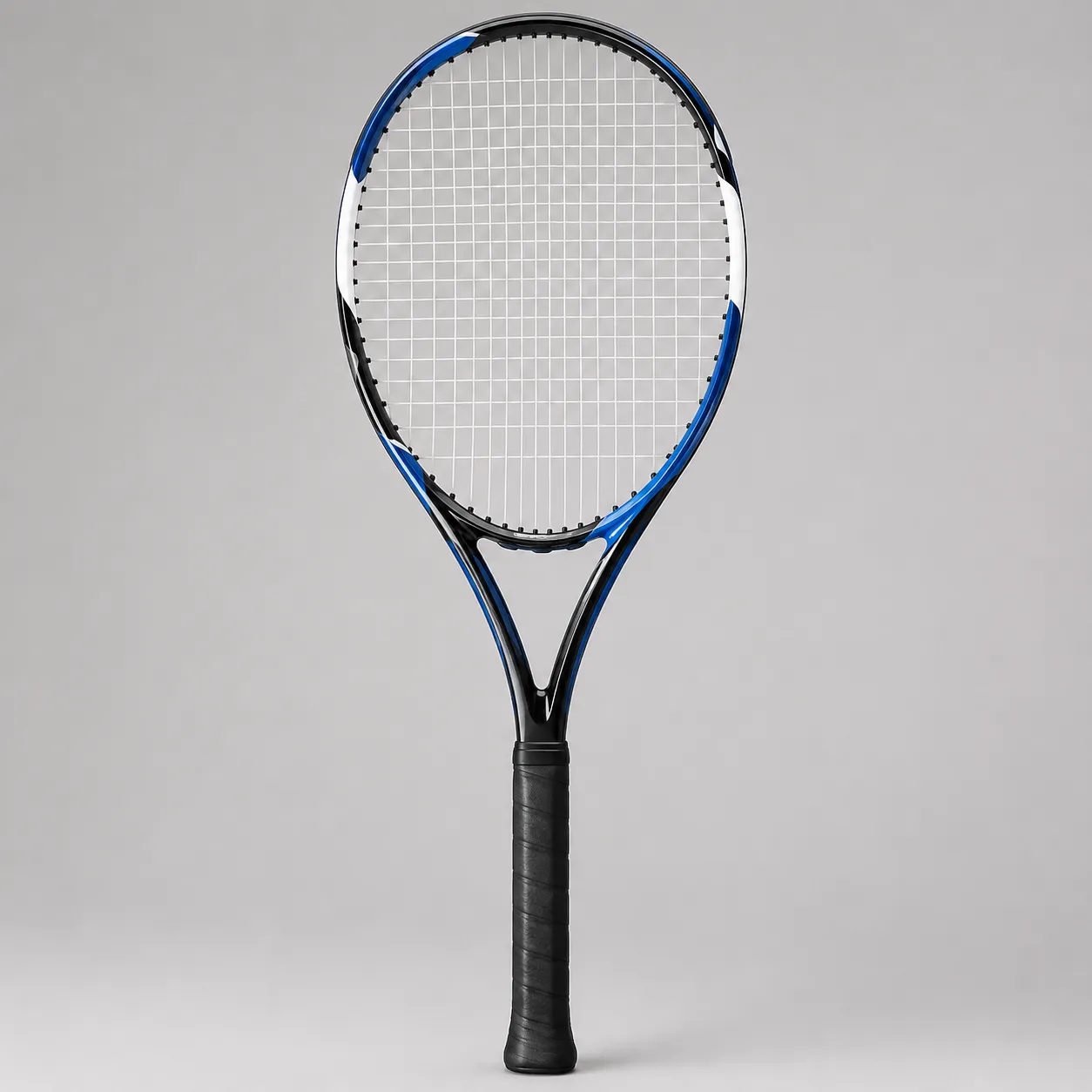
tennis racketˈtɛnɪs ˈrækɪt
a sports tool with a handle and a stringed oval frame, used for hitting the ball in tennis.
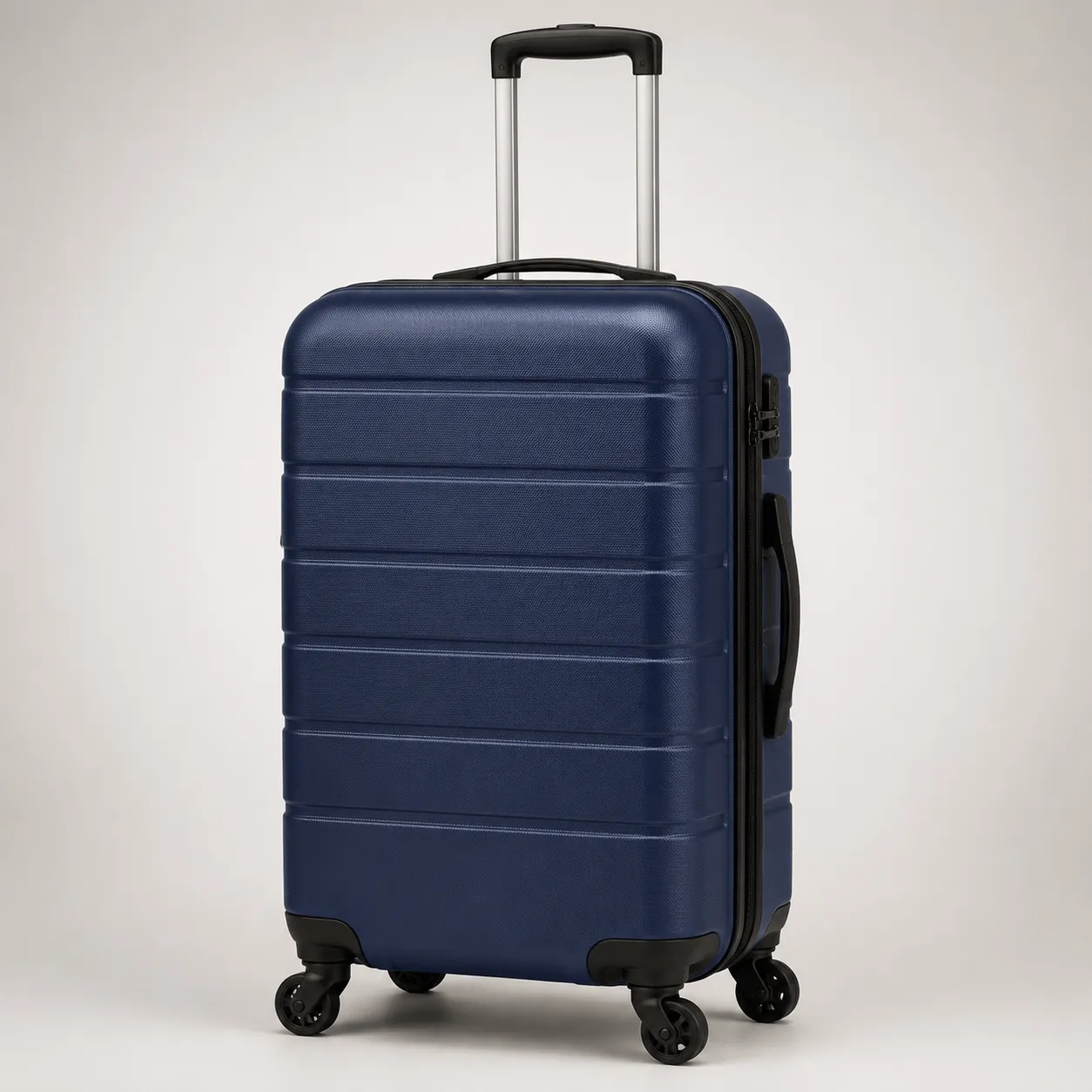
suitcaseˈsuːtkeɪs
a case with a handle used to carry clothes and personal belongings while travelling
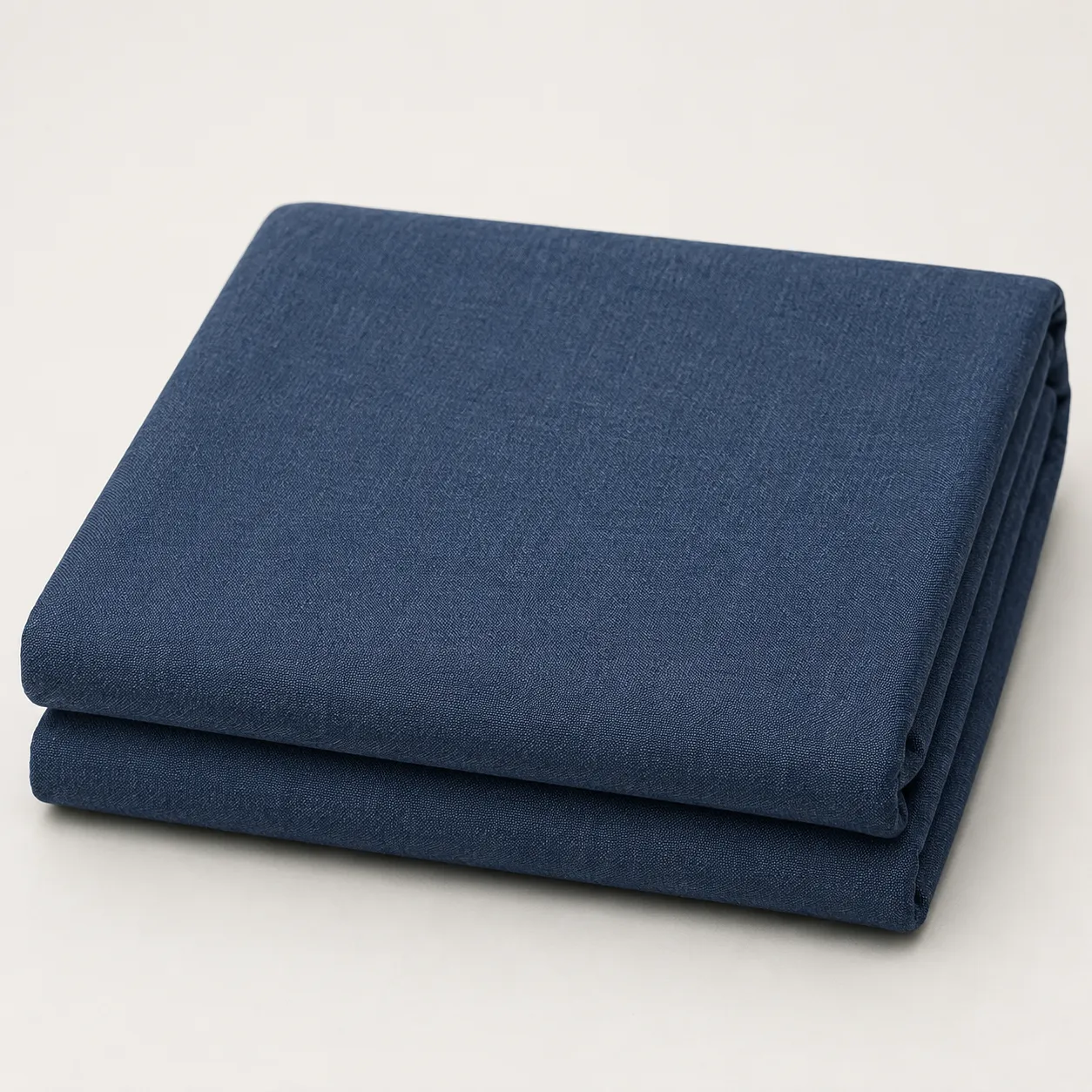
fabricˈfæbrɪk
cloth used for making clothes, curtains, furniture covers, and similar items.
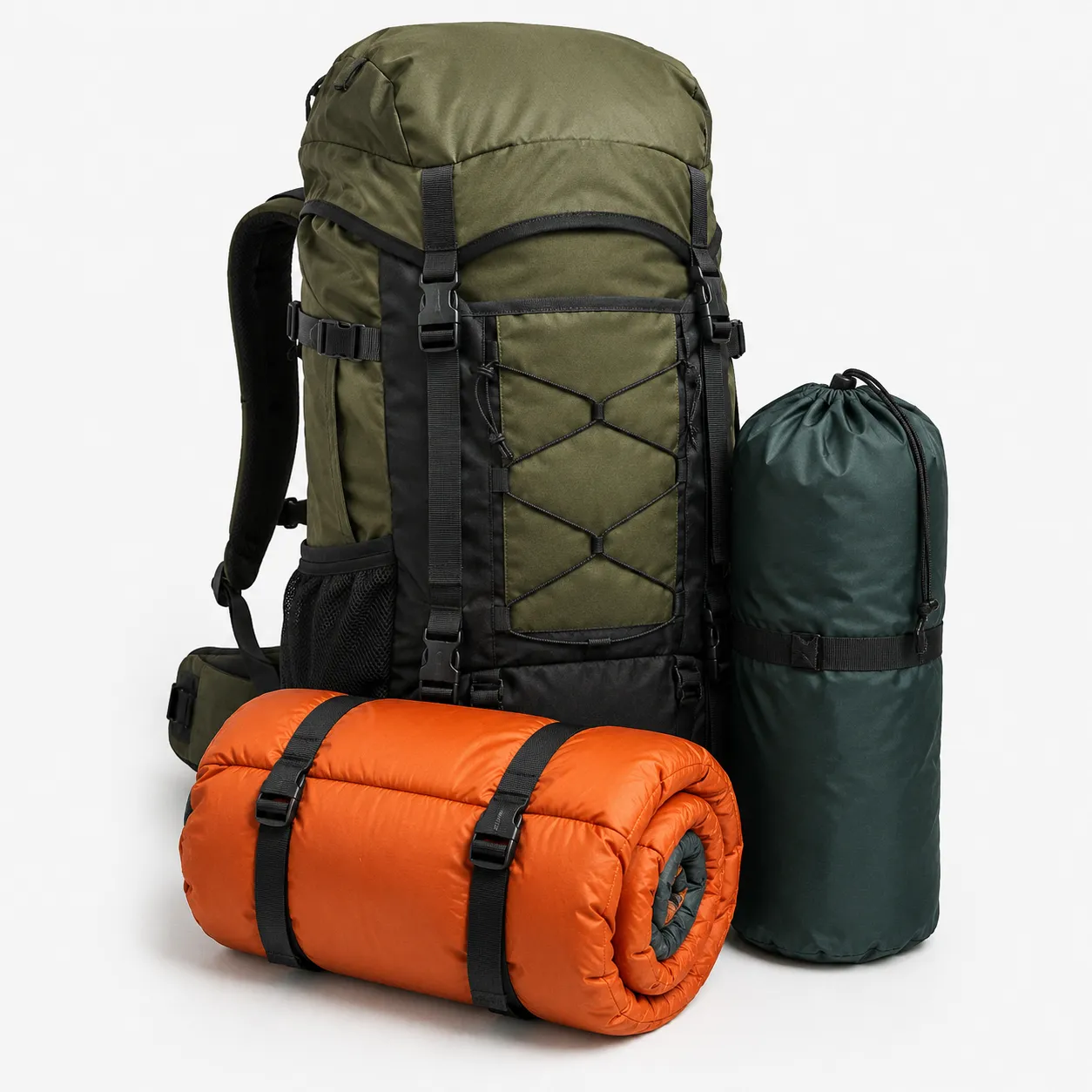
camping gearˈkæmpɪŋ ɡɪr
equipment and supplies used for sleeping, cooking, and living outdoors while camping.
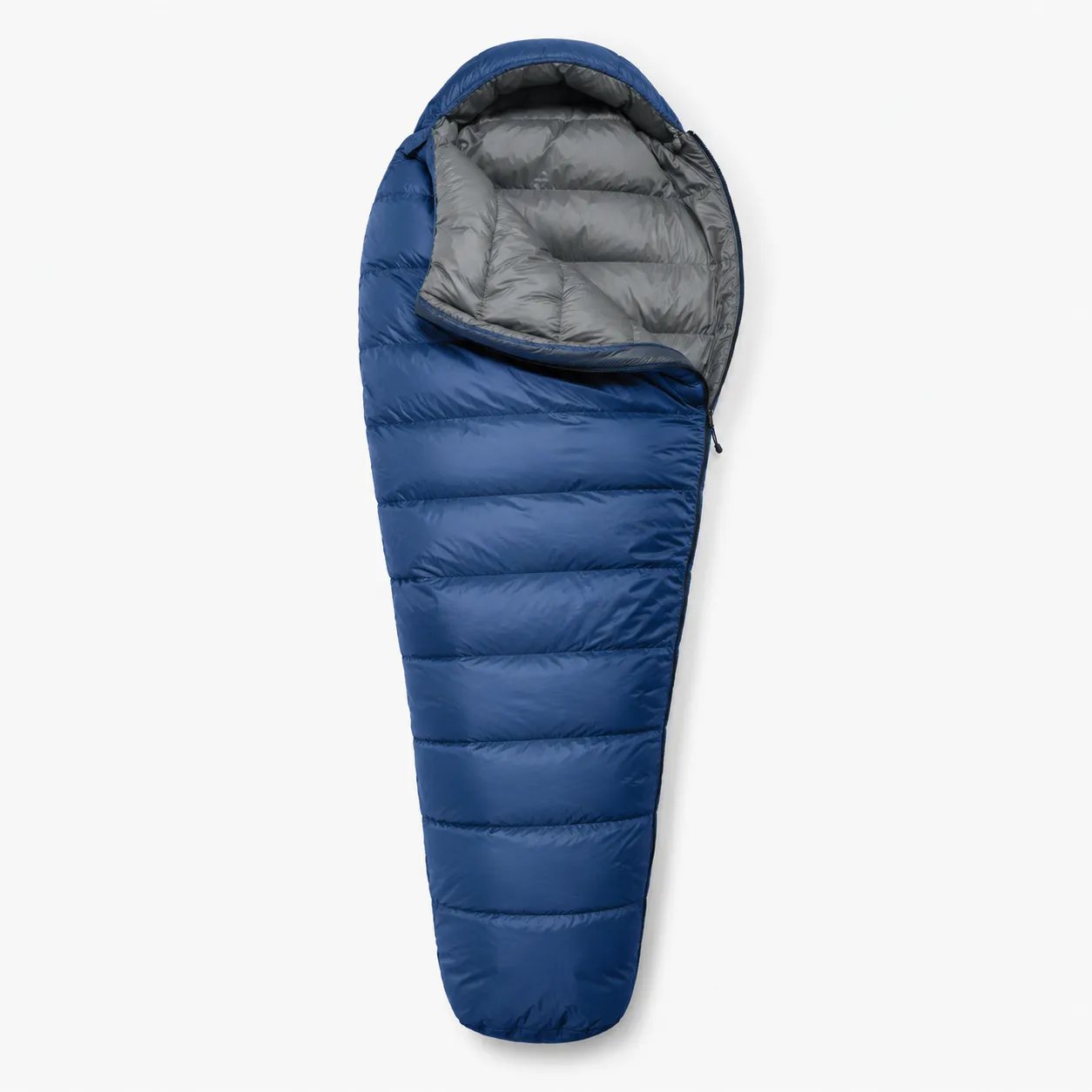
sleeping bagˈsliːpɪŋ bæɡ
a warm padded bag that you sleep inside, especially when camping or traveling.
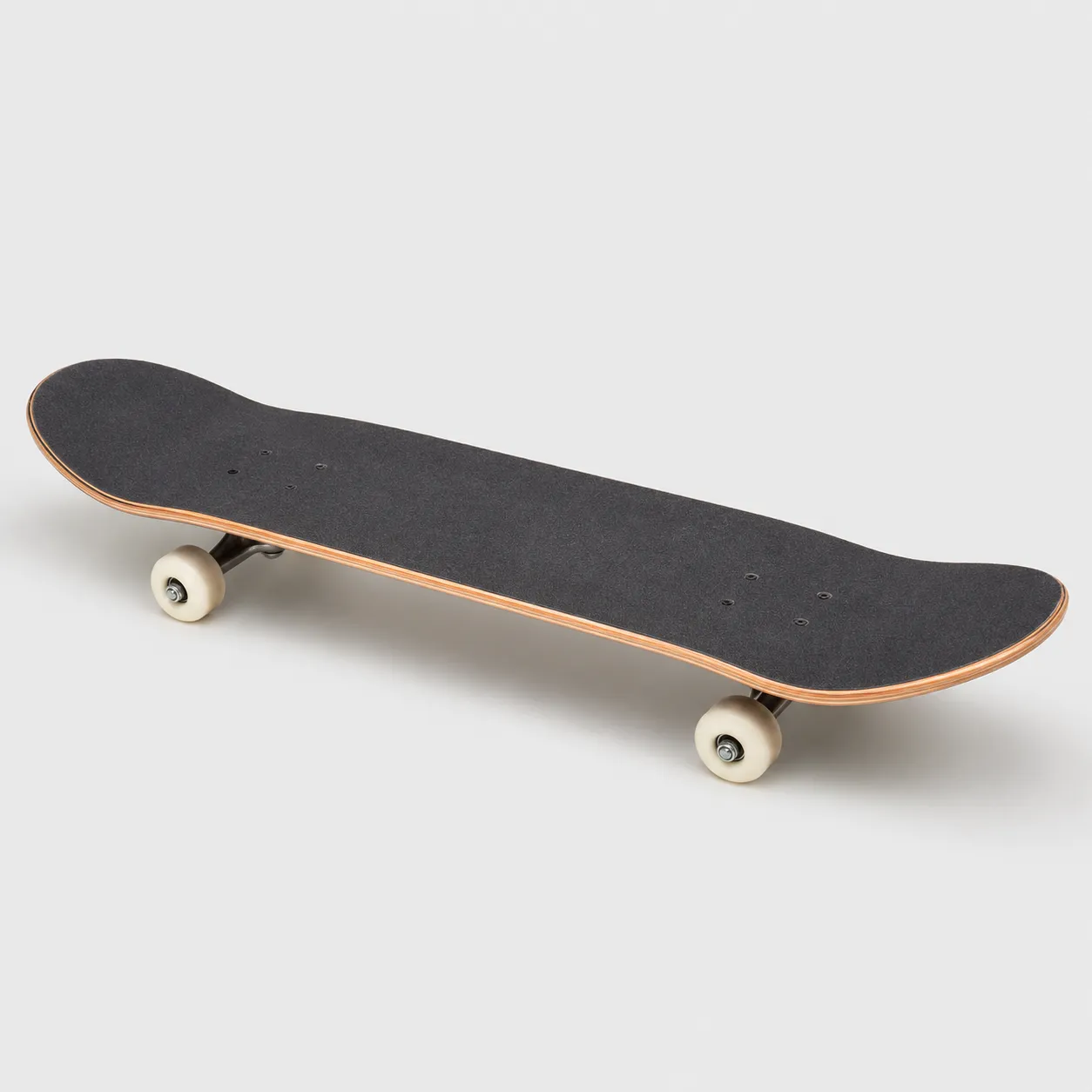
skateboardˈskeɪtˌbɔːrd
a short narrow board with small wheels, which a person stands on and rides by pushing with one foot.
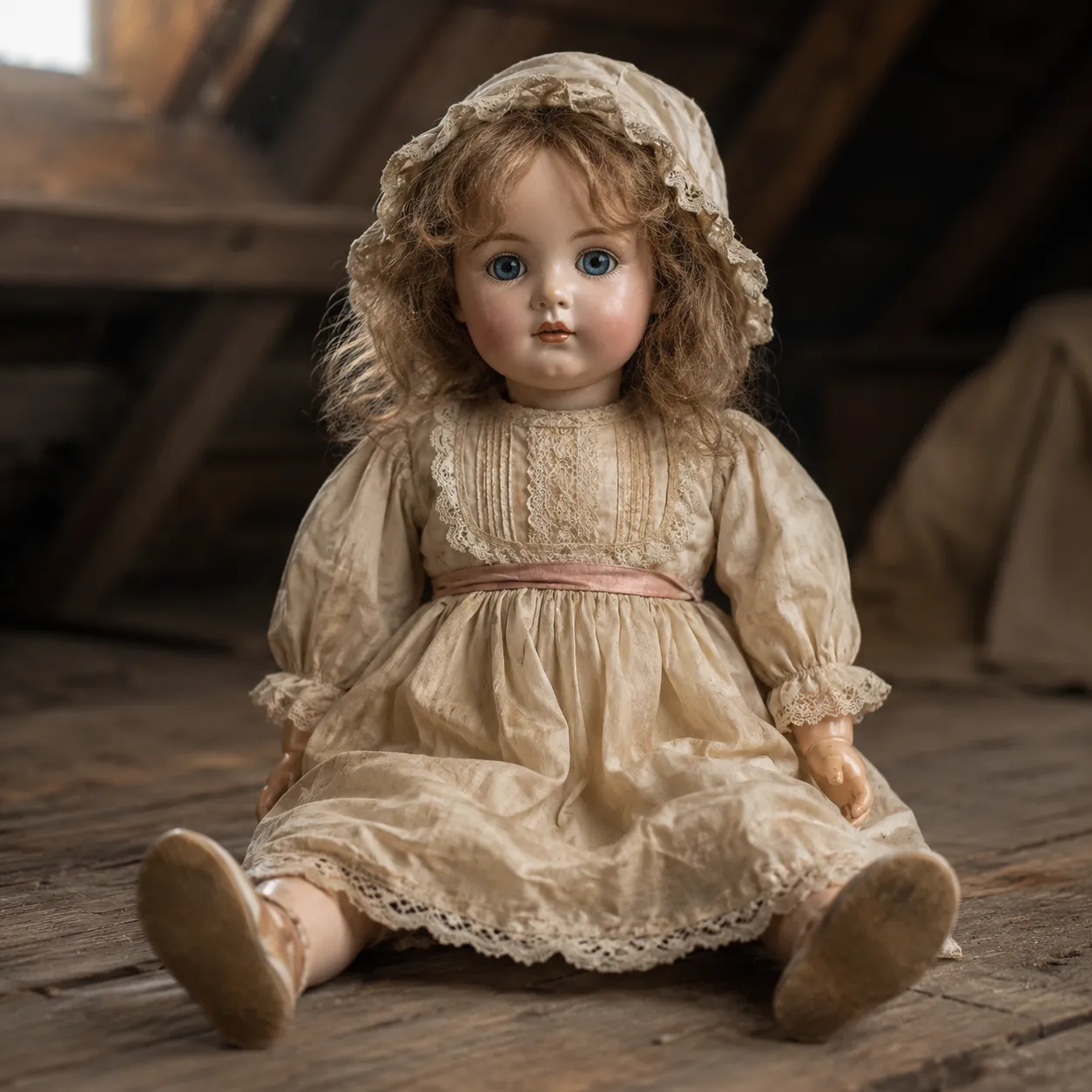
dolldɑːl
a child's toy that looks like a baby, child or adult person.
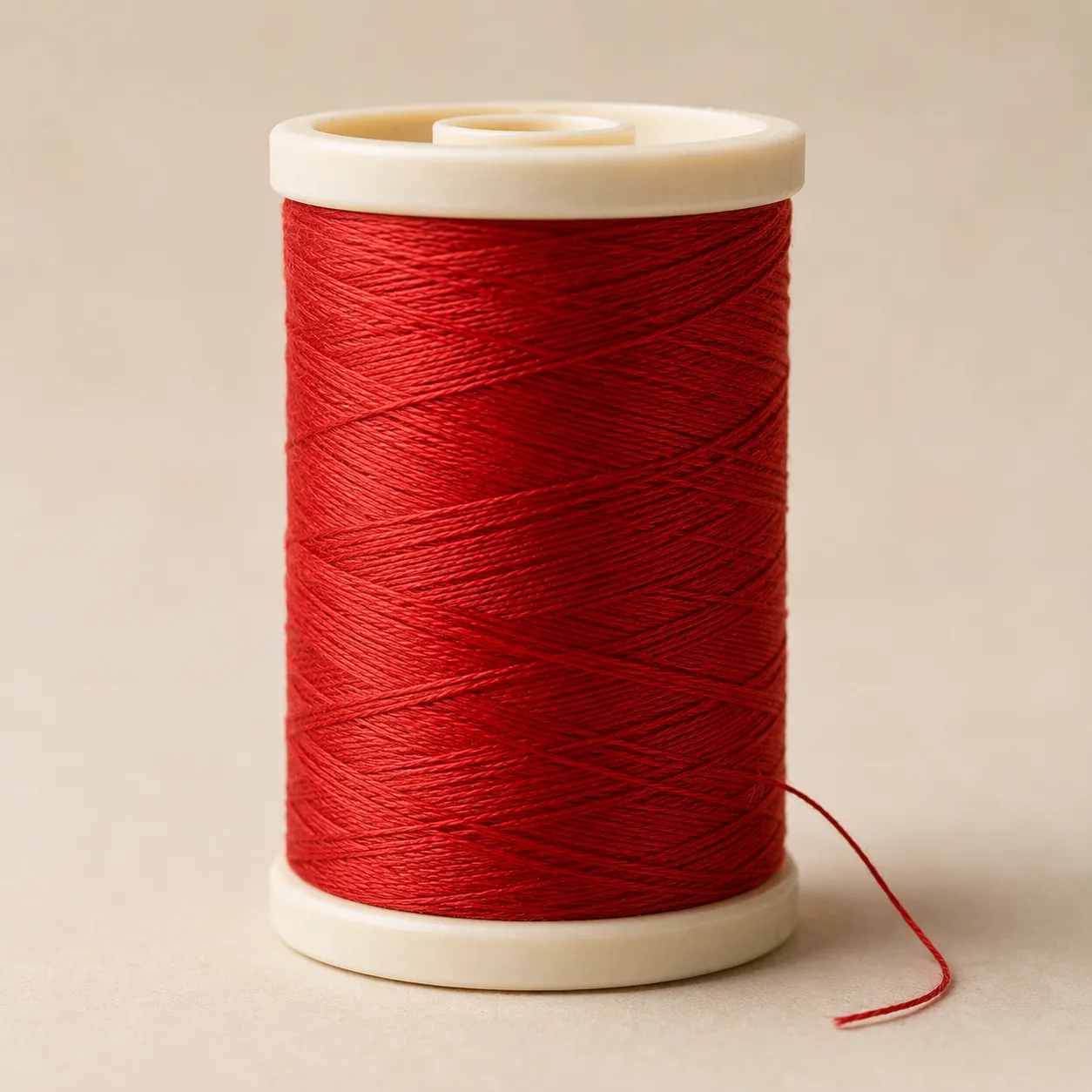
threadθrɛd
a long, very thin piece of cotton, silk or similar material, used especially for sewing.
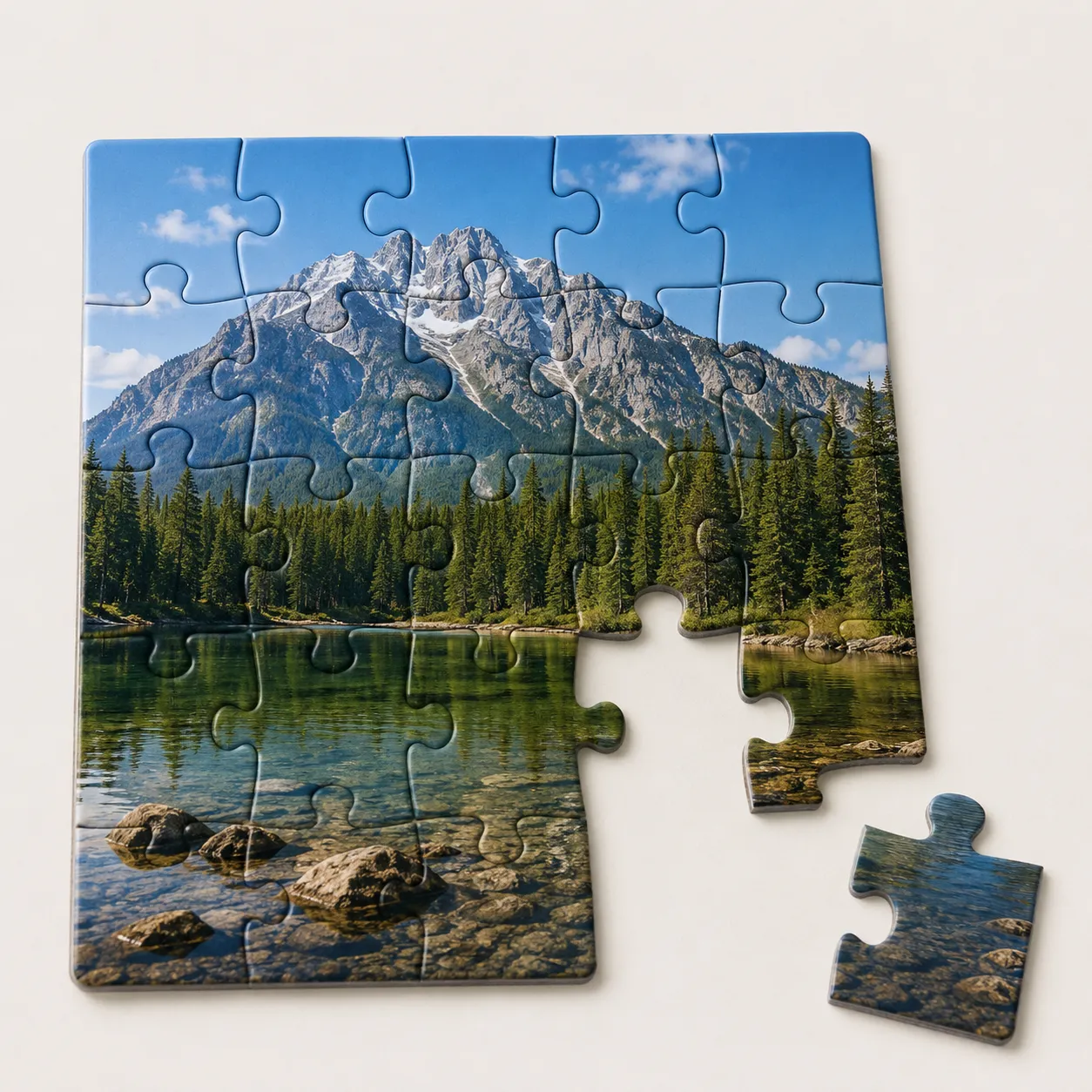
puzzleˈpʌzəl
a game, question, or problem that you have to think about carefully in order to find the answer or solution.
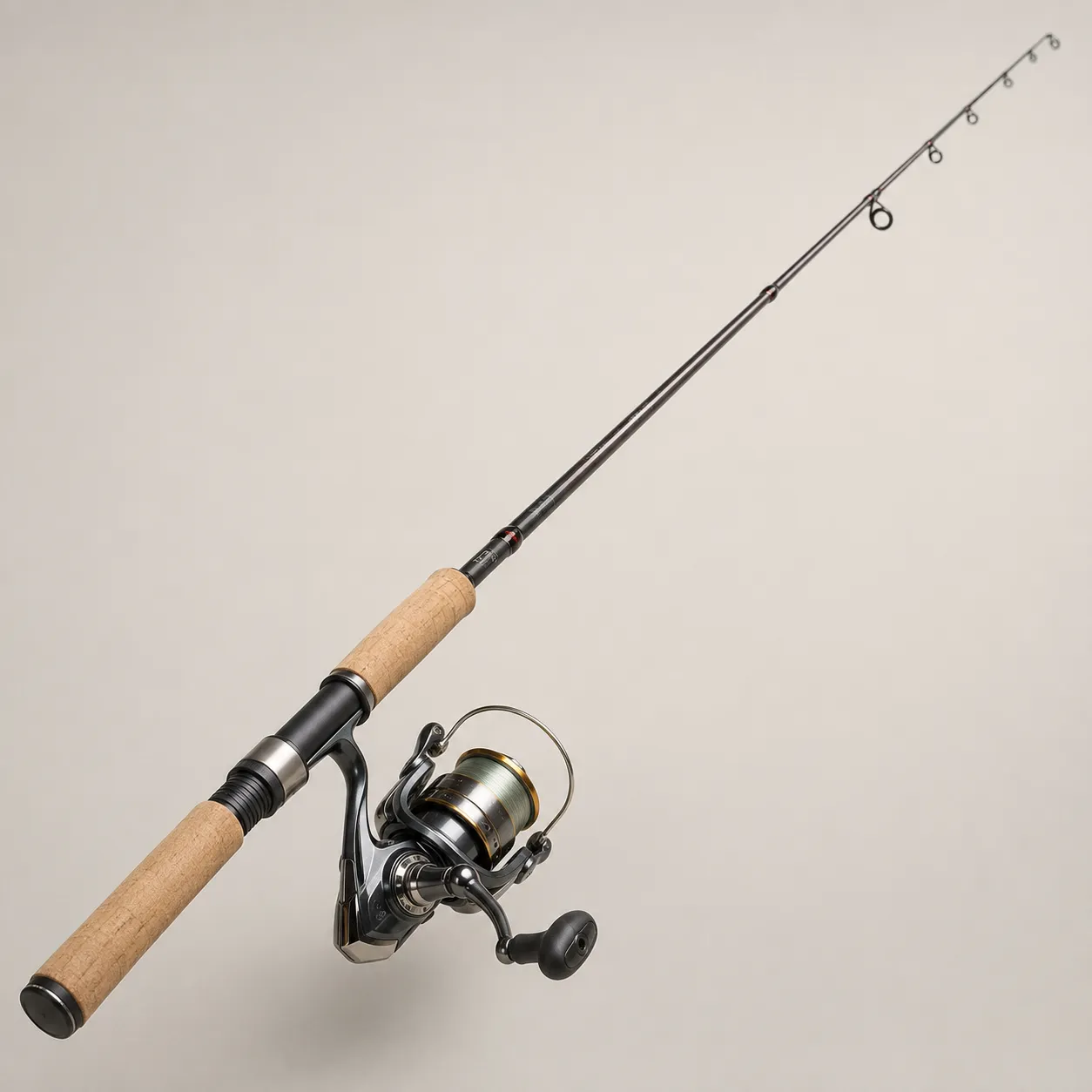
fishing rodˈfɪʃɪŋ rɑːd
a long thin pole with a line and hook, used for catching fish.
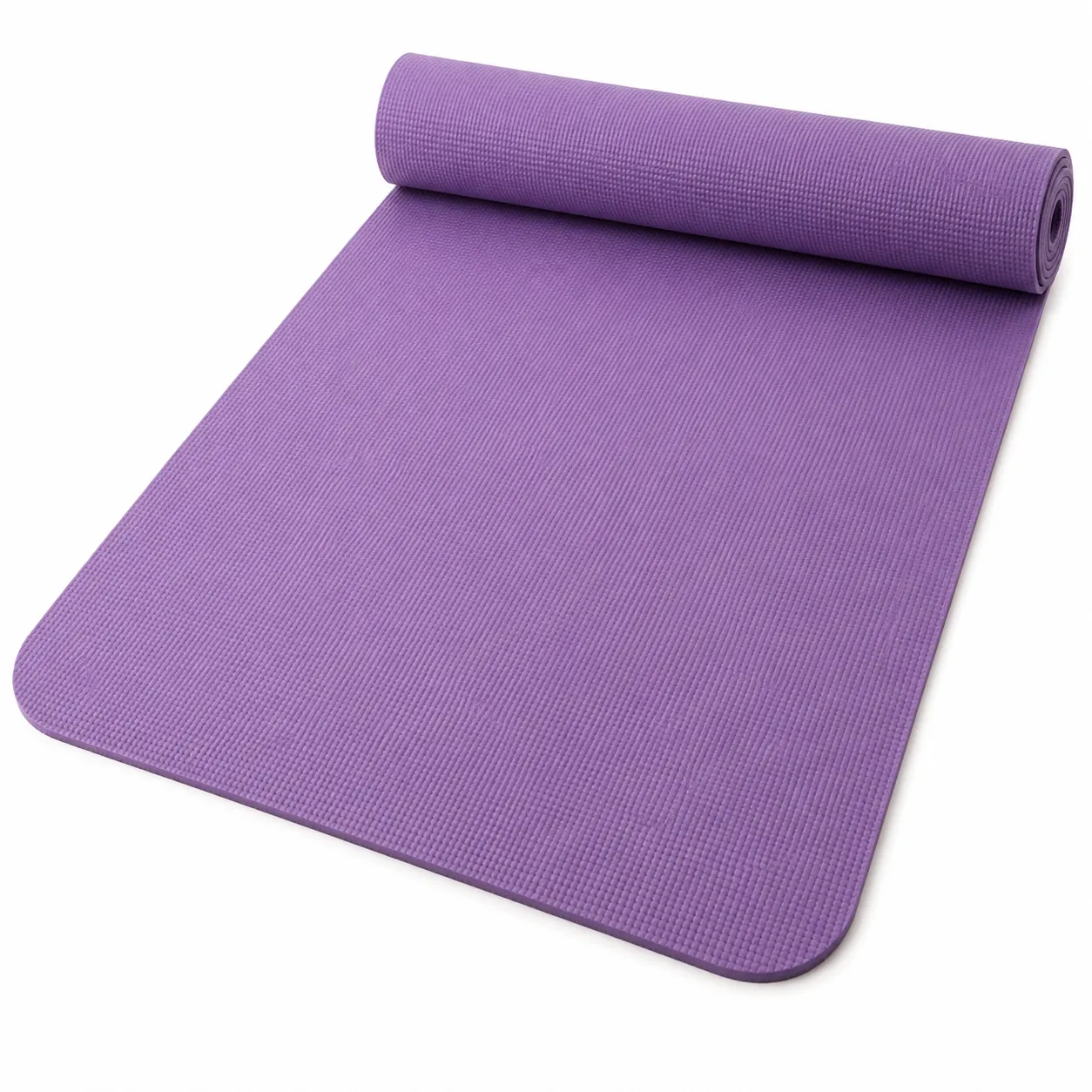
yoga matˈjoʊɡə mæt
a thin soft mat that you put on the floor to stand, sit, or lie on while doing yoga.
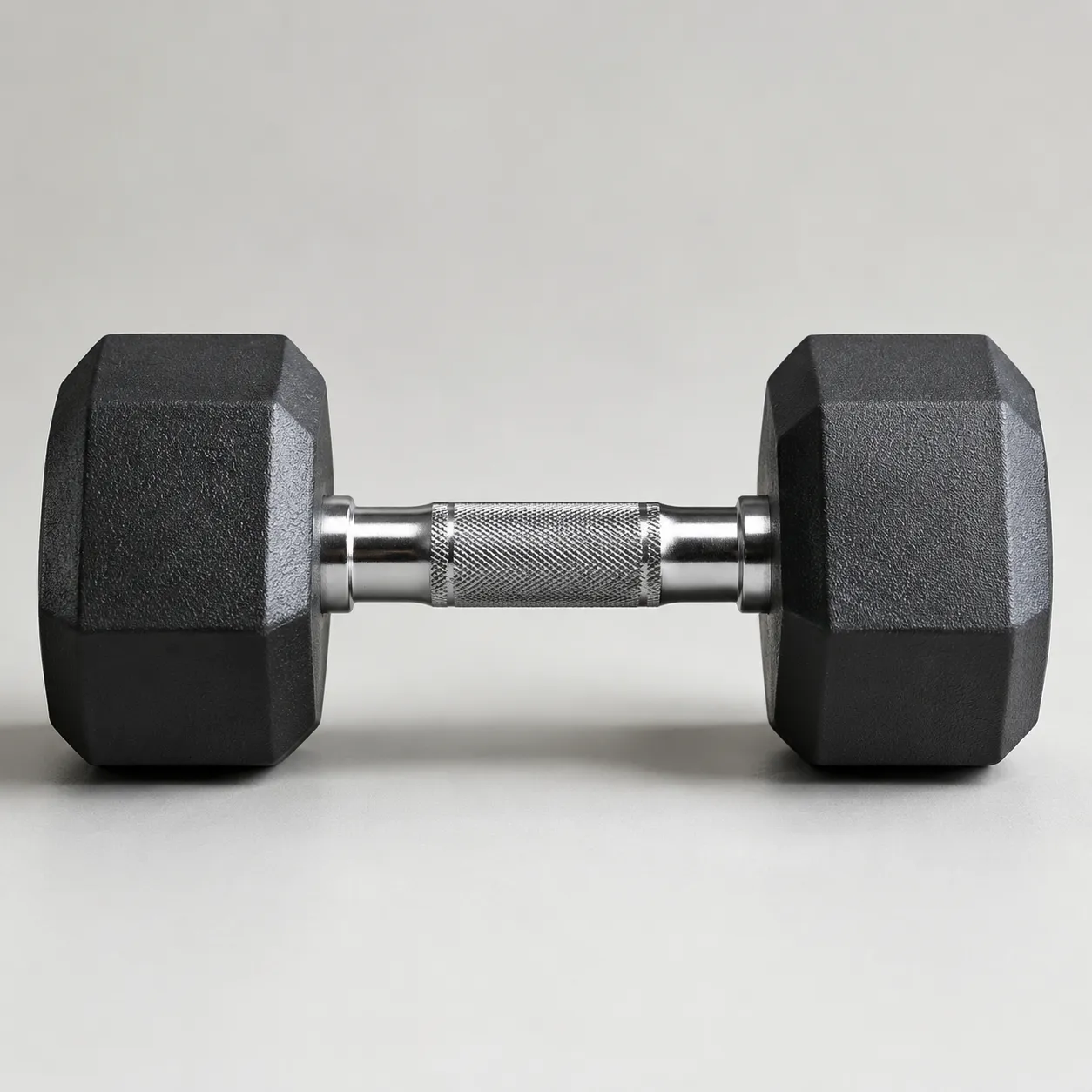
dumbbellˈdʌmbɛl
a short bar with a heavy part at each end, held in one hand for strength exercises.
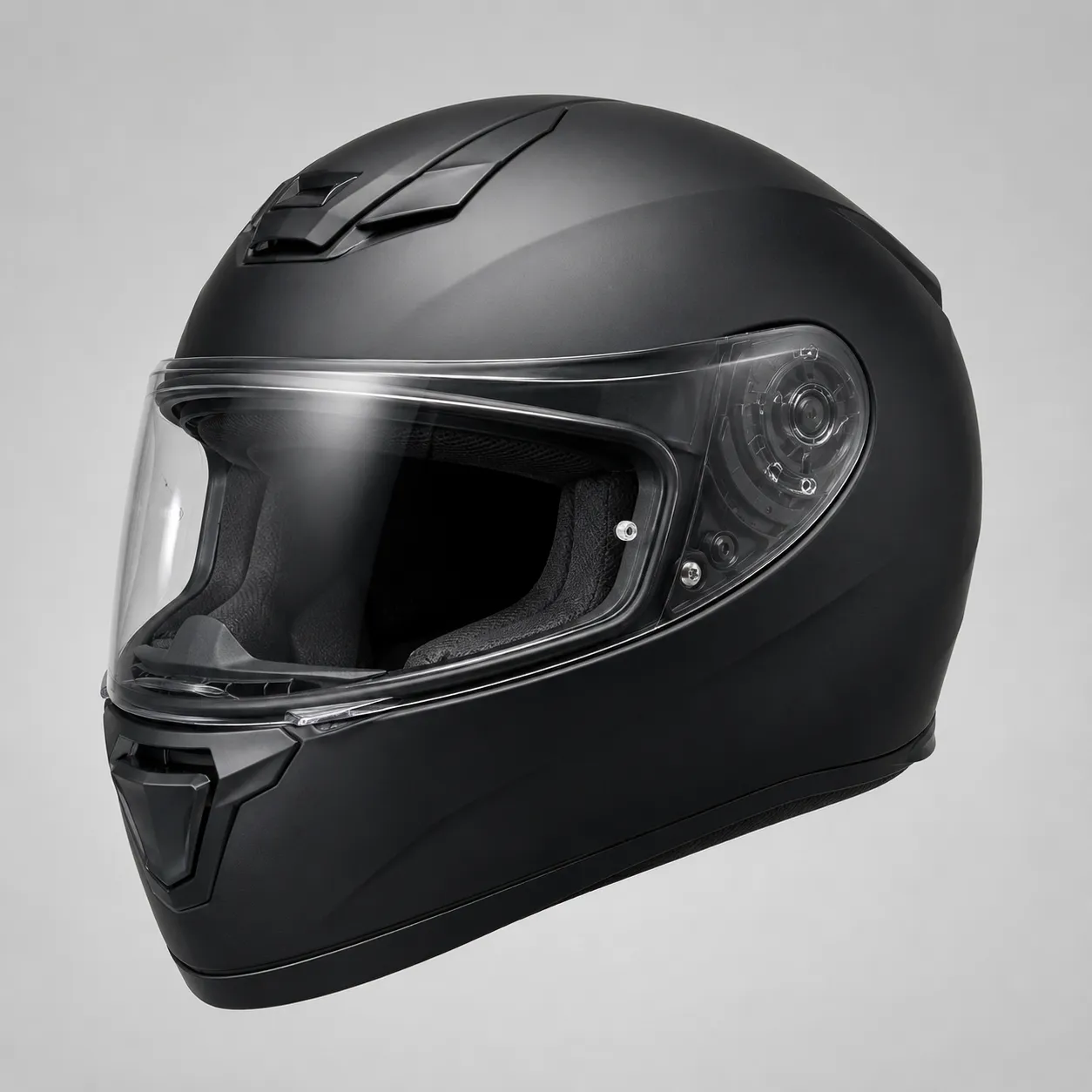
helmetˈhelmɪt
a hard hat worn to protect the head, especially when riding, playing sport or working in a dangerous place.
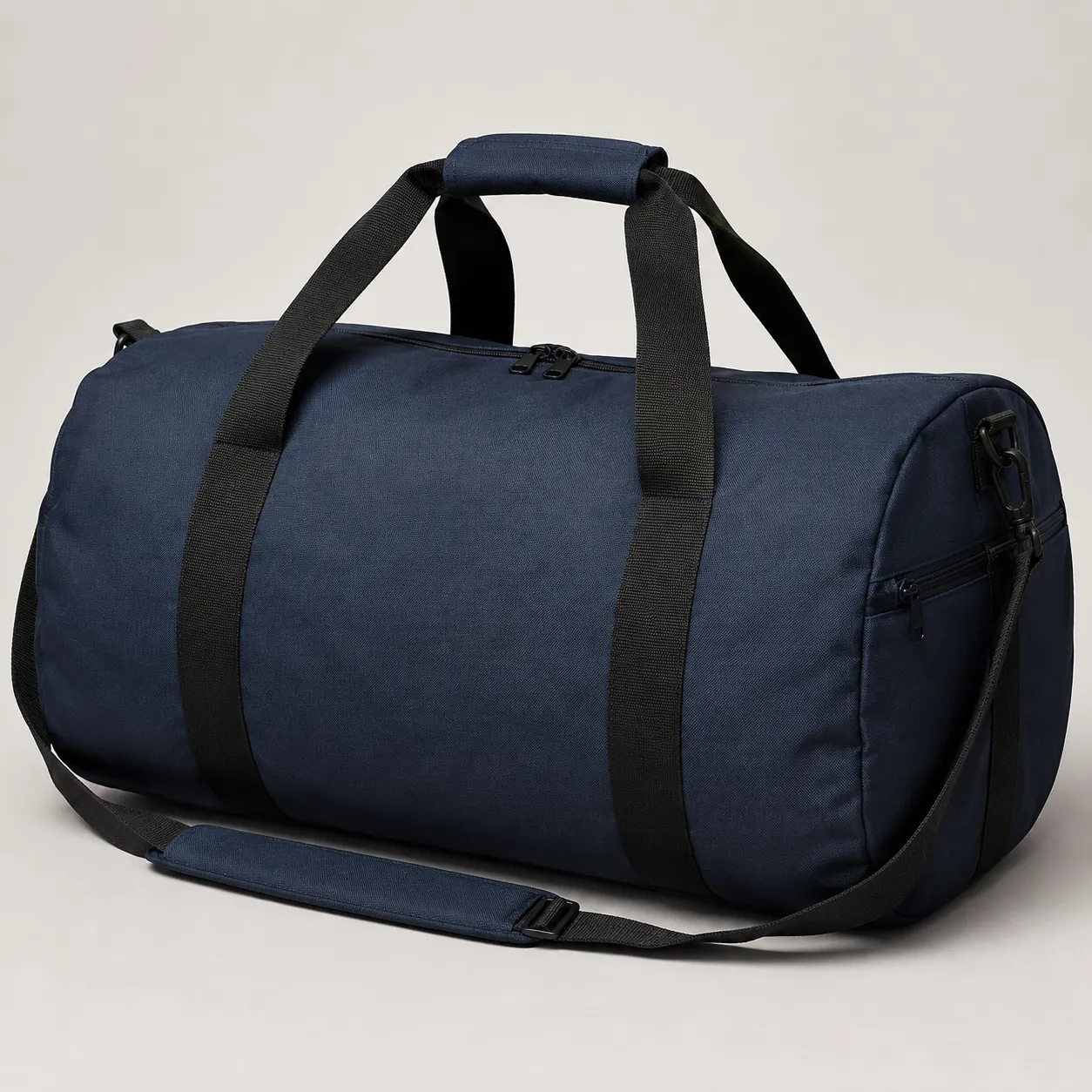
duffel bagˈdʌfəl bæɡ
a large soft bag with handles or a shoulder strap, used for carrying clothes, sports gear, or travel items.
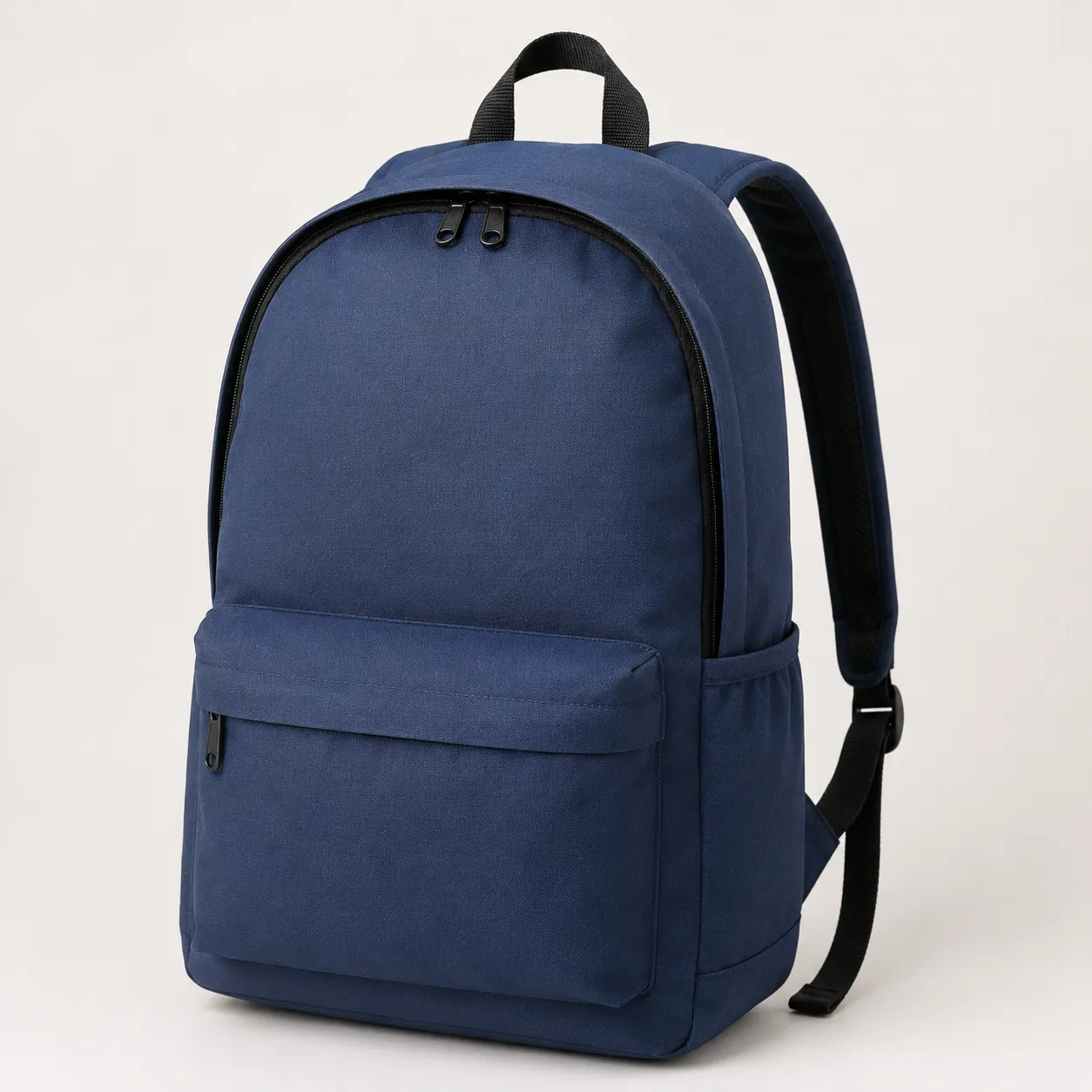
backpackˈbækpæk
a bag carried on the back with two shoulder straps.

canvasˈkænvəs
a strong cloth that artists paint on, usually stretched tightly over a wooden frame.
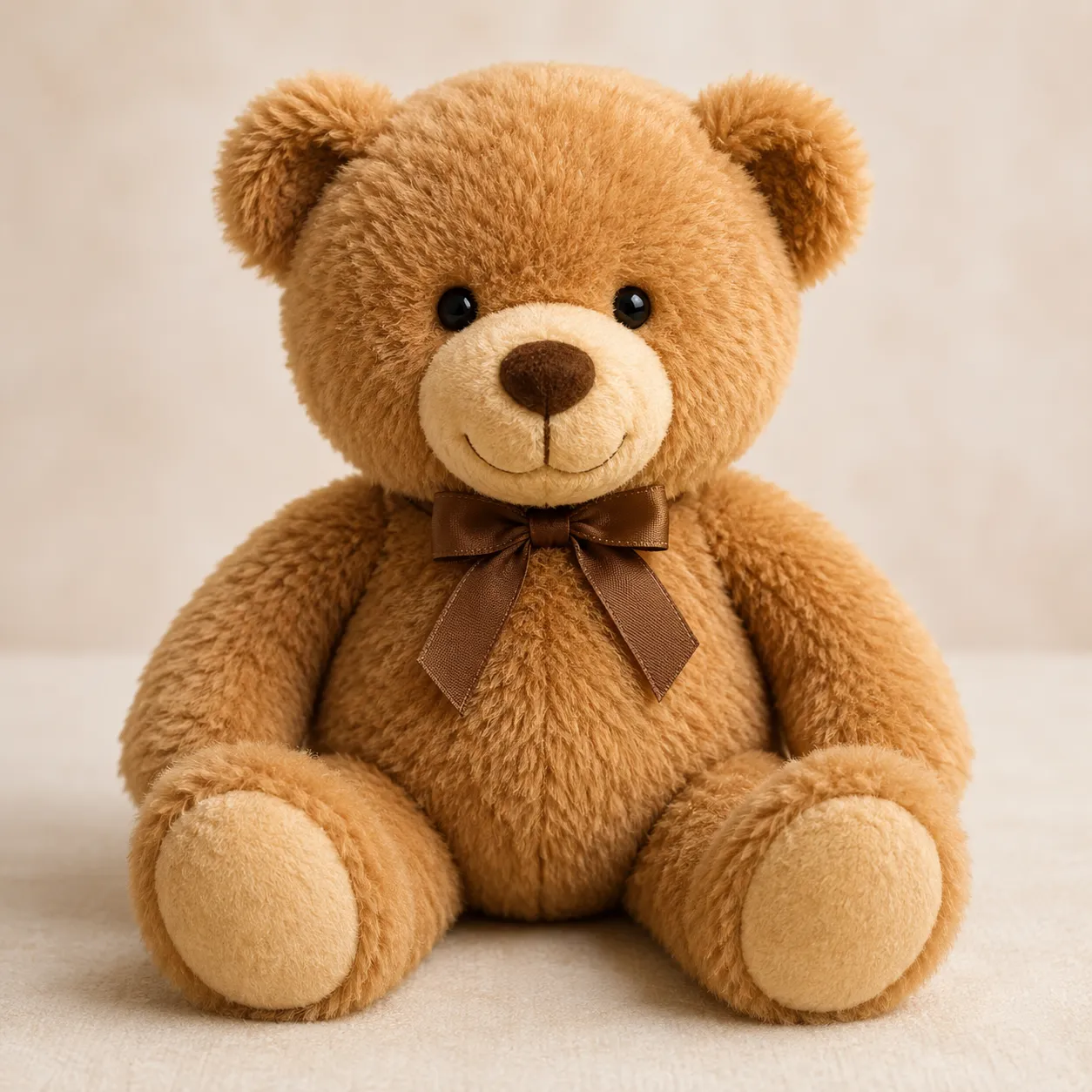
toytɔɪ
an object that a child plays with, such as a ball, car or doll.
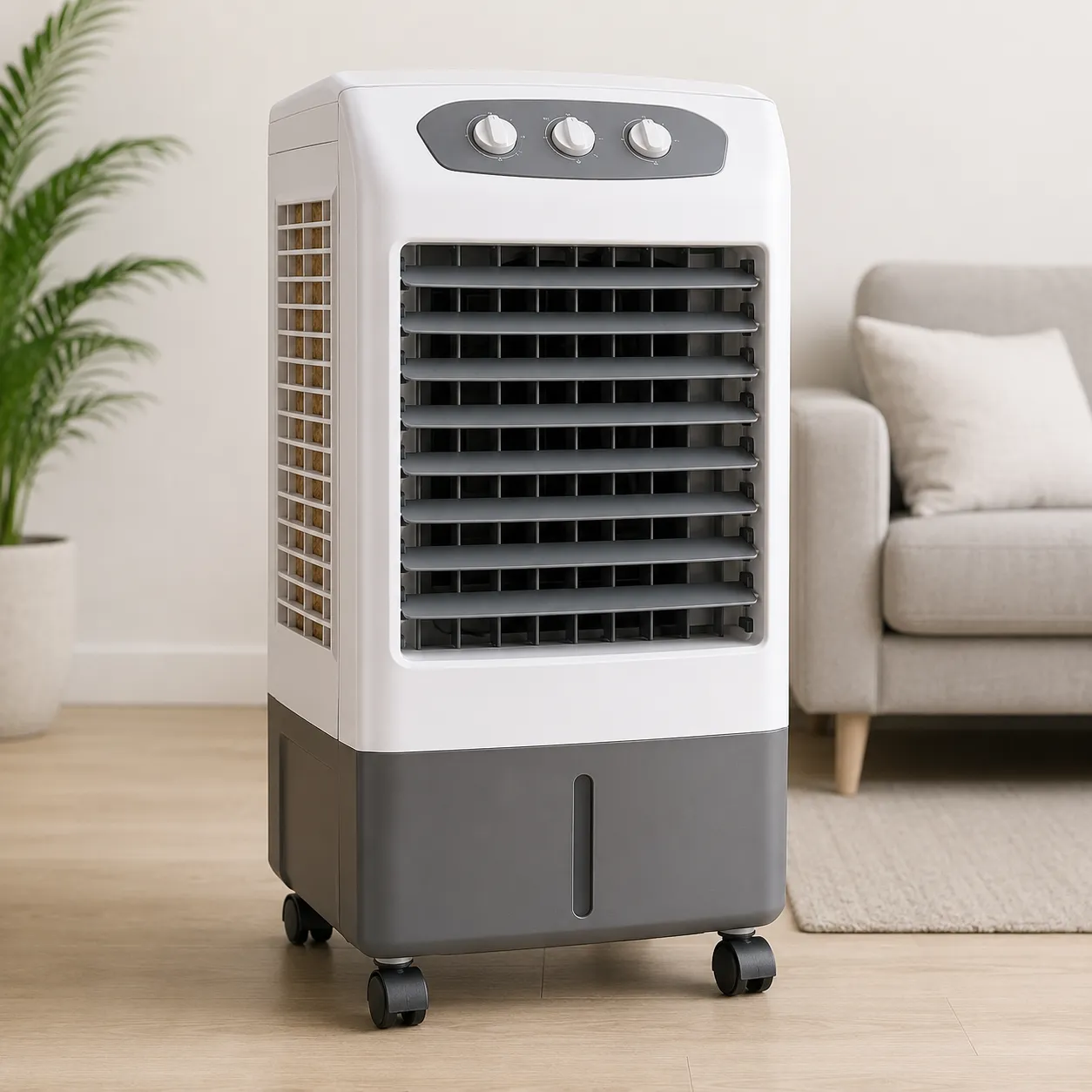
coolerˈkuːlər
an insulated box or bag used to keep food and drinks cold, especially on trips or picnics.
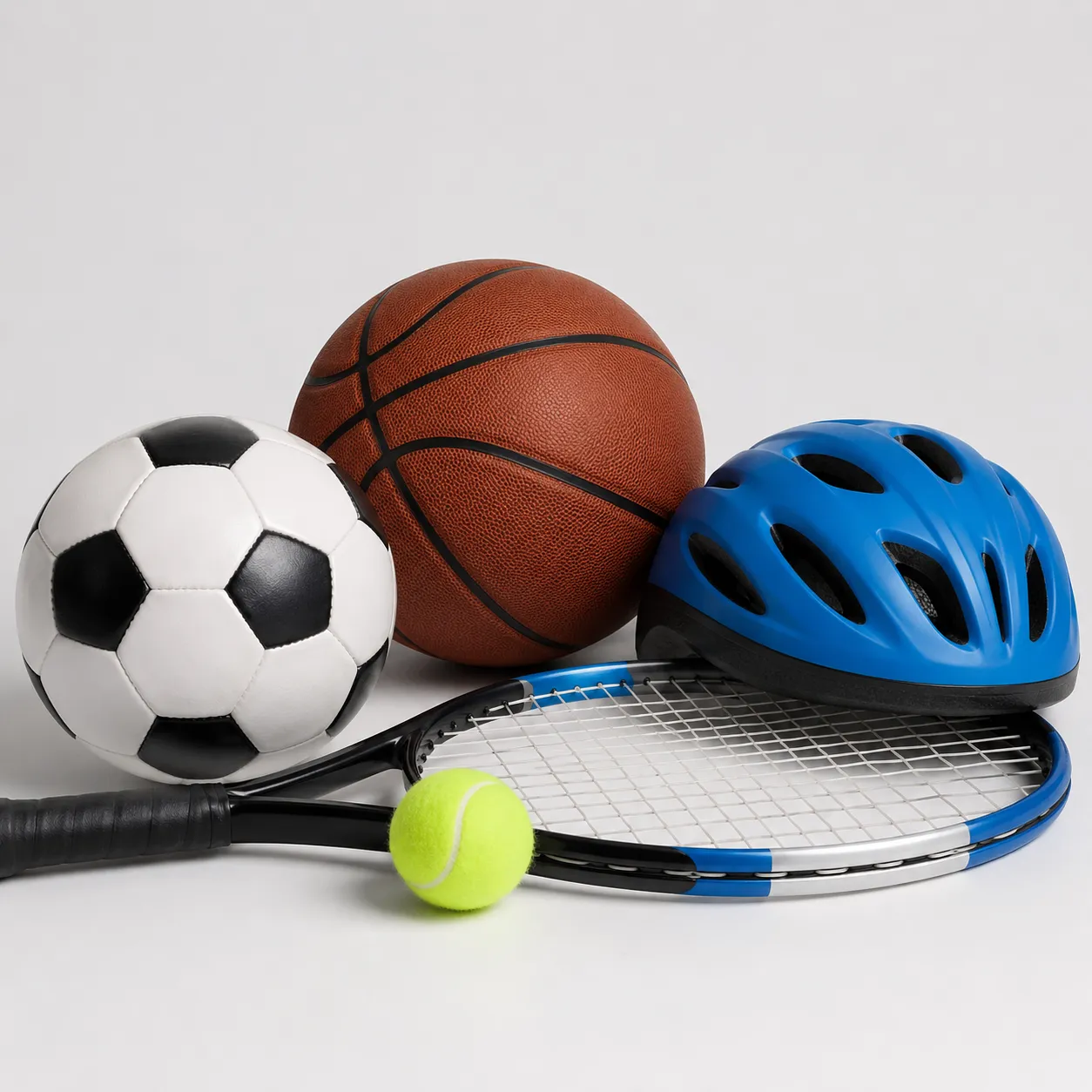
sports equipmentspɔːrts ɪˈkwɪpmənt
things such as balls, bats, rackets, or protective gear that people use to play or train for sports.
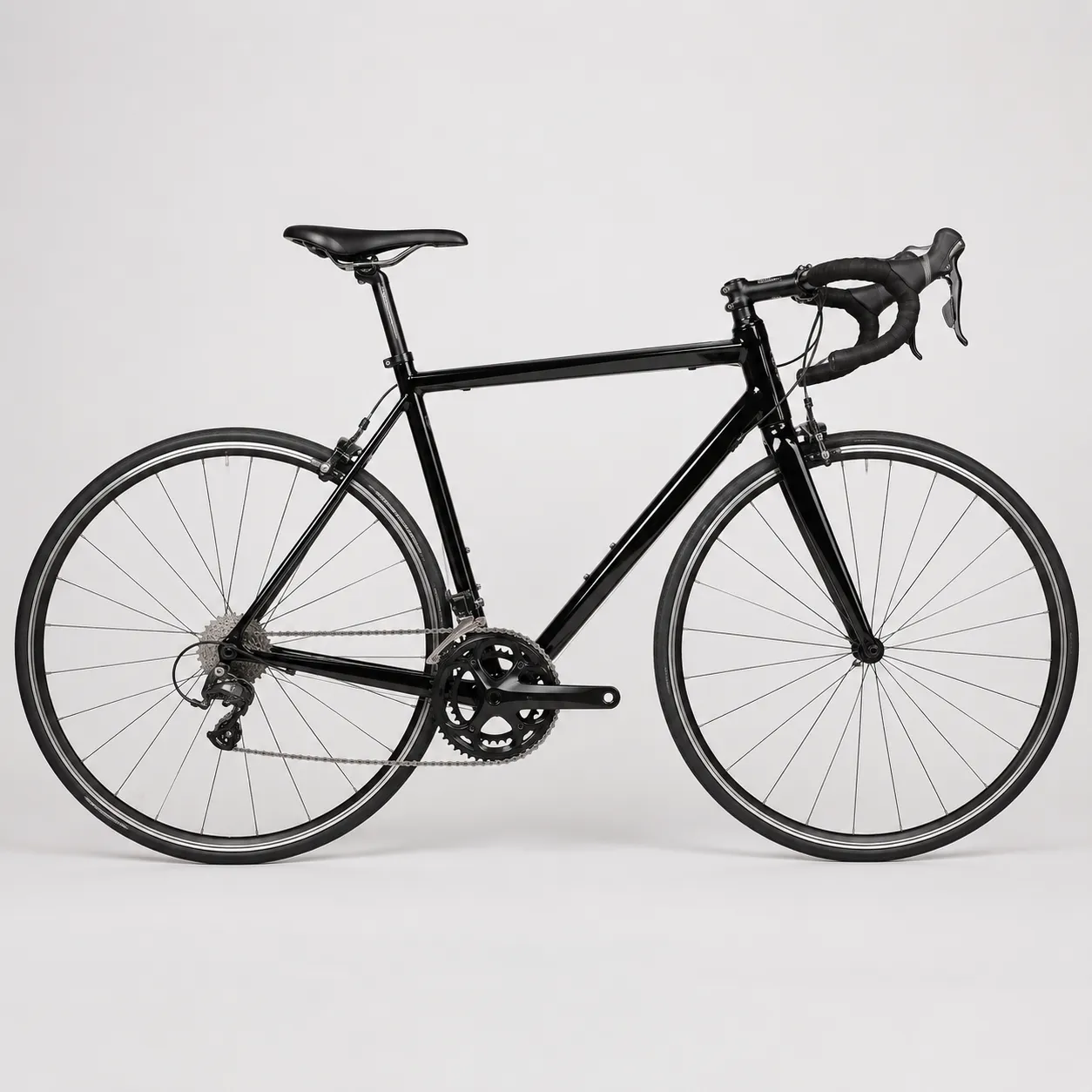
bicycleˈbaɪsɪkəl
a vehicle with two wheels that you ride by sitting on it and pushing pedals with your feet.
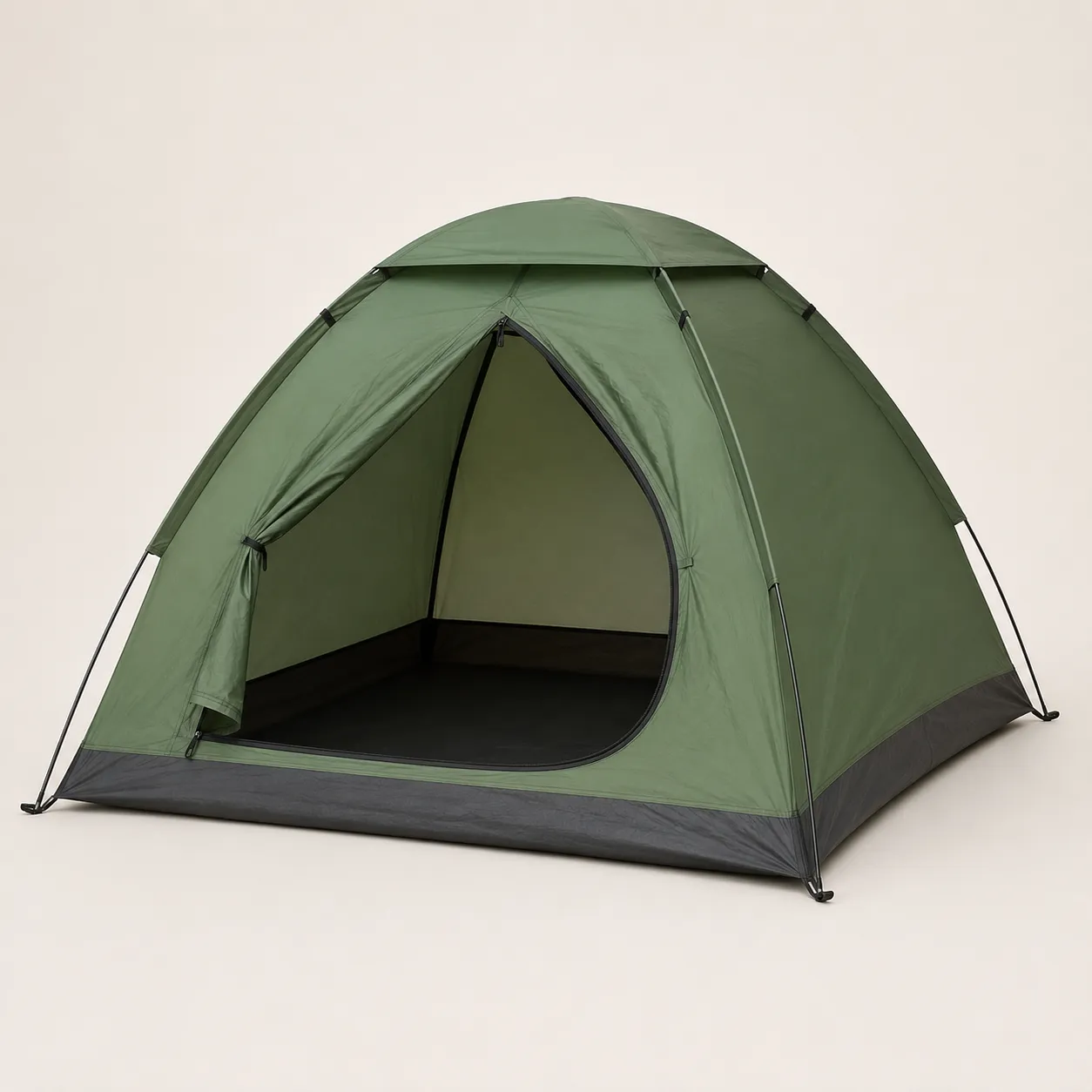
tenttɛnt
a portable shelter made of cloth or similar material, supported by poles and used for sleeping outdoors.
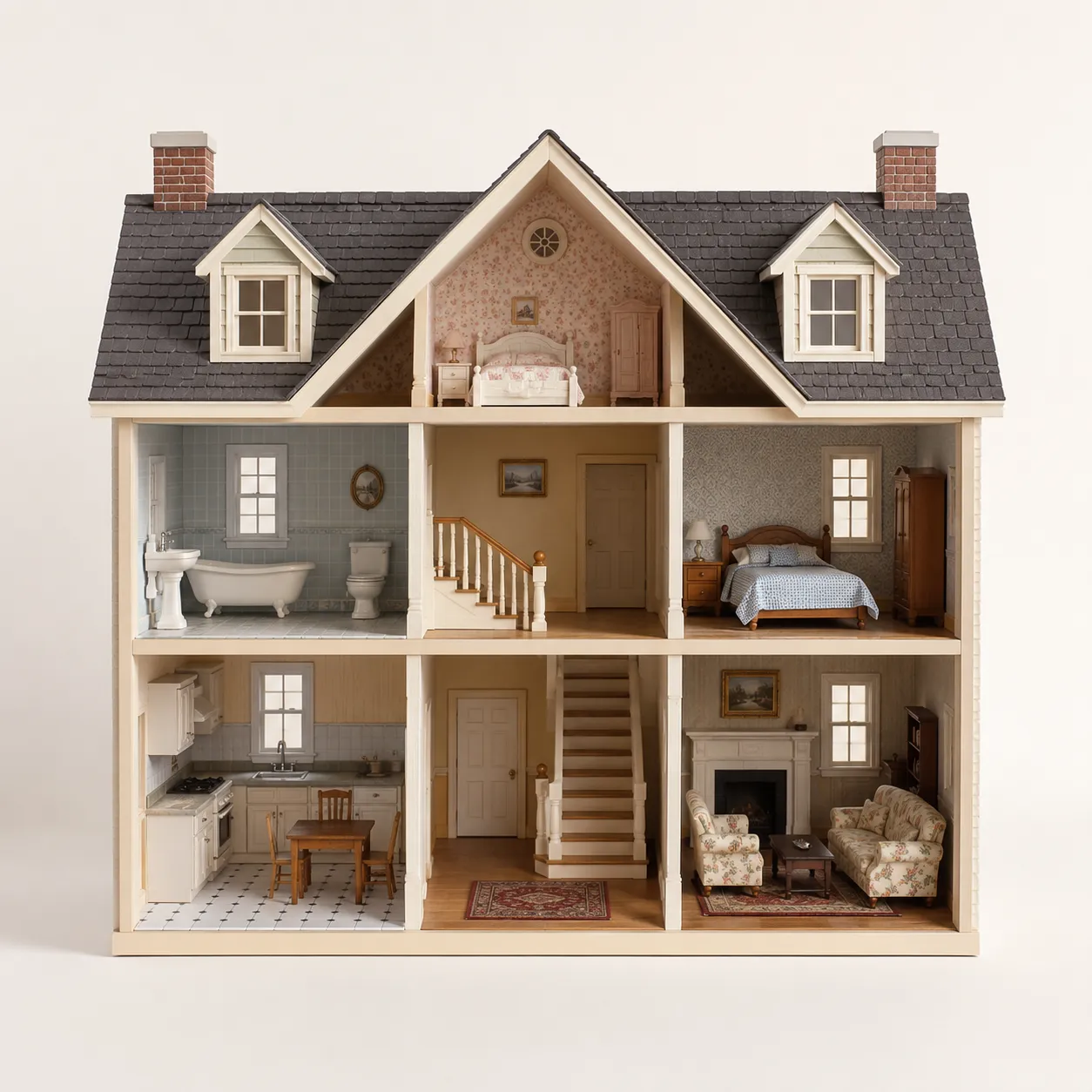
dollhouseˈdɒlˌhaʊs
a small toy house with rooms and furniture for dolls.
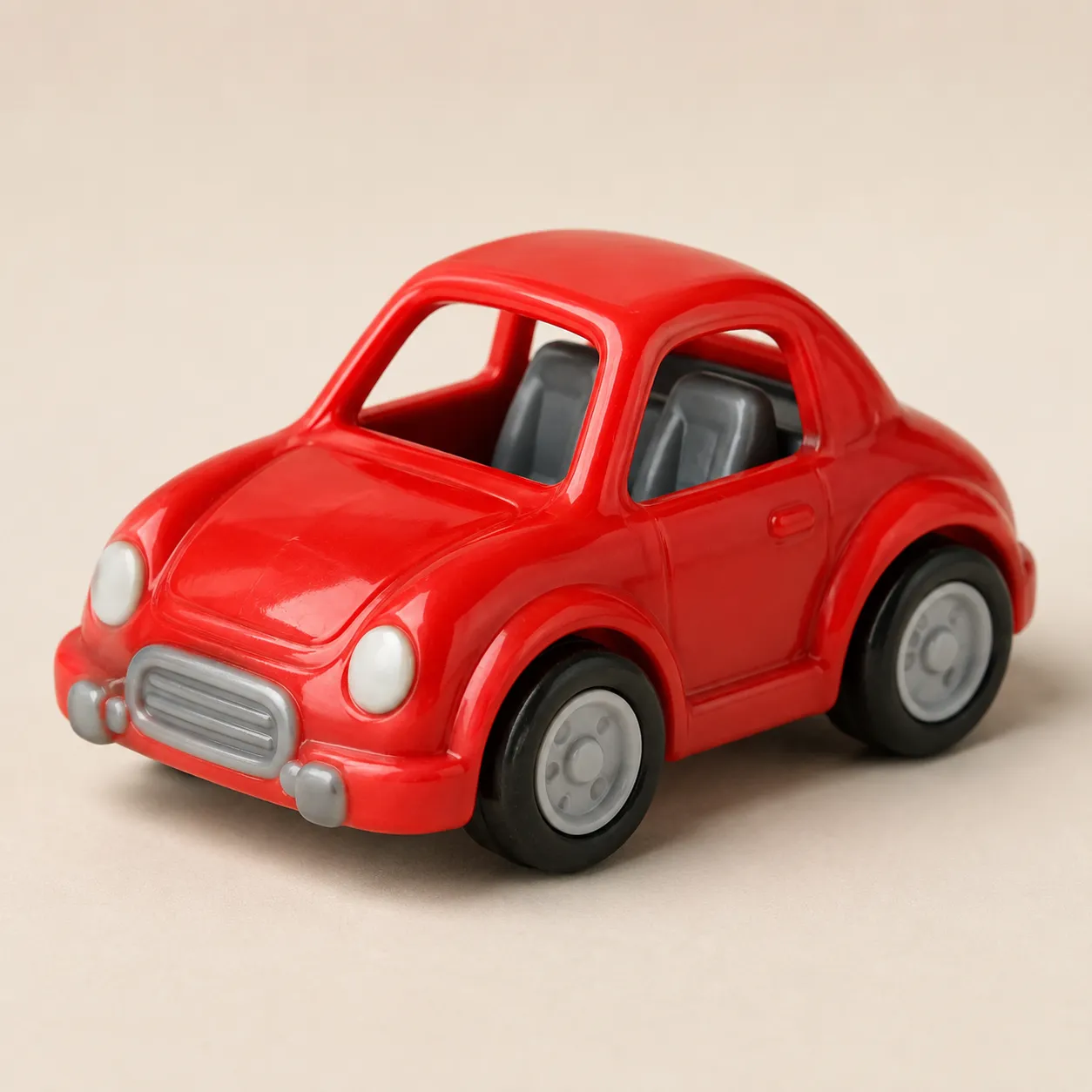
toy cartɔɪ kɑːr
a small car made as a toy for children to play with.
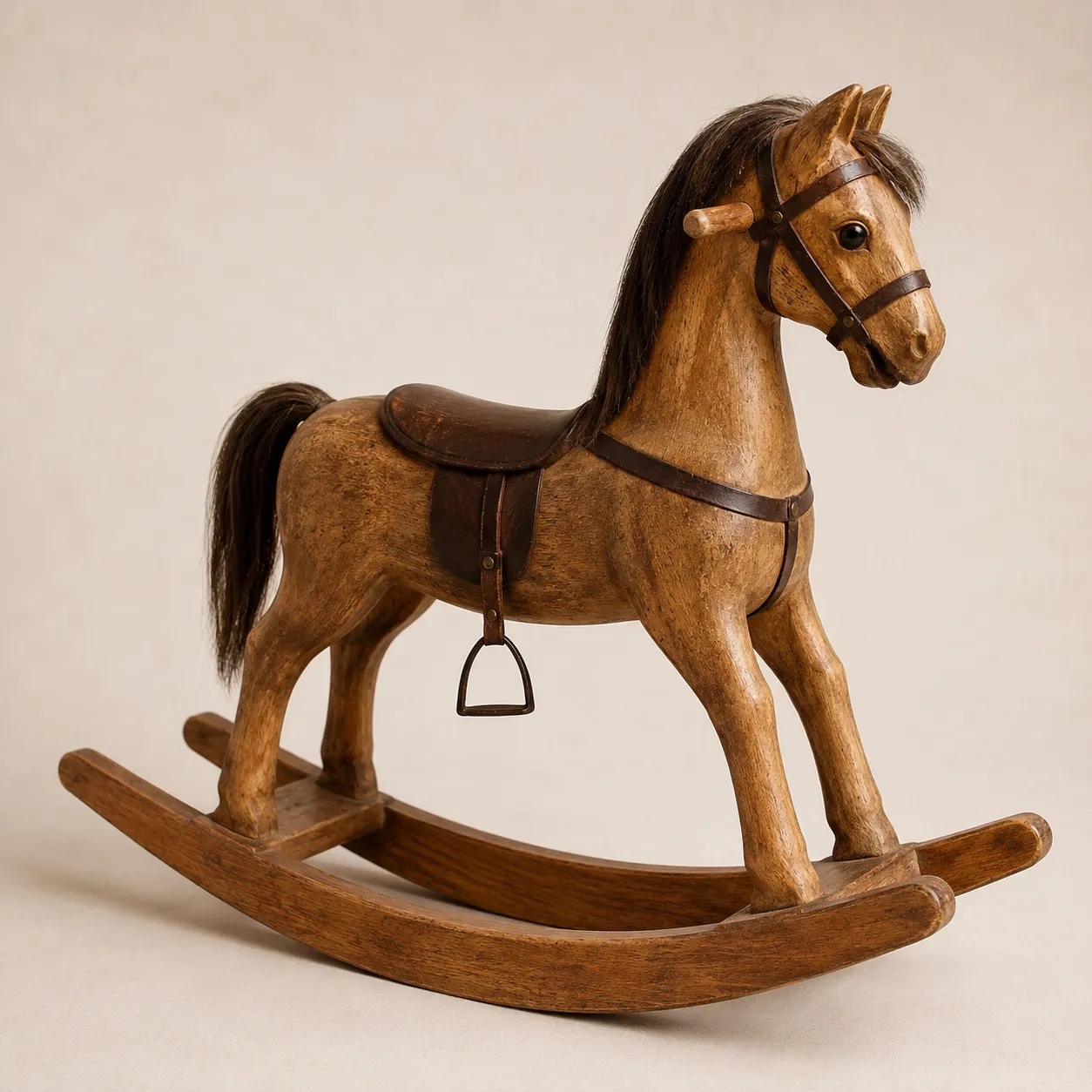
rocking horseˈrɒkɪŋ hɔːrs
a toy horse fixed on curved supports so that a child can sit on it and move back and forward.
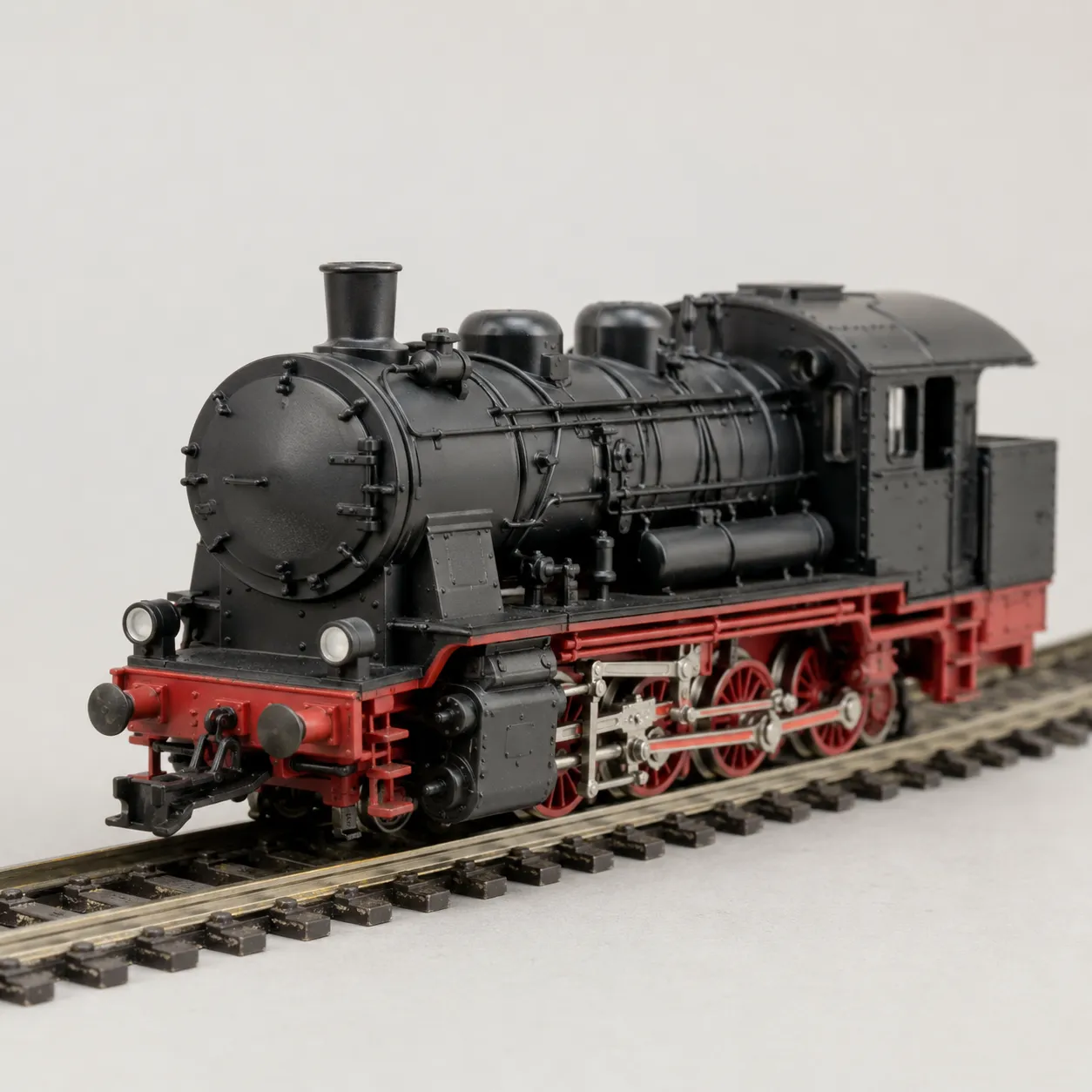
model trainˈmɒdəl treɪn
a small copy of a train, often running on a track as a toy or hobby model.
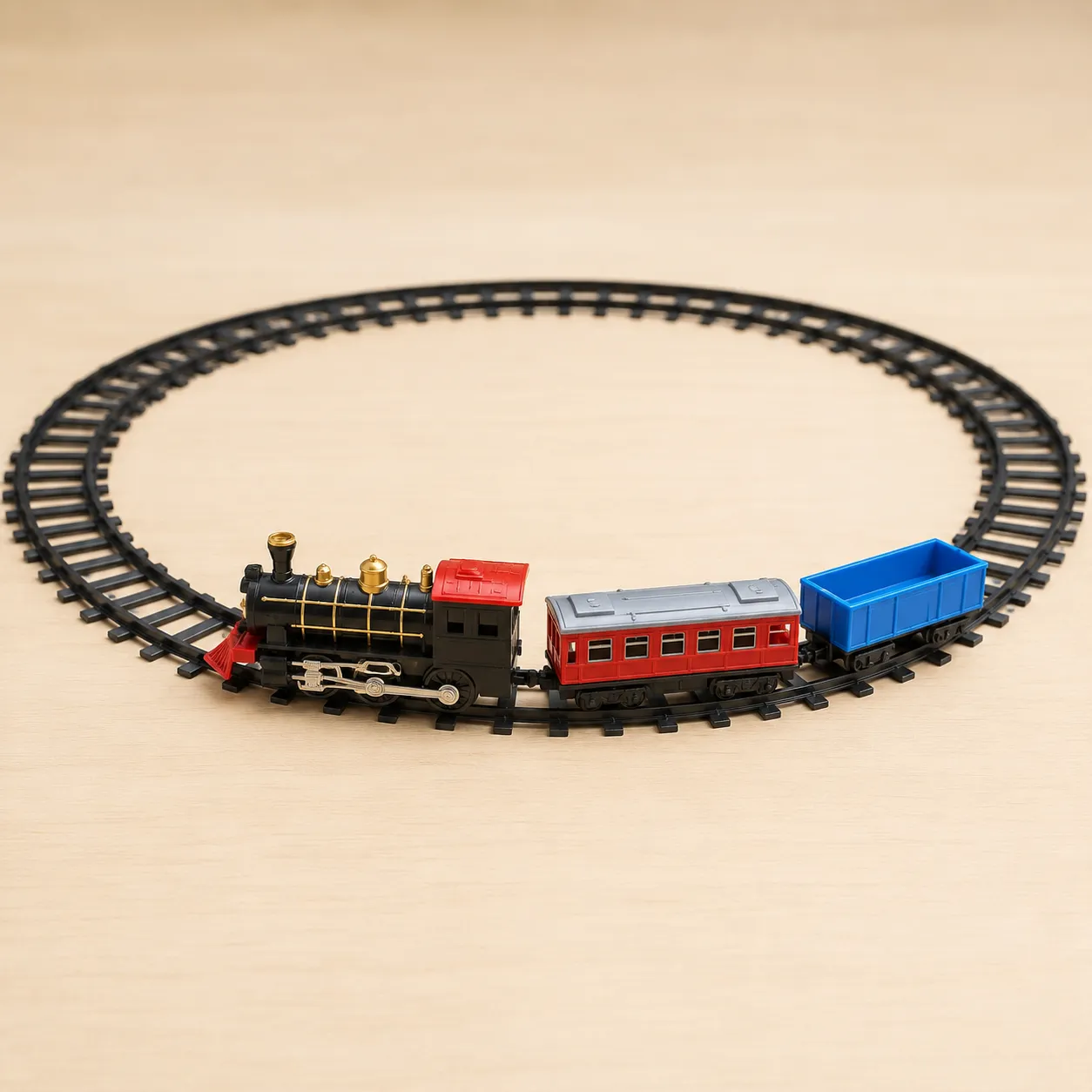
train settreɪn sɛt
a toy set that includes a small train, tracks and often other railway parts.
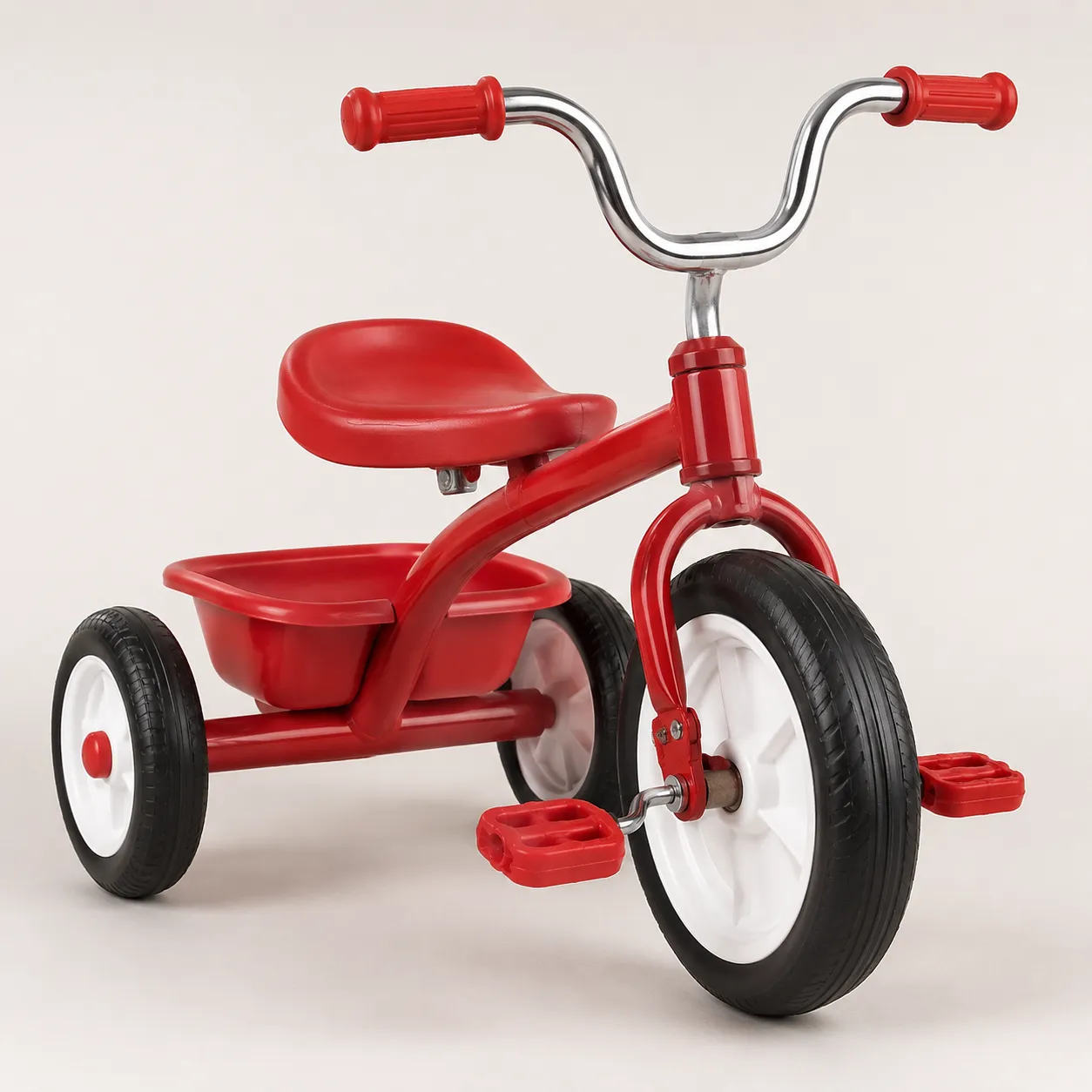
tricycleˈtraɪsɪkəl
a small vehicle like a bicycle but with three wheels, often used by young children.
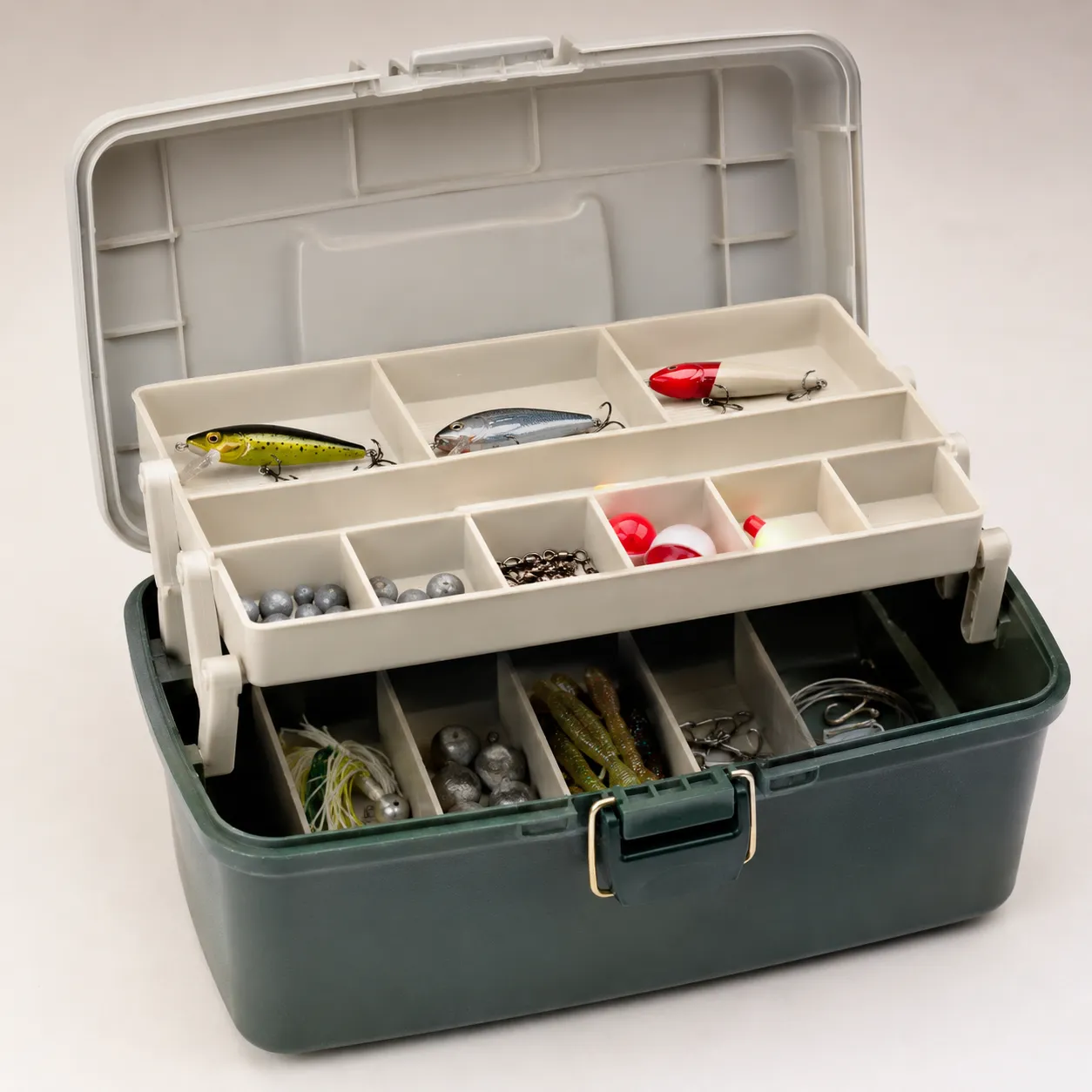
tackle boxˈtækəl bɑks
a box with small compartments used to store fishing equipment such as hooks, lines, lures, and sinkers.
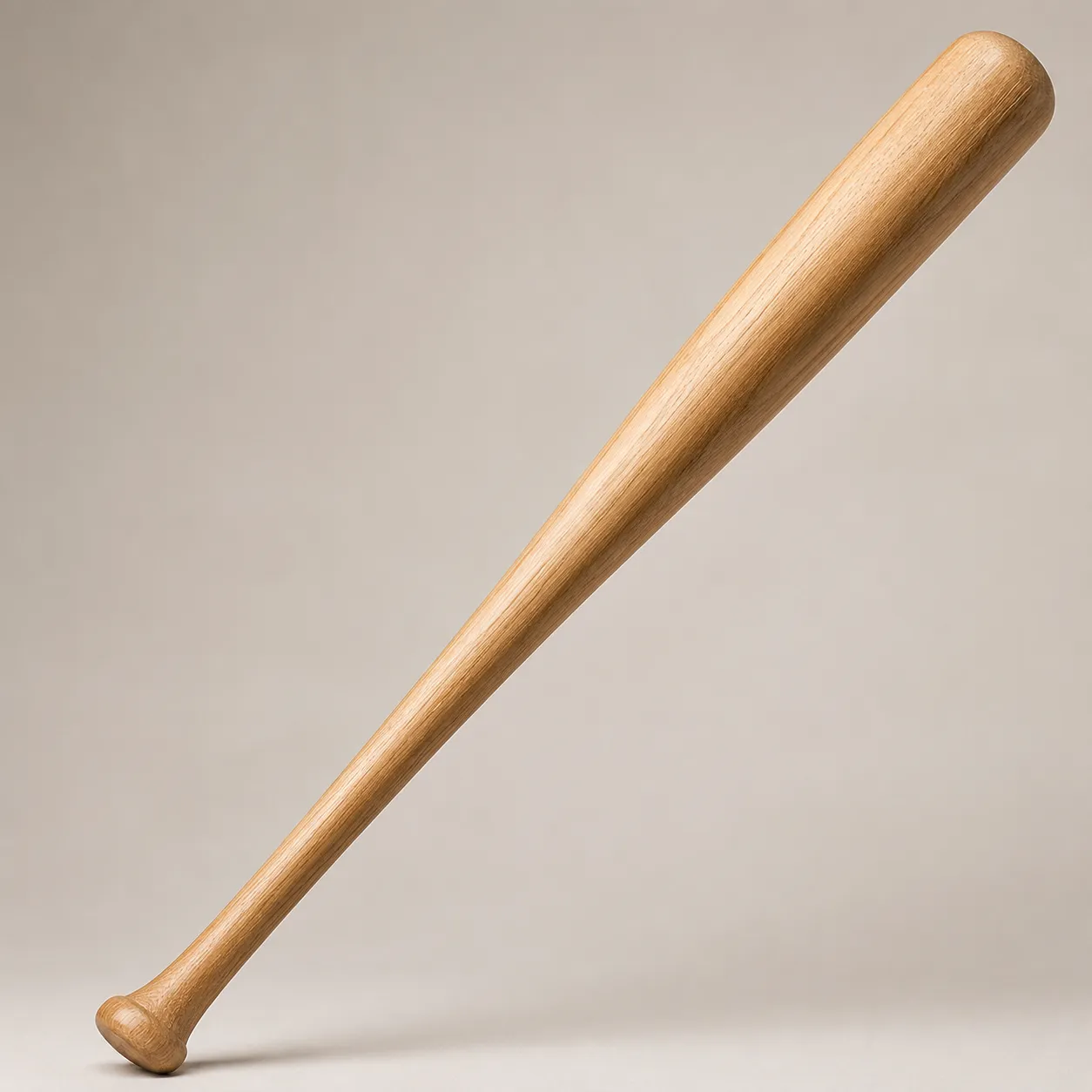
baseball batˈbeɪsˌbɔl bæt
a smooth wooden or metal stick used by a player to hit the ball in baseball.
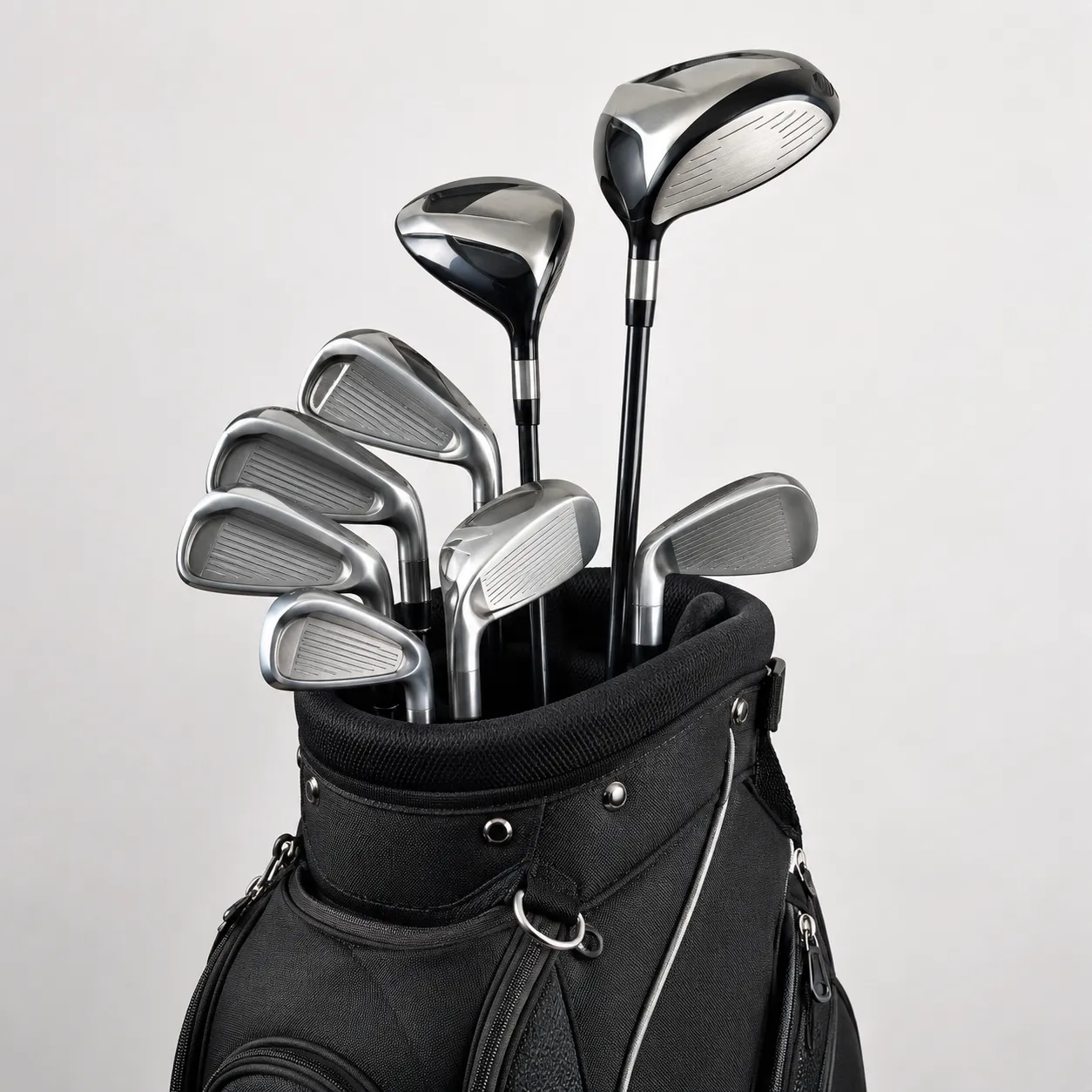
golf clubsɡɑlf klʌbz
long sticks with specially shaped heads, used to hit the ball in golf.
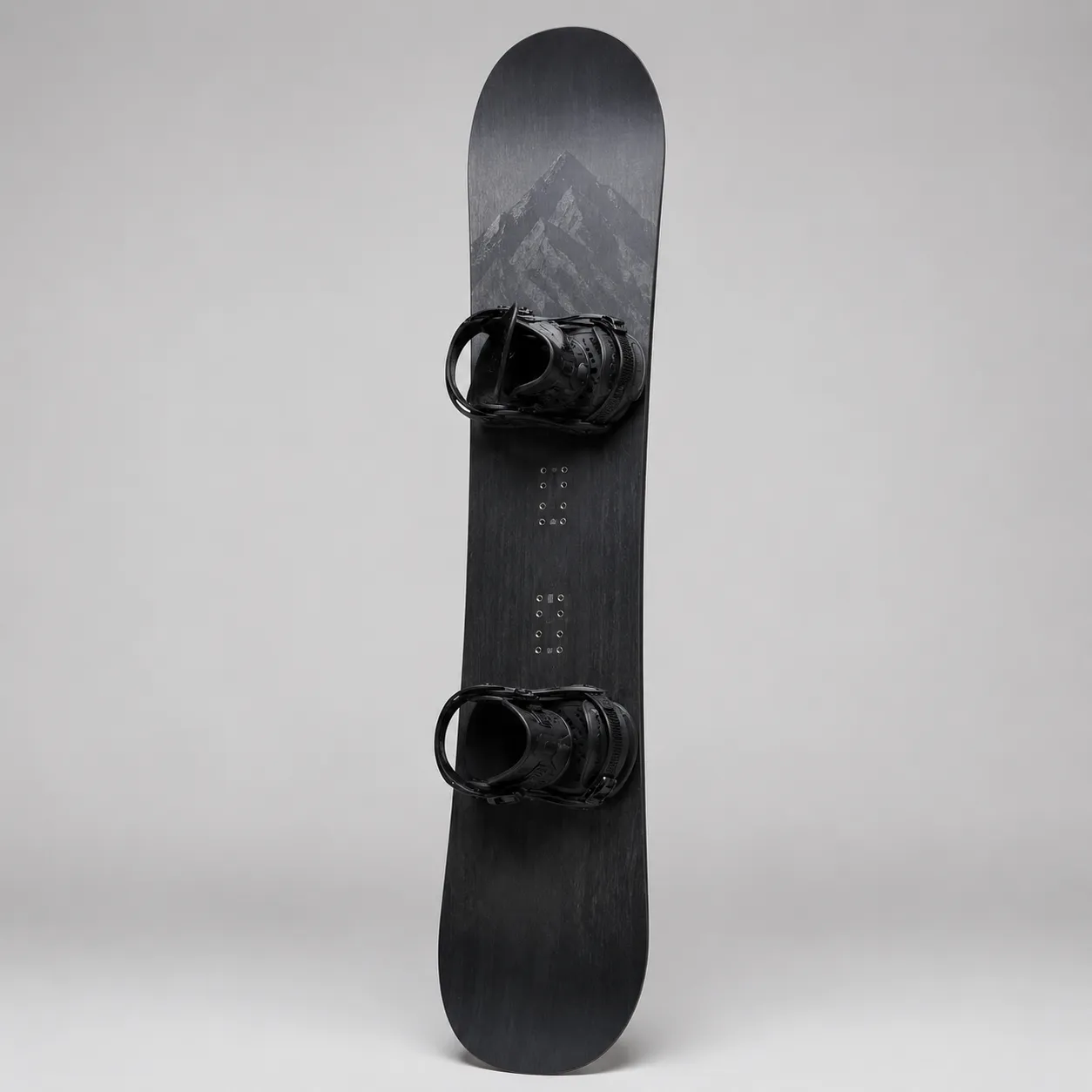
snowboardˈsnoʊˌbɔrd
a single wide board that you stand on with both feet to slide down snow-covered slopes.
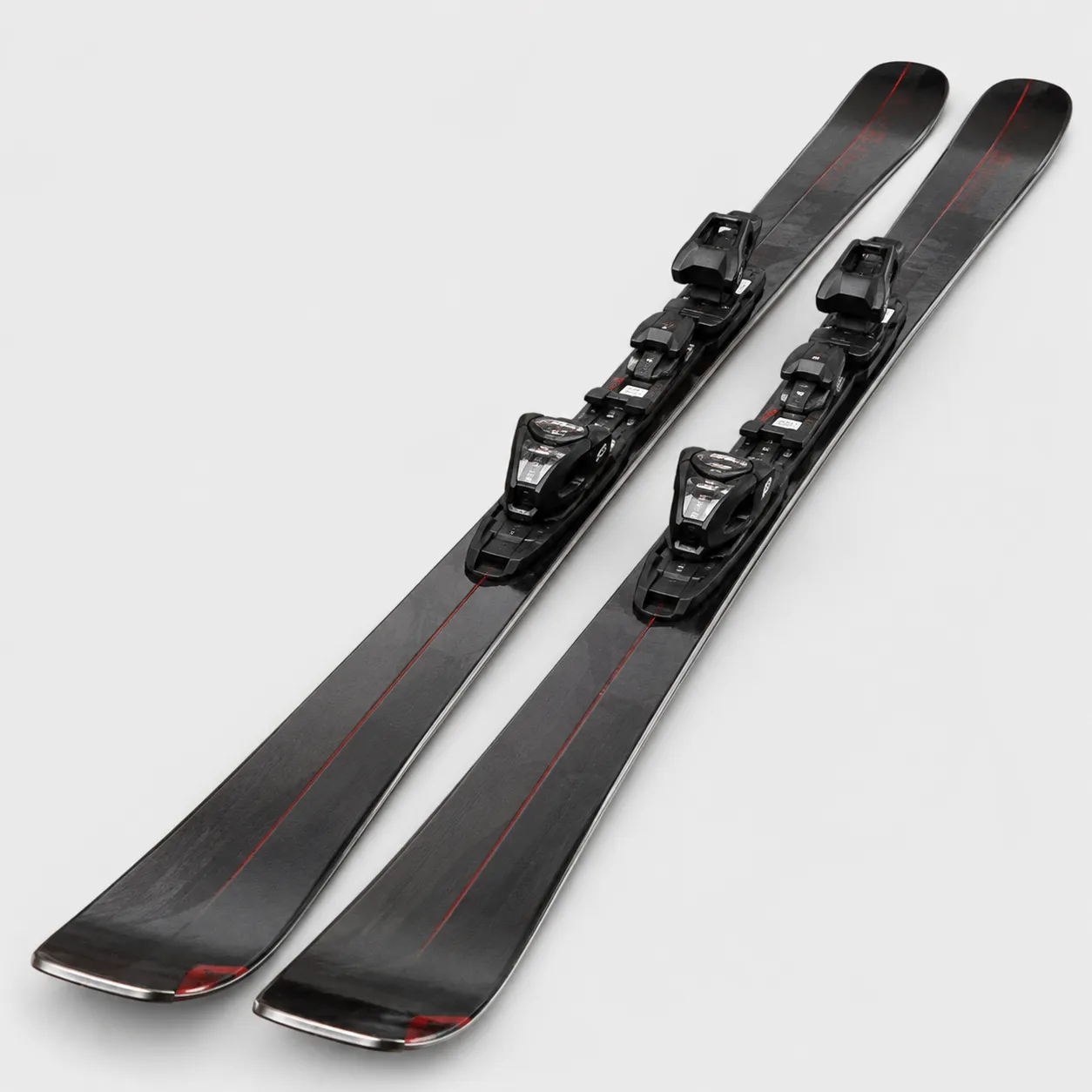
skisskiz
a pair of long narrow boards fastened to your boots and used for moving or sliding over snow.
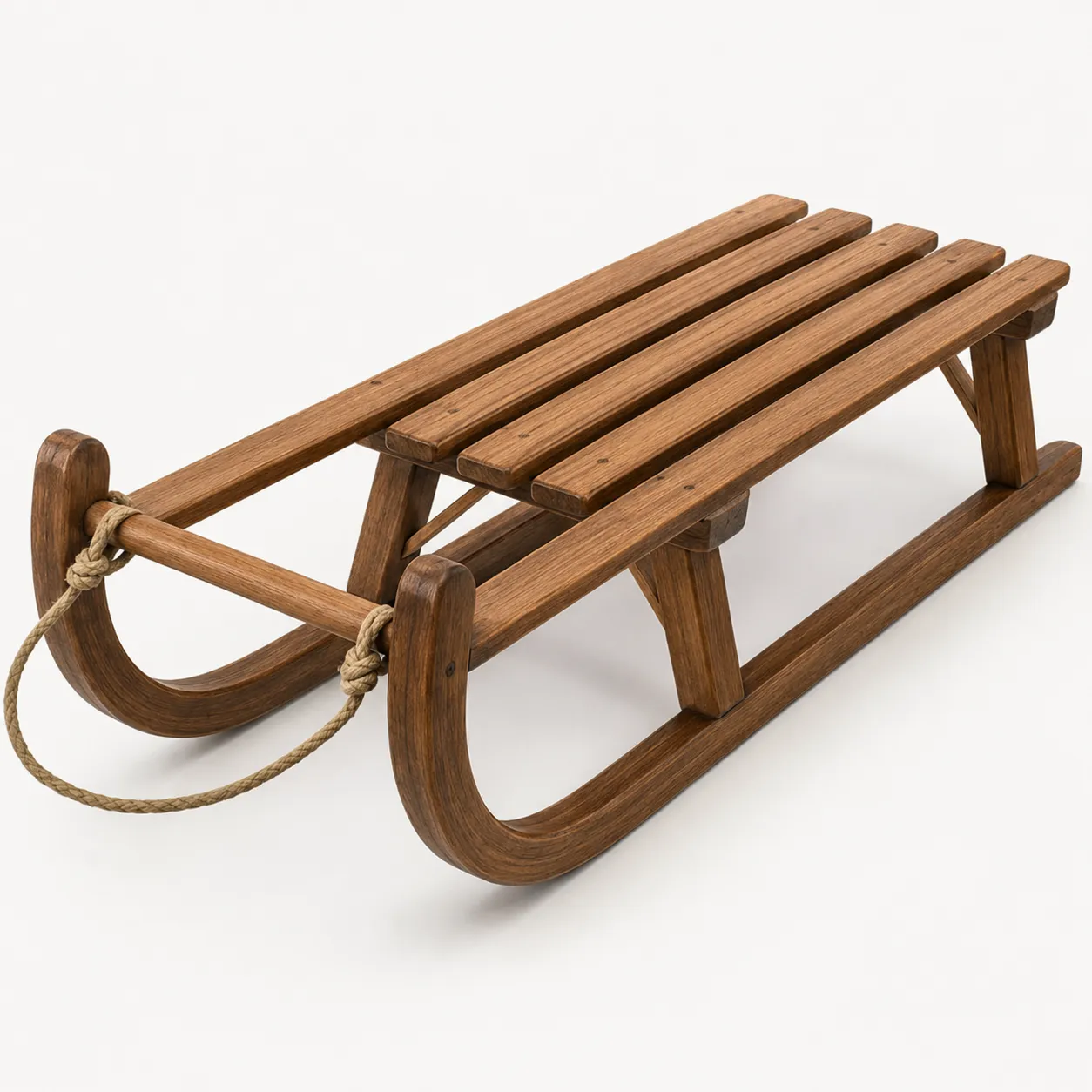
sledslɛd
a small vehicle with runners or a smooth bottom, used for riding or carrying things over snow or ice.
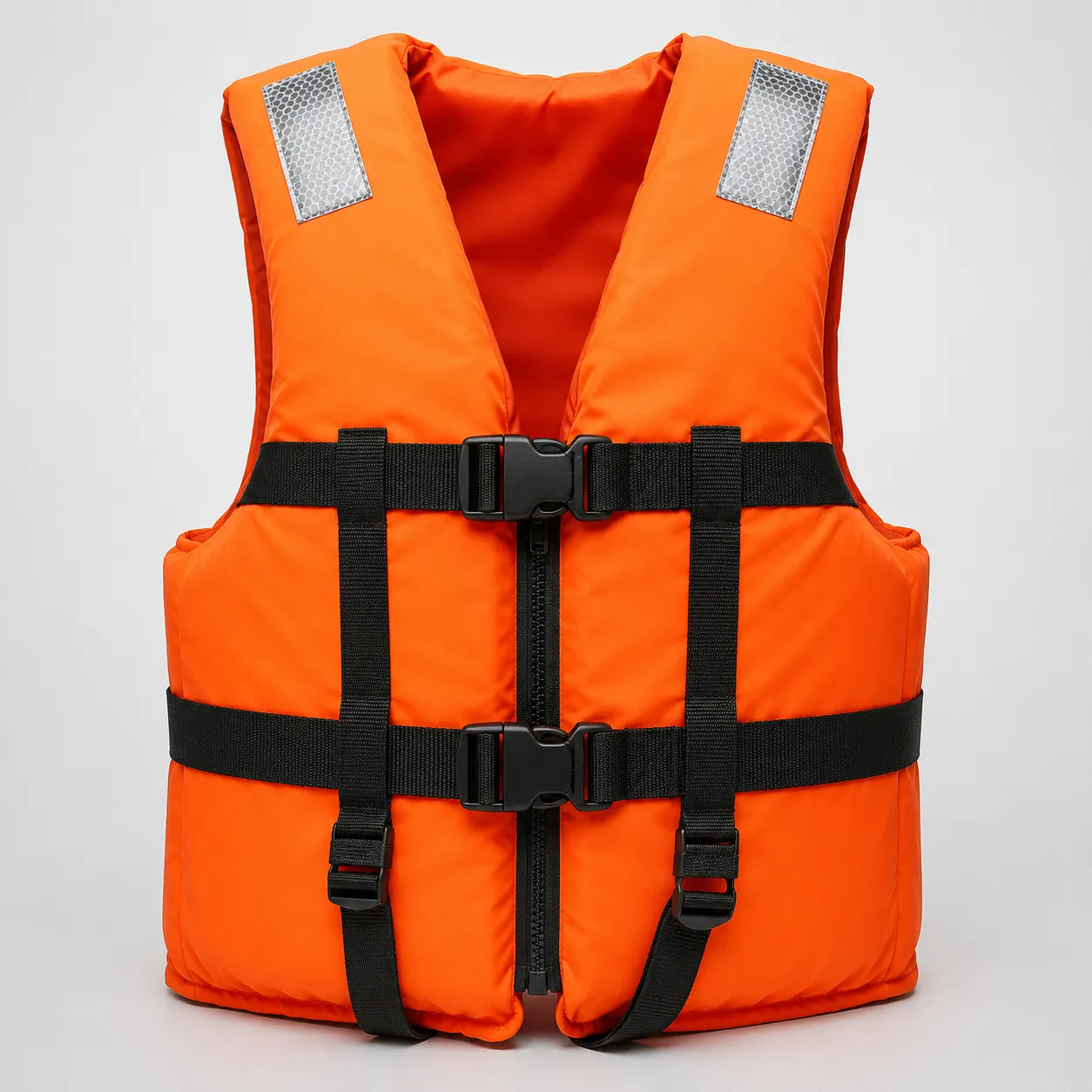
life jacketˈlaɪf ˌdʒækət
a sleeveless jacket filled with light material or air that helps a person float in water and avoid drowning.
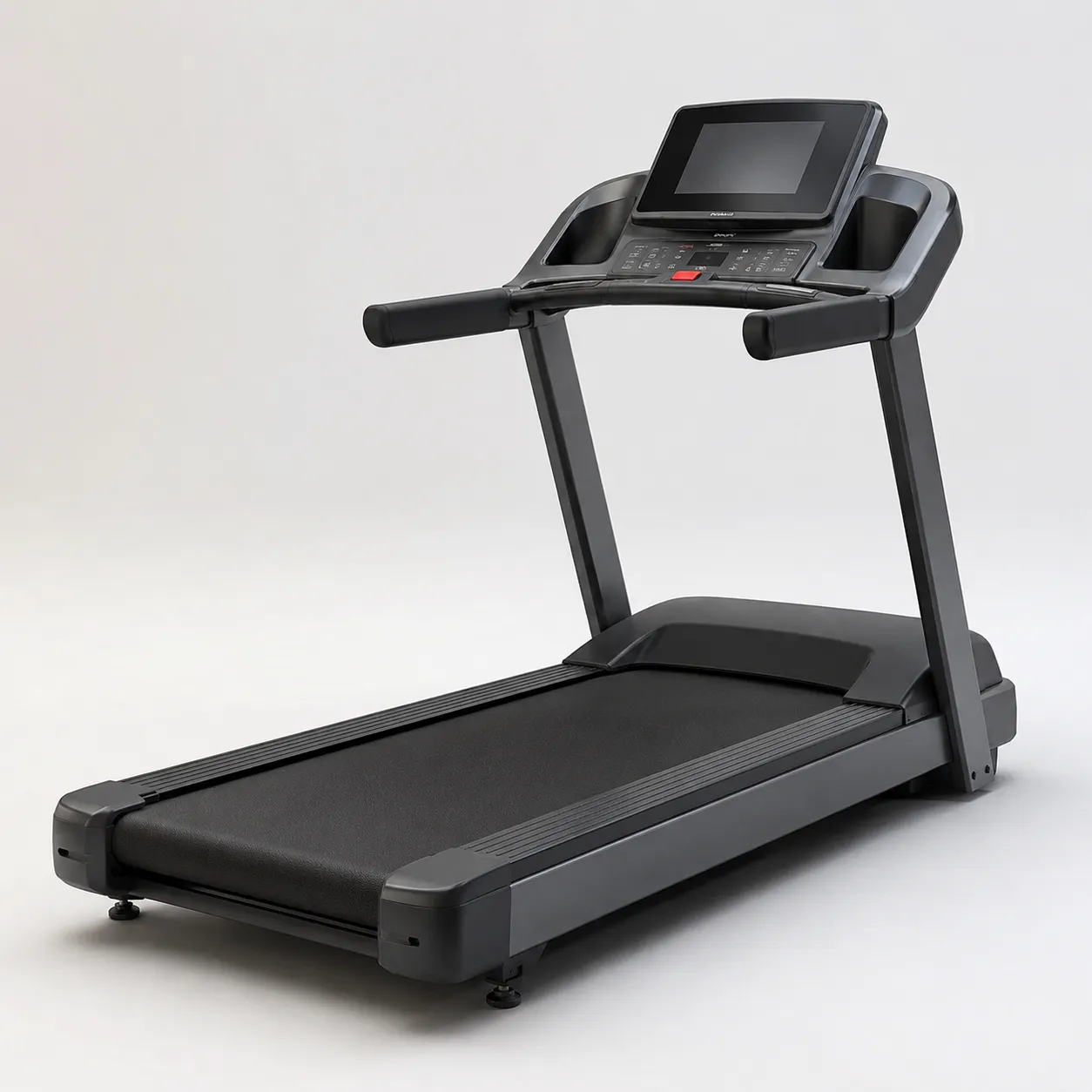
exercise equipmentˈɛksərˌsaɪz ɪˈkwɪpmənt
machines, tools, or objects used for physical training, such as weights, mats, or exercise bikes.
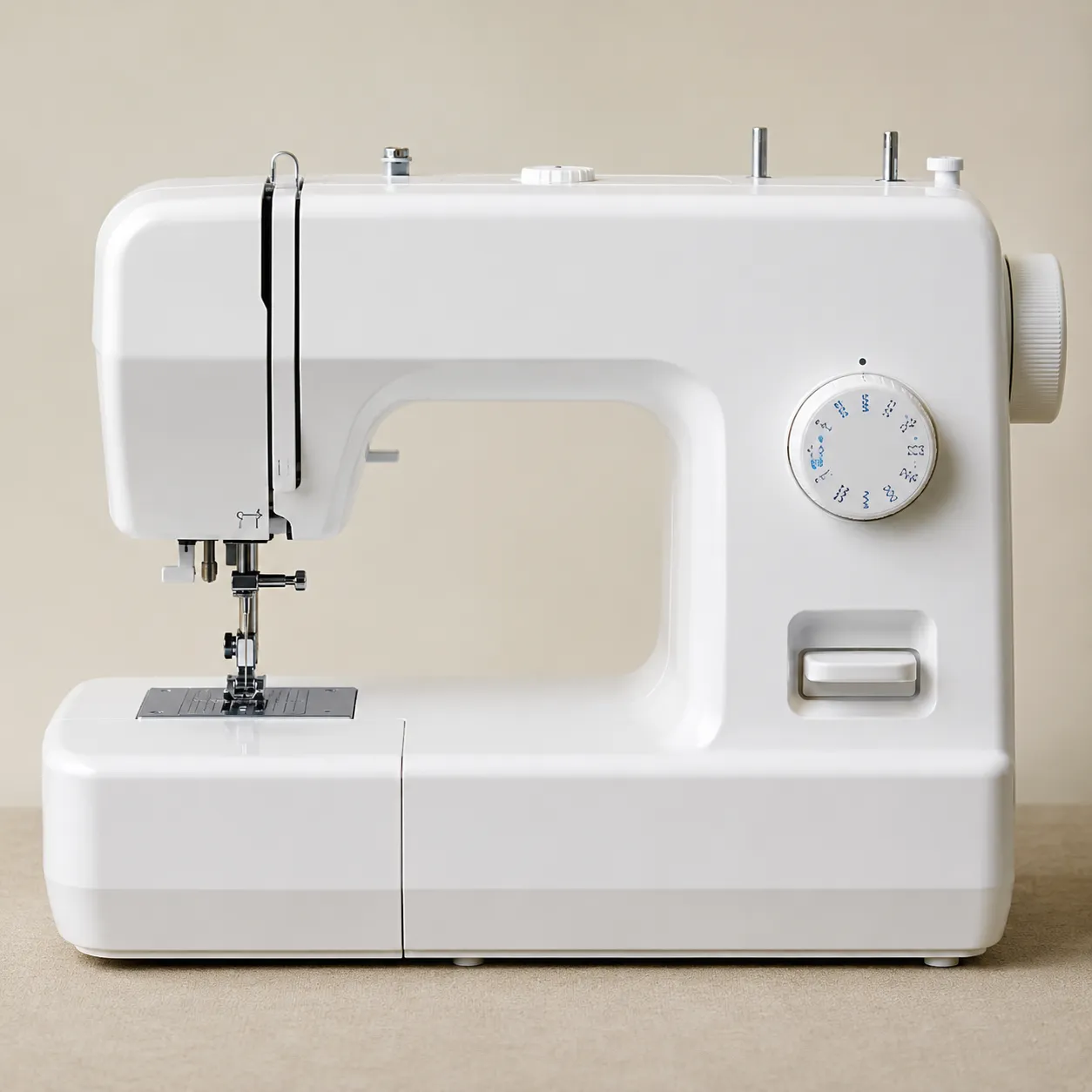
sewing machineˈsoʊɪŋ məˌʃin
a machine that uses a needle and thread to join pieces of cloth or make stitches in fabric.
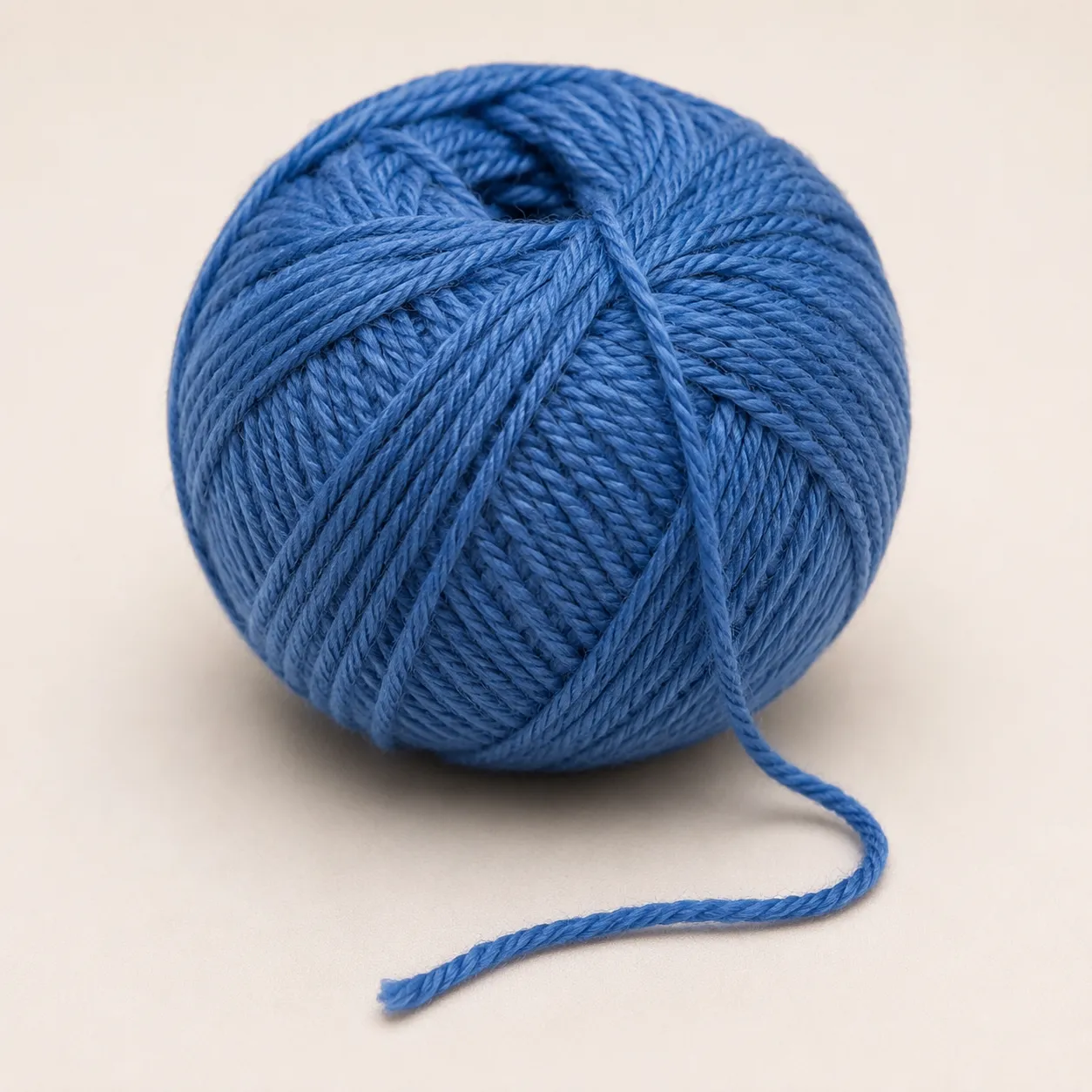
yarnjɑrn
thick thread made from wool, cotton, or other fibers, used for knitting, weaving, or making crafts.
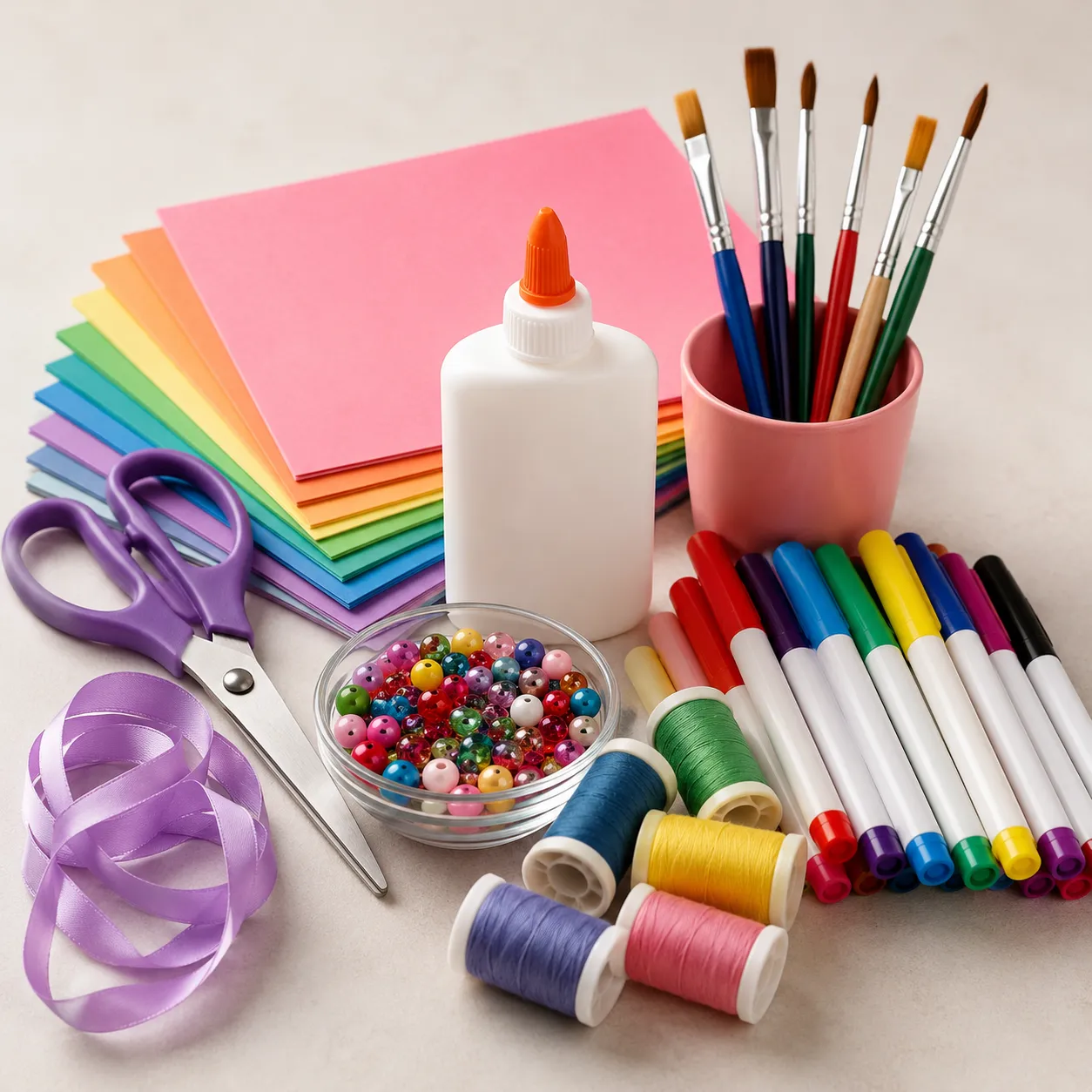
craft supplieskræft səˈplaɪz
materials and tools used for making handmade objects or art projects, such as paper, glue, beads, paint, or scissors.
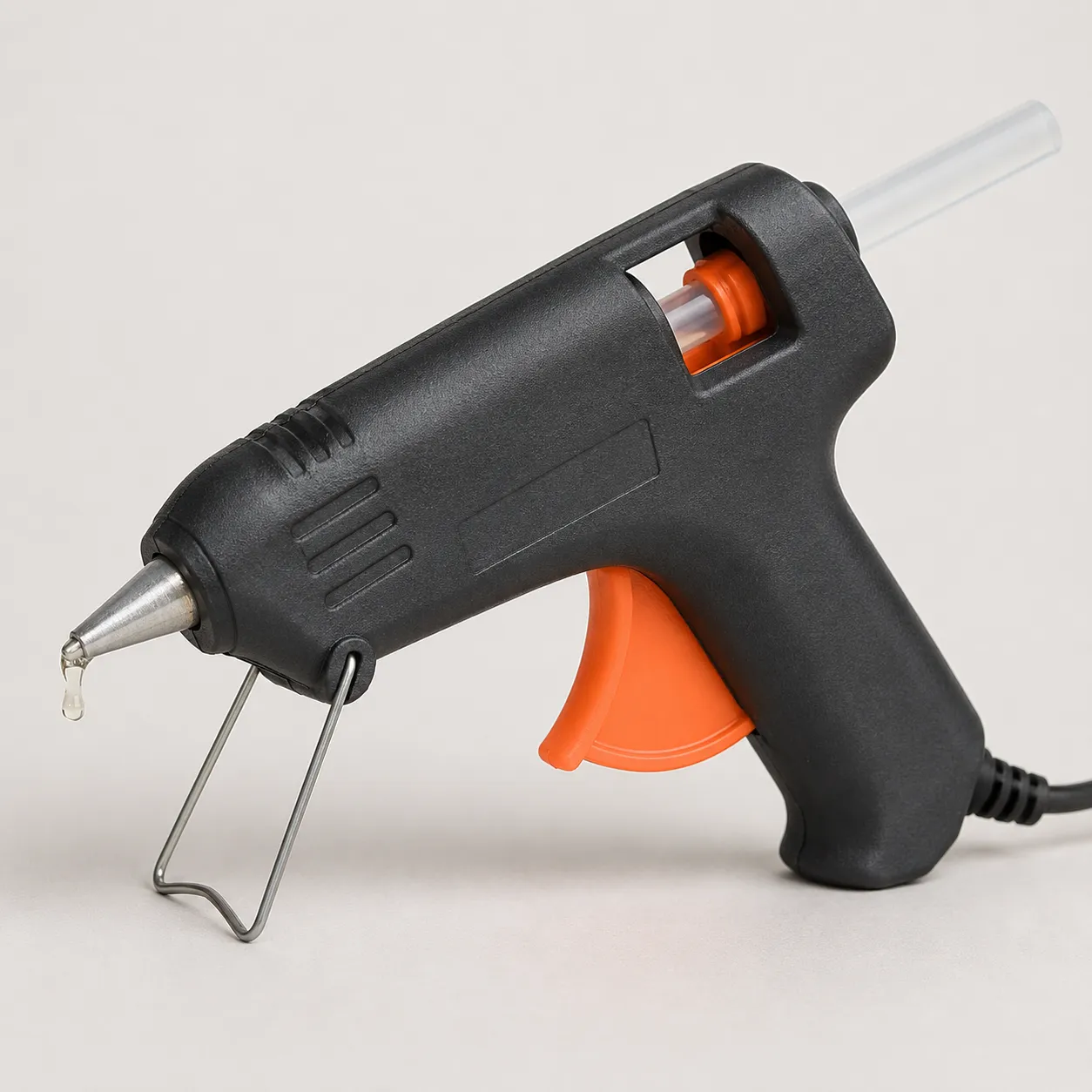
glue gunˈɡluː ˌɡʌn
a small hand tool that heats a stick of glue and pushes out melted glue for crafts or repairs.
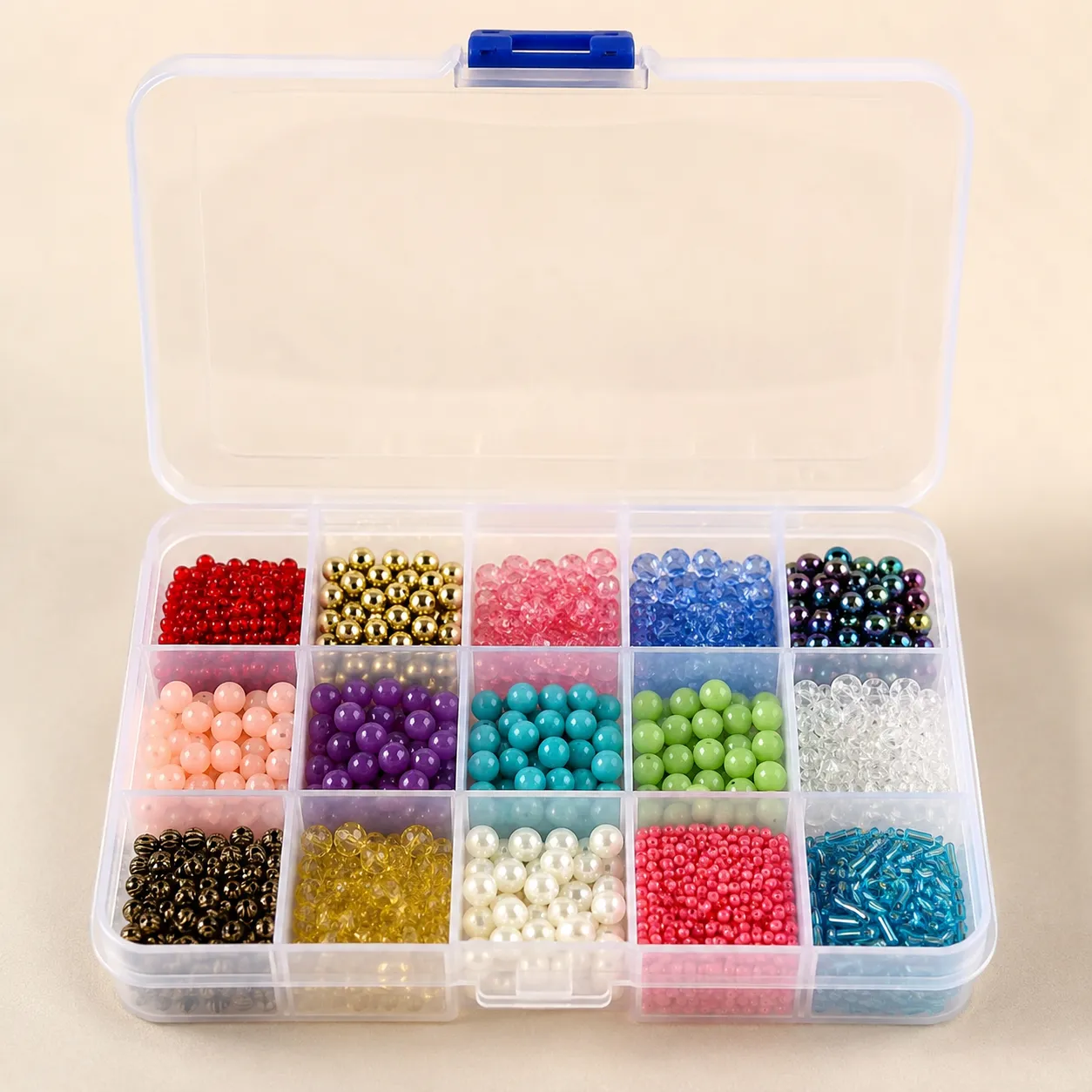
bead boxˈbiːd ˌbɑːks
a small box, often with separate spaces inside, used for keeping beads for crafts or jewelry.
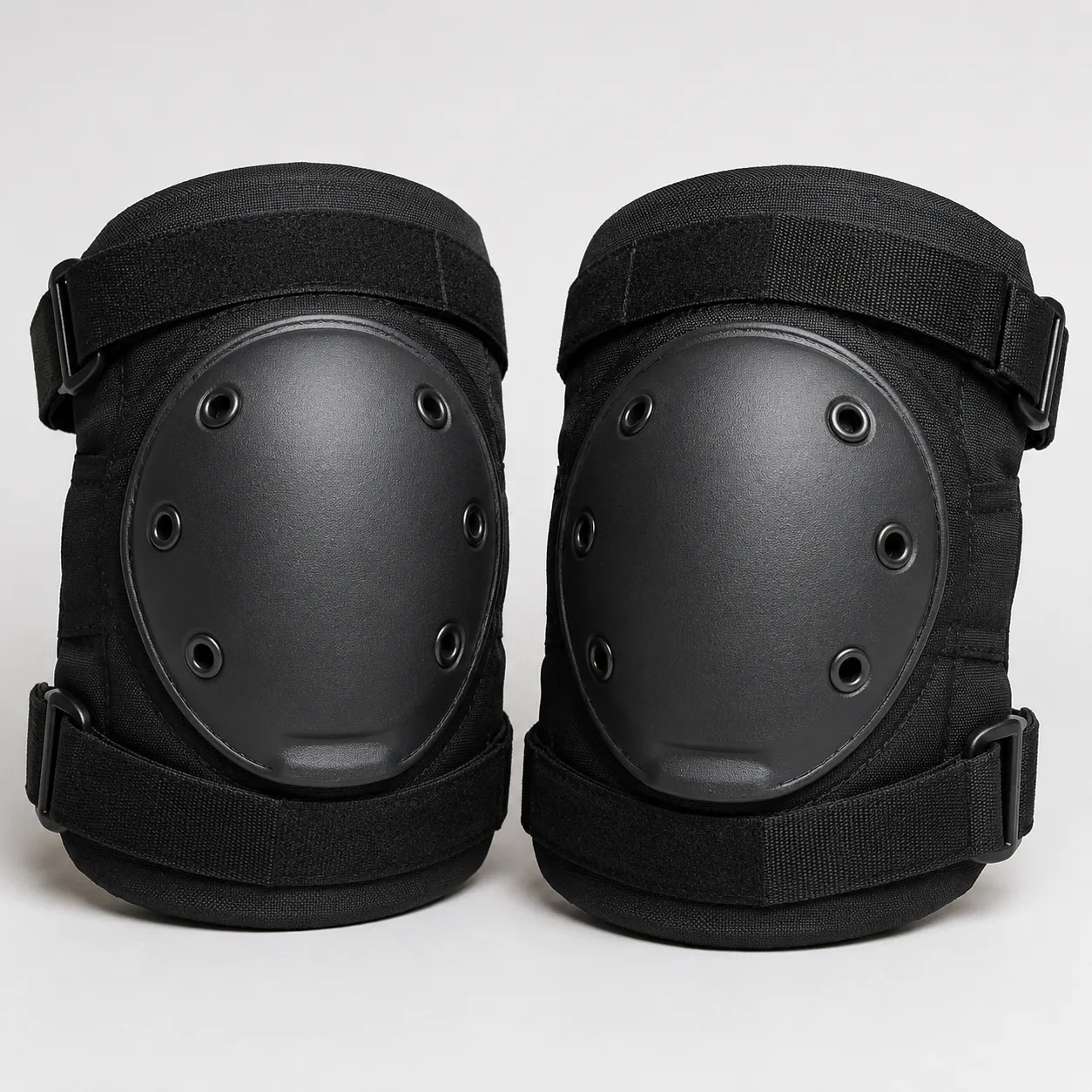
knee padsˈniː ˌpædz
soft or hard protective coverings worn over the knees, especially when working or playing sports.
Furniture, bedding, kitchenware, electronics, appliances, and other household belongings often stored upstairs.
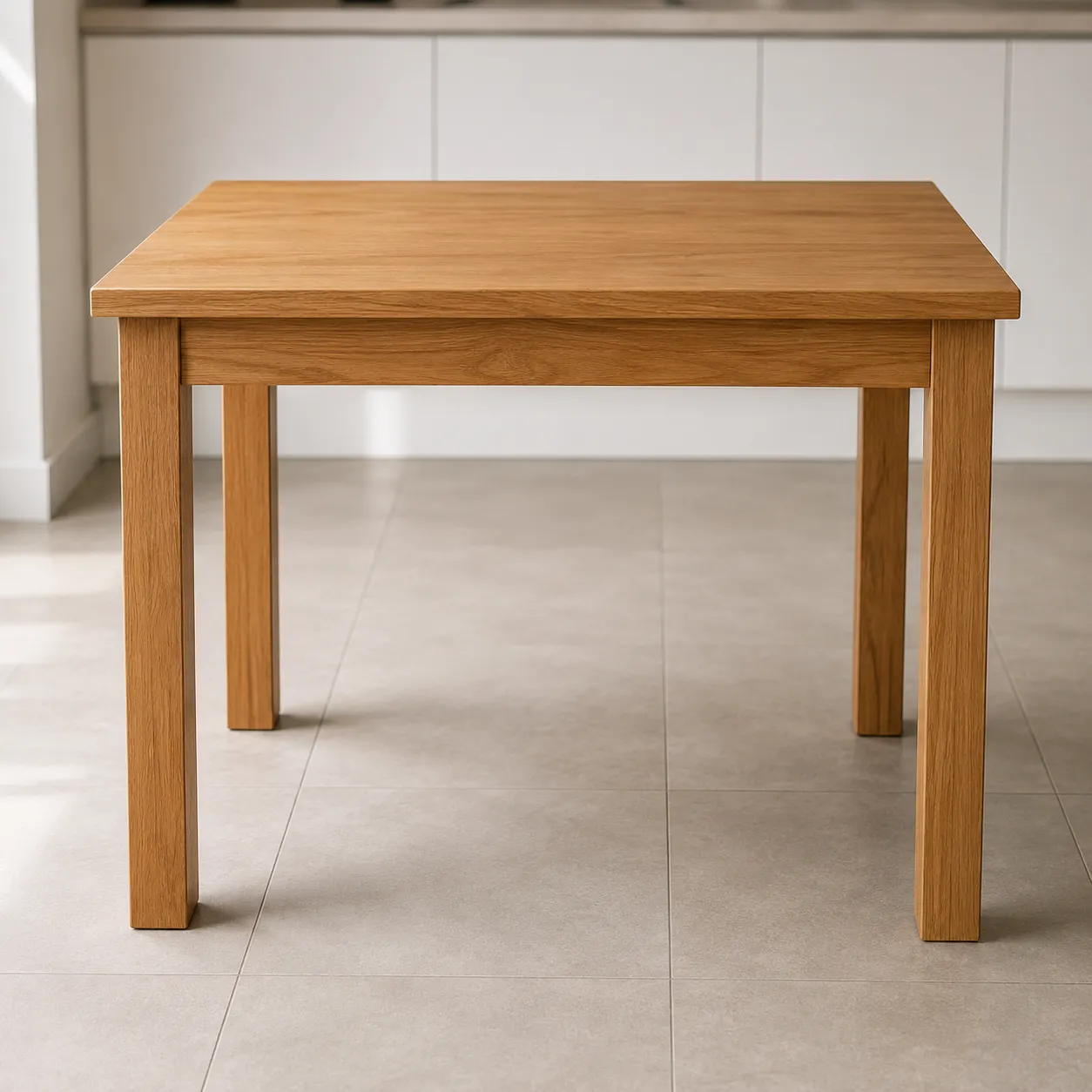
tableˈteɪbəl
a piece of furniture with a flat top and one or more legs, used for eating, working, or other activities.
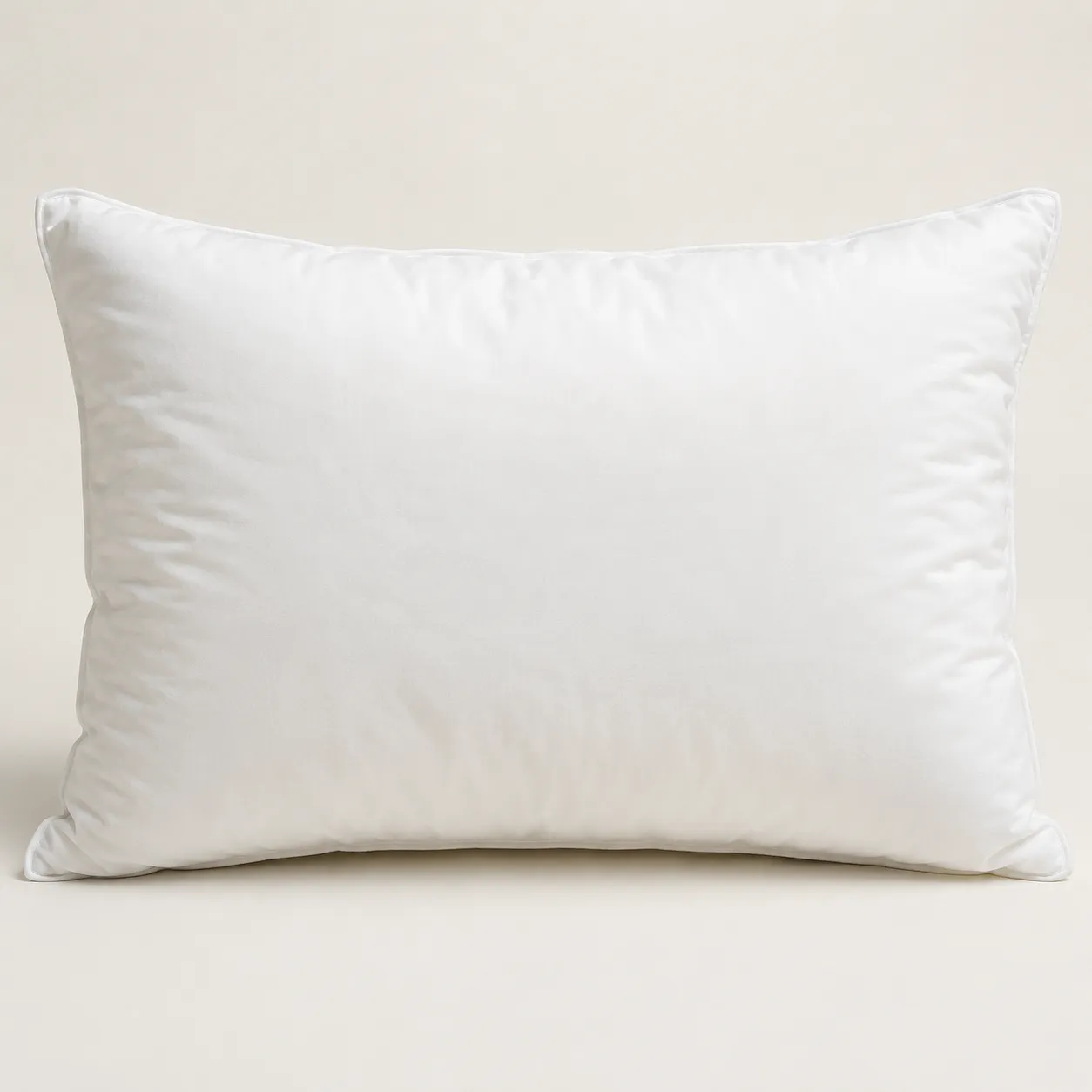
pillowˈpɪloʊ
a soft object that you rest your head on in bed.
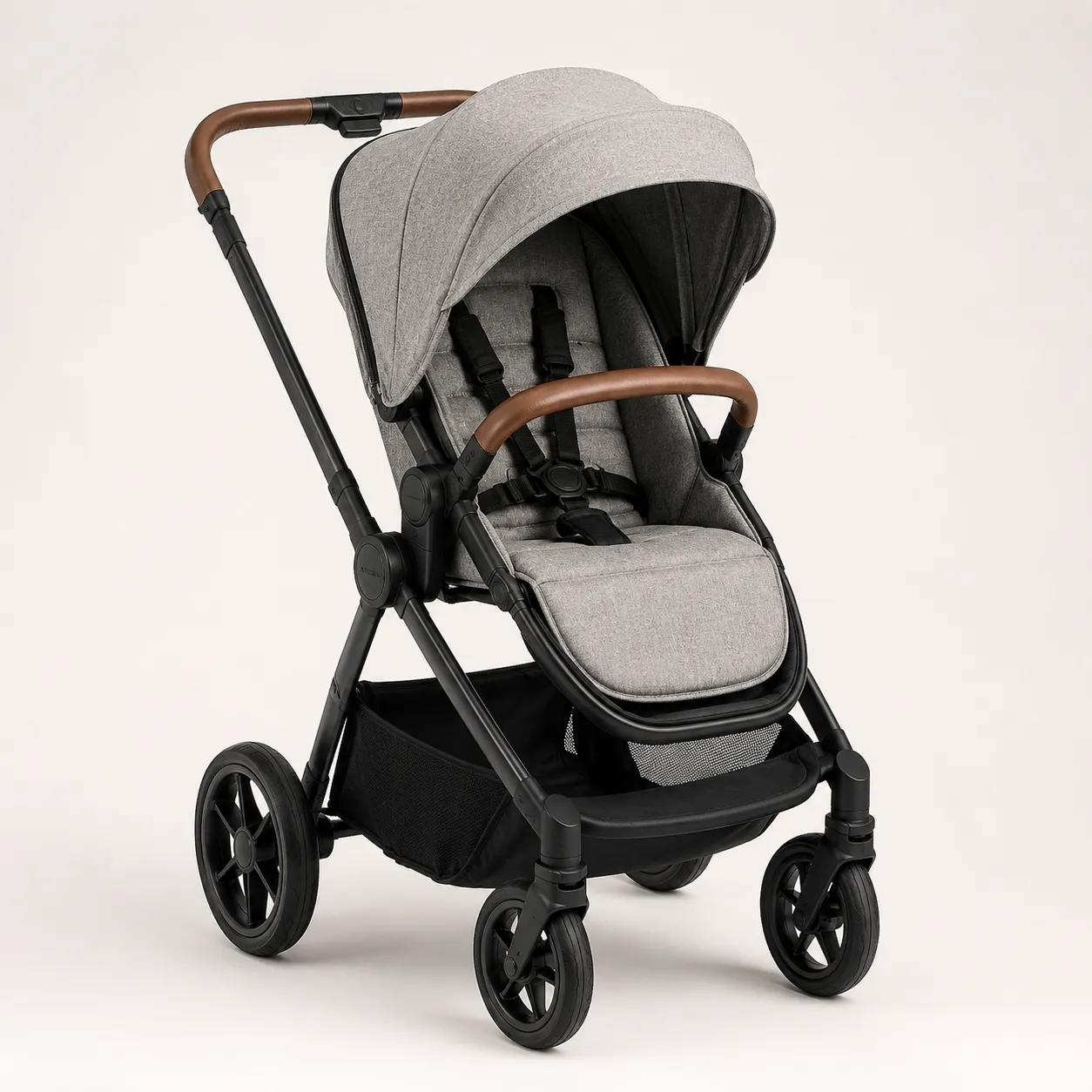
strollerˈstroʊlɚ
a small folding chair on wheels that you push a baby or young child in.
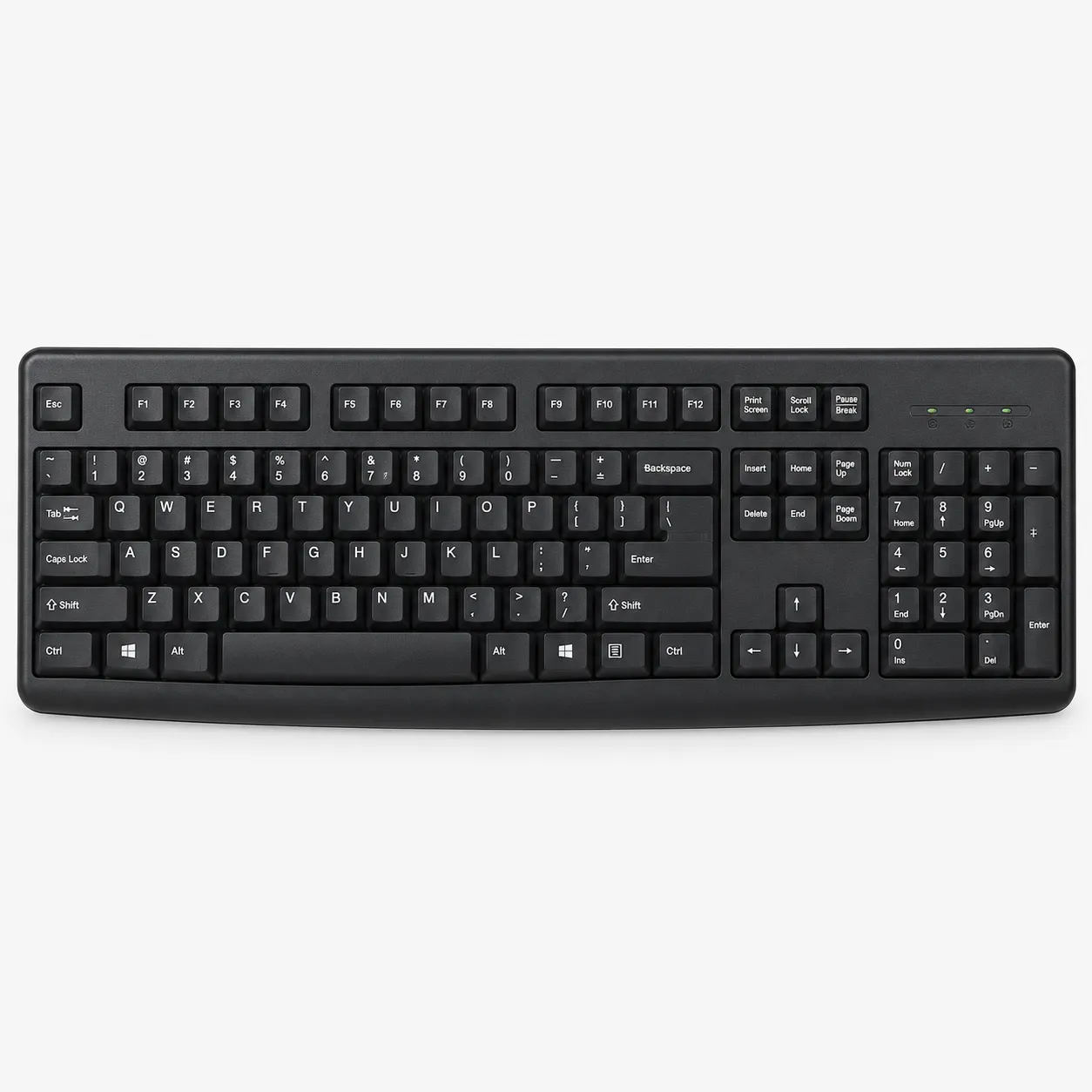
keyboardˈkiːbɔːrd
a set of keys used to enter text, numbers, and commands into a computer or typewriter
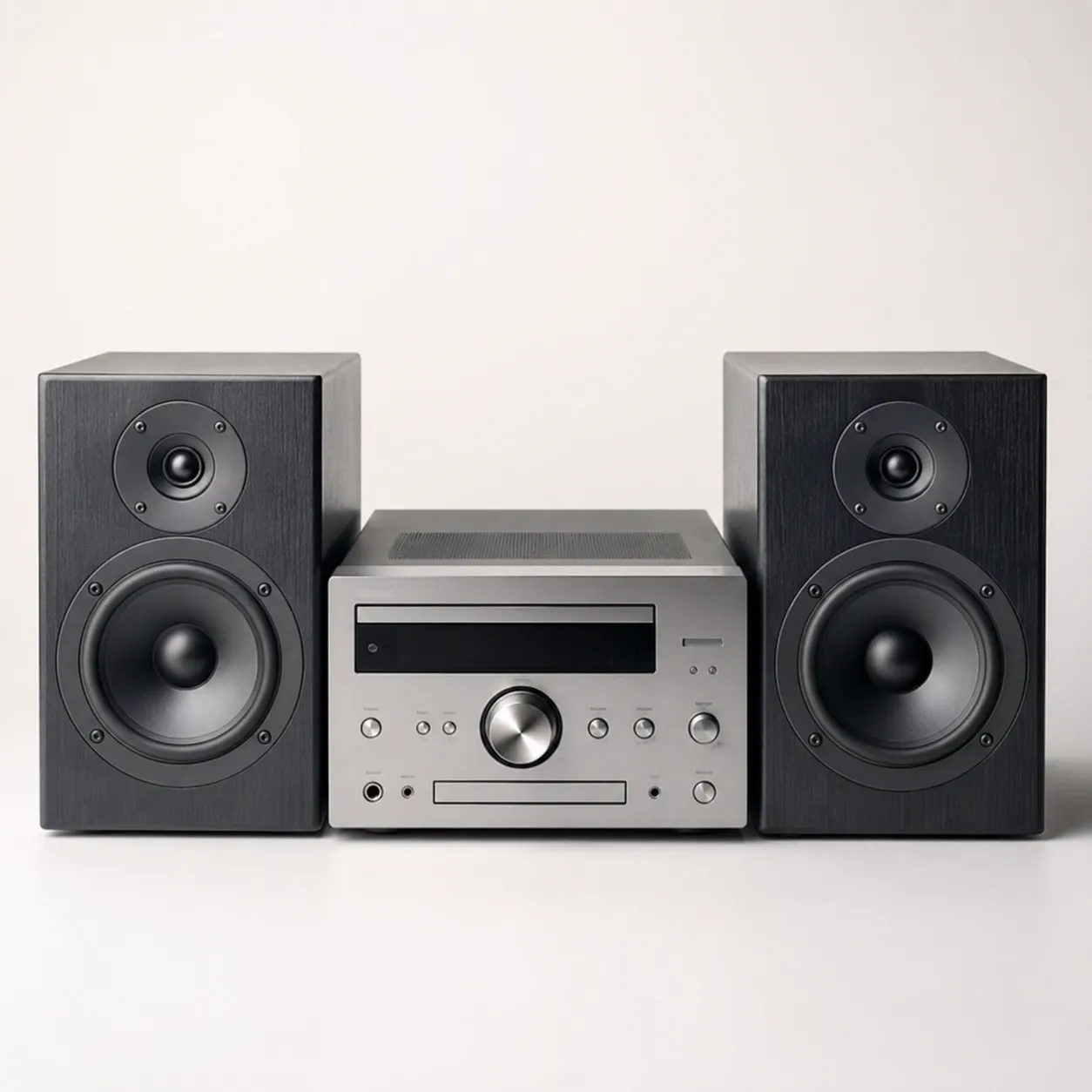
stereoˈstɛriˌoʊ
a set of electronic equipment used for playing recorded music through speakers.
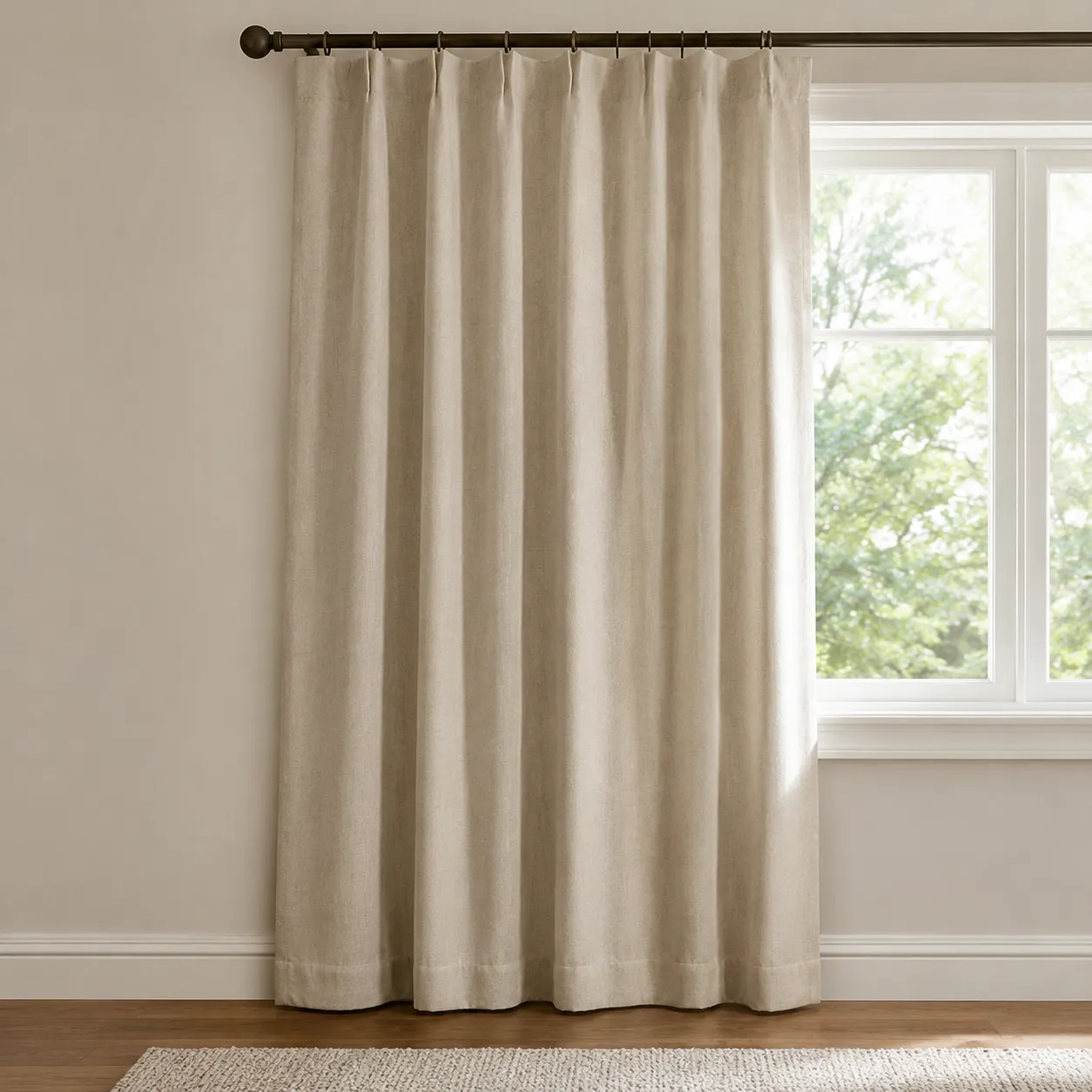
curtainˈkɜːrtən
a piece of cloth that hangs by a window and can be closed to block light or stop people seeing inside.
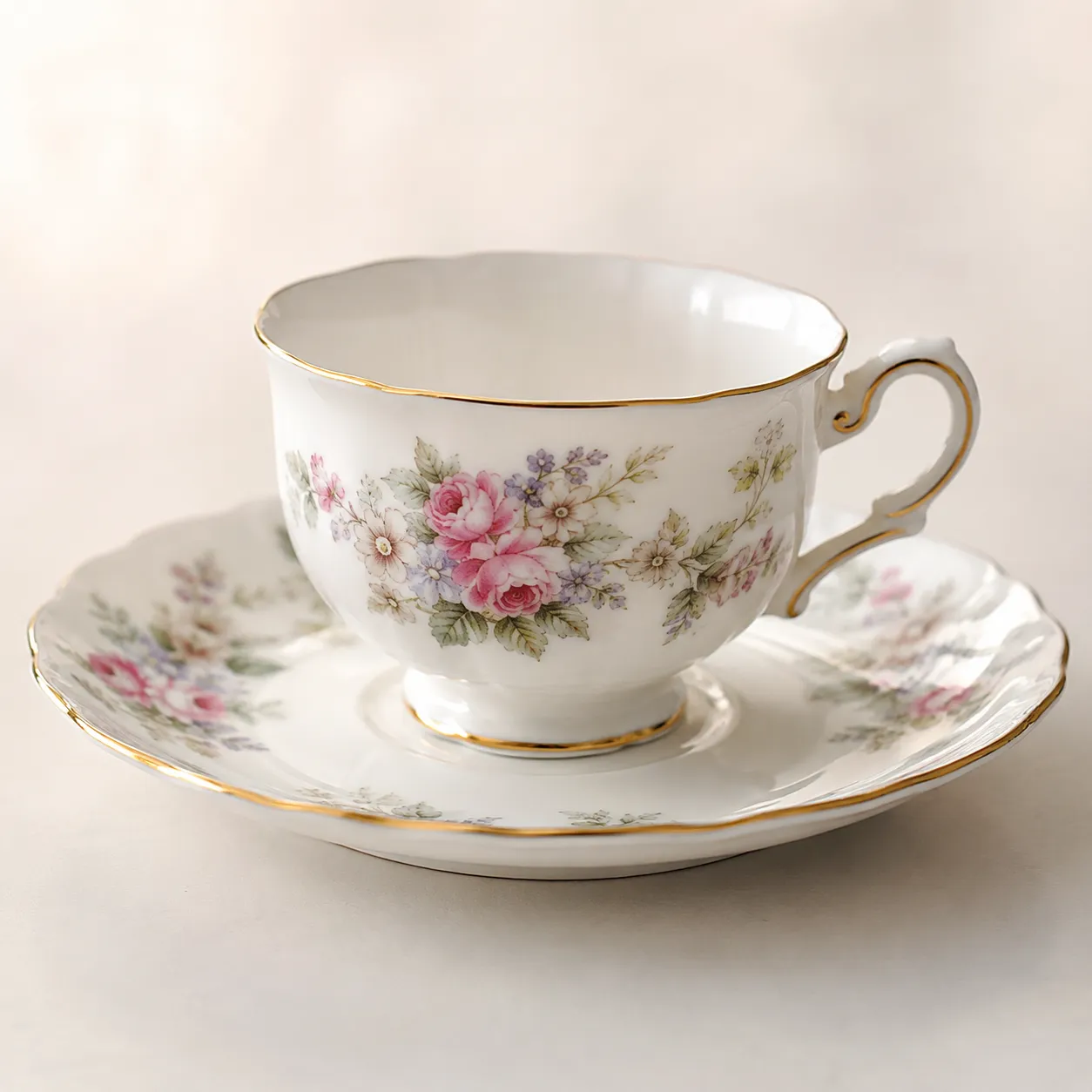
chinaˈtʃaɪnə
a hard, fine white ceramic material used for making cups, plates, and other delicate dishes, or the dishes made from it.
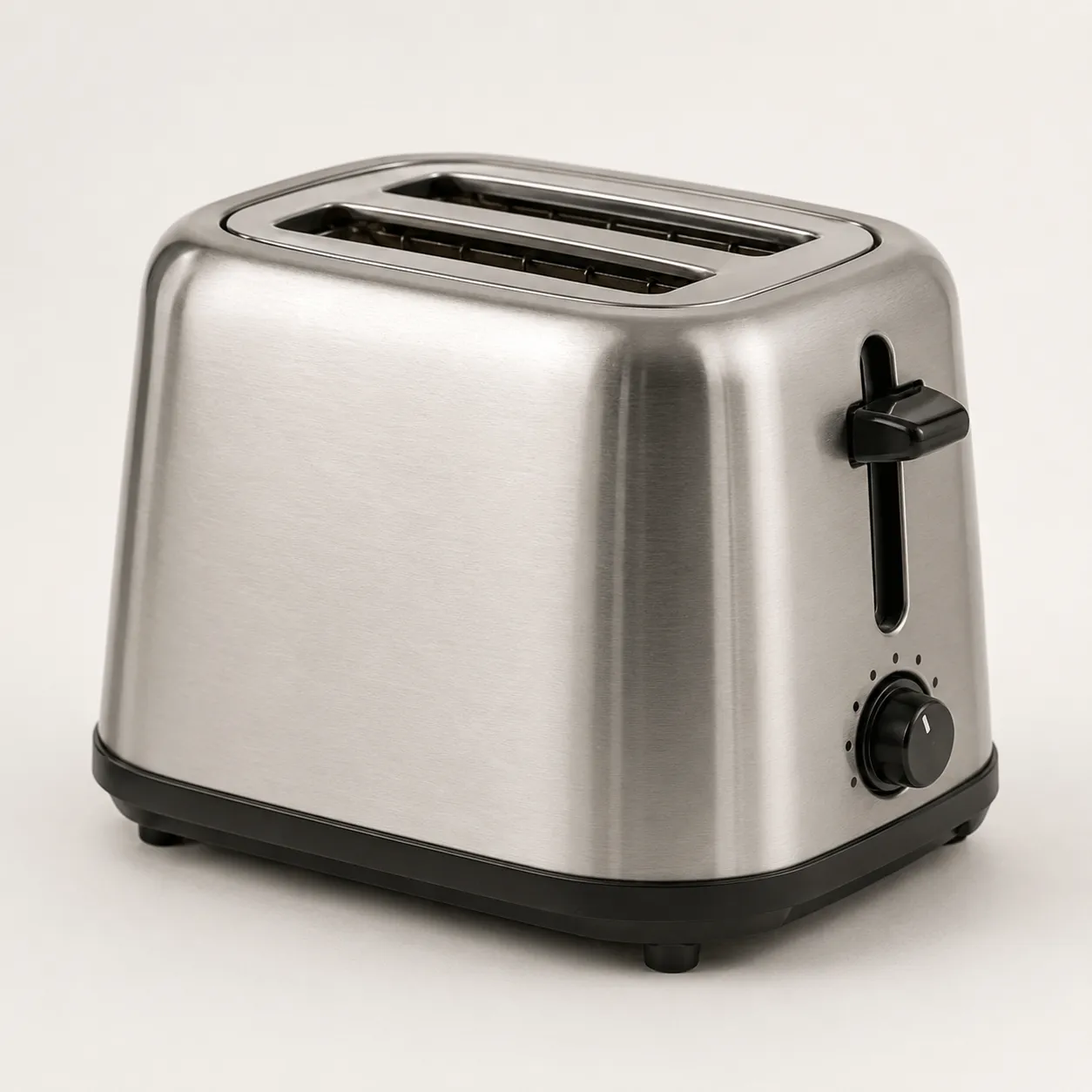
toasterˈtoʊstər
a small electric appliance used to toast or brown slices of bread
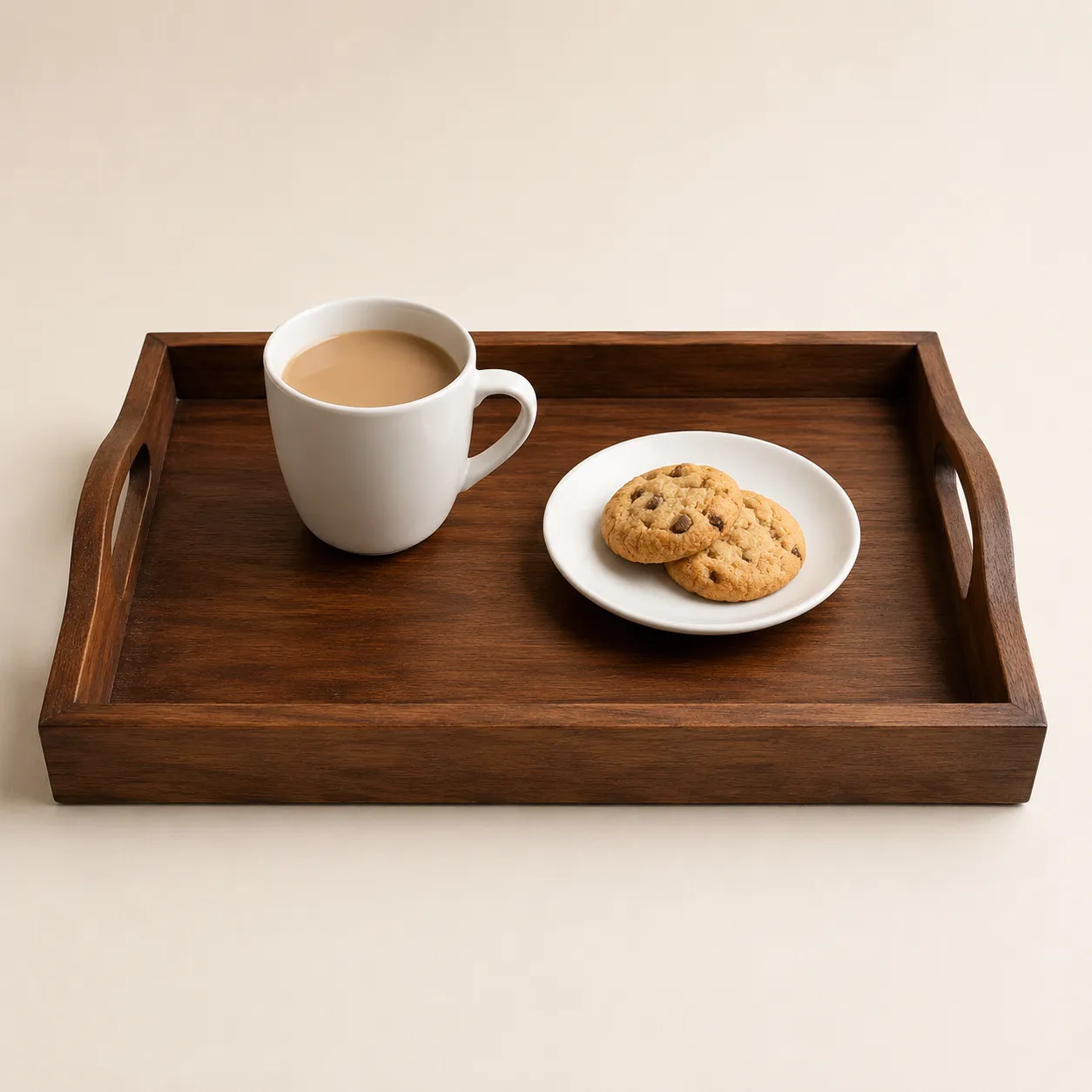
serving trayˈsɜːrvɪŋ treɪ
a tray used for carrying and serving food or drinks to guests.
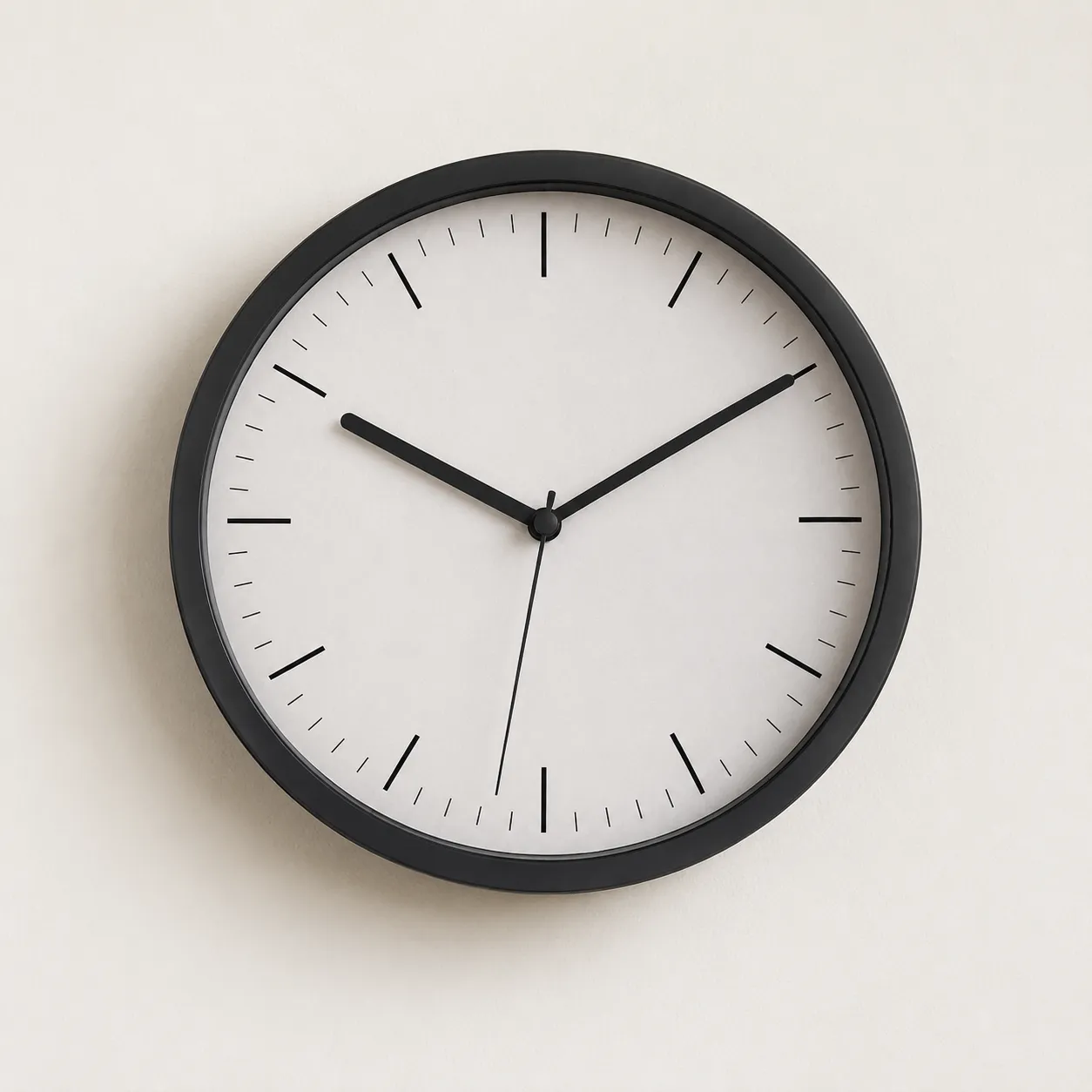
wall clockˈwɔːl klɑːk
a clock that is fixed to or hung on a wall so people in a room can see the time.
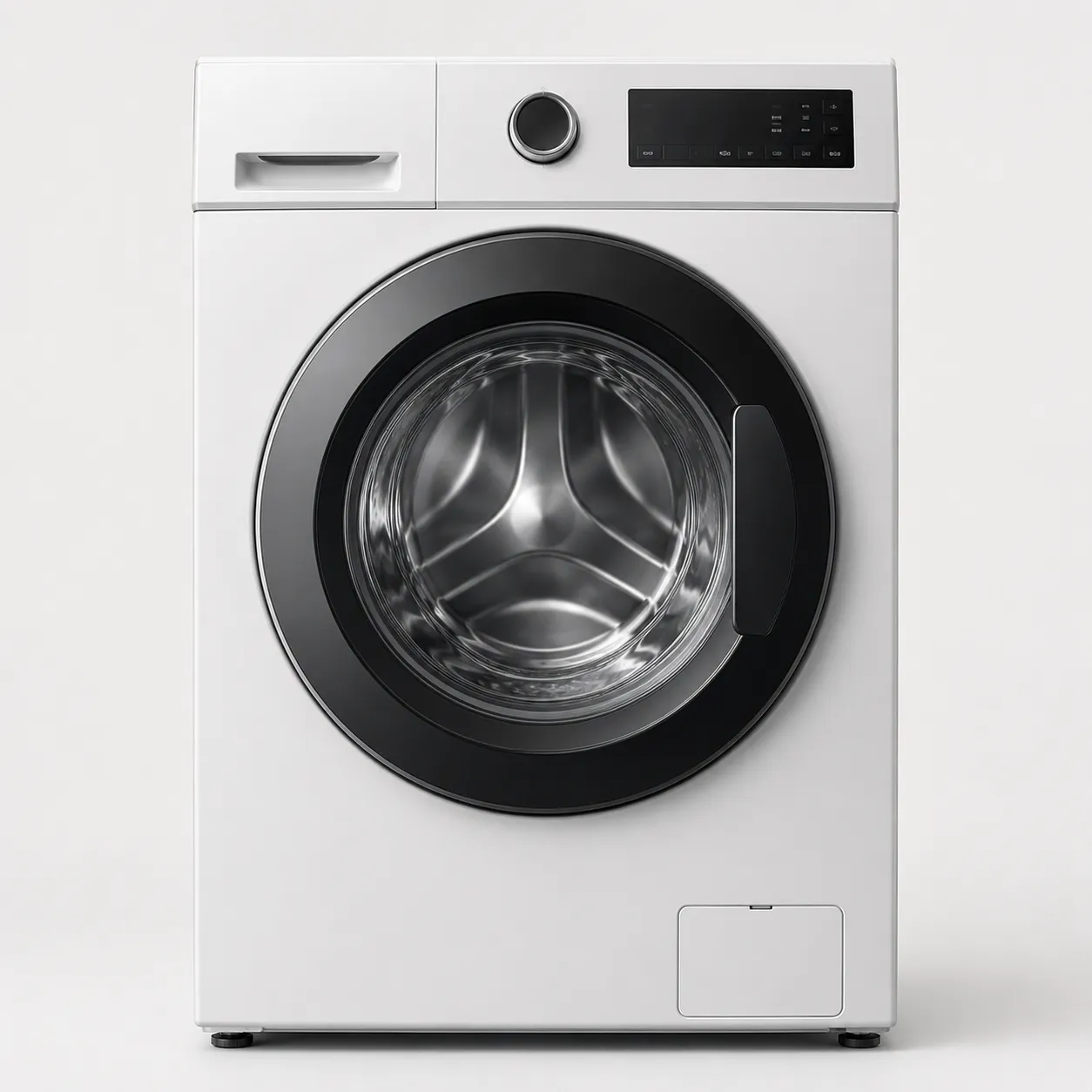
applianceəˈplaɪəns
an electrical machine used in the home, such as a refrigerator, washing machine, or oven.
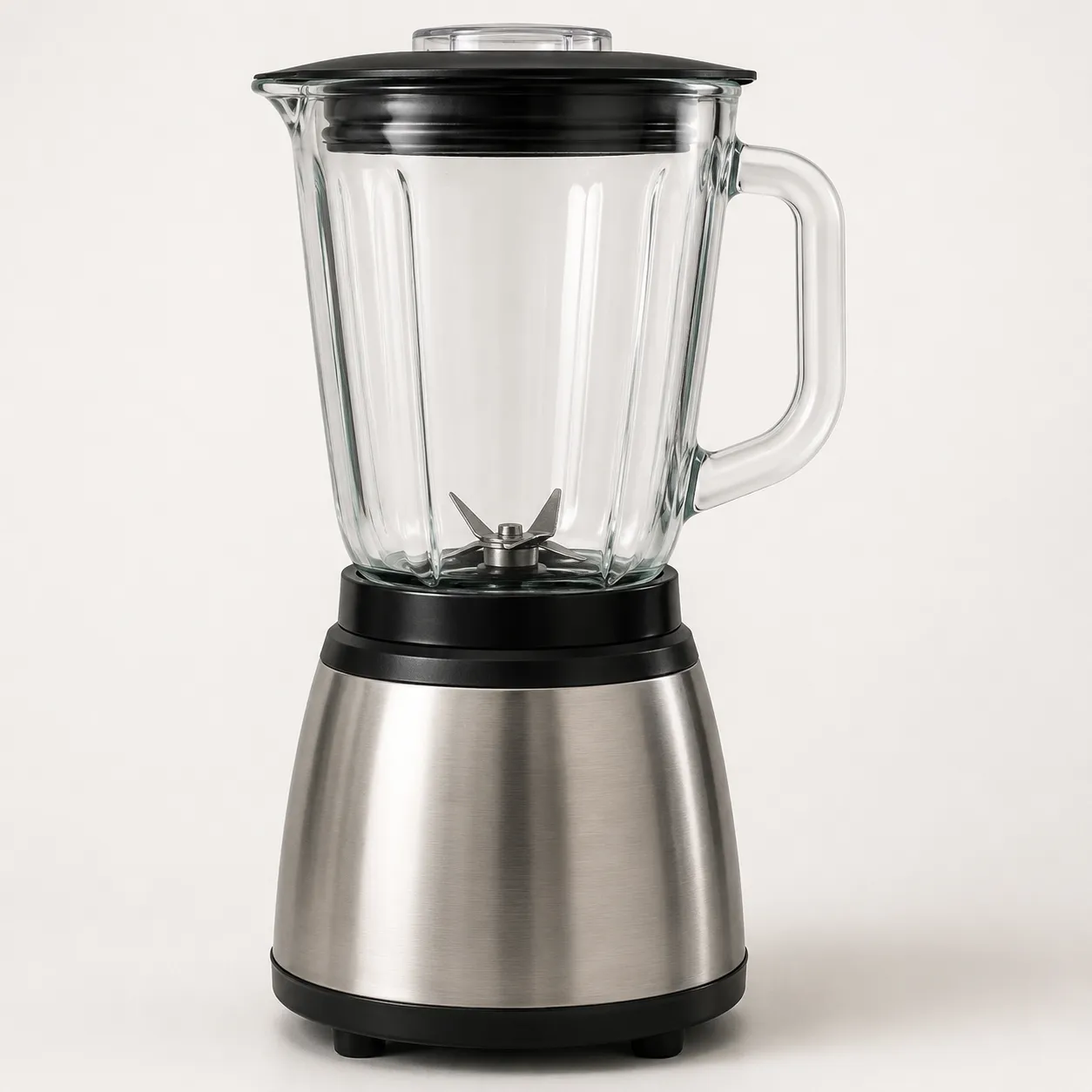
blenderˈblɛndər
an electric kitchen appliance with sharp blades used to mix liquids or make food smooth
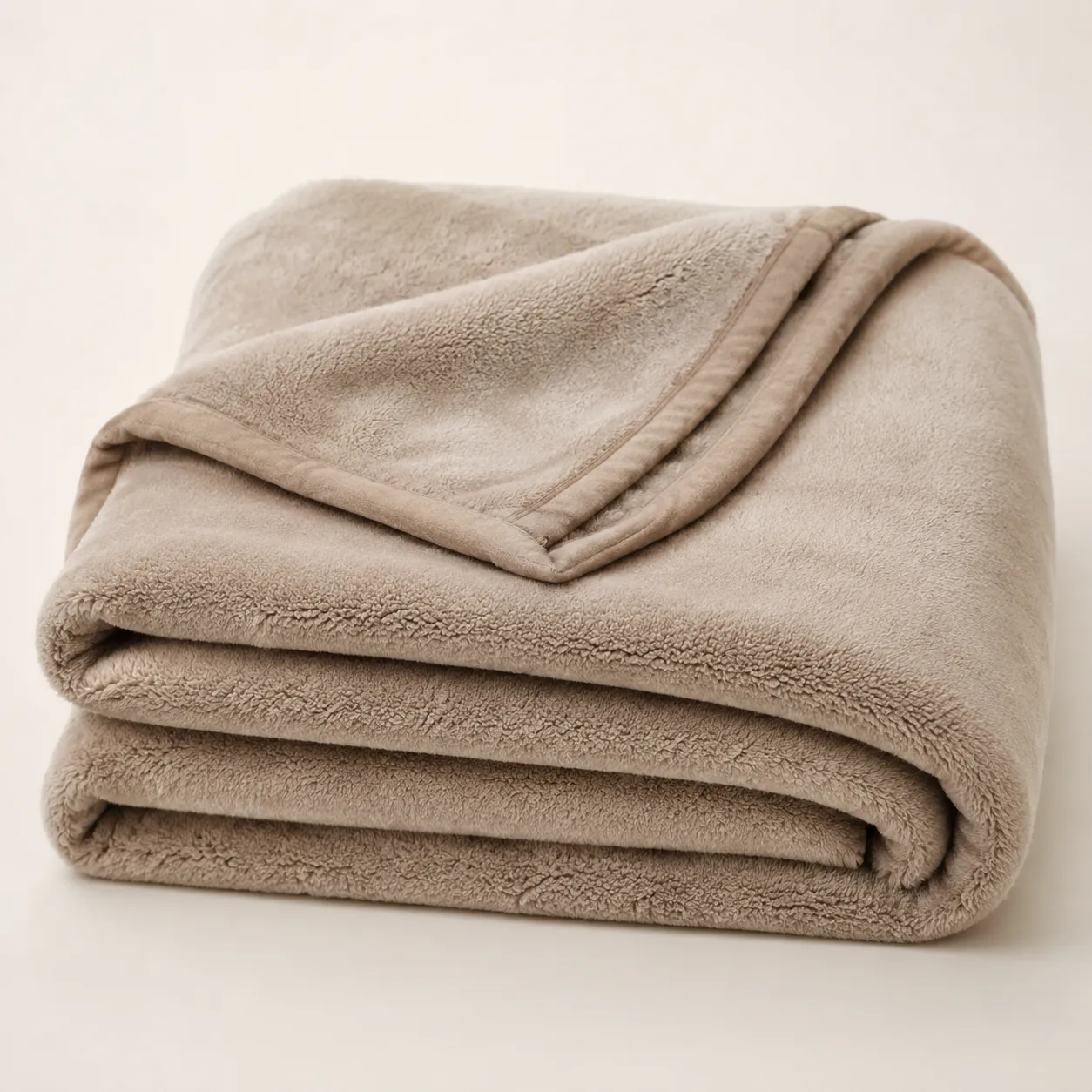
blanketˈblæŋkɪt
a warm cover used on a bed or around the body.
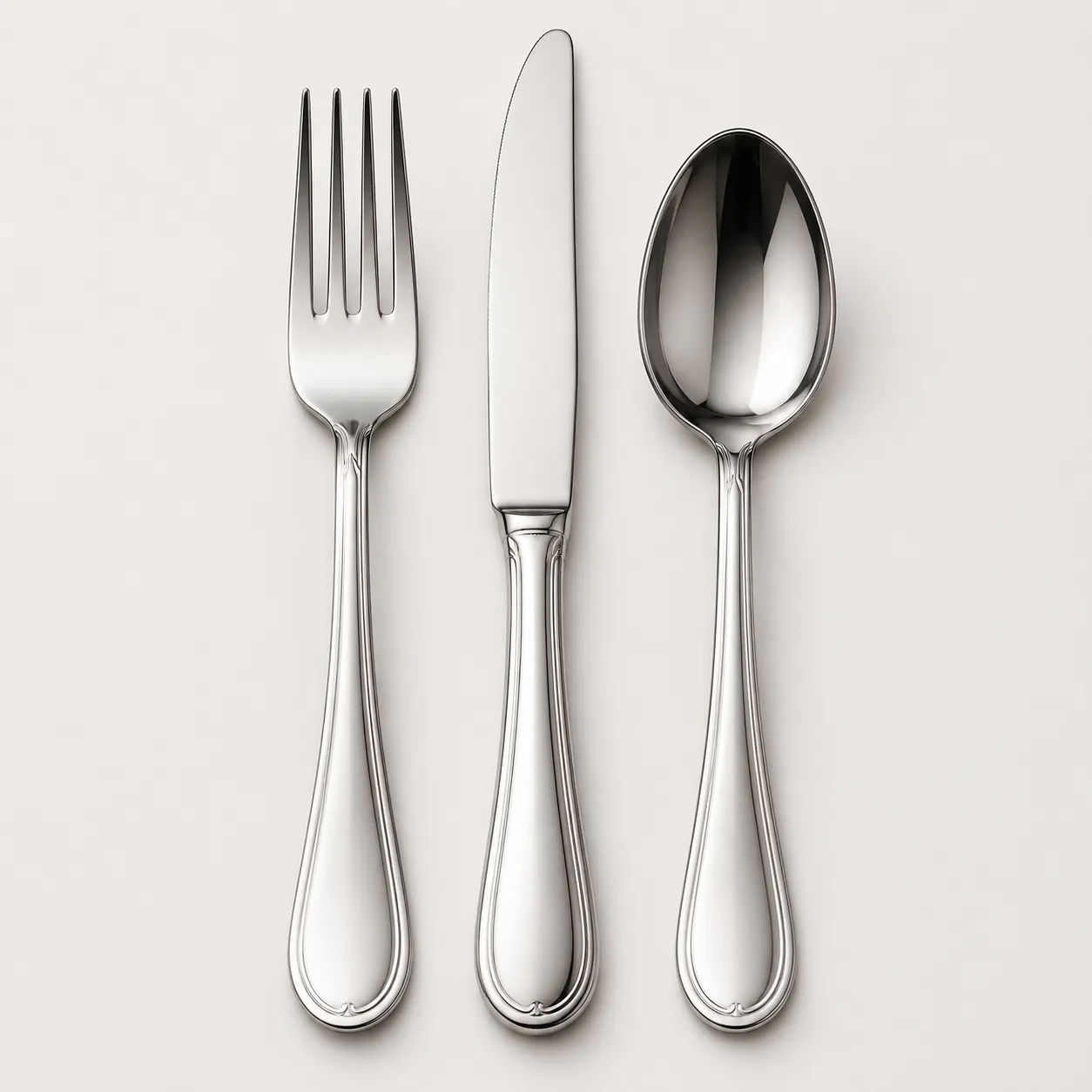
silverwareˈsɪlvɚwer
forks, knives, and spoons used for eating, especially in American English
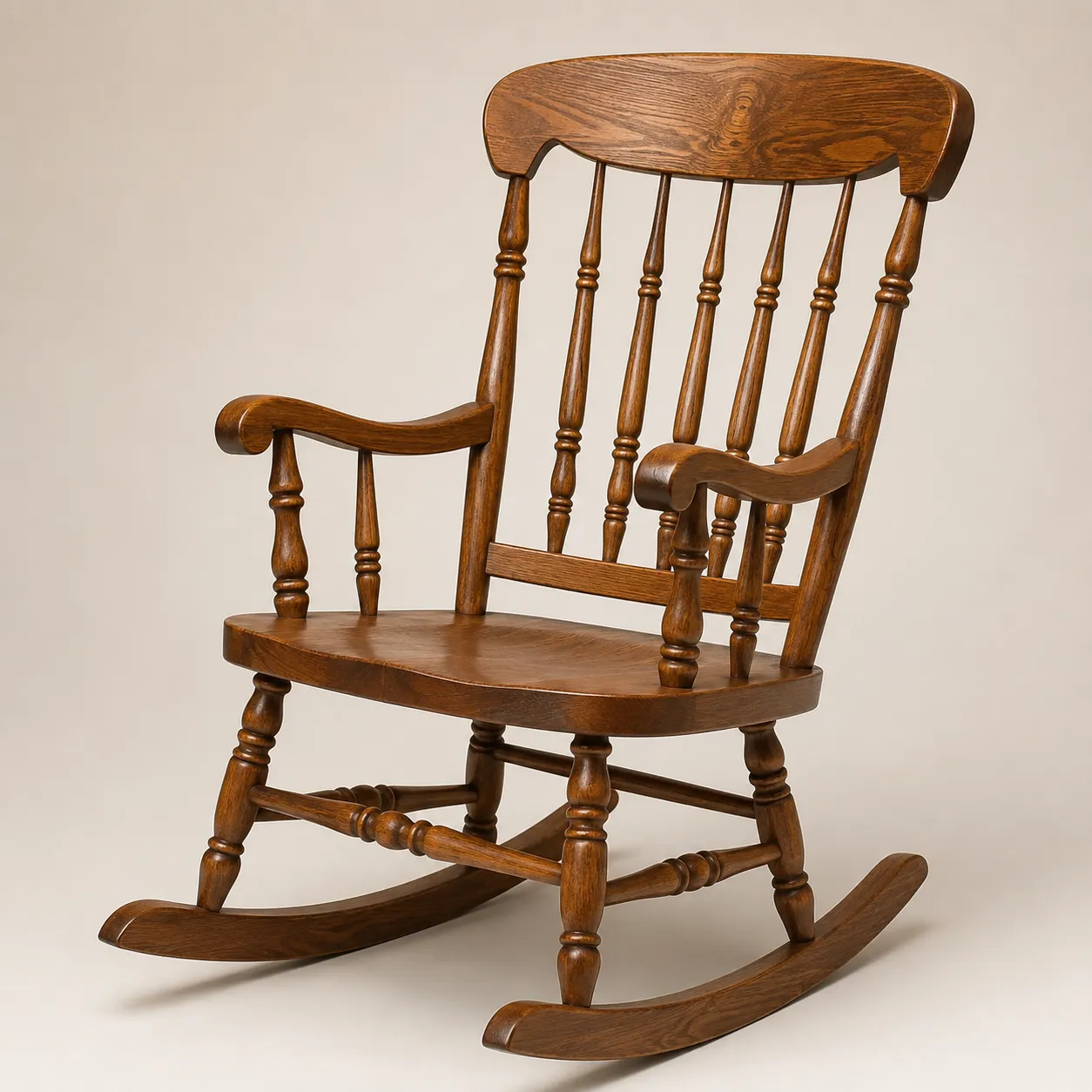
rocking chairˈrɑːkɪŋ tʃer
a chair with curved pieces under its legs that lets it move gently backwards and forwards.
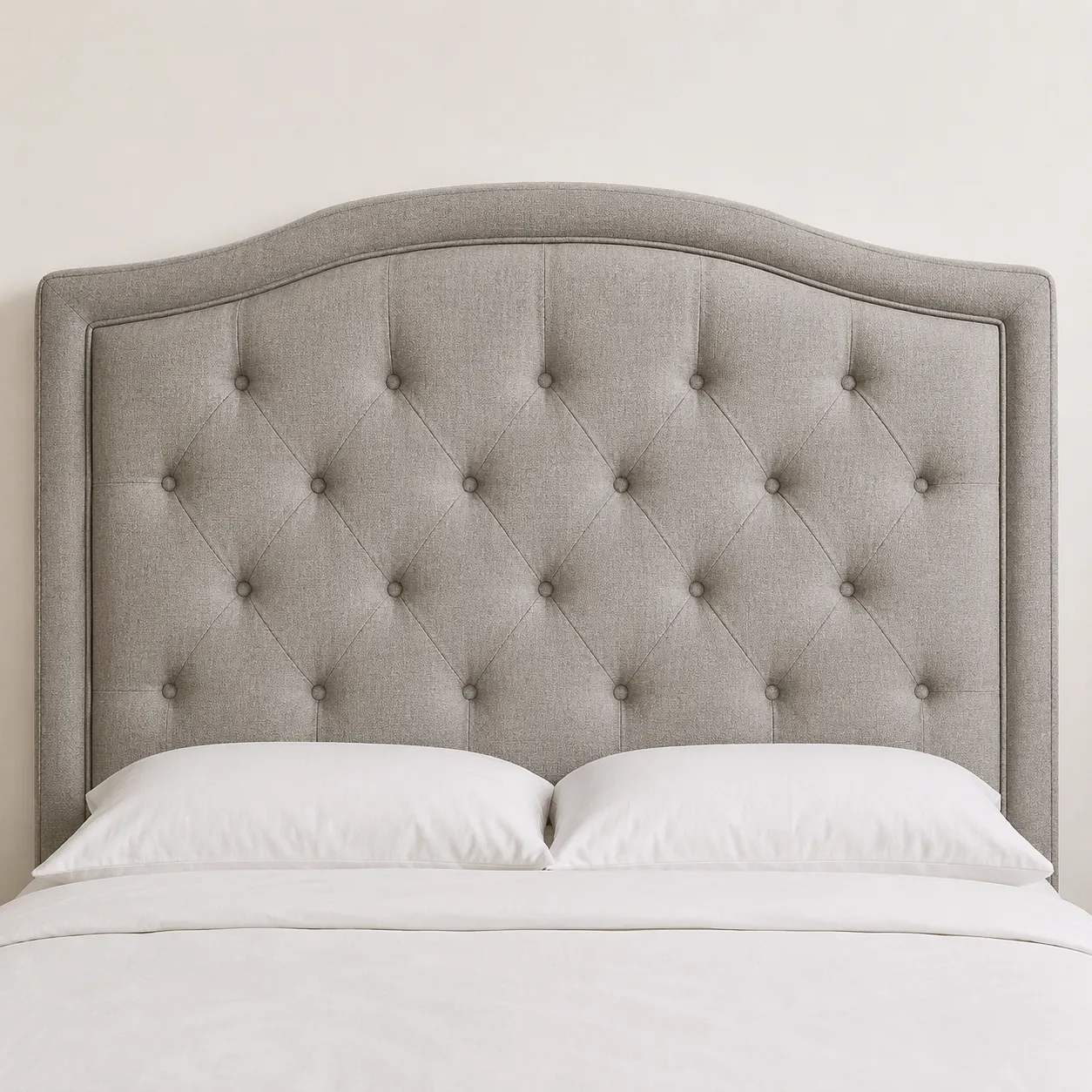
headboardˈhɛdˌbɔːrd
the upright board or panel at the end of a bed where your head rests, often used for support or decoration.
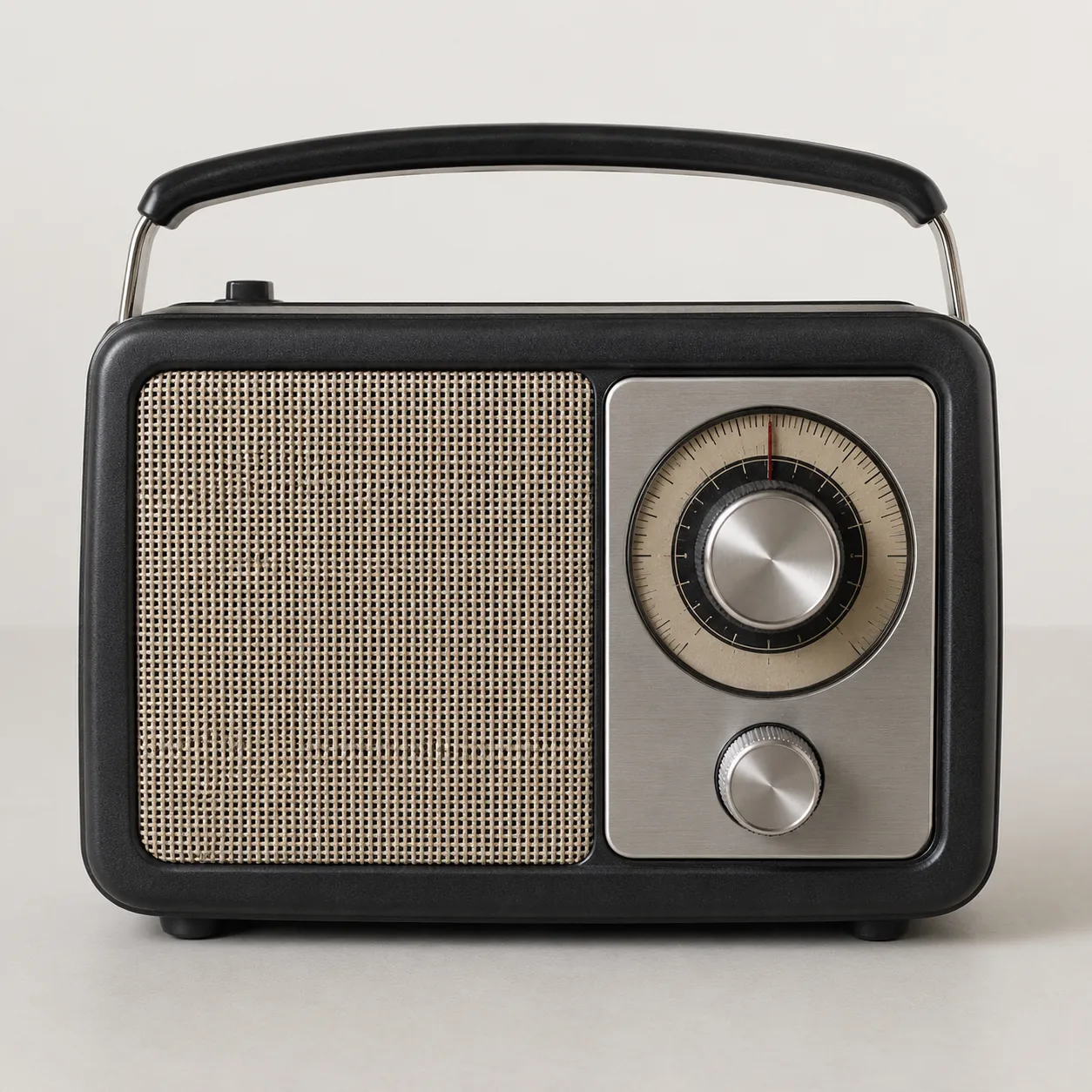
radioˈreɪdiˌoʊ
a way of sending sound programmes, music, news and talk shows through signals so people can listen to them.
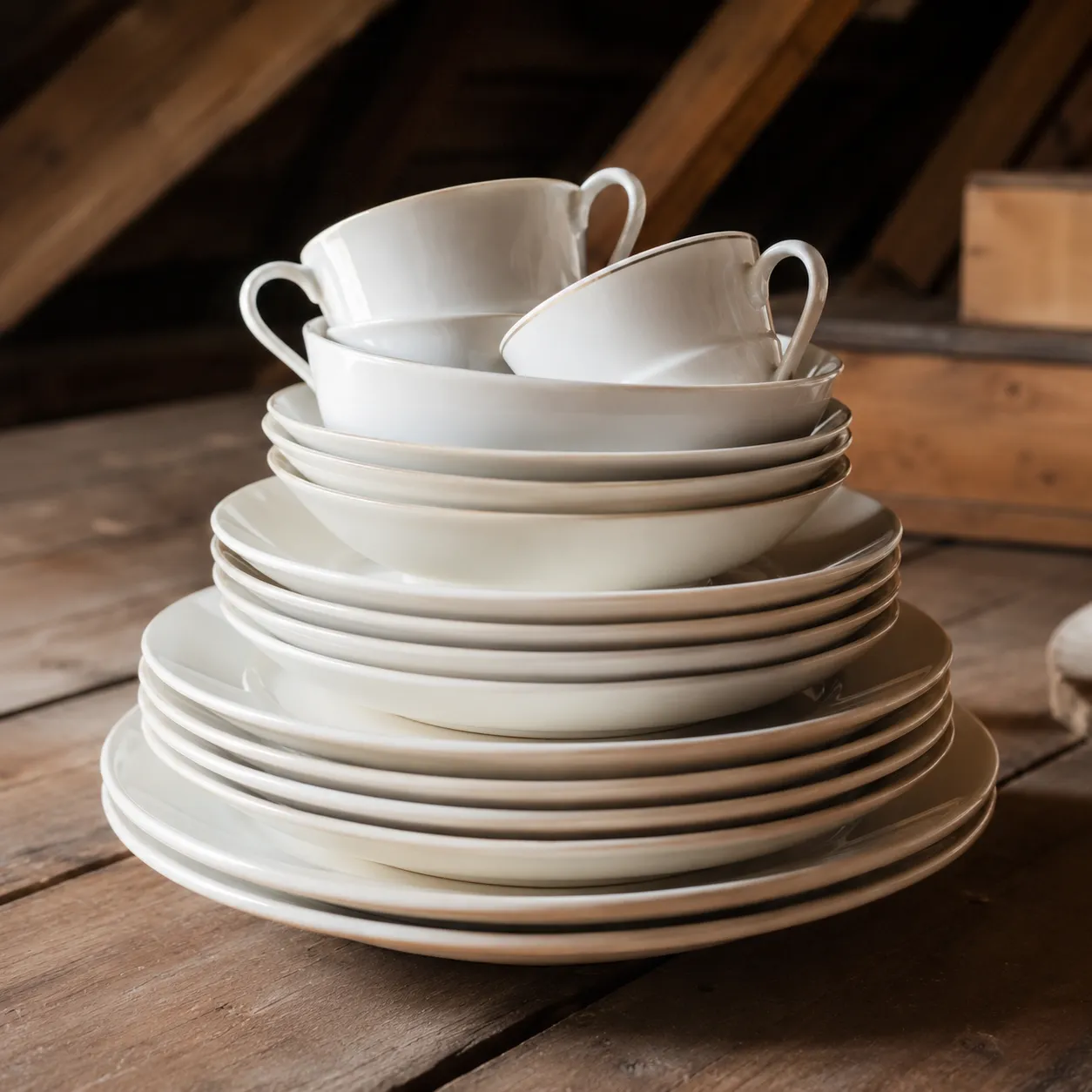
dishesˈdɪʃɪz
plates, bowls, cups and similar things that people use for eating, serving or cooking food.
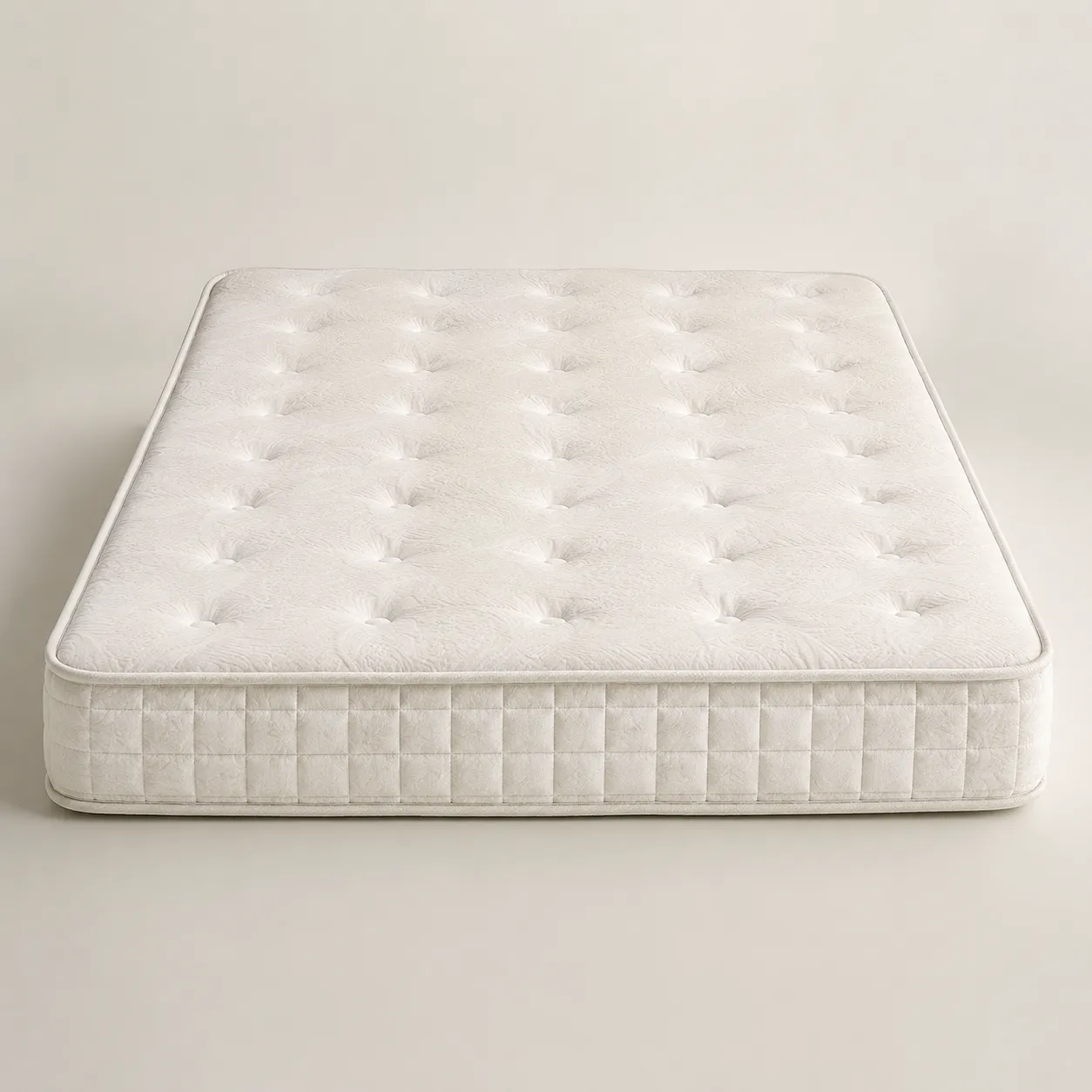
mattressˈmætrəs
the thick soft part of a bed that you lie on when you sleep.
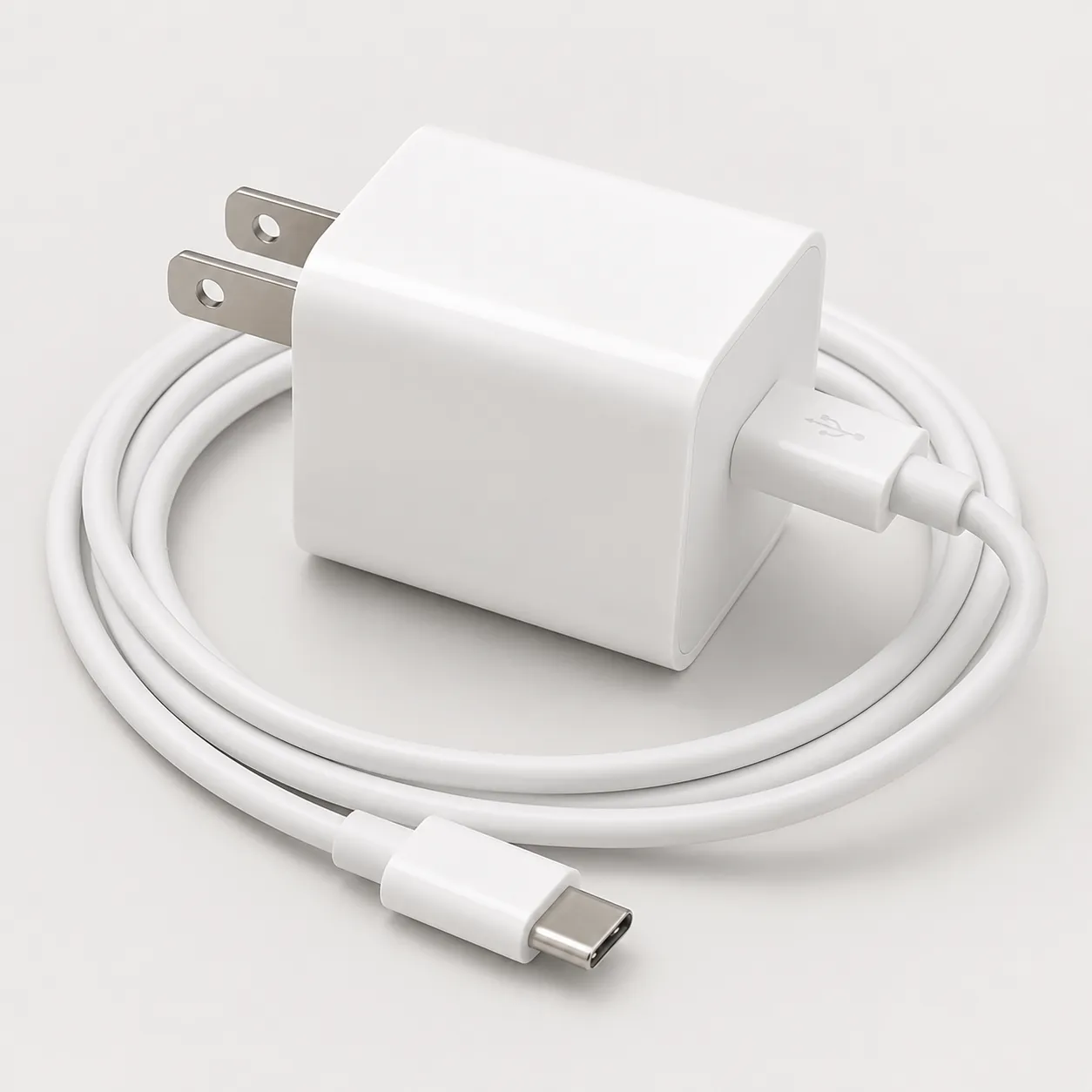
chargerˈtʃɑːrdʒər
a device that supplies electrical power to recharge a battery
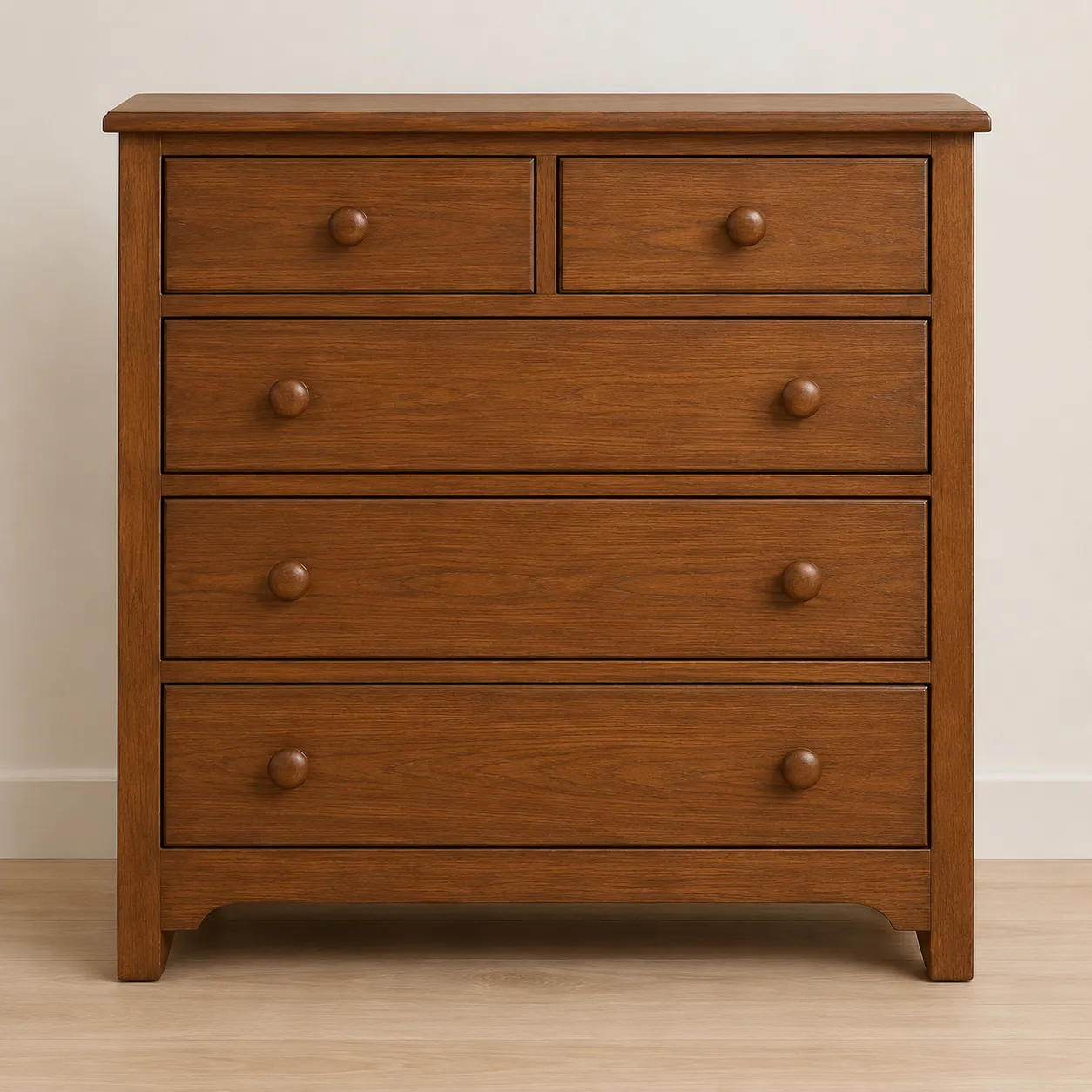
dresserˈdrɛsər
a piece of furniture, usually in a bedroom, with drawers for storing clothes.
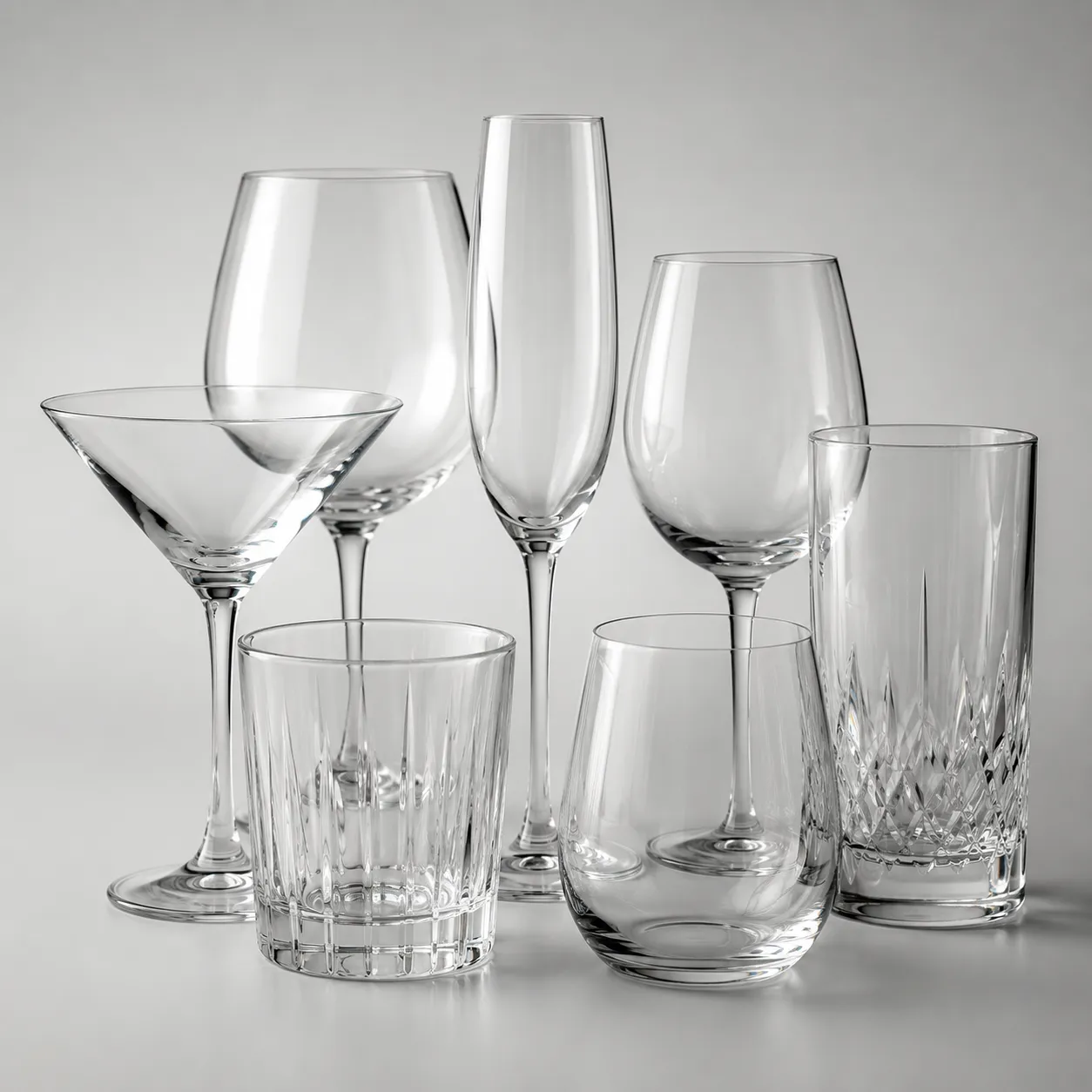
glasswareˈɡlæswer
drinking glasses and other tableware or containers made of glass
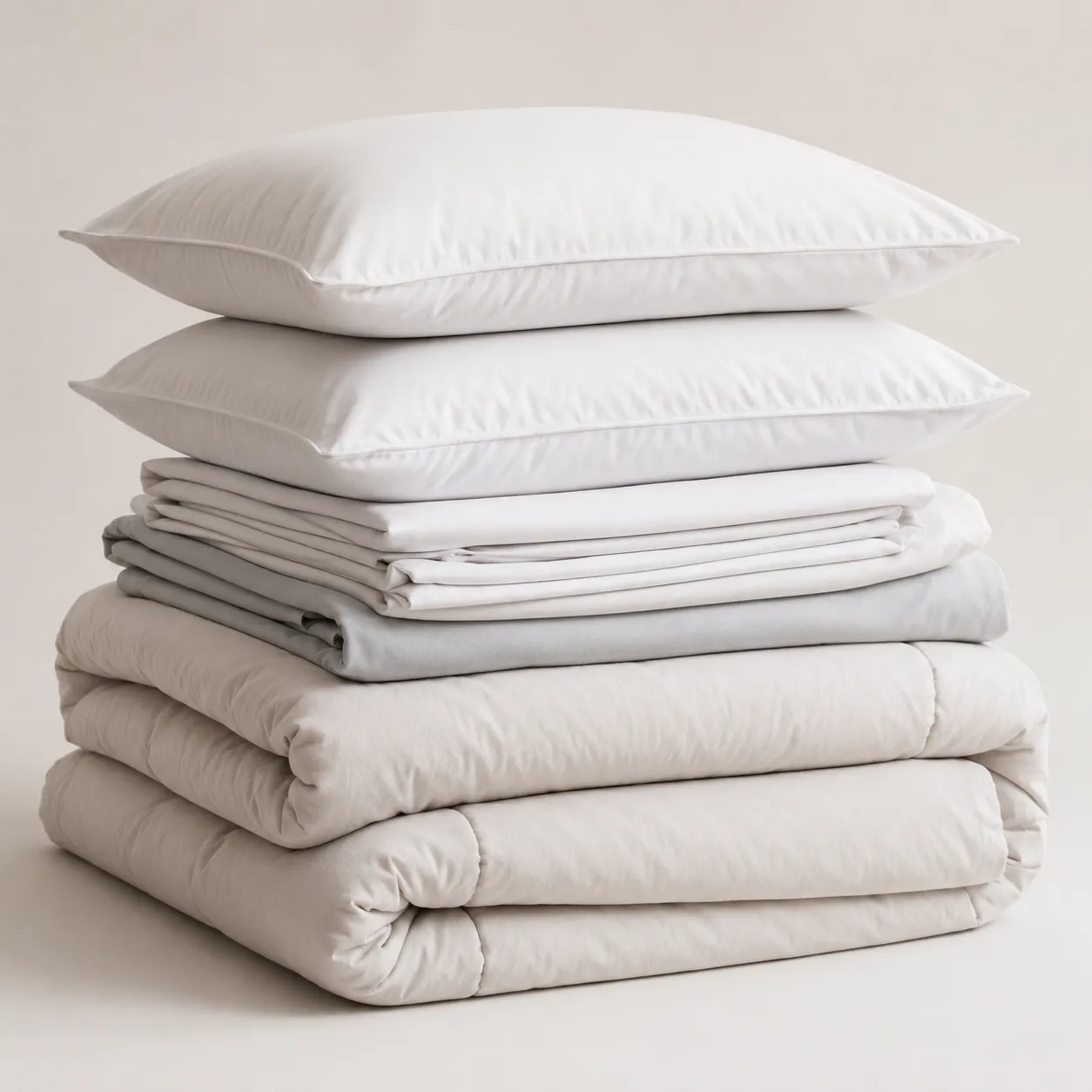
beddingˈbɛdɪŋ
sheets, blankets, covers, and similar things that are used on a bed.
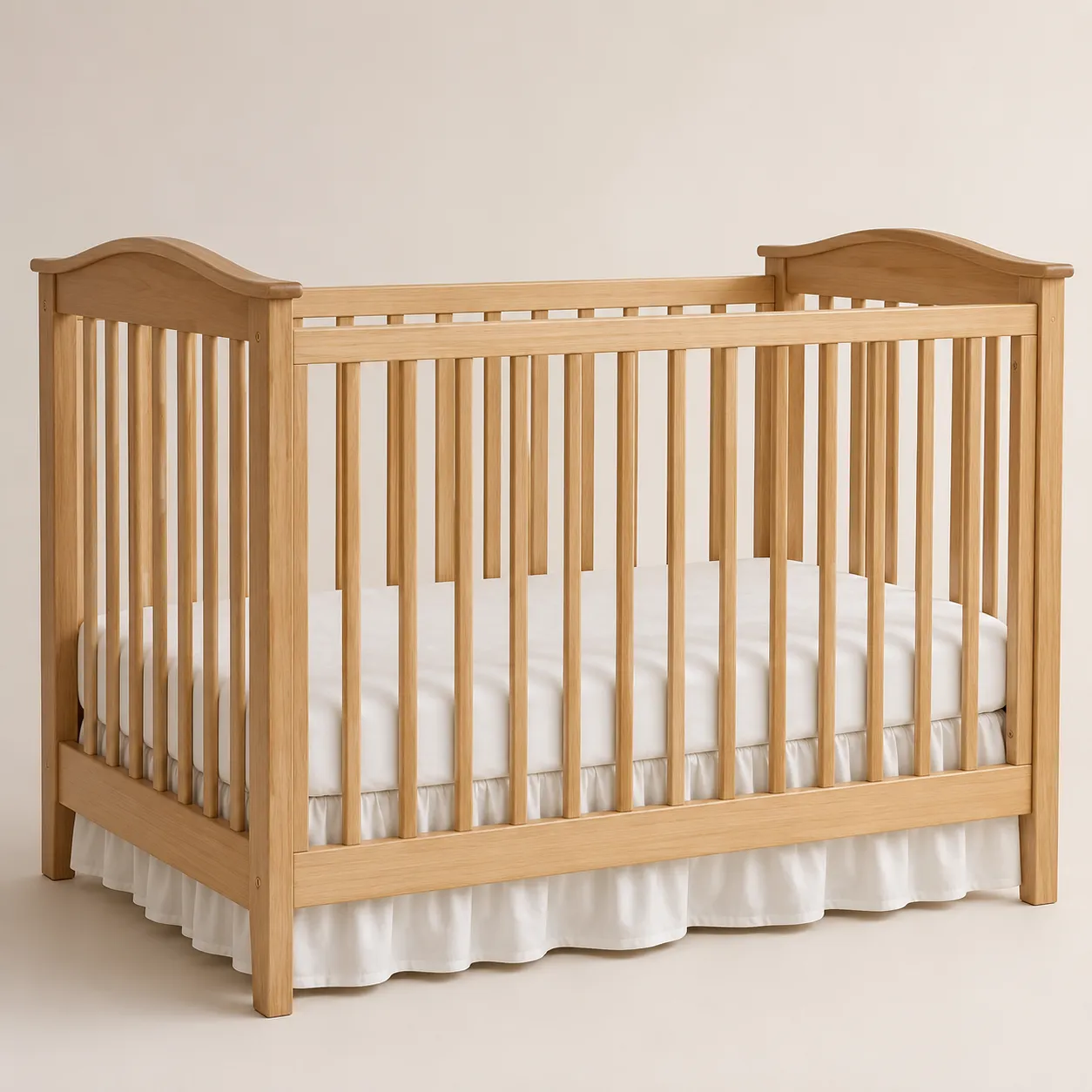
cribkrɪb
a small bed with high sides that keeps a baby or very young child from falling out.
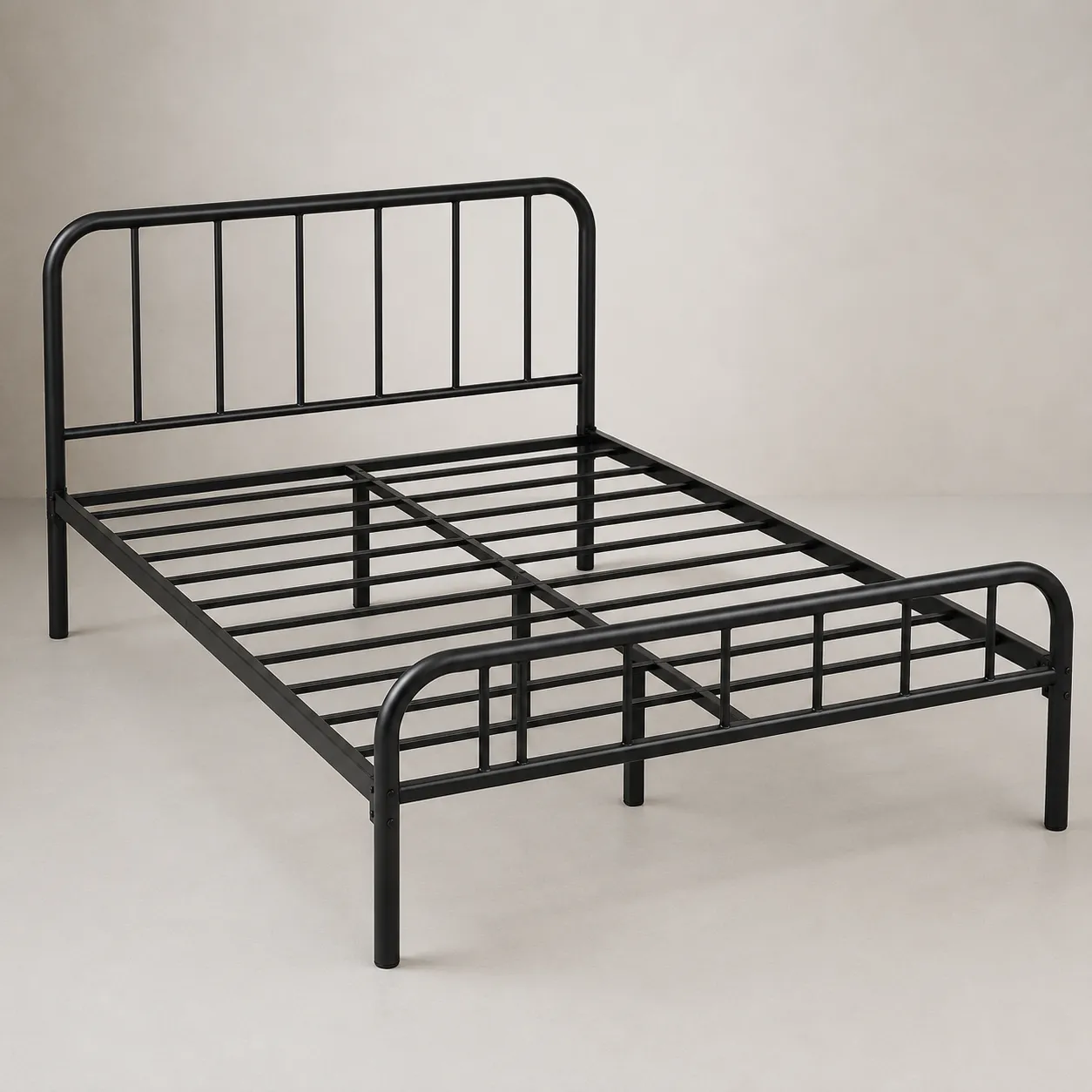
bed frameˈbɛd ˌfreɪm
the solid structure of a bed that supports the mattress and often includes legs or side pieces.
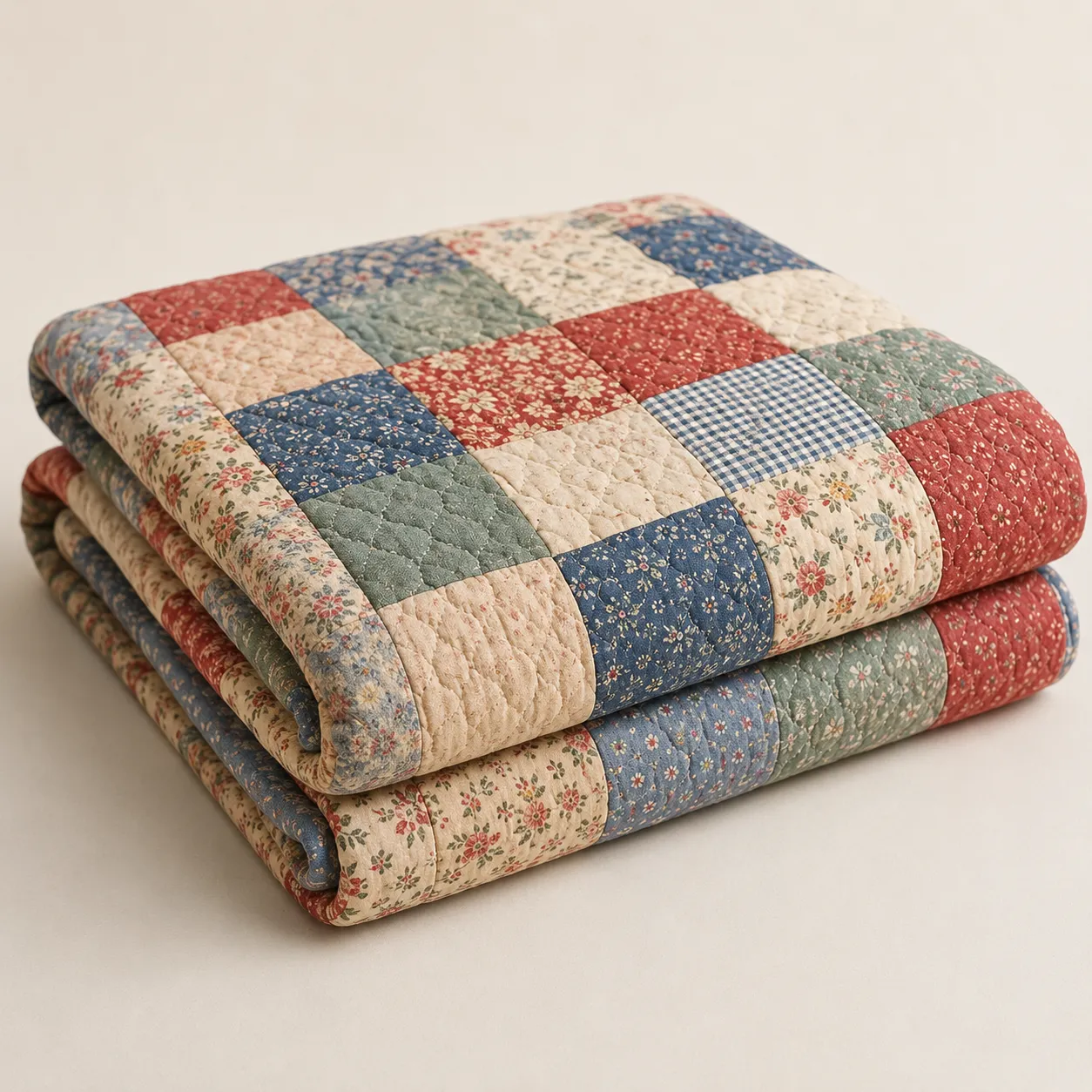
quiltkwɪlt
a warm cover for a bed, made from layers of cloth with soft material between them and lines of stitching that hold the layers together.
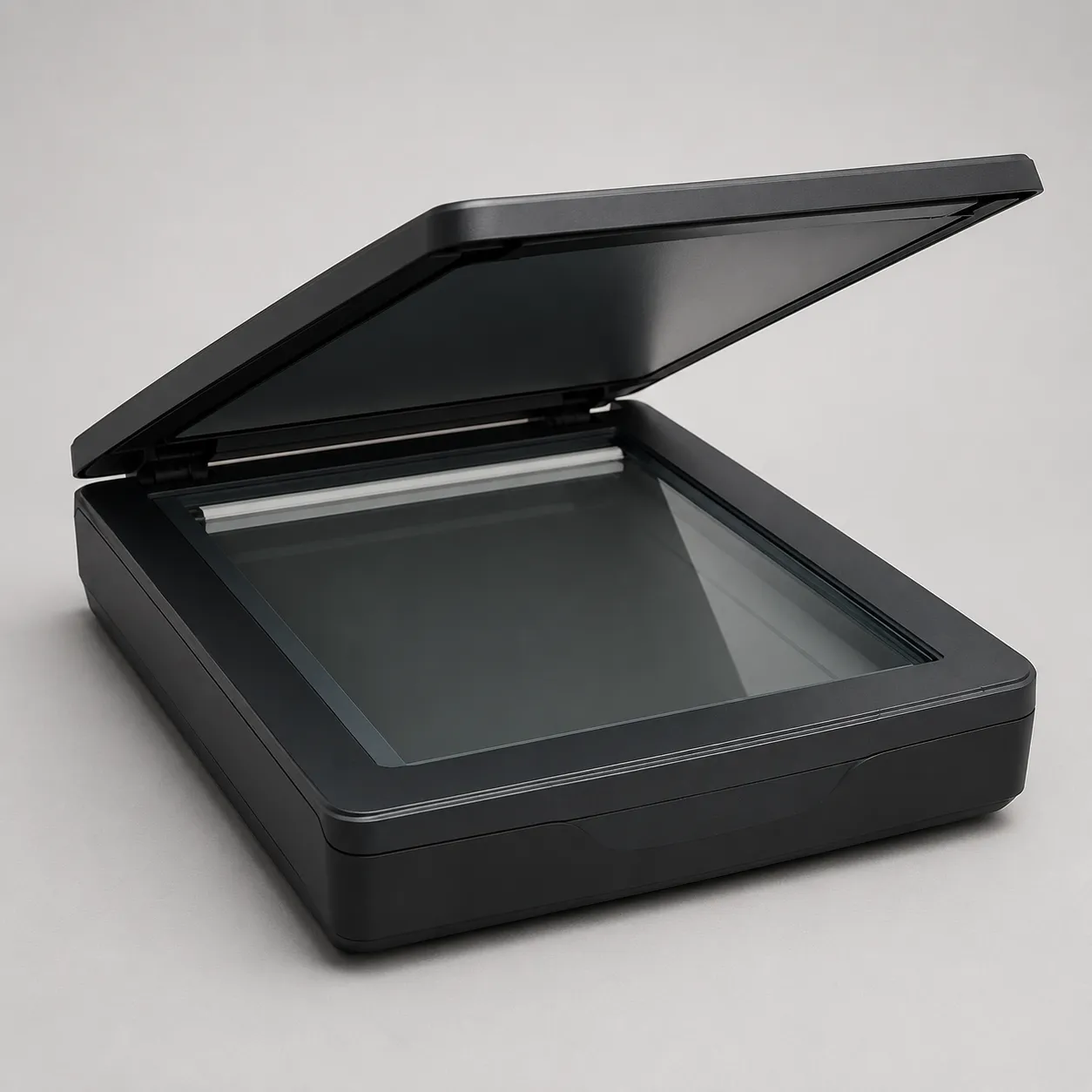
scannerˈskænər
a machine that copies a paper document or image into a digital file.
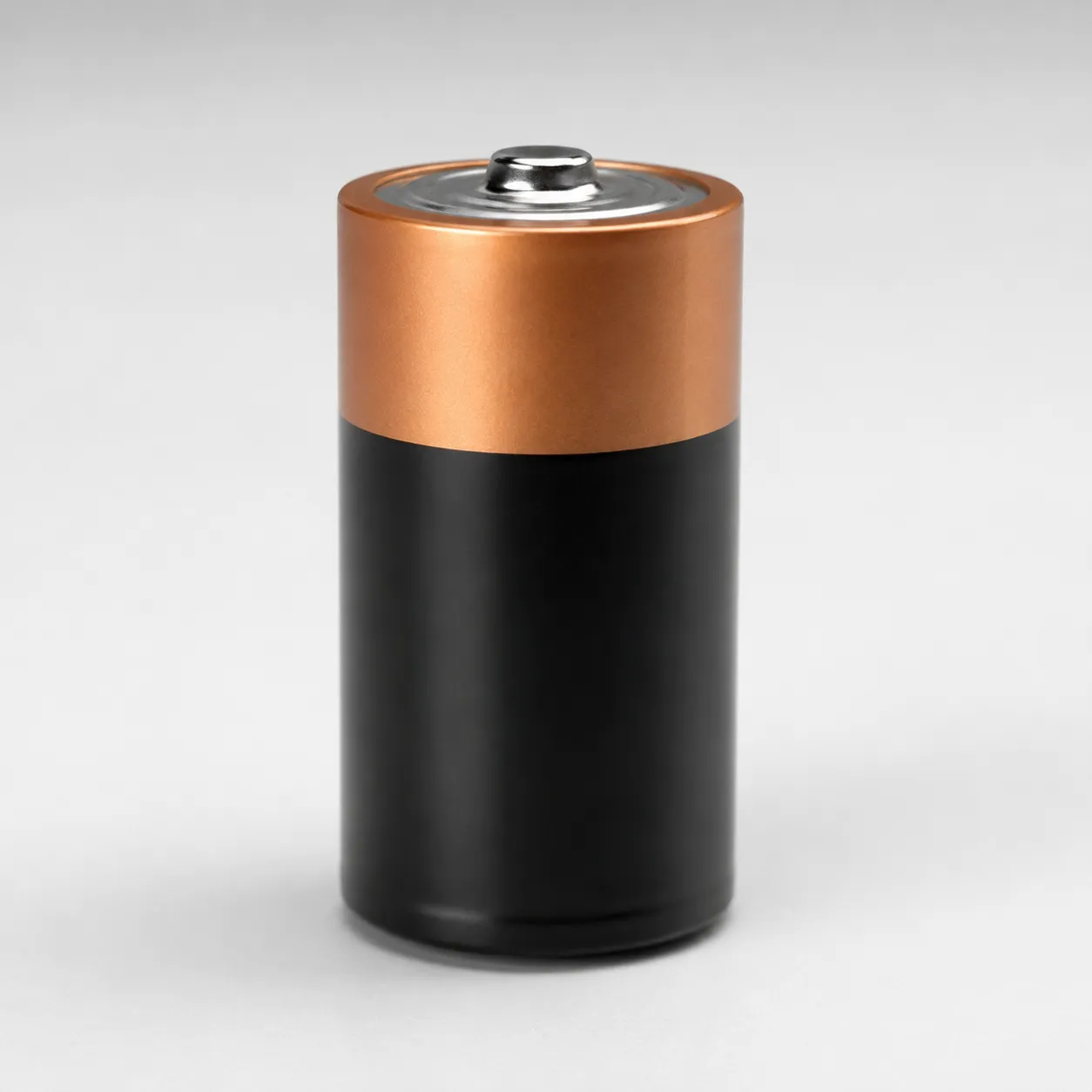
batteryˈbætəri
a device that stores electrical energy and provides power for a phone, toy, car, or other equipment.
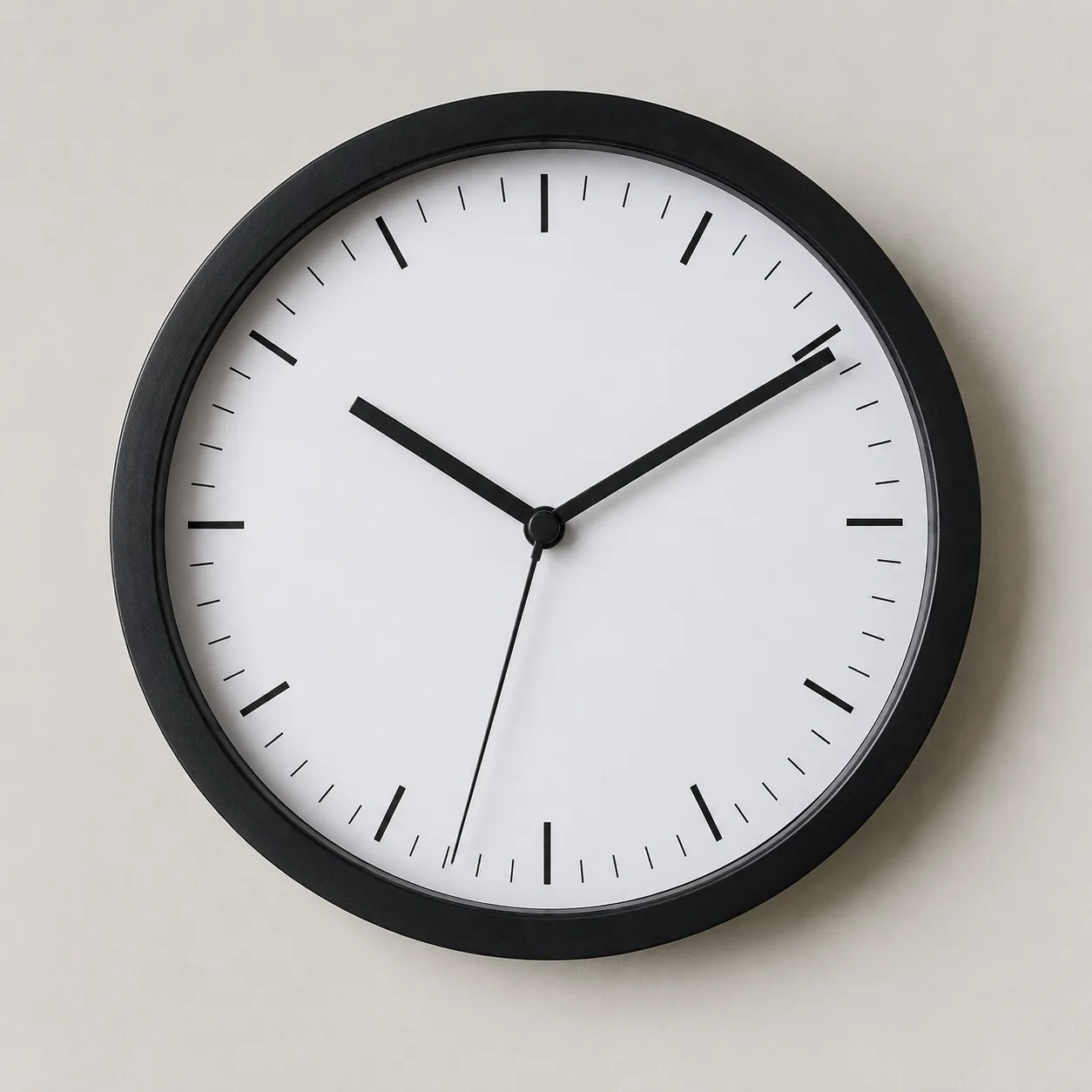
clockklɑːk
a device, usually in a room or on a wall, that shows the time
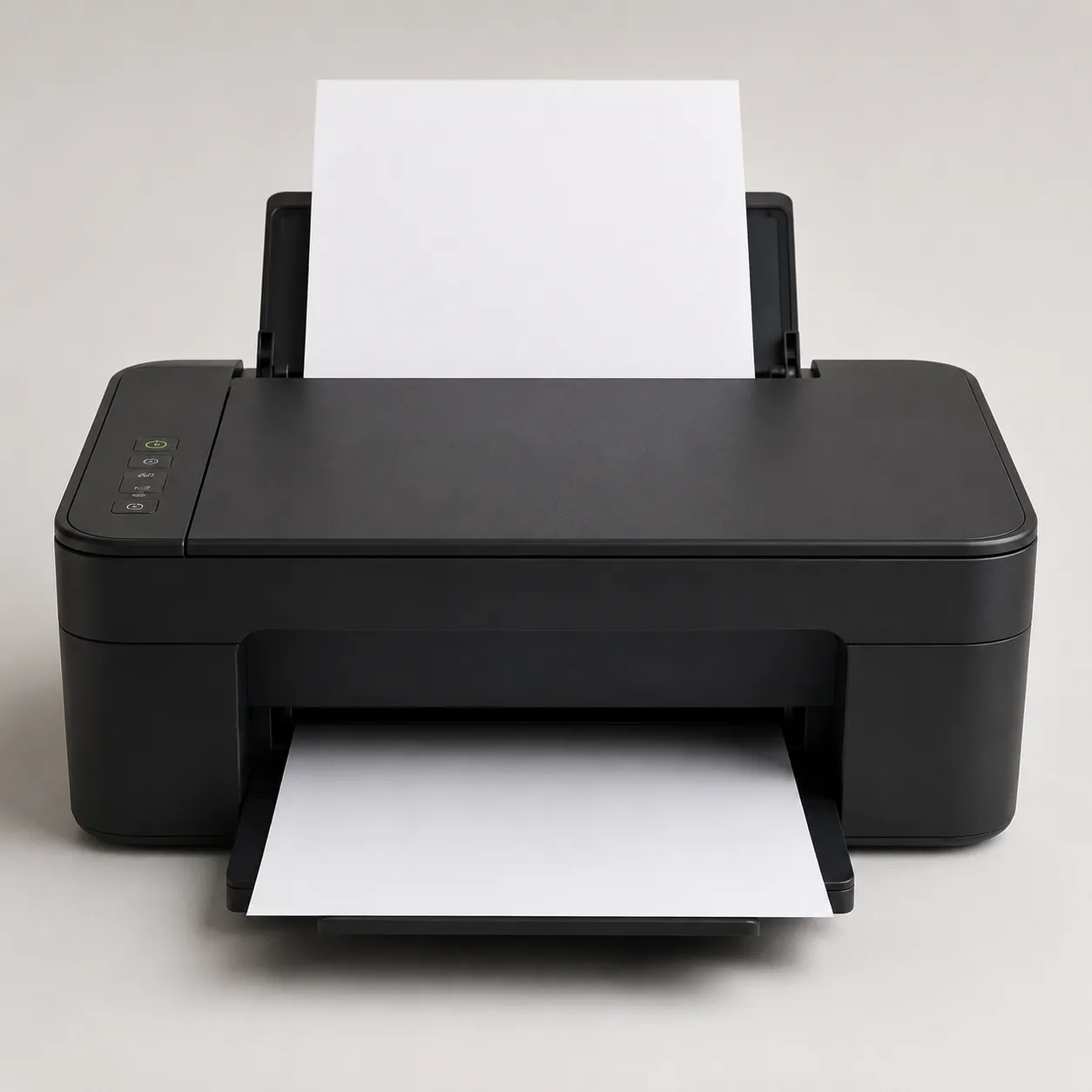
printerˈprɪntər
a machine that produces words on paper
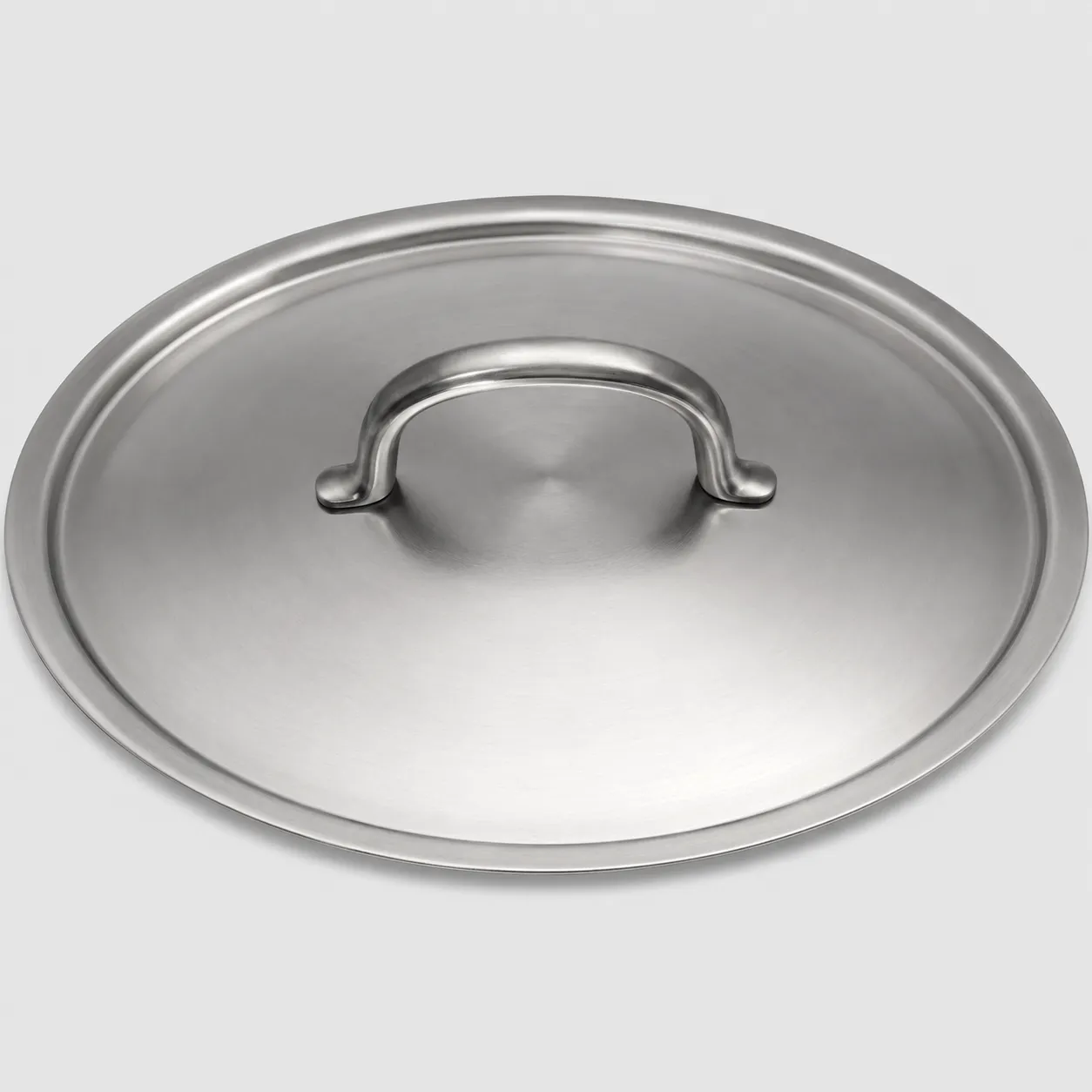
lidlɪd
a cover for the top of a container, cup, pot, or box.
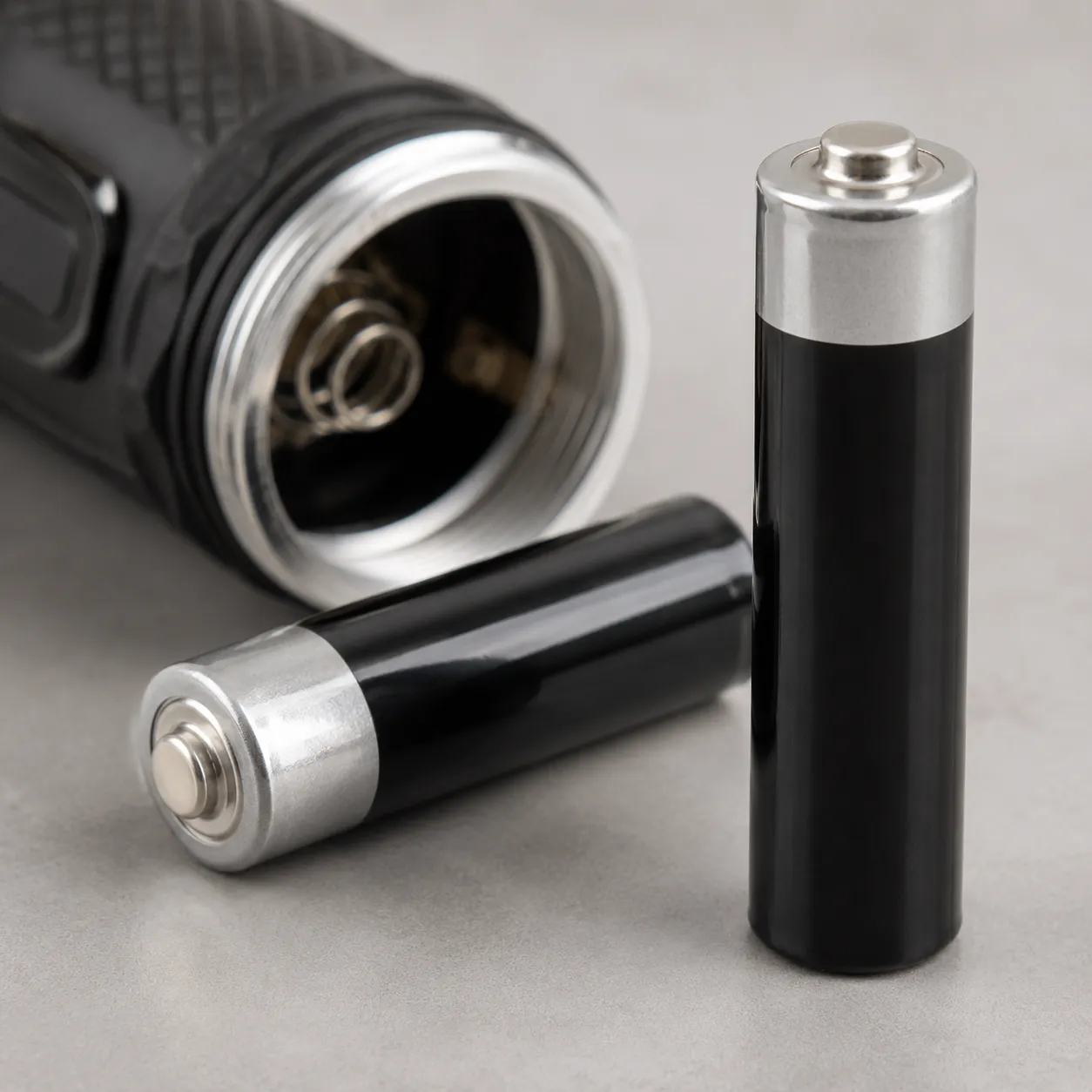
flashlight batteryˈflæʃˌlaɪt ˈbætəri
a battery used in a flashlight to provide the power for its light.
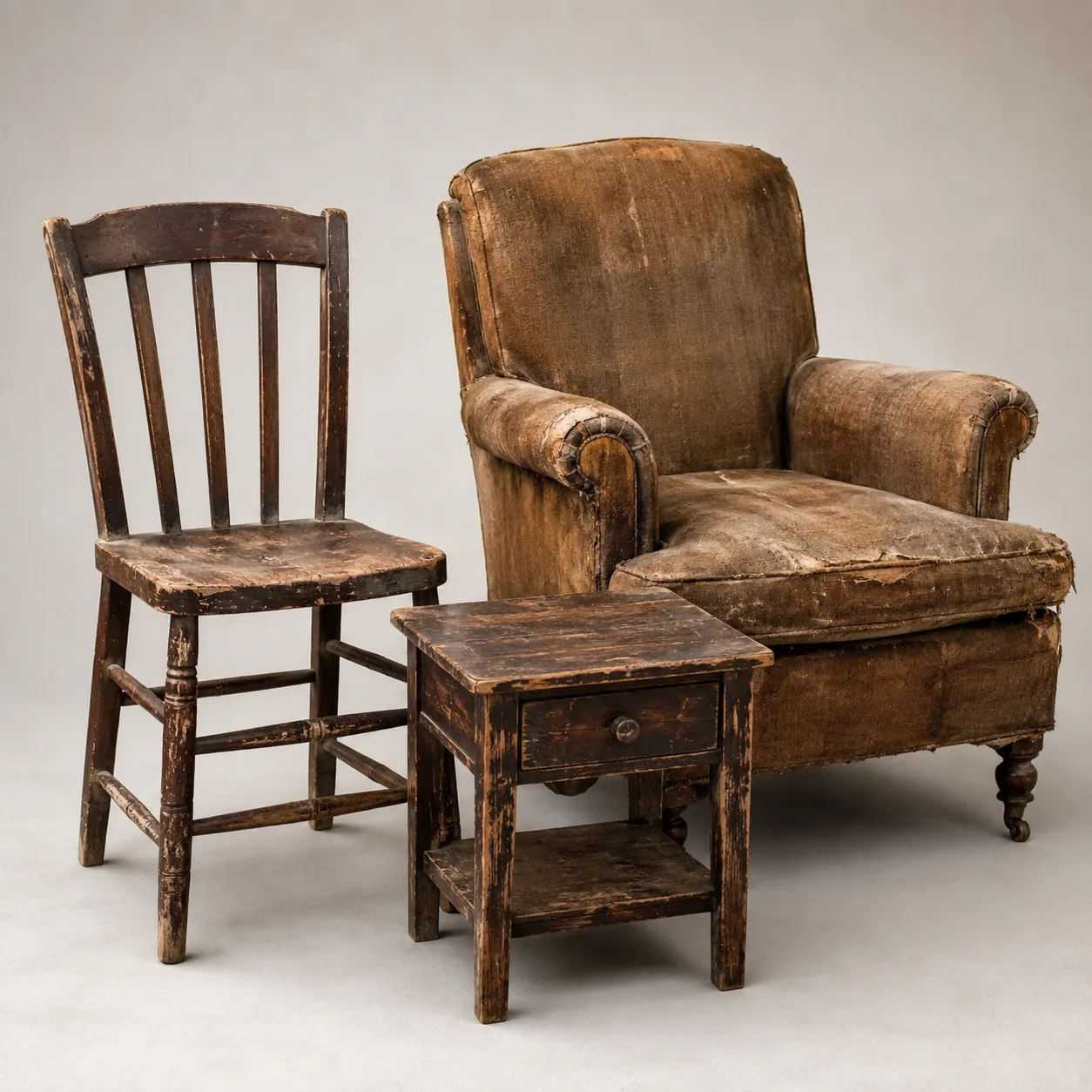
old furnitureoʊld ˈfɝːnɪtʃɚ
chairs, tables, beds, or similar household items that have been used for a long time or are no longer wanted.
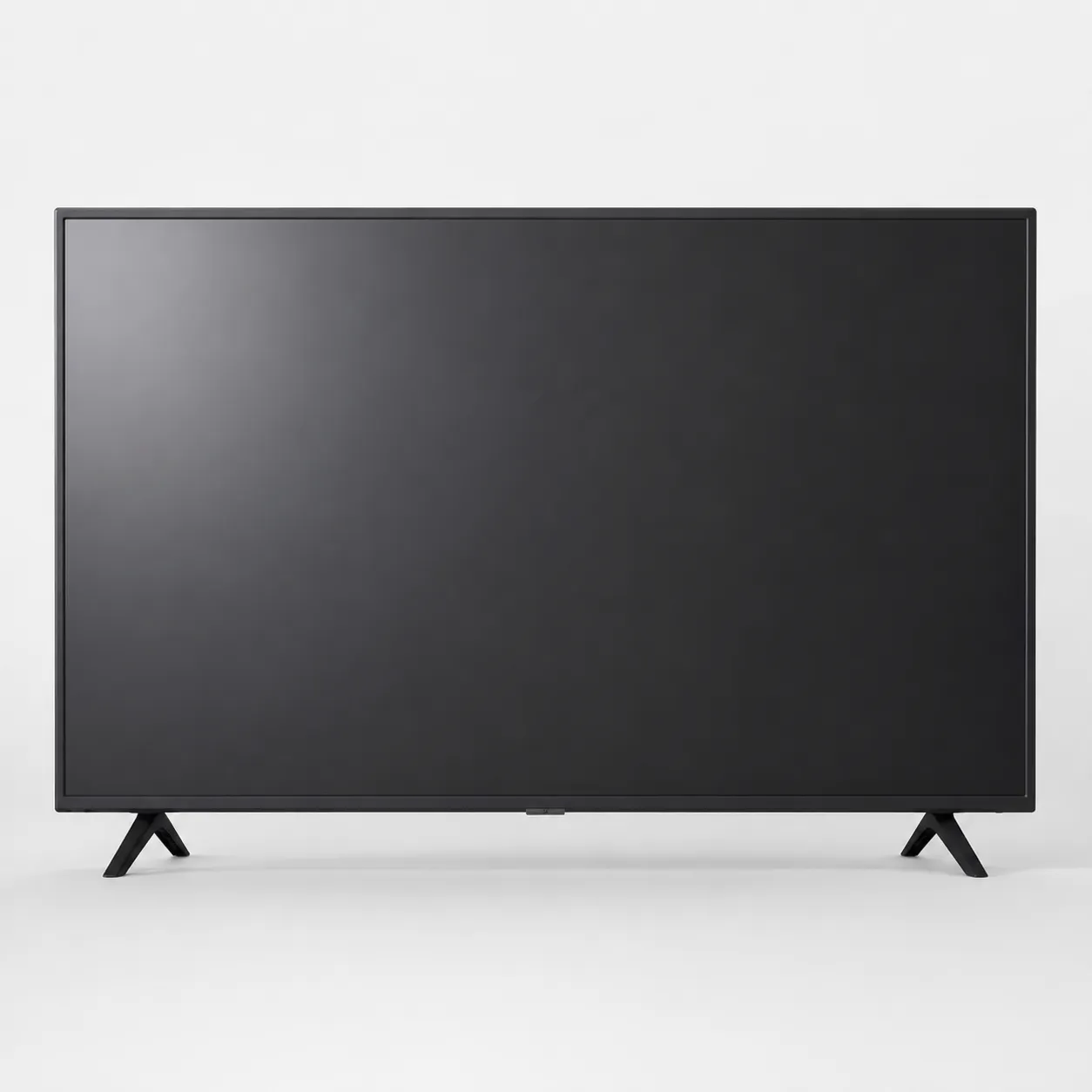
televisionˈtɛlɪˌvɪʒən
a device with a screen, or the system of broadcasting, used for watching programmes with moving pictures and sound.
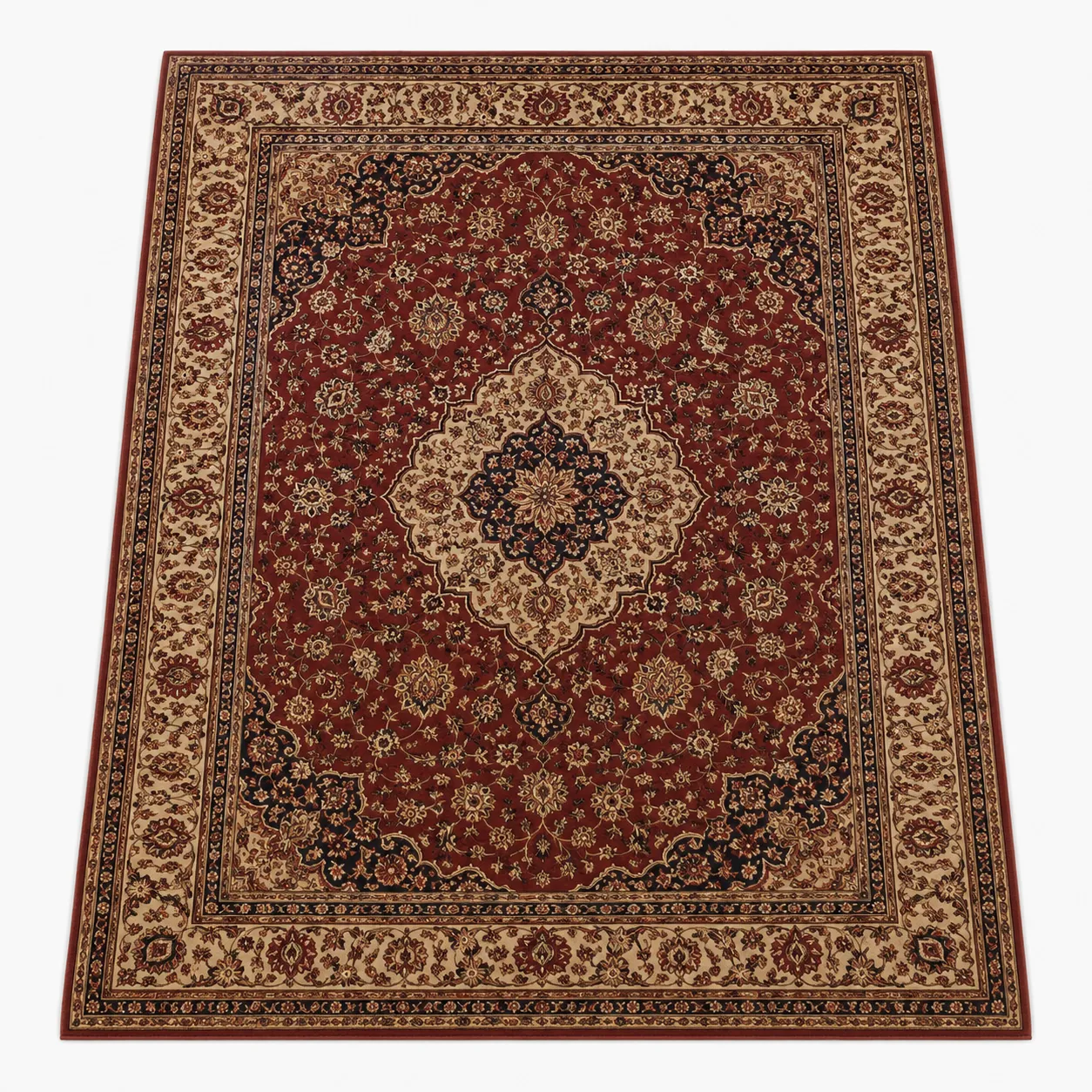
carpetˈkɑːrpɪt
a thick soft covering for a floor, usually covering the whole room or a large area.
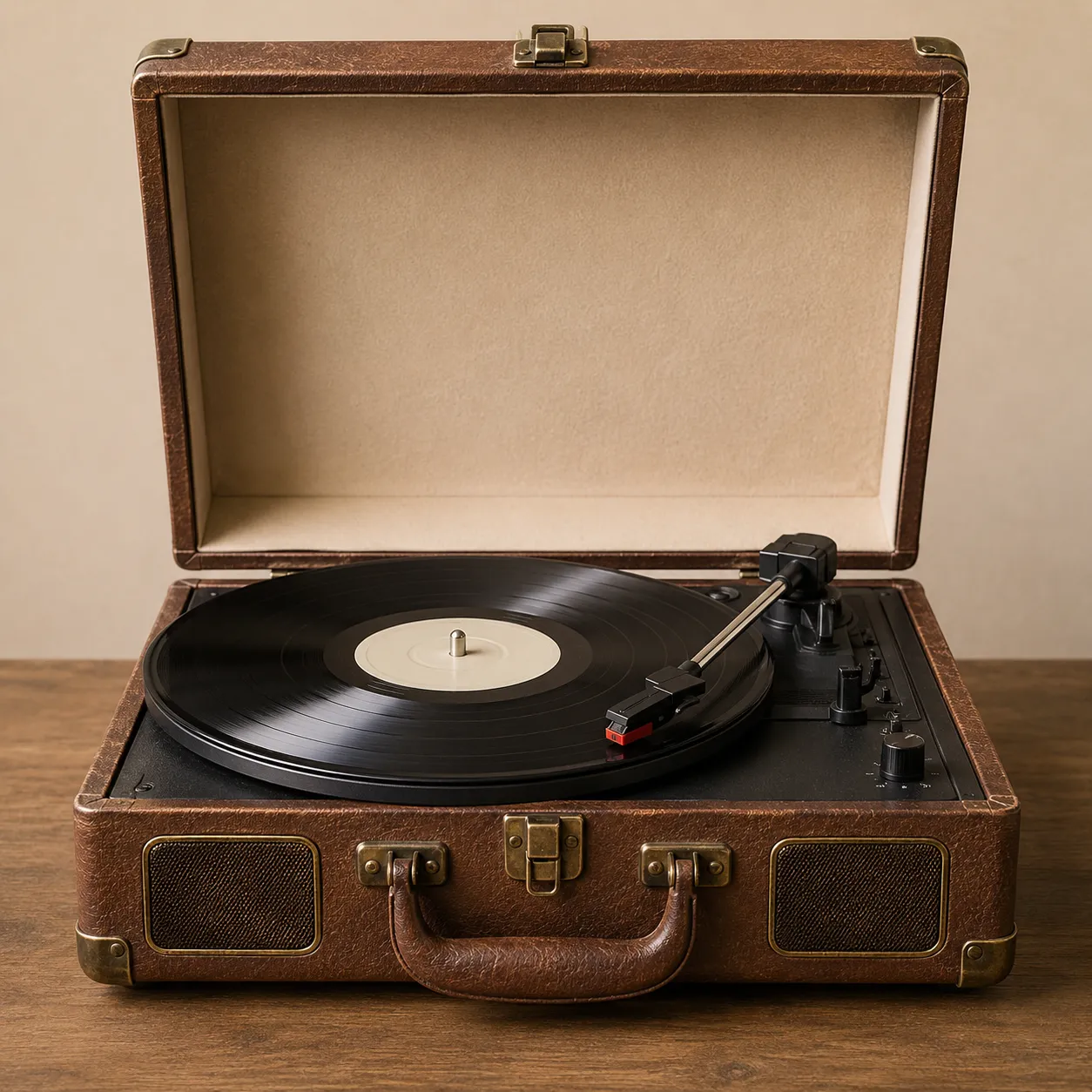
record playerˈrɛkərd ˌpleɪər
a device with a turntable and a needle that plays music from vinyl records.

mirrorˈmɪrər
a glass surface that reflects an image, used for looking at yourself.
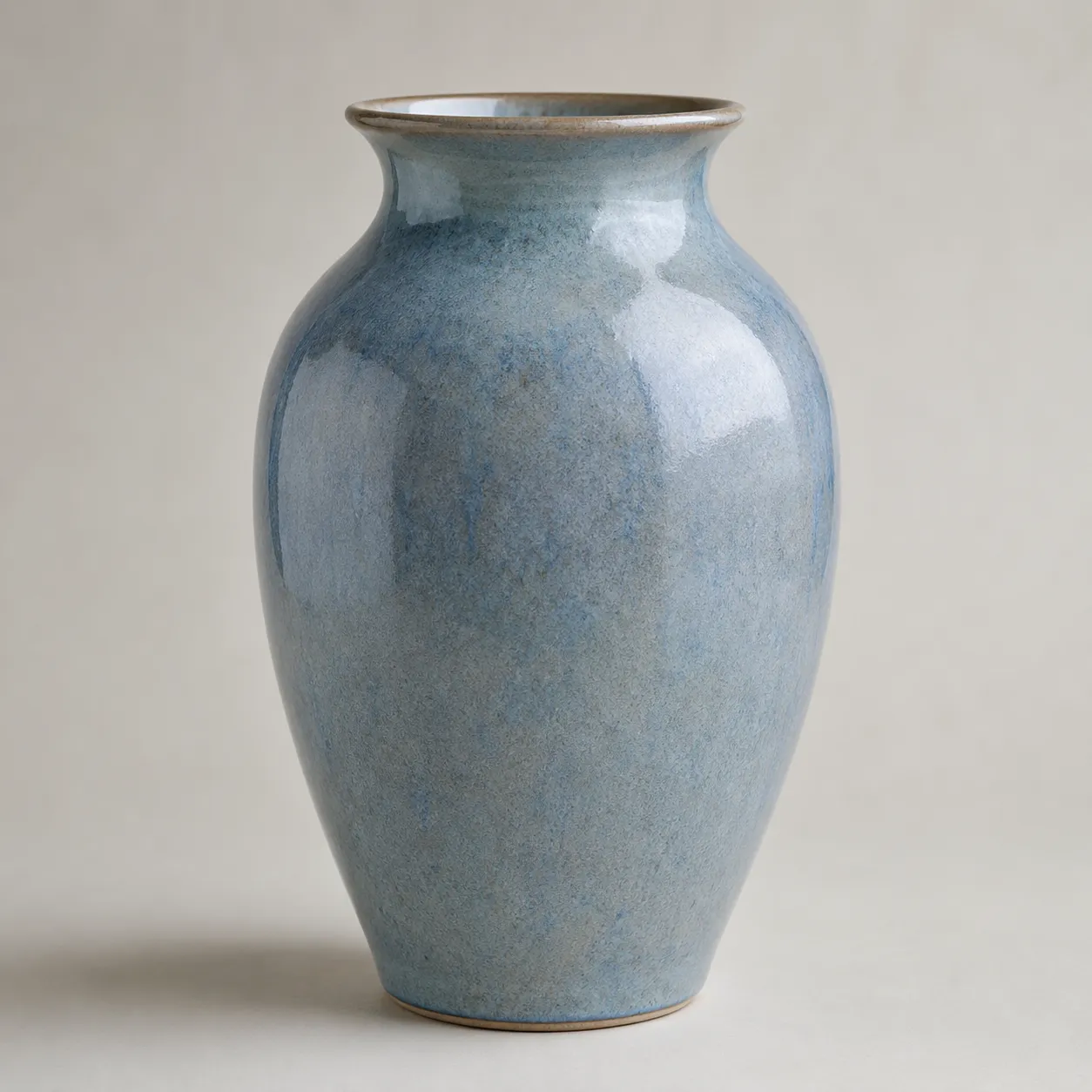
vasevɑːz
a container, often decorative, used for holding cut flowers.
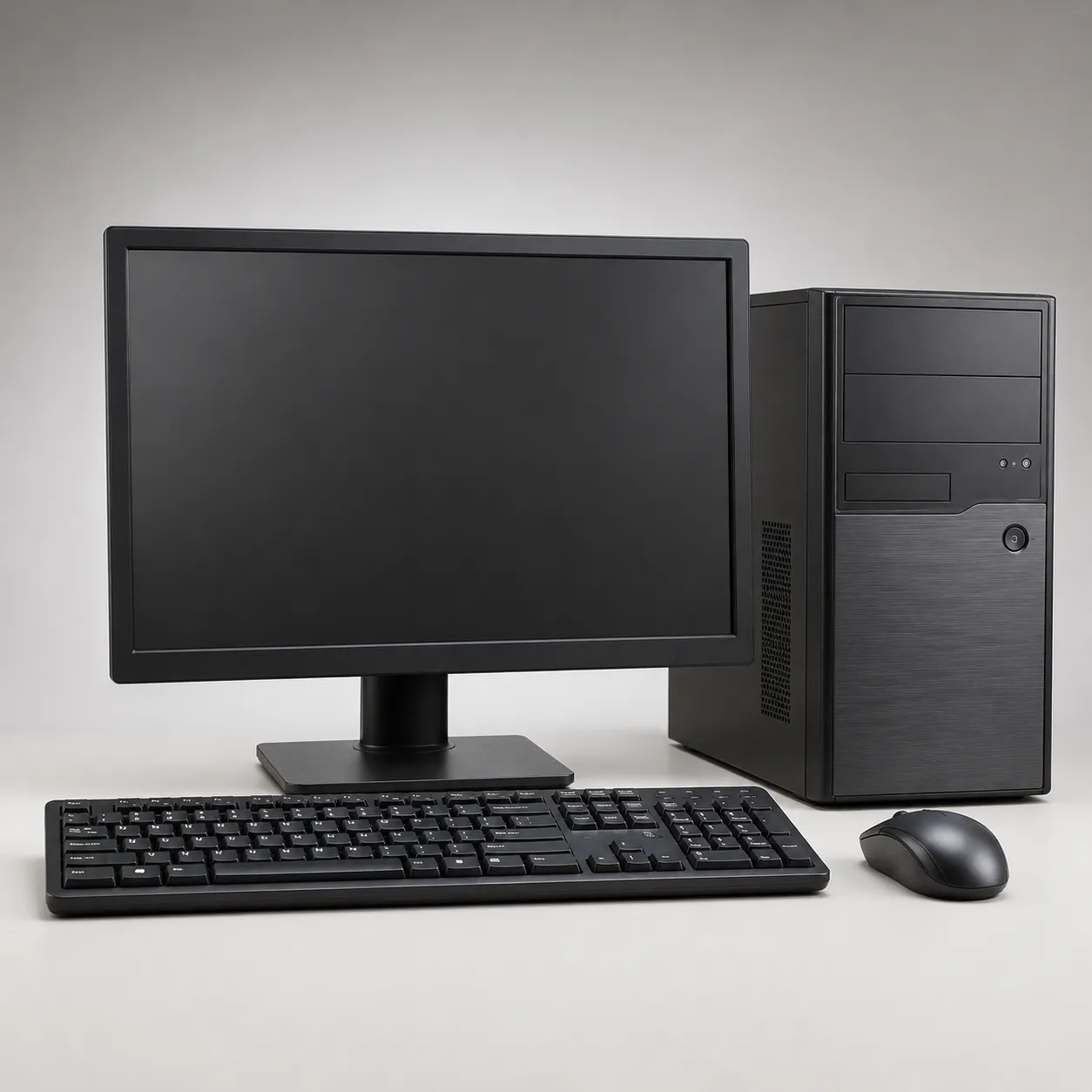
computerkəmˈpjuːtər
an electronic machine used to store information, run programs, and work with digital data.
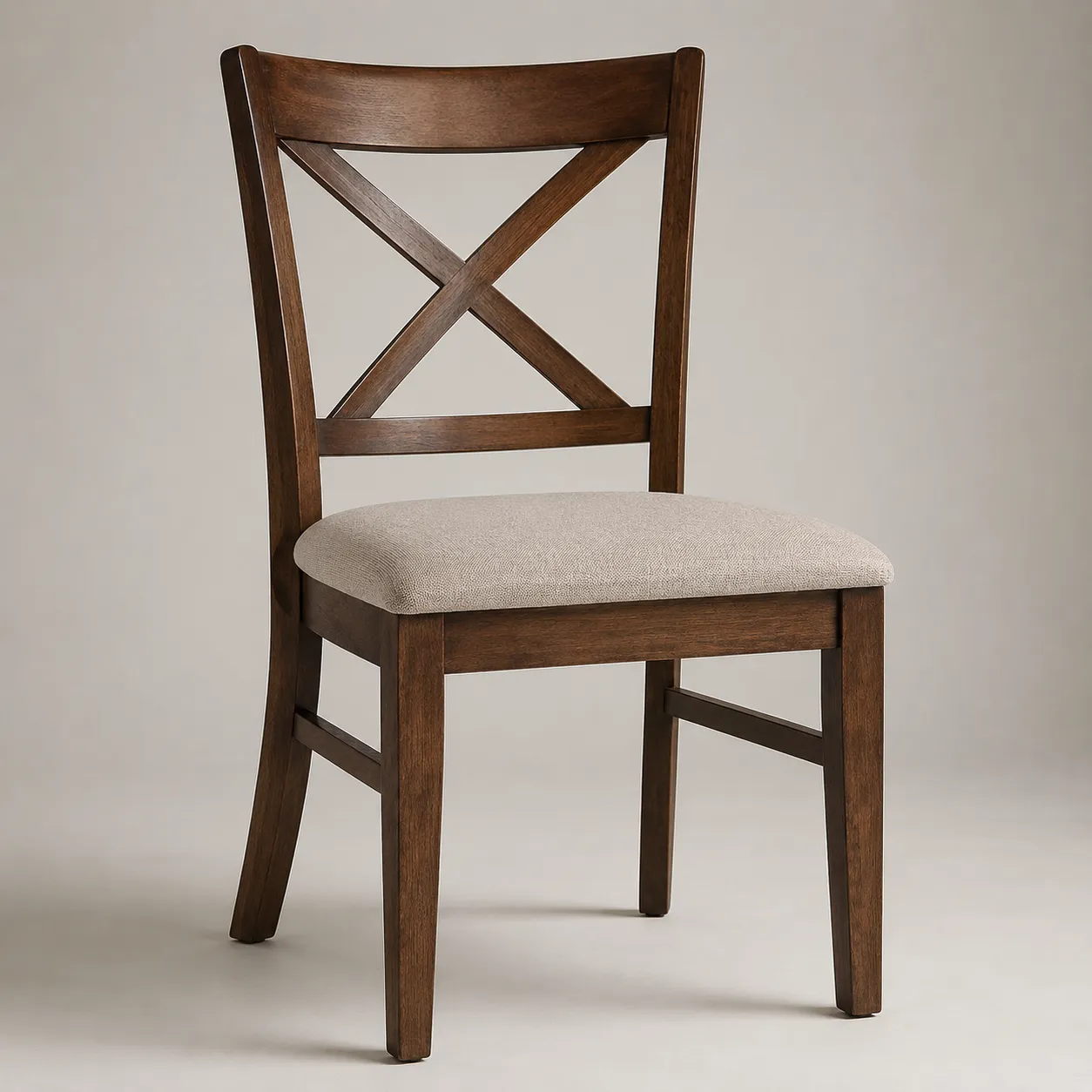
chairtʃer
a seat for one person with a back
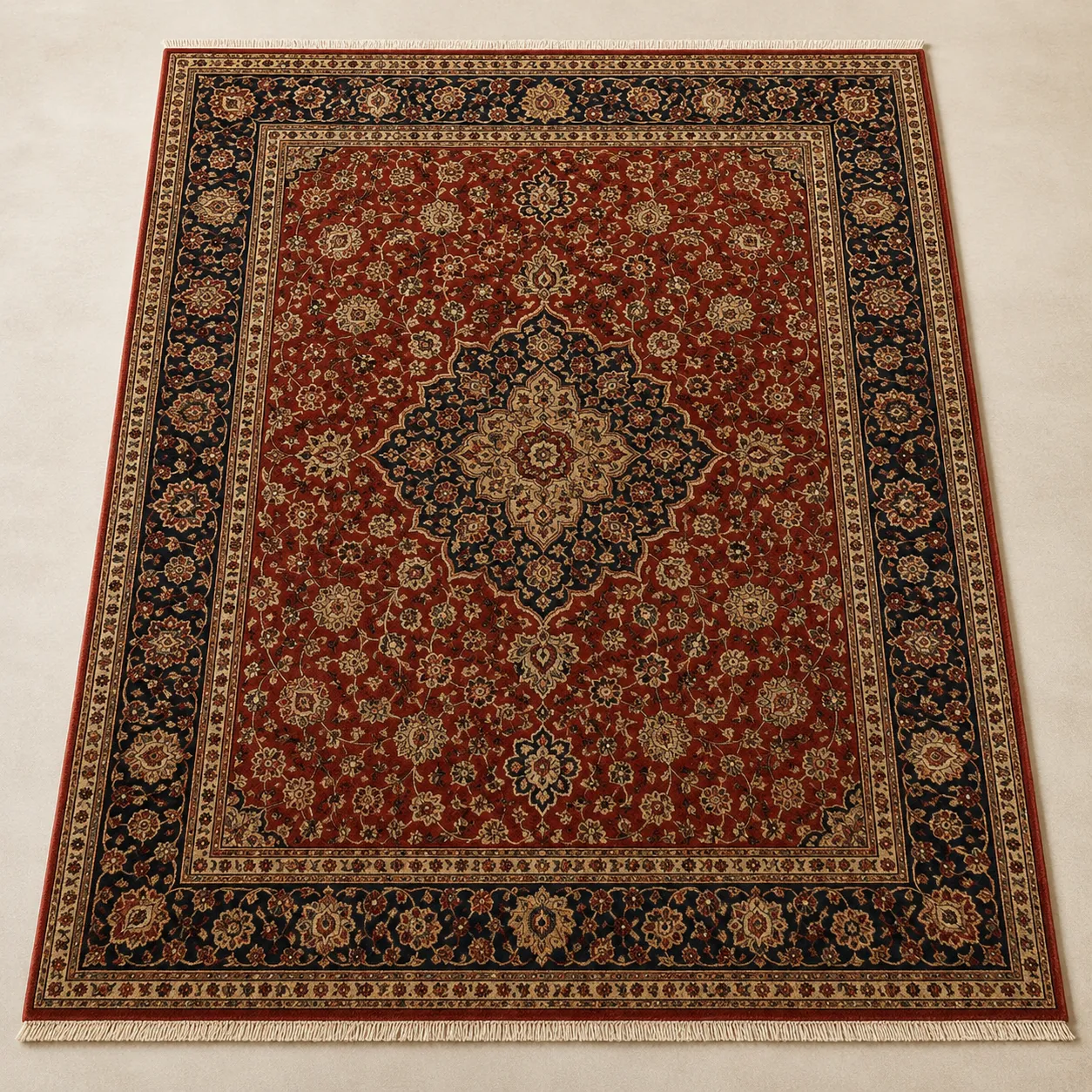
rugrʌɡ
a piece of thick soft material, smaller than a carpet, used to cover and decorate part of a floor.
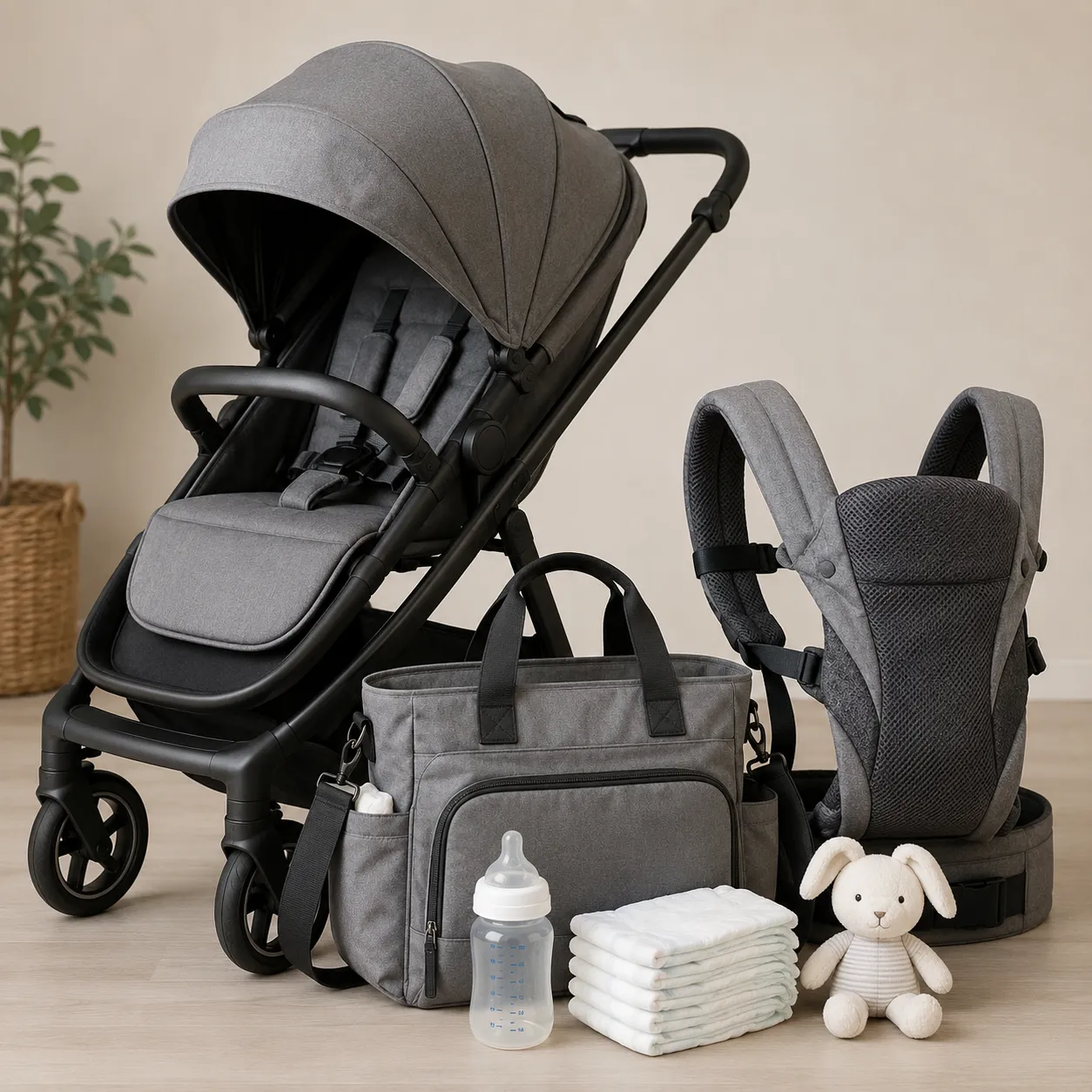
baby gearˈbeɪbi ɡɪr
the equipment and supplies that people use to care for a baby, such as a stroller, crib, bottles, or clothes.
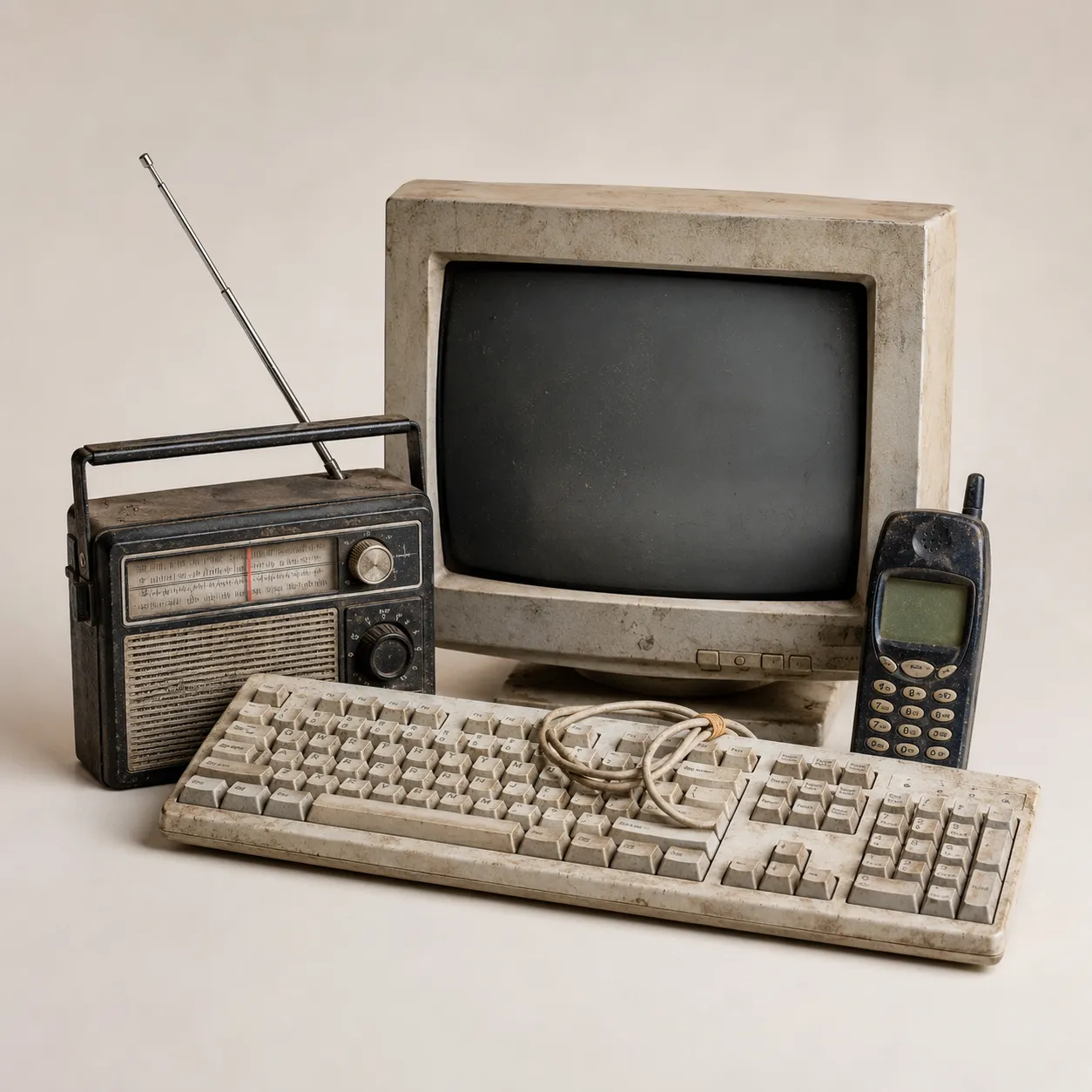
old electronicsoʊld ɪˌlɛkˈtrɑnɪks
electronic devices that are old, outdated, broken, or no longer used, such as phones, radios, or computers.
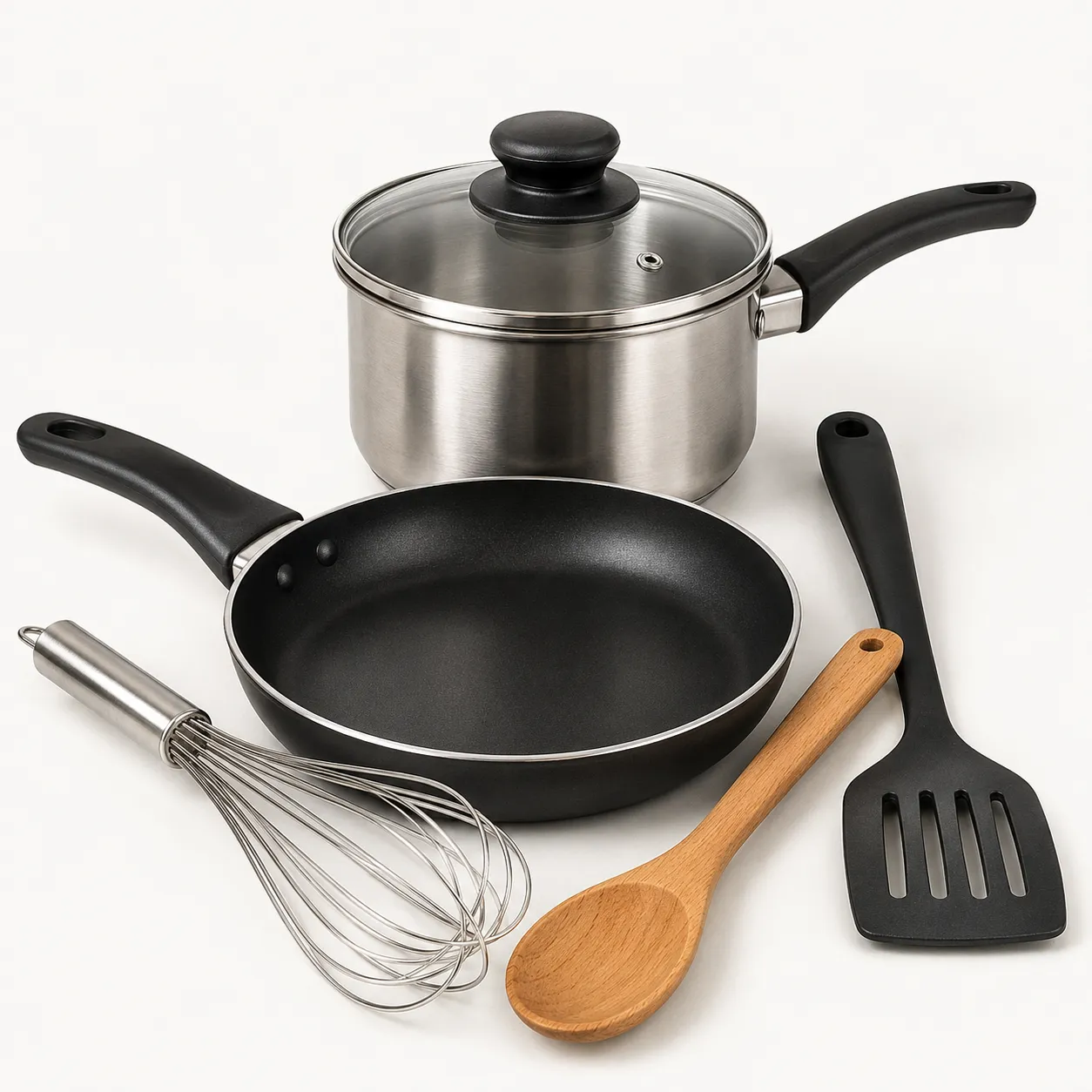
kitchenwareˈkɪtʃənˌwɛr
the tools, dishes, pans, and other objects that people use for cooking, serving, or storing food in a kitchen.
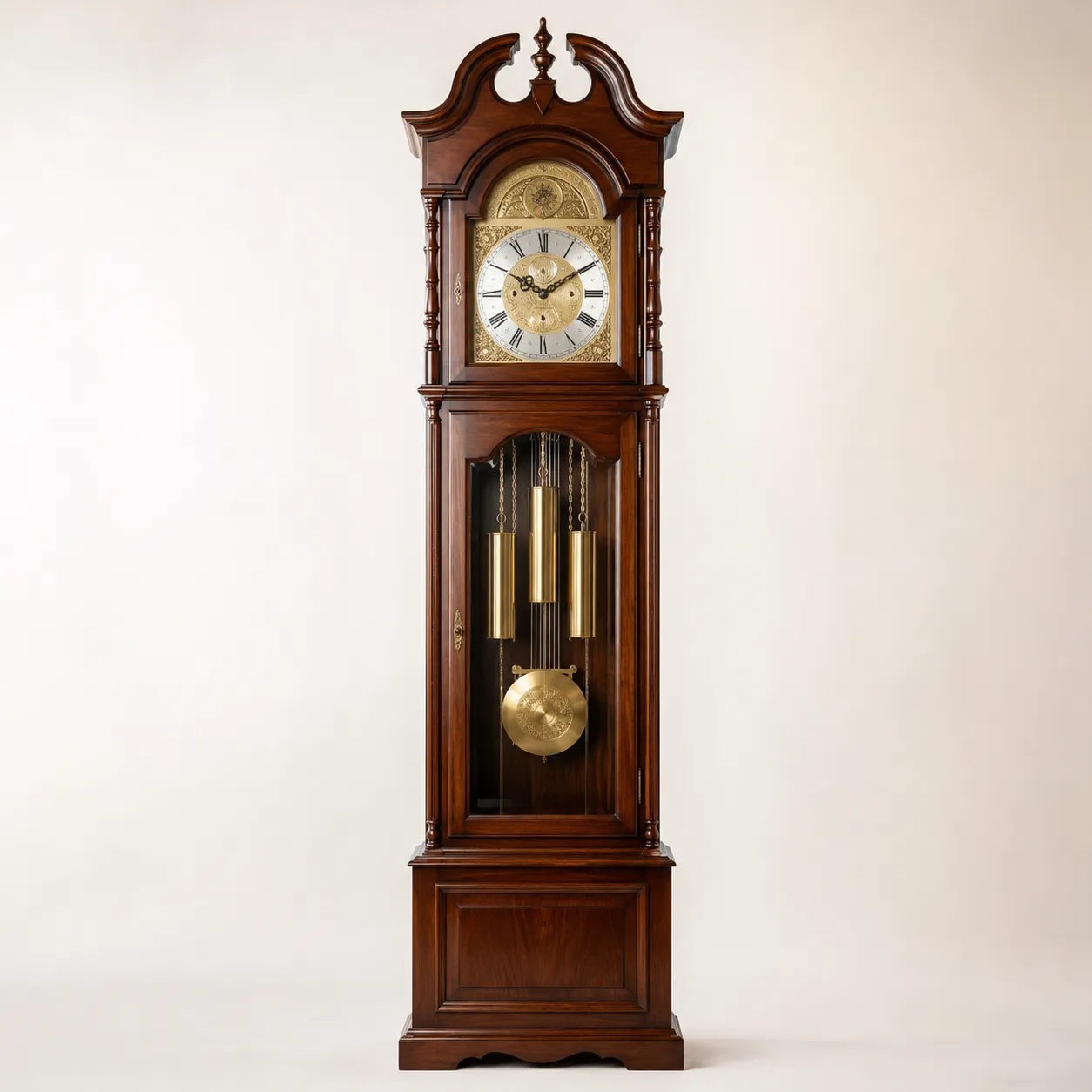
grandfather clockˈɡrænˌfɑːðər ˌklɑːk
a tall clock that stands on the floor and usually has a long pendulum swinging inside its case.
Hand tools, fasteners, building materials, paint supplies, spare parts, and words used during repairs.
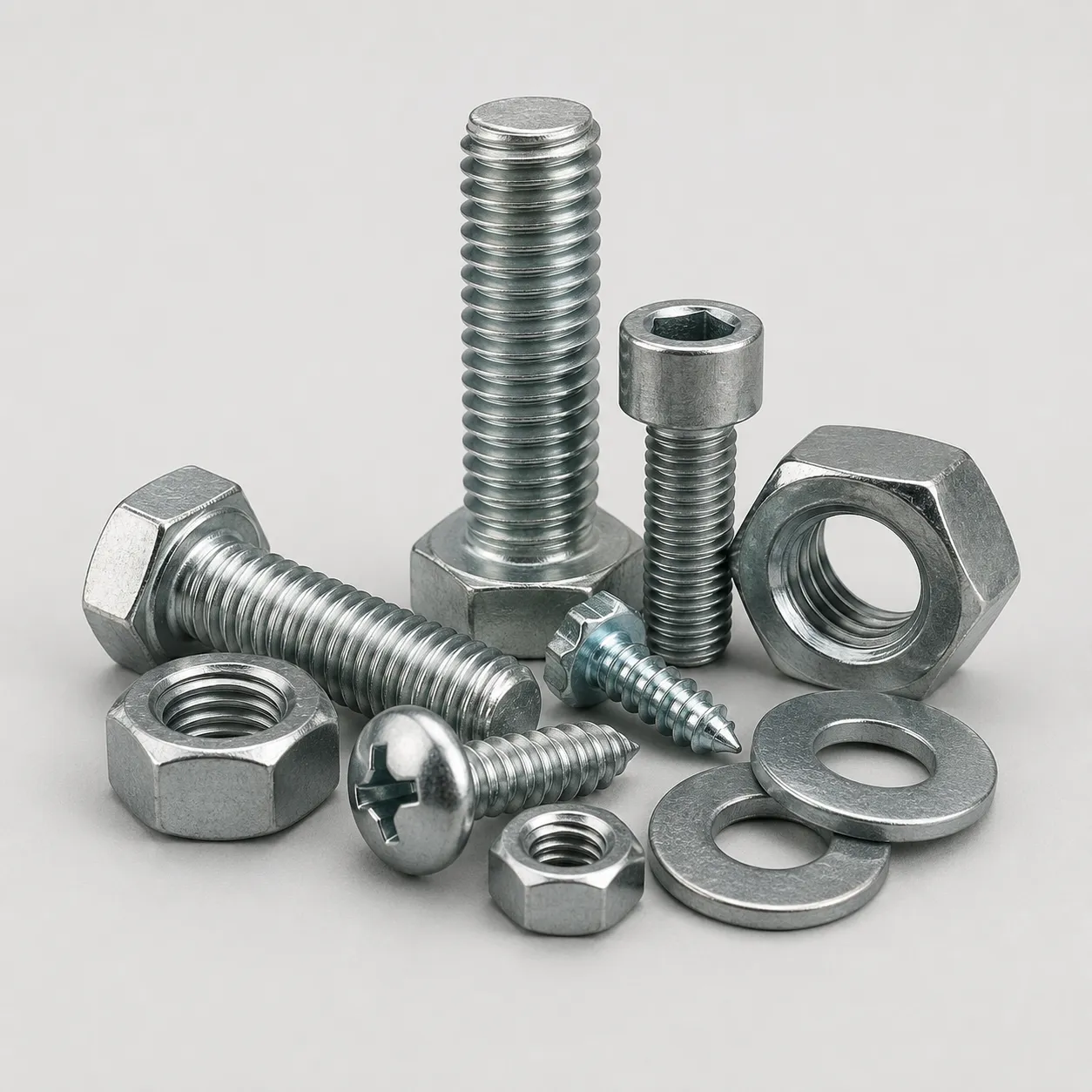
hardwareˈhɑːrdˌwɛr
metal parts such as handles, hinges, locks, screws, and knobs used on doors, furniture, or buildings.
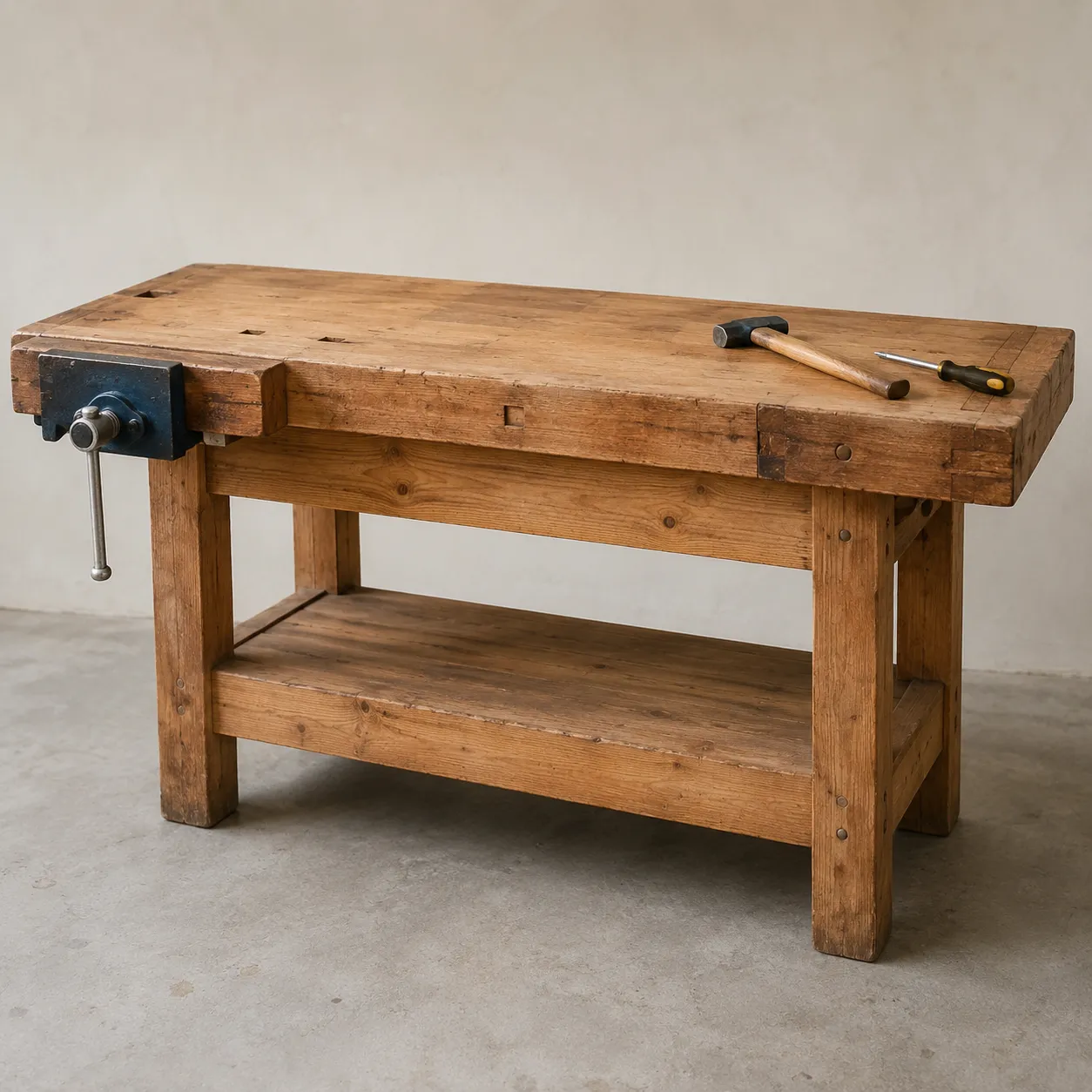
workbenchˈwɝːkˌbɛntʃ
a strong table used for making, repairing, or working on things with tools.
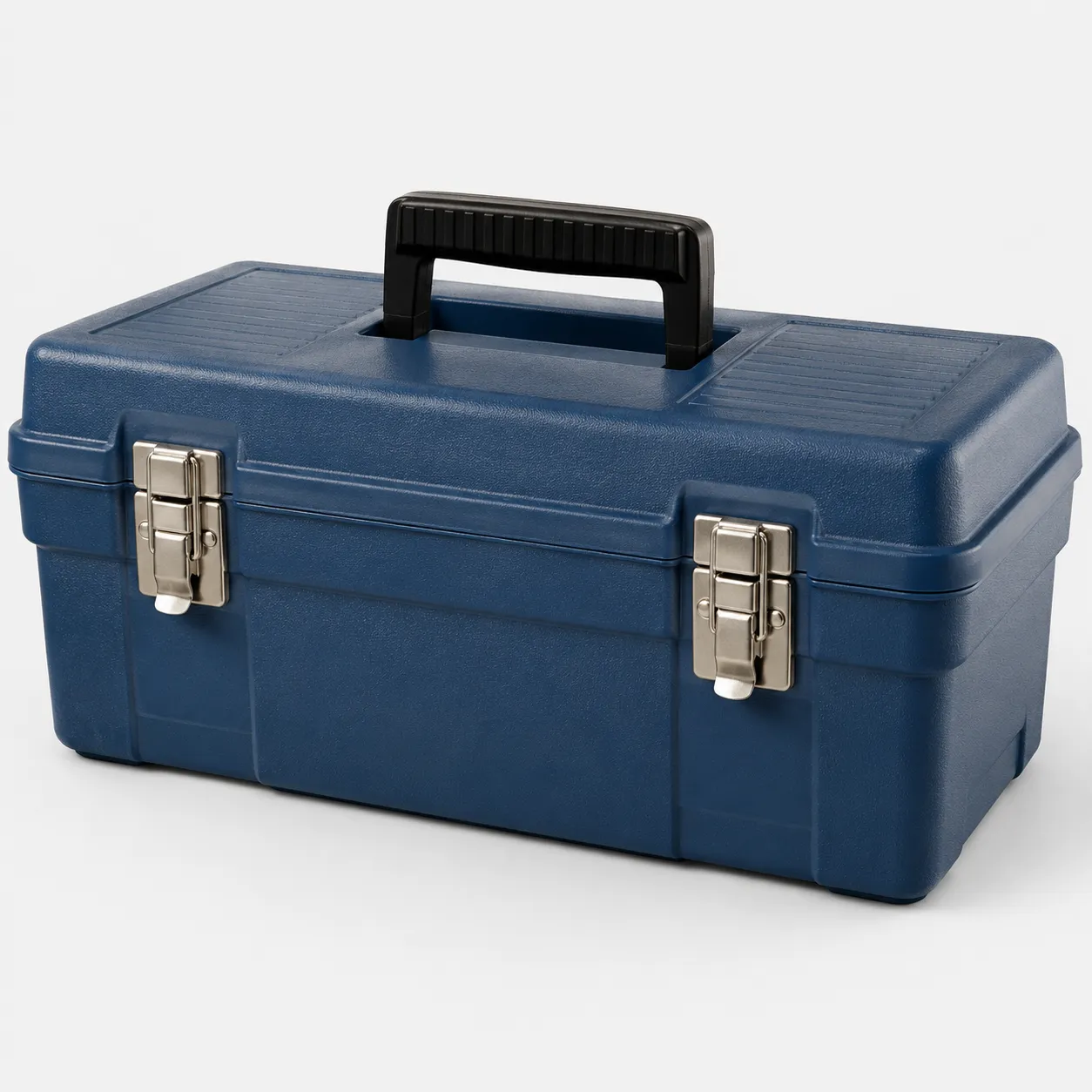
toolboxˈtuːlˌbɑːks
a box with a handle, used for keeping and carrying tools.
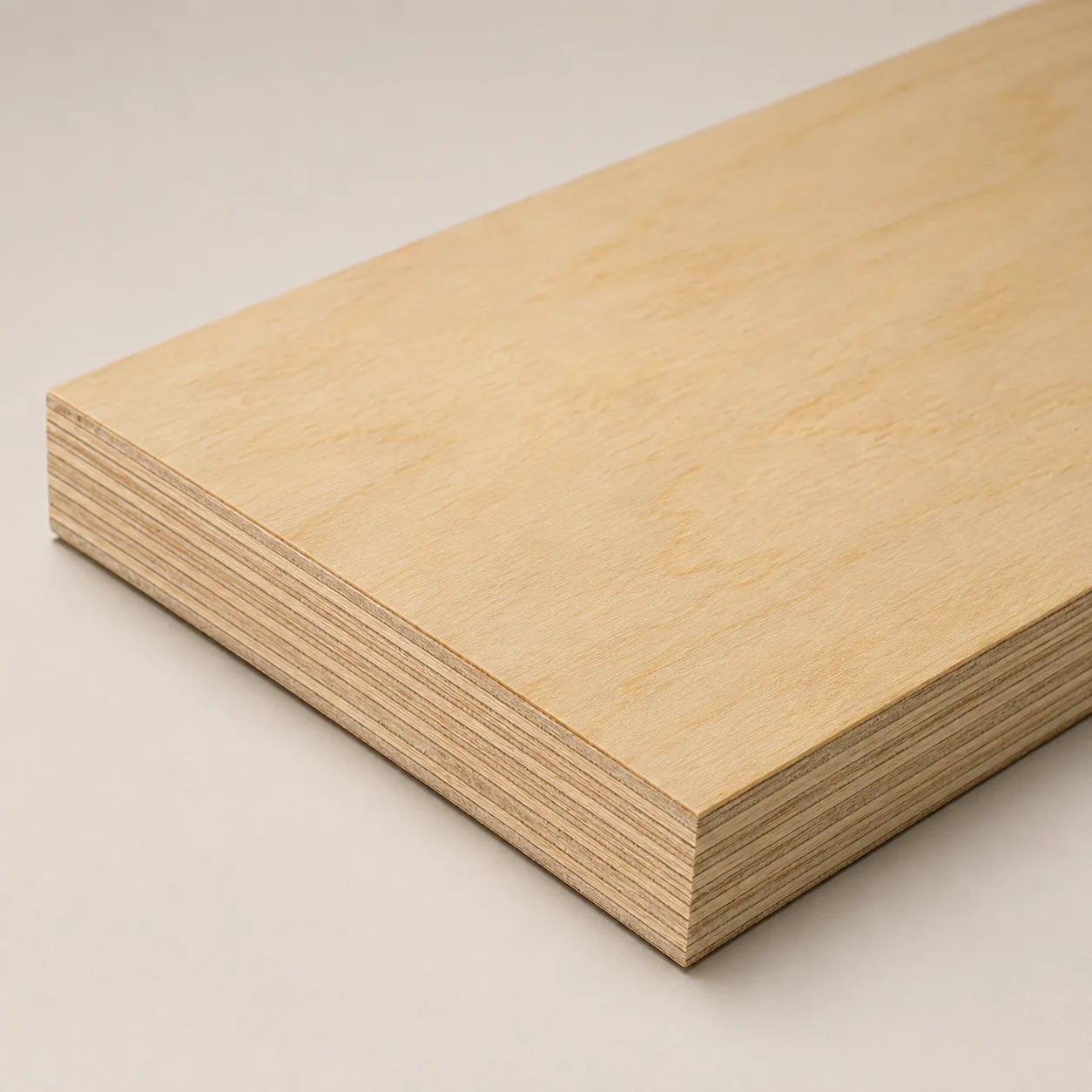
plywoodˈplaɪwʊd
a strong board made by gluing several thin layers of wood together.
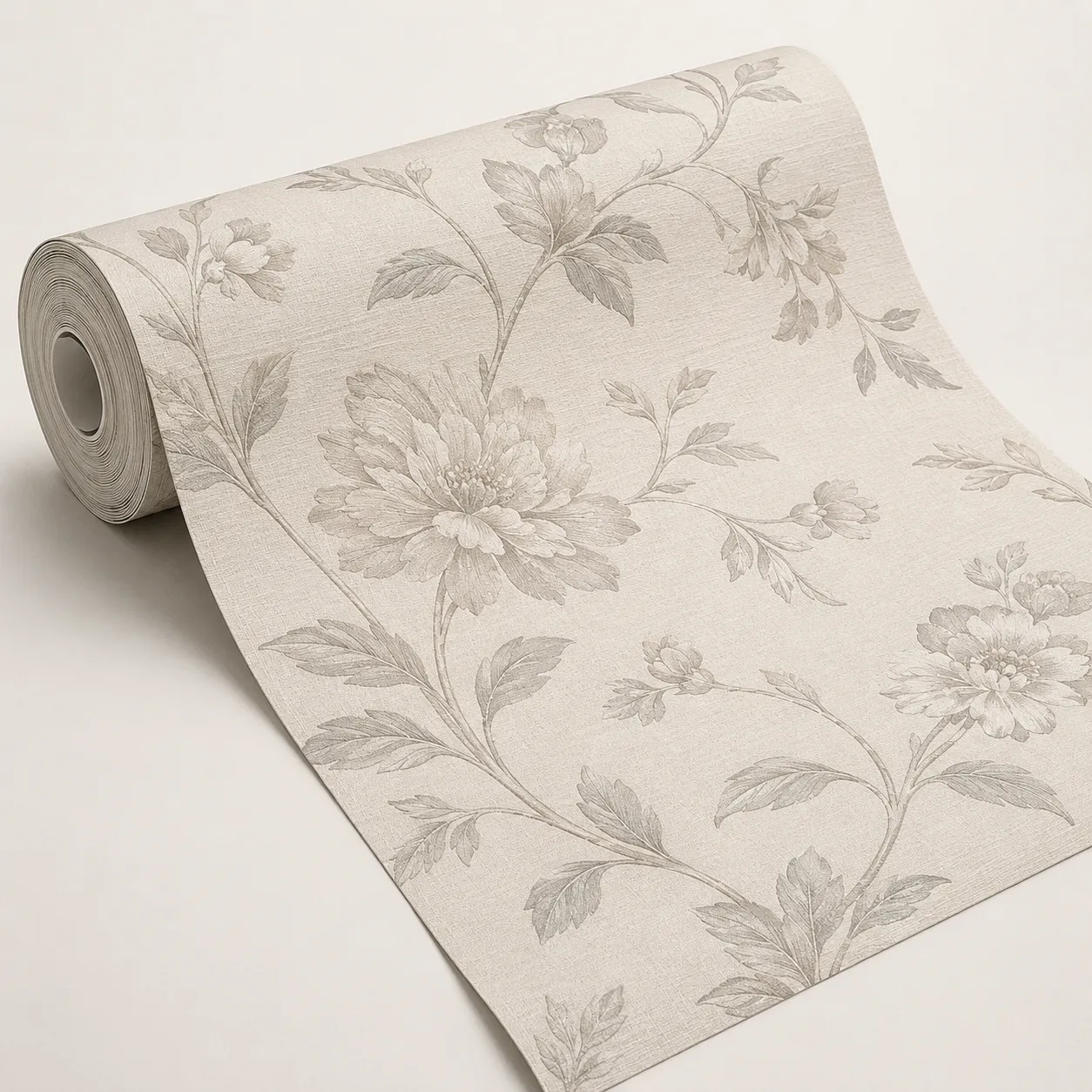
wallpaperˈwɔːlpeɪpər
decorative paper that is pasted onto the inside walls of a room.
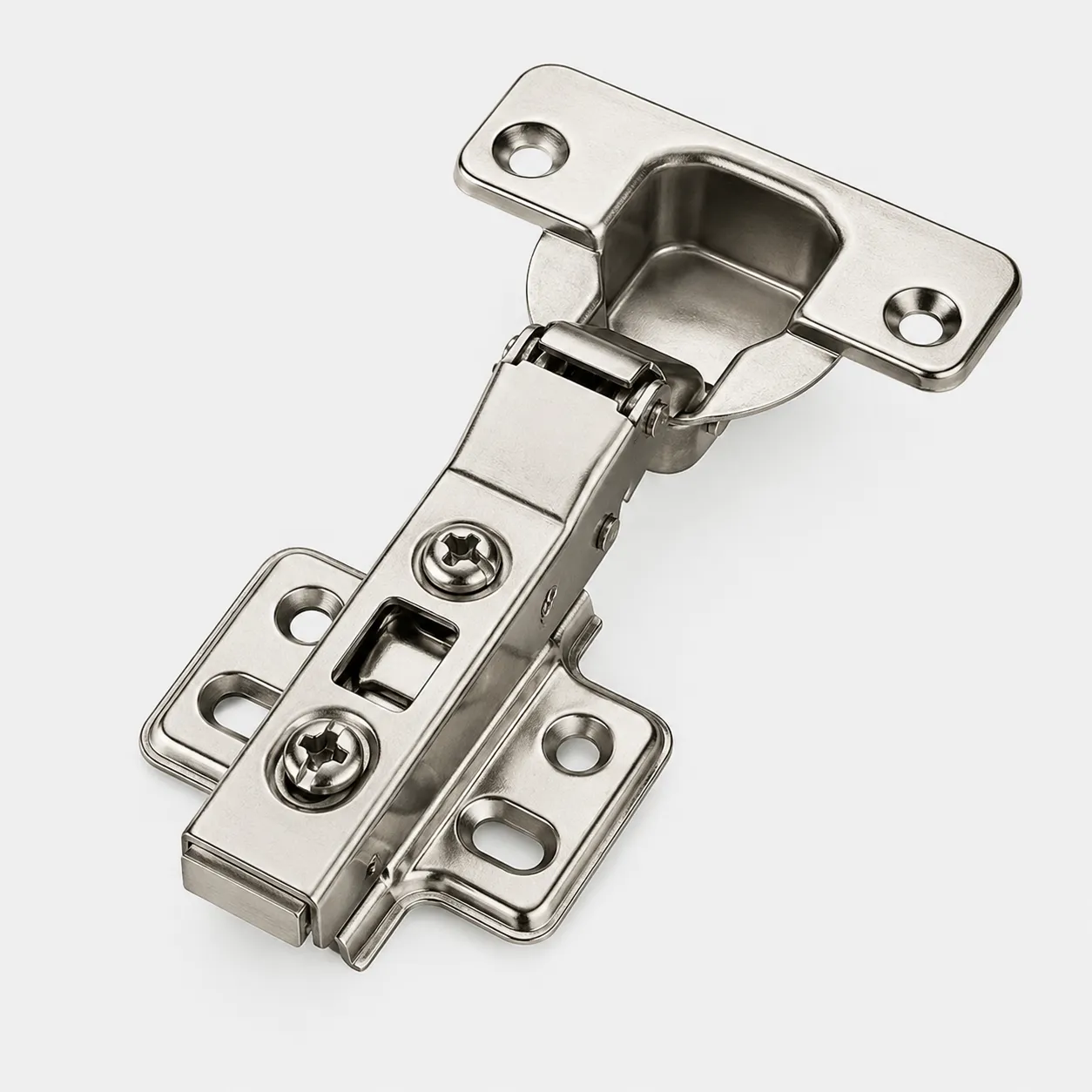
hingehɪndʒ
a metal part that joins a door, lid, or gate to something and lets it swing open and closed.
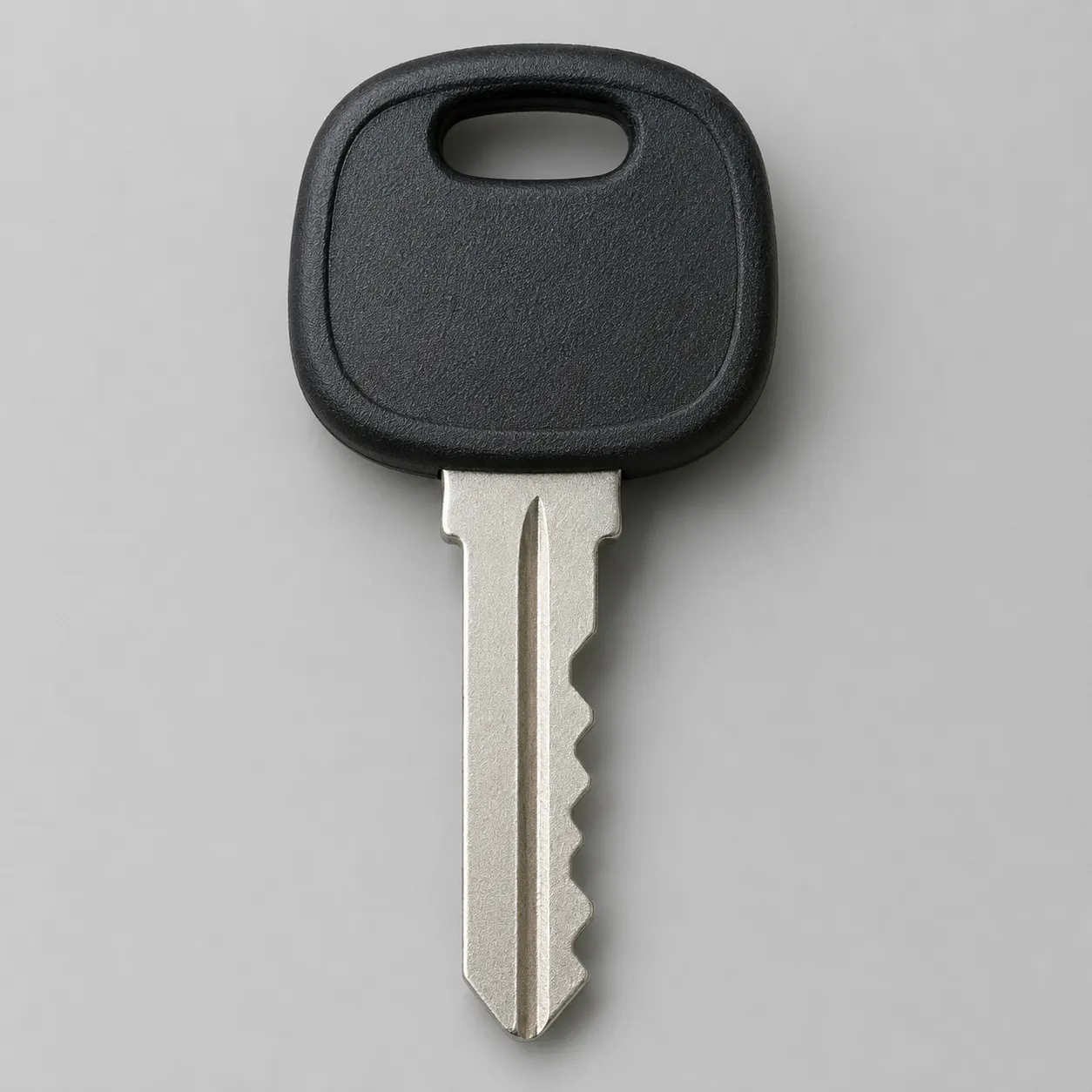
keykiː
a small object used to operate a lock, start a vehicle, or turn a mechanism
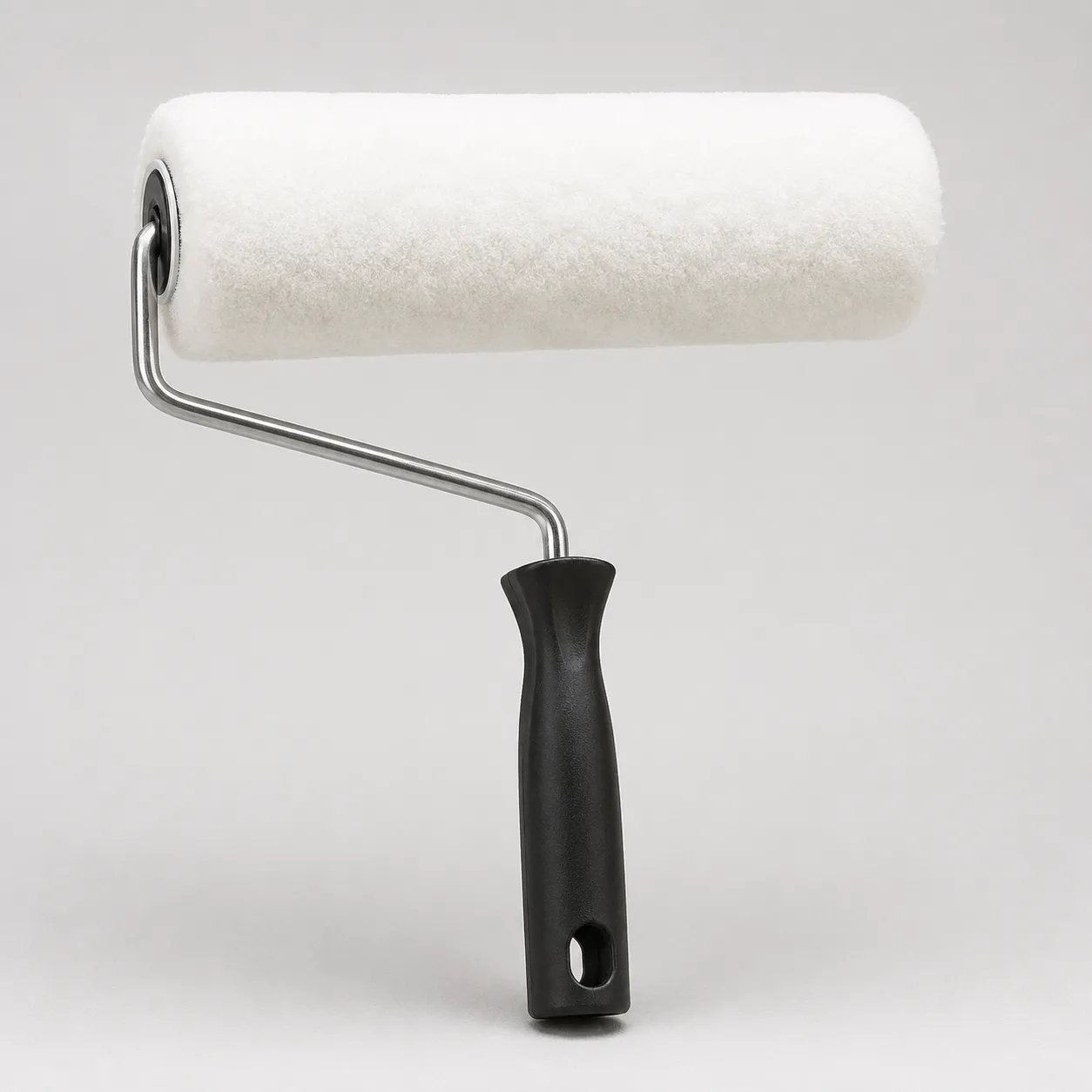
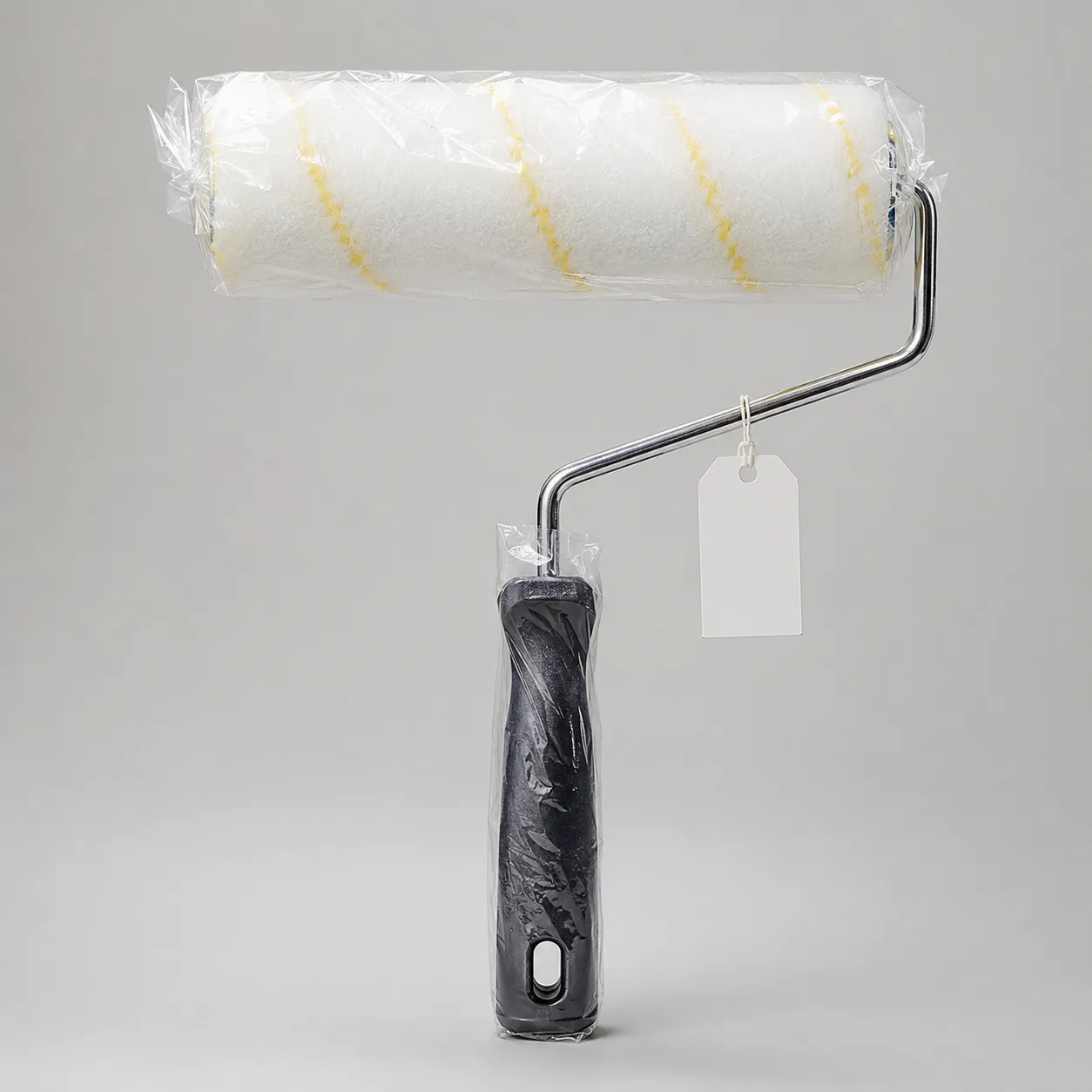
rollerˈroʊlər
a tool with a soft cylinder that turns, used for putting paint on walls or other large surfaces.
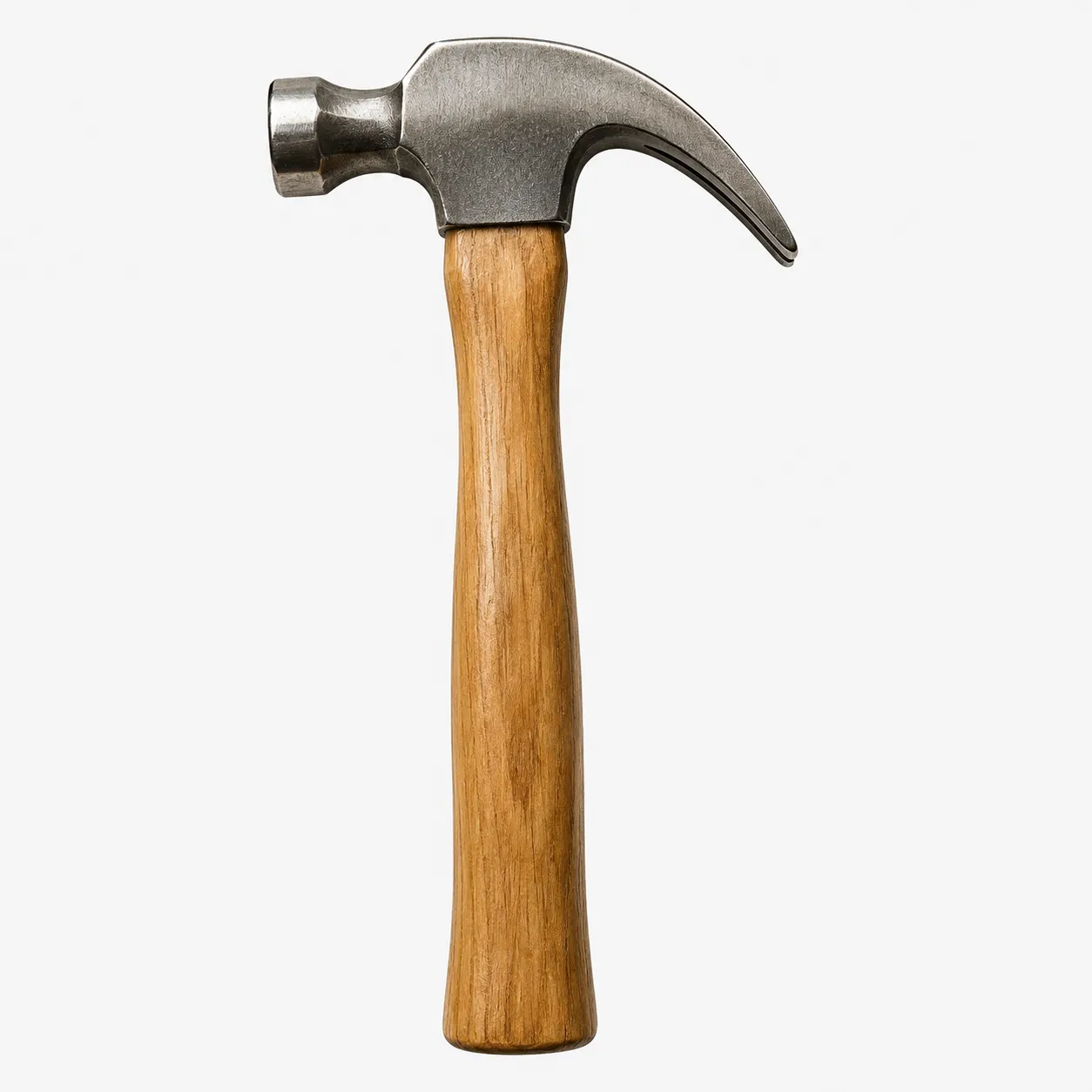
tooltuːl
an object that you hold or use with your hands to make, repair, or do something.
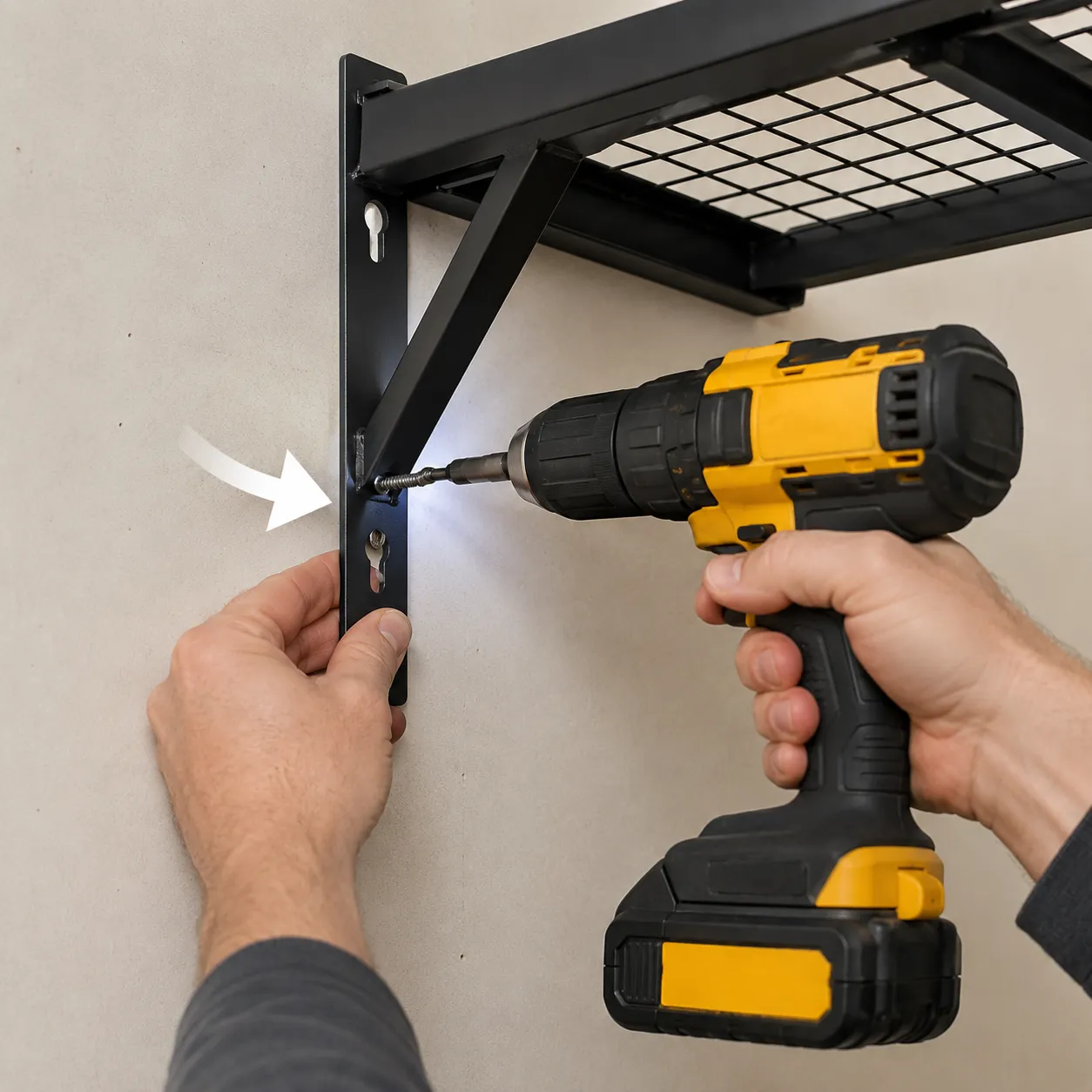
installɪnˈstɔːl
to put a piece of equipment, a system, or a computer program in place so that it is ready to use.
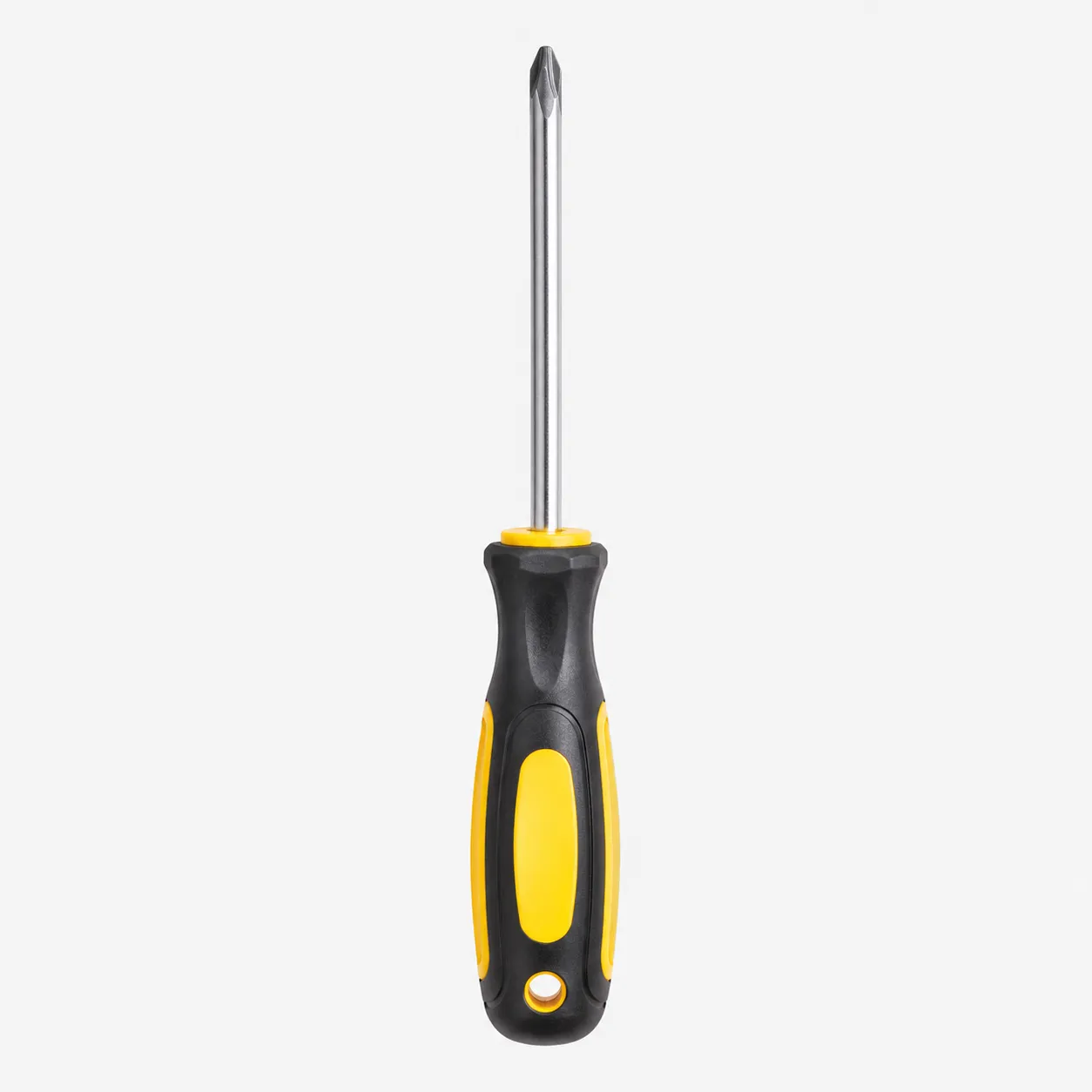
screwdriverˈskruːˌdraɪvɚ
a hand tool with a shaped tip, used to turn screws in or out.
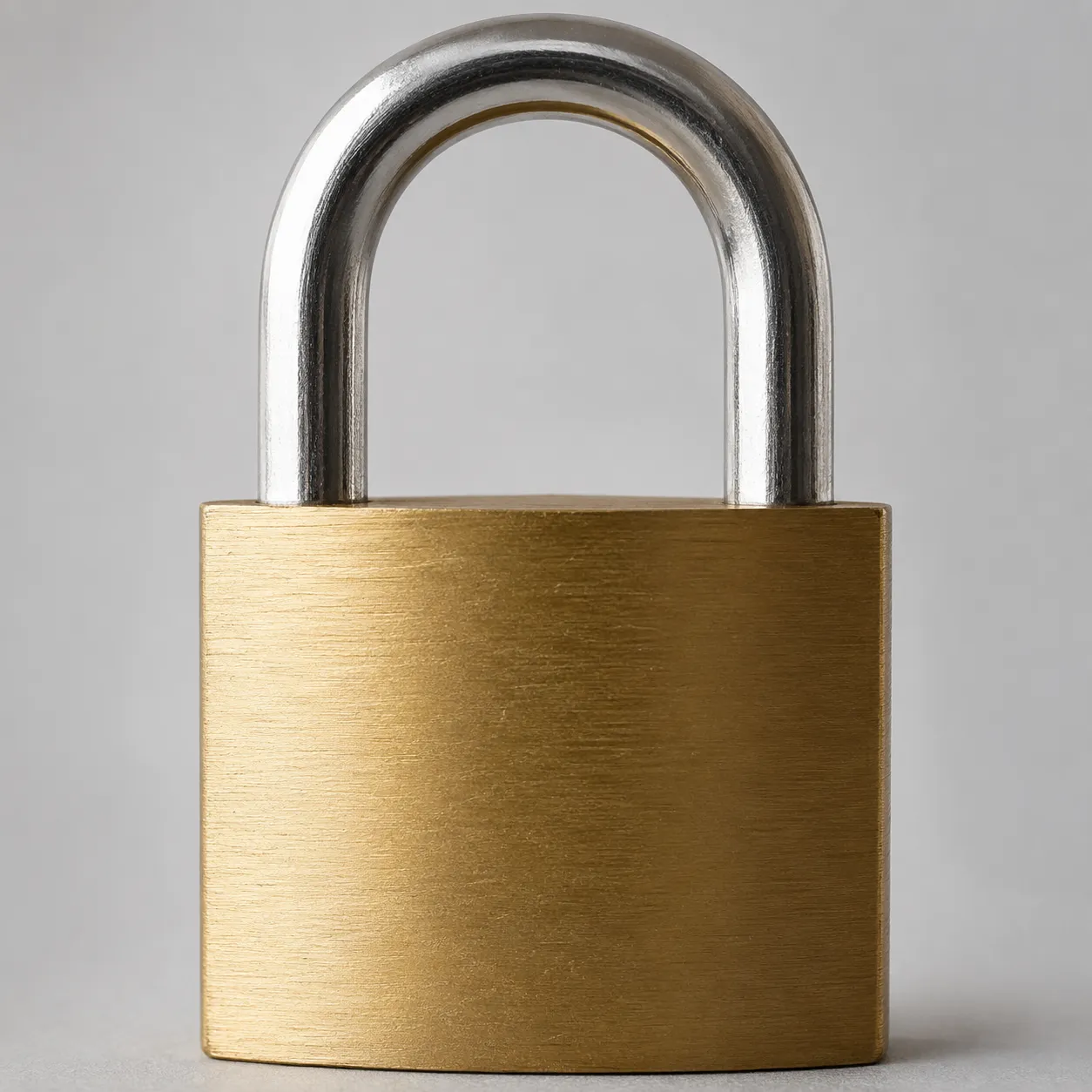
locklɑːk
a device on a door, drawer, or container that keeps it closed until opened with a key, code, or tool.
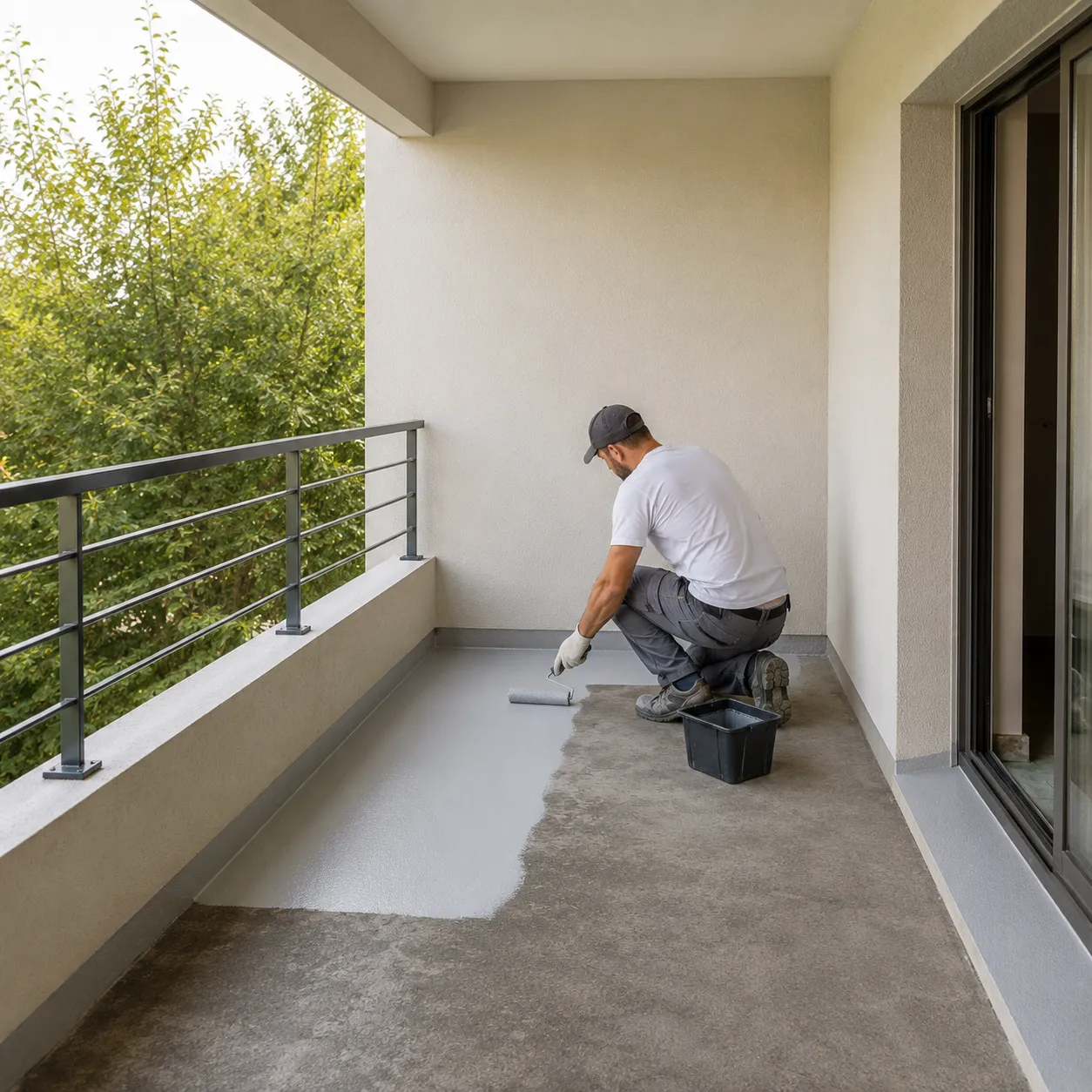
renovationˌrɛnəˈveɪʃən
the work of repairing and improving an old or damaged building, room, or other space.
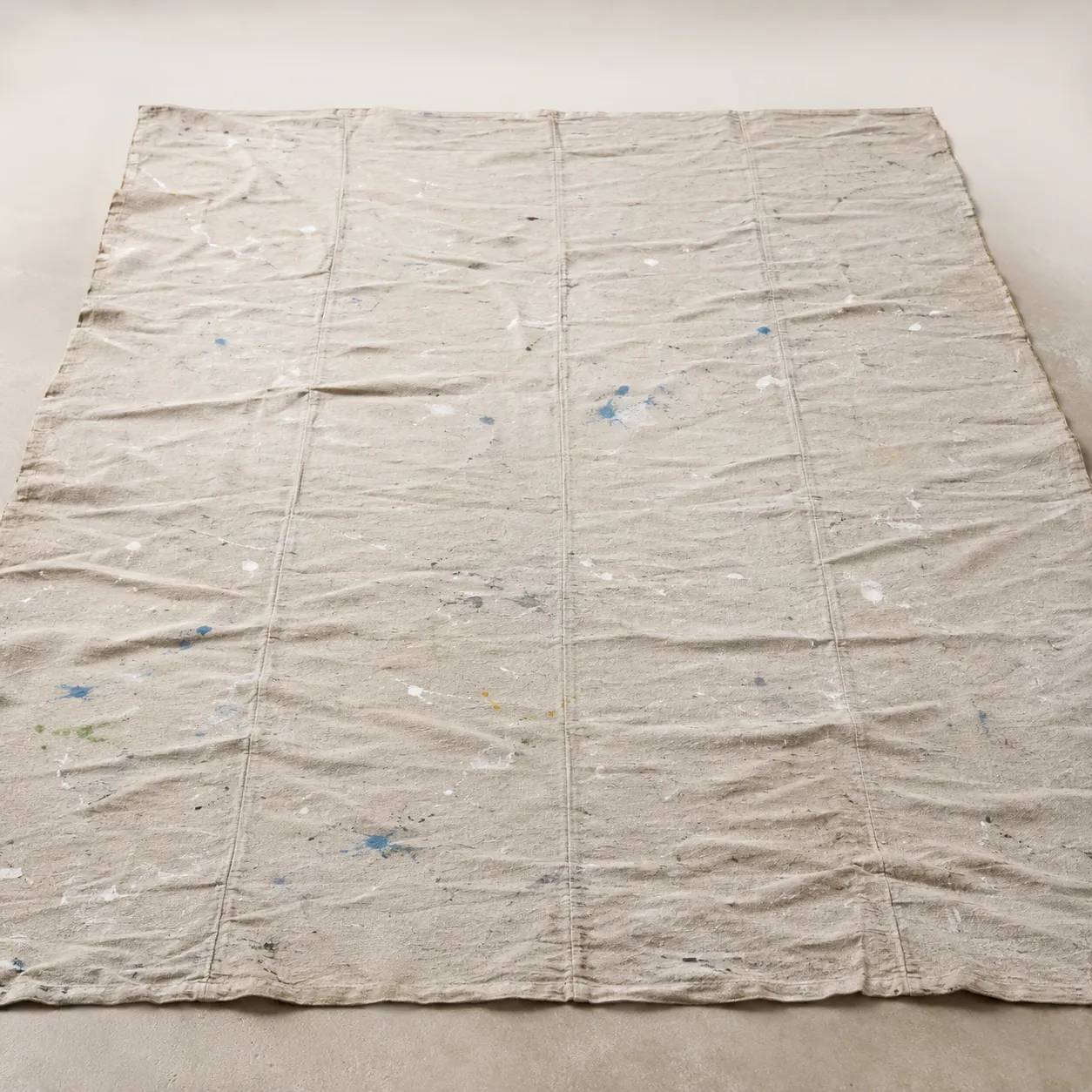
drop clothdrɑːp klɔːθ
a large piece of cloth or plastic spread over floors or furniture to protect them from paint, dust, or dirt.
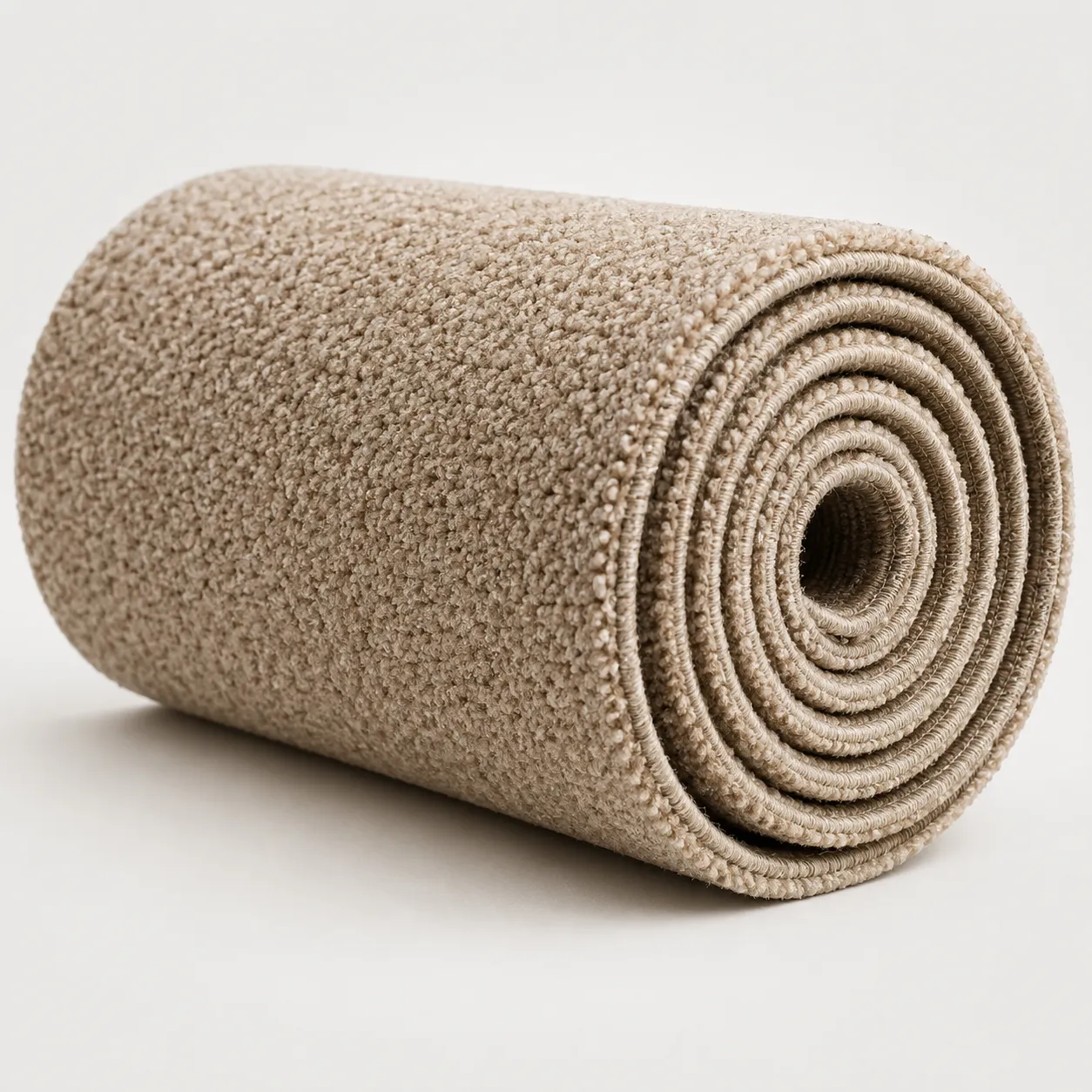
carpet rollˈkɑːrpət roʊl
a long piece of carpet wound into a cylinder for storage, transport, or sale.
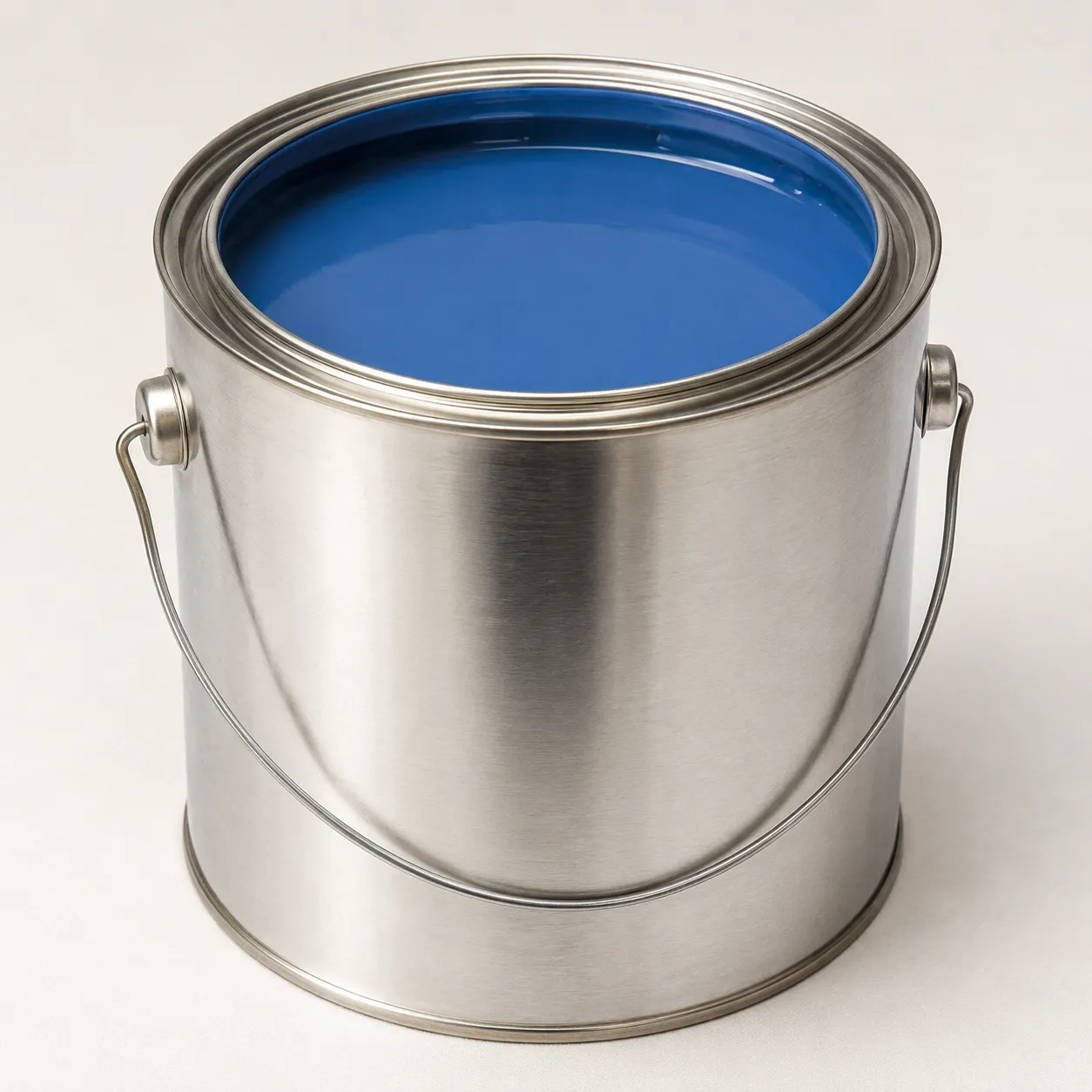
paint canpeɪnt kæn
a metal container that holds paint and usually has a removable lid.
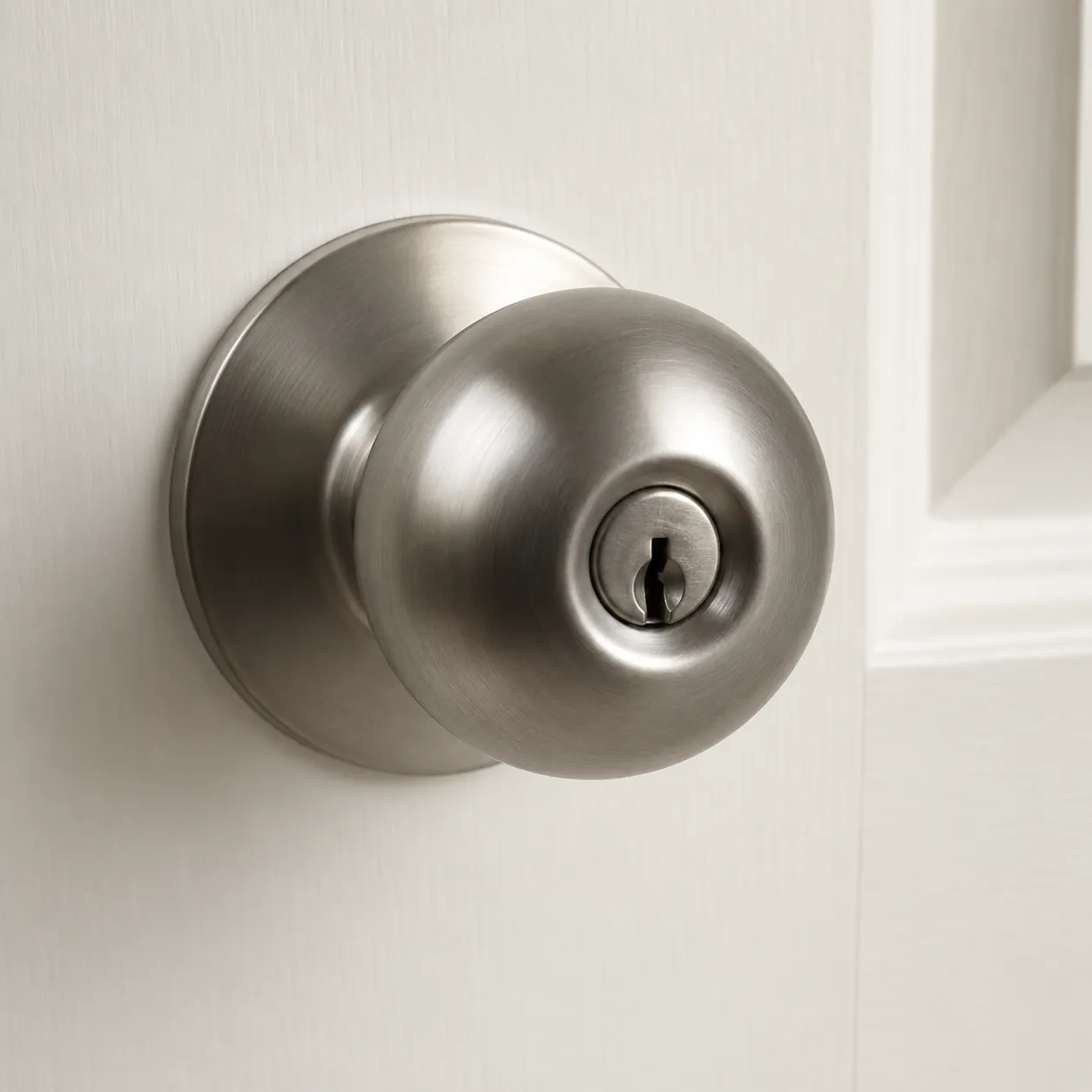
doorknobˈdɔːrnɑːb
a round handle on a door that you turn or pull to open or close the door.
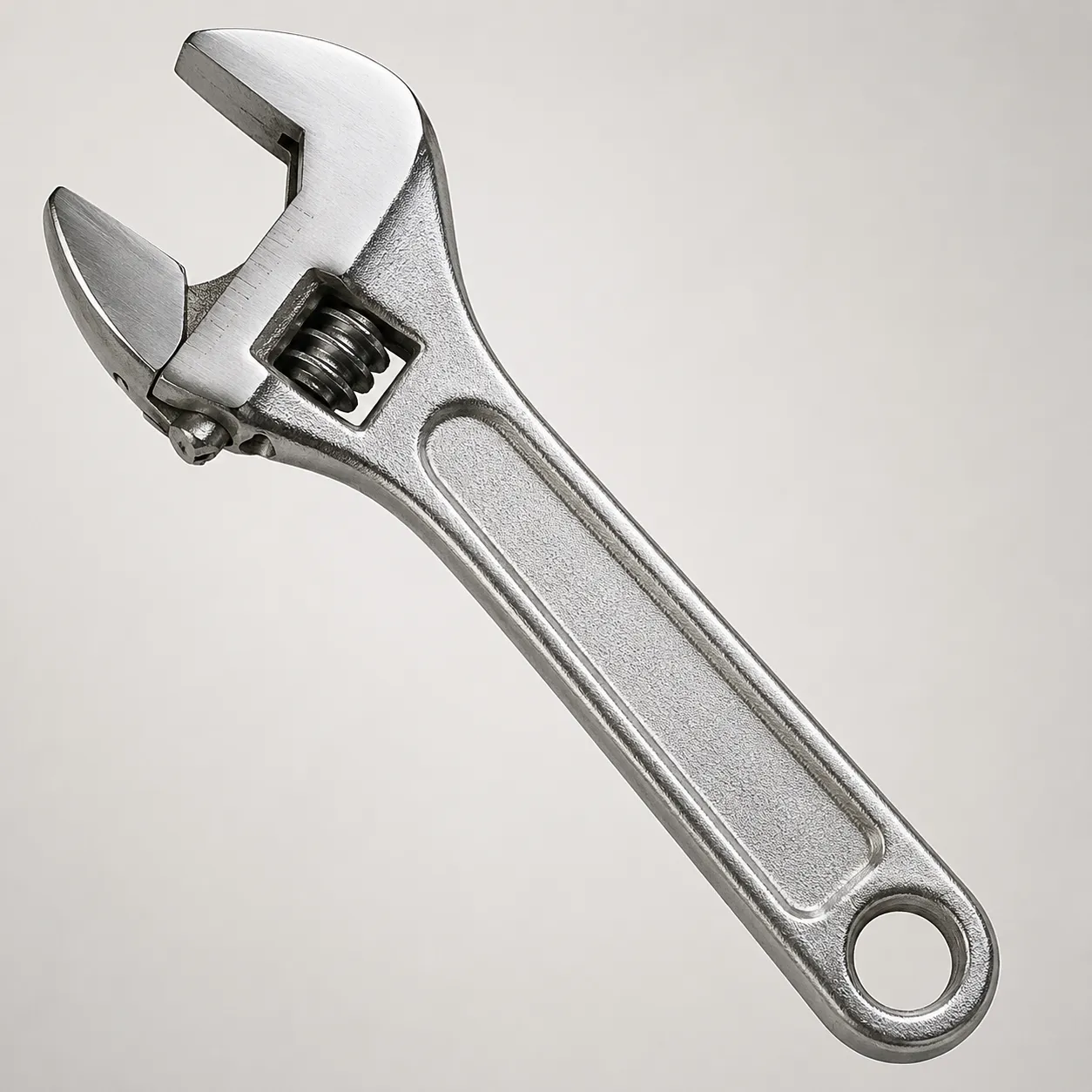
wrenchrentʃ
a hand tool used to grip and turn nuts, bolts, pipes, or other parts, often with an adjustable opening.
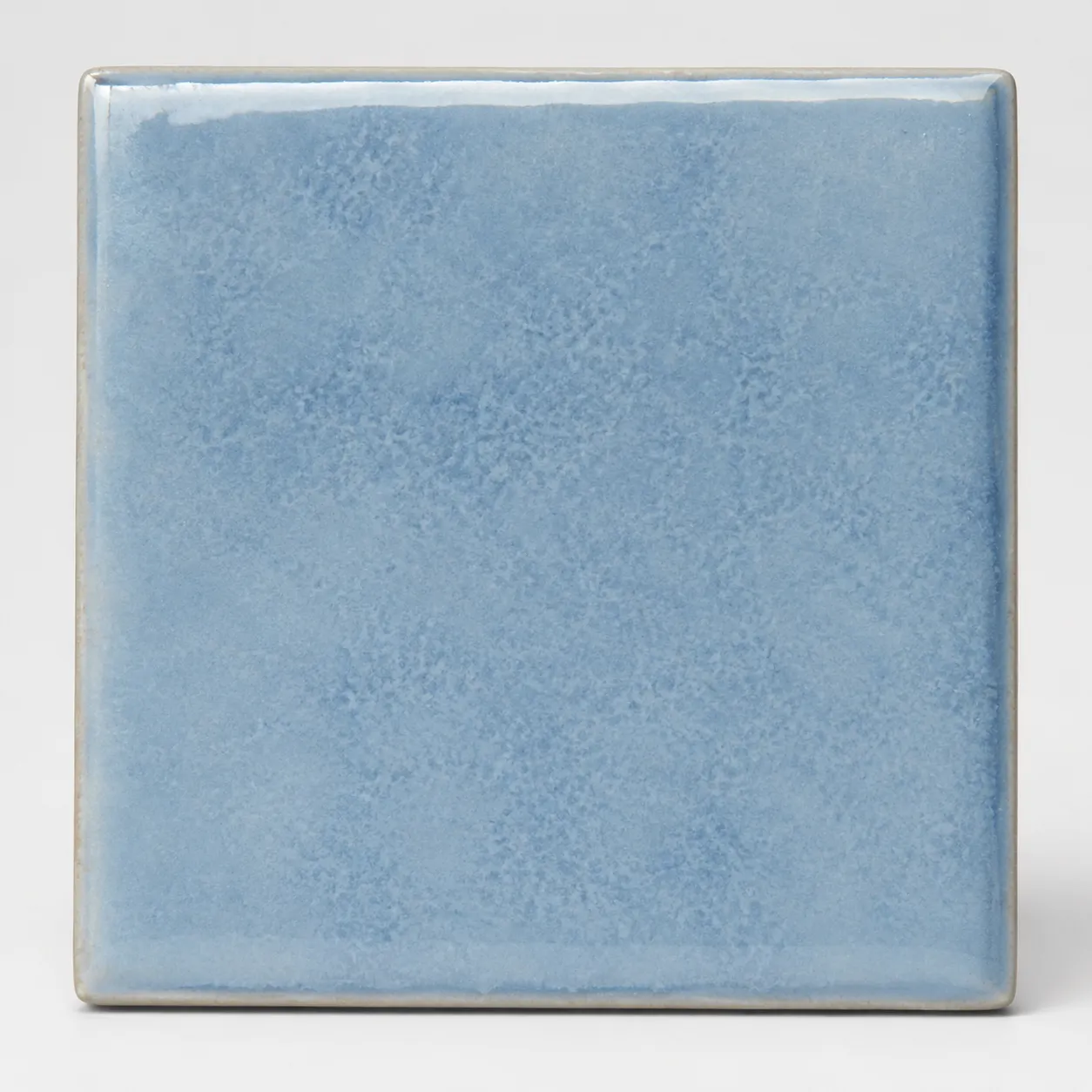
tiletaɪl
a flat piece of baked clay, stone or similar hard material used for covering walls, floors or roofs.
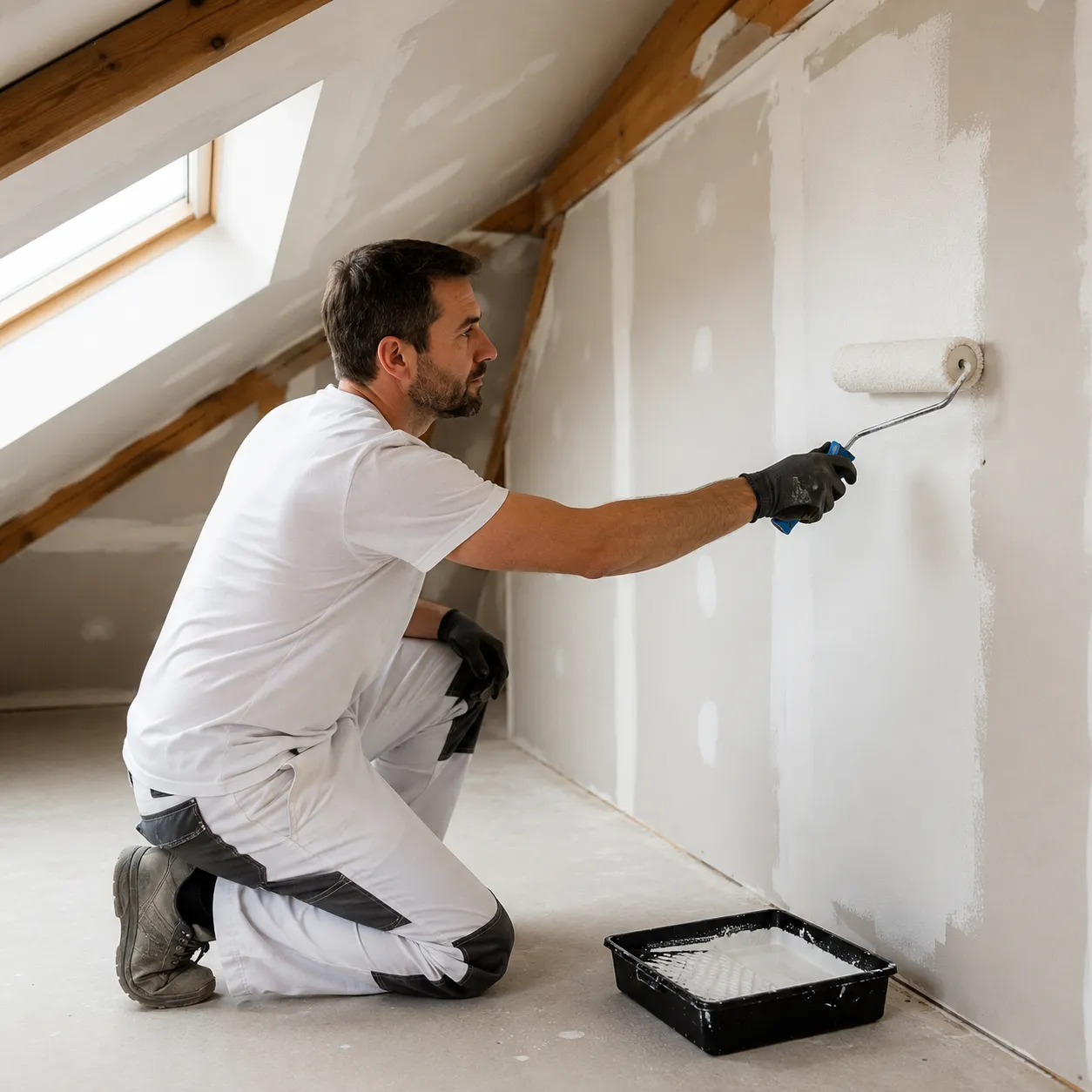
renovateˈrɛnəˌveɪt
to repair and improve an old building, room, or object so that it is in good condition again.
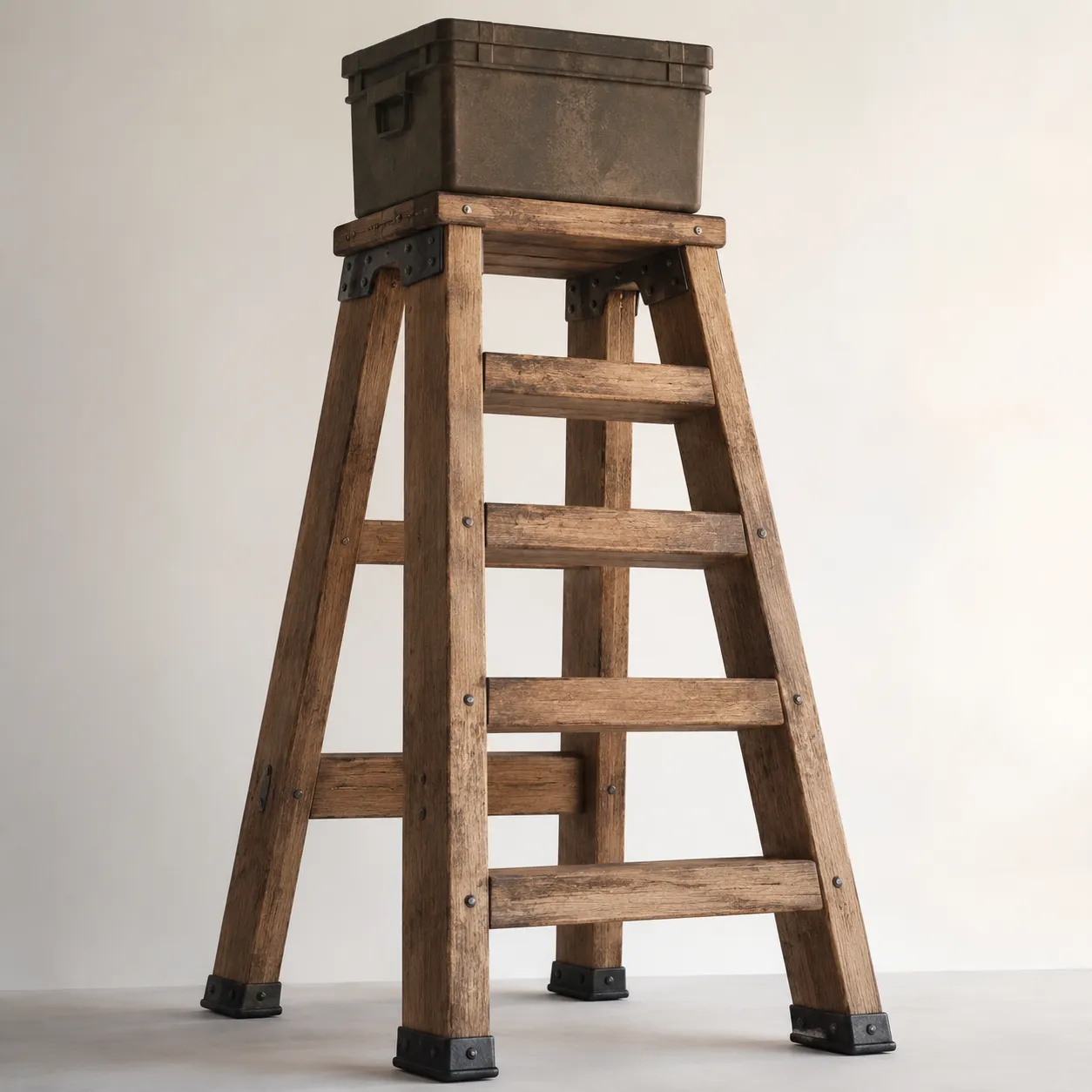
sturdyˈstɝːdi
strongly made and not easily broken, damaged, or knocked over.
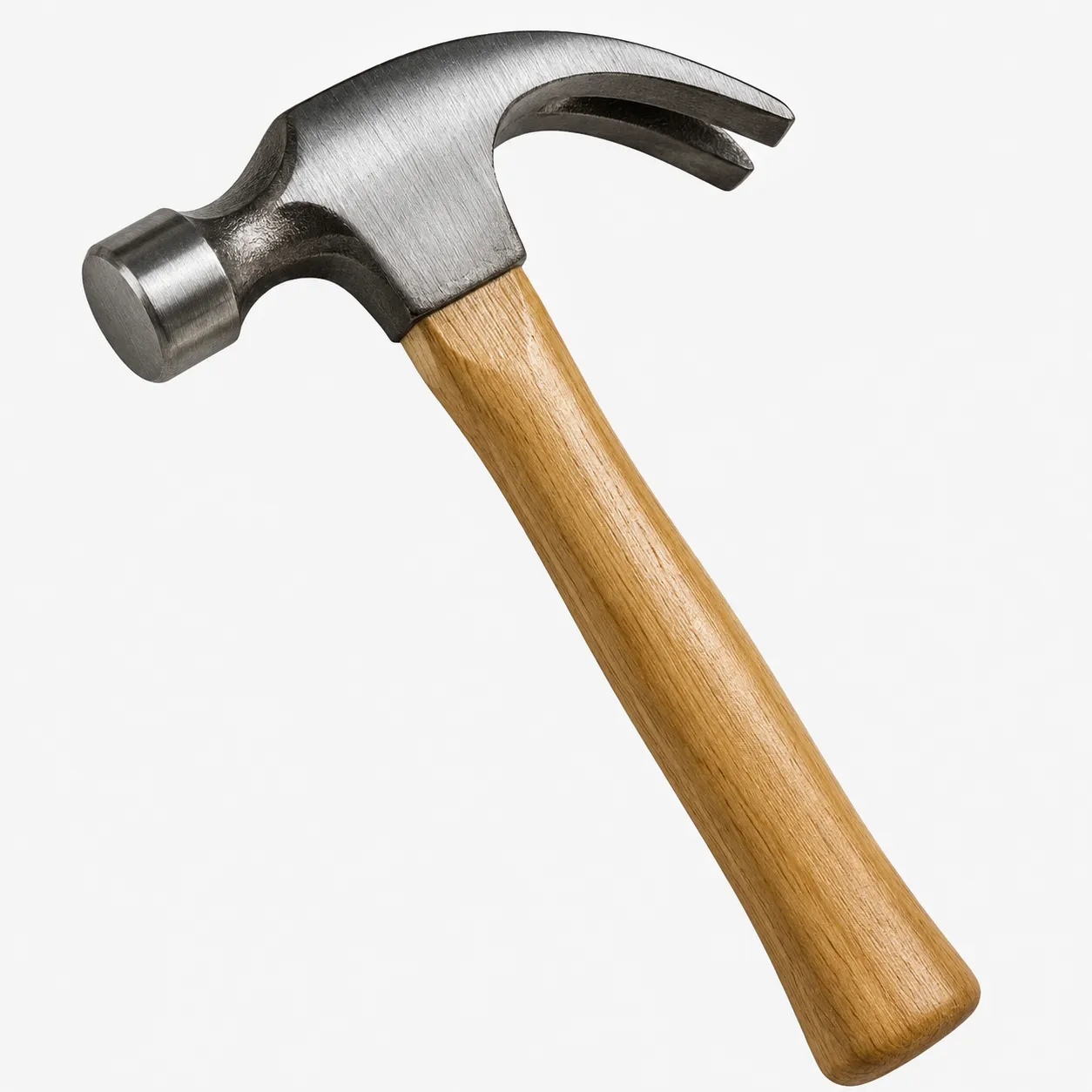
hammerˈhæmɚ
a tool with a heavy metal head and a handle, used especially for hitting nails into wood.
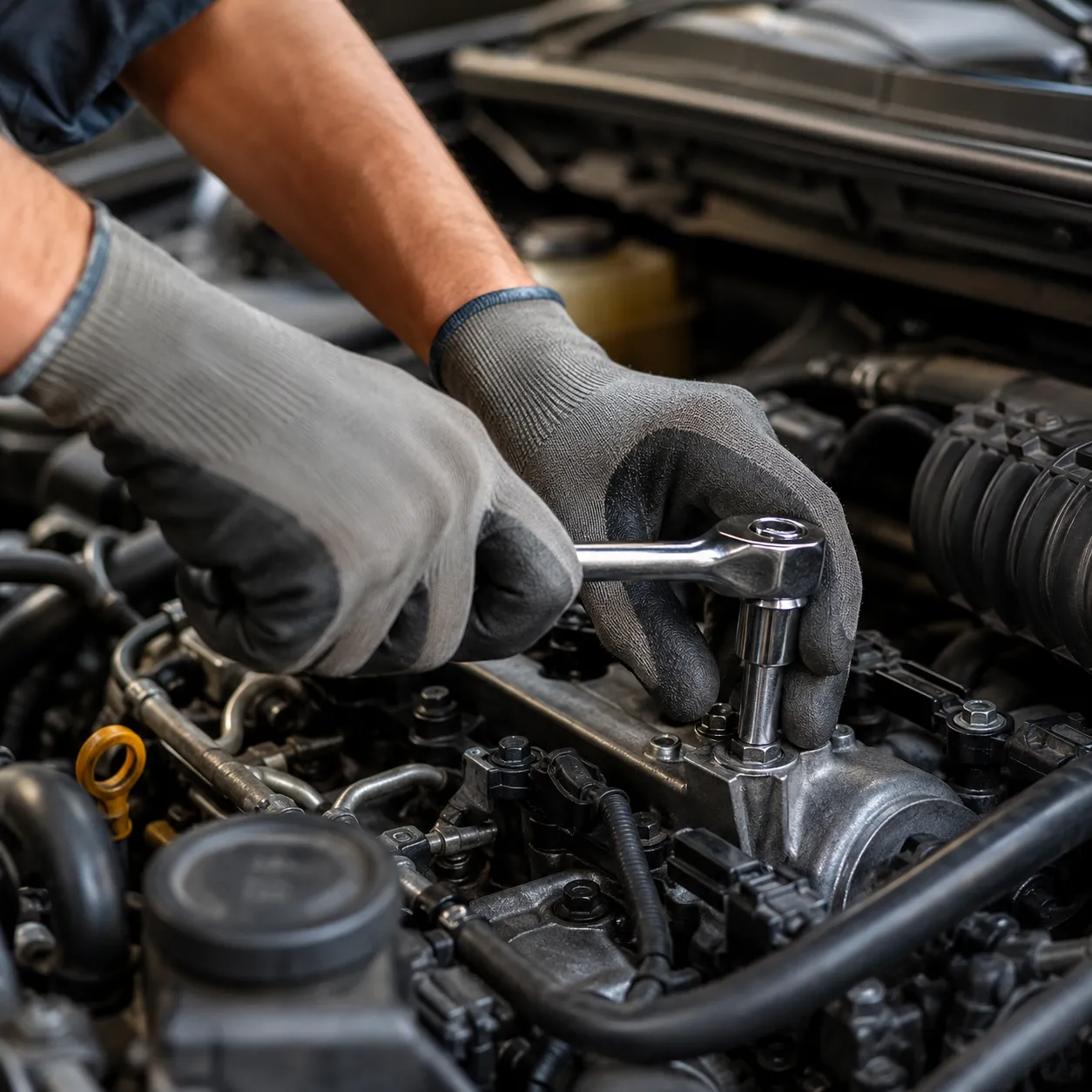
repairrɪˈper
to make a damaged or broken thing work or look good again.
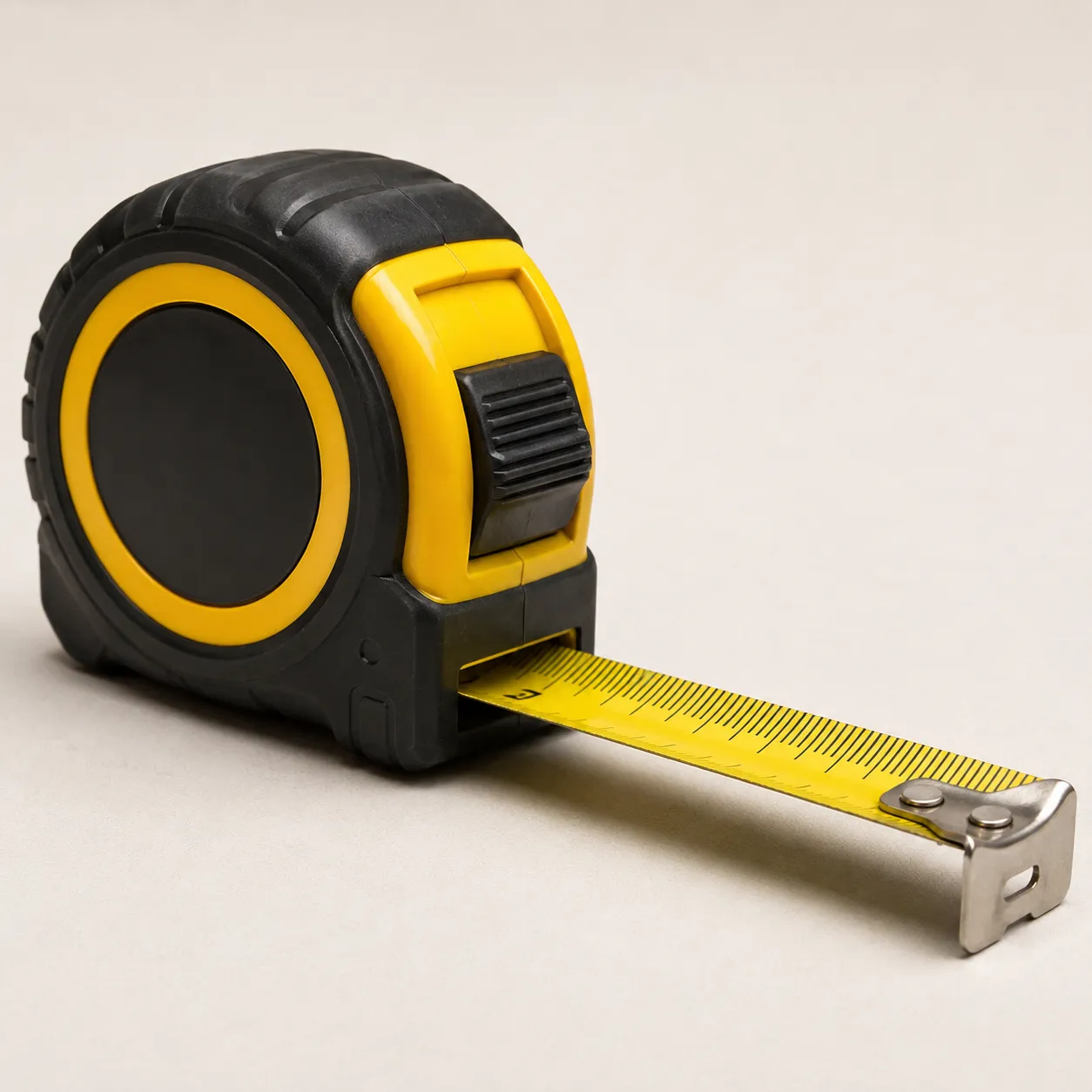
measuring tapeˈmeʒərɪŋ teɪp
a flexible strip with marks used to measure length, width, or body size.
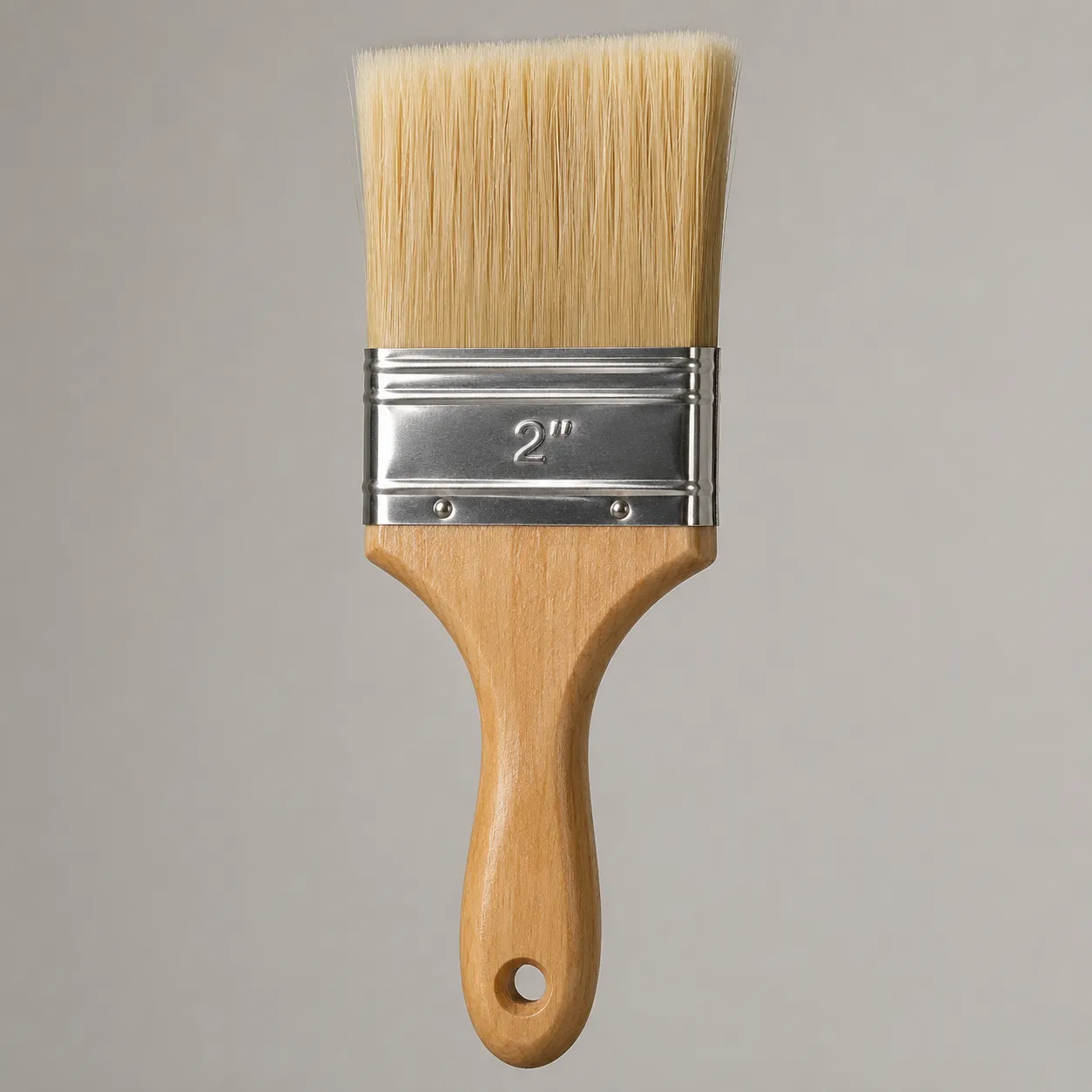
paintbrushˈpeɪntbrʌʃ
a brush with a handle and hairs or fibers, used for putting paint on a surface.
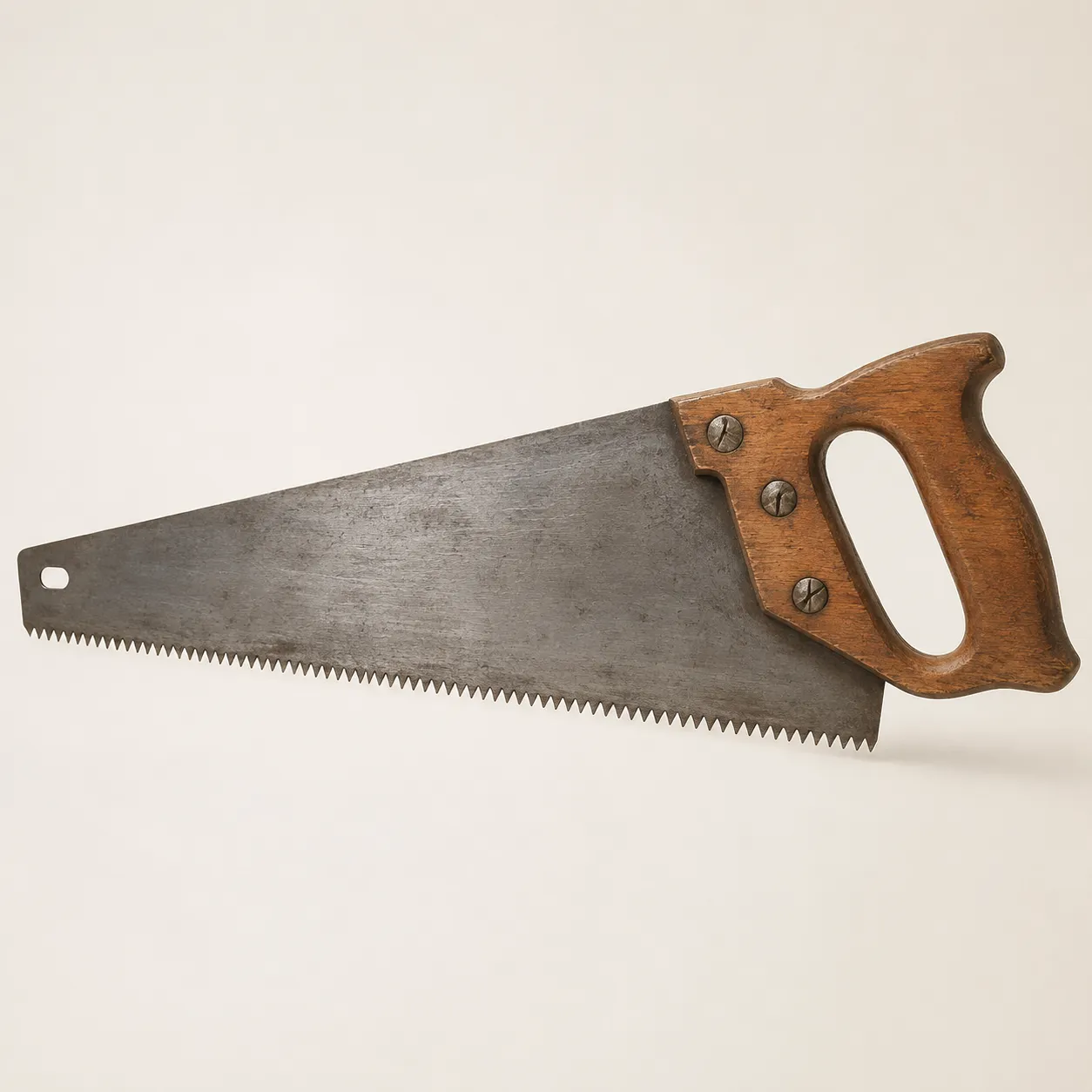
sawsɔː
a tool with a row of sharp teeth, used for cutting wood, metal, or other hard materials.
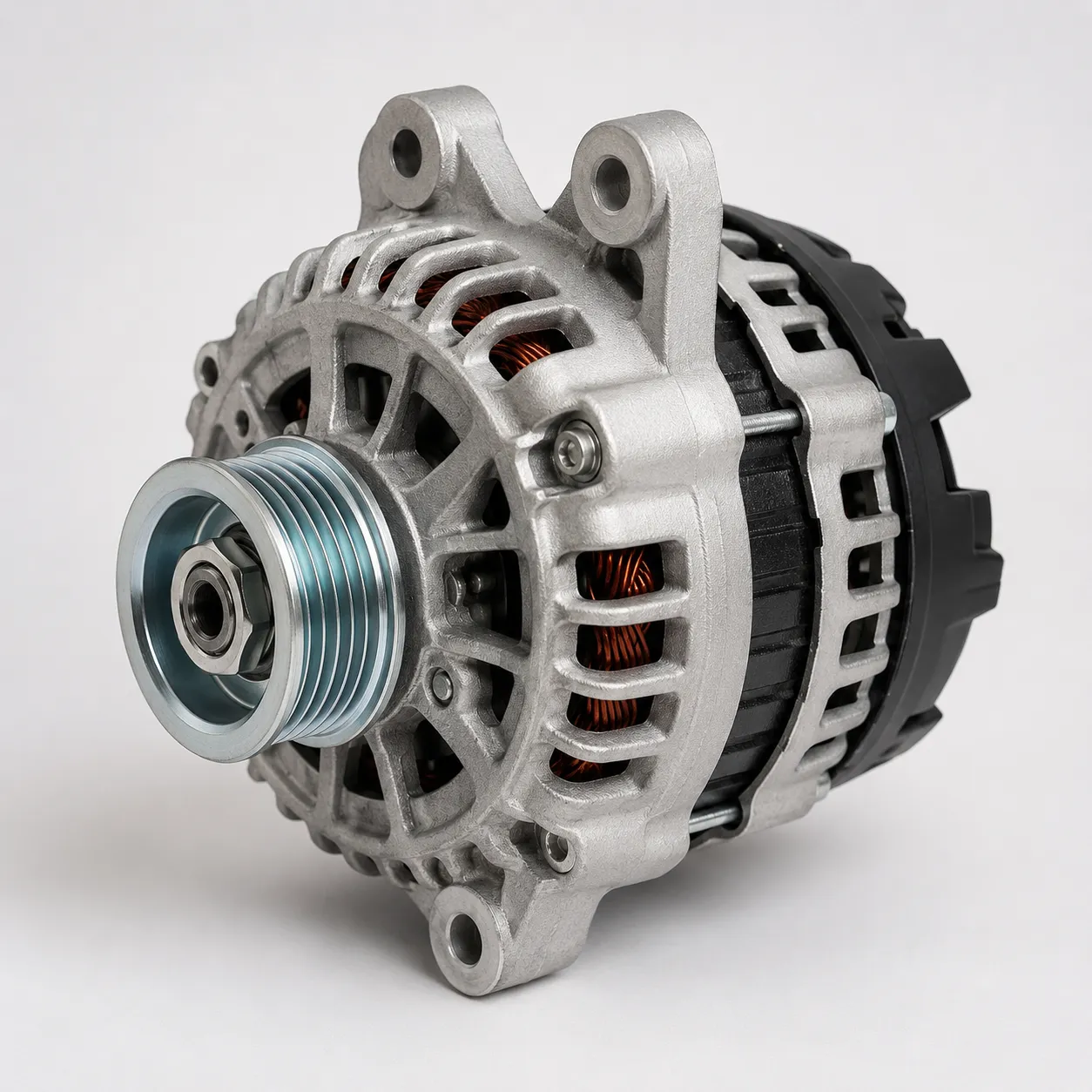
spare partˈsper pɑːrt
an extra part kept for repairing or replacing a broken part of a machine, vehicle, or product.
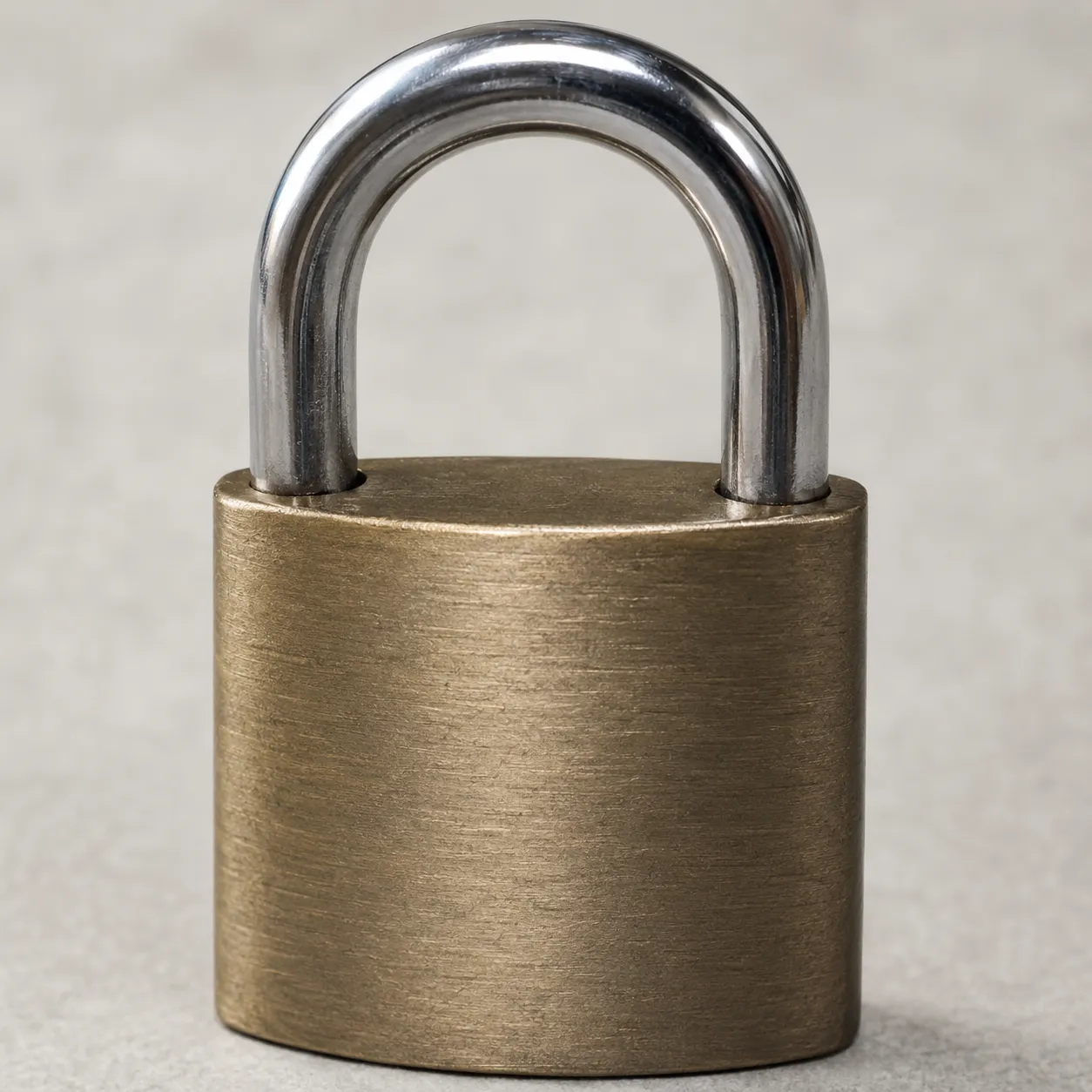
padlockˈpædˌlɑːk
a small lock with a U-shaped metal bar, used for locking gates, doors, boxes, or chains.
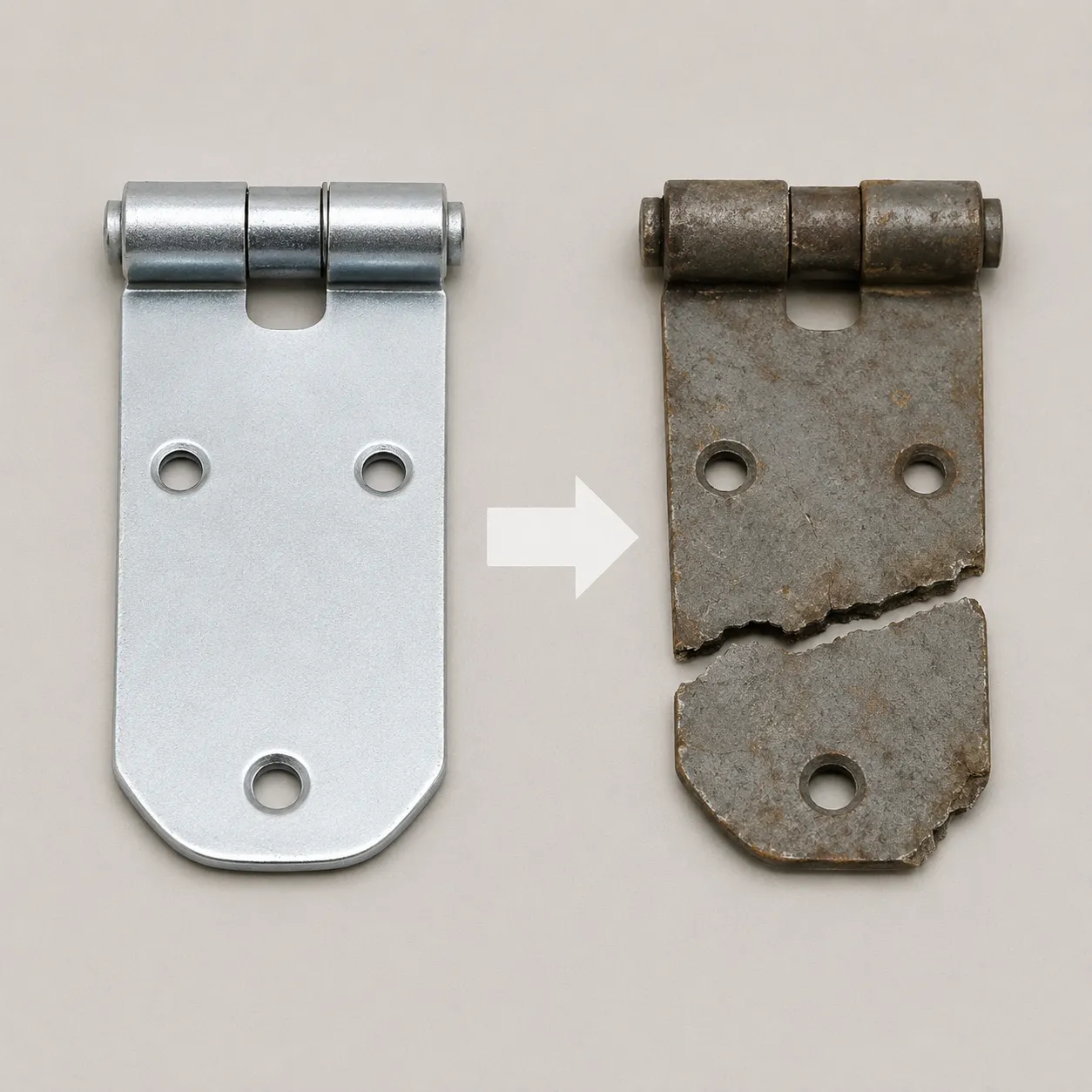
replacement partrɪˈpleɪsmənt pɑːrt
a part used to take the place of an old, damaged, or missing part in a product or machine.
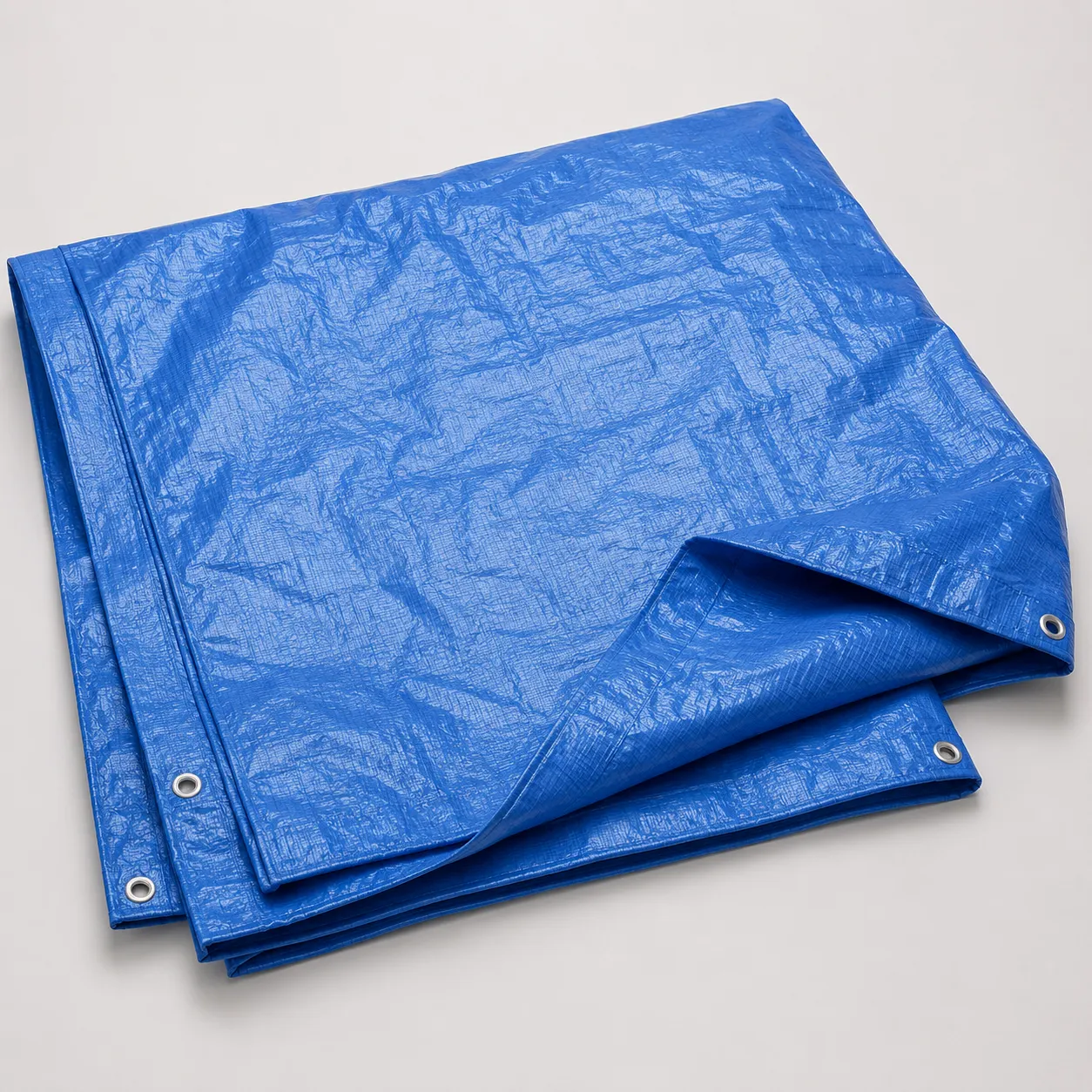
tarptɑːrp
a large sheet of strong waterproof material used to cover and protect things outdoors.
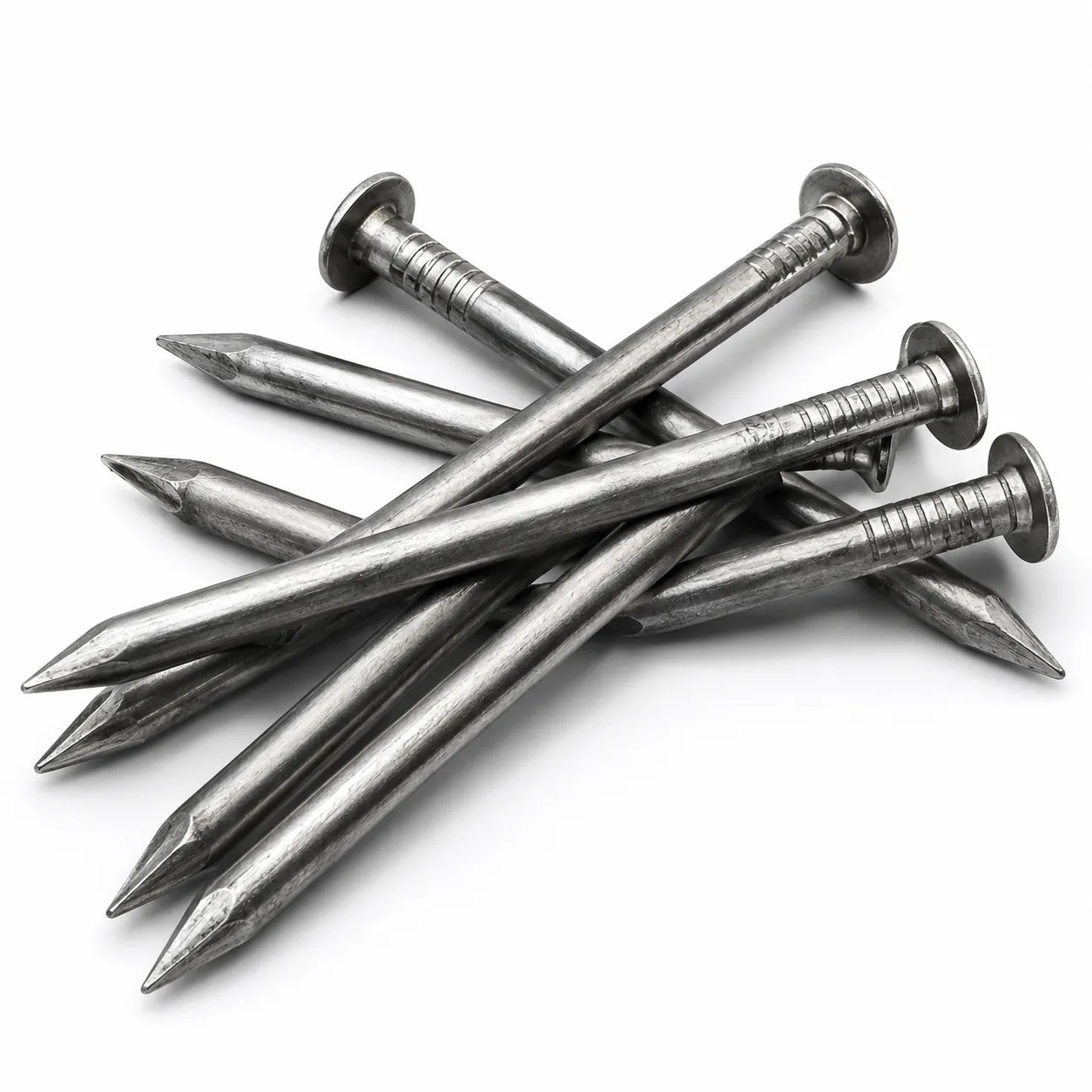
nailsneɪlz
small thin pieces of metal with a sharp point and flat head, hammered into wood or other material to fasten things together.
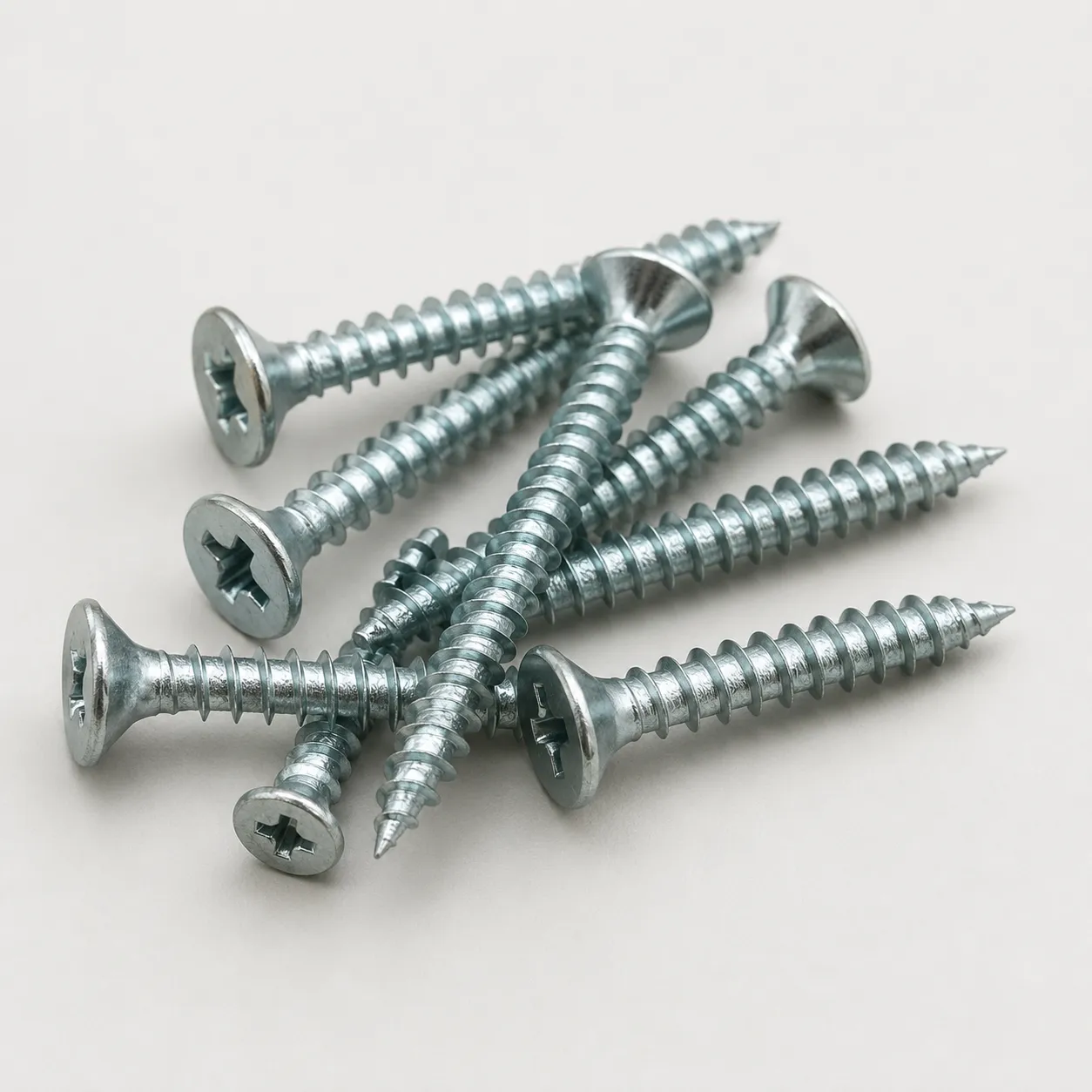
screwsskruz
metal fasteners with a pointed end and a spiral ridge, turned with a screwdriver to hold things together.
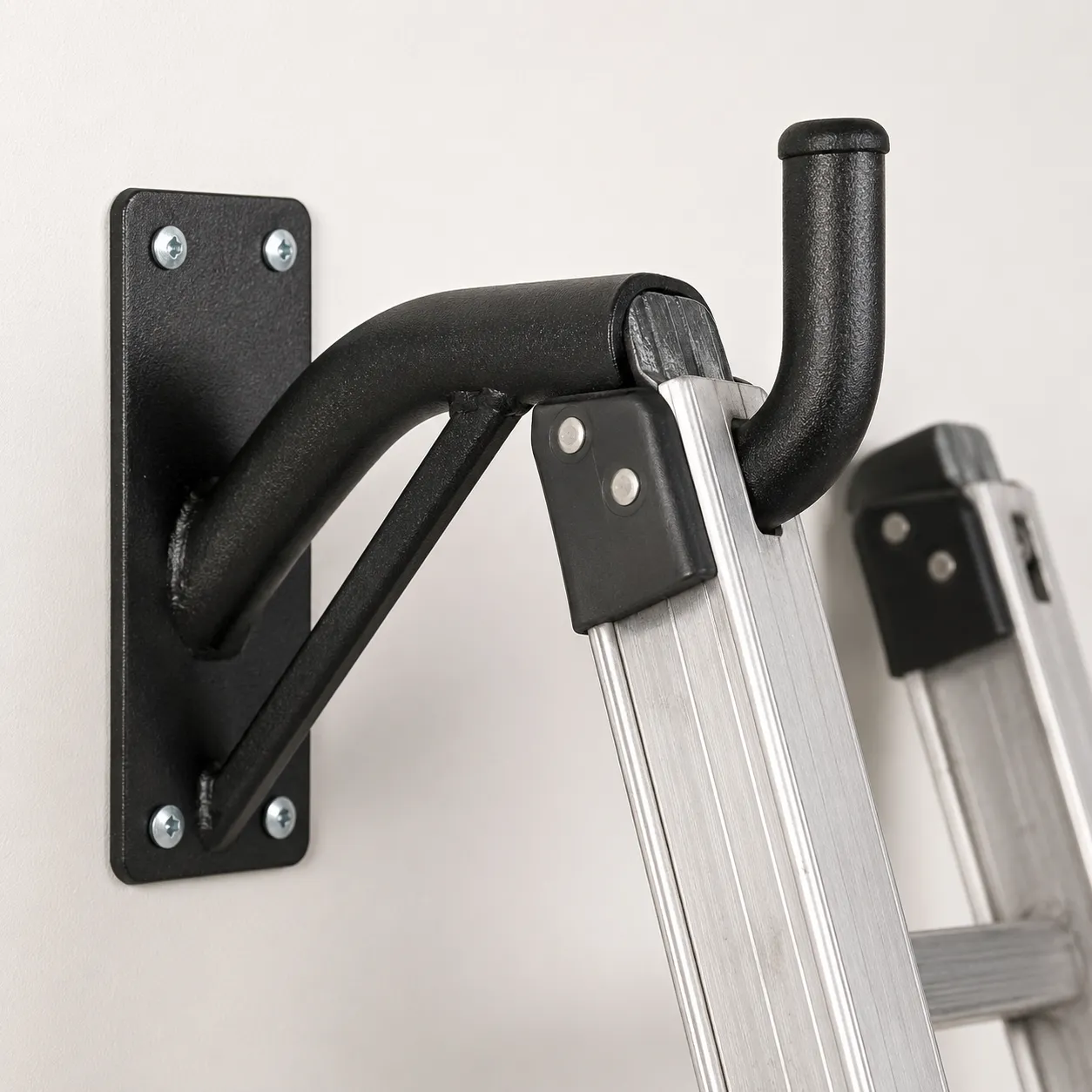
ladder hookˈlædər hʊk
a strong curved piece of metal or plastic used to hang a ladder on a wall or hold it securely in place.
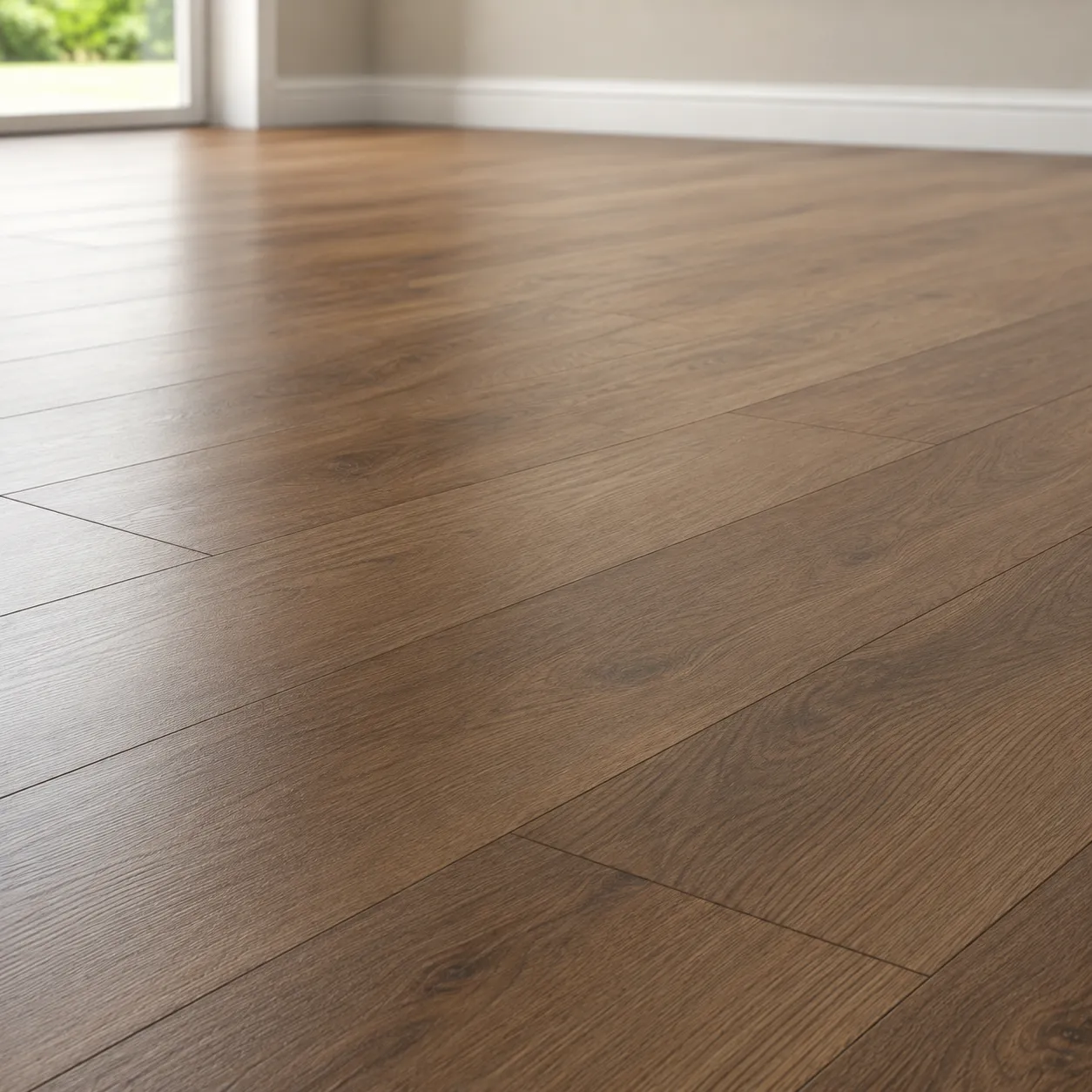
flooringˈflɔːrɪŋ
material such as wood, tile, or carpet that is used to make or cover the floor of a room.
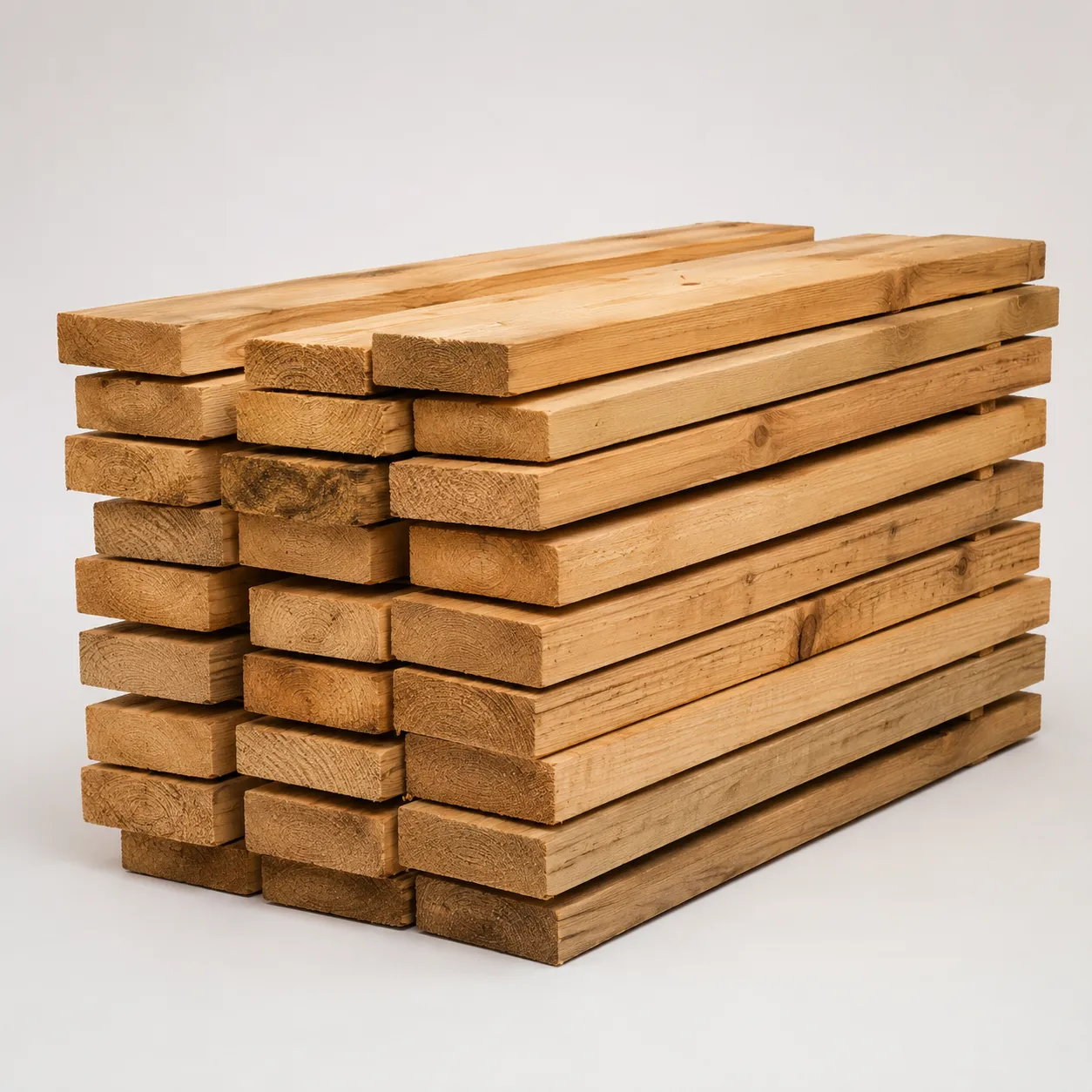
lumberˈlʌmbər
wood that has been cut into boards or beams and is used for building or making things.
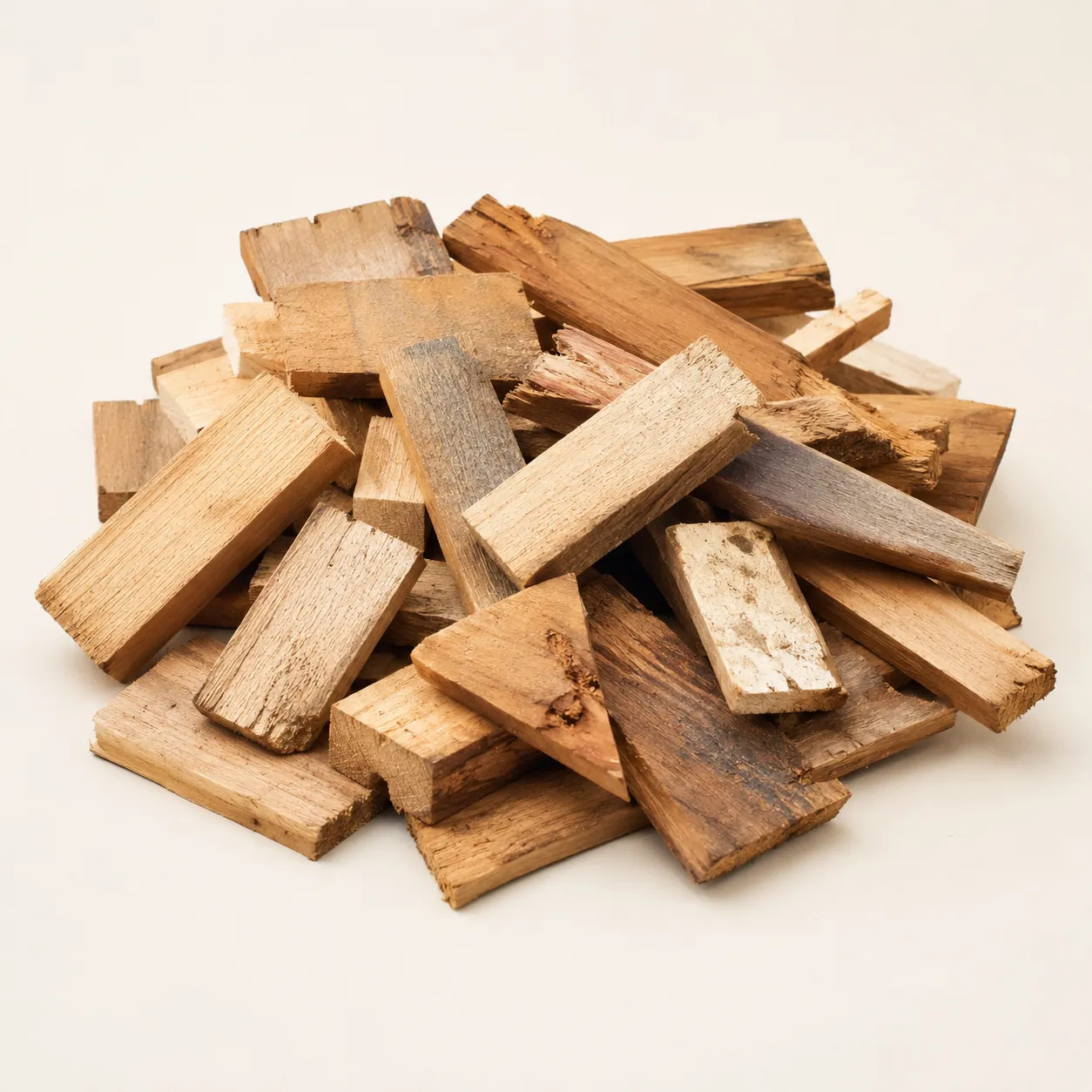
wood scrapsˈwʊd ˌskræps
small pieces of wood left over after cutting, building, or making something.
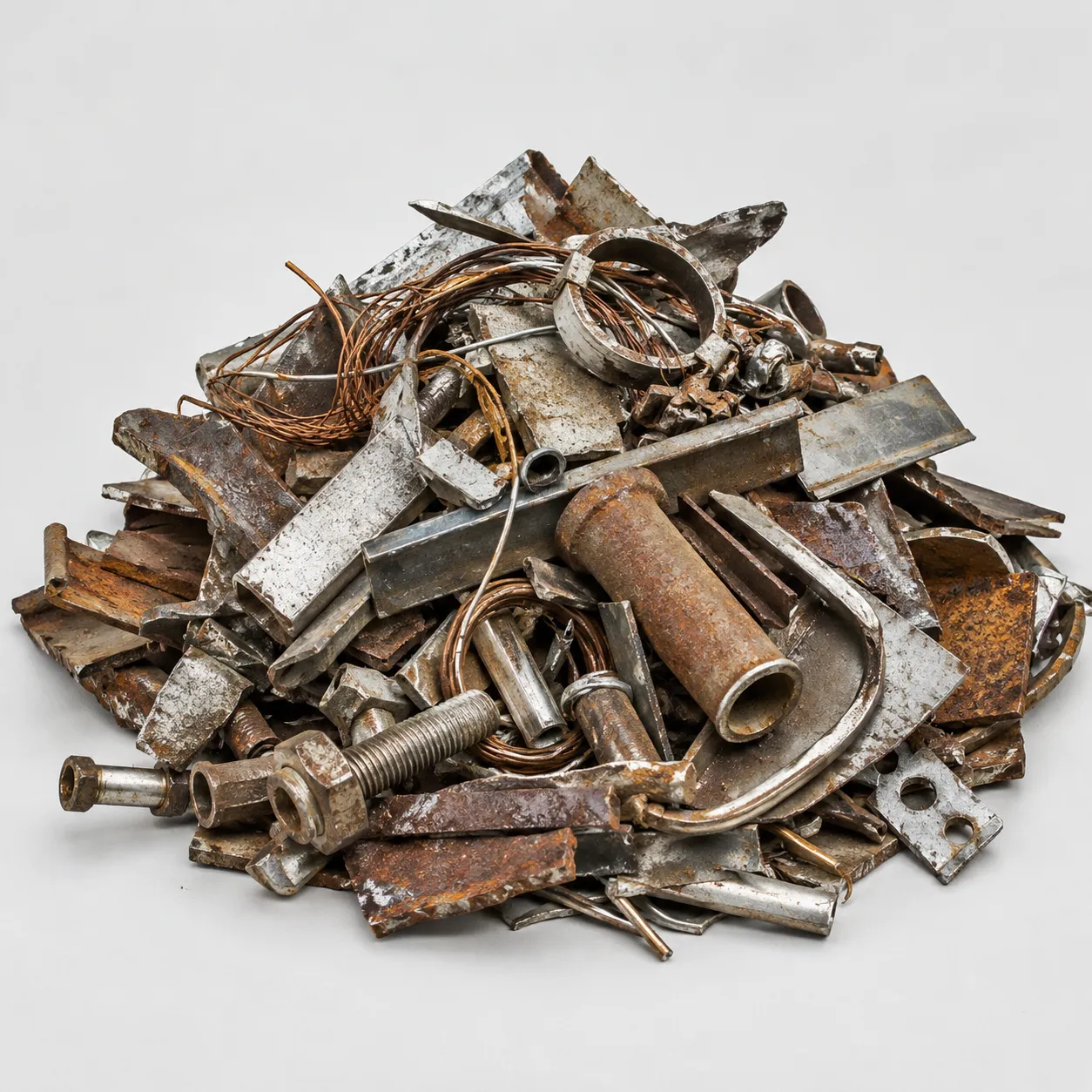
metal scrapsˈmɛtəl ˌskræps
small pieces of metal left over after cutting, repairing, or making something.
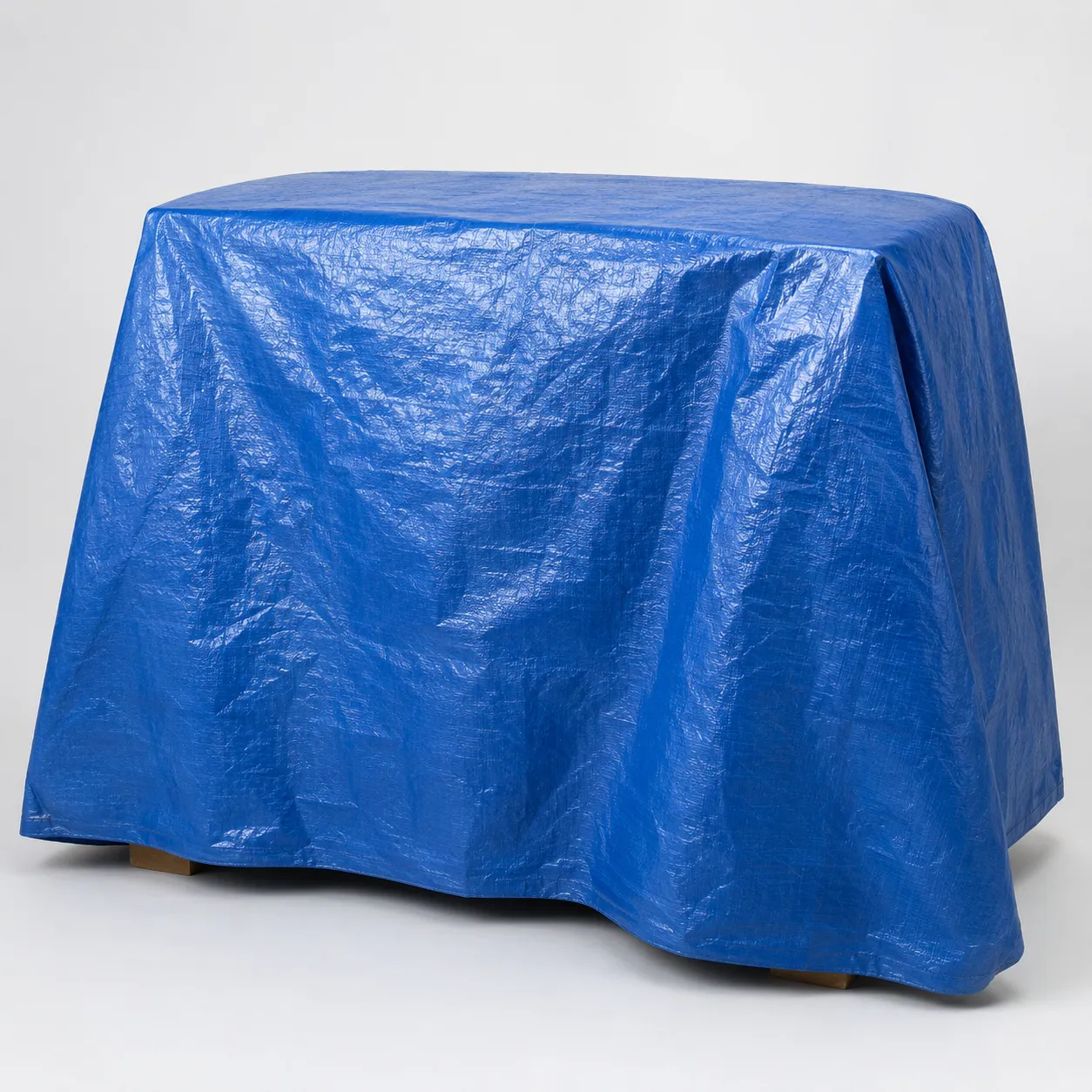
tarp coverˈtɑːrp ˌkʌvər
a strong waterproof sheet used to cover things and protect them from rain, sun, or dirt.
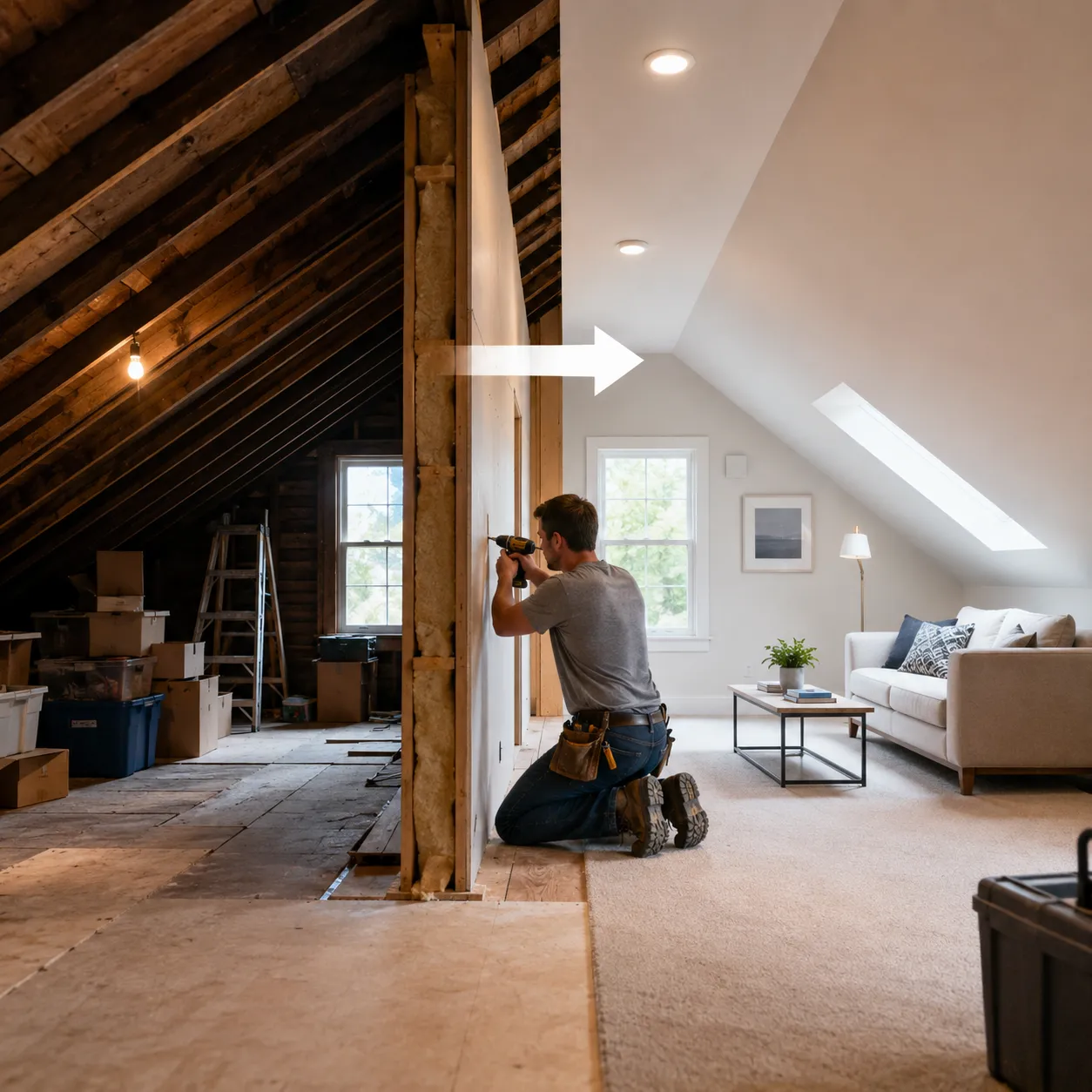
convertkənˈvɜːrt
to change something so that it has a different form, purpose or use.
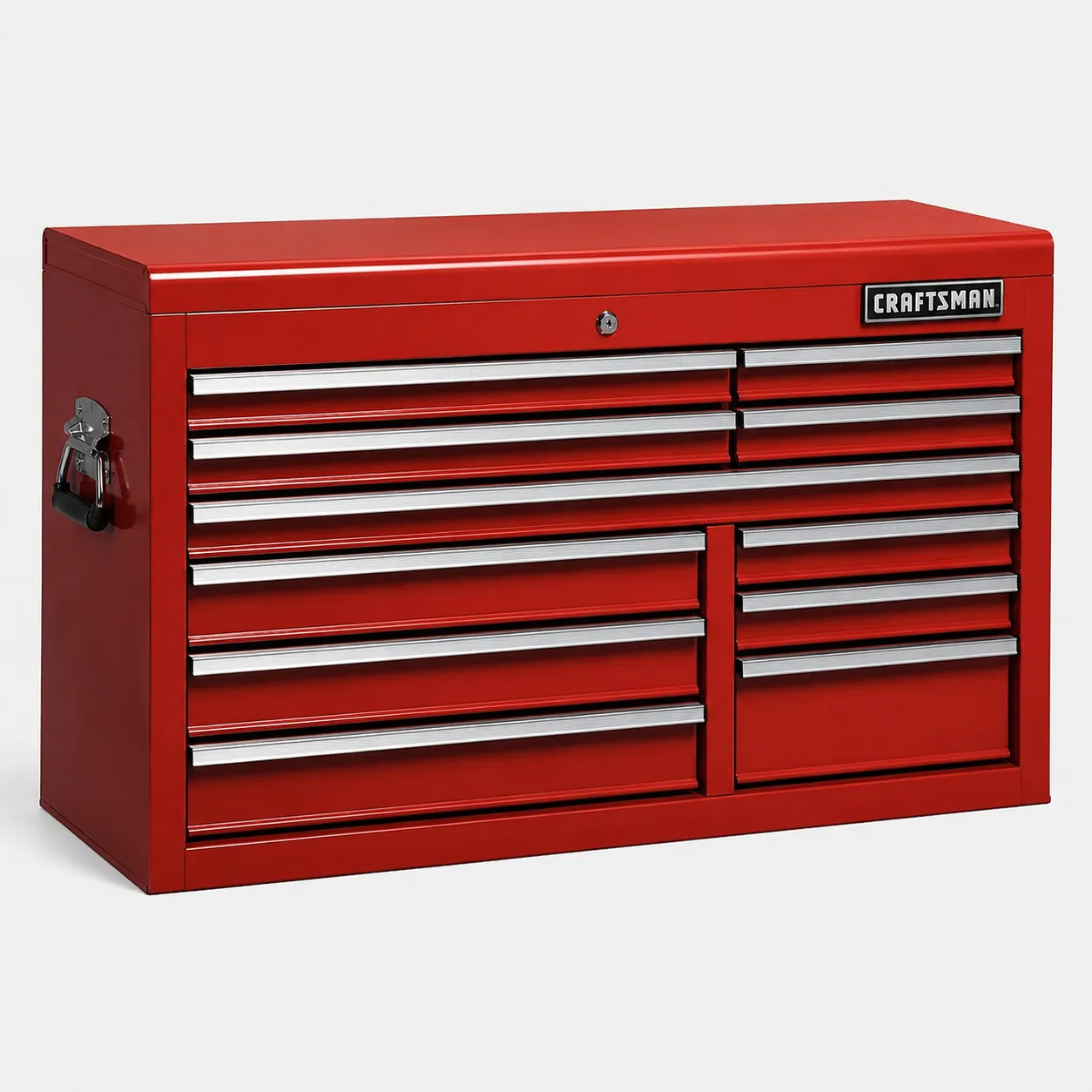
tool chesttuːl tʃɛst
a strong box or cabinet with drawers or compartments for keeping and carrying tools.
Roof and floor components, beams, windows, wiring, pipes, and other fixed parts of the building.
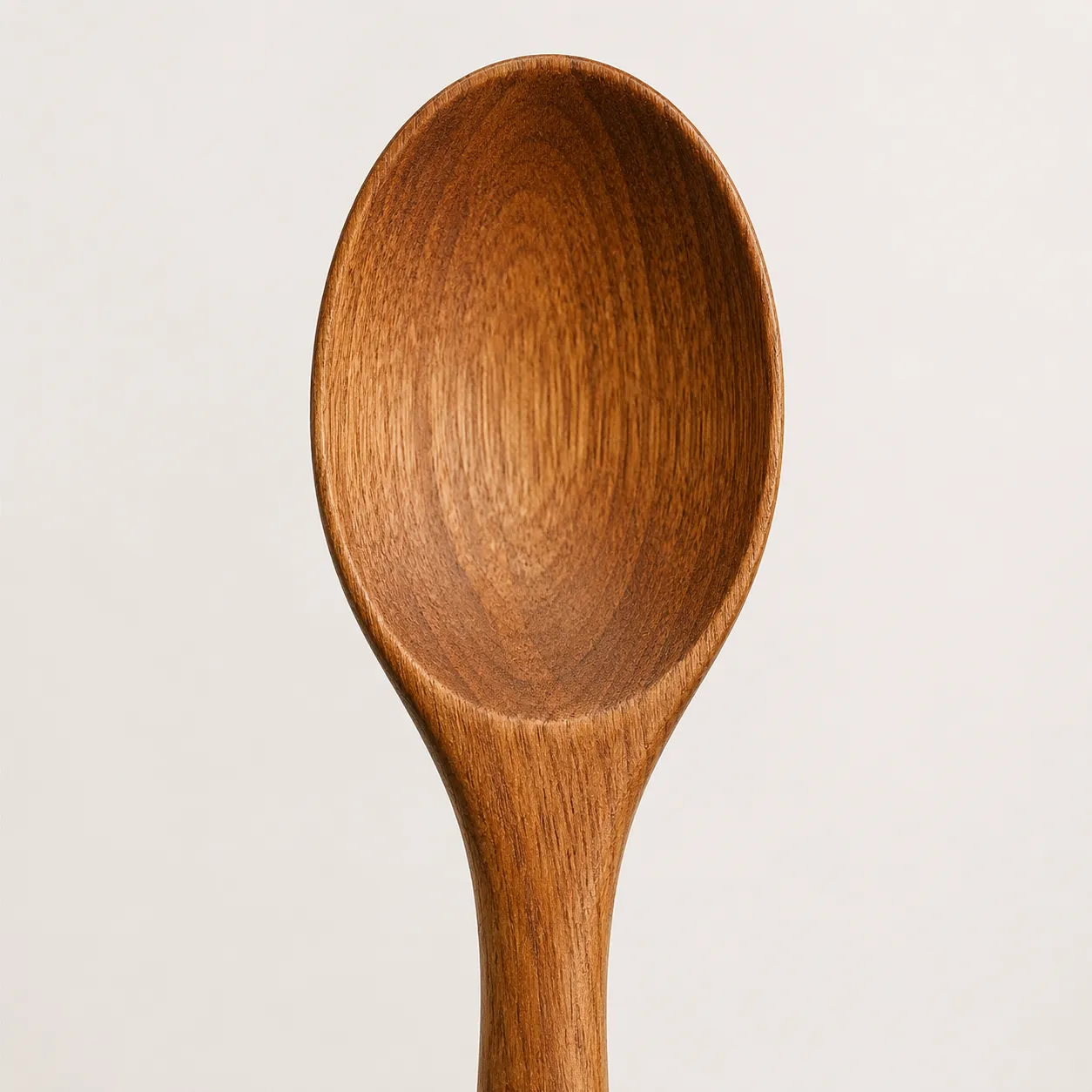
woodenˈwʊdn
made of wood, the hard material from trees.
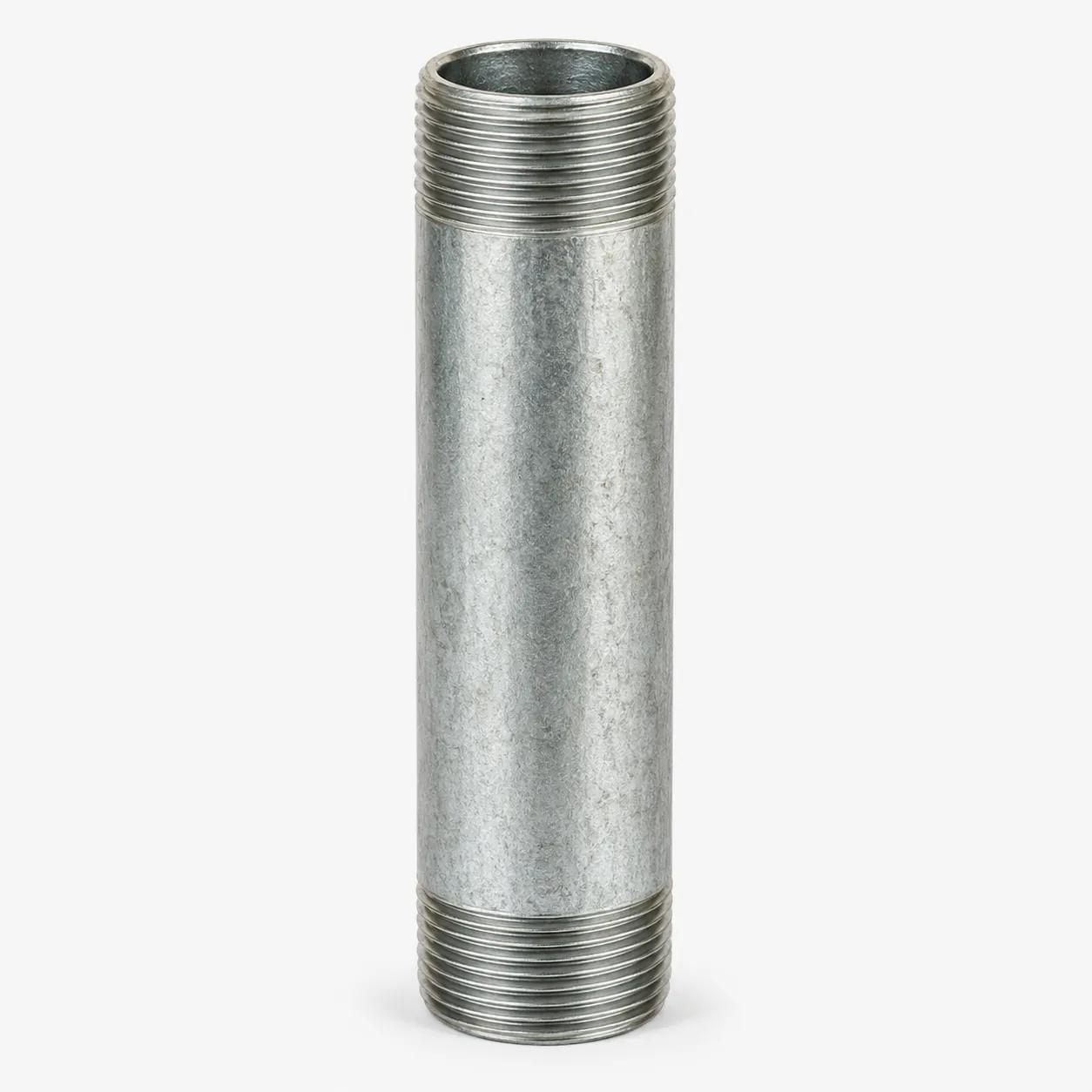
pipepaɪp
a long hollow tube that carries water, gas, or waste liquid from one place to another, especially in a building.
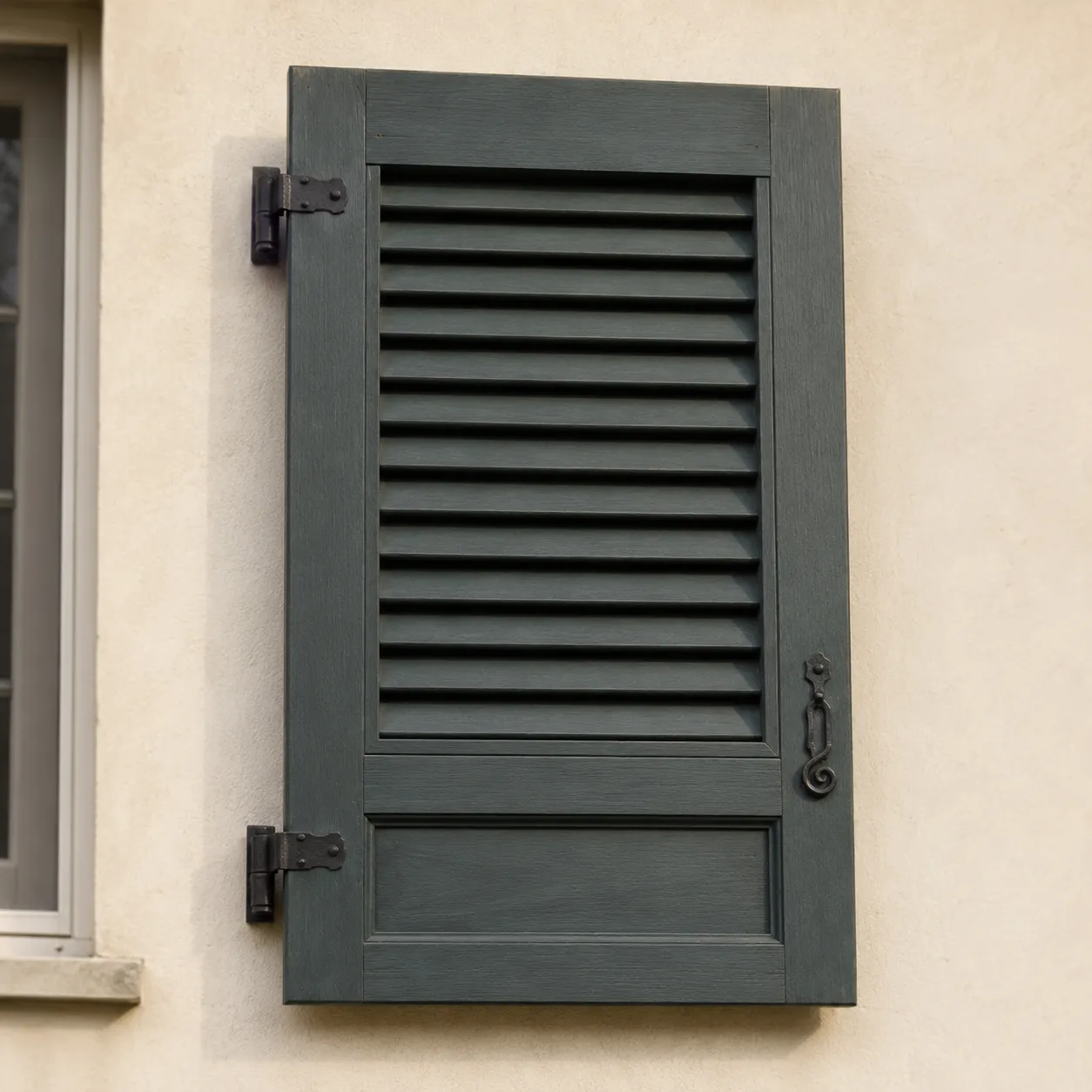
shutterˈʃʌtər
a solid or slatted cover that can be closed over a window to block light, protect the glass, or give privacy.
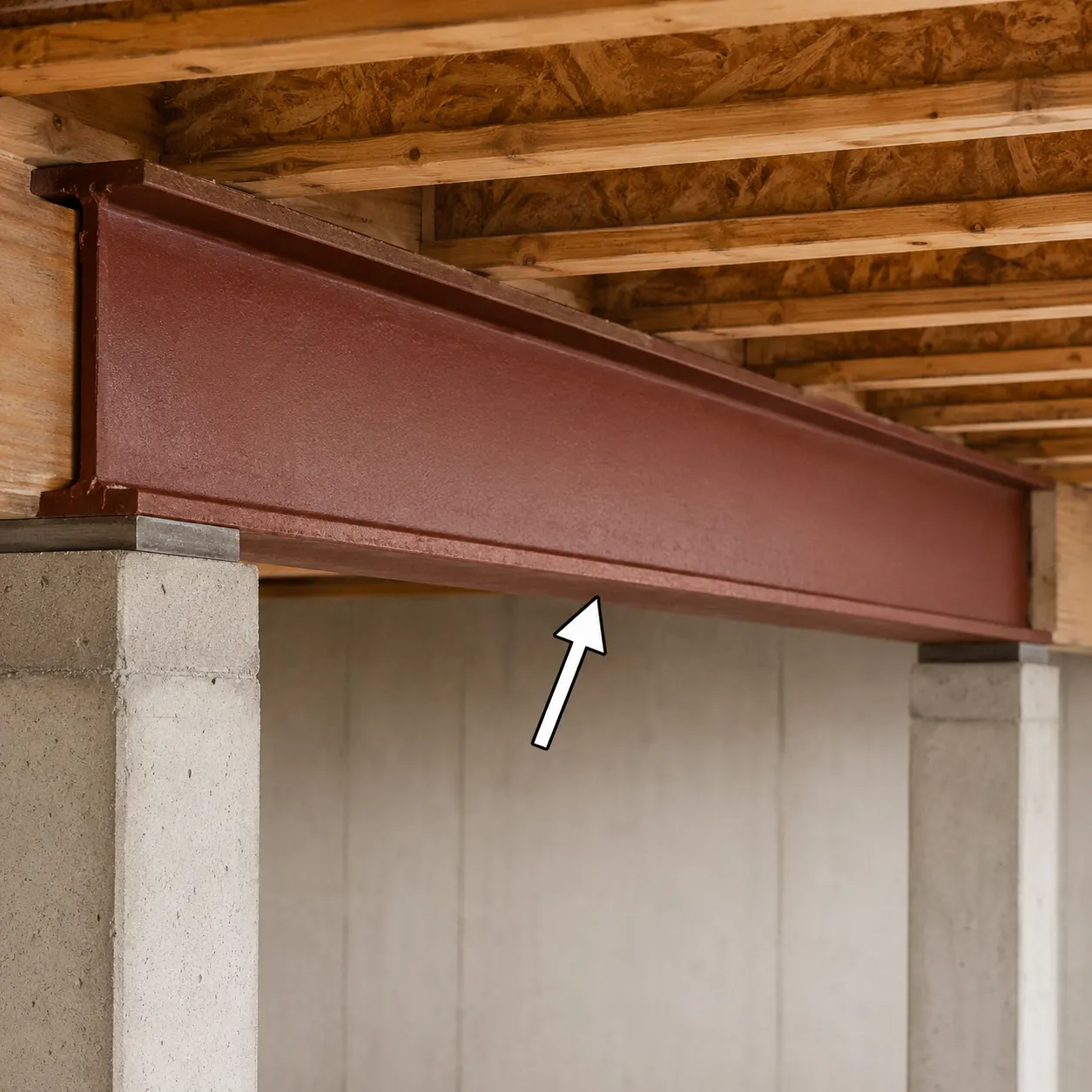
support beamsəˈpɔːrt biːm
a long strong piece of wood, steel, or concrete that holds up part of a building.
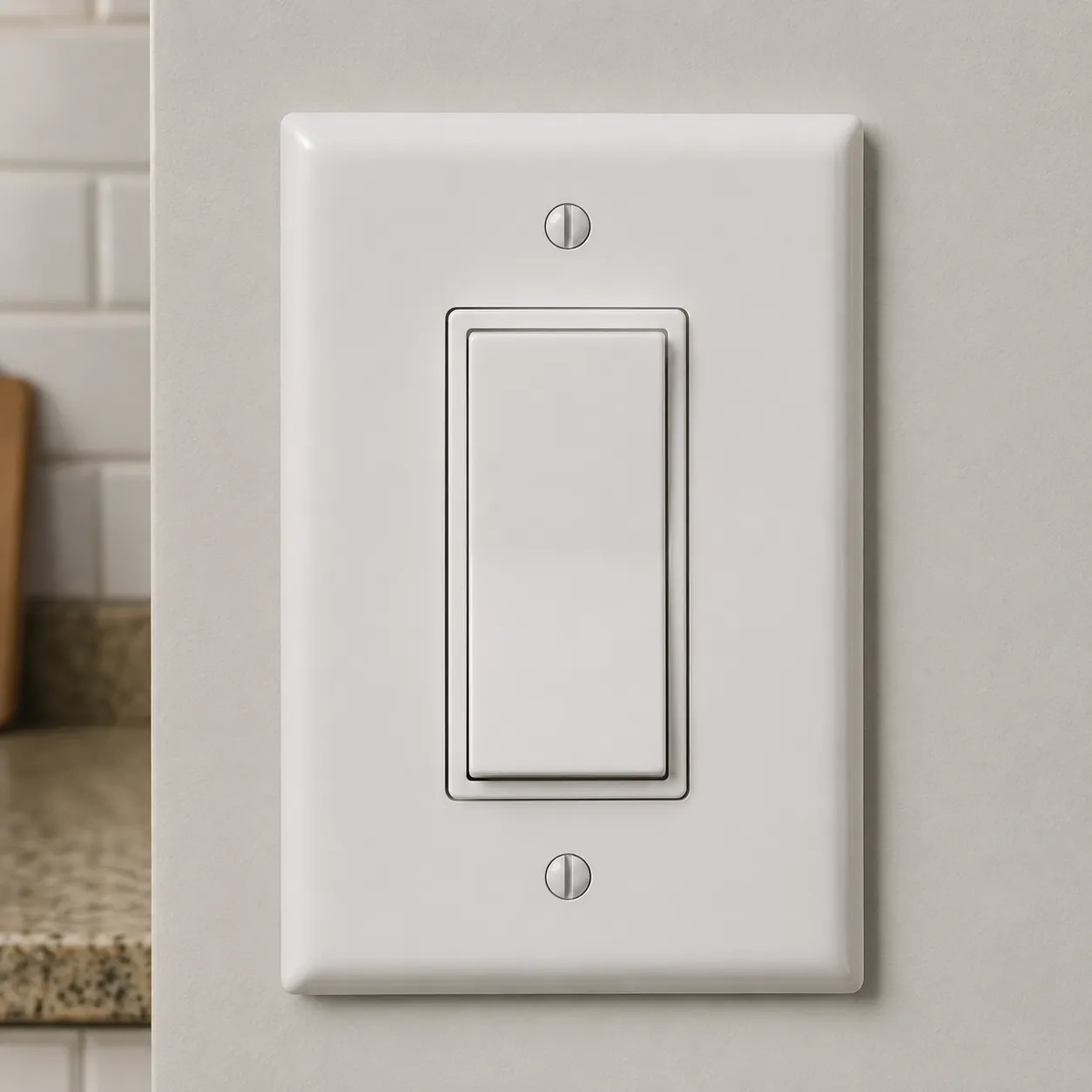
switchswɪtʃ
a small control that starts or stops electricity or turns a machine on or off
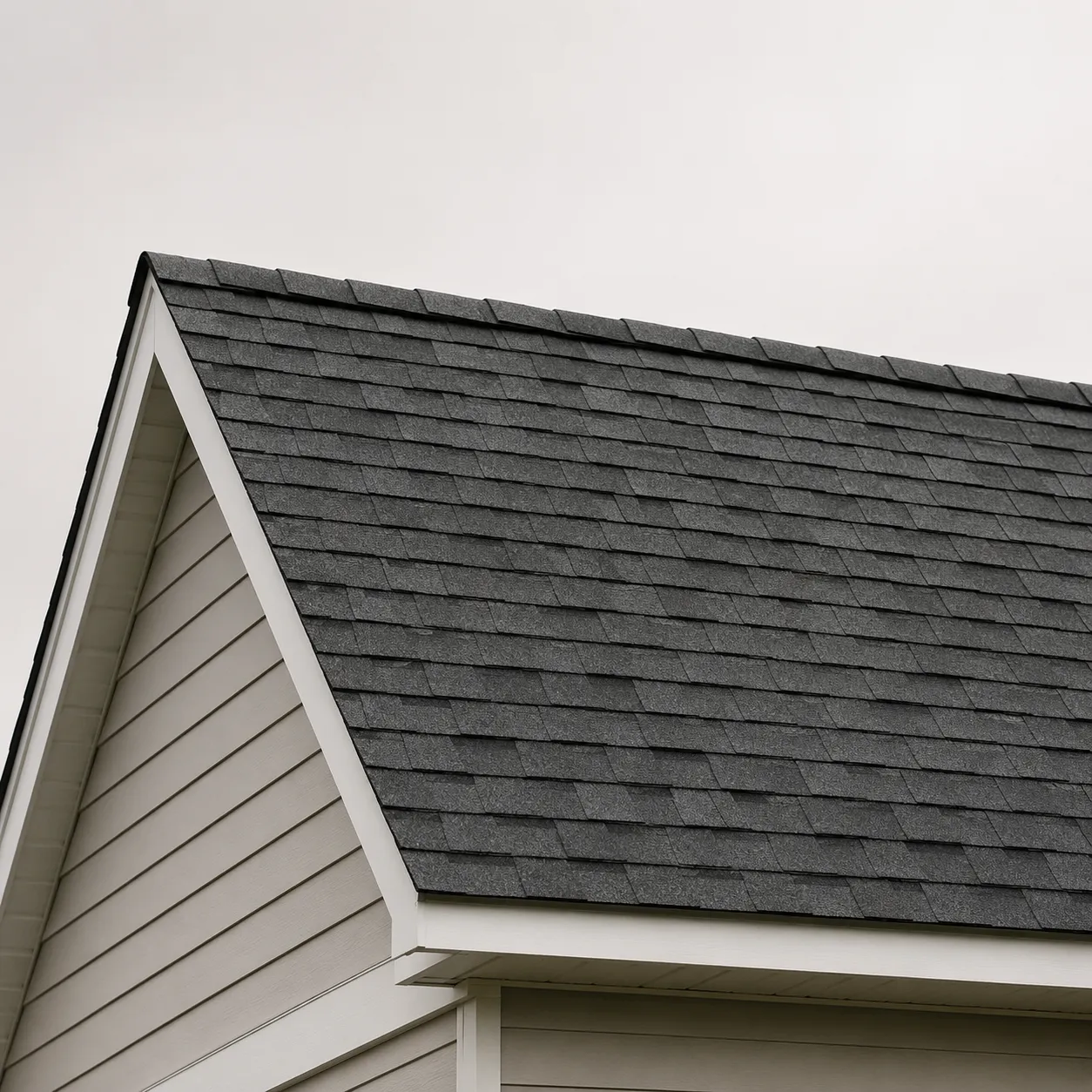
Roofruːf
The top part of a house that protects it from rain and snow.
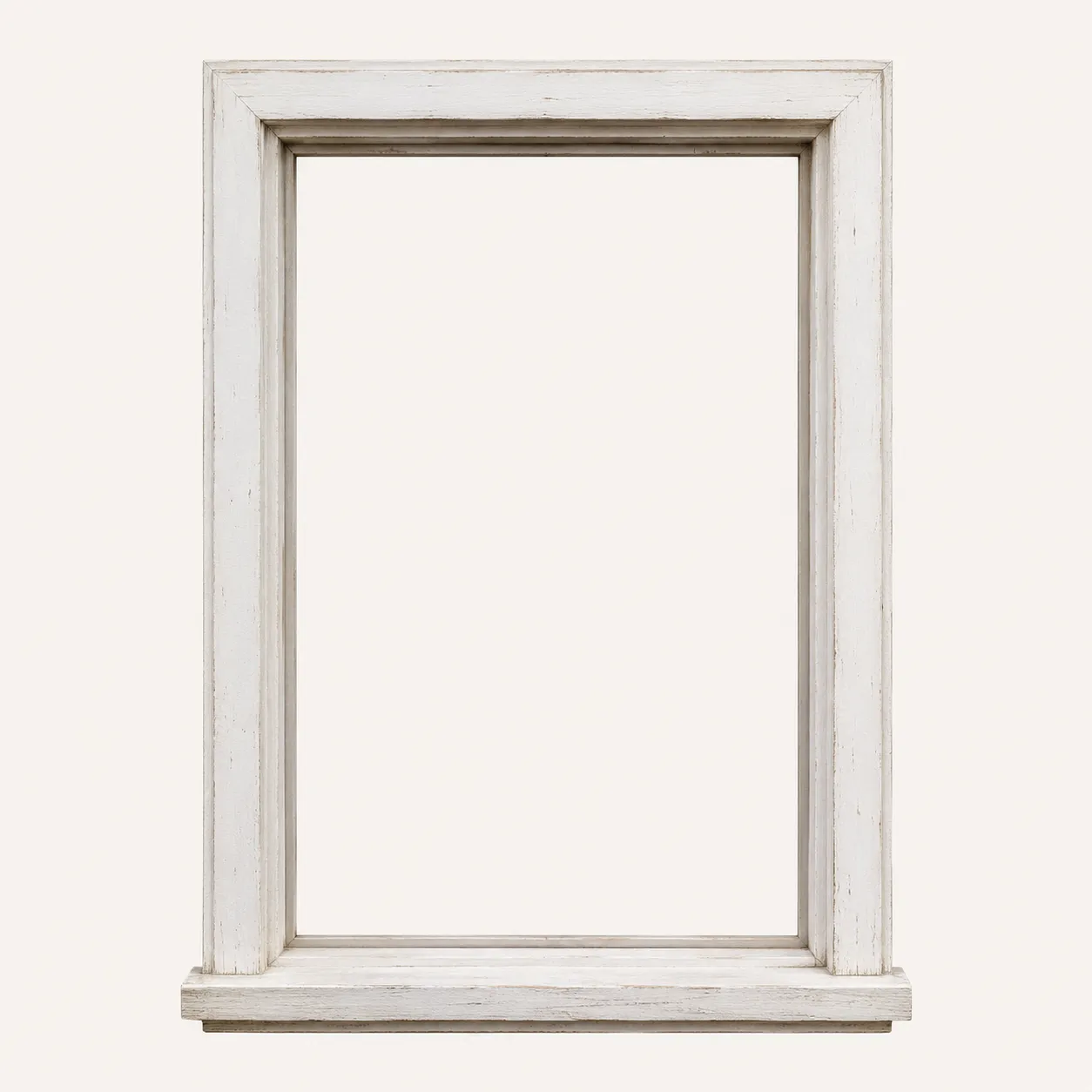
window frameˈwɪndoʊ freɪm
the solid structure around a window that holds the glass and fits into the wall.
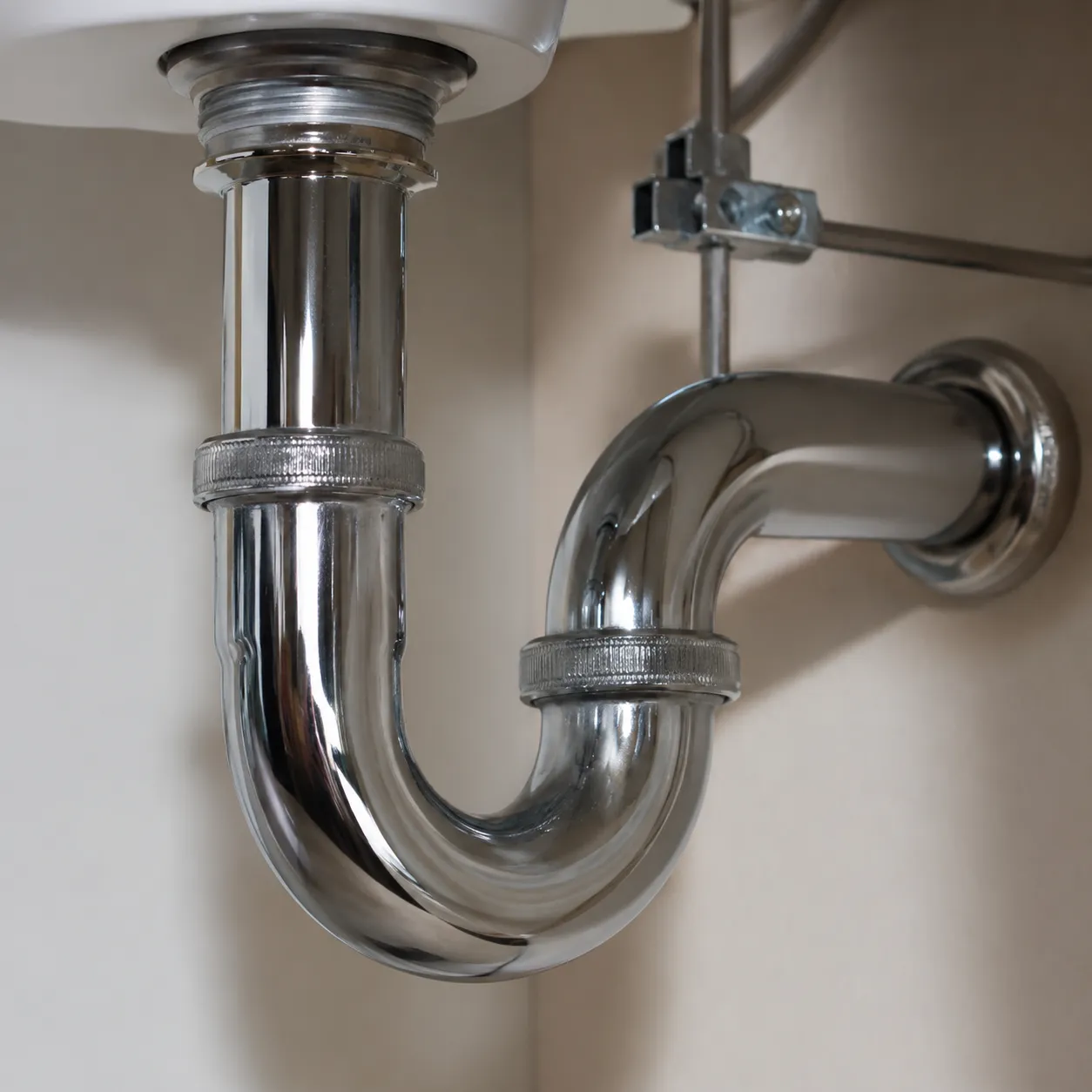
traptræp
a curved part of a drain pipe under a sink, bath, or shower that keeps some water inside it to stop bad smells from coming back into the room.
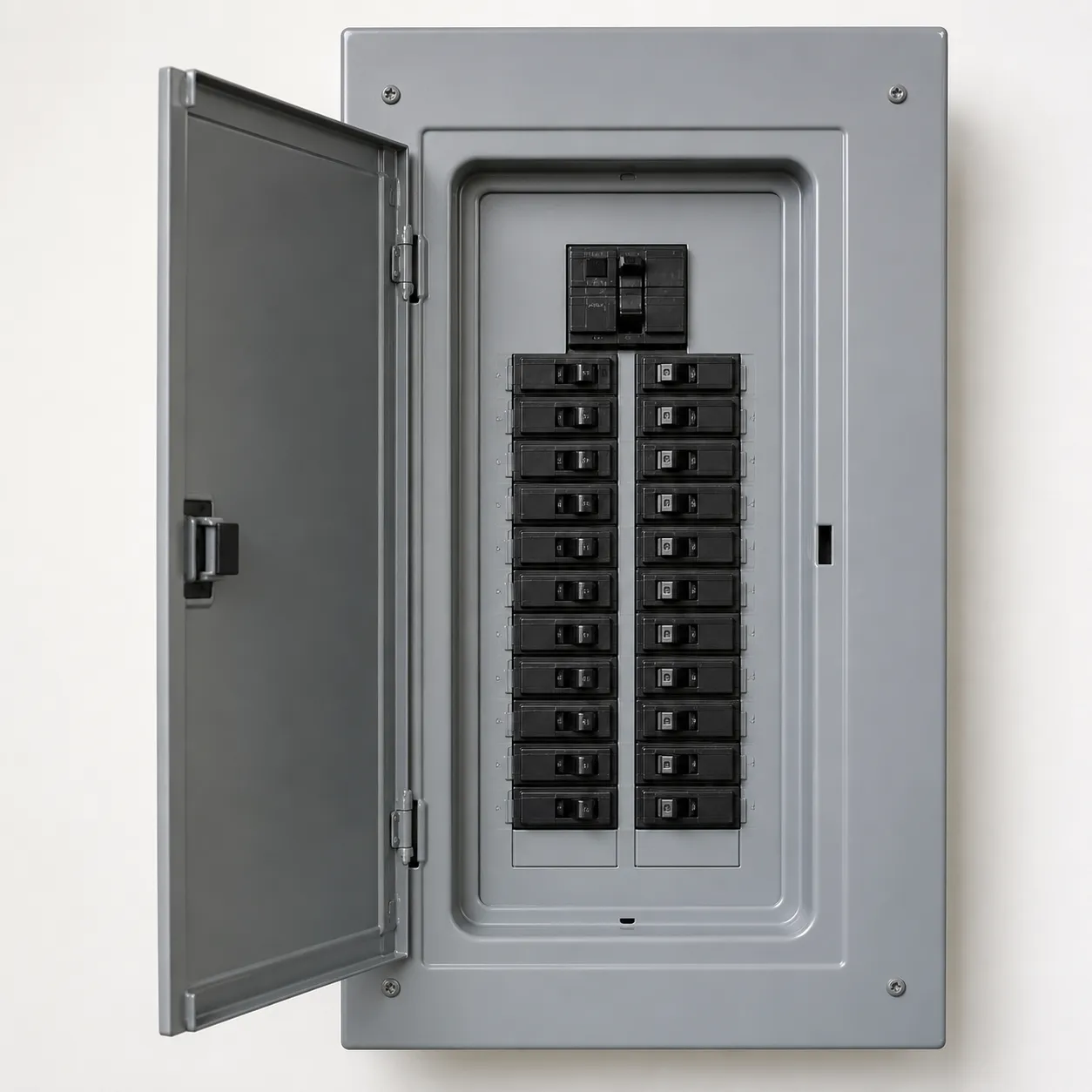
fuse boxˈfjuːz bɑːks
a box that contains fuses, which cut off electricity when a circuit has a problem.
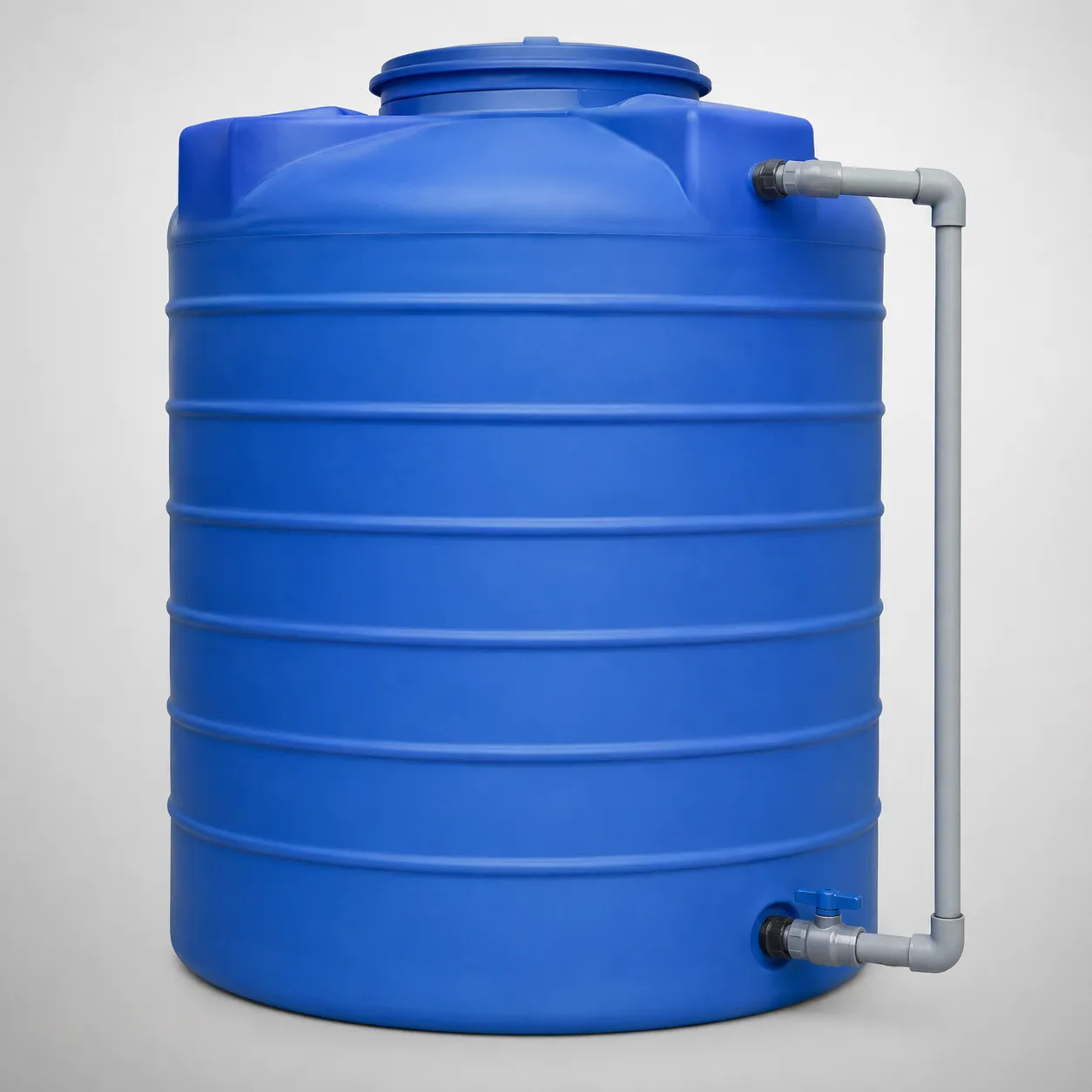
water tankˈwɔːtər tæŋk
a container that holds water, especially the part of a toilet that stores water before flushing.
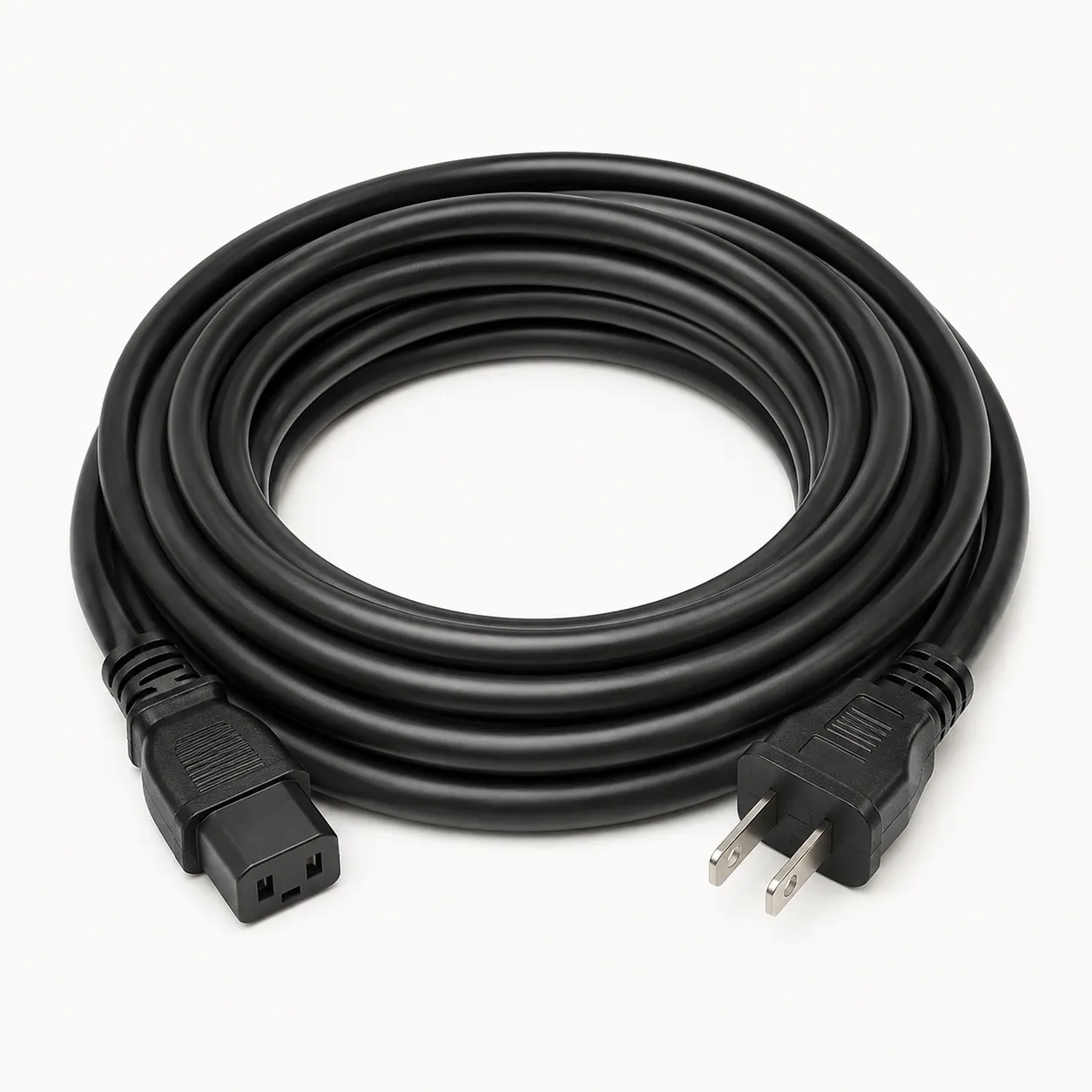
cableˈkeɪbəl
a thick wire or group of wires used to carry electricity, data, or signals.
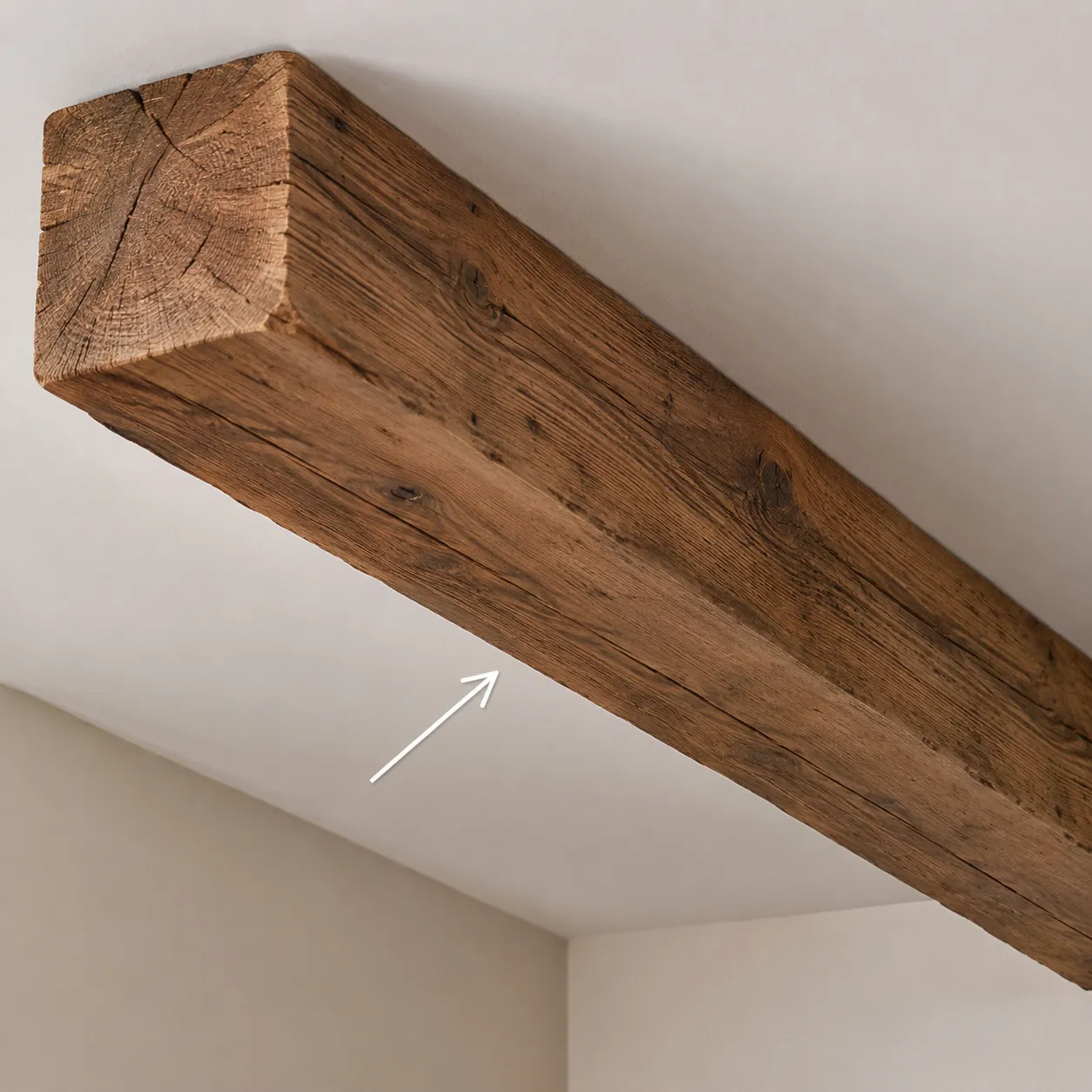
exposed beamɪkˈspoʊzd biːm
a beam in a building that remains visible instead of being covered by a ceiling or wall finish.
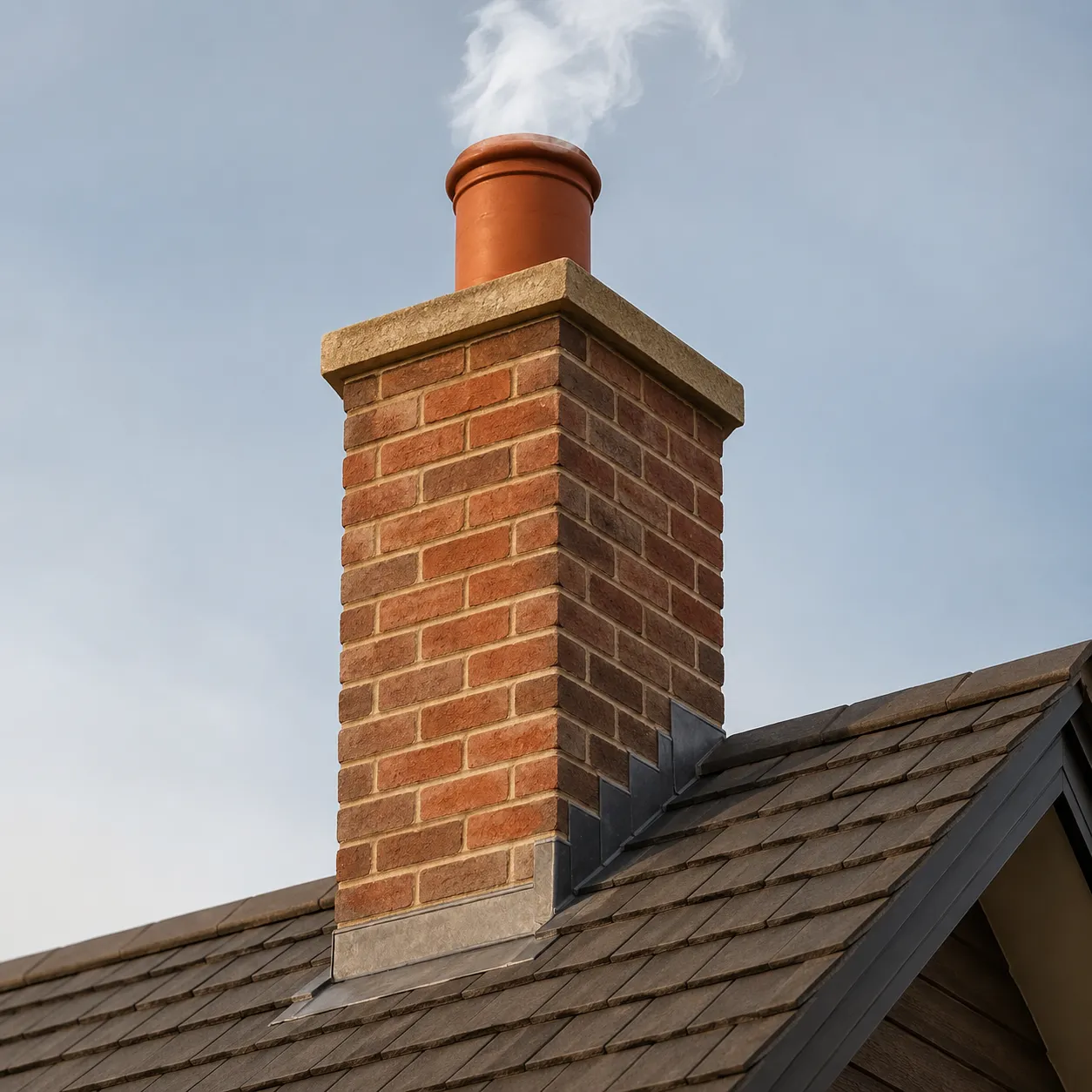
chimneyˈtʃɪmni
a vertical pipe or structure that takes smoke and gases from a fireplace, stove, or furnace out through the roof.
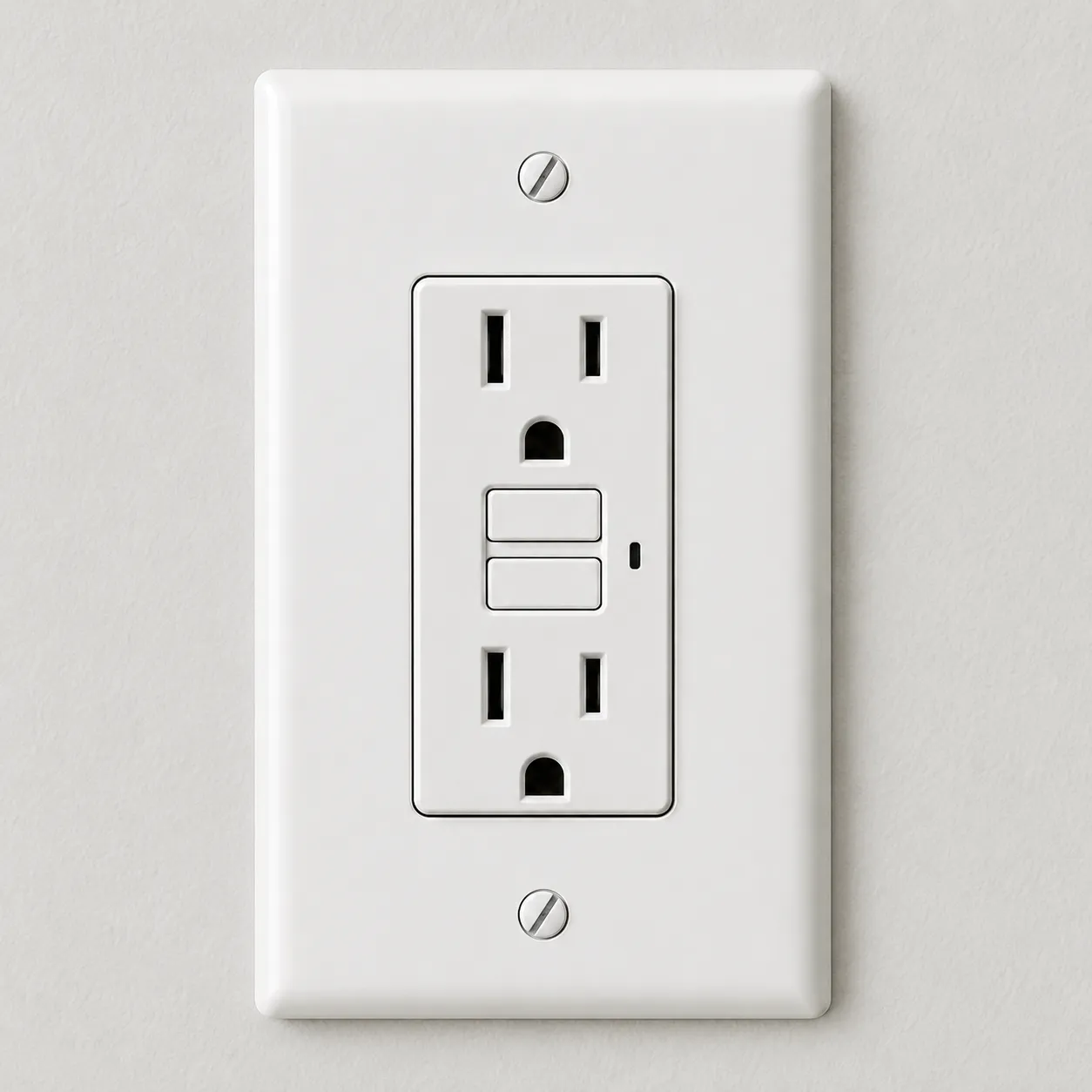
outletˈaʊtlet
a place in a wall, especially in American English, where you plug in electrical equipment to get power.
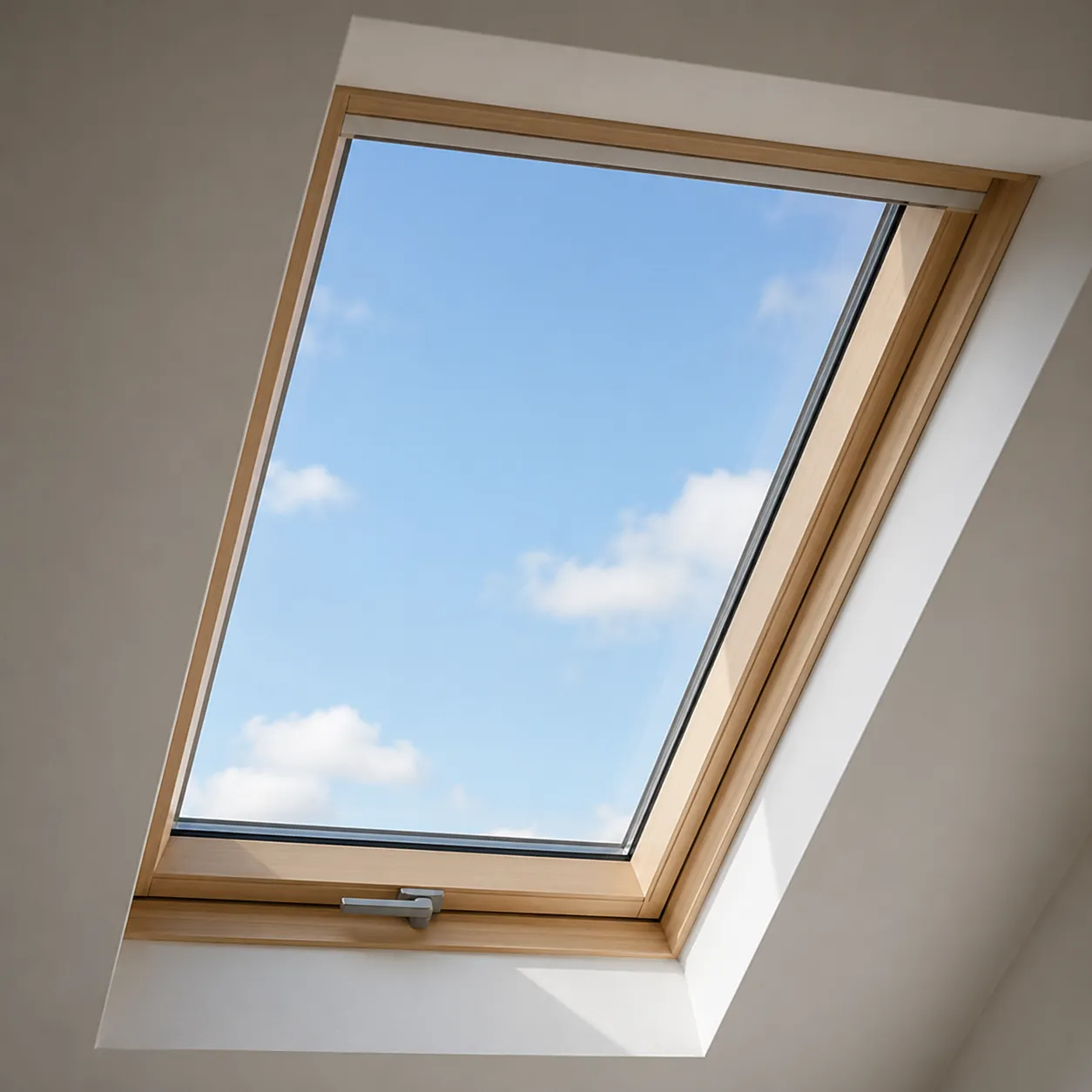
skylightˈskaɪlaɪt
a window set in a roof or ceiling to let natural light into a room.
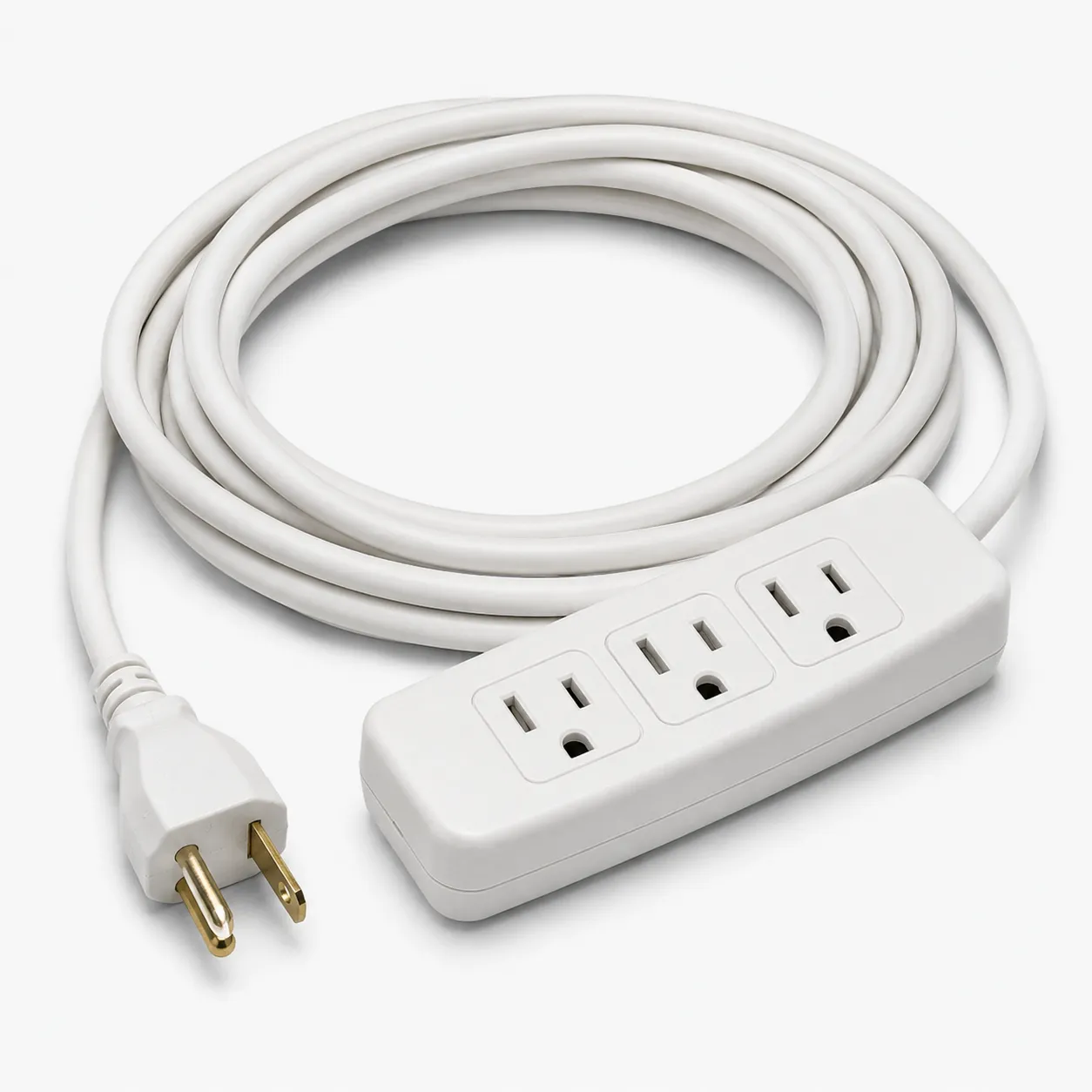
extension cordɪkˈstenʃən kɔːrd
a long electrical cable with sockets that lets you use power farther away from a wall outlet.
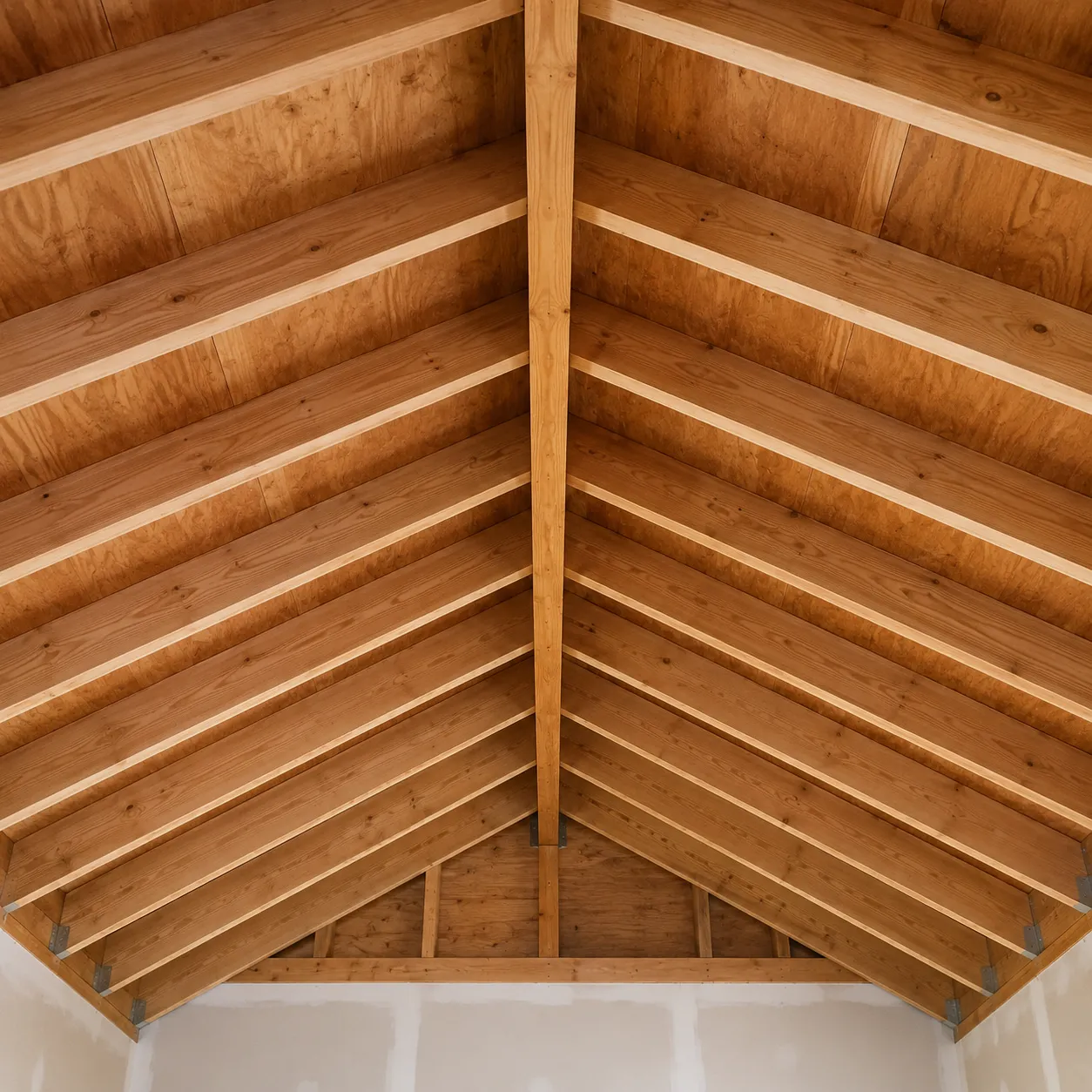
raftersˈræftərz
the sloping beams in a roof that support the roof covering.
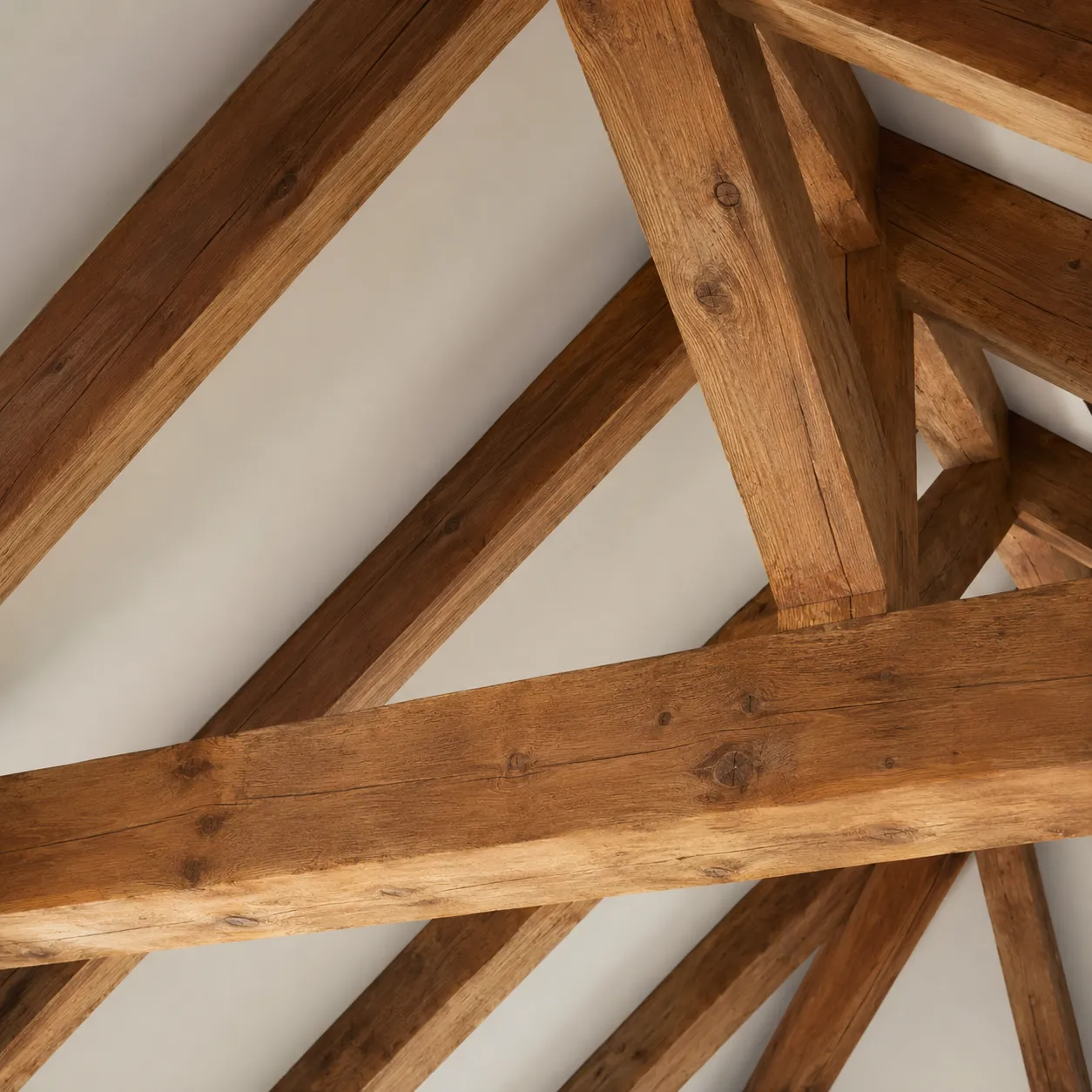
beamsbiːmz
long strong pieces of wood, metal or concrete that carry weight in a building or other structure.
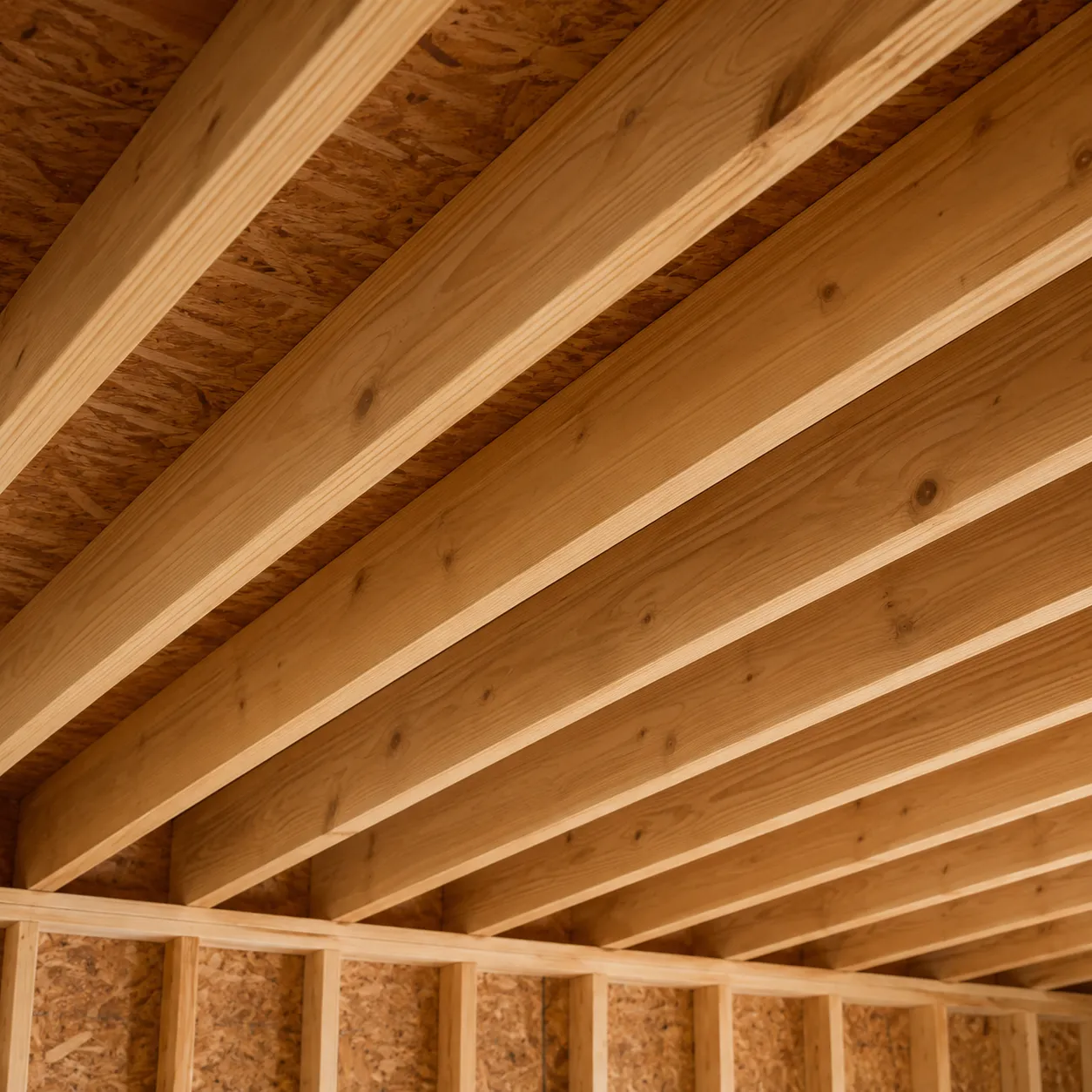
joistsdʒɔɪsts
parallel beams that support a floor or ceiling in a building.
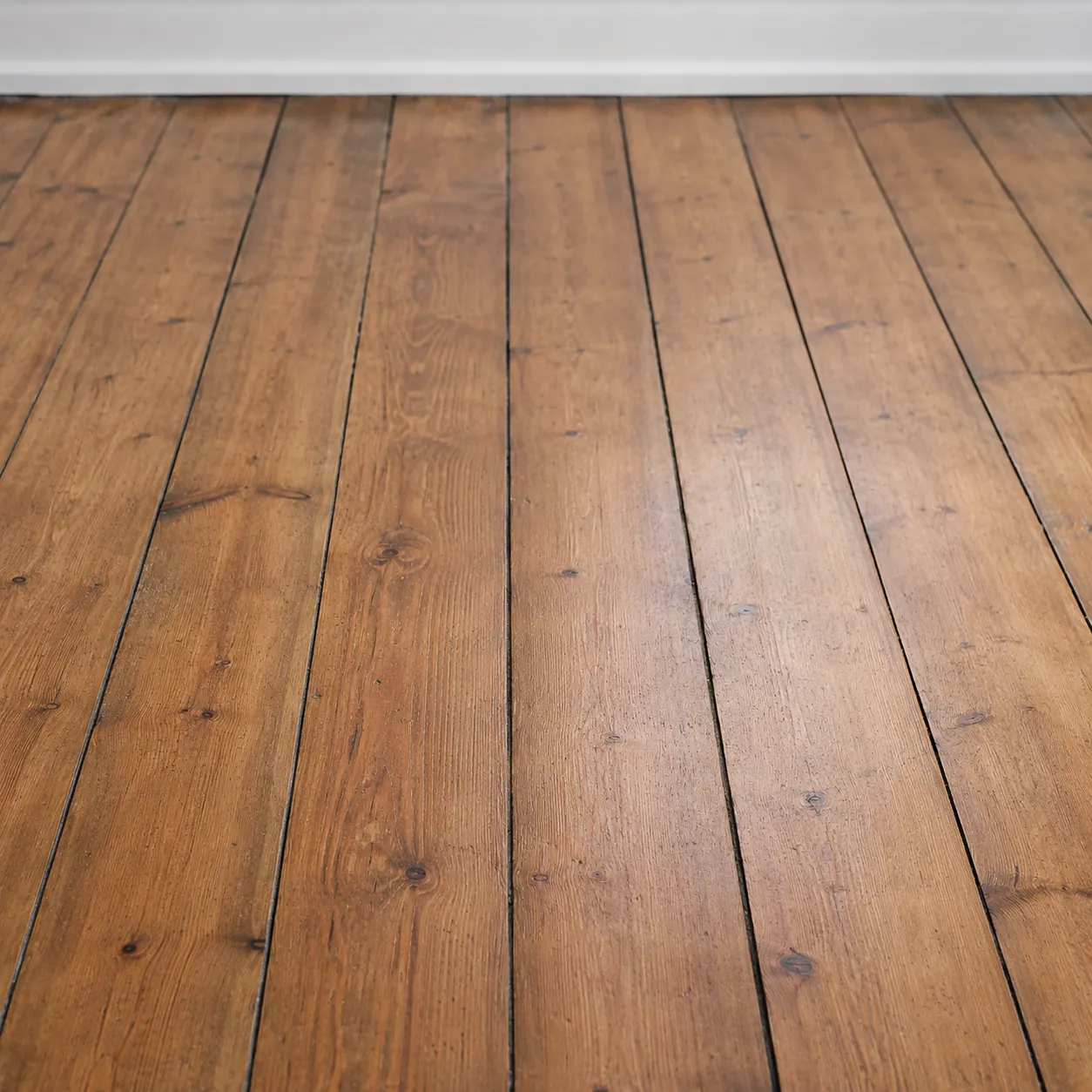
floorboardsˈflɔːrˌbɔːrdz
long wooden boards that are fixed side by side to make a floor.
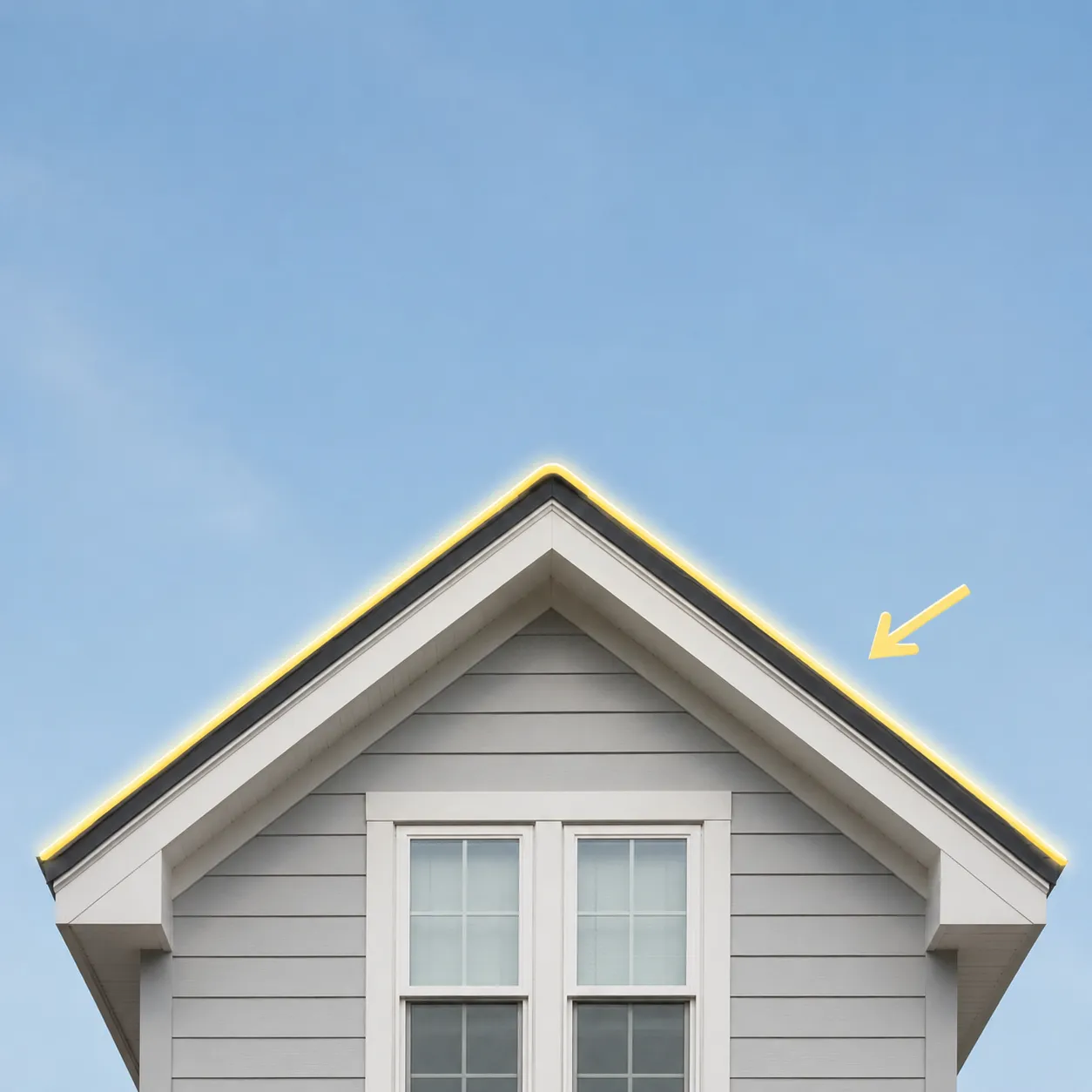
rooflineˈruːfˌlaɪn
the visible shape made by the edges and upper parts of a roof.
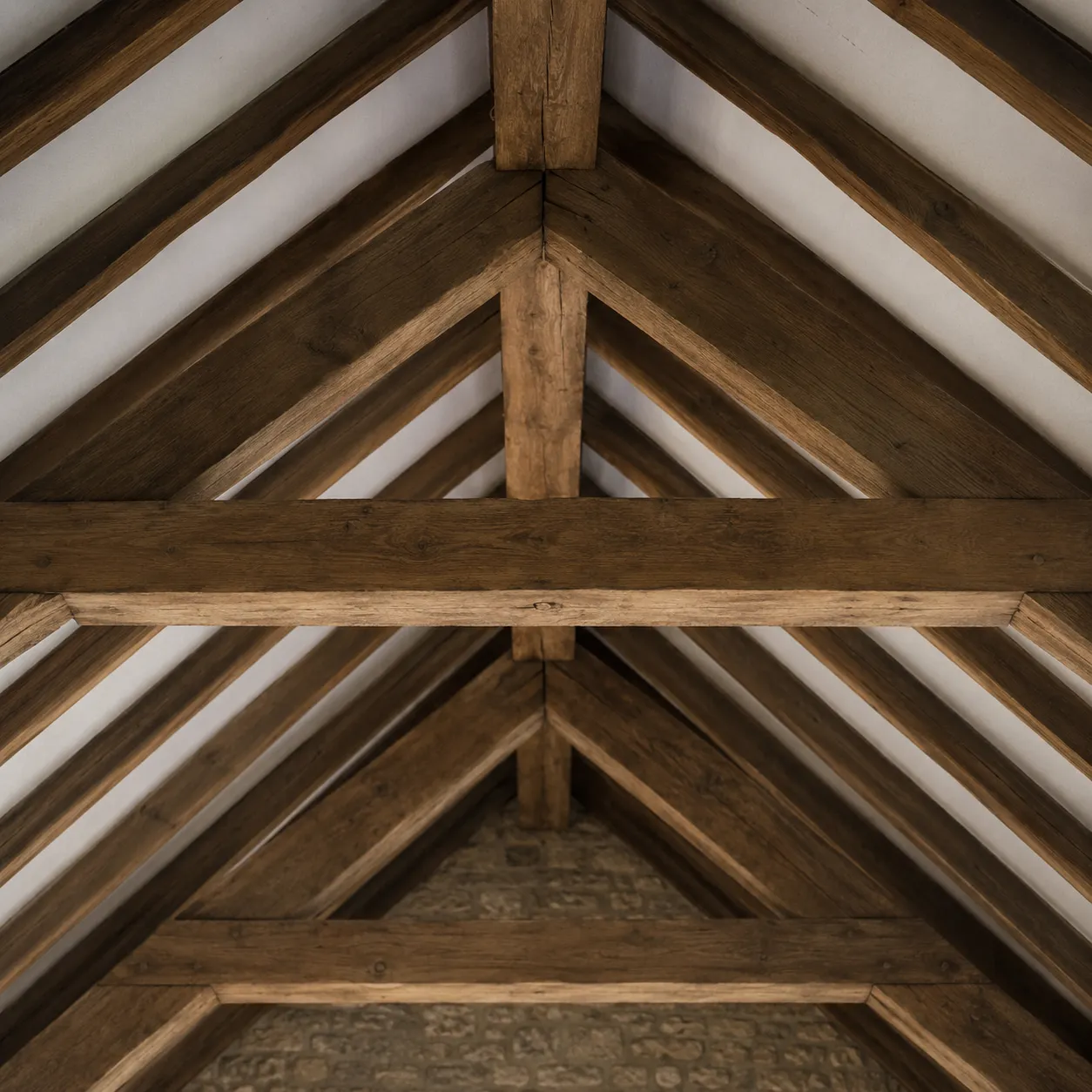
roof beamsruːf biːmz
strong pieces of wood, metal or concrete that hold up a roof.
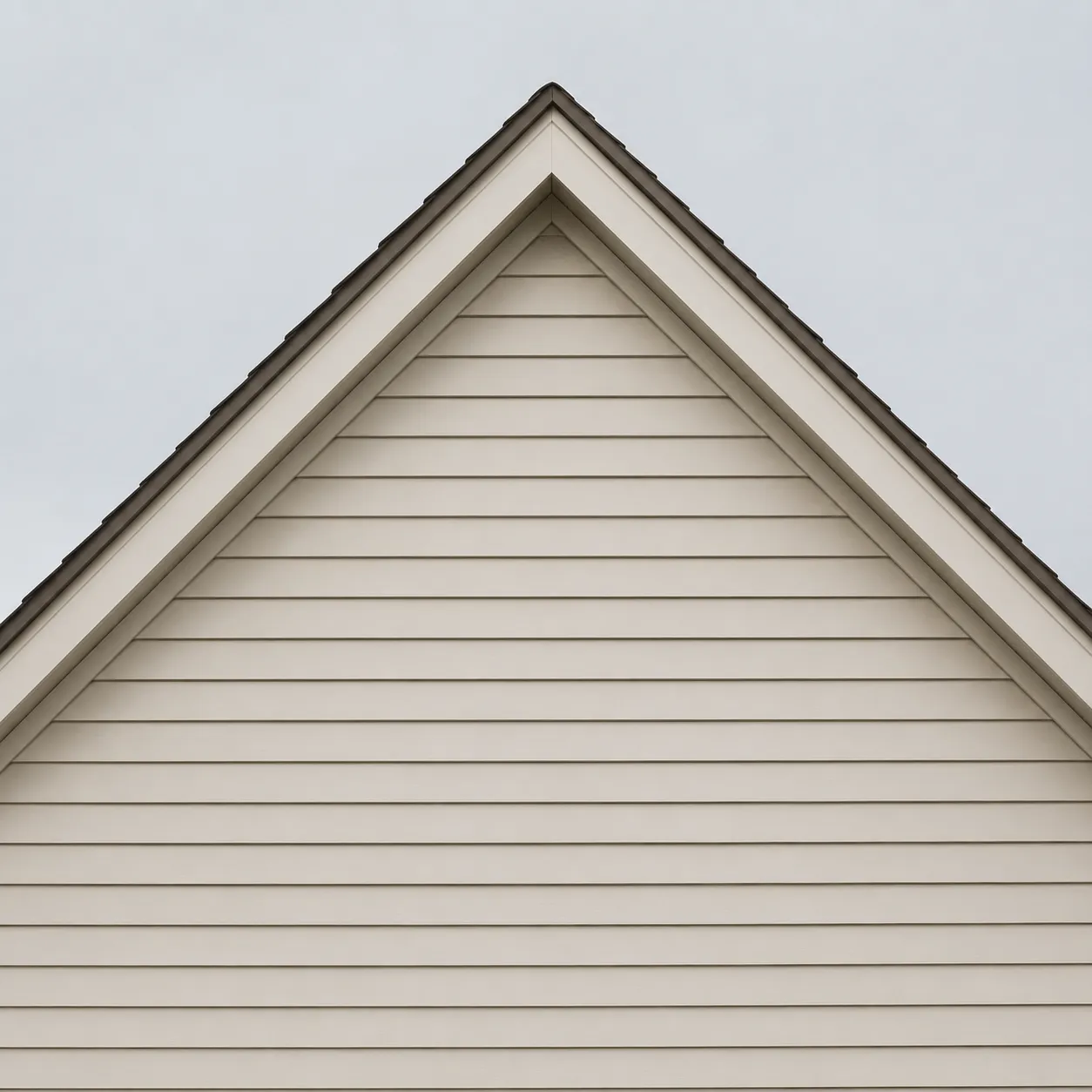
gableˈɡeɪbəl
the triangular upper part of a wall at the end of a building, between the two sloping sides of a roof.
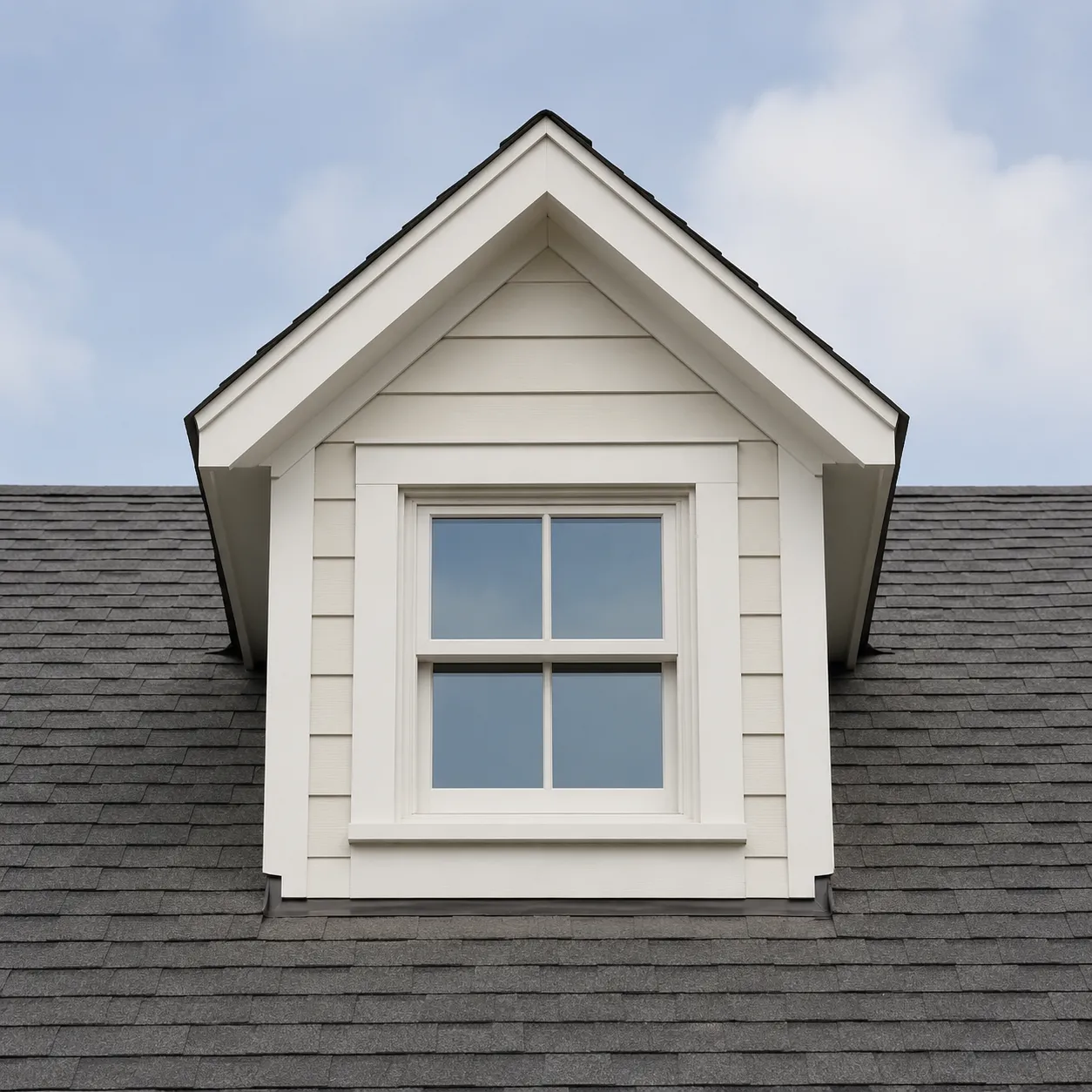
dormer windowˈdɔːrmər ˈwɪndoʊ
a window set upright in a small structure that sticks out from a sloping roof.
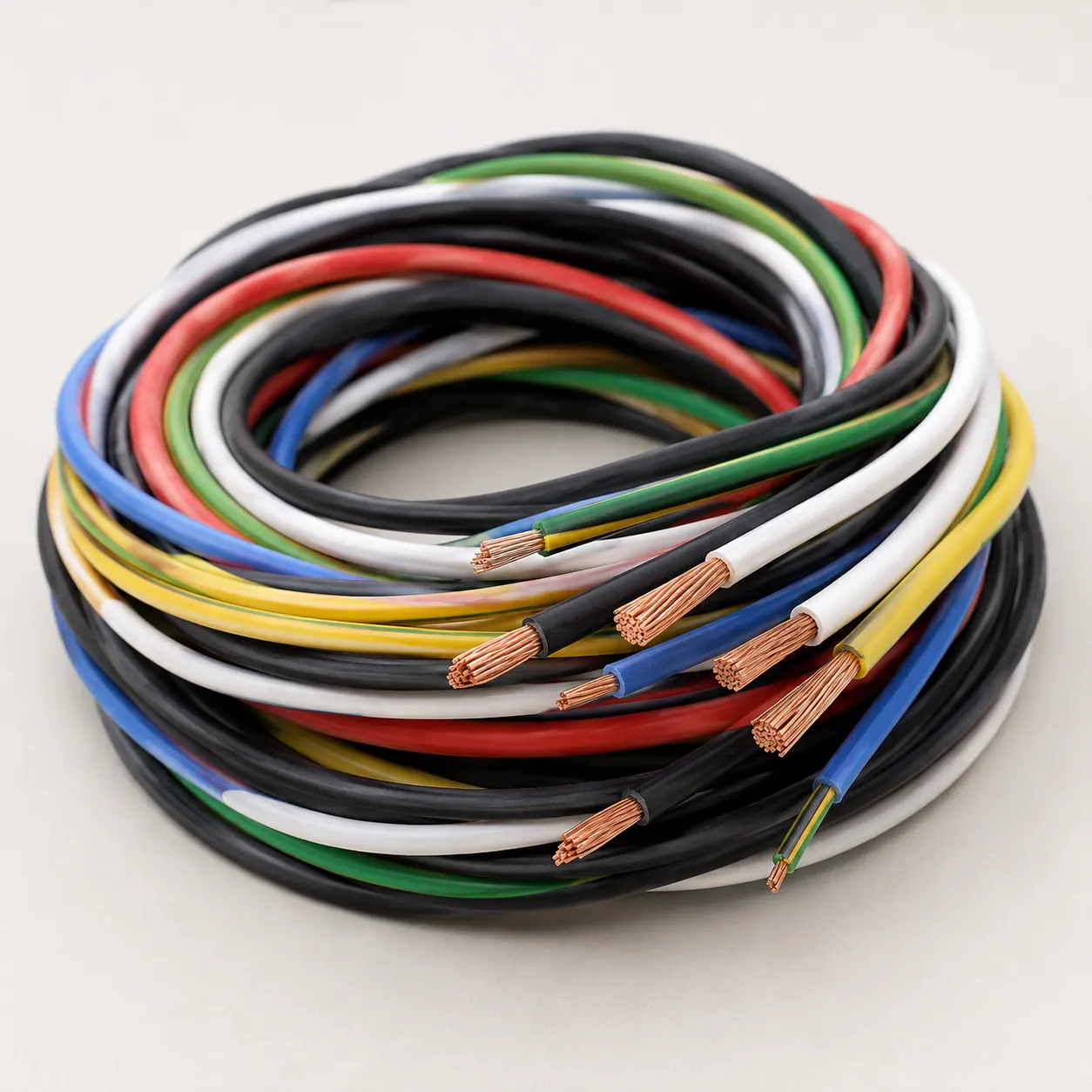
wiringˈwaɪərɪŋ
the network of wires that carries electricity through a building, vehicle or machine.
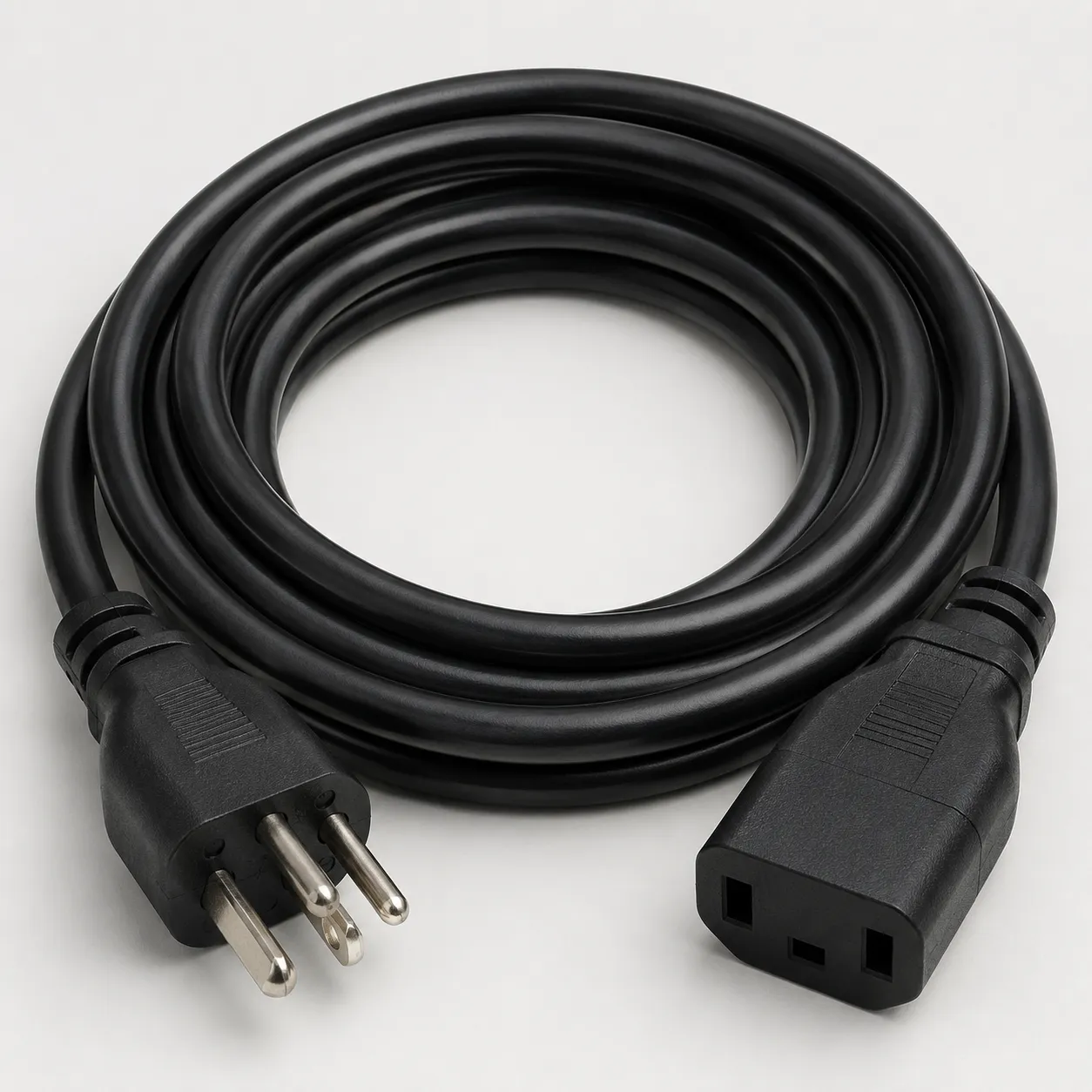
electrical cableɪˈlɛktrɪkəl ˈkeɪbəl
a thick covered wire, or group of wires, used to carry electricity.
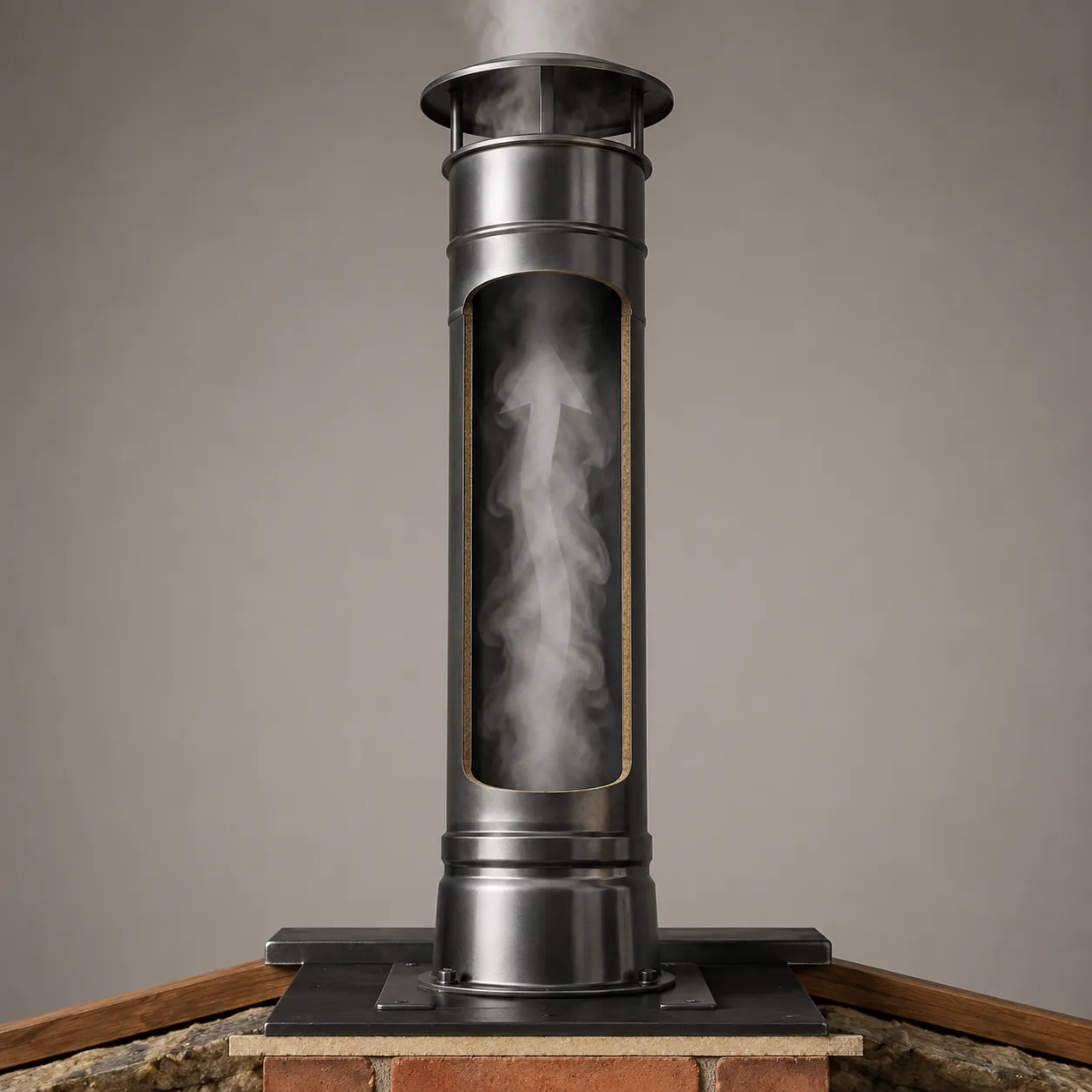
fluefluː
a pipe or passage that takes smoke or waste gases from a fireplace, stove or boiler to the outside air.
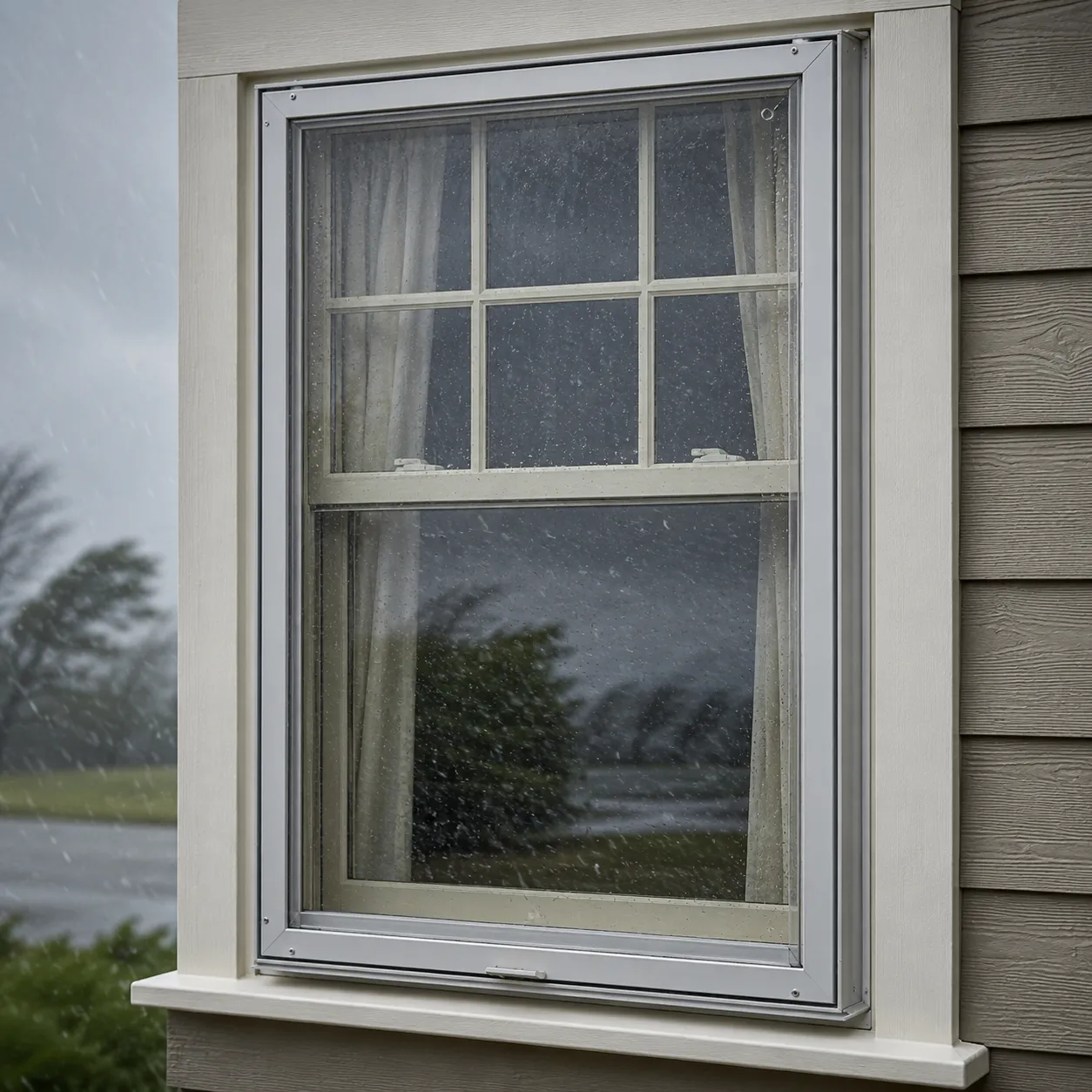
storm windowˈstɔːrm ˌwɪndoʊ
an extra window fitted outside or inside a normal window to keep out cold, rain, wind, or noise.
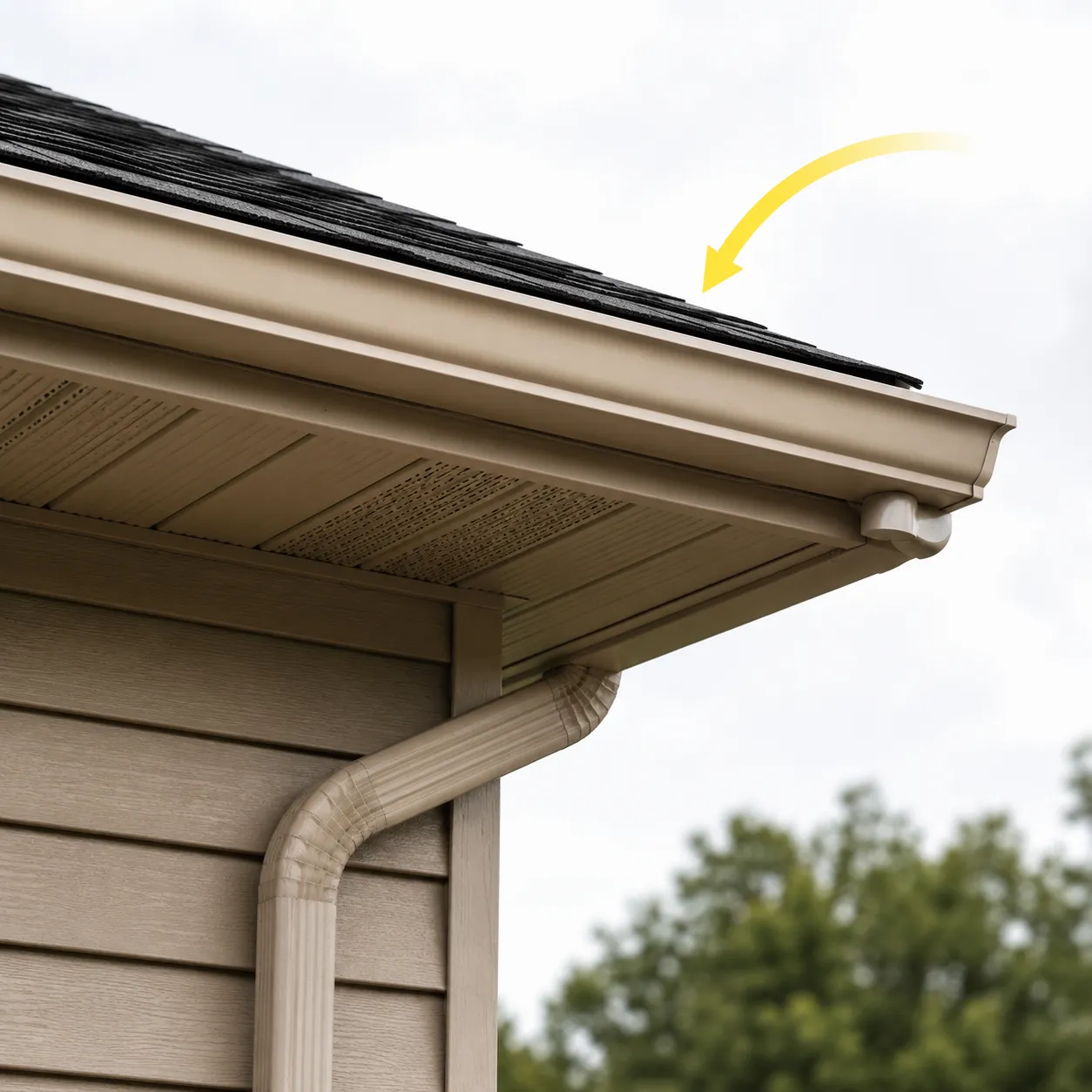
eavesiːvz
the lower edges of a roof that stick out beyond the walls of a building.
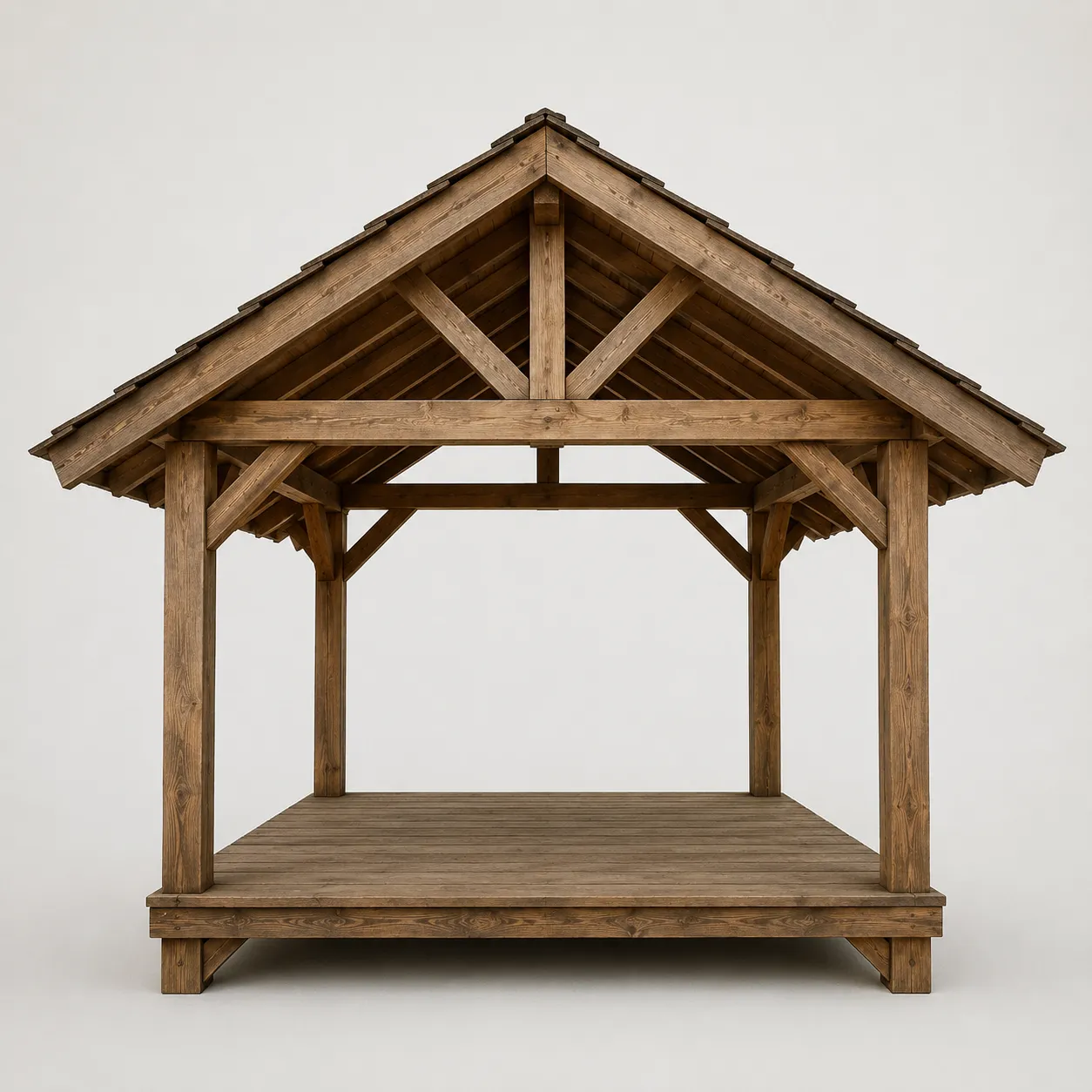
roofedruːft
covered by a roof or having a roof over it.
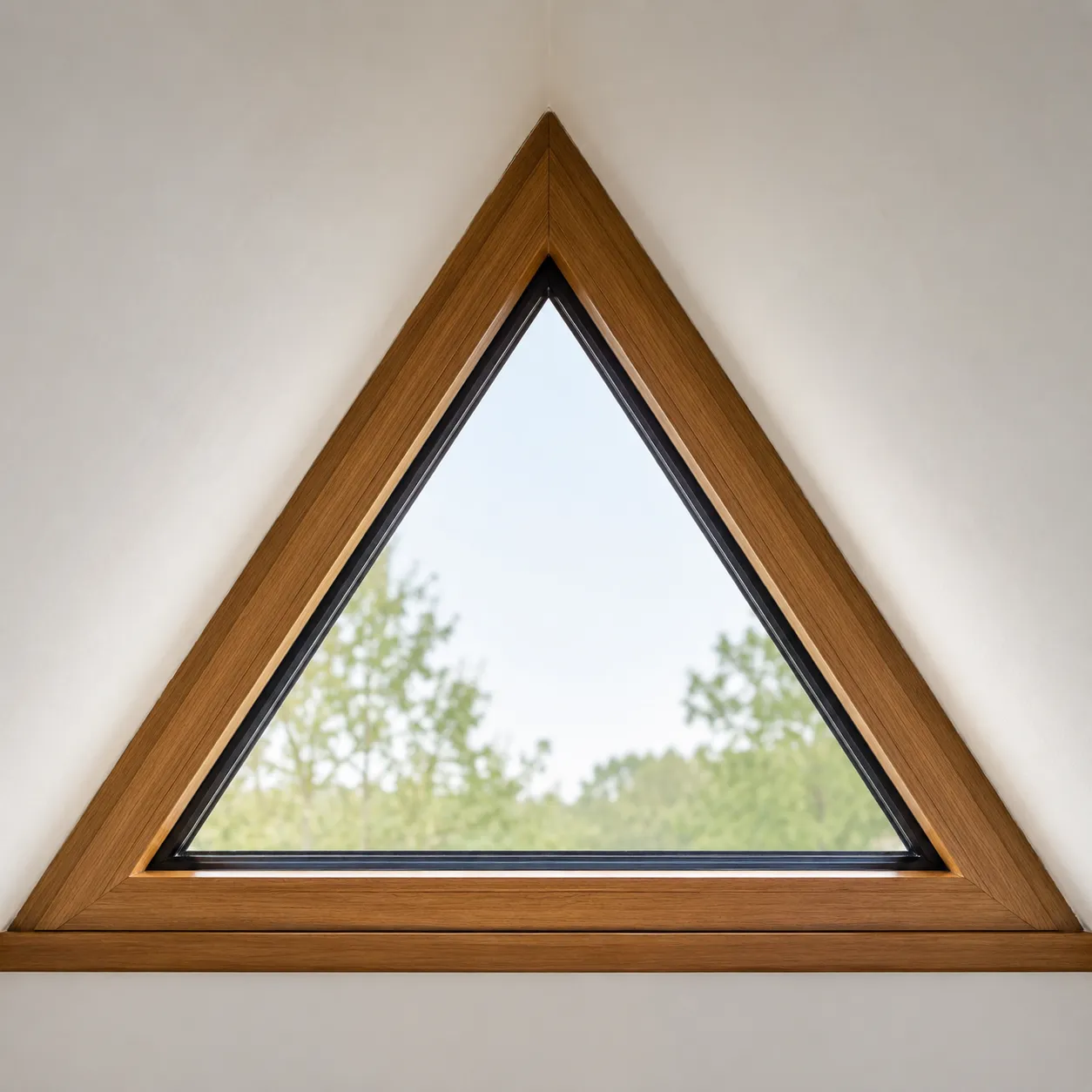
triangulartraɪˈæŋɡjələr
having three straight sides and three angles, like a triangle.
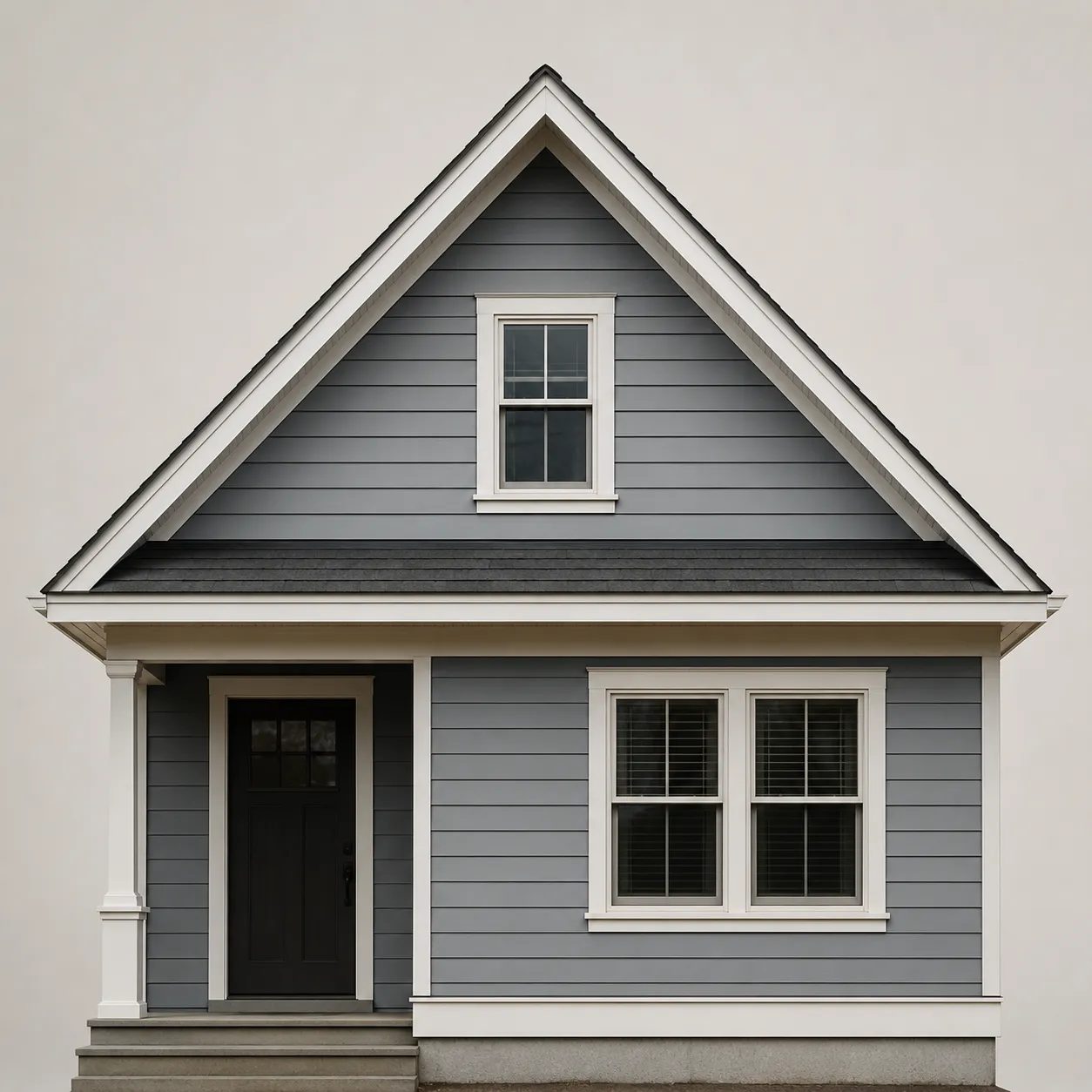
gabledˈɡeɪbəld
having the triangular upper part of a wall where two sloping sides of a roof meet.
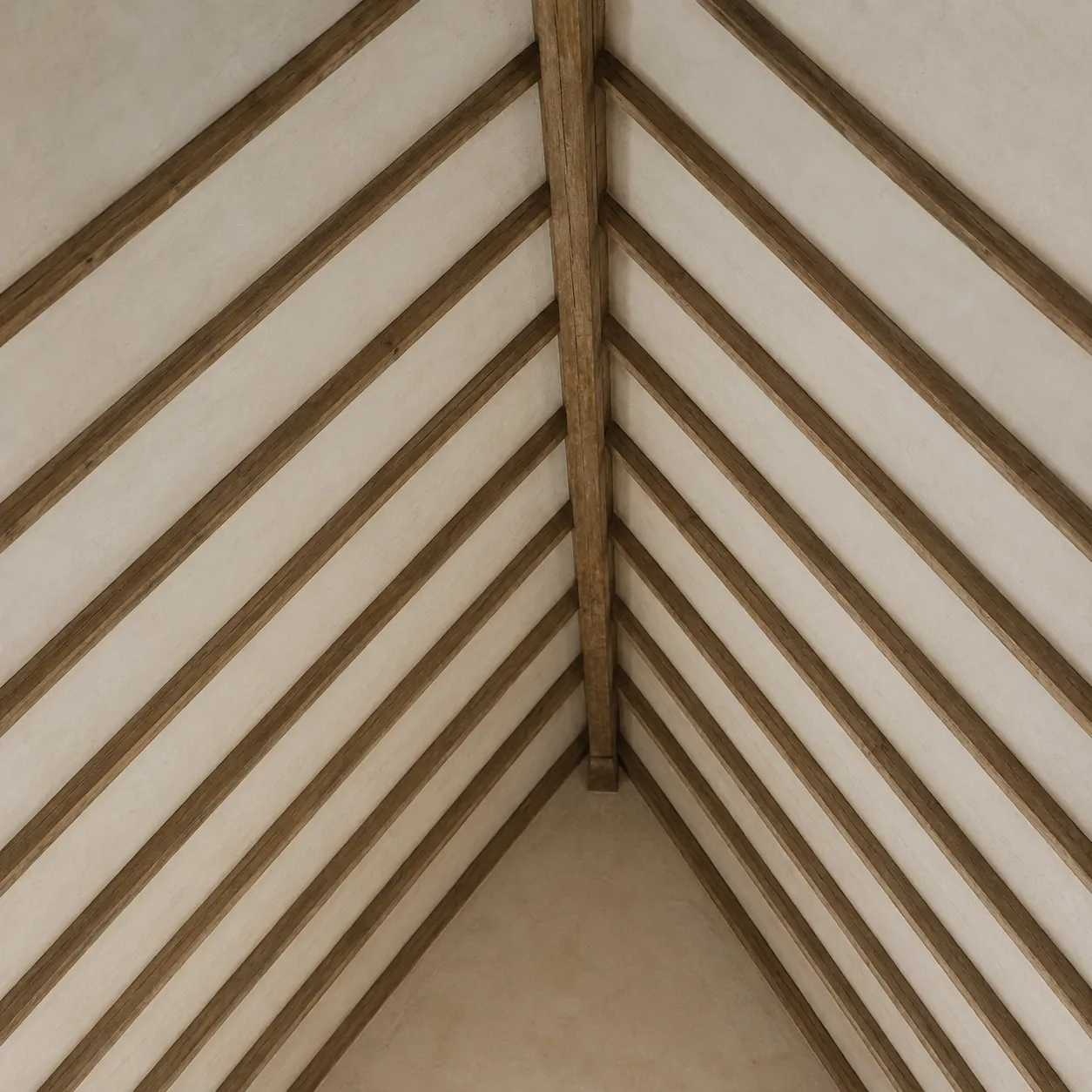
narrow-beamedˈnæroʊ ˌbiːmd
built with beams that are narrow rather than wide.
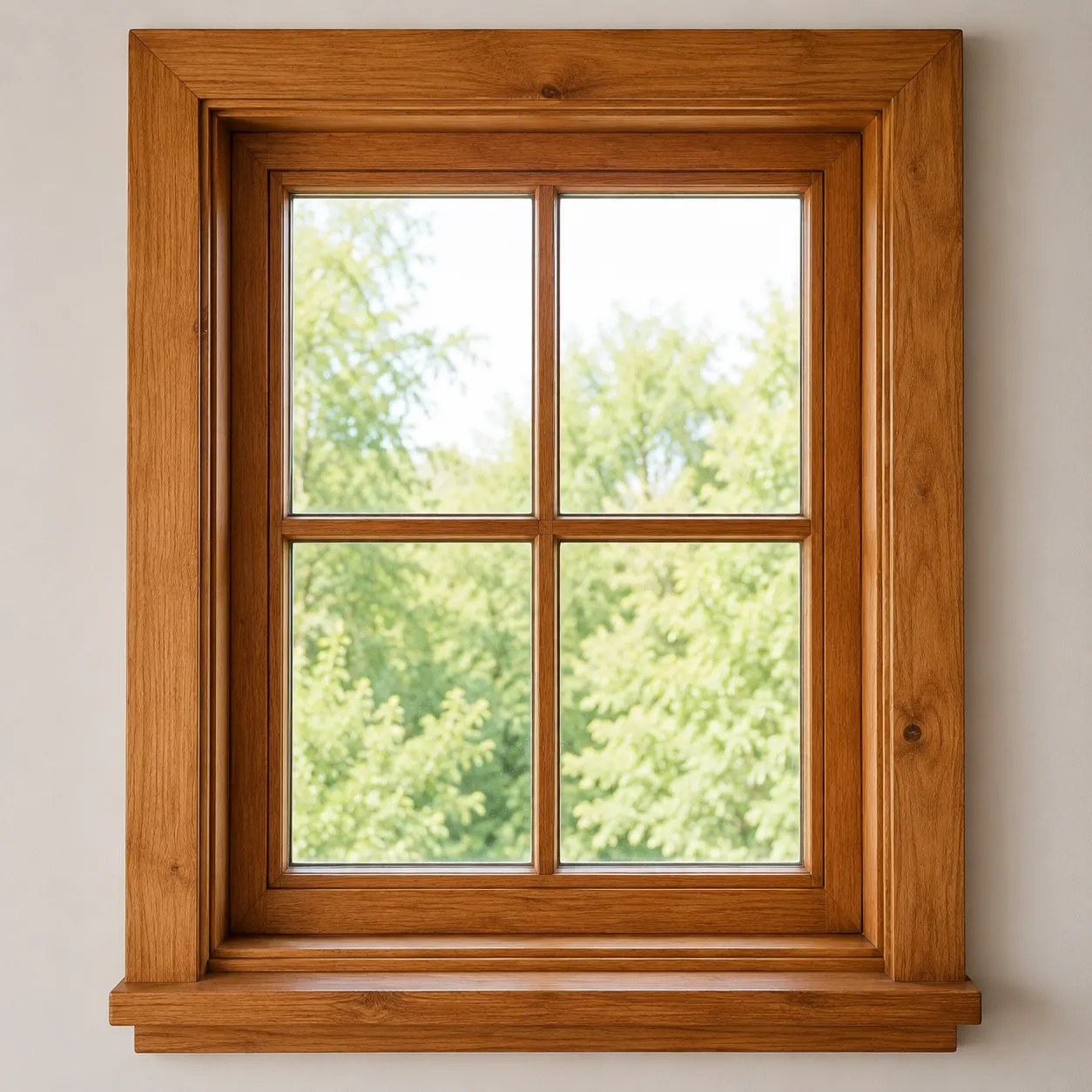
wood-framedˈwʊd ˌfreɪmd
built around a supporting frame made of wood.
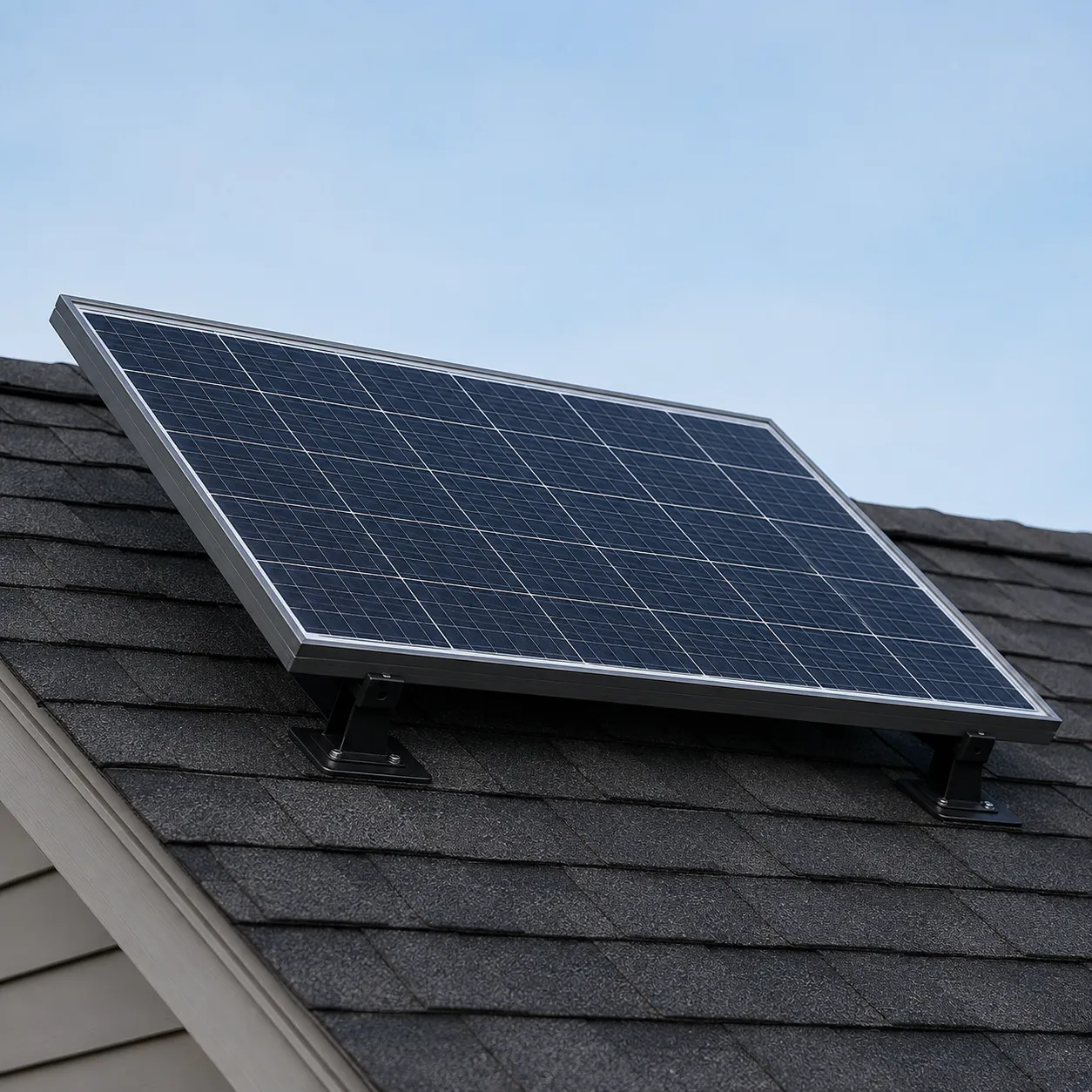
roof-mountedˈruːf ˌmaʊntɪd
fixed or installed on the roof of a building or vehicle.
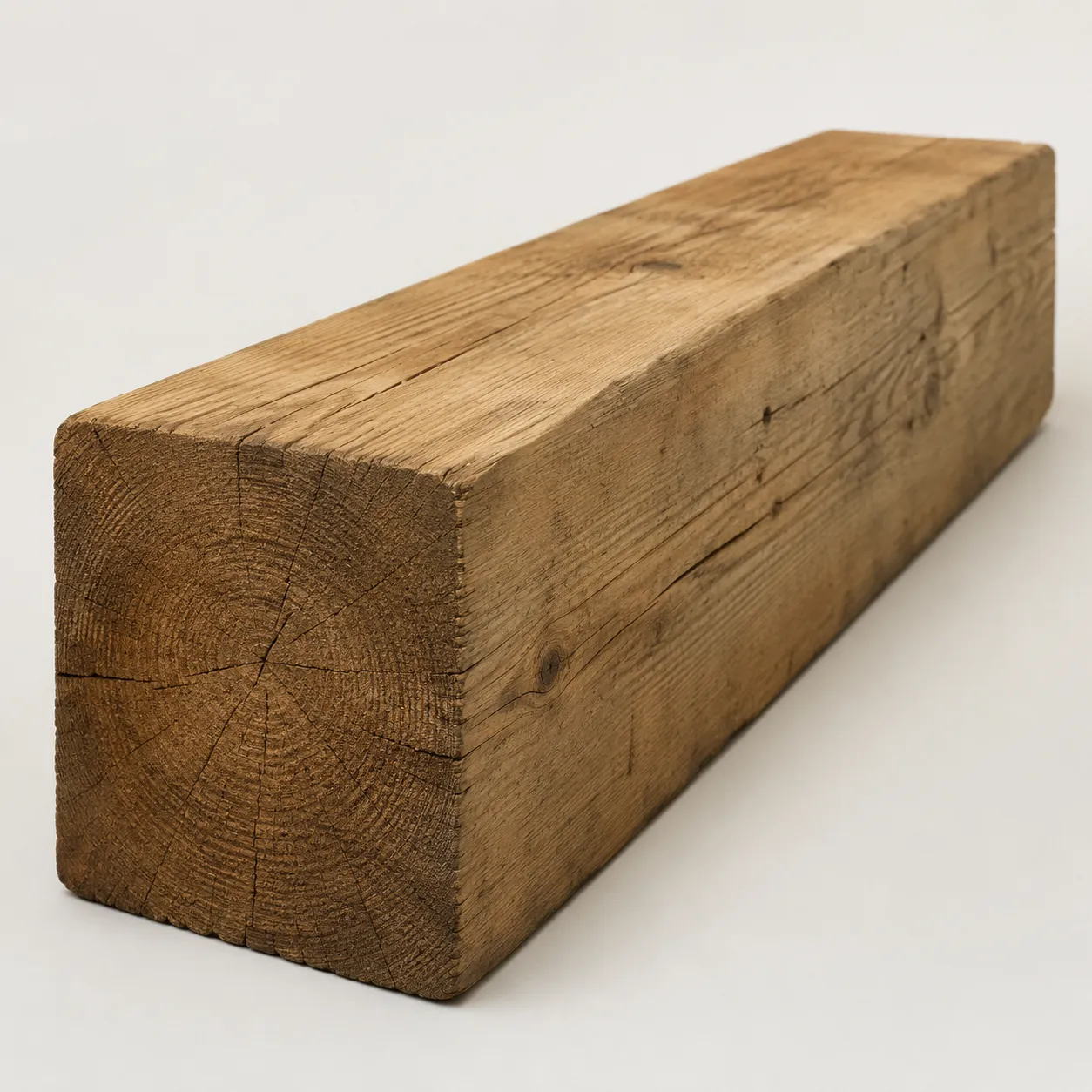
wooden beamˈwʊdən ˈbiːm
a long, thick piece of wood used to support a floor, roof or other part of a building.
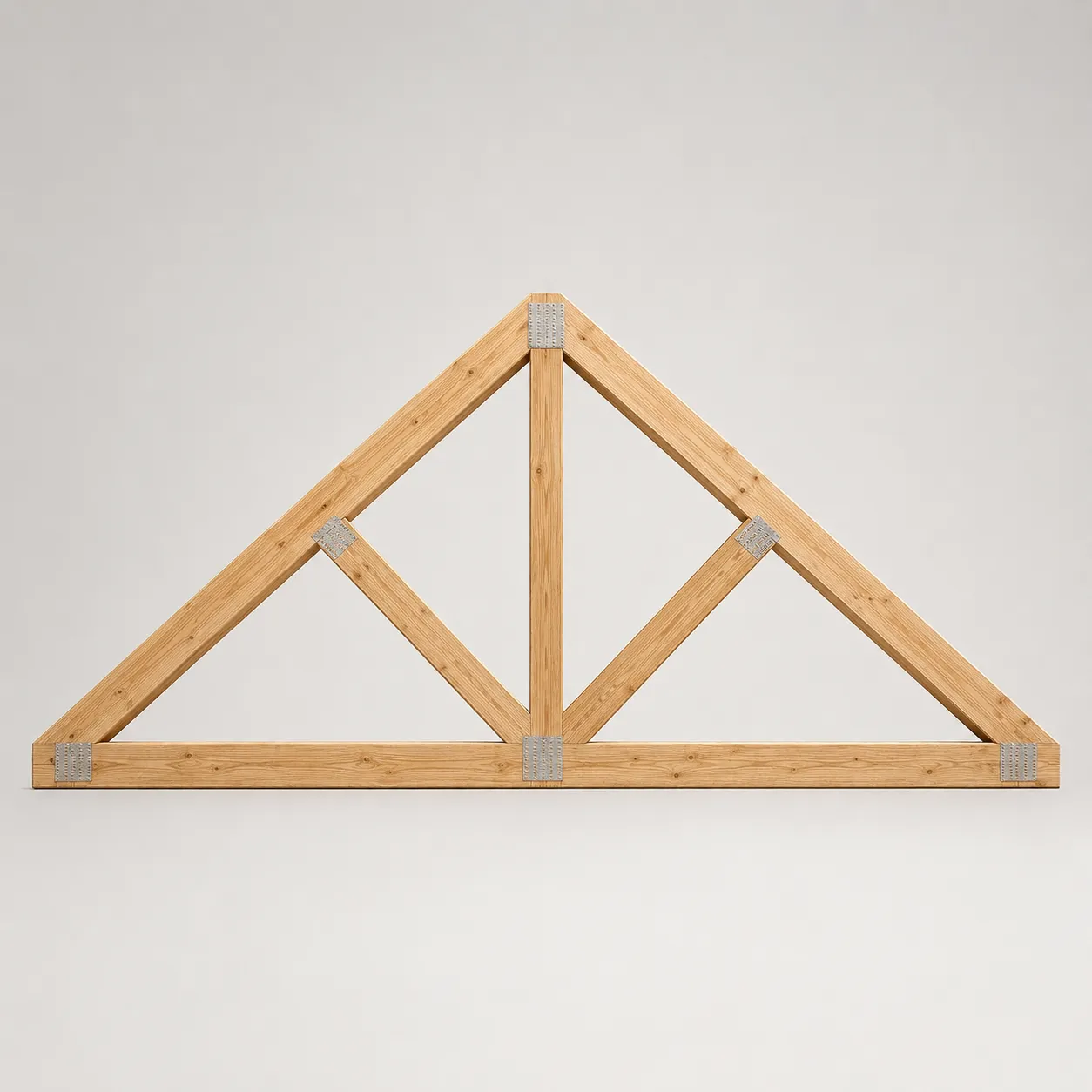
roof trussˈruːf trʌs
a strong triangular wooden or metal frame that supports the weight and shape of a roof.
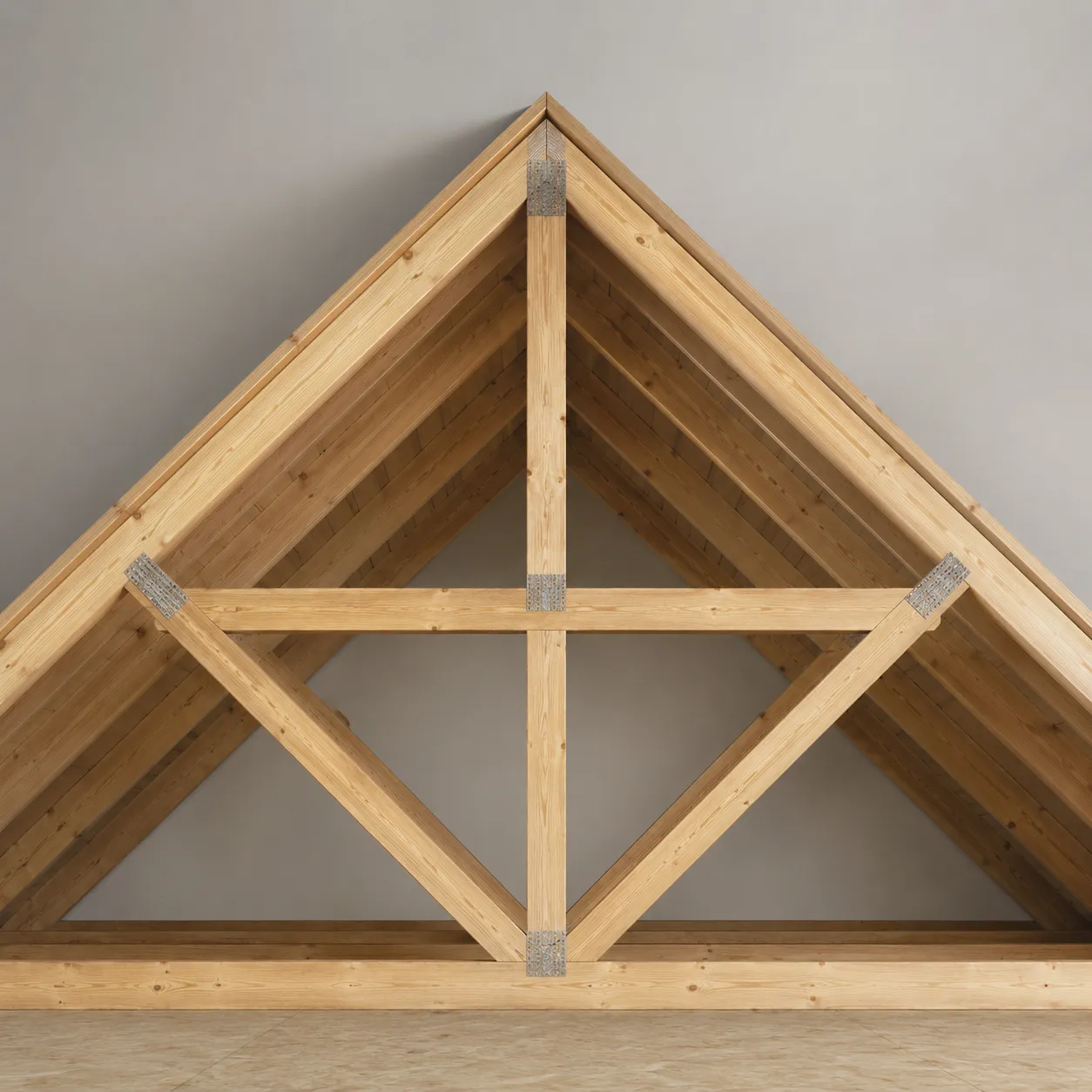
attic trussˈætɪk trʌs
a roof-supporting frame built so that it leaves open space inside the roof for an attic room or storage area.
Vocabulary for airflow, heating, humidity control, insulation materials, and reducing heat or energy loss.
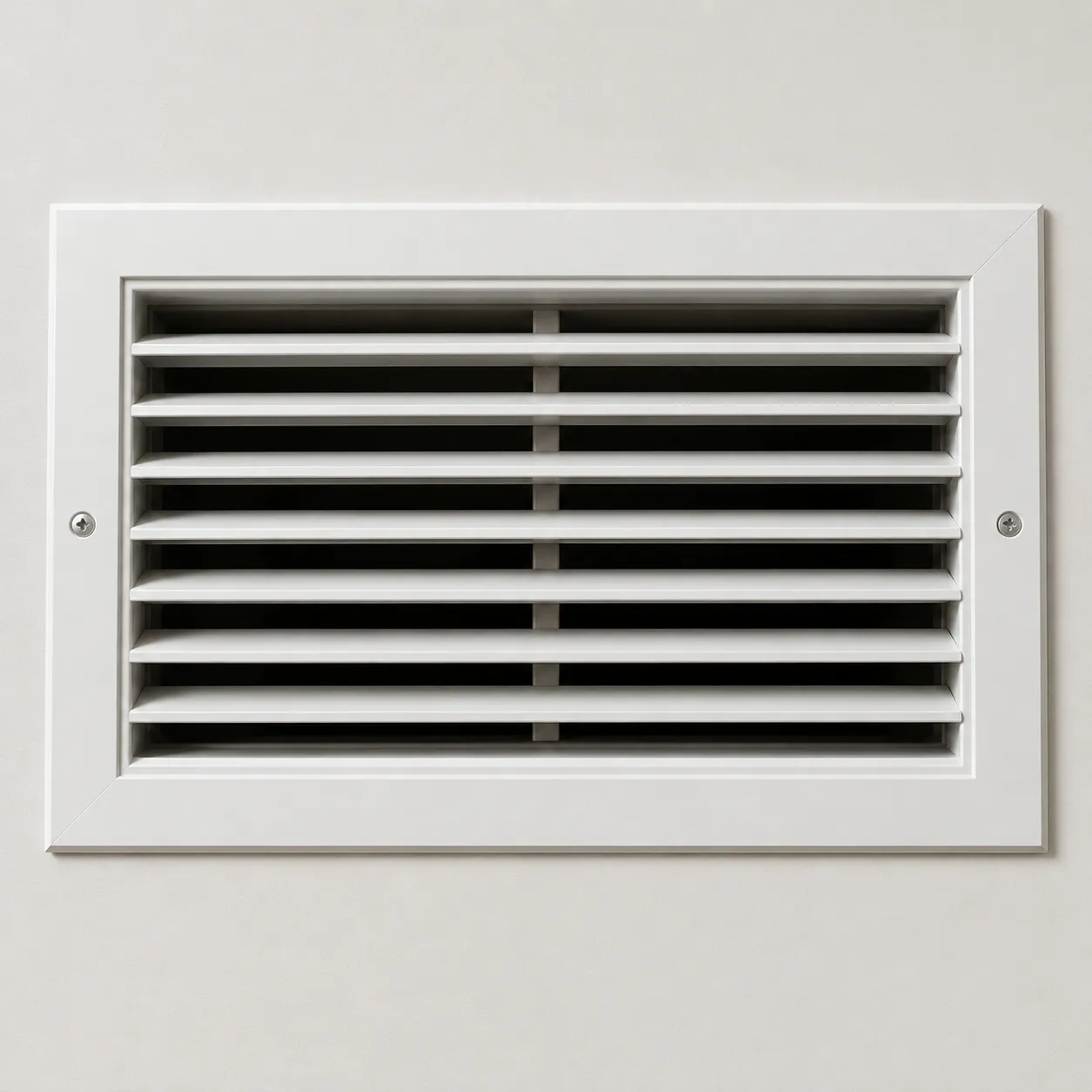
ventvɛnt
an opening in a wall, ceiling, or appliance that lets air, steam, or smells pass in or out.
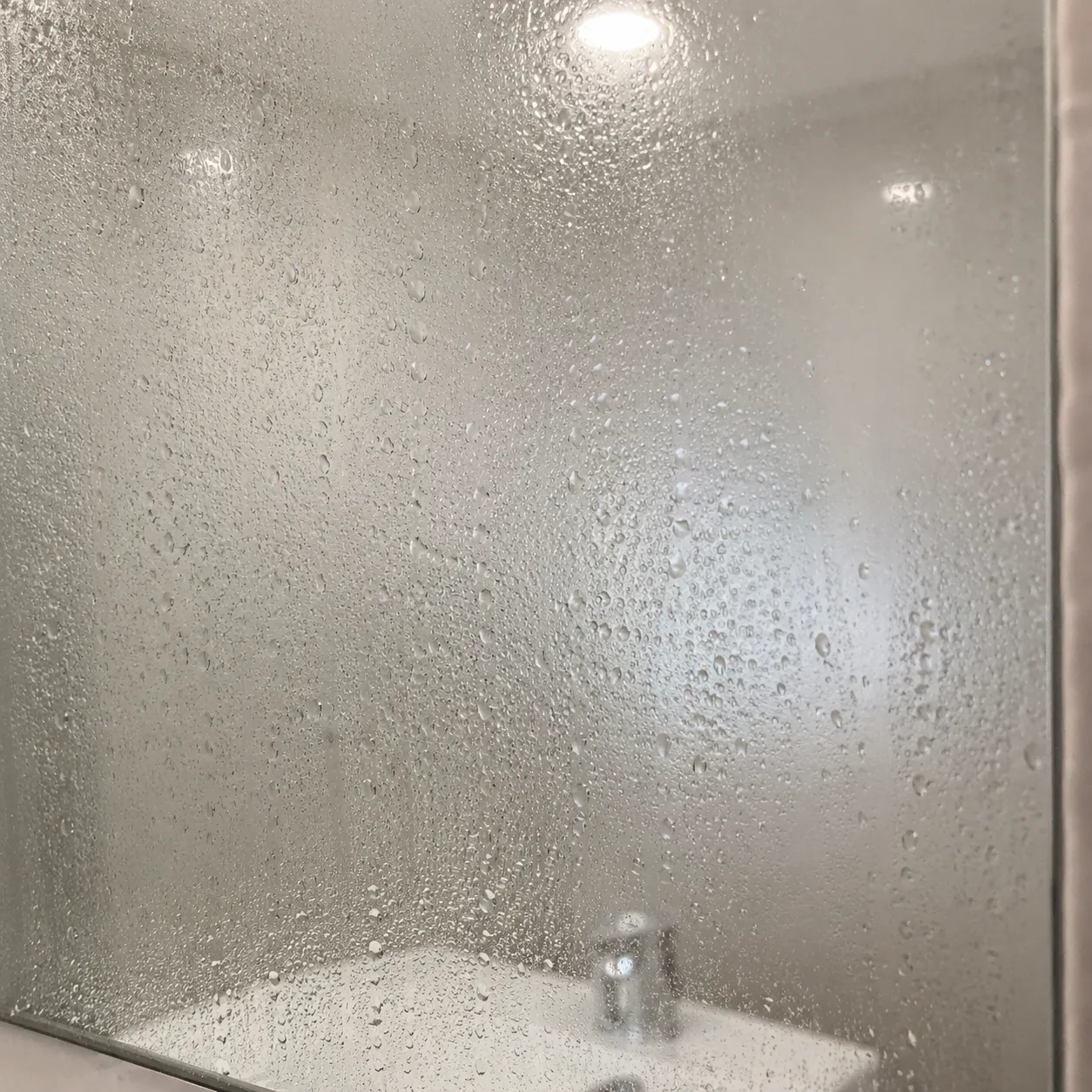
humidˈhjuːmɪd
having a lot of water in the air, so the air feels damp and heavy.
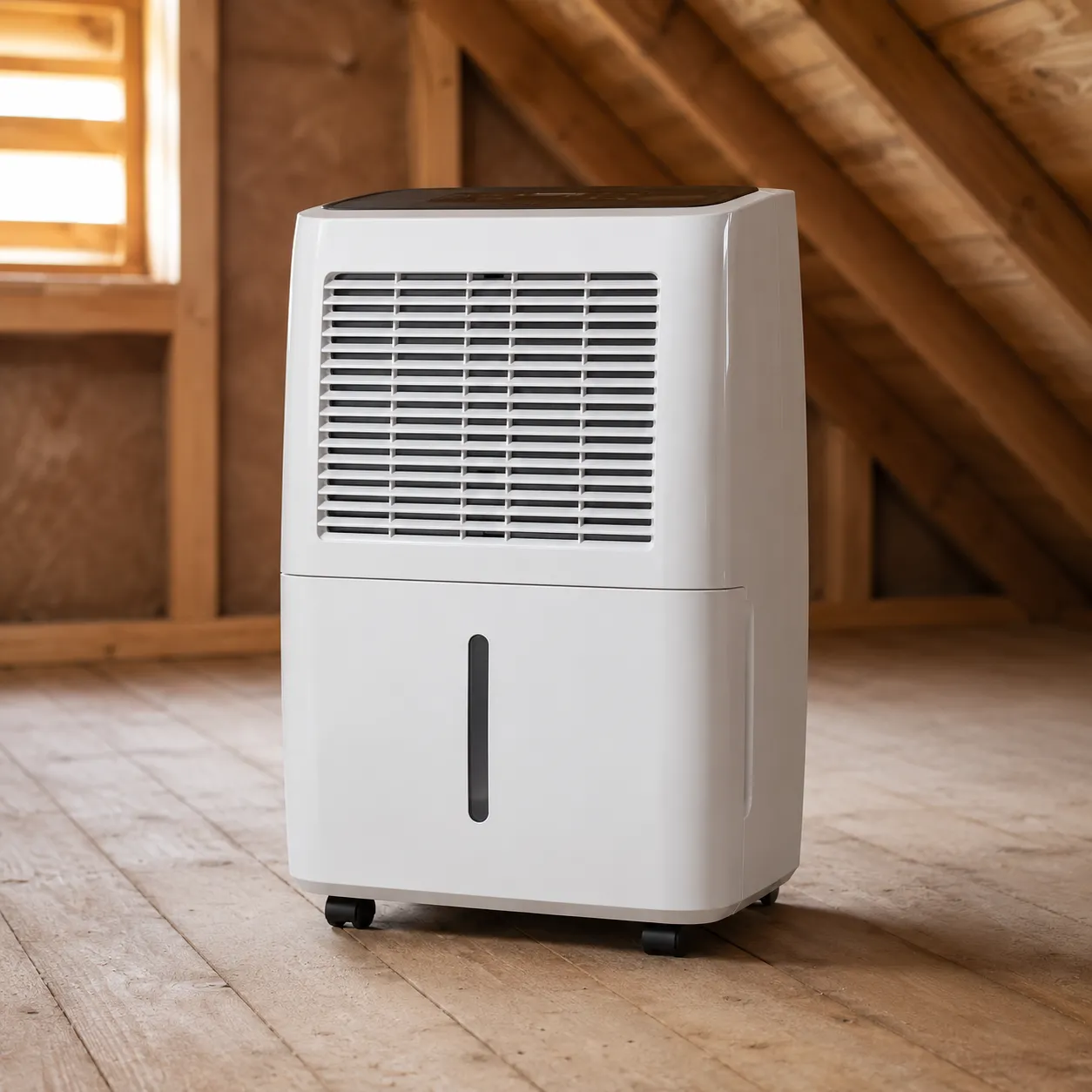
dehumidifierˌdiːhjuːˈmɪdɪfaɪər
an electrical machine that takes extra water out of the air in a room or building.
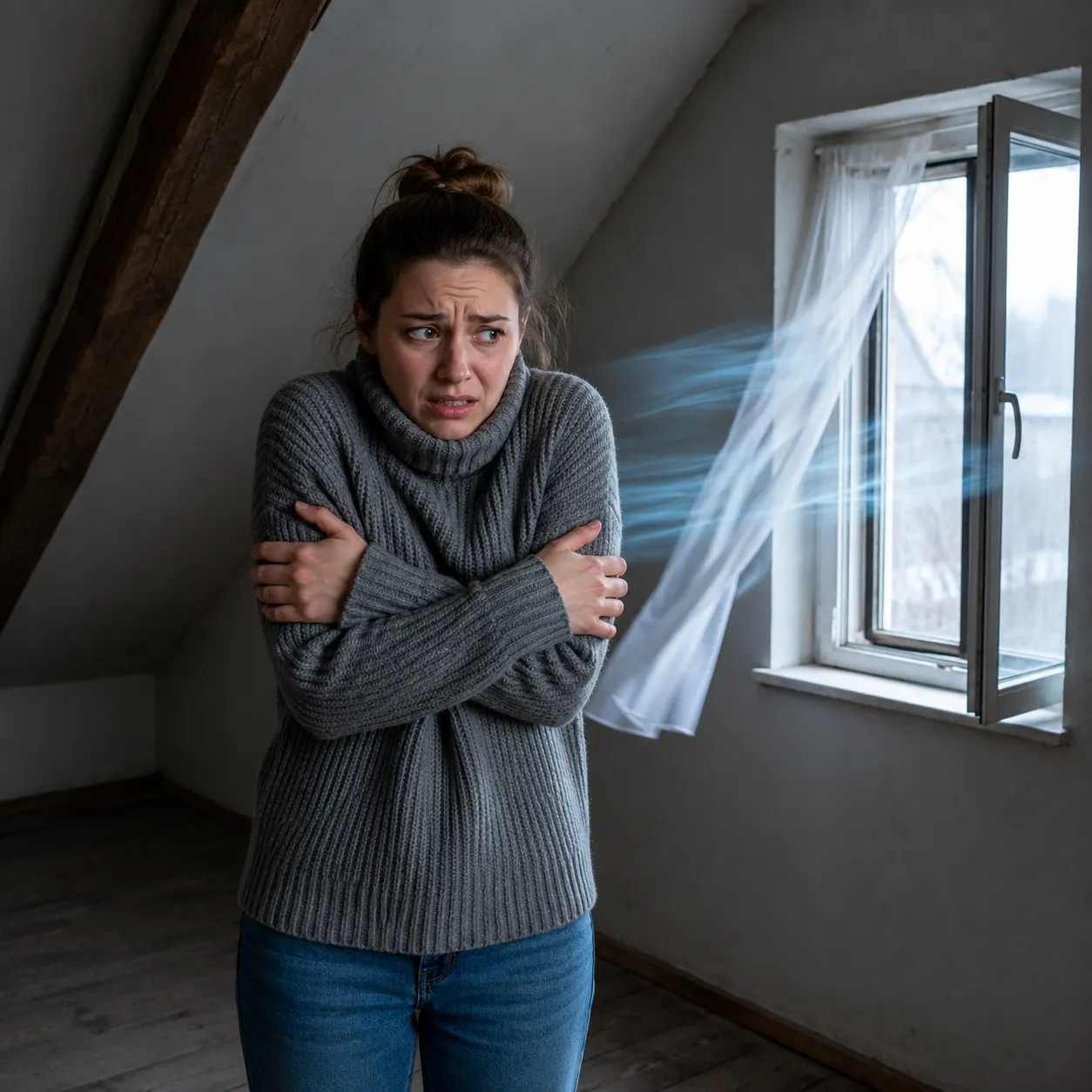
draftyˈdræfti
having cold air blowing through small openings in a room or building.
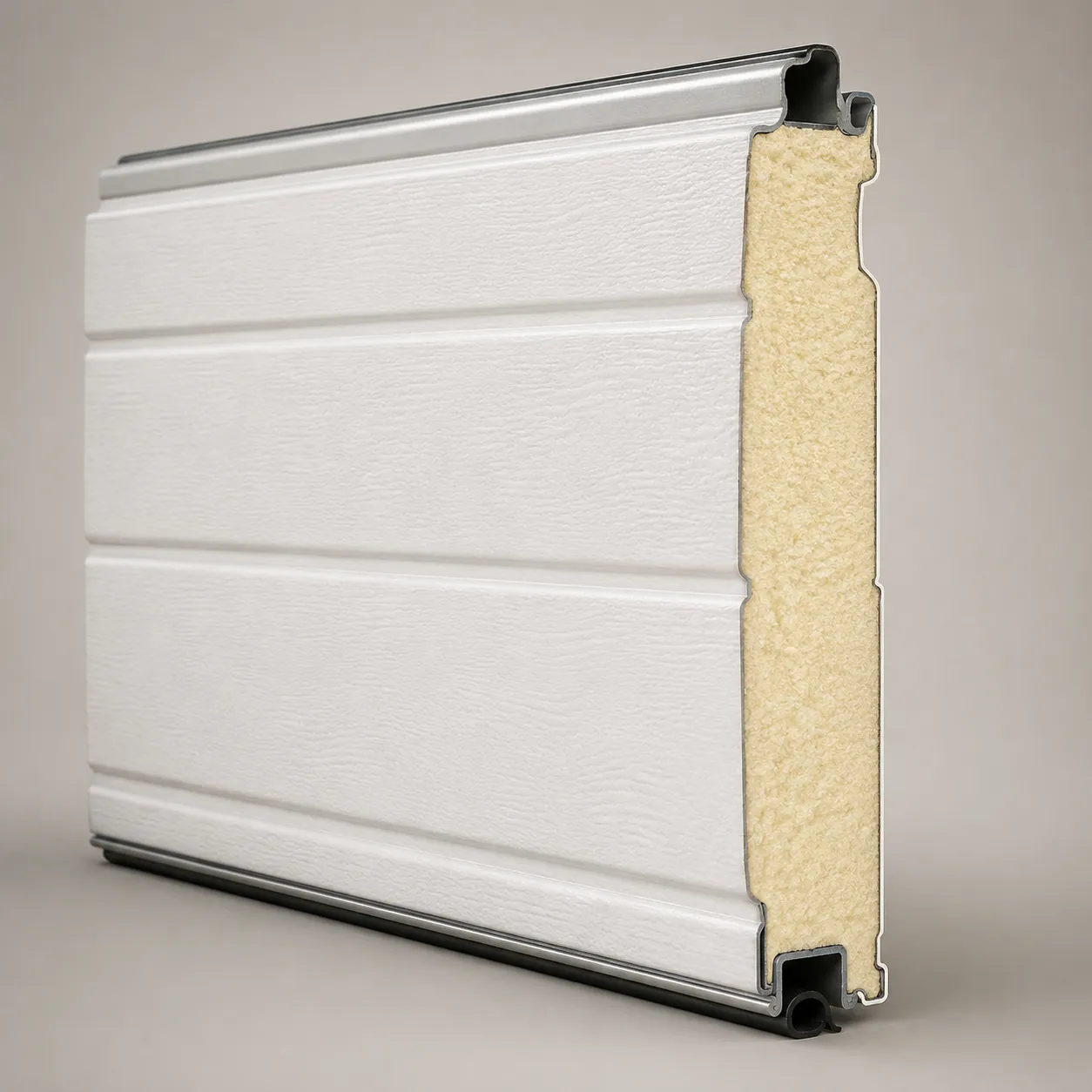
insulatedˈɪnsəˌleɪtɪd
covered or built with material that helps stop heat, cold, sound, or electricity from passing through.
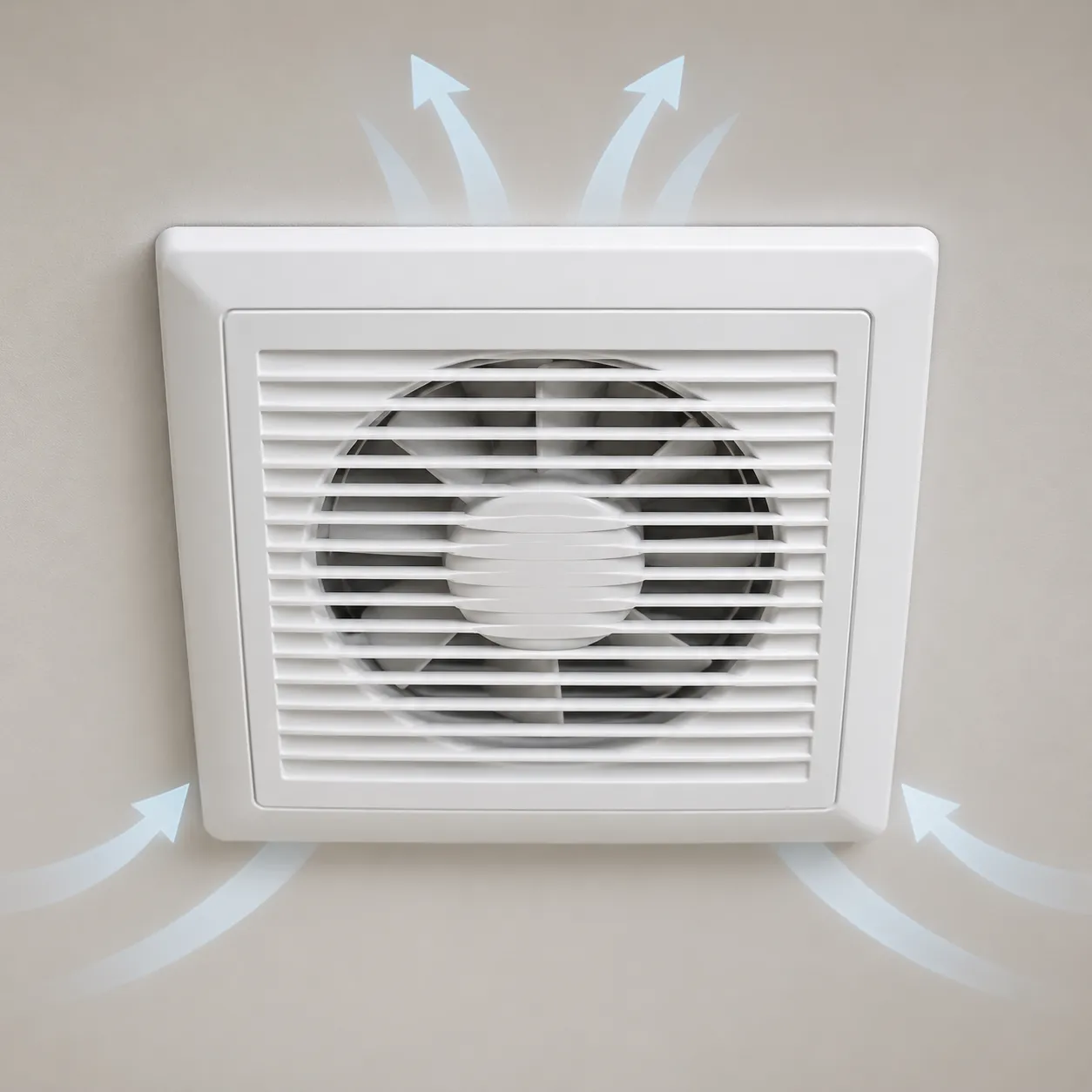
ventilationˌvɛntɪˈleɪʃən
the process or system that brings fresh air into a room or building and removes old or damp air.
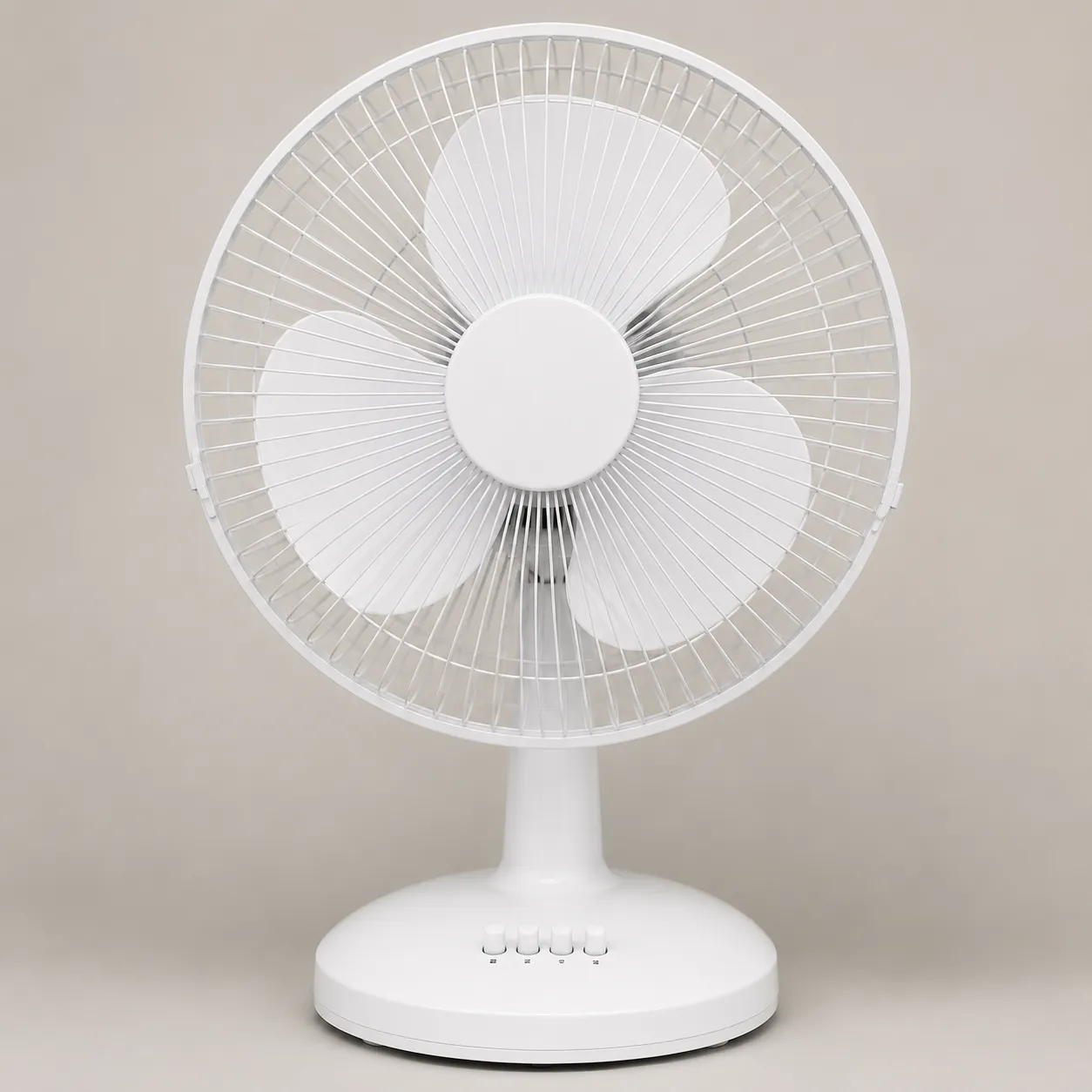
fanfæn
a device with turning blades that moves air to cool a person or room, or to help fresh air circulate.
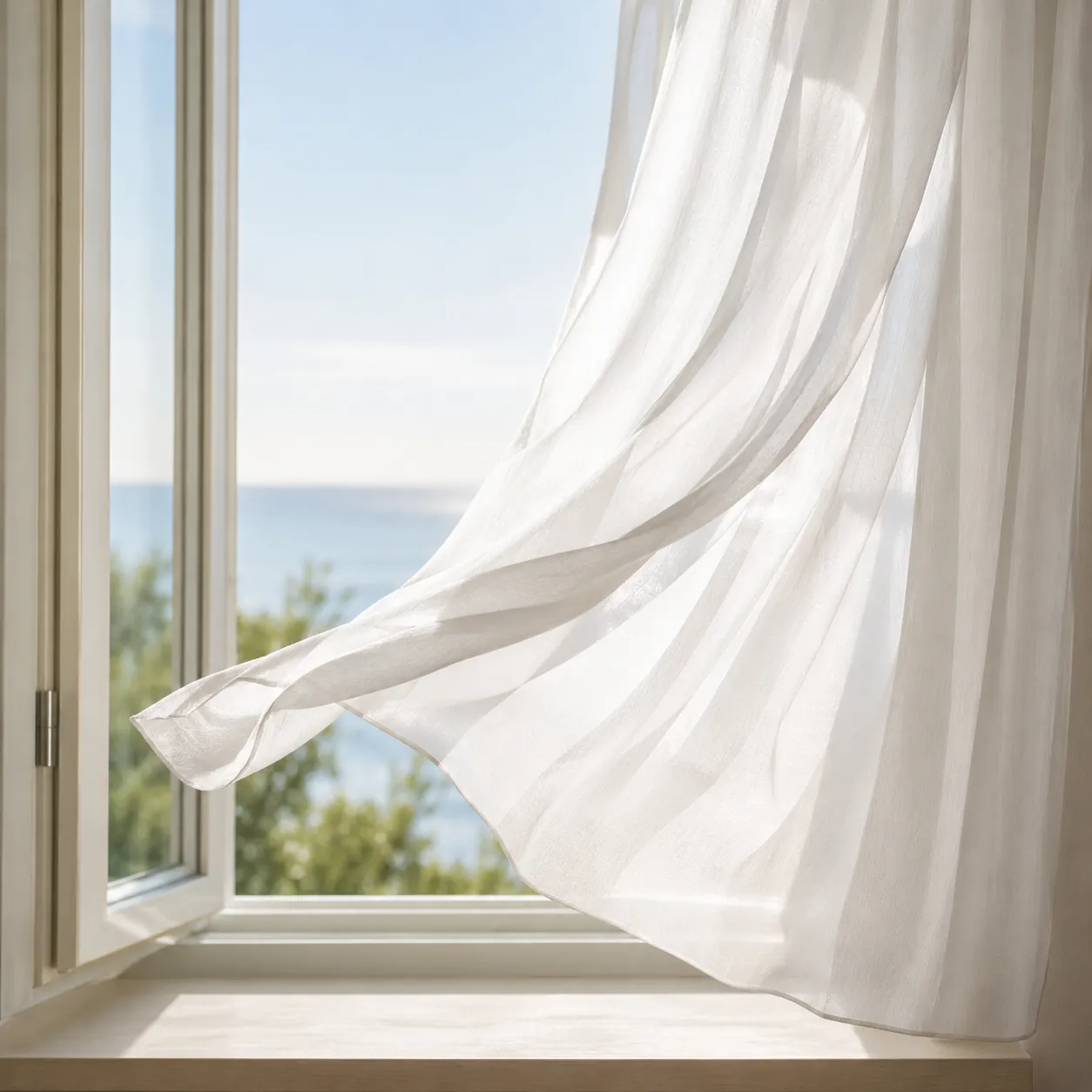
breezebriːz
a light, pleasant wind.
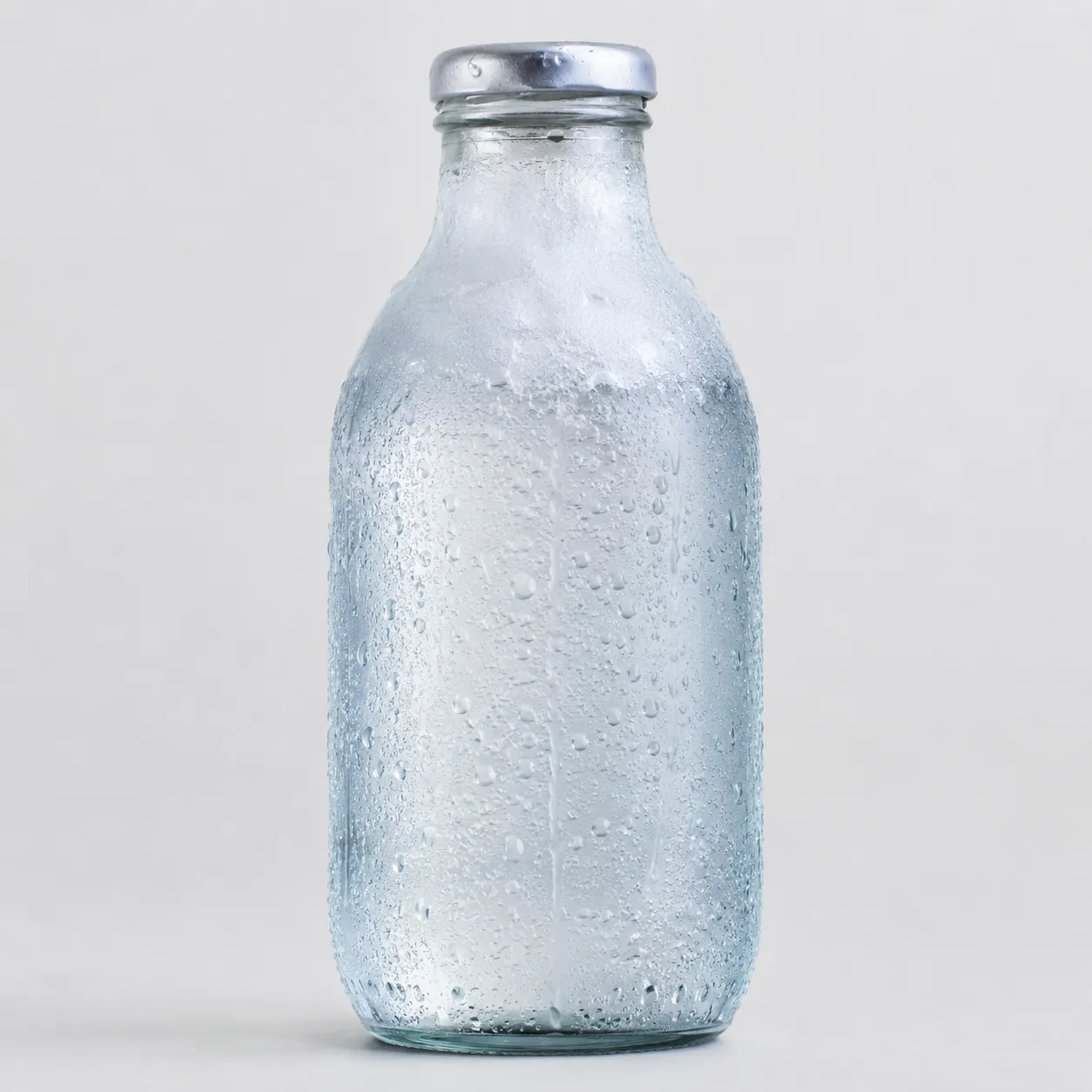
coldkoʊld
having a low temperature, not heated, or making someone feel low body heat
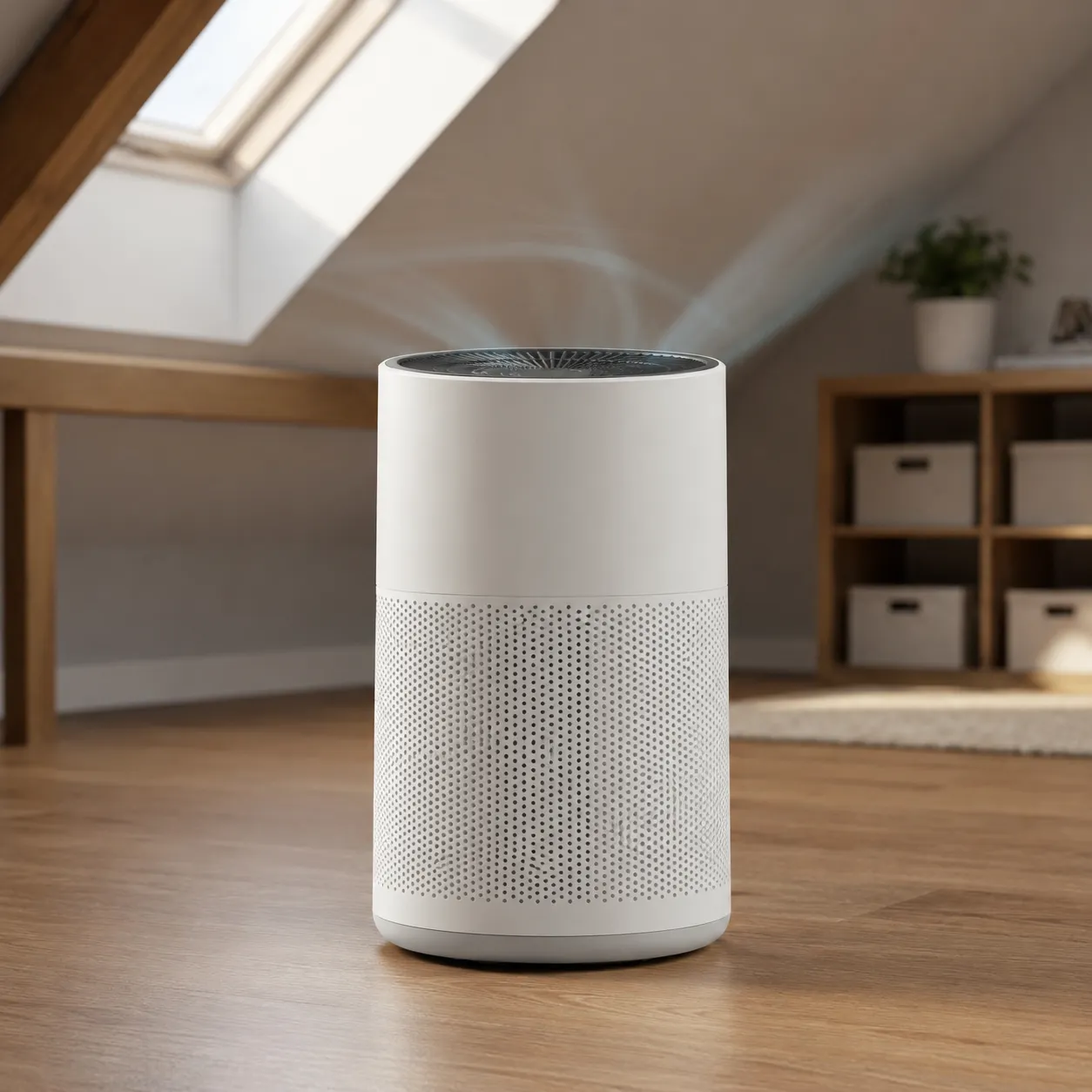
air purifierˈɛr ˌpjʊrɪfaɪər
an electrical machine that cleans the air in a room by removing dust, smoke, pollen, or other unwanted particles.
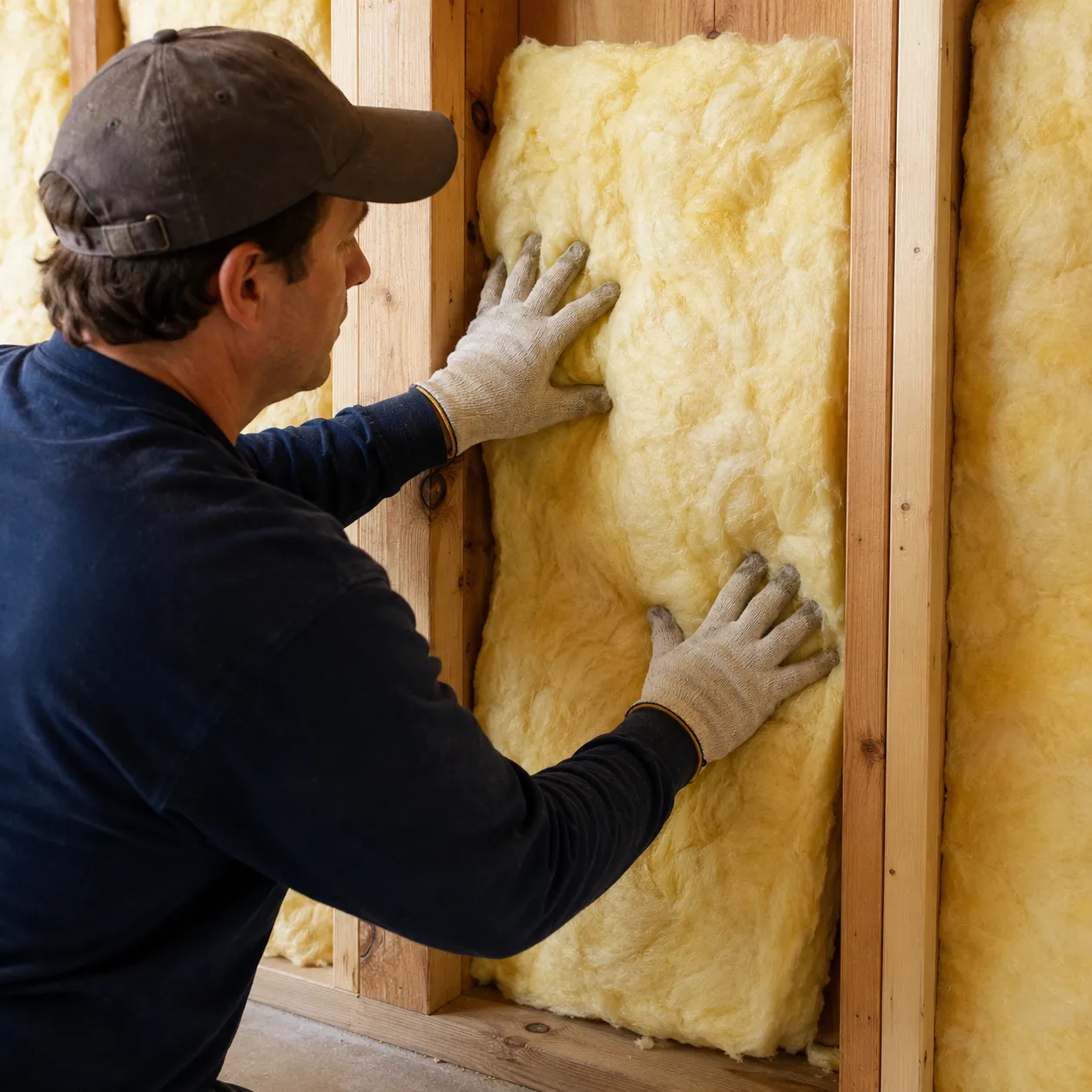
insulateˈɪnsəˌleɪt
to cover or line something with material that stops heat, cold, sound, or electricity from passing through easily.
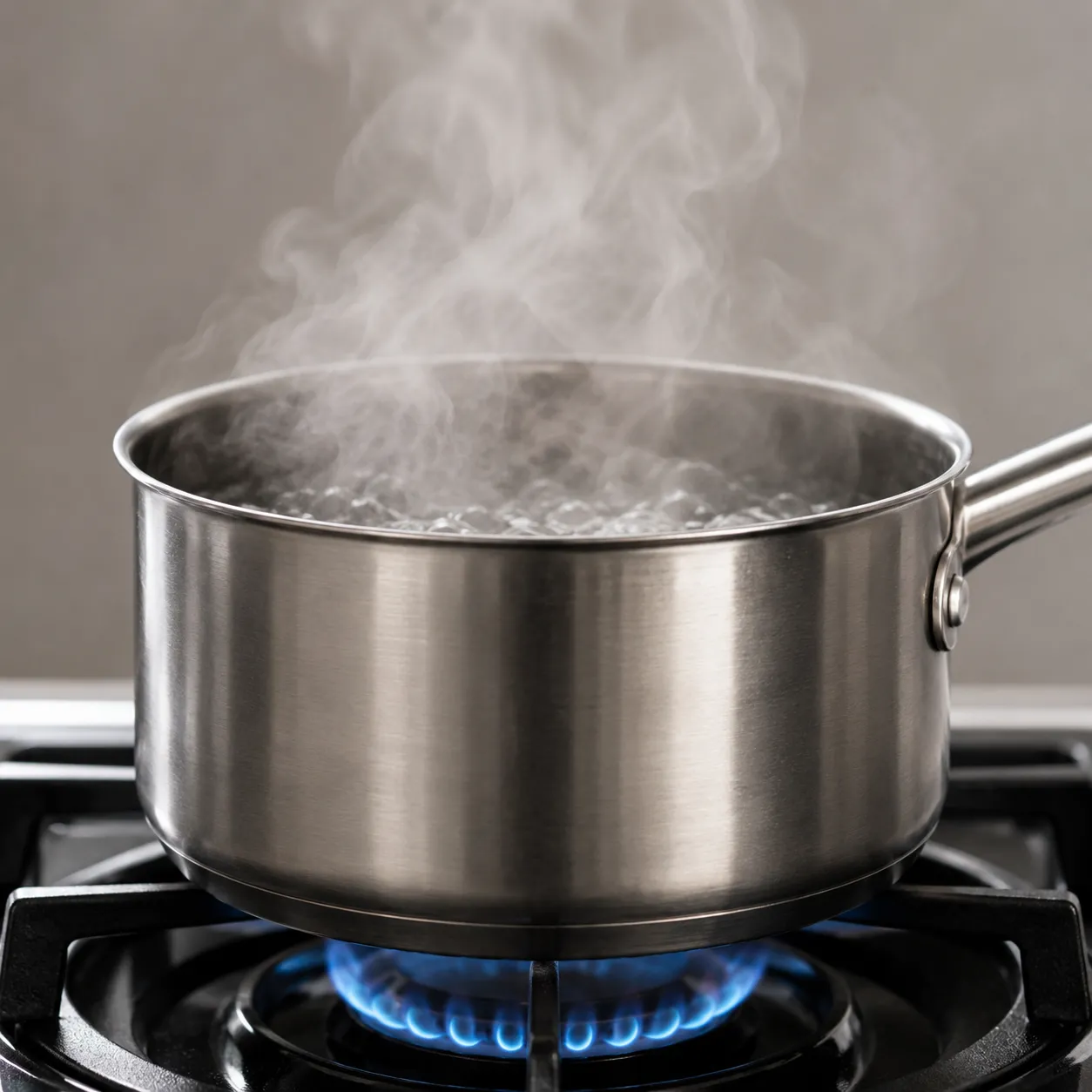
heathiːt
the condition or feeling of being hot, or a high temperature.
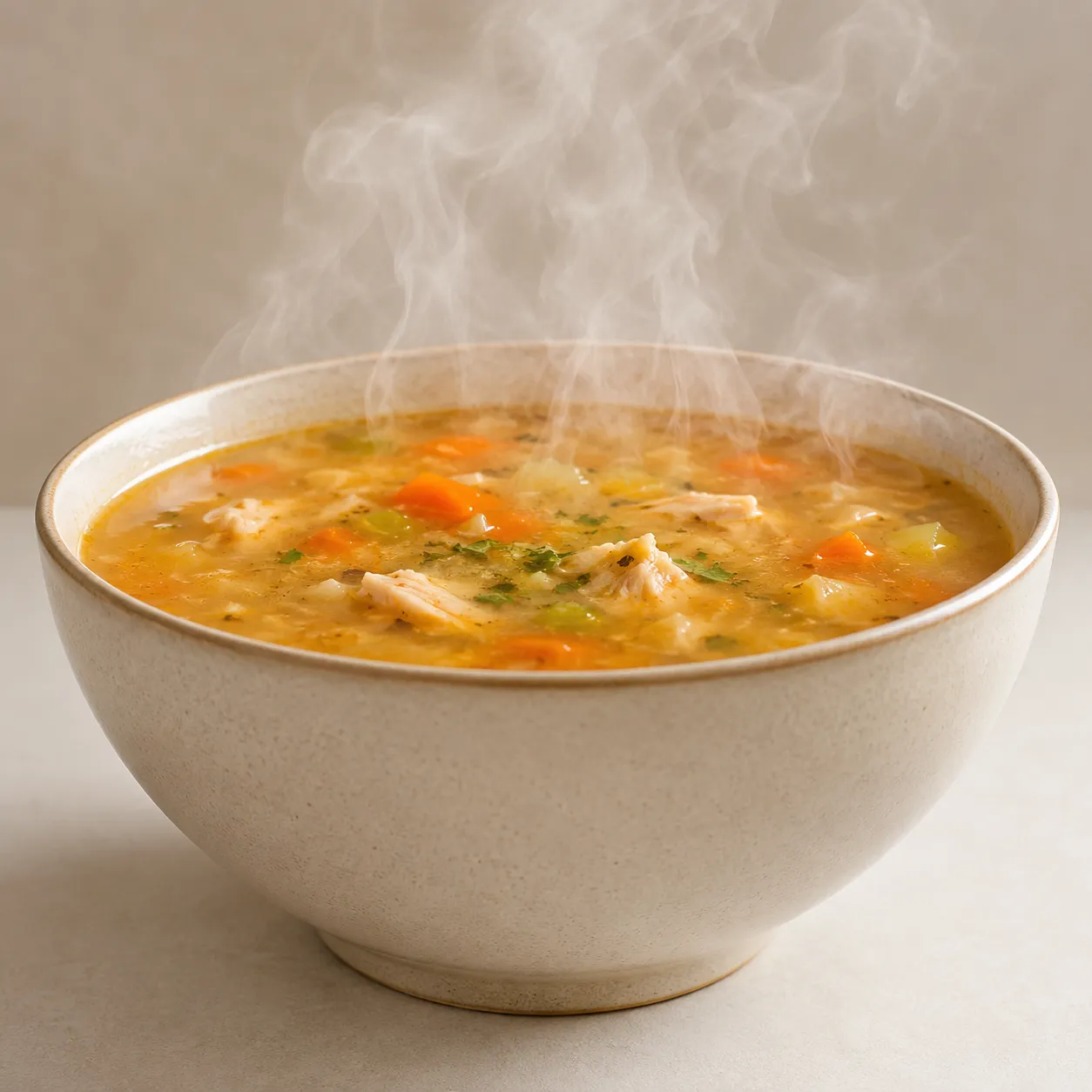
hothɑːt
having a high temperature, served warm, or making you feel too warm
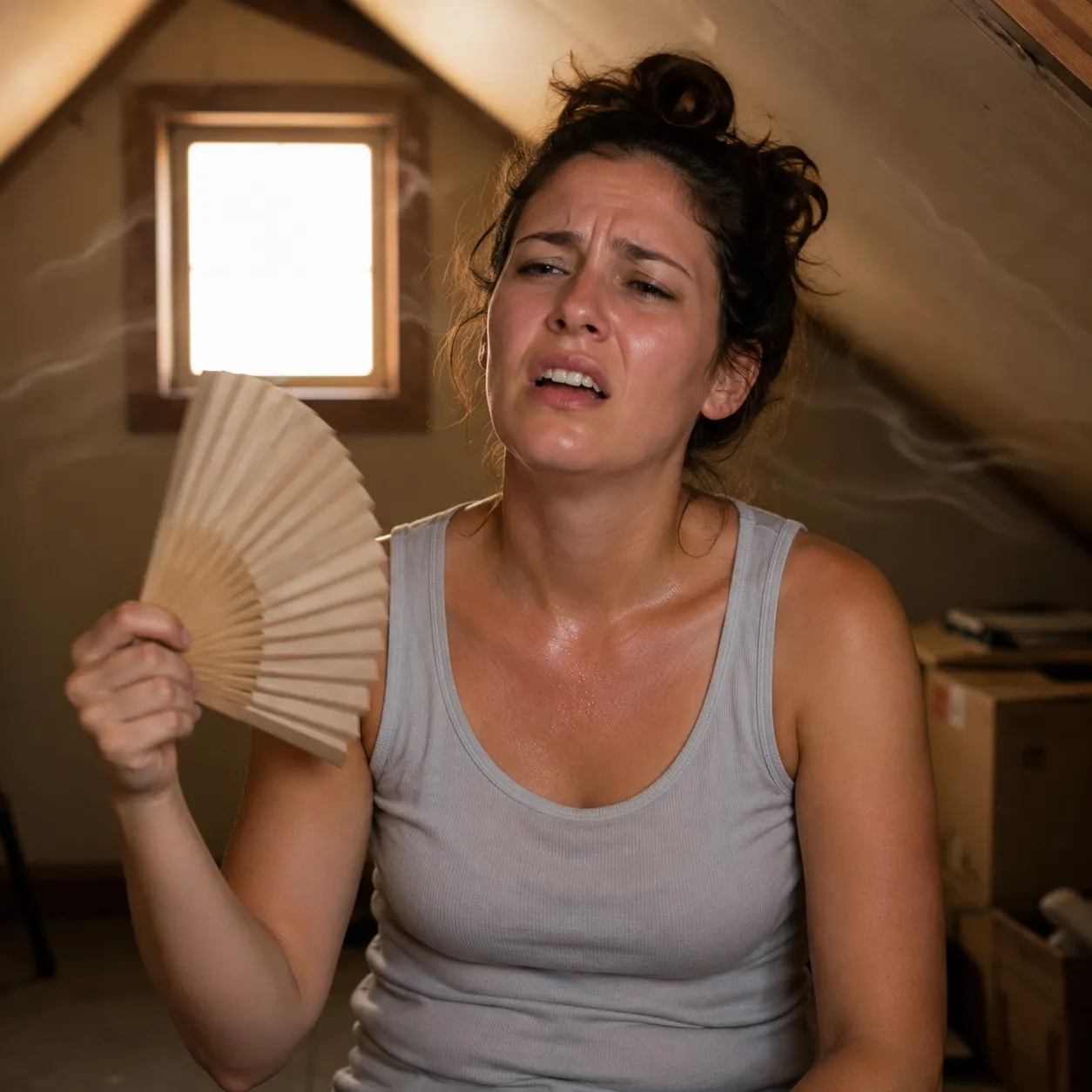
stuffyˈstʌfi
unpleasantly warm and without enough fresh air, especially in a room or building.
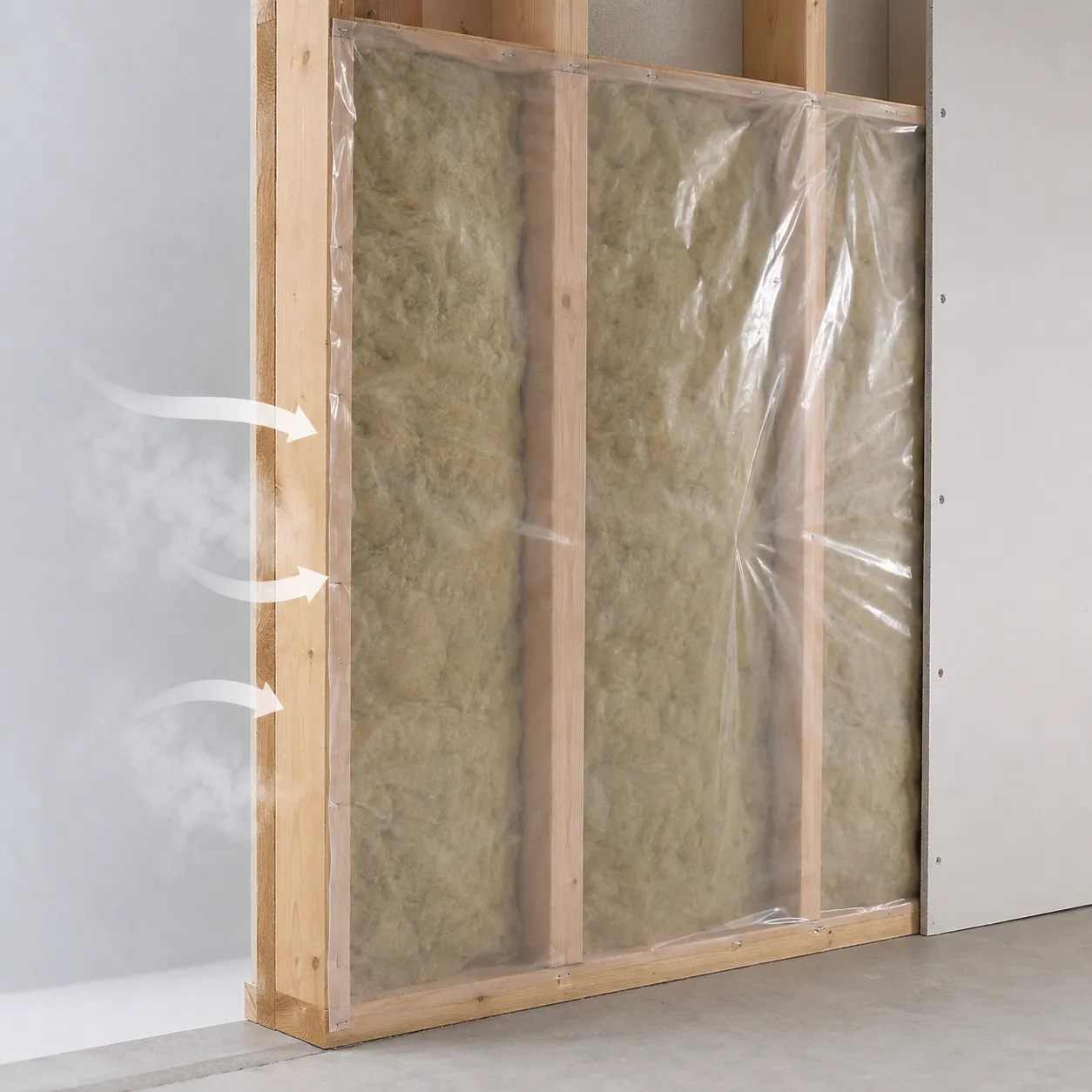
vapor barrierˈveɪpər ˈbæriər
a layer of plastic or other material in a wall, floor, or roof that stops water vapor from passing through.
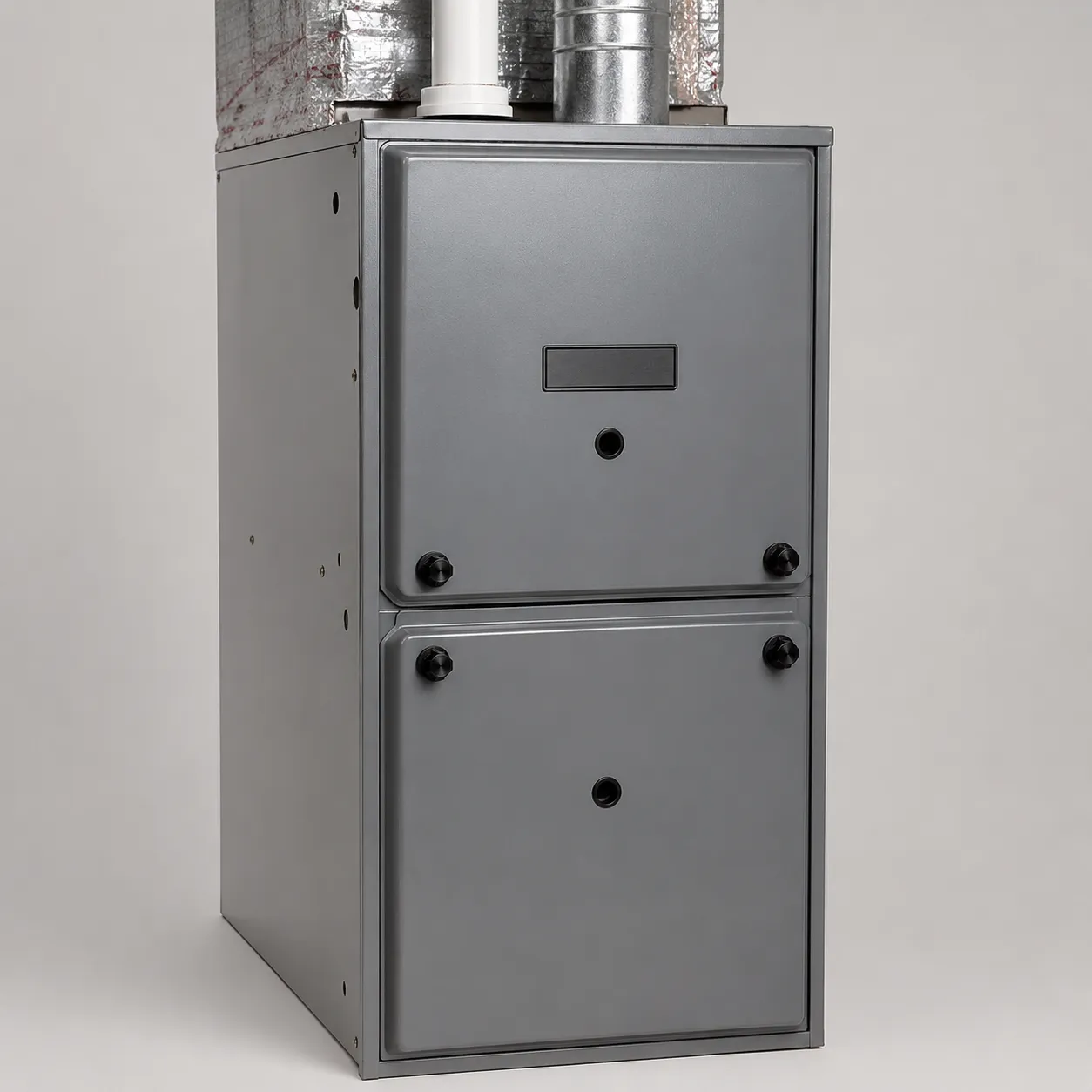
furnaceˈfɝːnɪs
a large heating unit that produces warm air or heat for a building.
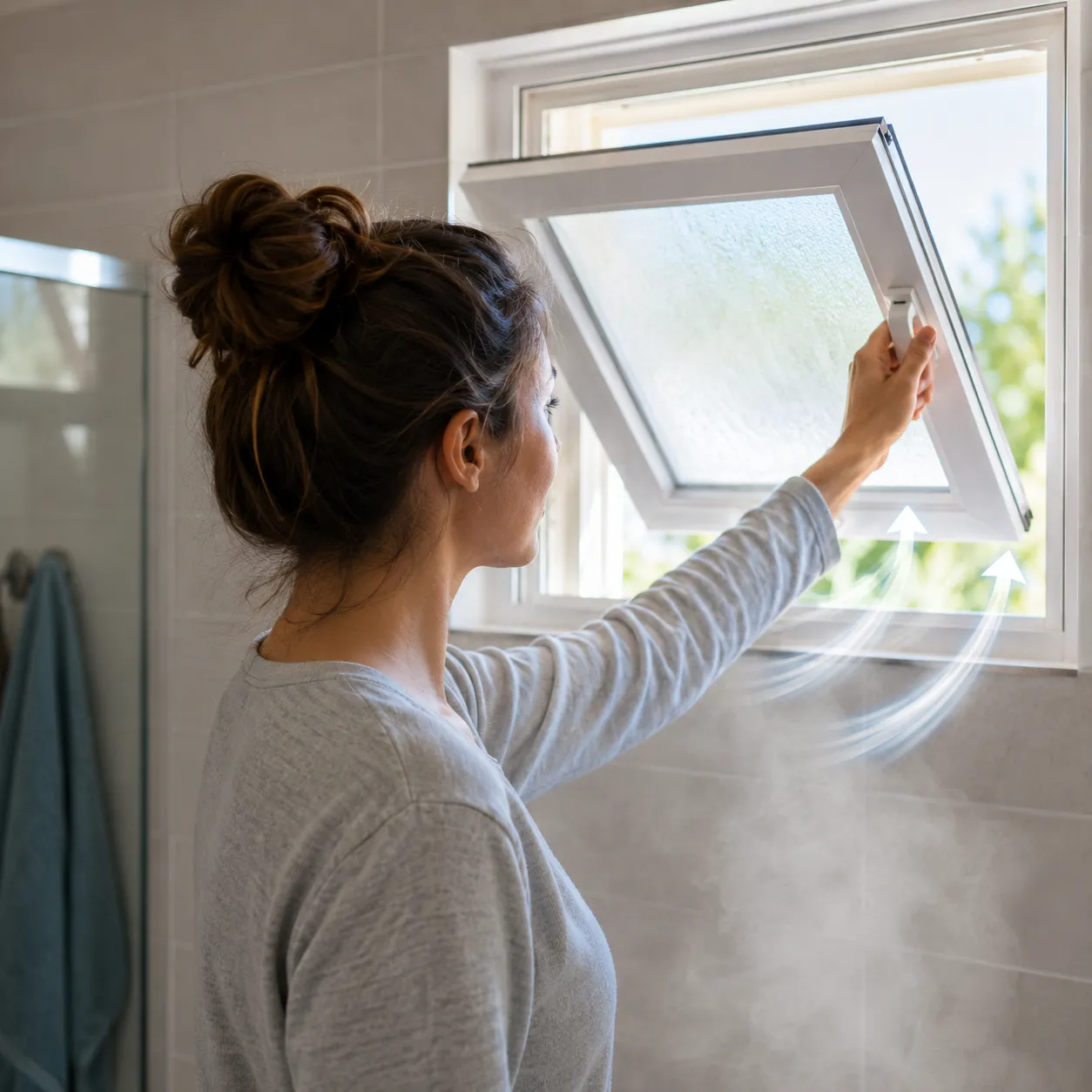
ventilateˈvɛntəleɪt
to let fresh air move through a room or building, especially to remove steam, smells, or damp air.
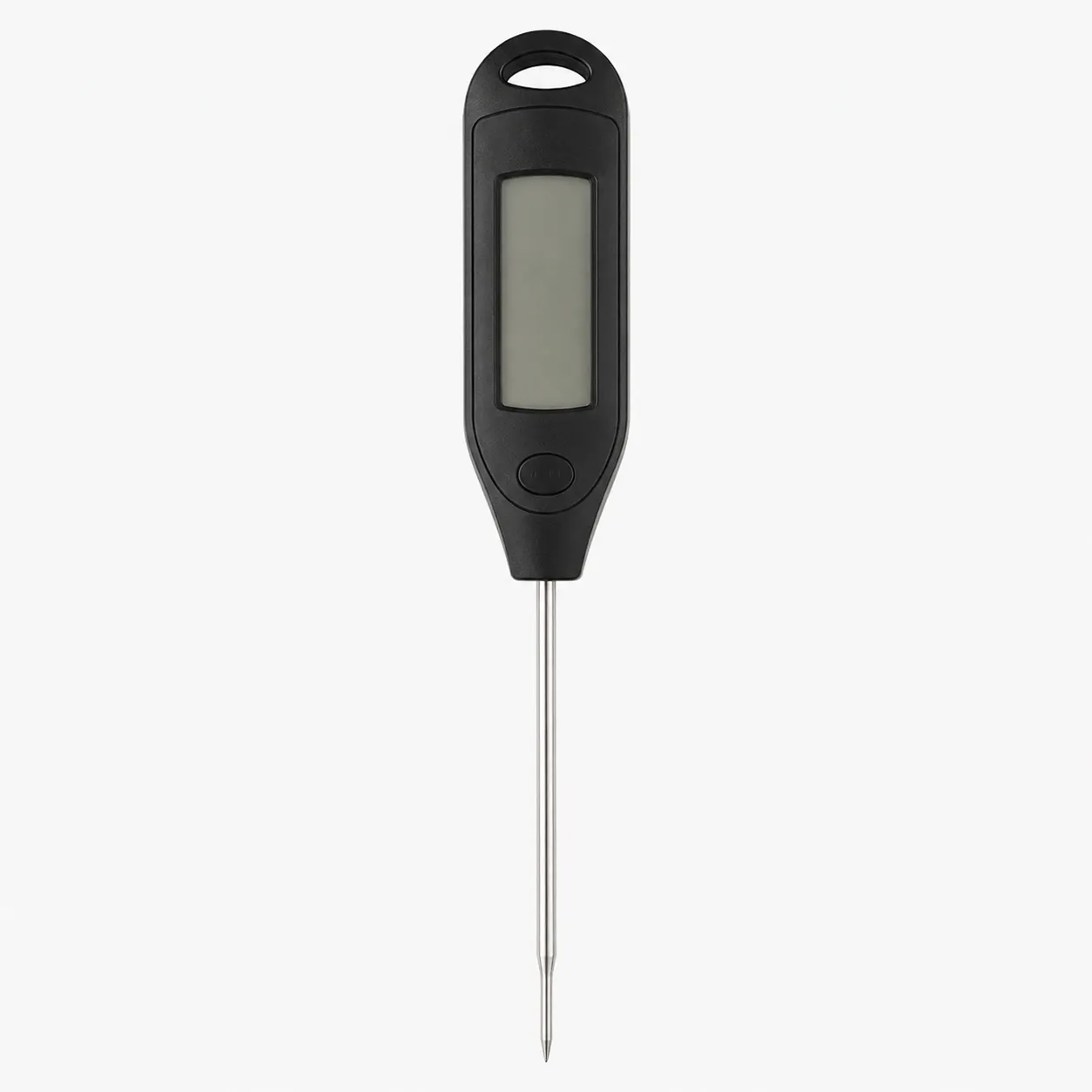
thermometerθərˈmɑːmɪtər
an instrument used to measure temperature, especially body temperature.

breathebriːð
to take air into your lungs and let it out again through your nose or mouth.
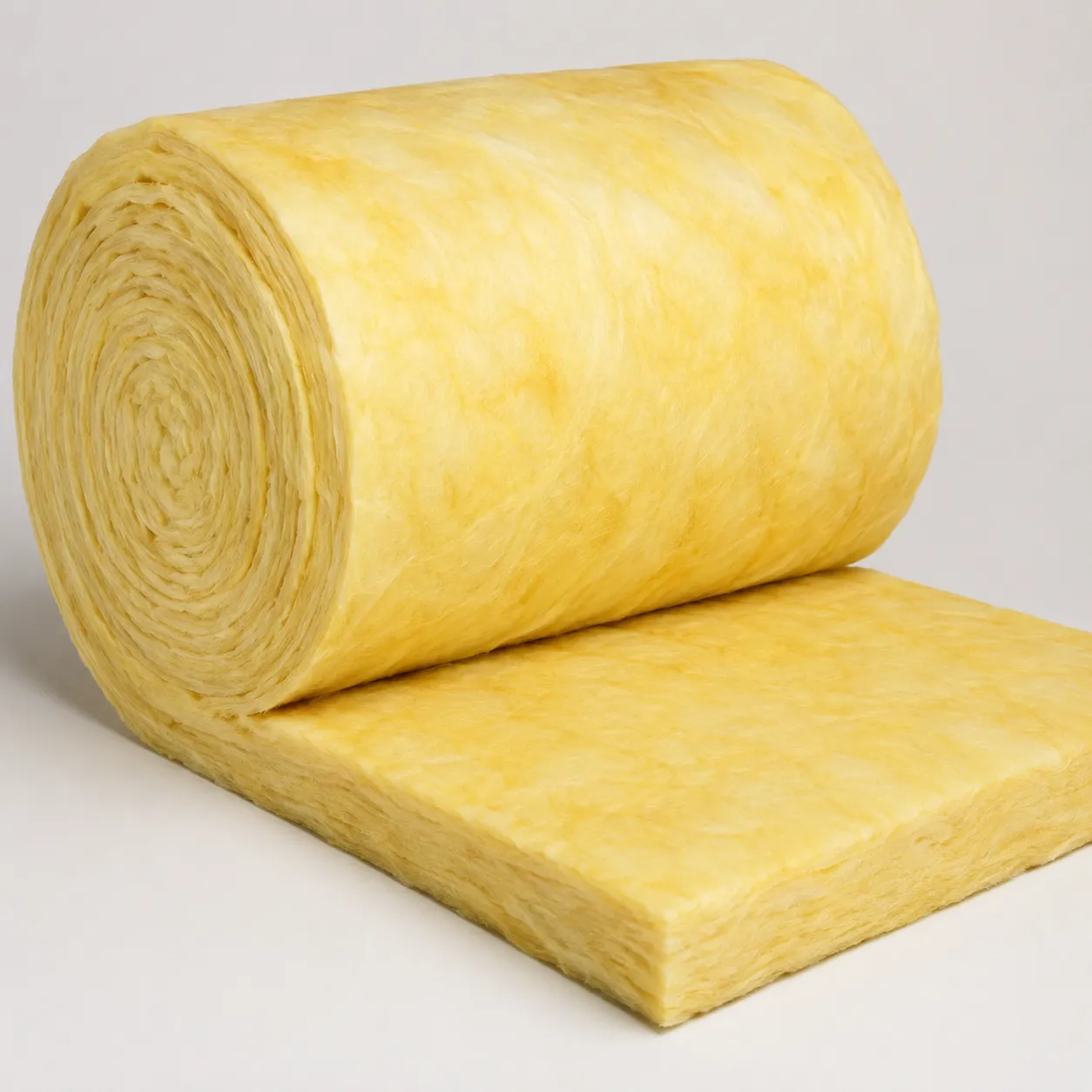
insulationˌɪnsəˈleɪʃən
material used in walls, roofs, pipes or wires to stop heat, sound or electricity from passing through easily.
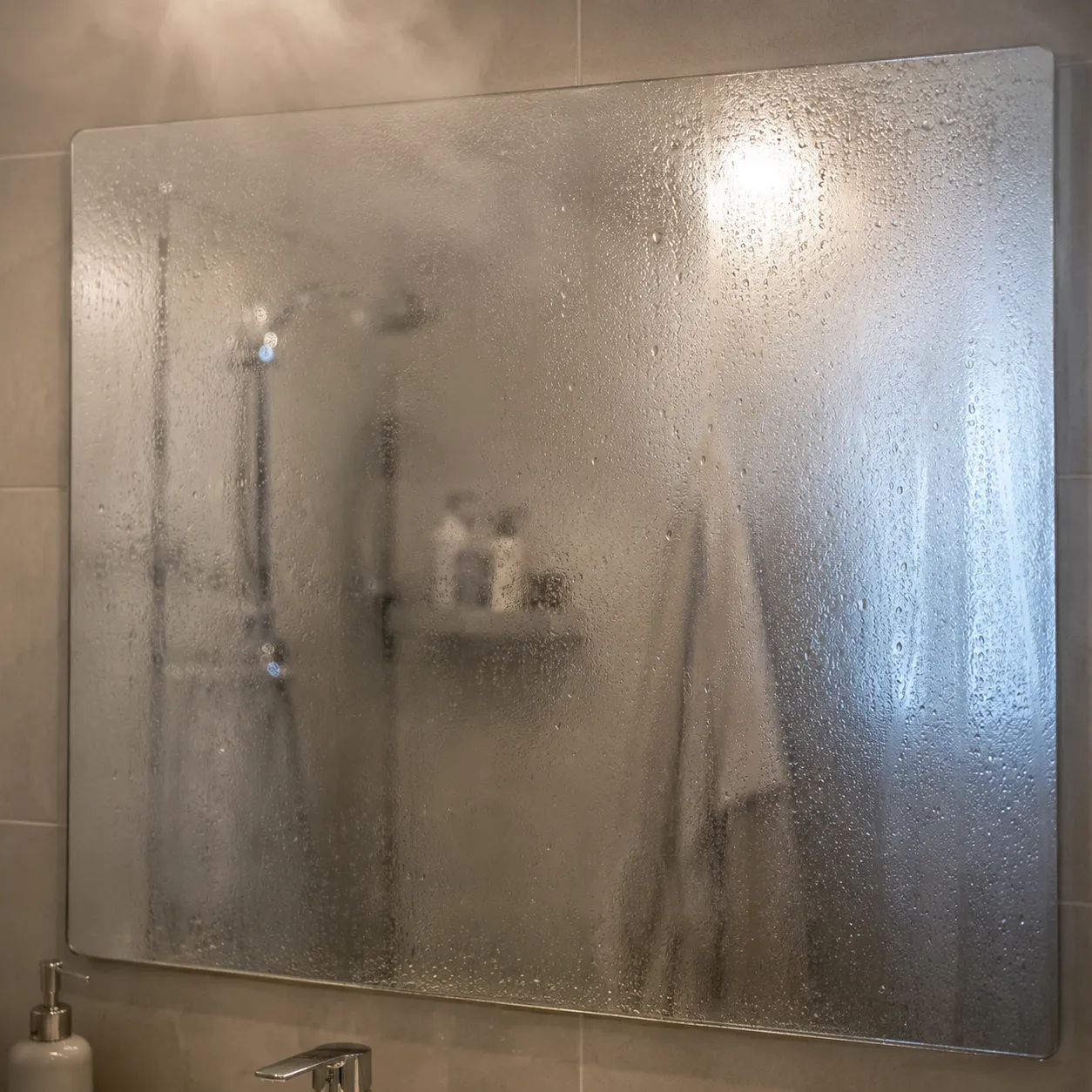
humidityhjuːˈmɪdəti
the amount of water vapor in the air, especially when the air feels damp or sticky.
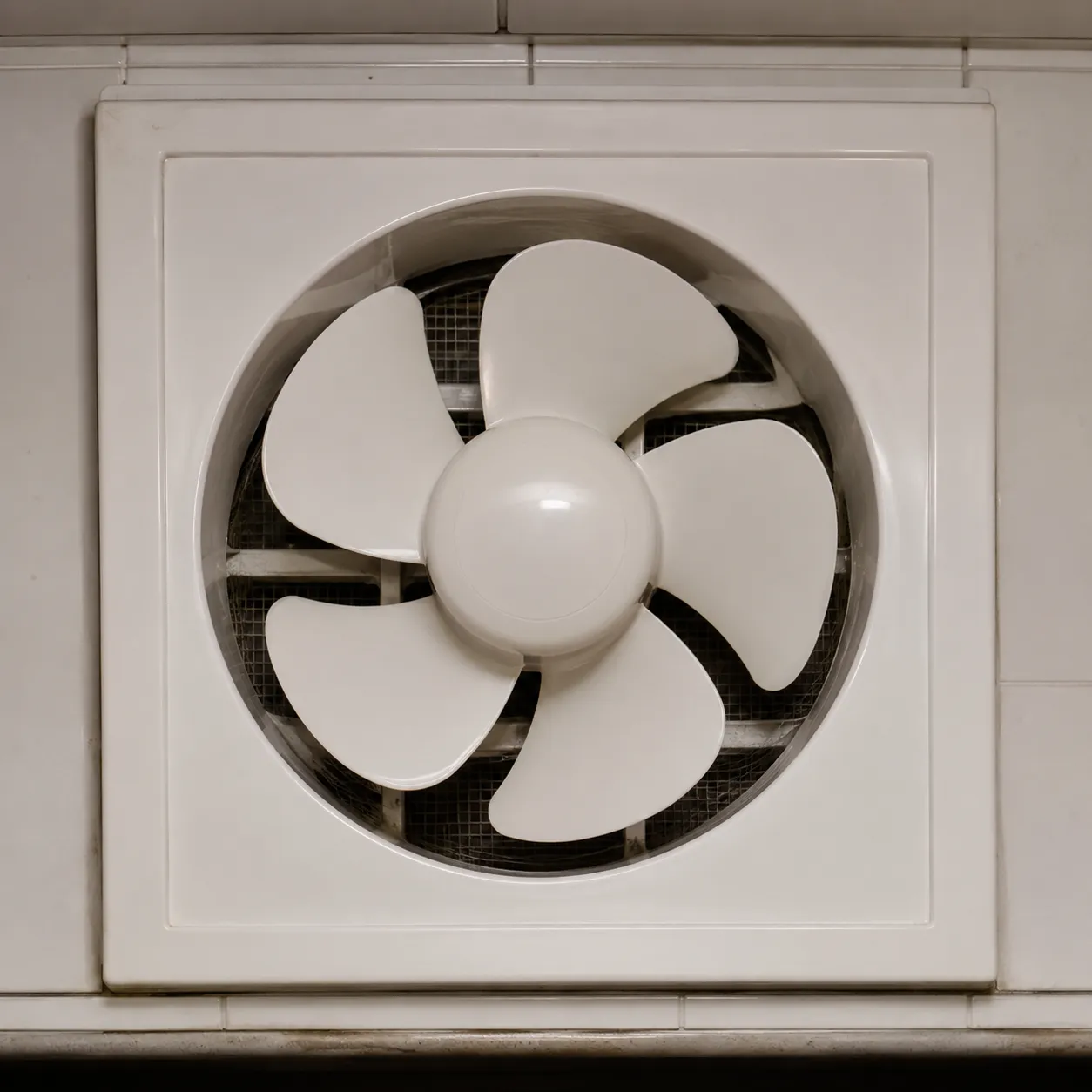
exhaust fanɪɡˈzɔːst fæn
a fan that pulls air, smoke, steam, or smells out of a room or building.
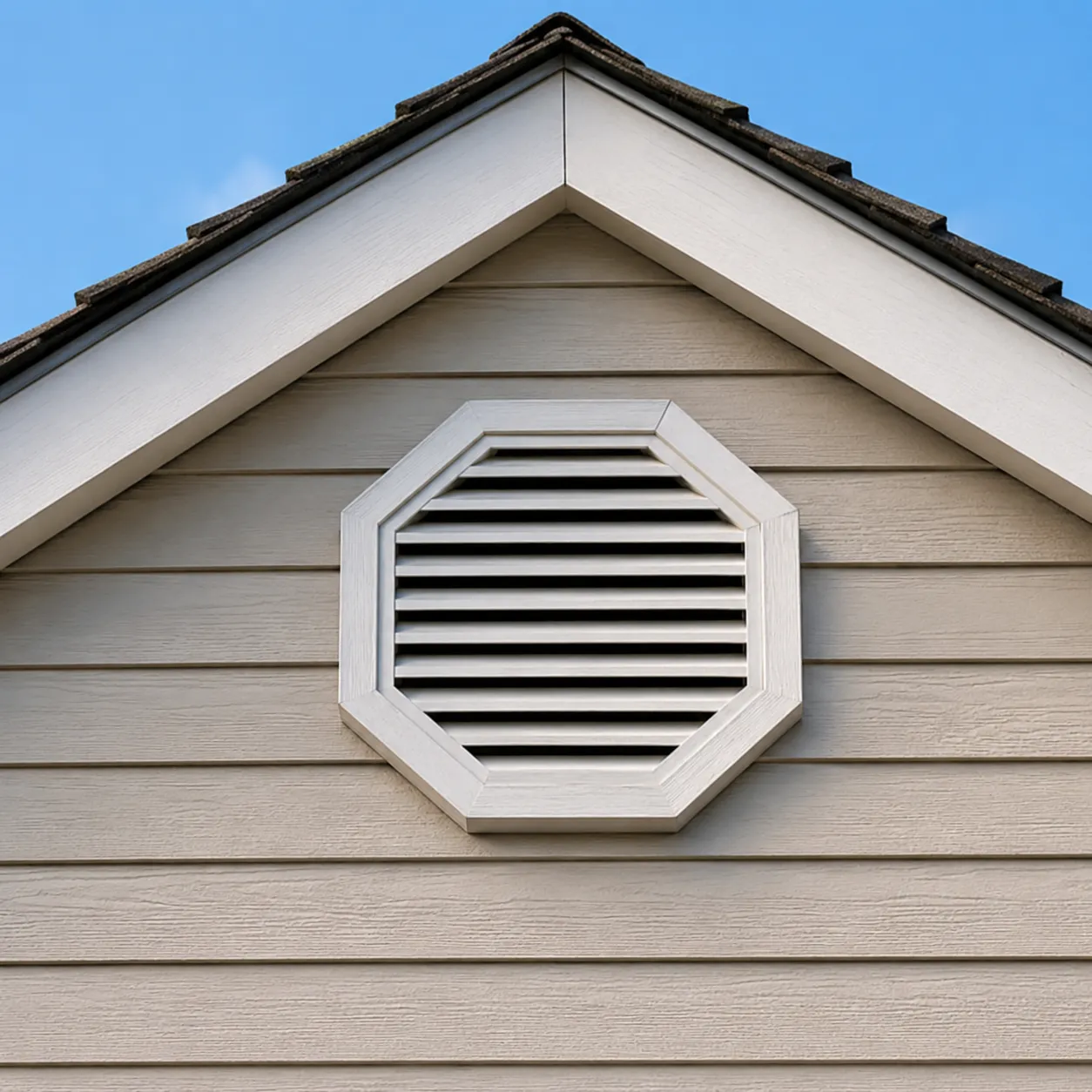
attic ventˈætɪk vɛnt
an opening in or near a roof that lets air flow through the space under the roof.
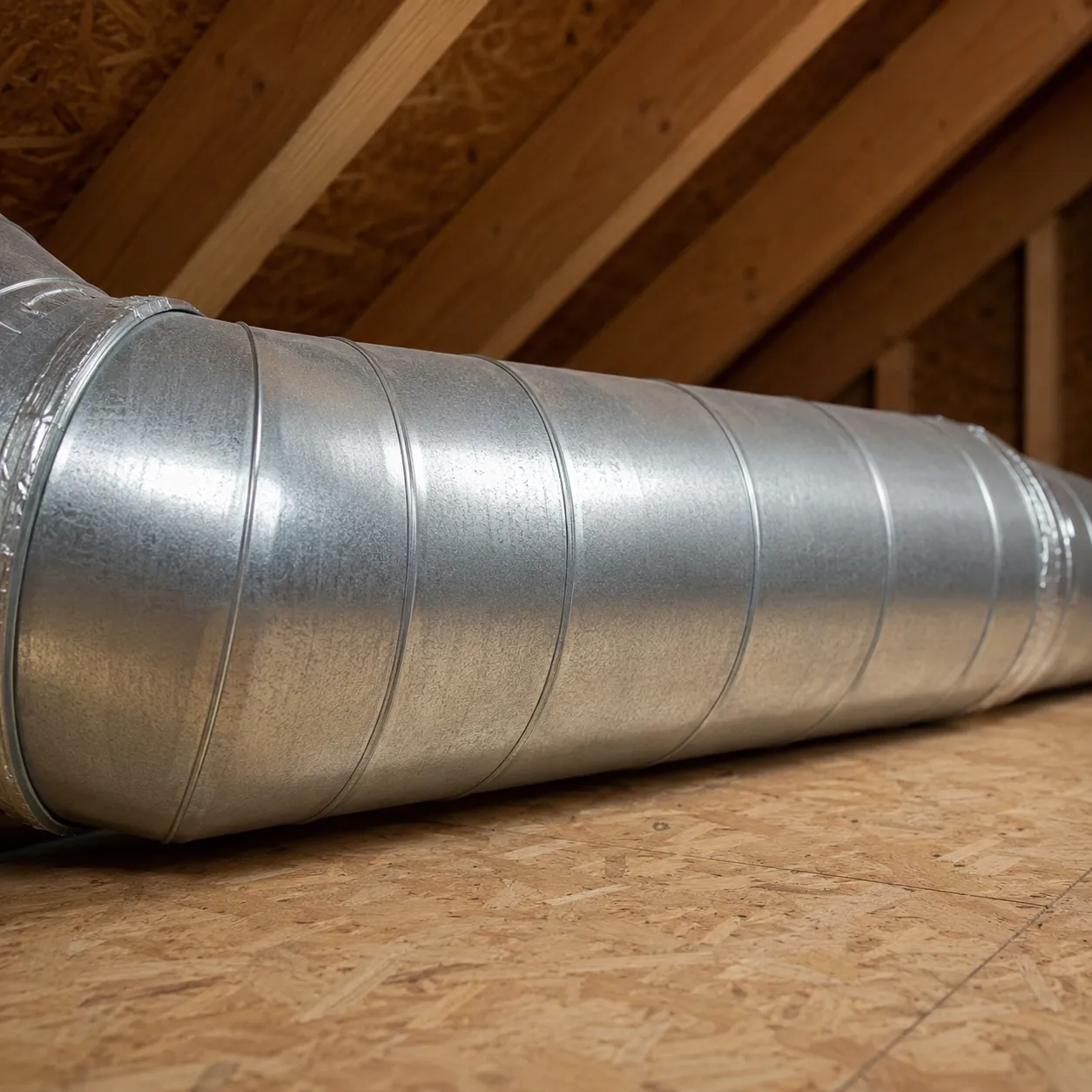
air ductɛr dʌkt
a pipe or channel that moves warm, cool or fresh air through a building.
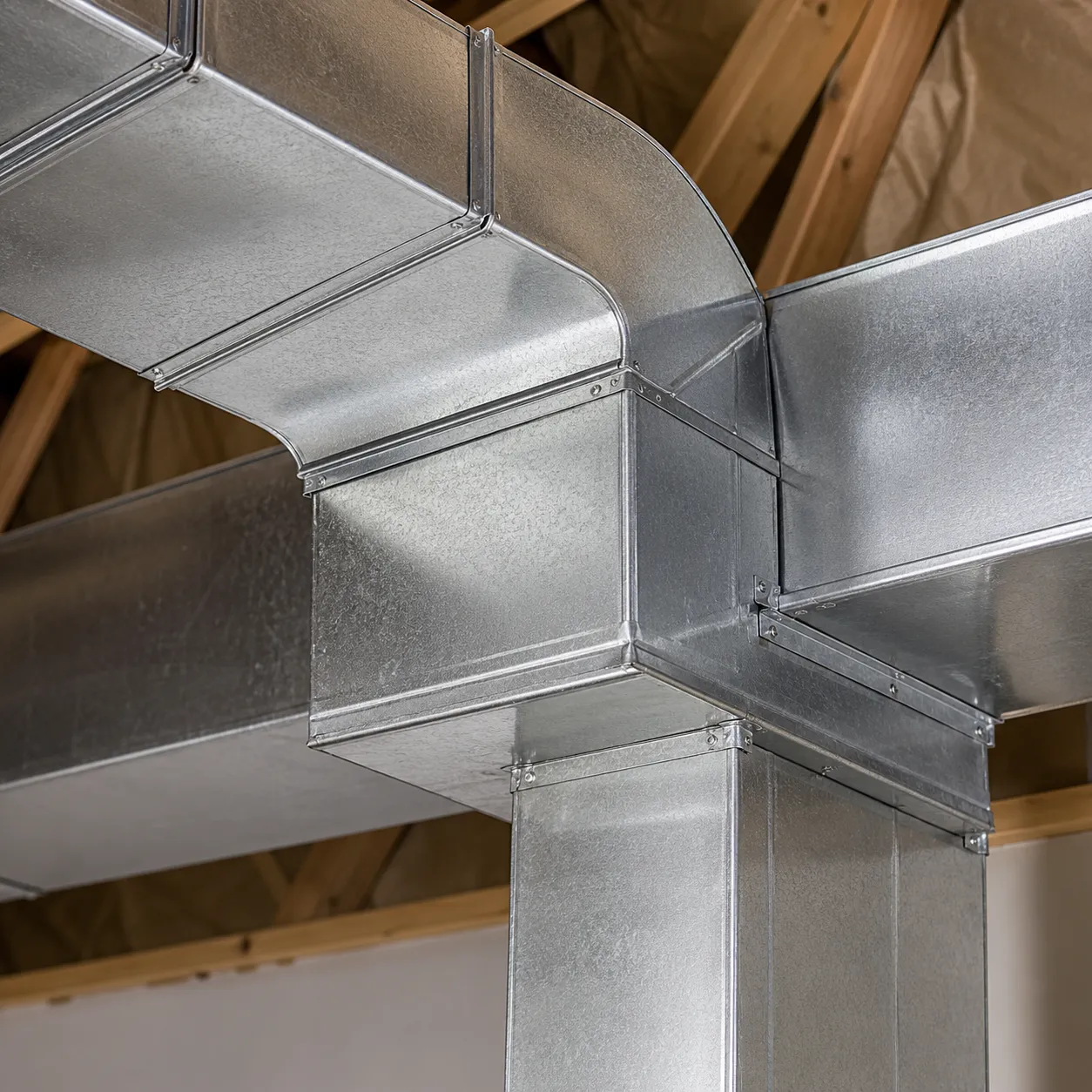
ductworkˈdʌktˌwɜːrk
the system of pipes or channels that carries air for heating, cooling or ventilation in a building.
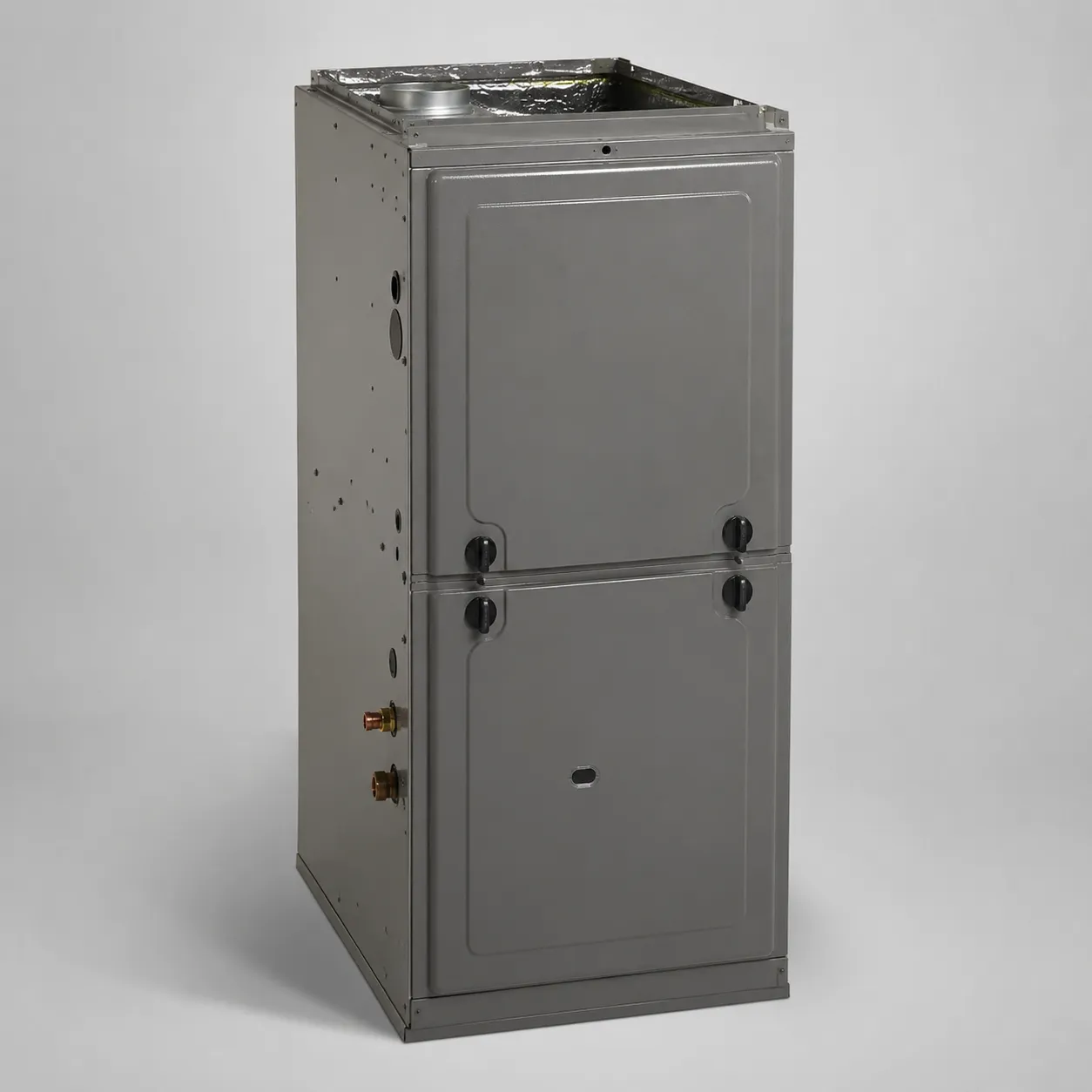
HVAC unitˌeɪtʃ viː eɪ ˈsiː ˈjuːnɪt
a machine or set of equipment that provides heating, ventilation and air conditioning in a building.
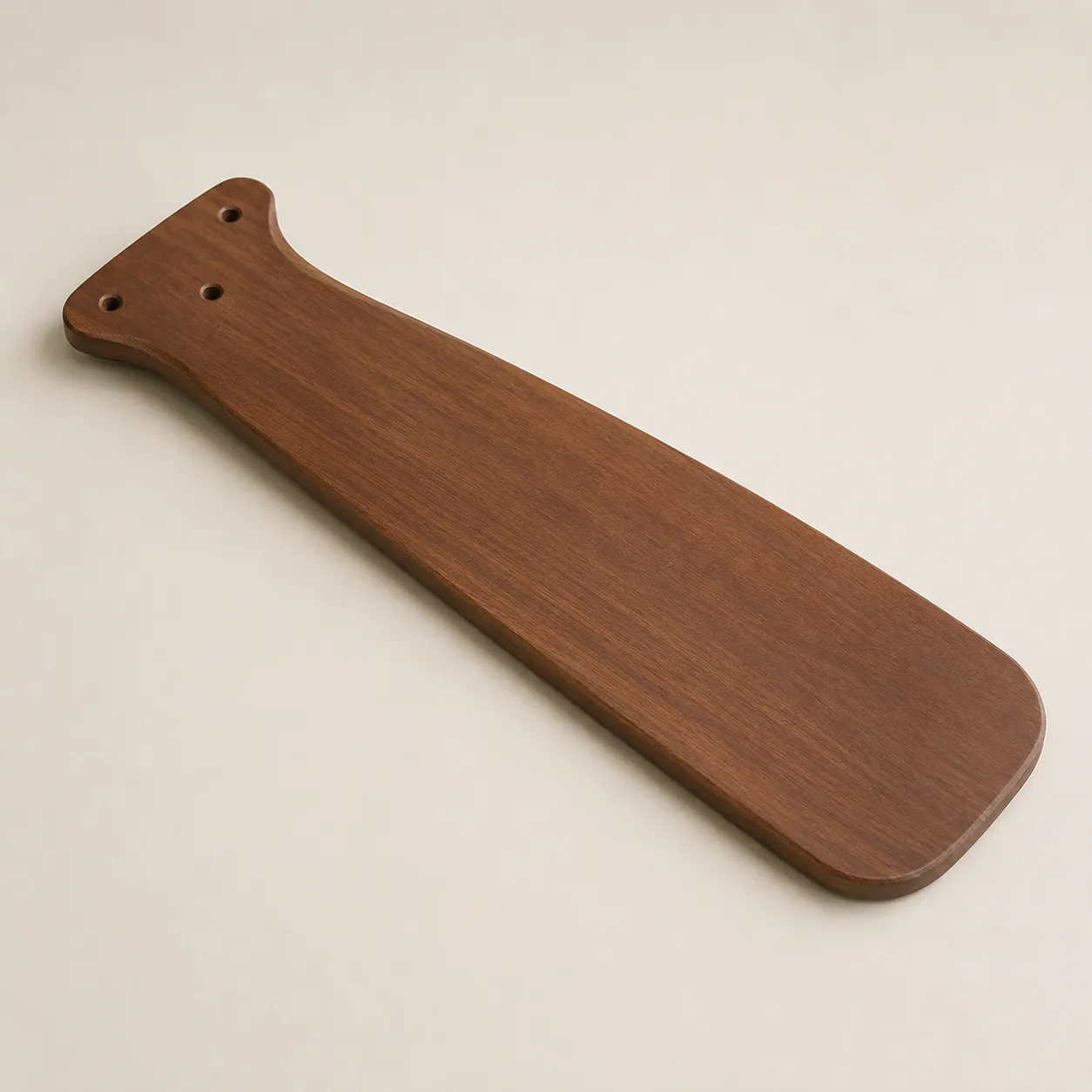
fan bladeˈfæn ˌbleɪd
one of the flat parts of a fan that spins around and pushes air forward.
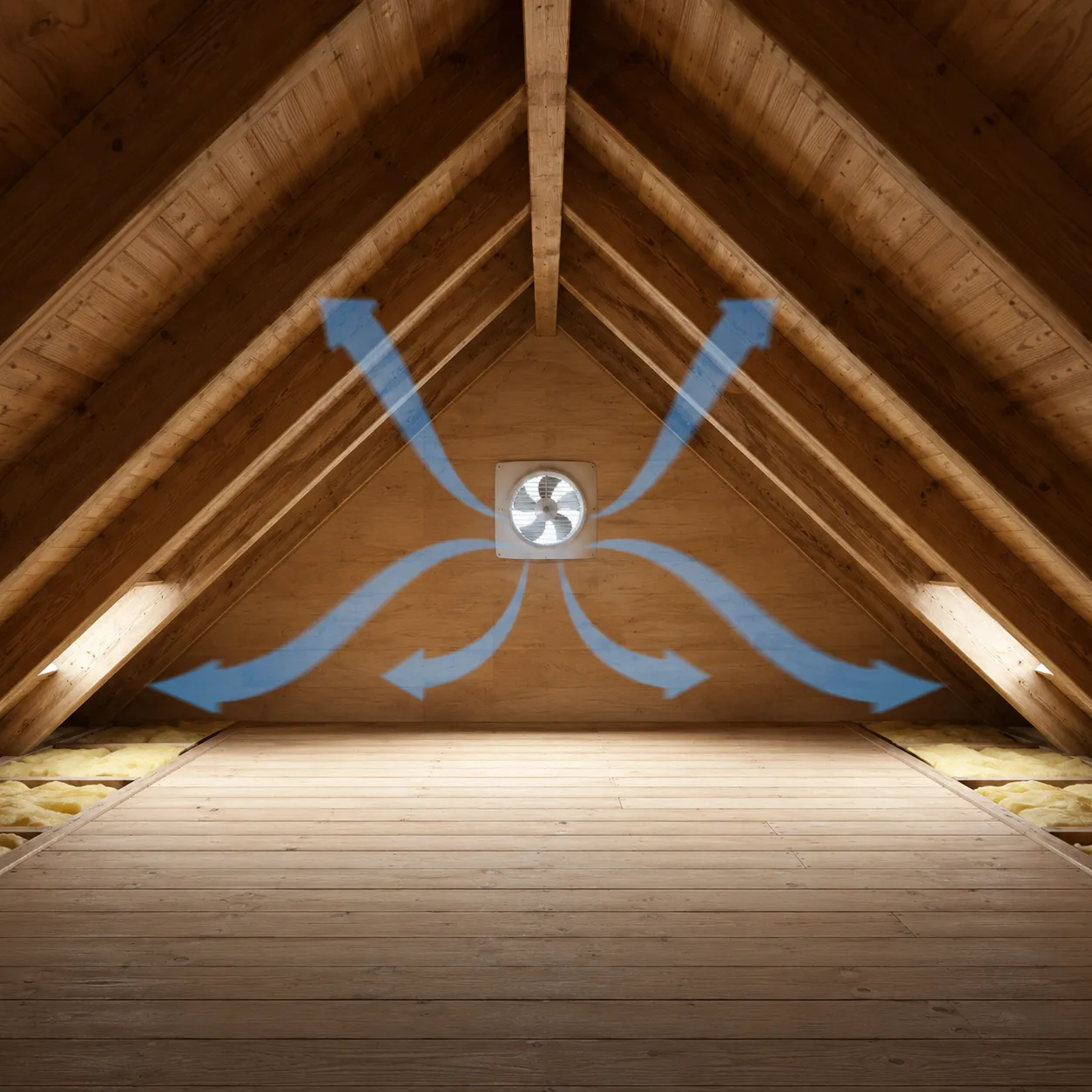
air circulationˈer ˌsɝːkjəˈleɪʃən
the movement of air around or through a room, building, or space.
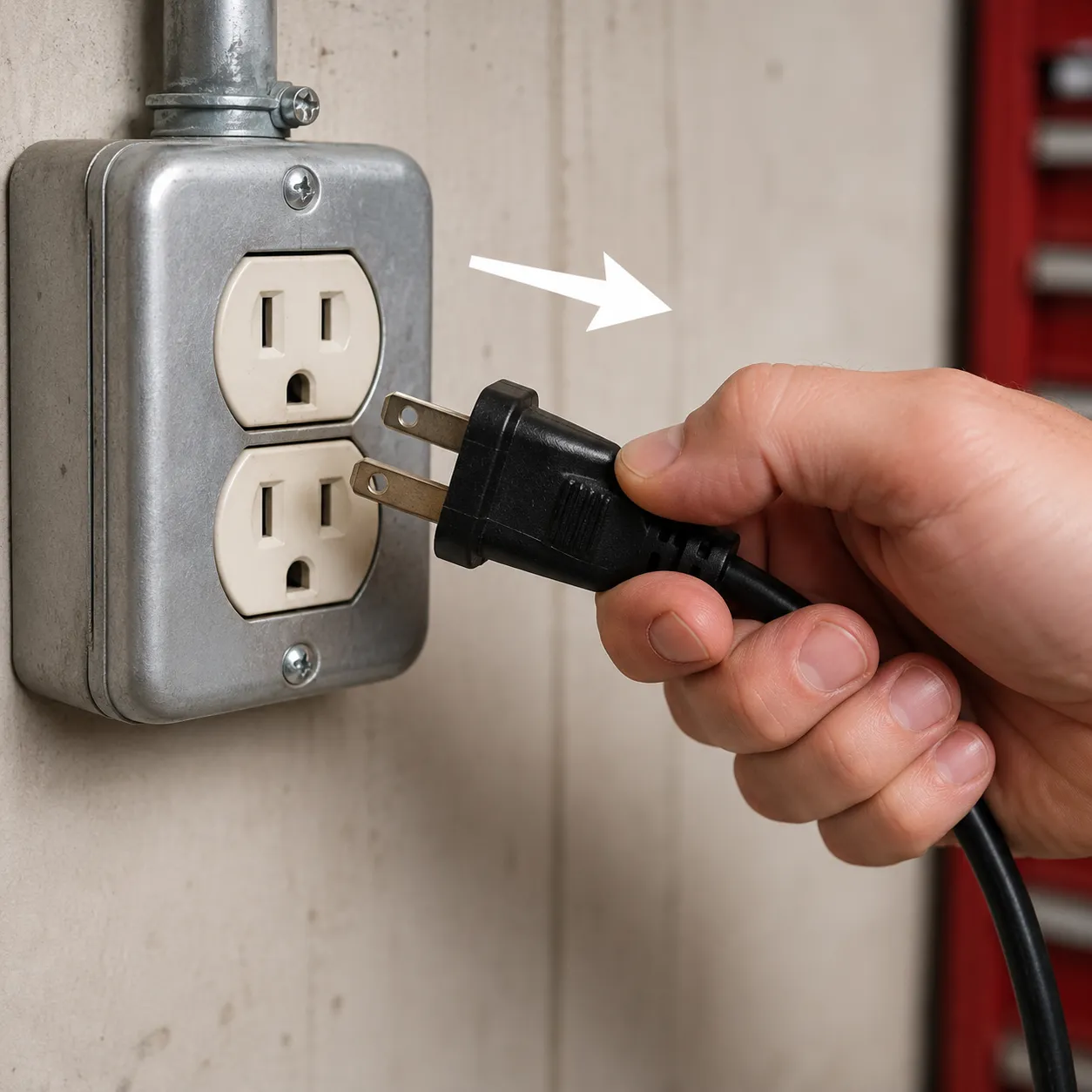
uninsulatedˌʌnˈɪnsəˌleɪtɪd
not covered or protected with special material that keeps heat, cold, sound, or electricity from passing through.
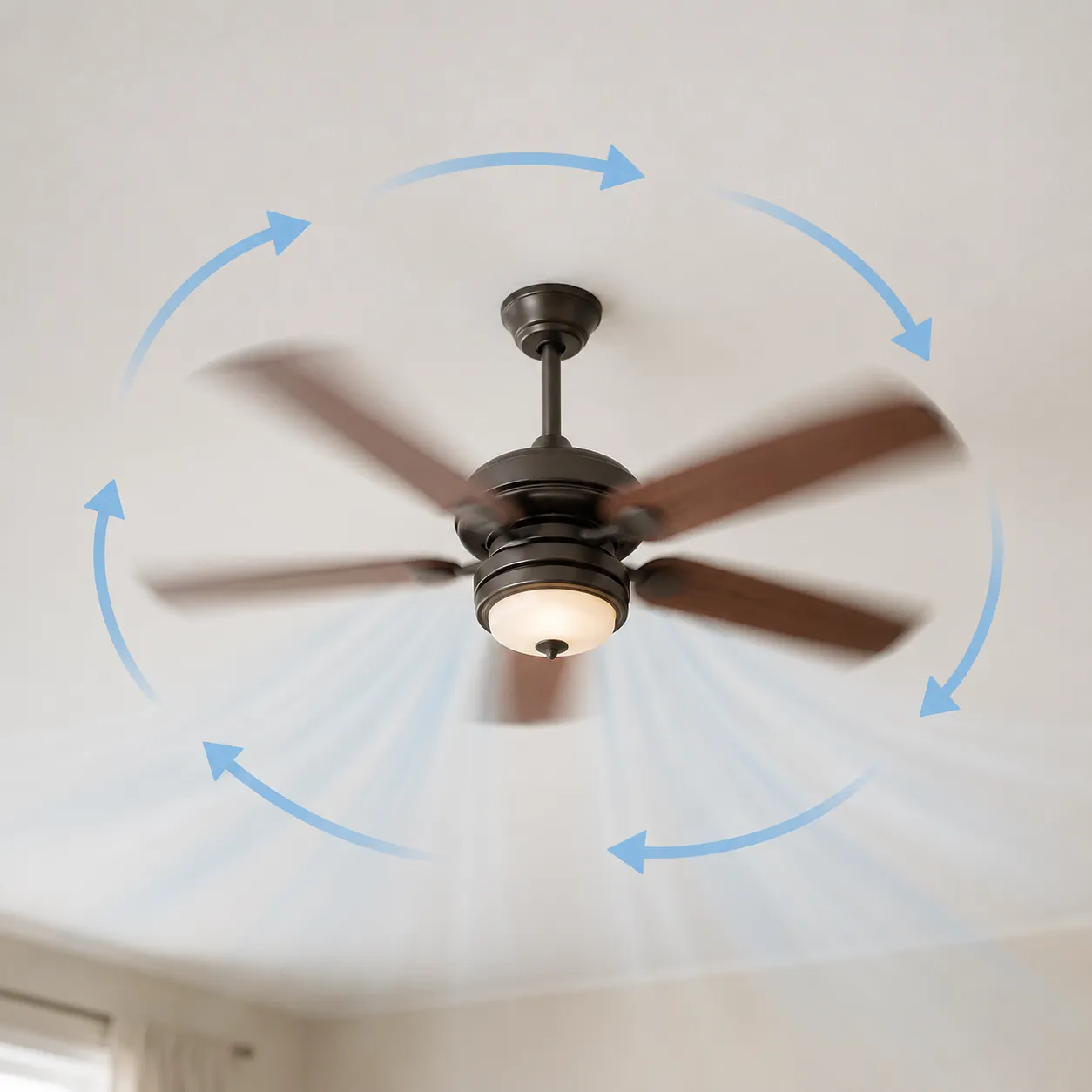
circulateˈsɜːrkjəleɪt
to move around within a place or system, or make air, liquid or information move around.
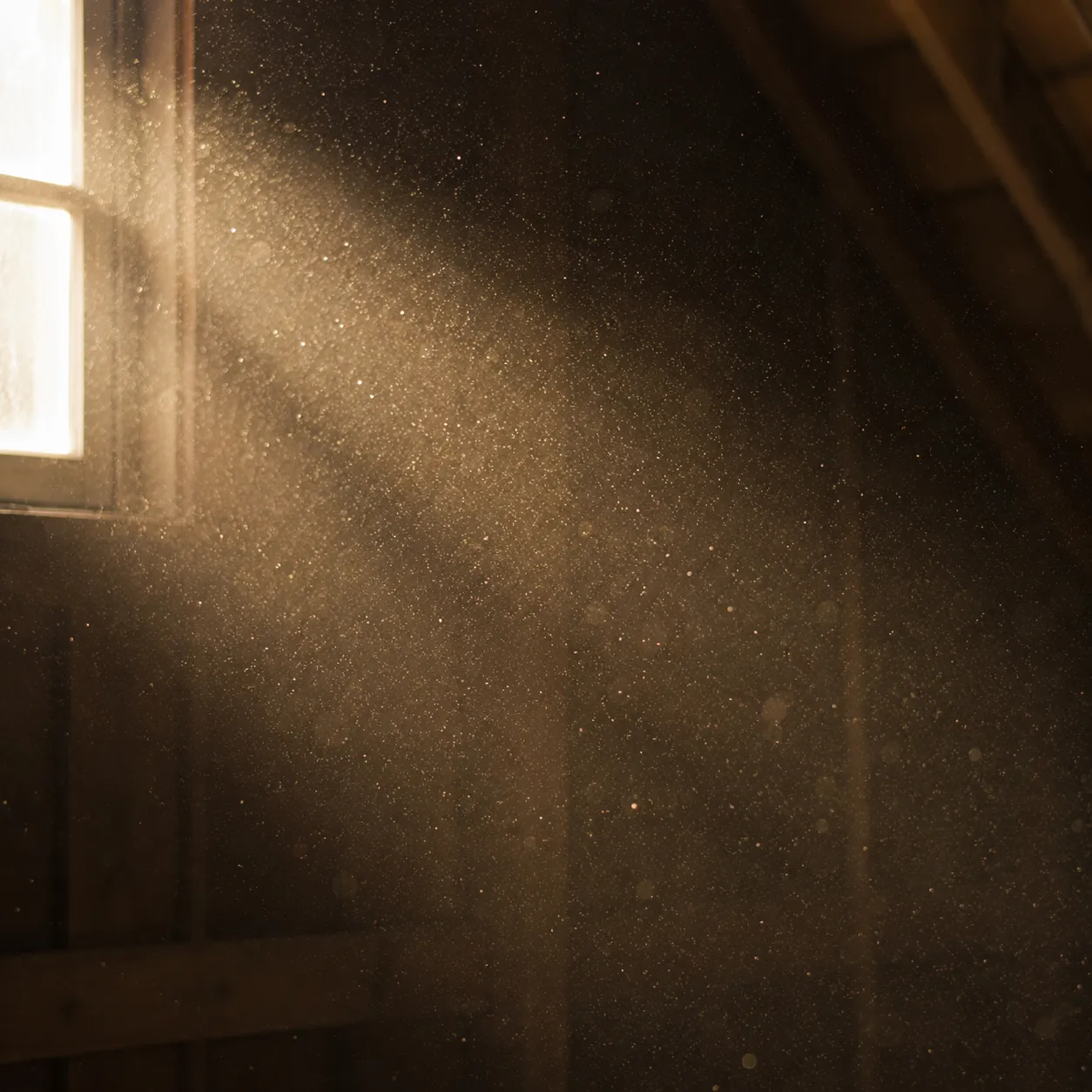
dusty airˈdʌsti ˈɛər
air that has many small dry particles of dirt in it.
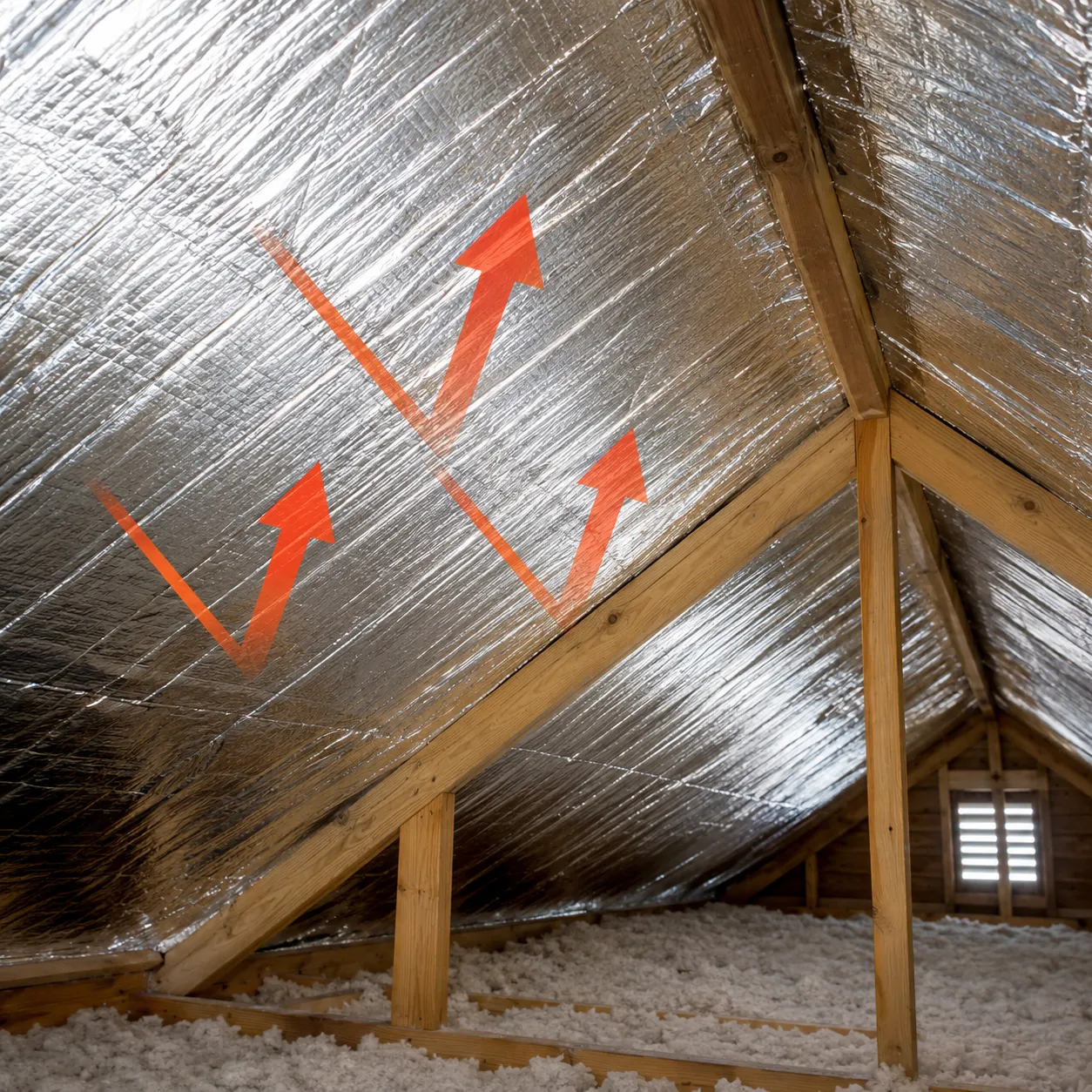
radiant barrierˈreɪdiənt ˈbæriɚ
a shiny reflective material, often installed in an attic, that helps stop heat from the sun from entering a building.
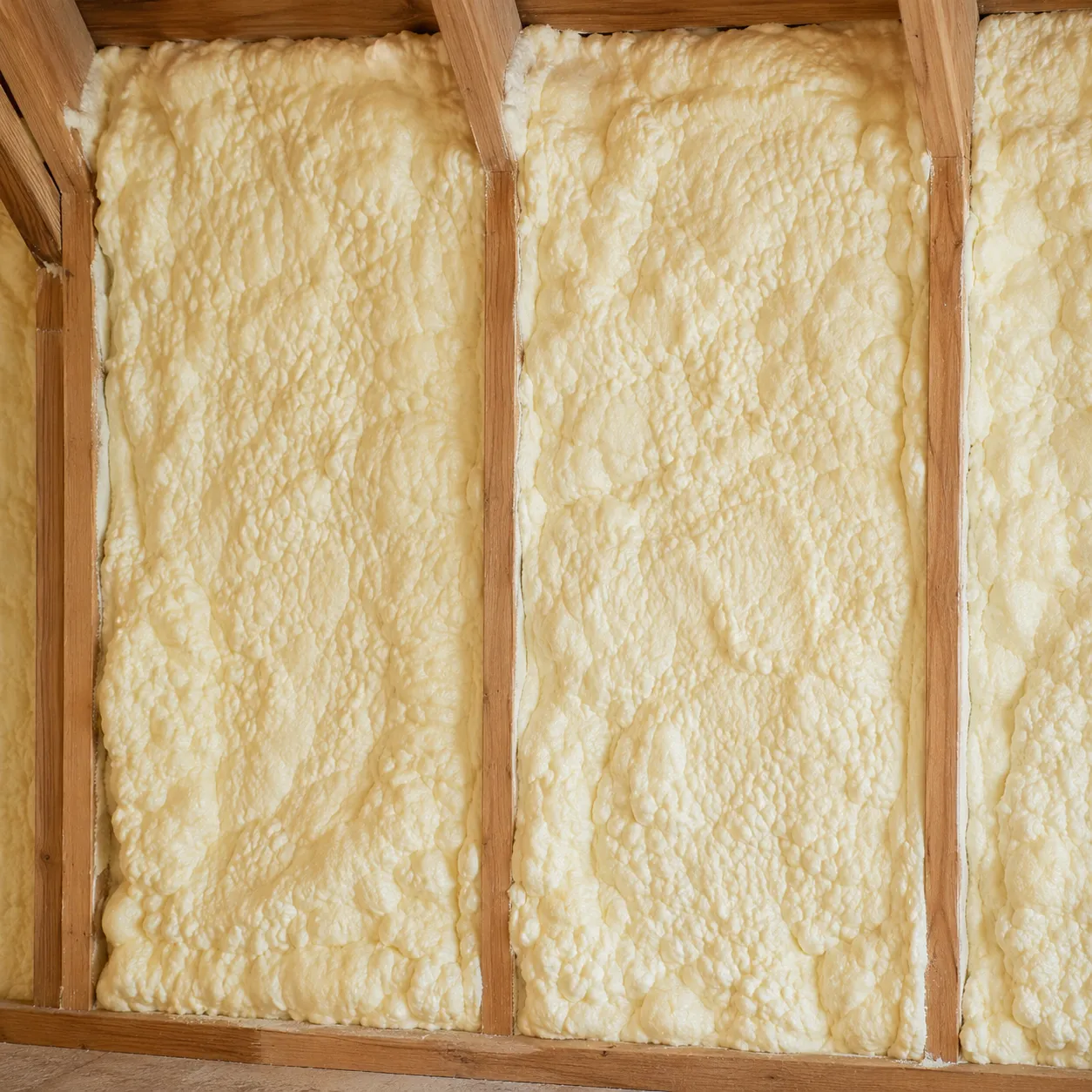
foam insulationfoʊm ˌɪnsəˈleɪʃən
a light plastic material with many tiny air spaces, used in walls, roofs, or gaps to keep heat, cold, or air from passing through.
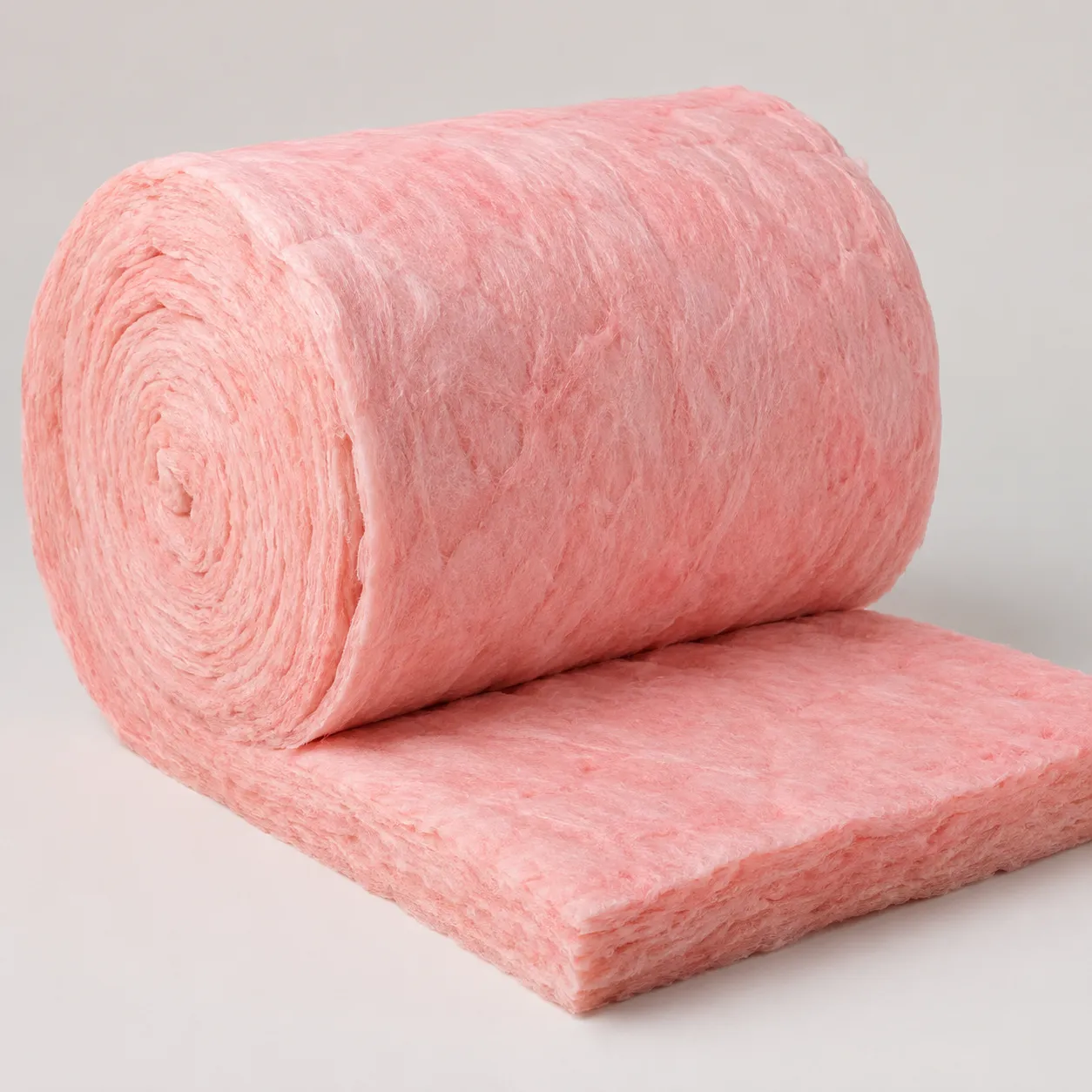
fiberglass insulationˈfaɪbɚˌɡlæs ˌɪnsəˈleɪʃən
a soft building material made of very fine glass fibers, used in walls, roofs, and attics to slow heat movement.
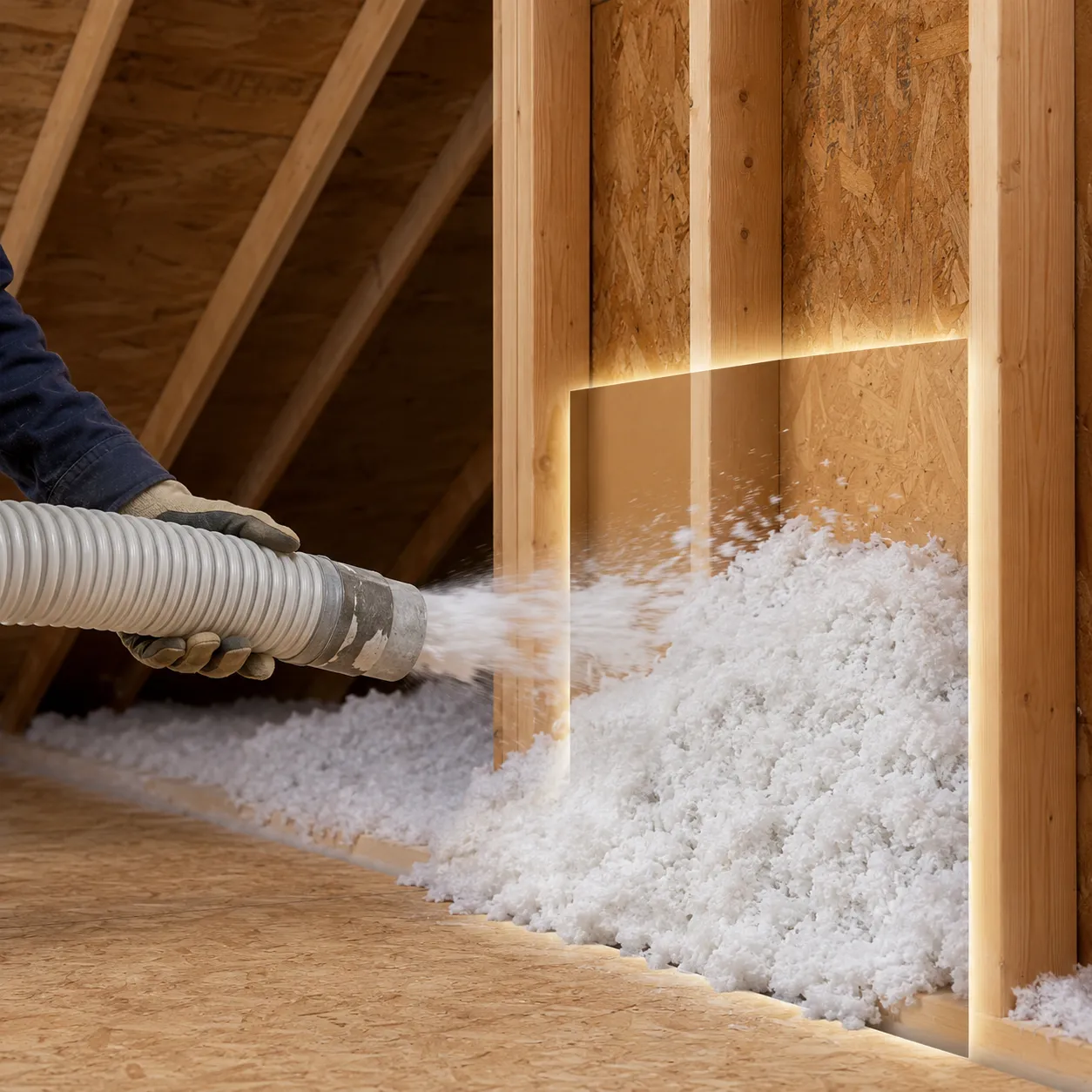
blown-in insulationˌbloʊn ˈɪn ˌɪnsəˈleɪʃən
loose pieces of insulating material that a machine blows into an attic, wall, or empty space to reduce heat movement.
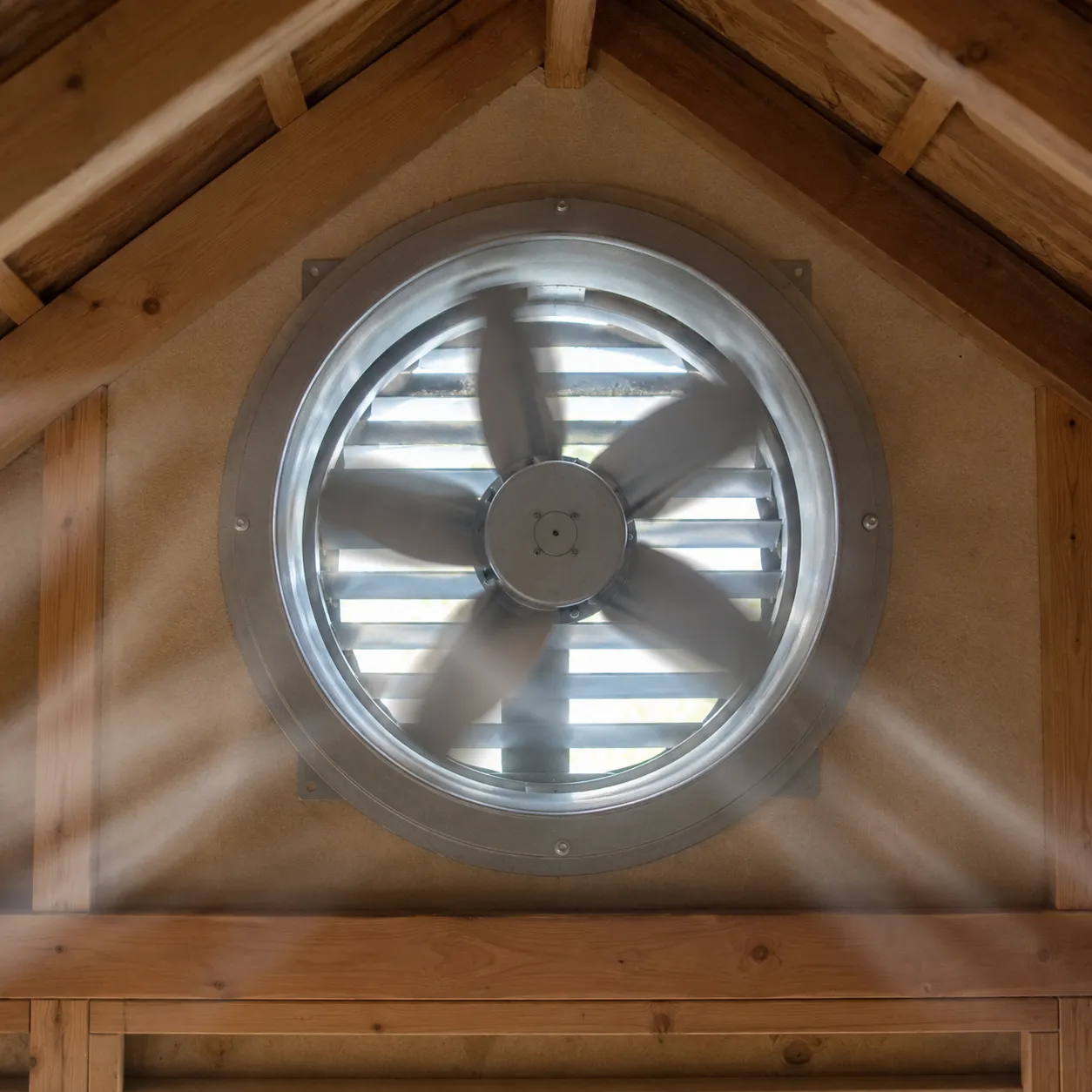
attic fanˈætɪk fæn
an electric fan installed in an attic to push hot or damp air out of the roof space.
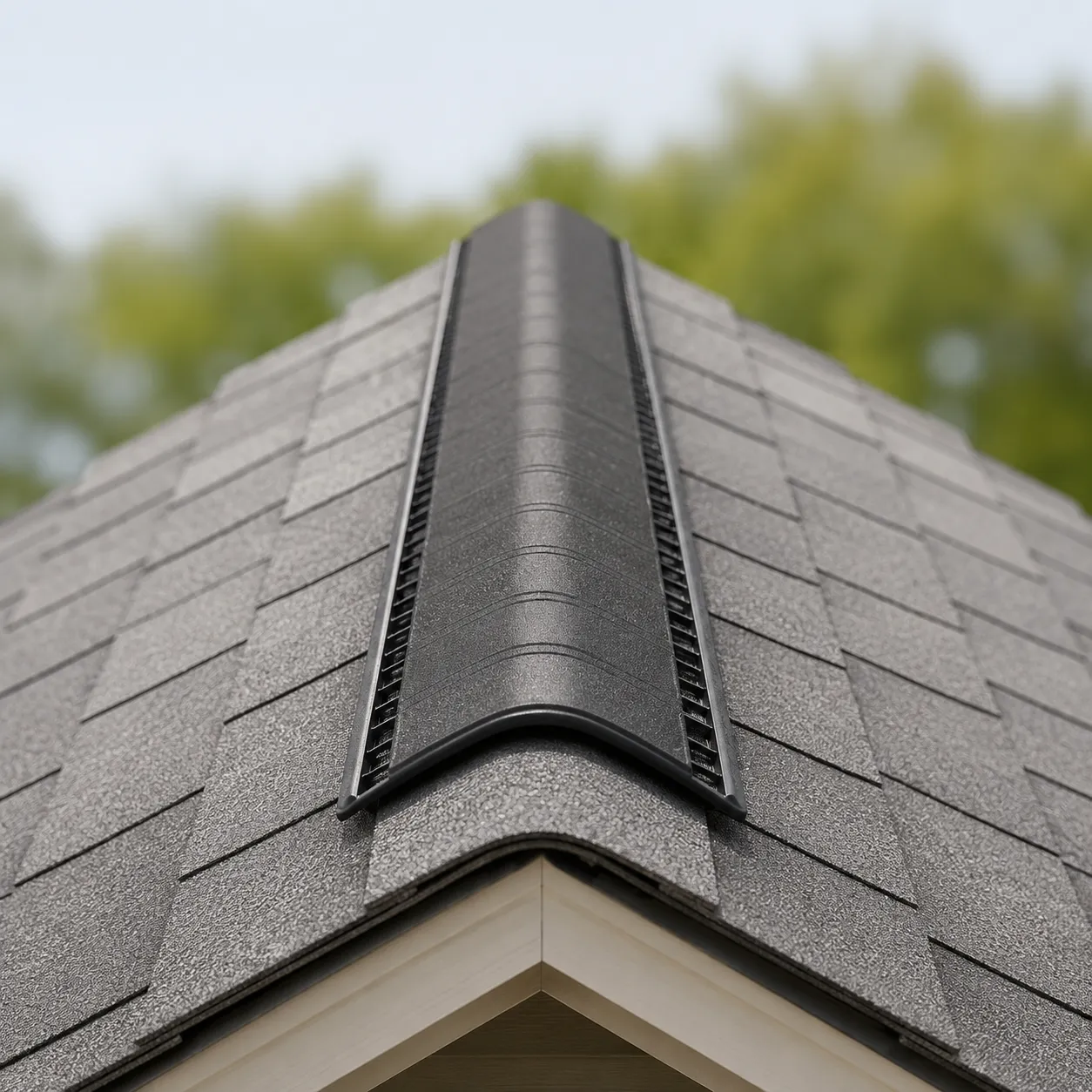
ridge ventrɪdʒ vɛnt
a long narrow opening along the highest line of a roof that lets warm air escape from the attic.
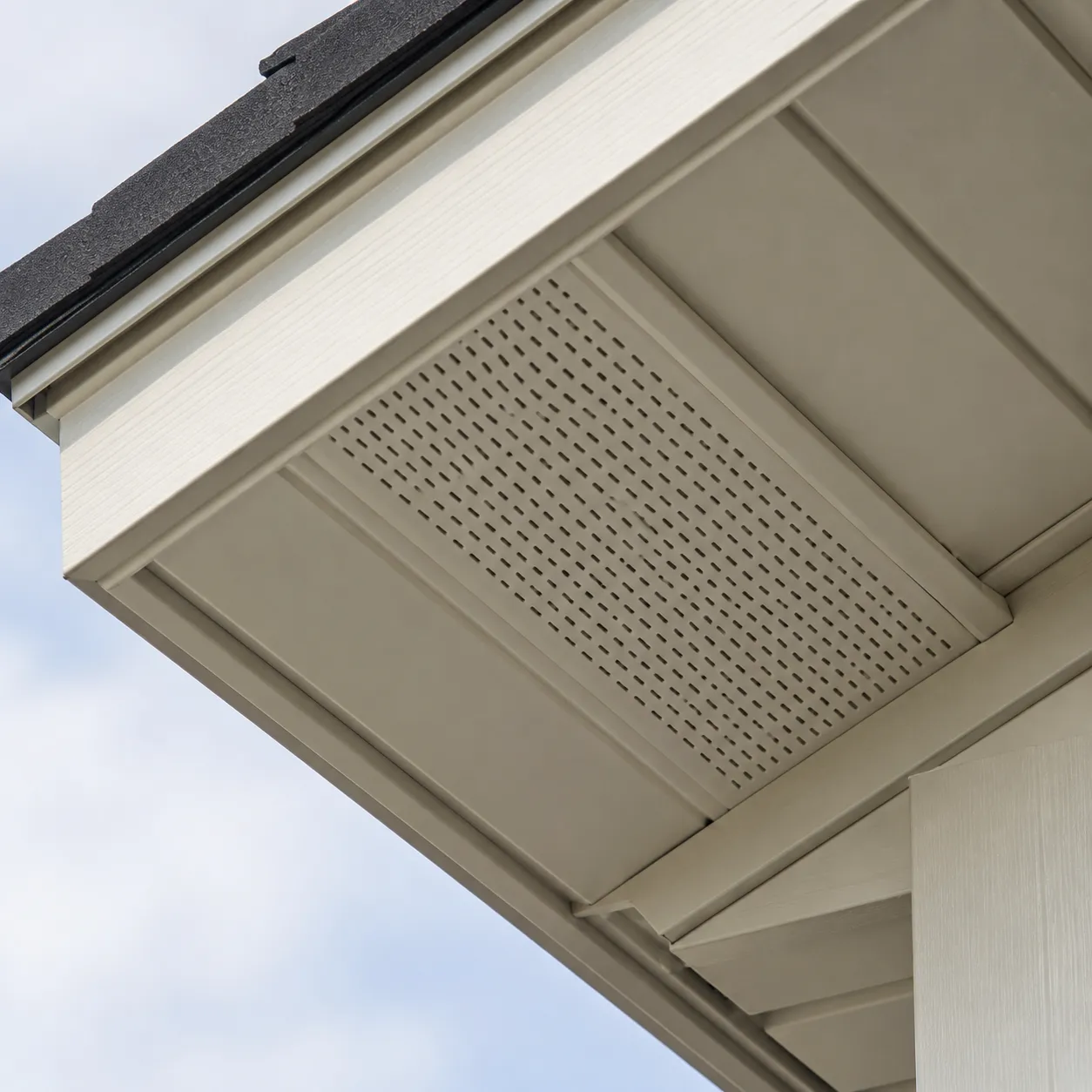
soffit ventˈsɑːfɪt vɛnt
an opening under the edge of a roof overhang that lets outside air flow into the attic.
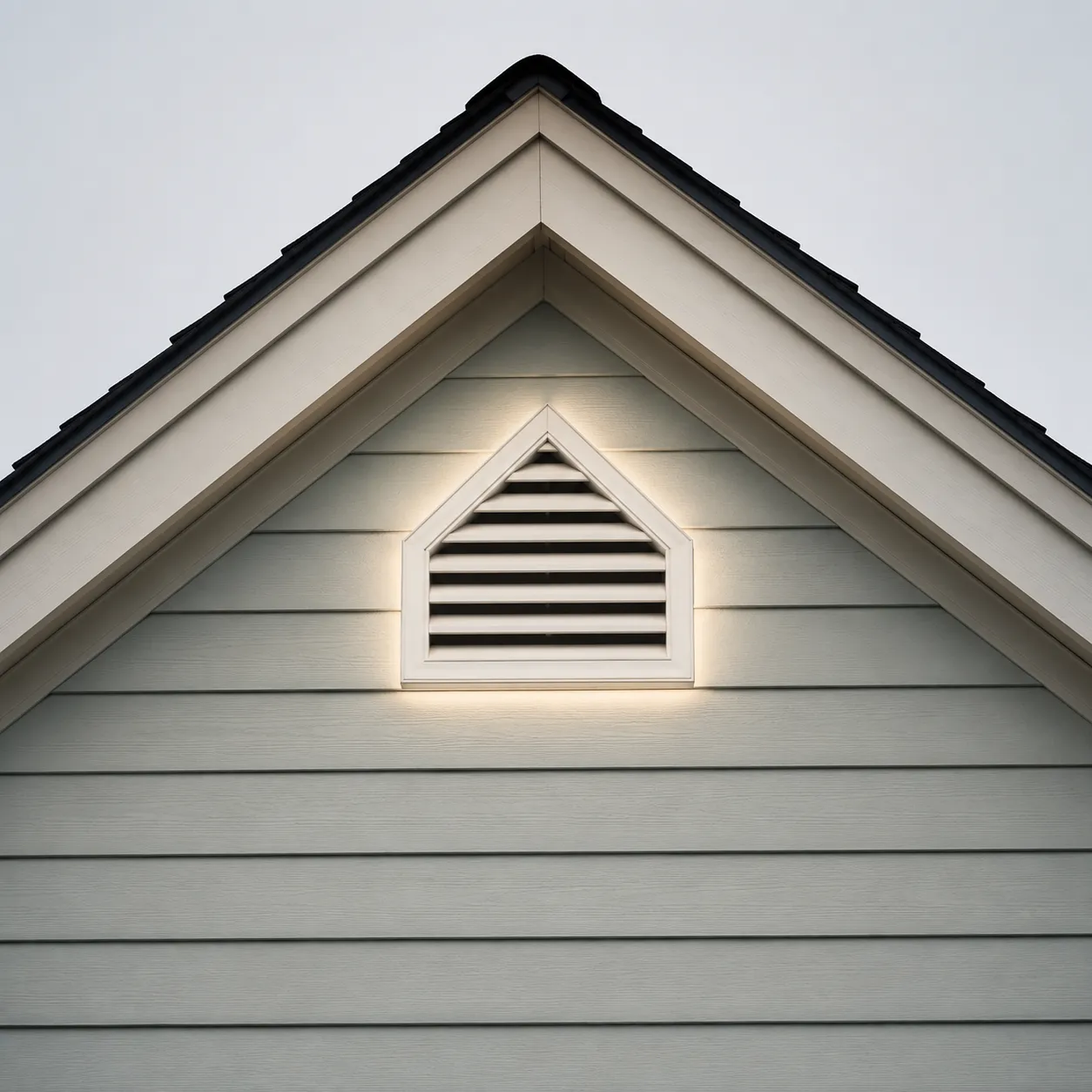
gable ventˈɡeɪbəl vɛnt
an opening in the triangular wall at the end of a roof that lets air move in or out of the attic.
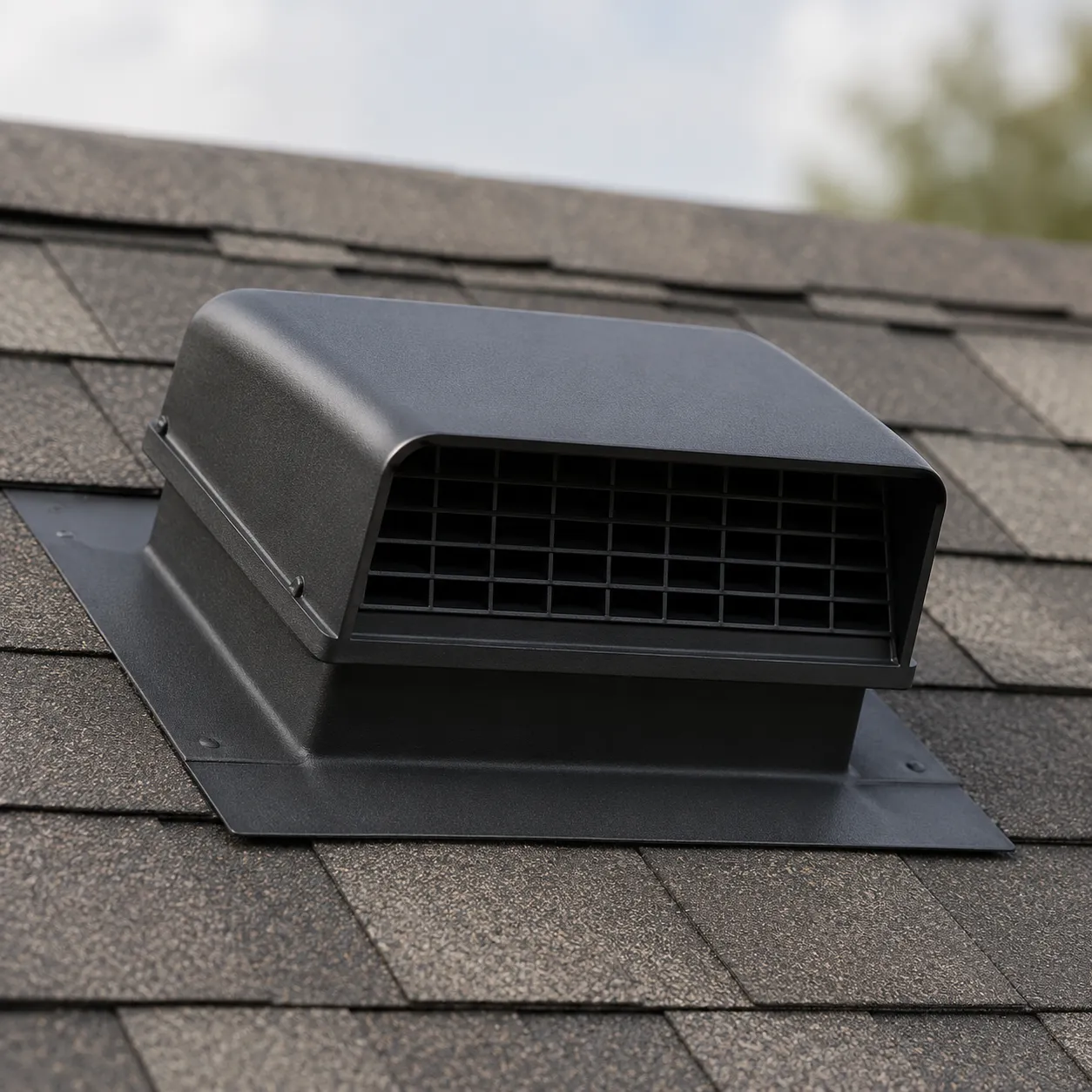
roof ventˈruːf vɛnt
an opening or device on a roof that allows air, heat, or moisture to leave the space below.
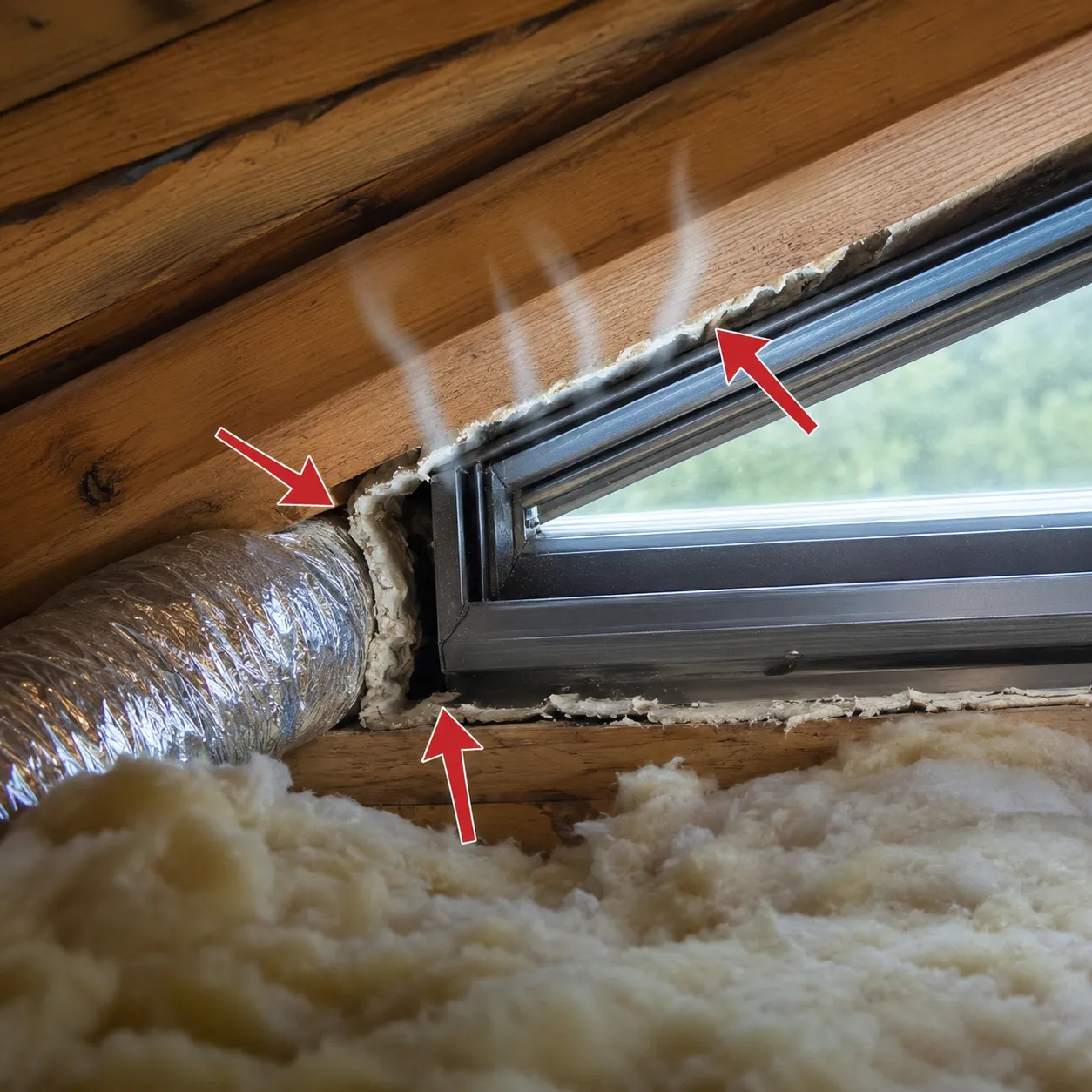
air leakɛr liːk
a small hole or gap where air enters or leaves a building, room, or object when it should not.
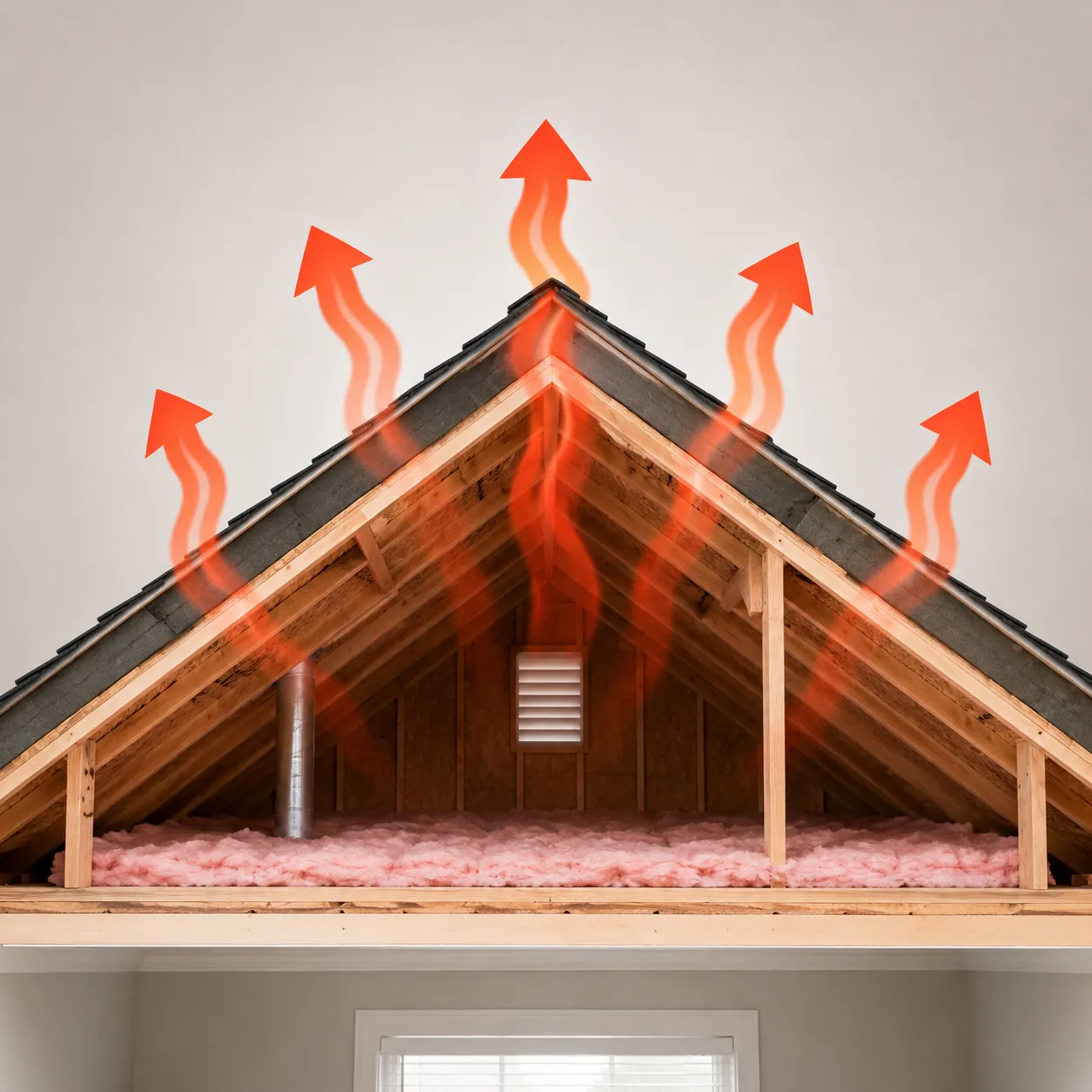
heat losshiːt lɔːs
the movement of heat out of a building, room, or system, especially when this makes it harder to keep warm.
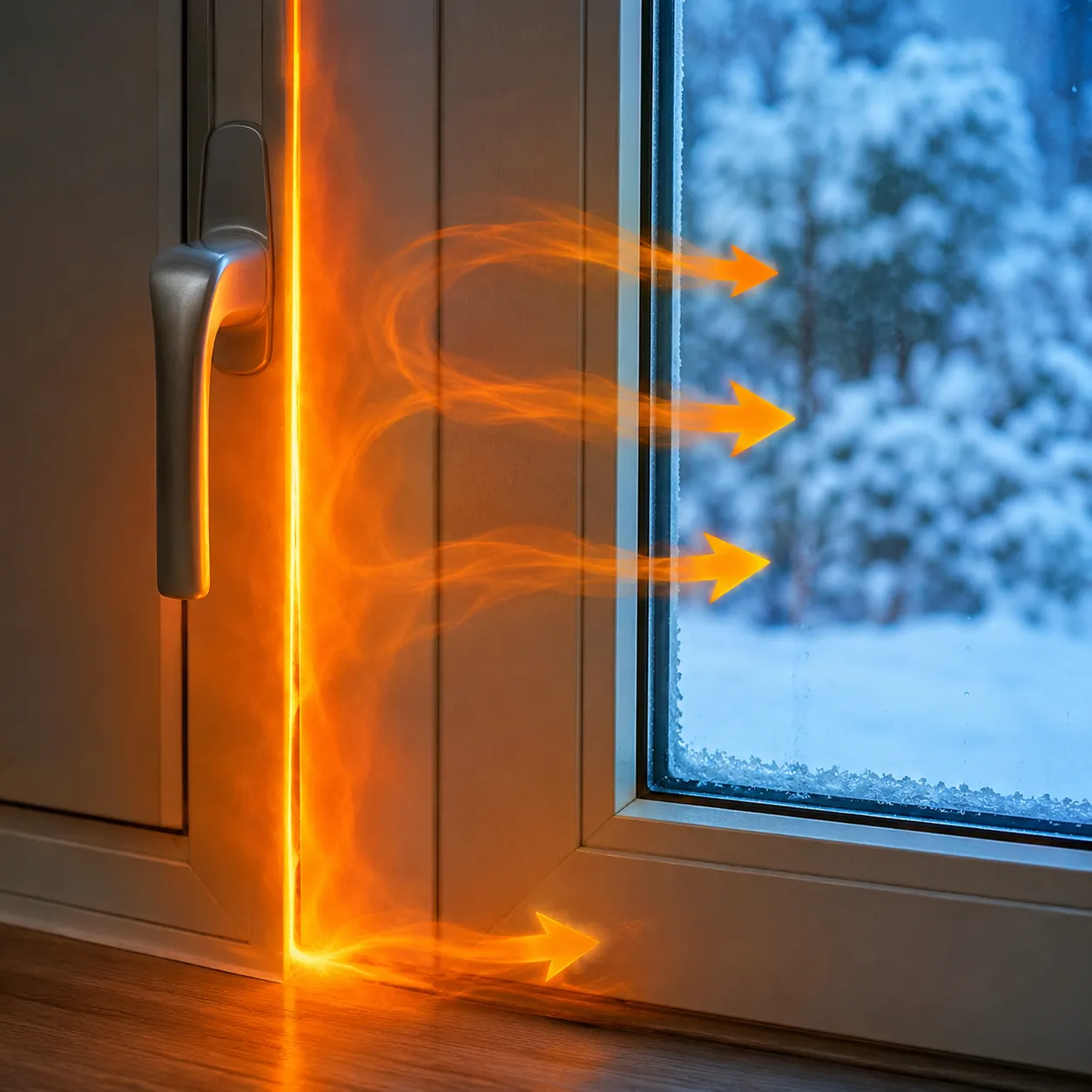
energy lossˈɛnɚdʒi lɔːs
the loss or waste of useful power, heat, or fuel in a building, machine, or process.
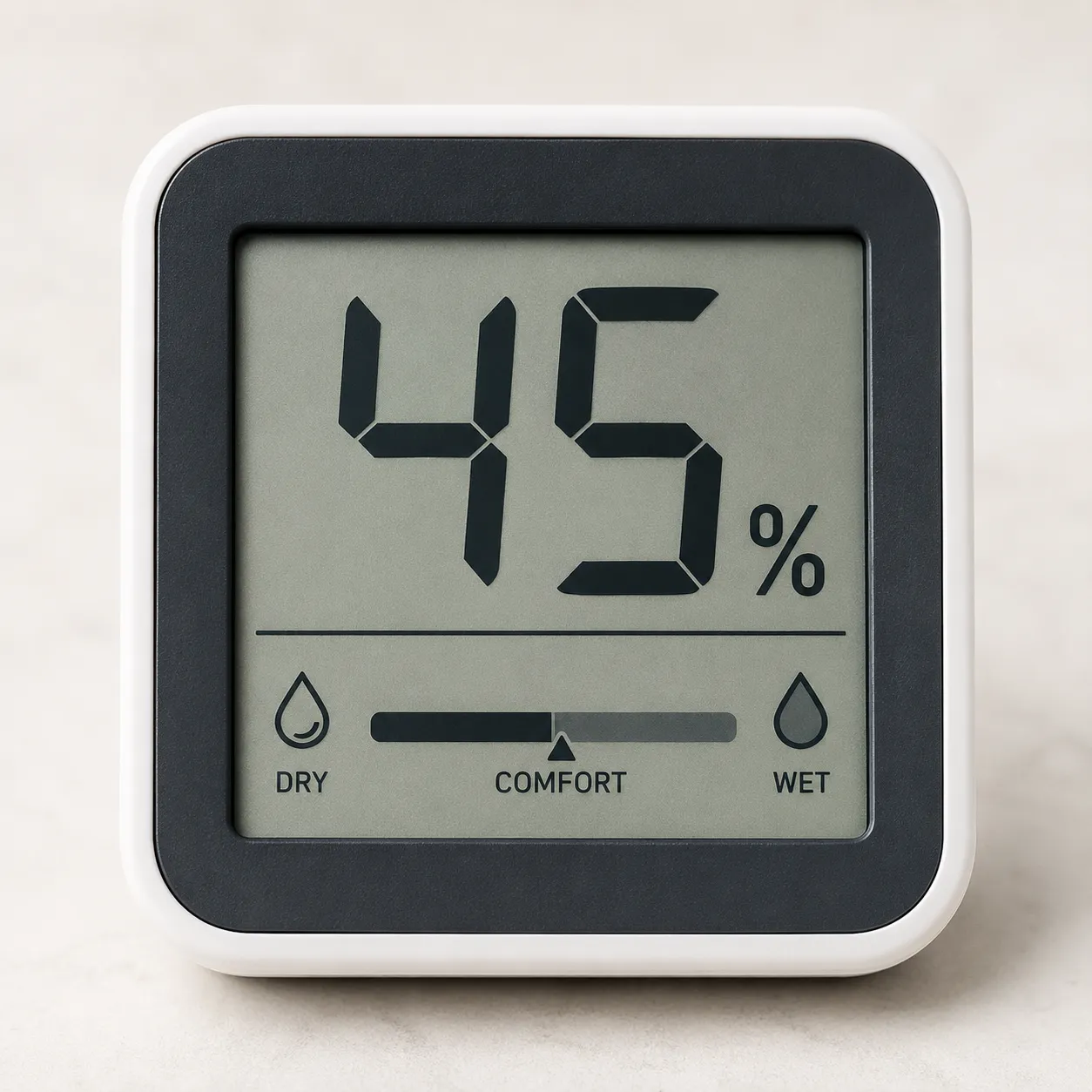
humidity meterhjuːˈmɪdəti ˈmiːtɚ
a device that measures how much water vapor is in the air.
Words for leaks, mold, cracks, deterioration, fire risks, protective features, and checking attic conditions.
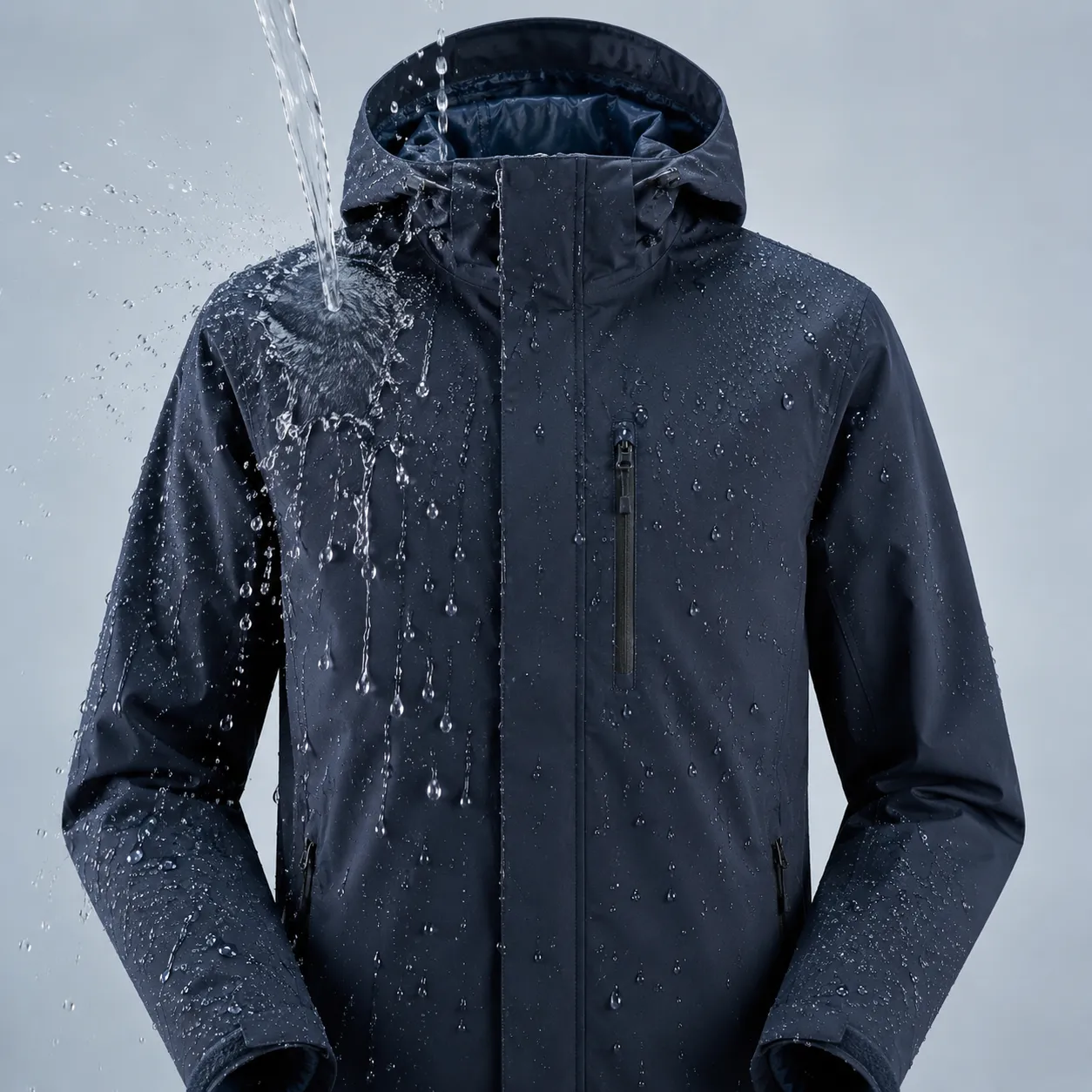
waterproofˈwɔːtəpruːf
designed to prevent water from passing through or damaging it.
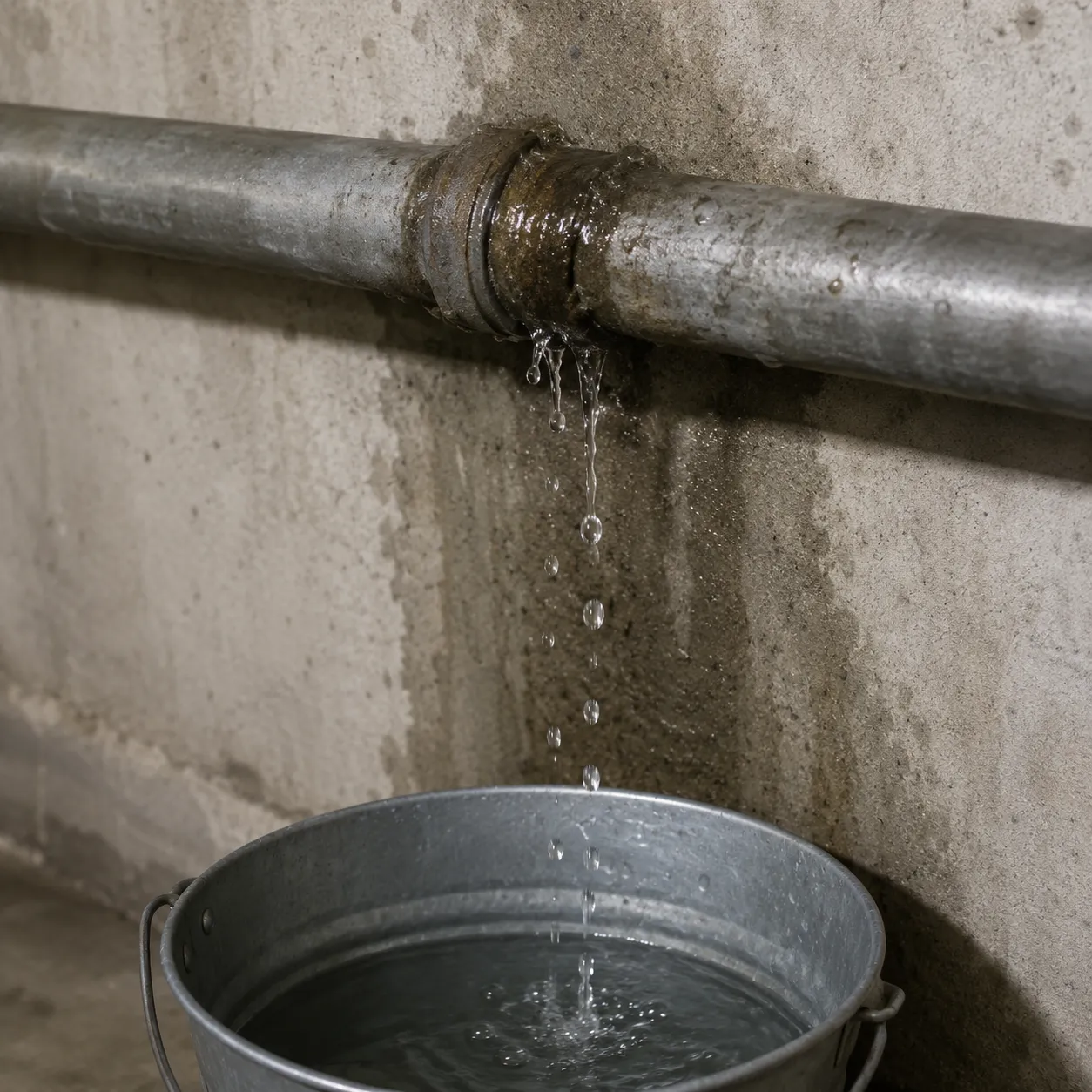
leakyˈliːki
allowing liquid or gas to get in or out through a hole or crack.
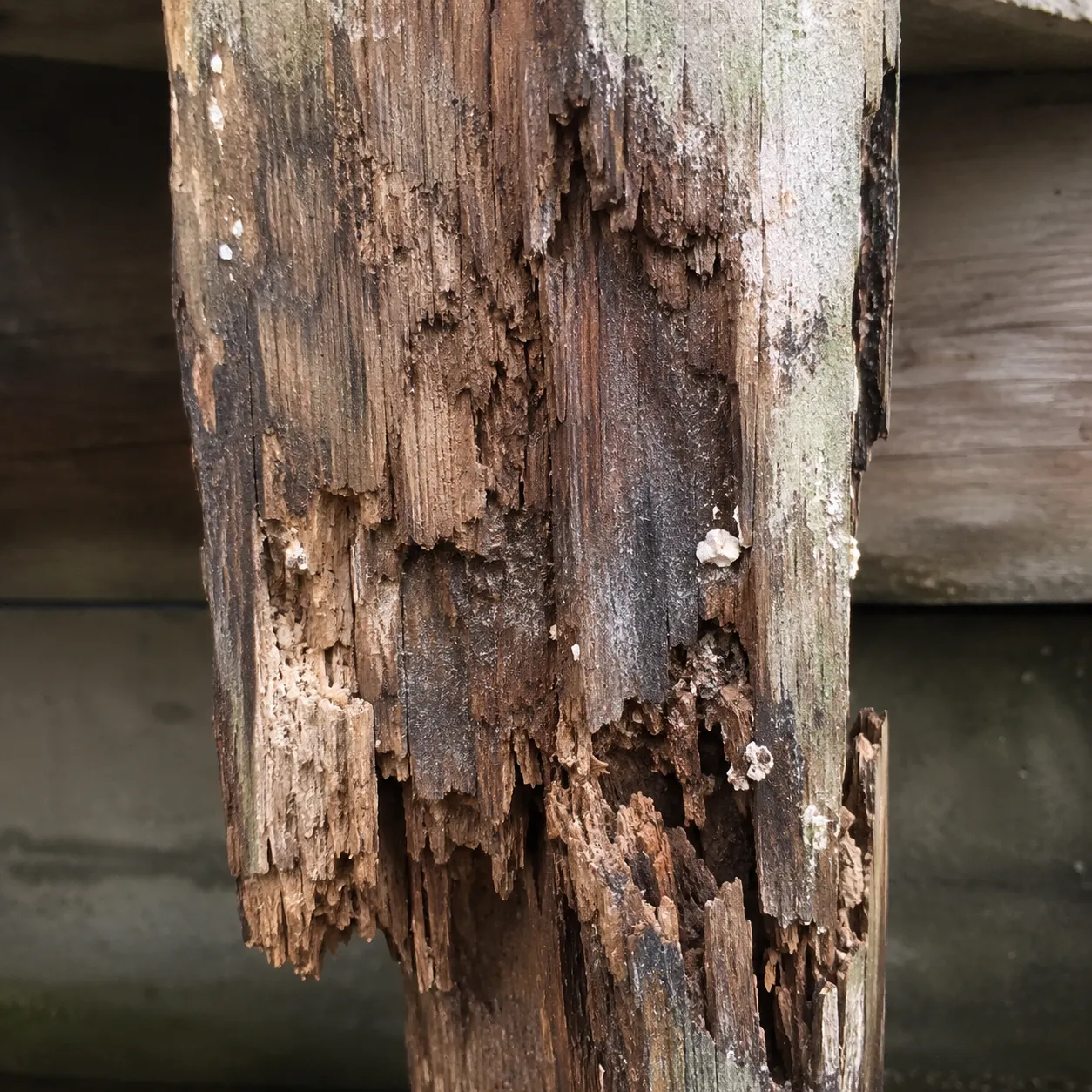
rotrɑːt
to become soft, damaged, and bad because bacteria, fungi, or moisture are breaking the material down.
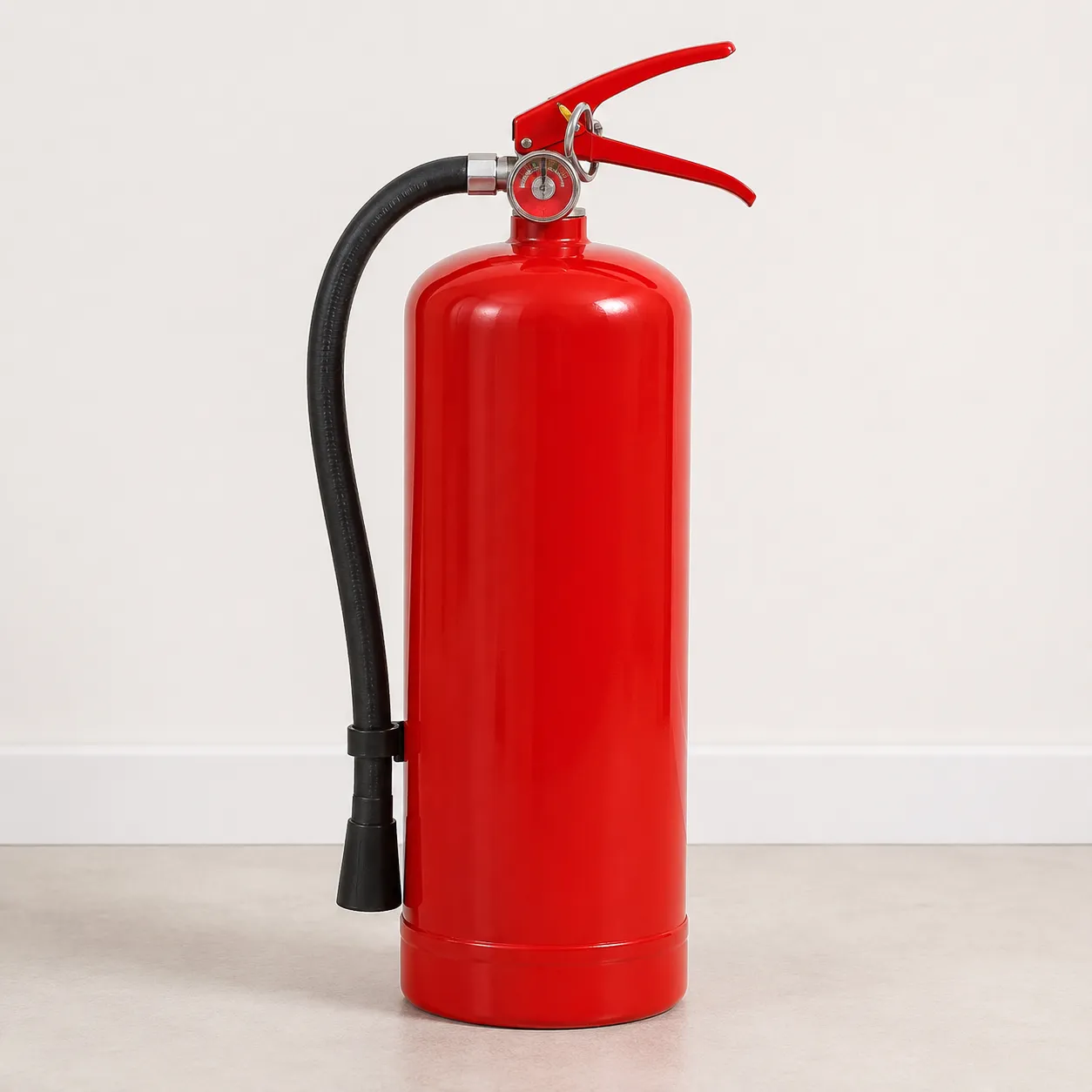
fire extinguisherˈfaɪər ɪkˌstɪŋɡwɪʃər
a portable device that contains a substance used to put out small fires
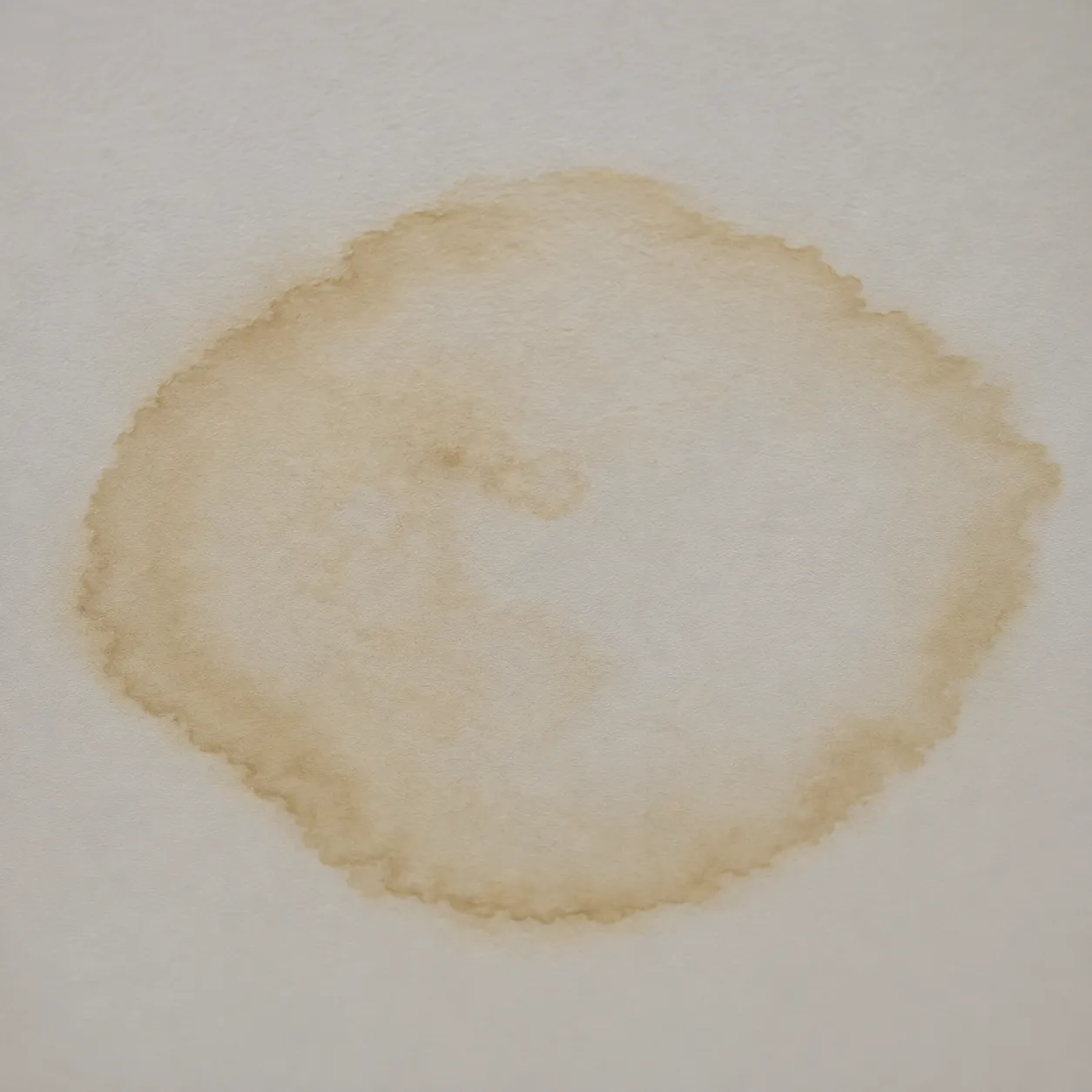
water stainˈwɔːtər steɪn
a mark left on a surface, such as glass, tiles, or a wall, after water has dried there.
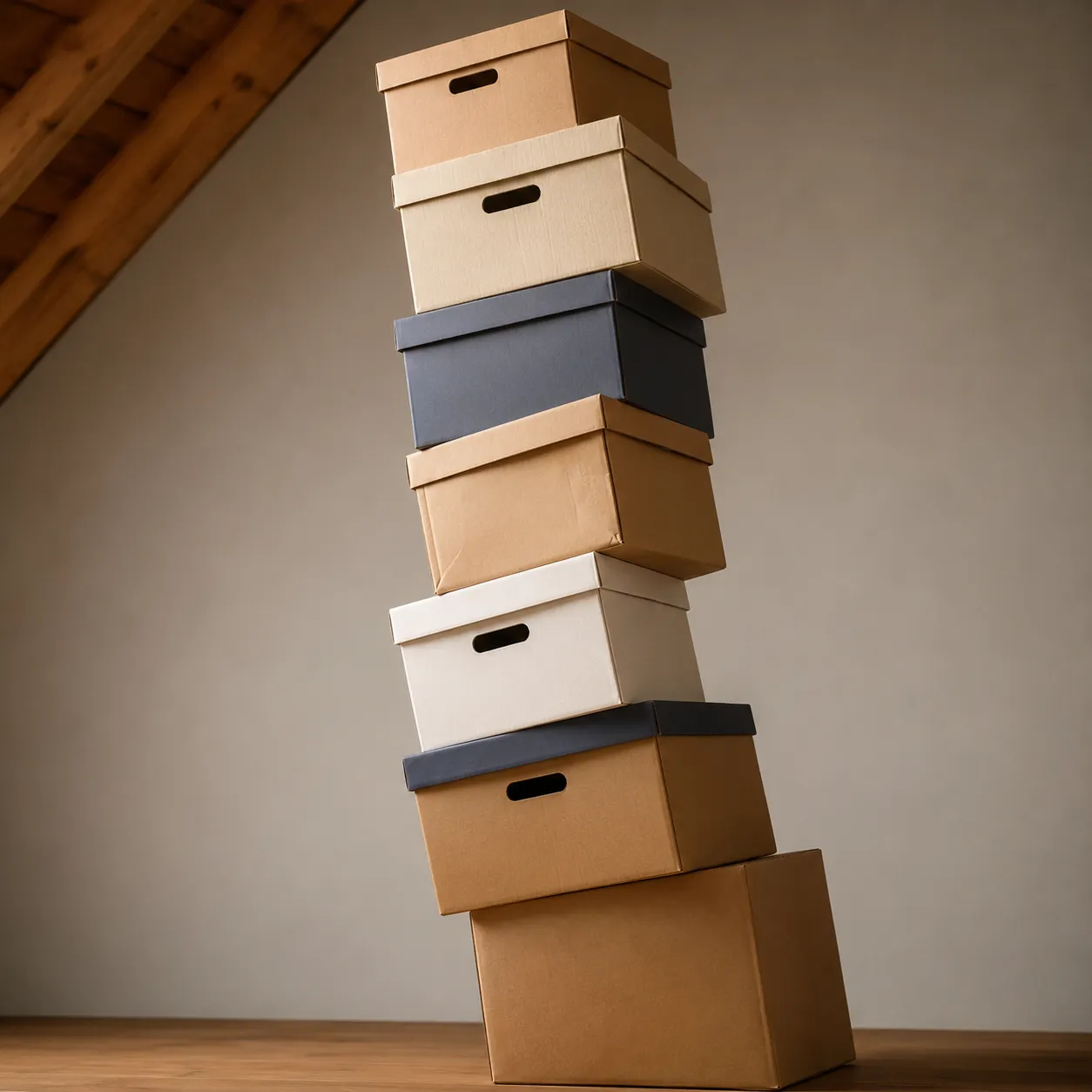
unstableʌnˈsteɪbəl
likely to change suddenly, become worse, or stop working well.
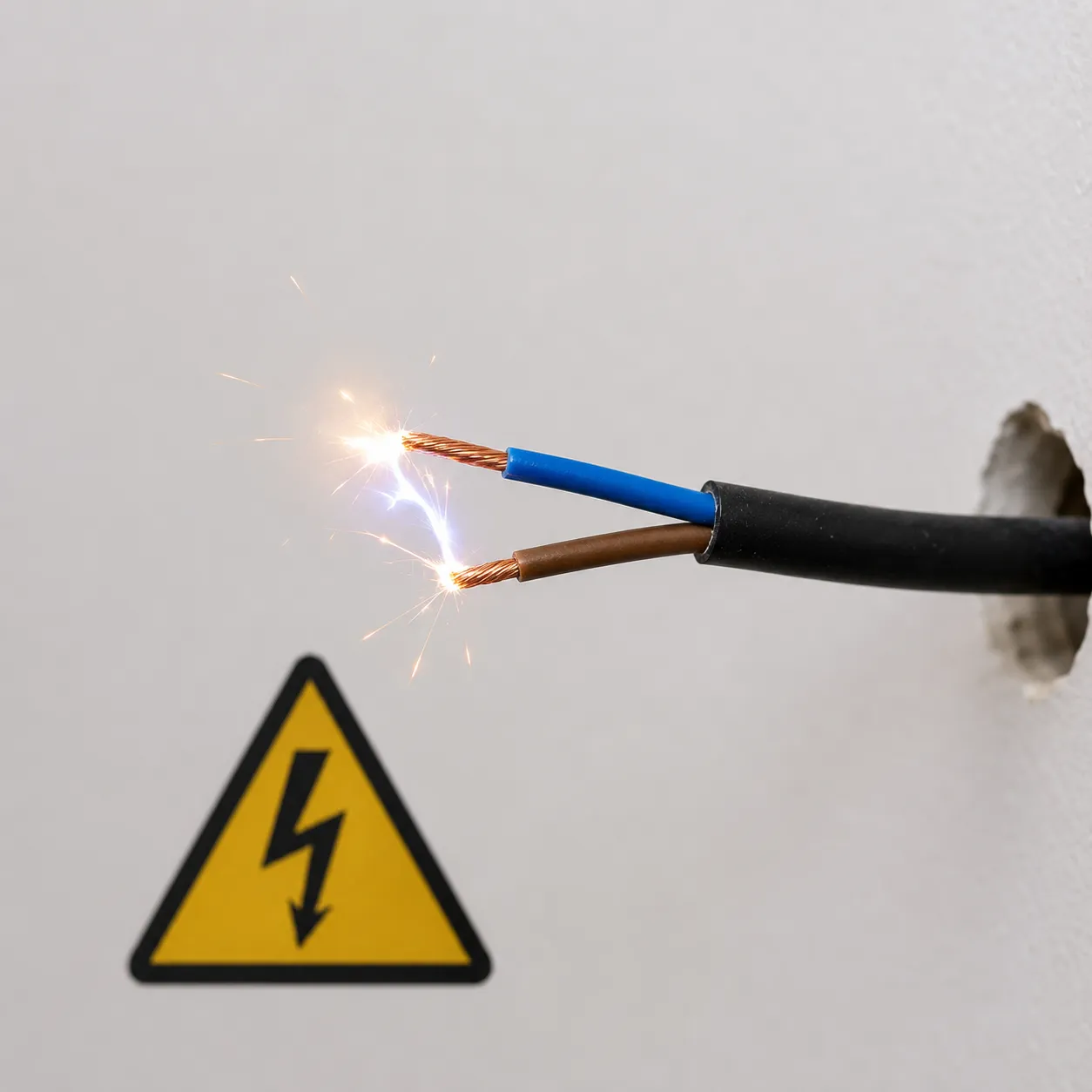
hazardˈhæzərd
something that can cause harm, injury, or danger
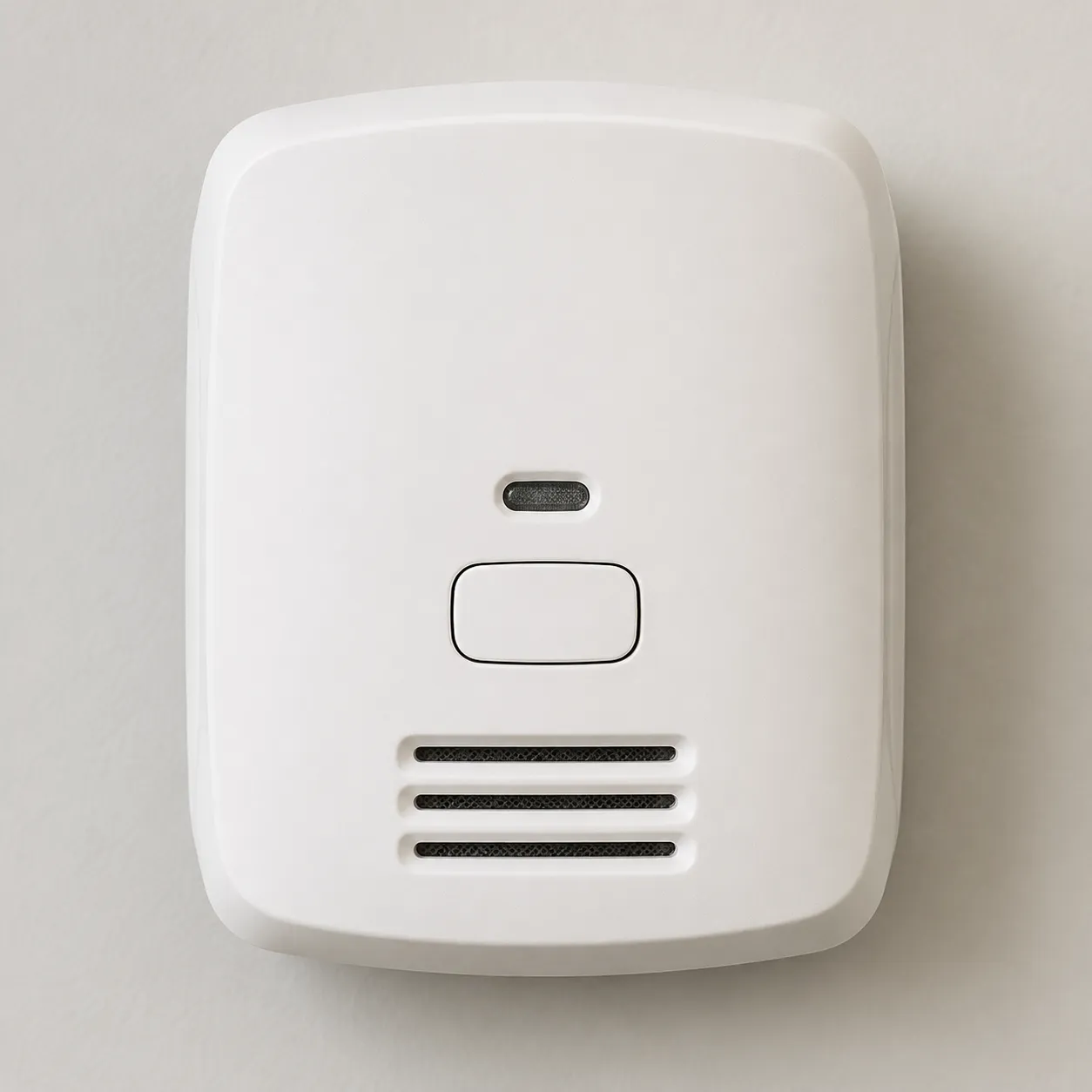
carbon monoxide detectorˌkɑːrbən məˈnɑːksaɪd dɪˌtektər
a device that detects carbon monoxide, a poisonous gas with no smell or color, and gives a warning alarm.
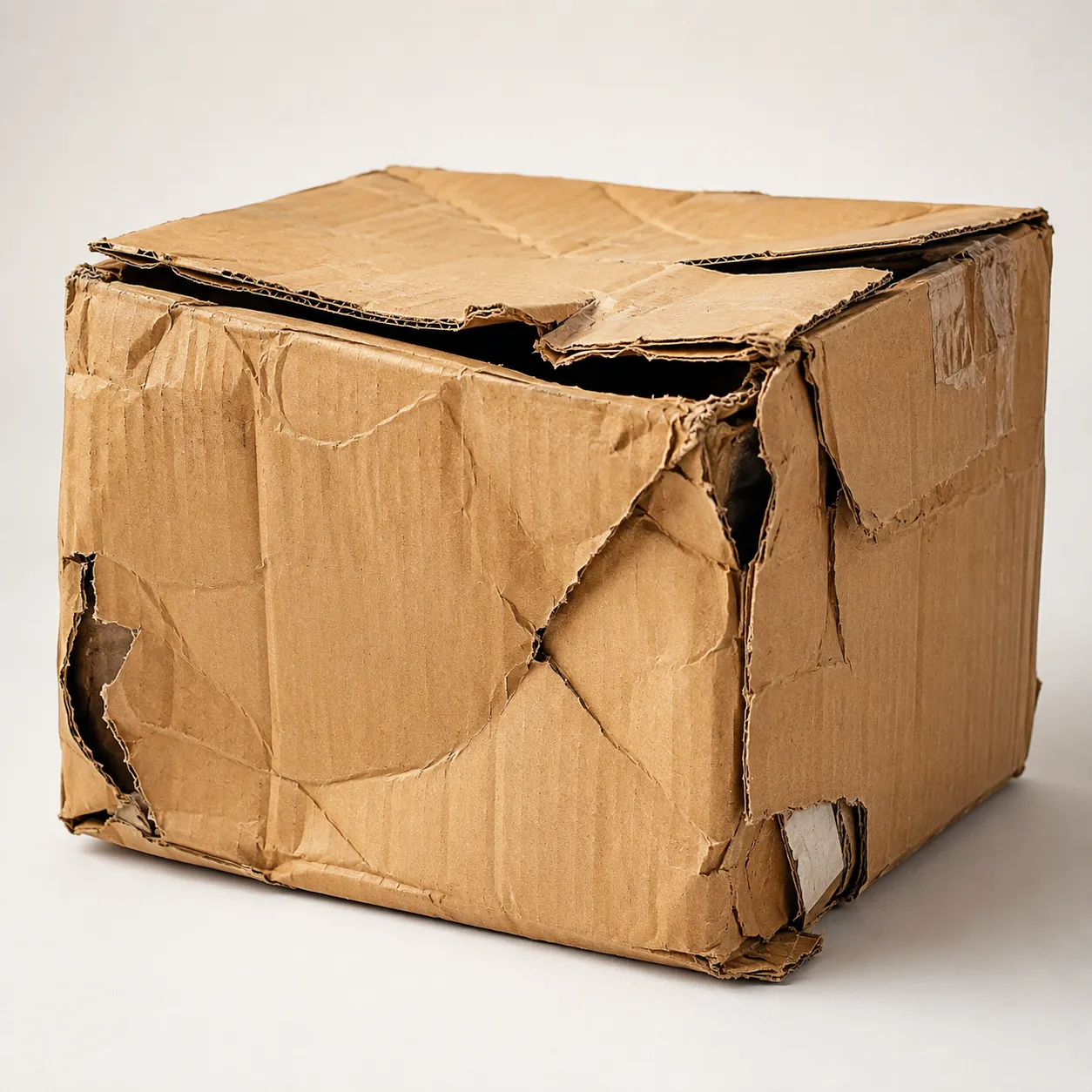
damagedˈdæmɪdʒd
harmed or broken so that it is not in good condition.
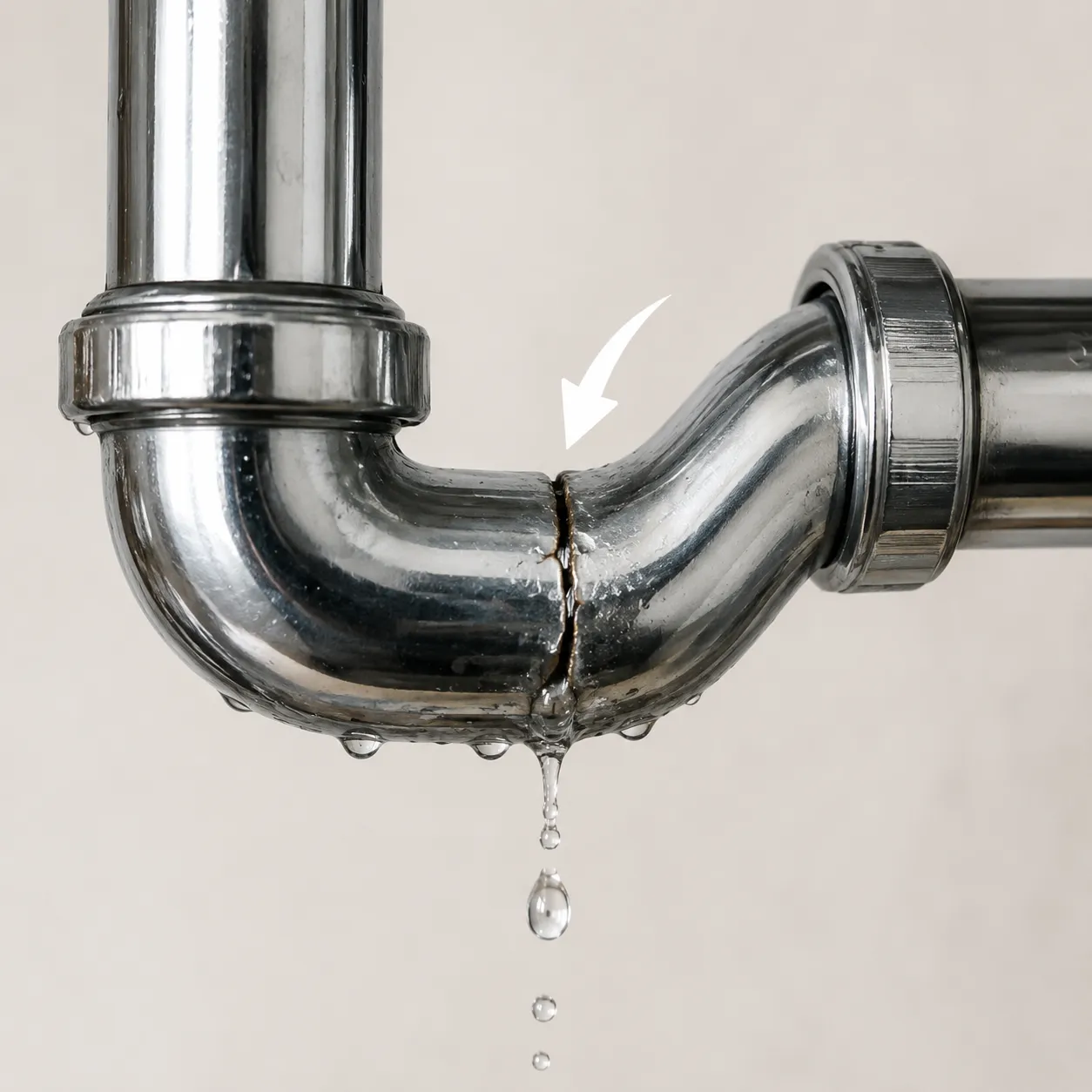
leakliːk
a hole, crack, or fault that lets water, gas, or another substance escape from a pipe, container, or roof.
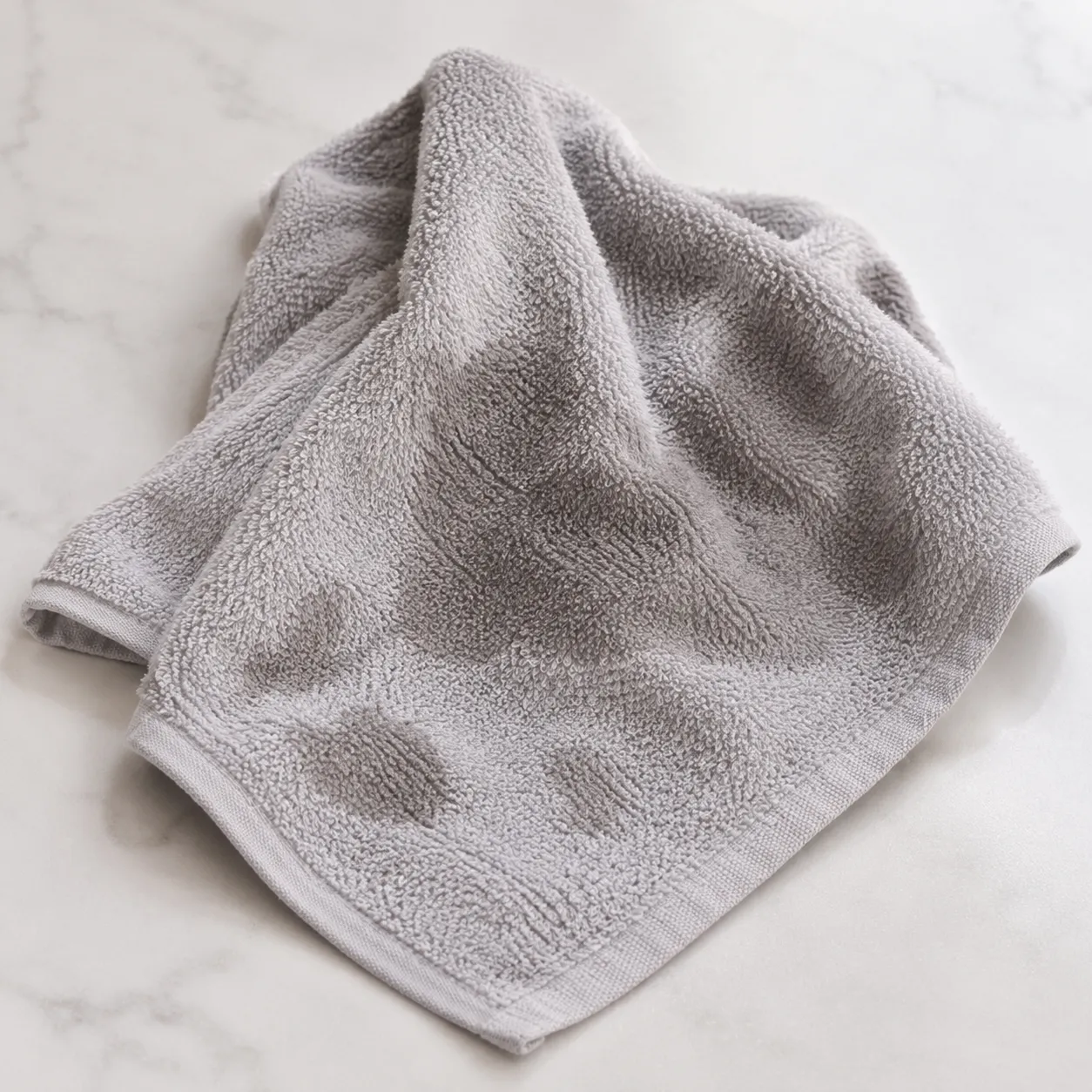
dampdæmp
slightly wet, especially in a way that feels cold or unpleasant.
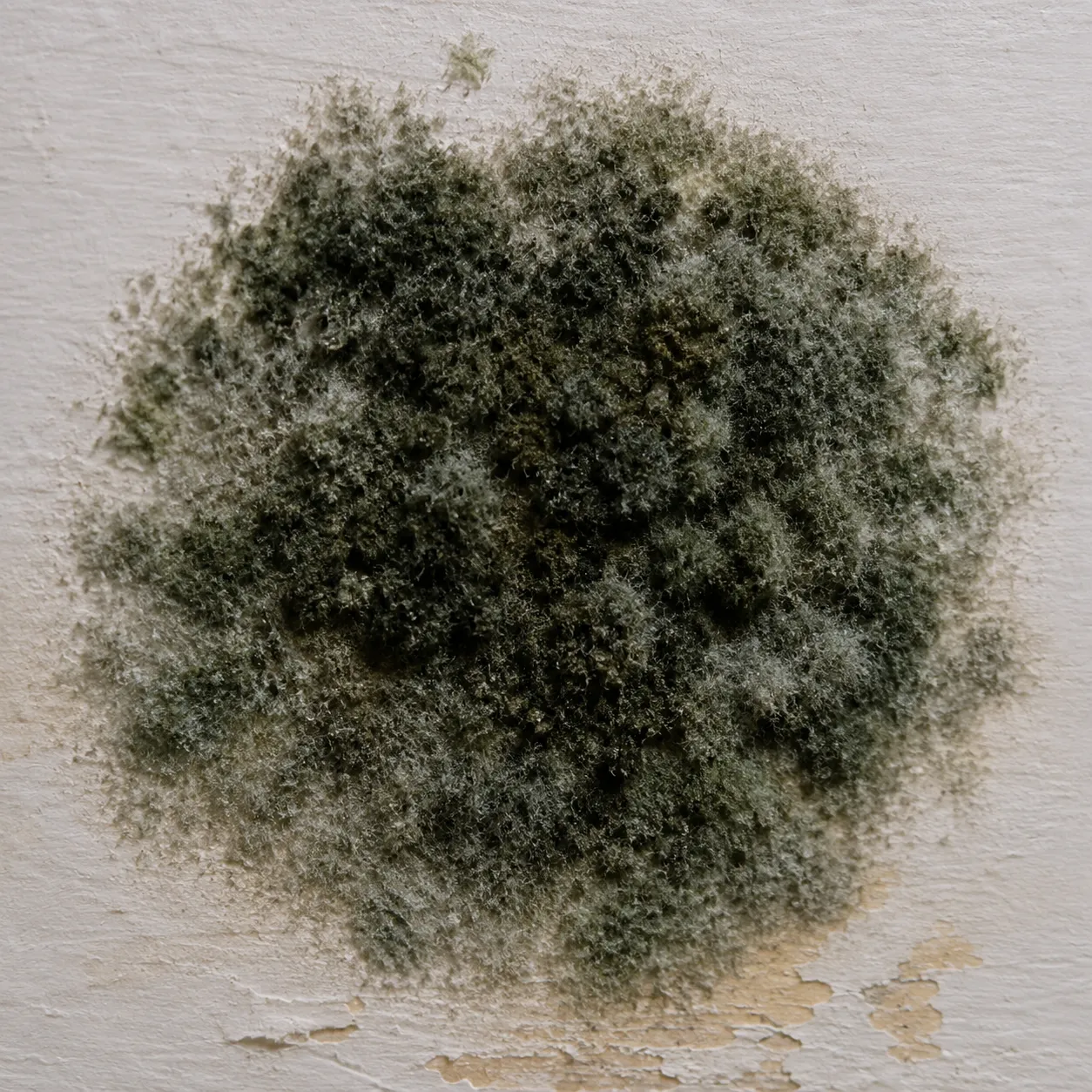
moldmoʊld
a soft fuzzy growth caused by fungi, often found on old food or damp surfaces.
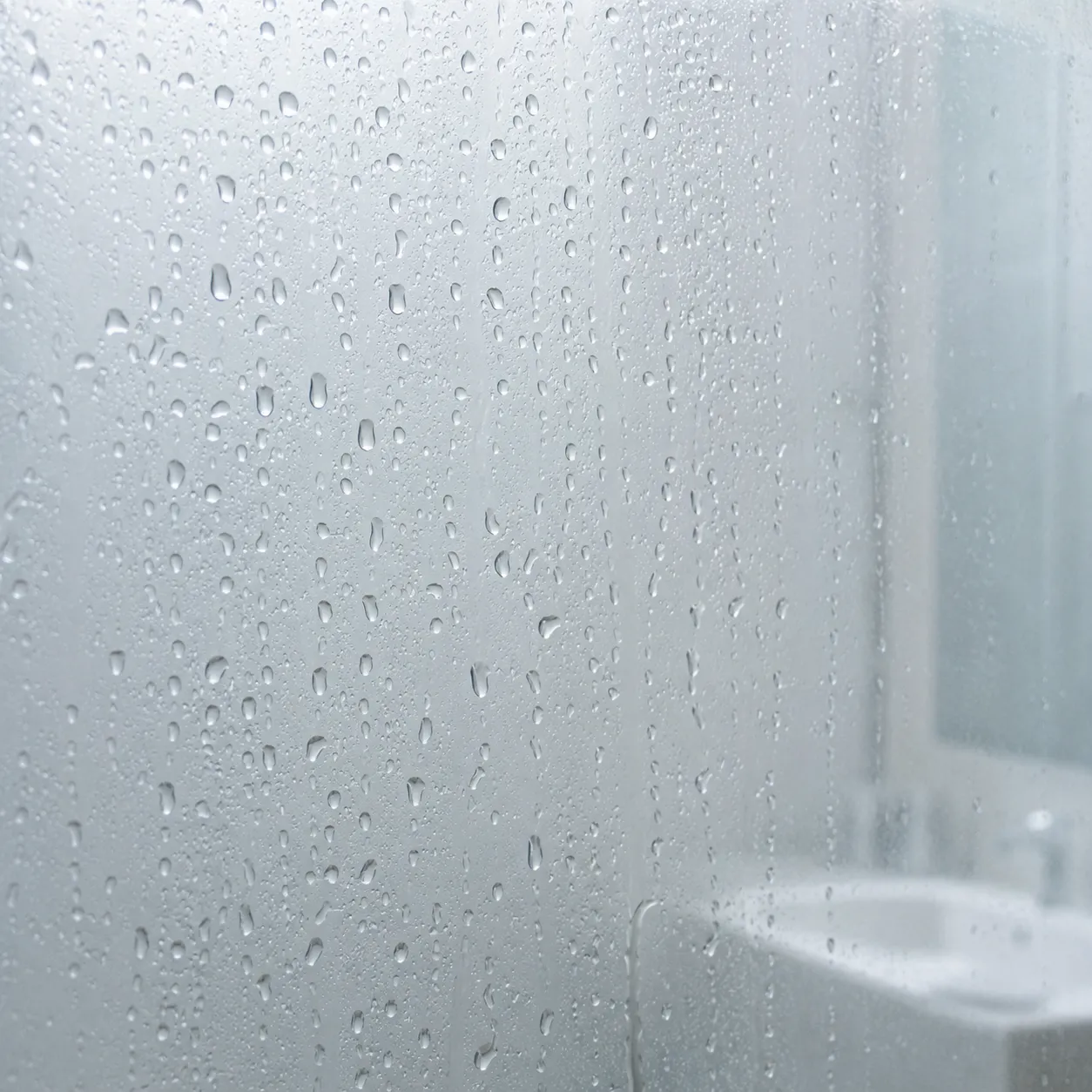
moistureˈmɔɪstʃər
a small amount of water or other liquid in the air, in a material, or on a surface.
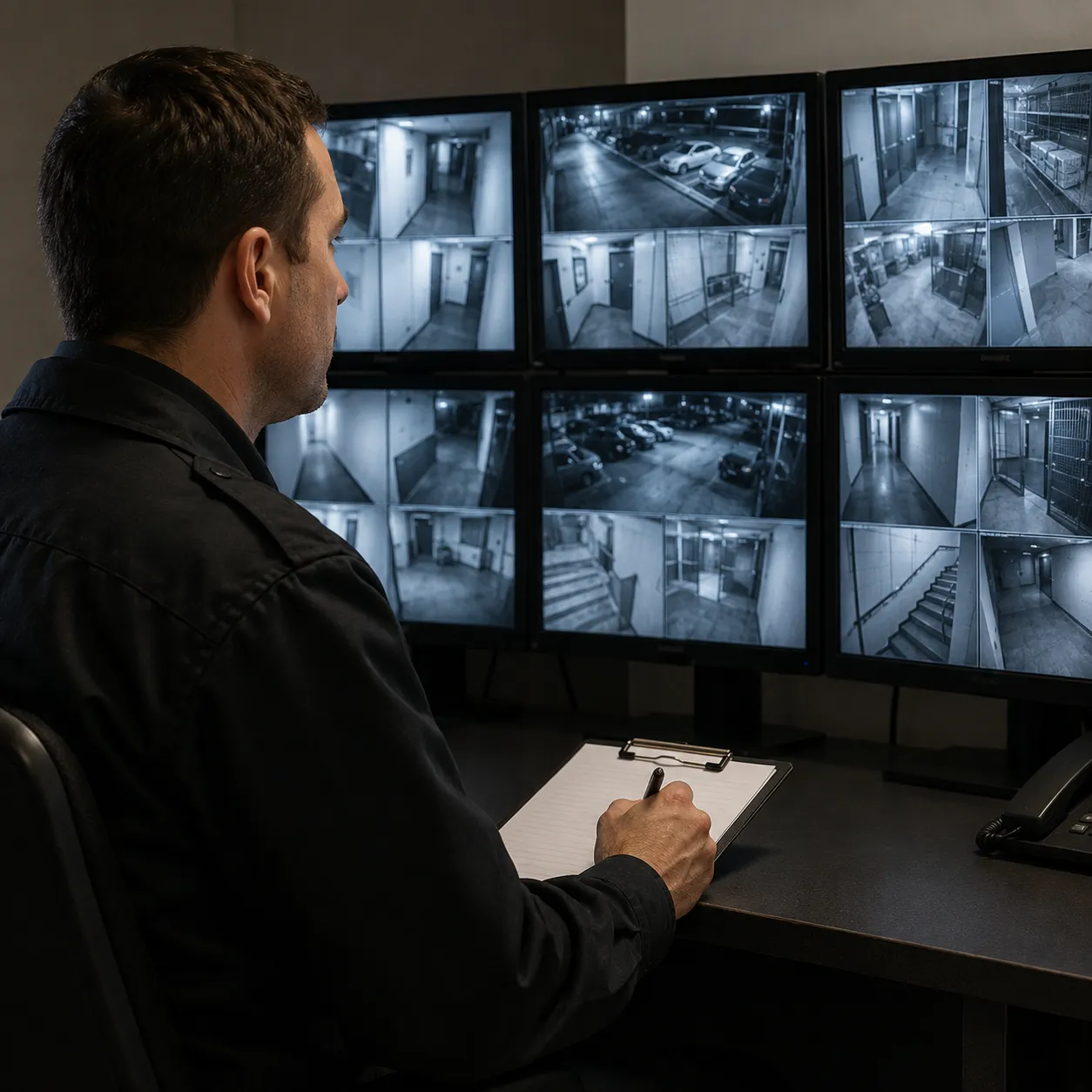
monitorˈmɑːnɪtər
to watch or check something regularly to see how it changes or develops.
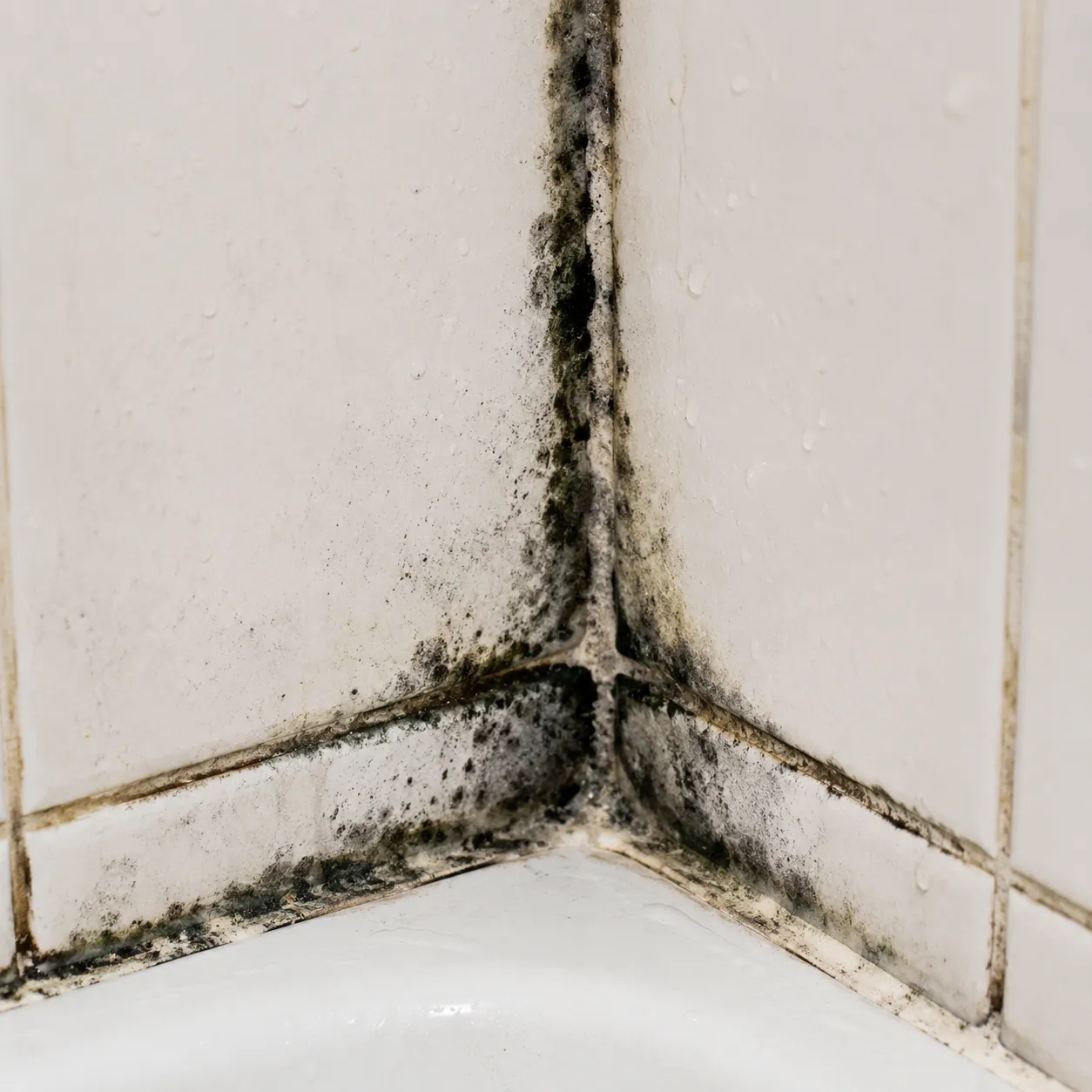
moldyˈmoʊldi
covered with a soft green, black, or white growth that appears in damp places or on old food.
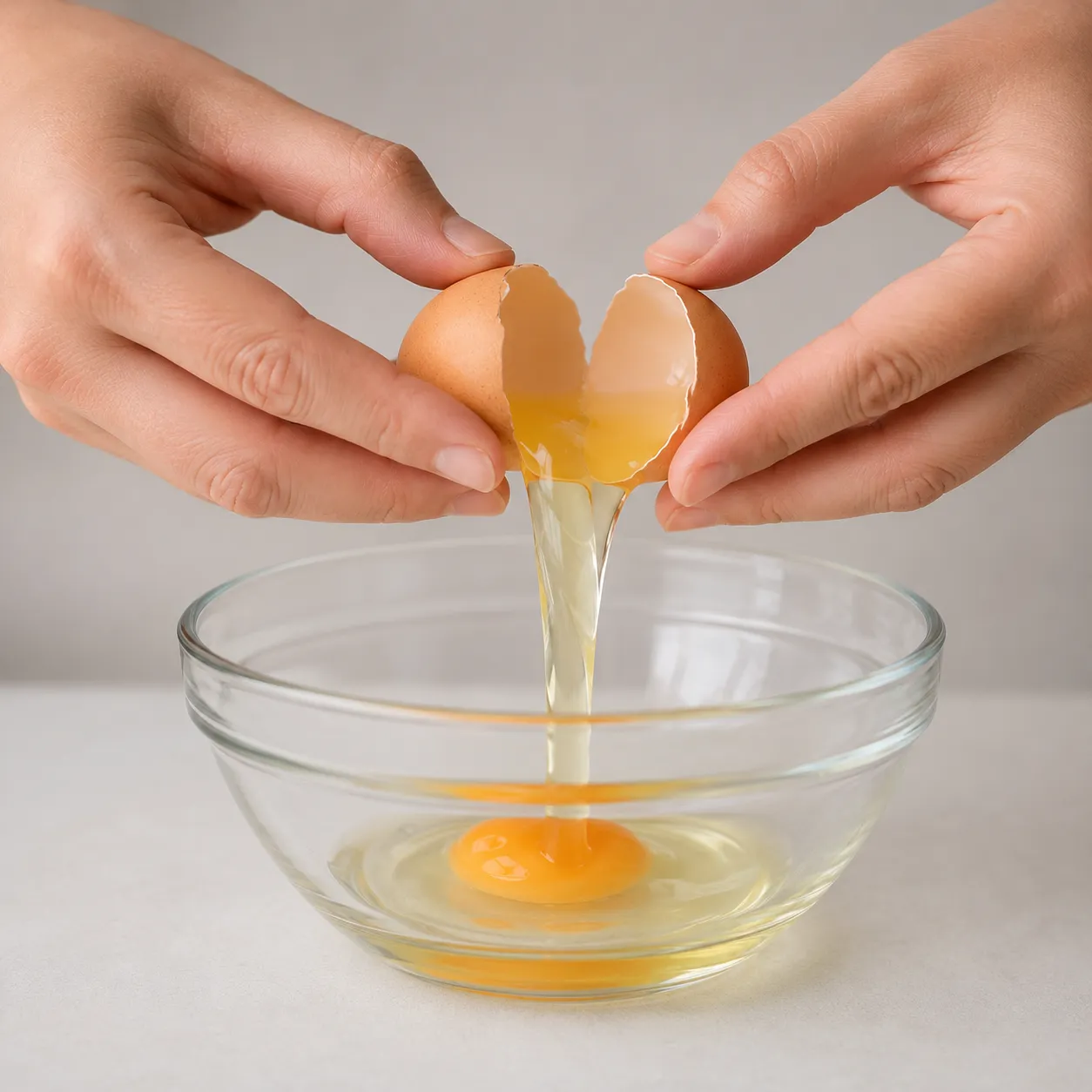
crackkræk
to break or damage a hard surface so that one or more lines appear in it, often without the pieces coming apart.
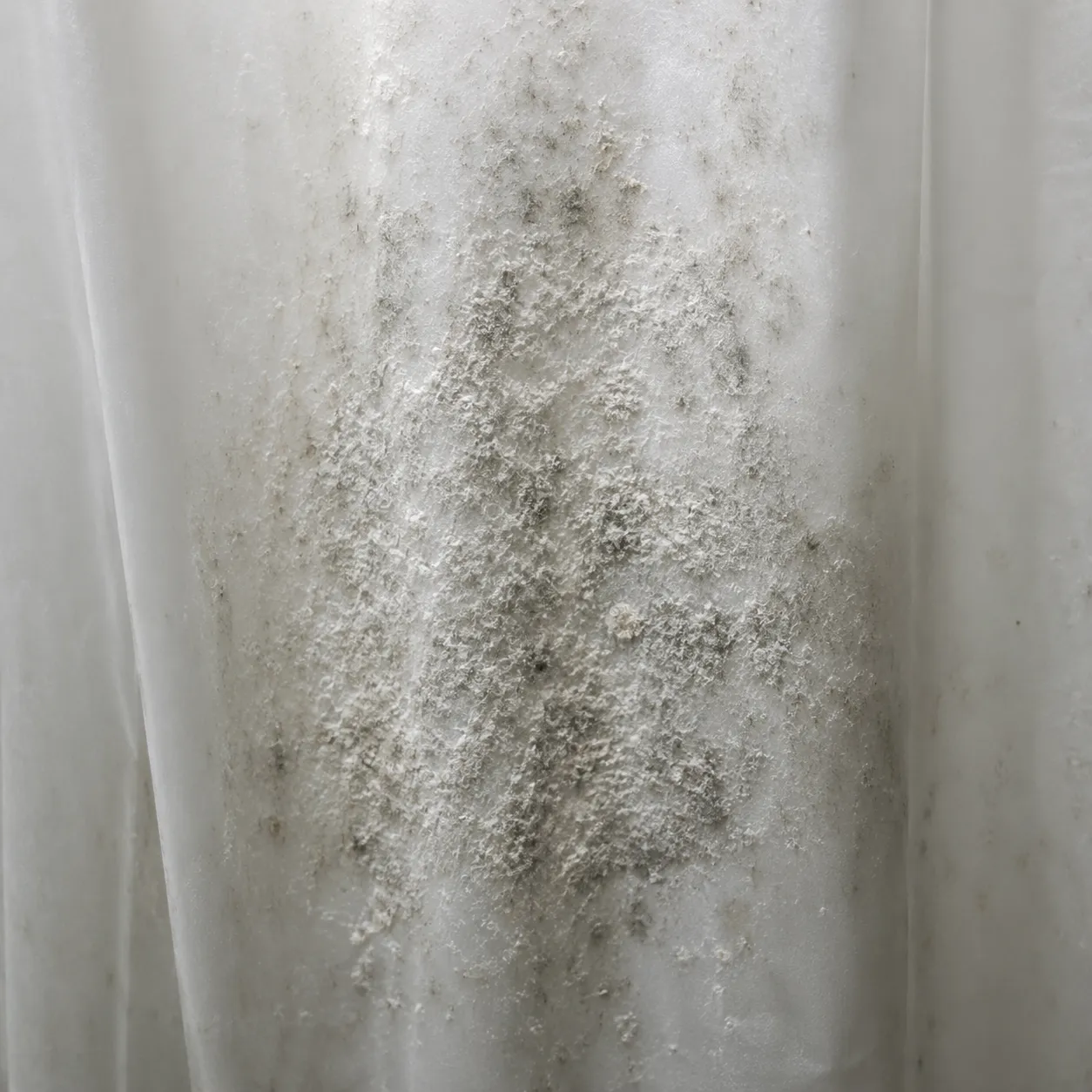
mildewˈmɪlduː
a thin gray, white, or black fungus that grows on damp surfaces, often in bathrooms or on wet cloth.
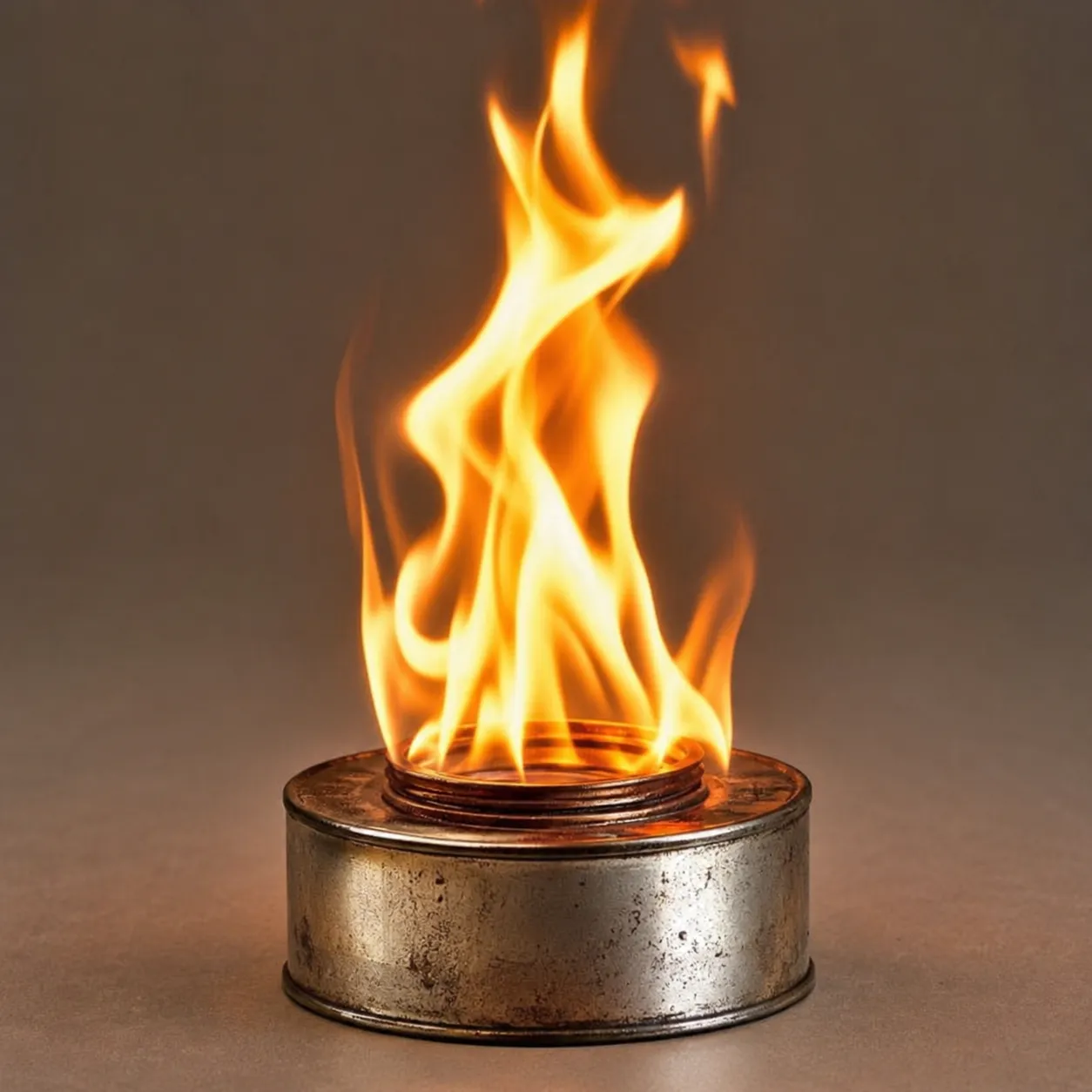
flammableˈflæməbəl
able to catch fire and burn easily.
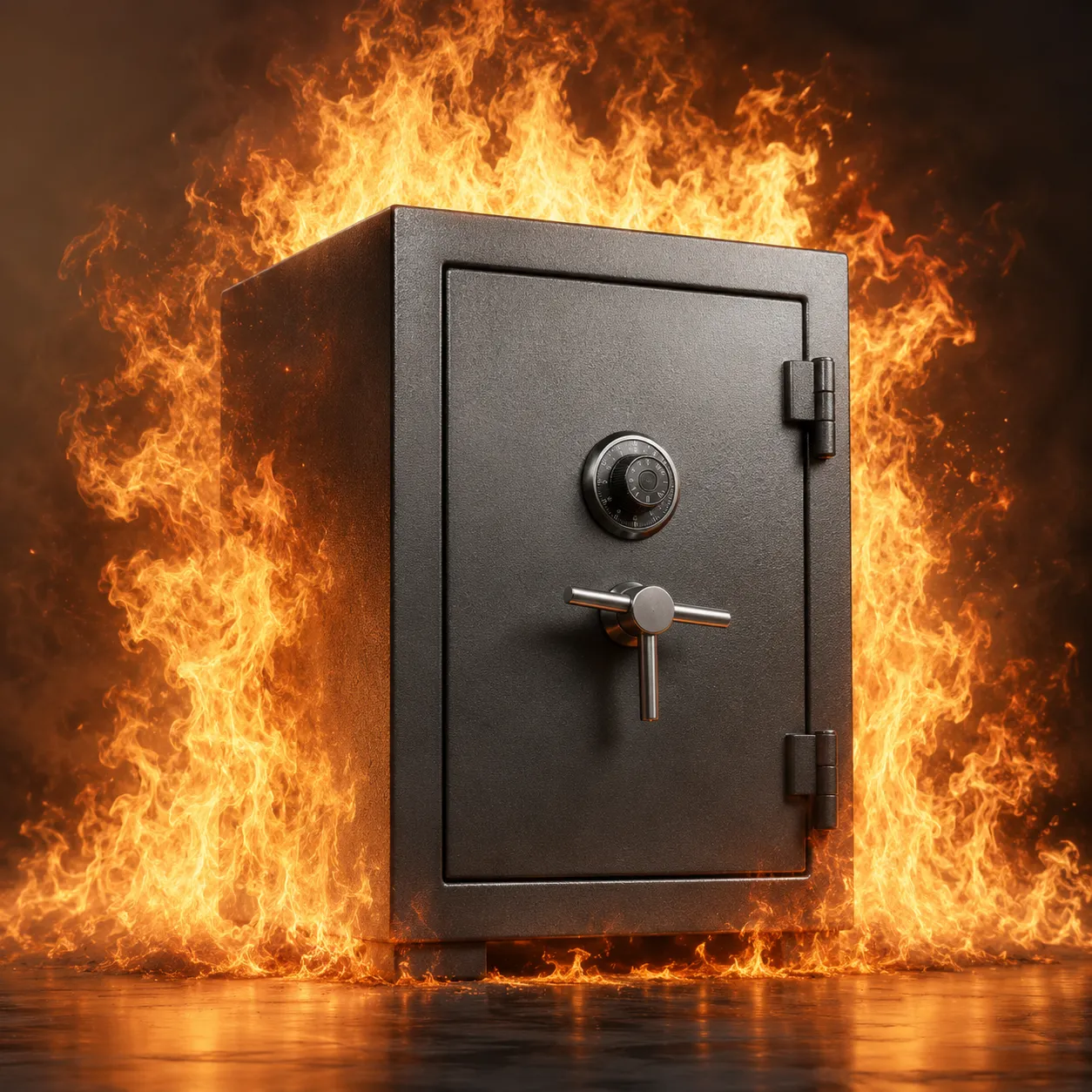
fireproofˈfaɪərˌpruːf
made or treated so that it does not burn easily or is not easily damaged by fire.
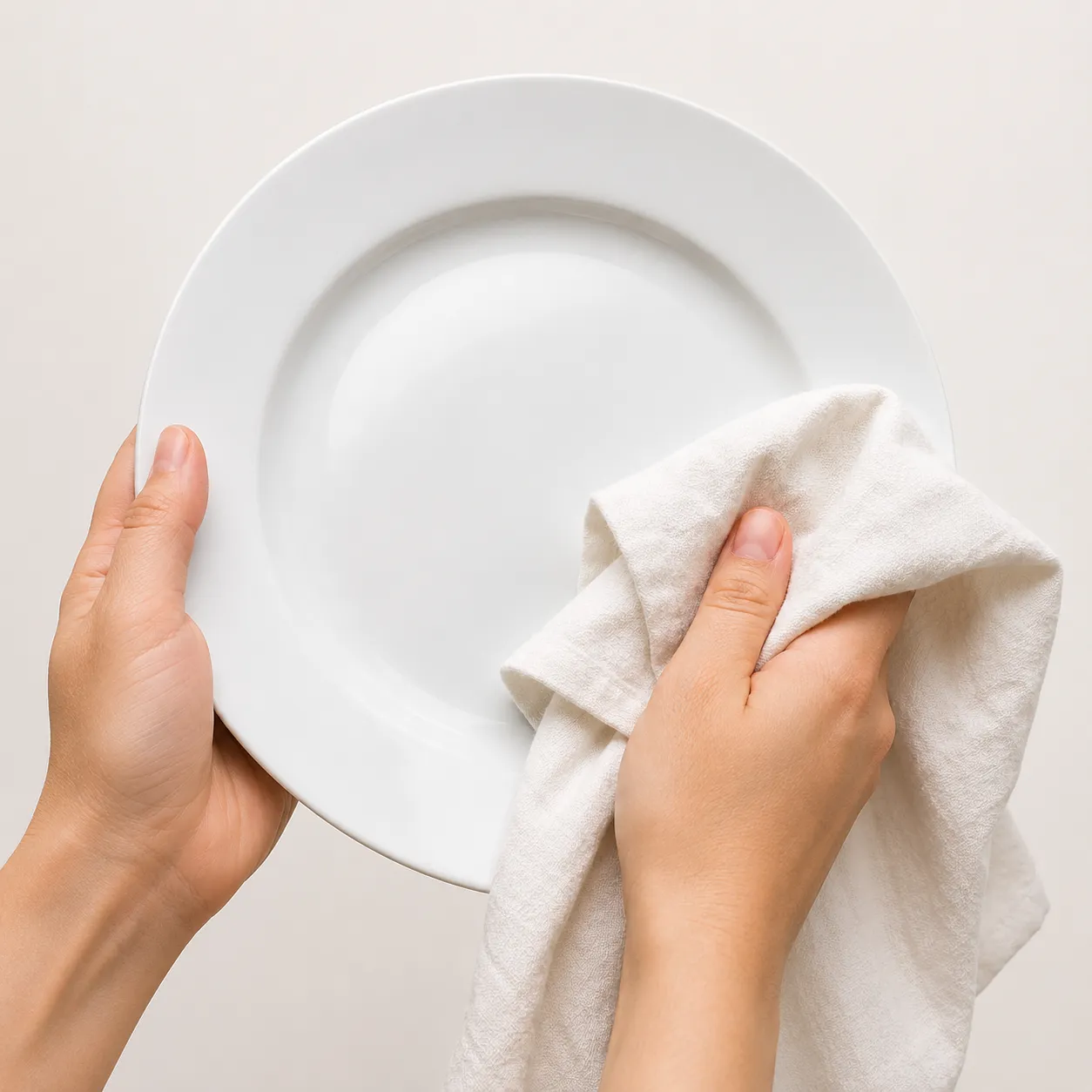
drydraɪ
having little or no liquid or moisture, or no longer wet
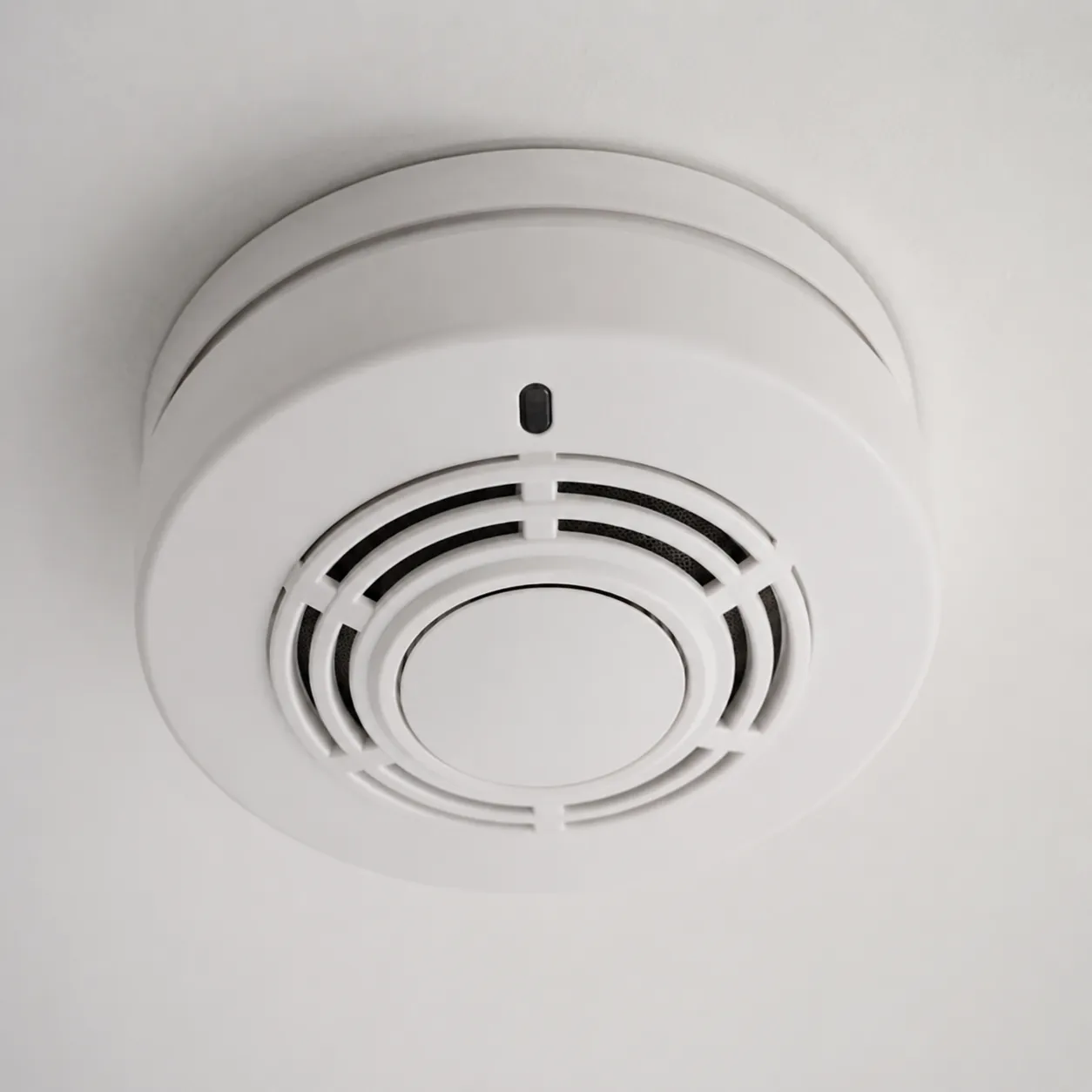
smoke detectorˈsmoʊk dɪˌtektər
a small device that notices smoke in the air and makes a loud warning sound when there may be a fire.
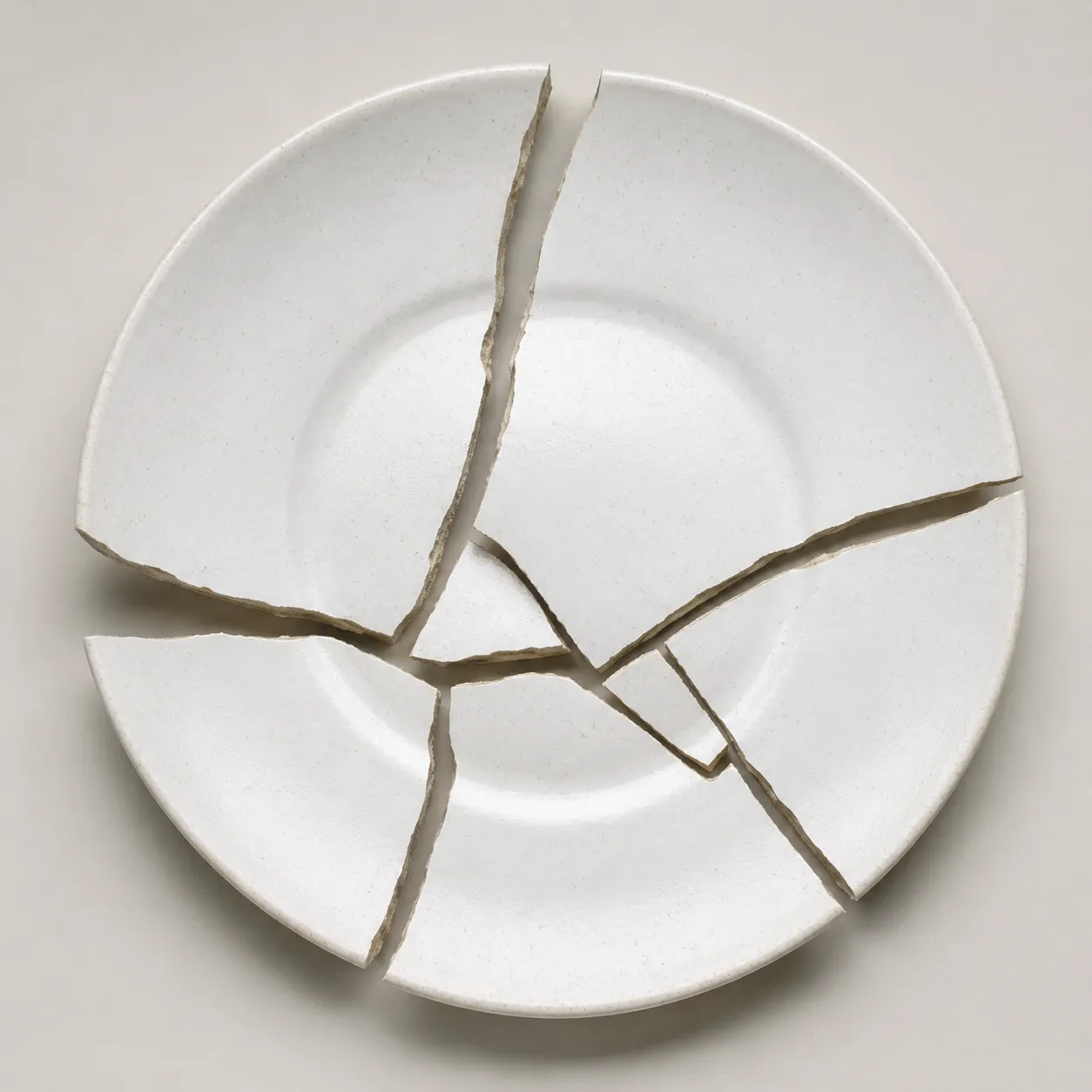
brokenˈbrəʊkən
damaged so that it does not work or is in pieces.
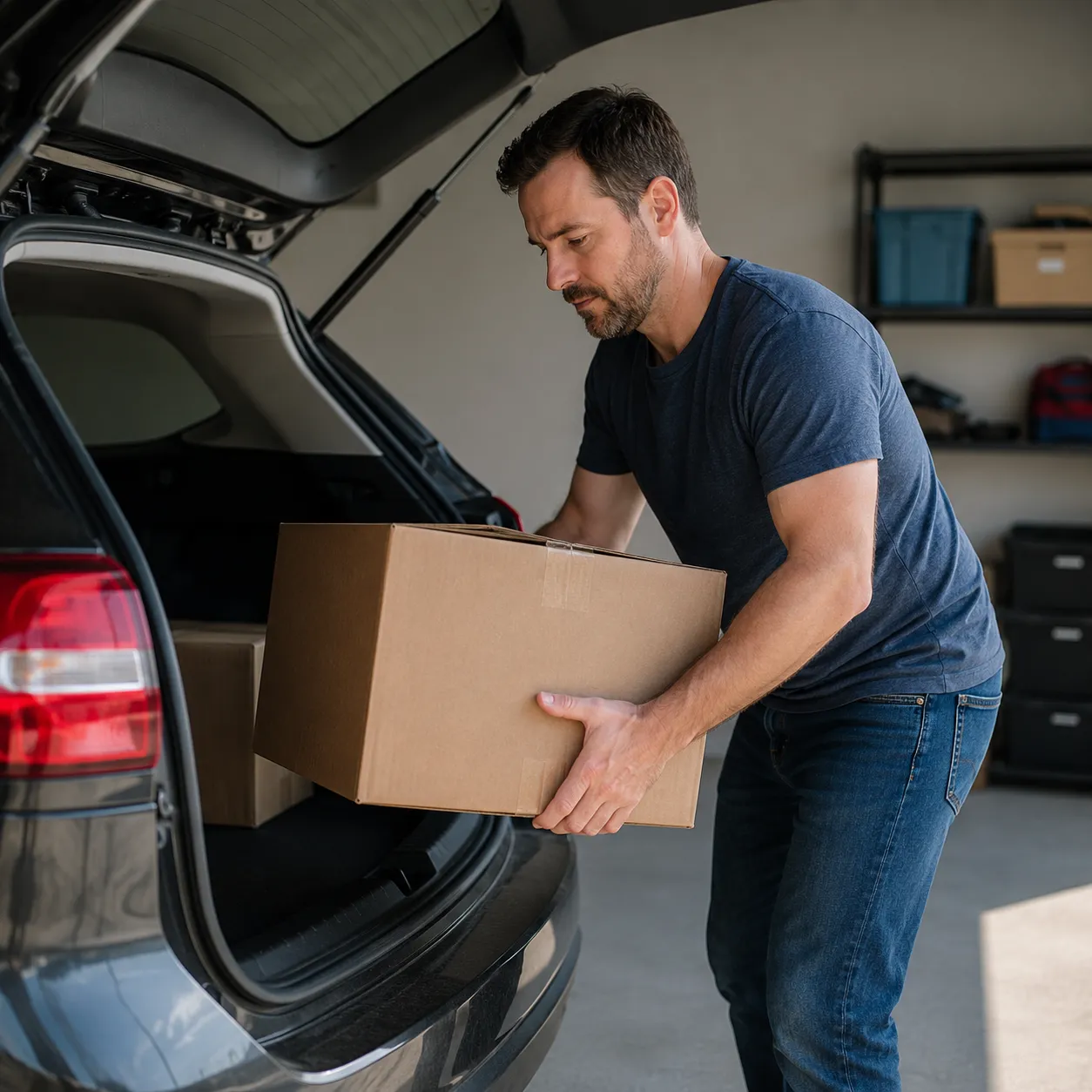
unsafeʌnˈseɪf
likely to cause harm, danger, or injury.

safeseɪf
not dangerous, harmful, or likely to be lost or damaged.
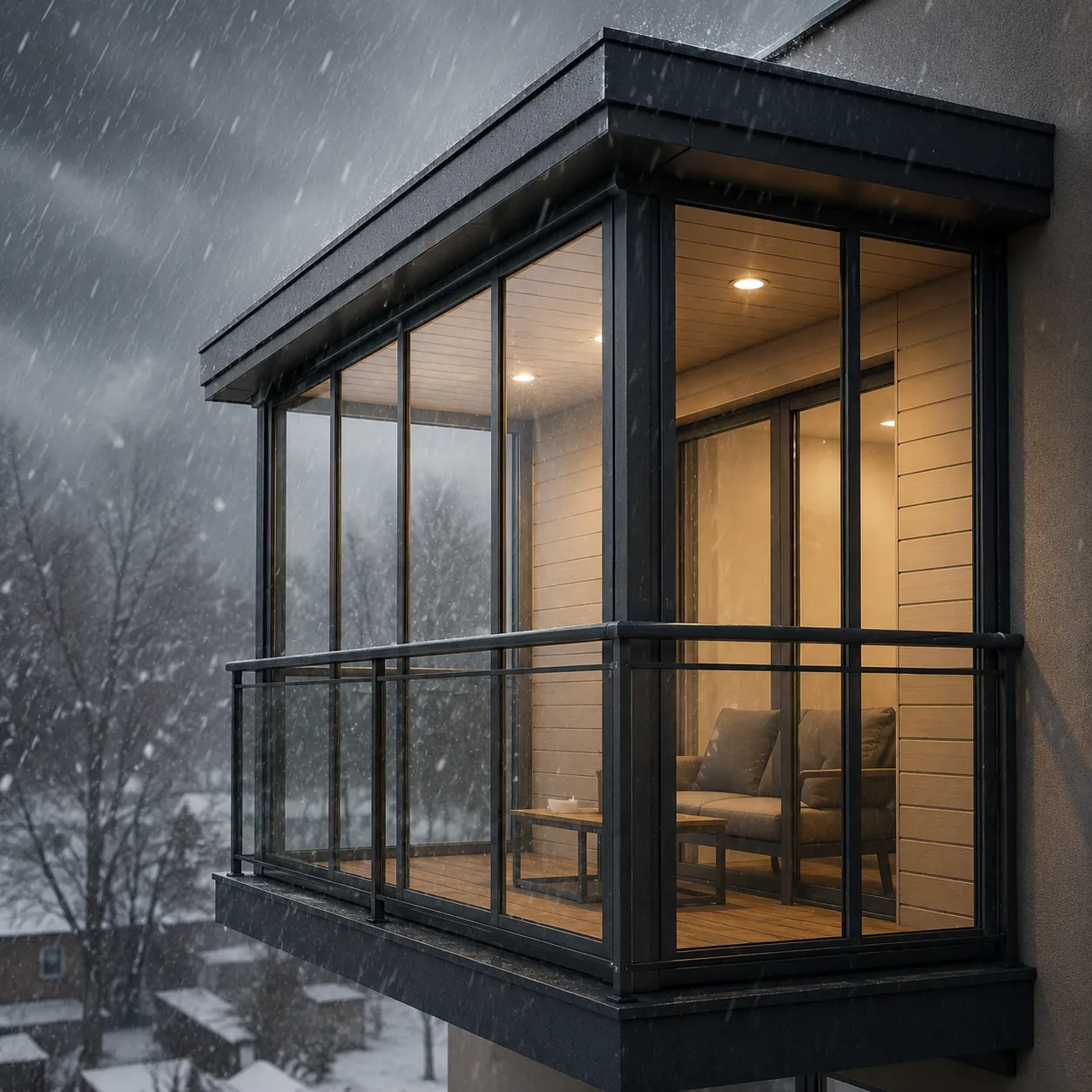
weatherproofˈwɛðərˌpruːf
made so that rain, wind, sun, or cold cannot easily damage it.
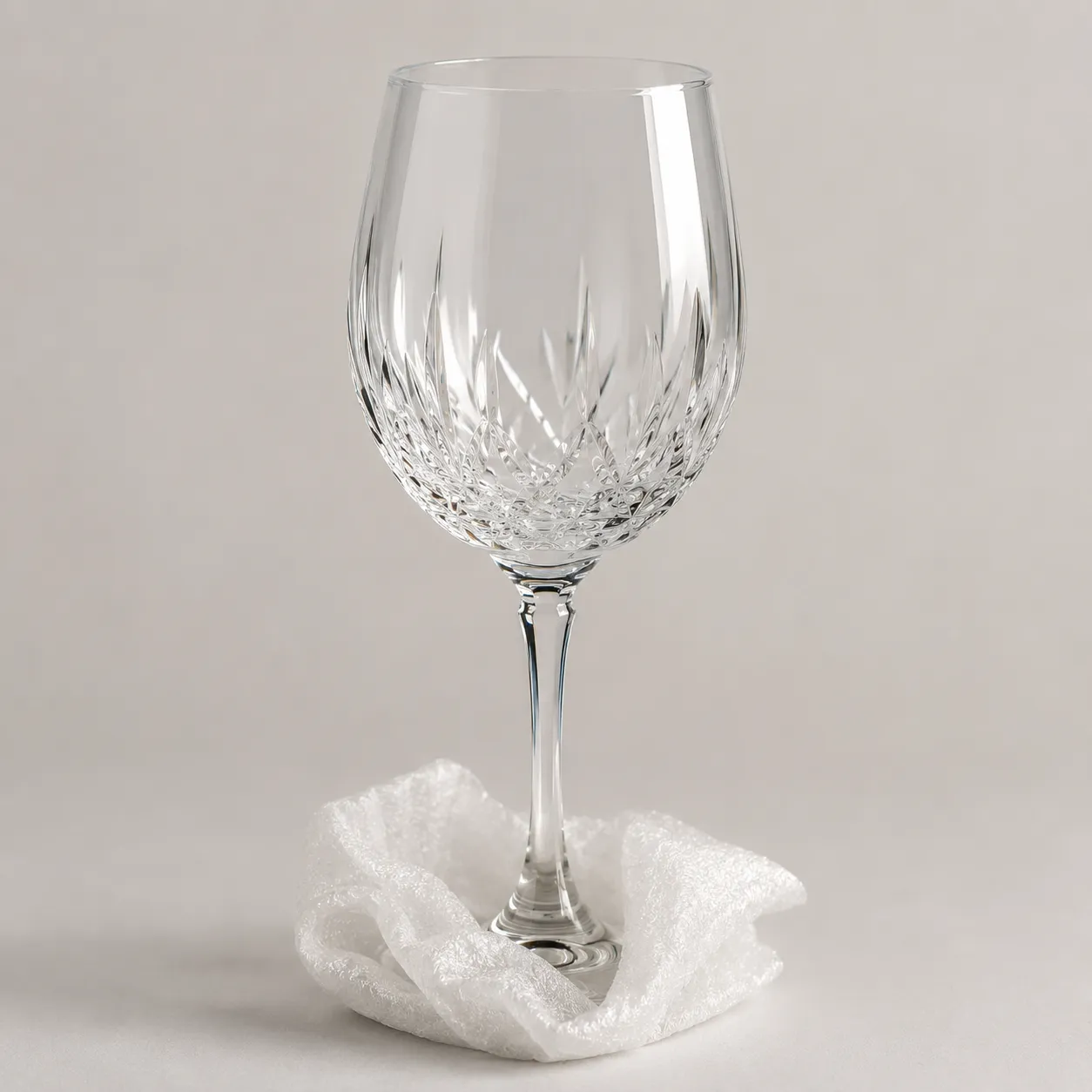
fragileˈfrædʒaɪl
easily broken, damaged, or harmed, so needing careful treatment.
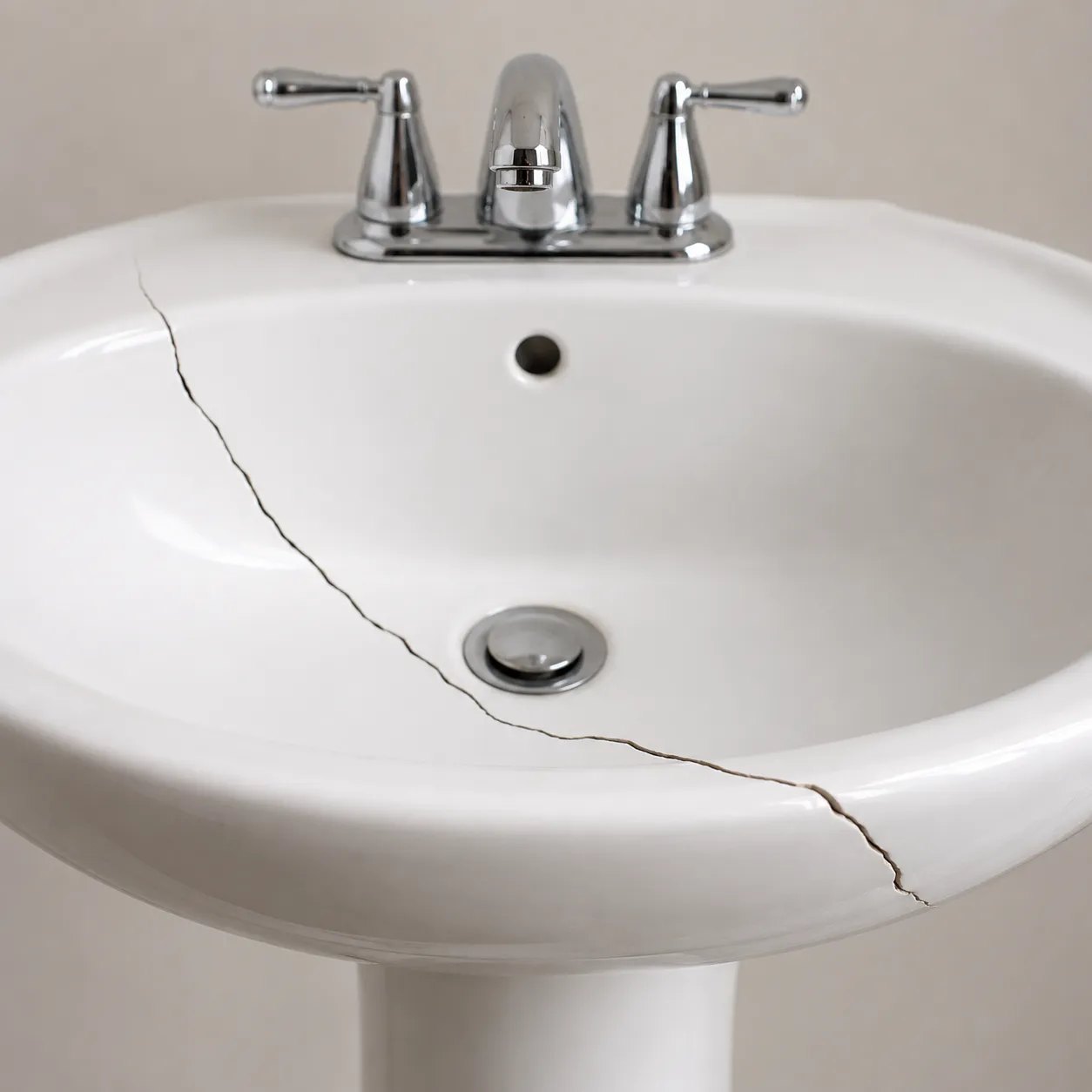
crackedkrækt
damaged by one or more thin lines where the surface has partly broken.
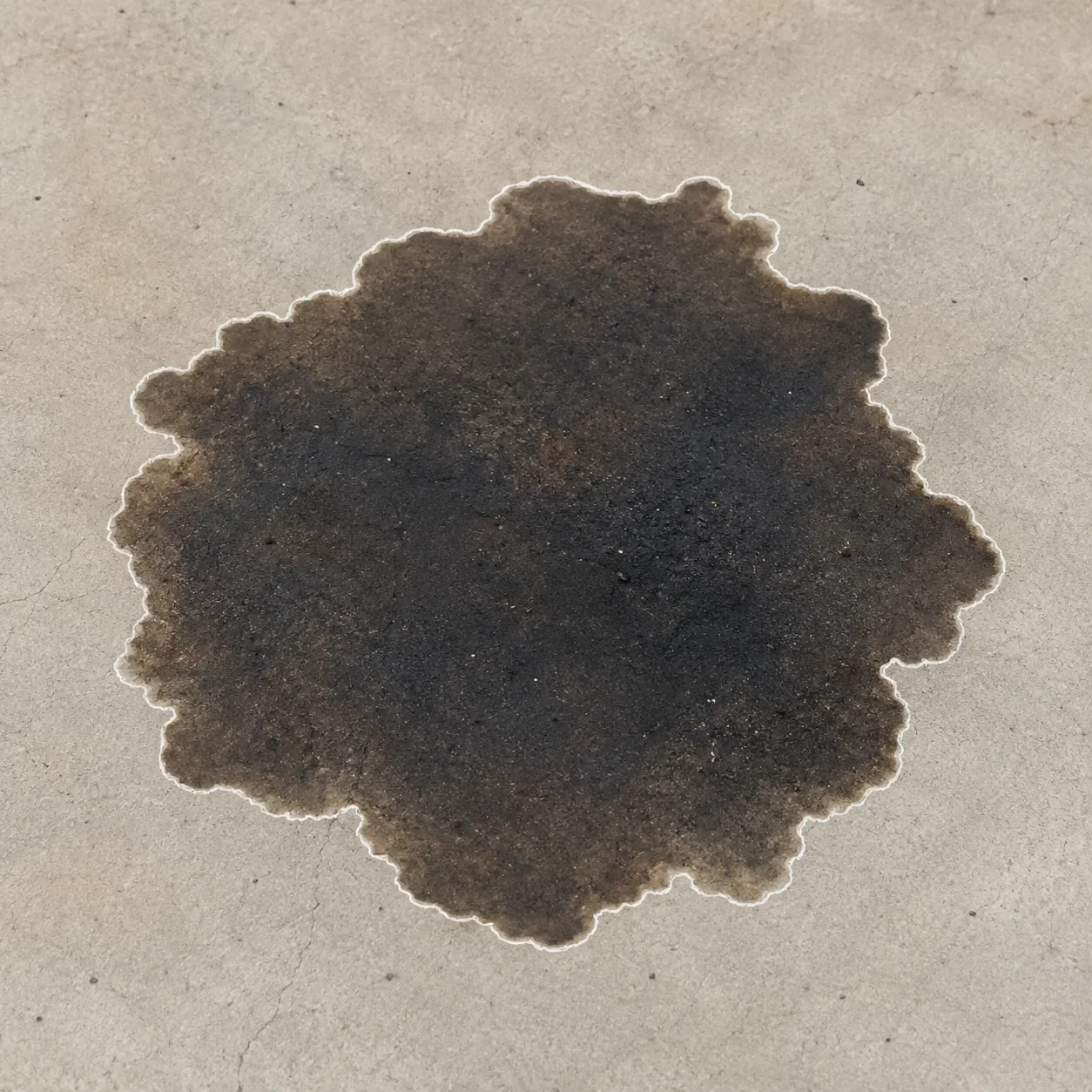
stainsteɪn
a dirty mark on a surface or material that is difficult to remove
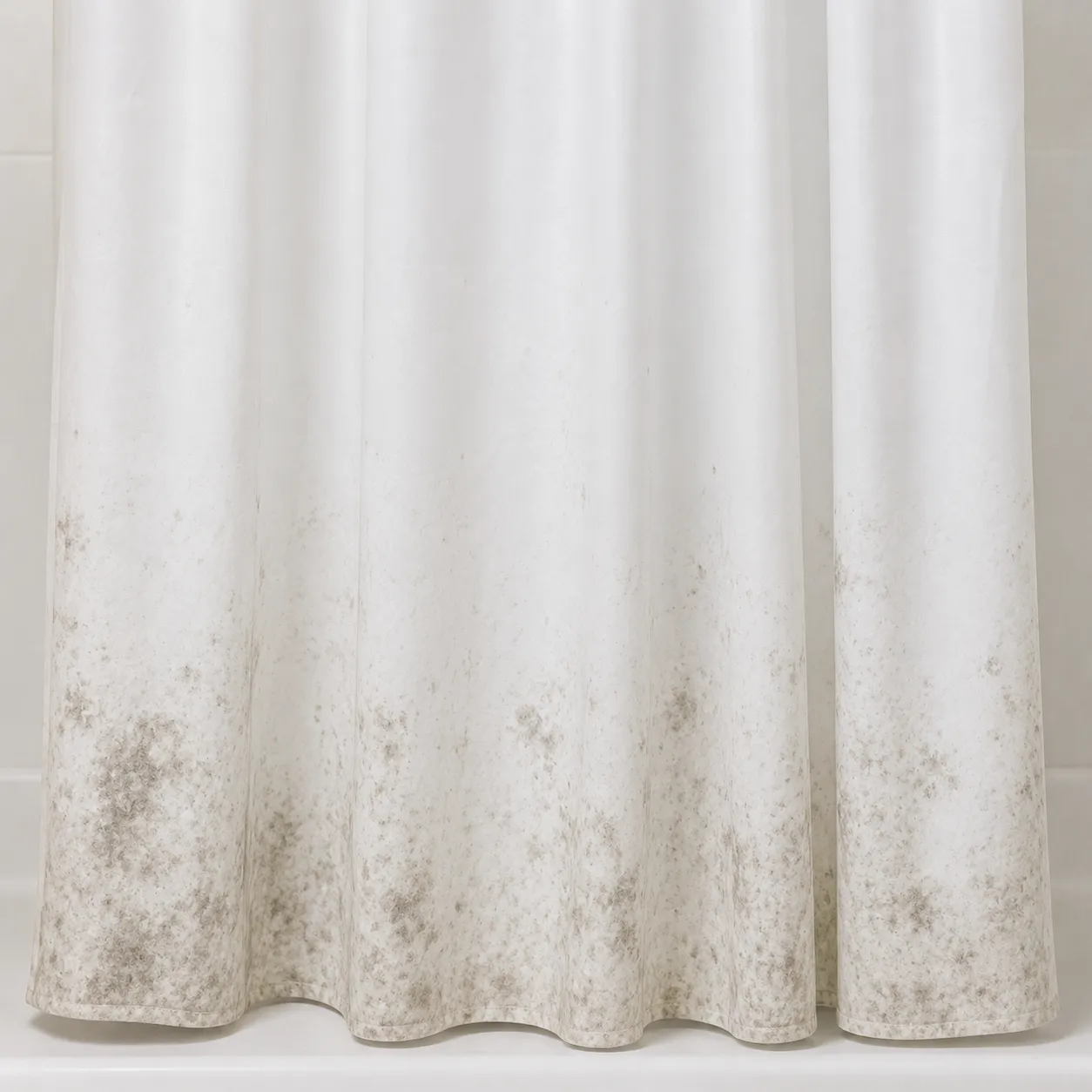
mildewedˈmɪlduːd
covered with a thin usually gray or white mold that grows on damp surfaces, cloth, or walls.
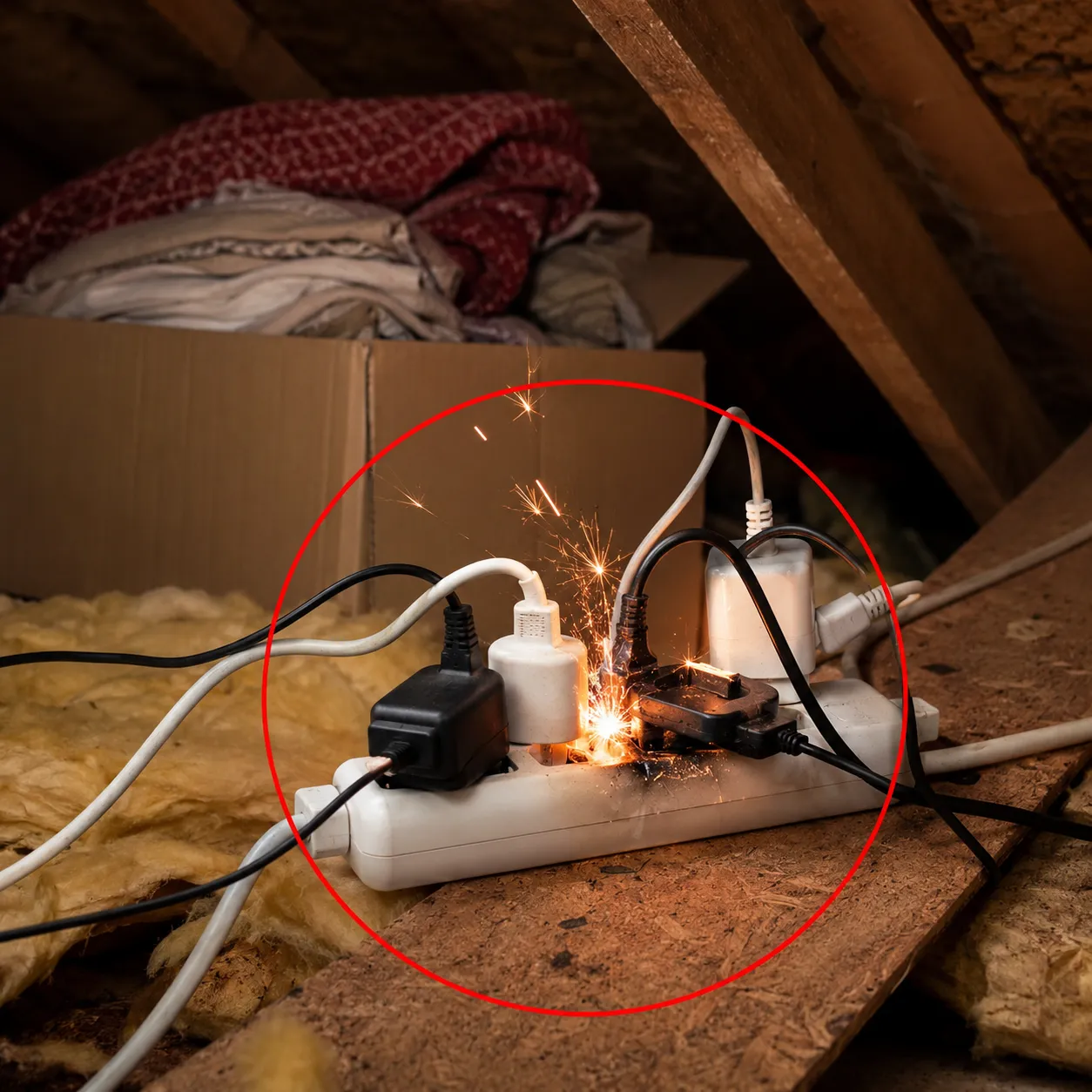
fire hazardˈfaɪɚ ˌhæzɚd
something that is dangerous because it could start a fire or make a fire spread.
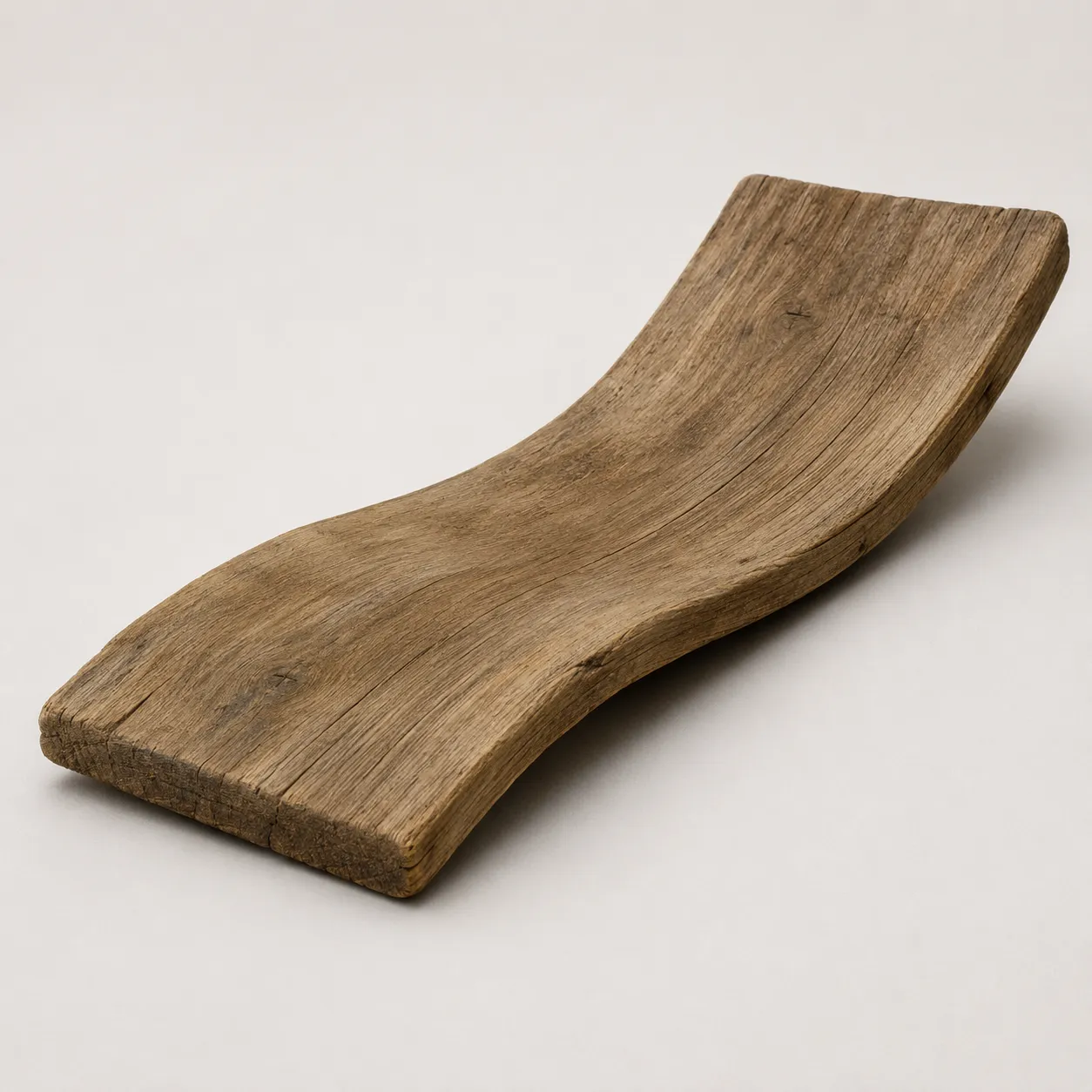
warpedwɔːrpt
bent or twisted out of the correct shape, often because of heat or water.
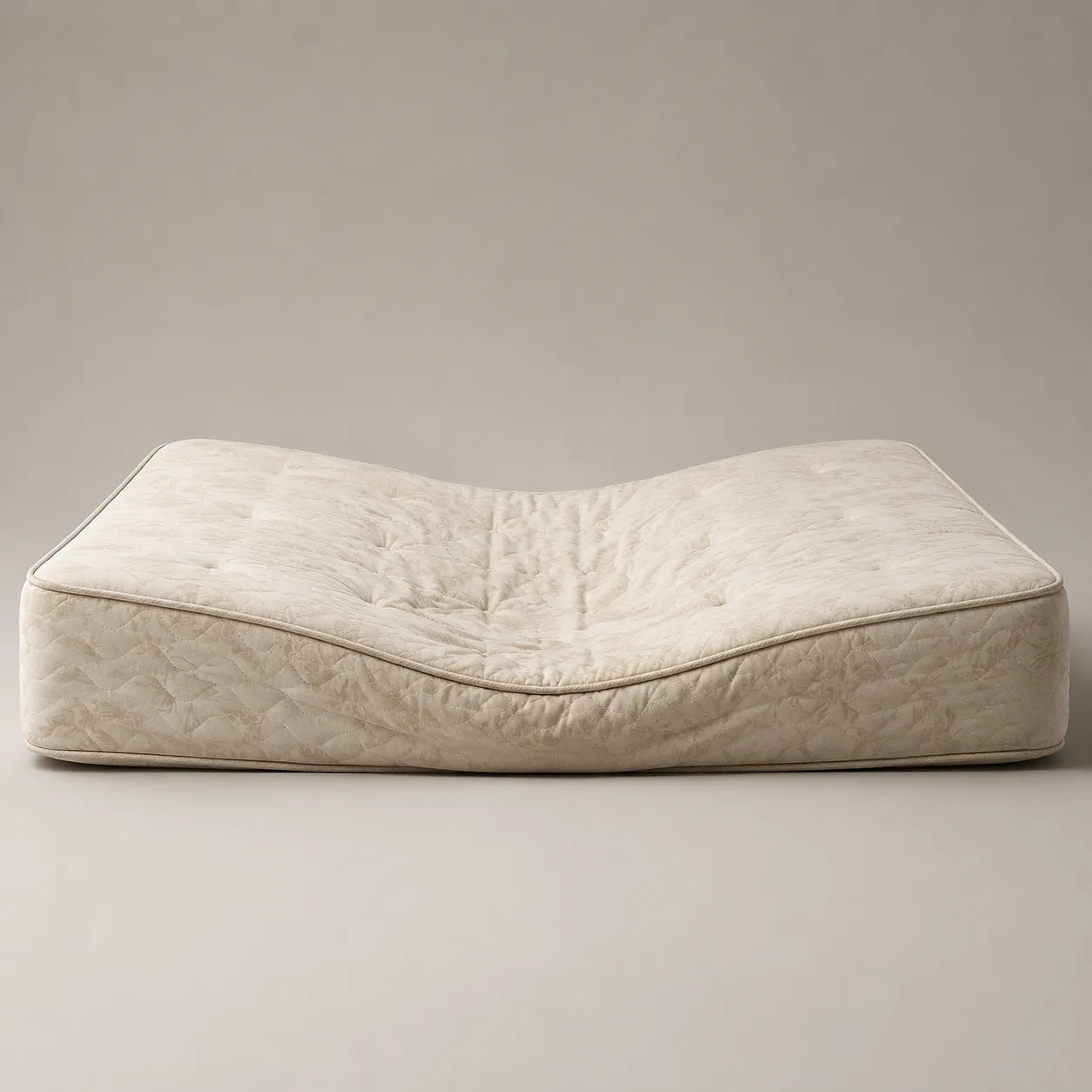
saggingˈsæɡɪŋ
hanging or bending lower than normal because of weight, age or weakness.
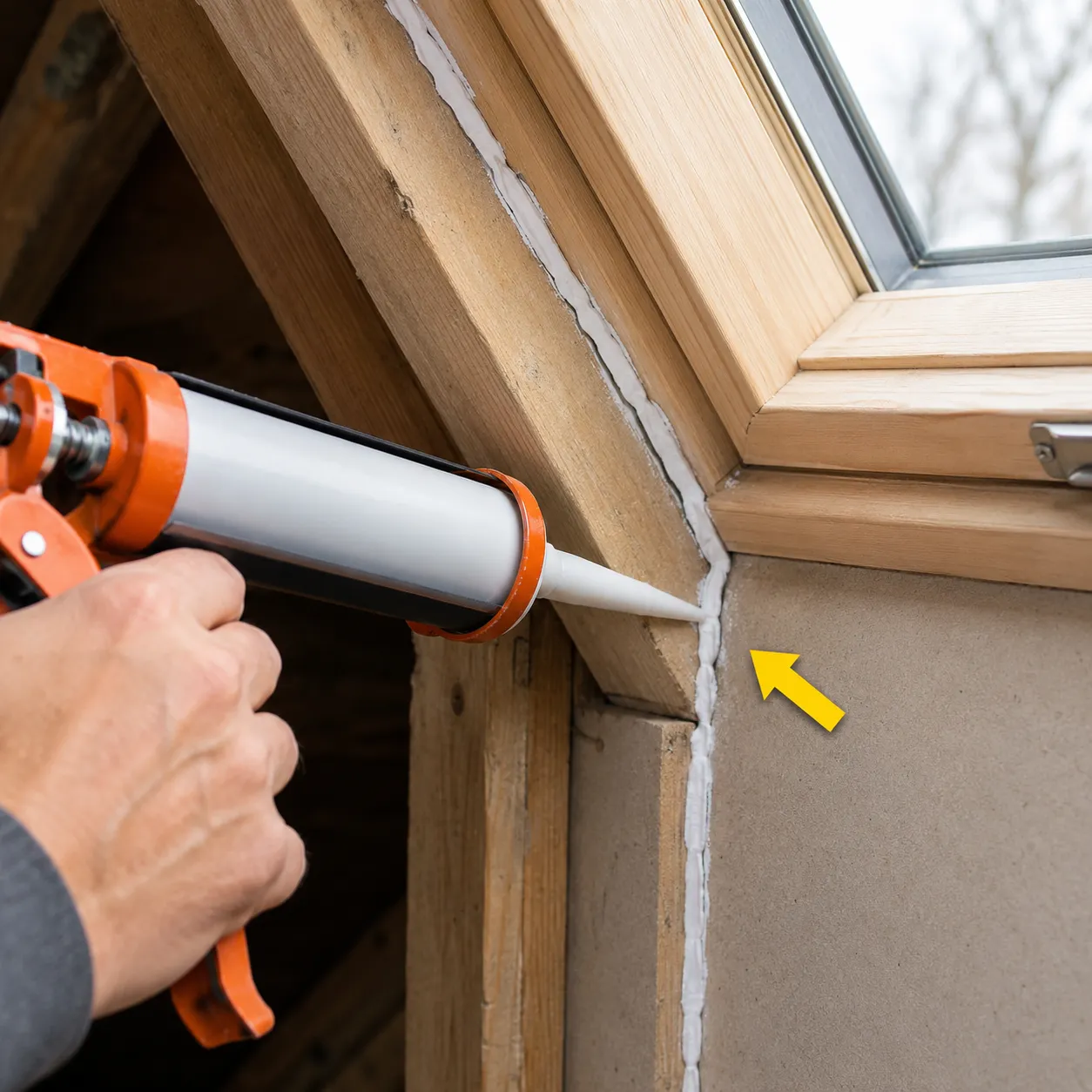
seal upˈsiːl ˈʌp
to close a hole, container or opening completely so that air, liquid or people cannot pass through.
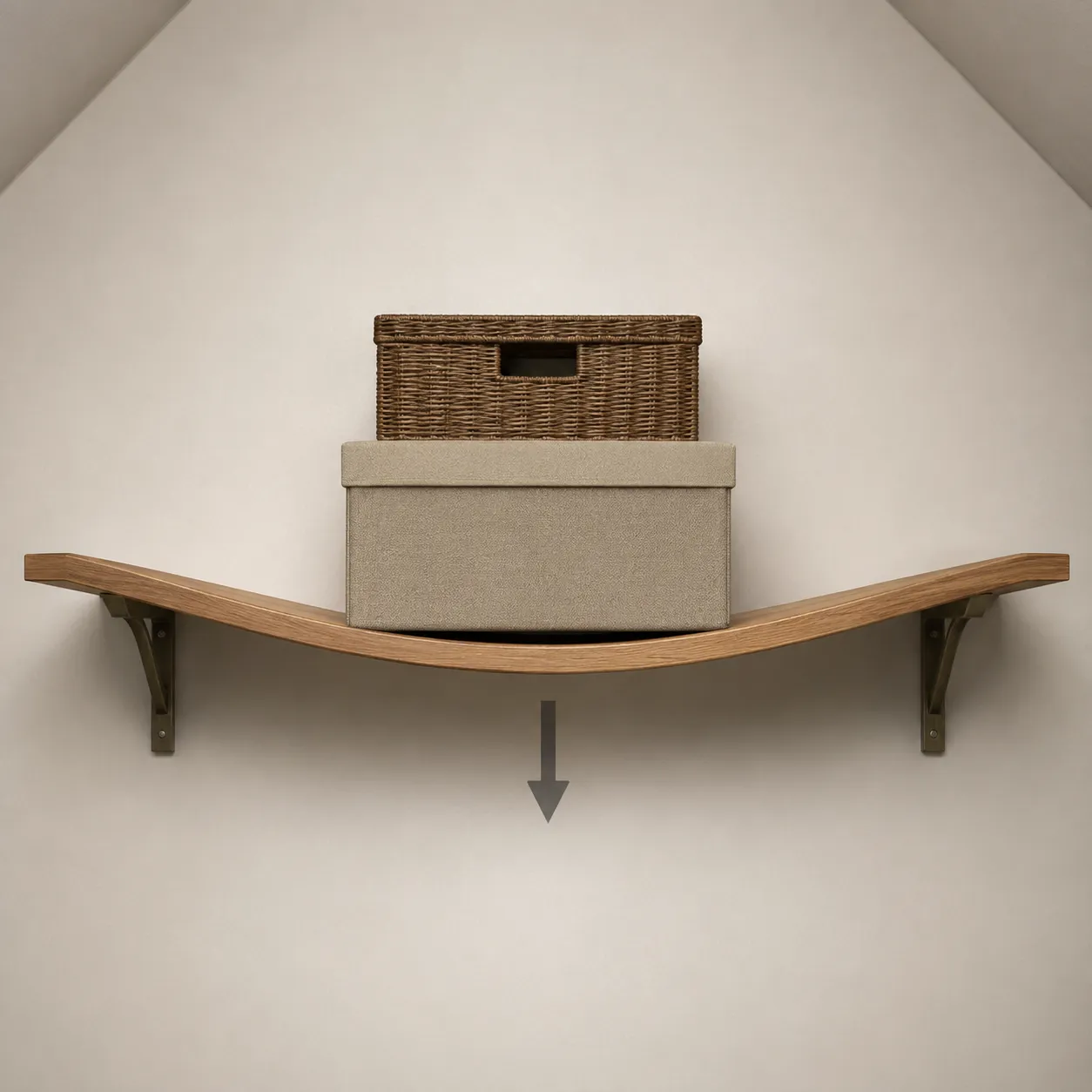
sagsæɡ
to hang or bend lower than normal because of weight, age or weakness.
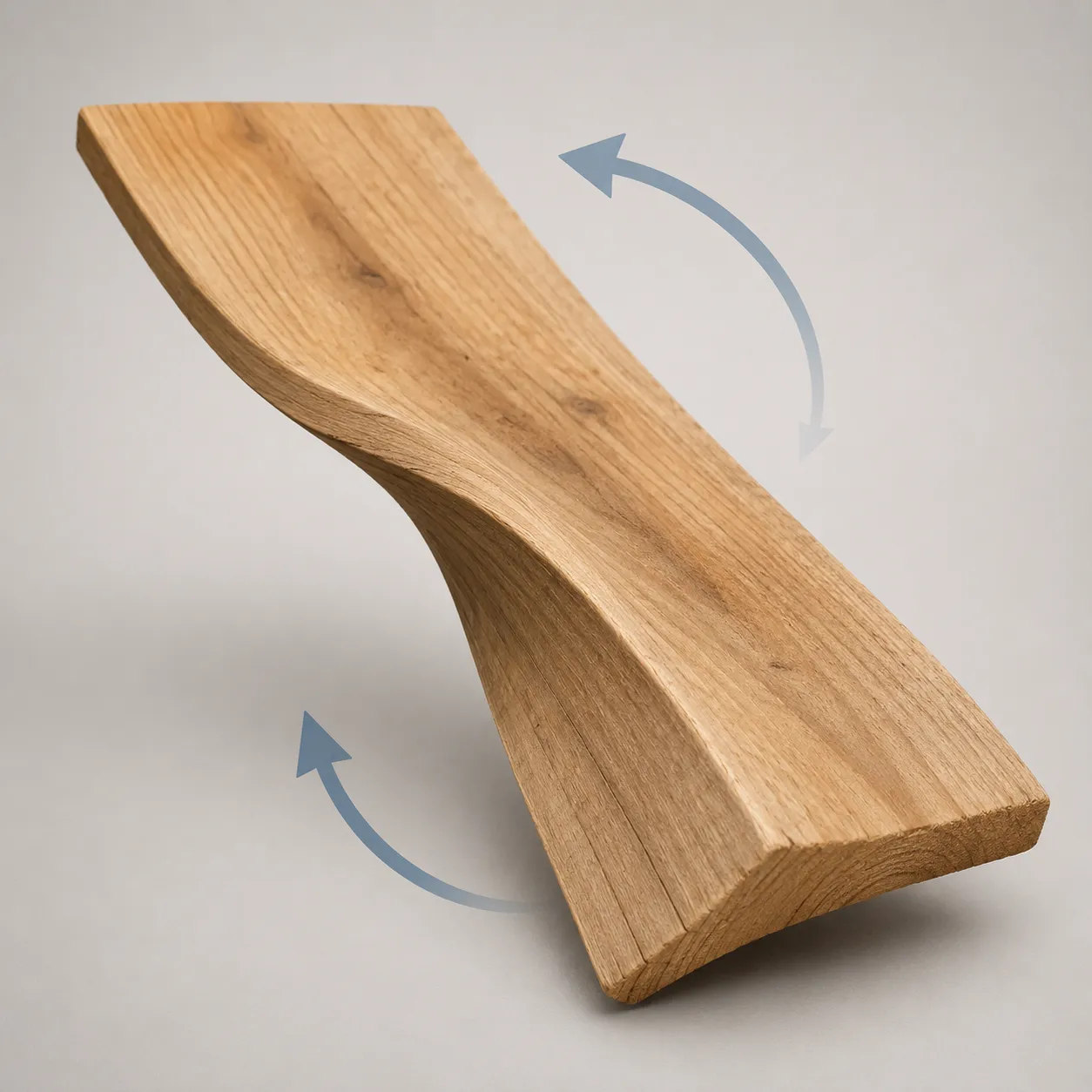
warpwɔːrp
to bend or twist out of the correct shape, often because of heat or water.
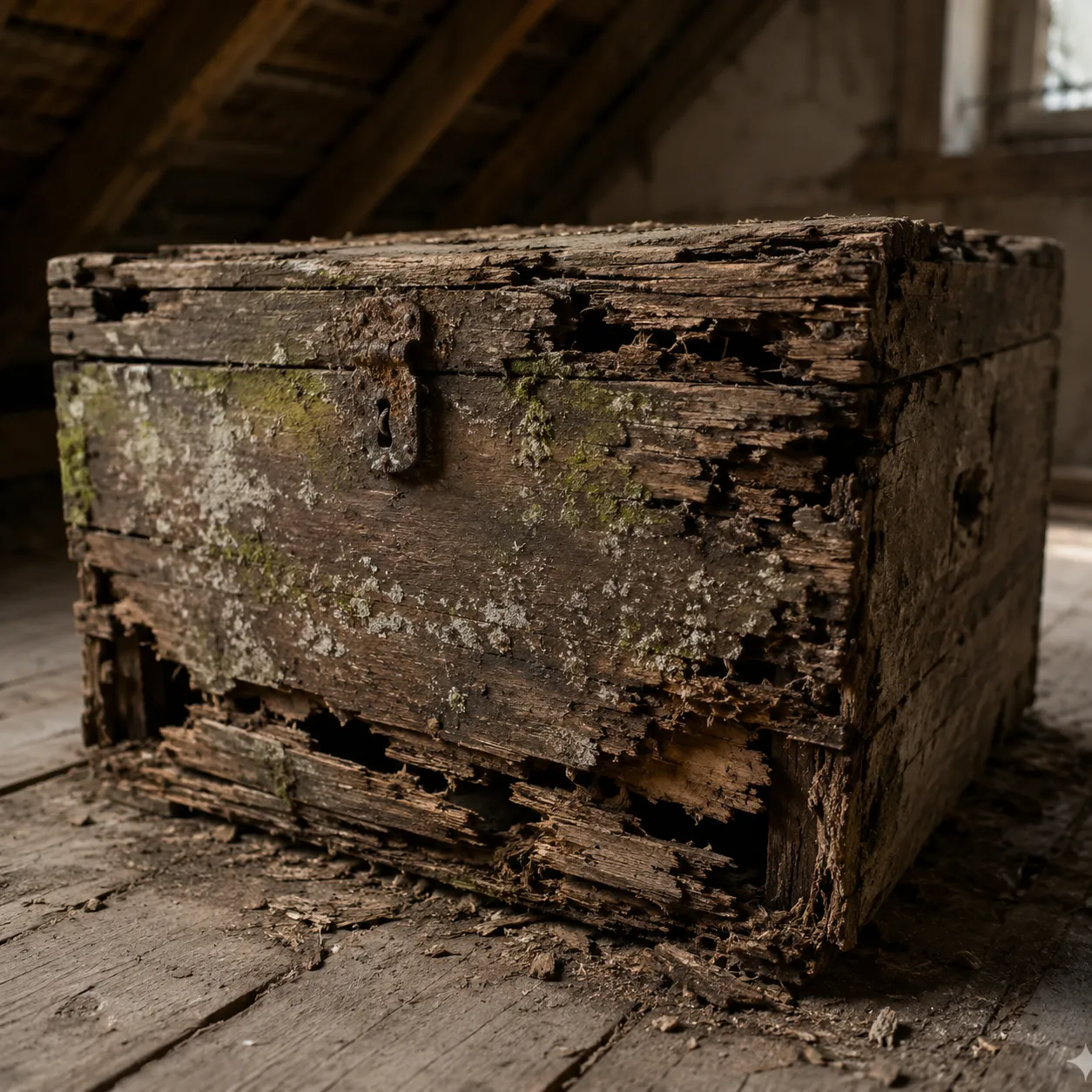
decaydɪˈkeɪ
to slowly become soft, damaged or destroyed by natural processes, especially after death or from lack of care.
Common attic animals and insects, pest-control items, cobwebs, dust protection, and cleaning actions.
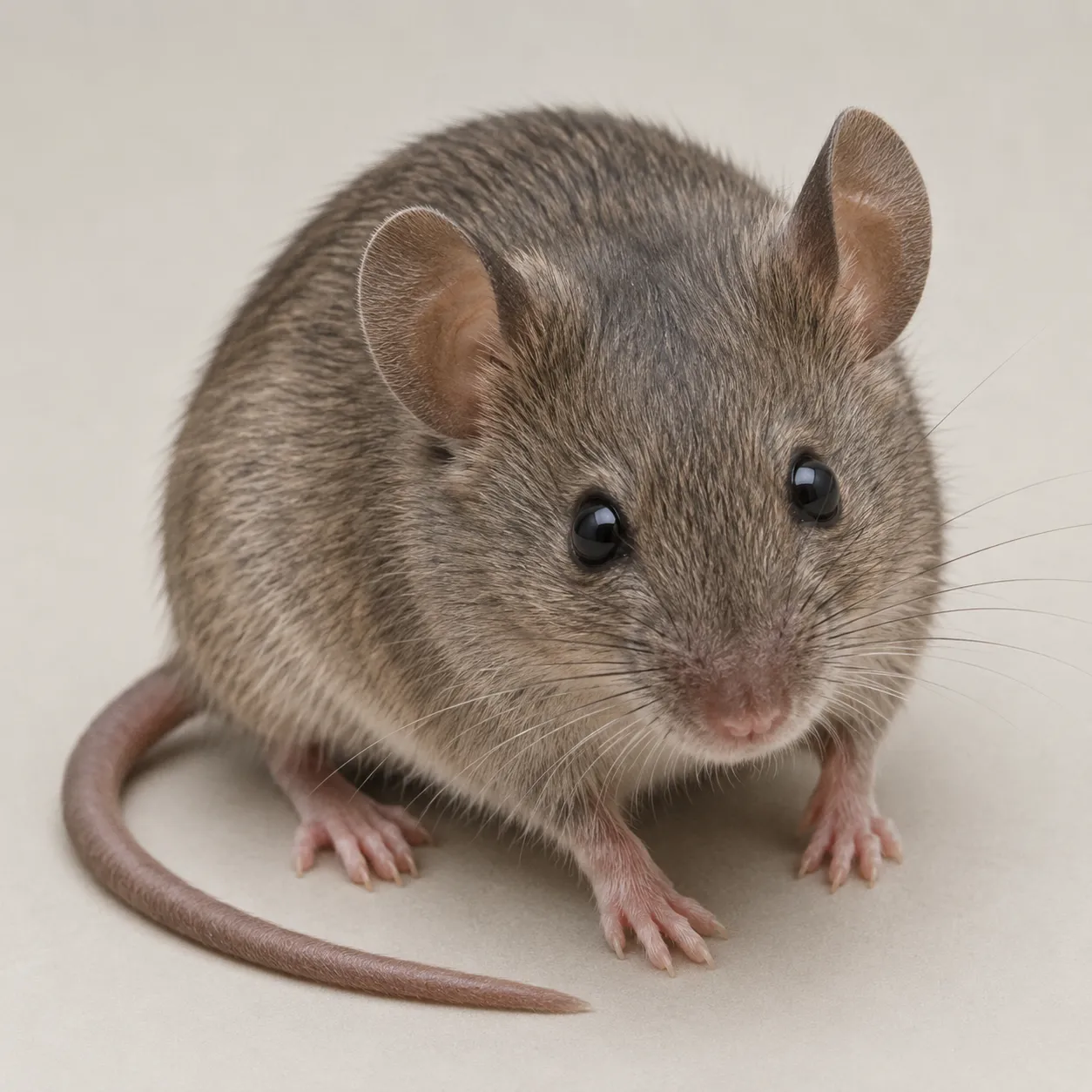
mousemaʊs
a small rodent with a pointed nose and a long thin tail, often found in houses or fields
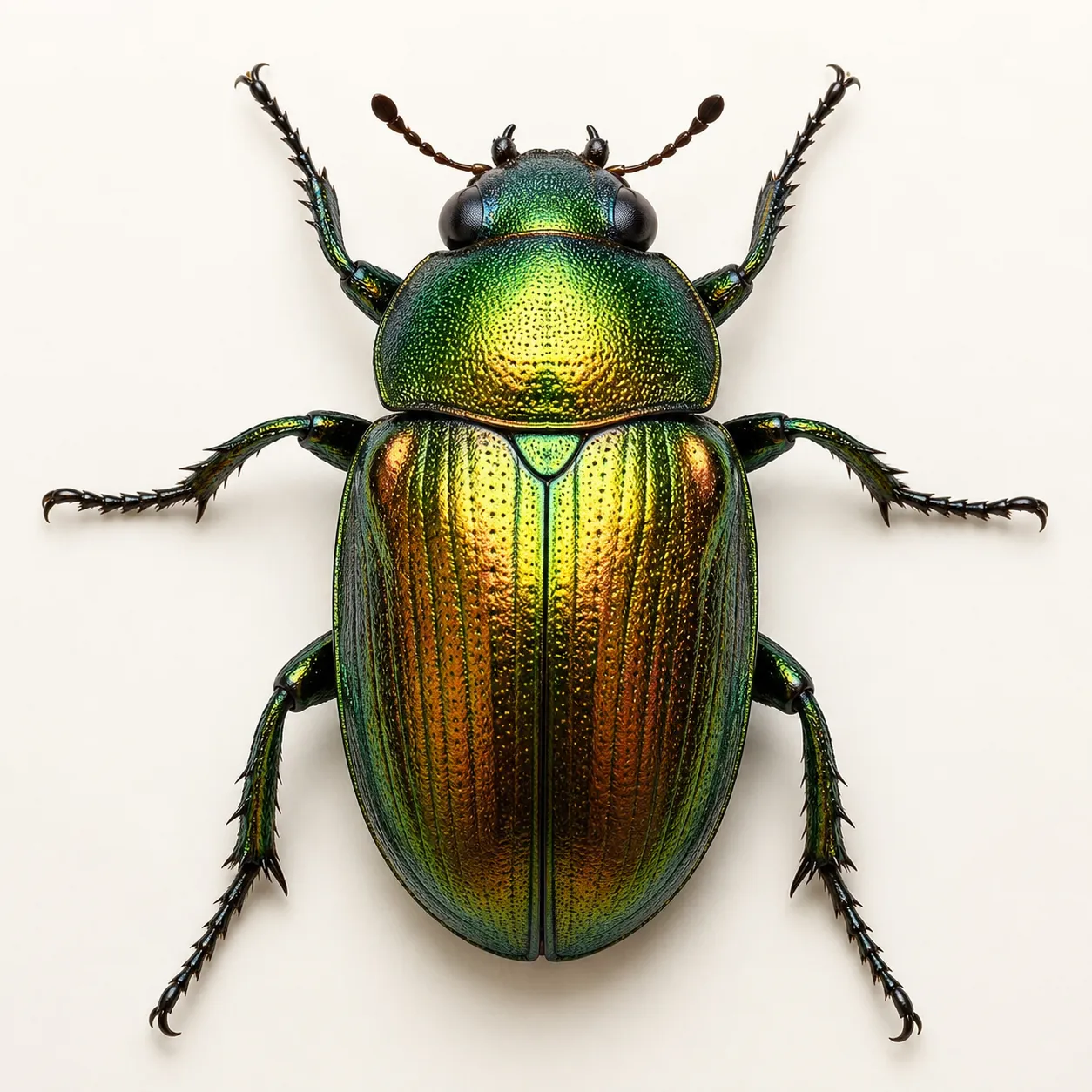
beetleˈbiːtəl
an insect with a hard outer pair of wings that covers the softer flying wings.
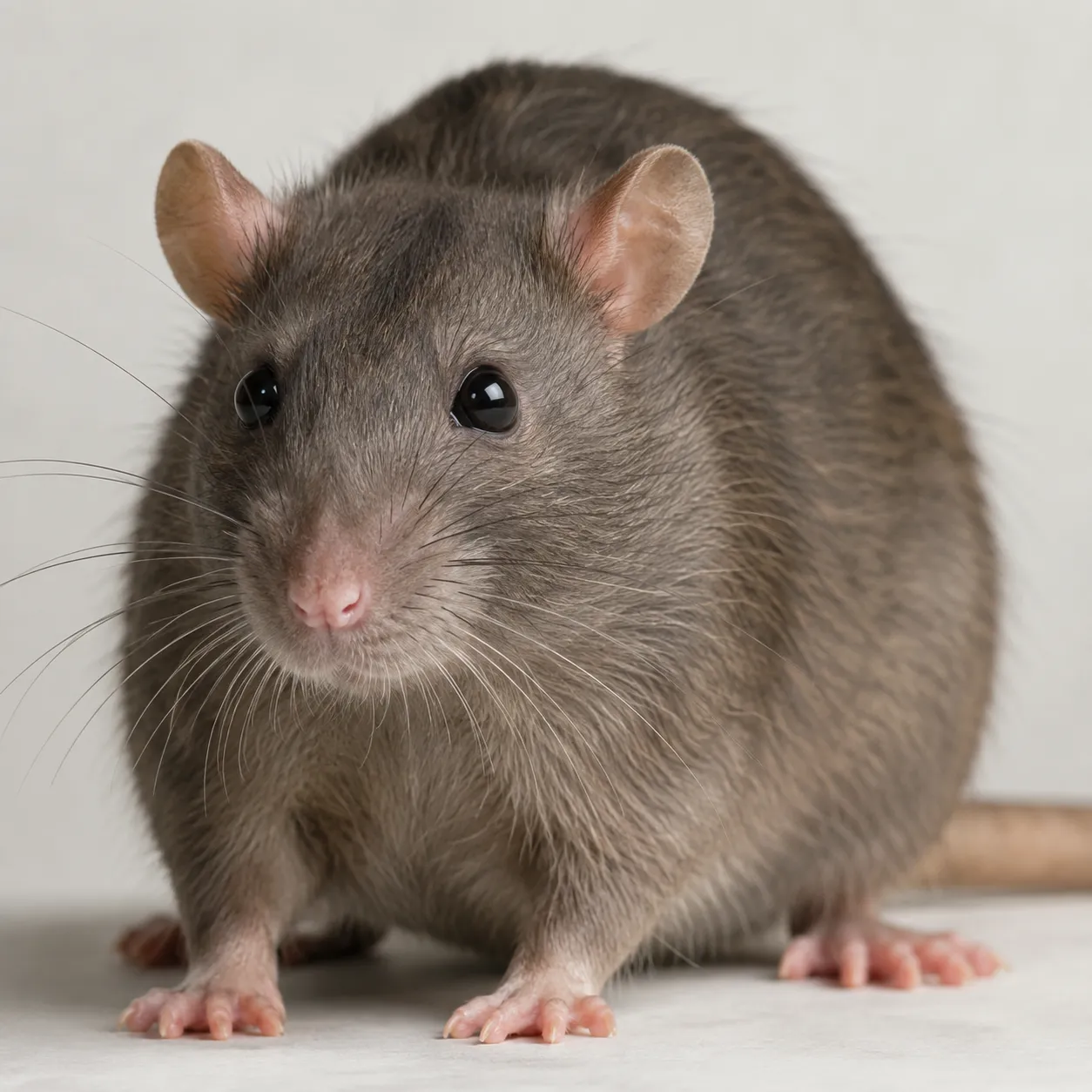
rodentˈroʊdənt
a small animal such as a mouse, rat, or squirrel, with strong front teeth that keep growing.
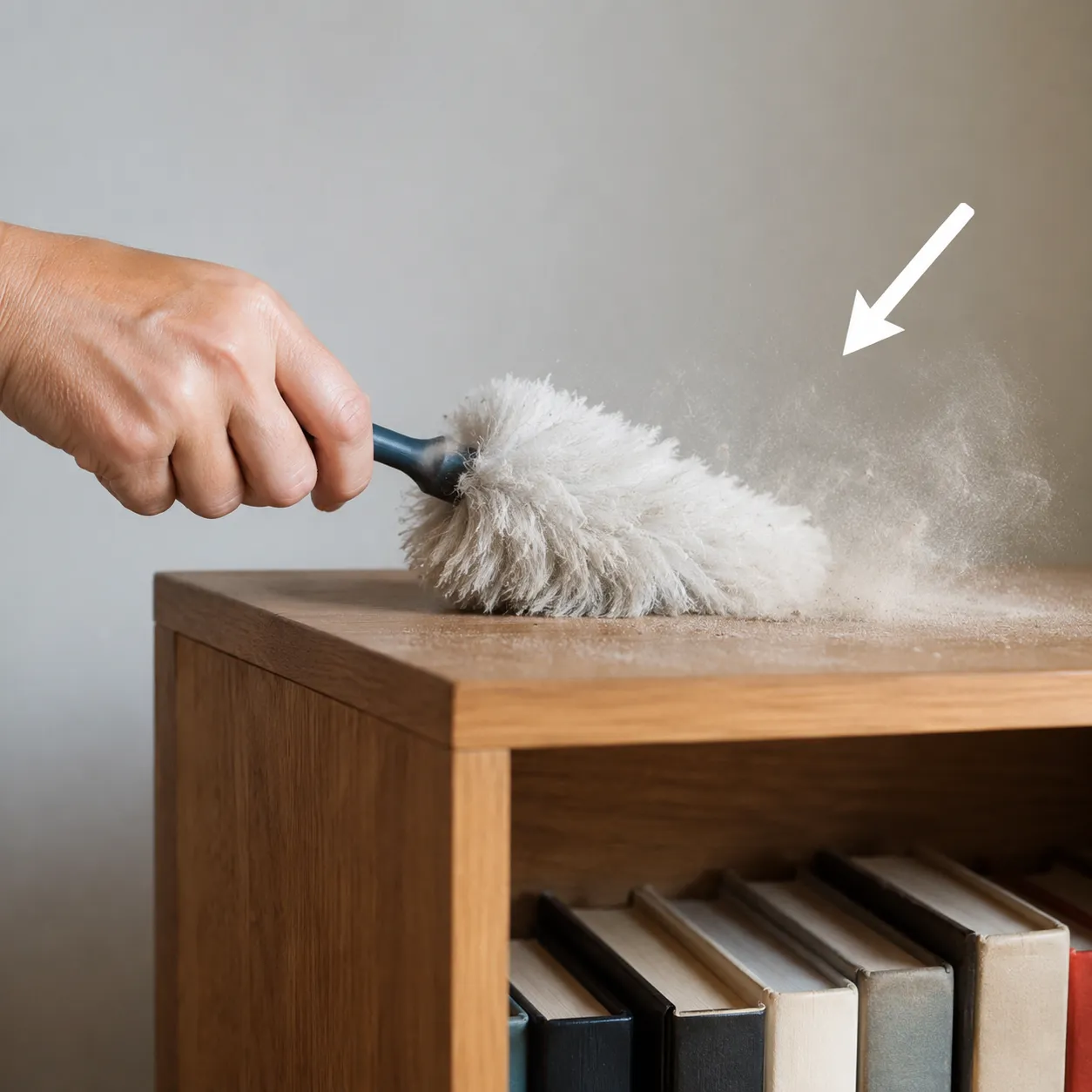
dustdʌst
to clean a surface by removing dust from it.
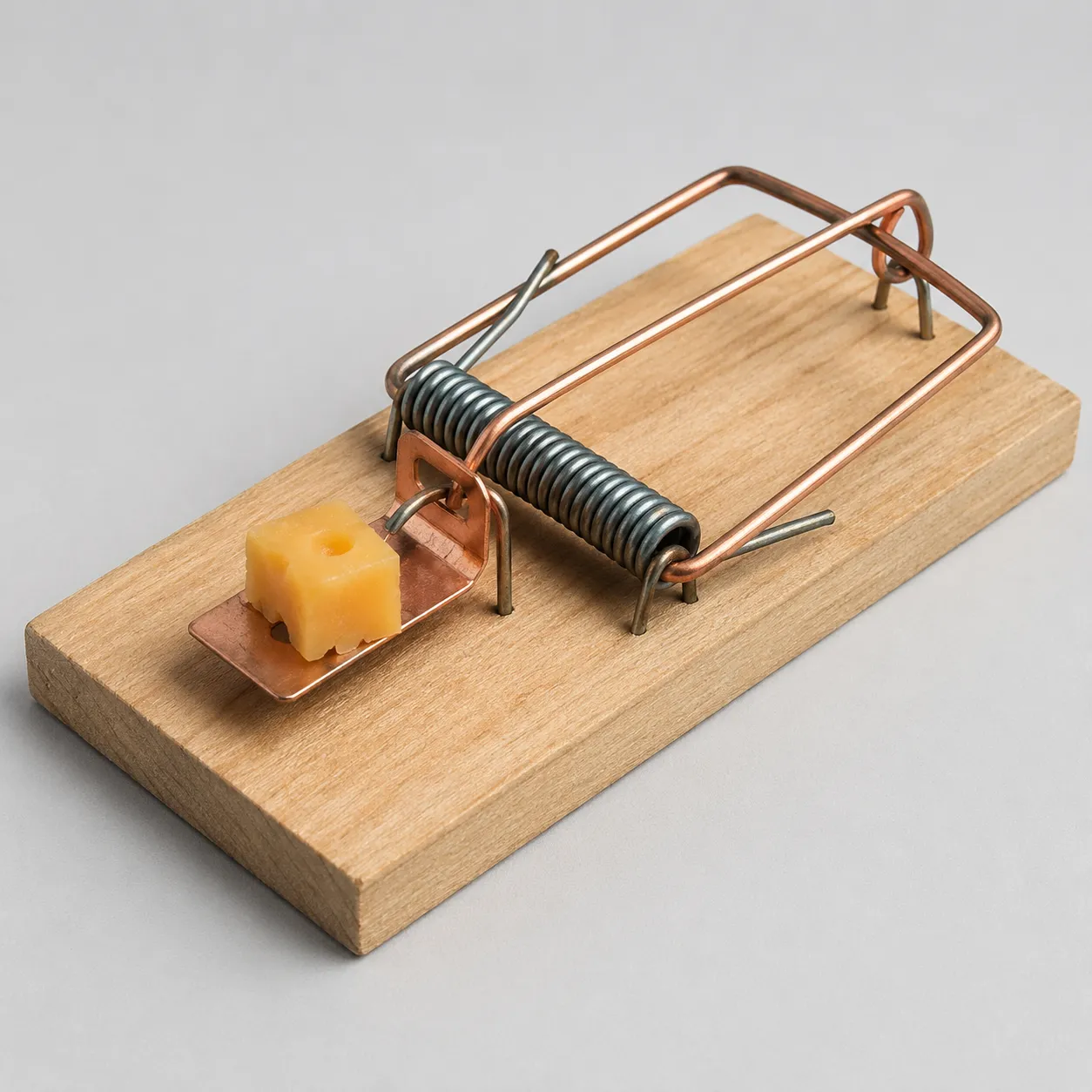
mouse trapˈmaʊs træp
a device used to catch or kill mice, especially inside a building.
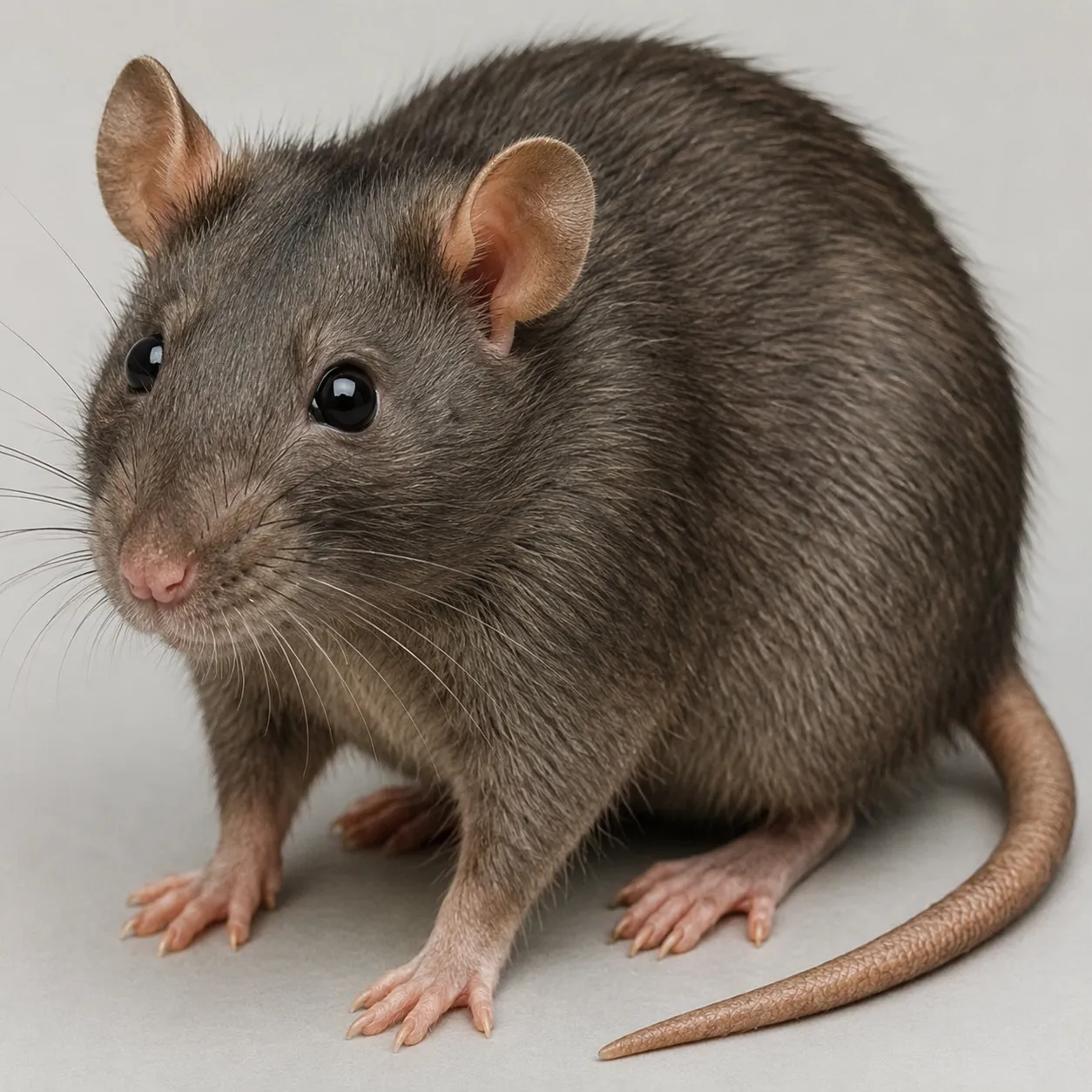
ratræt
a rodent like a large mouse, with a pointed nose and a long tail
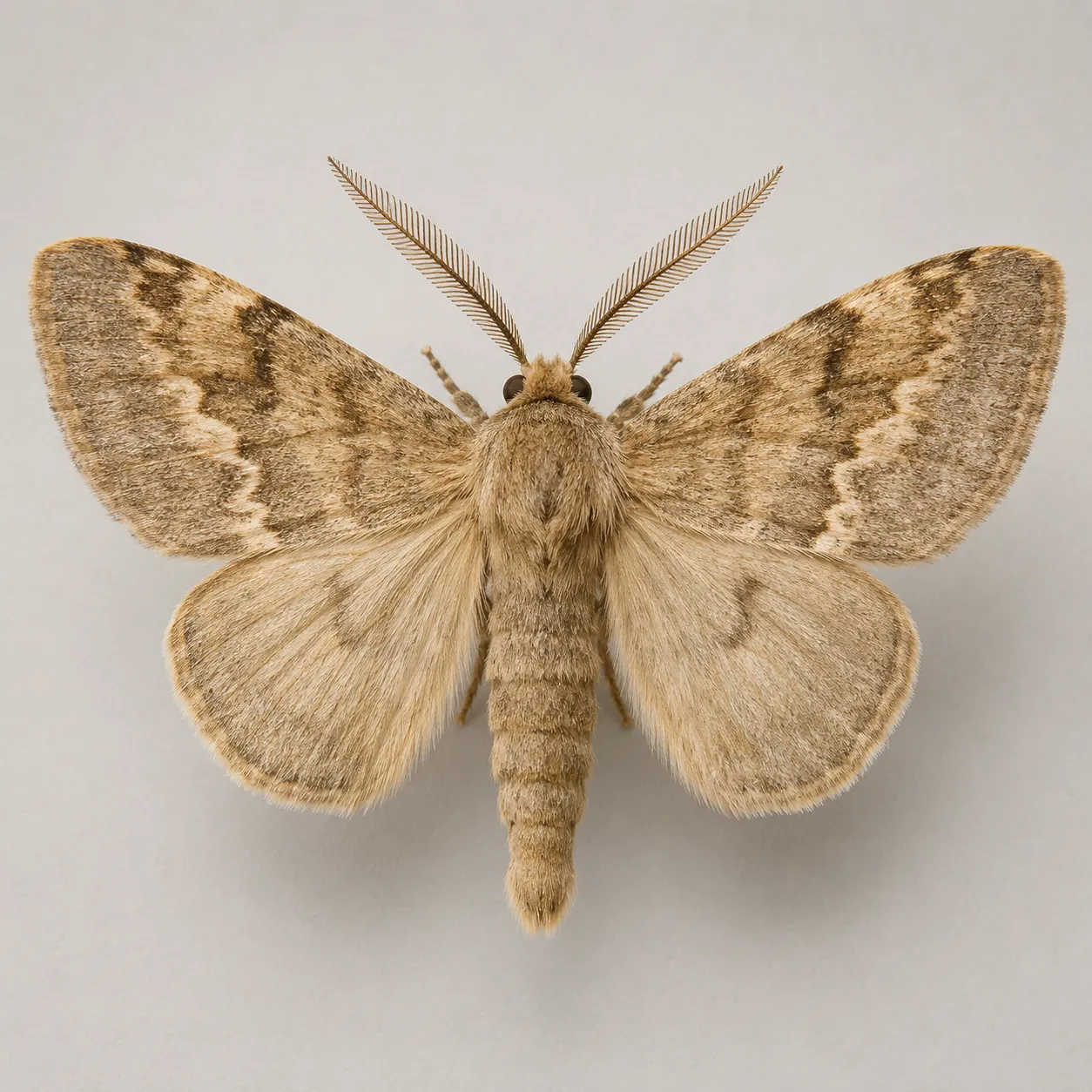
mothmɒθ
an insect like a butterfly that usually flies at night and is often attracted to light.
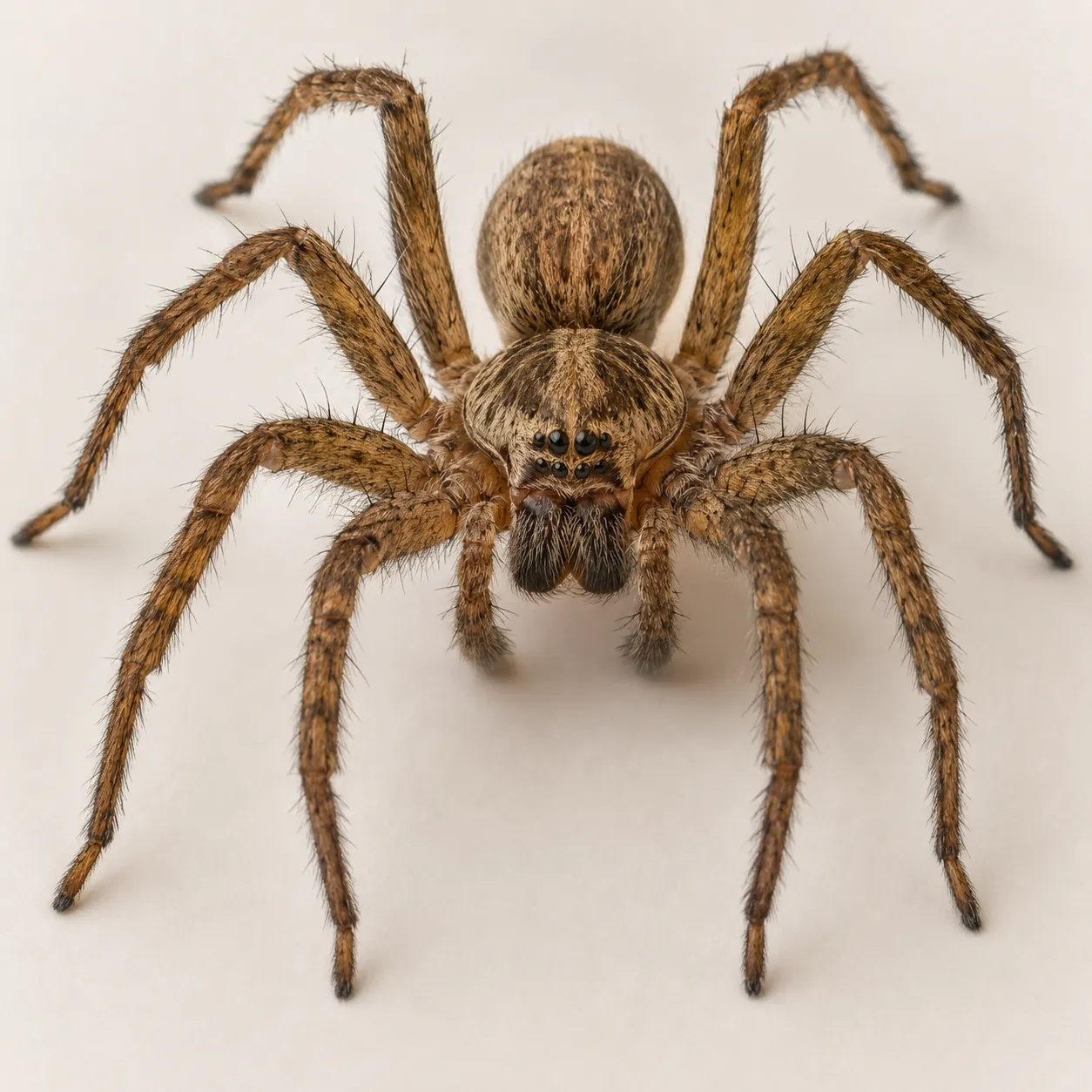
spiderˈspaɪdər
a small animal with eight legs that often makes a web to catch insects.
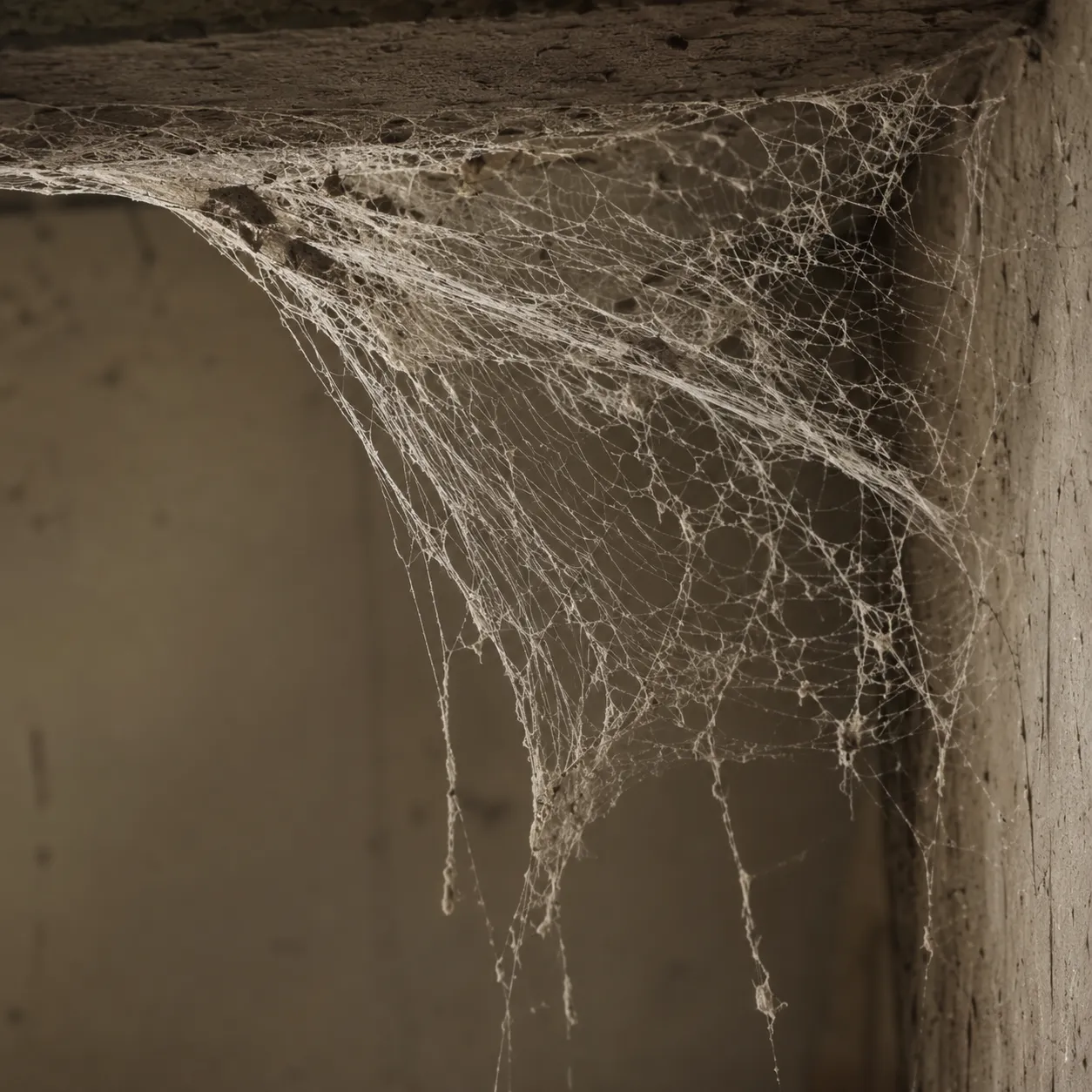
cobwebˈkɑːbˌwɛb
an old spider web, often covered with dust and found in corners or unused places.
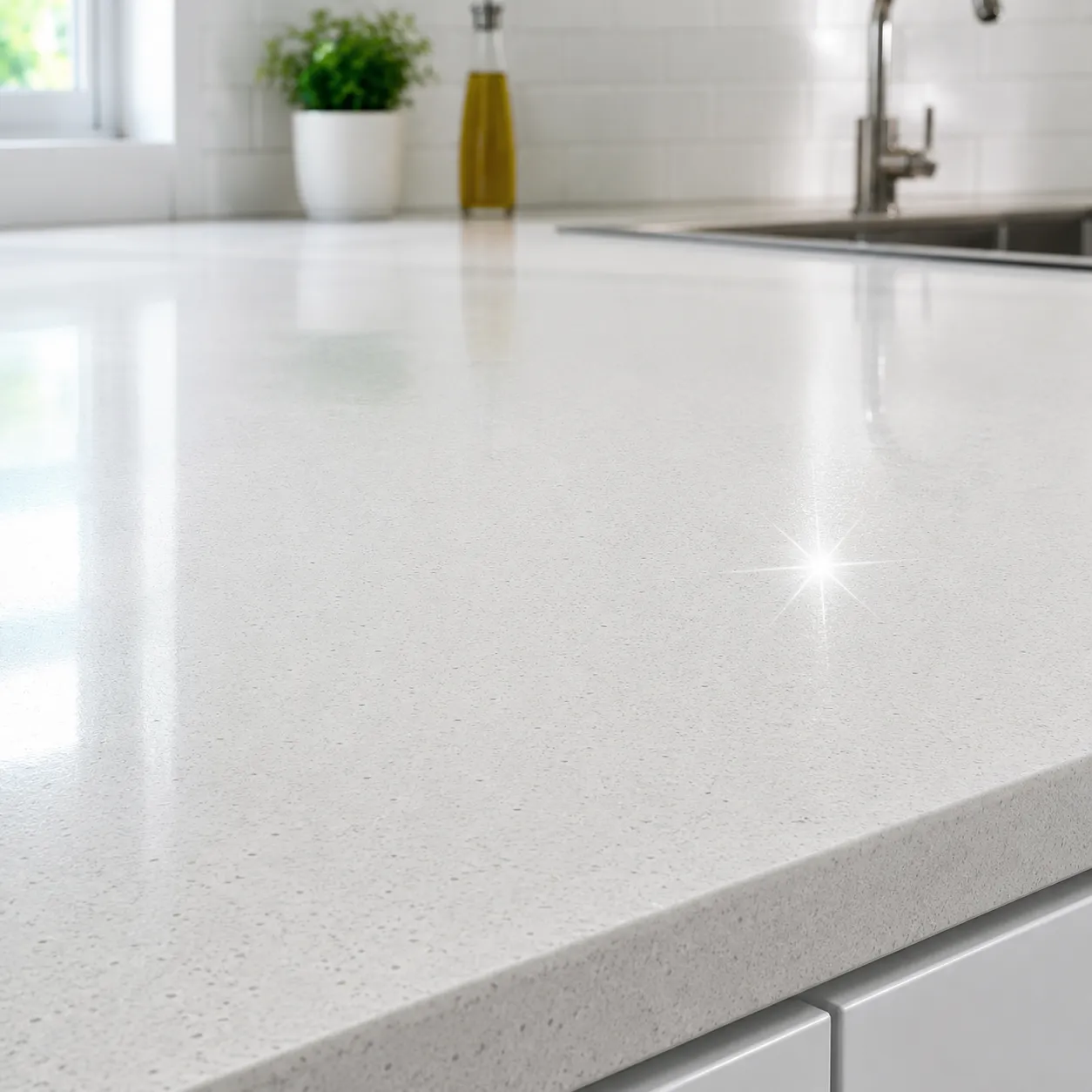
cleankliːn
to remove dirt, dust, or unwanted marks from something.
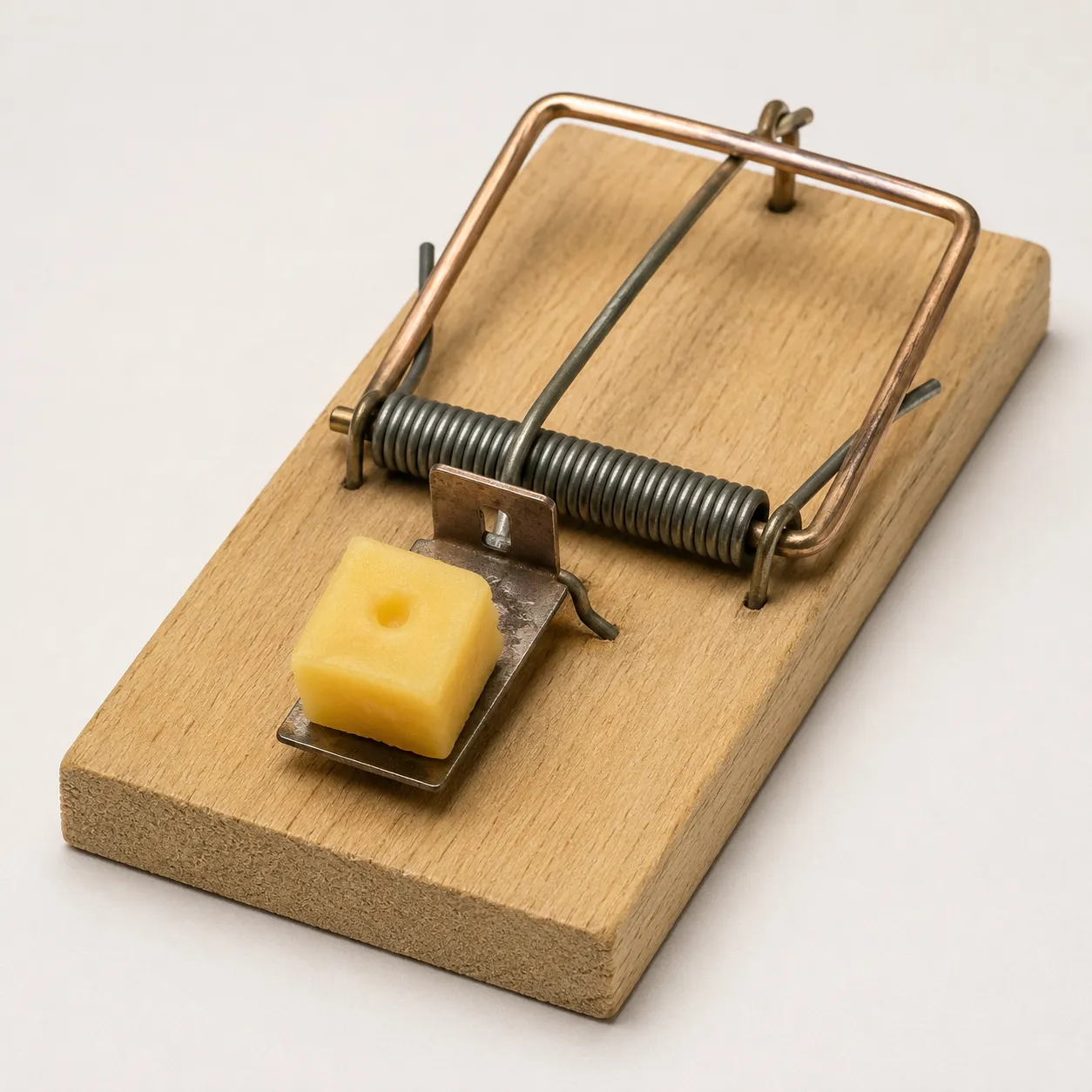
pest trapˈpɛst træp
a device used to catch unwanted insects or small animals in a home, garden, or building.
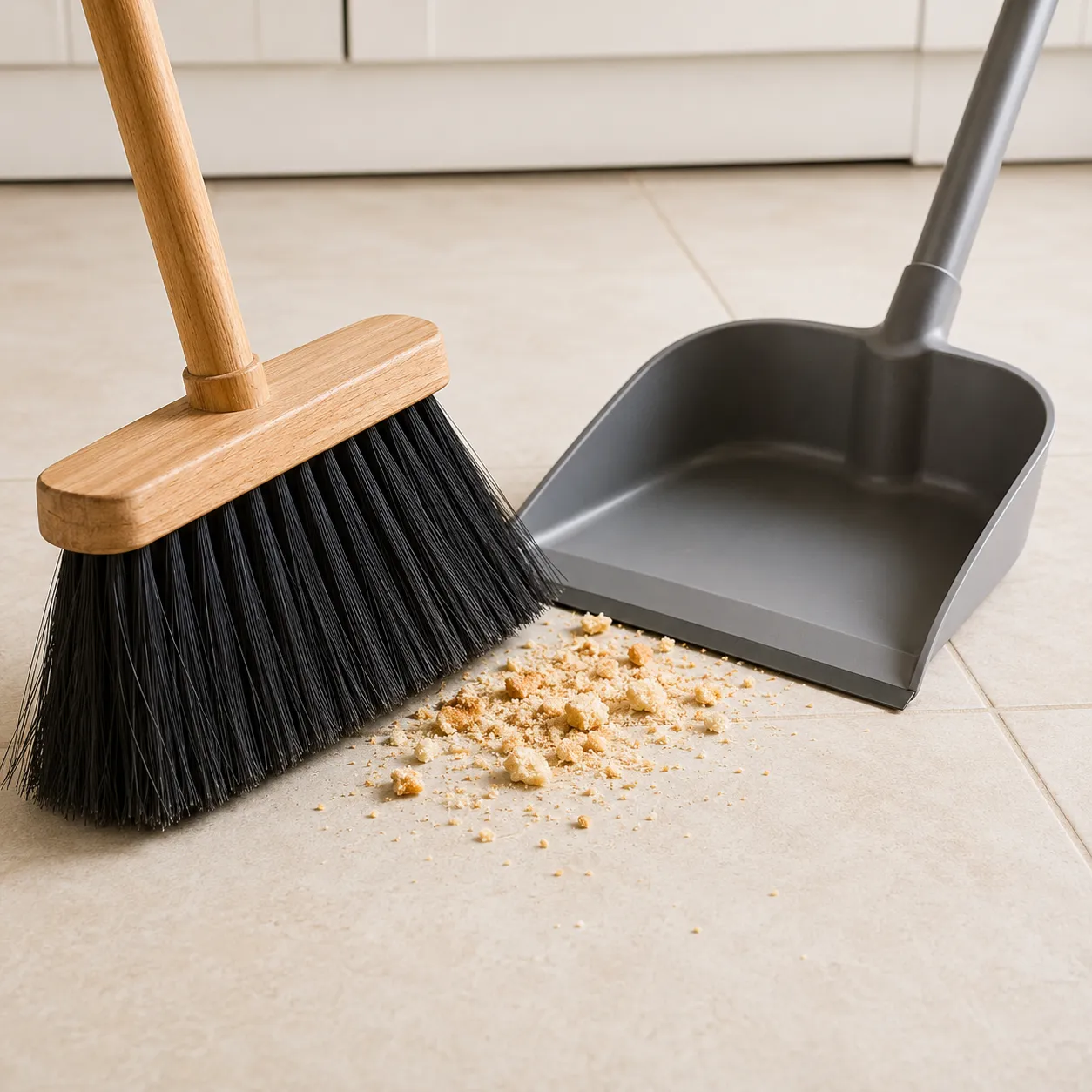
sweepswiːp
to clean a floor or surface, or remove dirt from it, with a broom or brush.
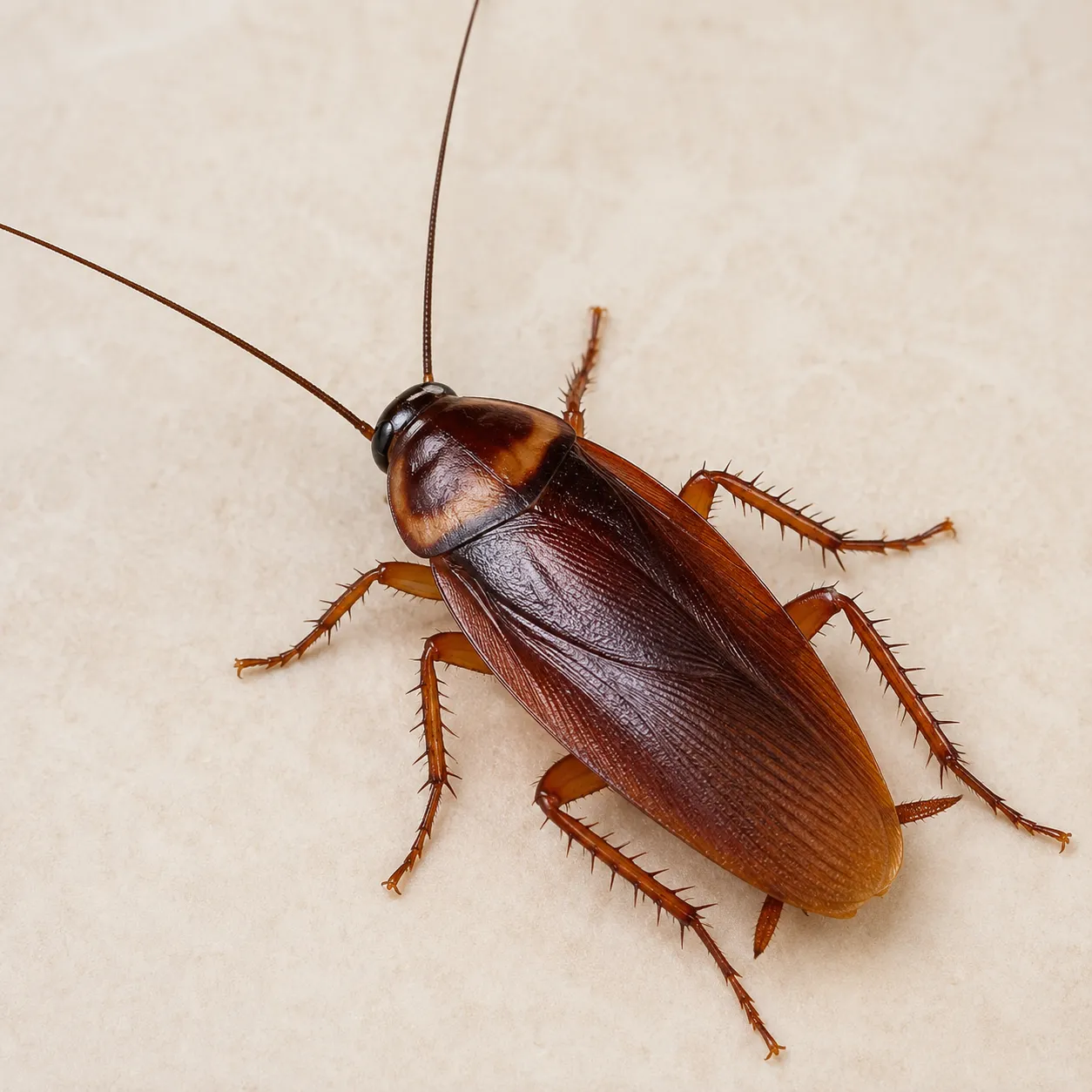
insectˈɪnsekt
a small animal with six legs and usually wings, such as an ant, fly, or beetle.
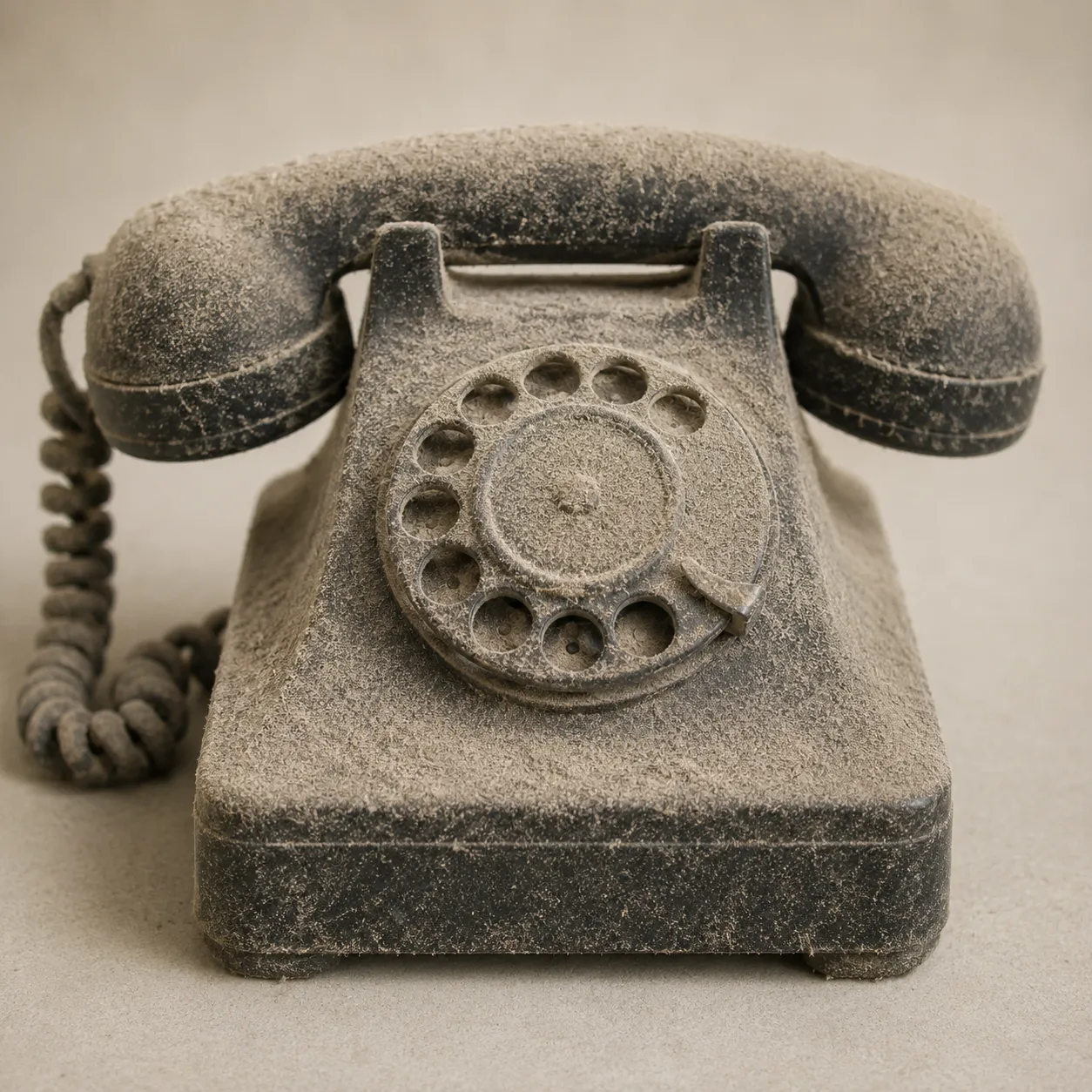
dustyˈdʌsti
covered with dust or containing a lot of dust.
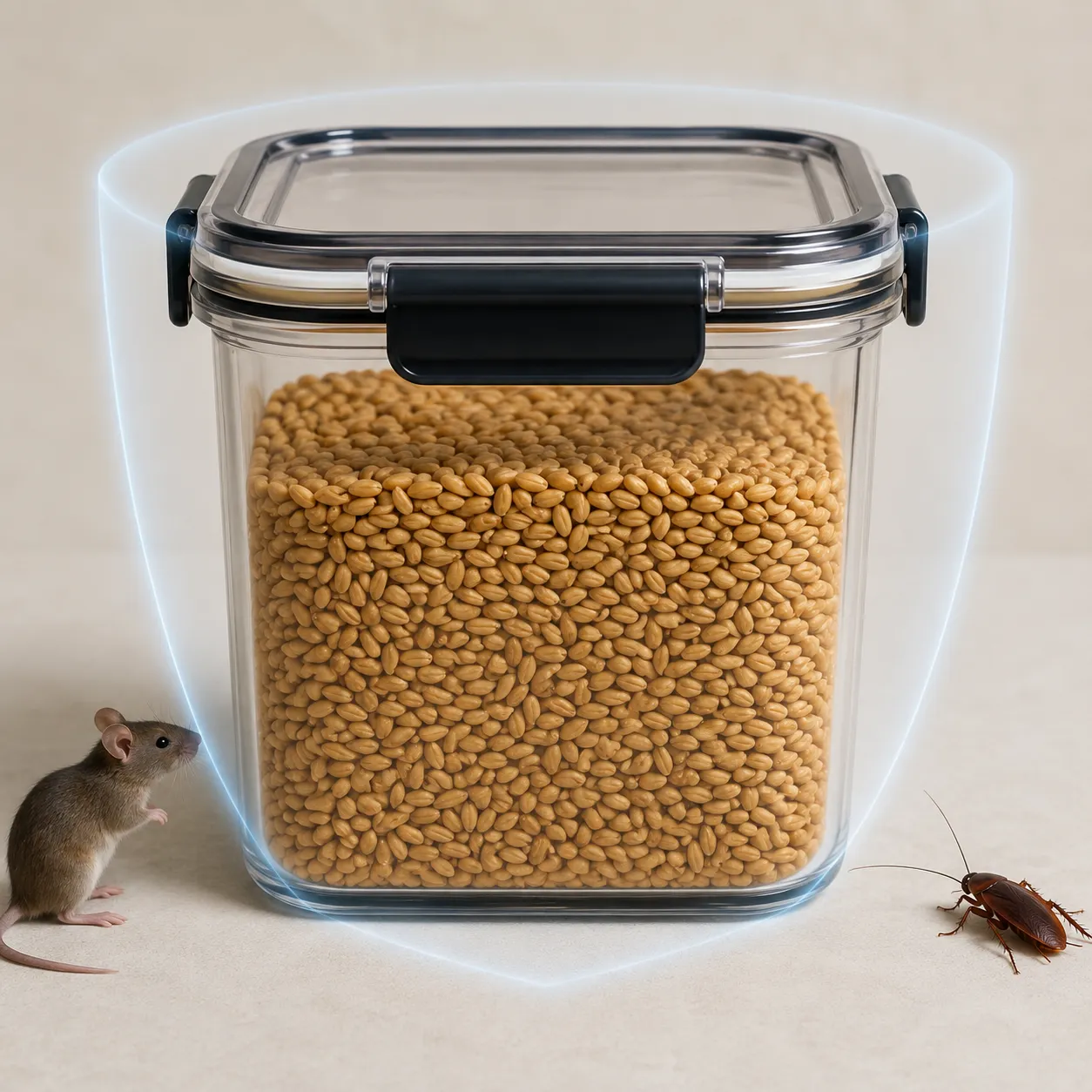
pest-proofˈpɛstˌpruːf
made or designed so that insects, mice, or other unwanted small animals cannot get in or damage something.
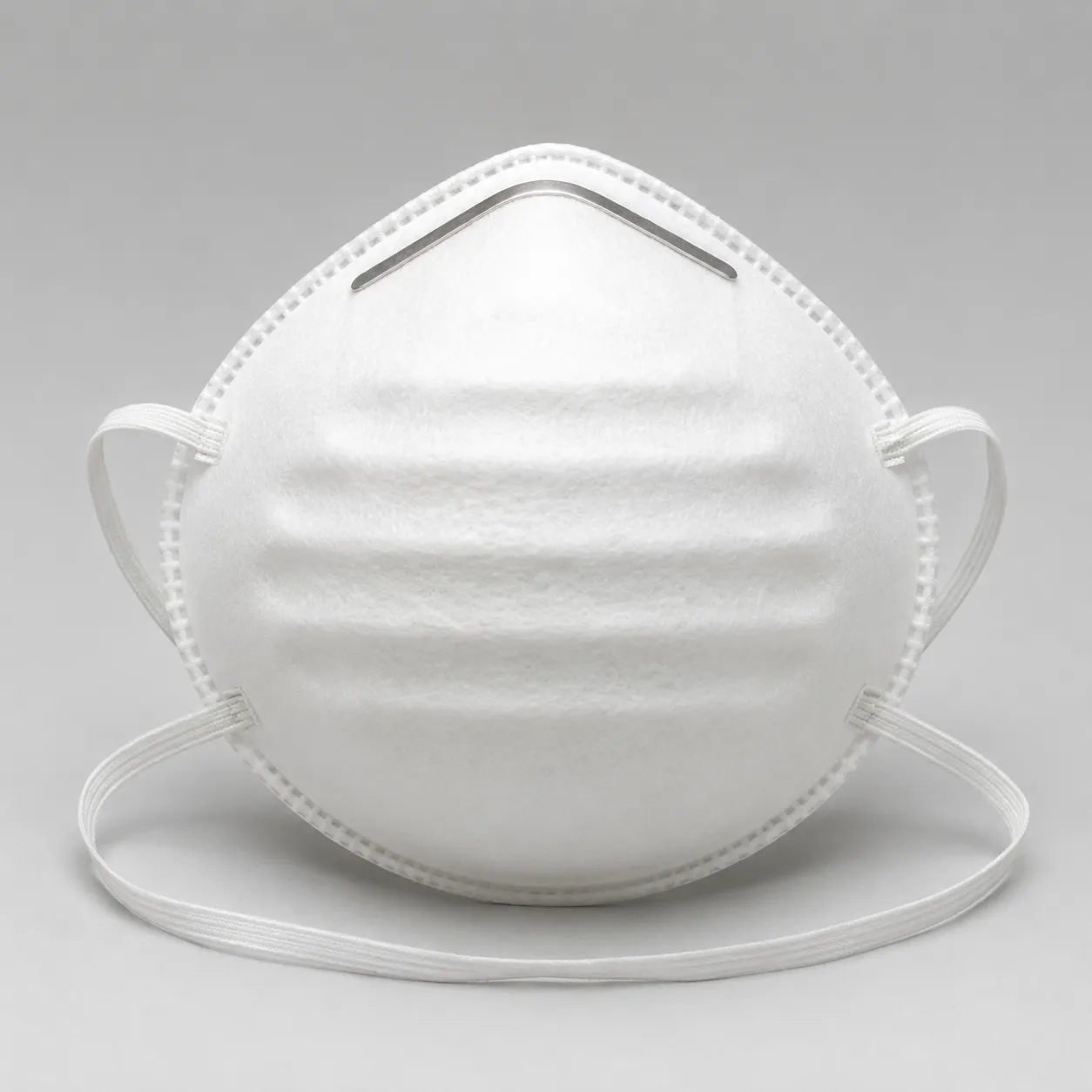
dust maskdʌst mæsk
a mask worn over the nose and mouth to avoid breathing in dust while cleaning or working.
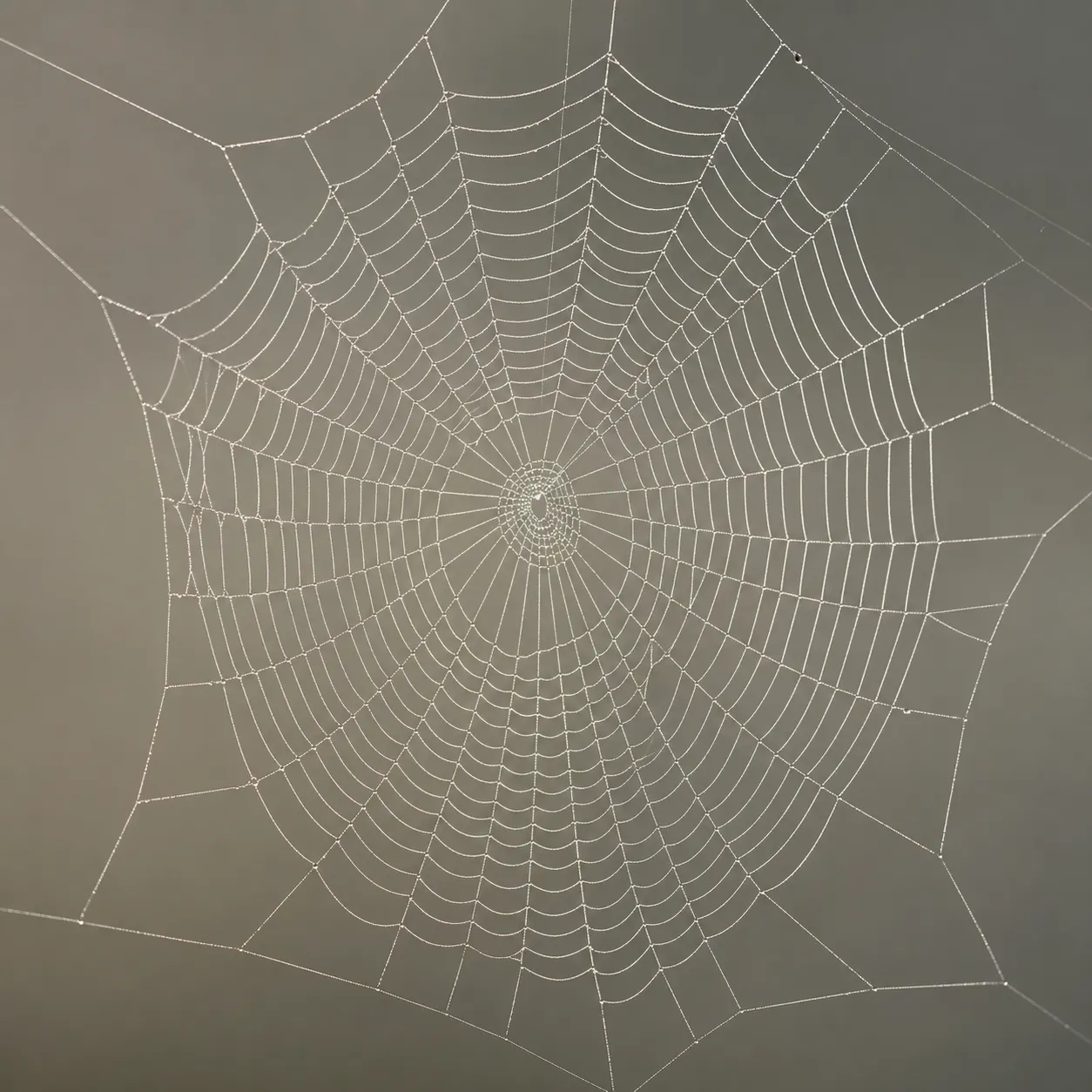
spiderwebˈspaɪdərˌwɛb
a net of very thin sticky threads made by a spider, often to catch insects.
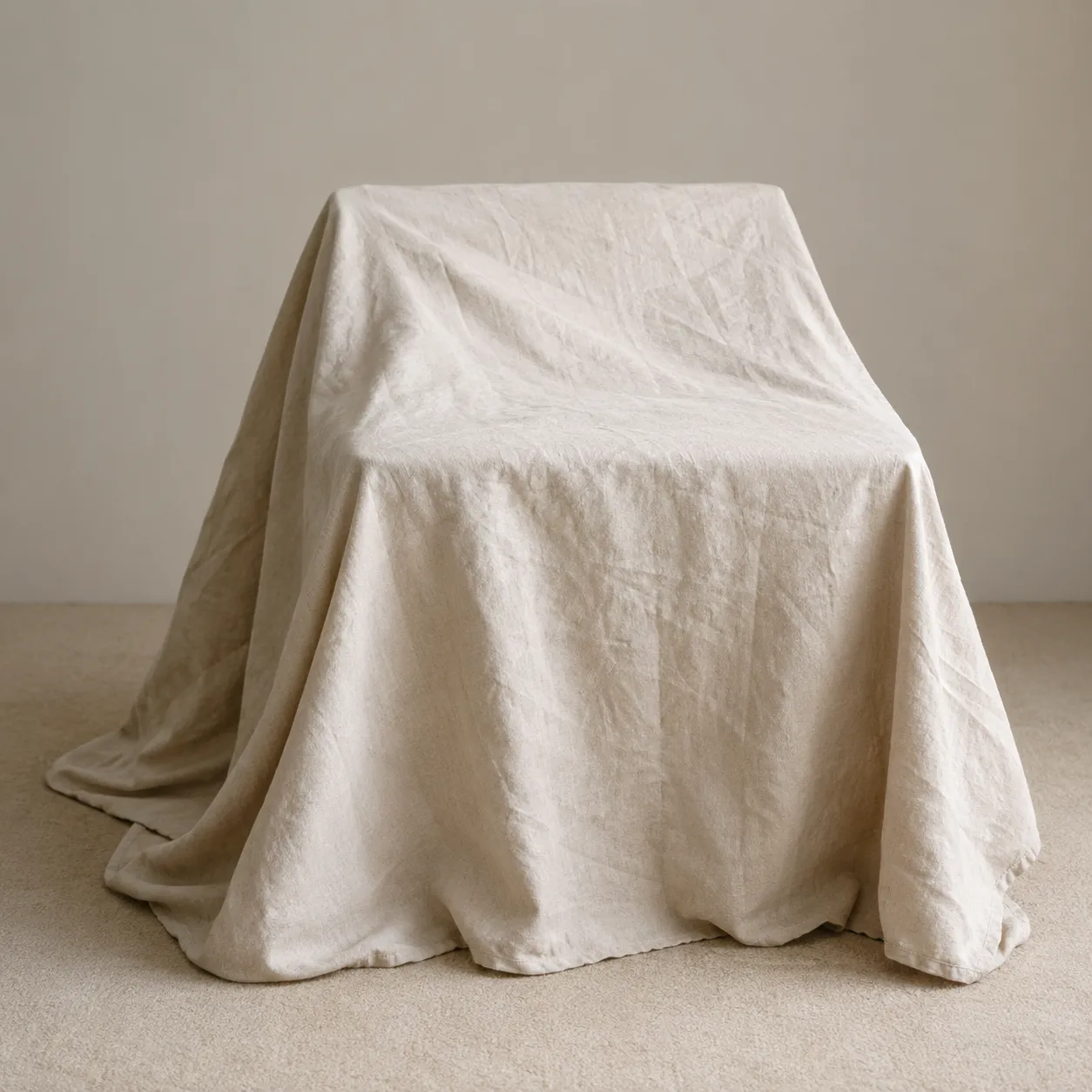
dust sheetˈdʌst ˌʃiːt
a large cloth put over furniture or floors to protect them from dust, paint, or dirt during cleaning or decorating.
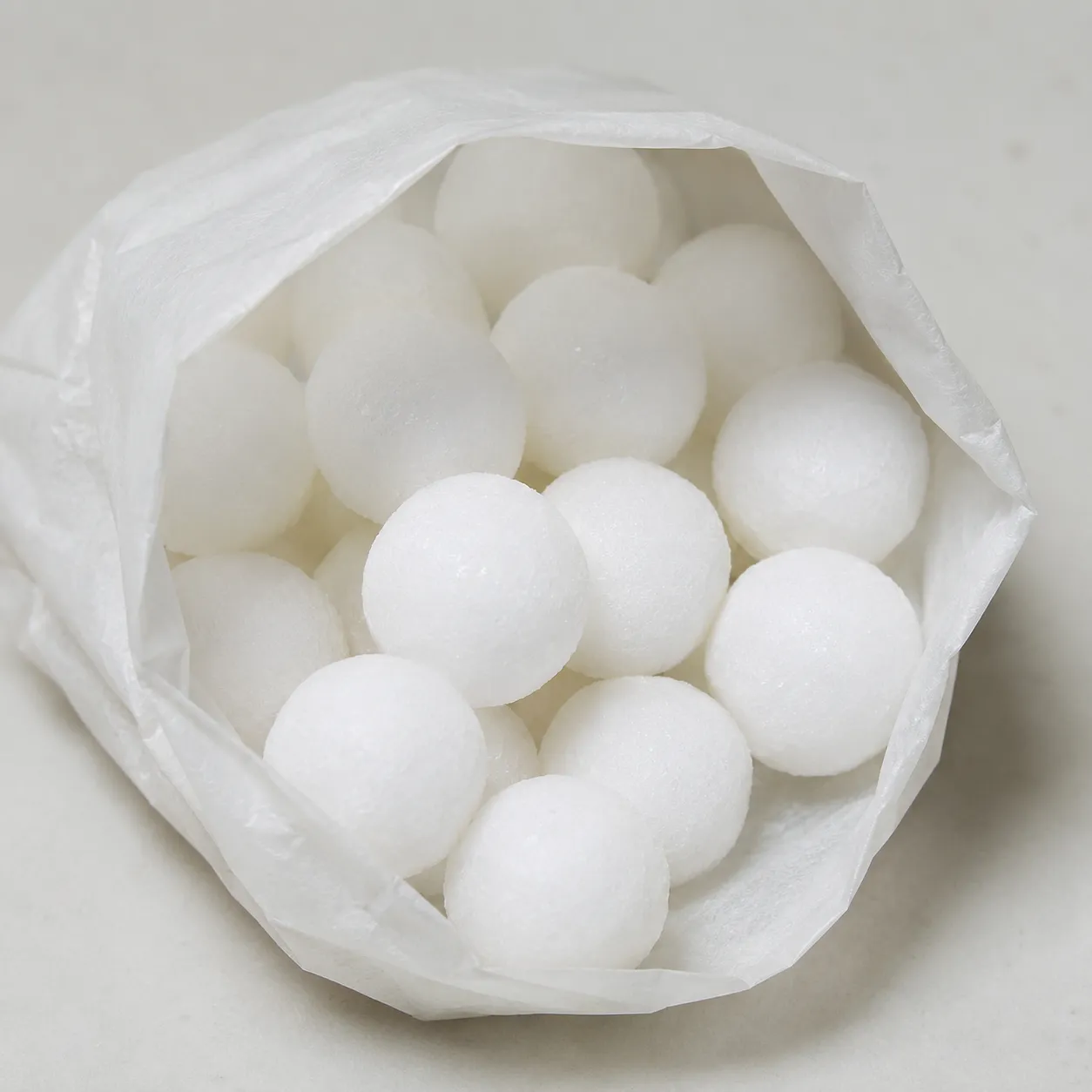
mothballsˈmɔːθˌbɔːlz
small balls with a strong smell that are put with stored clothes to keep moths from damaging them.
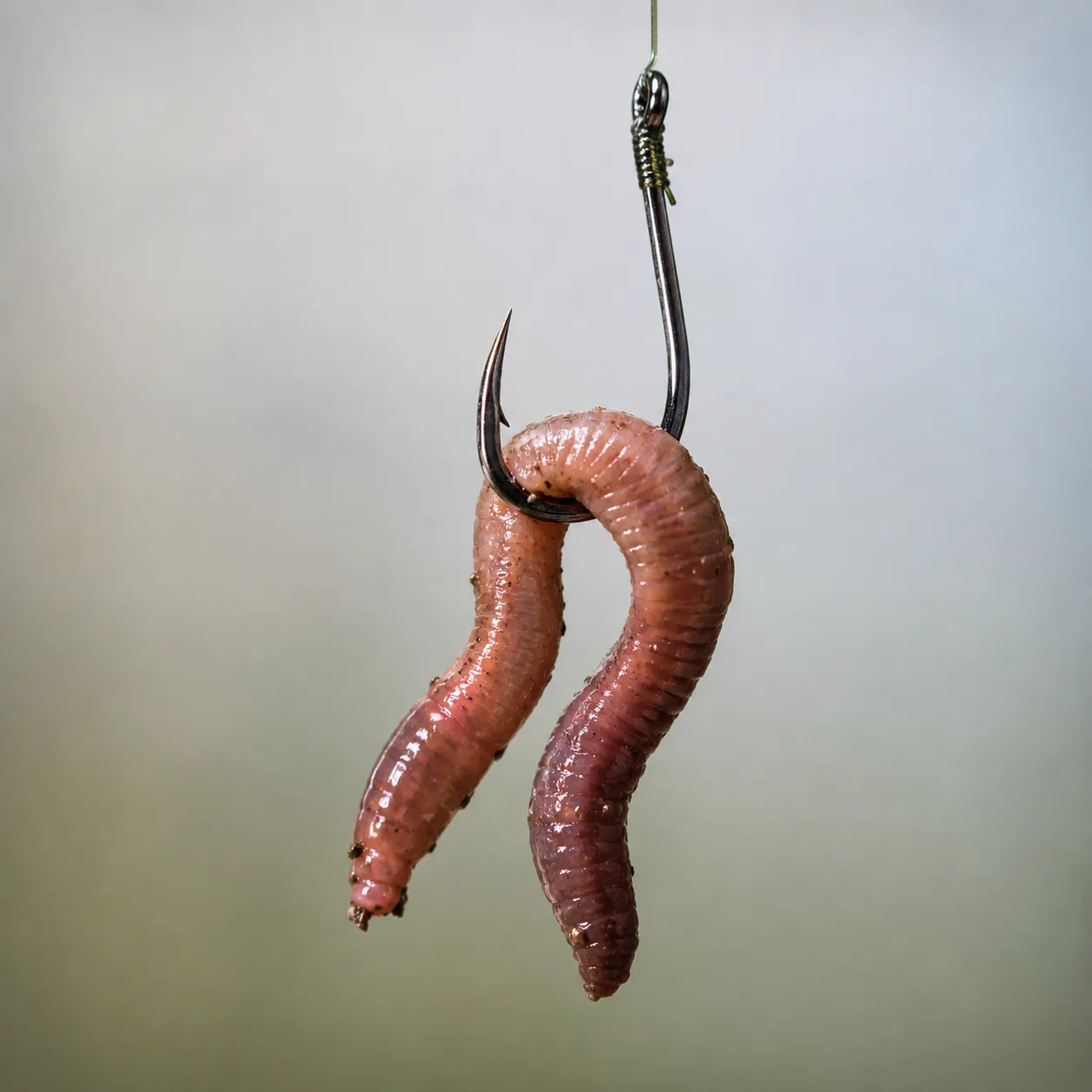
baitbeɪt
food or another attractive thing put on a hook or in a trap to catch fish, animals, or insects.

poisonˈpɔɪzən
a substance that can make a person, animal, or plant very ill or dead if it is swallowed, breathed in, or touched.
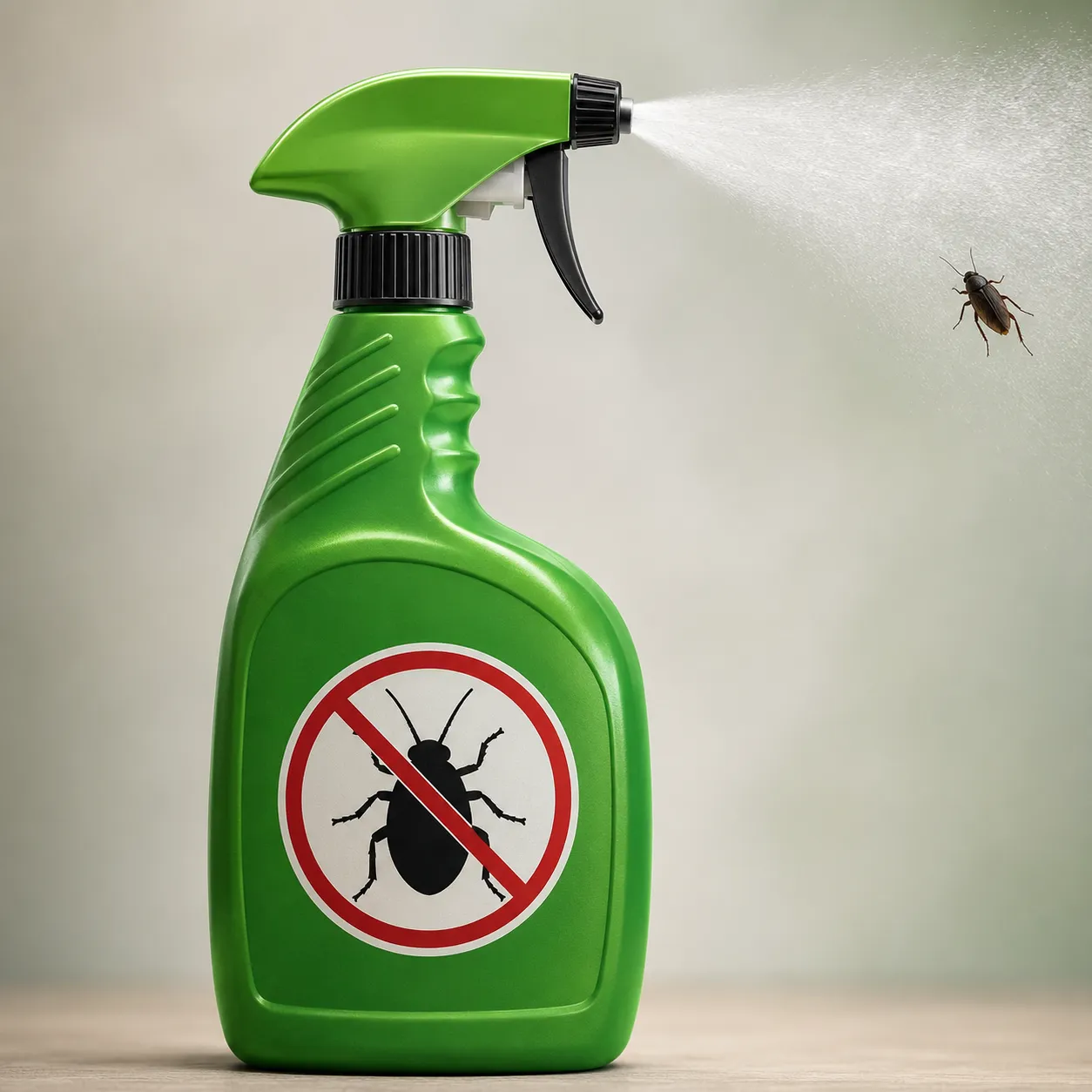
insecticideɪnˈsɛktəˌsaɪd
a chemical substance used to kill insects that damage plants, food, buildings, or homes.

squirrelˈskwɜːrəl
a small animal with a long bushy tail that climbs trees and eats nuts and seeds.
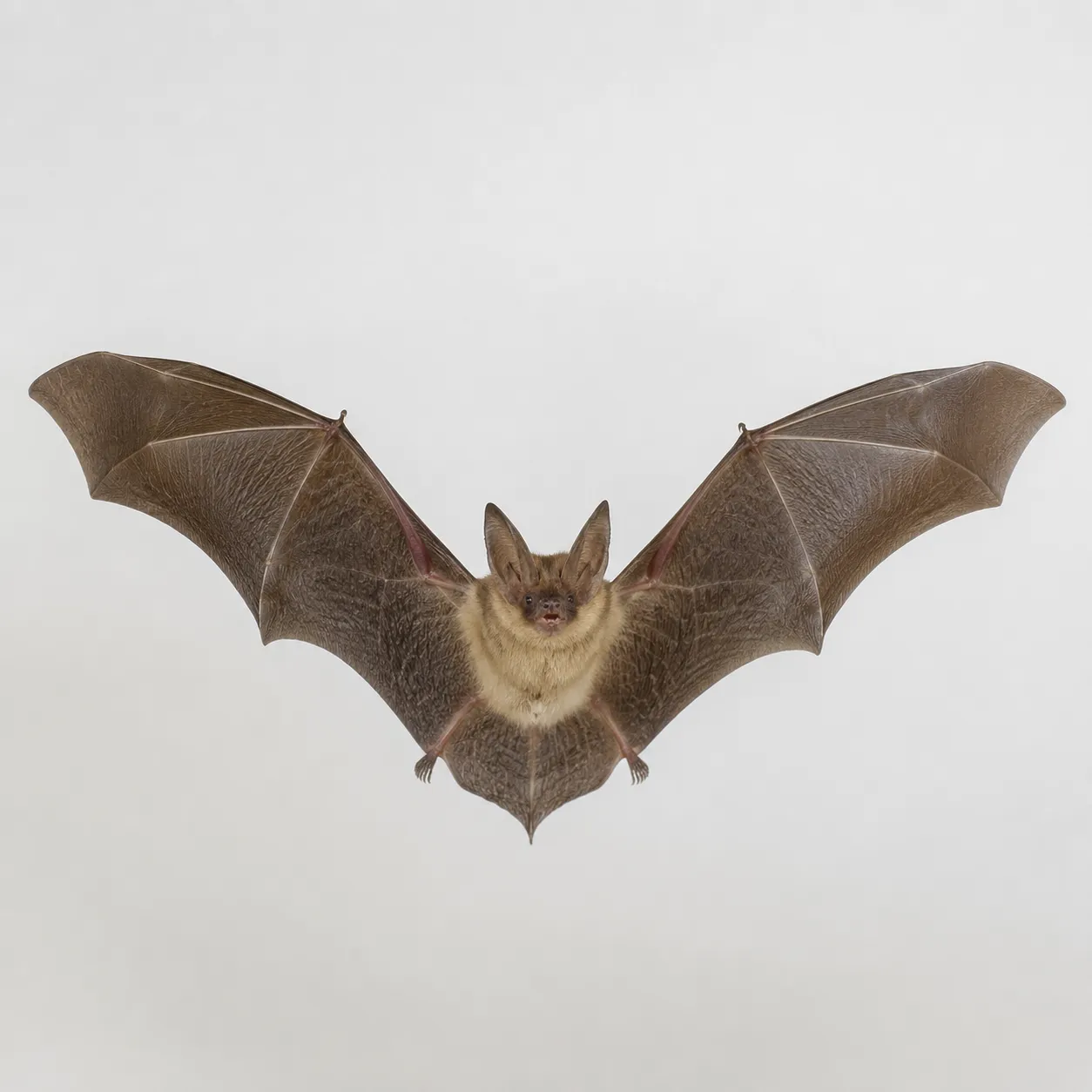
batbæt
a small animal like a mouse with wings, active mostly at night and able to fly.
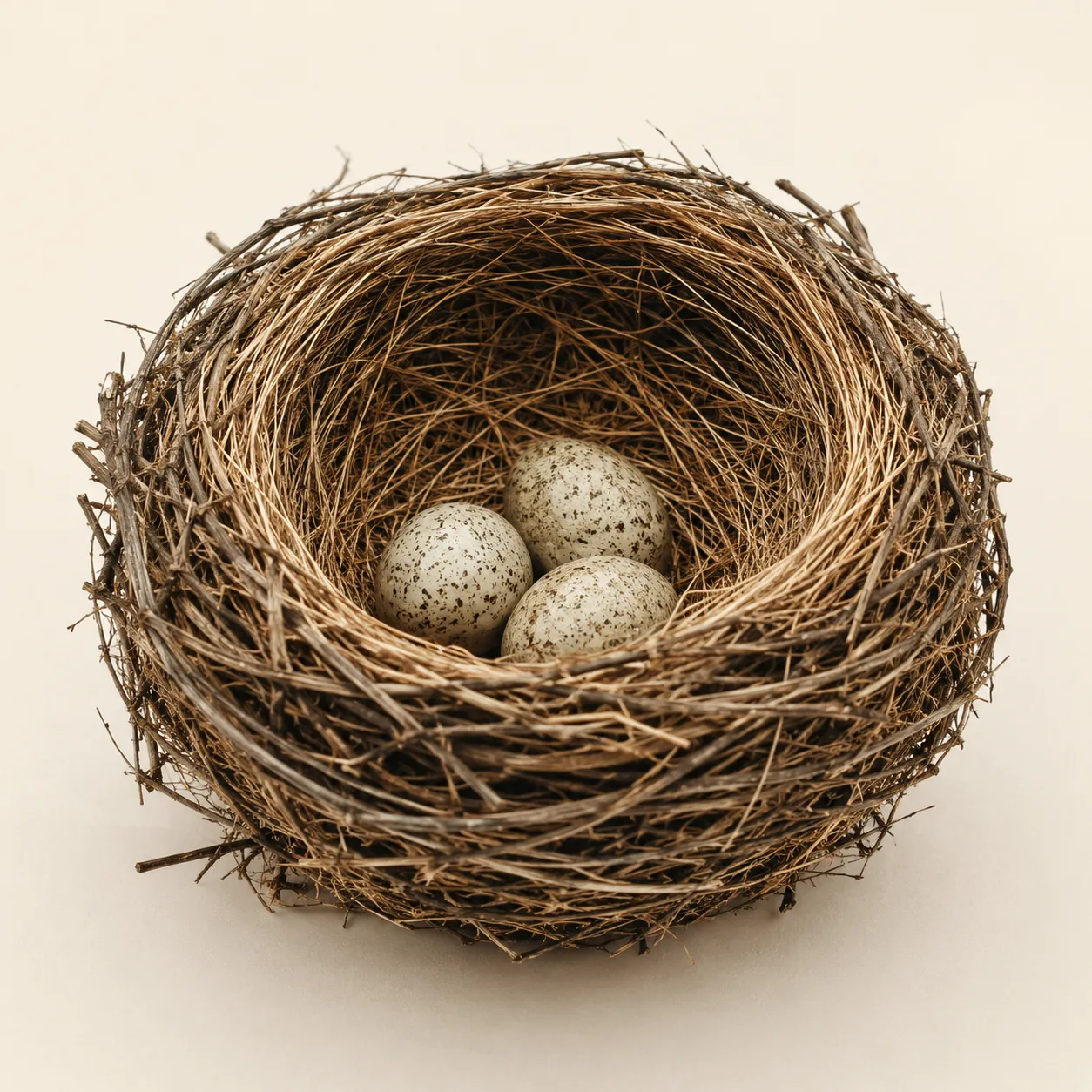
bird nestˈbɜːrd ˌnɛst
a small structure made by a bird from twigs, grass, or other materials, where it lays eggs and cares for its young.
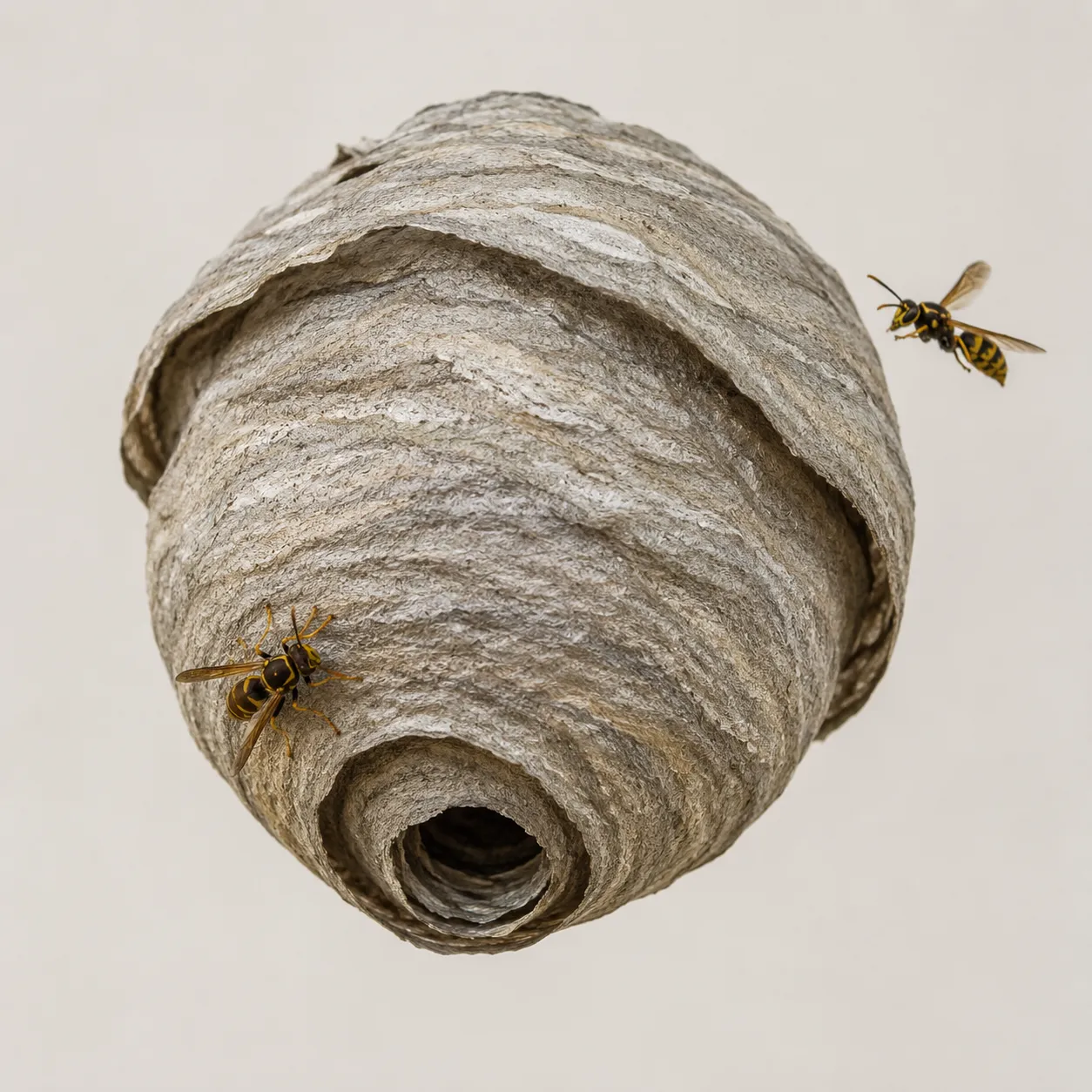
wasp nestˈwɑːsp ˌnɛst
a nest made by wasps, often from a paper-like material, where a group of wasps lives and raises young.
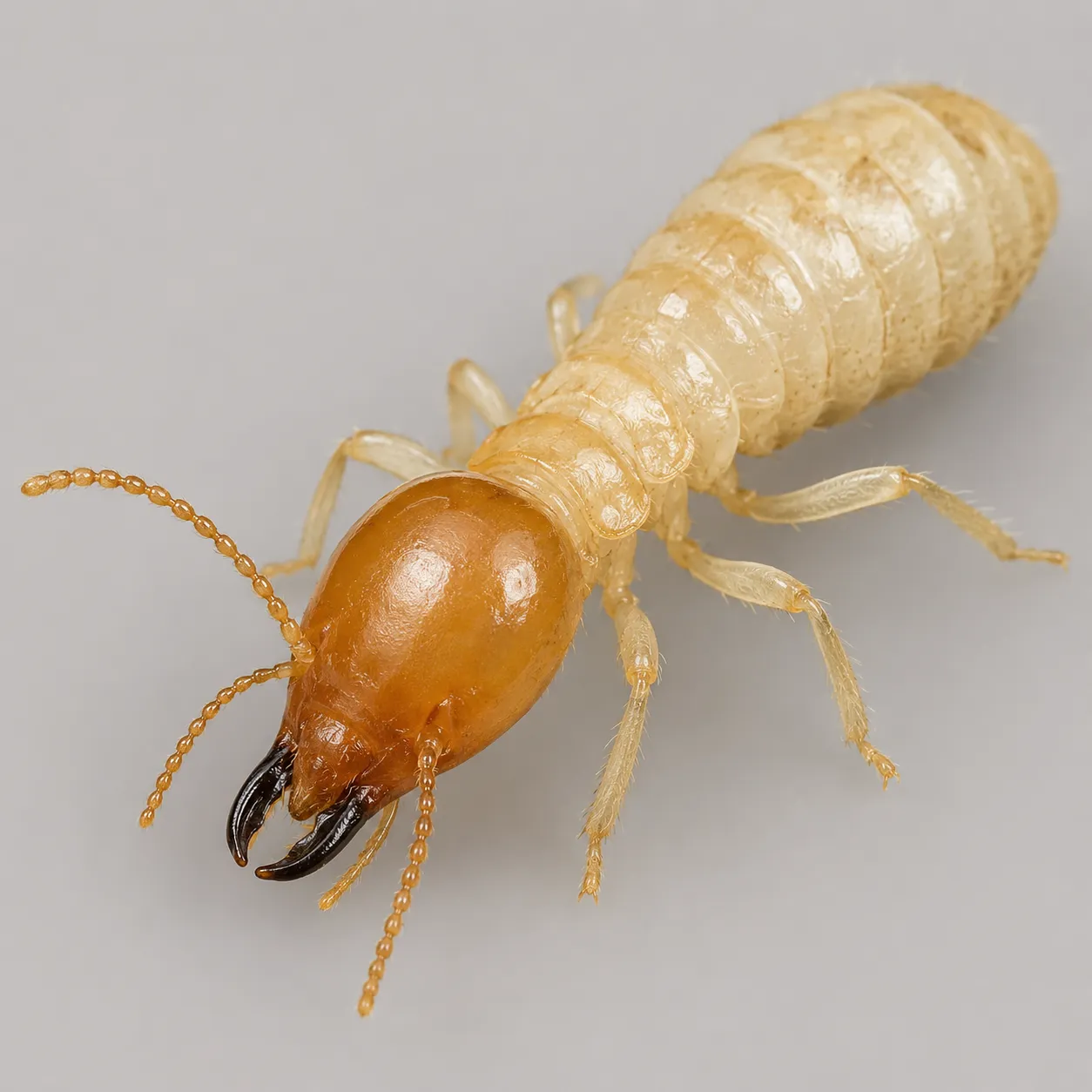
termiteˈtɜːrˌmaɪt
a small pale insect that lives in large groups and eats wood, often causing serious damage to buildings.
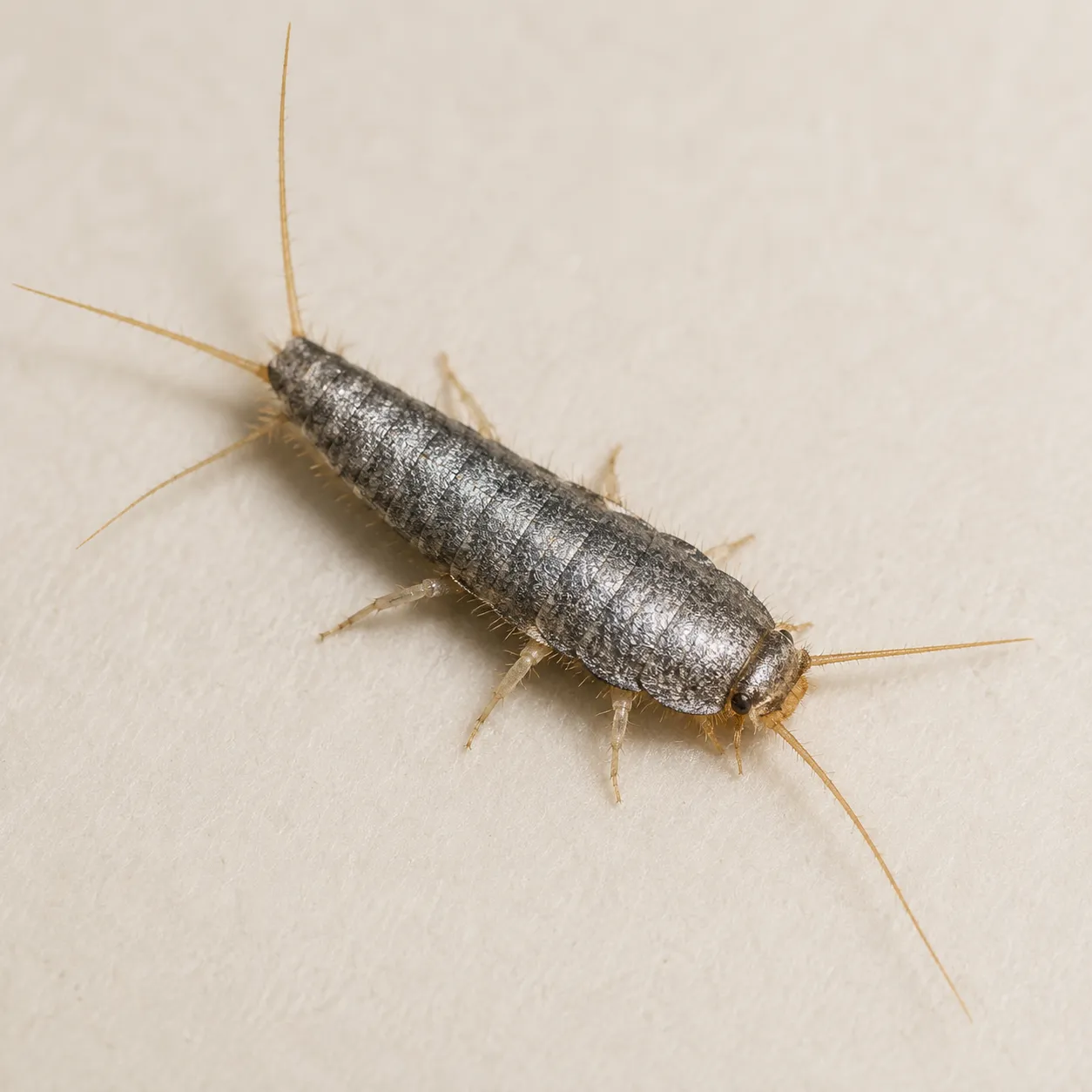
silverfishˈsɪlvərˌfɪʃ
a small silver-gray insect with a long narrow body, often found in damp places inside homes and sometimes damaging paper or cloth.
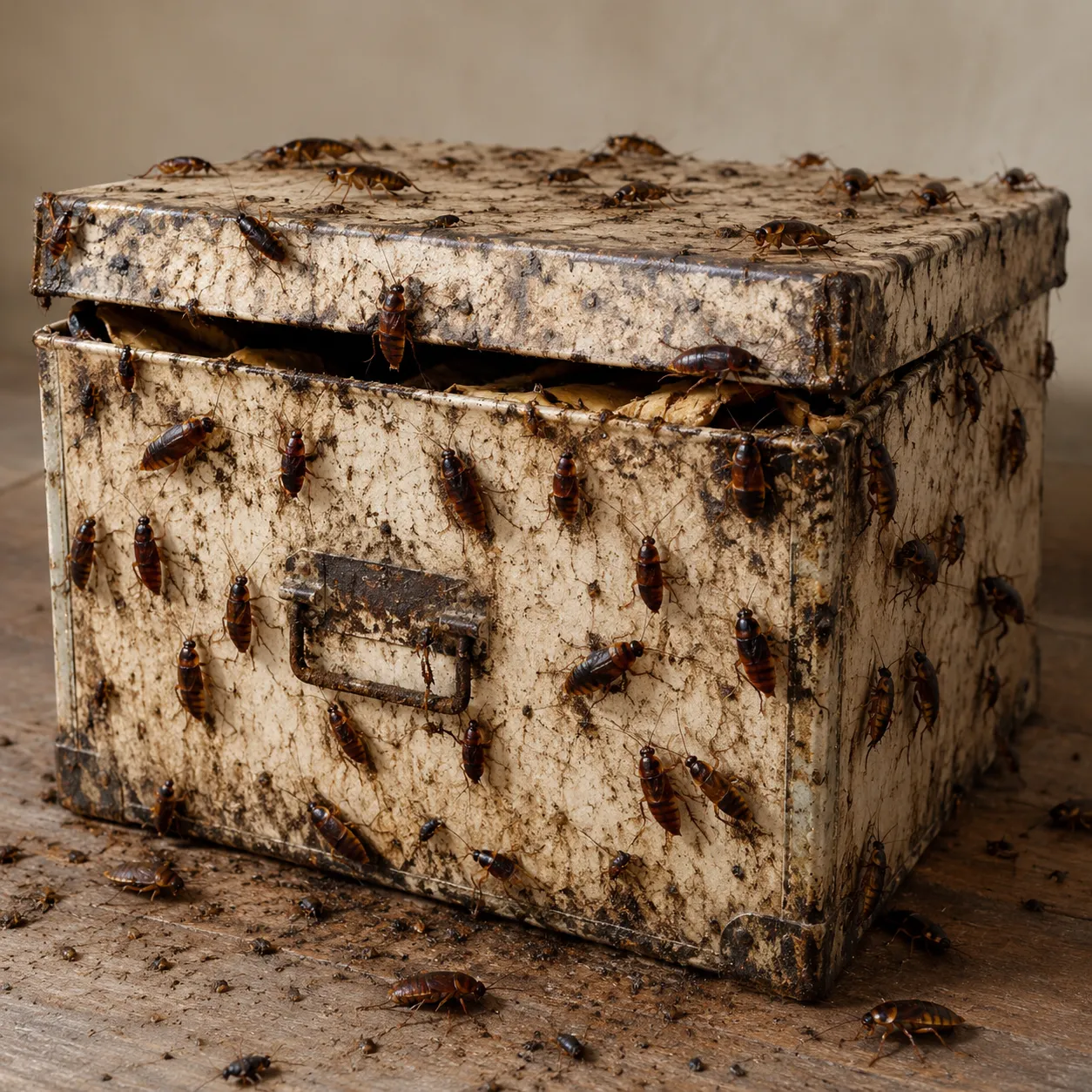
pest-infestedˈpɛst ɪnˌfɛstɪd
full of unwanted insects, rats, mice or other small animals that cause damage or spread disease.
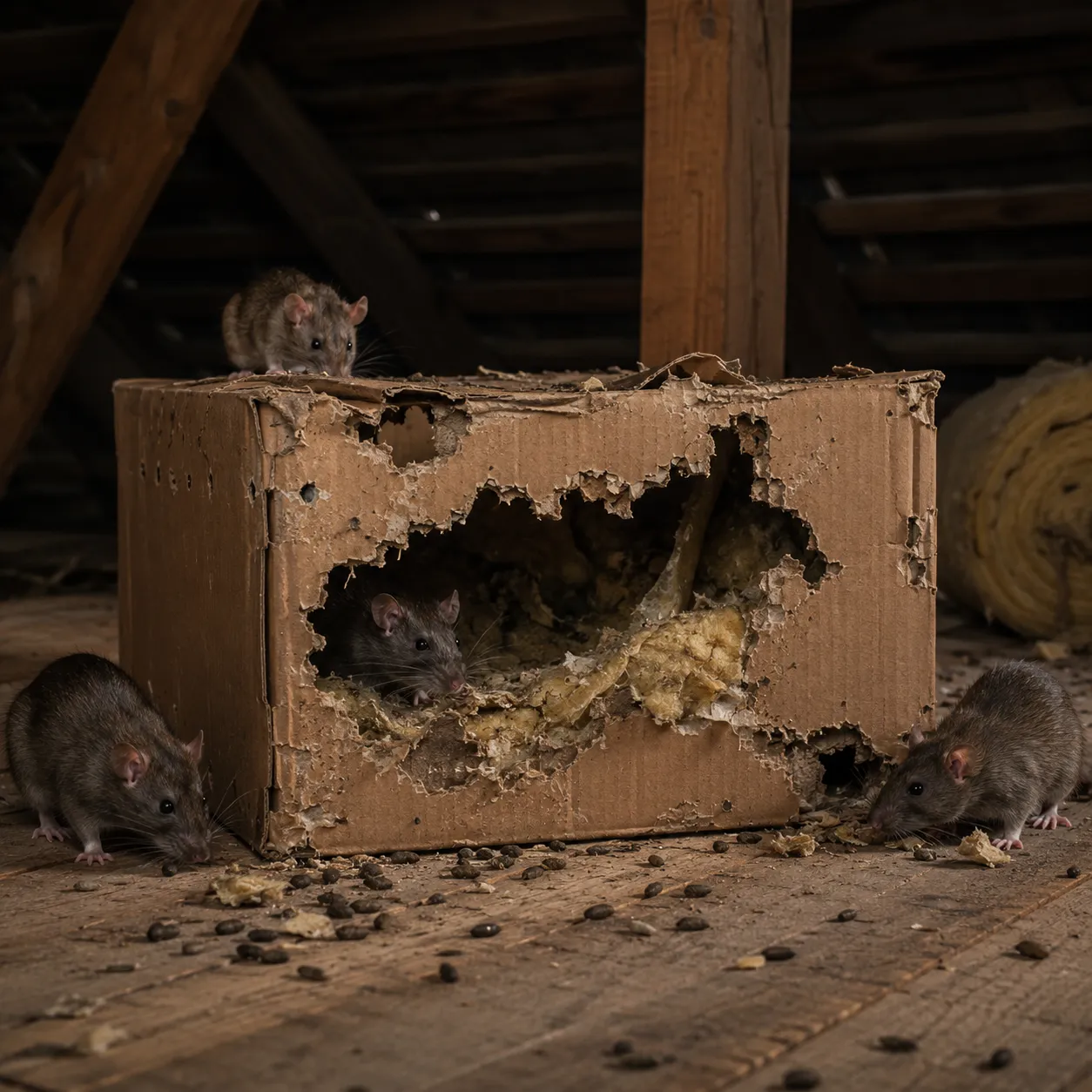
rodent-infestedˈroʊdənt ɪnˌfɛstɪd
full of rats, mice or similar small animals, especially in a building where they are not wanted.
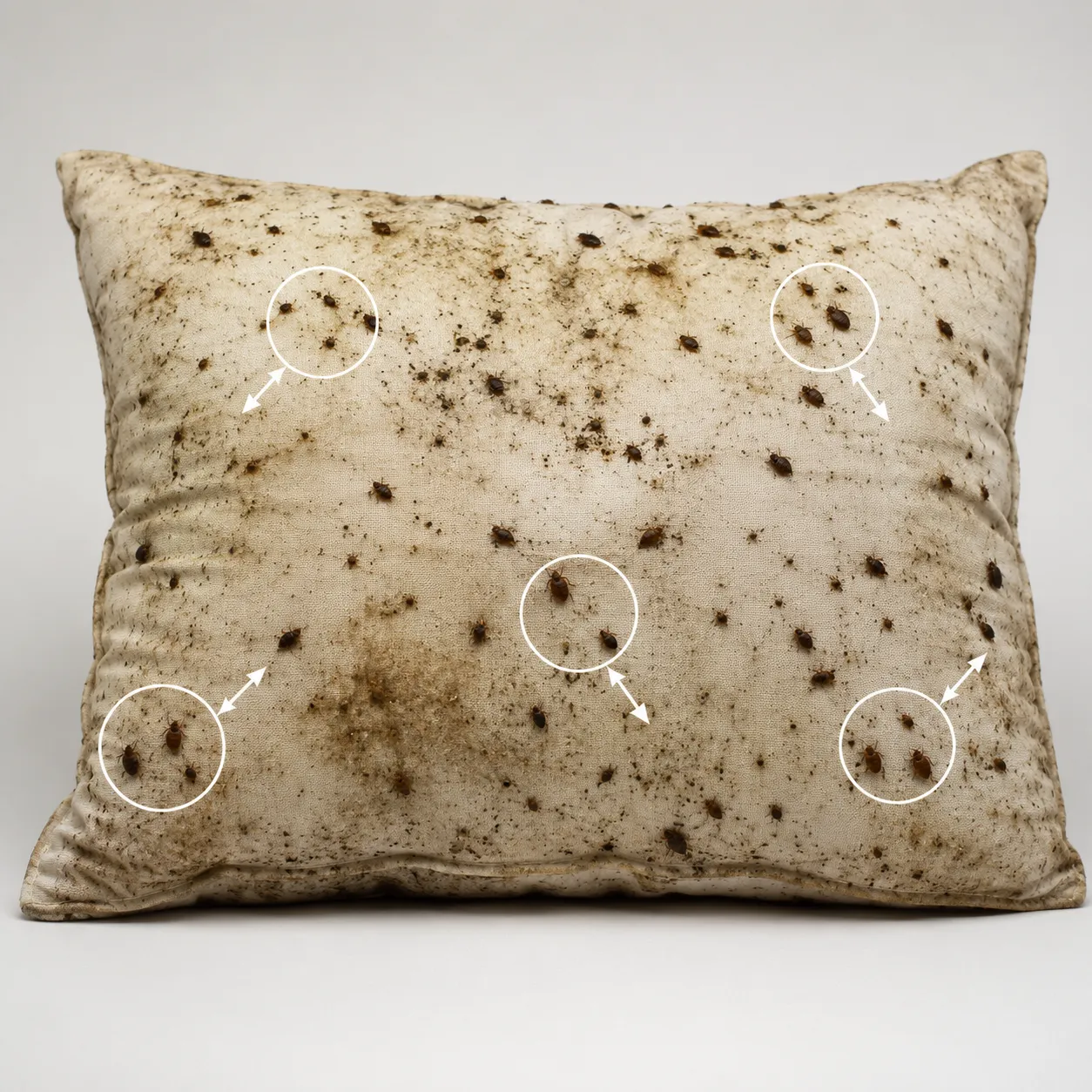
bug-infestedˈbʌɡ ɪnˌfɛstɪd
full of insects or similar small creatures, especially in a place where they are unwanted.
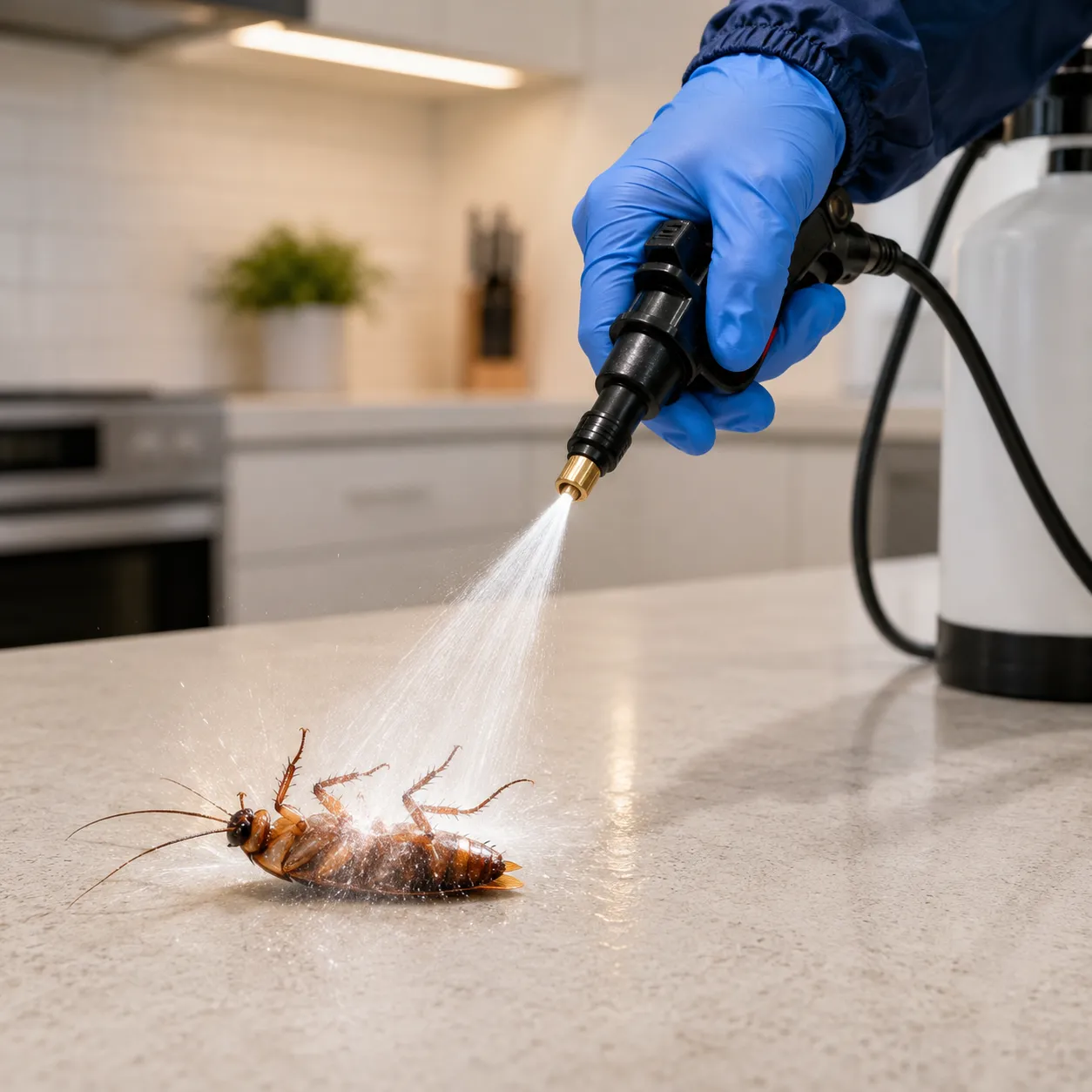
exterminateɪkˈstɜːrmɪneɪt
to kill all the insects, rats or other unwanted creatures in a place.
Adjectives and sensory words for describing an attic’s light, sounds, smells, shape, atmosphere, and condition.

lowloʊ
not far above the ground, the floor, or the bottom of something.
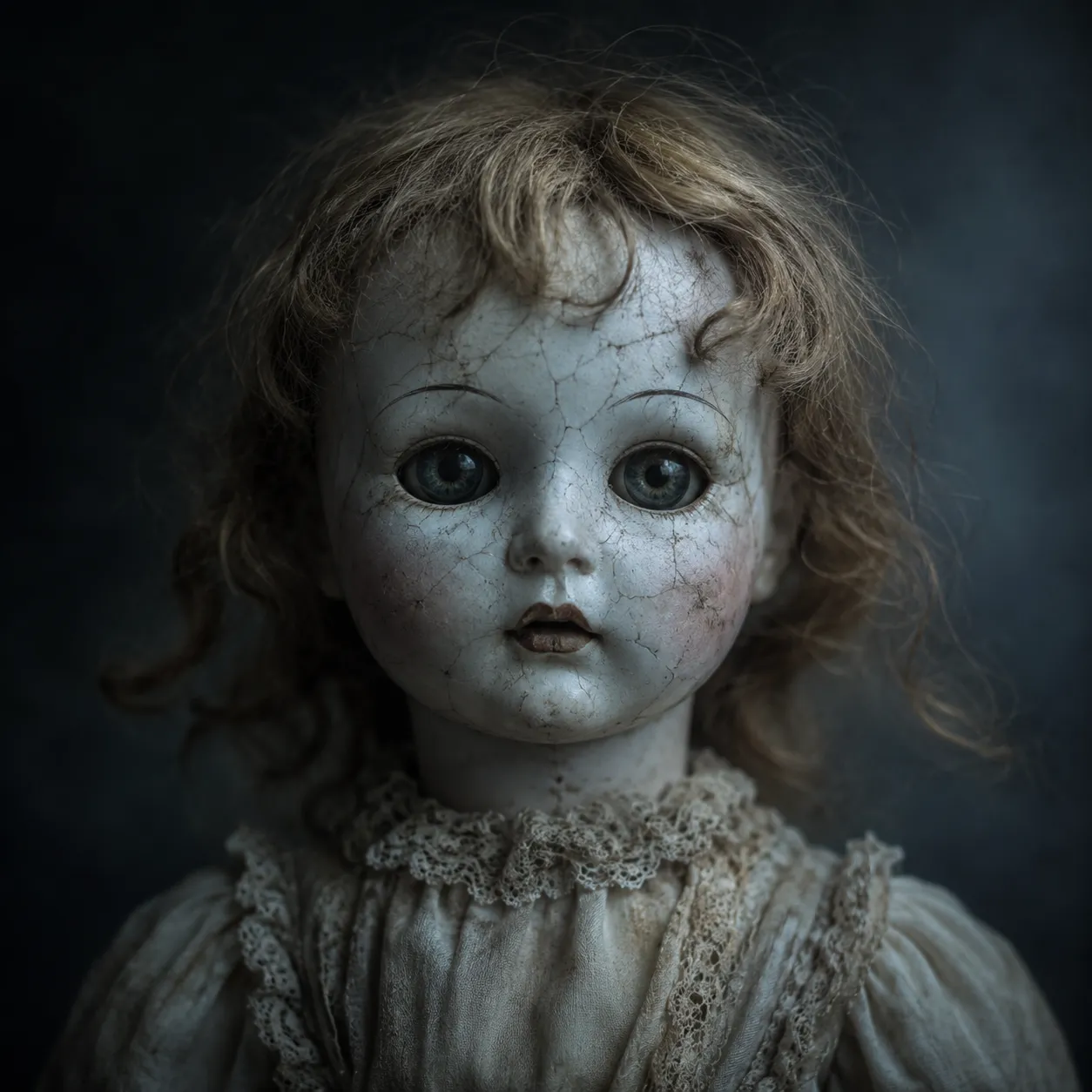
eerieˈɪri
strange, quiet, and frightening in a mysterious way.
darknessˈdɑːrknəs
the state in which there is little or no light, so it is difficult to see.
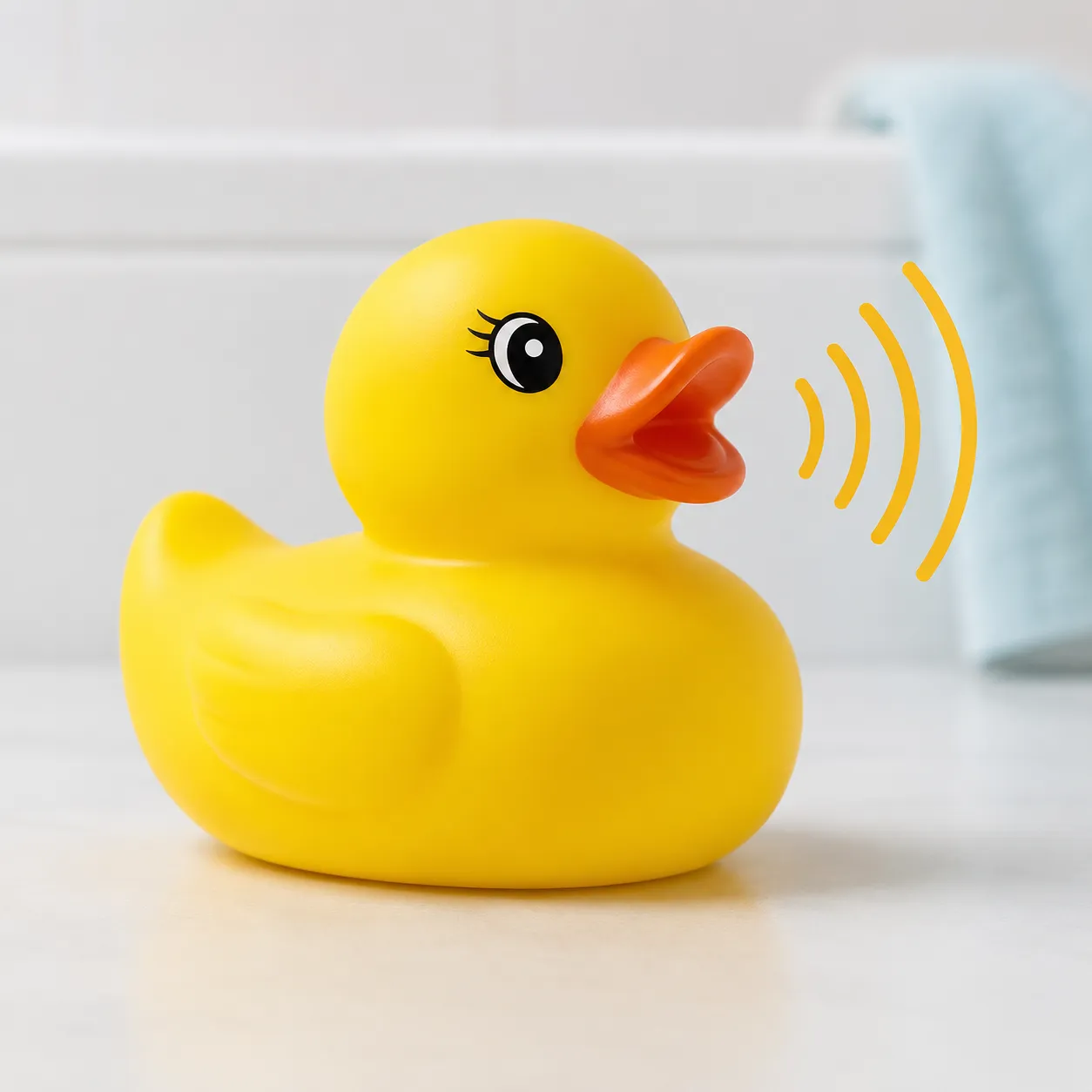
squeakskwiːk
a short, high sound made by a door, shoe, tap, or small animal.
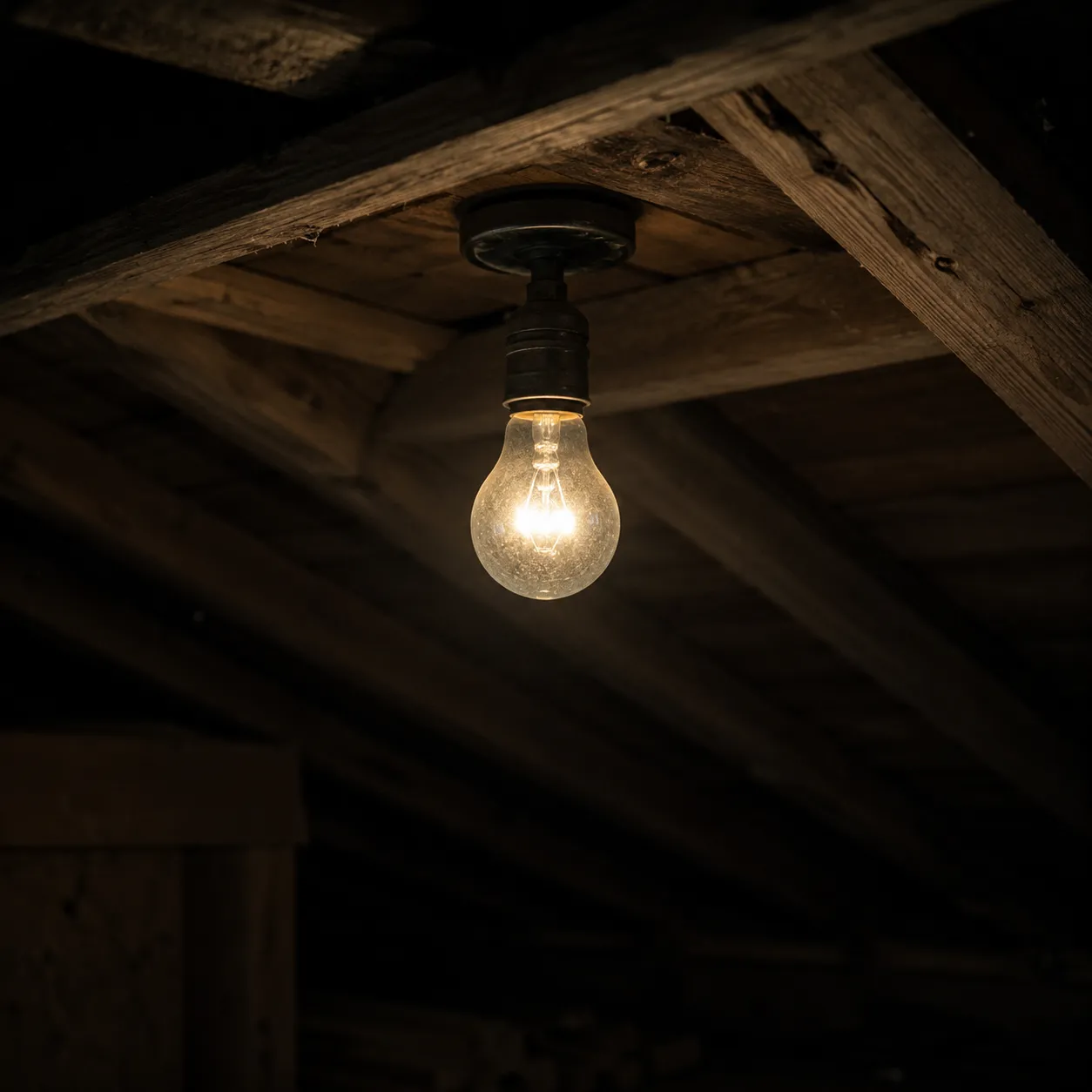
dimdɪm
not bright, or giving only a small amount of light.

silentˈsaɪlənt
not making any sound, or having no sound in a place or situation.
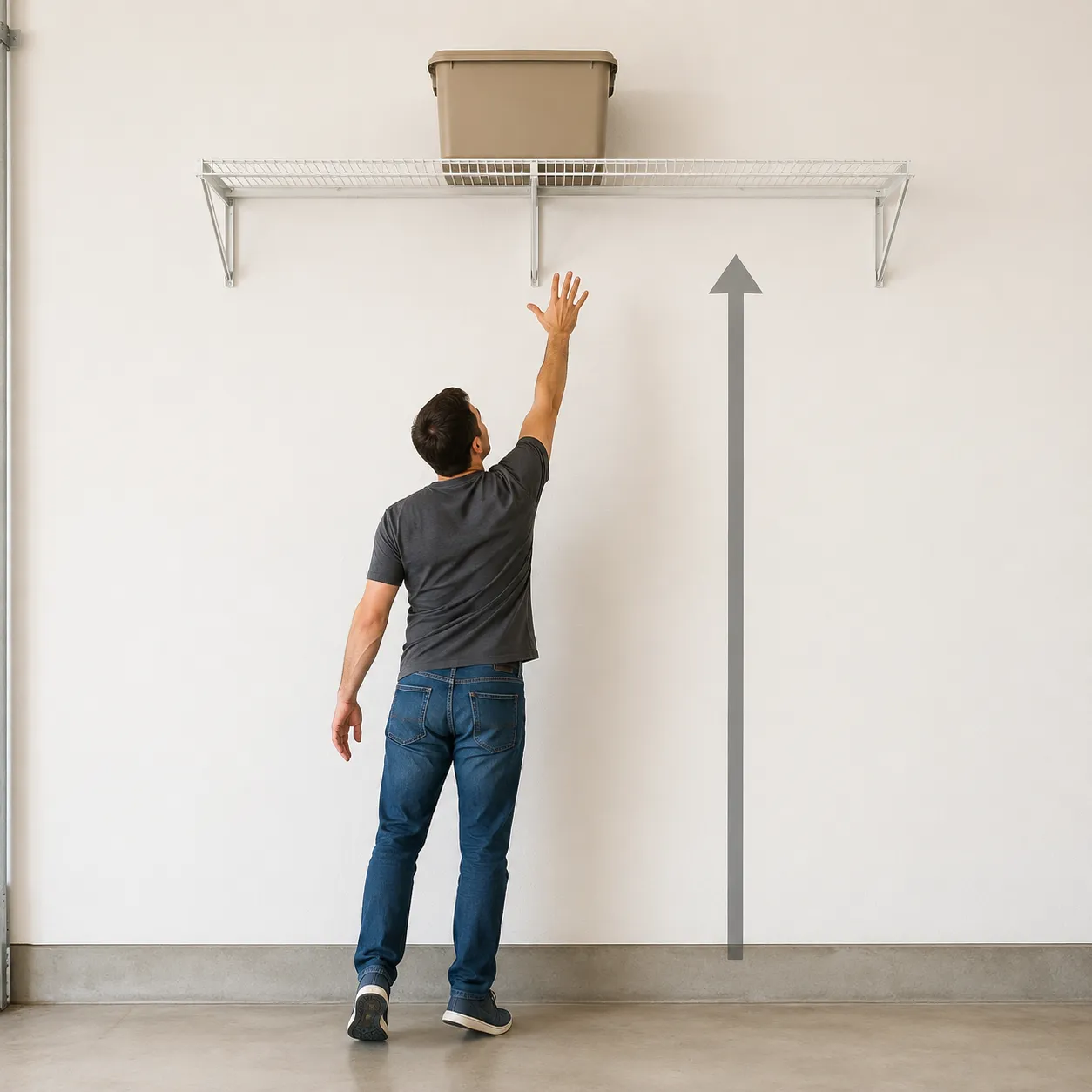
highhaɪ
far above the ground, the floor, or the bottom of something.
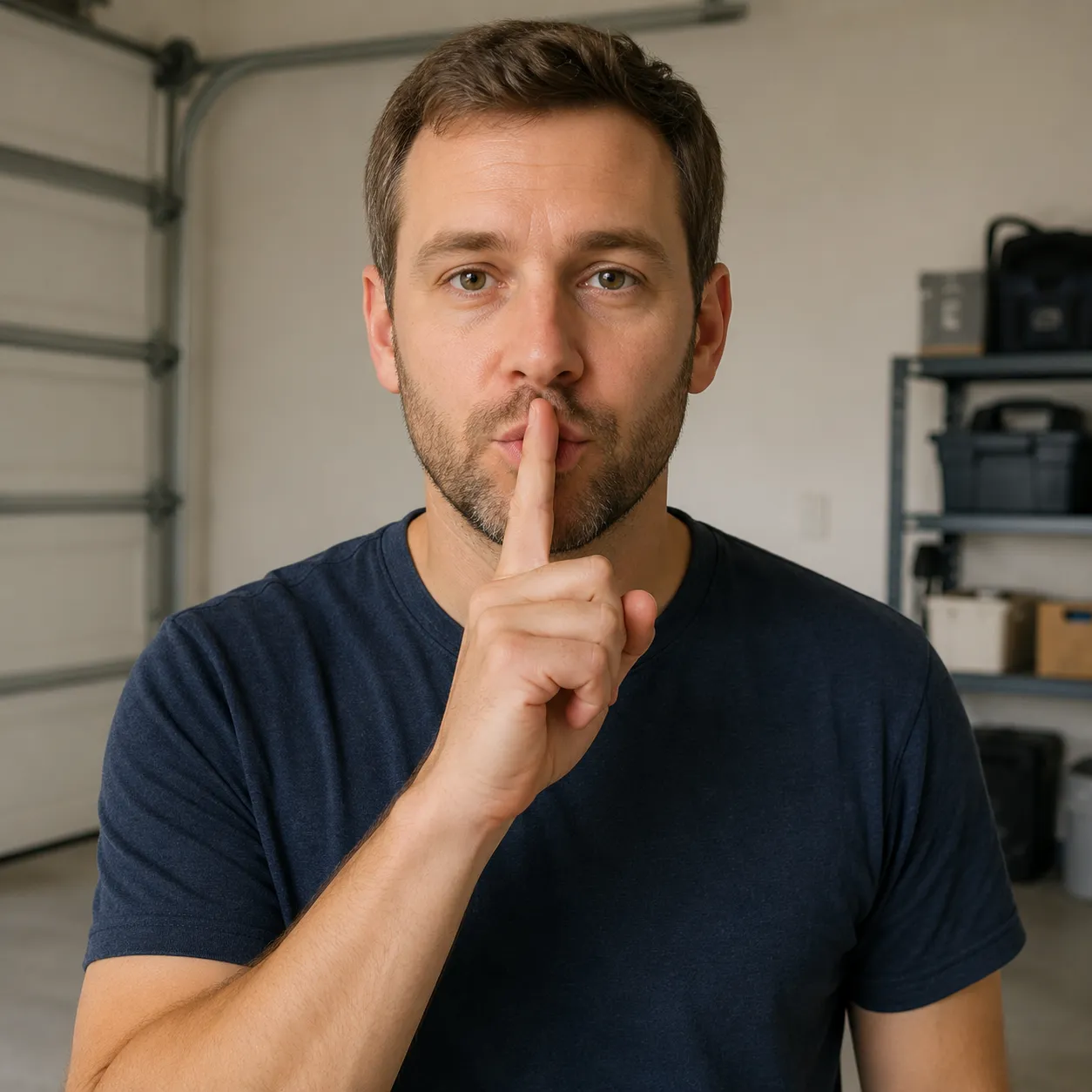
quietˈkwaɪət
making little or no noise.
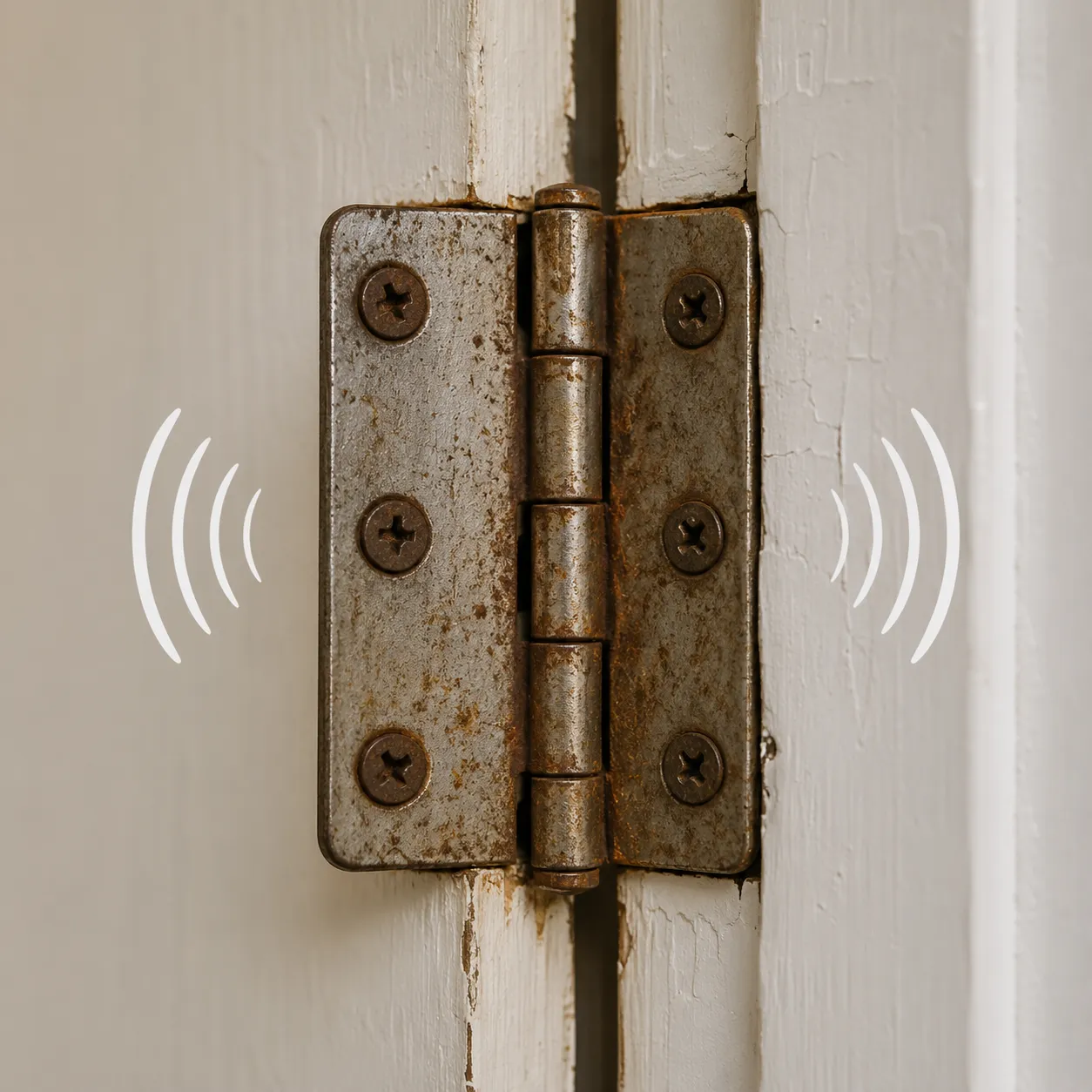
creakkriːk
a long, low sound made by a door, floor, bed, or other object when it moves or has weight on it.
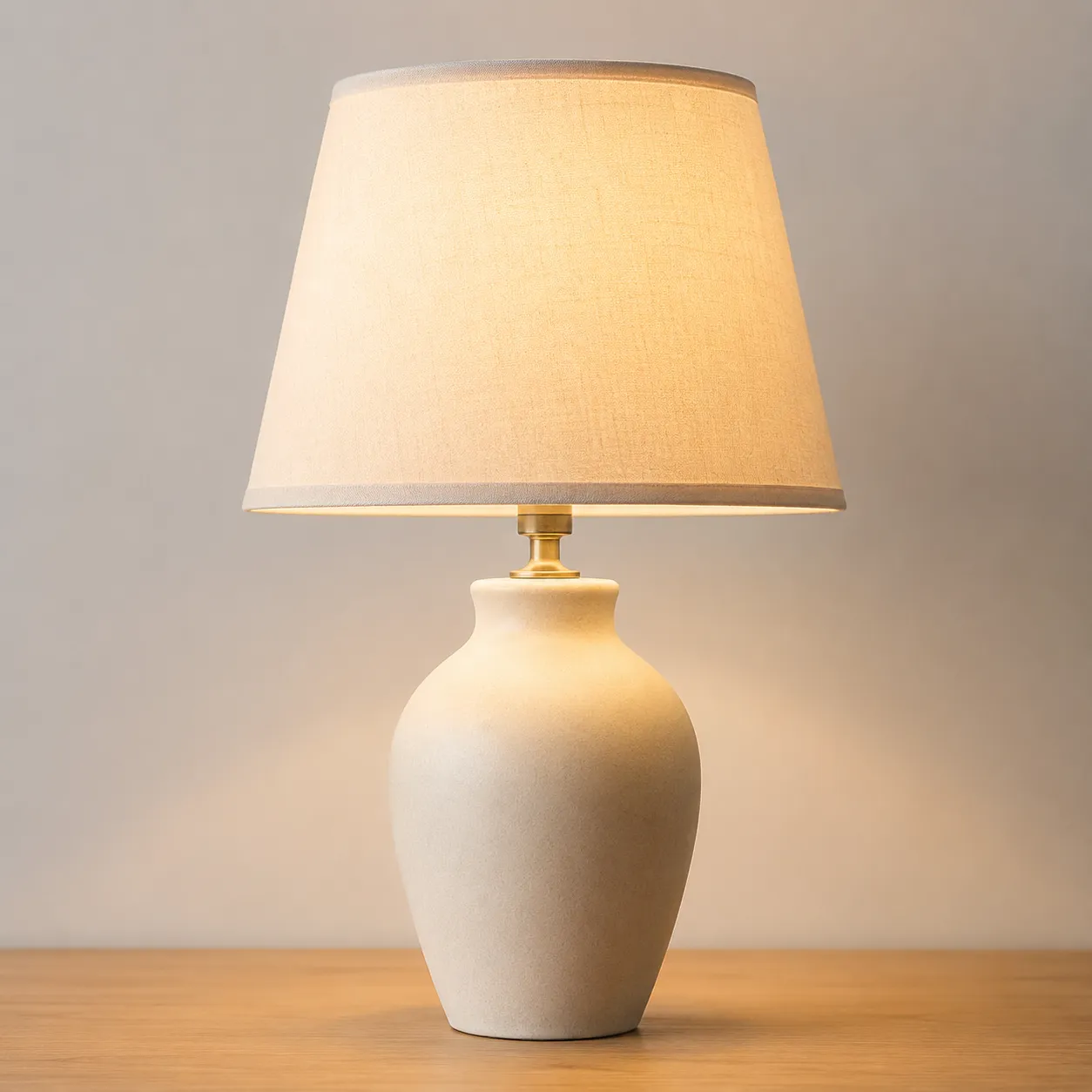
lamplæmp
an electric light that stands on a table, floor, or other surface and is used to light a room or area.

silenceˈsaɪləns
a state in which there is no sound, or almost no sound.
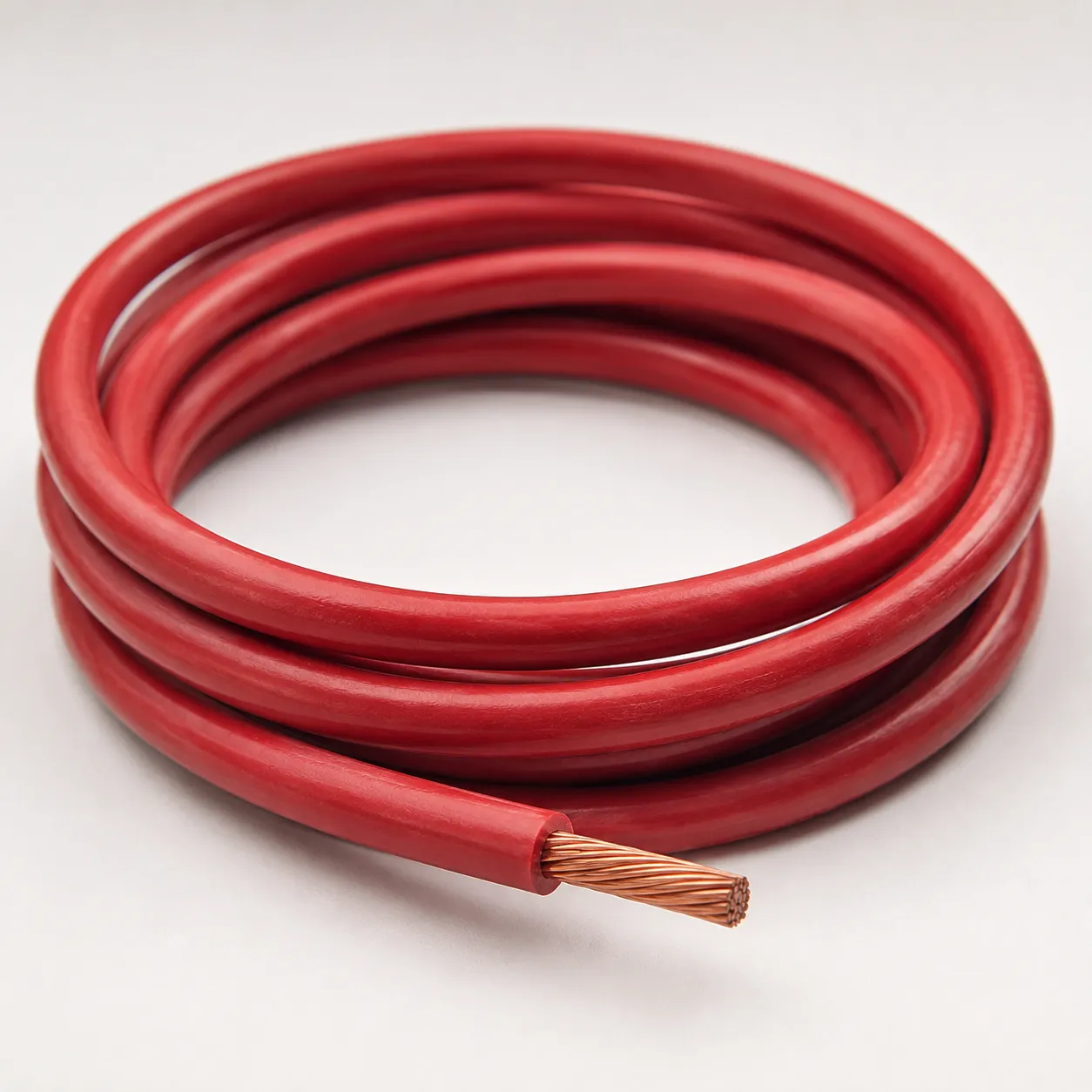
well-litˌwɛl ˈlɪt
having plenty of light, so that people can see clearly.
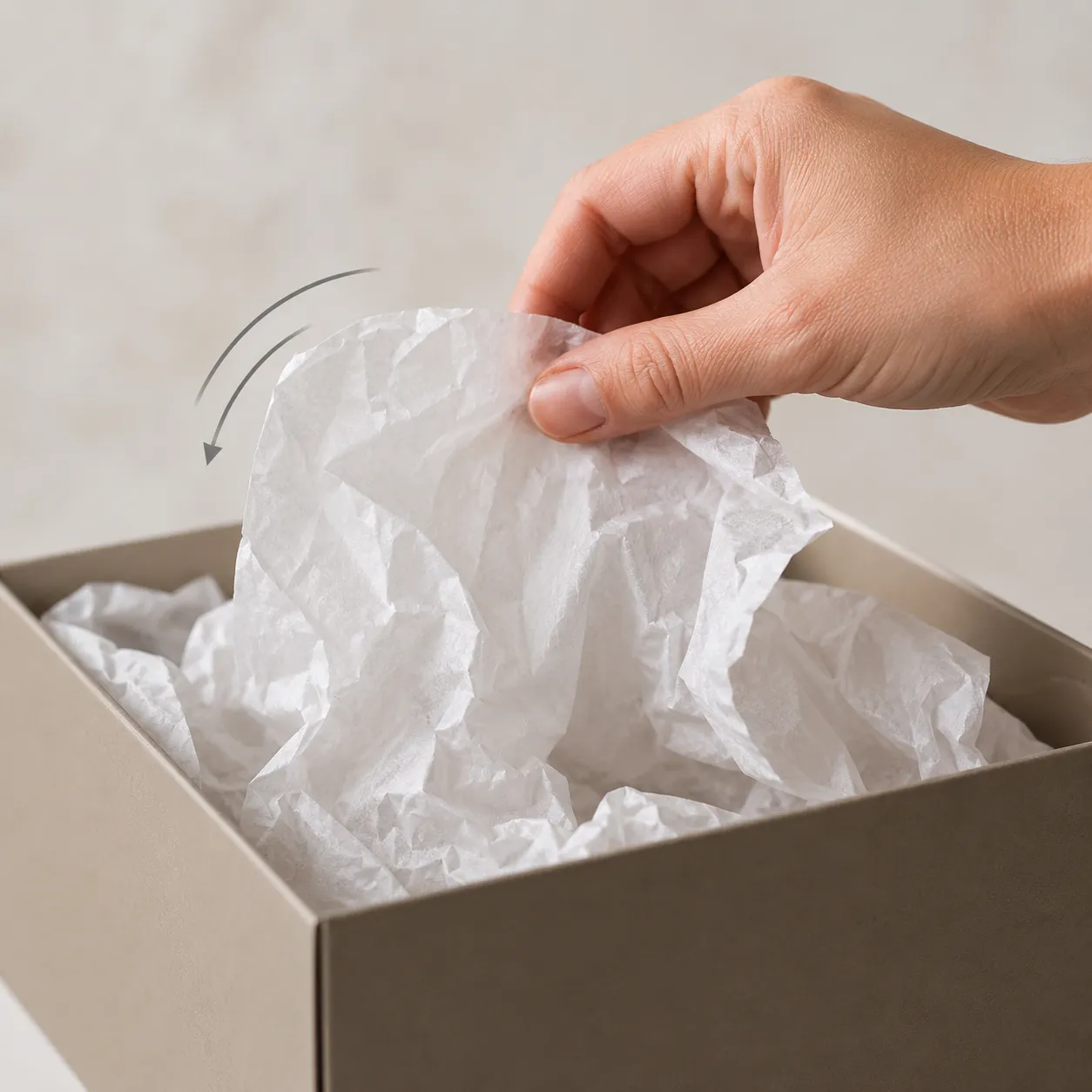
rustleˈrʌsəl
to make a quiet dry sound when leaves, paper, cloth, or similar things move or rub together.
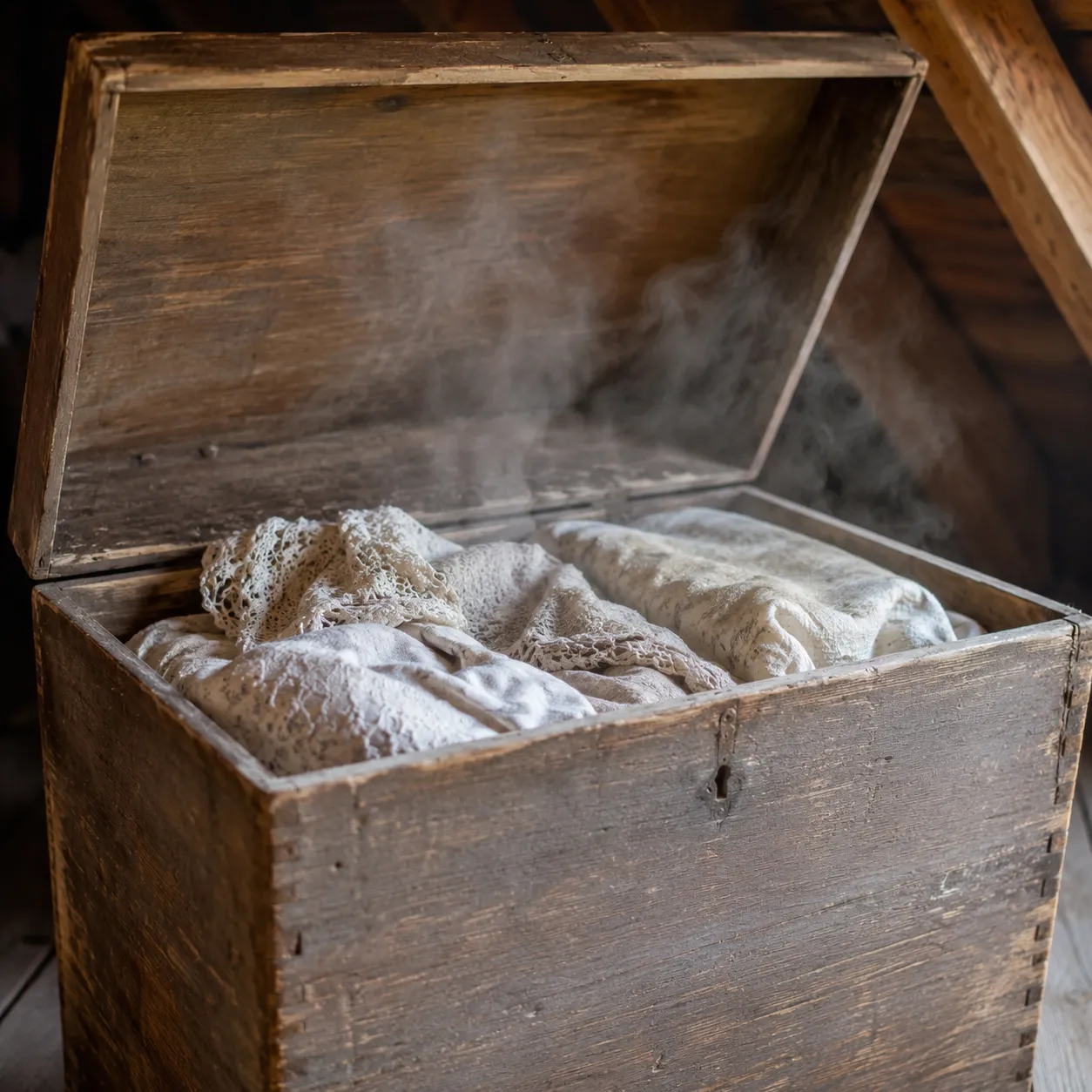
mustinessˈmʌstinəs
a stale, damp smell or quality, often found in old rooms, clothes, or books.
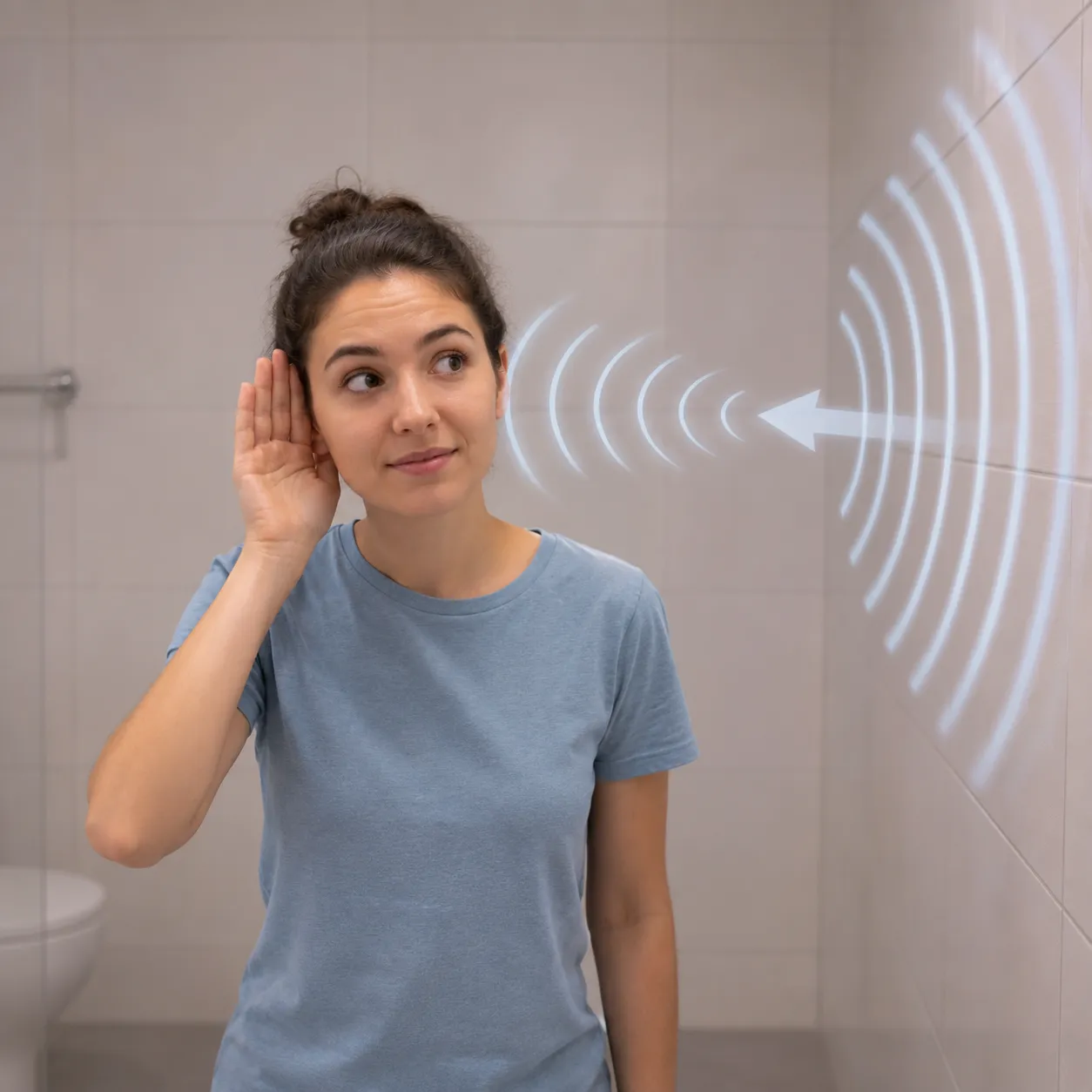
echoˈɛkoʊ
a sound that you hear again after it has bounced off a wall, mountain, or other hard surface.
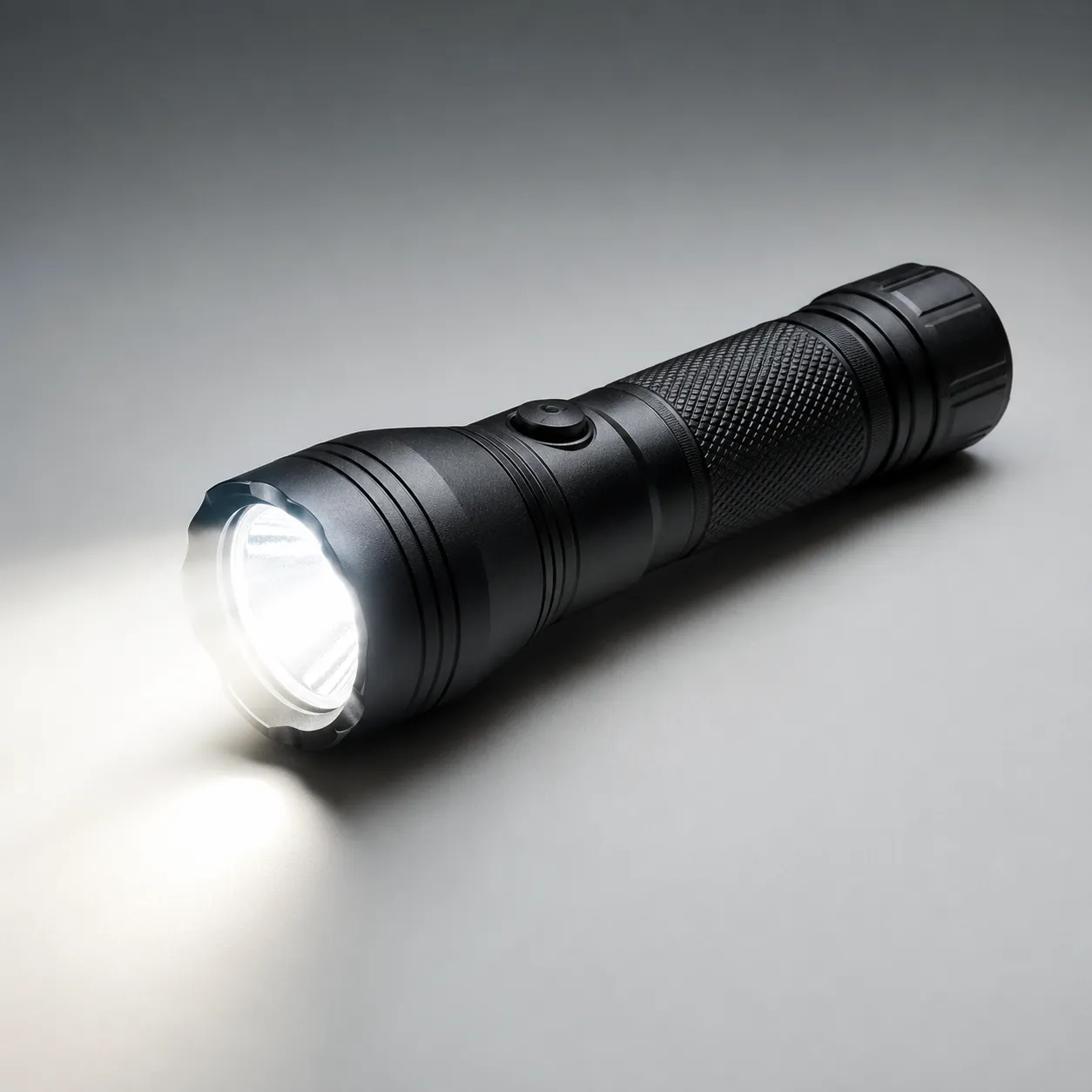
flashlightˈflæʃlaɪt
a small electric light that you can carry in your hand and use when it is dark.
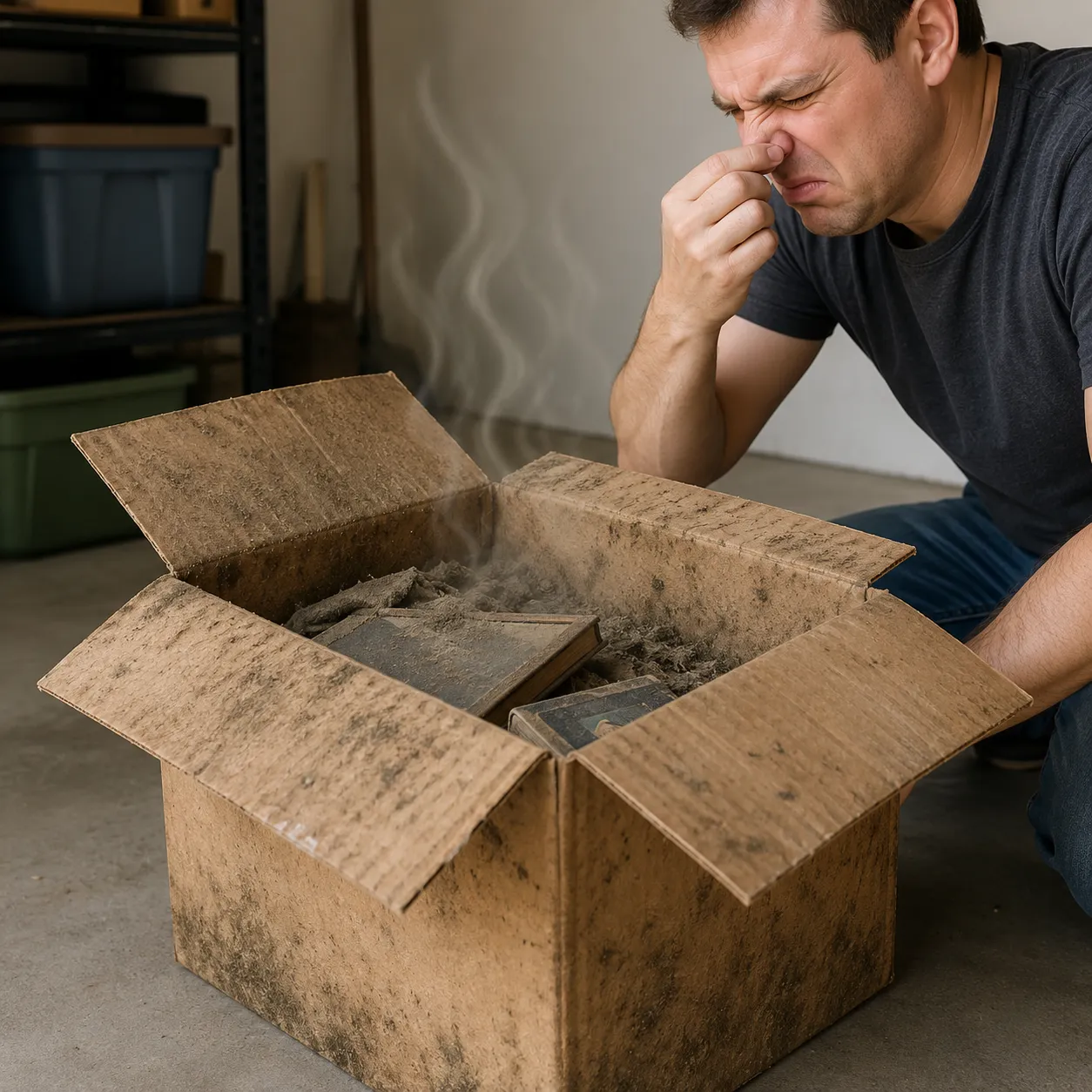
mustyˈmʌsti
smelling old, damp, and not fresh, often because something has been kept in a closed or wet place for a long time.
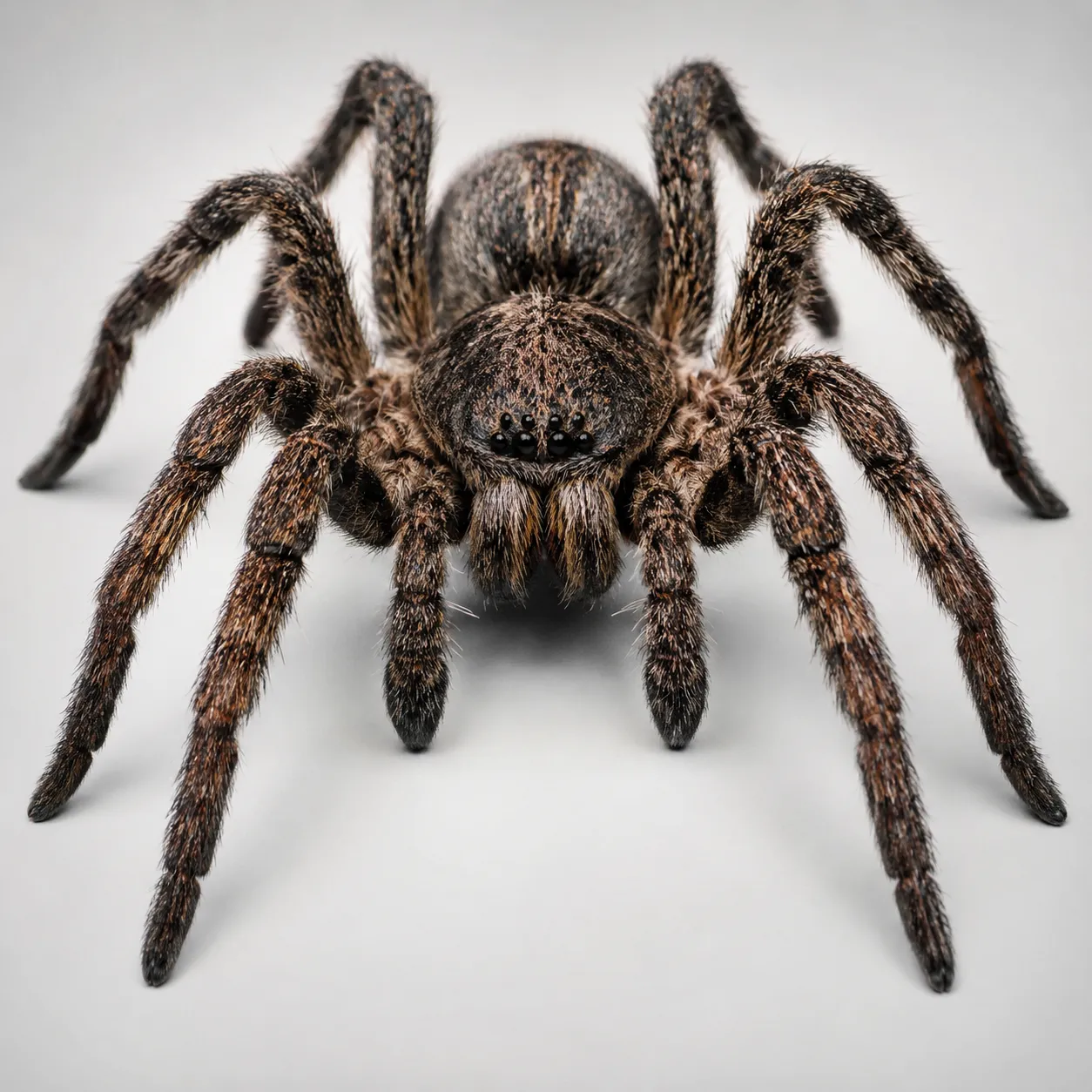
creepyˈkriːpi
making you feel nervous, afraid, or uncomfortable, often in a strange or unpleasant way.
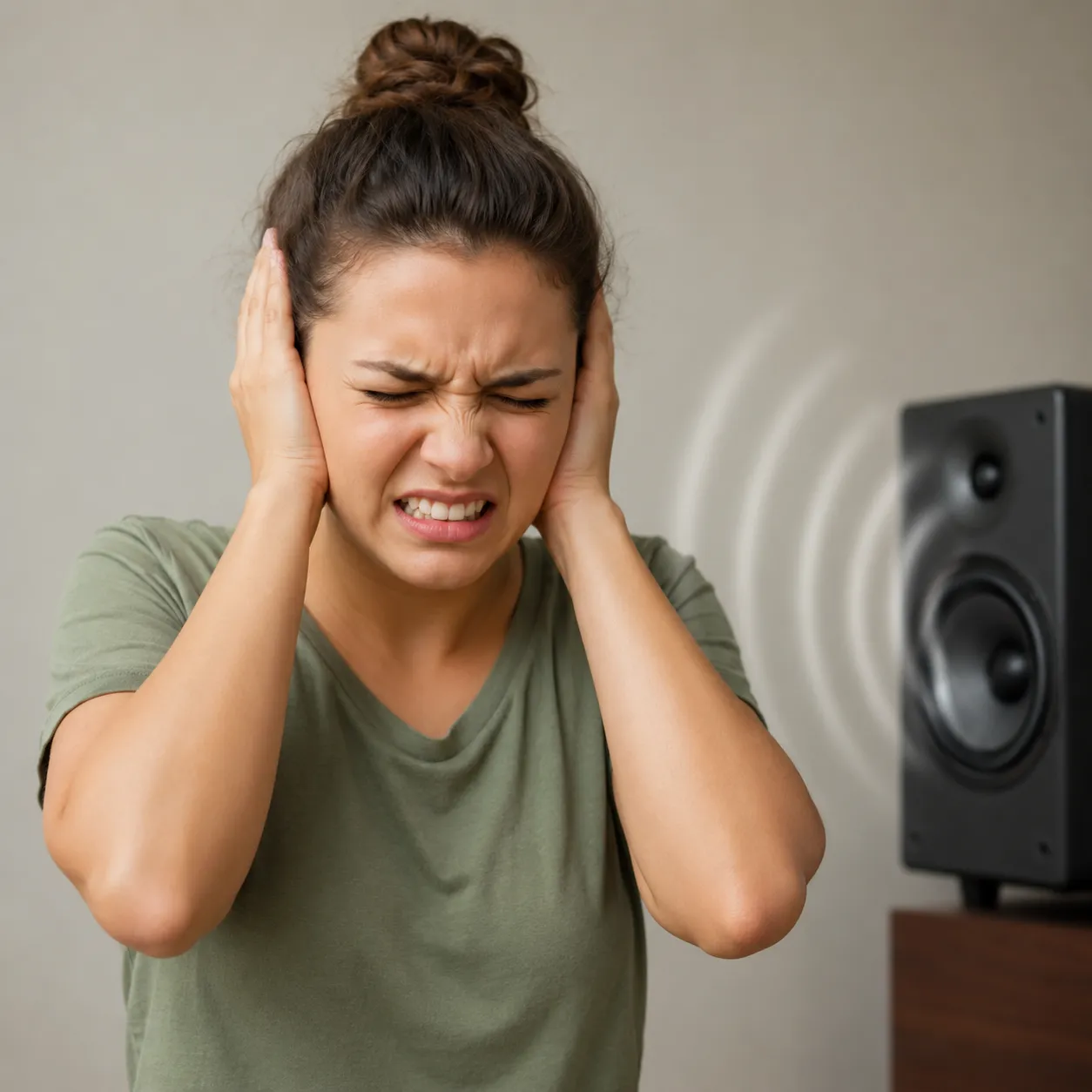
noisyˈnɔɪzi
making a lot of loud or unpleasant sound.

spookyˈspuːki
frightening in a way that makes you think of ghosts, spirits, or other supernatural things.
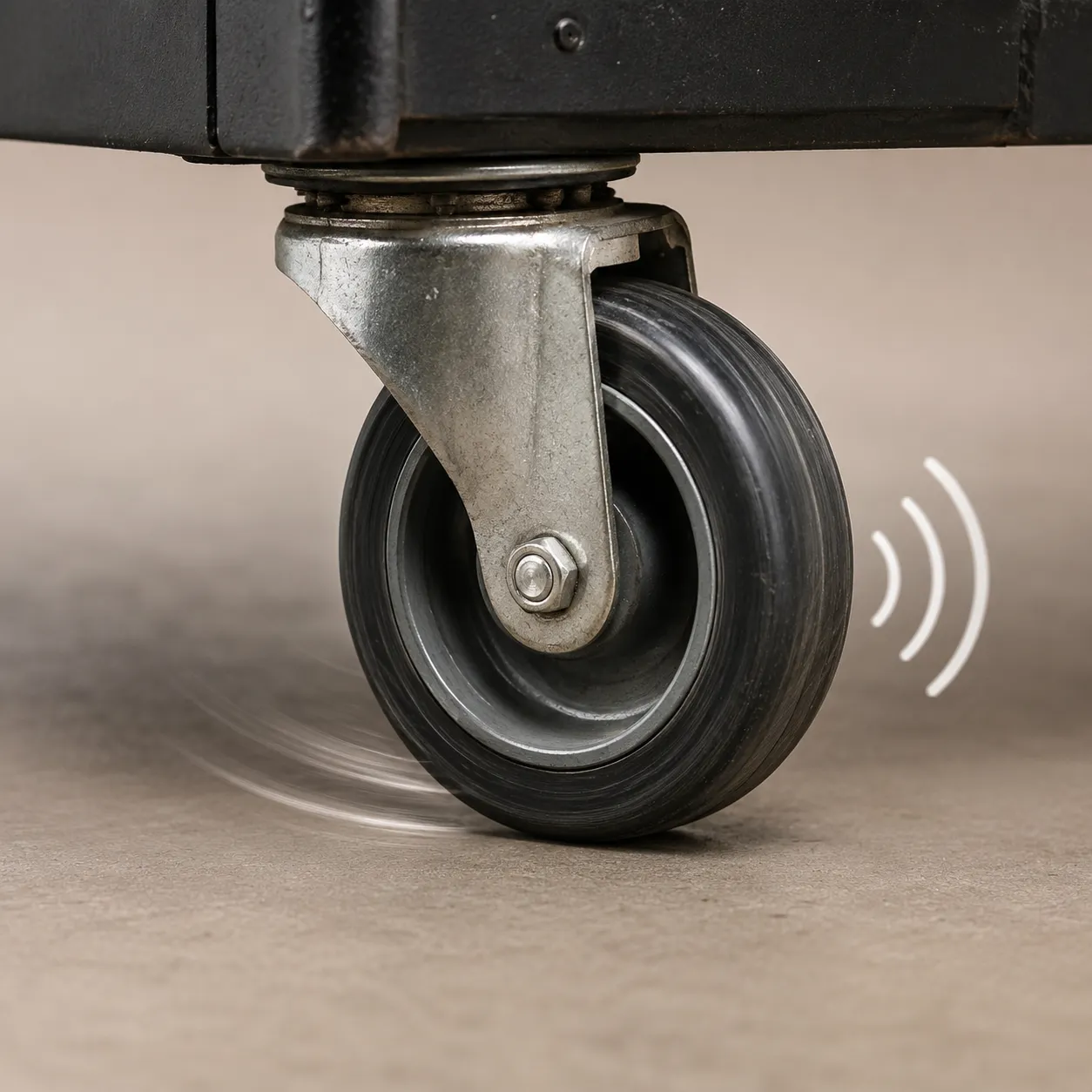
squeakyˈskwiːki
making a short, high sound, often when rubbed, pressed, or moved.
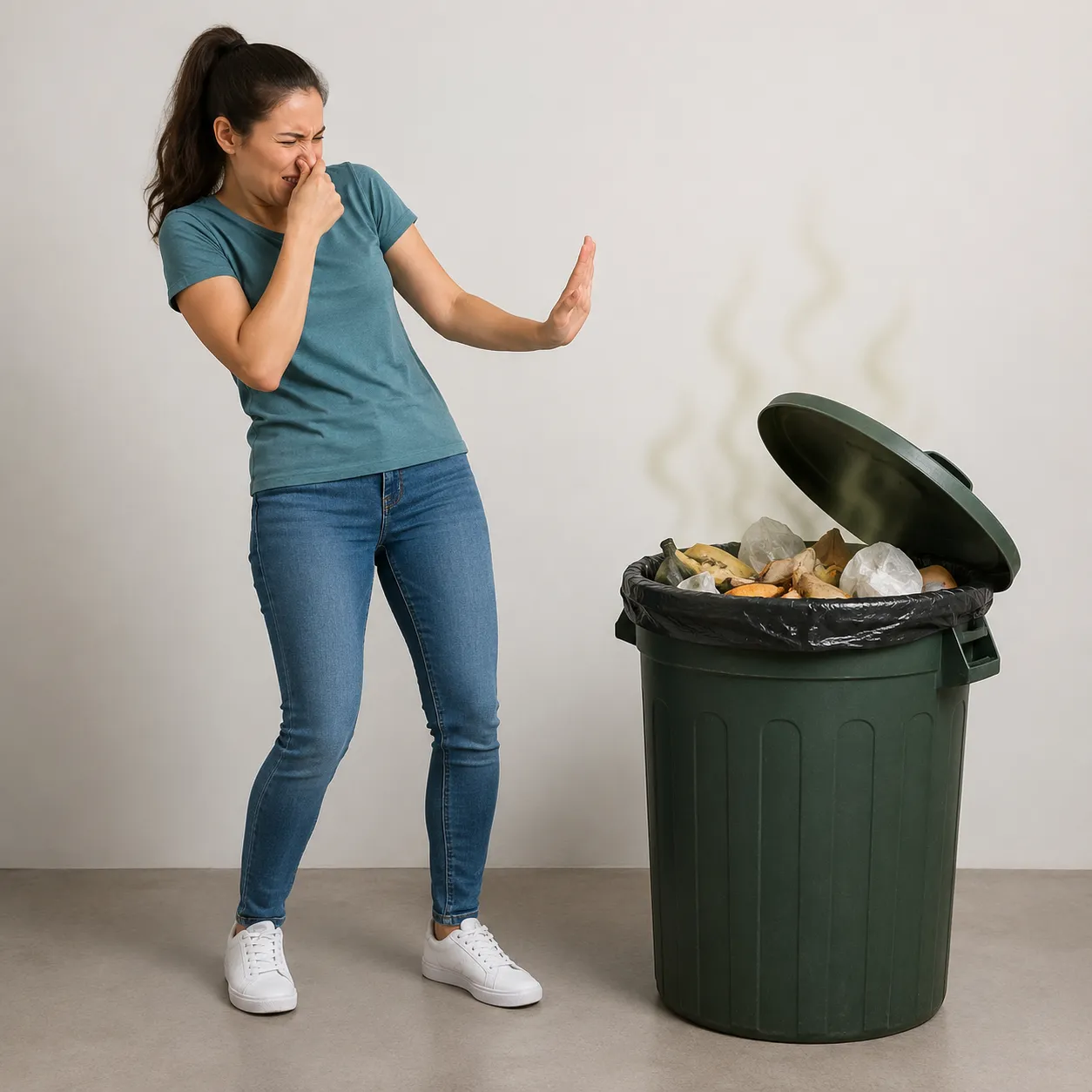
odorˈoʊdər
a particular smell, especially an unpleasant one
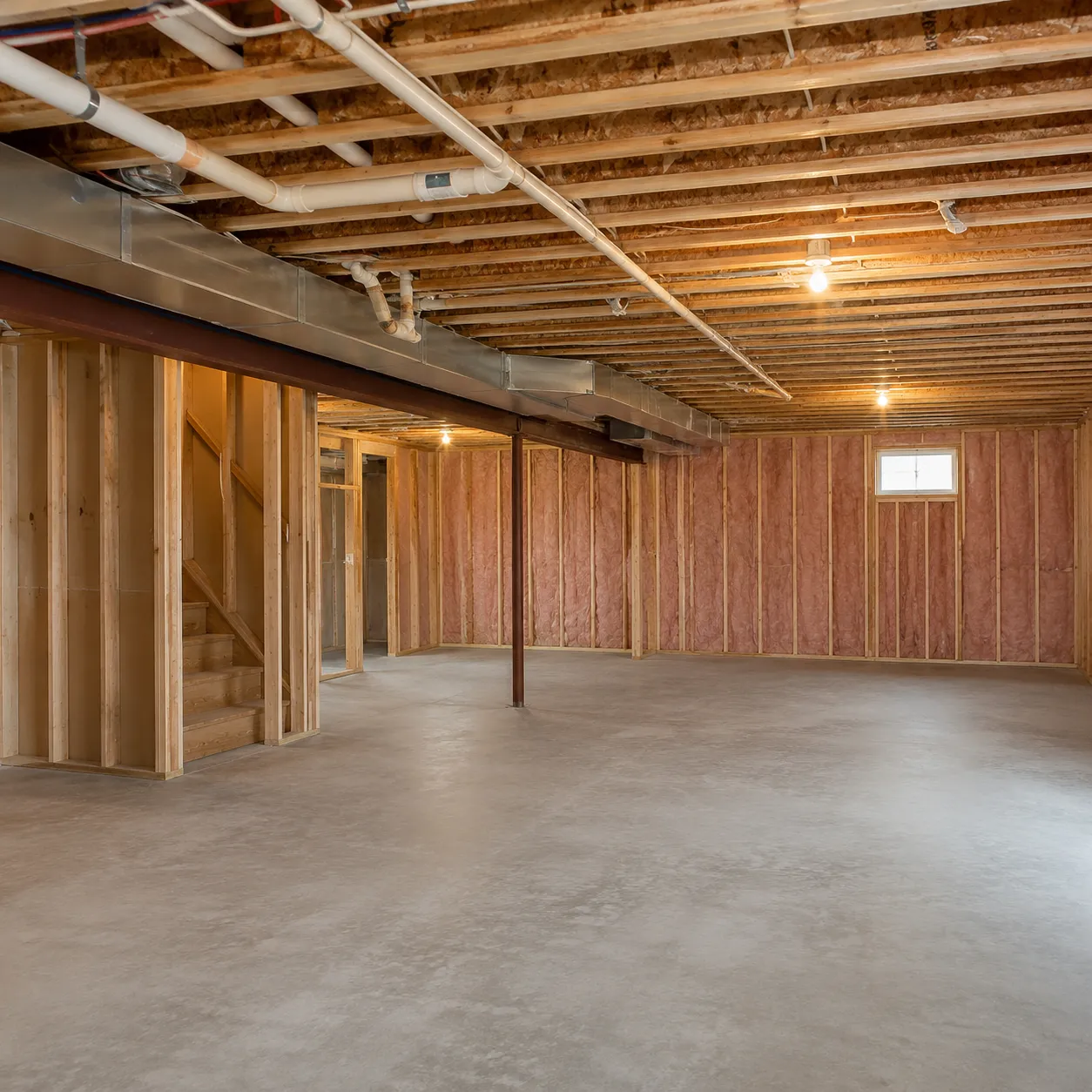
unfinishedʌnˈfɪnɪʃt
not complete or not yet done completely.
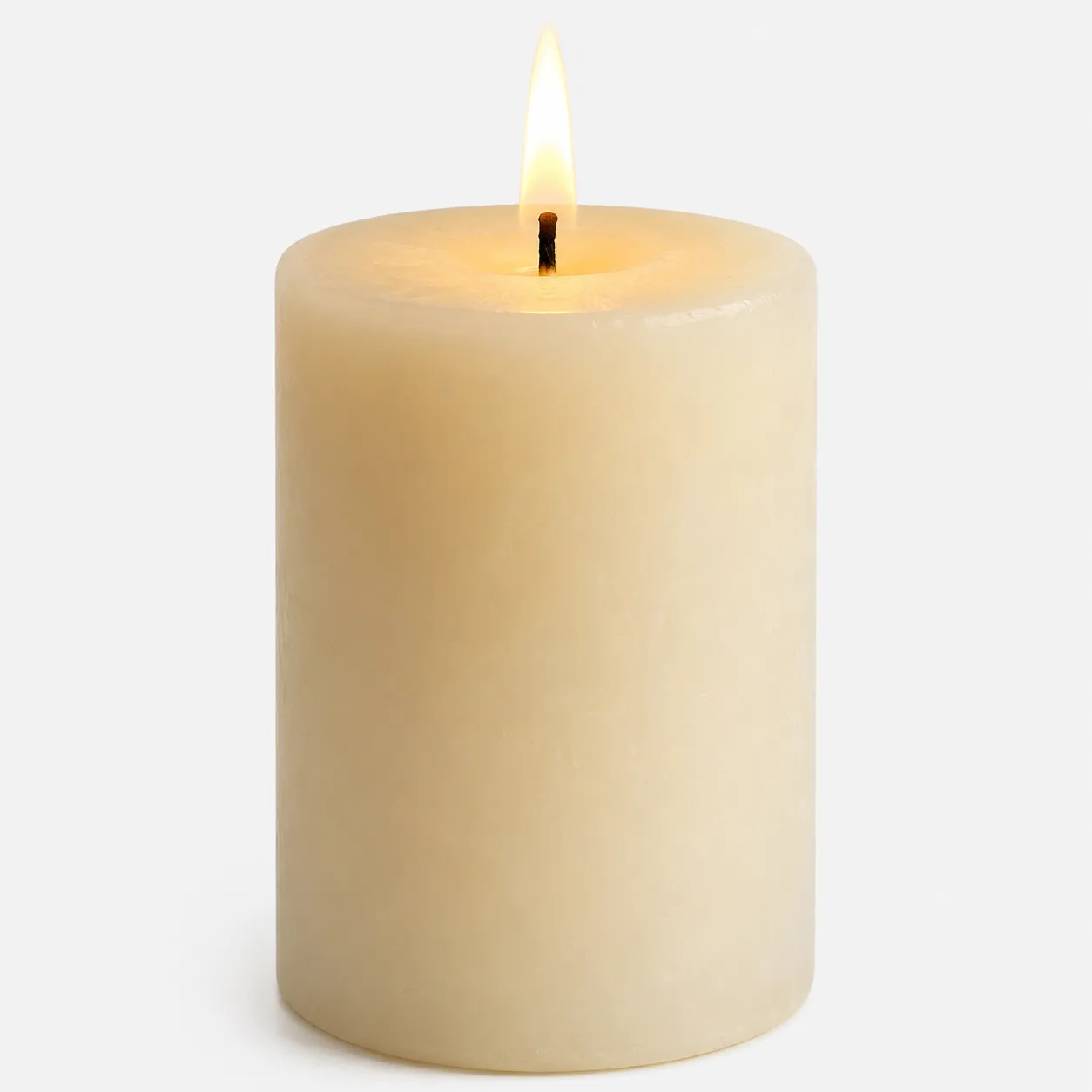
candleˈkændəl
a stick of wax with a string through the middle that you light to give light or a pleasant smell.
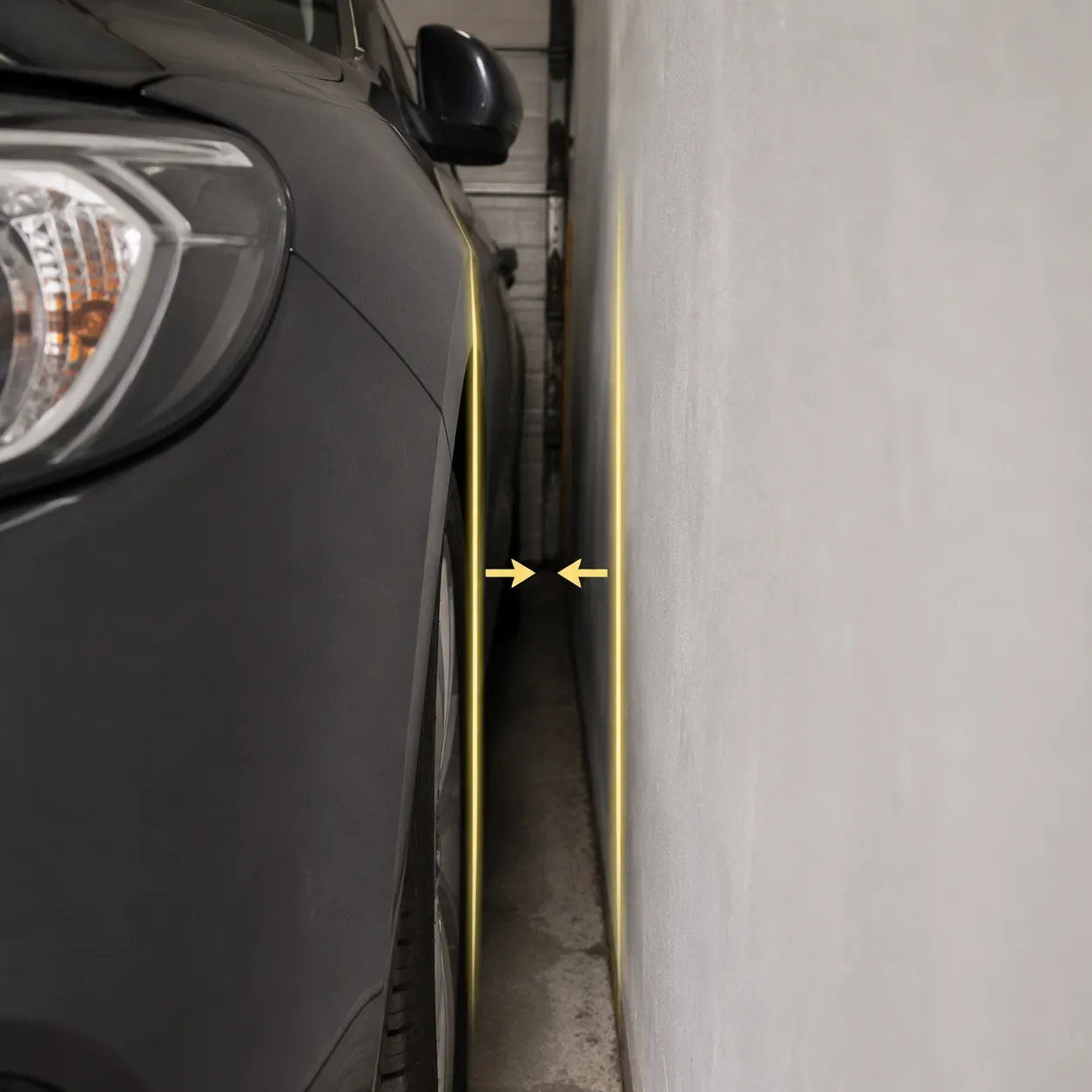
narrowˈnæroʊ
not wide, with little distance from one side to the other.
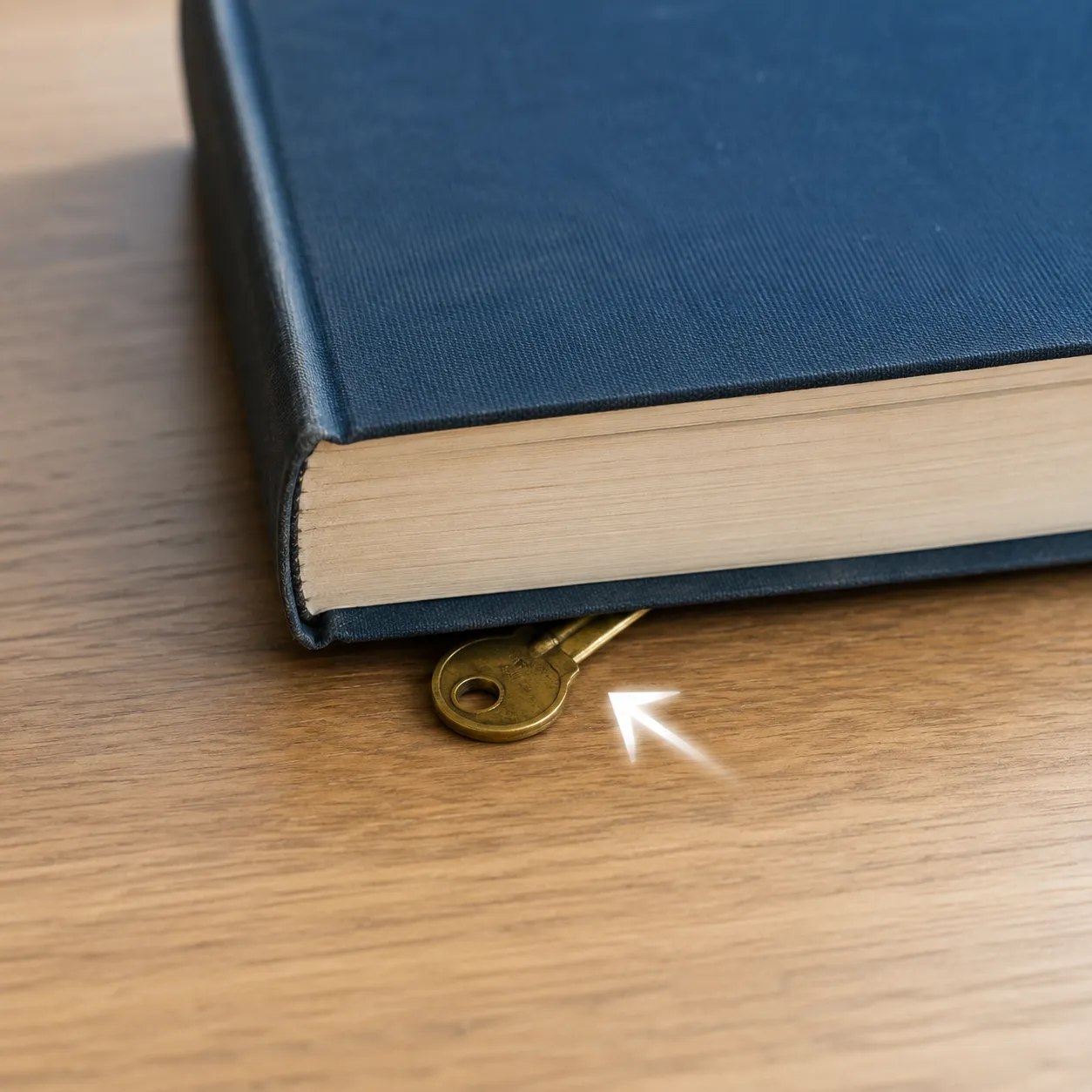
hiddenˈhɪdən
kept where people cannot see or find it easily.
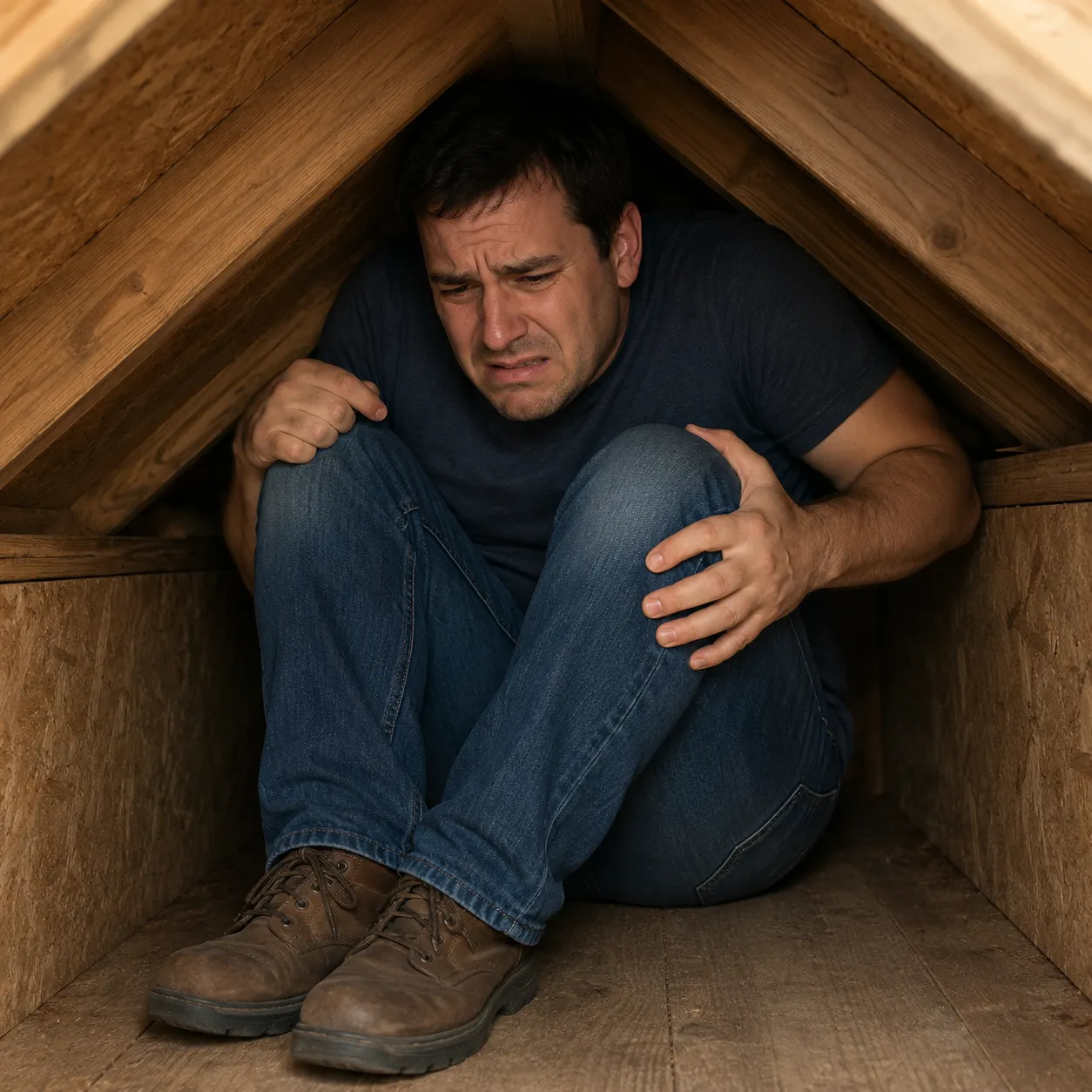
crampedkræmpt
too small or crowded to be comfortable.
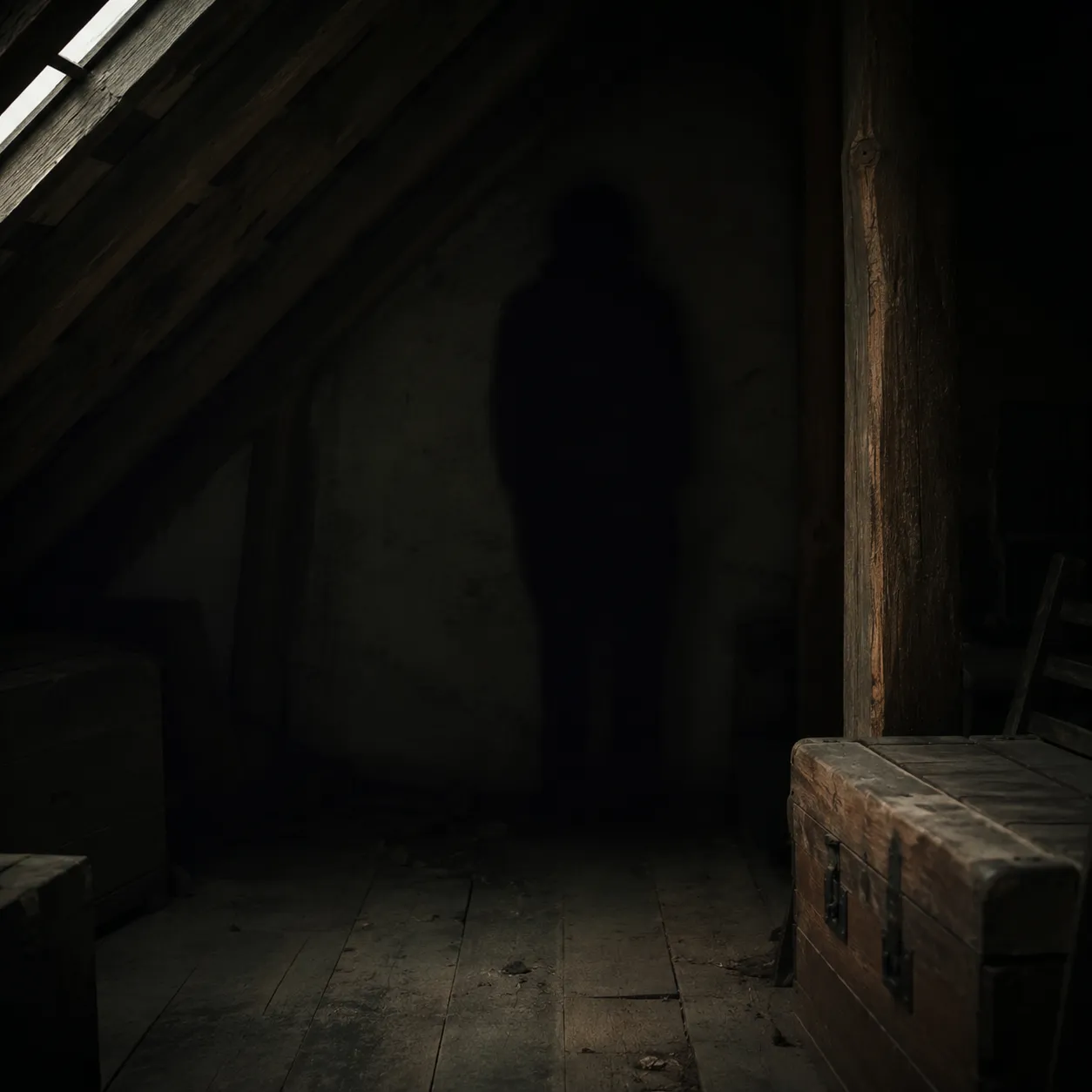
shadowyˈʃædoʊi
full of shadows, so that things are dark or not easy to see clearly.
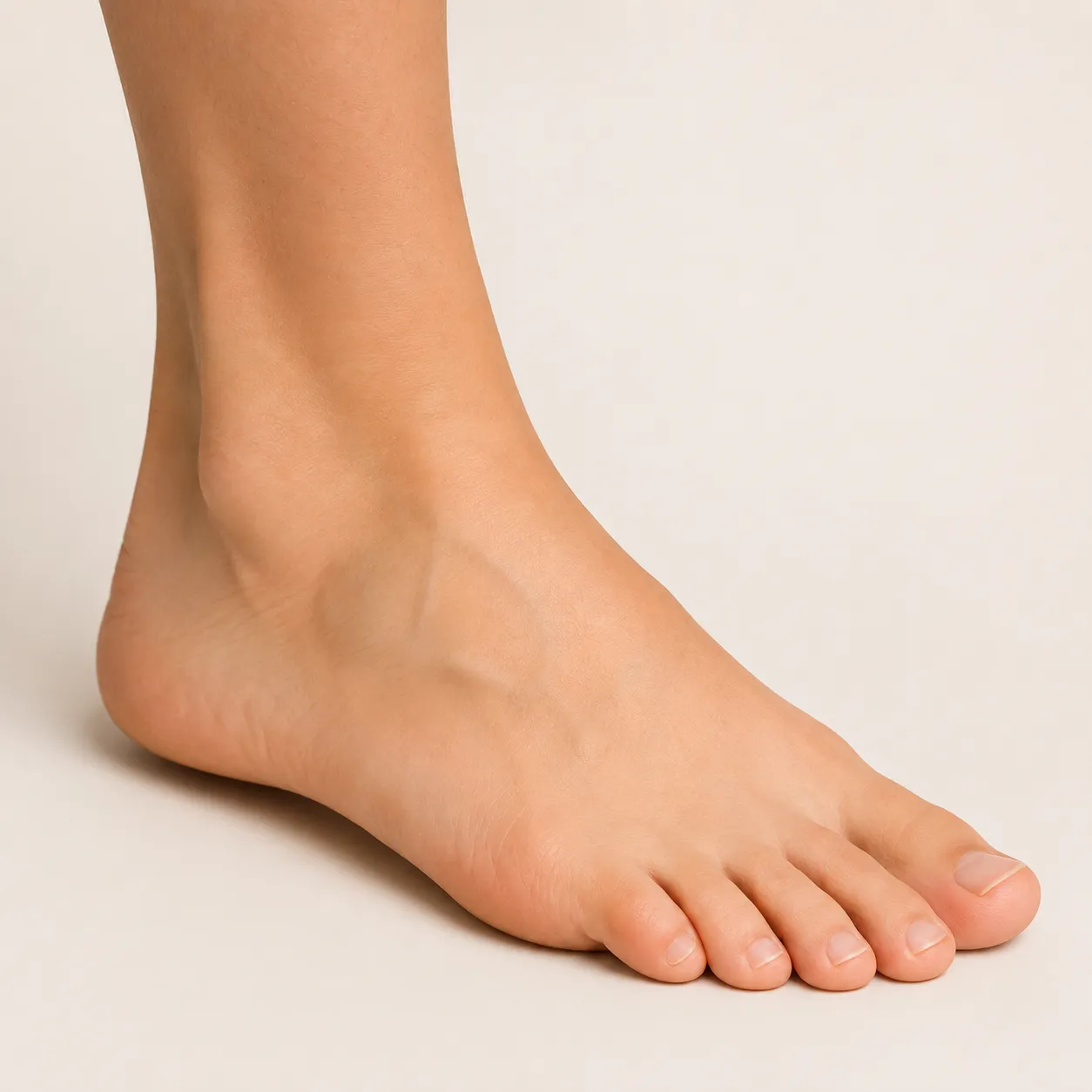
bareber
not covered by clothes, leaves, paint, or anything else that is usually there.
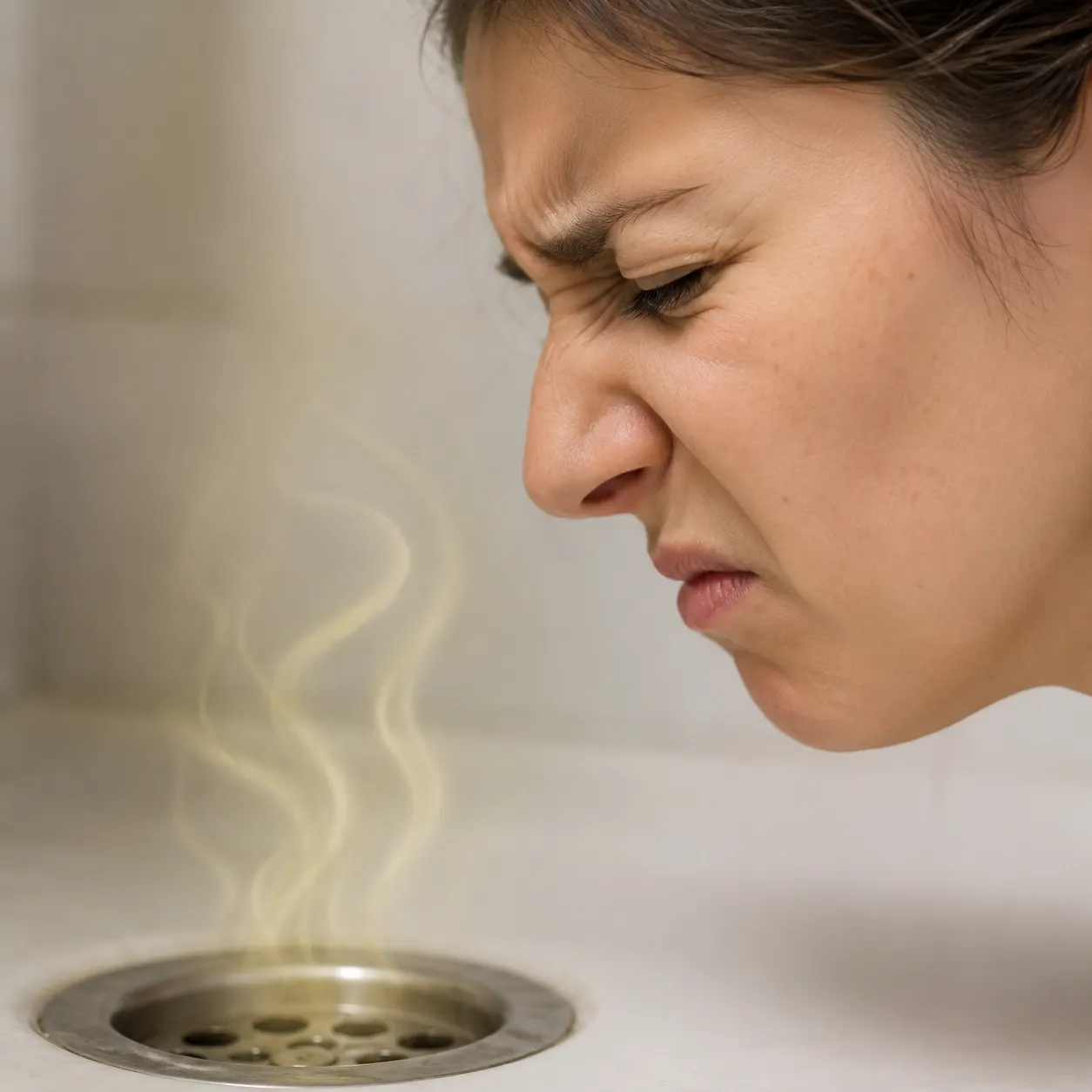
smellsmɛl
the quality of something that you notice with your nose, which can be pleasant or unpleasant.
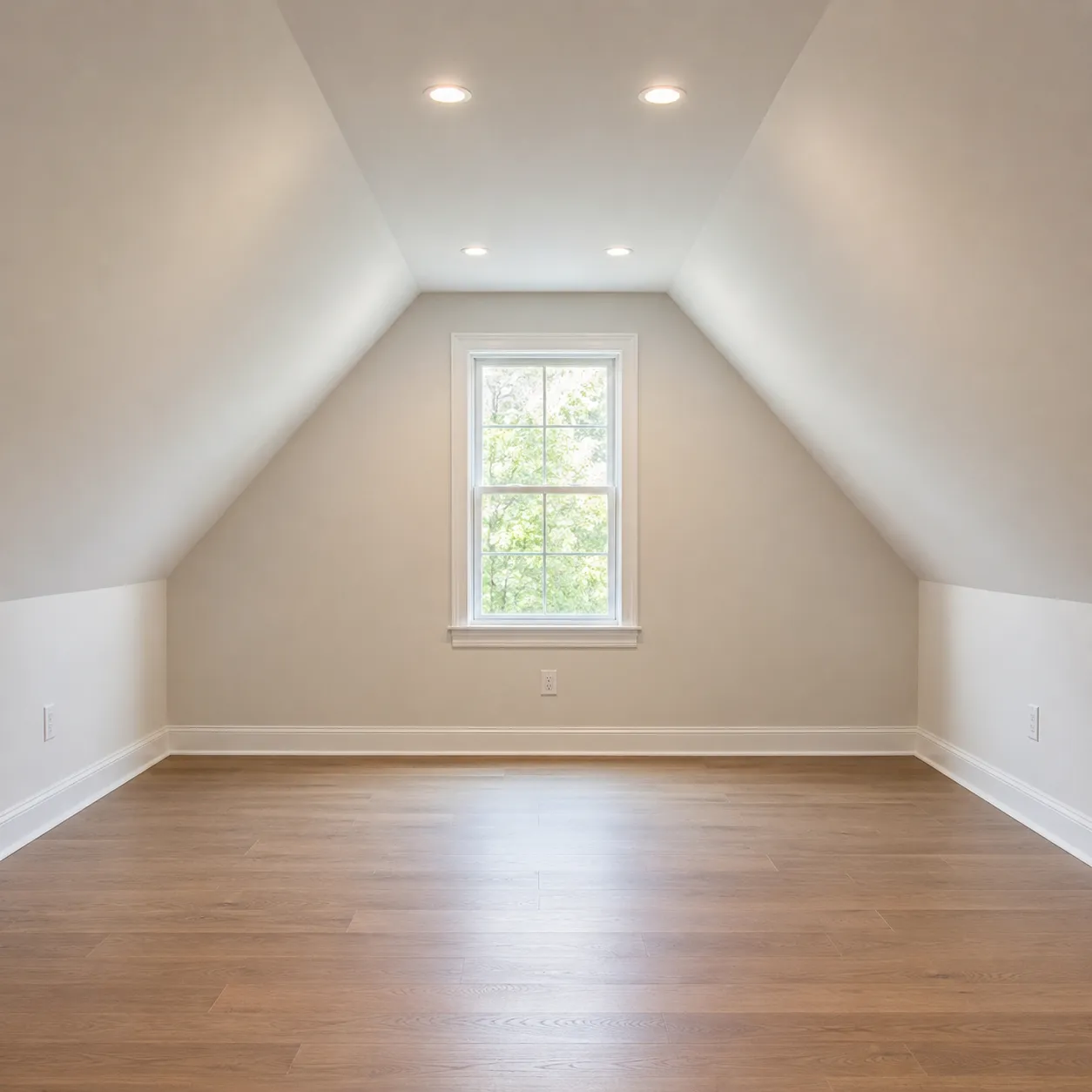
finishedˈfɪnɪʃt
completed or ended, so that there is nothing more to do.
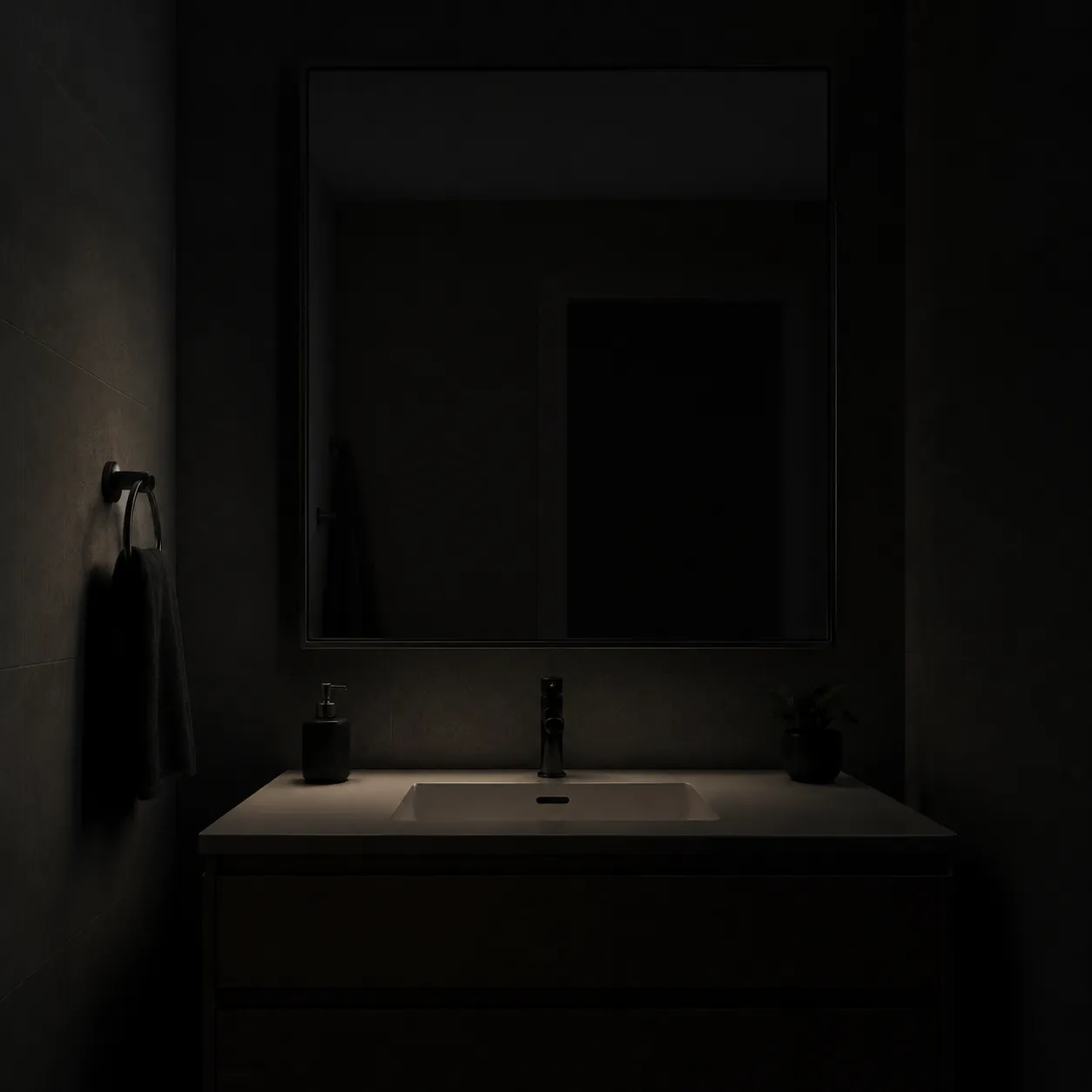
darkdɑːrk
having little or no light, so it is difficult to see.
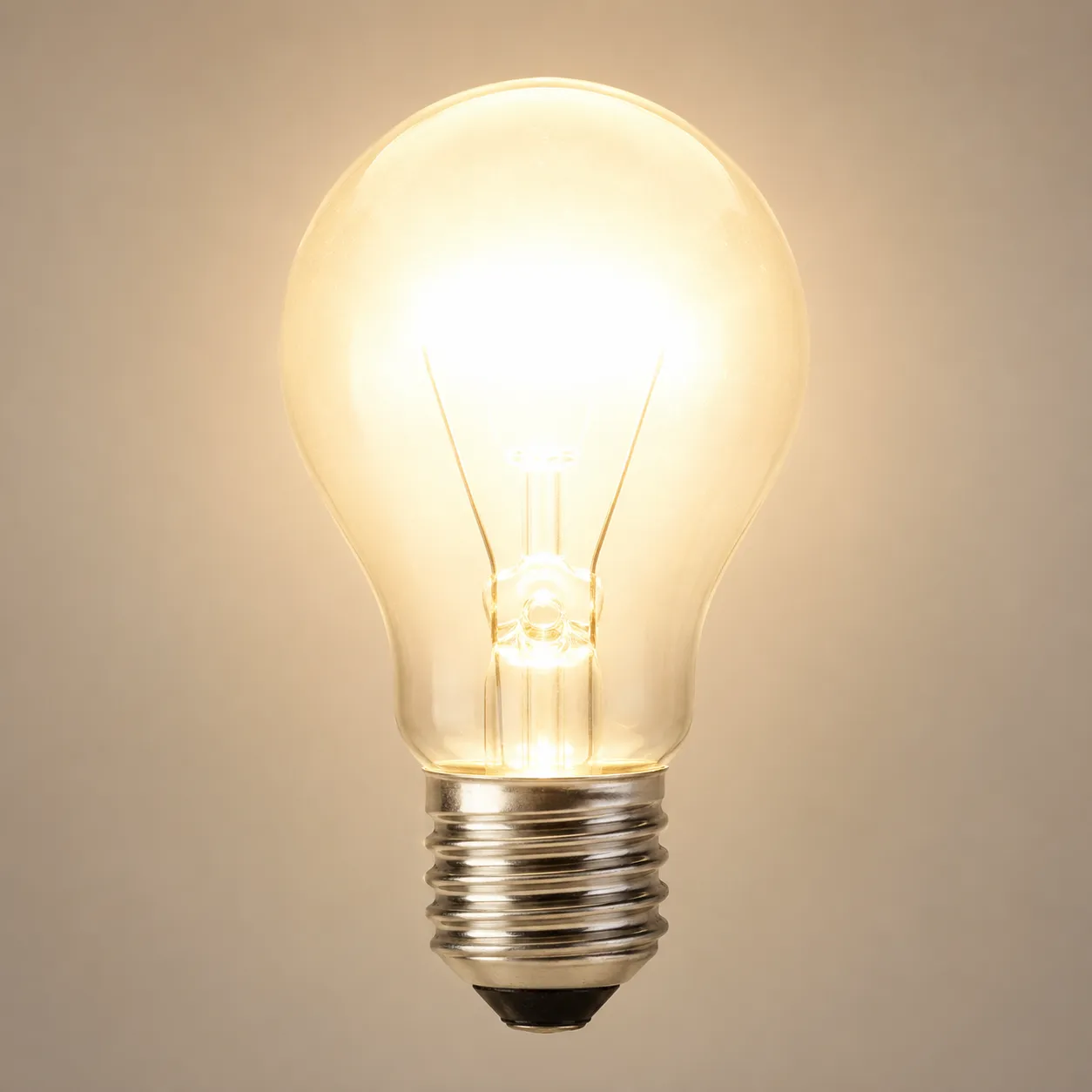
brightbraɪt
full of light or having a strong, clear color
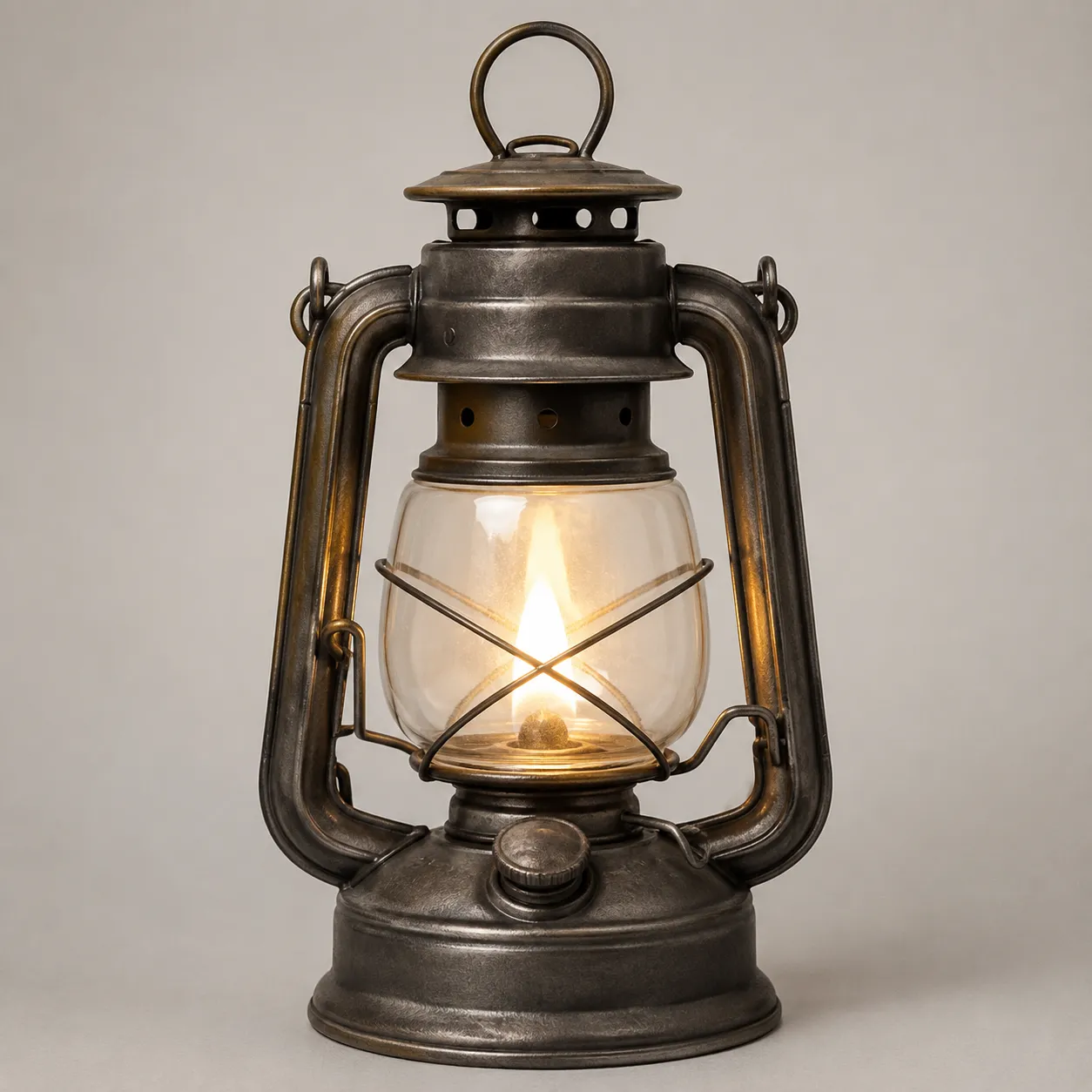
lanternˈlæntərn
a lamp that you can carry or hang, usually with a cover around the light to protect it from wind or damage.
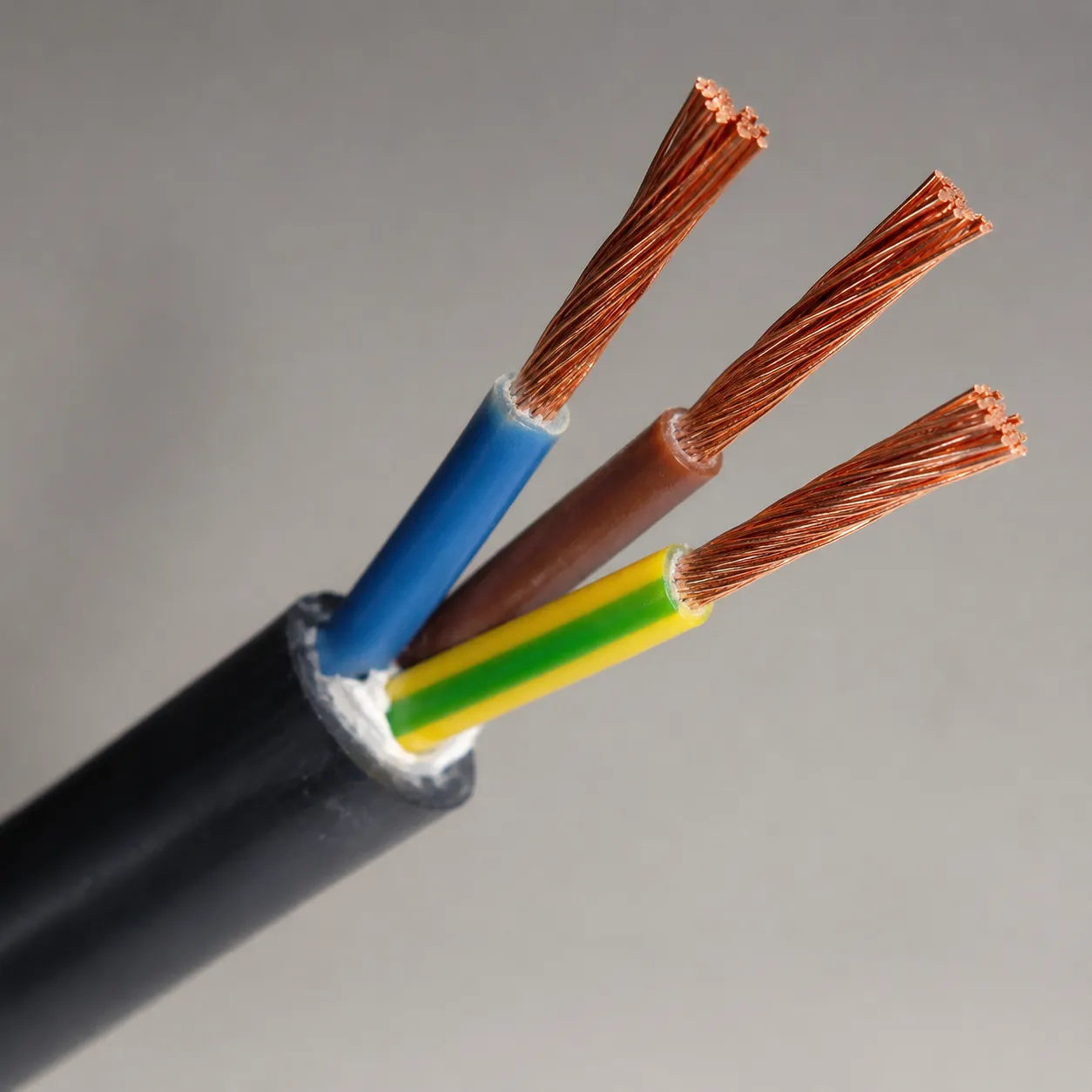
exposedɪkˈspoʊzd
not covered or protected from danger, bad weather, or being seen.
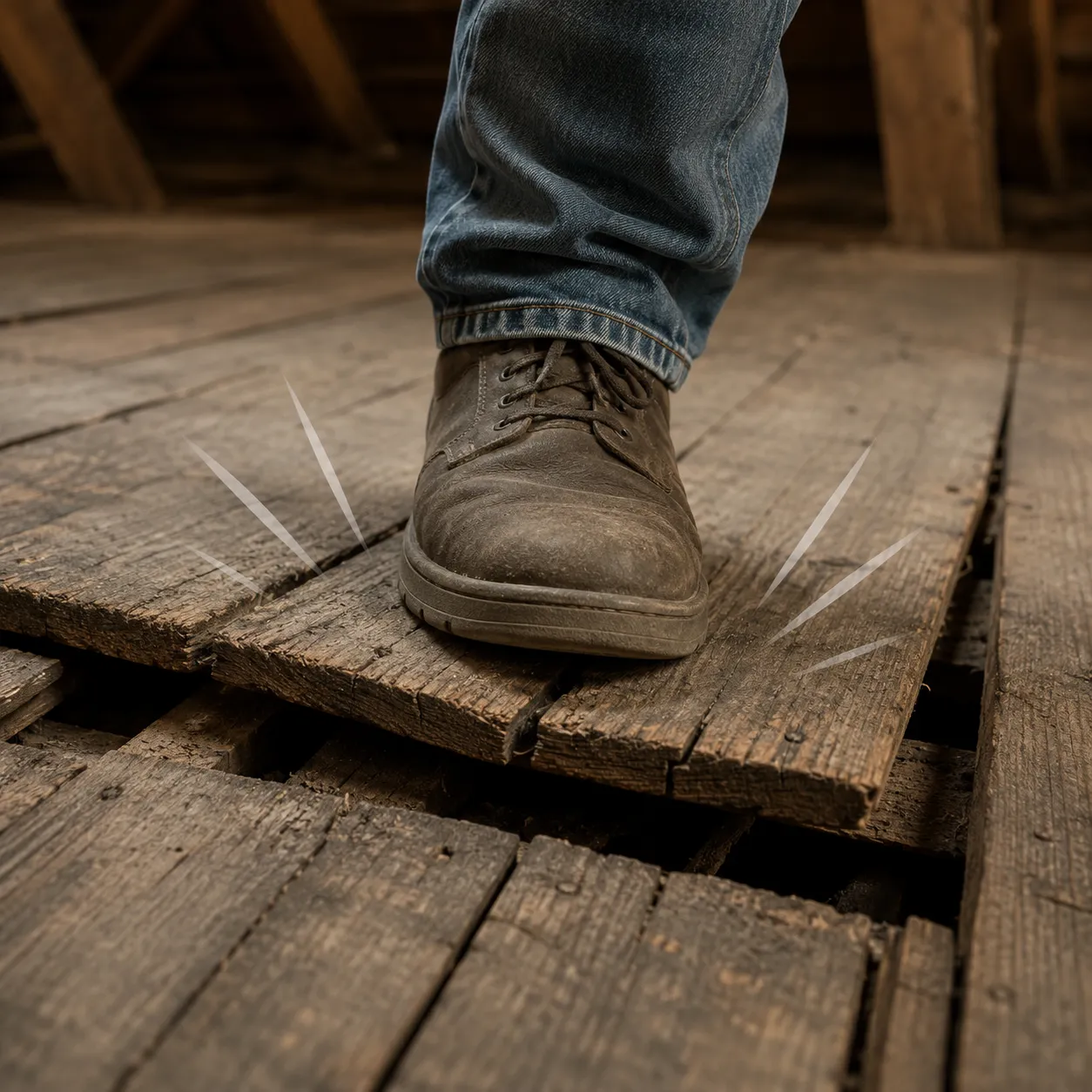
creakyˈkriːki
making a long, high noise when moving, opening, or being used, like an old door or floor.
unusedˌʌnˈjuːzd
not used yet, or not being used now.
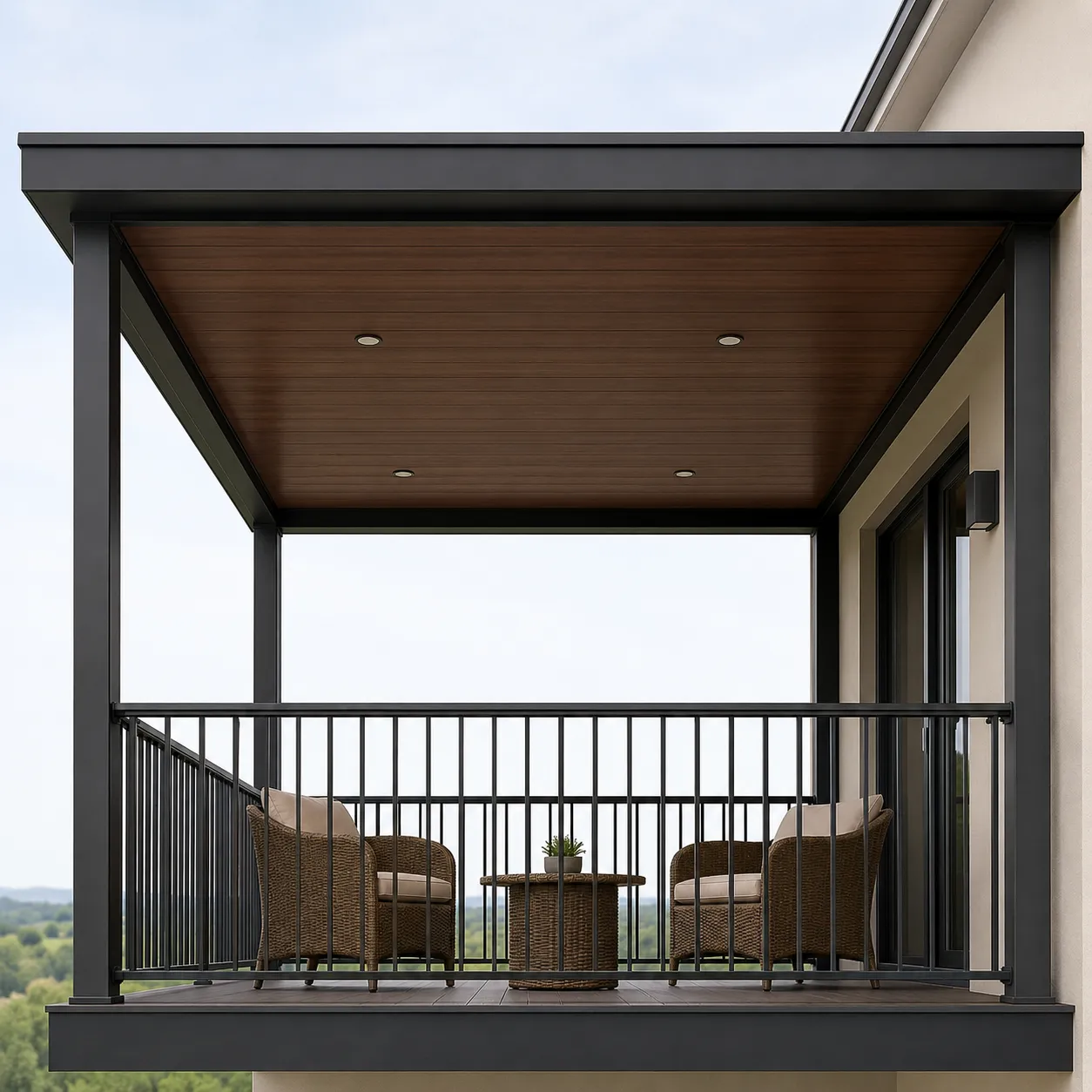
coveredˈkʌvərd
having something over it, on it, or above it as protection or to hide it.
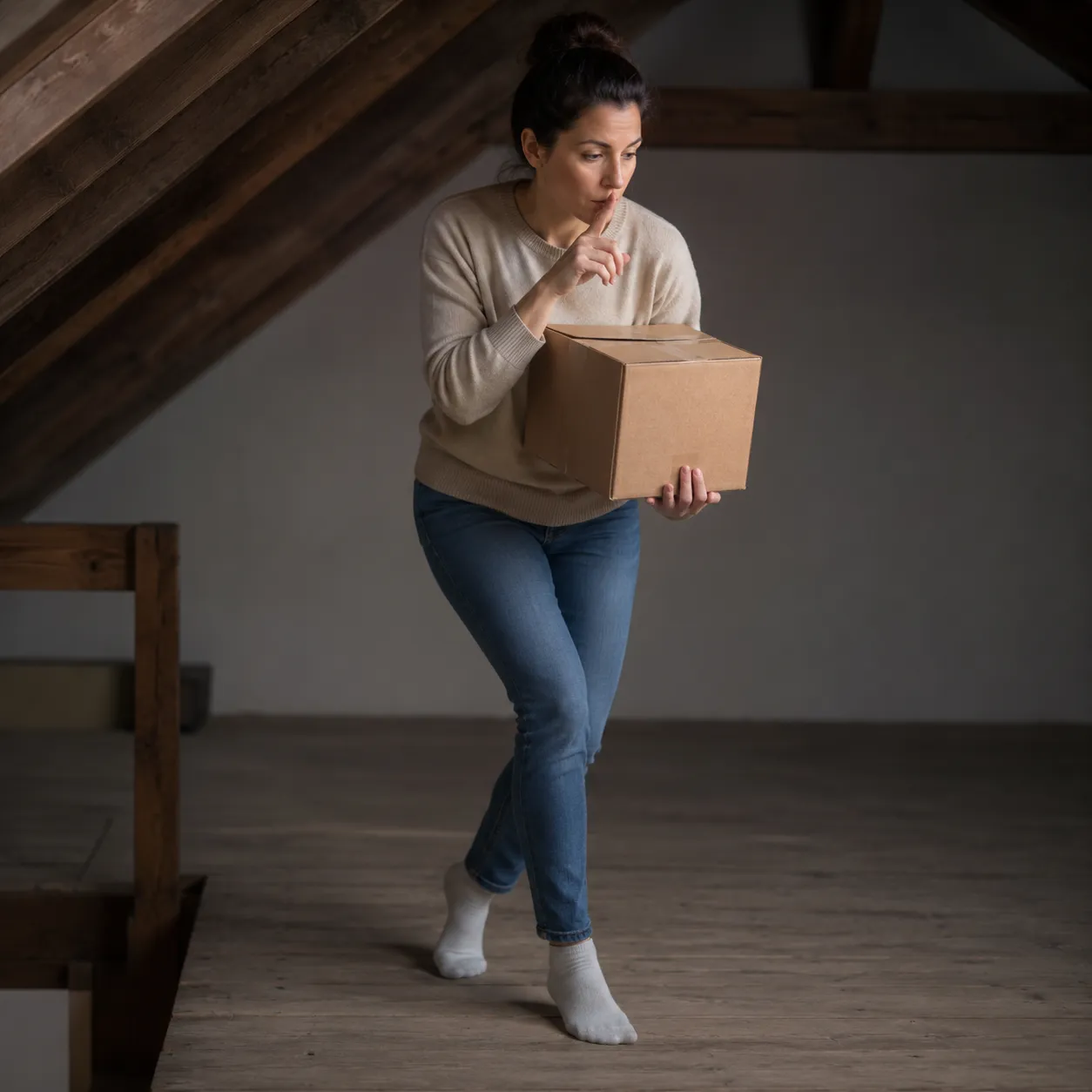
quietlyˈkwaɪətli
with little or no noise.
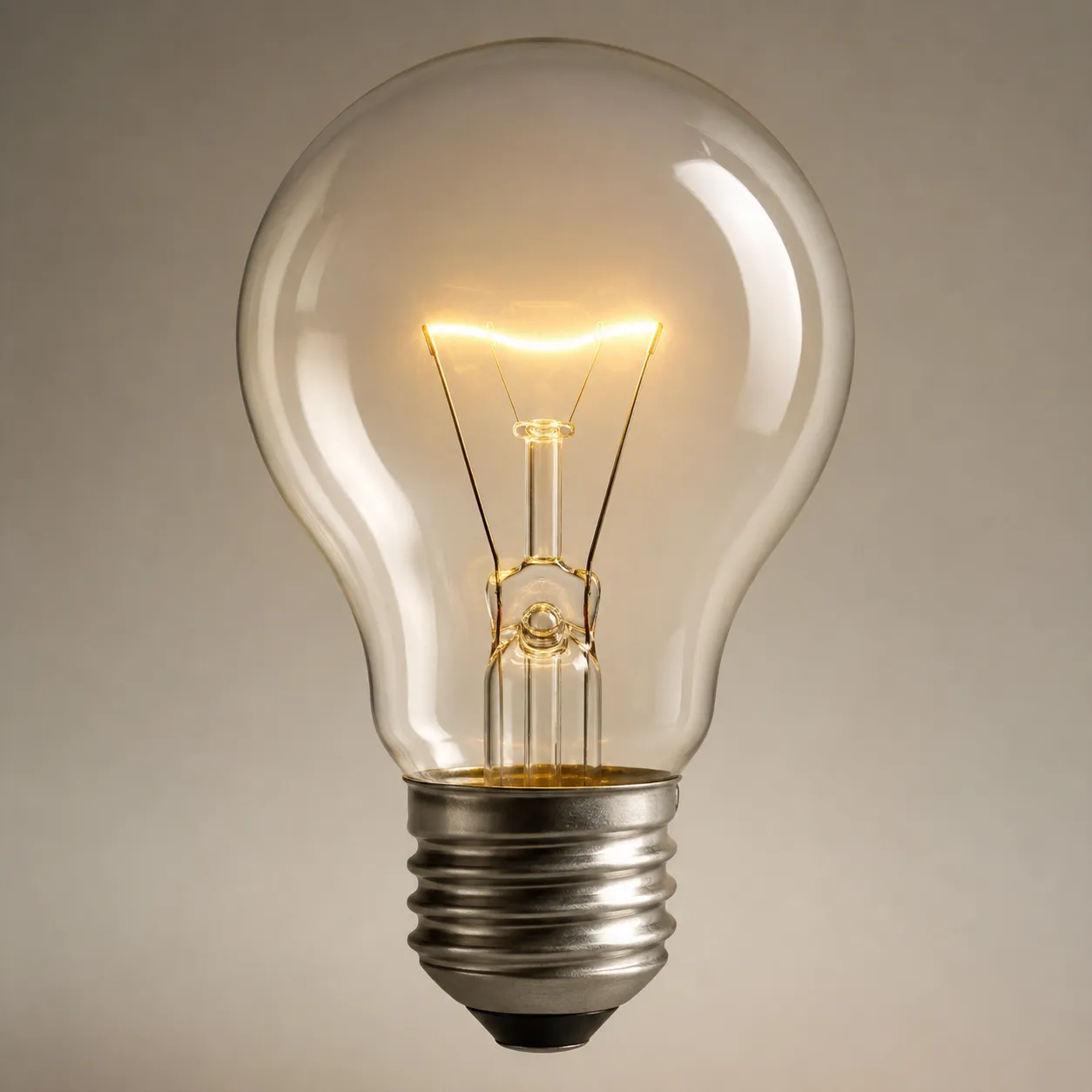
light bulbˈlaɪt bʌlb
a glass object that fits into a lamp or ceiling light and produces light when electricity passes through it.

old lampˌoʊld ˈlæmp
a device that gives light, especially one standing on a table or floor, and has been used or kept for a long time.
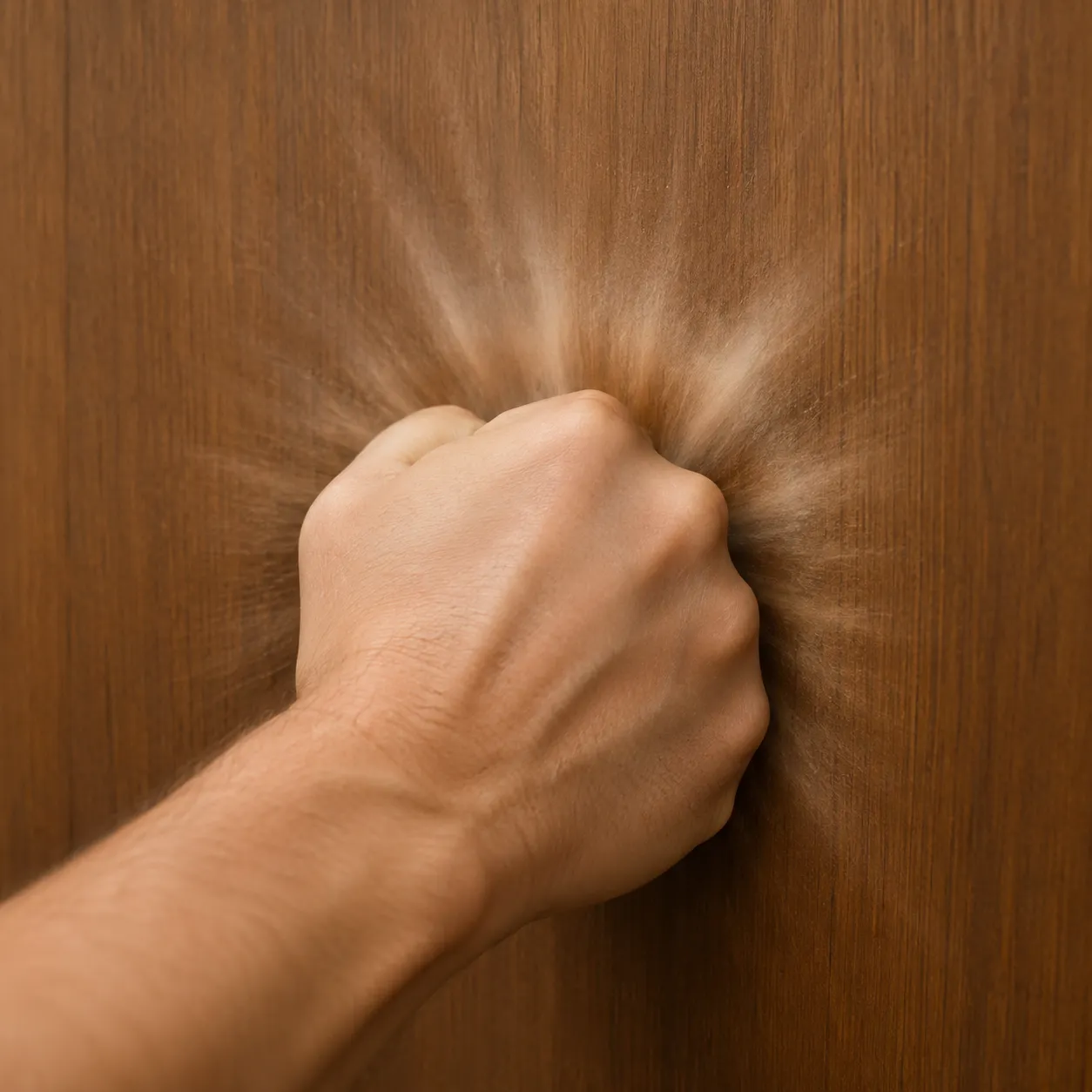
thumpθʌmp
a low heavy sound made when something hits or falls against a surface.
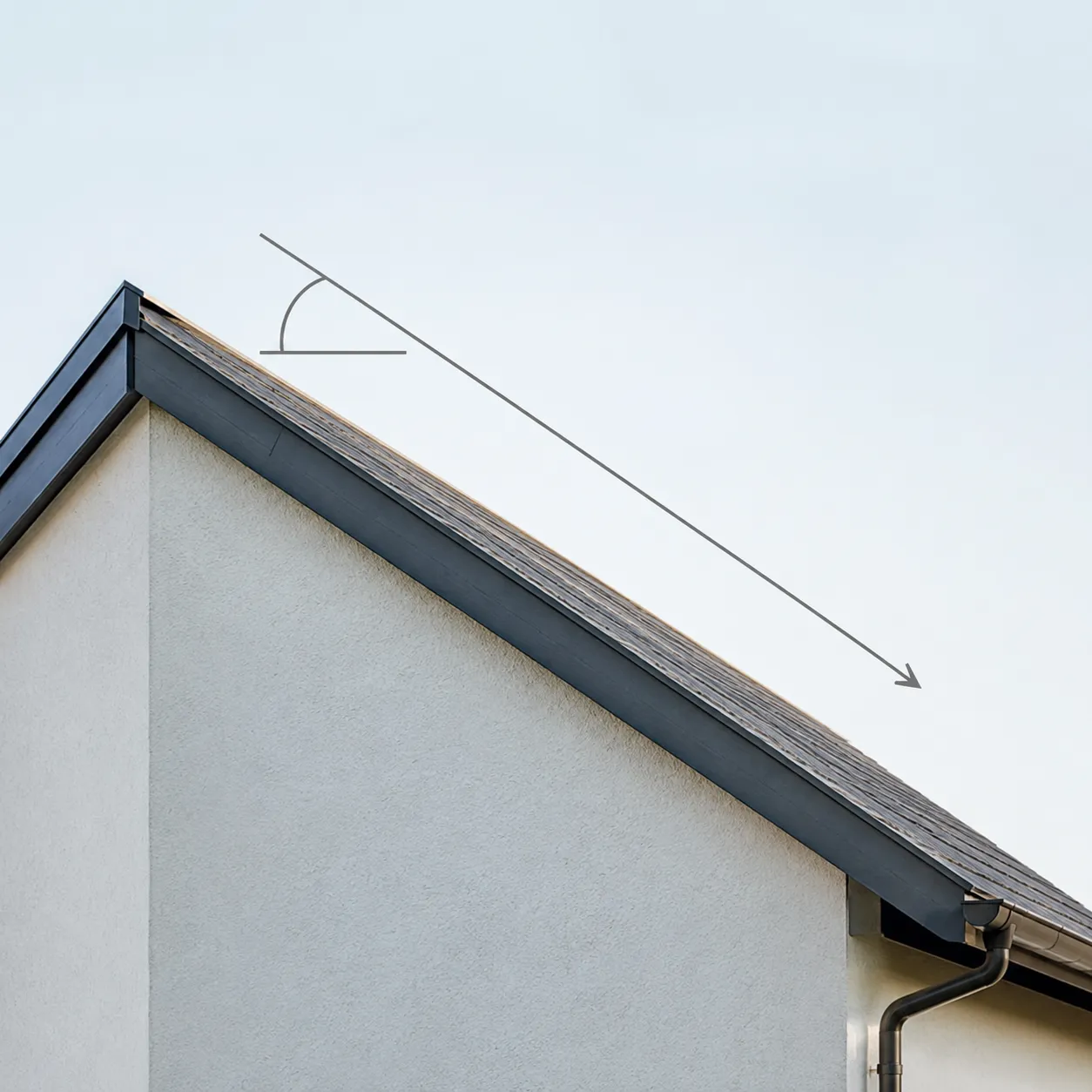
slopedsloʊpt
rising or falling at an angle instead of being flat or level.
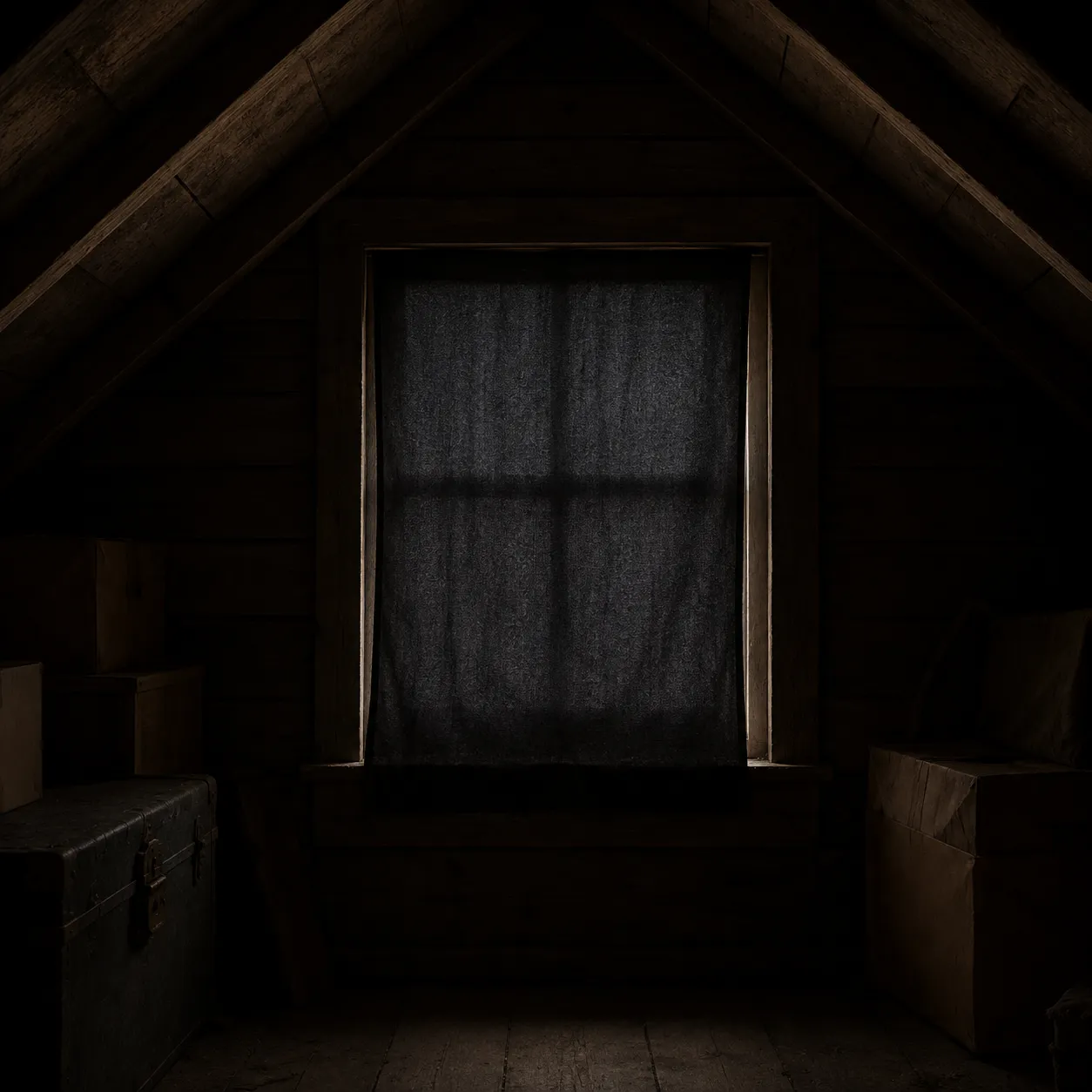
darkenedˈdɑːrkənd
made darker or having less light than before or than usual.
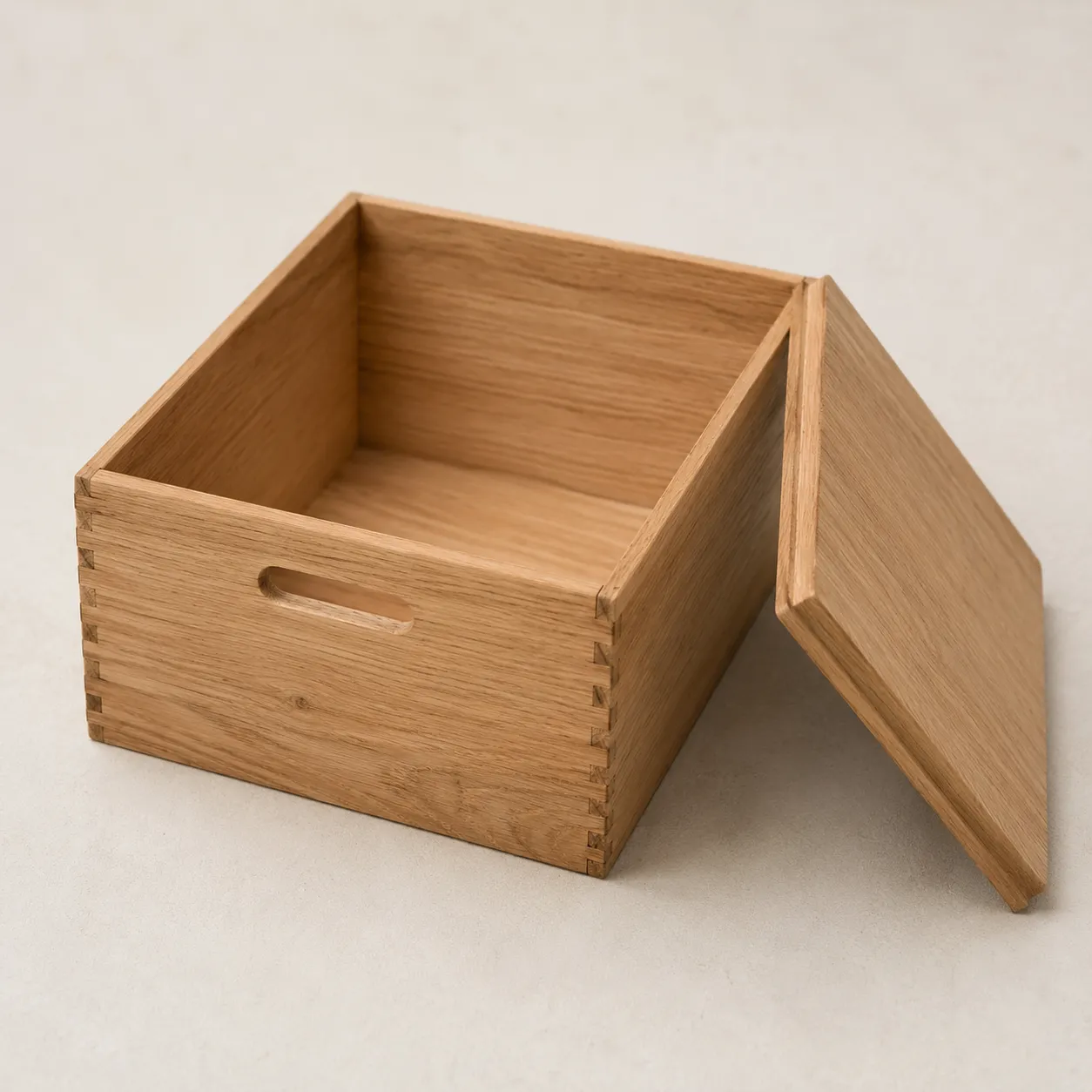
uncoveredʌnˈkʌvɚd
not covered, hidden, or protected by anything.
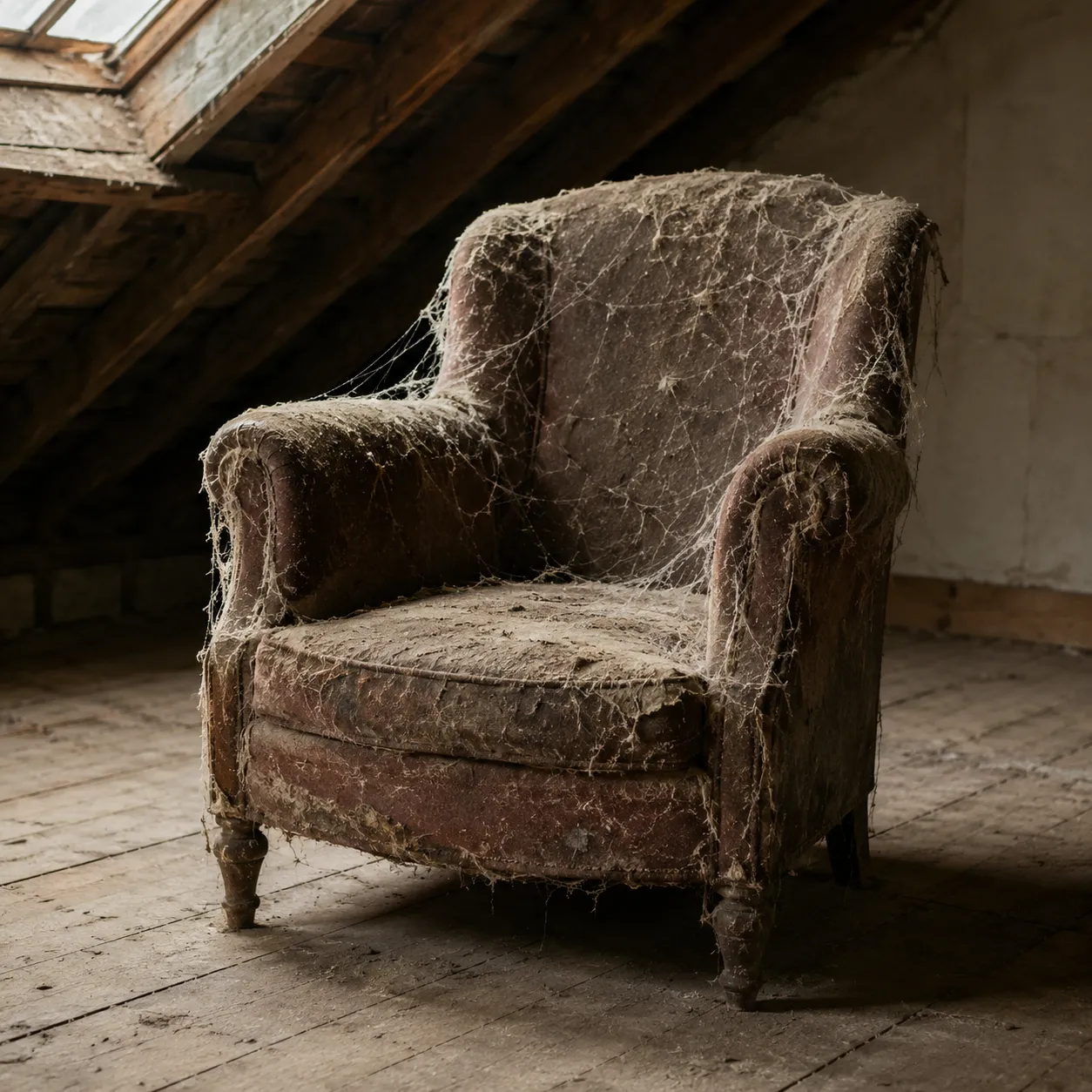
abandonedəˈbændənd
left by the people who owned or used it, and no longer used or cared for.
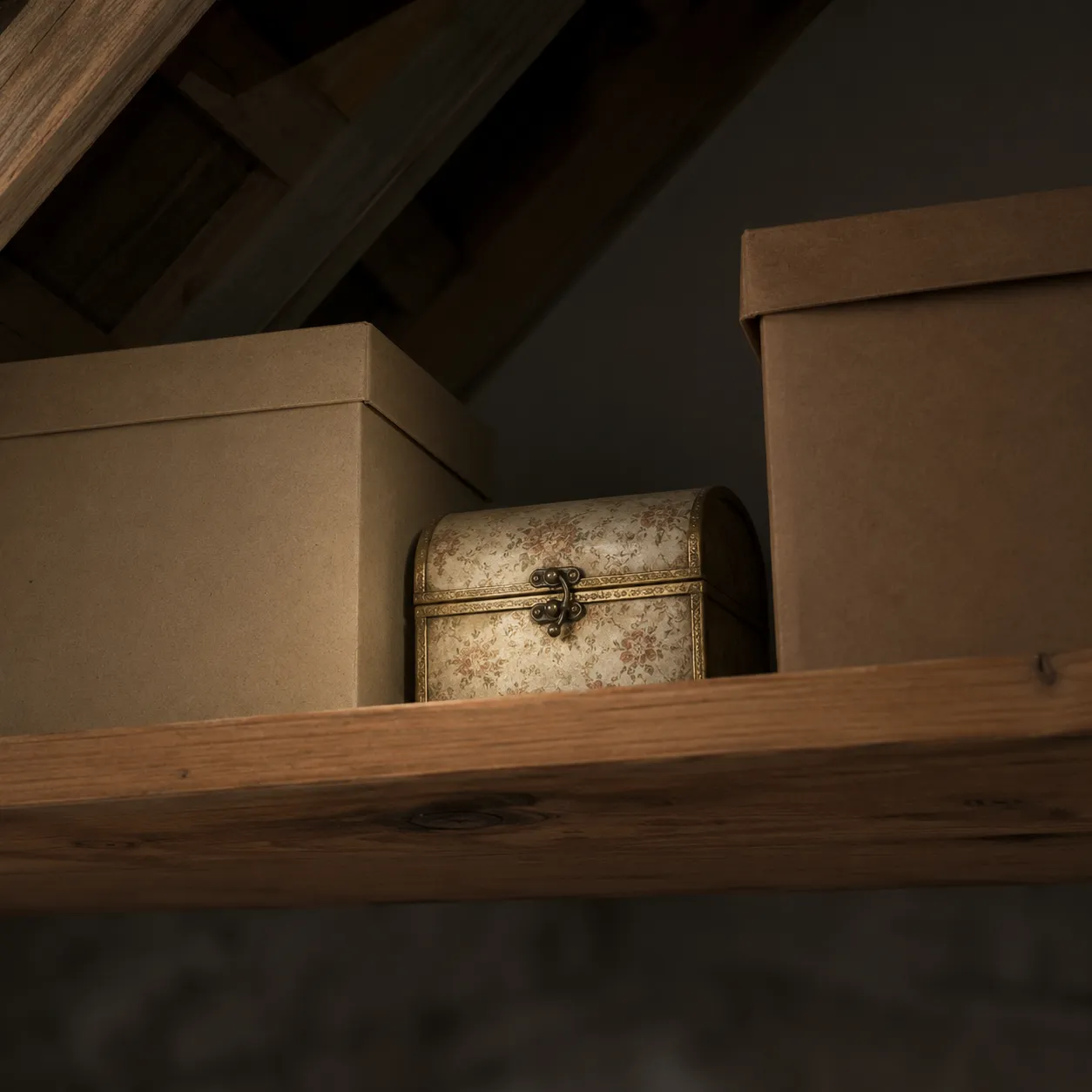
hidden-awayˌhɪdn əˈweɪ
kept or located in a place where people do not easily see or find it.
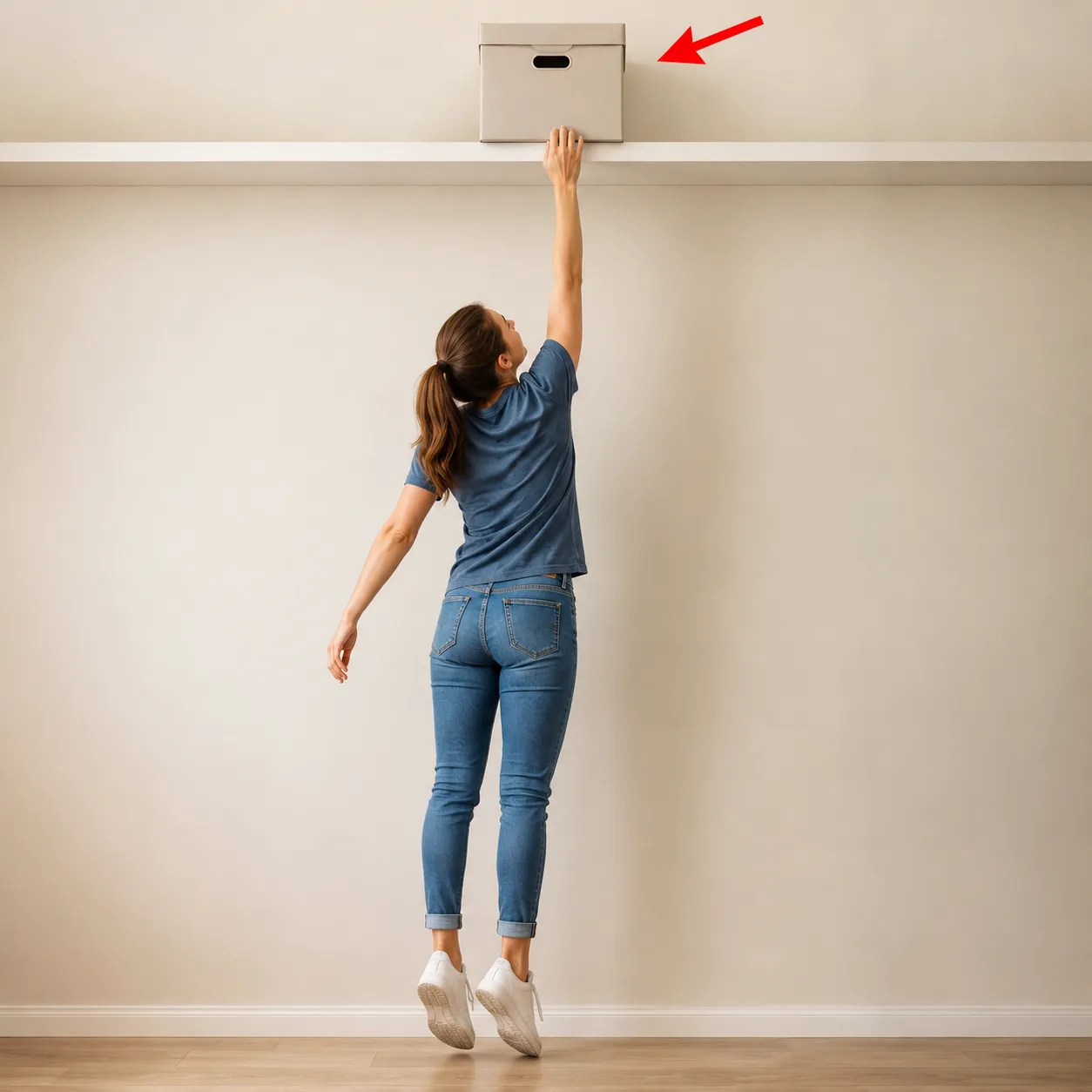
hard-to-reachˌhɑːrd tə ˈriːtʃ
difficult to get to, enter, or touch because of its position.
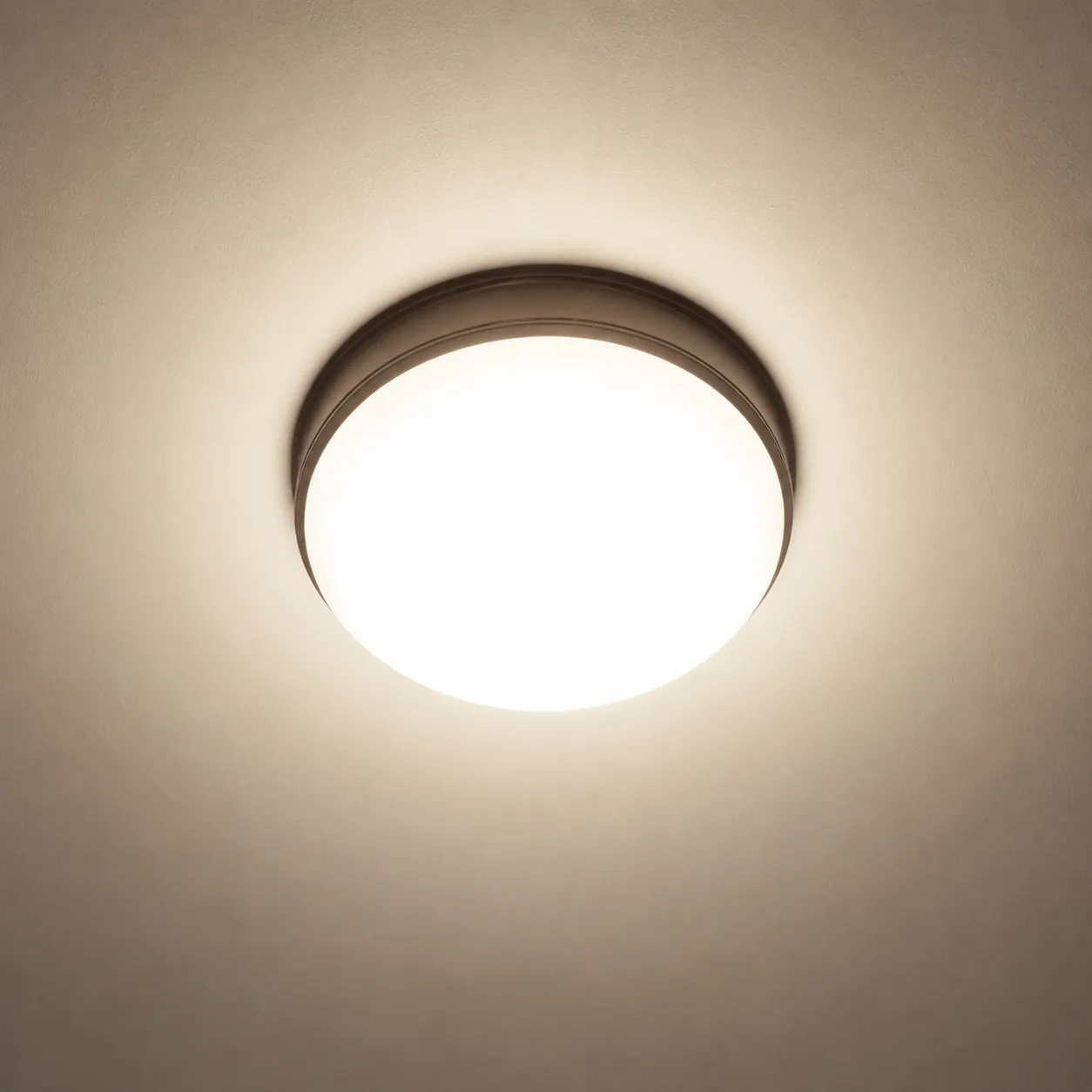
overheadˌoʊvɚˈhɛd
located above your head or above the place where you are.
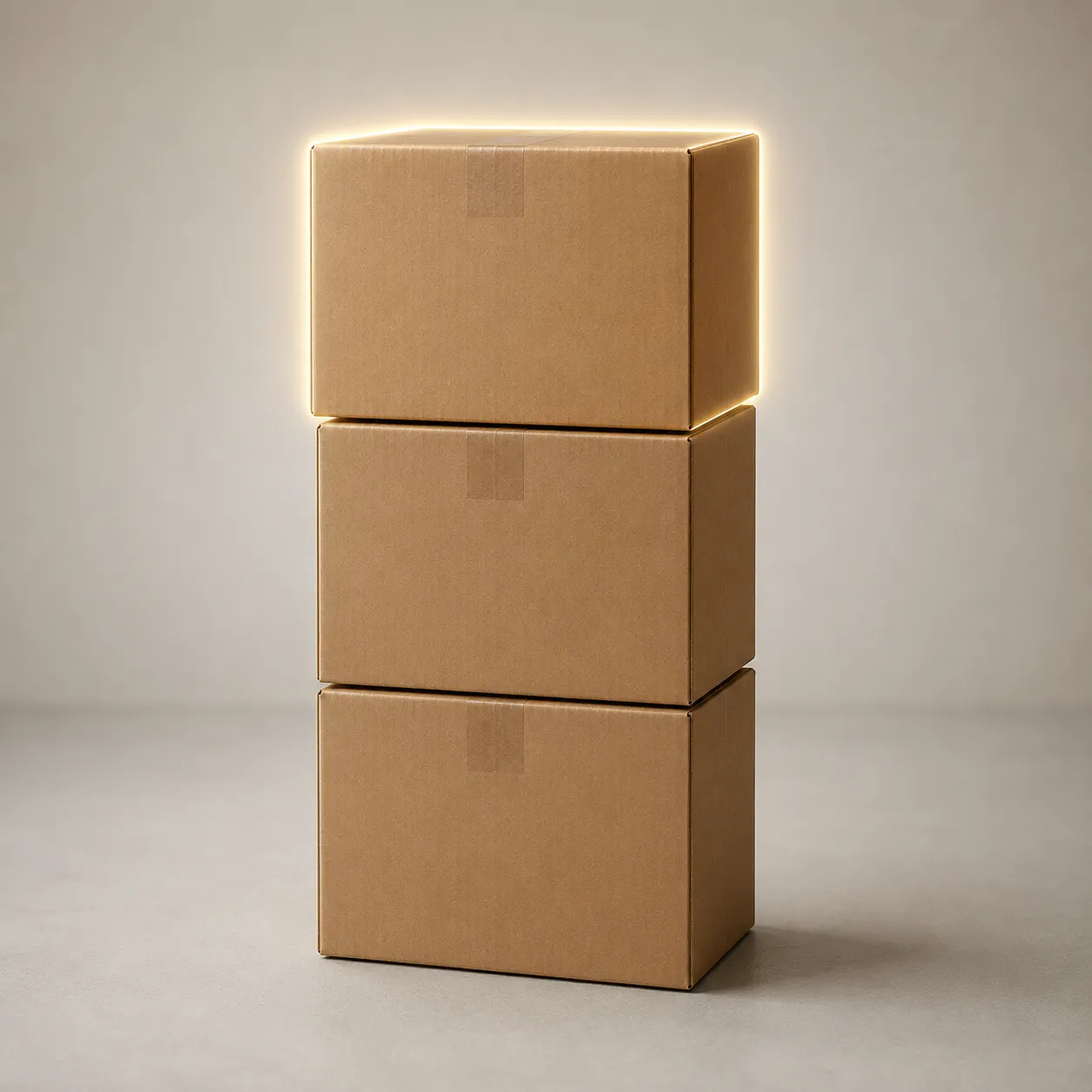
uppermostˈʌpɚˌmoʊst
highest in position, level, or importance among several things.
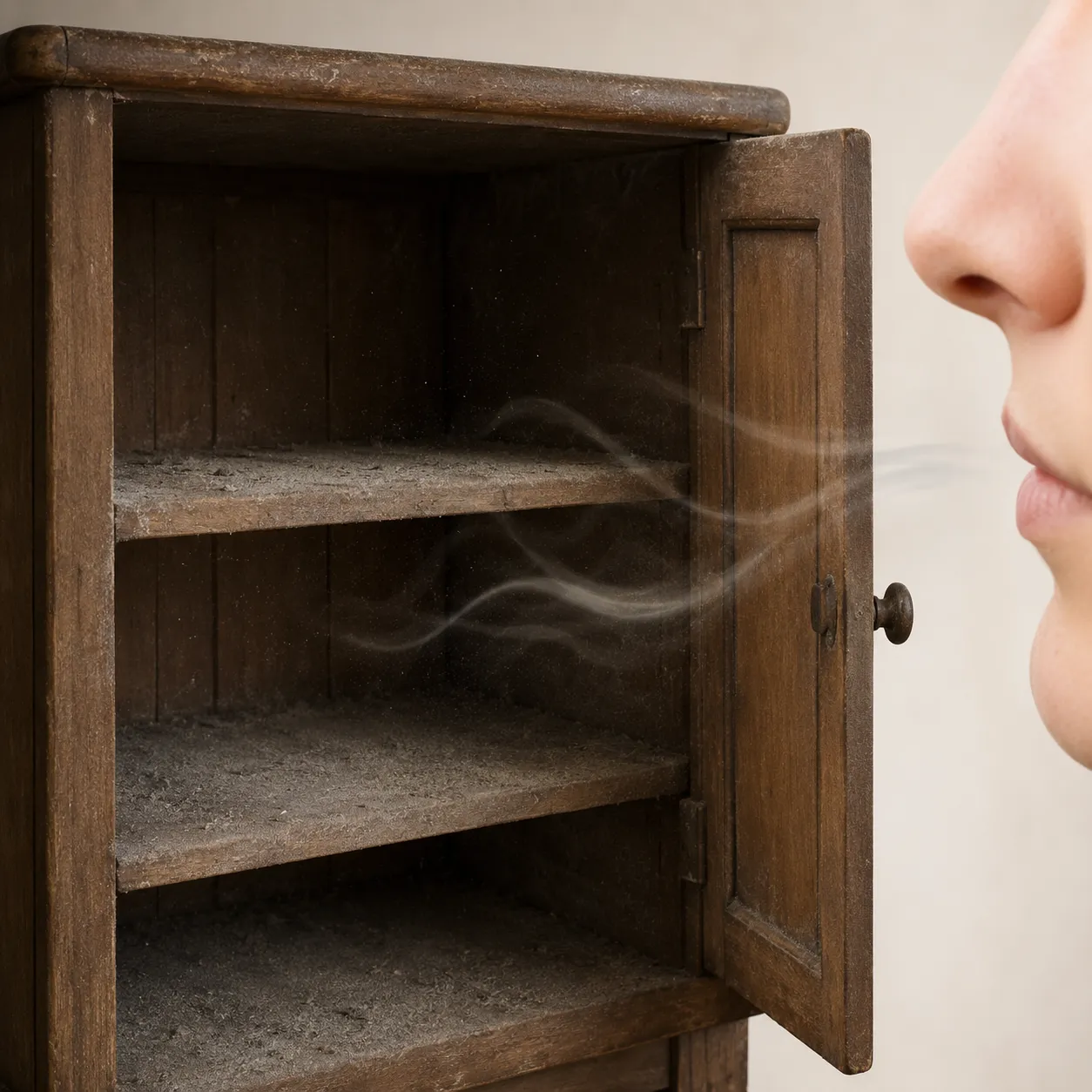
dusty-smellingˈdʌsti ˌsmɛlɪŋ
having a dry, unpleasant smell like dust in a room that has not been cleaned or aired.
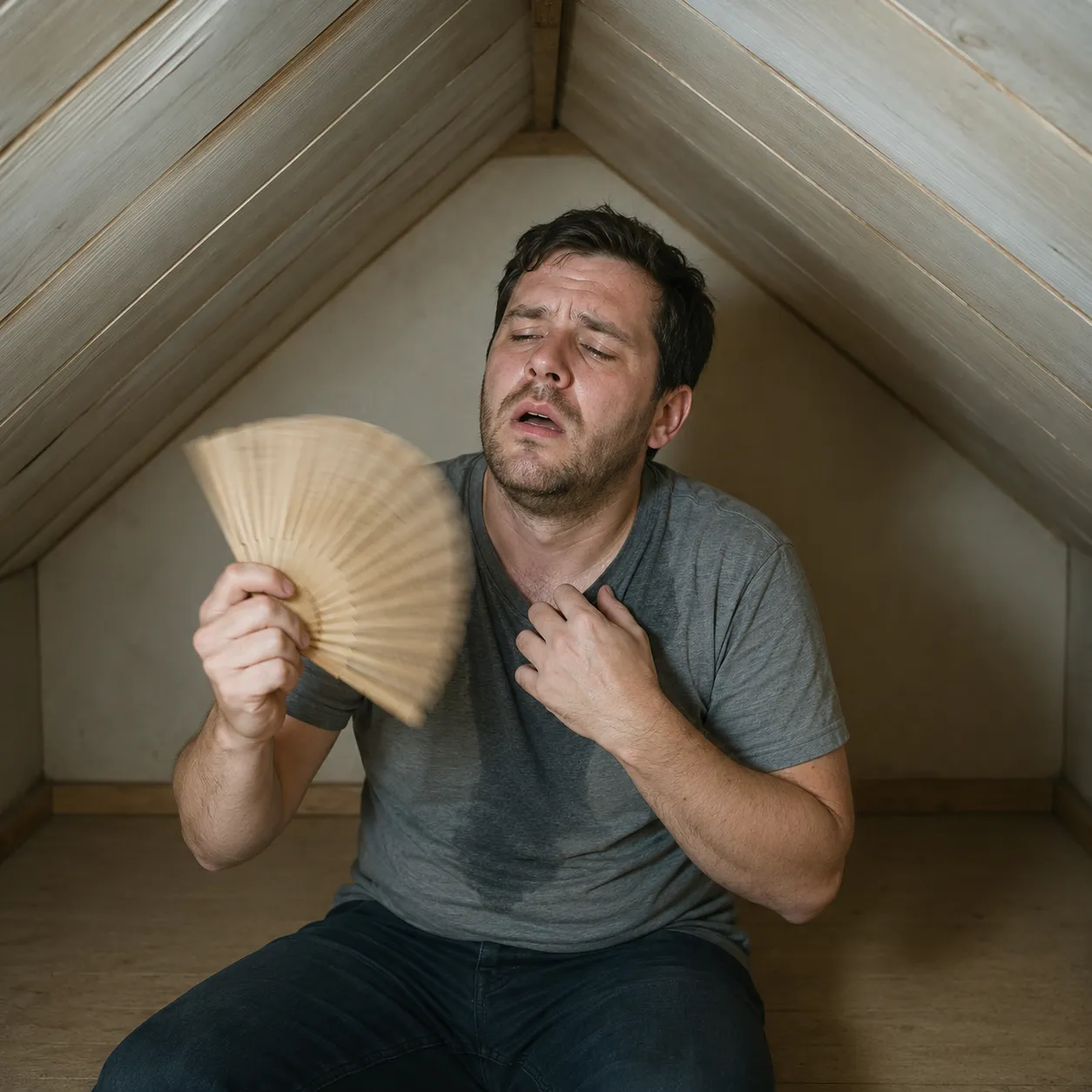
airlessˈɛərləs
without enough fresh air, so that a room or place feels difficult or unpleasant to breathe in.
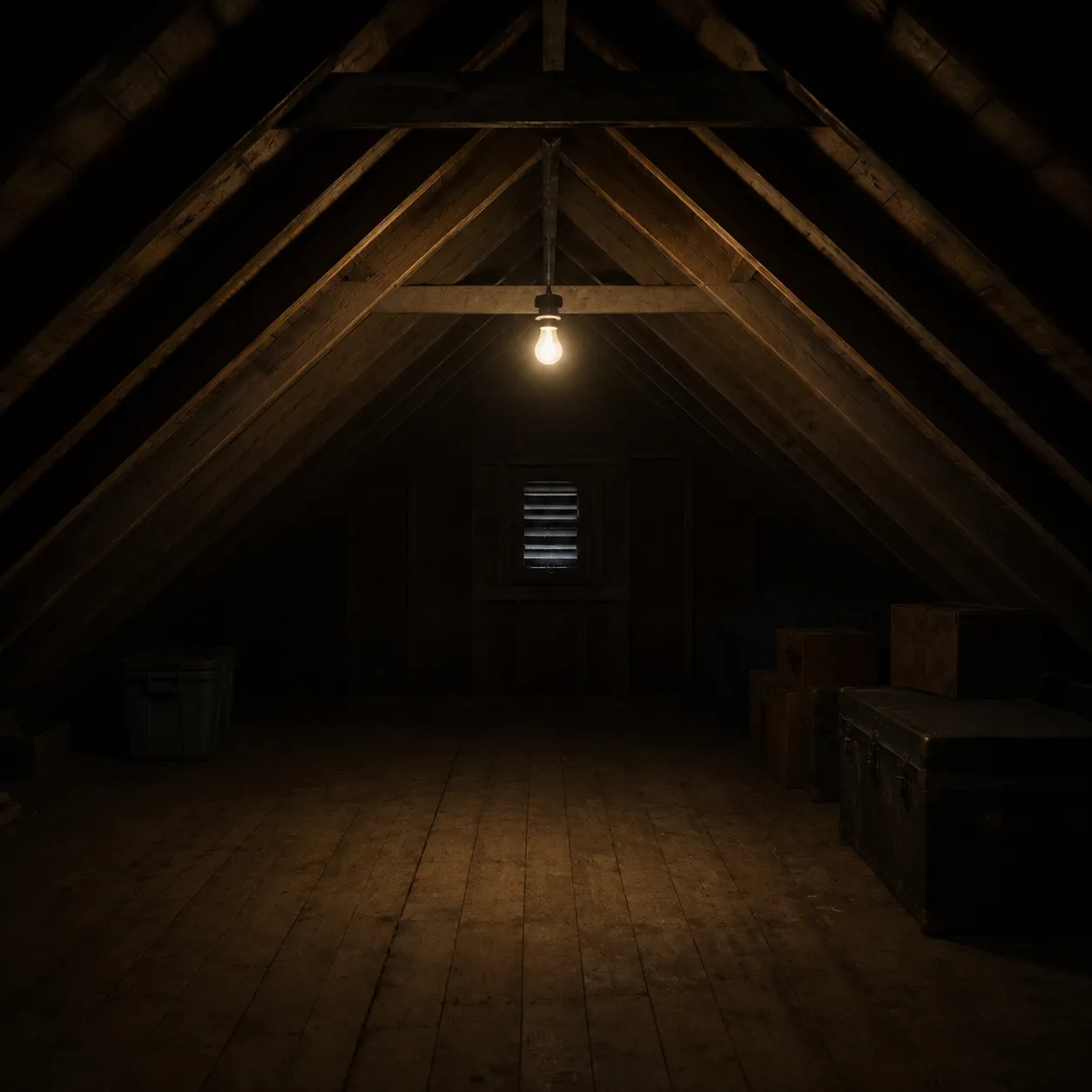
poorly-litˌpʊrli ˈlɪt
not having enough light, so it is hard to see clearly.
old smellˈoʊld ˈsmɛl
a smell typical of things or rooms that are old, closed or have not been used for a long time.
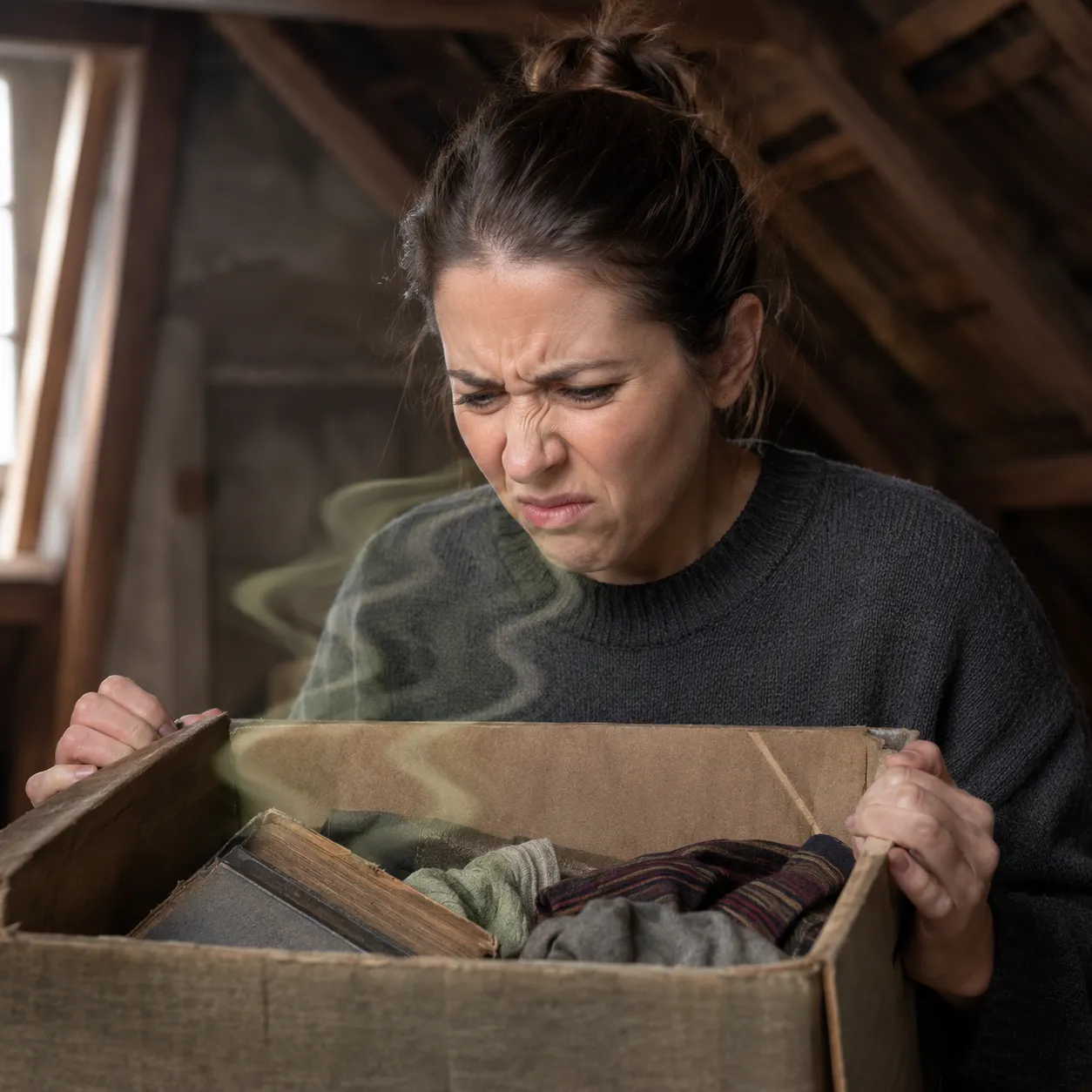
musty smellˈmʌsti ˈsmɛl
an unpleasant stale smell caused by dampness, lack of fresh air or mold.
storage smellˈstɔːrɪdʒ ˈsmɛl
a stale or closed-up smell that things get after being kept in storage for a long time.
bundleˈbʌndl
a group of products or services sold together as one package, often at a lower total price.
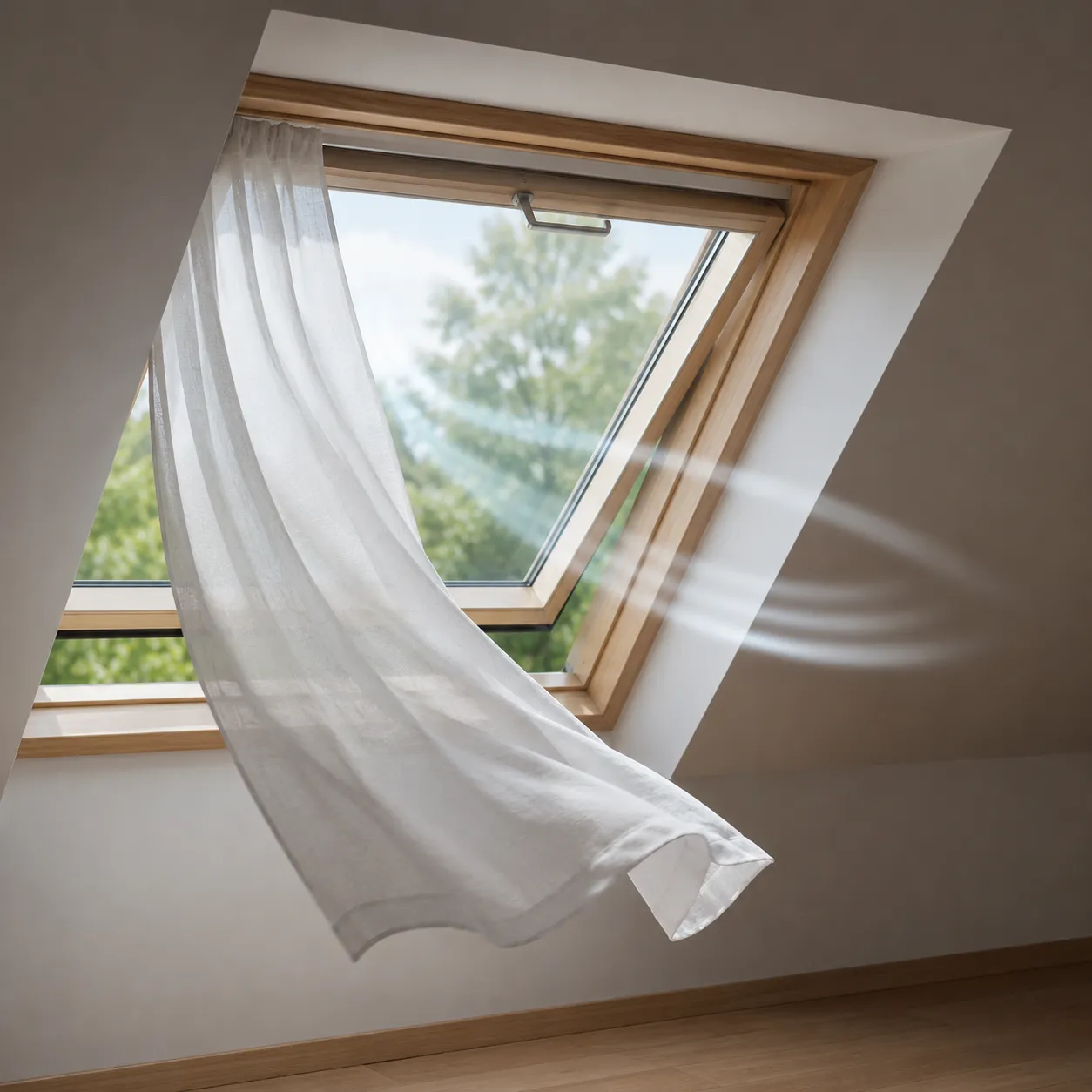
draftdræft
an unfinished email or document saved before it is sent or finalized.
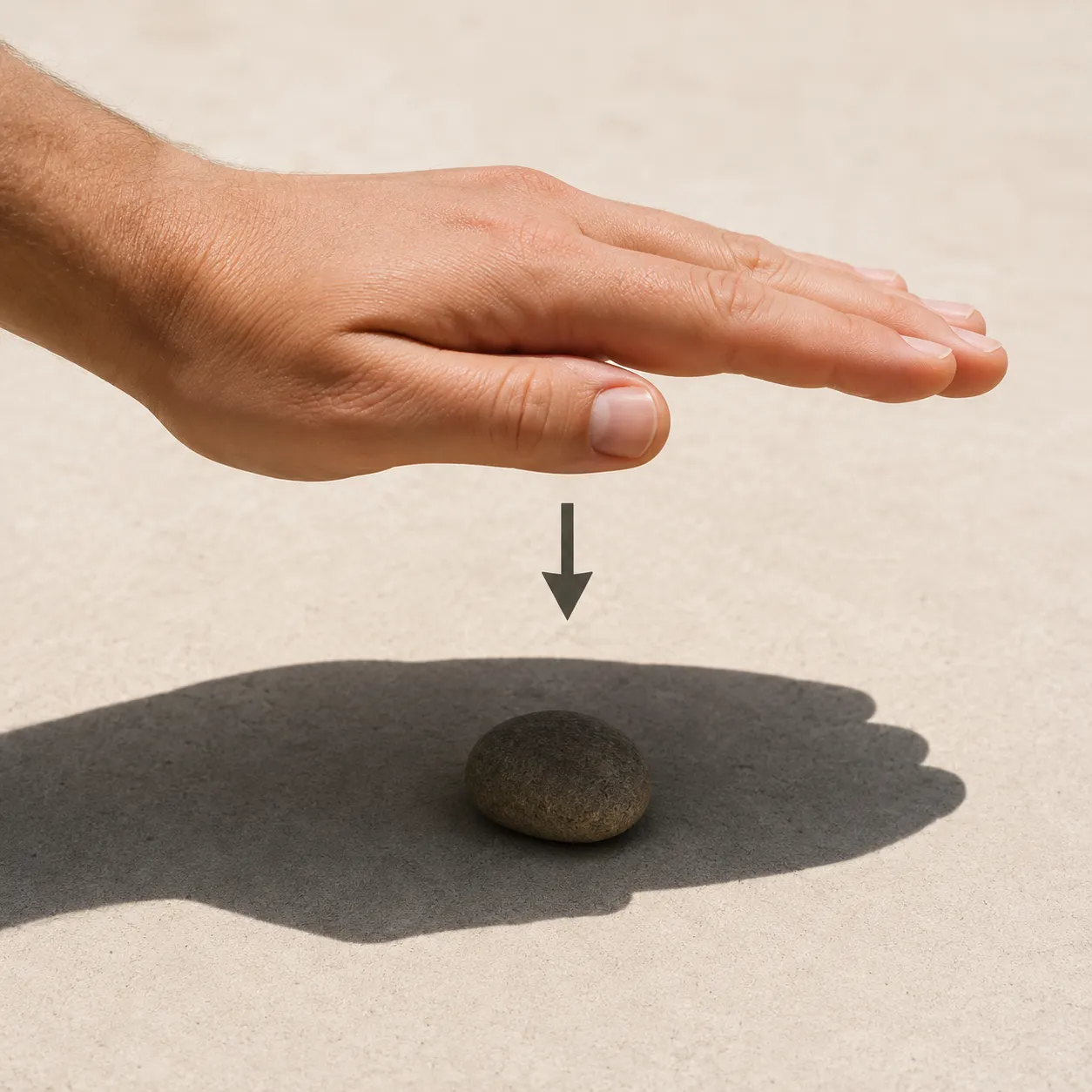
shadowˈʃædoʊ
to follow and observe an experienced worker to learn how to do a job.
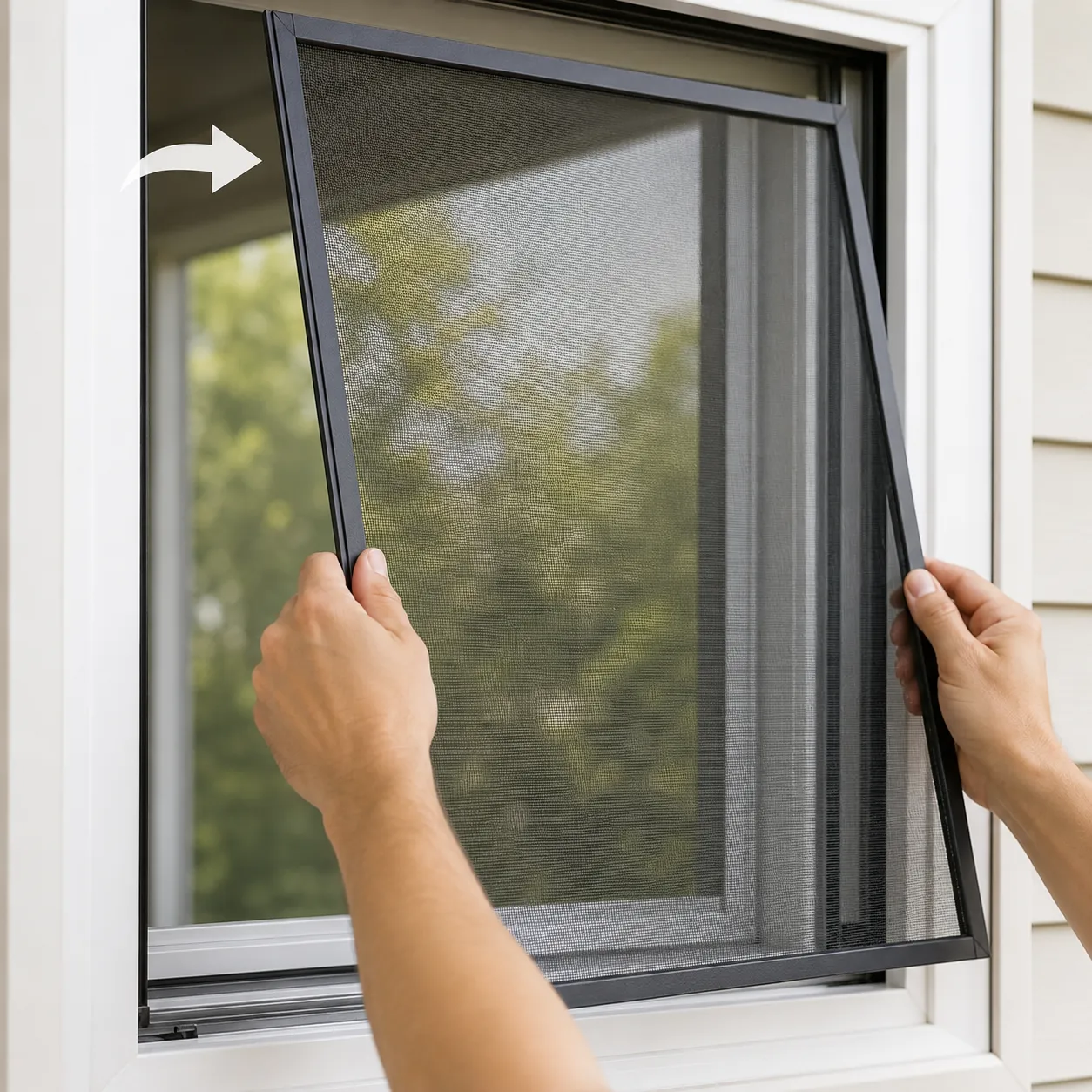
screenskriːn
to test or ask questions to find possible signs of a disease or risk before a full diagnosis.
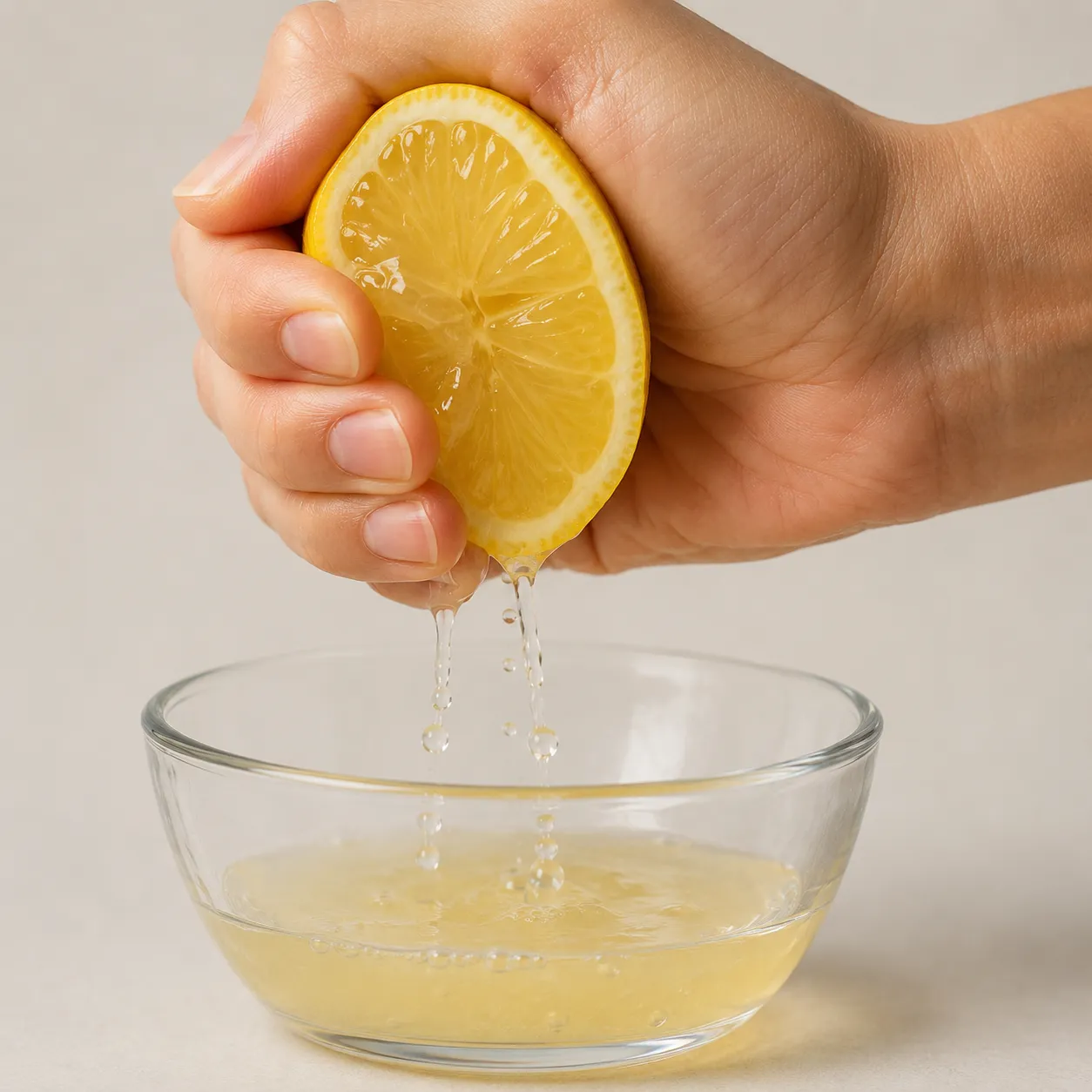
squeezeskwiːz
to press something firmly with your hands or fingers, often to get liquid out of it.
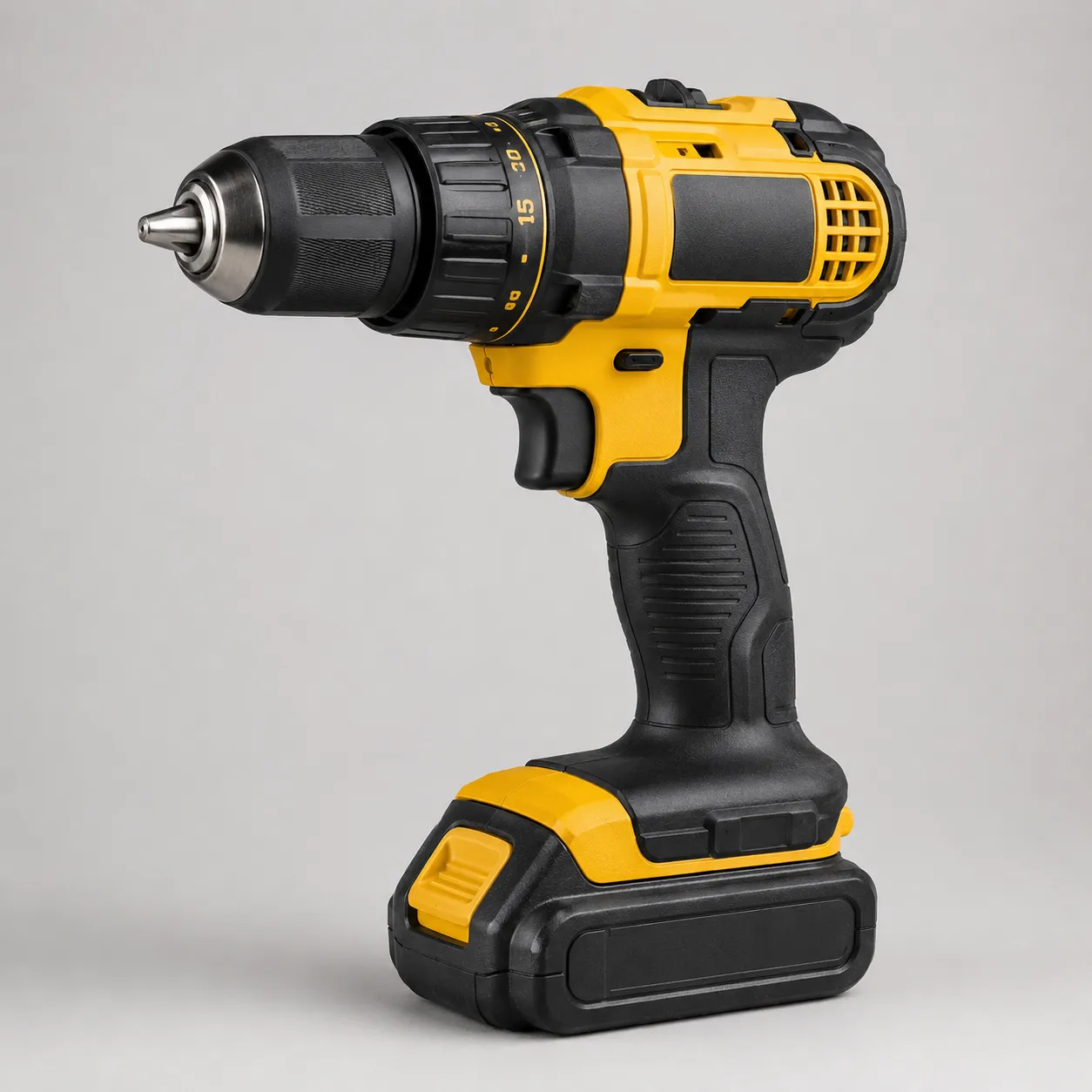
drilldrɪl
a repeated practice exercise used to make a skill or language pattern faster and more automatic.

familyˈfæməli
a group of people who are related to each other, especially parents and their children.
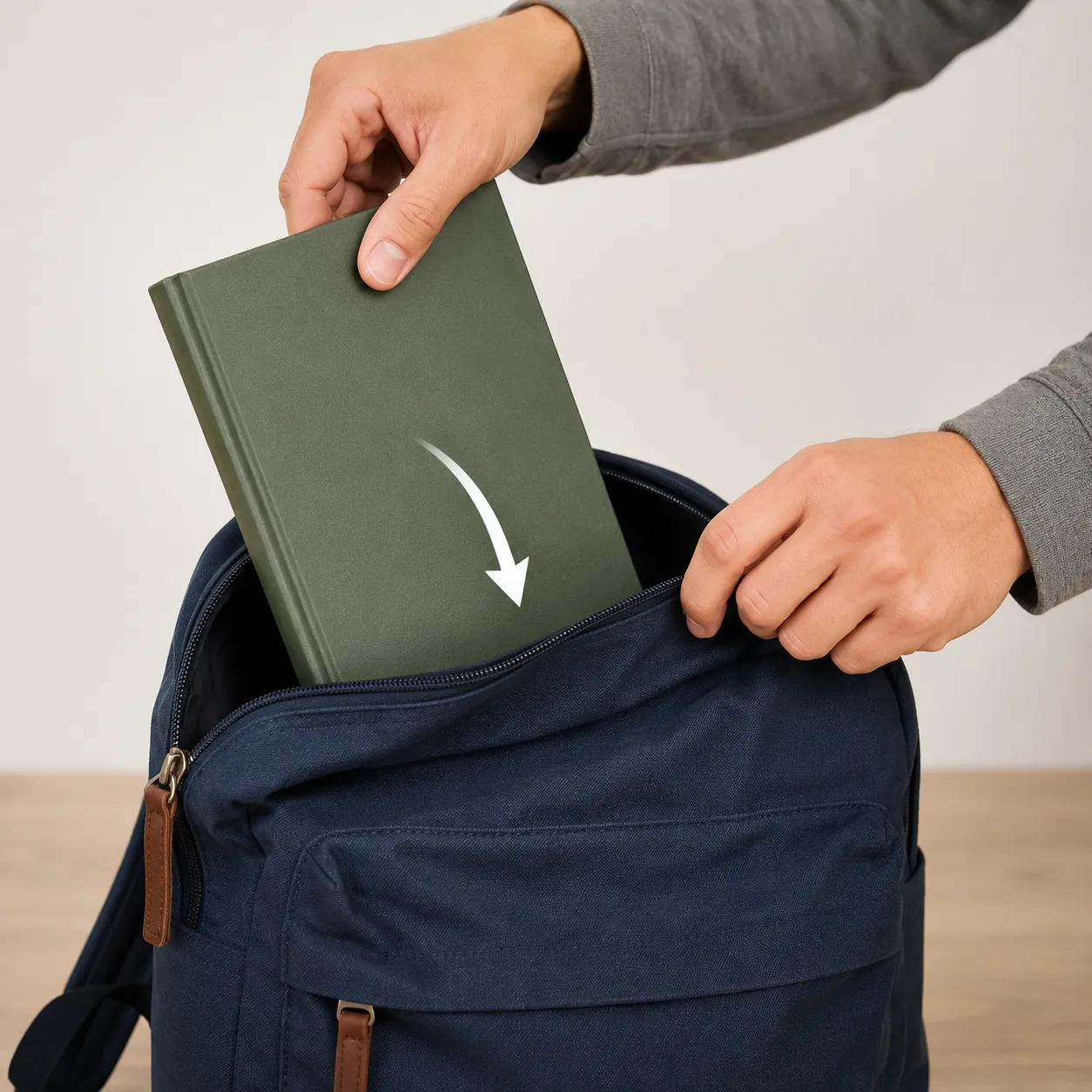
bagbæɡ
to put purchased items into a bag for a customer.
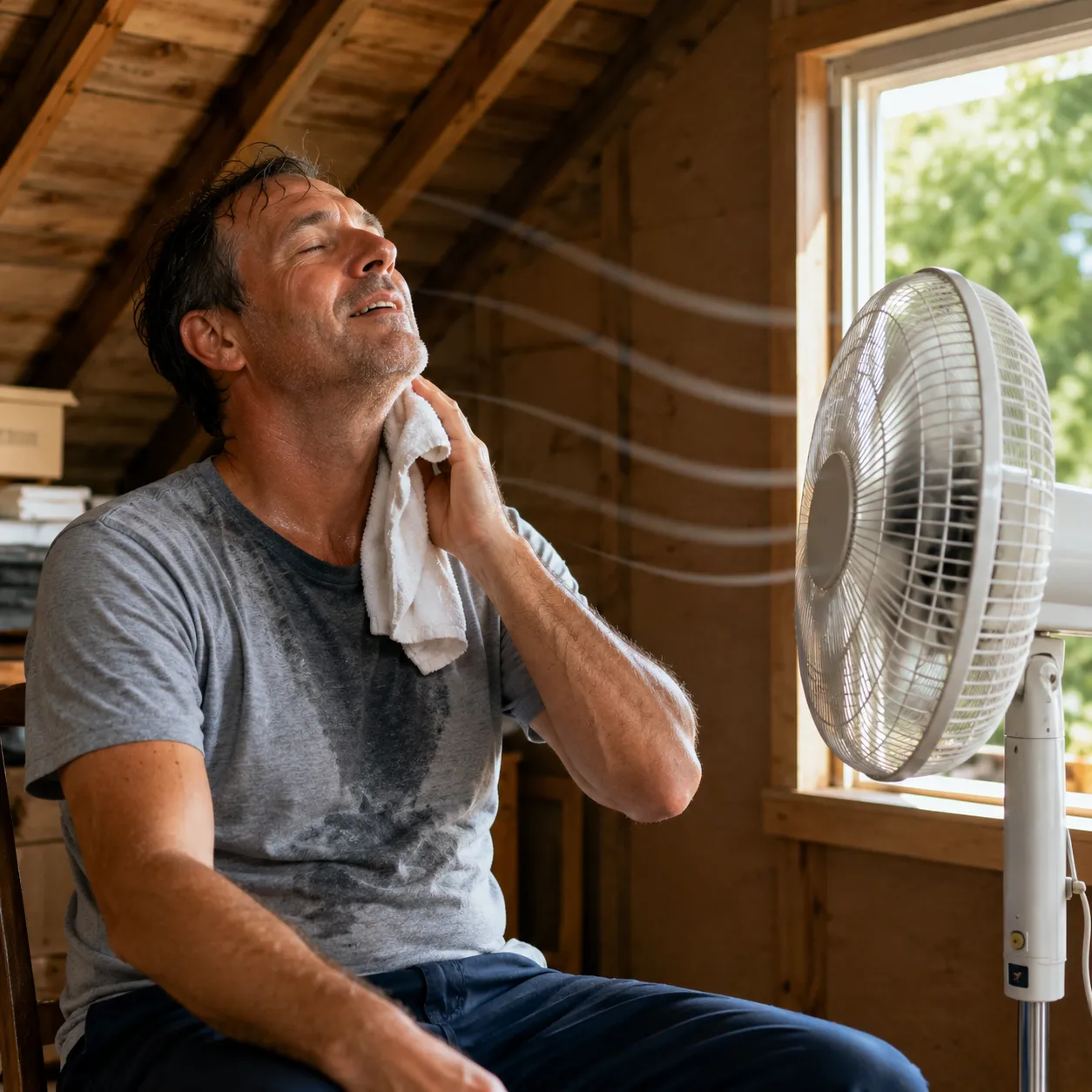
cool downkuːl daʊn
to become cooler or make food cooler after heating.
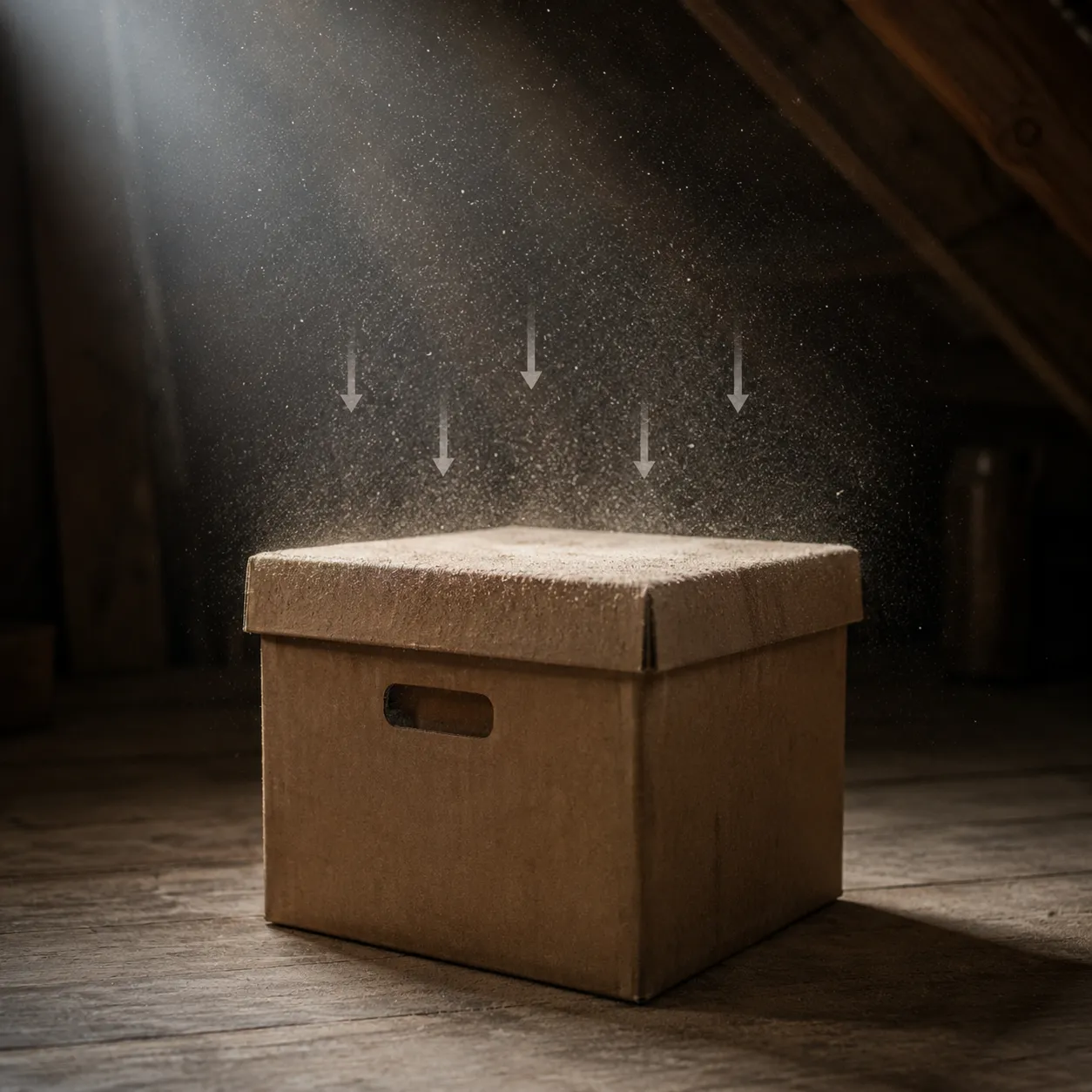
settleˈsetəl
to pay the full amount owed on a bill or account.
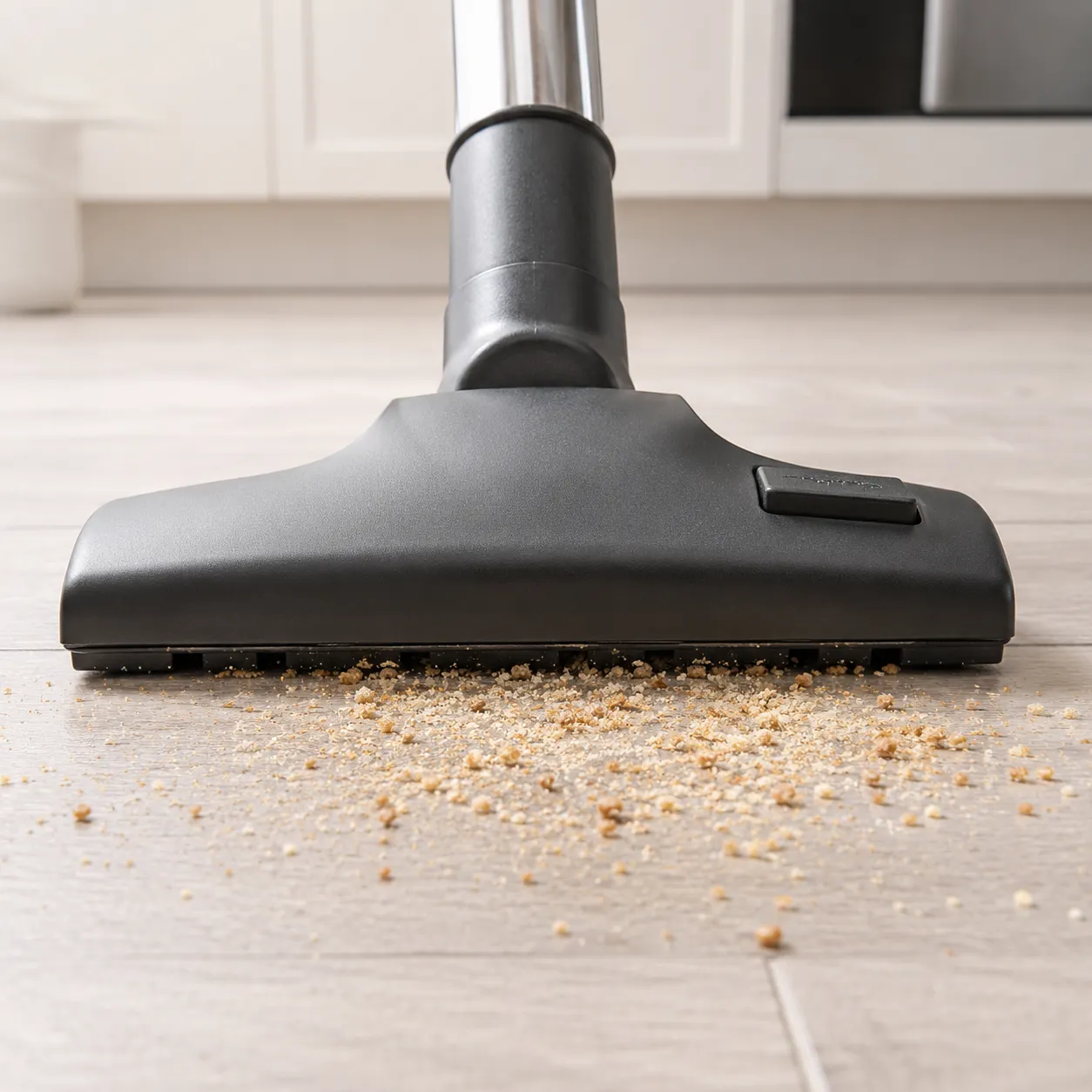
vacuumˈvækjuːm
a space from which most or all air or other matter has been removed.
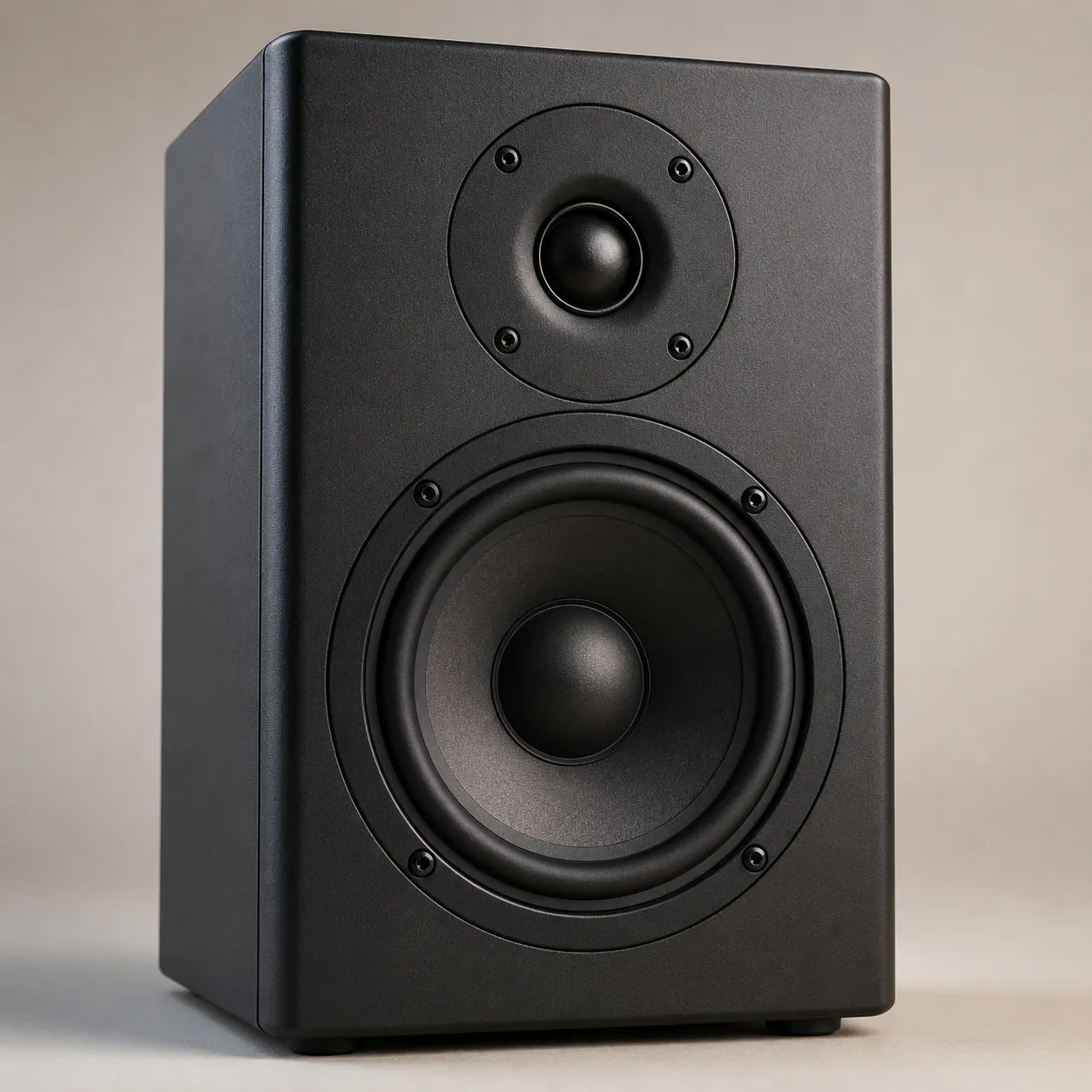
speakerˈspiːkər
a person who gives a talk or presentation to an audience.
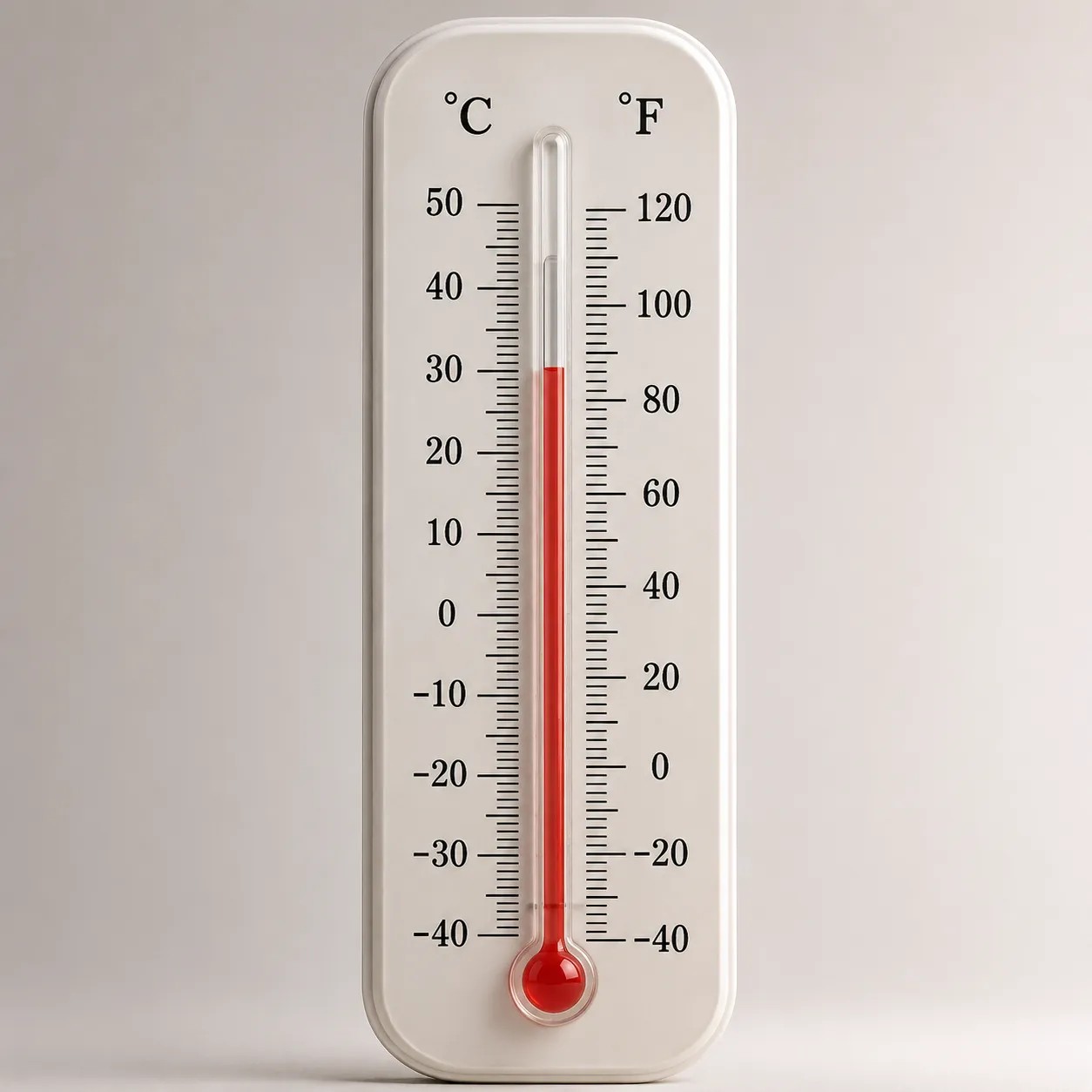
temperatureˈtemprətʃər
a measurement of how hot or cold a person's body is
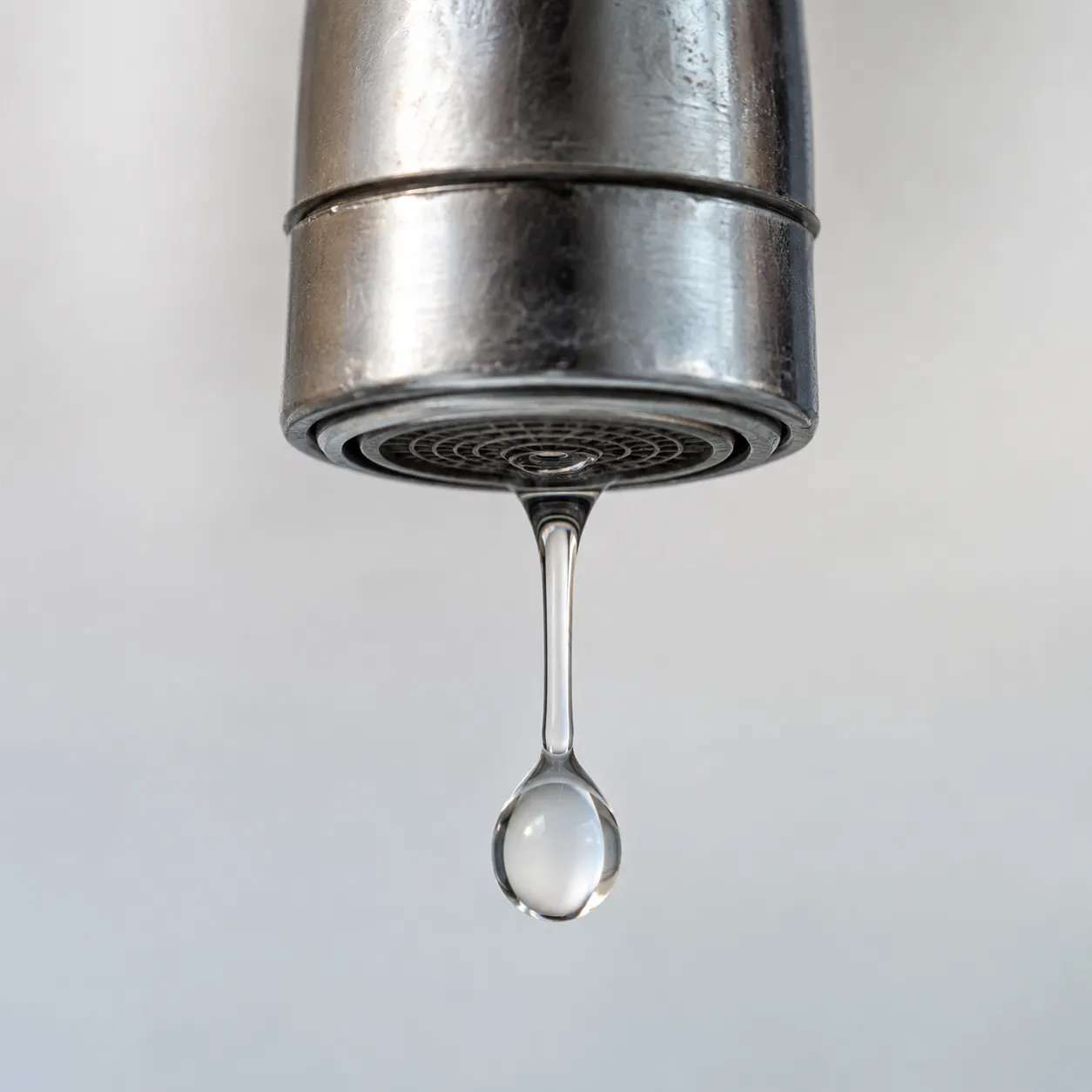
dripdrɪp
a slow flow of fluid or medicine into a vein through a tube.
bookbʊk
to arrange and keep a place, table, room, or service for a future time.
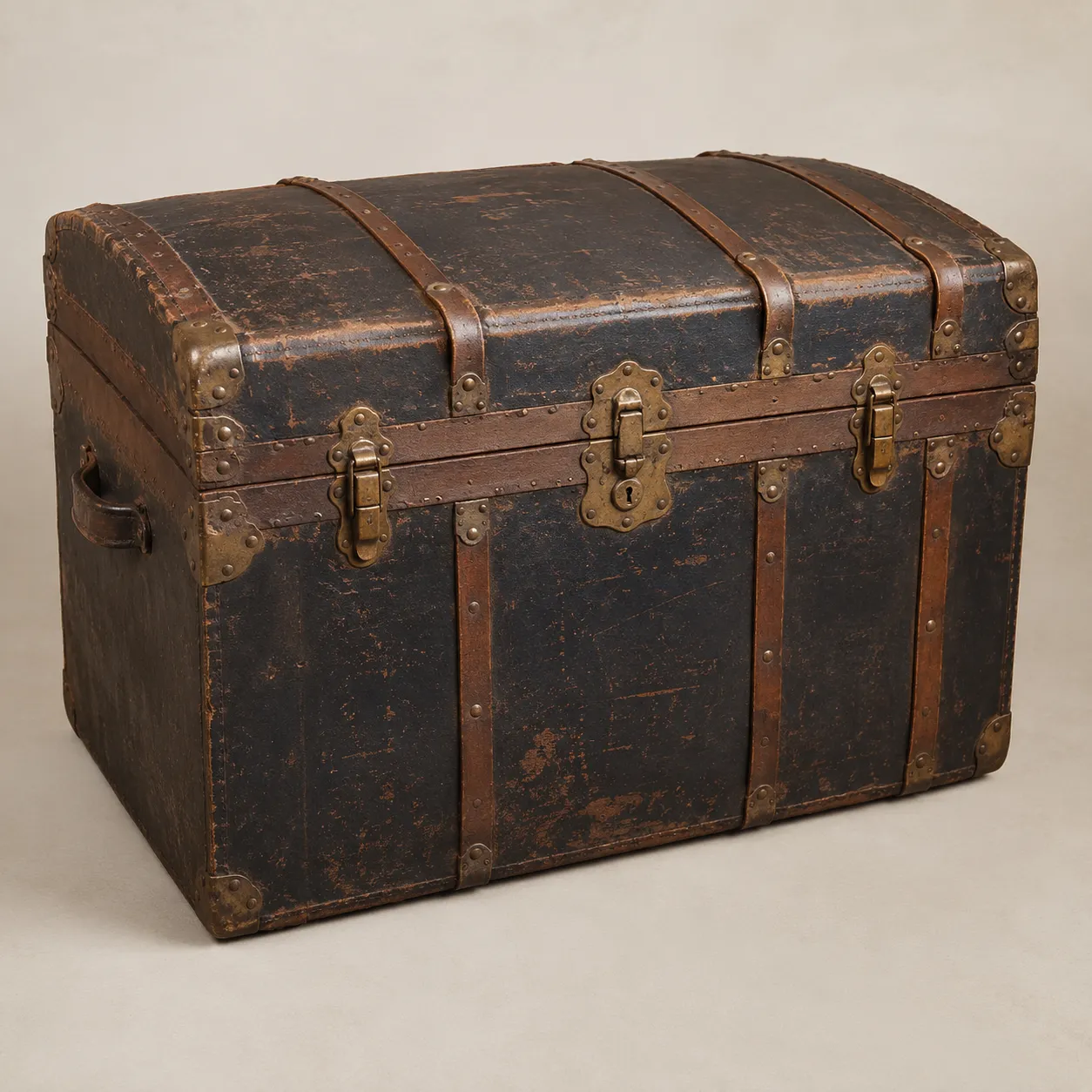
trunktrʌŋk
the thick main stem of a tree, from which the branches grow.
closekloʊz
to mark a task, case, or ticket as finished so that no further action is needed
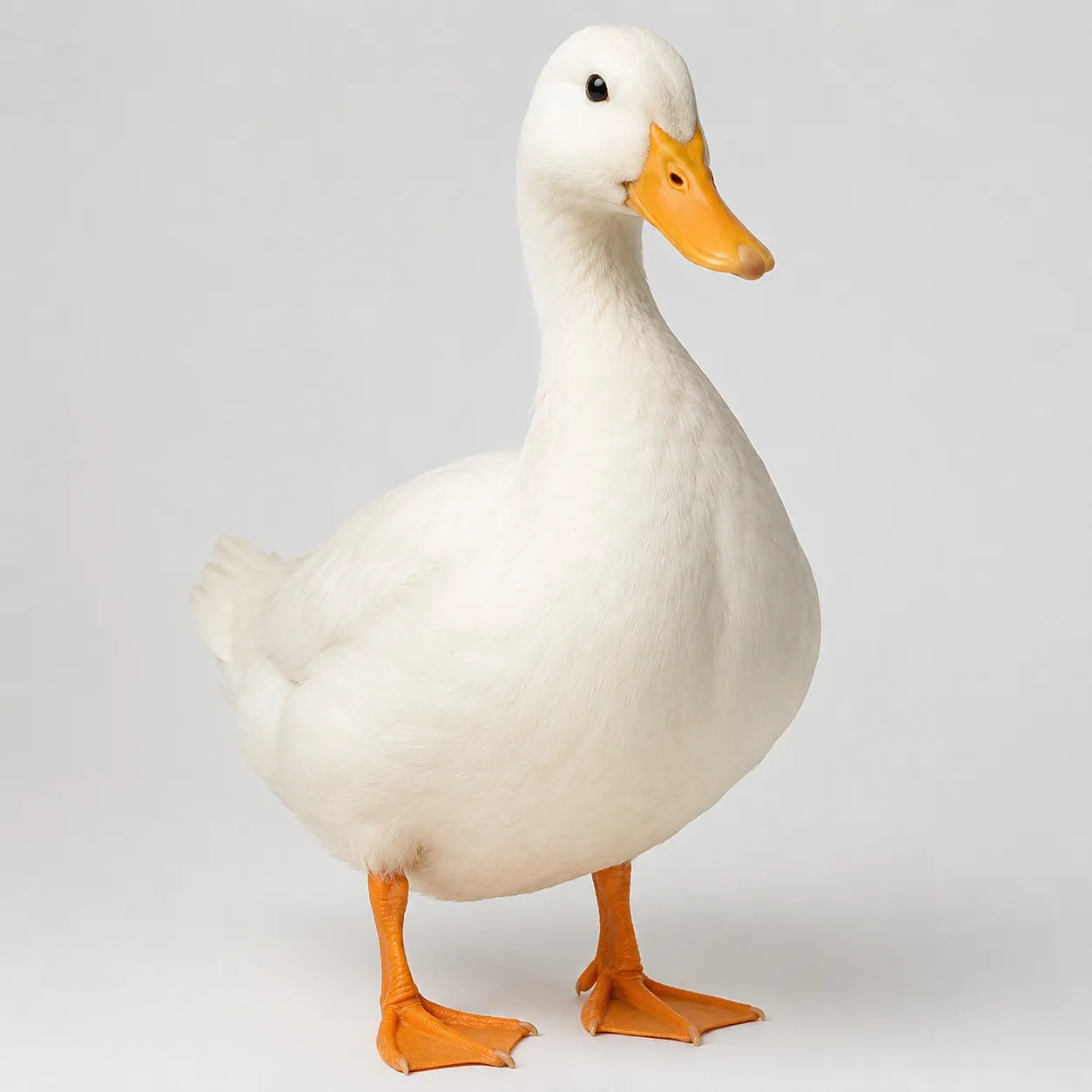
duckdʌk
A water bird with a wide flat beak and webbed feet, especially the female, or its meat eaten as food.
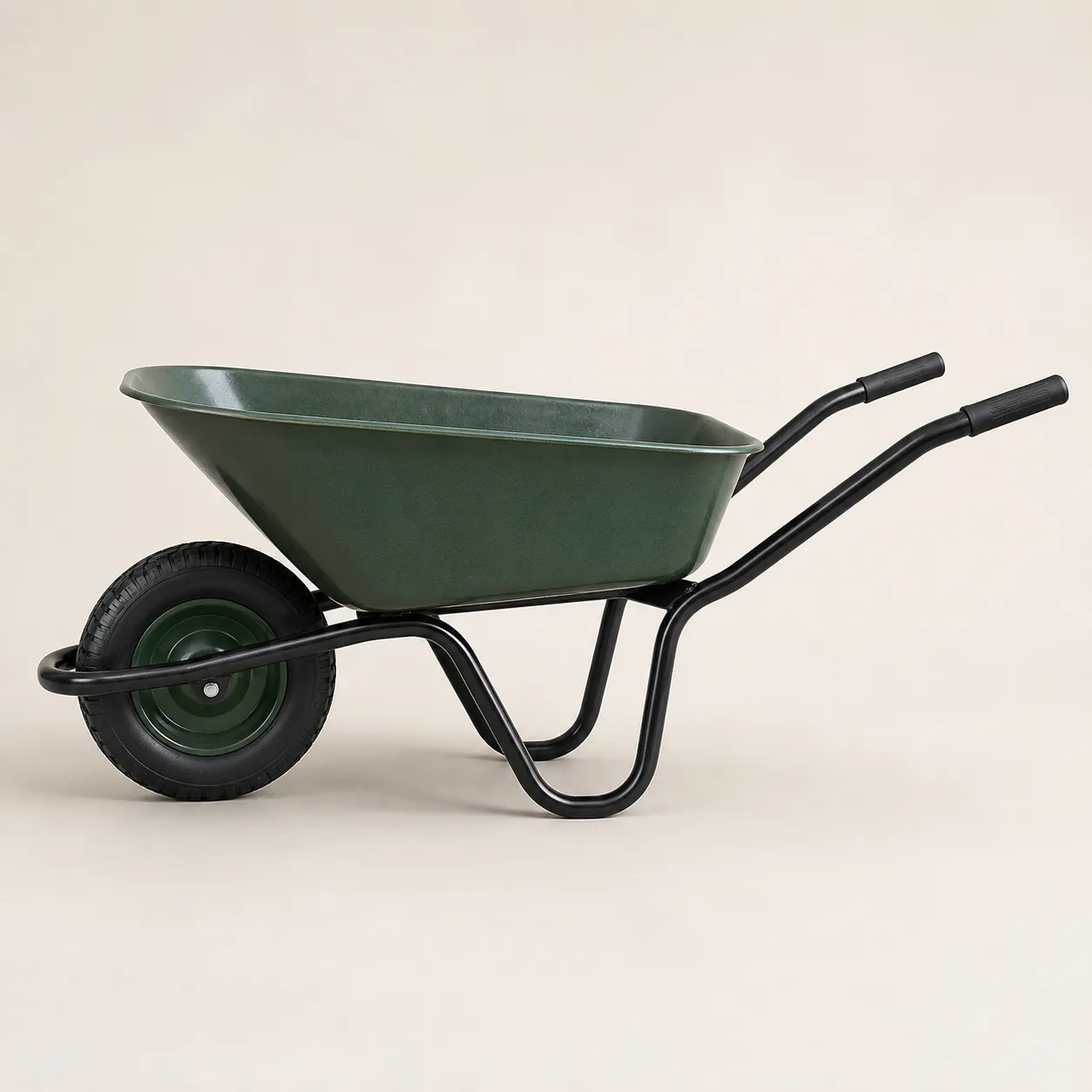
windowˈwɪndoʊ
a rectangular area on a computer screen that shows an open program, file, or webpage.
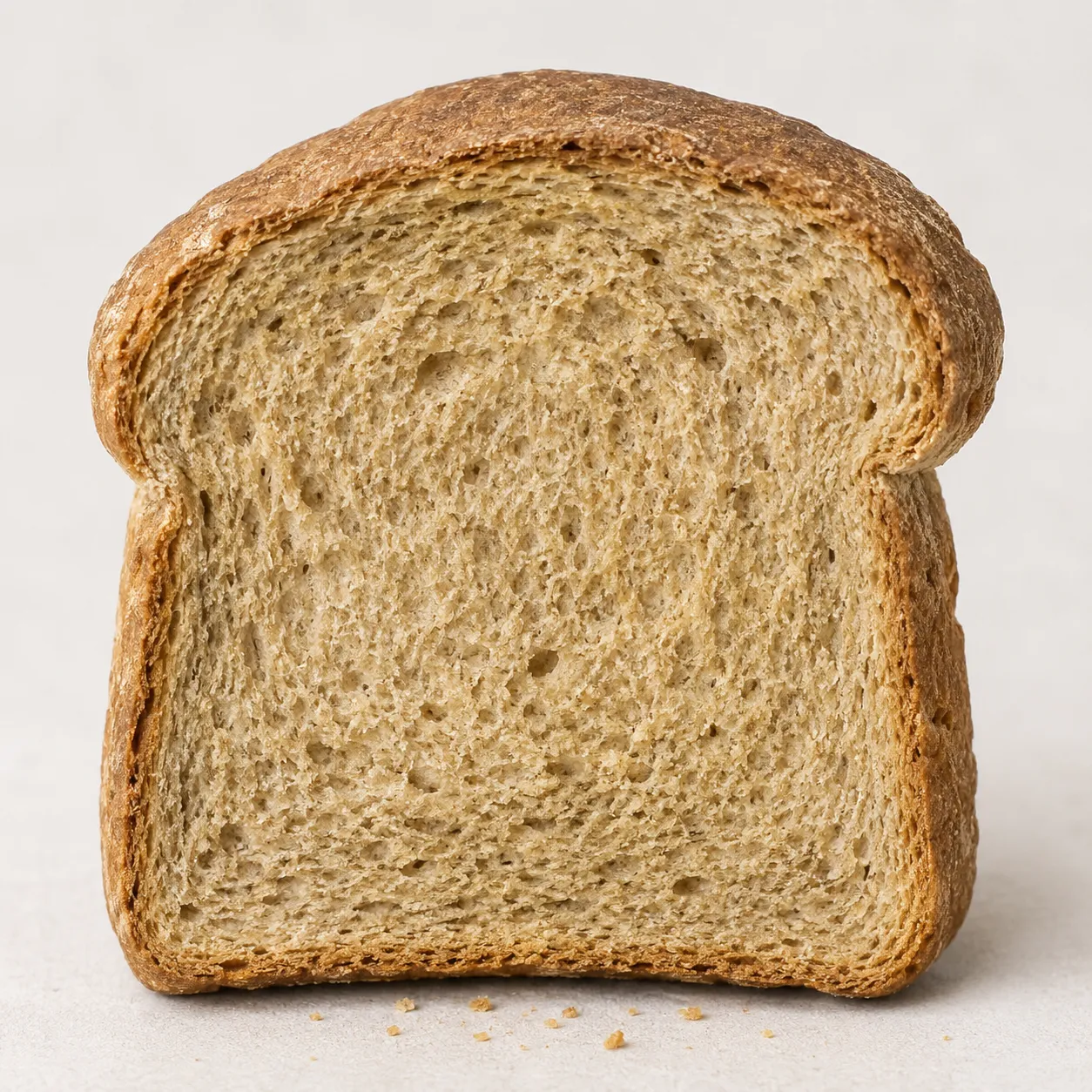
stalesteɪl
Stale food, especially bread, is old and no longer fresh, often dry or hard.
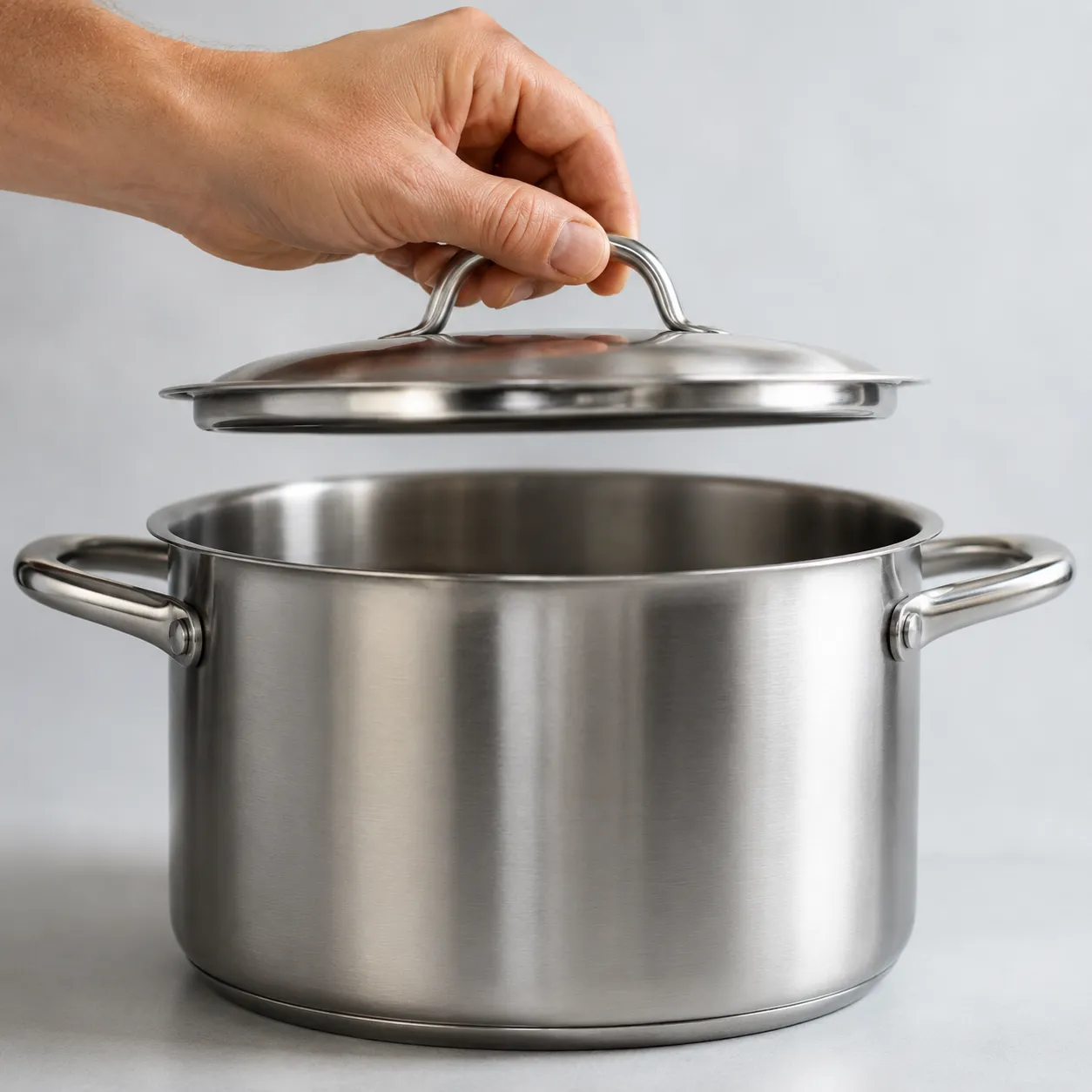
coverˈkʌvər
one customer served in a restaurant, used when counting how many meals or guests were served.
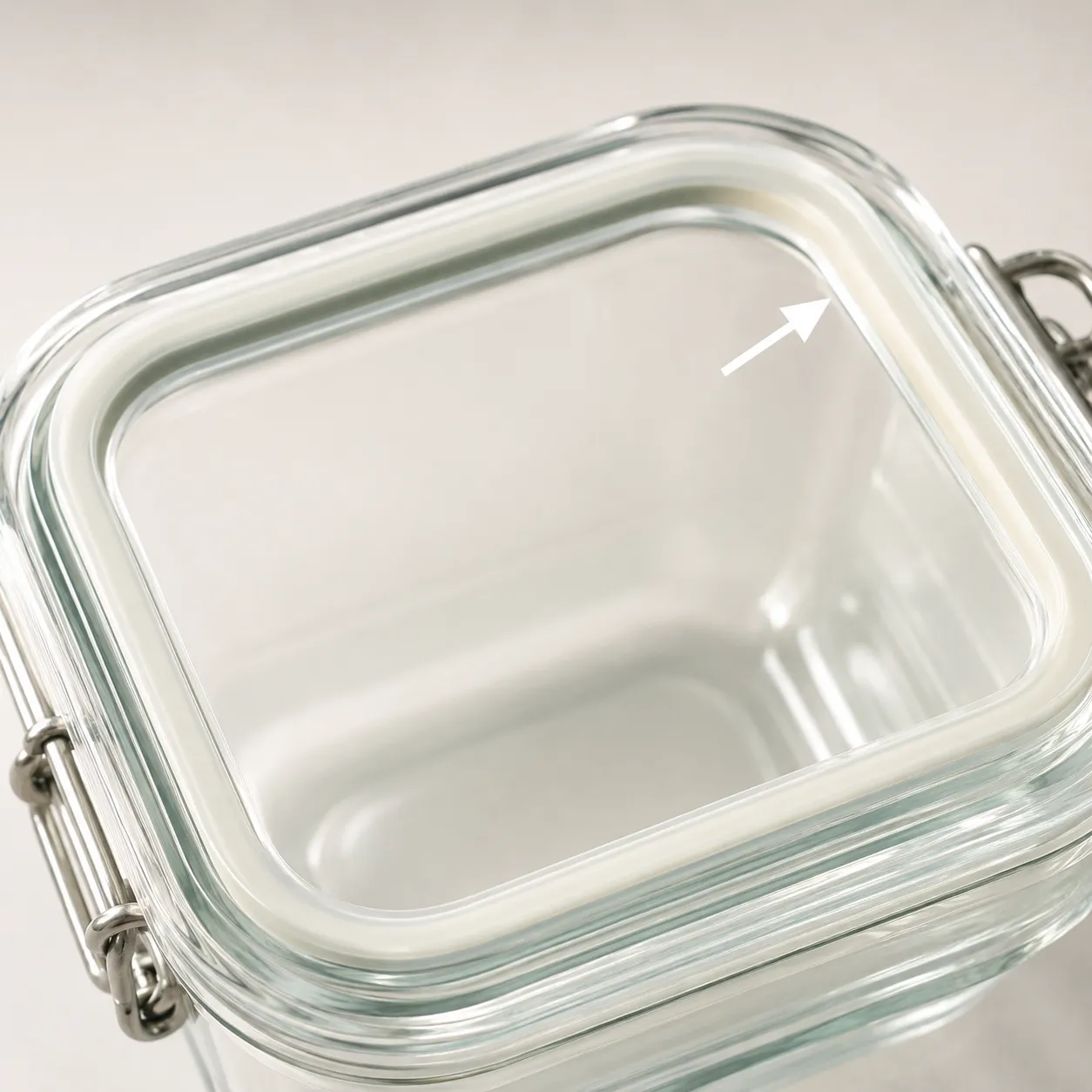
sealsiːl
a sea mammal with a round body and flippers, which often lives in cold water and comes onto land or ice to rest.
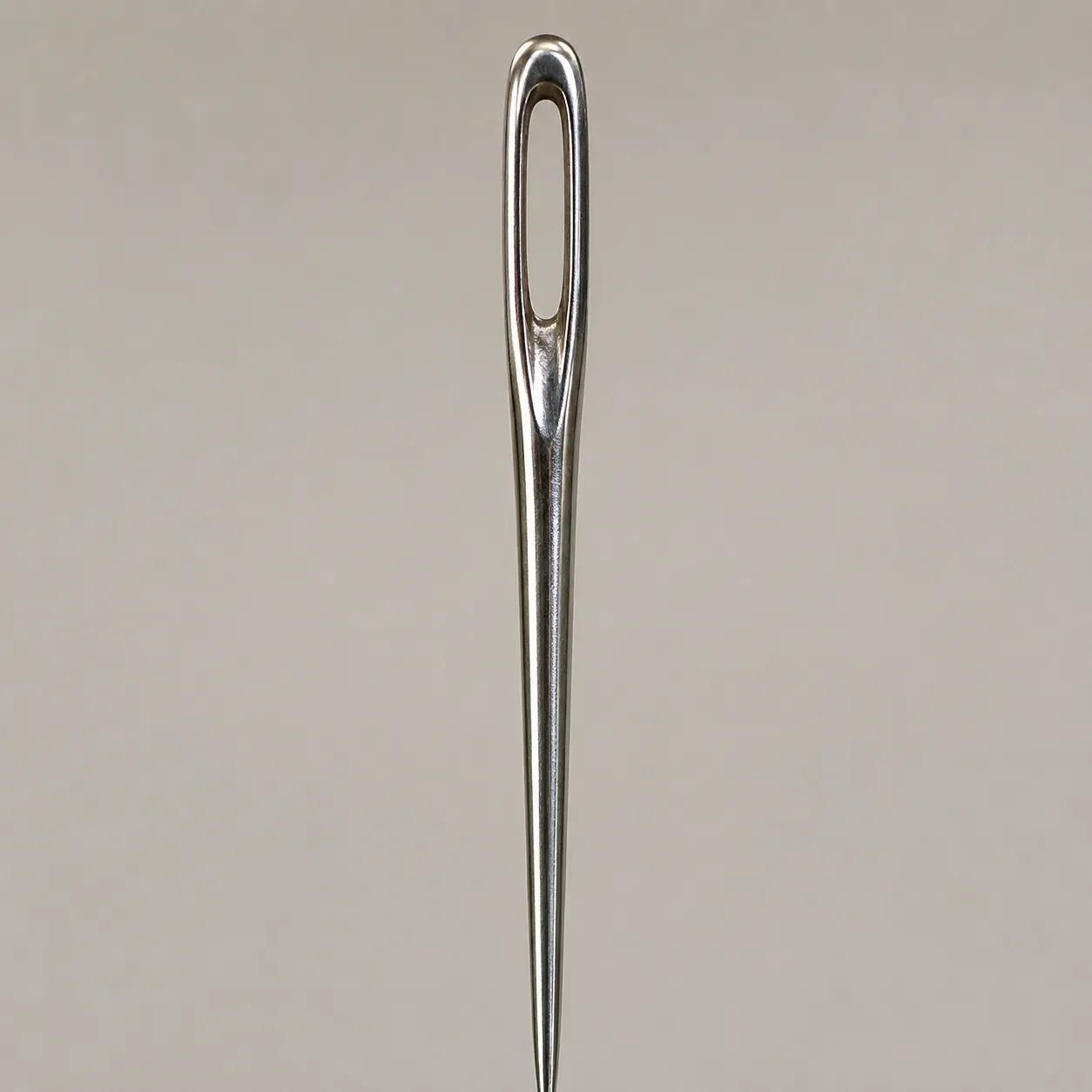
needleˈniːdəl
a very thin sharp metal tube used to put medicine into the body or take blood out.
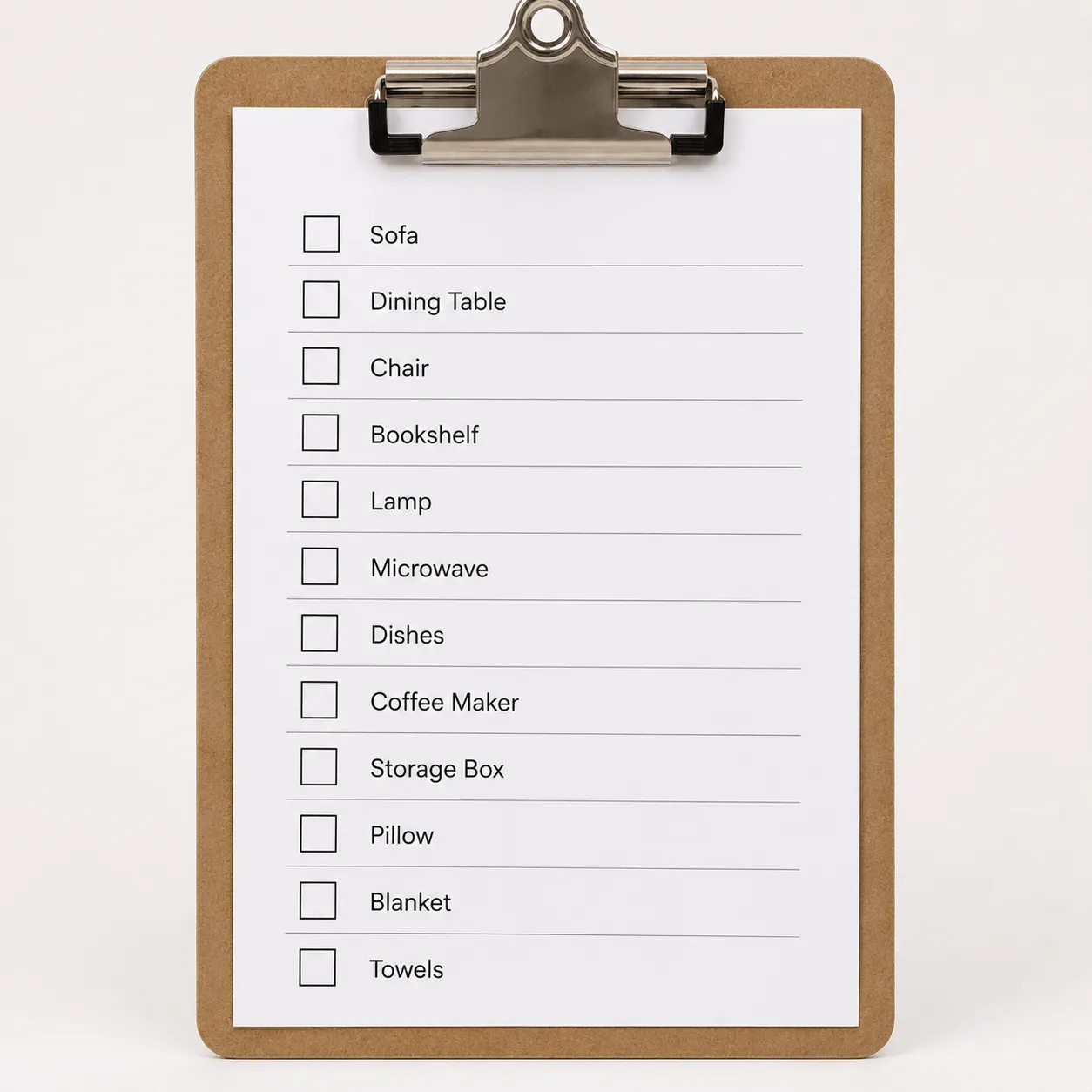
inventoryˈɪnvənˌtɔːri
the goods, ingredients, or supplies that a business has in stock.
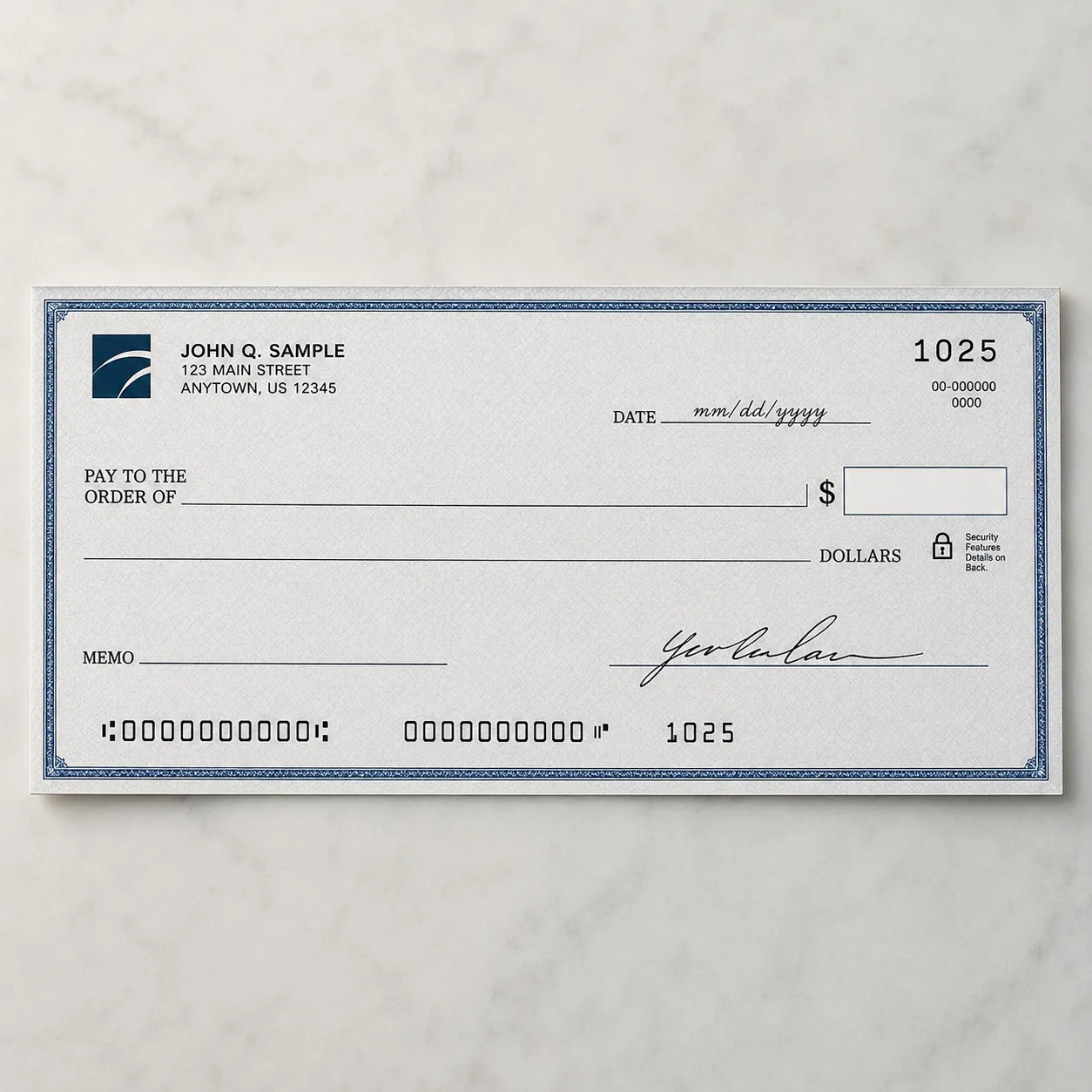
checktʃek
a restaurant bill showing what was ordered and the amount to pay.
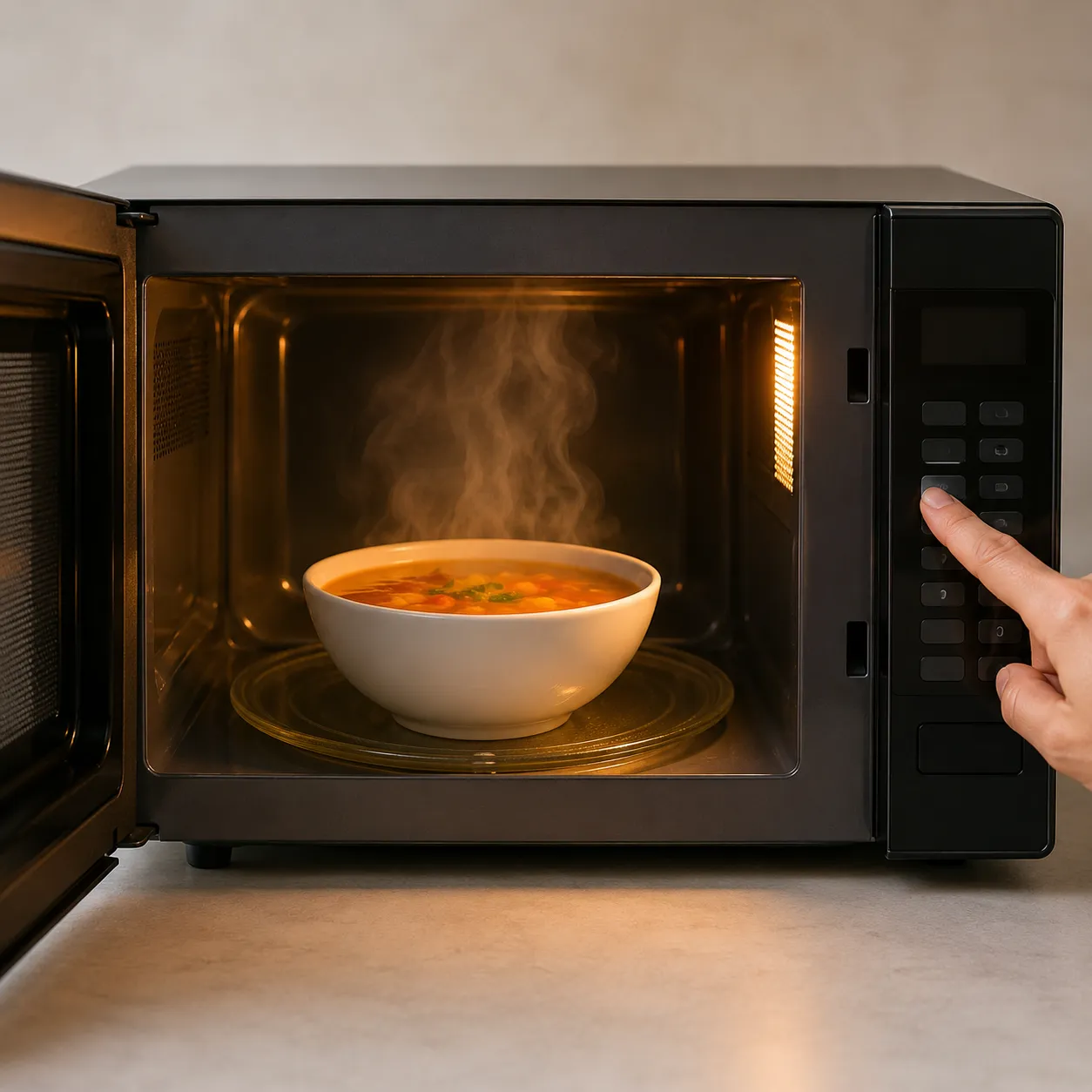
heat uphiːt ʌp
to make food or liquid hot.
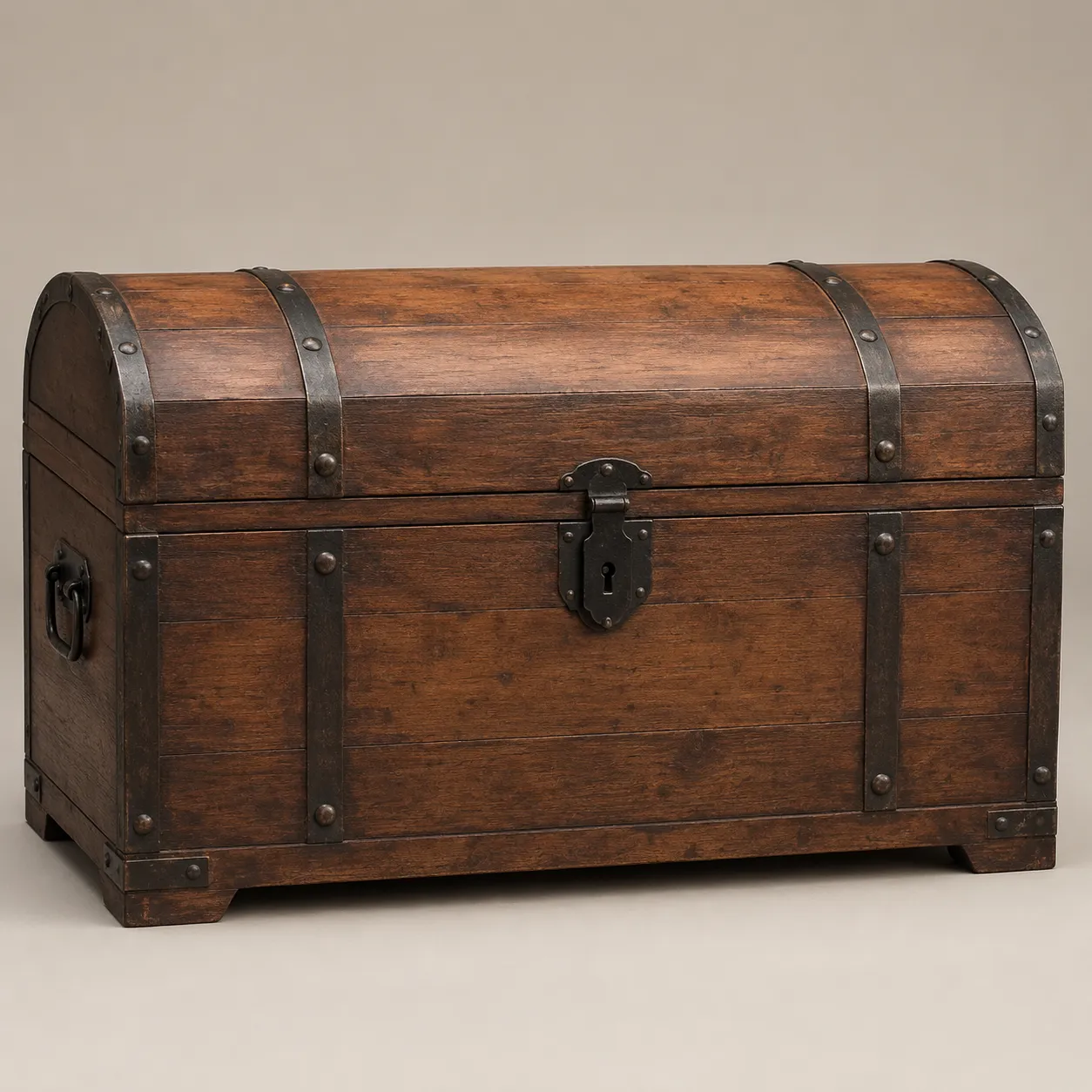
chesttʃɛst
the front part of your body between your neck and your stomach, where your heart and lungs are.
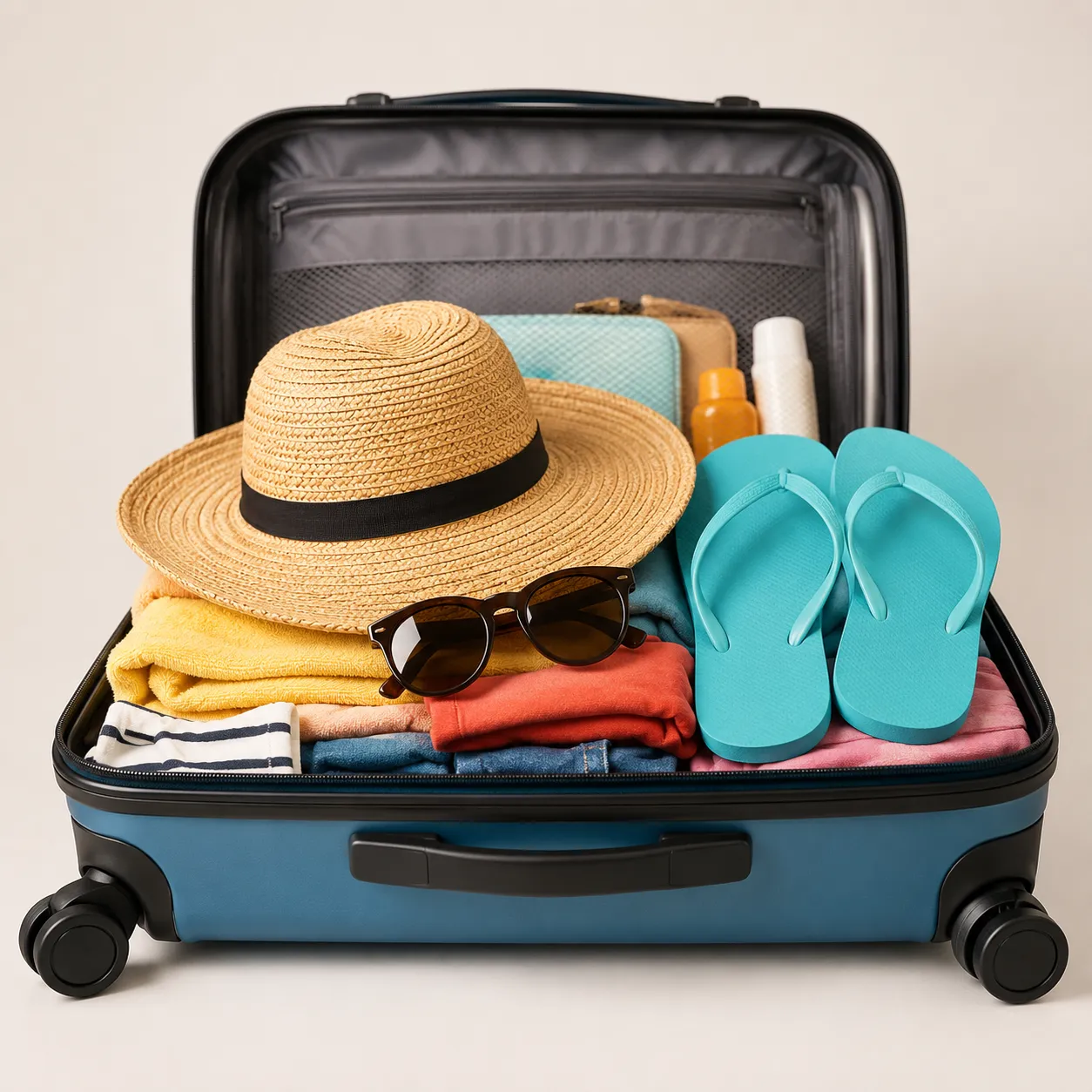
holidayˈhɑːlədeɪ
a day or period when school or work is closed for rest, travel, or celebration.
It includes 577 English words and phrases covering attic rooms and access, storage, household items, keepsakes, seasonal belongings, tools, roof construction, insulation, ventilation, moisture, pests, cleaning, and safety.
An attic is usually the space directly below a roof and is often used for storage. Loft can describe a similar roof space, but it may also mean a converted room or an open upper level. Usage varies between British and American English.
The set mixes simple, intermediate, and advanced vocabulary. Beginners can start with rooms, boxes, furniture, and common actions, while higher-level learners can focus on roof structures, insulation systems, energy loss, and maintenance problems.
Study one category at a time and choose 10–15 words per session. Listen to the pronunciation, say each word aloud, write a short sentence, and review the same group after one day, one week, and one month.
Prioritize vocabulary for roof parts, wiring, pipes, insulation, ventilation, humidity, leaks, mold, fire hazards, smoke detectors, and pest control. These terms are useful when speaking with contractors, landlords, inspectors, or repair services.
Use a photo of an attic or storage room and describe each step: pack items, label boxes, stack containers, sort belongings, put useful things away, retrieve what you need, and clear out or donate what you no longer use.
Add this set to your personal dictionary and practice with spaced repetition, flashcards and 9 more study modes — free.